Search Result
Results for "
in vitro system
" in MedChemExpress (MCE) Product Catalog:
15
Biochemical Assay Reagents
| Cat. No. |
Product Name |
Target |
Research Areas |
Chemical Structure |
-
- HY-P1956A
-
|
HSA (Cell culture grade, Endotoxin<0.125 EU/mg)
|
NF-κB
NO Synthase
|
Cardiovascular Disease
Inflammation/Immunology
|
Human serum albumin (Cell culture grade, Endotoxin<0.125 EU/mg) (HSA) is the most abundant protein in plasma and is a major determinant of plasma oncotic pressure. Human serum albumin (Cell culture grade, Endotoxin<0.125 EU/mg) exhibits antioxidant, anticoagulant, anti-inflammatory, anti-platelet aggregation activities as well as colloid osmotic action. Human serum albumin (Cell culture grade, Endotoxin<0.125 EU/mg) can block the inhibitory effect of GML on human T cells, providing protective function for T cells. Human serum albumin (Cell culture grade, Endotoxin<0.125 EU/mg) is also associated with cardiovascular diseases and can partially prevent the LPS (HY-D1056) induced oxidative stress, as well as the upregulation of NF-κB, iNOS, and peroxynitrite (ONOO −) in the vascular wall, contributing to the reduction of blood pressure. Human serum albumin (Cell culture grade, Endotoxin<0.125 EU/mg) can be used for in vitro cell culture .
This product is human serum albumin recombinantly expressed in an Escherichia coli expression system.
|
-

-
- HY-159641
-
|
BAY-3605349
|
Molecular Glues
Keap1-Nrf2
|
Metabolic Disease
Inflammation/Immunology
Cancer
|
|
VVD-130037 (BAY-3605349) is a covalent molecular glue and allosteric NRF2 degrader. VVD-130037 covalently binds to KEAP1 and allosterically enhances the affinity of KEAP1-CUL3, promotes the formation of the active KEAP1-CUL3 E3 ligase complex, and thereby enhances the ubiquitination and degradation of NRF2. VVD-130037 exhibits KEAP1 target-binding activity both in in vitro systems and mouse models, and it can be used in research related to NRF2-dependent cancers, solid tumors harboring KEAP1 nonsense mutations and frameshift mutations, as well as advanced solid tumors .
|
-

-
- HY-NP006
-
|
SPA
|
Endogenous Metabolite
Apoptosis
|
Inflammation/Immunology
|
|
Protein A (SPA) is an immunoglobulin (Ig)-binding protein that exists on the bacterial surface and can be freely secreted into the extracellular environment. Protein A blocks opsonophagocytosis and induces B cell apoptosis in vitro by binding to the Fc region of antibodies and the Fab region of B cell receptors. Protein A can form toxic immune complexes with IgG, thereby inducing leukocyte necrosis. Protein A contributes to the virulence expression of Staphylococcus aureus. Protein A triggers allergic reactions in IgG-pretreated mouse models. Protein A can be used in studies related to immune system diseases .
|
-

-
- HY-N7948
-
|
|
Endogenous Metabolite
|
Others
|
|
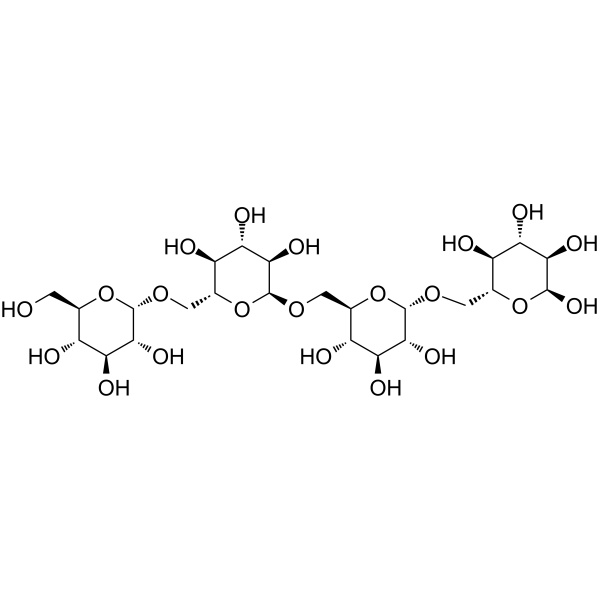
Isomaltotetraose is an orally active branched isomaltooligosaccharide with α-(1,6) glycosidic linkages. Isomaltotetraose is a prebiotic oligosaccharide present in honey and also a component of isomaltooligosaccharide mixtures. Isomaltotetraose maintains the growth of Prevotella or sustains the *Prevotella* enterotype in both in vitro systems and mouse models .
|
-
-
- HY-174497
-
|
|
mRNA
|
Others
|
|
eGFP mRNA expresses green fluorescent protein derived from the jellyfish Aequorea victoria. eGFP is a commonly used direct-detection reporter gene in mammalian cell culture, which produces bright green fluorescence. This product is synthesized without modified nucleosides, with a Cap1 version cap analog at the 5' end and a 100nt PolyA tail at the 3' end. It can be used as a positive reference for IVT (in vitro transcription) or LNP delivery systems.
|
-

-
- HY-48999A
-
|
|
EGFR
|
Cancer
|
|
FSK hydrochloride is fluorosulfonyloxybenzoyl-L-lysine, which features a long, flexible aryl fluorosulfate-containing side chain that can reach protein sites inaccessible to covalent conjugation. FSK hydrochloride modifies nanomolecules to target epidermal growth factor receptor (EGFR), resulting in irreversibly bound covalent interactions. Through genetically encoded chemical crosslinking, FSK hydrochloride captures unknown enzyme-substrate interactions in living cells, targets residues other than Cys, and mediates crosslinking at the binding periphery. FSK hydrochloride enables the construction of a bioreactive SuFEx system for generating covalent bonds in various proteins both in vitro and in vivo .
|
-

-
- HY-W923189
-
|
|
Interleukin Related
COX
TNF Receptor
NOD-like Receptor (NLR)
NO Synthase
PERK
p38 MAPK
Reactive Oxygen Species (ROS)
Caspase
Autophagy
Herbicide
|
Inflammation/Immunology
Cancer
|
|
Neral is a plant-derived anti-inflammatory, antioxidant and anticancer agent. Neral inhibits the phosphorylation of ERK1/2, p38 MAPK and IκB in macrophages induced by LPS (HY-D1056), suppresses the secretion of TNF-α and IL-6, as well as the expression of pro-IL-1β, iNOS and COX-2 in cells, and reduces the production of ROS in cells. Neral inhibits the activation of the NLRP3 inflammasome, and decreases the activation of caspase-1 and the secretion of IL-1β in mouse macrophages. Neral induces autophagy, and exhibits antiproliferative activity both in in vitro breast cancer cell models and mouse xenograft models. Neral regulates brassinosteroid, jasmonic acid and ethylene signaling pathways, and induces the expression of AP2/ERF-ERF and bHLH family genes in rice roots. Neral acts as a herbicide safener, alleviates the damage induced by Fenoxaprop-P-ethyl (HY-B2013), and promotes the elongation of rice roots. Neral can be used in research related to breast cancer, inflammatory and immune system diseases, and herbicide safeners .
|
-

-
- HY-P10633
-
|
|
Amino Acid Derivatives
|
Others
|
|
SmBiT Tag is an 11-amino-acid short peptide with extremely low natural affinity for LgBiT, with a Kd value of approximately 190 μM. It serves as a core component of the NanoLuc Binary Technology (NanoBiT) system. NanoBiT is a bioluminescent reporter system based on protein fragment complementation technology, which is used to monitor dynamic protein-protein interactions in live cells and in vitro .
|
-

-
- HY-108136A
-
|
BIM-X hydrochloride; Ro31-8425 hydrochloride
|
PKC
CDK
|
Cardiovascular Disease
Inflammation/Immunology
Cancer
|
|
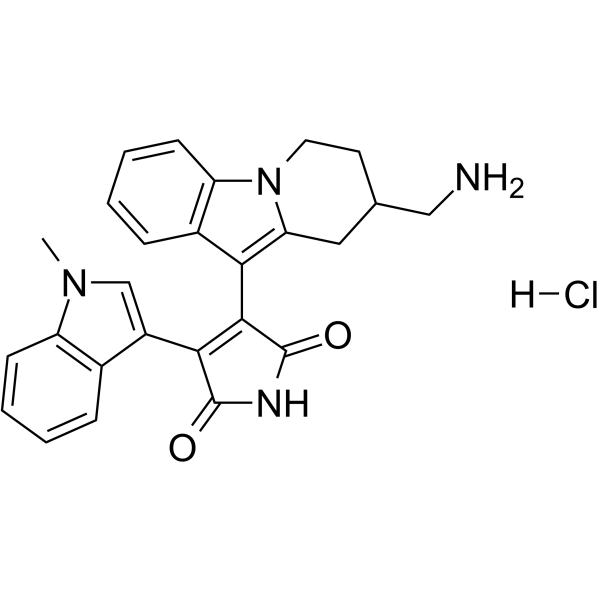
Bisindolylmaleimide X hydrochloride(Ro 31-8425 hydrochloride, BIM-X hydrochloride) is a cell-penetrating PKC inhibitor. Bisindolylmaleimide X hydrochloride is a potent cyclin-dependent kinase 2 (CDK2) antagonist with an IC50 of 200 nM. Bisindolylmaleimide X hydrochloride inhibits the proliferation of CD4 T cells in vitro. Bisindolylmaleimide X hydrochloride inhibits eNOS-Ser1177 phosphorylation in human embryonic vein endothelial cells. Bisindolylmaleimide X hydrochloride can be used for research on the immune system and cardiovascular diseases .
|
-
-
- HY-113357
-
|
|
Endogenous Metabolite
|
Neurological Disease
Metabolic Disease
Inflammation/Immunology
|
|
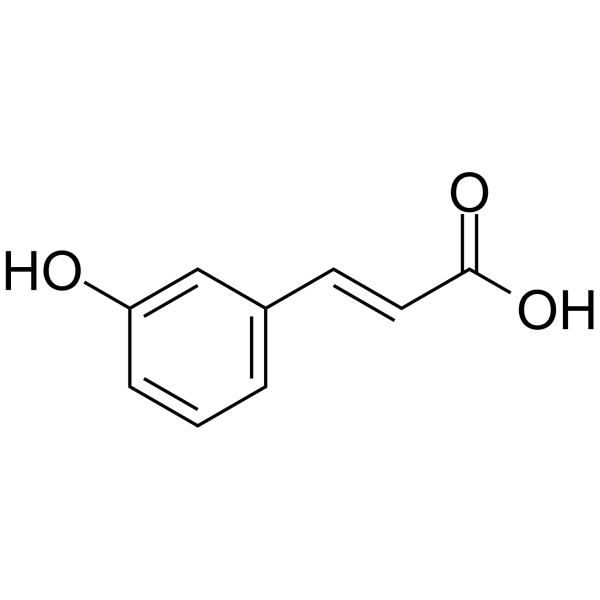
m-Coumaric acid is a polyphenol metabolite from caffeic acid, formed by the gut microflora and the amount in human biofluids is diet-dependant. m-Coumaric acid is a BBB-penetrant metabolite of chlorogenic acid. m-Coumaric acid stimulates the cerebral nerves in vitro. m-Coumaric acid can evoke neurite outgrowth in hippocampal neuronal cells. m-Coumaric acid can promote neuronal differentiation. m-Coumaric acid increases spontaneous locomotor activity in mice by acting on the central nervous system. m-Coumaric acid inhibits the oxidation of L-dopa by epidermis tyrosinase. m-Coumaric acid attenuates non-catalytic protein glycosylation in retinas of diabetic rats .
|
-
-
- HY-N1446A
-
|
|
Endogenous Metabolite
|
Others
|
|
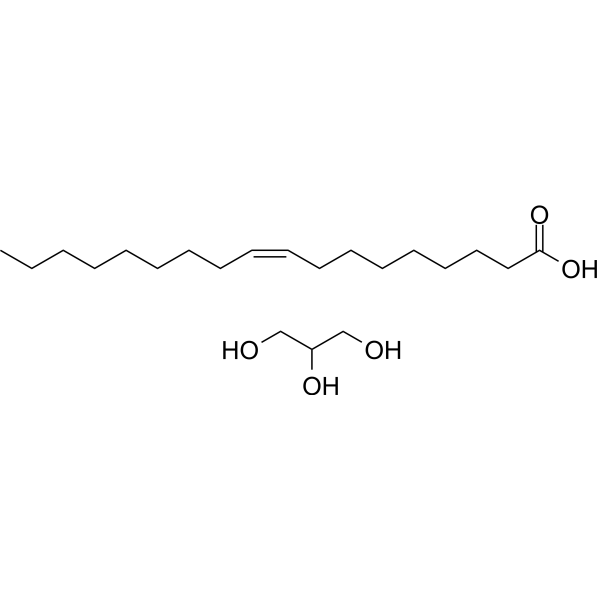
Glycerol Monoleate is a non-toxic, biodegradable, biocompatible, lipophilic glycerol fatty acid ester. Glycerol Monoleate exhibits hemolytic properties. Glycerol Monoleate is combined with bile salts for use as an emulsifier and absorption enhancer. Glycerol Monoleate can be applied in drug delivery systems and in vitro siRNA delivery .
|
-
-
- HY-134635
-
|
|
Bacterial
Fungal
HIV
CDK
|
Infection
Cancer
|
|
Dehydrozingerone is a ginger-derived component and cyclin D1 inhibitor that downregulates cyclin D1 expression and induces cell cycle G1 phase arrest. Dehydrozingerone reduces the proliferative capacity of castration-resistant prostate cancer cells under in vitro conditions. Dehydrozingerone reduces subcutaneous tumor growth by inhibiting cell proliferation and angiogenesis. Dehydrozingerone exerts antibacterial and antifungal activities via its α,β-unsaturated carbonyl conjugated system. Dehydrozingerone can be used in studies related to castration-resistant prostate cancer, bacterial infections, and food spoilage fungal infections .
|
-

-
- HY-125931
-
|
DM232
|
iGluR
|
Neurological Disease
Inflammation/Immunology
|
|
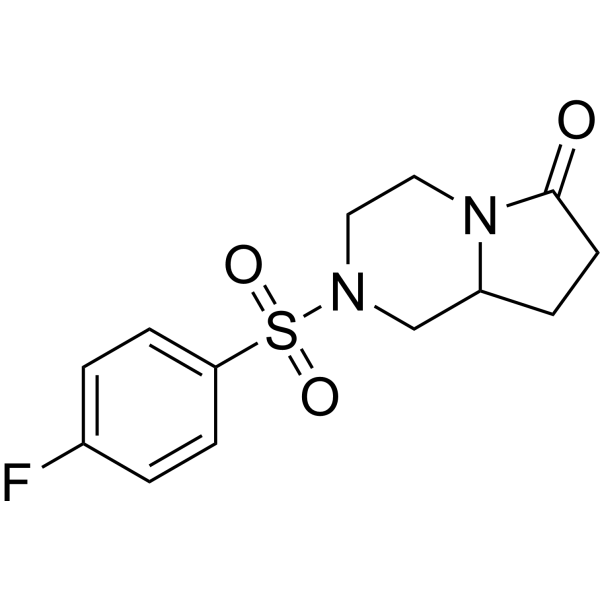
Unifiram (DM232) is a AMPA receptor activator and cognitive enhancer. Unifiram activates the AMPA-mediated neurotransmission system. Unifiram reverses NBQX-induced amnesia in the passive avoidance test in mice. Unifiram reverses the antagonistic effect of kynurenic acid on NMDA-mediated [ 3H]NA release in rat hippocampal slices. Unifiram enhances excitatory synaptic transmission in the rat hippocampus in vitro. Unifiram can be used in studies related to amnesia and cognitive dysfunction, including age-related memory decline, neurodegenerative diseases such as Alzheimer's disease or Parkinson's disease, multiple sclerosis, schizophrenia, and attention deficit hyperactivity disorder .
|
-
-
- HY-N1341
-
|
|
HCV
HCV Protease
DNA/RNA Synthesis
Bacterial
|
Infection
|
|
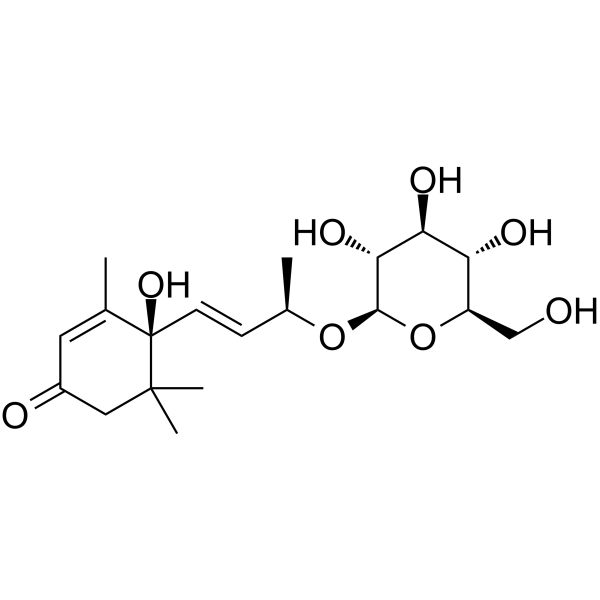
Roseoside is an inhibitor of DNA gyrase and HAV 3C protease, and also inhibits HCV NS5A/B replicase in human systems with an IC50 of 20 μM. Roseoside binds to the active site of enzymes and stabilizes the interaction by forming hydrogen bonds with key amino acid residues. Roseoside inhibits the growth of Gram-positive bacteria, Gram-negative bacteria, and Candida albicans, and interferes with HCV RNA replication in vitro by inhibiting HCV NS5A/B replicase (IC50=20 μM). Roseoside shows no cytotoxicity and serves as a research tool for studies related to bacterial infections, candidiasis, HAV and HCV .
|
-
-
- HY-149230
-
|
|
Deubiquitinase
|
Cancer
|
|
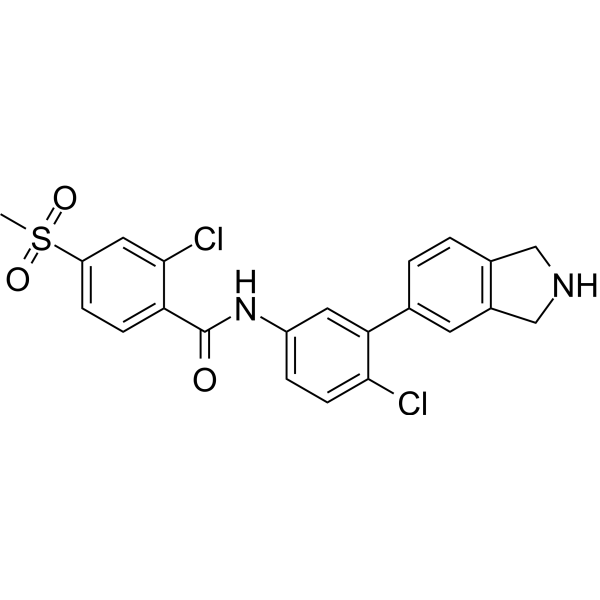
USP28-IN-4 is a USP28 inhibitor (IC50=0.04 μM) with high selectivity over USP2, USP7, USP8, USP9x, UCHL3 and UCHL5. USP28-IN-4 shows cytotoxicity against cancer cells, down-regulates the cellular level of c-Myc through ubiquitin-proteasome system. USP28-IN-4 also decreases the ankyrase-1/2 level in vitro. USP28-IN-4 enhance the sensitivity of colorectal cancer cells to Regorafenib (HY-10331) .
|
-
-
- HY-W583212
-
|
ZnMP
|
Biochemical Assay Reagents
Heme Oxygenase (HO)
|
Inflammation/Immunology
|
Zn (II) Mesoporphyrin IX (ZnMP) is a heme oxygenase inhibitor with photochemical substrate activity. Zn (II) Mesoporphyrin IX specifically inhibits the activity of bone marrow heme oxygenase. In vitro, Zn (II) Mesoporphyrin IX inhibits the growth of erythroid and myeloid progenitor cells in rabbit bone marrow, and blocks the rhG-CSF-induced mobilization of these progenitor cells into the peripheral blood, exhibiting toxicity to hematopoietic growth and progenitor cell production in rabbits. Zn (II) Mesoporphyrin IX undergoes irreversible photochemical decomposition conforming to first-order kinetic characteristics when irradiated with UV-B in 95% ethanol solution. Zn (II) Mesoporphyrin IX can be used in hematopoietic regulation research, but its photolability and toxic effects on the hematopoietic system require attention .
|
-

-
- HY-32342
-
|
|
VD/VDR
|
Metabolic Disease
|
|
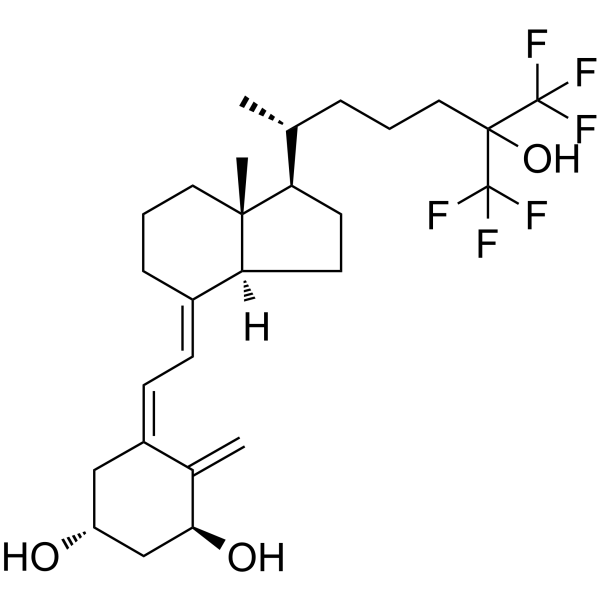
Falecalcitriol(Fulstan; Hornel) is an analog of calcitriol; has a higher potency both in vivo and in vitro systems, and longer duration of action in vivo.
|
-
-
- HY-169474
-
|
PAMAM G1.0
|
Biochemical Assay Reagents
|
Cancer
|
|
Starburst 1st Generation (PAMAM G1.0) is a Polyamidoamine (HY-164657; PAMAM) dendrimer with amine termini that has been used as a drug delivery system in vitro. Starburst 1st Generation conjugated to di-n-dodecylamine and encapsulating 5-Fluorouracil (HY-90006) increase the solubility of 5-Fluorouracil and are cytotoxic to AGS gastric adenocarcinoma cells .
|
-

-
- HY-W017389R
-
|
|
Reference Standards
Endogenous Metabolite
|
Inflammation/Immunology
|
|
Xanthine (Standard) is the analytical standard of Xanthine. This product is intended for research and analytical applications. Xanthine, a plant alkaloid found in tea, coffee, and cocoa, is a mild stimulant of the central nervous system. Xanthine also acts as an intermediate product on the pathway of purine degradation .
In Vitro: A number of stimulants are derived from Xanthine including caffeine and theobromine. Xanthine is a product on the pathway of purine degradation. Xanthine is subsequently converted to uric acid by the action of the Xanthine oxidase enzyme.
|
-

-
- HY-134061
-
|
|
Apoptosis
Mitosis
|
Cancer
|
|
Arecaidine propargyl ester hydrobromide is an agonist of M2 muscarinic acetylcholine receptors and has the activity of inhibiting tumor cell proliferation. The application of arecaidine propargyl ester hydrobromide has shown that it can reduce the number of ovarian cancer cells in vitro and induce apoptosis and the production of reactive oxygen species (ROS) at specific concentrations. Arecaidine propargyl ester hydrobromide can also arrest cells at the G2/M phase of the cell cycle and increase the percentage of abnormal mitosis. Arecaidine propargyl ester hydrobromide is more sensitizing to ovarian surface epithelial cells with higher M2 receptor levels than to cancer cells. Arecaidine propargyl ester hydrobromide exhibits the effect of lowering arterial blood pressure when interacting with the cardiovascular system in a natural physiological state, indicating its potential pharmacological application .
|
-

-
- HY-P10868
-
|
RLS-0071
|
Reactive Oxygen Species (ROS)
|
Infection
Inflammation/Immunology
|
|
Pegtarazimod (RLS-0071) is a dual-target anti-inflammatory peptide that exerts its effects by simultaneously regulating the complement system and neutrophil-associated inflammatory pathways. Pegtarazimod reduces ROS production both in vitro and in vivo, and decreases the level of neutrophil elastase, a marker of neutrophil extracellular traps (NETs), in vivo, thereby alleviating inflammatory responses. Pegtarazimod significantly improves the survival rate of mice in multiple in vivo models of acute graft-versus-host disease (aGVHD). Pegtarazimod inhibits the activation of the C1 complex, reduces the herpes zoster-like spread of herpes simplex virus type 1 skin infection, and improves the survival rate of infected mice . Pegtarazimod can be used in research related to acute graft-versus-host disease, acute pulmonary diseases, and skin herpes simplex virus type 1 infection .
|
-

-
- HY-N0229R
-
|
L-2-Aminopropionic acid (Standard)
|
Reference Standards
Endogenous Metabolite
|
Neurological Disease
Metabolic Disease
|
|
L-Alanine (Standard) is the analytical standard of L-Alanine. This product is intended for research and analytical applications. L-Alanine is a non-essential amino acid, involved in sugar and acid metabolism, increases immunity, and provides energy for muscle tissue, brain, and central nervous system.
In Vitro: The viability of both hiPSCs, 201B7 cells and ehiPSCs decrease with an increase in L-Alanine concentration, and reach 7.5±1.3% and 3.7±0.7% respectively at 1.2 M of L-Alanine. On the other hand, no decrease in the viability of hFBs and hSkMCs are observed. Although the viability of iCMs slightly decreases along with the increase of the L-Alanine concentration, viability of iCMs at 1.2 M concentration of L-Alanine, 49.4±6.9%, is significantly higher than that of undifferentiated iPSCs, 201B7 cells and ehiPSCs (p< 0.01). The viability of hiPSCs, 201B7 cells and ehiPSCs, drastically decrease even after 2 or 4 h treatment. In contrast, the viability of hFBs fails to decrease at 1, 2, and 4 h and shows a small decrease at 24 h treatment. The viability of 201B7 cells in suspension culture decreases to 11.8±6.0% following treatment with 1.2 M L-Alanine for 2 h, whereas that of hFBs is 72.9±14.2% .
|
-

-
- HY-NP158A
-
|
|
Biochemical Assay Reagents
|
Others
|
|
Type II Collagen, T Cell Grade, from Chick is a T-cell dependent antigen with unique immunological features. Type II Collagen, T Cell Chick, from Bovine can be used as a stimulating antigen for T-cells in in vitro culture systems .
|
-

-
- HY-101839
-
|
VU0488130
|
mAChR
|
Neurological Disease
|
|
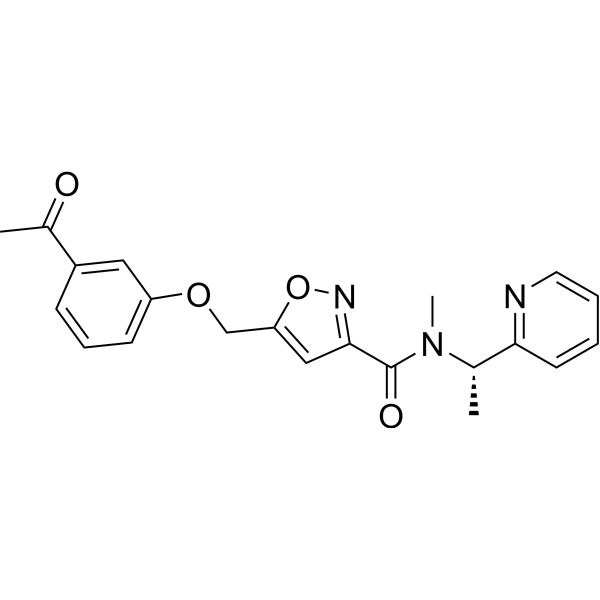
ML381 (VU0488130) is a highly selective, central nervous system penetrant mAChR M5 orthogonal antagonist (IC50 = 450 nM; Ki = 340 nM). ML381 is unstable in rat plasma and can be mainly used as a molecular probe for in vitro and electrophysiological studies .
|
-
-
- HY-116211
-
|
Win-25978
|
Biochemical Assay Reagents
|
Neurological Disease
|
|
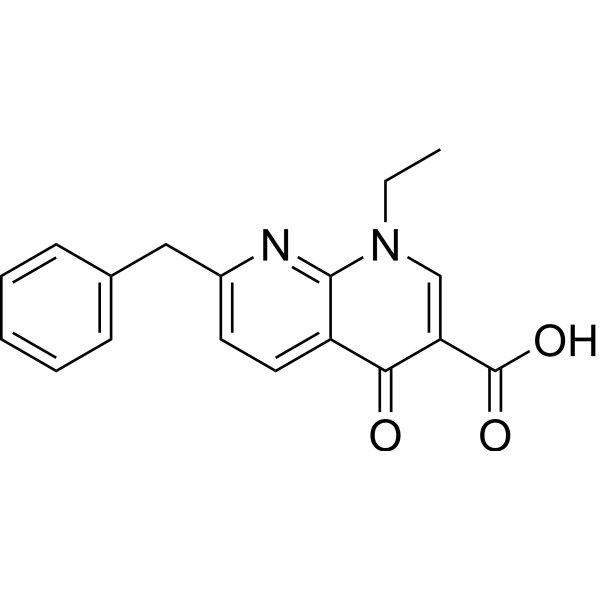
Amfonelic acid (WIN-25978) is a highly selective dopamine reuptake inhibitor. Amfonelic acid interferes with the in vitro neuronal uptake of norepinephrine in the iris of rats, but does not alter the concentrations of norepinephrine or dopamine in the whole mouse brain. Amfonelic acid can be used as a pharmacological tool to study the brain reward system, dopamine pathway and dopamine transporter .
|
-
-
- HY-155612
-
|
|
Caspase
|
Neurological Disease
|
|
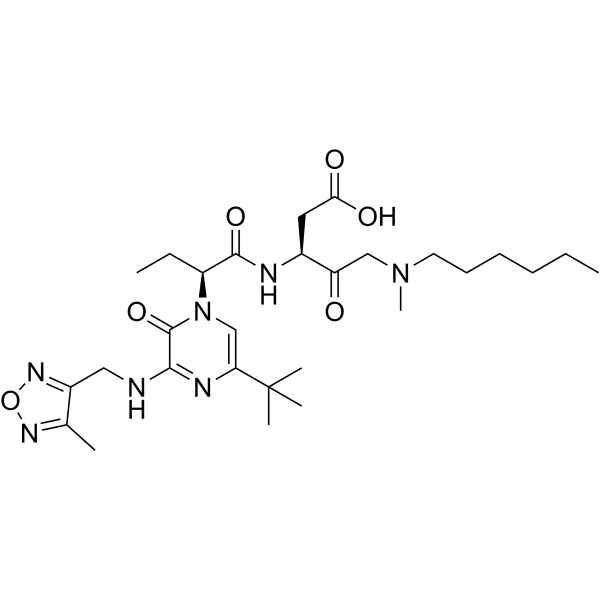
M826 is a potent, selective and reversible non-peptide caspase-3 inhibitor with an IC50 value of 0.005 μM for enzymatic activity against caspase-3. M826 displays potent anti-apoptotic activity in animal models in vitro and in vivo. M826 can be used for nervous system diseases research .
|
-
-
- HY-159709
-
|
|
Liposome
|
Metabolic Disease
|
|
VL-422 is an ionizable cationic lipid. VL-422 delivers CRISPR complementary single-guide RNA (sgRNA) and Cas9 mRNA to enable in vitro and in vivo gene editing. LNPs containing VL-422 loaded with Cas9 mRNA and sgRNA targeting the ANGPTL3 gene induce the deletion of premature stop codons within the ANGPTL3 gene in the liver of cynomolgus monkeys. Loss-of-function of ANGPTL3 leads to decreased levels of LDL, HDL and cholesterol in plasma. The VL-422 delivery system can be used for the research of gene editing strategies targeting lipid metabolism diseases .
|
-

-
- HY-NP158
-
|
|
Biochemical Assay Reagents
|
Others
|
|
Type II Collagen, T Cell Grade, from Bovine is a T-cell dependent antigen with unique immunological features. Type II Collagen, T Cell Grade, from Bovine can be used as a stimulating antigen for T-cells in in vitro culture systems .
|
-

-
- HY-NP157
-
|
|
Biochemical Assay Reagents
|
Others
|
|
Type I Collagen, T Cell Grade, from Bovine has unique immunological features and plays an important role in the structure and function of skin, bones, tendons, etc. Type I Collagen, T Cell Grade, from Bovine can be used as a stimulating antigen for T-cells in in vitro culture systems .
|
-

-
- HY-113357R
-
|
|
Reference Standards
Endogenous Metabolite
|
Neurological Disease
Inflammation/Immunology
|
|
m-Coumaric acid (Standard) is the analytical standard of m-Coumaric acid. This product is intended for research and analytical applications. m-Coumaric acid is a polyphenol metabolite from caffeic acid, formed by the gut microflora and the amount in human biofluids is diet-dependant. m-Coumaric acid is a BBB-penetrant metabolite of chlorogenic acid. m-Coumaric acid stimulates the cerebral nerves in vitro. m-Coumaric acid can evoke neurite outgrowth in hippocampal neuronal cells. m-Coumaric acid can promote neuronal differentiation. m-Coumaric acid increases spontaneous locomotor activity in mice by acting on the central nervous system. m-Coumaric acid inhibits the oxidation of L-dopa by epidermis tyrosinase. m-Coumaric acid attenuates non-catalytic protein glycosylation in retinas of diabetic rats .
|
-

-
- HY-D0186R
-
|
|
Reference Standards
Endogenous Metabolite
Thymidylate Synthase
|
Infection
|
2'-Deoxyuridine (Standard) is the analytical standard of 2'-Deoxyuridine. This product is intended for research and analytical applications. 2’-deoxyuridine is a brain-penetrant pyrimidines nucleotide that is associated with nervous system diseases. 2'-Deoxyuridine could increase chromosome breakage and results in a decreased thymidylate synthetase activity. 2'-Deoxyuridine is a precursor in the synthesis of Edoxudine (HY-B1011) and also an analogue of 5-ethynyl-2'-deoxyuridine, EdU (HY-118411). 2’-deoxyuridine reduces microglial activation and improve oxidative stress damage by modulating glycolytic metabolism on the Aβ25-35-induced brain injury, which is promising for research of Alzheimer’s disease (AD) .
In Vitro:The interaction between the 2-deoxyuridine and the column increases the duration of retention of 2-deoxyuridine .
Gradient elution with sodium acetate buffer-ACN eluent on two ZIC-HILIC homemade columns separates 2-deoxyuridine in under 9 min .
In Vivo:2'-Deoxyuridine (34.42 ng/mL, gavage, 15 min) passes the blood-brain barrier (BBB) to enter the hippocampus of mice brain .
2'-Deoxyuridine (20 mg/kg, gavage, daily for 4 weeks) improves cognition and memory loss and attenuates the damage to the hippocampus in Aβ25-35-induced mice model .
|
-

-
- HY-NP158I
-
|
|
Biochemical Assay Reagents
|
Inflammation/Immunology
|
|
Collagen Type II (undenatured) is a T-cell dependent antigen with unique immunological features. Type II Collagen, T Cell Grade, from Bovine can be used as a stimulating antigen for T-cells in in vitro culture systems .
|
-

-
- HY-N13388
-
|
UGT1A6
|
Biochemical Assay Reagents
|
Others
|
|
5-Hydroxytryptophol-O-glucuronide is an authentic glucuronide standard and probe metabolite. 5-Hydroxytryptophol-O-glucuronide is used to detect the activity of human UGT1A6 in in vitro systems including human liver microsomes and recombinant UGT1A6 .
|
-

-
- HY-NP158D
-
|
|
Biochemical Assay Reagents
|
Others
|
|
Type II Collagen, T Cell Grade, from Mouse is a T-cell dependent antigen with unique immunological features. Type II Collagen, T Cell Grade, from Mouse can be used as a stimulating antigen for T-cells in in vitro culture systems .
|
-

-
- HY-179389
-
|
|
Bacterial
Glutathione S-transferase
Elastase
|
Infection
|
|
XDS-23 is a selective biofilm inhibitor with an IC50 of 1.26 µM against Pseudomonas aeruginosa. XDS-23 exerts a dual inhibitory effect on the LasI/LasR System (las) and Pseudomonas Quinolone Signal System (pqs). XDS-23 suppress the production of key virulence factors including elastase, pyocyanin, and extracellular polysaccharides. XDS-23 exhibits synergistic antibacterial activity and can enhance the efficacy of multiple antibiotics in both in vitro and in vivo models, while maintaining a favorable safety profile. XDS-23 can be employed for research in combating biofilm-mediated drug-resistant P. aeruginosa infections .
|
-

-
- HY-P11088
-
|
|
Transmembrane Glycoprotein
Radionuclide-Drug Conjugates (RDCs)
|
Inflammation/Immunology
|
|
VCAM1 binding peptide is a VCAM1 binder with internalization activity. VCAM1 binding peptide can be labeled with 5-FAM. VCAM1 binding peptide serves as a component of biosensing systems for visualizing in vitro VCAM1 endocytic pathways. VCAM1 binding peptide forms the research and development basis for MacroP and NAMP, PET radiotracers targeting VCAM1. VCAM1 binding peptide is applicable to studies related to atherosclerosis .
|
-

-
- HY-149229
-
|
|
Deubiquitinase
|
Cancer
|
|
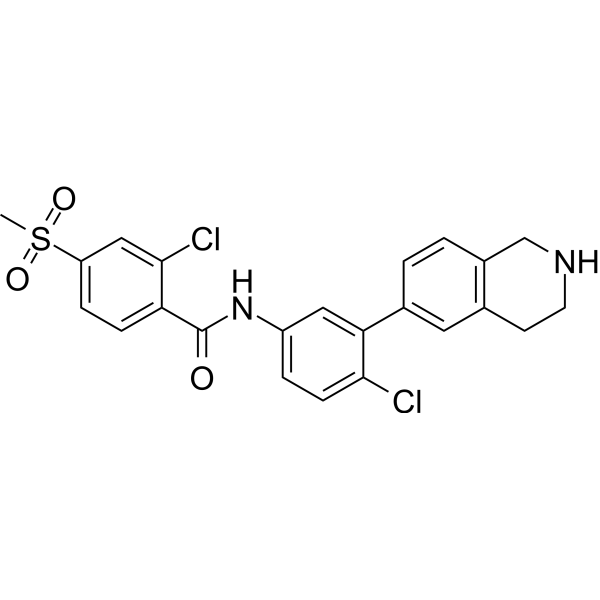
USP28-IN-3 is a USP28 inhibitor (IC50=0.1 μM) with high selectivity over USP2, USP7, USP8, USP9x, UCHL3 and UCHL5. USP28-IN-3 shows cytotoxicity against cancer cells, down-regulates the cellular level of c-Myc through ubiquitin-proteasome system. USP28-IN-3 also decreases the ankyrase-1/2 level in vitro. USP28-IN-3 enhance the sensitivity of colorectal cancer cells to Regorafenib (HY-10331) .
|
-
-
- HY-149228
-
|
|
Deubiquitinase
|
Cancer
|
|
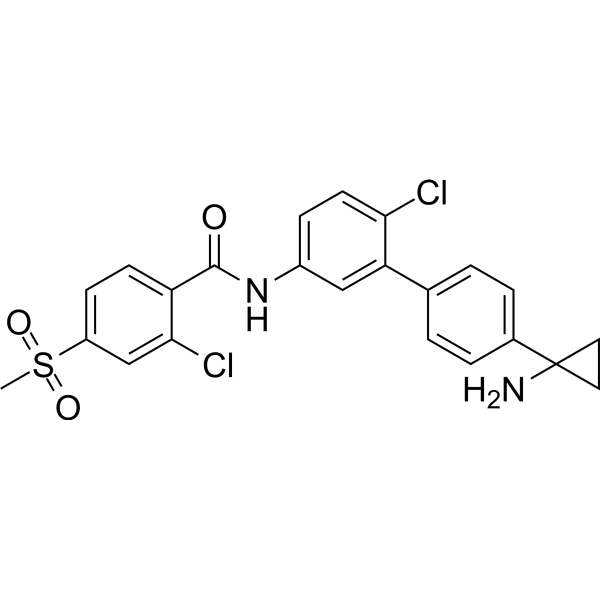
USP28-IN-2 is a USP28 inhibitor (IC50=0.3 μM) with high selectivity over USP2, USP7, USP8, USP9x, UCHL3 and UCHL5. USP28-IN-2 shows cytotoxicity against cancer cells, down-regulates the cellular level of c-Myc through ubiquitin-proteasome system. USP28-IN-2 also decreases the ankyrase-1/2 level in vitro. USP28-IN-2 enhance the sensitivity of colorectal cancer cells to Regorafenib (HY-10331) .
|
-
-
- HY-177963
-
|
|
DNA Methyltransferase
|
Inflammation/Immunology
|
|
NV914 is an inhibitor of FTSJ1 (tryptophan tRNA-specific 2'-O-methyltransferase) that inhibits the methyltransferase activity of FTSJ1, induces translational readthrough of premature termination codons, and enables genes carrying nonsense mutations to synthesize full-length proteins. NV914 belongs to translational readthrough-inducing compounds (TRIDs). NV914 exhibits translational readthrough activity against nonsense mutations in in vitro systems, does not induce readthrough of natural termination codons, and restores CFTR protein expression. NV914 shows favorable acute oral tolerance in mice, with low health risks and good safety profiles. NV914 is applicable to research related to cystic fibrosis and Shwachman-Diamond syndrome .
|
-

-
- HY-19188
-
|
|
Apoptosis
|
Cancer
|
|
GL-331 is a potent anti-cancer agent. GL-331 has demonstrated more efficacious anti-cancer activity in both the in vitro and in vivo lymphoma systems .
|
-

-
- HY-B1453R
-
|
DL-Carnitine chloride (Standard); DL-Levocarnitine chloride (Standard)
|
Reference Standards
Reactive Oxygen Species (ROS)
|
Metabolic Disease
|
|
Benoxaprofen (Standard) is the analytical standard of Benoxaprofen. This product is intended for research and analytical applications. Benoxaprofen (LRCL 3794) is a potent and long-acting anti-inflammatory and antipyretic compound. Benoxaprofen is a relatively weak inhibitor of cyclooxygenase in in vitro systems, inhibits lipoxygenase in other systems, and inhibits monocyte migration in some animal models of inflammation .
|
-

-
- HY-NP158H
-
|
|
Biochemical Assay Reagents
|
Others
|
|
Type II Collagen, T Cell Grade, from Rat is a T-cell dependent antigen with unique immunological features. Type II Collagen, T Cell Rat, from Bovine can be used as a stimulating antigen for T-cells in in vitro culture systems .
|
-

-
- HY-NP157C
-
|
|
Biochemical Assay Reagents
|
Others
|
|
Type I Collagen, T Cell Grade, from Mouse has unique immunological features and plays an important role in the structure and function of skin, bones, tendons, etc. Type I Collagen, T Cell Grade, from Mouse can be used as a stimulating antigen for T-cells in in vitro culture systems .
|
-

-
- HY-NP157D
-
|
|
Biochemical Assay Reagents
|
Others
|
|
Type I Collagen, T Cell Grade, from Porcine has unique immunological features and plays an important role in the structure and function of skin, bones, tendons, etc. Type I Collagen, T Cell Grade, from Porcine can be used as a stimulating antigen for T-cells in in vitro culture systems .
|
-

-
- HY-NP157E
-
|
|
Biochemical Assay Reagents
|
Others
|
|
Type I Collagen, T Cell Grade, from Rat has unique immunological features and plays an important role in the structure and function of skin, bones, tendons, etc. Type I Collagen, T Cell Rat, from Bovine can be used as a stimulating antigen for T-cells in in vitro culture systems .
|
-

-
- HY-P4046
-
|
|
HIV
|
Inflammation/Immunology
|
|
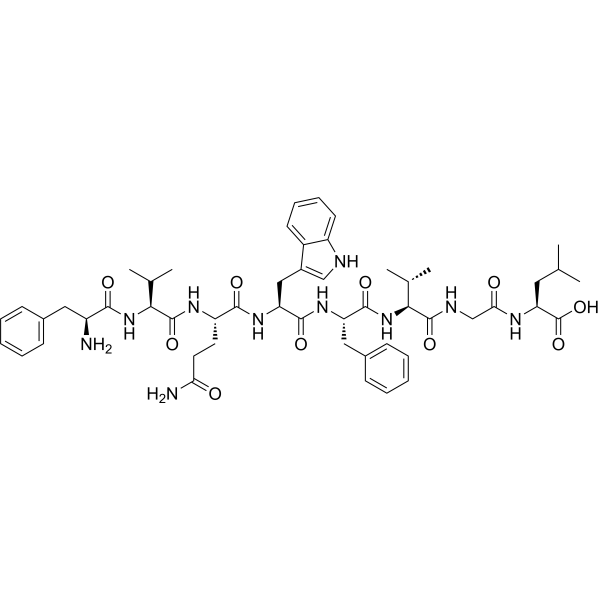
HBV Seq2 aa:179-186 serve as effective motifs for CTL response in H-2b system after in vitro restimulation of the primed T cells. HBV Seq2 aa:179-186 is a novel epitope identified on the surface antigen of hepatitis B virus .
|
-
-
- HY-178140
-
|
|
STAT
|
Cancer
|
|
STAT3-IN-47 is an orally active STAT3 inhibitor. STAT3-IN-47 exhibits broad-spectrum anti-tumor activity against HeLa, HepG2, U87, and LN229 cells. STAT3-IN-47 suppresses STAT3 activation in vitro. STAT3-IN-47 can be used for the study of solid tumors, especially central nervous system (CNS) malignancies and hepatocellular carcinoma .
|
-

-
- HY-116504
-
|
|
EGFR
Akt
ERK
Apoptosis
|
Cancer
|
|
WB-308 is a novel small molecule that was identified as an inhibitor of EGFR by an in vitro EGFR kinase activity system. WB-308 was able to reduce the proliferation and clonogenicity of NSCLC cells, causing G2/M phase arrest and apoptosis. In addition, WB-308 inhibited tumor growth in two in vivo animal models (lung orthotopic transplantation model and patient-derived clonal mouse model). WB-308 impaired the phosphorylation of EGFR, AKT, and ERK1/2 proteins. Compared with Gefitinib, WB-308 had lower cytotoxicity. This study showed that WB-308 is a new EGFR-TKI that may be considered as an alternative to Gefitinib in the clinical treatment of NSCLC.
|
-

-
- HY-W331198
-
|
|
Insecticide
Ferroptosis
|
Infection
|
|
Tralopyril is an orally active, blood-brain barrier-penetrating antifouling insecticide and endocrine disruptor. By interfering with the thyroid hormone system and mitochondrial oxidative phosphorylation, Tralopyril downregulates the transcription of genes such as TRHR, Nkx2.1, TRα and induces ferroptosis. Tralopyril disrupts amino acid, energy and lipid metabolism, exhibits significant skeletal and reproductive toxicity, and causes developmental damage. Tralopyril has a long half-life in vivo and wide tissue distribution, posing potential risks to aquatic organisms and human health. Tralopyril shows species specificity in in vitro liver microsomal metabolism, exerts lethal effects on target insects and laboratory animals, and is commonly used in studies of chlorfenapyr poisoning and related toxic mechanisms .
|
-

-
- HY-136693
-
|
|
Adrenergic Receptor
|
Neurological Disease
|
|
L-654284 is an α2-adrenergic receptor antagonist with significant selectivity. L-654284 competes with the binding of 3H-clonidine and 3H-rauwolscine in vitro and shows Ki values of 0.8 nM and 1.1 nM, respectively. L-654284 can block the protrusion effect of clonidine in isolated vas deferens in rats, with a pA2 value of 9.1. L-654284 exhibits remarkable selectivity for α2 and α1 adrenergic receptors, and exhibits a Ki of 110 nM in inhibiting 3H-prazosin binding. L-654284 can significantly increase the turnover rate of norepinephrine in rat cerebral cortex in vivo, showing α2-adrenergic receptor blocking activity in the central nervous system .
|
-

- HY-N19837
-
|
|
Dengue Virus
|
Infection
Cancer
|
|
Kanzonol Y is a chalcone compound that can be found in the roots of Glycyrrhiza glabra. Kanzonol Y exerts anticancer and anti-dengue virus activity .
|
-

- HY-N19685
-
|
|
Drug Derivative
|
Others
|
|
3β-Hydroxy sandaracopimaric acid is a diterpene found in the leaves of Juniperus occidentalis with no significant anti-HIV-1 activity.3β-Hydroxy sandaracopimaric acid does not inhibit HIV-1 replication .
|
-

- HY-179369
-
|
4-HTP
|
Drug Metabolite
|
Others
|
|
4-Hydroxytryptophol is an in vitro metabolite of psilocin, can be found in human liver microsomes and recombinant monoamine oxidase A systems. 4-Hydroxytryptophol is not detected in in vivo samples from mice or humans .
|
-

- HY-NP158E
-
|
|
Biochemical Assay Reagents
|
Others
|
|
Type II Collagen, T Cell Grade, from Porcine is a T-cell dependent antigen with unique immunological features. Type II Collagen, T Cell Grade, from Porcine can be used as a stimulating antigen for T-cells in in vitro culture systems .
|
-

- HY-NP158C
-
|
|
Biochemical Assay Reagents
|
Others
|
|
Type II Collagen, T Cell Grade, from Monkey is a T-cell dependent antigen with unique immunological features. Type II Collagen, T Cell Chick, from Monkey can be used as a stimulating antigen for T-cells in in vitro culture systems .
|
-

- HY-D3158
-
|
|
Fluorescent Dye
|
Cancer
|
|
LGP-CL is a chemiluminescent probe. LGP-CL can be used to evaluate elevated protease levels in both in vitro and in vivo systems, and to distinguish hepatocellular carcinoma cells from normal cells and other cancer cell lines. LGP-CL is applicable to liver cancer-related research .
|
-

- HY-NP157A
-
|
|
Biochemical Assay Reagents
|
Others
|
|
Type I Collagen, T Cell Grade, from Chick has unique immunological features and plays an important role in the structure and function of skin, bones, tendons, etc. Type I Collagen, T Cell Chick, from Bovine can be used as a stimulating antigen for T-cells in in vitro culture systems .
|
-

- HY-N12385
-
|
(R)-Hispaglabridin B
|
FOXO
|
Others
|
|
Hispaglabridin B is an anti-oxidant agent that can be isolated from Glycyrrhiza glabra. Hispaglabridin B exhibits potent peroxynitrite scavenging activity with an IC50 of 3.2 μM, and shows activity in a low-density lipoprotein (LDL) oxidation system . Hispaglabridin B is also a FoxO1 inhibitor . Hispaglabridin B improves muscle wasting by inhibiting catabolism in vivo and in vitro.
|
-

- HY-185611
-
|
|
Nucleoside Antimetabolite/Analog
|
Others
|
|
A(5')ppp(5')(2'-OMeA)pG tetraammonium is an anti-reverse Cap 1 reagent, used for co-transcriptional capping of in vitro transcribed mRNA. A(5')ppp(5')(2'-OMeA)pG tetraammonium does not compete with GTP to initiate transcription in the reaction system, thus effectively avoiding the reduction of the proportion of capped mRNA while maintaining a high GTP concentration. A(5')ppp(5')(2'-OMeA)pG tetraammonium can be used for efficient synthesis of high-quality in vitro transcribed mRNA .
|
-

- HY-108136
-
|
BIM-X; Ro31-8425
|
PKC
CDK
|
Cardiovascular Disease
Inflammation/Immunology
|
|
Bisindolylmaleimide X (Ro 31-8425, BIM-X) is a cell-penetrating PKC inhibitor. Bisindolylmaleimide X is a potent cyclin-dependent kinase 2 (CDK2) antagonist with an IC50 of 200 nM. Bisindolylmaleimide X inhibits the proliferation of CD4 T cells in vitro. Bisindolylmaleimide X inhibits eNOS-Ser1177 phosphorylation in human embryonic vein endothelial cells. Bisindolylmaleimide X can be used for research on the immune system and cardiovascular diseases .
|
-

- HY-164584
-
|
|
LPL Receptor
|
Neurological Disease
|
|
S1P5 receptor antagonist 1 is a selective, blood-brain barrier-permeable S1P5 receptor antagonist with an EC50 of 0.1 nM and a Ki of 4.4 nM. S1P5 receptor antagonist 1 inhibits the migration of natural killer cells towards sphingosine 1-phosphate in vitro, with no effect on T cell migration. S1P5 receptor antagonist 1 can be used in the research of central nervous system diseases .
|
-

- HY-186083
-
|
|
mAChR
|
Cardiovascular Disease
|
|
Propylbenzilylcholine mustard (PrBCM) is an irreversible, covalently binding selective antagonist targeting rat cardiac muscarinic receptors, with a preference for muscarinic receptor subtypes that show low affinity for agonists. Propylbenzilylcholine mustard inactivates such receptors in a dose- and time-dependent manner in vitro, and its receptor selectivity remains stable across different ionic strengths and in GTP-containing buffer systems. Propylbenzilylcholine mustard can be applied to basic pharmacological studies on the structure and function of muscarinic receptors, especially focusing on the heterogeneity of cardiac muscarinic receptors and related cardiovascular pharmacological research .
|
-

- HY-180964
-
|
|
PROTACs
Anaplastic lymphoma kinase (ALK)
EGFR
|
Cancer
|
|
Lys-PEG3-BA is an EML4-ALK/EGFR PROTAC degrader with DC50 values of 1.32 and 19.66 μM for H3122 (EML4-ALK) and H1975 (EGFR-L858R/T790M) cells, respectively. Lys-PEG3-BA hinders proliferation via rewiring the ubiquitin- proteasome system in vitro. Lys-PEG3-BA can be used for non-small cell lung cancer research .
|
-

- HY-182800
-
|
|
Molecular Glues
Casein Kinase
|
Cancer
|
|
IBA-11 is a selective CRBN-dependented CK1α molecular glue degrader. IBA-11 binds to the canonical tri-tryptophan pocket of CRBN, forming a ternary complex with CK1α to mediate its degradation. IBA-11 induces CRBN-dependent ubiquitin-proteasome system-mediated degradation of CK1α. IBA-11 exhibits cytotoxicity against cancer cells. IBA-11 demonstrates in vitro metabolic stability in rat liver microsomes and minimal hERG inhibition. IBA-11 can be used for the research of cancer, such as acute myeloid leukemia .
|
-

- HY-N19800
-
|
|
Drug Metabolite
|
Metabolic Disease
|
|
Anhydroicaritin-3,7-di-O-glucuronide is a diglucuronide metabolite of icaritin. Anhydroicaritin-3,7-di-O-glucuronide is also a conjugated metabolite derived from prenylated flavonoids of the genus *Epimedium* in rats. In an in vitro microsomal system, Anhydroicaritin-3,7-di-O-glucuronide is mainly catalyzed by UGT1A1 and UGT1A8. Anhydroicaritin-3,7-di-O-glucuronide is generated via sequential glucuronidation at the 3-OH and 7-OH sites of icaritin, or via further conversion from monoglucuronides of icaritin .
|
-

- HY-180965
-
|
|
PROTACs
Anaplastic lymphoma kinase (ALK)
EGFR
Apoptosis
|
Cancer
|
|
Pro-PEG3-BA is an EML4-ALK/EGFR PROTAC degrader, degrading EML4 ALK and EGFR mutant (L858R/T790M) with DC 50 values of 0.42 and 13.50 μM, respectively. Pro-PEG3-BA hinders proliferation and induces cell cycle arrest and apoptosis of NSCLC cells in vitro. Pro-PEG3-BA shows safety profile and decreases EML4-ALK protein via rewiring the ubiquitin- proteasome system in vivo. Pro-PEG3-BA can be used for non-small cell lung cancer research .
|
-

- HY-182942
-
|
|
Bacterial
Elastase
|
Infection
|
|
PV-DPD-19 is an autoinducer-2 (AI-2) quorum sensing inhibitor. PV-DPD-19 reduces AI-2 production and inhibits the expression of multiple MSCRAMMs. In co-culture systems with Staphylococcus aureus, PV-DPD-19 decreases the production of pyocyanin and Elastase in Pseudomonas aeruginosa. PV-DPD-19 impairs the adhesion ability of Staphylococcus aureus to lung epithelial cells. PV-DPD-19 inhibits biofilm formation of Pseudomonas aeruginosa (MBIC50 = 27 μg/mL) and Staphylococcus aureus (MBIC50 = 35 μg/mL). PV-DPD-19 shows no cytotoxicity in both in vitro lung epithelial cell models and in vivo Galleria mellonella larva models .
|
-

- HY-180261
-
|
|
PROTACs
mTOR
PI3K
Apoptosis
|
Cancer
|
GP262 is a PI3K/mTOR PROTAC degrader targeting PI3Kγ, PI3Kα and mTOR with DC50 values of 42.23 nM, 227.4 nM and 45.4 nM, respectively in MDA-MB-231 cells. GP262 induces degradation of p110α and p110γ with a DC50 of 227.4 and 42.23 nM. GP262 efficient modulates the PI3K/AKT/mTOR pathway, achieving degradation through the ubiquitin-proteasome system (UPS). GP262 also exhibits robust antiproliferative activity and induces apoptosis in vitro. GP262 exhibits tumor growth suppression capability and biosafety profile. GP262 can be used for leukemia and triple-negative breast cancer (TNBC) .
|
-

| Cat. No. |
Product Name |
Type |
-
- HY-D3158
-
|
|
Fluorescent Dye
|
|
LGP-CL is a chemiluminescent probe. LGP-CL can be used to evaluate elevated protease levels in both in vitro and in vivo systems, and to distinguish hepatocellular carcinoma cells from normal cells and other cancer cell lines. LGP-CL is applicable to liver cancer-related research .
|
| Cat. No. |
Product Name |
Type |
-
- HY-P1956A
-
|
HSA (Cell culture grade, Endotoxin<0.125 EU/mg)
|
Biochemical Assay Reagents
|
Human serum albumin (Cell culture grade, Endotoxin<0.125 EU/mg) (HSA) is the most abundant protein in plasma and is a major determinant of plasma oncotic pressure. Human serum albumin (Cell culture grade, Endotoxin<0.125 EU/mg) exhibits antioxidant, anticoagulant, anti-inflammatory, anti-platelet aggregation activities as well as colloid osmotic action. Human serum albumin (Cell culture grade, Endotoxin<0.125 EU/mg) can block the inhibitory effect of GML on human T cells, providing protective function for T cells. Human serum albumin (Cell culture grade, Endotoxin<0.125 EU/mg) is also associated with cardiovascular diseases and can partially prevent the LPS (HY-D1056) induced oxidative stress, as well as the upregulation of NF-κB, iNOS, and peroxynitrite (ONOO −) in the vascular wall, contributing to the reduction of blood pressure. Human serum albumin (Cell culture grade, Endotoxin<0.125 EU/mg) can be used for in vitro cell culture .
This product is human serum albumin recombinantly expressed in an Escherichia coli expression system.
|
-
- HY-NP006
-
|
SPA
|
Biochemical Assay Reagents
|
|
Protein A (SPA) is an immunoglobulin (Ig)-binding protein that exists on the bacterial surface and can be freely secreted into the extracellular environment. Protein A blocks opsonophagocytosis and induces B cell apoptosis in vitro by binding to the Fc region of antibodies and the Fab region of B cell receptors. Protein A can form toxic immune complexes with IgG, thereby inducing leukocyte necrosis. Protein A contributes to the virulence expression of Staphylococcus aureus. Protein A triggers allergic reactions in IgG-pretreated mouse models. Protein A can be used in studies related to immune system diseases .
|
-
- HY-W583212
-
|
ZnMP
|
Biochemical Assay Reagents
|
Zn (II) Mesoporphyrin IX (ZnMP) is a heme oxygenase inhibitor with photochemical substrate activity. Zn (II) Mesoporphyrin IX specifically inhibits the activity of bone marrow heme oxygenase. In vitro, Zn (II) Mesoporphyrin IX inhibits the growth of erythroid and myeloid progenitor cells in rabbit bone marrow, and blocks the rhG-CSF-induced mobilization of these progenitor cells into the peripheral blood, exhibiting toxicity to hematopoietic growth and progenitor cell production in rabbits. Zn (II) Mesoporphyrin IX undergoes irreversible photochemical decomposition conforming to first-order kinetic characteristics when irradiated with UV-B in 95% ethanol solution. Zn (II) Mesoporphyrin IX can be used in hematopoietic regulation research, but its photolability and toxic effects on the hematopoietic system require attention .
|
-
- HY-NP158A
-
|
|
Biochemical Assay Reagents
|
|
Type II Collagen, T Cell Grade, from Chick is a T-cell dependent antigen with unique immunological features. Type II Collagen, T Cell Chick, from Bovine can be used as a stimulating antigen for T-cells in in vitro culture systems .
|
-
- HY-NP158
-
|
|
Biochemical Assay Reagents
|
|
Type II Collagen, T Cell Grade, from Bovine is a T-cell dependent antigen with unique immunological features. Type II Collagen, T Cell Grade, from Bovine can be used as a stimulating antigen for T-cells in in vitro culture systems .
|
-
- HY-NP157
-
|
|
Biochemical Assay Reagents
|
|
Type I Collagen, T Cell Grade, from Bovine has unique immunological features and plays an important role in the structure and function of skin, bones, tendons, etc. Type I Collagen, T Cell Grade, from Bovine can be used as a stimulating antigen for T-cells in in vitro culture systems .
|
-
- HY-NP158I
-
|
|
Biochemical Assay Reagents
|
|
Collagen Type II (undenatured) is a T-cell dependent antigen with unique immunological features. Type II Collagen, T Cell Grade, from Bovine can be used as a stimulating antigen for T-cells in in vitro culture systems .
|
-
- HY-NP158D
-
|
|
Biochemical Assay Reagents
|
|
Type II Collagen, T Cell Grade, from Mouse is a T-cell dependent antigen with unique immunological features. Type II Collagen, T Cell Grade, from Mouse can be used as a stimulating antigen for T-cells in in vitro culture systems .
|
-
- HY-NP158H
-
|
|
Biochemical Assay Reagents
|
|
Type II Collagen, T Cell Grade, from Rat is a T-cell dependent antigen with unique immunological features. Type II Collagen, T Cell Rat, from Bovine can be used as a stimulating antigen for T-cells in in vitro culture systems .
|
-
- HY-NP157C
-
|
|
Biochemical Assay Reagents
|
|
Type I Collagen, T Cell Grade, from Mouse has unique immunological features and plays an important role in the structure and function of skin, bones, tendons, etc. Type I Collagen, T Cell Grade, from Mouse can be used as a stimulating antigen for T-cells in in vitro culture systems .
|
-
- HY-NP157D
-
|
|
Biochemical Assay Reagents
|
|
Type I Collagen, T Cell Grade, from Porcine has unique immunological features and plays an important role in the structure and function of skin, bones, tendons, etc. Type I Collagen, T Cell Grade, from Porcine can be used as a stimulating antigen for T-cells in in vitro culture systems .
|
-
- HY-NP157E
-
|
|
Biochemical Assay Reagents
|
|
Type I Collagen, T Cell Grade, from Rat has unique immunological features and plays an important role in the structure and function of skin, bones, tendons, etc. Type I Collagen, T Cell Rat, from Bovine can be used as a stimulating antigen for T-cells in in vitro culture systems .
|
-
- HY-NP158E
-
|
|
Biochemical Assay Reagents
|
|
Type II Collagen, T Cell Grade, from Porcine is a T-cell dependent antigen with unique immunological features. Type II Collagen, T Cell Grade, from Porcine can be used as a stimulating antigen for T-cells in in vitro culture systems .
|
-
- HY-NP158C
-
|
|
Biochemical Assay Reagents
|
|
Type II Collagen, T Cell Grade, from Monkey is a T-cell dependent antigen with unique immunological features. Type II Collagen, T Cell Chick, from Monkey can be used as a stimulating antigen for T-cells in in vitro culture systems .
|
-
- HY-NP157A
-
|
|
Biochemical Assay Reagents
|
|
Type I Collagen, T Cell Grade, from Chick has unique immunological features and plays an important role in the structure and function of skin, bones, tendons, etc. Type I Collagen, T Cell Chick, from Bovine can be used as a stimulating antigen for T-cells in in vitro culture systems .
|
| Cat. No. |
Product Name |
Target |
Research Area |
-
- HY-P10633
-
|
|
Amino Acid Derivatives
|
Others
|
|
SmBiT Tag is an 11-amino-acid short peptide with extremely low natural affinity for LgBiT, with a Kd value of approximately 190 μM. It serves as a core component of the NanoLuc Binary Technology (NanoBiT) system. NanoBiT is a bioluminescent reporter system based on protein fragment complementation technology, which is used to monitor dynamic protein-protein interactions in live cells and in vitro .
|
-
- HY-P10868
-
|
RLS-0071
|
Reactive Oxygen Species (ROS)
|
Infection
Inflammation/Immunology
|
|
Pegtarazimod (RLS-0071) is a dual-target anti-inflammatory peptide that exerts its effects by simultaneously regulating the complement system and neutrophil-associated inflammatory pathways. Pegtarazimod reduces ROS production both in vitro and in vivo, and decreases the level of neutrophil elastase, a marker of neutrophil extracellular traps (NETs), in vivo, thereby alleviating inflammatory responses. Pegtarazimod significantly improves the survival rate of mice in multiple in vivo models of acute graft-versus-host disease (aGVHD). Pegtarazimod inhibits the activation of the C1 complex, reduces the herpes zoster-like spread of herpes simplex virus type 1 skin infection, and improves the survival rate of infected mice . Pegtarazimod can be used in research related to acute graft-versus-host disease, acute pulmonary diseases, and skin herpes simplex virus type 1 infection .
|
-
- HY-P11088
-
|
|
Transmembrane Glycoprotein
Radionuclide-Drug Conjugates (RDCs)
|
Inflammation/Immunology
|
|
VCAM1 binding peptide is a VCAM1 binder with internalization activity. VCAM1 binding peptide can be labeled with 5-FAM. VCAM1 binding peptide serves as a component of biosensing systems for visualizing in vitro VCAM1 endocytic pathways. VCAM1 binding peptide forms the research and development basis for MacroP and NAMP, PET radiotracers targeting VCAM1. VCAM1 binding peptide is applicable to studies related to atherosclerosis .
|
-
- HY-P4046
-
|
|
HIV
|
Inflammation/Immunology
|
|
HBV Seq2 aa:179-186 serve as effective motifs for CTL response in H-2b system after in vitro restimulation of the primed T cells. HBV Seq2 aa:179-186 is a novel epitope identified on the surface antigen of hepatitis B virus .
|
-
- HY-K0217
-
5 Publications Verification
|
|
MCE Anti-Flag Affinity Gel is used for immunoprecipitation (IP) or protein purification of specific Flag-tagged (DYKDDDDK) proteins expressed in bacterial and mammalian cells and in vitro expression systems.
|
-
- HY-K0222
-
|
|
|
MCE Anti-GST Magnetic Beads are used for immunoprecipitation (IP) of specific GST-tagged proteins expressed in bacterial and mammalian cells and in vitro expression systems. The 1 mL is defined as the base specification. All larger sizes correspond to incremental volumes of this base.
|
-
- HY-K0209
-
|
|
|
MCE Anti-His Magnetic Beads are used for immunoprecipitation (IP) of specific His-tagged proteins expressed in bacterial and mammalian cells and in vitro expression systems. The 1 mL is defined as the base specification. All larger sizes correspond to incremental volumes of this base.
|
-
- HY-K0201
-
|
|
|
MCE Anti-HA Magnetic Beads are used for immunoprecipitation (IP) of specific HA-tagged proteins expressed in bacterial and mammalian cells and in vitro expression systems.The 1 mL volume is defined as the base specification. All larger sizes correspond to incremental volumes of this base.
|
-
- HY-K0206
-
|
|
|
MCE Anti-c-Myc Magnetic Beads are used for immunoprecipitation (IP) of specific c-Myc-tagged proteins expressed in bacterial and mammalian cells and in vitro expression systems. The 1 mL is defined as the base specification. All larger sizes correspond to incremental volumes of this base.
|
-
- HY-K0201A
-
4 Publications Verification
|
|
MCE Anti-HA Magnetic Beads (1 μm) are used for immunoprecipitation (IP) of specific HA-tagged proteins expressed in bacterial and mammalian cells andin vitro expression systems. The 1 mL is defined as the base specification. All larger sizes correspond to incremental volumes of this base.
|
-
- HY-K0207
-
Maximum Cited Publications
220 Publications Verification
|
|
MCE Anti-Flag Magnetic Beads are used for immunoprecipitation (IP) of specific Flag-tagged (DYKDDDDK) proteins expressed in bacterial and mammalian cells and in vitro expression systems, and also suitable for Co-immunoprecipitation and purification of Flag-tagged protein. The 1 mL is defined as the base specification. All larger sizes correspond to incremental volumes of this base.
|
-
- HY-K6023
-
|
|
|
MCE ECM Gentle Dissociation Solution is a gentle ECM-degrading enzyme mixture derived from marine bacteria and Bacillus species, specifically formulated for efficient and low-damage digestion of in-vitro cell systems. It selectively degrades extracellular matrix components while minimizing disruption to the cell membrane and intercellular junctions, thereby significantly reducing mechanical stress during dissociation.
|
-
- HY-K6141
-
|
|
|
MCE Human Brain Organoid (Expansion) Kit contains Human Brain Organoid Expansion Basal Medium and Human Brain Organoid Expansion Culture Supplements. This kit enables the efficient in vitro generation of human forebrain organoids (hFBs). Within this culture system, human brain tissue can spontaneously form organoid structures that faithfully recapitulate key features of in vivo cellular heterogeneity and complex tissue organization.
|
-
- HY-K6143
-
|
|
|
MCE Mouse Fetal Brain Organoid (Expansion) Kit contains Mouse Fetal Brain Organoid Expansion Basal Medium and Mouse Fetal Brain Organoid Expansion Culture Supplement
. This kit enables the efficient in vitro generation of mouse fetal brain organoids (mFBs). Within this culture system, mouse fetal brain tissue can spontaneously form organoid structures that faithfully recapitulate key features of in vivo cellular heterogeneity and complex tissue organization.
|
-
- HY-K6022
-
|
|
|
MCE ECM Gentle Dissociation Solution is a gentle ECM-degrading enzyme mixture derived from marine bacteria and Bacillus species, specifically formulated for efficient and low-damage digestion of in-vitro cell systems. It selectively degrades extracellular matrix components while minimizing disruption to the cell membrane and intercellular junctions, thereby significantly reducing mechanical stress during dissociation. This product is compatible with a wide range of cell types, including stem cell colonies, primary cells, neural cells, and organoids, and is particularly well suited for gentle yet effective dissociation of brain organoids and other complex 3D structures.
|
| Cat. No. |
Product Name |
Category |
Target |
Chemical Structure |
-
- HY-N7948
-
-
-
- HY-113357
-
-
-
- HY-N1446A
-
-
-
- HY-W017389R
-
-
-
- HY-N0229R
-
|
L-2-Aminopropionic acid (Standard)
|
Structural Classification
Human Gut Microbiota Metabolites
Microorganisms
Disease markers
Amino acids
Endogenous metabolite
Cancer
Source Classification
|
Reference Standards
Endogenous Metabolite
|
|
L-Alanine (Standard) is the analytical standard of L-Alanine. This product is intended for research and analytical applications. L-Alanine is a non-essential amino acid, involved in sugar and acid metabolism, increases immunity, and provides energy for muscle tissue, brain, and central nervous system.
In Vitro: The viability of both hiPSCs, 201B7 cells and ehiPSCs decrease with an increase in L-Alanine concentration, and reach 7.5±1.3% and 3.7±0.7% respectively at 1.2 M of L-Alanine. On the other hand, no decrease in the viability of hFBs and hSkMCs are observed. Although the viability of iCMs slightly decreases along with the increase of the L-Alanine concentration, viability of iCMs at 1.2 M concentration of L-Alanine, 49.4±6.9%, is significantly higher than that of undifferentiated iPSCs, 201B7 cells and ehiPSCs (p< 0.01). The viability of hiPSCs, 201B7 cells and ehiPSCs, drastically decrease even after 2 or 4 h treatment. In contrast, the viability of hFBs fails to decrease at 1, 2, and 4 h and shows a small decrease at 24 h treatment. The viability of 201B7 cells in suspension culture decreases to 11.8±6.0% following treatment with 1.2 M L-Alanine for 2 h, whereas that of hFBs is 72.9±14.2% .
|
-
-
- HY-113357R
-
|
|
Structural Classification
Monophenols
Microorganisms
Ketones, Aldehydes, Acids
Phenols
Endogenous metabolite
Source Classification
|
Reference Standards
Endogenous Metabolite
|
|
m-Coumaric acid (Standard) is the analytical standard of m-Coumaric acid. This product is intended for research and analytical applications. m-Coumaric acid is a polyphenol metabolite from caffeic acid, formed by the gut microflora and the amount in human biofluids is diet-dependant. m-Coumaric acid is a BBB-penetrant metabolite of chlorogenic acid. m-Coumaric acid stimulates the cerebral nerves in vitro. m-Coumaric acid can evoke neurite outgrowth in hippocampal neuronal cells. m-Coumaric acid can promote neuronal differentiation. m-Coumaric acid increases spontaneous locomotor activity in mice by acting on the central nervous system. m-Coumaric acid inhibits the oxidation of L-dopa by epidermis tyrosinase. m-Coumaric acid attenuates non-catalytic protein glycosylation in retinas of diabetic rats .
|
-
-
- HY-D0186R
-
|
|
Structural Classification
Natural Products
Immune System Disorder
Microorganisms
Disease markers
Endogenous metabolite
Source Classification
|
Reference Standards
Endogenous Metabolite
Thymidylate Synthase
|
2'-Deoxyuridine (Standard) is the analytical standard of 2'-Deoxyuridine. This product is intended for research and analytical applications. 2’-deoxyuridine is a brain-penetrant pyrimidines nucleotide that is associated with nervous system diseases. 2'-Deoxyuridine could increase chromosome breakage and results in a decreased thymidylate synthetase activity. 2'-Deoxyuridine is a precursor in the synthesis of Edoxudine (HY-B1011) and also an analogue of 5-ethynyl-2'-deoxyuridine, EdU (HY-118411). 2’-deoxyuridine reduces microglial activation and improve oxidative stress damage by modulating glycolytic metabolism on the Aβ25-35-induced brain injury, which is promising for research of Alzheimer’s disease (AD) .
In Vitro:The interaction between the 2-deoxyuridine and the column increases the duration of retention of 2-deoxyuridine .
Gradient elution with sodium acetate buffer-ACN eluent on two ZIC-HILIC homemade columns separates 2-deoxyuridine in under 9 min .
In Vivo:2'-Deoxyuridine (34.42 ng/mL, gavage, 15 min) passes the blood-brain barrier (BBB) to enter the hippocampus of mice brain .
2'-Deoxyuridine (20 mg/kg, gavage, daily for 4 weeks) improves cognition and memory loss and attenuates the damage to the hippocampus in Aβ25-35-induced mice model .
|
-
-
- HY-N13388
-
-
-
- HY-B1453R
-
-
-
- HY-N19837
-
-
-
- HY-N19685
-
-
-
- HY-N12385
-
-
-
- HY-N19800
-
|
|
Structural Classification
Flavonols
Flavonoids
Endogenous metabolite
Source Classification
|
Drug Metabolite
|
|
Anhydroicaritin-3,7-di-O-glucuronide is a diglucuronide metabolite of icaritin. Anhydroicaritin-3,7-di-O-glucuronide is also a conjugated metabolite derived from prenylated flavonoids of the genus *Epimedium* in rats. In an in vitro microsomal system, Anhydroicaritin-3,7-di-O-glucuronide is mainly catalyzed by UGT1A1 and UGT1A8. Anhydroicaritin-3,7-di-O-glucuronide is generated via sequential glucuronidation at the 3-OH and 7-OH sites of icaritin, or via further conversion from monoglucuronides of icaritin .
|
-
| Cat. No. |
Product Name |
|
Classification |
-
- HY-134061
-
|
|
|
Alkynes
|
|
Arecaidine propargyl ester hydrobromide is an agonist of M2 muscarinic acetylcholine receptors and has the activity of inhibiting tumor cell proliferation. The application of arecaidine propargyl ester hydrobromide has shown that it can reduce the number of ovarian cancer cells in vitro and induce apoptosis and the production of reactive oxygen species (ROS) at specific concentrations. Arecaidine propargyl ester hydrobromide can also arrest cells at the G2/M phase of the cell cycle and increase the percentage of abnormal mitosis. Arecaidine propargyl ester hydrobromide is more sensitizing to ovarian surface epithelial cells with higher M2 receptor levels than to cancer cells. Arecaidine propargyl ester hydrobromide exhibits the effect of lowering arterial blood pressure when interacting with the cardiovascular system in a natural physiological state, indicating its potential pharmacological application .
|
| Cat. No. |
Product Name |
|
Classification |
-
- HY-174497
-
|
|
|
mRNA
Reporter Genes
|
|
eGFP mRNA expresses green fluorescent protein derived from the jellyfish Aequorea victoria. eGFP is a commonly used direct-detection reporter gene in mammalian cell culture, which produces bright green fluorescence. This product is synthesized without modified nucleosides, with a Cap1 version cap analog at the 5' end and a 100nt PolyA tail at the 3' end. It can be used as a positive reference for IVT (in vitro transcription) or LNP delivery systems.
|
-
- HY-159709
-
|
|
|
Cationic Lipids
|
|
VL-422 is an ionizable cationic lipid. VL-422 delivers CRISPR complementary single-guide RNA (sgRNA) and Cas9 mRNA to enable in vitro and in vivo gene editing. LNPs containing VL-422 loaded with Cas9 mRNA and sgRNA targeting the ANGPTL3 gene induce the deletion of premature stop codons within the ANGPTL3 gene in the liver of cynomolgus monkeys. Loss-of-function of ANGPTL3 leads to decreased levels of LDL, HDL and cholesterol in plasma. The VL-422 delivery system can be used for the research of gene editing strategies targeting lipid metabolism diseases .
|
Your information is safe with us. * Required Fields.
Inquiry Information
- Product Name:
- Cat. No.:
- Quantity:
- MCE Japan Authorized Agent:








