1. Search Result
Search Result
Results for "

natural lipid

" in MedChemExpress (MCE) Product Catalog:

54

Inhibitors & Agonists

2

Screening Libraries

6

Biochemical Assay Reagents

2

Peptides

34

Natural
Products

4

Isotope-Labeled Compounds

3

Oligonucleotides

Cat. No. Product Name Target Research Areas Chemical Structure
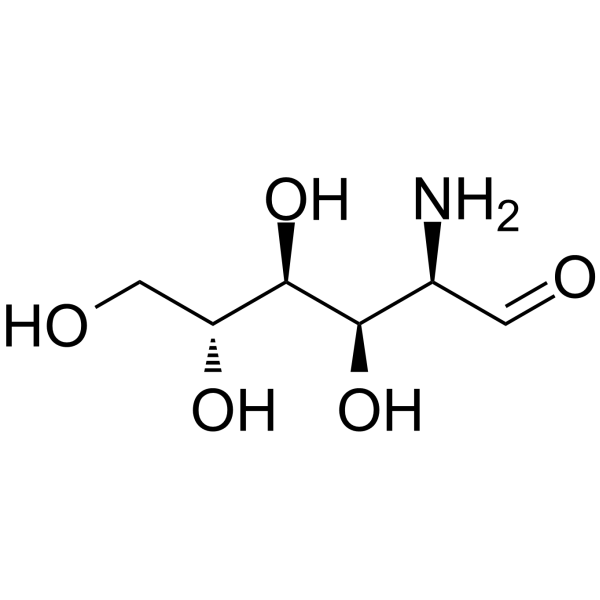
  • HY-B1125
    Glucosamine
    Maximum Cited Publications
    11 Publications Verification

    D-Glucosamine; Chitosamine

    CFTR Endogenous Metabolite Reactive Oxygen Species (ROS) HIF/HIF Prolyl-Hydroxylase Autophagy Inflammation/Immunology Cancer
    Glucosamine (D-Glucosamine) is an amino sugar and a prominent precursor in the biochemical synthesis of glycosylated proteins and lipids, is used as a dietary supplement. Glucosamine also is a natural constituent of glycosaminoglycans in the cartilage matrix and synovial fluid, which when administered exogenously, exerts pharmacological effects on osteoarthritic cartilage and chondrocytes .
    Glucosamine
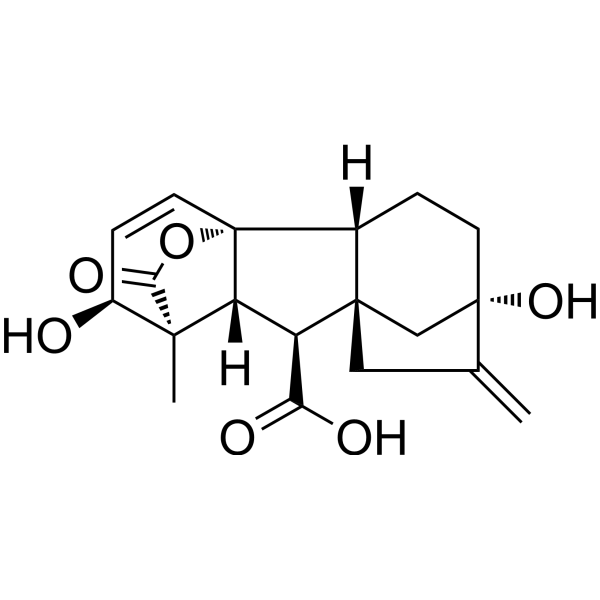
  • HY-N1964
    Gibberellic acid
    1 Publications Verification

    Gibberellin A3

    Environmental Pollutants Drug Derivative Metabolic Disease
    Gibberellic acid (GA3) is a natural plant growth regulator with oral bioactivity. Gibberellic acid governs multiple plant developmental events, including seed germination, cell elongation, floral organ formation, and rice spikelet fertility. Gibberellic acid optimizes root morphology and secondary metabolite production in Echinacea purpurea hairy roots, and serves as a bioactive seed priming agent to improve chilling stress tolerance in chickpea. Gibberellic acid mediates modulation of enzyme activity and secondary metabolism in plants and exerts tissue-specific regulatory effects on antioxidant systems and lipid peroxidation in rats. Gibberellic acid can be used in studies of plant growth, metabolism, and abiotic stress responses .
    Gibberellic acid
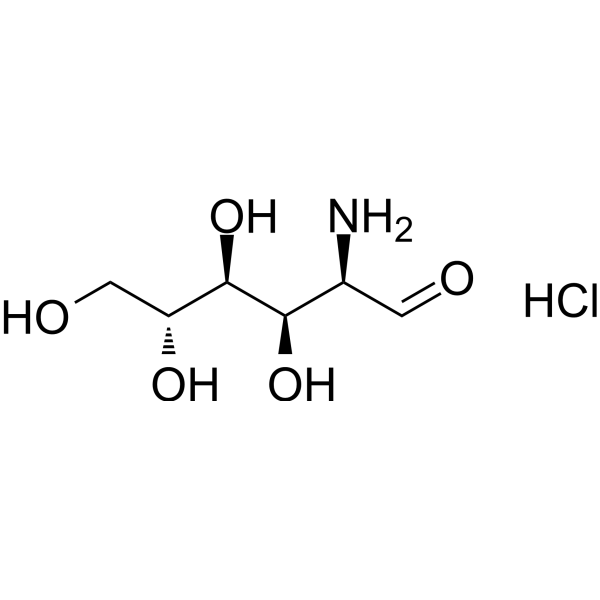
  • HY-N0733
    Glucosamine hydrochloride
    Maximum Cited Publications
    11 Publications Verification

    D-(+)-Glucosamine hydrochloride; Chitosamine hydrochloride

    Endogenous Metabolite Reactive Oxygen Species (ROS) HIF/HIF Prolyl-Hydroxylase Autophagy Inflammation/Immunology Cancer
    Glucosamine hydrochloride (D-Glucosamine hydrochloride) is an amino sugar and a prominent precursor in the biochemical synthesis of glycosylated proteins and lipids, is used as a dietary supplement. Glucosamine hydrochloride also is a natural constituent of glycosaminoglycans in the cartilage matrix and synovial fluid, which when administered exogenously, exerts pharmacological effects on osteoarthritic cartilage and chondrocytes .
    Glucosamine hydrochloride
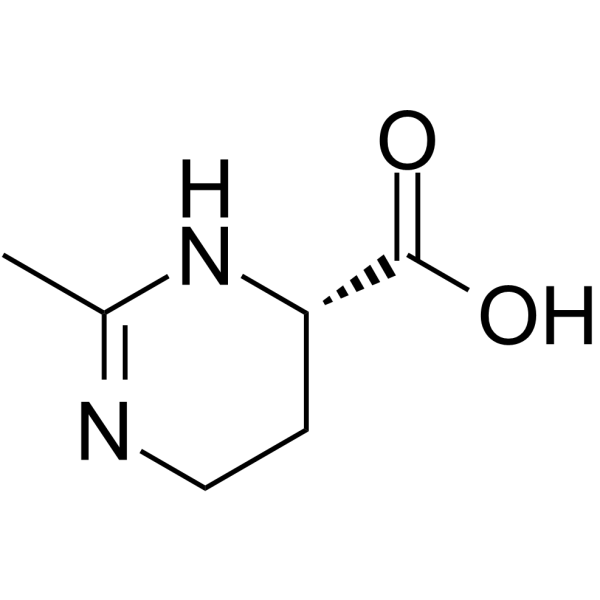
  • HY-107784

    Bacterial Inflammation/Immunology
    Ectoine is a natural cell protectant, an amino acid derivate produced by bacteria living under extremely harsh environmental conditions. Ectoine serves as an osmoregulatory compatible solute, increasing the hydration of the skin surface and stabilizing lipid layers, which is useful in skincare. Ectoine demonstrates a good safety profile for the treatment of allergic rhinitis .
    Ectoine
  • HY-N0777
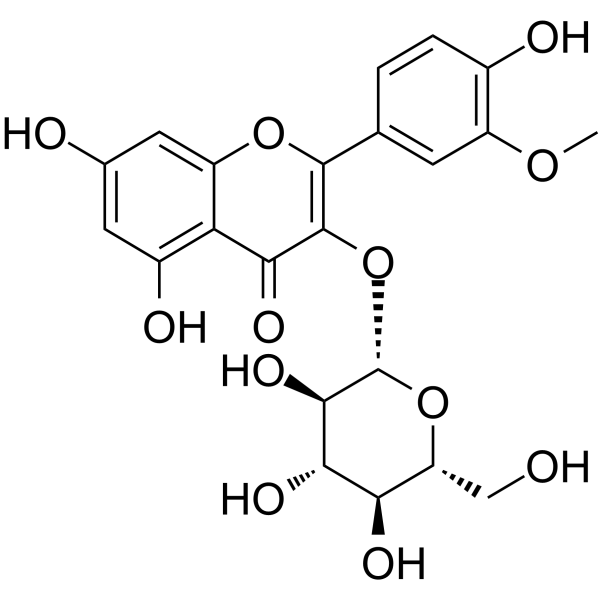
    Isorhamnetin-3-O-glucoside
    3 Publications Verification

    Others PERK ERK Akt PI3K Lipase Metabolic Disease
    Isorhamnetin-3-O-glucoside is an orally active natural compound. Isorhamnetin 3-O-glucoside increases P-ERK, ERK, P-Akt (Ser473), P-PI3K, and PDX-1. Isorhamnetin 3-O-glucoside downregulates C/EBPα and inhibits lipase. Isorhamnetin 3-O-glucoside reduces lipids and inhibits obesity .
    Isorhamnetin-3-O-glucoside
  • HY-B0923
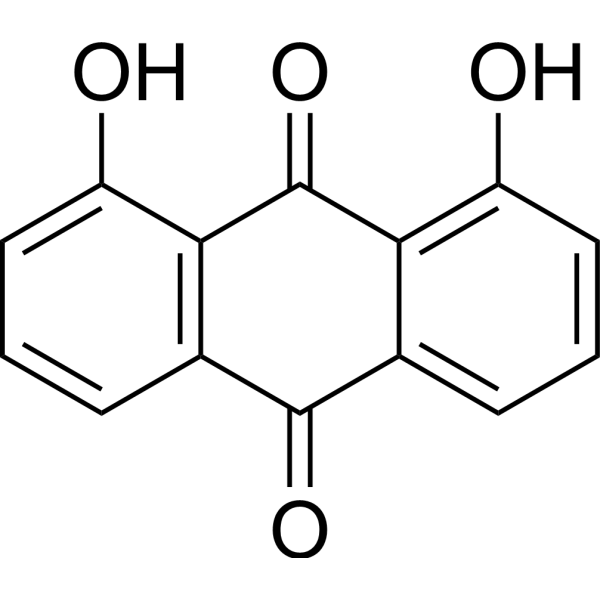
    Danthron
    4 Publications Verification

    Dantron; Chrysazin; 1,8-Dihydroxyanthraquinone

    AMPK Autophagy Bacterial Virus Protease Cancer
    Danthron is a natural product extracted from the traditional Chinese medicine Salvia miltiorrhiza Bunge. Danthron functions in regulating glucose and lipid metabolism by activating AMPK.
    Danthron
  • HY-N0807
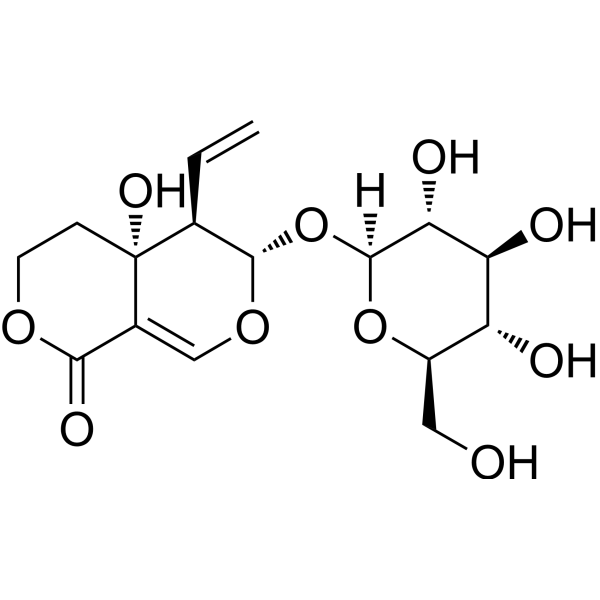
    Swertiamarin
    1 Publications Verification

    MMP NF-κB JAK Keap1-Nrf2 Metabolic Disease Inflammation/Immunology Cancer
    Swertiamarin is an orally active natural product with hypoglycemic, lipid-lowering, anti-rheumatic, and antioxidant activities. Swertiamarin can regulate the levels of pro-inflammatory cytokines, MMP, and NF-κB, and promote osteoblast proliferation. Swertiamarin has antioxidant and hepatoprotective effects against carbon tetrachloride induced rat liver toxicity through the Nrf2/HO-1 pathway. Swertiamarin can attenuate inflammatory mediators by regulating JAK2/STAT3 transcription factors in adjuvant induced arthritis rats. Swertiamarin can be used in the research of diabetes and arthritis .
    Swertiamarin
  • HY-42680

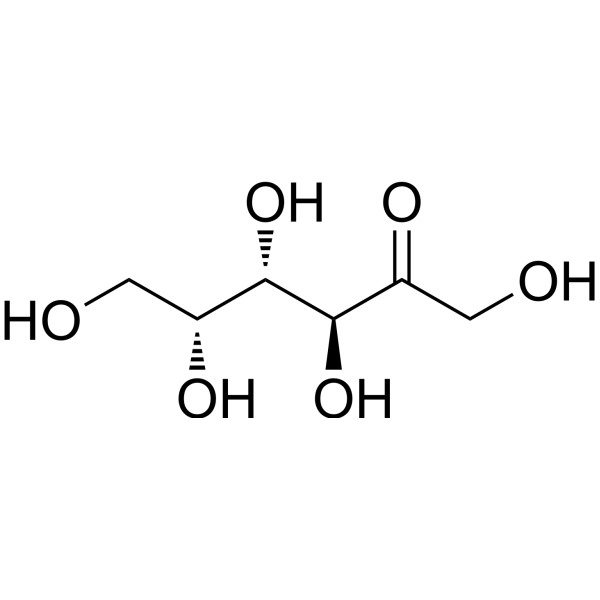
    D-(-)-Tagatose

    Endogenous Metabolite Metabolic Disease Inflammation/Immunology Cancer
    D-Tagatose (D-(-)-Tagatose) is a natural low-calorie rare sugar. D-Tagatose inhibits the activities of sucrase, maltase and intestinal disaccharidases, reduces the digestion of sucrose and starch, and blocks the absorption of sucrose, maltose and glucose. D-Tagatose promotes glucokinase activity and inhibits glycogen phosphorylase activity via tagatose-1-phosphate, regulates the synthesis and decomposition of hepatic glycogen, reduces postprandial and fasting blood glucose levels, and improves hyperinsulinemia. D-Tagatose regulates lipid profiles, stimulates GLP-1 secretion, and exhibits prebiotic effects. D-Tagatose is a bulking sweetener. D-Tagatose can be used in research related to diabetes, hyperlipidemia, dental caries, atherosclerosis and type 2 diabetes .
    D-Tagatose
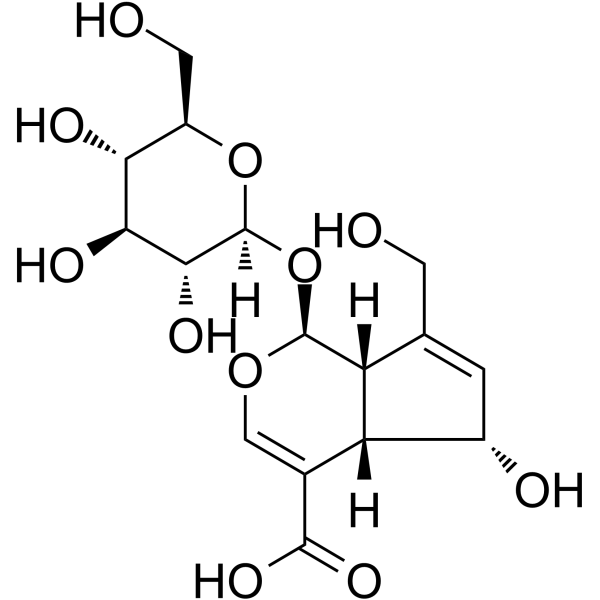
  • HY-N0594

    SOD Interleukin Related TNF Receptor Inflammation/Immunology
    Deacetylasperulosidic Acid is an orally active antioxidant. Deacetylasperulosidic Acid exerts a definite in vivo antioxidant effect and alleviates oxidative stress injury by enhancing SOD activity. In atopic dermatitis models, Deacetylasperulosidic Acid corrects Th2-skewed immune imbalance and reduces allergy-related factors; in immunosuppression models, it activates cellular immunity, enhances NK cell activity and IL-2 production. Deacetylasperulosidic Acid can be used in the research of atopic dermatitis .
    Deacetylasperulosidic Acid
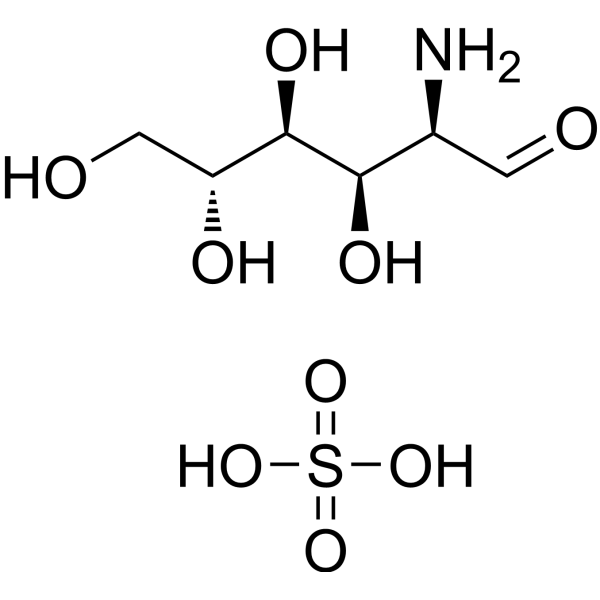
  • HY-N0487
    Glucosamine sulfate
    Maximum Cited Publications
    11 Publications Verification

    D-Glucosamine sulfate

    Endogenous Metabolite Reactive Oxygen Species (ROS) HIF/HIF Prolyl-Hydroxylase Autophagy Inflammation/Immunology Cancer
    Glucosamine sulfate (D-Glucosamine sulfate) is an amino sugar and a prominent precursor in the biochemical synthesis of glycosylated proteins and lipids, is used as a dietary supplement. Glucosamine sulfate also is a natural constituent of glycosaminoglycans in the cartilage matrix and synovial fluid, which when administered exogenously, exerts pharmacological effects on osteoarthritic cartilage and chondrocytes .
    Glucosamine sulfate
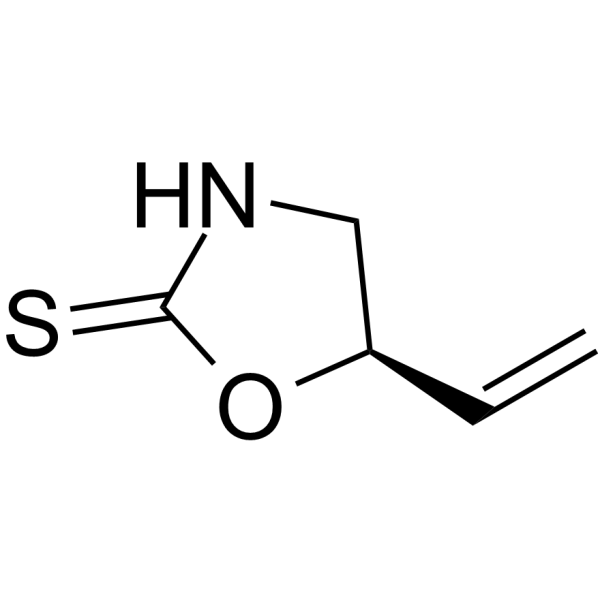
  • HY-N0224
    Epigoitrin
    1 Publications Verification

    Influenza Virus Infection Metabolic Disease Cancer
    Epigoitrin is a natural alkaloid that provides protection against influenza infection by reducing the host’s susceptibility to influenza virus under stress. Epigoitrin exerts antiviral activity against influenza A1 virus FM1 via inhibiting virus attachment and multiplication in vitro. Epigoitrin also has lipid-lowering effects .
    Epigoitrin
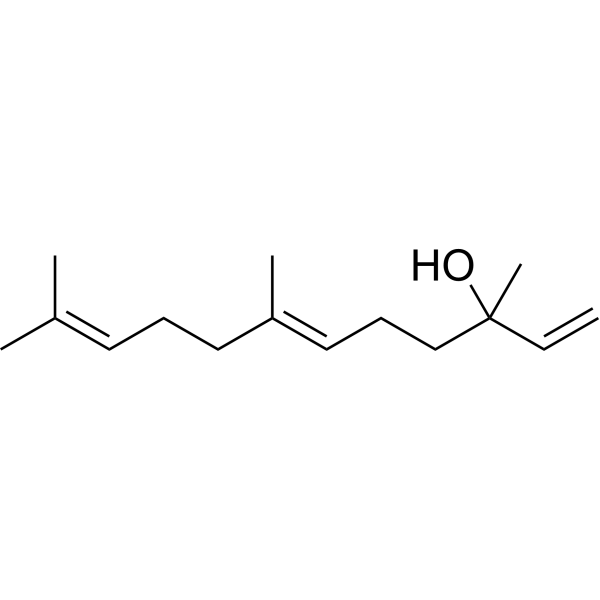
  • HY-N1944
    Nerolidol,98%(isomers mixture)
    2 Publications Verification

    Environmental Pollutants Bacterial Endogenous Metabolite Fungal Parasite Infection Cancer
    Nerolidol has multiple natural membrane activities, possesses anti-cancer, anti-inflammatory, antibacterial and anti-insect activity. Nerolidol Suppresses parasitic activity, suppresses bloodsucking diseases, bloodworm diseases, and other diseases. Nerolidol can protect the cells from lipid and protein properties, damage to DNA, and protect the cells from damage .
    Nerolidol,98%(isomers mixture)
  • HY-N0723
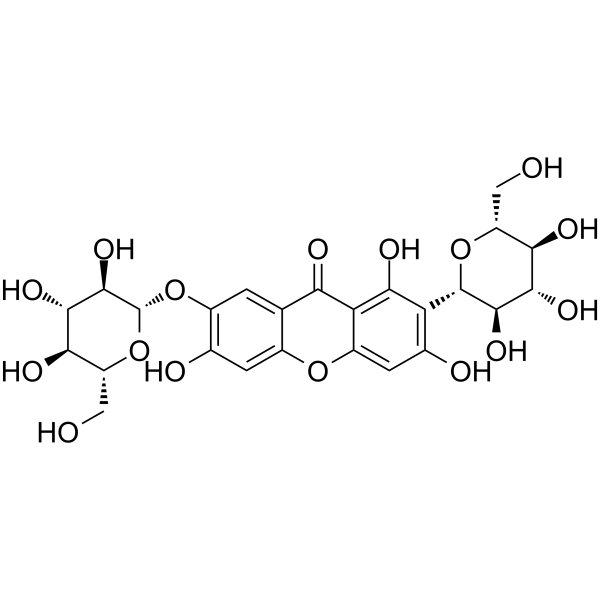
    Neomangiferin
    1 Publications Verification

    Autophagy p38 MAPK TNF Receptor Interleukin Related PPAR Metabolic Disease Inflammation/Immunology
    Neomangiferin is an orally active natural flavonoid. Neomangiferin partially ameliorates non-alcoholic fatty liver disease (NAFLD) by regulating the expression of genes related to free fatty acid uptake and lipid oxidation. Neomangiferin exerts anti-colitis effects by inhibiting Th17/Treg cell differentiation. Neomangiferin exerts anti-aging and lifespan-extending effects by targeting upregulation of bas-1, which in turn activates the autophagy, IIS and MAPK pathways. Neomangiferin has the potential to prevent aseptic loosening of prostheses after total joint arthroplasty due to its significant anti-inflammatory and osteoclastogenesis-inhibiting effects .
    Neomangiferin
  • HY-N3097

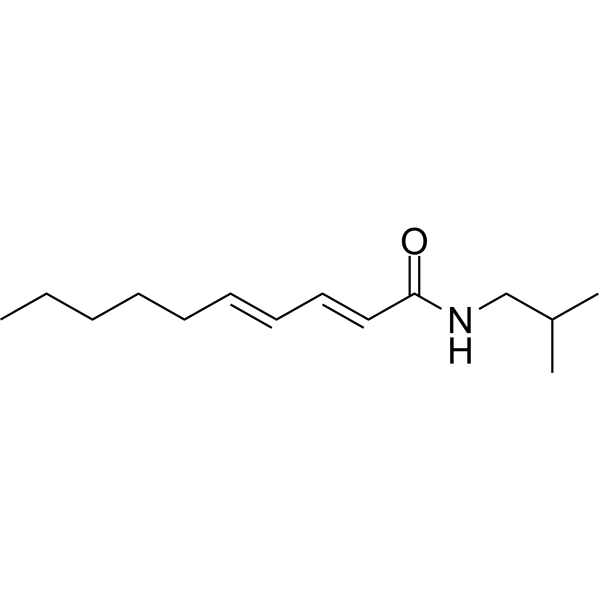
    TRP Channel Amyloid-β Toll-like Receptor (TLR) Keap1-Nrf2 Heme Oxygenase (HO) Dihydroorotate Dehydrogenase Ferroptosis PAI-1 NF-κB ERK Proton Pump Glutathione Peroxidase Thrombin Insecticide Bacterial Infection Cardiovascular Disease Neurological Disease Inflammation/Immunology Cancer
    Pellitorine is a bioactive natural amide compound. Pellitorine can competitively antagonize the activation of TRPV1 by Capsaicin (HY-10448), thereby reducing pain signal transmission. Pellitorine improves cognitive dysfunction by upregulating the BDNF-ERK1/2-CREB and Nrf2-HO-1 pathways. Pellitorine exerts anti-inflammatory and anti-sepsis effects by inhibiting the release of high mobility group protein B1 (HMGB1) and the expression of RAGE/TLR4. Pellitorine exerts its antithrombotic effect by prolonging the clotting time, inhibiting the activity of clotting factors and thrombin. Pellitorine inhibits lipid peroxidation and resists ferroptosis by upregulating GPX4 and DHODH. Pellitorine kills Aedes aegypti mosquito larvae by inhibiting V-type H⁺-ATPase and aquaporin 4 (AaAQP4). Pellitorine exhibits anti-cancer activity (e.g., leukemia and breast cancer) and has inhibitory effects on certain bacteria .
    Pellitorine
  • HY-N5139
    Lecithins, egg
    1 Publications Verification

    Lecithins, egg yolk; Belovo PL 85

    Cholinesterase (ChE) Angiotensin-converting Enzyme (ACE) Bacterial Infection Neurological Disease Metabolic Disease Inflammation/Immunology
    Lecithins, egg (Lecithins, egg yolk; Belovo PL 85) is an orally active natural phospholipid mixture extracted from egg yolks . Lecithins, egg inhibits the activities of acetylcholinesterase (AChE) and angiotensin-converting enzyme (ACE). Lecithins, egg exhibits antibacterial, antioxidant and anti-inflammatory activities, and helps delay cellular senescence. Lecithins, egg enhances nerve conduction, improves memory and cognitive function, and exerts positive effects on delaying neurodegenerative diseases. Lecithins, egg promotes lipid absorption and alleviates diarrhea. Lecithins, egg acts as a high-efficiency drug carrier for the preparation of targeted drug delivery systems such as liposomes .
    Lecithins, egg
  • HY-119931

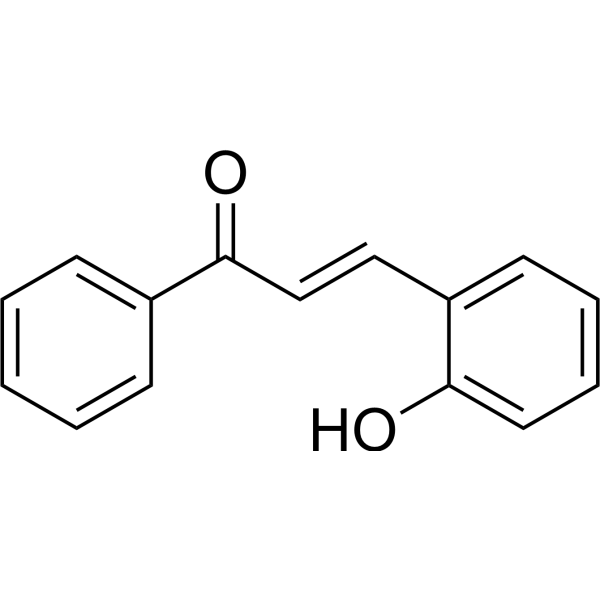
    Bcl-2 Family Apoptosis NF-κB Parasite Metabolic Disease Cancer
    2-hydroxychalcone, a natural flavonoid, is a potent antioxidant, inhibiting lipid peroxidation. 2-Hydroxychalcone induces apoptosis by Bcl-2 downregulation. 2-Hydroxychalcone inhibits the activation of NF-kB .
    2-Hydroxychalcone
  • HY-125703

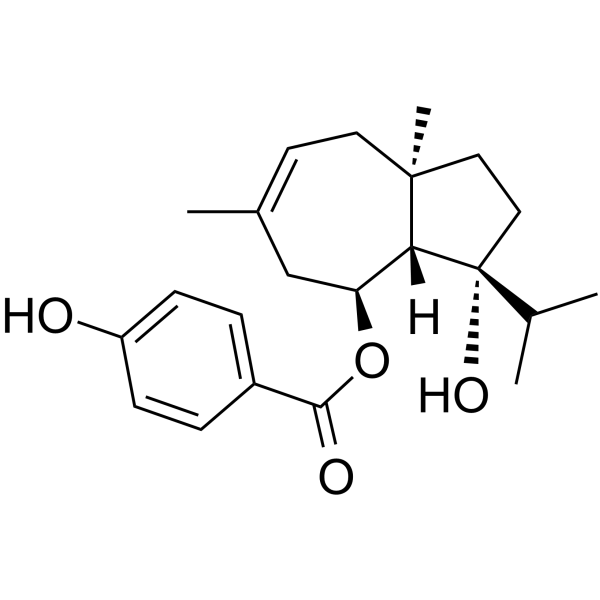
    Estrogen Receptor/ERR Apoptosis Infection Inflammation/Immunology Endocrinology Cancer
    Ferutinin, a natural terpenoid compound, is an estrogen receptor ERα agonist and estrogen ERβ-receptor agonist/antagonist with IC50s of 33.1 nM and 180.5 nM, respectively. Ferutinin acts as an electrogenic Ca 2+-ionophore that increases calcium permeability of lipid bilayer membranes, mitochondria. Ferutinin possesses estrogenic, antitumor, antibacterial and antiinflammatory activities .
    Ferutinin
  • HY-W015515

    (S)-3,7-Dimethyloct-6-en-1-ol

    Environmental Pollutants TNF Receptor Beta-secretase γ-secretase ERK Cholinesterase (ChE) Neurological Disease Inflammation/Immunology
    L-Citronellol ((S)-3,7-Dimethyloct-6-en-1-ol) is a natural product with anti-allergic and neuroprotective effects. L-Citronellol inhibits mast cell activation and the release of inflammatory factors by inhibiting the ERK pathway. L-Citronellol inhibits BACE1/PSEN1 and AChE, reduces TNF-α expression and lipid peroxidation, demonstrating the potential of multi-target anti-Alzheimer's disease (AD) .
    L-Citronellol
  • HY-142026

    (+)-Vitisin A

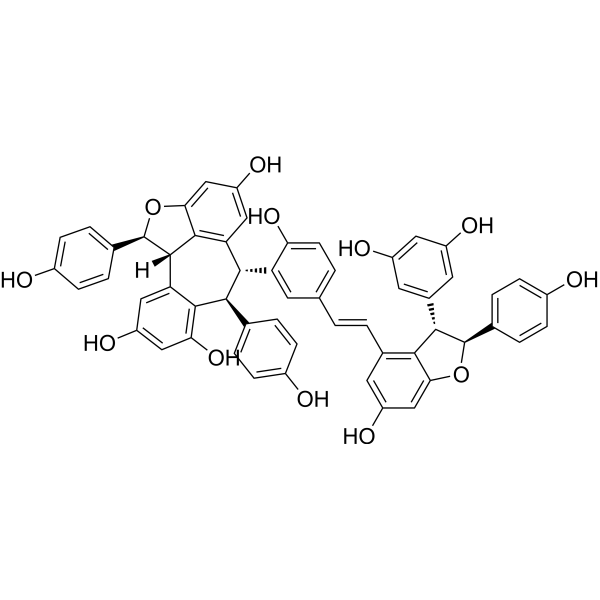
    Caspase ERK NF-κB Influenza Virus PAK LDLR PPAR PCSK9 Androgen Receptor Keap1-Nrf2 Monoamine Oxidase Cholinesterase (ChE) IKK Wnt β-catenin Reactive Oxygen Species (ROS) Apoptosis Cuproptosis Infection Neurological Disease Metabolic Disease Inflammation/Immunology Cancer
    Vitisin A ((+)-Vitisin A) is an orally active natural product with multiple pharmacological activities including anti-inflammatory, anti-tumor, anti-oxidant, anti-pathogenic microorganism, hypoglycemic and lipid-regulating, anti-osteoporotic, neuroprotective and cardiovascular protective effects. Vitisin A exhibits inhibitory effects on human AChE and MAO-B with IC50 values of 1.29 µM and 4.94 µM, respectively. Vitisin A inhibits the ERK, MAPK, NF-κB, STAT1, HMGCR and TRAF6 pathways, downregulates the related phosphorylation and protein expression, while activates the Nrf2/HO-1 pathway and upregulates p21 expression. Vitisin A induces tumor cell apoptosis and cell cycle arrest, inhibits adipogenesis and lipid accumulation, while alleviates oxidative stress, suppresses inflammatory responses, blocks hepatic fibrosis, Cuproptosis and cholesterol synthesis, and increases the expression levels of central BDNF and TrkB. Vitisin A can be used in the research of tumors, infectious diseases, metabolic diseases, bone and joint diseases, liver diseases, skin injuries, as well as neurodegenerative and cognitive dysfunction-related diseases .
    Vitisin A
  • HY-N0733R

    D-(+)-Glucosamine hydrochloride (Standard); Chitosamine hydrochloride (Standard)

    Reference Standards Endogenous Metabolite Reactive Oxygen Species (ROS) HIF/HIF Prolyl-Hydroxylase Autophagy Inflammation/Immunology Cancer
    Glucosamine (hydrochloride) (Standard) is the analytical standard of Glucosamine (hydrochloride). This product is intended for research and analytical applications. Glucosamine hydrochloride (D-Glucosamine hydrochloride) is an amino sugar and a prominent precursor in the biochemical synthesis of glycosylated proteins and lipids, is used as a dietary supplement. Glucosamine hydrochloride also is a natural constituent of glycosaminoglycans in the cartilage matrix and synovial fluid, which when administered exogenously, exerts pharmacological effects on osteoarthritic cartilage and chondrocytes .
    Glucosamine hydrochloride (Standard)
  • HY-107784R

    Reference Standards Bacterial Inflammation/Immunology
    Ectoine (Standard) is the analytical standard of Ectoine. This product is intended for research and analytical applications. Ectoine is a natural cell protectant, an amino acid derivate produced by bacteria living under extremely harsh environmental conditions. Ectoine serves as an osmoregulatory compatible solute, increasing the hydration of the skin surface and stabilizing lipid layers, which is useful in skincare. Ectoine demonstrates a good safety profile for the treatment of allergic rhinitis .
    Ectoine (Standard)
  • HY-N1944R

    Reference Standards Bacterial Fungal Parasite Endogenous Metabolite Infection Cancer
    Nerolidol (Standard) is the analytical standard of Nerolidol. This product is intended for research and analytical applications. Nerolidol has multiple natural membrane activities, possesses anti-cancer, anti-inflammatory, antibacterial and anti-insect activity. Nerolidol Suppresses parasitic activity, suppresses bloodsucking diseases, bloodworm diseases, and other diseases. Nerolidol can protect the cells from lipid and protein properties, damage to DNA, and protect the cells from damage .
    Nerolidol (Standard)
  • HY-134571

    Biochemical Assay Reagents Neurological Disease
    Brain Extract Total is a natural brain total lipid extract that can be used to prepare neuronal membranes. Brain Extract Total can be used for the study of Alzheimer's disease .
    Brain Extract Total
  • HY-P10380

    Neuropeptide FF Receptor Neurological Disease Metabolic Disease
    palm11-PrRP31 is a lipidized endogenous appetite inhibitory neuropeptide (PrRP) analogue. palm11-PrRP31 is GPR10 (EC50=39 pM) and NPFF-R2 effective dual agonists. palm11-PrRP31 is able to mimic the natural function of PrRP by binding to these receptors to reduce food intake. palm11-PrRP31 can be used as a potential anti-obesity agent and for the study of neuropeptide-receptor interaction .
    palm11-PrRP31
  • HY-W015515R

    (S)-3,7-Dimethyloct-6-en-1-ol (Standard)

    Reference Standards ERK Beta-secretase γ-secretase Cholinesterase (ChE) TNF Receptor Neurological Disease Inflammation/Immunology
    L-Citronellol ((S)-3,7-Dimethyloct-6-en-1-ol) is an analytical standard for L-Citronellol (HY-W015515). This product is intended for research and analytical applications. L-Citronellol is a natural product with anti-allergic and neuroprotective effects. L-Citronellol inhibits mast cell activation and the release of inflammatory factors by inhibiting the ERK pathway. L-Citronellol inhibits BACE1/PSEN1 and AChE, reduces TNF-α expression and lipid peroxidation, demonstrating the potential of multi-target anti-Alzheimer's disease (AD).
    L-Citronellol (Standard)
  • HY-N1964A

    Drug Derivative Metabolic Disease
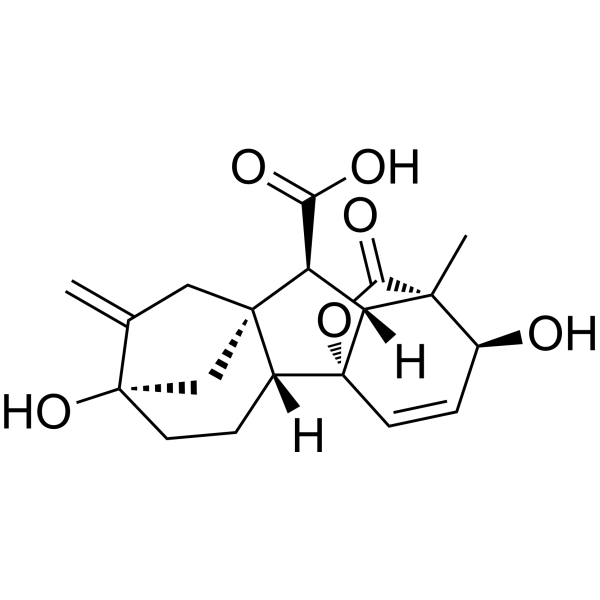
    Gibberellic acid, suitable for plant cell culture (GA3, suitable for plant cell culture) is a natural plant growth regulator with oral bioactivity. Gibberellic acid, suitable for plant cell culture governs multiple plant developmental events, including seed germination, cell elongation, floral organ formation, and rice spikelet fertility. Gibberellic acid, suitable for plant cell culture optimizes root morphology and secondary metabolite production in Echinacea purpurea hairy roots, and serves as a bioactive seed priming agent to improve chilling stress tolerance in chickpea. Gibberellic acid, suitable for plant cell culture mediates modulation of enzyme activity and secondary metabolism in plants and exerts tissue-specific regulatory effects on antioxidant systems and lipid peroxidation in rats. Gibberellic acid, suitable for plant cell culture can be used in studies of plant growth, metabolism, and abiotic stress responses .
    Gibberellic acid, suitable for plant cell culture
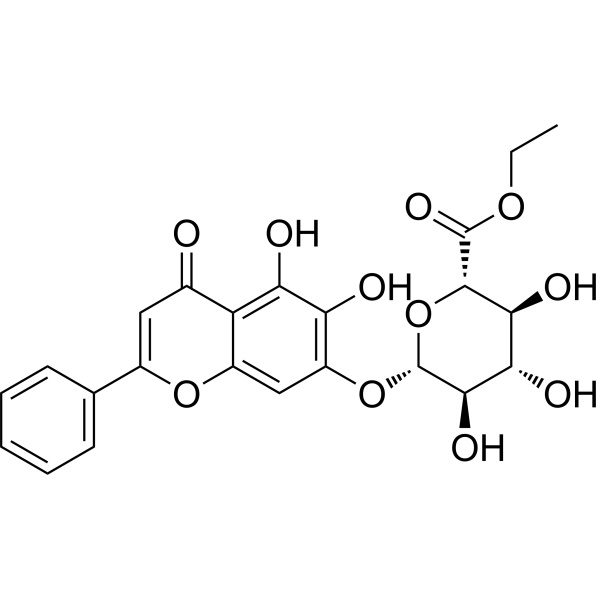
  • HY-N8788

    Others Inflammation/Immunology Cancer
    Baicalein 7-O-β-D-ethylglucuronide is a natural flavone glycoside that can be extracted from Scutellaria baicalensis Georgi. Baicalein 7-O-β-D-ethylglucuronide has antioxidant activity. Baicalein 7-O-β-D-ethylglucuronide inhibits FeSO4-Cys-induced lipid peroxidation of liver homogenate. Baicalein 7-O-β-D-ethylglucuronide also shows strong cytoprotective effect on H2O2-induced oxidative damage of human umbilical vein endothelial cells .
    Baicalein 7-O-β-D-ethylglucuronide
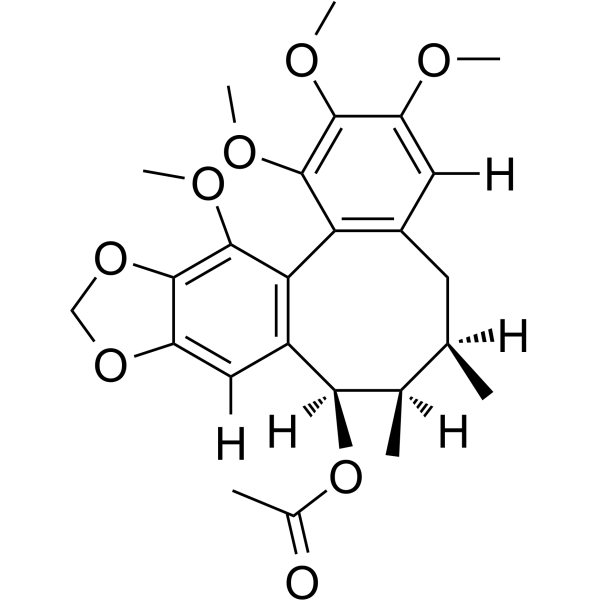
  • HY-121271

    Others Inflammation/Immunology
    Kadsurin, a natural compound from the stems of Kadsura heteroclita (Schizandraceae), results in significant decreases of CCL4- induced lipid-peroxidation products, such as thiobarbituric acid reactive substances (TBA-RS), conjugated dienes and fluorescent products in the liver of mice .
    Kadsurin
  • HY-W747992

    Endogenous Metabolite Cardiovascular Disease Metabolic Disease
    Indicaxanthin is a natural water-soluble betalain, presenting a yellow-orange color. Indicaxanthin possesses free radical scavenging ability and can inhibit lipid peroxidation, reducing the formation of malondialdehyde (MDA). Indicaxanthin can be used in the research of cardiovascular diseases and diabetes .
    Indicaxanthin
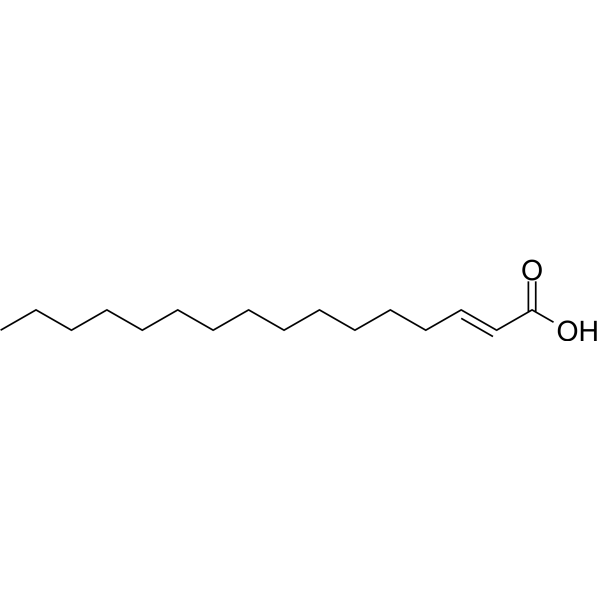
  • HY-131306B

    Gaidic acid

    Biochemical Assay Reagents Others
    2-Hexadecenoic acid is a natural unsaturated fatty acid. It is ubiquitously present in various animal and plant tissues, especially adipose tissue and certain vegetable oils, such as macadamia nut oil. 2-Hexadecenoic acid has unique chemical properties that make it an important component of cell membranes and storage lipids, and participates in various metabolic processes such as lipid metabolism and inflammation. It's also been linked to potential health benefits, including improved insulin sensitivity and a lower risk of heart disease.
    2-Hexadecenoic acid
  • HY-139207

    Endogenous Metabolite Reactive Oxygen Species (ROS) HIF/HIF Prolyl-Hydroxylase Autophagy Inflammation/Immunology Cancer
    Glucosamine sulfate potassium chloride is an amino sugar and a prominent precursor in the biochemical synthesis of glycosylated proteins and lipids, is used as a dietary supplement. Glucosamine sulfate potassium chloride also is a natural constituent of glycosaminoglycans in the cartilage matrix and synovial fluid, which when administered exogenously, exerts pharmacological effects on osteoarthritic cartilage and chondrocytes .
    Glucosamine sulfate potassium chloride
  • HY-N0487R

    D-Glucosamine sulfate (Standard)

    Endogenous Metabolite Reactive Oxygen Species (ROS) HIF/HIF Prolyl-Hydroxylase Autophagy Reference Standards Inflammation/Immunology Cancer
    Glucosamine (sulfate) (Standard) is the analytical standard of Glucosamine (sulfate). This product is intended for research and analytical applications. Glucosamine sulfate (D-Glucosamine sulfate) is an amino sugar and a prominent precursor in the biochemical synthesis of glycosylated proteins and lipids, is used as a dietary supplement. Glucosamine sulfate also is a natural constituent of glycosaminoglycans in the cartilage matrix and synovial fluid, which when administered exogenously, exerts pharmacological effects on osteoarthritic cartilage and chondrocytes .
    Glucosamine sulfate (Standard)
  • HY-N0224R

    Influenza Virus Reference Standards Infection Metabolic Disease Cancer
    Epigoitrin (Standard) is the analytical standard of Epigoitrin. This product is intended for research and analytical applications. Epigoitrin is a natural alkaloid that provides protection against influenza infection by reducing the host’s susceptibility to influenza virus under stress. Epigoitrin exerts antiviral activity against influenza A1 virus FM1 via inhibiting virus attachment and multiplication in vitro. Epigoitrin also has lipid-lowering effects .
    Epigoitrin (Standard)
  • HY-P10380A

    Neuropeptide FF Receptor Neurological Disease Metabolic Disease
    palm11-PrRP31 TFA is a lipidized endogenous appetite inhibitory neuropeptide (PrRP) analogue. palm11-PrRP31 TFA is GPR10 (EC50=39 pM) and NPFF-R2 effective dual agonists. palm11-PrRP31 TFA is able to mimic the natural function of PrRP by binding to these receptors to reduce food intake. palm11-PrRP31 TFA can be used as a potential anti-obesity agent and for the study of neuropeptide-receptor interaction .
    palm11-PrRP31 TFA
  • HY-N1964R

    Gibberellin A3 (Standard)

    Reference Standards Drug Derivative Metabolic Disease
    Gibberellic acid (Standard) is the analytical standard of Gibberellic acid (GA3) (HY-N1964). This product is intended for research and analytical applications. Gibberellic acidis a natural plant growth regulator with oral bioactivity. Gibberellic acid governs multiple plant developmental events, including seed germination, cell elongation, floral organ formation, and rice spikelet fertility. Gibberellic acid optimizes root morphology and secondary metabolite production in Echinacea purpurea hairy roots, and serves as a bioactive seed priming agent to improve chilling stress tolerance in chickpea. Gibberellic acid mediates modulation of enzyme activity and secondary metabolism in plants and exerts tissue-specific regulatory effects on antioxidant systems and lipid peroxidation in rats. Gibberellic acid can be used in studies of plant growth, metabolism, and abiotic stress responses .
    Gibberellic acid (Standard)
  • HY-171984

    Liposome Infection Inflammation/Immunology Cancer
    514O6,10 is an ionizable lipidoid containing a branched-tail. 514O6,10 can be used to synthesize lipid nanoparticles (LNPs) for delivering mRNA to natural killer and dendritic cells within the lung. 514O6,10 can be used for the RNA therapies for lung diseases associated with immune cell dysregulation, including cancer, viral infections, and autoimmune disorders research .
    514O6,10
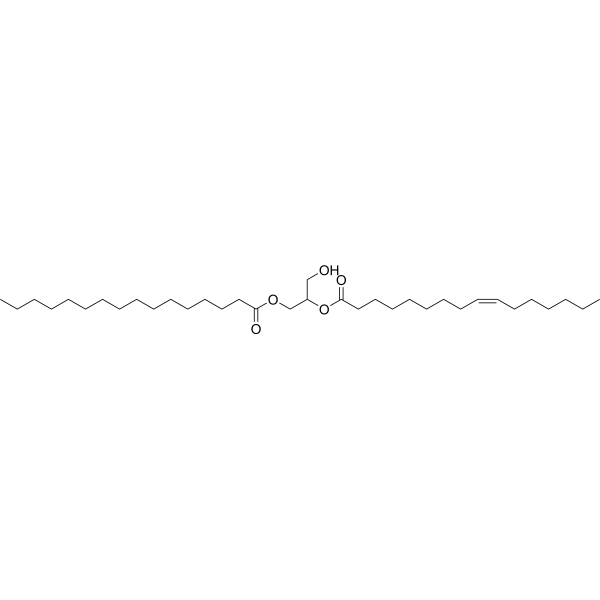
  • HY-157193

    CD1 Inflammation/Immunology
    Diacylglyceride, a natural scaffolding lipid, is a hapten that binds to CD1b. Diacylglyceride can be combined with carrier proteins and used in the design of antigens .
    Diacylglyceride
  • HY-158709

    Biochemical Assay Reagents Liposome Others
    Cho-es-Lys is a cationic lipid synthesized by coupling natural cholesterol and amino acids, which has high gene transfection efficiency. Cho-es-Lys can be used in drug delivery research .
    Cho-es-Lys
  • HY-B0923R

    Dantron (Standard); Chrysazin (Standard); 1,8-Dihydroxyanthraquinone (Standard)

    Reference Standards AMPK Autophagy Bacterial Virus Protease Cancer
    Danthron (Standard) is the analytical standard of Danthron. This product is intended for research and analytical applications. Danthron is a natural product extracted from the traditional Chinese medicine Salvia miltiorrhiza Bunge. Danthron functions in regulating glucose and lipid metabolism by activating AMPK.
    Danthron (Standard)
  • HY-139207A

    Endogenous Metabolite Reactive Oxygen Species (ROS) HIF/HIF Prolyl-Hydroxylase Autophagy Inflammation/Immunology Cancer
    Glucosamine sulfate sodium chloride is an amino sugar and a prominent precursor in the biochemical synthesis of glycosylated proteins and lipids, is used as a dietary supplement. Glucosamine sulfate sodium chloride also is a natural constituent of glycosaminoglycans in the cartilage matrix and synovial fluid, which when administered exogenously, exerts pharmacological effects on osteoarthritic cartilage and chondrocytes .
    Glucosamine sulfate sodium chloride
  • HY-B1125S

    D-Glucosamine-13C6; Chitosamine-13C6

    Isotope-Labeled Compounds CFTR HIF/HIF Prolyl-Hydroxylase Reactive Oxygen Species (ROS) Endogenous Metabolite Autophagy Inflammation/Immunology Cancer
    Glucosamine- 13C6 (D-Glucosamine- 13C6) is 13C labeled Glucosamine. Glucosamine (D-Glucosamine) is an amino sugar and a prominent precursor in the biochemical synthesis of glycosylated proteins and lipids, is used as a dietary supplement. Glucosamine also is a natural constituent of glycosaminoglycans in the cartilage matrix and synovial fluid, which when administered exogenously, exerts pharmacological effects on osteoarthritic cartilage and chondrocytes .
    Glucosamine-13C6
  • HY-N1944S

    Fungal Endogenous Metabolite Bacterial Parasite Isotope-Labeled Compounds Cancer
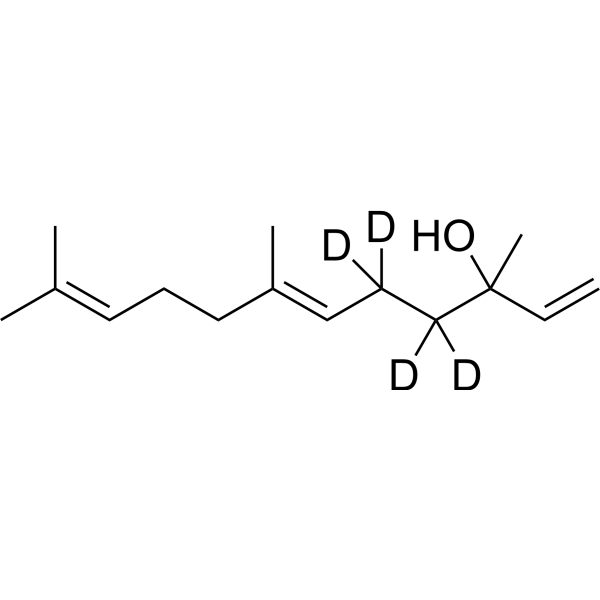
    Nerolidol-d4 is deuterated labeled Nerolidol (HY-N1944). Nerolidol has multiple natural membrane activities, possesses anti-cancer, anti-inflammatory, antibacterial and anti-insect activity. Nerolidol Suppresses parasitic activity, suppresses bloodsucking diseases, bloodworm diseases, and other diseases. Nerolidol can protect the cells from lipid and protein properties, damage to DNA, and protect the cells from damage .
    Nerolidol-d4
  • HY-124399

    Endogenous Metabolite PPAR Metabolic Disease
    Peroxisome proliferator-activated receptors (PPARs) play an important role in regulating lipid and glucose metabolism, and oleoylethanolamide (OEA) is a natural ligand for PPARα. N-Octadecyl-N'-propyl-sulfamide is an analog of OEA and a potent activator of PPARα, with selective binding affinity for PPARα (EC50=100 nM, compared to 120 nM for OEA). N-Octadecyl-N'-propyl-sulfamide (10 mg/kg; ip) inhibits food intake and reduces body weight gain in rats. At a dose of 1 mg/kg, N-Octadecyl-N'-propyl-sulfamide induces satiety, thereby reducing food intake, body weight, and plasma triglyceride concentrations in free-feeding Wistar rats and obese Zucker (fa/fa) rats.
    N-Octadecyl-N'-propyl-sulfamide
  • HY-N0723R

    Reference Standards Autophagy p38 MAPK TNF Receptor Interleukin Related PPAR Metabolic Disease Inflammation/Immunology
    Neomangiferin (Standard) is the analytical standard of Neomangiferin. This product is intended for research and analytical applications. Neomangiferin is an orally active natural flavonoid. Neomangiferin partially ameliorates non-alcoholic fatty liver disease (NAFLD) by regulating the expression of genes related to free fatty acid uptake and lipid oxidation. Neomangiferin exerts anti-colitis effects by inhibiting Th17/Treg cell differentiation. Neomangiferin exerts anti-aging and lifespan-extending effects by targeting upregulation of bas-1, which in turn activates the autophagy, IIS and MAPK pathways. Neomangiferin has the potential to prevent aseptic loosening of prostheses after total joint arthroplasty due to its significant anti-inflammatory and osteoclastogenesis-inhibiting effects.
    Neomangiferin (Standard)
  • HY-42680R

    D-(-)-Tagatose (Standard)

    Reference Standards Endogenous Metabolite Cardiovascular Disease Metabolic Disease Cancer
    D-Tagatose (Standard) is the analytical standard of D-Tagatose (HY-42680). This product is intended for research and analytical applications. D-Tagatose (D-(-)-Tagatose) is a natural low-calorie rare sugar. D-Tagatose inhibits the activities of sucrase, maltase and intestinal disaccharidases, reduces the digestion of sucrose and starch, and blocks the absorption of sucrose, maltose and glucose. D-Tagatose promotes glucokinase activity and inhibits glycogen phosphorylase activity via tagatose-1-phosphate, regulates the synthesis and decomposition of hepatic glycogen, reduces postprandial and fasting blood glucose levels, and improves hyperinsulinemia. D-Tagatose regulates lipid profiles, stimulates GLP-1 secretion, and exhibits prebiotic effects. D-Tagatose is a bulking sweetener. D-Tagatose can be used in research related to diabetes, hyperlipidemia, dental caries, atherosclerosis and type 2 diabetes.
    D-Tagatose (Standard)
  • HY-42680S1

    D-(-)-Tagatose-13C-1

    Isotope-Labeled Compounds Endogenous Metabolite Cardiovascular Disease Metabolic Disease Cancer
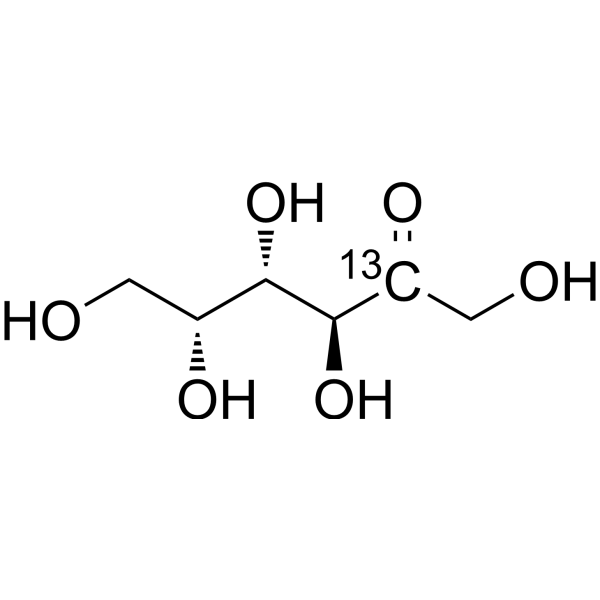
    D-Tagatose- 13C-1 is the 13C labeled D-Tagatose (HY-42680). D-Tagatose (D-(-)-Tagatose) is a natural low-calorie rare sugar. D-Tagatose inhibits the activities of sucrase, maltase and intestinal disaccharidases, reduces the digestion of sucrose and starch, and blocks the absorption of sucrose, maltose and glucose. D-Tagatose promotes glucokinase activity and inhibits glycogen phosphorylase activity via tagatose-1-phosphate, regulates the synthesis and decomposition of hepatic glycogen, reduces postprandial and fasting blood glucose levels, and improves hyperinsulinemia. D-Tagatose regulates lipid profiles, stimulates GLP-1 secretion, and exhibits prebiotic effects. D-Tagatose is a bulking sweetener. D-Tagatose can be used in research related to diabetes, hyperlipidemia, dental caries, atherosclerosis and type 2 diabetes.
    D-Tagatose-13C-1
  • HY-42680S

    D-(-)-Tagatose-13C

    Isotope-Labeled Compounds Endogenous Metabolite Cardiovascular Disease Metabolic Disease Cancer
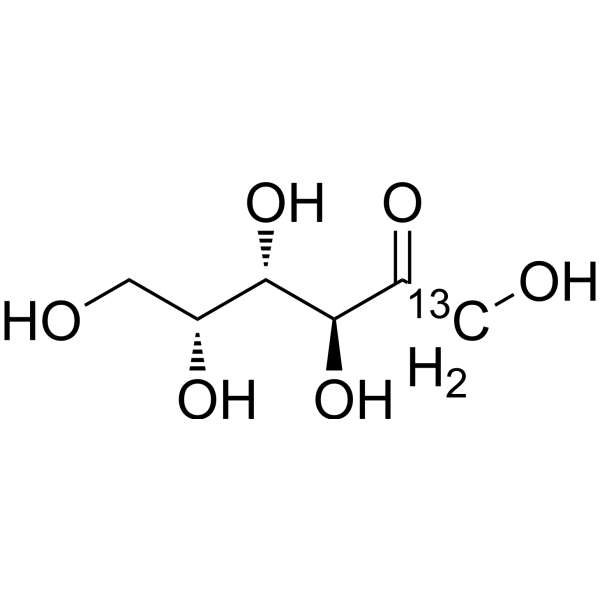
    D-Tagatose- 13C is the 13C labeled D-Tagatose (HY-42680). D-Tagatose (D-(-)-Tagatose) is a natural low-calorie rare sugar. D-Tagatose inhibits the activities of sucrase, maltase and intestinal disaccharidases, reduces the digestion of sucrose and starch, and blocks the absorption of sucrose, maltose and glucose. D-Tagatose promotes glucokinase activity and inhibits glycogen phosphorylase activity via tagatose-1-phosphate, regulates the synthesis and decomposition of hepatic glycogen, reduces postprandial and fasting blood glucose levels, and improves hyperinsulinemia. D-Tagatose regulates lipid profiles, stimulates GLP-1 secretion, and exhibits prebiotic effects. D-Tagatose is a bulking sweetener. D-Tagatose can be used in research related to diabetes, hyperlipidemia, dental caries, atherosclerosis and type 2 diabetes.
    D-Tagatose-13C
  • HY-N3097R

    Reference Standards TRP Channel Amyloid-β Toll-like Receptor (TLR) Keap1-Nrf2 Heme Oxygenase (HO) Dihydroorotate Dehydrogenase Ferroptosis PAI-1 NF-κB Proton Pump Glutathione Peroxidase Thrombin Insecticide Bacterial Infection Cardiovascular Disease Neurological Disease Inflammation/Immunology Cancer
    Pellitorine (Standard) is the analytical standard of Pellitorine (HY-N3097). Pellitorine is a bioactive natural amide compound. Pellitorine can competitively antagonize the activation of TRPV1 by Capsaicin (HY-10448), thereby reducing pain signal transmission. Pellitorine improves cognitive dysfunction by upregulating the BDNF-ERK1/2-CREB and Nrf2-HO-1 pathways. Pellitorine exerts anti-inflammatory and anti-sepsis effects by inhibiting the release of high mobility group protein B1 (HMGB1) and the expression of RAGE/TLR4. Pellitorine exerts its antithrombotic effect by prolonging the clotting time, inhibiting the activity of clotting factors and thrombin. Pellitorine inhibits lipid peroxidation and resists ferroptosis by upregulating GPX4 and DHODH. Pellitorine kills Aedes aegypti mosquito larvae by inhibiting V-type H⁺-ATPase and aquaporin 4 (AaAQP4). Pellitorine exhibits anti-cancer activity (e.g., leukemia and breast cancer) and has inhibitory effects on certain bacteria.
    Pellitorine (Standard)
  • HY-135849H

    Biochemical Assay Reagents Metabolic Disease
    Catalase, Murine (EC 1.11.1.6) activates the decomposition of hydrogen peroxide, a reactive oxygen species, into water and oxygen. Catalase functions as a natural antioxidant, protecting cells against oxidative damage to proteins, lipids and nucleic acids.
    Catalase, Murine
  • HY-135849D

    Biochemical Assay Reagents Metabolic Disease
    Catalase, Corynebacterium glutamicum (EC 1.11.1.6) activates the decomposition of hydrogen peroxide, a reactive oxygen species, into water and oxygen. Catalase functions as a natural antioxidant, protecting cells against oxidative damage to proteins, lipids and nucleic acids.
    Catalase, Corynebacterium glutamicum

Inquiry Online

Your information is safe with us. * Required Fields.

Salutation


Country or Region *

Applicant Name *


Organization Name *

Department *


Email Address *


Product Name *

Cat. No.


Requested quantity *

Phone Number *


Remarks

Inquiry Online

Inquiry Information

Product Name:
Cat. No.:
Quantity:
MCE Japan Authorized Agent: