1. Search Result
Search Result
Results for "

non-selective antagonist

" in MedChemExpress (MCE) Product Catalog:

110

Inhibitors & Agonists

2

Peptides

10

Natural
Products

16

Isotope-Labeled Compounds

Cat. No. Product Name Target Research Areas Chemical Structure
  • HY-B1395
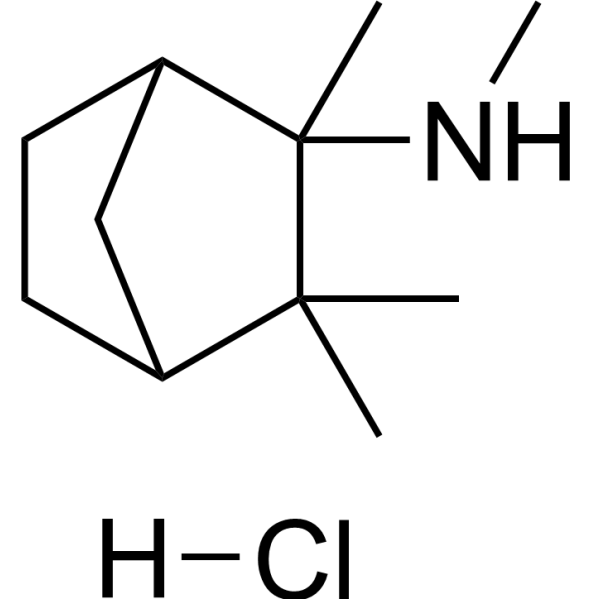
    Mecamylamine hydrochloride
    5 Publications Verification

    nAChR Histamine Receptor Cardiovascular Disease Neurological Disease
    Mecamylamine hydrochloride is an orally active, nonselective, noncompetitive nAChR antagonist. Mecamylamine hydrochloride is also a ganglionic blocker. Mecamylamine hydrochloride can across the blood-brain barrier. Mecamylamine hydrochloride can be used in the research of neuropsychiatric disorders, hypertension, antidepressant area .
    Mecamylamine hydrochloride
  • HY-B1517
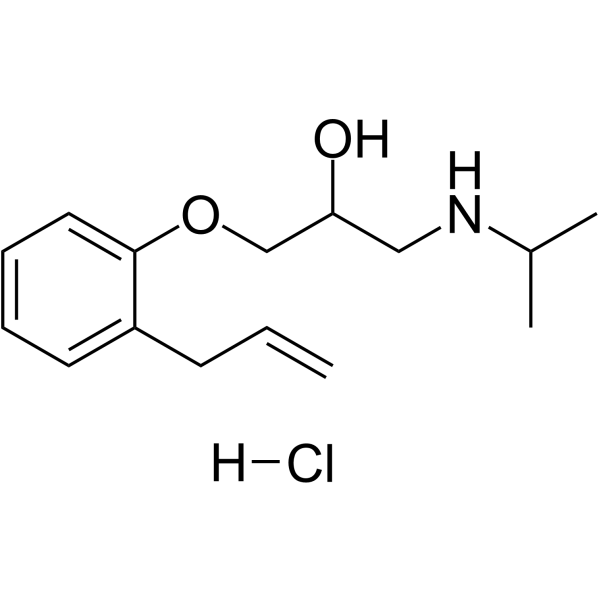
    Alprenolol
    5+ Cited Publications

    (RS)-Alprenolol; dl-Alprenolol

    5-HT Receptor Cardiovascular Disease Cancer
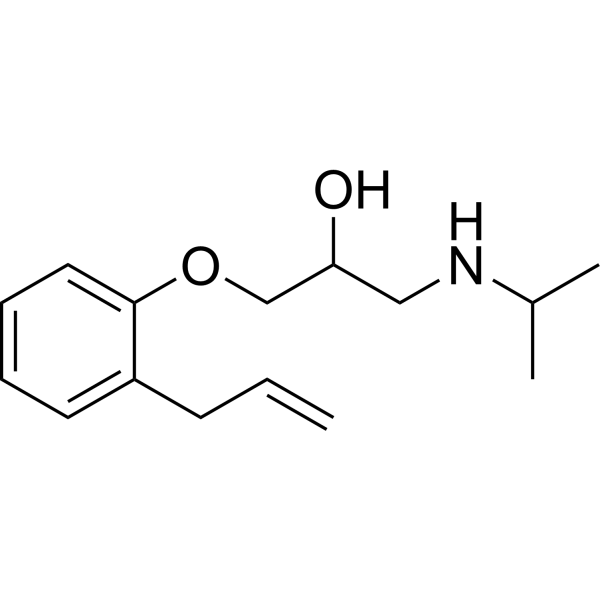
    Alprenolol ((RS)-Alprenolol; dl-Alprenolol) is an orally active non-selective β-adrenoceptor antagonist and an antagonist of 5-HT1A and 5-HT1B receptors. Alprenolol is used as an anti-hypertensive, anti-anginal and anti-arrhythmic agent .
    Alprenolol
  • HY-B1108
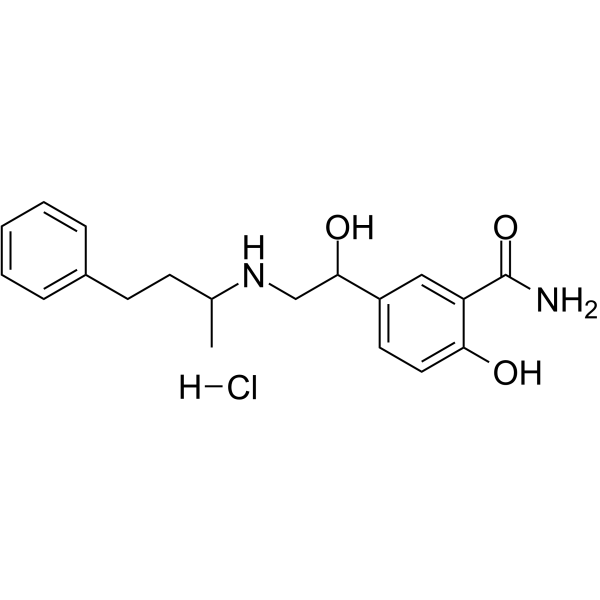
    Labetalol hydrochloride
    5 Publications Verification

    AH-5158 hydrochloride; Sch-15719W

    Adrenergic Receptor Cardiovascular Disease Inflammation/Immunology Endocrinology
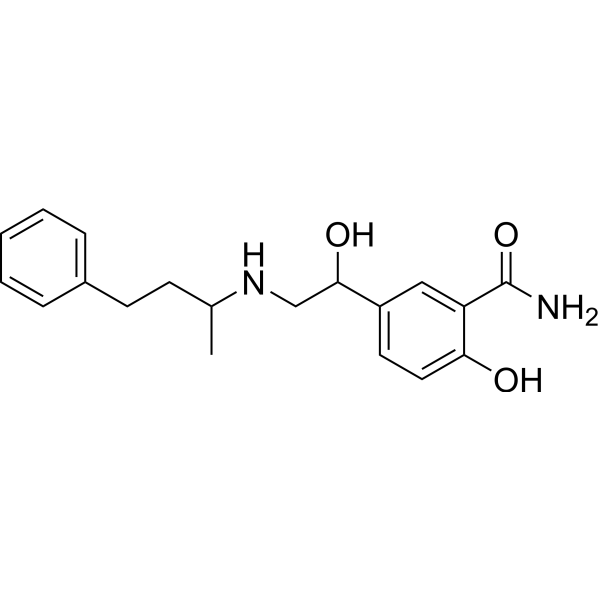
    Labetalol (AH5158) hydrochloride is an orally available, selective α1-adrenergic recepto and non-selective β-adrenergic receptor competitive antagonist. Labetalol hydrochloride is an antihypertensive molecule that partially crosses the blood-brain barrier and has little effect on cardiac output. Labetalol hydrochloride can be used in the study of cardiovascular diseases, such as hypertension during pregnancy .
    Labetalol hydrochloride
  • HY-121383
    Labetalol
    5 Publications Verification

    AH5158; Sch-15719W free base

    Adrenergic Receptor Cardiovascular Disease Inflammation/Immunology Endocrinology
    Labetalol (AH5158) is an orally available, selective α1-adrenergic recepto and non-selective β-adrenergic receptor competitive antagonist. Labetalol is an antihypertensive molecule that partially crosses the blood-brain barrier and has little effect on cardiac output. Labetalol can be used in the study of cardiovascular diseases, such as hypertension during pregnancy .
    Labetalol
  • HY-101044
    PPADS tetrasodium
    5+ Cited Publications

    P2X Receptor Na+/Ca2+ Exchanger Neurological Disease
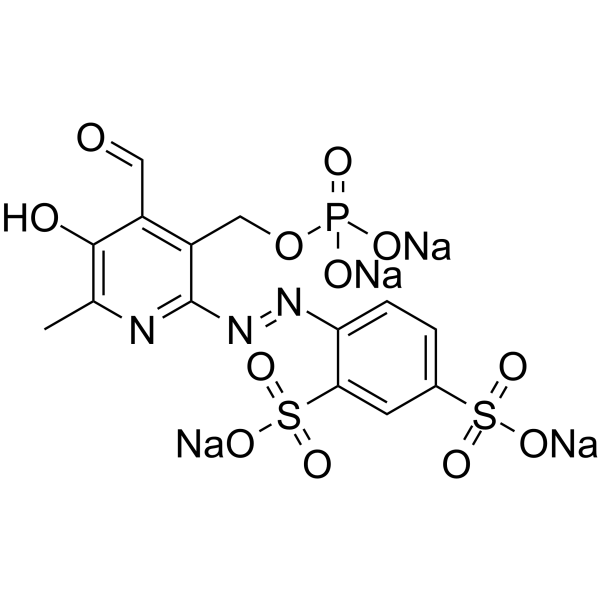
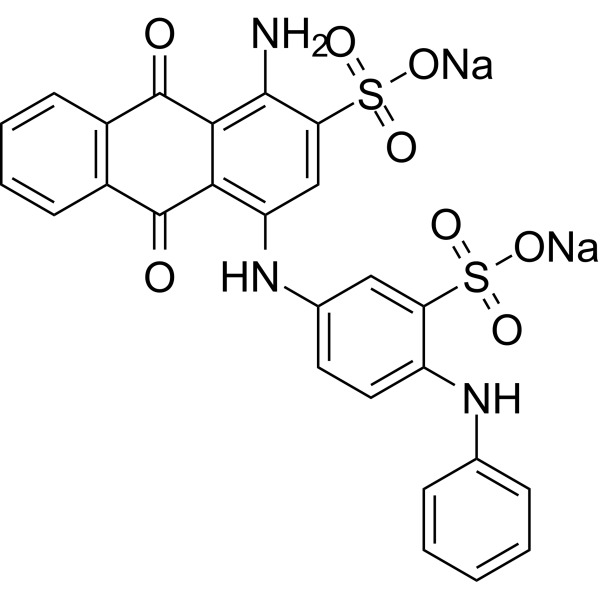
    PPADS tetrasodiuma is a non-selective P2X receptor antagonist. PPADS tetrasodiuma blocks recombinant P2X1, -2, -3, -5 with IC50s ranging from 1 to 2.6 μM. PPADS tetrasodiuma blocks native P2Y2-like (IC50~0.9 mM) and recombinant P2Y4 (IC50~15 mM) receptors. PPADS tetrasodiuma is an inhibitor of the reverse mode of the Na/Ca 2+ exchanger in guinea pig airway smooth muscle .
    PPADS tetrasodium
  • HY-B0431A
    Phenoxybenzamine hydrochloride
    1 Publications Verification

    Adrenergic Receptor Cardiovascular Disease Endocrinology Cancer
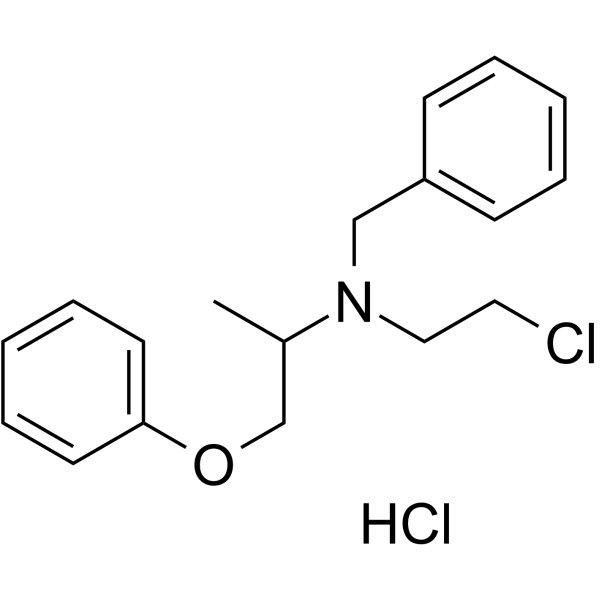
    Phenoxybenzamine hydrochloride is a nonselective, irreversible, orally active α-adrenoceptor antagonist that is commonly used for the research of hypertension, specifically caused by pheochromocytoma. Phenoxybenzamine hydrochloride also shows antitumor activity .
    Phenoxybenzamine hydrochloride
  • HY-105124A
    Bufuralol hydrochloride
    1 Publications Verification

    Ro 3-4787 hydrochloride

    Adrenergic Receptor Cardiovascular Disease Endocrinology
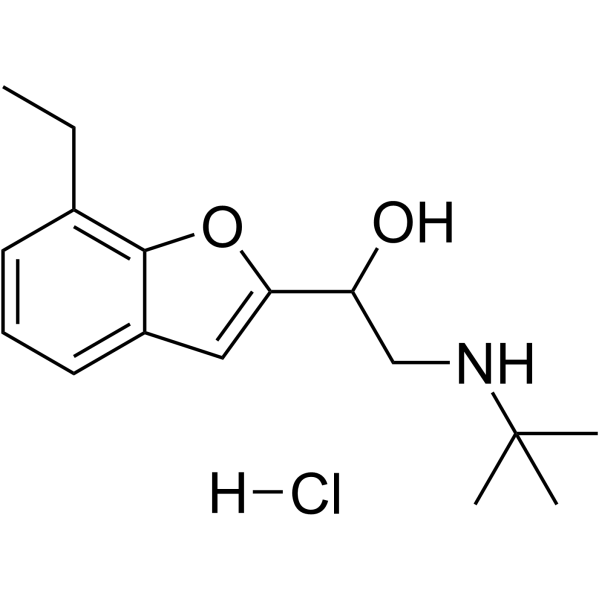
    Bufuralol (Ro 3-4787) hydrochloride is a potent non-selective, orally active β-adrenoreceptor antagonist with partial agonist activity. Bufuralol hydrochloride is a CYP2D6 probe substrate .
    Bufuralol hydrochloride
  • HY-105124
    Bufuralol
    1 Publications Verification

    Ro 3-4787

    Adrenergic Receptor Cardiovascular Disease Endocrinology
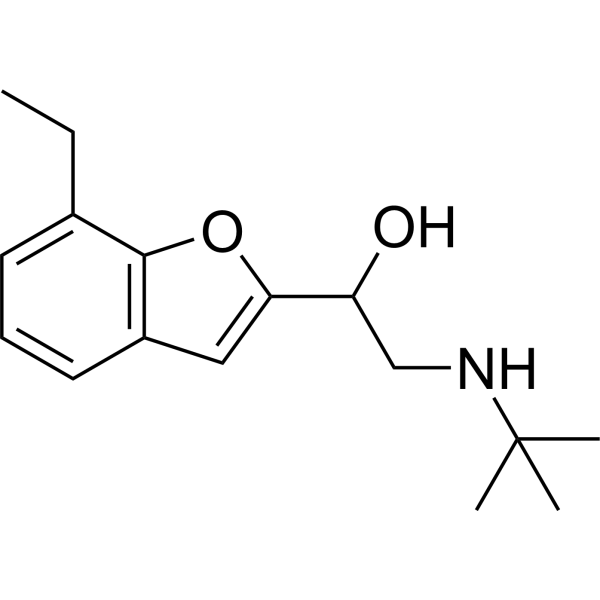
    Bufuralol (Ro 3-4787) is a potent non-selective, orally active β-adrenoreceptor antagonist with partial agonist activity. Bufuralol hydrochloride is a CYP2D6 probe substrate .
    Bufuralol
  • HY-B1517A
    Alprenolol hydrochloride
    5+ Cited Publications

    (RS)-Alprenolol hydrochloride; dl-Alprenolol hydrochloride

    5-HT Receptor Cardiovascular Disease Cancer
    Alprenolol ((RS)-Alprenolol; dl-Alprenolol) hydrochloride is an orally active non-selective β-adrenoceptor antagonist and an antagonist of 5-HT1A and 5-HT1B receptors. Alprenolol hydrochloride is used as an anti-hypertensive, anti-anginal and anti-arrhythmic agent .
    Alprenolol hydrochloride
  • HY-13204A

    KL 373

    mAChR Neurological Disease
    Biperiden (KL 373) is a non-selective muscarinic receptor antagonist that competitively binds to M1 muscarinic receptors, thereby inhibiting acetylcholine and enhancing dopamine signaling in the central nervous system. Biperiden has the potential for the research of Parkinson's disease and other related psychiatric disorders .
    Biperiden
  • HY-B0140
    Aminophylline
    10+ Cited Publications

    Phosphodiesterase (PDE) Adenosine Receptor Inflammation/Immunology Cancer
    Aminophylline is a competitive and non-selective phosphodiesterase (PDE) inhibitor. Aminophylline is a competitive adenosine receptor antagonist. Aminophylline has apulmonary vasodilator action as well as a bronchodilator action and has the potential for asthma research .
    Aminophylline
  • HY-107922
    Ethopropazine hydrochloride
    1 Publications Verification

    Isothazine

    Cholinesterase (ChE) iGluR mAChR Neurological Disease
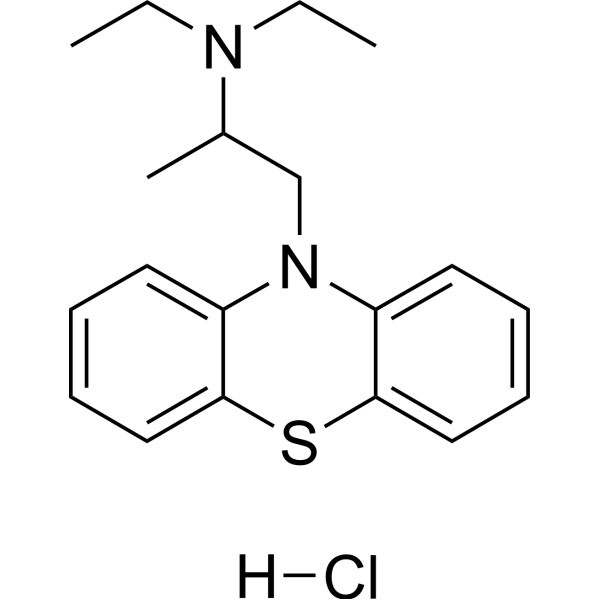
    Ethopropazine (Isothazine) hydrochloride is a potent and selective BChE inhibitor, a poor AChE inhibitor and a non-selective mAChR and NMDA antagonist. Ethopropazine hydrochloride has anticholinergic, antihistamine, antiadrenergic actions and properties. Ethopropazine hydrochloride alleviates thermal hyperalgesia in a dose dependent manner. Ethopropazine hydrochloride can be used for the research of Parkinson’s disease .
    Ethopropazine hydrochloride
  • HY-A0295
    (R)-Propranolol hydrochloride
    1 Publications Verification

    Adrenergic Receptor Cardiovascular Disease Neurological Disease Endocrinology
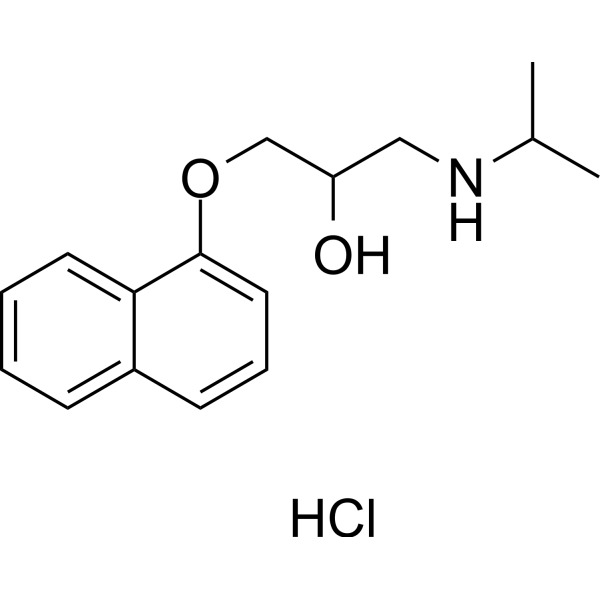
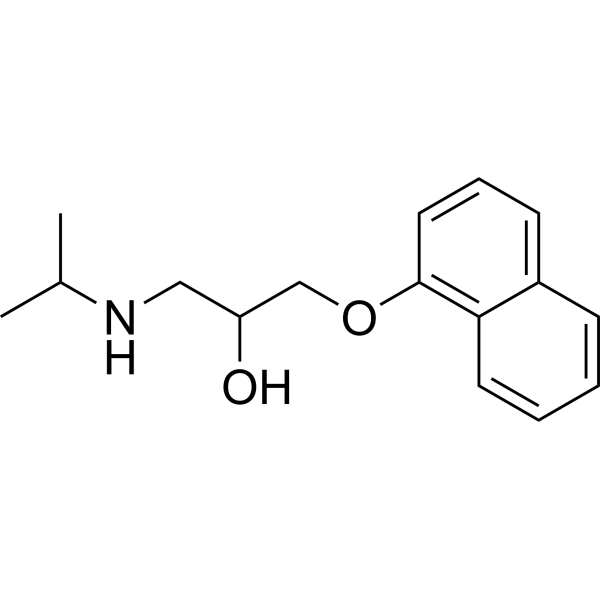
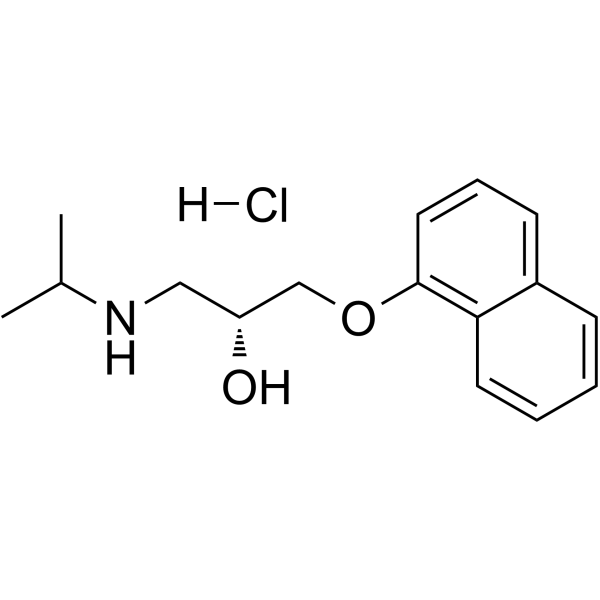
    (R)-Propranolol hydrochloride is a less active enantiomer of the β-adrenoceptor antagonist propranolol (HY-B0573). Propranolol is a nonselective β-adrenergic receptor (βAR) antagonist, has high affinity for the β1AR and β2AR with Ki values of 1.8 nM and 0.8 nM, respectively .
    (R)-Propranolol hydrochloride
  • HY-W017163

    Endogenous Metabolite Adenosine Receptor Metabolic Disease
    7-Methylxanthine is an orally active methyl derivative of xanthine and a non-selective adenosine receptor antagonist. 7-Methylxanthine is also one of the purine components of human urinary calculi. 7-Methylxanthine has anti-myopia activity .
    7-Methylxanthine
  • HY-13204

    KL 373 hydrochloride

    mAChR Neurological Disease
    Biperiden (KL 373) hydrochloride is a non-selective muscarinic receptor antagonist that competitively binds to M1 muscarinic receptors, thereby inhibiting acetylcholine and enhancing dopamine signaling in the central nervous system. Biperiden hydrochloride has the potential for the research of Parkinson's disease and other related psychiatric disorders .
    Biperiden hydrochloride
  • HY-108660
    PSB-0739
    1 Publications Verification

    P2Y Receptor Cardiovascular Disease
    PSB-0739 is a high-affinity potent, competitive, nonselective platelet P2Y12 receptor antagonist with a Ki values of 24.9 nM. The P2Y12 receptor plays a crucial role in platelet aggregation. Antithrombotic effect .
    PSB-0739
  • HY-110098
    Ro 5212773
    1 Publications Verification

    EPPTB

    Trace Amine-associated Receptor (TAAR) Neurological Disease
    Ro 5212773 (EPPTB) is a potent and selective trace amine-associated receptor 1 (TAAR1) antagonist (Ki=0.9 nM for mouse TAAR1), with no significant effects on other TAARs. TAAR1 is a G protein-coupled receptor (GPCR) that is nonselectively activated by endogenous metabolites of amino acids .
    Ro 5212773
  • HY-B0569
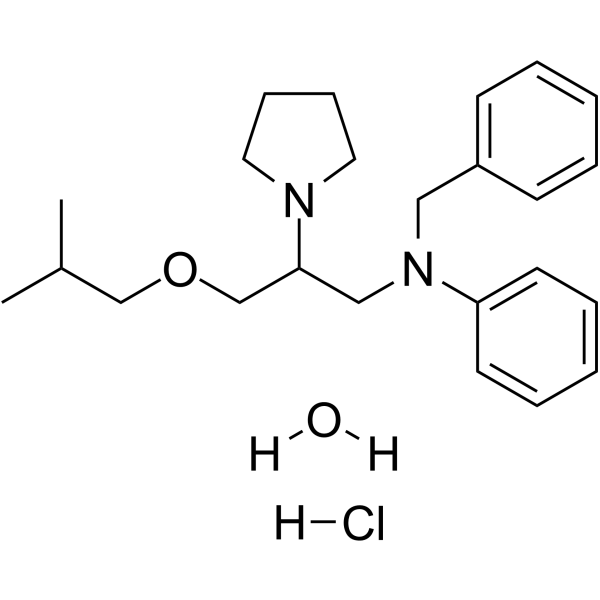
    Hexamethonium Bromide
    4 Publications Verification

    nAChR Apoptosis Cardiovascular Disease Neurological Disease
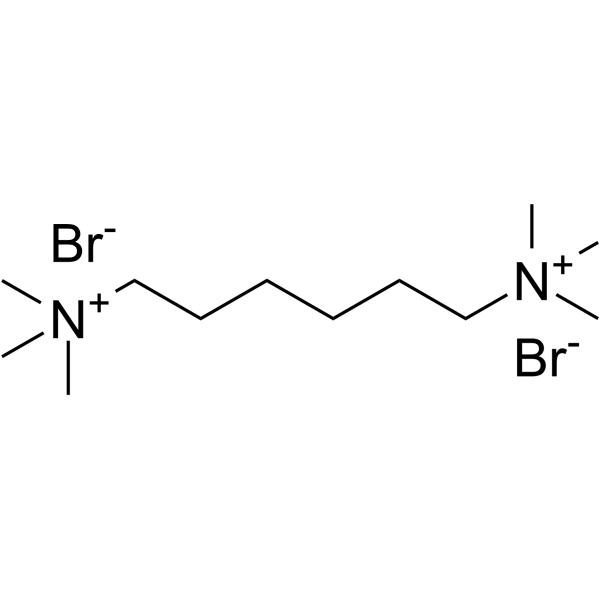
    Hexamethonium Bromide is a non-selective ganglionic nicotinic-receptor antagonist (nAChR) antagonist, with mixed competitive and noncompetitive activity. Hexamethonium Bromide has anti-hypertensive activity. Hexamethonium Bromide attenuates sympathetic activity and blood pressure in spontaneously hypertensive animal models .
    Hexamethonium Bromide
  • HY-A0082

    Difenidol hydrochloride

    mAChR Sodium Channel Neurological Disease
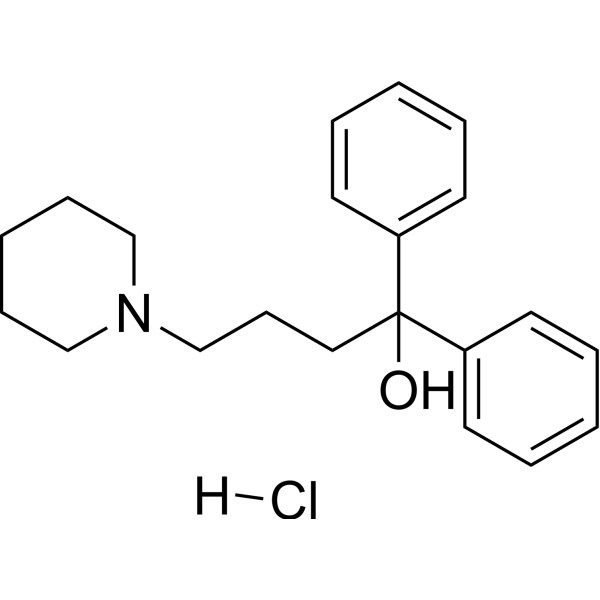
    Diphenidol hydrochloride (Difenidol hydrochloride) is a non-selective muscarinic M1-M4 receptor antagonist, has anti-arrhythmic activity. Diphenidol hydrochloride is also a potent non-specific blocker of voltage-gated ion channels (Na +, K +, and Ca 2+) in neuronal cells. Diphenidol hydrochloride can be used in the study of antivertigo and antinausea .
    Diphenidol hydrochloride
  • HY-107836
    Methiothepin mesylate
    2 Publications Verification

    Metitepine mesylate; Ro 8-6837 mesylate

    5-HT Receptor Neurological Disease
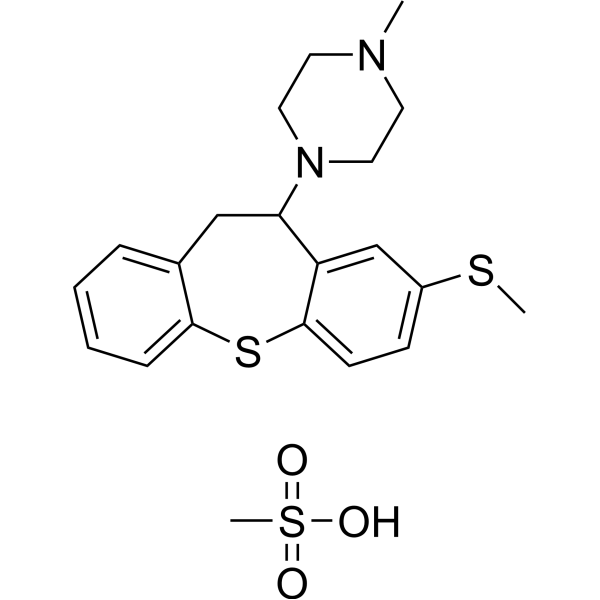
    Methiothepin (Metitepine) mesylate is a potent and non-selective 5-HT2 receptor antagonist, with pKds of 7.10 (5-HT1A), 7.28 (5HT1B), 7.56 (5HT1C), 6.99 (5HT1D), 7.0 (5-HT5A), 7.8 (5-HT5B), 8.74 (5-HT6), and 8.99 (5-HT7), and pKis of 8.50 (5HT2A), 8.68 (5HT2B), and 8.35 (5HT2C).
    Methiothepin mesylate
  • HY-B1238
    Pronethalol
    2 Publications Verification

    (±)-Pronethalo

    Adrenergic Receptor Cardiovascular Disease Neurological Disease
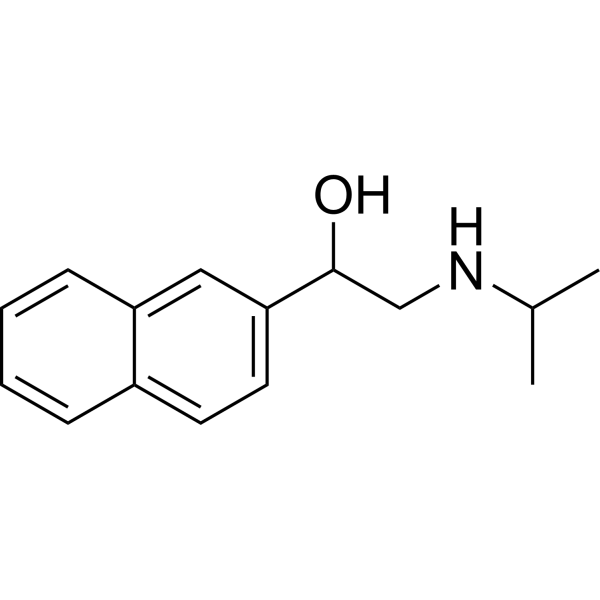
    Pronethalol ((±)-Pronethalo) is a non-selective β-adrenergic antagonist. Pronethalol is a potent inhibitor of Sox2 expression. Pronethalol protects against and to reverse Digitalis-induced ventricular arrhythmias and limits the cerebral arteriovenous malformation (AVMs) .
    Pronethalol
  • HY-N2064
    Racanisodamine
    1 Publications Verification

    mAChR Neurological Disease
    Racanisodamine is one of the racemic isomers of anisodamine, resembles anisodamine in pharmacological effect. Racanisodamine is a non-selective muscarinic antagonist, used as a component of eye drops for myopic control .
    Racanisodamine
  • HY-B1035
    Levobunolol hydrochloride
    1 Publications Verification

    l-Bunolol hydrochloride

    Adrenergic Receptor Calcium Channel Casein Kinase Cardiovascular Disease
    Levobunolol (l-Bunolol) hydrochloride is a non-selective β-adrenergic antagonist and vasodilator. By blocking calcium ion influx and reducing the sensitivity of vascular smooth muscle to calcium, Levobunolol hydrochloride effectively dilates the ciliary arteries and increases ocular blood flow, so it is widely used in research on glaucoma and ocular hypertension. Levobunolol hydrochloride inhibits the β-receptor signaling pathway and the expression of related proliferation markers (such as CK3, CK14, CK19, Ki67) in corneal cells. In rabbit models, Levobunolol hydrochloride not only does not inhibit corneal epithelial regeneration, but also accelerates the healing of mechanical injury without adverse effects. Levobunolol hydrochloride also inhibits histamine-induced vasoconstriction and intracellular calcium elevation, exhibiting unique vascular regulatory activity. Levobunolol hydrochloride protects ocular blood flow and promotes corneal repair .
    Levobunolol hydrochloride
  • HY-16952A
    Bepridil hydrochloride hydrate
    5+ Cited Publications

    (±)-Bepridil hydrochloride hydrate; Org 5730 hydrochloride hydrate

    Calcium Channel Cardiovascular Disease
    Bepridil hydrochloride hydrate ((±)-Bepridil hydrochloride hydrate) is a non-selective, long-acting Ca + channel antagonist and Na +, K + channel inhibitor, with antianginal and type I antiarrhythmic effects. Bepridil hydrochloride hydrate also acts as a cardiac Na +/Ca2 + exchange (NCX1) inhibitor. Bepridil hydrochloride hydrate can be used for the research of cardiovascular disorders .
    Bepridil hydrochloride hydrate
  • HY-B2089

    5-HT Receptor Dopamine Receptor Neurological Disease Metabolic Disease
    Cinitapride is a nonselective 5-HT1 and 5-HT4 receptors agonist and a 5-HT2 and D2 antagonist. Cinitapride can be used in functional dyspepsia (FD) and gastroesophageal reflux disease (GERD) research .
    Cinitapride
  • HY-101139A
    Xanthine amine congener hydrochloride
    1 Publications Verification

    XAC hydrochloride

    Adenosine Receptor Neurological Disease
    Xanthine amine congener (XAC) hydrochloride is a non-selective adenosine receptor antagonist. Xanthine amine congener hydrochloride induces convulsions in mice .
    Xanthine amine congener hydrochloride
  • HY-B1108R
    Labetalol hydrochloride (Standard)
    4 Publications Verification

    AH-5158 hydrochloride(Standard); Sch-15719W (Standard)

    Reference Standards Adrenergic Receptor Cardiovascular Disease Inflammation/Immunology Endocrinology
    Labetalol hydrochloride (Standard) is the analytical standard of Labetalol hydrochloride (HY-B1108). This product is intended for research and analytical applications. Labetalol (AH5158) hydrochloride is an orally available, selective α1-adrenergic recepto and non-selective β-adrenergic receptor competitive antagonist. Labetalol hydrochloride is an antihypertensive molecule that partially crosses the blood-brain barrier and has little effect on cardiac output. Labetalol hydrochloride can be used in the study of cardiovascular diseases, such as hypertension during pregnancy .
    Labetalol hydrochloride (Standard)
  • HY-B1562B

    (±)-Bopindolol malonate

    Adrenergic Receptor Renin 5-HT Receptor Cardiovascular Disease Neurological Disease
    Bopindolol ((±)-Bopindolol) malonate is an orally active antagonist of β-adrenoceptors (ARs) with partial agonist activity. Bopindolol malonate is non-selective for β1- and β2-ARs and has low affinity for β3-AR subtype. Bopindolol malonate has intrinsic sympathomimetic as well as membrane stabilizing actions, inhibits renin secretion, and interacts with 5-HT receptors. Bopindolol malonate is a proagent of Pindolol (HY-B0982). Bopindolol malonate can be used for essential and renovascular hypertension research.
    Bopindolol malonate
  • HY-121567
    Metipranolol
    1 Publications Verification

    Adrenergic Receptor Cardiovascular Disease
    Metipranolol is a nonselective and orally active β-adrenergic receptor antagonist. Metipranolol can be used for hypertension and glaucoma research .
    Metipranolol
  • HY-137279
    Naloxone methiodide
    1 Publications Verification

    Opioid Receptor Inflammation/Immunology
    Naloxone methiodide is a peripherally restricted, nonselective, and competitive opioid receptor antagonist. Naloxone methiodide does not penetrate the blood-brain barrier .
    Naloxone methiodide
  • HY-B0431

    Adrenergic Receptor Cardiovascular Disease Endocrinology Cancer
    Phenoxybenzamine is a nonselective, irreversible, orally active α-adrenoceptor antagonist that is commonly used for the research of hypertension, specifically caused by pheochromocytoma. Phenoxybenzamine also shows antitumor activity .
    Phenoxybenzamine
  • HY-B0431AR

    Reference Standards Adrenergic Receptor Cardiovascular Disease Endocrinology Cancer
    Phenoxybenzamine (hydrochloride) (Standard) is the analytical standard of Phenoxybenzamine (hydrochloride). This product is intended for research and analytical applications. Phenoxybenzamine hydrochloride is a nonselective, irreversible, orally active α-adrenoceptor antagonist that is commonly used for the research of hypertension, specifically caused by pheochromocytoma. Phenoxybenzamine hydrochloride also shows antitumor activity .
    Phenoxybenzamine hydrochloride (Standard)
  • HY-A0252

    Adrenergic Receptor Inflammation/Immunology Cancer
    Bupranolol is an orally active, competitive and non-selective β-adrenoceptor antagonist without intrinsic sympathomimetic activity .
    Bupranolol
  • HY-A0252R

    Reference Standards Adrenergic Receptor Inflammation/Immunology Cancer
    Bupranolol (Standard) is the analytical standard of Bupranolol. This product is intended for research and analytical applications. Bupranolol is an orally active, competitive and non-selective β-adrenoceptor antagonist without intrinsic sympathomimetic activity .
    Bupranolol (Standard)
  • HY-N7740

    P2Y Receptor Endogenous Metabolite Others
    Adenosine 2',5'-diphosphate sodium is a competitive P2Y1 antagonist. Adenosine 2',5'-diphosphate sodium exhibits non-selective antagonism at recombinant and human platelet P2X1 receptors .
    Adenosine 2',5'-diphosphate sodium
  • HY-107121

    LY 2196044

    Opioid Receptor Neurological Disease
    Ondelopran (LY 2196044) is a non-selective opioid receptor antagonist. Ondelopran inhibits the release of dopamine in the nucleus accumbens induced by alcohol, reduces the rewarding effect of alcohol consumption, and lowers the craving. Ondelopran can be used for alcohol use disorder (AUD) .
    Ondelopran
  • HY-B1517AR

    (RS)-Alprenolol hydrochloride (Standard); dl-Alprenolol hydrochloride (Standard)

    Reference Standards 5-HT Receptor Cancer
    Alprenolol (hydrochloride) (Standard) is the analytical standard of Alprenolol (hydrochloride). This product is intended for research and analytical applications. Alprenolol ((RS)-Alprenolol; dl-Alprenolol) hydrochloride is an orally active non-selective β-adrenoceptor antagonist and an antagonist of 5-HT1A and 5-HT1B receptors. Alprenolol hydrochloride is used as an anti-hypertensive, anti-anginal and anti-arrhythmic agent .
    Alprenolol hydrochloride (Standard)
  • HY-122215

    N-696

    Adrenergic Receptor Endocrinology
    Tilisolol hydrochloride (N-696) is a non-selective β-adrenergic antagonist with vasodilatory and hypotensive activities. Tilisolol hydrochloride exerts its effects in canine coronary arteries by opening ATP-sensitive K+ channels. Tilisolol hydrochloride exhibits concentration-dependent relaxation in KCl-precontracted rat thoracic aorta. Tilisolol hydrochloride reduces diastolic blood pressure in a dose-dependent manner and slightly increases heart rate in spinal cord stimulated rats .
    Tilisolol hydrochloride
  • HY-125957

    PKA Casein Kinase CaMK PKC Others
    A-3 hydrochloride is a potent, cell-permeable, reversible, ATP-competitive non-selective antagonist of various kinases. It against PKA (Ki=4.3 µM), casein kinase II (Ki=5.1 µM) and myosin light chain kinase (MLCK) (Ki=7.4 µM). A-3 hydrochloride also inhibits PKC and casein kinase I with Ki values of 47 µM and 80 µM, respectively .
    A-3 hydrochloride
  • HY-121383R

    AH5158 (Standard); Sch-15719W free base (Standard)

    Reference Standards Adrenergic Receptor Cardiovascular Disease Inflammation/Immunology Endocrinology
    Labetalol (Standard) is the analytical standard of Labetalol. This product is intended for research and analytical applications. Labetalol (AH5158) is an orally available, selective α1-adrenergic recepto and non-selective β-adrenergic receptor competitive antagonist. Labetalol is an antihypertensive molecule that partially crosses the blood-brain barrier and has little effect on cardiac output. Labetalol can be used in the study of cardiovascular diseases, such as hypertension during pregnancy .
    Labetalol (Standard)
  • HY-Z7733

    Desmethylcarvedilol; BM-14242

    Calcium Channel Metabolic Disease
    O-Desmethylcarvedilol (Desmethylcarvedilol) is an active metabolite of the non-selective β-adrenergic receptor (β-AR) antagonist Carvedilol (HY-B0006). O-Desmethylcarvedilol inhibits store-overload-induced calcium release in HEK293 cells expressing the ryanodine receptor 2 (RyR2) R4496C (RyR2 R4496C) mutation (IC50 = 7.62 µM). O-Desmethylcarvedilol reduces increases in heart rate and prevents decreases in diastolic blood pressure induced by Isoproterenol (HY-B0468) in conscious rabbits (ED50s = 32 and 5 µg/kg, respectively) .
    O-Desmethylcarvedilol
  • HY-105183

    Endothelin Receptor Others
    PD 145065 is a highly potent but non-selective endothelin receptor antagonist with an IC50 value of 4 nM for the ETA receptor for rabbit renal artery vascular smooth muscle cells .
    PD 145065
  • HY-B1395A

    nAChR Histamine Receptor Cardiovascular Disease Neurological Disease
    Mecamylamine is an orally active, nonselective, noncompetitive nAChR antagonist. Mecamylamine is also a ganglionic blocker. Mecamylamine can across the blood-brain barrier. Mecamylamine can be used in the research of neuropsychiatric disorders, hypertension, antidepressant area .
    Mecamylamine
  • HY-136842

    5-HT Receptor Neurological Disease
    Oxetorone fumarate is a non-selective, orally active serotonin antagonist. Oxetorone fumarate is an antimigraine agent .
    Oxetorone fumarate
  • HY-101139

    XAC

    Adenosine Receptor Neurological Disease
    Xanthine amine congener is a non-selective adenosine receptor antagonist . Xanthine amine congener induces convulsions in mice .
    Xanthine amine congener
  • HY-17495

    OPC-1085

    Adrenergic Receptor Caspase Bcl-2 Family Neurological Disease
    Carteolol is a non-selective β-adrenoceptor antagonist. Carteolol induces apoptosis via a caspase activated and mitochondrial-dependent pathway. Carteolol can be used for glaucoma research .
    Carteolol
  • HY-B1517B

    5-HT Receptor Cardiovascular Disease Cancer
    Alprenolol benzoate is an orally active non-selective β-adrenoceptor antagonist and an antagonist of 5-HT1A and 5-HT1B receptors. Alprenolol benzoate is used as an anti-hypertensive, anti-anginal and anti-arrhythmic agent .
    Alprenolol benzoate
  • HY-19282A

    Sodium Channel Neurological Disease
    (5R)-BW-4030W92 is the R enantiomer of BW-4030W92. BW-4030W92 is a non-selective, voltage-, and use-dependent sodium channel antagonist.
    (5R)-BW-4030W92
  • HY-13204R

    KL 373 hydrochloride (Standard)

    Reference Standards mAChR Neurological Disease
    Biperiden (hydrochloride) (Standard) is the analytical standard of Biperiden (hydrochloride). This product is intended for research and analytical applications. Biperiden (KL 373) hydrochloride is a non-selective muscarinic receptor antagonist that competitively binds to M1 muscarinic receptors, thereby inhibiting acetylcholine and enhancing dopamine signaling in the central nervous system. Biperiden hydrochloride has the potential for the research of Parkinson's disease and other related psychiatric disorders .
    Biperiden hydrochloride (Standard)
  • HY-13204B

    KL 373 lactate

    mAChR Neurological Disease
    Biperiden (KL 373) lactate is an orally active non-selective muscarinic receptor antagonist that competitively binds to M1 muscarinic receptors. Biperiden (KL 373) lactate inhibits acetylcholine and enhances dopamine signaling in the central nervous system. Biperiden (KL 373) lactate has the potential for the research of Parkinson's disease and other related psychiatric disorders .
    Biperiden lactate

Inquiry Online

Your information is safe with us. * Required Fields.

Salutation


Country or Region *

Applicant Name *


Organization Name *

Department *


Email Address *


Product Name *

Cat. No.


Requested quantity *

Phone Number *


Remarks

Inquiry Online

Inquiry Information

Product Name:
Cat. No.:
Quantity:
MCE Japan Authorized Agent:

