Search Result
Results for "
oxidative cell death
" in MedChemExpress (MCE) Product Catalog:
1
Biochemical Assay Reagents
2
Isotope-Labeled Compounds
| Cat. No. |
Product Name |
Target |
Research Areas |
Chemical Structure |
-
- HY-12040
-
Elesclomol
Maximum Cited Publications
115 Publications Verification
STA-4783
|
Reactive Oxygen Species (ROS)
Apoptosis
Cuproptosis
|
Cancer
|
|
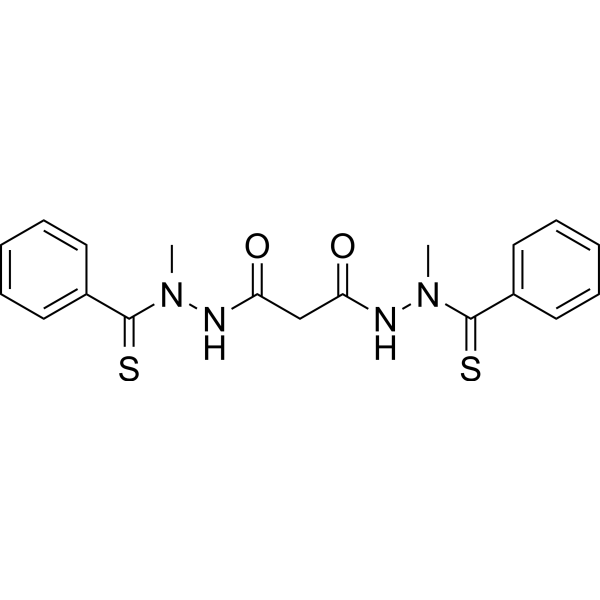
Elesclomol (STA-4783) is a potent copper ionophore and promotes copper-dependent cell death (cuproptosis). Elesclomol specifically binds ferredoxin 1 (FDX1) α2/α3 helices and β5 strand. Elesclomol inhibits FDX1-mediated Fe-S cluster biosynthesis. Elesclomol is an oxidative stress inducer that induces cancer cell apoptosis. Elesclomol is a reactive oxygen species (ROS) inducer. Elesclomol can be used for Menkes and associated disorders of hereditary copper deficiency research .
|
-
-
- HY-N6687
-
Calcimycin
Maximum Cited Publications
24 Publications Verification
A-23187; Antibiotic A-23187
|
Oxidative Phosphorylation
Bacterial
Fungal
Apoptosis
Autophagy
Antibiotic
|
Infection
Inflammation/Immunology
Cancer
|
|
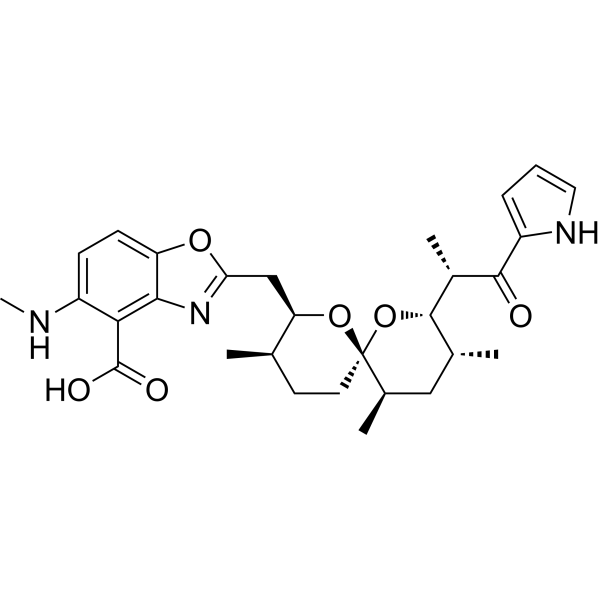
Calcimycin (A-23187) is an antibiotic and a unique divalent cation ionophore (like calcium and magnesium). Calcimycin induces Ca 2+-dependent cell death by increasing intracellular calcium concentration. Calcimycin inhibits the growth of Gram-positive bacteria and some fungi. Calcimycin also inhibits the activity of ATPase and uncouples oxidative phosphorylation (OXPHOS) of mammalian cells. Calcimycin induces apoptosis and autophagy .
|
-
-
- HY-16214
-
|
LDHA Inhibitor FX11
|
Lactate Dehydrogenase
Apoptosis
Reactive Oxygen Species (ROS)
|
Cancer
|
|
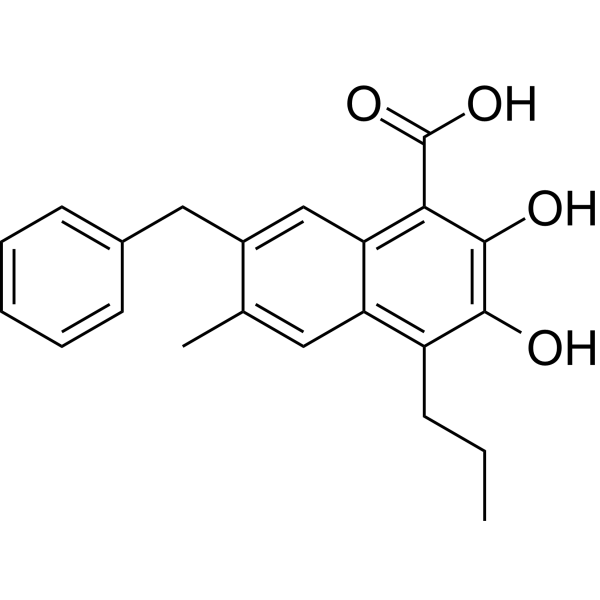
FX-11 is a potent, selective, reversible and competitive lactate dehydrogenase A (LDHA) inhibitor, with a Ki of 8 μM. FX-11 reduces ATP levels and induces oxidative stress, ROS production and cell death. FX-11 shows antitumor activity in lymphoma and pancreatic cancer xenografts .
|
-
-
- HY-111914A
-
|
|
NO Synthase
Fatty Acid Synthase (FASN)
|
Cardiovascular Disease
|
|
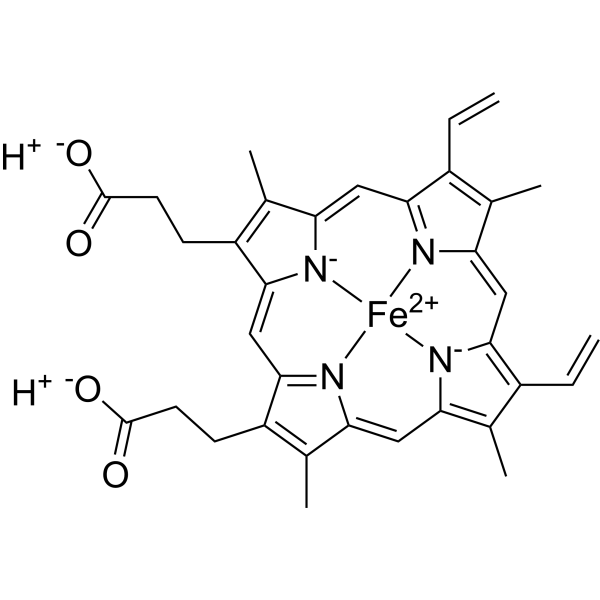
Ferroheme is the ferrous form of heme in hemoglobin, reversibly binding oxygen as an oxygen carrier. Its free form induces oxidative stress and ferroptosis by releasing iron ions, which catalyze reactive oxygen species generation via Fenton reactions, leading to lipid peroxidation and cell death. This mechanism is critical in pathological contexts like intracerebral hemorrhage and neurodegenerative diseases, making it a target for studying iron-overload disorders and ferroptosis-related pathologies[1][2][3].
|
-
-
- HY-14668
-
|
AEGR-733 mesylate; BMS-201038 mesylate
|
Microsomal Triglyceride Transfer Protein (MTP)
mTOR
LDLR
Autophagy
Apoptosis
|
Cardiovascular Disease
Neurological Disease
Metabolic Disease
Cancer
|
|
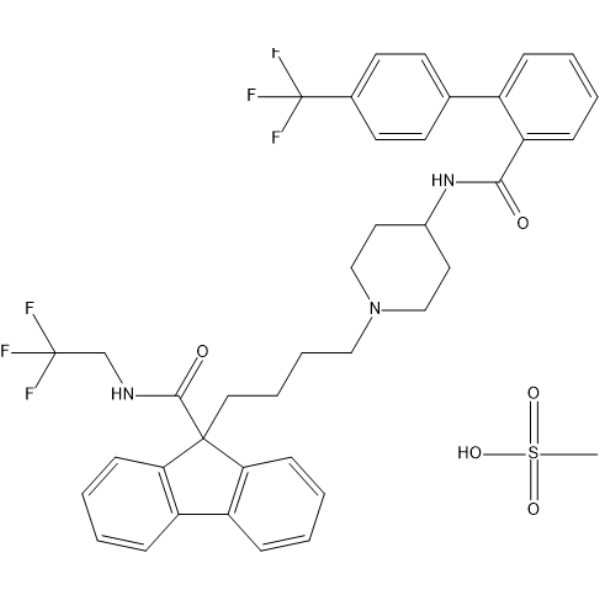
Lomitapide (AEGR-733; BMS-201038) mesylate is an orally active microsomal triglyceride transfer protein (MTP) inhibitor and a selective mTORC1 inhibitor with lipid-lowering activity and BBB permeability. Lomitapide mesylate significantly reduces plasma LDL levels by blocking the assembly and secretion of very-low-density lipoprotein (VLDL). Lomitapide mesylate inhibits mTORC1 in an ATP-dependent manner, thereby inducing AMPK-independent autophagic cell death and suppressing cancer cell growth and apoptosis. Lomitapide mesylate also enhances tumor infiltration of CD8 + T cells. In addition, Lomitapide mesylate inhibits HDAC, improves endothelial function, effectively alleviates vascular inflammation and oxidative stress, and exerts neuroprotective effects in a cerebral ischemia/reperfusion injury model. Lomitapide mesylate can be used in research on related diseases such as colorectal cancer, breast cancer, melanoma, ischemic stroke, and familial hypercholesterolemia .
|
-
-
- HY-N1990
-
|
|
PPAR
Sirtuin
Keap1-Nrf2
Toll-like Receptor (TLR)
NF-κB
Reactive Oxygen Species (ROS)
NOD-like Receptor (NLR)
Apoptosis
Pyroptosis
Autophagy
|
Cardiovascular Disease
Neurological Disease
Metabolic Disease
Inflammation/Immunology
|
|
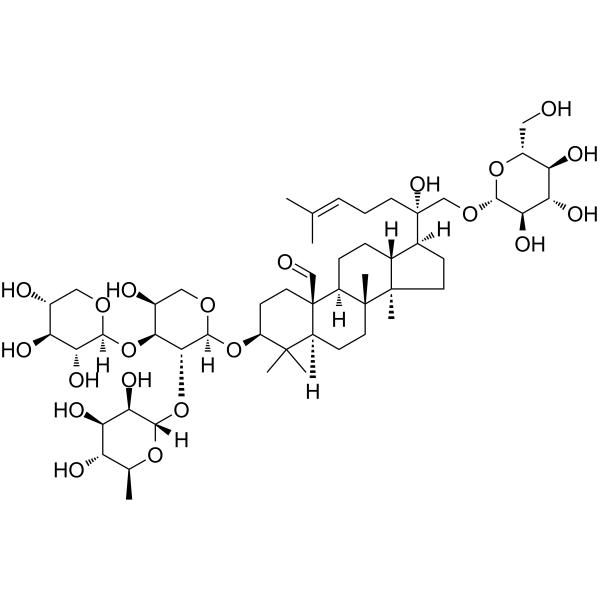
Gypenoside XLIX is a multifunctional bioactive compound that can be isolated from Gynostemma pentaphyllum, with a Ka value of 1.58 μM for its binding to SIRT1. Gypenoside XLIX acts as a PPAR-α agonist. It inhibits the activation of TLR4-mediated NF-κB signaling pathway by activating the Sirt1/Nrf2 signaling pathway, reduces ROS accumulation, and alleviates hepatic inflammatory injury in mice with sepsis-induced liver disease. Gypenoside XLIX targets SIRT1 to block YAP-NLRP3 activation and improve sepsis-induced cardiomyopathy. Gypenoside XLIX inhibits apoptosis (Apoptosis), pyroptosis (Pyroptosis), autophagy (Autophagy), lipid peroxidation, pro-inflammatory cytokines and anti-inflammatory cytokines. Gypenoside XLIX alleviates sepsis-induced splenic injury by inhibiting inflammation and oxidative stress, and mitigates sepsis-associated encephalopathy by targeting PPAR-α. Gypenoside XLIX prevents acute kidney injury by inhibiting IGFBP7/IGF1R-mediated programmed cell death and inflammation. Gypenoside XLIX inhibits the expression and activity of vascular cell adhesion molecule-1 in cytokine-induced human endothelial cells. Gypenoside XLIX is applicable to research related to acute liver injury, lung injury, cardiomyopathy, acute splenic injury, sepsis-associated encephalopathy, acute kidney injury, atherosclerosis and chronic inflammation .
|
-
-
- HY-134832
-
-
-
- HY-149143
-
|
|
TRP Channel
|
Inflammation/Immunology
|
|
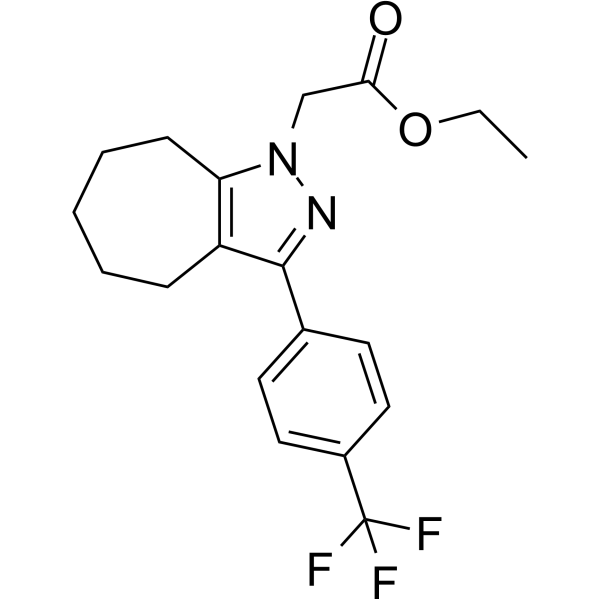
JNJ-28583113 is an TRPM2 antagonist with brain permeability. JNJ-28583113 inhibits TRPM2 blocked phosphorylation of GSK3α and β subunits. JNJ-28583113 protects cells from oxidative stress induced cell death. JNJ-28583113 also suppresses cytokine release in response to pro-inflammatory stimuli in microglia .
|
-
-
- HY-103661
-
BI-6C9
3 Publications Verification
|
Mitochondrial Metabolism
Apoptosis
|
Neurological Disease
|
|
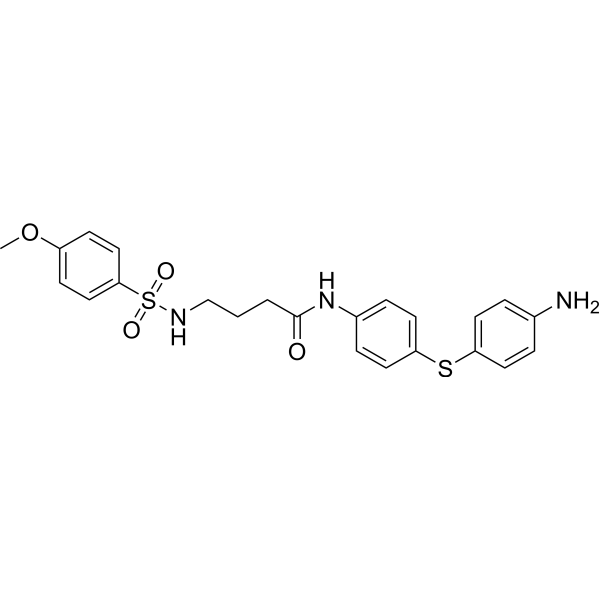
BI-6C9 is a highly specific BH3 interacting domain (Bid) inhibitor, which prevents mitochondrial outer membrane potential (MOMP) and mitochondrial fission, and protects the cells from mitochondrial apoptosis inducing factor (AIF) release and caspase-independent cell death in neurons .
|
-
-
- HY-121362
-
|
|
Bacterial
Endogenous Metabolite
TrxR
|
Infection
Neurological Disease
Inflammation/Immunology
Cancer
|
|
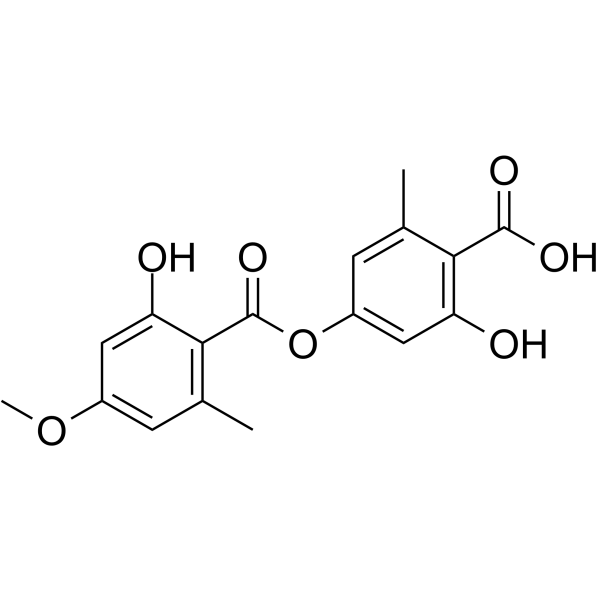
Evernic Acid is an orally active thioredoxin reductase 1 (TrxR1) inhibitor and antiproliferative agent. Evernic Acid inhibits the proliferation and migration of human breast cancer cells. Evernic Acid blocks the NF-κB pathway by inhibiting p65 nuclear translocation and IκBα phosphorylation, thereby suppressing downstream inflammatory mediators. Evernic Acid acts as an antioxidant, anti-inflammatory agent and neuroprotective agent, protects neurons from cell death, mitochondrial dysfunction and oxidative stress damage, reduces astrocyte activation, and ameliorates dopaminergic neuron loss and neuroinflammation. Evernic Acid inhibits enoyl reductases FabI and FabZ of Plasmodium falciparum. Evernic Acid downregulates the expression of lasB and rhlA genes in Pseudomonas aeruginosa, inhibits quorum sensing and biofilm formation, and exerts antibacterial activity against Gram-positive bacteria, Gram-negative bacteria and fungi. Evernic Acid is applicable to research related to breast cancer, Parkinson's disease, bacterial infections and fungal infections .
|
-
-
- HY-108351
-
|
|
Necroptosis
|
Cardiovascular Disease
|
|
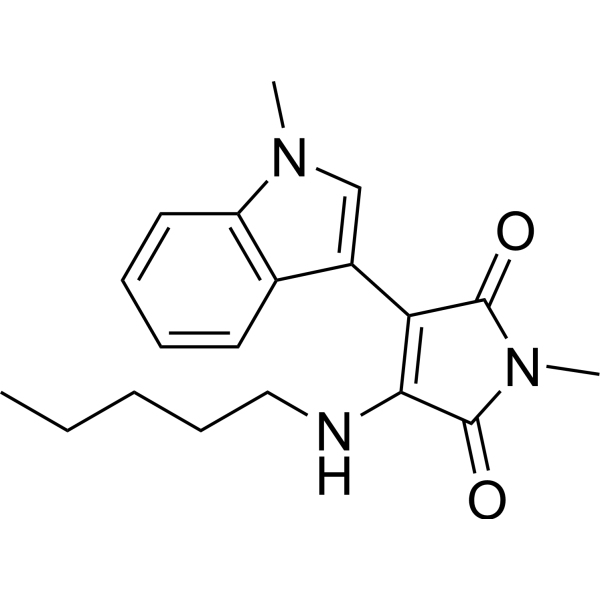
IM-54 is a selective inhibitor of oxidative stress-induced necrosis. IM-54 shows potent inhibitory activity against H2O2-induced necrosis. IM-54 acts as a potential cardioprotective agent and biological tool for investigating the molecular mechanisms of cell death .
|
-
-
- HY-108894
-
|
|
Ferroptosis
Reactive Oxygen Species (ROS)
|
Cardiovascular Disease
Inflammation/Immunology
Cancer
|
|
Ferumoxytol is an FDA-approved ultrasmall superparamagnetic iron oxide preparation and iron replacement agent that exerts selective activity against leukemia cells with low ferroportin expression. Ferumoxytol increases intracellular iron levels, induces reactive oxygen species (ROS) production via the Fenton reaction, and triggers oxidative stress and cell death. Ferumoxytol reduces disease burden in mouse models and patient-derived leukemia models. As an MRI contrast agent, Ferumoxytol enables imaging of vascular lesions, tumors and lymph nodes. Ferumoxytol can be used in research related to acute myeloid leukemia and blast-phase chronic myeloid leukemia .
|
-

-
- HY-A0169A
-
|
|
Reactive Oxygen Species (ROS)
Photosensitizer
|
Cancer
|
|
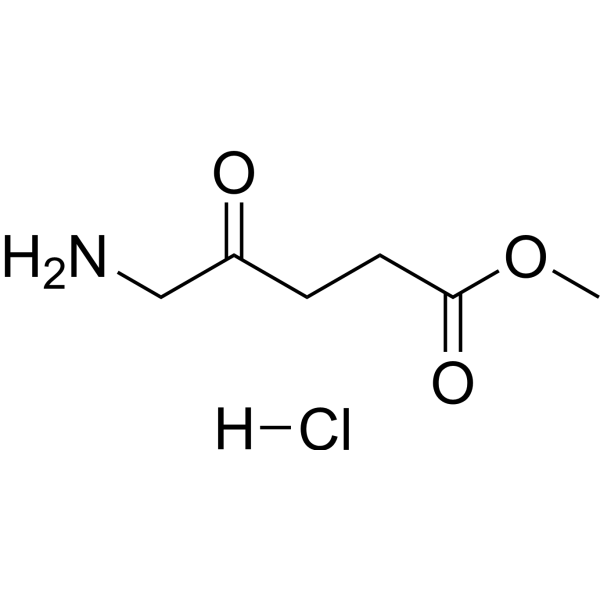
Methyl aminolevulinate hydrochloride is a sensitizer used in photodynamic therapy (PDT). Methyl aminolevulinate hydrochloride penetrates the skin and induces the production of photoactive porphyrins including protoporphyrin IX in cells; upon exposure to appropriate light, it generates ROS, which triggers cellular oxidation and cell death. Methyl aminolevulinate hydrochloride acts as a photo-damage reversing agent through epidermal reconstruction, cytokine-mediated activation of dermal fibroblasts, elastin breakdown, new collagen formation, and compression of dilated capillaries. Methyl aminolevulinate hydrochloride reduces the expression of the proliferation marker Ki-67 and the early skin carcinogenesis marker TP53. Methyl aminolevulinate hydrochloride delays the onset of ultraviolet-induced skin tumors and reduces tumor burden in hairless mice. Methyl aminolevulinate hydrochloride is applicable to research related to actinic keratosis and basal cell carcinoma .
|
-
-
- HY-157959
-
|
(±)-Orphenadrine
|
iGluR
Cytochrome P450
Cholinesterase (ChE)
|
Neurological Disease
Cancer
|
|
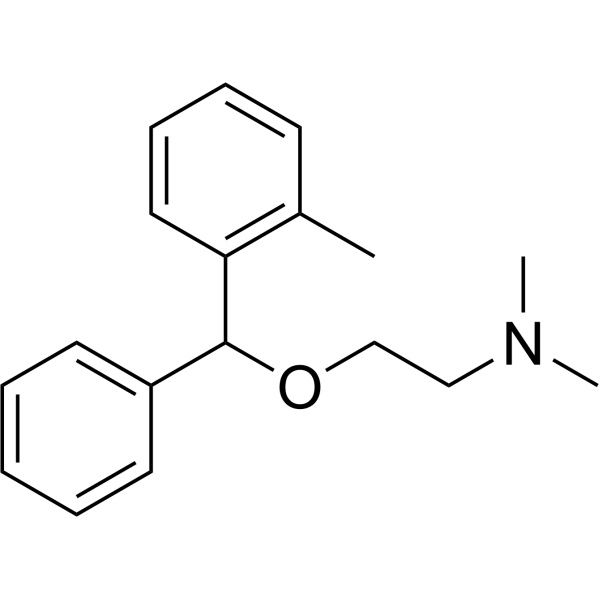
Orphenadrine ((±)-Orphenadrine) is a skeletal muscle relaxant and NMDA antagonist that also has antiparkinsonian, antihistamine, antitremor, antispasmodic, and analgesic effects. Orphenadrine inhibits the binding of [3H]MK-801 to the phencyclidine (PCP) binding site of the NMDA receptor. Orphenadrine is also an anticholinergic and CYP2B inducer. Orphenadrine may exert pro-tumor effects, causing CAR nuclear translocation, resulting in microsomal reactive oxygen species (ROS) production and oxidative stress. Orphenadrine also exerts neuronal protection, protecting rat cerebellar granule cells (CGC) from 3-NPA-induced death and has inhibitory potential against neurodegenerative diseases mediated by NMDA receptor overactivation .
|
-
-
- HY-W010451
-
|
Hydroxyhydroquinone
|
PERK
Eukaryotic Initiation Factor (eIF)
Potassium Channel
Apoptosis
|
Cardiovascular Disease
Cancer
|
|
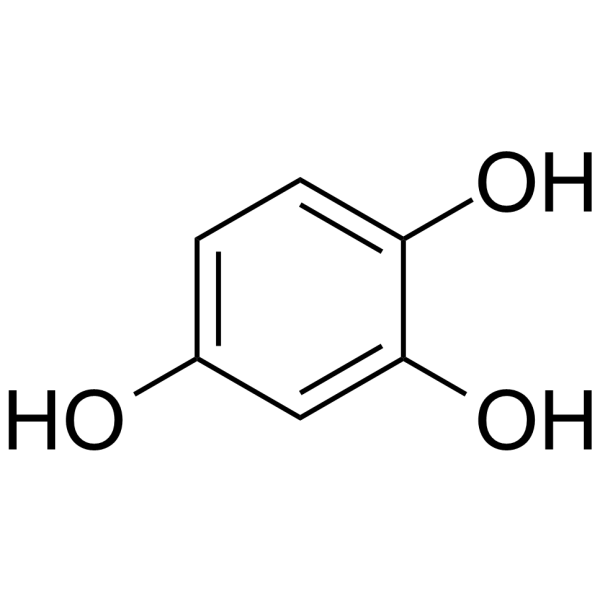
1,2,4-Trihydroxybenzene (Hydroxyhydroquinone) is an ER stress inducer that targets proteins such as PKR-like ER kinase PERK to induce cytotoxicity. 1,2,4-Trihydroxybenzene selectively activates eIF2α phosphorylation, activates the PERK-eIF2α signaling pathway and induces stress granule formation. 1,2,4-Trihydroxybenzene subsequently exacerbates oxidative stress and causes DNA double-strand breaks, destroying organelles such as mitochondria and ER, and inducing cell death. 1,2,4-Trihydroxybenzene also has the potential to exhibit anti-tumor effect, increase blood pressure, and relieve spasm .
|
-
-
- HY-145963
-
DRB18
1 Publications Verification
|
GLUT
|
Cancer
|
|
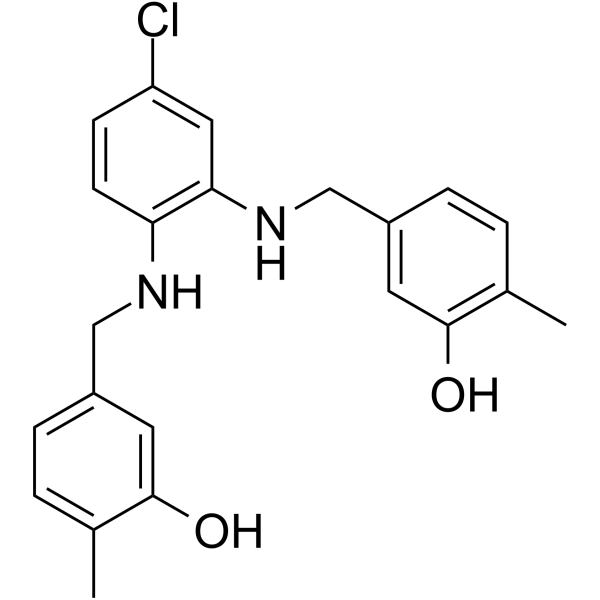
DRB18 is a potent pan-class GLUT inhibitor. DRB18 alters energy-related metabolism in A549 cells by changing the abundance of metabolites in glucose-related pathways. DRB18 can eventually lead to G1/S phase arrest and increase oxidative stress and necrotic cell death. DRB18 has anti-tumor activity .
|
-
-
- HY-N6036
-
|
|
Others
|
Cancer
|
|
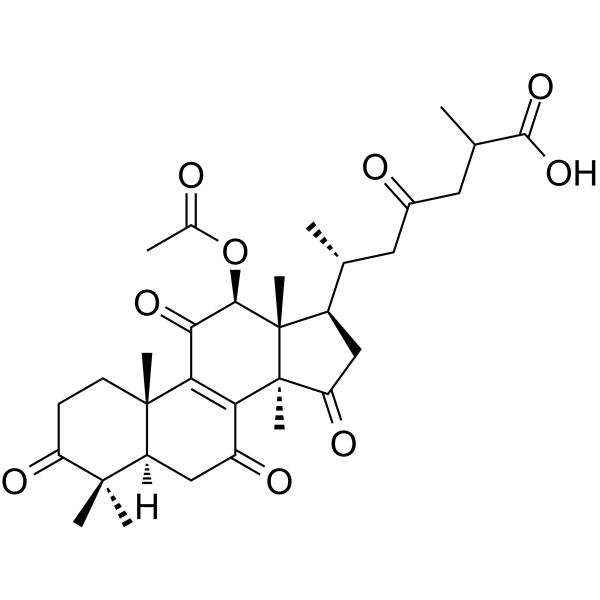
Ganoderic acid F is a ganoderic acid. Ganoderic acid F exhibits antitumor and antimetastatic activities through inhibition of angiogenesis and alteration of proteins involving cell proliferation and/or cell death, carcinogenesis, oxidative stress, calcium signaling, and endoplasmic reticulum stress .
|
-
-
- HY-135008
-
J14
2 Publications Verification
|
Reactive Oxygen Species (ROS)
|
Cancer
|
|
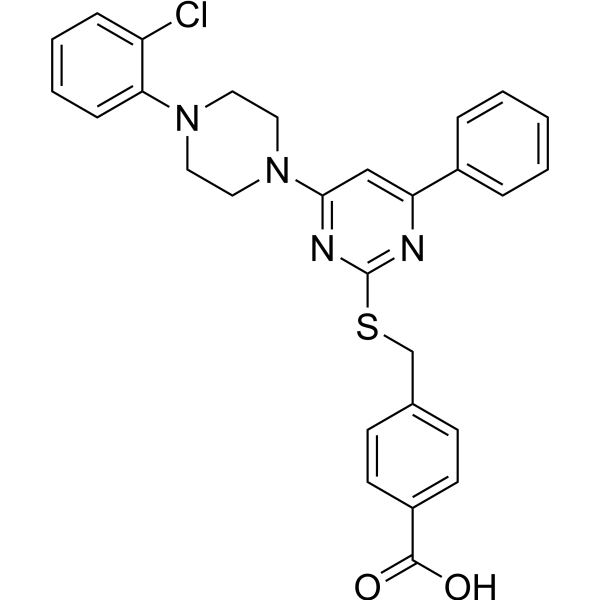
J14 is a reversible sulfiredoxin inhibitor with an IC50 of 8.1 μM. J14 induces oxidative stress (intracellular ROS accumulation) by inhibiting sulfiredoxin, leading to cytotoxicity and cancer cell death .
|
-
-
- HY-141860
-
|
|
PSMA
Microtubule/Tubulin
Reactive Oxygen Species (ROS)
Cytochrome P450
|
Cancer
|
|
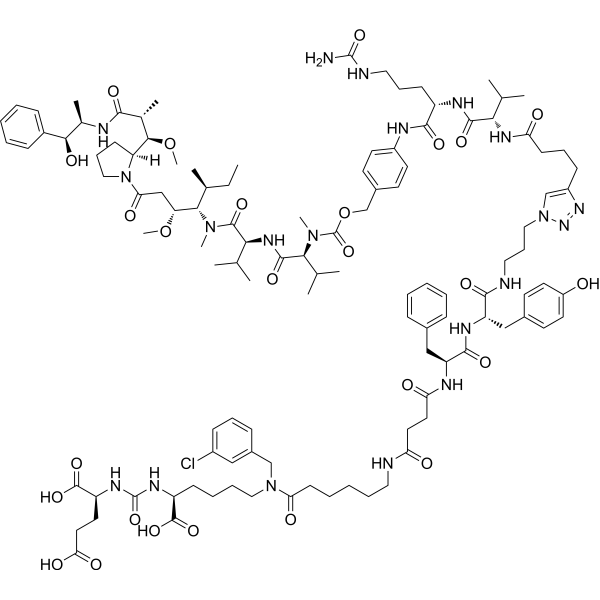
PSMA-Val-Cit-PAB-MMAE is a small-molecule conjugate targeting PSMA, with Monomethyl auristatin E (MMAE) (HY-15162) as its cytotoxic payload. PSMA-Val-Cit-PAB-MMAE binds to PSMA, thereby being delivered into PSMA-expressing prostate cancer cells. Subsequently, the Val-Cit linker is cleaved under the mediation of cathepsin B, releasing active MMAE. PSMA-Val-Cit-PAB-MMAE inhibits CYP3A4 activity (IC50 = 11.2 μM), induces intracellular ROS production and oxidative stress, disrupts the cytoskeleton through microtubule destabilization, and induces prostate cancer cell death. PSMA-Val-Cit-PAB-MMAE can be used in research related to prostate cancer .
|
-
-
- HY-P10409
-
|
Small humanin-like peptide 2
|
Apoptosis
Reactive Oxygen Species (ROS)
|
Neurological Disease
Metabolic Disease
|
|
SHLP2 (Small humanin-like peptide 2) is a small molecule peptide encoded by mitochondrial DNA, belonging to mitochondria derived peptide. SHLP2 has the activity of regulating apoptosis and inhibits cell death. SHLP2 binds to mitochondrial complex 1. SHLP2 improves mitochondrial metabolism by increasing respiration and biogenesis, reducing ROS, and decreasing mtDNA oxidation. SHLP2 also regulated energy homeostasis through the activation of hypothalamic neurons. SHLP2 can be used in the study of diseases related to mitochondrial dysfunction and anti-aging diseases, such as age-related macular degeneration and Parkinson’s disease .
|
-

-
- HY-115701
-
|
1-Stearoyl-2-15(S)-HpETE-sn-glycero-3-phosphoethanolamine; 15(S)-HpETE-SAPE; 15(S)-hydroperoxyeicostetraenoic acid-SAPE
|
Ferroptosis
|
Inflammation/Immunology
|
|
1-Stearoyl-2-15(S)-HpETE-sn-glycero-3-Pe is a phospholipid that contains stearic acid (HY-B2219) at the sn-1 position and 15(S)-HpETE at the sn-2 position. It is produced via oxidation of 1-stearoyl-2-arachidonoyl-sn-glycero-3-Pe (SAPE) by 15-lipoxygenase (15-LO). 1-Stearoyl-2-15(S)-HpETE-sn-glycero-3-Pe (0.6 and 0.9 μM) increases ferroptotic cell death in wild-type and Acsl4 knockout Pfa1 mouse embryonic fibroblasts (MEFs) treated with the GPX4 inhibitor RSL3.
|
-

-
- HY-125972
-
-

-
- HY-169056
-
|
|
Reactive Oxygen Species (ROS)
|
Cancer
|
|
SLC7A11-IN-2 (Compound 1) is an SLC7A11/xCT inhibitor. SLC7A11-IN-2 induces cell death in HeLa cells by lowering intracellular glutathione levels and increasing oxidative stress, thereby disrupting the oxidative balance within the cells, with an IC50 value of 10.23 μM. Molecular dynamics simulation analysis indicates that SLC7A11-IN-2 has a stronger binding affinity to SLC7A11 compared to Erastin (HY-15763). SLC7A11-IN-2 can be utilized in research within the field of cervical cancer .
|
-

-
- HY-136913
-
|
(Rac)-Betuligenol
|
Endogenous Metabolite
|
Inflammation/Immunology
|
|
(Rac)-Rhododendrol ((Rac)-Betuligenol) is an aromatic compound with pro-oxidant activity. (Rac)-Rhododendrol may be useful in the suppression of liver diseases. (Rac)-Rhododendrol can be toxic to melanocytes, leading to cell death. The metabolite of (Rac)-Rhododendrol, RD-quinone, is cytotoxic and causes enzyme inactivation and endoplasmic reticulum stress by binding to thiol proteins. (Rac)-Rhododendrol-derived melanin exhibits potent pro-oxidant activity and may cause oxidative stress .
|
-

-
- HY-W392413
-
|
|
Drug Derivative
Reactive Oxygen Species (ROS)
|
Cardiovascular Disease
Neurological Disease
Metabolic Disease
Inflammation/Immunology
|
|
Glutathione monoethyl ester is a glutathione derivative that can be transported into cells and hydrolyzed into glutathione. Glutathione monoethyl ester downregulates the gene expression of TEN1 and CTC1 while upregulating TERT expression. Glutathione monoethyl ester enhances telomerase activity, promotes proliferation and differentiation in aged bone marrow stromal cells, while elevating glutathione levels and reducing oxidative stress, protein aggregation and cell death in motor neuronal cells. Glutathione monoethyl ester confers broad multi-organ protection against cerebral ischemia, renal injury, liver damage, and pancreatitis. Glutathione monoethyl ester can be used for the research of amyotrophic lateral sclerosis, stroke, acute renal failure, liver injury, and acute pancreatitis .
|
-

-
- HY-W009300
-
|
4-OHE1
|
Endogenous Metabolite
Estrogen Receptor/ERR
Sirtuin
MDM-2/p53
PDI
Ferroptosis
Reactive Oxygen Species (ROS)
|
Neurological Disease
Metabolic Disease
Cancer
|
|
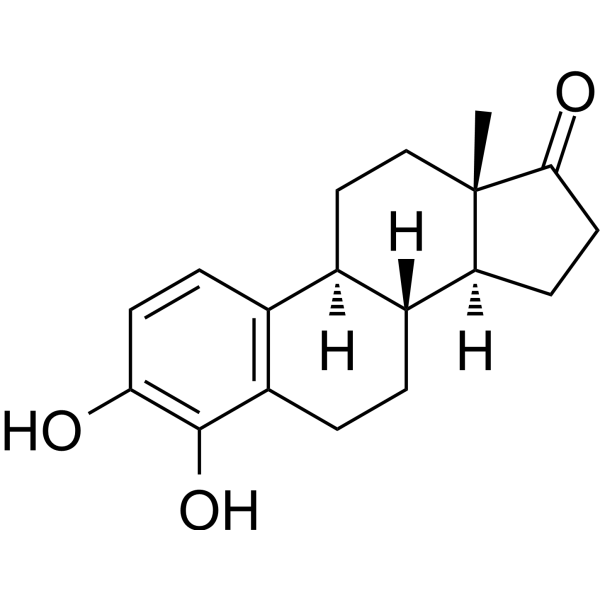
4-Hydroxyestrone (4-OHE1) is a brain-penetrant estrogen metabolite. 4-Hydroxyestrone shows neuroprotective effects involving increased cytoplasmic localization of p53 resulting from SIRT1-mediated p53 deacetylation. 4-Hydroxyestrone relies on PDI to mediate its protective effect against chemically induced ferroptosis in estrogen receptor-negative cancer cells. 4-Hydroxyestrone inhibits lipid peroxidation and lipid-ROS accumulation. 4-Hydroxyestrone blocks preovulatory luteinizing hormone surges in Rattus norvegicus. 4-Hydroxyestrone can be used for the researches of neurodegeneration, breast cancer and endocrine disease .
|
-
-
- HY-W023144
-
-

-
- HY-P5142
-
|
ω-ACTX-Hv1; ω-Atracotoxin-HV1
|
Insecticide
Calcium Channel
Apoptosis
Necroptosis
|
Cardiovascular Disease
Neurological Disease
Inflammation/Immunology
|
|
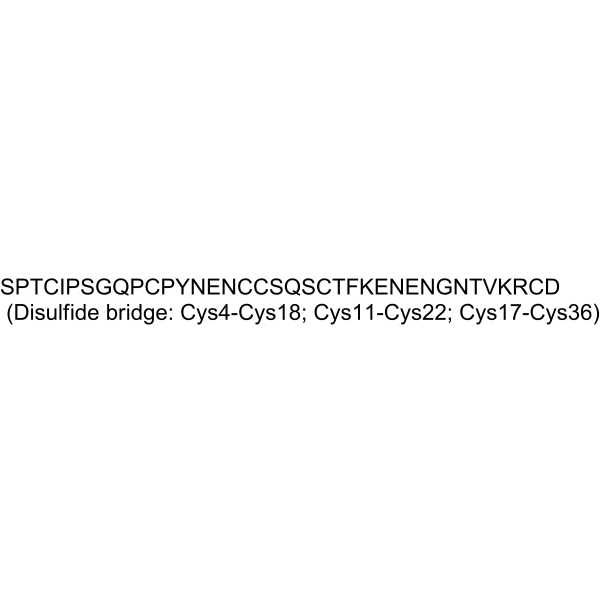
ω-Hexatoxin-Hv1a (ω-ACTX-Hv1; ω-Atracotoxin-HV1) is an orally active insecticidal neurotoxin containing an inhibitor cystine knot motif and a selective calcium channel inhibitor. ω-Hexatoxin-Hv1a blocks L-type voltage-dependent Ca 2+ channels and reduces intracellular calcium ion concentration, thereby decreasing apoptosis, necroptosis and oxidative stress, and promoting cell recovery and energy level elevation. ω-Hexatoxin-Hv1a causes larval paralysis and death by impairing neurotransmission in the central nervous system of insects. It shows high injectable toxicity against insects of multiple orders, but exhibits weak oral toxicity. ω-Hexatoxin-Hv1a is widely applicable to studies related to ischemia-reperfusion injury, atopic dermatitis, and ischemic injury of cardiomyocytes and neurons .
|
-
-
- HY-B1914
-
-

-
- HY-W116336B
-
|
|
Biochemical Assay Reagents
Fungal
Bacterial
|
Infection
Cancer
|
|
Zinc oxide, 99.99% metals basis is a versatile wide-bandgap semiconductor with superior comprehensive properties. Zinc oxide, 99.99% metals basis serves as raw material for Schottky diodes, functional nanostructures, sensors, energy harvesters and photocatalysts for hydrogen production. Zinc oxide, 99.99% metals basis acts as a non-toxic antibacterial agent and selective cytotoxin against multiple bacteria, fungi and spores. Zinc oxide, 99.99% metals basis induces cancer cell death. Zinc oxide, 99.99% metals basis is applicable to drug delivery, biosensing, bioimaging and researches on cancer, microbial infections and skin diseases .
|
-

-
- HY-173332
-
|
|
LOX-1
|
Inflammation/Immunology
|
|
15-LOX-1 inhibitor 2 (Compound 5i) is an inhibitor of 15-lipoxygenase-1 (15-LOX-1) with an IC50 of 1.7 μM. 15-LOX-1 inhibitor 2 inhibits the activity of 15-LOX-1 enzyme, reduces the production of lipid peroxides, thereby inhibiting lipid peroxidation and protecting cells from cell death induced by RSL3 (HY-100218A). 15-LOX-1 inhibitor 2 can be used in research on cell death mechanisms, oxidative stress-related diseases and other fields .
|
-

-
- HY-W023323
-
|
|
Endogenous Metabolite
|
Metabolic Disease
|
|
(S)-β-Aminoisobutyric acid hydrochloride is a cytoprotective agent, which is a non-proteinogenic amino acid enantiomer derived from valine metabolism in skeletal muscle mitochondria. The plasma level of (S)-β-Aminoisobutyric acid hydrochloride increases significantly after acute aerobic exercise (and is not affected by the AGXT2 rs37369 genotype), and it is secreted by mouse extensor digitorum longus and soleus muscles in ex vivo contraction assays. (S)-β-Aminoisobutyric acid hydrochloride specifically protects osteocytes from oxidative stress-induced cell death .
|
-

-
- HY-139008
-
-

-
- HY-125209A
-
|
|
Apoptosis
PARP
DNA/RNA Synthesis
|
Cancer
|
|
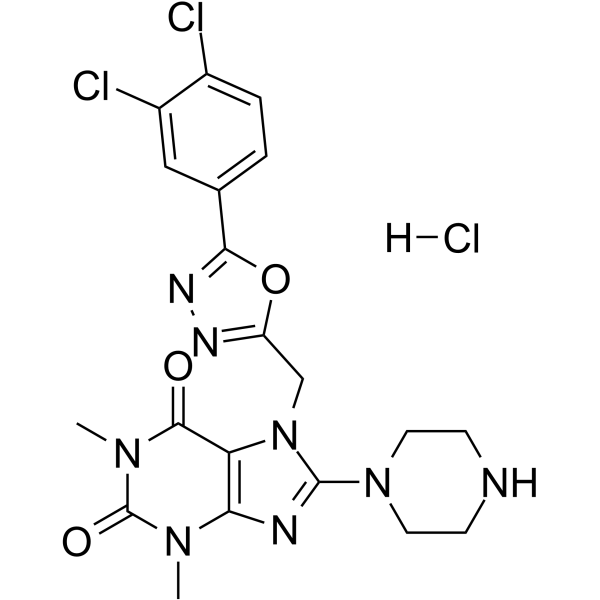
TH5427 hydrochloride is a NUDT5 inhibitor with a human target IC50 of 29 nM, ~690-fold selectivity over MTH1 in vitro, and selective functional inhibition over other NUDIX hydrolases including NUDT9 .TH5427 hydrochloride binds to the active site of NUDT5, blocking enzymatic activity related to ADP-ribose metabolism and PAR-derived ATP synthesis .TH5427 hydrochloride blocks progestin-dependent nuclear ATP synthesis, impairs progestin-induced chromatin remodeling, inhibits histone H1 displacement, disrupts progestin-dependent gene regulation, and abrogates progestin-dependent proliferation in breast cancer cells .TH5427 hydrochloride functions as a versatile probe to study nuclear ATP dynamics and ADP-ribose-related metabolism in cells .TH5427 hydrochloride engages NUDT5 at physiological temperatures, as demonstrated by Drug Affinity Responsive Target Stability (DARTS) assay .TH5427 hydrochloride stabilizes NUDT5 against thermal denaturation in cell lysates and intact cells, as shown by cellular thermal shift assay (CETSA) .TH5427 hydrochloride functionally inhibits NUDT5 activity, leading to downstream effects on oxidative DNA damage and DNA replication in triple-negative breast cancer (TNBC) cells .TH5427 hydrochloride suppresses proliferation of TNBC cells without inducing cell death or apoptosis, slows DNA replication in TNBC cells, promotes accumulation of oxidative DNA lesions, and triggers DNA damage response in TNBC cells .TH5427 hydrochloride suppresses growth of TNBC cells in vitro, inhibits growth of TNBC xenograft tumors in nude mice in vivo, and shows greater potency against TNBC cell lines compared to ER-positive and normal-like breast cell lines .TH5427 hydrochloride can be used for the research of breast cancer and triple-negative breast cancer .
|
-
-
- HY-125859E
-
|
|
Glutathione Peroxidase
Bacterial
|
Infection
Inflammation/Immunology
|
|
Myeloperoxidase, Human Neutrophil is a peroxidase. Myeloperoxidase, Human Neutrophil is a potent antibacterial agent by catalyzing the H2O2-dependent oxidation of chloride anion to generate hypochlorous acid. Myeloperoxidase, Human Neutrophil catalyzes the degradation of N-retinyl-idene-N-retinylethanolamine, a toxic form of retinal lipofuscin. Myeloperoxidase, Human Neutrophil also triggers lysosomal stress and cell death. Myeloperoxidase, Human Neutrophil can be used for the researches of inflammation and infection .
|
-

-
- HY-113091
-
|
|
Apoptosis
|
Neurological Disease
|
|
Alpha-Tocotrienol is a vitamin E analog with anti-apoptotic neuroprotective action and antioxidant properties. Alpha-Tocotrienol prevents oxidative stress-independent apoptotic cell death, DNA cleavage, and nuclear morphological changes .
|
-

-
- HY-19230
-
|
|
Calmodulin
NO Synthase
CaMK
Calcineurin
Proteasome
Caspase
|
Cardiovascular Disease
|
|
DY-9760e is a calmodulin (CaM) inhibitor. DY-9760e selectively inhibits the activity of various calmodulin-dependent enzymes by antagonizing the Ca²⁺/CaM complex, exhibiting the strongest inhibitory activity against nNOS, CaM kinase II, and calcineurin (Ki: 0.9, 1.4, and 2.0 μM, respectively). DY-9760e inhibits excessive nitric oxide production and protein tyrosine nitration, as well as the activation of calpain and caspase-3. DY-9760e reduces infarct size, improves cardiac function, and inhibits oxidative stress and cell death. DY-9760e can be used in research on the treatment of myocardial infarction, cerebral ischemia, and other diseases .
|
-

-
- HY-178943
-
|
|
Cholinesterase (ChE)
Cannabinoid Receptor
Aldehyde Dehydrogenase (ALDH)
Caspase
Apoptosis
|
Neurological Disease
|
|
Neuroprotective agent 15 (Compound 3e) is a neuroprotective agent. Neuroprotective agent 15 is a selective butyrylcholinesterase (BChE) inhibitor, with IC50 values of 2.6 and 114.3 μM for BChE and AChE respectively. Neuroprotective agent 15 has cannabinoid CB2 receptor (CB2 receptor) agonistic activity. Neuroprotective agent 15 can reduce cell death, LDH release and Caspase-3/7 activity, and inhibit apoptosis. Neuroprotective agent 15 can reduce the formation of superoxide free radicals, maintain cell morphology, and significantly lower oxidative stress levels. Neuroprotective agent 15 can be used in the research of neurodegenerative diseases, such as Alzheimer's disease and Parkinson's disease .
|
-

-
- HY-139012
-
|
|
Ferroptosis
Glutathione Peroxidase
|
Others
|
|
RC574 is a novel probucol analog with the activity to protect mouse hippocampal cells and primary cortical neurons from glutamate-induced oxidative cell death (ferroptosis) and increase glutathione peroxidase (GPx) 1 levels and activity.
|
-

-
- HY-N6687B
-
|
A-23187 hemimagnesium; Antibiotic A-23187 hemimagnesium
|
Oxidative Phosphorylation
Antibiotic
Bacterial
Fungal
Apoptosis
Autophagy
|
Infection
Cancer
|
|
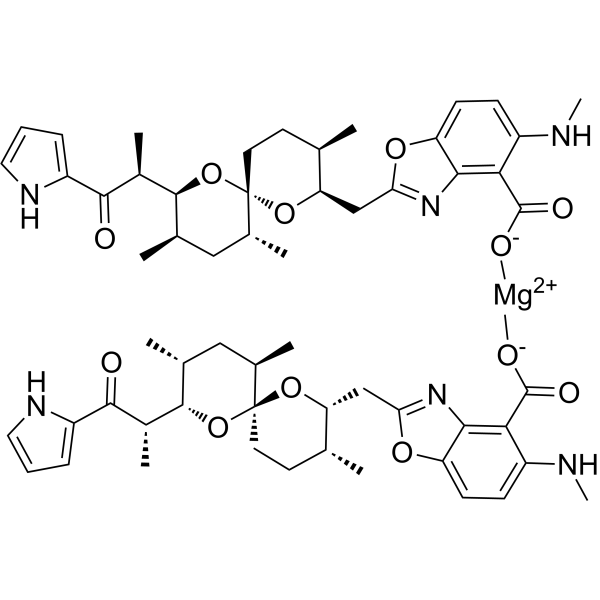
Calcimycin (A-23187) hemimagnesium is an antibiotic and a unique divalent cation ionophore (like calcium and magnesium). Calcimycin hemimagnesium induces Ca 2+-dependent cell death by increasing intracellular calcium concentration. Calcimycin hemimagnesium inhibits the growth of Gram-positive bacteria and some fungi. Calcimycin hemimagnesium also inhibits the activity of ATPase and uncouples oxidative phosphorylation (OXPHOS) of mammalian cells. Calcimycin hemimagnesium induces apoptosis and autophagy .
|
-
-
- HY-161521
-
|
|
Polo-like Kinase (PLK)
|
Cancer
|
|
PLK1-IN-10 (Compound 4Bb) is an orally active PLK1 PBD (polo-box domain) inhibitor. PLK1-IN-10 blocks the interaction of PLK1 with the cell division regulator protein 1 (PRC1) and decreases the protein expression of the CDK1-Cyclin B1 complex. PLK1-IN-10 reacts with glutathione (GSH) to increase cellular oxidative stress, ultimately leading to cell death .
|
-

-
- HY-N1524
-
|
|
Amyloid-β
MDM-2/p53
Apoptosis
|
Neurological Disease
Metabolic Disease
Inflammation/Immunology
Cancer
|
|
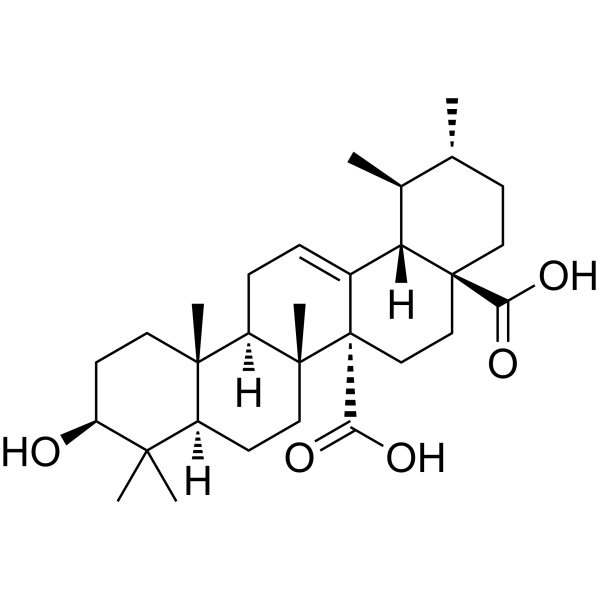
Quinovic acid is triterpene. Quinovic acid can ameliorate the Amyloid-β burden, p53 expression and cholesterol accumulation by deterring the oxidative stress through upregulating the Nrf2/HO-1 pathway. Quinovic acid can induce cancer cells apoptosis by upregulating death receptor 5 (DR5). Quinovic acid can be used for the researches of cancer, inflammation, metabolic and neurological disease, such as lung cancer and Alzheimer’s disease (AD) .
|
-
-
- HY-174339
-
|
|
Phosphodiesterase (PDE)
Heme Oxygenase (HO)
NF-κB
|
Neurological Disease
Inflammation/Immunology
|
|
Neuroprotective agent 12 is an orally active and BBB-penetrable neuroprotective agent. Neuroprotective agent 12 has potent neuroprotective effects with robust anti-oxidation and anti-inflammation. Neuroprotective agent 12 significantly inhibits glutamate- and acrolein-induced cell death, reduces PDE4B expression but increases the HO-1, p-CREB and BDNF levels. Neuroprotective agent 12 exhibits potent neuroprotection in traumatic brain injury (TBI) mice model, promising for TBI and other central nervous system diseases .
|
-

-
- HY-12040S
-
|
STA-4783-d2
|
Isotope-Labeled Compounds
Reactive Oxygen Species (ROS)
Apoptosis
Cuproptosis
|
Cancer
|
|
Elesclomol-d2 (STA-4783-d2) is a deuterium labeled Elesclomol (HY-12040). Elesclomol (STA-4783) is a potent copper ionophore and promotes copper-dependent cell death (cuproptosis). Elesclomol specifically binds ferredoxin 1 (FDX1) α2/α3 helices and β5 strand. Elesclomol inhibits FDX1-mediated Fe-S cluster biosynthesis. Elesclomol is an oxidative stress inducer that induces cancer cell apoptosis. Elesclomol is a reactive oxygen species (ROS) inducer. Elesclomol can be used for Menkes and associated disorders of hereditary copper deficiency research .
|
-

-
- HY-123815
-
|
|
ROS Kinase
|
Cancer
|
|
BRD5459 is a ROS chemical probe. BRD5459 can increase ROS, a marker of oxidative stress in cells, without causing cell death .
|
-

-
- HY-176775
-
|
|
Oxidative Phosphorylation
Mitochondrial Metabolism
Apoptosis
|
Neurological Disease
|
|
TPP-IOA is a cytochrome c peroxidase inhibitor. TPP-IOA inhibits apoptosis by preventing cardiolipin oxidation and cytochrome c release to the cytosol. TPP-IOA disrupts oxidative phosphorylation in isolated mitochondria. TPP-IOA inhibits cell death in SH-SY5Y cells grown in glucose, but not galactose. TPP-IOA causes mitochondrial depolarization and network fragmentation. TPP-lOA mitigates radiation induced death in mice .
|
-

-
- HY-158775
-
|
|
Ferroptosis
Apoptosis
Autophagy
|
Cancer
|
|
Ferroptocide is a cell death inducer that triggers ferroptosis and has anti-tumor activity. Ferroptocide can induce oxidative stress, leading to G2/M cell cycle arrest and apoptosis activation in LNCaP cells, while also effectively inhibiting the cell viability of both LNCaP and TRAMP-C1 cells. Ferroptocide can be used to study its capability to induce mitochondrial autophagy and to trigger immunogenic cell death (ICD) in prostate cancer cells .
|
-

-
- HY-19854
-
|
|
TSPO
|
Inflammation/Immunology
|
|
TRO-40303 is a cell protective compound targeting mitochondrial TSPO. TRO-40303 significantly improves the survival rate of liver cells and reduces cell death by reducing oxidative stress. TRO-40303 is commonly used in the study of hepatitis .
|
-

-
- HY-B1914R
-
|
|
Reference Standards
Mitochondrial Metabolism
|
Neurological Disease
|
|
Tebufenpyrad (Standard) is the analytical standard of Tebufenpyrad. This product is intended for research and analytical applications. Tebufenpyrad can induce mitochondrial dysfunction and oxidative damage. Tebufenpyrad induces dose-dependent cell death on N27 cells, with an EC50 value of 3.98 μM .
|
-

-
- HY-B1914S
-
-

- HY-117786
-
|
|
PKC
|
Neurological Disease
|
|
Go 7874 is a protein kinase C (PKC) inhibitor. Go 7874 mediated neuroprotection against LPS/IFNg-induced neuronal cell death in an immune-mediated neurotoxicity model, not through PKC activity. In contrast, the neuroprotective mechanism of Go 7874 involves inhibition of inducible nitric oxide synthase (iNOS) gene expression, followed by reduced nitric oxide (NO) production .
|
-

- HY-N6036R
-
|
|
Reference Standards
Others
|
Cancer
|
|
Ganoderic acid F (Standard) is the analytical standard of Ganoderic acid F. This product is intended for research and analytical applications. Ganoderic acid F is a ganoderic acid. Ganoderic acid F exhibits antitumor and antimetastatic activities through inhibition of angiogenesis and alteration of proteins involving cell proliferation and/or cell death, carcinogenesis, oxidative stress, calcium signaling, and endoplasmic reticulum stress .
|
-

- HY-168066
-
|
|
Fungal
|
Infection
|
|
Antifungal agent 117 is a bis-pyrazole carboxamide derivative with antifungal activity, exhibiting an EC50 value of 11.58 mg/L against Sclerotinia sclerotiorum. Antifungal agent 117 increases cell membrane permeability, causing an imbalance in osmotic pressure inside and outside the cell, and induces the accumulation of reactive oxygen species (ROS), leading to oxidative damage to the cell membrane, resulting in leakage of cellular contents and eventually cell death. RNA sequencing analysis reveals that Antifungal agent 117 downregulates catalase genes and upregulates neutral ceramidase genes, disrupting cell membrane structure, accelerating sphingolipid metabolism, and promoting cell death. Antifungal agent 117 shows great potential in the fields of plant protection and antifungal infection .
|
-

- HY-N6687R
-
|
A-23187 (Standard); Antibiotic A-23187 (Standard)
|
Oxidative Phosphorylation
Reference Standards
Bacterial
Fungal
Apoptosis
Autophagy
Antibiotic
|
Infection
Cancer
|
|
Calcimycin (Standard) is the analytical standard of Calcimycin. This product is used for research and analytical applications. Calcimycin is an antibiotic and a unique divalent cation ionophore, such as calcium ions and magnesium ions. Calcimycin induces Ca 2+ -dependent cell death by increasing the intracellular calcium concentration. Calcimycin inhibits the growth of Gram-positive bacteria and some fungi, and also inhibits the activity of ATPase and uncouples the oxidative phosphorylation (OXPHOS) of mammalian cells, inducing apoptosis and autophagy.
|
-

- HY-106916
-
|
|
Potassium Channel
Chloride Channel
|
Cardiovascular Disease
Neurological Disease
|
|
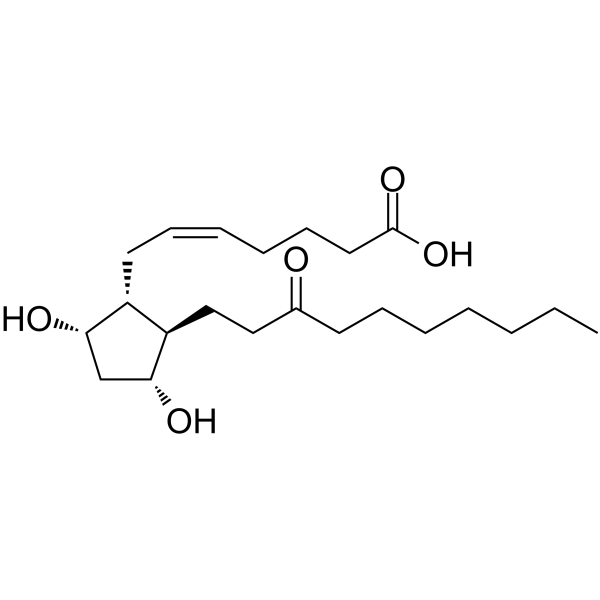
Unoprostone, a prostaglandin F2α analog, is a large conductance Ca 2+-activated K + (BK) channels and ClC-2 type chloride channels activator. Unoprostone reduces oxidative stress- and light-induced retinal cell death, and phagocytotic dysfunction. Unoprostone reduces intraocular pressure and can be used for the study of glaucoma, ocular hypertension and retinitis pigmentosa .
|
-
- HY-155997
-
|
|
COX
|
Inflammation/Immunology
|
|
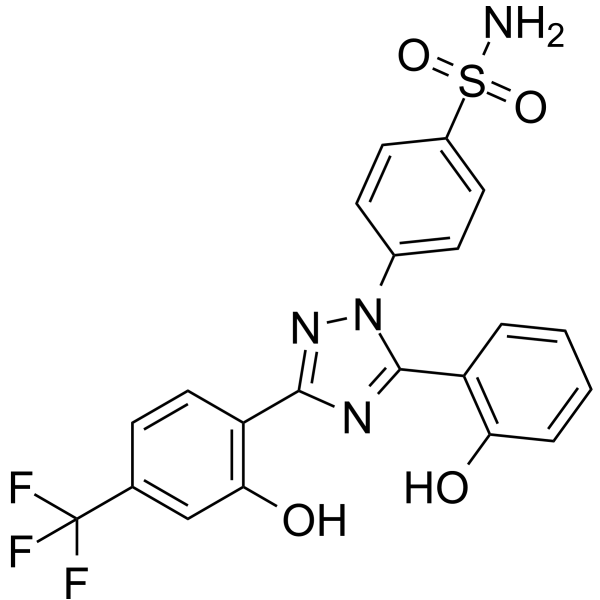
Anti-inflammatory agent 56 (Compound 9) is a selective COX-2 inhibitor (IC50: 0.54 μM). Anti-inflammatory agent 56 has anti-oxidant and anti-inflammatory effects. Anti-inflammatory agent 56 inhibits oxidative stress induced cell death. Anti-inflammatory agent 56 inhibits oxidative stress and neuroinflammation by inhibiting Keap1, COX-2 and iNOS. Anti-inflammatory agent 56 has low acute toxicity in mice (LD50: 1000 mg/kg) .
|
-
- HY-N6687A
-
|
A-23187 hemicalcium salt; Antibiotic A-23187 hemicalcium salt
|
Oxidative Phosphorylation
Bacterial
Fungal
Apoptosis
Autophagy
Antibiotic
|
Infection
Cancer
|
|
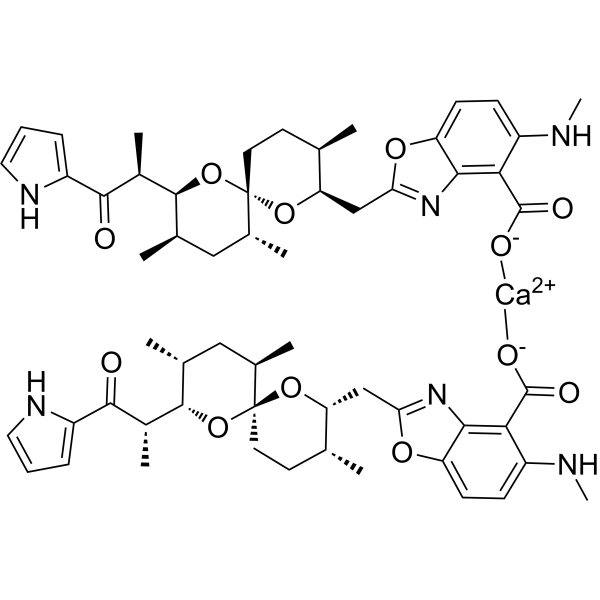
Calcimycin (A-23187) hemicalcium salt is an antibiotic and a unique divalent cation ionophore (like calcium and magnesium). Calcimycin hemicalcium salt induces Ca 2+-dependent cell death by increasing intracellular calcium concentration. Calcimycin hemicalcium salt inhibits the growth of Gram-positive bacteria and some fungi. Calcimycin hemicalcium salt also inhibits the activity of ATPase and uncouples oxidative phosphorylation (OXPHOS) of mammalian cells. Calcimycin hemicalcium salt induces apoptosis and autophagy .
|
-
- HY-161823
-
|
|
Bacterial
|
Infection
|
|
Anti-MRSA agent 13 (Compound 9b) is an agent against methicillin-resistant Staphylococcus aureus (MRSA), exhibiting a minimum inhibitory concentration (MIC) of 0.5–2 μg/mL against clinically isolated MRSA strains. Anti-MRSA agent 13 possesses favorable biosafety, plasma tolerance stability, and a low tendency to develop resistance. Anti-MRSA agent 13 disrupts cell walls and membranes, reduces metabolic activity, causes oxidative damage, affects DNA function, and ultimately leads to MRSA death through multi-target synergies .
|
-

- HY-A0169
-
|
|
Reactive Oxygen Species (ROS)
Photosensitizer
|
Cancer
|
|
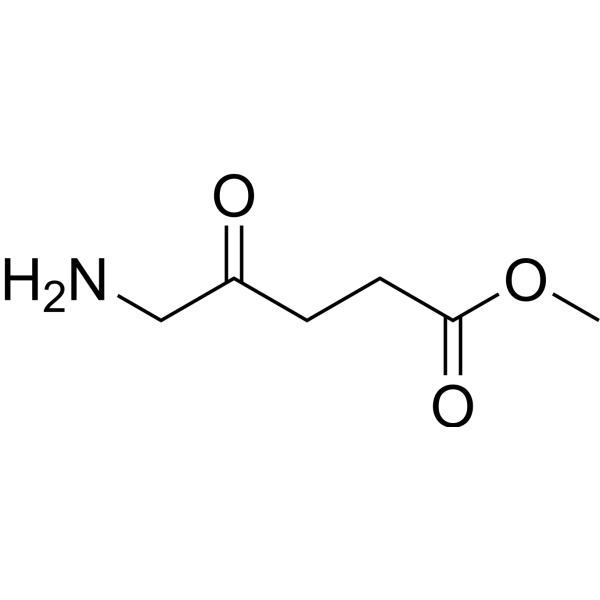
Methyl aminolevulinate is a sensitizer used in photodynamic therapy (PDT). Methyl aminolevulinate penetrates the skin and induces the production of photoactive porphyrins including protoporphyrin IX in cells; upon exposure to appropriate light, it generates ROS, which triggers cellular oxidation and cell death. Methyl aminolevulinate acts as a photo-damage reversing agent through epidermal reconstruction, cytokine-mediated activation of dermal fibroblasts, elastin breakdown, new collagen formation, and compression of dilated capillaries. Methyl aminolevulinate reduces the expression of the proliferation marker Ki-67 and the early skin carcinogenesis marker TP53. Methyl aminolevulinate delays the onset of ultraviolet-induced skin tumors and reduces tumor burden in hairless mice. Methyl aminolevulinate is applicable to research related to actinic keratosis and basal cell carcinoma .
|
-
- HY-W010451R
-
|
Hydroxyhydroquinone (Standard)
|
Reference Standards
PERK
Potassium Channel
Apoptosis
Eukaryotic Initiation Factor (eIF)
|
Cardiovascular Disease
Cancer
|
|
1,2,4-Trihydroxybenzene (Hydroxyhydroquinone) (Standard) is the analytical standard of 1,2,4-Trihydroxybenzene (HY-W010451). This product is intended for research and analytical applications. 1,2,4-Trihydroxybenzene (Hydroxyhydroquinone) is an ER stress inducer that targets proteins such as PKR-like ER kinase PERK to induce cytotoxicity. 1,2,4-Trihydroxybenzene selectively activates eIF2α phosphorylation, activates the PERK-eIF2α signaling pathway and induces stress granule formation. 1,2,4-Trihydroxybenzene subsequently exacerbates oxidative stress and causes DNA double-strand breaks, destroying organelles such as mitochondria and ER, and inducing cell death. 1,2,4-Trihydroxybenzene also has the potential to exhibit anti-tumor effect, increase blood pressure, and relieve spasm .
|
-

- HY-P11638
-
|
|
Mitochondrial Metabolism
|
Neurological Disease
Inflammation/Immunology
|
|
Mitochondrial-targeted peptide BP29 is a mitochondria-targeted iron chelator linked to a mitochondria-homing SS-peptide. Mitochondrial-targeted peptide BP29 protects human primary skin fibroblasts against ultraviolet A-induced oxidative damage to mitochondrial membranes, ATP depletion, and necrotic cell death. Mitochondrial-targeted peptide BP29 prevents hydrogen peroxide-induced oxidative stress and cytotoxicity in both healthy and Friedreich's ataxia skin fibroblasts. Mitochondrial-targeted peptide BP29 can be used for the research of Friedreich's ataxia .
|
-

- HY-183554
-
|
|
TrxR
Glutathione Peroxidase
Ferroptosis
Reactive Oxygen Species (ROS)
IFNAR
STAT
|
Cancer
|
|
Fa-Au is a TrxR inhibitor. Fa-Au downregulates GPX4, induces oxidative stress, mitochondria-associated ferroptosis (ferroptosis) and immunogenic cell death. Fa-Au induces ROS production in hepatoma cells. Fa-Au remodels the tumor immune microenvironment via M1 macrophage polarization, dendritic cell maturation, CD8+ T cell activation and reduction of regulatory T cells. Fa-Au induces an anti-tumor immune feedback loop through the IFNγ/STAT1/SLC7A11 axis. Fa-Au inhibits tumor growth. Fa-Au is applicable to hepatocellular carcinoma-related research .
|
-

- HY-184214
-
|
|
Parasite
Sirtuin
NO Synthase
TNF Receptor
Interleukin Related
Reactive Oxygen Species (ROS)
|
Infection
|
|
Antileishmanial agent-44 is a histone deacetylase inhibitor targeting Leishmania donovani Sir2, with an IC50 of 0.652 μM against amastigotes. Antileishmanial agent-44 elevates ROS levels to induce oxidative stress, which causes mitochondrial membrane potential depolarization, cytochrome c release, phosphatidylserine externalization and DNA fragmentation, triggers apoptosis-like cell death, and arrests the cell cycle. Antileishmanial agent-44 upregulates the expression of Th1-type cytokines and NO in macrophages, reshapes host immune responses to eliminate intracellular parasites. Antileishmanial agent-44 inhibits parasites in infected golden hamsters in vivo. Antileishmanial agent-44 can be used for the research of visceral leishmaniasis.
|
-

- HY-182246
-
|
|
PARP
|
Neurological Disease
Inflammation/Immunology
Cancer
|
|
MC2050 is a selective PARP-1 inhibitor with an IC50 of 119 nM. MC2050 functionally inhibits PARP-1 activity, including hyperactivation induced by oxidative stress, and reduces the poly (ADP-ribosyl) ation level of histone H1. MC2050 protects neuroblastoma cells from oxidative stress-mediated cell death induced by hydrogen peroxide. MC2050 is applicable to research related to neuroblastoma and Burkitt lymphoma .
|
-

- HY-163107
-
|
|
Bacterial
|
Infection
|
|
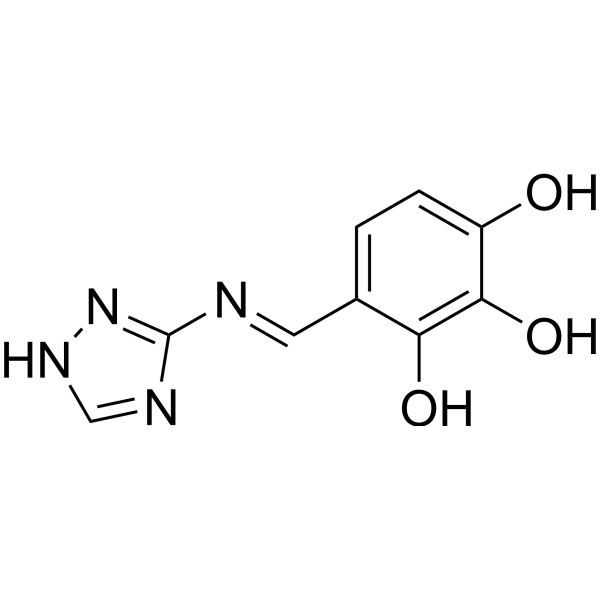
Antimycobacterial agent-7 (compound 4) is a 1,2,4-triazole anti-tuberculosis agent (MIC: 2 μg/mL). Antimycobacterial agent-7 inhibits Mtb KatG and causes the accumulation of ROS in Mtb cells. ROS produces oxidative damage, leading to the death of Mtb .
|
-
- HY-19688
-
|
WR 6026
|
Parasite
Succinate Dehydrogenase
Apoptosis
Calcium Channel
Mitochondrial Metabolism
|
Infection
|
|
Sitamaquine (WR 6026) is an orally active Antileishmanial agent and Succinate dehydrogenase inhibitor. Sitamaquine accumulates in the acidocalcisomes of Leishmania, induces organelle alkalization, and crosses the plasma membrane of Leishmania via temperature- and energy-independent diffusion. Sitamaquine disrupts oxidative phosphorylation in Leishmania, induces mitochondrial depolarization, oxidative stress, elevated intracellular calcium, plasma membrane depolarization, and Apoptosis-like cell death. Sitamaquine can be used in the research of leishmaniasis .
|
-

- HY-P11638A
-
|
|
Mitochondrial Metabolism
|
Neurological Disease
Inflammation/Immunology
|
|
Mitochondrial-targeted peptide BP29 acetate is a mitochondria-targeted iron chelator linked to a mitochondria-homing SS-peptide. Mitochondrial-targeted peptide BP29 acetate protects human primary skin fibroblasts against ultraviolet A-induced oxidative damage to mitochondrial membranes, ATP depletion, and necrotic cell death. Mitochondrial-targeted peptide BP29 acetate prevents hydrogen peroxide-induced oxidative stress and cytotoxicity in both healthy and Friedreich's ataxia skin fibroblasts. Mitochondrial-targeted peptide BP29 acetate can be used for the research of Friedreich's ataxia .
|
-

- HY-181075
-
|
|
Bacterial
Reactive Oxygen Species (ROS)
|
Infection
|
|
Antibacterial agent 318 is an antibacterial agent that binds to bacterial DNA, blocks its replication, and forms supramolecular complexes. Antibacterial agent 318 acts as an oxidative stress inducer, elevating intracellular reactive oxygen species (ROS) levels, oxidizing glutathione (GSH) to glutathione disulfide (GSSG), depleting cellular GSH reserves, and inducing bacterial cell death through oxidative damage. Antibacterial agent 318 disrupts the bacterial cell membrane and reduces bacterial metabolic activity. Antibacterial agent 318 exhibits rapid bactericidal activity, inhibits bacterial biofilm formation, and displays minimal cytotoxicity toward non-cancerous mammalian cells. Antibacterial agent 318 is applicable in research on drug-resistant bacterial infections .
|
-

- HY-N6687C
-
|
A-23187 hemicalcium hemimagnesium; Antibiotic A-23187 hemicalcium hemimagnesium
|
Oxidative Phosphorylation
Bacterial
Fungal
Apoptosis
Autophagy
Antibiotic
|
Infection
Cancer
|
|
Calcimycin (A-23187) hemicalcium hemimagnesium is an antibiotic and a unique divalent cation ionophore (like calcium and magnesium). Calcimycin hemicalcium hemimagnesium induces Ca 2+-dependent cell death by increasing intracellular calcium concentration. Calcimycin hemicalcium hemimagnesium inhibits the growth of Gram-positive bacteria and some fungi. Calcimycin hemicalcium hemimagnesium also inhibits the activity of ATPase and uncouples oxidative phosphorylation (OXPHOS) of mammalian cells. Calcimycin hemicalcium hemimagnesium induces apoptosis and autophagy .
|
-

- HY-183570
-
|
|
Photosensitizer
Reactive Oxygen Species (ROS)
|
Cancer
|
|
Antitumor photosensitizer-11 is a type-I carbazole/benzindolium photosensitizer with antitumor activity. Antitumor photosensitizer-11 induces ROS generation via a type-I pathway, forming superoxide anions and hydroxyl radicals. Antitumor photosensitizer-11 triggers immunogenic cell death in cancer cells via enhanced oxidative stress. Antitumor photosensitizer-11 exhibits antiproliferative activity in normoxic and hypoxic environments, inhibits breast cancer tumor growth in vivo, and promotes dendritic cell maturation and T cell infiltration. Antitumor photosensitizer-11 can be used for the research of cancer, such as breast cancer .
|
-

- HY-108351R
-
|
|
Necroptosis
Reference Standards
|
Cardiovascular Disease
|
|
IM-54 (Standard) is the analytical standard of IM-54 (HY-108351). This product is intended for research and analytical applications. IM-54 is a selective inhibitor of oxidative stress-induced necrosis. IM-54 shows potent inhibitory activity against H2O2-induced necrosis. IM-54 acts as a potential cardioprotective agent and biological tool for investigating the molecular mechanisms of cell death .
|
-

- HY-P10611
-
|
|
Amyloid-β
|
Neurological Disease
|
|
[D-Ser14]-Humanin is a bioactive peptide in which the Ser14 residue of Humanin (HY-P1928) is changed from L-form to D-form. [D-Ser14]-Humanin has potent inhibitory activity against the fibrillation of amyloid-β. Humanin (HY-P1928) inhibits the aging-related death of various cells caused by amyloid fibrils and oxidative stress, and [D-Ser14]-Humanin has better cell protection activity than Humanin (HY-P1928). [D-Ser14]-Humanin can be used in the study of Alzheimer's disease .
|
-
![[D-Ser14]-Humanin](//file.medchemexpress.com/product_pic/hy-p10611.gif)
- HY-182236
-
|
Reduced scytonemin
|
PI3K
p38 MAPK
NF-κB
NO Synthase
Reactive Oxygen Species (ROS)
Autophagy
|
Cancer
|
|
JRN73958 (Reduced scytonemin) is a PI3K/Akt, MAPK, and NF-κB inhibitor found in Nostoc commune. JRN73958 inhibits nitric oxide production, induce reactive oxygen species (ROS) generation, and lead to autophagy. JRN73958 decreases LPS (HY-D1056)/IFNγ-induced PI3K/Akt, MAPK, and NF-κB activity. JRN73958 can be used for the research of leukemia .
|
-

- HY-183621
-
|
|
Parasite
Reactive Oxygen Species (ROS)
Autophagy
|
Infection
|
|
Antileishmanial agent-43 is a 3,4,5‑trisubstituted isoxazole with selective antileishmanial activity. Antileishmanial agent-43 shows IC50 values of 12.7 μM against Leishmania amazonensis promastigotes and 0.96 μM against intracellular amastigotes. Antileishmanial agent-43 induces ROS elevation, oxidative stress and mitochondrial dysfunction, resulting in lipid peroxidation, mitochondrial depolarization and ATP imbalance. Antileishmanial agent-43 causes cell shrinkage, phosphatidylserine externalization, plasma membrane permeabilization, and promotes autophagy. Antileishmanial agent-43 can be used for the research of leishmaniasis .
|
-

- HY-103661R
-
|
|
Reference Standards
Mitochondrial Metabolism
Apoptosis
|
Neurological Disease
|
|
BI-6C9 (Standard) is the analytical standard of BI-6C9 (HY-103661). This product is intended for research and analytical applications. BI-6C9 is a highly specific BH3 interacting domain (Bid) inhibitor, which prevents mitochondrial outer membrane potential (MOMP) and mitochondrial fission, and protects the cells from mitochondrial apoptosis inducing factor (AIF) release and caspase-independent cell death in neurons .
|
-

- HY-Z11709
-
|
|
Endogenous Metabolite
|
Cancer
|
|
13-Hydroxy-alpha-tocopherol is a fat-soluble vitamin E derivative and anticancer agent with antioxidant and antiproliferative activities. 13-Hydroxy-alpha-tocopherol scavenges peroxyl free radicals and protects polyunsaturated fatty acids from oxidative damage. 13-Hydroxy-alpha-tocopherol not only inhibits the growth of glioma cancer cells, but its deficiency is also closely associated with recurrent miscarriage, embryonic growth retardation and death. Clinical observations show that the expression of 13-Hydroxy-alpha-tocopherol is downregulated in the follicular fluid of patients with recurrent miscarriage. 13-Hydroxy-alpha-tocopherol has important application potential in the research of recurrent miscarriage and glioma .
|
-

- HY-183751
-
|
|
Bacterial
Reactive Oxygen Species (ROS)
|
Infection
|
|
Antibacterial agent 346 is a broad-spectrum Antibacterial agent and BsFtsZ inhibitor, with an IC50 of 69.67 μg/mL against BsFtsZ. Antibacterial agent 346 selectively binds to phosphatidylglycerol, disrupts membrane integrity, increases permeability, triggers depolarization and causes intracellular protein leakage. Antibacterial agent 346 induces intracellular ROS accumulation, which in turn triggers oxidative stress and cell death. Antibacterial agent 346 eradicates mature biofilms formed by Gram-positive and Gram-negative bacteria. Antibacterial agent 346 exhibits antibacterial activity against methicillin-resistant Staphylococcus aureus and Acinetobacter baumannii. Antibacterial agent 346 can be used in the research of bacterial infections .
|
-

- HY-A0169AR
-
|
|
Reactive Oxygen Species (ROS)
Reference Standards
Photosensitizer
|
Inflammation/Immunology
Cancer
|
|
Methyl aminolevulinate hydrochloride (Standard) is the analytical standard of Methyl aminolevulinate hydrochloride. This product is intended for research and analytical applications. Methyl aminolevulinate hydrochloride is a sensitizer used in photodynamic therapy (PDT). Methyl aminolevulinate hydrochloride penetrates the skin and induces the production of photoactive porphyrins including protoporphyrin IX in cells; upon exposure to appropriate light, it generates ROS, which triggers cellular oxidation and cell death. Methyl aminolevulinate hydrochloride acts as a photo-damage reversing agent through epidermal reconstruction, cytokine-mediated activation of dermal fibroblasts, elastin breakdown, new collagen formation, and compression of dilated capillaries. Methyl aminolevulinate hydrochloride reduces the expression of the proliferation marker Ki-67 and the early skin carcinogenesis marker TP53. Methyl aminolevulinate hydrochloride delays the onset of ultraviolet-induced skin tumors and reduces tumor burden in hairless mice. Methyl aminolevulinate hydrochloride is applicable to research related to actinic keratosis and basal cell carcinoma .
|
-

- HY-P11580
-
|
|
Toll-like Receptor (TLR)
Bacterial
|
Infection
|
|
Pap12-6-10 is an MD-2 ligand that binds to the hydrophobic pocket of MD-2 to inhibit the dimerization of the TLR4/MD-2 complex and downstream inflammatory signal transduction. Pap12-6-10 also binds to LPS to permeabilize bacterial cell membranes and induce oxidative stress, leading to bacterial death. Pap12-6-10 regulates LPS-induced inflammatory responses through the TLR4 signaling pathway and exhibits antibacterial activity against multidrug-resistant Gram-negative bacteria. Pap12-6-10 shows low tendency to induce drug resistance and low preclinical cytotoxicity, and it prevents organ damage in a mouse model of sepsis. Pap12-6-10 can be used for research related to Gram-negative sepsis and carbapenem-resistant Acinetobacter baumannii infections .
|
-

- HY-P5142A
-
|
ω-ACTX-Hv1 TFA; ω-Atracotoxin-HV1 TFA
|
Insecticide
Apoptosis
Calcium Channel
Necroptosis
|
Cardiovascular Disease
Neurological Disease
Inflammation/Immunology
|
|
ω-Hexatoxin-Hv1a (ω-ACTX-Hv1; ω-Atracotoxin-HV1) TFA is an orally active insecticidal neurotoxin containing an inhibitor cystine knot motif and a selective calcium channel inhibitor. ω-Hexatoxin-Hv1a TFA blocks L-type voltage-dependent Ca 2+ channels and reduces intracellular calcium ion concentration, thereby decreasing apoptosis, necroptosis and oxidative stress, and promoting cell recovery and energy level elevation. ω-Hexatoxin-Hv1a TFA causes larval paralysis and death by impairing neurotransmission in the central nervous system of insects. It shows high injectable toxicity against insects of multiple orders, but exhibits weak oral toxicity. ω-Hexatoxin-Hv1a TFA is widely applicable to studies related to ischemia-reperfusion injury, atopic dermatitis, and ischemic injury of cardiomyocytes and neurons .
|
-

- HY-184173
-
-

| Cat. No. |
Product Name |
Type |
-
- HY-W116336B
-
|
|
Biochemical Assay Reagents
|
|
Zinc oxide, 99.99% metals basis is a versatile wide-bandgap semiconductor with superior comprehensive properties. Zinc oxide, 99.99% metals basis serves as raw material for Schottky diodes, functional nanostructures, sensors, energy harvesters and photocatalysts for hydrogen production. Zinc oxide, 99.99% metals basis acts as a non-toxic antibacterial agent and selective cytotoxin against multiple bacteria, fungi and spores. Zinc oxide, 99.99% metals basis induces cancer cell death. Zinc oxide, 99.99% metals basis is applicable to drug delivery, biosensing, bioimaging and researches on cancer, microbial infections and skin diseases .
|
| Cat. No. |
Product Name |
Target |
Research Area |
-
- HY-P10409
-
|
Small humanin-like peptide 2
|
Apoptosis
Reactive Oxygen Species (ROS)
|
Neurological Disease
Metabolic Disease
|
|
SHLP2 (Small humanin-like peptide 2) is a small molecule peptide encoded by mitochondrial DNA, belonging to mitochondria derived peptide. SHLP2 has the activity of regulating apoptosis and inhibits cell death. SHLP2 binds to mitochondrial complex 1. SHLP2 improves mitochondrial metabolism by increasing respiration and biogenesis, reducing ROS, and decreasing mtDNA oxidation. SHLP2 also regulated energy homeostasis through the activation of hypothalamic neurons. SHLP2 can be used in the study of diseases related to mitochondrial dysfunction and anti-aging diseases, such as age-related macular degeneration and Parkinson’s disease .
|
-
- HY-P5142
-
|
ω-ACTX-Hv1; ω-Atracotoxin-HV1
|
Insecticide
Calcium Channel
Apoptosis
Necroptosis
|
Cardiovascular Disease
Neurological Disease
Inflammation/Immunology
|
|
ω-Hexatoxin-Hv1a (ω-ACTX-Hv1; ω-Atracotoxin-HV1) is an orally active insecticidal neurotoxin containing an inhibitor cystine knot motif and a selective calcium channel inhibitor. ω-Hexatoxin-Hv1a blocks L-type voltage-dependent Ca 2+ channels and reduces intracellular calcium ion concentration, thereby decreasing apoptosis, necroptosis and oxidative stress, and promoting cell recovery and energy level elevation. ω-Hexatoxin-Hv1a causes larval paralysis and death by impairing neurotransmission in the central nervous system of insects. It shows high injectable toxicity against insects of multiple orders, but exhibits weak oral toxicity. ω-Hexatoxin-Hv1a is widely applicable to studies related to ischemia-reperfusion injury, atopic dermatitis, and ischemic injury of cardiomyocytes and neurons .
|
-
- HY-P11638
-
|
|
Mitochondrial Metabolism
|
Neurological Disease
Inflammation/Immunology
|
|
Mitochondrial-targeted peptide BP29 is a mitochondria-targeted iron chelator linked to a mitochondria-homing SS-peptide. Mitochondrial-targeted peptide BP29 protects human primary skin fibroblasts against ultraviolet A-induced oxidative damage to mitochondrial membranes, ATP depletion, and necrotic cell death. Mitochondrial-targeted peptide BP29 prevents hydrogen peroxide-induced oxidative stress and cytotoxicity in both healthy and Friedreich's ataxia skin fibroblasts. Mitochondrial-targeted peptide BP29 can be used for the research of Friedreich's ataxia .
|
-
- HY-P11638A
-
|
|
Mitochondrial Metabolism
|
Neurological Disease
Inflammation/Immunology
|
|
Mitochondrial-targeted peptide BP29 acetate is a mitochondria-targeted iron chelator linked to a mitochondria-homing SS-peptide. Mitochondrial-targeted peptide BP29 acetate protects human primary skin fibroblasts against ultraviolet A-induced oxidative damage to mitochondrial membranes, ATP depletion, and necrotic cell death. Mitochondrial-targeted peptide BP29 acetate prevents hydrogen peroxide-induced oxidative stress and cytotoxicity in both healthy and Friedreich's ataxia skin fibroblasts. Mitochondrial-targeted peptide BP29 acetate can be used for the research of Friedreich's ataxia .
|
-
- HY-P10611
-
|
|
Amyloid-β
|
Neurological Disease
|
|
[D-Ser14]-Humanin is a bioactive peptide in which the Ser14 residue of Humanin (HY-P1928) is changed from L-form to D-form. [D-Ser14]-Humanin has potent inhibitory activity against the fibrillation of amyloid-β. Humanin (HY-P1928) inhibits the aging-related death of various cells caused by amyloid fibrils and oxidative stress, and [D-Ser14]-Humanin has better cell protection activity than Humanin (HY-P1928). [D-Ser14]-Humanin can be used in the study of Alzheimer's disease .
|
-
- HY-P11580
-
|
|
Toll-like Receptor (TLR)
Bacterial
|
Infection
|
|
Pap12-6-10 is an MD-2 ligand that binds to the hydrophobic pocket of MD-2 to inhibit the dimerization of the TLR4/MD-2 complex and downstream inflammatory signal transduction. Pap12-6-10 also binds to LPS to permeabilize bacterial cell membranes and induce oxidative stress, leading to bacterial death. Pap12-6-10 regulates LPS-induced inflammatory responses through the TLR4 signaling pathway and exhibits antibacterial activity against multidrug-resistant Gram-negative bacteria. Pap12-6-10 shows low tendency to induce drug resistance and low preclinical cytotoxicity, and it prevents organ damage in a mouse model of sepsis. Pap12-6-10 can be used for research related to Gram-negative sepsis and carbapenem-resistant Acinetobacter baumannii infections .
|
-
- HY-P5142A
-
|
ω-ACTX-Hv1 TFA; ω-Atracotoxin-HV1 TFA
|
Insecticide
Apoptosis
Calcium Channel
Necroptosis
|
Cardiovascular Disease
Neurological Disease
Inflammation/Immunology
|
|
ω-Hexatoxin-Hv1a (ω-ACTX-Hv1; ω-Atracotoxin-HV1) TFA is an orally active insecticidal neurotoxin containing an inhibitor cystine knot motif and a selective calcium channel inhibitor. ω-Hexatoxin-Hv1a TFA blocks L-type voltage-dependent Ca 2+ channels and reduces intracellular calcium ion concentration, thereby decreasing apoptosis, necroptosis and oxidative stress, and promoting cell recovery and energy level elevation. ω-Hexatoxin-Hv1a TFA causes larval paralysis and death by impairing neurotransmission in the central nervous system of insects. It shows high injectable toxicity against insects of multiple orders, but exhibits weak oral toxicity. ω-Hexatoxin-Hv1a TFA is widely applicable to studies related to ischemia-reperfusion injury, atopic dermatitis, and ischemic injury of cardiomyocytes and neurons .
|
| Cat. No. |
Product Name |
Category |
Target |
Chemical Structure |
-
- HY-N6687
-
-
-
- HY-111914A
-
-
-
- HY-N1990
-
|
|
Cardiovascular Disease
Triterpenes
Structural Classification
Classification of Application Fields
Terpenoids
Cucurbitaceae
Plants
Gynostemma pentaphyllum (Thunb.) Makino
Disease Research Fields
Source Classification
|
PPAR
Sirtuin
Keap1-Nrf2
Toll-like Receptor (TLR)
NF-κB
Reactive Oxygen Species (ROS)
NOD-like Receptor (NLR)
Apoptosis
Pyroptosis
Autophagy
|
|
Gypenoside XLIX is a multifunctional bioactive compound that can be isolated from Gynostemma pentaphyllum, with a Ka value of 1.58 μM for its binding to SIRT1. Gypenoside XLIX acts as a PPAR-α agonist. It inhibits the activation of TLR4-mediated NF-κB signaling pathway by activating the Sirt1/Nrf2 signaling pathway, reduces ROS accumulation, and alleviates hepatic inflammatory injury in mice with sepsis-induced liver disease. Gypenoside XLIX targets SIRT1 to block YAP-NLRP3 activation and improve sepsis-induced cardiomyopathy. Gypenoside XLIX inhibits apoptosis (Apoptosis), pyroptosis (Pyroptosis), autophagy (Autophagy), lipid peroxidation, pro-inflammatory cytokines and anti-inflammatory cytokines. Gypenoside XLIX alleviates sepsis-induced splenic injury by inhibiting inflammation and oxidative stress, and mitigates sepsis-associated encephalopathy by targeting PPAR-α. Gypenoside XLIX prevents acute kidney injury by inhibiting IGFBP7/IGF1R-mediated programmed cell death and inflammation. Gypenoside XLIX inhibits the expression and activity of vascular cell adhesion molecule-1 in cytokine-induced human endothelial cells. Gypenoside XLIX is applicable to research related to acute liver injury, lung injury, cardiomyopathy, acute splenic injury, sepsis-associated encephalopathy, acute kidney injury, atherosclerosis and chronic inflammation .
|
-
-
- HY-121362
-
|
|
Structural Classification
other families
Classification of Application Fields
Ketones, Aldehydes, Acids
Plants
Inflammation/Immunology
Disease Research Fields
Source Classification
|
Bacterial
Endogenous Metabolite
TrxR
|
|
Evernic Acid is an orally active thioredoxin reductase 1 (TrxR1) inhibitor and antiproliferative agent. Evernic Acid inhibits the proliferation and migration of human breast cancer cells. Evernic Acid blocks the NF-κB pathway by inhibiting p65 nuclear translocation and IκBα phosphorylation, thereby suppressing downstream inflammatory mediators. Evernic Acid acts as an antioxidant, anti-inflammatory agent and neuroprotective agent, protects neurons from cell death, mitochondrial dysfunction and oxidative stress damage, reduces astrocyte activation, and ameliorates dopaminergic neuron loss and neuroinflammation. Evernic Acid inhibits enoyl reductases FabI and FabZ of Plasmodium falciparum. Evernic Acid downregulates the expression of lasB and rhlA genes in Pseudomonas aeruginosa, inhibits quorum sensing and biofilm formation, and exerts antibacterial activity against Gram-positive bacteria, Gram-negative bacteria and fungi. Evernic Acid is applicable to research related to breast cancer, Parkinson's disease, bacterial infections and fungal infections .
|
-
-
- HY-W010451
-
|
Hydroxyhydroquinone
|
Cardiovascular Disease
Microorganisms
Classification of Application Fields
Phenols
Polyphenols
Disease Research Fields
Source Classification
|
PERK
Eukaryotic Initiation Factor (eIF)
Potassium Channel
Apoptosis
|
|
1,2,4-Trihydroxybenzene (Hydroxyhydroquinone) is an ER stress inducer that targets proteins such as PKR-like ER kinase PERK to induce cytotoxicity. 1,2,4-Trihydroxybenzene selectively activates eIF2α phosphorylation, activates the PERK-eIF2α signaling pathway and induces stress granule formation. 1,2,4-Trihydroxybenzene subsequently exacerbates oxidative stress and causes DNA double-strand breaks, destroying organelles such as mitochondria and ER, and inducing cell death. 1,2,4-Trihydroxybenzene also has the potential to exhibit anti-tumor effect, increase blood pressure, and relieve spasm .
|
-
-
- HY-N6036
-
-
-
- HY-W009300
-
-
-
- HY-113091
-
-
-
- HY-N1524
-
-
-
- HY-N6036R
-
-
-
- HY-N6687R
-
-
-
- HY-N6687A
-
-
-
- HY-W010451R
-
|
Hydroxyhydroquinone (Standard)
|
Structural Classification
Microorganisms
Phenols
Polyphenols
Source Classification
|
Reference Standards
PERK
Potassium Channel
Apoptosis
Eukaryotic Initiation Factor (eIF)
|
|
1,2,4-Trihydroxybenzene (Hydroxyhydroquinone) (Standard) is the analytical standard of 1,2,4-Trihydroxybenzene (HY-W010451). This product is intended for research and analytical applications. 1,2,4-Trihydroxybenzene (Hydroxyhydroquinone) is an ER stress inducer that targets proteins such as PKR-like ER kinase PERK to induce cytotoxicity. 1,2,4-Trihydroxybenzene selectively activates eIF2α phosphorylation, activates the PERK-eIF2α signaling pathway and induces stress granule formation. 1,2,4-Trihydroxybenzene subsequently exacerbates oxidative stress and causes DNA double-strand breaks, destroying organelles such as mitochondria and ER, and inducing cell death. 1,2,4-Trihydroxybenzene also has the potential to exhibit anti-tumor effect, increase blood pressure, and relieve spasm .
|
-
-
- HY-182236
-
-
-
- HY-Z11709
-
|
|
Structural Classification
Natural Products
Garcinia kola Heckel
Guttiferae
Plants
Source Classification
|
Endogenous Metabolite
|
|
13-Hydroxy-alpha-tocopherol is a fat-soluble vitamin E derivative and anticancer agent with antioxidant and antiproliferative activities. 13-Hydroxy-alpha-tocopherol scavenges peroxyl free radicals and protects polyunsaturated fatty acids from oxidative damage. 13-Hydroxy-alpha-tocopherol not only inhibits the growth of glioma cancer cells, but its deficiency is also closely associated with recurrent miscarriage, embryonic growth retardation and death. Clinical observations show that the expression of 13-Hydroxy-alpha-tocopherol is downregulated in the follicular fluid of patients with recurrent miscarriage. 13-Hydroxy-alpha-tocopherol has important application potential in the research of recurrent miscarriage and glioma .
|
-
| Cat. No. |
Product Name |
Chemical Structure |
-
- HY-12040S
-
|
|
|
Elesclomol-d2 (STA-4783-d2) is a deuterium labeled Elesclomol (HY-12040). Elesclomol (STA-4783) is a potent copper ionophore and promotes copper-dependent cell death (cuproptosis). Elesclomol specifically binds ferredoxin 1 (FDX1) α2/α3 helices and β5 strand. Elesclomol inhibits FDX1-mediated Fe-S cluster biosynthesis. Elesclomol is an oxidative stress inducer that induces cancer cell apoptosis. Elesclomol is a reactive oxygen species (ROS) inducer. Elesclomol can be used for Menkes and associated disorders of hereditary copper deficiency research .
|
-
-
- HY-B1914S
-
|
|
|
Tebufenpyrad-d3 is the deuterium labeled Tebufenpyrad (HY-B1914). Tebufenpyrad can induce mitochondrial dysfunction and oxidative damage. Tebufenpyrad induces dose-dependent cell death on N27 cells, with an EC50 value of 3.98 μM .
|
-
Your information is safe with us. * Required Fields.
Inquiry Information
- Product Name:
- Cat. No.:
- Quantity:
- MCE Japan Authorized Agent:





![[D-Ser14]-Humanin](http://file.medchemexpress.com/product_pic/hy-p10611.gif)





