Search Result
Results for "
respiratory chain
" in MedChemExpress (MCE) Product Catalog:
2
Biochemical Assay Reagents
9
Isotope-Labeled Compounds
| Cat. No. |
상품명 |
Target |
연구분야 |
Chemical Structure |
-
- HY-B0627
-
Metformin
Maximum Cited Publications
196 Publications Verification
1,1-Dimethylbiguanide
|
AMPK
Autophagy
Mitophagy
Apoptosis
mTOR
|
Cardiovascular Disease
Infection
Neurological Disease
Metabolic Disease
Inflammation/Immunology
Cancer
|
|
Metformin (1,1-Dimethylbiguanide) inhibits the mitochondrial respiratory chain in the liver, leading to AMPK activation and enhancing insulin sensitivity, and can be used in the study of type 2 diabetes. Metformin exerts central glucose-lowering effects by inhibiting Ras-related protein 1 (Rap1) in SF1 hypothalamic neurons. Metformin also inhibits liver oxidative stress, nitrosative stress, inflammation, and apoptosis caused by liver ischemia/reperfusion injury. In addition, Metformin regulates the expression of autophagy-related proteins by activating AMPK and inhibiting the mTOR signaling pathway, thereby inducing tumor cell autophagy and inhibiting the growth of renal cell carcinoma in vitro and in vivo .
|
-
-
- HY-W008719
-
|
|
Mitochondrial Metabolism
|
Neurological Disease
|
|
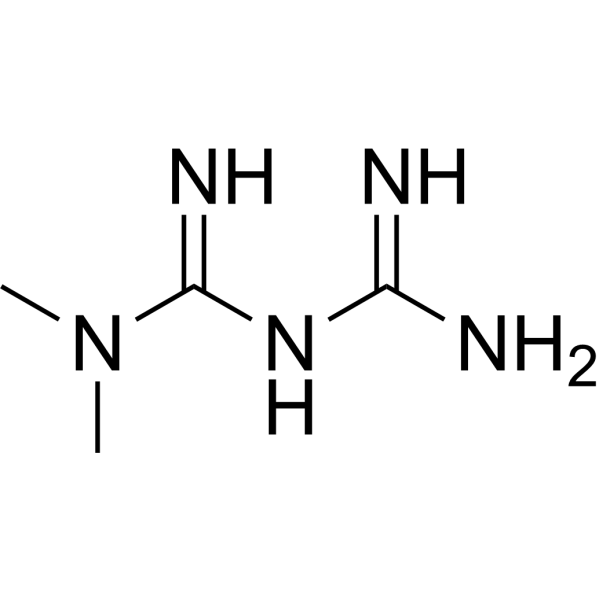
MPP+ iodide, a toxic metabolite of the neurotoxin MPTP, causes symptom of Parkinson's disease in animal models by selectively destroying dopaminergic neurons in substantia nigra. MPP+ iodide is taken up by the dopamine transporter into dopaminergic neurons where it exerts its neurotoxic action on mitochondria by affecting complex I of the respiratory chain. MPP+ iodide is also a high affinity substrate for the serotonin transporter (SERT) .
|
-
-
- HY-17471A
-
|
1,1-Dimethylbiguanide hydrochloride
|
AMPK
Autophagy
Mitophagy
Apoptosis
mTOR
|
Cardiovascular Disease
Infection
Neurological Disease
Metabolic Disease
Inflammation/Immunology
Cancer
|
|
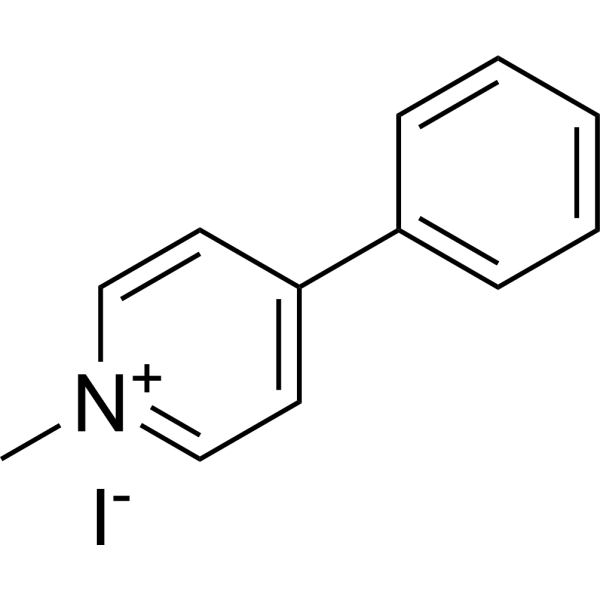
Metformin (1,1-Dimethylbiguanide) hydrochloride inhibits the mitochondrial respiratory chain in the liver, leading to AMPK activation and enhancing insulin sensitivity, and can be used in the study of type 2 diabetes. Metformin hydrochloride exerts central glucose-lowering effects by inhibiting Ras-related protein 1 (Rap1) in SF1 hypothalamic neurons. Metformin hydrochloride also inhibits liver oxidative stress, nitrosative stress, inflammation, and apoptosis caused by liver ischemia/reperfusion injury. In addition, Metformin hydrochloride regulates the expression of autophagy-related proteins by activating AMPK and inhibiting the mTOR signaling pathway, thereby inducing tumor cell autophagy and inhibiting the growth of renal cell carcinoma in vitro and in vivo .
|
-
-
- HY-N6782
-
-

-
- HY-112847A
-
|
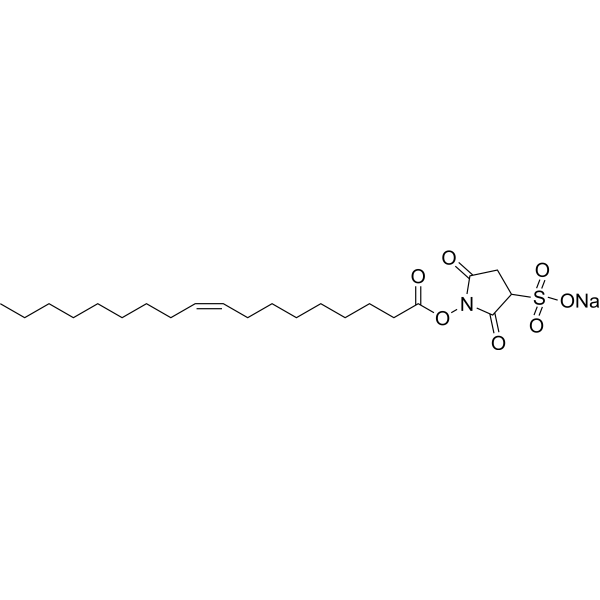
Sulfo-N-succinimidyl oleate sodium
|
Mitophagy
|
Inflammation/Immunology
|
|
Sulfosuccinimidyl oleate sodium (Sulfo-N-succinimidyl oleate sodium) is a long chain fatty acid that inhibits fatty acid transport into cells. Sulfosuccinimidyl oleate sodium is a potent and irreversible inhibitor of mitochondrial respiratory chain. Sulfosuccinimidyl oleate sodium binds the CD36 receptor on the surface of microglia. Anti-inflammatory effect .
|
-
-
- HY-103586
-
|
|
DNA/RNA Synthesis
SARS-CoV
|
Infection
|
|
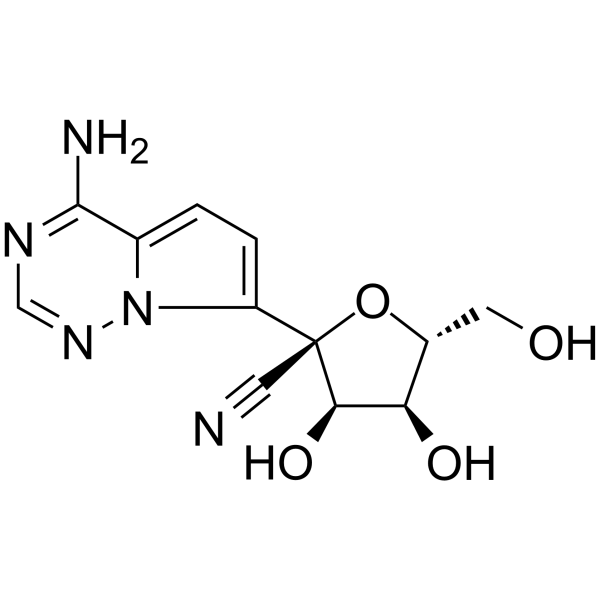
GS-441524 is a potent, orally active and CNS-penetrant viral RNA-dependent RNA polymerase inhibitor. GS-441524 competes with natural nucleosides to block viral RNA transcription as an alternative substrate and RNA chain terminator. GS-441524 inhibits the replication of feline infectious peritonitis virus, African swine fever virus, and severe acute respiratory syndrome coronavirus 2. GS-441524 reduces viral RNA levels in cats. GS-441524 can be used in research related to feline infectious peritonitis, African swine fever, and coronavirus disease 2019 (COVID-19) .
|
-
-
- HY-134539
-
|
|
Oxidative Phosphorylation
Mitochondrial Metabolism
DNA/RNA Synthesis
|
Metabolic Disease
Cancer
|
|
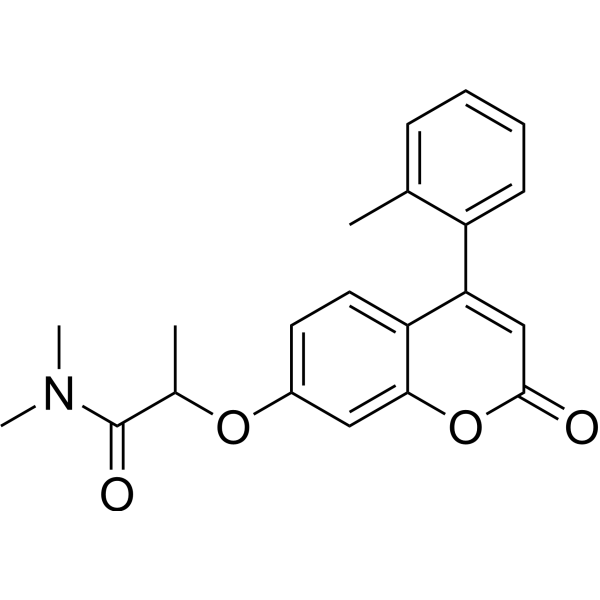
IMT1 is a first-in-class specific and noncompetitive human mitochondrial RNA polymerase (POLRMT) inhibitor. IMT1 causes a conformational change of POLRMT, which blocks substrate binding and transcription in a dose-dependent way in vitro. IMT1 reduces deoxynucleoside triphosphate levels and citric acid cycle intermediates, resulting in a marked depletion of cellular amino acid levels. IMT1 has the potential for mitochondrial transcription disorders related diseases .
|
-
-
- HY-16397A
-
|
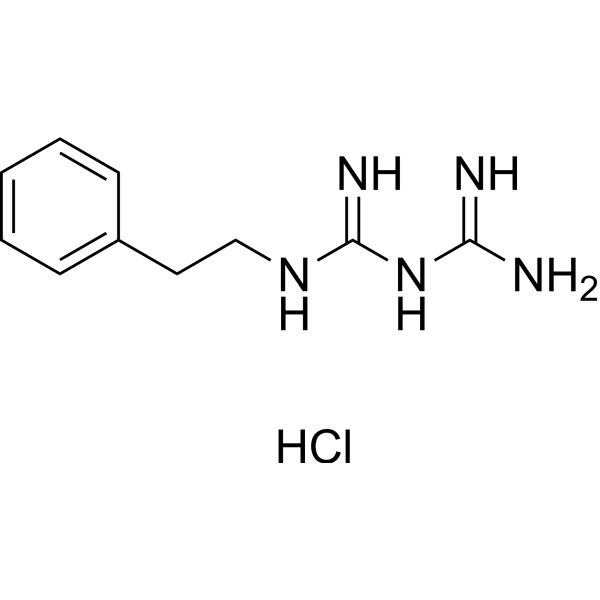
Phenethylbiguanide hydrochloride
|
Apoptosis
mTOR
Autophagy
Mitochondrial Metabolism
AMPK
|
Neurological Disease
Metabolic Disease
Cancer
|
|
Phenformin (Phenethylbiguanide) hydrochloride is an orally active biguanide hypoglycemic agent. Phenformin hydrochloride inhibits mitochondrial respiratory chain complex I, leading to an increased AMP/ATP ratio, activation of AMPK, and subsequent inhibition of the mTOR pathway, thereby suppressing cell proliferation, inducing apoptosis and autophagy. Phenformin hydrochloride inhibits cancer stem cells (CSCs) and possesses potent antitumor potential .
|
-
-
- HY-101180
-
|
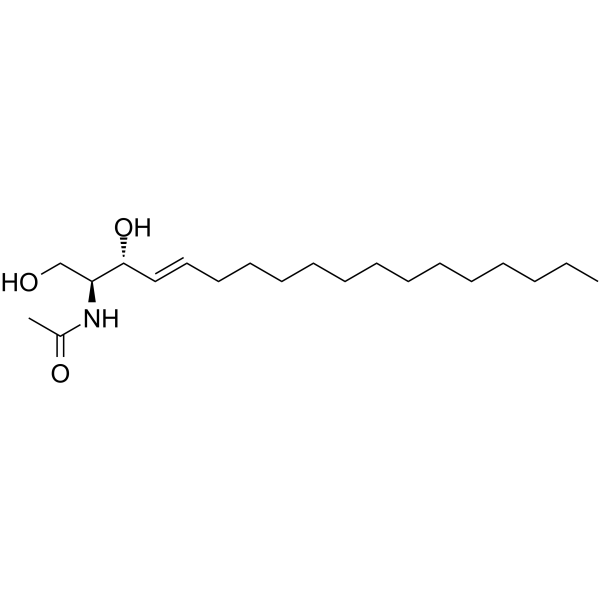
Ceramide 2
|
Phosphatase
Mitochondrial Metabolism
Apoptosis
Autophagy
|
Metabolic Disease
Endocrinology
|
|
C2 Ceramide (Ceramide 2) is the main lipid of the stratum corneum and a protein phosphatase 1 (PP1) activator. C2 Ceramide activates PP2A and ceramide-activated protein phosphatase (CAPP). C2 Ceramide induces cells differentiation, autophagy and apoptosis, inhibits mitochondrial respiratory chain complex III. C2 Ceramide is also a skin conditioning agent that protects the epidermal barrier from water loss .
|
-
-
- HY-16397
-
|
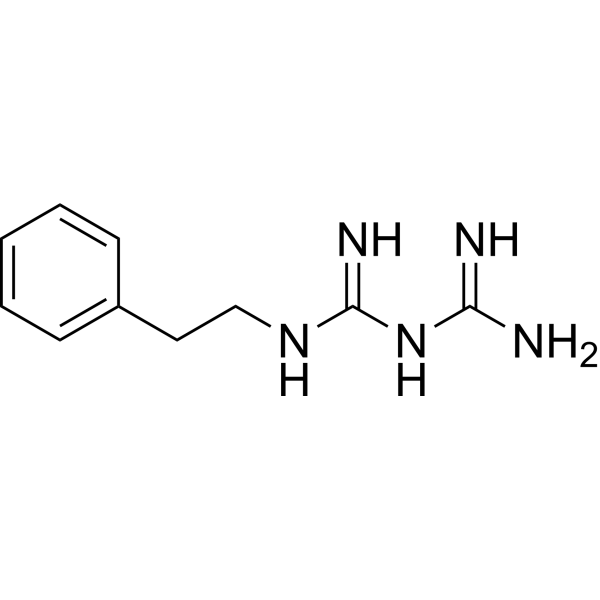
Phenethylbiguanide
|
Mitochondrial Metabolism
AMPK
Apoptosis
Autophagy
mTOR
|
Neurological Disease
Metabolic Disease
Cancer
|
|
Phenformin (Phenethylbiguanide) is an orally active biguanide hypoglycemic agent. Phenformin inhibits mitochondrial respiratory chain complex I, leading to an increased AMP/ATP ratio, activation of AMPK, and subsequent inhibition of the mTOR pathway, thereby suppressing cell proliferation, inducing apoptosis and autophagy. Phenformin inhibits cancer stem cells (CSCs) and possesses potent antitumor potential .
|
-
-
- HY-112177
-
|
|
Fungal
Mitochondrial Metabolism
Antibiotic
|
Infection
|
|
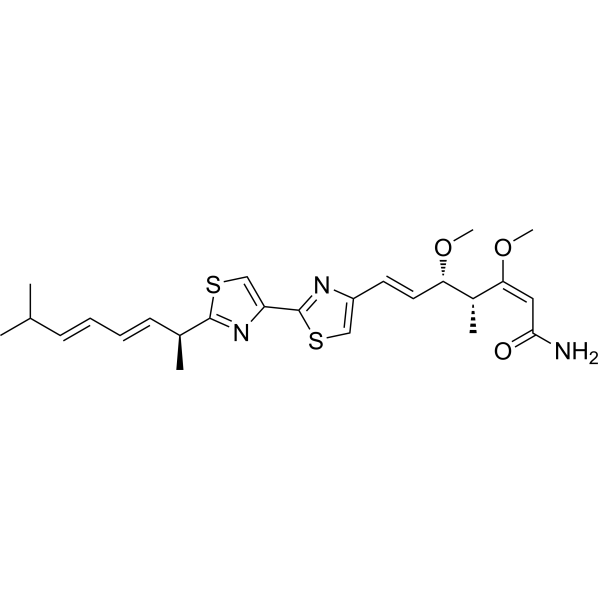
Myxothiazol, an antifungal antibiotic, is a mitochondrial electron transport chain complex III (bc1 complex) inhibitor. Myxothiazol inhibits the growth of many yeasts and fungi at concentrations between 0.01 and 3 μg/ml .
|
-
-
- HY-134575
-
|
|
Apoptosis
GSK-3
|
Others
|
|
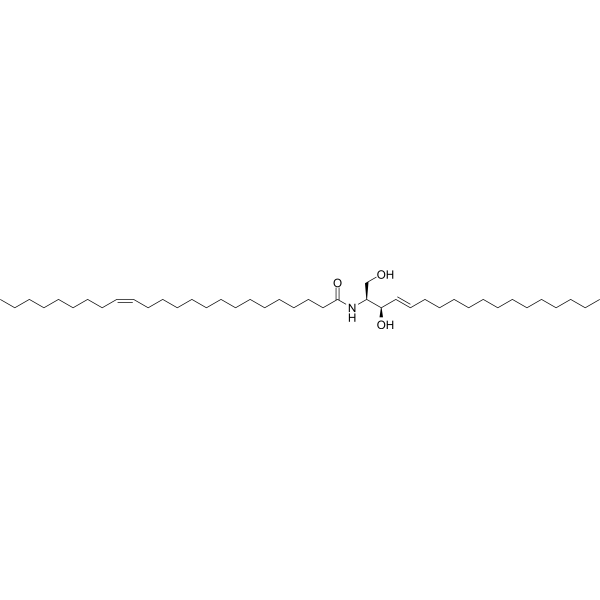
C24:1-Ceramide is one of the most abundant naturally occurring ceramide. Ceramides regulates many diverse biological activities, such as cell apoptosis, cell differentiation, proliferation of smooth muscle cells, and inhibition of the mitochondrial respiratory chain .
|
-
-
- HY-110228
-
|
1,1-Dimethylbiguanide-d6 hydrochloride
|
Isotope-Labeled Compounds
AMPK
Autophagy
Mitophagy
Apoptosis
mTOR
|
Cardiovascular Disease
Metabolic Disease
|
|
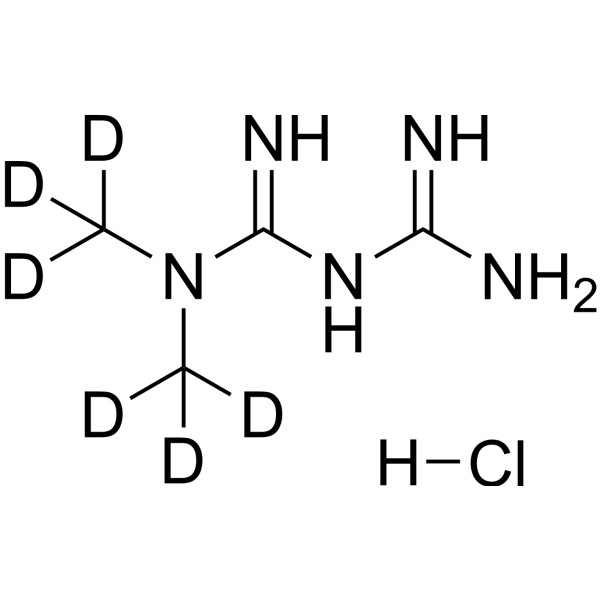
Metformin-d6 hydrochloride is a deuterium labeled Metformin hydrochloride. Metformin hydrochloride inhibits the mitochondrial respiratory chain in the liver, leading to AMPK activation and enhancing insulin sensitivity, and can be used in the study of type 2 diabetes. Metformin hydrochloride also inhibits liver oxidative stress, nitrosative stress, inflammation, and apoptosis caused by liver ischemia/reperfusion injury. In addition, metformin hydrochloride regulates the expression of autophagy-related proteins by activating AMPK and inhibiting the mTOR signaling pathway, thereby inducing tumor cell autophagy and inhibiting the growth of renal cell carcinoma in vitro and in vivo .
|
-
-
- HY-113355
-
|
|
Endogenous Metabolite
Apoptosis
|
Neurological Disease
Inflammation/Immunology
Endocrinology
|
|
NADH is an orally active dehydrogenase coenzyme that acts as a crucial electron carrier in cellular respiration and participates in ATP production. NADH promotes metabolism, supports brain function, and counteracts oxidative stress by transferring electrons to the electron transport chain. As a signaling molecule, NADH regulates multiple biological processes, including anti-apoptosis, synaptic plasticity, gene expression, and calcium homeostasis. Redox imbalance of NADH/NAD⁺ is one of the key pathological mechanisms of various diseases, such as diabetic nephropathy, neurodegenerative diseases, and ischemia-reperfusion injury.
|
-

-
- HY-W008923
-
|
|
MMP
Parasite
Bacterial
Antibiotic
Apoptosis
Akt
PI3K
|
Infection
Neurological Disease
Inflammation/Immunology
Cancer
|
|
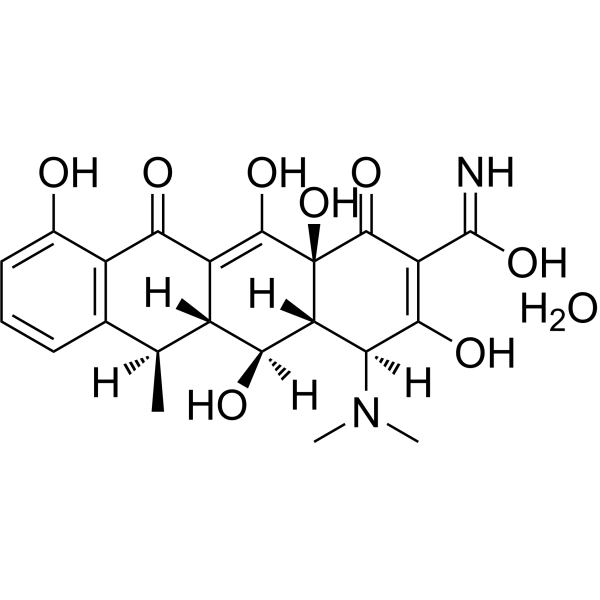
Doxycycline monohydrate is an orally active highly lipophilic, tissue-permeable MMP inhibitor with broad-spectrum antibacterial activity. Doxycycline monohydrate is also a semi-synthetic antibiotic with chelating properties, which blocks bacterial protein synthesis and inhibits extracellular matrix degradation through interactions with zinc and calcium atoms. Doxycycline monohydrate also inhibits mitochondrial biogenesis, translation, and the expression of respiratory chain proteins. Doxycycline monohydrate induces apoptosis, inhibits autophagy and EMT, downregulates stem cell markers, and activates the PI3K-AKT pathway, thereby effectively inhibiting the viability and proliferation of cancer cells such as breast cancer cells. Doxycycline monohydrate also promotes the survival and self-renewal of embryonic stem cells and neural stem cells, and reduces the frequency of medium changes in culture. Doxycycline monohydrate has been applied in studies related to breast cancer, prostate cancer, bladder cancer, and other cancers .
|
-
-
- HY-113285
-
|
3-Ureidopropionic acid
|
Oxidative Phosphorylation
|
Metabolic Disease
|
|
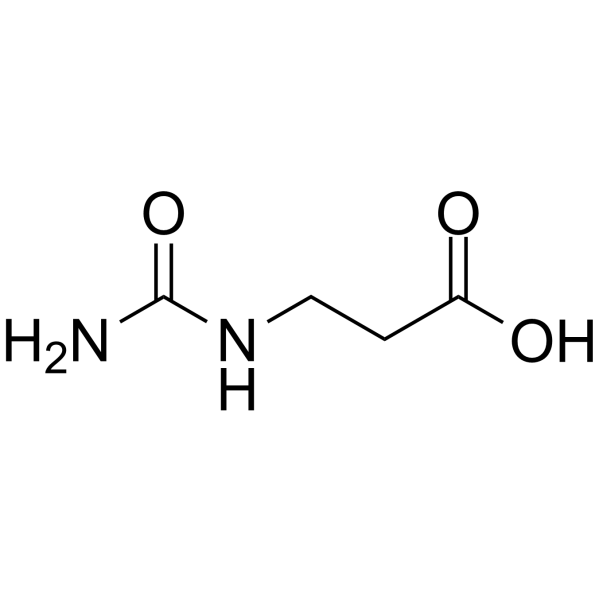
Ureidopropionic acid is a mitochondrial respiratory chain complex V inhibitor that selectively inhibits the activity of mitochondrial respiratory chain complex V, with no effect on respiratory chain complexes I-IV or mitochondrial fatty acid β-oxidation. Ureidopropionic acid induces the production of reactive oxygen species, delayed elevation of intracellular calcium concentration, secondary energy-dependent excitotoxicity and neurodegeneration in neurons. Ureidopropionic acid promotes neuropathological changes by impairing mitochondrial energy metabolism, oxidative stress and excitotoxicity pathways. Ureidopropionic acid can be used in studies related to 3-ureidopropionase deficiency and severe propionic aciduria .
|
-
-
- HY-126222A
-
|
|
Apoptosis
Mitochondrial Metabolism
|
Cancer
|
|
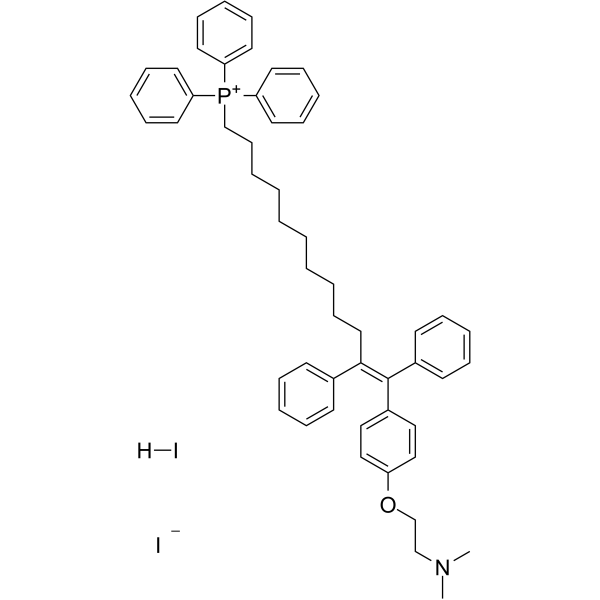
MitoTam iodide, hydriodide is a Tamoxifen derivative , an electron transport chain (ETC) inhibitor, spreduces mitochondrial membrane potential in senescent cells and affects mitochondrial morphology .
MitoTam iodide, hydriodide is an effective anticancer agent, suppresses respiratory complexes (CI-respiration) and disrupts respiratory supercomplexes (SCs) formation in breast cancer cells . MitoTam iodide, hydriodide causes apoptosis .
|
-
-
- HY-135549
-
-
-
- HY-P2733
-
|
GPO
|
Endogenous Metabolite
Bacterial
|
Infection
Metabolic Disease
|
|
Glycerol-3-phosphate oxidase, E. coli (GPO) is a key intermediate in glycerol metabolism. Glycerol-3-phosphate oxidase, E. coli is the skeleton of phospholipids in membrane lipids, and also a substrate in the respiratory chain. Glycerol-3-phosphate oxidase, E. coli produces electrons through oxidation. Glycerol-3-phosphate oxidase, E. coli is an enzyme with important functions in the field of biochemistry, and is widely used in medical testing and scientific research .
|
-
-
- HY-129115
-
|
|
Reactive Oxygen Species (ROS)
Caspase
|
Others
|
|
S1QEL1.1 is a small molecule inhibitor that specifically inhibits the generation of superoxide and hydrogen peroxide at the IQ site during reverse electron transfer in mitochondrial respiratory chain complex I (Complex I), with an IC50 of 0.07 μM. S1QEL1.1 can significantly reduce the activation of cysteine-aspartic protease (caspase) triggered by endoplasmic reticulum stress. S1QEL1.1 helps to decrease excessive proliferation of stem cells by inhibiting the Reactive Oxygen Species signaling pathway initiated by endoplasmic reticulum stress .
|
-

-
- HY-P1723
-
Spexin
2 Publications Verification
Neuropeptide Q
|
Neuropeptide Y Receptor
Apoptosis
Ferroptosis
Autophagy
|
Cardiovascular Disease
Neurological Disease
|
|
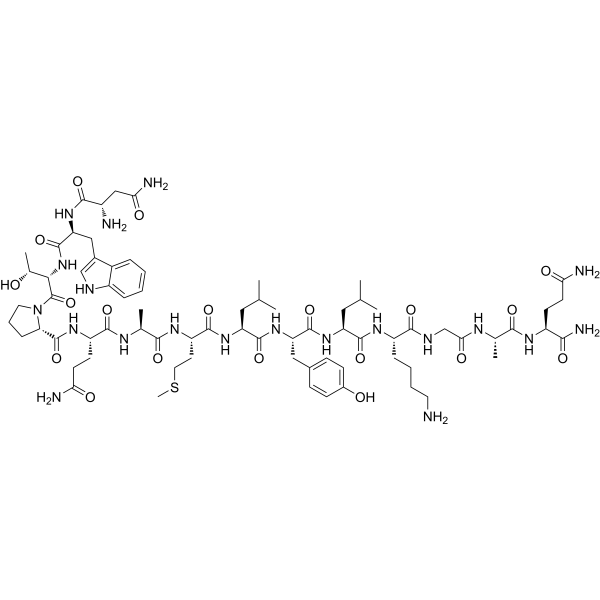
Spexin (Neuropeptide Q) is a selective agonist of galanin receptors GAL2 and GAL3, and is a conserved peptide that functions as a neurotransmitter/neuromodulator and endocrine factor. Spexin can function through both central and peripheral actions. Spexin upregulates Beclin 1 to inhibit ferroptosis induced by excessive autophagy, reduces the uptake of long-chain fatty acids by adipocytes, and regulates energy metabolism by increasing lipid oxidation (e.g., reducing the respiratory exchange ratio in rodents). Spexin improves cardiac function in the Doxorubicin hydrochloride (HY-15142)-induced cardiotoxicity model, protects mitochondrial membrane potential, and reduces iron accumulation and lipid peroxidation. Spexin can be used to study obesity and its related metabolic disorders, cardiovascular diseases (e.g., cardioprotection), and side effects of tumor chemotherapy .
|
-
-
- HY-17471AR
-
|
1,1-Dimethylbiguanide hydrochloride (Standard)
|
Reference Standards
AMPK
Autophagy
Mitophagy
Apoptosis
mTOR
|
Cardiovascular Disease
Metabolic Disease
Cancer
|
|
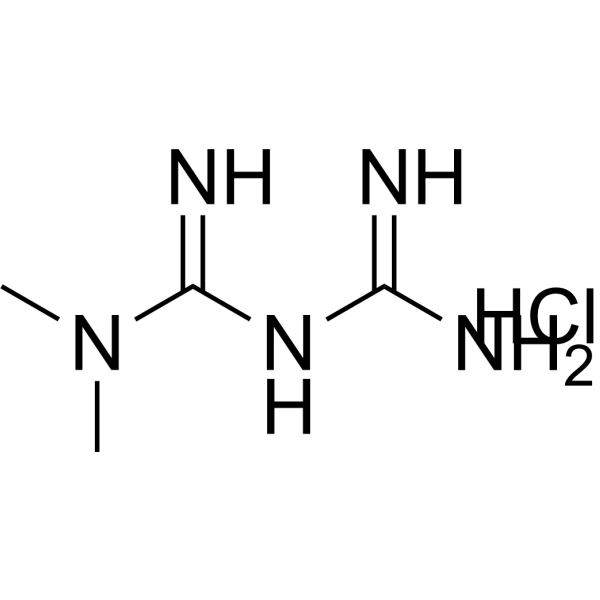
Metformin hydrochloride (Standard) is the analytical standard of Metformin hydrochloride (HY-17471A). This product is intended for research and analytical applications. Metformin (1,1-Dimethylbiguanide) hydrochloride inhibits the mitochondrial respiratory chain in the liver, leading to AMPK activation and enhancing insulin sensitivity, and can be used in the study of type 2 diabetes. Metformin hydrochloride exerts central glucose-lowering effects by inhibiting Ras-related protein 1 (Rap1) in SF1 hypothalamic neurons. Metformin hydrochloride also inhibits liver oxidative stress, nitrosative stress, inflammation, and apoptosis caused by liver ischemia/reperfusion injury. In addition, Metformin hydrochloride regulates the expression of autophagy-related proteins by activating AMPK and inhibiting the mTOR signaling pathway, thereby inducing tumor cell autophagy and inhibiting the growth of renal cell carcinoma in vitro and in vivo .
|
-
-
- HY-17520
-
|
MTF-753
|
Environmental Pollutants
Fungal
|
Infection
|
|
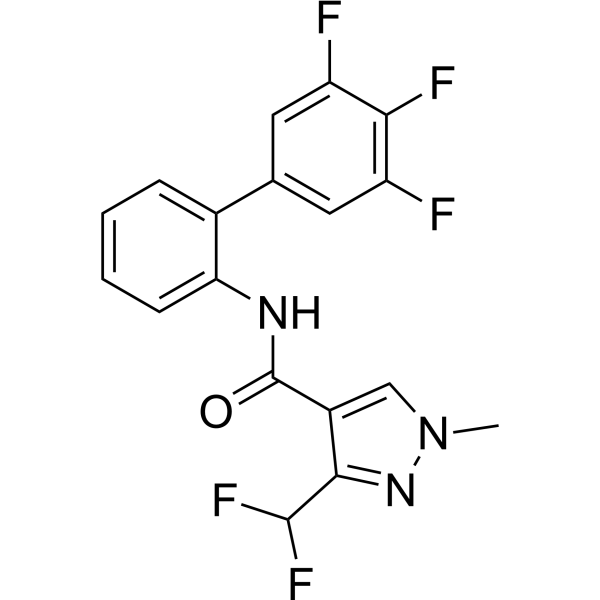
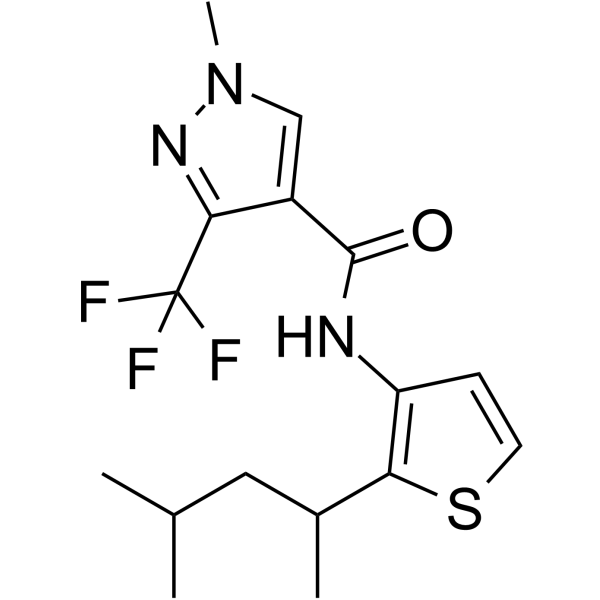
Penthiopyrad (MTF-753) is a carboxamide Fungicide. Penthiopyrad inhibits SDH. Penthiopyrad exhibits broad-spectrum antifungal activity, being effective not only against Basidiomycetes, but also against Ascomycetes and Deuteromycetes. Penthiopyrad inhibits the mycelial growth of Alternaria mali, Botrytis cinerea, Monilinia mali, Rhizoctonia solani and Sclerotinia sclerotiorum on PDA medium, with EC50 values ranging from <0.4 ppm to 0.34 ppm and MIC values ranging from 6.6 ppm to 47.9 ppm .
|
-
-
- HY-Y1366
-
|
|
Mitochondrial Metabolism
Reactive Oxygen Species (ROS)
Arp2/3 Complex
Apoptosis
|
Inflammation/Immunology
|
|
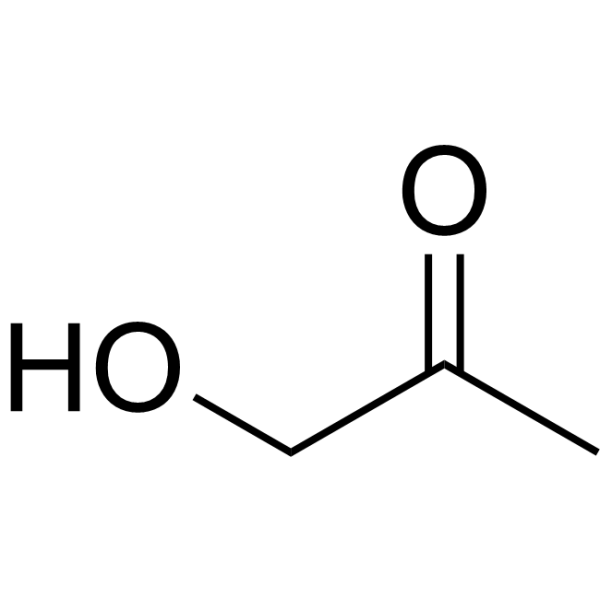
Hydroxyacetone is a toxic compound. Hydroxyacetone can be isolated from e-cigarette aerosols. Hydroxyacetone reduces the activity of cellular Mitochondrial reductase (with an IC50 of 5.53 mg/mL for mitochondrial reductase in BEAS-2B cells) and increases ROS levels. Hydroxyacetone induces mitochondrial stress and oxidative damage. Hydroxyacetone induces destabilization of F-actin. At high concentrations, Hydroxyacetone promotes cell rounding and Apoptotic body formation. Hydroxyacetone exerts toxic effects on cells including airway epithelial cells and possesses respiratory toxicity potential .\n
|
-
-
- HY-164027
-
|
|
E1/E2/E3 Enzyme
|
Metabolic Disease
Cancer
|
|
MyoMed 205 is an orally active muscle ring finger protein 1 (MuRF1) inhibitor. MyoMed-205 reduces ubiquitination and subsequent proteasomal degradation of muscle proteins by inhibiting MuRF1 activity. MyoMed 205 augments muscle performance, attenuates muscle weight loss and alleviates disease-induced weight loss. MyoMed 205 can be used for the research of cancer cachexia, type 2 diabetes mellitus, and heart failure with preserved ejection fraction .
|
-

-
- HY-N0565S1
-
|
|
Isotope-Labeled Compounds
MMP
Parasite
Bacterial
Antibiotic
Apoptosis
Akt
PI3K
|
Infection
Neurological Disease
Inflammation/Immunology
Cancer
|
|
Doxycycline-d3 hyclate (major) is the deuterium labeled Doxycycline hyclate (HY-N0565B). Doxycycline hyclate is an orally active highly lipophilic, tissue-permeable MMP inhibitor with broad-spectrum antibacterial activity. Doxycycline hyclate is also a semi-synthetic antibiotic with chelating properties, which blocks bacterial protein synthesis and inhibits extracellular matrix degradation through interactions with zinc and calcium atoms. Doxycycline hyclate also inhibits mitochondrial biogenesis, translation, and the expression of respiratory chain proteins. Doxycycline hyclate induces apoptosis, inhibits autophagy and EMT, downregulates stem cell markers, and activates the PI3K-AKT pathway, thereby effectively inhibiting the viability and proliferation of cancer cells such as breast cancer cells. Doxycycline hyclate also promotes the survival and self-renewal of embryonic stem cells and neural stem cells, and reduces the frequency of medium changes in culture. Doxycycline hyclate has been applied in studies related to breast cancer, prostate cancer, bladder cancer, and other cancers .
|
-

-
- HY-W014684
-
|
|
Environmental Pollutants
Keap1-Nrf2
Mitochondrial Metabolism
Reactive Oxygen Species (ROS)
|
Endocrinology
|
|
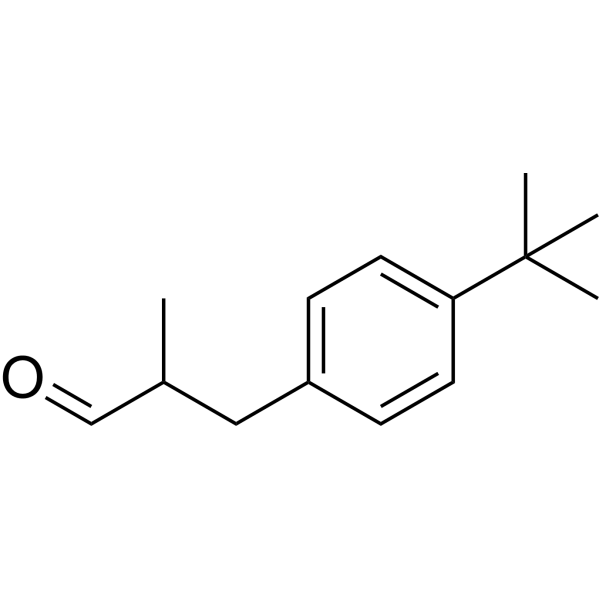
Lilial is a widely used synthetic fragrance and ester in consumer products. Lilial possesses estrogenic activity in vitro. Lilial can induce a toxic effect on mitochondria that causes a decrease in the viability of HaCaT cells. Lilial can increase NRF2 protein level in vitro. Lilial is able to target respiratory chain complexes, inhibit complexes I and II of the electron transport chain, increase the generation of reactive oxygen species, and decrease the level of intracellular ATP. Lilial can induce systemic toxicity in vivo. Lilial induces significant DNA strand breaks .
|
-
-
- HY-B0627S
-
|
1,1-Dimethylbiguanide-d6
|
Isotope-Labeled Compounds
AMPK
Autophagy
Mitophagy
Apoptosis
mTOR
|
Cardiovascular Disease
Cancer
|
|
Metformin-d6 (1,1-Dimethylbiguanide-d6) is a deuterated labeled Metformin (HY-B0627). Metformin (1,1-Dimethylbiguanide) inhibits the mitochondrial respiratory chain in the liver, leading to AMPK activation and enhancing insulin sensitivity, and can be used in the study of type 2 diabetes. Metformin exerts central glucose-lowering effects by inhibiting Ras-related protein 1 (Rap1) in SF1 hypothalamic neurons. Metformin also inhibits liver oxidative stress, nitrosative stress, inflammation, and apoptosis caused by liver ischemia/reperfusion injury. In addition, Metformin regulates the expression of autophagy-related proteins by activating AMPK and inhibiting the mTOR signaling pathway, thereby inducing tumor cell autophagy and inhibiting the growth of renal cell carcinoma in vitro and in vivo .
|
-

-
- HY-N0565AR
-
|
|
Reference Standards
MMP
Parasite
Bacterial
Antibiotic
Apoptosis
Akt
PI3K
|
Infection
Neurological Disease
Inflammation/Immunology
Cancer
|
|
Doxycycline hydrochloride (Standard) is the analytical standard of Doxycycline hydrochloride (HY-N0565A). This product is intended for research and analytical applications. Doxycycline hydrochloride is an orally active highly lipophilic, tissue-permeable MMP inhibitor with broad-spectrum antibacterial activity. Doxycycline hydrochloride is also a semi-synthetic antibiotic with chelating properties, which blocks bacterial protein synthesis and inhibits extracellular matrix degradation through interactions with zinc and calcium atoms. Doxycycline hydrochloride also inhibits mitochondrial biogenesis, translation, and the expression of respiratory chain proteins. Doxycycline hydrochloride induces apoptosis, inhibits autophagy and EMT, downregulates stem cell markers, and activates the PI3K-AKT pathway, thereby effectively inhibiting the viability and proliferation of cancer cells such as breast cancer cells. Doxycycline hydrochloride also promotes the survival and self-renewal of embryonic stem cells and neural stem cells, and reduces the frequency of medium changes in culture. Doxycycline hydrochloride has been applied in studies related to breast cancer, prostate cancer, bladder cancer, and other cancers .
|
-

-
- HY-N0565R
-
|
|
Reference Standards
MMP
Parasite
Bacterial
Antibiotic
Apoptosis
Akt
PI3K
|
Infection
Neurological Disease
Inflammation/Immunology
Cancer
|
|
Doxycycline (Standard) is the analytical standard of Doxycycline (HY-N0565). This product is intended for research and analytical applications. Doxycycline is an orally active highly lipophilic, tissue-permeable MMP inhibitor with broad-spectrum antibacterial activity. Doxycycline is also a semi-synthetic antibiotic with chelating properties, which blocks bacterial protein synthesis and inhibits extracellular matrix degradation through interactions with zinc and calcium atoms. Doxycycline also inhibits mitochondrial biogenesis, translation, and the expression of respiratory chain proteins. Doxycycline induces apoptosis, inhibits autophagy and EMT, downregulates stem cell markers, and activates the PI3K-AKT pathway, thereby effectively inhibiting the viability and proliferation of cancer cells such as breast cancer cells. Doxycycline also promotes the survival and self-renewal of embryonic stem cells and neural stem cells, and reduces the frequency of medium changes in culture. Doxycycline has been applied in studies related to breast cancer, prostate cancer, bladder cancer, and other cancers .
|
-

-
- HY-N0565BR
-
|
Doxycycline (hydrochloride hemiethanolate hemihydrate) (Standard); WC2031 (Standard)
|
Reference Standards
MMP
Parasite
Bacterial
Antibiotic
Apoptosis
Akt
PI3K
|
Infection
Neurological Disease
Inflammation/Immunology
Cancer
|
|
Doxycycline hyclate (Standard) is the analytical standard of Doxycycline hyclate (HY-N0565B). This product is intended for research and analytical applications. Doxycycline hyclate is an orally active highly lipophilic, tissue-permeable MMP inhibitor with broad-spectrum antibacterial activity. Doxycycline hyclate is also a semi-synthetic antibiotic with chelating properties, which blocks bacterial protein synthesis and inhibits extracellular matrix degradation through interactions with zinc and calcium atoms. Doxycycline hyclate also inhibits mitochondrial biogenesis, translation, and the expression of respiratory chain proteins. Doxycycline hyclate induces apoptosis, inhibits autophagy and EMT, downregulates stem cell markers, and activates the PI3K-AKT pathway, thereby effectively inhibiting the viability and proliferation of cancer cells such as breast cancer cells. Doxycycline hyclate also promotes the survival and self-renewal of embryonic stem cells and neural stem cells, and reduces the frequency of medium changes in culture. Doxycycline hyclate has been applied in studies related to breast cancer, prostate cancer, bladder cancer, and other cancers .
|
-

-
- HY-146145
-
|
|
Fungal
Mitochondrial Metabolism
|
Infection
|
|
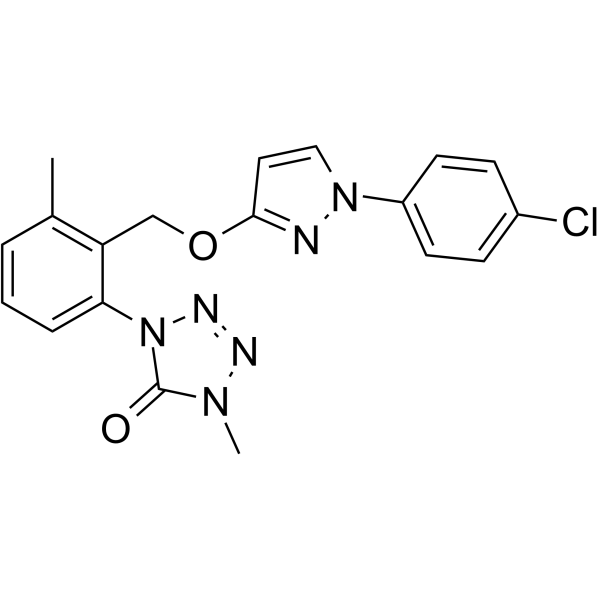
Metyltetraprole is a promising fungicide with EC50 values of both 0.002 ppm against sensitive wild-type and G143A mutant of Zymoseptoria tritici. Metyltetraprole is effective against QoI (quinone outside inhibitor) resistant strains. Metyltetraprole inhibits the respiratory chain via complex III .
|
-
-
- HY-125857B
-
|
|
Biochemical Assay Reagents
Apoptosis
Caspase
|
Metabolic Disease
|
|
Cytochrome C (Saccharomyces cerevisiae) is a type C cytochrome located in the intermembrane space of the mitochondria. As an electron carrier, Cytochrome C (Saccharomyces cerevisiae) transfers electrons between complex III (cytochrome c reductase) and complex IV (cytochrome c oxidase, CIV) of the respiratory chain. Cytochrome C (Saccharomyces cerevisiae) can play a crucial role in triggering apoptosis by being released from the mitochondria into the cytosol .
|
-

-
- HY-112847B
-
|
(E/Z)-Sulfo-N-succinimidyl oleate sodium
|
Transmembrane Glycoprotein
Mitochondrial Metabolism
Drug Isomer
|
Inflammation/Immunology
|
|
(E/Z)-Sulfosuccinimidyl oleate sodium is the racemate of (E)-Sulfosuccinimidyl oleate sodium and (Z)-Sulfosuccinimidyl oleate sodium. Sulfosuccinimidyl oleate sodium (Sulfo-N-succinimidyl oleate sodium) is a long-chain fatty acid that inhibits fatty acid transport into cells. Sulfosuccinimidyl oleate sodium is a potent and irreversible inhibitor of the mitochondrial respiratory chain. Sulfosuccinimidyl oleate sodium binds to the CD36 receptor on the surface of microglial cells. Sulfosuccinimidyl oleate sodium exhibits anti-inflammatory effects .
|
-

-
- HY-N9279
-
|
Monocrotaline pyrrole; MCTP; 3,8-Didehydromonocrotaline
|
Endogenous Metabolite
|
Cardiovascular Disease
Cancer
|
|
Dehydromonocrotaline is a mitochondrial respiratory chain complex I NADH oxidase inhibitor, with a IC50 of 62.06 μM and a Ki of 8.1 μM in rats. Dehydromonocrotaline exerts non-competitive inhibitory effects by modifying cysteine thiol groups on complex I, and does not bind to the NADH-binding site. Dehydromonocrotaline dissipates mitochondrial membrane potential and reduces ATP levels. Dehydromonocrotaline can be used in studies related to hepatotoxicity, pulmonary hypertension and liver tumors .
|
-

-
- HY-112847
-
|
Sulfo-N-succinimidyl oleate
|
Mitophagy
|
Inflammation/Immunology
|
|
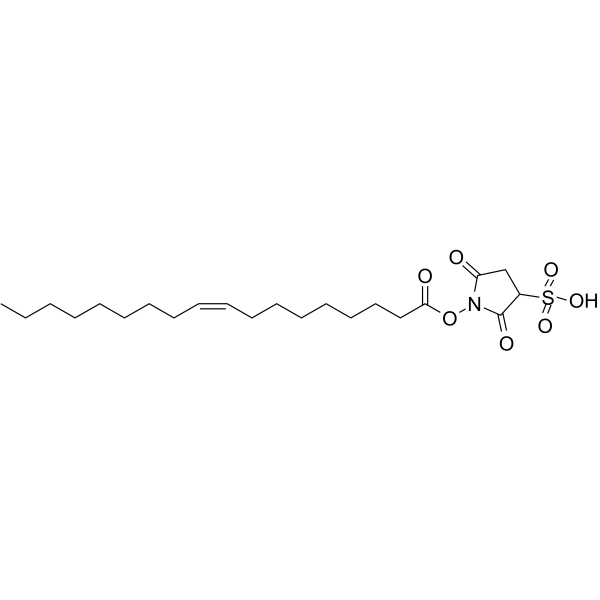
Sulfosuccinimidyl oleate (Sulfo-N-succinimidyl oleate) is a long chain fatty acid that inhibits fatty acid transport into cells. Sulfosuccinimidyl oleate is a potent and irreversible inhibitor of mitochondrial respiratory chain. Sulfosuccinimidyl oleate binds the CD36 receptor on the surface of microglia. Anti-inflammatory effect .
|
-
-
- HY-126222
-
|
|
Apoptosis
Mitochondrial Metabolism
|
Cancer
|
|
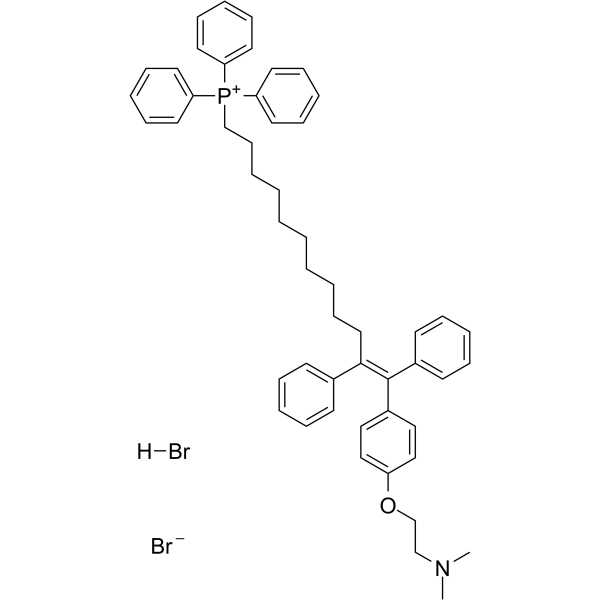
MitoTam bromide, hydrobromide, a Tamoxifen derivative , is an electron transport chain (ETC) inhibitor. MitoTam bromide, hydrobromide reduces mitochondrial membrane potential in senescent cells and affects mitochondrial morphology . MitoTam bromide, hydrobromide is an effective anticancer agent, suppresses respiratory complexes (CI-respiration) and disrupts respiratory supercomplexes (SCs) formation in breast cancer cells .
|
-
-
- HY-W049881
-
|
|
Dopamine Receptor
PI3K
Monoamine Oxidase
|
Neurological Disease
|
|
9-Methyl-β-carboline is a monoamine oxidase inhibitor and dopaminergic modulator, with an IC50 of 1 μM against human MAO-A and an IC50 of 15.5 μM against human MAO-B. 9-Methyl-β-carboline possesses cognitive enhancement potential and can cross the blood-brain barrier. 9-Methyl-β-carboline increases dopamine levels by inhibiting monoamine oxidase activity and microglial proliferation. 9-Methyl-β-carboline activates PKA/PKC and mitochondrial respiratory chain complex I, promotes neurotrophic factor expression and reduces α-synuclein (α-synuclein) levels, thereby reversing neurotoxin-induced dopaminergic neuron damage. 9-Methyl-β-carboline also regulates the PI3K pathway and exerts an anti-proliferative effect on astrocytes. 9-Methyl-β-carboline is widely used in Parkinson's disease-related studies .
|
-

-
- HY-117897
-
CK-2-68
1 Publications Verification
|
Parasite
|
Infection
|
|
CK-2-68 is an inhibitor for complex III in protozoan mitochondrial respiratory chain, by targeting the alternative NADH dehydrogenase (NDH2) of the malarial parasite Plasmodium. CK-2-68 exhibits antimalaria efficacy, that inhibits Plasmodium falciparum infected erythrocytes with an IC50 of 40 nM .
|
-

-
- HY-162650
-
|
|
ClpP
|
Cancer
|
|
SL44 is an agonist for human caseinolytic protease P (HsClpP), with an EC50 of 1.30 μM. SL44 inhibits the proliferation of LM3 with an IC50 of 3.1 μM. SL44 induces apoptosis in HCC cells, through the degradation of respiratory chain complex subunits. SL44 exhibits antitumor efficacy in mouse models without obvious toxicity (LD50=400 mg/kg). SL44 exhibits good pharmacokinetic characters in rat models .
|
-

-
- HY-103586A
-
|
|
DNA/RNA Synthesis
SARS-CoV
|
Infection
|
|
GS-441524 hydrochloride is a potent, orally active and CNS-penetrant viral RNA-dependent RNA polymerase inhibitor. GS-441524 hydrochloride competes with natural nucleosides to block viral RNA transcription as an alternative substrate and RNA chain terminator. GS-441524 hydrochloride inhibits the replication of feline infectious peritonitis virus, African swine fever virus, and severe acute respiratory syndrome coronavirus 2. GS-441524 hydrochloride reduces viral RNA levels in cats. GS-441524 hydrochloride can be used in research related to feline infectious peritonitis, African swine fever, and coronavirus disease 2019 (COVID-19) .
|
-

-
- HY-155556
-
|
|
ClpP
|
Cancer
|
|
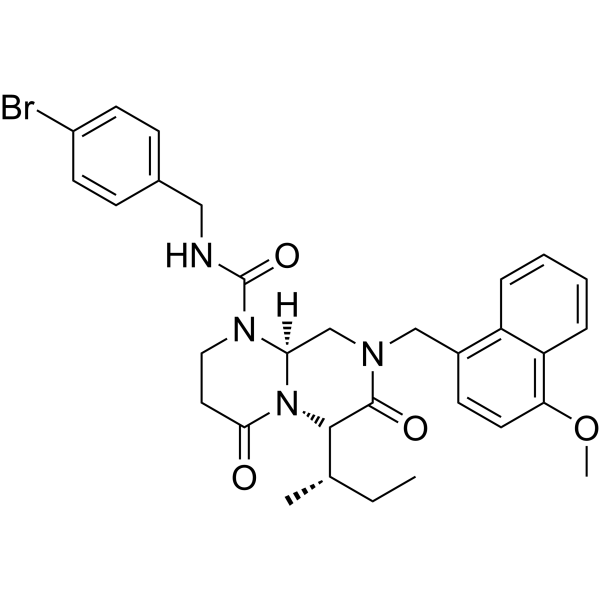
ZG36 is a human Caseinolytic protease P (ClpP) agonist. ZG36 non-selectively degrades respiratory chain complexes and reduces mitochondrial DNA, ultimately leading to mitochondrial dysfunction and leukemic cell death. ZG36 also inhibits the development of acute myeloid leukemia in a xenograft mouse model .
|
-
-
- HY-132178B
-
|
|
Biochemical Assay Reagents
|
Metabolic Disease
|
|
Cytochrome C oxidase (complex IV) (EC 7.1.1.9) is the unique terminal oxidase of the mitochondrial respiratory chain (RC) in mammals. Cytochrome C oxidase is made up of thirteen subunits that catalyze the transfer of electrons from ferro-cytochrome c to molecular oxygen .
|
-

-
- HY-W008719S
-
|
|
Mitochondrial Metabolism
|
Neurological Disease
|
|
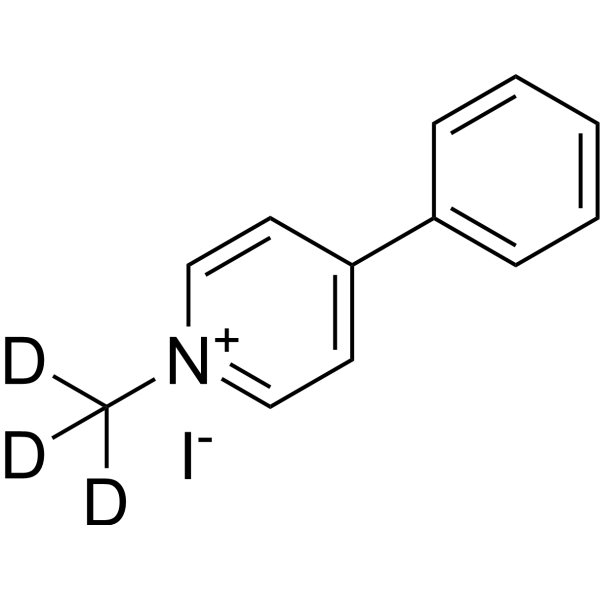
MPP+-d3 (iodide) is deuterium labeled MPP+ (iodide). MPP+ iodide, a toxic metabolite of the neurotoxin MPTP, causes symptom of Parkinson's disease in animal models by selectively destroying dopaminergic neurons in substantia nigra. MPP+ iodide is taken up by the dopamine transporter into dopaminergic neurons where it exerts its neurotoxic action on mitochondria by affecting complex I of the respiratory chain. MPP+ iodide is also a high affinity substrate for the serotonin transporter (SERT) .
|
-
-
- HY-N0565AS
-
|
|
Isotope-Labeled Compounds
MMP
Parasite
Bacterial
Antibiotic
Apoptosis
Akt
PI3K
|
Infection
Neurological Disease
Inflammation/Immunology
Cancer
|
|
Doxycycline-d3 hydrochloride is deuterium labeled Doxycycline hydrochloride (HY-N0565A). Doxycycline hydrochloride is an orally active highly lipophilic, tissue-permeable MMP inhibitor with broad-spectrum antibacterial activity. Doxycycline hydrochloride is also a semi-synthetic antibiotic with chelating properties, which blocks bacterial protein synthesis and inhibits extracellular matrix degradation through interactions with zinc and calcium atoms. Doxycycline hydrochloride also inhibits mitochondrial biogenesis, translation, and the expression of respiratory chain proteins. Doxycycline hydrochloride induces apoptosis, inhibits autophagy and EMT, downregulates stem cell markers, and activates the PI3K-AKT pathway, thereby effectively inhibiting the viability and proliferation of cancer cells such as breast cancer cells. Doxycycline hydrochloride also promotes the survival and self-renewal of embryonic stem cells and neural stem cells, and reduces the frequency of medium changes in culture. Doxycycline hydrochloride has been applied in studies related to breast cancer, prostate cancer, bladder cancer, and other cancers .
|
-

-
- HY-N0565S3
-
|
|
Isotope-Labeled Compounds
MMP
Parasite
Bacterial
Antibiotic
Apoptosis
Akt
PI3K
|
Infection
Neurological Disease
Inflammation/Immunology
Cancer
|
|
Doxycycline- 13C,d3 is 13C and deuterium labeled Doxycycline (HY-N0565). Doxycycline is an orally active highly lipophilic, tissue-permeable MMP inhibitor with broad-spectrum antibacterial activity. Doxycycline is also a semi-synthetic antibiotic with chelating properties, which blocks bacterial protein synthesis and inhibits extracellular matrix degradation through interactions with zinc and calcium atoms. Doxycycline also inhibits mitochondrial biogenesis, translation, and the expression of respiratory chain proteins. Doxycycline induces apoptosis, inhibits autophagy and EMT, downregulates stem cell markers, and activates the PI3K-AKT pathway, thereby effectively inhibiting the viability and proliferation of cancer cells such as breast cancer cells. Doxycycline also promotes the survival and self-renewal of embryonic stem cells and neural stem cells, and reduces the frequency of medium changes in culture. Doxycycline has been applied in studies related to breast cancer, prostate cancer, bladder cancer, and other cancers .
|
-

-
- HY-139205
-
-
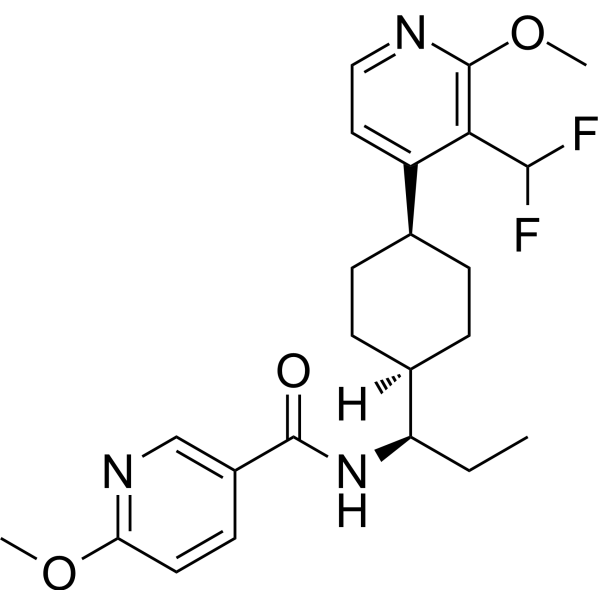
-
- HY-P2733B
-
|
GPO, Aerococcus viridans
|
Endogenous Metabolite
|
Metabolic Disease
|
|
Glycerol-3-phosphate oxidase, Aerococcus viridans (GPO, Aerococcus viridans) is a key intermediate in glycerol metabolism. Glycerol-3-phosphate oxidase is the skeleton of phospholipids in membrane lipids, and also a substrate of respiratory chain. Glycerol-3-phosphate oxidase produces electrons through oxidation .
|
-

-
- HY-P2733A
-
|
GPO, Pedio coccus sp.
|
Endogenous Metabolite
|
Metabolic Disease
|
|
Glycerol-3-phosphate oxidase, Pedio coccus sp. (GPO, Pedio coccus sp.) is a key intermediate in glycerol metabolism. Glycerol-3-phosphate oxidase is the skeleton of phospholipids in membrane lipids, and also a substrate in the respiratory chain. Glycerol-3-phosphate oxidase produces electrons through oxidation .
|
-

-
- HY-W014684R
-
|
|
Reference Standards
Keap1-Nrf2
Reactive Oxygen Species (ROS)
Mitochondrial Metabolism
|
Endocrinology
|
|
Lilial (Standard) is the analytical standard of Lilial. This product is intended for research and analytical applications. Lilial is a widely used synthetic fragrance and ester in consumer products. Lilial possesses estrogenic activity in vitro. Lilial can induce a toxic effect on mitochondria that causes a decrease in the viability of HaCaT cells. Lilial can increase NRF2 protein level in vitro. Lilial is able to target respiratory chain complexes, inhibit complexes I and II of the electron transport chain, increase the generation of reactive oxygen species, and decrease the level of intracellular ATP. Lilial can induce systemic toxicity in vivo. Lilial induces significant DNA strand breaks .
|
-

- HY-N9680
-
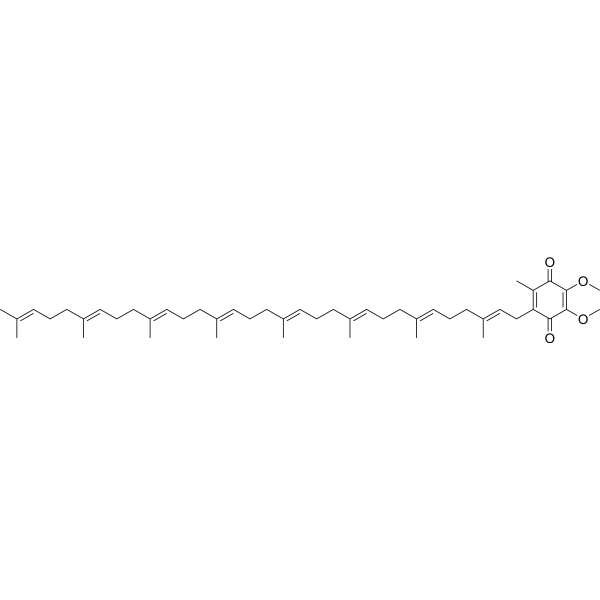
|
Ubiquinone 8
|
Endogenous Metabolite
Bacterial
|
Infection
Inflammation/Immunology
|
|
Coenzyme Q8 (Ubiquinone 8) is an isoprenoid quinone that mediates electron transfer within the aerobic respiratory chain and reduces oxidative stress. Coenzyme Q8 maintains bacterial respiratory function and enhances host resistance to bacterial infection. Coenzyme Q8 stimulates macrophage phagocytosis and increases antibody-producing cells. Coenzyme Q8 can be used in infectious disease research .
|
-
- HY-B0627A
-
|
1,1-Dimethylbiguanide (glycinate)
|
AMPK
Autophagy
Mitophagy
Apoptosis
mTOR
|
Cardiovascular Disease
Metabolic Disease
Cancer
|
|
Metformin (1,1-Dimethylbiguanide) glycinate inhibits the mitochondrial respiratory chain in the liver, leading to AMPK activation and enhancing insulin sensitivity, and can be used in the study of type 2 diabetes. Metformin glycinate exerts central glucose-lowering effects by inhibiting Ras-related protein 1 (Rap1) in SF1 hypothalamic neurons. Metformin glycinate also inhibits liver oxidative stress, nitrosative stress, inflammation, and apoptosis caused by liver ischemia/reperfusion injury. In addition, Metformin glycinate regulates the expression of autophagy-related proteins by activating AMPK and inhibiting the mTOR signaling pathway, thereby inducing tumor cell autophagy and inhibiting the growth of renal cell carcinoma in vitro and in vivo .
|
-

- HY-W715444
-
-

- HY-126222B
-
|
MitoTax iodide, hydriodide
|
Mitochondrial Metabolism
Apoptosis
|
Cancer
|
|
(E/Z)-MitoTam (iodide, hydriodide) (MitoTam (iodide, hydriodide)) is the E/Z mixture of MitoTam iodide, hydriodide. MitoTam iodide, hydriodide is a Tamoxifen derivative , an electron transport chain (ETC) inhibitor, spreduces mitochondrial membrane potential in senescent cells and affects mitochondrial morphology . MitoTam iodide, hydriodide is an effective anticancer agent, suppresses respiratory complexes (CI-respiration) and disrupts respiratory supercomplexes (SCs) formation in breast cancer cells . MitoTam iodide, hydriodide causes apoptosis .
|
-

- HY-W700643
-
-
- HY-P1723A
-
|
Neuropeptide Q TFA
|
Neuropeptide Y Receptor
Apoptosis
Ferroptosis
Autophagy
|
Cardiovascular Disease
Metabolic Disease
|
|
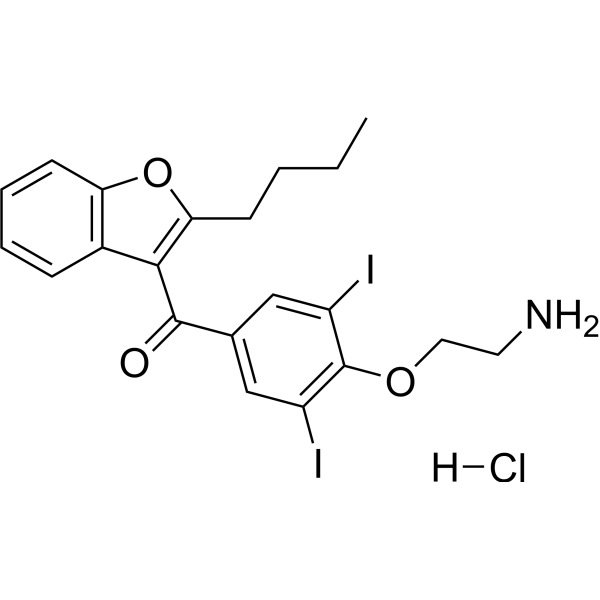
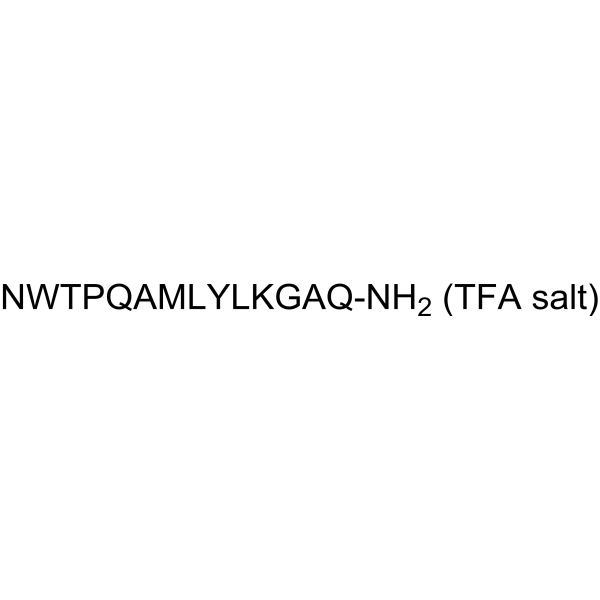
Spexin (Neuropeptide Q) TFA is a selective agonist of galanin receptors GAL2 and GAL3, and is a conserved peptide that functions as a neurotransmitter/neuromodulator and endocrine factor. Spexin TFA can function through both central and peripheral actions. Spexin TFA upregulates Beclin 1 to inhibit ferroptosis induced by excessive autophagy, reduces the uptake of long-chain fatty acids by adipocytes, and regulates energy metabolism by increasing lipid oxidation (e.g., reducing the respiratory exchange ratio in rodents). Spexin TFA improves cardiac function in the Doxorubicin hydrochloride (HY-15142)-induced cardiotoxicity model, protects mitochondrial membrane potential, and reduces iron accumulation and lipid peroxidation. Spexin TFA can be used to study obesity and its related metabolic disorders, cardiovascular diseases (e.g., cardioprotection), and side effects of tumor chemotherapy .
|
-
- HY-B0627S1
-
|
1,1-Dimethylbiguanide-13C2 hydrochloride
|
Isotope-Labeled Compounds
AMPK
Autophagy
Mitophagy
Apoptosis
mTOR
|
Cardiovascular Disease
Metabolic Disease
Cancer
|
|
Metformin- 13C2 (1,1-Dimethylbiguanide- 13C2) hydrochloride is the 13C-labeled Metformin hydrochloride (HY-17471A). Metformin (1,1-Dimethylbiguanide) hydrochloride inhibits the mitochondrial respiratory chain in the liver, leading to AMPK activation and enhancing insulin sensitivity, and can be used in the study of type 2 diabetes. Metformin hydrochloride exerts central glucose-lowering effects by inhibiting Ras-related protein 1 (Rap1) in SF1 hypothalamic neurons. Metformin hydrochloride also inhibits liver oxidative stress, nitrosative stress, inflammation, and apoptosis caused by liver ischemia/reperfusion injury. In addition, Metformin hydrochloride regulates the expression of autophagy-related proteins by activating AMPK and inhibiting the mTOR signaling pathway, thereby inducing tumor cell autophagy and inhibiting the growth of renal cell carcinoma in vitro and in vivo .
|
-

- HY-116943
-
|
|
Bacterial
|
Infection
|
|
MTC420 (compound 42a) is a heterocyclic quinolone compound that targets the respiratory chain of Mycobacterium tuberculosis and exhibits antituberculosis activity (Rep Mtb: IC50=525 nM, Wayne Mtb: IC50=76 nM, MDR Mtb: IC50=140 nM) .
|
-

- HY-113863
-
|
HOE 351
|
Fungal
|
Infection
|
|
Rilopirox (HOE 351) is a hydroxy-pyridone compound with antimycotic properties. Rilopirox, a chelating agent, can inhibit catalase. Rilopirox inhibits the respiratory chain. Rilopirox inhibits growth of yeast isolates with a MIC50 of 4 μg/mL. Rilopirox has the potential for vaginal candidosis and oropharyngeal Candida infections research .
|
-

- HY-165363
-
|
|
Drug Derivative
Lactate Dehydrogenase
ATP Synthase
|
Cardiovascular Disease
|
|
AK-135 hydrochloride is a Menadione (HY-B0332) derivative. AK-135 hydrochloride restores the electron flow in defective respiratory chain systems. AK-135 hydrochloride decreases LDH release, increases the amount of ATP. AK-135 hydrochloride has a protective effect against myocardial injury .
|
-

- HY-158321
-
|
|
Fungal
Succinate Dehydrogenase
|
Infection
|
|
SDH-IN-15 (Compound 5e) is an inhibitor of succinate dehydrogenase (SDH) (IC50=2.04 μM). SDH-IN-15 has significant antifungal activity. SDH-IN-15 blocks the mitochondrial respiratory chain of the fungus through inhibition of SDH, resulting in fungal death .
|
-

- HY-135549R
-
|
|
Reference Standards
Antibiotic
Fungal
Succinate Dehydrogenase
Cytochrome P450
|
Infection
Inflammation/Immunology
|
|
Fluxapyroxad (Standard) is the analytical standard of Fluxapyroxad. This product is intended for research and analytical applications. Fluxapyroxad is a synthetic broad-spectrum fungicide for the control of fungal diseases. It works by inhibiting succinate dehydrogenase in complex II of the mitochondrial respiratory chain, resulting in inhibition of spore germination, germ tubes and mycelia growth within the fungus target species .
|
-

- HY-16397AS
-
|
Phenethylbiguanide-d5 hydrochloride
|
Isotope-Labeled Compounds
Apoptosis
mTOR
Autophagy
Mitochondrial Metabolism
AMPK
|
Neurological Disease
Metabolic Disease
Cancer
|
|
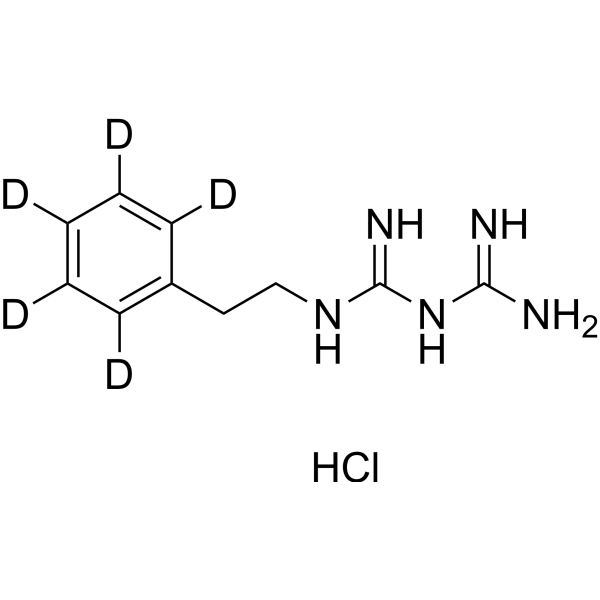
Phenformin-d5 (Phenethylbiguanide-d5) hydrochloride is the deuterium labeled Phenformin hydrochloride. Phenformin hydrochloride is an orally active biguanide hypoglycemic agent. Phenformin hydrochloride inhibits mitochondrial respiratory chain complex I, leading to an increased AMP/ATP ratio, activation of AMPK, and subsequent inhibition of the mTOR pathway, thereby suppressing cell proliferation, inducing apoptosis and autophagy. Phenformin hydrochloride inhibits cancer stem cells (CSCs) and possesses potent antitumor potential.
|
-
- HY-16397R
-
|
Phenethylbiguanide (Standard)
|
Reference Standards
Apoptosis
mTOR
Autophagy
Mitochondrial Metabolism
AMPK
|
Neurological Disease
Metabolic Disease
Cancer
|
|
Phenformin (Phenethylbiguanide) (Standard) is the analytical standard of Phenformin (HY-16397). This product is intended for research and analytical applications. Phenformin (Phenethylbiguanide) is an orally active biguanide hypoglycemic agent. Phenformin inhibits mitochondrial respiratory chain complex I, leading to an increased AMP/ATP ratio, activation of AMPK, and subsequent inhibition of the mTOR pathway, thereby suppressing cell proliferation, inducing apoptosis and autophagy. Phenformin inhibits cancer stem cells (CSCs) and possesses potent antitumor potential.
|
-

- HY-16397AR
-
|
Phenethylbiguanide hydrochloride (Standard)
|
Reference Standards
Apoptosis
mTOR
Autophagy
Mitochondrial Metabolism
AMPK
|
Neurological Disease
Metabolic Disease
Cancer
|
|
Phenformin (Phenethylbiguanide) hydrochloride (Standard) is the analytical standard of Phenformin hydrochloride (HY-16397). This product is intended for research and analytical applications. Phenformin hydrochloride (Phenethylbiguanide) is an orally active biguanide hypoglycemic agent. Phenformin hydrochloride inhibits mitochondrial respiratory chain complex I, leading to an increased AMP/ATP ratio, activation of AMPK, and subsequent inhibition of the mTOR pathway, thereby suppressing cell proliferation, inducing apoptosis and autophagy. Phenformin hydrochloride inhibits cancer stem cells (CSCs) and possesses potent antitumor potential.
|
-

- HY-119196
-
|
SP-233
|
Amyloid-β
Sigma Receptor
|
Others
|
|
Caprospinol (SP-233) is a steroid compound candidate based on the structure of 22R-hydroxycholesterol. It has multiple mechanisms of neuroprotection, including binding to β-amyloid protein (Aβ(42)), interacting with the mitochondrial respiratory chain, clearing Aβ(42) monomers, and acting as a σ-1 receptor ligand. It can cross the blood-brain barrier in vivo and restore cognitive impairment, and has the potential to inhibit Alzheimer's disease.
|
-

- HY-17516R
-
|
|
Reference Standards
Insecticide
Bacterial
Mitochondrial Metabolism
|
Infection
|
|
Tolfenpyrad (Standard) is the analytical standard of Tolfenpyrad (HY-17516). This product is intended for research and analytical applications. Tolfenpyrad is an orally active insecticide, acaricide and antibacterial agent. Tolfenpyrad inhibits Complex I in the mitochondrial respiratory electron transport chain, interfering with the cell respiration process. Tolfenpyrad has significant insecticidal activity against a variety of insect pests such as H. contortus, Coccinella septempunctata. Tolfenpyrad has antibacterial activity against Francisella novicida, with an IC50 of 1.2 µM or 1.5 µM .
|
-

- HY-N0565C
-
|
|
MMP
Parasite
Bacterial
Antibiotic
Apoptosis
Akt
PI3K
|
Infection
Neurological Disease
Inflammation/Immunology
Cancer
|
|
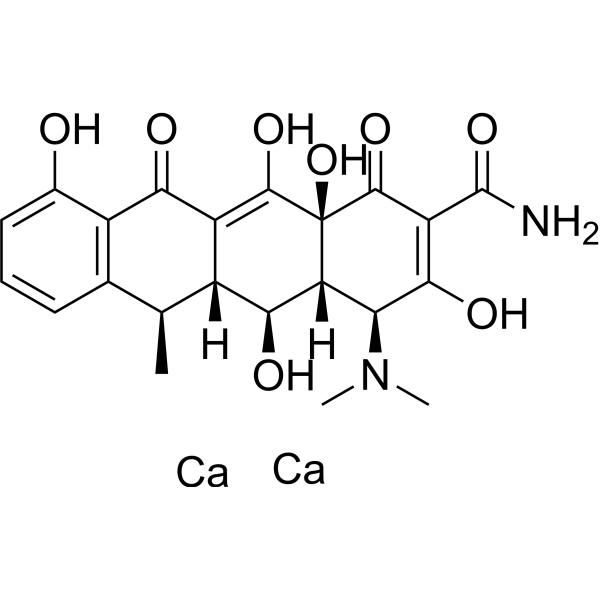
Doxycycline calcium is an orally active highly lipophilic, tissue-permeable MMP inhibitor with broad-spectrum antibacterial activity. Doxycycline calcium is also a semi-synthetic antibiotic with chelating properties, which blocks bacterial protein synthesis and inhibits extracellular matrix degradation through interactions with zinc and calcium atoms. Doxycycline calcium also inhibits mitochondrial biogenesis, translation, and the expression of respiratory chain proteins. Doxycycline calcium induces apoptosis, inhibits autophagy and EMT, downregulates stem cell markers, and activates the PI3K-AKT pathway, thereby effectively inhibiting the viability and proliferation of cancer cells such as breast cancer cells. Doxycycline calcium also promotes the survival and self-renewal of embryonic stem cells and neural stem cells, and reduces the frequency of medium changes in culture. Doxycycline calcium has been applied in studies related to breast cancer, prostate cancer, bladder cancer, and other cancers .
|
-
- HY-W008923R
-
|
|
Reference Standards
MMP
Parasite
Bacterial
Antibiotic
Apoptosis
Akt
PI3K
|
Infection
Neurological Disease
Inflammation/Immunology
Cancer
|
|
Doxycycline monohydrate (Standard) is the analytical standard of Doxycycline monohydrate (HY-W008923). Doxycycline monohydrate is an orally active highly lipophilic, tissue-permeable MMP inhibitor with broad-spectrum antibacterial activity. Doxycycline monohydrate is also a semi-synthetic antibiotic with chelating properties, which blocks bacterial protein synthesis and inhibits extracellular matrix degradation through interactions with zinc and calcium atoms. Doxycycline monohydrate also inhibits mitochondrial biogenesis, translation, and the expression of respiratory chain proteins. Doxycycline monohydrate induces apoptosis, inhibits autophagy and EMT, downregulates stem cell markers, and activates the PI3K-AKT pathway, thereby effectively inhibiting the viability and proliferation of cancer cells such as breast cancer cells. Doxycycline monohydrate also promotes the survival and self-renewal of embryonic stem cells and neural stem cells, and reduces the frequency of medium changes in culture. Doxycycline monohydrate has been applied in studies related to breast cancer, prostate cancer, bladder cancer, and other cancers .
|
-

- HY-P11812
-
-

- HY-138439
-
|
|
Mitochondrial Metabolism
|
Infection
|
|
Mandestrobin is a mitochondrial respiratory chain complex III inhibitor with bactericidal activity. The enantiomers of Mandestrobin exhibit differential bactericidal activity, with the R-enantiomer showing higher activity than the S-enantiomer .
|
-

- HY-122480
-
|
SYP-1620
|
Fungal
ATP Synthase
Cytochrome P450
|
Infection
|
|
Fenaminstrobin (SYP-1620) is a strobilurin Fungicide. Fenaminstrobin binds to cytochrome bc1 in the mitochondrial respiratory chain, thereby inhibiting ATP production. Fenaminstrobin exhibits acute toxicity to Daphnia magna. Fenaminstrobin effectively controls diseases such as Fusarium ear rot, downy mildew, rice blast and pear scab .
|
-

- HY-183705
-
|
|
Fungal
Mitochondrial Metabolism
ATP Synthase
|
Infection
|
|
Antimicrobial agent-50 (Compound C2) is an anti-oomycete and Fungicidal agent. Antimicrobial agent-50 inhibits the activity of Mitochondrial respiratory chain complex III with an IC50 of 6.05 mg/L. Antimicrobial agent-50 inhibits ATP synthesis. Antimicrobial agent-50 exhibits protective activity against Phytophthora capsici in vivo. Antimicrobial agent-50 potently inhibits mycelial growth of Gaeumannomyces graminis, Rhizoctonia solani and Phytophthora capsici, with EC50 values of 2.97 mg/L, 1.86 mg/L and 0.74 mg/L, respectively .
|
-

- HY-183722
-
|
|
Fungal
Succinate Dehydrogenase
|
Infection
|
|
SDH-IN-46 is a succinate dehydrogenase (SDH) inhibitor with an IC50 of 1.21 μM. SDH-IN-46 disrupts fungal respiration via mitochondrial respiratory chain enzyme targeting and exhibits broad-spectrum antifungal activity. SDH-IN-46 exhibits substantial protective effects against S. sclerotiorum on oilseed rape leaves, Rhizoctonia solani on rice leaves, and Valsa mali on apple fruits .
|
-

- HY-P992174
-
|
|
RSV
|
Infection
|
|
ADI-14359 is an antibody that binds to RSV postF, with a KD value of 387 nM, and exhibits non-neutralizing activity. ADI-14359 binds to antigenic site I on RSV postF through interactions of its conserved CDR H3 motif, germline-encoded IGKV1-39 light chain residues and heavy chain residues, where the light chain mediates preferential binding to postF by conflicting with the rearranged preF region. ADI-14359 can be used in studies related to respiratory syncytial virus (RSV) infection .
|
-

- HY-131453
-
|
|
Mitochondrial Metabolism
|
Cardiovascular Disease
Inflammation/Immunology
|
|
Mitochondrial respiration-IN-1 is a mitochondrial respiratory inhibitor. Mitochondrial respiration-IN-1 reduces platelet aggregation, adhesion, and platelet-induced coagulation responses. Mitochondrial respiration-IN-1 induces adaptive glycolysis, decreases mitochondrial membrane potential, selectively reduces ATP production derived from oxidative phosphorylation, and exerts bidirectional regulatory effects on cell proliferation. Mitochondrial respiration-IN-1 activates UPRmt and upregulates the expression of SDHA-1 and MT-CO1. Mitochondrial respiration-IN-1 restores metabolic homeostasis in type 2 diabetic mice. Mitochondrial respiration-IN-1 can be used to investigate diseases mediated by inappropriate platelet activation/aggregation and type 2 diabetes .
|
-

- HY-185215
-
|
|
DNA/RNA Synthesis
RSV
|
Infection
|
|
GS-646089 is a broad-spectrum antiviral nucleoside analog that exhibits significant inhibitory activity against respiratory syncytial virus (RSV), human metapneumovirus (hMPV), rhinovirus (enterovirus) and enteroviruses. The IC50 of GS-646089 targeting RNA-dependent RNA polymerase (RdRp) ranges from 43 to 46 nM. GS-646089 blocks viral replication by being converted into a triphosphate metabolite intracellularly, which competes with ATP for incorporation into nascent RNA strands and acts as an immediate chain terminator. GS-646089 is the parent compound of the double prodrug GS-7682 (HY-161877), and is used in studies of acute respiratory viral infections and infections caused by related pathogens .
|
-

- HY-12983B
-
|
|
Drug Metabolite
DNA/RNA Synthesis
|
Infection
|
|
ALS-8112-TP is the 5'-triphosphate metabolite of ALS-8112 (HY-12983). ALS-8112-TP is a potent, selective and competitive respiratory syncytial virus (RSV) RNA polymerase inhibitor, with selectivity against polymerases from host or viruses unrelated to RSV such as hepatitis C virus (HCV). ALS-8112-TP can be efficiently recognized by the recombinant RSV polymerase complex, causing chain termination of RNA synthesis. ALS-8112-TP can be used for RSV-infection research .
|
-

- HY-181602
-
|
|
ATP Synthase
COX
Oxidative Phosphorylation
AMPK
|
Cancer
|
|
ATP Synthesis-IN-4 is a mitochondria-targeted small-molecule ligand that inhibits ATP synthesis. ATP Synthesis-IN-4 binds to mtDNA G4s in melanoma cells, thereby inducing changes in mitochondrial metabolism and inhibiting cell proliferation. ATP Synthesis-IN-4 suppresses the translation of key mitochondrial respiratory chain proteins (CYTB, ATP8, COX1, COX3, ND2) in melanoma cells, downregulates the expression of OXPHOS complexes, activates the phosphorylation of AMPK, and induces metabolic reprogramming to upregulate glycolysis. ATP Synthesis-IN-4 is applicable to relevant research on melanoma .
|
-

- HY-103586R
-
|
|
Reference Standards
DNA/RNA Synthesis
SARS-CoV
|
Infection
|
|
GS-441524 (Standard) is the analytical standard of GS-441524 (HY-103586). GS-441524 is a potent, orally active and CNS-penetrant viral RNA-dependent RNA polymerase inhibitor. GS-441524 competes with natural nucleosides to block viral RNA transcription as an alternative substrate and RNA chain terminator. GS-441524 inhibits the replication of feline infectious peritonitis virus, African swine fever virus, and severe acute respiratory syndrome coronavirus 2. GS-441524 reduces viral RNA levels in cats. GS-441524 can be used in research related to feline infectious peritonitis, African swine fever, and coronavirus disease 2019 (COVID-19) .
|
-

- HY-103586S2
-
|
|
Isotope-Labeled Compounds
DNA/RNA Synthesis
SARS-CoV
|
Infection
|
|
GS-441524-d is the deuterium labeled GS-441524 (HY-103586). GS-441524 is a potent, orally active and CNS-penetrant viral RNA-dependent RNA polymerase inhibitor. GS-441524 competes with natural nucleosides to block viral RNA transcription as an alternative substrate and RNA chain terminator. GS-441524 inhibits the replication of feline infectious peritonitis virus, African swine fever virus, and severe acute respiratory syndrome coronavirus 2. GS-441524 reduces viral RNA levels in cats. GS-441524 can be used in research related to feline infectious peritonitis, African swine fever, and coronavirus disease 2019 (COVID-19) .
|
-

- HY-181934
-
|
|
ClpP
Reactive Oxygen Species (ROS)
Mitochondrial Metabolism
|
Cancer
|
|
ClpP activator-2 (Compound GU18) is a ClpP activator with a Kd of 5.01 μM for HsClpP. ClpP activator-2 enhances the proteolytic activity of HsClpP and promotes the degradation of α-casein by HsClpP, with an EC50 of 1.09 μM. ClpP activator-2 induces the accumulation of mitochondrial reactive oxygen species (ROS), leading to damage to mitochondrial structure and function. ClpP activator-2 exhibits significant in vivo anti-multiple myeloma activity .
|
-

- HY-P11471
-
|
|
Bacterial
Reactive Oxygen Species (ROS)
|
Infection
|
|
(K(C10)GGGRrRPC)2 (Compound (C-C10)C-C) is a dimeric lipopeptide and antibacterial agent. (K(C10)GGGRrRPC)2 enhances the accumulation of ROS, inhibits the bacterial respiratory chain dehydrogenase activity. (K(C10)GGGRrRPC)2 exhibits significant inhibition of bacterial biofilm formation. (K(C10)GGGRrRPC)2 exhibits antimicrobial activity against Acinetobacter baumannii AB1901, A. baumannii AB1902, Pseudomonas aeruginosa 25349, Staphylococcus aureus 11011, with MICs of 4 μM, 8 μM, 4 μM, and 8 μM, respectively. (K(C10)GGGRrRPC)2 shows antimicrobial efficacy against E. coli ATCC 25922 .
|
-

- HY-N0565AG
-
|
|
Apoptosis
MMP
Akt
PI3K
|
Infection
Neurological Disease
Inflammation/Immunology
Cancer
|
|
Doxycycline hydrochloride GMP is Doxycycline (hydrochloride) (HY-N0565A) produced by using GMP guidelines. GMP small molecules works appropriately as an auxiliary reagent for cell therapy manufacture. Doxycycline hydrochloride is an orally active highly lipophilic, tissue-permeable MMP inhibitor with broad-spectrum antibacterial activity. Doxycycline hydrochloride is also a semi-synthetic antibiotic with chelating properties, which blocks bacterial protein synthesis and inhibits extracellular matrix degradation through interactions with zinc and calcium atoms. Doxycycline hydrochloride also inhibits mitochondrial biogenesis, translation, and the expression of respiratory chain proteins. Doxycycline hydrochloride induces apoptosis, inhibits autophagy and EMT, downregulates stem cell markers, and activates the PI3K-AKT pathway, thereby effectively inhibiting the viability and proliferation of cancer cells such as breast cancer cells. Doxycycline hydrochloride also promotes the survival and self-renewal of embryonic stem cells and neural stem cells, and reduces the frequency of medium changes in culture. Doxycycline hydrochloride has been applied in studies related to breast cancer, prostate cancer, bladder cancer, and other cancers .
|
-

-
- HY-N0565AG
-
|
|
Fluorescent Dyes
|
|
Doxycycline hydrochloride GMP is Doxycycline (hydrochloride) (HY-N0565A) produced by using GMP guidelines. GMP small molecules works appropriately as an auxiliary reagent for cell therapy manufacture. Doxycycline hydrochloride is an orally active highly lipophilic, tissue-permeable MMP inhibitor with broad-spectrum antibacterial activity. Doxycycline hydrochloride is also a semi-synthetic antibiotic with chelating properties, which blocks bacterial protein synthesis and inhibits extracellular matrix degradation through interactions with zinc and calcium atoms. Doxycycline hydrochloride also inhibits mitochondrial biogenesis, translation, and the expression of respiratory chain proteins. Doxycycline hydrochloride induces apoptosis, inhibits autophagy and EMT, downregulates stem cell markers, and activates the PI3K-AKT pathway, thereby effectively inhibiting the viability and proliferation of cancer cells such as breast cancer cells. Doxycycline hydrochloride also promotes the survival and self-renewal of embryonic stem cells and neural stem cells, and reduces the frequency of medium changes in culture. Doxycycline hydrochloride has been applied in studies related to breast cancer, prostate cancer, bladder cancer, and other cancers .
|
-
- HY-125857B
-
|
|
Biochemical Assay Reagents
|
|
Cytochrome C (Saccharomyces cerevisiae) is a type C cytochrome located in the intermembrane space of the mitochondria. As an electron carrier, Cytochrome C (Saccharomyces cerevisiae) transfers electrons between complex III (cytochrome c reductase) and complex IV (cytochrome c oxidase, CIV) of the respiratory chain. Cytochrome C (Saccharomyces cerevisiae) can play a crucial role in triggering apoptosis by being released from the mitochondria into the cytosol .
|
-
- HY-N0565AG
-
|
|
Biochemical Assay Reagents
|
|
Doxycycline hydrochloride GMP is Doxycycline (hydrochloride) (HY-N0565A) produced by using GMP guidelines. GMP small molecules works appropriately as an auxiliary reagent for cell therapy manufacture. Doxycycline hydrochloride is an orally active highly lipophilic, tissue-permeable MMP inhibitor with broad-spectrum antibacterial activity. Doxycycline hydrochloride is also a semi-synthetic antibiotic with chelating properties, which blocks bacterial protein synthesis and inhibits extracellular matrix degradation through interactions with zinc and calcium atoms. Doxycycline hydrochloride also inhibits mitochondrial biogenesis, translation, and the expression of respiratory chain proteins. Doxycycline hydrochloride induces apoptosis, inhibits autophagy and EMT, downregulates stem cell markers, and activates the PI3K-AKT pathway, thereby effectively inhibiting the viability and proliferation of cancer cells such as breast cancer cells. Doxycycline hydrochloride also promotes the survival and self-renewal of embryonic stem cells and neural stem cells, and reduces the frequency of medium changes in culture. Doxycycline hydrochloride has been applied in studies related to breast cancer, prostate cancer, bladder cancer, and other cancers .
|
| Cat. No. |
상품명 |
Target |
Research Area |
-
- HY-P1723
-
Spexin
2 Publications Verification
Neuropeptide Q
|
Neuropeptide Y Receptor
Apoptosis
Ferroptosis
Autophagy
|
Cardiovascular Disease
Neurological Disease
|
|
Spexin (Neuropeptide Q) is a selective agonist of galanin receptors GAL2 and GAL3, and is a conserved peptide that functions as a neurotransmitter/neuromodulator and endocrine factor. Spexin can function through both central and peripheral actions. Spexin upregulates Beclin 1 to inhibit ferroptosis induced by excessive autophagy, reduces the uptake of long-chain fatty acids by adipocytes, and regulates energy metabolism by increasing lipid oxidation (e.g., reducing the respiratory exchange ratio in rodents). Spexin improves cardiac function in the Doxorubicin hydrochloride (HY-15142)-induced cardiotoxicity model, protects mitochondrial membrane potential, and reduces iron accumulation and lipid peroxidation. Spexin can be used to study obesity and its related metabolic disorders, cardiovascular diseases (e.g., cardioprotection), and side effects of tumor chemotherapy .
|
-
- HY-P1723A
-
|
Neuropeptide Q TFA
|
Neuropeptide Y Receptor
Apoptosis
Ferroptosis
Autophagy
|
Cardiovascular Disease
Metabolic Disease
|
|
Spexin (Neuropeptide Q) TFA is a selective agonist of galanin receptors GAL2 and GAL3, and is a conserved peptide that functions as a neurotransmitter/neuromodulator and endocrine factor. Spexin TFA can function through both central and peripheral actions. Spexin TFA upregulates Beclin 1 to inhibit ferroptosis induced by excessive autophagy, reduces the uptake of long-chain fatty acids by adipocytes, and regulates energy metabolism by increasing lipid oxidation (e.g., reducing the respiratory exchange ratio in rodents). Spexin TFA improves cardiac function in the Doxorubicin hydrochloride (HY-15142)-induced cardiotoxicity model, protects mitochondrial membrane potential, and reduces iron accumulation and lipid peroxidation. Spexin TFA can be used to study obesity and its related metabolic disorders, cardiovascular diseases (e.g., cardioprotection), and side effects of tumor chemotherapy .
|
-
- HY-P11812
-
-
- HY-P11471
-
|
|
Bacterial
Reactive Oxygen Species (ROS)
|
Infection
|
|
(K(C10)GGGRrRPC)2 (Compound (C-C10)C-C) is a dimeric lipopeptide and antibacterial agent. (K(C10)GGGRrRPC)2 enhances the accumulation of ROS, inhibits the bacterial respiratory chain dehydrogenase activity. (K(C10)GGGRrRPC)2 exhibits significant inhibition of bacterial biofilm formation. (K(C10)GGGRrRPC)2 exhibits antimicrobial activity against Acinetobacter baumannii AB1901, A. baumannii AB1902, Pseudomonas aeruginosa 25349, Staphylococcus aureus 11011, with MICs of 4 μM, 8 μM, 4 μM, and 8 μM, respectively. (K(C10)GGGRrRPC)2 shows antimicrobial efficacy against E. coli ATCC 25922 .
|
| Cat. No. |
상품명 |
Target |
Research Area |
Image |
-
- HY-P992174
-
|
|
RSV
|
Infection
|
|
ADI-14359 is an antibody that binds to RSV postF, with a KD value of 387 nM, and exhibits non-neutralizing activity. ADI-14359 binds to antigenic site I on RSV postF through interactions of its conserved CDR H3 motif, germline-encoded IGKV1-39 light chain residues and heavy chain residues, where the light chain mediates preferential binding to postF by conflicting with the rearranged preF region. ADI-14359 can be used in studies related to respiratory syncytial virus (RSV) infection .
|
-

(5)
| Cat. No. |
상품명 |
Category |
Target |
Chemical Structure |
-
- HY-N6782
-
-
-
- HY-112177
-
-
-
- HY-113355
-
|
|
Human Gut Microbiota Metabolites
Microorganisms
Endogenous metabolite
Source Classification
|
Endogenous Metabolite
Apoptosis
|
|
NADH is an orally active dehydrogenase coenzyme that acts as a crucial electron carrier in cellular respiration and participates in ATP production. NADH promotes metabolism, supports brain function, and counteracts oxidative stress by transferring electrons to the electron transport chain. As a signaling molecule, NADH regulates multiple biological processes, including anti-apoptosis, synaptic plasticity, gene expression, and calcium homeostasis. Redox imbalance of NADH/NAD⁺ is one of the key pathological mechanisms of various diseases, such as diabetic nephropathy, neurodegenerative diseases, and ischemia-reperfusion injury.
|
-
-
- HY-113285
-
|
3-Ureidopropionic acid
|
Structural Classification
Classification of Application Fields
Ketones, Aldehydes, Acids
Other Diseases
Endogenous metabolite
Disease Research Fields
|
Oxidative Phosphorylation
|
|
Ureidopropionic acid is a mitochondrial respiratory chain complex V inhibitor that selectively inhibits the activity of mitochondrial respiratory chain complex V, with no effect on respiratory chain complexes I-IV or mitochondrial fatty acid β-oxidation. Ureidopropionic acid induces the production of reactive oxygen species, delayed elevation of intracellular calcium concentration, secondary energy-dependent excitotoxicity and neurodegeneration in neurons. Ureidopropionic acid promotes neuropathological changes by impairing mitochondrial energy metabolism, oxidative stress and excitotoxicity pathways. Ureidopropionic acid can be used in studies related to 3-ureidopropionase deficiency and severe propionic aciduria .
|
-
-
- HY-Y1366
-
-
-
- HY-N9279
-
|
Monocrotaline pyrrole; MCTP; 3,8-Didehydromonocrotaline
|
Pyrrolizidine Alkaloids
Structural Classification
Alkaloids
Endogenous metabolite
Source Classification
|
Endogenous Metabolite
|
|
Dehydromonocrotaline is a mitochondrial respiratory chain complex I NADH oxidase inhibitor, with a IC50 of 62.06 μM and a Ki of 8.1 μM in rats. Dehydromonocrotaline exerts non-competitive inhibitory effects by modifying cysteine thiol groups on complex I, and does not bind to the NADH-binding site. Dehydromonocrotaline dissipates mitochondrial membrane potential and reduces ATP levels. Dehydromonocrotaline can be used in studies related to hepatotoxicity, pulmonary hypertension and liver tumors .
|
-
-
- HY-N9680
-
-
| Cat. No. |
상품명 |
Chemical Structure |
-
- HY-110228
-
|
|
|
Metformin-d6 hydrochloride is a deuterium labeled Metformin hydrochloride. Metformin hydrochloride inhibits the mitochondrial respiratory chain in the liver, leading to AMPK activation and enhancing insulin sensitivity, and can be used in the study of type 2 diabetes. Metformin hydrochloride also inhibits liver oxidative stress, nitrosative stress, inflammation, and apoptosis caused by liver ischemia/reperfusion injury. In addition, metformin hydrochloride regulates the expression of autophagy-related proteins by activating AMPK and inhibiting the mTOR signaling pathway, thereby inducing tumor cell autophagy and inhibiting the growth of renal cell carcinoma in vitro and in vivo .
|
-
-
- HY-N0565S1
-
|
|
|
Doxycycline-d3 hyclate (major) is the deuterium labeled Doxycycline hyclate (HY-N0565B). Doxycycline hyclate is an orally active highly lipophilic, tissue-permeable MMP inhibitor with broad-spectrum antibacterial activity. Doxycycline hyclate is also a semi-synthetic antibiotic with chelating properties, which blocks bacterial protein synthesis and inhibits extracellular matrix degradation through interactions with zinc and calcium atoms. Doxycycline hyclate also inhibits mitochondrial biogenesis, translation, and the expression of respiratory chain proteins. Doxycycline hyclate induces apoptosis, inhibits autophagy and EMT, downregulates stem cell markers, and activates the PI3K-AKT pathway, thereby effectively inhibiting the viability and proliferation of cancer cells such as breast cancer cells. Doxycycline hyclate also promotes the survival and self-renewal of embryonic stem cells and neural stem cells, and reduces the frequency of medium changes in culture. Doxycycline hyclate has been applied in studies related to breast cancer, prostate cancer, bladder cancer, and other cancers .
|
-
-
- HY-B0627S
-
|
|
|
Metformin-d6 (1,1-Dimethylbiguanide-d6) is a deuterated labeled Metformin (HY-B0627). Metformin (1,1-Dimethylbiguanide) inhibits the mitochondrial respiratory chain in the liver, leading to AMPK activation and enhancing insulin sensitivity, and can be used in the study of type 2 diabetes. Metformin exerts central glucose-lowering effects by inhibiting Ras-related protein 1 (Rap1) in SF1 hypothalamic neurons. Metformin also inhibits liver oxidative stress, nitrosative stress, inflammation, and apoptosis caused by liver ischemia/reperfusion injury. In addition, Metformin regulates the expression of autophagy-related proteins by activating AMPK and inhibiting the mTOR signaling pathway, thereby inducing tumor cell autophagy and inhibiting the growth of renal cell carcinoma in vitro and in vivo .
|
-
-
- HY-W008719S
-
|
|
|
MPP+-d3 (iodide) is deuterium labeled MPP+ (iodide). MPP+ iodide, a toxic metabolite of the neurotoxin MPTP, causes symptom of Parkinson's disease in animal models by selectively destroying dopaminergic neurons in substantia nigra. MPP+ iodide is taken up by the dopamine transporter into dopaminergic neurons where it exerts its neurotoxic action on mitochondria by affecting complex I of the respiratory chain. MPP+ iodide is also a high affinity substrate for the serotonin transporter (SERT) .
|
-
-
- HY-N0565AS
-
|
|
|
Doxycycline-d3 hydrochloride is deuterium labeled Doxycycline hydrochloride (HY-N0565A). Doxycycline hydrochloride is an orally active highly lipophilic, tissue-permeable MMP inhibitor with broad-spectrum antibacterial activity. Doxycycline hydrochloride is also a semi-synthetic antibiotic with chelating properties, which blocks bacterial protein synthesis and inhibits extracellular matrix degradation through interactions with zinc and calcium atoms. Doxycycline hydrochloride also inhibits mitochondrial biogenesis, translation, and the expression of respiratory chain proteins. Doxycycline hydrochloride induces apoptosis, inhibits autophagy and EMT, downregulates stem cell markers, and activates the PI3K-AKT pathway, thereby effectively inhibiting the viability and proliferation of cancer cells such as breast cancer cells. Doxycycline hydrochloride also promotes the survival and self-renewal of embryonic stem cells and neural stem cells, and reduces the frequency of medium changes in culture. Doxycycline hydrochloride has been applied in studies related to breast cancer, prostate cancer, bladder cancer, and other cancers .
|
-
-
- HY-N0565S3
-
|
|
|
Doxycycline- 13C,d3 is 13C and deuterium labeled Doxycycline (HY-N0565). Doxycycline is an orally active highly lipophilic, tissue-permeable MMP inhibitor with broad-spectrum antibacterial activity. Doxycycline is also a semi-synthetic antibiotic with chelating properties, which blocks bacterial protein synthesis and inhibits extracellular matrix degradation through interactions with zinc and calcium atoms. Doxycycline also inhibits mitochondrial biogenesis, translation, and the expression of respiratory chain proteins. Doxycycline induces apoptosis, inhibits autophagy and EMT, downregulates stem cell markers, and activates the PI3K-AKT pathway, thereby effectively inhibiting the viability and proliferation of cancer cells such as breast cancer cells. Doxycycline also promotes the survival and self-renewal of embryonic stem cells and neural stem cells, and reduces the frequency of medium changes in culture. Doxycycline has been applied in studies related to breast cancer, prostate cancer, bladder cancer, and other cancers .
|
-
-
- HY-B0627S1
-
|
|
|
Metformin- 13C2 (1,1-Dimethylbiguanide- 13C2) hydrochloride is the 13C-labeled Metformin hydrochloride (HY-17471A). Metformin (1,1-Dimethylbiguanide) hydrochloride inhibits the mitochondrial respiratory chain in the liver, leading to AMPK activation and enhancing insulin sensitivity, and can be used in the study of type 2 diabetes. Metformin hydrochloride exerts central glucose-lowering effects by inhibiting Ras-related protein 1 (Rap1) in SF1 hypothalamic neurons. Metformin hydrochloride also inhibits liver oxidative stress, nitrosative stress, inflammation, and apoptosis caused by liver ischemia/reperfusion injury. In addition, Metformin hydrochloride regulates the expression of autophagy-related proteins by activating AMPK and inhibiting the mTOR signaling pathway, thereby inducing tumor cell autophagy and inhibiting the growth of renal cell carcinoma in vitro and in vivo .
|
-
-
- HY-16397AS
-
|
|
|
Phenformin-d5 (Phenethylbiguanide-d5) hydrochloride is the deuterium labeled Phenformin hydrochloride. Phenformin hydrochloride is an orally active biguanide hypoglycemic agent. Phenformin hydrochloride inhibits mitochondrial respiratory chain complex I, leading to an increased AMP/ATP ratio, activation of AMPK, and subsequent inhibition of the mTOR pathway, thereby suppressing cell proliferation, inducing apoptosis and autophagy. Phenformin hydrochloride inhibits cancer stem cells (CSCs) and possesses potent antitumor potential.
|
-
-
- HY-103586S2
-
|
|
|
GS-441524-d is the deuterium labeled GS-441524 (HY-103586). GS-441524 is a potent, orally active and CNS-penetrant viral RNA-dependent RNA polymerase inhibitor. GS-441524 competes with natural nucleosides to block viral RNA transcription as an alternative substrate and RNA chain terminator. GS-441524 inhibits the replication of feline infectious peritonitis virus, African swine fever virus, and severe acute respiratory syndrome coronavirus 2. GS-441524 reduces viral RNA levels in cats. GS-441524 can be used in research related to feline infectious peritonitis, African swine fever, and coronavirus disease 2019 (COVID-19) .
|
-
| Cat. No. |
Compare |
상품명 |
Application |
Reactivity |
Image |
Compare Products
|
| Products |
|
| Cat. No. |
|
| Host |
|
| Reactivity |
|
| Application |
|
Dilution
Ratio |
|
| Molecular Weight |
|
| Conjugation |
|
| Clonality |
|
| Immunogen |
|
| Appearance |
|
| Isotype |
|
| Gene ID |
|
| SwissProt ID |
|
| Purity |
|
| Formulation |
|
| Free Sample |
Yes
No
|
| Size |
* This product has been "discontinued".
Optimized version of product available:
|
| Cat. No. |
상품명 |
Target |
연구분야 |
Chemical Structure |
-
- HY-N0565AG
-
|
|
Apoptosis
MMP
Akt
PI3K
|
Infection
Neurological Disease
Inflammation/Immunology
Cancer
|
|
Doxycycline hydrochloride GMP is Doxycycline (hydrochloride) (HY-N0565A) produced by using GMP guidelines. GMP small molecules works appropriately as an auxiliary reagent for cell therapy manufacture. Doxycycline hydrochloride is an orally active highly lipophilic, tissue-permeable MMP inhibitor with broad-spectrum antibacterial activity. Doxycycline hydrochloride is also a semi-synthetic antibiotic with chelating properties, which blocks bacterial protein synthesis and inhibits extracellular matrix degradation through interactions with zinc and calcium atoms. Doxycycline hydrochloride also inhibits mitochondrial biogenesis, translation, and the expression of respiratory chain proteins. Doxycycline hydrochloride induces apoptosis, inhibits autophagy and EMT, downregulates stem cell markers, and activates the PI3K-AKT pathway, thereby effectively inhibiting the viability and proliferation of cancer cells such as breast cancer cells. Doxycycline hydrochloride also promotes the survival and self-renewal of embryonic stem cells and neural stem cells, and reduces the frequency of medium changes in culture. Doxycycline hydrochloride has been applied in studies related to breast cancer, prostate cancer, bladder cancer, and other cancers .
|
-
Your information is safe with us. * Required Fields.
Inquiry Information
- 상품명:
- Cat. No.:
- 수량:
- MCE Japan Authorized Agent: