
1. Search Result
Search Result
Pathways Recommended: Stem Cell/Wnt Cell Cycle/DNA Damage
Results for "

stromal cells

" in MedChemExpress (MCE) Product Catalog:

77

Inhibitors & Agonists

1

Screening Libraries

1

Fluorescent Dyes

1

Biochemical Assay Reagents

6

Peptides

11

Inhibitory Antibodies

13

Natural
Products

5

Isotope-Labeled Compounds

1

Click Chemistry

3

Oligonucleotides

1

GMP Molecules

Cat. No. Product Name Target Research Areas Chemical Structure
  • HY-12306
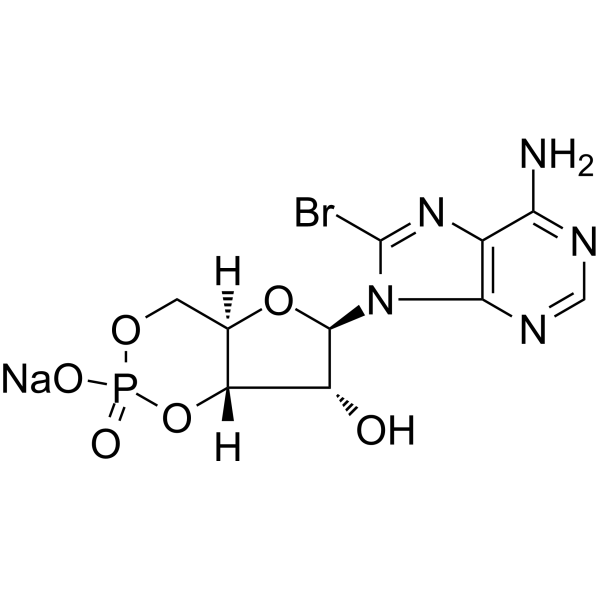
    8-Bromo-cAMP sodium salt
    35+ Cited Publications

    8-Br-Camp sodium salt

    PKA Apoptosis Cancer
    8-Bromo-cAMP sodium (8-Br-Camp) sodium salt, a cyclic AMP analog, is an activator of cyclic AMP-dependent protein kinase (PKA). 8-Bromo-cAMP sodium salt has anti-proliferative and apoptotic effects against cancer cells .
    8-Bromo-cAMP sodium salt
  • HY-12306A
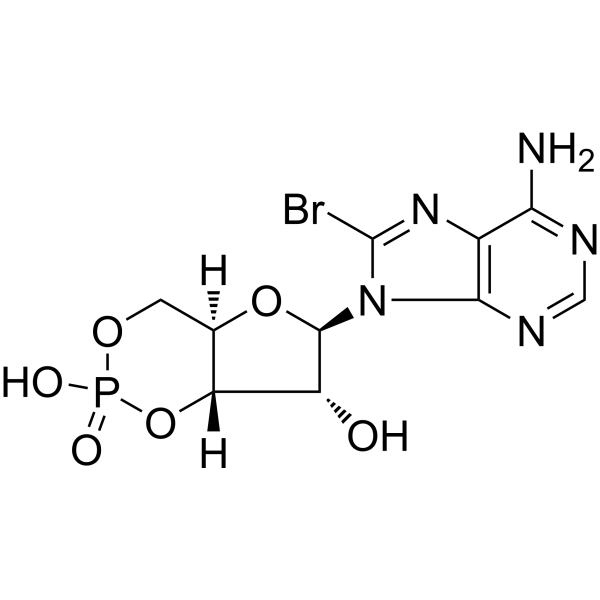
    8-Bromo-cAMP
    35+ Cited Publications

    8-Br-Camp

    PKA Apoptosis Cancer
    8-Bromo-cAMP (8-Br-Camp), a cyclic AMP analog, is an activator of cyclic AMP-dependent protein kinase (PKA). 8-Bromo-cAMP has anti-proliferative and apoptotic effects against cancer cells .
    8-Bromo-cAMP
  • HY-13001
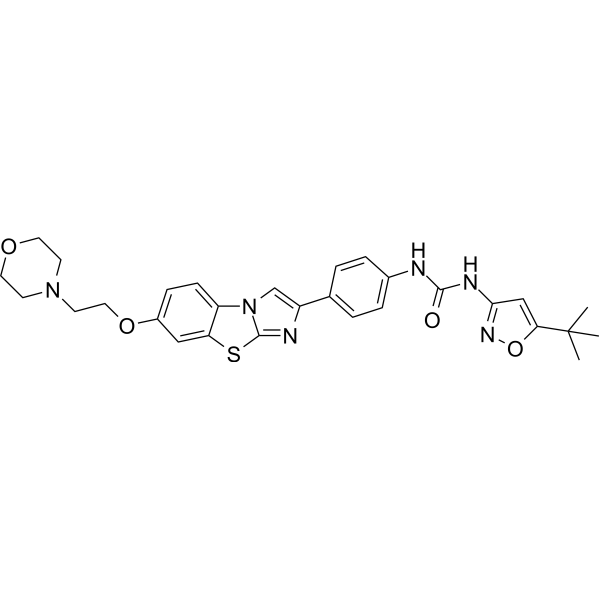
    Quizartinib
    Maximum Cited Publications
    45 Publications Verification

    AC220

    FLT3 Apoptosis PDGFR c-Kit Cancer
    Quizartinib (AC220) is an orally active, potent and selective FLT3 inhibitor. Quizartinib inhibits kinase activity of mutant-FLT3, -PDGFRA and -KIT isoforms and inhibits autophosphorylation. Quizartinib inhibits cellular proliferation, induces apoptosis in cancer cells. Quizartinib can be used for the research of cancer .
    Quizartinib
  • HY-112904
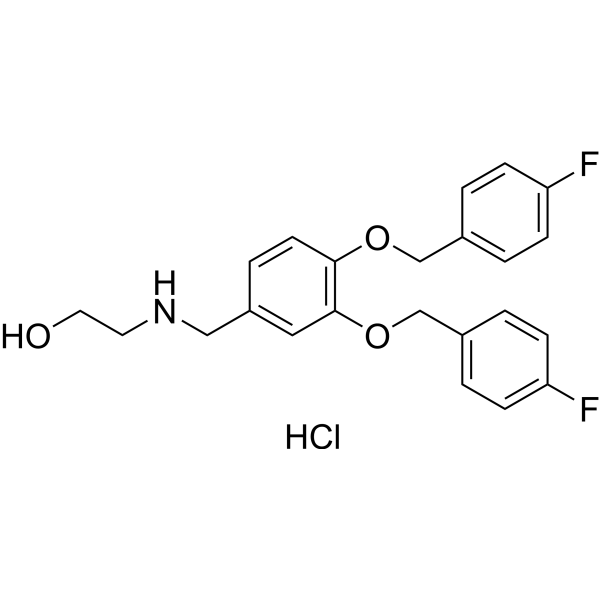
    XRK3F2
    5+ Cited Publications

    p62 Autophagy Cancer
    XRK3F2 is a p62 (sequestosome-1) ZZ domain inhibitor that has specificity for the p62-ZZ domain over other p62 signaling domains. XRK3F2 blocks TNFα effects and upregulation in bone marrow stromal cells, and induces multiple myeloma cell apoptosis. XRK3F2 can be used for the research of multiple myeloma bone disease, acute myeloid leukemia, and multiple myeloma .
    XRK3F2
  • HY-N0101
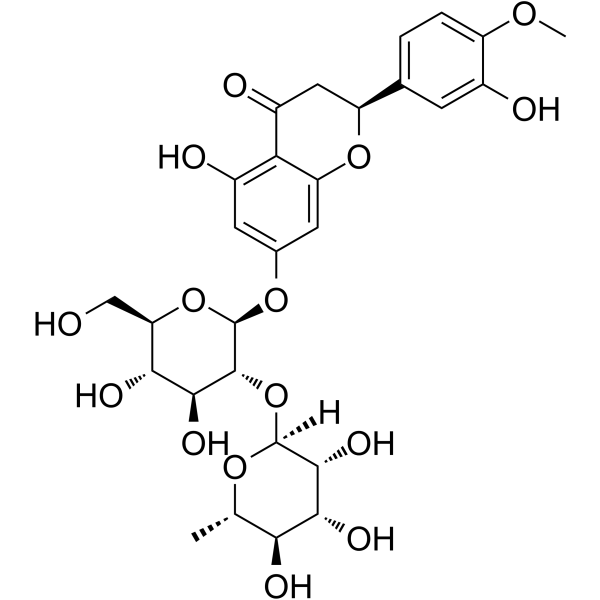
    Neohesperidin
    5+ Cited Publications

    Hesperetin 7-O-neohesperidoside

    β-catenin Wnt Inflammation/Immunology
    Neohesperidin is a flavonoid compound abundant in citrus plants with antioxidant and anti-inflammatory effects. Neohesperidin can upregulate the Wnt/β-catenin signaling pathway, enhance the nuclear translocation of β-catenin and the differentiation of bone marrow stromal cells .
    Neohesperidin
  • HY-P990774

    ASP-7266; TRAB-1; UPB-101

    Interleukin Related Inflammation/Immunology
    Verekitug (ASP-7266; TRAB-1; UPB-101) is a human monoclonal antibody targeting the thymic stromal lymphopoietin receptor (TSLPR), with a mean half-life of approximately 20 days. At doses of Verekitug ≥100 mg, complete and sustained TSLPR-specific occupancy is achieved, and the antibody does not bind to IL-7Rα. By inhibiting TSLP-driven inflammatory responses, Verekitug blocks TSLP-induced cell proliferation and TARC expression, while reducing fractional exhaled NO levels, blood eosinophil counts, and levels of IL-5 and IgE. Verekitug significantly improves scores for nasal polyps, nasal congestion and olfactory dysfunction, with favorable safety and good tolerability; potential adverse reactions include headache, upper respiratory tract infection, sinusitis and nasopharyngitis. Verekitug is used in relevant studies on asthma, chronic rhinosinusitis with nasal polyps and chronic obstructive pulmonary disease .
    Verekitug
  • HY-12316
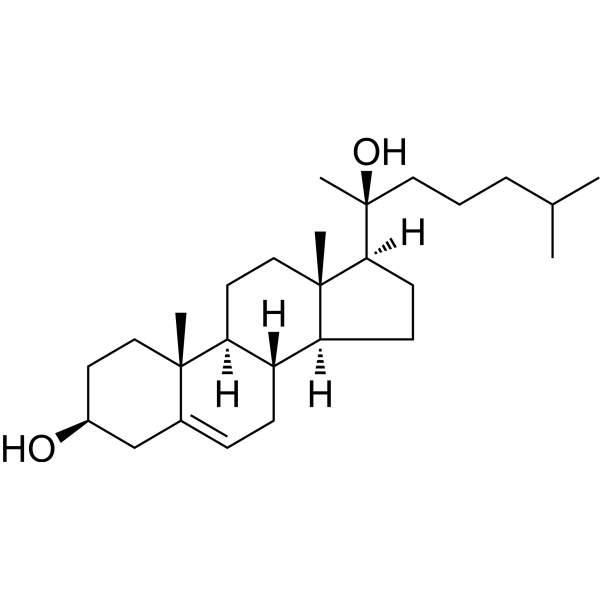
    20(S)-Hydroxycholesterol
    3 Publications Verification

    20α-Hydroxycholesterol

    Smo Endogenous Metabolite Cardiovascular Disease Metabolic Disease Cancer
    20(S)-Hydroxycholesterol (20α-Hydroxycholesterol) is an allosteric activator that selectively targets the Smoothened (Smo) of the Hedgehog pathway with an EC50 of ~30 μM (Hedgehog). 20(S)-Hydroxycholesterol binds to the extracellular cysteine-rich domain (CRD) of Smo in a stereoselective manner, activating downstream Gli transcription factors (without inducing transcription of receptor genes in the Wnt pathway). 20(S)-Hydroxycholesterol enhances osteogenic differentiation of bone marrow stromal cells and synergistically activates the Raf/MEK/ERK pathway with Simvastatin (HY-17502) to promote bone regeneration. 20(S)-Hydroxycholesterol can be used to study the mechanisms of developmental biology, oncology, bone, and angiogenesis .
    20(S)-Hydroxycholesterol
  • HY-G0017
    N-Desmethyl imatinib
    1 Publications Verification

    Norimatinib; Imatinib metabolite N-Desmethyl imatinib; CGP 74588

    Drug Metabolite P-glycoprotein Apoptosis Neurological Disease Cancer
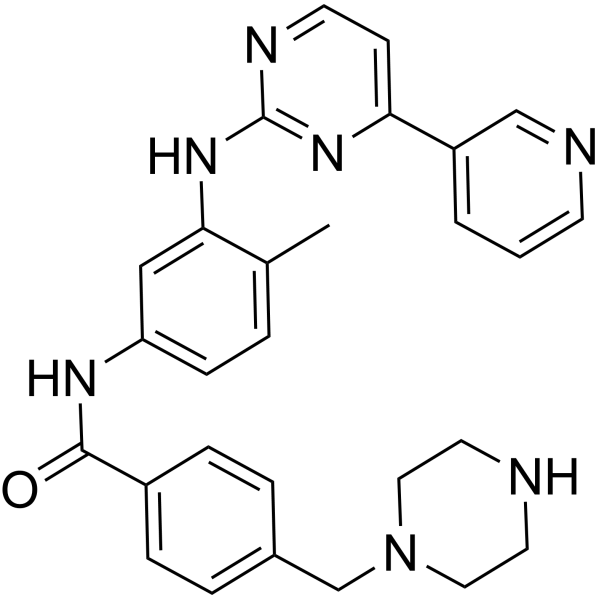
    N‑Desmethyl imatinib (Norimatinib) is an active metabolite of Imatinib (HY-15463), a selective c‑Abl inhibitor, and a substrate of P‑glycoprotein. N-Desmethyl imatinib binds to the c-Abl catalytic domain to prevent substrate phosphorylation, inhibits c-Abl-mediated α-synuclein activation and downstream inflammatory signaling pathways. N-Desmethyl imatinib induces apoptosis in K562 human leukemia cells. N-Desmethyl imatinib shows significantly elevated plasma levels in gastrointestinal stromal tumor (GIST) models with mild SARS-CoV-2 infection. N-Desmethyl imatinib can be used for the research of Parkinson’s disease, gastrointestinal stromal tumor, and chronic myeloid leukemia .
    N-Desmethyl imatinib
  • HY-B0523
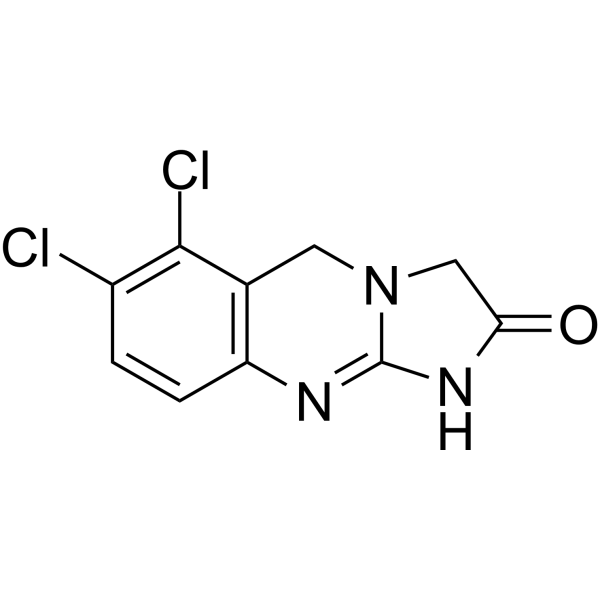
    Anagrelide
    3 Publications Verification

    Phosphodiesterase (PDE) Apoptosis Cardiovascular Disease Cancer
    Anagrelide is a potent inhibitor of phosphodiesterase type III (PDE3) (IC50=36 nM). Anagrelide, an imidazoquinazoline derivative, acts as an inhibitor of platelet aggregation. Anagrelide inhibits bone marrow megakaryocytopoiesis. Anagrelide decreases gastrointestinal stromal tumor (GIST) cell proliferation and promotes their apoptosis in vitro. Anagrelide is a platelet-lowering agent and plays in the antithrombopoietic action .
    Anagrelide
  • HY-B0523A
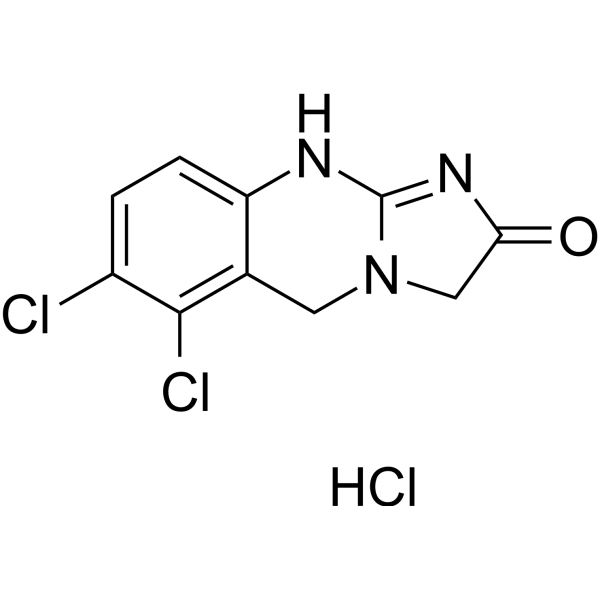
    Anagrelide hydrochloride
    3 Publications Verification

    BL4162A

    Phosphodiesterase (PDE) Apoptosis Cardiovascular Disease Cancer
    Anagrelide hydrochloride (BL4162A) is a potent inhibitor of phosphodiesterase type III (PDE3) (IC50=36 nM). Anagrelide hydrochloride, an imidazoquinazoline derivative, acts as an inhibitor of platelet aggregation. Anagrelide hydrochloride inhibits bone marrow megakaryocytopoiesis. Anagrelide hydrochloride decreases gastrointestinal stromal tumor (GIST) cell proliferation and promotes their apoptosis in vitro. Anagrelide hydrochloride is a platelet-lowering agent and plays in the antithrombopoietic action .
    Anagrelide hydrochloride
  • HY-103454B
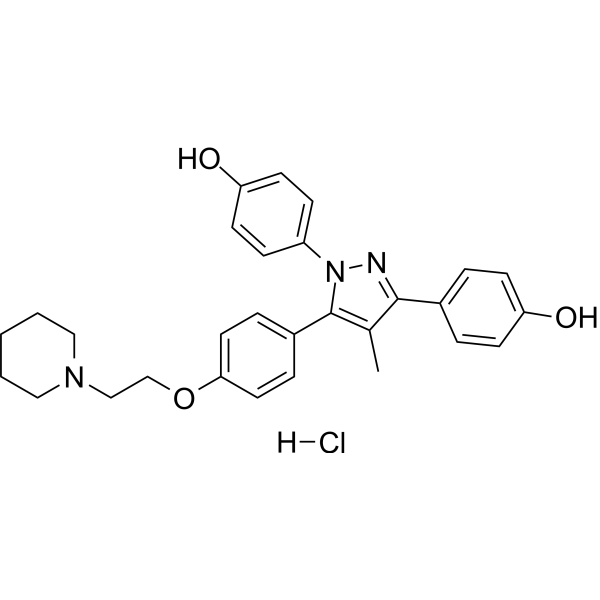
    MPP hydrochloride
    15+ Cited Publications

    Estrogen Receptor/ERR Apoptosis Endocrinology Cancer
    MPP hydrochloride is a potent and selective ER (estrogen receptor) modulator. MPP hydrochloride induces significant apoptosis in the endometrial cancer and oLE cell lines. MPP hydrochloride reverses the the positive effects of beta-estradiol. MPP hydrochloride has mixed agonist/antagonist action on murine uterine ERalpha in vivo .
    MPP hydrochloride
  • HY-N0864

    Macranthoiside I

    Apoptosis COX Reactive Oxygen Species (ROS) Caspase SOD Cancer
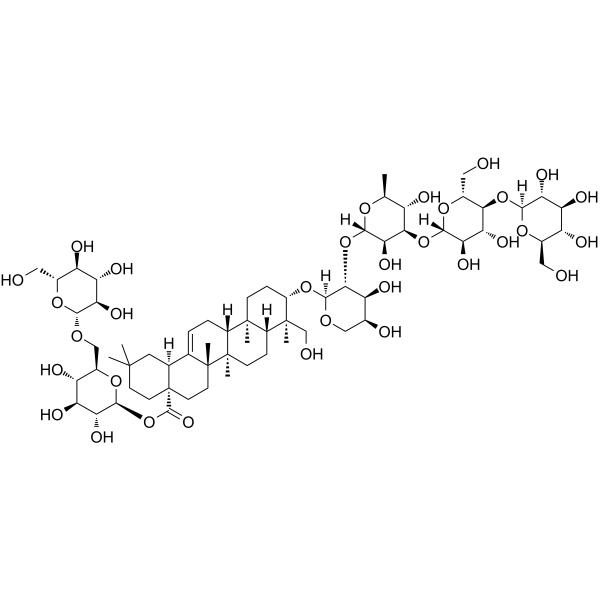
    Macranthoidin B (Macranthoiside I) is an orally active triterpene saponin. Macranthoidin B inhibits epithelial-mesenchymal transition in endometriosis via the COX‑2/PGE2 pathway, and also induces tumor cell apoptosis and inhibits their proliferation by regulating metabolism and increasing ROS levels . Macranthoidin B can be used in studies related to endometriosis, colorectal cancer and hepatocellular carcinoma .
    Macranthoidin B
  • HY-P3612

    CXCR Inflammation/Immunology
    CTCE-0214 is a chemokine CXC receptor 4 (CXCR4) agonist, SDF-1α (stromal cell-derived factor-1α) peptide analog. CTCE-0214 shows anti-inflammatory activity, and can be used in inflammation sepsis and systemic inflammatory syndromes research .
    CTCE-0214
  • HY-162730

    Molecular Glues Phosphodiesterase (PDE) Cancer
    OPB-171775 is an orally active molecular glue. OPB-171775 forms ternary complex with phosphodiesterase 3A (PDE3A) and schlafen family member 12 (SLFN12). OPB-171775 causes SLFN12 RNase-mediated cell death, activates SLFN12 RNase-associated GCN2 signaling pathway. OPB-171775 exhibits significant efficacy against gastrointestinal stromal tumor .
    OPB-171775
  • HY-P5558

    VEGFR Neurological Disease
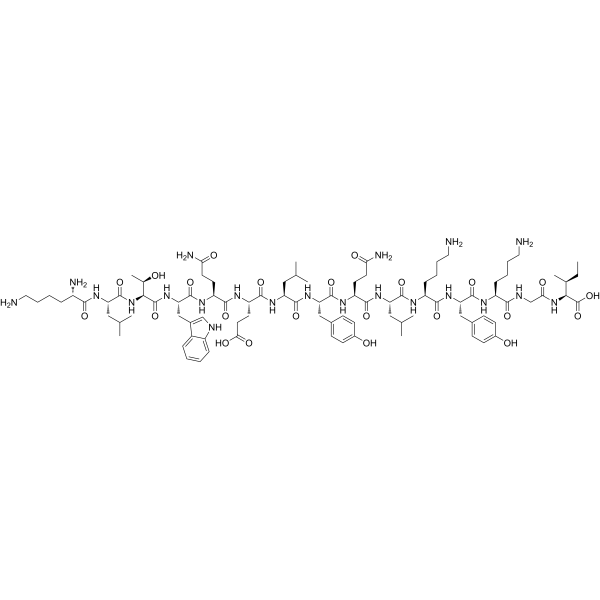
    KLTWQELYQLKYKGI is a VEGF mimetic peptide designed based on the VEGF helix sequence 17-25, with the ability to activate VEGF receptors and exert pro-angiogenic biological activity. KLTWQELYQLKYKGI effectively promotes the attachment, spreading and proliferation of human umbilical vein endothelial cells. KLTWQELYQLKYKGI enhances the proliferation, migration and osteogenic differentiation of bone marrow stromal cells (BMSCs). KLTWQELYQLKYKGI synergistically accelerates angiogenesis and bone regeneration in rat cranial defect models. KLTWQELYQLKYKGI can be used for the research of brain tissue engineering and traumatic brain injury repair and biomaterials for bone tissue engineering and bone repair .
    KLTWQELYQLKYKGI
  • HY-19408
    Pyr10
    3 Publications Verification

    TRP Channel Others
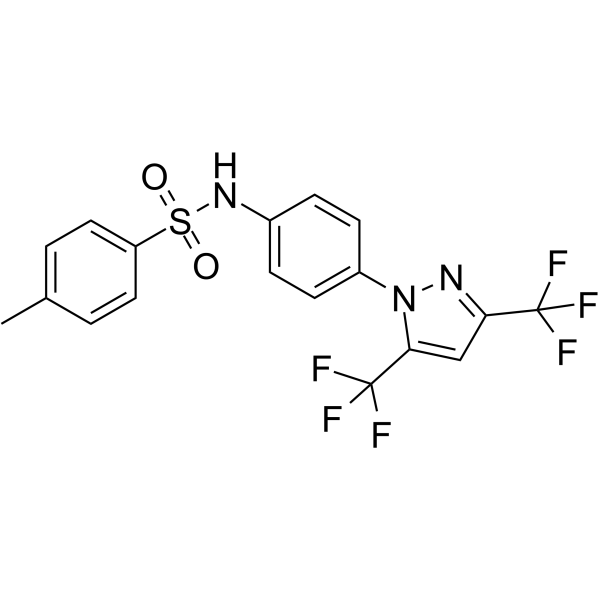
    Pyr10 is a pyrazole derivative and a selective TRP cation 3 (TRPC3) inhibitor. Pyr10 inhibits Ca 2+ influx in carbachol-stimulated TRPC3-transfected HEK293 cells with an IC50 of 0.72 μM (IC50 of 13.08 μM for store operated Ca 2+ entry in BRL-2H3 cells). Pyr10 has the ability to distinguish between receptor-operated TRPC3 and native stromal interaction molecule 1 (STIM1)/Orai1 channels .
    Pyr10
  • HY-B0652

    3-Oxodesogestrel; 3-keto-Desogestrel

    Drug Metabolite Estrogen Receptor/ERR Progesterone Receptor Endogenous Metabolite FKBP Endocrinology
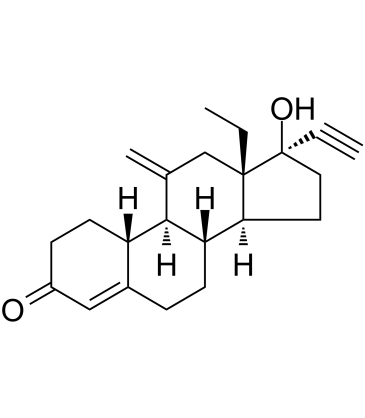
    Etonogestrel (3-Oxodesogestrel), a biologically active metabolite of progestin Desogestrel, binds with high affinity to progesterone receptors and estrogen receptors in the target organs . Etonogestrel induce FKBP51 mRNA and protein expression in cultured human endometrial stromal cells (HESCs) .
    Etonogestrel
  • HY-N1403

    Apoptosis Cardiovascular Disease Metabolic Disease Inflammation/Immunology Cancer
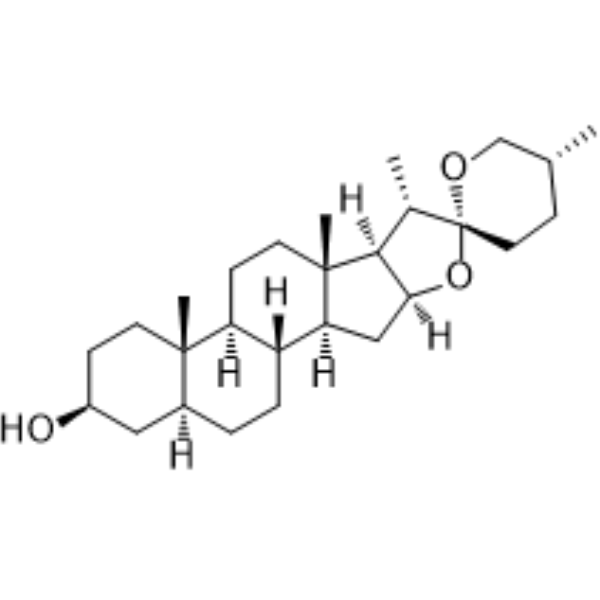
    Tigogenin is a steroidal sapogenins. Tigogenin can inhibit adipocytic differentiation and induce osteoblastic differentiation in mouse bone marrow stromal cells. Tigogenin can inhibit cells proliferation and induce apoptosis. Tigogenin can be used for the researches of cancer, inflammation, immunology, metabolic and cardiovascular disease, such as mammary gland carcinoma, rheumatoid arthritis, osteoporosis and atherosclerosis .
    Tigogenin
  • HY-P991424

    Interleukin Related STAT Inflammation/Immunology
    GSK2618960 is a human monoclonal antibody (mAb) targeting IL-7Ra/CD127. GSK2618960 inhibits IL-7-induced STAT5 phosphorylation. GSK2618960 enhances CD4 T cell proliferation response and increases CD83, CD86, and CD209 expression in PBMCs. GSK2618960 can be used for the research of autoimmune and allergic inflammatory diseases. Recommended isotype control: Human IgG1 kappa, Isotype Control (HY-P99001) .
    GSK2618960
  • HY-160857

    Estrogen Receptor/ERR Endocrinology
    TOP5668 is an orally active follicle-stimulating hormone receptor allosteric agonist. TOP5668 can induce the production of testosterone in stromal cells and promote follicular genesis and superovulation in rats .
    TOP5668
  • HY-177578

    Antibody-Drug Conjugates (ADCs) c-Kit Apoptosis Microtubule/Tubulin ERK Akt Caspase Cancer
    NN3201 is a c-Kit-targeting antibody-drug conjugate (ADC) with high affinity (KD = 0.19 pM). NN3201 is composed of 4-(3-Tosyl-2-(tosylmethyl)propanoyl)benzoic acid-glu(PEG24-Me)-val-cit-NH-benzyloxyformic acid-MMAE (HY-178219) and an anti-c-Kit human monoclonal antibody NN2101 (HY-P991293). NN3201 rapidly internalizes and inhibits stem cell factor (SCF)-driven signaling, thereby delivering its payload to induce cell cycle arrest and apoptosis. NN3201 exhibits no Fc-mediated effector functions antibody-dependent cell-mediated cytotoxicity (ADCC)/complement-dependent cytotoxicity (CDC) due to reduced FcγR binding. NN3201 exhibits significant c-Kit-dependent anti-tumor efficacies in various tumor models. NN3201 can be used in small cell lung cancer (SCLC) and gastrointestinal stromal tumor (GIST) and acute myeloid leukemia (AML) research [1][2].
    NN3201
  • HY-W392413

    Drug Derivative Reactive Oxygen Species (ROS) Cardiovascular Disease Neurological Disease Metabolic Disease Inflammation/Immunology
    Glutathione monoethyl ester is a glutathione derivative that can be transported into cells and hydrolyzed into glutathione. Glutathione monoethyl ester downregulates the gene expression of TEN1 and CTC1 while upregulating TERT expression. Glutathione monoethyl ester enhances telomerase activity, promotes proliferation and differentiation in aged bone marrow stromal cells, while elevating glutathione levels and reducing oxidative stress, protein aggregation and cell death in motor neuronal cells. Glutathione monoethyl ester confers broad multi-organ protection against cerebral ischemia, renal injury, liver damage, and pancreatitis. Glutathione monoethyl ester can be used for the research of amyotrophic lateral sclerosis, stroke, acute renal failure, liver injury, and acute pancreatitis .
    Glutathione monoethyl ester
  • HY-B1341

    Enidrel; SC-4642; NSC 15432

    Endogenous Metabolite Progesterone Receptor Cancer
    Norethynodrel (Enidrel; SC-4642) is an orally active progestogen analog that reduces estrogen-like effects and enhances progestogen-like responses in endometrial stromal cells. Norethynodrel also promotes cell maturation and predecidual cell formation by inducing organelle hyperplasia and glycogen accumulation. Norethynodrel competitively inhibits drug-metabolizing enzymes in rat liver microsomes, thereby prolonging Pentobarbital sleep time, while exhibiting multiple effects including reduced body weight gain, attenuated heart rate elevation and ovulation inhibition. In mouse models, Norethynodrel significantly increases the incidence of mammary adenocarcinoma, cervical cancer and pituitary tumors. Norethynodrel can be used for mechanism research on related diseases such as mammary adenocarcinoma, cervical cancer, ovarian tubular adenoma and pituitary adenoma .
    Norethynodrel
  • HY-G0017S

    Norimatinib-d8; Imatinib metabolite N-Desmethyl imatinib-d8; CGP 74588-d8

    Isotope-Labeled Compounds Drug Metabolite P-glycoprotein Apoptosis Neurological Disease Cancer
    N-Desmethyl imatinib-d8 is a deuterium labeled Imatinib metabolite N-Desmethyl Imatinib (HY-G0017). N‑Desmethyl imatinib (Norimatinib) is an active metabolite of Imatinib (HY-15463), a selective c‑Abl inhibitor, and a substrate of P‑glycoprotein. N-Desmethyl imatinib binds to the c-Abl catalytic domain to prevent substrate phosphorylation, inhibits c-Abl-mediated α-synuclein activation and downstream inflammatory signaling pathways. N-Desmethyl imatinib induces apoptosis in K562 human leukemia cells. N-Desmethyl imatinib exhibits significantly elevated plasma levels in gastrointestinal stromal tumor (GIST) settings following mild SARS CoV 2 infection. N-Desmethyl imatinib can be used for the research of Parkinson’s disease, gastrointestinal stromal tumor, and chronic myeloid leukemia .
    N-Desmethyl imatinib-d8
  • HY-117987

    N-(Hydroxymethyl)thalidomide

    Nuclear Factor of activated T Cells (NFAT) NF-κB Reactive Oxygen Species (ROS) Cancer
    CPS-11 (N-(Hydroxymethyl)thalidomide) a Thalidomide (HY-14658) analogue, is a potent anti-cancer agent. CPS-11 inhibits NF-κB, activates NFAT, and repress cytokine expression through elevated ROS. CPS-11 exhibits a wider activity spectrum and higher potency against MM (multiple myeloma) cell lines .
    CPS-11
  • HY-113509B

    15-epi-LXA4

    STAT COX Lipoxygenase JNK Endogenous Metabolite Neurological Disease Inflammation/Immunology
    15 (R)-Lipoxin A4 (15-epi-LXA4) is a specialized pro-resolving mediator and an acetylated derivative of COX2. 15 (R)-Lipoxin A4 is present in neurons. 15 (R)-Lipoxin A4 induces the SPM synthases ALOX12 and ALOX15, as well as the pro-resolving receptor ALX. 15 (R)-Lipoxin A4 inhibits protein kinases, including JNK1/2/3, Lyn, STAT-3 and STAT-6. 15 (R)-Lipoxin A4 enhances the release of pro-resolving mediators. 15 (R)-Lipoxin A4 alleviates the pro-inflammatory phenotype of tendon-derived stromal cells. 15 (R)-Lipoxin A4 promotes the resolution of neuroinflammation. 15 (R)-Lipoxin A4 is applicable to research related to achilles tendinitis, achilles tendon rupture and Alzheimer’s disease .
    15(R)-Lipoxin A4
  • HY-P10427

    CXCR Dengue Virus Neurological Disease Inflammation/Immunology Cancer
    DV1 is a CXCR4 inhibitor with anti-proteolytic properties that specifically blocks the binding of SDF-1α to its receptor. DV1 inhibits the migration of breast cancer cells and enables the targeted delivery of avidin-PLGA nanoparticles to CXCR4-expressing cancer cells. DV1 not only effectively suppresses the progression of metastatic breast cancer in mouse models, but also preferentially accumulates in brain tumor tissues rather than normal brain tissues, showing potential for inhibiting intracranial tumor metastasis. As a humoral immune stimulant, DV1 induces the production of specific IgG, neutralizing antibodies and cellular immune responses, thereby providing the host with protection against lethal challenges. DV1 has been applied to studies on CXCR4-expressing cancers, glioblastoma, dengue fever and other related diseases .
    DV1
  • HY-177058

    Toll-like Receptor (TLR) Mitosis Inflammation/Immunology
    DSP30 is a phosphorothioate cpG-oligodeoxynucleotide and a TLR9 agonist. DSP30 can activate immune system cells, including B cells and dendritic cells, by inducing proliferation and cytokine production.DSP30 can enhance the immunosuppressive function of bone marrow-multipotent mesenchymal stromal cells (BM-MSC). DSP30 combined with interleukin 2 (IL2) is an effective mitotic stimulant in B-cell disorders. DSP30 can be used for the genetic characteristic research and analysis of chronic lymphocytic leukemia (CLL) .
    DSP30
  • HY-B1514R

    Reference Standards Endogenous Metabolite Others
    Anagrelide (hydrochloride) (Standard) is the analytical standard of Anagrelide (hydrochloride). This product is intended for research and analytical applications. Anagrelide hydrochloride (BL4162A) is a potent inhibitor of phosphodiesterase type III (PDE3) (IC50=36 nM). Anagrelide hydrochloride, an imidazoquinazoline derivative, acts as an inhibitor of platelet aggregation. Anagrelide hydrochloride inhibits bone marrow megakaryocytopoiesis. Anagrelide hydrochloride decreases gastrointestinal stromal tumor (GIST) cell proliferation and promotes their apoptosis in vitro. Anagrelide hydrochloride is a platelet-lowering agent and plays in the antithrombopoietic action .
    Allantoic acid (Standard)
  • HY-178219

    Drug-Linker Conjugates for ADC Microtubule/Tubulin Apoptosis Cancer
    Bis-sulfone-(PEG24)-Glu-Val-Cit-PAB-MMAE is a drug-linker conjugate for ADC. Bis-sulfone-(PEG24)-Glu-Val-Cit-PAB-MMAE contains a linker and bioactive small molecule toxins MMAE (HY-15162). Bis-sulfone-(PEG24)-Glu-Val-Cit-PAB-MMAE can conjugate with NN2101 (HY-P991293) (anti c-Kit) for synthesizing NN3201. NN3201 rapidly internalizes and inhibits SCF-driven signaling, thereby delivering its payload to induce cell cycle arrest and apoptosis. NN3201 exhibits significant c-Kit-dependent anti-tumor efficacies in various tumor models, such as small cell lung cancer (SCLC) and gastrointestinal stromal tumor (GIST) .
    Bis-sulfone-(PEG24)-Glu-Val-Cit-PAB-MMAE
  • HY-179157

    PROTACs Checkpoint Kinase (Chk) DNA/RNA Synthesis Apoptosis Bcl-2 Family Caspase Cancer
    MA203 is a highly efficient and selective PROTAC degrader targeting CHK1. MA203 accelerates CRBN-dependent proteasomal degradation of CHK1 in solid tumor-derived cells and acute leukemia cells. MA203 induces DNA replication stress. MA203 blocks cell cycle progression and triggers tumor cell apoptosis. MA203 does not damage healthy differentiated and primitive hematopoietic cells, stromal cells, and retinal epithelial cells. MA203 can be used for the study of CHK1-dependent cancers .
    MA203
  • HY-107614G

    1-Oleoyl-sn-glycero-3-phosphate sodium; 1-Oleoyl-LPA sodium

    LPL Receptor ROCK TGF-beta/Smad TGF-β Receptor Neurological Disease Cancer
    1-Oleoyl lysophosphatidic acid sodium (GMP) is the GMP-grade form of 1-Oleoyl lysophosphatidic acid sodium (HY-107614). GMP-grade small molecules serve as auxiliary reagents in cell therapy. 1-Oleoyl lysophosphatidic acid sodium is a bioactive lipid signaling molecule. 1-Oleoyl lysophosphatidic acid sodium inhibits lysoPLD-catalyzed hydrolysis of lysophosphatidylcholine and FS-3. 1-Oleoyl lysophosphatidic acid sodium activates LPA1 and LPA2, thereby triggering calcium mobilization, NFATc1 translocation, Rho/ROCK activation, Smad2/3 phosphorylation and c-Fos expression. 1-Oleoyl lysophosphatidic acid sodium induces anxiety-like, depression-like and hypoactivity phenotypes, regulates osteoclast cytoskeleton and viability, reduces osteoclast bone resorptive activity, and drives mesenchymal stem cell differentiation into myofibroblast-like cells. 1-Oleoyl lysophosphatidic acid sodium stimulates the secretion of transforming growth factor-β1 and stromal cell-derived factor-1. 1-Oleoyl lysophosphatidic acid sodium is applicable to research related to anxiety, depression and ovarian cancer .
    1-Oleoyl lysophosphatidic acid sodium
  • HY-P990304

    TNF Receptor Infection Inflammation/Immunology Cancer
    Anti-Mouse 4-1BBL/CD137L Antibody (TKS-1) is a rat-derived IgG2a κ antibody inhibitor, targeting to mouse 4-1BBL/CD137L. Anti-Mouse 4-1BBL/CD137L Antibody (TKS-1) can block 4-1BB ligand (4-1BBL) and inhibit CD4 + and CD8 + T cells. Anti-Mouse 4-1BBL/CD137L Antibody (TKS-1) can be used for the researches of cancer, infection, inflammation and immunology, such as MC38 tumor, lymphocytic choriomeningitis virus (LCMV) infection and herpetic stromal keratitis (HSK) .
    Anti-Mouse 4-1BBL/CD137L Antibody (TKS-1)
  • HY-177275

    c-Kit Cancer
    c-Kit Receptor modulator-1 (Compound #22) is a c-Kit Receptor modulator. c-Kit Receptor modulator-1 can be used for malignant cancers such as canine mastocytoma, human gastrointestinal stromal tumor and small cell lung cancer research .
    c-Kit Receptor modulator-1
  • HY-160856

    TOP05300

    Estrogen Receptor/ERR Endocrinology
    TOP5300 is an orally active follicle-stimulating hormone receptor allosteric agonist. TOP5300 can induce the production of testosterone in stromal cells and promote follicular genesis and superovulation in rats .
    TOP5300
  • HY-P2450

    Antibiotic P168

    Fungal Antibiotic Infection Cancer
    Leucinostatin A (Antibiotic P168) is a nonapeptide exerting a remarkable activity especially against Candida albicans and Cryptococcus neoformans. Leucinostatin A is a hydrophobic nonapeptide antibiotic. Leucinostatin A inhibits prostate cancer growth through reduction of insulin-like growth factor-I expression in prostate stromal cells. Antiprotozoal activies .
    Leucinostatin A
  • HY-B0652S1

    3-Oxodesogestrel-d6; 3-keto-Desogestrel-d6

    Isotope-Labeled Compounds Estrogen Receptor/ERR Progesterone Receptor Endogenous Metabolite FKBP Endocrinology
    Etonogestrel-d6 is deuterium labeled Etonogestrel. Etonogestrel (3-Oxodesogestrel), a biologically active metabolite of progestin Desogestrel, binds with high affinity to progesterone receptors and estrogen receptors in the target organs . Etonogestrel induce FKBP51 mRNA and protein expression in cultured human endometrial stromal cells (HESCs) .
    Etonogestrel-d6
  • HY-B0652R

    3-Oxodesogestrel (Standard); 3-keto-Desogestrel (Standard)

    Drug Metabolite Reference Standards Estrogen Receptor/ERR Progesterone Receptor Endogenous Metabolite FKBP Endocrinology
    Etonogestrel (Standard) is the analytical standard of Etonogestrel. This product is intended for research and analytical applications. Etonogestrel (3-Oxodesogestrel), a biologically active metabolite of progestin Desogestrel, binds with high affinity to progesterone receptors and estrogen receptors in the target organs . Etonogestrel induce FKBP51 mRNA and protein expression in cultured human endometrial stromal cells (HESCs) .
    Etonogestrel (Standard)
  • HY-134920

    Indoleamine 2,3-Dioxygenase (IDO) Apoptosis SWI/SNF Complex Cancer
    LW106 is a selective IDO1 inhibitor with an IC50 of 1.57 μM. LW106 has no inhibitory effect on IDO2 and TDO. LW106 inhibits tumor outgrowth by limiting stroma-immune crosstalk and CSC enrichment in the tumor microenvironment. LW106 reduces subpopulation of cancer stem cells (CSCs) in xenografted tumors in which less proliferative/invasive tumor cells and more tumor cells apoptosis. LW106 can be used for the studies of lung cancer and melanoma .
    LW106
  • HY-P990851

    c-Kit Inflammation/Immunology Cancer
    Anti-c-Kit/CD117 Antibody (SR-1) is a kind of mouse IgG2a κ chimeric antibody inhibitor, targeting to human c-Kit/CD117. Anti-c-Kit/CD117 Antibody (SR-1) binds to the extracellular domain of human c-Kit (also known as CD117) and blocks stem cell factor (SCF) binding to CD117. Anti-c-Kit/CD117 Antibody (SR-1) can be used for the researches of cancer and immunology, such as gastrointestinal stromal tumor (GIST) and xenograft .
    Anti-c-Kit/CD117 Antibody (SR-1)
  • HY-106064A

    U 60257B

    Leukotriene Receptor Inflammation/Immunology
    Piriprost (U-60,257B) potassium is an inhibitor of leukotriene synthesis. Piriprost potassium inhibits the release of both leukotriene and histamine with an IC50 of 0.11 μM from isolated porcine lung cells. Piriprost potassium increases alkaline phosphatase (ALP) activity in cultured endometrial stromal cells .
    Piriprost potassium
  • HY-N16118

    PI3K Akt p38 MAPK ERK Metabolic Disease
    Asperosaponin V is an indirect modulator of bone metabolism-related targets (e.g., PI3K/AKT, BMP-2/p38, and ERK 1/2 pathways). Asperosaponin V promotes marrow stromal cell proliferation and induces osteoblast differentiation. Asperosaponin V is promising for research of osteoporosis and fracture healing .
    Asperosaponin V
  • HY-160850

    Endogenous Metabolite Endocrinology
    C18 Ceramide-1-phosphate (d18:1/18:0) (ammonium salt) is a specific type of long-chain molecule found in murine skin . C18 Ceramide-1-phosphate (d18:1/18:0) (ammonium salt) promotes migration of both mouse bone marrow-derived multipotent stromal cells and human umbilical vein endothelial cells at concentrations between 0.5-5 µM. C18 Ceramide-1-phosphate (d18:1/18:0) (ammonium salt)’s levels are higher in CFPAC-1 pancreatic ductal adenocarcinoma cells than in pancreatic cancer stem cells .
    C18 Ceramide-1-phosphate (d18:1/18:0) ammonium salt
  • HY-125086

    LSN-B

    c-Fms Cardiovascular Disease
    Leustroducsin B is a colony-stimulating factor (CSF) inducer. Leustroducsin B induces CSF production in bone marrow stromal cells .
    Leustroducsin B
  • HY-W591818

    Drug Derivative Cancer
    Sunitinib carboxylic acid is a carboxylic acid metabolite of Sunitinib (HY-10255A). Sunitinib is a multi-target tyrosine kinase inhibitor, mainly used to inhibit malignant tumors such as gastrointestinal stromal tumors, renal cell carcinoma, and pancreatic neuroendocrine tumors .
    Sunitinib carboxylic acid
  • HY-162346

    Bacterial Infection
    KN-17 is a modified based on the structure of cecropin B (HY-P0092), can effectively interfere with bacterial growth and induce the migration of human bone marrow stromal cells (hBMSCs). KN-17 can significantly stimulate angiogenesis in vitro and in vivo .
    KN-17
  • HY-135023

    5-trans Prostaglandin E2

    Cytochrome P450 Prostaglandin Receptor Cancer
    5-trans-PGE2 (5-trans Prostaglandin E2) is the active isomer of PGE2 and a potent activator of aromatase. Supplements the process of paracrine signaling between epithelial cells (expressing high levels of PGE2) and surrounding stromal cells (expressing high levels of aromatase). This process is involved in the growth and development of breast cancer .
    5-trans-PGE2
  • HY-121261

    Necroptosis Apoptosis Cancer
    Antineoplastic agent-1 is an alkylating agent and a genotoxic agent that can induce DNA damage. Antineoplastic agent-1 can lead to irreversible damage and progressive death of liver cells due to necroptosis and apoptosis. Antineoplastic agent-1 can cause alkylation damage to hematopoietic cells and stromal cells in the bone marrow. Antineoplastic agent-1 can be used in tumor research .
    Antineoplastic agent-1
  • HY-N1403R

    Reference Standards Apoptosis Cardiovascular Disease Metabolic Disease Inflammation/Immunology Cancer
    Tigogenin (Standard) is a steroidal sapogenins. Tigogenin (Standard) can inhibit adipocytic differentiation and induce osteoblastic differentiation in mouse bone marrow stromal cells. Tigogenin (Standard) can inhibit cells proliferation and induce apoptosis. Tigogenin (Standard) can be used for the researches of cancer, inflammation, immunology, metabolic and cardiovascular disease, such as mammary gland carcinoma, rheumatoid arthritis, osteoporosis and atherosclerosis .
    Tigogenin (Standard)
  • HY-G0017A

    Norimatinib mesylate; Imatinib metabolite N-Desmethyl imatinib mesylate; CGP 74588 mesylate

    Drug Metabolite P-glycoprotein Apoptosis Neurological Disease Cancer
    N-Desmethyl imatinib mesylate (Norimatinib mesylate) is an active metabolite of Imatinib (HY-15463), a selective c‑Abl inhibitor, and a substrate of P‑glycoprotein. N-Desmethyl imatinib mesylate binds to the c-Abl catalytic domain to prevent substrate phosphorylation, inhibits c-Abl-mediated α-synuclein activation and downstream inflammatory signaling pathways. N-Desmethyl imatinib mesylate induces apoptosis in K562 human leukemia cells. N-Desmethyl imatinib mesylate exhibits significantly elevated plasma levels in gastrointestinal stromal tumor (GIST) settings following mild SARS CoV 2 infection. N-Desmethyl imatinib mesylate can be used for the research of Parkinson’s disease, gastrointestinal stromal tumor, and chronic myeloid leukemia .
    N-Desmethyl imatinib mesylate

Inquiry Online

Your information is safe with us. * Required Fields.

Salutation


Country or Region *

Applicant Name *


Organization Name *

Department *


Email Address *


Product Name *

Cat. No.


Requested quantity *

Phone Number *


Remarks

Inquiry Online

Inquiry Information

Product Name:
Cat. No.:
Quantity:
MCE Japan Authorized Agent:

