Search Result
Results for "
topoisomerases I and II
" in MedChemExpress (MCE) Product Catalog:
1
Isotope-Labeled Compounds
| Cat. No. |
Product Name |
Target |
Research Areas |
Chemical Structure |
-
- HY-15142
-
|
Hydroxydaunorubicin hydrochloride; ADR
|
Topoisomerase
ADC Payload
AMPK
Autophagy
Apoptosis
HIV
HBV
Mitophagy
Antibiotic
Bacterial
Fluorescent Dye
|
Infection
Cancer
|
|
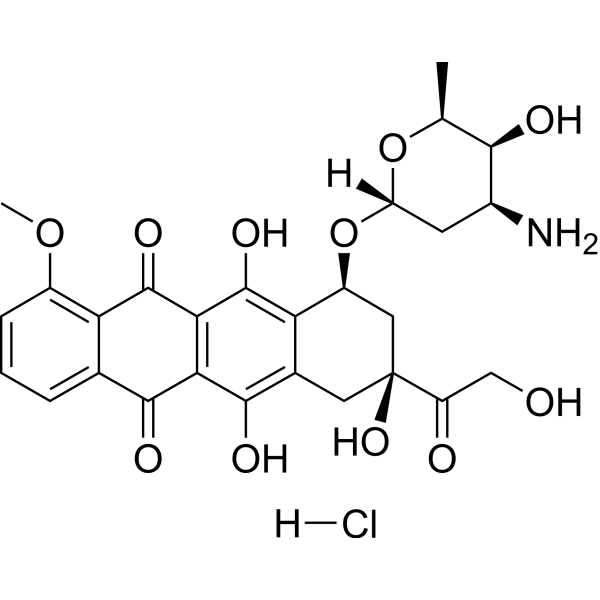
Doxorubicin hydrochloride (Hydroxydaunorubicin hydrochloride; ADR), a cytotoxic anthracycline antibiotic, is an anti-cancer chemotherapy agent. Doxorubicin hydrochloride is a potent human DNA topoisomerase I and topoisomerase II inhibitor with IC50s of 0.8 μM and 2.67 μM, respectively. Doxorubicin hydrochloride reduces basal phosphorylation of AMPK and its downstream target acetyl-CoA carboxylase. Doxorubicin hydrochloride induces apoptosis and autophagy .
|
-
-
- HY-156376
-
|
|
Cuproptosis
Apoptosis
Topoisomerase
Reactive Oxygen Species (ROS)
|
Inflammation/Immunology
Cancer
|
|
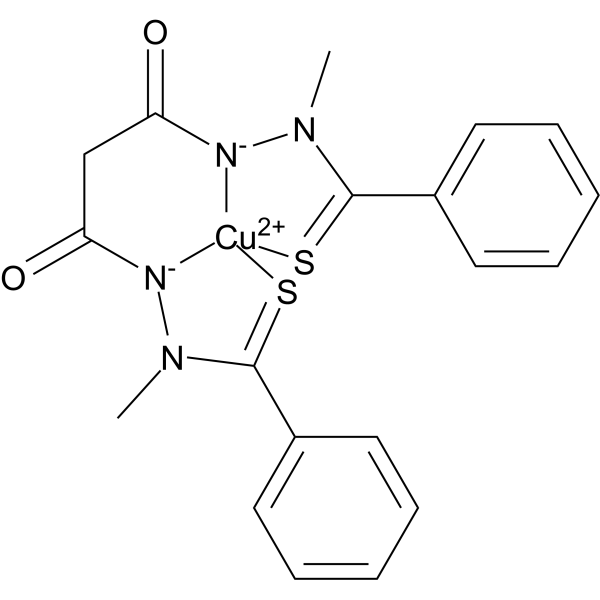
Cu(II)-Elesclomol is a complex formed by Elesclomol (HY-12040) and Cu 2+ (copper ions). Cu(II)-Elesclomol is also a weak inhibitor of DNA topoisomerase I. Cu(II)-Elesclomol exerts anticancer effects by inducing oxidative stress and DNA damage through copper chelation. Cu(II)-Elesclomol can inhibit tumor cell proliferation and induce cell cycle arrest and apoptosis. Cu(II)-Elesclomol can be used in the study of cancer .
|
-
-
- HY-N2306
-
|
Aclarubicin
|
Topoisomerase
DNA/RNA Synthesis
Proteasome
Antibiotic
|
Cancer
|
|
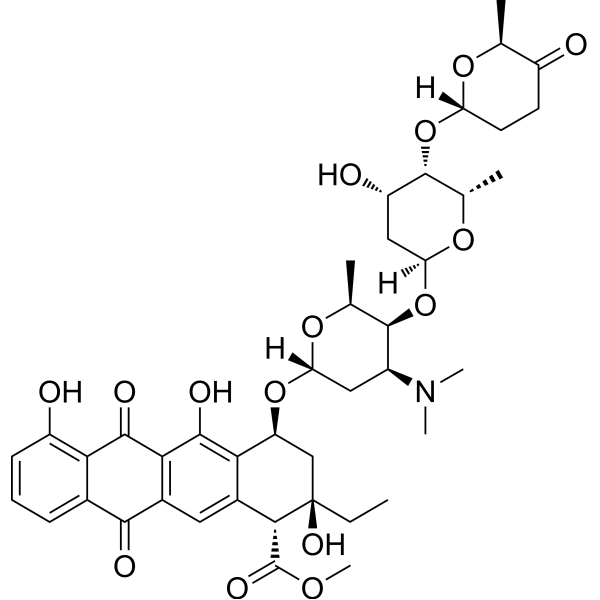
Aclacinomycin A (Aclarubicin) is an orally active and potent anthracycline antitumor antibiotic. Aclacinomycin A is an inhibitor of topoisomerase I and II. Aclacinomycin A inhibits synthesis of nucleic acid, especially RNA. Aclacinomycin A might inhibit the 26S protease complex as well as the ubiquitin-ATP-dependent proteolysis .
|
-
-
- HY-15142R
-
|
Hydroxydaunorubicin hydrochloride (Standard); ADR (Standard)
|
Reference Standards
Topoisomerase
ADC Payload
AMPK
Autophagy
Apoptosis
HIV
HBV
Mitophagy
Antibiotic
Bacterial
Fluorescent Dye
|
Infection
Cancer
|
|
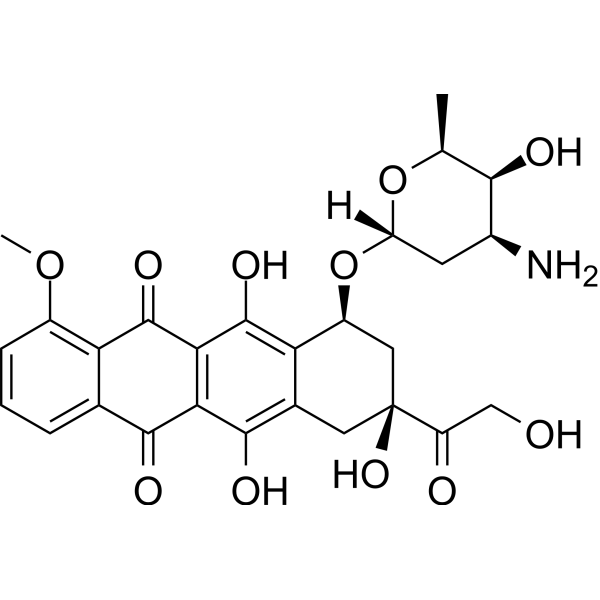
Doxorubicin hydrochloride (Standard) is the analytical standard of Doxorubicin hydrochloride. This product is intended for research and analytical applications. Doxorubicin (Hydroxydaunorubicin) hydrochloride, a cytotoxic anthracycline antibiotic, is an anti-cancer chemotherapy agent. Doxorubicin hydrochloride is a potent human DNA topoisomerase I and topoisomerase II inhibitor with IC50s of 0.8 μM and 2.67 μM, respectively. Doxorubicin hydrochloride reduces basal phosphorylation of AMPK and its downstream target acetyl-CoA carboxylase. Doxorubicin hydrochloride induces apoptosis and autophagy .
|
-

-
- HY-15142A
-
-
-
- HY-N2331
-
|
|
Topoisomerase
|
Cancer
|
|
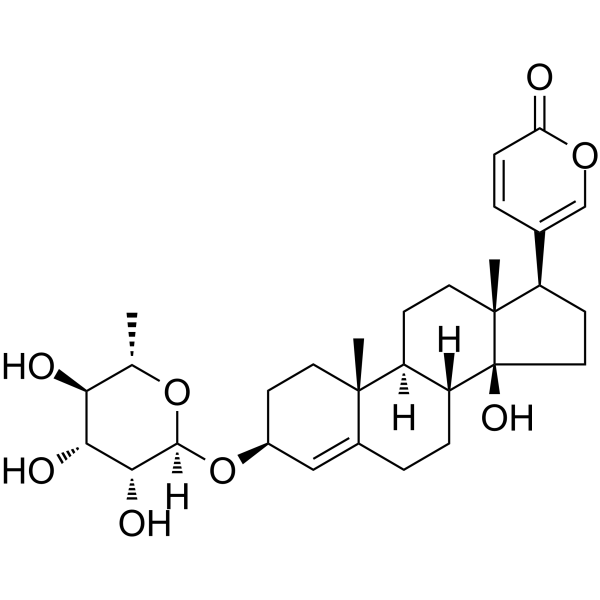
Proscillaridin A is a potent poison of topoisomerase I/II activity with IC50 values of 30 nM and 100 nM, respectively .
|
-
-
- HY-N6800A
-
-
-
- HY-B1099
-
|
|
DNA/RNA Synthesis
Topoisomerase
Parasite
|
Infection
|
|
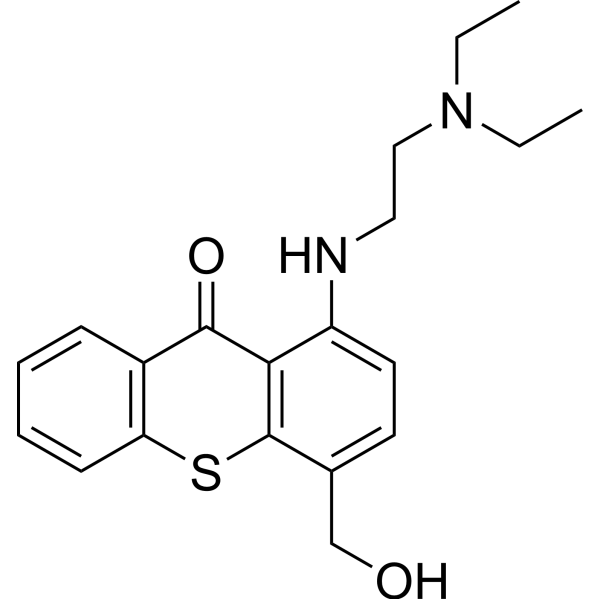
Hycanthone is a thioxanthenone DNA intercalator and inhibits RNA synthesis as well as the DNA topoisomerases I and II. Hycanthone inhibits nucleic acid biosynthesis and inhibits apurinic endonuclease-1 (APE1) by direct protein binding with a KD of 10 nM. Hycanthone is a bioactive metabolite of Lucanthone (HY-B2098) and has anti-schistosomal agent .
|
-
-
- HY-13758A
-
|
BMS-247615 dihydrochloride
|
Topoisomerase
|
Cancer
|
|
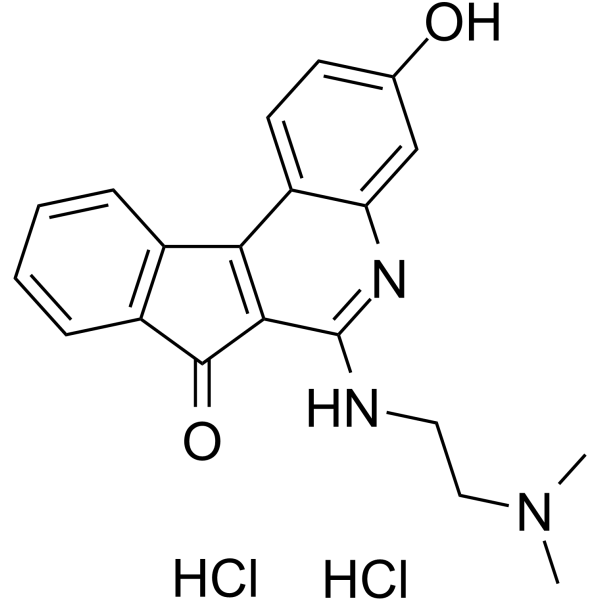
TAS-103 dihydrochloride is a dual inhibitor of DNA topoisomerase I/II, used for cancer research.
|
-
-
- HY-N6714
-
|
|
Topoisomerase
Androgen Receptor
Estrogen Receptor/ERR
Apoptosis
|
Infection
Cancer
|
|
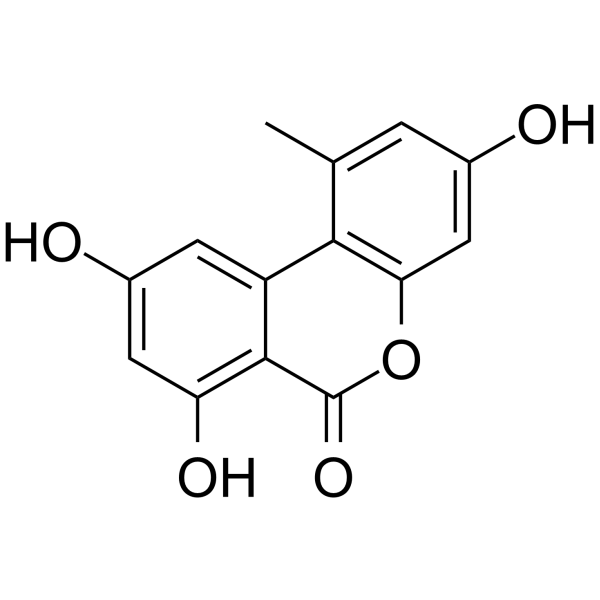
Alternariol is an orally ingested mycotoxin produced by Alternaria, capable of inhibiting the activity of topoisomerase I and II (topoisomerase I, topoisomerase II). Alternariol has weak estrogenic (Estrogen Receptor/ERR) and androgen/antiandrogen (Androgen Receptor) effects. Alternariol can induce apoptosis, trigger cell cycle arrest, suppress innate immune responses, and exhibit anti-tumor activity. Alternariol has genotoxic, mutagenic, and endocrine-disrupting effects .
|
-
-
- HY-W046353
-
|
o-Methoxycinnamaldehyde
|
Apoptosis
NF-κB
Topoisomerase
Mitochondrial Metabolism
Caspase
|
Cancer
|
|
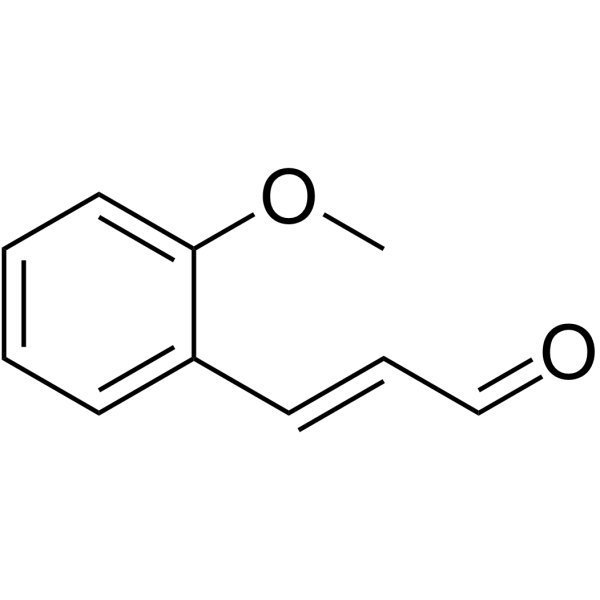
2-Methoxycinnamaldehyde (o-Methoxycinnamaldehyde) is a natural compound that can be isolated from Cinnamomum cassia. 2-Methoxycinnamaldehyde inhibits topoisomerase-I/II and NF-κB signaling pathway, causes mitochondrial dysfunction, induces lysosomal vesiculation, thereby leading to DNA damage and cell apoptosis. 2-Methoxycinnamaldehyde exhibits antitumor effects .
|
-
-
- HY-N2306A
-
|
Aclarubicin hydrochloride
|
Topoisomerase
DNA/RNA Synthesis
Proteasome
Antibiotic
|
Cancer
|
|
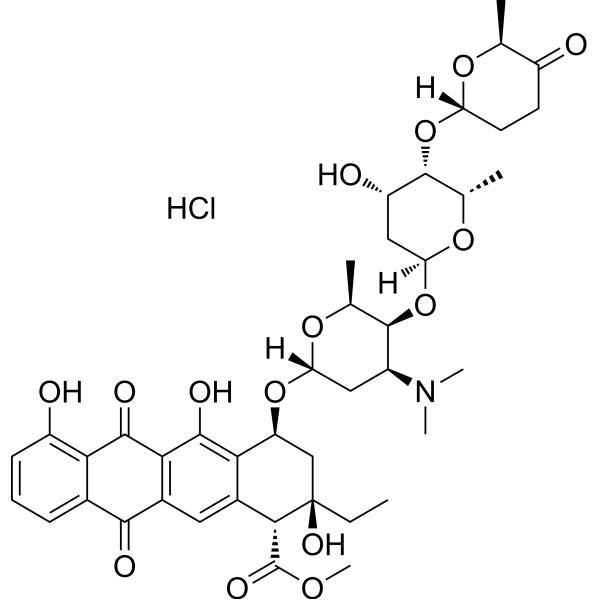
Aclacinomycin A (Aclarubicin) hydrochloride is an orally active and potent anthracycline antitumor antibiotic. Aclacinomycin A hydrochloride is an inhibitor of topoisomerase I and II. Aclacinomycin A hydrochloride inhibits synthesis of nucleic acid, especially RNA. Aclacinomycin A hydrochloride might inhibit the 26S protease complex as well as the ubiquitin-ATP-dependent proteolysis .
|
-
-
- HY-101647
-
|
RP 60475
|
Topoisomerase
|
Cancer
|
|
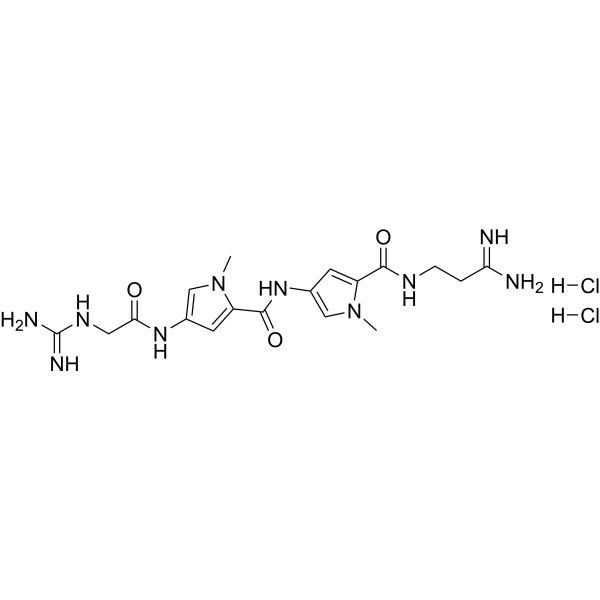
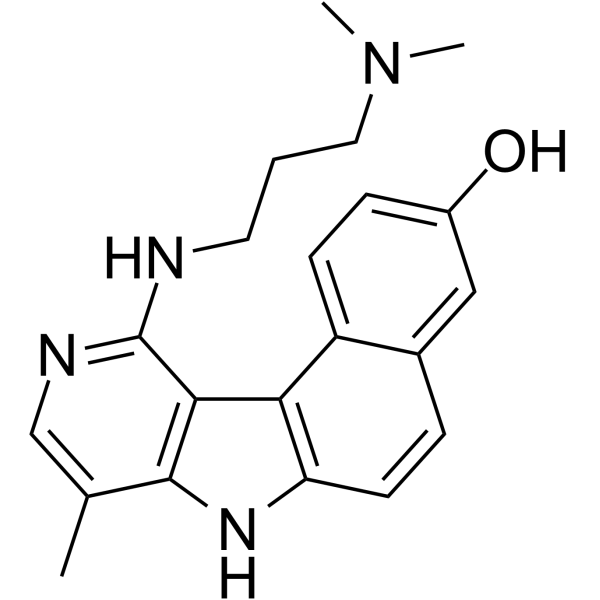
Intoplicine (RP 60475), an antitumor derivative in the 7H-benzo[e]pyrido[4,3-b]indole series, is a DNA topoisomerase I and II inhibitor. Intoplicine strongly binds DNA (KA = 2 x 10 5 /M) and thereby increases the length of linear DNA .
|
-
-
- HY-160005
-
|
NSC 781517
|
Topoisomerase
DNA/RNA Synthesis
|
Cancer
|
|
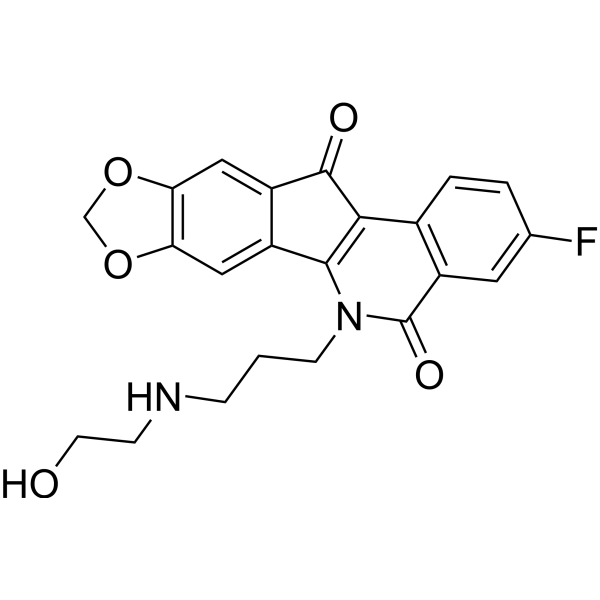
LMP517 (NSC 781517) is a potent and non-camptothecin Topoisomerase I and II (TOP1 and TOP2) dual inhibitor. LMP517 can induce TOP1 and TOP2 cleavage complexes (TOP1ccs and TOP2ccs). LMP517 can induce cancer cells DNA damage and γH2AX production. LMP517 can be used for the research of cancer, such as small cell lung cancer .
|
-
-
- HY-100777
-
|
|
Topoisomerase
|
Neurological Disease
Cancer
|
|
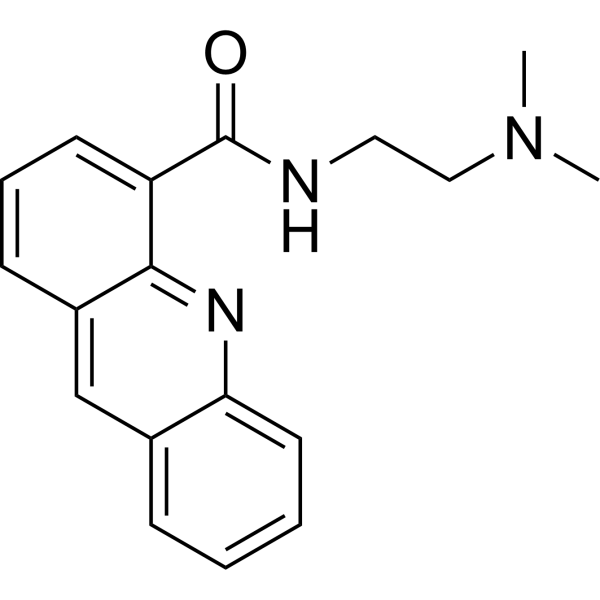
DACA (XR 5000) is a potential and blood-brain barrier-penetrating topoisomerase I and II inhibitor. DACA can be used in the research of colorectal cancer, leukemia and lung cancer .
|
-
-
- HY-160774
-
|
|
Drug-Linker Conjugates for ADC
Topoisomerase
|
Cancer
|
|
Val-Cit-PABC-DOX (compound 10109), an epsilon-poly-L-lysine-based drug conjugate, is an agent-linker conjugate for ADC by using a DNA topoisomerase I and topoisomerase II inhibitor, Doxorubicin (HY-15142), linked via the linker, Val-Cit-PABC .
|
-

-
- HY-161501
-
|
|
GLUT
Topoisomerase
Apoptosis
|
Cancer
|
|
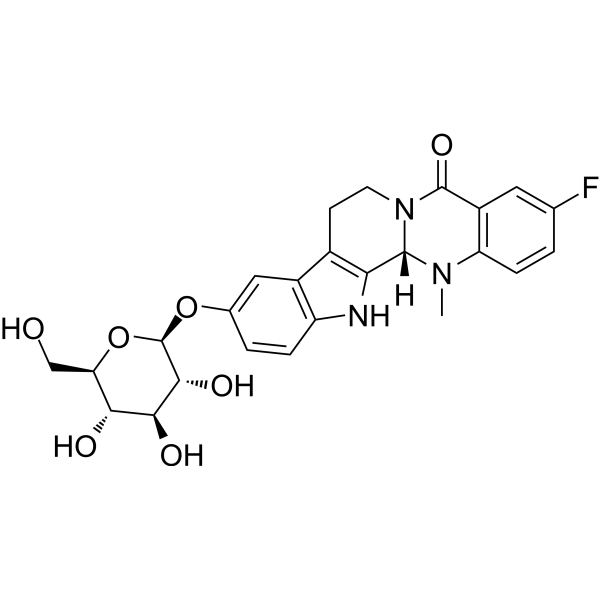
3-Fluoro-evodiamine glucose (Compound 8) is an evodiamine-glucose conjugate. 3-Fluoro-evodiamine glucose activates the expression of glucose transporter 1 (GLUT1), and inhibits topoisomerase I/II. 3-Fluoro-evodiamine glucose induces apoptosis and arrests the cell cycle at G2/M phase. 3-Fluoro-evodiamine glucose exhibits antitumor efficacy in vivo and in vitro, without significant toxicity .
|
-
-
- HY-13758
-
TAS-103
1 Publications Verification
BMS-247615
|
Topoisomerase
|
Cancer
|
|
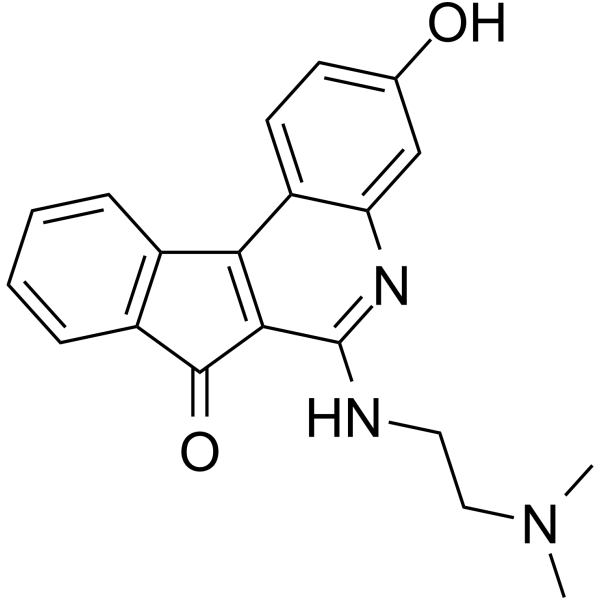
TAS-103 is a dual inhibitor of DNA topoisomerase I/II, used for cancer research.
|
-
-
- HY-13622A
-
|
BN 80927 free base
|
Topoisomerase
|
Cancer
|
|
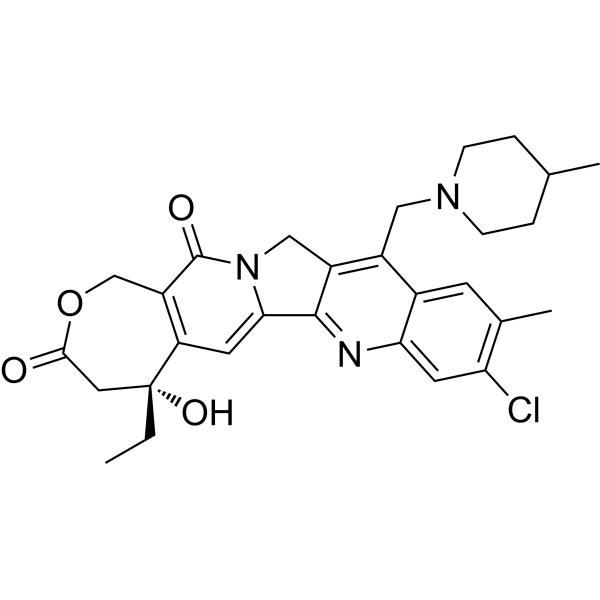
Elomotecan (BN 80927 free base) is a potent inhibitor of topoisomerases I and II. Elomotecan is a camptothecin analog belonging to the homocamptothecin family (hCPT). Elomotecan reduces the proliferation of different tumor cells with higher potency than other anticancer agents of reference targeting topoisomerases I and II .
|
-
-
- HY-13622
-
|
BN 80927
|
Topoisomerase
|
Cancer
|
|
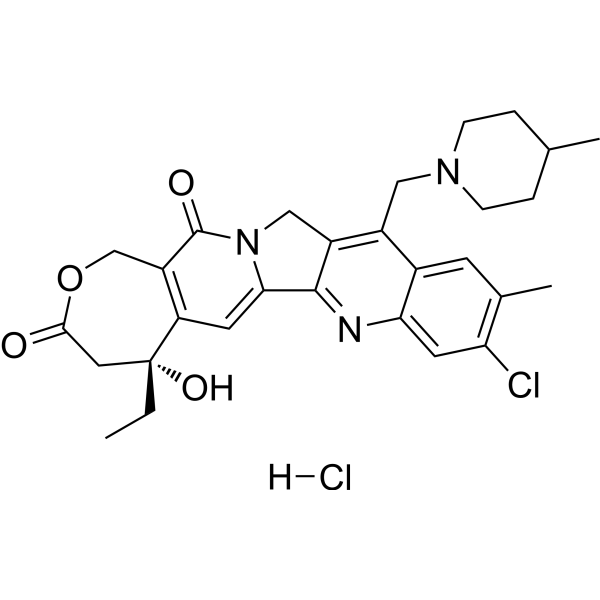
Elomotecan hydrochloride (BN 80927) is a potent inhibitor of topoisomerases I and II. Elomotecan hydrochloride (BN 80927) is a camptothecin analog belonging to the homocamptothecin family (hCPT). Elomotecan hydrochloride (BN 80927) reduces the proliferation of different tumor cells with higher potency than other anticancer agents of reference targeting topoisomerases I and II .
|
-
-
- HY-N2306R
-
|
Aclarubicin (Standard)
|
Reference Standards
Topoisomerase
DNA/RNA Synthesis
Proteasome
Antibiotic
|
Cancer
|
|
Aclacinomycin A (Standard) is the analytical standard of Aclacinomycin A. This product is intended for research and analytical applications. Aclacinomycin A (Aclarubicin) is an orally active and potent anthracycline antitumor antibiotic. Aclacinomycin A is an inhibitor of topoisomerase I and II. Aclacinomycin A inhibits synthesis of nucleic acid, especially RNA. Aclacinomycin A might inhibit the 26S protease complex as well as the ubiquitin-ATP-dependent proteolysis .
|
-

-
- HY-118899
-
|
|
Endogenous Metabolite
|
Cancer
|
|
XR5944 is an anti-tumor compound with DNA-targeting activity. As a topoisomerase inhibitor, XR5944 can effectively inhibit the activities of topoisomerase I and II. XR5944 shows excellent anti-tumor activity against human and mouse tumor cells in vitro and in vivo. XR5944 exhibits significant potency in multiple cell lines, with IC50 values of 0.04-0.4 nM. XR5944 is not affected by atypical drug resistance in cells and remains significantly active even in cells overexpressing P-glycoprotein or multidrug resistance-related proteins. XR5944 showed anti-tumor efficacy in human tumor models of H69 small cell lung cancer and HT29 colon cancer, inducing tumor regression in most animals in the HT29 model. XR5944 can be used to study biological processes related to colon and lung cancer .
|
-

-
- HY-19825
-
|
|
Topoisomerase
ADC Payload
Antibiotic
|
Cancer
|
|
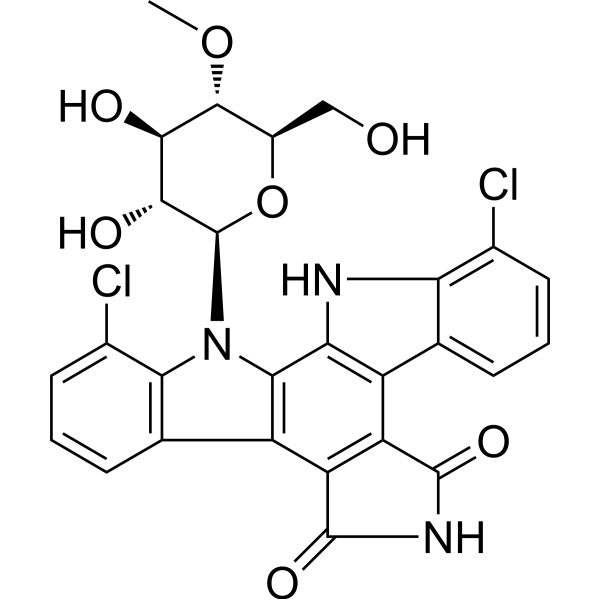
Rebeccamycin, an antitumor antibiotic, inhibits DNA topoisomerase I. Rebeccamycin appears to exert its primary antineoplastic effect by poisoning topoisomerase I and has negligible effect on protein kinase C and topoisomerase II .
|
-
-
- HY-W713570
-
|
|
Topoisomerase
|
Cancer
|
|
Nectandrin B is an inhibitor of DNA topoisomerases I and II, which is found in Saururus chinensis. Nectandrin B is promising for research of cancers .
|
-

-
- HY-119458
-
|
|
Topoisomerase
TMV
Fungal
|
Infection
|
|
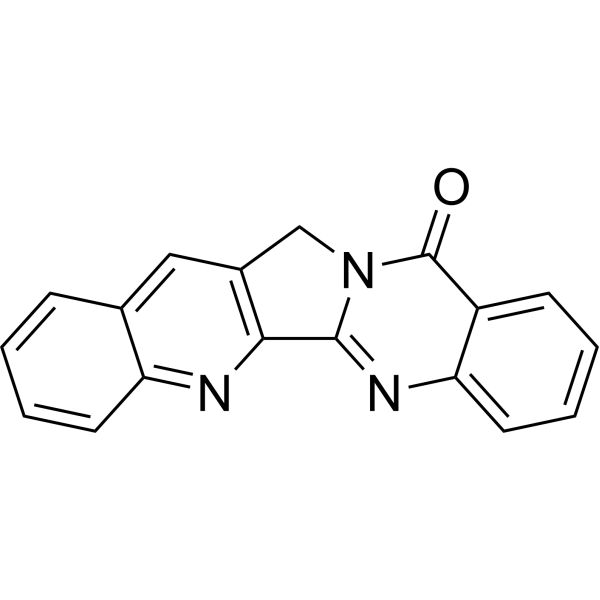
Luotonin A is an antiviral and antiphytopathogenic fungus agent. Luotonin A has good antiviral activity against tobacco mosaic virus (TMV). Luotonin A also has certain inhibitory activity on topoisomerase I and topoisomerase II. Luotonin A shows antitumor activity .
|
-
-
- HY-179152
-
|
|
Apoptosis
Topoisomerase
|
Cancer
|
|
Apoptosis inducer 54 is an apoptosis inducer that interacts with topoisomerase II-DNA. Apoptosis inducer 54 induces cell cycle arrest at the S phase in cancer cells. Apoptosis inducer 54 significantly induces early and late apoptosis in A549 cells. Topoisomerase I-IN-20 can be used for the research of lung cancer and colon cancer .
|
-

-
- HY-175034
-
|
|
Topoisomerase
Apoptosis
MDM-2/p53
Bcl-2 Family
Caspase
|
Cancer
|
|
Topoisomerase I/II-IN-1 is a dual inhibitor of topoisomerase I/II. Topoisomerase I/II-IN-1 induces G2/M arrest and apoptosis in cancer cells by upregulating p53, p21, and Bax mRNA levels, caspase-3 protein levels, and the Bax/Bcl-2 ratio, while downregulating Bcl-2. Topoisomerase I/II-IN-1 is useful in the study of various cancers, including melanoma, renal cancer, colorectal cancer, and breast cancer .
|
-

-
- HY-116933
-
|
|
Topoisomerase
Bacterial
|
Infection
Inflammation/Immunology
|
|
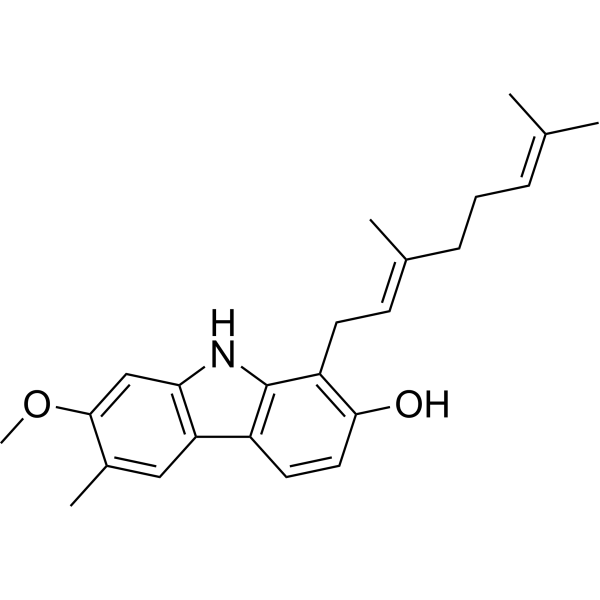
Murrayanol is a natural carbazole alkaloid with a variety of biological activities. Murrayanol shows anti-inflammatory, topoisomerase I and topoisomerase II (Topoisomerase) inhibition activities. Murrayanol also as a mosquitocidal and antimicrobial .
|
-
-
- HY-N6800
-
-

-
- HY-W653896
-
|
|
Isotope-Labeled Compounds
Androgen Receptor
Apoptosis
Topoisomerase
Estrogen Receptor/ERR
|
Infection
|
|
Alternariol-d2 is deuterium labeled Alternariol. Alternariol is an orally ingested mycotoxin produced by Alternaria, capable of inhibiting the activity of topoisomerase I and II (topoisomerase I, topoisomerase II). Alternariol has weak estrogenic (Estrogen Receptor/ERR) and androgen/antiandrogen (Androgen Receptor) effects. Alternariol can induce apoptosis, trigger cell cycle arrest, suppress innate immune responses, and exhibit anti-tumor activity. Alternariol has genotoxic, mutagenic, and endocrine-disrupting effects .
|
-

-
- HY-13622B
-
|
BN 80927 TFA
|
Topoisomerase
|
Cancer
|
|
Elomotecan TFA is a potent inhibitor of topoisomerases I and II. Elomotecan TFA is a camptothecin analog belonging to the homocamptothecin family (hCPT). Elomotecan TFA reduces the proliferation of different tumor cells with higher potency than other anticancer agents of reference targeting topoisomerases I and II .
|
-

-
- HY-101647A
-
|
RP 60475 dimesylate
|
Topoisomerase
|
Cancer
|
|
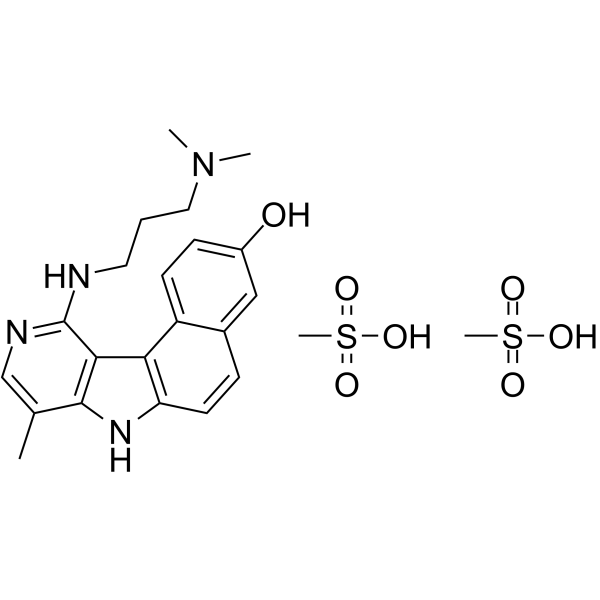
Intoplicine (RP 60475) dimesylate, an antitumor derivative in the 7H-benzo[e]pyrido[4,3-b]indole series, is a DNA topoisomerase I and II inhibitor. Intoplicine dimesylate strongly binds DNA (KA = 2 x 10 5 /M) and thereby increases the length of linear DNA .
|
-
-
- HY-121352
-
|
|
Drug Derivative
|
Cancer
|
|
Kibdelone C is a hexacyclic tetrahydroxanthone natural product and anticancer agent with sub-nanomolar GI50 activity against human SR leukemia and SN12C renal carcinoma cell lines. Kibdelone C disrupts the actin cytoskeleton in human cancer cells, leading to cell contraction and actin stress fiber formation, without direct actin binding, actin polymerization effects, topoisomerase I/II inhibition, or DNA binding. Kibdelone C can be used for the research of leukemia, and renal cell carcinoma .
|
-

-
- HY-100777R
-
|
|
Topoisomerase
Reference Standards
|
Cancer
|
|
DACA (Standard) is the analytical standard of DACA (HY-100777). This product is intended for research and analytical applications. DACA (XR 5000) is a blood-brain barrier-penetrating topoisomerase I and II inhibitor. DACA can be used in the research of colorectal cancer, leukemia and lung cancer .
|
-

-
- HY-Y0790R
-
|
p-Isopropylbenzaldehyde (Standard)
|
α-synuclein
Reference Standards
|
Infection
Neurological Disease
Inflammation/Immunology
Cancer
|
|
Cuminaldehyde Standard is the analytical standard of Cuminaldehyde. This product is intended for research and analytical applications. Cuminaldehyde is the main component of Cuminum cyminum and has multiple biological activities, including anti-inflammatory, anti-cancer, anti-diabetic, anti-injury, anti-neuropathy and antibacterial effects. Cuminaldehyde is an inhibitor of aldose reductase (IC50= 0.00085 mg/mL) and α-glucosidase (IC50=0.5 mg/mL). Cuminaldehyde also inhibits the fibrillation of α-synuclein and prevents its aggregation Cuminaldehyde can induce apoptosis in colon adenocarcinoma cells by targeting topoisomerase I and II. In addition, Cuminaldehyde also exerts anti-inflammatory activity by inhibiting lipoxygenase. Cuminaldehyde has a strong inhibitory effect on the growth of Aspergillus flavus and the biosynthesis of aflatoxin B1 (AFB1). Cuminaldehyde can exert anti-injury and anti-neuropathy effects by participating in opioid receptors, L-arginine/NO/cGMP pathways and anti-inflammatory effects. Cuminaldehyde has potential application value in the research of neurodegenerative diseases, cancer, diabetes and neuropathic pain diseases .
|
-

-
- HY-149002
-
|
|
Topoisomerase
Apoptosis
|
Cancer
|
|
Topoisomerase I/II inhibitor 4 (compound F16) is a potent topoisomerase I (Topo I) and II (Topo II) dual inhibitor. Topoisomerase I/II inhibitor 4 inhibits cell proliferation, invasion and migration and induces apoptosis. Topoisomerase I/II inhibitor 4 can be used for liver cancer research .
|
-
-
- HY-169628
-
|
|
Topoisomerase
|
Cancer
|
|
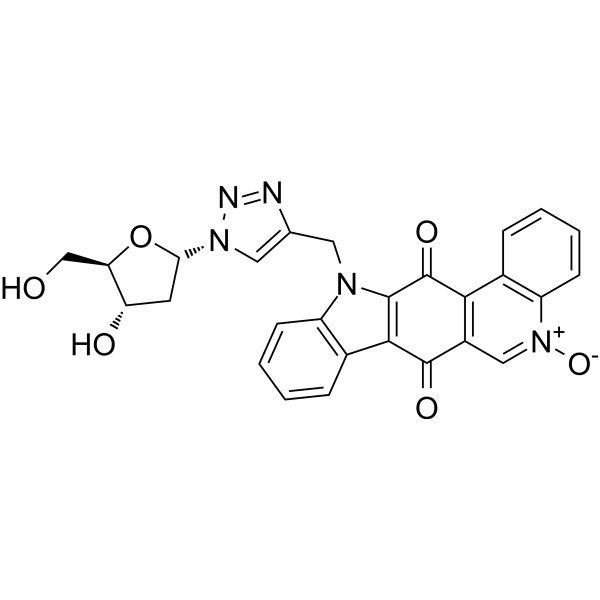
Topoisomerase I/II inhibitor 7 (Compound 5h) is a Topoisomerase I/II inhibitor .
|
-

-
- HY-146504
-
|
|
Topoisomerase
PI3K
Apoptosis
Reactive Oxygen Species (ROS)
|
Cancer
|
|
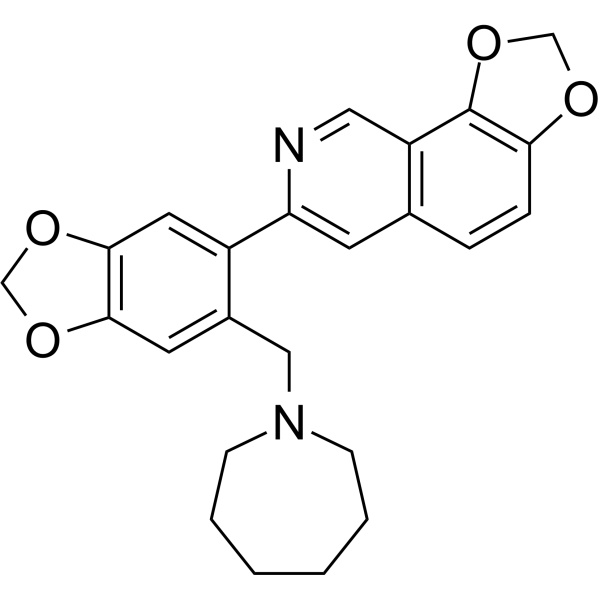
Topoisomerase I/II inhibitor 3 (compound 7) is a potent topoisomerase I (Topo I) and II (Topo II) dual inhibitor. Topoisomerase I/II inhibitor 3 can inhibit cell proliferation, invasion and migration, and induce apoptosis by inhibiting PI3K/Akt/mTOR signaling pathway. Topoisomerase I/II inhibitor 3 can be used for liver cancer research .
|
-
-
- HY-143402
-
|
|
Topoisomerase
|
Cancer
|
|
Topoisomerase I/II inhibitor 2 (compound 1a) is a potent Topoisomerase inhibitor (IC50= 9.82 μM on Huh7 cells and 6.83 μM on LM9 cells). Topoisomerase I/II inhibitor 2 has dual inhibition on DNA topoisomerase I/II, also can obviously reduce the growth of xenograft tumor in mice model. Topoisomerase I/II inhibitor 2 has the potential value in researching liver cancer .
|
-
-
- HY-168632
-
|
|
Topoisomerase
Apoptosis
|
Cancer
|
|
Topoisomerase I/II inhibitor 6 (compound 3i) is a potent inhibitor of topoisomerase I and II with IC50s of 4.77 and 15 µM, respectively. Topoisomerase I/II inhibitor 6 shows antiproliferative activities against human melanoma LOX IMVI cancer cell line with IC50 values of 26.7 and 25.4 µM, respectively. Topoisomerase I/II inhibitor 6 provokes substantial levels of early, late apoptosis and increases the expression level of active caspase-3 .
|
-

-
- HY-N15319
-
|
Canangine
|
Topoisomerase
Fungal
|
Infection
|
|
Eupolauridine (Canangine) is a selective DNA topoisomerase II inhibitor with IC50 values of 20 μM for fungal topoisomerase I and 33 μM for human topoisomerase I. Eupolauridine exerts antifungal activity by inhibiting the catalytic activity of topoisomerase II and stabilizing its cleavage complex with DNA, leading to DNA damage. Eupolauridine is promising for research of fungal infectious diseases .
|
-

-
- HY-179018
-
|
|
Topoisomerase
Reactive Oxygen Species (ROS)
Apoptosis
|
Cancer
|
|
Topoisomerase II-IN-25 (Compound 6a) is a selective inhibitor of topoisomerase II and has no inhibitory activity on topoisomerase I. Topoisomerase II-IN-25 exhibits significant anti-PC-3 cell activity. Topoisomerase II-IN-25 significantly increases intracellular ROS levels, inducing oxidative stress. Topoisomerase II-IN-25 causes depolarization of mitochondrial membrane potential and promotes cell apoptosis. Topoisomerase II-IN-25 blocks PC-3 cells in the G2/M phase. Topoisomerase II-IN-25 can be used for the study of prostate cancer .
|
-

-
- HY-169509
-
|
|
PARP
Necroptosis
Topoisomerase
RIP kinase
Mixed Lineage Kinase
|
Cancer
|
|
Topoisomerase I/II Inhibitor 8 (Compound Ru7) is a dual catalytic inhibitor of Topoisomerase I/II, capable of inducing DNA damage and PARP-1 activation, which subsequently leads to the activation of RIPK1, RIPK3, and MLKL, ultimately triggering necroptosis. Topoisomerase I/II Inhibitor 8 demonstrates remarkable anticancer activity by effectively targeting the nuclei of cancer cells and inducing cell death through necroptosis, showing great clinical potential in circumventing drug resistance in cancer treatment .
|
-

-
- HY-168150
-
|
|
Topoisomerase
|
Cancer
|
|
Topoisomerase I/II inhibitor 5 (compund 1) simultaneously inhibits activities of TopoI and II by binding to and stabilizing the G4 structure .
|
-

-
- HY-119892
-
|
NSC 320846; BAY-H 2049
|
Topoisomerase
|
Cancer
|
|
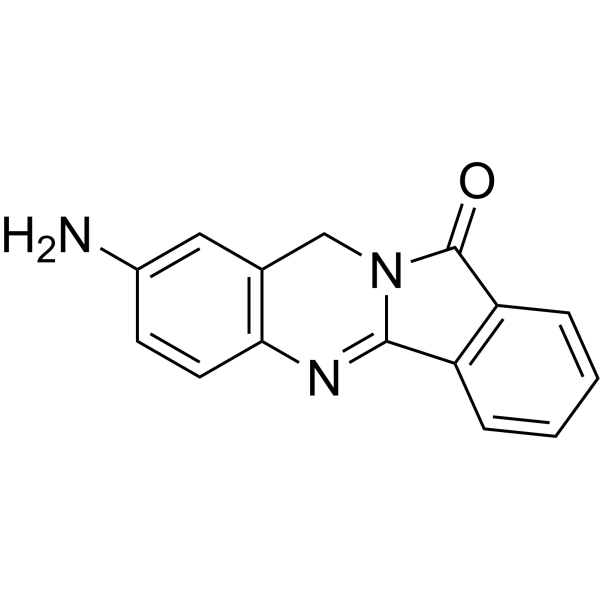
Batracylin (NSC320846) is a potent DNA Topoisomerases I and DNA Topoisomerases II inhibitor. Batracylin shows cytotoxicity and antiproliferative activity. Batracylin induces DNA breaks .
|
-
-
- HY-13565
-
|
NSC 655649; BMS 181176; BMY 27557
|
Topoisomerase
|
Cancer
|
|
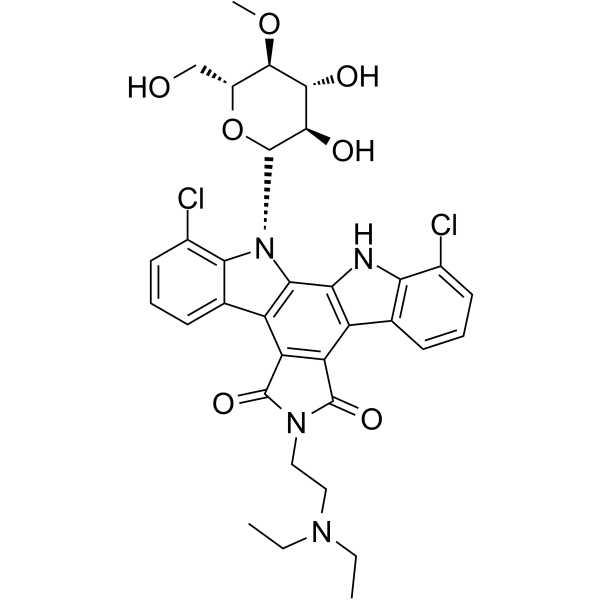
Becatecarin is a rebeccamycin analog with antitumor effects. Becatecarin intercalates into DNA and inhibites the catalytic activity of topoisomerases I/II.
|
-
-
- HY-120185
-
|
UCT-1003
|
Topoisomerase
|
Infection
Cancer
|
|
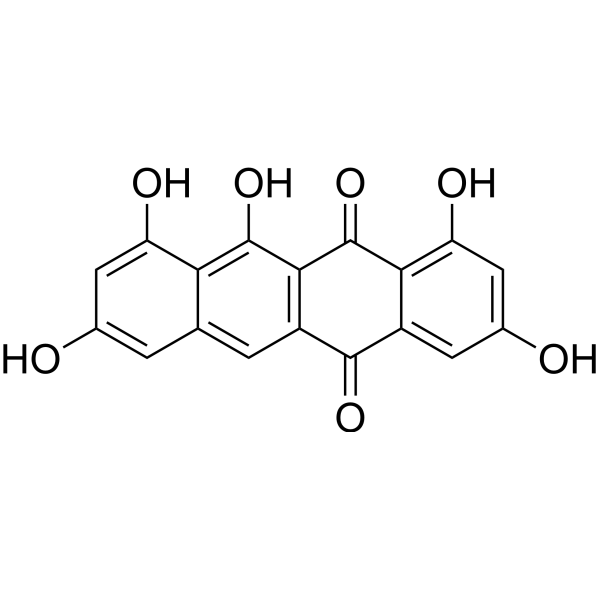
Saintopin is an antitumor antibiotic. Saintopin is also an inhibitor of DNA topoisomerases I and II. Saintopin induces DNA cleavage .
|
-
-
- HY-N10367
-
|
|
Topoisomerase
|
Cancer
|
|
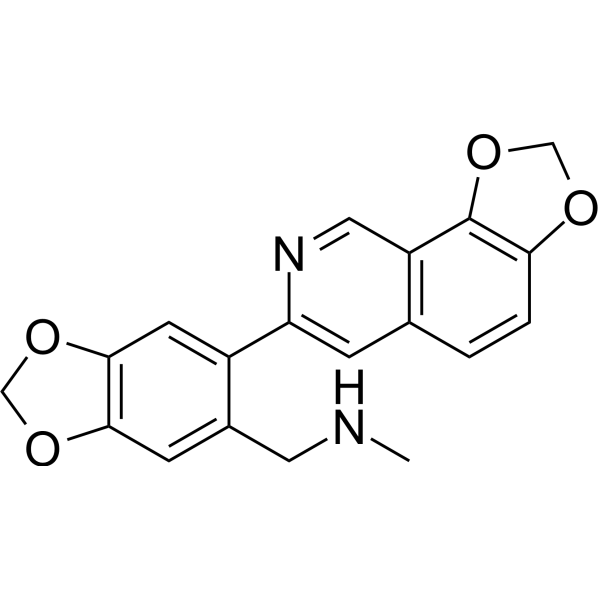
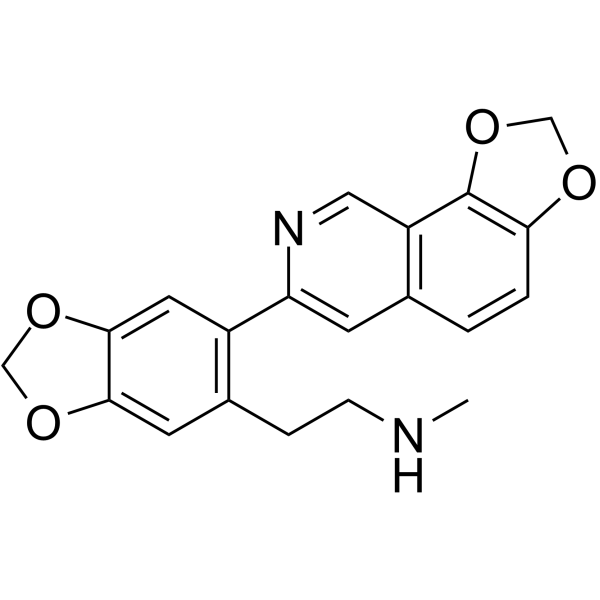
Corydamine, 3-arylisoquinoline alkaloid, is a potent DNA topoisomerase I/II inhibitor. Corydamine has anti-cancer activity .
|
-
-
- HY-N6714R
-
|
|
Reference Standards
Topoisomerase
Androgen Receptor
Estrogen Receptor/ERR
Apoptosis
|
Infection
Cancer
|
|
Alternariol (Standard) is the analytical standard of Alternariol. This product is intended for research and analytical applications. Alternariol is an orally ingested mycotoxin produced by Alternaria, capable of inhibiting the activity of topoisomerase I and II (topoisomerase I, topoisomerase II). Alternariol has weak estrogenic (Estrogen Receptor/ERR) and androgen/antiandrogen (Androgen Receptor) effects. Alternariol can induce apoptosis, trigger cell cycle arrest, suppress innate immune responses, and exhibit anti-tumor activity. Alternariol has genotoxic, mutagenic, and endocrine-disrupting effects .
|
-

-
- HY-N2331R
-
|
|
Reference Standards
Topoisomerase
|
Cancer
|
|
Proscillaridin A (Standard) is the analytical standard of Proscillaridin A. This product is intended for research and analytical applications. Proscillaridin A is a potent poison of topoisomerase I/II activity with IC50 values of 30 nM and 100 nM, respectively .
|
-

- HY-123143
-
|
MLN576
|
Topoisomerase
|
Cancer
|
|
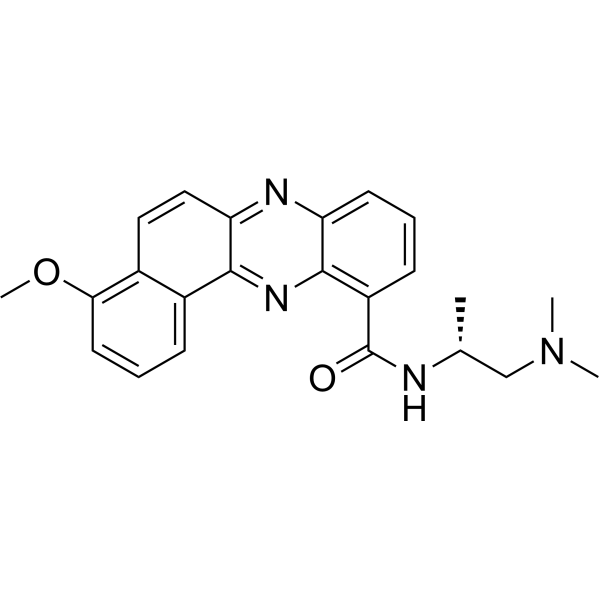
XR11576 (MLN576) is an orally active inhibitor of topoisomerase I and II. XR11576 shows cytotoxicity against human and murine tumor cell lines (IC50: 6-47 nM) .
|
-
- HY-N11536
-
|
|
Topoisomerase
Apoptosis
|
Cancer
|
|
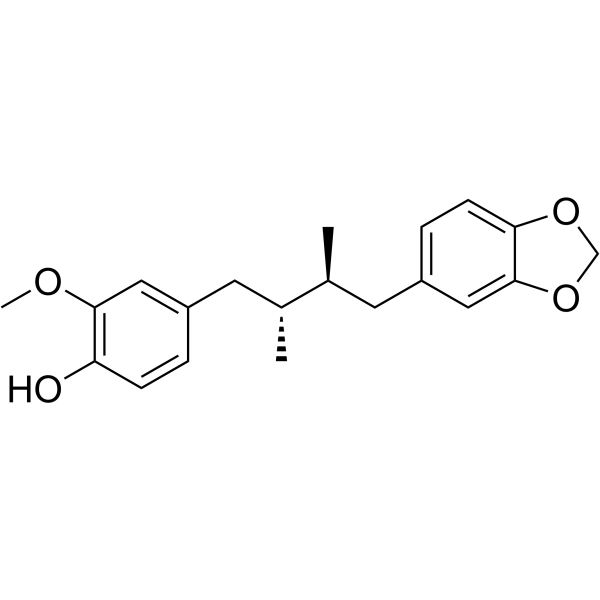
erythro-Austrobailignan-6 is an orally active anti-cancer agent. erythro-Austrobailignan-6 inhibits DNA topoisomerase I and II activity. erythro-Austrobailignan-6 induces cell apoptosis and increases phosphorylation of p38 and JNK .
|
-
- HY-122481
-
|
|
Topoisomerase
Apoptosis
Bcl-2 Family
Cytochrome P450
|
Cancer
|
|
Thaspine acetate, an alkaloid, is a topoisomerase I and II inhibitor. Thaspine acetate induces cancer cell apoptosis. Thaspine acetate induces Bak and Bax activation, mitochondrial cytochrome c release and mitochondrial membrane permeabilization. Thaspine acetate can be isoalted from the cortex of the South American tree Croton lechleri .
|
-

- HY-159483
-
|
|
Topoisomerase
Autophagy
Glutathione Peroxidase
|
Cancer
|
|
SelB-1 serves as a dual inhibitor for Topoisomerase I/II. SelB-1 possesses anticancer activity and can be utilized in the research of prostate cancer and colon cancer. Furthermore, SelB-1 is also capable of inducing autophagy gene expression and lipid peroxidation, while simultaneously reducing the level of GSH .
|
-

- HY-161628
-
|
|
Topoisomerase
|
Cancer
|
|
Tapcin is a dual inhibitor for topoisomerase I and topoisomerase II, with IC50 of 203 and 71 nM. Tapcin inhibits proliferations of cancer cells A-375, HeLa, Huh7.5, U2-OS, A549, Caco-2 and HT29, with IC50s of 441, 1.04, 40.5, 0.002, 0.006, 0.287 and 0.842 nM, respectively. Tapcin exhibits antitumor activity in HT29 xenograft model .
|
-

- HY-B1099R
-
|
|
DNA/RNA Synthesis
Topoisomerase
Parasite
Reference Standards
|
Infection
|
|
Hycanthone (Standard) is the analytical standard of Hycanthone. This product is intended for research and analytical applications. Hycanthone is a thioxanthenone DNA intercalator and inhibits RNA synthesis as well as the DNA topoisomerases I and II. Hycanthone inhibits nucleic acid biosynthesis and inhibits apurinic endonuclease-1 (APE1) by direct protein binding with a KD of 10 nM. Hycanthone is a bioactive metabolite of Lucanthone (HY-B2098) and has anti-schistosomal agent .
|
-

- HY-W046353R
-
|
o-Methoxycinnamaldehyde (Standard)
|
Reference Standards
Apoptosis
NF-κB
Mitochondrial Metabolism
Caspase
Topoisomerase
|
Cancer
|
|
2-Methoxycinnamaldehyde (Standard) is the analytical standard of 2-Methoxycinnamaldehyde. This product is intended for research and analytical applications. 2-Methoxycinnamaldehyde (o-Methoxycinnamaldehyde) is a natural compound that can be isolated from Cinnamomum cassia. 2-Methoxycinnamaldehyde inhibits topoisomerase-I/II and NF-κB signaling pathway, causes mitochondrial dysfunction, induces lysosomal vesiculation, thereby leading to DNA damage and cell apoptosis. 2-Methoxycinnamaldehyde exhibits antitumor effects .
|
-

- HY-178738
-
|
|
Antibiotic
Bacterial
Topoisomerase
DNA/RNA Synthesis
|
Infection
|
|
GC-072 is an orally active, 4-oxoquinolizine antibiotic that selectively inhibits bacterial DNA gyrase and Topo IV enzymes. GC-072 does not inhibit human topoisomerases I and II. GC-072 demonstrates strong antimicrobial activity against various bacterial strains, including Gram-positive, Gram-negative, and resistant bacteria. GC-072 also exhibits bactericidal activity against Burkholderia pseudomallei both extracellularly and intracellularly, leading to dose-dependent survival in mice exposed to lethal inhalational models of B. pseudomallei infection. GC-072 can be used for the research of melioidosis .
|
-

- HY-182926
-
|
|
DNA/RNA Synthesis
Topoisomerase
|
Cancer
|
|
Topoisomerase I/II-IN-9 is a topoisomerase I/II inhibitor (IC50<10 μM) and a DNA damage inducer. Topoisomerase I/II-IN-9 blocks the interaction between the enzyme and DNA by binding to the DNA-binding pocket of the enzyme. Topoisomerase I/II-IN-9 activates the cGAS-STING pathway and promotes the accumulation of cytoplasmic double-stranded DNA. This further drives the production of type I interferons, CCL5, CXCL10 and interferon-stimulated genes, and induces anti-tumor immune responses in vivo. Topoisomerase I/II-IN-9 can be applied to the research of related diseases such as triple-negative breast cancer, colorectal cancer and gastric cancer .
|
-

- HY-183330
-
|
|
Topoisomerase
Reactive Oxygen Species (ROS)
Apoptosis
MDM-2/p53
Caspase
Bcl-2 Family
|
Cancer
|
|
Topo I/II-IN-3 is a dual inhibitor of topoisomerase I/II (topoisomerase I/II), with an IC50 of 8.99 μM against Topo I and an IC50 of 26.92 μM against Topo II. Topo I/II-IN-3 induces DNA damage, elevates intracellular ROS levels, activates the mitochondrial apoptosis pathway, and exerts cytotoxicity against cancer cells. Topo I/II-IN-3 upregulates the expression of γ-H2AX, p53, activated caspase-9, Bax and activated caspase-3, while downregulating the expression of Bcl-2. Topo I/II-IN-3 can be used in research related to breast cancer, liver cancer and gastric cancer .
|
-

- HY-N4329
-
|
|
Topoisomerase
|
Others
|
|
Nidulalin A is a DNA topoisomerase II inhibitor with an IC50 of 2.2 μM. Nidulalin A has an IC50 of 172 μM for DNA topoisomerase I. Nidulalin A has certain cytotoxicity .
|
-

- HY-180509
-
|
|
Topoisomerase
MDM-2/p53
|
Cancer
|
|
Topoisomerase I/IIα-IN-1 (Compound 20i) is a Topoisomerase I/IIα inhibitor. MDM2-IN-27 can effectively block the inhibitory effect of MDM2 on p53, thereby activating the p53 pathway. MDM2-IN-27 has relatively poor anti-proliferative activity against breast cancer, colon cancer, and cutaneous squamous cell carcinoma .
|
-

- HY-E70902
-
|
|
Topoisomerase
|
Metabolic Disease
|
|
Topoisomerase II, Yeast (EC 5.99.1.3) is a nuclear enzyme that play essential roles in DNA replication, transcription, chromosome segregation, and recombination. All cells have two major forms of topoisomerases: type I, which makes single-stranded cuts in DNA, and type II enzymes, which cut and pass double-stranded DNA.
|
-

- HY-E70900
-
|
|
Topoisomerase
|
Metabolic Disease
|
|
Topoisomerase II β, Human (EC 5.99.1.3) is a nuclear enzyme that play essential roles in DNA replication, transcription, chromosome segregation, and recombination. All cells have two major forms of topoisomerases: type I, which makes single-stranded cuts in DNA, and type II enzymes, which cut and pass double-stranded DNA.
|
-

- HY-E70901
-
|
|
Topoisomerase
|
Metabolic Disease
|
|
Topoisomerase II α, Human (EC 5.99.1.3) is a nuclear enzyme that play essential roles in DNA replication, transcription, chromosome segregation, and recombination. All cells have two major forms of topoisomerases: type I, which makes single-stranded cuts in DNA, and type II enzymes, which cut and pass double-stranded DNA.
|
-

- HY-185370
-
|
Pegylated liposomal doxorubicin; Liposomal doxorubicin; Doxorubicin hydrochloride liposome
|
Liposome
Topoisomerase
Antibiotic
|
Cancer
|
|
Doxorubicin liposome is a liposome-encapsulated form of doxorubicin hydrochloride (HY-15142). Doxorubicin hydrochloride, a cytotoxic anthracycline antibiotic, is a potent human DNA topoisomerase I and topoisomerase II inhibitor. Compared to traditional doxorubicin, liposome encapsulation reduces its cardiotoxicity and prolongs its circulation time, thus enabling it to effectively target tumor tissue.
|
-

- HY-N8250
-
|
|
Topoisomerase
PEPCK
|
Metabolic Disease
|
|
cis-THSG is a selective and orally active DNA topoisomerase II inhibitor with no activity against DNA topoisomerase I. cis-THSG suppresses transcription of PEPCK. cis-THSG reduces blood glucose levels, ameliorates glucose intolerance, and alleviates insulin resistance in high fat diet-induced diabetic male CF-1 mice. cis-THSG can be used for the research of type 2 diabetes mellitus .
|
-

- HY-180508
-
|
|
MDM-2/p53
Topoisomerase
|
Cancer
|
|
MDM2-IN-27 (Compound 20k) is an MDM2 inhibitor. MDM2-IN-27 can effectively block the inhibitory effect of MDM2 on p53, thereby activating the p53 pathway. MDM2-IN-27 has a certain topoisomerase I inhibitory activity and has a very weak inhibitory effect on topoisomerase IIα. MDM2-IN-27 exhibits significant anti-proliferative activity against breast cancer, colon cancer, and cutaneous squamous cell carcinoma .
|
-

- HY-101647R
-
|
RP 60475 (Standard)
|
Topoisomerase
Reference Standards
|
Cancer
|
|
Intoplicine (Standard) is the analytical standard of Intoplicine (HY-101647). This product is intended for research and analytical applications. Intoplicine (RP 60475), an antitumor derivative in the 7H-benzo[e]pyrido[4,3-b]indole series, is a DNA topoisomerase I and II inhibitor. Intoplicine strongly binds DNA (KA = 2 x 10⁵ /M) and thereby increases the length of linear DNA .
|
-

- HY-101647AR
-
|
RP 60475 dimesylate (Standard)
|
Topoisomerase
Reference Standards
|
Cancer
|
|
Intoplicine (dimesylate) (Standard) is the analytical standard of Intoplicine (dimesylate) (HY-101647A). This product is intended for research and analytical applications. Intoplicine (RP 60475) dimesylate, an antitumor derivative in the 7H-benzo[e]pyrido[4,3-b]indole series, is a DNA topoisomerase I and II inhibitor. Intoplicine dimesylate strongly binds DNA (KA = 2 x 10⁵ /M) and thereby increases the length of linear DNA .
|
-

| Cat. No. |
Product Name |
Type |
-
- HY-N2306R
-
|
Aclarubicin (Standard)
|
Fluorescent Dyes
|
|
Aclacinomycin A (Standard) is the analytical standard of Aclacinomycin A. This product is intended for research and analytical applications. Aclacinomycin A (Aclarubicin) is an orally active and potent anthracycline antitumor antibiotic. Aclacinomycin A is an inhibitor of topoisomerase I and II. Aclacinomycin A inhibits synthesis of nucleic acid, especially RNA. Aclacinomycin A might inhibit the 26S protease complex as well as the ubiquitin-ATP-dependent proteolysis .
|
| Cat. No. |
Product Name |
Category |
Target |
Chemical Structure |
-
- HY-15142
-
-
-
- HY-N2306
-
-
-
- HY-15142R
-
-
-
- HY-15142A
-
-
-
- HY-N2331
-
-
-
- HY-N6800A
-
-
-
- HY-N6714
-
-
-
- HY-W046353
-
-
-
- HY-N2306A
-
-
-
- HY-N2306R
-
-
-
- HY-19825
-
-
-
- HY-W713570
-
-
-
- HY-119458
-
-
-
- HY-116933
-
-
-
- HY-N6800
-
-
-
- HY-Y0790R
-
|
p-Isopropylbenzaldehyde (Standard)
|
Structural Classification
Ketones, Aldehydes, Acids
Rudbeckia laciniata L.
Umbelliferae
Plants
Endogenous metabolite
Source Classification
|
α-synuclein
Reference Standards
|
|
Cuminaldehyde Standard is the analytical standard of Cuminaldehyde. This product is intended for research and analytical applications. Cuminaldehyde is the main component of Cuminum cyminum and has multiple biological activities, including anti-inflammatory, anti-cancer, anti-diabetic, anti-injury, anti-neuropathy and antibacterial effects. Cuminaldehyde is an inhibitor of aldose reductase (IC50= 0.00085 mg/mL) and α-glucosidase (IC50=0.5 mg/mL). Cuminaldehyde also inhibits the fibrillation of α-synuclein and prevents its aggregation Cuminaldehyde can induce apoptosis in colon adenocarcinoma cells by targeting topoisomerase I and II. In addition, Cuminaldehyde also exerts anti-inflammatory activity by inhibiting lipoxygenase. Cuminaldehyde has a strong inhibitory effect on the growth of Aspergillus flavus and the biosynthesis of aflatoxin B1 (AFB1). Cuminaldehyde can exert anti-injury and anti-neuropathy effects by participating in opioid receptors, L-arginine/NO/cGMP pathways and anti-inflammatory effects. Cuminaldehyde has potential application value in the research of neurodegenerative diseases, cancer, diabetes and neuropathic pain diseases .
|
-
-
- HY-N15319
-
|
Canangine
|
Alkaloids
Other Alkaloids
Cananga odorata
Plants
Annonaceae
Source Classification
|
Topoisomerase
Fungal
|
|
Eupolauridine (Canangine) is a selective DNA topoisomerase II inhibitor with IC50 values of 20 μM for fungal topoisomerase I and 33 μM for human topoisomerase I. Eupolauridine exerts antifungal activity by inhibiting the catalytic activity of topoisomerase II and stabilizing its cleavage complex with DNA, leading to DNA damage. Eupolauridine is promising for research of fungal infectious diseases .
|
-
-
- HY-N10367
-
-
-
- HY-N6714R
-
-
-
- HY-N2331R
-
-
-
- HY-N11536
-
-
-
- HY-W046353R
-
-
-
- HY-N4329
-
-
-
- HY-N8250
-
-
| Cat. No. |
Product Name |
Chemical Structure |
-
- HY-W653896
-
|
|
|
Alternariol-d2 is deuterium labeled Alternariol. Alternariol is an orally ingested mycotoxin produced by Alternaria, capable of inhibiting the activity of topoisomerase I and II (topoisomerase I, topoisomerase II). Alternariol has weak estrogenic (Estrogen Receptor/ERR) and androgen/antiandrogen (Androgen Receptor) effects. Alternariol can induce apoptosis, trigger cell cycle arrest, suppress innate immune responses, and exhibit anti-tumor activity. Alternariol has genotoxic, mutagenic, and endocrine-disrupting effects .
|
-
| Cat. No. |
Product Name |
|
Classification |
-
- HY-185370
-
|
Pegylated liposomal doxorubicin; Liposomal doxorubicin; Doxorubicin hydrochloride liposome
|
|
Liposome
|
|
Doxorubicin liposome is a liposome-encapsulated form of doxorubicin hydrochloride (HY-15142). Doxorubicin hydrochloride, a cytotoxic anthracycline antibiotic, is a potent human DNA topoisomerase I and topoisomerase II inhibitor. Compared to traditional doxorubicin, liposome encapsulation reduces its cardiotoxicity and prolongs its circulation time, thus enabling it to effectively target tumor tissue.
|
Your information is safe with us. * Required Fields.
Inquiry Information
- Product Name:
- Cat. No.:
- Quantity:
- MCE Japan Authorized Agent:








