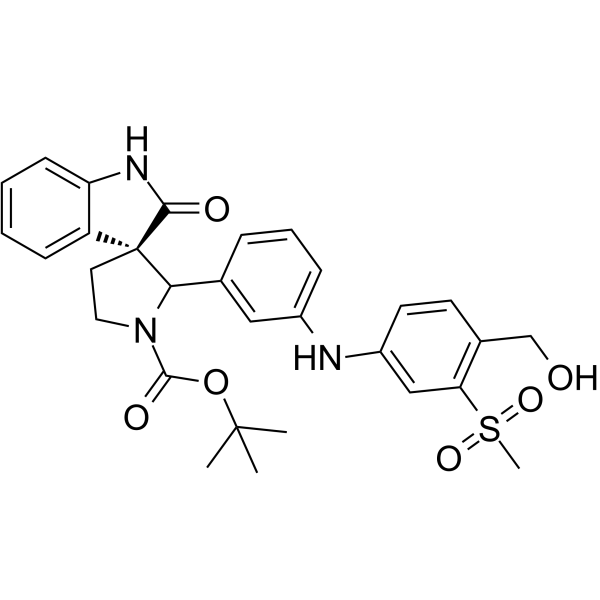
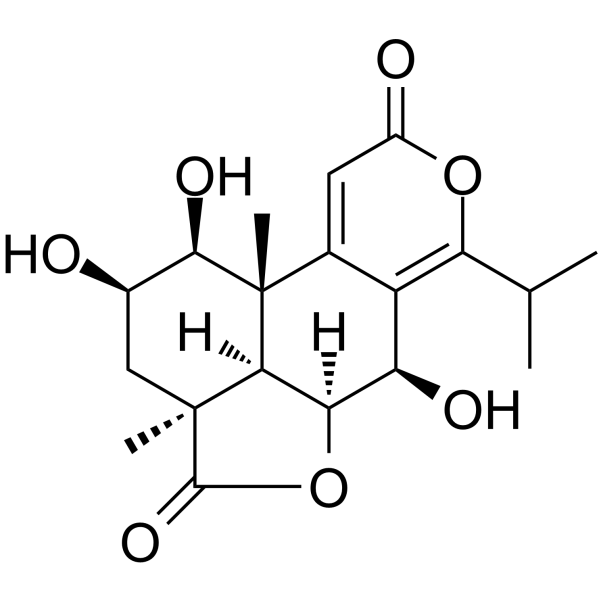
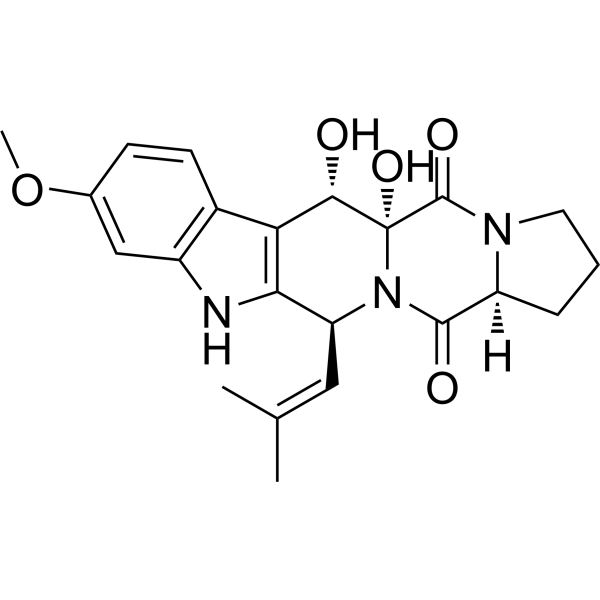
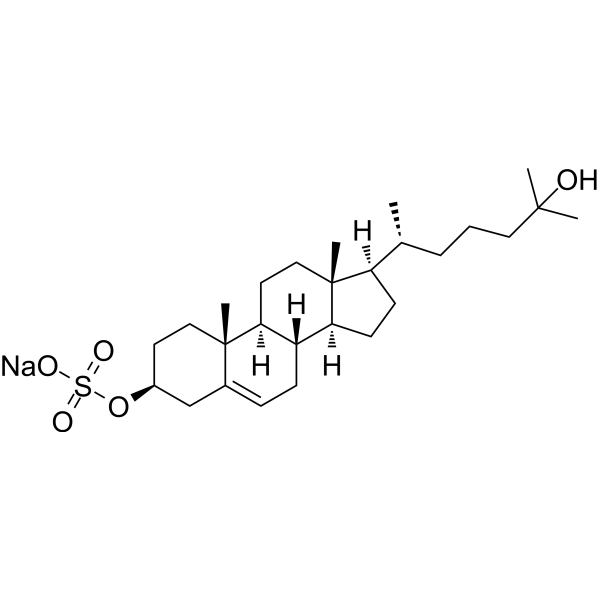
1. Search Result
Search Result
Results for "

lxr

" in MedChemExpress (MCE) Product Catalog:

92

Inhibitors & Agonists

1

Fluorescent Dye

25

Natural
Products

2

Recombinant Proteins

2

Isotope-Labeled Compounds

4

Antibodies

3

Oligonucleotides

Targets Recommended:
Cat. No. Product Name Target Research Areas Chemical Structure
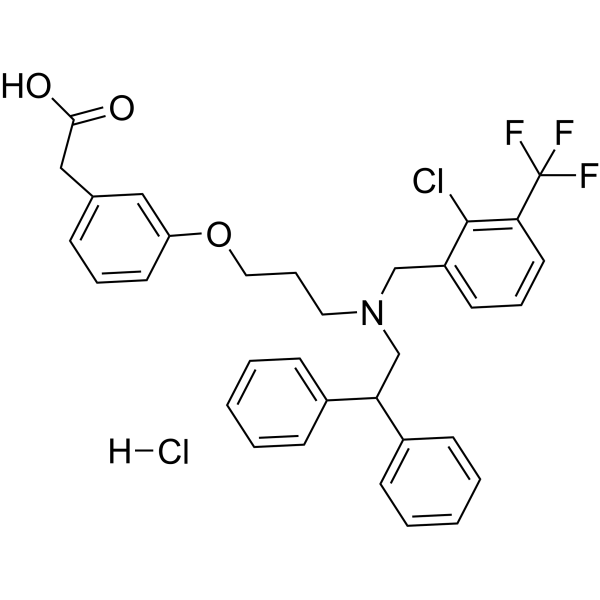
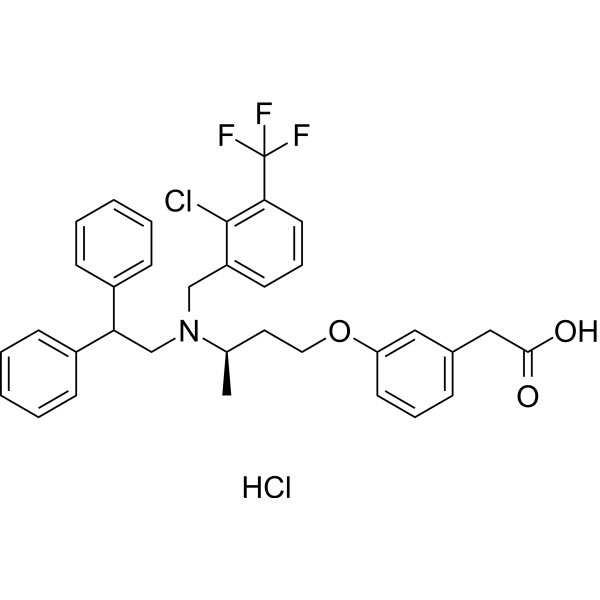
  • HY-10627A
    GW3965 hydrochloride
    25+ Cited Publications

    LXR Cardiovascular Disease Cancer
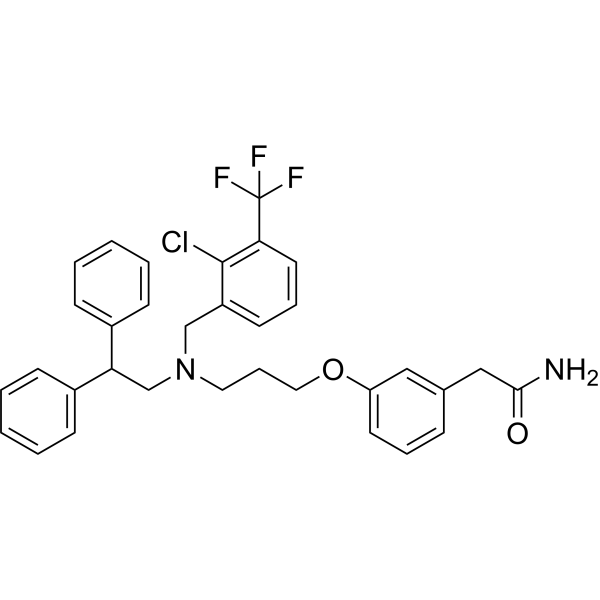
    GW3965 hydrochloride is a potent and selective liver X receptor (LXR) agonist with EC50s of 190 nM and 30 nM for hLXRα and hLXRβ, respectively .
    GW3965 hydrochloride
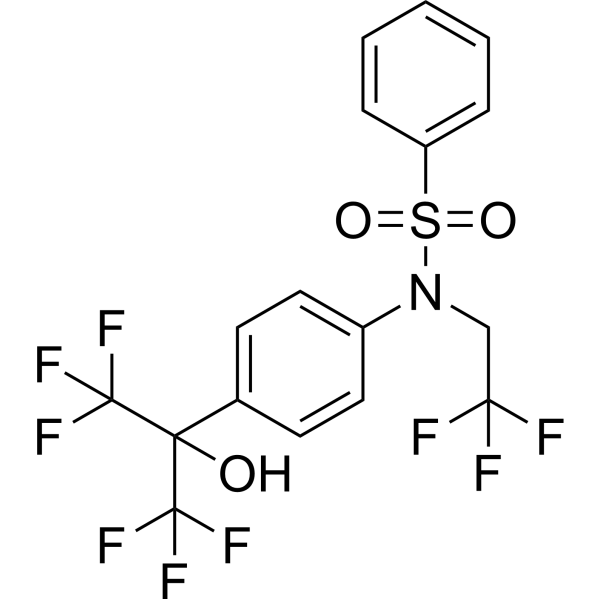
  • HY-10626
    T0901317
    Maximum Cited Publications
    44 Publications Verification

    LXR FXR ROR Apoptosis Cardiovascular Disease Metabolic Disease Cancer
    T0901317 is an orally active and highly selective LXR agonist with an EC50 of 20 nM for LXRα . T0901317 activates FXR with an EC50 of 5 μM . T0901317 is RORα and RORγ dual inverse agonist with Ki values of 132 nM and 51 nM, respectively . T0901317 induces apoptosis and inhibits the development of atherosclerosis in low-density lipoprotein (LDL) receptor-deficient mice .
    T0901317
  • HY-10629
    LXR-623
    10+ Cited Publications

    WAY 252623

    LXR Metabolic Disease Cancer
    LXR-623 is a brain-penetrant partial LXRα and full LXRβ agonist, with IC50s of 24 nM and 179 nM, respectively.
    LXR-623
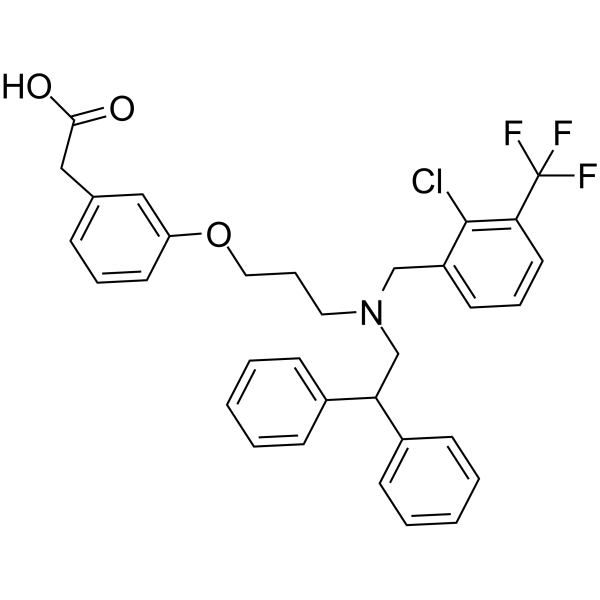
  • HY-10627
    GW3965
    25+ Cited Publications

    LXR Cardiovascular Disease
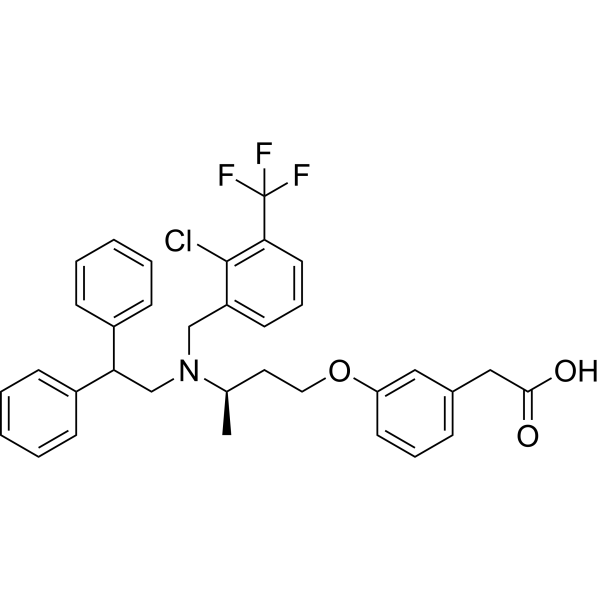
    GW3965 is a potent, selective liver X receptor (LXR) agonist with EC50s of 190 nM and 30 nM for hLXRα and hLXRβ, respectively .
    GW3965
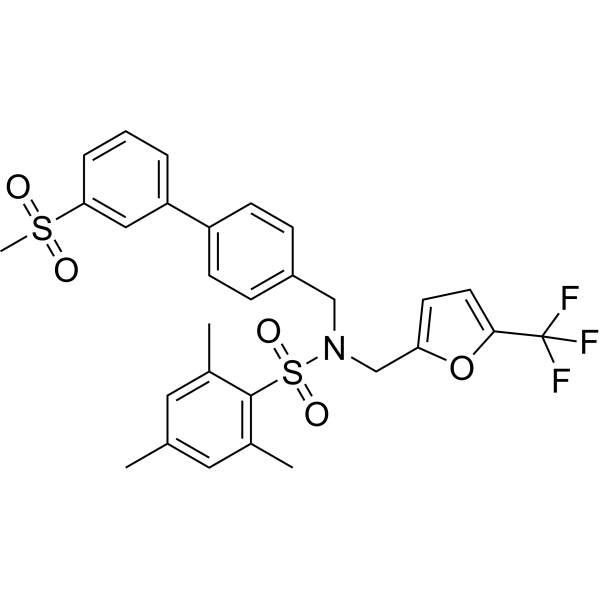
  • HY-108688
    GSK2033
    30+ Cited Publications

    LXR Metabolic Disease
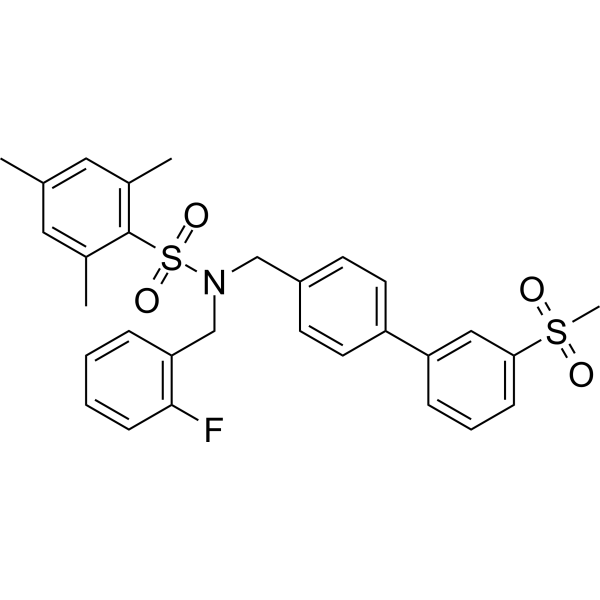
    GSK2033 is a LXR antagonist with pIC50s of 7 and 7.4 for LXRα or LXRβ, respectively.
    GSK2033
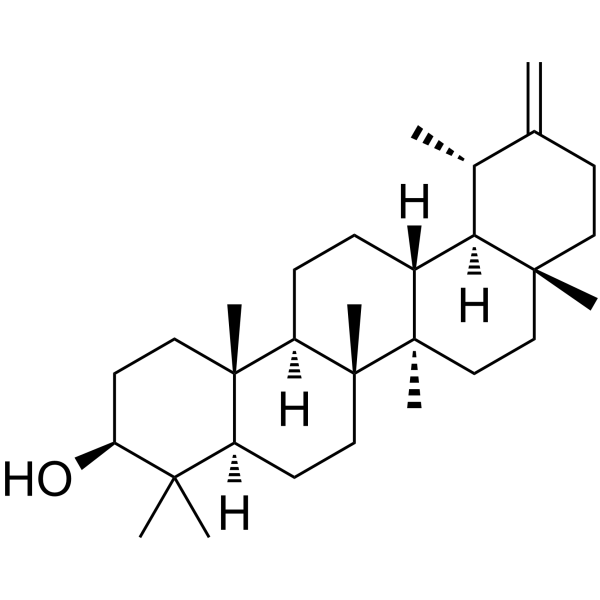
  • HY-N1178
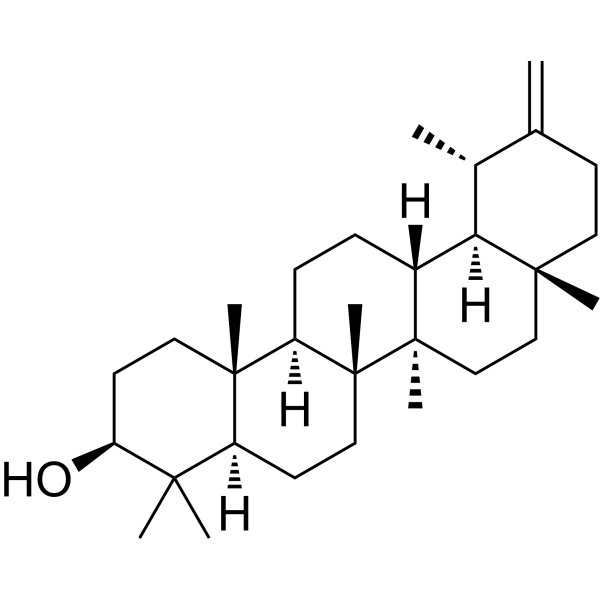
    Taraxasterol
    4 Publications Verification

    Interleukin Related LXR Inflammation/Immunology
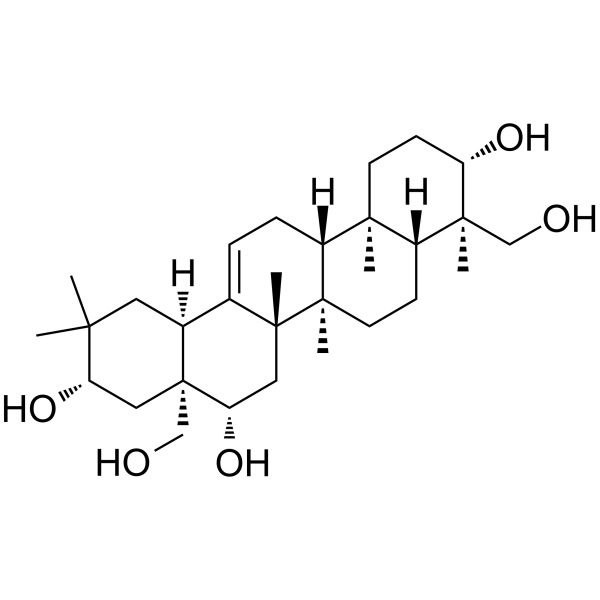
    Taraxasterol is a pentacyclic triterpenoid compound isolated from Taraxacum mongolicum. Taraxasterol is an LXRα activator, with metabolic and anti-inflammatory effects. Taraxasterol may be used in research on immune-inflammatory diseases .
    Taraxasterol
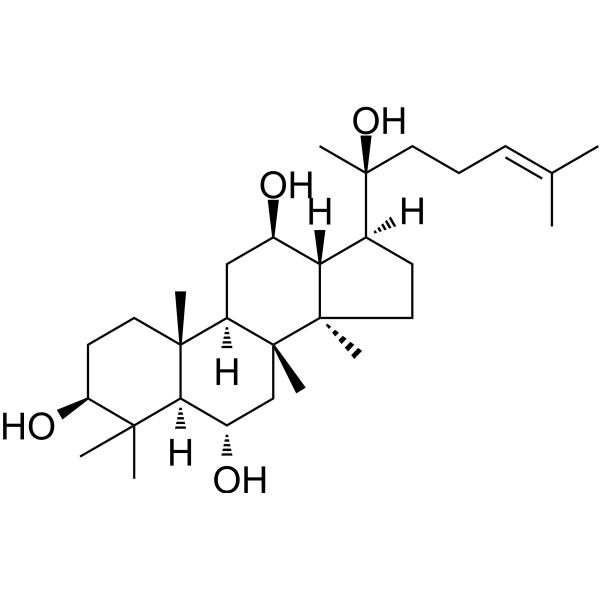
  • HY-N0835
    (20S)-Protopanaxatriol
    1 Publications Verification

    20(S)-APPT; g-PPT

    Glucocorticoid Receptor Estrogen Receptor/ERR LXR Apoptosis Cardiovascular Disease Endocrinology Cancer
    (20S)-Protopanaxatriol is a metabolite of ginsenoside. (20S)-Protopanaxatriol works through the glucocorticoid receptor (GR) and estrogen receptor (ER), and is also a LXRα inhibitor. (20S)-Protopanaxatriol shows a broad spectrum of antitumor effects .
    (20S)-Protopanaxatriol
  • HY-16940

    24S-OHC; 24S-HC; Cerebrosterol

    LXR iGluR Endogenous Metabolite Metabolic Disease
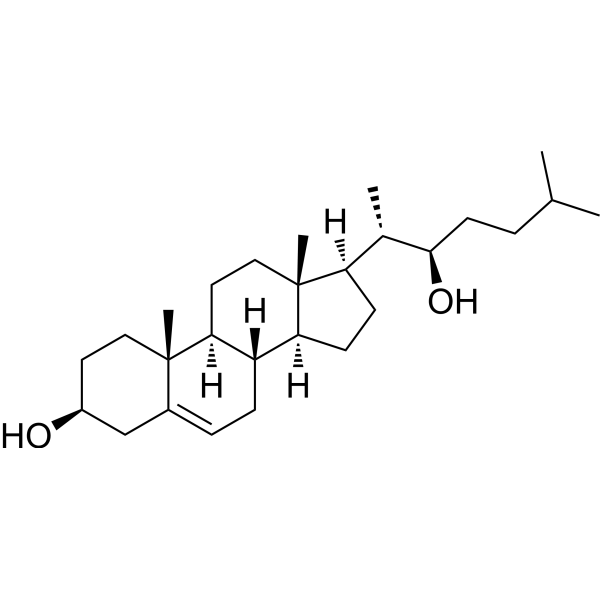
    24(S)-Hydroxycholesterol (24S-OHC), the major brain cholesterol metabolite, plays an important role to maintain homeostasis of cholesterol in the brain. 24(S)-Hydroxycholesterol (24S-OHC) is one of the most efficient endogenous LXR agonist known and is present in the brain and in the circulation at relatively high levels. 24(S)-Hydroxycholesterol (24S-OHC) is a very potent, direct, and selective positive allosteric modulator of NMDARs with a mechanism that does not overlapthat of other allosteric modulators .
    24(S)-Hydroxycholesterol
  • HY-129098
    DMHCA
    1 Publications Verification

    LXR Metabolic Disease
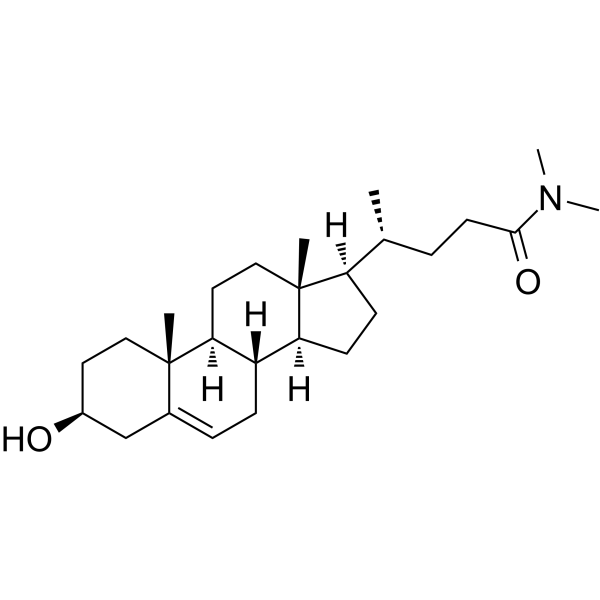
    DMHCA, a potent and selective LXR agonist, specifically activates the cholesterol efflux arm of the LXR pathway without stimulating triglyceride synthesis. DMHCA has anti-inflammatory effects?and can be used for the research of cholesterol homeostasis diabetes .
    DMHCA
  • HY-113224
    Desmosterol
    5 Publications Verification

    Endogenous Metabolite LXR Fatty Acid Synthase (FASN) Interleukin Related Reactive Oxygen Species (ROS) NOD-like Receptor (NLR) Cardiovascular Disease Metabolic Disease Inflammation/Immunology
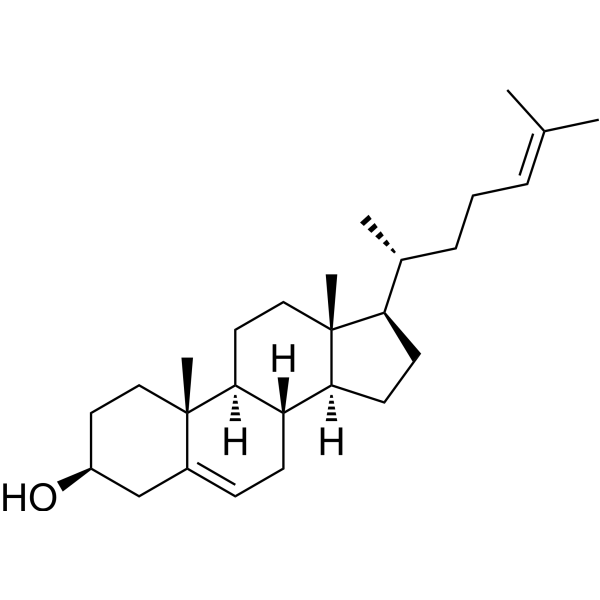
    Desmosterol is a cholesterol-like molecule. In the Bloch pathway of cholesterol biosynthesis, Desmosterol is a direct precursor of cholesterol. As an endogenous metabolite, Desmosterol is used to study cholesterol metabolism . Desmosterol is an LXR activator and SREBP inhibitor, which can suppress macrophage inflammasome activation and prevent vascular inflammation and atherosclerosis. A reduction in Desmosterol promotes the production of mitochondrial reactive oxygen species (ROS) in macrophages and pyrin domain-dependent inflammasome activation of NLRP3. Desmosterol holds potential for research in inflammation, metabolism, and cardiovascular diseases .
    Desmosterol
  • HY-N2370
    24-Hydroxycholesterol
    3 Publications Verification

    iGluR LXR Neurological Disease
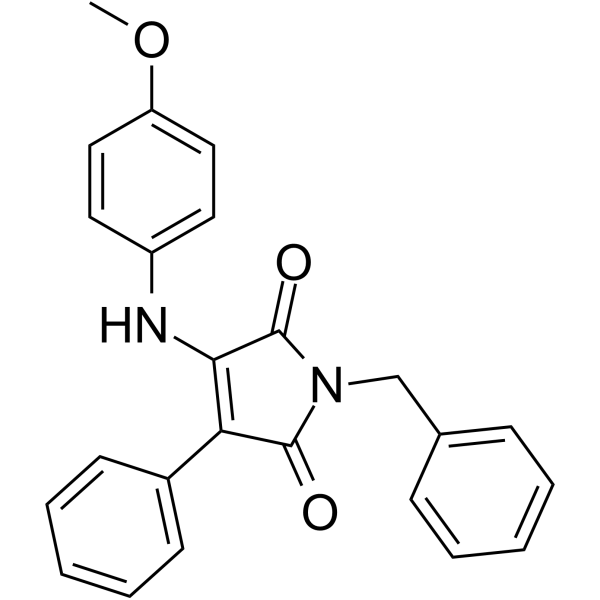
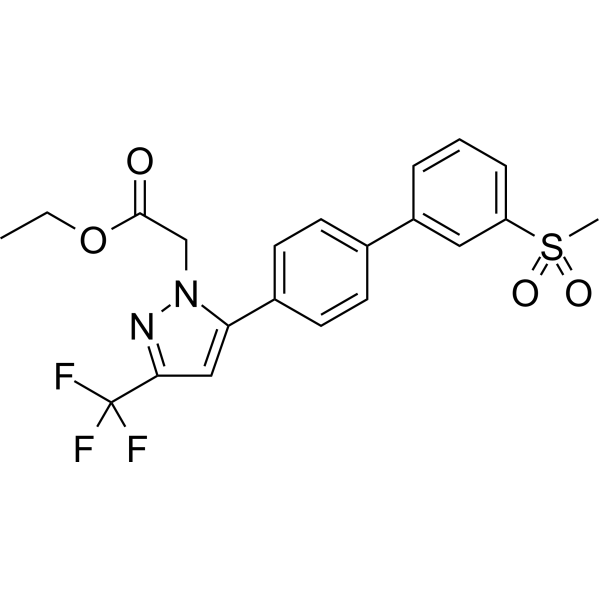
    24-Hydroxycholesterol is a natural sterol, which serves as a positive allosteric modulator of N-Methyl-d-Aspartate (NMDA) receptorsR, and a potent activator of the transcription factors LXR.
    24-Hydroxycholesterol
  • HY-111498A
    RGX-104
    3 Publications Verification

    Abequolixron

    LXR Inflammation/Immunology Cancer
    RGX-104 is an orally bioavailable and potent liver-X nuclear hormone receptor (LXR) agonist that modulates innate immunity via transcriptional activation of the ApoE gene.
    RGX-104
  • HY-16972
    SR9243
    5+ Cited Publications

    LXR Cancer
    SR9243 is a liver-X-receptor (LXR) inverse agonist that induces LXR-corepressor interaction.
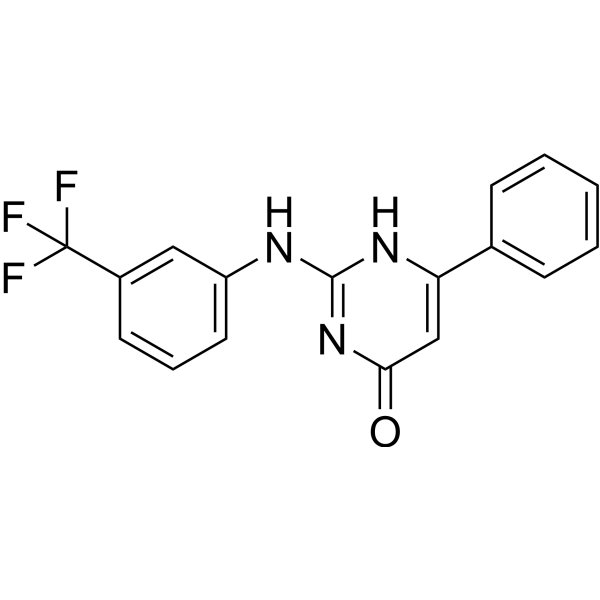
    SR9243
  • HY-N2078

    Neodiosgenin

    LXR Reactive Oxygen Species (ROS) Apoptosis Fatty Acid Synthase (FASN) Metabolic Disease
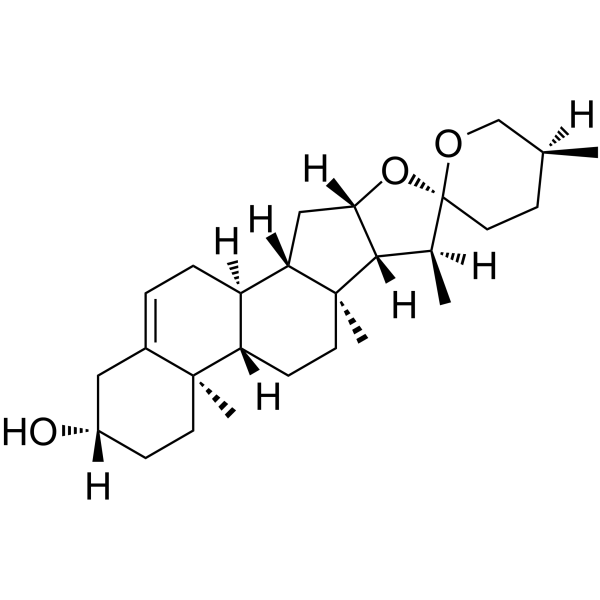
    Yamogenin (Neodiosgenin) is a diastereomer of diosgenin. Yamogenin antagonizes the activation of the liver X receptor (LXR) in luciferase ligand assay. Yamogenin inhibits triacylglyceride (TG) accumulation through the suppression of gene expression of fatty acid synthesis in HepG2 hepatocytes. Yamogenin is a steroidal saponin that can be obtained from plant species with in vitro cytotoxicity, antioxidant, and antimicrobial properties. Yamogenin induces cell death via the extrinsic and intrinsic way of apoptosis. Yamogenin inhibits protein denaturation with an IC50 of 1421.92 μg/mL. Yamogenin can be studied in research on gastric cancer .
    Yamogenin
  • HY-19919
    BMS-779788
    1 Publications Verification

    EXEL04286652; XL-652; BMS-788

    LXR Metabolic Disease
    BMS-779788 is a LXR partial agonist with IC50 values of 68 nM for LXRα and 14 nM for LXRβ.
    BMS-779788
  • HY-112813
    TUG-1375
    4 Publications Verification

    Free Fatty Acid Receptor Metabolic Disease
    TUG-1375 is an agonist of free fatty acid receptor 2 (FFA2/GPR43), with a pKi of 6.69. TUG-1375 is inactive on FFA3, FFA4, PPARα, PPARγ, PPARδ, LXRα or LXRβ .
    TUG-1375
  • HY-111498
    RGX-104 hydrochloride
    3 Publications Verification

    Abequolixron hydrochloride

    LXR Inflammation/Immunology Cancer
    RGX-104 hydrochloride is a small-molecule LXR agonist that modulates innate immunity via transcriptional activation of the ApoE gene.
    RGX-104 hydrochloride
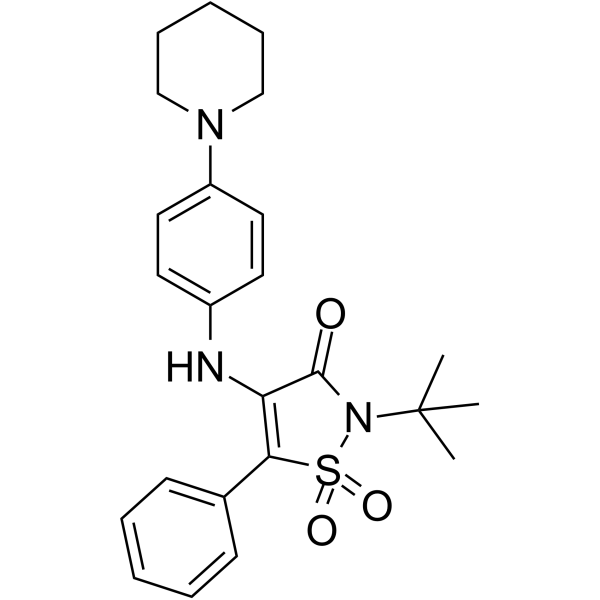
  • HY-18282

    LXR Cardiovascular Disease Metabolic Disease Cancer
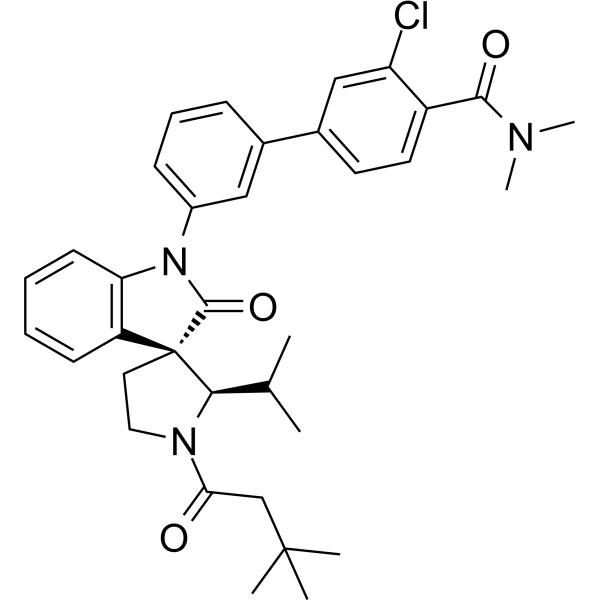
    AZ876 is a selective, orally active agonist of liver X receptor (LXRα/β) (Ki=0.007 μM [LXRα, human], 0.011 μM [LXRβ, human]. AZ876 induces the expression of target genes such as ABCA1 and ABCG1, promotes reverse cholesterol transport (RCT) and regulates lipid metabolism and anti-inflammatory effects. AZ876 increases cardiac polyunsaturated fatty acid levels, reduces myocardial fibrosis, and reduces lesion area and monocyte adhesion in atherosclerosis models. AZ876 can be used in cardiovascular disease research, such as preventing and treating β-adrenergic-induced cardiac diastolic dysfunction and inhibiting the progression of atherosclerosis .
    AZ876
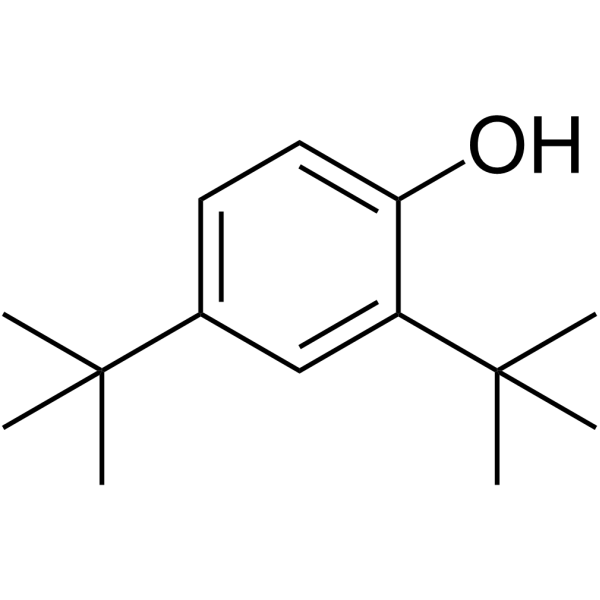
  • HY-W014589
    2,4-Di-tert-butylphenol
    2 Publications Verification

    2,4-DTBP

    Endogenous Metabolite Fungal Apoptosis RAR/RXR Amyloid-β Infection Neurological Disease Inflammation/Immunology Cancer
    2,4-Di-tert-butylphenol (2,4-DTBP) is an orally active RXRα activator and a human estrogen receptor ligand with anti-inflammatory and antioxidant activities, which can induce apoptosis in tumor cells. 2,4-Di-tert-butylphenol can activate the RXRα subtype in LXRα/RXRα, PPARγ/RXRα, and hormone receptor β/RXRα. 2,4-Di-tert-butylphenol also has antiviral and antifungal activities and has the potential to inhibit -induced neurotoxicity. 2,4-Di-tert-butylphenol can be used as an intermediate in the preparation of antioxidants and UV stabilizers, and is also used in the manufacture of drugs and fragrances .
    2,4-Di-tert-butylphenol
  • HY-101442
    SR9238
    2 Publications Verification

    LXR Metabolic Disease
    SR9238 is a synthetic liver X receptor (LXR) inverse agonist with IC50s of 214 nM and 43 nM for LXRα and LXRβ, respectively.
    SR9238
  • HY-W040150

    LXR Neurological Disease Inflammation/Immunology Cancer
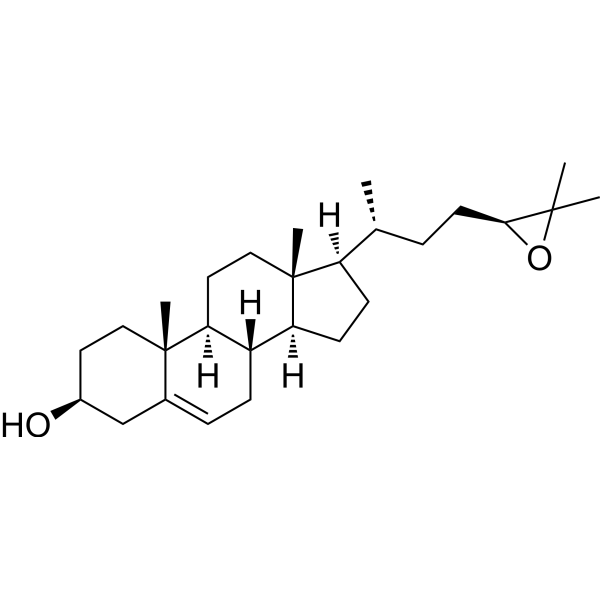
    24S,25-Epoxycholesterol is an agonist for Liver X Receptor (LXR). 24S,25-Epoxycholesterol exhibits properties in regulating the cholesterol efflux , inhibiting tumor growth against gastric cancer and glioblastoma and inducing apoptosis in BMMC cells .
    (24S,25)-Epoxycholesterol
  • HY-173230

    ATP-binding cassette (ABC) transporters LXR Cardiovascular Disease
    ABCA1 inducer 2 is a non-lipotropic ABCA1 inducer. ABCA1 inducer 2 upregulates the expression of ABCA1 by targeting the LXR pathway. ABCA1 inducer 2 can reduce ox-LDL-induced lipid accumulation and thus inhibit foam cell formation. ABCA1 inducer 2 has anti-atherosclerotic potential .
    ABCA1 inducer 2
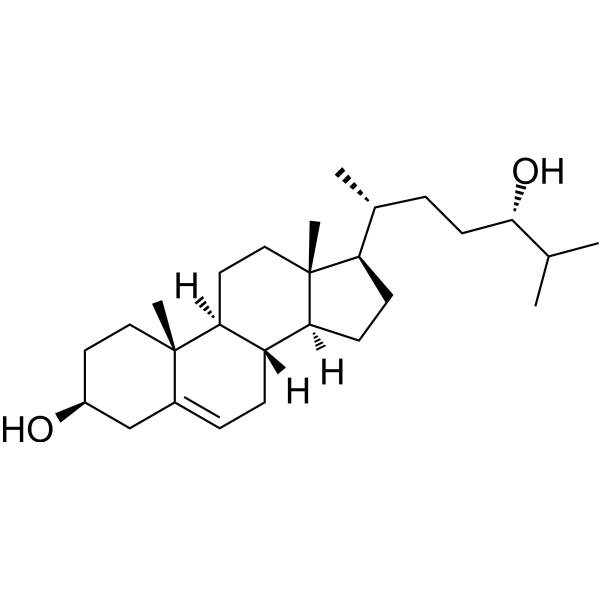
  • HY-N15574

    LXR Bacterial PPAR Infection Neurological Disease Metabolic Disease Inflammation/Immunology
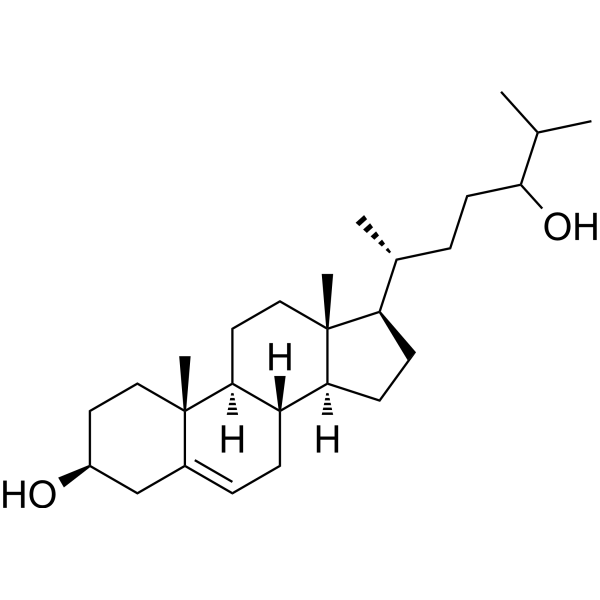
    Saringosterol is an orally active steroid found in Sargassum muticum. Saringosterol is a LXR agonist. Saringosterol can lower cholesterol levels and inhibit the mRNA and protein expression of peroxisome proliferator-activated receptor γ (PPARγ) and CCAAT enhancer-binding protein α (C/EBPα). Saringosterol has anti-obesity, anti-atherosclerosis, anti-Mycobacterium tuberculosis and anti-depressant activities .
    Saringosterol
  • HY-128671

    6TI; 6-Mercaptopurine riboside

    PPAR LXR JNK NO Synthase Metabolic Disease
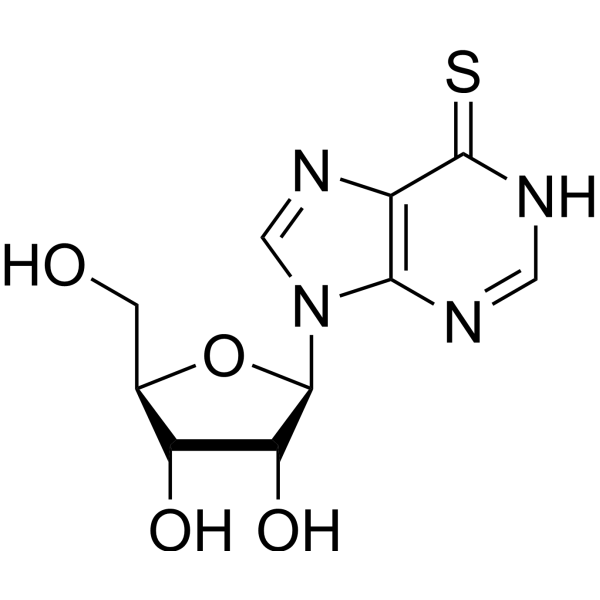
    6-Thioinosine (6TI) is a purine antimetabolite and an anti-adipogenic agent. 6-Thioinosine reduces the mRNA levels of PPARγ and C/EBPα and downregulates the mRNA levels of PPARγ target genes (LPL, CD36, aP2, and LXRα). 6-Thioinosine exerts its anti-adipogenic effects by downregulating PPARγ through JNK-dependent iNOS upregulation. 6-Thioinosine can be used to study adipocyte dysfunction .
    6-​Thioinosine
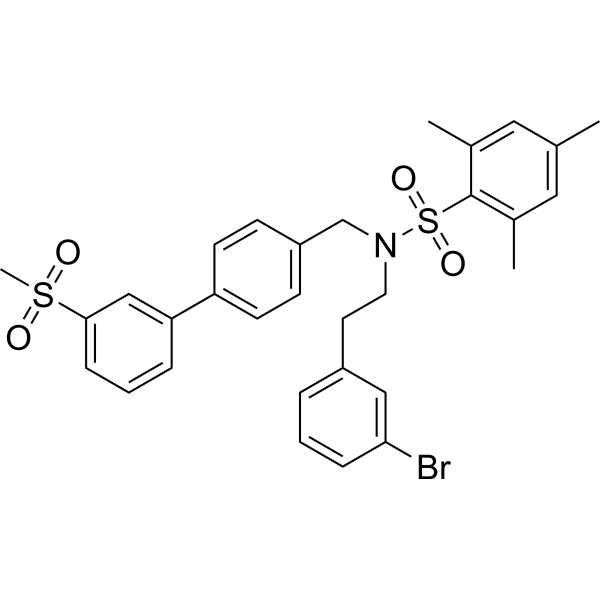
  • HY-144549

    LXR Cardiovascular Disease
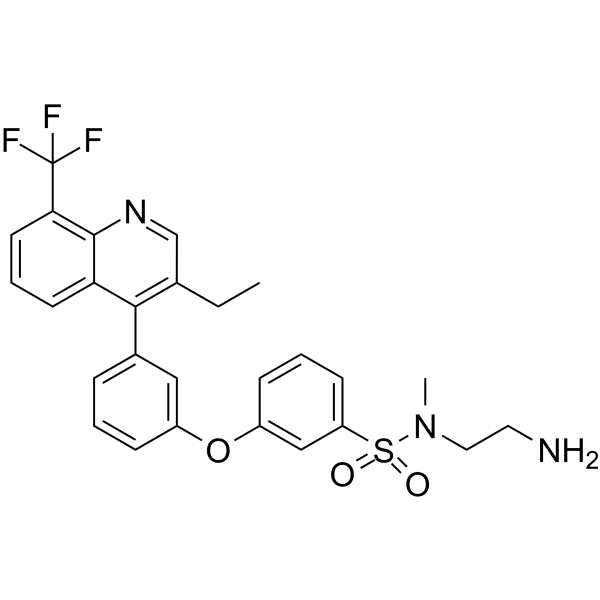
    LXR (Liver X receptor) agonist 1 is potent LXR agonist with AC50s of 1.5 nM and 12 nM for LXR-α and LXR-β, respectively. LXR agonist 1 has the potential for the research of atherosclerosis .
    LXR agonist 1
  • HY-N1970
    5,7-Dihydroxychromone
    2 Publications Verification

    Keap1-Nrf2 Caspase PARP Fungal Infection Neurological Disease Metabolic Disease Inflammation/Immunology Cancer
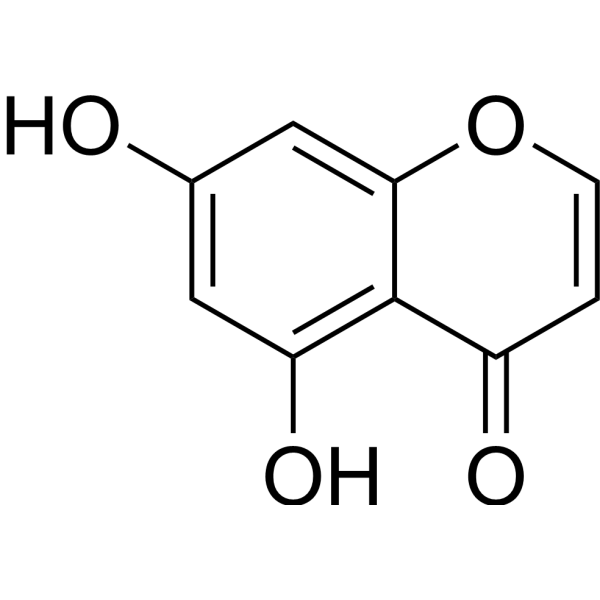
    5,7-Dihydroxychromone is a flavonoid compound with antioxidant properties. 5,7-Dihydroxychromone induces Nrf2 nuclear translocation, increases Nrf2/ARE binding activity, and up-regulates Nrf2-dependent antioxidant genes HO-1, NQO1, GCLc. 5,7-Dihydroxychromone attenuates excessive ROS generation, inhibits activated caspase-3, caspase-9, cleaved PARP expression, and prevents neuronal apoptosis and cell death. 5,7-Dihydroxychromone increases LXRα and PPARγ mRNA expression, induces preadipocyte differentiation, and regulates blood glucose levels. 5,7-Dihydroxychromone inhibits radial growth of soil pathogenic fungi, radicle elongation of select seedlings, and transiently inhibits Bradyrhizobium sp. growth in high mannitol medium. 5,7-Dihydroxychromone can be used for the research of Parkinson’s disease, type 2 diabetes mellitus and pathogenic fungal infection .
    5,7-Dihydroxychromone
  • HY-160972

    LXR Neurological Disease Cancer
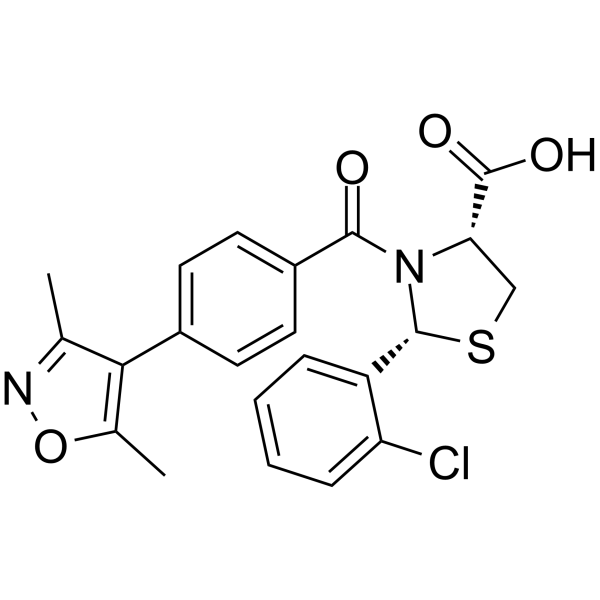
    MM0299 is a selective lanosterol synthase (LSS) inhibitor with an IC50 value of 2.22 μM. MM0299 depletes intracellular cholesterol and acts as a growth inhibitor for glioma stem-like cells. MM0299 exhibits anti-glioblastoma activity. MM0299 is applicable to research related to glioblastoma .
    MM0299
  • HY-101973

    BMS-852927

    LXR Cardiovascular Disease
    XL041 (BMS-852927) is an LXRβ-selective agonist.
    XL041
  • HY-123148

    LXR Inflammation/Immunology
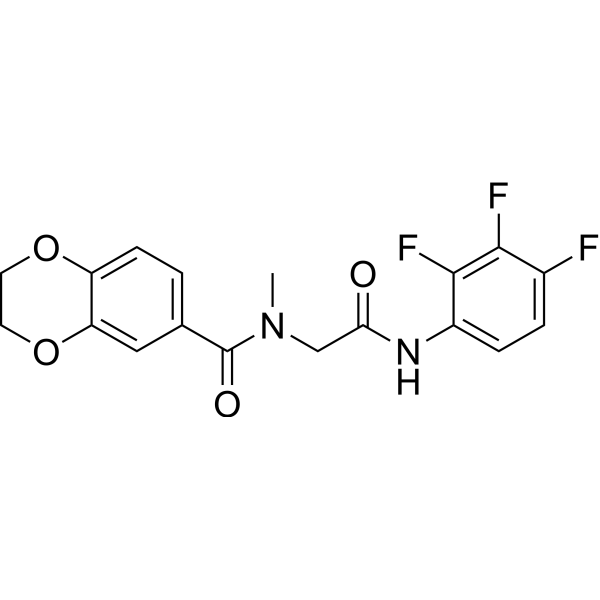
    IMB-808 is a potent LXRα/β dual agonist with EC50 values of 0.53 μM and 0.15 μM (0.15 μM, using GAL4-pGL4-luc reporter plasmid) for LXRβ and LXRα, respectively. IMB-808 promotes expression of genes related to reverse cholesterol transport (ABCA1 and ABCG1). IMB-808 can be used for the study of atherosclerosis research .
    IMB-808
  • HY-W002314

    Environmental Pollutants Drug Intermediate Phosphatase Cardiovascular Disease
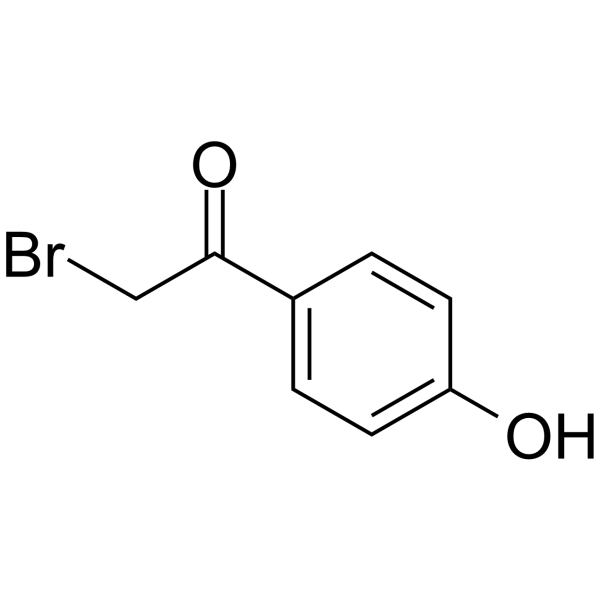
    2-Bromo-4'-hydroxyacetophenone is a PTP1B inhibitor with a Ki value of 42 μM. 2-Bromo-4'-hydroxyacetophenone is also an intermediate. 2-Bromo-4'-hydroxyacetophenone can be used in the synthesis of LXRα/β antagonists. 2-Bromo-4'-hydroxyacetophenone can be used in research on hematological diseases .
    2-Bromo-4'-hydroxyacetophenone
  • HY-117006
    E1231
    1 Publications Verification

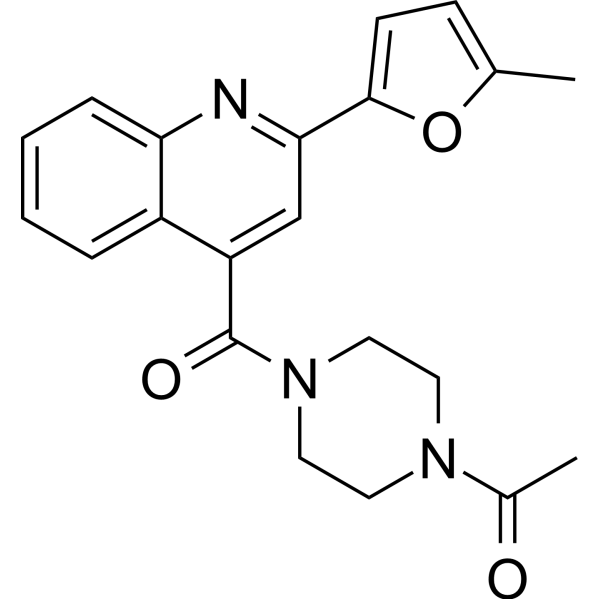
    1-{4-[2-(5-Methylfuran-2-yl)quinoline-4-carbonyl]piperazin-1-yl}ethan-1-one

    Sirtuin Cardiovascular Disease
    E1231 is an orally active activator of Sirtuin 1 (SIRT1) (EC50=0.83 μM), to modulate cholesterol and lipid metabolism. E1231 interactes with SIRT1 (KD=9.61 μM) and deacetylated liver X receptor-alpha (LXRα), and increases ATP-binding cassette transporter A1 (ABCA1) expression. E1231 also reduces atherosclerotic plaque development in ApoE -/- mice model. E1231 can be used for research in cholesterol and lipid disorder-related diseases .
    E1231
  • HY-W754708

    LXR Na+/K+ ATPase Cardiovascular Disease
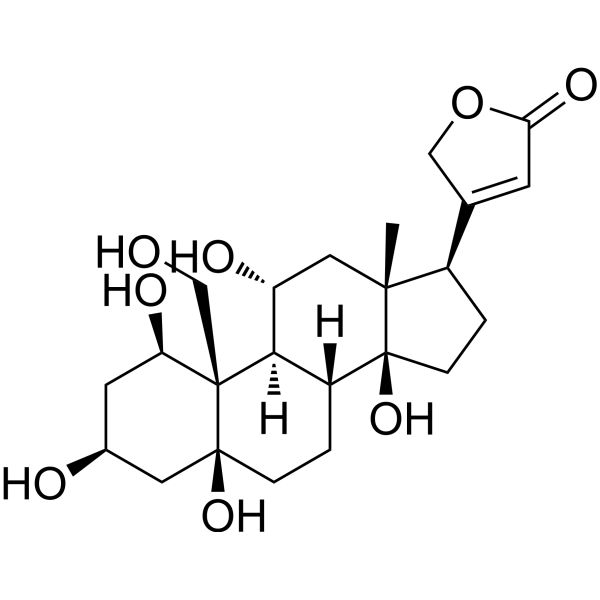
    Ouabagenin is a naturally occurring LXR ligand with LXR selective agonist activity. Ouabagenin acts as an EC 3.6.3.9 (Na(+)/K(+)- transport ATPase) inhibitor .
    Ouabagenin
  • HY-N2509

    Iristectrigenin B

    LXR Cardiovascular Disease
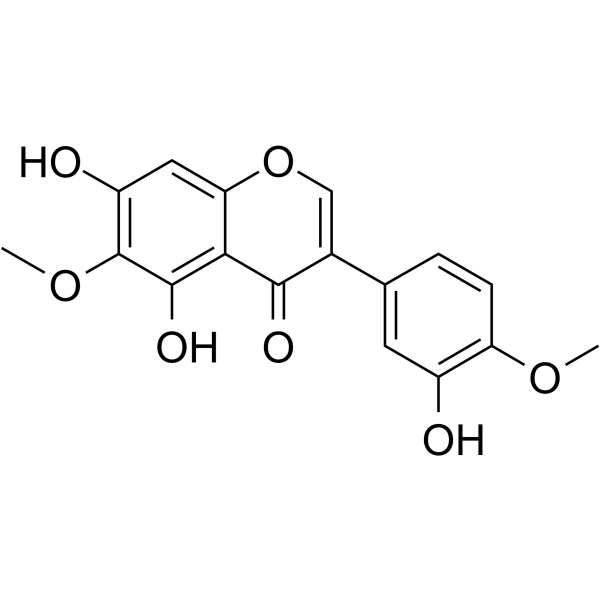
    Iristectorigenin B (Iristectrigenin B) is a liver X receptor (LXR) modulator. Iristectrigenin B stimulates the transcriptional activity of both LXR-α and LXR-β .
    Iristectorigenin B
  • HY-116969

    Narthesterol

    LXR Metabolic Disease
    22(R)-Hydroxycholesterol (Narthesterol) is an endogenous LXR agonist. 22(R)-Hydroxycholesterol (Narthesterol) can be used for tangier disease research .
    22(R)-Hydroxycholesterol
  • HY-123402
    GSK3987
    2 Publications Verification

    LXR Metabolic Disease
    GSK3987 is a pan LXRα/β agonist with EC50s of 50 nM, 40 nM for LXRα-SRC1 and LXRβ-SRC1, respectively. GSK3987 increases the expression of ABCA1 and SREBP-1c. GSK3987 induces cellular cholesterol efflux and triglyceride accumulation .
    GSK3987
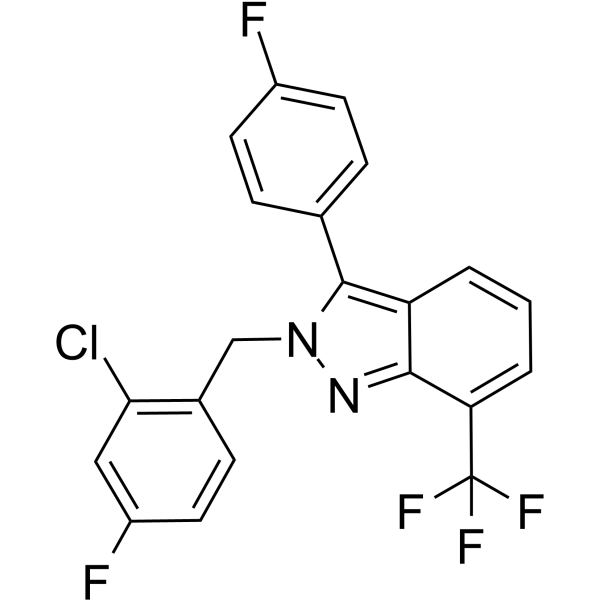
  • HY-109073

    ALX-101

    LXR Inflammation/Immunology
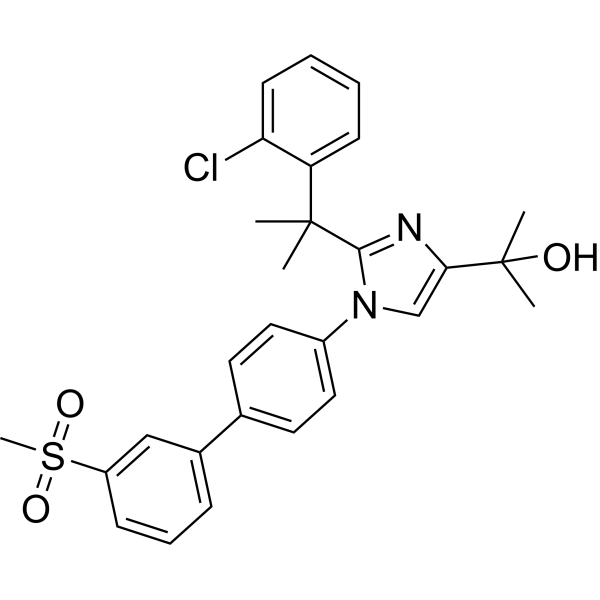
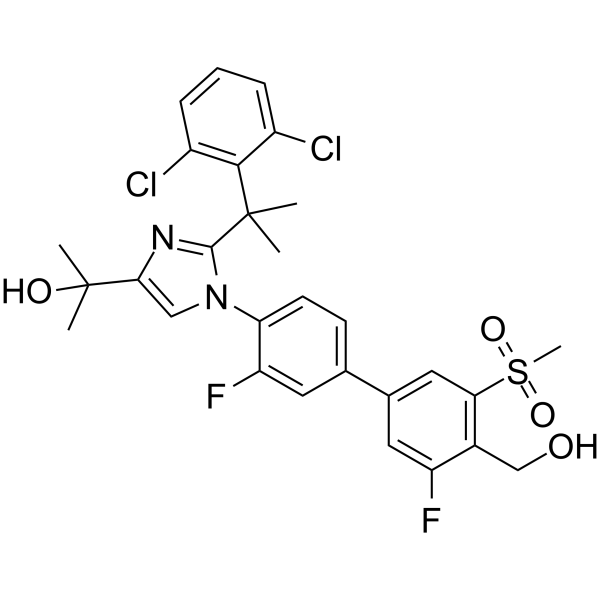
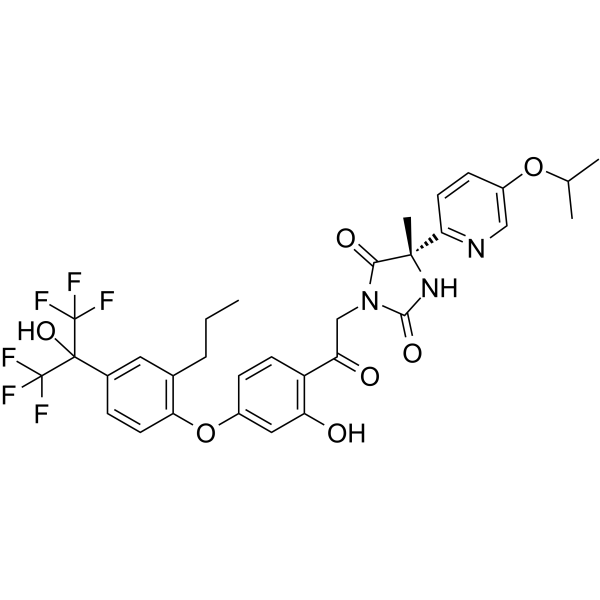
    Rovazolac is a liver x receptor (LXR) modulator extracted from patent WO2013130892A1.
    Rovazolac
  • HY-139576B

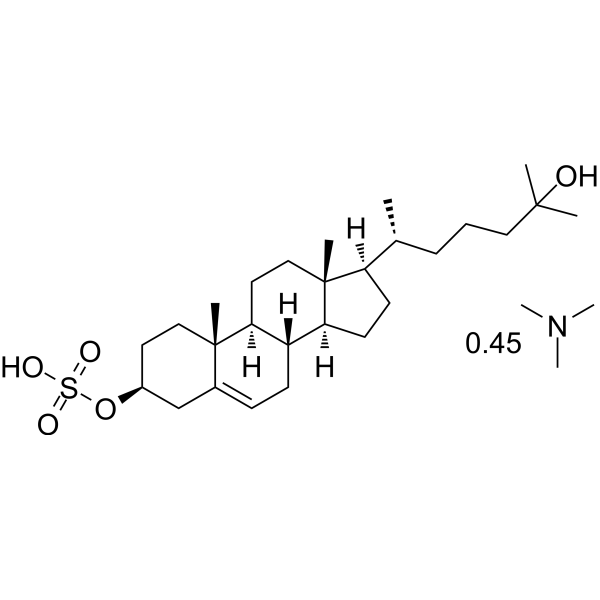
    DUR-928 trimethylamine

    LXR Endogenous Metabolite Metabolic Disease
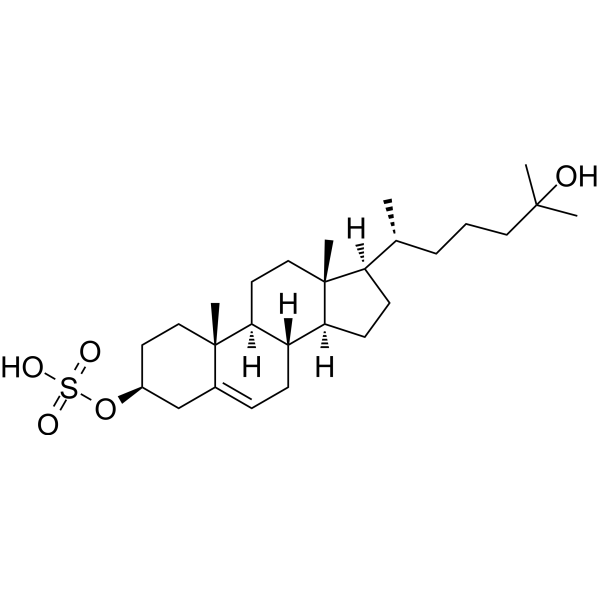
    Larsucosterol (DUR-928) trimethylamine, a cholesterol metabolite, is a potent liver X receptor (LXR) antagonist. Larsucosterol trimethylamine as a potent endogenous regulator decreases lipogenesis. Larsucosterol trimethylamine inhibits the cholesterol biosynthesis via decreasing mRNA levels and inhibiting the activation of SREBP-1 .
    Larsucosterol trimethylamine
  • HY-77278

    VD/VDR Aryl Hydrocarbon Receptor LXR PPAR Others
    25-Hydroxytachysterol3 is the metabolite of Vitamin D3 (HY-15398). 25-Hydroxytachysterol3 inhibits the proliferation of epidermal keratinocytes and dermal fibroblasts, stimulates the expression of differentiation- and antioxidant-related genes in keratinocytes. 25-Hydroxytachysterol3 activates vitamin D receptor (VDR) and aryl hydrocarbon receptor (AhR), liver X receptor α/β (LXR α/β) and peroxisome proliferator-activated receptor γ (PPARγ), stimulates the expression of CYP24A1 .
    25-Hydroxytachysterol3
  • HY-160039

    LXR Cancer
    GAC0001E5 is an LXR inverse agonist. GAC0001E5 has antiproliferative activity and can be used in cancer research .
    GAC0001E5
  • HY-100469

    LXR Inflammation/Immunology
    LXRβ agonist-2 is an orally active and selective LXRβ agonist. LXRβ agonist-2 increases high-density lipoprotein cholesterol levels without elevating plasma triglyceride levels. LXRβ agonist-2 decreases lipid accumulation area in the aortic arch. LXRβ agonist-2 can be used for the research of atherosclerosis .
    LXRβ agonist-2
  • HY-160038

    LXR Cancer
    GAC0003A4 is an LXR inverse agonist that inhibits LXR transcriptional activity. GAC0003A4 also efficiently degrades LXRβ protein. GAC0003A4 has the potential to be used in advanced pancreatic cancer and other refractory malignancies .
    GAC0003A4
  • HY-125772

    Acetylpodocarpic dimer; APD

    LXR Cardiovascular Disease
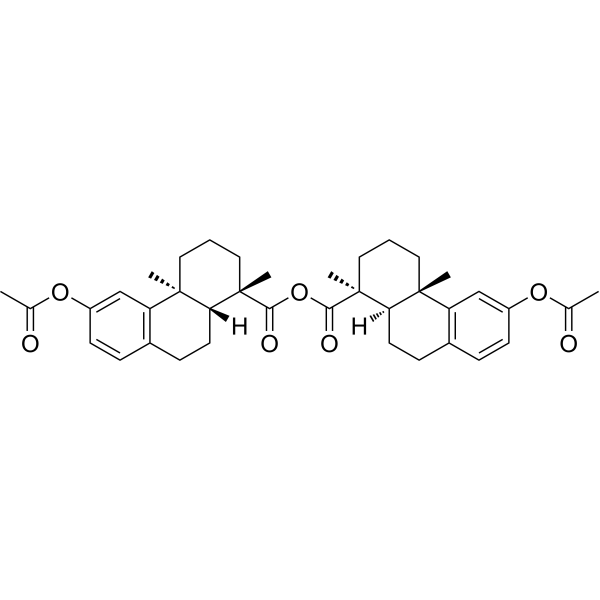
    Acetyl podocarpic acid anhydride is a potent, semisynthetic liver X receptor(LXR) agonist derived from extracts of the mayapple. Acetyl podocarpic acid anhydride has the potential to be useful for the prevention and research of atherosclerosis, especially in the context of low HDL levels .
    Acetyl podocarpic acid anhydride
  • HY-W587772

    MEHHTP

    Drug Metabolite Metabolic Disease
    Mono (2-ethyl-5-hydroxyhexyl) terephthalate (MEHHTP), a hydroxyl metabolite of the phthalate alternative Di-2-ethylhexyl terephthalate (DEHTP), is a liver X receptor α (LXRα) agonist with a binding energy of -7.41 kcal/mol. Mono (2-ethyl-5-hydroxyhexyl) terephthalate upregulates LXRα downstream targets such as SREBP-1c and FASN and increases lipogenic enzyme activity in hepatocytes, and elevating triglyceride (TG) levels. Mono (2-ethyl-5-hydroxyhexyl) terephthalate is promising for research of nonalcoholic fatty liver disease (NAFLD) .
    Mono(2-ethyl-5-hydroxyhexyl) terephthalate
  • HY-176236

    LXR Autophagy Metabolic Disease
    Lipophagy inducer 1 is a lipophagy inducer. Lipophagy inducer 1 has activity of reducing lipid droplet accumulation and rescuing cell death. Lipophagy inducer 1 exerts its effects by activating lipophagy, increasing steady-state autophagosome and regulating the LXR signaling pathway. Lipophagy inducer 1 can be used in the study of diabetic nephropathy (DKD) and other diseases related to lipid metabolism disorders .
    Lipophagy inducer 1
  • HY-149132

    DDA

    LXR Cancer
    Dendrogenin A (DDA) is a ligand for liver X receptor (LXR), that induces the expression of sodium/iodine symporter, and increases iodine uptake. Dendrogenin A induces cell differentiation of MCF-7, and reactivates the function of lactating cells. Dendrogenin A induces the expressions of the TSH receptor, thyroid peroxidase, and thyroglobulin, and affects thyroid hormone generation. Dendrogenin A exhibits cytotoxicity in cancer cell B-CPAP and 8505c with IC50 of 4.1 and 6.2 µM. Dendrogenin A arrests the cell cycle at G0/G1 phase .
    Dendrogenin A
  • HY-W014589R

    2,4-DTBP (Standard)

    Reference Standards Endogenous Metabolite Fungal Apoptosis RAR/RXR Amyloid-β Infection Neurological Disease Inflammation/Immunology Cancer
    2,4-Di-tert-butylphenol (Standard) is the analytical standard of 2,4-Di-tert-butylphenol (HY-W014589). This product is intended for research and analytical applications. 2,4-Di-tert-butylphenol (2,4-DTBP) is an orally active RXRα activator and a human estrogen receptor ligand with anti-inflammatory and antioxidant activities, which can induce apoptosis in tumor cells. 2,4-Di-tert-butylphenol can activate the RXRα subtype in LXRα/RXRα, PPARγ/RXRα, and hormone receptor β/RXRα. 2,4-Di-tert-butylphenol also has antiviral and antifungal activities, and has the potential to inhibit -induced neurotoxicity. 2,4-Di-tert-butylphenol can be used as an intermediate in the preparation of antioxidants and UV stabilizers, and is also used in the manufacture of pharmaceuticals and fragrances .
    2,4-Di-tert-butylphenol (Standard)
  • HY-W749327

    2,4-DTBP-d21

    Isotope-Labeled Compounds RAR/RXR Amyloid-β Fungal Apoptosis Endogenous Metabolite Infection Neurological Disease Inflammation/Immunology Cancer
    2,4-Di-tert-butylphenol-d21 (2,4-DTBP-d21) is the deuterium labeled 2,4-Di-tert-butylphenol (HY-W014589). 2,4-Di-tert-butylphenol (2,4-DTBP) is an orally active RXRα activator and a human estrogen receptor ligand with anti-inflammatory and antioxidant activities, which can induce apoptosis in tumor cells. 2,4-Di-tert-butylphenol can activate the RXRα subtype in LXRα/RXRα, PPARγ/RXRα, and hormone receptor β/RXRα. 2,4-Di-tert-butylphenol also has antiviral and antifungal activities and has the potential to inhibit Aβ-induced neurotoxicity. 2,4-Di-tert-butylphenol can be used as an intermediate in the preparation of antioxidants and UV stabilizers, and is also used in the manufacture of drugs and fragrances .
    2,4-Di-tert-butylphenol-d21
  • HY-D1734

    LXR Cardiovascular Disease
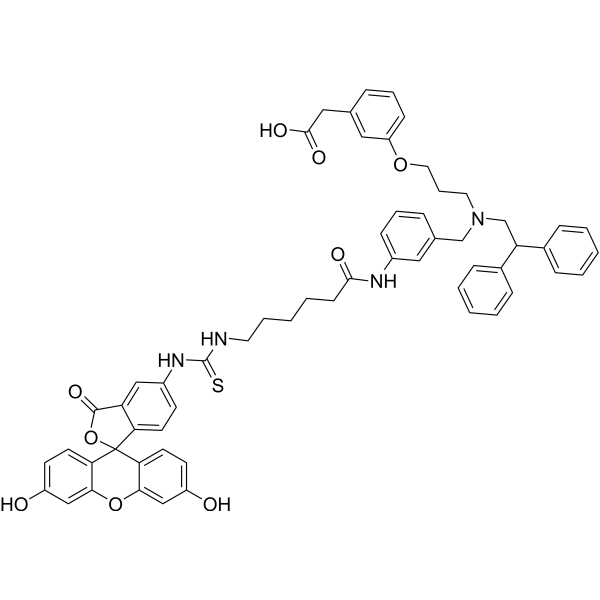
    FITC-GW3965 is a fluorescence-labelled liver X receptor β (LXRβ) agonist GW3965 (HY-10627). FITC-GW3965 is a tracer, that can be designed by replacing the trifluoromethyl of GW3965 with an amide to link the FITC. FITC-GW3965 can be used to study the function of LXRβ .
    FITC-GW3965
  • HY-N2370R

    Reference Standards iGluR LXR Neurological Disease
    24-Hydroxycholesterol is a natural sterol, which serves as a positive allosteric modulator of N-Methyl-d-Aspartate (NMDA) receptorsR, and a potent activator of the transcription factors LXR.
    24-Hydroxycholesterol (Standard)
  • HY-139067

    LXR Cardiovascular Disease
    25(S)-27-Hydroxy cholesterol is a metabolite of CYP27A1 mediated cholesterol hydroxylation. 25(S)-27-Hydroxy cholesterol inhibits melanoma cell proliferation .
    25(S)-27-Hydroxy cholesterol

Inquiry Online

Your information is safe with us. * Required Fields.

Salutation


Country or Region *

Applicant Name *


Organization Name *

Department *


Email Address *


Product Name *

Cat. No.


Requested quantity *

Phone Number *


Remarks

Inquiry Online

Inquiry Information

Product Name:
Cat. No.:
Quantity:
MCE Japan Authorized Agent: