1. Search Result
Search Result
Results for "

AMPK phosphorylation

" in MedChemExpress (MCE) Product Catalog:

56

Inhibitors & Agonists

2

Biochemical Assay Reagents

2

Peptides

22

Natural
Products

Cat. No. Product Name Target Research Areas Chemical Structure
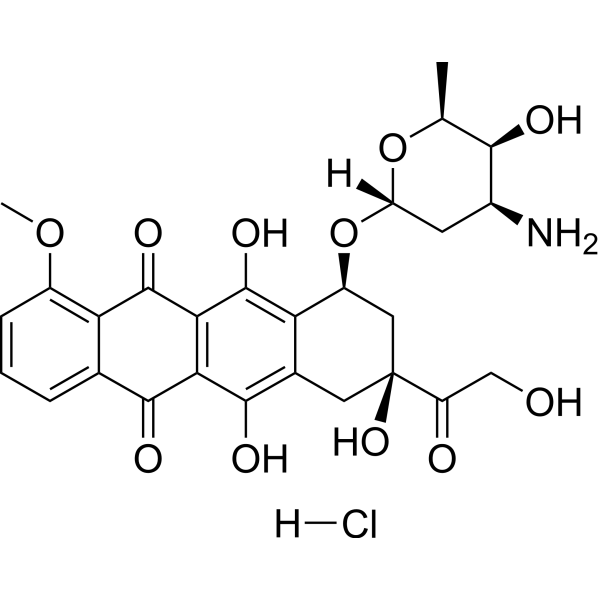
  • HY-15142
    Doxorubicin hydrochloride
    Maximum Cited Publications
    650 Publications Verification

    Hydroxydaunorubicin hydrochloride; ADR

    Topoisomerase ADC Payload AMPK Autophagy Apoptosis HIV HBV Mitophagy Antibiotic Bacterial Fluorescent Dye Infection Cancer
    Doxorubicin hydrochloride (Hydroxydaunorubicin hydrochloride; ADR), a cytotoxic anthracycline antibiotic, is an anti-cancer chemotherapy agent. Doxorubicin hydrochloride is a potent human DNA topoisomerase I and topoisomerase II inhibitor with IC50s of 0.8 μM and 2.67 μM, respectively. Doxorubicin hydrochloride reduces basal phosphorylation of AMPK and its downstream target acetyl-CoA carboxylase. Doxorubicin hydrochloride induces apoptosis and autophagy .
    Doxorubicin hydrochloride
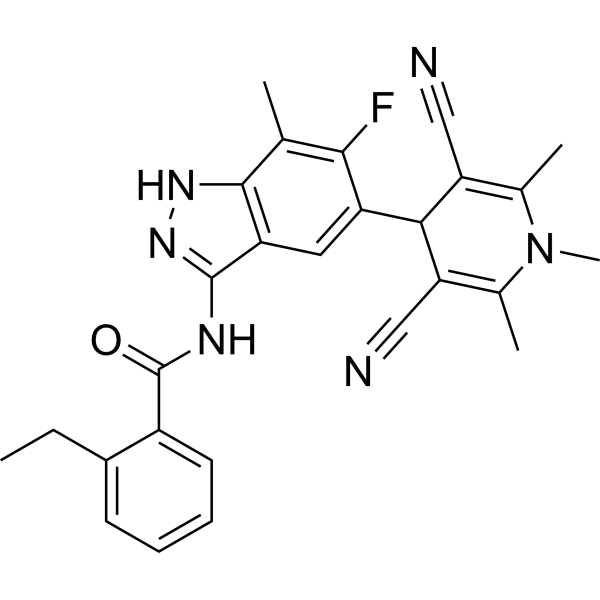
  • HY-16966
    SBI-0206965
    35+ Cited Publications

    ULK AMPK Autophagy Apoptosis Cancer
    SBI-0206965 is a potent, selective and cell permeable autophagy kinase ULK1 inhibitor with IC50s of 108 nM for ULK1 kinase and 711 nM for the highly related kinase ULK2. SBI-0206965 is also an AMPK inhibitor that can paradoxically increase Thr172 phosphorylation .
    SBI-0206965
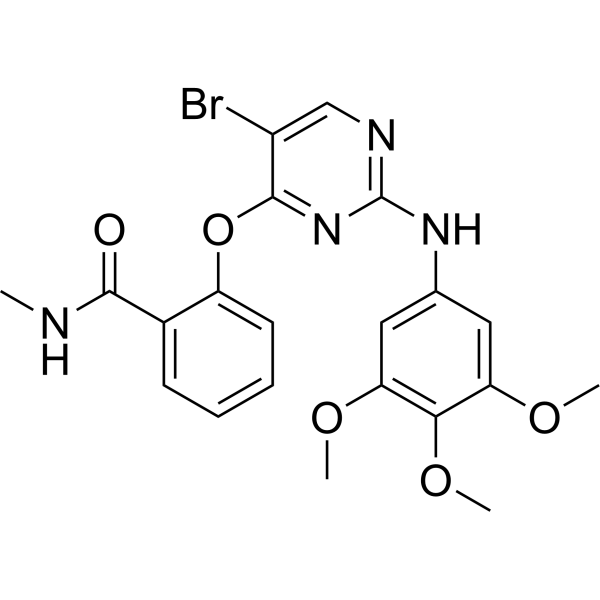
  • HY-112083
    BAY-3827
    10+ Cited Publications

    AMPK Cancer
    BAY-3827, a chemical probe, is a potent and selective AMPK inhibitor with IC50 values of 1.4 nM at low (10 μM ATP concentration) and 15 nM at high (2 mM ATP concentration). BAY-3827 shows over 500-fold selectivity for most of the 331 kinases. BAY-3827 prevents phosphorylation of acetyl-CoA carboxylase 1 and shows strongest anti-proliferative activity in androgen-dependent prostate cancer cell lines .
    BAY-3827
  • HY-15142R
    Doxorubicin hydrochloride (Standard)
    5 Publications Verification

    Hydroxydaunorubicin hydrochloride (Standard); ADR (Standard)

    Reference Standards Topoisomerase ADC Payload AMPK Autophagy Apoptosis HIV HBV Mitophagy Antibiotic Bacterial Fluorescent Dye Infection Cancer
    Doxorubicin hydrochloride (Standard) is the analytical standard of Doxorubicin hydrochloride. This product is intended for research and analytical applications. Doxorubicin (Hydroxydaunorubicin) hydrochloride, a cytotoxic anthracycline antibiotic, is an anti-cancer chemotherapy agent. Doxorubicin hydrochloride is a potent human DNA topoisomerase I and topoisomerase II inhibitor with IC50s of 0.8 μM and 2.67 μM, respectively. Doxorubicin hydrochloride reduces basal phosphorylation of AMPK and its downstream target acetyl-CoA carboxylase. Doxorubicin hydrochloride induces apoptosis and autophagy .
    Doxorubicin hydrochloride (Standard)
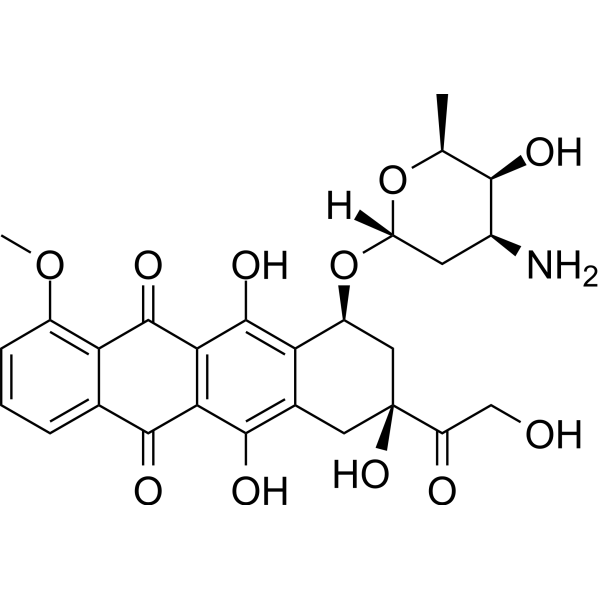
  • HY-15142A

    Hydroxydaunorubicin

    ADC Payload Antibiotic Bacterial Topoisomerase AMPK HIV Autophagy Mitophagy Apoptosis HBV Fluorescent Dye Infection Cancer
    Doxorubicin (Hydroxydaunorubicin), a cytotoxic anthracycline antibiotic, is an anti-cancer chemotherapy agent. Doxorubicin is a potent human DNA topoisomerase I and topoisomerase II inhibitor with IC50s of 0.8 μM and 2.67 μM, respectively. Doxorubicin reduces basal phosphorylation of AMPK and its downstream target acetyl-CoA carboxylase. Doxorubicin induces apoptosis and autophagy .
    Doxorubicin
  • HY-125848

    Apoptosis AMPK PPAR p38 MAPK PI3K Akt GSK-3 Reactive Oxygen Species (ROS) SOD Caspase Neurological Disease Metabolic Disease Inflammation/Immunology Cancer
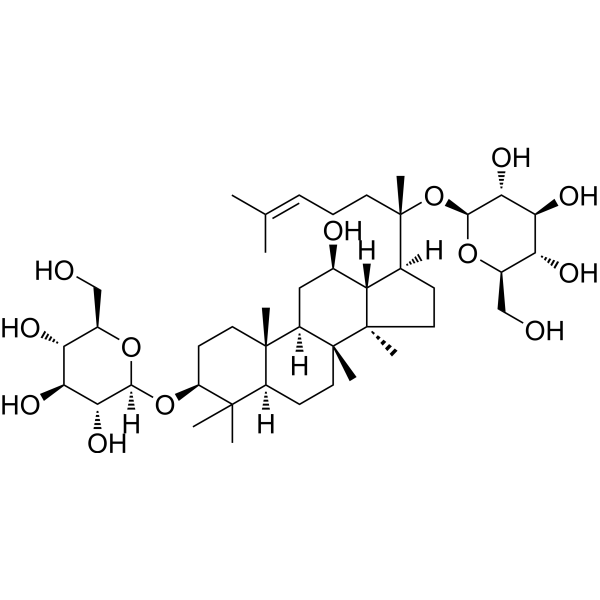
    Ginsenoside F2 is an orally active bioactive compound that participates in the regulation of metabolism and inflammation. Ginsenoside F2 promotes the phosphorylation of AMPK and ACC, binds to PPARγ, inhibits the phosphorylation of MAPK, activates the PI3K/AKT/GSK-3β pathway, reduces GLRX expression, and regulates lipid metabolism. Ginsenoside F2 reduces ROS production and MDA levels, restores SOD activity in cells, and alleviates oxidative stress. Ginsenoside F2 induces cell apoptosis (Apoptosis) and increases the number of cleaved caspase-3-positive cells. Ginsenoside F2 reduces body weight gain, adipose tissue weight and serum lipid levels in obese mice, and activates the hepatic AMPK signaling pathway and the expression of antioxidant enzymes. Ginsenoside F2 alleviates atopic dermatitis in mice by inhibiting inflammation and reshaping the gut microbiota . Ginsenoside F2 is applicable to research related to insulin resistance, obesity, atopic dermatitis, liver cancer, glioblastoma and glioma .
    Ginsenoside F2
  • HY-100548
    GSK621
    5+ Cited Publications

    AMPK Autophagy Apoptosis Cancer
    GSK621 is a specific AMPK activator, with IC50 values of 13-30 μM for AML cells. GSK621 induces autophagy and apoptosis. GSK621 induces eiF2α phosphorylation-a hallmark of UPR activation .
    GSK621
  • HY-W012980
    Isovaleric acid
    1 Publications Verification

    Environmental Pollutants Endogenous Metabolite PKA AMPK Metabolic Disease
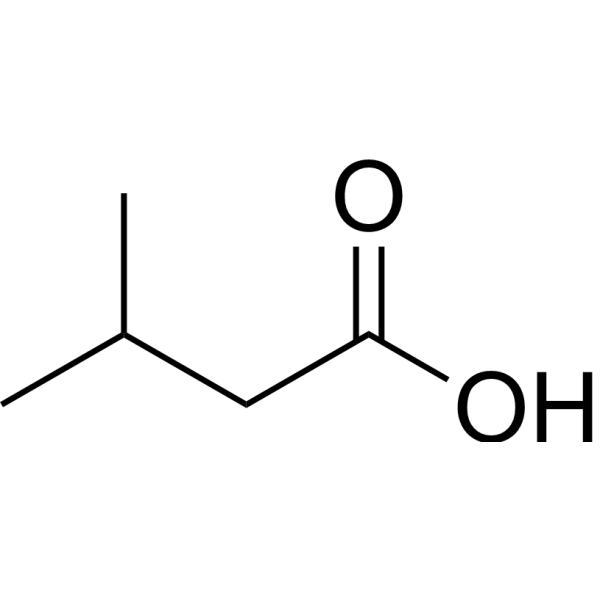
    Isovaleric acid is an oral active short-chain fatty acid that inhibits osteoclast differentiation by stimulating AMPK phosphorylation and promotes colonic smooth muscle relaxation by activating the cAMP/PKA pathway. Isovaleric acid can be used in research on skeletal diseases (such as osteoporosis) and intestinal disorders .
    Isovaleric acid
  • HY-N0559
    Kirenol
    1 Publications Verification

    Casein Kinase Apoptosis AMPK Akt NF-κB TGF-beta/Smad Cardiovascular Disease Neurological Disease Metabolic Disease Inflammation/Immunology Cancer
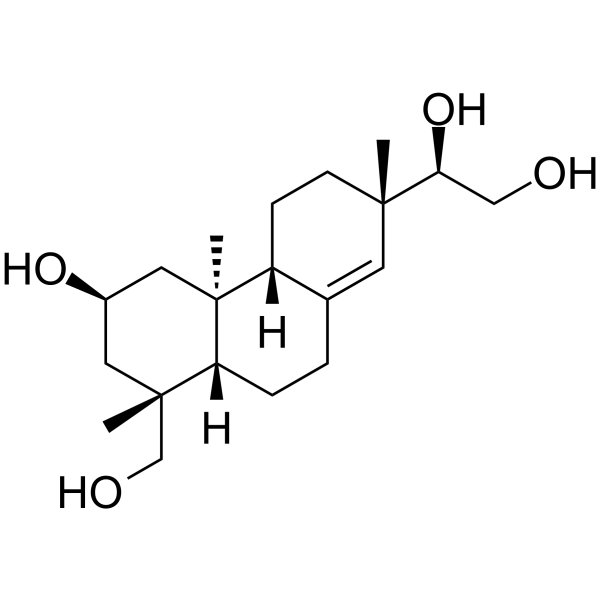
    Kirenol is a diterpenoid compound, an orally active apoptosis inducer and signaling pathway regulator, with a Kd value of 5.47 μM against the target CK2. Kirenol promotes the cleavage of Bid into tBid, regulates the protein levels/phosphorylation of Bax, Bcl-2, p53 and p21, and induces caspase-independent apoptosis, S-phase cell cycle arrest, ROS accumulation and cytotoxicity in cancer cells. Kirenol activates the CK2/AKT and AMPK-mTOR-ULK1 pathways, inhibits the signaling of NF-κB, TGF-β/Smads and NLRP3 inflammasome, and regulates the GSK3β, BMP and Wnt/β-catenin pathways. Kirenol induces autophagy, mitophagy and osteoblast differentiation, promotes mitochondrial fusion, and exerts antioxidant, anti-inflammatory, antifibrotic, renoprotective, cardioprotective, neuroprotective and analgesic effects. Kirenol is applicable to research related to chronic myeloid leukemia, ischemic stroke, diabetic nephropathy, heart failure, acute lung injury and osteoporosis .
    Kirenol
  • HY-D1163
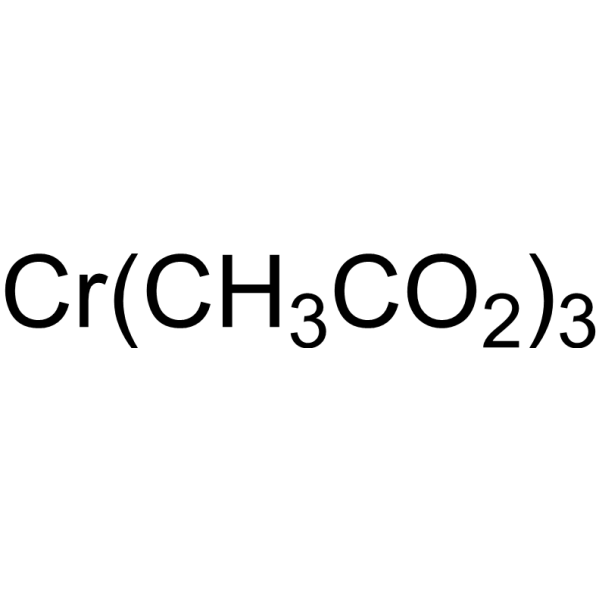
    Chromium(III) acetate
    2 Publications Verification

    Chromium acetate; Chromic acetate; Chromium triacetate

    Environmental Pollutants AMPK Metabolic Disease
    Chromium(III) acetate (Chromic acetate) is an AMPK inhibitor that promotes lipogenesis by inhibiting AMPK phosphorylation. Chromium(III) acetate has low toxicity in mammals, with an LD50 of 2365 mg/kg in rats .
    Chromium(III) acetate
  • HY-30216A

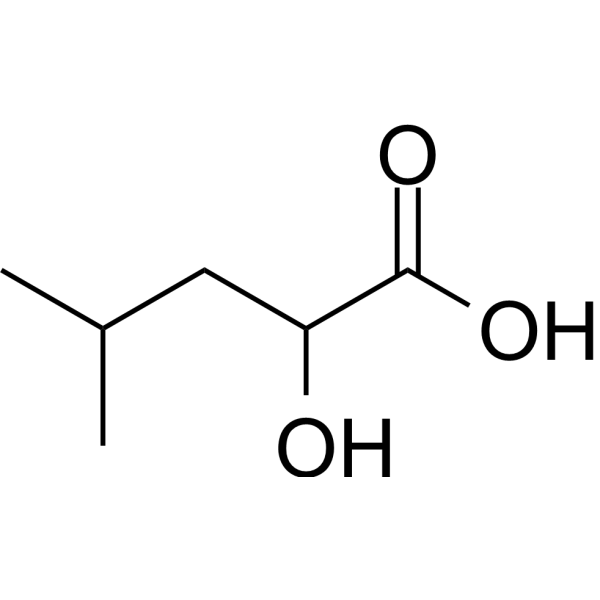
    α-Hydroxyisocaproic acid

    Drug Metabolite Hydroxycarboxylic Acid Receptor (HCAR) AMPK ERK Metabolic Disease Inflammation/Immunology
    Leucic acid (α-Hydroxyisocaproic acid) is an orally active end-product of the microbial metabolism of leucine. Leucic acid can bind to HCAR2, alters AMPK and ERK1/2 phosphorylation status, suppresses lipid synthesis, promotes catabolism, reduces adiposity, enhances lean mass and exercise capacity. Leucic acid suppresses pro-inflammatory cytokine secretion, inflammation-related gene mRNA expression. Leucic acid decreases basal protein synthesis, attenuates myotube atrophy. Leucic acid can be used for the research of obesity .
    Leucic acid
  • HY-120877

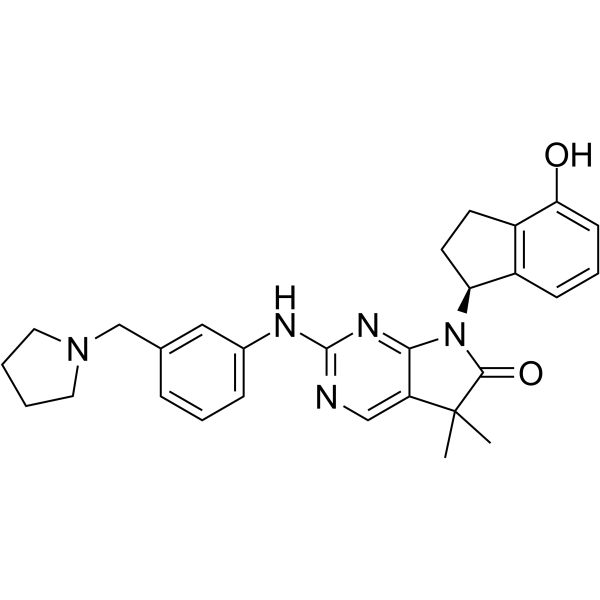
    MARK Salt-inducible Kinase (SIK) AMPK Apoptosis Cancer
    MRT199665 is a potent and ATP-competitive, selective MARK/SIK/AMPK inhibitor with IC50s of 2/2/3/2 nM, 10/10 nM, and 110/12/43 nM for MARK1/MARK2/MARK3/MARK14, AMPKα1/AMPKα2, and SIK1/SIK2/SIK3, respectively . MRT199665 causes apoptosis in MEF2C-activated human acute myeloid leukemias (AML) cells . MRT199665 inhibits the phosphorylation of SIK substrate CRTC3 at S370 .
    MRT199665
  • HY-123037

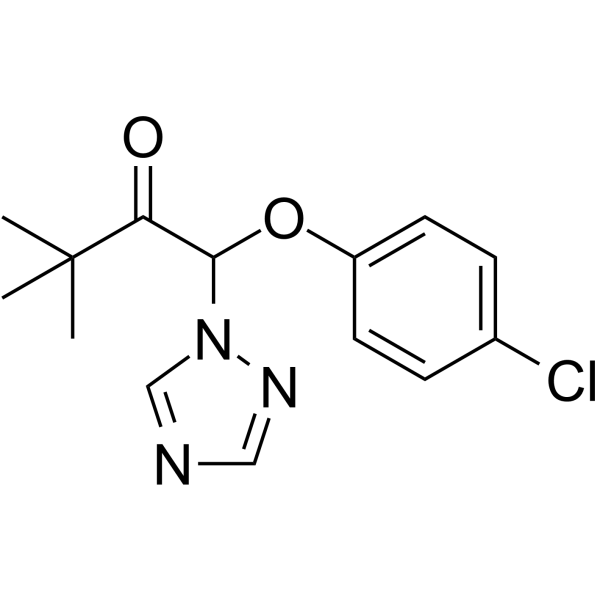
    Environmental Pollutants AMPK Akt PERK Fungal Infection Neurological Disease Metabolic Disease Endocrinology
    Triadimefon is an orally active fungicide. Triadimefon significantly reduces the phosphorylation of AKT1 and ERK1/2. Triadimefon significantly increases pAMPK levels, but does not affect total AMPK levels. Triadimefon inhibits the growth of Saccharomyces cerevisiae, disrupts hormone homeostasis (affecting the synthesis of testosterone, etc.), inhibits fetal adrenal development in rats, induces metabolic shifts in hepatocytes, and impairs spatial learning and memory .
    Triadimefon
  • HY-103400
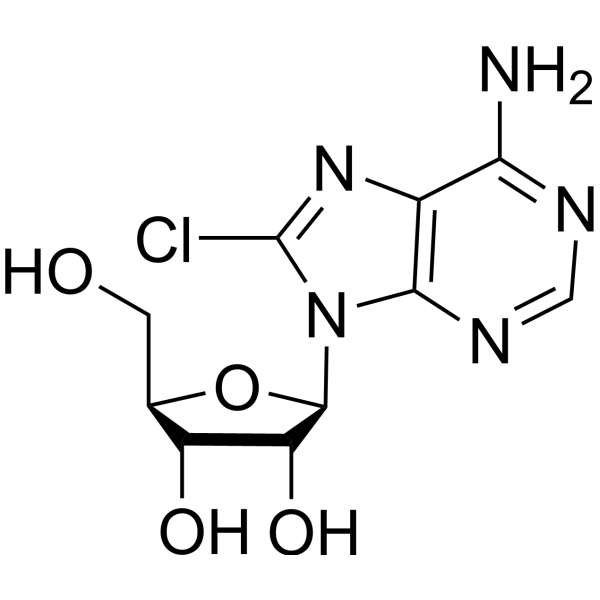
    8-Chloroadenosine
    1 Publications Verification

    8-Cl-Ado

    AMPK Autophagy Cancer
    8-Chloroadenosine (8-Cl-Ado), a unique ribonucleoside analog, depletes endogenous ATP that subsequently induces the phosphorylation and activation of AMPK. 8-Chloroadenosine induces autophagic cell death. 8-Chloroadenosine effectively inhibited in vivo tumor growth in mice .
    8-Chloroadenosine
  • HY-N8307

    NO Synthase NF-κB Akt AMPK Calcium Channel Inflammation/Immunology
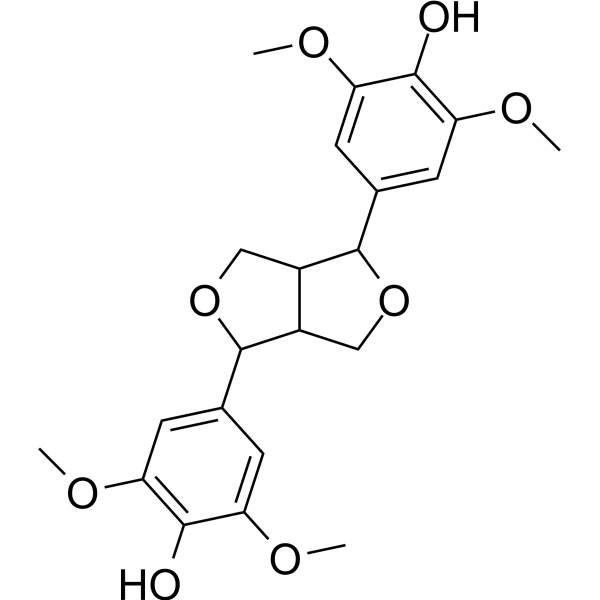
    Syringaresinol is a lignan-type phytochemical with anti-inflammatory activities. Syringaresinol inhibits the NF-κB and AKT signaling pathway in IL-1β-activated mouse chondrocytes. Syringaresinol increases phosphorylation of AMPK, eNOS, and intracellular Ca 2+ levels in HUVECs. Syringaresinol attenuates osteoarthritis progression in mice with Destabilization of the Medial Meniscus (DMM)-induced osteoarthritis. Syringaresinol can be used for the study of osteoarthritis (OA) .
    Syringaresinol
  • HY-N5083
    Saponarin
    1 Publications Verification

    PERK NF-κB p38 MAPK AMPK Interleukin Related COX Cardiovascular Disease Neurological Disease Metabolic Disease Inflammation/Immunology
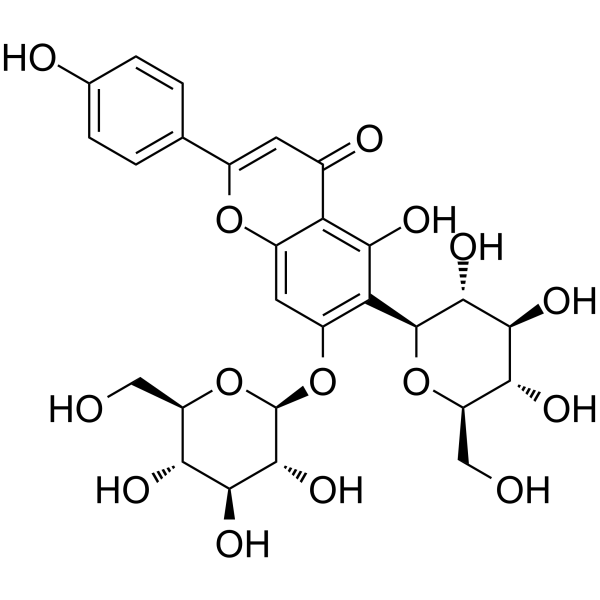
    Saponarin is an orally active flavonoid compound. Saponarin can be isolated from Gypsophila trichotoma. Saponarin inhibits ERK/p38, NF-κB and MAPK phosphorylation and activates AMPK. Saponarin reduces IL-1β and COX-2. Saponarin has antioxidant, anti-inflammatory, hepatoprotective, hypoglycemic and hypotensive effects. Saponarin improves sleep disorders .
    Saponarin
  • HY-N2445
    Flavokawain C
    4 Publications Verification

    Apoptosis Akt JNK PERK Caspase PARP MDM-2/p53 IAP Reactive Oxygen Species (ROS) SOD FABP Autophagy AMPK mTOR GLUT EGFR PI3K HSP VEGFR FAK Cancer
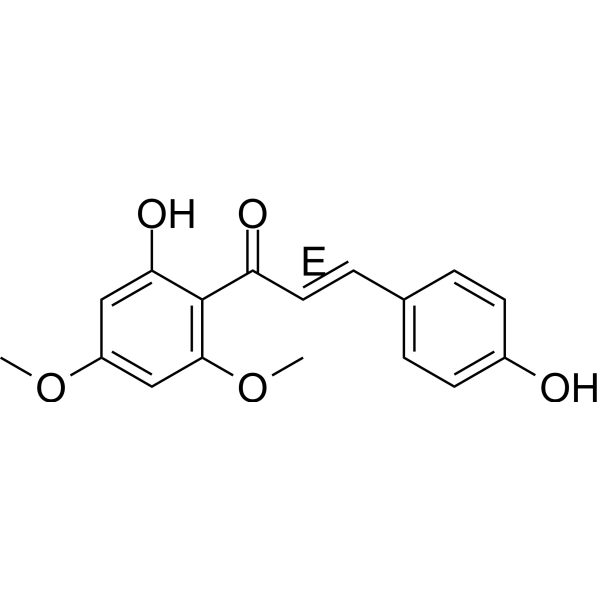
    Flavokawain C is an orally active natural chalcone. Flavokawain C inhibits the proliferation of various cancer cells. Flavokawain C upregulates GADD153 in cancer cells, inhibits the phosphorylation of Akt and JNK, suppresses early ERK phosphorylation, activates late ERK phosphorylation, activates caspase related subtypes, induces PARP-1 cleavage, causes upregulation of p21 and p27, downregulation of mutant p53 and anti-apoptotic IAP proteins, elevates intracellular ROS levels, reduces SOD activity, and induces apoptosis. Flavokawain C downregulates FABP4, induces autophagy in cancer cells, and activates the AMPK/mTOR pathway . Flavokawain C decreases the expression of glycolysis-related proteins GLUT1 and HK2, and inhibits glycolysis in nasopharyngeal carcinoma cells. Flavokawain C inhibits the activation of the EGFR/PI3K/Akt/mTOR signaling pathway and reduces the expression of HSP90B1. Flavokawain C inhibits angiogenesis by decreasing the expression of angiogenic proteins Ang-1 and VEGF in human umbilical vein endothelial cells. Flavokawain C increases γ-H2AX levels in cells, inhibits the phosphorylation of FAK, PI3K and AKT in cells, and induces DNA damage in cells. Flavokawain C exerts anti-tumor activity in multiple tumor xenograft mouse models. Flavokawain C is applicable to research related to colorectal cancer, colon adenocarcinoma, nephroblastoma, nasopharyngeal carcinoma and liver cancer .
    Flavokawain C
  • HY-N3266

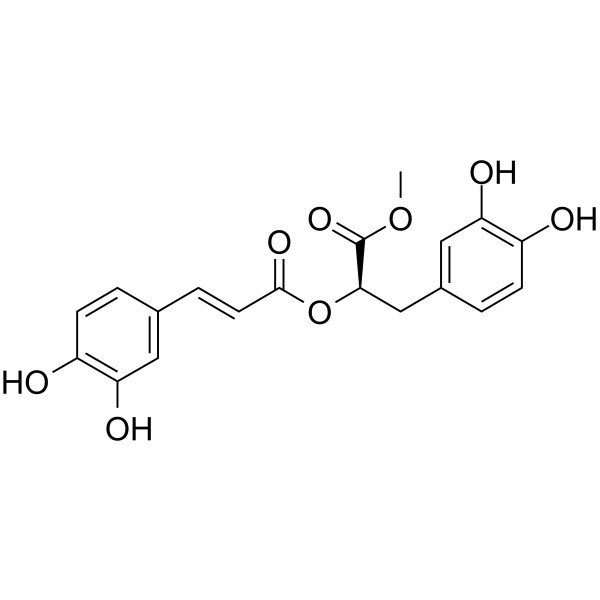
    Tyrosinase Phosphatase Cholinesterase (ChE) SARS-CoV PERK JNK p38 MAPK TGF-beta/Smad Apoptosis Reactive Oxygen Species (ROS) AMPK MMP Cardiovascular Disease Infection Neurological Disease Inflammation/Immunology Cancer
    Methyl rosmarinate is an orally active hydroxycinnamic acid. Methyl rosmarinate exhibits an IC50 of 24.70 μM and a Ki of 15.29 μM against PTP1B, an IC50 of 41.46 μg/mL against BChE, a Ki of 0.61 mM against mushroom tyrosinase, and an IC50 of 2.50 μM against SARS-CoV-2 3CLpro. Methyl rosmarinate downregulates the phosphorylation levels of ERK, JNK, p38, Smad2 and Smad3. Methyl rosmarinate activates erythrocyte BPGM and promotes the production of 2,3-BPG. Methyl rosmarinate induces apoptosis of fibroblasts. Methyl rosmarinate prolongs the survival time of hypoxic mice. Methyl rosmarinate improves insulin sensitivity. Methyl rosmarinate binds to SARS-CoV-2 3CLpro and inhibits viral replication. Methyl rosmarinate induces glioblastoma cell death. Methyl rosmarinate activates the TGR5/AMPK axis and reduces the levels of ROS and MDA. Methyl rosmarinate shows inhibitory activity against MMP-1. Methyl rosmarinate can be used in research related to pulmonary fibrosis, hypoxia-induced injury, type 2 diabetes, Alzheimer's disease, hyperpigmentation disorders, COVID-19, glioblastoma and myocardial ischemia-reperfusion injury .
    Methyl rosmarinate
  • HY-168894

    Ferroptosis JAK STAT p38 MAPK AMPK GSK-3 Apoptosis HSP TNF Receptor Cardiovascular Disease Neurological Disease Metabolic Disease Cancer
    CT-1 is a secreted protein belonging to the IL-6 cytokine family. Overexpression of CT-1 enhances cell proliferation, migration and angiogenesis via the ADMA/DDAH pathway. CT-1 inhibits the growth of triple-negative breast cancer cells by simultaneously inducing Ferroptosis in N2-type tumor-associated neutrophils and cancer cells. CT-1 activates the Jak/STAT-3, p42/p44 MAPK and AMPK pathways, and inhibits GSK-3β activity through phosphorylation to induce cardiomyocyte hypertrophy. CT-1 enhances the viability of cardiomyocytes and neurons, reduces cell Apoptosis, induces the expression of heat shock proteins (HSP) and BNP, and inhibits TNF levels. CT-1 exerts anti-tumor activity in mouse models of triple-negative breast cancer. CT-1 improves cognitive impairment in mice. CT-1 is applicable to the research of ischemic heart disease, triple-negative breast cancer, myocardial hypertrophy, Parkinson's disease, hypertensive heart disease, myocardial infarction, acute Chagas cardiomyopathy, high-fat diet-induced cognitive impairment and diabetes-related cognitive impairment .
    CT-1
  • HY-N1677

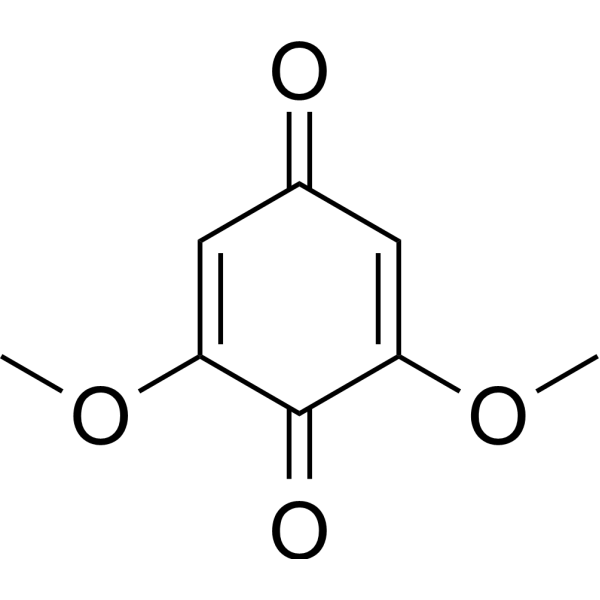
    Akt mTOR Bacterial Fungal AMPK Infection Metabolic Disease Inflammation/Immunology Cancer
    2,6-Dimethoxy-1,4-benzoquinone is a 1,4-benzoquinone derivative. 2,6-Dimethoxy-1,4-benzoquinone promotes phosphorylation of AKT, S6K, mTOR, 4E-BP1, and AMPK, and attenuates mTORC1 activity as part of the AKT/mTOR pathway. 2,6-Dimethoxy-1,4-benzoquinone stimulates myoblast differentiation, increases myotube size, elevates MHC protein expression, enhances mitochondrial biogenesis, respiration, and DNA content, and increases skeletal muscle weights, fiber size, grip strength, and treadmill performance. 2,6-Dimethoxy-1,4-benzoquinone exerts anti-cancer, anti-inflammatory, anti-adipogenic, antibacterial, and antimutagenic effects, inhibits adipogenic transcription factors, nitric oxide production, skin tumor development, Magnaporthe oryzae growth, spore germination, appressorium formation, and growth of select bacterial species, induces H2O2 generation and rice defense gene expression, and reduces rice blast lesion formation. 2,6-Dimethoxy-1,4-benzoquinone can be used for the research of obesity, skin tumorigenesis, rice blast disease, and food-borne illness .
    2,6-Dimethoxy-1,4-benzoquinone
  • HY-N0805A
    Alisol B
    1 Publications Verification

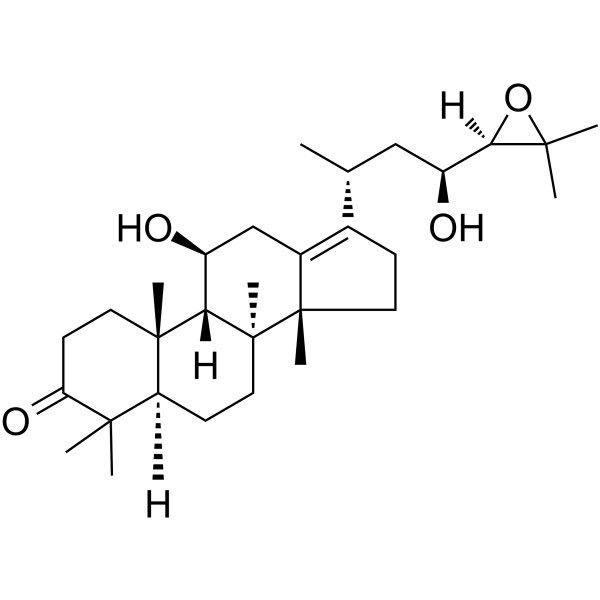
    Epoxide Hydrolase CaMK Autophagy Apoptosis Metabolic Disease Inflammation/Immunology Cancer
    Alisol B is a triterpene with diverse biological activities. Alisol B binds human soluble epoxide hydrolase (sEH) with a Ki of 5.97 μM and reduces sEH activity. Alisol B inhibits RANKL-induced JNK phosphorylation, NFATc1 and c-Fos expression, osteoclast formation, mature osteoclast pit-forming and actin ring activity, and SERCA pump activity. Alisol B induces calcium mobilization, CaMKK-AMPK-mTOR pathway activation, autophagic flux, autophagosome formation, G1 phase cell cycle arrest, endoplasmic reticulum stress, unfolded protein responses, and cancer cell apoptosis. Alisol B can be used for the research of hypercalcemia, osteoporosis, rheumatoid arthritis, periodontitis, acute kidney injury, and breast cancer .
    Alisol B
  • HY-171705

    Keap1-Nrf2 AMPK JNK IKK p38 MAPK NO Synthase α-synuclein Interleukin Related Neurological Disease
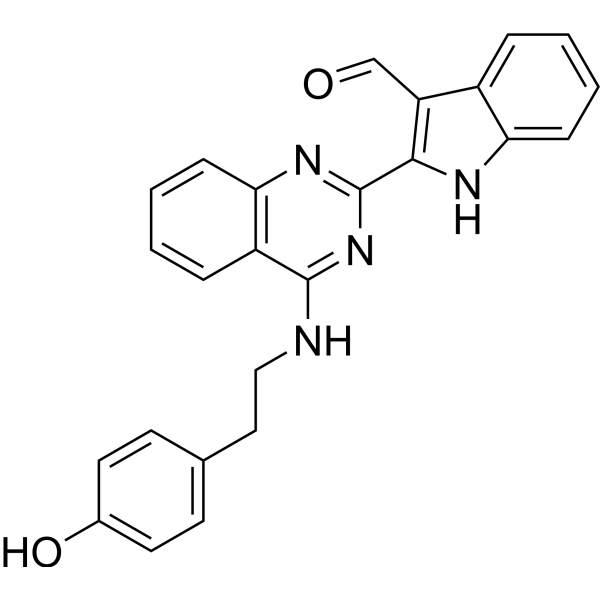
    KMS99220 is an orally active, blood-brain barrier-permeable activator of the Nrf2 inhibitory protein Keap-1. KMS99220 enhances the activity of AMPK, activates the Nrf2 signaling pathway, and reduces the phosphorylation of IκB, nuclear translocation of NFκB, as well as the phosphorylation levels of JNK, IKK and p38 MAPK via HO-1. KMS99220 binds to Keap1 to trigger the nuclear translocation of Nrf2, induces the expression of HO-1, NQO1, GCLC, GCLM and proteasome subunits; enhances proteasomal enzymatic activity; inhibits iNOS expression, nitric oxide production and IL-1β generation; attenuates microglial activation; reduces α-synuclein aggregation; and prevents dopaminergic neuron degeneration and motor dysfunction. KMS99220 prevents the degeneration of dopaminergic neurons in the substantia nigra, induces the expression of Nrf2 downstream target genes, and effectively ameliorates associated motor dysfunction in a mouse model of Parkinson's disease. KMS99220 is applicable to research related to Parkinson's disease .
    KMS99220
  • HY-A0144A

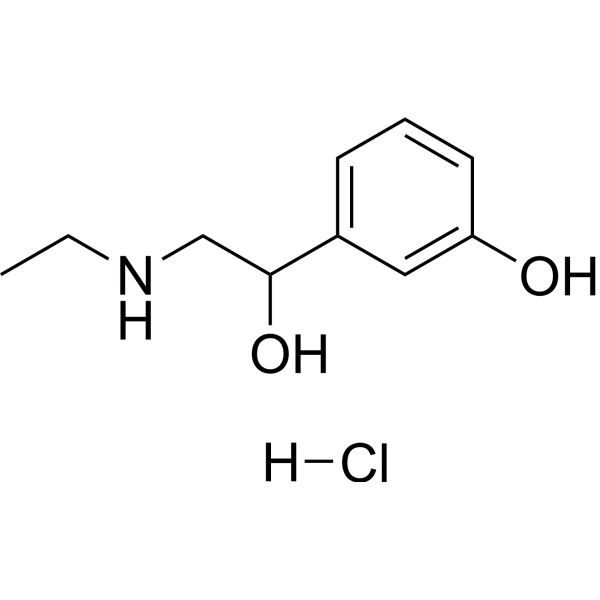
    Adrenergic Receptor AMPK Akt Cardiovascular Disease
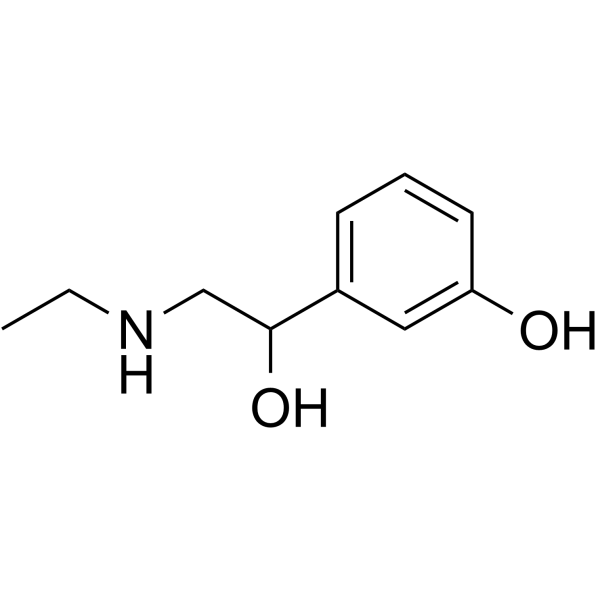
    Etilefrine hydrochloride is a sympathetic nerve agonist and AMPK activator that selectively targets α1/β1 adrenergic receptors. Etilefrine hydrochloride stimulates α1 adrenergic receptors, leading to contraction of vascular smooth muscle and increased peripheral resistance. Etilefrine hydrochloride also stimulates β1 receptors to enhance myocardial contractility and increase heart rate, thereby increasing blood pressure and improving cardiac output. Etilefrine hydrochloride also bidirectionally regulates the AMPK/Akt pathway and modulates the phosphorylation levels. Etilefrine hydrochloride can be used in cardiovascular research, such as postural hypotension, chylothorax, and improving low cardiac output .
    Etilefrine hydrochloride
  • HY-A0144

    Adrenergic Receptor AMPK Akt Cardiovascular Disease
    Etilefrine is a sympathetic nerve agonist and AMPK activator that selectively targets α1/β1 adrenergic receptors. Etilefrine stimulates α1 adrenergic receptors, leading to contraction of vascular smooth muscle and increased peripheral resistance. Etilefrine also stimulates β1 receptors to enhance myocardial contractility and increase heart rate, thereby increasing blood pressure and improving cardiac output. Etilefrine also bidirectionally regulates the AMPK/Akt pathway and modulates the phosphorylation levels. Etilefrine can be used in cardiovascular research, such as postural hypotension, chylothorax, and improving low cardiac output .
    Etilefrine
  • HY-W010380

    AMPK Apoptosis Metabolic Disease
    Methyl succinate is a mitochondrial complex II substrate. Methyl succinate can bypass the inhibition of complex I by Metformin (HY-B0627), restore mitochondrial electron transfer, and reduce AMPK phosphorylation. Methyl succinate is capable of protecting MIN6 β-cells and primary rat β-cells from biguanide-induced toxicity and apoptosis in vitro. Methyl succinate can be used in the research of diseases such as diabetes mellitus .
    Methyl succinate
  • HY-W013816

    AMPK Akt Metabolic Disease
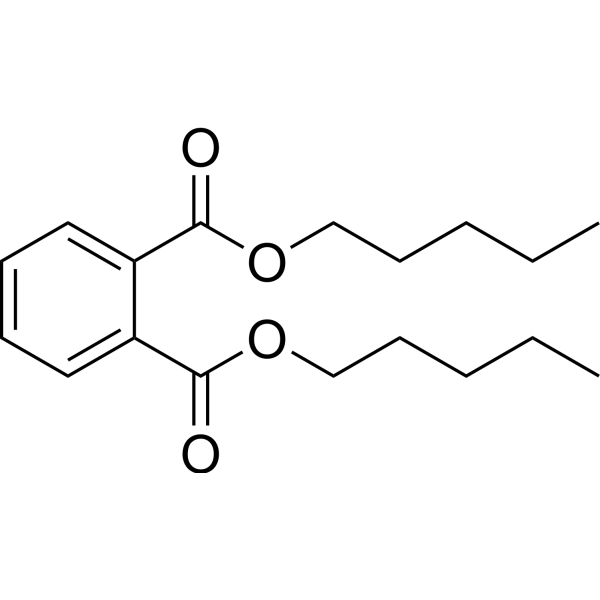
    Dipentyl phthalate is an endocrine-disrupting phthalate plasticizer. Dipentyl phthalate increases AMPK phosphorylation and decreases AKT1 phosphorylation and SIRT1 levels. Dipentyl phthalate reduces adrenocorticotropic hormone levels. Dipentyl phthalate is a testicular toxicant .
    Dipentyl phthalate
  • HY-168905

    Calmodulin Cancer
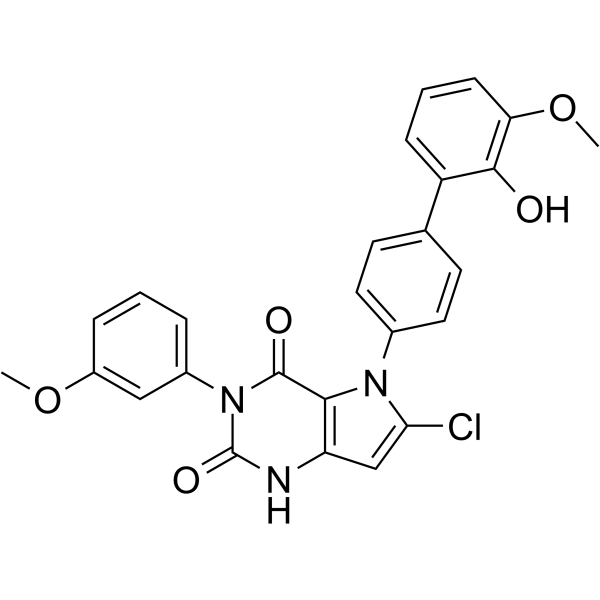
    SGC-CAMKK2-1, a chemical probe, is the selective, inhibitor for calcium/calmodulin-dependent protein kinase kinase 2 (CAMKK2) with an IC50 of 30 nM. SGC-CAMKK2-1 inhibits AMPK phosphorylation in cell C4-2 with an IC50 of 1.6 μM .
    SGC-CAMKK2-1
  • HY-W012980R

    Reference Standards Endogenous Metabolite AMPK PKA Metabolic Disease
    Isovaleric acid (Standard) is the analytical standard of Isovaleric acid. This product is intended for research and analytical applications. Isovaleric acid is an oral active short-chain fatty acid that inhibits osteoclast differentiation by stimulating AMPK phosphorylation and promotes colonic smooth muscle relaxation by activating the cAMP/PKA pathway. Isovaleric acid can be used in research on skeletal diseases (such as osteoporosis) and intestinal disorders .
    Isovaleric acid (Standard)
  • HY-172157

    HDAC AMPK Metabolic Disease
    HDAC11-IN-2 (compound B6) is a high selective Histone Deacetylase 11 (HDAC11) inhibitor. HDAC11-IN-2 inhibits HDAC11 and HDAC8 with IC50s of 51.1 ×10 -3 μM and 5 μM, respectively. HDAC11-IN-2 inhibits denovolipogenesis (DNL) and promotes fatty acid oxidation, thus mitigating hepaticlipid accumulation and pathological symptoms in MASLD mice. HDAC11-IN-2 enhances the phosphorylation of AMPKα1 at Thr172 through the inhibition of HDAC11, consequently modulating DNL and fatty acid oxidation in the liver .
    HDAC11-IN-2
  • HY-120904

    AMPK Metabolic Disease
    AMPK-IN-1 is an activator of AMPK (EC50: 551 nM for isoform α2β2γ1). AMPK-IN-1 leads to eEF2 phosphorylation in a mTORC1-independent way .
    AMPK-IN-1
  • HY-120877A

    MARK Salt-inducible Kinase (SIK) AMPK Apoptosis Cancer
    (R)-MRT199665 is an isomer of MRT199665 (HY-120877). MRT199665 is a potent and ATP-competitive, selective MARK/SIK/AMPK inhibitor with IC50s of 2/2/3/2 nM, 10/10 nM, and 110/12/43 nM for MARK1/MARK2/MARK3/MARK14, AMPKα1/AMPKα2, and SIK1/SIK2/SIK3, respectively. MRT199665 causes apoptosis in MEF2C-activated human acute myeloid leukemias (AML) cells. MRT199665 inhibits the phosphorylation of SIK substrate CRTC3 at S370 .
    (R)-MRT199665
  • HY-148684

    AMPK Metabolic Disease
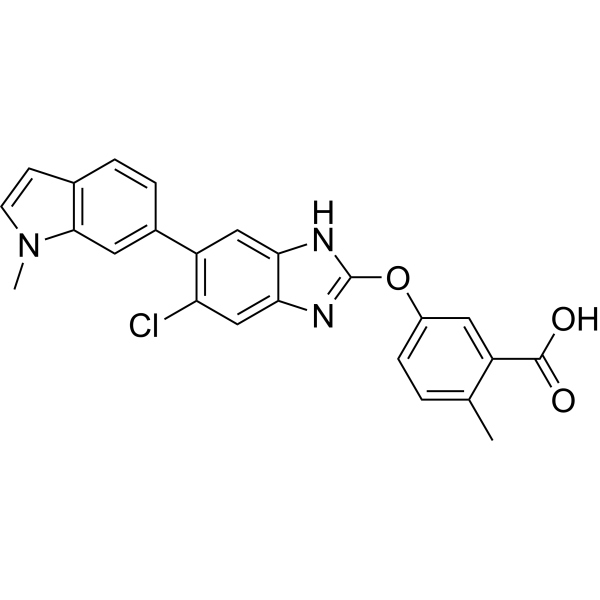
    AMPK activator 10 is an orally active, potent AMPK activator with EC150 of 44.3 nM by cell-ELISA. AMPK activator 10 increases the phosphorylation levels of ACC. AMPK activator 10 exhibits a glucose lowering effect .
    AMPK activator 10
  • HY-N6913

    AMPK Metabolic Disease
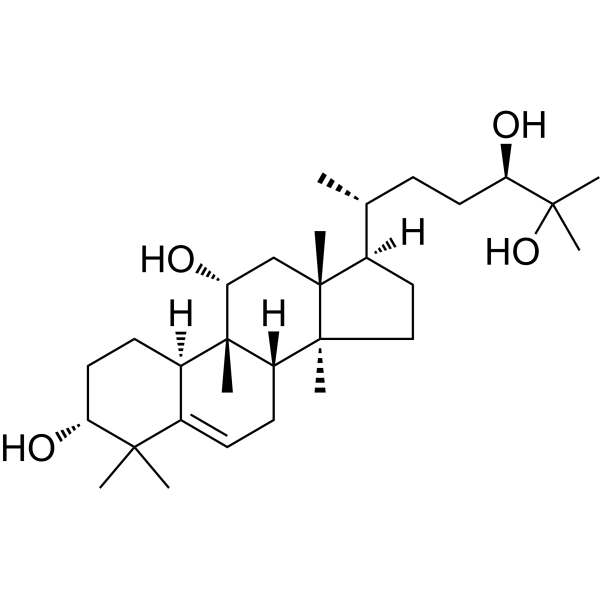
    3α-Hydroxymogrol is a triterpenoid isolated from Siraitia grosvenorii Swingle, acts as a potent AMPK activator, and enhances AMPK phosphorylation .
    3α-Hydroxymogrol
  • HY-179578

    Enolase AMPK Autophagy Apoptosis mTOR Caspase Metabolic Disease Cancer
    SU212 is a podophyllotoxin-derived ENO1 inhibitor and AMPK activator. SU212 can selectively induce oxidative phosphorylation, reduce glycolysis activity and glucose uptake in tumor cells, and directly bind to ENO1 without affecting these pathways in normal cells. SU212 induces apoptosis and promotes ENO1 degradation via proteasomal and autophagic pathways without inhibiting the catalytic activity. SU212 leads to mitotic arrest and apoptosis in TNBC (triple-negative breast cancer) cells by activating AMPK, demonstrating potent anti-tumor activity in vitro. SU212 inhibits tumor growth and metastasis in syngeneic, xenograft, and diabetic mouse models, exhibiting an excellent safety profile. SU212 can be used in research on t TNBC, diabetes, and fatty liver disease .
    SU212
  • HY-123037R

    Reference Standards Fungal Akt PERK AMPK Infection Neurological Disease Metabolic Disease Endocrinology
    Triadimefon (Standard) is the analytical standard of Triadimefon (HY-123037). This product is intended for research and analytical applications. Triadimefon is an orally active fungicide. Triadimefon significantly reduces the phosphorylation of AKT1 and ERK1/2. Triadimefon significantly increases pAMPK levels, but does not affect total AMPK levels. Triadimefon inhibits the growth of Saccharomyces cerevisiae, disrupts hormone homeostasis (affecting the synthesis of testosterone, etc.), inhibits fetal adrenal development in rats, induces metabolic shifts in hepatocytes, and impairs spatial learning and memory .
    Triadimefon (Standard)
  • HY-154973

    Oxidative Phosphorylation Mitochondrial Metabolism AMPK Metabolic Disease Cancer
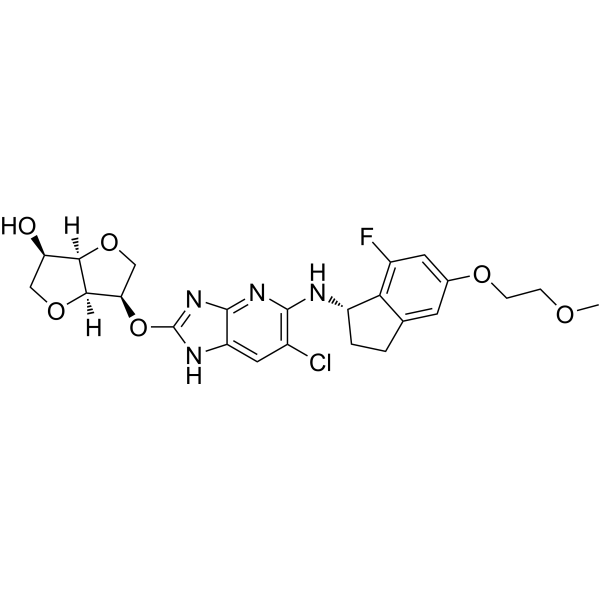
    AMPK activator 11 is an AMP-activated protein kinase (AMPK) activator with nanomolelevel antiproliferation activities against several CRCs. AMPK activator 11 selectively inhibits the RKO xenograft growth along by activating AMPK and upregulating oxidative phosphorylation (OXPHOS) ( mitochondrial metabolism ) and can be used for anti-tumor and metabolic disease research .
    AMPK activator 11
  • HY-136855

    Sirtuin AMPK PGC-1α Apoptosis Reactive Oxygen Species (ROS) Metabolic Disease
    MitoPBN is a AMPK/SIRT3/PGC-1α axis modulator, reactive oxygen species scavenger and mitochondrial function enhancer. MitoPBN increases the phosphorylation level of AMPK, restores SIRT3 expression and reverses the down-regulation of PGC-1α, thereby promoting mitochondrial biogenesis. MitoPBN regulates glucose metabolism, reduces blood glucose by inhibiting hepatic gluconeogenesis and increasing hepatic glucose uptake, while scavenging mitochondrial superoxide anion/hydrogen peroxide, maintaining membrane potential and increasing ATP production. MitoPBN also reduces cell apoptosis, improves sperm motility, survival rate and membrane integrity, but may induce reductive stress in cryopreserved sperm at high concentrations. MitoPBN is widely applicable to research related to diabetes and type 2 diabetes .
    MitoPBN
  • HY-W013816R

    AMPK Akt Reference Standards Metabolic Disease
    Dipentyl phthalate (Standard) is the analytical standard of Dipentyl phthalate. This product is intended for research and analytical applications. Dipentyl phthalate is an endocrine-disrupting phthalate plasticizer. Dipentyl phthalate increases AMPK phosphorylation and decreases AKT1 phosphorylation and SIRT1 levels. Dipentyl phthalate reduces adrenocorticotropic hormone levels. Dipentyl phthalate is a testicular toxicant .
    Dipentyl phthalate (Standard)
  • HY-170931

    AMPK Acetyl-CoA Carboxylase Neurological Disease Metabolic Disease
    AMPK activator 16 (compound 6) is a AMP-activated protein kinase (AMPK) inhibitor. AMPK activator 16 shows the most efficient interactions with the key residues of AMPK and demonstrates significant activation of AMPK. AMPK activator 16 increases the expression of phosphorylated AMPK (p-AMPK) and its downstream signaling proteins, such as phosphorylated ACC (Acetyl-CoA Carboxylase) (p-ACC) and phosphorylated raptor (p-raptor), in N2a cells .
    AMPK activator 16
  • HY-162317

    JAK p38 MAPK Infection
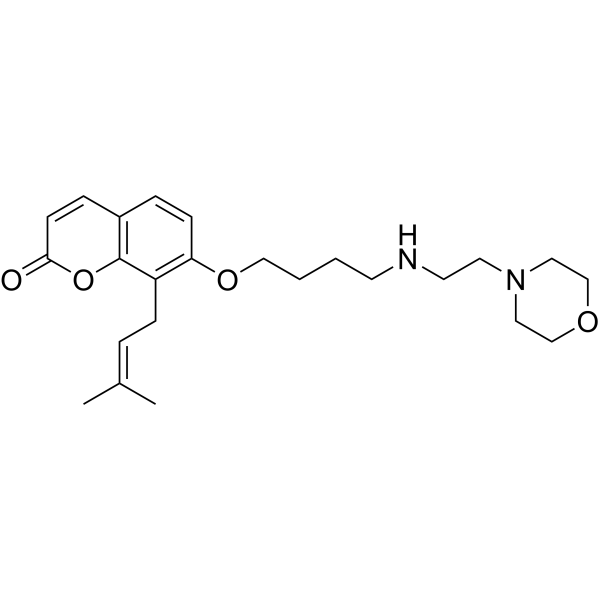
    AMPK-IN-5 (compound 7m) is a Osthole (HY-N0054) derivative, and blocks MAPK signal transduction by inhibiting the phosphorylation of JNK and p38, thereby inhibiting the release of inflammatory cytokines. AMPK-IN-5 reduce DSS-induced ulcerative colitis and LPS (HY-D1056)-induced acute lung injury .
    AMPK-IN-5
  • HY-P1385

    GSK-3 p38 MAPK Neurological Disease
    TCS 183, a peptide, is a GSK-3β inhibitor. TCS 183 blocks GSK-3β autoinhibition and decreases the level of AMPK phosphorylation. TCS 183 can be used for neuropathological diseases, particularly Alzheimer’s disease, research .
    TCS 183
  • HY-N3055

    Apoptosis AMPK Platelet-activating Factor Receptor (PAFR) Caspase Neurological Disease Metabolic Disease Cancer
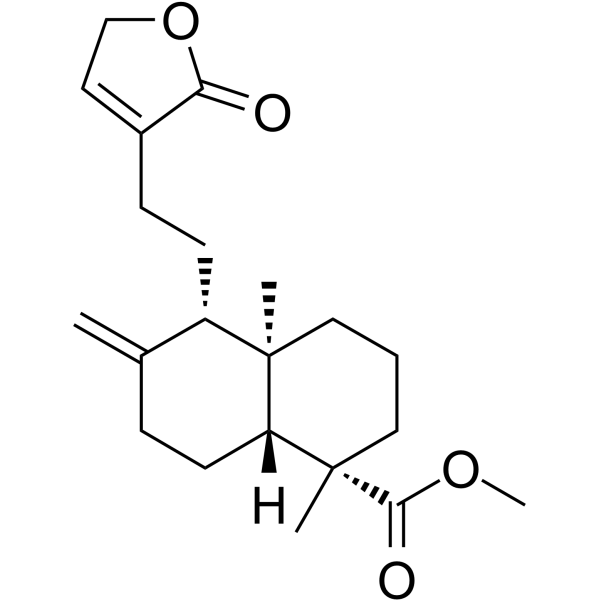
    Pinusolide is an AMPK activator and PAF receptor antagonist. Pinusolide activates AMPK, phosphorylates ACC, enhances IRS-1 tyrosine phosphorylation, boosts glucose uptake, and modulates insulin signaling. Pinusolide inhibits caspase-3/7 activation, intracellular calcium elevation, reactive oxygen species overproduction, lipid peroxidation, and tumor cell proliferation. Pinusolide stabilizes superoxide dismutase activity, reduces apoptotic hallmarks, induces mitochondrial pathway apoptosis, and triggers DNA fragmentation. Pinusolide can be used for the research of type 2 diabetes, neurodegenerative diseases, acute lymphoblastic leukemia, acute myeloid leukemia, and Burkitt lymphoma .
    Pinusolide
  • HY-103400R

    8-Cl-Ado (Standard)

    Reference Standards AMPK Nucleoside Antimetabolite/Analog Autophagy Cancer
    8-Chloroadenosine (Standard) is the analytical standard of 8-Chloroadenosine. This product is intended for research and analytical applications. 8-Chloroadenosine (8-Cl-Ado), a unique ribonucleoside analog, depletes endogenous ATP that subsequently induces the phosphorylation and activation of AMPK. 8-Chloroadenosine induces autophagic cell death. 8-Chloroadenosine effectively inhibited in vivo tumor growth in mice .
    8-Chloroadenosine (Standard)
  • HY-A0144R

    Adrenergic Receptor AMPK Akt Reference Standards Cardiovascular Disease
    Etilefrine (Standard) is the analytical standard of Etilefrine. This product is intended for research and analytical applications. Etilefrine is a sympathetic nerve agonist and AMPK activator that selectively targets α1/β1 adrenergic receptors. Etilefrine stimulates α1 adrenergic receptors, leading to contraction of vascular smooth muscle and increased peripheral resistance. Etilefrine also stimulates β1 receptors to enhance myocardial contractility and increase heart rate, thereby increasing blood pressure and improving cardiac output. Etilefrine also bidirectionally regulates the AMPK/Akt pathway and modulates the phosphorylation levels. Etilefrine can be used in cardiovascular research, such as postural hypotension, chylothorax, and improving low cardiac output .
    Etilefrine (Standard)
  • HY-A0144AR

    Reference Standards AMPK Adrenergic Receptor Akt Cardiovascular Disease
    Etilefrine hydrochloride (Standard) is the analytical standard of Etilefrine hydrochloride (HY-A0144A). This product is intended for research and analytical applications. Etilefrine hydrochloride is a sympathetic nerve agonist and AMPK activator that selectively targets α1/β1 adrenergic receptors. Etilefrine hydrochloride stimulates α1 adrenergic receptors, leading to contraction of vascular smooth muscle and increased peripheral resistance. Etilefrine hydrochloride also stimulates β1 receptors to enhance myocardial contractility and increase heart rate, thereby increasing blood pressure and improving cardiac output. Etilefrine hydrochloride also bidirectionally regulates the AMPK/Akt pathway and modulates the phosphorylation levels. Etilefrine hydrochloride can be used in cardiovascular research, such as postural hypotension, chylothorax, and improving low cardiac output .
    Etilefrine hydrochloride (Standard)
  • HY-N5083R

    Reference Standards PERK NF-κB p38 MAPK AMPK Interleukin Related COX Cardiovascular Disease Neurological Disease Metabolic Disease Inflammation/Immunology
    Saponarin (Standard) is the analytical standard of Saponarin (HY-N5083). This product is intended for research and analytical applications. Saponarin is an orally active flavonoid compound. Saponarin can be isolated from Gypsophila trichotoma. Saponarin inhibits ERK/p38, NF-κB and MAPK phosphorylation and activates AMPK. Saponarin reduces IL-1β and COX-2. Saponarin has antioxidant, anti-inflammatory, hepatoprotective, hypoglycemic and hypotensive effects. Saponarin improves sleep disorders .
    Saponarin (Standard)
  • HY-N0805AR

    Reference Standards Epoxide Hydrolase CaMK Autophagy Apoptosis Metabolic Disease Inflammation/Immunology Cancer
    Alisol B (Standard) is the analytical standard of Alisol B (HY-N0805A). This product is intended for research and analytical applications. Alisol B is a triterpene with diverse biological activities. Alisol B binds human soluble epoxide hydrolase (sEH) with a Ki of 5.97 μM and reduces sEH activity. Alisol B inhibits RANKL-induced JNK phosphorylation, NFATc1 and c-Fos expression, osteoclast formation, mature osteoclast pit-forming and actin ring activity, and SERCA pump activity. Alisol B induces calcium mobilization, CaMKK-AMPK-mTOR pathway activation, autophagic flux, autophagosome formation, G1 phase cell cycle arrest, endoplasmic reticulum stress, unfolded protein responses, and cancer cell apoptosis. Alisol B can be used for the research of hypercalcemia, osteoporosis, rheumatoid arthritis, periodontitis, acute kidney injury, and breast cancer.
    Alisol B (Standard)
  • HY-N0559R

    Reference Standards Casein Kinase Apoptosis AMPK Akt NF-κB TGF-beta/Smad Cardiovascular Disease Neurological Disease Metabolic Disease Inflammation/Immunology Cancer
    Kirenol (Standard) is the analytical standard of Kirenol (HY-N0559). This product is intended for research and analytical applications. Kirenol is a diterpenoid compound, an orally active apoptosis inducer and signaling pathway regulator, with a Kd value of 5.47 μM against the target CK2. Kirenol promotes the cleavage of Bid into tBid, regulates the protein levels/phosphorylation of Bax, Bcl-2, p53 and p21, and induces caspase-independent apoptosis, S-phase cell cycle arrest, ROS accumulation and cytotoxicity in cancer cells. Kirenol activates the CK2/AKT and AMPK-mTOR-ULK1 pathways, inhibits the signaling of NF-κB, TGF-β/Smads and NLRP3 inflammasome, and regulates the GSK3β, BMP and Wnt/β-catenin pathways. Kirenol induces autophagy, mitophagy and osteoblast differentiation, promotes mitochondrial fusion, and exerts antioxidant, anti-inflammatory, antifibrotic, renoprotective, cardioprotective, neuroprotective and analgesic effects. Kirenol is applicable to research related to chronic myeloid leukemia, ischemic stroke, diabetic nephropathy, heart failure, acute lung injury and osteoporosis.
    Kirenol (Standard)
  • HY-N1677R

    Reference Standards Akt mTOR Bacterial Fungal AMPK Infection Metabolic Disease Inflammation/Immunology Cancer
    2,6-Dimethoxy-1,4-benzoquinone (Standard) is the analytical standard of 2,6-Dimethoxy-1,4-benzoquinone (HY-N1677). This product is intended for research and analytical applications. 2,6-Dimethoxy-1,4-benzoquinone is a 1,4-benzoquinone derivative. 2,6-Dimethoxy-1,4-benzoquinone promotes phosphorylation of AKT, S6K, mTOR, 4E-BP1, and AMPK, and attenuates mTORC1 activity as part of the AKT/mTOR pathway. 2,6-Dimethoxy-1,4-benzoquinone stimulates myoblast differentiation, increases myotube size, elevates MHC protein expression, enhances mitochondrial biogenesis, respiration, and DNA content, and increases skeletal muscle weights, fiber size, grip strength, and treadmill performance. 2,6-Dimethoxy-1,4-benzoquinone exerts anti-cancer, anti-inflammatory, anti-adipogenic, antibacterial, and antimutagenic effects, inhibits adipogenic transcription factors, nitric oxide production, skin tumor development, Magnaporthe oryzae growth, spore germination, appressorium formation, and growth of select bacterial species, induces H2O2 generation and rice defense gene expression, and reduces rice blast lesion formation. 2,6-Dimethoxy-1,4-benzoquinone can be used for the research of obesity, skin tumorigenesis, rice blast disease, and food-borne illness.
    2,6-Dimethoxy-1,4-benzoquinone (Standard)
  • HY-115549

    AMPK Acetyl-CoA Carboxylase Metabolic Disease
    AMPK activator 18 is a potent allosteric activator of AMPK complexes containing the β2 isoform. AMPK activator 18activates α2-containing AMPK α2β2γ1 and α2β2γ3 complexes, with EC50 values of 17.2 and 82.1 nM. AMPK activator 18 stimulates β2-AMPK in cells, and glucose uptake by isolated skeletal muscle. AMPK activator 18 induces acetyl-coenzyme A carboxylase (ACC) and AMPK α-T172 phosphorylation. AMPK activator 18 can be used for the research of type 2 diabetes .
    AMPK activator 18

Inquiry Online

Your information is safe with us. * Required Fields.

Salutation


Country or Region *

Applicant Name *


Organization Name *

Department *


Email Address *


Product Name *

Cat. No.


Requested quantity *

Phone Number *


Remarks

Inquiry Online

Inquiry Information

Product Name:
Cat. No.:
Quantity:
MCE Japan Authorized Agent: