1. Search Result
Search Result
Pathways Recommended: Cell Cycle/DNA Damage
Results for "

DNA damage response

" in MedChemExpress (MCE) Product Catalog:

91

阻害剤およびアゴニスト

1

スクリーニングライブラリ

1

生化学アッセイ試薬

3

天然物

2

組換えタンパク質

3

同位体標識化合物

1

クリックケミストリー

1

オリゴヌクレオチド

製品番号 製品名 Target 研究分野 構造式
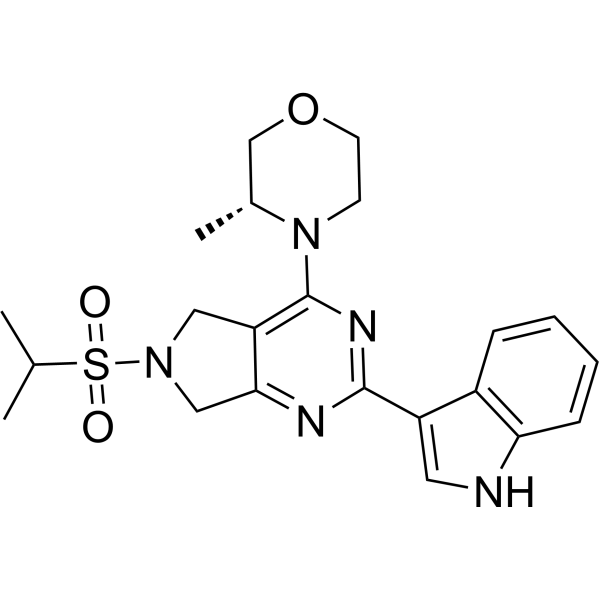
  • HY-101566
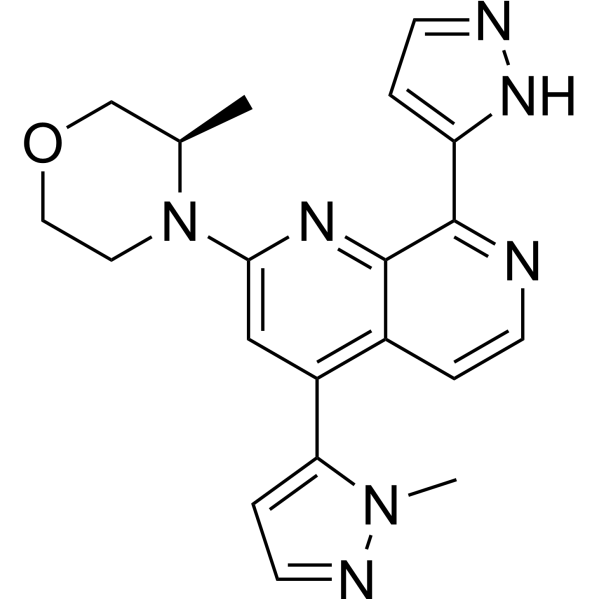
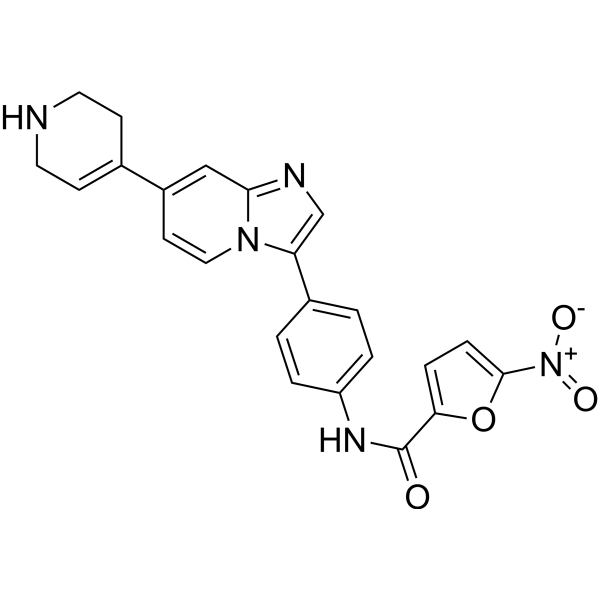
    Elimusertib
    Maximum Cited Publications
    15 Publications Verification

    BAY 1895344

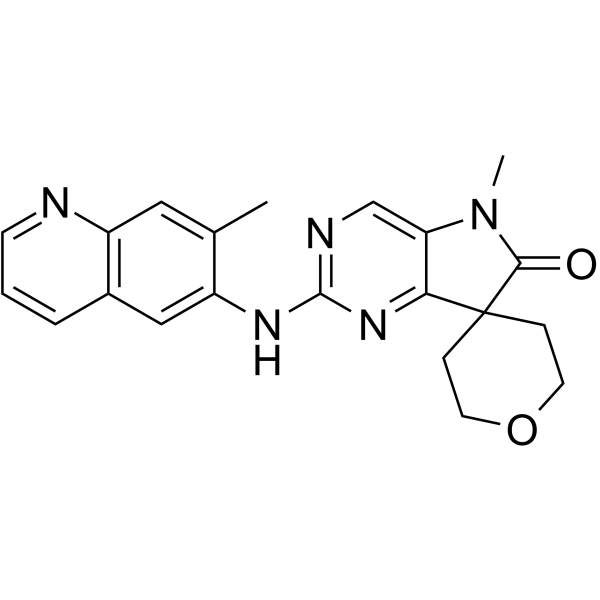
    ATM/ATR Cancer
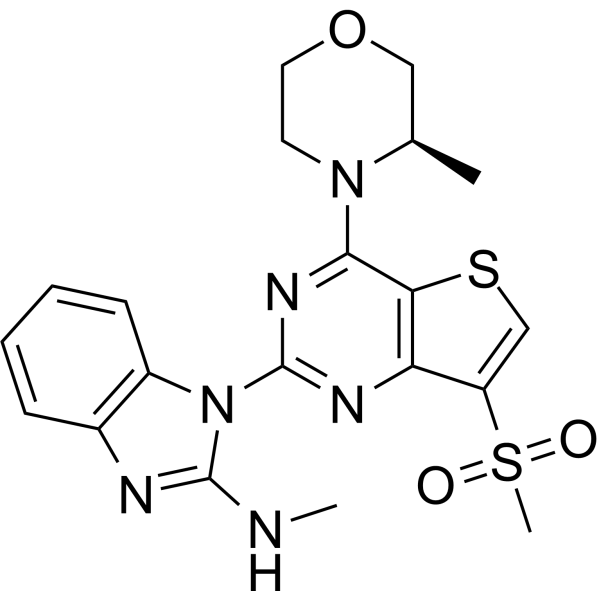
    Elimusertib (BAY-1895344) is a potent, orally active and selective ATR inhibitor with an IC50 of 7 nM. Elimusertib has anti-tumor activity . Elimusertib can be used for the research of solid tumors and lymphomas .
    Elimusertib
  • HY-12484
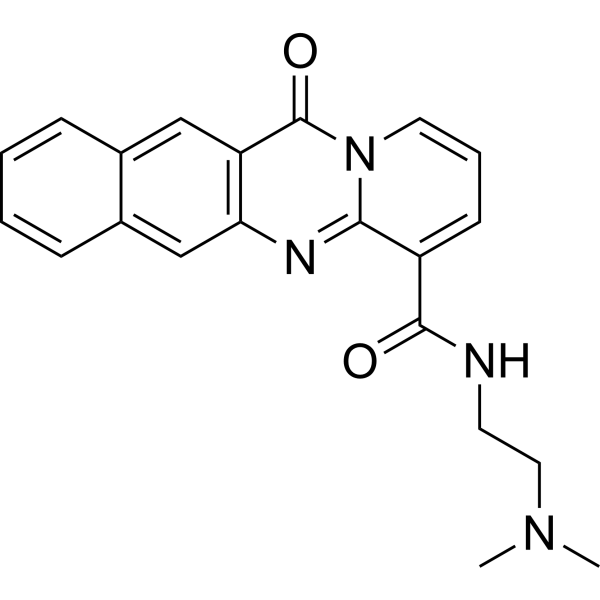
    BMH-21
    10+ Cited Publications

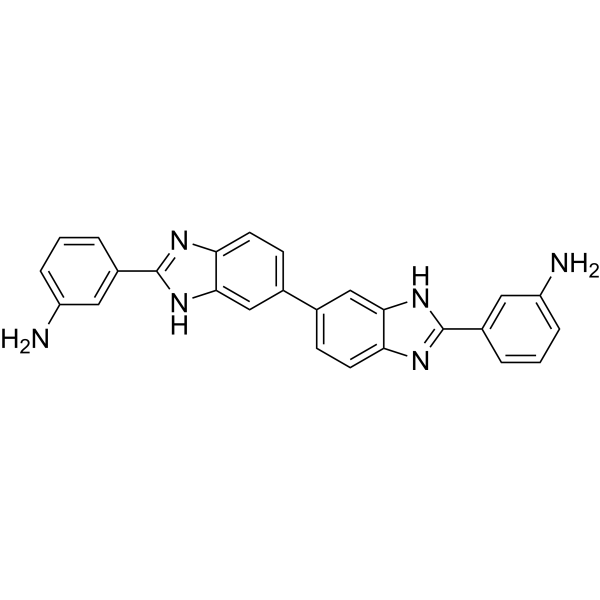
    DNA/RNA Synthesis Cancer
    BMH-21 is a first-in-class DNA intercalator which inhibits RNA polymerase I (Pol I) transcription. BMH-21 possesses anticancer activity .
    BMH-21
  • HY-157941

    ATM/ATR Checkpoint Kinase (Chk) DNA/RNA Synthesis Cancer
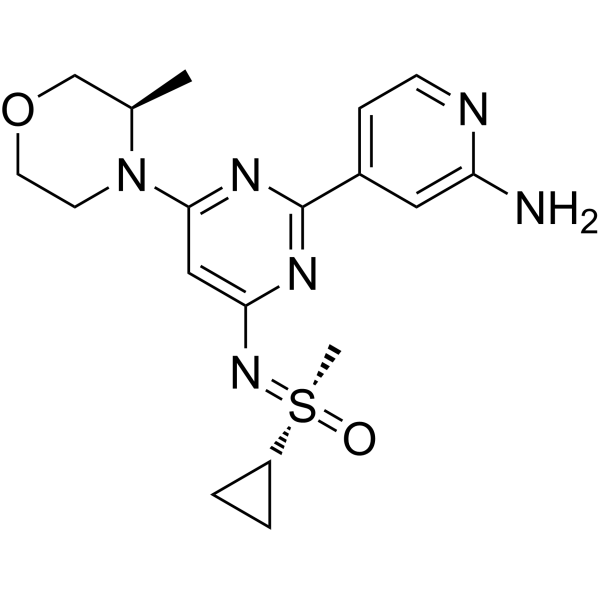
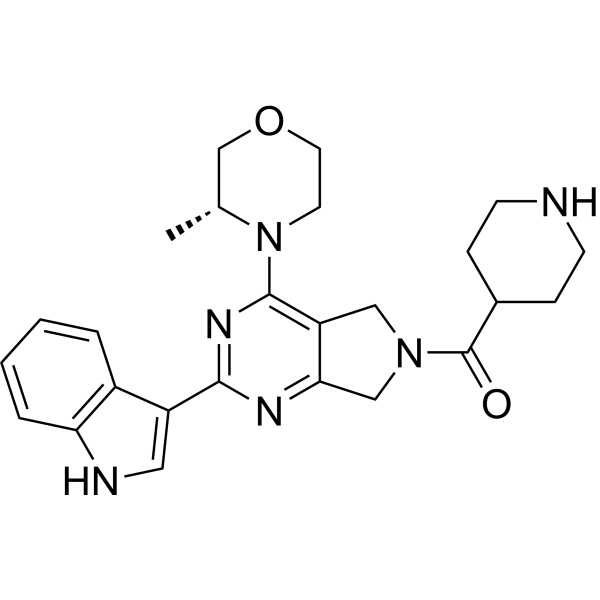
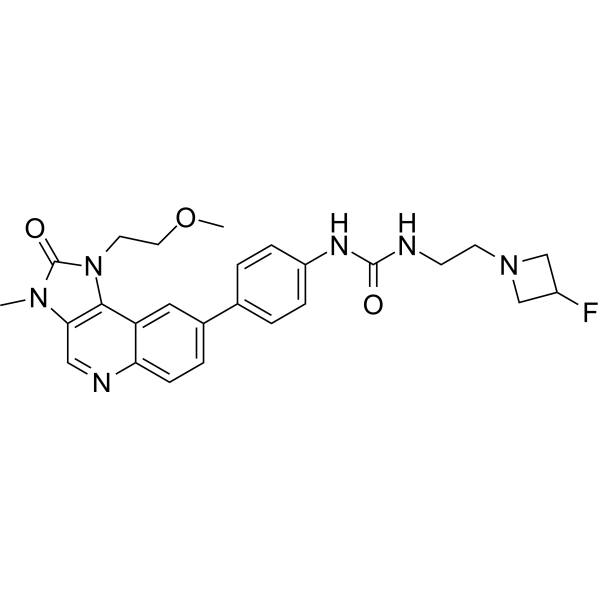
    ART0380 is a potent, selective and orally active ATR kinase inhibitor. ART0380 potently inhibits human ATR-ATRIP complex with an IC50 of 51.7 nM. ART0380 binds the ATP pocket of the ATR-ATRIP complex, blocks ATR-dependent Chk1 serine 345 phosphorylation, and induces cell cycle disorder and DNA damage. ART0380 demonstrates potent and selective antitumor activity in preclinical models with varying types of ataxia-telangiectasia mutated (ATM) gene aberrancy. ART0380 can be used for the research of cancer, such as colorectal cancer and prostate cancer .
    ART0380
  • HY-123834
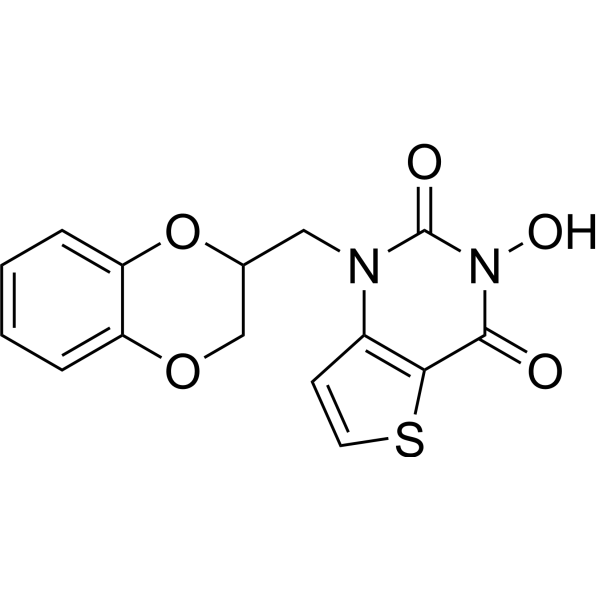
    FEN1-IN-1
    5+ Cited Publications

    FLAP ATM/ATR Cancer
    FEN1-IN-1 (compound 1) is a small molecule flap endonuclease 1 (FEN1) inhibitor with antitumor activity. FEN1-IN-1 binds to the active site of FEN1 and partly achieves inhibition by the co-ordination of Mg 2+ ions. FEN1-IN-1 initiaties a DNA damage response and activates the ATM checkpoint signalling pathway, the phosphorylation of histone H2AX and the ubiquitination of FANCD2 in mammalian cells. FEN1-IN-1 is promising for research of cancers .
    FEN1-IN-1
  • HY-171124

    AZD9592

    Antibody-Drug Conjugates (ADCs) EGFR c-Met/HGFR Topoisomerase DNA/RNA Synthesis Cancer
    Tilatamig samrotecan (AZD9592) is an anti-EGFR/c-MET antibody-drug conjugate (ADC). Tilatamig samrotecan consists of an anti-EGFR/c-MET antibody with the drug-linker conjugate being AZ14170133 (HY-145399) (a topoisomerase I (TOP1i) inhibitor payload). Tilatamig samrotecan induces multiple DNA damage response pathway markers (like ATM, ATR, γH2AX). Tilatamig samrotecan selectively binds to EGFR and c-MET, delivering the cytotoxic payload. Tilatamig samrotecan exerts anti-tumor activity in vivo. Tilatamig samrotecan can be used for non-small cell lung cancer (NSCLC) and head and neck squamous cell carcinoma (HNSCC) research .
    Tilatamig samrotecan
  • HY-112130
    AGI-24512
    2 Publications Verification

    Methionine Adenosyltransferase (MAT) Cancer
    AGI-24512 is a potent methionine adenosyltransferase 2α (MAT2A) inhibitor, with an IC50 of 8 nM. AGI-24512 triggers DNA damage response. AGI-24512 can block proliferation of MTAP-deleted cancer cells in vitro. AGI-24512 can be used for researching anticancer .
    AGI-24512
  • HY-B0077
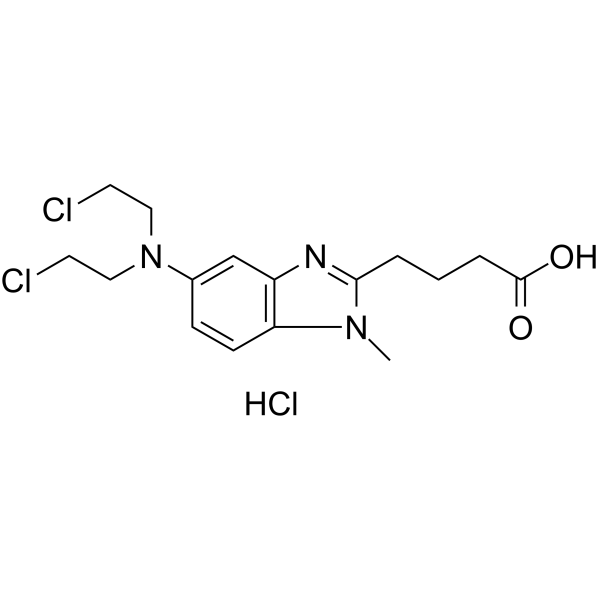
    Bendamustine hydrochloride
    5+ Cited Publications

    SDX-105

    DNA Alkylator/Crosslinker Apoptosis Neurological Disease Inflammation/Immunology Cancer
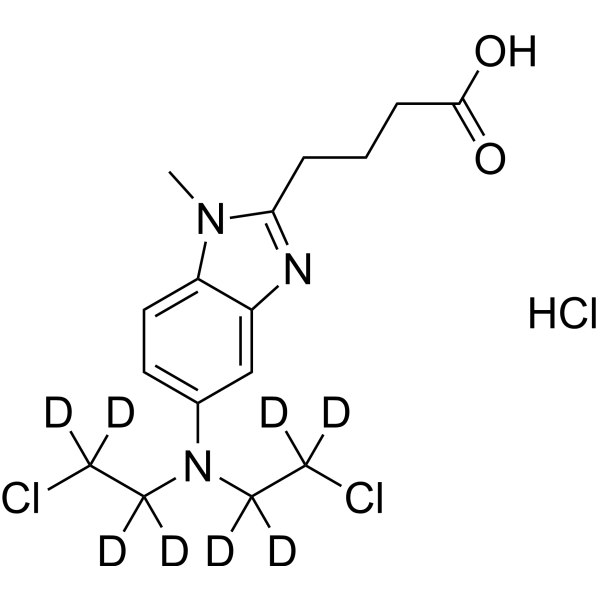
    Bendamustine hydrochloride (SDX-105), a purine analogue, is a DNA cross-linking agent. Bendamustine hydrochloride activats DNA-damage stress response and apoptosis. Bendamustine hydrochloride has potent alkylating, anticancer and antimetabolite properties .
    Bendamustine hydrochloride
  • HY-13567
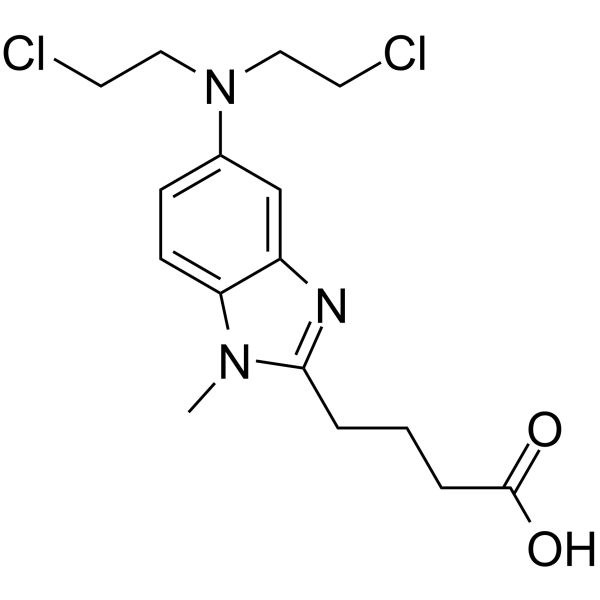
    Bendamustine
    5+ Cited Publications

    SDX-105 free base

    DNA Alkylator/Crosslinker Apoptosis Neurological Disease Inflammation/Immunology Cancer
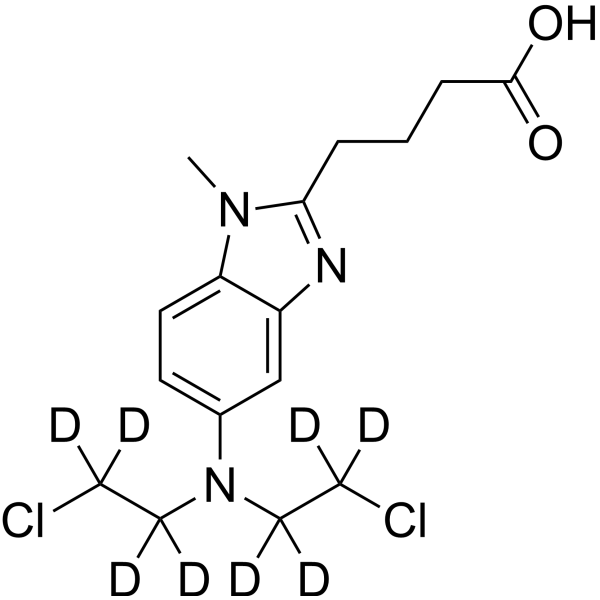
    Bendamustine (SDX-105 free base), a purine analogue, is a DNA cross-linking agent. Bendamustine activates DNA-damage stress response and apoptosis. Bendamustine has potent alkylating, anticancer and antimetabolite properties .
    Bendamustine
  • HY-W011725

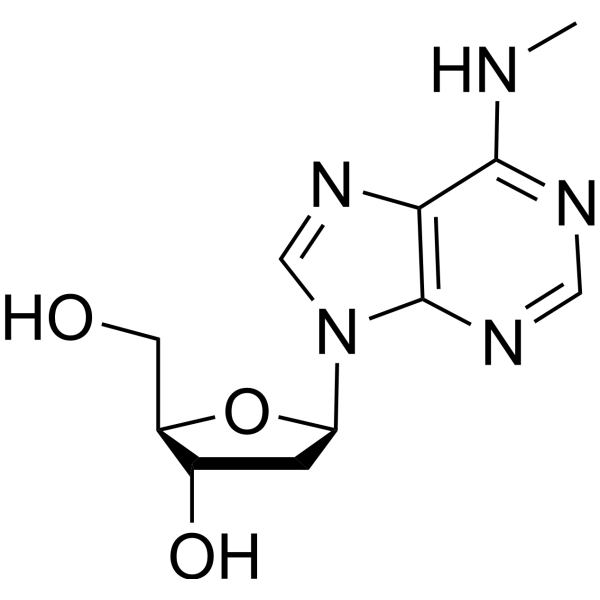
    m6dA

    Nucleoside Antimetabolite/Analog Mitochondrial Metabolism DNA/RNA Synthesis Neurological Disease Cancer
    N-6-Methyl-2-deoxyadenosine (m6dA) is an adenine nucleoside analogue. N-6-Methyl-2-deoxyadenosine targets nuclear processes and DNA replication machineries including WER, SATB1, TFAM, Jumu, SSBP1, DNA polymerase η and phage polymerase Gp90 exo . N-6-Methyl-2-deoxyadenosine acts as a multifunctional epigenetic regulator that modulates transcription, DNA damage response, cell cycle, transposon silencing, stress adaptation, epigenetic crosstalk, and nucleosome organization in both prokaryotes and eukaryotes. N-6-Methyl-2-deoxyadenosine regulates mitochondrial epigenetic inheritance and is required for fear extinction memory in mice. N-6-Methyl-2-deoxyadenosine exhibits dysregulated levels in cancers. N-6-Methyl-2-deoxyadenosine can be used for the research of glioblastoma, triple negative breast cancer, and conditioned fear (fear extinction impairment) .
    N-6-Methyl-2-deoxyadenosine
  • HY-168162

    PROTACs CDK Cancer
    ZLC491 is an orally active PROTAC degrader that selectively targets CDK12/CDK13 and exhibits certain oral bioavailability. ZLC491 induces cereblon- and proteasome-dependent selective degradation of CDK12 and CDK13. ZLC491 inhibits the transcription and expression of long genes, and mainly acts on a subset of DNA damage response genes. ZLC491 inhibits the proliferation of various triple-negative breast cancer cells. ZLC491 can be used in research related to triple-negative breast cancer .
    ZLC491
  • HY-126020
    Bractoppin
    3 Publications Verification

    DNA/RNA Synthesis RAD51 Cancer
    Bractoppin is a potent and selective agent-like inhibitor of phosphopeptide recognition by the human BRCA1 tandem(t) BRCT domain (binding IC50: 74 nM). Bractoppin diminishes BRCA1 recruitment to DNA breaks, in turn suppressing damage-induced G2 arrest and assembly of the recombinase, RAD51. Bractoppin preferentially inhibits BRCA1 tBRCT-dependent steps in the DNA damage response .
    Bractoppin
  • HY-122198
    ML367
    1 Publications Verification

    Checkpoint Kinase (Chk) Cancer
    ML367 is a potent inhibitor of ATPase family AAA domain-containing protein 5 (ATAD5) stabilization, acts as a probe molecule that has low micromolar inhibitory activity. ML367 blocks DNA repair pathways, suppresses general DNA damage responses including RPA32-phosphorylation and CHK1-phosphorylation in response to UV irradiation .
    ML367
  • HY-101566A
    Elimusertib hydrochloride
    Maximum Cited Publications
    15 Publications Verification

    BAY 1895344 hydrochloride

    ATM/ATR Cancer
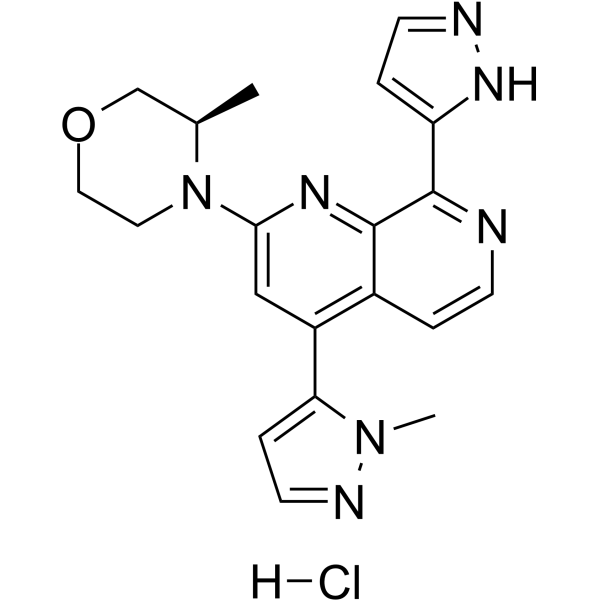
    Elimusertib (BAY 1895344) hydrochloride is a potent, orally active and selective ATR inhibitor with an IC50 of 7 nM. Elimusertib hydrochloride has anti-tumor activity . Elimusertib hydrochloride can be used for the research of solid tumors and lymphomas .
    Elimusertib hydrochloride
  • HY-13703A
    Nimustine hydrochloride
    1 Publications Verification

    ACNU

    DNA Alkylator/Crosslinker DNA/RNA Synthesis Apoptosis p38 MAPK JNK AP-1 Cancer
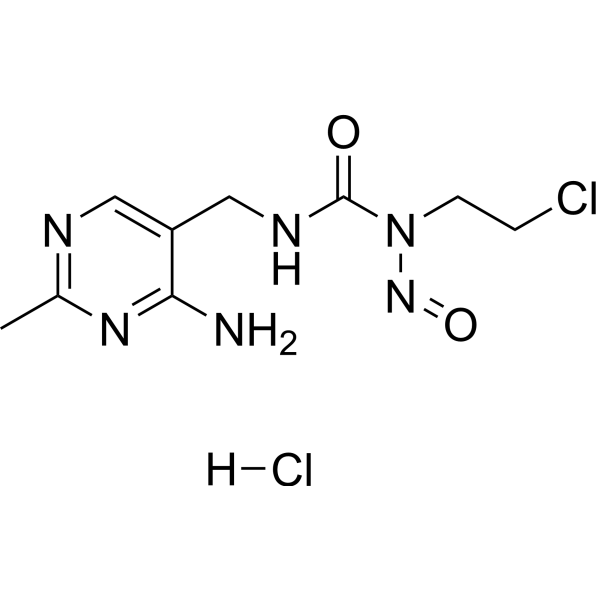
    Nimustine hydrochloride (ACNU) is the hydrochloride salt form of Nimustine (HY-13703). Nimustine hydrochloride is an alkylating agent, which induces DNA double-strand breaks (DSBs) and inter-strand crosslinks (ICLs), thereby activating the DNA damage response (DDR) signaling pathway. Nimustine hydrochloride activates p38 MAPK/JNK signaling pathway, and exhibits antitumor activity .
    Nimustine hydrochloride
  • HY-144981
    HQ461
    1 Publications Verification

    CDK Molecular Glues Cancer
    HQ461 is a molecular glue that promotes CDK12-DDB1 interaction to trigger cyclin K degradation. HQ461-mediated degradation of cyclin K impairs CDK12 function, resulting in decreased CDK12 substrate phosphorylation, downregulation of DNA damage response genes, and cell death .
    HQ461
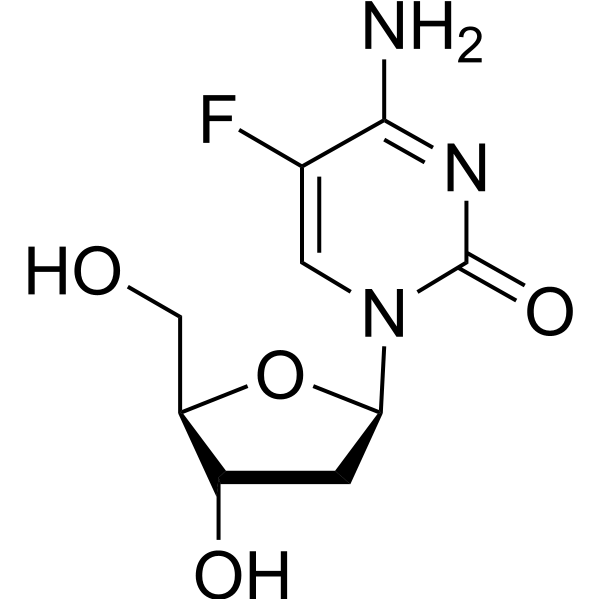
  • HY-116217
    5-Fluoro-2'-deoxycytidine
    3 Publications Verification

    FdCyd; NSC-48006

    DNA Methyltransferase Cancer
    5-Fluoro-2'-deoxycytidine (FdCyd), a fluoropyrimidine nucleoside analogue, is a DNA methyltransferase (DNMT) inhibitor. 5-Fluoro-2'-deoxycytidine is a tumor-selective proagent of thymidylate synthase inhibitor 5-fluoro-2′-dUMP. 5-Fluoro-2'-deoxycytidine can induce cell cycle arrest in tumor cells through the DNA damage response, and it has anti-tumor activity .
    5-Fluoro-2'-deoxycytidine
  • HY-114869
    DPQ
    3 Publications Verification

    PARP Neurological Disease Cancer
    DPQ is a selective PARP-1 inhibitor that blocks PARP-1-mediated DNA damage repair and NAD +/ATP consumption, thereby inhibiting excessive inflammatory responses. DPQ inhibits NF-κB pathway activation, reduces the expression of pro-inflammatory factors (such as TNF-α, IL-6) and oxidative stress. DPQ can be used in inflammation-related studies of acute lung injury, myocardial infarction, and neurodegenerative diseases .
    DPQ
  • HY-163944

    DNA/RNA Synthesis Molecular Glues CDK Apoptosis RAD51 ATM/ATR PARP Cancer
    LL-K12-18 is a CDK12 kinase inhibitor and a dual-site molecular glue. LL-K12-18 inhibits human CDK12 with an IC50 value of 283.9 nM, and selectively degrades cyclin K via the ubiquitin-proteasome system by stabilizing the CDK12-DDB1 complex. LL-K12-18 downregulates DNA damage response genes, reduces the phosphorylation level of CTD Ser2 in RNA polymerase II, and modulates biomarkers such as ATM, RAD51, γ-H2AX and cleaved PARP, thereby effectively inducing apoptosis and inhibiting proliferation of breast cancer cells. LL-K12-18 exhibits high target selectivity and serves as a research tool for studies on triple-negative breast cancer .
    LL-K12-18
  • HY-138155

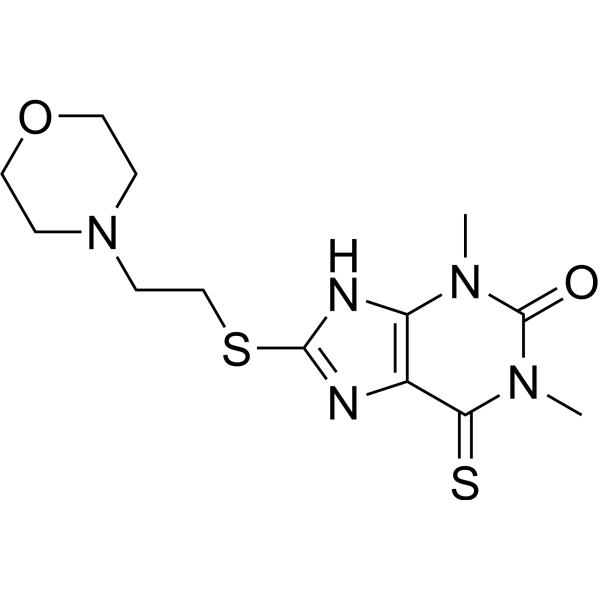
    DNA/RNA Synthesis Cancer
    NSC15520 is a small molecular inhibitor of Replication Protein A (RPA). NSC15520 specifically recognizes the RPA N-terminal DNA binding domain (DBD), and blocks the interaction of RPA with p53 or RAD9. NSC15520 also inhibtis helix destabilization of a duplex DNA (dsDNA) oligonucleotide, involves in DNA replication, DNA repair, DNA recombination, and DNA damage response signaling .
    NSC15520
  • HY-137924
    JA2131
    1 Publications Verification

    Poly(ADP-ribose) Glycohydrolase (PARG) Cancer
    JA2131 is a small molecular inhibitor of Poly(ADP-ribose) Glycohydrolase (PARG) (IC50=0.4 μM). JA2131 regulate DNA damage responses, causes replication fork stalling and cancer cell death .
    JA2131
  • HY-120084
    BTX161
    1 Publications Verification

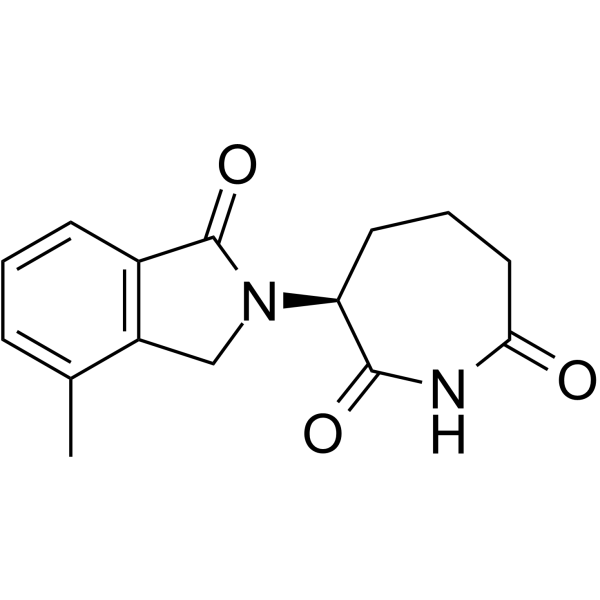
    Casein Kinase Cancer
    BTX161, a thalidomide analog, is an effective CKIα degrader. BTX161 mediates human AML cell CKIα degradation more effectively than lenalidomide and activates the DNA damage response (DDR) and p53, while stabilizing p53 antagonist MDM2.
    BTX161
  • HY-158345

    PROTACs ATM/ATR DNA/RNA Synthesis Apoptosis Cancer
    PROTAC ATM degrader-1 is a ATM PROTAC degrader with a KD value of 1.17 nM. PROTAC ATM degrader-1 triggers DNA damage response, cell cycle arrest, and apoptosis in cancer cells via the ubiquitin-proteasome-dependent degradation pathway. PROTAC ATM degrader-1 can be used for research on colorectal cancer .
    PROTAC ATM degrader-1
  • HY-153339

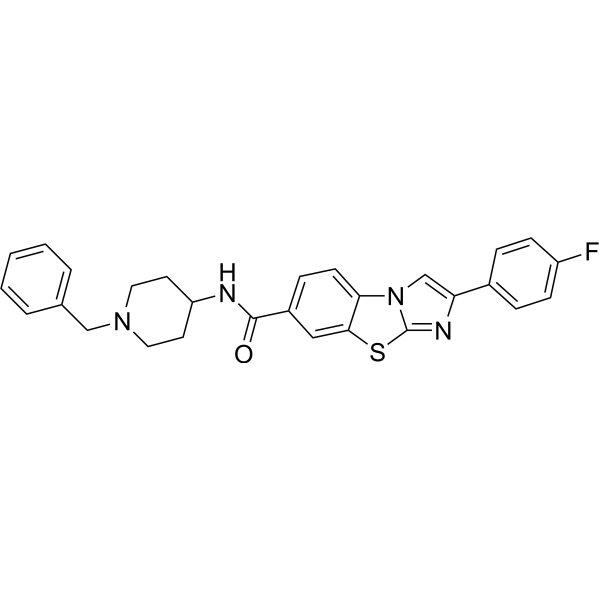
    Eukaryotic Initiation Factor (eIF) Cancer
    E235 is an expression regulator of activates transcription factor 4 (ATF4). E235 reduces cell viability by activating integrated stress response (ISR) and DNA damage response signals. E235 has anti-proliferative activity and can be used for tumor research .
    E235
  • HY-N9487

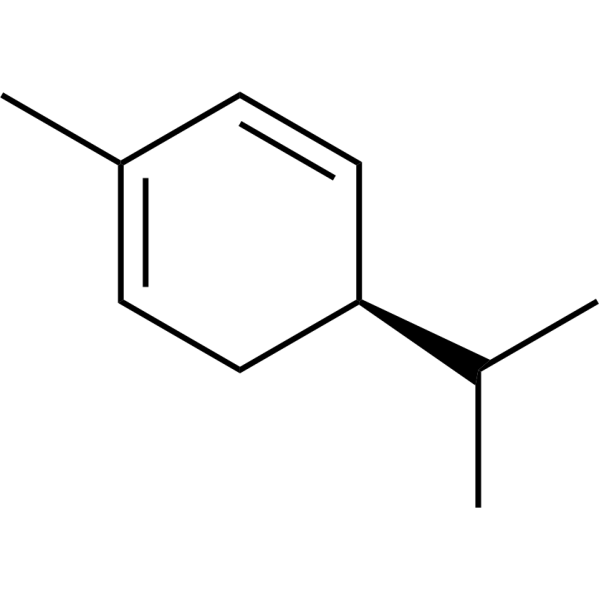
    (-)-α-Phellandrene

    Environmental Pollutants Bacterial Infection Inflammation/Immunology
    (R)-(-)-α-Phellandrene ((-)-α-Phellandrene) is an the (R)-(-)-stereoisomer of α-phellandrene. α-phellandrene is an orally active cyclic monoterpene that attenuates inflammatory response, and induces DNA damage .
    (R)-(-)-α-Phellandrene
  • HY-178208

    Poly(ADP-ribose) Glycohydrolase (PARG) Cancer
    MDOLL-0286 is a selective Poly(ADP-ribose) Glycohydrolase (PARG) (ARH3) inhibitor with an IC50 of 2.3μM. MDOLL-0286 can inhibit ARH3’s poly-ADP-ribose hydrolytic activity on cellular substrates. MDOLL-0286 can inhibit DNA damage response. MDOLL-0286 can be used for the research of cancer .
    MDOLL-0286
  • HY-164496

    DNA/RNA Synthesis Cancer
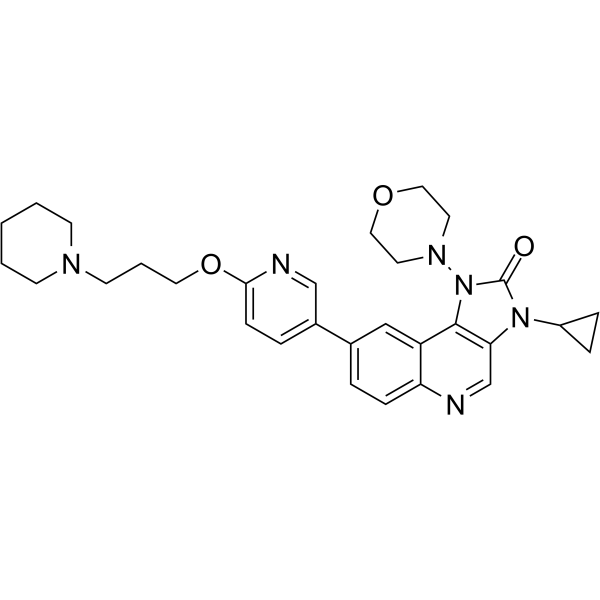
    KL-50 is a selective toxin toward tumors that lack the DNA repair protein O 6-methylguanine-DNA-methyltransferase (MGMT), which reverses the formation of O 6-alkylguanine lesions. KL-50 activates DNA damage response pathways and cycle arrest in MGMT-cells, independent of mismatch repair (MMR). KL-50 is promising for research of brain tumors that lack the DNA repair protein MGMT .
    KL-50
  • HY-W011425

    Nitrilotris(methylenephosphonic acid)

    DNA Alkylator/Crosslinker MOFs Cancer
    NTPO (Nitrilotris methylenephosphonic acid) is a DNA damage inducer, causing genomic DNA damage and fragmentation, activating ATR-mediated cell cycle checkpoints. The DNA damaging effects of NTPO are abrogated by base excision repair (BER) but not nucleotide excision repair (NER) .
    NTPO
  • HY-135782

    Poly(ADP-ribose) Glycohydrolase (PARG) Cancer
    iso-ADP ribose is the small-molecule ligand for protein nucleic acid modification, comprising parts of two consecutive ADP-ribosyl units within the PAR chain. iso-ADP ribose specifically binds WWE, FHA and OB-fold domains, enabling PAR-dependent functional responses like ubiquitylation and supporting DNA damage signaling and repair. iso-ADP ribose can be used for cancer research .
    iso-ADP ribose
  • HY-153190
    W1131
    1 Publications Verification

    Oxidative Phosphorylation STAT Ferroptosis Cancer
    W1131 is a potent STAT3 inhibitor, triggering ferroptosis. W1131 suppresses cancer progression in gastric cancer cell subcutaneous xenograft model, organoids model, and PDX model. W1131 effectively alleviates chemical resistance of cancer cells to 5-FU (HY-90006). W1131 regulates cell cycle, DNA damage response, and oxidative phosphorylation, including IL6-JAK-STAT3 pathway and ferroptosis pathway .
    W1131
  • HY-151883

    Apoptosis MDM-2/p53 Cancer
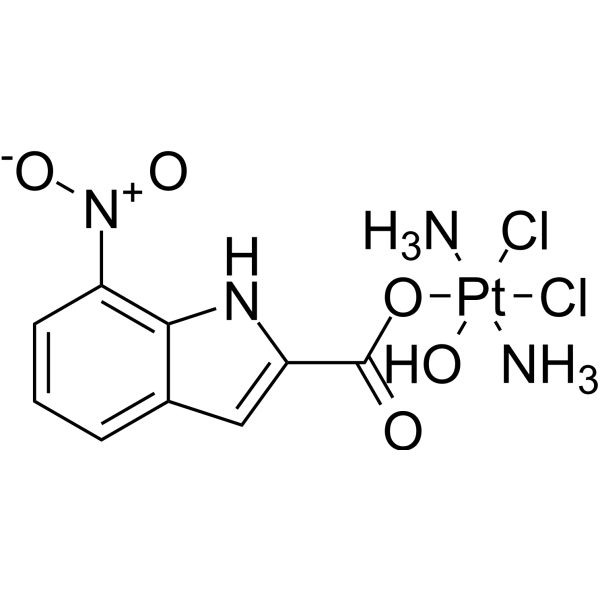
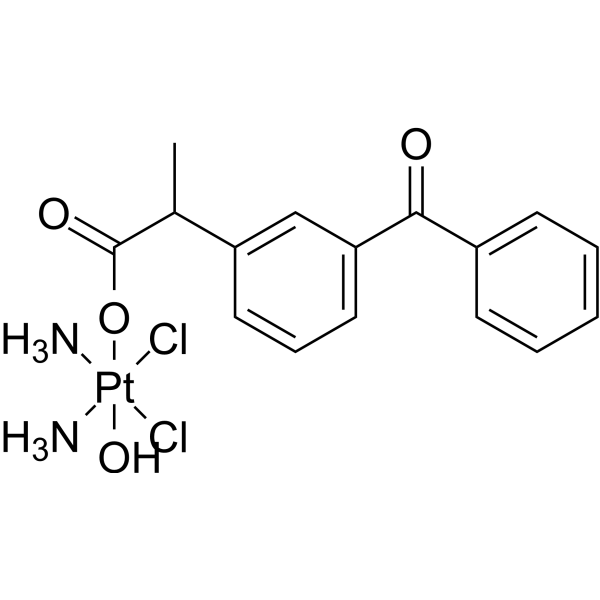
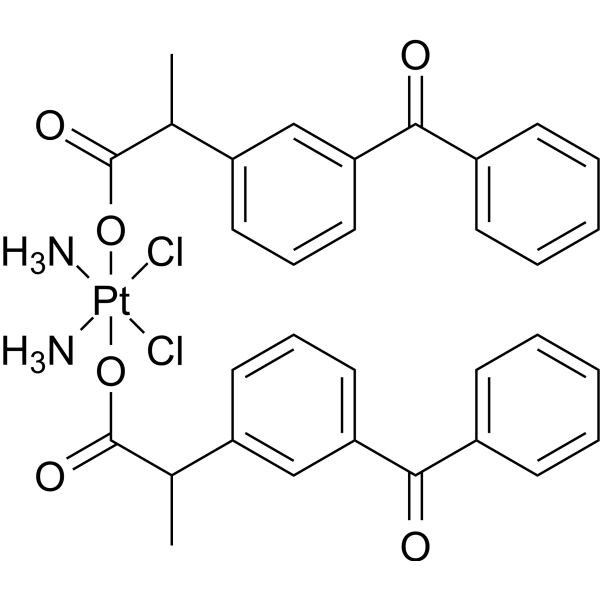
    APE1-IN-2 (compound AP1) is a Pt(IV) proagent, targeting a critical BER protein, apurinic/apyrimidinic endonuclease 1 (APE1). APE1-IN-2 shows anticancer activity. APE1-IN-2 induces intracellular accumulation of platinum and activates DNA damage response and apoptosis signals .
    APE1-IN-2
  • HY-155801

    Toll-like Receptor (TLR) NF-κB TNF Receptor MyD88 Apoptosis DNA/RNA Synthesis Cardiovascular Disease Infection Neurological Disease Inflammation/Immunology Cancer
    CRX 527 is a TLR4 agonist. CRX 527 activates the MyD88-dependent, TRIF-dependent, and TRAF6/NF-κB signaling pathways downstream of TLR4, mimics lipid A, and regulates antigen processing and presentation by dendritic cells. CRX 527 stimulates innate immune responses and enhances vaccine efficacy. CRX 527 maintains the structural integrity of hematopoietic tissues, spleen and intestine, alleviates radiation-induced damage, preserves intestinal homeostasis, and inhibits apoptosis, inflammatory responses, oxidative stress and DNA damage. CRX 527 can be used in the research of acute radiation syndrome, melanoma, HPV-related tumors and intracerebral hemorrhage .
    CRX 527
  • HY-173059

    CDK Cancer
    CDK12/13-IN-3 (Compound 12b) is the orally active inhibitor for CDK that inhibits CDK12 and CDK13 with IC50 of 107.4 nM and 79.4 nM. CDK12/13-IN-3 inhibits the phosphorylation of Ser2 on the CTD of RNA polymerase II, induces DNA damage, and downregulates the gene expression of DNA damage response (DDR). CDK12/13-IN-3 exhibits antiproliferative activity against multiple cancer cells with IC50 of nanomolar levels. CDK12/13-IN-3 exhibits antitumor effect in mouse models, exhibits good pharmacokinetic properties with an oral bioavailability of 53.6% .
    CDK12/13-IN-3
  • HY-125209A

    Apoptosis PARP DNA/RNA Synthesis Cancer
    TH5427 hydrochloride is a NUDT5 inhibitor with a human target IC50 of 29 nM, ~690-fold selectivity over MTH1 in vitro, and selective functional inhibition over other NUDIX hydrolases including NUDT9 .TH5427 hydrochloride binds to the active site of NUDT5, blocking enzymatic activity related to ADP-ribose metabolism and PAR-derived ATP synthesis .TH5427 hydrochloride blocks progestin-dependent nuclear ATP synthesis, impairs progestin-induced chromatin remodeling, inhibits histone H1 displacement, disrupts progestin-dependent gene regulation, and abrogates progestin-dependent proliferation in breast cancer cells .TH5427 hydrochloride functions as a versatile probe to study nuclear ATP dynamics and ADP-ribose-related metabolism in cells .TH5427 hydrochloride engages NUDT5 at physiological temperatures, as demonstrated by Drug Affinity Responsive Target Stability (DARTS) assay .TH5427 hydrochloride stabilizes NUDT5 against thermal denaturation in cell lysates and intact cells, as shown by cellular thermal shift assay (CETSA) .TH5427 hydrochloride functionally inhibits NUDT5 activity, leading to downstream effects on oxidative DNA damage and DNA replication in triple-negative breast cancer (TNBC) cells .TH5427 hydrochloride suppresses proliferation of TNBC cells without inducing cell death or apoptosis, slows DNA replication in TNBC cells, promotes accumulation of oxidative DNA lesions, and triggers DNA damage response in TNBC cells .TH5427 hydrochloride suppresses growth of TNBC cells in vitro, inhibits growth of TNBC xenograft tumors in nude mice in vivo, and shows greater potency against TNBC cell lines compared to ER-positive and normal-like breast cell lines .TH5427 hydrochloride can be used for the research of breast cancer and triple-negative breast cancer .
    TH5427 hydrochloride
  • HY-177780

    Molecular Glues CDK Apoptosis Cancer
    Cyclin K degrader 2 is a molecular glucose degrading agent that targets the cyclin K protein. Cyclin K degrader 2 has inhibitory activity against CDK1 and CDK9. Cyclin K degrader 2 causes a decrease in RNA polymerase II Ser2 phosphorylation levels, downregulation of DNA damage response gene expression, accumulation of DNA damage, G1 phase arrest of the cell cycle, and apoptosis. Cyclin K degrader 2 can be used for cancer research .
    Cyclin K degrader 2
  • HY-146565

    DNA-PK Cancer
    DNA-PK-IN-8 is a highly potent, selective and orally active DNA-dependent protein kinase (DNA-PK) inhibitor with an IC50 value of 0.8 nM. DNA-PK-IN-8 exhibits synergistic antiproliferative activity against a series of cancer cell lines and significantly suppresses HL-60 tumor growth, when using in combination with Doxorubicin .
    DNA-PK-IN-8
  • HY-135782A

    Poly(ADP-ribose) Glycohydrolase (PARG) Cancer
    iso-ADP ribose TEA is the small-molecule ligand for protein nucleic acid modification, comprising parts of two consecutive ADP-ribosyl units within the PAR chain. iso-ADP ribose TEA specifically binds WWE, FHA and OB-fold domains, enabling PAR-dependent functional responses like ubiquitylation and supporting DNA damage signaling and repair. iso-ADP ribose TEA can be used for cancer research .
    iso-ADP ribose TEA
  • HY-144435

    ATM/ATR Cancer
    ATR-IN-11 (Compound Hit01) is a potent inhibitor of ataxia telangiectasia and Rad3-related (ATR) kinase. ATR kinase is a key regulating protein within the DNA damage response (DDR), responsible for sensing replication stress (RS). ATR-IN-11 is a promising lead compound for subsequent agent discovery targeting ATR kinase. ATR-IN-11 has the potential for the research of cancer disease .
    ATR-IN-11
  • HY-173273

    CDK Apoptosis DNA/RNA Synthesis Akt Cancer
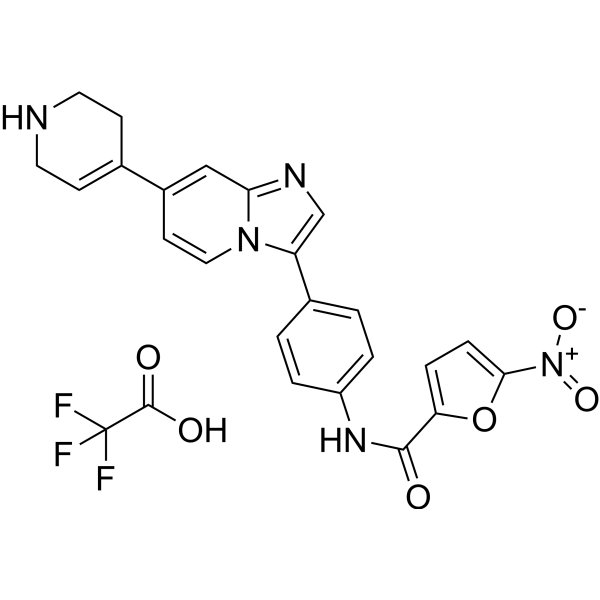
    YJZ5118 is a selective CDK12/CDK13 inhibitor with IC50 values of 39.5 nM and 26.4 nM. YJZ5118 suppresses transcription of DNA damage response genes and induces DNA damage in tumor cells. YJZ5118 inhibits proliferation and triggers apoptosis. YJZ5118 inhibits RNA polymerase II Ser2 phosphorylation and increases Akt pathway activity. YJZ5118 exhibits synergistic effects with Akt inhibitors. YJZ5118 can be used for the research of cancer, such as prostate cancer .
    YJZ5118
  • HY-13703

    Apoptosis DNA Alkylator/Crosslinker DNA/RNA Synthesis p38 MAPK JNK AP-1 Cancer
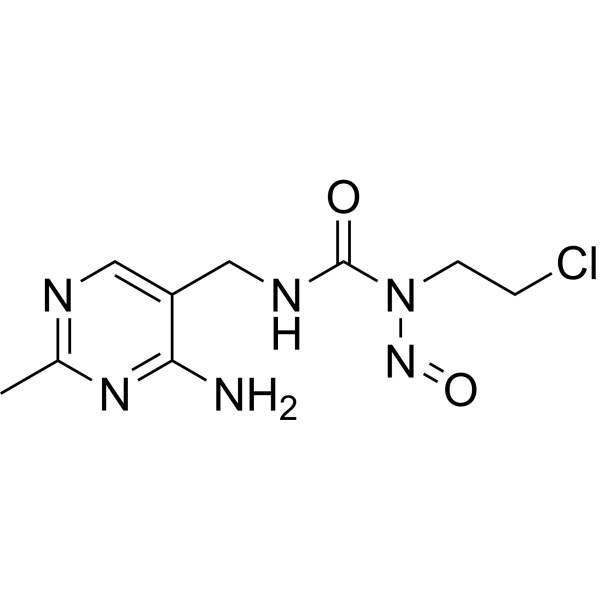
    Nimustine is an alkylating agent, which induces DNA double-strand breaks (DSBs) and inter-strand crosslinks (ICLs), thereby activating the DNA damage response (DDR) signaling pathway. Nimustine activates p38 MAPK/JNK signaling pathway, and exhibits antitumor activity .
    Nimustine
  • HY-149952

    ATM/ATR Cancer
    ATR-IN-23 (Compound 34) is a potent and selective ATR inhibitor with an IC50 of 1.5 nM. ATR-IN-23 has potent antiproliferative effects on LoVo cells and synthetic lethality on HT-29 cells, and can be used in the study of DNA damage response (DDR)-deficient cancers .
    ATR-IN-23
  • HY-161693

    G-quadruplex DNA/RNA Synthesis Apoptosis Cancer
    Telomeric G4s ligand 1 is a telomeric G-quadruplex ligand that stabilizes telomeric G4 and induces R-loop formation, leading to DNA damage responses. Telomeric G4s ligand 1 induces apoptosis and evokes immunogenic cell death (ICD) in tumor cells .
    Telomeric G4s ligand 1
  • HY-142931

    ATM/ATR Neurological Disease Cancer
    ATM-IN-1 is a potent inhibitor of ATM. ATM is located mainly in the nucleus and microsomes and is involved in cell cycle progression and in the cell cycle checkpoint response to DNA damage. ATM-IN-1 has the potential for the research of cancer and neurology diseases (extracted from patent WO2021139814A1, compound 3) .
    ATM-IN-1
  • HY-112347

    Checkpoint Kinase (Chk) Cancer
    Isogranulatimide is a selective checkpoint kinase 1 (Chk1) inhibitor with an IC50 value of 0.1 μM. Isogranulatimide inhibits the G2/M checkpoint and inhibits the growth of p53-mutant tumor cells. Isogranulatimide is promising for research of tumors associated with DNA damage response .
    Isogranulatimide
  • HY-178940

    Apoptosis Checkpoint Kinase (Chk) CDK DNA/RNA Synthesis Bcl-2 Family Caspase Cancer
    Apoptosis inducer 49 is a selective apoptosis inducer with high specificity against CCRF-CEM leukemia cells (IC50 = 2.68 μM). Apoptosis inducer 49 enhances RNA synthesis and replication stress, activates the Chk1-p21 axis, leading to S-phase arrest. Apoptosis inducer 49 can inhibit Bcl-2 and activate caspase-3. Apoptosis inducer 49 can be used for the study of Leukemia .
    Apoptosis inducer 49
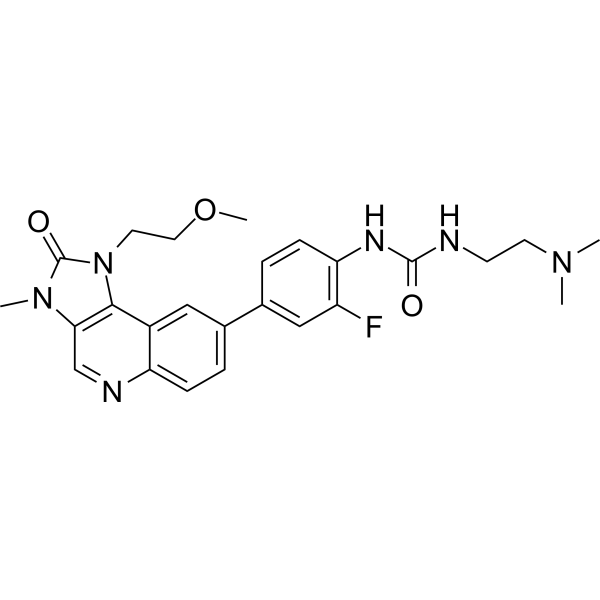
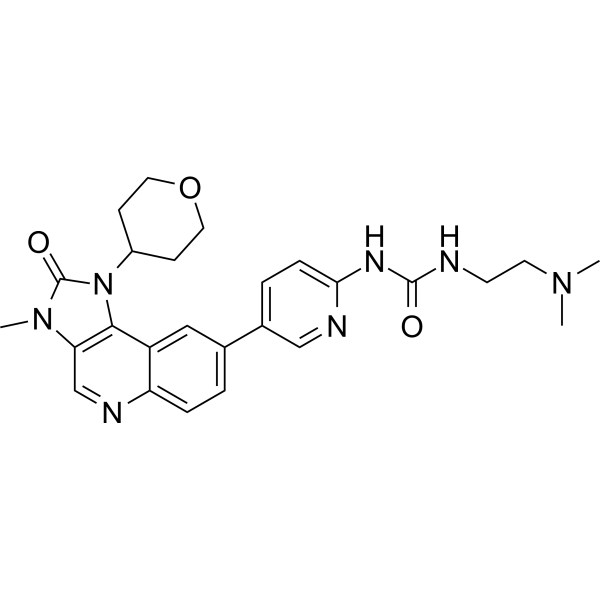
  • HY-E70830

    DYRK Cancer
    Homeodomain interacting protein kinase 2 (HIPK2) is an evolutionary conserved serine/threonine kinase that regulates gene expression by phosphorylation of transcription factors and accessory components of the transcription machinery. HIPK2 is activated in response to DNA-damaging agents or morphogenic signals. HIPK2 Recombinant Human Active Protein Kinase is a recombinant HIPK2 protein that can be used to study HIPK2-related functions .
    HIPK2 Recombinant Human Active Protein Kinase
  • HY-169225A

    PDIC-NS

    STING Apoptosis Reactive Oxygen Species (ROS) Inflammation/Immunology Cancer
    PDIC-NN dimethanesulfonate (PDIC-NS) is a STING activator with anticancer activity. PDIC-NN dimethanesulfonate promotes the content and biostability of endogenous cyclic dinucleotides (CDNs). PDIC-NN dimethanesulfonate triggers ROS burst and causes serious damage to mitochondria. PDIC-NN dimethanesulfonate induces cell apoptosis and inhibits DNA replication. PDIC-NN dimethanesulfonate activates cGAS-STING signaling pathway, enhances the immunogenicity of tumor cells and activates a robust innate immune response .
    PDIC-NN dimethanesulfonate
  • HY-171785

    Checkpoint Kinase (Chk) Apoptosis Cancer
    CHK1-IN-12 (Compound example 1-5) is an orally active and highly selective checkpoint kinase 1 (CHK1) inhibitor with in vitro enzyme IC50≤10 nM and cellular IC50≤50 nM. CHK1-IN-12 inhibits the phosphorylation activity of CHK1 kinase to block the DNA damage response pathway, inducing tumor cell cycle arrest and apoptosis. CHK1-IN-12 is promising for research of cancers .
    CHK1-IN-12
  • HY-179418

    Apoptosis Cancer
    Ceritinib-platinum(IV)-4-phenylbutyrate (complex 7) is a Ceritinib (HY-15656)-conjugated Platinum(IV) prodrug with anticancer activity. Ceritinib-platinum(IV)-4-phenylbutyrate induces S-phase arrest, DNA damage responses, and apoptosis. Ceritinib-platinum(IV)-4-phenylbutyrate combines cytotoxicity with immune and anti-invasive activation in cancer cell models. Ceritinib-platinum(IV)-4-phenylbutyrate can be used for cancer research, such as non-small cell lung cancer (NSCLC) .
    Ceritinib-platinum(IV)-4-phenylbutyrate
  • HY-123401

    DNA/RNA Synthesis Cancer
    DDRI-18 is a DNA damage response inhibitor that inhibits the non-homologous end-joining (NHEJ) DNA repair process. DDRI-18 is an effective chemosensitizing agent .
    DDRI-18
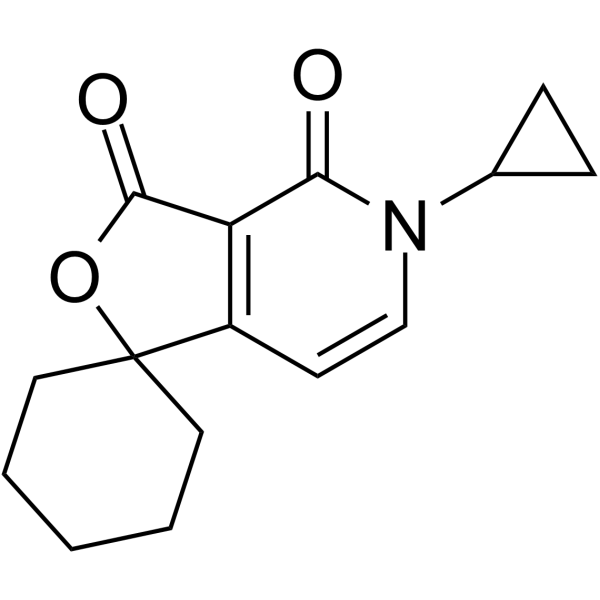
  • HY-146566

    DNA-PK Cancer
    DNA-PK-IN-9 (compound YK6) is a potent DNA-dependent protein kinase (DNA-PK) inhibitor with an IC50 value of 10.47 nM. DNA-PK-IN-9 can be used for researching anticancer .
    DNA-PK-IN-9

オンラインお問い合わせ

入力情報は安全に管理されます. 必須入力項目.

タイトル


国或いは地域 *

お名前 *


組纖名 *

デパートメント *


メールアドレス *


製品名 *

製品番号


カスタマ需要量 *

電話番号 *


必ず会社名を記載ください。個人への返信は行いません。

備考

バルクお問い合わせ

Inquiry Information

製品名:
製品番号:
数量:
MCE 日本正規代理店: