



1. Search Result
Search Result
Pathways Recommended: Anti-infection
Results for "

HBV infection

" in MedChemExpress (MCE) Product Catalog:

83

Inhibitors & Agonists

1

Screening Libraries

2

Peptides

3

Inhibitory Antibodies

9

Natural
Products

6

Isotope-Labeled Compounds

8

Oligonucleotides

Targets Recommended:
Cat. No. Product Name Target Research Areas Chemical Structure
  • HY-P3465
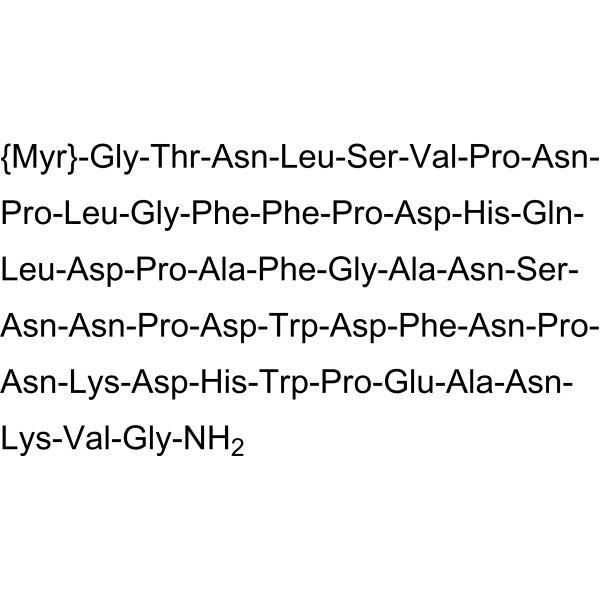
    Bulevirtide
    5+ Cited Publications

    Myrcludex B

    HBV Infection
    Bulevirtide (Myrcludex B) is a NTCP inhibitor, a linear lipopeptide of 47 amino acids. Bulevirtide inhibits HBV and HDV entry into liver cells, blocks HBV infection in hepatocytes, and participates in HBV transcriptional suppression. Bulevirtide can be used in HDV infection and compensated cirrhosis research .
    Bulevirtide
  • HY-113308
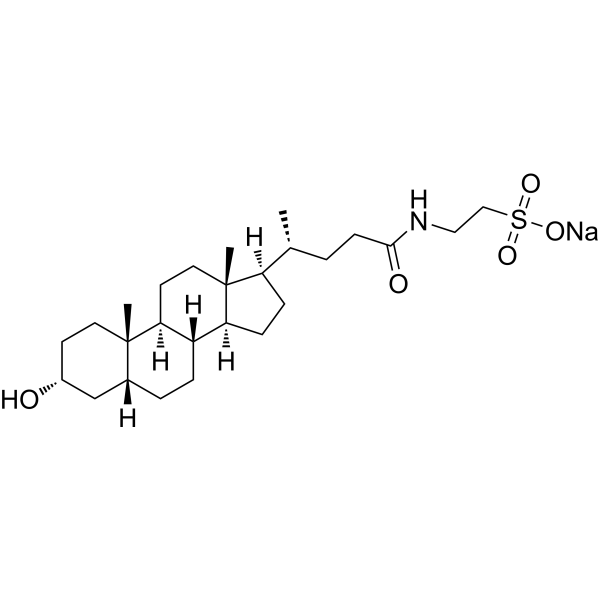
    Taurolithocholic acid
    5+ Cited Publications

    Calcium Channel Ferroptosis PI3K Akt HBV Reactive Oxygen Species (ROS) Cardiovascular Disease Infection Inflammation/Immunology
    Taurolithocholic acid is an orally active bile acid and antiviral agent. Taurolithocholic acid upregulates FADS2 by activating the TGR5-PI3K/AKT-SREBP2 signaling axis, inhibits SFTSV-induced ferroptosis (Ferroptosis), viral replication and viral entry of HBV/HDV, while reducing the release of IL-1β, lipid ROS and LDH. While exerting antiviral protective effects, Taurolithocholic acid also stimulates the recycling of hepatocellular membrane transporters, impairs canalicular bile acid secretion function, and induces hepatocyte cholestasis, apoptosis and acute hepatocellular injury. Taurolithocholic acid serves as an experimental model compound for hepatocellular cholestasis. At concentrations ≤200 μM, Taurolithocholic acid shows no cytotoxicity and does not activate the interferon pathway. Taurolithocholic acid not only protects mice from lethal SFTSV infection but also is suitable for studies related to severe fever with thrombocytopenia syndrome and cholestasis .
    Taurolithocholic acid
  • HY-109168
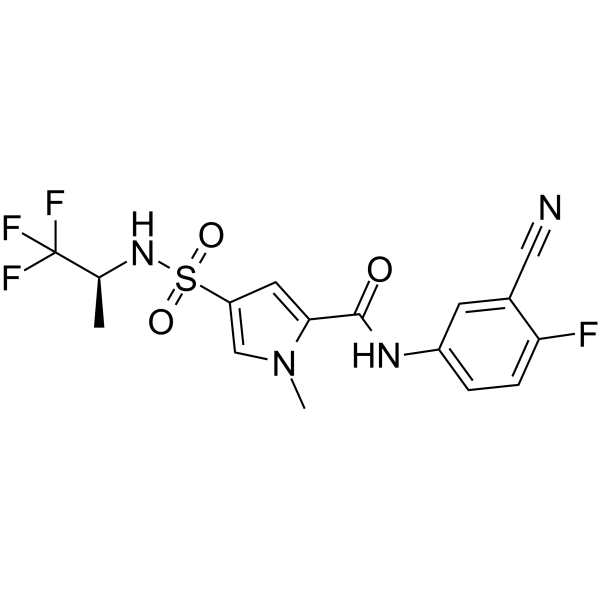
    Bersacapavir
    2 Publications Verification

    JNJ-6379; JNJ-56136379

    HBV DNA/RNA Synthesis Infection
    Bersacapavir (JNJ-6379) is an HBV capsid assembly modulator. Bersacapavir exerts a dual mechanism of action against both early and late stages of HBV infection by forming complete genome-free empty capsids and inhibiting de novo synthesis of cccDNA. Bersacapavir inhibits HBV replication. Bersacapavir can be used in the research of hepatitis B .
    Bersacapavir
  • HY-109137
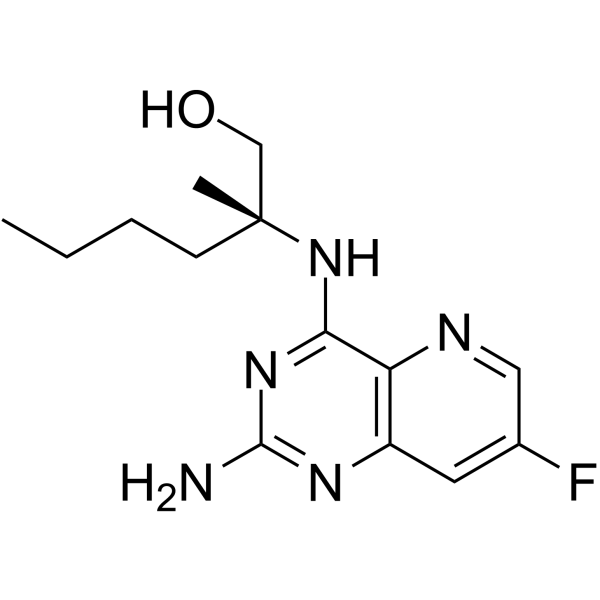
    Selgantolimod
    1 Publications Verification

    GS-9688

    Toll-like Receptor (TLR) HBV Infection
    Selgantolimod (GS-9688) is an orally active, potent and selective toll-like receptor 8 (TLR8) agonist for the treatment of hepatitis B virus (HBV) and human immunodeficiency virus (HIV) infection .
    Selgantolimod
  • HY-113308A

    Calcium Channel Ferroptosis PI3K Reactive Oxygen Species (ROS) Akt HBV Metabolic Disease
    Taurolithocholic acid sodium salt is an orally active bile acid and antiviral agent. Taurolithocholic acid sodium salt upregulates FADS2 by activating the TGR5-PI3K/AKT-SREBP2 signaling axis, inhibits SFTSV-induced ferroptosis, viral replication and viral entry of HBV/HDV, while reducing the release of IL-1β, lipid ROS and LDH. While exerting antiviral protective effects, Taurolithocholic acid sodium salt also stimulates the recycling of hepatocellular membrane transporters, impairs canalicular bile acid secretion function, and induces hepatocyte cholestasis, apoptosis and acute hepatocellular injury. Taurolithocholic acid sodium salt serves as an experimental model compound for hepatocellular cholestasis. At concentrations ≤200 μM, Taurolithocholic acid sodium salt shows no cytotoxicity and does not activate the interferon pathway. Taurolithocholic acid sodium salt not only protects mice from lethal SFTSV infection but also is suitable for studies related to severe fever with thrombocytopenia syndrome and cholestasis .
    Taurolithocholic acid sodium salt
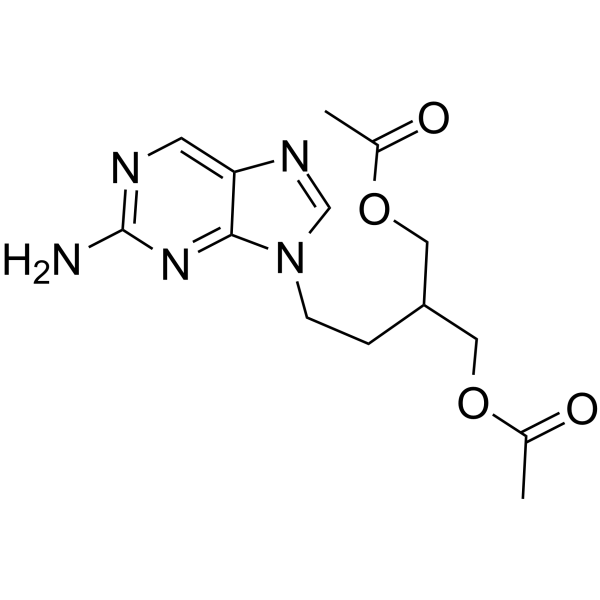
  • HY-17426
    Famciclovir
    1 Publications Verification

    BRL 42810

    VZV HSV HBV Infection
    Famciclovir (BRL 42810) is an orally active nucleoside analogue. Famciclovir is an antiviral agent with potent activities against HBV, HSV and VZV. Famciclovir can be used for the research of herpesvirus infection .
    Famciclovir
  • HY-147217

    ISIS 505358

    HBV Infection
    Bepirovirsen is an antisense oligonucleotide targeting all HBV messenger RNAs. Bepirovirsen leads to reductions in HBV-derived RNAs, HBV DNA and viral proteins. Bepirovirsen can be used for the research of chronic HBV infection. Bepirovirsen binding site sequence (GCACTTCGCTTCACCTCTGC) .
    Bepirovirsen
  • HY-147217A

    ISIS 505358 sodium

    HBV Infection
    Bepirovirsen (ISIS 505358) sodium is an antisense oligonucleotide targeting all HBV messenger RNAs. Bepirovirsen sodium leads to reductions in HBV-derived RNAs, HBV DNA and viral proteins. Bepirovirsen sodium can be used for the research of chronic HBV infection. Bepirovirsen sodium binding site sequence (GCACTTCGCTTCACCTCTGC) .
    Bepirovirsen sodium
  • HY-N0444

    Reactive Oxygen Species (ROS) NF-κB HBV Apoptosis Bacterial Fungal Parasite Infection Neurological Disease Metabolic Disease Inflammation/Immunology Cancer
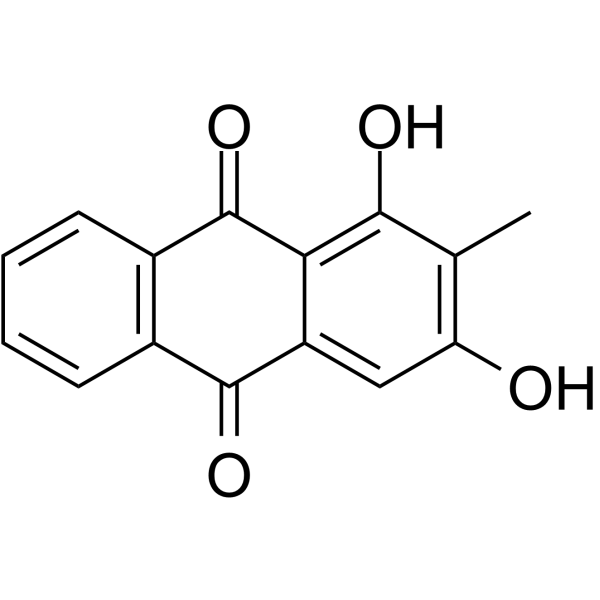
    Rubiadin is an orally active free radical scavenger that inhibits the activation of the NF-κB pathway. Rubiadin inhibits osteoclast formation, bone resorption, lipid peroxidation, HBV DNA replication and cancer cell proliferation; reduces pro-inflammatory cytokine levels; induces cancer cell apoptosis; and possesses antifungal, antimalarial, antibacterial and anticonvulsant activities. Rubiadin can be used in the research of osteoporosis, acute inflammation, chronic inflammation, carbon tetrachloride-induced liver injury, Alzheimer's disease, breast cancer, iron overload disorders, hepatitis B virus infection, colon cancer, liver cancer, T-lymphocytic leukemia, cervical cancer, diabetic nephropathy, epileptic seizures, fungal infections, malaria and bacterial infections .
    Rubiadin
  • HY-147255

    ZM-H1505R

    HBV Infection
    Canocapavir (ZM-H1505R) is an orally active HBV core protein-targeting antiviral agent. Canocapavir binds to the hydrophobic pocket at the dimer-dimer interface of HBV core protein (HBc), stimulating intracellular accumulation of nonfunctional HBV capsids, disrupting viral replication. Canocapavir interferes with the interaction between HBc and HBV large surface protein, resulting in diminished
    production of empty virionsis. Canocapavir can be used for the research of hepatitis B virus (HBV) infection .
    Canocapavir
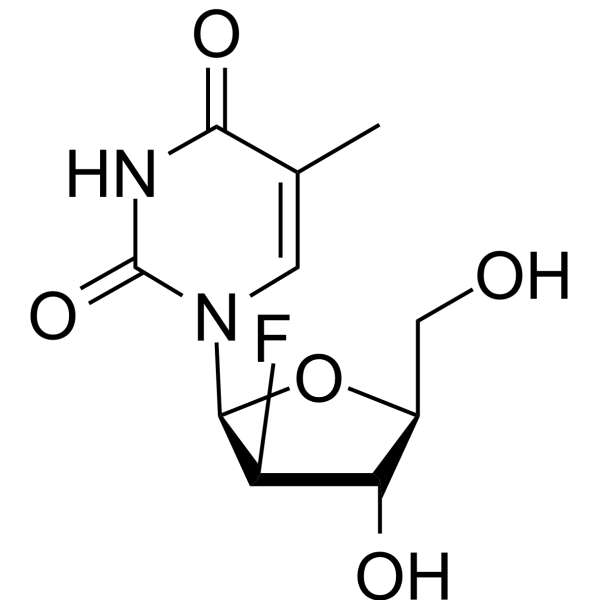
  • HY-13859
    Clevudine
    1 Publications Verification

    L-FMAU

    HBV DNA/RNA Synthesis Orthopoxvirus Infection
    Clevudine (L-FMAU), a nucleoside analog of the unnatural L-configuration, has potent anti-HBV activity with long half-life, low toxicity. Clevudine is a non-competitive inhibitor that is not incorporated into the viral DNA but rather binds to the polymerase. Clevudine is active against cowpox virus respiratory infection in mice .
    Clevudine
  • HY-109195
    Vebicorvir
    2 Publications Verification

    ABI-H0731

    HBV Infection Inflammation/Immunology
    Vebicorvir (ABI-H0731) is a first-generation hepatitis B virus (HBV) core protein inhibitor. Vebicorvir (ABI-H0731) suppresses covalently closed circular DNA (cccDNA) formation in two de novo infection models with EC50s from 1.84 μM to 7.3 μM .
    Vebicorvir
  • HY-145638A

    RO7445482 sodium

    HBV Infection
    Xalnesiran (RO7445482) sodium is a small interfering RNA molecule that targets a conserved region of the
    hepatitis B virus (HBV) genome . Xalnesiran sodium can be used for the research of chronic hepatitis B infection .
    Xalnesiran sodium
  • HY-148560A

    HBV DNA/RNA Synthesis Infection
    trans-ccc_R08 (Compound 1-B) is a cccDNA inhibitor with anti-HBV activity, with an IC50 of 0.14 μM for HBeAg and an IC50 of 0.08 μM for HBsAg in in vitro assays. trans-ccc_R08 inhibits covalently closed circular DNA (cccDNA). trans-ccc_R08 is applicable to research related to hepatitis B virus infection .
    trans-ccc_R08
  • HY-148560
    ccc_R08
    1 Publications Verification

    HBV DNA/RNA Synthesis Infection
    ccc_R08 is a non-cytotoxic and orally active cccDNA inhibitor that reduces cccDNA levels in the liver of HBV-infected mice. ccc_R08 can be used in the study of HBV virus (hepatitis B virus) infection .
    ccc_R08
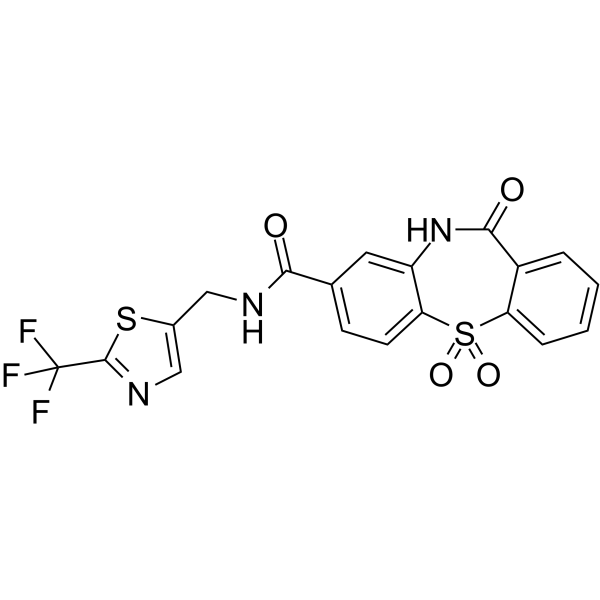
  • HY-147266

    VIR-2218 sodium

    Small Interfering RNA (siRNA) HBV Infection
    Elebsiran (VIR-2218) sodium is a siRNA that targets and degrades hepatitis B virus (HBV) and hepatitis D virus (HDV) RNA transcripts. Elebsiran sodium leads to a significant decrease in HBV surface antigen (HBsAg) and a reduction in viral load. Elebsiran sodium binds to the sialic acid-depleted glycoprotein receptor (ASGPR) on the surface of liver cells through the GalNAc ligand, achieving liver-targeted delivery and demonstrating improved liver safety. Elebsiran sodium can be used for the study of chronic HBV/HDV infections .
    Elebsiran sodium
  • HY-107902

    HBV HCV HIV Influenza Virus Infection
    RIG-1 modulator 1 (Compound of claim 13) is an anti-viral compound which can be used against viral infections including influenza virus, HBV, HCV and HIV .
    RIG-1 modulator 1
  • HY-P3601

    FGF basic (1-24)

    Bacterial HBV Infection Inflammation/Immunology
    Brain Derived Basic Fibroblast Growth Factor (1-24) (FGF basic 1-24) is a synthetic peptide, shows anti-bacterial and anti-HBV activities. Brain Derived Basic Fibroblast Growth Factor (1-24) can be used in infection disease and immune disease research .
    Brain Derived Basic Fibroblast Growth Factor (1-24)
  • HY-145592

    RO7020531; RG7854

    Toll-like Receptor (TLR) SARS-CoV HBV Infection
    Ruzotolimod (RO7020531) is an orally active TLR7 agonist. Ruzotolimod inhibits WHV viral replication and, in combination with RO-7049389 (HY-145579), inhibits AAV-HBV viral load. Ruzotolimod can be used to study infection with COVID-19 or SARS-CoV-2 .
    Ruzotolimod
  • HY-W352344

    HBV Infection
    2'-Deoxy-L-adenosine is an orally active synthon for modified oligodeoxyribonucleotides. 2'-Deoxy-L-adenosine is a potent, specific and selective inhibitor of the replication of hepatitis B virus (HBV) as well as the closely related duck and woodchuck hepatitis viruses (WHV) .
    2'-Deoxy-L-adenosine
  • HY-148560B

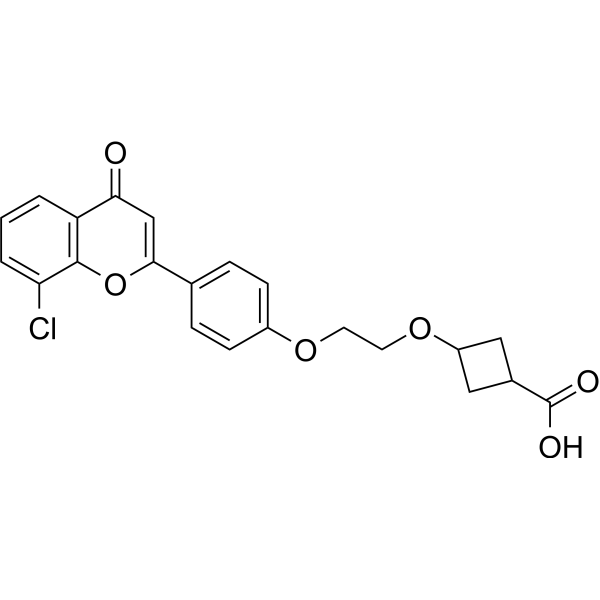
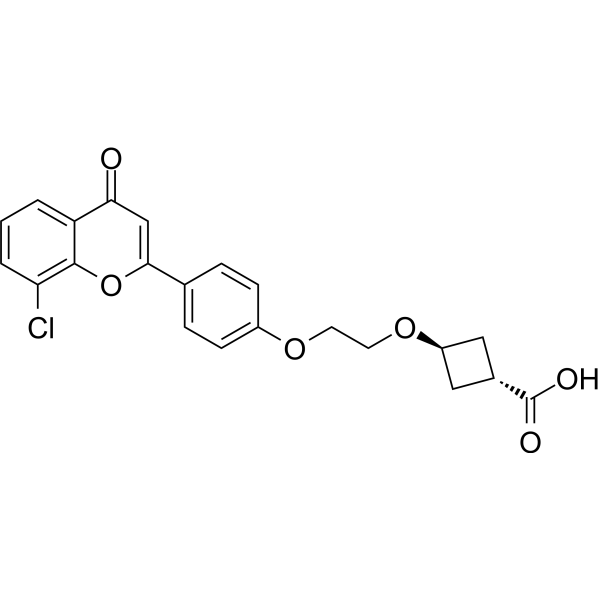
    HBV Infection
    cis-ccc_R08 (compound 1) is a flavonoid derivative that can be used in the study of hepatitis B virus (HBV) infection. cis-ccc_R08 is a cccDNA (covalently closed circular DNA) inhibitor .
    cis-ccc_R08
  • HY-16680

    Helioxanthin analogue 8-1

    HBV Infection
    Helioxanthin 8-1(Helioxanthin analogue 8-1) is an anti-HBV agent. Helioxanthin 8-1 exhibits anti-hepatitis B virus activity in both in vitro human hepatitis B virus models and animal models. Helioxanthin 8-1 inhibits the synthesis of duck hepatitis B virus (DHBV) DNA, covalently closed circular DNA, RNA and proteins, thereby blocking DHBV replication. Helioxanthin 8-1 shows higher cytotoxicity in virus-induced cells than in non-induced cells. Helioxanthin 8-1 can be used in studies related to hepatitis B virus infection .
    Helioxanthin 8-1
  • HY-147266A

    VIR-2218

    HBV Small Interfering RNA (siRNA) Infection
    Elebsiran (VIR-2218) is a siRNA that targets and degrades hepatitis B virus (HBV) and hepatitis D virus (HDV) RNA transcripts. Elebsiran leads to a significant decrease in HBV surface antigen (HBsAg) and a reduction in viral load. Elebsiran binds to the sialic acid-depleted glycoprotein receptor (ASGPR) on the surface of liver cells through the GalNAc ligand, achieving liver-targeted delivery and demonstrating improved liver safety. Elebsiran can be used for the study of chronic HBV/HDV infections .
    Elebsiran
  • HY-N0855

    Alisol-G; 25-Anhydroalisol A

    Carboxylesterase (CES) Bacterial HBV Infection Cancer
    Alisol G (25-Anhydroalisol A) is a human carboxylesterase 2 (hCES2) inhibitor with an IC50 of 3.85 μM. Alisol G exhibits cytotoxic activity against human cancer cells, antibacterial activity against Gram-positive strains, and anti-hepatitis B virus activity. Alisol G can be used in research related to lung cancer, breast cancer, prostate cancer, bacterial infections, and HBV infections .
    Alisol G
  • HY-113308S1

    Isotope-Labeled Compounds Calcium Channel Ferroptosis PI3K Reactive Oxygen Species (ROS) Akt HBV Others
    Taurolithocholic acid-d4 is deuterium labeled Taurolithocholic acid. Taurolithocholic acid is an orally active bile acid and antiviral agent. Taurolithocholic acid upregulates FADS2 by activating the TGR5-PI3K/AKT-SREBP2 signaling axis, inhibits SFTSV-induced ferroptosis, viral replication and viral entry of HBV/HDV, while reducing the release of IL-1β, lipid ROS and LDH. While exerting antiviral protective effects, Taurolithocholic acid also stimulates the recycling of hepatocellular membrane transporters, impairs canalicular bile acid secretion function, and induces hepatocyte cholestasis, apoptosis and acute hepatocellular injury. Taurolithocholic acid serves as an experimental model compound for hepatocellular cholestasis. At concentrations ≤200 μM, Taurolithocholic acid shows no cytotoxicity and does not activate the interferon pathway. Taurolithocholic acid not only protects mice from lethal SFTSV infection but also is suitable for studies related to severe fever with thrombocytopenia syndrome and cholestasis .
    Taurolithocholic acid-d4
  • HY-148781

    HBV Infection
    HBV-IN-30 (ex44), a flavone derivative, is a potent covalently closed circular DNA (cccDNA) inhibitor. cccDNA serves as the template for viral RNA transcription and subsequent viral DNA generation. HBV-IN-30 has the potential for the research of HBV infection .
    HBV-IN-30
  • HY-P99608

    HBV Infection
    Exbivirumab is a monoclonal antibody directed against highly conserved HBsAg epitopes. Exbivirumab enhances the antiviral activity of hepatitis B immunoglobulin (HBIG). Exbivirumab combined with Libivirumab (HY-P99703) decreases circulating HBsAg and hepatitis B virus (HBV) DNA levels in a chronically infected chimpanzee. Exbivirumab can be used for HBV re-infection in liver transplant .
    Exbivirumab
  • HY-145638

    RO7445482

    HBV Infection
    Xalnesiran (RO7445482) is a small interfering RNA molecule that targets a conserved region of the
    hepatitis B virus (HBV) genome. Xalnesiran can be used for the research of chronic hepatitis B infection .
    Xalnesiran
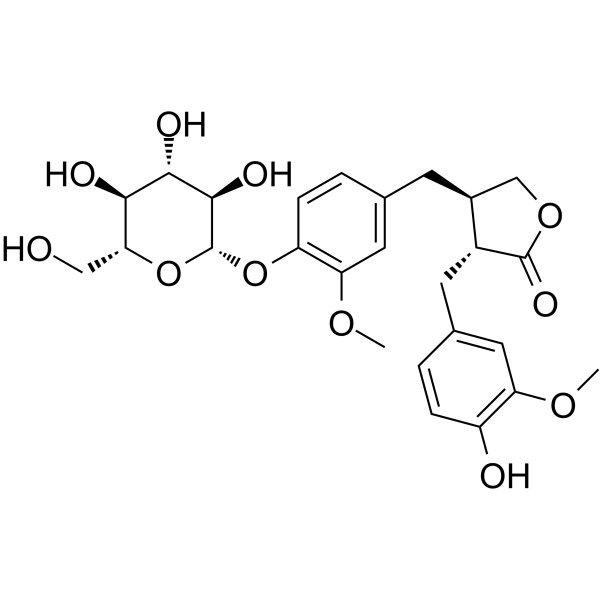
  • HY-N8107
    Matairesinol monoglucoside
    2 Publications Verification

    STING IFNAR HBV Infection
    Matairesinol monoglucoside is a STING activator. Matairesinol monoglucoside modulates the STING-TBK1-IRF3 signaling axis, promotes STING transcriptional expression, increases TBK1 and IRF3 phosphorylation. Matairesinol monoglucoside induces IFN-α and IFN-β production, reduces HBV DNA, HBsAg, and HBeAg expression. Matairesinol monoglucoside can be used for the research of hepatitis b virus (hbv) infection .
    Matairesinol monoglucoside
  • HY-111003

    NZ-4

    HBV Infection
    Isothiafludine is an orally active non-nucleosidic anti-HBV compound. Isothiafludine inhibits hepatitis B virus replication by blocking pregenomic RNA encapsidation .
    Isothiafludine
  • HY-113308AR

    Reference Standards Calcium Channel Ferroptosis PI3K Reactive Oxygen Species (ROS) Akt HBV Metabolic Disease
    Taurolithocholic acid (sodium salt) (Standard) is the analytical standard of Taurolithocholic acid (sodium salt). This product is intended for research and analytical applications. Taurolithocholic acid sodium salt is an orally active bile acid and antiviral agent. Taurolithocholic acid sodium salt upregulates FADS2 by activating the TGR5-PI3K/AKT-SREBP2 signaling axis, inhibits SFTSV-induced ferroptosis, viral replication and viral entry of HBV/HDV, while reducing the release of IL-1β, lipid ROS and LDH. While exerting antiviral protective effects, Taurolithocholic acid sodium salt also stimulates the recycling of hepatocellular membrane transporters, impairs canalicular bile acid secretion function, and induces hepatocyte cholestasis, apoptosis and acute hepatocellular injury. Taurolithocholic acid sodium salt serves as an experimental model compound for hepatocellular cholestasis. At concentrations ≤200 μM, Taurolithocholic acid sodium salt shows no cytotoxicity and does not activate the interferon pathway. Taurolithocholic acid sodium salt not only protects mice from lethal SFTSV infection but also is suitable for studies related to severe fever with thrombocytopenia syndrome and cholestasis .
    Taurolithocholic acid sodium salt (Standard)
  • HY-172835

    JH-B10

    HBV Infection
    Rapavir (JH-B10) is a selective and potent sodium taurocholate cotransporting polypeptide (NTCP) inhibitor with an IC50 value of 1.8 nM for the uptake of taurocholic acid-d4 (TCA-d4). Rapavir exerts antiviral activity by directly binding to NTCP and blocking the entry of the virus into cells during the HBV infection phase. Rapavir is promising for research of HBV infections .
    Rapavir
  • HY-131596

    (-)-Emtricitabine triphosphate

    HIV Infection
    Emtricitabine triphosphate ((-)-Emtricitabine triphosphate) is the phosphorylated anabolite of Emtricitabine (HY-17427). Emtricitabine is a nucleoside reverse transcriptase inhibitor. Emtricitabine is antiretroviral agent for HIV and HBV infection .
    Emtricitabine triphosphate
  • HY-174819

    HBV Infection
    VNRX-9945 is a potent, broadly and orally active HBV CAM (capsid assembly modulator) with an EC50 of 2.6 nM. VNRX-9945 exhibits excellent and broad antiviral activity against multiple HBV genotypes in vitro, along with favorable pharmacokinetic profiles across multiple species. VNRX-9945 demonstrates robust antiviral efficacy in the adeno-associated virus mice models of HBV (AAV-HBV) infection .
    VNRX-9945
  • HY-137453B

    (1R)-HS-10234

    HBV HIV Infection
    (1R)-Tenofovir amibufenamide ((1R)-HS-10234) is the isomer of Tenofovir amibufenamide, is an orally active antiviral agent. (1R)-Tenofovir amibufenamide ((1R)-HS-10234) is a HIV infection inhibitor and HBV infection inhibitor. (1R)-Tenofovir amibufenamide ((1R)-HS-10234) can be used for HIV infections, hepatitis B research .
    (1R)-Tenofovir amibufenamide
  • HY-17426R

    BRL 42810 (Standard)

    Reference Standards VZV HSV HBV Infection
    Famciclovir (Standard) is the analytical standard of Famciclovir. This product is intended for research and analytical applications. Famciclovir (BRL 42810) is an orally active nucleoside analogue. Famciclovir is an antiviral agent with potent activities against HBV, HSV and VZV. Famciclovir can be used for the research of herpesvirus infection .
    Famciclovir (Standard)
  • HY-111073

    Y101

    HBV Infection Inflammation/Immunology
    Bentysrepinine (Y101) is an orally active HBV inhibitor with anti-hepatitis B virus infection activity. Bentysrepinine exhibits favorable pharmacokinetic characteristics, with absolute bioavailability of 44.9%, 43.1%, and 19.2% in rats, dogs, and monkeys, respectively, and it does not accumulate in monkeys after 90 days of oral administration. Bentysrepinine is under research in the antiviral and hepatitis fields .
    Bentysrepinine
  • HY-177300

    Toll-like Receptor (TLR) HBV IFNAR Interleukin Related Infection Inflammation/Immunology
    TLR7/8 agonist 13 is an orally active dual agonist of TLR7 (lowest effective concentrations (LEC) [hTLR7] = 1.6 μM) and TLR8 (LEC [hTLR8] = 1.6 μM). TLR7/8 agonist 13 exhibits agonistic activity against human peripheral blood mononuclear cells (hPBMCs) (LEC [hPBMC] = 0.5 μM). TLR7/8 agonist 13 induces endogenous IFNα, activating myeloid dendritic cells and monocytes toward a TH1 phenotype in mice and cynomolgus monkeys. TLR7/8 agonist 13 reduces viral load and HBV surface antigen expression in a mouse model of chronic AAV-HBV infection. TLR7/8 agonist 13 has the potential to indirectly induce IFNγ, which may promote HBV antigen-specific CD8 T cell-mediated responses. TLR7/8 agonist 13 can be used to study hepatitis B virus .
    TLR7/8 agonist 13
  • HY-N0444R

    Reference Standards Reactive Oxygen Species (ROS) Apoptosis Fungal Parasite NF-κB HBV Bacterial Infection Neurological Disease Metabolic Disease Inflammation/Immunology Cancer
    Rubiadin (Standard) is the analytical standard of Rubiadin (HY-N0444). This product is intended for research and analytical applications. Rubiadin is an orally active free radical scavenger that inhibits the activation of the NF-κB pathway. Rubiadin inhibits osteoclast formation, bone resorption, lipid peroxidation, HBV DNA replication and cancer cell proliferation; reduces pro-inflammatory cytokine levels; induces cancer cell apoptosis; and possesses antifungal, antimalarial, antibacterial and anticonvulsant activities. Rubiadin can be used in the research of osteoporosis, acute inflammation, chronic inflammation, carbon tetrachloride-induced liver injury, Alzheimer's disease, breast cancer, iron overload disorders, hepatitis B virus infection, colon cancer, liver cancer, T-lymphocytic leukemia, cervical cancer, diabetic nephropathy, epileptic seizures, fungal infections, malaria and bacterial infections.
    Rubiadin (Standard)
  • HY-19869

    HIV Reverse Transcriptase Infection
    VRX-480773 is an efficient non-nucleoside reverse transcriptase inhibitor (NNRTI), used for HIV infection. VRX-480773 has high specificity for HIV-1, with an EC50 for wild-type HIV-1 being 0.14 nM. VRX-480773 does not inhibit HIV-2, HBV or HCV, and has no effect on human DNA polymerase α/β. VRX-480773 retains inhibitory activity against Efavirenz (HY-10572) resistant strains, with EC50s mostly < 1 nM. VRX-480773 can be used for research on AIDS .
    VRX-480773
  • HY-113308AS1

    Isotope-Labeled Compounds Calcium Channel Ferroptosis PI3K Reactive Oxygen Species (ROS) Akt HBV Metabolic Disease
    Taurolithocholic Acid-d5 (sodium) is the deuterium labeled Taurolithocholic acid sodium salt. Taurolithocholic Acid sodium salt is an orally active bile acid and antiviral agent. Taurolithocholic Acid sodium salt upregulates FADS2 by activating the TGR5-PI3K/AKT-SREBP2 signaling axis, inhibits SFTSV-induced ferroptosis, viral replication and viral entry of HBV/HDV, while reducing the release of IL-1β, lipid ROS and LDH. While exerting antiviral protective effects, Taurolithocholic Acid sodium salt also stimulates the recycling of hepatocellular membrane transporters, impairs canalicular bile acid secretion function, and induces hepatocyte cholestasis, apoptosis and acute hepatocellular injury. Taurolithocholic Acid sodium salt serves as an experimental model compound for hepatocellular cholestasis. At concentrations ≤200 μM, Taurolithocholic Acid sodium salt shows no cytotoxicity and does not activate the interferon pathway. Taurolithocholic Acid sodium salt not only protects mice from lethal SFTSV infection but also is suitable for studies related to severe fever with thrombocytopenia syndrome and cholestasis .
    Taurolithocholic Acid-d5 sodium salt
  • HY-W676876

    HBV Infection
    Oxynitidine is an HBV inhibitor (ID50=30.8 µg/mL), which can effectively inhibit the DNA replication activity of HBV. Oxynitidine can be used in the study of viral infections .
    Oxynitidine
  • HY-147255A

    (S)-ZM-H1505R

    HBV Infection
    (S)-Canocapavir is the isomer of Canocapavir (HY-147255A). Canocapavir (ZM-H1505R) is an orally active HBV core protein-targeting antiviral agent. Canocapavir binds to the hydrophobic pocket at the dimer-dimer interface of HBV core protein (HBc), stimulating intracellular accumulation of nonfunctional HBV capsids, disrupting viral replication. Canocapavir interferes with the interaction between HBc and HBV large surface protein, resulting in diminished
    production of empty virionsis. Canocapavir can be used for the research of hepatitis B virus (HBV) infection .
    (S)-Canocapavir
  • HY-N8168

    HBV Infection
    LPRP-Et-97543 is a potent anti-HBV agent. LPRP-Et-97543 reduces Core, S, and preS but not X promoter activities. LPRP-Et-97543 can be used for acute and chronic HBV infections research .
    LPRP-Et-97543
  • HY-144047

    HBV DNA/RNA Synthesis Infection
    HBV-IN-16 is a potent inhibitor of covalently closed circular DNA (cccDNA). cccDNA serves as the template for viral RNA transcription and subsequent viral DNA generation. HBV-IN-16 is a quinoline derivative. HBV-IN-16 has the potential for the research of HBV infection (extracted from patent WO2019121357A1, compound 1) .
    HBV-IN-16
  • HY-144046

    HBV DNA/RNA Synthesis Infection
    HBV-IN-15 is a potent inhibitor of covalently closed circular DNA (cccDNA). cccDNA serves as the template for viral RNA transcription and subsequent viral DNA generation. HBV-IN-15 is a flavone derivative. HBV-IN-16 has the potential for the research of HBV infection (extracted from patent WO2020052774A1, compound 2) .
    HBV-IN-15
  • HY-144045

    HBV DNA/RNA Synthesis Infection
    HBV-IN-14 is a potent inhibitor of covalently closed circular DNA (cccDNA). cccDNA serves as the template for viral RNA transcription and subsequent viral DNA generation. HBV-IN-14 is a pyridinopyrimidinones compound. HBV-IN-14 has the potential for the research of HBV infection (extracted from patent WO2021190502A1, compound 5) .
    HBV-IN-14
  • HY-114956

    HBV Infection
    AT-61 is a non nucleoside HBV replication inhibitor. AT-61 prevents the capsid formation of pre genomic RNA, resulting in the production of empty capsids. AT-61 has the activity of drug-resistant mutant strains. AT-61 can be used for research on hepatitis B virus infection .
    AT-61
  • HY-179265

    HBV Infection
    D-CAM-14 is a potent HBV capsid assembly modulator with potent anti-HBV activity (EC50 = 0.1 nM, EC90 = 9 nM in HepAD38 cells). D-CAM-14 suppresses HBeAg, and HBcAg in HBV-infected HepG2-NTCP cells, with EC50 values of 98 and 67 nM, respectively. D-CAM-14 has distinct impacts on capsid radii and the morphology of preassembled capsids. D-CAM-14 can be used for HBV infection disease research .
    D-CAM-14
  • HY-168045

    HBV DNA/RNA Synthesis Infection
    HBV-IN-48 is an HBV inhibitor. HBV-IN-48 has antiviral activity against HBV in HepDE19 cells, with an EC50 value of 0.005 μM. HBV-IN-48 can reduce serum HBV DNA levels in mouse models of HBV infection .
    HBV-IN-48

Inquiry Online

Your information is safe with us. * Required Fields.

Salutation


Country or Region *

Applicant Name *


Organization Name *

Department *


Email Address *


Product Name *

Cat. No.


Requested quantity *

Phone Number *


Remarks

Inquiry Online

Inquiry Information

Product Name:
Cat. No.:
Quantity:
MCE Japan Authorized Agent:

