1. Search Result
Search Result
Pathways Recommended: JAK/STAT Signaling MAPK/ERK Pathway
Results for "

JAK-STAT pathway

" in MedChemExpress (MCE) Product Catalog:

68

Inhibitors & Agonists

1

Screening Libraries

1

Fluorescent Dyes

2

Biochemical Assay Reagents

1

Inhibitory Antibodies

20

Natural
Products

2

Oligonucleotides

1

GMP Molecules

Cat. No. Product Name Target Research Areas Chemical Structure
  • HY-15244
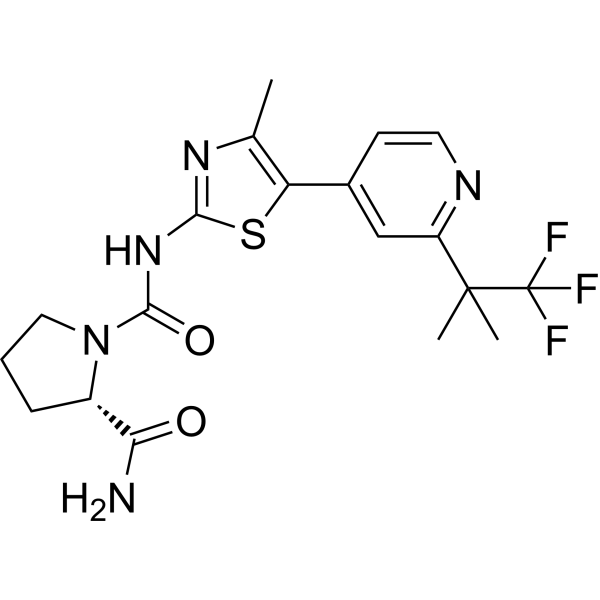
    Alpelisib
    Maximum Cited Publications
    125 Publications Verification

    BYL-719

    PI3K Apoptosis Cancer
    Alpelisib (BYL-719) is an orally active PI3Kα-selective inhibitor that blocks the conversion of PIP2 to PIP3, thereby inhibiting pathways including PI3K/AKT/mTOR, MAPK/ERK, Notch and JAK-STAT. Alpelisib also induces apoptosis, G0/G1 phase arrest and senescence; it significantly inhibits the proliferation, self-renewal, stemness and epithelial-mesenchymal transition (EMT) of tumor cells, reduces cancer stem cell populations and decreases the expression of stem cell markers. Alpelisib not only enhances the sensitivity to Eribulin (HY-13442) and exerts a synergistic effect with Paclitaxel (HY-B0015), but may also induce drug resistance by upregulating the SGK3/GSK3β/β-catenin signaling pathway. Alpelisib can be applied to research related to breast cancer, gastric cancer and lipomas associated with PTEN hamartoma tumor syndrome .
    Alpelisib
  • HY-N0143
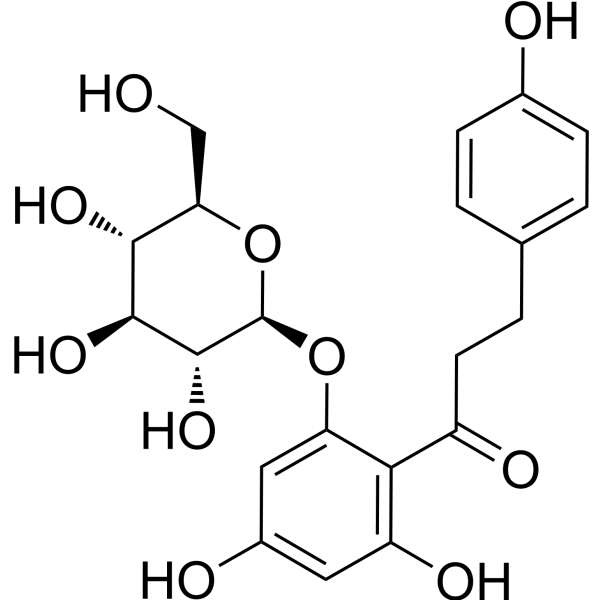
    Phlorizin
    Maximum Cited Publications
    15 Publications Verification

    Floridzin

    Caspase JAK GLUT STAT Apoptosis Bacterial SGLT mTOR Akt NF-κB PI3K DNA/RNA Synthesis Infection Neurological Disease Metabolic Disease Cancer
    Phlorizin (Floridzin) is an orally active non-selective sodium-glucose cotransporter (SGLT) inhibitor, with an IC50 of 0.04 μM and a Ki of 39 nM against hSGLT2, and an IC50 of 0.17 μM and a Ki of 0.31 μM against hSGLT1. Phlorizin promotes GLUT4 translocation, inhibits gluconeogenesis and promotes glycogen synthesis by activating the PI3K/Akt/mTOR pathway. Phlorizin reduces DNA damage and apoptosis (apoptosis) by inhibiting the NF-κB inflammatory pathway. Phlorizin induces apoptosis via activating the Caspase pathway by antagonizing the JAK/STAT3 and PCK pathways. Phlorizin also exhibits antibacterial, anti-inflammatory and neuroprotective activities .
    Phlorizin
  • HY-N1447
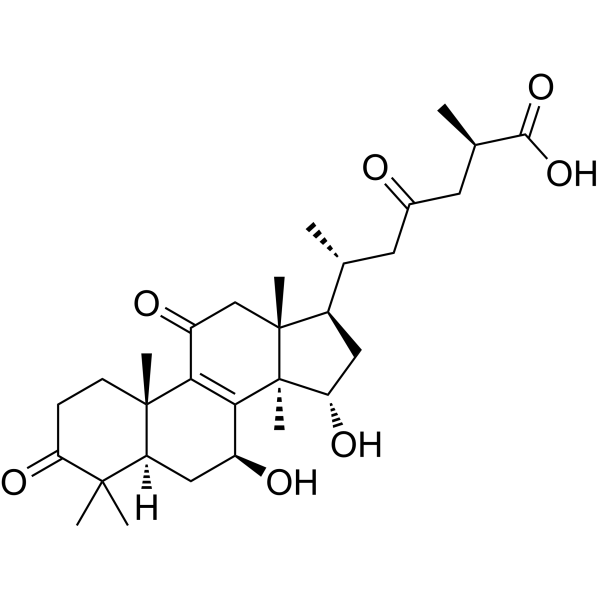
    Ganoderic acid A
    5+ Cited Publications

    Apoptosis Autophagy Endogenous Metabolite Cancer
    Ganoderic acid A can inhibit of the JAK-STAT3 signaling pathway, also inhibit proliferation, viability, ROS.
    Ganoderic acid A
  • HY-N0732
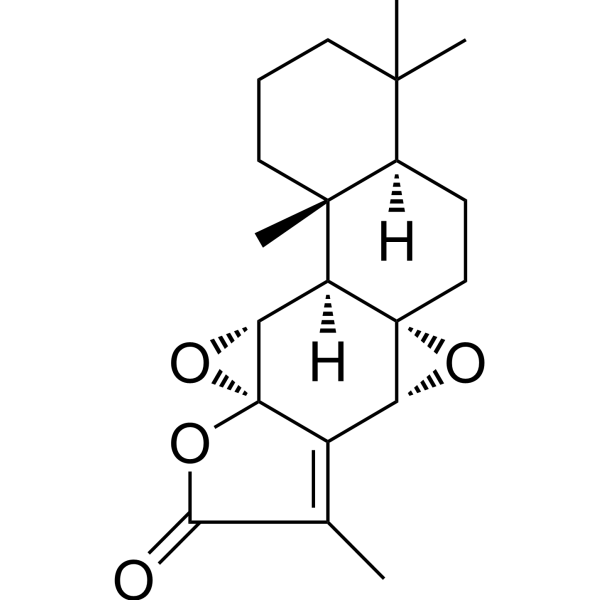
    Jolkinolide B
    1 Publications Verification

    IAP Akt Caspase NF-κB TGF-beta/Smad JAK Bacterial Apoptosis Infection Metabolic Disease Inflammation/Immunology Cancer
    Jolkinolide B is a bioactive diterpene isolated from the roots of Euphorbia fischeriana Steud with oral activity. Jolkinolide B downregulates XIAP, cIAP1, cIAP2, and phosphorylated Akt, upregulates Smac, activates caspase-3 and caspase-9, and inhibits NF-κB, TGFβ/smad3 and JAK/STAT3 pathways. Jolkinolide B exerts comprehensive biological effects including inducing cancer cell apoptosis, suppressing inflammatory responses, improving lung function, alleviating hepatic steatosis and eliminating intracellular Mycobacterium tuberculosis. Jolkinolide B can be used for the research of leukemia, histiocytic lymphoma, asthma, metabolic dysfunction-associated steatotic liver disease and tuberculosis .
    Jolkinolide B
  • HY-116035
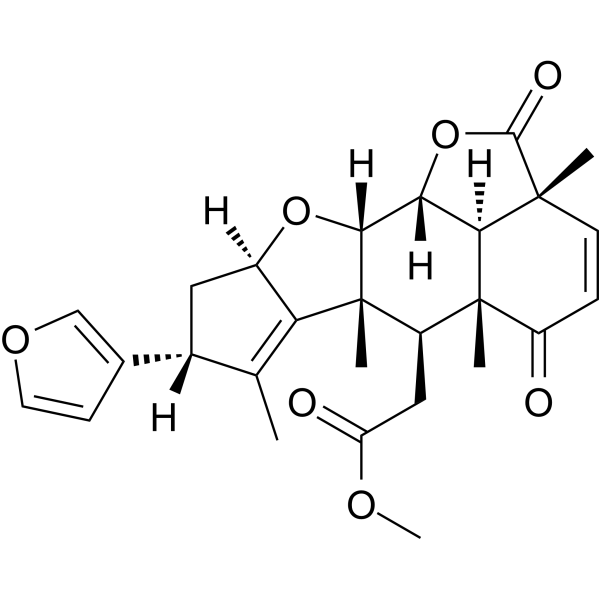
    Nimbolide
    2 Publications Verification

    Wnt NF-κB CDK Apoptosis Cancer
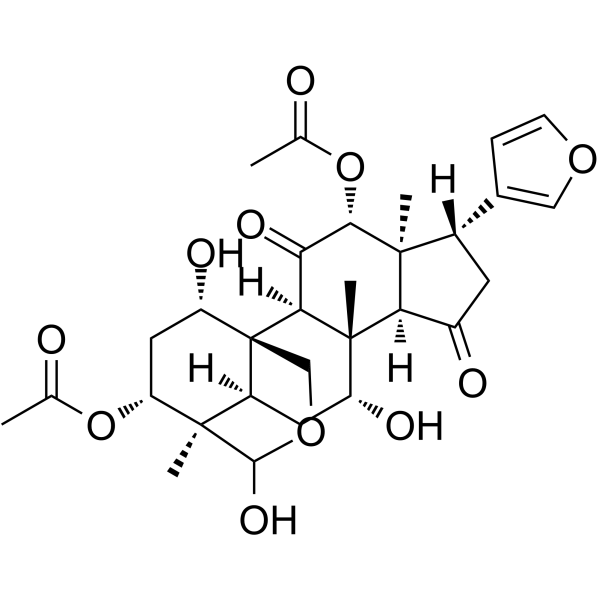
    Nimbolide is a triterpene compound that can be isolated from neem (Azadirachta indica), possesses anticancer and antiproliferative activity. Nimbolide induces tumor cell apoptosis by inhibiting NF-κB and CDK4/CDK6 kinase. Nimbolide suppresses the Wnt, PI3K-Akt, MAPK and JAK-STAT signaling pathways .
    Nimbolide
  • HY-P99143

    Neurokinin Receptor NF-κB STAT Inflammation/Immunology
    Anti-Mouse NK1.1 Antibody (PK136) is an anti-mouse NK1.1 IgG2a monoclonal antibody. Anti-Mouse NK1.1 Antibody (PK136) can deplete natural killer (NK) cells. Anti-Mouse NK1.1 Antibody (PK136) inhibits the JAK-STAT and NF-κB signaling pathways. Anti-Mouse NK1.1 Antibody (PK136) can be used for research on inflammation conditions such as non-alcoholic steatohepatitis (NASH) .
    Anti-Mouse NK1.1 Antibody (PK136)
  • HY-15244A
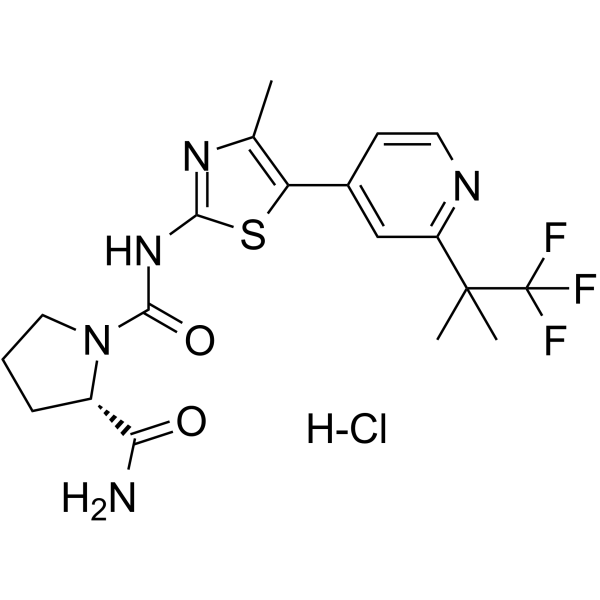
    Alpelisib hydrochloride
    Maximum Cited Publications
    125 Publications Verification

    BYL-719 hydrochloride

    PI3K Apoptosis Cancer
    Alpelisib (BYL-719) hydrochloride is an orally active PI3Kα-selective inhibitor that blocks the conversion of PIP2 to PIP3, thereby inhibiting pathways including PI3K/AKT/mTOR, MAPK/ERK, Notch and JAK-STAT. Alpelisib hydrochloride also induces apoptosis, G0/G1 phase arrest and senescence; it significantly inhibits the proliferation, self-renewal, stemness and epithelial-mesenchymal transition (EMT) of tumor cells, reduces cancer stem cell populations and decreases the expression of stem cell markers. Alpelisib hydrochloride not only enhances the sensitivity to Eribulin (HY-13442) and exerts a synergistic effect with Paclitaxel (HY-B0015), but may also induce drug resistance by upregulating the SGK3/GSK3β/β-catenin signaling pathway. Alpelisib hydrochloride can be applied to research related to breast cancer, gastric cancer and lipomas associated with PTEN hamartoma tumor syndrome .
    Alpelisib hydrochloride
  • HY-172581

    FLT3 Apoptosis Ras p38 MAPK PI3K Akt JAK STAT Cancer
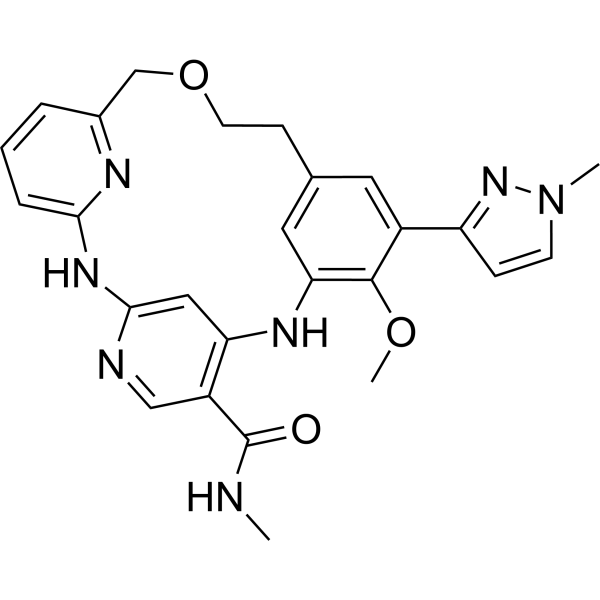
    Clifutinib is an orally active and selective internal tandem duplication mutation of FMS-like tyrosine kinase 3 (FLT3-ITD) inhibitor with an IC50 value of 15.1 nM. Clifutinib exerts strong antiproliferative effects on FLT3-ITD acute myeloid leukemia (AML) cell lines (MV-4-11: IC50 = 1.5 nM; MOLM-13: IC50 = 1.4 nM). Clifutinib inhibits the activity of FLT3-ITD kinase and blocks the downstream RAS/MAPK, PI3K/AKT, and JAK/STAT5 signaling pathways of FLT3. Clifutinib induces apoptosis of acute myeloid leukemia (AML) cells with FLT3-ITD mutations. Clifutinib demonstrates significant antitumor efficacy in mice bearing MV-4-11 or MOLM-13 xenografts. Clifutinib is promising for research of relapsed/refractory FLT3-ITD-positive acute myeloid leukemia .
    Clifutinib
  • HY-N3011

    PI3K Akt Pyruvate Kinase JAK STAT NF-κB Apoptosis Reactive Oxygen Species (ROS) Metabolic Disease Inflammation/Immunology Cancer
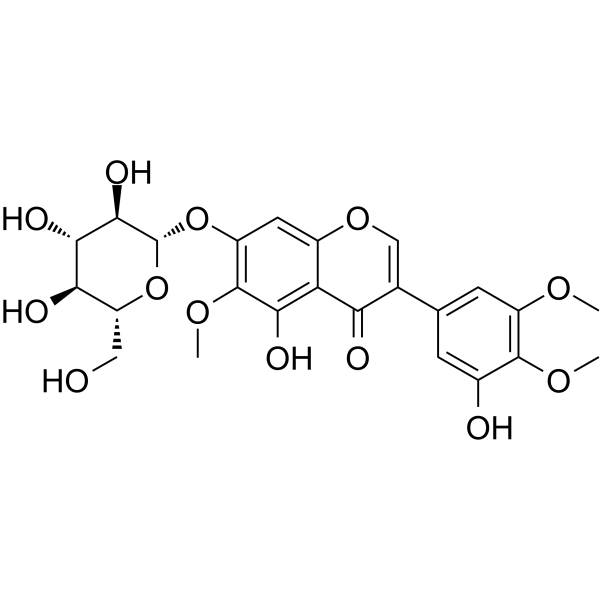
    Iridin is an orally active natural isoflavone. Iridin inhibits the PI3K/AKT and PKM2 signaling pathways, and downregulates the JAK/STAT and NF-κB pathways. Iridin induces Fas-mediated extrinsic apoptosis, G2/M cell cycle arrest, and inhibits cell proliferation. Iridin reduces inflammation, inhibits ROS production, suppresses glycolysis, and also exhibits antioxidant and antidiabetic activities. Iridin can be used in research related to gastric cancer and acute lung injury .
    Iridin
  • HY-107586

    DAQ B1; L-783281; Dimethylasterriquinone

    Insulin Receptor Akt NO Synthase NADPH Oxidase JAK STAT FOXO DNA/RNA Synthesis ERK Flavivirus Cardiovascular Disease Infection Metabolic Disease Inflammation/Immunology
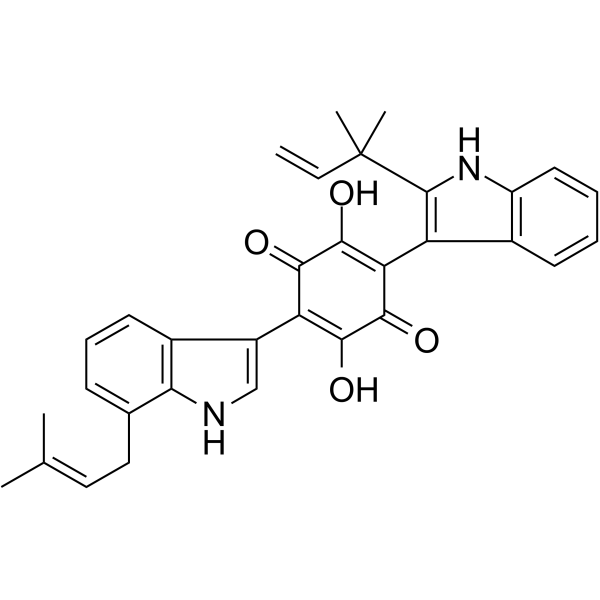
    Demethylasterriquinone B1 (DAQ B1; L-783281) is an orally active insulin receptor (insulin receptor) agonist and AKT activator. By activating AKT, Demethylasterriquinone B1 upregulates the expression and activity of eNOS to increase NO production, while downregulating the expression of the NADPH oxidase subunit p22phox to reduce oxidative stress and improve vascular endothelial dysfunction in hypertensive rats. Demethylasterriquinone B1 combind with an AKT inhibitor targets the insulin signaling pathway to activate two antiviral pathways, RNA interference and JAK/STAT, in mosquitoes, thereby reducing Zika virus infection .
    Demethylasterriquinone B1
  • HY-118119
    CAY10526
    1 Publications Verification

    PGE synthase YB-1 Apoptosis JAK STAT TGF-β Receptor TGF-beta/Smad PI3K Akt Cancer
    CAY10526 is an inhibitor of Y-box binding protein 1 (YB-1) and microsomal prostaglandin E2 synthase 1 (mPGES1). CAY10526 inhibits the production of PGE2 by suppressing YB-1 and mPGES1. CAY10526 induces cell apoptosis (apoptosis) and inhibits the JAK/STAT, TGF-β/Smad3 and PI3K/AKT signaling pathways. CAY10526 can be used in research related to melanoma, prostate cancer, esophageal adenocarcinoma, T-cell lymphoma, etc .
    CAY10526
  • HY-N0705
    Curculigoside
    5+ Cited Publications

    JAK STAT NF-κB Neurological Disease Inflammation/Immunology Cancer
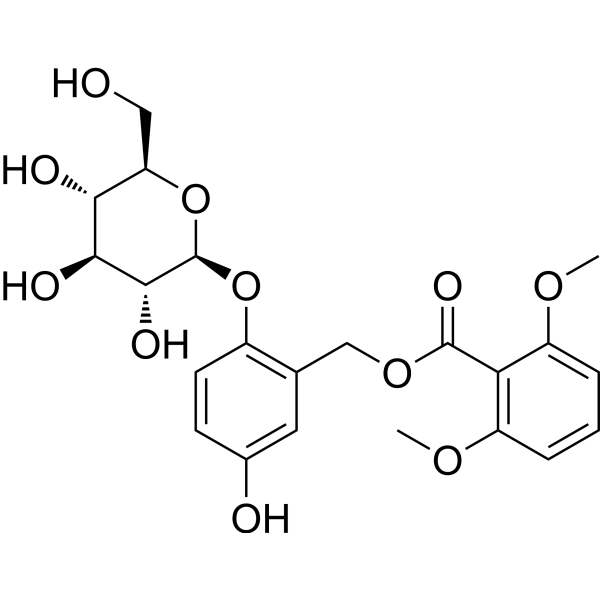
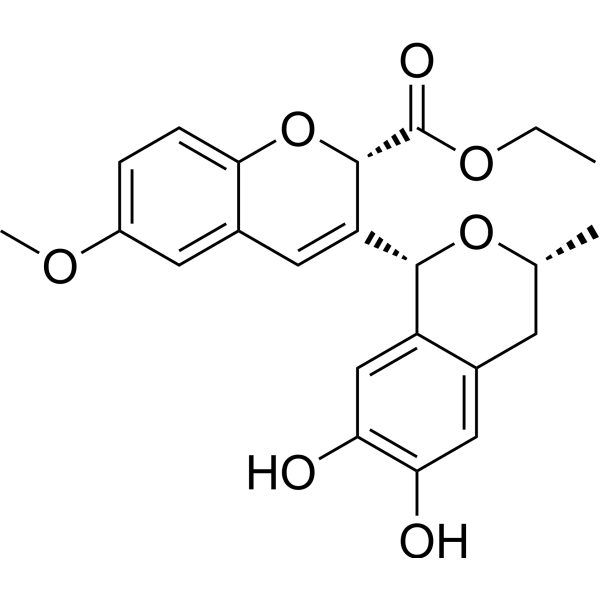
    Curculigoside is the main saponin in C. orchioide, exerts significant antioxidant, anti-osteoporosis, antidepressant and neuroprotection effects. Curculigoside possesses significant anti-arthritic effects in vivo and in vitro via regulation of the JAK/STAT/NF-κB signaling pathway .
    Curculigoside
  • HY-168894

    Ferroptosis JAK STAT p38 MAPK AMPK GSK-3 Apoptosis HSP TNF Receptor Cardiovascular Disease Neurological Disease Metabolic Disease Cancer
    CT-1 is a secreted protein belonging to the IL-6 cytokine family. Overexpression of CT-1 enhances cell proliferation, migration and angiogenesis via the ADMA/DDAH pathway. CT-1 inhibits the growth of triple-negative breast cancer cells by simultaneously inducing Ferroptosis in N2-type tumor-associated neutrophils and cancer cells. CT-1 activates the Jak/STAT-3, p42/p44 MAPK and AMPK pathways, and inhibits GSK-3β activity through phosphorylation to induce cardiomyocyte hypertrophy. CT-1 enhances the viability of cardiomyocytes and neurons, reduces cell Apoptosis, induces the expression of heat shock proteins (HSP) and BNP, and inhibits TNF levels. CT-1 exerts anti-tumor activity in mouse models of triple-negative breast cancer. CT-1 improves cognitive impairment in mice. CT-1 is applicable to the research of ischemic heart disease, triple-negative breast cancer, myocardial hypertrophy, Parkinson's disease, hypertensive heart disease, myocardial infarction, acute Chagas cardiomyopathy, high-fat diet-induced cognitive impairment and diabetes-related cognitive impairment .
    CT-1
  • HY-N0899

    JAK STAT Wnt β-catenin Inflammation/Immunology Cancer
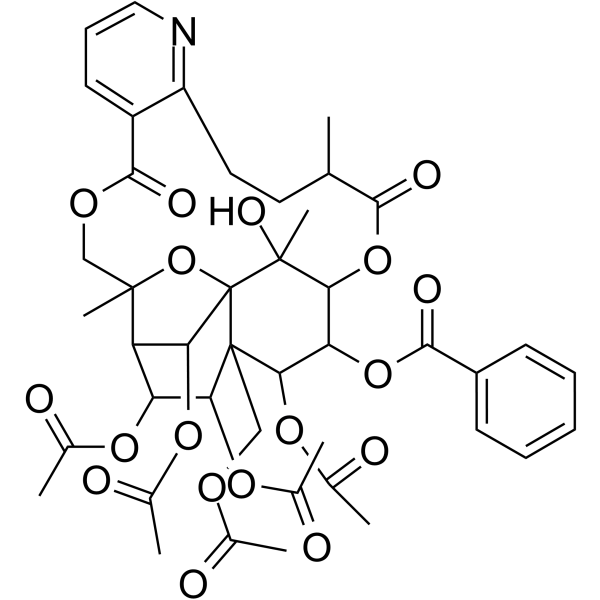
    Wilforine is an orally active JAK-STAT pathway inhibitor with immunomodulatory effects and the ability to inhibit osteoclast fusion. Wilforine disrupts lipid raft integrity, reprograms cholesterol and glycosphingolipid metabolic pathways, regulates NF-κB and the complement system, and modulates the expression of various interleukins. Wilforine also inhibits the Wnt11/β-catenin signaling pathway and suppresses the proliferation of fibroblast-like synoviocytes. Wilforine can serve as a quality and pharmacokinetic marker for Tripterygium glycoside tablets, and can be applied to research on related diseases such as rheumatoid arthritis, inflammatory osteolysis, and SAPHO syndrome .
    Wilforine
  • HY-109182

    JNJ-64251330

    JAK STAT Inflammation/Immunology
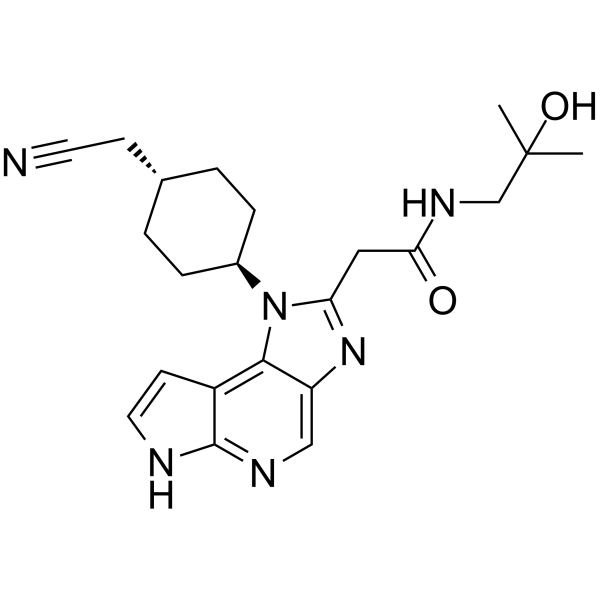
    Lorpucitinib (JNJ-64251330) is an orally active pan-JAK inhibitor with good enteric selectivity and safety. Lorpucitinib can inhibit the JAK/STAT pathway and reduce the levels of inflammatory biomarkers in serum. Lorpucitinib can be used in the research of familial adenomatous polyposis and gastrointestinal inflammatory diseases .
    Lorpucitinib
  • HY-N0781
    Linderalactone
    2 Publications Verification

    Apoptosis Cancer
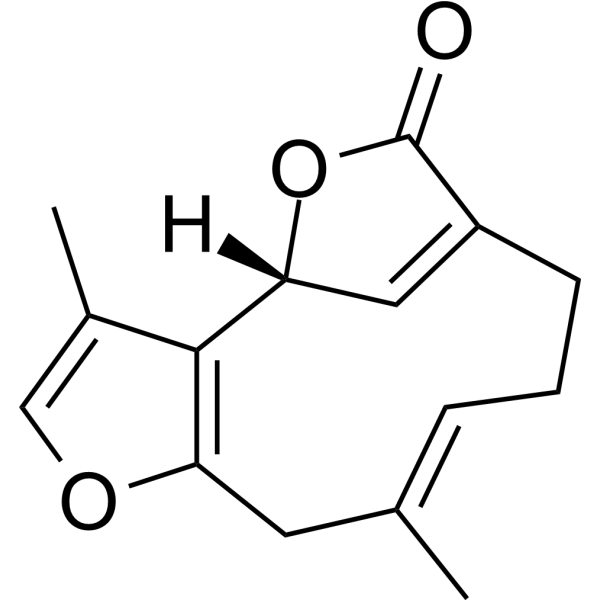
    Linderalactone is an important sesquiterpene lactone isolated from Lindera aggregata. Linderalactone inhibits cancer growth by modulating the expression of apoptosis-related proteins and inhibition of JAK/STAT signalling pathway. Linderalactone also inhibits the proliferation of the lung cancer A-549 cells with an IC50 of 15 µM .
    Linderalactone
  • HY-128854
    Dimethyl biphenyl-4,4'-dicarboxylate
    1 Publications Verification

    Biochemical Assay Reagents JAK STAT IFNAR DNA/RNA Synthesis HBV Infection Metabolic Disease
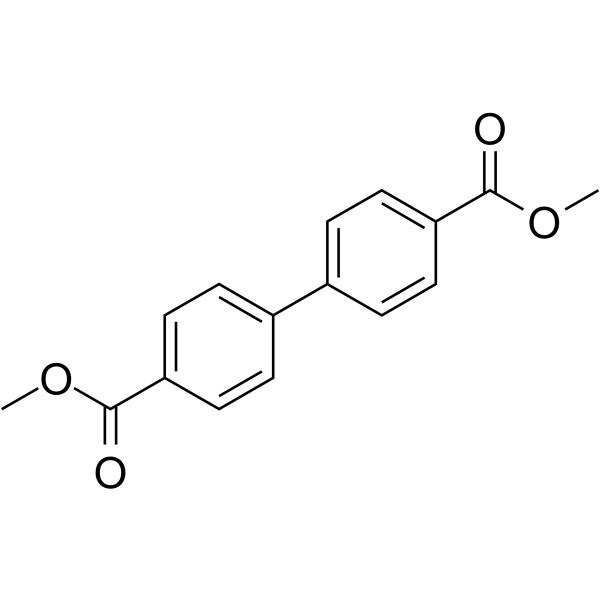
    Dimethyl biphenyl-4,4'-dicarboxylate (Biphenyl dimethyl dicarboxylate) is a hepatoprotective agent. Dimethyl biphenyl-4,4'-dicarboxylate stimulates the Jak/Stat signaling pathway and induces the expression of IFN-α-stimulated genes, particularly 6-16 and ISG12. Dimethyl biphenyl-4,4'-dicarboxylate inhibits the replication of pregenomic RNA and HBeAg. Polymer micelles loaded with Dimethyl biphenyl-4,4'-dicarboxylate can serve as carriers for the compound. Dimethyl biphenyl-4,4'-dicarboxylate can be used as an auxiliary improving agent for chronic hepatitis. Dimethyl biphenyl-4,4'-dicarboxylate is applicable to research related to chronic hepatitis B .\n


    Dimethyl biphenyl-4,4'-dicarboxylate
  • HY-147330B

    PROTACs JAK Neurological Disease Metabolic Disease Inflammation/Immunology Cancer
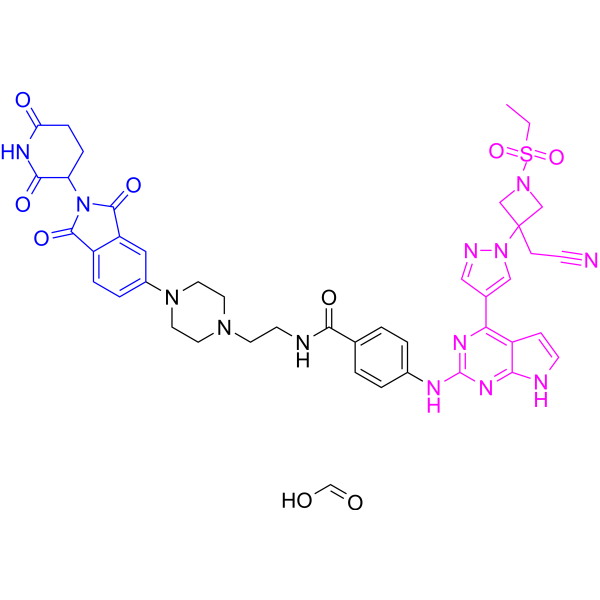
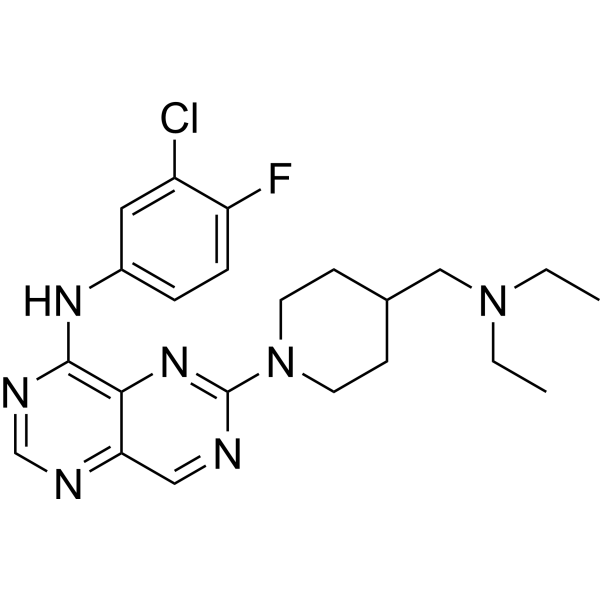
    SJ1008030 (compound 8) formic is a JAK2 PROTAC which selectively degrades JAK2. SJ1008030 formic inhibits MHH–CALL-4 cell growth with an IC50 of 5.4 nM. SJ1008030 formic can be used for the research of leukemia .
    SJ1008030 formic
  • HY-N0909
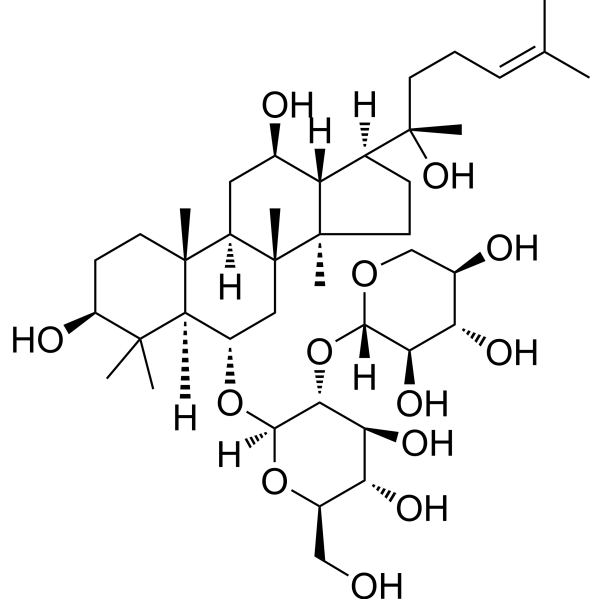
    Notoginsenoside R2
    1 Publications Verification

    20(S)-Notoginsenoside R2; Ginsenoside Ng-R2

    Apoptosis MEK ERK Reactive Oxygen Species (ROS) Caspase COX β-catenin Src MDM-2/p53 JAK STAT Neurological Disease Metabolic Disease Inflammation/Immunology
    Notoginsenoside R2 (20(S)-Notoginsenoside R2; Ginsenoside Ng-R2) is an orally active notoginsenoside . Notoginsenoside R2 activates P90RSK and Nrf2 via the MEK1/2-ERK1/2 pathway to inhibit 6-OHDA-induced apoptotic damage in nerve cells. Notoginsenoside R2 upregulates SOX8/β-catenin by reducing miR-27a, thereby suppressing Aβ25-35-induced neuronal apoptosis and inflammatory responses . Notoginsenoside R2 alleviates lipid accumulation and mitochondrial dysfunction in diabetic nephropathy by inhibiting c-Src. Notoginsenoside R2 alleviates hepatic fibrosis by inducing hepatic stellate cell senescence and inhibiting the inflammatory microenvironment via JAK/STAT3 suppression . Notoginsenoside R2 can be used in research related to Parkinson's disease, Alzheimer's disease, diabetic nephropathy and hepatic fibrosis .
    Notoginsenoside R2
  • HY-116474

    ERK JNK MMP p38 MAPK STAT Fungal Bacterial NO Synthase PGE synthase NF-κB Wnt β-catenin Infection Metabolic Disease Inflammation/Immunology
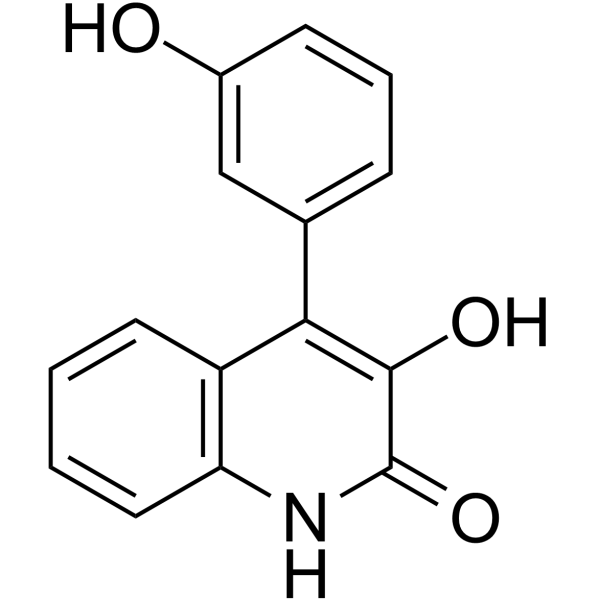
    Viridicatol is a quinolone alkaloid with anti-inflammatory, antibacterial, antifungal, osteogenic and chondrogenic activities. Viridicatol reduces the phosphorylation levels of ERK, JNK, p38 and STAT6; inhibits MMP-2, MMP-9, NF-κB signaling pathway and PTP1B; downregulates genes related to mast cell activation; and binds to SHN3 to activate the Wnt/SHN3 signaling pathway. Viridicatol inhibits the expression of pro-inflammatory mediators and cytokines, and promotes osteogenic/chondrogenic differentiation. Viridicatol can be used in studies related to fibrosarcoma, allergy, bacterial infection, fungal infection and osteoporosis .
    Viridicatol
  • HY-150538
    STAT3-IN-12
    1 Publications Verification

    STAT Apoptosis Cancer
    STAT3-IN-12 is a potent STAT3 signal inhibitor that can inhibit IL-6 induced JAK/STAT3 signalling pathway activation. STAT3-IN-12 inhibits cancer cell growth, migration, and induce cell apoptosis as well as cycle arrest. STAT3-IN-12 can be used in cancer-related research, such as hepatocellular carcinoma (HCC) and oesophageal carcinoma .
    STAT3-IN-12
  • HY-N0143A
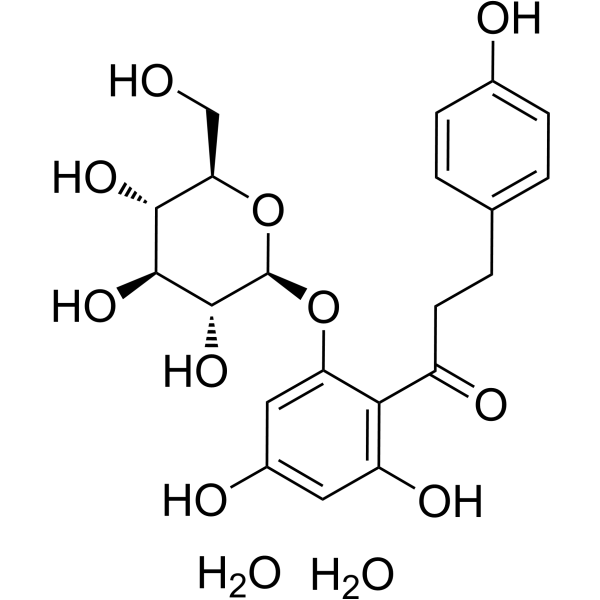
    Phlorizin dihydrate
    10+ Cited Publications

    Floridzin dihydrate

    SGLT PI3K Akt GLUT NF-κB JAK STAT Caspase Apoptosis DNA/RNA Synthesis mTOR Bacterial Infection Neurological Disease Metabolic Disease Cancer
    Phlorizin (Floridzin) dihydrate is an orally active non-selective sodium-glucose cotransporter (SGLT) inhibitor, with an IC50 of 0.04 μM and a Ki of 39 nM against hSGLT2, and an IC50 of 0.17 μM and a Ki of 0.31 μM against hSGLT1. Phlorizin dihydrate promotes GLUT4 translocation, inhibits gluconeogenesis and promotes glycogen synthesis by activating the PI3K/Akt/mTOR pathway. Phlorizin dihydrate reduces DNA damage and apoptosis (apoptosis) by inhibiting the NF-κB inflammatory pathway. Phlorizin dihydrate induces apoptosis via activating the Caspase pathway by antagonizing the JAK/STAT3 and PCK pathways. Phlorizin dihydrate also exhibits antibacterial, anti-inflammatory and neuroprotective activities .
    Phlorizin dihydrate
  • HY-151262
    JAK-IN-23
    1 Publications Verification

    JAK STING NF-κB STAT Inflammation/Immunology
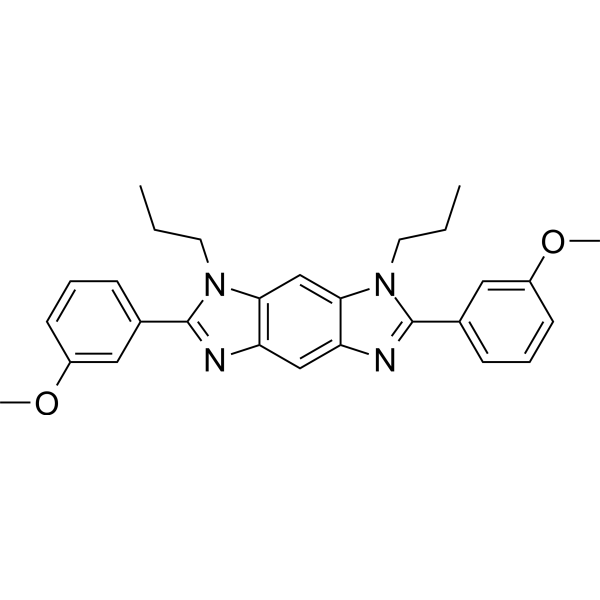
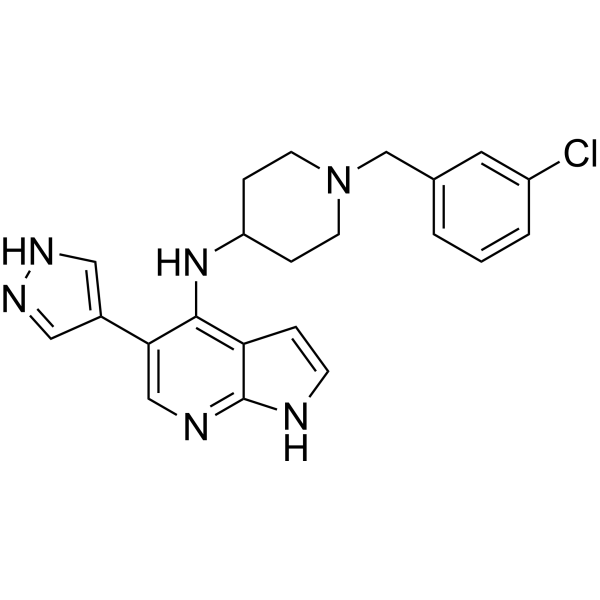
    JAK-IN-23 is an orally active double inhibitor of JAK/STAT and NF-κB. JAK-IN-23 can inhibit JAK1/2/3 with IC50 values of 8.9 nM, 15 nM and 46.2 nM, respectively. JAK-IN-23 has potent inhibitory activities against interferon-stimulated genes (ISG) and NF-κB pathways with IC50 values of 3.3 nM and 150.7 nM, respectively. JAK-IN-23 has great anti-inflammatory that decreases the release of various proinflammatory factors. JAK-IN-23 can be used for the research of inflammatory bowel disease (IBD) .
    JAK-IN-23
  • HY-117548
    UNC1062
    2 Publications Verification

    TAM Receptor Apoptosis p38 MAPK ERK PI3K Akt JAK STAT Cardiovascular Disease Cancer
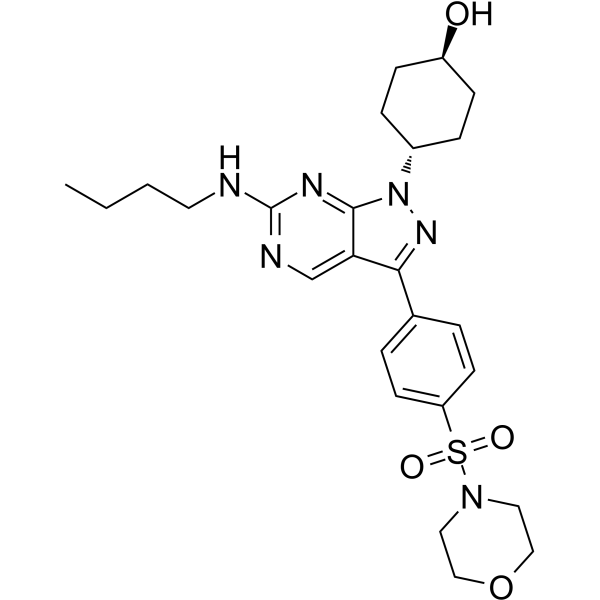
    UNC1062 is a highly selective tyrosine kinase (MERTK) inhibitor with an IC50 of 1.1 nM (Morrison Ki = 0.33 nM). UNC1062 exhibits good selectivity for the TAM family (TYRO3 IC50 = 60 nM, AXL IC50 = 85 nM). UNC1062 exhibits significant anti-proliferative effects and induces apoptosis in various cancer models (such as melanoma, gastric cancer, and acute myeloid leukemia). UNC1062 inhibits multiple pathways, including MAPK/ERK, PI3K/AKT and JAK/STAT and affects the motility of head and neck squamous cell carcinoma (HNSCC) cells through the RhoA signaling pathway. UNC1062 inhibits macrophage efferocytosis, and it suitable for research on atherosclerosis .
    UNC1062
  • HY-132601A

    MRG-106 sodium

    MicroRNA Cancer
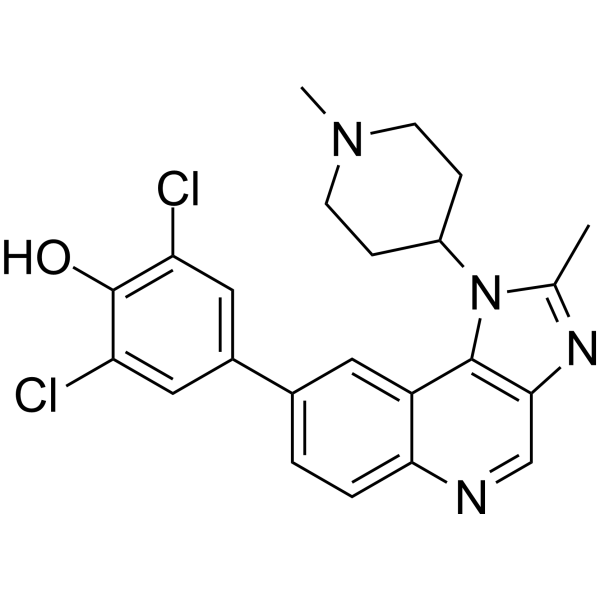
    Cobomarsen sodium is an oligonucleotide inhibitor of miR-155. Cobomarsen sodium inhibits multiple gene pathways associated with cell survival (including JAK/STAT, MAPK/ERK and PI3K/AKT). Cobomarsen sodium can be used for the research of B-cell lymphoma .
    Cobomarsen sodium
  • HY-153190
    W1131
    1 Publications Verification

    Oxidative Phosphorylation STAT Ferroptosis Cancer
    W1131 is a potent STAT3 inhibitor, triggering ferroptosis. W1131 suppresses cancer progression in gastric cancer cell subcutaneous xenograft model, organoids model, and PDX model. W1131 effectively alleviates chemical resistance of cancer cells to 5-FU (HY-90006). W1131 regulates cell cycle, DNA damage response, and oxidative phosphorylation, including IL6-JAK-STAT3 pathway and ferroptosis pathway .
    W1131
  • HY-178500

    Deubiquitinase Apoptosis STAT JAK Akt PI3K Cancer
    WCY-8-67 is an orally active and selective USP5 inhibitor, with an IC50 value of 1.33 μM. WCY-8-67 induces apoptosis and suppresses JAK/STAT3 and PI3K/AKT signaling pathways in vitro. WCY-8-67 inhibits proliferation of AE-positive AML cells, induces G1 phase arrest and differentiation of AML cells. WCY-8-67 demonstrates potent anti-leukemic efficacy in mice. WCY-8-67 can be used for the study of acute myeloid leukemia .
    WCY-8-67
  • HY-N7694
    Isotoosendanin
    1 Publications Verification

    TGF-β Receptor JAK STAT Apoptosis Inflammation/Immunology Cancer
    Isotoosendanin is an orally active TGFβR1 inhibitor and abrogating its kinase activity (IC50 = 6732 nM). Isotoosendanin inhibits the JAK/STAT3 signaling pathway by directly targeting SHP-2, enhancing its stability, and reducing its ubiquitination. Isotoosendanin inhibits TGF-β-induced reduces the migration, invasion, and metastasis in triple-negative breast cancer (TNBC) cells. Isotoosendanin exhibits anti-tumor efficacy in TNBC xenograft models and A549 xenograft tumors. Isotoosendanin exhibits significant anti-inflammatory effects in acetic acid-induced vascular permeability and λ-carrageenan-induced hind paw edema tests. Isotoosendanin can be used for the study of non-small cell lung cancer (NSCLC), TNBC and inflammation .
    Isotoosendanin
  • HY-147330A

    PROTACs JAK Cancer
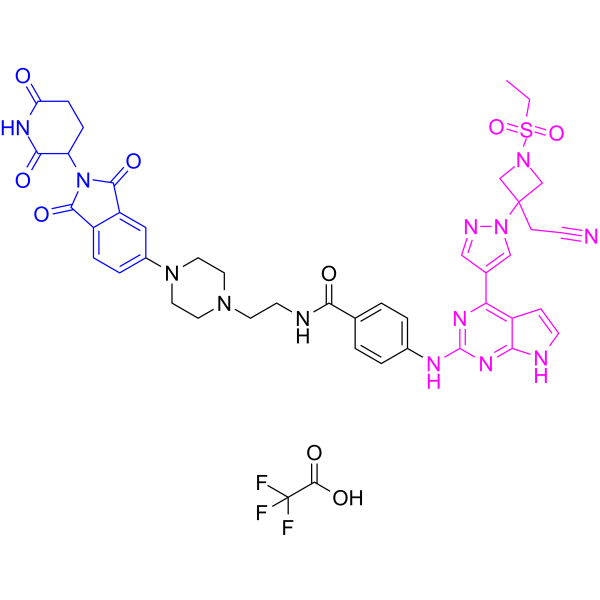
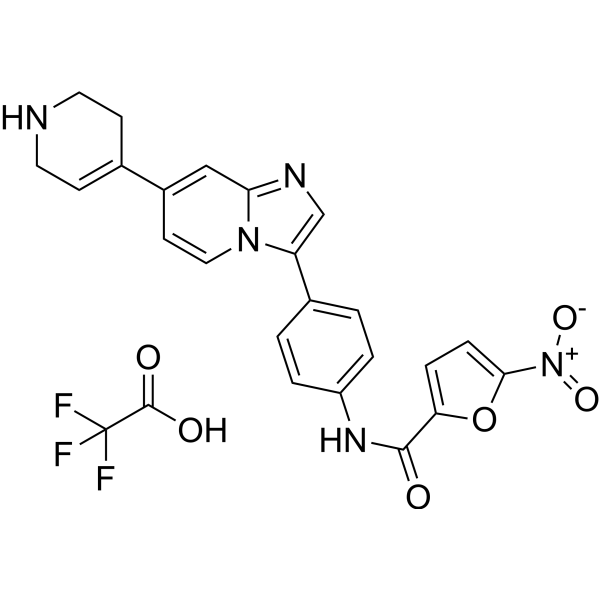
    SJ1008030 (compound 8) TFA is a JAK2 PROTAC which selectively degrades JAK2. SJ1008030 TFA inhibits MHH–CALL-4 cell growth with an IC50 of 5.4 nM. SJ1008030 TFA can be used for the research of leukemia .
    SJ1008030 TFA
  • HY-156466

    STAT Interleukin Related IFNAR Inflammation/Immunology
    QL-1200186 is a selective, orally active, allosteric inhibitor targeting the tyrosine kinase TYK2 pseudokinase domain JH2 (IC50=0.06 nM, TYK2 JH2), with 164-fold selectivity over TYK1 JH2 (IC50=9.85 nM,TYK1 JH2). QL-1200186 first stabilizes the TYK2 JH2 conformation, inhibits the activity of the JH1 catalytic domain, and blocks the IFNα, IL-12/IL-23-mediated JAK-STAT signaling pathway. QL-1200186 can inhibit the production of Th1/Th17 cell-related cytokines (such as IFNγ, IL-23), reduce immune cell activation, and has no significant effect on JAK1/2/3 kinase activity. QL-1200186 can significantly improve skin inflammation in the Imiquimod (HY-B0180)-induced psoriasis mouse model and reduce the Psoriasis Area and Severity Index (PASI) score. QL-1200186 can be used in the study of autoimmune diseases such as psoriasis and systemic lupus erythematosus (SLE) .
    QL-1200186
  • HY-132601

    MRG-106

    MicroRNA Cancer
    Cobomarsen (MRG-106) is an oligonucleotide inhibitor of miR-155. Cobomarsen inhibits multiple gene pathways associated with cell survival (including JAK/STAT, MAPK/ERK and PI3K/AKT). Cobomarsen can be used for the research of B-cell lymphoma .
    Cobomarsen
  • HY-170772

    p38 MAPK STAT Interleukin Related Cathepsin JAK Inflammation/Immunology
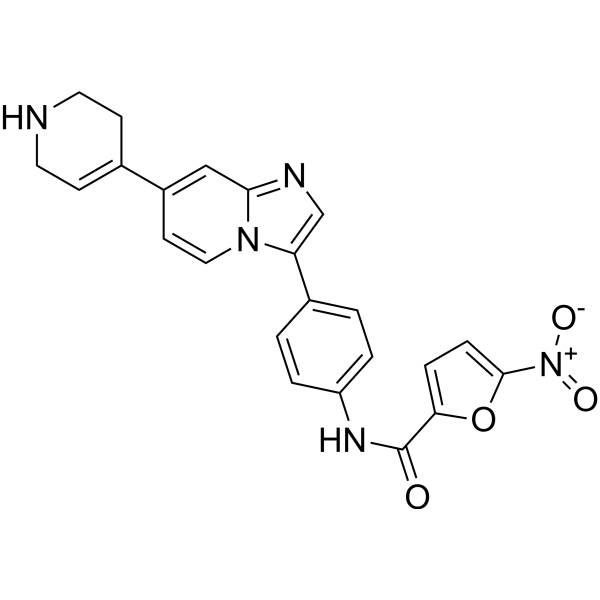
    Dual Cathepsin L/JAK-IN-1 (Compound A8) is a dual inhibitor of Cathepsin L (CTSL) and JAK, with IC50 values of 0.68 μM, 337.1 nM, 5.251 nM, 27.29 nM, and 172.6 nM for CTSL, JAK1/2/3, and TYK2, respectively. Dual Cathepsin L/JAK-IN-1 effectively blocks the activation of the MAPK, NF-κB, and JAK/STAT signaling pathways, leading to significant anti-inflammatory therapeutic effects. Dual Cathepsin L/JAK-IN-1 can be used in research on acute lung injury (ALI) .
    Dual Cathepsin L/JAK-IN-1
  • HY-13559

    Azaspirane ; SKF 106615-12; SKF 106615A12

    STAT Apoptosis Autophagy Reactive Oxygen Species (ROS) Caspase Bcl-2 Family p62 Atg8/LC3 PARP NF-κB PERK JAK Cardiovascular Disease Inflammation/Immunology Cancer
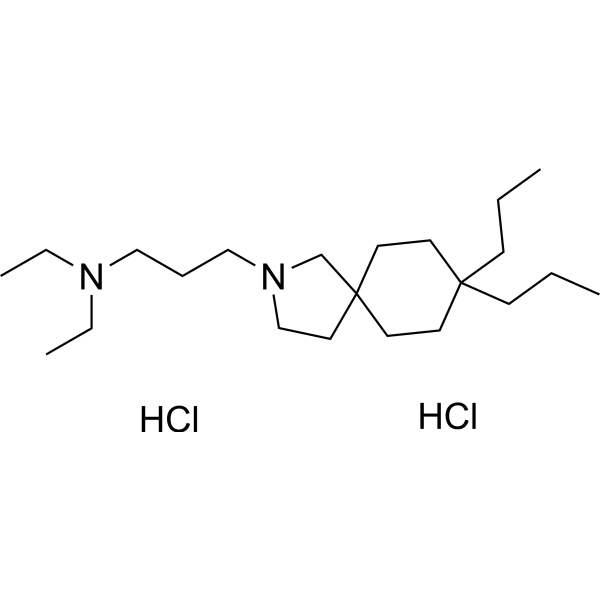
    Atiprimod (Azaspirane) is a STAT3 inhibitor with antitumor, anti-inflammatory, and anti-angiogenic activities. Atiprimod blocks the signaling pathways of IL-6 and VEGF by inhibiting the phosphorylation of signal transducer and activator of STAT3. Atiprimod blocks the JAK-STAT signaling pathway by inhibiting the phosphorylation of JAK2 and JAK3. Atiprimod also inhibits cell proliferation, induces cell cycle arrest, and induces autophagy and apoptosis. Atiprimod triggers persistent ER stress-mediated apoptosis in breast cancer cells by activating the PERK/eIF2α/ATF4/CHOP axis and inhibiting the nuclear translocation of STAT3/NF-κB. Atiprimod shows great anti-tumor activities in tumor xenograft mouse models. Atiprimod can be used for the study of pituitary adenoma, breast cancer, multiple myeloma and acute myeloid leukemia (AML) .
    Atiprimod
  • HY-147330

    PROTACs JAK Cancer
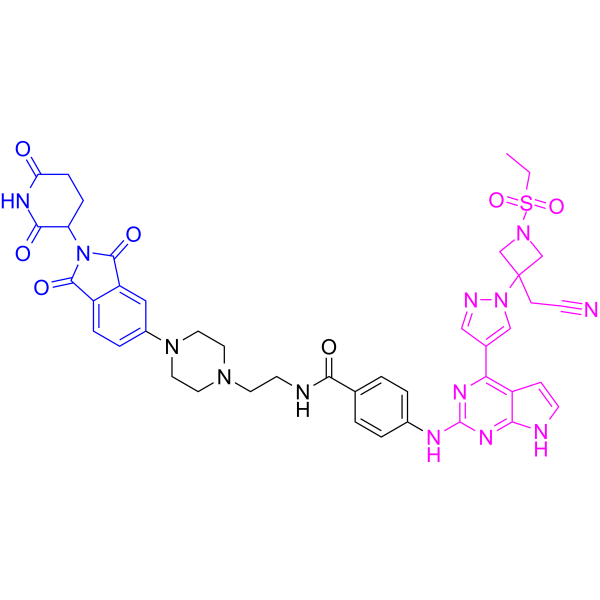
    SJ1008030 (compound 8) is a JAK2 PROTAC which selectively degrades JAK2. SJ1008030 inhibits MHH–CALL-4 cell growth with an IC50 of 5.4 nM. SJ1008030 can be used for the research of leukemia .
    SJ1008030
  • HY-115734

    S14-95

    Acyltransferase Inflammation/Immunology
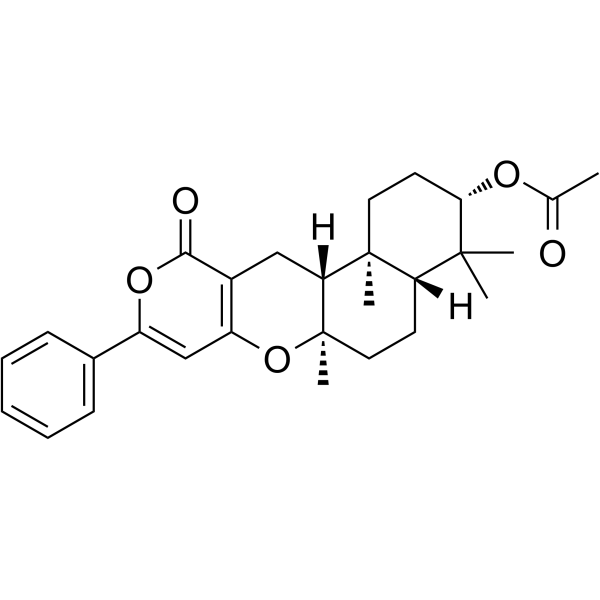
    Phenylpyropene C (S14-95), a JAK/STAT pathway inhibitor, can inhibit IFN-γ mediated expression of the reporter gene (IC50=5.4~10.8 μM). Phenylpyropene C also is an inhibitor of acyl-CoA, with an IC50 of 16.0 μM .
    Phenylpyropene C
  • HY-177515

    IRAK STAT JAK NF-κB Inflammation/Immunology
    IRAK4 modulator-2 (Compound 5) is a selective dual Interleukin-1 Receptor Associated Kinase 4 (IRAK4) and IRAK1 inhibitor with IC50 values of 0.005 μM and 0.97 μM, erespectively. IRAK4 modulator-2 blocks IRAK-mediated signaling pathways (e.g., JAK-STAT, NF-κB pathways), reduces the production of pro-inflammatory cytokines (e.g., IL-1, TNF), and exerts anti-inflammatory activity. IRAK4 modulator-2 is promising for research of autoimmune diseases and inflammatory diseases, such as rheumatoid arthritis, psoriasis, inflammatory bowel disease .
    IRAK4 modulator-2
  • HY-178500A

    Deubiquitinase Apoptosis STAT JAK Akt PI3K Cancer
    WCY-8-67 TFA is an orally active and selective USP5 inhibitor, with an IC50 value of 1.33 μM. WCY-8-67 TFA induces apoptosis and suppresses JAK/STAT3 and PI3K/AKT signaling pathways. WCY-8-67 TFA inhibits proliferation of AE-positive AML cells, induces G1 phase arrest and differentiation of AML cells. WCY-8-67 TFA demonstrates potent anti-leukemic efficacy in mice. WCY-8-67 TFA can be used for the study of acute myeloid leukemia .
    WCY-8-67 TFA
  • HY-178716

    Phosphatase IFNAR STAT JAK Cancer
    PTPN2/1-IN-4 (Compound WS35) is an orally active, dual-functional inhibitor of PTPN1 and PTPN2 with IC50s of 12.8 and 5.8 nM for PTPN1 and PTPN2, respectively. PTPN2/1-IN-4 modulates the IFNγ-JAK-STAT signaling pathway and significantly augments CD8+ T-cell tumor infiltration. PTPN2/1-IN-4 has potent anticancer activity, robustly inhibiting tumor growth both as a monotherapy and in combination with an anti-PD-1 antibody in B16-OVA syngeneic mouse models .
    PTPN2/1-IN-4
  • HY-N1447R

    Reference Standards Apoptosis Autophagy Endogenous Metabolite Cancer
    Ganoderic acid A (Standard) is the analytical standard of Ganoderic acid A. This product is intended for research and analytical applications. Ganoderic acid A can inhibit of the JAK-STAT3 signaling pathway, also inhibit proliferation, viability, ROS.
    Ganoderic acid A (Standard)
  • HY-107595
    SD-1008
    1 Publications Verification

    JAK STAT Apoptosis Cancer
    SD-1008 is a potent JAK inhibitor. SD-1008 inhibits tyrosyl phosphorylation of STAT3, JAK2 and Src. SD-1008 also reduces STAT3-dependent luciferase activity. SD-1008 enhances apoptosis induced by Paclitaxel in ovarian cancer cells via directly blocking the JAK-STAT3 signaling pathway .
    SD-1008
  • HY-N10623

    Tyrosinase Cancer
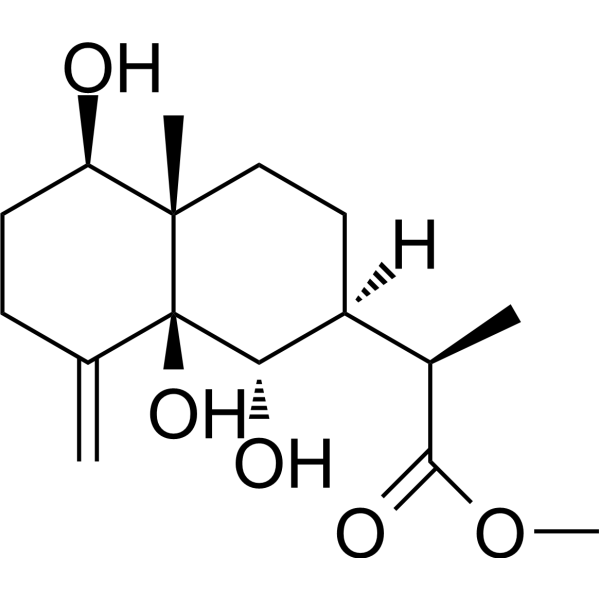
    5-epi-Arvestonate A is a sesquiterpenoid isolated from the whole plants of Seriphidium transiliense. 5-epi-Arvestonate A promotes melanogenic production by activating the transcription of microphthalmia-associated transcription factor (MITF) and tyrosinase family genes. 5-epi-Arvestonate A inhibits the expression of IFN-γ-chemokine through the JAK/STAT signaling pathway in immortalized human keratinocyte (HaCaT) cells .
    5-epi-Arvestonate A
  • HY-175771

    STAT c-Myc Bcl-2 Family Interleukin Related JAK Cancer
    STAT3-IN-46 is a selective and orally active inhibitor of signal transducer and activator of transcription 3 (STAT3) (KD = 323.3 nM). STAT3-IN-46 directly binds to the SH2 domain of the STAT3 and inhibits IL-6/JAK/STAT3 signaling pathway (IC50 = 0.87 μM) and downregulates c-Myc and Bcl-2 levels. STAT3-IN-46 can be used for the research of cancer, such as triple-negative breast cancer .
    STAT3-IN-46
  • HY-176876

    Glucocorticoid Receptor Interleukin Related JAK STAT Inflammation/Immunology
    Glucocorticoid receptor/IL-6-IN-1 (Compound 35) is a selective dual inhibitor targeting the glucocorticoid receptor (GR) and IL-6 signaling pathway (IC50 values of 120 nM and 59 nM, respectively). Glucocorticoid receptor/IL-6-IN-1 inhibits IL-6-induced JAK/STAT3 phosphorylation, blocking inflammatory cytokine transcription. Glucocorticoid receptor/IL-6-IN-1 is promising for research of inflammatory diseases like rheumatoid arthritis and asthma .
    Glucocorticoid receptor/IL-6-IN-1
  • HY-153858

    Raf Discoidin Domain Receptor MEK TNF Receptor Interleukin Related JAK STAT Ras Cancer
    PHI-501 is a dual inhibitor targeting RAF/DDR. PHI-501 exhibits significant anti-proliferative effects in melanoma cell lines and significantly inhibits the colony formation of drug-resistant cells. PHI-501 strongly inhibits ERK and AKT phosphorylation. PHI-501 downregulates the gene sets in drug-resistant cells of TNFA-NFKB, IL6-JAK-STAT3, and KRAS signaling pathways as well as the epithelial-mesenchymal transition (EMT) signaling pathways. PHI-501 demonstrates significant anti-tumor effects in the SK-MEL3DR xenograft model. PHI-501 can be used for research on the problem of drug resistance in melanoma .
    PHI-501
  • HY-13559A

    Azaspirane dimaleate; SKF 106615-12 dimaleate; SKF 106615A12 dimaleate

    STAT Apoptosis Caspase Interleukin Related Autophagy Reactive Oxygen Species (ROS) Atg8/LC3 p62 JAK Cardiovascular Disease Inflammation/Immunology Cancer
    Atiprimod (Azaspirane) (dimaleate) is a STAT3 inhibitor with antitumor, anti-inflammatory, and anti-angiogenic activities. Atiprimod blocks the signaling pathways of IL-6 and VEGF by inhibiting the phosphorylation of signal transducer and activator of STAT3. Atiprimod blocks the JAK-STAT signaling pathway by inhibiting the phosphorylation of JAK2 and JAK3. Atiprimod also inhibits cell proliferation, induces cell cycle arrest, and induces autophagy and apoptosis. Atiprimod triggers persistent ER stress-mediated apoptosis in breast cancer cells by activating the PERK/eIF2α/ATF4/CHOP axis and inhibiting the nuclear translocation of STAT3/NF-κB. Atiprimod shows great anti-tumor activities in tumor xenograft mouse models. Atiprimod can be used for the study of pituitary adenoma, breast cancer, multiple myeloma and acute myeloid leukemia (AML) .
    Atiprimod dimaleate
  • HY-110102

    Azaspirane hydrochloride; SKF 106615-12 hydrochloride; SKF 106615

    JAK STAT Apoptosis Autophagy Reactive Oxygen Species (ROS) Caspase Atg8/LC3 p62 Cardiovascular Disease Inflammation/Immunology Cancer
    Atiprimod (Azaspirane) hydrochloride is a STAT3 inhibitor with antitumor, anti-inflammatory, and anti-angiogenic activities. Atiprimod blocks the signaling pathways of IL-6 and VEGF by inhibiting the phosphorylation of signal transducer and activator of STAT3. Atiprimod blocks the JAK-STAT signaling pathway by inhibiting the phosphorylation of JAK2 and JAK3. Atiprimod also inhibits cell proliferation, induces cell cycle arrest, and induces autophagy and apoptosis. Atiprimod triggers persistent ER stress-mediated apoptosis in breast cancer cells by activating the PERK/eIF2α/ATF4/CHOP axis and inhibiting the nuclear translocation of STAT3/NF-κB. Atiprimod shows great anti-tumor activities in tumor xenograft mouse models. Atiprimod can be used for the study of pituitary adenoma, breast cancer, multiple myeloma and acute myeloid leukemia (AML) .
    Atiprimod hydrochloride
  • HY-N12473

    JAK Inflammation/Immunology
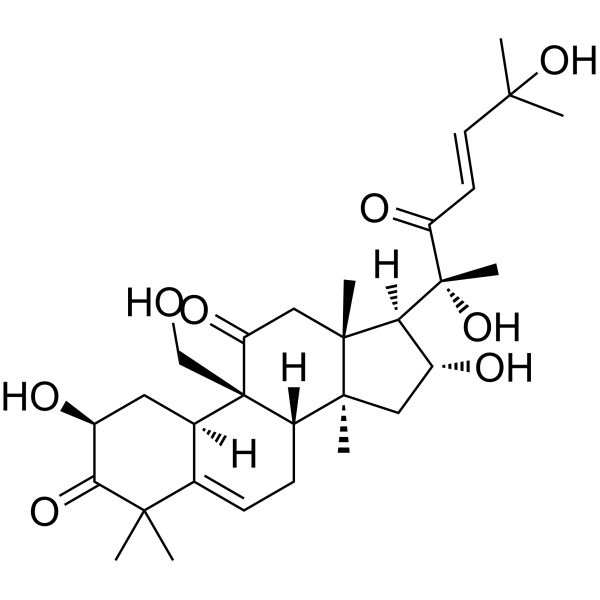
    25-Deacetylcucurbitacin A is a Cucurbitane-Type triterpenoid and has the potential to be an anti-cancer agent and JAK/STAT3 signaling pathway inhibitor .
    25-Deacetylcucurbitacin A
  • HY-E70789

    RET Others
    BCR-RET Recombinant Human Active Protein Kinase is a BCR-RET fusion protein in hematopoietic malignancies. BCR-RET overactivates the Ras-ERK pathway, in addition to JAK/STAT3 and PI3K/AKT pathways .
    BCR-RET Recombinant Human Active Protein Kinase
  • HY-103438A

    Apoptosis Autophagy Akt Cancer
    BIBU1361 dihydrochloride induces apoptosis and inhibits autophagy. BIBU1361 inhibits pro-survival pathways Akt/mTOR and gp130/JAK/STAT3, and decreased levels of pro-inflammatory cytokine IL-6 .
    BIBU1361 dihydrochloride
  • HY-103438

    Apoptosis Akt Autophagy Cancer
    BIBU1361 induces apoptosis and inhibits autophagy. BIBU1361 inhibits pro-survival pathways Akt/mTOR and gp130/JAK/STAT3, and decreased levels of pro-inflammatory cytokine IL-6 .
    BIBU1361

Inquiry Online

Your information is safe with us. * Required Fields.

Salutation


Country or Region *

Applicant Name *


Organization Name *

Department *


Email Address *


Product Name *

Cat. No.


Requested quantity *

Phone Number *


Remarks

Inquiry Online

Inquiry Information

Product Name:
Cat. No.:
Quantity:
MCE Japan Authorized Agent: