1. Search Result
Search Result
Results for "

Succinate Dehydrogenase

" in MedChemExpress (MCE) Product Catalog:

113

Inhibitors & Agonists

2

Fluorescent Dyes

3

Biochemical Assay Reagents

14

Natural
Products

1

Recombinant Proteins

2

Isotope-Labeled Compounds

4

Antibodies

1

Click Chemistry

Cat. No. Product Name Target Research Areas Chemical Structure
  • HY-119976
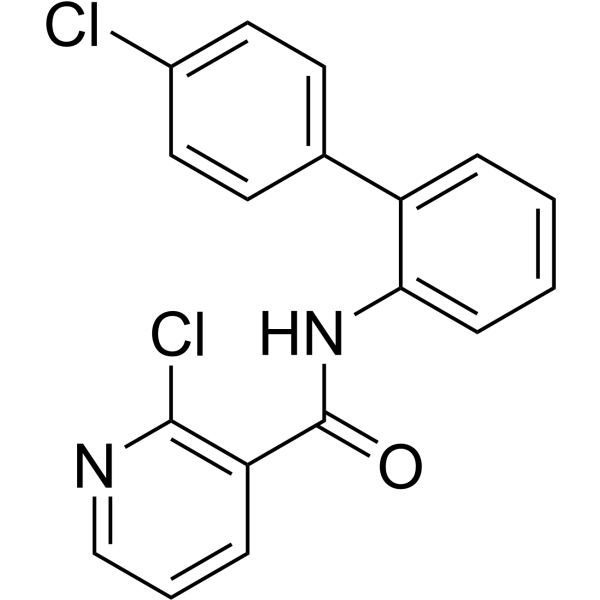
    Boscalid
    1 Publications Verification

    Environmental Pollutants Apoptosis Fungal Mitochondrial Metabolism Succinate Dehydrogenase Infection
    Boscalid is a succinate dehydrogenase (SDHI) inhibitor with antifungal activity. Boscalid binds to the ubiquinone-binding site of fungal mitochondrial complex II, blocks ATP production and aerobic respiration, exhibits good control efficacy against a variety of plant fungal diseases including gray mold, sclerotinia rot and powdery mildew, and is widely used for disease control in agriculture. Boscalid induces apoptosis, altered lipid metabolism, mitochondrial dysfunction, respiratory impairment, oxidative stress, ROS accumulation and neurodevelopmental disorders in zebrafish. Boscalid reduces foraging ability, shortens median death time and causes chronic toxicity in exposed honeybees. Boscalid also possesses genotoxicity, cytotoxicity, elevated mitochondrial superoxide levels and early-stage apoptosis .
    Boscalid
  • HY-Y1787
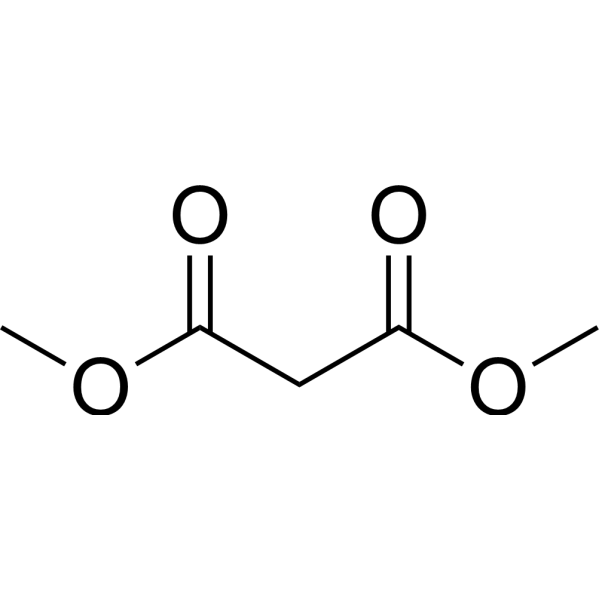
    Dimethyl malonate
    Maximum Cited Publications
    9 Publications Verification

    Apoptosis Neurological Disease
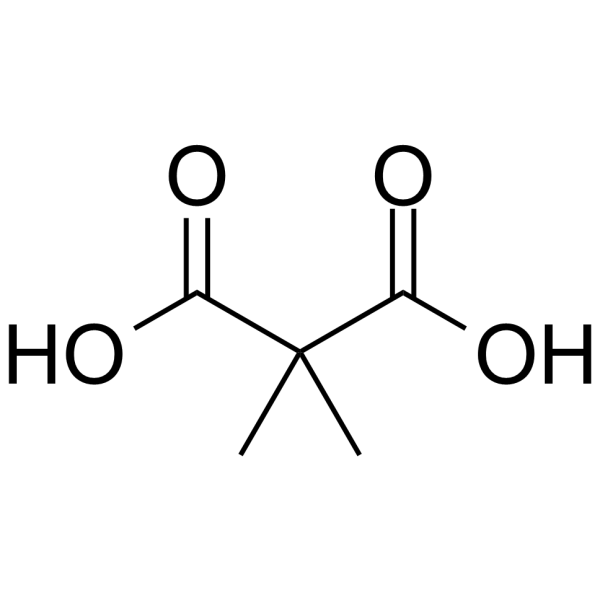
    Dimethyl malonate is a competitive inhibitor of succinate dehydrogenase (SDH). Dimethyl malonate is able to cross the blood-brain barrier and hydrolyse to malonate. Dimethyl malonate reduces neuronal apoptosis .
    Dimethyl malonate
  • HY-W012875
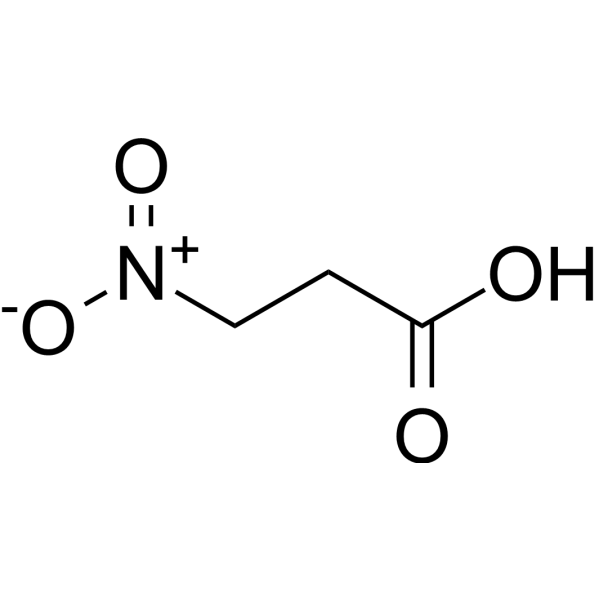
    3-Nitropropanoic acid
    4 Publications Verification

    β-Nitropropionic acid; Bovinocidin

    Bacterial Apoptosis Autophagy Infection Metabolic Disease Inflammation/Immunology
    3-Nitropropanoic acid (β-Nitropropionic acid) is an irreversible and orally active inhibitor of succinate dehydrogenase. 3-Nitropropanoic acid exhibits potent antimycobacterial activity with a MIC value of 3.3 μM. 3-Nitropropanoic acid can induce cell apoptosis .
    3-Nitropropanoic acid
  • HY-D0018
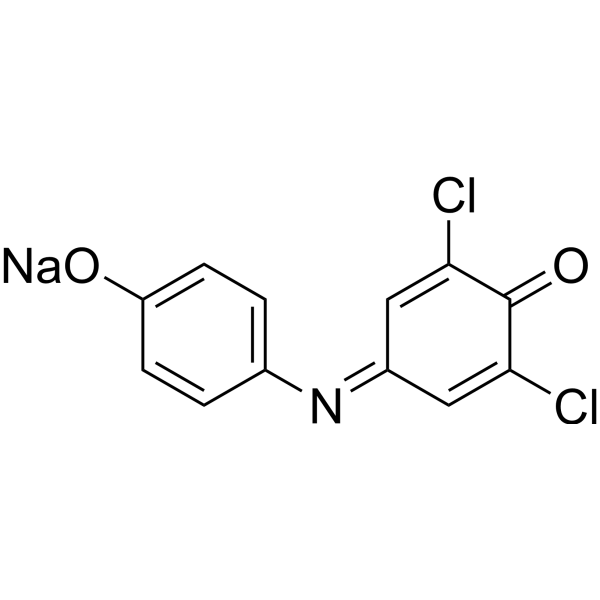
    DCIP sodium
    1 Publications Verification

    Dichlorophenylindophenol sodium; DCPIP sodium; Indochlorophenol sodium

    Biochemical Assay Reagents Others
    DCIP sodium is a blue dye commonly used in various biochemical and biotechnological applications as an indicator of redox reactions. DCIP sodium has unique chemical properties that change color according to the oxidation state of the substance being tested. It is commonly used in enzyme assays, such as measuring the activity of succinate dehydrogenase, or in protein quantification methods, such as the Lowry assay.
    DCIP sodium
  • HY-119459
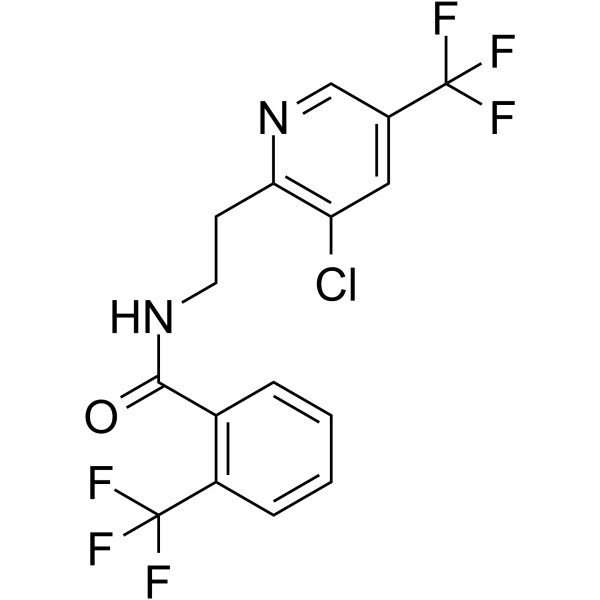
    Fluopyram
    1 Publications Verification

    Environmental Pollutants Constitutive Androstane Receptor Parasite Caspase Fungal NF-κB Succinate Dehydrogenase Pregnane X Receptor (PXR) Infection Cancer
    Fluopyram is an orally active succinate dehydrogenase inhibitor, antifungal and nematicide. Fluopyram inhibits succinate dehydrogenase activity, activates CAR/PXR nuclear receptors, and increases caspase-3, TNF-α and NF-κB. Fluopyram inhibits the growth of F. virguliforme, Botrytis cinerea and Alternaria solani with EC50 values of 3.35, 5.389 and 0.244 µg/mL, respectively. Fluopyram induces liver and thyroid tumor formation. Fluopyram is nephrotoxic and embryotoxic .
    Fluopyram
  • HY-N7114A
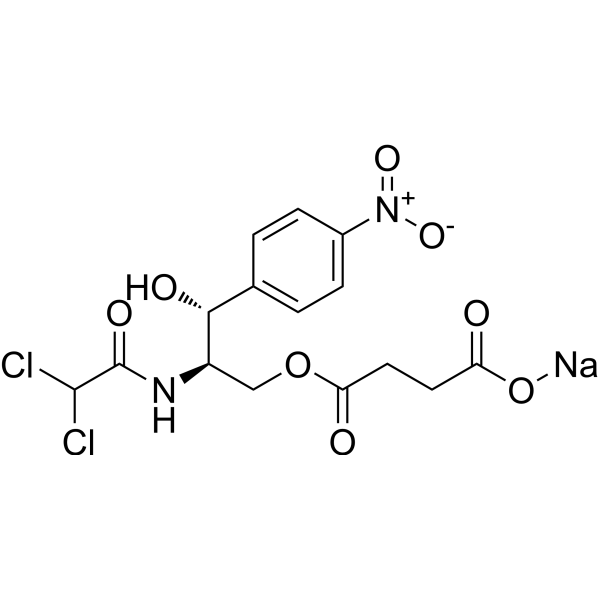
    Chloramphenicol succinate sodium
    3 Publications Verification

    Bacterial P2Y Receptor Succinate Dehydrogenase Drug Intermediate Infection Inflammation/Immunology
    Chloramphenicol succinate sodium is a prodrug of Chloramphenicol (HY-B0239), acting as a P2Y14R inhibitor with an IC50 of 1.585 nM. Chloramphenicol succinate sodium serves as a competitive substrate and inhibitor of succinate dehydrogenase (SDH), which may account for its toxicity. Chloramphenicol succinate sodium exerts a significant inhibitory effect on colitis. Chloramphenicol succinate sodium can be used in research related to myelosuppression, gray baby syndrome, aplastic anemia, bacterial meningitis and inflammatory bowel disease .
    Chloramphenicol succinate sodium
  • HY-137006

    Fluorescent Dye Others
    MTT Formazan is a purple water-insoluble product formed by the reduction of yellow soluble MTT by succinate dehydrogenase in the mitochondria of viable cells. The amount of MTT Formazan produced is proportional to cellular metabolic activity, and it can serve as an indicator for evaluating cell viability and proliferation. MTT Formazan exhibits solvent-dependent solubility properties, and its absorbance value can be measured by spectrophotometry to reflect cellular status. MTT Formazan also supports the assessment of cell viability in bacterial MTT assays. MTT Formazan can be used in photoacoustic microscopy to enhance the imaging effect of viable cells, especially in applications in the fields of three-dimensional cell culture and tissue engineering .
    MTT Formazan
  • HY-W753375

    Environmental Pollutants Fungal Succinate Dehydrogenase Infection
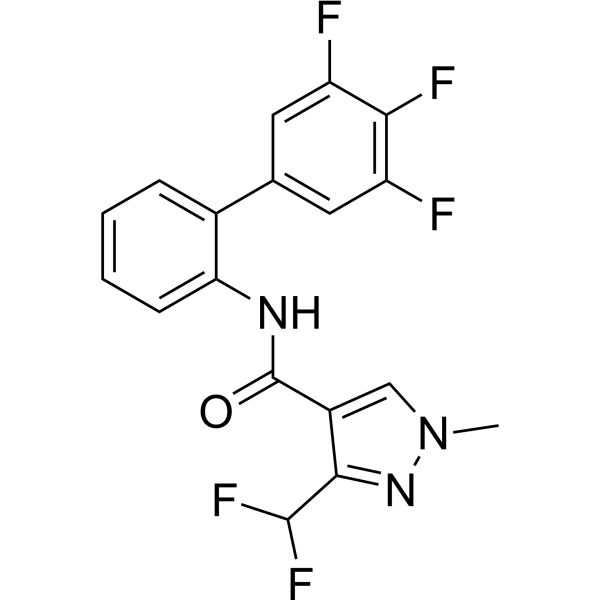
    Fluindapyr is a broad-spectrum pyrazolamide chiral fungicide of succinate dehydrogenase inhibitor (SDHIs) with broad bactericidal spectrum and good efficacy. Fluopimomide is effective against M. incognita in vitro and application of fuopimomide shows some growth promotion effect in cucumber .
    Fluindapyr
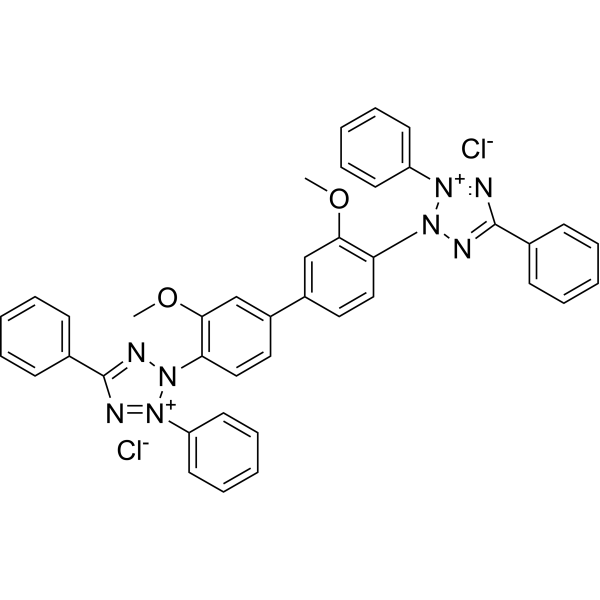
  • HY-D0007

    Tetrazolium blue

    Biochemical Assay Reagents Others
    Blue Tetrazolium is a tetrazolium salt chromogenic dye that can be reduced to a dark blue formazan product. Blue Tetrazolium is applicable for assays such as succinate dehydrogenase activity detection and reducing sugar quantification. Blue Tetrazolium also serves as a novel corrosion inhibitor for cold-rolled steel in hydrochloric acid solutions. Blue Tetrazolium has a broad wavelength range (480-600 nm), with the maximum absorbance observed at 540 nm .
    Blue Tetrazolium
  • HY-B2011

    Environmental Pollutants Succinate Dehydrogenase Fungal Mitochondrial Metabolism Infection
    Flutolanil is a succinate dehydrogenase complex inhibitor and fungicide. Flutolanil blocks electron transfer between the redox center of succinate dehydrogenase and coenzyme Q, inhibits mycelial oxygen consumption, and suppresses mycelial growth. Flutolanil induces acute and sublethal toxicity in zebrafish at different life stages. Flutolanil can be used in studies on plant disease control .
    Flutolanil
  • HY-135549
    Fluxapyroxad
    1 Publications Verification

    Environmental Pollutants Antibiotic Cytochrome P450 Fungal Succinate Dehydrogenase Infection Inflammation/Immunology
    Fluxapyroxad is a synthetic broad-spectrum fungicide for the control of fungal diseases. Fluxapyroxad inhibits succinate dehydrogenase in complex II of the mitochondrial respiratory chain, resulting in inhibition of spore germination, germ tubes and mycelia growth within the fungus target species .
    Fluxapyroxad
  • HY-139983
    SDH-IN-1
    1 Publications Verification

    Fungal Infection
    SDH-IN-1 (compound 4i) is a succinate dehydrogenase (SDH) inhibitor with an IC50 of 4.53 μM. SDH-IN-1 has potent antifungal activities. SDH-IN-1 displays potent activity against S. sclerotiorum (EC50 of 0.14 mg/L) .
    SDH-IN-1
  • HY-108012

    Fungal Infection
    ME1111 is an antifungal agent that is active against dermatophytes. ME1111 is an inhibitor of the succinate dehydrogenase of Trichophyton species. ME1111 has an excellent ability to penetrate human nails and is used for onychomycosis research .
    ME1111
  • HY-44178
    Diethyl butylmalonate
    1 Publications Verification

    Succinate Dehydrogenase Reactive Oxygen Species (ROS) Infection Neurological Disease Inflammation/Immunology
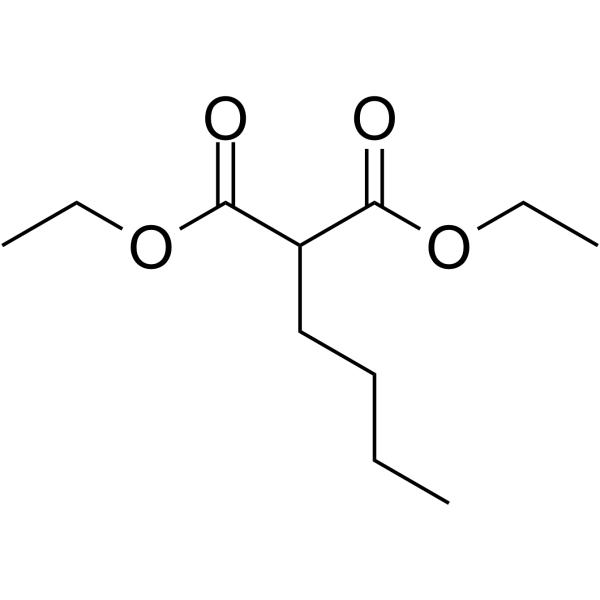
    Diethyl butylmalonate is a competitive inhibitor of succinate dehydrogenase. Diethyl butylmalonate exerts anti-inflammatory effects by inhibiting ROS production. Diethyl butylmalonate also has neuroprotective activity. In addition, Diethyl butylmalonate shows toxicity to T. pyriformis, with its log(IGC50 -1) being 0.557. Diethyl butylmalonate can be used in the research of diseases such as Alzheimer's disease .
    Diethyl butylmalonate
  • HY-W775091

    IKF-5411

    Fungal Succinate Dehydrogenase Infection
    Isofetamid (IKF-5411) is a succinate dehydrogenase inhibitor and a fungicide. Isofetamid exhibits good control effects against various fungal diseases such as gray mold, white mold, and powdery mildew. Isofetamid is promising for research of plant fungal diseases .
    Isofetamid
  • HY-162142

    Bacterial Succinate Dehydrogenase Reactive Oxygen Species (ROS) Infection
    BB2-50F is an antimicrobial agent and succinate dehydrogenase and F1Fo-ATP synthase inhibitor. BB2-50F induces ROS. BB2-50F inhibits succinate oxidation and reduces tricarboxylic acid (TCA) cycle activity. BB2-50F inhibits the growth of Mycobacterium tuberculosis H37Rv and its auxotrophic, attenuated derivative mc2 6230 (ΔRD1, ΔpanCD) with an MIC of 8 μM .
    BB2-50F
  • HY-148921

    Fungal Infection
    SDH-IN-2 is a potent succinate dehydrogenase (SDH) inhibitor with an IC50 of 0.55 μg/mL. SDH-IN-2 is also an antifungal agent. SDH-IN-2 inhibits phytopathogenic fungia with average EC50 values of 3.82-9.81 μg/mL for all the fungi . SDH-IN-2 is a click chemistry reagent, it contains an Alkyne group and can undergo copper-catalyzed azide-alkyne cycloaddition (CuAAc) with molecules containing Azide groups.
    SDH-IN-2
  • HY-119459R

    Reference Standards Succinate Dehydrogenase Fungal Parasite Constitutive Androstane Receptor Caspase NF-κB Infection Cancer
    Fluopyram (Standard) is the analytical standard of Fluopyram (HY-119459). This product is intended for research and analytical applications. Fluopyram is an orally active succinate dehydrogenase inhibitor, antifungal and nematicide. Fluopyram inhibits succinate dehydrogenase activity, activates CAR/PXR nuclear receptors, and increases caspase-3, TNF-α and NF-κB. Fluopyram inhibits the growth of F. virguliforme, Botrytis cinerea and Alternaria solani with EC50 values of 3.35, 5.389 and 0.244 µg/mL, respectively. Fluopyram induces liver and thyroid tumor formation. Fluopyram is nephrotoxic and embryotoxic .
    Fluopyram (Standard)
  • HY-139161

    Environmental Pollutants Fungal Infection
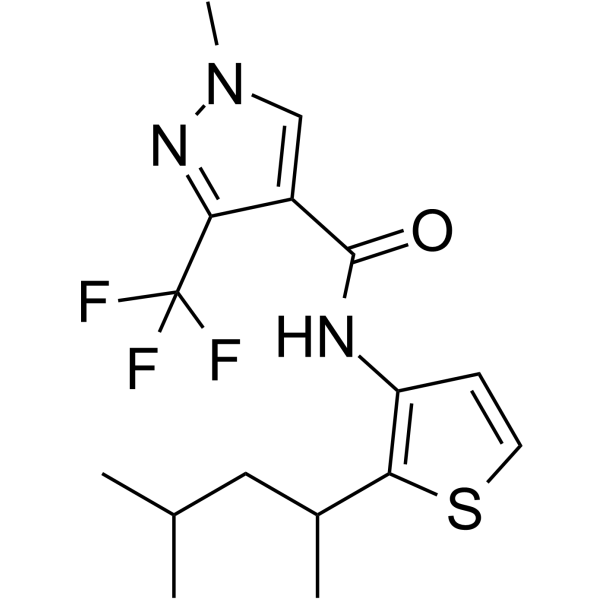
    Penflufen is a highly efficient, broad-spectrum succinate dehydrogenase inhibitor (SDHI). Penflufen can be used as a fungicide and has broad bioactivity against many fungal diseases, including potato black scurf, wheat sharp eyespot, rice sheath blight, and root rot in peanut and other similar fungal diseases .
    Penflufen
  • HY-W516735

    Fungal Succinate Dehydrogenase Infection
    Sedaxane is a new broad-spectrum seed treatment fungicide. Sedaxane inhibits fungal respiration by binding to the succinate dehydrogenase complex in fungal mitochondria. Sedaxane has broad-spectrum activity against a variety of seed-borne and soil-borne fungi. Sedaxane can be used in the study of barley loose smut and barley stripe disease .
    Sedaxane
  • HY-169972

    Succinate Dehydrogenase Infection
    Succinate dehydrogenase-IN-5 (Compound M8) is the inhibitor for succinate dehydrogenase. Succinate dehydrogenase-IN-5 interfers with the energy metabolism and growth of fungi, inhibits Rhizoctonia solani, Sclerotinia sclerotiorum, Botrytis cinerea and Fusarium graminearum with EC50 < 0.3 μg/mL .
    Succinate dehydrogenase-IN-5
  • HY-133726

    Bacterial Infection
    Bixafen, a member of the pyrazole class of fungicides, serves as a broad-spectrum agent for controlling pathogens in cereal crops by functioning as a succinate dehydrogenase inhibitor.
    Bixafen
  • HY-114509

    Bacterial Infection Metabolic Disease
    Anilazine is a fungicide and inhibit the growth of Rhizobium sp. and E. coli. Anilazine inhibits glucose oxidation and succinate oxidation and also inhibits in vitro succinic dehydrogenase activity .
    Anilazine
  • HY-149876

    Fungal Infection
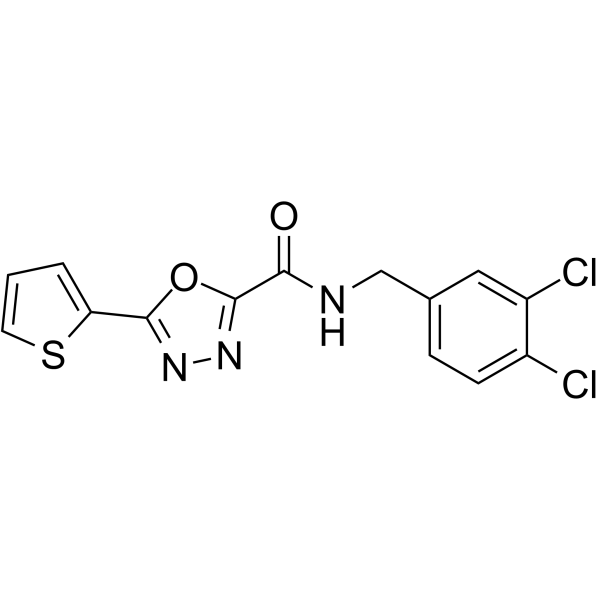
    SDH-IN-5 (compound 7d) is a potent succinate dehydrogenase (SDH) inhibitor, with an IC50 of 3.293 μM. SDH-IN-5 is also exhibits antifungal activity, with an EC50 of 0.046 μg/mL against R. solani. SDH-IN-5 could significantly inhibit the growth of R. solani in rice leaves with excellent protective and curative efficacies .
    SDH-IN-5
  • HY-44178S

    Isotope-Labeled Compounds Succinate Dehydrogenase Reactive Oxygen Species (ROS) Infection Neurological Disease Inflammation/Immunology
    Diethyl butylmalonate-d9 is the deuterium labeled Diethyl butylmalonate (HY-44178). Diethyl butylmalonate is a competitive inhibitor of succinate dehydrogenase. Diethyl butylmalonate exerts anti-inflammatory effects by inhibiting ROS production. Diethyl butylmalonate also has neuroprotective activity. In addition, Diethyl butylmalonate shows toxicity to T. pyriformis, with its log(IGC50 -1) being 0.557. Diethyl butylmalonate can be used in the research of diseases such as Alzheimer's disease .
    Diethyl butylmalonate-D9
  • HY-162776

    Succinate Dehydrogenase Fungal Infection
    Succinate dehydrogenase-IN-3 (Ig) is an inhibitor of Succinate dehydrogenase (SDH). Succinate dehydrogenase-IN-3 has antifungal activity .
    Succinate dehydrogenase-IN-3
  • HY-173021

    Succinate Dehydrogenase Fungal Infection
    Succinate dehydrogenase-IN-7 (Compound 2f) is a Succinate dehydrogenase inhibitor (IC50 = 2.51 μM). Succinate dehydrogenase-IN-7 has fungicidal activity .
    Succinate dehydrogenase-IN-7
  • HY-175501

    Fungal Succinate Dehydrogenase Infection
    Succinate dehydrogenase-IN-11 (Compound A12) is a succinate dehydrogenase inhibitor with an IC50 value of 3.58 μM. Succinate dehydrogenase-IN-11 exhibits antifungal activity. Succinate dehydrogenase-IN-11 shows activity against fungi such as R. solani, B. cinerea, F. graminearum, and S. sclerotiorum in vitro. Succinate dehydrogenase-IN-11 also exerts a controlling effect on R. solani, P. pachyrhizi, and P. sorghi in vivo. Succinate dehydrogenase-IN-11 can be used in research related to antifungal applications .
    Succinate dehydrogenase-IN-11
  • HY-176140

    Fungal Succinate Dehydrogenase Infection
    Succinate dehydrogenase-IN-9 (Compound Iik) is a succinate dehydrogenase inhibitor (IC50: 3.6 μM). Succinate dehydrogenase-IN-9 exhibits potent inhibitory activity against various fungal species (eg: inhibits S. sclerotiorum with an EC50 value of 1.14 μg/mL. Succinate dehydrogenase-IN-9 enhances the nitrate reductase activity, thereby facilitating plant growth .
    Succinate dehydrogenase-IN-9
  • HY-174456

    Succinate Dehydrogenase Fungal Infection
    Succinate dehydrogenase-IN-10 (Compound B5) is a RsSDH (Succinate dehydrogenase of R. solani) inhibitor with an IC50 of 0.12 μM. Succinate dehydrogenase-IN-10 exhibits antifungal activity against R. solani (EC50 of 0.002 μg/mL) and P. pachyrhizi .
    Succinate dehydrogenase-IN-10
  • HY-169965

    Succinate Dehydrogenase Infection
    Succinate dehydrogenase-IN-4 (Compound 4b) is the inhibitor for succinate dehydrogenase with an IC50 of 3.38 μM. Succinate dehydrogenase-IN-4 exhibits antifungal activity against Physalospora piricola and Colletotrichum orbiculare with EC50 of 16.33 μM and 18.06 μM .
    Succinate dehydrogenase-IN-4
  • HY-163890

    Succinate Dehydrogenase Parasite Infection
    Succinate dehydrogenase-IN-2 (Compound 12x) is an inhibitor for succinate dehydrogenase (SDH) with an IC50 of 1.22 mg/L. Succinate dehydrogenase-IN-2 exhibits antifungal activity, that inhibits S. sclerotiorum, V. mali, G. graminis, R. solani and B. cinerea with EC50 of 0.52-3.42 mg/L .
    Succinate dehydrogenase-IN-2
  • HY-139839

    Fungal Infection
    Y12196 is a novel succinate dehydrogenase inhibitor (SDHI) which exhibits strong fungicidal activity against F. graminearum.
    Y12196
  • HY-N7114

    Bacterial Drug Intermediate P2Y Receptor Succinate Dehydrogenase Infection Inflammation/Immunology
    Chloramphenicol succinate is a prodrug of Chloramphenicol (HY-B0239), acting as a P2Y14R inhibitor with an IC50 of 1.585 nM. Chloramphenicol succinate serves as a competitive substrate and inhibitor of succinate dehydrogenase (SDH), which may account for its toxicity. Chloramphenicol succinate exerts a significant inhibitory effect on colitis. Chloramphenicol succinate can be used in research related to myelosuppression, gray baby syndrome, aplastic anemia, bacterial meningitis and inflammatory bowel disease .
    Chloramphenicol succinate
  • HY-172363

    Succinate Dehydrogenase Fungal Infection
    Succinate dehydrogenase-IN-6 (Compound E23) is the inhibitor for succinate dehydrogenase that inhibits SDH in Rhizoctonia solani with an IC50 of 11.76 μM. Succinate dehydrogenase-IN-6 disrupts fungal cell membrane, exhibits board-spectrum antifungal activity that inhibits R. solani, V. dahliae, A. solani and C. gloeosporioides with EC50s of 0.41, 0.27, 1.15, 0.27 μg/mL, respectively. Succinate dehydrogenase-IN-6 exhibits no significant toxicity in rice and zebrafish (LC50 > 12.5 μg/mL) .
    Succinate dehydrogenase-IN-6
  • HY-162648

    Fungal Infection
    Succinate dehydrogenase-IN-1 (Compound 34) is an inhibitor for succinate dehydrogenase (SDH) with an IC50 of 0.94 μM and a KD of 22.4 μM. Succinate dehydrogenase-IN-1 exhibits antifungal activity against Rhizoctonia solani, Sclerotinia sclerotiorum, Monilinia fructicola, and Botrytis cinerea, with EC50 of 0.04 μM, 1.13 μM, 1.61 μM and 1.21 μM, respectively .
    Succinate dehydrogenase-IN-1
  • HY-172810

    Succinate Dehydrogenase Fungal Infection
    Succinate dehydrogenase-IN-8 (compound i19) is a potent succinate dehydrogenase (SDH) inhibitor. Succinate dehydrogenase-IN-8, an indene amino acid derivative, demonstrates potent in vitro antifungal activity against Rhizoctonia solani (EC50=0.1843 mg/L), Botrytis cinerea (EC50=0.4829 mg/L), and Sclerotinia sclerotiorum (EC50=0.1349 mg/L) .
    Succinate dehydrogenase-IN-8
  • HY-120183

    Fungal Infection
    Harzianopyridone is a compound that can be isolated from Trichoderma harzianum. Harzianopyridone is a succinate dehydrogenase (SDH) inhibitor with an IC50 of 80 nM. Harzianopyridone has antifungal, antibacterial, and herbicidal activities .
    Harzianopyridone
  • HY-106371

    Antibiotic Fungal Infection
    Siccanin is a succinate dehydrogenase (SDH) inhibitor (IC50=0.9 μM) with species-selective activity. Siccanin also is a antibiotic against pathogenic fungi .
    Siccanin
  • HY-Y1787R

    Reference Standards Apoptosis Neurological Disease
    Dimethyl malonate is a competitive inhibitor of succinate dehydrogenase (SDH). Dimethyl malonate is able to cross the blood-brain barrier and hydrolyse to malonate. Dimethyl malonate reduces neuronal apoptosis .
    Dimethyl malonate (Standard)
  • HY-19688B

    WR 6026 tosylate

    Parasite Mitochondrial Metabolism Infection
    Sitamaquine (WR6026) tosylate, an orally active 8-aminoquinoline analog, is an antileishmanial agent. Sitamaquine tosylate inhibits mitochondrial complex II (succinate dehydrogenase). Sitamaquine tosylate is a lipophilic weak base that rapidly accumulates in acidic compartments of Leishmania spp., mainly in acidocalcisomes .
    Sitamaquine tosylate
  • HY-149323

    Fungal Infection
    SDH-IN-4 (compound B6) is a selective inhibitor against succinate dehydrogenase (SDH) with an IC50 value of 0.28 μg/mL. SDH-IN-4 has highly efficient and broad-spectrum antifungal activity, against R. solani with an EC50 value of 0.23 μg/mL .
    SDH-IN-4
  • HY-178778

    Fungal Infection
    SDH-IN-38 (Compound IIIe) is a Succinate dehydrogenase inhibitor. SDH-IN-38 is an antifungal agent, with an EC50 value of 0.009 μg/mL against R. solani mycelia. SDH-IN-38 inhibits mycelial growth by affecting mycelial respiration. SDH-IN-38 induces cellular senescenc and reduces mitochondrial membrane potential in mycelia .
    SDH-IN-38
  • HY-157218

    Fungal Inflammation/Immunology Cancer
    PPm, a derivative of penthiopyrad and hapten, is a representative member of the succinate dehydrogenase inhibitors group of fungicides .
    PPm
  • HY-149601

    Fungal Infection
    SDH-IN-8 (compound G40) is a potent succinate dehydrogenase (SDH) inhibitor with an IC50 of 27 nM for porcine SDH. SDH-IN-8 has fungicidal properties .
    SDH-IN-8
  • HY-149600

    Fungal Infection
    SDH-IN-7 (compound G28) is a potent succinate dehydrogenase (SDH) inhibitor with an IC50 of 26 nM for porcine SDH. SDH-IN-7 has fungicidal properties .
    SDH-IN-7
  • HY-156270

    Bacterial Infection
    SDH-IN-9 (compound Ip) is a potent inhibitor of Succinate Dehydrogenase. SDH-IN-9 shows fungicidal activity against Fusarium graminearum Schw with the EC50 of 0.93 μg/mL .
    SDH-IN-9
  • HY-119976R

    Reference Standards Apoptosis Fungal Mitochondrial Metabolism Succinate Dehydrogenase Infection
    Boscalid (Standard) is the analytical standard of Boscalid. This product is intended for research and analytical applications. Boscalid is a succinate dehydrogenase (SDHI) inhibitor with antifungal activity. Boscalid binds to the ubiquinone-binding site of fungal mitochondrial complex II, blocks ATP production and aerobic respiration, exhibits good control efficacy against a variety of plant fungal diseases including gray mold, sclerotinia rot and powdery mildew, and is widely used for disease control in agriculture. Boscalid induces apoptosis, altered lipid metabolism, mitochondrial dysfunction, respiratory impairment, oxidative stress, ROS accumulation and neurodevelopmental disorders in zebrafish. Boscalid reduces foraging ability, shortens median death time and causes chronic toxicity in exposed honeybees. Boscalid also possesses genotoxicity, cytotoxicity, elevated mitochondrial superoxide levels and early-stage apoptosis .
    Boscalid (Standard)
  • HY-159481

    Succinate Dehydrogenase Fungal Infection Inflammation/Immunology
    SDH-IN-17 (compound C32), a hydrazide-containing flavonol derivative, is a potent succinate dehydrogenase (SDH) inhibitor with an IC50 of 8.42 μM. SDH-IN-17 can occupy the active site and form strong interactions with the key residues of SDH. SDH-IN-17 exhibits antifungal activity against Rhizoctonia solani (EC50=0.170 μg/mL). SDH-IN-17 disrupts the normal growth of hyphae by affecting the structural integrity of the cell membrane and cellular respiration. SDH-IN-17 has the potential for plant disease control research .
    SDH-IN-17
  • HY-178050

    Fungal Succinate Dehydrogenase Infection
    SDH-IN-30 (Compound 7m) is a Succinate dehydrogenase (SDH) inhibitor with an IC50 of 0.34 μM. SDH-IN-30 has potent antifungal activities against Rhizoctonia solani and Sclerotinia sclerotiorum with EC50 s of 0.004 and 0.028 μg/mL. SDH-IN-30 also has remarkable protective and curative efficacies against R. solani and significantly inhibits S. sclerotiorum growth on oilseed rape leaves by damaging the fungal cell structure. SDH-IN-30 can be used for fungal infections like rice sheath blight (RSB) and sclerotinia stem rot (SSR) research .
    SDH-IN-30

Inquiry Online

Your information is safe with us. * Required Fields.

Salutation


Country or Region *

Applicant Name *


Organization Name *

Department *


Email Address *


Product Name *

Cat. No.


Requested quantity *

Phone Number *


Remarks

Inquiry Online

Inquiry Information

Product Name:
Cat. No.:
Quantity:
MCE Japan Authorized Agent:

