1. Search Result
Search Result
Results for "

adipocytes differentiation

" in MedChemExpress (MCE) Product Catalog:

61

Inhibitors & Agonists

3

Peptides

26

Natural
Products

2

Isotope-Labeled Compounds

Cat. No. Product Name Target Research Areas Chemical Structure
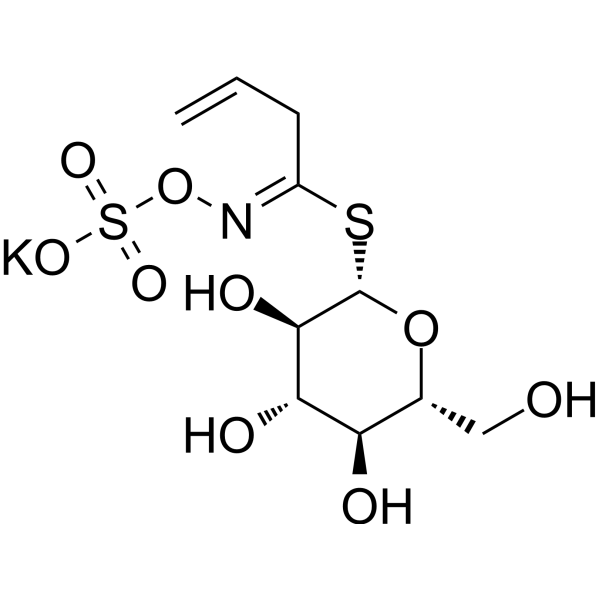
  • HY-N0404
    Sinigrin
    4 Publications Verification

    Allyl-glucosinolate; 2-Propenyl-glucosinolate

    p38 MAPK AMPK Bacterial Fungal Interleukin Related PPAR CDK PI3K Akt mTOR Apoptosis Reactive Oxygen Species (ROS) Infection Metabolic Disease Inflammation/Immunology Cancer
    Sinigrin (Allyl-glucosinolate) is an orally active glucosinolate found in cruciferous plants. Sinigrin possesses multiple activities such as anti-cancer, antibacterial, antifungal, anti-inflammatory, antioxidant, and inhibition of fat synthesis. Sinigrin can be used in the research of tumors, inflammatory, and metabolic diseases .
    Sinigrin
  • HY-N0704
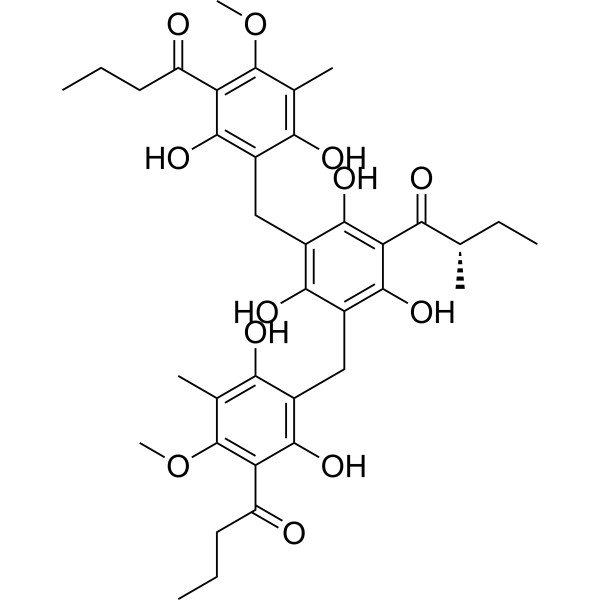
    Agrimol B
    1 Publications Verification

    Sirtuin PPAR Fatty Acid Synthase (FASN) c-Myc Bacterial Infection Metabolic Disease Cancer
    Agrimol B, a polyphenol, is an orally active and potent SIRT1 activator. Agrimol B shows anti-adipogenic and anticancer activity. Agrimol B shows antibacterial activity against plant pathogens. Agrimol B dramatically inhibits 3T3-L1 adipocyte differentiation by reducing PPARγ, C/EBPα, FAS, UCP-1, and apoE expression. The action of Agrimol B on the cancer cells is likely derived from its effect on c-MYC, SKP2 and p27 .
    Agrimol B
  • HY-N2551

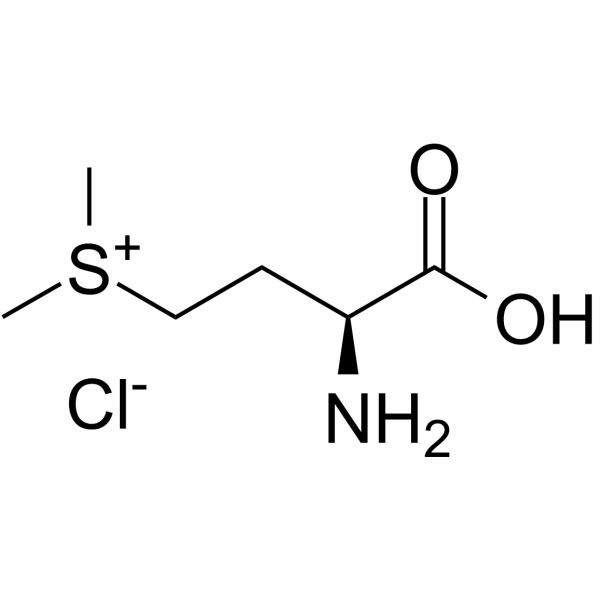
    S-Methylmethionine sulfonium chloride

    Others Inflammation/Immunology
    Vitamin U (S-Methylmethionine sulfonium) chloride is an orally active anti-ulcer agent with antioxidant activity. Vitamin U inhibits adipocyte differentiation. Vitamin U promotes skin wound healing.Vitamin U can be used in the research of gastrointestinal ulceration .
    Vitamin U chloride
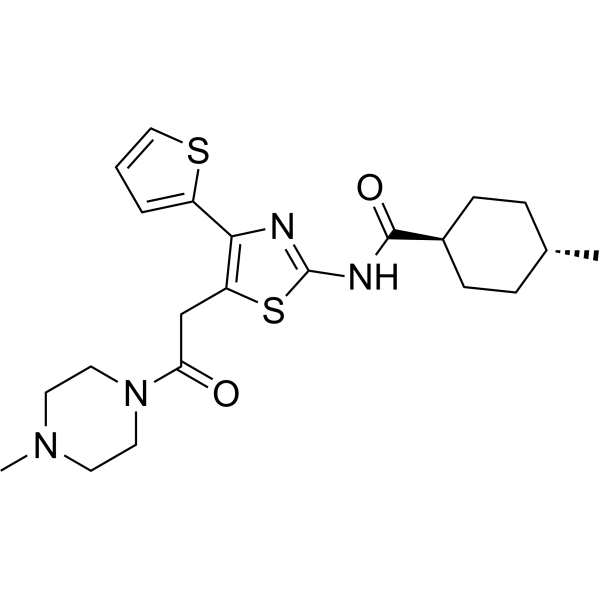
  • HY-163316
    SIRT4-IN-1
    2 Publications Verification

    Sirtuin Glutamate Dehydrogenase (GLDH) PDHK Metabolic Disease Cancer
    SIRT4-IN-1 is a selective and potent Sirtuin 4 (Sirt4) inhibitor with an IC50 of 16 μM for hSirt4. SIRT4-IN-1 also inhibits hSirt1, hSirt2, hSirt3, hSirt4 and hSirt6. SIRT4-IN-1 competes with acyl peptide substrate for Sirt4's acyl binding site, and is noncompetitive with NAD +. SIRT4-IN-1 increases glutamate dehydrogenase (GDH) activity and rescues pyruvate dehydrogenase (PDH) activity. SIRT4-IN-1 inhibits adipocyte differentiation and suppresses Sirt4 overexpression-induced increased differentiation. SIRT4-IN-1 can be used for the researches of cancer and metabolic disease .
    SIRT4-IN-1
  • HY-108568
    15-Deoxy-Δ-12,14-prostaglandin J2
    2 Publications Verification

    15d-PGJ2; 15-Deoxy-Δ12,14-PGJ2

    PPAR Endogenous Metabolite Neurological Disease Inflammation/Immunology Cancer
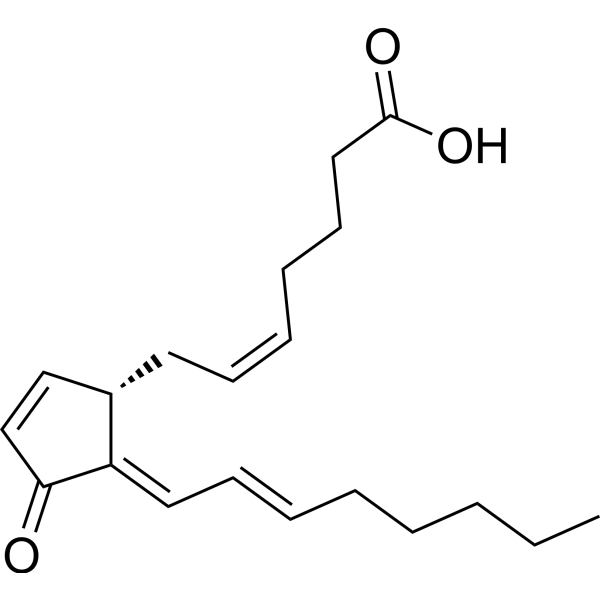
    15-Deoxy-Δ-12,14-prostaglandin J2 (15d-PGJ2) is a cyclopentenone prostaglandin and a metabolite of PGD2. 15-Deoxy-Δ-12,14-prostaglandin J2 is a selective PPARγ (EC50 of 2 µM) and a covalent PPARδ agonist. 15-Deoxy-Δ-12,14-prostaglandin J2 promotes efficient differentiation of C3H10T1/2 fibroblasts to adipocytes with an EC50 of 7 μM .
    15-Deoxy-Δ-12,14-prostaglandin J2
  • HY-B1890
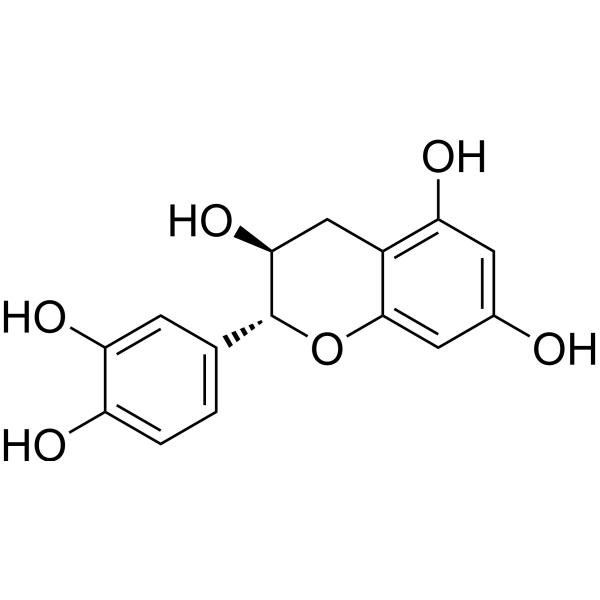
    (±)-Catechin
    1 Publications Verification

    rel-Cianidanol; rel-Catechuic acid

    COX Infection Cardiovascular Disease Neurological Disease Inflammation/Immunology Cancer
    (±)-Catechin (rel-Cianidanol) is the racemate of the green tea polyphenol Catechin. Catechin has anticancer activity and induces apoptosis. (±)-Catechin has two forms, (+)-Catechin and its enantiomer (-)-Catechin. (+)-Catechin inhibits cyclooxygenase-1 (COX-1) with an IC50 of 1.4 μM. (-)-Catechin can effectively promote hBM-MSC adipocyte differentiation and increase adiponectin and PPARγ levels. (±)-Catechin has anti-tumor, anti-obesity, anti-diabetic, anti-cardiovascular, anti-infectious, hepatoprotective and neuroprotective effects .
    (±)-Catechin
  • HY-B0601
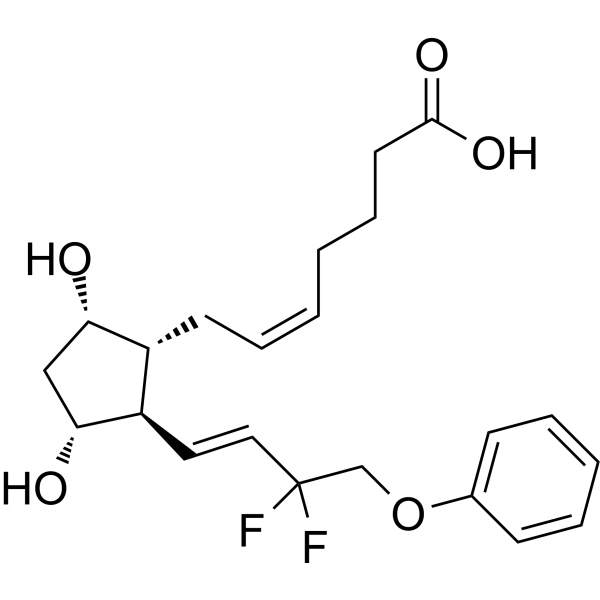
    Tafluprost acid
    1 Publications Verification

    AFP-172

    Prostaglandin Receptor Drug Metabolite Cardiovascular Disease Neurological Disease Endocrinology
    Tafluprost acid (AFP-172), an active metabolic form of Tafluprost, is a selective prostanoid FP receptor agonist. Tafluprost acid shows a high affinity for human prostanoid FP receptor with Ki and EC50 values of 0.4 nM and 0.53 nM, respectively. Tafluprost acid has 126 times weaker binding affinity for prostanoid EP3 receptor (IC50=67 nM) than for the prostanoid FP receptor. Tafluprost acid can be used in the research of glaucoma .
    Tafluprost acid
  • HY-B1898

    PKA Metabolic Disease
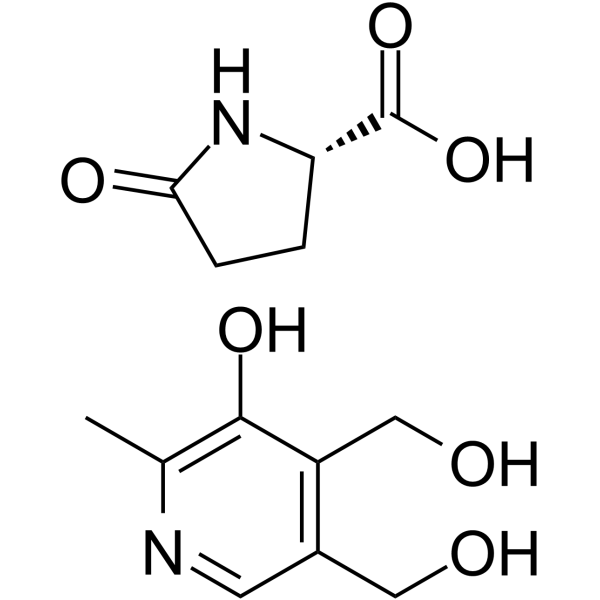
    Metadoxine blocks adipocyte differentiation in association with inhibition of the protein kinase A-cAMP response element binding protein (PKA-CREB) pathway.
    Metadoxine
  • HY-20019
    L-165041
    2 Publications Verification

    PPAR Metabolic Disease
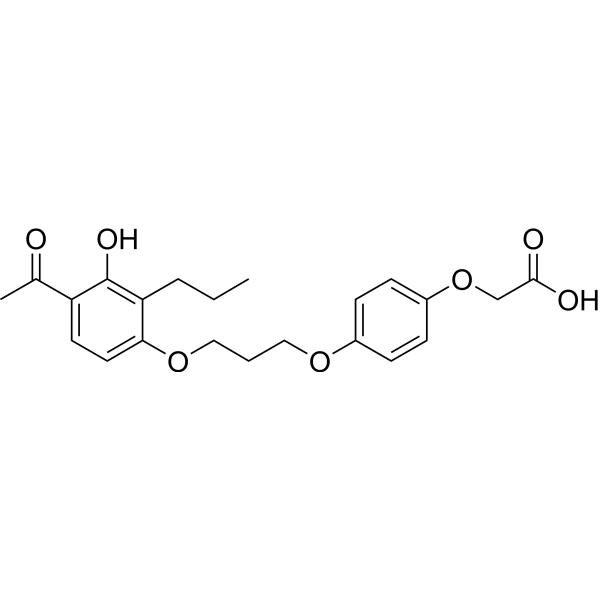
    L-165041 is a cell permeable PPARδ agonist, with Kis of 6 nM and appr 730 nM for PPARδ and PPARγ, respectively, and induces adipocyte differentiation in NIH-PPARδ cells.
    L-165041
  • HY-135982
    GPR81 agonist 1
    4 Publications Verification

    Hydroxycarboxylic Acid Receptor (HCAR) Metabolic Disease
    GPR81 agonist 1 is a potent and highly selective GPR81 agonist, with EC50s of 58 nM and 50 nM for human and mouse GPR81, respectively. GPR81 agonist 1 inhibits lipolysis in differentiated 3T3-L1 adipocytes. GPR81 agonist 1 suppresses lipolysis in mice without cutaneous flushing. GPR81 agonist 1 displays remarkable selectivity for GPR81 over GPR109a .
    GPR81 agonist 1
  • HY-46866

    Apoptosis Caspase PARP Metabolic Disease Inflammation/Immunology Cancer
    Isoegomaketone is an orally active apoptosis inducer and radiosensitizer. Isoegomaketone regulates multiple key signaling pathways such as PI3K/AKT/mTOR, NF-κB, MAPK, cleaves Caspase family proteins and PARP, and modulates Bax, AIF and endoplasmic reticulum stress proteins. Isoegomaketone also induces autophagy and keratinocyte proliferation, effectively reduces the levels of inflammatory factors and oxidative stress, inhibits adipocyte differentiation, and resensitizes TRAIL-resistant cancer cells. Isoegomaketone can be applied to research related to colorectal cancer, melanoma, lung cancer, prostate cancer, liver cancer, as well as rheumatoid arthritis and obesity .
    Isoegomaketone
  • HY-N2110

    Akt Sirtuin Integrin STAT PI3K Apoptosis ERK PPAR PKC Toll-like Receptor (TLR) HIV Inflammation/Immunology
    Phellopterin, an orally active furocoumarin with multiple biological activities. Phellopterin is a partial agonist of the central benzodiazepine receptors. Phellopterin exerts anti-inflammatory effects by upregulating SIRT1, downregulating ICAM-1 (reducing chronic inflammation, aiding diabetic ulcer healing), inhibiting STAT3 phosphorylation (easing atopic dermatitis inflammation), regulating Akt/PKC pathways (lowering TNF-α-induced VCAM-1 to block monocyte adhesion), and inhibiting TLR4/NF-κB pathway and macrophage M2 polarization (alleviating colitis-related cancers). Phellopterin suppresses ovarian cancer progression via inhibiting the PU.1/CLEC5A/PI3K-AKT loop (inducing cell cycle arrest, apoptosis, DNA damage). Phellopterin alleviates murine diabetes by promoting adipocyte differentiation and increasing PPARγ. Phellopterin also has anti-HSV-1 activity. Phellopterin can be used for studying anti-inflammation, anti-cancer (e.g., ovarian cancer, colitis cancer), blood glucose lowering, anti-diabetes, and anti-virus .
    Phellopterin
  • HY-128400

    PARP Metabolic Disease Cancer
    4'-Methoxychalcone regulates adipocyte differentiation through PPARγ activation. 4'-Methoxychalcone modulates the expression and secretion of various adipokines in adipose tissue that are involved in insulin sensitivity .
    4'-Methoxychalcone
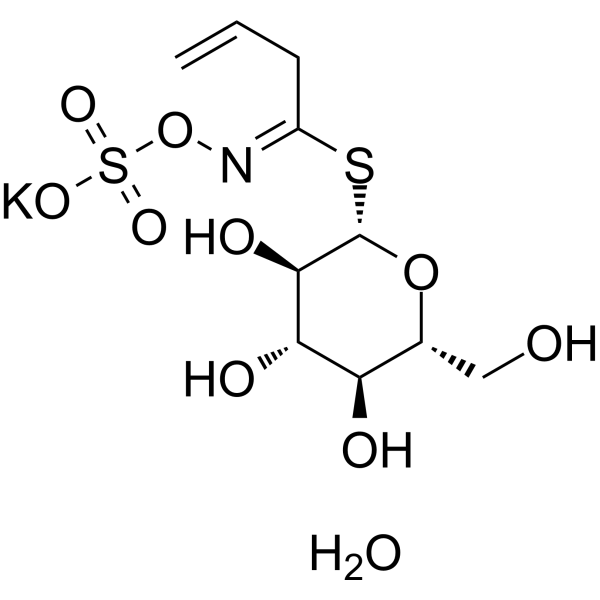
  • HY-N2423
    Sinigrin hydrate
    4 Publications Verification

    Allyl-glucosinolate hydrate; 2-Propenyl-glucosinolate hydrate

    p38 MAPK AMPK Bacterial Fungal Interleukin Related PPAR CDK PI3K Akt mTOR Apoptosis Reactive Oxygen Species (ROS) Infection Metabolic Disease Inflammation/Immunology Cancer
    Sinigrin (Allyl-glucosinolate) hydrate is an orally active glucosinolate found in cruciferous plants. Sinigrin hydrate possesses multiple activities such as anti-cancer, antibacterial, antifungal, anti-inflammatory, antioxidant, and inhibition of fat synthesis. Sinigrin hydrate can be used in the research of tumors, inflammatory, and metabolic diseases .
    Sinigrin hydrate
  • HY-100277
    Mifobate
    1 Publications Verification

    SR-202

    PPAR Metabolic Disease
    Mifobate (SR-202) is a potent and specific PPARγ antagonist. Mifobate (SR-202) selectively inhibits Thiazolidinedione (TZD)-induced PPARγ transcriptional activity (IC50=140 μM). Mifobate (SR-202) does not affect basal or ligand-stimulated transcriptional activity of PPARα, PPARβ, or the farnesoid X receptor (FXR). Mifobate (SR-202) shows antiobesity and antidiabetic effects .
    Mifobate
  • HY-116538
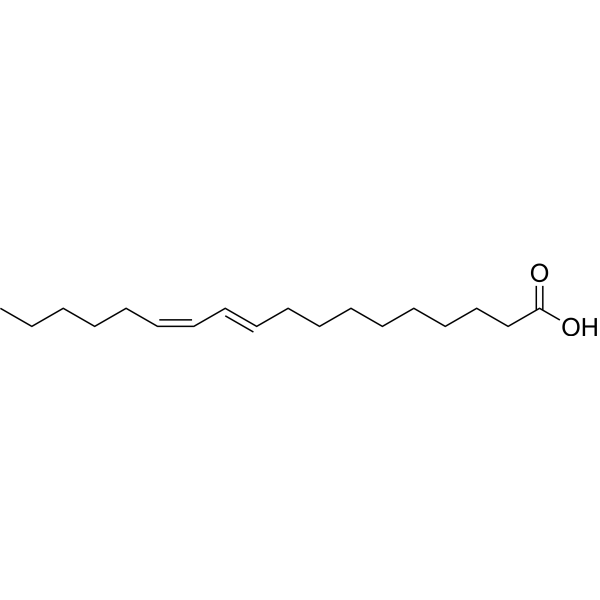
    (10E,12Z)-Octadeca-10,12-dienoic acid
    1 Publications Verification

    trans-10,cis-12 CLA2

    Endogenous Metabolite PPAR NF-κB Stearoyl-CoA Desaturase (SCD) Lipase Metabolic Disease Inflammation/Immunology Cancer
    (10E,12Z)-Octadeca-10,12-dienoic acid (trans-10,cis-12 CLA2) is an orally active PPARα activator and inhibits adipocyte differentiation. (10E,12Z)-Octadeca-10,12-dienoic acid and its downstream metabolites have various antioxidant and antitumor activities. (10E,12Z)-Octadeca-10,12-dienoic acid can induce proinflammatory cytokines and chemokines, which would lead to decreased adipogenesis and insulin resistance in adipose tissue. (10E,12Z)-Octadeca-10,12-dienoic acid can affect many aspects of milk fat synthesis. (10E,12Z)-Octadeca-10,12-dienoic acid reduces expression of lipogenic enzymes and inhibits the desaturation of fatty acids. (10E,12Z)-Octadeca-10,12-dienoic acid can reduce lipoprotein lipase (LPL) activity in cultured 3T3-L1 adipocytes and enhance triacylglycerol release from these cells. (10E,12Z)-Octadeca-10,12-dienoic acid decreases the expression of hepatic stearoyl-CoA desatyrase mRNA in mice. (10E,12Z)-Octadeca-10,12-dienoic acid is associated with changes in mucosal NF-κB and Cyclin D1 protein levels in mice .
    (10E,12Z)-Octadeca-10,12-dienoic acid
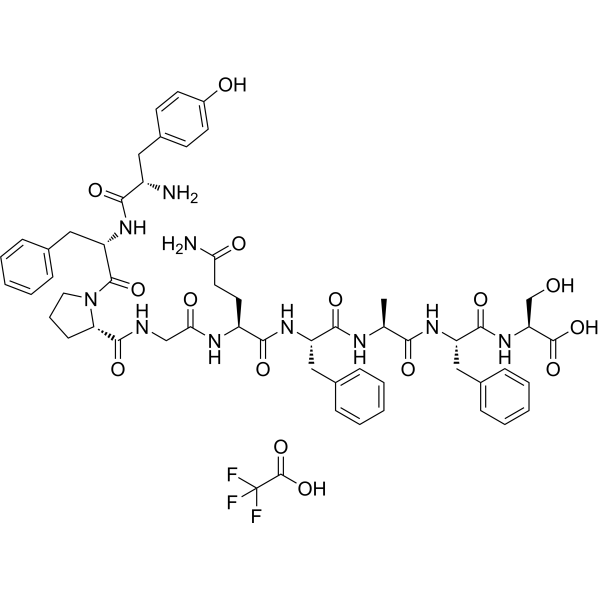
  • HY-P1844A
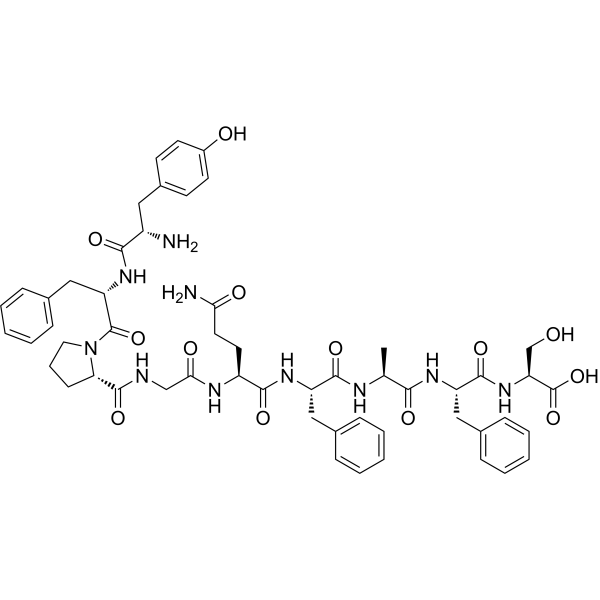
    Chemerin-9 (149-157) TFA
    4 Publications Verification

    Chemerin Receptor Akt ERK Reactive Oxygen Species (ROS) Amyloid-β Inflammation/Immunology
    Chemerin-9 (149-157) TFA is a potent agonist of chemokine-like receptor 1 (CMKLR1) . Chemerin-9 (149-157) TFA has anti-inflammatory activity. Chemerin-9 (149-157) TFA stimulates phosphorylation of Akt and ERK as well as ROS production. Chemerin-9 (149-157) TFA ameliorates Aβ1-42-induced memory impairmen. Chemerin-9 (149-157) TFA regulates immune responses, adipocyte differentiation, and glucose metabolism .
    Chemerin-9 (149-157) TFA
  • HY-W012865

    Carnitine Palmitoyltransferase (CPT) Endogenous Metabolite FABP PPAR Metabolic Disease
    Tartronic acid, a dicarboxylic acid derive, is an inhibitor of the transformation of carbohydrates into fat under fat-deficient diet conditions. Tartronic acid promotes 3T3-L1 adipocyte differentiation by increasing the protein expression of FABP-4, PPARγ and SREBP-1. Tartronic acid promotes de novo lipogenesis and inhibits CPT-1β by upregulating acetyl-CoA and malonyl-CoA. Tartronic acid promotes weight gain and induces adipocyte hypertrophy in epididymal white adipose tissue and lipid accumulation in the livers of high-fat diet induced obese mice. Tartronic acid can be used for lipid metabolic disease research .
    Tartronic acid
  • HY-W109613

    Bacterial PPAR Fungal Infection Metabolic Disease
    Methyl dehydroabietate is an orally active resin acid. Methyl dehydroabietate disrupts microbial cell walls and exhibits significant antibacterial activity. Methyl dehydroabietate induces the expression of PPARα in the liver and PPARγ in adipose tissue, and promotes adipocyte differentiation. Methyl dehydroabietate improves insulin resistance, reduces TNFα levels, and alleviates adipocyte hypertrophy and hepatic steatosis in obese mice. Methyl dehydroabietate can be used in research related to obesity, insulin resistance and hepatic steatosis .
    Methyl dehydroabietate
  • HY-B1890R

    rel-Cianidanol (Standard); rel-Catechuic acid (Standard)

    Reference Standards COX Infection Cardiovascular Disease Neurological Disease Inflammation/Immunology Cancer
    (±)-Catechin (Standard) is the analytical standard of (±)-Catechin. This product is intended for research and analytical applications. (±)-Catechin (rel-Cianidanol) is the racemate of the green tea polyphenol Catechin. Catechin has anticancer activity and induces apoptosis. (±)-Catechin has two forms, (+)-Catechin and its enantiomer (-)-Catechin. (+)-Catechin inhibits cyclooxygenase-1 (COX-1) with an IC50 of 1.4 μM. (-)-Catechin can effectively promote hBM-MSC adipocyte differentiation and increase adiponectin and PPARγ levels. (±)-Catechin has anti-tumor, anti-obesity, anti-diabetic, anti-cardiovascular, anti-infectious, hepatoprotective and neuroprotective effects .
    (±)-Catechin (Standard)
  • HY-W005130

    NF-κB Metabolic Disease Cancer
    2,4,6-Trihydroxybenzaldehyde is an orally active NF- B inhibitor. 2,4,6-Trihydroxybenzaldehyde shows anti-tumor activity, anti-cancer cell proliferative activity and anti-obesity activity .
    2,4,6-Trihydroxybenzaldehyde
  • HY-N2177

    Lactate Dehydrogenase Apoptosis Cancer
    3-​Dehydrotrametenolic acid, isolated from the sclerotium of Poria cocos, is a lactate dehydrogenase (LDH) inhibitor. 3-​Dehydrotrametenolic acid promotes adipocyte differentiation in vitro and acts as an insulin sensitizer in vivo. 3-​Dehydrotrametenolic acid induces apoptosis and has anticancer activity .
    3-Dehydrotrametenolic acid
  • HY-172609

    Phosphatase Apoptosis MDM-2/p53 Caspase Metabolic Disease Cancer
    SL-176 is a PPM1D (Wip1) inhibitor. SL-176 inhibits lipid droplet formation, downregulates the mRNA and protein expression of PPARγ and C/EBPα, and blocks adipocyte differentiation. SL-176 induces G2/M cell cycle arrest, apoptosis and inhibits cell proliferation in breast cancer cells overexpressing PPM1D, and activates components of the p53 pathway. SL-176 suppresses tumor growth in a zebrafish model of neuroblastoma. SL-176 is applicable to research related to obesity, breast cancer and neuroblastoma .
    SL-176
  • HY-P1844
    Chemerin-9 (149-157)
    4 Publications Verification

    Chemerin Receptor Akt ERK Reactive Oxygen Species (ROS) Amyloid-β Inflammation/Immunology
    Chemerin-9 (149-157) is a potent agonist of chemokine-like receptor 1 (CMKLR1) . Chemerin-9 (149-157) has anti-inflammatory activity. Chemerin-9 (149-157) stimulates phosphorylation of Akt and ERK as well as ROS production. Chemerin-9 (149-157) ameliorates Aβ1-42-induced memory impairmen. Chemerin-9 (149-157) regulates immune responses, adipocyte differentiation, and glucose metabolism .
    Chemerin-9 (149-157)
  • HY-N1185

    Others Metabolic Disease
    Tagitinin A is a sesquiterpene with anti-hyperglycemic activity. Tagitinin A significantly inhibits glucose uptake in differentiated 3T3-L1 adipocytes .
    Tagitinin A
  • HY-102082

    Others Inflammation/Immunology
    Adenosine N1-oxide is an oral active anti-inflammatory agent, and can be isolated from royal jelly. Adenosine N1-oxide promotes osteogenic and adipocyte differentiation .
    Adenosine N1-oxide
  • HY-124822
    COH-SR4
    2 Publications Verification

    AMPK Metabolic Disease Cancer
    COH-SR4 is an AMPK activator. COH-SR4 shows potent anti-proliferative activities against leukemia, melanoma, breast and lung cancers. COH-SR4 inhibits adipocyte differentiation via AMPK activation. COH-SR4 can be used for the research of obesity and related metabolic disorders .
    COH-SR4
  • HY-N13160

    NO Synthase Metabolic Disease Inflammation/Immunology
    Sanggenon F is a flavonoid compound derived from Morus alba var. multicaulis. It inhibits the differentiation of 3T3-L1 adipocytes and the production of nitric oxide (NO) in RAW264.7 cells induced by lipopolysaccharides (HY-D1056) and IFN-γ (IC50 of 19 nM). Sanggenon F has potential application value in the fields of anti-inflammatory and metabolic diseases .
    Sanggenon F
  • HY-B0601R

    AFP-172 (Standard)

    Reference Standards Prostaglandin Receptor Drug Metabolite Cardiovascular Disease Neurological Disease Endocrinology
    Tectoquinone (Standard) is the analytical standard of Tectoquinone. This product is intended for research and analytical applications. Tectoquinone (2-Methylanthraquinone) is a SARSCoV-2 main protease inhibitor against COVID-19. Tectoquinone exhibits strong mosquito larvicidal activity with the LC50 values of 3.3 and 5.4 μg/ml against A. aegypti and A. albopictus in 24 h, respectively .
    Tafluprost acid (Standard)
  • HY-N3027
    Soyasaponin Aa
    1 Publications Verification

    PPAR Reactive Oxygen Species (ROS) Metabolic Disease
    Soyasaponin Aa is a soyasaponin that can be found in soy. Soyasaponin Aa suppresses PPARγ transcriptional activity, reduces PPARγ and C/EBPα expression, inhibits adipocyte differentiation and lipid accumulation, and reduces adipogenic marker gene expression. Soyasaponin Aa reduces hydrogen peroxide-induced reactive oxygen species (ROS) production and malondialdehyde levels. Soyasaponin Aa exhibits cellular antioxidant activity. Soyasaponin Aa can be used for the research of obesity .
    Soyasaponin Aa
  • HY-162866

    Autophagy Metabolic Disease
    CXM102 is an autophagy activator. CXM102 can induce autophagy in aged BMSCs, leading to the rejuvenation of BMSCs and preferential differentiation into osteoblasts. CXM102 promotes the nuclear translocation of transcription factor EB (TFEB) and the formation of osteoblasts. CXM102 can stimulate bone synthesis metabolism in middle-aged male mice, reduce bone marrow adipocytes, delay bone loss, lower serum inflammation levels, decrease organ fibrosis, and extend the lifespan of the mice .
    CXM102
  • HY-W339331

    NNI-0001

    Insecticide Calcium Channel Reactive Oxygen Species (ROS) Apoptosis Infection Metabolic Disease
    Flubendiamide (NNI-0001) is an orally active phthalic diamide insecticide that acts by targeting insect ryanodine receptors (RyRs), causing insect muscle dysfunction, paralysis and death. Flubendiamide disrupts molting, metamorphosis and reproductive processes, induces oxidative stress by increasing the levels of ROS/RNS, MDA and 8OHdG and decreasing the levels of SOD, CAT and GST, activates the CncC/Maf apoptosis pathway, impairs calcium homeostasis, promotes adipogenesis, increases triglyceride accumulation, and upregulates the expression of regulatory factors for adipocyte differentiation and adipogenesis .
    Flubendiamide
  • HY-N0404R

    Allyl-glucosinolate (Standard); 2-Propenyl-glucosinolate (Standard)

    Reference Standards p38 MAPK AMPK Bacterial Fungal Interleukin Related PPAR CDK PI3K Akt mTOR Apoptosis Reactive Oxygen Species (ROS) Infection Metabolic Disease Inflammation/Immunology Cancer
    Sinigrin (Standard) (Allyl-glucosinolate (Standard)) is the analytical standard of Sinigrin (HY-N0404). This product is intended for research and analytical applications. Sinigrin (Allyl-glucosinolate) is an orally active glucosinolate found in cruciferous plants. Sinigrin possesses multiple activities such as anti-cancer, antibacterial, antifungal, anti-inflammatory, antioxidant, and inhibition of fat synthesis. Sinigrin can be used in the research of tumors, inflammatory, and metabolic diseases .
    Sinigrin (Standard)
  • HY-101292

    PPAR Metabolic Disease
    FK614 is an orally active, non-thiazolidinedione (TZD) type, and selective PPARγ modulator (SPPARM). FK614 functions as a PPARγ agonist with potent anti-diabetic activity in vivo. FK614 has different effects on the activation of PPARγ at each stage of adipocyte differentiation. FK614 can be used for the research of hyperglycemia, hypertriglyceridemia, glucose intolerance and type 2 diabetes .
    FK614
  • HY-139284

    C24:1 Deoxy dihydroceramide; C24:1 DeoxyDHceramide; Cer(m18:0/24:1)

    Endogenous Metabolite Metabolic Disease
    C24:1 Dihydro 1-deoxyceramide (m18:0/24:1) (C24:1 Deoxy dihydroceramide) is a lipid molecule, which is composed of a long-chain fatty acid (24:1) and a 1-deoxysphingoid backbone. Deoxyceramide accumulates under the conditions of obesity and type 2 diabetes (T2D). Deoxyceramide is unable to be further metabolized to more complex sphingolipid, and is toxic when accumulates in the body. Deoxyceramide increases in differentiated adipocytes in vitro .
    C24:1 Dihydro 1-deoxyceramide (m18:0/24:1)
  • HY-P5081

    TGF-β Receptor Collagen Inflammation/Immunology
    Endotrophin (Mus musculus) is an adipokine, a cleavage fragment derived from Collagen VI, whose levels are elevated in adipose tissue and breast tumors of obese mice. Endotrophin (Mus musculus) activates the TGF-β signaling pathway and reduces the expression of hormone-sensitive lipase. Endotrophin (Mus musculus) induces adipogenesis, lipid accumulation, fibrosis, inflammation, angiogenesis, adipose tissue expansion, epithelial-mesenchymal transition, and insulin resistance; it also induces Cisplatin (HY-17394) resistance in cancer cells. Endotrophin (Mus musculus) can be used in research related to metabolic diseases such as obesity and type 2 diabetes, as well as cancers such as breast cancer .
    Endotrophin (Mus musculus)
  • HY-E70251

    Docosahexaenoyl coenzyme A triammonium

    Endogenous Metabolite Others
    22:6 Coenzyme A (Docosahexaenoyl coenzyme A triammonium) is a coenzyme that contains 22 carbon atoms and 6 unsaturated bonds. 22:6 Coenzyme A can serve as an acyl substrate and is used in research on the effects of lysophospholipid acyltransferase activities in adipocyte differentiation .
    22:6 Coenzyme A
  • HY-108568S

    15d-PGJ2-d4; 15-Deoxy-Δ12,14-PGJ2-d4

    Isotope-Labeled Compounds PPAR Endogenous Metabolite Neurological Disease Inflammation/Immunology Cancer
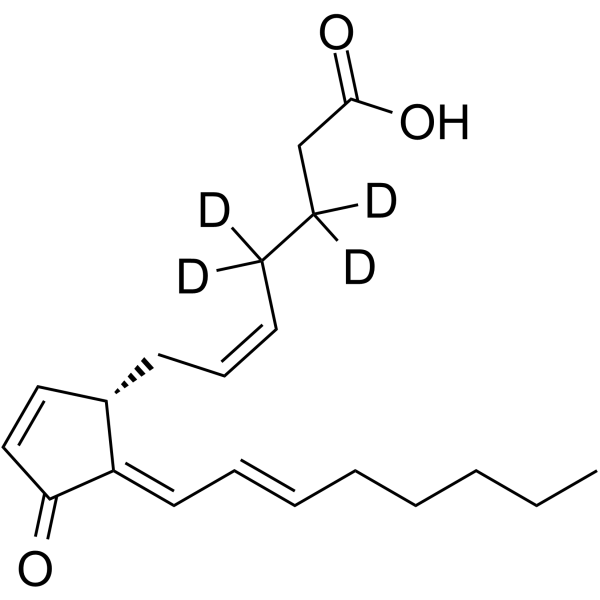
    15-Deoxy-Δ-12,14-prostaglandin J2-d4 is the deuterium labeled 15-Deoxy-Δ-12,14-prostaglandin J2. 15-Deoxy-Δ-12,14-prostaglandin J2 (15d-PGJ2) is a cyclopentenone prostaglandin and a metabolite of PGD2. 15-Deoxy-Δ-12,14-prostaglandin J2 is a selective PPARγ (EC50 of 2 μM) and a covalent PPARδ agonist. 15-Deoxy-Δ-12,14-prostaglandin J2 promotes efficient differentiation of C3H10T1/2 fibroblasts to adipocytes with an EC50 of 7 μM .
    15-Deoxy-Δ-12,14-prostaglandin J2-d4
  • HY-N2110R

    Reference Standards Akt Sirtuin Integrin STAT PI3K Apoptosis ERK PPAR PKC Toll-like Receptor (TLR) HIV Infection Cardiovascular Disease Neurological Disease Metabolic Disease Inflammation/Immunology Cancer
    Phellopterin (Standard) is the analytical standard of Phellopterin. Phellopterin, an orally active furocoumarin with multiple biological activities. Phellopterin is a partial agonist of the central benzodiazepine receptors. Phellopterin exerts anti-inflammatory effects by upregulating SIRT1, downregulating ICAM-1 (reducing chronic inflammation, aiding diabetic ulcer healing), inhibiting STAT3 phosphorylation (easing atopic dermatitis inflammation), regulating Akt/PKC pathways (lowering TNF-α-induced VCAM-1 to block monocyte adhesion), and inhibiting TLR4/NF-κB pathway and macrophage M2 polarization (alleviating colitis-related cancers). Phellopterin suppresses ovarian cancer progression via inhibiting the PU.1/CLEC5A/PI3K-AKT loop (inducing cell cycle arrest, apoptosis, DNA damage). Phellopterin alleviates murine diabetes by promoting adipocyte differentiation and increasing PPARγ. Phellopterin also has anti-HSV-1 activity. Phellopterin can be used for studying anti-inflammation, anti-cancer (e.g., ovarian cancer, colitis cancer), blood glucose lowering, anti-diabetes, and anti-virus.
    Phellopterin (Standard)
  • HY-133556

    AMPK Metabolic Disease
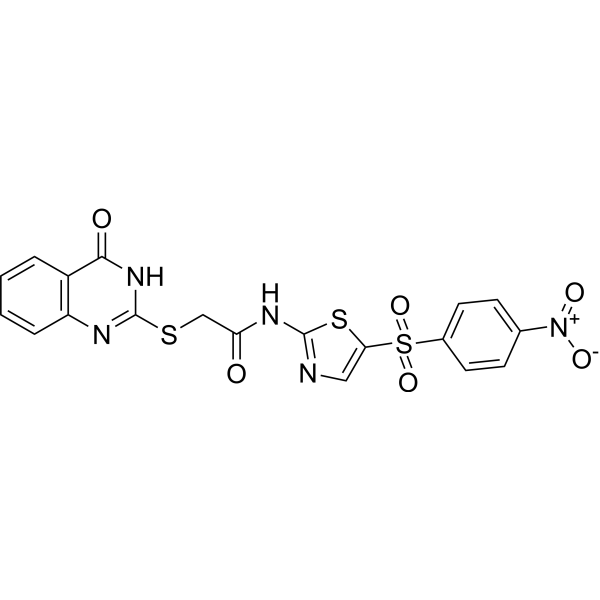
    IQZ23 inhibits adipocyte differentiation via AMPK pathway activation. IQZ23 exerts a high efficacy in decreasing the triglyceride level (EC50=0.033 μM) in 3T3-L1 adipocytes. IQZ23 could be used for the research of obesity and related metabolic disorders .
    IQZ23
  • HY-N7661

    PPAR Metabolic Disease
    4β-Hydroxywithanolide E, isolated from Physalis peruviana L., inhibits adipocyte differentiation of 3T3-L1 cells through modulation of mitotic clonal expansion. 4β-Hydroxywithanolide E is an adipogenesis inhibitor and inhibits PPARγ, C/EBPα, and the adipocyte-specific molecule aP2 mRNA expression .
    4β-Hydroxywithanolide E
  • HY-E70259

    Endogenous Metabolite Metabolic Disease
    18:2 (n6) Coenzyme A triammonium is a Coenzyme A. 18:2 (n6) Coenzyme A triammonium can be used to determine the effects of lysophospholipid acyltransferase activities in adipocyte differentiation .
    18:2 (n6) Coenzyme A triammonium
  • HY-107217

    PPAR Metabolic Disease
    Apo-12'-lycopenal is a Lycopene (HY-N0287) metabolite. Apo-12'-lycopenal promotes adipocyte differentiation and adiponectin secretion via PPAR-γ activation .
    Apo-12'-lycopenal
  • HY-N2961

    Others Others
    Broussonin B is a phenolic compound isolated from the stem barks of Broussonetia kanzinoki (Moraceae). Broussonin B inhibits adipocyte differentiation in 3T3-L1 cells .
    Broussonin B
  • HY-117597

    PPAR Metabolic Disease
    YM440 is an orally active oxadiazolidinedione analog. YM440 ameliorates hyperglycemia without changing PPARy activity, adipocyte differentiation, or fat weight. YM440 is used in the study for non-insulin-dependent diabetes mellitus (NIDDM) .
    YM440
  • HY-128400R

    PARP Reference Standards Metabolic Disease Cancer
    4'-Methoxychalcone (Standard) is the analytical standard of 4'-Methoxychalcone. This product is intended for research and analytical applications. 4'-Methoxychalcone regulates adipocyte differentiation through PPARγ activation. 4'-Methoxychalcone modulates the expression and secretion of various adipokines in adipose tissue that are involved in insulin sensitivity .
    4'-Methoxychalcone (Standard)
  • HY-20019R

    PPAR Metabolic Disease
    L-165041 (Standard) is the analytical standard of L-165041. This product is intended for research and analytical applications. L-165041 is a cell permeable PPARδ agonist, with Kis of 6 nM and appr 730 nM for PPARδ and PPARγ, respectively, and induces adipocyte differentiation in NIH-PPARδ cells.
    L-165041 (Standard)
  • HY-156093

    Tryptophan Hydroxylase Metabolic Disease
    TPH1-IN-1 (compound 40) is a xanthine derivative and an inhibitor of tryptophan hydroxylase TPH1 (IC50: 110.1 nM). TPH1-IN-1 has good in vitro activity and liver microsome stability, and effectively inhibits adipocyte differentiation of T3-L1 cells .
    TPH1-IN-1
  • HY-N15415

    PPAR Reactive Oxygen Species (ROS) NF-κB Inflammation/Immunology
    Zaluzanin C is a sesquiterpene lactone. Zaluzanin C has anti-inflammatory activity and can inhibit the production of mtROS, block the NF-κB signaling pathway, and reduce the production of TNF-α. In addition, Zaluzanin C can inhibit the differentiation of 3T3-L1 preadipocytes into mature adipocytes .
    Zaluzanin C
  • HY-172901

    AMPK Cardiovascular Disease Metabolic Disease
    AMPK activator 17 (Compound 10g) is an orally active AMPK activator. AMPK activator 17 has significant anti-adipogenic (IC50: 3.4 μM) and dyslipidemia-modifying activities. AMPK activator 17 inhibits the early stages of adipocyte differentiation (mitotic clonal expansion) by activating the AMPK pathway. AMPK activator 17 can enhance mitochondrial function and fatty acid oxidation in mature adipocytes. AMPK activator 17 improves dyslipidemia by promoting reverse cholesterol transport. AMPK activator 17 can be used in the study of obesity and related metabolic diseases (such as type 2 diabetes and cardiovascular disease) .
    AMPK activator 17

Inquiry Online

Your information is safe with us. * Required Fields.

Salutation


Country or Region *

Applicant Name *


Organization Name *

Department *


Email Address *


Product Name *

Cat. No.


Requested quantity *

Phone Number *


Remarks

Inquiry Online

Inquiry Information

Product Name:
Cat. No.:
Quantity:
MCE Japan Authorized Agent:

