1. Search Result
Search Result
Results for "

anti-inflammatory activity and antioxidant properties

" in MedChemExpress (MCE) Product Catalog:

60

Inhibitors & Agonists

1

Screening Libraries

1

Biochemical Assay Reagents

2

Peptides

47

Natural
Products

4

Isotope-Labeled Compounds

Cat. No. Product Name Target Research Areas Chemical Structure
  • HY-13653
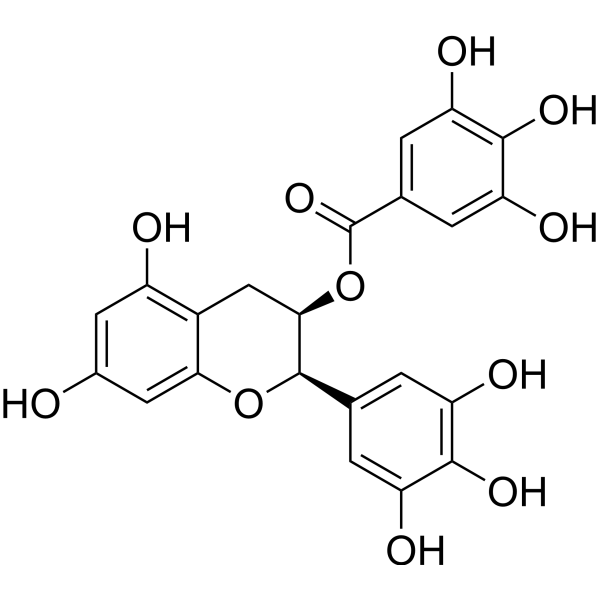
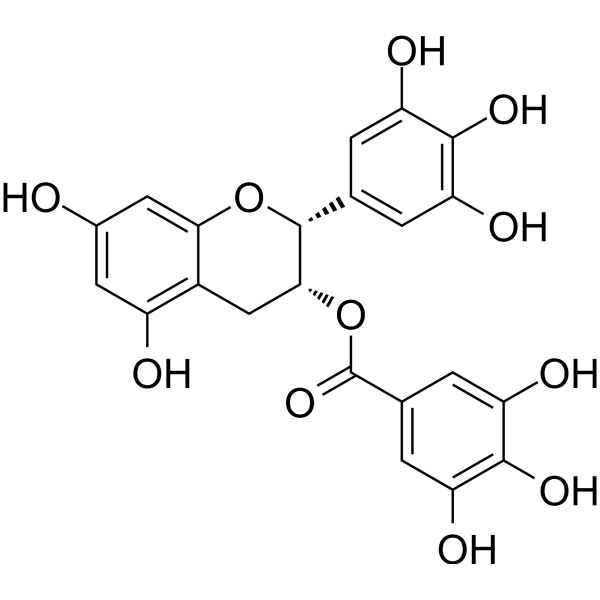
    (-)-Epigallocatechin Gallate
    Maximum Cited Publications
    57 Publications Verification

    EGCG; Epigallocatechol Gallate

    Endogenous Metabolite Apoptosis Inflammation/Immunology Cancer
    (-)-Epigallocatechin Gallate (EGCG) is a major polyphenol in green tea, which can inhibit cell proliferation and induce cell apoptosis. (-)-Epigallocatechin Gallate inhibits glutamate dehydrogenase 1/2 (GDH1/2, GLUD1/2) activity. (-)-Epigallocatechin Gallate has a potent anticancer, antioxidant and anti-inflammatory properties against various types of cancers such as colorectal cancer, myeloid leukemia, thyroid carcinoma .
    (-)-Epigallocatechin Gallate
  • HY-N0828
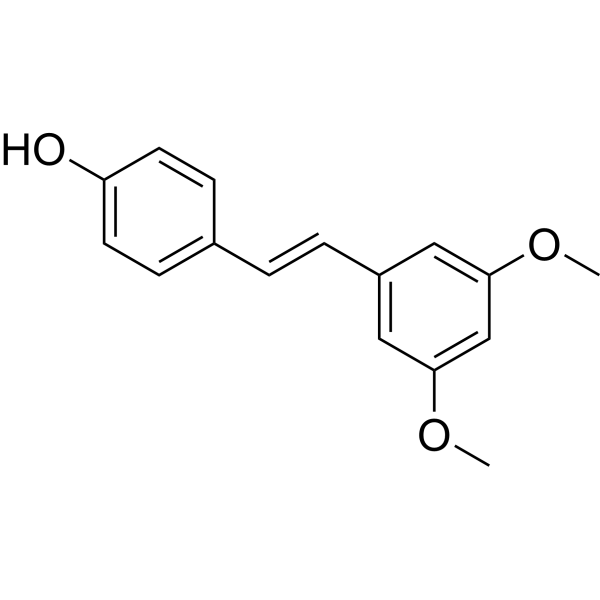
    Pterostilbene
    5+ Cited Publications

    Autophagy Inflammation/Immunology Cancer
    Pterostilbene is a stilbenoid isolated from blueberries and Pterocarpus marsupium . Shows anti-oxidant, anti-inflammatory, anti-carcinogenic, anti-diabetic and anti-obesity properties . Pterostilbene blocks ROS production , also exhibits inhibitory activity against various free radicals such as DPPH, ABTS, hydroxyl, superoxide and hydrogen peroxide .
    Pterostilbene
  • HY-N0153
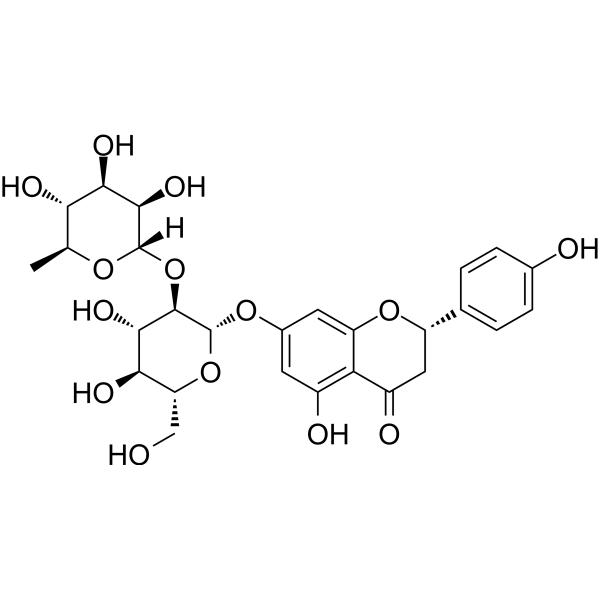
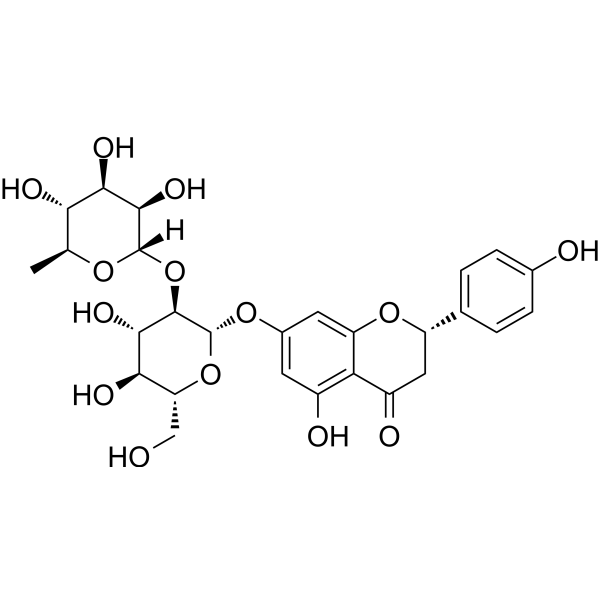
    Naringin
    20+ Cited Publications

    Naringoside

    Cytochrome P450 Autophagy Mitophagy Endogenous Metabolite Inflammation/Immunology Cancer
    Naringin is a major flavanone glycoside obtained from tomatoes, grapefruits, and many other citrus fruits. Naringin exhibits biological properties such as antioxidant, anti-inflammatory, and antiapoptotic activities. Naringin also inhibits proliferation and invasion and induces apoptosis in human osteosarcoma cells by inhibiting zinc finger E-box binding homeobox 1 (Zeb1) .
    Naringin
  • HY-N0411
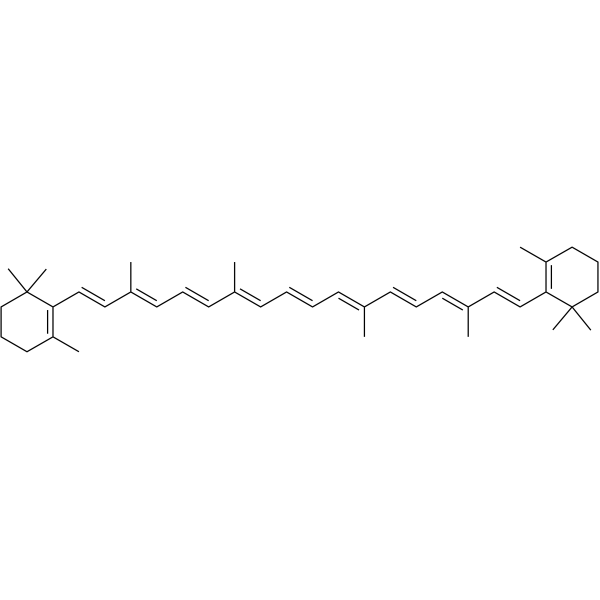
    β-Carotene
    2 Publications Verification

    Provitamin A; beta-Carotene

    Environmental Pollutants Endogenous Metabolite Reactive Oxygen Species (ROS) Apoptosis Metabolic Disease Cancer
    β-Carotene (Provitamin A), a carotenoid compound, is a naturally-occurring vitamin A precursor. β-Carotene is a modulator of reactive oxygen species (ROS), with antioxidant and antiinflammatory activities. β-Carotene may serve as an antioxidant or as a prooxidant, depending on its intrinsic properties as well as on the redox potential of the biological environment in which it acts. β-Carotene induces breast cancer cells apoptosis, with anticancer activities .
    β-Carotene
  • HY-N0568
    Madecassoside
    3 Publications Verification

    Asiaticoside A

    Endogenous Metabolite Apoptosis Autophagy Keap1-Nrf2 p38 MAPK Caspase Cardiovascular Disease Others Neurological Disease Inflammation/Immunology Endocrinology Cancer
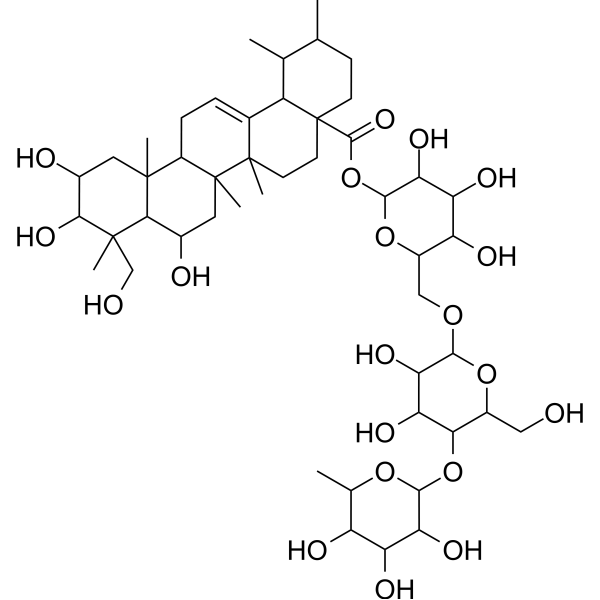
    Madecassoside is a pentacyclic triterpene isolated from Centella asiatica and has anti-inflammatory properties. Antioxidant and anti-aging effects. Madecassoside is a pentacyclic triterpene isolated from Centella asiatica. Madecassoside is orally active and has inhibitory properties against inflammation, oxidation, apoptosis and autophagy. Madecassosid inhibits activities of p38 MAPK and NF-kB , exhibits an anti-apopototic property, activates Nrf2 expression to reduce the neurotoxicity . Madecassoside can be used in endocrine diseases, cardiovascular diseases, skin diseases and other diseases.
    Madecassoside
  • HY-109509
    Enoxaparin
    1 Publications Verification

    PK 10169; Enoxaparin sodium

    Factor Xa Thrombin SARS-CoV Infection Cardiovascular Disease Neurological Disease Inflammation/Immunology Cancer
    Enoxaparin (PK 10169), a low-molecular-weight heparin (LMWH) derivative. Enoxaparin exerts anticoagulant activity through antithrombin III, an endogenous inhibitor of factor Xa and thrombin IIa. Enoxaparin protect the rat hippocampus against TBI (traumatic brain injury) via antioxidant and anti-inflammatory properties. Enoxaparin can be used for the research of deep vein thrombosis (DVT), pulmonary embolism, TBI and COVID-19 .
    Enoxaparin
  • HY-W013075
    Rutin trihydrate
    25+ Cited Publications

    Rutoside trihydrate; Quercetin 3-O-rutinoside trihydrate

    Apoptosis Endogenous Metabolite Neurological Disease Cancer
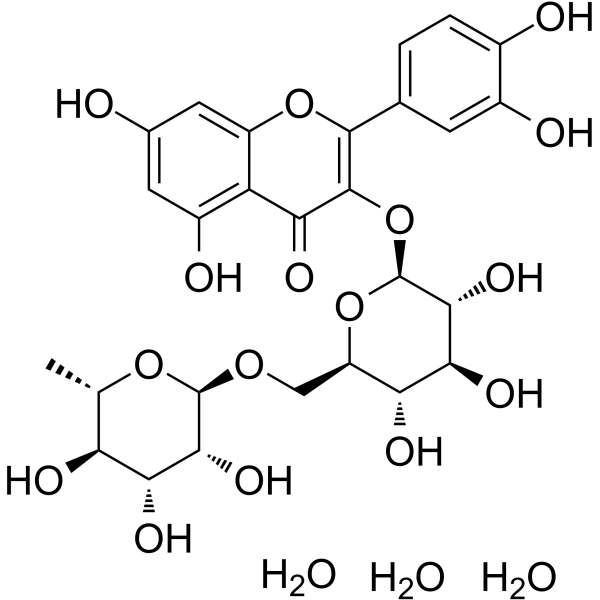
    Rutin (Rutoside) trihydrate is a multifunctional natural flavonoid glycoside. Rutin trihydrate has been demonstrating excellent antioxidant, anti-inflammatory, anti-diabetic, and anti-carcinogenic properties. Cardioprotective and neuroprotective activities .
    Rutin trihydrate
  • HY-N7765

    HCV Bacterial Apoptosis Fungal Infection Inflammation/Immunology Cancer
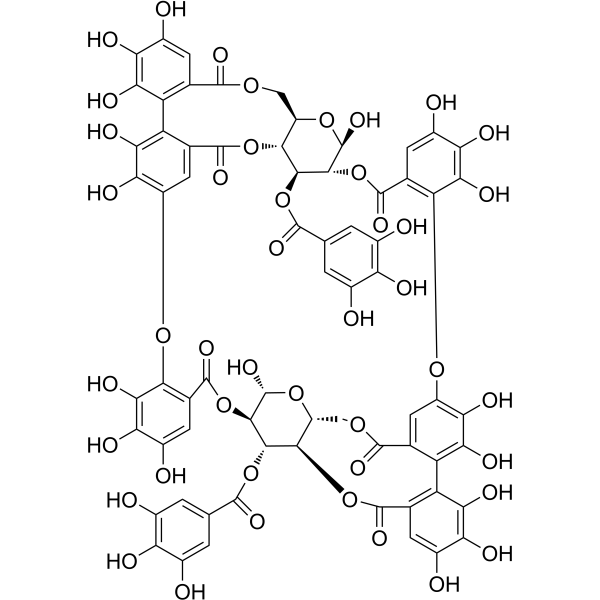
    Oenothein B is a dimeric macrocyclic ellagitannin and has widely pharmacological activities, including antioxidant, anti-inflammatory, antifungal, anti-HCV, and antitumor properties. Oenothein B is a potent and specific inhibitor of poly(ADP-ribose) glycohydrolase .
    Oenothein B
  • HY-N4136
    Lonicerin
    1 Publications Verification

    Veronicastroside

    Bacterial Apoptosis Xanthine Oxidase Fungal Infection Neurological Disease Inflammation/Immunology
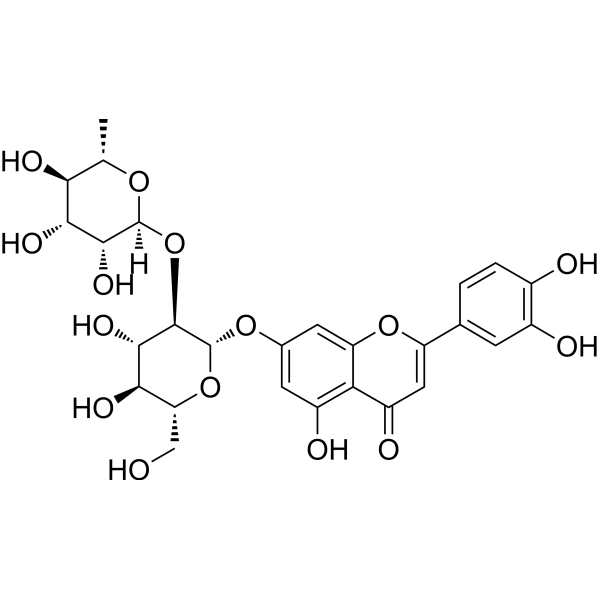
    Lonicerin (Veronicastroside) is a flavonoid with multiple biological activities. Lonicerin inhibits xanthine oxidase with an IC50 of 37.4 µg/mL. Lonicerin inhibits alginate secretion protein (AlgE). Lonicerin inhibits P. aeruginosa and C. albicans. Lonicerin has anti-inflammatory, anti-arthritic, antioxidant, antifungal, anti-bacterial, and neuroprotective properties .
    Lonicerin
  • HY-N3021

    Endogenous Metabolite NF-κB TNF Receptor FOXO Microtubule/Tubulin Metabolic Disease
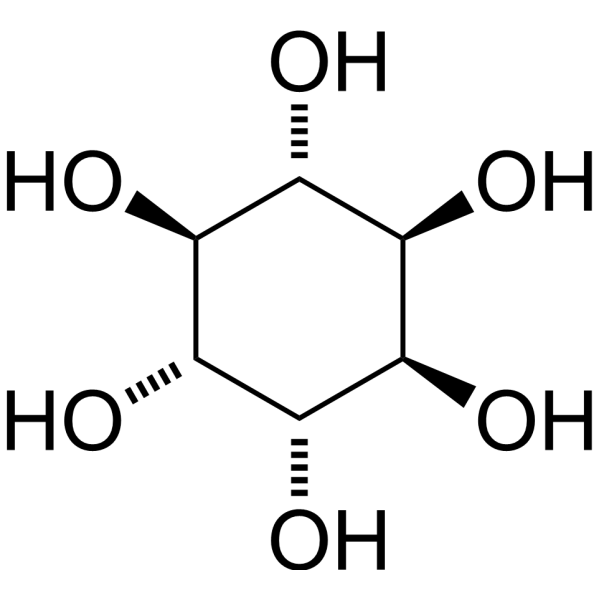
    D-chiro-Inositol is a stereoisomer of inositol that exhibits activities such as improving glucose metabolism, anti-tumor effects, anti-inflammatory properties, and antioxidant activity. D-chiro-Inositol effectively alleviates cholestasis by enhancing bile acid secretion and reducing oxidative stress. D-chiro-Inositol improves insulin resistance, lowers hyperglycemia and circulating insulin levels, reduces serum androgen levels, and ameliorates some metabolic abnormalities associated with X syndrome by mimicking the action of insulin. Additionally, D-chiro-Inositol can induce a reduction in pro-inflammatory factors (such as Nf-κB) and cytokines (such as TNF-α), thereby exerting anti-inflammatory effects. D-chiro-Inositol may be used in the study of liver cirrhosis, breast cancer, type 2 diabetes, and polycystic ovary syndrome .
    D-chiro-Inositol
  • HY-N0119
    Naringin Dihydrochalcone
    4 Publications Verification

    Naringin DC

    NF-κB Cancer
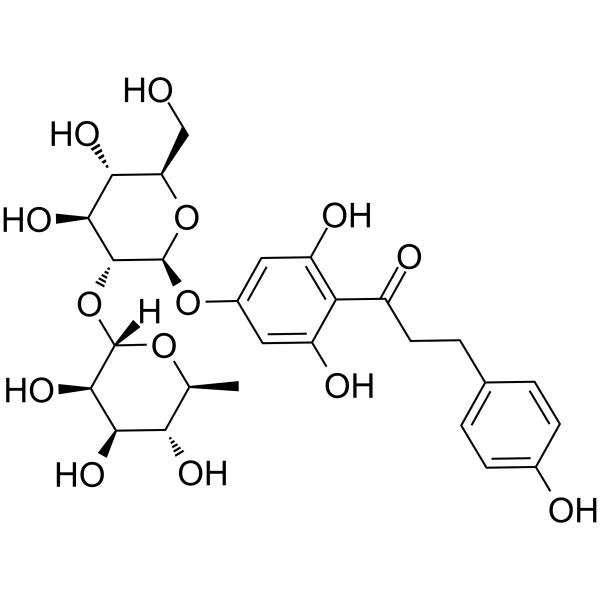
    Naringin Dihydrochalcone is an artificial sweetener derived from naringin. Naringin is a major flavanone glycoside obtained from tomatoes, grapefruits, and many other citrus fruits. Naringin exhibits biological properties such as antioxidant, anti-inflammatory, and antiapoptotic activities. Naringin suppresses NF-κB signaling pathway.
    Naringin Dihydrochalcone
  • HY-N5060

    4-Allylanisole

    Environmental Pollutants Parasite Apoptosis Keap1-Nrf2 NF-κB Infection Neurological Disease Inflammation/Immunology
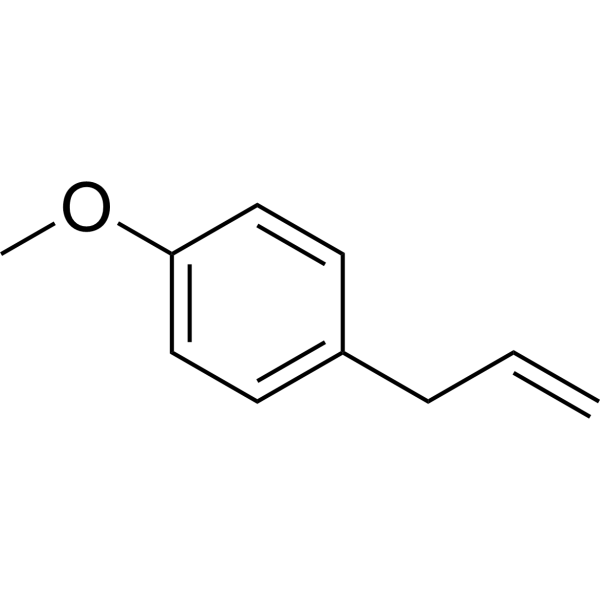
    Estragole (4-Allylanisole) is a relatively nontoxic volatile terpenoid ether and major component of the essential oil from many plants. Estragole significantly triggers Apoptosis, suppresses LPS-induced intracellular ROS production. Estragole activats Nrf-2 and regulates NF-κB. Estragole has anti-toxoplasma, anti-inflammatory, anti-edema, antioxidant and immunomodulatory properties. Estragole blocks DRG neuron excitability. Estragole has improves gastric ulcer activity .
    Estragole
  • HY-N0663

    Mitochondrial Metabolism Cyclophilin Potassium Channel Cardiovascular Disease Neurological Disease Inflammation/Immunology
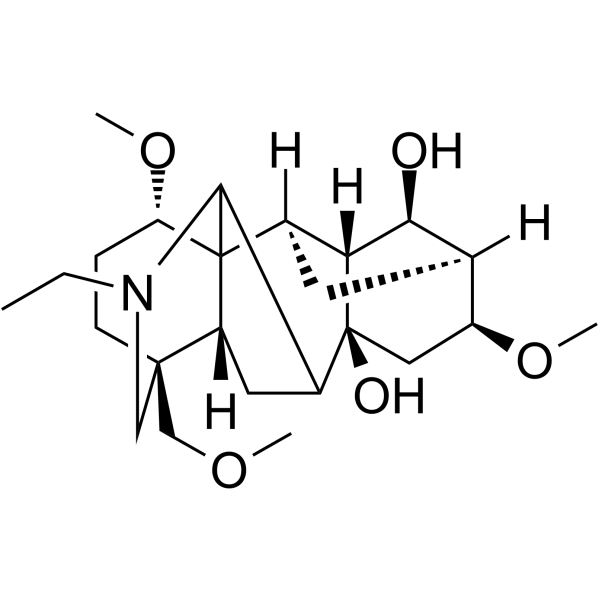
    Talatisamine is an orally active cyclophilin D activator isolated from the roots of Aconitum carmichaeli Debx. Talatisamine exerts biological functions by activating cyclophilin D, inhibiting Ca 2+-dependent opening of the mitochondrial permeability transition pore (mPTP) (IC50=78 μM), and blocking delayed rectifier K + channels (IC50=146 μM). Talatisamine possesses both antioxidant and membrane-stabilizing properties, effectively inhibits lipid peroxidation and protects mitochondrial membrane function. Talatisamine exhibits multiple activities including antiarrhythmic, hypotensive, anti-inflammatory, anticancer and neuroprotective effects. Talatisamine finds applications in the research of ischemic diseases, rheumatoid arthritis, inflammation-related diseases and Alzheimer's disease .
    Talatisamine
  • HY-N2736
    3′,4′,7-Trihydroxyflavone
    1 Publications Verification

    Beta-lactamase COX Interleukin Related Bacterial JNK ERK p38 MAPK STAT Apoptosis NO Synthase Nuclear Factor of activated T Cells (NFAT) Lactate Dehydrogenase Reactive Oxygen Species (ROS) SOD Akt Caspase Bcl-2 Family Infection Neurological Disease Inflammation/Immunology
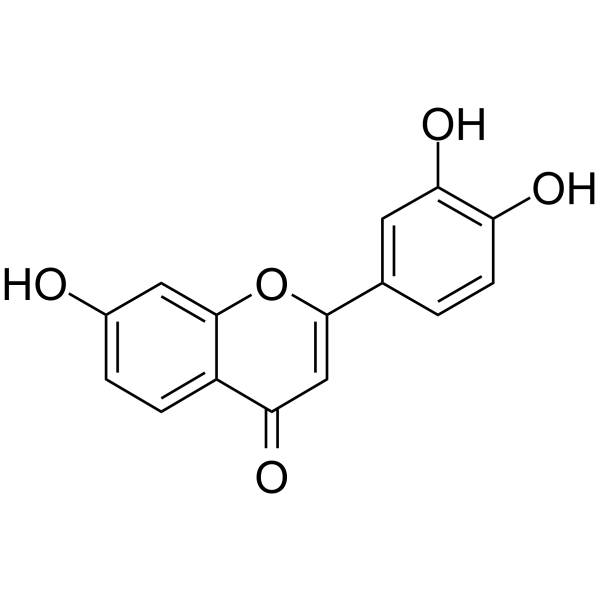
    3′,4′,7-Trihydroxyflavone is an orally active inhibitor of OXA-48 (IC50 = 1.89 μM) and COX-1 (IC50 = 36.37 μM). 3′,4′,7-Trihydroxyflavone exhibits antioxidant and anti-inflammatory properties, inhibiting the release of inflammatory cytokines such as IL-6, IL-8, and TNF-α. 3′,4′,7-Trihydroxyflavone inhibits H2O2-induced neuronal apoptosis and ROS accumulation, and exerts anti-neuroinflammatory effects by suppressing the JNK-STAT1 pathway. 3′,4′,7-Trihydroxyflavone exhibits antimicrobial and antibiotic-modifying activities against multidrug-resistant Gram-negative enteric bacteria. 3′,4′,7-Trihydroxyflavone inhibits RANKL-induced osteoclast formation via NFATc1. 3′,4′,7-Trihydroxyflavone activates the CREB-BDNF axis and restores scopolamine (HY-N0296)-induced memory deficits in mice .
    3′,4′,7-Trihydroxyflavone
  • HY-N1109
    Uvaol
    1 Publications Verification

    Apoptosis Inflammation/Immunology Cancer
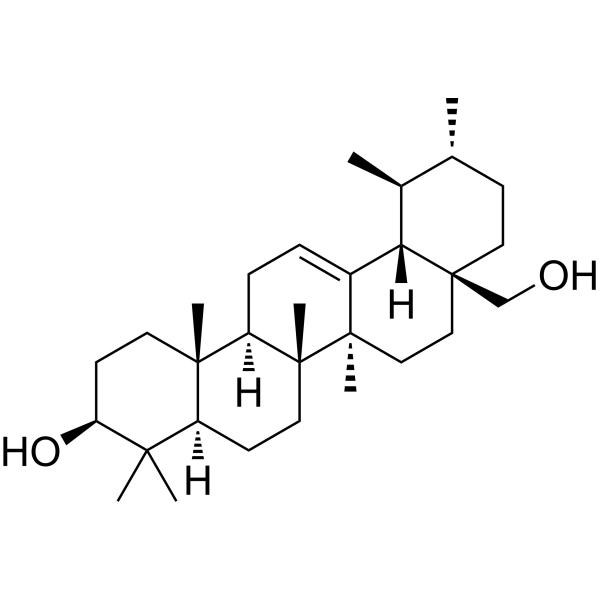
    Uvaol, a triterpene present in olives and virgin olive oil, possesses anti-inflammatory properties and antioxidant effects. Uvaol is an orally active inducer of apoptosis in astroglioma cells. Uvaol also has anti-cancer activities. Uvaol attenuates pleuritis and eosinophilic inflammation in ovalbumin-induced allergy in mice .
    Uvaol
  • HY-126382
    Hesperidin methylchalcone
    1 Publications Verification

    NF-κB Inflammation/Immunology
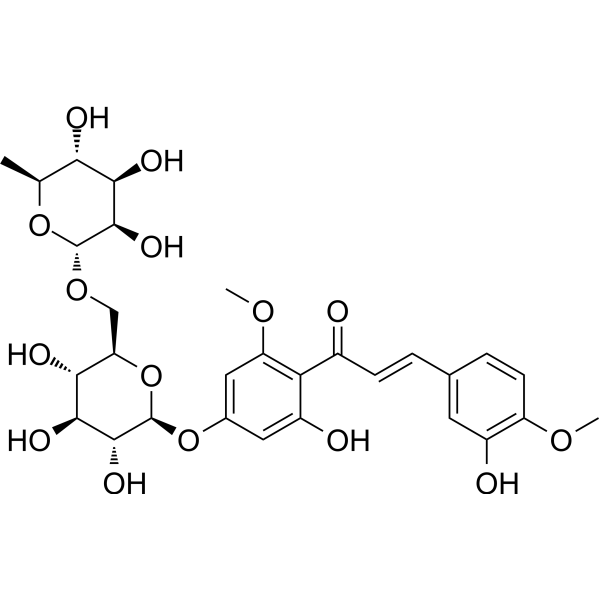
    Hesperidin methylchalcone (Hesperidin methyl chalcone) is an orally active flavonoid that has analgesic, anti-inflammatory and antioxidant properties. Hesperidin methylchalcone exhibits vasoprotective activity. Hesperidin methylchalcone inhibits oxidative stress, cytokine production and NF-κB activation. Hesperidin methylchalcone can be used for the research of gout disease .
    Hesperidin methylchalcone
  • HY-13653R
    (-)-Epigallocatechin Gallate (Standard)
    Maximum Cited Publications
    57 Publications Verification

    EGCG(Standard); Epigallocatechol Gallate (Standard)

    Reference Standards Endogenous Metabolite Apoptosis Inflammation/Immunology Cancer
    (-)-Epigallocatechin Gallate (Standard) is the analytical standard of (-)-Epigallocatechin Gallate. This product is intended for research and analytical applications. (-)-Epigallocatechin Gallate (EGCG) is a major polyphenol in green tea, which can inhibit cell proliferation and induce cell apoptosis. (-)-Epigallocatechin Gallate inhibits glutamate dehydrogenase 1/2 (GDH1/2, GLUD1/2) activity. (-)-Epigallocatechin Gallate has a potent anticancer, antioxidant and anti-inflammatory properties against various types of cancers such as colorectal cancer, myeloid leukemia, thyroid carcinoma .
    (-)-Epigallocatechin Gallate (Standard)
  • HY-N0411R

    Provitamin A (Standard); beta-Carotene (Standard)

    Reference Standards Endogenous Metabolite Apoptosis Reactive Oxygen Species (ROS) Metabolic Disease Cancer
    β-Carotene (Standard) is the analytical standard of β-Carotene. This product is intended for research and analytical applications. β-Carotene (Provitamin A), a carotenoid compound, is a naturally-occurring vitamin A precursor. β-Carotene is a modulator of reactive oxygen species (ROS), with antioxidant and antiinflammatory activities. β-Carotene may serve as an antioxidant or as a prooxidant, depending on its intrinsic properties as well as on the redox potential of the biological environment in which it acts. β-Carotene induces breast cancer cells apoptosis, with anticancer activities .
    β-Carotene (Standard)
  • HY-N3544

    (-)-Caryophyllene oxide

    Environmental Pollutants Apoptosis Bacterial Fungal Parasite Infection Neurological Disease Inflammation/Immunology Cancer
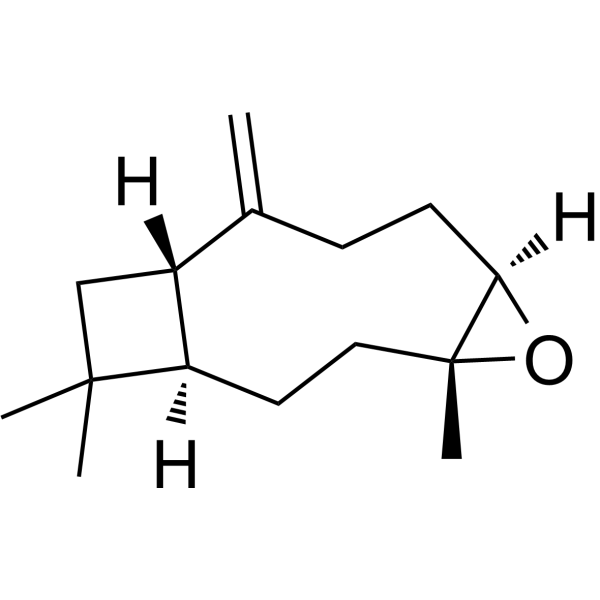
    Caryophyllene oxide ((-)-Caryophyllene oxide) is a bicyclic sesquiterpene with anticancer effects. Caryophyllene oxide induces apoptosis of PC-3 cells. Caryophyllene oxide shows analgesic and anti-inflammatory activities. Caryophyllene oxide has insecticidal, antioxidant, antimicrobial, antifungal, and antiparasitic properties .
    Caryophyllene oxide
  • HY-N6951

    Apoptosis Akt mTOR Reactive Oxygen Species (ROS) Caspase Bacterial Fungal Infection Neurological Disease Metabolic Disease Inflammation/Immunology Cancer
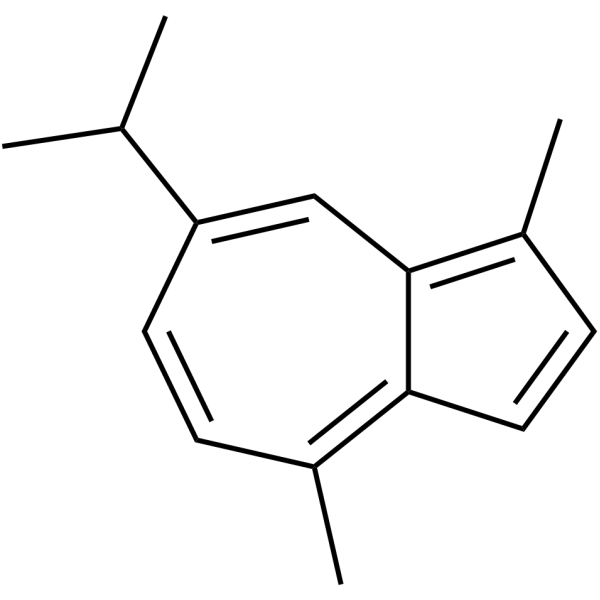
    Guaiazulene is a bicyclic sesquiterpene. Guaiazulene exhibits various biological activities such as anti-inflammatory, antioxidant, hepatoprotective, antibacterial, and anti-tumor properties. Guaiazulene is also commonly used as a colorant in cosmetics. Guaiazulene shows in vitro cytotoxicity to rat neuronal cells and N2a neuroblastoma cells at high concentrations .
    Guaiazulene
  • HY-N2188
    Beta-Acetoxyisovalerylshikonin
    1 Publications Verification

    HIV Infection
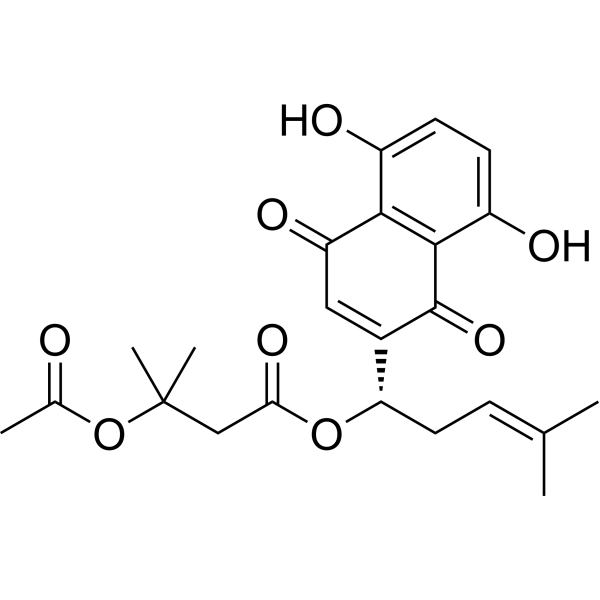
    Beta-Acetoxyisovalerylshikonin is a naturally occurring naphthoquinone-type shikonin derivative that is widely distributed in the roots and cell suspension cultures of *Arnebia euchroma*, *Arnebia guttata*, *Onosma hispidum* and *Lithospermum erythrorhizon*. Beta-Acetoxyisovalerylshikonin exhibits favorable antibacterial, anti-inflammatory, wound-healing promoting and antioxidant activities, and also possesses potential anti-tumor and anti-HIV properties .
    Beta-Acetoxyisovalerylshikonin
  • HY-139066
    Punicic acid
    1 Publications Verification

    Trichosanic acid

    TNF Receptor GLUT Proteasome Tau Protein PKC Neurological Disease Metabolic Disease Inflammation/Immunology
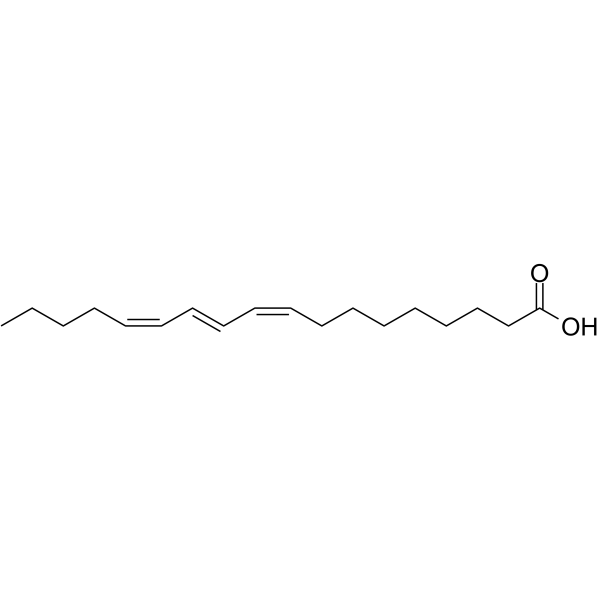
    Punicic acid is a bioactive compound of pomegranate seed oil. Punicic acid is an isomer of conjugated α-linolenic acid and ω-5 polyunsaturated fatty acids. Punicic acid has anti-inflammatory and antioxidant activities and can inhibit the expression of inflammatory mediators such as tumor necrosis factor α (TNF-α). Punicic acid can also reduce the formation of β-amyloid deposits and hyperphosphorylation of tau by increasing the expression of GLUT4 protein and inhibiting the overactivation of calpain, and is used to prevent and treat neurodegenerative diseases. In addition, punicic acid also has breast cancer inhibitor properties that depend on lipid peroxidation and PKC pathways .
    Punicic acid
  • HY-N8342
    Rhamnazin
    1 Publications Verification

    VEGFR Inflammation/Immunology Cancer
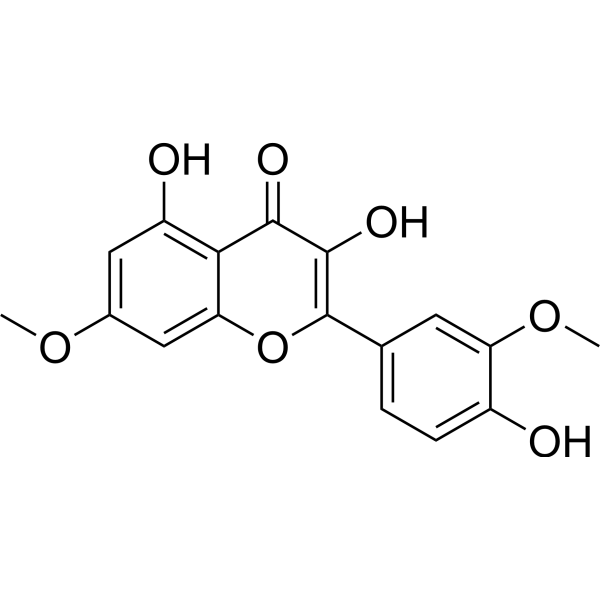
    Rhamnazin is an orally active inhibitor of VEGFR2 signaling with an IC50 of 4.68 μM against VEGFR2 kinase. Rhamnazin shows potent antiangiogenic activity and antitumor efficacy . Rhamnazin shows antioxidant and anti-inflammatory properties .
    Rhamnazin
  • HY-N0568R

    Asiaticoside A (Standard)

    Reference Standards Endogenous Metabolite Apoptosis Autophagy Keap1-Nrf2 p38 MAPK Caspase Cardiovascular Disease Others Neurological Disease Inflammation/Immunology Endocrinology Cancer
    Madecassoside (Standard) is the analytical standard of Madecassoside. This product is intended for research and analytical applications. Madecassoside is a pentacyclic triterpene isolated from Centella asiatica and has anti-inflammatory properties. Antioxidant and anti-aging effects. Madecassoside is a pentacyclic triterpene isolated from Centella asiatica. Madecassoside is orally active and has inhibitory properties against inflammation, oxidation, apoptosis and autophagy. Madecassosid inhibits activities of p38 MAPK and NF-kB , exhibits an anti-apopototic property, activates Nrf2 expression to reduce the neurotoxicity[10]. Madecassoside can be used in endocrine diseases, cardiovascular diseases, skin diseases and other diseases.
    Madecassoside (Standard)
  • HY-150526

    Endogenous Metabolite Apoptosis Inflammation/Immunology Cancer
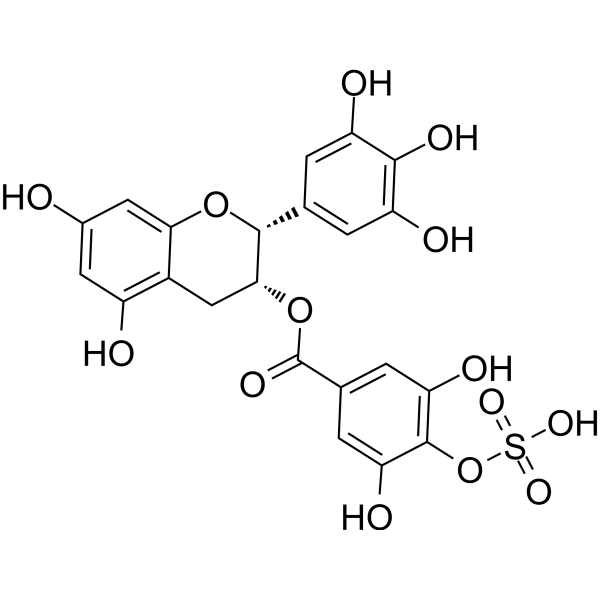
    EGCG-4″-sulfate is a major polyphenol in green tea, which can inhibit cell proliferation and induce cell apoptosis. (-)-Epigallocatechin Gallate sulfate inhibits glutamate dehydrogenase 1/2 (GDH1/2, GLUD1/2) activity. EGCG-4″-sulfate has a potent anticancer, antioxidant and anti-inflammatory properties against various types of cancers such as colorectal cancer, myeloid leukemia, thyroid carcinoma .
    EGCG-4″-sulfate
  • HY-W017232

    p-Quinanisole

    Biochemical Assay Reagents Others
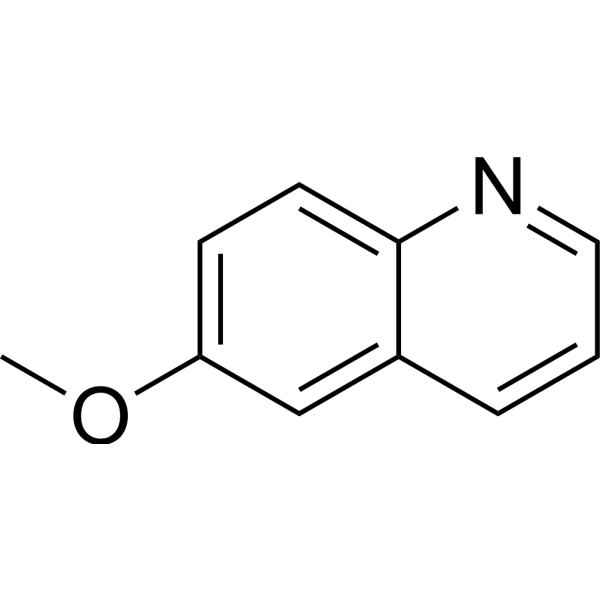
    6-Methoxyquinoline consists of a quinoline ring system with a methoxy group attached to the sixth carbon atom. This compound occurs naturally in certain plants, such as tobacco and tea, and has been shown to have biological activities, including antioxidant, anti-inflammatory and antitumor properties. Furthermore, 6-Methoxyquinoline can be used as a building block for the synthesis of other organic compounds, especially those with potential pharmaceutical applications. Due to its ability to bind nucleic acids and proteins, it can also be used as a fluorescent probe in biochemical and biomedical research.
    6-Methoxyquinoline
  • HY-13653S1

    EGCG-d4; Epigallocatechol Gallate-d4

    Isotope-Labeled Compounds Apoptosis Inflammation/Immunology Cancer
    (-)-Epigallocatechin Gallate-d4 (EGCG-d4) is the deuterium labeled (-)-Epigallocatechin Gallate (HY-13653). (-)-Epigallocatechin Gallate (EGCG) is a major polyphenol in green tea, which can inhibit cell proliferation and induce cell apoptosis. (-)-Epigallocatechin Gallate inhibits glutamate dehydrogenase 1/2 (GDH1/2, GLUD1/2) activity. (-)-Epigallocatechin Gallate has a potent anticancer, antioxidant and anti-inflammatory properties against various types of cancers such as colorectal cancer, myeloid leukemia, thyroid carcinoma .
    (-)-Epigallocatechin Gallate-d4
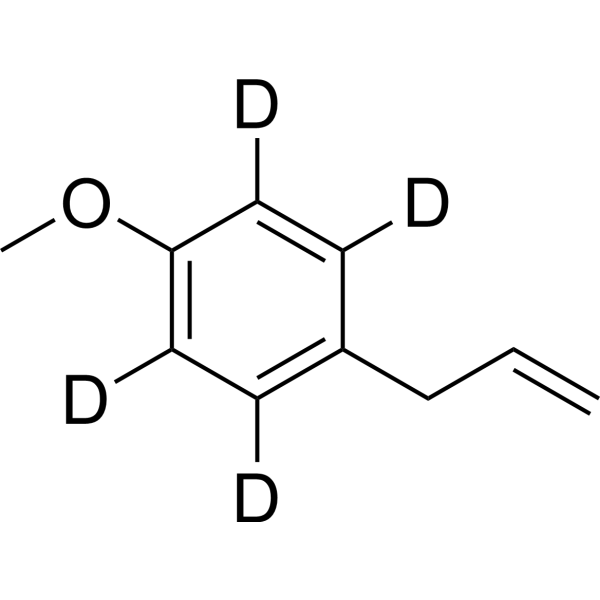
  • HY-N5060S

    4-Allylanisole-d4

    Parasite Isotope-Labeled Compounds Neurological Disease
    Estragole-d4 is deuterated labeled Estragole (HY-N5060). Estragole (4-Allylanisole) is a relatively nontoxic volatile terpenoid ether and major component of the essential oil from many plants. Estragole significantly triggers Apoptosis, suppresses LPS-induced intracellular ROS production. Estragole activats Nrf-2 and regulates NF-κB. Estragole has anti-toxoplasma, anti-inflammatory, anti-edema, antioxidant and immunomodulatory properties. Estragole blocks DRG neuron excitability. Estragole has improves gastric ulcer activity [10] .
    Estragole-d4
  • HY-103435
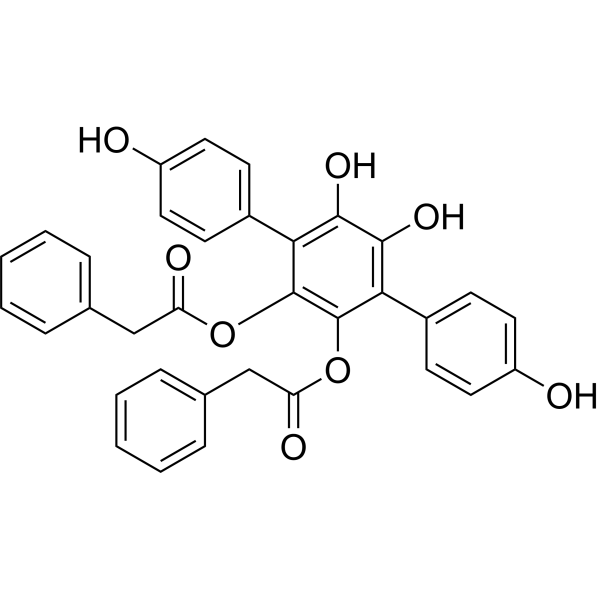
    Vialinin A
    2 Publications Verification

    Terrestrin A

    Deubiquitinase TNF Receptor E1/E2/E3 Enzyme Keap1-Nrf2 Inflammation/Immunology Cancer
    Vialinin A (Terrestrin A) is a p-terphenyl compound that can be derived from a Chinese edible mushroom. Vialinin A is an inhibitor of ubiquitin-specific peptidase 4 (USP4) and has anti-inflammatory and antioxidant properties. Vialinin A can alleviate cerebral ischaemia-reperfusion injury-induced neurological deficits and neuronal apoptosis. Vialinin A promotes activation of Keap1-Nrf2-ARE signaling pathway and increases the protein degradation of Keap1. Vialinin A possesses various pharmacological activities in cancer, Kawasaki disease, asthma, and pathological scarring. Vialinin A is a potent inhibitor of TNF-α, USP4, USP5, and sentrin/SUMO-specific protease 1 (SENP1). Vialinin A can be studied in reseach for autoimmune diseases, cancer and ischaemic stroke .
    Vialinin A
  • HY-125938
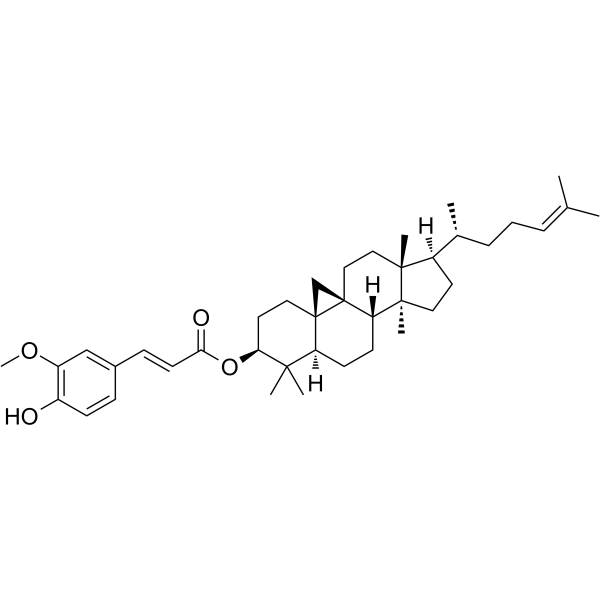
    Cycloartenyl ferulate
    1 Publications Verification

    Cycloartenol ferulate; Cycloartenol ferulic acid ester

    Drug Derivative Apoptosis Reactive Oxygen Species (ROS) JAK STAT Inflammation/Immunology Cancer
    Cycloartenyl ferulate (Cycloartenol ferulate; Cycloartenol ferulic acid ester) is a derivative of γ-oryzanol (HY-B2194) with multiple biological activities including antioxidant, anti-inflammatory, and anti-tumor properties. Cycloartenyl ferulate selectively binds to IFNγR1 (binding affinity Kd = 0.5 μM) to activate the canonical JAK1/2-STAT1 signaling pathway. Cycloartenyl ferulate inhibits paraquat (PQ)-triggered apoptosis and ROS in HK2 cells. Cycloartenyl ferulate enhances the activation and cytolytic activity of natural killer (NK) cells by upregulating the expression of NK cell activation receptors (NKG2D, NKp30, NKp44) and the release of cytotoxic molecules and cytokine IFNγ. Cycloartenyl ferulate exerts anti-cancer effects in tumor mice models. Cycloartenyl ferulate can be used for the study of cancer and allergic inflammation intervention .
    Cycloartenyl ferulate
  • HY-N6924
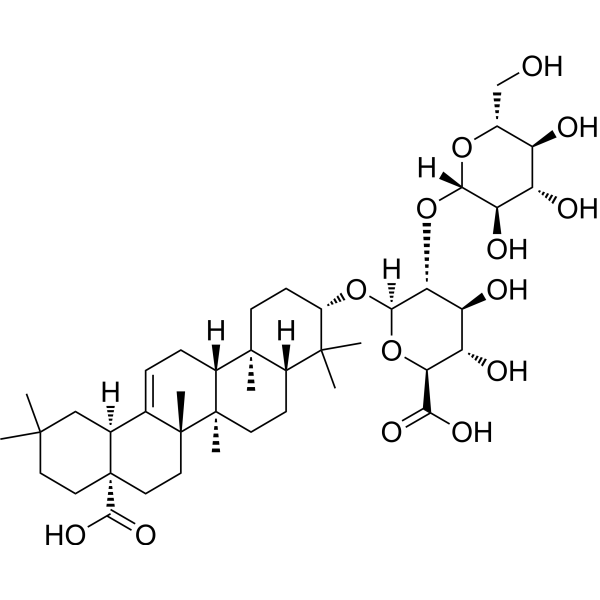
    Zingibroside R1
    1 Publications Verification

    HIV PIN1 Fungal GLUT Reactive Oxygen Species (ROS) Infection Neurological Disease Metabolic Disease Cancer
    Zingibroside R1 is an orally active triterpene saponin with multiple biological activities including antioxidant, anti-inflammatory, antiviral, and metabolic regulatory properties. Zingibroside R1 reduces the expression of PIN family members, inhibits the expression of PLT1/PLT2, WOX5, SHR, and SCR, disrupts auxin transport and distribution, triggers plant ROS responses, and inhibits root growth. Zingibroside R1 extends the lifespan of Caenorhabditis elegans, enhances its heat stress resistance, and improves its motor ability. Hydrogel derivatives of Zingibroside R1 inhibit the proliferation of Candida albicans by binding to its β-1,3-glucan and exhibit antifungal activity. Zingibroside R1 inhibits GLUT1-mediated uptake and alleviates liver injury. Zingibroside R1 can be used in research related to neurodegenerative diseases, vulvovaginal candidiasis, acute liver injury, Ehrlich ascites tumor and HIV-1 infection .
    Zingibroside R1
  • HY-N4111
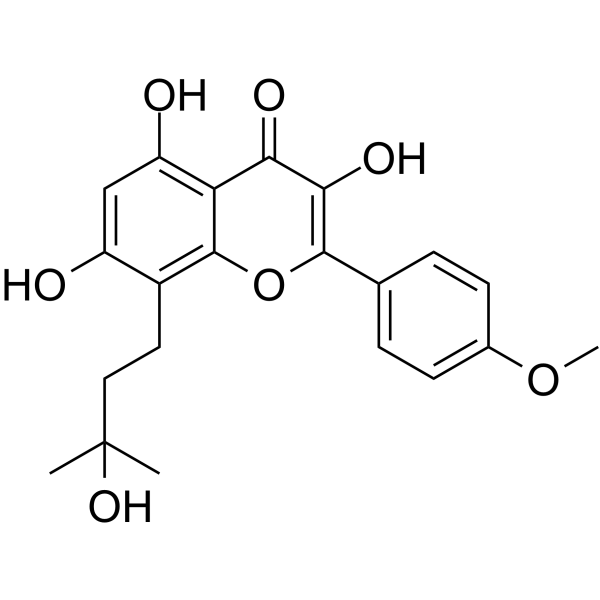
    Wushanicaritin
    1 Publications Verification

    Others Inflammation/Immunology Cancer
    Wushanicaritin exhibits significant antioxidant activity (IC50=35.3 μM) in DPPH radical scavenging activity tests. Antitumor effects and anti-inflammatory property .
    Wushanicaritin
  • HY-N0153R
    Naringin (Standard)
    20+ Cited Publications

    Naringoside (Standard)

    Endogenous Metabolite Cytochrome P450 Mitophagy Autophagy Reference Standards Inflammation/Immunology Cancer
    Naringin is a major flavanone glycoside obtained from tomatoes, grapefruits, and many other citrus fruits. Naringin exhibits biological properties such as antioxidant, anti-inflammatory, and antiapoptotic activities. Naringin also inhibits proliferation and invasion and induces apoptosis in human osteosarcoma cells by inhibiting zinc finger E-box binding homeobox 1 (Zeb1) .
    Naringin (Standard)
  • HY-N0828R

    Reference Standards Autophagy Inflammation/Immunology Cancer
    Pterostilbene (Standard) is the analytical standard of Pterostilbene. This product is intended for research and analytical applications. Pterostilbene is a stilbenoid isolated from blueberries and Pterocarpus marsupium . Shows anti-oxidant, anti-inflammatory, anti-carcinogenic, anti-diabetic and anti-obesity properties . Pterostilbene blocks ROS production , also exhibits inhibitory activity against various free radicals such as DPPH, ABTS, hydroxyl, superoxide and hydrogen peroxide .
    Pterostilbene (Standard)
  • HY-N9987

    Antibiotic Bacterial Infection Inflammation/Immunology Cancer
    11β,13-Dihydrolactucin is an antimicrobial agent. 11β,13-Dihydrolactucin also has several biological properties, including antioxidant, anti-inflammatory, and antitumor activities .
    11β,13-Dihydrolactucin
  • HY-N11845

    Lipoxygenase Metabolic Disease Inflammation/Immunology
    Sigmoidin B, a prenylated flavanone, is a selective 5-lipoxygenase inhibitor. Sigmoidin B is a potent scavenger of the DPPH radical. Sigmoidin B has antigenotoxic activity that inhibits genotoxicity induced by Aflatoxin B1 (HY-N6615), with an IC50 of 18.7 μg/mL. Sigmoidin B has anti-inflammatory activity and antioxidant properties .
    Sigmoidin B
  • HY-N0411S4

    Provitamin A-13C10; beta-Carotene-13C10

    Isotope-Labeled Compounds Endogenous Metabolite Apoptosis Reactive Oxygen Species (ROS) Metabolic Disease Cancer
    β-Carotene- 13C10 (Provitamin A- 13C10) is the 13C-labeled β-Carotene (HY-N0411). β-Carotene (Provitamin A), a carotenoid compound, is a naturally-occurring vitamin A precursor. β-Carotene is a modulator of reactive oxygen species (ROS), with antioxidant and antiinflammatory activities. β-Carotene may serve as an antioxidant or as a prooxidant, depending on its intrinsic properties as well as on the redox potential of the biological environment in which it acts. β-Carotene induces breast cancer cells apoptosis, with anticancer activities .
    β-Carotene-13C10
  • HY-78004

    s-Diphenylethane; Dibenzyl

    Drug Intermediate Inflammation/Immunology Cancer
    Bibenzyl (s-Diphenylethane; Dibenzyl) is a compound containing two benzyl groups. Its derivatives possess various activities such as antioxidant, anti-inflammatory, and anti-cancer properties .
    Bibenzyl
  • HY-124439

    Antibiotic Bacterial SARS-CoV Infection Cancer
    Setomimycin is a potent antibiotic. Setomimycin inhibits the SARS-CoV-2 Mpro enzyme with an IC50 value of 12.02 µM. Setomimycin shows anti-inflammatory and antioxidant properties. Setomimycin shows antiproliferative and antitumor activity .
    Setomimycin
  • HY-N12973

    Anaplastic lymphoma kinase (ALK) Inflammation/Immunology Endocrinology Cancer
    Peonidin 3-arabinoside is an anthocyanin found in vaccinium mytrillus. Peonidin 3-arabinoside binds to the ALK5 and has anticancer activity. Peonidin 3-arabinoside also has antioxidant, anti-inflammatory, and anti-urinary tract infection properties .
    Peonidin 3-arabinoside
  • HY-N3021R

    Reference Standards Endogenous Metabolite NF-κB TNF Receptor FOXO Microtubule/Tubulin Metabolic Disease
    D-chiro-Inositol is a stereoisomer of inositol that exhibits activities such as improving glucose metabolism, anti-tumor effects, anti-inflammatory properties, and antioxidant activity. D-chiro-Inositol effectively alleviates cholestasis by enhancing bile acid secretion and reducing oxidative stress. D-chiro-Inositol improves insulin resistance, lowers hyperglycemia and circulating insulin levels, reduces serum androgen levels, and ameliorates some metabolic abnormalities associated with X syndrome by mimicking the action of insulin. Additionally, D-chiro-Inositol can induce a reduction in pro-inflammatory factors (such as Nf-κB) and cytokines (such as TNF-α), thereby exerting anti-inflammatory effects. D-chiro-Inositol may be used in the study of liver cirrhosis, breast cancer, type 2 diabetes, and polycystic ovary syndrome .
    D-chiro-Inositol (Standard)
  • HY-N0887
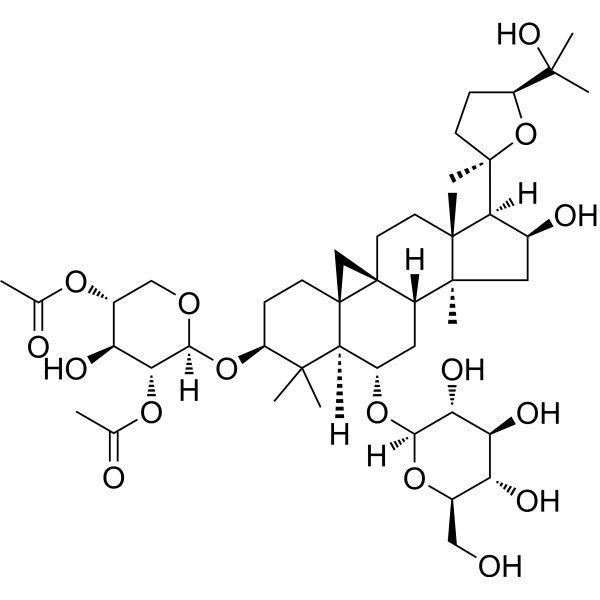
    Isoastragaloside I
    2 Publications Verification

    Isoastragaloside-I

    Akt NF-κB p38 MAPK PI3K FXR Keap1-Nrf2 NO Synthase COX Interleukin Related Integrin TGF-β Receptor Reactive Oxygen Species (ROS) Neurological Disease Metabolic Disease Inflammation/Immunology
    Isoastragaloside I is a natural compound found in Astragalus membranaceus, with oral activity and multiple biological activities such as anti-inflammatory and antioxidant properties. Isoastragaloside I inhibits Akt, NF-κB, MAPKs and PI3K, enhances the activity of hepatic FXR, regulates the TGF-β/Smads signaling pathway, and upregulates antioxidant molecules downstream of Nrf2. Isoastragaloside I inhibits the expression of NO, TNF-α, iNOS, COX-2, IL-1β and VCAM-1, and reduces intracellular ROS levels. Isoastragaloside I attenuates blood-brain barrier disruption, restores intestinal barrier function, increases β-cell mass, improves glucose homeostasis, and elevates circulating adiponectin levels. Isoastragaloside I can be used for the study of neuroinflammation-related neurodegenerative diseases, cholestatic liver disease, and diabetes .
    Isoastragaloside I
  • HY-N4111R

    Reference Standards Others Inflammation/Immunology Cancer
    Wushanicaritin exhibits significant antioxidant activity (IC50=35.3 μM) in DPPH radical scavenging activity tests. Antitumor effects and anti-inflammatory property .
    Wushanicaritin (Standard)
  • HY-169703
    SPA0355
    1 Publications Verification

    RANKL/RANK p38 MAPK Akt NF-κB Inflammation/Immunology
    SPA0355 is a thiourea derivative that has antioxidant and anti-inflammatory properties. SPA0355 inhibits the RANKL (receptor activator of nuclear factor κB ligand) induced osteoclast formation in primary bone marrow-derived macrophages. SPA0355 also suppresses the activation of the MAPKs, Akt, and NF-κB pathways. Additionally, SPA0355 promotes osteoblast differentiation, increases alkaline phosphatase activity, and enhances mineral nodule formation. SPA0355 can protect ovariectomized mice from bone loss by stimulating osteoblast differentiation and inhibiting osteoclast resorption, making it useful for studying postmenopausal osteoporosis .
    SPA0355
  • HY-170017S

    EGCG-d3/d4; Epigallocatechol Gallate-d3/d4

    Isotope-Labeled Compounds Apoptosis Inflammation/Immunology Cancer
    (-)-Epigallocatechin Gallate-d3/d4 (EGCG-d3/d4) is the deuterium labeled (-)-Epigallocatechin Gallate (HY-13653). (-)-Epigallocatechin Gallate (EGCG) is a major polyphenol in green tea, which can inhibit cell proliferation and induce cell apoptosis. (-)-Epigallocatechin Gallate inhibits glutamate dehydrogenase 1/2 (GDH1/2, GLUD1/2) activity. (-)-Epigallocatechin Gallate has a potent anticancer, antioxidant and anti-inflammatory properties against various types of cancers such as colorectal cancer, myeloid leukemia, thyroid carcinoma .
    (−)-Epigallocatechin Gallate-d3/d4
  • HY-P1773

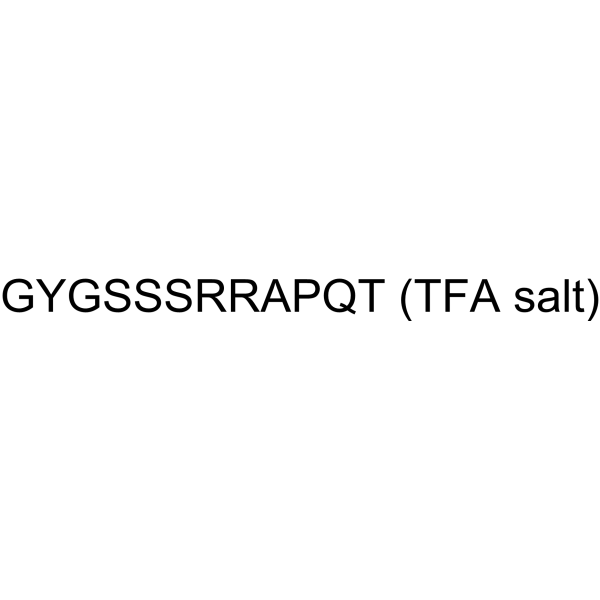
    Insulin-like Growth Factor I (30-41)

    Insulin Receptor Metabolic Disease Inflammation/Immunology
    IGF-I (30-41) is amino acids 30 to 41 fragment of Insulin-like Growth Factor I (IGF-I). IGF-I is partly responsible for systemic GH activities although it possesses a wide number of own properties (anabolic, antioxidant, anti-inflammatory and cytoprotective actions) .
    IGF-I (30-41)
  • HY-P1773A

    Insulin-like Growth Factor I (30-41) TFA

    IGF-1R Metabolic Disease Inflammation/Immunology
    IGF-I (30-41) (TFA) is amino acids 30 to 41 fragment of Insulin-like Growth Factor I (IGF-I). IGF-I is partly responsible for systemic GH activities although it possesses a wide number of own properties (anabolic, antioxidant, anti-inflammatory and cytoprotective actions) .
    IGF-I (30-41) TFA
  • HY-N15635

    (+)-Withacoagin

    HIV Infection Metabolic Disease Inflammation/Immunology
    Withacoagin is a withanolide that can be isolated from the roots of Withania coagulans. Withacoagin has various biological activites such as adaptogenic, anti-inflammatory, and antioxidant properties. Withacoagin regulates the activity of various enzymes and pathways related to oxidative stress and inflammation. Withacoagin can attenuates HIV-1 infection .
    Withacoagin
  • HY-167685

    Bacterial Inflammation/Immunology
    (E/Z)-Aureusidin is a flavonoid compound with antioxidant activity. (E/Z)-Aureusidin can inhibit the production of reactive oxygen species and reduce cell damage. (E/Z)-Aureusidin has anti-inflammatory effects and can reduce the expression of inflammatory factors. (E/Z)-Aureusidin has inhibitory effects on a variety of bacteria, indicating its potential antimicrobial properties .
    (E/Z)-Aureusidin
  • HY-N13167

    Reactive Oxygen Species (ROS) Inflammation/Immunology Cancer
    3-Keto-tirucall-8,24-dien-21-oic acid is a tetracyclic triterpene compound that can be isolated from frankincense. 3-Keto-tirucall-8,24-dien-21-oic acid has activities like anti-inflammatory, anti-tumor, anti-ulcer, memory improvement, and antioxidant properties .
    3-Keto-tirucall-8,24-dien-21-oic acid

Inquiry Online

Your information is safe with us. * Required Fields.

Salutation


Country or Region *

Applicant Name *


Organization Name *

Department *


Email Address *


Product Name *

Cat. No.


Requested quantity *

Phone Number *


Remarks

Inquiry Online

Inquiry Information

Product Name:
Cat. No.:
Quantity:
MCE Japan Authorized Agent: