



Naringin
Based on 30 publication(s) in Google Scholar
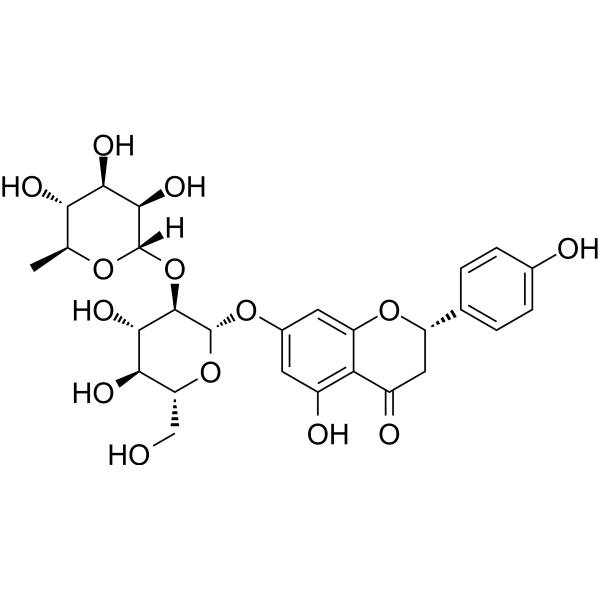
Naringin is a major flavanone glycoside obtained from tomatoes, grapefruits, and many other citrus fruits. Naringin exhibits biological properties such as antioxidant, anti-inflammatory, and antiapoptotic activities. Naringin also inhibits proliferation and invasion and induces apoptosis in human osteosarcoma cells by inhibiting zinc finger E-box binding homeobox 1 (Zeb1).
Nos produits utilisent uniquement pour la recherche. Nous ne vendons pas aux patients.
- Pureté : 99.52%
- CAS No.: 10236-47-2
- Formule: C27H32O14
- Masse moléculaire:580.53
-
Stockage:Powder -20°C, 3 years , 4°C, 2 years ; In solvent -80°C, 1 year , -20°C, 6 months

To place orders, for customer services and technical support, please contact: MedChemExpress USA
Tel: 609-228-6898 E-mail: [email protected] [email protected]


-
 Activité biologique
-
Chemical Information
-
Solvant et solubilité
- Protocole
- Pureté et documentation
- Références
-
 Help & FAQs


-
HY-15337
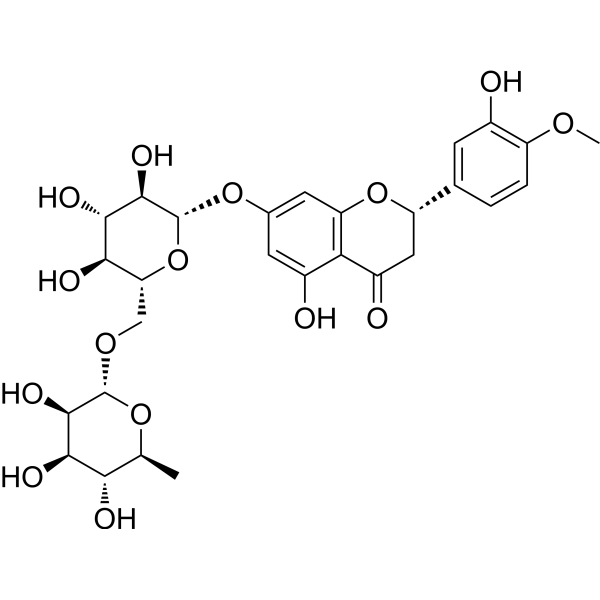
HesperidinAntioxidant -
HY-N0162
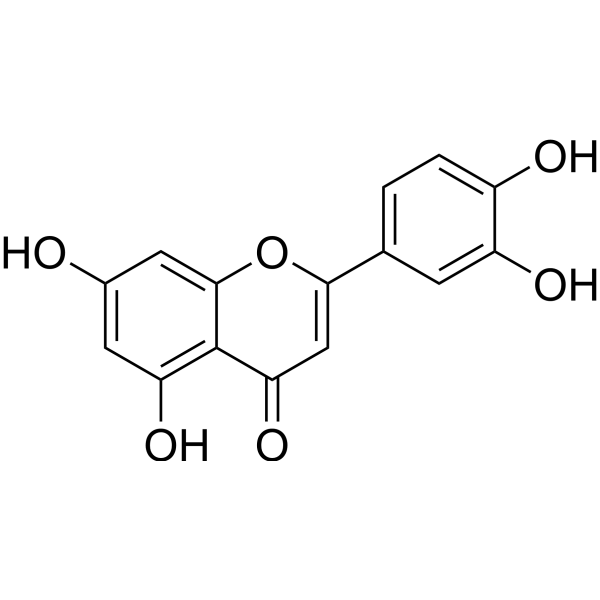
LuteolinNrf2 Inhibitor -
HY-N0101
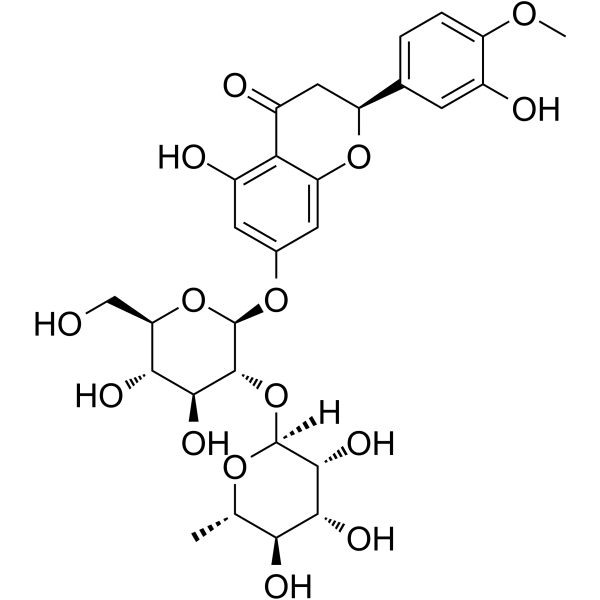
NeohesperidinWnt/β-Catenin Activator -
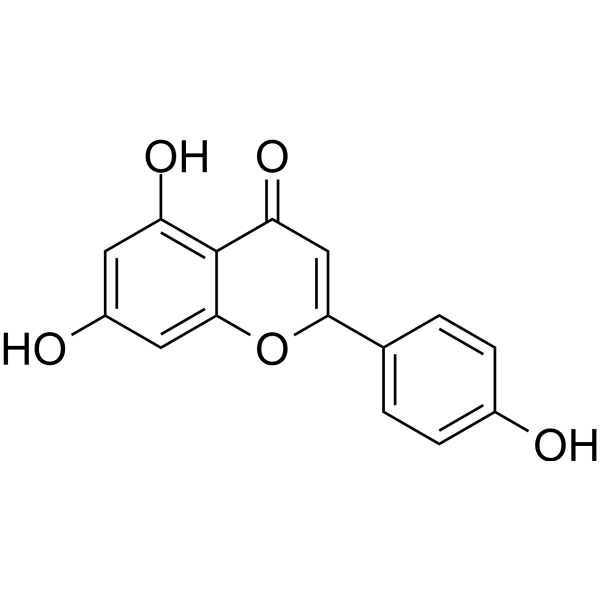
HY-N1201
ApigeninCytochrome P450 Inhibitor -
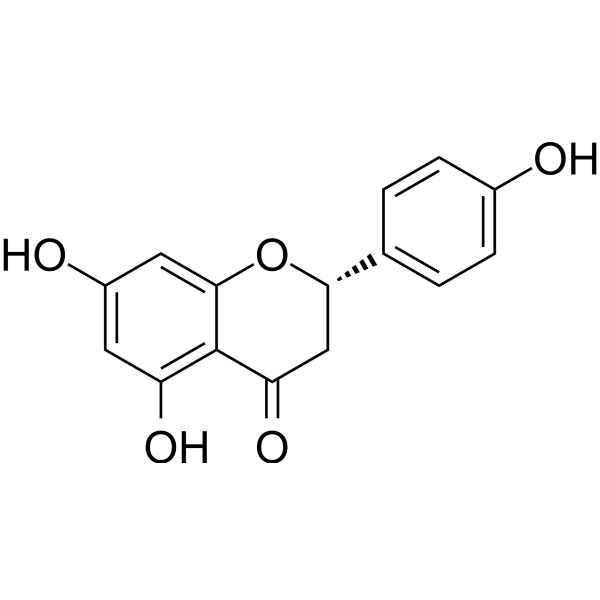
HY-N0100
NaringeninFlavonoid -
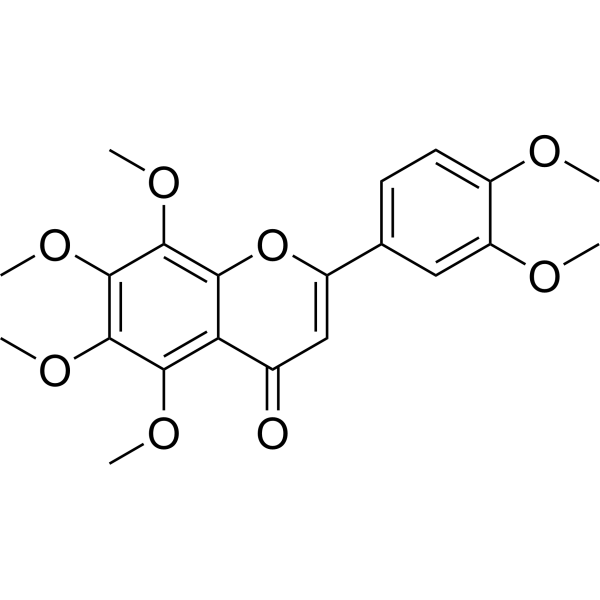
HY-N0155
NobiletinROR Agonist -
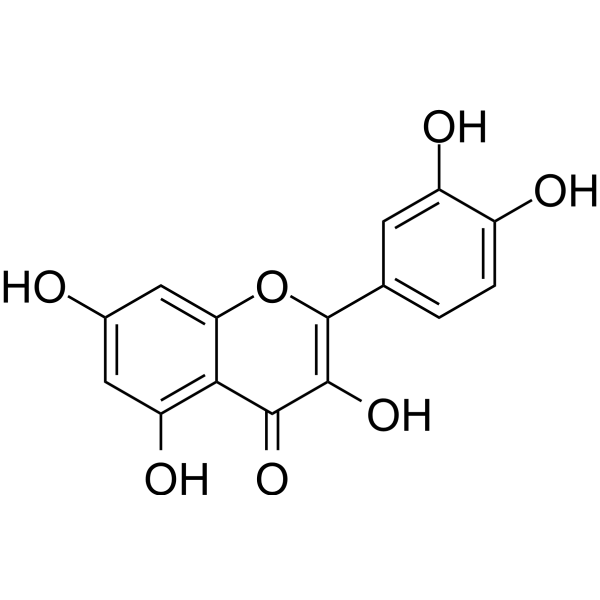
HY-18085
QuercetinFlavonoid Antioxidant -
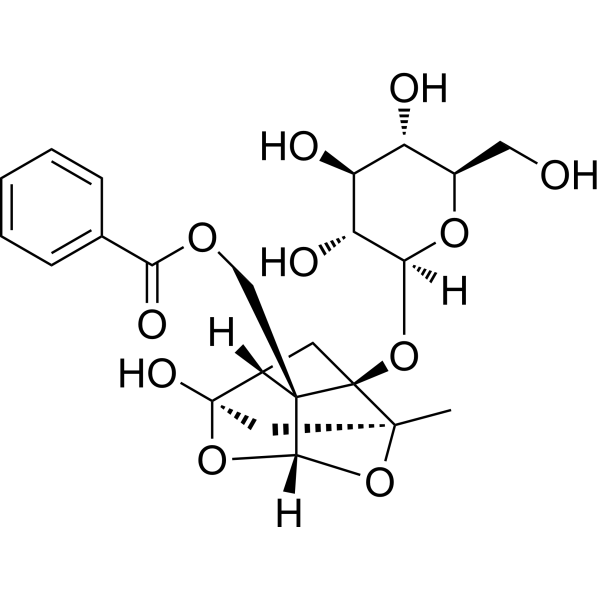
HY-N0293
PaeoniflorinHSP Activator -
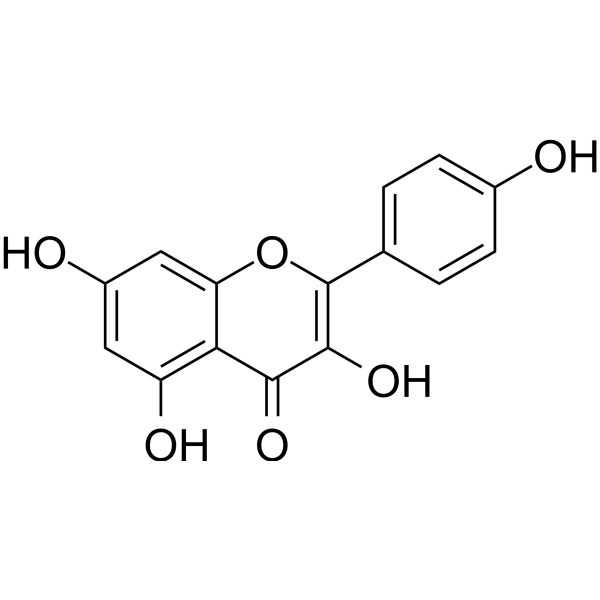
HY-14590
KaempferolEstrogen Receptor α Inhibitor -
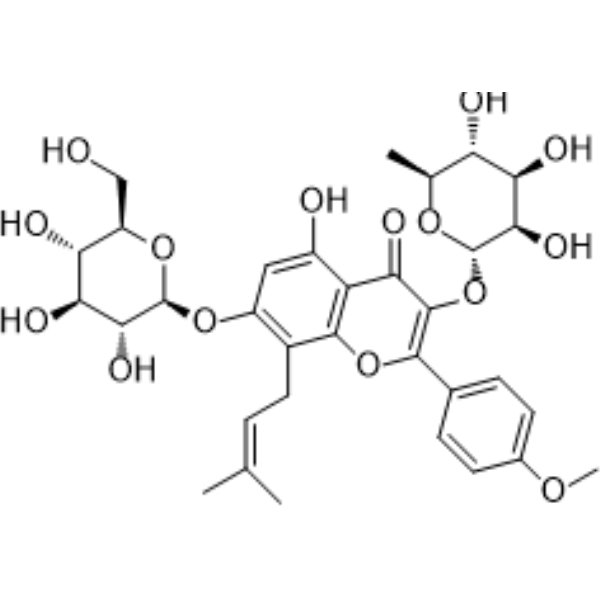
HY-N0014
IcariinPPAR Activator -
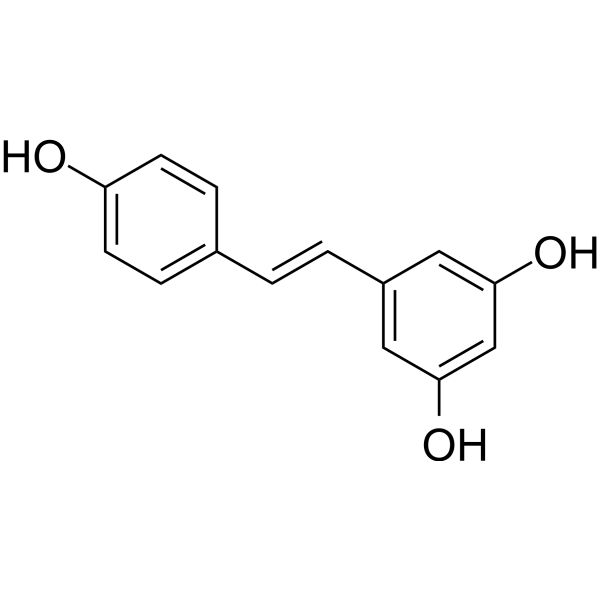
HY-16561
ResveratrolPolyphenolic Phytoalexin -
HY-N0005
Curcuminp300 Histone Acetylatransferase Inhibitor
Publications Citing Use of MedChemExpress (MCE) Naringin
More- Chem Eng J. 2025 Jul 1.
- Phytomedicine. 2026 Jul 25:157:158317. [Abstract]
- Phytomedicine. 2026 Jan:150:157682. [Abstract]
- Mater Today Bio. 2025 Nov 17:35:102563. [Abstract]
- J Orthop Translat. 2025 Oct 1:55:323-338. [Abstract]
- J Transl Med. 2026 Jul 14.
- Br J Pharmacol. 2024 Oct;181(19):3663-3684. [Abstract]
- J Ethnopharmacol. 2026 Mar 1:358:120957. [Abstract]
- Biochem Pharmacol. 2026 Sep;251(Pt 1):118009. [Abstract]
- J Zhejiang Univ Sci B. 2023 Mar 15;24(3):221-231. [Abstract]
- Bone Joint Res. 2026 May 22;15(5):549-565. [Abstract]
- Front Pharmacol. 2021 Jul 15:12:696135. [Abstract]
- Front Aging Neurosci. 2026 Apr 28:18:1801263.
- Mol Med Rep. 2024 Feb;29(2):26. [Abstract]
- Mol Med Rep. 2021 Nov;24(5):772. [Abstract]
- Sci Rep. 2025 Apr 12;15(1):12651. [Abstract]
- Plants. 2024 Dec 4;13(23):3401. [Abstract]
- Prog Neuropsychopharmacol Biol Psychiatry. 2026 Aug 30:149:111868.
- Fish Shellfish Immunol. 2025 Nov:166:110633. [Abstract]
- Mol Biol Rep. 2025 Oct 9;52(1):1000. [Abstract]
- Mol Biol Rep. 2023 Aug;50(8):6457-6468. [Abstract]
- J Mol Neurosci. 2021 Jan;71(1):101-111. [Abstract]
- Braz J Med Biol Res. 2022 Oct 17;55:e12040. [Abstract]
- Lett Drug Des Discov. 2025 Dec 13.
- Res Sq. 2025 Apr 21.
- SSRN. 2024 Jan 26.
- Evid Based Complement Alternat Med. 2023 Feb 21:2023:2919811. [Abstract]
- Environ Toxicol. 2022 Jun;37(6):1332-1342. [Abstract]
- Authorea. October 20, 2021.
- Universitat Politècnica de València. 2020 Sep 7.
 Customer Validation & Images

-
Bio/Physico-chemical Assay
-
In Vivo Efficacy Study
-
In Vivo Efficacy Study
-
In Vivo Efficacy Study
-
Histological Imaging/Staining

Voir tous les produits spécifiques à Isoform Endogenous Metabolite
More

Activité biologique
Description
Cellular Effect
|
Cell Line

|
Type | Value | Description | References |
|---|---|---|---|---|
| Monocyte | IC50 |
>200 μM
Compound: Naringin
|
Inhibition of TNFalpha expression in LPS-stimulated human monocytes treated 30 mins before LPS challenge measured after 14 hrs by ELISA
Inhibition of TNFalpha expression in LPS-stimulated human monocytes treated 30 mins before LPS challenge measured after 14 hrs by ELISA
|
[PMID: 10096854] |
| Oocyte | EC50 |
>100 μM
Compound: Naringin
|
Activation of recombinant human GIRK1/2 expressed in Xenopus oocytes by two-electrode voltage clamp method
Activation of recombinant human GIRK1/2 expressed in Xenopus oocytes by two-electrode voltage clamp method
|
[PMID: 23916258] |
| Oocyte | EC50 |
>100 μM
Compound: Naringin
|
Activation of recombinant human GIRK1/4 expressed in Xenopus oocytes by two-electrode voltage clamp method
Activation of recombinant human GIRK1/4 expressed in Xenopus oocytes by two-electrode voltage clamp method
|
[PMID: 23916258] |
In Vitro
Naringin suppresses NF-κ B signaling pathway activation. Naringenin inhibits high glucose-induced proliferation, inflammatory reaction and oxidative stress injury in HBZY-1 cells[1]. Naringin inhibits AGS cancer cell proliferation in a dose- and time-dependent manner. Phosphorylation of PI3K and its activated downstream targets p-Akt and p-mTOR are significantly decreased at 2 mM in Naringin-treated AGS cells. Naringin induces autophagic cell death in AGS cells. Naringin activated the autophagy related protein in AGS cells[2]. Naringin protects PC12 cells from 3-NP neurotoxicity. The lactate dehydrogenase release is decreased upon naringin treatment in 3-NP-induced PC12 cells. Naringin treatment enhances the antioxidant defense by increasing the activities of enzymatic antioxidants and the level of reduced glutathione[3].
Naringin (10, 20 μM, 24 h) inhibits the expression of Zeb1, proliferation and migration in osteosarcoma cells and induces apoptosis[5].
MedChemExpress (MCE) has not independently confirmed the accuracy of these methods. They are for reference only.
In Vivo
Naringin (5,10 mg/kg, iv, daily for 16 d) inhibits the invasion of MG63 cells in nude BALB/c mice[5].
MedChemExpress (MCE) has not independently confirmed the accuracy of these methods. They are for reference only.
Essai clinique
| NCT Number | Sponsor | Condition | Start Date |
Phase
|
|---|---|---|---|---|
| NCT01329991 | Plexxikon| | 2011-05 | PHASE1 |


Chemical Information
-
CAS No. 10236-47-2
-
Appearance Solid
-
Masse moléculaire 580.53
-
Formule C27H32O14
-
Color White to light yellow
-
SMILES
O=C1C[C@@H](C2=CC=C(O)C=C2)OC3=CC(O[C@H]4[C@@H]([C@H]([C@@H]([C@@H](CO)O4)O)O)O[C@@]5([H])[C@@H]([C@@H]([C@H]([C@H](C)O5)O)O)O)=CC(O)=C13
-
Synonyms
Naringoside
-
Structure Classification
-
Livraison
Room temperature in continental US; may vary elsewhere.
-
Stockage
Powder -20°C 3 years 4°C 2 years In solvent -80°C 1 year -20°C 6 months


Publications (30)
-
Journal Impact Factor
-
Most Recent
-
-
Phytomedicine
Modified Fuzheng Yiliu Decoction chemosensitizes colorectal cancer by inhibiting cancer stem cell metabolism and stemness through CAV1/ZNF460/GRP78 signaling. [Abstract]2026 Jul 25:157:158317. PMID: 42177885 -
Phytomedicine
Inhibiting VEGFC - mediated hepatocyte - macrophage regulatory axis contributes to protective effects of naringin against high - fat diet - induced hepatic fibrosis. [Abstract]2026 Jan:150:157682. PMID: 41447848 -
Mater Today Bio
A nano-immuno-cruise delivery system encapsulated lipid-integrated bilayer ameliorate acute lung injury by interfering neutrophil infiltration. [Abstract]2025 Nov 17:35:102563. PMID: 41377585
Naringin purchased from MedChemExpress. Usage Cited in: Mater Today Bio. 2025 Nov 17:35:102563. [Abstract]
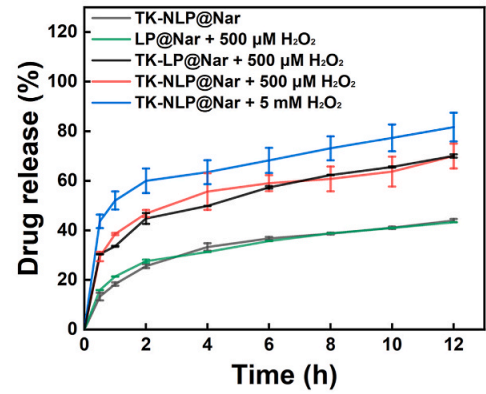
The release curves of LP@Naringin, TK-LP@Naringin, and TK-NLP@Naringin with varying concentrations of H2O2.
Naringin purchased from MedChemExpress. Usage Cited in: Mater Today Bio. 2025 Nov 17:35:102563. [Abstract]
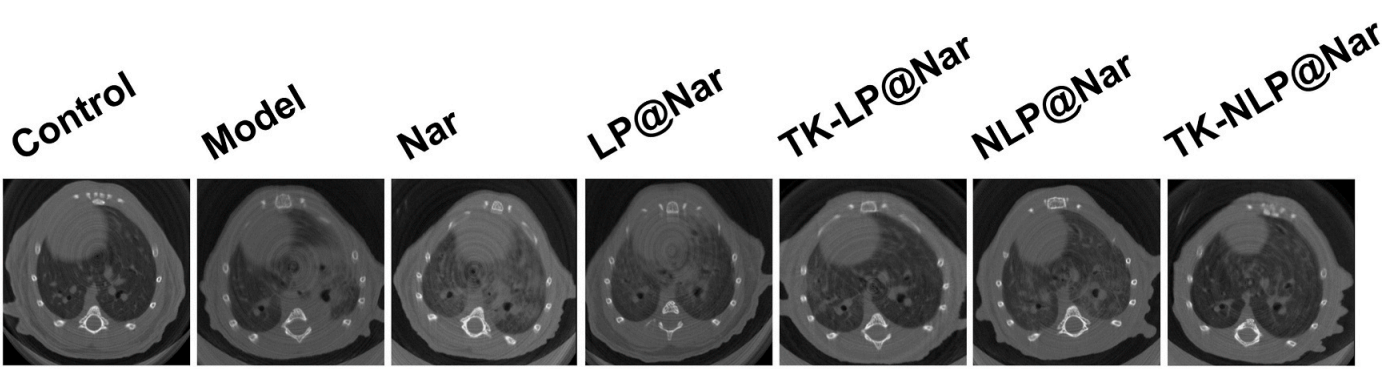
Miniature CT images show the therapeutic effect of TK-NLP@Naringin on LPS-induced ALI mice.
-
J Orthop Translat
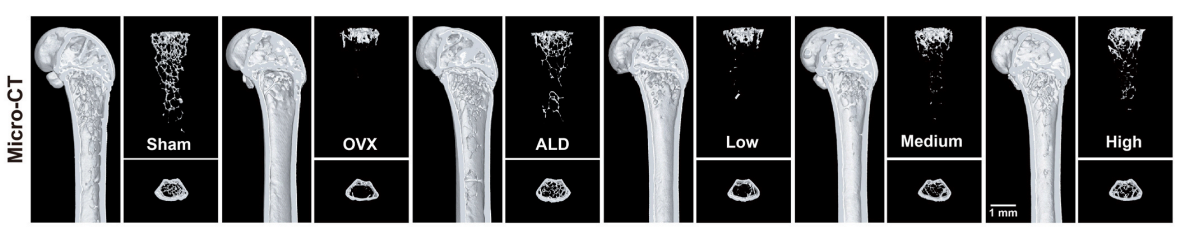
Naringin inhibits the osteoblast-osteoclast pyroptosis cascade reaction mediated by accumulated bone marrow adipose tissue in the treatment of postmenopausal osteoporosis. [Abstract]2025 Oct 1:55:323-338. PMID: 41104349
Naringin purchased from MedChemExpress. Usage Cited in: J Orthop Translat. 2025 Oct 1:55:323-338. [Abstract]
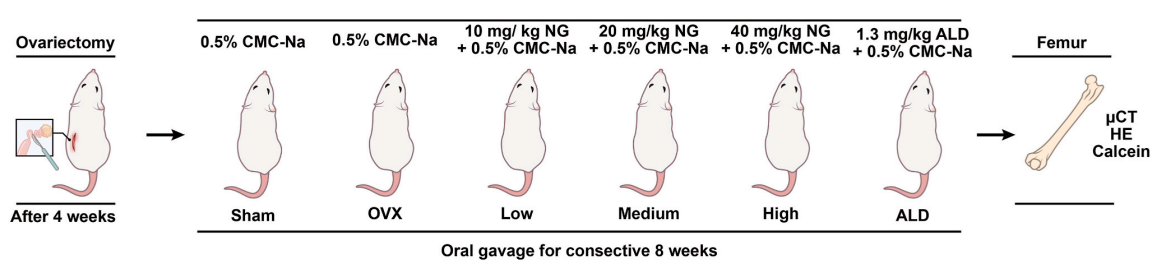
As shown, a mice PMOP model was established by OVX, and the mice were treated with the established clinical therapy ALD or different concentrations of Naringin (10-40 mg/kg) by gavage for eight weeks to observe the changes in their bone phenotypes.
Naringin purchased from MedChemExpress. Usage Cited in: J Orthop Translat. 2025 Oct 1:55:323-338. [Abstract]
As shown, a mice PMOP model was established by OVX, and the mice were treated with the established clinical therapy ALD or different concentrations of Naringin (10-40 mg/kg) by gavage for eight weeks to observe the changes in their bone phenotypes. Representative μCT-reconstructed images of trabecular bone at the distal femur.
Naringin purchased from MedChemExpress. Usage Cited in: J Orthop Translat. 2025 Oct 1:55:323-338. [Abstract]
As shown, a mice PMOP model was established by OVX, and the mice were treated with the established clinical therapy ALD or different concentrations of Naringin (10-40 mg/kg) by gavage for eight weeks to observe the changes in their bone phenotypes. Representative images of HE staining.
-
-
Br J Pharmacol
Silibinin, a commonly used therapeutic agent for non-alcohol fatty liver disease, functions through upregulating intestinal expression of fibroblast growth factor 15/19. [Abstract]2024 Oct;181(19):3663-3684. PMID: 38839561 -
J Ethnopharmacol
Duhuo Jisheng decoction alleviates intervertebral disc degeneration by inhibiting nucleus pulposus cell pyroptosis via gallic acid-mediated downregulation of HIF-1α. [Abstract]2026 Mar 1:358:120957. PMID: 41317810 -
Biochem Pharmacol
Naringin affects VEGFC/TGF-β1 to mediate intercellular communication in MASH through coordinated Src and p38 MAPK pathways. [Abstract]2026 Sep;251(Pt 1):118009. PMID: 42044813 -
J Zhejiang Univ Sci B
2023 Mar 15;24(3):221-231. PMID: 36915998 -
Bone Joint Res
Naringin targets TGF-β1-mediated angiogenesis to enhance the osteogenic effect of induced membrane. [Abstract]2026 May 22;15(5):549-565. PMID: 42172046 -
Front Pharmacol
Naringin Ameliorates Monocrotaline-Induced Pulmonary Arterial Hypertension Through Endothelial-To-Mesenchymal Transition Inhibition. [Abstract]2021 Jul 15:12:696135. PMID: 34335261 -
-
Mol Med Rep
Tea seed saponin‑reduced extract ameliorates palmitic acid‑induced insulin resistance in HepG2 cells. [Abstract]2024 Feb;29(2):26. PMID: 38099345 -
Mol Med Rep
Naringin induces apoptosis of gastric carcinoma cells via blocking the PI3K/AKT pathway and activating pro‑death autophagy. [Abstract]2021 Nov;24(5):772. PMID: 34490484 -
Sci Rep
Naringin promotes osteoblast differentiation and ameliorates osteoporosis in ovariectomized mice. [Abstract]2025 Apr 12;15(1):12651. PMID: 40221578 -
Plants
Determination of Flavonoid Glycoside Isomers Using Vision Transformer and Tandem Mass Spectrometry. [Abstract]2024 Dec 4;13(23):3401. PMID: 39683194 -
-
Fish Shellfish Immunol
Emodin enhances host antiviral immunity against Micropterus salmoides rhabdovirus by activating RLR signaling in largemouth bass. [Abstract]2025 Nov:166:110633. PMID: 40769268 -
Mol Biol Rep
Naringin mitigates liver damage in a tissue-engineered liver of metabolic dysfunction-associated steatotic liver disease model by promoting autophagy via the mTOR-ULK1 pathway. [Abstract]2025 Oct 9;52(1):1000. PMID: 41066001 -
Mol Biol Rep
Mechanisms of autophagy and endoplasmic reticulum stress in the reversal of platinum resistance of epithelial ovarian cancer cells by naringin. [Abstract]2023 Aug;50(8):6457-6468. PMID: 37326754 -
J Mol Neurosci
Naringin Targets NFKB1 to Alleviate Oxygen-Glucose Deprivation/Reoxygenation-Induced Injury in PC12 Cells Via Modulating HIF-1α/AKT/mTOR-Signaling Pathway. [Abstract]2021 Jan;71(1):101-111. PMID: 32557145 -
Braz J Med Biol Res
Naringin regulates mitochondrial dynamics to protect against acetaminophen-induced hepatotoxicity by activating the AMPK/Nrf2 signaling pathway in vitro. [Abstract]2022 Oct 17;55:e12040. PMID: 36259797 -
-
-
-
Evid Based Complement Alternat Med
Naringin Prevents Cognitive Dysfunction in Aging Rats by Inhibiting Toll-Like Receptor 4 (TLR4)/NF- κ B Pathway and Endoplasmic Reticulum Stress. [Abstract]2023 Feb 21:2023:2919811. PMID: 36865741 -
Environ Toxicol
Naringin alleviates acetaminophen-induced acute liver injury by activating Nrf2 via CHAC2 upregulation. [Abstract]2022 Jun;37(6):1332-1342. PMID: 35179299 -
-


Solvant et solubilité
In Vitro:
DMSO : 125 mg/mL (215.32 mM; Need ultrasonic; Hygroscopic DMSO has a significant impact on the solubility of product, please use newly opened DMSO)
Please refer to the solubility information to select the appropriate solvent. Once prepared, please aliquot and store the solution to prevent product inactivation from repeated freeze-thaw cycles.
Storage method and period of stock solution: -80°C, 1 year; -20°C, 6 months. When stored at -80°C, please use it within 1 year. When stored at -20°C, please use it within 6 months.
Please refer to the solubility information to select the appropriate solvent. Once prepared, please aliquot and store the solution to prevent product inactivation from repeated freeze-thaw cycles.
Storage method and period of stock solution: -80°C, 1 year; -20°C, 6 months. When stored at -80°C, please use it within 1 year. When stored at -20°C, please use it within 6 months.
Concentration (start) × Volume (start) = Concentration (final) × Volume (final)
In Vivo:
Select the appropriate dissolution method based on your experimental animal and administration route.
- For the following dissolution methods, please ensure to first prepare a clear stock solution using an In Vitro approach and then sequentially add co-solvents:
- To ensure reliable experimental results, the clarified stock solution can be appropriately stored based on storage conditions. As for the working solution for In Vivo experiments, it is recommended to prepare freshly and use it on the same day.
- The percentages shown for the solvents indicate their volumetric ratio in the final prepared solution. If precipitation or phase separation occurs during preparation, heat and/or sonication can be used to aid dissolution.
Add each solvent one by one: 10% DMSO 40% PEG300 5% Tween-80 45% Saline
Solubility: 2.08 mg/mL (3.58 mM); Suspended solution; Need ultrasonic
This protocol yields a suspended solution of 2.08 mg/mL. Suspended solution can be used for oral and intraperitoneal injection.
Taking 1 mL working solution as an example, add 100 μL DMSO stock solution (20.8 mg/mL) to 400 μL PEG300, and mix evenly; then add 50 μL Tween-80 and mix evenly; then add 450 μL Saline to adjust the volume to 1 mL.
Preparation of Saline: Dissolve 0.9 g sodium chloride in ddH₂O and dilute to 100 mL to obtain a clear Saline solution.
Add each solvent one by one: 10% DMSO 90% (20% SBE-β-CD in Saline)
Solubility: ≥ 2.08 mg/mL (3.58 mM); Clear solution
This protocol yields a clear solution of ≥ 2.08 mg/mL (saturation unknown).
Taking 1 mL working solution as an example, add 100 μL DMSO stock solution (20.8 mg/mL) to 900 μL 20% SBE-β-CD in Saline, and mix evenly.
Preparation of 20% SBE-β-CD in Saline (4°C, storage for one week): 2 g SBE-β-CD powder is dissolved in 10 mL Saline, completely dissolve until clear.
For the following dissolution methods, please prepare the working solution directly:
It is recommended to prepare fresh solutions and use them promptly within a short period of time.
The percentages shown for the solvents indicate their volumetric ratio in the final prepared solution. If precipitation or phase separation occurs during preparation, heat and/or sonication can be used to aid dissolution.
Add each solvent one by one: 50% PEG300 50% Saline
Solubility: 40 mg/mL (68.90 mM); Clear solution; Need ultrasonic and warming and heat to 60°C
In Vivo Dissolution Calculator
Please enter the basic information of animal experiments:
-
-
-
-
Recommended: Prepare an additional quantity of animals to account for potential losses during experiments.
Please enter your animal formula composition:
-
%DMSO +
Recommended: Keep the proportion of DMSO in working solution below 2% if your animal is weak.
-
%+
-
+%Tween-80 + +
-
%Saline +
The co-solvents required include: DMSO, . All of co-solvents are available by MedChemExpress (MCE). , Tween 80. All of co-solvents are available by MedChemExpress (MCE).
Working solution concentration: 0.22 mg/mL
Method for preparing stock solution: mg drug dissolved in μL DMSO. Stock solution concentration: mg/mL.
1. Take μL DMSO stock solution;
2. Add μL .
μL , mix evenly;
3. Then add μL Tween 80, mix evenly;
4. Then add μL
Please ensure that the stock solution in the first step is dissolved to a clear state, and add co-solvents in sequence. You can use ultrasonic heating (ultrasonic cleaner, recommended frequency 20-40 kHz), vortexing, etc. to assist dissolution.


Pureté et documentation
-
Fiche technique (282 KB)
-
SDS (393 KB)
- English - EN (393 KB)
- Français - FR (393 KB)
- Deutsch - DE (393 KB)
- Norwegian - NO (393 KB)
- Español - ES (393 KB)
- Swedish - SV (393 KB)
- Italian - IT (393 KB)
- Korean - KR (393 KB)
- Portuguese - PT (393 KB)
-
Instruction de manipulation (2659 KB)
Références
[1]. Chen F, et al. Naringin Alleviates Diabetic Kidney Disease through Inhibiting Oxidative Stress and Inflammatory Reaction. PLoS One. 2015 Nov 30;10(11):e0143868. [Content Brief]
[2]. Raha S, et al. Naringin induces autophagy-mediated growth inhibition by downregulating the PI3K/Akt/mTOR cascade via activation of MAPK pathways in AGS cancer cells. Int J Oncol. 2015 Sep;47(3):1061-9. [Content Brief]
[3]. Kulasekaran G, et al. Neuroprotective efficacy of naringin on 3-nitropropionic acid-induced mitochondrial dysfunction through the modulation of Nrf2 signaling pathway in PC12 cells. Mol Cell Biochem. 2015 Nov;409(1-2):199-211. [Content Brief]
[4]. Wang D, et al. Naringin Improves Neuronal Insulin Signaling, Brain Mitochondrial Function, and Cognitive Function in High-Fat Diet-Induced Obese Mice. Cell Mol Neurobiol. 2015 Oct;35(7):1061-71. [Content Brief]
[5]. Ming H, et al. Naringin targets Zeb1 to suppress osteosarcoma cell proliferation and metastasis. Aging (Albany NY). 2018 Dec 22;10(12):4141-4151. [Content Brief]


Complete Stock Solution Preparation Table
Please refer to the solubility information to select the appropriate solvent. Once prepared, please aliquot and store the solution to prevent product inactivation from repeated freeze-thaw cycles.
Storage method and period of stock solution: -80°C, 1 year; -20°C, 6 months. When stored at -80°C, please use it within 1 year. When stored at -20°C, please use it within 6 months.
| Optional Solvent | Concentration Solvent Mass | 1 mg | 5 mg | 10 mg | 25 mg |
|---|---|---|---|---|---|
| DMSO | 1 mM | 1.7226 mL | 8.6128 mL | 17.2256 mL | 43.0641 mL |
| 5 mM | 0.3445 mL | 1.7226 mL | 3.4451 mL | 8.6128 mL | |
| 10 mM | 0.1723 mL | 0.8613 mL | 1.7226 mL | 4.3064 mL | |
| 15 mM | 0.1148 mL | 0.5742 mL | 1.1484 mL | 2.8709 mL | |
| 20 mM | 0.0861 mL | 0.4306 mL | 0.8613 mL | 2.1532 mL | |
| 25 mM | 0.0689 mL | 0.3445 mL | 0.6890 mL | 1.7226 mL | |
| 30 mM | 0.0574 mL | 0.2871 mL | 0.5742 mL | 1.4355 mL | |
| 40 mM | 0.0431 mL | 0.2153 mL | 0.4306 mL | 1.0766 mL | |
| 50 mM | 0.0345 mL | 0.1723 mL | 0.3445 mL | 0.8613 mL | |
| 60 mM | 0.0287 mL | 0.1435 mL | 0.2871 mL | 0.7177 mL | |
| 80 mM | 0.0215 mL | 0.1077 mL | 0.2153 mL | 0.5383 mL | |
| 100 mM | 0.0172 mL | 0.0861 mL | 0.1723 mL | 0.4306 mL |


Naringin Related Classifications
HY-N0153 Related Classifications
 Powered by Bioz