Search Result
Results for "
blood-brain barrier penetration
" in MedChemExpress (MCE) Product Catalog:
1
Biochemical Assay Reagents
3
Isotope-Labeled Compounds
| Cat. No. |
Product Name |
Target |
Research Areas |
Chemical Structure |
-
- HY-13318
-
|
GS 4071; Ro 64-0802; Oseltamivir carboxylate
|
Influenza Virus
Drug Metabolite
|
Infection
Neurological Disease
|
|
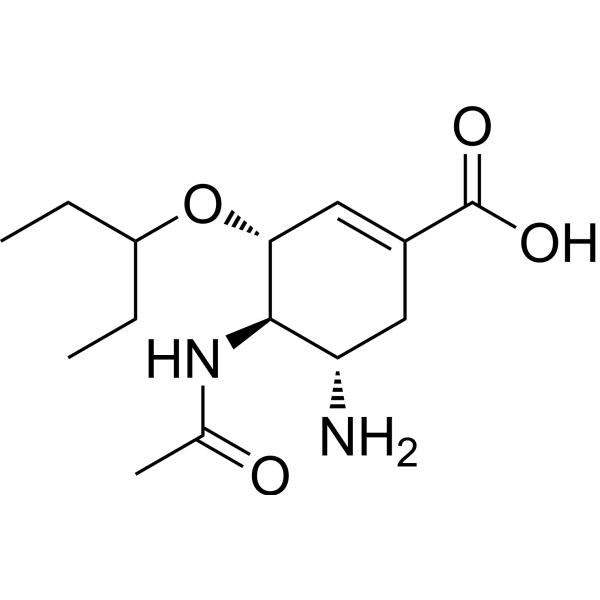
Oseltamivir acid (GS 4071), the active metabolite of Oseltamivir phosphate, is an orally bioavailable, potent and selective inhibitor of influenza virus neuraminidase (IC50=2 nM) with activity against both influenza A and B viruses. Oseltamivir acid has an extremely weak ability to penetrate the BBB under normal physiological conditions, but its blood-brain barrier penetration is significantly enhanced under inflammatory conditions .
|
-
-
- HY-100788
-
2-PMPA
5 Publications Verification
2-(Phosphonomethyl)pentanedioic acid
|
Carboxypeptidase
|
Neurological Disease
|
|
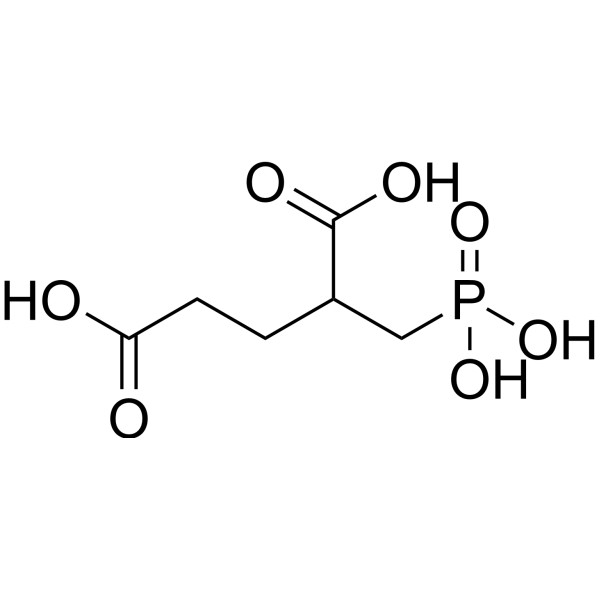
2-PMPA (2-(Phosphonomethyl)pentanedioic acid) is a glutamate carboxypeptidase II (GCPII) inhibitor with an IC50 of 0.0003 μM. 2-PMPA shows low blood-brain barrier penetration. 2-PMPA sodium blocks the hydrolysis of NAAG, regulates glutamate levels in the brain and neurovascular coupling. 2-PMPA is applicable to the research of neurological diseases .
|
-
-
- HY-101855
-
|
Anle138b
|
Amyloid-β
|
Neurological Disease
|
|
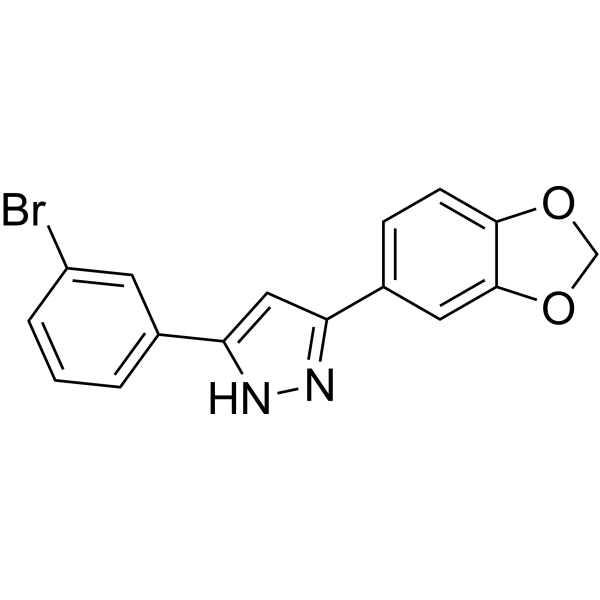
Emrusolmin (Anle138b), an oligomeric aggregation inhibitor, blocks the formation of pathological aggregates of prion protein (PrPSc) and of α-synuclein (α-syn). Emrusolmin strongly inhibits oligomer accumulation, neuronal degeneration, and disease progression in vivo. Emrusolmin has low toxicity and an excellent oral bioavailability and blood-brain-barrier penetration. Emrusolmin blocks Aβ channels and rescues disease phenotypes in a mouse model for amyloid pathology .
|
-
-
- HY-115340
-
|
Sodium decanoate; Sodium caprate
|
Biochemical Assay Reagents
|
Others
|
|
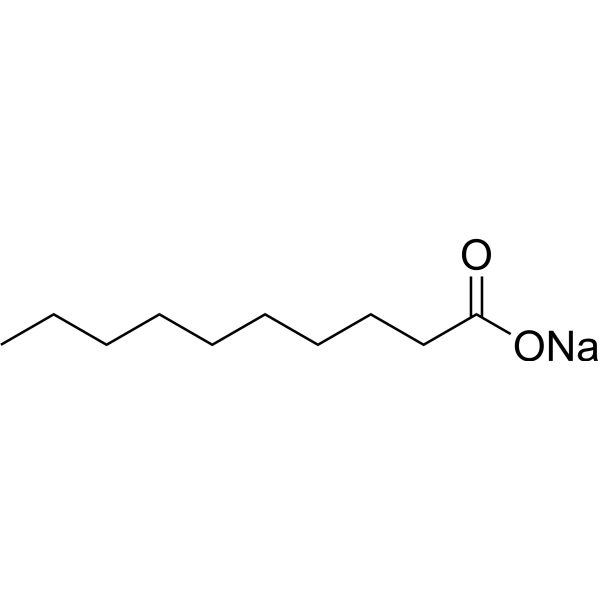
Decanoic acid sodium, also known as Decanoic acid sodium, is a salt of the fatty acid capric acid. It is easily soluble in water and has a slightly soapy smell. Decanoic acid sodium acts as a penetration enhancer, which means it increases the absorption and bioavailability of drugs across biological membranes, including the intestinal epithelium and the blood-brain barrier. This property makes it useful in pharmaceutical formulations to improve drug delivery and effectiveness. Furthermore, Decanoic acid sodium has potential applications in food preservatives and cosmetics due to its antibacterial properties.
|
-
-
- HY-P9967
-
|
BIIB037
|
Amyloid-β
|
Neurological Disease
|
|
Aducanumab (BIIB037) is a human monoclonal antibody that selectively targets aggregated amyloid-beta (Aβ). Aducanumab shows blood-brain-barrier penetration, and can be used for Alzheimer's disease (AD) research .
|
-

-
- HY-12599
-
-
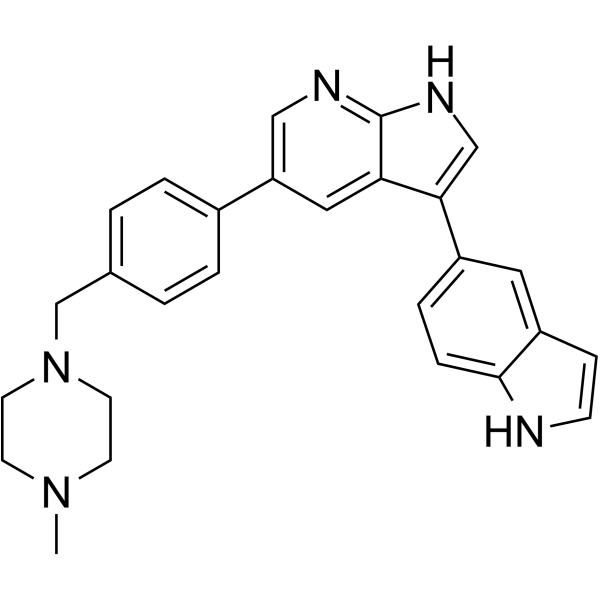
-
- HY-108463
-
-
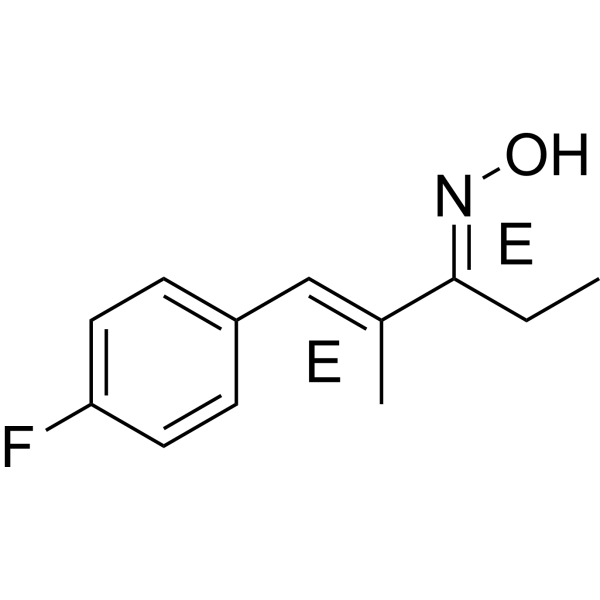
-
- HY-N2345
-
|
|
Histone Acetyltransferase
Toll-like Receptor (TLR)
Androgen Receptor
|
Inflammation/Immunology
Cancer
|
|
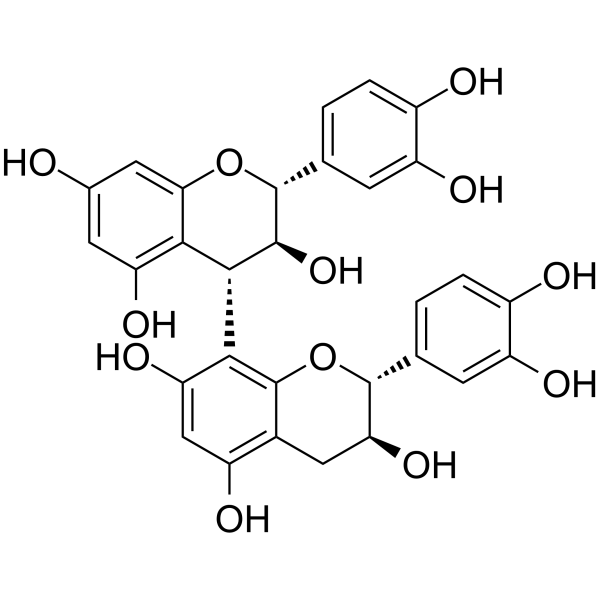
Procyanidin B3 is a natural product with antioxidant activity and oral bioavailability, possessing good blood-brain barrier penetration. Procyanidin B3 is a selective inhibitor of histone acetyltransferase (HAT). By inhibiting p300 HAT-mediated acetylation of the androgen receptor (androgen receptor). Procyanidin B3 alleviates intervertebral disc degeneration (IVDD) by inhibiting the formation of the TLR4/MD-2 complex. Procyanidin B3 can be used in research on prostate cancer and arthritis .
|
-
-
- HY-175715
-
|
|
Mitochondrial Metabolism
|
Neurological Disease
|
|
NRG1271 is an orally active mitochondrial permeability transition pore (mPTP) inhibitor with blood-brain barrier penetration. NRG1271 can be used for the study of Neurological Disease .
|
-

-
- HY-17037
-
|
LS 519; Pirenzepin dihydrochloride; Gastrozepin dihydrochloride
|
mAChR
|
Metabolic Disease
Cancer
|
|
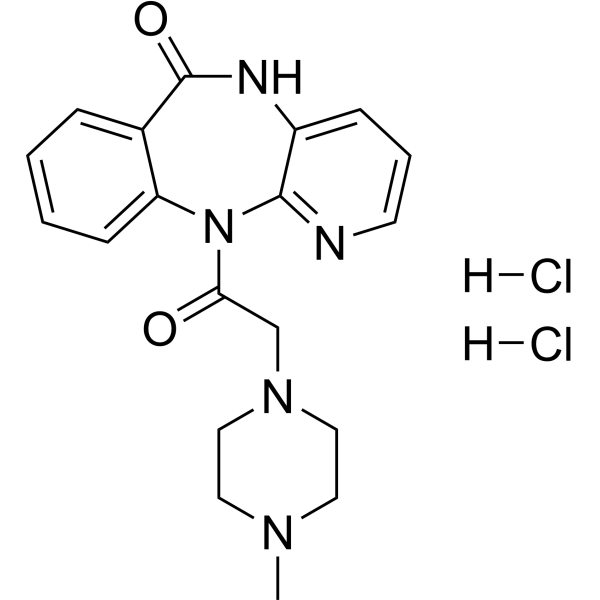
Pirenzepine (LS 519) dihydrochloride is a selective M1 mAChR (muscarinic acetylcholine receptor) antagonist, with poor penetration of the blood-brain barrier. Pirenzepine dihydrochloride reduces gastric acid secretion and reduces muscle spasm, can be used in peptic ulcers research. Pirenzepine dihydrochloride shows anti-proliferative activity to cancer cells .
|
-
-
- HY-108625
-
SHA 68
1 Publications Verification
|
Neuropeptide S Receptor
|
Neurological Disease
|
|
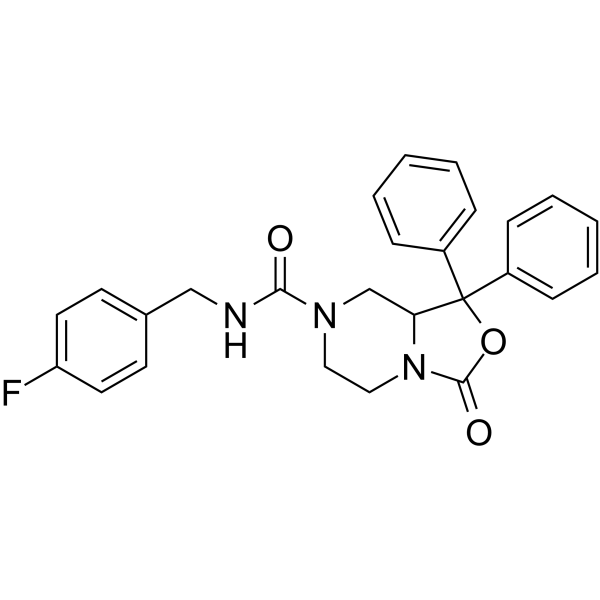
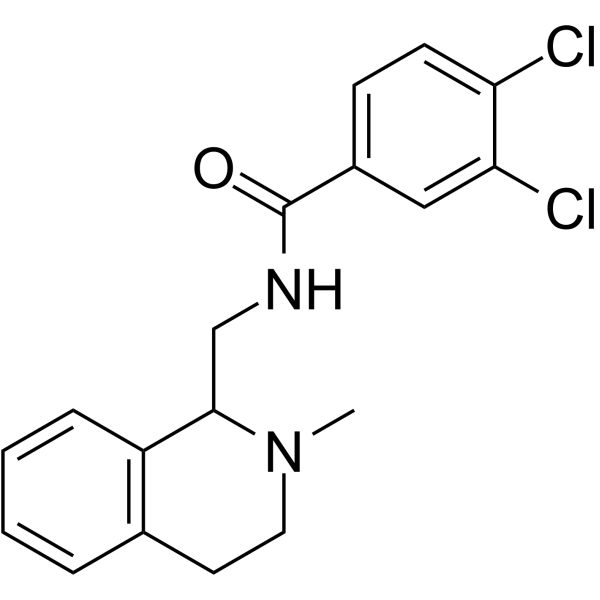
SHA 68 is a potent and selective non-peptide neuropeptide S receptor (NPSR) antagonist with IC50s of 22.0 and 23.8 nM for NPSR Asn 107 and NPSR Ile 107, respectively. SHA 68 has limited the blood-brain barrier (BBB) penetration and the activity in neuralgia .
|
-
-
- HY-17037A
-
|
LS 519 free base; Pirenzepin; Gastrozepin
|
mAChR
|
Metabolic Disease
Cancer
|
|
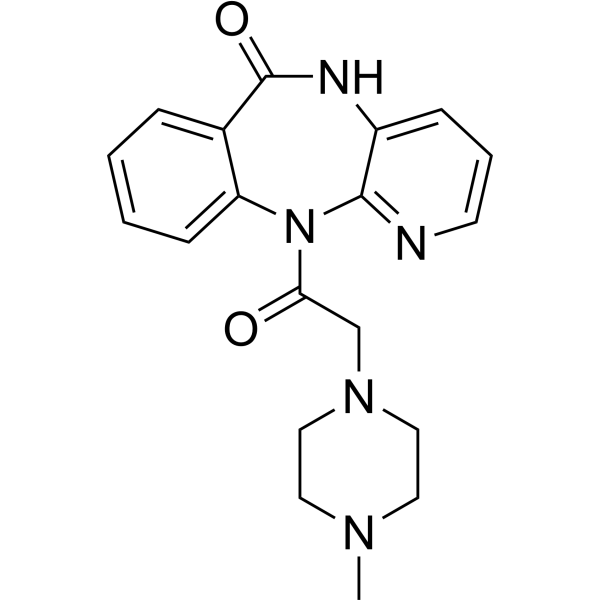
Pirenzepine (LS 519 free base) is a selective M1 mAChR (muscarinic acetylcholine receptor) antagonist, with poor penetration of the blood-brain barrier. Pirenzepine reduces gastric acid secretion and reduces muscle spasm, can be used in peptic ulcers research. Pirenzepine shows anti-proliferative activity to cancer cells .
|
-
-
- HY-100788C
-
|
2-(Phosphonomethyl)pentanedioic acid sodium
|
Carboxypeptidase
|
Neurological Disease
|
|
2-PMPA (2-(Phosphonomethyl)pentanedioic acid) sodium is a glutamate carboxypeptidase II (GCPII) inhibitor with an IC50 of 0.0003 μM. 2-PMPA sodium shows low blood-brain barrier penetration. 2-PMPA sodium blocks the hydrolysis of NAAG, regulates glutamate levels in the brain and neurovascular coupling. 2-PMPA sodium is applicable to the research of neurological diseases .
|
-

-
- HY-120619
-
|
|
Neuropeptide Y Receptor
|
Neurological Disease
Endocrinology
|
|
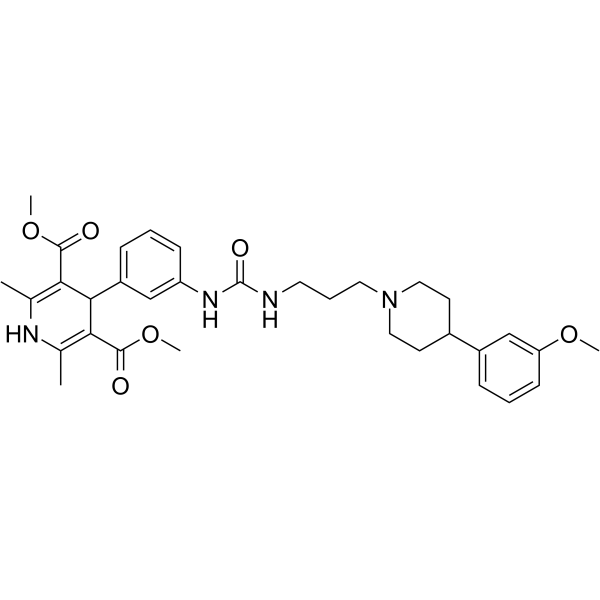
BMS-193885 is a selective neuropeptide Y1 receptor antagonist (Ki=3.3 nM) that competitively blocks the receptor to inhibit NPY-mediated appetite regulation signaling pathways, reduce food intake and inhibit weight gain. BMS-193885 has good blood-brain barrier penetration and is mainly used in the study of obesity and related metabolic diseases .
|
-
-
- HY-103504
-
|
|
GABA Receptor
|
Neurological Disease
|
|
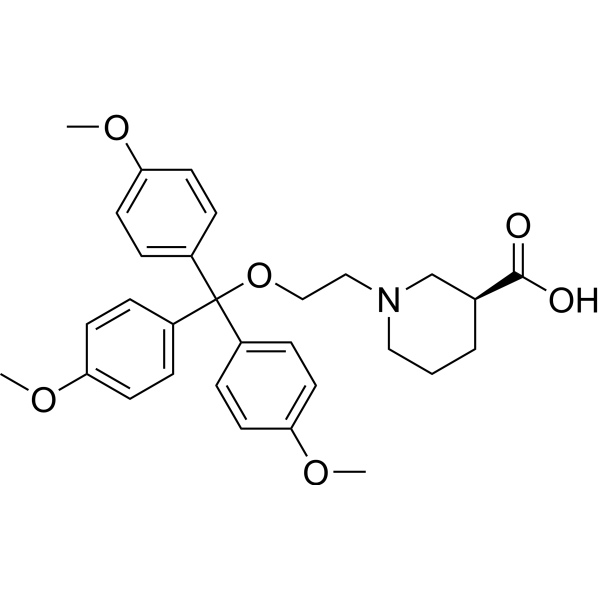
(S)-SNAP5114 is a non-covalent murine GABA transporter inhibitor with blood-brain barrier penetration ability, which exhibits significant subtype-selective inhibitory activity against mGAT4 (pIC50=5.71, pKi=4.56), much higher than its effects on mGAT1, mGAT2 and mGAT3. (S)-SNAP5114 elevates extracellular GABA concentrations by blocking the GABA reuptake mechanism, thereby enhancing thalamus-specific GABAergic signaling and exerting potential neuromodulatory effects. (S)-SNAP5114 is widely used in studies related to epilepsy, neuropathic pain, anxiety and depression, and various neurodegenerative diseases .
|
-
-
- HY-116578
-
|
EXP999; RP9965
|
Dopamine Receptor
|
Neurological Disease
|
|
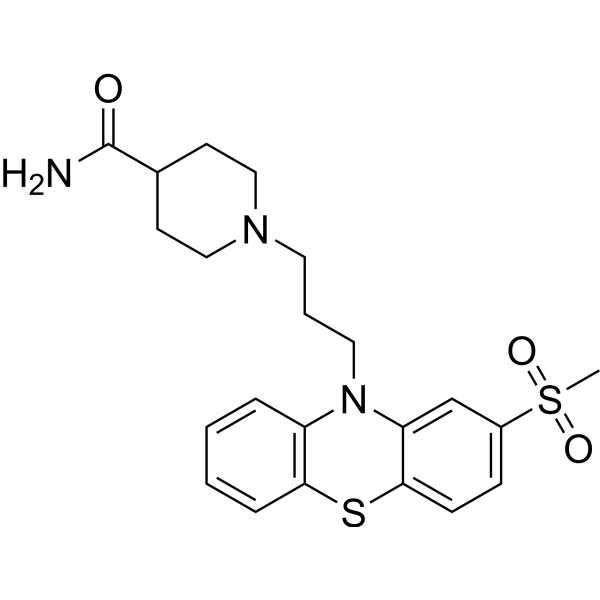
Metopimazine (EXP999; RP9965) is a phenothiazine, orally available, selective dopamine D2 receptor antagonist that does not penetrate the blood-brain barrier. Metopimazine blocks dopamine D2 receptors in the chemoreceptor trigger zone and the periphery, thereby inhibiting nausea and vomiting. Metopimazine is indicated for chemotherapy-induced nausea and vomiting, and has low central side effects due to its poor brain penetration. The use of metopimazine in acute gastroenteritis may have potential risks .
|
-
-
- HY-131943
-
|
|
Methylenetetrahydrofolate Dehydrogenase (MTHFD)
|
Neurological Disease
Cancer
|
|
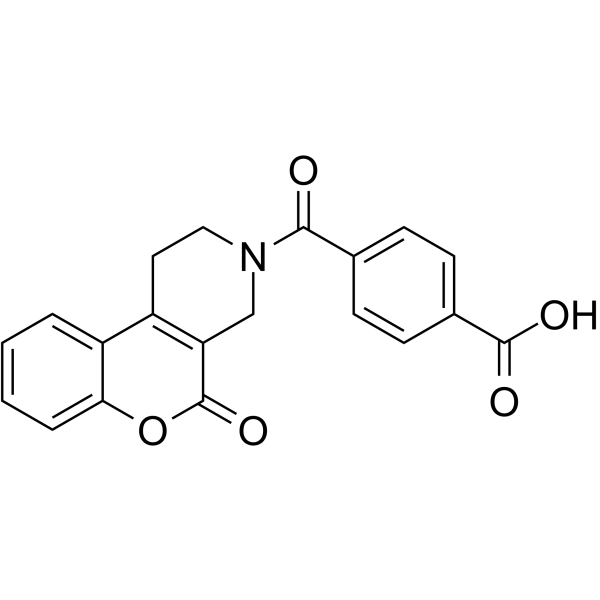
DS44960156 is a selective MTHFD2 inhibitor with moderate to low blood-brain barrier penetration (IC50=1.6 μM, Ki=1.23 μM). DS44960156 specifically binds to the active site of MTHFD2, disrupts redox homeostasis and blocks serine-mediated one-carbon metabolism, thereby increasing the NAD +/NADH ratio and ROS levels. DS44960156 not only effectively inhibits the proliferation of glioma cells, but also enhances the sensitivity of cells to glutamine starvation-induced death. DS44960156 binds to plasma proteins, shows no mutagenicity, carcinogenicity or acute oral toxicity, and serves as a research agent for glioblastoma multiforme and other cancers .
|
-
-
- HY-100238
-
-
-
- HY-13318S
-
|
GS 4071-d3; Ro 64-0802-d3; Oseltamivir carboxylate-d3
|
Isotope-Labeled Compounds
Influenza Virus
Drug Metabolite
|
Infection
|
|
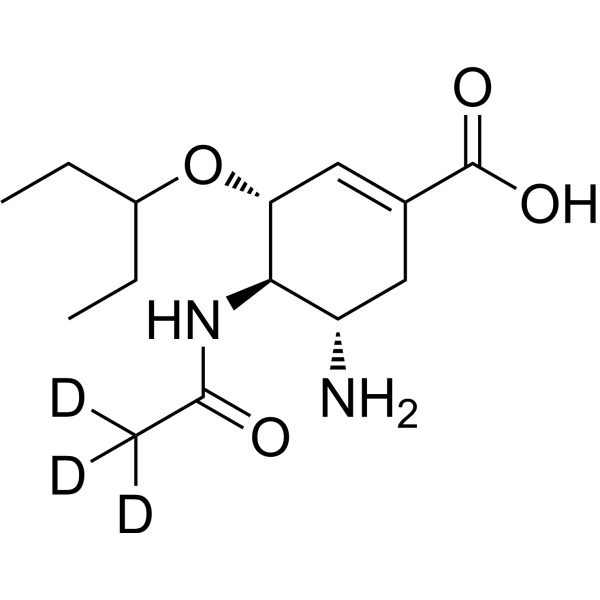
Oseltamivir acid-d3 is a deuterium labeled Oseltamivir acid (HY-13318). Oseltamivir acid, the active metabolite of Oseltamivir phosphate, is an orally bioavailable, potent and selective inhibitor of influenza virus neuraminidase (IC50=2 nM) with activity against both influenza A and B viruses. Oseltamivir acid has an extremely weak ability to penetrate the BBB under normal physiological conditions, but its blood-brain barrier penetration is significantly enhanced under inflammatory conditions .
|
-
-
- HY-18060
-
|
TC-5619
|
nAChR
|
Neurological Disease
|
|
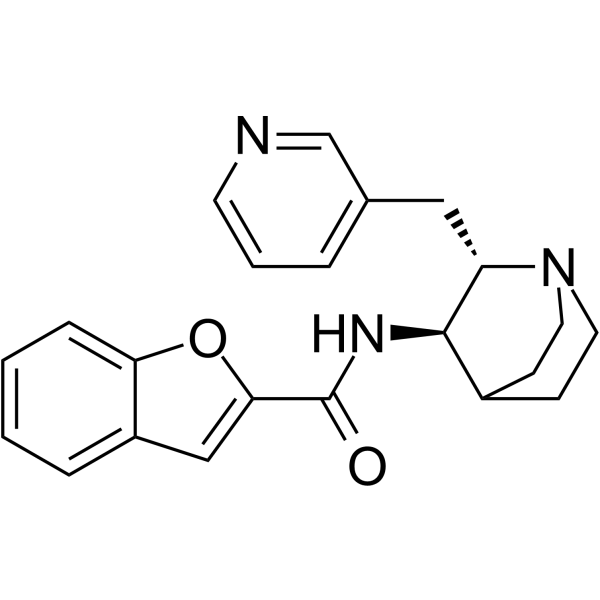
Bradanicline (TC-5619) is an orally active agonist of α7 nAChR with moderate blood-brain barrier penetration. Bradanicline exhibits high affinity and subtype selectivity for human α7 nAChR. Bradanicline possesses antitussive activity that depends on sustained receptor binding and activation. Bradanicline requires systemic administration to dose-dependently inhibit cough induced by citric acid, bradykinin and inhaled nicotine. Bradanicline is well tolerated in preclinical studies and is widely used in research related to chronic refractory cough .
|
-
-
- HY-138668
-
|
|
TRP Channel
|
Neurological Disease
|
|
JW-65 is a selective TRPC3 channel inhibitor with favorable blood-brain barrier penetration. JW-65 directly binds to human TRPC3 protein and modulates calcium signaling to reduce seizure susceptibility. JW-65 reduces seizure incidence, severity, and duration while prolonging seizure latency in multiple seizure models. JW-65 alleviates Aβ‑induced neuronal damage. JW-65 serves as a valuable tool for research on epilepsy, seizure disorders, and Alzheimer’s disease .
|
-

-
- HY-P10861A
-
|
|
Tau Protein
|
Neurological Disease
|
|
RI-AG03 acetate is a proteolytically stable tau aggregation inhibitor that crosses the blood-brain barrier and exhibits oral efficacy. RI-AG03 acetate inhibits tau aggregation and promotes the formation of alternative amorphous aggregates that are non-amyloidogenic. RI-AG03 acetate mediates cellular uptake through direct membrane penetration and macropinocytosis, and its conjugation with cell-penetrating peptide sequences (CPPs) enhances the binding of cells to liposomes. RI-AG03 acetate suppresses aggregation-dependent neurodegenerative and behavioral phenotypes, and extends the lifespan of Drosophila models of tauopathy. RI-AG03 acetate can be used for research on tau-related diseases such as Alzheimer's disease .
|
-

-
- HY-147405
-
|
PF-07284890; ARRY-461
|
Raf
ERK
|
Cancer
|
|
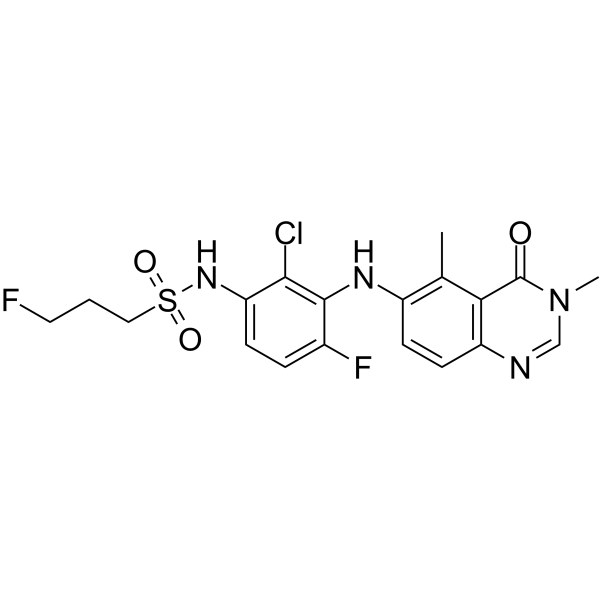
Tinlorafenib (PF-07284890) is the orally active inhibitor for BRAF and CRAF with IC50s of 5.8 nM and 4.1 nM. Tinlorafenib (Compound 10) inhibits V600E mutated BRAF and V600K mutanted BRAF with IC50s of 4.25 nM and 2.7 nM. Tinlorafenib can cross the blood brain barrier. Tinlorafenib demonstrates CNS penetration and can be used in the research of BRAF-associated malignant and benign tumors of the CNS as well as extracranial malignancies .
|
-
-
- HY-P11195
-
|
|
Drug Derivative
|
Neurological Disease
|
|
Angiopep-2 azide is a peptide derivative of Angiopep-2 (HY-P2341) bearing a side chain azide (N3) group. Angiopep-2 exhibits high blood-brain barrier (BBB) penetration capability and can be used for brain compound delivery .
|
-

-
- HY-128865
-
|
|
Opioid Receptor
|
Neurological Disease
|
|
BPR1M97 is a dual-acting mu opioid receptor (MOP) and nociceptin-orphanin FQ peptide (NOP) receptor agonist with Ki values of 1.8 and 4.2 nM, respectively. BPR1M97 shows high potency and blood-brain barrier penetration, and produces potent antinociceptive effects .
|
-
-
- HY-175278
-
|
|
NOD-like Receptor (NLR)
|
Neurological Disease
Inflammation/Immunology
|
|
BAL-1516 is an orally active NLRP3 inhibitor with human NLRP3 Kd of 14.2 nM, mouse NLRP3 Kd of 200 nM, and blood-brain barrier penetration.BAL-1516 binds to a surface groove of the NLRP3 nucleotide-binding domain, contacts FISNA and WHD subdomains, forms three hydrogen bonds to the peripheral β-strand of the triple-ATPase, and does not alter NLRP3 ATP-hydrolysis activity.BAL-1516 shows specificity for NLRP3 over other NOD-like receptors, directly binds mouse NLRP3, and inhibits inflammasome formation in monocytes and microglia .
|
-

-
- HY-161275
-
|
|
EGFR
Akt
ERK
Ribosomal S6 Kinase (RSK)
|
Cancer
|
|
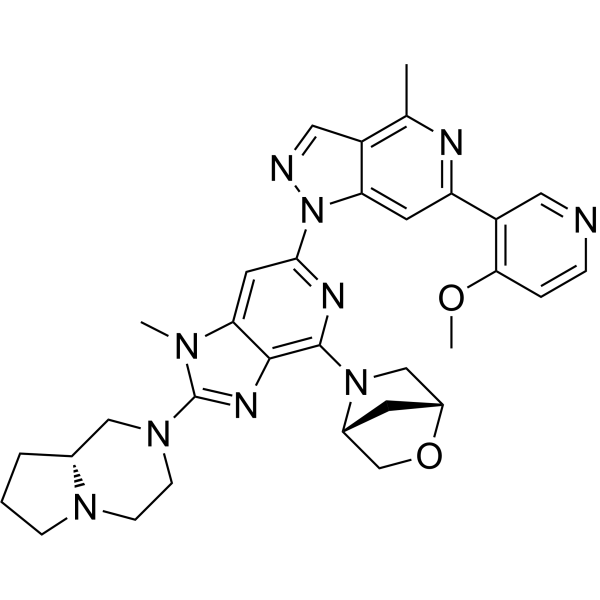
BI-4732 is an orally active, reversible, ATP-competitive EGFR inhibitor with blood-brain barrier penetration. BI-4732 inhibits the kinase activity of EGFR L858R, T790M and C797S with IC50 values of 1 nM while sparing EGFR wild-type. BI-4732 inhibits EGFR and reduces the phosphorylation of AKT, ERK, and S6K. BI-4732 demonstrates excellent intracranial anti-tumor efficacy in YU-1097 xenograft model harboring EGFR_E19del/T790M/C797S. BI-4732 can be used for the study of non-small cell lung cancer (NSCLC) .
|
-
-
- HY-105685
-
|
|
Vasopressin Receptor
|
Cardiovascular Disease
Neurological Disease
|
|
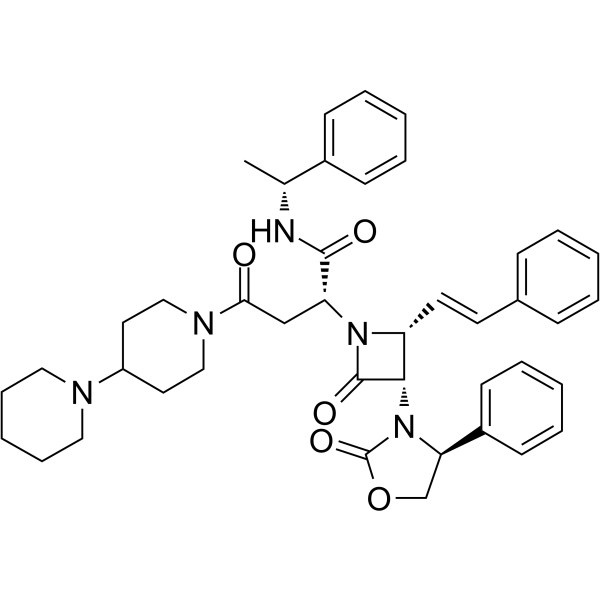
SRX246 is a potent, BBB-penetrant, highly selective vasopressin 1a (V1a) receptor antagonist (Ki=0.3 nM for human V1a). SRX246 has no interaction at V1b and V2 receptors. SRX246 also displays negligible binding at 64 others receptors classes, including 35 G-proteincoupled receptors. SRX246 can be used for treatment of stress-related disorders .
|
-
-
- HY-N12614
-
|
|
SHP1
Phosphatase
|
Metabolic Disease
|
|
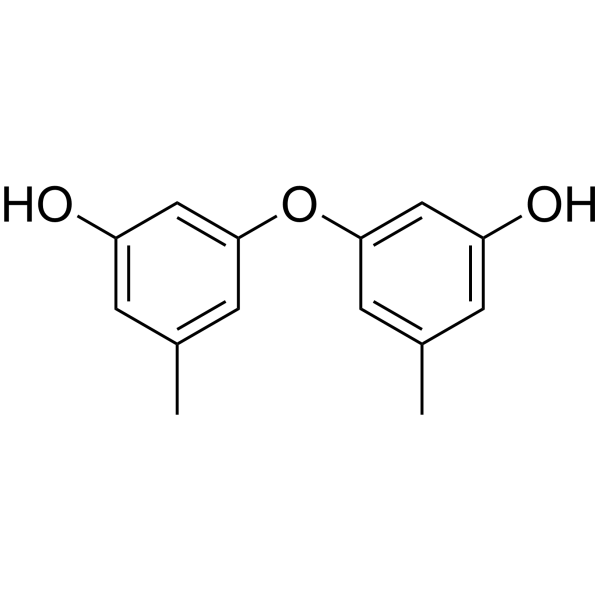
Diorcinol is a potent SHP1 inhibitor with an IC50 value of 0.96 μM. Diorcinol can be isolated from Aspergillus sydowii. Diorcinol has good blood-brain barrier penetration and can be used for diabetes research .
|
-
-
- HY-118363
-
|
|
mAChR
|
Neurological Disease
|
|
Lu AE51090 is selective muscarinic M1 receptor agonist with blood-brain barrier penetration. Lu AE51090 activates human M1 receptor with EC50 of 61 nM, while showing no significant agonism at M2-M5 receptors. Lu AE51090 exerts procognitive effects in mice. Lu AE51090 can be used for the study of Alzheimer’s disease (AD) and cognitive impairment associated with schizophrenia (CIAS) .
|
-

-
- HY-P10861
-
|
|
Tau Protein
|
Neurological Disease
|
|
RI-AG03 is a proteolytically stable tau aggregation inhibitor that crosses the blood-brain barrier and exhibits oral efficacy. RI-AG03 inhibits tau aggregation and promotes the formation of alternative amorphous aggregates that are non-amyloidogenic. RI-AG03 mediates cellular uptake through direct membrane penetration and macropinocytosis, and its conjugation with cell-penetrating peptide sequences (CPPs) enhances the binding of cells to liposomes. RI-AG03 suppresses aggregation-dependent neurodegenerative and behavioral phenotypes, and extends the lifespan of Drosophila models of tauopathy. RI-AG03 can be used for research on tau-related diseases such as Alzheimer's disease .
|
-

-
- HY-115925
-
|
|
SHP2
Phosphatase
|
Cancer
|
|
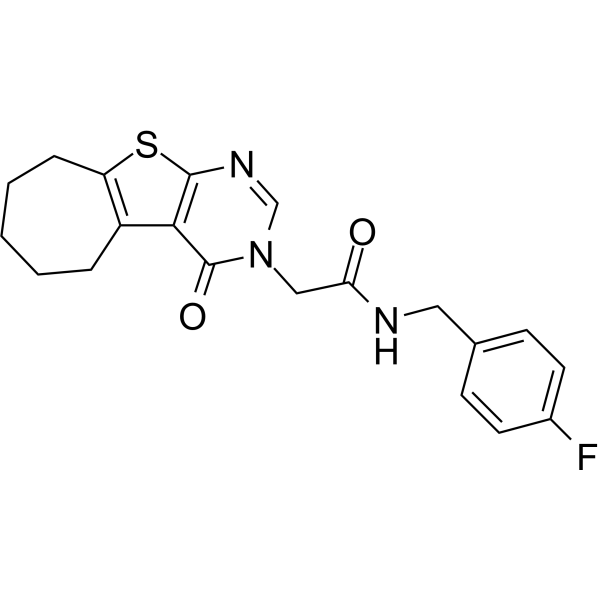
SHP2-IN-9 is a specific SHP2 inhibitor (IC50 =1.174 μM) with enhanced blood–brain barrier penetration. SHP2-IN-9 shows 85-fold more selective for SHP2 than SHP1. SHP2-IN-9 inhibits SHP2-mediated cell signal transduction and cancer cell proliferation, and inhibits the growth of cervix cancer tumors and glioblastoma growth in vivo .
|
-
-
- HY-144309
-
|
|
Cytochrome P450
|
Neurological Disease
|
|
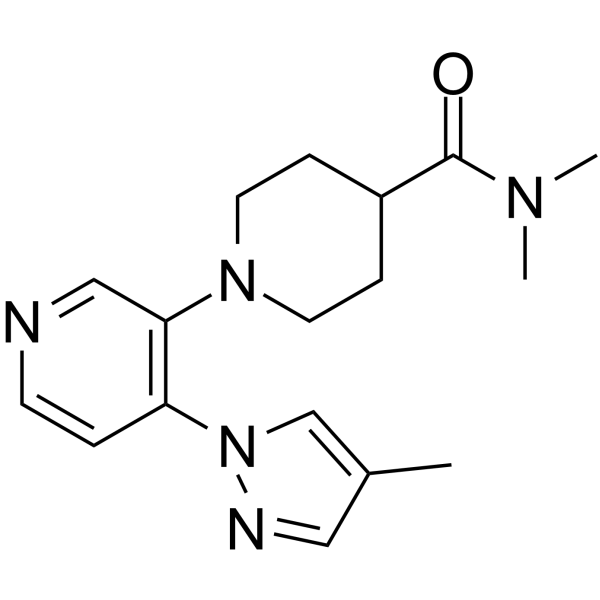
Cholesterol 24-hydroxylase-IN-1 (compound 17) is a potent, orally active, and highly selective cholesterol 24-hydroxylase (CH24H or CYP46A1) inhibitor (IC50=8.5 nM). Cholesterol 24-hydroxylase-IN-1 can cross blood-brain barrier .
|
-
-
- HY-105860
-
|
BGG 492
|
iGluR
|
Neurological Disease
|
|
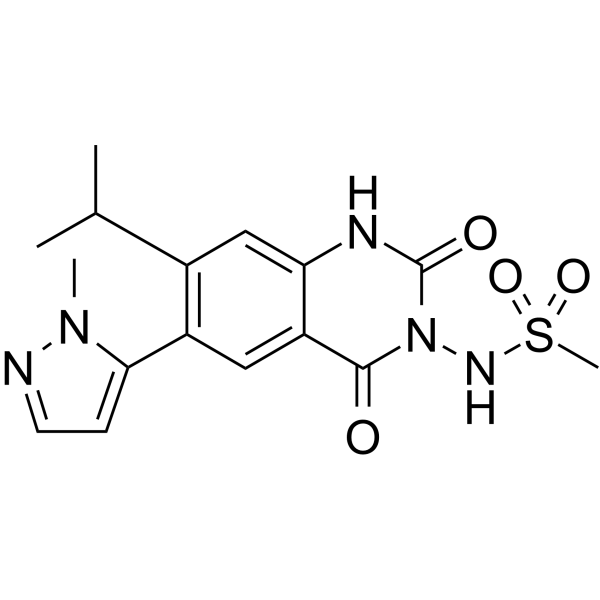
Selurampanel (BGG 492) is an orally active and competitive AMPA receptor antagonist with an IC50 of 190 nM. Selurampanel has reasonable blood-brain barrier penetration. Selurampanel can be used for epilepsy research .
|
-
-
- HY-10104
-
|
|
Beta-secretase
|
Neurological Disease
|
|
GRL-8234 is a potent β-secretase (BACE1) inhibitor with blood-brain barrier penetration (Ki = 1.8 nM). GRL-8234 can rescue age-related cognitive decline in Tg2576 mice. GRL-8234 can be used in the research related to Alzheimer's disease (AD) .
|
-

-
- HY-102043
-
|
|
Phosphodiesterase (PDE)
|
Neurological Disease
|
|
PDM-631 is a selective and orally active PDE2A inhibitor with blood-brain barrier penetration. PDM-631 exhibits potent inhibitory activity against human and rat recombinant PDE2A with IC50 values of 1.5 nM and 4.2 nM, respectively. PDM-631 increases cGMP levels in the rat cerebral cortex. PDM-631 can be used for the study of schizophrenia and neurodegenerative disorders .
|
-

-
- HY-19057
-
|
MK-467; L-659066
|
Adrenergic Receptor
|
Cardiovascular Disease
Neurological Disease
|
|
Vatinoxan (MK-467) is an alpha 2-adrenergic receptor antagonist. The peripheral selectivity of Vatinoxan determines that it has limited penetration across the blood-brain barrier and therefore has low concentrations in the central nervous system. Vatinoxan antagonizes alpha 2-adrenergic receptor receptors by binding to them, thereby reducing or preventing cardiovascular effects caused by α2-adrenergic agonists. Vatinoxan can be used in studies of cardiovascular effects, sedation and analgesia .
|
-

-
- HY-100788R
-
|
2-(Phosphonomethyl)pentanedioic acid (Standard)
|
Reference Standards
Carboxypeptidase
|
Neurological Disease
|
|
2-PMPA (2-(Phosphonomethyl)pentanedioic acid) Standard is the analytical standard of 2-PMPA (HY-100788). This product is intended for research and analytical applications. 2-PMPA (2-(Phosphonomethyl)pentanedioic acid) sodium is a glutamate carboxypeptidase II (GCPII) inhibitor with an IC50 of 0.0003 μM. 2-PMPA sodium shows low blood-brain barrier penetration. 2-PMPA sodium blocks the hydrolysis of NAAG, regulates glutamate levels in the brain and neurovascular coupling. 2-PMPA sodium is applicable to the research of neurological diseases.
|
-

-
- HY-126047
-
|
|
NF-κB
Beta-secretase
|
Neurological Disease
|
|
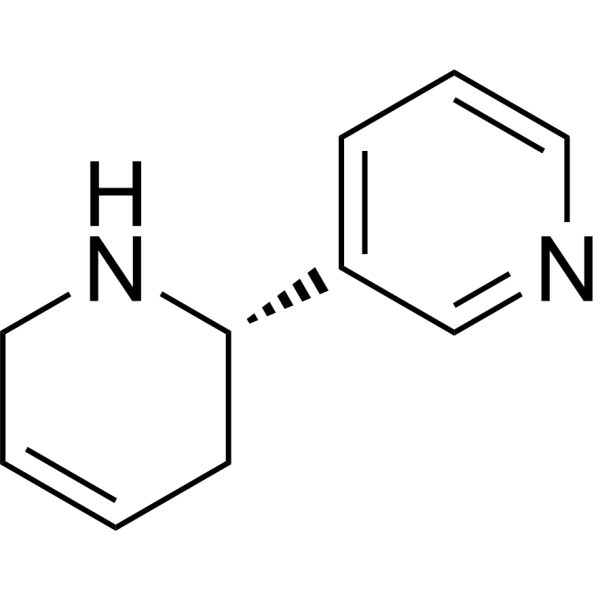
(S)-(-)-Anatabine is an NFκB/BACE-1 inhibitor with blood-brain barrier penetration. (S)-(-)-Anatabine inhibits NFκB activation via phosphorylation of its p65 subunit. (S)-(-)-Anatabine inhibits BACE-1 transcription and reduces BACE-1 protein levels. (S)-(-)-Anatabine lowers production of Aβ1-40 and Aβ1-42 by reducing β-cleavage of amyloid precursor protein without affecting α-cleavage. (S)-(-)-Anatabine can be used for the research of Alzheimer's disease .
|
-
-
- HY-156717
-
-
-
- HY-10550B
-
|
XR9576 dimesylate
|
P-glycoprotein
|
Cardiovascular Disease
Others
|
|
Tariquidar dimesylate (XR9576 dimesylate) is a P-glycoprotein (P-gp) inhibitor. Tariquidar dimesylate increases the concentration of the drug in the brain by binding to P-glycoprotein, preventing it from transporting the drug from inside to outside the brain. Tariquidar dimesylate can be used in the study of blood-brain barrier penetration and multidrug resistance .
|
-

-
- HY-114320
-
|
TM-10
|
Cholinesterase (ChE)
|
Neurological Disease
|
|
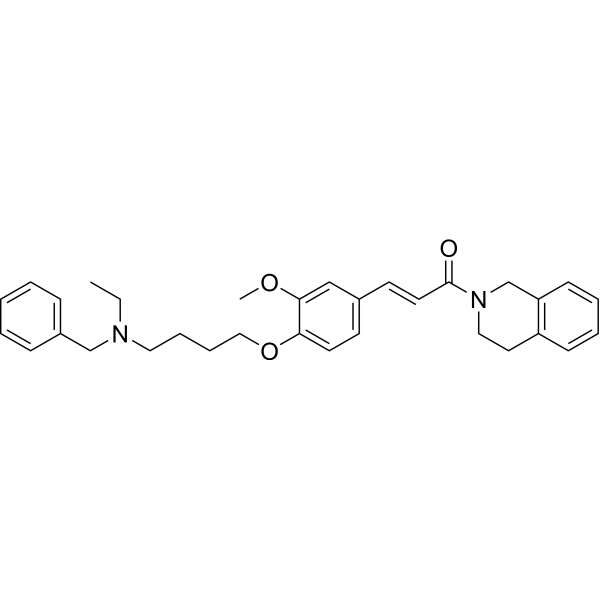
BuChE-IN-TM-10 (TM-10) is a potent butyrylcholinesterase (BuChE) inhibitor, with an IC50 of 8.9 nM. BuChE inhibitor 1 inhibits and disaggregates self-induced Aβ aggregation, exhibiting potent antioxidant activity and good blood-brain barrier (BBB) penetration. Has potential to treat Alzheimer’s disease .
|
-
-
- HY-N4190
-
|
1,6-O,O-Diacetylbritannilactone; Di-O-acetylbritannilactone
|
NO Synthase
|
Neurological Disease
Inflammation/Immunology
|
|
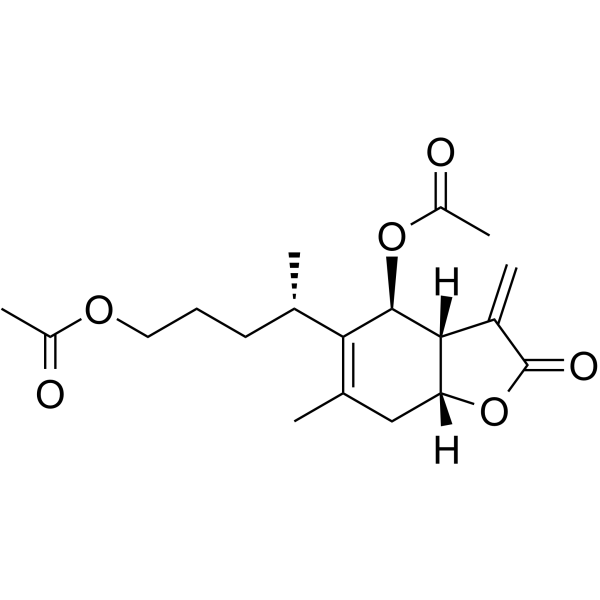
Britannilactone diacetate (1,6-O,O-Diacetylbritannilactone; Compound 2) exhibits potential NO inhibition effect. Britannilactone diacetate exhibits activity against NO production induced by LPS in BV-2 microglial cells with the EC50 value of 6.3 μM. Britannilactone diacetate exhibits a favorable blood-brain barriers (BBB) penetration and absorption, distribution, metabolism, excretion, and toxicity (ADMET) property .
|
-
-
- HY-181067
-
|
|
MEK
ERK
|
Cancer
|
|
IK-595 is a MEK1/MEK2 inhibitor with high affinity (7.39 nM).IK-595 blocks EGF-induced ERK1/2 phosphorylation in AsPC-1 cells with IC50 value of 0.1 nM. IK-595 has oral activity and blood-brain barrier penetration. IK-595 can be used for the research of Ras/MAPK pathway-altered cancers .
|
-

-
- HY-123410
-
|
|
Cannabinoid Receptor
|
Cancer
|
|
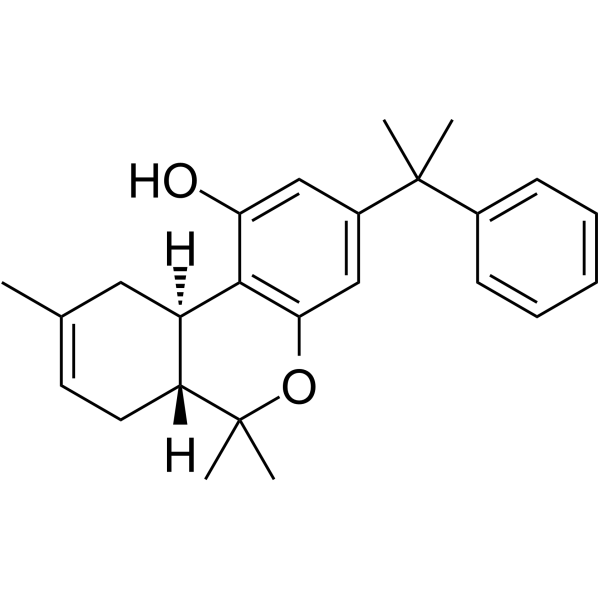
KM-233 is a classical cannabinoid with good blood brain barrier penetration. KM-233 possesses a selective affinity for the CB2 receptors relative to THC. KM-233 is effective at reducing U87 glioma tumor burden, and can be used for glioma research .
|
-
-
- HY-175299
-
|
|
Hedgehog
Apoptosis
DNA Methyltransferase
|
Cancer
|
|
Hedgehog IN-11 is an orally active Hedgehog inhibitor. Hedgehog IN-11 downregulates the expression of O6-methylguanine-DNA methyltransferase (MGMT) to impair the Temozolomide (TMZ) (HY-17364) resistance by inhibiting the Hedgehog pathway. Hedgehog IN-11 shows improved inhibition of cell migration and invasion, and induced cell apoptosis in TMZ-resistant GBM cell lines. Hedgehog IN-11 is predicted by computer simulation to have good blood-brain barrier penetration. Hedgehog IN-11 can be used for the study of glioblastoma (GBM) .
|
-

-
- HY-105369
-
|
|
Anaplastic lymphoma kinase (ALK)
Apoptosis
|
Cancer
|
|
KF-20444 is an orally active ALK inhibitor with blood-brain barrier penetration. KF-20444 exhibits strong inhibitory activity against ALK fusion proteins (EML4-ALK) and ALK resistance mutations (including L1196M, G1202R, and F1174L). KF-20444 effectively suppresses the phosphorylation of ALK in ALK-driven cancer cell lines, thereby inhibiting cancer cell proliferation and inducing apoptosis. KF-20444 demonstrates anti-tumor efficacy in mouse models bearing ALK-positive non-small cell lung cancer (NSCLC) or neuroblastoma. KF-20444 can be used for the study of ALK-driven malignancies .
|
-

-
- HY-14205
-
|
|
Monoamine Oxidase
|
Neurological Disease
|
|
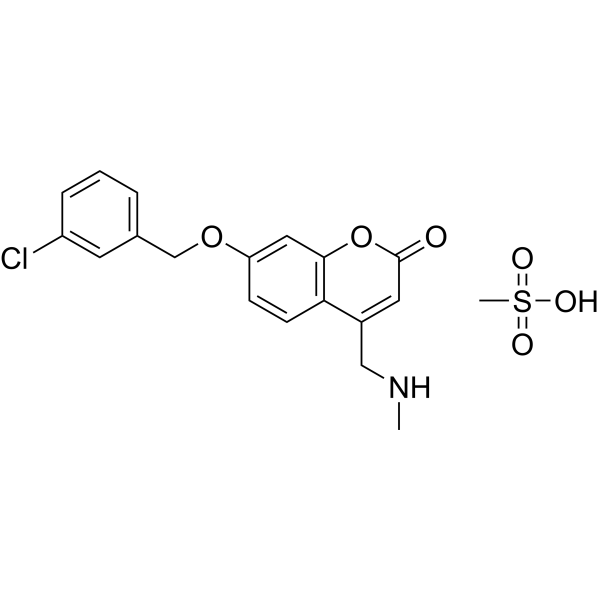
NW-1772 (methanesulfonate) (compound 22b) is a potent and selective monoamine oxidase (MAO) B inhibitor. NW-1772 has some advantages, such as rapid blood-brain barrier penetration, short-acting and reversible inhibitory activity, slight inhibition of selected cytochrome P450s, and low in vitro toxicity. NW-1772 can be used for the research of neurodegenerative diseases .
|
-
-
- HY-175675
-
|
|
P2Y Receptor
Keap1-Nrf2
|
Cardiovascular Disease
Neurological Disease
|
|
P2Y1 antagonist 4 is a selective P2Y1 receptor antagonist with excellent blood-brain barrier (BBB) penetration.
P2Y1 antagonist 4 inhibits P2Y1 receptor-mediated cytosolic Ca 2+ increase (IC50 = 1.95 μM) and platelet aggregation (IC50 = 3.24 μM) induced by ADP in rabbit washed platelets. P2Y1 antagonist 4 significantly upregulates the level of nuclear Nrf2 protein in H2O2-treated HT22 cells. P2Y1 antagonist 4 reduces myocardial infarct size in a mouse acute myocardial infarction (MI) model. P2Y1 antagonist 4 can be used for the study of ischemic stroke and myocardial infarction .
|
-

-
- HY-178964
-
|
|
PROTACs
RET
|
Cancer
|
|
PROTAC RET Degrader 1 (Compound 20) is an orally active and blood-brain barrier-crossing RET PROTAC degrader with DC50 values for RET (WT), RET (G810S), RET (G810C), and RET (G810R) of 1.7, 3, 12, and 21 nM, respectively. PROTAC RET Degrader 1 exhibits potent anti-proliferative activity in cancer cell lines carrying oncogenic RET fusions (such as KIF5B-RET, CCDC6-RET) or mutations (such as RET (C634W)). PROTAC RET Degrader 1 shows significant anti-tumor activity in human tumor xenograft (PDX) mouse models. PROTAC RET Degrader 1 can be used for the study of RET-positive cancers Pink: RET ligand (HY-179308); Blue: CRBN ligand (HY-179307); Black: Linker) .
|
-

- HY-179227
-
|
|
HDAC
|
Neurological Disease
|
|
HDAC6 ligand-7 (Compound 16a) is a positron emission tomography (PET) tracer for the deacetylase 6 (HDAC6) enzyme with a Kd value of 1.66 nM. HDAC6 ligand-7 exhibits excellent HDAC6 inhibitory activity, with IC50 values of 2.7 and 3.7 nM for hHDAC6 and mHDAC6, respectively, and has high selectivity for HDAC1/4/7/8. HDAC6 ligand-7 after being radioactively labeled with fluorine-18, [¹⁸F]HDAC6 ligand-7 shows varying degrees of radioactive uptake in PET, which can reflect the specific binding to HDAC6. HDAC6 ligand-7 can be used for the study of HDAC6 imaging .
|
-

- HY-120662
-
|
|
mGluR
|
Neurological Disease
|
|
GSK1331268 is a selective, orally active agonist for mGluR2 with a pEC50 of 6.9. GSK1331268 exhibits good blood-brain barrier penetration. GSK1331268 regulates glutamate signaling, and can be used in research of neurodegenerative and neuropsychiatric diseases .
|
-

- HY-161380
-
|
|
Fungal
|
Infection
|
|
Antifungal agent 96 (Compound WZ-2) is an antifungal agent with good blood-brain barrier permeability and brain penetration. Antifungal agent 96 inhibits the growth of C. neoformans H99 and C. albicans 0304103 with MIC values of 0.016 and 32 μg/mL, respectively .
|
-
- HY-147151
-
|
|
Biochemical Assay Reagents
|
Others
|
|
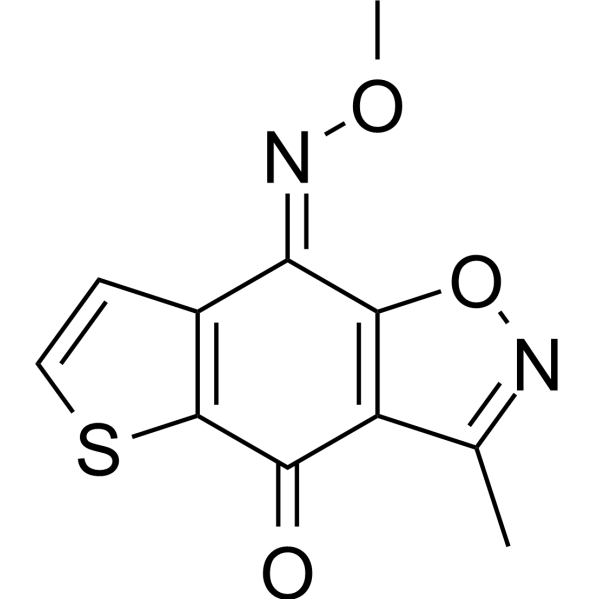
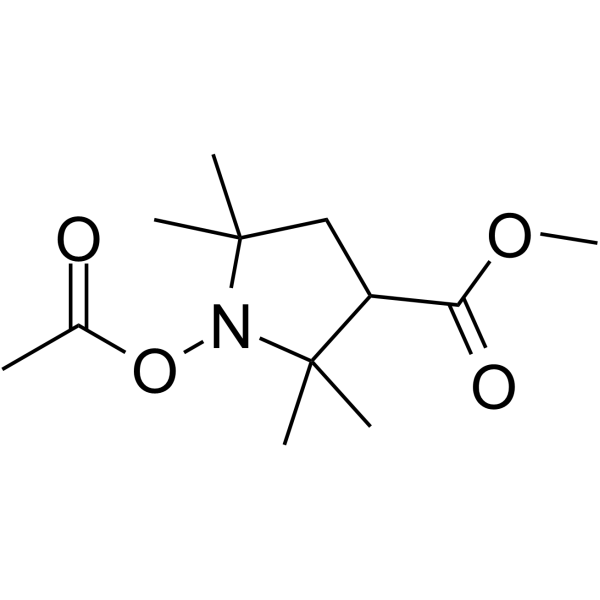
AMCPy is a potent electron paramagnetic resonance (EPR) brain imaging agent, possessing excellent lipophilicity for blood brain barrier (BBB) penetration .
|
-
- HY-143413
-
|
|
Amyloid-β
|
Neurological Disease
Inflammation/Immunology
|
|
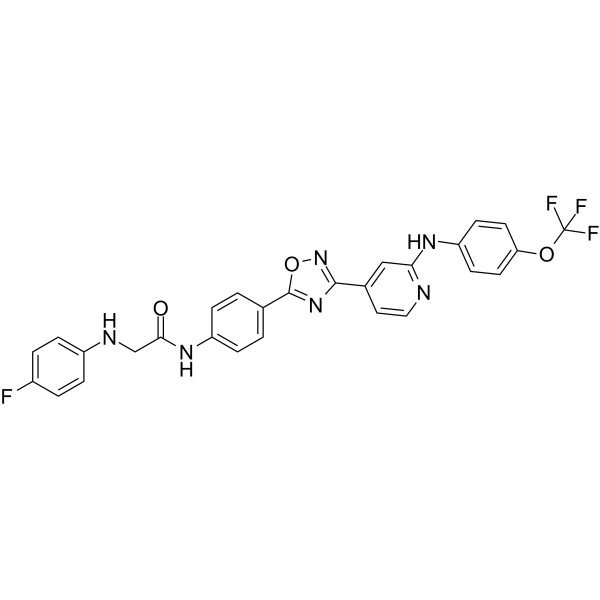
BuChE-IN-2 is an excellent butyrylcholinesterase (BuChE) inhibitor (IC50s of 1.28 μM and 0.67 μM for BuChE and NO). BuChE-IN-2 can inhibit the aggregation of Aβ, ROS formation and chelate Cu 2+, exhibiting proper blood-brain barrier (BBB) penetration. BuChE-IN-2 has potential to research Alzheimer’s disease .
|
-
- HY-178720
-
|
|
Opioid Receptor
|
Neurological Disease
|
|
SHR0687 is a selective tetrapeptide kappa opioid receptor (KOR) agonist with an EC50 of 0.53 pM. SHR0687 displays high potency and selectivity over MOR and DOR, with negligible blood-brain barrier penetration. SHR0687 activates KOR specifically, leading to potential modulation of neurological pathways without significant central nervous system effects. SHR0687 can be used for the research of pain .
|
-

- HY-108625R
-
|
|
Neuropeptide S Receptor
|
Neurological Disease
|
|
SHA 68 (Standard) is the analytical standard of SHA 68. This product is intended for research and analytical applications. SHA 68 is a potent and selective non-peptide neuropeptide S receptor (NPSR) antagonist with IC50s of 22.0 and 23.8 nM for NPSR Asn107 and NPSR Ile107, respectively. SHA 68 has limited the blood-brain barrier (BBB) penetration and the activity in neuralgia .
|
-

- HY-168241
-
|
|
Cholinesterase (ChE)
5-HT Receptor
|
Infection
|
|
Flucopride (Compound 4a) is an AChE inhibitor (IC50: 24 nM), and a partial 5-HT4R agonist (Ki: 9.6 nM for (h)5-HT4R). Flucopride promotes the non-amyloidogenic processing of APP in COS-7 transiently expressing (h)5-HT4R (EC50: 23.0 nM). Flucopride may has good gastrointestinal track (GIT) penetration, and blood-brain barrier (BBB) cross-membrane penetration (PAMPA assay) .
|
-

- HY-18060A
-
|
TC-5619 hydrochloride
|
nAChR
|
Neurological Disease
|
|
Bradanicline (TC-5619) tosylate is an orally active agonist of α7 nAChR with moderate blood-brain barrier penetration. Bradanicline hydrochloride exhibits high affinity and subtype selectivity for human α7 nAChR. Bradanicline hydrochloride possesses antitussive activity that depends on sustained receptor binding and activation. Bradanicline hydrochloride requires systemic administration to dose-dependently inhibit cough induced by citric acid, bradykinin and inhaled nicotine. Bradanicline hydrochloride is well tolerated in preclinical studies and is widely used in research related to chronic refractory cough .
|
-

- HY-163514
-
|
|
Cholinesterase (ChE)
DYRK
|
Neurological Disease
|
|
hAChE-IN-8 (Compound S-12) is a orally effective and selective inhibitor of hAChE (IC50=0.486 μM). hAChE-IN-8 also inhibits BACE-1 (IC50=0.542 μM), and does not inhibit Dyrk1A (IC50>10 μM). hAChE-IN-8 can reduce Aβ aggregation, has good blood-brain barrier penetration. hAChE-IN-8 is mainly used in Alzheimer's disease research .
|
-

- HY-178153
-
|
|
iGluR
|
Neurological Disease
|
|
BPAM363 is an orally active, selective positive allosteric modulator (PAM) of AMPARs with blood-brain barrier penetration. BPAM363 selectively potentiates AMPAR activity in human and rat models, with an EC2x value of 0.96 μM in rat embryonic cortex primary neurons. BPAM363 upregulates BDNF protein expression in rat primary cortical neuronal cultures. BPAM363 enhances AMPA-mediated excitatory postsynaptic responses in rat and mice. BPAM363 can be used for the study of cognitive disorders .
|
-

- HY-143994S
-
|
|
Isotope-Labeled Compounds
Dopamine Receptor
|
Neurological Disease
|
|
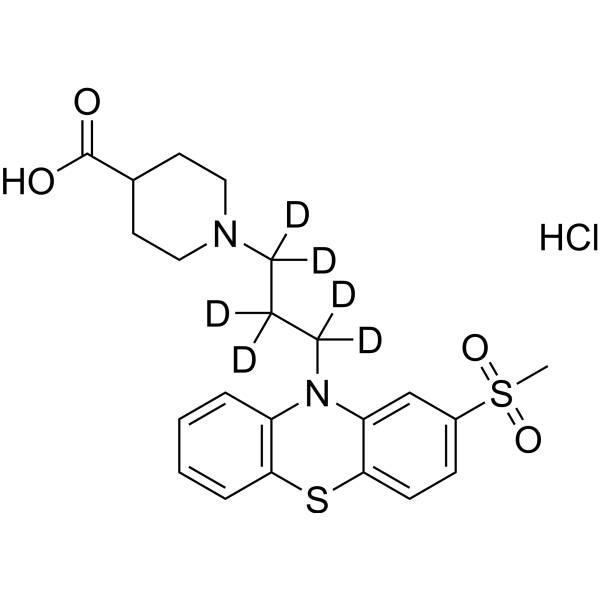
Metopimazine-d6 hydrochloride is the deuterium labeled Metopimazine (HY-116578). Metopimazine (EXP999; RP9965) is a phenothiazine, orally available, selective dopamine D2 receptor antagonist that does not penetrate the blood-brain barrier. Metopimazine blocks dopamine D2 receptors in the chemoreceptor trigger zone and the periphery, thereby inhibiting nausea and vomiting. Metopimazine is indicated for chemotherapy-induced nausea and vomiting, and has low central side effects due to its poor brain penetration. The use of metopimazine in acute gastroenteritis may have potential risks .
|
-
- HY-100458
-
|
|
NO Synthase
|
Neurological Disease
|
|
SCR-4026 is a neuroprotective agent with blood-brain barrier penetration ability. SCR-4026 exerts neuroprotective effects by disrupting the interaction between neuronal nNOS and PSD9, with an IC50 of 6.3 μM. SCR-4026 alleviates N-methyl-D-aspartate (NMDA)-induced excitotoxic damage in primary cortical neurons, and also protects neurons in the oxygen-glucose deprivation (OGD) model. SCR-4026 can reduce the cerebral infarct volume in the rat middle cerebral artery occlusion (MCAO) reperfusion model. SCR-4026 can be used for the study of stroke .
|
-

- HY-159924
-
|
|
Opioid Receptor
|
Neurological Disease
|
|
DBPR116 is a prodrug of BPRMU191 (HY-159923) with blood-brain barrier penetration capability. DBPR116 significantly improves the delivery of centrally targeted drugs. In combination with the antagonist Naltrexone (HY-76711), DBPR116 demonstrated superior safety and analgesic efficacy compared to morphine in various in vivo pharmacological studies, including thermal pain models, cancer pain models, constipation, sedation, psychological dependence, heart rate, and respiratory frequency. As a prodrug strategy for peripheral administration, DBPR116 effectively alleviates pain while reducing adverse effects, showing potential as a safer opioid analgesic .
|
-

- HY-135167
-
|
|
CaMK
|
Neurological Disease
|
|
HOCPCA is a compound with neuroprotective activity that improves sensorimotor function in mice after experimental stroke. HOCPCA selectively binds to the CaMKIIα hub domain, modulates signaling of different CaMKII pools, and alleviates abnormal CaMKII signaling after cerebral ischemia. HOCPCA promotes hippocampal neuronal activity and enhances working memory. HOCPCA also normalizes Thr286 autophosphorylation in the cytoplasm after ischemia and downregulates ischemia-specific expression of active CaMKII enzymatic cleavage fragments. HOCPCA binds to the GHB binding site with 27-fold higher affinity than GHB and has good blood-brain barrier penetration ability .
|
-

- HY-N2345R
-
|
|
Reference Standards
Histone Acetyltransferase
Toll-like Receptor (TLR)
Androgen Receptor
|
Inflammation/Immunology
Cancer
|
|
Procyanidin B3 (Standard) is the analytical standard of Procyanidin B3. This product is intended for research and analytical applications. Procyanidin B3 is a natural product with antioxidant activity and oral bioavailability, possessing good blood-brain barrier penetration. Procyanidin B3 is a selective inhibitor of histone acetyltransferase (HAT). By inhibiting p300 HAT-mediated acetylation of the androgen receptor (androgen receptor). Procyanidin B3 alleviates intervertebral disc degeneration (IVDD) by inhibiting the formation of the TLR4/MD-2 complex. Procyanidin B3 can be used in research on prostate cancer and arthritis .
|
-

- HY-175670
-
|
|
GABA Receptor
|
Neurological Disease
|
|
GABAA receptor modulator-10 is an orally active, potent positive allosteric modulator (PAM) of the α1β2γ2 GABAA receptor with favorable blood-brain barrier (BBB) penetration. GABAA receptor modulator-10 enhances α1β2γ2 GABAA receptor function and potentiates GABA-evoked currents. GABAA receptor modulator-10 demonstrates potent antiepileptic efficacy in both the Pentetrazol (PTZ)- and Kainic Acid (KA) (HY-N2309)-induced mice epilepsy models. GABAA receptor modulator-10 can be used for the study of epilepsy .
|
-

- HY-175648
-
|
|
Parasite
|
Infection
|
|
Antiparasitic agent-28 is an orally active, selective inhibitor of Toxoplasma gondii phenylalanine tRNA synthetase (TgcPheRS) with blood-brain barrier penetration. Antiparasitic agent-28 inhibits the growth of T. gondii tachyzoites (TgME49-Fluc strain) an (EC50 = 1 nM) and T. gondii bradyzoites (Tg68nLuc strain) induced by alkaline (EC50 = 3 nM) and glutamine-rich medium (EC50 = 0.1 nM). Antiparasitic agent-28 demonstrates potent anti-toxoplasmosis efficacy in mice infected with TgME49-Fluc tachyzoites. Antiparasitic agent-28 can be used for the study of Toxoplasma gondii infection .
|
-

- HY-159958
-
|
|
Potassium Channel
|
Neurological Disease
|
|
KNa1.1-IN-2 (Compound Z05) is a selective KNa1.1 channel inhibitor with blood-brain barrier penetration, particularly effective against the hERG channel. KNa1.1-IN-2 works by binding to the KNa1.1 channel and blocking the channel activity induced by Gain-of-function (GOF) mutations, effectively intervening in KCNT1-related epilepsy. Additionally, KNa1.1-IN-2 inhibits the GOF mutant Y796H. KNa1.1-IN-2 holds promise for research into KCNT1-related epilepsy disorders .
|
-

- HY-116578S
-
|
EXP999-d6; RP9965-d6
|
Isotope-Labeled Compounds
Dopamine Receptor
|
Neurological Disease
|
|
Metopimazine-d6 (EXP999-d6; RP9965-d6) is the deuterium labeled Metopimazine (HY-116578). Metopimazine (EXP999; RP9965) is a phenothiazine, orally available, selective dopamine D2 receptor antagonist that does not penetrate the blood-brain barrier. Metopimazine blocks dopamine D2 receptors in the chemoreceptor trigger zone and the periphery, thereby inhibiting nausea and vomiting. Metopimazine is indicated for chemotherapy-induced nausea and vomiting, and has low central side effects due to its poor brain penetration. The use of metopimazine in acute gastroenteritis may have potential risks .
|
-
- HY-164512
-
|
|
Drug Intermediate
|
Neurological Disease
|
|
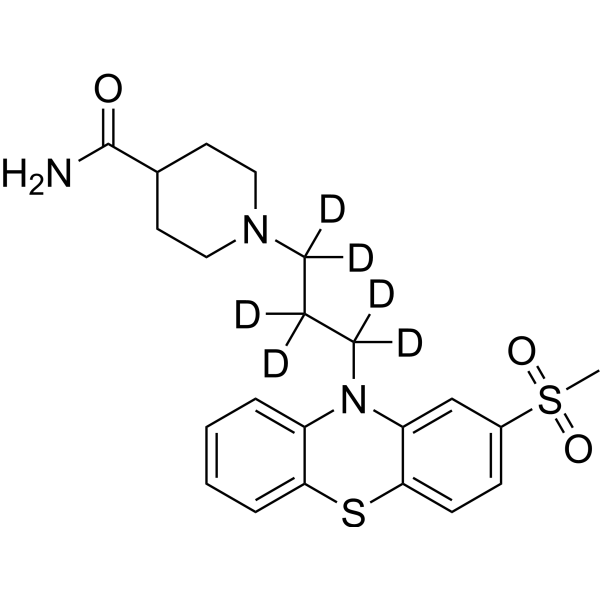
NRMA-I is the amide produrg of the small molecule nuclear receptor modulator. NRMA-I exhibits a higher exposure in the brain, indicating that a good blood-brain barrier (BBB) penetration. NRMA-I can be used for research of central nervous system diseases related to nuclear receptors, such as Alzheimer's disease and Parkinson's disease .
|
-

- HY-108463R
-
|
|
Reference Standards
TRP Channel
|
Neurological Disease
Inflammation/Immunology
|
|
A-967079 (Standard) is the analytical standard of A-967079 (HY-108463). This product is intended for research and analytical applications. A-967079 is a selective TRPA1 receptor antagonist with IC50s of 67 nM and 289 nM at human and rat TRPA1 receptors, respectively, and has good penetration into the blood-brain barrier .
|
-

- HY-N9722
-
|
|
HSP
|
Cancer
|
|
Dehydroherbarin is a selective inhibitor targeting HSP90α with blood-brain barrier penetration. Dehydroherbarin interferes with key pathways of tumor cell survival by binding to HSP90α, while exerting moderate antibacterial and anti-hepatitis A virus activities and inhibiting tumor cell migration. Dehydroherbarin can be used in research on tumors such as breast cancer .
|
-

- HY-164505
-
|
|
Drug Intermediate
|
Neurological Disease
|
|
NRMA-9 is the amide produrg of the small molecule nuclear receptor modulator. NRMA-9 exhibits a higher exposure in the brain, indicating that a good blood-brain barrier (BBB) penetration. NRMA-9 can be used for research of central nervous system diseases related to nuclear receptors, such as Alzheimer's disease and Parkinson's disease .
|
-

- HY-182358
-
|
|
Apoptosis
|
Cancer
|
|
TMLZ-G46 is an orally active ZNF207 inhibitor with blood-brain barrier penetration ability, with a Kd value of 68 nM. TMLZ-G46 inhibits cancer cell proliferation, stemness, migration and invasion, induces G0/G1 cell cycle arrest and apoptosis, and suppresses colony formation. TMLZ-G46 can be used in glioma research .
|
-

- HY-100238R
-
-

- HY-183588
-
|
|
EAAT
Reactive Oxygen Species (ROS)
|
Neurological Disease
|
|
HCM-01 is an Excitatory amino acid transporter 2 (EAAT2) activator with oral effectiveness and blood-brain barrier penetration.HCM-01 binds to the allosteric site of EAAT2, increases EAAT2 expression in astrocytes, enhances glutamate-handling capacity, and modulates glutamate homeostasis.HCM-01 acts as an antioxidant, improves oxidative/antioxidative balance and increases total antioxidant capacity. HCM-01 can be used for the research of Alzheimer's disease .
|
-

- HY-18060B
-
|
TC-5619 tosylate
|
nAChR
|
Inflammation/Immunology
|
|
Bradanicline (TC-5619) tosylate is an orally active agonist of α7 nAChR with moderate blood-brain barrier penetration. Bradanicline tosylate exhibits high affinity and subtype selectivity for human α7 nAChR. Bradanicline tosylate possesses antitussive activity that depends on sustained receptor binding and activation. Bradanicline tosylate requires systemic administration to dose-dependently inhibit cough induced by citric acid, bradykinin and inhaled nicotine. Bradanicline tosylate is well tolerated in preclinical studies and is widely used in research related to chronic refractory cough .
|
-

- HY-182421
-
|
|
Kisspeptin Receptor
|
Endocrinology
Cancer
|
|
GPR54 antagonist‑1 is a GPR54 antagonist with IC50 values of 3.6 nM and 15 nM against human and rat GPR54, respectively. GPR54 antagonist‑1 shows blood‑brain barrier penetration. GPR54 antagonist‑1 blocks the function of human and rat GPR54 receptors. GPR54 antagonist‑1 suppresses plasma luteinizing hormone levels in castrated male rats. GPR54 antagonist‑1 can be used for the study of prostate cancer and endometriosis .
|
-

- HY-W714853
-
|
|
Akt
Src
STAT
EGFR
Drug Isomer
|
Neurological Disease
Inflammation/Immunology
|
|
(+)-Theta-cypermethrin is a stereoisomer of Cypermethrin (HY-B0829) that possesses blood-brain barrier penetration ability and binds to AKT1, SRC, STAT3 and EGFR with high affinity. (+)-Theta-cypermethrin reduces the amplitude of delayed rectifier potassium channel currents, shifts the steady-state activation curve to negative potentials, and shifts the steady-state inactivation curve to negative potentials at higher concentrations. (+)-Theta-cypermethrin induces abnormal electrical activity in rat hippocampal neurons. (+)-Theta-cypermethrin causes chronic respiratory system damage and exhibits neurotoxicity .
|
-

- HY-181711
-
|
|
NO Synthase
|
Neurological Disease
Cancer
|
|
nNOS-IN-6 is a human neuronal nitric oxide synthase (hnNOS) inhibitor with a human hnNOS Ki of 16 nM, ~1800-fold selectivity over human eNOS, ~2900-fold selectivity over human iNOS, and a rat nNOS Ki of 34 nM.nNOS-IN-6 exhibits high effective permeability in PAMPA-BBB assays, crosses the blood-brain barrier, and shows sustained systemic exposure, low clearance, and robust brain penetration in mouse in vivo pharmacokinetic studies.nNOS-IN-6 can be used for the research of neurodegenerative diseases, melanoma .
|
-

- HY-184078
-
|
|
Drug Derivative
Indoleamine 2,3-Dioxygenase (IDO)
Tau Protein
iGluR
|
Neurological Disease
|
|
8-F-2-(Me-Pip-Me)-Tryptanthrin is a tryptanthrin derivative with blood-brain barrier penetration. 8-F-2-(Me-Pip-Me)-Tryptanthrin protects neurons from Aβ-induced apoptosis, inhibits Aβ-induced Tau protein hyperphosphorylation and neuronal synaptic damage, and improves learning and memory abilities in Alzheimer's disease mice. 8-F-2-(Me-Pip-Me)-Tryptanthrin can be used for the research of nervous system diseases, including diseases related to abnormal Tau protein phosphorylation and abnormal PSD-95 function .
|
-

- HY-175824
-
|
|
iGluR
NO Synthase
Apoptosis
Reactive Oxygen Species (ROS)
|
Neurological Disease
|
|
PSD-95/nNOS PPI-IN-1 is a inhibitor targeting the PSD-95/nNOS interaction with potential blood-brain barrier penetration. PSD-95/nNOS PPI-IN-1 binds to the PSD-95 PDZ2 domain with high affinity (Ki = 19.45 μM). PSD-95/nNOS PPI-IN-1 inhibits glutamate-induced excitotoxicity by reducing intracellular ROS levels and inhibiting apoptosis. PSD-95/nNOS PPI-IN-1 significantly reduces cerebral infarct volume in rat tMCAO models. PSD-95/nNOS PPI-IN-1 can be used for the study of acute ischemic stroke .
|
-

- HY-182060
-
|
|
Phosphodiesterase (PDE)
Bcl-2 Family
NO Synthase
Apoptosis
|
Inflammation/Immunology
|
|
PDE4B/D-IN-5 (Compound P32) is a peripherally restricted, oral active inhibitor of PDE4B and PDE4D with extremely low blood-brain barrier penetration, with IC50 values of 3.4 nM and 2.2 nM, respectively. PDE4B-IN-8 inhibits the production of TNF-α. PDE4B/D-IN-5 significantly reduces the Bax/Bcl2 ratio, and alleviates oxidative stress by decreasing MPO activity and NO levels. PDE4B/D-IN-5 exhibits anti-inflammatory, antioxidant, and anti-apoptotic activities. PDE4B/D-IN-5 can be used for the research of acute lung injury .
|
-

- HY-101855R
-
|
Anle138b (Standard)
|
Reference Standards
Amyloid-β
|
Neurological Disease
|
|
Emrusolmin (Standard) (Anle138b (Standard)) is the analytical standard of Emrusolmin (HY-101855). This product is intended for research and analytical applications. Emrusolmin (Anle138b), an oligomeric aggregation inhibitor, blocks the formation of pathological aggregates of prion protein (PrPSc) and of α-synuclein (α-syn). Emrusolmin strongly inhibits oligomer accumulation, neuronal degeneration, and disease progression in vivo. Emrusolmin has low toxicity and an excellent oral bioavailability and blood-brain-barrier penetration. Emrusolmin blocks Aβ channels and rescues disease phenotypes in a mouse model for amyloid pathology .
|
-

- HY-183805
-
|
|
5-HT Receptor
FAAH
|
Neurological Disease
|
|
5-HT6R/FAAH modulator 2 is a dual 5-HT6R antagonist and FAAH inhibitor with human 5-HT6R pKi 7.24, human FAAH pIC50 5.47, and blood-brain barrier penetration.5-HT6R/FAAH modulator 2 modulates serotonergic signaling, blocks 5-HT6R function, inhibits endocannabinoid degradation via FAAH catalytic activity suppression.5-HT6R/FAAH modulator 2 exhibits neuroprotective effects against mitochondrial dysfunction, amyloid-β, and glutamate-induced toxicity, reverses memory deficits.5-HT6R/FAAH modulator 2 shows reduced cytotoxicity relative to oxygen-containing lead compounds.5-HT6R/FAAH modulator 2 can be used for the research of Alzheimer's disease .
|
-

- HY-123859
-
|
|
Casein Kinase
FLT3
CDK
|
Neurological Disease
Inflammation/Immunology
Cancer
|
|
SR-2890 is a highly selective, ATP-competitive inhibitor of casein kinase CK1δ and CK1ε, with IC50 values of 4 nM and 44 nM, respectively, and a Ki of 14 nM for CK1δ. SR-2890 exhibits antiproliferative effects. SR-2890 blocks the serine/threonine kinase activity of CK1δ and weakly inhibits a few off-target kinases such as FLT3, CDK4. SR-2890 has an oral bioavailability of 10% and a blood-brain barrier penetration rate of <1%. SR-2890 demonstrates stable in vitro metabolism and favorable in vivo pharmacokinetic properties, effectively inhibiting the growth of human A375 melanoma cells. SR-2890 can be used in melanoma research and is also a useful compound for studying CK1δ/ε-related diseases such as Alzheimer's disease .
|
-

- HY-180406
-
|
|
Neuropeptide Y Receptor
|
Neurological Disease
|
|
NPY Y2 antagonist 2 is a modulator targeting the neuropeptide Y (NPY) receptor Y2, with pKi values of 6.8 nM and 7.2 nM in human and rat brains, respectively, and demonstrating blood-brain barrier penetration. NPY Y2 antagonist 2 shows selectivity for the Y1 and Y5 receptors. NPY Y2 antagonist 2 blocks the negative feedback regulation mediated by the NPY Y2 receptor, thereby increasing endogenous NPY release and enhancing Y1 receptor activation, resulting in the modulation of central neurotransmitter release. NPY Y2 antagonist 2 exhibits moderate in vivo clearance, high free fraction in rat brain, and a favorable brain/plasma ratio and brain exposure. NPY Y2 antagonist 2 is applicable for research in conditions such as mood disorders, anxiety induced by alcohol withdrawal, and social anxiety associated with nicotine withdrawal .
|
-

- HY-111156
-
|
|
Monoamine Oxidase
|
Neurological Disease
|
|
NW-1172 (free base) (compound 22b) is a 5-HT3 receptor antagonist with performance-enhancing activity in a delayed matching task in monkeys, with the (R) isomer producing more systematic improvements than the (S) isomer, a difference paralleled by the higher affinity of the (R) enantiomer for the 5-HT3 receptor.
|
-

- HY-105685R
-
|
|
Reference Standards
Vasopressin Receptor
|
Cardiovascular Disease
Neurological Disease
|
|
SRX246 (Standard) is the analytical standard of SRX246 (HY-105685). This product is intended for research and analytical applications. SRX246 is a potent, BBB-penetrant, highly selective vasopressin 1a (V1a) receptor antagonist (Ki=0.3 nM for human V1a). SRX246 has no interaction at V1b and V2 receptors. SRX246 also displays negligible binding at 64 others receptors classes, including 35 G-proteincoupled receptors. SRX246 can be used for treatment of stress-related disorders .
|
-

| Cat. No. |
Product Name |
Type |
-
- HY-115340
-
|
Sodium decanoate; Sodium caprate
|
Biochemical Assay Reagents
|
|
Decanoic acid sodium, also known as Decanoic acid sodium, is a salt of the fatty acid capric acid. It is easily soluble in water and has a slightly soapy smell. Decanoic acid sodium acts as a penetration enhancer, which means it increases the absorption and bioavailability of drugs across biological membranes, including the intestinal epithelium and the blood-brain barrier. This property makes it useful in pharmaceutical formulations to improve drug delivery and effectiveness. Furthermore, Decanoic acid sodium has potential applications in food preservatives and cosmetics due to its antibacterial properties.
|
| Cat. No. |
Product Name |
Target |
Research Area |
-
- HY-P10861A
-
|
|
Tau Protein
|
Neurological Disease
|
|
RI-AG03 acetate is a proteolytically stable tau aggregation inhibitor that crosses the blood-brain barrier and exhibits oral efficacy. RI-AG03 acetate inhibits tau aggregation and promotes the formation of alternative amorphous aggregates that are non-amyloidogenic. RI-AG03 acetate mediates cellular uptake through direct membrane penetration and macropinocytosis, and its conjugation with cell-penetrating peptide sequences (CPPs) enhances the binding of cells to liposomes. RI-AG03 acetate suppresses aggregation-dependent neurodegenerative and behavioral phenotypes, and extends the lifespan of Drosophila models of tauopathy. RI-AG03 acetate can be used for research on tau-related diseases such as Alzheimer's disease .
|
-
- HY-P11195
-
|
|
Drug Derivative
|
Neurological Disease
|
|
Angiopep-2 azide is a peptide derivative of Angiopep-2 (HY-P2341) bearing a side chain azide (N3) group. Angiopep-2 exhibits high blood-brain barrier (BBB) penetration capability and can be used for brain compound delivery .
|
-
- HY-P10861
-
|
|
Tau Protein
|
Neurological Disease
|
|
RI-AG03 is a proteolytically stable tau aggregation inhibitor that crosses the blood-brain barrier and exhibits oral efficacy. RI-AG03 inhibits tau aggregation and promotes the formation of alternative amorphous aggregates that are non-amyloidogenic. RI-AG03 mediates cellular uptake through direct membrane penetration and macropinocytosis, and its conjugation with cell-penetrating peptide sequences (CPPs) enhances the binding of cells to liposomes. RI-AG03 suppresses aggregation-dependent neurodegenerative and behavioral phenotypes, and extends the lifespan of Drosophila models of tauopathy. RI-AG03 can be used for research on tau-related diseases such as Alzheimer's disease .
|
-
- HY-175824
-
|
|
iGluR
NO Synthase
Apoptosis
Reactive Oxygen Species (ROS)
|
Neurological Disease
|
|
PSD-95/nNOS PPI-IN-1 is a inhibitor targeting the PSD-95/nNOS interaction with potential blood-brain barrier penetration. PSD-95/nNOS PPI-IN-1 binds to the PSD-95 PDZ2 domain with high affinity (Ki = 19.45 μM). PSD-95/nNOS PPI-IN-1 inhibits glutamate-induced excitotoxicity by reducing intracellular ROS levels and inhibiting apoptosis. PSD-95/nNOS PPI-IN-1 significantly reduces cerebral infarct volume in rat tMCAO models. PSD-95/nNOS PPI-IN-1 can be used for the study of acute ischemic stroke .
|
| Cat. No. |
Product Name |
Target |
Research Area |
Image |
-
- HY-P9967
-
|
BIIB037
|
Amyloid-β
|
Neurological Disease
|
|
Aducanumab (BIIB037) is a human monoclonal antibody that selectively targets aggregated amyloid-beta (Aβ). Aducanumab shows blood-brain-barrier penetration, and can be used for Alzheimer's disease (AD) research .
|
-

(5)
| Cat. No. |
Product Name |
Category |
Target |
Chemical Structure |
| Cat. No. |
Product Name |
Chemical Structure |
-
- HY-13318S
-
|
|
|
Oseltamivir acid-d3 is a deuterium labeled Oseltamivir acid (HY-13318). Oseltamivir acid, the active metabolite of Oseltamivir phosphate, is an orally bioavailable, potent and selective inhibitor of influenza virus neuraminidase (IC50=2 nM) with activity against both influenza A and B viruses. Oseltamivir acid has an extremely weak ability to penetrate the BBB under normal physiological conditions, but its blood-brain barrier penetration is significantly enhanced under inflammatory conditions .
|
-
-
- HY-143994S
-
|
|
|
Metopimazine-d6 hydrochloride is the deuterium labeled Metopimazine (HY-116578). Metopimazine (EXP999; RP9965) is a phenothiazine, orally available, selective dopamine D2 receptor antagonist that does not penetrate the blood-brain barrier. Metopimazine blocks dopamine D2 receptors in the chemoreceptor trigger zone and the periphery, thereby inhibiting nausea and vomiting. Metopimazine is indicated for chemotherapy-induced nausea and vomiting, and has low central side effects due to its poor brain penetration. The use of metopimazine in acute gastroenteritis may have potential risks .
|
-
-
- HY-116578S
-
|
|
|
Metopimazine-d6 (EXP999-d6; RP9965-d6) is the deuterium labeled Metopimazine (HY-116578). Metopimazine (EXP999; RP9965) is a phenothiazine, orally available, selective dopamine D2 receptor antagonist that does not penetrate the blood-brain barrier. Metopimazine blocks dopamine D2 receptors in the chemoreceptor trigger zone and the periphery, thereby inhibiting nausea and vomiting. Metopimazine is indicated for chemotherapy-induced nausea and vomiting, and has low central side effects due to its poor brain penetration. The use of metopimazine in acute gastroenteritis may have potential risks .
|
-
| Cat. No. |
Product Name |
|
Classification |
-
- HY-P11195
-
|
|
|
Azide
|
|
Angiopep-2 azide is a peptide derivative of Angiopep-2 (HY-P2341) bearing a side chain azide (N3) group. Angiopep-2 exhibits high blood-brain barrier (BBB) penetration capability and can be used for brain compound delivery .
|
Your information is safe with us. * Required Fields.
Inquiry Information
- Product Name:
- Cat. No.:
- Quantity:
- MCE Japan Authorized Agent:








