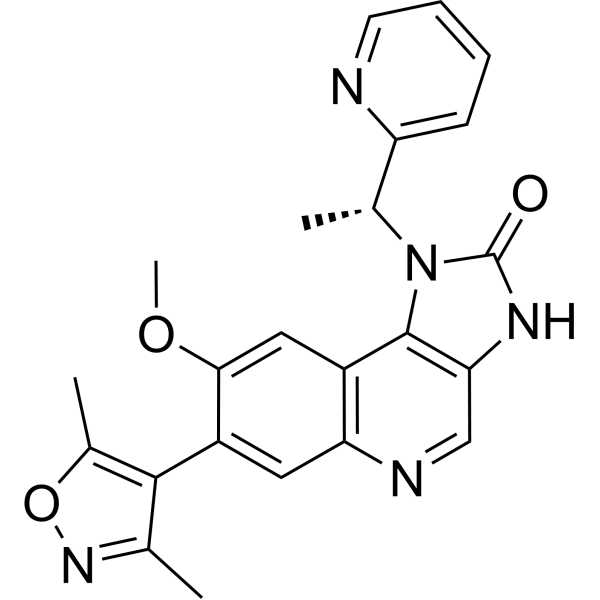
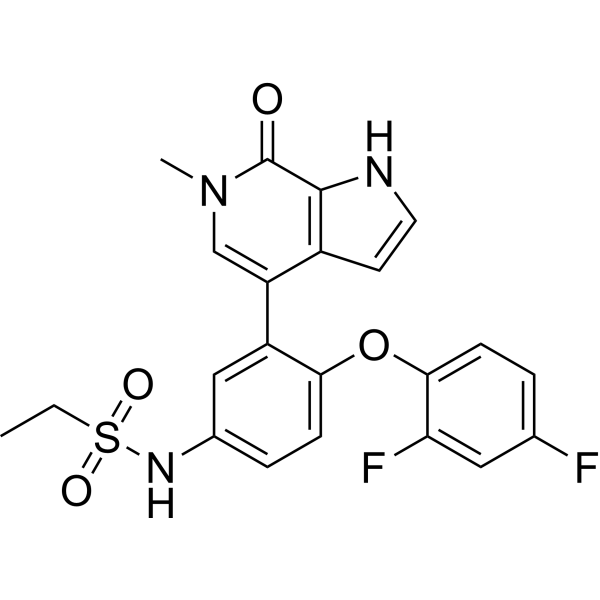
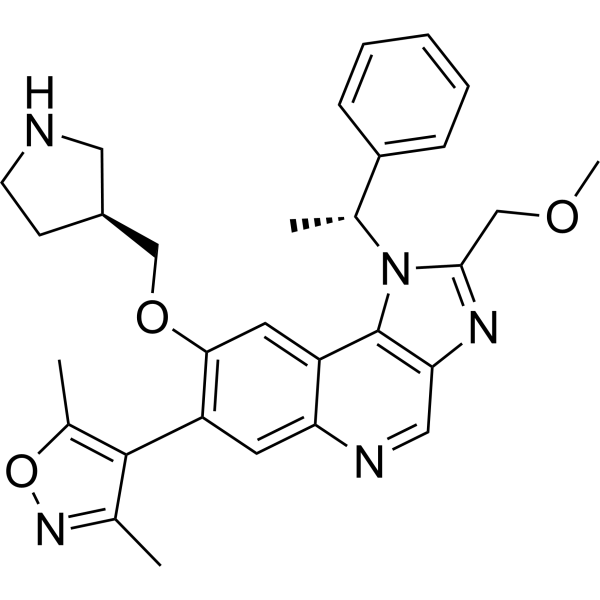
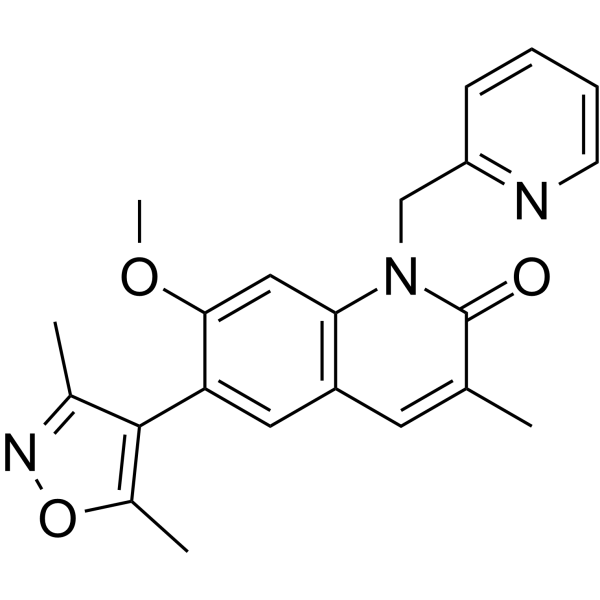
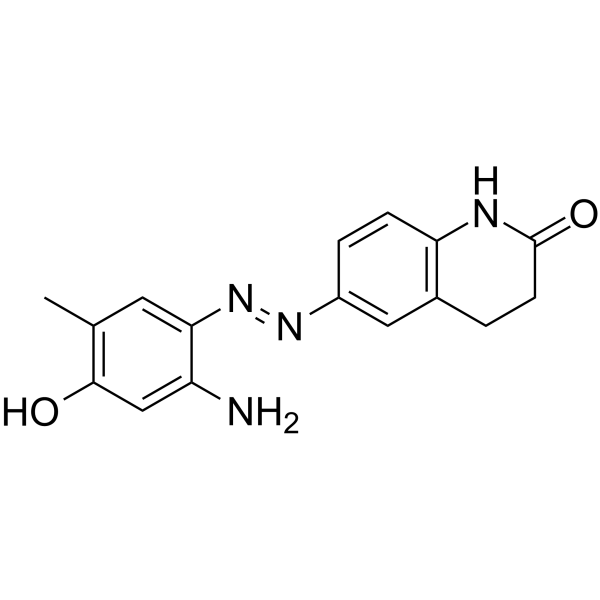
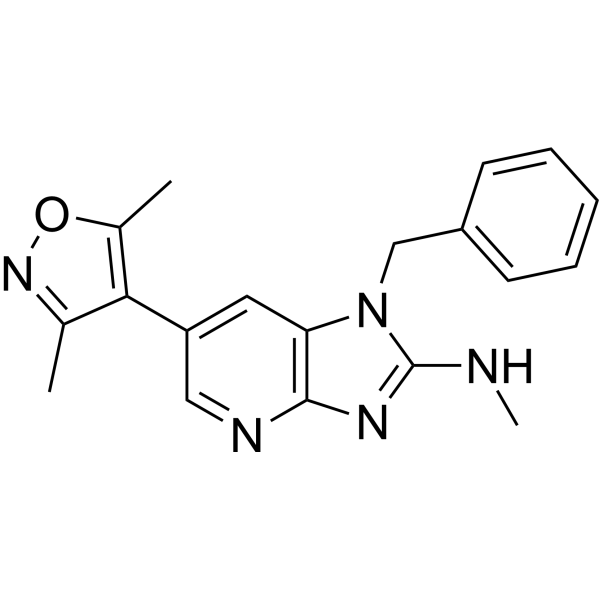
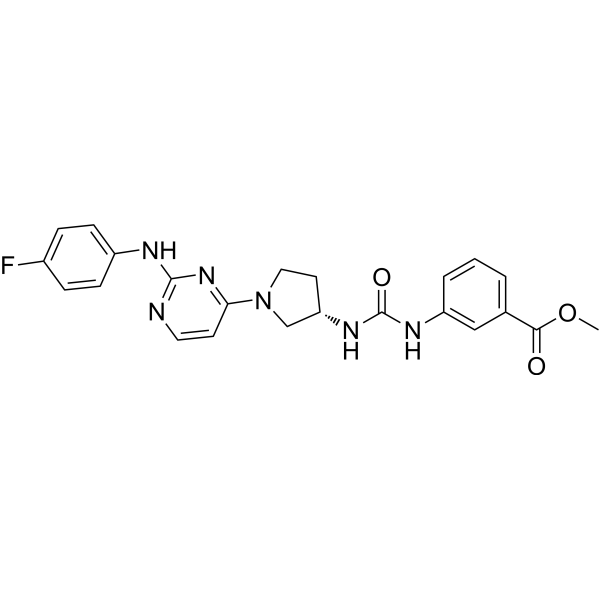
1. Search Result
Search Result
Results for "

bromodomain BRD4

" in MedChemExpress (MCE) Product Catalog:

110

Inhibitors & Agonists

1

Fluorescent Dyes

1

Biochemical Assay Reagents

1

Natural
Products

1

Recombinant Proteins

1

Isotope-Labeled Compounds

2

Antibodies

3

Click Chemistry

Cat. No. Product Name Target Research Areas Chemical Structure
  • HY-13030
    (+)-JQ-1
    Maximum Cited Publications
    295 Publications Verification

    JQ1

    Epigenetic Reader Domain Autophagy Ligands for Target Protein for PROTAC Neurological Disease Cancer
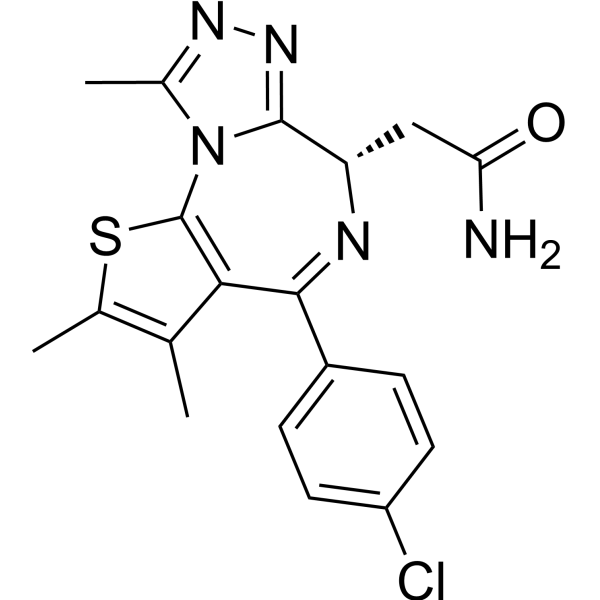
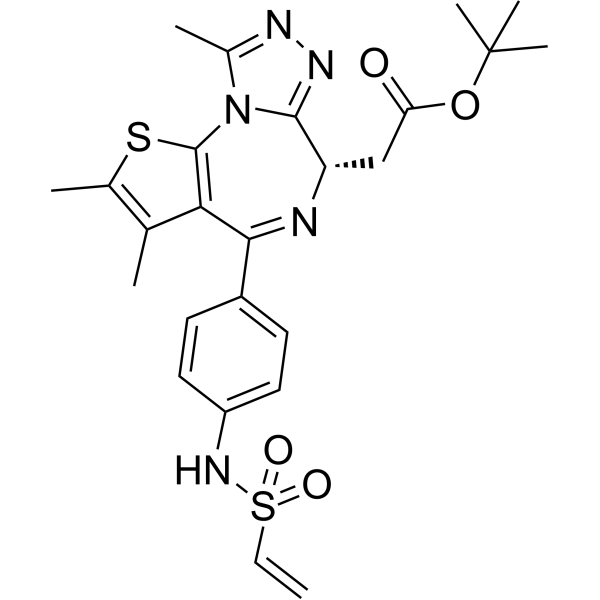
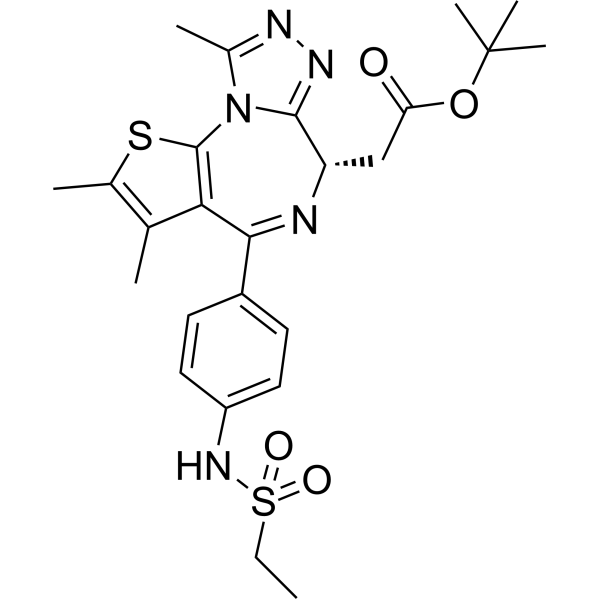
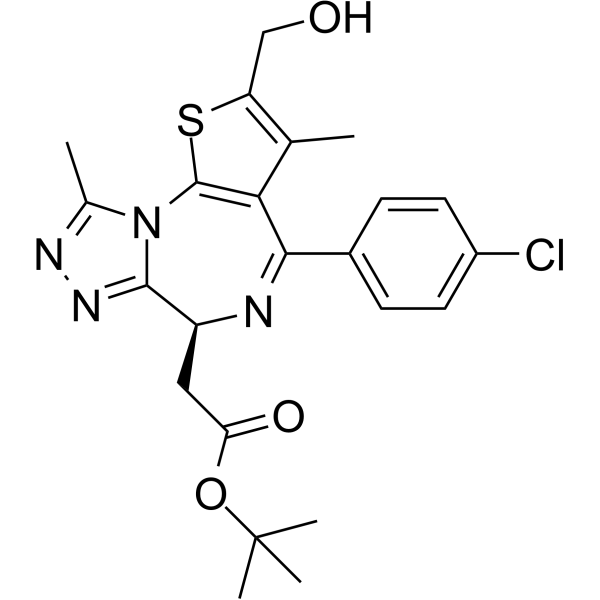
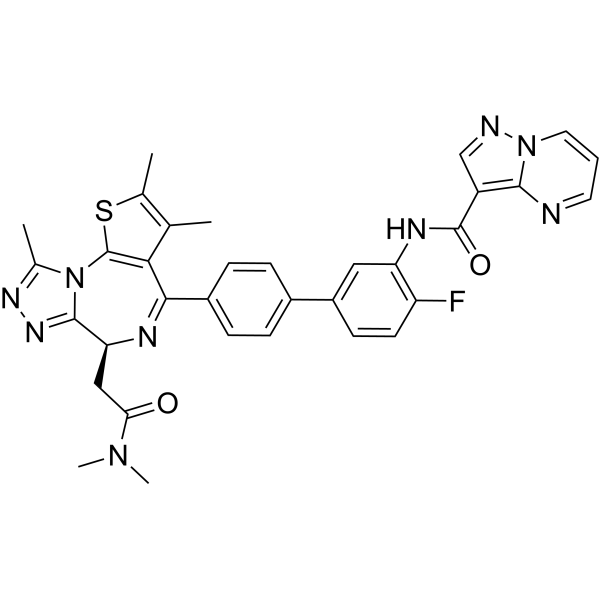
    (+)-JQ-1 (JQ1), a chemical probe, is a potent, specific, CNS-penetrant and reversible BET bromodomain inhibitor, with IC50s of 77 and 33 nM for the first and second bromodomain (BRD4(1/2)) . (+)-JQ-1 also activates autophagy .
    (+)-JQ-1
  • HY-111784
    Inobrodib
    10+ Cited Publications

    CCS1477

    Epigenetic Reader Domain Cancer
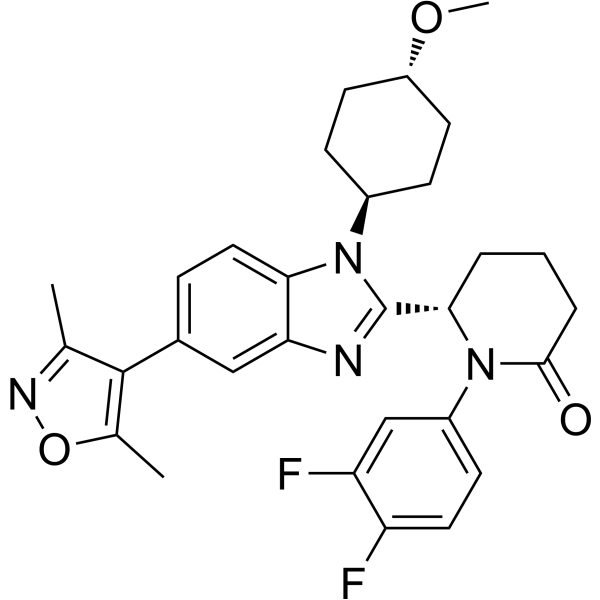
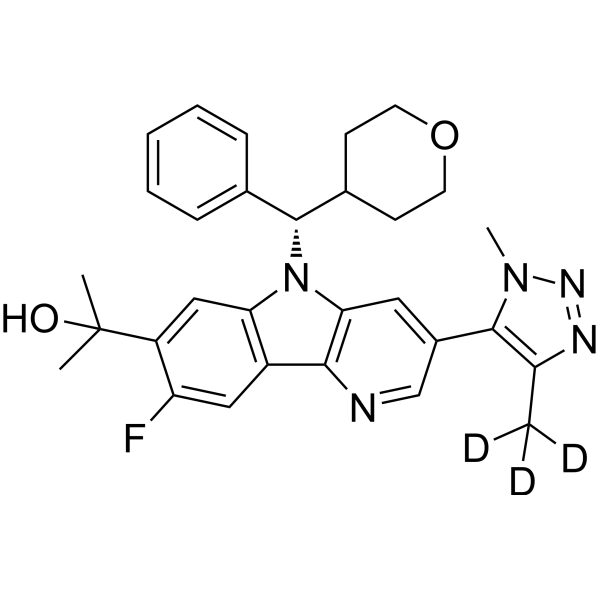
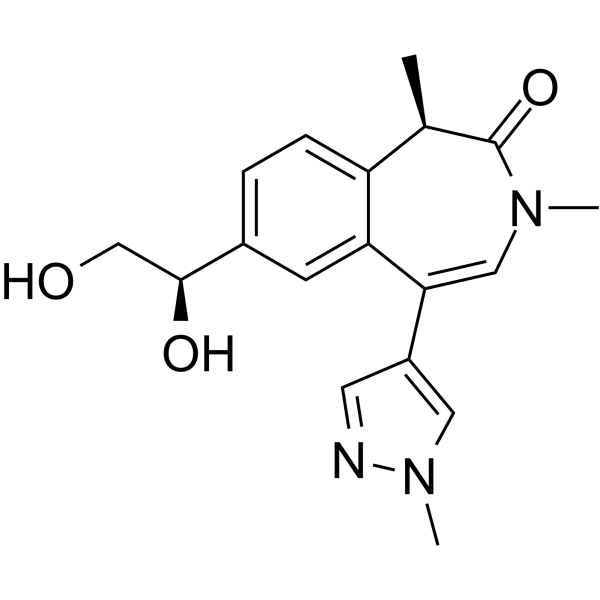
    Inobrodib (CCS1477) is an orally active, potent, and selective inhibitor of the p300/CBP bromodomain. Inobrodib binds to p300 and CBP with Kd values of 1.3 and 1.7 nM, respectively, and with 170/130-fold selectivity compared with BRD4 with a Kd of 222 nM. CCS1477 inhibits cell proliferation in prostate cancer cell lines and decreases androgen receptor (AR)- and C-MYC-regulated gene expression .
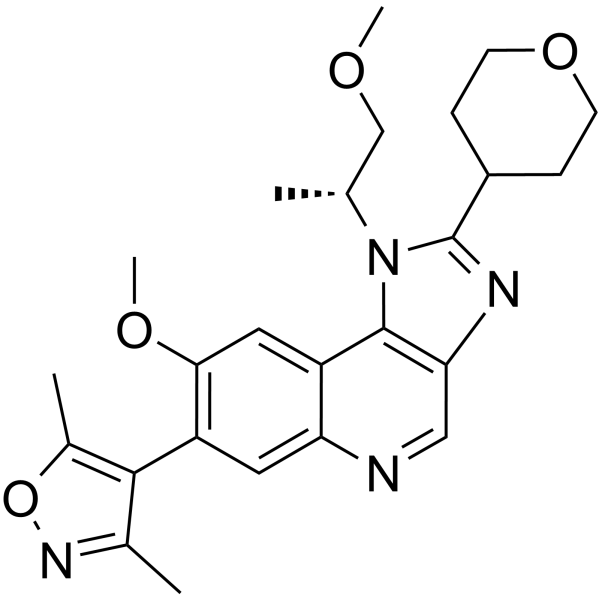
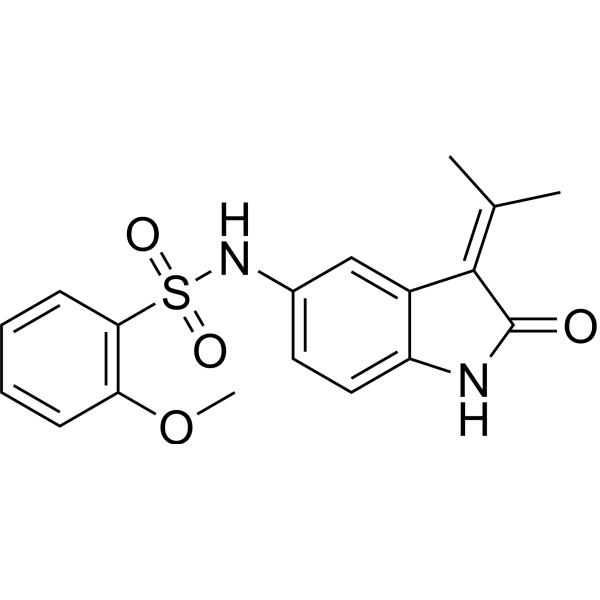
    Inobrodib
  • HY-15826
    SGC-CBP30
    15+ Cited Publications

    Epigenetic Reader Domain Histone Acetyltransferase Inflammation/Immunology Cancer
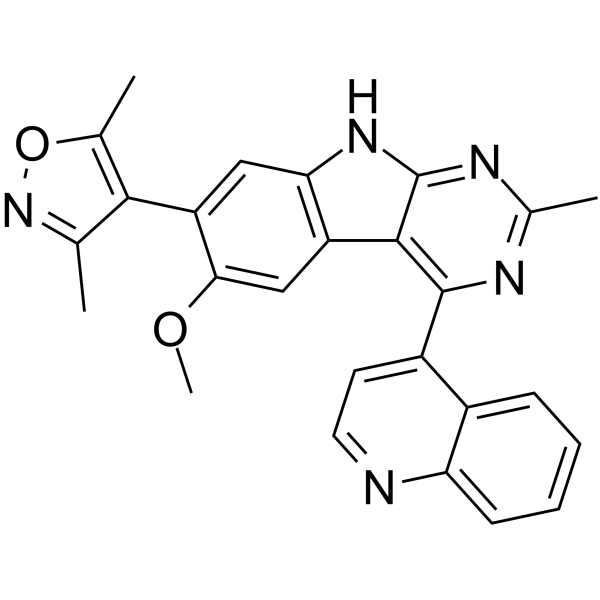
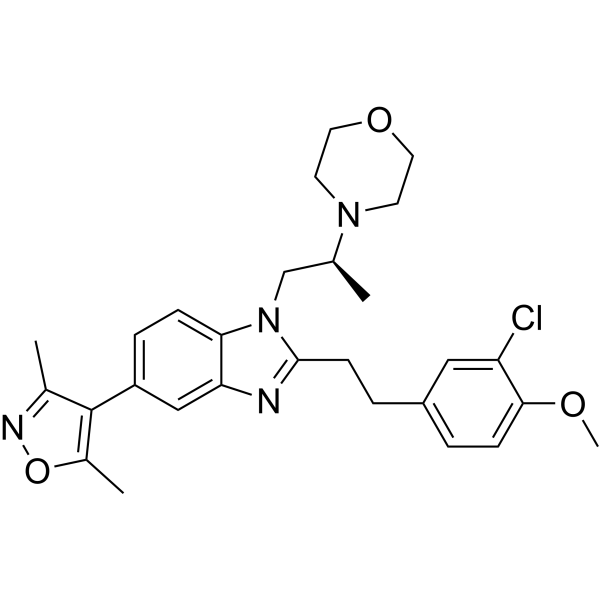
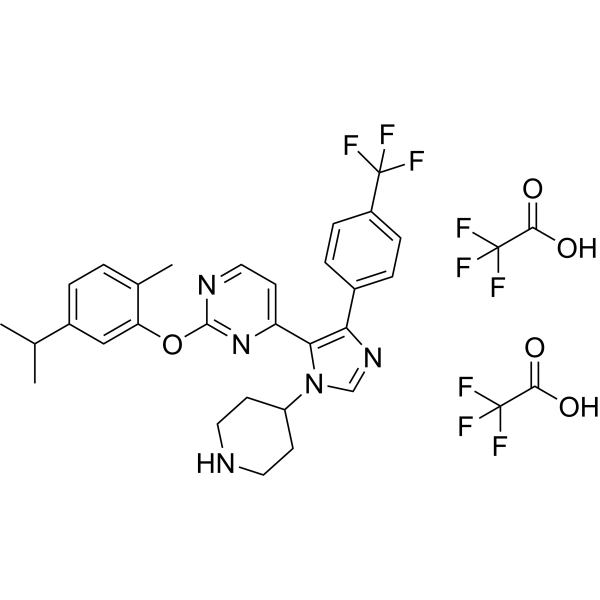
    SGC-CBP30, a chemical probe, is a potent and highly selective CBP/p300 bromodomain (Kds of 21 nM and 32 nM for CBP and p300, respectively) inhibitor, displaying 40-fold selectivity over the first bromodomain of BRD4 [BRD4(1)] bound. SGC-CBP30 strongly reduces secretion of IL-17A in Th17 cells and has anti-inflammatory effects .
    SGC-CBP30
  • HY-78695
    JQ-1 carboxylic acid
    5+ Cited Publications

    Epigenetic Reader Domain PD-1/PD-L1 Ligands for Target Protein for PROTAC Cancer
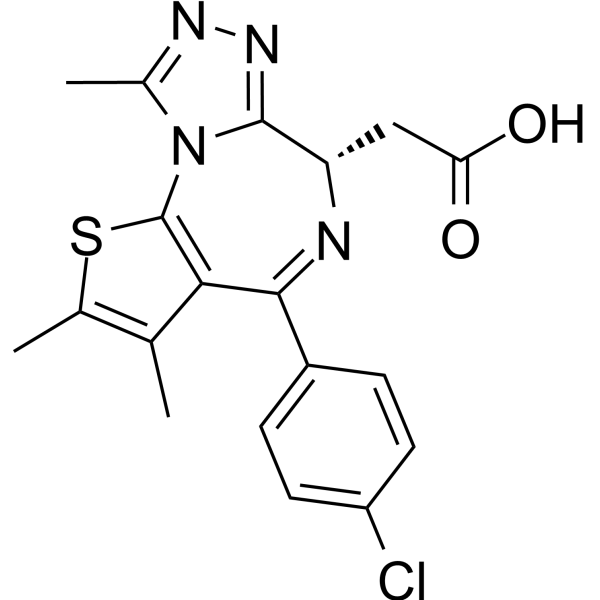
    JQ-1 carboxylic acid, a (+)-JQ-1 (HY-13030) derivative, is a potent BET bromodomain inhibitor. JQ-1 carboxylic acid can be used to synthesize PROTAC, which can target the degradation of BRD4.
    JQ-1 carboxylic acid
  • HY-13235
    I-BET151
    25+ Cited Publications

    GSK1210151A

    Epigenetic Reader Domain Cancer
    I-BET151 (GSK1210151A) is a BET bromodomain inhibitor which inhibits BRD4, BRD2, and BRD3 with pIC50 of 6.1, 6.3, and 6.6, respectively .
    I-BET151
  • HY-100015
    Mivebresib
    10+ Cited Publications

    ABBV-075

    Epigenetic Reader Domain Apoptosis Cancer
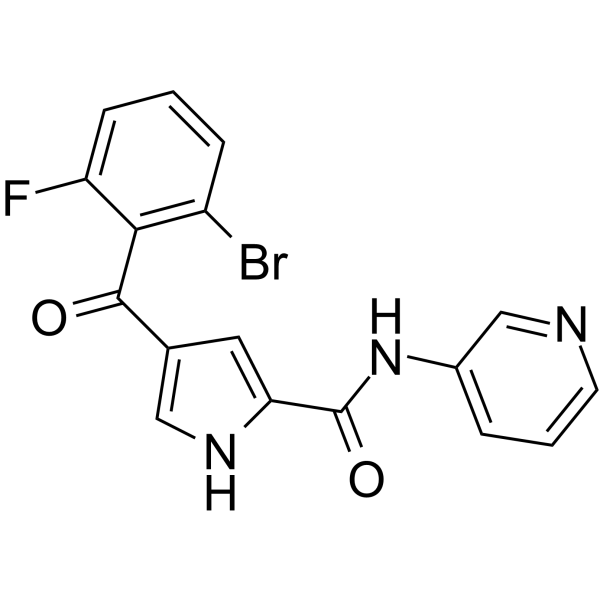
    Mivebresib (ABBV-075) is a potent and orally active bromodomain and extraterminal domain (BET) bromodomain inhibitor. Mivebresib binds to BRD4 with a Ki of 1.5 nM .
    Mivebresib
  • HY-136570
    GSK778
    1 Publications Verification

    iBET-BD1

    Epigenetic Reader Domain Apoptosis Inflammation/Immunology Cancer
    GSK778 (iBET-BD1), a chemical probe, is a potent and selective BD1 bromodomain inhibitor of the BET proteins, with IC50s of 75 nM (BRD2 BD1), 41 nM (BRD3 BD1), 41 nM (BRD4 BD1), and 143 nM (BRDT BD1), respectively. GSK778 phenocopies the effects of pan-BET inhibitors in cancer models .
    GSK778
  • HY-15846
    CPI-203
    5+ Cited Publications

    Epigenetic Reader Domain Apoptosis Cancer
    CPI-203 is a novel potent, selective and cell permeable inhibitor of BET bromodomain, with an IC50 value of appr 37 nM (BRD4 α-screen assay).
    CPI-203
  • HY-100653
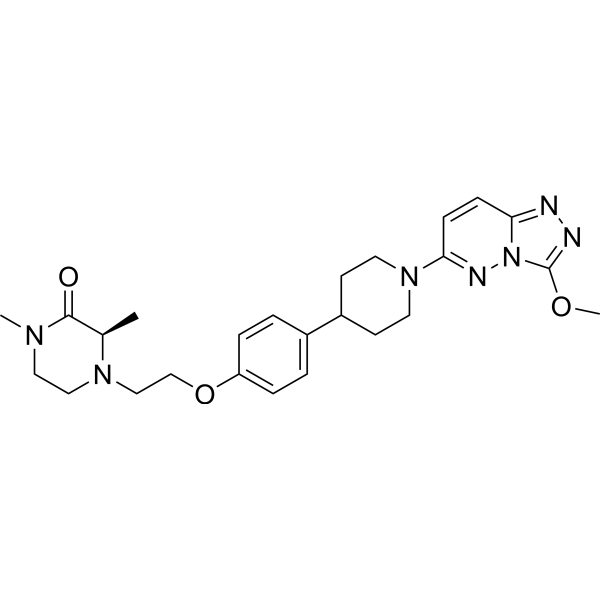
    AZD5153
    5 Publications Verification

    Epigenetic Reader Domain Apoptosis Cancer
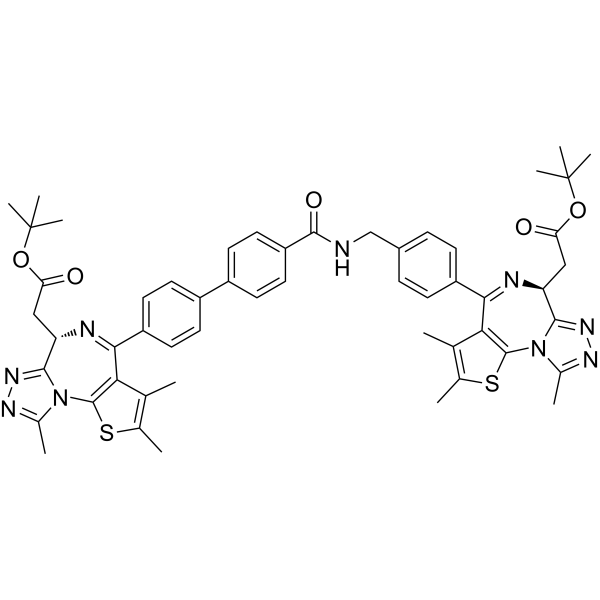
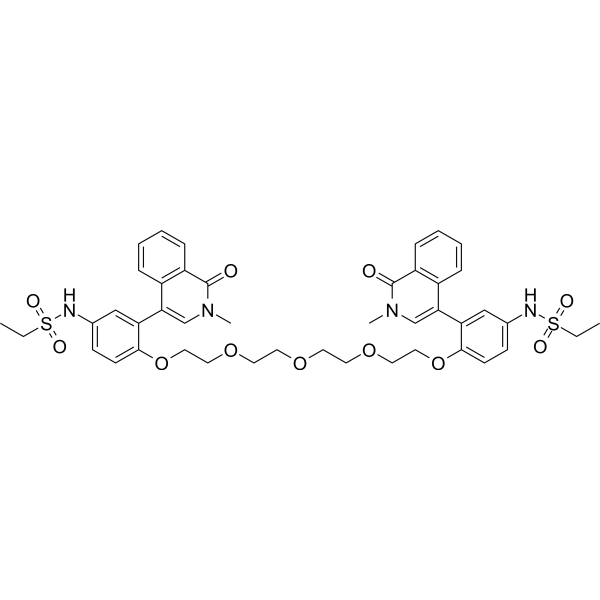
    AZD5153 is a bivalent, selective, and orally active BET/BRD4 bromodomain inhibitor with an IC50 of value of 5 nM for full-length BRD4 (FL-BRD4). AZD5153 ligates two bromodomains in BRD4 simultaneously. AZD5153 can be used for the study of cancer, such as acute myeloid leukemia, multiple myeloma, and diffuse large B-cell lymphoma .
    AZD5153
  • HY-100653A
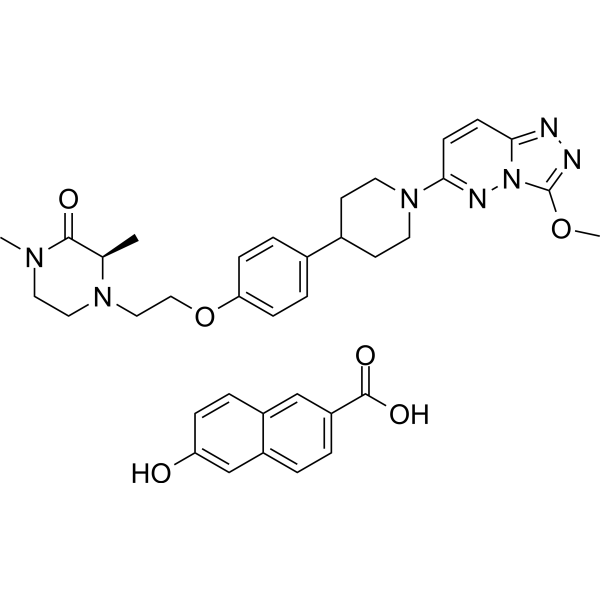
    AZD5153 6-Hydroxy-2-naphthoic acid
    5 Publications Verification

    Epigenetic Reader Domain Cancer
    AZD5153 6-Hydroxy-2-naphthoic acid is the 6-Hydroxy-2-naphthoic acid of AZD5153. AZD5153 is a potent, selective, and orally available BET/BRD4 bromodomain inhibitor; disrupts BRD4 with an IC50 of 1.7 nM.
    AZD5153 6-Hydroxy-2-naphthoic acid
  • HY-129937A
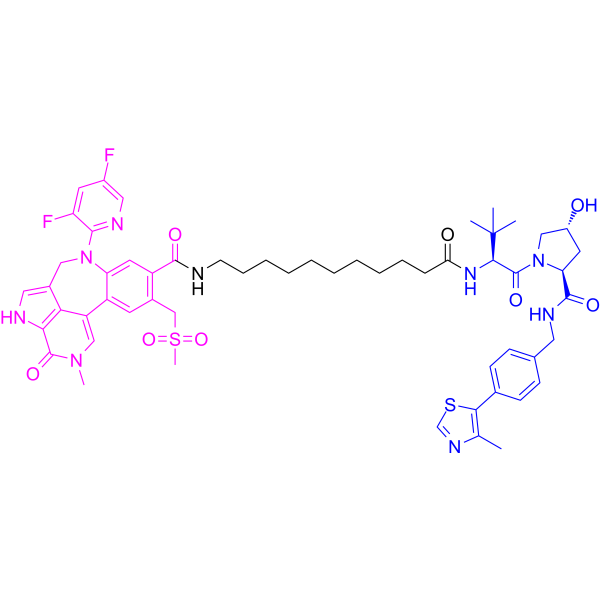
    GNE-987
    1 Publications Verification

    PROTACs Epigenetic Reader Domain Cancer
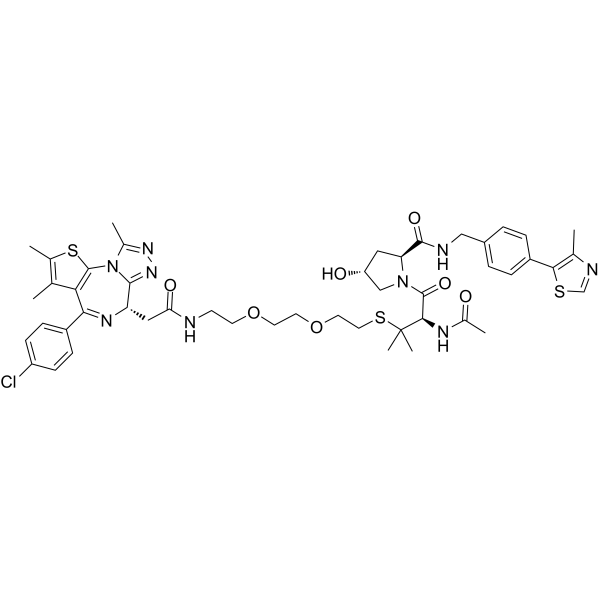
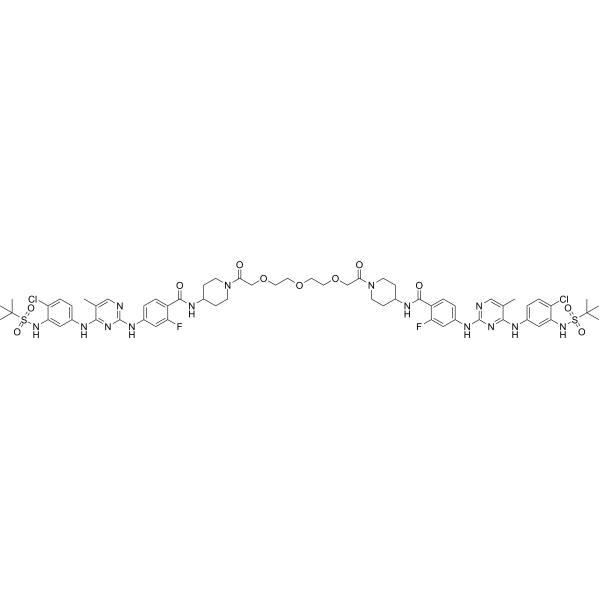
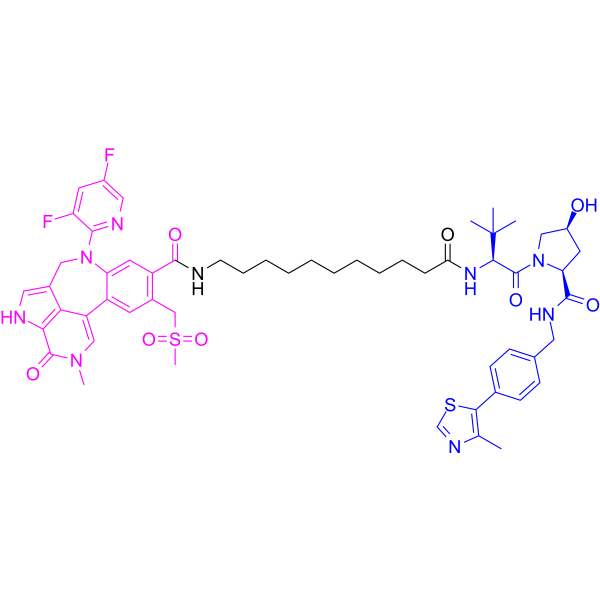
    GNE-987 is a VHL-dependent BRD4 PROTAC degrader. GNE-987 exhibits picomolar cell BRD4 degradation activity (DC50=0.03 nM for EOL-1 AML cell line). GNE-987 binds equipotently to the BD1 and BD2 bromodomains of BRD4 with low nanomolar affinities (IC50=4.7 and 4.4 nM, respectively). GNE-987 can be used for the research of cancer .
    GNE-987
  • HY-114204
    GSK8814
    1 Publications Verification

    Epigenetic Reader Domain Cancer
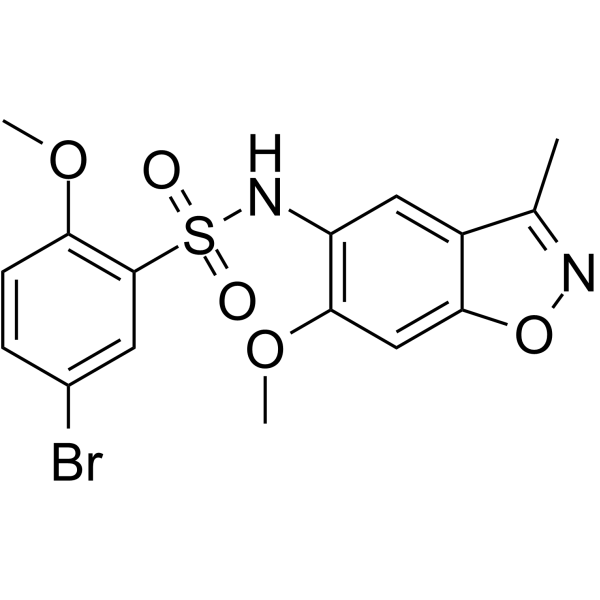
    GSK8814 is a potent and selective ATAD2 bromodomain chemical probe and inhibitor (IC50 = 0.059 μM), with a binding constant pKd = 8.1 and a pKi = 8.9 in BROMOscan. GSK8814 binds to ATAD2 and BRD4 BD1 with pIC50s of 7.3 and 4.6, respectively. GSK8814 shows 500-fold selectivity for ATAD2 over BRD4 BD1. GSK8814 can be researched for cancer associated with ATAD2 bromodomain .
    GSK8814
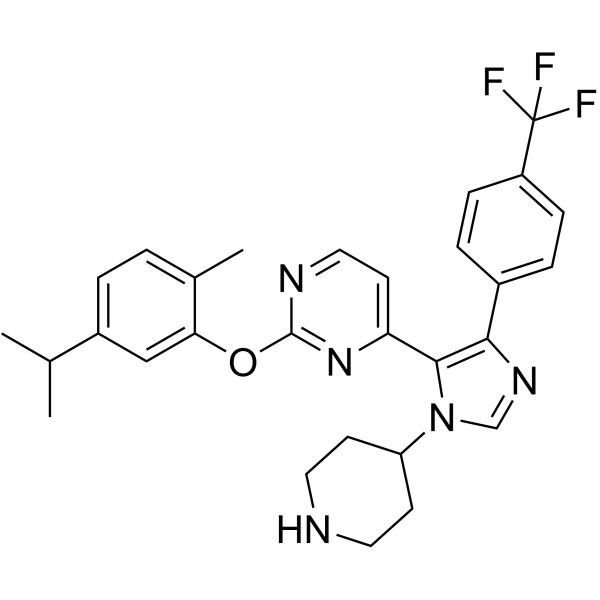
  • HY-151594

    Epigenetic Reader Domain Inflammation/Immunology Cancer
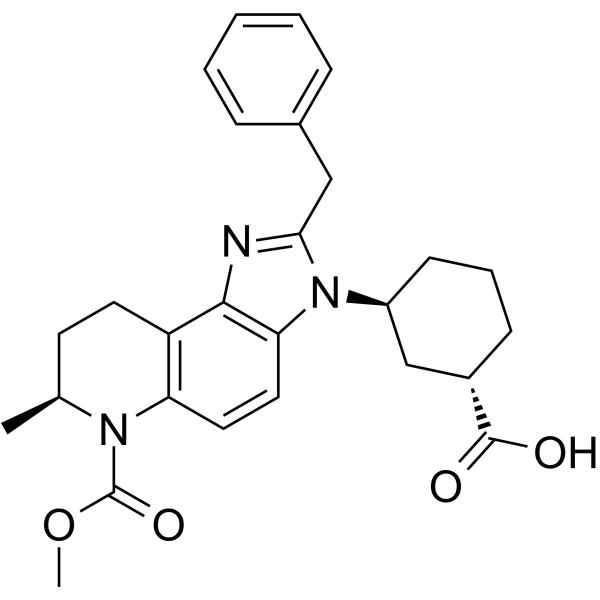
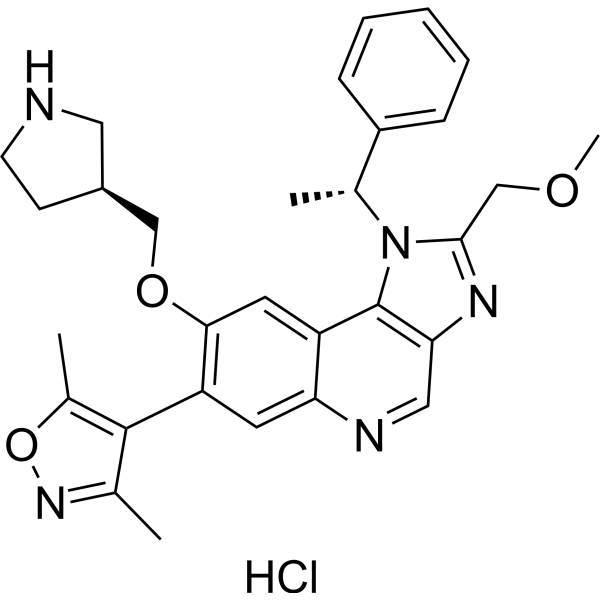
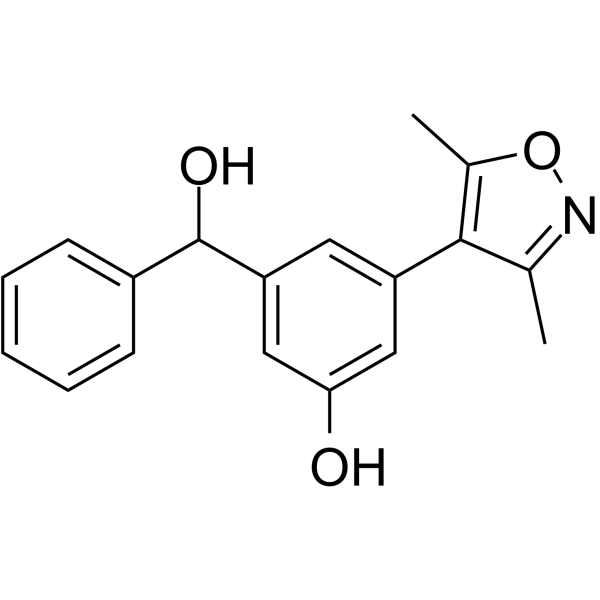
    iBRD4-BD1 is selective BRD4 bromodomain inhibitor. iBRD4-BD1 has inhibition activity for BRD4 bromodomain with an IC50 value of 12 nM. iBRD4-BD1 can be used for the research of inflammation and oncology .
    iBRD4-BD1
  • HY-100482
    CPI-637
    10+ Cited Publications

    Epigenetic Reader Domain Histone Acetyltransferase Cancer
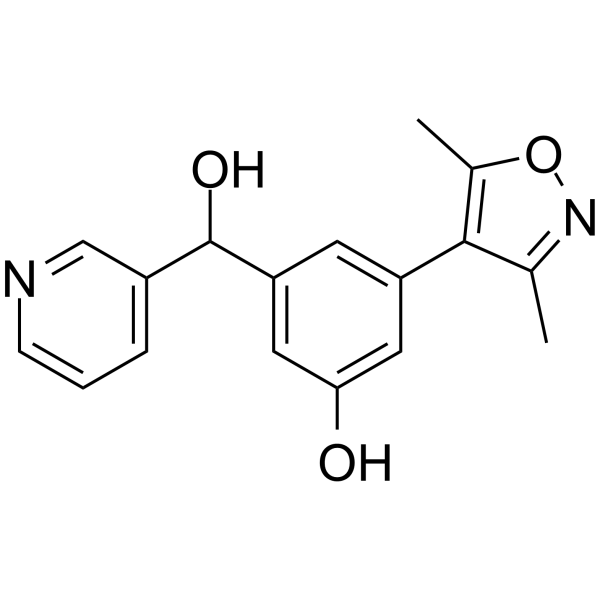
    CPI-637 is a selective and potent CBP/EP300 bromodomain inhibitor with IC50 values of 0.03 μM, 0.051 μM and 11.0 μM for CBP, EP300 and BRD4 BD-1, respectively, and an EC50 of 0.3 μM for CBP .
    CPI-637
  • HY-15658
    GSK2801
    3 Publications Verification

    Epigenetic Reader Domain Apoptosis Cancer
    GSK2801, a chemical probe, is a potent, selective, orally active and cell active acetyl-lysine competitive BAZ2A and BAZ2B bromodomains inhibitor with Kd values of 136 nM and 257 nM, respectively. GSK2801 shows >50-fold selectivity for BAZ2A/B over BRD4 .
    GSK2801
  • HY-111422
    PLX51107
    3 Publications Verification

    Epigenetic Reader Domain Cancer
    PLX51107 is a potent and selective BET inhibitor, with Kds of 1.6, 2.1, 1.7, and 5 nM for BD1 and 5.9, 6.2, 6.1, and 120 nM for BD2 of BRD2, BRD3, BRD4, and BRDT, respectively; PLX51107 also interacts with the bromodomains of CBP and EP300 (Kd, in the 100 nM range).
    PLX51107
  • HY-145667
    Biotinylated-JQ1
    1 Publications Verification

    Biotin-JQ1

    Epigenetic Reader Domain Cancer
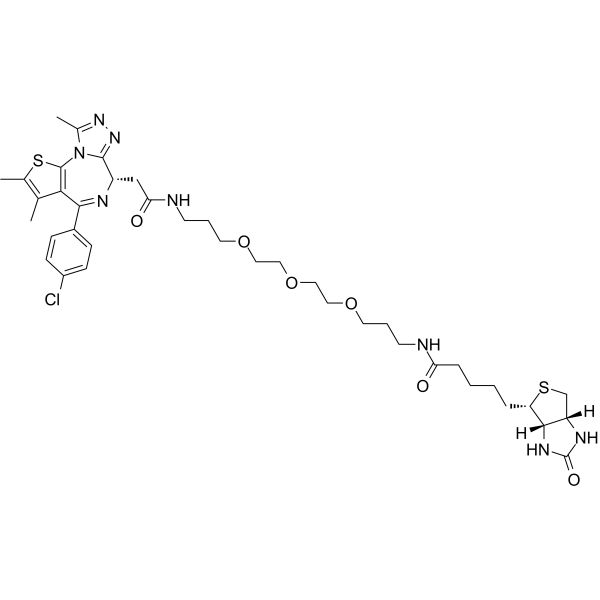
    Biotinylated-JQ1 (Biotin-JQ1) is a biotinylated derivative of JQ1 with high affinity for the bromodomain of BRD4. Biotinylated-JQ1 inhibits MM1.S multiple myeloma cells proliferation with the EC50 of 0.4 μM .
    Biotinylated-JQ1
  • HY-136857

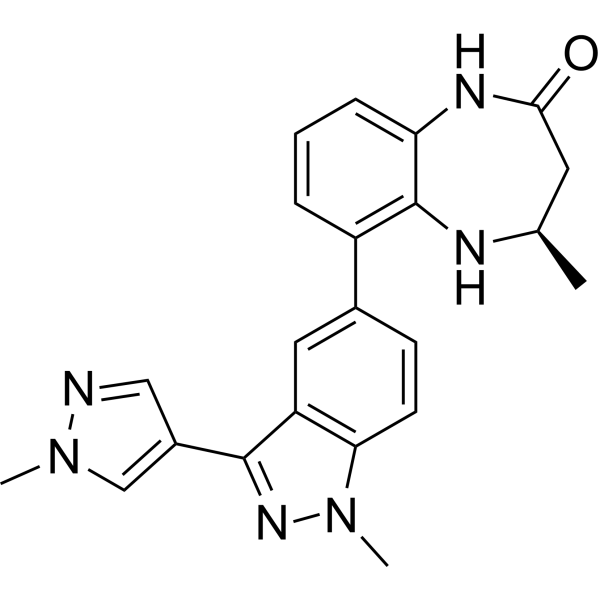
    Epigenetic Reader Domain Cancer
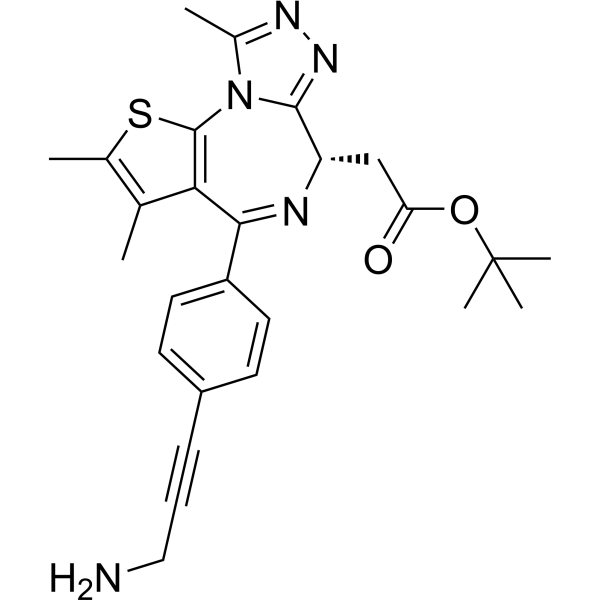
    BRD4 degrader-3 is a potent bromodomain BRD4 degrader extracted from patent WO2020055976A1, example 1a, has IC50s of 15.5 and 12.3 nM for BRD4-BD1 and BRD4-BD2, respectively . PROTAC BRD4 Degrader-7 is a click chemistry reagent, it contains an Alkyne group and can undergo copper-catalyzed azide-alkyne cycloaddition (CuAAc) with molecules containing Azide groups.
    BRD4 degrader-3
  • HY-145550

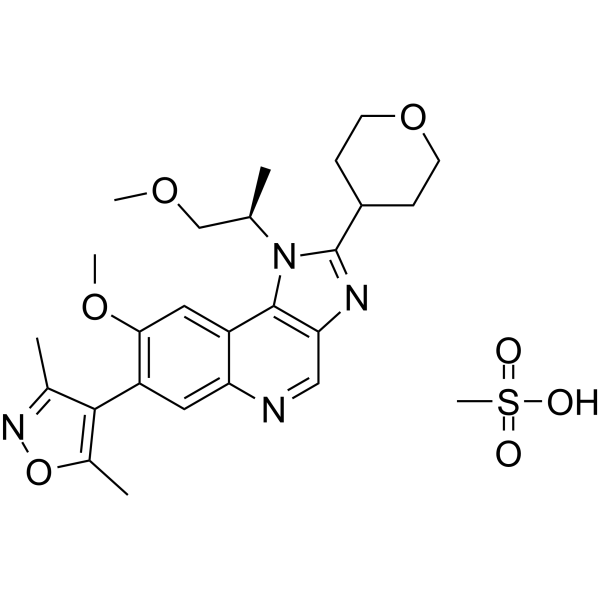
    BI894999

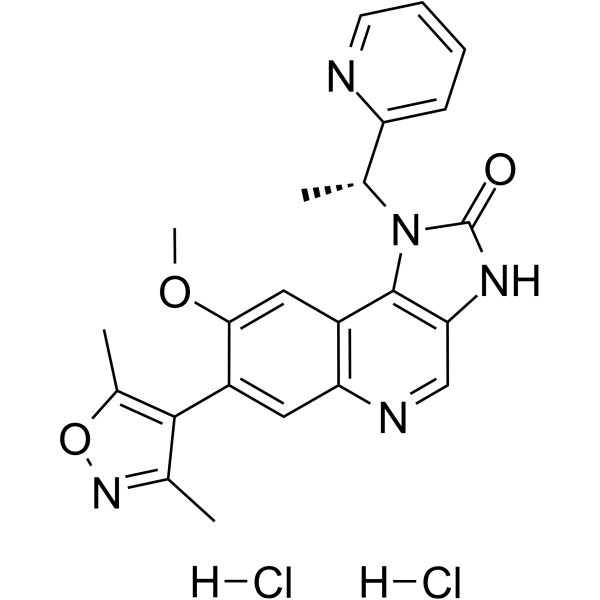
    Epigenetic Reader Domain Cancer
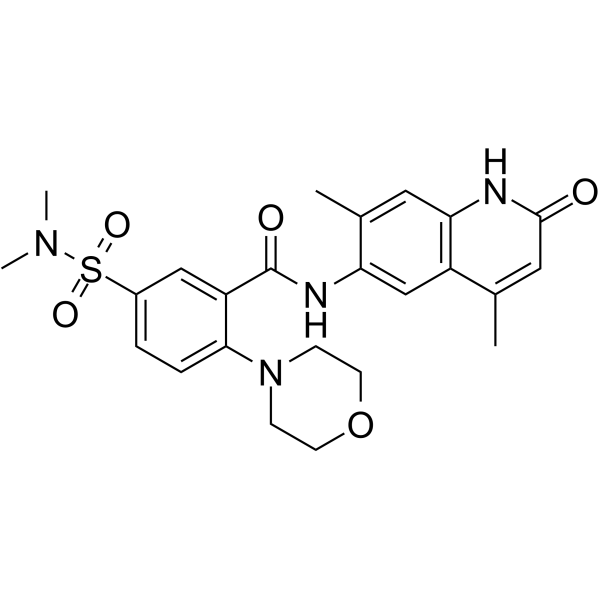
    Amredobresib (BI894999) is an orally active BET inhibitor. Amredobresib inhibits the binding of BRD4-BD1 and BRD4-BD2 bromodomains to acetylated histones with IC50 values of 5 nM and 41 nM, respectively. Amredobresib exhibits anticancer activity against acute myeloid leukemia (AML) and NUT cancer .
    Amredobresib
  • HY-16586
    PFI-1
    3 Publications Verification

    Epigenetic Reader Domain Autophagy Apoptosis Cancer
    PFI-1, a chemical probe, is a selective BET (bromodomain-containing protein) inhibitor for BRD4 with IC50 of 0.22 μM in a cell-free assay.
    PFI-1
  • HY-13959
    MS436
    1 Publications Verification

    Epigenetic Reader Domain Cancer
    MS436 is a new class of bromodomain inhibitor, exhibits potent affinity of an estimated Ki=30-50 nM for the BRD4 BrD1 and a 10-fold selectivity over the BrD2.
    MS436
  • HY-134463
    NHWD-870
    1 Publications Verification

    Epigenetic Reader Domain Apoptosis Cancer
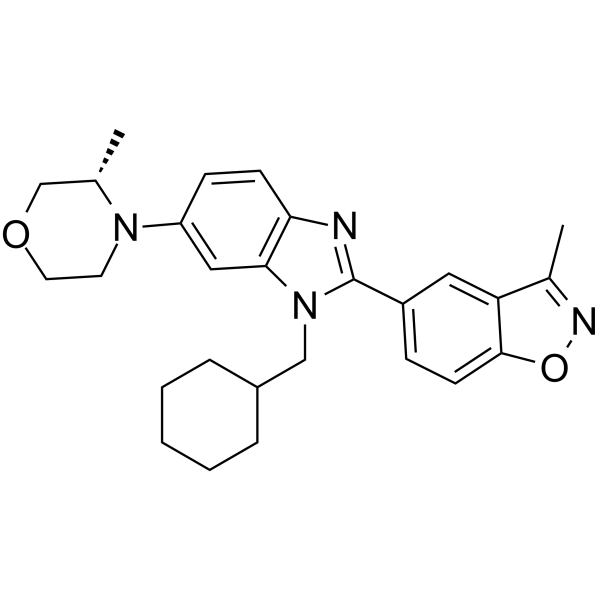
    NHWD-870 is a potent, orally active and selective BET family bromodomain inhibitor and only binds bromodomains of BRD2, BRD3, BRD4 (IC50=2.7 nM), and BRDT. NHWD-870 has potent tumor suppressive efficacies and suppresses cancer cell-macrophage interaction. NHWD-870 increases tumor apoptosis and inhibits tumor proliferation .
    NHWD-870
  • HY-120028

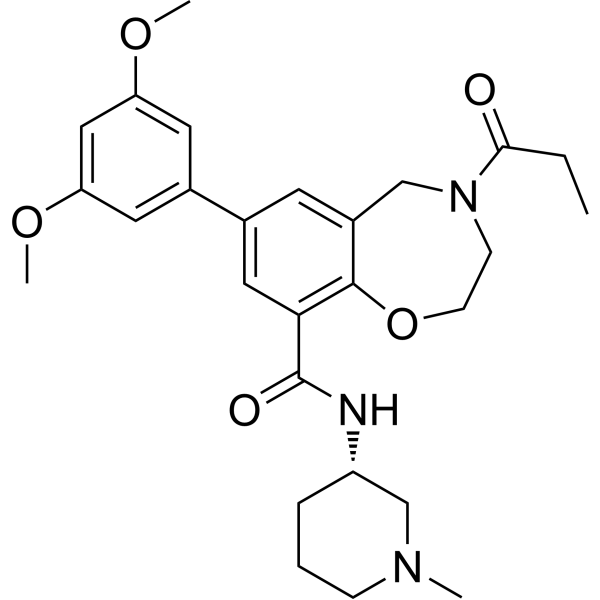
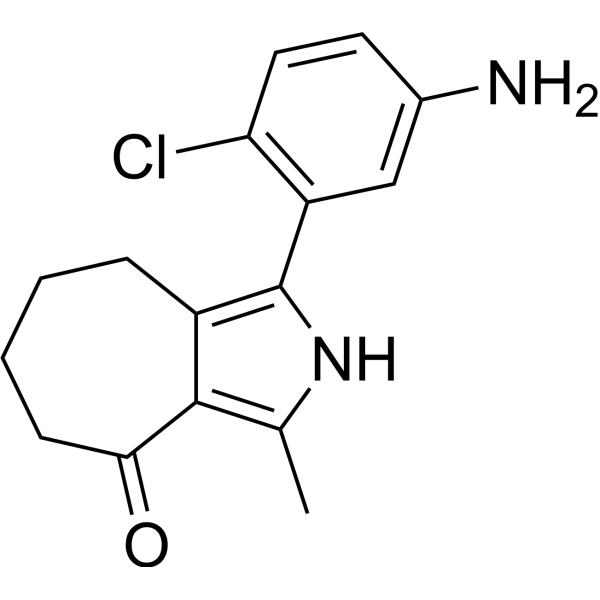
    Epigenetic Reader Domain Histone Acetyltransferase Cancer
    GNE-207 is a potent, selective and orally bioavailable inhibitor of the bromodomain of CBP, with an IC50 of 1 nM, exhibits a selectively index of >2500-fold against BRD4 (1). GNE-207 shows excellent CBP potency, with an EC50 of 18 nM for MYC expression in MV-4-11 cells .
    GNE-207
  • HY-136571
    GSK046
    3 Publications Verification

    iBET-BD2

    Epigenetic Reader Domain Inflammation/Immunology
    GSK046 (iBET-BD2), a chemical probe, is a potent, selective and orally active BD2 bromodomain inhibitor of the BET proteins, with IC50s of 264 nM (BRD2 BD2), 98 nM (BRD3 BD2), 49 nM (BRD4 BD2) and 214 nM (BRDT BD2), respectively. GSK046 has immunomodulatory activity .
    GSK046
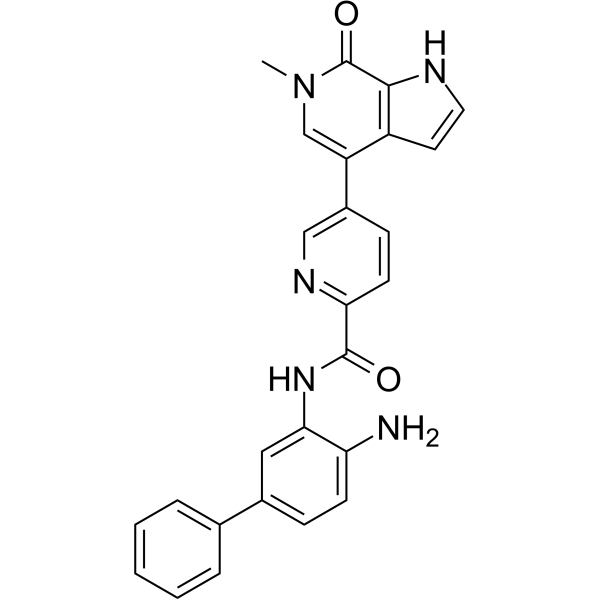
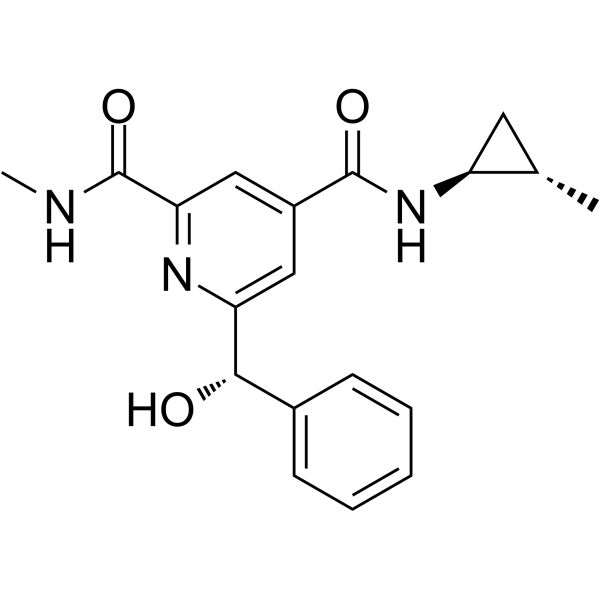
  • HY-128341

    ERK Cardiovascular Disease Cancer
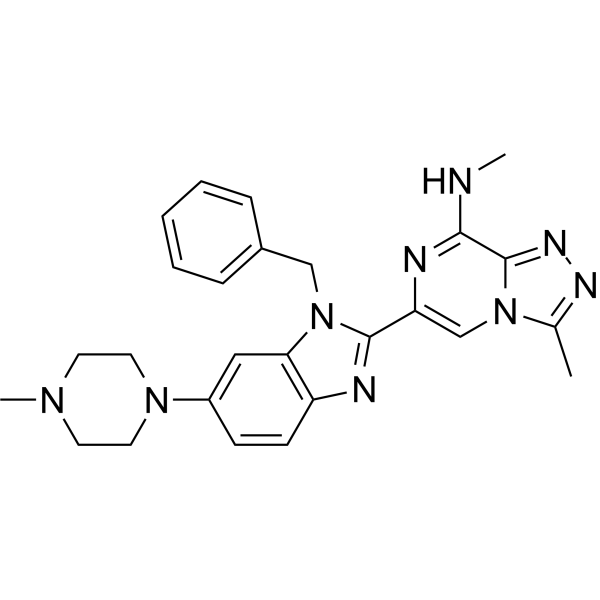
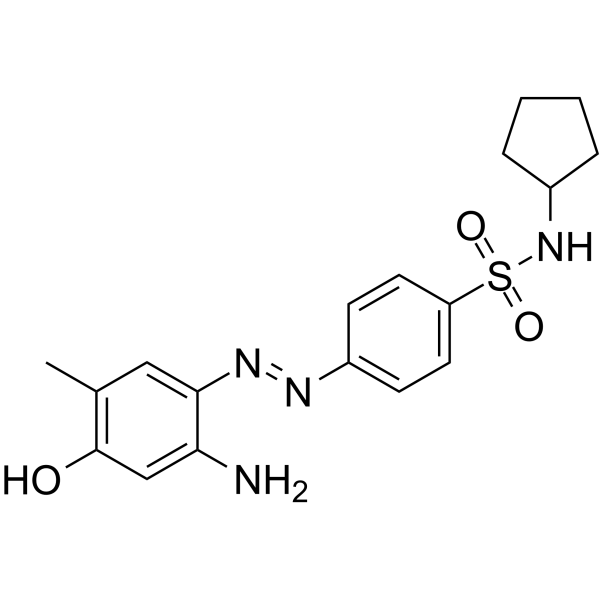
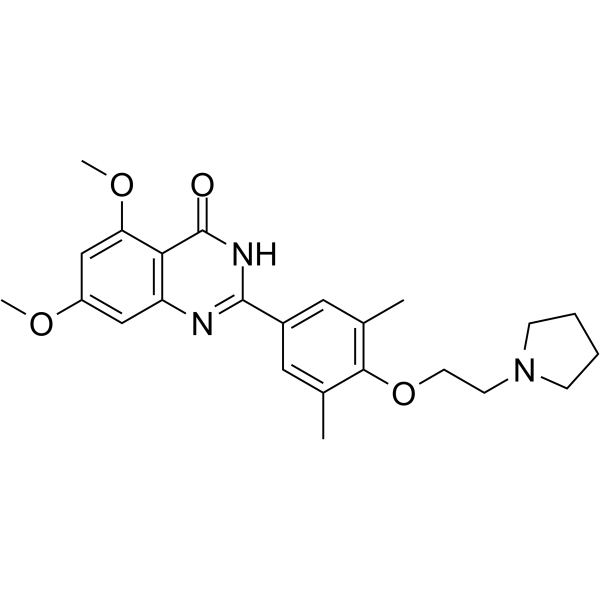
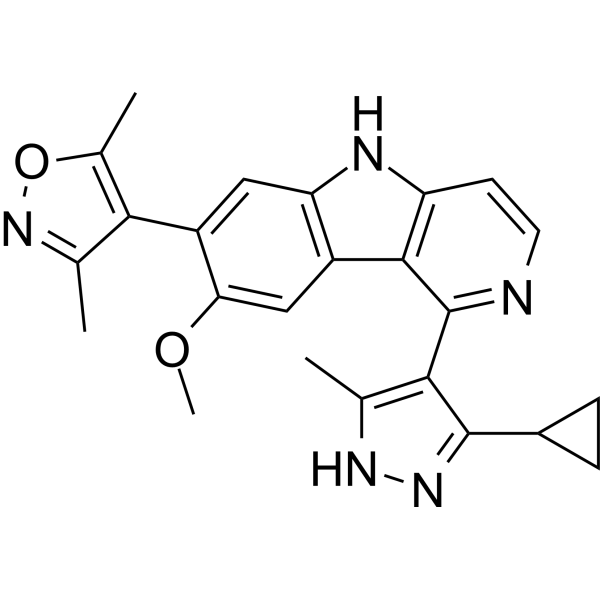
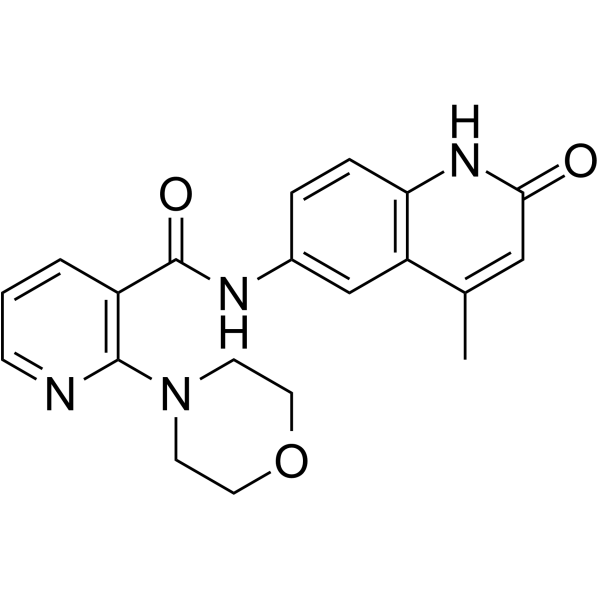
    ERK5-IN-2 is an orally active, sub-micromolar, selective ERK5 inhibitor with IC50s of 0.82 μM, 3 μM for ERK5 and ERK5 MEF2D, respectively. ERK5-IN-2 does not interact with the BRD4 bromodomain. ERK5-IN-2 suppresses both tumor xenograft growth and basic fibroblast growth factor (bFGF) driven Matrigel plug angiogenesis .
    ERK5-IN-2
  • HY-156828

    Molecular Glues Epigenetic Reader Domain Cancer
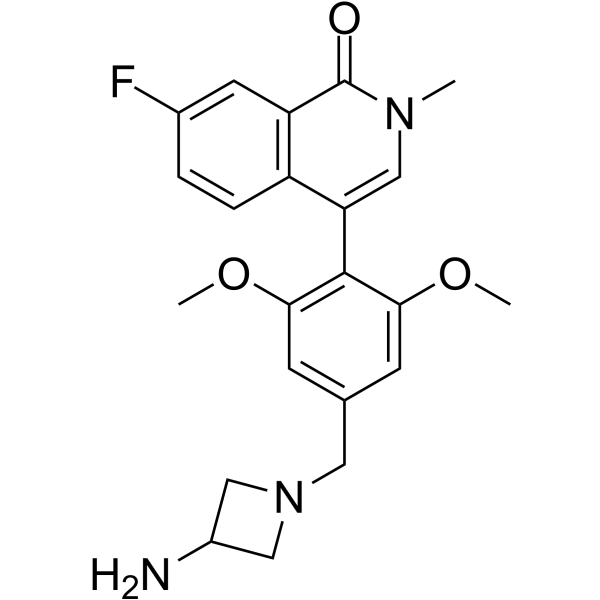
    MMH2 is a novel BRD4 molecular glue degrader that functions by recruiting the CUL4 and DCAF16 ligases to the second bromodomain of BRD4 (BRD4BD2) .
    MMH2
  • HY-112375

    PROTACs Cancer
    AT6 is a PROTAC AT1 analogue, which is a PROTAC connected by ligands for von Hippel-Lindau and BRD4 with highly selectivity to bromodomain (Brd4).
    AT6
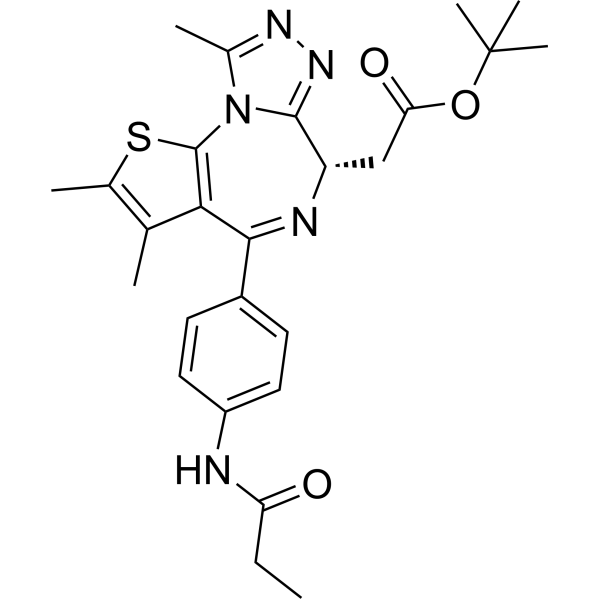
  • HY-117286

    TEN-010

    Epigenetic Reader Domain Apoptosis Neurological Disease Cancer
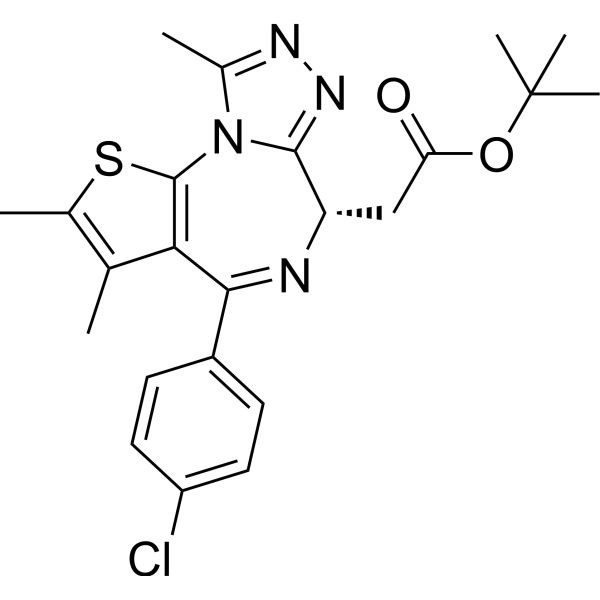
    (S)-JQ-35 (TEN-010) is an orally active, blood-brain barrier-permeable bromodomain inhibitor that selectively targets the bromodomain and extra-terminal domain (BET) protein family (BRD4, BRD3, BRD2 and BRDT). (S)-JQ-35 blocks the activation of Myc gene expression by BRD4, thereby inhibiting cancer cell proliferation and promoting cancer cell apoptosis. (S)-JQ-35 can be used in research related to NUT midline carcinoma and neuroblastoma .
    (S)-JQ-35
  • HY-156214

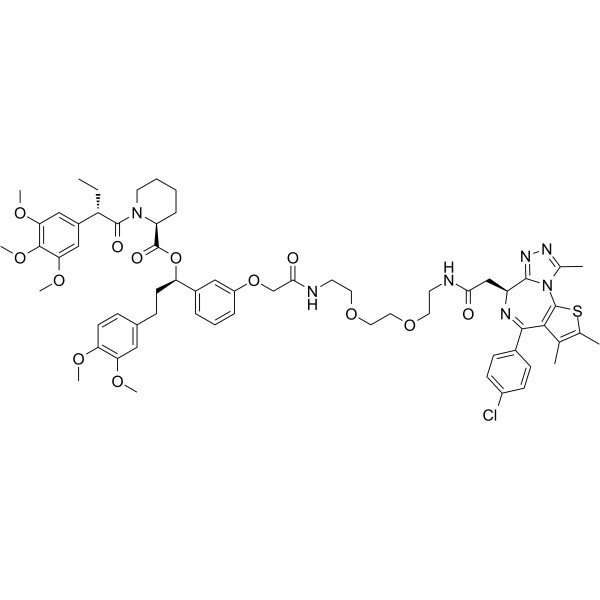
    AP1867-PEG2-JQ1; AP-PEG2-JQ1

    Epigenetic Reader Domain Others
    NICE-01 (AP1867-PEG2-JQ1; AP-PEG2-JQ1) is a bifunctional compound that bind to proteins in separate cellular compartments that can induce nuclear import of cytosolic cargoes, using nuclear-localized bromodomain-containing protein 4 (BRD4) as a “carrier” for co-import and nuclear trapping of cytosolic proteins .
    NICE-01
  • HY-156827

    Molecular Glues Epigenetic Reader Domain Cancer
    MMH1 is a novel BRD4 molecular glue degrader that functions by recruiting the CUL4 and DCAF16 ligases to the second bromodomain of BRD4 (BRD4BD2) .
    MMH1
  • HY-131061

    Epigenetic Reader Domain Cancer
    BET bromodomain inhibitor 1 is an orally active, selective bromodomain and extra-terminal (BET) bromodomain inhibitor with an IC50 of 2.6 nM for BRD4. BET bromodomain inhibitor 1 binds to BRD2(2), BRD3(2), BRD4(1), BRD4(2), and BRDT(2) with high affinities (Kd values of 1.3 nM, 1.0 nM, 3.0 nM, 1.6 nM, 2.1 nM, respectively). bromodomain inhibitor 1 has anti-cancer activity .
    BET bromodomain inhibitor 1
  • HY-125232
    MS645
    1 Publications Verification

    Epigenetic Reader Domain Cancer
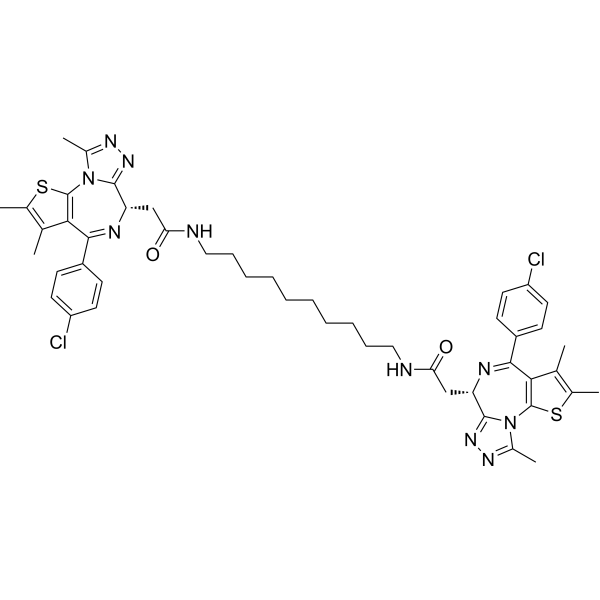
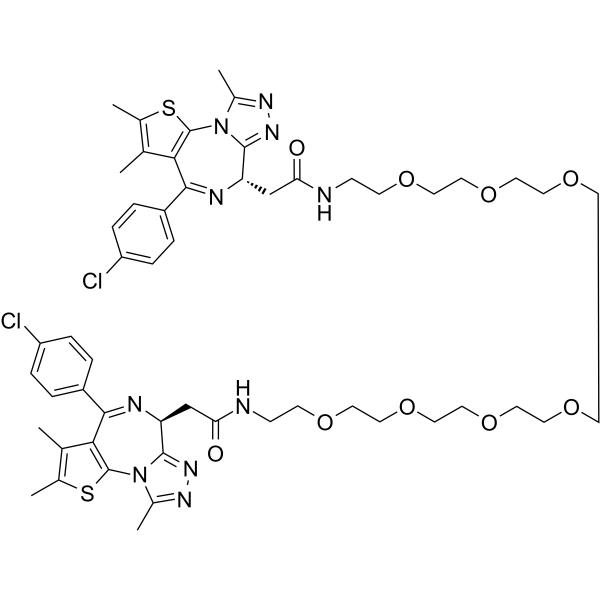
    MS645 is a bivalent BET bromodomains (BrD) inhibitor with a Ki of 18.4 nM for BRD4-BD1/BD2. MS645 spatially constrains bivalent inhibition of BRD4 BrDs resulting in a sustained repression of BRD4 transcriptional activity in solid-tumor cells .
    MS645
  • HY-160528
    IBG3
    1 Publications Verification

    Epigenetic Reader Domain Molecular Glues Cancer
    IBG3 is a Molecular glue degrader targeting BRD2 and BRD4, with DC50 values of 8.6 pM and 6.7 pM, respectively. IBG3 binds simultaneously to the tandem bromodomains of BRD2/BRD4, induces intramolecular conformational changes, enhances the affinity of BRD2/BRD4 for DCAF16, and promotes ubiquitination and degradation. IBG3 is applicable to the research of chronic myeloid leukemia .
    IBG3
  • HY-111976

    Epigenetic Reader Domain Cancer
    MT1 is a bivalent chemical probe of BET bromodomains, with an IC50 of 0.789 nM for BRD4(1) .
    MT1
  • HY-103036

    Epigenetic Reader Domain Apoptosis Cancer
    BET bromodomain-IN-5 is an orally active BET inhibitor with an IC50 of 14 nM against BRD4 (1). BET bromodomain-IN-5 can inhibit the proliferation of tumor cells and induce cell cycle arrest and apoptosis. BET bromodomain-IN-5 can be used in the research of tumors .
    BET bromodomain-IN-5
  • HY-112610

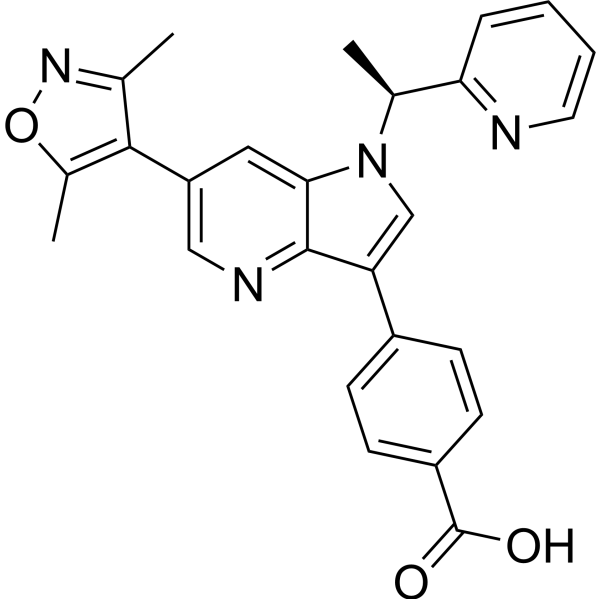
    Epigenetic Reader Domain Histone Acetyltransferase Cancer
    CF53 is a highly potent, selective and orally active inhibitor of BET protein, with a Ki of <1 nM, Kd of 2.2 nM and an IC50 of 2 nM for BRD4 BD1. CF53 binds to both the BD1 and BD2 domains of BRD2, BRD3, BRD4, and BRDT BET proteins with high affinities, very selective over non-BET bromodomain-containing proteins. CF53 shows potent anti-tumor activity both in vitro and in vivo .
    CF53
  • HY-19760

    Epigenetic Reader Domain Inflammation/Immunology
    I-BET282 is a pan-inhibitor of all eight BET bromodomains, and selectivity over other representative bromodomain-containing proteins. I-BET282 shows pIC50s ranging 6.4-7.7 for BRD2 (BD1/BD2), BRD2 (BD1/BD), BRD3 (BD1/BD), and BRD4 (BD1/BD) .
    I-BET282
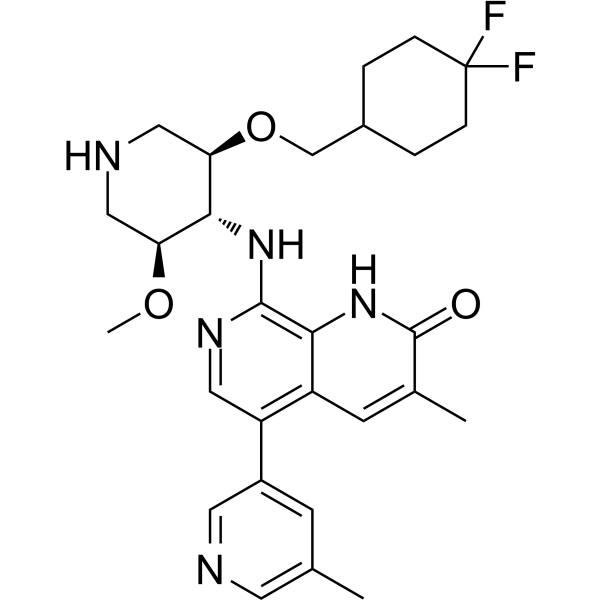
  • HY-146208
    BRD4 Inhibitor-20
    1 Publications Verification

    Epigenetic Reader Domain Cancer
    BRD4 Inhibitor-20 is a potent orally active bromodomain protein 4 (BRD4) inhibitor. BRD4 Inhibitor-20 has inhibitory activity for BRD4 (BD1) and BRD4 (BD2) with IC50 values of 19 nM and 28 nM, respectively. BRD4 Inhibitor-20 also has anti-proliferation activities in cancer cell lines. BRD4 Inhibitor-20 can be used for the research of kinds of cancer, such as colon cancer .
    BRD4 Inhibitor-20
  • HY-124596

    Epigenetic Reader Domain Cancer
    CD161 is a potent, selective and orally bioavailable bromodomain and extra-terminal (BET) bromodomain inhibitor with an IC50s of 28.2 nM and 7.2 nM for BRD4 BD1 and BRD4 BD2, respectively. CD161 has good anticancer activity .
    CD161
  • HY-112150
    ZL0454
    2 Publications Verification

    Epigenetic Reader Domain Inflammation/Immunology
    ZL0454 is a potent and selective Bromodomain-containing protein 4 (BRD4) inhibitor with an IC50 of 49 and 32 nM for BD1 and BD2.
    ZL0454
  • HY-111502

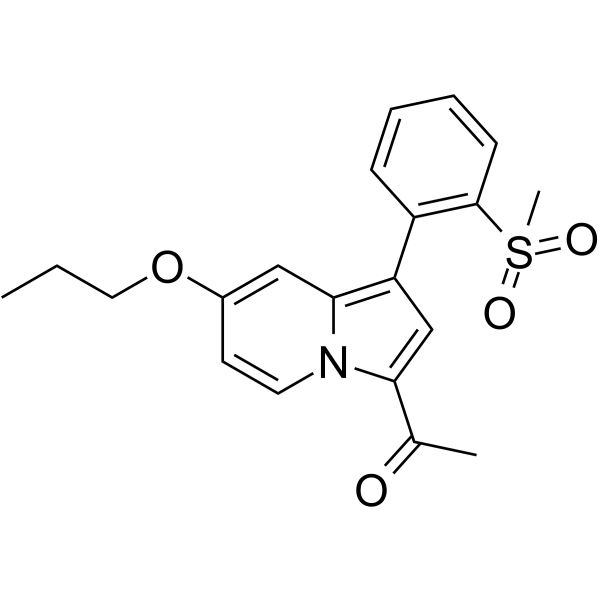
    Epigenetic Reader Domain Cancer
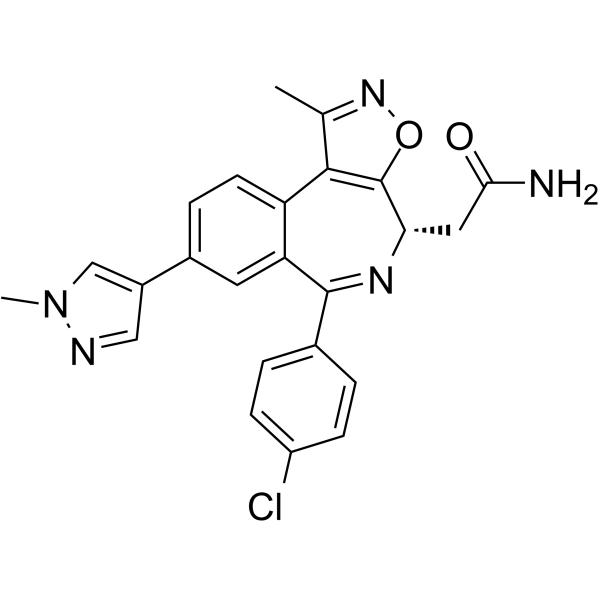
    Y06036 is a potent and selective BET inhibitor, which binds to the BRD4(1) bromodomain with Kd value of 82 nM . Antitumor activity .
    Y06036
  • HY-138563

    Epigenetic Reader Domain Cancer
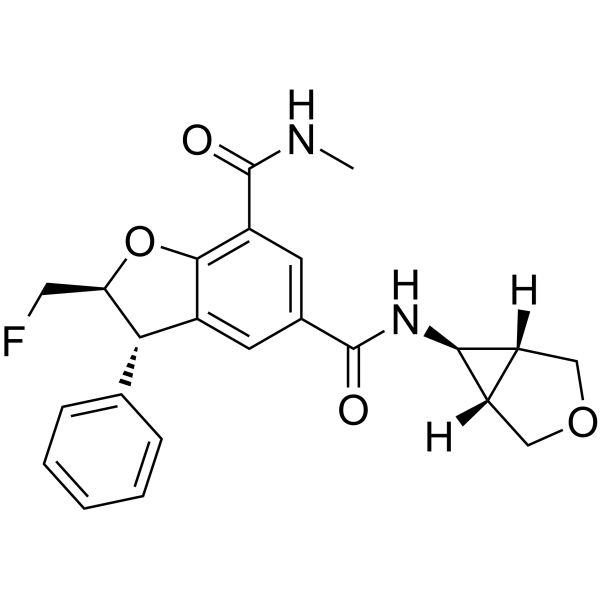
    GSK973, a chemical probe, is a highly selective, orally bioavailable inhibitor of the BD2s (second bromodomains) of the BET family, with a pIC50 of 7.8 and a pKd of 8.7 for BRD4 BD2. GSK973 displays a 1600-fold selectivity for BRD4 BD2 over BRD4 BD1. GSK973 shows good potency against BRD2 BD2, BRD3 BD2, and BRDT BD2 (pIC50=7.4~7.8; pKd=8.3~8.5) .
    GSK973
  • HY-W017851

    Drug Intermediate Neurological Disease
    4-Phenyl-2-pyrrolidinone is a precursor and synthetic intermediate. 4-Phenyl-2-pyrrolidinone can be used as a precursor in the synthesis of compounds with anticonvulsant and nootropic activities and is an intermediate in the synthesis of bromodomain-containing protein 4 (BRD4) bromodomain 1 inhibitors .
    4-Phenyl-2-pyrrolidinone
  • HY-136920
    CBP/p300-IN-8
    1 Publications Verification

    Epigenetic Reader Domain Cancer
    CBP/p300-IN-8 is a potent inhibitor of the CBP/P300 family of bromodomains. CBP/p300-IN-8 inhibits CBP (IC50=0.01-0.1 µΜ) and BRD4 (IC50=1-1000 µΜ) activity .
    CBP/p300-IN-8
  • HY-114504

    Epigenetic Reader Domain Inflammation/Immunology
    RVX-297 is a potent, orally active BET bromodomain inhibitor with selectivity for BD2. RVX-297 shows IC50s of 0.08, 0.05, and 0.02 μM for BRD2(BD2), BRD3(BD2), and BRD4(BD2), respectively. RVX-297 suppresses inflammatory gene expression in multiple immune cell types. RVX-297 is effective in acute inflammation and autoimmunity models .
    RVX-297
  • HY-112149

    Epigenetic Reader Domain Inflammation/Immunology
    ZL0420 is a potent and selective bromodomain-containing protein 4 (BRD4) inhibitor with IC50 values of 27 nM against BRD4 BD1 and 32 nM against BRD4 BD2.
    ZL0420
  • HY-160558

    Epigenetic Reader Domain Polo-like Kinase (PLK) Cancer
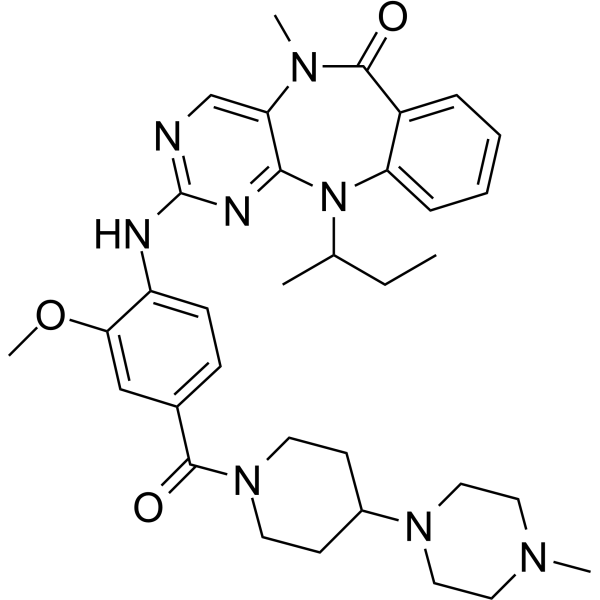
    PLK1/BRD4-IN-3 (Compound 21) is a selective dual inhibitor for bromodomain 4 (BRD4) and polo-like kinase 1 (PLK1). PLK1/BRD4-IN-3 inhibits BRD4-BD1, PLK1 and BRDT-BD1, with IC50s of 0.059, 0.127 and 0.245 μM, respectively .
    PLK1/BRD4-IN-3
  • HY-145260

    Epigenetic Reader Domain Casein Kinase Apoptosis Autophagy Cancer
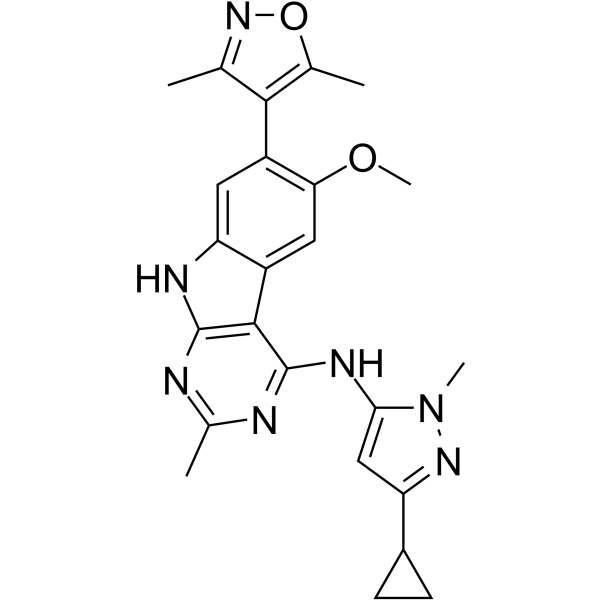
    BRD4/CK2-IN-1 is the first highly effective and oral active dual-target inhibitor of BRD4/CK2 (bromodomain-containing protein 4/casein kinase 2), with IC50s of 180 nM and 230 nM for BRD4 and CK2, respectively. BRD4/CK2-IN-1 has strong anticancer activity without obvious toxicities. BRD4/CK2-IN-1 induces apoptosis and autophagy-associated cell death in triple-negative breast cancer (TNBC)
    BRD4/CK2-IN-1
  • HY-117997

    Epigenetic Reader Domain Cancer
    UMB-32, a potent, selective BRD4 inhibitor, binds BRD4 with the Kd of 550 nM, and IC50 of 637 nM. UMB-32 also shows potency against TAF1, a bromodomain-containing transcription factor .
    UMB-32
  • HY-111916

    BET-IN-4

    Epigenetic Reader Domain Cancer
    ODM-207 (BET-IN-4) is a potent BET bromodomain protein (BRD4) inhibitor, with an IC50 of ≤ 1 μM .
    ODM-207

Inquiry Online

Your information is safe with us. * Required Fields.

Salutation


Country or Region *

Applicant Name *


Organization Name *

Department *


Email Address *


Product Name *

Cat. No.


Requested quantity *

Phone Number *


Remarks

Inquiry Online

Inquiry Information

Product Name:
Cat. No.:
Quantity:
MCE Japan Authorized Agent: