Search Result
Results for "
caspases 3/7
" in MedChemExpress (MCE) Product Catalog:
1
Isotope-Labeled Compounds
| Cat. No. |
Product Name |
Target |
Research Areas |
Chemical Structure |
-
- HY-112296
-
T025
4 Publications Verification
|
CDK
Apoptosis
DYRK
|
Cancer
|
|
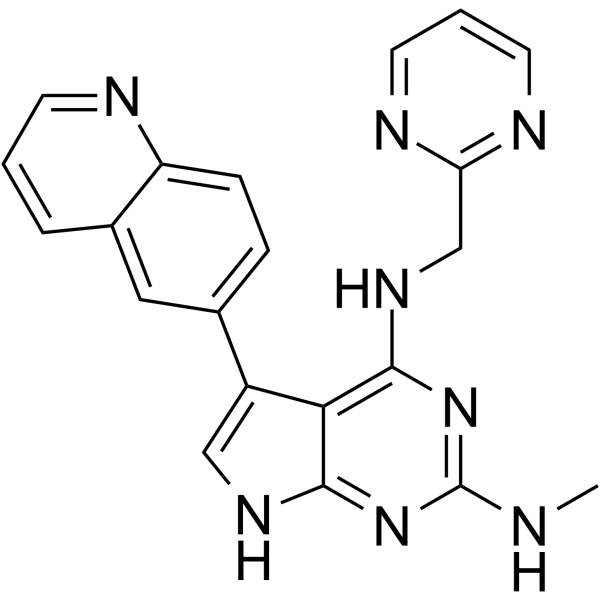
T025 is an orally active and highly potent inhibitor of Cdc2-like kinase (CLKs), with Kd values of 4.8, 0.096, 6.5, 0.61, 0.074, 1.5 and 32 nM for CLK1, CLK2, CLK3, CLK4, DYRK1A, DYRK1B and DYRK2, respectively. T025 induces caspase-3/7-mediated cell apoptosis. T025 reduces CLK-dependent phosphorylation. T025 exerts anti-proliferative activities in both hematological and solid cancer cell lines (IC50 values: 30-300 nM). T025 has an anti-tumor efficiency, mainly for MYC-driven disease research .
|
-
-
- HY-128483
-
|
|
TGF-beta/Smad
PI3K
NF-κB
Akt
Apoptosis
Dopamine β-hydroxylase
mTOR
Adrenergic Receptor
|
Cardiovascular Disease
Endocrinology
Cancer
|
|
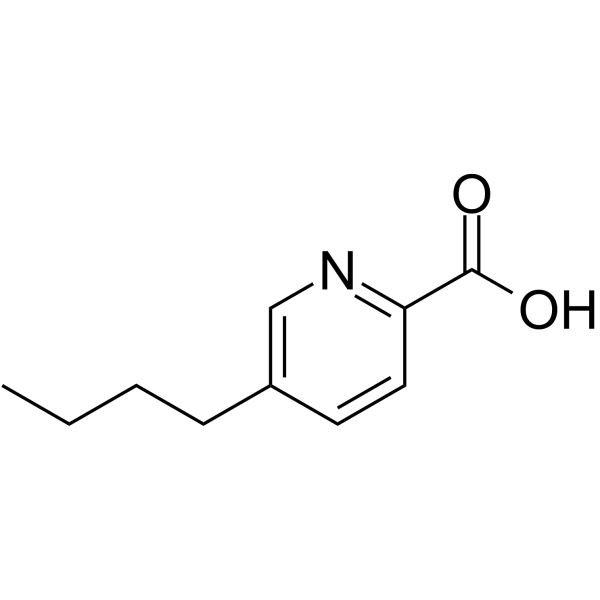
Fusaric acid is an orally active multi-pathway inhibitor with the activity of inducing oxidative stress and apoptosis. Fusaric acid can chelate divalent metal cations, damage mitochondrial membrane structure, and activate apoptosis-related proteases such as Caspase-3/7, -8, and -9. Fusaric acid also regulates Bax/Bcl-2 protein, inhibits fibrosis-related signaling pathways such as NF-κB, TGF-β1/SMADs, and PI3K/AKT/mTOR, and reduces collagen deposition. Fusaric acid is also a dopamine β-hydroxylase inhibitor, which reduces endogenous levels of norepinephrine and epinephrine in the brain, heart, spleen, and adrenal glands. Fusaric acid can play a role in myocardial fibrosis and improve cardiac hypertrophy in heart disease, and can also be used in the study of esophageal cancer and liver cancer .
|
-
-
- HY-P1006
-
|
|
Caspase
|
Others
|
|
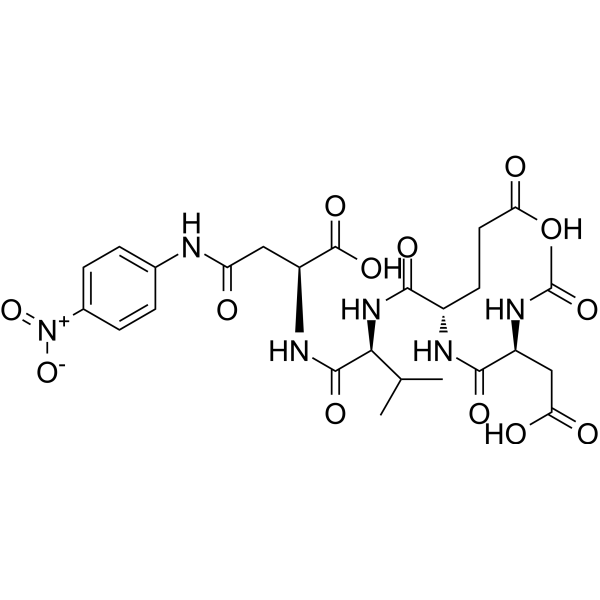
Ac-DEVD-pNA is a ligand for caspase-3/-7 and related cysteine proteases .
|
-
-
- HY-107150
-
|
ADX-102; NS-2
|
PKC
Caspase
|
Neurological Disease
Inflammation/Immunology
|
|
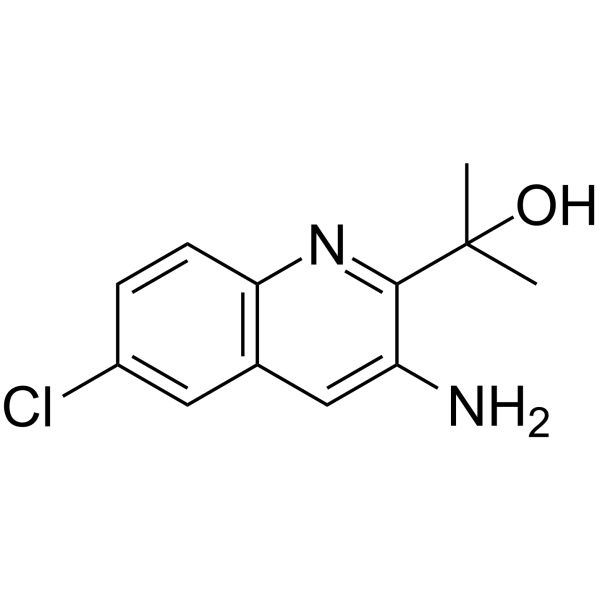
Reproxalap (ADX-102) is an active aldehyde sequestering agent. Reproxalap reduces the PKCα activity. Reproxalap blocks caspase 3/7 activation. Reproxalap protects cells from the cytotoxicity of C18:0-al. Reproxalap has anti-inflammatory and pain-relieving effects. Reproxalap is used in studies of dry eye, allergic conjunctivitis, and non-infectious anterior uveitis .
|
-
-
- HY-19696B
-
|
Tauroursodeoxycholic acid dihydrate; TUDCA dihydrate; UR 906 dihydrate
|
Caspase
Apoptosis
Endogenous Metabolite
IRE1
NF-κB
JNK
Reactive Oxygen Species (ROS)
Akt
|
Neurological Disease
Metabolic Disease
Inflammation/Immunology
|
|
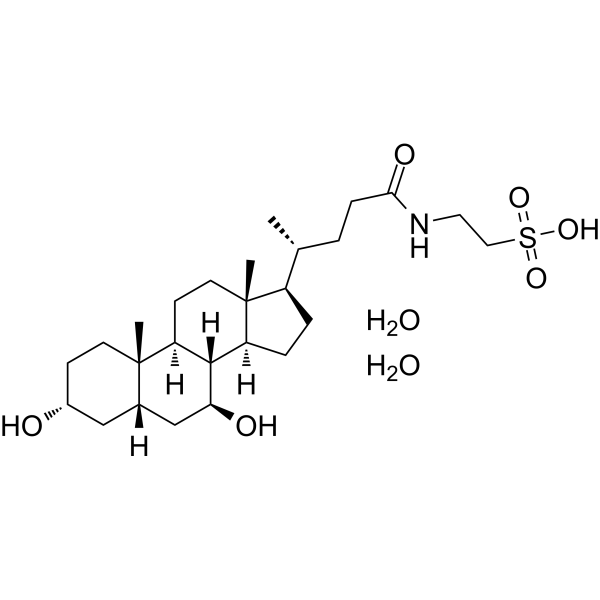
Tauroursodeoxycholate dehydrate is an orally active taurine conjugate of Ursodeoxycholic acid (HY-13771). Tauroursodeoxycholate dehydrate inhibits caspase-3/7, Apoptosis, IRE1α/TRAF2/NF-κB, prevents JNK phosphorylation, inhibits ROS generation, and activates Akt signaling. Tauroursodeoxycholate dehydrate prevents cataract formation, reduces renal tubular damage in type 2 diabetic mice, reduces I/R injury in liver, and inhibits intestinal inflammation and barrier disruption in nonalcoholic fatty liver disease .
|
-
-
- HY-174374
-
|
|
Topoisomerase
|
Cardiovascular Disease
|
|
Topobexin is a TOP2B-selective inhibitor with IC50 values of 0.19 μM and 4.8 μM for TOP2B and TOP2A (DNA decatenation assay). Topobexin binds to non-homologous residues in the obex pocket and targets the ATPase domain of TOP2B. Topobexin prevents anthracycline-induced DNA double-strand break formation, apoptotic signaling mediated by caspase 3/7, 8 and 9, cardiomyocyte morphological changes, mitochondrial depolarization/loss, left ventricular systolic dysfunction, extracellular matrix remodeling, fibrotic alterations, and increases in plasma cardiac troponin T and BNP. Topobexin does not impair the antiproliferative effects of anthracyclines in cancer cells, exhibits no intrinsic cytotoxicity in cardiomyocytes, and is well tolerated in rabbits. Topobexin can be used in studies related to anthracycline-induced cardiotoxicity .
|
-

-
- HY-N4183
-
|
|
Apoptosis
Caspase
Estrogen Receptor/ERR
|
Cardiovascular Disease
Infection
|
|
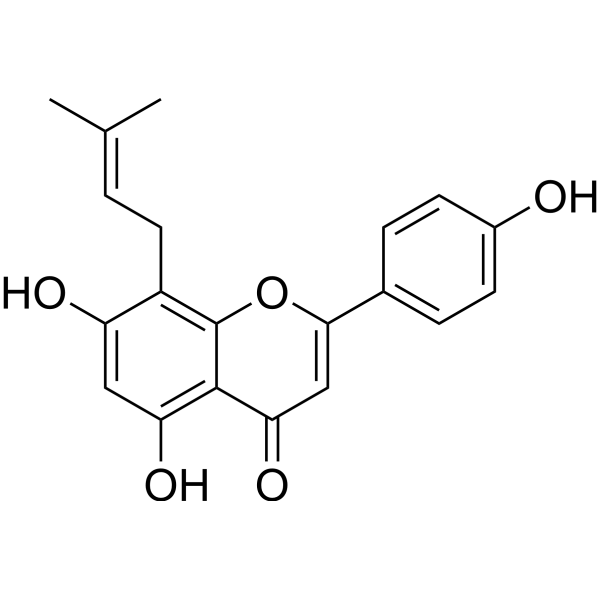
Licoflavone C is a broad-spectrum antiviral inhibitor with estrogen-like properties. Licoflavone C binds to viral endonuclease (CEN) and inhibits the replication of various bunyaviruses including severe fever with thrombocytopenia syndrome virus (SFTSV) and lymphocytic choriomeningitis virus in a non-substrate competitive manner. The IC50 values of Licoflavone C against SFTSV CEN and SFTSV CEN are 35.5 μM and 135.8 μM, respectively, and its Kd value against SFTSV CEN is 9.53 μM. After viral entry into cells, Licoflavone C reduces viral loads in mouse tissues in a dose-dependent manner, and exhibits extremely low cytotoxicity and genotoxicity. Licoflavone C induces apoptosis by increasing caspase 3/7 activity, blocks the cell cycle, and alleviates chemotherapy-induced chromosomal damage. Licoflavone C is applicable to the research on severe fever with thrombocytopenia syndrome and related viral infection mechanisms .
|
-
-
- HY-13265
-
AR-42
4 Publications Verification
HDAC-42; OSU-HDAC42
|
HDAC
Autophagy
Apoptosis
|
Cancer
|
|
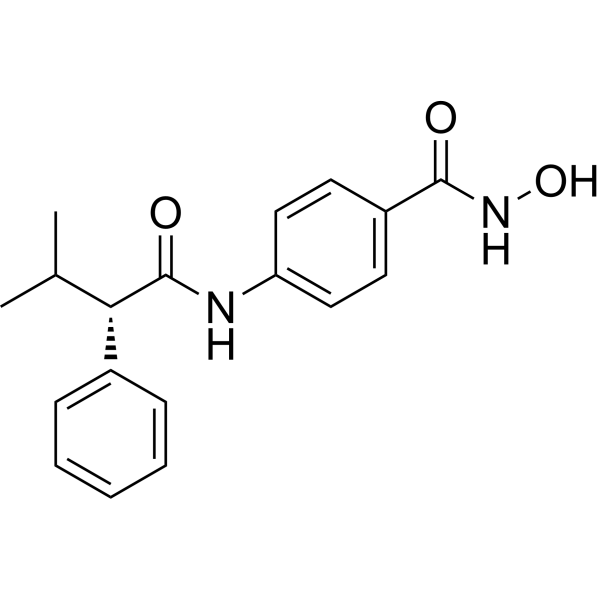
AR-42 (HDAC-42; OSU-HDAC42) is a potent, orally bioavailable pan-HDAC inhibitor (IC50=16 nM). AR-42 induces growth inhibition, cell-cycle arrest, apoptosis, and activation of caspases-3/7. AR-42 promotes hyperacetylation of H3, H4, and alpha-tubulin, and up-regulation of p21. AR-42 shows cytotoxicity against various human cancer cell lines .
|
-
-
- HY-12842
-
|
|
IAP
Survivin
Apoptosis
Caspase
|
Inflammation/Immunology
Cancer
|
|
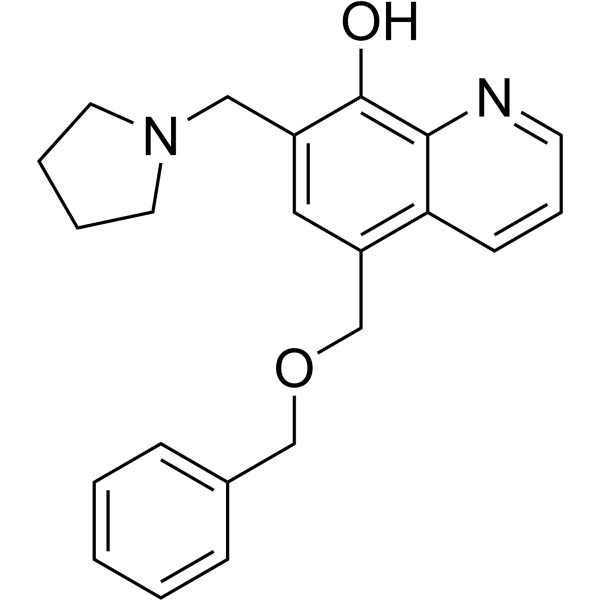
UC-112 is a XIAP inhibitor with anticancer activity. UC-112 selectively downregulates and degrades survivin via the ubiquitin-mediated proteasomal degradation pathway. UC-112 reduces XIAP levels in in vivo tumor models. UC-112 activates caspase-3/7 and caspase-9, and induces cancer cell apoptosis. UC-112 is applicable to studies on melanoma, prostate cancer and cancer-related research .
|
-
-
- HY-N3126
-
|
|
Drug Derivative
Fungal
Apoptosis
Caspase
PARP
|
Neurological Disease
Cancer
|
|
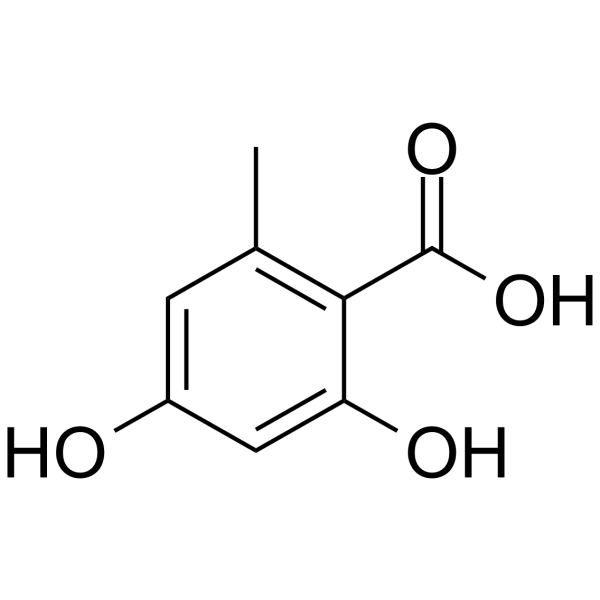
Orsellinic acid is a Benzoic acid (HY-N0216) derivative. Orsellinic acid can be isolated from Chaetomium globosum endophytic on Ephedra fasciculata (Mormon tea). Orsellinic acid blocks PAF-mediated Apoptosis, inhibits caspase-3/7 activation, and PARP cleavage. Orsellinic acid can be used in research of neurons and various tumors (non-small cell lung cancer, breast cancer, neuroblastoma, pancreatic cancer) .
|
-
-
- HY-P10285
-
|
D-(KLAKLAK)2
|
Apoptosis
Mitochondrial Metabolism
Caspase
|
Cancer
|
|
d-KLA Peptide (D-(KLAKLAK)2), KLA peptide (HY-P5345) isomer, is a pro-apoptosis peptide. d-KLA Peptide can specifically target mitochondria and induce apoptosis by destroying the mitochondrial membrane. d-KLA Peptide increases caspase 3/7 activity, exerts proapoptotic activity and enhances antitumor efficacy in mouse melanoma models .
|
-

-
- HY-N1983
-
|
|
Apoptosis
Autophagy
Reactive Oxygen Species (ROS)
Mitochondrial Metabolism
PARP
Caspase
Bcl-2 Family
VEGFR
FAK
WDR5
p38 MAPK
JNK
PPAR
|
Neurological Disease
Inflammation/Immunology
Cancer
|
|
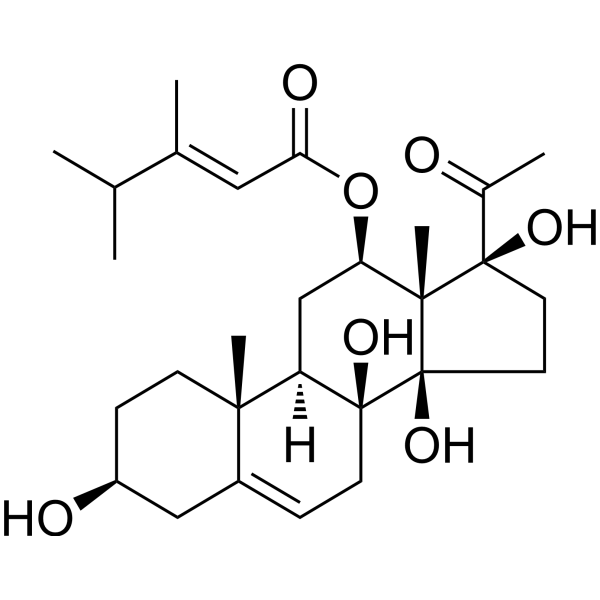
Caudatin is an orally active and brain-penetrant C-21 steroidal found in Cynanchum bungei decne with a variety of biological activities. Caudatin can inhibit cell proliferation, migration, invasion, cause cell phase arrest, induce apoptosis, autophagy, ROS prodution and loss of mitochondrial membrane potential. Caudatin activates PARP, caspase-3, -7, -9, upregulates pro-apoptotic Bad and Bax and downregulates anti-apoptotic Bcl-2 and Bcl-XL. Caudatin suppresses VEGF, FAK phosphorylation, upregulates p21, p27, DR5 protein expression, activates the p38 MAPK, JNK and PPARα/TFEB-mediated autophagy-lysosomal signaling pathways. Caudatin can be used for the research of cancer, inflammation and neurological disease, such as glioma and Alzheimer's disease .
|
-
-
- HY-N2123
-
|
|
Caspase
|
Neurological Disease
Cancer
|
|
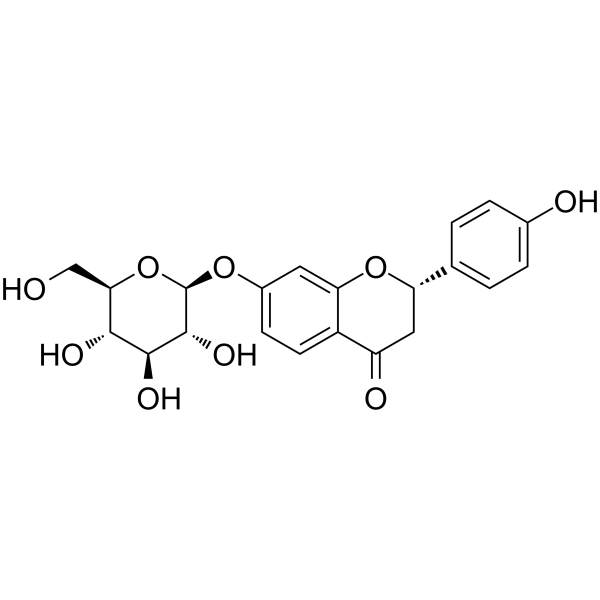
Neoliquiritin is a flavonoid and flavanone-derived cytotoxic agent with anticancer activity and neuroprotective effects. Neoliquiritin exhibits excellent tumor specificity, exerting a more pronounced killing effect on cancer cells compared with normal oral cells. Neoliquiritin also exerts neuroprotective effects by inhibiting ATP depletion and the elevation of caspase 3/7 activity. Widely present in the roots of Glycyrrhiza uralensis, Glycyrrhiza inflata and Glycyrrhiza glabra, Neoliquiritin can be applied to studies on human oral squamous cell carcinoma, leukemia, Parkinson's disease and other conditions .
|
-
-
- HY-W017424
-
|
|
Drug Intermediate
Caspase
Apoptosis
|
Neurological Disease
Cancer
|
|
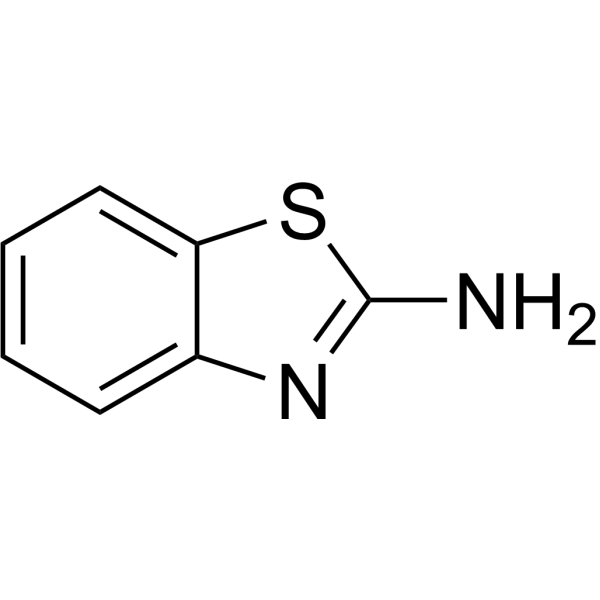
2-Aminobenzothiazole acts as a caspase 3/7 activator, an anticancer cytotoxic agent, and also exhibits neurotoxicity. 2-Aminobenzothiazole drives the apoptotic pathway by activating caspase 3/7, induces mitochondrial inner membrane depolarization, and triggers both early and late apoptosis via a caspase-dependent pathway. In zebrafish models, 2-Aminobenzothiazole induces oxidative damage in brain tissues and inhibits genes related to GABA and 5-HT synthesis pathways. Long-term exposure to 2-Aminobenzothiazole impairs motor ability, social behavior, anxiety-like state and cognitive function. 2-Aminobenzothiazole can be used in studies of human laryngeal carcinoma and related neurotoxicity .
|
-
-
- HY-N2135
-
|
|
Apoptosis
Caspase
Bcl-2 Family
Tyrosinase
|
Metabolic Disease
Cancer
|
|
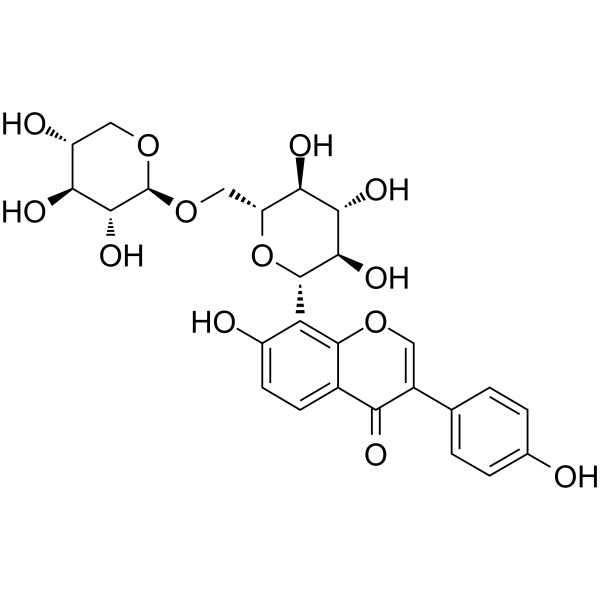
Puerarin 6''-O-Xyloside is one of the major iso-flavones found in P. lobata. Puerarin 6''-O-Xyloside inhibits cancer cells proliferation, induces apoptosis by upregulating cleaved caspase-3, 7, 9, Bax and downregulating Bcl-2 levles and inhibits tumor growth in mice. Puerarin 6''-O-Xyloside has anti-osteoporotic activity in ovariectomized mice. Puerarin 6''-O-Xyloside inhibits mushroom tyrosinase with an IC50 of 513.8 μM. Puerarin 6''-O-Xyloside can be used for the research of human lung carcinoma, osteoporosis, melanosis and melanomar .
|
-
-
- HY-168669
-
|
|
PROTACs
Ras
Caspase
ERK
|
Cancer
|
|
PROTAC K-Ras Degrader-5 is a cereblon-based K-Ras PROTAC degrader with a DC50 of <100 nM for KRAS G12D. PROTAC K-Ras Degrader-5 recruits KRAS G12D to the cereblon E3 ubiquitin ligase complex for ubiquitination and subsequent proteasomal degradation. PROTAC K-Ras Degrader-5 suppresses pERK levels downstream of KRAS G12D degradation in cancer cells. PROTAC K-Ras Degrader-5 reduces proliferation of cancer cells. PROTAC K-Ras Degrader-5 induces caspase 3/7 activity and cPARP, markers of apoptosis, in pancreatic cancer spheroids and tumors. PROTAC K-Ras Degrader-5 can be used for the research of pancreatic cancer and colorectal cancer .
|
-

-
- HY-117889
-
|
|
PARP
Apoptosis
|
Cancer
|
|
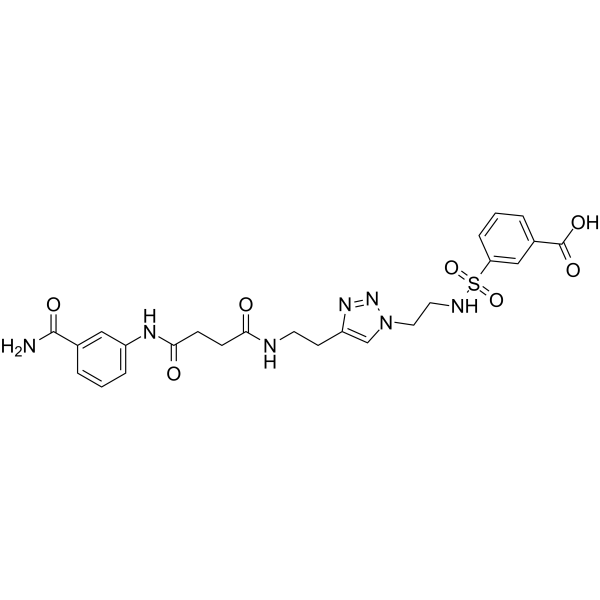
PARP14 inhibitor H10, compound H 10, is a selective inhibitor against PARP14 (IC50=490 nM), over other PARPs (≈24 fold over PARP1). PARP14 inhibitor H10 induces caspase-3/7-mediated cell apoptosis .
|
-
-
- HY-169172
-
|
|
Bcl-2 Family
Caspase
|
Cancer
|
|
Bfl-1-IN-5 (Compound (R,R,S)-26) is a selective inhibitor for Bfl-1 with an IC50 of 0.022 μM. Bfl-1-IN-5 promotes the caspase-3/7 activity with an EC50 of 0.37 μM, and inhibits the cell viability of SU-DHL-1 with an EC50 of 1.3 μM .
|
-

-
- HY-103645
-
|
|
Bacterial
Aurora Kinase
Apoptosis
|
Infection
Cancer
|
|
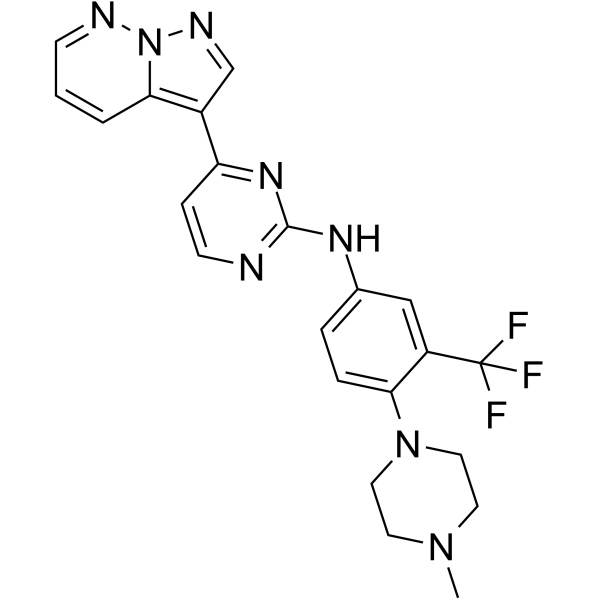
GW779439X is a pyrazolopyridazine identified in an inhibitor of the S. aureus PASTA kinase Stk1. GW779439X potentiates the activity of β-lactam antibiotics against various MRSA and MSSA isolates, some even crossing the breakpoint from resistant to sensitive. GW779439X is an AURKA inhibitor and induces apoptosis by the caspases 3/7 pathway . MRSA:methicillin-resistant S. aureus; MSSA: methicillin-sensitive S. aureus
|
-
-
- HY-178861
-
|
|
PROTACs
CDK
Caspase
PARP
Apoptosis
|
Cancer
|
|
dCDK9-202 a potent CDK9 PROTAC degrader with an DC50 value of 3.5 nM. dCDK9-202 exhibits broad-spectrum anti-tumor activity and extensively disrupts the oncogenic transcriptome. dCDK9-202 can activate Caspase-3/7, increase the level of cleaved PARP, and directly induce apoptosis of tumor cells. dCDK9-202 effectively inhibits TC-71 tumor growth without any signs of toxicity in mice. dCDK9-202 can be used for the study of EGFR-driven cancers such as sarcoma (Pink: CDK9 ligand (HY-178862); Blue: CRBN ligand (HY-W248665); Black: Linker (HY-N8015)) .
|
-

-
- HY-139702
-
|
|
Integrin
Apoptosis
Caspase
|
Cancer
|
|
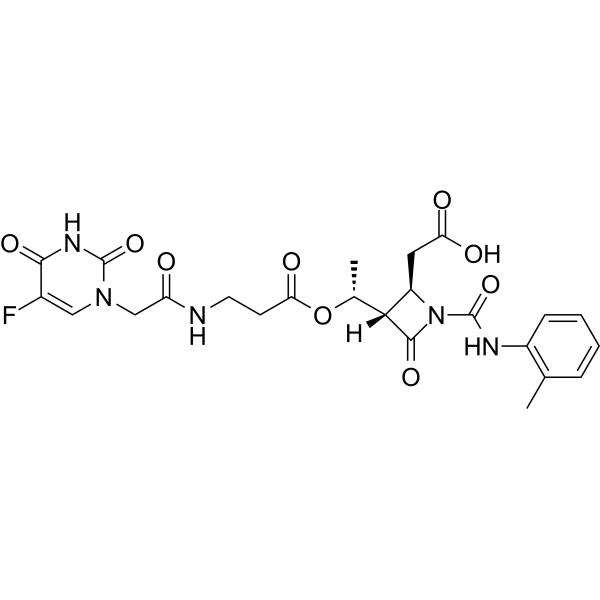
α5β1 integrin agonist-1 is an α5β1 integrin agonist, with an EC50 of 1.5 nM. α5β1 integrin agonist-1 inhabits α4β1 integrin (IC50 = 2.99 μM) in Jurkat/VCAM-1 adhesion assayα5β1 integrin agonist-1 induces concentration-dependent apoptosis and activates the caspase 3/7 pathway in α5β1 integrin-expressing K562 cancer cells. α5β1 integrin agonist-1 can be used for the study of cancer .
|
-
-
- HY-151966
-
|
|
PROTACs
IAP
Caspase
PANoptosis
|
Cancer
|
|
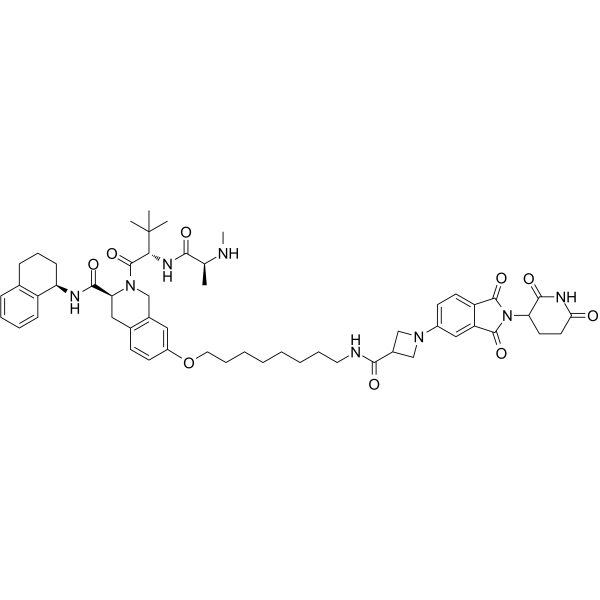
TD1092 is a pan-IAP degrader, degrades cIAP1, cIAP2, and XIAP. TD1092 activates Caspase 3/7, and promotes cancer cells apoptosis via IAP degradation. TD1092 inhibits TNFα mediated NF-κB pathway and reduces the phosphorylation of IKK, IkBα, p65, and p38. TD1092 can act as PROTAC, and is used for cancer research .
|
-
-
- HY-W033813
-
|
|
Caspase
Apoptosis
|
Cancer
|
|
Caspase-3/7 inhibitor I is a potent and reversible inhibitor of caspase-3 and caspase-7, with Kis of 60 and 170 nM, respectively. Caspase-3/7 inhibitor I can inhibit apoptosis in Camptothecin (HY-16560)-treated Jurkat cells and in chondrocytes .
|
-

-
- HY-179234
-
|
|
PROTACs
RIP kinase
Apoptosis
Caspase
PARP
|
Cancer
|
|
LD5097 is a highly effective and selective PROTAC degrader targeting RIPK1. LD5097 can rapidly and efficiently downregulate RIPK1 and significantly enhance TNFα-mediated apoptosis in Jurkat cells. LD5097 significantly increases the levels of cleaved caspase-3/7 and PARP. LD5097 can be used for the study of acute T-lymphoblastic leukemia .
|
-

-
- HY-P4866
-
|
|
Integrin
Transglutaminase
Akt
p38 MAPK
ERK
Caspase
Apoptosis
|
Cardiovascular Disease
Metabolic Disease
Inflammation/Immunology
|
|
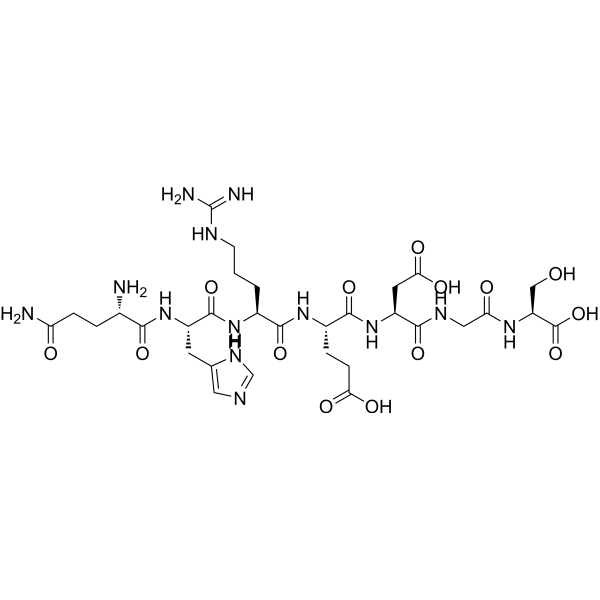
Q-Peptide is an angiopoietin-1 derived peptide (QHREDGS). Q-Peptide interacts with β1-integrin, binds to integrins on the surface of osteoblasts, and serves as an acyl donor substrate for Streptomyces mobaraensis transglutaminase. Q-Peptide activates Akt, MAPKp42/44, ILK, ERK1/2, and downregulates caspase-3/7. Q-Peptide inhibits cell apoptosis, enhances cell adhesion and migration, and promotes osteoblast differentiation, bone matrix deposition and mineralization. Q-Peptide can be used in studies related to myocardial infarction, bone regeneration, diabetic wound repair and human induced pluripotent stem cells .
|
-
-
- HY-178943
-
|
|
Cholinesterase (ChE)
Cannabinoid Receptor
Aldehyde Dehydrogenase (ALDH)
Caspase
Apoptosis
|
Neurological Disease
|
|
Neuroprotective agent 15 (Compound 3e) is a neuroprotective agent. Neuroprotective agent 15 is a selective butyrylcholinesterase (BChE) inhibitor, with IC50 values of 2.6 and 114.3 μM for BChE and AChE respectively. Neuroprotective agent 15 has cannabinoid CB2 receptor (CB2 receptor) agonistic activity. Neuroprotective agent 15 can reduce cell death, LDH release and Caspase-3/7 activity, and inhibit apoptosis. Neuroprotective agent 15 can reduce the formation of superoxide free radicals, maintain cell morphology, and significantly lower oxidative stress levels. Neuroprotective agent 15 can be used in the research of neurodegenerative diseases, such as Alzheimer's disease and Parkinson's disease .
|
-

-
- HY-N1983R
-
|
|
Reference Standards
Apoptosis
Autophagy
Reactive Oxygen Species (ROS)
Mitochondrial Metabolism
PARP
Caspase
Bcl-2 Family
VEGFR
FAK
WDR5
p38 MAPK
JNK
PPAR
|
Neurological Disease
Inflammation/Immunology
Cancer
|
|
Caudatin (Standard) is the analytical standard of Caudatin (HY-N1983). This product is intended for research and analytical applications. Caudatin is an orally active and brain-penetrant C-21 steroidal found in Cynanchum bungei decne with a variety of biological activities. Caudatin can inhibit cell proliferation, migration, invasion, cause cell phase arrest, induce apoptosis, autophagy, ROS prodution and loss of mitochondrial membrane potential. Caudatin activates PARP, caspase-3, -7, -9, upregulates pro-apoptotic Bad and Bax and downregulates anti-apoptotic Bcl-2 and Bcl-XL. Caudatin suppresses VEGF, FAK phosphorylation, upregulates p21, p27, DR5 protein expression, activates the p38 MAPK, JNK and PPARα/TFEB-mediated autophagy-lysosomal signaling pathways. Caudatin can be used for the research of cancer, inflammation and neurological disease, such as glioma and Alzheimer's disease .
|
-

-
- HY-152758
-
|
|
Apoptosis
Caspase
|
Cancer
|
|
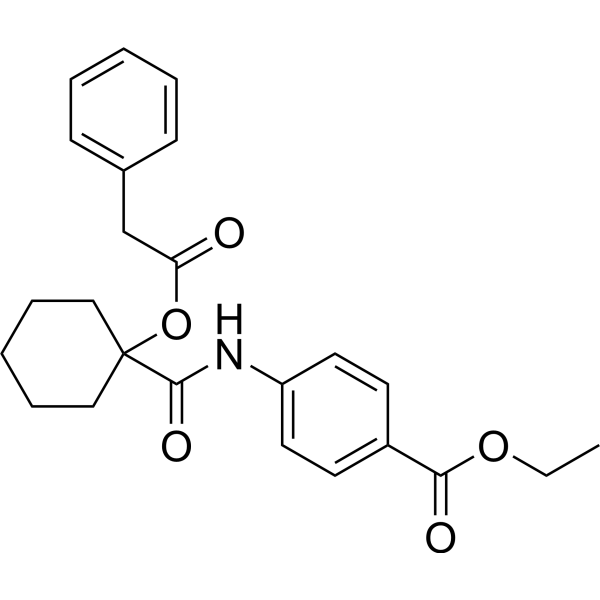
Caspase-3/7 activator 3 is an effective activator of Caspase-3/7. Caspase-3/7 activator 3 has tumor selectivity, anti-proliferative activity and high Apoptosis-inducing ability .
|
-
-
- HY-137225
-
-

-
- HY-P4403
-
|
(Z-Asp-Glu-Val-Asp)₂-Rhodamine 110
|
Fluorescent Dye
Apoptosis
Caspase
|
Others
|
|
Z-DEVD-R110 ((Z-Asp-Glu-Val-Asp)2-Rhodamine 110) is a fluorogenic caspase-3/7 substrate. Z-DEVD-R110 can be used to detect apoptosis. Z-DEVD-R110 is a rhodamine derivative with two four–amino acid (DEVD) peptides linked to the fuorophore .
|
-

-
- HY-P2569
-
|
|
Apoptosis
|
Cancer
|
|
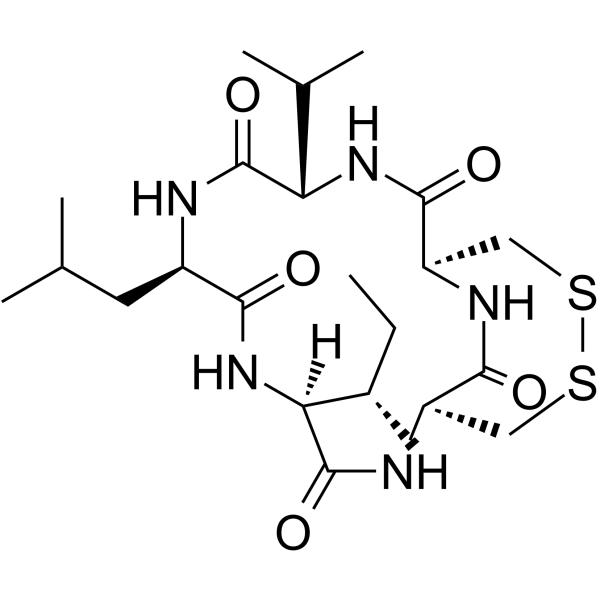
Malformin A1, a cyclic pentapeptide isolated from Aspergillus niger, possess a range of bioactive properties including antibacterial activity. Malformin A1 shows potent cytotoxic activities on human colorectal cancer cells. Malformin A1 induces apoptosis by activating PARP, caspase 3, -7, and -9 .
|
-
-
- HY-162059
-
|
|
Pim
Apoptosis
Caspase
|
Cancer
|
|
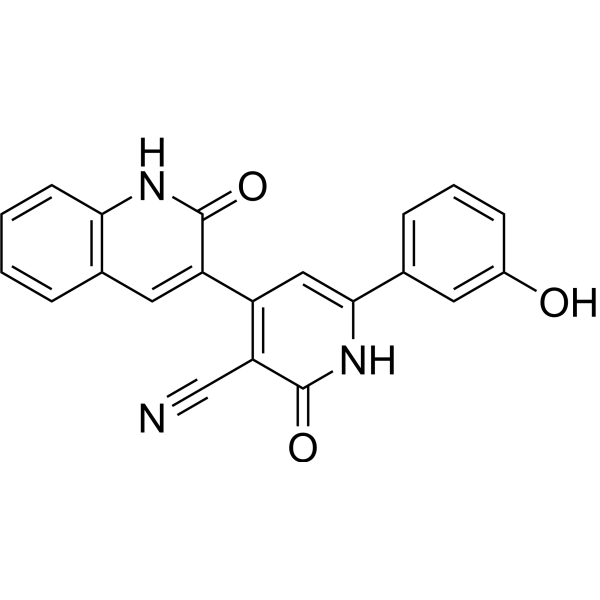
Pim-1 kinase inhibitor 10 (compound 13a) is a both competitive and non-competitive inhibitor of PIM-1/2 kinase. Pim-1 kinase inhibitor 10 can induce cell apoptosis and exhibits anticancer activity. Pim-1 kinase inhibitor 10 also induces caspase 3/7 activation .
|
-
-
- HY-P10992
-
|
|
PI3K
Akt
mTOR
Caspase
Apoptosis
Bcl-2 Family
|
Cancer
|
|
YVPGP is an oligopeptide exacted from Anthopleura anjunae. YVPGP has a significant antitumor activity by mediating PI3K/AKT/mTOR signaling pathway. YVPGP arrests DU-145 cells in the S phase and induces apoptosis via mitochondrial and death receptor pathways (caspase3, 7, 8, 9). YVPGP effectively inhibits tumor growth in DU-145 xenografts mice model, promising for prostate cancer research .
|
-

-
- HY-179124
-
|
|
Apoptosis
Caspase
|
Cancer
|
|
Apoptosis inducer 52 is a derivative of flutamide that induces apoptosis in prostate cancer cells. Apoptosis inducer 52 promotes apoptosis by activating both intrinsic and extrinsic apoptotic pathways, without generating reactive oxygen species (ROS). Apoptosis inducer 52 triggers caspase 3/7 activity and the externalization of phosphatidylserine, leading to cell cycle arrest at the G0/G1 phase. Apoptosis inducer 52 can be used for the research of androgen receptor (AR)-dependent and -independent prostate cancers and leukemia .
|
-

-
- HY-178008
-
|
|
Bcl-2 Family
Caspase
Apoptosis
|
Cancer
|
|
Mcl-1-IN-16 is an effective macrocyclic myeloid cell leukemia 1 (Mcl-1) inhibitor with a Ki of below 0.08 nM. Mcl-1-IN-16 maintains high selectivity (>50,000-fold) for Mcl-1 over other antiapoptotic Bcl-2 family members Bcl-2 and Bcl-xL. Mcl-1-IN-16 leads to the activation of caspase-3/7, thereby initiating cell apoptosis. Mcl-1-IN-16 achieves tumor regression in a lung cancer-derived tumor xenograft mice model. Mcl-1-IN-16 can be used in the research of solid tumor such as nonsmall cell lung cancer (NSCLC) .
|
-

-
- HY-120339
-
|
|
Microtubule/Tubulin
FAK
MEK
ERK
MMP
Caspase
PARP
Apoptosis
MDM-2/p53
|
Cancer
|
|
STK899704 is a tubulin polymerization inhibitor. STK899704 exhibits broad-spectrum inhibitory activity against various cancer cell lines with IC50 values ranging from 0.2 to 1.0 μM. STK899704 disrupts the mitotic spindle structure, inducing G2/M phase cell cycle arrest. STK899704 inhibits the migration ability of HT29 cells by downregulating the FAK-MEK-ERK signaling pathway, thereby suppressing the expression and activity of MMP-2 and MMP-9. STK899704 activates caspase-3/7/8/9, leading to PARP cleavage and inducing apoptosis. STK899704 induces cellular senescence through the p53 pathway. STK899704 can be used in research on skin cancer, lung cancer, colon cancer, and other cancers .
|
-

-
- HY-178133
-
|
|
Pim
Apoptosis
Caspase
|
Cancer
|
|
Pim-1 kinase-IN-14 is a PIM-1 kinase inhibitor with an IC50 value of 94 nM. Pim-1 kinase-IN-14 shows broad-spectrum and high-efficiency anticancer activity against multiple human cancer cell lines, including liver cancer (HepG-2), colon cancer (Caco-2), myeloid leukemia (NFS-60), and prostate cancer (PC-3) cells. Pim-1 kinase-IN-14exerts its anticancer effects by inducing apoptosis and activating caspase 3/7. Pim-1 kinase-IN-14 can be used for the study of cancers associated with PIM-1 kinase overexpression .
|
-

-
- HY-152756
-
|
|
Apoptosis
Caspase
|
Cancer
|
|
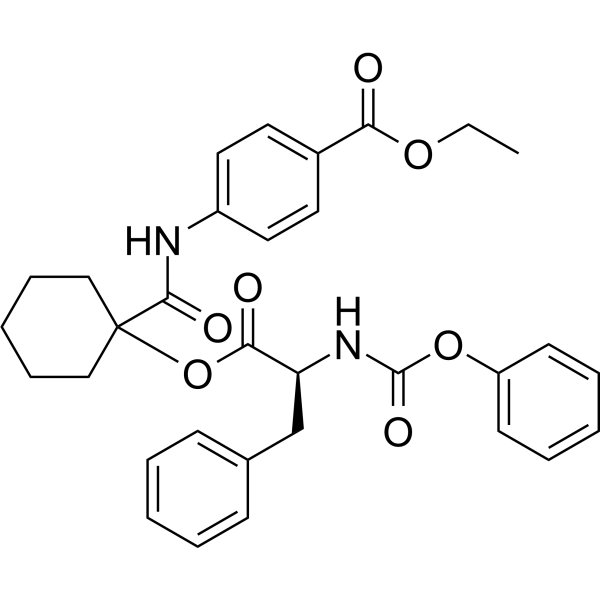
Caspase-3/7 activator 2 is an effective activator of Caspase-3/7. Caspase-3/7 activator 2 has tumor selectivity, anti-proliferative activity and high Apoptosis-inducing ability .
|
-
-
- HY-152748
-
|
|
Apoptosis
Caspase
|
Cancer
|
|
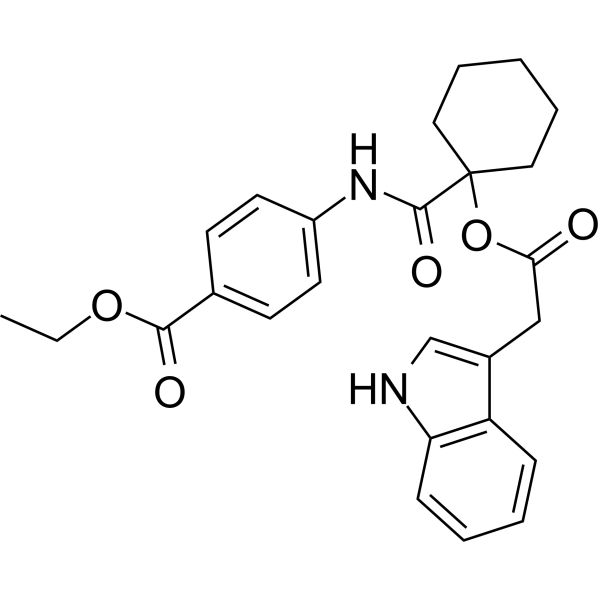
Caspase-3/7 activator 1 is an effective activator of Caspase-3/7. Caspase-3/7 activator 1 has tumor selectivity, anti-proliferative activity and high Apoptosis-inducing ability .
|
-
-
- HY-W338079
-
|
|
Caspase
|
Others
|
|
Ac-Asp-Glu-Val-Asp-pNA is a peptidic substrate of caspase-3/7 .
|
-

-
- HY-136509
-
|
|
Necroptosis
|
Cancer
|
|
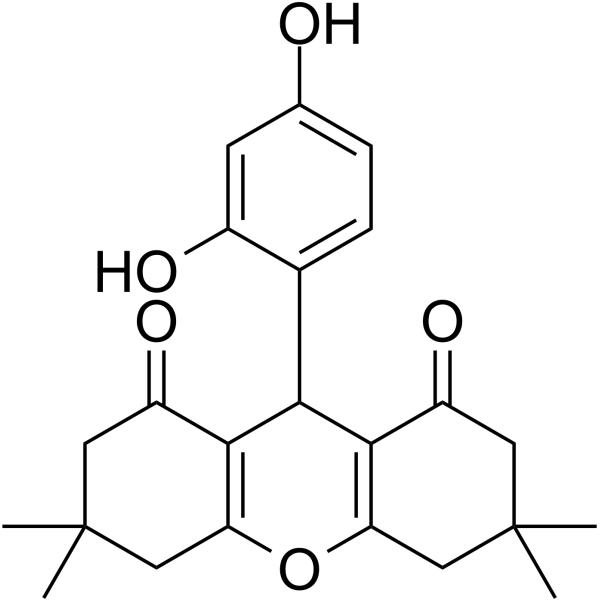
CIL62 is a caspase-3/7-independent cell death inducer. The mechanism of action of CIL62 is Necrostatin-1 dependent cell death .
|
-
-
- HY-174855
-
|
|
PI3K
mTOR
Apoptosis
Bcl-2 Family
MDM-2/p53
Caspase
|
Cancer
|
|
PI3K/mTOR-IN-17 is a dual PI3K and mTOR inhibitor with IC50 values of 1.21 μM (PI3K), and 0.21 μM (mTOR). PI3K/mTOR-IN-17 induces cells caspase-mediated apoptosis by arresting their growth in the G1-phase. PI3K/mTOR-IN-17 upregulates the levels of caspases-3, 7, 8, and 9, p53 expression and Bax/Bcl-2 ratio. PI3K/mTOR-IN-17 suppresses the PI3K/mTOR signaling pathway. PI3K/mTOR-IN-17 can be used for research of cancer, such as non-small cell lung cancer (NSCLC) .
|
-

-
- HY-161042
-
|
|
Caspase
|
Neurological Disease
|
|
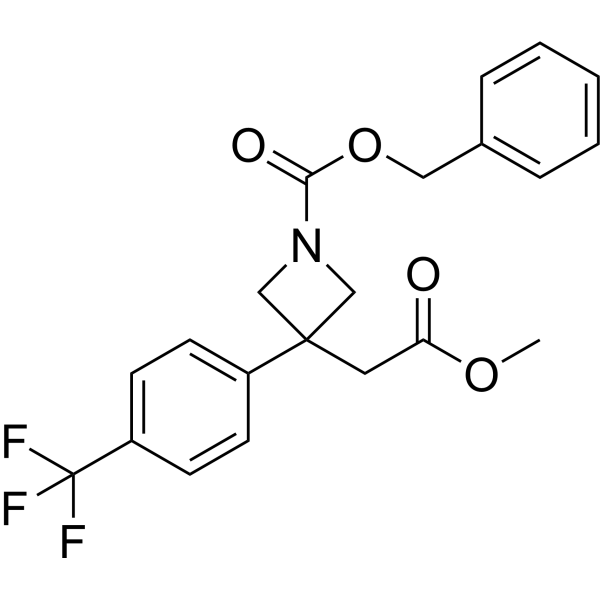
Neuroprotective agent 2 (Compd 28) is a potent neuroprotective agent which has a protective effect in both salsolinol and glutamate-induced neurodegeneration models. Neuroprotective agent 2 reduces oxidative stress and caspase-3/7 activity in the glutamate model .
|
-
-
- HY-123605
-
|
|
Caspase
|
Others
|
|
CAY10406 is an inhibitor for caspase 3/7. CAY10406 inhibits the expression of 28-kDa IL-1β fragment, without significant cytotoxicity (10 μM) .
|
-

-
- HY-136733
-
|
Ac-Asp-Asn-Leu-Asp-CHO
|
Caspase
|
Infection
Neurological Disease
|
|
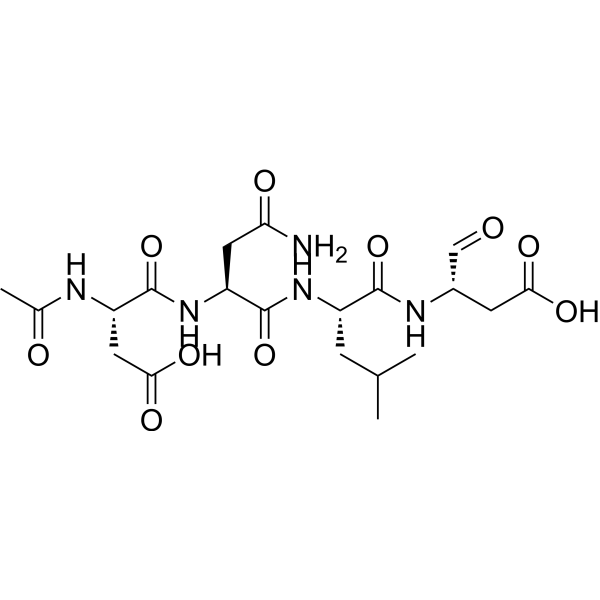
Ac-DNLD-CHO (Ac-Asp-Asn-Leu-Asp-CHO) is a Caspase-3/7 inhibitor (IC50: 9.89, 245 nM respectively; Ki app: 0.68, 55.7 nM respectively). Ac-DNLD-CHO can be used for research of caspase-mediated apoptosis diseases, such as neurodegenerative disorders and viral infection diseases .
|
-
-
- HY-W689801
-
|
|
Bcl-2 Family
Apoptosis
|
Cancer
|
|
A-1208746 is an inhibitor for MCL-1, with a Ki of 0.454 nM. A-1208746 activates caspase-3/-7, induces apoptosis in cell H929, and decreases mitochondrial membrane potential. A-1208746 synergies with Navitoclax (HY-10087), and can be used in cancer research .
|
-

-
- HY-W017424R
-
|
|
Reference Standards
Apoptosis
Drug Intermediate
Caspase
|
Others
|
|
2-Aminobenzothiazole (Standard) is the analytical standard of 2-Aminobenzothiazole. This product is intended for research and analytical applications. 2-Aminobenzothiazole acts as a caspase 3/7 activator, an anticancer cytotoxic agent, and also exhibits neurotoxicity. 2-Aminobenzothiazole drives the apoptotic pathway by activating caspase 3/7, induces mitochondrial inner membrane depolarization, and triggers both early and late apoptosis via a caspase-dependent pathway. In zebrafish models, 2-Aminobenzothiazole induces oxidative damage in brain tissues and inhibits genes related to GABA and 5-HT synthesis pathways. Long-term exposure to 2-Aminobenzothiazole impairs motor ability, social behavior, anxiety-like state and cognitive function. 2-Aminobenzothiazole can be used in studies of human laryngeal carcinoma and related neurotoxicity .
|
-

-
- HY-169922
-
|
|
HDAC
Parasite
Caspase
|
Cancer
|
|
HDAC-IN-82 (Compound 18b) is a histone deacetylase (HDAC) inhibitor with selective antiplasmodial and anticancer activity. HDAC-IN-82 shows potent antiproliferative activity and caspase 3/7 activation in cancer cells. HDAC-IN-82 causes hyperacetylation of histone H3 and α-tubulin .
|
-

-
- HY-P991235
-
|
BMS-986186
|
EGFR
Caspase
|
Cancer
|
|
FS102 is a selective Fc fragment with antigen binding (Fcab) that targets HER2 with a KD value of 0.8 nM. FS102 induces the degradation of HER2, activates Caspase 3/7 and disrupts the integrity of the cell membrane, triggering apoptosis of tumor cells. FS102 is promising for research of cancers such as breast cancer, gastric cancer, and colorectal cancer .
|
-

-
- HY-161814
-
|
|
Apoptosis
|
Metabolic Disease
|
|
Apoptosis inducer 20 (12) causes G2/M cell cycle arrest and induction of apoptosis via caspase 3/7 activation, which occurred during M arrest. Apoptosis inducer 20 is a novel indolic benzenesulfonamide with anti-proliferative effect against a broad panel of cancer cell lines, which is proming for research of new anti-mitotic agents .
|
-

- HY-N3126R
-
|
|
Reference Standards
Drug Derivative
Fungal
Apoptosis
Caspase
PARP
|
Neurological Disease
Cancer
|
|
Orsellinic acid (Standard) is an analytical standard of Orsellinic acid (HY-N3126). This product is intended for research and analytical applications. Orsellinic acid is a Benzoic acid (HY-N0216) derivative. Orsellinic acid can be isolated from Chaetomium globosum endophytic on Ephedra fasciculata (Mormon tea). Orsellinic acid blocks PAF-mediated Apoptosis, inhibits caspase-3/7 activation, and PARP cleavage. Orsellinic acid can be used in research of neurons and various tumors (non-small cell lung cancer, breast cancer, neuroblastoma, pancreatic cancer) .
|
-

- HY-169923
-
|
|
HDAC
|
Cancer
|
|
HDAC-IN-83 (compound 9D) is an inhibitor of deacetylases (HDACs) (IC50=0.01 μM/0.44 μM HDAC1/HDAC6) with anticancer, antiproliferative and caspase 3/7 activation activities. HDAC-IN-83 inhibits Cal27, HepG2 and MRC-5 with IC50s of 0.693 μM, 0.427 μM and 3.19 μM, respectively .
|
-

- HY-N2135R
-
|
|
Reference Standards
Apoptosis
Caspase
Bcl-2 Family
Tyrosinase
|
Metabolic Disease
Cancer
|
|
Puerarin 6''-O-Xyloside (Standard) is the analytical standard of Puerarin 6''-O-Xyloside (HY-N2135). This product is intended for research and analytical applications. Puerarin 6''-O-Xyloside is one of the major iso-flavones found in P. lobata. Puerarin 6''-O-Xyloside inhibits cancer cells proliferation, induces apoptosis by upregulating cleaved caspase-3, 7, 9, Bax and downregulating Bcl-2 levles and inhibits tumor growth in mice. Puerarin 6''-O-Xyloside has anti-osteoporotic activity in ovariectomized mice. Puerarin 6''-O-Xyloside inhibits mushroom tyrosinase with an IC50 of 513.8 μM. Puerarin 6''-O-Xyloside can be used for the research of human lung carcinoma, osteoporosis, melanosis and melanomar .
|
-

- HY-P10285S
-
|
D-(KLAKLAK)2-d30
|
Isotope-Labeled Compounds
Mitochondrial Metabolism
Apoptosis
Caspase
|
Cancer
|
|
d-KLA Peptide (D-(KLAKLAK)2)-d30 is the deuterium labeled d-KLA Peptide (HY-P10285). d-KLA Peptide, KLA peptide (HY-P5345) isomer, is a pro-apoptosis peptide. d-KLA Peptide can specifically target mitochondria and induce apoptosis by destroying the mitochondrial membrane. d-KLA Peptide increases caspase 3/7 activity, exerts proapoptotic activity and enhances antitumor efficacy in mouse melanoma models .
|
-

- HY-146444
-
|
|
Apoptosis
Bcl-2 Family
Caspase
Reactive Oxygen Species (ROS)
|
Cancer
|
|
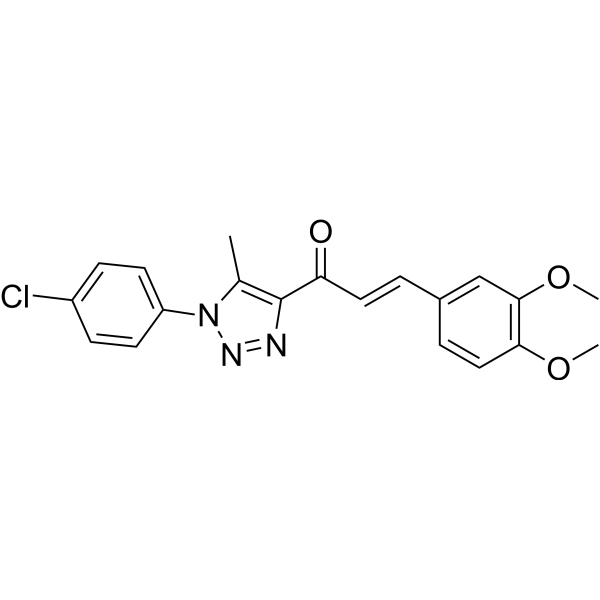
Anticancer agent 56 (compound 4d) is a potent anti-cancer agent with agent-likeness properties, possessing anticancer activity against several cancer cell lines (IC50<3 μM). Anticancer agent 56 induces cell cycle arrest at G2/M phase and triggers mitochondrial apoptosis pathway. Anticancer agent 56 acts by accumulation of ROS, up regulation of BAX, down regulation of Bcl-2 and activation of caspases 3, 7, 9 .
|
-
- HY-159938
-
|
|
p38 MAPK
Apoptosis
Bcl-2 Family
MDM-2/p53
Caspase
|
Cancer
|
|
p38α inhibitor 6 (compound 19) is a p38α inhibitor with the IC50 of 0.68 μM. p38α inhibitor 6 induces cell apoptosis and arrests cell cycle at G0 and G2/M phase. p38α inhibitor 6 decreases the TNF-α concentration as well as increased the expression of tumor suppressor gene p53, Bax/BCL-2 ratio and caspase 3/7 .
|
-

- HY-N3055
-
|
|
Apoptosis
AMPK
Platelet-activating Factor Receptor (PAFR)
Caspase
|
Neurological Disease
Metabolic Disease
Cancer
|
|
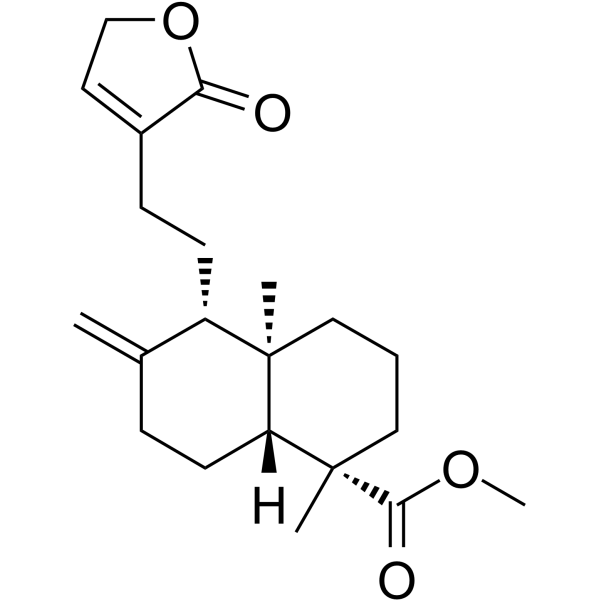
Pinusolide is an AMPK activator and PAF receptor antagonist. Pinusolide activates AMPK, phosphorylates ACC, enhances IRS-1 tyrosine phosphorylation, boosts glucose uptake, and modulates insulin signaling. Pinusolide inhibits caspase-3/7 activation, intracellular calcium elevation, reactive oxygen species overproduction, lipid peroxidation, and tumor cell proliferation. Pinusolide stabilizes superoxide dismutase activity, reduces apoptotic hallmarks, induces mitochondrial pathway apoptosis, and triggers DNA fragmentation. Pinusolide can be used for the research of type 2 diabetes, neurodegenerative diseases, acute lymphoblastic leukemia, acute myeloid leukemia, and Burkitt lymphoma .
|
-
- HY-123929
-
|
|
MDM-2/p53
Wnt
IKK
Apoptosis
Caspase
|
Cancer
|
|
PAWI-2 is a p53-Activator and Wnt Inhibitor. PAWI-2 inhibits β3-KRAS signaling independent of KRAS. PAWI-2 selectively inhibits phosphorylation of TBK1. PAWI-2 activates apoptosis (activation of caspase-3/7), and induces PARP cleavage. PAWI-2 promotes optineurin translocation into the nucleus and causes G2/M arrest. PAWI-2 reverses cancer stemness and overcomes drug resistance in an integrin β3 KRAS-dependent human pancreatic cancer stem cells (hPCSCs). PAWI-2 inhibits growth of tumors from hPCSCs in orthopic xenograft mice model .
|
-

- HY-168338
-
|
|
Cannabinoid Receptor
Caspase
|
Cancer
|
|
CB2 receptor agonist 8 (Compound 17) is an agonist for cannabinoid receptor 2 (CB2 receptor). CB2 receptor agonist 8 exhibits cytotoxicity in cells U87, RPMI 8226, HL-60, and L929 with IC50s of 91.03, 16.29, 23.51 and 564.6 μM, respectively. CB2 receptor agonist 8 activates caspase 3/7, increases the expressions of pro-apoptotic genes BAX, BAD, BIM and tumor suppressor genes p53, and induces apoptosis in U87. CB2 receptor agonist 8 inhibits the migration of U87 .
|
-

- HY-128483R
-
|
|
TGF-beta/Smad
PI3K
NF-κB
Akt
Apoptosis
Dopamine β-hydroxylase
mTOR
Adrenergic Receptor
Reference Standards
|
Cardiovascular Disease
Endocrinology
Cancer
|
|
Fusaric acid (Standard) is the analytical standard of Fusaric acid (HY-128483). This product is intended for research and analytical applications. Fusaric acid is an orally active multi-pathway inhibitor with the activity of inducing oxidative stress and apoptosis. Fusaric acid can chelate divalent metal cations, damage mitochondrial membrane structure, and activate apoptosis-related proteases such as Caspase-3/7, -8, and -9. Fusaric acid also regulates Bax/Bcl-2 protein, inhibits fibrosis-related signaling pathways such as NF-κB, TGF-β1/SMADs, and PI3K/AKT/mTOR, and reduces collagen deposition. Fusaric acid is also a dopamine β-hydroxylase inhibitor, which reduces endogenous levels of norepinephrine and epinephrine in the brain, heart, spleen, and adrenal glands. Fusaric acid can play a role in myocardial fibrosis and improve cardiac hypertrophy in heart disease, and can also be used in the study of esophageal cancer and liver cancer .
|
-

- HY-181163
-
|
|
Caspase
COX
Cytochrome P450
Steroid Sulfatase
Apoptosis
|
Cancer
|
|
Caspase-3/7 activator 4 is a caspase-3 activator and caspase-7 activator. Caspase-3/7 activator 4 inhibits key enzymes in estrogen biosynthesis, including aromatase (IC50 = 38.3 nM) and steroid sulfatase (IC50 = 12.7 µM), and selectively suppresses COX-2 (IC50 = 5.38 µM). Caspase-3/7 activator 4 shows strong antioxidant activity (DPPH: IC50 = 16.26 µM). Caspase-3/7 activator 4 inhibits estrogen synthesis, suppresses estrogen availability, reduces prostaglandin production, increases caspase-3/7 expression, induces G0/G1 cell cycle arrest, induces apoptotic cell death, reduces circulating TNF-α and VEGFR-II levels, restores hepatorenal function markers and histoarchitecture, restores antioxidant defense enzyme activity, reduces lipid peroxidation, exerts antiproliferative activity against breast cancer cells, exerts antitumor activity in the Ehrlich ascites carcinoma models. Caspase-3/7 activator 4 can be used for the research of breast cancer, ehrlich ascites carcinoma .
|
-

- HY-181168
-
|
|
Caspase
Pyroptosis
|
Inflammation/Immunology
|
|
Lb54 is a caspase-3 and caspase-7 activator with an EC50 of 660.9 nM for human procaspase-3. Lb54 activates caspase-3/7, which cleaves Gasdermin D (GSDMD) at aspartic acid residue 87 to generate a p10 fragment, preventing formation of the pore-forming p30 fragment of GSDMD. Lb54 suppresses GSDMD-mediated pyroptosis through caspase-3/7 activation, thereby attenuating inflammatory responses and conferring protection against sepsis. Lb54 alleviates acute lung injury, and inhibited systemic inflammation by restraining the maturation of monocyte-derived dendritic cells. Lb54 can be used for the research of sepsis .
|
-

- HY-111096
-
|
|
Caspase
|
Cardiovascular Disease
Metabolic Disease
|
|
IDN-7314 is a pan-Caspase inhibitor with an IC50 of 0.2-7 nM against all tested Caspases. IDN-7314 abrogates Jo2-induced caspase-3/7 activity. IDN-7314 reduces the procoagulant activity of tissue factor in hepatocytes. IDN-7314 is applicable to research related to chemically induced hepatitis, fulminant liver failure and apoptotic liver injury .
|
-

- HY-181587
-
|
|
PDGFR
Carbonic Anhydrase
STAT
Akt
ERK
Apoptosis
Caspase
|
Cancer
|
|
PDGFRA/CAIX/XII-IN-1 is an inhibitor of PDGFRA, CA IX and CA XII, with an IC50 of 20 nM against PDGFRA, a Ki of 93.3 nM against CA IX, and a Ki of 80.0 nM against CA XII. PDGFRA/CAIX/XII-IN-1 binds to the ATP-binding pocket of PDGFRA and blocks the downstream STAT3, AKT and ERK1/2 signaling pathways. PDGFRA/CAIX/XII-IN-1 induces G0/G1 cell cycle arrest and endogenous apoptosis (Apoptosis), including cleavage of PARP-1, caspase-9 and caspase-3, activation of caspase 3/7, and down-regulation of Mcl-1. PDGFRA/CAIX/XII-IN-1 exhibits antiproliferative activity in eosinophilic leukemia cells. PDGFRA/CAIX/XII-IN-1 can be used for the research of leukemia .
|
-

- HY-119159
-
|
|
NAMPT
Caspase
Apoptosis
|
Cancer
|
|
AS1604498 is a highly specific competitive inhibitor of human NAMPT, with an IC50 of 44.4 nM. AS1604498 functionally inhibits NAMPT enzymatic activity, reduces nicotinamide mononucleotide production, decreases intracellular NAD levels, activates caspase 3/7 and induces cancer cell apoptosis. AS1604498 is applicable to research related to chronic myeloid leukemia .
|
-

- HY-150108
-
|
|
mTOR
Apoptosis
Caspase
|
Cancer
|
|
RMC-4745 is a selective dual-site inhibitor of mTORC1, with a selectivity of 35 times for mTORC1 and mTORC2. RMC-4745 inhibits the proliferation of MCF-7 cells and upregulates Caspase-3/7 activity to induce cell apoptosis. RMC-4745 does not cause the upregulation of HER3 due to the inhibition of mTORC2. RMC-4745 can be used for the study of breast cancer .
|
-

- HY-P991995
-
|
OMTX705 antibody
|
ADC Antibody
FAP
|
Cancer
|
|
OMTX005 (OMTX705 antibody) is a humanized anti-FAP IgG1 monoclonal antibody that specifically binds to human (EC50: 0.33 nM)/mouse (EC50: 0.14 nM) FAP proteins and FAP-positive cells. OMTX005 exhibits no cytotoxicity when used alone and fails to induce an increase in caspase 3/7 activity in relevant cells. OMTX005 can be used to synthesize the ADC molecule OMTX705 for tumor research .
|
-

- HY-180274
-
|
|
JAK
Apoptosis
Caspase
Bcl-2 Family
|
Cancer
|
|
JAK1/2-IN-3 is a JAK1 and JAK2 inhibitor with IC50 values of 14.73 nM and 10.03 nM, respectively. JAK1/2-IN-3 induces G2/M cell cycle arrest, and induces intrinsic apoptosis via increased Bax and caspase 3/7 levels and reduced Bcl2 expression. JAK1/2-IN-3 can be used for the study of leukemia cancer, breast cancer and colon cancer .
|
-

- HY-107150R
-
|
ADX-102 (Standard); NS-2 (Standard)
|
Reference Standards
PKC
Caspase
|
Neurological Disease
Inflammation/Immunology
|
|
Reproxalap (Standard) (ADX-102 (Standard)) is the analytical standard of Reproxalap (HY-107150). This product is intended for research and analytical applications. Reproxalap (ADX-102) is an active aldehyde sequestering agent. Reproxalap reduces the PKCα activity. Reproxalap blocks caspase 3/7 activation. Reproxalap protects cells from the cytotoxicity of C18:0-al. Reproxalap has anti-inflammatory and pain-relieving effects. Reproxalap is used in studies of dry eye, allergic conjunctivitis, and non-infectious anterior uveitis .
|
-

- HY-P11678
-
|
|
HDAC
Apoptosis
Caspase
|
Cancer
|
|
HDAC-IN-100 is a histone deacetylase inhibitor with an IC50 of 0.038 μM against HDAC1, 0.283 μM against HDAC2, and 0.586 μM against HDAC3. HDAC-IN-100 acts as a chemosensitizer and apoptosis inducer, activates caspase 3/7, and reverses Cisplatin (HY-17394) resistance. HDAC-IN-100 exerts antiproliferative effects in ovarian cancer cells and squamous cancer cells. HDAC-IN-100 is applicable for research related to ovarian cancer, squamous cell carcinoma, and Cisplatin (HY-17394)-resistant squamous cell carcinoma .
|
-

- HY-103645R
-
|
|
Reference Standards
Bacterial
Aurora Kinase
Apoptosis
|
Infection
Cancer
|
|
GW779439X (Standard) is the analytical standard of GW779439X (HY-103645). This product is intended for research and analytical applications. GW779439X is a pyrazolopyridazine identified in an inhibitor of the S. aureus PASTA kinase Stk1. GW779439X potentiates the activity of β-lactam antibiotics against various MRSA and MSSA isolates, some even crossing the breakpoint from resistant to sensitive. GW779439X is an AURKA inhibitor and induces apoptosis by the caspases 3/7 pathway . MRSA:methicillin-resistant S. aureus; MSSA: methicillin-sensitive S. aureus
|
-

- HY-180523
-
|
|
Pyruvate Kinase
Apoptosis
Reactive Oxygen Species (ROS)
Caspase
|
Cancer
|
|
PKM2-IN-13 is a selective PKM2 inhibitor inhibiting PKM2 with an IC50 value of 55.13 μM. PKM2-IN-13 exhibits broad-spectrum anticancer activity with low toxicity to normal cells. PKM2-IN-13 induces apoptosis by elevated ROS levels and activation of caspases 3/7, and interacts with and inhibits the glycolytic activity of Pyruvate Kinase M2 in virto. PKM2-IN-13 demonstrates a favorable safety profile with no significant adverse effects in vivo. PKM2-IN-13 can be used for oral squamous cell carcinoma (OSCC), colon carcinoma, breast cancer and melanoma research .
|
-

| Cat. No. |
Product Name |
Type |
| Cat. No. |
Product Name |
Target |
Research Area |
-
- HY-P1006
-
|
|
Caspase
|
Others
|
|
Ac-DEVD-pNA is a ligand for caspase-3/-7 and related cysteine proteases .
|
-
- HY-P10285
-
|
D-(KLAKLAK)2
|
Apoptosis
Mitochondrial Metabolism
Caspase
|
Cancer
|
|
d-KLA Peptide (D-(KLAKLAK)2), KLA peptide (HY-P5345) isomer, is a pro-apoptosis peptide. d-KLA Peptide can specifically target mitochondria and induce apoptosis by destroying the mitochondrial membrane. d-KLA Peptide increases caspase 3/7 activity, exerts proapoptotic activity and enhances antitumor efficacy in mouse melanoma models .
|
-
- HY-P4866
-
|
|
Integrin
Transglutaminase
Akt
p38 MAPK
ERK
Caspase
Apoptosis
|
Cardiovascular Disease
Metabolic Disease
Inflammation/Immunology
|
|
Q-Peptide is an angiopoietin-1 derived peptide (QHREDGS). Q-Peptide interacts with β1-integrin, binds to integrins on the surface of osteoblasts, and serves as an acyl donor substrate for Streptomyces mobaraensis transglutaminase. Q-Peptide activates Akt, MAPKp42/44, ILK, ERK1/2, and downregulates caspase-3/7. Q-Peptide inhibits cell apoptosis, enhances cell adhesion and migration, and promotes osteoblast differentiation, bone matrix deposition and mineralization. Q-Peptide can be used in studies related to myocardial infarction, bone regeneration, diabetic wound repair and human induced pluripotent stem cells .
|
-
- HY-P4403
-
|
(Z-Asp-Glu-Val-Asp)₂-Rhodamine 110
|
Fluorescent Dye
Apoptosis
Caspase
|
Others
|
|
Z-DEVD-R110 ((Z-Asp-Glu-Val-Asp)2-Rhodamine 110) is a fluorogenic caspase-3/7 substrate. Z-DEVD-R110 can be used to detect apoptosis. Z-DEVD-R110 is a rhodamine derivative with two four–amino acid (DEVD) peptides linked to the fuorophore .
|
-
- HY-P2569
-
|
|
Apoptosis
|
Cancer
|
|
Malformin A1, a cyclic pentapeptide isolated from Aspergillus niger, possess a range of bioactive properties including antibacterial activity. Malformin A1 shows potent cytotoxic activities on human colorectal cancer cells. Malformin A1 induces apoptosis by activating PARP, caspase 3, -7, and -9 .
|
-
- HY-P10992
-
|
|
PI3K
Akt
mTOR
Caspase
Apoptosis
Bcl-2 Family
|
Cancer
|
|
YVPGP is an oligopeptide exacted from Anthopleura anjunae. YVPGP has a significant antitumor activity by mediating PI3K/AKT/mTOR signaling pathway. YVPGP arrests DU-145 cells in the S phase and induces apoptosis via mitochondrial and death receptor pathways (caspase3, 7, 8, 9). YVPGP effectively inhibits tumor growth in DU-145 xenografts mice model, promising for prostate cancer research .
|
-
- HY-136733
-
|
Ac-Asp-Asn-Leu-Asp-CHO
|
Caspase
|
Infection
Neurological Disease
|
|
Ac-DNLD-CHO (Ac-Asp-Asn-Leu-Asp-CHO) is a Caspase-3/7 inhibitor (IC50: 9.89, 245 nM respectively; Ki app: 0.68, 55.7 nM respectively). Ac-DNLD-CHO can be used for research of caspase-mediated apoptosis diseases, such as neurodegenerative disorders and viral infection diseases .
|
-
- HY-P10285S
-
|
D-(KLAKLAK)2-d30
|
Isotope-Labeled Compounds
Mitochondrial Metabolism
Apoptosis
Caspase
|
Cancer
|
|
d-KLA Peptide (D-(KLAKLAK)2)-d30 is the deuterium labeled d-KLA Peptide (HY-P10285). d-KLA Peptide, KLA peptide (HY-P5345) isomer, is a pro-apoptosis peptide. d-KLA Peptide can specifically target mitochondria and induce apoptosis by destroying the mitochondrial membrane. d-KLA Peptide increases caspase 3/7 activity, exerts proapoptotic activity and enhances antitumor efficacy in mouse melanoma models .
|
-
- HY-P11678
-
|
|
HDAC
Apoptosis
Caspase
|
Cancer
|
|
HDAC-IN-100 is a histone deacetylase inhibitor with an IC50 of 0.038 μM against HDAC1, 0.283 μM against HDAC2, and 0.586 μM against HDAC3. HDAC-IN-100 acts as a chemosensitizer and apoptosis inducer, activates caspase 3/7, and reverses Cisplatin (HY-17394) resistance. HDAC-IN-100 exerts antiproliferative effects in ovarian cancer cells and squamous cancer cells. HDAC-IN-100 is applicable for research related to ovarian cancer, squamous cell carcinoma, and Cisplatin (HY-17394)-resistant squamous cell carcinoma .
|
| Cat. No. |
Product Name |
Target |
Research Area |
Image |
-
- HY-P991235
-
|
BMS-986186
|
EGFR
Caspase
|
Cancer
|
|
FS102 is a selective Fc fragment with antigen binding (Fcab) that targets HER2 with a KD value of 0.8 nM. FS102 induces the degradation of HER2, activates Caspase 3/7 and disrupts the integrity of the cell membrane, triggering apoptosis of tumor cells. FS102 is promising for research of cancers such as breast cancer, gastric cancer, and colorectal cancer .
|
-

(5)
-
- HY-P991995
-
|
OMTX705 antibody
|
ADC Antibody
FAP
|
Cancer
|
|
OMTX005 (OMTX705 antibody) is a humanized anti-FAP IgG1 monoclonal antibody that specifically binds to human (EC50: 0.33 nM)/mouse (EC50: 0.14 nM) FAP proteins and FAP-positive cells. OMTX005 exhibits no cytotoxicity when used alone and fails to induce an increase in caspase 3/7 activity in relevant cells. OMTX005 can be used to synthesize the ADC molecule OMTX705 for tumor research .
|
-
(5)
| Cat. No. |
Product Name |
Category |
Target |
Chemical Structure |
-
- HY-128483
-
|
|
Infection
Microorganisms
Classification of Application Fields
Ketones, Aldehydes, Acids
Disease Research Fields
Source Classification
|
TGF-beta/Smad
PI3K
NF-κB
Akt
Apoptosis
Dopamine β-hydroxylase
mTOR
Adrenergic Receptor
|
|
Fusaric acid is an orally active multi-pathway inhibitor with the activity of inducing oxidative stress and apoptosis. Fusaric acid can chelate divalent metal cations, damage mitochondrial membrane structure, and activate apoptosis-related proteases such as Caspase-3/7, -8, and -9. Fusaric acid also regulates Bax/Bcl-2 protein, inhibits fibrosis-related signaling pathways such as NF-κB, TGF-β1/SMADs, and PI3K/AKT/mTOR, and reduces collagen deposition. Fusaric acid is also a dopamine β-hydroxylase inhibitor, which reduces endogenous levels of norepinephrine and epinephrine in the brain, heart, spleen, and adrenal glands. Fusaric acid can play a role in myocardial fibrosis and improve cardiac hypertrophy in heart disease, and can also be used in the study of esophageal cancer and liver cancer .
|
-
-
- HY-19696B
-
-
-
- HY-N4183
-
|
|
Structural Classification
Flavonoids
Classification of Application Fields
Flavones
Leguminosae
Phenols
Polyphenols
Plants
Glycyrrhiza uralensis Fisch.
Disease Research Fields
Source Classification
Cancer
|
Apoptosis
Caspase
Estrogen Receptor/ERR
|
|
Licoflavone C is a broad-spectrum antiviral inhibitor with estrogen-like properties. Licoflavone C binds to viral endonuclease (CEN) and inhibits the replication of various bunyaviruses including severe fever with thrombocytopenia syndrome virus (SFTSV) and lymphocytic choriomeningitis virus in a non-substrate competitive manner. The IC50 values of Licoflavone C against SFTSV CEN and SFTSV CEN are 35.5 μM and 135.8 μM, respectively, and its Kd value against SFTSV CEN is 9.53 μM. After viral entry into cells, Licoflavone C reduces viral loads in mouse tissues in a dose-dependent manner, and exhibits extremely low cytotoxicity and genotoxicity. Licoflavone C induces apoptosis by increasing caspase 3/7 activity, blocks the cell cycle, and alleviates chemotherapy-induced chromosomal damage. Licoflavone C is applicable to the research on severe fever with thrombocytopenia syndrome and related viral infection mechanisms .
|
-
-
- HY-N3126
-
-
-
- HY-N1983
-
|
|
Structural Classification
Classification of Application Fields
Asclepiadaceae
Cynanchum otophyllum Schneid.
Cynanchum auriculatum Royle ex Wight
Plants
Disease Research Fields
Steroids
Source Classification
Cancer
|
Apoptosis
Autophagy
Reactive Oxygen Species (ROS)
Mitochondrial Metabolism
PARP
Caspase
Bcl-2 Family
VEGFR
FAK
WDR5
p38 MAPK
JNK
PPAR
|
|
Caudatin is an orally active and brain-penetrant C-21 steroidal found in Cynanchum bungei decne with a variety of biological activities. Caudatin can inhibit cell proliferation, migration, invasion, cause cell phase arrest, induce apoptosis, autophagy, ROS prodution and loss of mitochondrial membrane potential. Caudatin activates PARP, caspase-3, -7, -9, upregulates pro-apoptotic Bad and Bax and downregulates anti-apoptotic Bcl-2 and Bcl-XL. Caudatin suppresses VEGF, FAK phosphorylation, upregulates p21, p27, DR5 protein expression, activates the p38 MAPK, JNK and PPARα/TFEB-mediated autophagy-lysosomal signaling pathways. Caudatin can be used for the research of cancer, inflammation and neurological disease, such as glioma and Alzheimer's disease .
|
-
-
- HY-N2123
-
-
-
- HY-N2135
-
-
-
- HY-N1983R
-
|
|
Structural Classification
Asclepiadaceae
Cynanchum otophyllum Schneid.
Cynanchum auriculatum Royle ex Wight
Plants
Steroids
Source Classification
|
Reference Standards
Apoptosis
Autophagy
Reactive Oxygen Species (ROS)
Mitochondrial Metabolism
PARP
Caspase
Bcl-2 Family
VEGFR
FAK
WDR5
p38 MAPK
JNK
PPAR
|
|
Caudatin (Standard) is the analytical standard of Caudatin (HY-N1983). This product is intended for research and analytical applications. Caudatin is an orally active and brain-penetrant C-21 steroidal found in Cynanchum bungei decne with a variety of biological activities. Caudatin can inhibit cell proliferation, migration, invasion, cause cell phase arrest, induce apoptosis, autophagy, ROS prodution and loss of mitochondrial membrane potential. Caudatin activates PARP, caspase-3, -7, -9, upregulates pro-apoptotic Bad and Bax and downregulates anti-apoptotic Bcl-2 and Bcl-XL. Caudatin suppresses VEGF, FAK phosphorylation, upregulates p21, p27, DR5 protein expression, activates the p38 MAPK, JNK and PPARα/TFEB-mediated autophagy-lysosomal signaling pathways. Caudatin can be used for the research of cancer, inflammation and neurological disease, such as glioma and Alzheimer's disease .
|
-
-
- HY-P2569
-
-
-
- HY-N3126R
-
-
-
- HY-N2135R
-
|
|
Structural Classification
Flavonoids
other families
Phenols
Polyphenols
Plants
Isoflavones
Source Classification
|
Reference Standards
Apoptosis
Caspase
Bcl-2 Family
Tyrosinase
|
|
Puerarin 6''-O-Xyloside (Standard) is the analytical standard of Puerarin 6''-O-Xyloside (HY-N2135). This product is intended for research and analytical applications. Puerarin 6''-O-Xyloside is one of the major iso-flavones found in P. lobata. Puerarin 6''-O-Xyloside inhibits cancer cells proliferation, induces apoptosis by upregulating cleaved caspase-3, 7, 9, Bax and downregulating Bcl-2 levles and inhibits tumor growth in mice. Puerarin 6''-O-Xyloside has anti-osteoporotic activity in ovariectomized mice. Puerarin 6''-O-Xyloside inhibits mushroom tyrosinase with an IC50 of 513.8 μM. Puerarin 6''-O-Xyloside can be used for the research of human lung carcinoma, osteoporosis, melanosis and melanomar .
|
-
-
- HY-N3055
-
|
|
Cupressaceae
Classification of Application Fields
Terpenoids
Diterpenoids
Plants
Disease Research Fields
Calocedrus decurrens (Torr.) Florin
Source Classification
Cancer
|
Apoptosis
AMPK
Platelet-activating Factor Receptor (PAFR)
Caspase
|
|
Pinusolide is an AMPK activator and PAF receptor antagonist. Pinusolide activates AMPK, phosphorylates ACC, enhances IRS-1 tyrosine phosphorylation, boosts glucose uptake, and modulates insulin signaling. Pinusolide inhibits caspase-3/7 activation, intracellular calcium elevation, reactive oxygen species overproduction, lipid peroxidation, and tumor cell proliferation. Pinusolide stabilizes superoxide dismutase activity, reduces apoptotic hallmarks, induces mitochondrial pathway apoptosis, and triggers DNA fragmentation. Pinusolide can be used for the research of type 2 diabetes, neurodegenerative diseases, acute lymphoblastic leukemia, acute myeloid leukemia, and Burkitt lymphoma .
|
-
-
- HY-128483R
-
|
|
Structural Classification
Microorganisms
Ketones, Aldehydes, Acids
Source Classification
|
TGF-beta/Smad
PI3K
NF-κB
Akt
Apoptosis
Dopamine β-hydroxylase
mTOR
Adrenergic Receptor
Reference Standards
|
|
Fusaric acid (Standard) is the analytical standard of Fusaric acid (HY-128483). This product is intended for research and analytical applications. Fusaric acid is an orally active multi-pathway inhibitor with the activity of inducing oxidative stress and apoptosis. Fusaric acid can chelate divalent metal cations, damage mitochondrial membrane structure, and activate apoptosis-related proteases such as Caspase-3/7, -8, and -9. Fusaric acid also regulates Bax/Bcl-2 protein, inhibits fibrosis-related signaling pathways such as NF-κB, TGF-β1/SMADs, and PI3K/AKT/mTOR, and reduces collagen deposition. Fusaric acid is also a dopamine β-hydroxylase inhibitor, which reduces endogenous levels of norepinephrine and epinephrine in the brain, heart, spleen, and adrenal glands. Fusaric acid can play a role in myocardial fibrosis and improve cardiac hypertrophy in heart disease, and can also be used in the study of esophageal cancer and liver cancer .
|
-
| Cat. No. |
Product Name |
Chemical Structure |
-
- HY-P10285S
-
|
|
|
d-KLA Peptide (D-(KLAKLAK)2)-d30 is the deuterium labeled d-KLA Peptide (HY-P10285). d-KLA Peptide, KLA peptide (HY-P5345) isomer, is a pro-apoptosis peptide. d-KLA Peptide can specifically target mitochondria and induce apoptosis by destroying the mitochondrial membrane. d-KLA Peptide increases caspase 3/7 activity, exerts proapoptotic activity and enhances antitumor efficacy in mouse melanoma models .
|
-
Your information is safe with us. * Required Fields.
Inquiry Information
- Product Name:
- Cat. No.:
- Quantity:
- MCE Japan Authorized Agent:








