
1. Search Result
Search Result
Pathways Recommended: Anti-infection
Results for "

chronic infection

" in MedChemExpress (MCE) Product Catalog:

104

Inhibitors & Agonists

4

Screening Libraries

1

Fluorescent Dyes

2

Biochemical Assay Reagents

5

Peptides

6

Inhibitory Antibodies

12

Natural
Products

8

Isotope-Labeled Compounds

9

Oligonucleotides

Cat. No. Product Name Target Research Areas Chemical Structure
  • HY-A0062
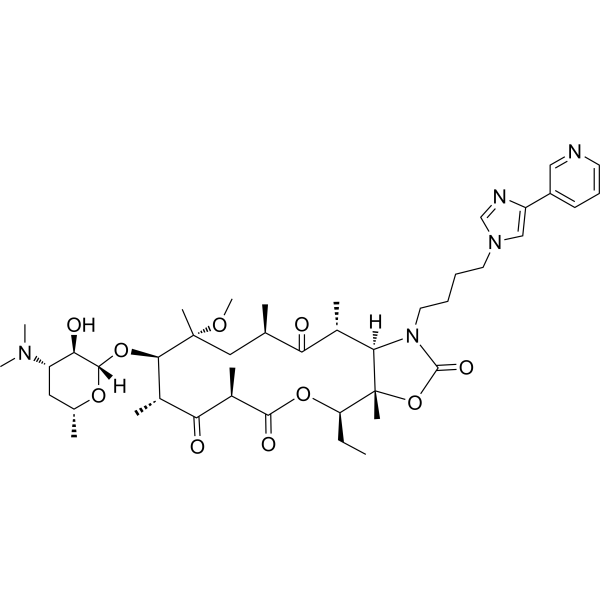
    Telithromycin
    5 Publications Verification

    HMR3647; RU66647

    Bacterial Antibiotic Infection Inflammation/Immunology
    Telithromycin (HMR3647) is a novel ketolide antibiotic that structurally resembles macrolides. Telithromycin belongs to the ketolide family that is characterized by a keto group at position 3 of the macrolide ring and is active against bacteria causing community-acquired pneumonia, acute exacerbation of chronic bronchitis, and acute sinusitis. Telithromycin also has similar immunomodulatory effects as macrolides. Telithromycin can be used for the research of respiratory infections including bronchial asthma .
    Telithromycin
  • HY-B0958
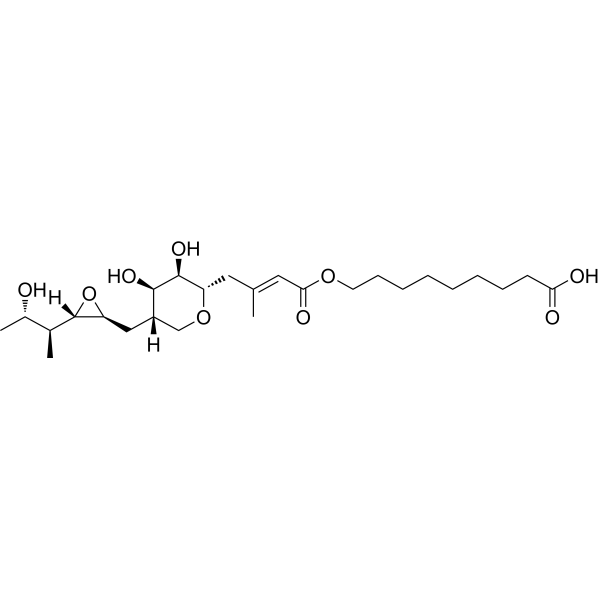
    Mupirocin
    1 Publications Verification

    BRL-4910A; Pseudomonic acid

    Bacterial Antibiotic Aminoacyl-tRNA Synthetase Infection Endocrinology
    Mupirocin is an antibiotic. Mupirocin inhibits bacterial isoleucyl-tRNA synthetase, blocking protein synthesis. Mupirocin has high activity against Gram-positive bacteria such as Staphylococcus and Streptococcus, as well as some Gram-negative bacteria (such as Haemophilus influenzae). Mupirocin can be used in the research of diseases such as skin infections (such as MRSA infections) and chronic sinusitis .
    Mupirocin
  • HY-B1235
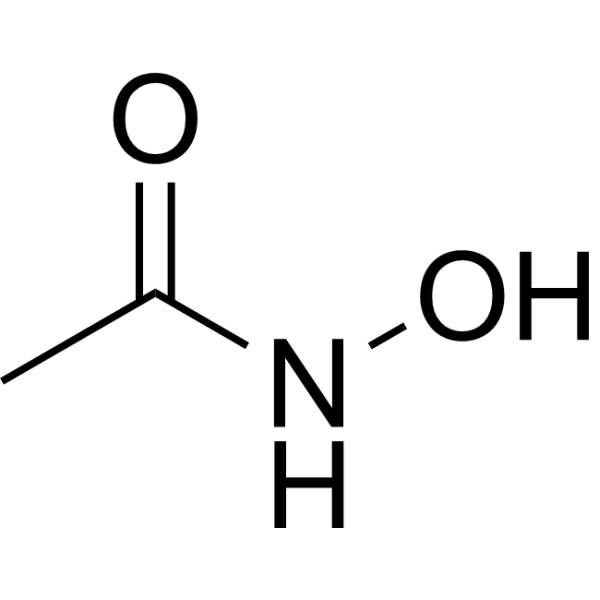
    Acetohydroxamic acid
    1 Publications Verification

    N-Hydroxyacetamide

    Bacterial HIV Infection Inflammation/Immunology
    Acetohydroxamic acid is the inhibitor for bacterial and plant urease that can be used for chronic urinary tract infections. Acetohydroxamic acid selectively inhibits arachidonic acid 5-lipoxygenase that is useful in the research of asthma. Acetohydroxamic acid inhibits the formation of advanced glycation end products, and reduces oxidative stress and inflammatory responses. Acetohydroxamic acid exhibits antiviral activity against HIV .
    Acetohydroxamic acid
  • HY-W251428

    Egg PG

    Biochemical Assay Reagents Others
    Phosphatidylglycerols (PG) is a selective inhibitor targeting the TLR4 accessory protein CD14/MD-2 complex, inhibiting LPS or virus (such as RSV)-mediated inflammatory signaling pathways through competitive binding. Phosphatidylglycerols directly bind to viral particles to block infection, inhibit COX-2 expression to reduce the release of inflammatory factors (IL-6, IL-8), and improve oxidative stress by regulating mitochondrial membrane phospholipid remodeling. Phosphatidylglycerols can be taken orally or by inhalation and can be used in the study of chronic inflammatory diseases (such as atherosclerosis) and respiratory viral infections (such as RSV) .
    Phosphatidylglycerols (egg) sodium salt
  • HY-P990774

    ASP-7266; TRAB-1; UPB-101

    Interleukin Related Inflammation/Immunology
    Verekitug (ASP-7266; TRAB-1; UPB-101) is a human monoclonal antibody targeting the thymic stromal lymphopoietin receptor (TSLPR), with a mean half-life of approximately 20 days. At doses of Verekitug ≥100 mg, complete and sustained TSLPR-specific occupancy is achieved, and the antibody does not bind to IL-7Rα. By inhibiting TSLP-driven inflammatory responses, Verekitug blocks TSLP-induced cell proliferation and TARC expression, while reducing fractional exhaled NO levels, blood eosinophil counts, and levels of IL-5 and IgE. Verekitug significantly improves scores for nasal polyps, nasal congestion and olfactory dysfunction, with favorable safety and good tolerability; potential adverse reactions include headache, upper respiratory tract infection, sinusitis and nasopharyngitis. Verekitug is used in relevant studies on asthma, chronic rhinosinusitis with nasal polyps and chronic obstructive pulmonary disease .
    Verekitug
  • HY-B0277
    Vidarabine
    Maximum Cited Publications
    7 Publications Verification

    Ara-A; Adenine Arabinoside; 9-β-D-Arabinofuranosyladenine

    Apoptosis Fungal Reactive Oxygen Species (ROS) EBV HSV Antibiotic DNA/RNA Synthesis Drug Metabolite Infection Cancer
    Vidarabine (Ara-A) is a nucleoside antibiotic isolated from Streptomyces, and a metabolite of Vidarabine phosphate (HY-B0277A). Vidarabine selectively inhibits viral DNA polymerase and cellular ribonucleotide reductase, thereby blocking viral replication. Vidarabine phosphate also exhibits antifungal activity, induces late-stage cellular apoptosis, and causes cell cycle arrest. Vidarabine phosphate can be used in research related to severe chronic active Epstein-Barr virus (EBV) infection, herpes infection, and candidiasis .
    Vidarabine
  • HY-147217

    ISIS 505358

    HBV Infection
    Bepirovirsen is an antisense oligonucleotide targeting all HBV messenger RNAs. Bepirovirsen leads to reductions in HBV-derived RNAs, HBV DNA and viral proteins. Bepirovirsen can be used for the research of chronic HBV infection. Bepirovirsen binding site sequence (GCACTTCGCTTCACCTCTGC) .
    Bepirovirsen
  • HY-117626
    LP-935509
    1 Publications Verification

    AAK1 Cyclin G-associated Kinase (GAK) SARS-CoV Infection Neurological Disease Inflammation/Immunology
    LP-935509 is an orally active, potent, selective, ATP-competitive and brain-penetrant inhibitor of adaptor protein-2 associated kinase 1 (AAK1) with an IC50 of 3.3 nM and a Ki of 0.9 nM, respectively. LP-935509 is also a potent inhibitor of BIKE (IC50=14 nM) and a modest inhibitor of GAK (IC50=320 nM). LP-935509 shows antinociceptive activity. LP-935509 can be used for neuropathic pain and SARS-CoV-2 research .
    LP-935509
  • HY-147217A

    ISIS 505358 sodium

    HBV Infection
    Bepirovirsen (ISIS 505358) sodium is an antisense oligonucleotide targeting all HBV messenger RNAs. Bepirovirsen sodium leads to reductions in HBV-derived RNAs, HBV DNA and viral proteins. Bepirovirsen sodium can be used for the research of chronic HBV infection. Bepirovirsen sodium binding site sequence (GCACTTCGCTTCACCTCTGC) .
    Bepirovirsen sodium
  • HY-N0249
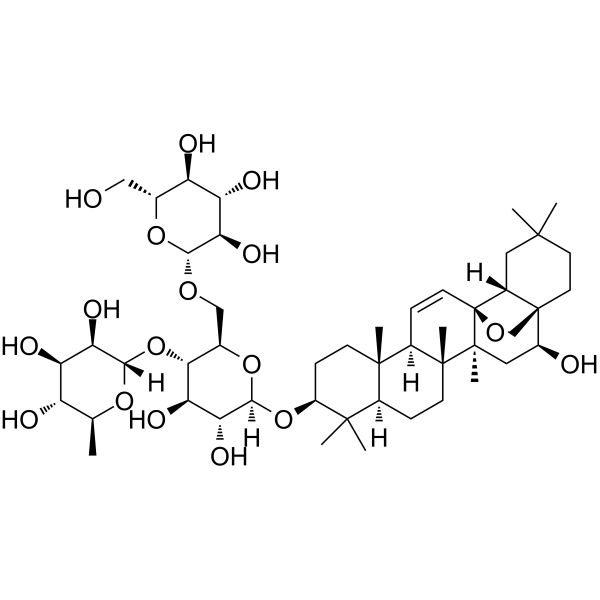
    Saikosaponin C
    2 Publications Verification

    MMP Infection Inflammation/Immunology
    Saikosaponin C is an orally active MMP-2 inducer. Saikosaponin C induces the survival, growth, migration and capillary tube formation of endothelial cells. Saikosaponin C inhibits the early stage of hepatitis C virus infection. Saikosaponin C can be used in research related to ischemic tissue diseases, chronic kidney diseases and hepatitis C virus infection .
    Saikosaponin C
  • HY-B1002
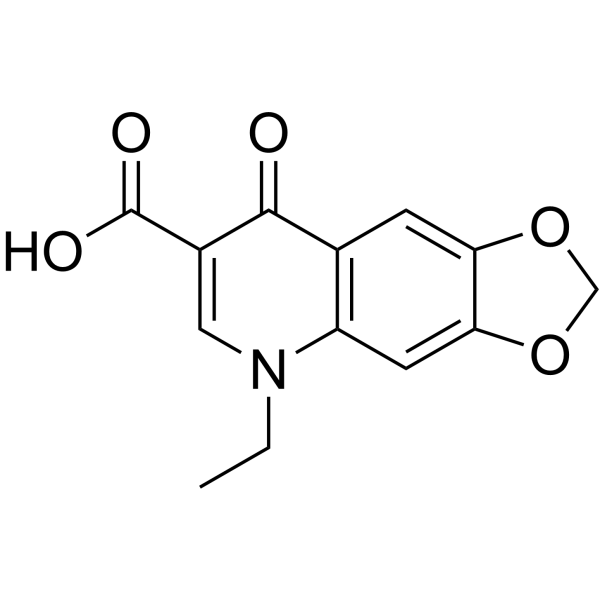
    Oxolinic acid
    3 Publications Verification

    Bacterial Antibiotic DNA/RNA Synthesis Infection
    Oxolinic acid is an antibiotic against both Gram-negative and Gram-positive bacteria. Oxolinic acid can be used for the research of acute and chronic urinary tract infections. Oxolinic acid is a DNA/RNA synthesis inhibitor. Oxolinic acid acts a dopamine uptake inhibitor and stimulants locomotor effect in mice .
    Oxolinic acid
  • HY-N0444

    Reactive Oxygen Species (ROS) Inflammation/Immunology
    Rubiadin is an orally active polyketide-derived compound and free radical scavenger that inhibits the activation of the NF-κB pathway. Rubiadin inhibits osteoclast formation, bone resorption, lipid peroxidation, HBV DNA replication and cancer cell proliferation; reduces pro-inflammatory cytokine levels; induces cancer cell apoptosis; and possesses antifungal, antimalarial, antibacterial and anticonvulsant activities. Rubiadin can be used in the research of osteoporosis, acute inflammation, chronic inflammation, carbon tetrachloride-induced liver injury, Alzheimer's disease, breast cancer, iron overload disorders, hepatitis B virus infection, colon cancer, liver cancer, T-lymphocytic leukemia, cervical cancer, diabetic nephropathy, epileptic seizures, fungal infections, malaria and bacterial infections .
    Rubiadin
  • HY-E70529

    DNA/RNA Synthesis Bacterial Infection
    Ribonucleoside vanadyl complexes are a class of potent RNase and Taq polymerase inhibitors. Ribonucleoside vanadyl complexes protect RNA during RNA isolation by inhibiting ribonucleases, and also reduce the viability of bacteria and eukaryotic cells by interfering with ribosomal subunit assembly. Ribonucleoside vanadyl complexes block PCR and reverse transcription reactions templated by viral nucleic acids and enhance the effects of antibiotics against Staphylococcus aureus, but do not directly inhibit protein synthesis. Ribonucleoside vanadyl complexes can be effectively removed by phenol-chloroform extraction, thus enabling subsequent PCR analysis. Ribonucleoside vanadyl complexes can be applied in research related to chronic hepatitis C (HCV) and Staphylococcus aureus infection .
    Ribonucleoside vanadyl complexes
  • HY-G0017
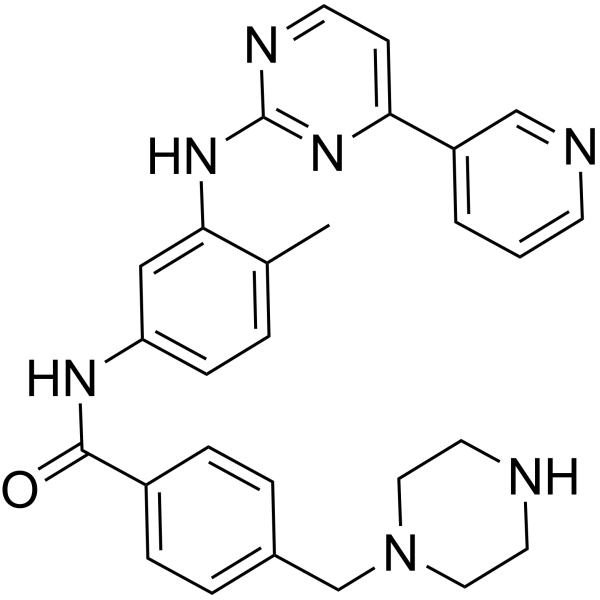
    N-Desmethyl imatinib
    1 Publications Verification

    Norimatinib; Imatinib metabolite N-Desmethyl imatinib; CGP 74588

    Drug Metabolite P-glycoprotein Apoptosis Neurological Disease Cancer
    N‑Desmethyl imatinib (Norimatinib) is an active metabolite of Imatinib (HY-15463), a selective c‑Abl inhibitor, and a substrate of P‑glycoprotein. N-Desmethyl imatinib binds to the c-Abl catalytic domain to prevent substrate phosphorylation, inhibits c-Abl-mediated α-synuclein activation and downstream inflammatory signaling pathways. N-Desmethyl imatinib induces apoptosis in K562 human leukemia cells. N-Desmethyl imatinib shows significantly elevated plasma levels in gastrointestinal stromal tumor (GIST) models with mild SARS-CoV-2 infection. N-Desmethyl imatinib can be used for the research of Parkinson’s disease, gastrointestinal stromal tumor, and chronic myeloid leukemia .
    N-Desmethyl imatinib
  • HY-150217
    CpG ODN 10101
    2 Publications Verification

    ODN 10101

    Toll-like Receptor (TLR) Infection Inflammation/Immunology
    CpG ODN 10101 (ODN 10101; CPG 10101) is a selective agonist targeting TLR9, a synthetic oligodeoxynucleotide modified with phosphate thioester. CpG ODN 10101 activates B cells and plasmacytoid dendritic cells (pDCs), inducing the production of cytokines and chemokines such as interferon-IFN-α, interferon-inducible protein IP-10, and 2'5'-oligoadenylate synthase (2'5'-OAS), regulating innate immunity and promoting Th1 adaptive immune responses. CpG ODN 10101 also possesses antiviral properties and enhances vaccine immunogenicity, making it suitable as an immunomodulator and vaccine adjuvant for vaccine development in chronic hepatitis C and infectious diseases such as melioidosis, pertussis, and respiratory syncytial virus (RSV) .
    CpG ODN 10101
  • HY-175451

    Molecular Glues Src Infection Cancer
    MRT-10350 (Compound 2) is a cereblon-based HCK molecular glue degrader. MRT-10350 can be used for cancers like chronic myeloid leukemia and HIV-1 infections research .
    MRT-10350
  • HY-B0277A

    ara-AMP; ara-A 5'-monophosphate

    EBV HSV Fungal DNA/RNA Synthesis Apoptosis Drug Intermediate Reactive Oxygen Species (ROS) Infection
    Vidarabine phosphate (ara-AMP; ara-A 5'-monophosphate) is a purine nucleoside antiviral agent and a prodrug of Vidarabine (HY-B0277). Vidarabine phosphate is rapidly converted into the antiviral active Vidarabine in vivo, which selectively inhibits viral DNA polymerase and cellular ribonucleotide reductase, thereby blocking viral replication. Vidarabine phosphate also exhibits antifungal activity, induces late-stage cellular apoptosis, and causes cell cycle arrest. Vidarabine phosphate can be used in research related to severe chronic active Epstein-Barr virus (EBV) infection, herpes infection, and candidiasis .
    Vidarabine phosphate
  • HY-B2218D

    Magnesium dihydroxide, 99%(KT)

    Environmental Pollutants Bacterial Infection Inflammation/Immunology
    Magnesium hydroxide (Magnesium dihydroxide), 99%(KT) is an orally effective antacid. Magnesium hydroxide, 99%(KT) can form a local strongly alkaline microenvironment, reduce ATP production by consuming H +, and hydrolyze cellular phospholipids to disrupt the cellular integrity of microorganisms, thus exhibiting antibacterial activity. Magnesium hydroxide, 99%(KT) downregulates the generation of inflammatory macrophages to alleviate inflammatory responses. Magnesium hydroxide, 99%(KT) can be used in research related to acid peptic diseases and chronic wound infections .
    Magnesium hydroxide, 99%(KT)
  • HY-W108875
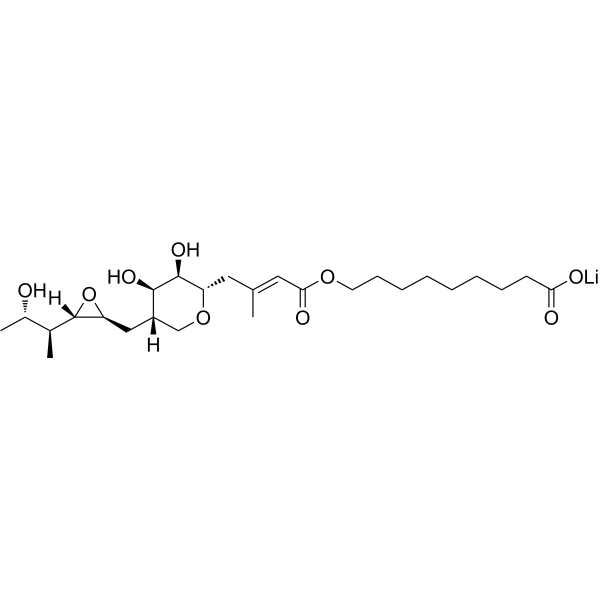
    Mupirocin lithium
    1 Publications Verification

    BRL-4910A lithium; Pseudomonic acid lithium

    Antibiotic Bacterial Aminoacyl-tRNA Synthetase Infection Endocrinology
    Mupirocin lithium is an antibiotic. Mupirocin lithium inhibits bacterial isoleucyl-tRNA synthetase, blocking protein synthesis. Mupirocin lithium has high activity against Gram-positive bacteria such as Staphylococcus and Streptococcus, as well as some Gram-negative bacteria (such as Haemophilus influenzae). Mupirocin lithium can be used in the research of diseases such as skin infections (such as MRSA infections) and chronic sinusitis .
    Mupirocin lithium
  • HY-17452A

    Cefditoren pivoxyl; Cefditoren pivaloyloxymethyl ester; ME 1207

    Beta-lactamase Bacterial Antibiotic Infection Inflammation/Immunology
    Cefditoren Pivoxil (ME 1207) is a broad-spectrum, third-generation, oral cephalosporin antibacterial with enhanced stability against many common β lactamases. Cefditoren Pivoxil has activity against Gram-negative organisms and Gram-positive organisms. Cefditoren Pivoxil can be used in the research of infection diseases such as acute exacerbations of chronic bronchitis, community-acquired pneumonia (CAP), streptococcal pharyngitis/tonsillitis, or uncomplicated skin and skin structure infections .
    Cefditoren Pivoxil
  • HY-B0024
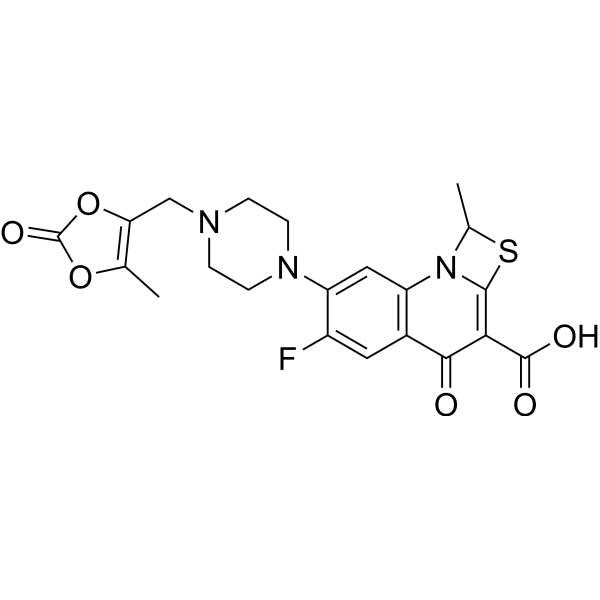
    Prulifloxacin
    2 Publications Verification

    NM441

    Bacterial Antibiotic Infection
    Prulifloxacin (NM441) is an orally active fluoroquinolone antibiotic with a broad spectrum of activity against Gram-positive and -negative bacteria. Prulifloxacin is a proagent of a thiazeto-quinoline carboxylic acid derivative Ulifloxacin (NM394). Prulifloxacin has the potential for lower urinary tract infections and exacerbations of chronic bronchitis .
    Prulifloxacin
  • HY-A0130

    Sulfametopyrazine; AS-18908

    Parasite Bacterial Infection Inflammation/Immunology
    Sulfalene (Sulfametopyrazine) is an orally active antimalarial agent. Sulfalene competes with para-aminobenzoic acid in plasmodial and bacterial folic acid synthesis pathways. Sulfalene reduces trachoma-associated pathological changes. Sulfalene can be used for the research of acute falciparum malaria, Schistosoma mansoni infection, trachoma, chronic bronchitis, and bacteriuria in pregnancy .
    Sulfalene
  • HY-159688
    Cefditoren
    1 Publications Verification

    Antibiotic Bacterial Penicillin-binding protein (PBP) Interleukin Related Infection
    Cefditoren is a broad-spectrum oral active cephalosporin that acts as a penicillin-binding protein (PBP) inhibitor. Cefditoren binds to specific PBPs in Gram-positive and Gram-negative bacteria, thereby inhibiting cell wall synthesis. Cefditoren also reduces serum levels of the inflammatory biomarkers IL-6 and KL-6. Cefditoren can be used in research related to acute exacerbation of chronic bronchitis, pharyngitis-tonsillitis, uncomplicated skin and skin structure infections, respiratory tract infections, acute pyelonephritis, and enterococcal endocarditis .
    Cefditoren
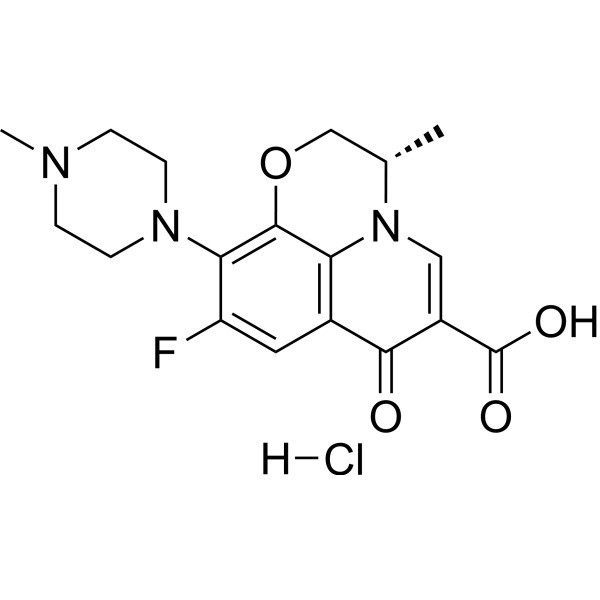
  • HY-B0330B
    Levofloxacin hydrochloride
    Maximum Cited Publications
    35 Publications Verification

    (-)-Ofloxacin hydrochloride

    Antibiotic Bacterial DNA/RNA Synthesis Topoisomerase Orthopoxvirus Apoptosis Infection Neurological Disease Cancer
    Levofloxacin hydrochloride is an orally active antibiotic. Levofloxacin inhibits DNA gyrase and topoisomerase IV activity, inducing Apoptosis. Levofloxacin hydrochloride has antibacterial activity against both Gram-positive and Gram-negative bacteria. Levofloxacin hydrochloride exhibits anticancer activity against lung cancer. Levofloxacin hydrochloride has anti-acnegenic, anxiogenic, and analgesic effects. Levofloxacin hydrochloride shortens sleep duration in mice. Levofloxacin hydrochloride can be used in the research of infectious diseases (such as tuberculosis, chronic periodontitis, bacterial infections associated with stable COPD, and BK viremia) and lung cancer .
    Levofloxacin hydrochloride
  • HY-P991200

    HCV Claudin Infection
    OM-7D3-B3 is an antibody-based antiviral agent targeting the tight junction protein CLDN1 (Kd=4 nM). By binding to the first extracellular domain of CLDN1, OM-7D3-B3 disrupts the formation of the CLDN1-CD81 co-receptor complex, thereby effectively inhibiting the entry of hepatitis C virus (HCV). OM-7D3-B3 not only prevents de novo and chronic HCV infections in humanized liver chimeric mice and uPA-SCID mice transplanted with human livers, but also exhibits favorable safety with no toxic effects observed. OM-7D3-B3 serves as a critical tool for research on HCV infection mechanisms and antiviral drug development .
    OM-7D3-B3
  • HY-145638A

    RO7445482 sodium

    HBV Infection
    Xalnesiran (RO7445482) sodium is a small interfering RNA molecule that targets a conserved region of the
    hepatitis B virus (HBV) genome . Xalnesiran sodium can be used for the research of chronic hepatitis B infection .
    Xalnesiran sodium
  • HY-136436

    Drug Metabolite Antibiotic Bacterial Fungal Infection Inflammation/Immunology
    Ternidazole hydrochloride is a nitroimidazole Antibiotic with anti-pathogenic microbial activity. Ternidazole hydrochloride kills and inhibits the visible growth of Clostridium perfringens type A in vitro. Ternidazole hydrochloride helps improve the therapeutic efficacy against bacterial vaginosis, candidal vaginitis and mixed vaginitis. Ternidazole hydrochloride effectively alleviates chronic alcoholism. Ternidazole hydrochloride can be used in research related to vaginitis, pathogenic microbial infections and chronic alcoholism .
    Ternidazole hydrochloride
  • HY-150217A
    CpG ODN 10101 sodium
    2 Publications Verification

    ODN 10101 sodium

    Toll-like Receptor (TLR) Infection
    CpG ODN 10101 sodium, a synthetic oligodeoxynucleotide (ODN), is a toll-like receptor 9 (TLR9) agonist. CpG ODN 10101 sodium is a potent inducer of cytokine/chemokine expression ex vivo when used in combination with HH2(VQLRIRVAVIRA-NH2). CpG ODN 10101 sodium induces IFN- secretion from dendritic cells (DCs) and stimulates B-cells.CpG ODN 10101 sodium has antiviral and immunomodulatory properties that can influence chronic infection with HCV .
    CpG ODN 10101 sodium
  • HY-142221

    PD-1/PD-L1 Cancer
    ARB-272572 is an oral effective small molecule PD-L1 inhibitor, with an IC50 value of 400 pM. ARB-272572 has research significance in tumors and chronic viral infections .
    ARB-272572
  • HY-13337

    INX-08189

    HCV Infection
    BMS-986094 (INX-08189) is a potent inhibitor of hepatitis C virus (HCV) replication, with an EC50 of 35 nM at 24 h in Huh-7 cells. BMS-986094 is a phosphoramidate proagent of 6-O-methyl-2’-C-methyl guanosine. BMS-986094 can be used for the research of chronic HCV infection .
    BMS-986094
  • HY-147266

    VIR-2218 sodium

    Small Interfering RNA (siRNA) HBV Infection
    Elebsiran (VIR-2218) sodium is a siRNA that targets and degrades hepatitis B virus (HBV) and hepatitis D virus (HDV) RNA transcripts. Elebsiran sodium leads to a significant decrease in HBV surface antigen (HBsAg) and a reduction in viral load. Elebsiran sodium binds to the sialic acid-depleted glycoprotein receptor (ASGPR) on the surface of liver cells through the GalNAc ligand, achieving liver-targeted delivery and demonstrating improved liver safety. Elebsiran sodium can be used for the study of chronic HBV/HDV infections .
    Elebsiran sodium
  • HY-15256

    BI 201335

    HCV Protease Infection
    Faldaprevir (BI 201335) is a potent, orally active and selective noncovalent inhibitor of NS3/4A protease of HCV (hepatitis C virus) genotypes 1a and 1b, with Ki values of 2.6 and 2.0 nM, respectively. Faldaprevir inhibits HCV RNA replication, with EC50 values of 6.5 and 3.1 nM, respectively. Faldaprevir has potent antiviral activity against chronic HCV infection .
    Faldaprevir
  • HY-W352344

    HBV Infection
    2'-Deoxy-L-adenosine is an orally active synthon for modified oligodeoxyribonucleotides. 2'-Deoxy-L-adenosine is a potent, specific and selective inhibitor of the replication of hepatitis B virus (HBV) as well as the closely related duck and woodchuck hepatitis viruses (WHV) .
    2'-Deoxy-L-adenosine
  • HY-117411A

    KW-136 dihydrochloride

    HCV HCV Protease Infection
    Coblopasvir (KW-136) dihydrochloride is a pangenotypic non-structural protein 5A (NS5A) inhibitor. Coblopasvir dihydrochloride can be used for research of chronic hepatitis C virus infection .
    Coblopasvir dihydrochloride
  • HY-N0172S

    3,4-Dihydroxycinnamic acid-13C3

    Bacterial Fungal Infection
    Caffeic acid- 13C3 is an 13C labeled caffeic acid. Caffeic acid is a phytonutrient belonging to the flavonoids. Caffeic acid and its derivatives, are potential antimicrobial agents, chronic infection induced by microbes such as bacteria, fungi, and viruses .
    Caffeic acid-13C3
  • HY-17452
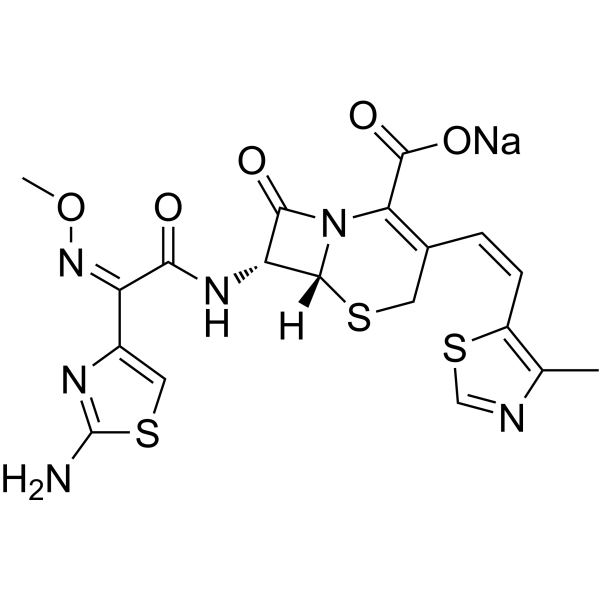
    Cefditoren sodium
    1 Publications Verification

    ME 1206

    Beta-lactamase Bacterial Infection Inflammation/Immunology
    Cefditoren sodium (ME 1206) is a broad-spectrum, third-generation, oral cephalosporin antibacterial with enhanced stability against many common β lactamases. Cefditoren sodium has activity against Gram-negative organisms and Gram-positive organisms. Cefditoren sodium can be used in the research of infection diseases such as acute exacerbations of chronic bronchitis, community-acquired pneumonia (CAP), streptococcal pharyngitis/tonsillitis, or uncomplicated skin and skin structure infections .
    Cefditoren sodium
  • HY-G0017S

    Norimatinib-d8; Imatinib metabolite N-Desmethyl imatinib-d8; CGP 74588-d8

    Isotope-Labeled Compounds Drug Metabolite P-glycoprotein Apoptosis Neurological Disease Cancer
    N-Desmethyl imatinib-d8 is a deuterium labeled Imatinib metabolite N-Desmethyl Imatinib (HY-G0017). N‑Desmethyl imatinib (Norimatinib) is an active metabolite of Imatinib (HY-15463), a selective c‑Abl inhibitor, and a substrate of P‑glycoprotein. N-Desmethyl imatinib binds to the c-Abl catalytic domain to prevent substrate phosphorylation, inhibits c-Abl-mediated α-synuclein activation and downstream inflammatory signaling pathways. N-Desmethyl imatinib induces apoptosis in K562 human leukemia cells. N-Desmethyl imatinib exhibits significantly elevated plasma levels in gastrointestinal stromal tumor (GIST) settings following mild SARS CoV 2 infection. N-Desmethyl imatinib can be used for the research of Parkinson’s disease, gastrointestinal stromal tumor, and chronic myeloid leukemia .
    N-Desmethyl imatinib-d8
  • HY-P5522A
    TriDAP dihydrochloride
    1 Publications Verification

    L-Ala-γ-D-Glu-meso-diaminopimelic acid dihydrochloride

    NOD-like Receptor (NLR) NF-κB MAP3K MEK ERK p38 MAPK Interleukin Related SARS-CoV Infection Inflammation/Immunology
    TriDAP dihydrochloride (L-Ala-γ-D-Glu-meso-diaminopimelic acid dihydrochloride) is a NOD1 agonist with a Kd value of 34.5 μM. TriDAP dihydrochloride enhances the binding of NOD1-RICK, promotes RICK phosphorylation, and activates the NF-κB, TAK1, MEK/ERK, p38 and interferon response pathways. TriDAP dihydrochloride downregulates Runx2 via increasing ubiquitination and reduces trabecular bone parameters. TriDAP dihydrochloride decreases IκBα levels and increases p65 levels. TriDAP dihydrochloride induces the secretion of proinflammatory mediators IL-8 and prostaglandins, triggers tissue inflammation and innate immune activation, and inhibits SARS-CoV-2 replication in lung epithelial cells. TriDAP dihydrochloride increases the RANKL/OPG ratio in mice, reduces bone mass and enhances osteoclast activity, and inhibits new bone formation by decreasing the mineralization deposition rate in mice. TriDAP dihydrochloride can be used in research related to pulpitis, chronic ulcerative colitis, Crohn's disease and SARS-CoV-2 infection .
    TriDAP dihydrochloride
  • HY-121513

    2'-Deoxy-L-cytidine; L-dC

    HBV Infection
    Torcitabine (2'-Deoxy-L-cytidine) is an antiviral agent. Torcitabine has the potential for chronic hepatitis B virus infection treatment .
    Torcitabine
  • HY-161977

    E1/E2/E3 Enzyme Inflammation/Immunology
    Cbl-b-IN-26 (Example A1) is a Cbl-b inhibitor with a Kd of 34.6 nM . Cbl-b-IN-26 can be used in the study of chronic viral infections and cancer .
    Cbl-b-IN-26
  • HY-149308

    Macrophage migration inhibitory factor (MIF) Infection
    MKA031 (compound 6y) is a non-competitive MIF inhibitor with an IC50 value of 1.7 μM. MKA031 (compound 6y) interferes with MIF/AIF interaction, MIF nuclear translocation, and N-methyl-N'-nitro-N-nitrosoguanidine (MNNG)-induced dependent cell death. MKA031 can be used in the study of chronic hepatitis C virus infection .
    MKA031
  • HY-B1235R

    N-Hydroxyacetamide (Standard)

    Reference Standards Bacterial HIV Infection Inflammation/Immunology
    Acetohydroxamic acid (Standard) is the analytical standard of Acetohydroxamic acid. This product is intended for research and analytical applications. Acetohydroxamic acid is the inhibitor for bacterial and plant urease that can be used for chronic urinary tract infections. Acetohydroxamic acid selectively inhibits arachidonic acid 5-lipoxygenase that is useful in the research of asthma. Acetohydroxamic acid inhibits the formation of advanced glycation end products, and reduces oxidative stress and inflammatory responses. Acetohydroxamic acid exhibits antiviral activity against HIV .
    Acetohydroxamic acid (Standard)
  • HY-177332

    TAM Receptor SARS-CoV Akt Infection Cancer
    SLC-391 is an orally active AXL kinase inhibitor with an IC50 of 9.6 nM against AXL kinase. SLC-391 inhibits Gas6-induced AXL-dependent phosphorylation of Akt. SLC-391 inhibits SARS-CoV-2 infection, entry and replication in cells. SLC-391 suppresses cancer cell proliferation. SLC-391 inhibits tumor growth in mouse solid tumor xenograft models. SLC-391 can be used for the research of COVID-19, influenza virus infection, triple-negative breast cancer, chronic myeloid leukemia and non-small cell lung cancer .
    SLC-391
  • HY-149667

    DGK Cancer
    BMS-332 is a dual DGKα/ζ lipid kinase inhibitor, with IC50s of 5 and 1 nM against DGKα and DGKζ, respectively. BMS-332 enhances the antigen-specific T cell response. BMS-332 reduces the viral load in the liver and spleen when combined with anti-PD-1 in chronic infection models. BMS-332 can be used for the study of T cell immune checkpoint strategy .
    BMS-332
  • HY-147266A

    VIR-2218

    HBV Small Interfering RNA (siRNA) Infection
    Elebsiran (VIR-2218) is a siRNA that targets and degrades hepatitis B virus (HBV) and hepatitis D virus (HDV) RNA transcripts. Elebsiran leads to a significant decrease in HBV surface antigen (HBsAg) and a reduction in viral load. Elebsiran binds to the sialic acid-depleted glycoprotein receptor (ASGPR) on the surface of liver cells through the GalNAc ligand, achieving liver-targeted delivery and demonstrating improved liver safety. Elebsiran can be used for the study of chronic HBV/HDV infections .
    Elebsiran
  • HY-145638

    RO7445482

    HBV Infection
    Xalnesiran (RO7445482) is a small interfering RNA molecule that targets a conserved region of the
    hepatitis B virus (HBV) genome. Xalnesiran can be used for the research of chronic hepatitis B infection .
    Xalnesiran
  • HY-136436A

    Drug Metabolite Parasite Infection Inflammation/Immunology
    Ternidazole is a nitroimidazole Antibiotic with anti-pathogenic microbial activity. Ternidazole kills and inhibits the visible growth of Clostridium perfringens type A in vitro. Ternidazole helps improve the therapeutic efficacy against bacterial vaginosis, candidal vaginitis and mixed vaginitis. Ternidazole effectively alleviates chronic alcoholism. Ternidazole can be used in research related to vaginitis, pathogenic microbial infections and chronic alcoholism .
    Ternidazole
  • HY-116229

    SB-265805; LB20304

    Antibiotic Bacterial Infection
    Gemifloxacin, a fluoroquinolone, is a potent and orally active antipneumococcal agent. Gemifloxacin shows bactericidal activity against highly quinolone-resistant pneumococci.Gemifloxacin can be used for the research of respiratory infections, such as community-acquired pneumonia (CAP) and acute exacerbation of chronic bronchitis (AECB) .
    Gemifloxacin
  • HY-121185

    Adrenergic Receptor Infection Neurological Disease Inflammation/Immunology Endocrinology
    Hexoprenaline is an orally active and selective β-adrenergic receptor agonist. Hexoprenaline can dilate the bronchi. Hexoprenaline can activate adenylate cyclase and increases 14C-Aminopyrine uptake. Hexoprenaline exhibits anti-infection and anti-inflammmation effect. Hexoprenaline can increase placental weight and blood flow. Hexoprenaline can be used for the researches of inflammation, immunology, infection, endocrinology and neurological disease, such as asthma, chronic bronchitis, sepsis and intoxication of organophosphorus compounds .
    Hexoprenaline
  • HY-P99608

    HBV Infection
    Exbivirumab is a monoclonal antibody directed against highly conserved HBsAg epitopes. Exbivirumab enhances the antiviral activity of hepatitis B immunoglobulin (HBIG). Exbivirumab combined with Libivirumab (HY-P99703) decreases circulating HBsAg and hepatitis B virus (HBV) DNA levels in a chronically infected chimpanzee. Exbivirumab can be used for HBV re-infection in liver transplant .
    Exbivirumab

Inquiry Online

Your information is safe with us. * Required Fields.

Salutation


Country or Region *

Applicant Name *


Organization Name *

Department *


Email Address *


Product Name *

Cat. No.


Requested quantity *

Phone Number *


Remarks

Inquiry Online

Inquiry Information

Product Name:
Cat. No.:
Quantity:
MCE Japan Authorized Agent:

