1. Search Result
Search Result
Results for "

neurodegenerative+disorder

" in MedChemExpress (MCE) Product Catalog:

87

Inhibitors & Agonists

4

Screening Libraries

1

Biochemical Assay Reagents

3

Peptides

1

Inhibitory Antibodies

7

Natural
Products

3

Isotope-Labeled Compounds

1

Click Chemistry

Cat. No. Product Name Target Research Areas Chemical Structure
  • HY-113294
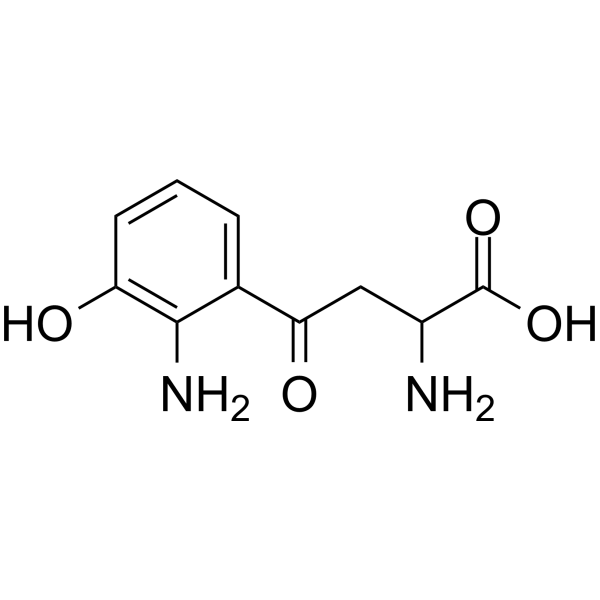
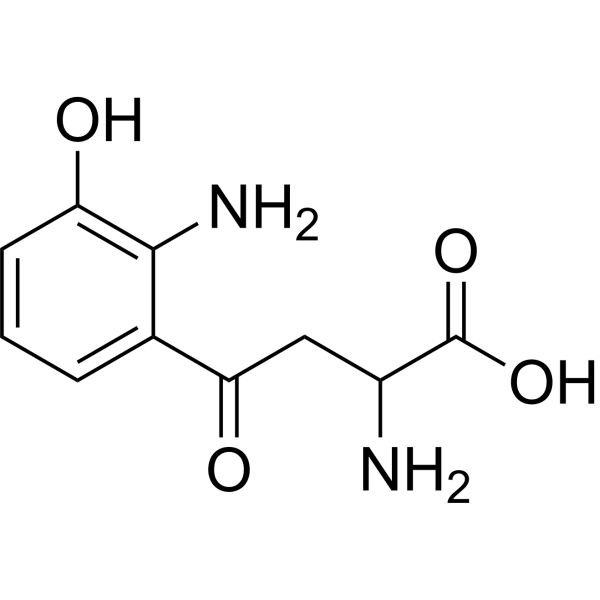
    3-Hydroxykynurenine
    2 Publications Verification

    3-Hydroxy-DL-kynurenine

    Endogenous Metabolite Apoptosis Neurological Disease
    3-Hydroxykynurenine, a metabolite of tryptophan, is a potential endogenous neurotoxin whose increased levels have been described in several neurodegenerative disorders. 3-Hydroxykynurenine induces neuronal apoptosis .
    3-Hydroxykynurenine
  • HY-N5034
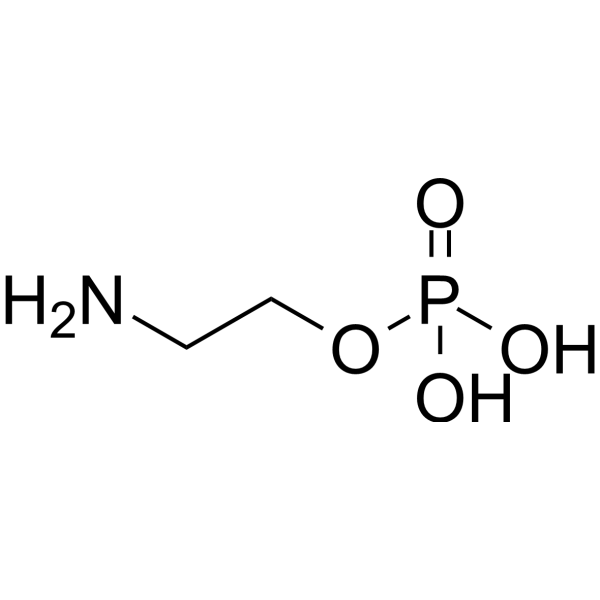
    Phosphorylethanolamine
    4 Publications Verification

    Monoaminoethyl phosphate; NSC 254167; O-Phosphoethanolamine

    Endogenous Metabolite Neurological Disease Metabolic Disease Cancer
    Phosphorylethanolamine (Monoaminoethyl phosphate) is a membrane phospholipid and an important precursor of Phosphatidylcholine (HY-B2233B). It is found in most animal tissues and various human extracranial tumors, playing a critical role in membrane integrity, cell division, mitochondrial respiratory function, and more. Studies have shown that changes in the abundance of Phosphorylethanolamine are associated with Alzheimer's disease and Parkinson's disease. Lowering the ratio of Phosphorylethanolamine to Phosphatidylcholine in the liver can improve insulin signaling. Phosphorylethanolamine holds promise for research in the fields of cancer, neurodegenerative disorders, and metabolic diseases .
    Phosphorylethanolamine
  • HY-B1359
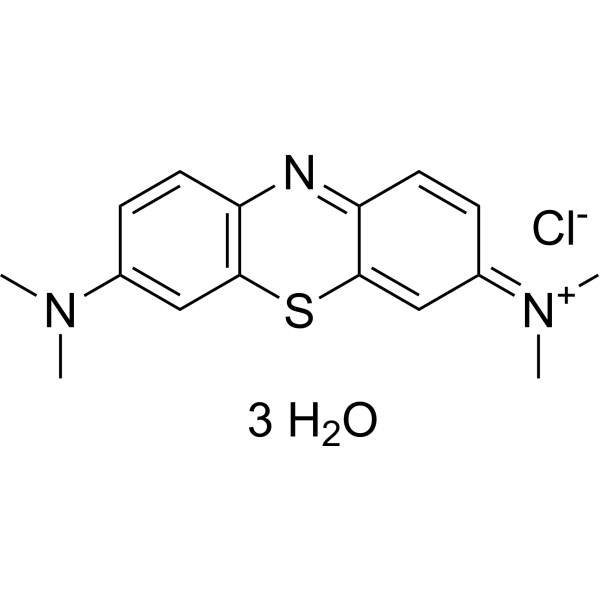
    Methylene blue trihydrate
    Maximum Cited Publications
    28 Publications Verification

    C.I. Basic Blue 9 trihydrate

    Guanylate Cyclase Monoamine Oxidase NO Synthase Parasite Infection Neurological Disease Cancer
    Methylene blue trihydrate (C.I. Basic Blue 9 trihydrate) is a guanylyl cyclase (sGC), monoamine oxidase A (MAO-A) and NO synthase (NOS) inhibitor. Methylene blue trihydrate is a vasopressor and is often used as a dye in several medical procedures. Methylene blue trihydrate has antinociception, antimalarial, antidepressant and anxiolytic activity effects. Methylene Blue trihydrate has the potential for methemoglobinemias, neurodegenerative disorders and ifosfamide-induced encephalopathytreatment .
    Methylene blue trihydrate
  • HY-W018643
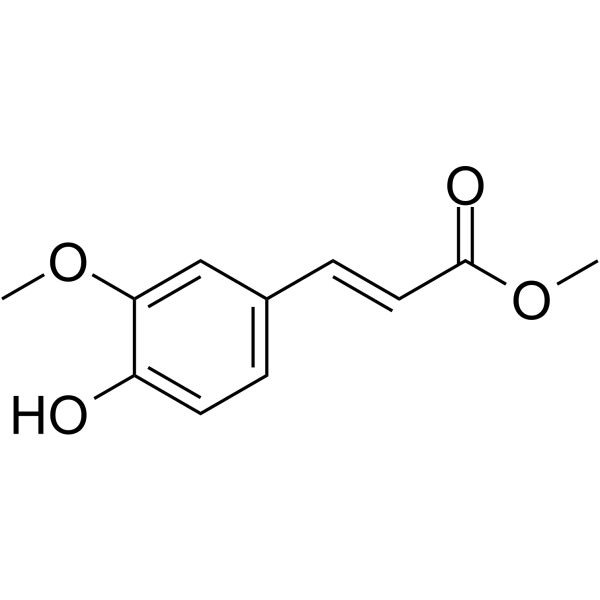
    Ferulic acid methyl ester
    1 Publications Verification

    Methyl ferulate

    p38 MAPK Autophagy Neurological Disease Inflammation/Immunology Cancer
    Ferulic acid methyl ester (Methyl ferulate) is a derivative of ferulic acid, isolated from Stemona tuberosa, with anti-inflammatory and antioxidant properties . Ferulic acid methyl ester is a cell membrane and brain permeable compound, shows free radical scavenging ability, used in the research of neurodegenerative disorders . Ferulic acid methyl ester inhibits COX-2 expression, blocks p-p38 and p-JNK in primary bone marrow derived-macrophages .
    Ferulic acid methyl ester
  • HY-156438

    NT-0796

    NOD-like Receptor (NLR) Interleukin Related Neurological Disease
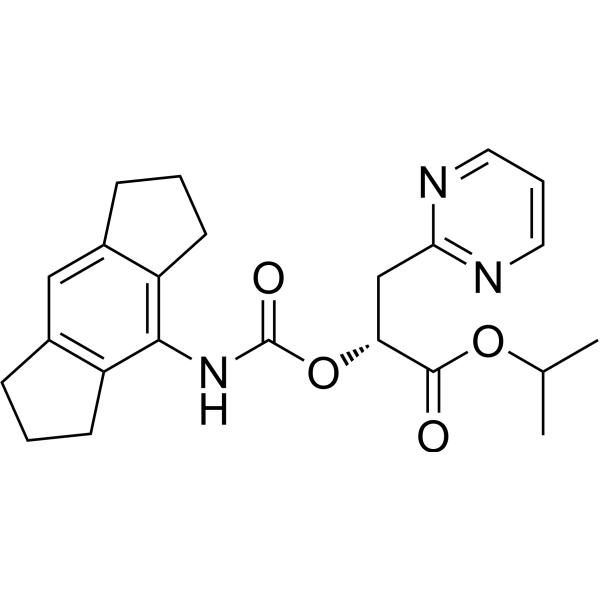
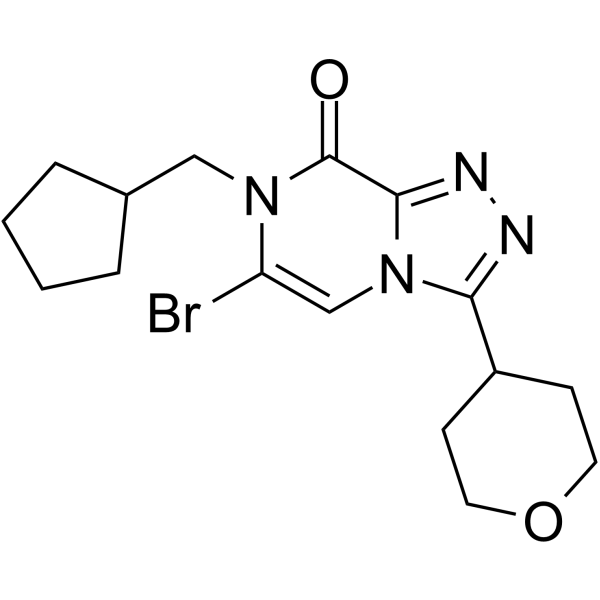
    Ruvonoflast (NT-0796) is an orally active, selective and CNS-penetrant NLRP3 inflammasome inhibitor. Ruvonoflast inhibits IL-1β release in human PBMC cells with an IC50 value of 0.32 nM. Ruvonoflast is an isopropyl ester that undergoes intracellular conversion to Ruvonoflast, the carboxylic acid active species. Ruvonoflast reverses high fat diet-induced obesity, systemic inflammation and astrogliosis in the diet-induced obesity mouse model. Ruvonoflast is promising for research of neurodegenerative disorders, including Alzheimer’s disease, Parkinson’s disease, multiple sclerosis, and amyotrophic lateral sclerosis .
    Ruvonoflast
  • HY-175238

    ATP Synthase DNA/RNA Synthesis Neurological Disease Cancer
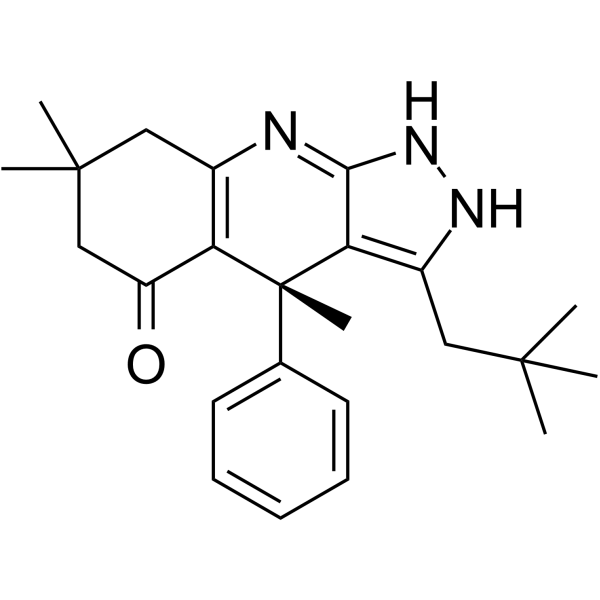
    KI-DX-014 is a DDX21 inhibitor with high RNA-binding inhibitory activity (IC50 of 3.31 μM). KI-DX-014 targets DDX21’s intrinsically disordered C-terminal domain, inhibits DDX21-structured RNA interaction, modulates DDX21’s RNA-dependent ATPase activity, and disrupts DDX21 biomolecular condensate formation. KI-DX-014 attenuates in vitro P-TEFb release from the 7SK snRNP complex, suppresses P-TEFb-dependent RNA polymerase II CTD phosphorylation, and induces developmental defects in zebrafish embryos. KI-DX-014 acts as a chemical probe for dissecting DDX21 functions in normal physiology and disease states. KI-DX-014 can be used for cancers and neurodegenerative disorders research .
    KI-DX-014
  • HY-N1100

    (-)-Vasicinone

    Others Neurological Disease
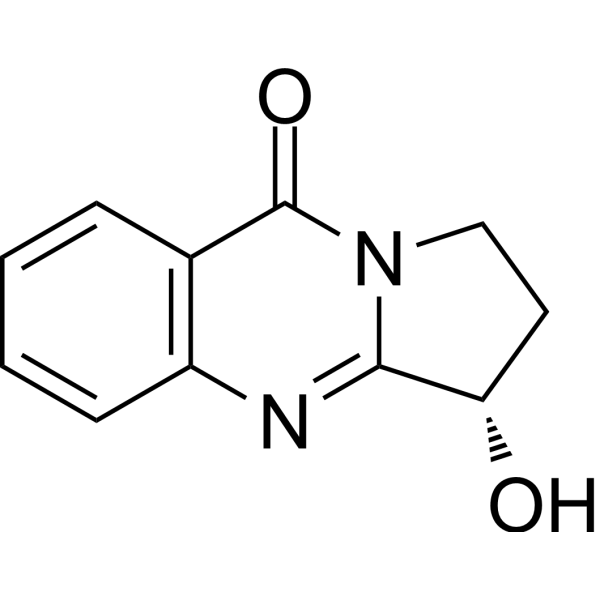
    Vasicinone is a quinazoline alkaloid isolated from the Adhatoda vasica. Vasicinone is a potential agent for Parkinson's disease and possibly other oxidative stress-related neurodegenerative disorders .
    Vasicinone
  • HY-175748

    Radionuclide-Drug Conjugates (RDCs) α-synuclein Neurological Disease
    MK-7337 is an α-synuclein ligand with an affinity of < 1 nM. MK-7337 labeled with 11C can be used as a PET tracer for neurodegenerative disorders like Parkinson’s disease imagination .
    MK-7337
  • HY-124607B
    BRD3731
    2 Publications Verification

    GSK-3 Neurological Disease Metabolic Disease
    BRD3731 is a selective GSK3β inhibitor, with IC50s of 15 nM and 215 nM for GSK3β and GSK3α, respectively. BRD3731 is potentail for the research of post-traumatic stress disorder (PTSD), psychiatric disorder, diabetes, and neurodegenerative disorders .
    BRD3731
  • HY-Z0816
    Dehydronitrosonisoldipine
    3 Publications Verification

    Calcium Channel Others
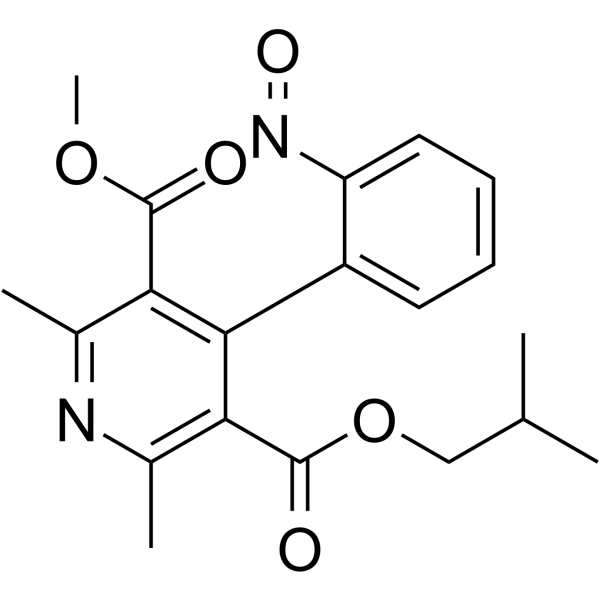
    Dehydronitrosonisoldipine, a derivative of Nisoldipine (HY-17402), is an irreversible and cell-permeant sterile alpha and TIR motif-containing 1 (SARM1) inhibitor. Dehydronitrosonisoldipine acts mainly by blocking SARM1 activation but not its enzymatic activities. Dehydronitrosonisoldipine inhibits SARM1 and axon degenration (AxD) by covalently modifying cysteines, also inhibits the Vincristine-activated cADPR production in neurons. Dehydronitrosonisoldipine can be used for researching neurodegenerative disorders .
    Dehydronitrosonisoldipine
  • HY-135714

    EKZ-001

    HDAC Microtubule/Tubulin Neurological Disease Cancer
    Bavarostat (EKZ-001) is a blood-brain barrier-permeable, potent HDAC6 inhibitor and PET radiotracer, with an IC50 as low as 17 nM against human HDAC6. Bavarostat can be labeled with 18F and used as a probe to map HDAC6 distribution and measure target occupancy in the brains of non-human primates. Bavarostat also selectively modulates tubulin acetylation, but not histone acetylation. Bavarostat is applicable for research on Alzheimer's disease, other neurodegenerative disorders, and cancers .
    Bavarostat
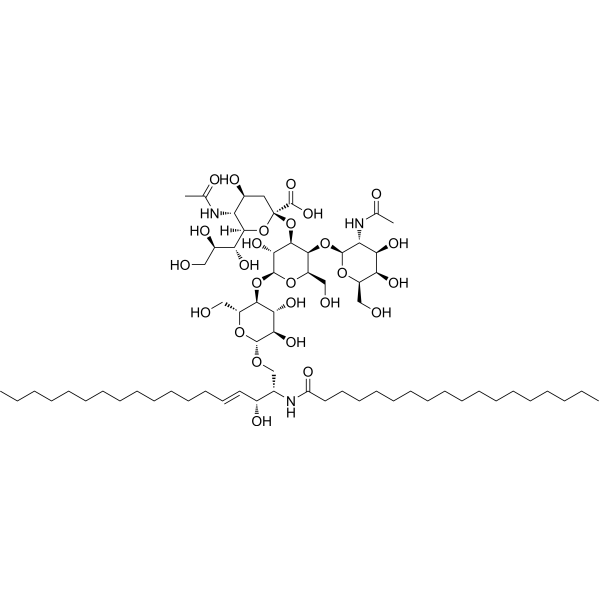
  • HY-148385

    Endogenous Metabolite Integrin FAK Src ERK p38 MAPK Neurological Disease Cancer
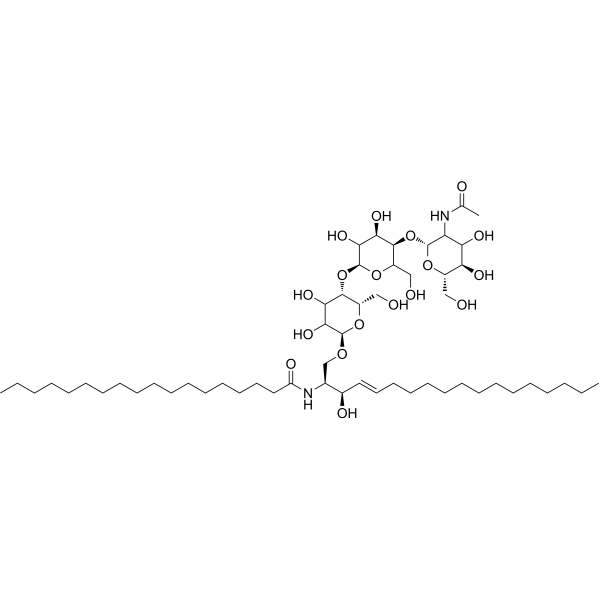
    Ganglioside GM2 is a human tumor antigen predominantly found in human tumor cells and fetal brain tissue. As a sialylated glycosphingolipid, Ganglioside GM2 is involved in processes such as cell signaling, adhesion, and motility. Ganglioside GM2 abnormal expression and accumulation are associated with tumors and neurodegenerative disorders. Ganglioside GM2 promotes tumor cell migration and invasion by directly binding to the integrin β1 receptor, activating the FAK/Src/Erk-MAPK signaling pathway, and inducing actin cytoskeleton remodeling .
    Ganglioside GM2
  • HY-142035
    N-Propargylglycine
    1 Publications Verification

    Mitochondrial Metabolism Neurological Disease Metabolic Disease Inflammation/Immunology Cancer
    N-Propargylglycine is a brain-penetrant and orally active PRODH inhibitor. N-Propargylglycine covalently modifies enzyme-bound FAD and active site lysine, causing enzyme structural distortion, protein decay, and irreversible inhibition of proline and 4-hydroxyproline catabolism. N-Propargylglycine induces UPRmt, upregulates mitochondrial chaperones and YME1L1, enhances mitochondrial proteostasis, blocks astrocytic L-proline consumption, and abolishes L-proline’s ATP-maintaining and viability-protective effects. N-Propargylglycine stimulates neural processes, increases brain proline, hydroxyproline, and sarcosine levels, partially normalizes Huntington’s disease whole brain transcriptomes. N-Propargylglycine reduces hyperoxaluria, prevents calcium oxalate stone formation, reduces kidney tubular damage, and restores weight and survival in Grhpr knockout mice. N-Propargylglycine can be used for the research of breast cancer, neurodegenerative disorders, Huntington’s disease, and primary hyperoxaluria type 2 .
    N-Propargylglycine
  • HY-154847

    WDR5 Neurological Disease Metabolic Disease Cancer
    WM-662 is a WDR5-MYC interaction inhibitor, with an IC50 of 18 μM. WM-662 has potential for the research of cancer, aging, and neurodegenerative disorders .
    WM-662
  • HY-153175

    RET Neurological Disease
    BT44 is a selective RET activator. BT44 can penetrate through the blood-brain barrier and can be used for the research of neurodegenerative disorders and diabetes mellitus .
    BT44
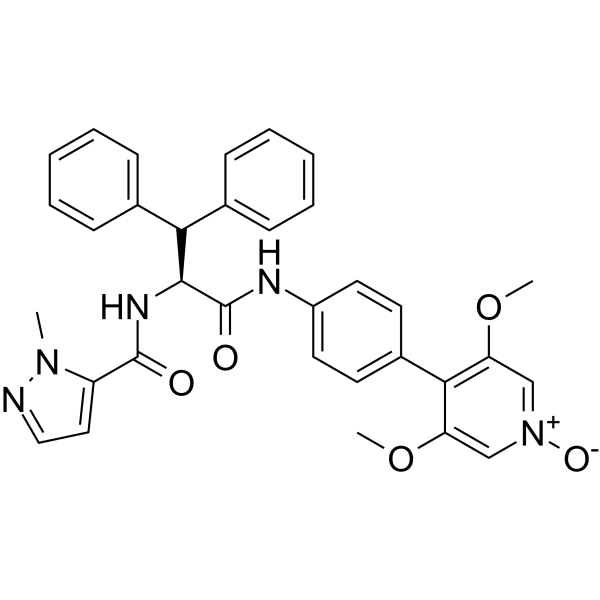
  • HY-103493

    Phosphodiesterase (PDE) Neurological Disease
    TAK-915 is a potent, selective, brain-penetrant and orally active phosphodiesterase 2A (PDE2A) inhibitor with an IC50 of 0.61 nM. TAK-915 is >4100-fold more selectivity for PDE2A than PDE1A. TAK-915 has the potential for neuropsychiatric and neurodegenerative disorders treatment .
    TAK-915
  • HY-169003

    Virus Protease Infection Neurological Disease Cancer
    STT3A/B-IN-1 is an orally active STT3A/B inhibitor with antiviral activity. STT3A/B-IN-1 upregulates DERL3 gene expression levels. STT3A/B-IN-1 is promising for research of viral diseases, including cancer and neurodegenerative disorders .
    STT3A/B-IN-1
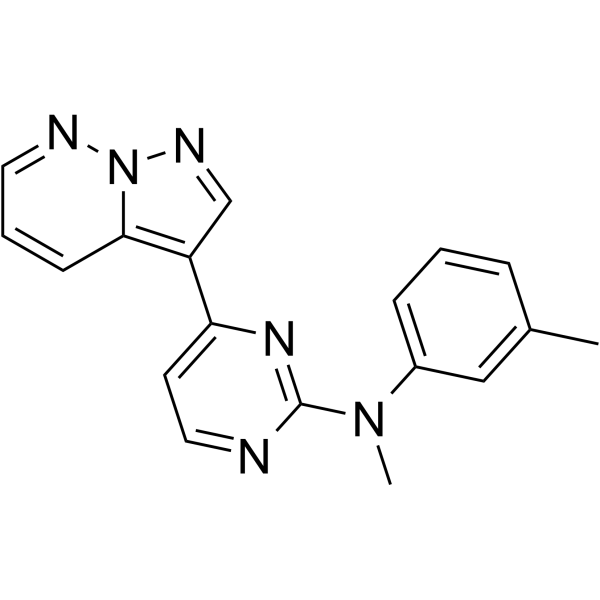
  • HY-10851

    JNK Reactive Oxygen Species (ROS) Neurological Disease
    JNK-9L (Compound 9l) is a BBB-penetrable and ATP-competitive JNK inhibitor with IC50s of 0.099 and 0.148  μM for JNK1 and JNK3, respectively. JNK-9L significantly inhibits c-jun phosphorylation and Streptozotocin (HY-13753)-induced ROS generation with an IC50 of 0.8  nM. JNK-9L can be used for neurodegenerative disorders like Parkinson’s disease research .
    JNK-9L
  • HY-113294R

    3-Hydroxy-DL-kynurenine (Standard)

    Reference Standards Endogenous Metabolite Apoptosis Neurological Disease
    3-Hydroxykynurenine (Standard) is the analytical standard of 3-Hydroxykynurenine. This product is intended for research and analytical applications. 3-Hydroxykynurenine, a metabolite of tryptophan, is a potential endogenous neurotoxin whose increased levels have been described in several neurodegenerative disorders. 3-Hydroxykynurenine induces neuronal apoptosis .
    3-Hydroxykynurenine (Standard)
  • HY-147060

    DYRK Neurological Disease
    Dyrk1A-IN-3 (Compound 8b), a highly selective dual-specificity tyrosine-regulated kinase 1A (DYRK1A) inhibitor, maintains high levels of DYRK1A binding affinity (IC50=76 nM). Dyrk1A-IN-3 can be used for the research of neurodegenerative disorders such as Alzheimer’s Disease, Huntington’s Disease, and Parkinson’s Disease .
    Dyrk1A-IN-3
  • HY-113294S2

    3-Hydroxy-DL-kynurenine-13C2,15N hydrochloride

    Isotope-Labeled Compounds Endogenous Metabolite Apoptosis Neurological Disease
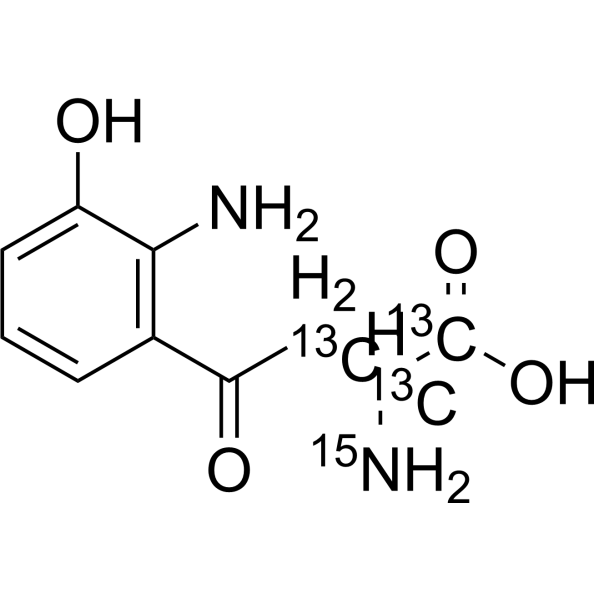
    3-Hydroxykynurenine- 13C2, 15N (3-Hydroxy-DL-kynurenine- 13C2, 15N) hydrochloride is the 13C and 15N labeled 3-Hydroxykynurenine hydrochloride (HY-113294) . 3-Hydroxykynurenine, a metabolite of tryptophan, is a potential endogenous neurotoxin whose increased levels have been described in several neurodegenerative disorders. 3-Hydroxykynurenine induces neuronal apoptosis .
    3-Hydroxykynurenine-13C2,15N hydrochloride
  • HY-145429
    IL-17A modulator-2
    2 Publications Verification

    Interleukin Related Neurological Disease Inflammation/Immunology Cancer
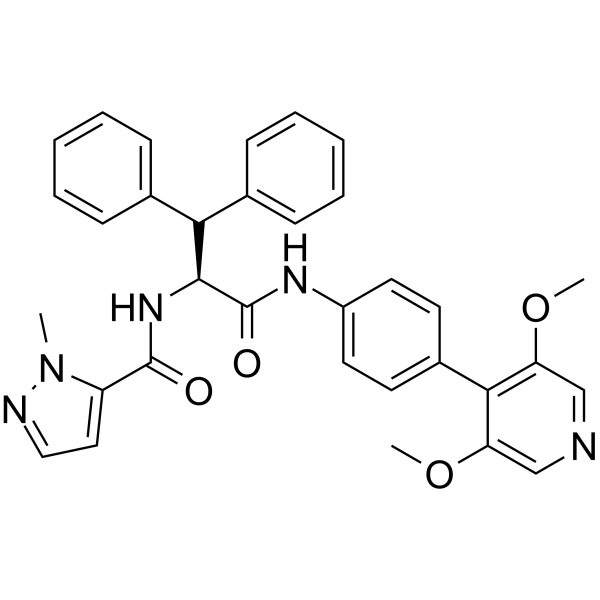
    IL-17A modulator-2 is a IL-17A modulator, extracted from patent WO2021239743+A1, example 27. IL-17A modulator-2 inhibits the biological action of IL-17A with a pIC50 of 8.3. IL-17A modulator-2 can be used for the research of diseases or disorders associated with modulation of IL-17A activity including diseases with an immune component or autoimmune pathol, cancer and neurodegenerative disorders .
    IL-17A modulator-2
  • HY-P991374

    Tau Protein Neurological Disease
    PNT001 is a human IgG1 monoclonal antibody (mAb) targeting cis-pT231 Tau. PNT001 can be used in Neurodegenerative disorders and Traumatic brain injuries research. Recommended isotype control: Human IgG1 kappa, Isotype Control (HY-P99001) .
    PNT001
  • HY-158408

    ULK Mitophagy Neurological Disease
    NZ-66 is a UNC-51-like kinase 1 (ULK1) targeting chimera, which is used to achieve proximity-induced and ULK1-dependent degradation of mitochondria. NZ-66 induces mitophagy. NZ-66 is potential for attenuating neurodegenerative disorders .
    NZ-66
  • HY-151487

    Cyclophilin Neurological Disease Metabolic Disease Cancer
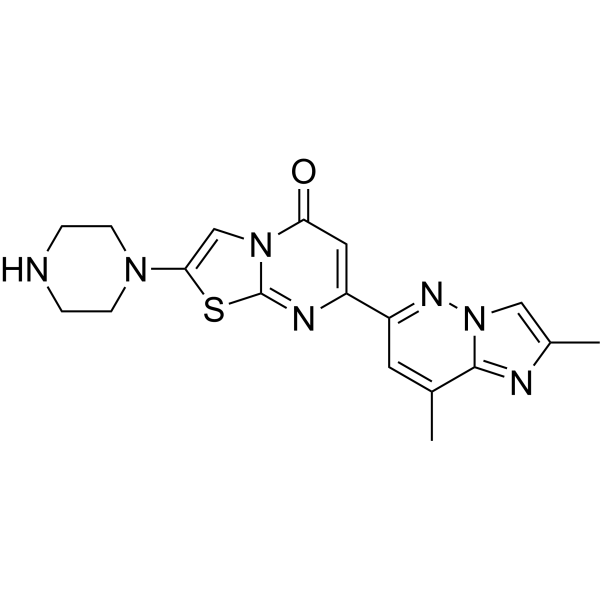
    CypD-IN-3 is a potent and subtype-selective cyclophilin D (CypD) inhibitor. CypD-IN-3 has CypD affinity with an IC50 value of 0.01 μM. CypD-IN-3 can be used for the research of several diseases including oxidative stress, neurodegenerative disorders, liver diseases, aging, autophagy and diabetes .
    CypD-IN-3
  • HY-101490

    Phosphodiesterase (PDE) Neurological Disease
    PDE1-IN-2 is a PDE1 inhibitor extracted from patent WO2016/55618 A1, example 31. PDE1-IN-2 has IC50 values of 6 nM, 140 nM and 164 nM for PDE1C, PDE1B and PDE1A, respectvely. PDE1-IN-2 is developed for the research of neurodegenerative disorders and psychiatric disorders .
    PDE1-IN-2
  • HY-113294S

    3-Hydroxy-DL-kynurenine-13C3,15N

    Isotope-Labeled Compounds Apoptosis Endogenous Metabolite Neurological Disease
    3-Hydroxykynurenine- 13C3, 15N (3-Hydroxy-DL-kynurenine- 13C3, 15N) is the 13C and 15N labeled 3-Hydroxykynurenine (HY-113294) . 3-Hydroxykynurenine, a metabolite of tryptophan, is a potential endogenous neurotoxin whose increased levels have been described in several neurodegenerative disorders. 3-Hydroxykynurenine induces neuronal apoptosis .
    3-Hydroxykynurenine-13C3,15N
  • HY-145430

    Interleukin Related Neurological Disease Inflammation/Immunology Cancer
    IL-17A modulator-1 is a IL-17A modulator, extracted from patent WO2021239743+A1, example 9. IL-17A modulator-1 inhibits the biological action of IL-17A with a pIC50 of 8.2. IL-17A modulator-1 can be used for the research of diseases or disorders associated with modulation of IL-17A activity including diseases with an immune component or autoimmune pathol, cancer and neurodegenerative disorders .
    IL-17A modulator-1
  • HY-151797

    CaMK Neurological Disease
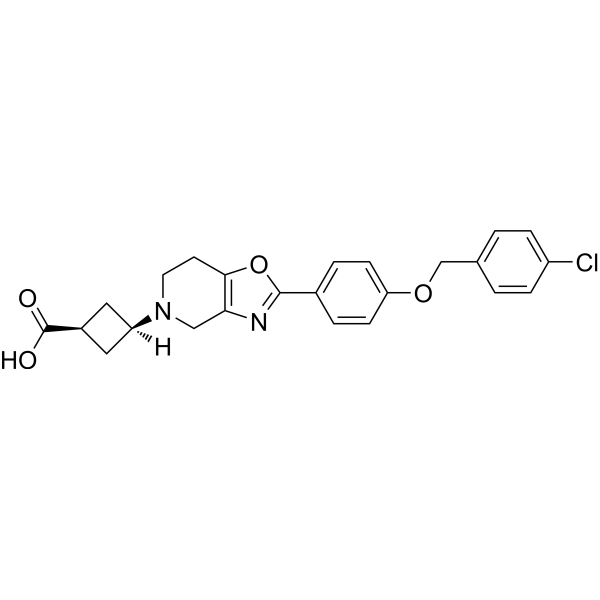
    Ph-HTBA is a high-affinity, brain-penetrating modulator for CaMKIIα. Ph-HTBA has binding affinity for CaMKIIα with a Kd value of 757 nM. Ph-HTBA can be used for the research of ischemia and neurodegenerative disorders .
    Ph-HTBA
  • HY-P4295

    PADK

    Cathepsin γ-secretase Neurological Disease
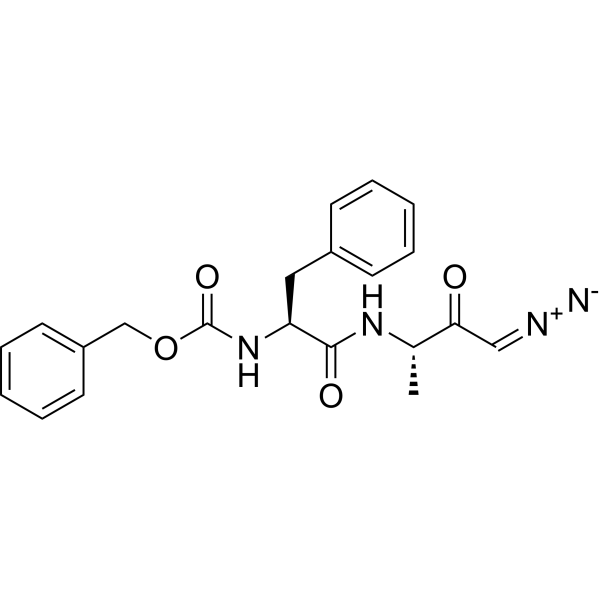
    Z-Phe-Ala-diazomethylketone binds directly to Aβ42 monomers and small oligomers. Z-Phe-Ala-diazomethylketone inhibits the formation of Aβ42 dodecamers and inhibits Aβ42 fibril formation in the solution. Z-Phe-Ala-diazomethylketone has the potential for neurodegenerative disorders research .
    Z-Phe-Ala-diazomethylketone
  • HY-102043

    Phosphodiesterase (PDE) Neurological Disease
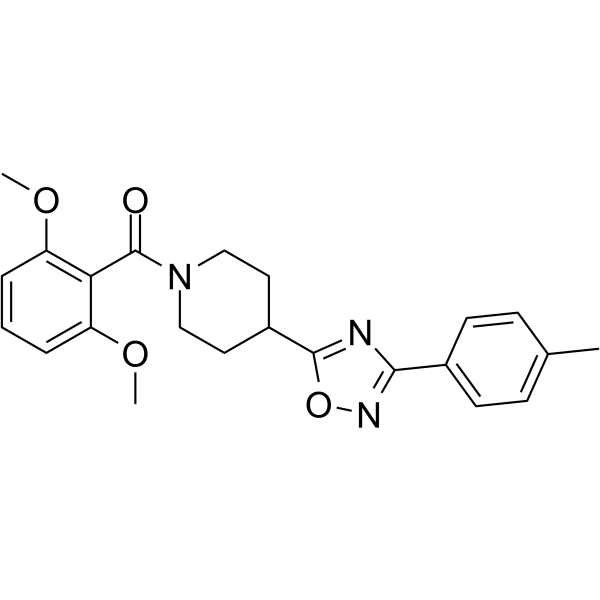
    PDM-631 is a selective and orally active PDE2A inhibitor with blood-brain barrier penetration. PDM-631 exhibits potent inhibitory activity against human and rat recombinant PDE2A with IC50 values of 1.5 nM and 4.2 nM, respectively. PDM-631 increases cGMP levels in the rat cerebral cortex. PDM-631 can be used for the study of schizophrenia and neurodegenerative disorders .
    PDM-631
  • HY-U00362

    Proteasome Neurological Disease
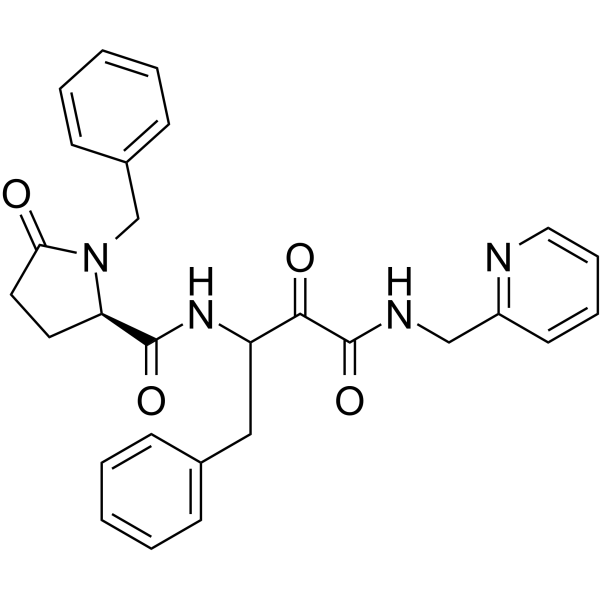
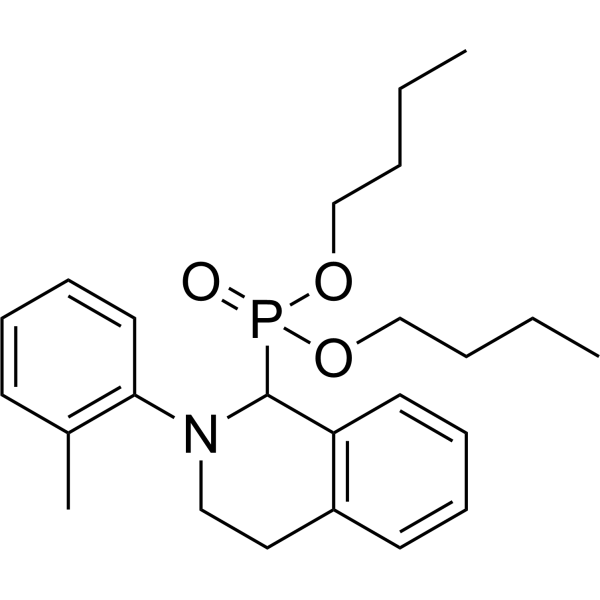
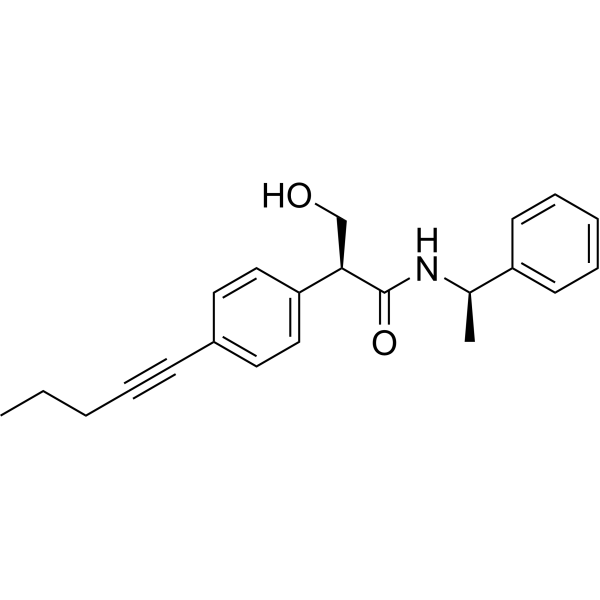
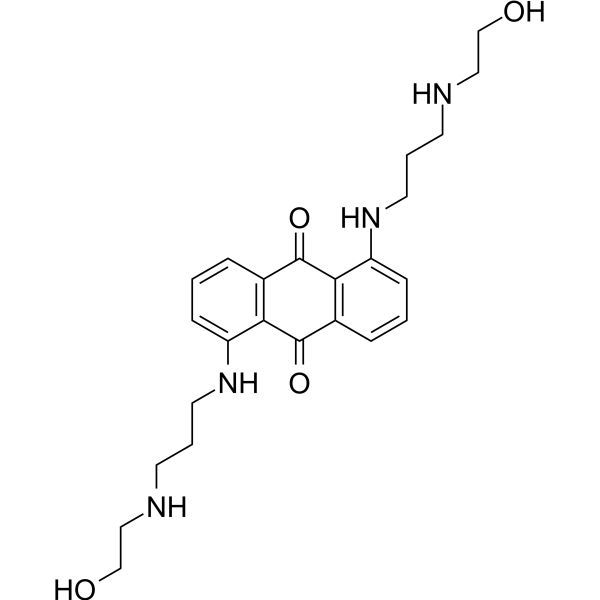
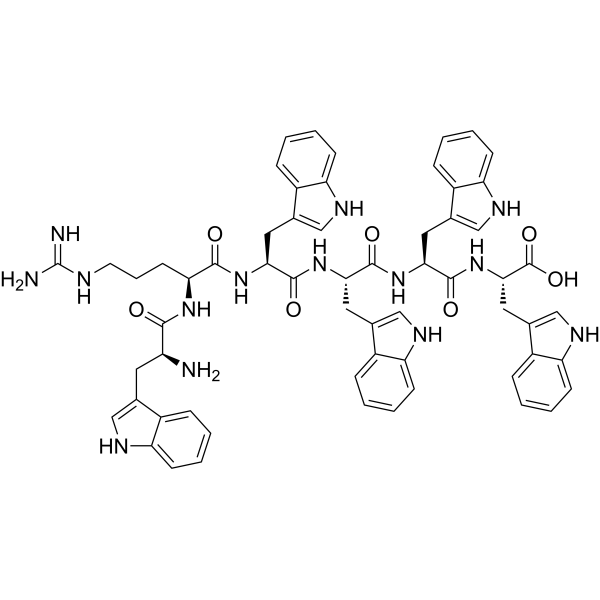
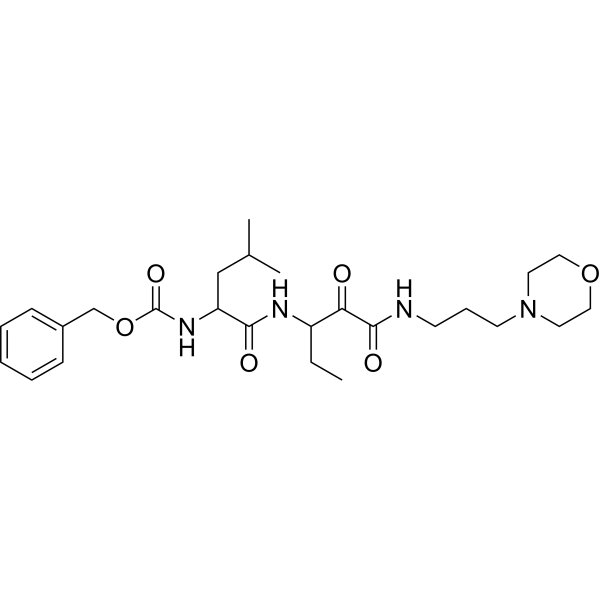
    Neurodegenerative Disorder-Targeting Compound 1 is a calpain inhibitor extracted from patent WO2010128102A1, compound example 63 .
    Neurodegenerative Disorder-Targeting Compound 1
  • HY-U00362A

    Cathepsin Neurological Disease
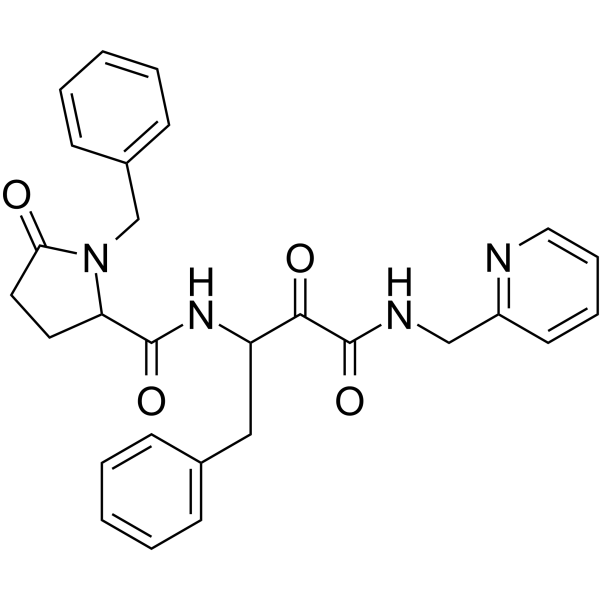
    (Rac)-Neurodegenerative Disorder-Targeting Compound 1 is a calpain inhibitor (extracted from patent WO2010128102A1, compound 63) .
    (Rac)-Neurodegenerative Disorder-Targeting Compound 1
  • HY-148535

    Proteasome Neurological Disease
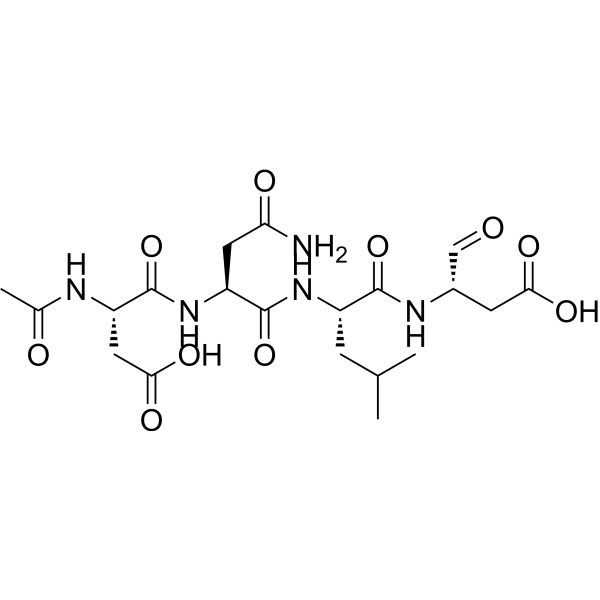
    Calpain Inhibitor XI is a reversible covalent inhibitor of calpain-1. Calpain Inhibitor XI can be used for the research of neurodegenerative disorders .
    Calpain Inhibitor XI
  • HY-100778

    Cannabinoid Receptor Neurological Disease
    SMM-189 is  a potent and selective cannabinoid receptor 2 (CB2) inverse agonist. SMM-189 plays an important role in neurodegenerative disorders and traumatic brain injury research .
    SMM-189
  • HY-10542A

    Atg8/LC3 Raf Neurological Disease
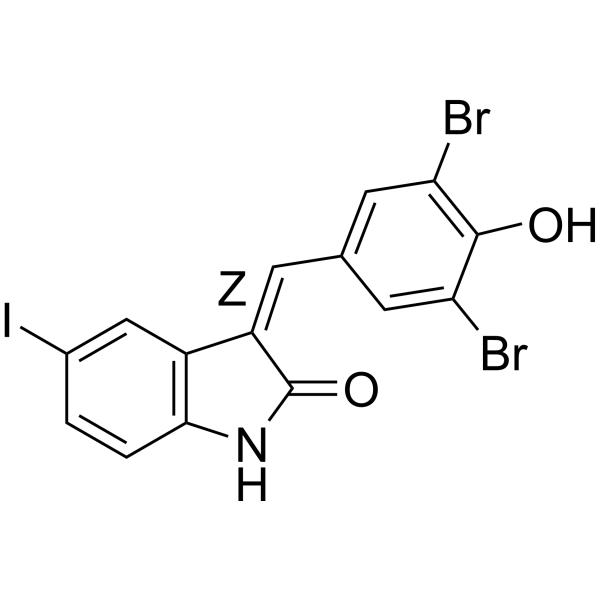
    (Z)-GW 5074 is a compound which interacts with both mHTT (mutant huntingtin protein) and LC3, but not but not with the wild-type HTT protein. (Z)-GW 5074 inhibits c-Raf, shows no effect on autophagy, and is effective for neurodegenerative disorder .
    (Z)-GW 5074
  • HY-150245

    Huntingtin Neurological Disease
    mHTT-IN-1 (Example 1) is a potent mutant huntingtin (mHTT) inhibitor. mHTT is toxic and a major cause of the inherited autosomal dominant neurodegenerative disorder, Huntington's disease (HD). mHTT-IN-1 conducts the reduction of mHTT with an EC50 value of 46 nM .
    mHTT-IN-1
  • HY-114576

    Nooglutyl; ONK-10

    iGluR Dopamine Receptor Neurological Disease
    Nooglutil (Nooglutyl; ONK-10) is a positive modulator of AMPA-type glutamate receptors (AMPARs). Nooglutil also regulates dopamine D2 receptor function to exert anxiolytic effects. Nooglutil is promising for research of neurodegenerative disorders (e.g., Alzheimer’s disease) .
    Nooglutil
  • HY-151488

    Cyclophilin Neurological Disease Metabolic Disease Cancer
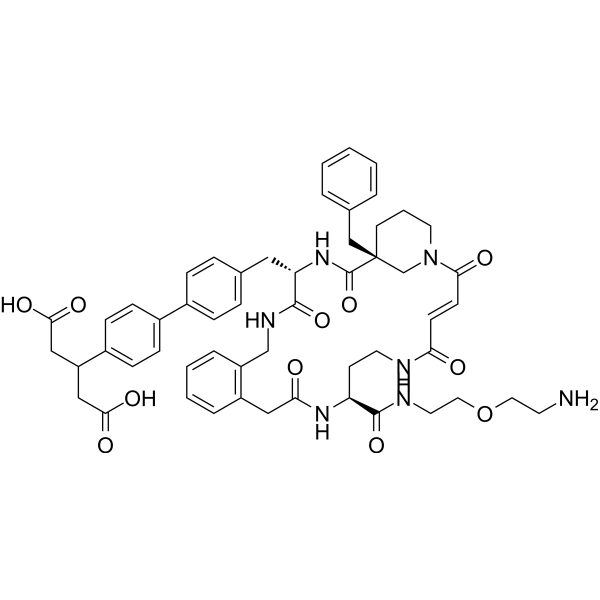
    CypD-IN-4 is a potent and subtype-selective cyclophilin D (CypD) inhibitor. CypD-IN-4 has CypD affinity with an IC50 value of 0.057 μM. CypD-IN-4 can be used for the research of several diseases including oxidative stress, neurodegenerative disorders, liver diseases, aging, autophagy and diabetes .
    CypD-IN-4
  • HY-19918A
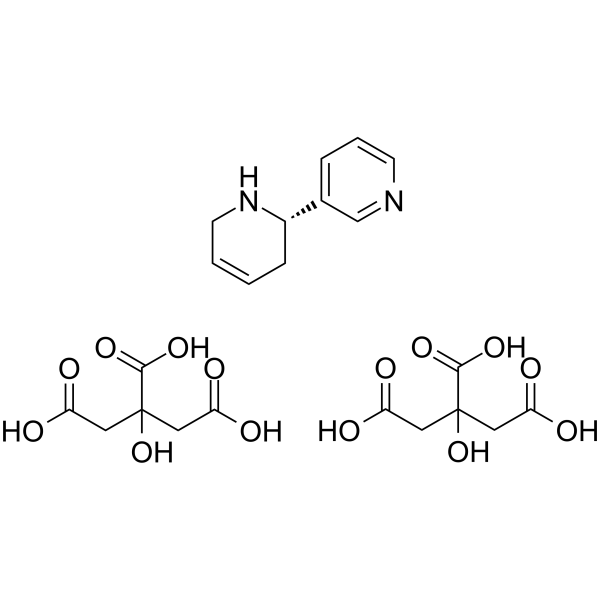
    Anatabine dicitrate
    1 Publications Verification

    NF-κB Amyloid-β nAChR Neurological Disease Inflammation/Immunology
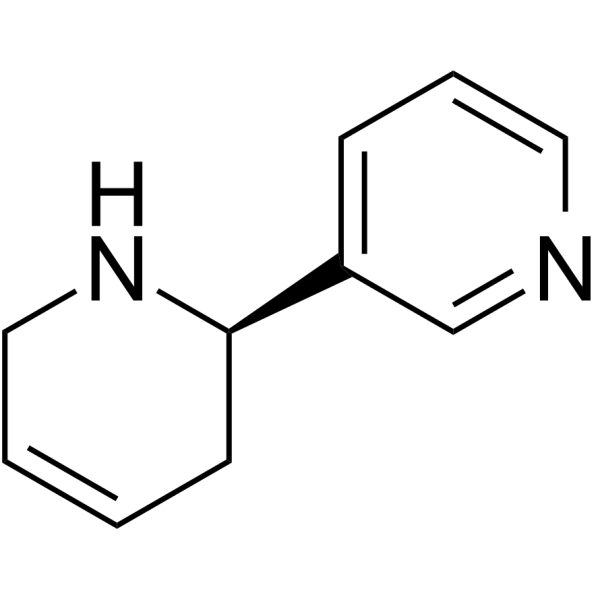
    Anatabine dicitrate is a tobacco alkaloid that can cross the blood-brain barrier. Anatabine dicitrate is a potent α4β2 nAChR agonist. Anatabine dicitrate inhibits NF-κB activation lower amyloid-β (Aβ) production by preventing the β-cleavage of amyloid precursor protein (APP). Anatabine dicitrate has anti-inflammatory effects and has the potential for neurodegenerative disorders treatment .
    Anatabine dicitrate
  • HY-175656

    LIM Kinase (LIMK) Neurological Disease Cancer
    MDI-117740 is a dual LIMK1/2 inhibitor. MDI-117740 shows effective cellular target engagement with LIMK1 (pIC50 = 6.73) and LIMK2 (pIC50 = 7.18) in HEK293 cells. MDI-117740 exerts significant anti-migratory activity in MDA-MB-231 cells. MDI-117740 can be used for the study of cancers and neurodegenerative disorders .
    MDI-117740
  • HY-175666

    Cannabinoid Receptor Reactive Oxygen Species (ROS) Caspase p38 MAPK Arrestin Neurological Disease Inflammation/Immunology
    ISAM-CG557 is a selective CB2R agonist, with a Ki of 54.6 nM. ISAM-CG557 reduces intracellular ROS levels and caspase activity. ISAM-CG557 exhibits significant MAPK bias and moderate G-protein bias, with CB2R EC50s of 0.60 nM (cAMP), 60.9 nM (β-arrestin) and 0.03 nM (MAPK). ISAM-CG557 exerts potent anti-inflammatory effects by reducing pro-inflammatory cytokines and increasing anti-inflammatory cytokines in cells. ISAM-CG557 can be used for the study of neuroinflammatory and neurodegenerative disorders .
    ISAM-CG557
  • HY-145105

    Trk Receptor Neurological Disease
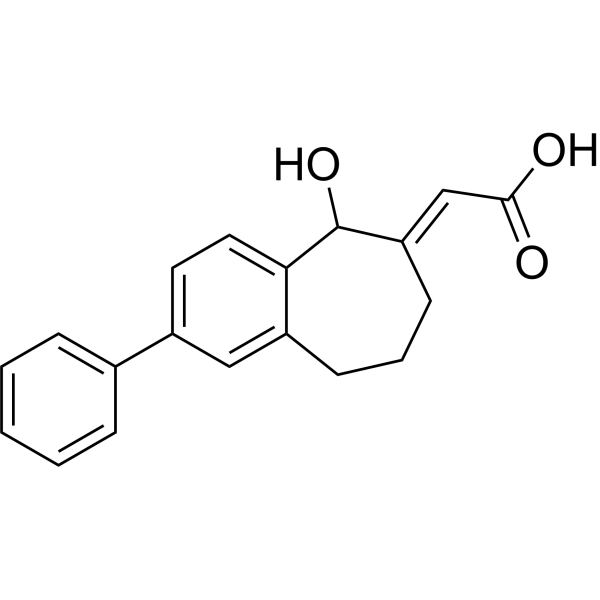
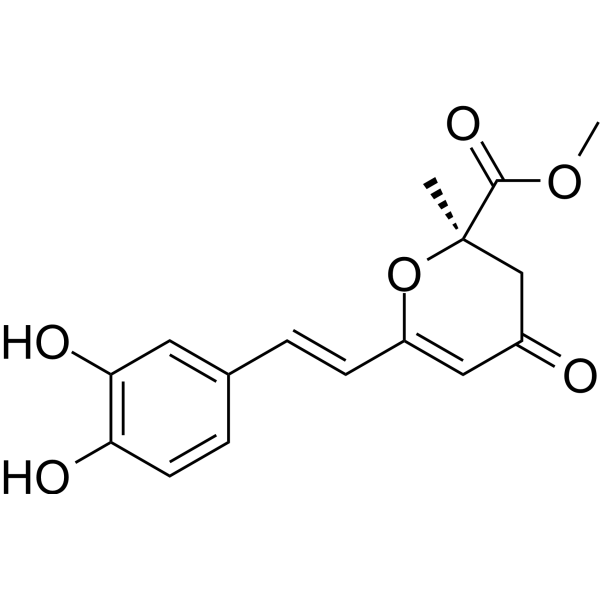
    Inonophenol C is a neurotrophic and protective agent against neurodegenerative disorders.
    Inonophenol C
  • HY-170302

    TRP Channel Neurological Disease
    CMP233 is a potent antagonist of TRPM4, with the IC50 of 0.15 μM. CMP233 plays an important role in neurodegenerative disorders research .
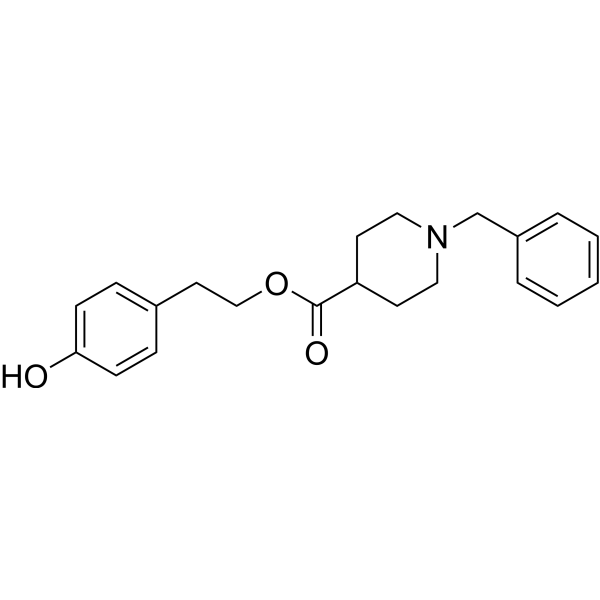
    CMP233
  • HY-U00127

    Drug Derivative Neurological Disease
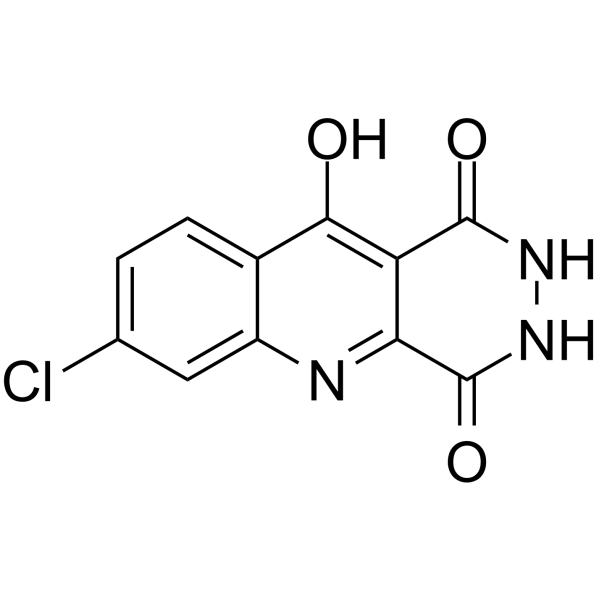
    Pyridazinediones-derivative-1 has potential in treating neurodegenerative disorders. It shows an ED50 of 2.1 μM for inhibiting glutamate-induced contractions of isolated guineapig ileum.
    Pyridazinediones-derivative-1
  • HY-163175

    Cholinesterase (ChE) Neurological Disease
    BChE-IN-24 is a selective and reversible BChE inhibitor with an IC50 of 9 nM. BChE-IN-24 can be used for the research of Alzheimer’s disease and related neurodegenerative disorders .
    BChE-IN-24
  • HY-108984

    5-(Benzylsulfonyl)-4-bromo-2-methyl-3(2H)-pyridazinone

    Mitochondrial Metabolism Neurological Disease
    BBMP is a permeability transition pore (PTP) inhibitor. BBMP prevents Ca 2+-induced permeability transition and mitochondrial depolarization. BBMP possess potential for the neurodegenerative disorders research .
    BBMP
  • HY-163096

    GPR88 Neurological Disease
    GPR88 agonist 3 (compound 20) is a GPR88 agonist 3, with an EC50 of 204 nM. GPR88 agonist 3 can be used for psychiatric and neurodegenerative disorders research .
    GPR88 agonist 3
  • HY-169576

    LRRK2 Neurological Disease Inflammation/Immunology
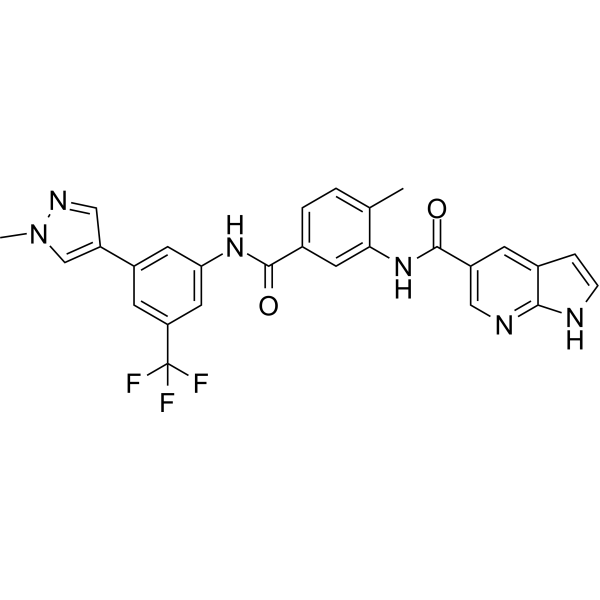
    LRRK2-IN-16 (compound 25) is a LRRK2 kinase inhibitor with an IC50 < 5 μM. LRRK2-IN-16 can be utilized in neurodegenerative disorders and autoimmune disorders research .
    LRRK2-IN-16
  • HY-W109401

    Sirtuin Neurological Disease Metabolic Disease Inflammation/Immunology Cancer
    SIRT-IN-6 (Compound 14) is a pan-inhibitor of SIRT1/2/3 with IC50 values of >50 μM. SIRT-IN-6 is promising for research of metabolic, inflammatory, oncologic and neurodegenerative disorders .
    SIRT-IN-6

Inquiry Online

Your information is safe with us. * Required Fields.

Salutation


Country or Region *

Applicant Name *


Organization Name *

Department *


Email Address *


Product Name *

Cat. No.


Requested quantity *

Phone Number *


Remarks

Inquiry Online

Inquiry Information

Product Name:
Cat. No.:
Quantity:
MCE Japan Authorized Agent: