1. Search Result
Search Result
Results for "

osteoblast+differentiation

" in MedChemExpress (MCE) Product Catalog:

66

Inhibitors & Agonists

1

Biochemical Assay Reagents

7

Peptides

1

Inhibitory Antibodies

30

Natural
Products

3

Isotope-Labeled Compounds

Cat. No. Product Name Target Research Areas Chemical Structure
  • HY-D0886
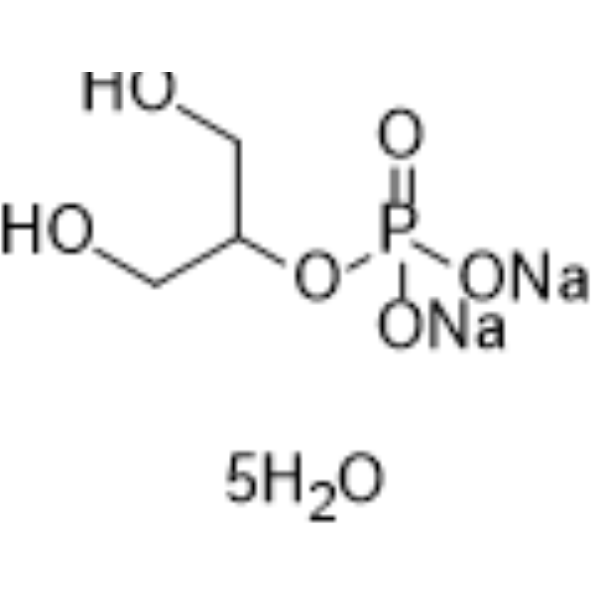
    β-Glycerophosphate disodium salt pentahydrate
    Maximum Cited Publications
    30 Publications Verification

    Phosphatase Endogenous Metabolite ERK Metabolic Disease Cancer
    β-Glycerophosphate disodium salt pentahydrate is a bioactive endogenous metabolite and a phosphatase inhibitor. β-Glycerophosphate disodium salt pentahydrate plays an important role in inducing and maintaining osteoblast differentiation, mineral metabolism and signal transduction, and can be used as a drug carrier to form heat-sensitive hydrogels. β-Glycerophosphate disodium salt hydrate accelerates the calcification of vascular smooth muscle cells .
    β-Glycerophosphate disodium salt pentahydrate
  • HY-126304
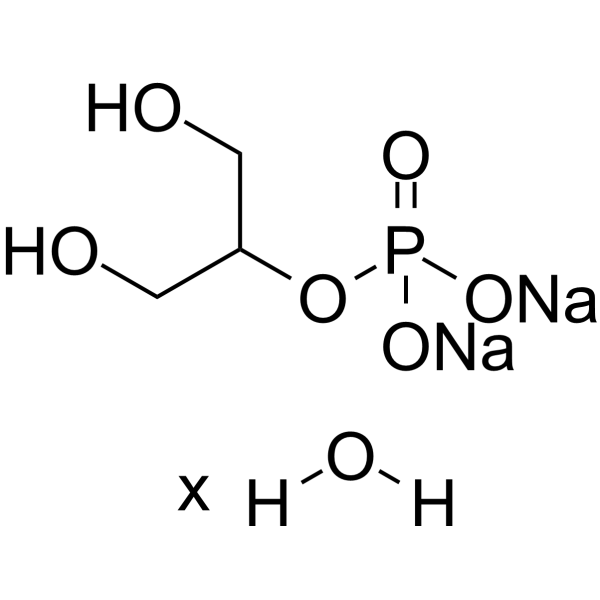
    β-Glycerophosphate disodium salt hydrate
    Maximum Cited Publications
    30 Publications Verification

    Phosphatase Endogenous Metabolite ERK Metabolic Disease
    β-Glycerophosphate disodium salt pentahydrate is a bioactive endogenous metabolite and a phosphatase inhibitor. β-Glycerophosphate disodium salt pentahydrate plays an important role in inducing and maintaining osteoblast differentiation, mineral metabolism and signal transduction, and can be used as a drug carrier to form heat-sensitive hydrogels. β-Glycerophosphate disodium salt hydrate accelerates the calcification of vascular smooth muscle cells .
    β-Glycerophosphate disodium salt hydrate
  • HY-127090
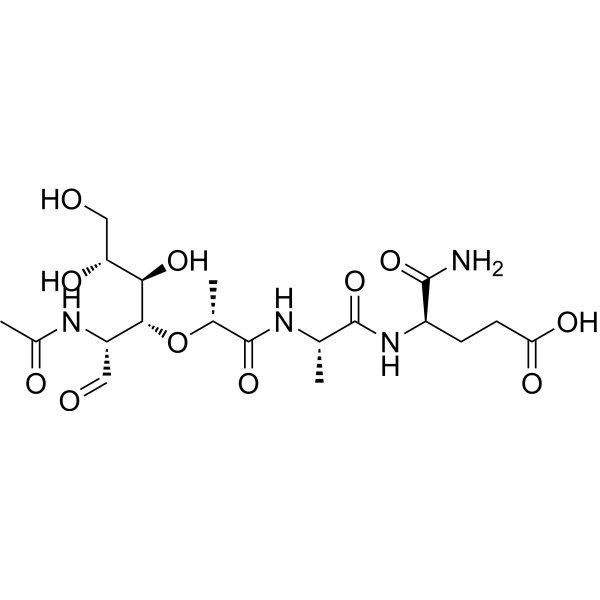
    Muramyl dipeptide
    5+ Cited Publications

    MDP

    p38 MAPK NOD-like Receptor (NLR) Inflammation/Immunology Cancer
    Muramyl dipeptide (MDP) is a synthetic immunoreactive peptide, consisting of N-acetyl muramic acid attached to a short amino acid chain of L-Ala-D-isoGln. Muramyl dipeptide is an inducer of bone formation through induction of Runx2. Muramyl dipeptide directly enhances osteoblast differentiation by up-regulating Runx2 gene expression through MAPK pathways. Muramyl dipeptide is a NLRP1 agonist .
    Muramyl dipeptide
  • HY-N0265
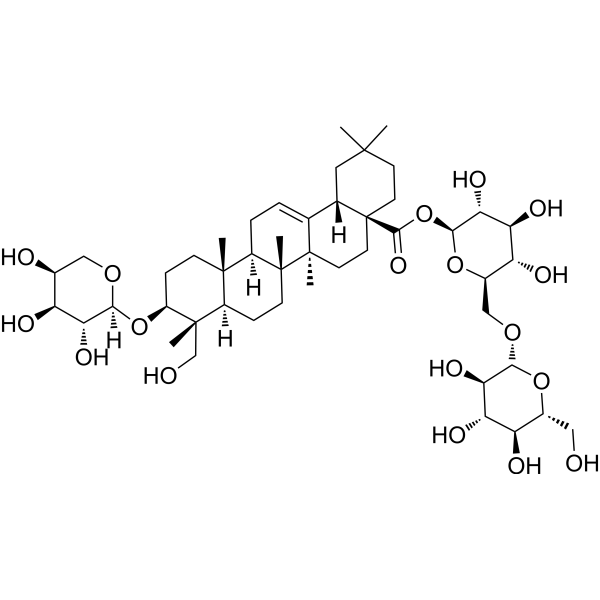
    Asperosaponin VI
    3 Publications Verification

    Akebia saponin D

    Caspase Apoptosis PERK p38 MAPK Akt HIF/HIF Prolyl-Hydroxylase PPAR Cardiovascular Disease Neurological Disease
    Asperosaponin VI is a saponin component from Dipsacus asper. Asperosaponin VI induces osteoblast differentiation through the BMP-2/p38 and ERK1/2 signaling pathways. Asperosaponin VI protects against hypoxia-induced cardiomyocyte apoptosis by activating the PI3K/Akt and CREB pathways. Additionally, Asperosaponin VI also has antidepressant and wound-healing-promoting activities .
    Asperosaponin VI
  • HY-120601
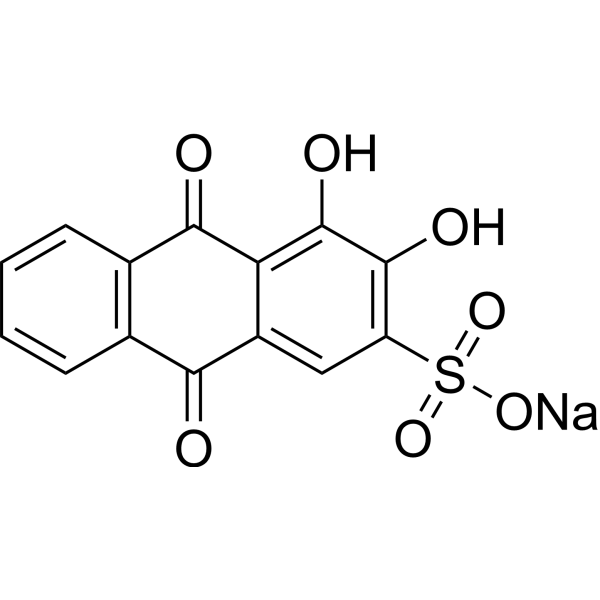
    Alizarin Red S sodium
    5+ Cited Publications

    ARS sodium

    Fluorescent Dye Others
    Alizarin Red S sodium is an anthraquinone derivative dye. When combined with cations such as calcium ions, the functional group of Alizarin Red S sodium can form a coordination bond with the cation through the oxygen atom to show orange-red fluorescence. Alizarin Red S sodium can be used for screening of calcium compounds in synovial fluid and detecting osteoblast differentiation, and can also be used for bone staining in mice. Excitation/emission wavelength: 500/570 nm .
    Alizarin Red S sodium
  • HY-N7204
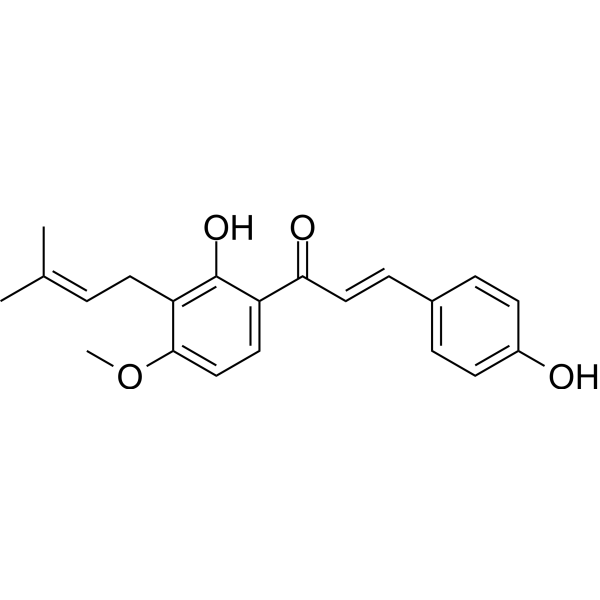
    4-Hydroxyderricin
    1 Publications Verification

    Monoamine Oxidase Dopamine β-hydroxylase Apoptosis Neurological Disease Inflammation/Immunology
    4-Hydroxyderricin, the major active ingredients of Angelica keiskei Koidzumi, is an orally active, potent selective MAO-B (Monoamine oxidase inhibitors) inhibitor with an IC50 of 3.43 μM. 4-Hydroxyderricin also mildly inhibits dopamine β (DBH)-hydroxylase activity. 4-Hydroxyderricin has antidepressant activity, anti-allergic, anti-diabetic, anti-oxidant, and antitumor effects. 4-Hydroxyderricin promotes apoptosis and cell cycle arrest through regulating PI3K/AKT/mTOR pathway in hepatocellular cells. 4-Hydroxyderricin inhibits osteoclast formation and accelerates osteoblast differentiation . 4-Hydroxyderricin is promising for research of inflammatory diseases .
    4-Hydroxyderricin
  • HY-P0254
    Kisspeptin-10, human
    1 Publications Verification

    Kisspeptin Receptor Cardiovascular Disease Cancer
    Kisspeptin-10, human is a potent vasoconstrictor and inhibitor of angiogenesis. Kisspeptin-10, human acts as a tumor metastasis suppressor via its receptor GPR54. Kisspeptin-10-GPR54 system plays an important role in embryonic kidney development. Kisspeptin-10/GPR54 signaling induces osteoblast differentiation via NFATc4-mediated BMP2 expression .
    Kisspeptin-10, human
  • HY-N0123
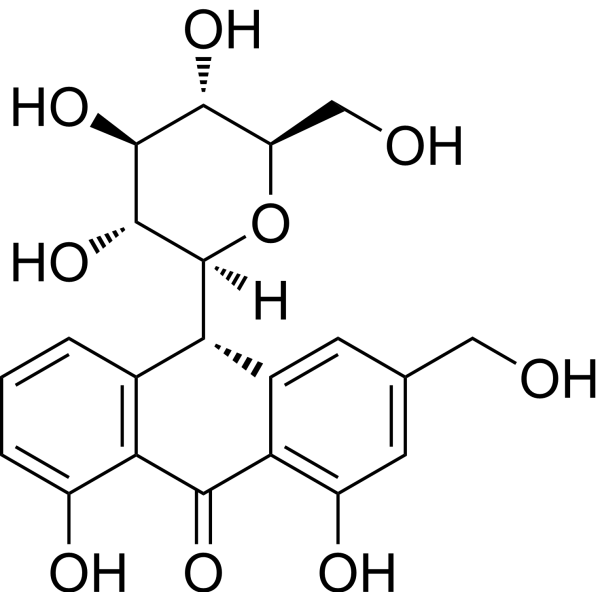
    Aloin-A
    5+ Cited Publications

    Barbaloin-A

    Wnt Cancer
    Aloin (Aloin-A; Barbaloin-A) is a natural anti-tumor anthraquinone glycoside with iron chelating activity. Aloin induces the differentiation of MC3T3-E1 cells into osteoblasts through MAPK-mediated Wnt and Bmp signaling pathways. Alkaline phosphatase (ALP) is an early marker of osteoblast differentiation, and the activity of ALP is also enhanced by Aloin. Aloin also reduces brain edema, reduces blood-brain barrier disruption and improves cortical impact injuries. Aloin is used in research into osteoporosis and traumatic brain injury (TBI) .
    Aloin-A
  • HY-N0559
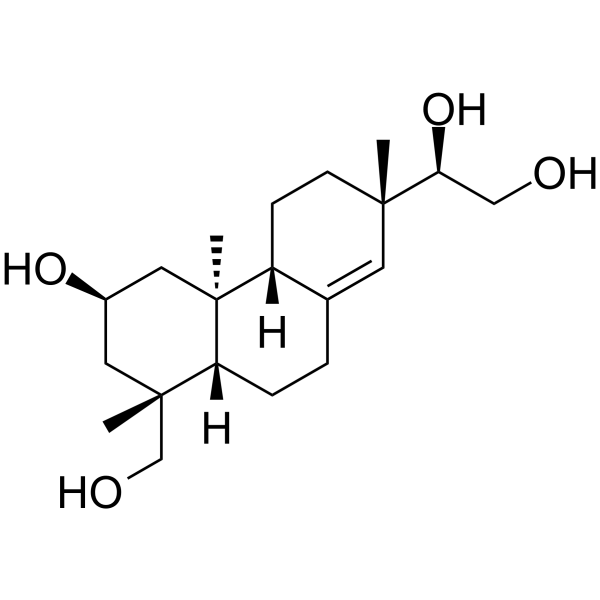
    Kirenol
    1 Publications Verification

    Casein Kinase Apoptosis AMPK Akt NF-κB TGF-beta/Smad Cardiovascular Disease Neurological Disease Metabolic Disease Inflammation/Immunology Cancer
    Kirenol is a diterpenoid compound, an orally active apoptosis inducer and signaling pathway regulator, with a Kd value of 5.47 μM against the target CK2. Kirenol promotes the cleavage of Bid into tBid, regulates the protein levels/phosphorylation of Bax, Bcl-2, p53 and p21, and induces caspase-independent apoptosis, S-phase cell cycle arrest, ROS accumulation and cytotoxicity in cancer cells. Kirenol activates the CK2/AKT and AMPK-mTOR-ULK1 pathways, inhibits the signaling of NF-κB, TGF-β/Smads and NLRP3 inflammasome, and regulates the GSK3β, BMP and Wnt/β-catenin pathways. Kirenol induces autophagy, mitophagy and osteoblast differentiation, promotes mitochondrial fusion, and exerts antioxidant, anti-inflammatory, antifibrotic, renoprotective, cardioprotective, neuroprotective and analgesic effects. Kirenol is applicable to research related to chronic myeloid leukemia, ischemic stroke, diabetic nephropathy, heart failure, acute lung injury and osteoporosis .
    Kirenol
  • HY-129126
    NC9
    1 Publications Verification

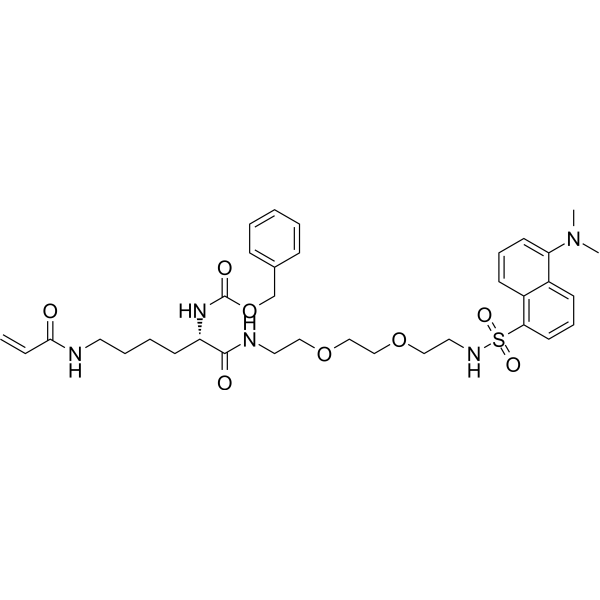
    Cbz-Lys(Acr)-PEG2-dansyl

    Glutaminase Microtubule/Tubulin Others
    NC9 (Cbz-Lys(Acr)-PEG2-dansyl) is an irreversible transglutaminase (TG) inhibitor. NC9 inhibits osteoblast differentiation and mineralization. NC9 destabilizes microtubules. NC9 can be used for the research of osteoblast differentiation .
    NC9
  • HY-N0432

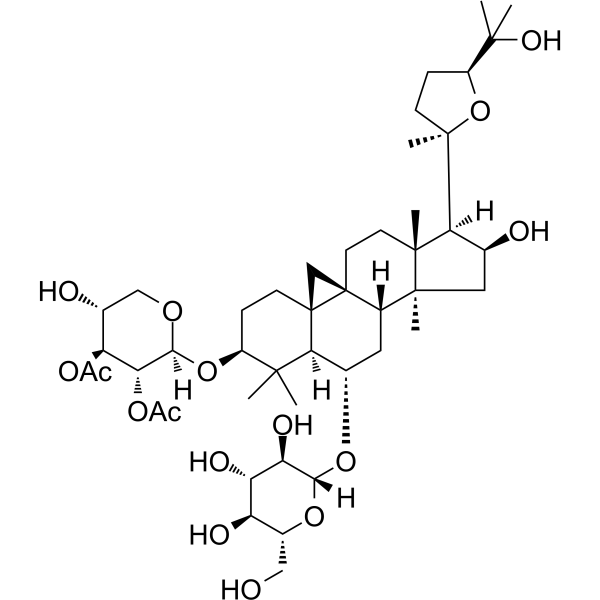
    Astrasieversianin IV; Cyclosieversioside B

    Wnt β-catenin Metabolic Disease
    Astragaloside I, one of the main active ingredients in Astragalus membranaceus, has osteogenic properties. Astragaloside I stimulates osteoblast differentiation through activating the Wnt/β-catenin signaling pathway .
    Astragaloside I
  • HY-122808

    mGluR NF-κB AP-1 Metabolic Disease
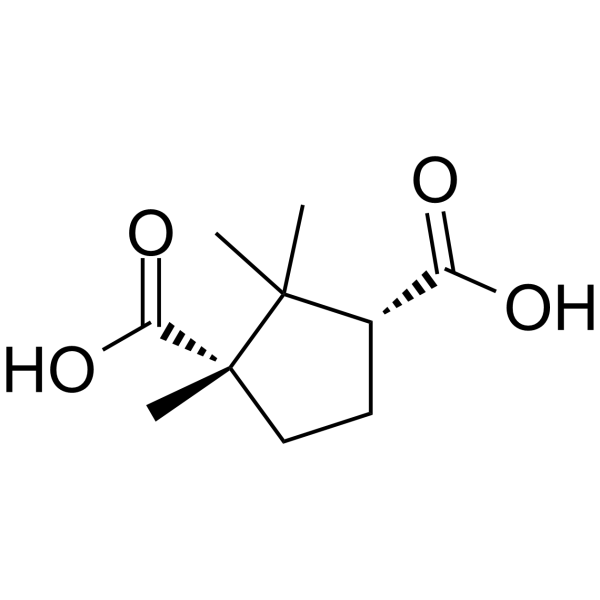
    (-)-Camphoric acid is the less active enantiomer of Camphoric acid. Camphoric acid induces glutamate receptor expression. Camphoric acid also significantly induces the activation of NF-κB and AP-1. Camphoric acid significantly stimulates the differentiation of mouse osteoblastic MC3T3-E1 subclone 4 cells. Camphoric acid has weak regulatory function towards glutamate receptors. Camphoric acid can induce mRNA expression of glutamate signaling molecules and activate transcription factors, thereby stimulating osteoblast differentiation .
    (-)-Camphoric acid
  • HY-B0119
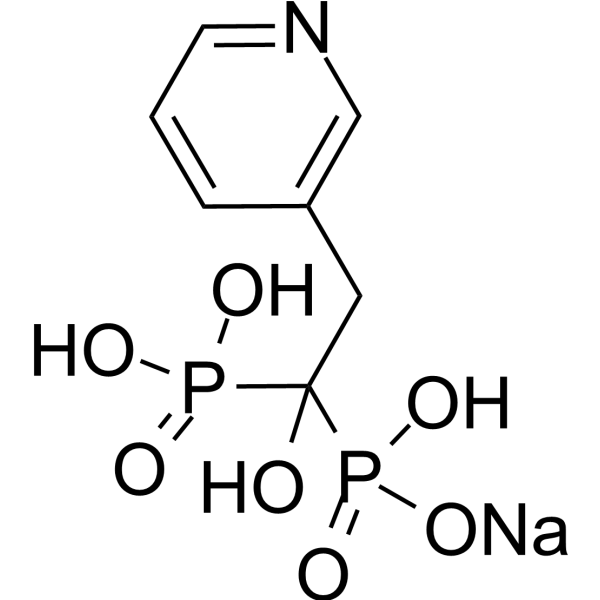
    Risedronic acid sodium
    2 Publications Verification

    Risedronate sodium

    Parasite Apoptosis Infection Metabolic Disease Cancer
    Risedronic acid (Risedronate) sodium, a bisphosphonate, is a potent anti-resorption agent that inhibits osteoclast-mediated bone resorption and changes the bone metabolism. Risedronic acid sodium suppresses osteoblast differentiation and induced caspase- and isoprenoid depletion-dependent apoptosis. Risedronic acid sodium inhibits blood stages of Plasmodium falciparum (IC50 of 20.3 μM). Risedronic acid sodium inhibits the transfer of the farnesyl pyrophosphate group to parasite proteins .
    Risedronic acid sodium
  • HY-120601A
    Alizarin Red S
    5+ Cited Publications

    ARS

    Fluorescent Dye Others
    Alizarin Red S (ARS) is an anthraquinone derivative dye. When combined with cations such as calcium ions, the functional group of Alizarin Red S can form a coordination bond with the cation through the oxygen atom to show orange-red fluorescence. Alizarin Red S can be used for screening of calcium compounds in synovial fluid and detecting osteoblast differentiation, and can also be used for bone staining in mice. Excitation/emission wavelength: 500/570 nm .
    Alizarin Red S
  • HY-N0507

    TNF Receptor Interleukin Related Neurological Disease Inflammation/Immunology
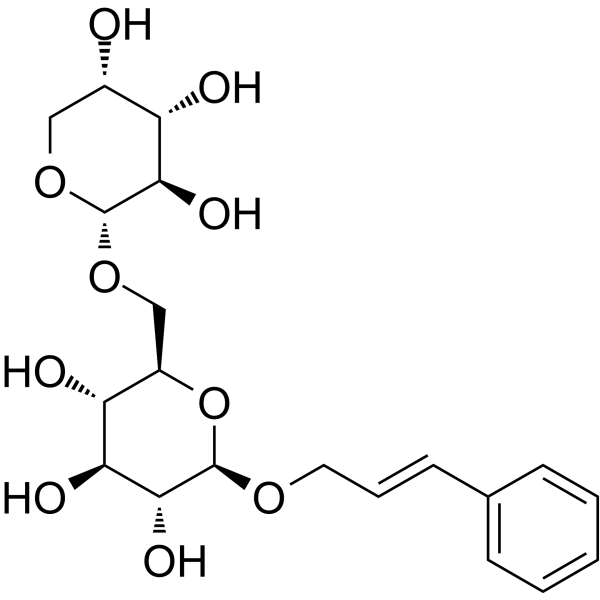
    Rosavin, an orally bioactive phenylpropanoid from Rhodiola rosea L. (RRL), is an adaptogen that enhances the body’s response to environmental stress. Rosavin significantly influences bone tissue metabolism by inhibiting osteoclastogenesis and promoting osteoblast differentiation, also impacts various diseases, demonstrating antidepressant, adaptogenic, and anxiolytic effects in mouse models. Additionally, Rosavin improves survival, reducing intestinal damage in irradiated rats and Ischemia-reperfusion(I/R)-induced cerebral injury in vivo by regulating inflammation and oxidative stress, making it a promising candidate for research in radiation-induced intestinal injury, I/R-induced cerebral injury and osteoporosis .
    Rosavin
  • HY-165126

    SPG

    Endogenous Metabolite Sirtuin JNK p38 MAPK PPAR AP-1 Infection Metabolic Disease Inflammation/Immunology Cancer
    Schizophyllan (SPG) is an orally active extracellular β-glucan produced by the fungus Schizophyllum commune. Schizophyllan improves mitochondrial function and protects against metabolic liver injury by activating the SIRT3 pathway. Schizophyllan inhibits osteoclastogenesis and promotes osteoblast differentiation by suppressing the phosphorylation of JNK/p38, as well as downregulating PGC1β/PPARγ, c-Fos and NFATc1. Recognized via Dectin-1, schizophyllan enables precise delivery of oligonucleotide drugs and antigens to antigen-presenting cells, thus holding great potential in the treatment of inflammatory diseases and vaccine development .
    Schizophyllan
  • HY-N7110
    6-Hydroxyflavone
    2 Publications Verification

    Akt ERK JNK GABA Receptor Neurological Disease Metabolic Disease Inflammation/Immunology
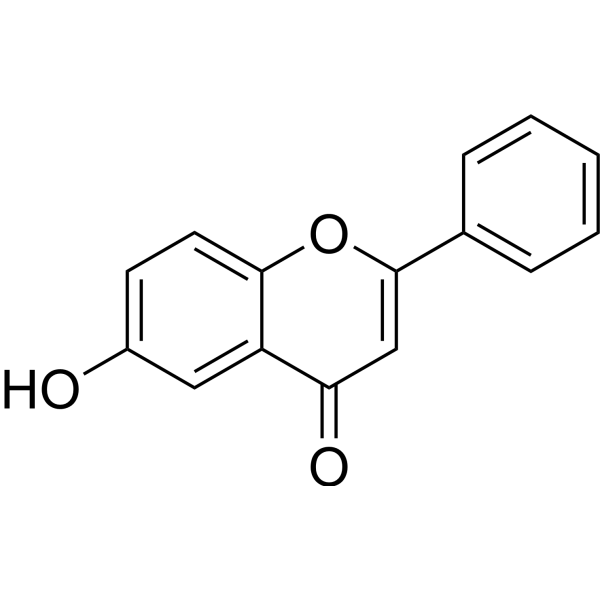
    6-Hydroxyflavone is an orally effective flavonoid compound. 6-Hydroxyflavone can inhibit LPS (HY-D1056) -induced NO production and has anti-inflammatory effects. 6-Hydroxyflavone promotes osteoblast differentiation by activating AKT, ERK 1/2 and JNK signaling pathways. 6-Hydroxyflavone has an inhibitory effect on bovine hemoglobin (BHb) glycosylation. 6-Hydroxyflavone has a kidney protective effect. In addition, 6-Hydroxyflavone enhances GABA-induced current through the Benzodiazepine sites of γ-aminobutyric acid (GABAA) receptors. 6-Hydroxyflavone shows a clear preference for α2 - and α3 - subtypes, which play an anti-anxiety role .
    6-Hydroxyflavone
  • HY-W016409
    Ethyl 3,4-dihydroxybenzoate
    1 Publications Verification

    Protocatechuic acid ethyl ester

    HIF/HIF Prolyl-Hydroxylase Reactive Oxygen Species (ROS) NO Synthase Autophagy Apoptosis Metabolic Disease Cancer
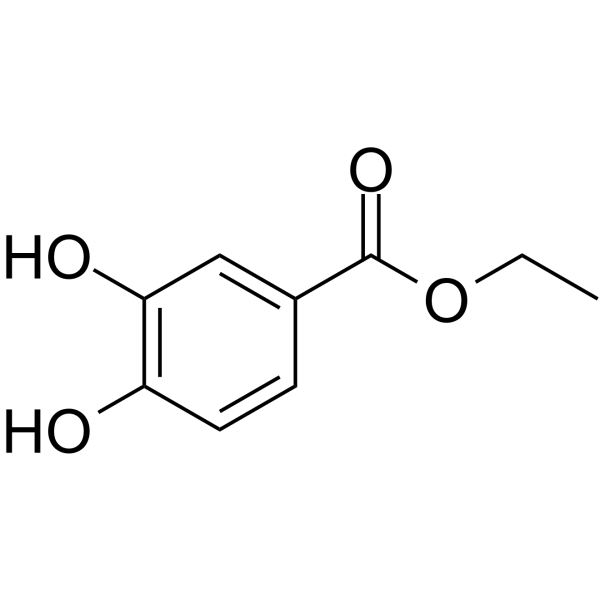
    Ethyl 3,4-dihydroxybenzoate (Protocatechuic acid ethyl ester) is an orally effective, blood-brain barrier-permeable, competitive prolyl hydroxylase (PHD) inhibitor that inhibits the hydroxylation modification of hypoxia-inducible factor (HIF) by PHD. Ethyl 3,4-dihydroxybenzoate stabilizes HIF-1α by inhibiting PHD, activates downstream pathways to induce autophagy and apoptosis of tumor cells, and regulates inflammatory responses, inhibits the NF-κB pathway, improves vascular permeability, and promotes osteoblast differentiation. Ethyl 3,4-dihydroxybenzoate has anti-tumor, anti-hypoxic injury, and bone metabolism regulation effects. It can also be used in the research of cardiovascular protection (such as reducing myocardial ischemic damage), bone tissue engineering (promoting osteogenesis/inhibiting osteoclast differentiation), and prevention and treatment of high-altitude cerebral edema .
    Ethyl 3,4-dihydroxybenzoate
  • HY-119443

    Phosphatase Metabolic Disease
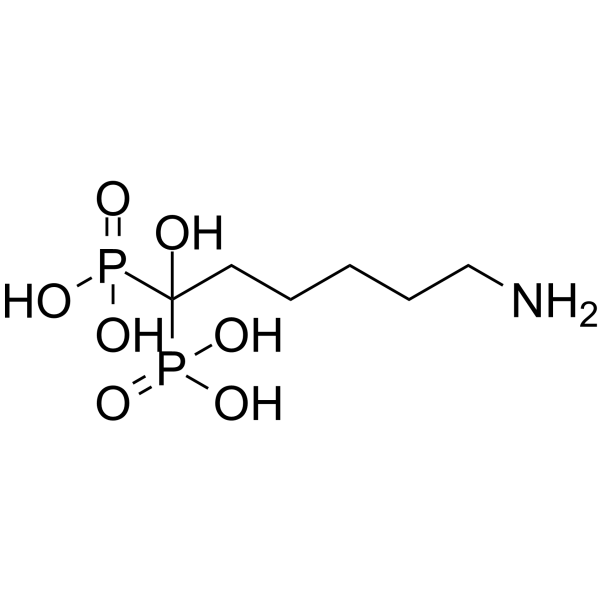
    Neridronate is an aminobisphosphonate. Neridronate induces osteoblast differentiation, enhances alkaline phosphatase activity and mineralized nodule formation. Neridronate inhibits endothelial cell proliferation, fibroblast growth factor-2-induced capillary-like tube formation, and angiogenesis. Neridronate can be used for osteogenesis imperfecta and Paget’s disease of bone .
    Neridronate
  • HY-103322

    PKA Potassium Channel Metabolic Disease Cancer
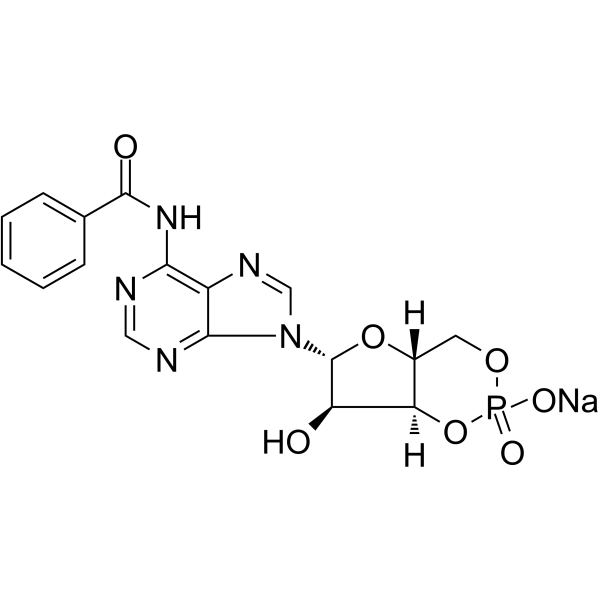
    6-Bnz-cAMP sodium, a derivative of cyclic adenosine monophosphate (cAMP), is a selective PKA activator with inhibitory activity against the bTREK-1 K + channel. 6-Bnz-cAMP sodium does not activate the Epac signaling pathway. It inhibits the bTREK-1 K + channel via a voltage-independent, ATP-dependent mechanism that is independent of the PKA/Epac/calmodulin kinase/MAP kinase pathway. 6-Bnz-cAMP sodium activates CREB phosphorylation to regulate osteoblast-specific gene expression, induces osteoblast differentiation, promotes extracellular matrix mineralization, supports osteoblast proliferation, and shows no cytotoxicity toward osteoblasts. It can be used in studies related to bone tissue repair and regeneration .
    6-Bnz-cAMP sodium salt
  • HY-P11328

    Integrin Others
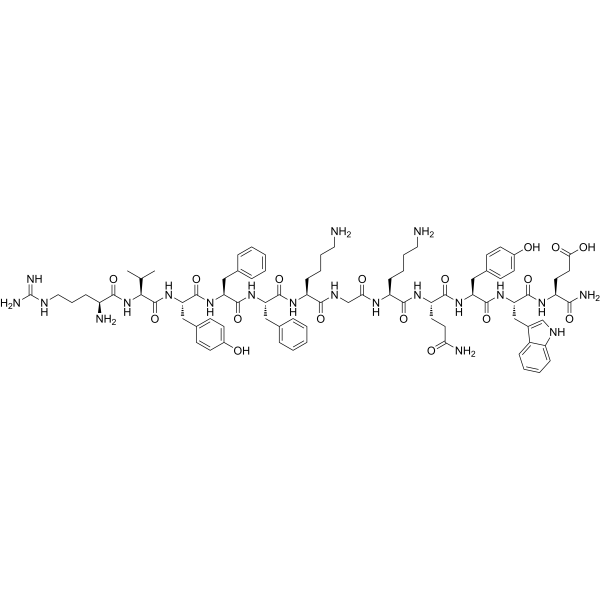
    GFOGER peptide is an artificially synthesized collagen-mimetic sequence. GFOGER peptide acts as a ligand for α2β1, α11β1 and α1β1 integrins, thereby supporting integrin-mediated cell adhesion to collagen. GFOGER peptide triggers signaling pathways mediated by the α2β1 integrin receptor and upregulates osteoblast differentiation. GFOGER peptide accelerates and enhances bone formation at sites of refractory femoral defects. GFOGER peptide can be passively adsorbed onto polymer scaffolds for cell-free/growth factor-free bone formation. GFOGER peptide is used in biomaterials such as hydrogels and 3D bioinks for tissue engineering research including bone formation .
    GFOGER peptide
  • HY-133108

    EBV Parasite Phosphatase Influenza Virus Infection Metabolic Disease Inflammation/Immunology Cancer
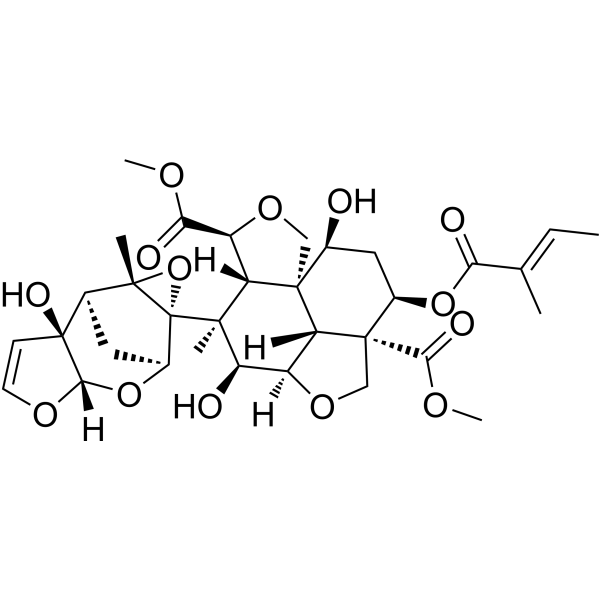
    Azadirachtin B is an limonoid isolated from seed kernels of Azadirachta indica. Azadirachtin B increases alkaline phosphatase (ALP) activity and stimulates osteoblast differentiation. Azadirachtin B is active against the Epstein-Barr virus early antigen (EBV-EA). Azadirachtin B has insecticidal, nematocidal, anticancer, anti-inflammatory, antiviral and osteogenic properties .
    Azadirachtin B
  • HY-Y1123

    Glycinamide hydrochloride

    Amino Acid Derivatives Phosphatase Endocrinology
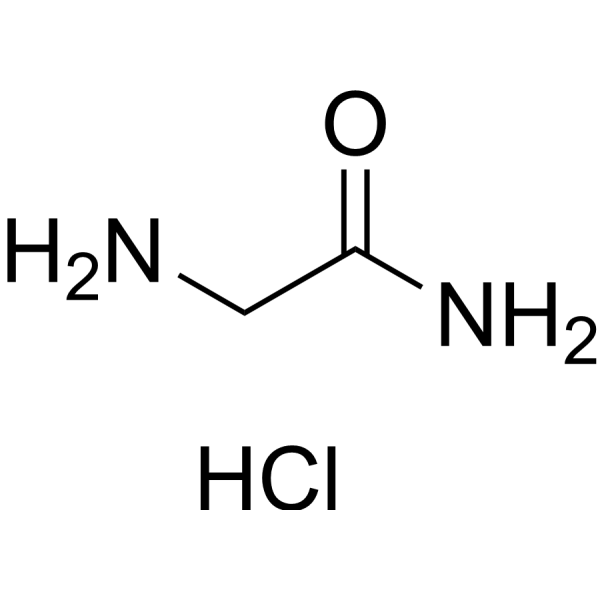
    2-Aminoacetamide hydrochloride (Glycinamide hydrochloride) is a derivative of Glycine (HY-Y0966). 2-Aminoacetamide hydrochloride forms cell-absorbable nanocomplexes with proteins (such as bovine serum albumin) through strong electrostatic interactions, promoting cellular uptake of related proteins. 2-Aminoacetamide hydrochloride synergizes with BMP2 to upregulate the expression of osteogenic marker genes (such as Col1a1, Alp, Runx2) and proteins (such as COL1, BSP), enhancing collagen synthesis. 2-Aminoacetamide hydrochloride synergizes with BMP2 to promote osteoblast differentiation in vitro and bone regeneration in vivo .
    2-Aminoacetamide hydrochloride
  • HY-Y1322

    Environmental Pollutants Mitophagy Apoptosis NF-κB p38 MAPK ERK JNK PI3K Akt Monoamine Oxidase Reactive Oxygen Species (ROS) PPAR Indoleamine 2,3-Dioxygenase (IDO) Cardiovascular Disease Neurological Disease Metabolic Disease Inflammation/Immunology Endocrinology
    Triphenyl phosphate is an orally active, blood-brain barrier-permeable aryl organophosphate flame retardant and endocrine disruptor. Triphenyl phosphate disrupts mitochondrial dynamic balance through oxidative stress, induces excessive mitophagy and apoptosis, and ultimately leads to myocardial fibrosis. In the brain, Triphenyl phosphate activates the NF-κB inflammatory pathway by disrupting the gut microbiota, alters tryptophan metabolism and elevates neurotoxins, thereby inducing anxiety- and depression-like behaviors. In the skeletal and reproductive systems, Triphenyl phosphate inhibits osteoblast differentiation and induces germ cell apoptosis by suppressing the MAPK/ERK pathway and activating the JNK signal, respectively. In adipose and placental tissues, Triphenyl phosphate promotes lipid accumulation by activating the PI3K/AKT-PPARγ axis, and disrupts placental metabolism via the MAOA/ROS/NF-κB cascade, impairing neurodevelopment of offspring .
    Triphenyl phosphate
  • HY-P5832

    TGF-beta/Smad RUNX Metabolic Disease
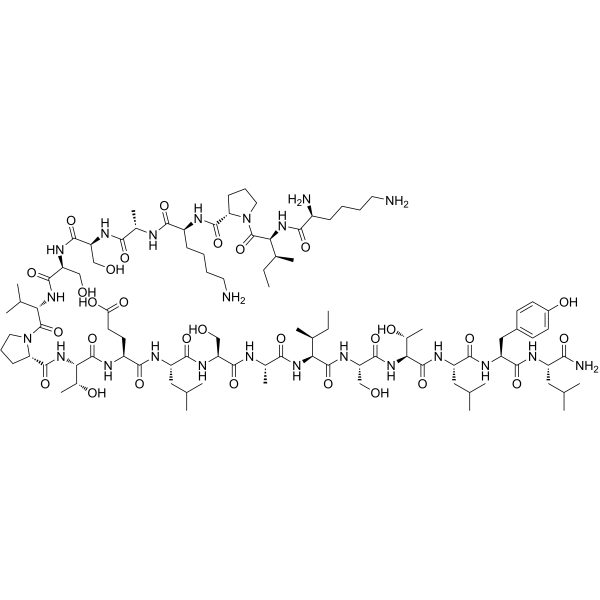
    BMP2-derived peptide is an osteogenic inducer and BMP receptor ligand. BMP2-derived peptide binds to BMP receptors on the cell surface to form a complex, activates the downstream Smad signaling pathway, and regulates the expression of osteogenic transcription factors. BMP2-derived peptide effectively promotes the adhesion, proliferation, osteogenic differentiation and mineralization of bone marrow mesenchymal stem cells, significantly up-regulates the mRNA levels of OCN, Runx2 and type I collagen, and increases alkaline phosphatase activity and calcium deposition. BMP2-derived peptide induces osteoblast differentiation and ectopic bone regeneration, and improves cranial bone defect repair. Meanwhile, BMP2-derived peptide enhances the cytocompatibility of mesoporous silica nanoparticles, synergistically increases osteogenic activity with Dexamethasone (HY-14648), serving as an important tool for bone defect repair research .
    BMP2-derived peptide
  • HY-N8920

    Others Metabolic Disease
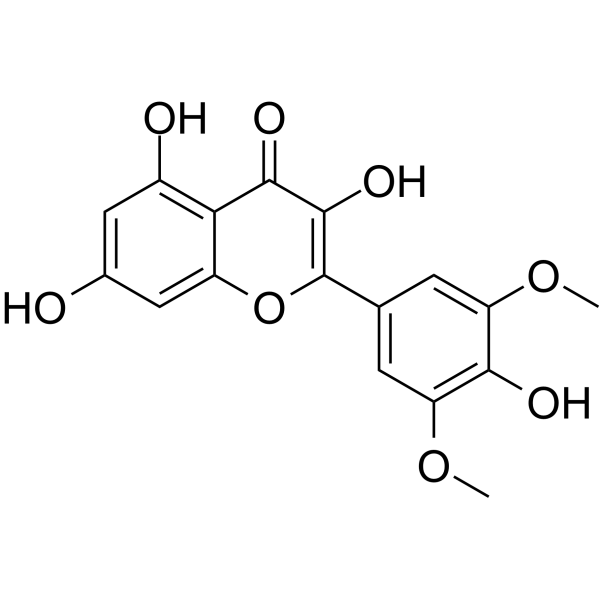
    Syringetin, a flavonoid derivative, is associated with increased BMP-2 production. Syringetin stimulates osteoblast differentiation at various stages, from maturation to terminally differentiated osteoblasts .
    Syringetin
  • HY-128591
    DIPQUO
    2 Publications Verification

    Phosphatase Metabolic Disease
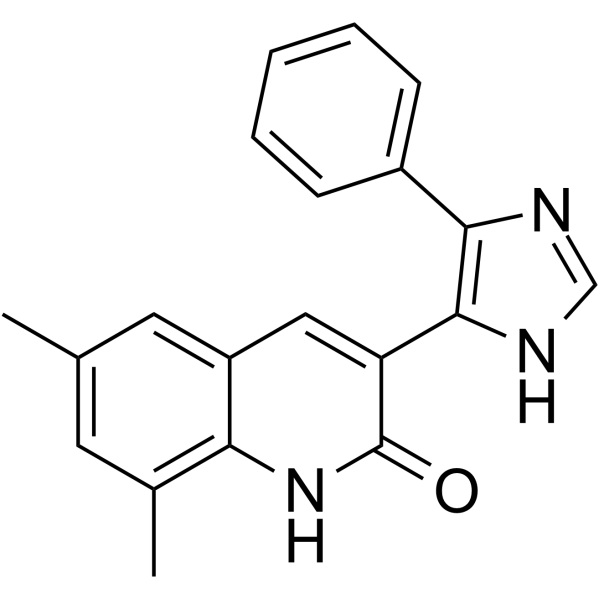
    DIPQUO is an activator of the bone marker alkaline phosphatase (ALP), with an EC50 of 6.27 μM in C2C12 cells. DIPQUO promotes mouse and human osteoblast differentiation via activation of p38 MAPK-β .
    DIPQUO
  • HY-124156A

    Wnt Metabolic Disease
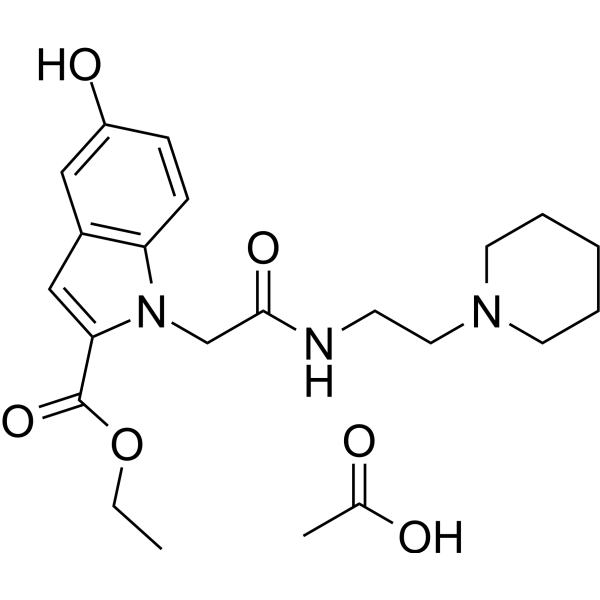
    KY-02327 acetate, a metabolically stabilized KY-02061 analog, is a potent Dishevelled (Dvl)-CXXC5 interaction inhibitor. KY-02327 acetate shows an activating effect on the Wnt/β-catenin pathway, resulting in promotion of osteoblast differentiation .
    KY-02327 acetate
  • HY-N2156

    ERK TGF-beta/Smad Wnt β-catenin JNK p38 MAPK Metabolic Disease Inflammation/Immunology
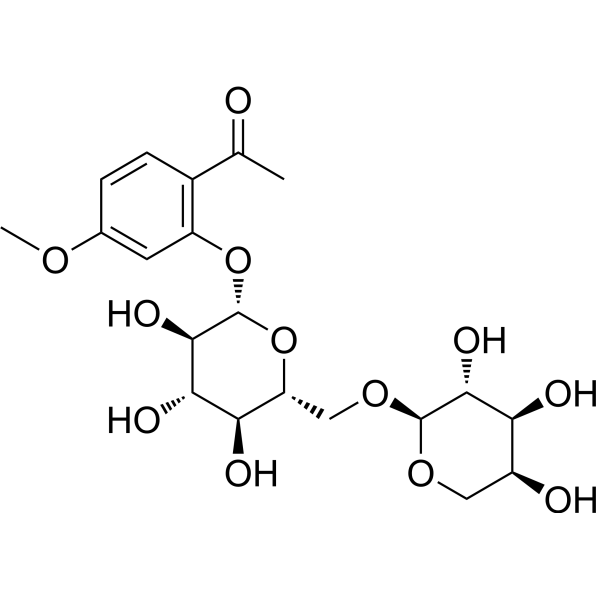
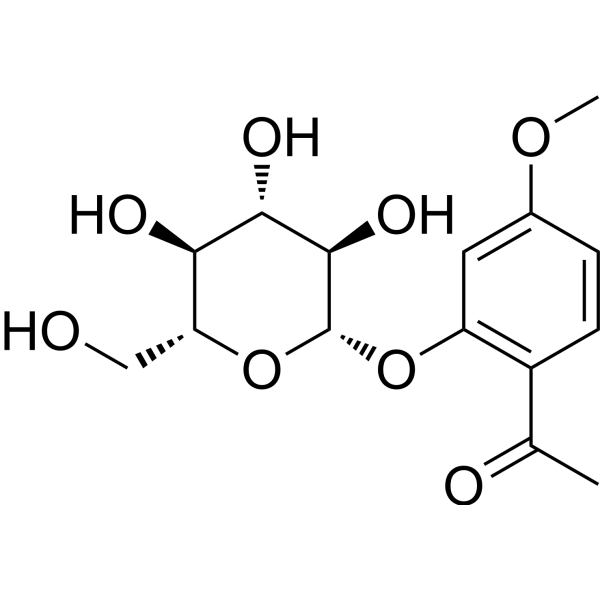
    Paeonolide, found in Paeonia suffruticosa, is an ERK1/2 activator. Paeonolide promotes early and late osteoblast differentiation, stimulates pre-osteoblast transmigration, and activates the BMP-Smad1/5/8, Wnt-β-catenin, JNK and p38 pathways. Paeonolide can be used for the research of osteoporosis, periodontitis .
    Paeonolide
  • HY-P2612

    TNF Receptor RANKL/RANK Apoptosis Inflammation/Immunology
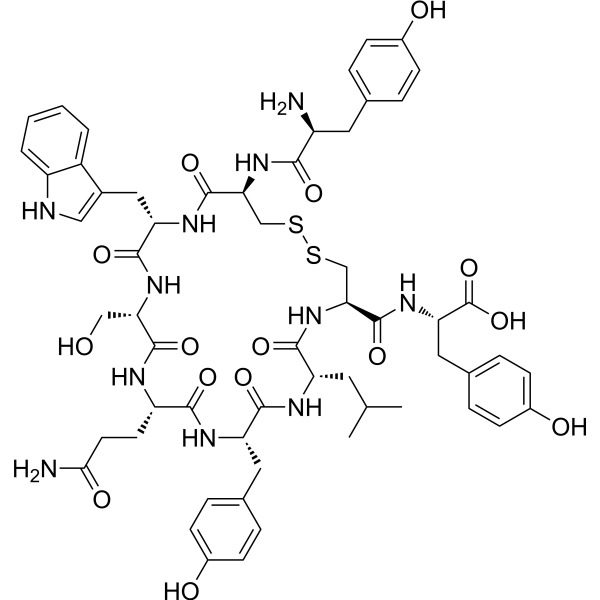
    WP9QY is an inhibitor targeting TNFα and RANKL, which blocks the TNFα-TNFR1 interaction and inhibits TNFα-mediated apoptosis, cytotoxicity and bone destruction. WP9QY inhibits osteoclastogenesis and promotes osteoblast differentiation, induces chondrocyte proliferation and glycosaminoglycan production, and synergizes with TGF-β3 to promote chondrogenesis. WP9QY effectively repairs full-thickness articular cartilage defects in rabbits via intra-articular injection, and inhibits methylmercury-induced reduction of NeuN-positive cells in mouse brain slices. WP9QY can be applied to the research of diseases related to methylmercury-induced neuronal death, cartilage injury, osteoarthritis and bone loss .
    WP9QY
  • HY-128431

    Reactive Oxygen Species (ROS) Neurological Disease Metabolic Disease
    Arochlor 1254 is a polychlorinated biphenyl (PCB) mixture with biphenyl and 54% chlorine. Aroclor 1254 reduced cell viability and induced overproduction of intracellular reactive oxygen species in a dose-dependent manner. Arochlor 1254 exposure reduces calcium homeostasis, osteoblast differentiation and bone formation .
    Arochlor 1254
  • HY-110218
    CW 008
    2 Publications Verification

    PKA Epigenetic Reader Domain Others
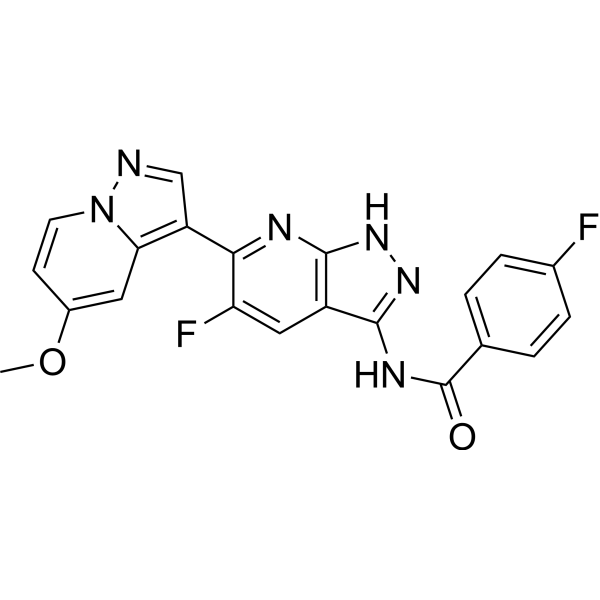
    CW 008, a derivative of pyrazole-pyridine, is a CREB or PKA pathway agonist. CW 008 also is a stem cell differentiating agent. CW 008 stimulates osteoblast differentiation of human MSCs and increases bone formation in ovariectomized mice. CW008 promotes osteogenesis by activating cAMP/PKA/CREB signaling pathway and inhibiting leptin secretion .
    CW 008
  • HY-P0254A
    Kisspeptin-10, human TFA
    1 Publications Verification

    Kisspeptin Receptor Cardiovascular Disease Cancer
    Kisspeptin-10, human TFA is a potent vasoconstrictor and inhibitor of angiogenesis. Kisspeptin-10, human TFA acts as a tumor metastasis suppressor via its receptor GPR54. Kisspeptin-10-GPR54 system plays an important role in embryonic kidney development. Kisspeptin-10/GPR54 signaling induces osteoblast differentiation via NFATc4-mediated BMP2 expression .
    Kisspeptin-10, human TFA
  • HY-158203

    TGF-β Receptor Others
    BMP agonist 2 (derivative I-9) is a potent bone-inducing cytokine. BMP agonist 2 promotes bone tissue production by increasing the proportion and activity of osteoblasts. BMP agonist 2 promotes osteoblast proliferation and differentiation through the BMP2-ATF4 signaling axis, in which ATF4 is a transcription factor closely related to osteoblast differentiation and bone formation. BMP agonist 2 can be used in the study of senile osteoporosis (SOP) .
    BMP agonist 2
  • HY-15872

    Farnesyl Transferase Ras ERK mTOR Caspase Apoptosis Akt PI3K Bacterial Cardiovascular Disease Neurological Disease Cancer
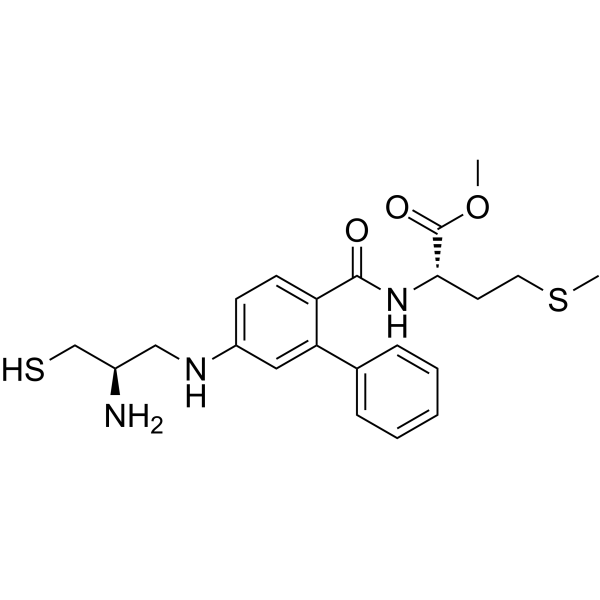
    FTI-277 is a farnesyltransferase (FTase) inhibitor. FTI-277 inhibits Ras farnesylation, blocks the phosphorylation of downstream ERK1/2 and mTOR, and reduces membrane-bound active N-ras protein. FTI-277 activates caspase 3, upregulates Bim expression, induces cell apoptosis, suppresses regulatory T cell expansion, enhances macrophage phagocytosis, and improves bacterial clearance. FTI-277 activates the PI3K/Akt signaling pathway, inhibits osteoblast differentiation, and reduces the proliferation ability of neuroblastoma cells. FTI-277 can be used in research related to head and neck squamous cell carcinoma, neuroblastoma, sepsis, and vascular calcification .
    FTI-277
  • HY-110038

    Farnesyl Transferase Ras ERK mTOR Apoptosis Caspase Akt PI3K Bacterial Cardiovascular Disease Neurological Disease Cancer
    FTI-277 TFA is a farnesyltransferase (FTase) inhibitor. FTI-277 TFA inhibits Ras farnesylation, blocks the phosphorylation of downstream ERK1/2 and mTOR, and reduces membrane-bound active N-ras protein. FTI-277 TFA activates caspase 3, upregulates Bim expression, induces cell apoptosis, suppresses regulatory T cell expansion, enhances macrophage phagocytosis, and improves bacterial clearance. FTI-277 TFA activates the PI3K/Akt signaling pathway, inhibits osteoblast differentiation, and reduces the proliferation ability of neuroblastoma cells. FTI-277 TFA can be used in research related to head and neck squamous cell carcinoma, neuroblastoma, sepsis, and vascular calcification .
    FTI-277 TFA
  • HY-N2247

    Phosphatase Metabolic Disease
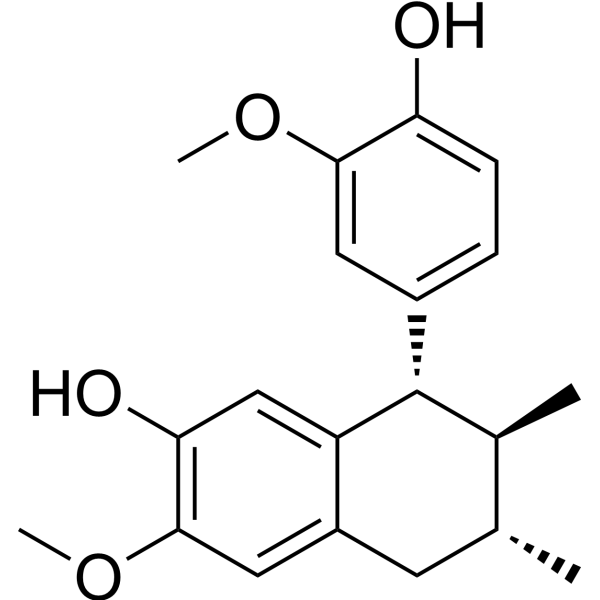
    Guaiacin is a arylnaphthalene type lignin isolated from the barks of Machilus thunbergii SIEB. et ZUCC (Lauraceae). Guaiacin significantly increases alkaline phosphatase activity and osteoblast differentiation .
    Guaiacin
  • HY-N9359

    Apoptosis Cardiovascular Disease
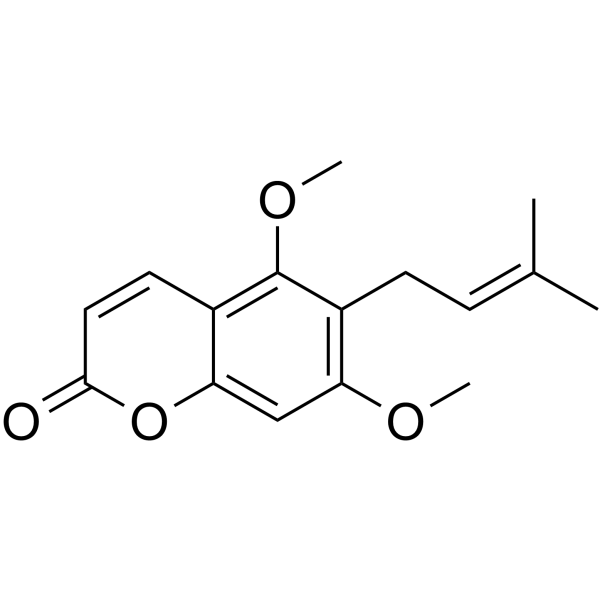
    Toddaculin is a natural coumarin that can induce differentiation and apoptosis in leukemic cells. Toddaculin suppresses excess osteoclast activity and enhances osteoblast differentiation and mineralization. Toddaculin also exhibits anti-inflammatory activity .
    Toddaculin
  • HY-N0265R

    Akebia saponin D (Standard)

    Reference Standards Caspase Apoptosis PERK Akt p38 MAPK HIF/HIF Prolyl-Hydroxylase PPAR Cardiovascular Disease Neurological Disease
    Asperosaponin VI (Standard) is the analytical standard of Asperosaponin VI. This product is intended for research and analytical applications. Asperosaponin VI is a saponin component from Dipsacus asper. Asperosaponin VI induces osteoblast differentiation through the BMP-2/p38 and ERK1/2 signaling pathways. Asperosaponin VI protects against hypoxia-induced cardiomyocyte apoptosis by activating the PI3K/Akt and CREB pathways. Additionally, Asperosaponin VI also has antidepressant and wound-healing-promoting activities .
    Asperosaponin VI (Standard)
  • HY-N8837

    MMP Metabolic Disease
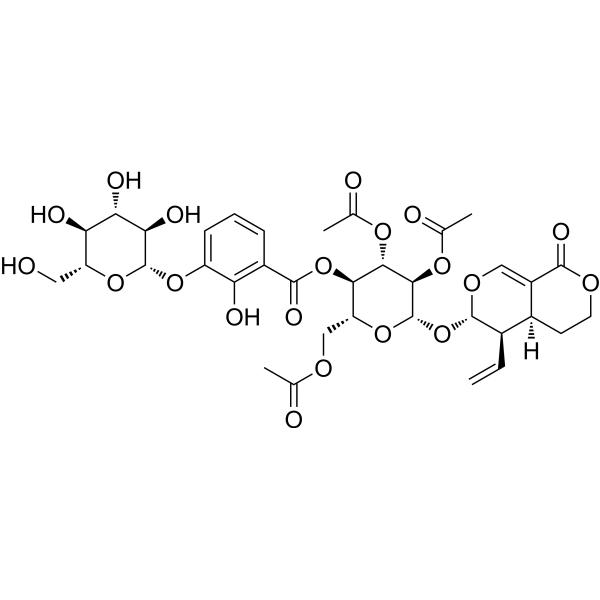
    Trifloroside is a secoiridoid glycoside with antioxidant effects. Trifloroside induces osteogenic effects through osteoblast differentiation, adhesion, migration, and mineral apposition. Trifloroside has the potential for osteoblast-mediated bone diseases research .
    Trifloroside
  • HY-N2351

    Wnt Infection Metabolic Disease Inflammation/Immunology
    Paeonoside is a bioactive compound identified in P. suffruticosa that promotes wound healing and migration in osteoblast differentiation. Paeonoside has also been reported to have some antidiabetic activity and may prevent sepsis-induced lethality .
    Paeonoside
  • HY-124156

    Wnt Metabolic Disease
    KY-02327, a metabolically stabilized KY-02061 analog, is a potent Dishevelled (Dvl)-CXXC5 interaction inhibitor. KY-02327 shows an activating effect on the Wnt/β-catenin pathway, resulting in promotion of osteoblast differentiation .
    KY-02327
  • HY-N6052

    Estrogen Receptor/ERR Cancer
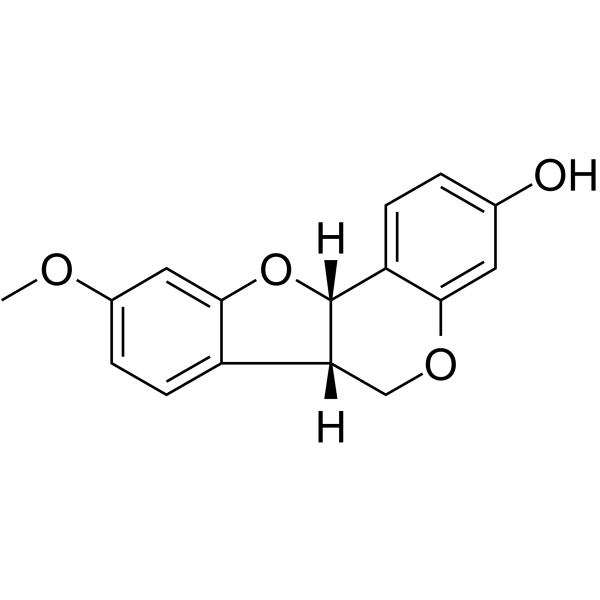
    (+)-Medicarpin, a pterocarpan, is a type of isoflavonoid isolated from several medicinal plant species with various biological effects, including Sophora japonica, Zollernia paraensis and Platymiscium yucatamun, Machaerium aristulatum, Platymiscium floribundum, and so on. (+)-Medicarpin potently inhibits osteoclastogenesis and promotes bone healing and increases bone mass by osteoblast differentiation with estrogen receptor (ER) β-mediated osteogenic action .
    (+)-Medicarpin
  • HY-126304R

    Reference Standards Phosphatase Endogenous Metabolite ERK Metabolic Disease
    β-Glycerophosphate disodium salt hydrate (Standard) is the analytical standard of β-Glycerophosphate disodium salt hydrate (HY-126304). This product is intended for research and analytical applications. β-Glycerophosphate disodium salt pentahydrate is a bioactive endogenous metabolite and a phosphatase inhibitor. β-Glycerophosphate disodium salt pentahydrate plays an important role in inducing and maintaining osteoblast differentiation, mineral metabolism and signal transduction, and can be used as a drug carrier to form heat-sensitive hydrogels. β-Glycerophosphate disodium salt hydrate accelerates the calcification of vascular smooth muscle cells.
    β-Glycerophosphate disodium salt hydrate (Standard)
  • HY-P4866

    Integrin Transglutaminase Akt p38 MAPK ERK Caspase Apoptosis Cardiovascular Disease Metabolic Disease Inflammation/Immunology
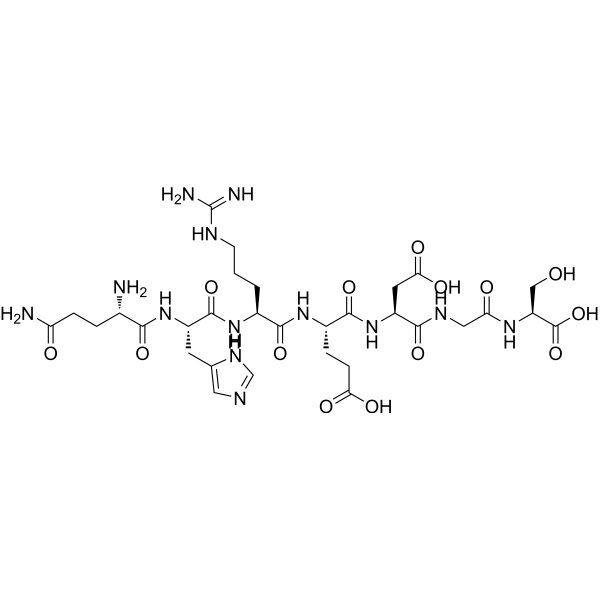
    Q-Peptide is an angiopoietin-1 derived peptide (QHREDGS). Q-Peptide interacts with β1-integrin, binds to integrins on the surface of osteoblasts, and serves as an acyl donor substrate for Streptomyces mobaraensis transglutaminase. Q-Peptide activates Akt, MAPKp42/44, ILK, ERK1/2, and downregulates caspase-3/7. Q-Peptide inhibits cell apoptosis, enhances cell adhesion and migration, and promotes osteoblast differentiation, bone matrix deposition and mineralization. Q-Peptide can be used in studies related to myocardial infarction, bone regeneration, diabetic wound repair and human induced pluripotent stem cells .
    Q-Peptide
  • HY-Y1322S

    Celluflex TPP-d15; DHPF 005-d15; Disflamol TP-d15; Disflamoll TP-d15; NSC 57868-d15; Phenyl phosphate ((PhO)3PO)-d15; Phoscon FR 903N-d15

    Isotope-Labeled Compounds Environmental Pollutants ERK Indoleamine 2,3-Dioxygenase (IDO) p38 MAPK NF-κB Akt Monoamine Oxidase Mitophagy Reactive Oxygen Species (ROS) JNK PI3K PPAR Apoptosis Cardiovascular Disease Neurological Disease Metabolic Disease Inflammation/Immunology Endocrinology
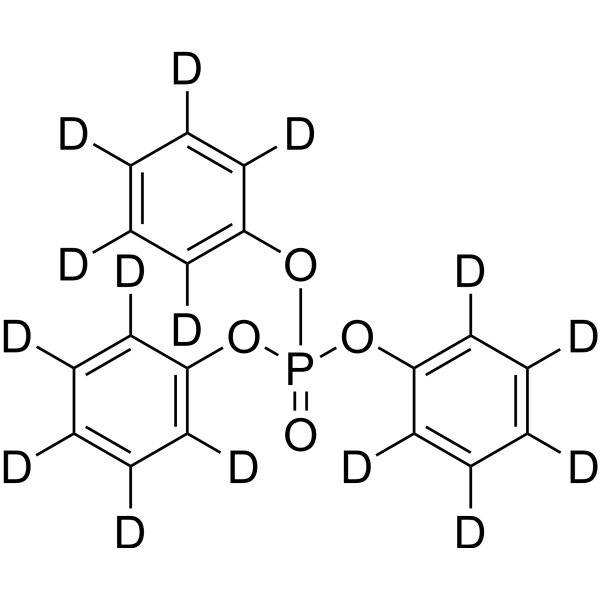
    Triphenyl phosphate-d15 is the deuterium labeled Triphenyl phosphate. Triphenyl phosphate is an orally active, blood-brain barrier-permeable aryl organophosphate flame retardant and endocrine disruptor. Triphenyl phosphate disrupts mitochondrial dynamic balance through oxidative stress, induces excessive mitophagy and apoptosis, and ultimately leads to myocardial fibrosis. In the brain, Triphenyl phosphate activates the NF-κB inflammatory pathway by disrupting the gut microbiota, alters tryptophan metabolism and elevates neurotoxins, thereby inducing anxiety- and depression-like behaviors. In the skeletal and reproductive systems, Triphenyl phosphate inhibits osteoblast differentiation and induces germ cell apoptosis by suppressing the MAPK/ERK pathway and activating the JNK signal, respectively. In adipose and placental tissues, Triphenyl phosphate promotes lipid accumulation by activating the PI3K/AKT-PPARγ axis, and disrupts placental metabolism via the MAOA/ROS/NF-κB cascade, impairing neurodevelopment of offspring.
    Triphenyl phosphate-d15
  • HY-P5929

    Integrin FAK Inflammation/Immunology
    VnP-16 can promote bone formation by accelerating osteoblast differentiation and activity through direct interaction with β1 integrin followed by FAK activation .
    VnP-16
  • HY-169703
    SPA0355
    1 Publications Verification

    RANKL/RANK p38 MAPK Akt NF-κB Inflammation/Immunology
    SPA0355 is a thiourea derivative that has antioxidant and anti-inflammatory properties. SPA0355 inhibits the RANKL (receptor activator of nuclear factor κB ligand) induced osteoclast formation in primary bone marrow-derived macrophages. SPA0355 also suppresses the activation of the MAPKs, Akt, and NF-κB pathways. Additionally, SPA0355 promotes osteoblast differentiation, increases alkaline phosphatase activity, and enhances mineral nodule formation. SPA0355 can protect ovariectomized mice from bone loss by stimulating osteoblast differentiation and inhibiting osteoclast resorption, making it useful for studying postmenopausal osteoporosis .
    SPA0355
  • HY-N0123R

    Barbaloin-A (Standard)

    Reference Standards Wnt Cancer
    Aloin (Standard) is the analytical standard of Aloin. This product is intended for research and analytical applications. Aloin (Aloin-A; Barbaloin-A) is a natural anti-tumor anthraquinone glycoside with iron chelating activity. Aloin induces the differentiation of MC3T3-E1 cells into osteoblasts through MAPK-mediated Wnt and Bmp signaling pathways. Alkaline phosphatase (ALP) is an early marker of osteoblast differentiation, and the activity of ALP is also enhanced by Aloin. Aloin also reduces brain edema, reduces blood-brain barrier disruption and improves cortical impact injuries. Aloin is used in research into osteoporosis and traumatic brain injury (TBI) .
    Aloin-A (Standard)
  • HY-N0507R

    Reference Standards TNF Receptor Interleukin Related Neurological Disease Inflammation/Immunology
    Rosavin (Standard) is the analytical standard of Rosavin. This product is intended for research and analytical applications. Rosavin, an orally bioactive phenylpropanoid from Rhodiola rosea L. (RRL), is an adaptogen that enhances the body’s response to environmental stress. Rosavin significantly influences bone tissue metabolism by inhibiting osteoclastogenesis and promoting osteoblast differentiation, also impacts various diseases, demonstrating antidepressant, adaptogenic, and anxiolytic effects in mouse models. Additionally, Rosavin improves survival, reducing intestinal damage in irradiated rats and Ischemia-reperfusion(I/R)-induced cerebral injury in vivo by regulating inflammation and oxidative stress, making it a promising candidate for research in radiation-induced intestinal injury, I/R-induced cerebral injury and osteoporosis .
    Rosavin (Standard)

Inquiry Online

Your information is safe with us. * Required Fields.

Salutation


Country or Region *

Applicant Name *


Organization Name *

Department *


Email Address *


Product Name *

Cat. No.


Requested quantity *

Phone Number *


Remarks

Inquiry Online

Inquiry Information

Product Name:
Cat. No.:
Quantity:
MCE Japan Authorized Agent: