Search Result
Results for "
psoriasis diseases
" in MedChemExpress (MCE) Product Catalog:
1
Biochemical Assay Reagents
6
Isotope-Labeled Compounds
| Cat. No. |
Product Name |
Target |
Research Areas |
Chemical Structure |
-
- HY-117287
-
|
BMS-986165
|
JAK
STAT
Interleukin Related
IFNAR
|
Inflammation/Immunology
|
|
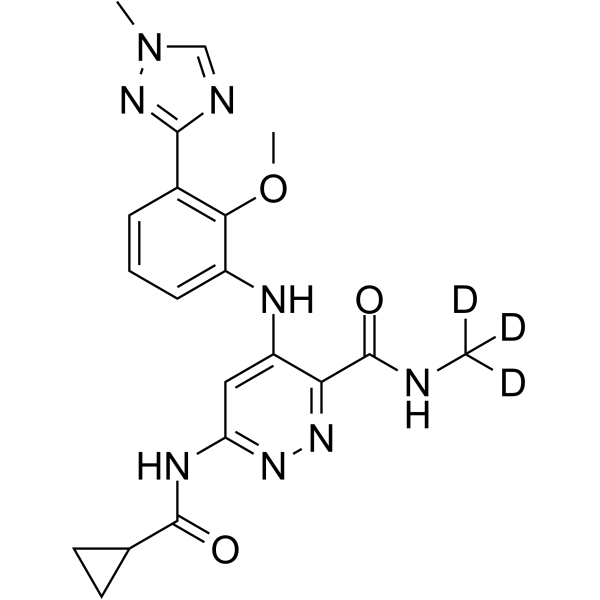
Deucravacitinib (BMS-986165) is an orally active allosteric inhibitor of tyrosine kinase 2 (TYK2), with an IC50 of 0.2 nM and a Ki of 0.02 nM against the JH2 domain of TYK2, and it exhibits selectivity over other JAK subtypes and most of the kinome. Deucravacitinib blocks IL-23, IL-12, p-STAT1/3 and Type I IFN signaling, and inhibits Th17/Th1-mediated psoriasis inflammation . Deucravacitinib can be used in research related to moderate-to-severe plaque psoriasis, inflammatory bowel disease and systemic lupus erythematosus .
|
-
-
- HY-12238
-
IWR-1
Maximum Cited Publications
61 Publications Verification
endo-IWR 1; IWR-1-endo
|
Organoid
Wnt
|
Inflammation/Immunology
Cancer
|
|
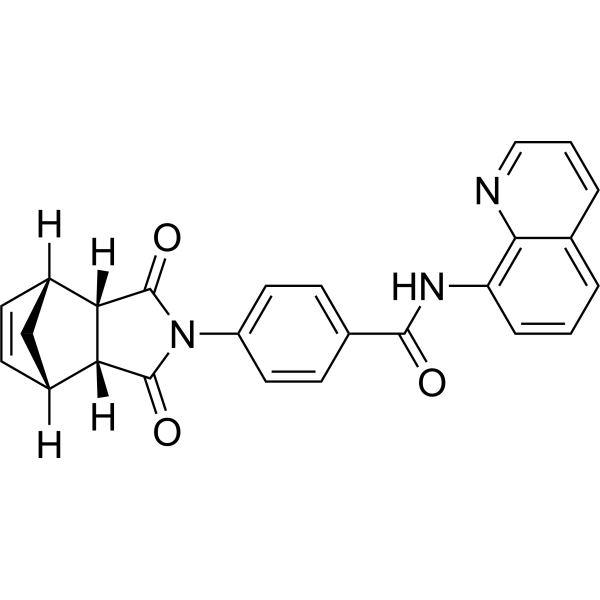
IWR-1 (IWR-1-endo) is a tankyrase inhibitor targeting Wnt/β-catenin (IC50 = 180 nM). IWR-1 compromises critical steps of the canonical Wnt signaling, namely translocation of β-catenin to the nucleus and subsequent TCF/LEF activation and expression of Wnt/β-catenin downstream targets. IWR-1 promotes β-catenin phosphorylation by promoting stability of Axin-scaffolded destruction complexes. IWR-1 can be studied in research for anti-tumor purposes, and diseases such as osteosarcoma, colorectal cancer and psoriasis .
|
-
-
- HY-P10587
-
|
JNJ-77242113; JNJ-2113; PN-235
|
Interleukin Related
STAT
IFNAR
|
Inflammation/Immunology
|
|
Icotrokinra (JNJ-77242113) is an orally available, selective antagonist of the IL-23 receptor. Icotrokinra inhibits IL-23-induced STAT3 phosphorylation in peripheral blood mononuclear cells (IC50=5.6 pM) and inhibits IL-23-induced interferon IFN-γ production in NK cells with an IC50 of 18.4 pM. Icotrokinra exhibits anti-inflammatory activity in a rat TNBS-induced colitis model. Icotrokinra can be used in the study of psoriasis, psoriatic arthritis, and inflammatory bowel disease .
|
-

-
- HY-150298
-
|
CPI-818
|
Itk
|
Inflammation/Immunology
Cancer
|
|
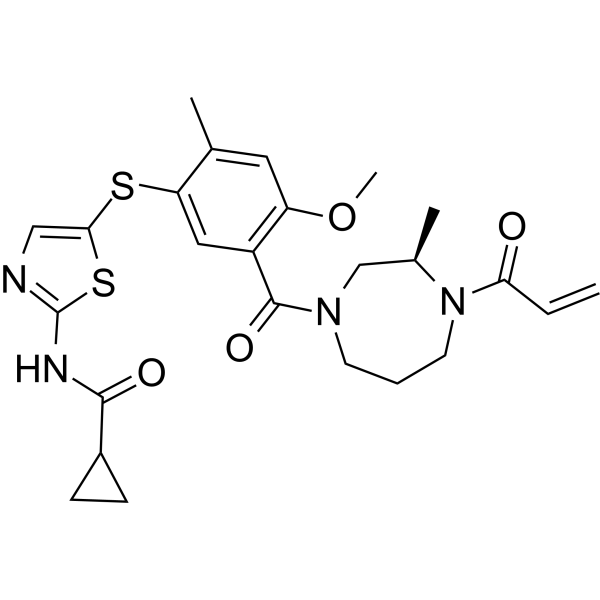
Soquelitinib (CPI-818) is an orally active and highly selective covalent interleukin-2-inducible kinase (ITK) inhibitor. Soquelitinib is active in six different models of T cell-mediated inflammatory and immune disease, including acute and chronic asthma, pulmonary fibrosis, systemic sclerosis (scleroderma), psoriasis, and acute graft versus host disease with Th2 cytokine product inhibition. Soquelitinib increases tumor infiltration of normal CD8 + cells that possess enhanced T effector function .
|
-
-
- HY-B0107
-
-
-
- HY-76711
-
|
|
Opioid Receptor
|
Neurological Disease
Metabolic Disease
Inflammation/Immunology
Cancer
|
Naltrexone is an orally active, long-acting opioid receptor (opioid receptor) antagonist. Naltrexone blocks the euphoric effects of exogenous opioids and reduces alcohol craving by blocking opioid receptors (μ, κ, and δ) as well as opioid growth factor receptors. Low doses of Naltrexone are used to relieve chronic pain, treat inflammatory diseases and inhibit tumor growth, while high doses or continuous administration exert pro-inflammatory or pro-proliferative effects. Naltrexone relieves intractable pruritus caused by psoriasis, atopic dermatitis and other conditions, and its combination with Bupropion (HY-B0403) inhibits food craving, thereby reducing body weight .
|
-

-
- HY-P3507
-
|
ShK-186
|
Potassium Channel
|
Metabolic Disease
Inflammation/Immunology
|
|
Dalazatide (ShK-186) is a specific Kv1.3 potassium channel peptide inhibitor. Dalazatide can be used in the study of autoimmune diseases such as multiple sclerosis (MS), lupus erythematosus, psoriasis, rheumatoid arthritis, type 1 diabetes and inflammatory bowel disease .
|
-

-
- HY-145583
-
|
Hemay005
|
Phosphodiesterase (PDE)
|
Others
Inflammation/Immunology
|
|
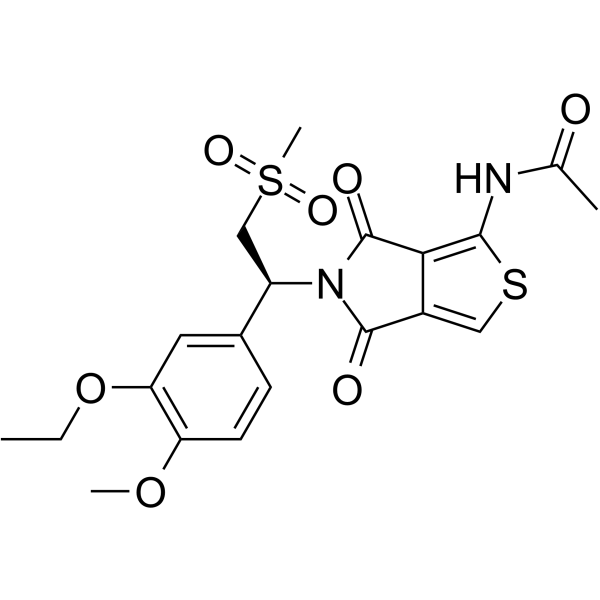
Mufemilast (Heymay005) is a selective and orally active phosphodiesterase 4 (PDE4) inhibitor (IC50 = 80-120 nM). Mufemilast modulates cytokines upregulated in Behςet’s syndrome (BS). Mufemilast displays a significant inhibitory effect on TNF-α, which is an important proinflammatory cytokine target in the disease process of psoriasis. Mufemilast can be studied in research for diseases such as rheumatoid arthritis, psoriasis and BS .
|
-
-
- HY-N0852
-
|
|
p38 MAPK
NF-κB
Interleukin Related
JNK
PERK
CXCR
|
Cardiovascular Disease
Inflammation/Immunology
|
|
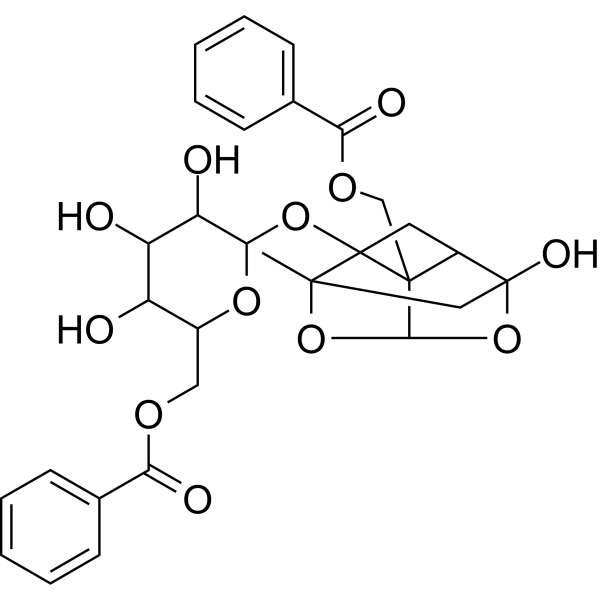
Benzoylpaeoniflorin is an orally active monoterpene glycoside compound. Benzoylpaeoniflorin exerts anti-inflammatory, anti-allergic, psoriasis-improving and sepsis-improving effects by inhibiting signaling pathways such as TNF/NF-κB and MAPK, as well as regulating immune homeostasis. Benzoylpaeoniflorin can be used in research related to immune, allergic and inflammatory diseases .
|
-
-
- HY-157783
-
|
|
DNA/RNA Synthesis
|
Cancer
|
|
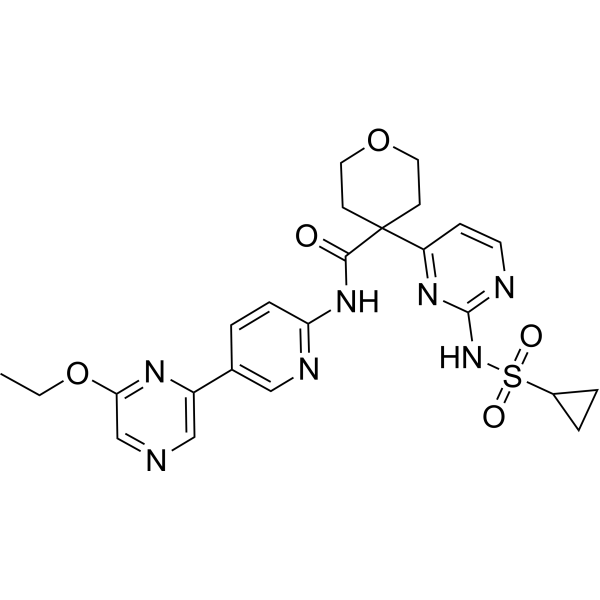
Dencatistat is a CTP synthetase 1 (b) inhibitor. CTPS1 is a key rate-limiting enzyme that catalyzes the conversion of UTP to CTP. Dencatistat can be used for research on lymphoma .
|
-
-
- HY-P990735
-
|
|
Interleukin Related
|
Inflammation/Immunology
|
|
Donzakimig is a trispecific anti-IL-13/IL-22/HSA antibody. Donzakimig adopts a Fab-scFv-scFv structural format (without an Fc region), in which the Fab domain is linked to the scFv domains via a S (G4S)2 linker. Donzakimig binds to and inhibits the activities of IL-13 and IL-22, thereby blocking the signal transduction of these two cytokines. Donzakimig can extend its serum half-life by binding to human serum albumin, enhancing its in vivo stability and achieving long-acting efficacy. Donzakimig can be used in research on moderate-to-severe atopic dermatitis, moderate-to-severe asthma (especially eosinophilic type), psoriasis, inflammatory bowel disease, and other conditions .
|
-

-
- HY-102013
-
|
BT-11
|
ABA Receptor
|
Neurological Disease
Inflammation/Immunology
|
|
Omilancor (BT-11) is an orally active lanthionine synthetase cyclase-like receptor 2 (LANCL2) activator. Omilancor can be used for the study of psoriasis, inflammatory bowel disease (IBD), and Crohn's disease (CD) .
|
-

-
- HY-P99378
-
|
ALTB-168; Anti-PSGL1/CD162 Reference Antibody (neihulizumab); AbGn-168
|
Apoptosis
|
Inflammation/Immunology
|
|
Neihulizumab (ALTB-168) is an immune checkpoint agonistic antibody that binds to human CD162 (PSGL-1), leading to downregulation of activated T-cells. Neihulizumab can be uesd for steroid-refractory acute graft-versus-host-disease (SR-aGVHD), psoriasis, psoriatic arthritis and ulcerative colitis research .
|
-

-
- HY-165428
-
|
|
CXCR
Arrestin
|
Inflammation/Immunology
|
|
SCH-900875 is an orally active, brain-penetrant and selective CXCR3 receptor inhibitor, which also shows high selectivity over CXCR1 and CXCR2 receptors. SCH-900875 binds to CXCR3, blocking the binding of ligands CXCL9, CXCL10, and CXCL11, inhibiting downstream G protein and β-arrestin signaling pathways to suppress inflammatory cell migration. SCH-900875 is promising for research of autoimmune diseases (rheumatoid arthritis, multiple sclerosis) and inflammatory disorders (psoriasis, inflammatory bowel disease) .
|
-

-
- HY-153701S
-
|
Envudeucitinib; ESK-001
|
JAK
Interleukin Related
IFNAR
Isotope-Labeled Compounds
|
Inflammation/Immunology
|
|
Envudeucitinibum (Envudeucitinib) is a highly selective, allosteric and orally active TYK2 inhibitor binding to the JH2 domain of TYK2. Envudeucitinibum has no off-target effects on other kinases (JAK1-3). Envudeucitinibum reduces signaling and production of proinflammatory cytokines including IL-12, IL-23, IL-17, and type I interferons (IFNs). Envudeucitinibum can be used for the research of plaque psoriasis, systemic lupus erythematosus (SLE), and other immune-mediated diseases .
|
-

-
- HY-P3507A
-
|
ShK-186 TFA
|
Potassium Channel
|
Metabolic Disease
Inflammation/Immunology
|
|
Dalazatide (ShK-186) TFA is a specific Kv1.3 potassium channel peptide inhibitor. Dalazatide TFA can be used in the study of autoimmune diseases such as multiple sclerosis (MS), lupus erythematosus, psoriasis, rheumatoid arthritis, type 1 diabetes and inflammatory bowel disease .
|
-
-
- HY-17570
-
-
-
- HY-135304
-
|
|
Protein Arginine Deiminase
|
Inflammation/Immunology
Cancer
|
|
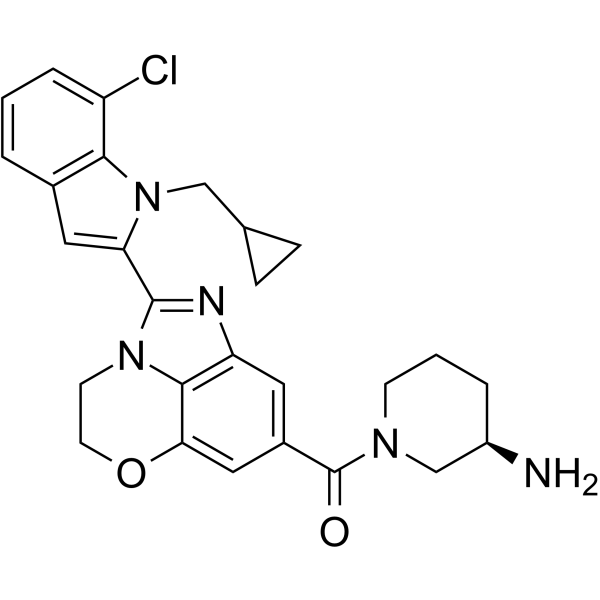
PAD-IN-2 is a potent pad4 inhibitor (IC50: <1 μM). PAD-IN-2 can be used in the research of auto-immune diseases and cancers, such as rheumatoid arthritis, vasculitis, systemic lupus erythematosis, cutaneous lupus erythematosis, ulcerative colitis, cystic fibrosis, asthma, multiple sclerosis and psoriasis .
|
-
-
- HY-176862
-
|
|
FGFR
ERK
|
Inflammation/Immunology
|
|
TCB-32 (Compound I-1) is a FGFR1 agonist with an EC50 of 0.88 μM. TCB-32 significantly increases cell proliferation through activating FGFR1 signaling pathway as bFGF and its downstream ERK1/2 with excellent thermal stability. TCB-32 can replace bFGF in serum-free cell culture media. TCB-32 can be used for tissue repair and wound healing related diseases like psoriasis and eczema research .
|
-

-
- HY-P99659
-
|
ANB 019
|
Interleukin Related
|
Inflammation/Immunology
|
|
Imsidolimab (ANB 019) is a high-affinity, humanized monoclonal antibody of anti-IL-36R. Imsidolimab antagonizes IL-36 cytokine signal transduction. Imsidolimab has potential application in generalized pustular psoriasis (GPP) and other inflammatory skin diseases .
|
-

-
- HY-147051
-
|
MRGPRX4 modulator-2
|
Mas-related G-protein-coupled Receptor (MRGPR)
|
Inflammation/Immunology
|
|
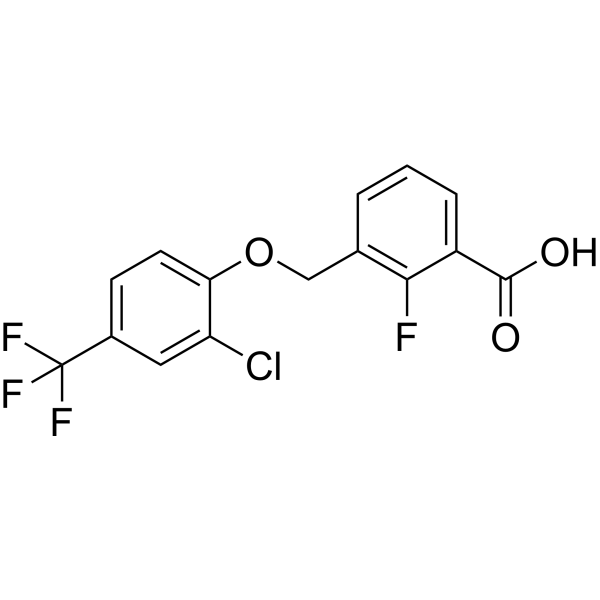
MRGPRX4 modulator-2 (compound 1-55) is a potent MRGPR X4 modulator, possessing antagonist activity against MRGPR X4 with an IC50 < 100 nM. MRGPRX4 modulator-2 can be used for researching autoimmune diseases such as psoriasis, multiple sclerosis, Steven Johnson’s Syndrome, and other chronic itch conditions .
|
-
-
- HY-153224
-
|
|
IRAK
|
Inflammation/Immunology
|
|
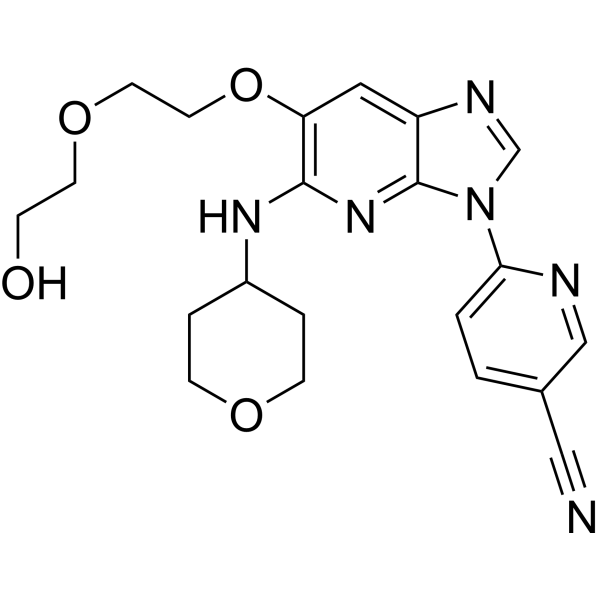
GLPG2534 is an orally active and selective IRAK4 inhibitor, with IC50 values of 6.4 nM and 3.5 nM for human and mouse IRAK4. GLPG2534 can be used for the research of inflammatory skin diseases .
|
-
-
- HY-155487
-
|
|
ROR
|
Neurological Disease
Inflammation/Immunology
|
|
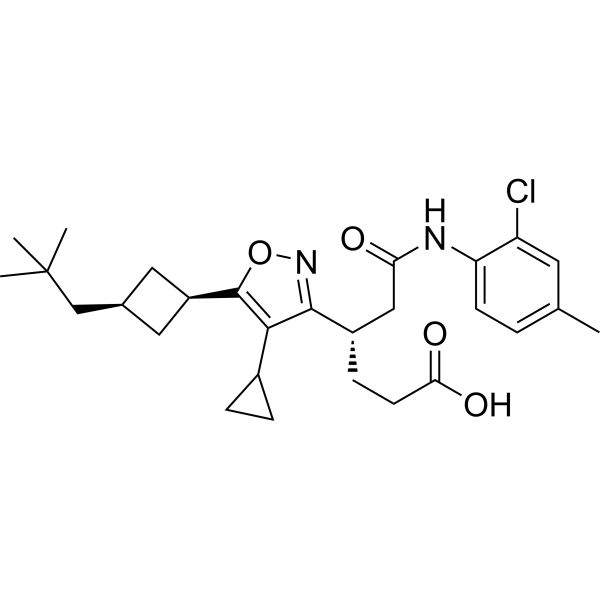
JTE-151 is a RORγ inhibitor, which can suppress overactive immune response through inhibition of RORγ related to the activation of Th17 cells, making JTE-151 possible to be used in autoimmune disease research .
|
-
-
- HY-156466
-
|
|
STAT
Interleukin Related
IFNAR
|
Inflammation/Immunology
|
|
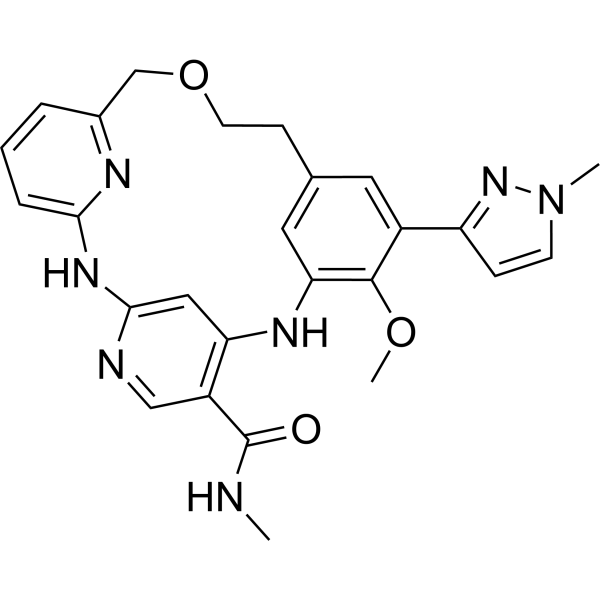
QL-1200186 is a selective, orally active, allosteric inhibitor targeting the tyrosine kinase TYK2 pseudokinase domain JH2 (IC50=0.06 nM, TYK2 JH2), with 164-fold selectivity over TYK1 JH2 (IC50=9.85 nM,TYK1 JH2). QL-1200186 first stabilizes the TYK2 JH2 conformation, inhibits the activity of the JH1 catalytic domain, and blocks the IFNα, IL-12/IL-23-mediated JAK-STAT signaling pathway. QL-1200186 can inhibit the production of Th1/Th17 cell-related cytokines (such as IFNγ, IL-23), reduce immune cell activation, and has no significant effect on JAK1/2/3 kinase activity. QL-1200186 can significantly improve skin inflammation in the Imiquimod (HY-B0180)-induced psoriasis mouse model and reduce the Psoriasis Area and Severity Index (PASI) score. QL-1200186 can be used in the study of autoimmune diseases such as psoriasis and systemic lupus erythematosus (SLE) .
|
-
-
- HY-13743
-
|
Linomide; FCF89; ABR212616
|
TNF Receptor
Interleukin Related
IFNAR
|
Neurological Disease
Inflammation/Immunology
Cancer
|
|
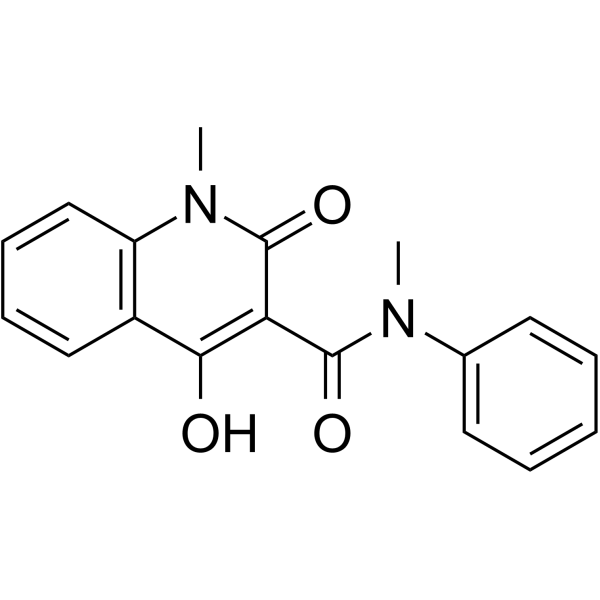
Roquinimex (Linomide) is an orally active immunomodulator with antineoplastic, anti-inflammatory, and antiangiogenic activity. Roquinimex suppresses TH1 lymphocyte cytokines (IL-2, IFN-γ), promotes TH2 lymphocyte cytokines (IL-4, IL-10), increases NK cell, activated monocyte, and T cell activity. Roquinimex blocks macrophage TNF-α production and suppresses IL-1/IL-6 secretion. Roquinimex exhibits in vivo antitumour activity, suppresses rodent autoimmune disease signs, and ameliorates murine colitis and psoriasis. Roquinimex can be used for the research of leukemia, inflammatory bowel disease, multiple sclerosis, and psoriasis .
|
-
-
- HY-156460
-
|
|
CCR
|
Inflammation/Immunology
|
|
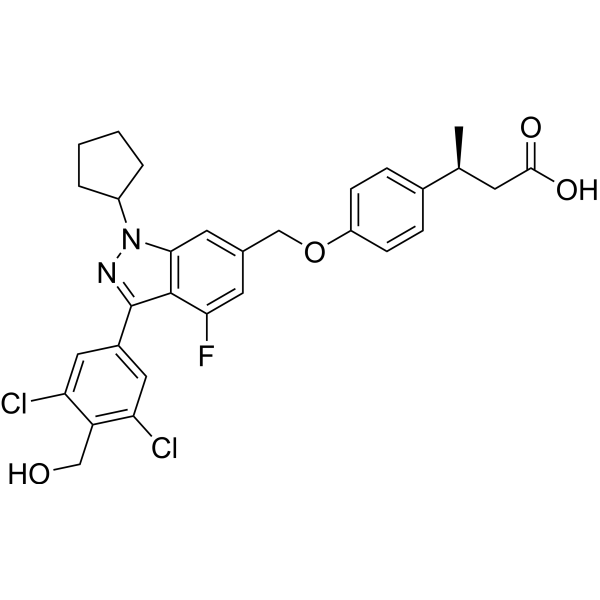
CMKLR1 antagonist 1 (compound S-26d) is a potent and orally active chemokine-like receptor 1 (CMKLR1) antagonist, with a pIC50 value of 7.44 in hCMKLR1-transfected CHO cells. CMKLR1 antagonist 1 can be used for psoriasis and metabolic diseases research .
|
-
-
- HY-151363
-
|
|
IRAK
|
Inflammation/Immunology
|
|
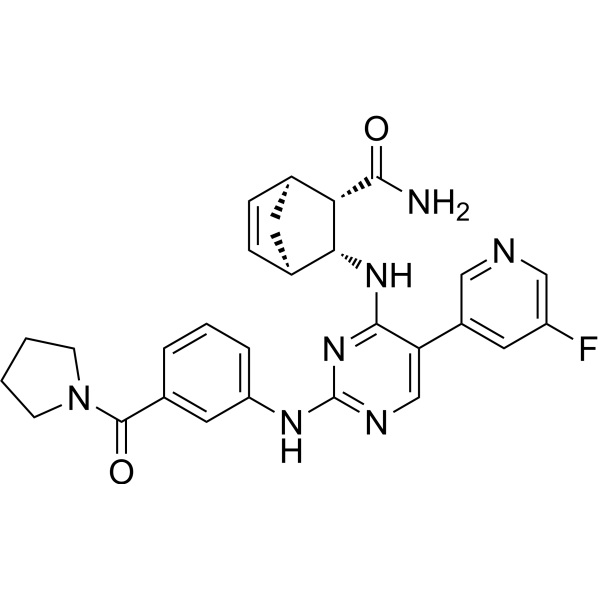
IRAK4-IN-21 (compound 17) is an orally active, potent and selective IRAK4 inhibitor with IC50 values of 5 and 56 nM for IRAK4 and TAK1, respectively. IRAK4-IN-21 effectively inhibits IL-23 production (IC50=0.17 μM) and can be used in studies of autoimmune diseases such as plaque psoriasis and psoriatic arthritis .
|
-
-
- HY-151365
-
|
|
IRAK
|
Inflammation/Immunology
|
|
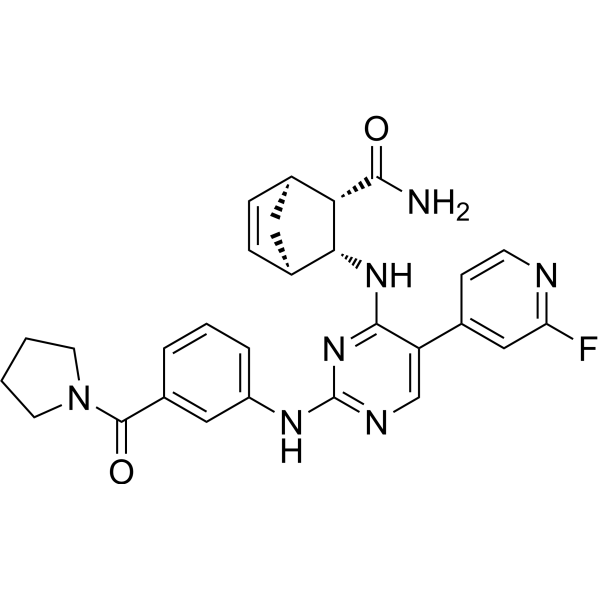
IRAK4-IN-22 (compound 18) is an orally active, potent and selective IRAK4 inhibitor with IC50 values of 3 and 17 nM for IRAK4 and TAK1, respectively. IRAK4-IN-21 effectively inhibits IL-23 production (IC50=0.10 µM) and can be used in studies of autoimmune diseases such as plaque psoriasis and psoriatic arthritis .
|
-
-
- HY-157456
-
|
|
RIP kinase
|
Inflammation/Immunology
|
|
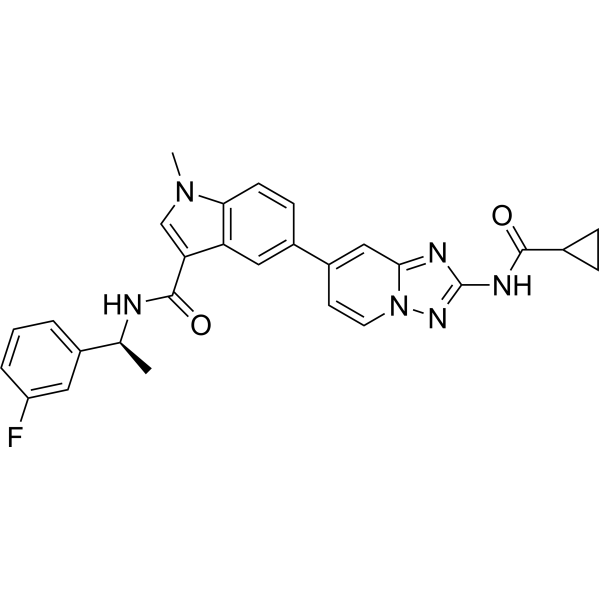
RIPK1-IN-19 is a selective RIPK1 inhibitor (IC50=15 nM). RIPK1-IN-19 does not show obvious activity against RIPK2, RIPK3, and RIPK4. RIPK1-IN-19 displays potent protective activity in TNFα-induced systemic inflammatory response syndrome (SIRS) model and Imiquimod (IMQ)-induced psoriasis model. RIPK1-IN-19 can be used in research on inflammation and immune system diseases .
|
-
-
- HY-155830
-
|
ME3183; PDE4-IN-14
|
Phosphodiesterase (PDE)
Interleukin Related
|
Neurological Disease
Metabolic Disease
Inflammation/Immunology
Cancer
|
|
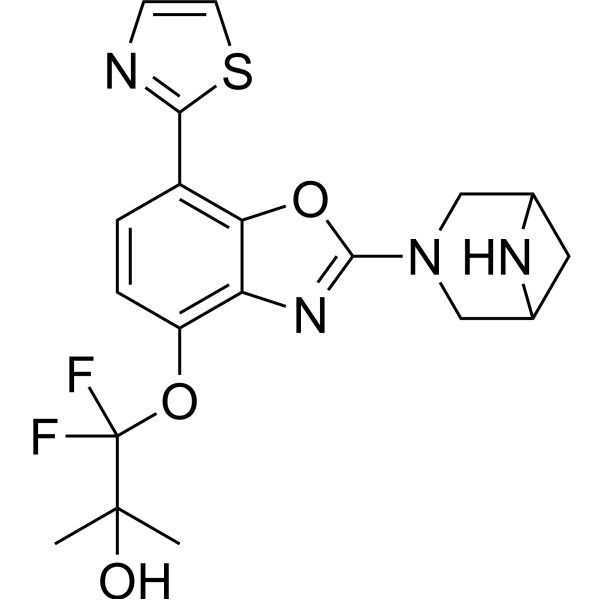
Morcamilast (ME3183) is a selective and orally active PDE4 inhibitor, with IC50s of 1.28 nM (PDE4A1A), 2.33 nM (PDE4B1), and 1.63 nM (PDE4D2) respectively. Morcamilast shows weak inhibition of PDEs other than PDE4s Morcamilast is an anti-inflammatory agent and inhibits LPS (HY-D1056)-induced release of TNF-α, IL-12/23p40, IL-23, and IL-17A in human PBMCs and T cells. Morcamilast has antipruritic effect and can be used in the study of psoriasis, atopic dermatitis, and other inflammatory diseases .
|
-
-
- HY-P5898
-
|
Z-Val-Val-Nle-CHN2
|
Cathepsin
MHC
|
Inflammation/Immunology
|
|
Z-Val-Val-Nle-diazomethylketone is a cathepsin S (CATS) inhibitor. Z-Val-Val-Nle-diazomethylketone significantly inhibits the IFNg-induced upregulation of the MHCII molecules HLA-DR and Ii-p33/35 with an increase of Ii-p10 protein level. Z-Val-Val-Nle-diazomethylketone can be used for dermatological diseases like psoriasis, atopic dermatitis and actinic keratosis research .
|
-

-
- HY-175022
-
|
|
PROTACs
IRAK
Toll-like Receptor (TLR)
Interleukin Related
|
Inflammation/Immunology
|
|
PROTAC IRAK4 degrader-13 (Degrader 1) is a selective IRAK4 PROTAC degrader with DC50s of 0.86 and 1.1 nM for monocytes and lymphocytes in PBMCs, respectively. PROTAC IRAK4 degrader-13 significantly induces TIR signal activation, and inhibits the expression of circulating proinflammatory cytokines in Imiquimod (HY-B0180) induced psoriasis mice model. PROTAC IRAK4 degrader-13 can be used for TLR- and IL-1R-driven driven neutrophilic inflammation diseases like hidradenitis suppurativa (HS) and atopic dermatitis (AD) research . Pink: IRAK4 ligand; Blue: E3 ligase ligand; Black: linker
|
-

-
- HY-109143B
-
|
(R)-ABBV-105
|
Btk
|
Inflammation/Immunology
Cancer
|
|
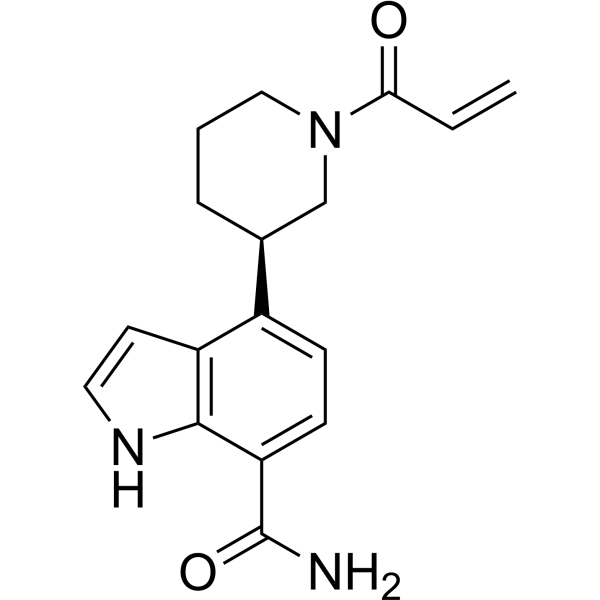
(R)-Elsubrutinib ((R)-ABBV-105) is a Btk inhibitor. (R)-Elsubrutinib can be used in studies of immune diseases (such as rheumatoid arthritis, psoriasis, ankylosing spondylitis, asthma, systemic lupus erythematosus) and cancer .
|
-
-
- HY-145728
-
|
ISIS-2302
|
Integrin
|
Inflammation/Immunology
|
|
Alicaforsen is an oligonucleotide and immunostimulant targeting human ICAM-1 mRNA. Alicaforsen hybridizes to specific sites to reduce the expression level of ICAM-1. Alicaforsen is applicable to relevant research on psoriasis, rheumatoid arthritis and inflammatory bowel disease .
|
-

-
- HY-172374A
-
|
|
Potassium Channel
|
Inflammation/Immunology
|
|
KV1.3-IN-2 hydrochloride is a kv1.3 potassium channel inhibitor without affecting hERG channel activity. KV1.3-IN-2 hydrochloride can be used in research of immune-related diseases such as psoriasis, rheumatoid arthritis, and systemic lupus erythematosus .
|
-

-
- HY-172374
-
|
|
Potassium Channel
|
Inflammation/Immunology
|
|
KV1.3-IN-2 is a kv1.3 potassium channel inhibitor without affecting hERG channel activity. KV1.3-IN-2 can be used in research of immune-related diseases such as psoriasis, rheumatoid arthritis, and systemic lupus erythematosus .
|
-

-
- HY-76711R
-
|
|
Reference Standards
Opioid Receptor
|
Neurological Disease
Metabolic Disease
Inflammation/Immunology
Cancer
|
Naltrexone (Standard) is the analytical standard of Naltrexone (HY-76711). This product is intended for research and analytical applications. Naltrexone is an orally active, long-acting opioid receptor (opioid receptor) antagonist. Naltrexone blocks the euphoric effects of exogenous opioids and reduces alcohol craving by blocking opioid receptors (μ, κ, and δ) as well as opioid growth factor receptors. Low doses of Naltrexone are used to relieve chronic pain, treat inflammatory diseases and inhibit tumor growth, while high doses or continuous administration exert pro-inflammatory or pro-proliferative effects. Naltrexone relieves intractable pruritus caused by psoriasis, atopic dermatitis and other conditions, and its combination with Bupropion (HY-B0403) inhibits food craving, thereby reducing body weight.
|
-

-
- HY-32340
-
|
KH1060
|
VD/VDR
|
Inflammation/Immunology
Cancer
|
|
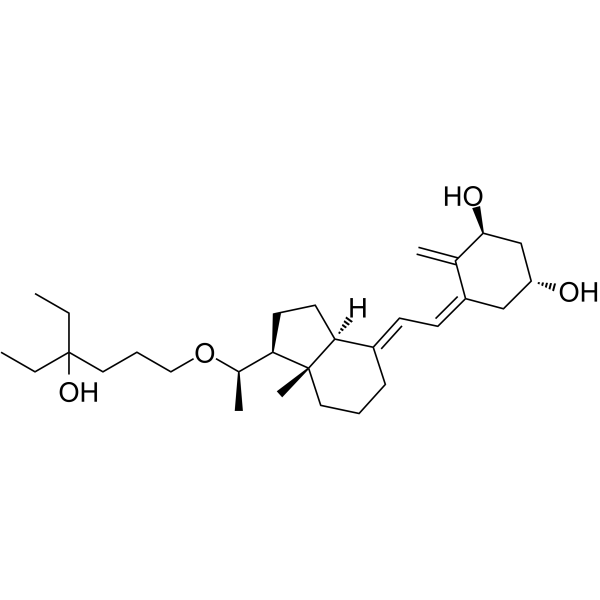
Lexacalcitol (KH1060), a vitamin D analog, is a potent regulator of cell growth and immune responses. Lexacalcitol can be used for the research of graft rejection, psoriasis, cancer and auto-immune diseases .
|
-
-
- HY-P991673
-
|
LuAG13909
|
Androgen Receptor
|
Inflammation/Immunology
|
|
Asedebart is a CHO-expressed human antibody that targets Adrenocorticotropic hormone (ACTH). Asedebart blocks the binding of ACTH to its receptor through antagonism. Asedebart has huIgG1 heavy chain and huκ light chain, with a predicted molecular weight (MW) of 145 kDa. The isotype control for Asedebart can refer to Human IgG1 kappa, Isotype Control (HY-P99001). Asedebart can be used for inflammatory diseases such as psoriasis and ulcerative colitis research .
|
-

-
- HY-177131
-
|
|
JAK
|
Inflammation/Immunology
|
|
Soficitinib (Compound 20) is a selective tyrosine kinase 2 (TYK2) and Janus kinase 2 (JAK2) inhibitor, with IC50 values of 0.5 nM and 1.2 nM, respectively. Soficitinib shows promise for research into autoimmune diseases (such as psoriasis, rheumatoid arthritis) and inflammatory diseases .
|
-

-
- HY-177130S
-
|
|
JAK
|
Inflammation/Immunology
|
|
Socrodeucitinib (Compound Example 58) is an orally active and selective tyrosine kinase 2 (TYK2) inhibitor with an IC50 value of 1.41 nM. Socrodeucitinib exerts anti-inflammatory activity by inhibiting TYK2-mediated cytokine signaling pathways and reducing the secretion of inflammatory factors. Socrodeucitinib is promising for research of autoimmune diseases such as psoriasis and inflammatory diseases .
|
-

-
- HY-N0852R
-
|
|
Reference Standards
JNK
NF-κB
CXCR
Interleukin Related
PERK
p38 MAPK
|
Cardiovascular Disease
Inflammation/Immunology
|
|
Benzoylpaeoniflorin (Standard) is an analytical standard for Benzoylpaeoniflorin (HY-N0852). This product is intended for research and analytical applications. Benzoylpaeoniflorin is an orally active monoterpene glycoside compound. Benzoylpaeoniflorin exerts anti-inflammatory, anti-allergic, psoriasis-improving and sepsis-improving effects by inhibiting signaling pathways such as TNF/NF-κB and MAPK, as well as regulating immune homeostasis. Benzoylpaeoniflorin can be used in research related to immune, allergic and inflammatory diseases .
|
-

-
- HY-177515
-
|
|
IRAK
STAT
JAK
NF-κB
|
Inflammation/Immunology
|
|
IRAK4 modulator-2 (Compound 5) is a selective dual Interleukin-1 Receptor Associated Kinase 4 (IRAK4) and IRAK1 inhibitor with IC50 values of 0.005 μM and 0.97 μM, erespectively. IRAK4 modulator-2 blocks IRAK-mediated signaling pathways (e.g., JAK-STAT, NF-κB pathways), reduces the production of pro-inflammatory cytokines (e.g., IL-1, TNF), and exerts anti-inflammatory activity. IRAK4 modulator-2 is promising for research of autoimmune diseases and inflammatory diseases, such as rheumatoid arthritis, psoriasis, inflammatory bowel disease .
|
-

-
- HY-106647
-
|
|
Interleukin Related
|
Inflammation/Immunology
|
|
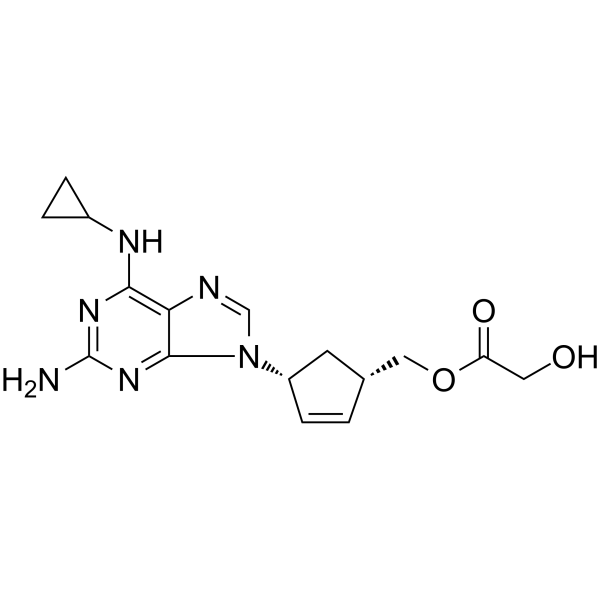
Abacavir hydroxyacetate is an orally active inhibitor of IL-20 and PRINS. Abacavir hydroxyacetate reduces proliferation rate of skin in psoriasis as an immune modulator. Abacavir hydroxyacetate can be used for the research of inflammatory skin problems .
|
-
-
- HY-132847
-
|
SCD-044
|
LPL Receptor
|
Inflammation/Immunology
|
|
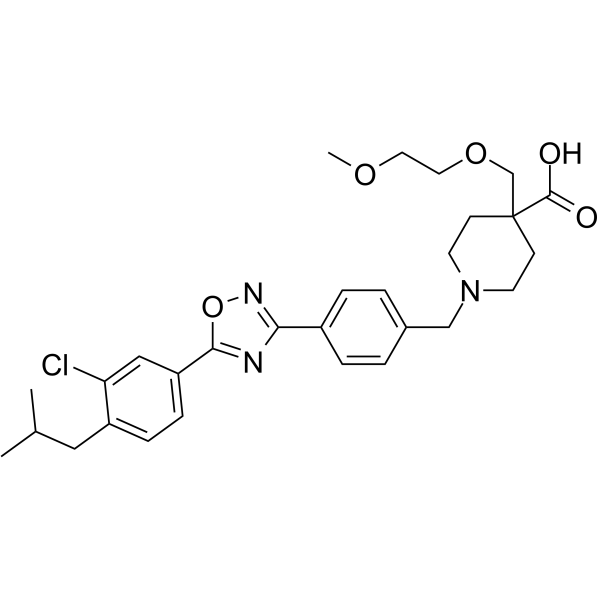
Vibozilimod (SCD-044) is an oral S1P1/EDG1 receptor-selective agonist with an EC50 of <1 nM. Vibozilimod promotes S1P1/EDG1 receptor internalization, inhibits lymphocyte migration, induces lymphopenia and reduces lymphocyte counts. Vibozilimod is used for the research of inflammatory diseases such as psoriasis and atopic dermatitis .
|
-
-
- HY-155244
-
|
|
Lipoxygenase
DNA/RNA Synthesis
|
Inflammation/Immunology
|
|
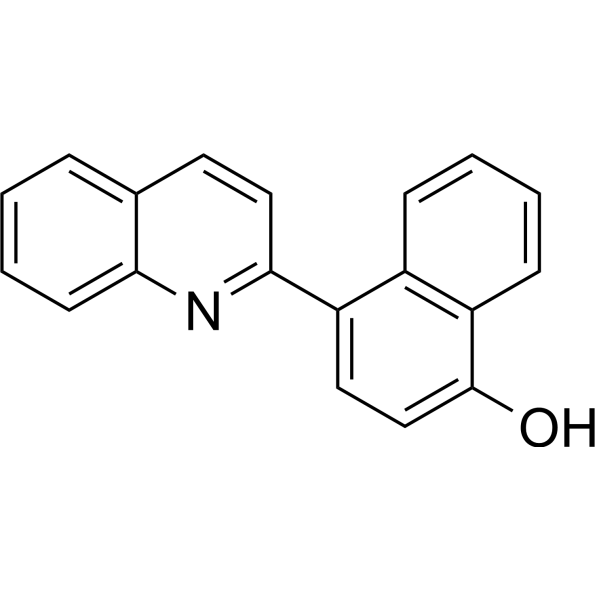
12R-LOX-IN-2 (compound 7b) is an inhibitor of 12R-lipoxygenase (12R-LOX). 12R-LOX-IN-2 inhibits imiquimod (IMQ)-induced hyperproliferation of psoriatic keratinocytes and suppresses colony formation. 12R-LOX-IN-2 also reduced the protein level of Ki67 and the mRNA expression of IL-17A in IMQ-induced cells. 12R-LOX-IN-2 can be used in research into psoriasis and other skin-related inflammatory diseases .
|
-
-
- HY-178166
-
|
|
Toll-like Receptor (TLR)
p38 MAPK
TNF Receptor
ERK
JNK
NF-κB
Interleukin Related
|
Inflammation/Immunology
|
|
ETI41 is an orally active, selective TLR inhibitor that targets the nucleoside-binding Site I on TLR7 (IC50 = 0.63 μM) and TLR9 (IC50 = 0.16 μM), sparing surface TLRs (including TLR1/TLR2, TLR2/TLR6, TLR4 and TLR5). ETI41 potently inhibits endosomal TLR-mediated pro-inflammatory signaling with nanomolar activity in cellular, biophysical and in vivo assays. ETI41 suppresses the expression of inflammation-associated genes and effectively ameliorates symptoms in mouse models of psoriasis, and systemic lupus erythematosus (SLE). ETI41 can be used for autoimmune and inflammatory diseases research .
|
-

-
- HY-177091
-
|
|
PIKfyve
Interleukin Related
MHC
|
Inflammation/Immunology
|
|
AS2795440 is a PIKfyve inhibitor. AS2795440 selectively inhibits proinflammatory cytokine such as IL-12p40 and IL-6 production and B cell activation without affecting Ca 2+ signaling. AS2795440 significantly reduces joint inflammation and bone loss in adjuvant-induced arthritis (AIA) mice model. AS2795440 can be used for inflammatory and autoimmune diseases like rheumatoid arthritis, psoriasis and inflammatory bowel disease research .
|
-

-
- HY-P10587A
-
|
JNJ-77242113 acetate; JNJ-2113 acetate; PN-235 acetate
|
Interleukin Related
STAT
IFNAR
|
Inflammation/Immunology
|
|
Icotrokinra (JNJ-77242113) acetate is an orally available, selective antagonist of the IL-23 receptor. Icotrokinra acetate inhibits IL-23-induced STAT3 phosphorylation in peripheral blood mononuclear cells (IC50=5.6 pM) and inhibits IL-23-induced interferon IFN-γ production in NK cells with an IC50 of 18.4 pM. Icotrokinra acetate exhibits anti-inflammatory activity in a rat TNBS-induced colitis model. Icotrokinra acetate can be used in the study of psoriasis, psoriatic arthritis, and inflammatory bowel disease .
|
-

-
- HY-112740
-
|
|
Leukotriene Receptor
|
Inflammation/Immunology
|
|
SC-53228 is an orally active human leukotriene B4 receptor (LTB4 receptor) antagonist. SC-53228 exerts its anti-inflammatory effect by specifically blocking the LTB4 receptor and inhibiting neutrophil infiltration. SC-53228 has demonstrated significant efficacy and good safety in various inflammatory models. SC-53228 can be used for a variety of inflammatory diseases, such as psoriasis and ulcerative colitis .
|
-

- HY-W341962
-
|
|
Leukotriene Receptor
|
Inflammation/Immunology
|
|
Halometasone is a corticosteroid compound that can reduce the expression of serum leukotriene B4 (LTB4) and thymic stromal lymphopoietin (TSLP). Halometasone can be used in research on psoriasis and eczematous skin diseases .
|
-

- HY-158159
-
|
|
Interleukin Related
|
Inflammation/Immunology
Cancer
|
|
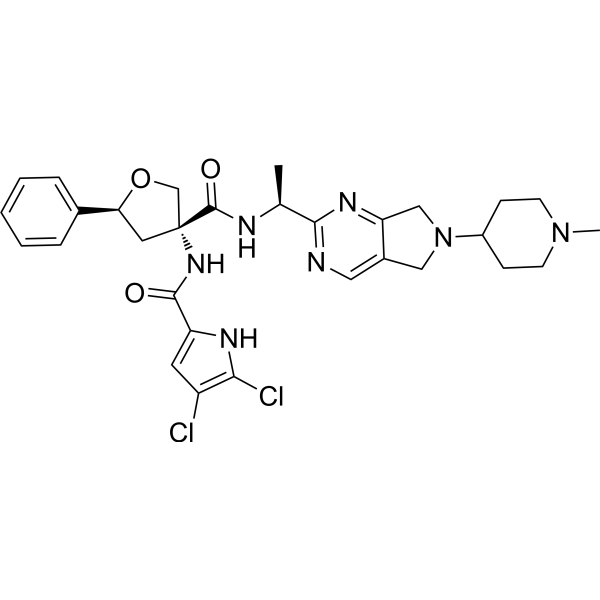
IL17A-IN-1 (compound 72) is an orally active Interleukin 17A inhibitor. IL17A-IN-1 can be used in the study of inflammatory and autoimmune diseases (plaque psoriasis, psoriatic arthritis, and ankylosing spondylitis, etc.), as well as cancer .
|
-
- HY-P991274
-
|
|
Interleukin Related
|
Inflammation/Immunology
|
|
BMS-986010 is a monoclonal antibody inhibitor targeting the p19 subunit of interleukin-23 (IL-23). BMS-986010 reduces IL-23-induced STAT3 phosphorylation and inhibits Th17 cell differentiation and the release of proinflammatory cytokines (such as IL-17 and TNF-α). BMS-986010 is promising for research of autoimmune diseases such as psoriasis and Crohn's disease .
|
-

- HY-117287A
-
|
BMS-986165 (hydrochloride)
|
IFNAR
STAT
Interleukin Related
JAK
|
Inflammation/Immunology
|
|
Deucravacitinib (BMS-986165) hydrochloride is an orally active allosteric inhibitor of tyrosine kinase 2 (TYK2), with an IC50 of 0.2 nM and a Ki of 0.02 nM against the JH2 domain of TYK2, and it exhibits selectivity over other JAK subtypes and most of the kinome. Deucravacitinib hydrochloride blocks IL-23, IL-12, p-STAT1/3 and Type I IFN signaling, and inhibits Th17/Th1-mediated psoriasis inflammation . Deucravacitinib hydrochloride can be used in research related to moderate-to-severe plaque psoriasis, inflammatory bowel disease and systemic lupus erythematosus .
|
-

- HY-178714
-
|
|
Interleukin Related
|
Inflammation/Immunology
|
|
JNJ627 is a small molecule allosteric inhibitor of IL-17A with a KD of 92 nM. JNJ627 effectively inhibits the binding of IL-17A and IL-17RA, with an IC50 value of 16 nM. JNJ627 is capable of inhibiting the secretion of G-CSF (granulocyte colony-stimulating factor) caused by IL-17A stimulation. JNJ627 can be used for the study of autoimmune diseases (such as psoriasis) .
|
-

- HY-147642
-
-
- HY-176862A
-
|
|
FGFR
ERK
|
Inflammation/Immunology
|
|
TCB-32 (Compound I-1) hydrochloride is a FGFR1 agonist with an EC50 of 0.88 μM. TCB-32 hydrochloride significantly increases cell proliferation through activating FGFR1 signaling pathway as bFGF and its downstream ERK1/2 with excellent thermal stability. TCB-32 hydrochloride can replace bFGF in serum-free cell culture media. TCB-32 hydrochloride can be used for tissue repair and wound healing related diseases like psoriasis and eczema research .
|
-

- HY-178169
-
|
|
Toll-like Receptor (TLR)
p38 MAPK
TNF Receptor
ERK
JNK
NF-κB
Interleukin Related
|
Inflammation/Immunology
|
|
ETI60 is an orally active, selective TLR inhibitor that targets the nucleoside-binding Site I on TLR7 (IC50 = 0.68 μM) and TLR9 (IC50 = 0.12 μM), sparing surface TLRs (including TLR1/TLR2, TLR2/TLR6, TLR4 and TLR5). ETI60 potently inhibits endosomal TLR-mediated pro-inflammatory signaling with nanomolar activity in cellular, biophysical and in vivo assays. ETI60 modulates the expression of genes associated with inflammation. ETI60 effectively ameliorates symptoms in mouse models of psoriasis, and systemic lupus erythematosus (SLE). ETI60 can be used for autoimmune and inflammatory diseases research .
|
-

- HY-118795
-
|
|
Aminopeptidase
|
Inflammation/Immunology
|
|
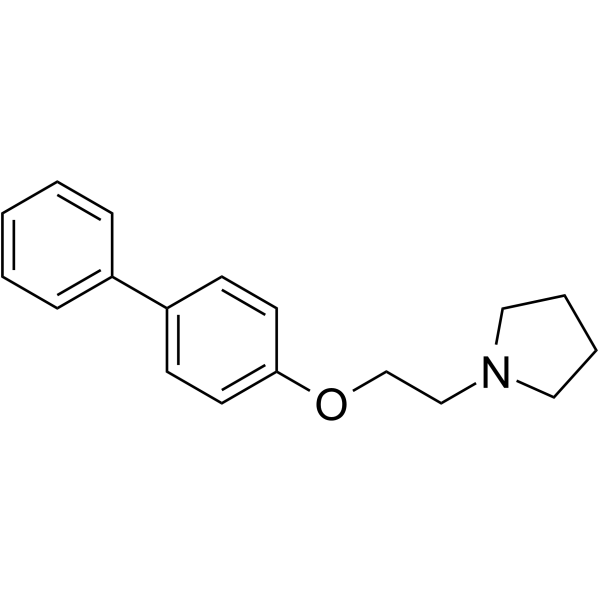
SC-22716 is a potent, competitive, reversible inhibitor of human LTA4 hydrolase, with an IC50 of 0.20 µM. SC-22716 has potential for the research of inflammatory bowel disease (IBD) and psoriasis .
|
-
- HY-153565
-
|
|
Others
|
Inflammation/Immunology
|
|
Immune cell migration-IN-1 (compound 2) is a potent agent to inhibit immune cell migration. Immune cell migration-IN-1 can be used for research in alleviating dry eye diseases, eczema dermatitis and psoriasis .
|
-
- HY-162600
-
|
|
CDK
|
Inflammation/Immunology
|
|
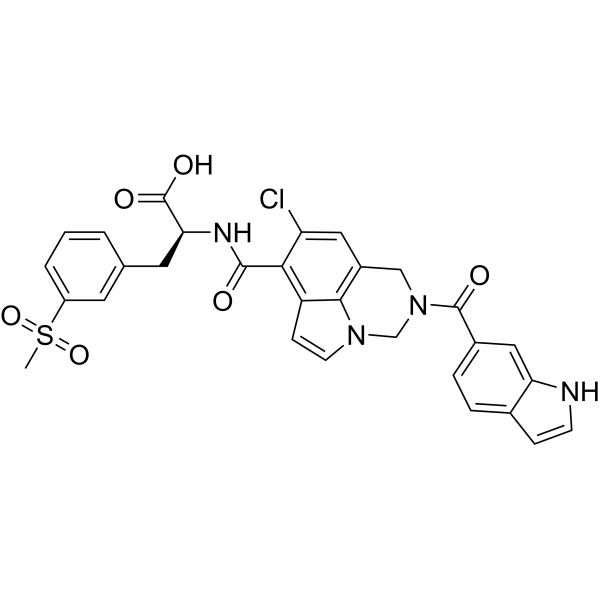
CDK8-IN-15 (Compound 46) is a potent CDK8 inhibitors with an IC50 value of 57 nM. It can enhance the thermal stability of CDK8 along with inhibition against NF-κB and have favourable selectivity across the CDK family and tyrosine kinase. Additionally, it also demostrates a positive effect in vitro psoriasis model induced by TNF-α and alleviats the inflammatory response enhancing the expression of Foxp3 and IL-10, which is promising for research of psoriasis diseases .
|
-

- HY-155680
-
|
|
Epigenetic Reader Domain
|
Inflammation/Immunology
|
|
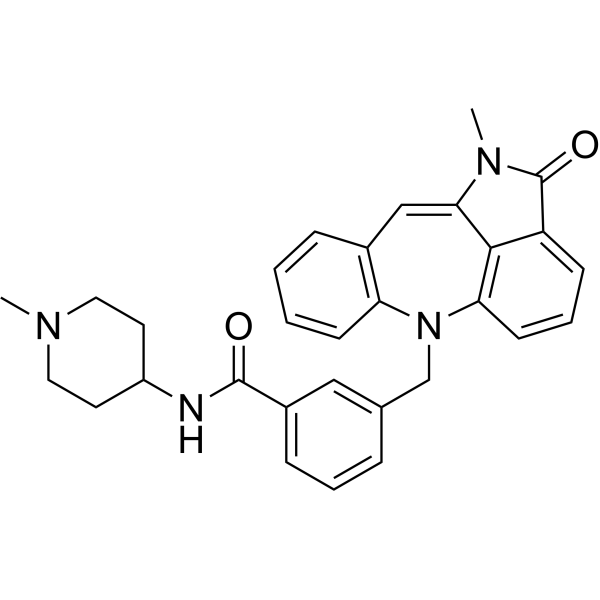
BET BD2-IN-1 (compound 45) is a potent and selective inhibitor of BET BD2 (IC50=1.6 nM). BET BD2-IN-1 inhibits the differentiation of Th17 cells by decreasing the activation of STAT3 and NF-κB. BET BD2-IN-1 is used in psoriasis and inflammatory bowel disease (IBD) research .
|
-
- HY-A0158R
-
|
|
Glucocorticoid Receptor
Reference Standards
|
Inflammation/Immunology
|
|
Diflorasone (Standard) is the analytical standard of Diflorasone. This product is intended for research and analytical applications. Diflorasone act as a corticosteroid hormone receptor agonist with anti-inflammatory and immunosuppressive properties. Diflorasone enters the cell by diffusion across the cell membrane and binds to the glucocorticoid receptor (GR) in the cytoplasm. Diflorasone is used for the research of skin diseases such as eczema or psoriasis .
|
-

- HY-145492
-
|
N-(3-Oxo-7Z-tetradecenoyl)-L-homoserine lactone
|
Drug Derivative
|
Inflammation/Immunology
|
|
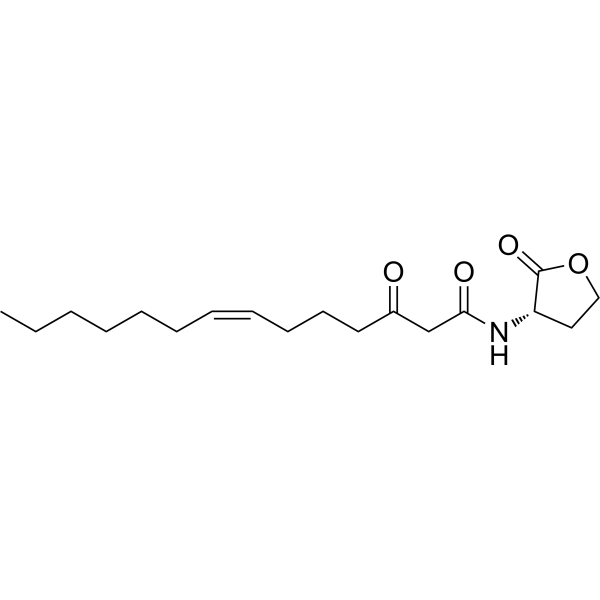
Δ7(Z)-C14-HSL (Compound 12) is an immunosuppressive agent that can inhibit the proliferation of mouse splenic cells with an IC50 of 17 μM. Δ7(Z)-C14-HSL can be used for further studying its potential as a molecular mechanism in TNF-R-driven immune diseases, especially autoimmune diseases such as psoriasis, rheumatoid arthritis, and type 1 diabetes .
|
-
- HY-142936
-
|
|
ROR
|
Neurological Disease
Inflammation/Immunology
Cancer
|
|
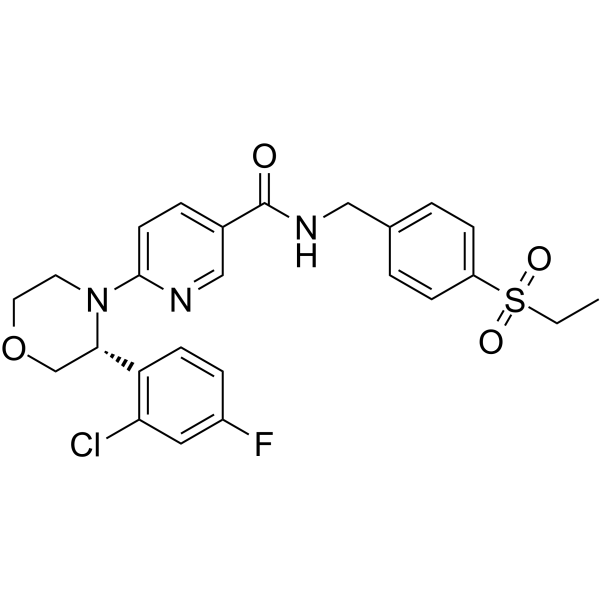
RORγt modulator 3 (Compound 23) is a modulator of retinoid-related orphan receptor γt (RORγt). RORγt modulator 3 can be used for the research of RORyt mediated diseases such as, e.g., pain, inflammation, COPD, asthma, rheumatoid arthritis, colitis, multiple sclerosis, psoriasis, neurodegenerative diseases and cancer .
|
-
- HY-176273
-
|
|
ROR
Interleukin Related
|
Inflammation/Immunology
|
|
RORγt inverse agonist 35 (Compound 22) is a RORγt inverse agonist with an IC50 of 1.51 μM. RORγt inverse agonist 35 significantly inhibits Th17 differentiation and proinflammatory properties in human CD4 + T cells. RORγt inverse agonist 35 can be used for research of Th17-driven autoimmune diseases, such as psoriasis, multiple sclerosis, and inflammatory bowel disease (IBD) .
|
-

- HY-142935
-
|
|
ROR
|
Neurological Disease
Inflammation/Immunology
Cancer
|
|
RORγt modulator 2 (Compound 21) is a modulator of retinoid-related orphan receptor γt (RORγt) with the IC50 of <50 nM. RORγt modulator 2 can be used for the research of RORyt mediated diseases such as, e.g., pain, inflammation, COPD, asthma, rheumatoid arthritis, colitis, multiple sclerosis, psoriasis, neurodegenerative diseases and cancer .
|
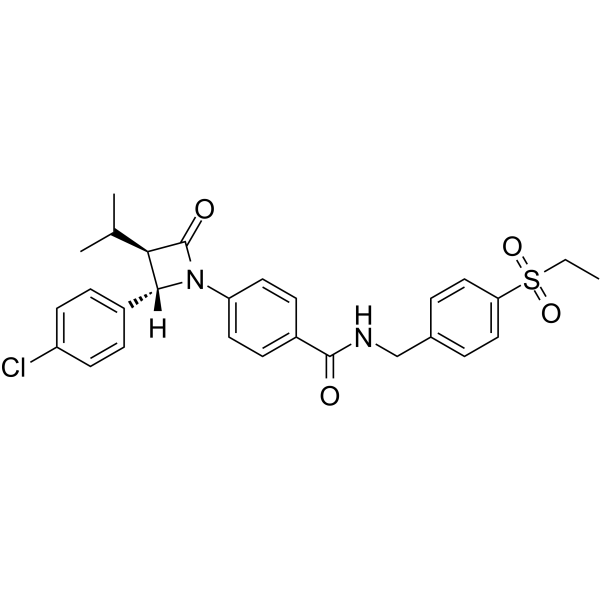
-
- HY-P991275
-
|
|
Interleukin Related
|
Inflammation/Immunology
|
|
CNTO4088 is a monoclonal antibody inhibitor targeting interleukin-23 (IL-23). CNTO4088 is promising for research of autoimmune diseases such as psoriasis and rheumatoid arthritis .
|
-

- HY-I0635
-
|
(Rac)-CC-10004
|
Phosphodiesterase (PDE)
|
Inflammation/Immunology
|
|
(Rac)-Apremilast ((Rac)-CC-10004) is the racemic mixture of Apremilast. (Rac)-Apremilast has anti-inflammatory properties and can be used for research on inflammatory diseases, such as psoriasis .
|
-

- HY-B0107A
-
|
Ro 10-1670 sodium
|
RAR/RXR
Autophagy
|
Inflammation/Immunology
Cancer
|
|
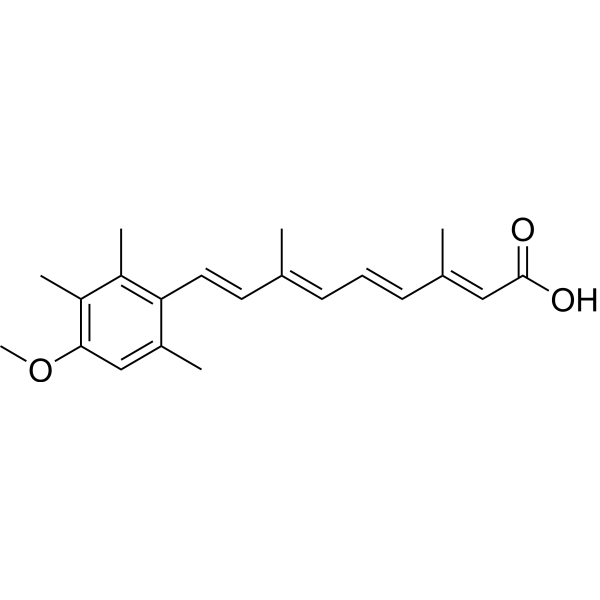
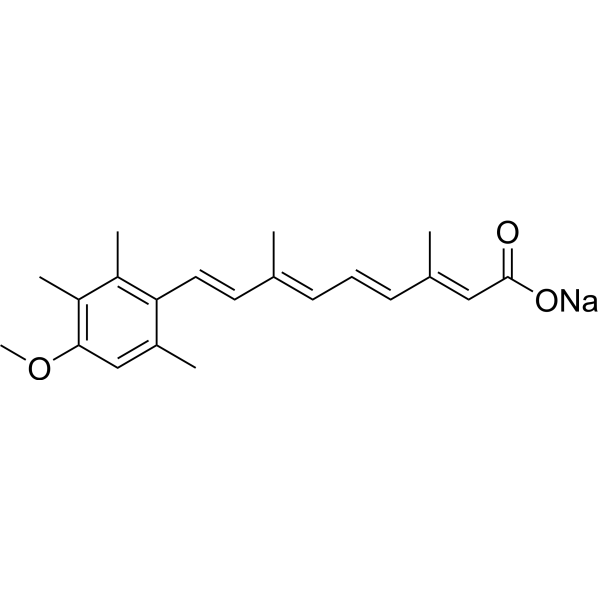
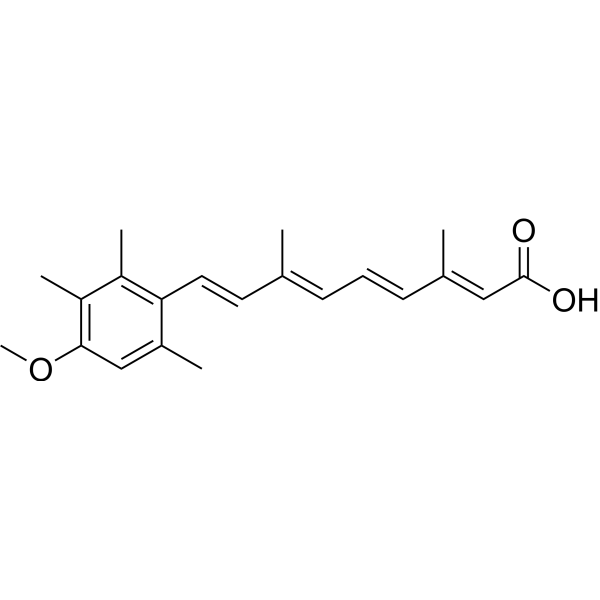
Acitretin (Ro 10-1670) sodium is a second-generation, systemic retinoid that has been used in the treatment of psoriasis. Acitretin sodium also can be used for the research of Alzheimer’s disease .
|
-
- HY-P991263
-
|
|
Interleukin Related
|
Inflammation/Immunology
|
|
SCH-900117 is a humanized monoclonal antibody inhibitor targeting interleukin-17A (IL-17A). SCH-900117 is promising for research of autoimmune diseases such as psoriasis and rheumatoid arthritis .
|
-

- HY-143271
-
|
|
ROR
|
Inflammation/Immunology
|
|
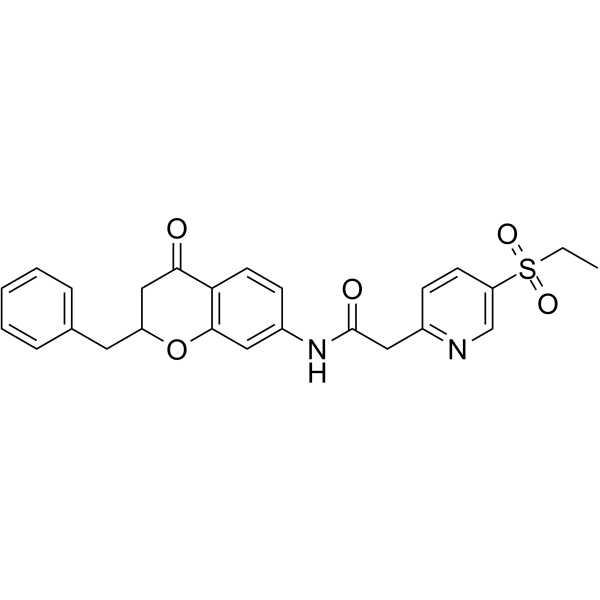
RORγt inverse agonist 29 is a potent, orally active and selective RORγt inverse agonist (IC50: 21 nM). RORγt inverse agonist 29 can be used in the research of skin inflammation and autoimmune diseases like psoriasis .
|
-
- HY-13600S1
-
-
- HY-145728A
-
|
ISIS-2302 sodium
|
Integrin
|
Inflammation/Immunology
|
|
Alicaforsen (ISIS-2302) sodium is an oligonucleotide and immunostimulant targeting human ICAM-1 mRNA. Alicaforsen sodium hybridizes to specific sites to reduce the expression level of ICAM-1. Alicaforsen sodium is applicable to relevant research on psoriasis, rheumatoid arthritis and inflammatory bowel disease .
|
-

- HY-B0107R
-
|
Ro 10-1670 (Standard)
|
Reference Standards
RAR/RXR
Autophagy
Apoptosis
|
Inflammation/Immunology
Cancer
|
|
Acitretin (Standard) is the analytical standard of Acitretin. This product is intended for research and analytical applications. Acitretin (Ro 10-1670) is a second-generation, systemic retinoid that has been used in the treatment of psoriasis. Acitretin also can be used for the research of Alzheimer’s disease .
|
-
- HY-173555
-
|
|
HDAC
NOD-like Receptor (NLR)
|
Inflammation/Immunology
|
|
HDAC6-IN-54 (Compound 9m) is a highly selective HDAC6 (histone deacetylase 6) inhibitor with an IC50 value of 0.021 μM. HDAC6-IN-54 blocks the activation of the NLRP3 inflammasome, which alleviates symptoms of NLRP3 inflammasome-related diseases such as acute peritonitis, inflammatory bowel disease, and psoriasis .
|
-

- HY-141535A
-
|
|
Interleukin Related
|
Infection
Inflammation/Immunology
|
|
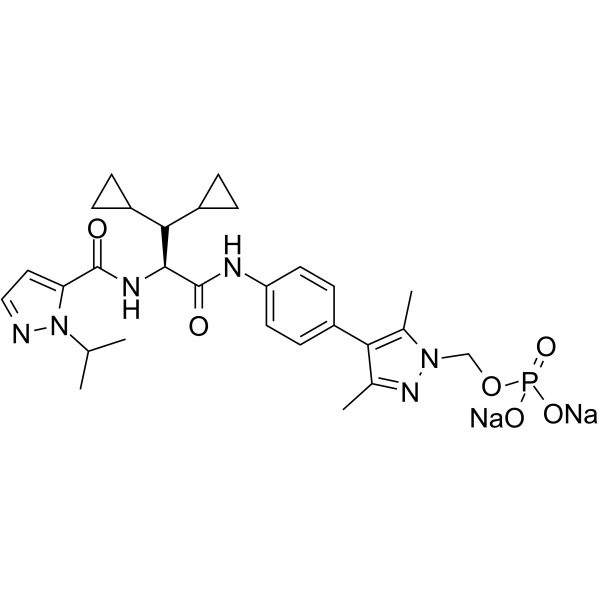
IL-17 modulator 1 (disodium) is an orally active, highly efficacious IL-17 modulator extracted from patent WO 2020127685. IL-17 modulator 1 (disodium) can be used for the research of diseases including psoriasis, ankylosing spondylitis and psoriatic arthritis .
|
-
- HY-174763
-
|
|
mRNA
|
Inflammation/Immunology
|
|
Human CCL2 mRNA encodes the human C-C motif chemokine ligand 2 (CCL2) protein. CCL2 displays chemotactic activity for monocytes and basophils but not for neutrophils or eosinophils. It has been implicated in the pathogenesis of diseases characterized by monocytic infiltrates, like psoriasis, rheumatoid arthritis and atherosclerosis.
|
-

- HY-115676
-
|
|
Protein Arginine Deiminase
|
Inflammation/Immunology
|
|
GSK199 analog hydrochloride belongs to a class of compounds that inhibit PAD4 (guanidinoarginine deiminase 4). GSK199 analog hydrochloride has potential uses in diseases including rheumatoid arthritis, vasculitis, systemic lupus erythematosus, ulcerative colitis, cancer, cystic fibrosis, asthma, cutaneous lupus erythematosus, and psoriasis .
|
-

- HY-P991129
-
|
QX-002N
|
Interleukin Related
|
Inflammation/Immunology
|
|
Crusekitug is a humanized monoclonal antibody targeting human interleukin 17A (IL-17A). Crusekitug specifically binds to IL-17A, blocking its signal transduction, thus exerting immunosuppressive and anti-inflammatory activities. Crusekitug is promising for research of autoimmune and inflammatory diseases, such as psoriasis and rheumatoid arthritis .
|
-

- HY-141535
-
|
|
Interleukin Related
|
Infection
Inflammation/Immunology
|
|
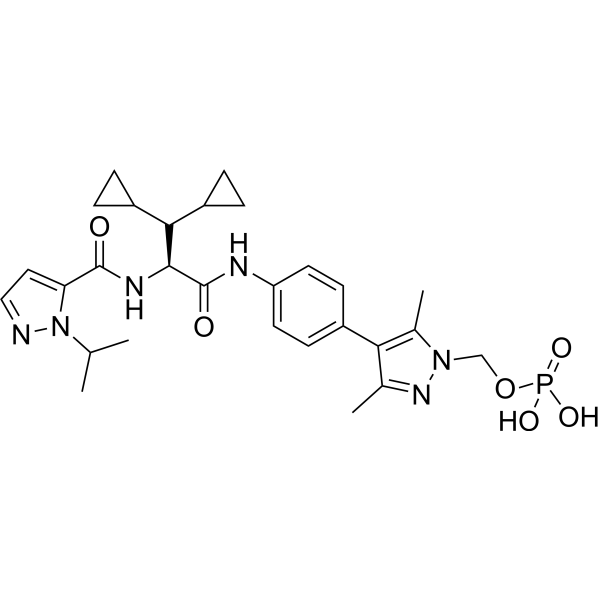
IL-17 modulator 1 is an orally active, highly efficacious small molecule IL-17 modulators extracted from patent WO 2020127685. IL-17 modulator 1 can be used for the research of preventing, researching or ameliorating a variety of diseases including psoriasis, ankylosing spondylitis and psoriatic arthritis .
|
-
- HY-17570R
-
|
|
Glucocorticoid Receptor
Reference Standards
Interleukin Related
Cytochrome P450
|
Inflammation/Immunology
|
|
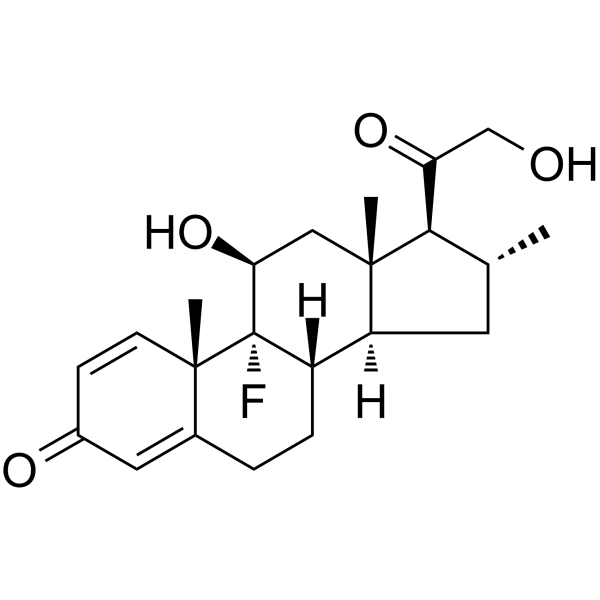
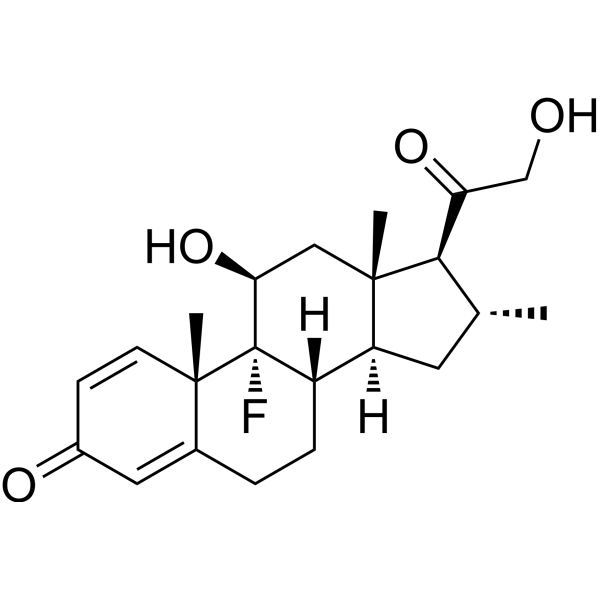
Desoximetasone (Standard) is the analytical standard of Desoximetasone (HY-17570). This product is intended for research and analytical applications. Desoximetasone is a corticosteroid and a substrate of cytochrome P450 3A4. Desoximetasone has anti-inflammatory, anti-allergic, and immunosuppressive effects. Desoximetasone can be used in the research of various skin diseases, such as skin allergies, atopic dermatitis, and psoriasis .
|
-
- HY-118037
-
|
|
CXCR
|
Inflammation/Immunology
|
|
VUF10132 is a non-peptide CXCR3 receptor antagonist with anti-inflammatory activity, inhibiting diseases such as rheumatoid arthritis, multiple sclerosis, and psoriasis. VUF10132 has high affinity for the human CXCR3 receptor but slightly lower affinity for the murine CXCR3 receptor. Additionally, VUF10132 exhibits inverse agonist properties at the CXCR3 receptor .
|
-

- HY-176865
-
|
|
Drug Derivative
|
Inflammation/Immunology
|
|
Anti-inflammatory agent 106 (Example 2) is a derivative of Paeonol (HY-N0159). Anti-inflammatory agent 106 has potent anti-inflammatory activity. Anti-inflammatory agent 106 effectively inhibits xylene-induced ear swelling in mouse models. Anti-inflammatory agent 106 can be used for inflammatory diseases like rheumatoid arthritis, psoriasis and type 1 diabetes research .
|
-

- HY-P991146
-
|
LZM-012; XKH004
|
Interleukin Related
|
Inflammation/Immunology
|
|
Lecankitug is a humanized monoclonal antibody targeting human interleukin 17A (IL-17A) and interleukin 17F (IL-17F). Lecankitug specifically binds to IL-17A and IL-17F, blocking their signal transduction, thus exerting immunosuppressive and anti-inflammatory activities. Lecankitug is promising for research of autoimmune and inflammatory diseases, such as psoriasis and rheumatoid arthritis .
|
-

- HY-175782
-
|
|
Toll-like Receptor (TLR)
NF-κB
p38 MAPK
|
Inflammation/Immunology
|
|
SMU-R39 is a TLR7 and TLR8 antagonist with IC50 values of 3.22 μM and 0.24 μM, respectively. SMU-R39 binds to recombinant mTLR7 protein (KD = 2.36 μM) and to recombinant hTLR8 protein (KD = 105 nM). SMU-R39 suppresses downstream NF-κB and MAPK signaling, and reduces secretion/transcription of pro-inflammatory cytokines (TNF-α, IL-1β, IL-6) in PBMCs and THP-1 cells. SMU-R39 demonstrates anti-inflammatory efficacy in Imiquimod (IMQ) (HY-B0180)-induced psoriasis mouse model. SMU-R39 can be used for the study of autoimmune diseases such as psoriasis .
|
-

- HY-P10982
-
|
|
Toll-like Receptor (TLR)
|
Inflammation/Immunology
|
|
SjDX5-53 is a selective TLR2 inducer derived from a 3 kDa peptide from Schistosoma japonicum eggs. SjDX5-53 inhibits inflammatory Th1 and Th17 responses by inducing tolerogenic dendritic cells (tolDCs) and promoting the generation of regulatory T cells (Tregs) and their suppressive capacity. SjDX5-53 is primarily used in the treatment of autoimmune and inflammatory diseases such as colitis and psoriasis .
|
-

- HY-176520
-
|
|
Phosphodiesterase (PDE)
|
Inflammation/Immunology
|
|
PDE4-IN-29 (Compound 55) is an orally active and selective PDE4 inhibitor (including subtypes such as PDE4A1, PDE4B2, PDE4D3) with IC50s of <5 nM against PDE4D3. PDE4-IN-29 inhibits the degradation of cyclic adenosine monophosphate (cAMP), increases intracellular cAMP levels, suppressing the release of inflammatory factors such as TNF-α. PDE4-IN-29 is promising for research of inflammatory diseases including psoriasis, atopic dermatitis, and chronic obstructive pulmonary disease .
|
-

- HY-165370
-
|
|
Glucocorticoid Receptor
AP-1
NF-κB
|
Inflammation/Immunology
|
|
BMS-791826 is a selective glucocorticoid receptor modulator. BMS-791826 effectively binds to glucocorticoid receptors and effectively inhibits AP-1 and NF-κB-dependent reporter. BMS-791826 can be used in the research of inflammatory diseases .
|
-

- HY-177279
-
|
|
Raf
|
Inflammation/Immunology
Cancer
|
|
RAF-IN-2 is a RAF inhibitor. RAF-IN-2 can be used for proliferative diseases such as leukemia, psoriasis and fibrosis research .
|
-

- HY-P10587B
-
|
JNJ-77242113 (hydrochloride); JNJ-2113 (hydrochloride); PN-235 (hydrochloride)
|
Interleukin Related
STAT
IFNAR
|
Inflammation/Immunology
|
|
Icotrokinra (JNJ-77242113) hydrochloride is an orally available, selective antagonist of the IL-23 receptor. Icotrokinra hydrochloride inhibits IL-23-induced STAT3 phosphorylation in peripheral blood mononuclear cells (IC50=5.6 pM) and inhibits IL-23-induced interferon IFN-γ production in NK cells with an IC50 of 18.4 pM. Icotrokinra hydrochloride exhibits anti-inflammatory activity in a rat TNBS-induced colitis model. Icotrokinra hydrochloride can be used in the study of psoriasis, psoriatic arthritis, and inflammatory bowel disease .
|
-

- HY-W587560
-
|
|
Drug Derivative
|
Others
|
|
3-Hydroxyfluorene is a polycyclic aromatic hydrocarbon. 3-Hydroxyfluorene can be used for the study of psoriasis and non-alcoholic fatty liver disease.
|
-

- HY-14869
-
|
GRC 4039
|
Phosphodiesterase (PDE)
TNF Receptor
|
Inflammation/Immunology
|
|
Revamilast (GRC 4039) is an orally active phosphodiesterase-4 (PDE4) inhibitor with an IC50 of 3 nM. Revamilast inhibits the production of TNF-α. It can be used for research on rheumatoid arthritis, plaque psoriasis, asthma, and other inflammatory diseases .
|
-

- HY-W309310
-
|
|
Histamine Receptor
Endogenous Metabolite
|
Inflammation/Immunology
|
|
Etofesalamide is a nonsteroidal antiinflammatory agent. Etofesalamide has major phase II metabolites of glucoside and riboside conjugations (such as etofesalamide-2-glucuronide) in filamentous fungi. Etofesalamide can be used for allergic and autoimmune skin diseases like toacne, psoriasis and sensitization dermatitis research .
|
-

- HY-13743R
-
|
Linomide (Standard); FCF89 (Standard); ABR212616 (Standard)
|
Reference Standards
TNF Receptor
Interleukin Related
IFNAR
|
Inflammation/Immunology
|
|
Roquinimex (Standard) is the analytical standard of Roquinimex (HY-13743). Roquinimex (Linomide) is an orally active immunomodulator with antineoplastic, anti-inflammatory, and antiangiogenic activity. Roquinimex suppresses TH1 lymphocyte cytokines (IL-2, IFN-γ), promotes TH2 lymphocyte cytokines (IL-4, IL-10), increases NK cell, activated monocyte, and T cell activity. Roquinimex blocks macrophage TNF-α production and suppresses IL-1/IL-6 secretion. Roquinimex exhibits in vivo antitumour activity, suppresses rodent autoimmune disease signs, and ameliorates murine colitis and psoriasis. Roquinimex can be used for the research of leukemia, inflammatory bowel disease, multiple sclerosis, and psoriasis .
|
-

- HY-180411
-
|
|
Leukotriene Receptor
|
Inflammation/Immunology
|
|
SM-15178 is a potent, orally active and selective leukotriene B4 (LTB4) receptor antagonist with an IC50 of 0.30 μM. SM-15178 attenuates LTB4 (HY-107608)-induced neutrophil accumulation in mouse skin and bronchoconstriction in guinea pigs. SM-15178 emonstrates significant anti-inflammatory efficacy across multiple animal models of inflammation. SM-15178 can be used for the research of chronic inflammatory diseases such as inflammatory bowel disease, psoriasis, and asthma .
|
-

- HY-P11014
-
|
|
Toll-like Receptor (TLR)
|
Inflammation/Immunology
|
|
SjDX5-53 control peptide is a control peptide of the TLR2 activator SjDX5-53 (HY-P10982) that does not target a specific receptor and does not modulate regulatory T cells (Tregs) or dendritic cells. SjDX5-53 control peptide can be used to exclude nonspecific effects and help verify the specific role of SjDX5-53 in inducing Tregs and alleviating autoimmune diseases. SjDX5-53 control peptide is used in the study of autoimmune diseases such as colitis and psoriasis .
|
-

- HY-106647R
-
|
|
Interleukin Related
Reference Standards
|
Inflammation/Immunology
|
|
Abacavir hydroxyacetate (Standard) is the analytical standard of Abacavir hydroxyacetate (HY-106647). This product is intended for research and analytical applications. Abacavir hydroxyacetate is an orally active inhibitor of IL-20 and PRINS. Abacavir hydroxyacetate reduces proliferation rate of sKin in psoriasis as an immune modulator. Abacavir hydroxyacetate can be used for the research of inflammatory sKin problems .
|
-

- HY-P992045
-
|
|
Interleukin Related
CXCR
|
Inflammation/Immunology
|
|
HZD37-5 is a humanized monoclonal antibody specifically recognizing N78 loci of IL-17A. HZD37-5 binds to human and rhesus monkeys, blocks IL-17 induced signal transduction and the release of IL-6, IL-8, CXCL-1 and GM-GSF. HZD37-5 significantly inhibited human IL-17A induced-keratinocyte chemoattractant secretion. HZD37-5 can be used for the research of autoimmune diseases including psoriasis and psoriatic arthritis .
|
-

- HY-166594S
-
|
|
Isotope-Labeled Compounds
IFNAR
Interleukin Related
JAK
|
Inflammation/Immunology
|
|
Deucravacitinib- 13C,d3 is the 13C- and deuterium labeled Deucravacitinib. Deucravacitinib (BMS-986165) is a highly selective, orally bioavailable allosteric TYK2 inhibitor for the treatment of autoimmune diseases, which selectively binds to TYK2 pseudokinase (JH2) domain (IC50=1.0 nM) and blocks receptor-mediated Tyk2 activation by stabilizing the regulatory JH2 domain. Deucravacitinib inhibits IL-12/23 and type I IFN pathways. Deucravacitinib, the FDA's world first de novo deuterium, is available for study in moderate to severe plaque psoriasis .
|
-

- HY-76711S
-
|
|
Isotope-Labeled Compounds
Opioid Receptor
|
Neurological Disease
Metabolic Disease
Inflammation/Immunology
Cancer
|
Naltrexone-d4 is deuterium labeled Naltrexone (HY-76711). Naltrexone is an orally active, long-acting opioid receptor (opioid receptor) antagonist. Naltrexone blocks the euphoric effects of exogenous opioids and reduces alcohol craving by blocking opioid receptors (μ, κ, and δ) as well as opioid growth factor receptors. Low doses of Naltrexone are used to relieve chronic pain, treat inflammatory diseases and inhibit tumor growth, while high doses or continuous administration exert pro-inflammatory or pro-proliferative effects. Naltrexone relieves intractable pruritus caused by psoriasis, atopic dermatitis and other conditions, and its combination with Bupropion (HY-B0403) inhibits food craving, thereby reducing body weight.
|
-

- HY-P992384
-
|
|
Interleukin Related
|
Inflammation/Immunology
|
|
IMG-008 is a fully human antagonistic antibody targeting IL-36R, acting as a high-affinity IL-36R inhibitor (Kd = 6.23 pM). IMG-008 competitively blocks the pro-inflammatory signaling pathway mediated by human IL-36R, inhibiting receptor activation and the production of inflammatory cytokines. IMG-008 suppresses Imiquimod (HY-B0180)-induced skin inflammation in humanized mice, and Fc modification increases its serum exposure and prolongs its half-life. IMG-008 can be used in studies related to IL-36R-mediated inflammatory diseases such as psoriasis .
|
-

- HY-185172
-
|
|
Phosphodiesterase (PDE)
Drug Intermediate
|
Inflammation/Immunology
|
|
PDE4-IN precursor (Compound 10) is an orally active prodrug of phosphodiesterase 4 (PDE4) inhibitor. PDE4-IN precursor undergoes enzymatic hydrolysis in the colon to release the active PDE4 inhibitor, which exerts local anti-inflammatory effects on the colonic mucosa. PDE4-IN precursor is applicable to research related to ulcerative colitis, Crohn's disease, and other relevant conditions .
|
-

- HY-124404
-
|
|
Aryl Hydrocarbon Receptor
Na+/K+ ATPase
Prostaglandin Receptor
|
Inflammation/Immunology
|
|
12(R)-HETE is a CYP-dependent arachidonic acid metabolite that acts as a proinflammatory lipid mediator. 12 (R)-HETE widely exists in various tissues including the eye, skin and liver. In the cornea, 12(R)-HETE is metabolized via pathways such as β-oxidation into the precursor of 12(R)-HETrE. Without direct receptor binding, 12(R)-HETE indirectly activates AHR-mediated target gene transcription, while inhibiting the enzymatic activity of Na+,K+-ATPase and the intracellular calcium elevation induced by TP agonists. 12(R)-HETE also possesses multiple physiological effects such as chemotaxis, proangiogenesis, vasodilation, natriuresis, diuresis and intraocular pressure reduction, and can be widely used in studies related to psoriasis, inflammatory skin diseases and ocular inflammation .
|
-

- HY-12238G
-
|
endo-IWR 1; IWR-1-endo
|
Organoid
Wnt
|
Inflammation/Immunology
Cancer
|
|
IWR-1 (IWR-1-endo) (GMP) is the IWR-1 (HY-12238) produced by using GMP guidelines. GMP small molecules work appropriately as an auxiliary reagent for cell therapy manufacture. IWR-1 (IWR-1-endo) is a tankyrase inhibitor targeting Wnt/β-catenin (IC50 = 180 nM). IWR-1 compromises critical steps of the canonical Wnt signaling, namely translocation of β-catenin to the nucleus and subsequent TCF/LEF activation and expression of Wnt/β-catenin downstream targets. IWR-1 promotes β-catenin phosphorylation by promoting stability of Axin-scaffolded destruction complexes. IWR-1 can be studied in research for anti-tumor purposes, and diseases such as osteosarcoma, colorectal cancer and psoriasis .
|
-

- HY-118917
-
|
|
IMPDH
|
Inflammation/Immunology
|
|
VX-148 is an orally active immunosuppressant, which is a non-competitive inosine-5'-monophosphate dehydrogenase (IMPDH) inhibitor with Ki values for IMPDH Ⅱ and IMPDH Ⅰ of 6 and 14 nM respectively. VX-148 can significantly inhibit the proliferation of human peripheral blood mononuclear cells (PBMC) stimulated by T-cell mitogen (PHA) or B-cell mitogen (SPAS). VX-148 has high selectivity for lymphocytes (such as L1210, Jurkat T cells, and Raji B cells), but has no significant toxicity to non-lymphoid cells. VX-148 can inhibit antibody responses in mouse models and significantly prolong the survival time of transplanted skin in allogeneic skin transplantation models. VX-148 can be used in the research of autoimmune diseases (such as rheumatoid arthritis, psoriasis) and organ transplantation anti-rejection .
|
-

- HY-W014701R
-
|
|
Reference Standards
Aryl Hydrocarbon Receptor
Cytochrome P450
Apoptosis
Interleukin Related
|
Neurological Disease
Inflammation/Immunology
Endocrinology
|
|
1,4-Dihydroxy-2-naphthoic acid (Standard) is the analytical standard for 1,4-Dihydroxy-2-naphthoic acid (HY-W014701). 1,4-Dihydroxy-2-naphthoic acid is an orally active aryl hydrocarbon receptor (AhR) agonist and a bifidogenic growth stimulator. 1,4-Dihydroxy-2-naphthoic acid can improve the motor dysfunction in parkinson's disease (PD) model through AhR-dependent and -independent pathways. 1,4-Dihydroxy-2-naphthoic acid exerts anti-inflammatory effects by regulating the gut microbiota (such as promoting the proliferation of Bifidobacterium) and directly regulating the host immune system. 1,4-Dihydroxy-2-naphthoic acid induces apoptosis through G0/G1 cell cycle arrest in human keratinocyte to inhibit psoriasis .
|
-

- HY-160637
-
-
- HY-112448
-
|
|
Src
Interleukin Related
|
Inflammation/Immunology
|
|
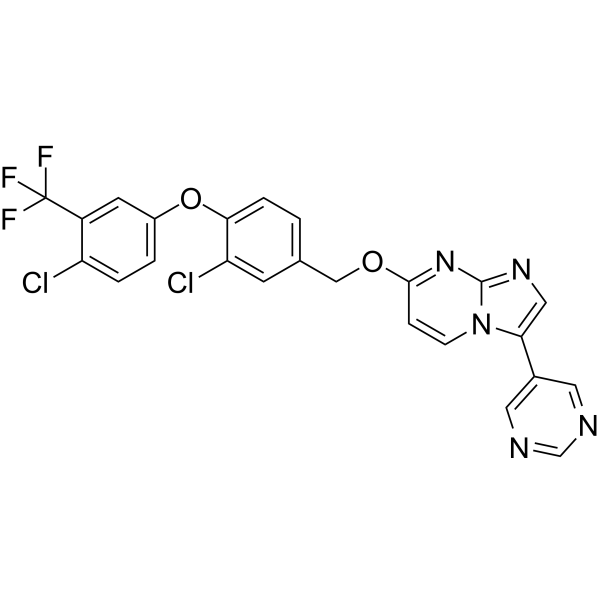
Lck-IN-6 (Compound 12g) is a Lck inhibitor with an IC50 of 3 nM. Lck-IN-6 inhibits the production of IL-2. Lck-IN-6 can be used in the research of rheumatoid arthritis and inflammatory bowel disease .
|
-

| Cat. No. |
Product Name |
Type |
-
- HY-12238G
-
|
endo-IWR 1; IWR-1-endo
|
Fluorescent Dyes
|
|
IWR-1 (IWR-1-endo) (GMP) is the IWR-1 (HY-12238) produced by using GMP guidelines. GMP small molecules work appropriately as an auxiliary reagent for cell therapy manufacture. IWR-1 (IWR-1-endo) is a tankyrase inhibitor targeting Wnt/β-catenin (IC50 = 180 nM). IWR-1 compromises critical steps of the canonical Wnt signaling, namely translocation of β-catenin to the nucleus and subsequent TCF/LEF activation and expression of Wnt/β-catenin downstream targets. IWR-1 promotes β-catenin phosphorylation by promoting stability of Axin-scaffolded destruction complexes. IWR-1 can be studied in research for anti-tumor purposes, and diseases such as osteosarcoma, colorectal cancer and psoriasis .
|
| Cat. No. |
Product Name |
Type |
-
- HY-12238G
-
|
endo-IWR 1; IWR-1-endo
|
Biochemical Assay Reagents
|
|
IWR-1 (IWR-1-endo) (GMP) is the IWR-1 (HY-12238) produced by using GMP guidelines. GMP small molecules work appropriately as an auxiliary reagent for cell therapy manufacture. IWR-1 (IWR-1-endo) is a tankyrase inhibitor targeting Wnt/β-catenin (IC50 = 180 nM). IWR-1 compromises critical steps of the canonical Wnt signaling, namely translocation of β-catenin to the nucleus and subsequent TCF/LEF activation and expression of Wnt/β-catenin downstream targets. IWR-1 promotes β-catenin phosphorylation by promoting stability of Axin-scaffolded destruction complexes. IWR-1 can be studied in research for anti-tumor purposes, and diseases such as osteosarcoma, colorectal cancer and psoriasis .
|
| Cat. No. |
Product Name |
Target |
Research Area |
-
- HY-P10587
-
|
JNJ-77242113; JNJ-2113; PN-235
|
Interleukin Related
STAT
IFNAR
|
Inflammation/Immunology
|
|
Icotrokinra (JNJ-77242113) is an orally available, selective antagonist of the IL-23 receptor. Icotrokinra inhibits IL-23-induced STAT3 phosphorylation in peripheral blood mononuclear cells (IC50=5.6 pM) and inhibits IL-23-induced interferon IFN-γ production in NK cells with an IC50 of 18.4 pM. Icotrokinra exhibits anti-inflammatory activity in a rat TNBS-induced colitis model. Icotrokinra can be used in the study of psoriasis, psoriatic arthritis, and inflammatory bowel disease .
|
-
- HY-P3507
-
|
ShK-186
|
Potassium Channel
|
Metabolic Disease
Inflammation/Immunology
|
|
Dalazatide (ShK-186) is a specific Kv1.3 potassium channel peptide inhibitor. Dalazatide can be used in the study of autoimmune diseases such as multiple sclerosis (MS), lupus erythematosus, psoriasis, rheumatoid arthritis, type 1 diabetes and inflammatory bowel disease .
|
-
- HY-P3507A
-
|
ShK-186 TFA
|
Potassium Channel
|
Metabolic Disease
Inflammation/Immunology
|
|
Dalazatide (ShK-186) TFA is a specific Kv1.3 potassium channel peptide inhibitor. Dalazatide TFA can be used in the study of autoimmune diseases such as multiple sclerosis (MS), lupus erythematosus, psoriasis, rheumatoid arthritis, type 1 diabetes and inflammatory bowel disease .
|
-
- HY-P5898
-
|
Z-Val-Val-Nle-CHN2
|
Cathepsin
MHC
|
Inflammation/Immunology
|
|
Z-Val-Val-Nle-diazomethylketone is a cathepsin S (CATS) inhibitor. Z-Val-Val-Nle-diazomethylketone significantly inhibits the IFNg-induced upregulation of the MHCII molecules HLA-DR and Ii-p33/35 with an increase of Ii-p10 protein level. Z-Val-Val-Nle-diazomethylketone can be used for dermatological diseases like psoriasis, atopic dermatitis and actinic keratosis research .
|
-
- HY-P10587A
-
|
JNJ-77242113 acetate; JNJ-2113 acetate; PN-235 acetate
|
Interleukin Related
STAT
IFNAR
|
Inflammation/Immunology
|
|
Icotrokinra (JNJ-77242113) acetate is an orally available, selective antagonist of the IL-23 receptor. Icotrokinra acetate inhibits IL-23-induced STAT3 phosphorylation in peripheral blood mononuclear cells (IC50=5.6 pM) and inhibits IL-23-induced interferon IFN-γ production in NK cells with an IC50 of 18.4 pM. Icotrokinra acetate exhibits anti-inflammatory activity in a rat TNBS-induced colitis model. Icotrokinra acetate can be used in the study of psoriasis, psoriatic arthritis, and inflammatory bowel disease .
|
-
- HY-P10982
-
|
|
Toll-like Receptor (TLR)
|
Inflammation/Immunology
|
|
SjDX5-53 is a selective TLR2 inducer derived from a 3 kDa peptide from Schistosoma japonicum eggs. SjDX5-53 inhibits inflammatory Th1 and Th17 responses by inducing tolerogenic dendritic cells (tolDCs) and promoting the generation of regulatory T cells (Tregs) and their suppressive capacity. SjDX5-53 is primarily used in the treatment of autoimmune and inflammatory diseases such as colitis and psoriasis .
|
-
- HY-P10587B
-
|
JNJ-77242113 (hydrochloride); JNJ-2113 (hydrochloride); PN-235 (hydrochloride)
|
Interleukin Related
STAT
IFNAR
|
Inflammation/Immunology
|
|
Icotrokinra (JNJ-77242113) hydrochloride is an orally available, selective antagonist of the IL-23 receptor. Icotrokinra hydrochloride inhibits IL-23-induced STAT3 phosphorylation in peripheral blood mononuclear cells (IC50=5.6 pM) and inhibits IL-23-induced interferon IFN-γ production in NK cells with an IC50 of 18.4 pM. Icotrokinra hydrochloride exhibits anti-inflammatory activity in a rat TNBS-induced colitis model. Icotrokinra hydrochloride can be used in the study of psoriasis, psoriatic arthritis, and inflammatory bowel disease .
|
-
- HY-P11014
-
|
|
Toll-like Receptor (TLR)
|
Inflammation/Immunology
|
|
SjDX5-53 control peptide is a control peptide of the TLR2 activator SjDX5-53 (HY-P10982) that does not target a specific receptor and does not modulate regulatory T cells (Tregs) or dendritic cells. SjDX5-53 control peptide can be used to exclude nonspecific effects and help verify the specific role of SjDX5-53 in inducing Tregs and alleviating autoimmune diseases. SjDX5-53 control peptide is used in the study of autoimmune diseases such as colitis and psoriasis .
|
| Cat. No. |
Product Name |
Target |
Research Area |
Image |
-
- HY-P990735
-
|
|
Interleukin Related
|
Inflammation/Immunology
|
|
Donzakimig is a trispecific anti-IL-13/IL-22/HSA antibody. Donzakimig adopts a Fab-scFv-scFv structural format (without an Fc region), in which the Fab domain is linked to the scFv domains via a S (G4S)2 linker. Donzakimig binds to and inhibits the activities of IL-13 and IL-22, thereby blocking the signal transduction of these two cytokines. Donzakimig can extend its serum half-life by binding to human serum albumin, enhancing its in vivo stability and achieving long-acting efficacy. Donzakimig can be used in research on moderate-to-severe atopic dermatitis, moderate-to-severe asthma (especially eosinophilic type), psoriasis, inflammatory bowel disease, and other conditions .
|
-

(5)
-
- HY-P99378
-
|
ALTB-168; Anti-PSGL1/CD162 Reference Antibody (neihulizumab); AbGn-168
|
Apoptosis
|
Inflammation/Immunology
|
|
Neihulizumab (ALTB-168) is an immune checkpoint agonistic antibody that binds to human CD162 (PSGL-1), leading to downregulation of activated T-cells. Neihulizumab can be uesd for steroid-refractory acute graft-versus-host-disease (SR-aGVHD), psoriasis, psoriatic arthritis and ulcerative colitis research .
|
-
(5)
-
- HY-P99659
-
|
ANB 019
|
Interleukin Related
|
Inflammation/Immunology
|
|
Imsidolimab (ANB 019) is a high-affinity, humanized monoclonal antibody of anti-IL-36R. Imsidolimab antagonizes IL-36 cytokine signal transduction. Imsidolimab has potential application in generalized pustular psoriasis (GPP) and other inflammatory skin diseases .
|
-
(5)
-
- HY-P991673
-
|
LuAG13909
|
Androgen Receptor
|
Inflammation/Immunology
|
|
Asedebart is a CHO-expressed human antibody that targets Adrenocorticotropic hormone (ACTH). Asedebart blocks the binding of ACTH to its receptor through antagonism. Asedebart has huIgG1 heavy chain and huκ light chain, with a predicted molecular weight (MW) of 145 kDa. The isotype control for Asedebart can refer to Human IgG1 kappa, Isotype Control (HY-P99001). Asedebart can be used for inflammatory diseases such as psoriasis and ulcerative colitis research .
|
-
(5)
-
- HY-P991274
-
|
|
Interleukin Related
|
Inflammation/Immunology
|
|
BMS-986010 is a monoclonal antibody inhibitor targeting the p19 subunit of interleukin-23 (IL-23). BMS-986010 reduces IL-23-induced STAT3 phosphorylation and inhibits Th17 cell differentiation and the release of proinflammatory cytokines (such as IL-17 and TNF-α). BMS-986010 is promising for research of autoimmune diseases such as psoriasis and Crohn's disease .
|
-
(5)
-
- HY-P991275
-
|
|
Interleukin Related
|
Inflammation/Immunology
|
|
CNTO4088 is a monoclonal antibody inhibitor targeting interleukin-23 (IL-23). CNTO4088 is promising for research of autoimmune diseases such as psoriasis and rheumatoid arthritis .
|
-
(5)
-
- HY-P991263
-
|
|
Interleukin Related
|
Inflammation/Immunology
|
|
SCH-900117 is a humanized monoclonal antibody inhibitor targeting interleukin-17A (IL-17A). SCH-900117 is promising for research of autoimmune diseases such as psoriasis and rheumatoid arthritis .
|
-
(5)
-
- HY-P991129
-
|
QX-002N
|
Interleukin Related
|
Inflammation/Immunology
|
|
Crusekitug is a humanized monoclonal antibody targeting human interleukin 17A (IL-17A). Crusekitug specifically binds to IL-17A, blocking its signal transduction, thus exerting immunosuppressive and anti-inflammatory activities. Crusekitug is promising for research of autoimmune and inflammatory diseases, such as psoriasis and rheumatoid arthritis .
|
-
(5)
-
- HY-P991146
-
|
LZM-012; XKH004
|
Interleukin Related
|
Inflammation/Immunology
|
|
Lecankitug is a humanized monoclonal antibody targeting human interleukin 17A (IL-17A) and interleukin 17F (IL-17F). Lecankitug specifically binds to IL-17A and IL-17F, blocking their signal transduction, thus exerting immunosuppressive and anti-inflammatory activities. Lecankitug is promising for research of autoimmune and inflammatory diseases, such as psoriasis and rheumatoid arthritis .
|
-
(5)
-
- HY-P992045
-
|
|
Interleukin Related
CXCR
|
Inflammation/Immunology
|
|
HZD37-5 is a humanized monoclonal antibody specifically recognizing N78 loci of IL-17A. HZD37-5 binds to human and rhesus monkeys, blocks IL-17 induced signal transduction and the release of IL-6, IL-8, CXCL-1 and GM-GSF. HZD37-5 significantly inhibited human IL-17A induced-keratinocyte chemoattractant secretion. HZD37-5 can be used for the research of autoimmune diseases including psoriasis and psoriatic arthritis .
|
-
(5)
-
- HY-P992384
-
|
|
Interleukin Related
|
Inflammation/Immunology
|
|
IMG-008 is a fully human antagonistic antibody targeting IL-36R, acting as a high-affinity IL-36R inhibitor (Kd = 6.23 pM). IMG-008 competitively blocks the pro-inflammatory signaling pathway mediated by human IL-36R, inhibiting receptor activation and the production of inflammatory cytokines. IMG-008 suppresses Imiquimod (HY-B0180)-induced skin inflammation in humanized mice, and Fc modification increases its serum exposure and prolongs its half-life. IMG-008 can be used in studies related to IL-36R-mediated inflammatory diseases such as psoriasis .
|
-
(5)
| Cat. No. |
Product Name |
Category |
Target |
Chemical Structure |
| Cat. No. |
Product Name |
Chemical Structure |
-
- HY-117287
-
|
|
|
Deucravacitinib (BMS-986165) is an orally active allosteric inhibitor of tyrosine kinase 2 (TYK2), with an IC50 of 0.2 nM and a Ki of 0.02 nM against the JH2 domain of TYK2, and it exhibits selectivity over other JAK subtypes and most of the kinome. Deucravacitinib blocks IL-23, IL-12, p-STAT1/3 and Type I IFN signaling, and inhibits Th17/Th1-mediated psoriasis inflammation . Deucravacitinib can be used in research related to moderate-to-severe plaque psoriasis, inflammatory bowel disease and systemic lupus erythematosus .
|
-
-
- HY-153701S
-
|
|
|
Envudeucitinibum (Envudeucitinib) is a highly selective, allosteric and orally active TYK2 inhibitor binding to the JH2 domain of TYK2. Envudeucitinibum has no off-target effects on other kinases (JAK1-3). Envudeucitinibum reduces signaling and production of proinflammatory cytokines including IL-12, IL-23, IL-17, and type I interferons (IFNs). Envudeucitinibum can be used for the research of plaque psoriasis, systemic lupus erythematosus (SLE), and other immune-mediated diseases .
|
-
-
- HY-76711S
-
|
|
Naltrexone-d4 is deuterium labeled Naltrexone (HY-76711). Naltrexone is an orally active, long-acting opioid receptor (opioid receptor) antagonist. Naltrexone blocks the euphoric effects of exogenous opioids and reduces alcohol craving by blocking opioid receptors (μ, κ, and δ) as well as opioid growth factor receptors. Low doses of Naltrexone are used to relieve chronic pain, treat inflammatory diseases and inhibit tumor growth, while high doses or continuous administration exert pro-inflammatory or pro-proliferative effects. Naltrexone relieves intractable pruritus caused by psoriasis, atopic dermatitis and other conditions, and its combination with Bupropion (HY-B0403) inhibits food craving, thereby reducing body weight.
|
-
-
- HY-177130S
-
|
|
|
Socrodeucitinib (Compound Example 58) is an orally active and selective tyrosine kinase 2 (TYK2) inhibitor with an IC50 value of 1.41 nM. Socrodeucitinib exerts anti-inflammatory activity by inhibiting TYK2-mediated cytokine signaling pathways and reducing the secretion of inflammatory factors. Socrodeucitinib is promising for research of autoimmune diseases such as psoriasis and inflammatory diseases .
|
-
-
- HY-13600S1
-
|
|
|
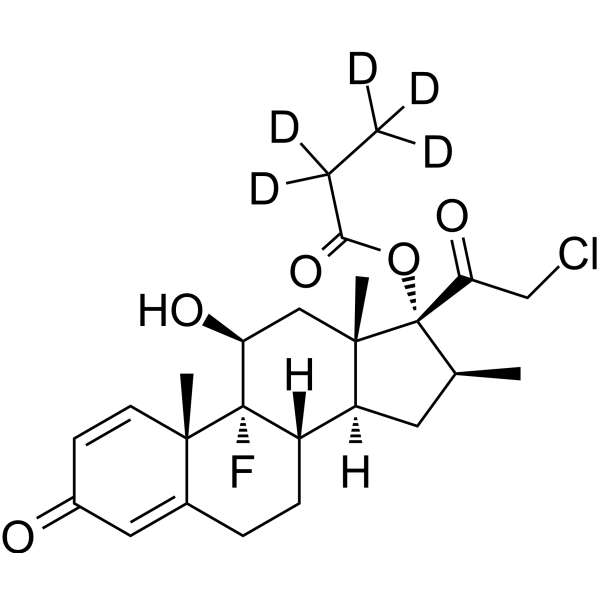
Clobetasol propionate-d5 is a deuterium substitute of Clobetasol propionate. Clobetasol propionate is a potent, selective CYP3A5 inhibitor with a IC50 of 0.206 μM and has potential for use in the study of psoriasis and other skin diseases .
|
-
-
- HY-166594S
-
|
|
|
Deucravacitinib- 13C,d3 is the 13C- and deuterium labeled Deucravacitinib. Deucravacitinib (BMS-986165) is a highly selective, orally bioavailable allosteric TYK2 inhibitor for the treatment of autoimmune diseases, which selectively binds to TYK2 pseudokinase (JH2) domain (IC50=1.0 nM) and blocks receptor-mediated Tyk2 activation by stabilizing the regulatory JH2 domain. Deucravacitinib inhibits IL-12/23 and type I IFN pathways. Deucravacitinib, the FDA's world first de novo deuterium, is available for study in moderate to severe plaque psoriasis .
|
-
| Cat. No. |
Product Name |
|
Classification |
-
- HY-145728
-
|
ISIS-2302
|
|
Antisense Oligonucleotides
|
|
Alicaforsen is an oligonucleotide and immunostimulant targeting human ICAM-1 mRNA. Alicaforsen hybridizes to specific sites to reduce the expression level of ICAM-1. Alicaforsen is applicable to relevant research on psoriasis, rheumatoid arthritis and inflammatory bowel disease .
|
-
- HY-145728A
-
|
ISIS-2302 sodium
|
|
Antisense Oligonucleotides
|
|
Alicaforsen (ISIS-2302) sodium is an oligonucleotide and immunostimulant targeting human ICAM-1 mRNA. Alicaforsen sodium hybridizes to specific sites to reduce the expression level of ICAM-1. Alicaforsen sodium is applicable to relevant research on psoriasis, rheumatoid arthritis and inflammatory bowel disease .
|
-
- HY-174763
-
|
|
|
mRNA
Chemokine & Receptors
|
|
Human CCL2 mRNA encodes the human C-C motif chemokine ligand 2 (CCL2) protein. CCL2 displays chemotactic activity for monocytes and basophils but not for neutrophils or eosinophils. It has been implicated in the pathogenesis of diseases characterized by monocytic infiltrates, like psoriasis, rheumatoid arthritis and atherosclerosis.
|
| Cat. No. |
Product Name |
Target |
Research Areas |
Chemical Structure |
-
- HY-12238G
-
|
endo-IWR 1; IWR-1-endo
|
Organoid
Wnt
|
Inflammation/Immunology
Cancer
|
|
IWR-1 (IWR-1-endo) (GMP) is the IWR-1 (HY-12238) produced by using GMP guidelines. GMP small molecules work appropriately as an auxiliary reagent for cell therapy manufacture. IWR-1 (IWR-1-endo) is a tankyrase inhibitor targeting Wnt/β-catenin (IC50 = 180 nM). IWR-1 compromises critical steps of the canonical Wnt signaling, namely translocation of β-catenin to the nucleus and subsequent TCF/LEF activation and expression of Wnt/β-catenin downstream targets. IWR-1 promotes β-catenin phosphorylation by promoting stability of Axin-scaffolded destruction complexes. IWR-1 can be studied in research for anti-tumor purposes, and diseases such as osteosarcoma, colorectal cancer and psoriasis .
|
-
Your information is safe with us. * Required Fields.
Inquiry Information
- Product Name:
- Cat. No.:
- Quantity:
- MCE Japan Authorized Agent:








