
1. Search Result
Search Result
Results for "

selective,covalent

" in MedChemExpress (MCE) Product Catalog:

70

Inhibitors & Agonists

1

Screening Libraries

1

Fluorescent Dyes

2

Biochemical Assay Reagents

23

Peptides

3

Natural
Products

3

Click Chemistry

Cat. No. Product Name Target Research Areas Chemical Structure
  • HY-130149
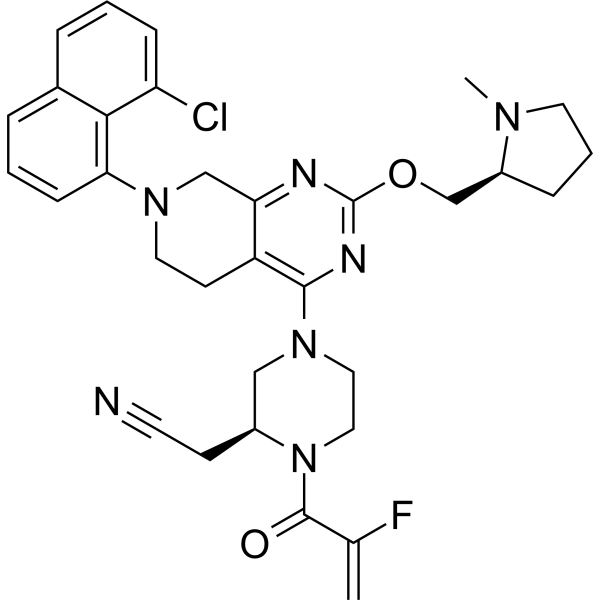
    Adagrasib
    55+ Cited Publications

    MRTX849

    Ras Cancer
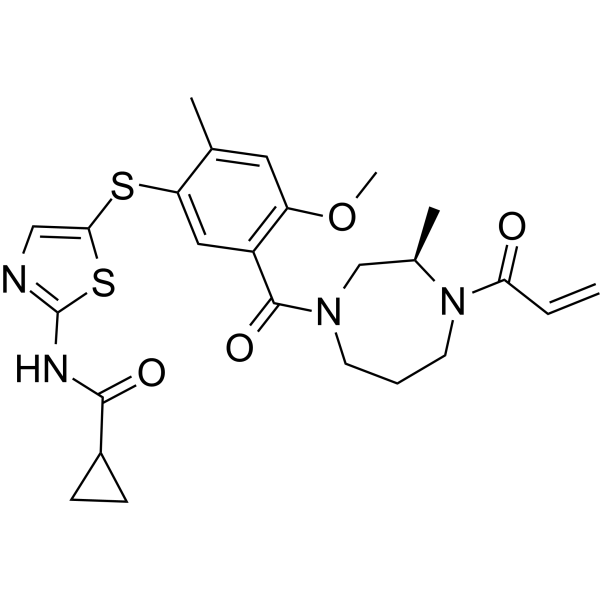
    Adagrasib (MRTX849) is a potent, orally-available, and mutation-selective covalent inhibitor of KRAS G12C with potential antineoplastic activity. Adagrasib covalently binds to KRAS G12C at the cysteine at residue 12, locks the protein in its inactive GDP-bound conformation, and inhibits KRAS-dependent signal transduction .
    Adagrasib
  • HY-B0671
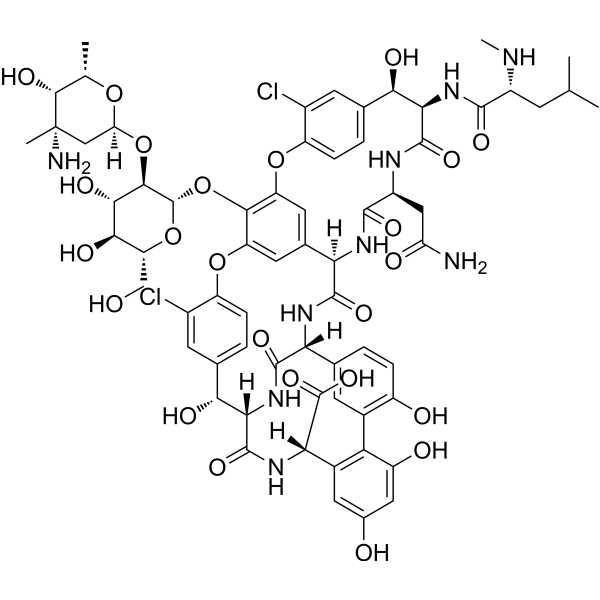
    Vancomycin
    Maximum Cited Publications
    94 Publications Verification

    Bacterial Autophagy Antibiotic Infection Cancer
    Vancomycin is an antibiotic for the treatment of bacterial infections.
    Vancomycin
  • HY-P4153

    MK-0616 chloride

    PCSK9 Cardiovascular Disease
    Enlicitide chloride is an orally active inhibitor for PCSK9 that blocks the interaction between LPL receptor and PSCK9, with an IC50 of 2.5 nM. Enlicitide chloride can be used in the study of cardiovascular diseases such as atherosclerosis, hypercholesterolemia, coronary heart disease, metabolic syndrome, acute coronary syndrome or related cardiovascular and cardiometabolic disorders .
    Enlicitide chloride
  • HY-139361
    Sulfopin
    3 Publications Verification

    PIN1-3

    PIN1 Cancer
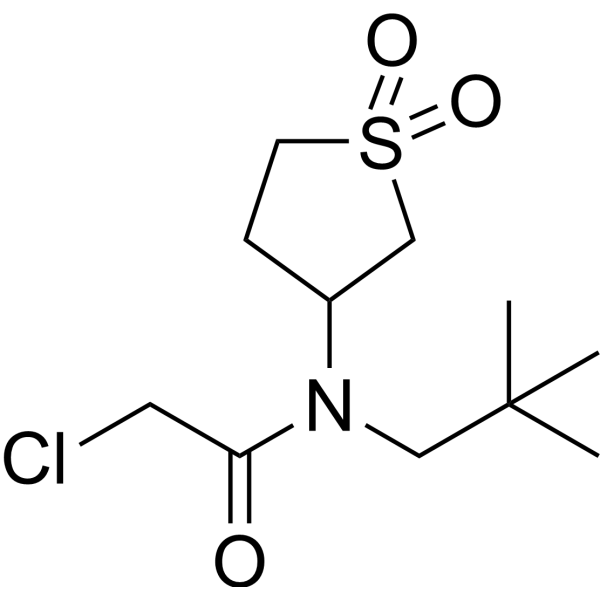
    Sulfopin (PIN1-3) is a highly selective covalent inhibitor of Pin1 with an apparent Ki of 17 nM. Sulfopin blocks Myc-driven tumors in vivo. The peptidyl-prolyl isomerase, Pin1, is exploited in cancer to activate oncogenes and inactivate tumor suppressors .
    Sulfopin
  • HY-150298
    Soquelitinib
    3 Publications Verification

    CPI-818

    Itk Inflammation/Immunology Cancer
    Soquelitinib (CPI-818) is an orally active and highly selective covalent interleukin-2-inducible kinase (ITK) inhibitor. Soquelitinib is active in six different models of T cell-mediated inflammatory and immune disease, including acute and chronic asthma, pulmonary fibrosis, systemic sclerosis (scleroderma), psoriasis, and acute graft versus host disease with Th2 cytokine product inhibition. Soquelitinib increases tumor infiltration of normal CD8 + cells that possess enhanced T effector function .
    Soquelitinib
  • HY-W020780

    mPEG5000-Maleimide

    Biochemical Assay Reagents Cancer
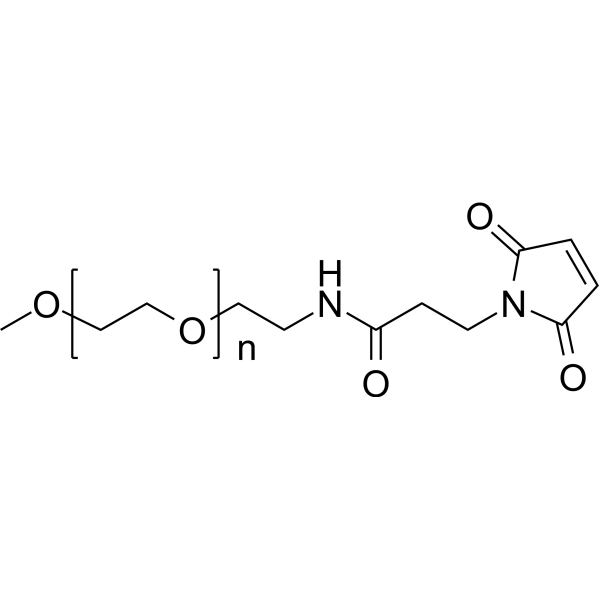
    mPEG5000-Mal (mPEG5000-Maleimide) is a PEG-derived selective covalent binding agent for sulfhydryl groups (RSGs), which can form irreversible thioether bonds with sulfhydryl groups under near-neutral conditions via the maleimide group. The mechanism of action of mPEG5000-Mal can be divided into two categories: firstly, as an enzyme modifier, it binds to target proteins through hydrophobic interactions, hydrogen bonds, and van der Waals forces, altering the protein's secondary structure; secondly, as a nanoparticle surface modifier, it covalently binds to sulfhydryl groups on the surface of red blood cells, changing the surface properties and morphology of the red blood cells, leading to their phagocytosis by macrophages of the reticuloendothelial system. mPEG5000-Mal can react with free cysteine in proteins, increasing the apparent molecular weight of the modified protein by 10-15 kDa for detection purposes. mPEG5000-Mal can enhance the thermal stability and catalytic activity of enzymes, and improve the macrophage targeting of nanoparticles, enabling targeted drug delivery. mPEG5000-Mal can be applied in enzyme engineering research in the food industry and in oncology, assisting radiotherapy by inhibiting tumor-associated macrophage infiltration and enhancing anti-tumor immune responses .
    mPEG5000-Mal
  • HY-128586
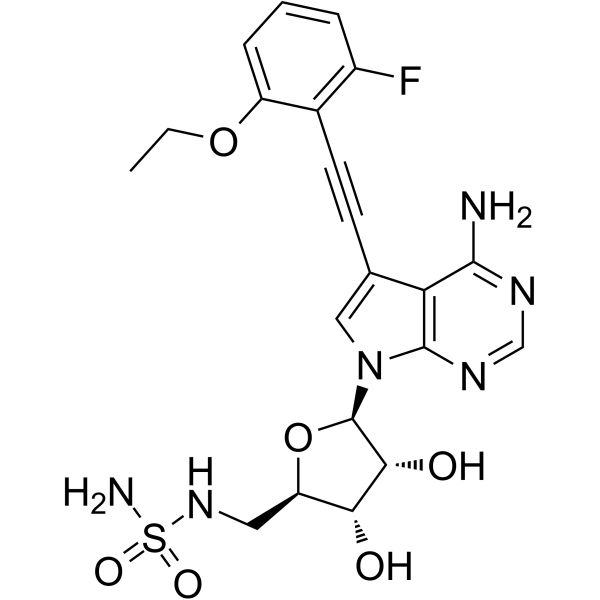
    TAS4464
    5+ Cited Publications

    Apoptosis Carbonic Anhydrase NEDD8-activating Enzyme Cancer
    TAS4464 is a long-acting, highly selective covalent inhibitor targeting NEDD8-activating enzyme (NAE) (IC50=0.955 nM), and also inhibits CAII with an IC50 of 0.73 μM, which is less potent than MLN4924 (HY-70062). The IC50 values of TAS4464 against other E1 enzymes UAE and SAE are 449 nM and 1280 nM, respectively. TAS4464 targets NEDD8 in an ATP-dependent manner to inhibit NAE, blocks the neddylation pathway, causes accumulation of CRL ubiquitin ligase substrates (such as CDT1, p27, phosphorylated IκBα), and further induces tumor cell apoptosis. TAS4464 exhibits antiproliferative and cytotoxic effects, and has broad-spectrum antitumor activity against various hematologic and solid tumor cell lines as well as patient-derived tumor cells. TAS4464 has a wide selcetive window, without obvious toxicity. TAS4464 can be used in the research of hematologic malignancies (leukemia, lymphoma, multiple myeloma, etc.) and solid tumors (small cell lung cancer, colorectal cancer, sarcoma, endometrial cancer, ovarian cancer, etc.) .
    TAS4464
  • HY-123963
    C-178
    5+ Cited Publications

    STING Inflammation/Immunology
    C-178 is a potent and selective covalent inhibitor of STING. C-178 binds to Cys91 and suppresses the STING responses elicited by distinct bona fide activators in mouse but not human .
    C-178
  • HY-W068119A

    2-Maleimidoethylamine hydrochloride

    Biochemical Assay Reagents Cancer
    N-(2-Aminoethyl)maleimide (2-Maleimidoethylamine) hydrochloride is a selective covalent binding agent for thiol groups (RSGs), covalently binding to thiols via an irreversible thioether bond to prepare MMP-2-sensitive nanosystems. Under near-neutral conditions, the maleimide group in N-(2-Aminoethyl)maleimide hydrochloride binds to thiol groups via a nucleophilic addition reaction, and can be used to modify polymers or biological interfaces, enhancing mucosal adhesion and regulating the surface charge of biological interfaces. N-(2-Aminoethyl)maleimide hydrochloride can optimize the adhesion performance of drug delivery carriers and cell interactions with biological interfaces, and is applied in transmucosal drug delivery systems (such as drug carriers for oral and bladder sites) and biomaterial surface engineering research, providing support for tissue implantation, regeneration, and related drug delivery .
    N-(2-Aminoethyl)maleimide hydrochloride
  • HY-124700
    LYPLAL1-IN-1
    1 Publications Verification

    Cyclic GMP-AMP Synthase STING PD-1/PD-L1 Epoxide Hydrolase Metabolic Disease
    LYPLAL1-IN-1 (compound 11) is a selective, covalent, and irreversible inhibitor of the lysophospholipase-like enzyme LYPLAL1 (IC50 = 6 nM). LYPLAL1-IN-1 shows selectivity against other serine hydrolases such as carboxylesterase CES1 (IC50 > 50 μM for CES1). LYPLAL1-IN-1 inhibits the depalmitoylation function of LYPLAL1, blocking its depalmitoylation modification of cyclic GMP-AMP synthase (cGAS), thereby promoting cGAS dimerization and activation, and initiating the cGAS-STING pathway-mediated innate immune response. LYPLAL1-IN-1 can enhance DNA-induced type I interferon production, upregulate PD-L1 expression in tumor cells, and promote the accumulation of tumor-infiltrating CD8 + T cells, with the core function of strengthening the anti-tumor immune response. LYPLAL1-IN-1 is primarily used in tumor immunology research, especially in combination with PD-1/PD-L1 inhibitors .
    LYPLAL1-IN-1
  • HY-173455

    DNA/RNA Synthesis Inflammation/Immunology Cancer
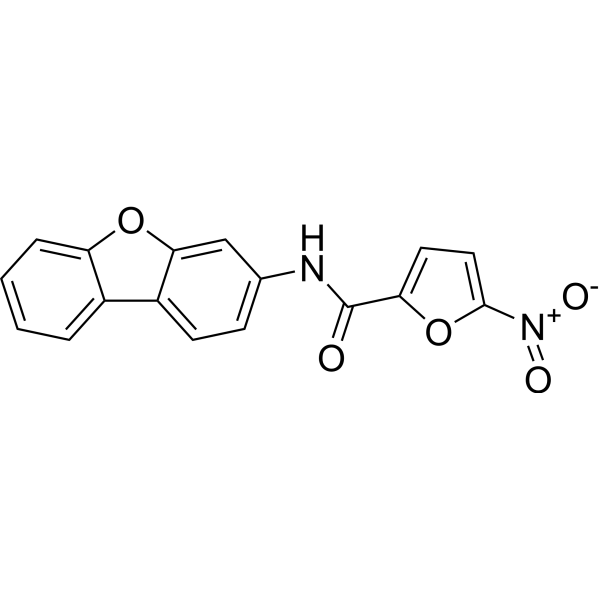
    NP1867 is a potent, selective, covalent PMS2 inhibitor. NP1867 functionally inhibits DNA mismatch repair. NP1867 enhances immune surveillance. NP1867 can be used in the research of colorectal cancer .
    NP1867
  • HY-142161
    ABD957
    3 Publications Verification

    MAGL Cancer
    ABD957 is a potent and selective covalent inhibitor of the ABHD17 family of depalmitoylases, with an IC50 of 0.21 μM for ABHD17B. ABD957 can block N-Ras signaling and the growth of NRAS-mutant AML cells .
    ABD957
  • HY-19706
    ARS-853
    5 Publications Verification

    Ras Apoptosis Cancer
    ARS-853 is a cell-active, selective, covalent KRAS G12C inhibitor with an IC50 of 2.5 μM. ARS-853 inhibits mutant KRAS-driven signaling by binding to the GDP-bound oncoprotein and preventing activation .
    ARS-853
  • HY-112161
    Branebrutinib
    3 Publications Verification

    BMS-986195

    Btk Cancer
    Branebrutinib (BMS-986195) is a highly potent, selective covalent, irreversible inhibitor of Bruton’s tyrosine kinase (BTK), with an IC50 of 0.1 nM . Branebrutinib is a click chemistry reagent, it contains an Alkyne group and can undergo copper-catalyzed azide-alkyne cycloaddition (CuAAc) with molecules containing Azide groups.
    Branebrutinib
  • HY-145337

    FT385

    Deubiquitinase PINK1/Parkin Neurological Disease Cancer
    FT3967385 (FT385) is a selective covalent inhibitor that targets the outer mitochondrial membrane deubiquitinase (Deubiquitinase) USP30 (IC50 = 1.5 nM, Ki = 0.014 μM). By inhibiting the enzymatic activity of USP30, FT3967385 relieves its negative regulation of the PINK1-Parkin mediated mitochondrial ubiquitination cascade, thereby enhancing mitophagy. FT3967385 can be used for mechanistic studies of neurodegenerative diseases associated with mitochondrial dysfunction, such as Parkinson's disease .
    FT3967385
  • HY-128586A
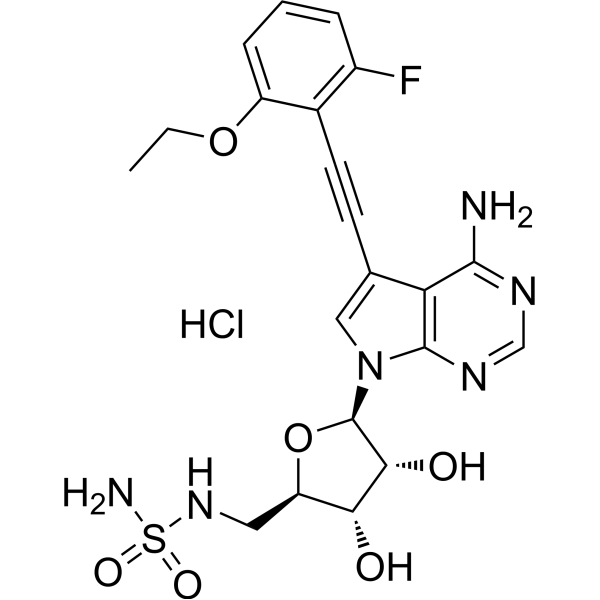
    TAS4464 hydrochloride
    5+ Cited Publications

    NEDD8-activating Enzyme Carbonic Anhydrase Apoptosis Cancer
    TAS4464 hydrochloride is a long-acting, highly selective covalent inhibitor targeting NEDD8-activating enzyme (NAE) (IC50=0.955 nM), and also inhibits CAII with an IC50 of 0.73 μM, which is less potent than MLN4924 (HY-70062). The IC50 values of TAS4464 hydrochloride against other E1 enzymes UAE and SAE are 449 nM and 1280 nM, respectively. TAS4464 hydrochloride targets NEDD8 in an ATP-dependent manner to inhibit NAE, blocks the neddylation pathway, causes accumulation of CRL ubiquitin ligase substrates (such as CDT1, p27, phosphorylated IκBα), and further induces tumor cell apoptosis. TAS4464 hydrochloride exhibits antiproliferative and cytotoxic effects, and has broad-spectrum antitumor activity against various hematologic and solid tumor cell lines as well as patient-derived tumor cells. TAS4464 hydrochloride has a wide therapeutic window, without obvious toxicity. TAS4464 hydrochloride can be used in the research of hematologic malignancies (leukemia, lymphoma, multiple myeloma, etc.) and solid tumors (small cell lung cancer, colorectal cancer, sarcoma, endometrial cancer, ovarian cancer, etc.) .
    TAS4464 hydrochloride
  • HY-18081

    FAAH Autophagy Neurological Disease Metabolic Disease
    PF 750 is a selective, covalent and brain-penetrant fatty acid amide hydrolase (FAAH) inhibitor. PF 750 covalently carbamylates FAAH's catalytic serine nucleophile to inactivate the enzyme .
    PF 750
  • HY-174280

    ITK kinase-IN-1

    Itk JAK Inflammation/Immunology
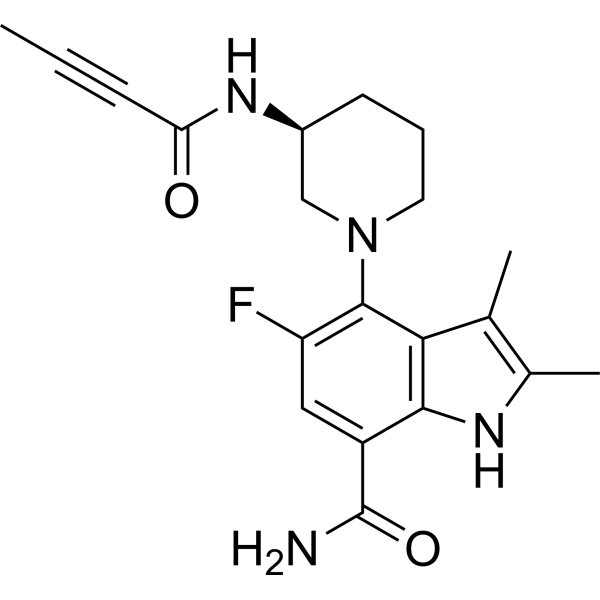
    Modzatinib (ITK kinase-IN-1) is an oral active, selective, covalent ITK/JAK3 dual-target inhibitor with IC50 values of 8 nM and 23 nM, respectively. Modzatinib exhibits anti-inflammatory activity and can be used in the research of autoimmune and inflammatory diseases .
    Modzatinib
  • HY-117203A
    CDK12-IN-E9
    1 Publications Verification

    CDK Cancer
    CDK12-IN-E9 is a potent and selective covalent CDK12 inhibitor and a non-covalent CDK9 inhibitor, while avoiding ABC transporter-mediated efflux. CDK12-IN-E9 has weak binding ability to CDK7/CyclinH complex with an IC50> 1 μM .
    CDK12-IN-E9
  • HY-P2265A

    SOS1 Ras Cancer
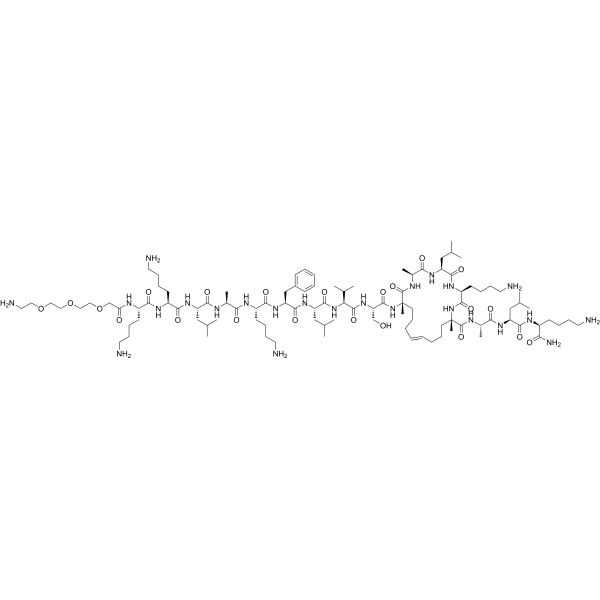
    SAH-SOS1A TFA is a peptide-based SOS1/KRAS protein interaction inhibitor. SAH-SOS1A TFA binds to wild-type and mutant KRAS (G12D, G12V, G12C, G12S, and Q61H) with nanomolar affinity (EC50=106-175 nM). SAH-SOS1A TFA directly and independently blocks nucleotide association. SAH-SOS1A TFA impairs KRAS-driven cancer cell viability and exerts its effects by on-mechanism blockade of the ERK-MAPK phosphosignaling cascade downstream of KRAS .
    SAH-SOS1A TFA
  • HY-122872

    p38 MAPK Cancer
    MKK7-COV-9 is a potent and selective covalent inhibitor of MKK7 and targets a specific protein-protein interaction of MKK7. MKK7-COV-9 blocks primary B cell activation in response to LPS with an EC50 of 4.98 μM .
    MKK7-COV-9
  • HY-132197
    CBP/p300-IN-12
    1 Publications Verification

    Epigenetic Reader Domain Histone Acetyltransferase Cancer
    CBP/p300-IN-12 is a potent and selective covalent histone acetyltransferases p300 (IC50 of 166 nM) and CBP inhibitor. CBP/p300-IN-12 decreases the levels of H3K27Ac of PC-3 cells (EC50 of 37 nM). CBP/p300-IN-12 forms a covalent adduct with C1450 .
    CBP/p300-IN-12
  • HY-172825

    c-Myc Cancer
    KL4-219A is a selective covalent oncogenic transcription factor MYC degrader. KL4-219A potently and durably degrades MYC in cancer cells. KL4-219A binds covalently to MYC at C203, leading to the destabilization of MYC and subsequent proteasome-dependent degradation. KL4-219A is promising for research of cancers driven by MYC overexpression .
    KL4-219A
  • HY-P2203
    SAHM1
    1 Publications Verification

    Notch Inflammation/Immunology
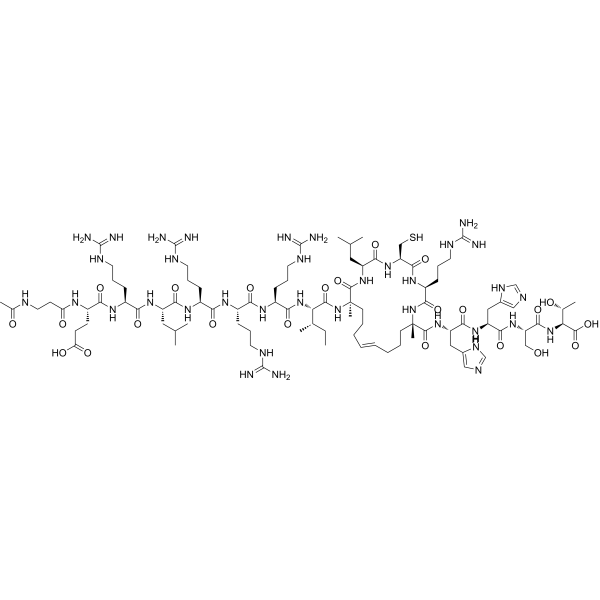
    SAHM1, a peptide mimetic of a dominant negative form of mastermind-like (MAML), inhibits canonical Notch transcription complex formation. SAHM1 can be used for the research of allergic airway inflammation in mice .
    SAHM1
  • HY-111512

    MAGL Neurological Disease Inflammation/Immunology
    PF-06795071 is a potent and selective covalent MAGL inhibitor with an IC50 of 3 nM .
    PF-06795071
  • HY-P1368
    Stressin I
    1 Publications Verification

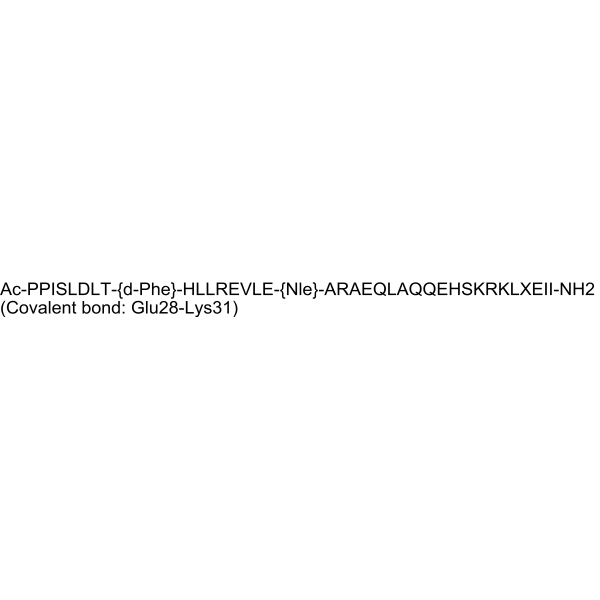
    Cyclo(31-34)[DPhe12,Nle21,38,Glu31,Lys34]Ac-hCRF(4-41)

    CRFR Endocrinology
    Stressin I (Cyclo(31-34)[DPhe12,Nle21,38,Glu31,Lys34]Ac-hCRF(4-41)) is a potent CRF1 receptor-selective agonist with a Ki of 1.7 nM. Stressin I induces increases in adrenocorticotropic hormone (ACTH) levels in rats .
    Stressin I
  • HY-176084

    Aldose Reductase Cancer
    RJG-2051 is a selective covalent aldo-keto reductase family 1 member C3 (AKR1C3) inhibitor with an IC50 value of 13 nM. RJG-2051 interferes with the metabolic process of substrates such as androgens, estrogens, and prostaglandins by AKR1C3. RJG-2051 is promising for research of cancers .
    RJG-2051
  • HY-P1368A
    Stressin I TFA
    1 Publications Verification

    Cyclo(31-34)[DPhe12,Nle21,38,Glu31,Lys34]Ac-hCRF(4-41) TFA

    CRFR Endocrinology
    Stressin I (Cyclo(31-34)[DPhe12,Nle21,38,Glu31,Lys34]Ac-hCRF(4-41)) TFA is a potent CRF1 receptor selective agonist, Ki is 1.7 nM. Stressin I induces an increase in adrenocorticotropic hormone (ACTH) levels in rats .
    Stressin I TFA
  • HY-P2265

    SOS1 Ras Cancer
    SAH-SOS1A is a peptide-based SOS1/KRAS protein interaction inhibitor. SAH-SOS1A binds to wild-type and mutant KRAS (G12D, G12V, G12C, G12S, and Q61H) with nanomolar affinity (EC50=106-175 nM), directly and independently blocks nucleotide association, impairs KRAS-driven cancer cell viability, and exerts its effects by on-mechanism blockade of the ERK-MAPK phosphosignaling cascade downstream of KRAS .
    SAH-SOS1A
  • HY-147515

    FGFR Cancer
    FGFR4-IN-11 (Compound 30) is a potent, selective, covalent FGFR4 inhibitor with an IC50 of 2.1 nM. FGFR4-IN-11 significantly inhibits the FGF19/FGFR4 signaling pathway and shows antitumor activity .
    FGFR4-IN-11
  • HY-P2261
    STAD 2
    1 Publications Verification

    PKA Infection
    STAD 2 is a potent and selective disruptor of PKA-RII, with a Kd of 6.2 nM. STAD 2 disrupts interactions between PKA and AKAP in an isoform-selective manner. STAD 2 displays antimalarial activity through a PKA-independent mechanism .
    STAD 2
  • HY-142683

    Phosphatase Neurological Disease Cancer
    SCP1-IN-2 (Compound SH T-65) is a potent and selective covalent inhibitor against SCP1. SCP1-IN-2 promotes REST degradation and reduces transcriptional activity. A high level of REST protein drives the tumor growth in some glioblastoma cells. SCP1-IN-2 has the potential for the research of glioblastoma whose growth is driven by REST transcription activity .
    SCP1-IN-2
  • HY-P1712A

    Biochemical Assay Reagents Metabolic Disease
    Arthrofactin (TFA) is an effective lipopeptide biosurfactant in Pseudomonas sp. MIS38. Arthrofactin (TFA) production is associated with multiple ATP dependent active transporter systems .
    Arthrofactin TFA
  • HY-P10964

    GHSR Endocrinology
    Tezusomant is a growth hormone receptor antagonist. Tezusomant is promising for research on diseases caused by excessive growth hormone secretion, such as acromegaly .
    Tezusomant
  • HY-139881

    Btk Cancer
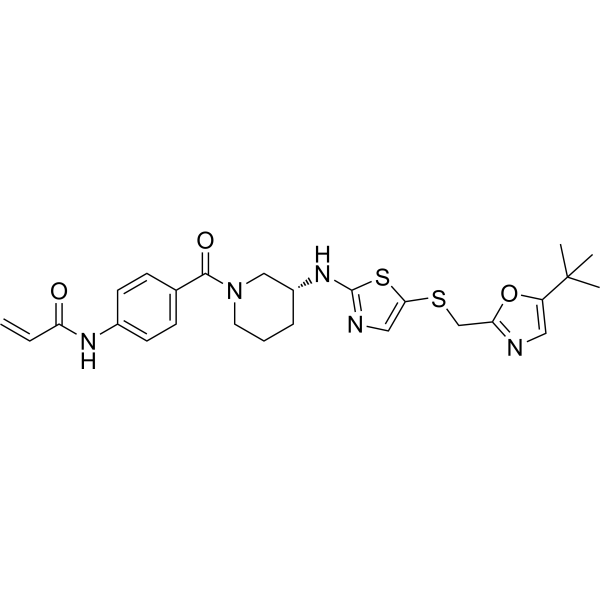
    BTK inhibitor 19 is a highly selective, covalent BTK inhibitor (IC50 = 2.7 nM).
    BTK inhibitor 19
  • HY-158007

    Ras Cancer
    (RS)-G12Di-1 is a selective, covalent inhibitor of K-Ras-G12D .
    (RS)-G12Di-1
  • HY-176070

    Epigenetic Reader Domain Cancer
    HRG038 is a selective covalent BRD4 degrader. HRG038 binds covalently to the E3 ubiquitin ligase CUL4 DCAF16, recruiting it to BRD4, leading to the ubiquitination and subsequent proteasomal degradation of BRD4. HRG038 is promising for research of cancers .
    HRG038
  • HY-144733

    Estrogen Receptor/ERR Apoptosis Cancer
    ERα antagonist 1 (Compound 19d) is a potent, selective, covalent estrogen receptor α (ERα) antagonist. ERα antagonist 1 induces apoptosis and cell cycle G0/G1 phase arrest in MCF-7 cells .
    ERα antagonist 1
  • HY-P3223A

    Opioid Receptor Neurological Disease
    Biphalin acetate, a BBB-penetrable opioid peptide analog, contains two active enkephalin pharmacophores.Biphalin acetate has high affinity for opioid receptors. Biphalin acetate shows analgesic effect in acute, neuropathic, and chronic animal pain models. Biphalin acetate is also an antiviral, antiproliferative, anti-inflammatory, and neuroprotective agent .
    Biphalin acetate
  • HY-176001

    Dipeptidyl Peptidase Inflammation/Immunology Cancer
    DPP8/9-IN-1 (Compound 16) is a selective covalent inhibitor of dipeptidyl peptidases 8 and 9 (DPP8/9) with IC50 values of 14 and 298 nM, respectively. DPP8/9-IN-1 binds irreversibly to the active site serine (S730 in DPP9) via a phosphonate warhead and blocks substrate binding to inhibit DPP8/9-mediated protein processing. DPP8/9-IN-1 is promising for research of cancers and inflammatory diseases .
    DPP8/9-IN-1
  • HY-P2266

    Histone Methyltransferase Cancer
    SAH-EZH2, a stable EZH2 α-helical peptide, is an EZH2/EED interaction inhibitor. SAH-EZH2 targets native embryonic ectoderm development (EED), disturbs its interactions with EZH1 and EZH2, and selectively decreases trimethylation of H3K27 .
    SAH-EZH2
  • HY-164392

    EGFR Apoptosis Cancer
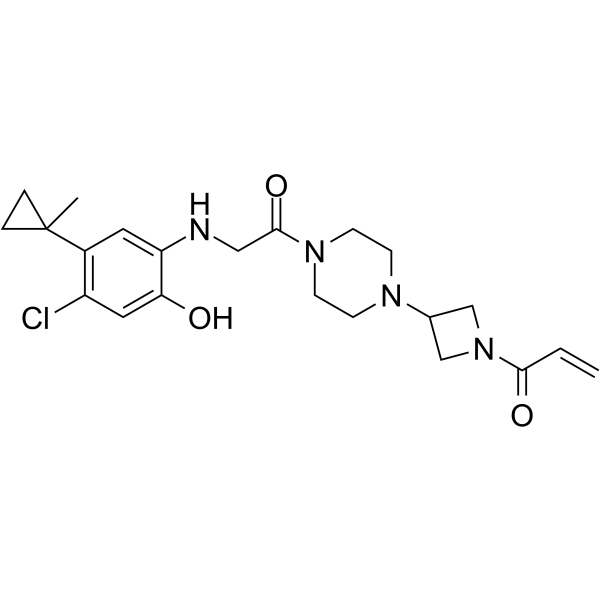
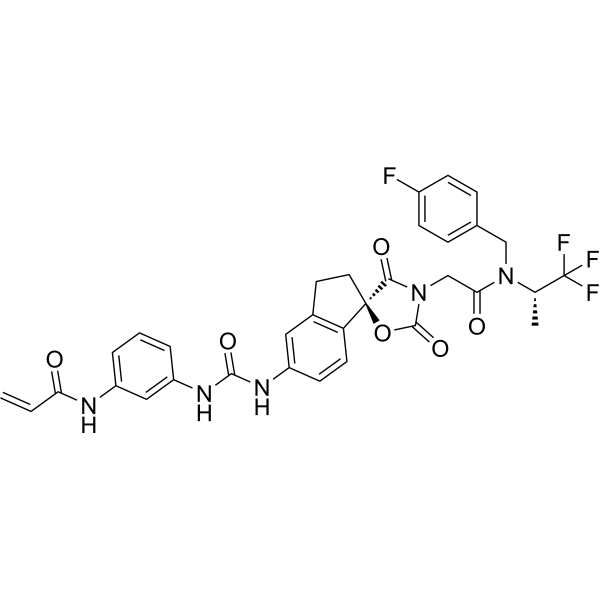
    TAS-121 is an orally active, selective, covalent, third-generation mutant EGFR-tyrosine kinase inhibitor (EGFR-TKI). TAS-121 inhibits the L858R mutation (IC50=1.7 nM), Ex19del mutation (IC50=2.7 nM), L858R/T790M mutation (IC50=0.56 nM) and Ex19del/T790M mutation (IC50=1.1 nM) and wild-type EGFR (IC50=8.2 nM). TAS-121 inhibits HER2 and HER4 with IC50s of 110 and 2.6 nM, respectively. TAS-121 inhibits phosphorylation of EGFR and its downstream signaling targets to block cell proliferation. TAS-121 induces apoptosis and displays antitumor activity in SW48 (EGFR G719S) and NCI-H1975 (EGFR L858R/T790M) xenograft models .
    TAS-121
  • HY-174268

    FGFR Cancer
    FGFR-IN-21 (Compound FP1) is a selective covalent FGFR4 inhibitor with an IC50 value of 70 nM. FGFR-IN-21 is promising for research of FGFR signaling pathways in cancers .
    FGFR-IN-21
  • HY-162413

    Src Cancer
    (R)-LW-Srci-8 is a selective covalent inhibitor of c-Src (IC50= 35.83 nM) that disrupts the autophosphorylation of c-Src by targeting its autophosphorylation site (Y419) .
    (R)-LW-Srci-8
  • HY-131704

    FGFR Cancer
    FGFR4-IN-5 is a potent and selective covalent FGFR4 inhibitor with an IC50 of 6.5 nM. FGFR4-IN-5 exhibits strong anti-tumor activity in vivo and can be used for hepatocellular carcinoma research .
    FGFR4-IN-5
  • HY-163941

    DNA/RNA Synthesis Cancer
    GSK_WRN2 is a potent and selective covalent WRN helicase inhibitor that suppresses replication stress caused by DNA (TA)n dinucleotide repeat expansions. GSK_WRN2 can be used to study microsatellite instability (MSI) cancers .
    GSK_WRN2
  • HY-154854

    Histone Methyltransferase Cancer
    BBDDL2059 is a selective covalent inhibitor of histone methyltransferase EZH2 with an IC50 of 1.5 nM for EZH2-Y641F. BBDDL2059 inhibits lymphoma cell growth at nanomolar concentrations and can be used for anticancer research .
    BBDDL2059
  • HY-P2203A

    Notch Cancer
    SAHM1 TFA is a Notch pathway inhibitor. SAHM1 TFA stabilizes hydrocarbon-stapled alpha helical peptide. SAHM1 TFA targets the protein-protein interface and prevents Notch complex assembly.
    SAHM1 TFA
  • HY-P10488

    Wnt Others Cancer
    cycFWRPW is a peptide inhibitor of TLE1. TLE1 is an oncogenic transcriptional co‐repressor that exerts its repressive effects through binding of transcription factors, and inhibits Wnt signaling .
    cycFWRPW
  • HY-P10212

    UCCB01-125

    iGluR Neurological Disease
    AVLX-125 (UCCB01-125) is a PSD-95 and PDZ domain inhibitor with Kd value of 10 nM. AVLX-125 can be used in the study of inflammatory pain .
    AVLX-125

Inquiry Online

Your information is safe with us. * Required Fields.

Salutation


Country or Region *

Applicant Name *


Organization Name *

Department *


Email Address *


Product Name *

Cat. No.


Requested quantity *

Phone Number *


Remarks

Inquiry Online

Inquiry Information

Product Name:
Cat. No.:
Quantity:
MCE Japan Authorized Agent:

