1. Search Result
Search Result
Results for "

therapeutic potential

" in MedChemExpress (MCE) Product Catalog:

101

Inhibitors & Agonists

15

Screening Libraries

6

Biochemical Assay Reagents

2

Peptides

2

Inhibitory Antibodies

11

Natural
Products

2

Isotope-Labeled Compounds

5

Oligonucleotides

Targets Recommended:
Cat. No. Product Name Target Research Areas Chemical Structure
  • HY-Y0320C
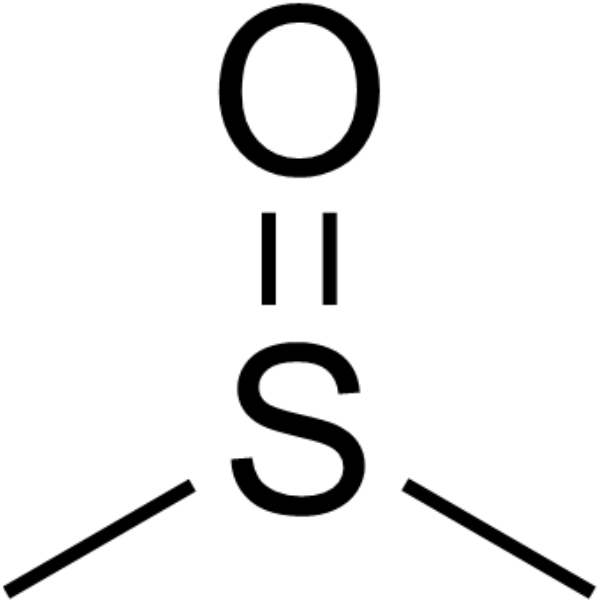
    Dimethyl sulfoxide
    30+ Cited Publications

    DMSO

    Environmental Pollutants Bacterial Cholinesterase (ChE) Inflammation/Immunology
    Dimethyl sulfoxide (DMSO) is an aprotic solvent that can dissolve water-insoluble therapeutic and toxic agents. Dimethyl sulfoxide (DMSO) has a strong affinity for water and has the ability to rapidly penetrate or enhance the penetration of other substances through biological membranes. Dimethyl sulfoxide also has potential free radical scavenging and anticholinesterase effects and may affect coagulation activity. Dimethyl sulfoxide also induces histamine release from mast cells but is thought to have low systemic toxicity .
    Low endotoxin, can be used in various biochemical experiments such as drug dissolution.
    Dimethyl sulfoxide
  • HY-Y0320
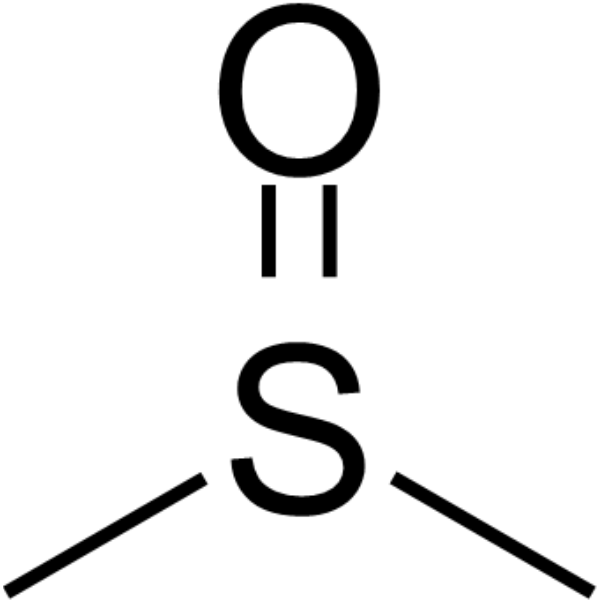
    Dimethyl sulfoxide, meets analytical specification of Ch.P.
    Maximum Cited Publications
    345 Publications Verification

    DMSO, meets analytical specification of Ch.P.

    Environmental Pollutants Bacterial Cholinesterase (ChE) Infection Inflammation/Immunology Cancer
    Dimethyl sulfoxide (DMSO), meets analytical specification of Ch.P. is an aprotic solvent that dissolves polar and non-polar compounds, including water-insoluble therapeutic and toxic agents. Dimethyl sulfoxide (DMSO) has a strong affinity for water and can rapidly penetrate or enhance the penetration of other substances into biological membranes. Dimethyl sulfoxide also has potential free radical scavenging and anticholinesterase effects and may affect coagulation activity. Dimethyl sulfoxide also induces histamine release from mast cells but is thought to have low systemic toxicity. Dimethyl sulfoxide also exhibits antifreeze and antibacterial properties .
    MCE provides Dimethyl sulfoxide that complies with the inspection standards (Ch.P) of Part 4 of the Chinese Pharmacopoeia (2020 Edition). Amicrobic, low endotoxin, can be used in various biochemical experiments such as drug dissolution.
    Dimethyl sulfoxide, meets analytical specification of Ch.P.
  • HY-145799
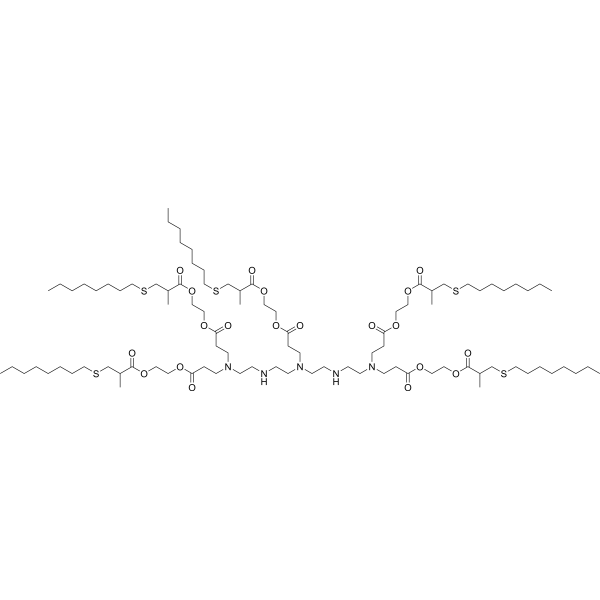
    5A2-SC8
    1 Publications Verification

    Liposome Cancer
    5A2-SC8 is an ionizable amino lipid in lipid nanoparticles (LNPs) that shows high delivery potential and low in vivo toxicity, enabling efficient delivery of small RNAs such as siRNA and miRNA into tumor cells. 5A2-SC8 LNPs can confer a unique delivery fate of RNA within the liver, thereby changing the therapeutic outcomes in cancer models .
    5A2-SC8
  • HY-W127575

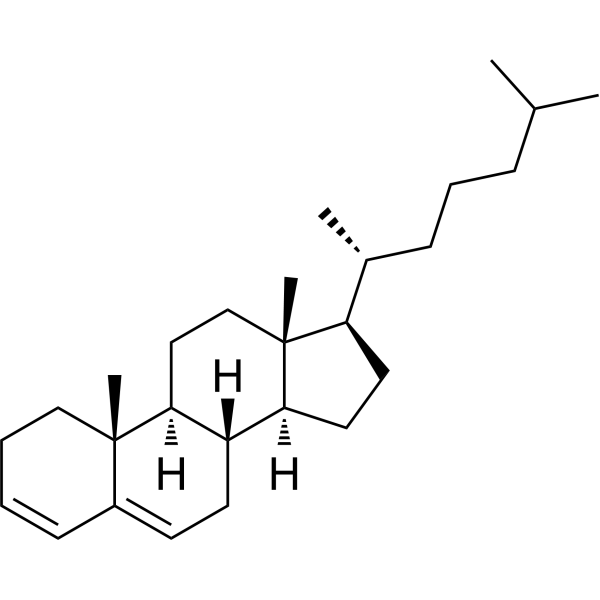
    delta-3,5-Cholestadiene

    PI3K Akt Inflammation/Immunology
    Cholesta-3,5-diene is an inflammatory modulator that targets immune cells such as neutrophils and accelerates wound healing by promoting neutrophil chemotaxis and fibroblast migration. Cholesta-3,5-diene enhances immune cell recruitment and extracellular matrix deposition by activating chemokine receptor-mediated signaling pathways such as PI3K/Akt. Cholesta-3,5-diene can be applied topically to wound repair and has potential therapeutic value in chronic ulcers or skin lesions .
    Cholesta-3,5-diene
  • HY-16969
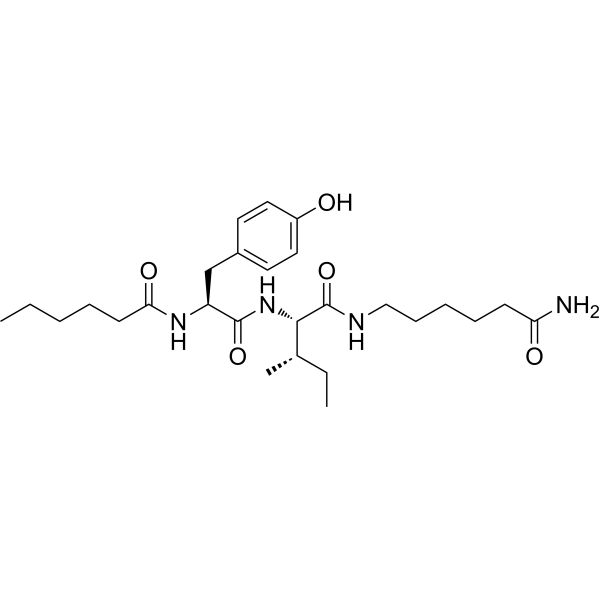
    Dihexa
    5+ Cited Publications

    PNB-0408; N-hexanoic-Try-Ile-(6)-amino hexanoic amide; Hexanoyl-Tyr-Ile-Ahx-NH2

    c-Met/HGFR Neurological Disease
    Dihexa, an oligopeptide drug, is an orally active and blood-brain barrier-permeable angiotensin IV analog. Dihexa binds to hepatocyte growth factor (HGF) with high affinity (Kd=65 pM) and potentiates its activity at its receptor, c-Met. Dihexa exhibits excellent antidementia activity and improves cognitive function in animal models. Dihexa may have therapeutic potential as a treatment Alzheimer’s disease .
    Dihexa
  • HY-Y0320GL

    DMSO (GMP Like)

    Cholinesterase (ChE) Bacterial Infection Inflammation/Immunology Cancer
    Dimethyl sulfoxide (DMSO) (GMP Like) is the GMP Like class Dimethyl sulfoxide (HY-Y0320C). Dimethyl sulfoxide is an aprotic solvent that can dissolve water-insoluble therapeutic and toxic agents. Dimethyl sulfoxide has a strong affinity for water and has the ability to rapidly penetrate or enhance the penetration of other substances through biological membranes. Dimethyl sulfoxide also has potential free radical scavenging and anticholinesterase effects and may affect coagulation activity. Dimethyl sulfoxide also induces histamine release from mast cells but is thought to have low systemic toxicity .
    Dimethyl sulfoxide (GMP Like)
  • HY-12443

    Casein Kinase Neurological Disease
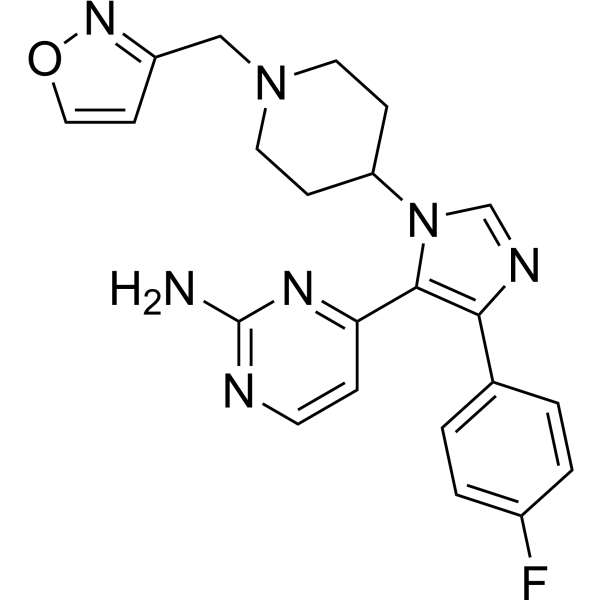
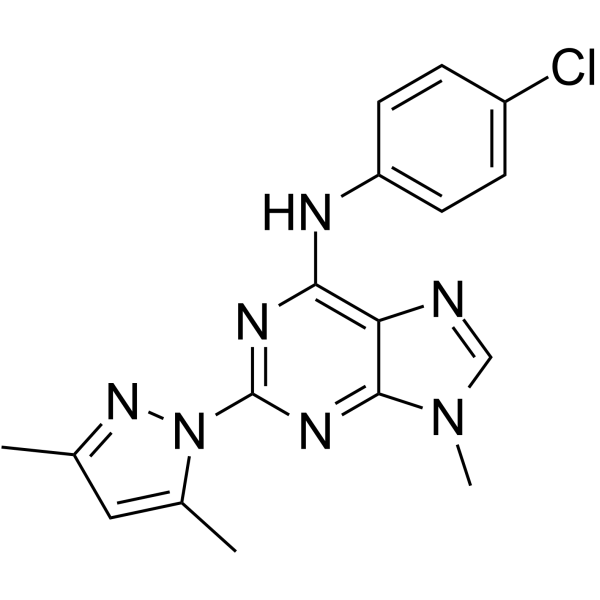
    PF-5006739 is a potent and selective inhibitor of CK1δ/ε with IC50s of 3.9 nM and 17.0 nM, respectively. PF-5006739 is a potential therapeutic agent for a range of psychiatric disorders with low nanomolar in vitro potency for CK1δ/ε and high kinome selectivity. PF-5006739 attenuats opioid agent-seeking behavior in a rodent operant reinstatement model in animals in a dose-dependent manner . PF-5006739 improves glucose tolerance in both diet-induced obesity (DIO) and genetic (ob/ob) mice models of obesity .
    PF-5006739
  • HY-14777

    RGH-896

    iGluR Neurological Disease
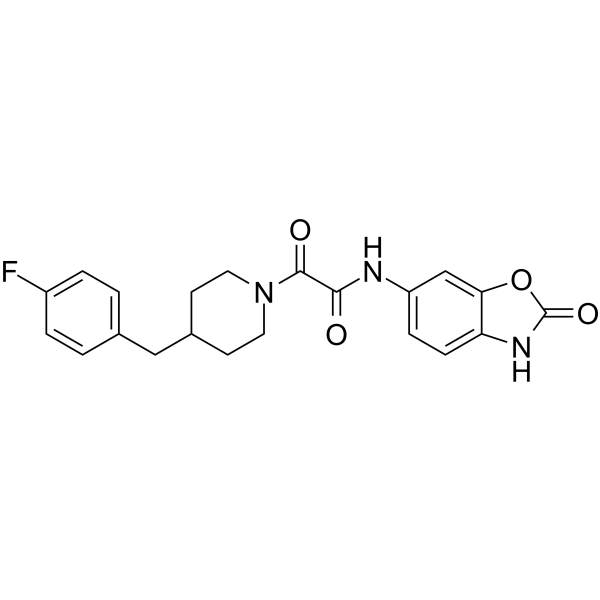
    Radiprodil (RGH-896) is an orally active and selective NMDA NR2B antagonist. A potential therapeutic agent in treatment of neuropathic pain and possibly other chronic pain conditions .
    Radiprodil
  • HY-132606A

    DCR-PHXC sodium

    Small Interfering RNA (siRNA) Lactate Dehydrogenase Metabolic Disease
    Nedosiran (DCR-PHXC) sodium is an RNA interference (RNAi) targeting lactate dehydrogenase (LDH). Nedosiran sodium represents an impactful potential therapeutic for primary hyperoxaluria (PH) with end-stage renal disease (ESRD). Nedosiran sodium is a GalNAc-dsRNA conjugate .
    Nedosiran sodium
  • HY-172435

    AGN-232411; AG-80308; AGN-411

    Formyl Peptide Receptor (FPR) Neurological Disease
    Rezuforimod (AGN-232411; AG-80308) is an ophthalmic solution targeting the formyl peptide receptor (FPR) pathway. Rezuforimod exerts anti-inflammatory effects by targeting the formyl peptide receptor pathway. Administered topically, Rezuforimod significantly reduces the corneal conjunctival staining score and improves ocular discomfort symptoms, with no serious adverse events reported and favorable overall safety profile. Rezuforimod shows remarkable potential to serve as a novel therapeutic option for dry eye disease .
    Rezuforimod
  • HY-124295

    ABT-301; MPT0E028; TMU-C-0012

    HDAC Akt Apoptosis Inflammation/Immunology Cancer
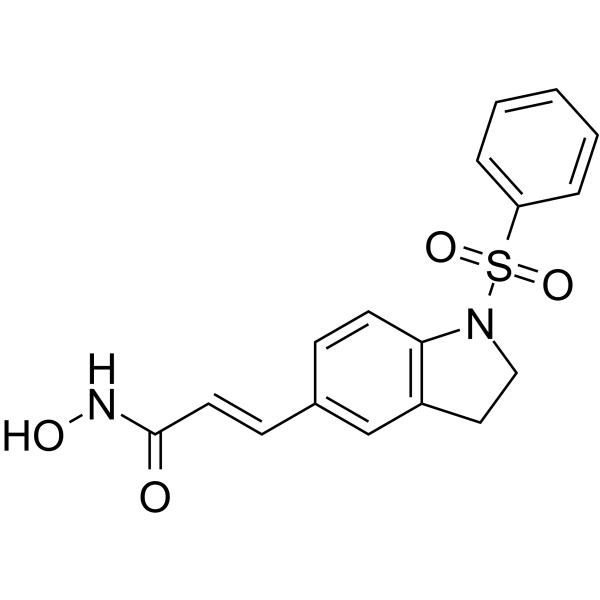
    Imofinostat (ABT-301; MPT0E028) is an orally active and selective HDAC inhibitor with IC50s of 53.0 nM, 106.2 nM, 29.5 nM for HDAC1, HDAC2 and HDAC6, respectively. Imofinostat has a weak inhibitory effect on HDAC8 (IC50 of 2.5 ​​μM), but no inhibitory effect on HDAC4 (IC50>10 μM). Imofinostat reduces the viability of B-cell lymphomas by inducing apoptosis and possesses potent direct Akt targeting ability and reduces Akt phosphorylation in B-cell lymphoma. Imofinostat has a broad-spectrum antitumor activity, including colorectal cancer, B-cell lymphoma, non-small cell lung carcinoma (NSCLC), and pancreatic cancer, while also showing therapeutic potential in non-tumor diseases like emphysema and pulmonary fibrosis .
    Imofinostat
  • HY-102040
    Hispidol
    1 Publications Verification

    (Z)-Hispidol

    TNF Receptor Inflammation/Immunology
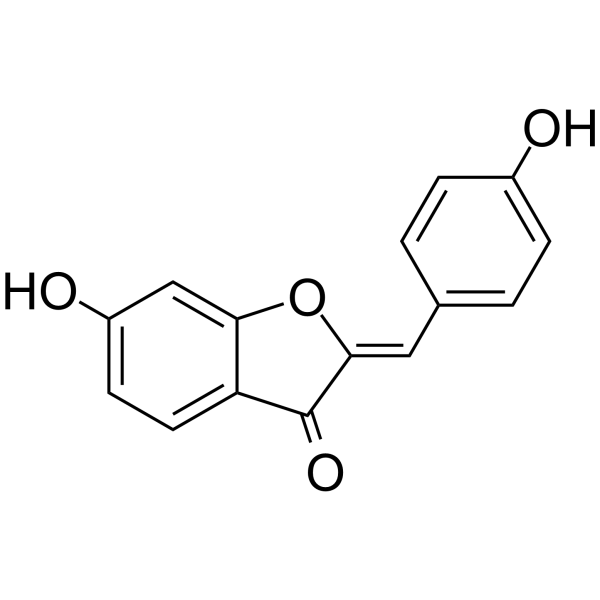
    Hispidol ((Z)-Hispidol) is a potential therapeutic for inflammatory bowel disease; inhibits TNF-α induced adhesion of monocytes to colon epithelial cells with an IC50 of 0.50 μM.
    Hispidol
  • HY-W416291

    Poly(A)

    Biochemical Assay Reagents Cancer
    Polyadenylic acid potassium, also known as Poly(A), is enzymatically added to messenger RNA (mRNA) in eukaryotic cells to stabilize mRNAs. Poly(A) is used to evaluate binding on cationic liposomes doped with non-ionic nucleolipids. Poly(A) is used in small molecule mRNA targeted drug development to evaluate the binding of potential therapeutic agents such as the Isoquinoline group of alkaloids. Small molecules that could bind to this poly(A) tail could influence and possibly inhibit mRNA function and subsequent protein production in the cell leading to the development of new type of therapeutic agents.
    Polyadenylic acid potassium
  • HY-112179
    GSK180
    2 Publications Verification

    KMO Inflammation/Immunology
    GSK180 is a selective, competitive, and potent inhibitor of kynurenine-3-monooxygenase (KMO), a key enzyme of tryptophan metabolism (IC50, ~6 nM), but shows negligible activity against other enzymes on the tryptophan pathway. GSK180 rapidly changes levels of kynurenine pathway metabolites, and acts as a useful tool to probe the therapeutic potential of KMO inhibition .
    GSK180
  • HY-162362

    PROTACs GLP Receptor Cancer
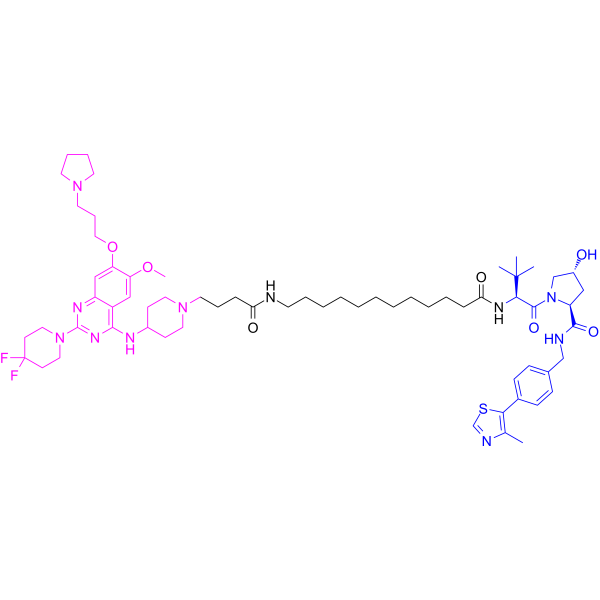
    MS8709 (compound 10), a potential anticancer therapeutic, is a first-in-class G9a/GLP PROTAC degrader. MS8709 is based on G9a/GLP inhibitor UNC0642 and recruits the von Hippel Lindau (VHL) E3 ligase (Red: G9a/GLP inhibitor UNC0642; Blue: VHL ligand; Black: linker) .
    MS8709
  • HY-102070

    Potassium Channel Neurological Disease
    NS13001 is a potent, selective, orally active allosteric positive modulator of SK channels (small conductance calcium-activated potassium channels). The EC50s are 1.8 and 0.14 μM for SK2 and SK3, respectively. NS13001 holds promise as a potential therapeutic agent for treatment of spinocerebellar ataxia type 2 (SCA2) and possibly other cerebellar ataxias .
    NS13001
  • HY-133712

    Tunodafil

    Phosphodiesterase (PDE) Neurological Disease
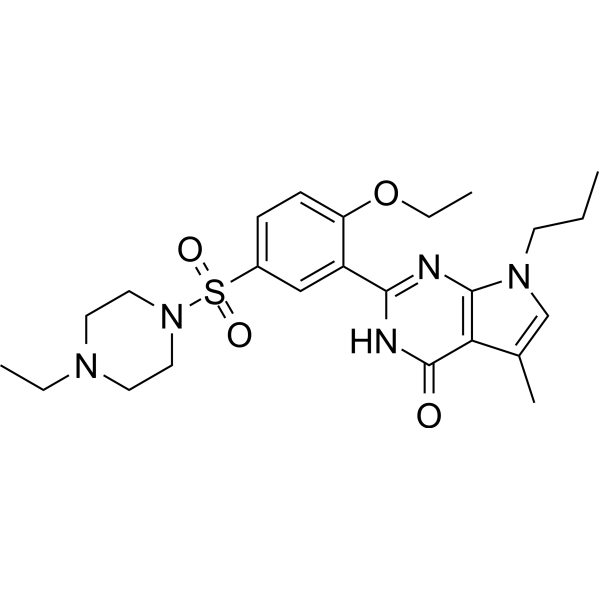
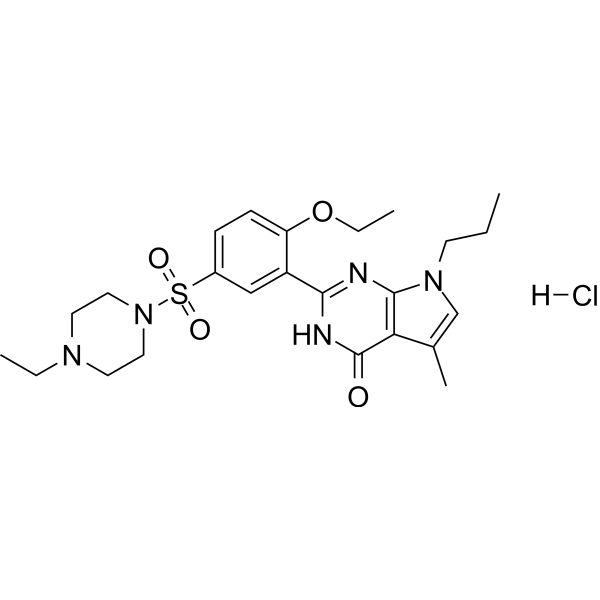
    Yonkenafil (Tunodafil), a novel phosphodiesterase 5 (PDE5) inhibitor, is effective in reducing cerebral infarction, neurological deficits, edema, and neuronal damage in the infarcted area. Yonkenafil may improve cognitive function by modulating neurogenesis and has a potential therapeutic effect on Alzheimer's disease .
    Yonkenafil
  • HY-103190

    Adenosine Receptor Neurological Disease Cancer
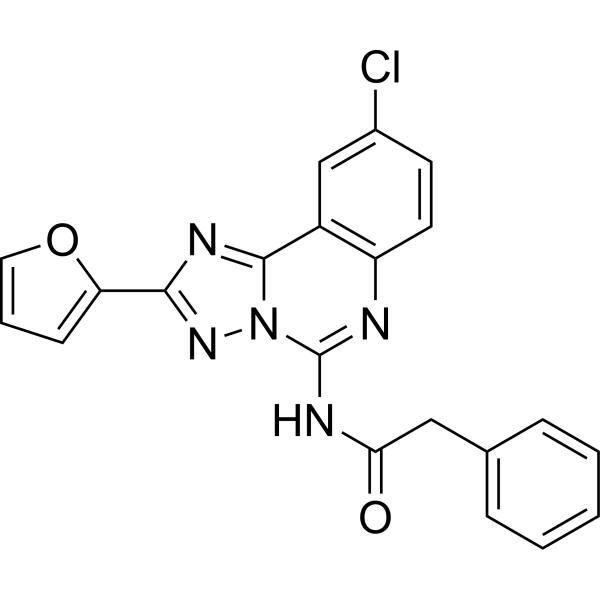
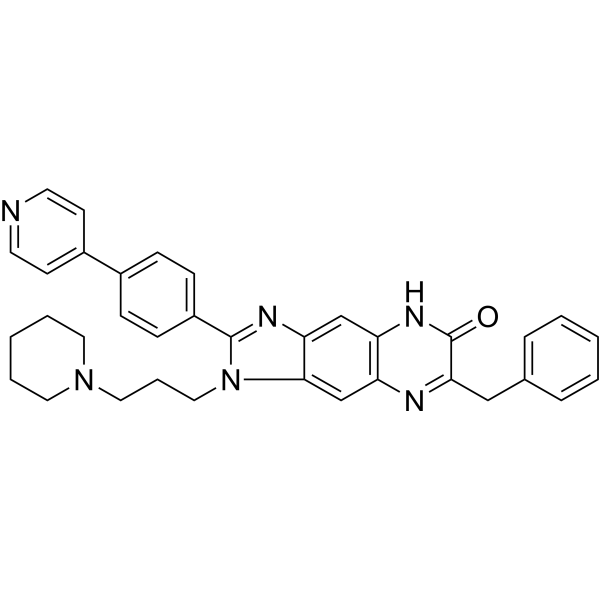
    MRS1220, a highly potent and selective human A3 adenosine receptor (hA3AR) antagonist with a Ki of 0.59 nM, has therapeutic potential for the research of diseases of the central nervous system . MRS1220 reduces glioblastoma tumor size and blood vessel formation in vivo .
    MRS1220
  • HY-N0074
    Byakangelicol
    1 Publications Verification

    COX Inflammation/Immunology
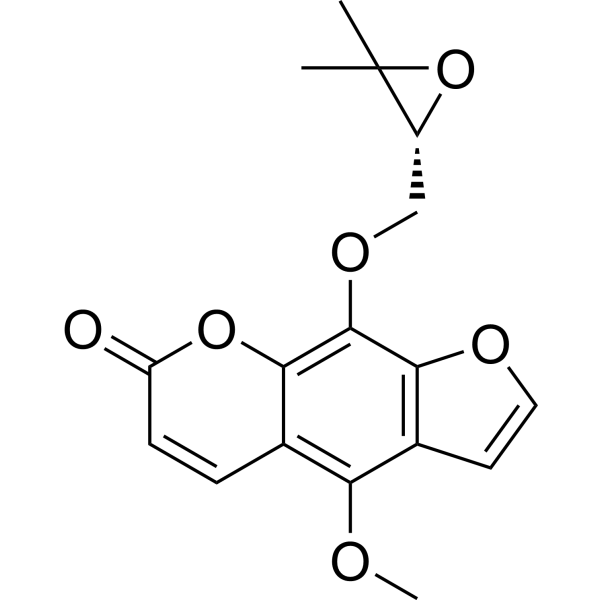
    Byakangelicol, isolated from Angelica dahurica, inhibits interleukin-1beta (IL-1beta) -induced prostaglandin E2 (PGE2) release in A549 cells mediated by suppression of cyclooxygenase-2 (COX-2) expression and the activity of COX-2 enzyme. Byakangelicol has therapeutic potential as an anti-inflammatory agent on airway inflammation .
    Byakangelicol
  • HY-N7491A

    Calcium Channel Cancer
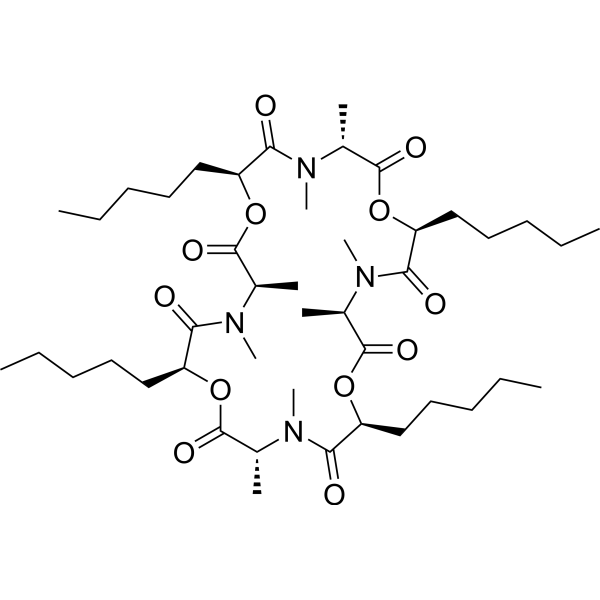
    ent-(+)-verticilide is a potent and selective inhibitor of cardiac ryanodine receptor (RyR2) calcium release channels with antiarrhythmic activity. ent-(+)-verticilide inhibits RyR2-mediated diastolic Ca2+ leak and exhibits higher potency and a distinct mechanism of action compared with theDantrolene and Tetracaine. ent-(+)-verticilide is a useful tool to investigate the therapeutic potential of targeting RyR2 hyperactivity in heart and brain pathologies .
    Ent-(+)-Verticilide
  • HY-N2503

    Apoptosis MMP Inflammation/Immunology
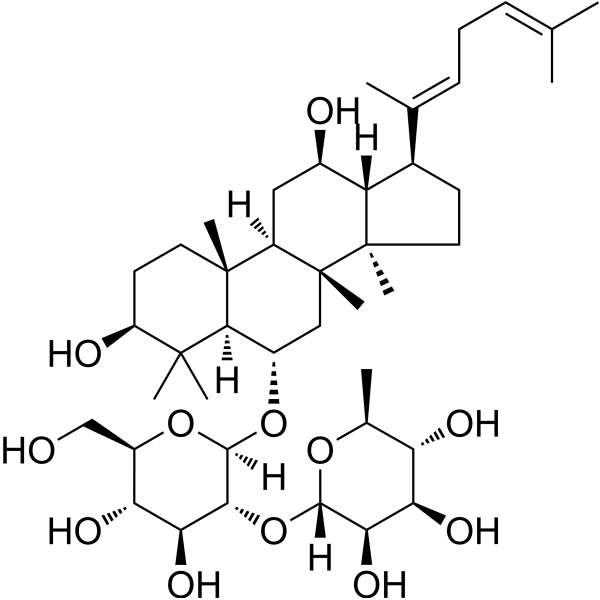
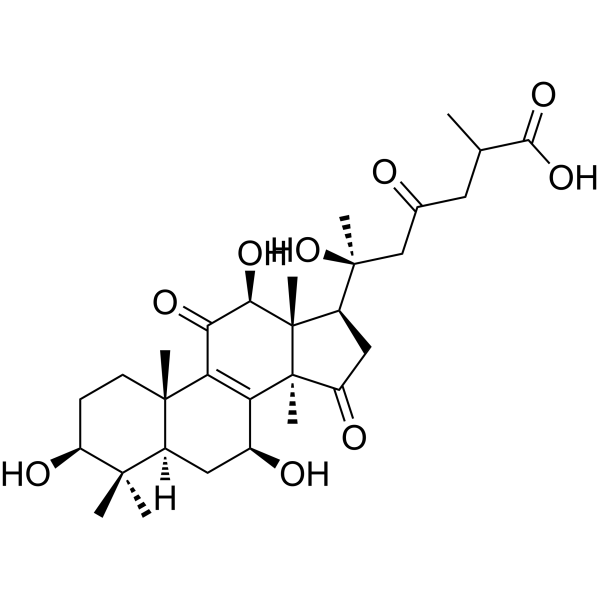
    Ginsenoside F4 (GF4), ginseng saponinis, isolated from notoginseng or red ginseng. Ginsenoside F4 (GF4) has inhibitory effect on human lymphocytoma JK cell by inducing its apoptosis . Ginsenoside F4 (GF4) inhibits matrix metalloproteinase 13 (MMP 13) expression in IL-1β-treated chondrocytes and blocks cartilage breakdown in rabbit cartilage tissue culture, shows therapeutic potential for preventing cartilage collagen matrix breakdown in diseased tissues .
    Ginsenoside F4
  • HY-132606

    DCR-PHXC

    Small Interfering RNA (siRNA) Lactate Dehydrogenase Metabolic Disease
    Nedosiran (DCR-PHXC) is an RNA interference (RNAi) targeting lactate dehydrogenase (LDH). Nedosiran represents an impactful potential therapeutic for primary hyperoxaluria (PH) with end-stage renal disease (ESRD). Nedosiran is a GalNAc-dsRNA conjugate .
    Nedosiran
  • HY-N2523
    Gigantol isomer-1
    1 Publications Verification

    Wnt Cancer
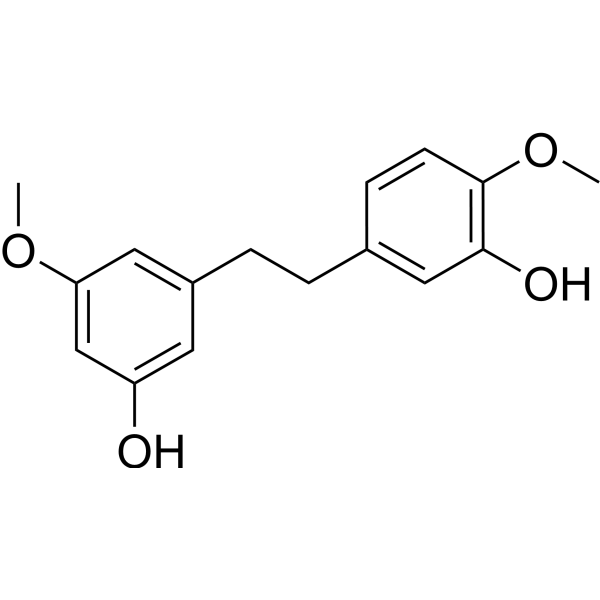
    Gigantol isomer-1 is a bibenzyl compound derived from Dendrobium nobile. Gigantol isomer-1 shows promising therapeutic potential against cancer cells. Gigantol isomer-1 is a novel inhibitor of the Wnt/β-catenin pathway.
    Gigantol isomer-1
  • HY-167840

    PD-1/PD-L1 Neurological Disease Cancer
    IMMH-010 maleate is a prodrug that serves as a novel PD-L1 inhibitor, exhibiting potential antitumor activity for the treatment of neurological disorders and advanced malignant solid tumors. IMMH-010 maleate is rapidly converted to its active form, YPD-29B, following oral administration. IMMH-010 maleate is poised for advancing research in the field of PD-L1 inhibitors and related therapeutic applications.
    IMMH-010 maleate
  • HY-13456

    iGluR Neurological Disease
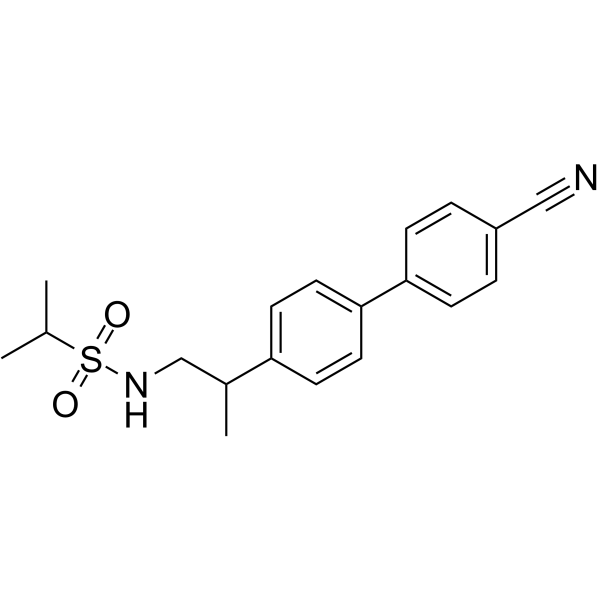
    LY-404187 is a potent, selective and centrally active positive allosteric modulator of AMPA receptors, with the EC50s of 5.65, 0.15, 1.44, 1.66 and 0.21 µM for GluR1i, GluR2i, GluR2o, GluR3i and GluR4i, respectively. LY-404187 has therapeutic potential in a number of psychiatric disorders and neurodegenerative diseases .
    LY-404187
  • HY-Y0320E

    Cholinesterase (ChE) Bacterial Infection Inflammation/Immunology Cancer
    Dimethyl sulfoxide (suitable for HPLC) is an aprotic solvent that can dissolve water-insoluble therapeutic and toxic agents. Dimethyl sulfoxide (DMSO) has a strong affinity for water and has the ability to rapidly penetrate or enhance the penetration of other substances through biological membranes. Dimethyl sulfoxide also has potential free radical scavenging and anticholinesterase effects and may affect coagulation activity. Dimethyl sulfoxide also induces histamine release from mast cells but is thought to have low systemic toxicity. Dimethyl sulfoxide (suitable for HPLC) is suitable for HPLC .
    Dimethyl sulfoxide (suitable for HPLC)
  • HY-16632

    γ-secretase Amyloid-β Metabolic Disease
    ELND 006 (Compound 30) is a metabolically stable γ-secretase inhibitor designed to selectively inhibit amyloid beta (Aβ) generation while sparing Notch signaling. It was developed through a synthetic strategy emphasizing diversity and chirality. ELND 006, along with its analog ELND007 (Compound 34), progressed into human clinical trials. In preclinical studies, both compounds demonstrated effective reduction of Aβ levels in vitro and in vivo. Comparisons with other γ-secretase inhibitors like Semagacestat, Begacestat, and Avagacestat underscored their potency and specificity in lowering Aβ levels in cerebrospinal fluid (CSF) of healthy human volunteers, suggesting potential therapeutic efficacy in Alzheimer's disease .
    ELND 006
  • HY-N2714

    Others Inflammation/Immunology
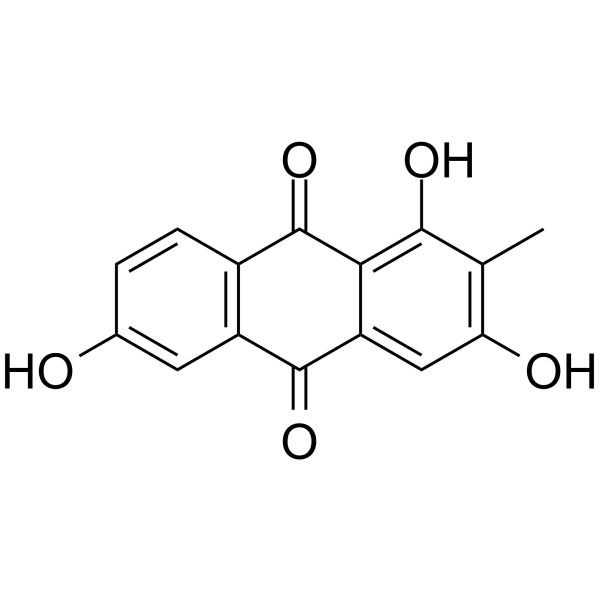
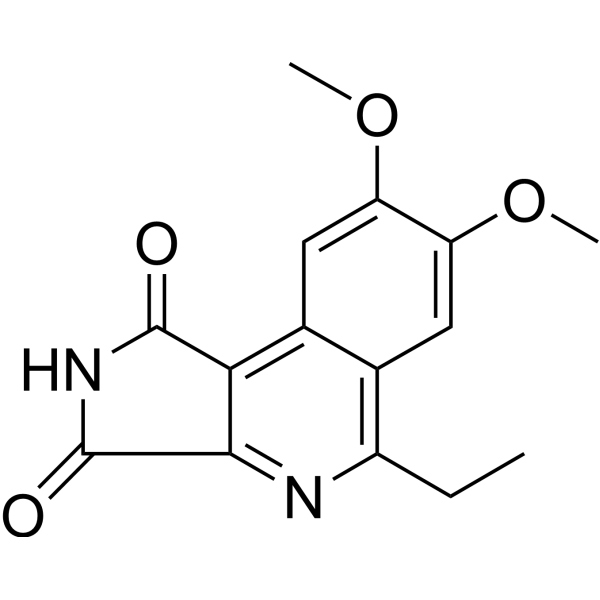
    6-Hydroxyrubiadin, a natural anthraquinone, may be a potential therapeutic candidate for the treatment of inflammation and inflammatory diseases .
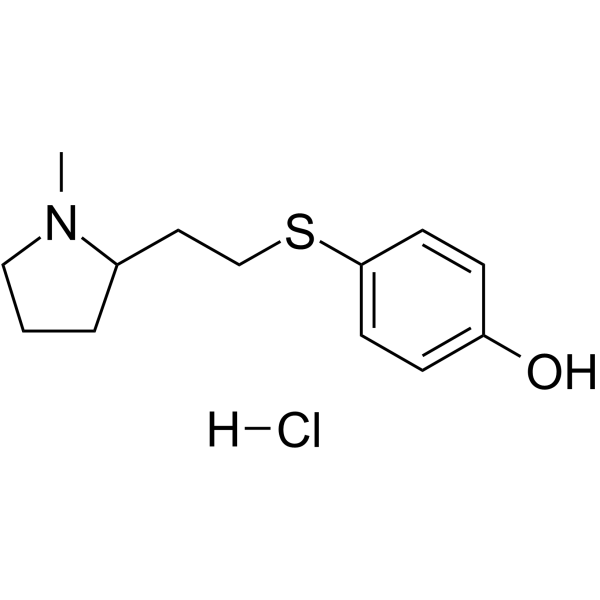
    6-Hydroxyrubiadin
  • HY-123535

    CDK Inflammation/Immunology
    P18IN003 is a potent p18(INK4C) inhibitor andspecifically block the activity of p18 protein. P18IN003 has the potential to be aneffective chemical agent for therapeutic expansion of HSC .
    P18IN003
  • HY-N6973R
    Boldine (Standard)
    1 Publications Verification

    Reference Standards RANKL/RANK Inflammation/Immunology
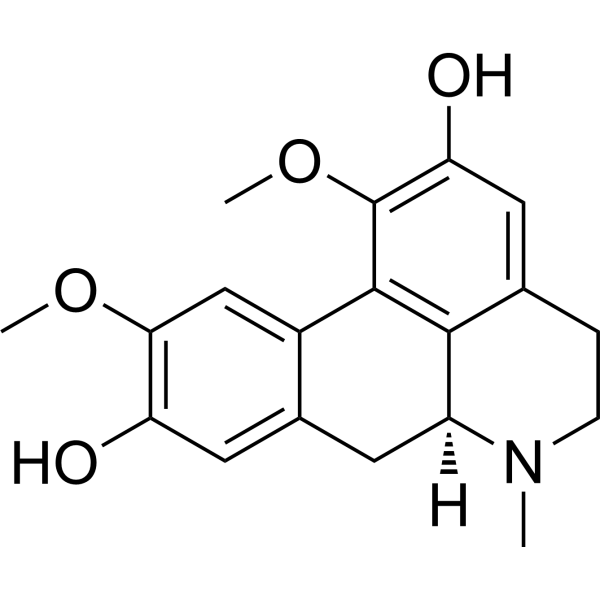
    Boldine (Standard) is the analytical standard of Boldine. This product is intended for research and analytical applications. Boldine is an aporphine isoquinoline alkaloid extracted from the root of Litsea cubeba and also possesses these properties, including antioxidant, anti-inflammatory and cytoprotective effects. Boldine suppresses osteoclastogenesis, improves bone destruction by down-regulating the OPG/RANKL/RANK signal pathway and may be a potential therapeutic agent for rheumatoid arthritis .
    Boldine (Standard)
  • HY-167745

    Discoidin Domain Receptor Neurological Disease
    DDR1-IN-9 is a selective inhibitor of DDR1 with significant kinase activity suppression, exhibiting a Kd value of 4.7 nM and an IC50 value of 9.4 nM. DDR1-IN-9 demonstrates reduced potency against a diverse panel of 400 nonmutated kinases, indicating its specificity. Additionally, DDR1-IN-9 shows favorable pharmacokinetic properties and potential therapeutic effects in a model of pulmonary fibrosis.
    DDR1-IN-9
  • HY-145799A
    5A2-SC8 TFA
    1 Publications Verification

    Liposome Cancer
    5A2-SC8 TFA is an ionizable amino lipid in lipid nanoparticles (LNPs) that shows high delivery potential and low in vivo toxicity, enabling efficient delivery of small RNAs such as siRNA and miRNA into tumor cells. 5A2-SC8 TFA LNPs can confer a unique delivery fate of RNA within the liver, thereby changing the therapeutic outcomes in cancer models .
    5A2-SC8 TFA
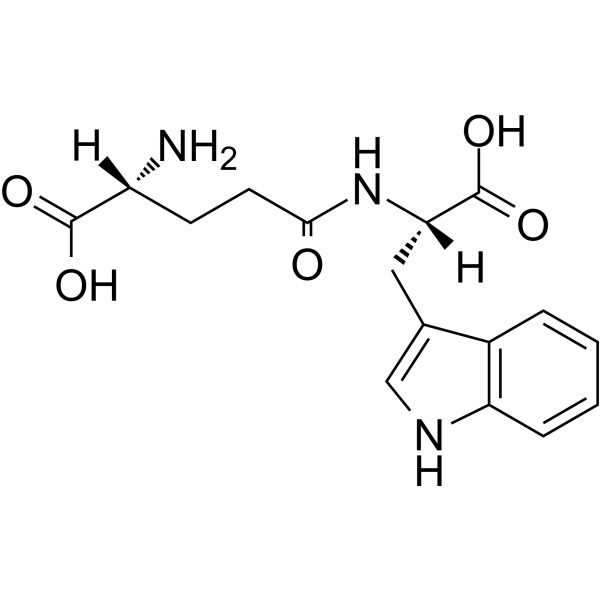
  • HY-14743B

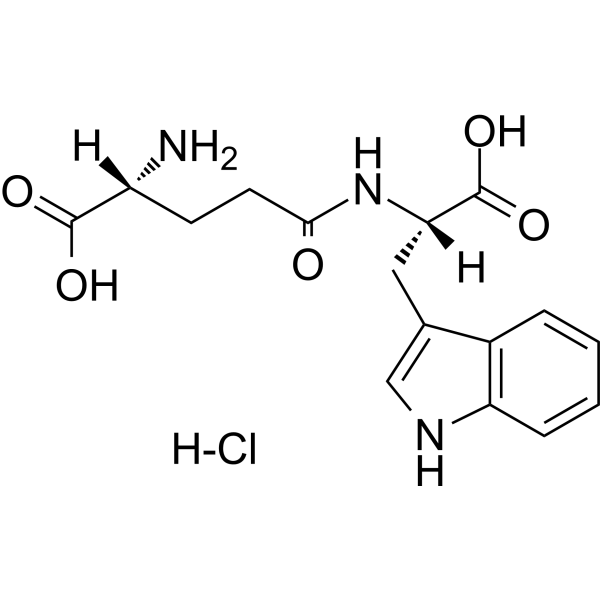
    SCV 07 hydrochloride; Gamma-D-glutamyl-L-tryptophan hydrochloride

    Bacterial STAT Infection Inflammation/Immunology Cancer
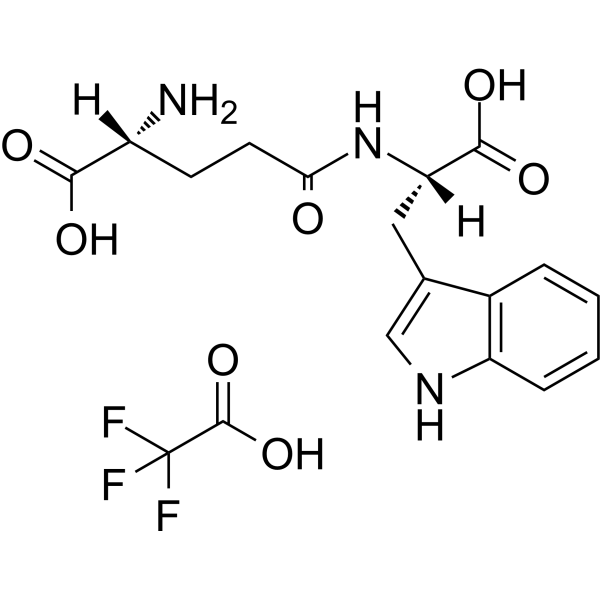
    Golotimod hydrochloride (SCV 07 hydrochloride), an immunomodulating peptide with antimicrobial activity, significantly increases the efficacy of antituberculosis therapy, stimulates thymic and splenic cell proliferation, and improves macrophage function. Golotimod hydrochloride (SCV 07 hydrochloride) inhibits STAT3 signaling and modulates the duration and severity of oral mucositis in animal models that received radiation or a combination of radiation and Cisplatin. Golotimod hydrochloride (SCV 07 hydrochloride) is also a potential therapeutic for recurrent genital herpes simplex virus type 2 (HSV-2) .
    Golotimod hydrochloride
  • HY-167692

    STAT Others
    JI069 is a novel JAK-STAT inhibitor that demonstrates potent activity in suppressing Th1, Th2, and Th17 differentiation while promoting iTreg differentiation. JI069 effectively inhibits STAT3 activation as well as the activation of other STATs, including STAT1, STAT5, and STAT6. JI069 has shown significant therapeutic potential in alleviating symptoms of collagen-induced arthritis in mice while inhibiting cytokine production from T cells and the phosphorylation of STAT3 in synovial cells.
    JI069
  • HY-170779

    FAP Cancer
    DOTA-NI-FAPI-04 is a FAP inhibitor (IC50 = 7.44 nM). By integrating FAP targeting with hypoxia-sensitive groups (nitroimidazole), DOTA-NI-FAPI-04 significantly enhances tumor uptake and retention capabilities. DOTA-NI-FAPI-04 chelates metallic isotopes (such as 68Ga and 177Lu) through DOTA to produce radioactive probes ([68Ga]Ga/DOTA-NI-FAPI-04 and [177Lu]Lu/DOTA-NI-FAPI-04), which can be used for research in tumor diagnostics and therapeutic agents. DOTA-NI-FAPI-04 holds dual targeting potential in the fields of cancer imaging, tumor microenvironment analysis, and radionuclide therapy, particularly suitable for scenarios where the tumor stroma and hypoxic regions synergistically interact .
    DOTA-NI-FAPI-04
  • HY-132927B

    Reactive Oxygen Species (ROS) Inflammation/Immunology
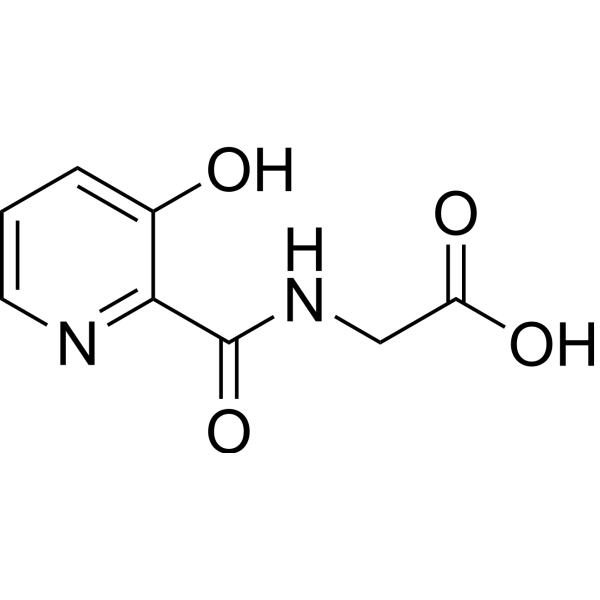
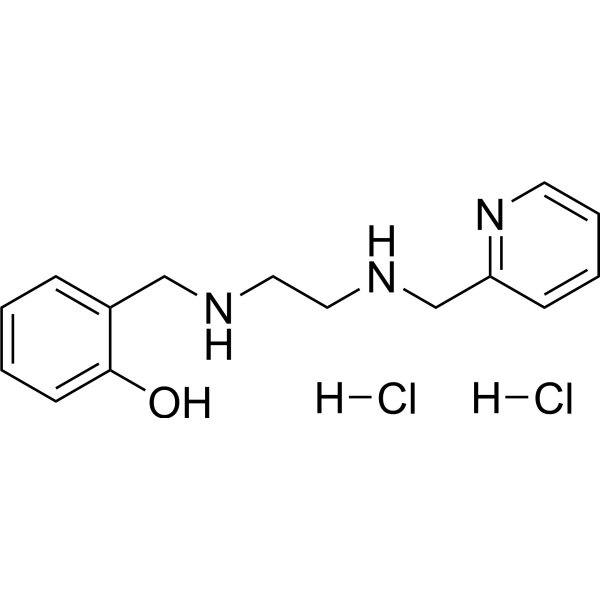
    Salpyran dihydrochloride is a Cu(II) selective chelator with therapeutic potential. Salpyran dihydrochloride prevents the formation of reactive oxygen species from the binary Cu(II)/H2O2 system .
    Salpyran dihydrochloride
  • HY-P9801
    Anti-Spike-RBD mAb
    1 Publications Verification

    SARS-CoV-2 (2019-nCoV) Spike RBD Antibody

    SARS-CoV Infection
    Anti-Spike-RBD mAb is a CHO cell derived human monoclonal IgG1 antibody. Blocking the interaction of Spike protein and ACE2. Anti-Spike-RBD mAb is a potential therapeutic approach for SARS-CoV-2 treatment .
    Anti-Spike-RBD mAb
  • HY-107676

    nAChR Neurological Disease
    SIB-1553A is an orally bioavailable nicotinic acetylcholine receptors (nAChRs) agonist, with selectivity for β4 subunit-containing nAChRs. SIB-1553A is also a selective neuronal nAChR ligand. SIB-1553A is a cognitive enhancer, and has therapeutic potential for the symptomatic treatment of Alzheimer’s disease and other cognitive disorders .
    SIB-1553A
  • HY-14743

    SCV 07; Gamma-D-glutamyl-L-tryptophan

    Bacterial STAT Infection Inflammation/Immunology Cancer
    Golotimod (SCV-07), an immunomodulating peptide with antimicrobial activity, significantly increases the efficacy of antituberculosis therapy, stimulates thymic and splenic cell proliferation, and improves macrophage function. Golotimod (SCV-07) inhibits STAT3 signaling and modulates the duration and severity of oral mucositis in animal models that received radiation or a combination of radiation and Cisplatin. Golotimod (SCV-07) is also a potential therapeutic for recurrent genital herpes simplex virus type 2 (HSV-2) .
    Golotimod
  • HY-174296

    PI5P4K Others
    TMX-4102 is a highly selective phosphatidylinositol 5-phosphate 4-kinase type II gamma (PIP4K2C) binder. TMX-4102 has binding activity to PIP4K2C (Kd = 0.45 nM) and has no significant effect on other lipid and non-lipid kinases.TMX-4102 specifically binds to PIP4K2C, regulating its scaffold function rather than its enzymatic activity. TMX-4102 can be used as a tool molecule to study the biological function and potential therapeutic value of PIP4K2C .
    TMX-4102
  • HY-146309

    NO Synthase Inflammation/Immunology
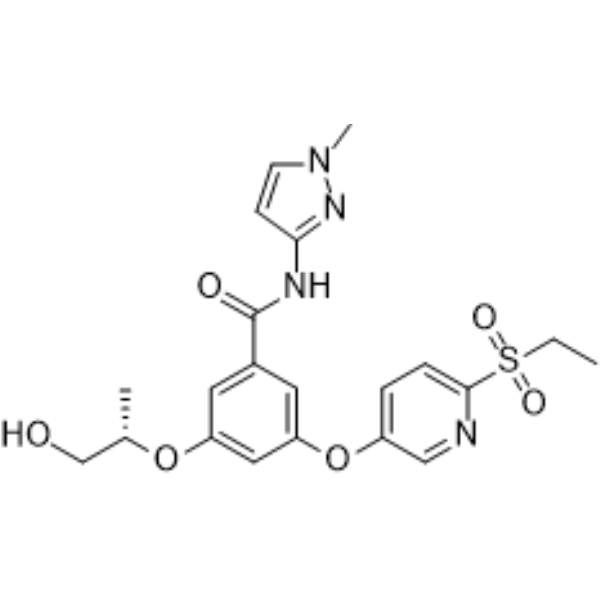
    iNOS-IN-2 (Compound 53) is a potent down-regulator of inducible nitric oxide synthase (iNOS) protein. iNOS-IN-2 effectively inhibits the NO production (IC50=6.4 μM). iNOS-IN-2 has a potential therapeutic effect on chronic inflammation .
    iNOS-IN-2
  • HY-B1588S

    Amyloid-β HIV 11β-HSD Infection Neurological Disease Inflammation/Immunology
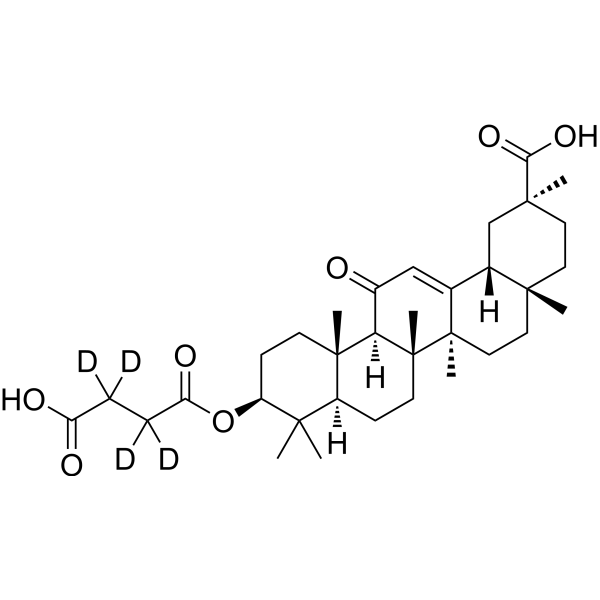
    Carbenoxolone-d4 is deuterium labeled Carbenoxolone. Carbenoxolone, a semi-synthetic derivative of glycyrrhetinic acid, has previously been used for the management of dyspepsia and peptic ulcer because of its anti-inflammatory properties . Carbenoxolone, a general hemichannel and gap junction inhibitor, has the therapeutic potential of carbenoxolone in the research of chronic liver disease . Carbenoxolone is a suitable candidate for the inhibition of Aβ42 aggregation and the therapeutic potential of Cbx against AD . Carbenoxolone is small molecule Pannexin1 (Panx1,is an ATP release channel) inhibitor, attenuate Panx1 channel activity through modulation of the first extracellular loop .Carbenoxolone is an 11β-hydroxysteroid dehydrogenase type 1 (11β-HSD1) inhibitor that converts inactive glucocorticoid into an active form. Carbenoxolone has antiviral activity against DENV infection targeting the virus itself .
    Carbenoxolone-d4
  • HY-W011786

    Aldose Reductase Metabolic Disease
    2-Chloro-1-(4-fluorobenzyl)-1H-benzo[d]imidazole is an inhibitor of larval settlement in marine organisms, demonstrating low toxicity while effectively inhibiting the metamorphosis of species such as barnacles, bryozoans, and polychaetes. 2-Chloro-1-(4-fluorobenzyl)-1H-benzo[d]imidazole also exhibits activity as an aldose reductase (ALR2) inhibitor, indicating potential therapeutic applications in diabetes-related complications.
    2-Chloro-1-(4-fluorobenzyl)-1H-benzo[d]imidazole
  • HY-116497

    FAK Cancer
    PH11 is a novel focal adhesion kinase (FAK) inhibitor that rapidly induces apoptosis in TRAIL-resistant PANC-1 cells when combined with TRAIL, but has no effect on normal human fibroblasts. The study found that PH11 downregulates c-FLIP through inhibition of FAK and phosphatidylinositol-3-kinase (PI3K)/AKT pathways, thereby restoring the TRAIL apoptotic pathway, suggesting that this combination therapy may provide an attractive therapeutic strategy for the safe and effective treatment of pancreatic cancer. PH11 selectively inhibits c-FLIP expression by modulating upstream signaling pathways and may represent an innovative therapeutic strategy. Although further work is needed to fully elucidate the mechanism of PH11-induced TRAIL sensitization, we believe that our results will provide a new approach to target c-FLIP without the risk of interfering with caspase-8 processing, which could potentially lead to TRAIL resistance. This study also suggests a role for the FAK/AKT signaling pathway in regulating c-FLIP expression in TRAIL-induced apoptosis, and this understanding will provide important clues to control the resistance mechanism to optimize the potential of TRAIL-based pancreatic cancer treatment.
    PH11
  • HY-178504

    Bacterial Infection
    Lug-15 is a rapid bactericidal agent. Lug-15 exhibits strong antibacterial activity against both Gram-positive and Gram-negative bacteria, including drug-resistant strains. Lug-15 rapidly kills bacteria primarily through membrane disruption and had a very low propensity to induce bacterial resistance. Lug-15 demonstrates low hemolytic toxicity and significant therapeutic potential in various infection models. Lug-15 can be used for research on combating infections caused by multi-drug resistant bacteria .
    Lug-15
  • HY-155297

    FLA-136

    Histamine Receptor Cardiovascular Disease
    Nebidrazine is a centrally-acting hypotensive agent compared to clonidine, demonstrating weaker cardiovascular effects in rats. It induces dose-dependent hypotension and bradycardia when administered intracerebroventricularly (i.c.v.), with significantly lower sedative potential than clonidine in conscious rats. Yohimbine attenuates the cardiovascular effects of both Nebidrazine and clonidine, suggesting involvement of central alpha-autoreceptors sensitive to yohimbine. Unlike clonidine, Nebidrazine does not affect peripheral alpha-adrenoceptors in pithed rats, indicating a selective central mechanism. Chemical sympathectomy reduces Nebidrazine's cardiovascular effects more than clonidine's, and metiamide diminishes responses to both drugs, implicating central histamine receptors. These findings highlight Nebidrazine's distinct pharmacological profile and potential therapeutic application in managing hypertension through central alpha-autoreceptor stimulation .
    Nebidrazine
  • HY-132927

    Biochemical Assay Reagents Others
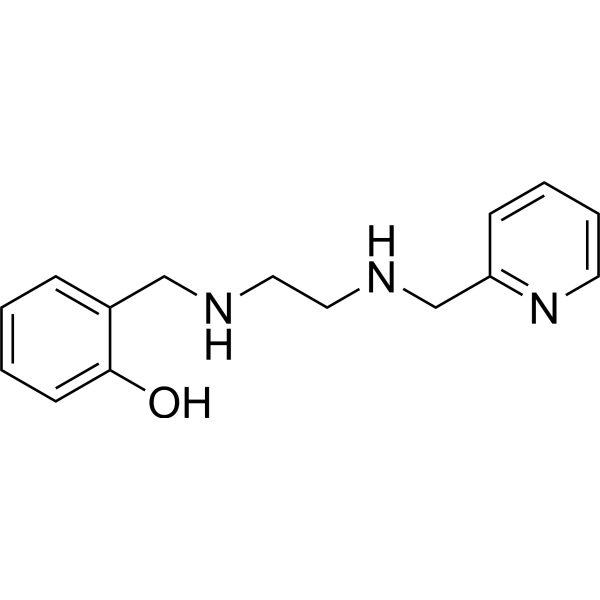
    Salpyran is a Cu(II) selective chelator with therapeutic potential.
    Salpyran
  • HY-132927A

    Biochemical Assay Reagents Others
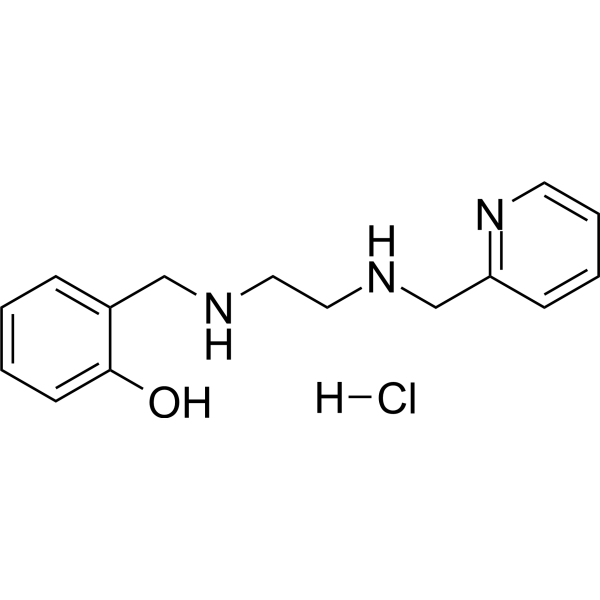
    Salpyran is a Cu(II) selective chelator with therapeutic potential .
    Salpyran hydrochloride
  • HY-126468

    Endogenous Metabolite Cancer
    Abieslactone is a compound with anti-tumor promoting activity, exhibiting significant potential for therapeutic applications in oncology.
    Abieslactone
  • HY-169188

    NOD-like Receptor (NLR) Cancer
    NLRP3-IN-50 (compound SN3-1) is a potential NLRP3 inhibitor with therapeutic potential for inflammatory diseases. .
    NLRP3-IN-50

Inquiry Online

Your information is safe with us. * Required Fields.

Salutation


Country or Region *

Applicant Name *


Organization Name *

Department *


Email Address *


Product Name *

Cat. No.


Requested quantity *

Phone Number *


Remarks

Inquiry Online

Inquiry Information

Product Name:
Cat. No.:
Quantity:
MCE Japan Authorized Agent: