Search Result
Results for "
-carrageenan
" in MedChemExpress (MCE) Product Catalog:
3
Biochemical Assay Reagents
4
Isotope-Labeled Compounds
| Cat. No. |
Product Name |
Target |
Research Areas |
Chemical Structure |
-
- HY-N0088
-
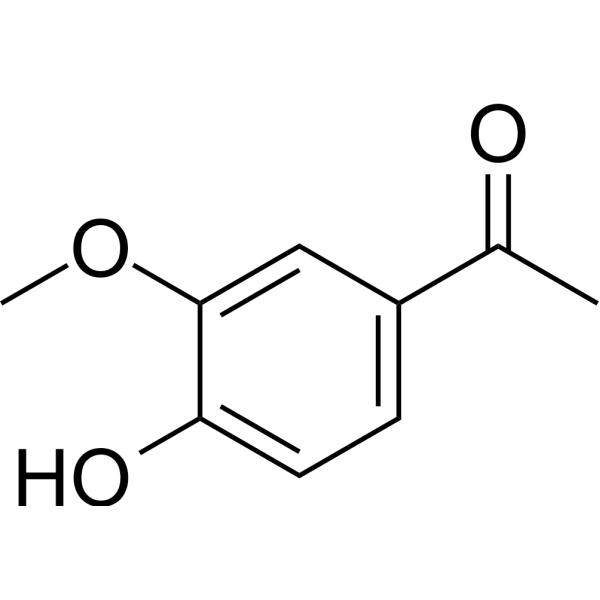
Apocynin
Maximum Cited Publications
30 Publications Verification
Acetovanillone
|
NADPH Oxidase
|
Metabolic Disease
Inflammation/Immunology
|
|
Apocynin is a selective NADPH-oxidase inhibitor with an IC50 of 10 μM . Apocynin improves acute lung inflammation in Carrageenan (HY-125474)-induced pleurisy mice model . Apocynin can also be used for cancer research . Apocynin reverses the aging process in mesenchymal stem cells to promote osteogenesis and increases bone mass .
|
-
-
- HY-N9470
-
|
|
Others
|
Inflammation/Immunology
Cancer
|
|
λ-Carrageenan is a seaweed polysaccharide which has been generally used as proinflammatory agent in the basic research. λ-Carrageenan is a potent antitumor agent .
|
-

-
- HY-14648A
-
|
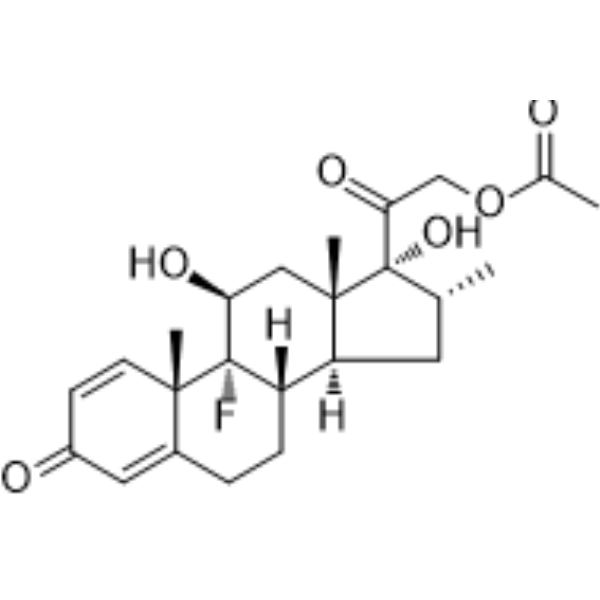
Dexamethasone 21-acetate; Hexadecadrol acetate
|
Glucocorticoid Receptor
|
Inflammation/Immunology
|
|
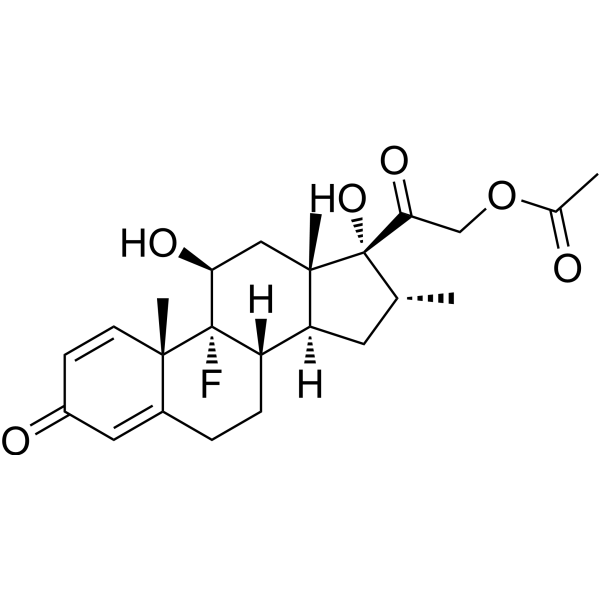
Dexamethasone acetate (Dexamethasone 21-acetate) is the acetate form of the glucocorticoid Dexamethasone (HY-14648). Dexamethasone acetate has a longer duration of action than Dexamethasone. Dexamethasone acetate can accumulate at inflammatory sites, in mouse liver and mouse lung via nanostructured lipid carriers. Dexamethasone acetate can be used to prepare topical formulations for studies related to sensorineural hearing loss, γ-carrageenan-induced paw edema, chronic active hepatitis, pulmonary diseases, and inflammation after vitreoretinal surgery .
|
-
-
- HY-125474
-
|
|
Environmental Pollutants
HIV
HSV
|
Infection
Cancer
|
|
Carrageenan is an antiviral and anticancer agent. Carrageenan inhibits herpes simplex virus (HSV), HIV, and hepatitis A virus (HAV) by directly binding to the viral capsid to block the attachment of viruses such as HPV to HSPG factors on the cell surface. Carrageenan delays and arrests cell cycle progression, exhibits cytotoxicity against HeLa cancer cells, and can be applied to studies related to cervical cancer, genital warts, hepatitis A, and other conditions. Carrageenan also induces acute non-immune inflammation, triggers a three-phase inflammatory response involving the release of multiple proinflammatory mediators, and causes persistent edema, hyperalgesia, and neutrophil recruitment in mice .
|
-

-
- HY-103175
-
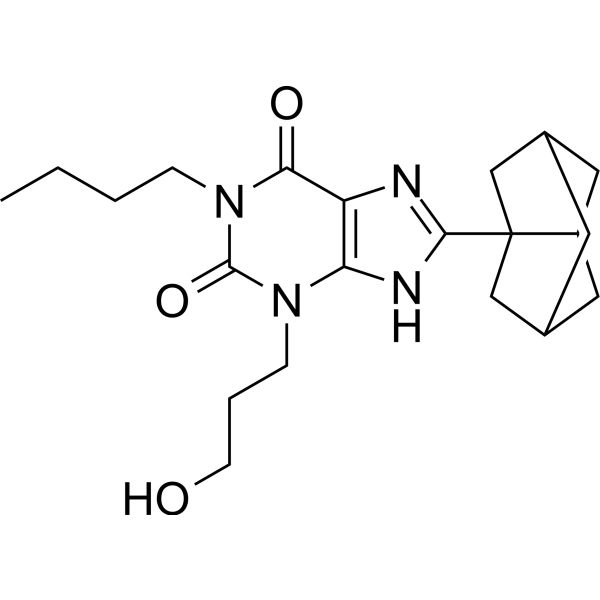
PSB36
1 Publications Verification
|
Adenosine Receptor
|
Cardiovascular Disease
Neurological Disease
Inflammation/Immunology
|
|
PSB36 is a highly selective A1 adenosine receptor antagonist, with a Ki of 0.12 nM and a Kd of 0.7 nM. Systemic administration of PSB36 reduces formalin- and Carrageenan (HY-125474)-induced edema in mice and decreases pain-related behaviors, with no local paw activity. PSB36 prolongs the APD90 of rat and human atria, produces a frequency-dependent prolongation of rat atrial ERP, increases the diastolic threshold of rat atria, and shortens the duration of atrial fibrillation episodes. PSB36 can be used in research related to inflammatory pain, inflammatory hyperalgesia, edema and atrial fibrillation .
|
-
-
- HY-138962
-
|
K-carrageenan Karra Type
|
Apoptosis
|
Inflammation/Immunology
Cancer
|
|
κ-Carrageenan is a natural polymer which predominantly available in red seaweeds. κ-Carrageenan is an effective agent carrier to deliver curcumin in cancer cells and to induce apoptosis. κ-carrageenan serves as a potential inflammatory agent that magnifies existing intestinal inflammation .
|
-

-
- HY-18101A
-
|
|
Sigma Receptor
TRP Channel
|
Neurological Disease
|
|
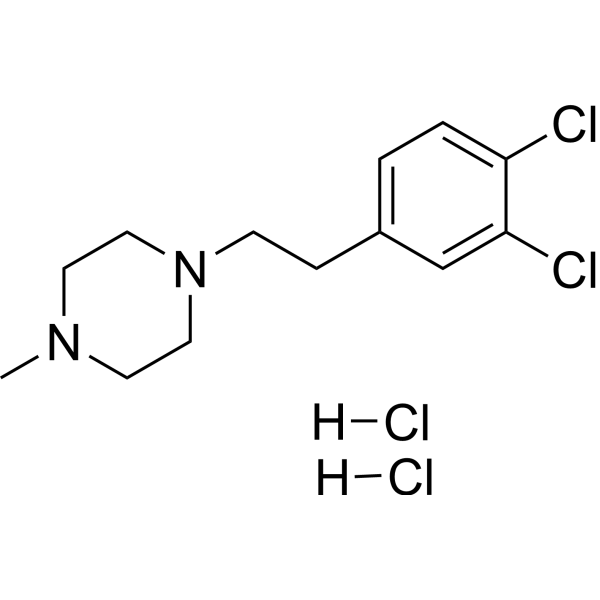
BD-1063 dihydrochloride is a selective σ-1 receptor antagonist with inhibitory activity against TRPC5 and TRPM3. BD-1063 dihydrochloride exerts anti-hyperalgesic and anti-allodynic effects by inhibiting sustained calcium influx mediated by TRPC5 and TRPM3, and reverses the effects of Carrageenan (HY-125474). BD-1063 dihydrochloride also significantly reduces excessive ethanol self-administration behavior. BD-1063 dihydrochloride is widely used in studies on the mechanisms underlying neuropathic pain, inflammatory hyperalgesia, and alcohol abuse and dependence .
|
-
-
- HY-N3558
-
|
Emmolic acid
|
Bacterial
|
Infection
Cancer
|
|
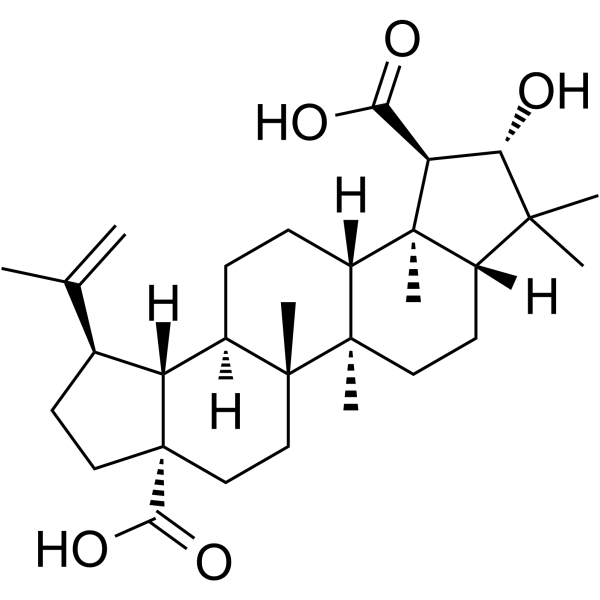
Ceanothic acid (Emmolic acid) is an orally active pentacyclic triterpenoid. Ceanothic acid inhibits the growth of various oral bacteria, including Streptococcus mutans, Actinomyces viscosus, Porphyromonas gingivalis, and Prevotella intermedia. Ceanothic acid scavenges DPPH and H2O2 free radicals. Ceanothic acid inhibits acetic acid (HY-Y0319)-induced writhing response, xylene-induced ear swelling, and carrageenan-induced paw swelling in mice. Ceanothic acid can be used in research related to oral bacterial infections, ovarian cancer, liver cancer, and liver injury .
|
-
-
- HY-106841
-
|
R-75231; R88021
|
Adenosine Receptor
Nucleoside Transporters
|
Inflammation/Immunology
|
|
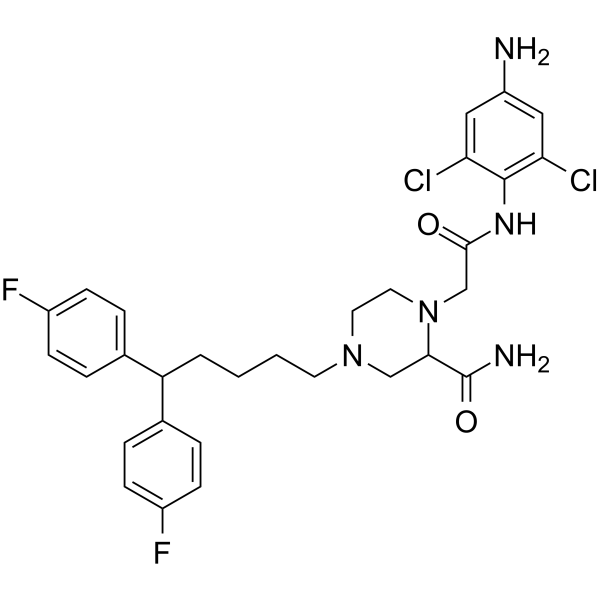
Draflazine (R-75231) is a ENT1 inhibitor. Draflazine (R-75231) completely reverses the hypersensitivity in the complete Freund’s adjuvant (CFA) model of mechanical hyperalgesia and the carrageenan inflammation model of thermal and mechanical hyperalgesia .
|
-
-
- HY-W050088
-
|
HP 549
|
Drug Derivative
|
Neurological Disease
Inflammation/Immunology
|
|
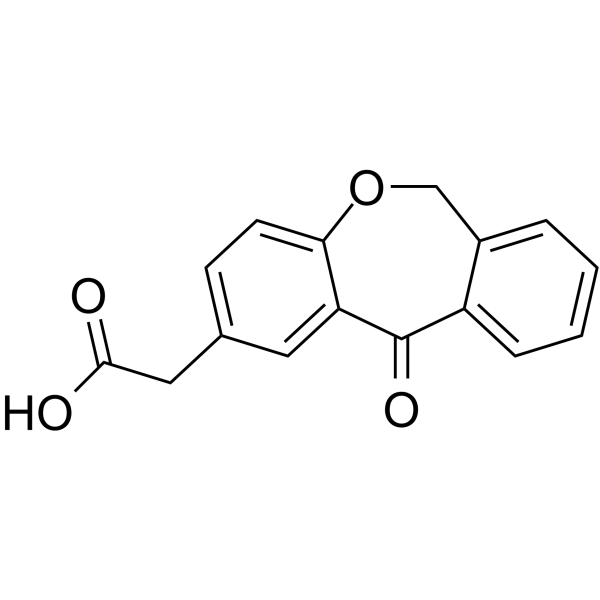
Isoxepac (HP 549) is an orally active non-steroidal anti-inflammatory agent. Isoxepac can inhibit Carrageenan (HY-125474) paw oedema, adjuvant-induced polyarthritis, and prostaglandin synthesis. Isoxepac (200 mg) has an analgesic effect after meniscectomy with a low incidence of side effects. Isoxepac can be used in the research of inflammatory (rheumatoid arthritis) and pain-related diseases .
|
-
-
- HY-135115
-
|
3,4-DHPEA-EA
|
α-synuclein
HDAC
Adrenergic Receptor
|
Inflammation/Immunology
|
|
Oleuropein Aglycone (3,4-DHPEA-EA) is a polyphenol and the aglycone form of oleuropein (HY-N0292), formed by enzymatic, acidic or acetylated hydrolysis of oleuropein. Dietary intake of oleuropein Aglycone (50 mg/kg diet) increases the number of neuronal autophagic vesicles, reverses cognitive deficits in the TgCRND8 transgenic mouse model of Alzheimer's disease, and reduces the levels of histone deacetylase 2 (HDAC2) in the cortex and hippocampus. Oleuropein Aglycone increases urinary norepinephrine, interscapular brown adipose tissue epinephrine, and UCP1 protein levels, and reduced plasma leptin levels and total abdominal adipose tissue weight in a rat model of high-fat diet-induced obesity. Oleuropein Aglycone also reduced lung neutrophil infiltration, lipid peroxidation, and IL-1β levels in a mouse model of carrageenan-induced pleurisy.
|
-

-
- HY-W021267
-
|
|
Reactive Oxygen Species (ROS)
|
Inflammation/Immunology
|
|
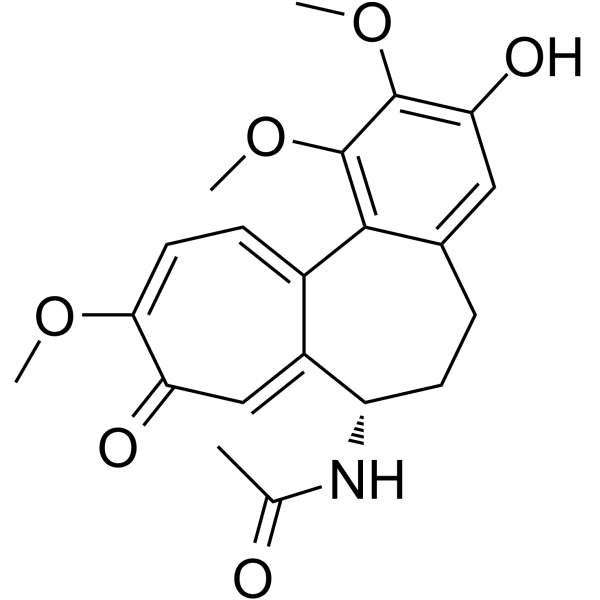
3-Demethylcolchicine, a colchicine metabolite and anti-inflammatory agent, exhibits potent tubulin-binding activity. 3-Demethylcolchicine inhibits carrageenan-induced rat paw edema. 3-Demethylcolchicine bears a hydroxyl group on its carbocyclic ring; this group participates in free radical scavenging processes, allowing it to act as a free radical scavenger. 3-Demethylcolchicine is applicable to studies related to carrageenan-induced paw edema .
|
-
-
- HY-14648AR
-
|
Dexamethasone 21-acetate (Standard); Hexadecadrol acetate (Standard)
|
Reference Standards
Glucocorticoid Receptor
|
Inflammation/Immunology
|
|
Dexamethasone acetate (Standard) (Dexamethasone 21-acetate (Standard)) is the analytical standard of Dexamethasone acetate (HY-14648A). This product is intended for research and analytical applications. Dexamethasone acetate (Dexamethasone 21-acetate) is the acetate form of the glucocorticoid Dexamethasone (HY-14648). Dexamethasone acetate has a longer duration of action than Dexamethasone. Dexamethasone acetate can accumulate at inflammatory sites, in mouse liver and mouse lung via nanostructured lipid carriers. Dexamethasone acetate can be used to prepare topical formulations for studies related to sensorineural hearing loss, γ-carrageenan-induced paw edema, chronic active hepatitis, pulmonary diseases, and inflammation after vitreoretinal surgery.
|
-
-
- HY-A0235
-
|
Stakane
|
Drug Derivative
Influenza Virus
|
Infection
Neurological Disease
Metabolic Disease
Inflammation/Immunology
|
|
Antrafenine (Stakane) is a derivative of 2-(quinolin-4-ylamino) benzoate, and is an orally active anti-inflammatory and analgesic agent. Antrafenine protects mammalian epithelial cells from cell death upon exposure to influenza A virus A/WSN/33 (H1N1). Antrafenine inhibits carrageenan-induced paw swelling in rats, and reduces exudate volume and total leukocyte infiltration in carrageenan- and calcium pyrophosphate dihydrate crystal-induced pleurisy in rats. Antrafenine can be used in studies related to influenza and pseudogout .
|
-

-
- HY-N7694
-
|
|
TGF-β Receptor
JAK
STAT
Apoptosis
|
Inflammation/Immunology
Cancer
|
|
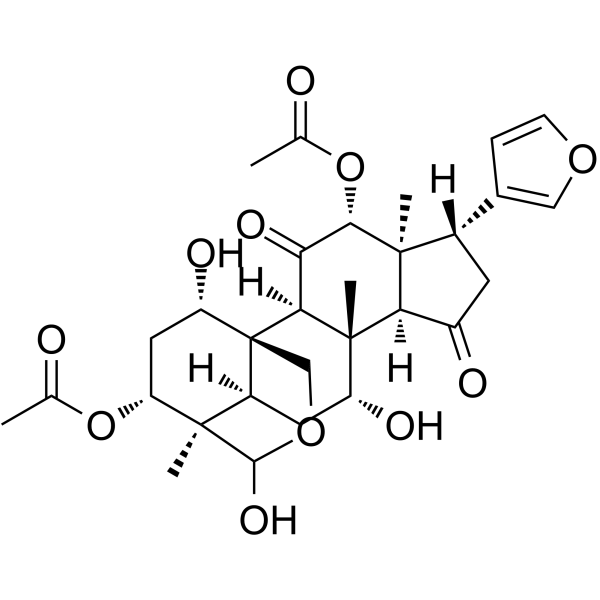
Isotoosendanin is an orally active TGFβR1 inhibitor and abrogating its kinase activity (IC50 = 6732 nM). Isotoosendanin inhibits the JAK/STAT3 signaling pathway by directly targeting SHP-2, enhancing its stability, and reducing its ubiquitination. Isotoosendanin inhibits TGF-β-induced reduces the migration, invasion, and metastasis in triple-negative breast cancer (TNBC) cells. Isotoosendanin exhibits anti-tumor efficacy in TNBC xenograft models and A549 xenograft tumors. Isotoosendanin exhibits significant anti-inflammatory effects in acetic acid-induced vascular permeability and λ-carrageenan-induced hind paw edema tests. Isotoosendanin can be used for the study of non-small cell lung cancer (NSCLC), TNBC and inflammation .
|
-
-
- HY-W145523
-
|
Viscarin SD 309
|
Biochemical Assay Reagents
|
Others
|
|
ι-Carrageenan (Viscarin SD 309) is a biochemical reagent. ι-Carrageenan can be isolated from Eucheuma serra or red algae H. musciformis and S. filiformis. ι-Carrageenan has potential application in protein emulsion flocculation and stability .
|
-

-
- HY-116005
-
|
|
Adenosine Kinase
|
Neurological Disease
Inflammation/Immunology
|
|
A-286501 is an orally active and potent carbocyclic nucleoside adenosine kinase inhibitor with an IC50 value of 0.47 nM, which shows analgesic and anti-inflammatory effects. A-286501 reduces nociception in animal models of acute (thermal), inflammatory (formalin and carrageenan) and neuropathic (L5/L6 nerve ligation and streptozotocin-induced diabetic) pain. A-286501 also reduces Carrageenan (HY-125474)-induced paw edema and myeloperoxidase activity in the injured paw. A-286501 is promising for research of analgesic and anti-inflammatory agents .
|
-

-
- HY-N11072
-
|
|
Lipoxygenase
Leukotriene Receptor
Reactive Oxygen Species (ROS)
MMP
|
Inflammation/Immunology
|
|
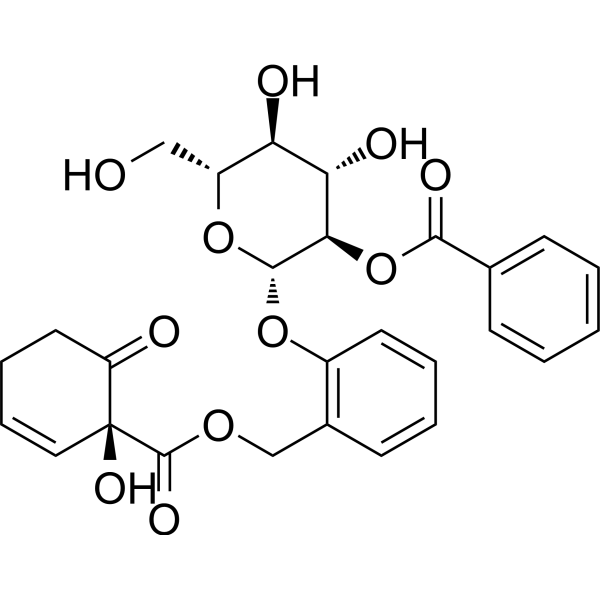
Tremulacin is a 5-LOX inhibitor. Tremulacin reduces the biosynthesis of LTB4 and slow-reacting substances of anaphylaxis. Tremulacin alleviates carrageenan-induced paw edema in rats, croton oil-induced ear edema in mice, and acetic acid-induced writhing response in mice. Tremulacin inhibits TNF-α-stimulated ROS production and MMP-1 expression, and promotes collagen secretion in human dermal fibroblasts. Tremulacin is investigated for studies on inflammation-related diseases .
|
-
-
- HY-118282
-
|
|
PGE synthase
|
Endocrinology
|
|
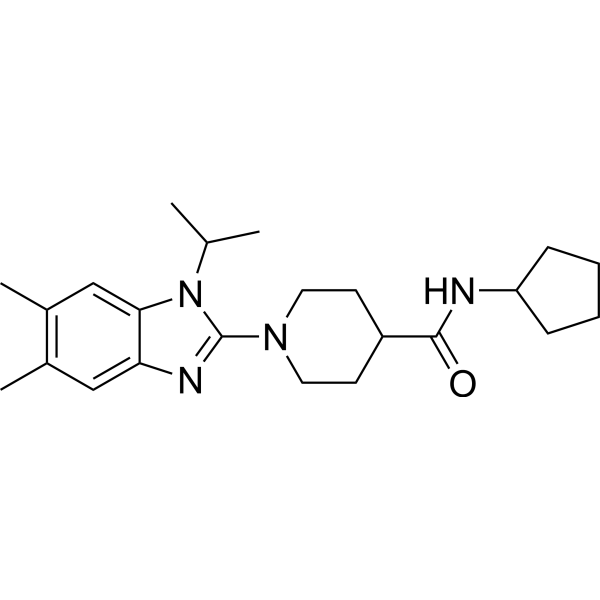
mPGES-1-IN-2 (compound III) is a benzimidazole-based mPGES-1 inhibitor that also inhibits adipophysin PGD synthase (I-PGDS) (5 μM, IR=60 %). mPGES-1-IN-2 reduces PGE2 production and tends to reduce levels of other prostaglandins. mPGES-1-IN-2 effectively inhibits acute inflammation in an air sac model stimulated by Carrageenan (HY-125474) in mice .
|
-
-
- HY-P5875A
-
|
|
Protease Activated Receptor (PAR)
|
Cardiovascular Disease
Inflammation/Immunology
|
|
P4pal10 TFA is the TFA salt form of P4pal10 (HY-P5875). P4pal10 TFA is an antagonist for protease-activated receptor 4 (PAR4). P4pal10 TFA inhibits the platelet aggregation, inhibits tissue factor (TF)-induced thrombin generation, and exhibits anticoagulant and antithrombotic activities. P4pal10 TFA reduces the oedema and the granulocyte infiltration induced by Carrageenan (HY-125474). P4pal10 TFA ameliorates the injury in rats myocardial ischemia/reperfusion (I/R) models .
|
-

-
- HY-127072
-
|
|
Antibiotic
Bacterial
|
Infection
Inflammation/Immunology
Cancer
|
|
Amicoumacin A is an orally active antibiotic. Amicoumacin A targets bacterial ribosomes and inhibits bacterial translation by stabilizing the interaction between mRNA and ribosomes. Amicoumacin A induces cancer cell death by targeting eukaryotic ribosomes. Amicoumacin A exhibits anti-inflammatory and anti-ulcer activities, inhibits carrageenan-induced paw edema, and prevents stress-induced gastric ulcers. Amicoumacin A inhibits the growth of Gram-positive bacteria, Salmonella spp., Shigella spp., Helicobacter pylori, and methicillin-resistant Staphylococcus aureus. Amicoumacin A can be used in the research of lung cancer, breast cancer, bacterial infections, inflammatory edema and gastric ulcers [2] .
|
-

-
- HY-N2196
-
|
|
Others
|
Inflammation/Immunology
|
|
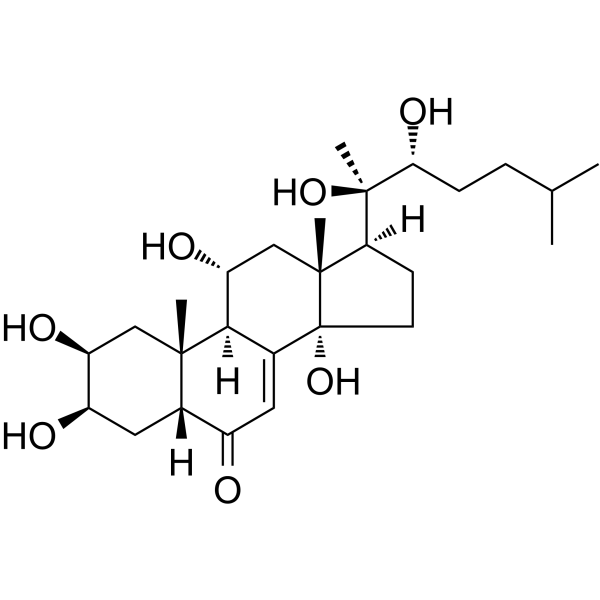
Ajugasterone C is an ecdysteroid isolated from Leuzea carthamoides. Ajugasterone C shows significant inhibitory effect at 100 mg/kg dose on rat paw oedema development due to Carrageenan-induced inflammation in Sprague Dawley rats .
|
-
-
- HY-134521
-
|
|
COX
|
Inflammation/Immunology
|
|
Diclofenac amide is a prodrug for Diclofenac sodium (HY-15037). Diclofenac amide is an orally active inhibitor for COX-1/2, that inhibits the production of prostaglandins (PG) and thromboxanes (TX). Diclofenac amide exhibits anti-inflammatory efficacy in Carrageenan (HY-125474)-induced rat paw edema model without causing gastric ulcer (300 μmol/kg) .
|
-

-
- HY-W995241
-
|
|
COX
NF-κB
|
Inflammation/Immunology
|
|
BPD is a COX-2 and TAK1-NF-κB inhibitor, with an IC50 of 18.5 μM for COX-2. BPD inhibits the expression of iNOS, TNF-α, IL-6 and IL-1β at the transcriptional level. BPD has anti-inflammatory activity. BPD can inhibit Carrageenan-induced paw oedema and LPS-induced septic death .
|
-

-
- HY-165528
-
|
XC8
|
CCR
|
Inflammation/Immunology
|
|
Histamine glutarimide (XC8) is an orally active anti-asthma agent. Histamine glutarimide blocks the maturation of chemokines (CCL2, CCL7, CCL8, CCL13) and inhibits the migration of eosinophils and the degranulation of mast cells. In asthma models induced by carrageenan and rat ovalbumin, Histamine glutarimide can reduce airway resistance and the count of eosinophils in bronchoalveolar lavage fluid. Histamine glutarimide can be used in asthma research .
|
-

-
- HY-W050088S
-
|
HP 549-d6
|
Isotope-Labeled Compounds
Drug Derivative
|
Neurological Disease
Inflammation/Immunology
|
|
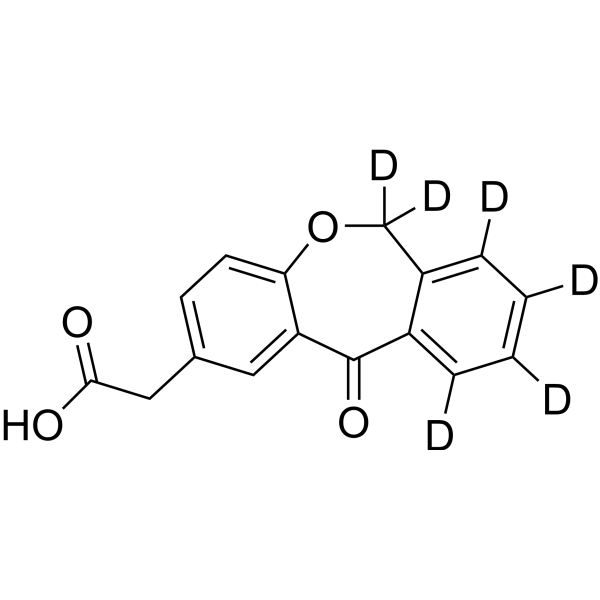
Isoxepac-d6 (HP 549-d6) is the deuterium labeled Isoxepac (HY-W050088). Isoxepac (HP 549) is an orally active non-steroidal anti-inflammatory agent. Isoxepac can inhibit Carrageenan (HY-125474) paw oedema, adjuvant-induced polyarthritis, and prostaglandin synthesis. Isoxepac (200 mg) has an analgesic effect after meniscectomy with a low incidence of side effects. Isoxepac can be used in the research of inflammatory (rheumatoid arthritis) and pain-related diseases .
|
-
-
- HY-122323
-
|
Leucylarginine
|
Amino Acid Derivatives
|
Others
|
|
L-Leucyl-L-arginine (Leucylarginine) is a compound that inhibits the analgesic effect of systemically administered L-arginine in a carrageenan-induced hyperalgesia model in mice when administered intracerebroventricularly.
|
-

-
- HY-100174
-
|
NSC294836
|
Others
|
Neurological Disease
|
|
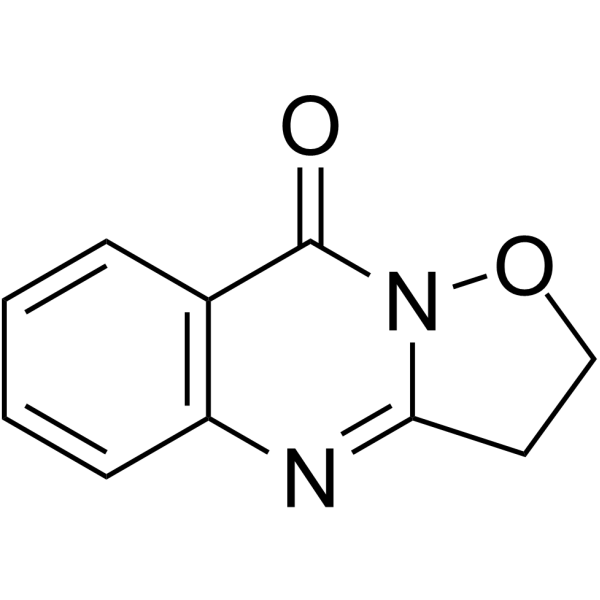
W-2429 (NSC294836) is considerably more effective than acetylsalicylic acid in inhibiting carrageenan-induced edema and in reducing brewer's yeast-induced fever in rats .
|
-
-
- HY-149961
-
|
|
Parasite
|
Infection
Inflammation/Immunology
|
|
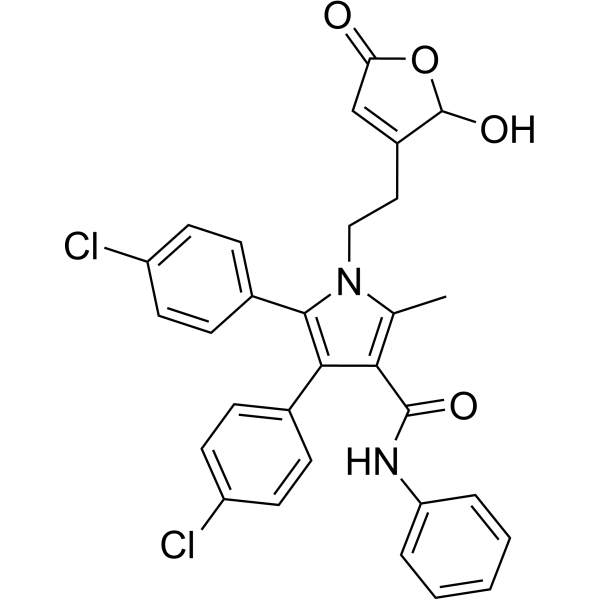
Anti-inflammatory agent 40 is a potential and orally active anti-malarial and anti-inflammatory agent. Anti-inflammatory agent 40 inhibits carrageenan induced paw swelling in vivo.
|
-
-
- HY-116597
-
|
F3MethylAA
|
PPAR
|
Inflammation/Immunology
|
|
L-783483 (F3MethylAA) is an agonist for PPARδ. L-783483 ameliorates Carrageenan (HY-125474)-induced paw edema in mice .
|
-

-
- HY-N1143
-
|
|
Others
|
Inflammation/Immunology
|
|
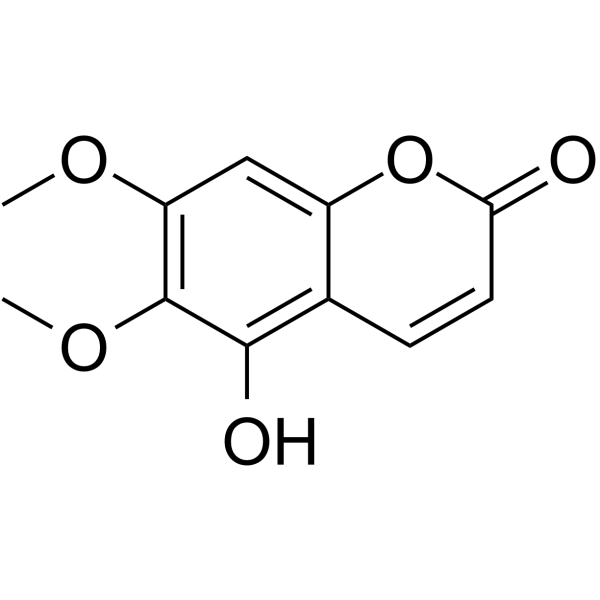
Tomentin is a compound isolated from Sphaeralcea angustifolia. Tomentin inhibits the formation of λ-carrageenan footpad edema at 58 %. Tomentin inhibits the phorbol ester-induced auricular edema formation by 57 % .
|
-
-
- HY-119279
-
|
|
Histamine Receptor
|
Inflammation/Immunology
|
|
VUF 10214 is a H4 receptor ligand with a pKi of 8.25. VUF 10214 exhibits significant anti-inflammatory activity in a carrageenan-induced paw edema rat model and can be used for research in the field of inflammatory diseases .
|
-

-
- HY-N10226
-
|
|
Prostaglandin Receptor
|
Cardiovascular Disease
Endocrinology
|
|
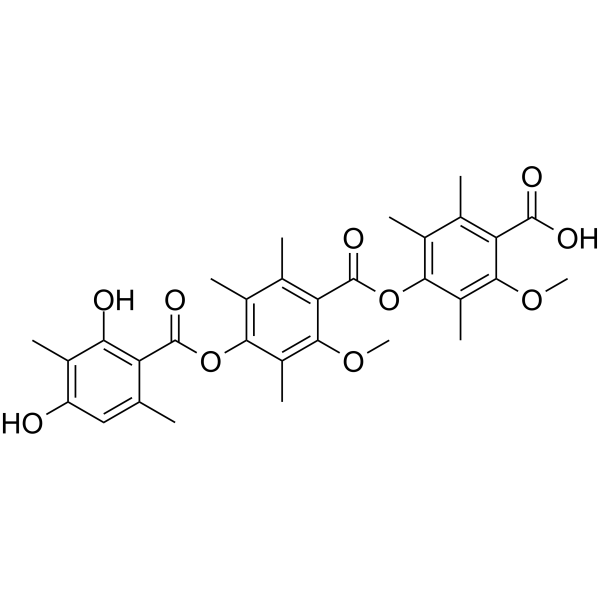
Thielavin B is an inhibitor of prostaglandin biosynthesis produced by Thielavia terricola. Thielavin B effectively influences the prostaglandin E2 synthesis from the endoperoxide. Thielavin B is significantly effective on carrageenan-induced oedema of rats when administered intravenously .
|
-
-
- HY-121428
-
|
|
PGE synthase
|
Others
|
|
Fagaramide is a compound extracted from Zanthoxylum bungeanum with anti-inflammatory activity. It is effective against carrageenan foot swelling in rats and mediates its anti-inflammatory effect partly by inhibiting prostaglandin synthesis. Its activity is about 1/20 of that of indomethacin.
|
-

-
- HY-14886
-
|
MEN16132 free base
|
Bradykinin Receptor
|
Cardiovascular Disease
Neurological Disease
|
|
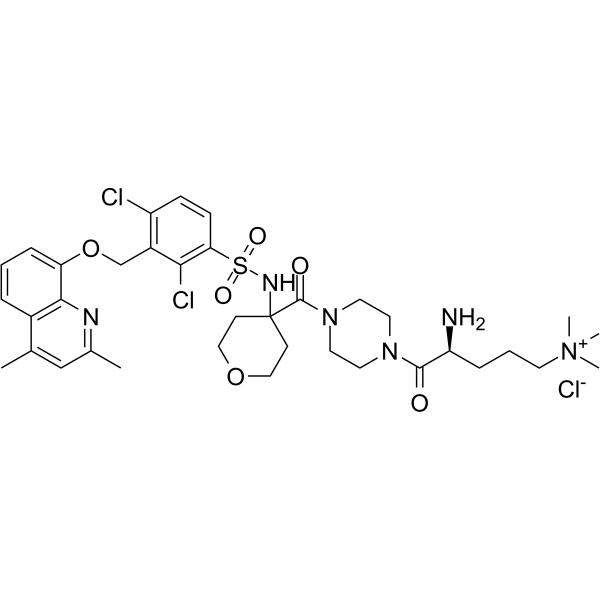
Fasitibant chloride (MEN16132 free base) is a potent and selective nonpeptide bradykinin B2 receptor (B2R) antagonist. Fasitibant chloride reduces joint pain and diminishes joint oedema in Carrageenan-induced arthritis rat model .
|
-
-
- HY-148925
-
|
|
Glycosidase
|
Inflammation/Immunology
|
|
α-Amyrenone is a triterpenoid that occurs naturally in very low concentrations in several oleoresins from Brazilian Amazon species of Protium (Burseraceae). The mixture of α and β-amyrenone inhibits α-glucosidase, and can reduce mechanical hypersensitivity and paw-oedema induced by carrageenan .
|
-

-
- HY-170492
-
|
|
Epoxide Hydrolase
Interleukin Related
TNF Receptor
|
Inflammation/Immunology
|
|
sEH inhibitor-19 (Compound (R)-14i) is an orally active inhibitor for soluble epoxide hydrolase (sEH) with an IC50 of 1.2 nM. sEH inhibitor-19 inhibits the expression of TNF-α and IL-6, exhibits anti-inflammatory activity in mouse acute pancreatitis or Carrageenan (HY-125474)-induced edema models .
|
-

-
- HY-P5874
-
|
|
Calcium Channel
|
Inflammation/Immunology
|
|
Myr-TAT-CBD3 is CRMP2-CaV2.2 interaction inhibitor. Myr-tat-CBD3 can significantly attenuate carrageenan-induced thermal hypersensitivity and reverse thermal hypersensitivity induced in a rat model of postoperative pain. Myr-TAT-CBD3 can be used to study inflammation and postoperative pain .
|
-

-
- HY-162646
-
|
|
Thrombin
|
Cardiovascular Disease
|
|
FXIIa-IN-5 (Compound 4J) is an orally active, selective inhibitor for factor XIIa (FXIIa), with IC50 of 21 nM. FXIIa-IN-5 inhibits the intrinsic coagulation pathways, and exhibits anti-inflammatory and antithrombotic activity in Carrageenan (HY-125474)-induced mice thrombosis models. FXIIa-IN-5 exhibits moderate pharmacokinetic characteristics and slightly toxicity (at 100 mg/kg) .
|
-

-
- HY-131986
-
|
|
TRP Channel
|
Neurological Disease
Inflammation/Immunology
|
|
LASSBio-1135 (Compound 3a) is an orally active TRPV1 antagonist. LASSBio-1135 is an anti-inflammatory and analgesic compound. LASSBio-1135 inhibits moderately the human PGHS-2 enzyme activity (IC50 = 18.5 μM). LASSBio-1135 reverts the Capsaicin (HY-10448)-induced thermal hyperalgesia and reduces the carrageenan-induced rat paw edem .
|
-

-
- HY-N0088R
-
|
Acetovanillone (Standard)
|
Reference Standards
NADPH Oxidase
|
Metabolic Disease
Inflammation/Immunology
|
|
Apocynin (Standard) is the analytical standard of Apocynin. This product is intended for research and analytical applications. Apocynin is a selective NADPH-oxidase inhibitor with an IC50 of 10 μM . Apocynin improves acute lung inflammation in Carrageenan (HY-125474)-induced pleurisy mice model . Apocynin can also be used for cancer research . Apocynin reverses the aging process in mesenchymal stem cells to promote osteogenesis and increases bone mass .
|
-

-
- HY-W747879
-
|
|
Isotope-Labeled Compounds
COX
|
Inflammation/Immunology
|
|
Diclofenac Amide- 13C6 is the 13C-labeled Diclofenac amide (HY-134521). Diclofenac amide is a prodrug for Diclofenac sodium (HY-15037). Diclofenac amide is an orally active inhibitor for COX-1/2, that inhibits the production of prostaglandins (PG) and thromboxanes (TX). Diclofenac amide exhibits anti-inflammatory efficacy in Carrageenan (HY-125474)-induced rat paw edema model without causing gastric ulcer (300 μmol/kg) .
|
-

-
- HY-168340
-
|
|
COX
Lipoxygenase
|
Inflammation/Immunology
|
|
COX-2/15-LOX-IN-6 (Compound 5l) is the dual inhibitor for COX-2 and 15-LOX, with IC50 of 0.201 μM and 11.723 μM. COX-2/15-LOX-IN-6 inhibits the expression of PGE, TNF-α, IL-6 and iNOS in serum, and exhibits anti-inflammatory effect in Carrageenan (HY-125474)-induced rats edema model .
|
-

-
- HY-P5875
-
|
|
Protease Activated Receptor (PAR)
|
Cardiovascular Disease
Inflammation/Immunology
|
|
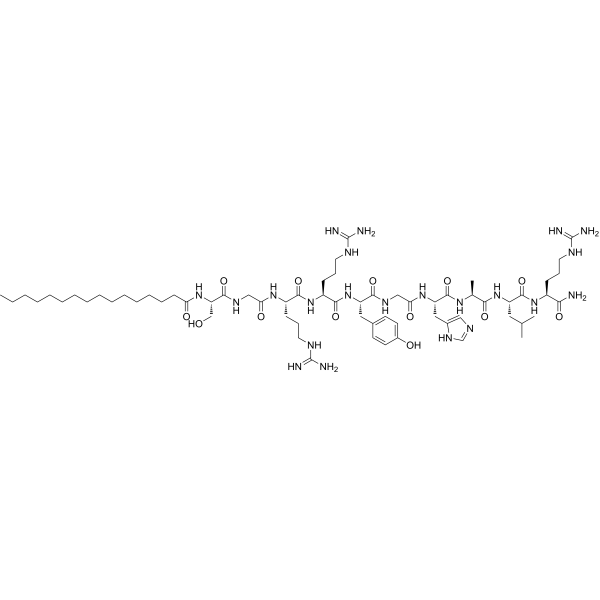
P4pal10 is an antagonist for protease-activated receptor 4 (PAR4). P4pal10 inhibits the platelet aggregation, inhibits tissue factor (TF)-induced thrombin generation, and exhibits anticoagulant and antithrombotic activities. P4pal10 reduces the oedema and the granulocyte infiltration induced by Carrageenan (HY-125474). P4pal10 ameliorates the injury in mice myocardial ischemia/reperfusion (I/R) models .
|
-
-
- HY-162963
-
|
|
PPAR
|
Inflammation/Immunology
|
|
PPARδ agonist 11 (Compound 11) is a selective agonist for PPARδ with an EC50 of 20 nM. PPARδ agonist 11 reduces the levels of nitrite oxide (NO), proinflammatory cytokines TNFα and IL-6 in LPS (HY-D1056)-stimulated RAW264.7 cell, and exhibits anti-inflammatory efficacy via NF-κB pathway. PPARδ agonist 11 exhibits good stability in human liver microsomes and plasma. PPARδ agonist 11 ameliorates Carrageenan (HY-125474)-induced foot edema .
|
-

-
- HY-120476
-
|
|
TRP Channel
|
Neurological Disease
Inflammation/Immunology
|
|
JNJ-39729209 is an antagonist for transient receptor potential vanilloid 1 (TRPV1) with pIC50 of 7.9, 8.5, 7.9 and 7.7 for TRPV1 from human, rat, canine and guinea pig. JNJ-39729209 inhibits Capsaicin (HY-10448)-induced hypotension and inhibit thereby hypothermia. JNJ-39729209 exhibits anti-inflammatory and analgesic activities in Carrageenan (HY-125474)- and CFA (HY-153808)-induced thermal hyperalgesia rat models. JNJ-39729209 exhibits anti-cough effects in guinea pigs .
|
-

-
- HY-W744577
-
|
Dexamethasone 21-acetate-d5; Hexadecadrol acetate-d5
|
Isotope-Labeled Compounds
Glucocorticoid Receptor
|
Inflammation/Immunology
|
|
Dexamethasone acetate-d5 (Dexamethasone 21-acetate-d5; Hexadecadrol acetate-d5) is the deuterium labeled Dexamethasone acetate (HY-14648A). Dexamethasone acetate (Dexamethasone 21-acetate) is the acetate form of the glucocorticoid Dexamethasone (HY-14648). Dexamethasone acetate has a longer duration of action than Dexamethasone. Dexamethasone acetate can accumulate at inflammatory sites, in mouse liver and mouse lung via nanostructured lipid carriers. Dexamethasone acetate can be used to prepare topical formulations for studies related to sensorineural hearing loss, γ-carrageenan-induced paw edema, chronic active hepatitis, pulmonary diseases, and inflammation after vitreoretinal surgery.
|
-

-
- HY-E71351
-
-

-
- HY-E71350
-
|
|
Biochemical Assay Reagents
|
Others
|
|
κ-Carrageenase, Zobellia galactanivorans (EC 3.2.1.83) is an enzyme with systematic name kappa-carrageenan 4-beta-D-glycanohydrolase (configuration-retaining) . This enzyme catalyses the following chemical reaction: Endohydrolysis of (1->4)-beta-D-linkages between D-galactose 4-sulfate and 3,6-anhydro-D-galactose in kappa-carrageenans. The main products of hydrolysis are neocarrabiose-sulfate and neocarratetraose-sulfate.
|
-

-
- HY-180800
-
|
|
COX
|
Neurological Disease
Inflammation/Immunology
|
Anti-inflammatory agent 110 (Compound 7b) is a analgesic/anti-inflammatory agent. Anti-inflammatory agent 110 has a good binding affinity for COX-2. Anti-inflammatory agent 110 demonstrated potent analgesic and anti-inflammatory activities in the mouse hot plate test and the rat carrageenan edema model .
|
-

- HY-175643
-
|
|
COX
|
Inflammation/Immunology
|
|
COX-2-IN-58 is a COX-2 inhibitor. COX-2-IN-58 exhibits remarkable anti-inflammatory activity in Carrageenan (HY-125474)-induced paw edema model of Balb/C mice. COX-2-IN-58 can be used for the research of inflammation .
|
-

- HY-P11831
-
|
|
Cannabinoid Receptor
PERK
|
Inflammation/Immunology
|
|
RD-pepcan-11 is a CB1 receptor agonist. RD-pepcan-11 increases the relative phosphorylation level of ERK1/2. RD-pepcan-11 mediates analgesic effects through interaction with CB1 receptors in a carrageenan-induced mouse inflammatory pain model. RD-pepcan-11 can be used in studies related to inflammatory pain .
|
-

- HY-119167
-
|
F 1686
|
COX
|
Inflammation/Immunology
|
|
Lotifazole (F 1686) is a non-steroidal anti-inflammatory agent. Lotifazole exhibits specific inhibition of delayed-type hypersensitivity and does not rely on the prostaglandin synthesis inhibition pathway at low doses. Lotifazole shows significant efficacy in treating paw edema induced by carrageenan in rats, erythema induced by ultraviolet radiation in guinea pigs, and pleurisy at high doses. Lotifazole can be used for the study of T-cell-mediated diseases .
|
-

- HY-179700
-
|
|
COX
|
Inflammation/Immunology
|
|
COX-2-IN-61 is an orally active COX-2 inhibitor with an IC50 of 22 µM, also inhibits COX-1 with an IC50 of 43 µM. COX-2-IN-61 exhibits anti-inflammation effects in a Carrageenan (HY-125474) induced rat paw edema model, with promising safety profiles. COX-2-IN-61 can be used for the research of inflammation .
|
-

- HY-W778375
-
|
|
Apoptosis
|
Inflammation/Immunology
Cancer
|
|
Hesperetin triacetate is an active compound with anti-inflammatory and anti-tumor activities. Hesperetin triacetate inhibits bovine serum albumin denaturation in vitro. Hesperetin triacetate inhibits carrageenan-induced paw swelling in mice in vivo. Hesperetin triacetate exhibits anti-proliferative activity against breast cancer cells. Hesperetin triacetate induces DNA degradation and apoptosis in breast cancer cells. Hesperetin triacetate can be used in studies related to breast cancer and inflammation .
|
-

- HY-180582
-
|
|
nAChR
|
Neurological Disease
Inflammation/Immunology
|
|
QND8 is a selective and potent α7 nicotinic acetylcholine receptor (nAChR) agonist. QND8 can alleviate thermal hyperalgesia and mechanical hyperalgesia in carrageenan-induced inflammatory pain mouse model. QND8 can reduce the swelling of the mice feet, inhibit the release of pro-inflammatory factors at the inflammatory site, and prevent the infiltration of white blood cells. QND8 can be used for the research of inflammation and neurological disease, such as arthritis .
|
-

- HY-N8529
-
|
|
NF-κB
p38 MAPK
Adenosine Deaminase
Interleukin Related
|
Inflammation/Immunology
|
|
Eupalestin is an anti-inflammatory agent. Eupalestin reduces the levels of p-p65 NF-κB and p-p38 MAPK. Eupalestin inhibits MPO and adenosine deaminase. Eupalestin decreases the levels of pro-inflammatory cytokines including IL-17A, IL-6, TNF and IFN-γ. Eupalestin exerts anti-inflammatory activity in a carrageenan (HY-125474)-induced mouse pleurisy model .
|
-

- HY-W050088R
-
|
HP 549 (Standard)
|
Reference Standards
Drug Derivative
|
Neurological Disease
Inflammation/Immunology
|
|
Isoxepac (Standard) (HP 549 (Standard)) is the analytical standard of Isoxepac (HY-W050088). This product is intended for research and analytical applications. Isoxepac (HP 549) is an orally active non-steroidal anti-inflammatory agent. Isoxepac can inhibit Carrageenan (HY-125474) paw oedema, adjuvant-induced polyarthritis, and prostaglandin synthesis. Isoxepac (200 mg) has an analgesic effect after meniscectomy with a low incidence of side effects. Isoxepac can be used in the research of inflammatory (rheumatoid arthritis) and pain-related diseases .
|
-

- HY-18101
-
|
|
Sigma Receptor
TRP Channel
|
Neurological Disease
|
|
BD-1063 is a selective σ-1 receptor antagonist with inhibitory activity against TRPC5 and TRPM3. BD-1063 exerts anti-hyperalgesic and anti-allodynic effects by inhibiting sustained calcium influx mediated by TRPC5 and TRPM3, and reverses the effects of Carrageenan (HY-125474). BD-1063 also significantly reduces excessive ethanol self-administration behavior. BD-1063 is widely used in studies on the mechanisms underlying neuropathic pain, inflammatory hyperalgesia, and alcohol abuse and dependence .
|
-

- HY-181235
-
|
|
COX
Cytochrome P450
|
Inflammation/Immunology
Cancer
|
|
COX-2/Aromatase-IN-1 is a potent dual inhibitor of COX-2 and aromatase. COX-2/Aromatase-IN-1 can simultaneously inhibit COX-2 and aromatase, significantly suppress inflammation and induce proliferation inhibition of breast cancer cells. COX-2/Aromatase-IN-1 exerts anti-breast cancer and anti-inflammatory effects in the MCF-7 breast cancer cell and carrageenan-induced rat paw edema model. COX-2/Aromatase-IN-1 can be used for the study of inflammation and breast cancer .
|
-

- HY-181236
-
|
|
COX
Cytochrome P450
|
Inflammation/Immunology
Cancer
|
|
COX-2/Aromatase-IN-2 is a potent dual inhibitor of COX-2 and aromatase. COX-2/Aromatase-IN-2 can simultaneously inhibit COX-2 and aromatase, suppress inflammation and induce proliferation inhibition of breast cancer cells. COX-2/Aromatase-IN-2 exerts anti-breast cancer and anti-inflammatory effects in the MCF-7 breast cancer cell and carrageenan-induced rat paw edema model. COX-2/Aromatase-IN-2 can be used for the study of inflammation and breast cancer .
|
-

- HY-18101S
-
|
|
Isotope-Labeled Compounds
Sigma Receptor
TRP Channel
|
Neurological Disease
|
|
BD-1063-d8 dihydrochloride is the deuterium labeled BD1063 dihydrochloride (HY-18101A) . BD-1063 dihydrochloride is a selective σ-1 receptor antagonist with inhibitory activity against TRPC5 and TRPM3. BD-1063 dihydrochloride exerts anti-hyperalgesic and anti-allodynic effects by inhibiting sustained calcium influx mediated by TRPC5 and TRPM3, and reverses the effects of Carrageenan (HY-125474). BD-1063 dihydrochloride also significantly reduces excessive ethanol self-administration behavior. BD-1063 dihydrochloride is widely used in studies on the mechanisms underlying neuropathic pain, inflammatory hyperalgesia, and alcohol abuse and dependence .
|
-

- HY-N18124
-
|
|
Others
|
Neurological Disease
|
|
1-O-Tigloyl-1-O-debenzoylohchinal is an orally active limonoid-type triterpenoid anti-inflammatory and peripheral analgesic agent isolated from the fruits of Melia toosendan. 1-O-Tigloyl-1-O-debenzoylohchinal significantly inhibits acetic acid (HY-Y0319)-induced increase in vascular permeability, λ-Carrageenan (HY-N9470)-induced paw edema, and acetic acid-induced writhing response in mice. 1-O-Tigloyl-1-O-debenzoylohchinal shows no significant analgesic effect in the hot-plate test, and acts mainly on the peripheral rather than the central nervous system. 1-O-Tigloyl-1-O-debenzoylohchinal can be widely used in the research of acute or chronic inflammation, stomachache and other related diseases .
|
-

- HY-12292G
-
|
|
NF-κB
STAT
GSK-3
β-catenin
Bcr-Abl
|
Cancer
|
|
IM-12 GMP is IM-12 (HY-12292) produced by using GMP guidelines. GMP small molecules works appropriately as an auxiliary reagent for cell therapy manufacture. IM-12 is an orally active anti-inflammatory agent that targets and inhibits the NF-κB and STAT3 signaling pathways. IM-12 activates the Wnt signaling pathway and promotes the nuclear translocation of β-catenin by inhibiting GSK3β, while also blocking the tyrosine kinase activity of p210BCR/ABL. IM-12 reduces the levels of IL-6, IL-17, NO, prostaglandin E2, iNOS and COX-2, and induces ER stress, Ca 2+ release, autophagy and apoptosis. IM-12 is heat-sensitive and does not induce autophagy in IM-resistant p210BCR/ABL T315I mutant cells. IM-12 is also a component of the 5iLA medium used for naive pluripotent stem cell research. IM-12 has been applied in studies related to carrageenan (HY-125474)-induced hind paw edema, TNBS-induced colitis, and acute and chronic myeloid leukemia .
|
-

| Cat. No. |
Product Name |
Type |
-
- HY-12292G
-
|
|
Fluorescent Dyes
|
|
IM-12 GMP is IM-12 (HY-12292) produced by using GMP guidelines. GMP small molecules works appropriately as an auxiliary reagent for cell therapy manufacture. IM-12 is an orally active anti-inflammatory agent that targets and inhibits the NF-κB and STAT3 signaling pathways. IM-12 activates the Wnt signaling pathway and promotes the nuclear translocation of β-catenin by inhibiting GSK3β, while also blocking the tyrosine kinase activity of p210BCR/ABL. IM-12 reduces the levels of IL-6, IL-17, NO, prostaglandin E2, iNOS and COX-2, and induces ER stress, Ca 2+ release, autophagy and apoptosis. IM-12 is heat-sensitive and does not induce autophagy in IM-resistant p210BCR/ABL T315I mutant cells. IM-12 is also a component of the 5iLA medium used for naive pluripotent stem cell research. IM-12 has been applied in studies related to carrageenan (HY-125474)-induced hind paw edema, TNBS-induced colitis, and acute and chronic myeloid leukemia .
|
| Cat. No. |
Product Name |
Type |
-
- HY-125474
-
|
|
Biochemical Assay Reagents
|
|
Carrageenan is an antiviral and anticancer agent. Carrageenan inhibits herpes simplex virus (HSV), HIV, and hepatitis A virus (HAV) by directly binding to the viral capsid to block the attachment of viruses such as HPV to HSPG factors on the cell surface. Carrageenan delays and arrests cell cycle progression, exhibits cytotoxicity against HeLa cancer cells, and can be applied to studies related to cervical cancer, genital warts, hepatitis A, and other conditions. Carrageenan also induces acute non-immune inflammation, triggers a three-phase inflammatory response involving the release of multiple proinflammatory mediators, and causes persistent edema, hyperalgesia, and neutrophil recruitment in mice .
|
-
- HY-W145523
-
|
Viscarin SD 309
|
Biochemical Assay Reagents
|
|
ι-Carrageenan (Viscarin SD 309) is a biochemical reagent. ι-Carrageenan can be isolated from Eucheuma serra or red algae H. musciformis and S. filiformis. ι-Carrageenan has potential application in protein emulsion flocculation and stability .
|
-
- HY-12292G
-
|
|
Biochemical Assay Reagents
|
|
IM-12 GMP is IM-12 (HY-12292) produced by using GMP guidelines. GMP small molecules works appropriately as an auxiliary reagent for cell therapy manufacture. IM-12 is an orally active anti-inflammatory agent that targets and inhibits the NF-κB and STAT3 signaling pathways. IM-12 activates the Wnt signaling pathway and promotes the nuclear translocation of β-catenin by inhibiting GSK3β, while also blocking the tyrosine kinase activity of p210BCR/ABL. IM-12 reduces the levels of IL-6, IL-17, NO, prostaglandin E2, iNOS and COX-2, and induces ER stress, Ca 2+ release, autophagy and apoptosis. IM-12 is heat-sensitive and does not induce autophagy in IM-resistant p210BCR/ABL T315I mutant cells. IM-12 is also a component of the 5iLA medium used for naive pluripotent stem cell research. IM-12 has been applied in studies related to carrageenan (HY-125474)-induced hind paw edema, TNBS-induced colitis, and acute and chronic myeloid leukemia .
|
| Cat. No. |
Product Name |
Target |
Research Area |
-
- HY-P5581
-
|
|
Peptides
|
Infection
Inflammation/Immunology
Cancer
|
|
Alloferon 1 is an antiviral and antitumoral peptide. Alloferon 1 stimulates natural cytotoxicity of human peripheral blood lymphocytes. Alloferon 1 also induces IFN synthesis, and enhances antiviral and antitumor resistance in mice. Alloferon 1 also shows anti-inflammatory activity in λ-carrageenan-induced paw edema model. Alloferon 1 can be isolated from the blood of the blow fly Calliphora vicina (Diptera) .
|
-
- HY-P5875A
-
|
|
Protease Activated Receptor (PAR)
|
Cardiovascular Disease
Inflammation/Immunology
|
|
P4pal10 TFA is the TFA salt form of P4pal10 (HY-P5875). P4pal10 TFA is an antagonist for protease-activated receptor 4 (PAR4). P4pal10 TFA inhibits the platelet aggregation, inhibits tissue factor (TF)-induced thrombin generation, and exhibits anticoagulant and antithrombotic activities. P4pal10 TFA reduces the oedema and the granulocyte infiltration induced by Carrageenan (HY-125474). P4pal10 TFA ameliorates the injury in rats myocardial ischemia/reperfusion (I/R) models .
|
-
- HY-P5874
-
|
|
Calcium Channel
|
Inflammation/Immunology
|
|
Myr-TAT-CBD3 is CRMP2-CaV2.2 interaction inhibitor. Myr-tat-CBD3 can significantly attenuate carrageenan-induced thermal hypersensitivity and reverse thermal hypersensitivity induced in a rat model of postoperative pain. Myr-TAT-CBD3 can be used to study inflammation and postoperative pain .
|
-
- HY-P5875
-
|
|
Protease Activated Receptor (PAR)
|
Cardiovascular Disease
Inflammation/Immunology
|
|
P4pal10 is an antagonist for protease-activated receptor 4 (PAR4). P4pal10 inhibits the platelet aggregation, inhibits tissue factor (TF)-induced thrombin generation, and exhibits anticoagulant and antithrombotic activities. P4pal10 reduces the oedema and the granulocyte infiltration induced by Carrageenan (HY-125474). P4pal10 ameliorates the injury in mice myocardial ischemia/reperfusion (I/R) models .
|
-
- HY-P11831
-
|
|
Cannabinoid Receptor
PERK
|
Inflammation/Immunology
|
|
RD-pepcan-11 is a CB1 receptor agonist. RD-pepcan-11 increases the relative phosphorylation level of ERK1/2. RD-pepcan-11 mediates analgesic effects through interaction with CB1 receptors in a carrageenan-induced mouse inflammatory pain model. RD-pepcan-11 can be used in studies related to inflammatory pain .
|
| Cat. No. |
Product Name |
Category |
Target |
Chemical Structure |
-
- HY-N0088
-
-
-
- HY-N9470
-
-
-
- HY-138962
-
-
-
- HY-N3558
-
-
-
- HY-W021267
-
-
-
- HY-N7694
-
-
-
- HY-N11072
-
-
-
- HY-127072
-
|
|
Structural Classification
Microorganisms
Antibiotics
Other Antibiotics
Source Classification
|
Antibiotic
Bacterial
|
|
Amicoumacin A is an orally active antibiotic. Amicoumacin A targets bacterial ribosomes and inhibits bacterial translation by stabilizing the interaction between mRNA and ribosomes. Amicoumacin A induces cancer cell death by targeting eukaryotic ribosomes. Amicoumacin A exhibits anti-inflammatory and anti-ulcer activities, inhibits carrageenan-induced paw edema, and prevents stress-induced gastric ulcers. Amicoumacin A inhibits the growth of Gram-positive bacteria, Salmonella spp., Shigella spp., Helicobacter pylori, and methicillin-resistant Staphylococcus aureus. Amicoumacin A can be used in the research of lung cancer, breast cancer, bacterial infections, inflammatory edema and gastric ulcers [2] .
|
-
-
- HY-N2196
-
-
-
- HY-N1143
-
-
-
- HY-N10226
-
-
-
- HY-148925
-
-
-
- HY-N0088R
-
-
-
- HY-N8529
-
-
-
- HY-N18124
-
|
|
Structural Classification
Melia azedarach Linn.
Ketones, Aldehydes, Acids
Plants
Meliaceae
Source Classification
|
Others
|
|
1-O-Tigloyl-1-O-debenzoylohchinal is an orally active limonoid-type triterpenoid anti-inflammatory and peripheral analgesic agent isolated from the fruits of Melia toosendan. 1-O-Tigloyl-1-O-debenzoylohchinal significantly inhibits acetic acid (HY-Y0319)-induced increase in vascular permeability, λ-Carrageenan (HY-N9470)-induced paw edema, and acetic acid-induced writhing response in mice. 1-O-Tigloyl-1-O-debenzoylohchinal shows no significant analgesic effect in the hot-plate test, and acts mainly on the peripheral rather than the central nervous system. 1-O-Tigloyl-1-O-debenzoylohchinal can be widely used in the research of acute or chronic inflammation, stomachache and other related diseases .
|
-
| Cat. No. |
Product Name |
Chemical Structure |
-
- HY-W050088S
-
|
|
|
Isoxepac-d6 (HP 549-d6) is the deuterium labeled Isoxepac (HY-W050088). Isoxepac (HP 549) is an orally active non-steroidal anti-inflammatory agent. Isoxepac can inhibit Carrageenan (HY-125474) paw oedema, adjuvant-induced polyarthritis, and prostaglandin synthesis. Isoxepac (200 mg) has an analgesic effect after meniscectomy with a low incidence of side effects. Isoxepac can be used in the research of inflammatory (rheumatoid arthritis) and pain-related diseases .
|
-
-
- HY-W747879
-
|
|
|
Diclofenac Amide- 13C6 is the 13C-labeled Diclofenac amide (HY-134521). Diclofenac amide is a prodrug for Diclofenac sodium (HY-15037). Diclofenac amide is an orally active inhibitor for COX-1/2, that inhibits the production of prostaglandins (PG) and thromboxanes (TX). Diclofenac amide exhibits anti-inflammatory efficacy in Carrageenan (HY-125474)-induced rat paw edema model without causing gastric ulcer (300 μmol/kg) .
|
-
-
- HY-W744577
-
|
|
|
Dexamethasone acetate-d5 (Dexamethasone 21-acetate-d5; Hexadecadrol acetate-d5) is the deuterium labeled Dexamethasone acetate (HY-14648A). Dexamethasone acetate (Dexamethasone 21-acetate) is the acetate form of the glucocorticoid Dexamethasone (HY-14648). Dexamethasone acetate has a longer duration of action than Dexamethasone. Dexamethasone acetate can accumulate at inflammatory sites, in mouse liver and mouse lung via nanostructured lipid carriers. Dexamethasone acetate can be used to prepare topical formulations for studies related to sensorineural hearing loss, γ-carrageenan-induced paw edema, chronic active hepatitis, pulmonary diseases, and inflammation after vitreoretinal surgery.
|
-
-
- HY-18101S
-
|
|
|
BD-1063-d8 dihydrochloride is the deuterium labeled BD1063 dihydrochloride (HY-18101A) . BD-1063 dihydrochloride is a selective σ-1 receptor antagonist with inhibitory activity against TRPC5 and TRPM3. BD-1063 dihydrochloride exerts anti-hyperalgesic and anti-allodynic effects by inhibiting sustained calcium influx mediated by TRPC5 and TRPM3, and reverses the effects of Carrageenan (HY-125474). BD-1063 dihydrochloride also significantly reduces excessive ethanol self-administration behavior. BD-1063 dihydrochloride is widely used in studies on the mechanisms underlying neuropathic pain, inflammatory hyperalgesia, and alcohol abuse and dependence .
|
-
| Cat. No. |
Product Name |
Target |
Research Areas |
Chemical Structure |
-
- HY-12292G
-
|
|
NF-κB
STAT
GSK-3
β-catenin
Bcr-Abl
|
Cancer
|
|
IM-12 GMP is IM-12 (HY-12292) produced by using GMP guidelines. GMP small molecules works appropriately as an auxiliary reagent for cell therapy manufacture. IM-12 is an orally active anti-inflammatory agent that targets and inhibits the NF-κB and STAT3 signaling pathways. IM-12 activates the Wnt signaling pathway and promotes the nuclear translocation of β-catenin by inhibiting GSK3β, while also blocking the tyrosine kinase activity of p210BCR/ABL. IM-12 reduces the levels of IL-6, IL-17, NO, prostaglandin E2, iNOS and COX-2, and induces ER stress, Ca 2+ release, autophagy and apoptosis. IM-12 is heat-sensitive and does not induce autophagy in IM-resistant p210BCR/ABL T315I mutant cells. IM-12 is also a component of the 5iLA medium used for naive pluripotent stem cell research. IM-12 has been applied in studies related to carrageenan (HY-125474)-induced hind paw edema, TNBS-induced colitis, and acute and chronic myeloid leukemia .
|
-
Your information is safe with us. * Required Fields.
Inquiry Information
- Product Name:
- Cat. No.:
- Quantity:
- MCE Japan Authorized Agent:








