Search Result
Results for "
hemoglobin-s
" in MedChemExpress (MCE) Product Catalog:
14
Biochemical Assay Reagents
16
Isotope-Labeled Compounds
| Cat. No. |
Product Name |
Target |
Research Areas |
Chemical Structure |
-
- HY-P0018
-
Pepstatin
Maximum Cited Publications
59 Publications Verification
Pepstatin A
|
HIV Protease
Autophagy
|
Infection
Inflammation/Immunology
|
|
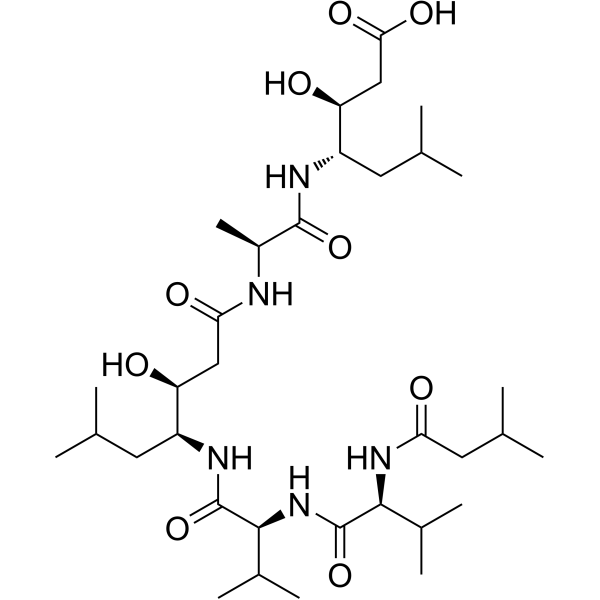
Pepstatin (Pepstatin A) is a specific, orally active aspartic protease inhibitor produced by actinomycetes, with IC50s of 4.5 nM, 6.2 nM, 150 nM, 290 nM, 520 nM and 260 nM for hemoglobin-pepsin, hemoglobin-proctase, casein-pepsin, casein-proctase, casein-acid protease and hemoglobin-acid protease, respectively. Pepstatin also inhibits HIV protease .
|
-
-
- HY-N0729
-
|
|
Environmental Pollutants
Endogenous Metabolite
|
Cardiovascular Disease
Metabolic Disease
Cancer
|
|
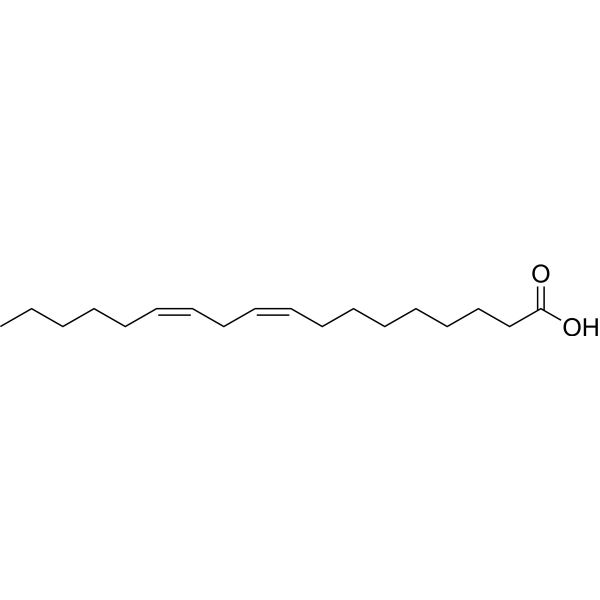
Linoleic acid is a common polyunsaturated (PUFA) found in plant-based oils, nuts and seeds. Linoleic acid is a part of membrane phospholipids, and functions as a structural component to maintain a certain level of membrane fluidity of the transdermal water barrier of the epidermis. Linoleic acid induces red blood cells and hemoglobin damage via oxidative mechanism .
|
-
-
- HY-P2995
-
|
|
Biochemical Assay Reagents
Heme Oxygenase (HO)
|
Others
|
|
Hemoglobin is a iron-containing protein in red blood cells with oxygen binding properties. Hemoglobin is an inducer of HO-1. Hemoglobin consits of heme, which binds to oxygen. Hemoglobin also transports other gases, such as carbon dioxide, nitric oxide, hydrogen sulfide and sulfide. Hemoglobin absorbs unneeded oxygen in tissues, as an antioxidant .
|
-

-
- HY-Y1103
-
|
Ferrous sulfate heptahydrate, 99%
|
Environmental Pollutants
Biochemical Assay Reagents
|
Cardiovascular Disease
Cancer
|
|
Iron(II) sulfate heptahydrate, 99% (Ferrous sulfate heptahydrate, 99%) is an orally active iron salt. Iron(II) sulfate heptahydrate, 99% replaces iron found in hemoglobin and myoglobin, allowing for the transportation of oxygen via hemoglobin. Iron(II) sulfate heptahydrate, 99% is mainly used for the prevention of iron-deficiency anemia. Iron(II) sulfate heptahydrate, 99% also has anti-tumor effects on chronic myeloid leukemia and breast cancer .
|
-

-
- HY-N0729S2
-
|
|
Endogenous Metabolite
|
Cardiovascular Disease
Metabolic Disease
|
|
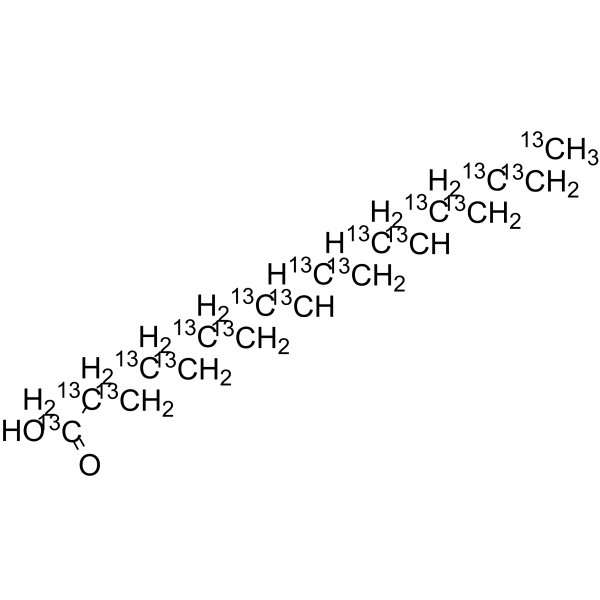
Linoleic acid- 13C18 is the 13C labeled Linoleic acid. Linoleic acid is a common polyunsaturated (PUFA) found in plant-based oils, nuts and seeds. Linoleic acid is a part of membrane phospholipids, and functions as a structural component to maintain a certain level of membrane fluidity of the transdermal water barrier of the epidermis. Linoleic acid induces red blood cells and hemoglobin damage via oxidative mechanism .
|
-
-
- HY-111914A
-
|
|
NO Synthase
Fatty Acid Synthase (FASN)
|
Cardiovascular Disease
|
|
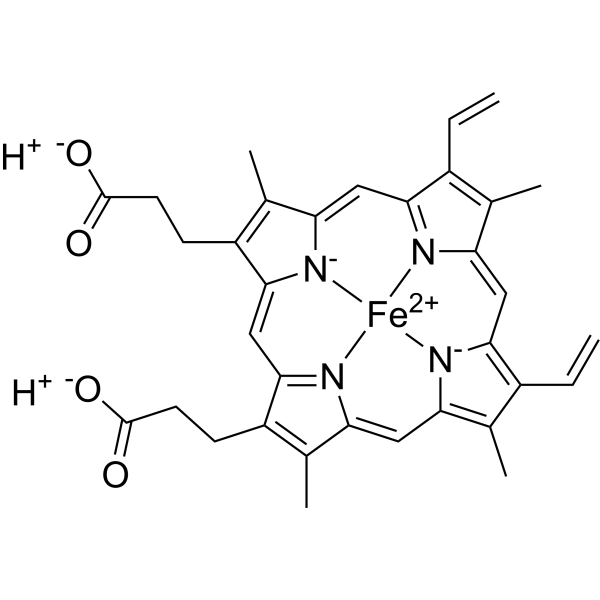
Ferroheme is the ferrous form of heme in hemoglobin, reversibly binding oxygen as an oxygen carrier. Its free form induces oxidative stress and ferroptosis by releasing iron ions, which catalyze reactive oxygen species generation via Fenton reactions, leading to lipid peroxidation and cell death. This mechanism is critical in pathological contexts like intracerebral hemorrhage and neurodegenerative diseases, making it a target for studying iron-overload disorders and ferroptosis-related pathologies[1][2][3].
|
-
-
- HY-15273
-
|
|
VSV
Histone Methyltransferase
Autophagy
Influenza Virus
|
Infection
Cancer
|
|
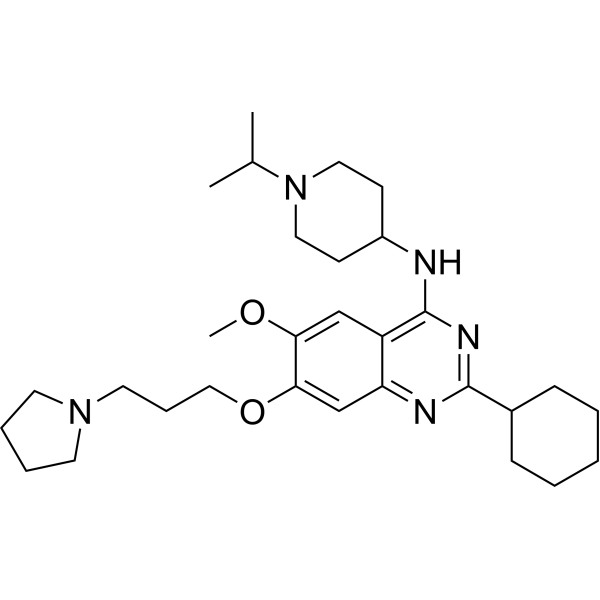
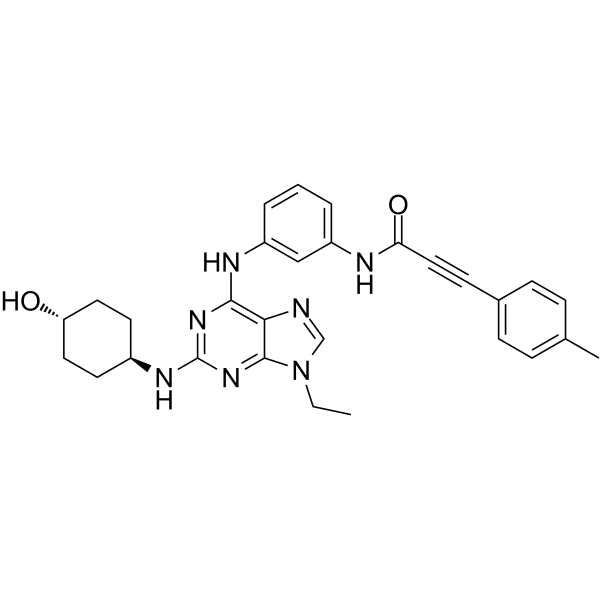
UNC0638, a chemical probe, selectively inhibits G9a and GLP histone methyltransferases with IC50 of 15 nM and 19 nM, respectively. UNC0638 inhibits TNBC cell invasion and migration in vitro. UNC0638 is also an inhibitor of EHMT1/2 and induces fetal hemoglobin (HbF) expression in human erythroid progenitor cell culture. In addition, UNC0638 has anti-FMDV (foot-and-mouth disease virus) and anti-VSV (vesicular stomatitis virus) activities, with excellent potency and selectivity against multiple epigenetic and non-epigenetic targets .
|
-
-
- HY-172371
-
|
|
Hemoglobin
|
Neurological Disease
Metabolic Disease
Inflammation/Immunology
|
|
Hypoxystat is an orally active hypoxia mimetic. HypoxyStat increases Hemoglobin’s oxygen affinity, limiting oxygen offloading to the tissues and inducing local tissue hypoxia. Hypoxystat reduces Iba1 + cells. HypoxyStat causes systemic hypoxia. Hypoxystat effectively rescues hyperglycemia in mouse models of type 1 and type 2 diabetes. HypoxyStat not only extends lifespan but also rescues key neuropathological and behavioral deficits in the premier mouse model of Leigh syndrome .
|
-

-
- HY-Y1103A
-
|
Ferrous sulfate heptahydrate, for cell culture, 99%
|
Environmental Pollutants
Biochemical Assay Reagents
|
Cardiovascular Disease
Cancer
|
|
Iron(II) sulfate heptahydrate, for cell culture, 99% (Ferrous sulfate heptahydrate, for cell culture, 99%) is an orally active iron salt. Iron(II) sulfate heptahydrate, for cell culture, 99% replaces iron found in hemoglobin and myoglobin, allowing for the transportation of oxygen via hemoglobin. Iron(II) sulfate heptahydrate, for cell culture, 99% is mainly used for the prevention of iron-deficiency anemia. Iron(II) sulfate heptahydrate, for cell culture, 99% also has anti-tumor effects on chronic myeloid leukemia and breast cancer .
|
-

-
- HY-141510
-
|
ITPP hexasodium
|
HIF/HIF Prolyl-Hydroxylase
|
Cardiovascular Disease
Cancer
|
|
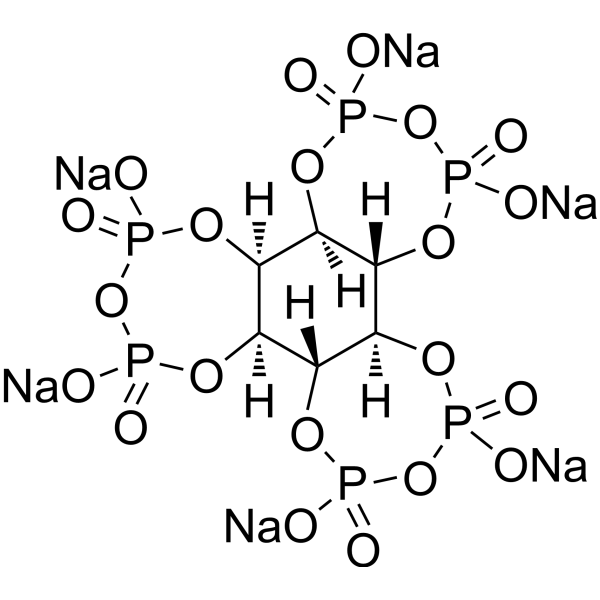
myo-Inositol trispyrophosphate (ITPP) hexasodium is a salt form of inositol triphosphate (ITPP). myo-Inositol trispyrophosphate (ITPP) hexasodium is a membrane-permeant hemoglobin allosteric regulator. myo-Inositol trispyrophosphate (ITPP) hexasodium enhances the oxygen release capacity of red blood cells by reducing the affinity of hemoglobin to oxygen. myo-Inositol trispyrophosphate (ITPP) hexasodium can be used in the study of cardiovascular disease and cancer .
|
-
-
- HY-113427A
-
|
|
Antibiotic
|
Cancer
|
|
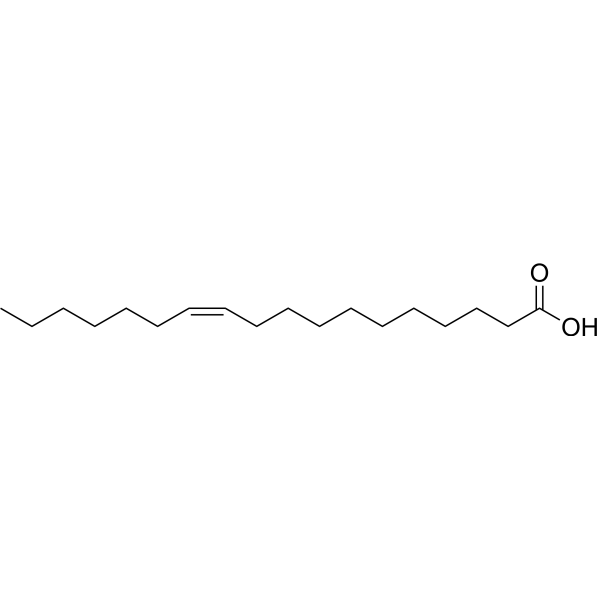
cis-Vaccenic acid, the antiviral extract from Rhodopseudomonas capsulate and the predominant active component of Rhodopseudomonas capsulate , acts a potential fetal hemoglobin inducer .
|
-
-
- HY-15641
-
|
IOX3; YM311
|
HIF/HIF Prolyl-Hydroxylase
|
Metabolic Disease
|
|
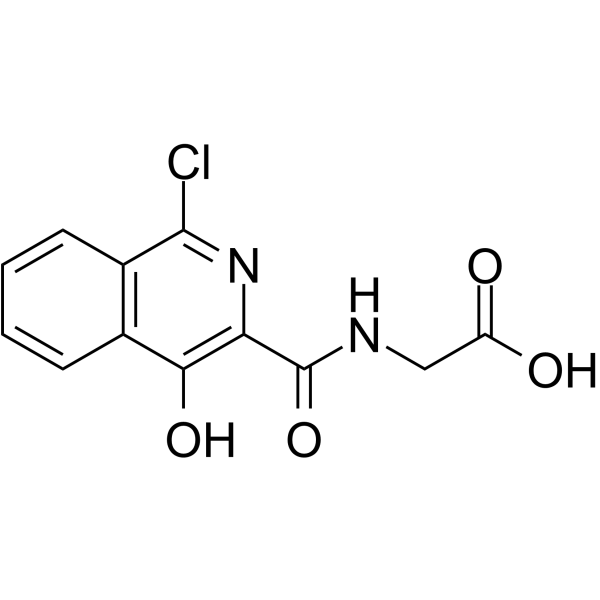
FG-2216 (IOX3) is a potent and orally active inhibitor of HIF prolyl hydroxylase-2 (PHD2), with an IC50 of 3.9 μM. FG-2216 induces robust erythropoietin and modest fetal hemoglobin in vivo .
|
-
-
- HY-159099
-
|
|
Molecular Glues
Histone Acetyltransferase
|
Cardiovascular Disease
|
|
WIZ degrader 9 is an orally active molecular glue degrader of the WIZ transcription factor. As a molecular glue, WIZ degrader 9 recruits WIZ to the cereblon E3 ubiquitin ligase complex via its ZF7 domain, driving proteasome-dependent degradation of WIZ. WIZ degrader 9 induces hemoglobin production, reduces the level of H3K9 dimethylation across the whole genome and at the β-globin locus, upregulates the transcription of γ-globin and BGLT3, and increases the level of histone H3K9 acetylation in the promoter region of HBG1/2. WIZ degrader 9 effectively induces fetal hemoglobin production in both mice and cynomolgus monkeys. WIZ degrader 9 can be used for research on sickle cell disease .
|
-

-
- HY-W073080
-
|
|
MOFs
|
Others
|
|
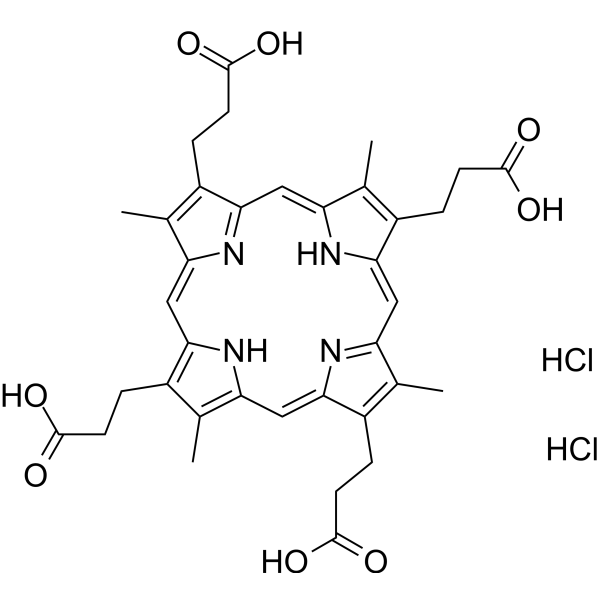
Coproporphyrin I dihydrochlorideIt is an organic compound belonging to the class of porphyrins. It is a derivative of heme, an iron-containing molecule found in hemoglobin and other proteins. Coproporphyrin I dihydrochlorideOften used as a biomarker in the assessment of certain liver and metabolic diseases, especially those related to bile synthesis and transport. It can also be used as a reference standard for analytical chemistry and pharmacological research.
|
-
-
- HY-169798
-
|
|
Fluorescent Dye
VSV
|
Infection
|
1,9-Dimethylmethylene blue is a photosensitizer, virus inactivator and hemoglobin oxidant derived from methylene blue. When activated, 1,9-Dimethylmethylene blue generates reactive oxygen species including singlet oxygen, and acts as a metachromatic dye. When activated in monomeric or dimeric form, 1,9-Dimethylmethylene blue induces photoinactivation of R17 phage and vesicular stomatitis virus and oxidizes hemoglobin via non-singlet oxygen reactive oxygen species or singlet oxygen-mediated pathways, respectively. The monomeric form, with higher nucleic acid affinity, achieves virus inactivation under specific conditions without forming methemoglobin. 1,9-Dimethylmethylene blue binds to substances such as glycosaminoglycans to produce color changes. Although it is susceptible to interference from non-glycosaminoglycan components in urine, it is still applicable to spectrophotometric analysis for glycosaminoglycan quantification. With these unique photochemical and binding properties, 1,9-Dimethylmethylene blue is widely used in studies of viral infections and related biochemical analyses .
|
-

-
- HY-B1470
-
|
R-1929
|
Dopamine Receptor
Adrenergic Receptor
|
Neurological Disease
|
|
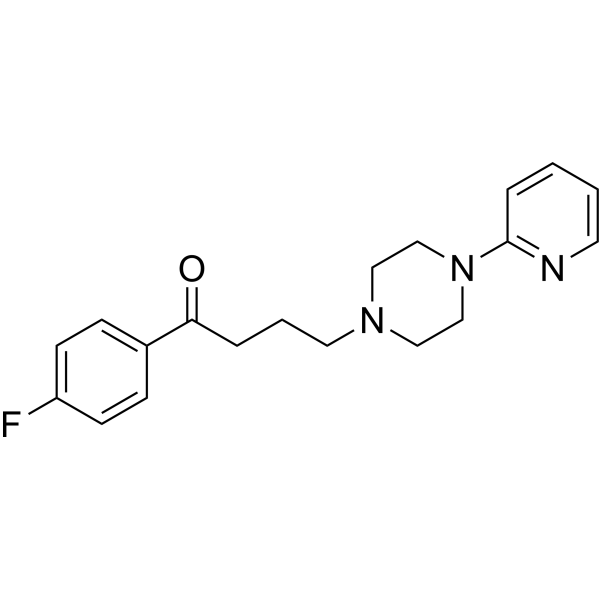
Azaperone is an antagonist of dopamine D2 receptor (Dopamine D2 Receptor) and α-adrenergic receptor (AR). Azaperone reduces vasomotor tone, mean arterial pressure, hematocrit, hemoglobin concentration, and etorphine-induced duration; induces transient tachycardia followed by bradycardia, splenic uptake of red blood cells, and sedation; alters animal behaviors; and produces sedation with distinct onset and duration in foals. Azaperone is used for sedation and tranquilization in various animals to reduce stress and aggressive behaviors, and serves as a preanesthetic agent .
|
-
-
- HY-W040198
-
|
|
Fluorescent Dye
|
Others
|
|
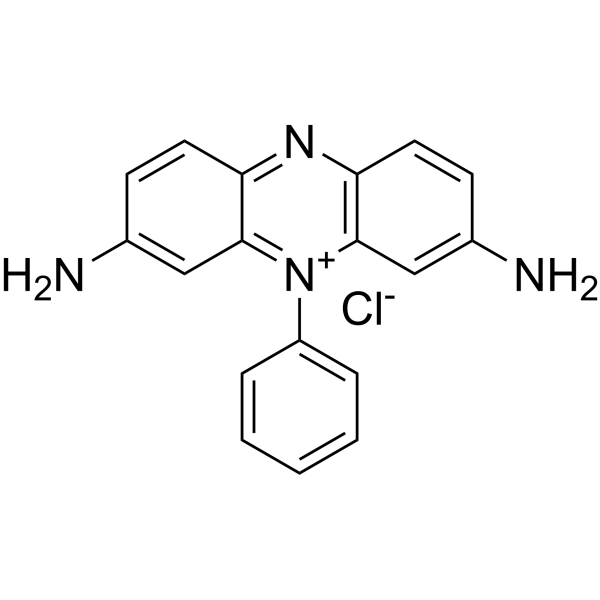
Phenosafranine is a phenazine dye. Phenosafranine exhibits higher binding affinity for triple-stranded RNA than for double-stranded RNA, and binds to both types of RNA via intercalation. Phenosafranine interacts with hemoglobin. Phenosafranine can be used for plant cell staining, as well as the detection of hemoglobin, dopamine, serotonin, etc.
|
-
-
- HY-112624U
-
|
Dextran 20; Dextran D20; Dextran T20(MW 16000-24000)
|
Biochemical Assay Reagents
|
Others
|
|
Dextran T20 (Dextran 20; Dextran D20) (MW 20,000) is a dehydrated glucose polymer with an average molecular weight of 20,000. Dextran T20 (MW 20,000) has excellent biodegradability and good biocompatibility, and can be used as a gene delivery vector, an immune adjuvant carrier, and a hemoglobin stabilizer .
|
-

-
- HY-D0945
-
|
|
Fluorescent Dye
|
Others
|
|
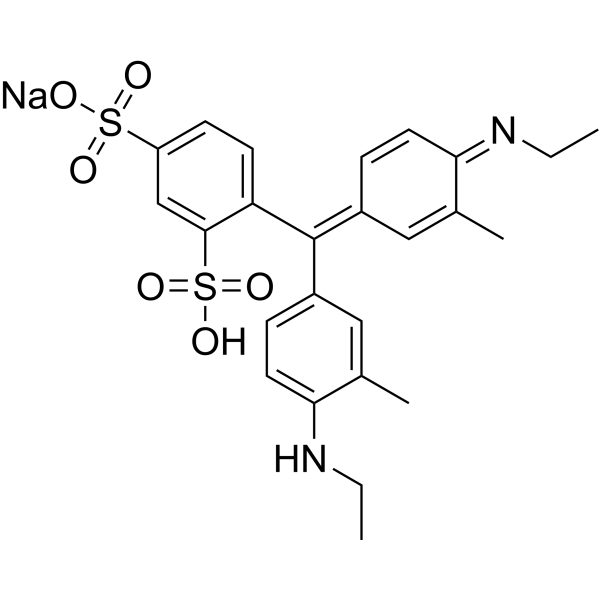
Xylene Cyanol FF is an acid triphenylmethane dye. Xylene Cyanol FF can be used for histochemical staining of hemoglobin peroxidase or as a tracking dye for DNA sequencing in electrophoresis. Xylene Cyanol FF will be catalyzed by Fe and Al to accelerate oxidation under the addition of double oxidant hydrogen peroxide and potassium periodate. Xylene Cyanol FF thus enables the spectrophotometric determination of Fe and Al in the solution to be tested .
|
-
-
- HY-119329
-
|
Oxiranecarboxamide; 2,3-Epoxypropanamide
|
Drug Metabolite
|
Others
|
|
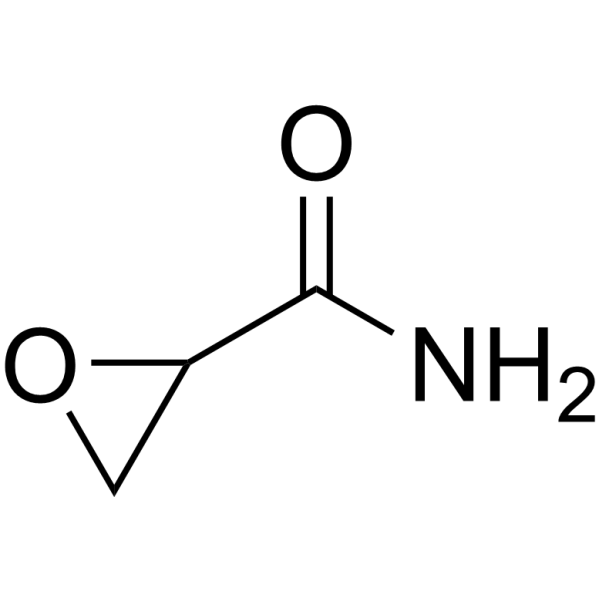
Glycidamide is the genotoxic metabolite of Acrylamide. Glycidamide can react with proteins, such as hemoglobin, or with DNA, and induces genotoxic effects .
|
-
-
- HY-114516
-
|
|
Endogenous Metabolite
|
Metabolic Disease
|
|
Fructosylvaline (Fructose Valine) is a model fructosyl-amine (Amadori compound) for glycated hemoglobin. Fructosylvaline can be used as a nitrogen source to cultivate microbial strains .
|
-

-
- HY-165151
-
|
Urochrome hydrochloride
|
Endogenous Metabolite
|
Others
|
|
Urobilin hydrochloride is the metabolite of Hemoglobin (HY-P2995), that can be excreted through urine and feces in many mammals. Urobilin hydrochloride can be used as an indicator of human waste pollution .
|
-

-
- HY-113050
-
|
2,3-DPG
|
Parasite
|
Infection
Neurological Disease
|
|
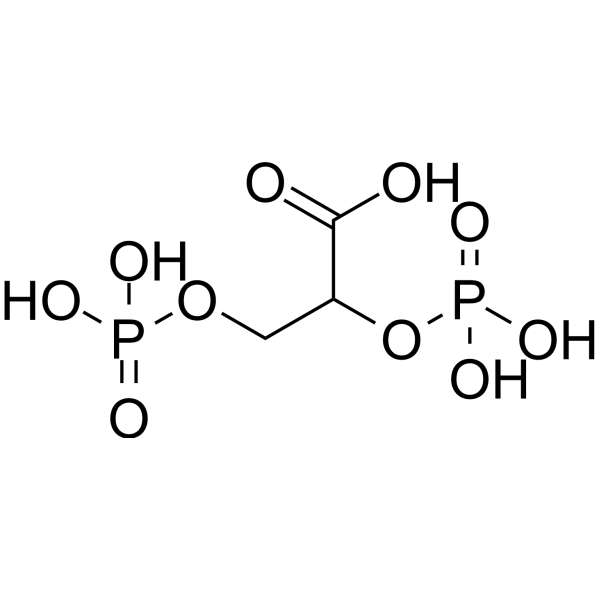
2,3-Diphosphoglyceric acid (2,3-DPG) is an intermediate of the glycolytic pathway. 2,3-Diphosphoglyceric acid stabilizes the deoxygenated form of hemoglobin by allosteric binding and facilitates oxygen release at tissue sites. 2, 3-diphosphoglyceric acid has antiparasitic activity. 2,3-Diphosphoglyceric acid can be used in the study of Alzheimer's disease (AD) .
|
-
-
- HY-17428
-
|
|
Histamine Receptor
|
Neurological Disease
Inflammation/Immunology
|
|
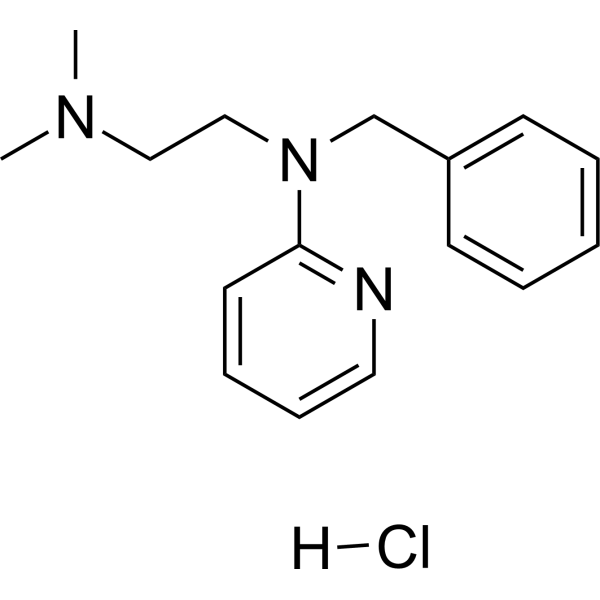
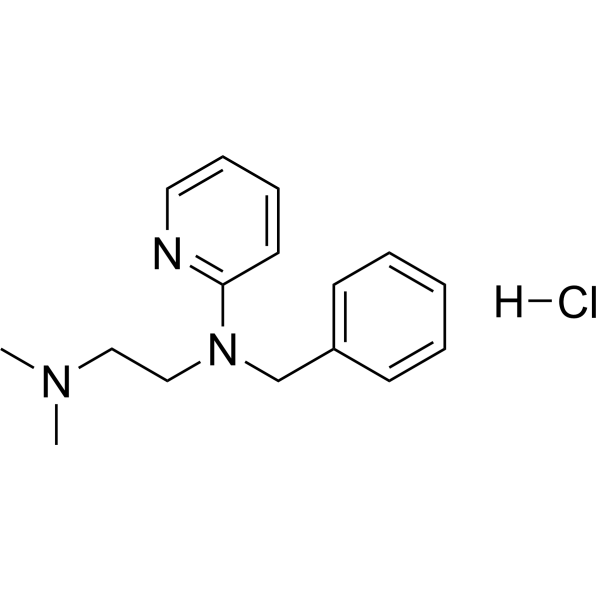
Tripelennamine hydrochloride is a histamine H1-receptor antagonist. Tripelennamine hydrochloride effectively reverses histamine-induced bronchoconstriction, increased transpulmonary pressure, elevated pulmonary vascular resistance and reduced dynamic compliance. Tripelennamine hydrochloride does not significantly affect arterial hypoxemia, hemoglobin desaturation and hypercapnia in horses undergoing short-term high-intensity exercise. Tripelennamine hydrochloride exhibits local and central analgesic activity. Tripelennamine hydrochloride can be used in studies related to emphysema, urticaria and acute laminitis .
|
-
-
- HY-153182
-
-
-
- HY-141510A
-
|
ITPP hexa-triethylamine
|
Biochemical Assay Reagents
HIF/HIF Prolyl-Hydroxylase
|
Cardiovascular Disease
Cancer
|
|
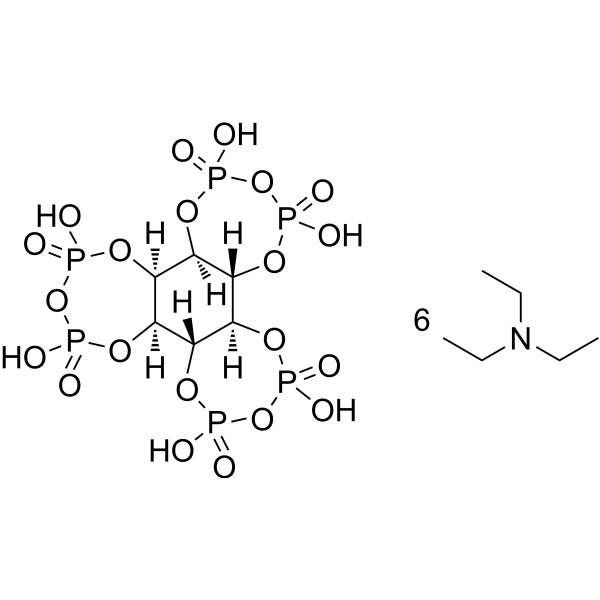
myo-Inositol trispyrophosphate (ITPP) hexa-triethylamine is a salt form of inositol triphosphate (ITPP). myo-Inositol trispyrophosphate hexa-triethylamine is a membrane-permeant hemoglobin allosteric regulator. myo-Inositol trispyrophosphate hexa-triethylamine enhances the oxygen release capacity of red blood cells by reducing the affinity of hemoglobin to oxygen. myo-Inositol trispyrophosphate hexa-triethylamine can be used in the study of cardiovascular disease and cancer .
|
-
-
- HY-W355129
-
|
2-Amino-3,8-dimethylimidazo[4,5-f]quinoxaline-2
|
Cytochrome P450
|
Cancer
|
|
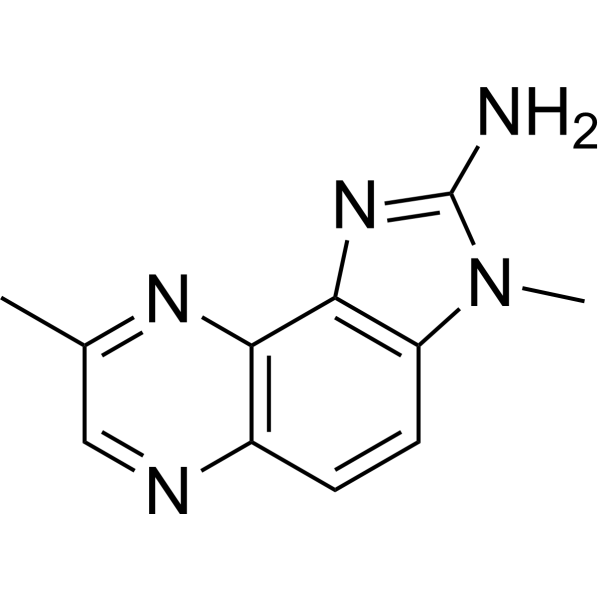
MeIQx, a dietary aromatic amine, is mutagenic compound could be isolated from present in fried beef and beef extracts. MeIQx binds covalently to hemoglobin. MeIQx induces liver tumors .
|
-
-
- HY-138822
-
|
2,3-DPG pentasodium salt
|
Endogenous Metabolite
|
Cardiovascular Disease
|
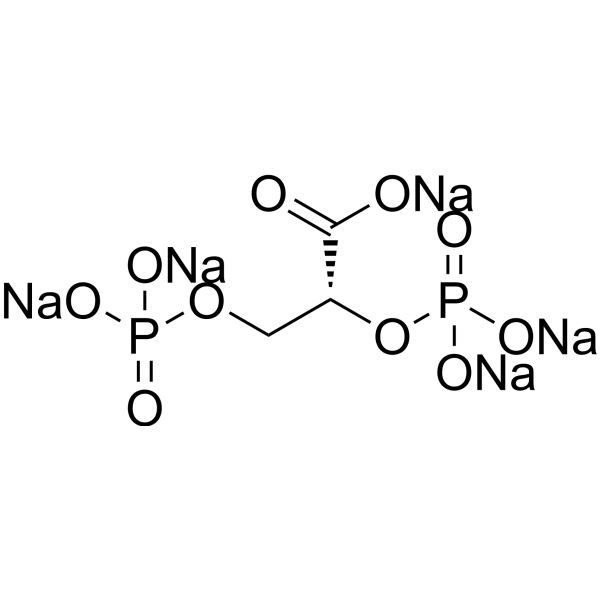
2,3-Diphospho-D-glyceric acid (2,3-DPG) pentasodium salt is a hemoglobin binder and vascular calcification inhibitor that reduces the oxygen affinity of hemoglobin. 2,3-Diphospho-D-glyceric acid pentasodium salt also specifically delays the transformation of colloidal calciprotein particles into crystalline forms, thereby effectively inhibiting vascular smooth muscle cell calcification without affecting the normal formation of osteoid nodules in osteoblast-like cells. 2,3-Diphospho-D-glyceric acid pentasodium salt shows no cytotoxicity to tested cell lines and only weakly interferes with β-hematin formation mediated by glyceryl monopalmitate. 2,3-Diphospho-D-glyceric acid pentasodium salt can be used to study the pathological mechanisms of vascular calcification and malaria-related conditions .
|
-
-
- HY-P1091
-
|
|
Cannabinoid Receptor
|
Neurological Disease
|
|
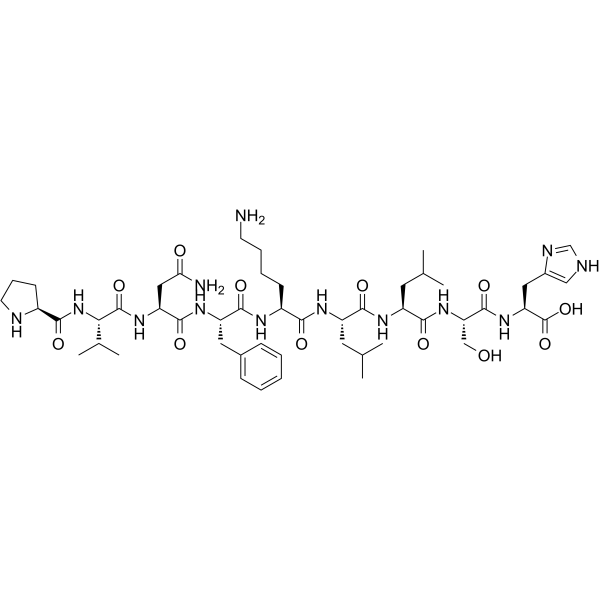
Hemopressin is a nonapeptide derived from the α1-chain of hemoglobin, is originally isolated from rat brain homogenates. Hemopressin is orally active, selective and inverse agonist of CB1 cannabinoid receptors. Hemopressin exerts antinociceptive action in inflammatory pain models .
|
-
-
- HY-N0729S
-
|
|
Isotope-Labeled Compounds
Endogenous Metabolite
|
Cardiovascular Disease
Metabolic Disease
|
|
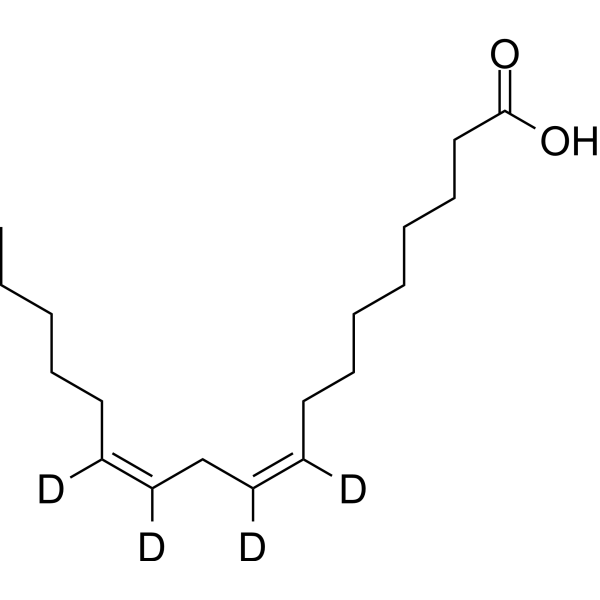
Linoleic Acid-d4 is the deuterium labeled Linoleic acid. Linoleic acid is a common polyunsaturated (PUFA) found in plant-based oils, nuts and seeds. Linoleic acid is a part of membrane phospholipids, and functions as a structural component to maintain a certain level of membrane fluidity of the transdermal water barrier of the epidermis. Linoleic acid induces red blood cells and hemoglobin damage via oxidative mechanism .
|
-
-
- HY-N0729R
-
|
|
Reference Standards
Endogenous Metabolite
|
Cardiovascular Disease
Metabolic Disease
Cancer
|
|
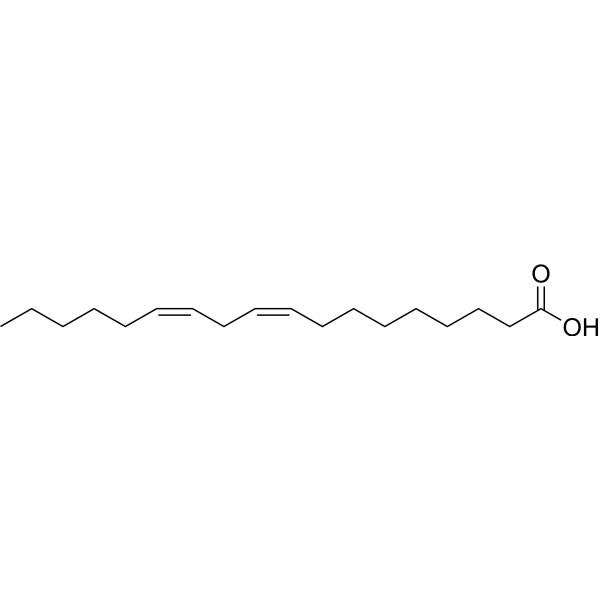
Linoleic acid (Standard) is the analytical standard of Linoleic acid (HY-N0729). This product is intended for research and analytical applications. Linoleic acid is a common polyunsaturated (PUFA) found in plant-based oils, nuts and seeds. Linoleic acid is a part of membrane phospholipids, and functions as a structural component to maintain a certain level of membrane fluidity of the transdermal water barrier of the epidermis. Linoleic acid induces red blood cells and hemoglobin damage via oxidative mechanism .
|
-
-
- HY-106181
-
|
R-106056
|
PPAR
|
Cardiovascular Disease
Metabolic Disease
|
|
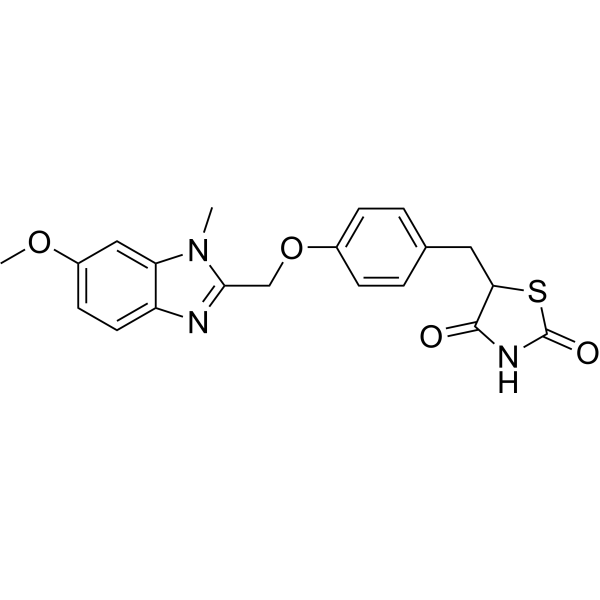
Rivoglitazone (R-106056) is an orally active, selective PPARγ agonist with an EC50 of 0.22 μM for hPPARγ. Rivoglitazone regulates fatty acid storage and uptake, glucose homeostasis, and cardiac glucose/fatty acid metabolism. Rivoglitazone reduces levels of hyperglycemia, hyperinsulinemia, and hypertriglyceridemia, decreases hepatic glucose production, and accelerates plasma triglyceride clearance. Rivoglitazone induces a reduction in glycated hemoglobin A1C, while causing peripheral edema and weight gain. Rivoglitazone can be used in research related to type 2 diabetes .
|
-
-
- HY-160610A
-
|
|
Drug Derivative
|
Others
|
|
Carbamoyl phosphate dilithium salt is an antisickling agent and plays a significant role in the urea cycle. Carbamoyl phosphate dilithium salt carbamylates the amino-terminal valine residues of hemoglobin S in erythrocytes, which interferes with the sickling phenomenon. Carbamoyl phosphate dilithium salt exhibits toxicity due to the lithium cation .
|
-

-
- HY-P0018A
-
|
Pepstatin A Trifluoroacetate
|
HIV Protease
Autophagy
|
Infection
Inflammation/Immunology
|
|
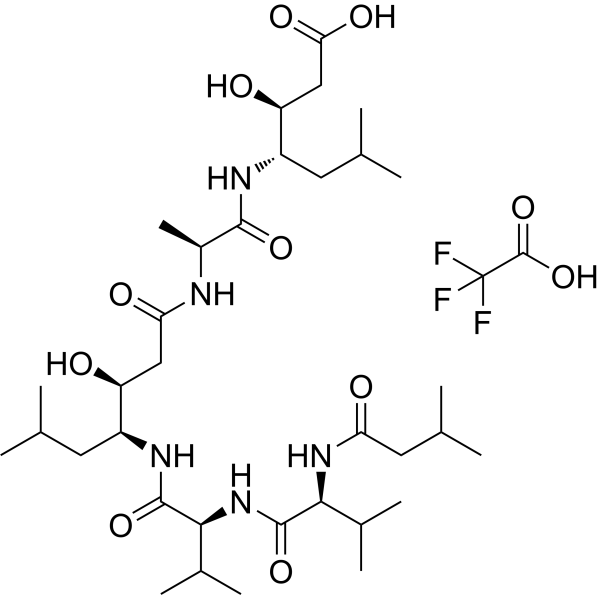
Pepstatin (Pepstatin A) Trifluoroacetate is a specific, orally active aspartic protease inhibitor produced by actinomycetes, with IC50s of 4.5 nM, 6.2 nM, 150 nM, 290 nM, 520 nM and 260 nM for hemoglobin-pepsin, hemoglobin-proctase, casein-pepsin, casein-proctase, casein-acid protease and hemoglobin-acid protease, respectively. Pepstatin Trifluoroacetate also inhibits HIV protease .
|
-
-
- HY-P0018B
-
|
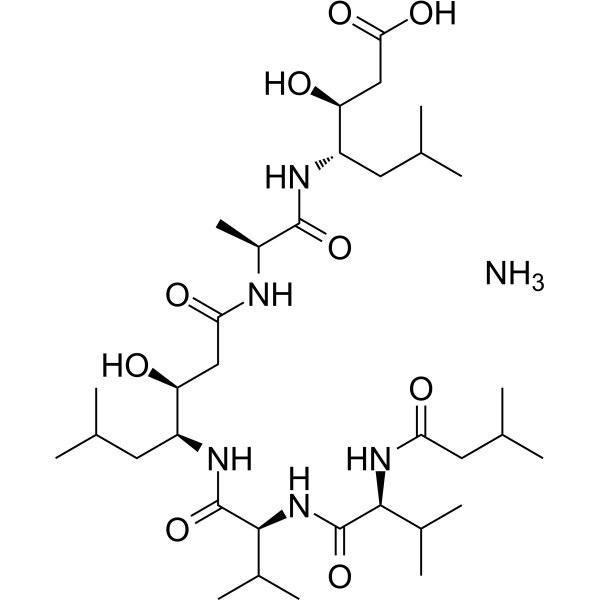
Pepstatin A Ammonium
|
HIV Protease
Autophagy
|
Infection
Inflammation/Immunology
|
|
Pepstatin (Pepstatin A) Ammonium is a specific, orally active aspartic protease inhibitor produced by actinomycetes, with IC50s of 4.5 nM, 6.2 nM, 150 nM, 290 nM, 520 nM and 260 nM for hemoglobin-pepsin, hemoglobin-proctase, casein-pepsin, casein-proctase, casein-acid protease and hemoglobin-acid protease, respectively. Pepstatin Ammonium also inhibits HIV protease .
|
-
-
- HY-113050A
-
|
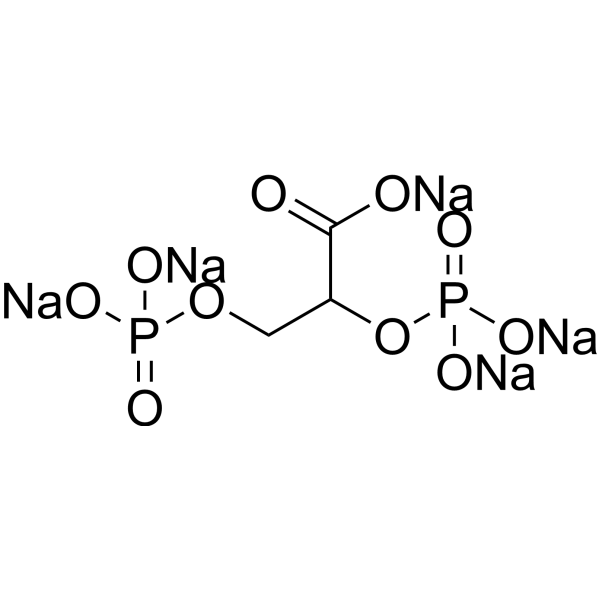
2,3-DPG pentasodium
|
Parasite
|
Others
|
|
2,3-Diphosphoglyceric acid (2,3-DPG) pentasodium is an intermediate of the glycolytic pathway. 2,3-Diphosphoglyceric acid pentasodium stabilizes the deoxygenated form of hemoglobin by allosteric binding and facilitates oxygen release at tissue sites. 2,3-Diphosphoglyceric acid pentasodium binds to hemoglobin and decrease its affinity for oxygen .
|
-
-
- HY-W355129S
-
|
|
Isotope-Labeled Compounds
|
Cancer
|
|
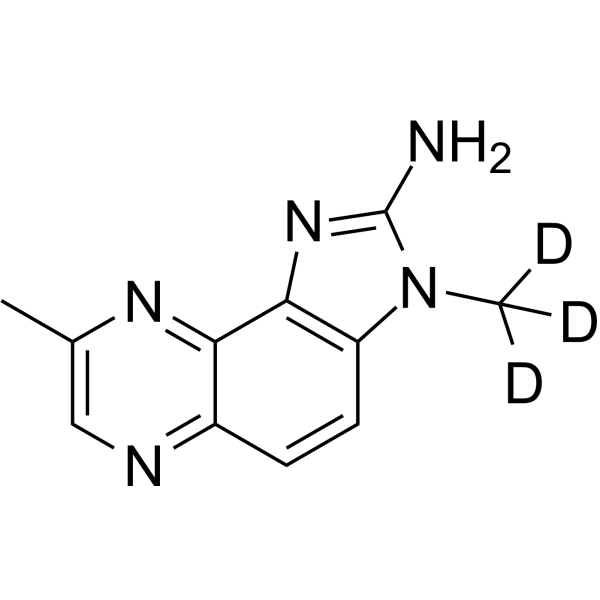
MeIQx-d3 is the deuterium labeled MeIQx (HY-W355129) . MeIQx is a heterocyclic amine (HAs) compound and a dietary aromatic amine, which can bind covalently to hemoglobin. MeIQx is a mutagenic compound that induces liver tumors .
|
-
-
- HY-P1090
-
|
|
Cannabinoid Receptor
|
Neurological Disease
|
|
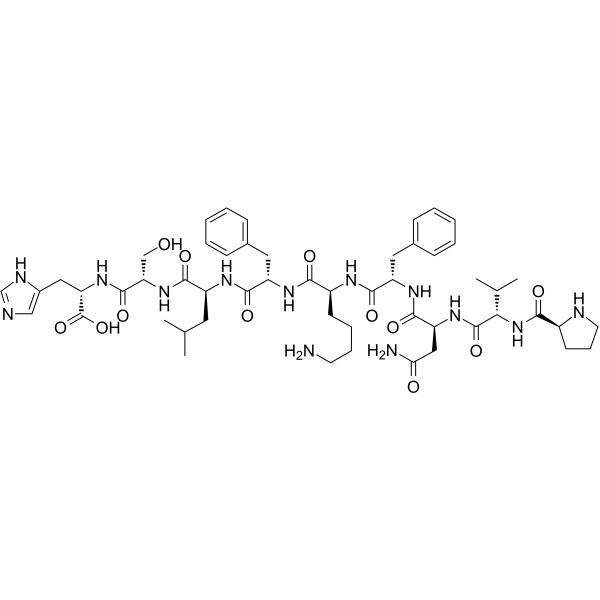
Hemopressin(rat) is a nonapeptide derived from the α1-chain of hemoglobin, is originally isolated from rat brain homogenates. Hemopressin(rat) is orally active, selective and inverse agonist of CB1 cannabinoid receptors. Hemopressin(rat) exerts antinociceptive action in inflammatory pain models .
|
-
-
- HY-108795
-
|
GLP-1-Gly8; GLP-1 (7-36) analog
|
GLP Receptor
|
Metabolic Disease
|
|
Albiglutide fragment (GLP-1 (7-36) analog) is an active fragment of Albiglutide (7-36) and a glucagon-like peptide-1 (GLP-1) analog (a long-acting GLP-1 receptor agonist). Albiglutide is produced by the fusion of DPP-4 resistant GLP-1 dimer with the human albumin gene. Moreover, Albiglutide fragment significantly reduces glycosylated hemoglobin (A1C) and is used in type 2 diabetes (T2D) studies .
|
-

-
- HY-P2995B
-
|
|
Biochemical Assay Reagents
Heme Oxygenase (HO)
|
Others
|
|
Mouse Hemoglobin is a hemoglobin derived from mouse. Hemoglobin is a iron-containing protein in red blood cells with oxygen binding properties. Hemoglobin is an inducer of HO-1. Hemoglobin consits of heme, which binds to oxygen. Hemoglobin also transports other gases, such as carbon dioxide, nitric oxide, hydrogen sulfide and sulfide. Hemoglobin absorbs unneeded oxygen in tissues, as an antioxidant .
|
-

-
- HY-P2995A
-
|
|
Biochemical Assay Reagents
|
Others
|
|
Hemoglobin porcine is an oxygen-transporting protein present in the blood of domestic pigs, and also an oxygen carrier with higher oxygen affinity than human hemoglobin. Hemoglobin porcine exhibits cooperative oxygen-binding properties, with weaker heme-heme interactions than those of human hemoglobin .
|
-

-
- HY-W587780
-
|
SMX-NO
|
Biochemical Assay Reagents
|
Inflammation/Immunology
|
|
Sulfamethoxazole-NO (SMX-NO) is the major immunogen in sulfonamide allergy, producing modest ascorbic acid depletion and hemoglobin adduct formation. Sulfamethoxazole-NO haptens tissue proteins and is immunogenic in rodents .
|
-

-
- HY-N0729S4
-
|
|
Isotope-Labeled Compounds
|
Cardiovascular Disease
Metabolic Disease
|
|
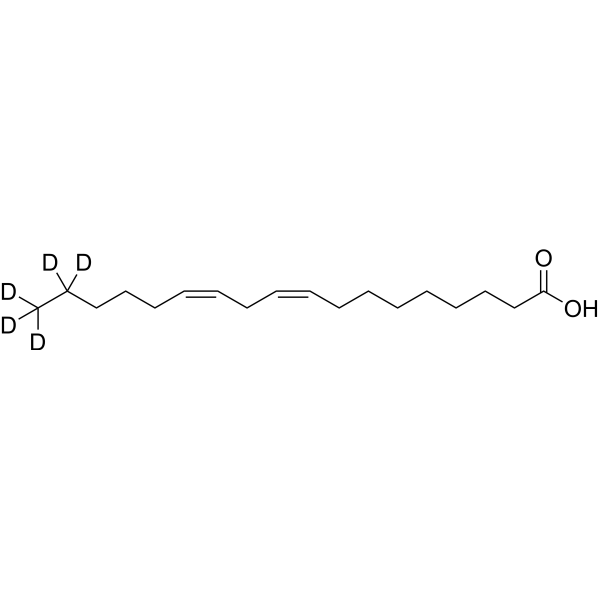
Linoleic Acid-d5 is the deuterium labeled Linoleic acid. Linoleic acid is a common polyunsaturated (PUFA) found in plant-based oils, nuts and seeds. Linoleic acid is a part of membrane phospholipids, and functions as a structural component to maintain a certain level of membrane fluidity of the transdermal water barrier of the epidermis. Linoleic acid induces red blood cells and hemoglobin damage via oxidative mechanism .
|
-
-
- HY-13414
-
|
Remogliflozin A
|
SGLT
|
Metabolic Disease
|
|
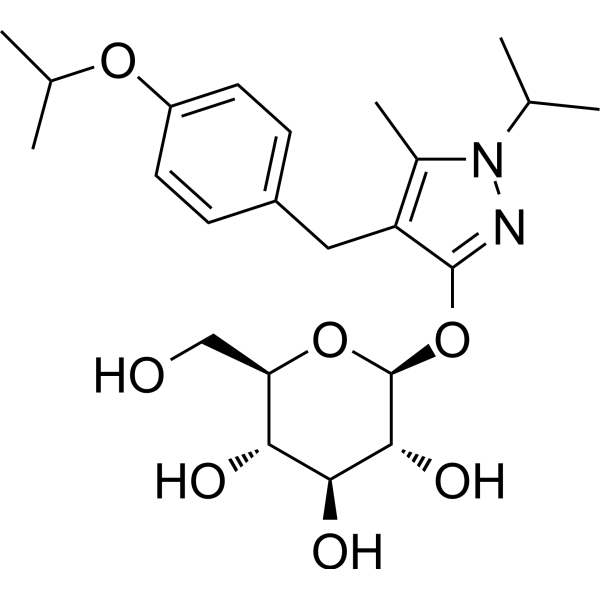
Remogliflozin (Remogliflozin A) is an orally active, highly selective sodium-glucose cotransporter 2 (SGLT2) inhibitor, with a Ki of 12.4 nM for human SGLT2 and 26.0 nM for rat SGLT2. Remogliflozin increases urinary glucose excretion by inhibiting renal glucose reabsorption. Without insulin stimulation, remogliflozin suppresses the elevation of plasma glucose, reduces fasting blood glucose and glycated hemoglobin, and improves glycosuria, hyperglycemia, hyperinsulinemia, hypertriglyceridemia and insulin resistance in diabetic rodents. Remogliflozin can be used in research related to type 2 diabetes .
|
-
-
- HY-148400
-
|
TXC hydrochloride
|
Ser/Thr Protease
Drug Derivative
|
Metabolic Disease
|
|
Cetyl tranexamate (TXC) hydrochloride is an ester derivative of Tranexamic acid (HY-B0149). Cetyl tranexamate hydrochloride is an inhibitor of fibrinogen activation and can reduce the production of fibrinogen in keratinocytes induced by ultraviolet rays or damage, indirectly inhibiting the melanin production pathway. Cetyl tranexamate hydrochloride also targets melanin (dark spots) and hemoglobin (red spots), reducing vascular dilation and pigmentation by inhibiting inflammatory mediators (such as prostaglandins, platelet activating factors). Cetyl tranexamate hydrochloride can be used as a cosmetic ingredient and is suitable for epidermal pigment disorders such as photoaging, post-inflammatory hyperpigmentation (PIH), and melasma .
|
-

-
- HY-106509
-
|
BW 12C; 12C79; BW 12C79
|
Hemoglobin
|
Cardiovascular Disease
Cancer
|
|
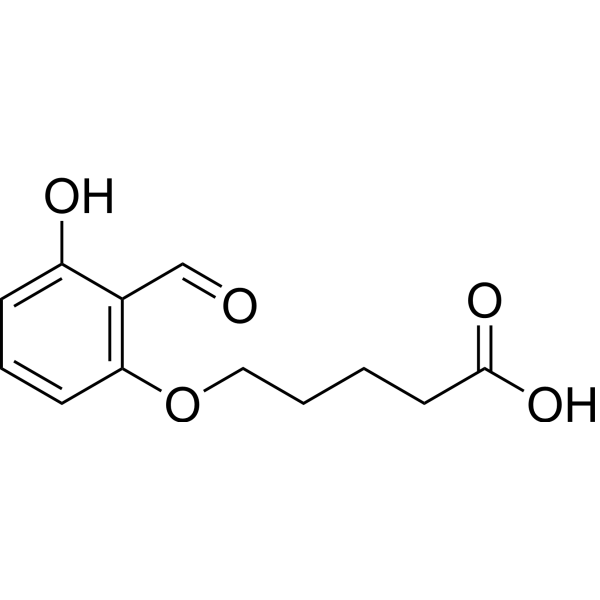
Velaresol (BW 12C) is a small molecule oxyhemoglobin stabilizer. Velaresol stabilizes hemoglobin’s oxy-conformation, shifts oxygen dissociation curves left, induces tumor hypoxia, alters radiosensitivity, protects normal tissues from radiation damage, and reduces sickled cell counts. Velaresol can be used for the research of cancer and sickle cell disease .
|
-
-
- HY-W581820
-
|
Ferrous succinate
|
Biochemical Assay Reagents
|
Cardiovascular Disease
|
|
Iron(II) succinate (Ferrous succinate) is an orally active and organic acid iron supplement (ferrous salt). Iron(II) succinate improves hematological parameters in iron-deficiency anemia rats, including hemoglobin, red blood cells, hematocrit, mean corpuscular volume, mean corpuscular hemoglobin, and mean corpuscular hemoglobin concentration. Iron(II) succinate increases serum ferritin, serum iron levels, and transferrin saturation, while decreasing total iron-binding capacity in iron-deficiency anemia rats. Iron(II) succinate reduces the elevated heart, spleen, and kidney coefficients, and increases the decreased liver coefficient in iron-deficiency anemia rats. Iron(II) succinate replenishes the depleted iron content in the liver and spleen of iron-deficiency anemia rats. Iron(II) succinate can be used for the research of iron-deficiency anemia .
|
-

-
- HY-E70082
-
|
|
Biochemical Assay Reagents
|
Metabolic Disease
|
|
Fructosyl amino acid oxidase can be used to measure glycosylated protein. Glycosylated protein, especially glycosylated hemoglobin A1c, is an important marker to evaluate the efficacy of diabetes treatment .
|
-

-
- HY-23148
-
|
N-Methylisatin
|
Carboxylesterase (CES)
|
Others
|
|
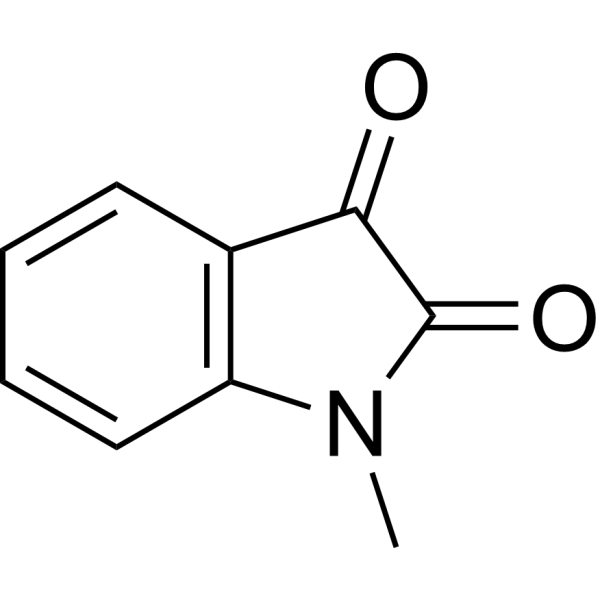
1-Methylisatin is a potent and selective CE (carboxylesterases) inhibitor, with Kis of 38.2 and 5.38 μM for hiCE and hCE1, respectively. 1-Methylisatin interacts with Hb (human adult hemoglobin) by hydrophobic binding and electrostatic attraction. 1-Methylisatin can be used in the study of regulation of agent metabolism in vivo .
|
-
-
- HY-N0729S3
-
|
|
Endogenous Metabolite
|
Cardiovascular Disease
Metabolic Disease
|
|
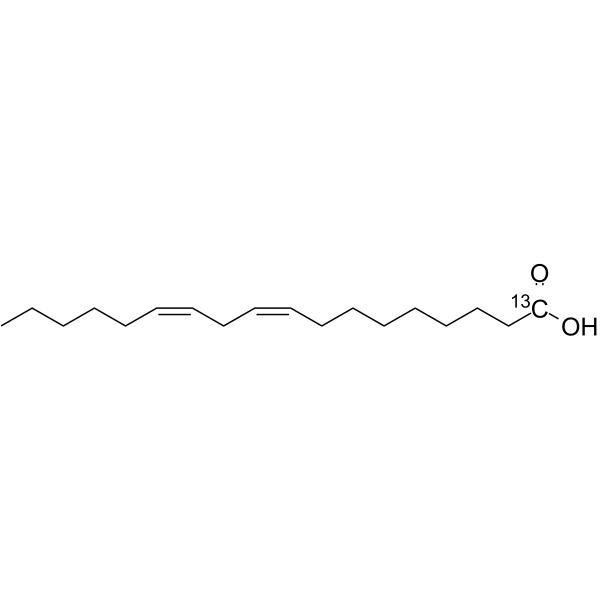
Linoleic acid- 13C1 is the 13C labeled Linoleic acid. Linoleic acid is a common polyunsaturated (PUFA) found in plant-based oils, nuts and seeds. Linoleic acid is a part of membrane phospholipids, and functions as a structural component to maintain a certain level of membrane fluidity of the transdermal water barrier of the epidermis. Linoleic acid induces red blood cells and hemoglobin damage via oxidative mechanism .
|
-
- HY-100826
-
-
- HY-163727
-
|
|
Parasite
|
Infection
|
|
MMV1557817 is an orally active and potent antimalarial compound. MMV1557817 is a selective, nanomolar inhibitor of both Plasmodium falciparum and Plasmodium vivax aminopeptidases M1 and M17, leading to inhibition of end-stage hemoglobin digestion in asexual parasites .
|
-

- HY-P5549
-
|
|
Bacterial
Fungal
|
Infection
|
|
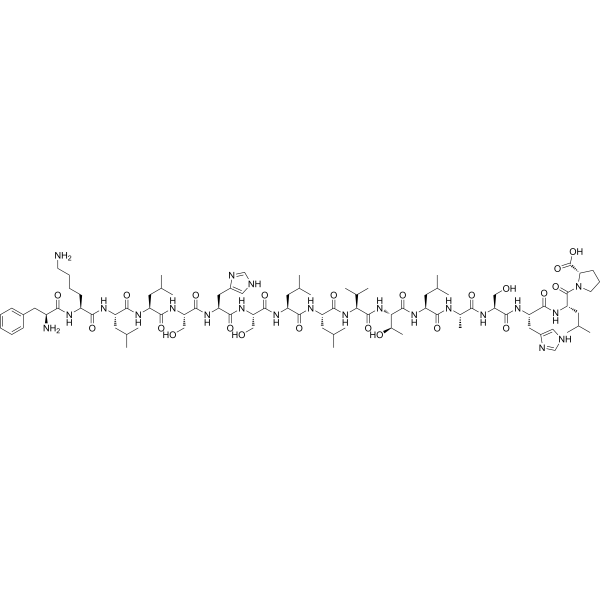
Hb 98-114, the amino acids 98-114 of the alpha subunit of bovine hemoglobin, is an antimicrobial peptide. Hb 98-114 is active against several yeast and filamentous fungi (MIC: 2.1 μM-12.5 μM) .
|
-
- HY-N0729S5
-
|
Deulinoleic acid
|
Endogenous Metabolite
|
Metabolic Disease
|
|
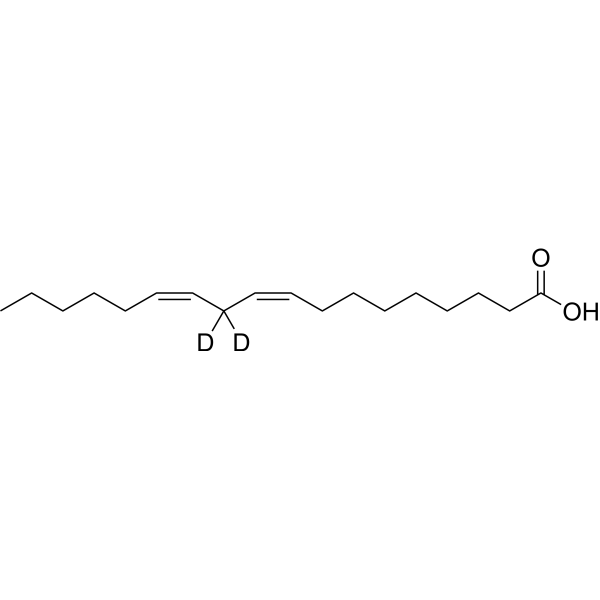
Linoleic Acid-d2 is the deuterium labeled Linoleic acid. Linoleic acid is a common polyunsaturated (PUFA) found in plant-based oils, nuts and seeds. Linoleic acid is a part of membrane phospholipids, and functions as a structural component to maintain a certain level of membrane fluidity of the transdermal water barrier of the epidermis. Linoleic acid induces red blood cells and hemoglobin damage via oxidative mechanism .
|
-
- HY-15641R
-
|
IOX3 (Standard); YM311 (Standard)
|
HIF/HIF Prolyl-Hydroxylase
Reference Standards
|
Metabolic Disease
|
|
FG-2216 (Standard) is the analytical standard of FG-2216. This product is intended for research and analytical applications. FG-2216 (IOX3) is a potent and orally active inhibitor of HIF prolyl hydroxylase-2 (PHD2), with an IC50 of 3.9 μM. FG-2216 induces robust erythropoietin and modest fetal hemoglobin in vivo .
|
-

- HY-N0729S1
-
|
|
Isotope-Labeled Compounds
Endogenous Metabolite
|
Cardiovascular Disease
Metabolic Disease
|
|
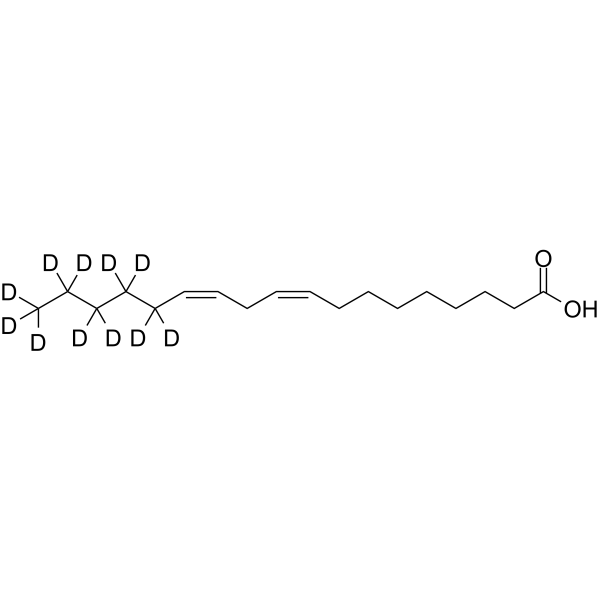
Linoleic acid-d11 is the deuterium labeled Linoleic acid. Linoleic acid is a common polyunsaturated (PUFA) found in plant-based oils, nuts and seeds. Linoleic acid is a part of membrane phospholipids, and functions as a structural component to maintain a certain level of membrane fluidity of the transdermal water barrier of the epidermis. Linoleic acid induces red blood cells and hemoglobin damage via oxidative mechanism .
|
-
- HY-P2995C
-
|
|
Biochemical Assay Reagents
Heme Oxygenase (HO)
|
Others
|
|
Rabbit Hemoglobin is a hemoglobin derived from rabbit. Hemoglobin is a iron-containing protein in red blood cells with oxygen binding properties. Hemoglobin is an inducer of HO-1. Hemoglobin consits of heme, which binds to oxygen. Hemoglobin also transports other gases, such as carbon dioxide, nitric oxide, hydrogen sulfide and sulfide. Hemoglobin absorbs unneeded oxygen in tissues, as an antioxidant .
|
-

- HY-P2995E
-
|
|
Biochemical Assay Reagents
Heme Oxygenase (HO)
|
Others
|
|
Guinea Pig Hemoglobin is a hemoglobin derived from guinea pigs. Hemoglobin is a iron-containing protein in red blood cells with oxygen binding properties. Hemoglobin is an inducer of HO-1. Hemoglobin consits of heme, which binds to oxygen. Hemoglobin also transports other gases, such as carbon dioxide, nitric oxide, hydrogen sulfide and sulfide. Hemoglobin absorbs unneeded oxygen in tissues, as an antioxidant .
|
-

- HY-W175543
-
|
|
Hemoglobin
|
Cardiovascular Disease
|
|
Methoxyurea (Compound 3) is a potential regulator of nitric oxide (NO) donors that acts on hemoglobins such as oxy-hemoglobin (OxyHb) and met-hemoglobin (MetHb). Methoxyurea is promising for research of sickle cell disease (SCD) .
|
-

- HY-P0018C
-
|
Pepstatin A acetate
|
HIV Protease
Autophagy
|
Infection
Inflammation/Immunology
|
|
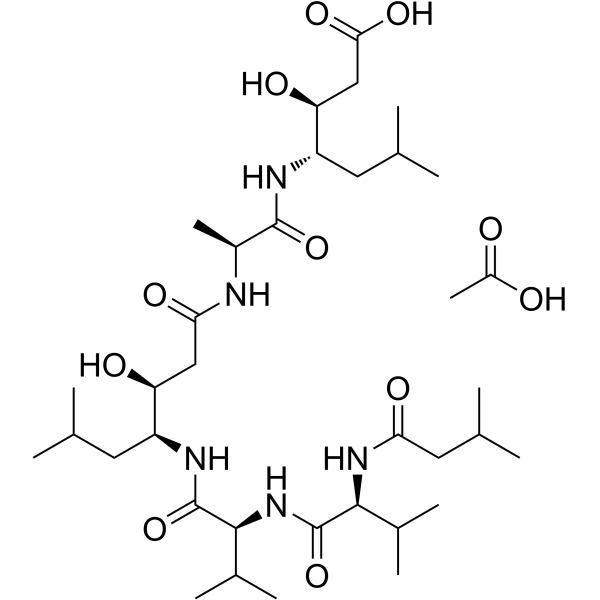
Pepstatin (Pepstatin A) acetate is a specific, orally active aspartic protease inhibitor produced by actinomycetes, with IC50s of 4.5 nM, 6.2 nM, 150 nM, 290 nM, 520 nM and 260 nM for hemoglobin-pepsin, hemoglobin-proctase, casein-pepsin, casein-proctase, casein-acid protease and hemoglobin-acid protease, respectively. Pepstatin acetate also inhibits HIV protease .
|
-
- HY-160897
-
|
|
Drug Intermediate
|
Others
|
|
Methoxy-PEG2000-C3-amide-C2-Mal can bind to hemoglobin through the 93Cys residue to produce di-PEGylated hemoglobin .
|
-

- HY-P0018R
-
|
Pepstatin A (Standard)
|
Reference Standards
HIV Protease
Autophagy
|
Infection
Inflammation/Immunology
|
|
Pepstatin (Standard) is the analytical standard of Pepstatin. This product is intended for research and analytical applications. Pepstatin (Pepstatin A) is a specific, orally active aspartic protease inhibitor produced by actinomycetes, with IC50s of 4.5 nM, 6.2 nM, 150 nM, 290 nM, 520 nM and 260 nM for hemoglobin-pepsin, hemoglobin-proctase, casein-pepsin, casein-proctase, casein-acid protease and hemoglobin-acid protease, respectively. Pepstatin also inhibits HIV protease[1][2].
|
-

- HY-145614
-
|
|
Drug Derivative
|
Others
|
|
Sucistil is an active compound. hemoglobin sucistil (bovine) is an oxygen carrier .
|
-
- HY-145356
-
-
- HY-165517
-
|
|
Others
|
Cardiovascular Disease
|
|
Methyl acetimidate is an imidoester that can inhibit the formation of sickle cells. Methyl acetimidate enhances the oxygen affinity and gelling properties of high molecular weight hemoglobin (HMW Hb) by modifying the amino groups of hemoglobin, thereby suppressing the formation of sickle cells. Methyl acetimidate can be used in research related to anemia .
|
-

- HY-P10246
-
|
|
MHC
|
Inflammation/Immunology
|
|
Hemoglobin 64-76 is a T cell inducing determinant, that binds to two different MHC class II molecules in distinct registers and lengths .
|
-

- HY-107724
-
|
|
Neuropeptide Y Receptor
|
Others
|
|
PD 160170 is a compound developed to inhibit low-risk myelodysplastic syndrome-associated anemia with activities that promote red blood cell transfusion independence and increase hemoglobin.
|
-

- HY-P1599
-
|
|
Opioid Receptor
|
Neurological Disease
Cancer
|
|
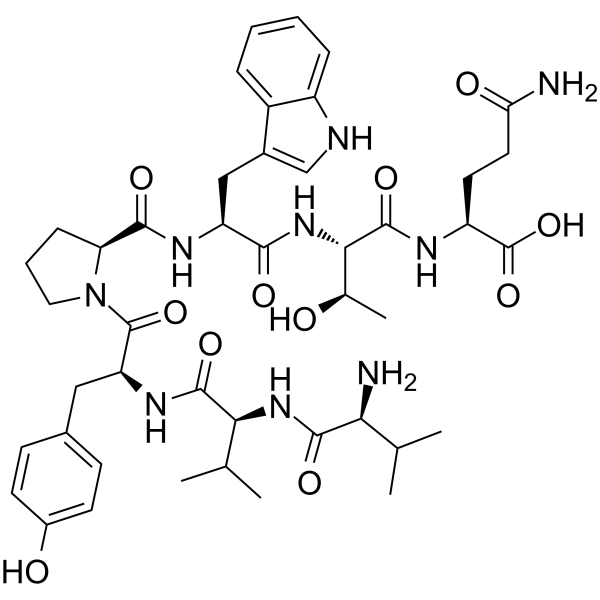
Valorphin is an endogenous hemoglobin β-chain (33-39) fragment with opioid analgesic activity, binds to rat mu-opioid receptor, with an IC50 of 14 nM; Valorphin also shows anti-tumor activity.
|
-
- HY-161432
-
|
|
Bacterial
|
Infection
|
|
Antimicrobial agent-29 (Compound C35) affects the interaction between human hemoglobin and Staphylococcus aureus IsdB hemophore. Antimicrobial agent-29 helps the discovery of IsdB:Hb PPI inhibitors .
|
-

- HY-139122
-
|
N-Hydroxybutanamide
|
HDAC
|
Cardiovascular Disease
Neurological Disease
|
|
Butyrylhydroxamic acid (N-Hydroxybutanamide) is a potent inhibitor of histone deacetylase (HDAC). Butyrylhydroxamic acid enhances memory in behavioral models of rodents and can be used as memory enhancers, mood stabilizers, and β-chain hemoglobin disease studies .
|
-

- HY-P0318
-
-
- HY-113427AS
-
|
|
Antibiotic
|
Cancer
|
|
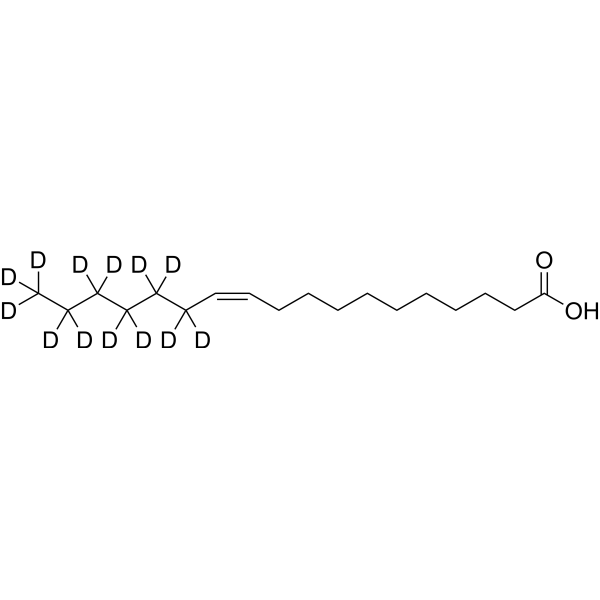
cis-Vaccenic acid-d13 is the deuterium labeled cis-Vaccenic acid. cis-Vaccenic acid, the antiviral extract from Rhodopseudomonas capsulate and the predominant active component of Rhodopseudomonas capsulate , acts a potential fetal hemoglobin inducer .
|
-
- HY-P1397
-
|
|
Cannabinoid Receptor
|
Neurological Disease
|
|
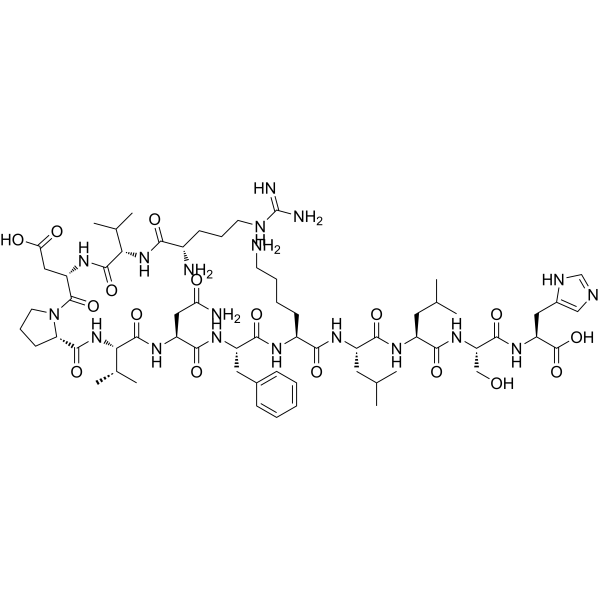
RVD-Hpα, an α-hemoglobin-derived peptide containing three additional amino acids, is a CB1 cannabinoid receptor agonist. RVD-Hpα is a positive allosteric modulator of cannabinoid receptor 2 .
|
-
- HY-W776973
-
|
Oxiranecarboxamide-13C3; 2,3-Epoxypropanamide-13C3
|
Isotope-Labeled Compounds
Drug Metabolite
|
Others
|
|
Glycidamide- 13C3 (Oxiranecarboxamide- 13C3) is the 13C-labeled Glycidamide (HY-119329). Glycidamide is the genotoxic metabolite of Acrylamide. Glycidamide can react with proteins, such as hemoglobin, or with DNA, and induces genotoxic effects .
|
-

- HY-162665
-
|
|
Histone Methyltransferase
|
Others
|
|
WIZ degrader 1 (Compound 141) is a degrader for widely interspaced zinc finger motifs (WIZ) with an AC50 of 2 nM. WIZ degrader 1 induces the expression of fetal hemoglobin (HbF) with an EC50 of 6 mM. WIZ degrader 1 is used in research of inherited blood disorders .
|
-

- HY-139293
-
|
|
Others
|
Cardiovascular Disease
|
|
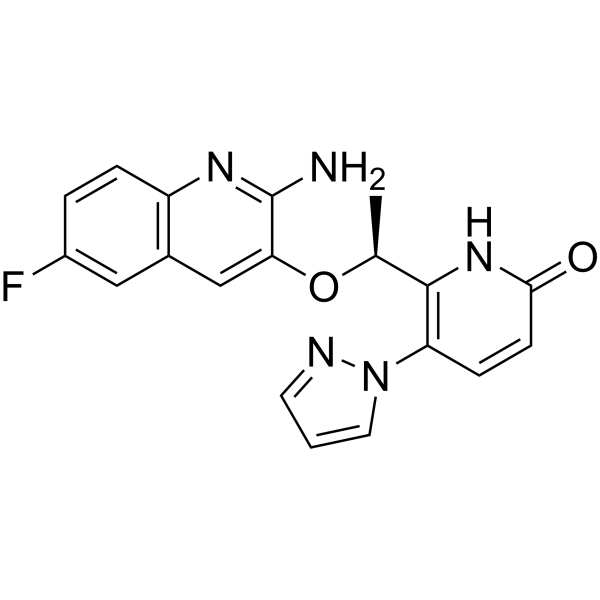
PF-07059013 is an orally active and potent noncovalent modulator of sickled hemoglobin (HbS). PF-07059013 specifically binds to Hb with nanomolar affinity and displays strong partitioning into red blood cells (RBCs). PF-07059013 can be used for sickle cell disease (SCD) research .
|
-
- HY-163818
-
|
|
Histone Methyltransferase
|
Others
|
|
WIZ degrader 2 (Compound 142) is a degrader for widely interspaced zinc finger motifs with an AC50 of 0.011 μM. WIZ degrader 2 induces the expression of fetal hemoglobin (HbF) with an EC50 of 0.038 μM. WIZ degrader 2 can be used in research about inherited blood disorders .
|
-

- HY-P1091A
-
|
|
Cannabinoid Receptor
|
Neurological Disease
|
|
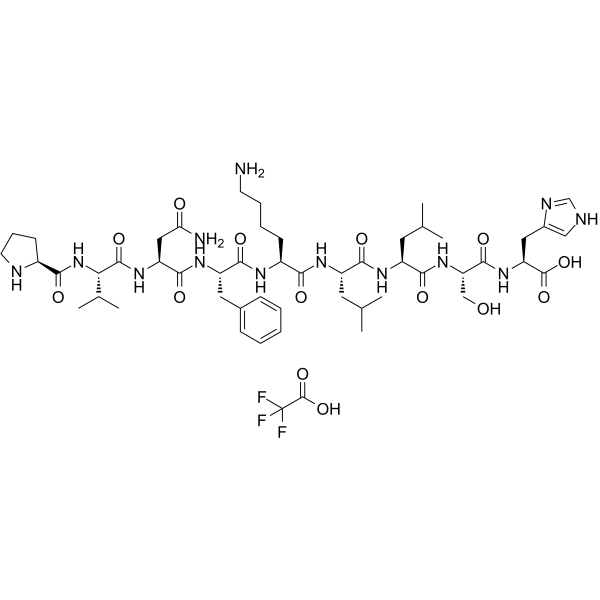
Hemopressin TFA is a nonapeptide derived from the α1-chain of hemoglobin, is originally isolated from rat brain homogenates. Hemopressin TFA is orally active, selective and inverse agonist of CB1 cannabinoid receptors. Hemopressin TFA exerts antinociceptive action in inflammatory pain models .
|
-
- HY-163819
-
|
|
Histone Acetyltransferase
|
Cardiovascular Disease
|
|
WIZ degrader 3 (Compound 29) is a degrader for widely interspaced zinc finger motifs (WIZ), with an AC50 of 6.4 nM. WIZ degrader 3 induces the expression of fetal hemoglobin (HbF), with an EC50 of 45 nM. WIZ degrader 3 can be used for the research of blood disorders, such as sickle cell disease and β- thalassemia .
|
-

- HY-170831
-
|
|
Histone Methyltransferase
GLP Receptor
|
Others
|
|
DS79932728 is an orally active inhibitor for G9a and GLP with IC50 of 12.6 nM and 75.7 nM. DS79932728 induces the production of γ-globin, thereby increasing the level of fetal hemoglobin (HbF). DS79932728 increases F-reticulocytes (F-rets) proportion and exhibits good oral absorption characteristics in cynomolgus monkey models .
|
-

- HY-P1090A
-
|
|
Cannabinoid Receptor
|
Neurological Disease
|
|
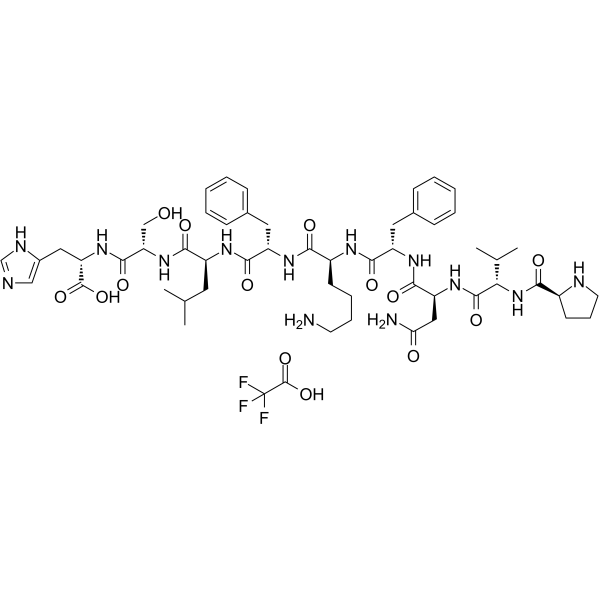
Hemopressin(rat) TFA is a nonapeptide derived from the α1-chain of hemoglobin, is originally isolated from rat brain homogenates. Hemopressin(rat) TFA is orally active, selective and inverse agonist of CB1 cannabinoid receptors. Hemopressin(rat) TFA exerts antinociceptive action in inflammatory pain models .
|
-
- HY-109089S
-
|
15(S)-HEPE-d5 ethyl ester; 15(S)-Hydoxy EPA-d5 ethyl ester; 15(S)-Hydoxy eicosapetaeoic acid-d5 ethyl ester
|
Isotope-Labeled Compounds
|
Others
|
|
Epeleuton-d5 (15(S)-HEPE-d5 ethyl ester) is deuterium labeled Epeleuton. Epeleuton is a second-generation synthetic N-3 fatty acid derivative with activity in patients with non-alcoholic fatty liver disease, although it did not reach the primary endpoints of alanine aminotransferase and liver stiffness, but it can significantly reduce triglycerides, glycated hemoglobin, plasma glucose and inflammatory markers .
|
-

- HY-P5693
-
|
|
Bacterial
CMV
HSV
|
Infection
|
|
HBA(111-142), an antimicrobial peptide, is a C-terminal 32-mer fragment of alpha-hemoglobin. HBA(111-142) has antibacterial activity against the ESKAPE panel of pathogens. HBA(111-142) forms amyloid fibrils, and has antiviral activities. HBA(111-142) inhibits measles and herpes viruses (HSV-1, HSV-2, HCMV) .
|
-

- HY-W779191
-
|
2-Amino-3,8-dimethylimidazo[4,5-f]quinoxaline-2-13C
|
Isotope-Labeled Compounds
Cytochrome P450
|
Cancer
|
|
MeIQx- 13C (2-Amino-3,8-dimethylimidazo[4,5-f]quinoxaline-2- 13C) is the 13C-labeled MeIQx (HY-W355129). MeIQx, a dietary aromatic amine, is mutagenic compound could be isolated from present in fried beef and beef extracts. MeIQx binds covalently to hemoglobin. MeIQx induces liver tumors .
|
-

- HY-17428A
-
|
|
Histamine Receptor
|
Neurological Disease
Inflammation/Immunology
|
|
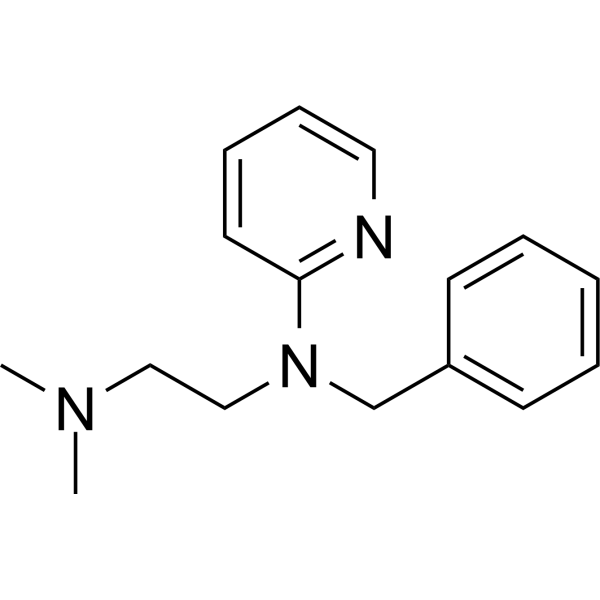
Tripelennamine is a histamine H1-receptor antagonist. Tripelennamine effectively reverses histamine-induced bronchoconstriction, increased transpulmonary pressure, elevated pulmonary vascular resistance and reduced dynamic compliance. Tripelennamine does not significantly affect arterial hypoxemia, hemoglobin desaturation and hypercapnia in horses undergoing short-term high-intensity exercise. Tripelennamine exhibits local and central analgesic activity. Tripelennamine can be used in studies related to emphysema, urticaria and acute laminitis .
|
-
- HY-17428B
-
|
|
Histamine Receptor
|
Neurological Disease
Inflammation/Immunology
|
|
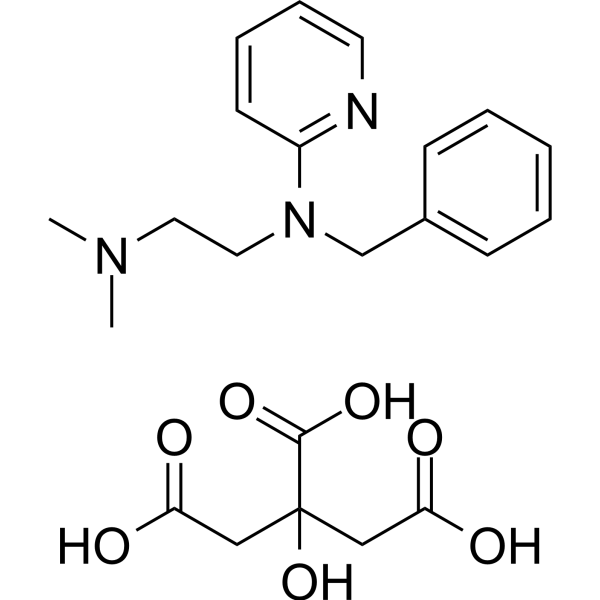
Tripelennamine citrate is a histamine H1-receptor antagonist. Tripelennamine citrate effectively reverses histamine-induced bronchoconstriction, increased transpulmonary pressure, elevated pulmonary vascular resistance and reduced dynamic compliance. Tripelennamine citrate does not significantly affect arterial hypoxemia, hemoglobin desaturation and hypercapnia in horses undergoing short-term high-intensity exercise. Tripelennamine citrate exhibits local and central analgesic activity. Tripelennamine citrate can be used in studies related to emphysema, urticaria and acute laminitis .
|
-
- HY-108795A
-
|
GLP-1-Gly8 TFA; GLP-1 (7-36) analog TFA
|
GLP Receptor
|
Metabolic Disease
|
|
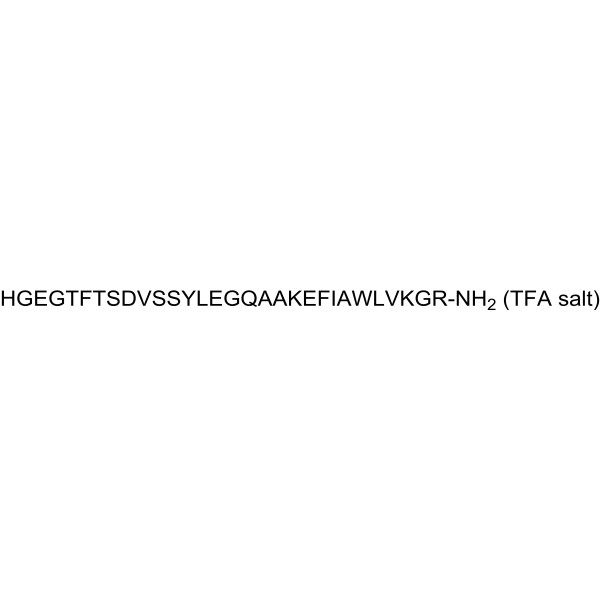
Albiglutide fragment (GLP-1 (7-36) analog) TFA is an active fragment of Albiglutide (7-36) and a glucagon-like peptide-1 (GLP-1) analog (a long-acting GLP-1 receptor agonist). Albiglutide is produced by the fusion of DPP-4 resistant GLP-1 dimer with the human albumin gene. Moreover, Albiglutide fragment TFA significantly reduces glycosylated hemoglobin (A1C) and is used in type 2 diabetes (T2D) studies .
|
-
- HY-110093
-
|
|
VSV
Histone Methyltransferase
Autophagy
Influenza Virus
|
Infection
Cancer
|
|
UNC0638 hydrate selectively inhibits G9a and GLP histone methyltransferases with IC50 of 15 nM and 19 nM, respectively. UNC0638 hydrate inhibits TNBC cell invasion and migration in vitro. UNC0638 hydrate is also an inhibitor of EHMT1/2 and induces fetal hemoglobin (HbF) expression in human erythroid progenitor cell culture. In addition, UNC0638 hydrate has anti-FMDV (foot-and-mouth disease virus) and anti-VSV (vesicular stomatitis virus) activities, with excellent potency and selectivity against multiple epigenetic and non-epigenetic targets .
|
-

- HY-106509R
-
|
BW 12C (Standard); 12C79 (Standard); BW 12C79 (Standard)
|
Reference Standards
Hemoglobin
|
Others
|
|
Velaresol (Standard) is the analytical standard of Velaresol. This product is intended for research and analytical applications. Velaresol (BW 12C) is a small molecule oxyhemoglobin stabilizer. Velaresol stabilizes hemoglobin’s oxy-conformation, shifts oxygen dissociation curves left, induces tumor hypoxia, alters radiosensitivity, protects normal tissues from radiation damage, and reduces sickled cell counts. Velaresol can be used for the research of cancer and sickle cell disease .
|
-

- HY-CE01817
-
-

- HY-NP0235
-
|
|
Biochemical Assay Reagents
|
Inflammation/Immunology
|
|
Rat haptoglobin is a hemoglobin-binding acute-phase protein which possesses anti-inflammatory and antioxidative properties. Rat haptoglobin binds to free hemoglobin and thereby prevent iron-driven oxidative tissue damage .
|
-

- HY-174677
-
|
|
mRNA
|
Cancer
|
|
Human GATA1 mRNA encodes the human GATA binding protein 1 (GATA1) which belongs to the GATA family. GATA1 plays an important role in erythroid development by regulating the switch of fetal hemoglobin to adult hemoglobin.
|
-

- HY-NP0236
-
|
|
Biochemical Assay Reagents
|
Inflammation/Immunology
|
|
Cynomolgus Monkey haptoglobin is a hemoglobin-binding protein derived from cynomolgus monkeys. Cynomolgus Monkey haptoglobin is generally assumed to be analogous to human serum haptoglobin (Hp) .
|
-

- HY-W044686
-
|
|
Biochemical Assay Reagents
|
Others
|
|
4-(Dimethylamino)phenol hydrochloride is a potent cyanide antidote. 4-(Dimethylamino)phenol hydrochloride binds to hemoglobin, and form methemoglobin. 4-(Dimethylamino)phenol hydrochloride can be used in cyanide poisoning research .
|
-

- HY-W698271
-
|
|
Biochemical Assay Reagents
|
Metabolic Disease
|
|
Ferrous lactate trihydrate is a type of iron supplement. Ferrous lactate trihydrate promotes the production of hemoglobin by providing available ferrous ions (Fe²⁺). Ferrous lactate trihydrate can be used in studies on iron-deficiency anemia .
|
-

- HY-116509
-
-

- HY-183238
-
|
|
Parasite
|
Infection
|
|
Antimalarial agent 61 is an antimalarial agent. Antimalarial agent 61 disrupts hemoglobin breakdown in Plasmodium falciparum asexual blood stage trophozoites. Antimalarial agent 61 exerts antiplasmodial activity against Chloroquine (HY-17589A)-sensitive Plasmodium falciparum parasites. Antimalarial agent 61 can be used for the research of malaria .
|
-

- HY-180945
-
|
|
Paraptosis
|
Infection
|
|
Antimalarial agent 54 (Compound 23) is a potent antimalarial agent that mainly kills the late-stage trophozoites of the malaria parasite. Antimalarial agent 54 can inhibit the formation of hemozoin in the malaria parasite, resulting in the accumulation of free hemoglobin within the malaria parasite. Antimalarial agent 54 shows IC50 values of 0.14 and 0.19 μM against P. falciparum NF54 and Dd2 parasite. Antimalarial agent 54 can be used for research of malaria .
|
-

- HY-W751808S
-
|
2,3-DPG-13C3
|
Isotope-Labeled Compounds
Parasite
|
Infection
Neurological Disease
|
|
2,3-Diphosphoglyceric acid- 13C3 is the 13C-labeled 2,3-Diphosphoglyceric acid (HY-113050). 2,3-Diphosphoglyceric acid (2,3-DPG) is an intermediate of the glycolytic pathway. 2,3-Diphosphoglyceric acid stabilizes the deoxygenated form of hemoglobin by allosteric binding and facilitates oxygen release at tissue sites. 2, 3-diphosphoglyceric acid has antiparasitic activity. 2,3-Diphosphoglyceric acid can be used in the study of Alzheimer's disease (AD) .
|
-

- HY-181108
-
|
|
PDGFR
Parasite
|
Infection
|
|
GSK190937 is a type II platelet-derived growth factor receptor alpha (PDGFRA) human kinase inhibitor with antimalarial activity. GSK190937 can inhibit the formation of hemozoin in the malaria parasite, resulting in the accumulation of free hemoglobin within the malaria parasite. GSK190937 shows IC50 values of 0.22, 0.59 and 0.25 μM against P. falciparum NF54, K1 and Dd2 parasite. GSK190937 shows an IC50 of 25 μM for CHO cells. GSK190937 can be used for research of malaria .
|
-

- HY-17428R
-
|
|
Reference Standards
Histamine Receptor
|
Neurological Disease
Inflammation/Immunology
|
|
Tripelennamine hydrochloride (Standard) is the analytical standard of Tripelennamine hydrochloride (HY-17428). This product is intended for research and analytical applications. Tripelennamine hydrochloride is a histamine H1-receptor antagonist. Tripelennamine hydrochloride effectively reverses histamine-induced bronchoconstriction, increased transpulmonary pressure, elevated pulmonary vascular resistance and reduced dynamic compliance. Tripelennamine hydrochloride does not significantly affect arterial hypoxemia, hemoglobin desaturation and hypercapnia in horses undergoing short-term high-intensity exercise. Tripelennamine hydrochloride exhibits local and central analgesic activity. Tripelennamine hydrochloride can be used in studies related to emphysema, urticaria and acute laminitis .
|
-
- HY-117599
-
|
|
Parasite
|
Infection
|
|
JPC-3210 is an orally active aminomethylphenol. JPC-3210 exhibits anti-malarial activity with a mean IC50 ranging from 2.5 to 19 nM. JPC-3210 works by inhibiting the hemoglobin digestion pathway and promoting regulators of protein translation. JPC-3210 can inhibit CYP2D6 and CYP3A4 isozymes. JPC-3210 suppresses P. berghei infection in mice model. JPC-3210 possesses prophylactic protection in vivo. JPC-3210 can be studied in research on malaria prevention .
|
-

- HY-W096997S
-
|
Sodium capryl sulfate-d17
|
Isotope-Labeled Compounds
|
Others
|
|
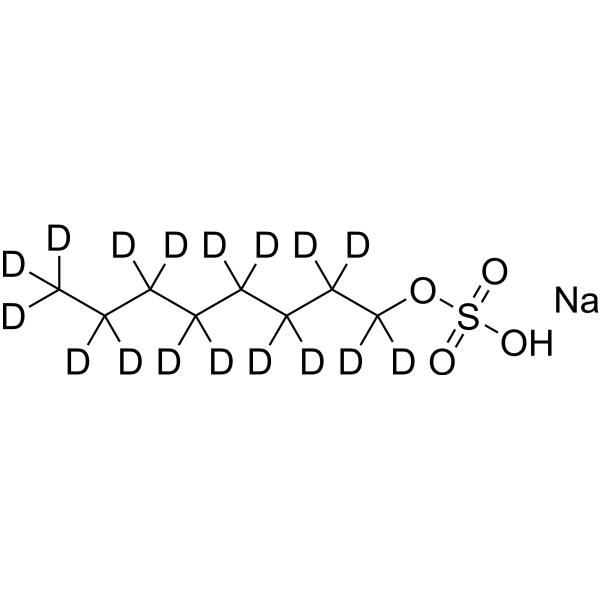
Sodium octyl sulfate (SOS)-d17 (Sodium capryl sulfate-d17) is the deuterated analogue of Sodium octyl sulfate (SOS). Sodium octyl sulfate (Sodium capryl sulfate; SOS) is a medium‑chain anionic surfactant. Sodium octyl sulfate (SOS) can undergo strong hydrophobic interactions with serum albumins (such as human serum albumin (HSA) and bovine serum albumin (BSA)), while exhibiting weak interactions with other proteins including myoglobin and hemoglobin. As an environmental pollutant in freshwater ecosystems, Sodium octyl sulfate (SOS) can mimic interspecific pheromones released by Daphnia magna and induce the formation of multicellular colonies in green algae.
|
-
- HY-113050SA
-
|
2,3-DPG-d3 ammonium
|
Isotope-Labeled Compounds
Parasite
|
Infection
Neurological Disease
|
|
2,3-Diphosphoglyceric acid-d3 ammonium (2,3-DPG-d3 ammonium) is the deuterium labeled 2,3-Diphosphoglyceric acid (HY-113050). 2,3-Diphosphoglyceric acid (2,3-DPG) is an intermediate of the glycolytic pathway. 2,3-Diphosphoglyceric acid stabilizes the deoxygenated form of hemoglobin by allosteric binding and facilitates oxygen release at tissue sites. 2, 3-diphosphoglyceric acid has antiparasitic activity. 2,3-Diphosphoglyceric acid can be used in the study of Alzheimer's disease (AD) .
|
-

- HY-115814
-
|
|
PI3K
|
Inflammation/Immunology
|
|
AM-1430 is an efficient, highly selective and orally active small molecule inhibitor of PI3Kδ with an IC50 of 4.6 nM. AM-1430 exhibits IC50s for PI3Kα, PI3Kβ and PI3Kγ of 14.18, 2.2 and 3.22 μM, respectively. AM-1430 inhibits B cell proliferation and exhibits excellent in vivo activity in pAKT inhibition models and the hemoglobin (KLH) immune response model. AM-1430 can be used for the study of inflammation and autoimmune diseases .
|
-

- HY-B1470R
-
|
R-1929 (Standard)
|
Reference Standards
Dopamine Receptor
Adrenergic Receptor
|
Neurological Disease
|
|
Azaperone (R-1929) (Standard) is the analytical standard of Azaperone (HY-B1470). This product is intended for research and analytical applications. Azaperone is an antagonist of dopamine D2 receptor (Dopamine D2 Receptor) and α-adrenergic receptor (AR). Azaperone reduces vasomotor tone, mean arterial pressure, hematocrit, hemoglobin concentration, and etorphine-induced duration; induces transient tachycardia followed by bradycardia, splenic uptake of red blood cells, and sedation; alters animal behaviors; and produces sedation with distinct onset and duration in foals. Azaperone is used for sedation and tranquilization in various animals to reduce stress and aggressive behaviors, and serves as a preanesthetic agent.
|
-

- HY-107928A
-
|
|
Biochemical Assay Reagents
|
Others
|
|
Iron-Dextran is an injectable complex of iron and dextran, a complex carbohydrate. It is often used to improve iron deficiency anemia, a condition characterized by low levels of iron in the blood due to insufficient dietary intake or malabsorption. Iron-glucan works by providing a source of supplemental iron that the body can use to produce hemoglobin, the protein responsible for carrying oxygen in the blood. However, caution should be exercised when taking iron dextran because it may cause hypersensitivity reactions, including anaphylaxis, and may also increase the risk of infection or other adverse reactions. Therefore, it should only be administered under the supervision of a qualified healthcare provider in a clinical setting.
|
-

- HY-B1470S
-
|
R-1929-d4
|
Isotope-Labeled Compounds
Dopamine Receptor
Adrenergic Receptor
|
Neurological Disease
|
|
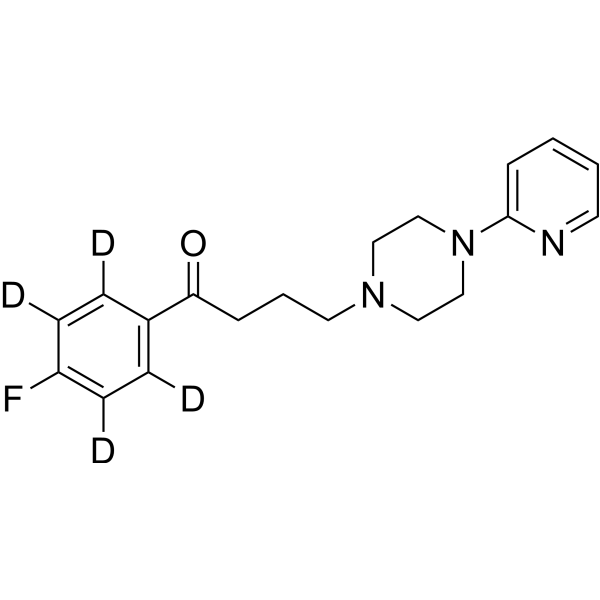
Azaperone-d4 (R-1929-d4) is the deuterium labeled Azaperone (HY-B1470). Azaperone is an antagonist of dopamine D2 receptor (Dopamine D2 Receptor) and α-adrenergic receptor (AR). Azaperone reduces vasomotor tone, mean arterial pressure, hematocrit, hemoglobin concentration, and etorphine-induced duration; induces transient tachycardia followed by bradycardia, splenic uptake of red blood cells, and sedation; alters animal behaviors; and produces sedation with distinct onset and duration in foals. Azaperone is used for sedation and tranquilization in various animals to reduce stress and aggressive behaviors, and serves as a preanesthetic agent.
|
-
- HY-Y1010
-
|
Glycidol
|
Drug Isomer
|
Cancer
|
|
Oxiran-2-ylmethanol (Glycidol) is an ester product. Oxiran-2-ylmethanol induces base pair point mutations in bacterial strains and structural chromosome aberrations in cultured cells. Oxiran-2-ylmethanol forms N-(2,3-dihydroxypropyl)valine hemoglobin adducts. Oxiran-2-ylmethanol acts as an animal carcinogen but does not significantly induce micronucleated immature erythrocytes in animal bone marrow. Oxiran-2-ylmethanol enables anionic polymerization to produce linear poly(glycidol). Oxiran-2-ylmethanol can be used for cancer-related research .
|
-

- HY-108795R
-
|
GLP-1-Gly8 (Standard); GLP-1 (7-36) analog (Standard)
|
Reference Standards
GLP Receptor
|
Metabolic Disease
|
|
Albiglutide fragment (Standard) is the analytical standard of Albiglutide fragment (HY-108795). This product is intended for research and analytical applications. Albiglutide fragment (GLP-1 (7-36) analog) is an active fragment of Albiglutide (7-36) and a glucagon-like peptide-1 (GLP-1) analog (a long-acting GLP-1 receptor agonist). Albiglutide is produced by the fusion of DPP-4 resistant GLP-1 dimer with the human albumin gene. Moreover, Albiglutide fragment significantly reduces glycosylated hemoglobin (A1C) and is used in type 2 diabetes (T2D) studies .
|
-

- HY-P11274A
-
|
Amycretin sodium; NN 9487 sodium
|
Amylin Receptor
Insulin Receptor
GCGR
|
Metabolic Disease
|
Zenagamtide (Amycretin; NN 9487) sodium is an orally active, blood-brain barrier permeable triple agonist that targets GLP-1, amylin (Amylin Receptor) and calcitonin receptor (Calcitonin Receptor). Zenagamtide sodium is a single peptide consisting of 68 amino acids that can target brain regions regulating food intake, significantly suppress appetite and reduce energy intake. Therefore, Zenagamtide sodium improves body weight, waist circumference, glycated hemoglobin and lipid profile, and also alleviates the histological features of metabolic dysfunction-associated steatotic liver disease (MASLD) and enhances insulin sensitivity. Zenagamtide sodium may cause transient increases in heart rate and fluctuations in serum calcium levels, but it is an important compound for the study of overweight, obesity, insulin resistance and related metabolic diseases .
|
-

- HY-P11274
-
|
Amycretin; NN 9487
|
Amylin Receptor
GCGR
Insulin Receptor
|
Metabolic Disease
|
Zenagamtide (Amycretin; NN 9487) is an orally active, blood-brain barrier permeable triple agonist that targets GLP-1, amylin (Amylin Receptor) and calcitonin receptor (Calcitonin Receptor). Zenagamtide is a single peptide consisting of 68 amino acids that can target brain regions regulating food intake, significantly suppress appetite and reduce energy intake. Therefore, Zenagamtide improves body weight, waist circumference, glycated hemoglobin and lipid profile, and also alleviates the histological features of metabolic dysfunction-associated steatotic liver disease (MASLD) and enhances insulin sensitivity. Zenagamtide may cause transient increases in heart rate and fluctuations in serum calcium levels, but it is an important compound for the study of overweight, obesity, insulin resistance and related metabolic diseases .
|
-

- HY-N7110
-
|
|
Akt
ERK
JNK
GABA Receptor
|
Neurological Disease
Metabolic Disease
Inflammation/Immunology
|
|
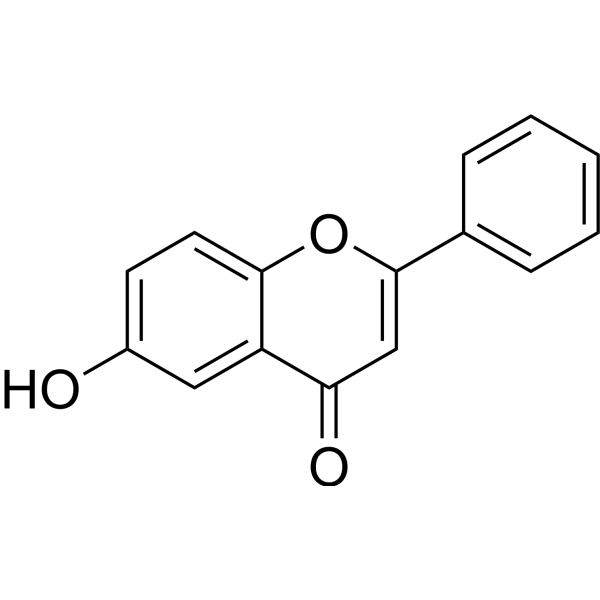
6-Hydroxyflavone is an orally effective flavonoid compound. 6-Hydroxyflavone can inhibit LPS (HY-D1056) -induced NO production and has anti-inflammatory effects. 6-Hydroxyflavone promotes osteoblast differentiation by activating AKT, ERK 1/2 and JNK signaling pathways. 6-Hydroxyflavone has an inhibitory effect on bovine hemoglobin (BHb) glycosylation. 6-Hydroxyflavone has a kidney protective effect. In addition, 6-Hydroxyflavone enhances GABA-induced current through the Benzodiazepine sites of γ-aminobutyric acid (GABAA) receptors. 6-Hydroxyflavone shows a clear preference for α2 - and α3 - subtypes, which play an anti-anxiety role .
|
-
- HY-10966
-
|
|
Raf
Apoptosis
|
Neurological Disease
Metabolic Disease
Cancer
|
|
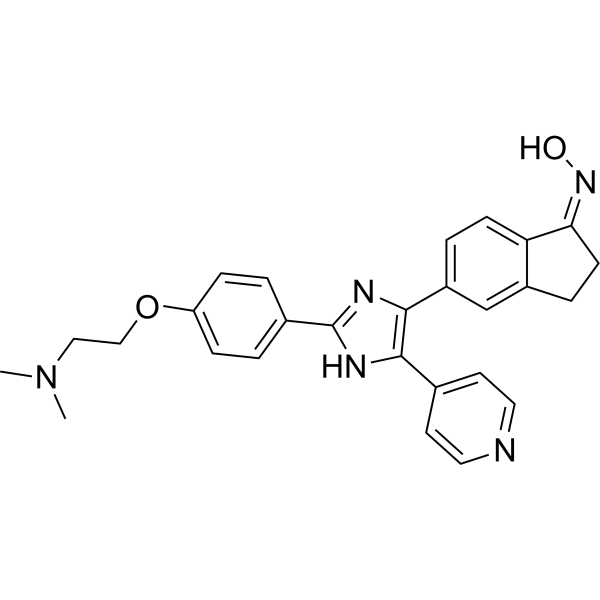
SB-590885 is a BRAF/c-Raf kinase inhibitor that selectively targets B-Raf, and it amplifies the ERK/MAPK signaling pathway in RAS-activated cells. SB-590885 effectively inhibits the malignant proliferation, transformation and tumorigenicity of oncogenic B-Raf cells; it also induces the proliferation of erythroid progenitor cells, delays their differentiation and promotes hemoglobin synthesis, thereby improving ineffective erythropoiesis and reducing apoptosis. SB-590885 exerts a synergistic effect with TGF-β inhibitors and glucocorticoids, significantly promoting the formation of erythroid colonies in cells from patients with Diamond-Blackfan anemia (DBA). SB-590885 is mainly used in relevant studies on DBA, cisplatin-induced myelosuppression-related anemia, and pan-cancers such as melanoma and colorectal cancer .
|
-
- HY-159098
-
|
|
Molecular Glues
PROTACs
Histone Acetyltransferase
|
Cardiovascular Disease
|
|
dWIZ-1 is an orally active molecular glue and chemical probe targeting the WIZ transcription factor, which based on an IMiD backbone, binding to human WIZ with an affinity of 3.5 μM. dWIZ-1 recruits WIZ to the cereblon-DDB1 complex via its ZF7 domain, thereby triggering proteasome-dependent degradation of WIZ. dWIZ-1 significantly induces fetal hemoglobin expression in erythroblasts while reducing the level of inhibitory H3K9 dimethylation at WIZ binding sites such as the β-globin locus. Meanwhile, dWIZ-1 does not affect the proliferation and differentiation of erythroblasts, and no cytotoxicity is observed in in vitro cells or cynomolgus monkey models. dWIZ-1 serves as a critical tool molecule for investigating the mechanism and underlying pathways of sickle cell disease .
|
-

- HY-Y1010R
-
|
Glycidol (Standard)
|
Reference Standards
Drug Isomer
|
Cancer
|
|
Oxiran-2-ylmethanol (Standard) is the analytical standard of Oxiran-2-ylmethanol (Glycidol) (HY-Y1010). This product is intended for research and analytical applications. Oxiran-2-ylmethanol is an ester product. Oxiran-2-ylmethanol induces base pair point mutations in bacterial strains and structural chromosome aberrations in cultured cells. Oxiran-2-ylmethanol forms N-(2,3-dihydroxypropyl)valine hemoglobin adducts. Oxiran-2-ylmethanol acts as an animal carcinogen but does not significantly induce micronucleated immature erythrocytes in animal bone marrow. Oxiran-2-ylmethanol enables anionic polymerization to produce linear poly(glycidol). Oxiran-2-ylmethanol can be used for cancer-related research .
|
-

- HY-Y1010S
-
|
Glycidol-d5
|
Isotope-Labeled Compounds
Drug Isomer
|
Others
|
|
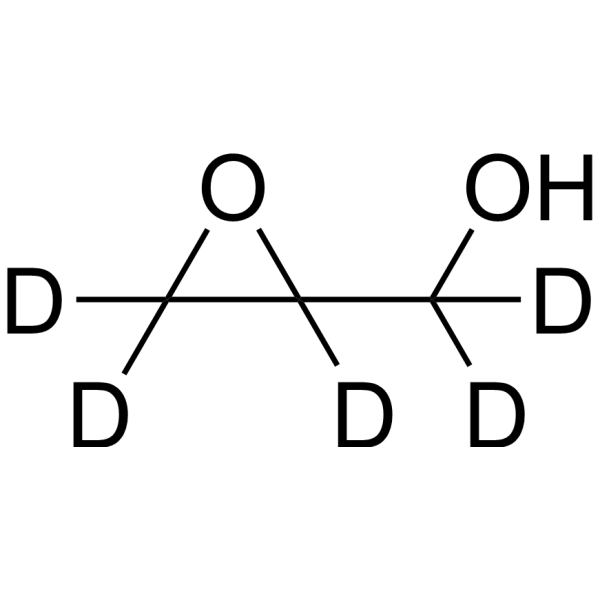
Oxiran-2-ylmethanol-d5 is the deuterium labeled Oxiran-2-ylmethanol (Glycidol) (HY-Y1010). Oxiran-2-ylmethanol is an ester product. Oxiran-2-ylmethanol induces base pair point mutations in bacterial strains and structural chromosome aberrations in cultured cells. Oxiran-2-ylmethanol forms N-(2,3-dihydroxypropyl)valine hemoglobin adducts. Oxiran-2-ylmethanol acts as an animal carcinogen but does not significantly induce micronucleated immature erythrocytes in animal bone marrow. Oxiran-2-ylmethanol enables anionic polymerization to produce linear poly(glycidol). Oxiran-2-ylmethanol can be used for cancer-related research .
|
-
- HY-167874
-
|
|
Heme Oxygenase (HO)
NF-κB
Transmembrane Glycoprotein
|
Cardiovascular Disease
|
|
ASP-8731 is an orally active BACH1 inhibitor. ASP-8731 activates antioxidant, anti-inflammatory and globin gene pathways by relieving the inhibitory effect of BACH1 on NRF2-mediated gene transcription. ASP-8731 significantly upregulates the expression of HMOX1, FTH1 and various globins (such as HGB, HBG, HBA), increases fetal hemoglobin (HbF) levels, and effectively induces F-cell production in hydroxyurea-unresponsive cells. Meanwhile, ASP-8731 reduces inflammatory responses and white blood cell counts by downregulating VCAM1, ICAM-1 and the phosphorylation level of NF-κB(p65), and blocks heme-induced glutathione depletion and microcirculatory stasis. ASP-8731 holds potential for inhibiting sickle cell disease and related hematological disorders .
|
-

- HY-10966R
-
|
|
Reference Standards
Raf
Apoptosis
|
Cancer
|
|
SB-590885 (Standard) is the analytical standard of SB-590885 (HY-10966). This product is intended for research and analytical applications. SB-590885 is a BRAF/c-Raf kinase inhibitor that selectively targets B-Raf, and it amplifies the ERK/MAPK signaling pathway in RAS-activated cells. SB-590885 effectively inhibits the malignant proliferation, transformation and tumorigenicity of oncogenic B-Raf cells; it also induces the proliferation of erythroid progenitor cells, delays their differentiation and promotes hemoglobin synthesis, thereby improving ineffective erythropoiesis and reducing apoptosis. SB-590885 exerts a synergistic effect with TGF-β inhibitors and glucocorticoids, significantly promoting the formation of erythroid colonies in cells from patients with Diamond-Blackfan anemia (DBA). SB-590885 is mainly used in relevant studies on DBA, cisplatin-induced myelosuppression-related anemia, and pan-cancers such as melanoma and colorectal cancer .
|
-

- HY-10966G
-
|
|
Raf
Apoptosis
|
Cardiovascular Disease
Cancer
|
|
SB-590885 GMP is SB-590885 (HY-10966) produced by using GMP guidelines. GMP small molecules works appropriately as an auxiliary reagent for cell therapy manufacture. SB-590885 is a BRAF/c-Raf kinase inhibitor that selectively targets B-Raf, and it amplifies the ERK/MAPK signaling pathway in RAS-activated cells. SB-590885 effectively inhibits the malignant proliferation, transformation and tumorigenicity of oncogenic B-Raf cells; it also induces the proliferation of erythroid progenitor cells, delays their differentiation and promotes hemoglobin synthesis, thereby improving ineffective erythropoiesis and reducing apoptosis. SB-590885 exerts a synergistic effect with TGF-β inhibitors and glucocorticoids, significantly promoting the formation of erythroid colonies in cells from patients with Diamond-Blackfan anemia (DBA). SB-590885 is mainly used in relevant studies on DBA, cisplatin-induced myelosuppression-related anemia, and pan-cancers such as melanoma and colorectal cancer .
|
-

| Cat. No. |
Product Name |
Type |
-
- HY-W040198
-
|
|
Fluorescent Dyes
|
|
Phenosafranine is a phenazine dye. Phenosafranine exhibits higher binding affinity for triple-stranded RNA than for double-stranded RNA, and binds to both types of RNA via intercalation. Phenosafranine interacts with hemoglobin. Phenosafranine can be used for plant cell staining, as well as the detection of hemoglobin, dopamine, serotonin, etc.
|
-
- HY-D0945
-
|
|
Fluorescent Dyes
|
|
Xylene Cyanol FF is an acid triphenylmethane dye. Xylene Cyanol FF can be used for histochemical staining of hemoglobin peroxidase or as a tracking dye for DNA sequencing in electrophoresis. Xylene Cyanol FF will be catalyzed by Fe and Al to accelerate oxidation under the addition of double oxidant hydrogen peroxide and potassium periodate. Xylene Cyanol FF thus enables the spectrophotometric determination of Fe and Al in the solution to be tested .
|
-
- HY-10966G
-
|
|
Fluorescent Dyes
|
|
SB-590885 GMP is SB-590885 (HY-10966) produced by using GMP guidelines. GMP small molecules works appropriately as an auxiliary reagent for cell therapy manufacture. SB-590885 is a BRAF/c-Raf kinase inhibitor that selectively targets B-Raf, and it amplifies the ERK/MAPK signaling pathway in RAS-activated cells. SB-590885 effectively inhibits the malignant proliferation, transformation and tumorigenicity of oncogenic B-Raf cells; it also induces the proliferation of erythroid progenitor cells, delays their differentiation and promotes hemoglobin synthesis, thereby improving ineffective erythropoiesis and reducing apoptosis. SB-590885 exerts a synergistic effect with TGF-β inhibitors and glucocorticoids, significantly promoting the formation of erythroid colonies in cells from patients with Diamond-Blackfan anemia (DBA). SB-590885 is mainly used in relevant studies on DBA, cisplatin-induced myelosuppression-related anemia, and pan-cancers such as melanoma and colorectal cancer .
|
| Cat. No. |
Product Name |
Type |
-
- HY-P2995
-
|
|
Biochemical Assay Reagents
|
|
Hemoglobin is a iron-containing protein in red blood cells with oxygen binding properties. Hemoglobin is an inducer of HO-1. Hemoglobin consits of heme, which binds to oxygen. Hemoglobin also transports other gases, such as carbon dioxide, nitric oxide, hydrogen sulfide and sulfide. Hemoglobin absorbs unneeded oxygen in tissues, as an antioxidant .
|
-
- HY-Y1103
-
|
Ferrous sulfate heptahydrate, 99%
|
Biochemical Assay Reagents
|
|
Iron(II) sulfate heptahydrate, 99% (Ferrous sulfate heptahydrate, 99%) is an orally active iron salt. Iron(II) sulfate heptahydrate, 99% replaces iron found in hemoglobin and myoglobin, allowing for the transportation of oxygen via hemoglobin. Iron(II) sulfate heptahydrate, 99% is mainly used for the prevention of iron-deficiency anemia. Iron(II) sulfate heptahydrate, 99% also has anti-tumor effects on chronic myeloid leukemia and breast cancer .
|
-
- HY-Y1103A
-
|
Ferrous sulfate heptahydrate, for cell culture, 99%
|
Biochemical Assay Reagents
|
|
Iron(II) sulfate heptahydrate, for cell culture, 99% (Ferrous sulfate heptahydrate, for cell culture, 99%) is an orally active iron salt. Iron(II) sulfate heptahydrate, for cell culture, 99% replaces iron found in hemoglobin and myoglobin, allowing for the transportation of oxygen via hemoglobin. Iron(II) sulfate heptahydrate, for cell culture, 99% is mainly used for the prevention of iron-deficiency anemia. Iron(II) sulfate heptahydrate, for cell culture, 99% also has anti-tumor effects on chronic myeloid leukemia and breast cancer .
|
-
- HY-W073080
-
|
|
Biochemical Assay Reagents
|
|
Coproporphyrin I dihydrochlorideIt is an organic compound belonging to the class of porphyrins. It is a derivative of heme, an iron-containing molecule found in hemoglobin and other proteins. Coproporphyrin I dihydrochlorideOften used as a biomarker in the assessment of certain liver and metabolic diseases, especially those related to bile synthesis and transport. It can also be used as a reference standard for analytical chemistry and pharmacological research.
|
-
- HY-112624U
-
|
Dextran 20; Dextran D20; Dextran T20(MW 16000-24000)
|
Biochemical Assay Reagents
|
|
Dextran T20 (Dextran 20; Dextran D20) (MW 20,000) is a dehydrated glucose polymer with an average molecular weight of 20,000. Dextran T20 (MW 20,000) has excellent biodegradability and good biocompatibility, and can be used as a gene delivery vector, an immune adjuvant carrier, and a hemoglobin stabilizer .
|
-
- HY-D0945
-
|
|
Biochemical Assay Reagents
|
|
Xylene Cyanol FF is an acid triphenylmethane dye. Xylene Cyanol FF can be used for histochemical staining of hemoglobin peroxidase or as a tracking dye for DNA sequencing in electrophoresis. Xylene Cyanol FF will be catalyzed by Fe and Al to accelerate oxidation under the addition of double oxidant hydrogen peroxide and potassium periodate. Xylene Cyanol FF thus enables the spectrophotometric determination of Fe and Al in the solution to be tested .
|
-
- HY-P2995B
-
|
|
Biochemical Assay Reagents
|
|
Mouse Hemoglobin is a hemoglobin derived from mouse. Hemoglobin is a iron-containing protein in red blood cells with oxygen binding properties. Hemoglobin is an inducer of HO-1. Hemoglobin consits of heme, which binds to oxygen. Hemoglobin also transports other gases, such as carbon dioxide, nitric oxide, hydrogen sulfide and sulfide. Hemoglobin absorbs unneeded oxygen in tissues, as an antioxidant .
|
-
- HY-P2995A
-
|
|
Biochemical Assay Reagents
|
|
Hemoglobin porcine is an oxygen-transporting protein present in the blood of domestic pigs, and also an oxygen carrier with higher oxygen affinity than human hemoglobin. Hemoglobin porcine exhibits cooperative oxygen-binding properties, with weaker heme-heme interactions than those of human hemoglobin .
|
-
- HY-107928A
-
|
|
Biochemical Assay Reagents
|
|
Iron-Dextran is an injectable complex of iron and dextran, a complex carbohydrate. It is often used to improve iron deficiency anemia, a condition characterized by low levels of iron in the blood due to insufficient dietary intake or malabsorption. Iron-glucan works by providing a source of supplemental iron that the body can use to produce hemoglobin, the protein responsible for carrying oxygen in the blood. However, caution should be exercised when taking iron dextran because it may cause hypersensitivity reactions, including anaphylaxis, and may also increase the risk of infection or other adverse reactions. Therefore, it should only be administered under the supervision of a qualified healthcare provider in a clinical setting.
|
-
- HY-P2995C
-
|
|
Biochemical Assay Reagents
|
|
Rabbit Hemoglobin is a hemoglobin derived from rabbit. Hemoglobin is a iron-containing protein in red blood cells with oxygen binding properties. Hemoglobin is an inducer of HO-1. Hemoglobin consits of heme, which binds to oxygen. Hemoglobin also transports other gases, such as carbon dioxide, nitric oxide, hydrogen sulfide and sulfide. Hemoglobin absorbs unneeded oxygen in tissues, as an antioxidant .
|
-
- HY-P2995E
-
|
|
Biochemical Assay Reagents
|
|
Guinea Pig Hemoglobin is a hemoglobin derived from guinea pigs. Hemoglobin is a iron-containing protein in red blood cells with oxygen binding properties. Hemoglobin is an inducer of HO-1. Hemoglobin consits of heme, which binds to oxygen. Hemoglobin also transports other gases, such as carbon dioxide, nitric oxide, hydrogen sulfide and sulfide. Hemoglobin absorbs unneeded oxygen in tissues, as an antioxidant .
|
-
- HY-NP0235
-
|
|
Biochemical Assay Reagents
|
|
Rat haptoglobin is a hemoglobin-binding acute-phase protein which possesses anti-inflammatory and antioxidative properties. Rat haptoglobin binds to free hemoglobin and thereby prevent iron-driven oxidative tissue damage .
|
-
- HY-NP0236
-
|
|
Biochemical Assay Reagents
|
|
Cynomolgus Monkey haptoglobin is a hemoglobin-binding protein derived from cynomolgus monkeys. Cynomolgus Monkey haptoglobin is generally assumed to be analogous to human serum haptoglobin (Hp) .
|
-
- HY-10966G
-
|
|
Biochemical Assay Reagents
|
|
SB-590885 GMP is SB-590885 (HY-10966) produced by using GMP guidelines. GMP small molecules works appropriately as an auxiliary reagent for cell therapy manufacture. SB-590885 is a BRAF/c-Raf kinase inhibitor that selectively targets B-Raf, and it amplifies the ERK/MAPK signaling pathway in RAS-activated cells. SB-590885 effectively inhibits the malignant proliferation, transformation and tumorigenicity of oncogenic B-Raf cells; it also induces the proliferation of erythroid progenitor cells, delays their differentiation and promotes hemoglobin synthesis, thereby improving ineffective erythropoiesis and reducing apoptosis. SB-590885 exerts a synergistic effect with TGF-β inhibitors and glucocorticoids, significantly promoting the formation of erythroid colonies in cells from patients with Diamond-Blackfan anemia (DBA). SB-590885 is mainly used in relevant studies on DBA, cisplatin-induced myelosuppression-related anemia, and pan-cancers such as melanoma and colorectal cancer .
|
| Cat. No. |
Product Name |
Target |
Research Area |
-
- HY-P0018
-
Pepstatin
Maximum Cited Publications
59 Publications Verification
Pepstatin A
|
HIV Protease
Autophagy
|
Infection
Inflammation/Immunology
|
|
Pepstatin (Pepstatin A) is a specific, orally active aspartic protease inhibitor produced by actinomycetes, with IC50s of 4.5 nM, 6.2 nM, 150 nM, 290 nM, 520 nM and 260 nM for hemoglobin-pepsin, hemoglobin-proctase, casein-pepsin, casein-proctase, casein-acid protease and hemoglobin-acid protease, respectively. Pepstatin also inhibits HIV protease .
|
-
- HY-P11274A
-
|
Amycretin sodium; NN 9487 sodium
|
Amylin Receptor
Insulin Receptor
GCGR
|
Metabolic Disease
|
Zenagamtide (Amycretin; NN 9487) sodium is an orally active, blood-brain barrier permeable triple agonist that targets GLP-1, amylin (Amylin Receptor) and calcitonin receptor (Calcitonin Receptor). Zenagamtide sodium is a single peptide consisting of 68 amino acids that can target brain regions regulating food intake, significantly suppress appetite and reduce energy intake. Therefore, Zenagamtide sodium improves body weight, waist circumference, glycated hemoglobin and lipid profile, and also alleviates the histological features of metabolic dysfunction-associated steatotic liver disease (MASLD) and enhances insulin sensitivity. Zenagamtide sodium may cause transient increases in heart rate and fluctuations in serum calcium levels, but it is an important compound for the study of overweight, obesity, insulin resistance and related metabolic diseases .
|
-
- HY-P11274
-
|
Amycretin; NN 9487
|
Amylin Receptor
GCGR
Insulin Receptor
|
Metabolic Disease
|
Zenagamtide (Amycretin; NN 9487) is an orally active, blood-brain barrier permeable triple agonist that targets GLP-1, amylin (Amylin Receptor) and calcitonin receptor (Calcitonin Receptor). Zenagamtide is a single peptide consisting of 68 amino acids that can target brain regions regulating food intake, significantly suppress appetite and reduce energy intake. Therefore, Zenagamtide improves body weight, waist circumference, glycated hemoglobin and lipid profile, and also alleviates the histological features of metabolic dysfunction-associated steatotic liver disease (MASLD) and enhances insulin sensitivity. Zenagamtide may cause transient increases in heart rate and fluctuations in serum calcium levels, but it is an important compound for the study of overweight, obesity, insulin resistance and related metabolic diseases .
|
-
- HY-P1091
-
|
|
Cannabinoid Receptor
|
Neurological Disease
|
|
Hemopressin is a nonapeptide derived from the α1-chain of hemoglobin, is originally isolated from rat brain homogenates. Hemopressin is orally active, selective and inverse agonist of CB1 cannabinoid receptors. Hemopressin exerts antinociceptive action in inflammatory pain models .
|
-
- HY-P0018A
-
|
Pepstatin A Trifluoroacetate
|
HIV Protease
Autophagy
|
Infection
Inflammation/Immunology
|
|
Pepstatin (Pepstatin A) Trifluoroacetate is a specific, orally active aspartic protease inhibitor produced by actinomycetes, with IC50s of 4.5 nM, 6.2 nM, 150 nM, 290 nM, 520 nM and 260 nM for hemoglobin-pepsin, hemoglobin-proctase, casein-pepsin, casein-proctase, casein-acid protease and hemoglobin-acid protease, respectively. Pepstatin Trifluoroacetate also inhibits HIV protease .
|
-
- HY-P0018B
-
|
Pepstatin A Ammonium
|
HIV Protease
Autophagy
|
Infection
Inflammation/Immunology
|
|
Pepstatin (Pepstatin A) Ammonium is a specific, orally active aspartic protease inhibitor produced by actinomycetes, with IC50s of 4.5 nM, 6.2 nM, 150 nM, 290 nM, 520 nM and 260 nM for hemoglobin-pepsin, hemoglobin-proctase, casein-pepsin, casein-proctase, casein-acid protease and hemoglobin-acid protease, respectively. Pepstatin Ammonium also inhibits HIV protease .
|
-
- HY-P1090
-
|
|
Cannabinoid Receptor
|
Neurological Disease
|
|
Hemopressin(rat) is a nonapeptide derived from the α1-chain of hemoglobin, is originally isolated from rat brain homogenates. Hemopressin(rat) is orally active, selective and inverse agonist of CB1 cannabinoid receptors. Hemopressin(rat) exerts antinociceptive action in inflammatory pain models .
|
-
- HY-108795
-
|
GLP-1-Gly8; GLP-1 (7-36) analog
|
GLP Receptor
|
Metabolic Disease
|
|
Albiglutide fragment (GLP-1 (7-36) analog) is an active fragment of Albiglutide (7-36) and a glucagon-like peptide-1 (GLP-1) analog (a long-acting GLP-1 receptor agonist). Albiglutide is produced by the fusion of DPP-4 resistant GLP-1 dimer with the human albumin gene. Moreover, Albiglutide fragment significantly reduces glycosylated hemoglobin (A1C) and is used in type 2 diabetes (T2D) studies .
|
-
- HY-P5549
-
|
|
Bacterial
Fungal
|
Infection
|
|
Hb 98-114, the amino acids 98-114 of the alpha subunit of bovine hemoglobin, is an antimicrobial peptide. Hb 98-114 is active against several yeast and filamentous fungi (MIC: 2.1 μM-12.5 μM) .
|
-
- HY-P4793
-
|
|
Peptides
|
Metabolic Disease
|
|
Acetyl-Heme-Binding Protein 1 (1-21) (human) is a short peptide. It consists of the first 21 amino acids of the hemopexin Acetyl-Heme-Binding Protein 1. Acetyl-Heme-Binding Protein 1 can bind to heme and play a role in heme metabolism and hemoglobin release .
|
-
- HY-P0018C
-
|
Pepstatin A acetate
|
HIV Protease
Autophagy
|
Infection
Inflammation/Immunology
|
|
Pepstatin (Pepstatin A) acetate is a specific, orally active aspartic protease inhibitor produced by actinomycetes, with IC50s of 4.5 nM, 6.2 nM, 150 nM, 290 nM, 520 nM and 260 nM for hemoglobin-pepsin, hemoglobin-proctase, casein-pepsin, casein-proctase, casein-acid protease and hemoglobin-acid protease, respectively. Pepstatin acetate also inhibits HIV protease .
|
-
- HY-P0018R
-
|
Pepstatin A (Standard)
|
Reference Standards
HIV Protease
Autophagy
|
Infection
Inflammation/Immunology
|
|
Pepstatin (Standard) is the analytical standard of Pepstatin. This product is intended for research and analytical applications. Pepstatin (Pepstatin A) is a specific, orally active aspartic protease inhibitor produced by actinomycetes, with IC50s of 4.5 nM, 6.2 nM, 150 nM, 290 nM, 520 nM and 260 nM for hemoglobin-pepsin, hemoglobin-proctase, casein-pepsin, casein-proctase, casein-acid protease and hemoglobin-acid protease, respectively. Pepstatin also inhibits HIV protease[1][2].
|
-
- HY-P10246
-
|
|
MHC
|
Inflammation/Immunology
|
|
Hemoglobin 64-76 is a T cell inducing determinant, that binds to two different MHC class II molecules in distinct registers and lengths .
|
-
- HY-P4664
-
|
|
Peptides
|
Inflammation/Immunology
|
|
VHLTP is the N-terminal pentapeptide of human hemoglobin beta. VHLTP binds to cell membranes and serves as a ligand for anti-HbA1c antibodies .
|
-
- HY-P0318
-
-
- HY-P1397
-
|
|
Cannabinoid Receptor
|
Neurological Disease
|
|
RVD-Hpα, an α-hemoglobin-derived peptide containing three additional amino acids, is a CB1 cannabinoid receptor agonist. RVD-Hpα is a positive allosteric modulator of cannabinoid receptor 2 .
|
-
- HY-P1091A
-
|
|
Cannabinoid Receptor
|
Neurological Disease
|
|
Hemopressin TFA is a nonapeptide derived from the α1-chain of hemoglobin, is originally isolated from rat brain homogenates. Hemopressin TFA is orally active, selective and inverse agonist of CB1 cannabinoid receptors. Hemopressin TFA exerts antinociceptive action in inflammatory pain models .
|
-
- HY-P1090A
-
|
|
Cannabinoid Receptor
|
Neurological Disease
|
|
Hemopressin(rat) TFA is a nonapeptide derived from the α1-chain of hemoglobin, is originally isolated from rat brain homogenates. Hemopressin(rat) TFA is orally active, selective and inverse agonist of CB1 cannabinoid receptors. Hemopressin(rat) TFA exerts antinociceptive action in inflammatory pain models .
|
-
- HY-P5693
-
|
|
Bacterial
CMV
HSV
|
Infection
|
|
HBA(111-142), an antimicrobial peptide, is a C-terminal 32-mer fragment of alpha-hemoglobin. HBA(111-142) has antibacterial activity against the ESKAPE panel of pathogens. HBA(111-142) forms amyloid fibrils, and has antiviral activities. HBA(111-142) inhibits measles and herpes viruses (HSV-1, HSV-2, HCMV) .
|
-
- HY-108795A
-
|
GLP-1-Gly8 TFA; GLP-1 (7-36) analog TFA
|
GLP Receptor
|
Metabolic Disease
|
|
Albiglutide fragment (GLP-1 (7-36) analog) TFA is an active fragment of Albiglutide (7-36) and a glucagon-like peptide-1 (GLP-1) analog (a long-acting GLP-1 receptor agonist). Albiglutide is produced by the fusion of DPP-4 resistant GLP-1 dimer with the human albumin gene. Moreover, Albiglutide fragment TFA significantly reduces glycosylated hemoglobin (A1C) and is used in type 2 diabetes (T2D) studies .
|
-
- HY-108795R
-
|
GLP-1-Gly8 (Standard); GLP-1 (7-36) analog (Standard)
|
Reference Standards
GLP Receptor
|
Metabolic Disease
|
|
Albiglutide fragment (Standard) is the analytical standard of Albiglutide fragment (HY-108795). This product is intended for research and analytical applications. Albiglutide fragment (GLP-1 (7-36) analog) is an active fragment of Albiglutide (7-36) and a glucagon-like peptide-1 (GLP-1) analog (a long-acting GLP-1 receptor agonist). Albiglutide is produced by the fusion of DPP-4 resistant GLP-1 dimer with the human albumin gene. Moreover, Albiglutide fragment significantly reduces glycosylated hemoglobin (A1C) and is used in type 2 diabetes (T2D) studies .
|
| Cat. No. |
Product Name |
Category |
Target |
Chemical Structure |
-
- HY-P0018
-
Pepstatin
Maximum Cited Publications
59 Publications Verification
Pepstatin A
|
Natural Products
Microorganisms
Classification of Application Fields
Disease Research Fields
Source Classification
Cancer
|
HIV Protease
Autophagy
|
|
Pepstatin (Pepstatin A) is a specific, orally active aspartic protease inhibitor produced by actinomycetes, with IC50s of 4.5 nM, 6.2 nM, 150 nM, 290 nM, 520 nM and 260 nM for hemoglobin-pepsin, hemoglobin-proctase, casein-pepsin, casein-proctase, casein-acid protease and hemoglobin-acid protease, respectively. Pepstatin also inhibits HIV protease .
|
-
-
- HY-N0729
-
-
-
- HY-111914A
-
-
-
- HY-113427A
-
-
-
- HY-N7110
-
-
-
- HY-17428
-
-
-
- HY-N0729R
-
-
-
- HY-P0018A
-
|
Pepstatin A Trifluoroacetate
|
Infection
Natural Products
Microorganisms
Classification of Application Fields
Disease Research Fields
Source Classification
|
HIV Protease
Autophagy
|
|
Pepstatin (Pepstatin A) Trifluoroacetate is a specific, orally active aspartic protease inhibitor produced by actinomycetes, with IC50s of 4.5 nM, 6.2 nM, 150 nM, 290 nM, 520 nM and 260 nM for hemoglobin-pepsin, hemoglobin-proctase, casein-pepsin, casein-proctase, casein-acid protease and hemoglobin-acid protease, respectively. Pepstatin Trifluoroacetate also inhibits HIV protease .
|
-
-
- HY-P0018B
-
|
Pepstatin A Ammonium
|
Infection
Natural Products
Microorganisms
Classification of Application Fields
Disease Research Fields
Source Classification
|
HIV Protease
Autophagy
|
|
Pepstatin (Pepstatin A) Ammonium is a specific, orally active aspartic protease inhibitor produced by actinomycetes, with IC50s of 4.5 nM, 6.2 nM, 150 nM, 290 nM, 520 nM and 260 nM for hemoglobin-pepsin, hemoglobin-proctase, casein-pepsin, casein-proctase, casein-acid protease and hemoglobin-acid protease, respectively. Pepstatin Ammonium also inhibits HIV protease .
|
-
-
- HY-P0018R
-
|
Pepstatin A (Standard)
|
Structural Classification
Natural Products
Microorganisms
Source Classification
|
Reference Standards
HIV Protease
Autophagy
|
|
Pepstatin (Standard) is the analytical standard of Pepstatin. This product is intended for research and analytical applications. Pepstatin (Pepstatin A) is a specific, orally active aspartic protease inhibitor produced by actinomycetes, with IC50s of 4.5 nM, 6.2 nM, 150 nM, 290 nM, 520 nM and 260 nM for hemoglobin-pepsin, hemoglobin-proctase, casein-pepsin, casein-proctase, casein-acid protease and hemoglobin-acid protease, respectively. Pepstatin also inhibits HIV protease[1][2].
|
-
-
- HY-17428A
-
-
-
- HY-17428B
-
-
-
- HY-17428R
-
|
|
Structural Classification
Alkaloids
Pyridine Alkaloids
Endogenous metabolite
Source Classification
|
Reference Standards
Histamine Receptor
|
|
Tripelennamine hydrochloride (Standard) is the analytical standard of Tripelennamine hydrochloride (HY-17428). This product is intended for research and analytical applications. Tripelennamine hydrochloride is a histamine H1-receptor antagonist. Tripelennamine hydrochloride effectively reverses histamine-induced bronchoconstriction, increased transpulmonary pressure, elevated pulmonary vascular resistance and reduced dynamic compliance. Tripelennamine hydrochloride does not significantly affect arterial hypoxemia, hemoglobin desaturation and hypercapnia in horses undergoing short-term high-intensity exercise. Tripelennamine hydrochloride exhibits local and central analgesic activity. Tripelennamine hydrochloride can be used in studies related to emphysema, urticaria and acute laminitis .
|
-
| Cat. No. |
Product Name |
Chemical Structure |
-
- HY-N0729S2
-
|
|
|
Linoleic acid- 13C18 is the 13C labeled Linoleic acid. Linoleic acid is a common polyunsaturated (PUFA) found in plant-based oils, nuts and seeds. Linoleic acid is a part of membrane phospholipids, and functions as a structural component to maintain a certain level of membrane fluidity of the transdermal water barrier of the epidermis. Linoleic acid induces red blood cells and hemoglobin damage via oxidative mechanism .
|
-
-
- HY-N0729S
-
|
|
|
Linoleic Acid-d4 is the deuterium labeled Linoleic acid. Linoleic acid is a common polyunsaturated (PUFA) found in plant-based oils, nuts and seeds. Linoleic acid is a part of membrane phospholipids, and functions as a structural component to maintain a certain level of membrane fluidity of the transdermal water barrier of the epidermis. Linoleic acid induces red blood cells and hemoglobin damage via oxidative mechanism .
|
-
-
- HY-W355129S
-
|
|
|
MeIQx-d3 is the deuterium labeled MeIQx (HY-W355129) . MeIQx is a heterocyclic amine (HAs) compound and a dietary aromatic amine, which can bind covalently to hemoglobin. MeIQx is a mutagenic compound that induces liver tumors .
|
-
-
- HY-N0729S4
-
|
|
|
Linoleic Acid-d5 is the deuterium labeled Linoleic acid. Linoleic acid is a common polyunsaturated (PUFA) found in plant-based oils, nuts and seeds. Linoleic acid is a part of membrane phospholipids, and functions as a structural component to maintain a certain level of membrane fluidity of the transdermal water barrier of the epidermis. Linoleic acid induces red blood cells and hemoglobin damage via oxidative mechanism .
|
-
-
- HY-N0729S3
-
|
|
|
Linoleic acid- 13C1 is the 13C labeled Linoleic acid. Linoleic acid is a common polyunsaturated (PUFA) found in plant-based oils, nuts and seeds. Linoleic acid is a part of membrane phospholipids, and functions as a structural component to maintain a certain level of membrane fluidity of the transdermal water barrier of the epidermis. Linoleic acid induces red blood cells and hemoglobin damage via oxidative mechanism .
|
-
-
- HY-N0729S5
-
|
|
|
Linoleic Acid-d2 is the deuterium labeled Linoleic acid. Linoleic acid is a common polyunsaturated (PUFA) found in plant-based oils, nuts and seeds. Linoleic acid is a part of membrane phospholipids, and functions as a structural component to maintain a certain level of membrane fluidity of the transdermal water barrier of the epidermis. Linoleic acid induces red blood cells and hemoglobin damage via oxidative mechanism .
|
-
-
- HY-N0729S1
-
|
|
|
Linoleic acid-d11 is the deuterium labeled Linoleic acid. Linoleic acid is a common polyunsaturated (PUFA) found in plant-based oils, nuts and seeds. Linoleic acid is a part of membrane phospholipids, and functions as a structural component to maintain a certain level of membrane fluidity of the transdermal water barrier of the epidermis. Linoleic acid induces red blood cells and hemoglobin damage via oxidative mechanism .
|
-
-
- HY-B1470S
-
|
|
|
Azaperone-d4 (R-1929-d4) is the deuterium labeled Azaperone (HY-B1470). Azaperone is an antagonist of dopamine D2 receptor (Dopamine D2 Receptor) and α-adrenergic receptor (AR). Azaperone reduces vasomotor tone, mean arterial pressure, hematocrit, hemoglobin concentration, and etorphine-induced duration; induces transient tachycardia followed by bradycardia, splenic uptake of red blood cells, and sedation; alters animal behaviors; and produces sedation with distinct onset and duration in foals. Azaperone is used for sedation and tranquilization in various animals to reduce stress and aggressive behaviors, and serves as a preanesthetic agent.
|
-
-
- HY-113427AS
-
|
|
|
cis-Vaccenic acid-d13 is the deuterium labeled cis-Vaccenic acid. cis-Vaccenic acid, the antiviral extract from Rhodopseudomonas capsulate and the predominant active component of Rhodopseudomonas capsulate , acts a potential fetal hemoglobin inducer .
|
-
-
- HY-W776973
-
|
|
|
Glycidamide- 13C3 (Oxiranecarboxamide- 13C3) is the 13C-labeled Glycidamide (HY-119329). Glycidamide is the genotoxic metabolite of Acrylamide. Glycidamide can react with proteins, such as hemoglobin, or with DNA, and induces genotoxic effects .
|
-
-
- HY-109089S
-
|
|
|
Epeleuton-d5 (15(S)-HEPE-d5 ethyl ester) is deuterium labeled Epeleuton. Epeleuton is a second-generation synthetic N-3 fatty acid derivative with activity in patients with non-alcoholic fatty liver disease, although it did not reach the primary endpoints of alanine aminotransferase and liver stiffness, but it can significantly reduce triglycerides, glycated hemoglobin, plasma glucose and inflammatory markers .
|
-
-
- HY-W779191
-
|
|
|
MeIQx- 13C (2-Amino-3,8-dimethylimidazo[4,5-f]quinoxaline-2- 13C) is the 13C-labeled MeIQx (HY-W355129). MeIQx, a dietary aromatic amine, is mutagenic compound could be isolated from present in fried beef and beef extracts. MeIQx binds covalently to hemoglobin. MeIQx induces liver tumors .
|
-
-
- HY-W096997S
-
|
|
|
Sodium octyl sulfate (SOS)-d17 (Sodium capryl sulfate-d17) is the deuterated analogue of Sodium octyl sulfate (SOS). Sodium octyl sulfate (Sodium capryl sulfate; SOS) is a medium‑chain anionic surfactant. Sodium octyl sulfate (SOS) can undergo strong hydrophobic interactions with serum albumins (such as human serum albumin (HSA) and bovine serum albumin (BSA)), while exhibiting weak interactions with other proteins including myoglobin and hemoglobin. As an environmental pollutant in freshwater ecosystems, Sodium octyl sulfate (SOS) can mimic interspecific pheromones released by Daphnia magna and induce the formation of multicellular colonies in green algae.
|
-
-
- HY-113050SA
-
|
|
|
2,3-Diphosphoglyceric acid-d3 ammonium (2,3-DPG-d3 ammonium) is the deuterium labeled 2,3-Diphosphoglyceric acid (HY-113050). 2,3-Diphosphoglyceric acid (2,3-DPG) is an intermediate of the glycolytic pathway. 2,3-Diphosphoglyceric acid stabilizes the deoxygenated form of hemoglobin by allosteric binding and facilitates oxygen release at tissue sites. 2, 3-diphosphoglyceric acid has antiparasitic activity. 2,3-Diphosphoglyceric acid can be used in the study of Alzheimer's disease (AD) .
|
-
-
- HY-Y1010S
-
|
|
|
Oxiran-2-ylmethanol-d5 is the deuterium labeled Oxiran-2-ylmethanol (Glycidol) (HY-Y1010). Oxiran-2-ylmethanol is an ester product. Oxiran-2-ylmethanol induces base pair point mutations in bacterial strains and structural chromosome aberrations in cultured cells. Oxiran-2-ylmethanol forms N-(2,3-dihydroxypropyl)valine hemoglobin adducts. Oxiran-2-ylmethanol acts as an animal carcinogen but does not significantly induce micronucleated immature erythrocytes in animal bone marrow. Oxiran-2-ylmethanol enables anionic polymerization to produce linear poly(glycidol). Oxiran-2-ylmethanol can be used for cancer-related research .
|
-
-
- HY-W751808S
-
|
|
|
2,3-Diphosphoglyceric acid- 13C3 is the 13C-labeled 2,3-Diphosphoglyceric acid (HY-113050). 2,3-Diphosphoglyceric acid (2,3-DPG) is an intermediate of the glycolytic pathway. 2,3-Diphosphoglyceric acid stabilizes the deoxygenated form of hemoglobin by allosteric binding and facilitates oxygen release at tissue sites. 2, 3-diphosphoglyceric acid has antiparasitic activity. 2,3-Diphosphoglyceric acid can be used in the study of Alzheimer's disease (AD) .
|
-
| Cat. No. |
Product Name |
|
Classification |
-
- HY-174677
-
|
|
|
mRNA
|
|
Human GATA1 mRNA encodes the human GATA binding protein 1 (GATA1) which belongs to the GATA family. GATA1 plays an important role in erythroid development by regulating the switch of fetal hemoglobin to adult hemoglobin.
|
| Cat. No. |
Product Name |
Target |
Research Areas |
Chemical Structure |
-
- HY-10966G
-
|
|
Raf
Apoptosis
|
Cardiovascular Disease
Cancer
|
|
SB-590885 GMP is SB-590885 (HY-10966) produced by using GMP guidelines. GMP small molecules works appropriately as an auxiliary reagent for cell therapy manufacture. SB-590885 is a BRAF/c-Raf kinase inhibitor that selectively targets B-Raf, and it amplifies the ERK/MAPK signaling pathway in RAS-activated cells. SB-590885 effectively inhibits the malignant proliferation, transformation and tumorigenicity of oncogenic B-Raf cells; it also induces the proliferation of erythroid progenitor cells, delays their differentiation and promotes hemoglobin synthesis, thereby improving ineffective erythropoiesis and reducing apoptosis. SB-590885 exerts a synergistic effect with TGF-β inhibitors and glucocorticoids, significantly promoting the formation of erythroid colonies in cells from patients with Diamond-Blackfan anemia (DBA). SB-590885 is mainly used in relevant studies on DBA, cisplatin-induced myelosuppression-related anemia, and pan-cancers such as melanoma and colorectal cancer .
|
-
Your information is safe with us. * Required Fields.
Inquiry Information
- Product Name:
- Cat. No.:
- Quantity:
- MCE Japan Authorized Agent:








