1. Search Result
Search Result
Results for "

20S proteasome

" in MedChemExpress (MCE) Product Catalog:

74

Inhibitors & Agonists

3

Fluorescent Dyes

2

Biochemical Assay Reagents

11

Peptides

12

Natural
Products

3

Isotope-Labeled Compounds

13

Antibodies

2

GMP Molecules

Cat. No. 상품명 Target 연구분야 Chemical Structure
  • HY-10227
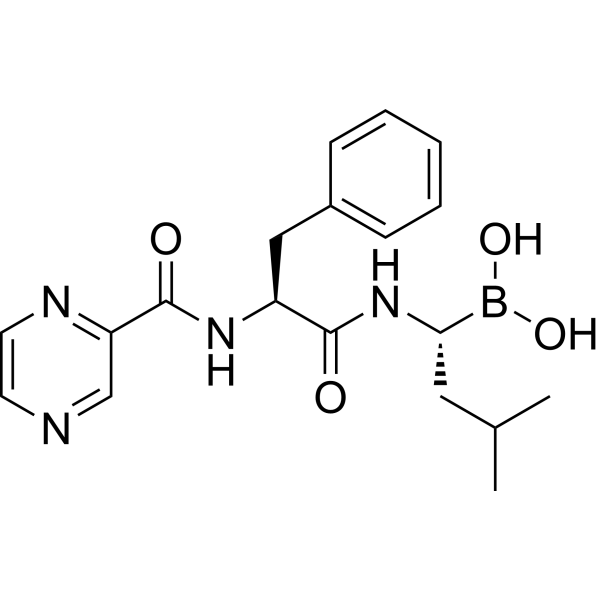
    Bortezomib
    Maximum Cited Publications
    261 Publications Verification

    PS-341; LDP-341; NSC 681239

    Proteasome NF-κB Apoptosis Autophagy TREM receptor Ligands for Target Protein for PROTAC Cancer
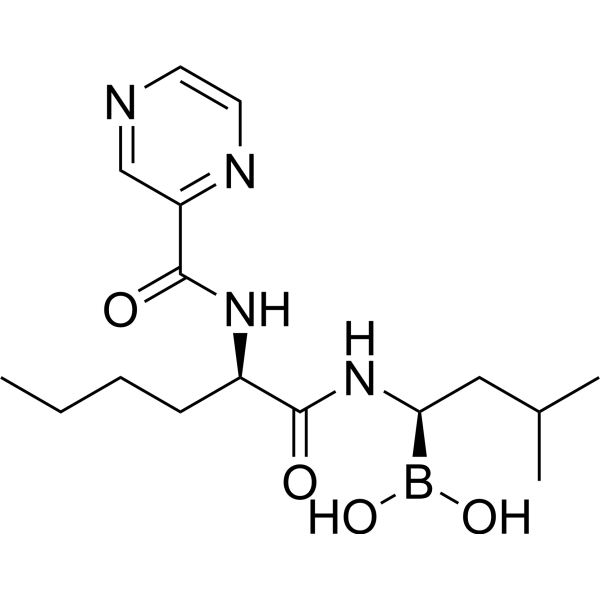
    Bortezomib (PS-341) is a reversible and selective proteasome inhibitor, and potently inhibits 20S proteasome (Ki=0.6 nM) by targeting a threonine residue. Bortezomib disrupts the cell cycle, induces apoptosis, and inhibits NF-κB. Bortezomib is the first proteasome inhibitor anticancer agent. Bortezomib can be used for the study of multiple myeloma (MM) . Bortezomib effectively inhibits TREM2 expression in tumor-associated macrophages (TAMs) .
    Bortezomib
  • HY-10453
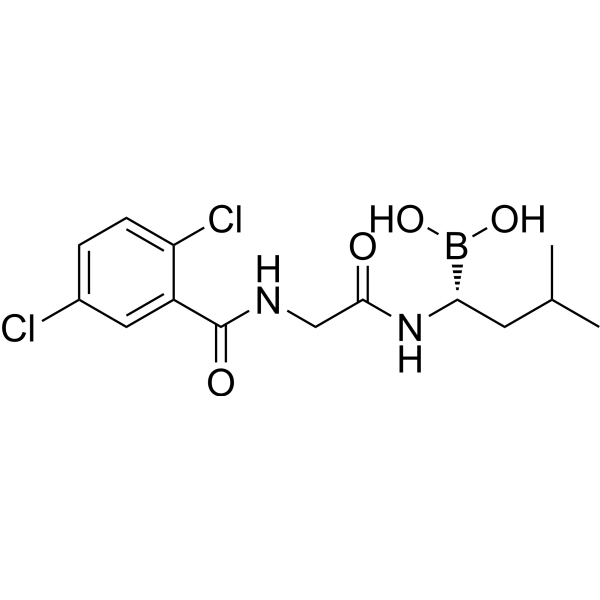
    Ixazomib
    20+ Cited Publications

    MLN2238

    Proteasome Autophagy Cancer
    Ixazomib (MLN2238) is a selective, potent, and reversible proteasome inhibitor, which inhibits the chymotrypsin-like proteolytic (β5) site of the 20S proteasome with an IC50 of 3.4 nM (Ki of 0.93 nM).
    Ixazomib
  • HY-N2117
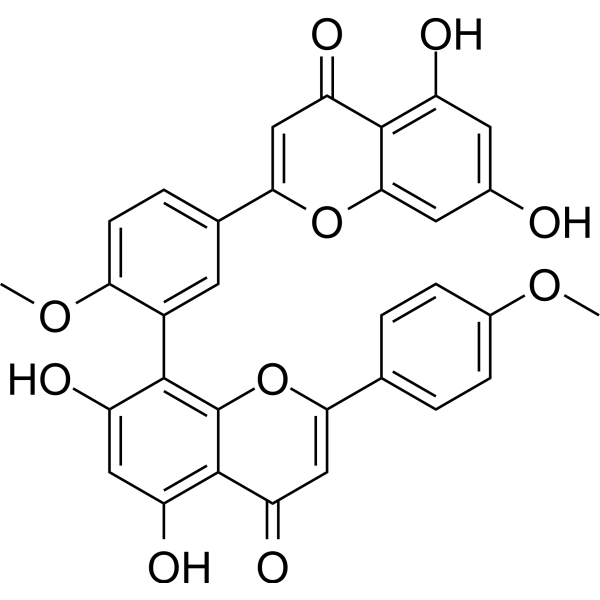
    Isoginkgetin
    15+ Cited Publications

    MMP Akt NF-κB Proteasome Apoptosis Autophagy Inflammation/Immunology Cancer
    Isoginkgetin is a pre-mRNA splicing inhibitor inhibitor. Isoginkgetin also inhibits activities of both Akt, NF-κB and MMP-9. Isoginkgetin inhibits the activity of the 20S proteasome, induces apoptosis and activates autophagy .
    Isoginkgetin
  • HY-13067
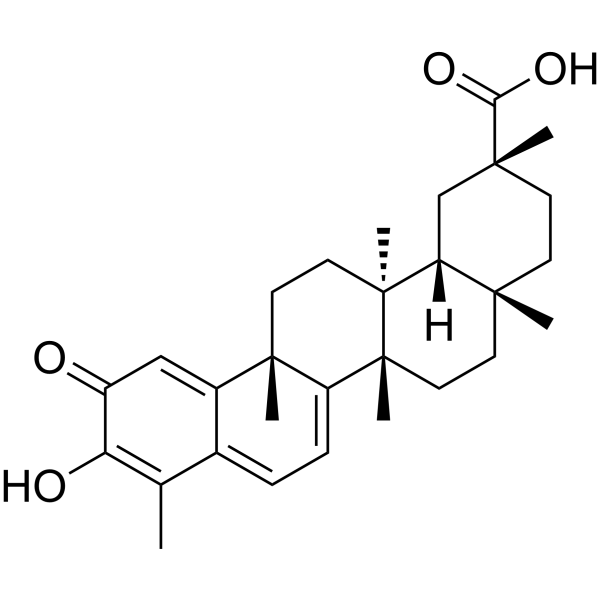
    Celastrol
    Maximum Cited Publications
    61 Publications Verification

    Tripterine; Tripterin

    Proteasome Autophagy Mitophagy Apoptosis Endogenous Metabolite Antibiotic Bacterial Nuclear Hormone Receptor 4A/NR4A Infection Inflammation/Immunology Cancer
    Celastrol (Tripterine;Tripterin) is a proteasome inhibitor which potently and preferentially inhibits the chymotrypsin-like activity of a purified 20S proteasome with IC50 of 2.5 μM. In addition, Celastrol is also an antibiotic with potent antimicrobial activity against standard and clinical methicillin-resistant Staphylococcus aureus (MRSA) strains, inducing oxidative stress and inhibiting DNA synthesis by binding to P5CDH .
    Celastrol
  • HY-16594
    Lactacystin
    5+ Cited Publications

    Proteasome Cathepsin Apoptosis Cardiovascular Disease Infection Neurological Disease Cancer
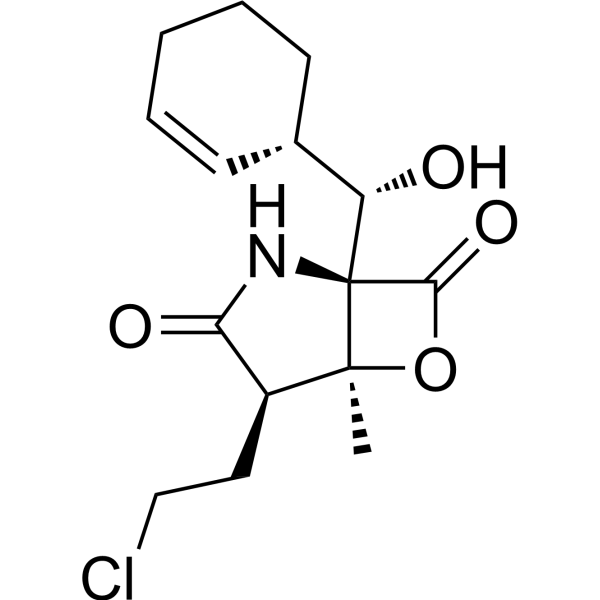
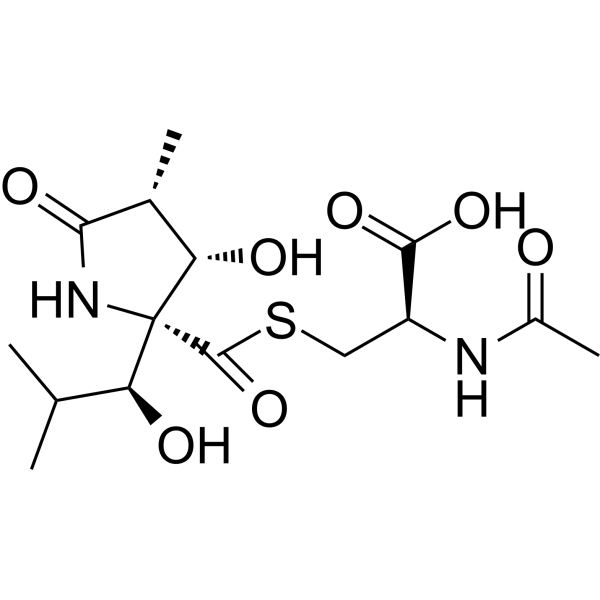
    Lactacystin is a potent, orally active, irreversible, cell-permeable, selective 20S proteasome inhibitor (IC50 = 4.8 μM). Lactacystin also inhibits the lysosomal enzyme cathepsin A. Lactacystin inhibits cell growth and induces apoptosisand cell cycle arrest, and has antiviral and antioxidative activity. Lactacystin induces neurite outgrowth and hypertension. Lactacystin has the potential for the research of cancer, Neurological Disease, hypertension and Malaria, and so on [2] [6] .
    Lactacystin
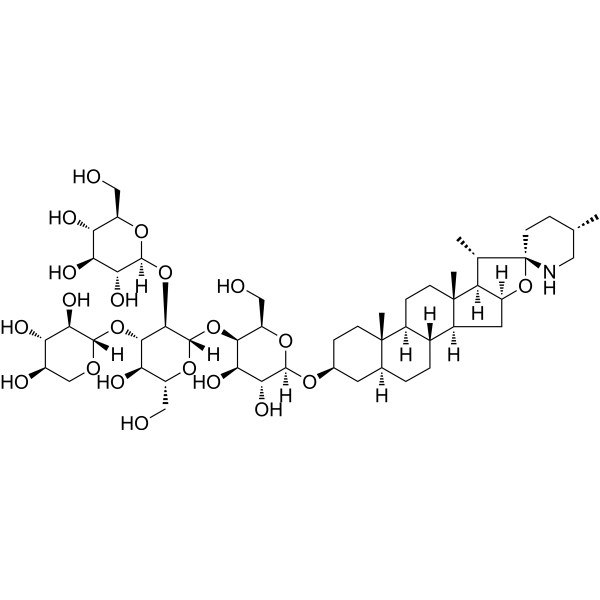
  • HY-N2166
    Tomatine
    2 Publications Verification

    α-Tomatine; Lycopersicin; Tomatin

    Proteasome Apoptosis Neurological Disease
    Tomatine is a glycoalkaloid, found in the tomato plant (Lycopersicon esculentum Mill.). Tomatine elicits neurotoxicity in RIP1 kinase and caspase-independent manner. Tomatine promotes the upregulation of nuclear apoptosis inducing factor (AIF) in neuroblastoma cells. Tomatine also inhibits 20S proteasome activity .
    Tomatine
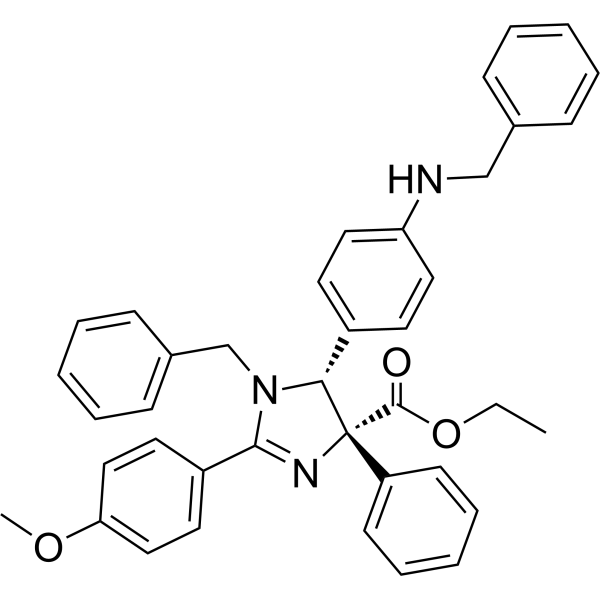
  • HY-153034
    LONP1-IN-2
    3 Publications Verification

    Proteasome Phosphatase Cancer
    LONP1-IN-2 (Compound 9e) is a potent and selective LONP1 inhibitor with an IC50 value of 0.093 μM. LONP1-IN-2 can be used in research of cancer .
    LONP1-IN-2
  • HY-10985
    Marizomib
    15+ Cited Publications

    Salinosporamide A; NPI-0052

    Proteasome Cancer
    Marizomib (Salinosporamide A) is a second-generation, irreversible, brain-penetrant, pan-proteasome inhibitor. Marizomib inhibits the CT-L (β5), CT-T-laspase-like (C-L, β1) and trypsin-like (T-L, β2) activities of the 20S proteasome (IC50=3.5, 28, and 430 nM, respectively) .
    Marizomib
  • HY-120722
    TCH-165
    2 Publications Verification

    Proteasome Cancer
    TCH-165 is a small molecule modulator of proteasome assembly, which increases 20S levels and facilitates 20S-mediated protein degradation .
    TCH-165
  • HY-123053
    Z-Leu-Leu-Glu-AMC
    3 Publications Verification

    Z-LLE-AMC

    Proteasome Neurological Disease
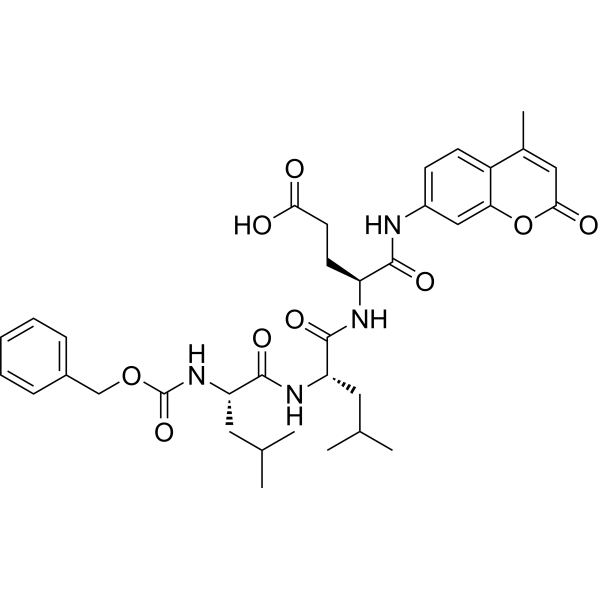
    Z-Leu-Leu-Glu-AMC (Z-LLE-AMC) is a peptide-AMC linked substrate used to measure the postacidic-like hydrolysing activity of proteasome. Z-Leu-Leu-Glu-AMC can be used for the research of parkinson's disease .
    Z-Leu-Leu-Glu-AMC
  • HY-150602

    Proteasome Neurological Disease
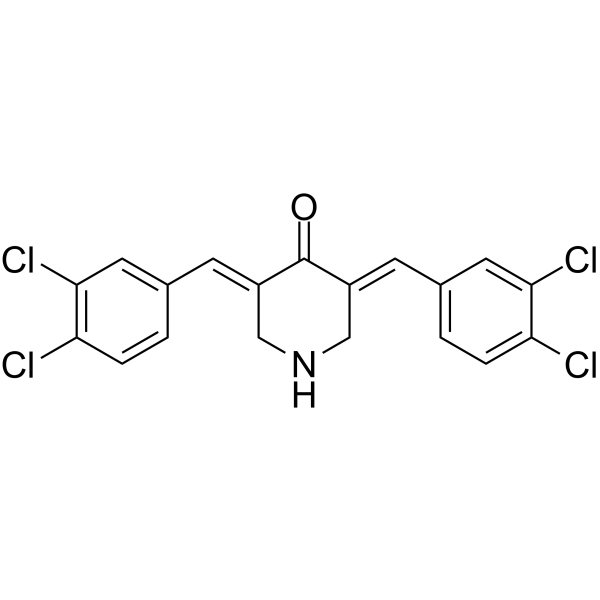
    20S Proteasome activator 1 is a potent 20S proteasome activator with EC200 values of 0.3 μM, 0.7 μM and 1.8 μM for trypsin-like site, chymotrypsin-like site and caspase-like site. 20S Proteasome activator 1 translates well in a cellular system, preventing the accumulation of the pathogenic A53T mutant of α-synuclein. 20S Proteasome activator 1 can be used for researching neurodegenerative diseases .
    20S Proteasome activator 1
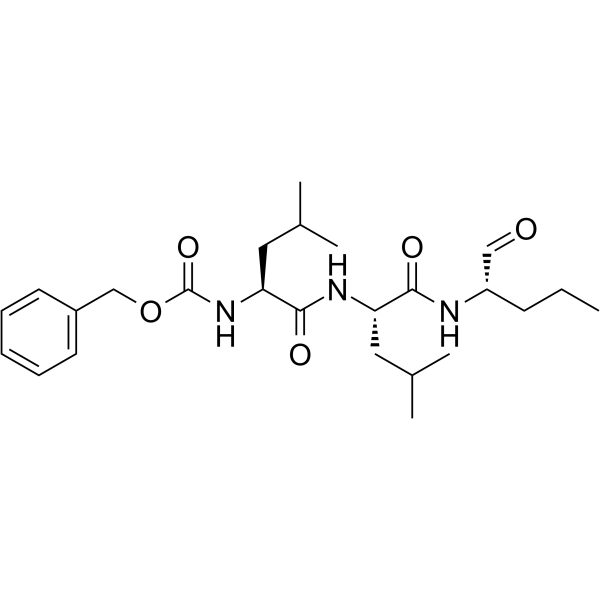
  • HY-108552
    MG-115
    1 Publications Verification

    Proteasome Apoptosis Cancer
    MG-115 is a potent and reversible proteasome inhibitor, with Kis of 21 nM and 35 nM for 20S and 26S proteasome, respectively. MG-115 specifically inhibit the chymotrypsin-like activity of the proteasome, induces p53-dependent apoptosis .
    MG-115
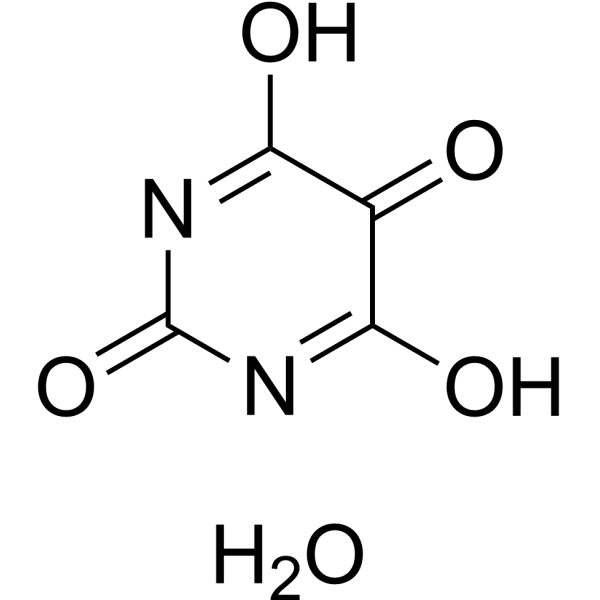
  • HY-W017227
    Alloxan hydrate
    1 Publications Verification

    Proteasome Metabolic Disease Cancer
    Alloxan hydrate is a diabetogenic agent to induce diabetes. Alloxan hydrate is a proteasome inhibitor. Alloxan causes diabetes in experimental animals through its ability to destroy the insulin-secreting B-cells of the pancreas .
    Alloxan hydrate
  • HY-108549

    Omuralide; β-Clastolactacystin

    Proteasome Cancer
    Clasto-Lactacystin β-lactone, a natural active metabolite of lactacystin, which is a metabolite of Streptomyces, acts as an irreversible 20S proteasome inhibitor.
    clasto-Lactacystin β-lactone
  • HY-115391
    Boc-LRR-AMC
    1 Publications Verification

    Boc-Leu-Arg-Arg-AMC

    Biochemical Assay Reagents Others
    Boc-LRR-AMC (Boc-Leu-Arg-Arg-AMC) is a fluorogenic substrate, which can be utilized for detecting the trypsin-like activity of the 26S proteasome or the 20S proteasome core .
    Boc-LRR-AMC
  • HY-N6013

    MMP Proteasome Keap1-Nrf2 TGF-beta/Smad Interleukin Related SOD Bacterial Fungal Infection Neurological Disease Metabolic Disease Inflammation/Immunology Cancer
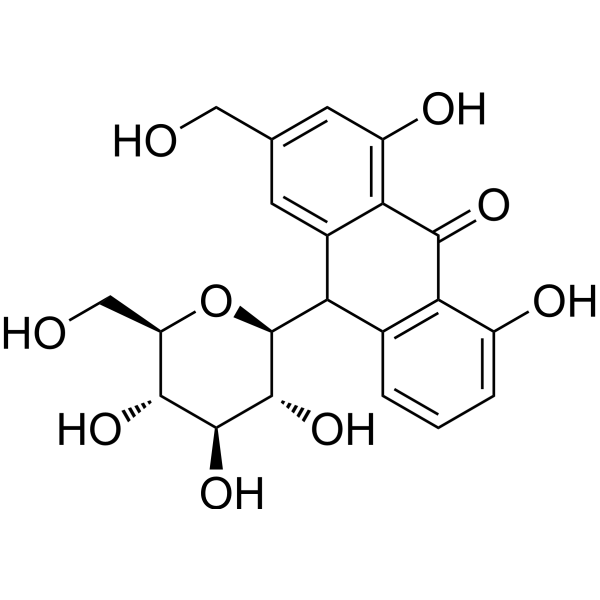
    Aloin (mixture of A&B) is an orally active anthraquinone derivative isolated from Aloe vera. Aloin (mixture of A&B) mitigates airway impairment and exerts neuroprotective, anti-inflammatory, antioxidant, antibacterial, antifungal, antiviral and antitumor effects. Aloin (mixture of A&B) inhibits Clostridium histolyticum collagenase, granulocyte matrix metalloproteinases and human 20S proteasome. Aloin (mixture of A&B) upregulates the Nrf2/HO-1 pathway, suppresses the TGF-β/Smad2/3 pathway. Aloin (mixture of A&B) reduces IL-4/IL-5/IL-13 levels, and reverses oxidative stress markers (MDA, SOD, GSH). Aloin (mixture of A&B) can be used for research on chronic ulcers, burns, wounds, inflammatory and degenerative disorders, asthma and neuroblastoma .
    Aloin (mixture of A&B)
  • HY-123051

    Proteasome Inflammation/Immunology
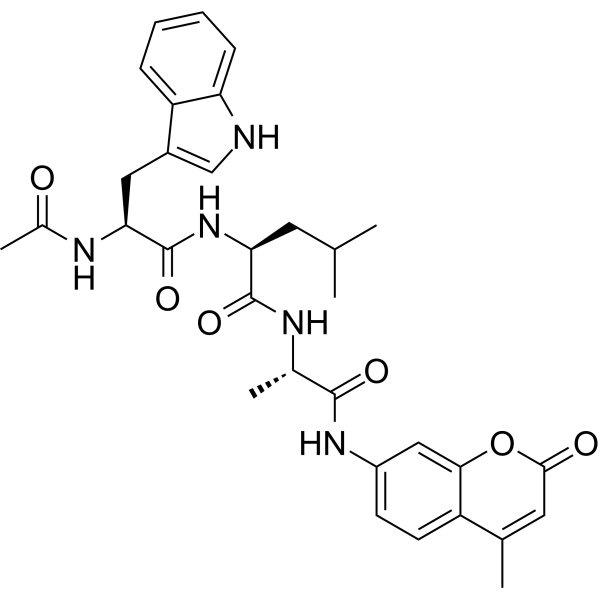
    Ac-WLA-AMC is a specific 20S constitutive proteasome β5 fluorogenic substrate .
    Ac-WLA-AMC
  • HY-10227R

    PS-341 (Standard); LDP-341 (Standard); NSC 681239 (Standard)

    Reference Standards Proteasome NF-κB Apoptosis Autophagy TREM receptor Cancer
    Bortezomib (Standard) is the analytical standard of Bortezomib. This product is intended for research and analytical applications. Bortezomib (PS-341) is a reversible and selective proteasome inhibitor, and potently inhibits 20S proteasome (Ki=0.6 nM) by targeting a threonine residue. Bortezomib disrupts the cell cycle, induces apoptosis, and inhibits NF-κB. Bortezomib is the first proteasome inhibitor anticancer agent. Bortezomib can be used for the study of multiple myeloma (MM) . Bortezomib effectively inhibits TREM2 expression in tumor-associated macrophages (TAMs) .
    Bortezomib (Standard)
  • HY-136528

    Deubiquitinase Apoptosis Cancer
    RA-9 is a potent and selective proteasome-associated deubiquitinating enzymes (DUBs) inhibitor with favorable toxicity profile and anticancer activity. RA-9 blocks ubiquitin-dependent protein degradation without impacting 20S proteasome proteolytic activity. RA-9 selectively induces onset of apoptosis in ovarian cancer cell lines and primary cultures derived from donors. RA-9 induces endoplasmic reticulum (ER)-stress responses in ovarian cancer cells .
    RA-9
  • HY-W001023

    5A8HQ; 5AHQ

    Proteasome NF-κB Cancer
    5-Amino-8-hydroxyquinoline (5A8HQ; 5AHQ) is an orally active non-competitive 20S proteasome inhibitor. 5-Amino-8-hydroxyquinoline can inhibit NF-κB activity and induce cancer cells death and shows low cytotoxicity towards normal hematopoietic cells. 5-Amino-8-hydroxyquinoline can be used for the research of cancer, such as leukemia .
    5-Amino-8-hydroxyquinoline
  • HY-123052

    Proteasome Inflammation/Immunology
    Ac-PAL-AMC is a fluorogenic substrate specific for 20S proteasome LMP2/β1i activity .
    Ac-PAL-AMC
  • HY-13067R

    Tripterine (Standard); Tripterin (Standard)

    Reference Standards Proteasome Autophagy Mitophagy Apoptosis Endogenous Metabolite Inflammation/Immunology Cancer
    Celastrol (Standard) is the analytical standard of Celastrol. This product is intended for research and analytical applications. Celastrol (Tripterine;Tripterin) is a proteasome inhibitor which potently and preferentially inhibits the chymotrypsin-like activity of a purified 20S proteasome with IC50 of 2.5 μM.
    Celastrol (Standard)
  • HY-129867

    Z-LLL-AMC

    Proteasome Others
    Z-Leu-Leu-Leu-AMC is a fluorogenic substrate for measuring the chymotrypsin-like protease activity of the 20S proteasome .
    Z-Leu-Leu-Leu-AMC
  • HY-107412

    PS-IX; AM114

    Proteasome Cancer
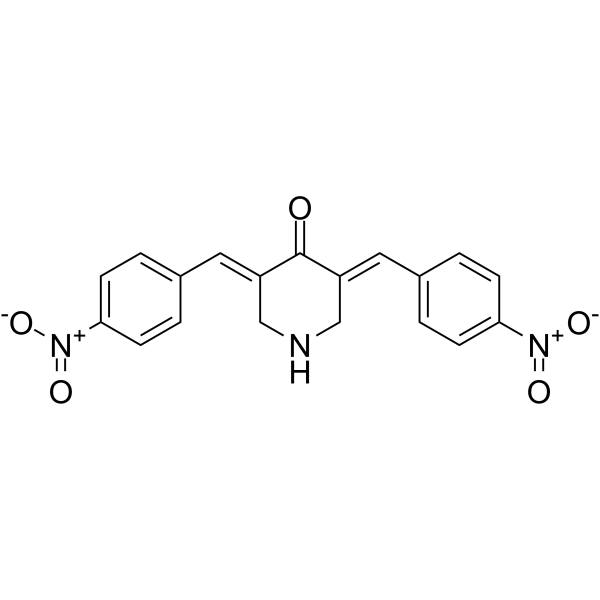
    Proteasome inhibitor IX (PS-IX; AM114) is a Chalcone derivative and a chymotrypsin-like activity of the 20S proteasome inhibitor with an IC50 value of ~1 μM. Proteasome inhibitor IX exhibits HCT116 p53 +/+ cells growth inhibitory activity with an IC50 value of 1.49 μM. Proteasome inhibitor IX has potent anticancer activity .
    Proteasome inhibitor IX
  • HY-23020

    Proteasome Cancer
    Boc3Arg is the tert-butyl carbamate-protected arginine. Boc3Arg is an efficient tag to induce degradation through directly localizing the protein to the 20S proteasome .
    Boc3Arg
  • HY-10227S

    PS-341-d8; LDP-341-d8; NSC 681239-d8

    Isotope-Labeled Compounds Proteasome NF-κB Apoptosis Autophagy TREM receptor Cancer
    Bortezomib-d8 is the deuterium labeled Bortezomib. Bortezomib (PS-341) is a reversible and selective proteasome inhibitor, and potently inhibits 20S proteasome (Ki=0.6 nM) by targeting a threonine residue. Bortezomib disrupts the cell cycle, induces apoptosis, and inhibits NF-κB. Bortezomib is the first proteasome inhibitor anticancer agent. Bortezomib can be used for the study of multiple myeloma (MM) . Bortezomib effectively inhibits TREM2 expression in tumor-associated macrophages (TAMs) .
    Bortezomib-d8
  • HY-P2483B

    Bacterial Proteasome Infection Inflammation/Immunology Cancer
    Octaarginine acetate is a cell-penetrating peptide and proteasome inhibitor. Octaarginine acetate exhibits mixed-type inhibition against 20S proteasome chymotrypsin-like, caspase-like, and trypsin-like activities, and inhibits 26S proteasome activity with decreased efficiency. Octaarginine acetate induces ubiquitin-conjugated protein accumulation, mediates HSPG-dependent cellular internalization via macropinocytosis, enhances liposomal cargo uptake and gene delivery. Octaarginine acetate can be used for the research of cervix carcinoma, collagen antibody-induced arthritis, and bacterial infections .
    Octaarginine acetate
  • HY-P2483

    Proteasome Bacterial Infection Inflammation/Immunology Cancer
    Octaarginine is a cell-penetrating peptide and proteasome inhibitor. Octaarginine exhibits mixed-type inhibition against 20S proteasome chymotrypsin-like, caspase-like, and trypsin-like activities, and inhibits 26S proteasome activity with decreased efficiency. Octaarginine induces ubiquitin-conjugated protein accumulation, mediates HSPG-dependent cellular internalization via macropinocytosis, enhances liposomal cargo uptake and gene delivery. Octaarginine can be used for the research of cervix carcinoma, collagen antibody-induced arthritis, and bacterial infections .
    Octaarginine
  • HY-150226

    Proteasome Inflammation/Immunology
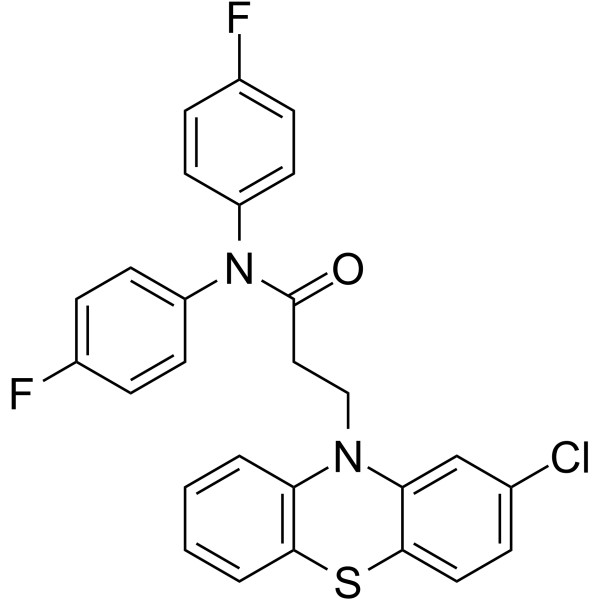
    Enzyme-IN-1 (compound 1) is a peptide-based inhibitor of N-terminal nucleophile (Ntn) hydrolases. Specifically, Enzyme-IN-1 inhibits the chymotrypsin-like activity (CT-L) of the 20S proteasome. Enzyme-IN-1 may has potential antiinflammatory properties .
    Enzyme-IN-1
  • HY-150591

    Proteasome Cancer
    20S Proteasome-IN-3 is a 20S proteasome β5 subunit inhibitor (IC50=1.64 μM) . 20S Proteasome-IN-3 shows anti-tumor proliferation activity .
    20S Proteasome-IN-3
  • HY-151195

    Proteasome Parasite Infection
    20S Proteasome-IN-4 (Compound 7) is a brain-penetrant, parasite-selective, orally active 20S proteasome inhibitor with an IC50 of 6.3 nM against T. b. brucei 20S proteasome. 20S Proteasome-IN-4 can be used for the research of human African trypanosomiasis (HAT) .
    20S Proteasome-IN-4
  • HY-150590

    Proteasome Cancer
    20S Proteasome-IN-2 is a human 20S proteasome inhibitor. 20S Proteasome-IN-2 shows high selectivity to its β5 subunit with the IC50 of 0.18 μM. 20S Proteasome-IN-2 displays anti-proliferative effect in vitro and in vivo, and arrests cell cycle at G2/M .
    20S Proteasome-IN-2
  • HY-137286

    Z-Leu-Leu-Glu-β-naphthylamide

    Proteasome Others
    Z-Leu-Leu-Glu-βNA (Z-Leu-Leu-Glu-β-naphthylamide) is a substrate for determination of the glutamylpeptidyl-peptide hydrolase activity of the 20S proteasome .
    Z-Leu-Leu-Glu-βNA
  • HY-158150

    Proteasome Cancer
    20S Proteasome-IN-5 (Compound 5) is a macrocyclic inhibitor of the 20S Proteasome, with IC50 values of 0.19 and 52.5 μM for ChT-L and PGPH-L activity, respectively .
    20S Proteasome-IN-5
  • HY-139331

    Proteasome Neurological Disease Inflammation/Immunology Cancer
    20S Proteasome-IN-1 is a 26S proteasome inhibitor extracted from patent WO2006128196A2 compound 2. 20S Proteasome-IN-1 has the potential for cancer, immune-related disorders, inflammation, ischemic conditions, neurodegenerative disorders and other diseases research .
    20S Proteasome-IN-1
  • HY-169135

    PROTACs Proteasome Cancer
    PROTAC 20S proteasome subunit β5 degrader 2 is a PROTAC degrader for 20S proteasome subunit β5, with a DC50 of 0.16 μM. PROTAC 20S proteasome subunit β5 degrader 2 inhibits the proliferation of cancer cell FaDu with IC50 of 0.23 μM. PROTAC 20S proteasome subunit β5 degrader 2 exhibits antitumor efficacy in mice models .
    PROTAC 20S proteasome subunit β5 degrader 2
  • HY-169134

    PROTACs Apoptosis Cancer
    PROTAC 20S proteasome subunit β5 degrader 1 (compound 12f) is a targeted degrader of PROTAC for 20S proteasome subunit β5, with a DC50 value of 0.11 μM in FaDu cells. PROTAC 20S proteasome subunit β5 degrader 1 disrupts the cell cycle, promotes apoptosis, and inhibits cell proliferation and migration in both FaDu and KM3/BTZ cells. PROTAC 20S proteasome subunit β5 degrader 1 can be used to study the resistance of pharyngeal cancer and multiple myeloma to Bortezomib (HY-10227) .
    PROTAC 20S proteasome subunit β5 degrader 1
  • HY-W054146
    RAMB4
    1 Publications Verification

    Proteasome Cancer
    RAMB4 is a ubiquitin-proteasome system (UPS)-stressor. RAMB4 inhibits ubiquitin-mediated protein degradation upstream of the 20S proteasomal catalytic activites. RAMB4 triggers a ubiquitin-proteasome-system (UPS)-stress response without affecting 20S proteasome catalytic activities. Anticancer activity .
    RAMB4
  • HY-169144

    Proteasome Cancer
    Bortezomib analog (Compound 13), an analog of Bortezomib (HY-10227), is an active control of 20S proteasome subunit β5 ligand.
    Bortezomib analog
  • HY-N2166R

    α-Tomatine (Standard); Lycopersicin (Standard); Tomatin (Standard)

    Reference Standards Proteasome Apoptosis Neurological Disease
    Tomatine is a glycoalkaloid, found in the tomato plant (Lycopersicon esculentum Mill.). Tomatine elicits neurotoxicity in RIP1 kinase and caspase-independent manner. Tomatine promotes the upregulation of nuclear apoptosis inducing factor (AIF) in neuroblastoma cells. Tomatine also inhibits 20S proteasome activity .
    Tomatine (Standard)
  • HY-10227G

    PS-341; LDP-341; NSC 681239

    Proteasome NF-κB Apoptosis Autophagy TREM receptor Cancer
    Bortezomib (GMP) (PS-341 (GMP)) is Bortezomib (HY-10227) produced by using GMP guidelines. GMP small molecules works appropriately as an auxiliary reagent for cell therapy manufacture. Bortezomib (PS-341) is a reversible and selective proteasome inhibitor, and potently inhibits 20S proteasome (Ki=0.6 nM) by targeting a threonine residue. Bortezomib disrupts the cell cycle, induces apoptosis, and inhibits NF-κB. Bortezomib is the first proteasome inhibitor anticancer agent. Bortezomib can be used for the study of multiple myeloma (MM) . Bortezomib effectively inhibits TREM2 expression in tumor-associated macrophages (TAMs) .
    Bortezomib
  • HY-137897

    Proteasome Others
    Bz-VGR-AMC is a substrate for the trypsin-like activity of the 20S proteasome. Bz-VGR-AMC can be used to measure the trypsin-like (β2) activity of the 20S proteasome .
    Bz-VGR-AMC
  • HY-W048404

    Proteasome Cancer
    Bortezomib impurity A is a metabolite of the 20S proteasome inhibitor Bortezomib (HY-10227).
    Bortezomib impurity A
  • HY-161079

    Parasite Infection
    TDI-8304, a macrocyclic peptide, is a potent, species selective, and noncovalent Plasmodium falciparum (Pf20S) inhibitor. TDI-8304 shows highly selective for Pf20S over human proteasomes .
    TDI-8304
  • HY-10453R

    MLN2238 (Standard)

    Reference Standards Proteasome Autophagy Cancer
    Ixazomib (Standard) is the analytical standard of Ixazomib. This product is intended for research and analytical applications. Ixazomib (MLN2238) is a selective, potent, and reversible proteasome inhibitor, which inhibits the chymotrypsin-like proteolytic (β5) site of the 20S proteasome with an IC50 of 3.4 nM (Ki of 0.93 nM).
    Ixazomib (Standard)
  • HY-149514

    Proteasome Cancer
    BC-05 is an orally active and potent inhibitor of CD13 and proteasome. BC-05 has an IC50 value of 0.13 μM for human CD13 and an IC50 value of 1.39 μM for the 20S proteasome. BC-05 can be used in multiple myeloma research .
    BC-05
  • HY-N15130

    Proteasome Inflammation/Immunology
    Cerpegin, a pyridinone-fused c-lactone, is an inhibitor of 20S proteasome. Cerpegin can be used as a tranquillizer, anti-inflammatory, analgesic and antiulcer .
    Cerpegin
  • HY-N2117R

    Reference Standards MMP Akt NF-κB Proteasome Apoptosis Autophagy Inflammation/Immunology Cancer
    Isoginkgetin (Standard) is the analytical standard of Isoginkgetin. This product is intended for research and analytical applications. Isoginkgetin is a pre-mRNA splicing inhibitor inhibitor. Isoginkgetin also inhibits activities of both Akt, NF-κB and MMP-9. Isoginkgetin inhibits the activity of the 20S proteasome, induces apoptosis and activates autophagy .
    Isoginkgetin (Standard)
  • HY-13067G

    Tripterine; Tripterin

    Endogenous Metabolite Proteasome Antibiotic Apoptosis Bacterial Autophagy Mitophagy Infection Inflammation/Immunology Cancer
    Celastrol (GMP) (Tripterine (GMP)) is Celastrol (HY-10227) produced by using GMP guidelines. GMP small molecules works appropriately as an auxiliary reagent for cell therapy manufacture. Celastrol (Tripterine;Tripterin) is a proteasome inhibitor which potently and preferentially inhibits the chymotrypsin-like activity of a purified 20S proteasome with IC50 of 2.5 μM. In addition, Celastrol is also an antibiotic with potent antimicrobial activity against standard and clinical methicillin-resistant Staphylococcus aureus (MRSA) strains, inducing oxidative stress and inhibiting DNA synthesis by binding to P5CDH .
    Celastrol
  • HY-171956

    Proteasome Parasite Infection
    Carmaphycin-17 (CP-17) is a selective 20S proteasome inhibitor with an EC50 of 217 ?nM. Carmaphycin-17 has potent antimicrobial activity against Trichomonas vaginalis. Carmaphycin-17 overcomes Metronidazole (HY-B0318) resistance and significantly reduces parasite burden upon topical treatment without any apparent adverse effects in vaginal trichomonad infection mice model. Carmaphycin-17 can be used for sexually transmitted disease like trichomoniasis research .
    Carmaphycin-17

온라인 문의

Your information is safe with us. * Required Fields.

호칭


Country or Region *

고객명 *


회사명 *

Department *


메일주소 *


상품명 *

Cat. No.


Requested quantity *

전화번호 *


비고

온라인 문의

Inquiry Information

상품명:
Cat. No.:
수량:
MCE Japan Authorized Agent:

