Delivery of temperature sensitive items including proteins and kits will be paused on 6/19 for the Juneteenth holiday. For urgent orders please contact customer service.
Magrolimab (Hu5F9-G4) is a humanized anti-CD47 antibody. Magrolimab, an IgG4 isotype, lacks ADCC function and exhibits relatively weak ADCP effector function. Magrolimab can be used for the study of malignant bone tumors and breast cancer .
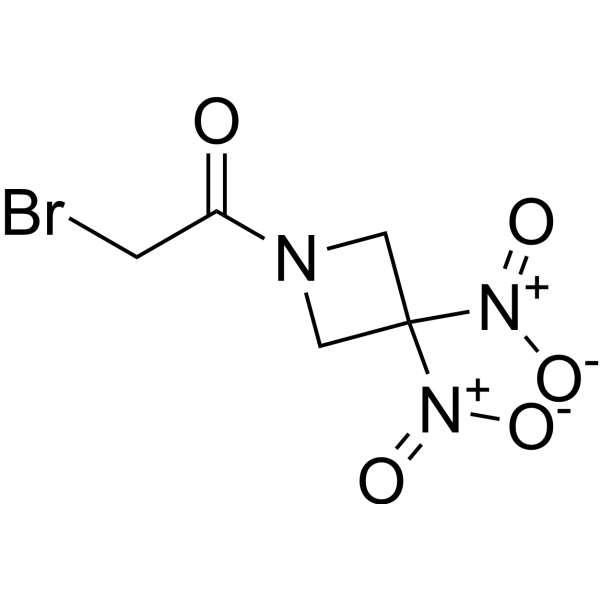
RRx-001, a hypoxia-selective epigenetic agent and studied as a radio- and chem-sensitizer, triggers apoptosis and overcomes agent resistance in myeloma. RRx-001 exhibits potent anti-tumor activity with minimal toxicity . RRx-001 is a dual small molecule checkpoint inhibitor by downregulating CD47 and SIRP-α . RRx-001 is a potent inhibitor of G6PD and shows potent antimalarial activity .
Ligufalimab (AK 117) is a humanized IgG4 anti-CD47 monoclonal antibody. Ligufalimab does not induce RBC hemagglutination, and induces phagocytosis. Ligufalimab shows anti-tumor activity .
KWAR23 is an anti-human SIRPα antibody. KWAR23 binds human SIRPα with high affinity and disrupts its binding to CD47. KWAR23 shows antitumor activity in combination with tumor-opsonizing antibodies and can be used in cancer immunotherapy research .
Evorpacept (ALX148) is a high-affinity CD47-blocking fusion protein with an inactive human immunoglobulin Fc region. Evorpacept binds to CD47, blocks the interaction of the CD47-SIRPα immune checkpoint, and inhibits the binding of wild-type SIRPα to CD47. Evorpacept is applicable to research related to acute myeloid leukemia .
Anti-CD47 Antibody (B6.H12) is a kind of mouse IgG1 κ chimeric antibody, targeting to human CD47. Anti-CD47 Antibody (B6.H12) blocks CD47 interactions with SIRPα. Anti-CD47 Antibody (B6.H12) inhibits cell proliferation, cell migration and invasion. Anti-CD47 Antibody (B6.H12) increases macrophage phagocytosis. Anti-CD47 Antibody (B6.H12) shows potent anti-tumor effect in various tumor models, such as osteosarcoma .
Ontorpacept (TTI-621) is a soluble fusion protein that consists of the human SIRPα N-terminal (1-118) linked to the Fc region of human IgG1. The N-terminal (1-118)-fragment of ontorpacept is a binding domain for CD47 which is an inhibitor of phagocytosis by macrophages. Ontorpacept is a CD47-blocking checkpoint inhibitor with antitumor activity .
Anzurstobart is a CD47/SIRPα inhibitor with human SIRPα Kd of 0.0541 nM and human SIRPα IC50 of 100 nM.Anzurstobart binds SIRPα at a CD47-overlapping site, blocks CD47-SIRPα interactions, inhibits CD47-SIRPα axis signaling, and binds across 6 prevalent human SIRPα haplotypes.Anzurstobart binds SIRPγ and inhibits CD47-SIRPγ interactions.Anzurstobart can be used for the research of non-Hodgkin's lymphoma, colorectal cancer, squamous cell carcinoma of the head and neck, diffuse large B-cell lymphoma, and advanced solid and hematologic malignancies .
Anti-Mouse CD47/IAP Antibody (MIAP301) is an anti-mouse CD47/IAP IgG2a monoclonal antibody. Anti-Mouse CD47/IAP Antibody (MIAP301) can effectively block CD47 signaling and enhance macrophage phagocytic function. Anti-Mouse CD47/IAP Antibody (MIAP301) can increase the infiltration of immune cells. Anti-Mouse CD47/IAP Antibody (MIAP301) restores the phagocytic function of myeloid cells and alleviate B cell inhibition. Anti-Mouse CD47/IAP Antibody (MIAP301) may interfere with wound healing. Anti-Mouse CD47/IAP Antibody (MIAP301) can be used for researches on cancer, inflammation and infection conditions such as melanoma, intestinal mucosal repair and sepsis .
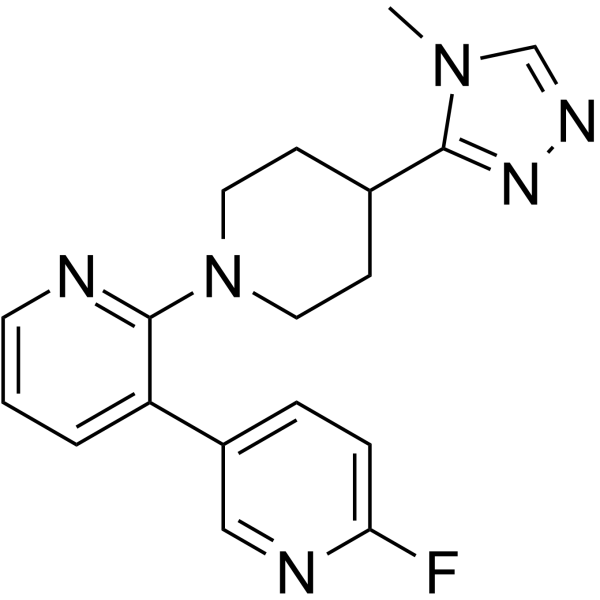
SEN177 is an orally effect glutamine cyclase (QC) inhibitor. The Ki of SEN177 for human glutamine cyclase (hQC) is 20 nM, and the IC50 is 13 nM. SEN177 interferes with the interaction between CD47 and SIRRPα, and has anti-tumor activity. SEN177 reduces aggregation and apoptosis caused by HTT mutation in Huntington model, and can be used in the study of neurodegenerative diseases .
Safimestomig (6MW3211) is an CD47/PD-L1-targeting bispecific antibody. Safimestomig blocks CD47-mediated 'don't eat me' signaling and selectively binds to CD47 on tumor cells. Safimestomig blocks PD-L1-mediated immune checkpoint signaling. Safimestomig can be used for the research of cancer .
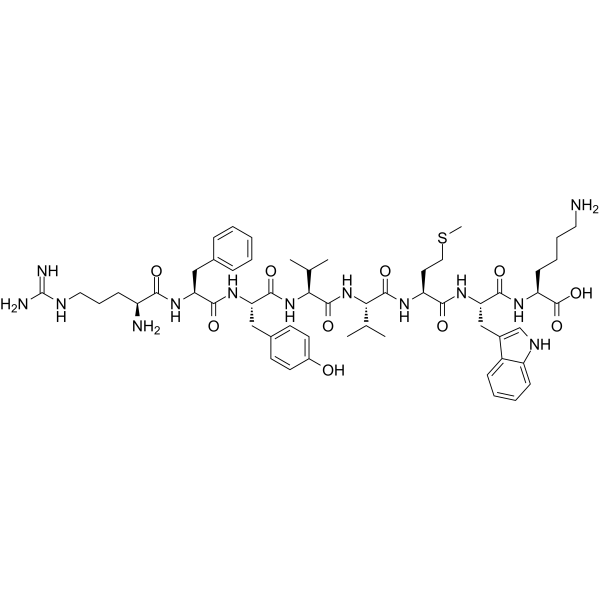
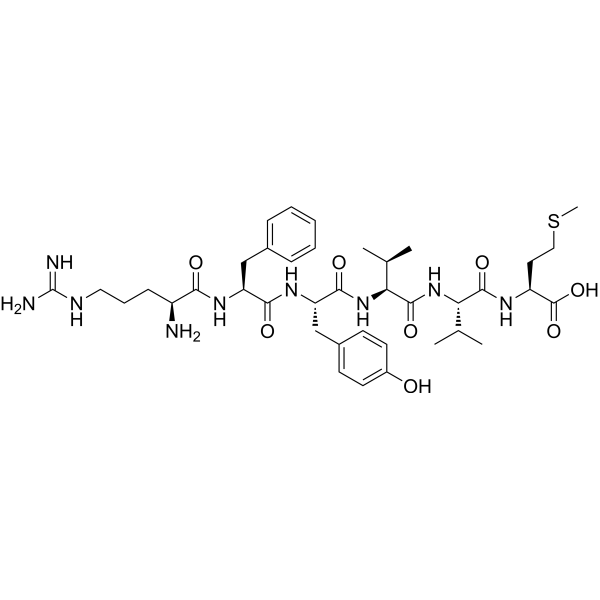
Thrombospondin-1 (1016-1023) (human, bovine, mouse), is the C-terminal end of the native sequence of Thrombospondin-1 (TSP-1), is a CD47 agonist peptide .
CC-90002 is a humanized anti-CD47 monoclonal antibody (mAb). CC-90002 has a high affinity for binding to CD47 with a subnanomolar Kd value. CC-90002 can be used for the research of hematologic malignancies and solid tumors .
Anti-Mouse/Rat/Human CD47/IAP Antibody (MIAP410) is an anti-mouse/rat/human CD47/IAP IgG1 monoclonal antibody. Anti-Mouse/Rat/Human CD47/IAP Antibody (MIAP410) can effectively block CD47 signaling and enhance macrophage phagocytic function. Anti-Mouse/Rat/Human CD47/IAP Antibody (MIAP410) can increase the infiltration of immune cells. Anti-Mouse/Rat/Human CD47/IAP Antibody (MIAP410) may interfere with wound healing. Anti-Mouse/Rat/Human CD47/IAP Antibody (MIAP410) can be used for researches on cancer and inflammation conditions such as breast cancer and intestinal mucosal repair .
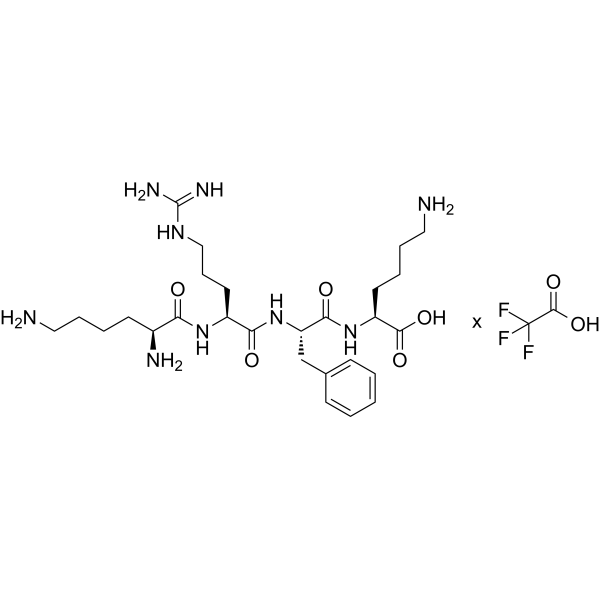
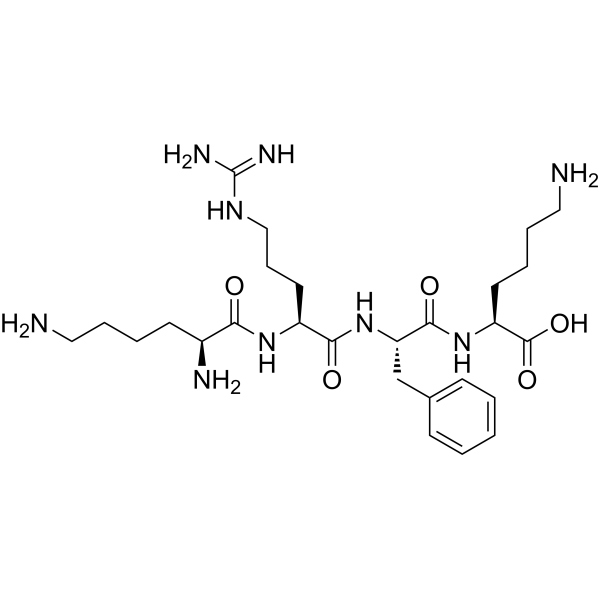
KRFK TFA, a peptide derived from TSP-1, can activate TGF-β. KRFK TFA promotes TGF-β-mediated signaling and its downstream role, independent of thrombospondin (TSP) receptors such as CD47 and CD36. KRFK TFA can be used for chronic ocular surface inflammatory disorders reseach .
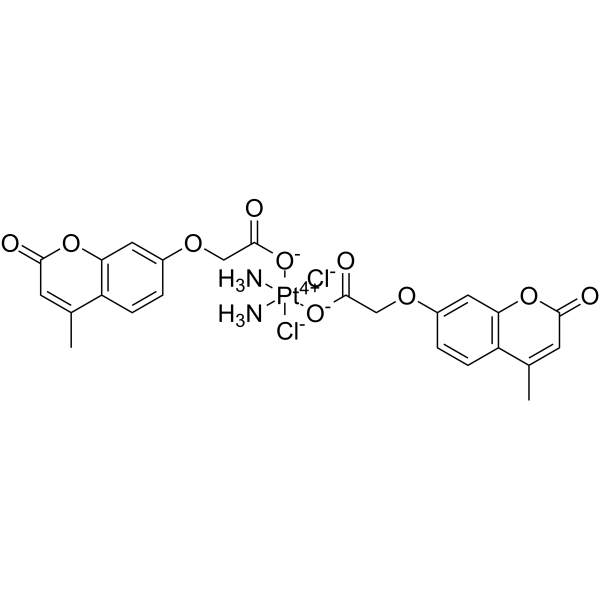
DMUP is a potent CD47-SIRPα axis inhibitor. DMUP induces apoptosis and increases the macrophage phagocytosis in A549 cells. DMUP decreases the expression of CD47 and SIRPα protein. DMUP shows antitumor activity .
CD47 Human Pre-designed siRNA Set A contains three designed siRNAs for CD47 gene (Human), as well as a negative control, a positive control, and a FAM-labeled negative control.
Simridarlimab (IBI-322) is a bispecific antibody targeting PD-L1 and CD47. Simridarlimab attenuates CD47 activity in monovalent binding and blockes PD-L1 activity in bivalent binding. Simridarlimab selectively binds to CD47+PD-L1+ tumor cells, effectively inhibits CD47-SIRPα signal and triggered strong tumor cell phagocytosis in vitro .
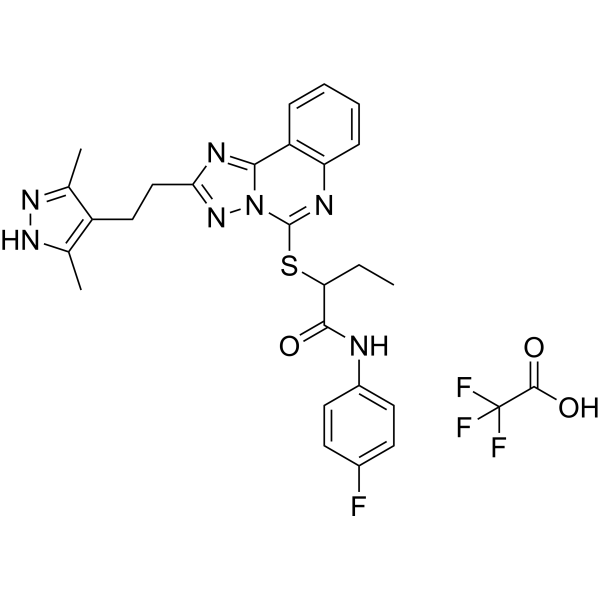
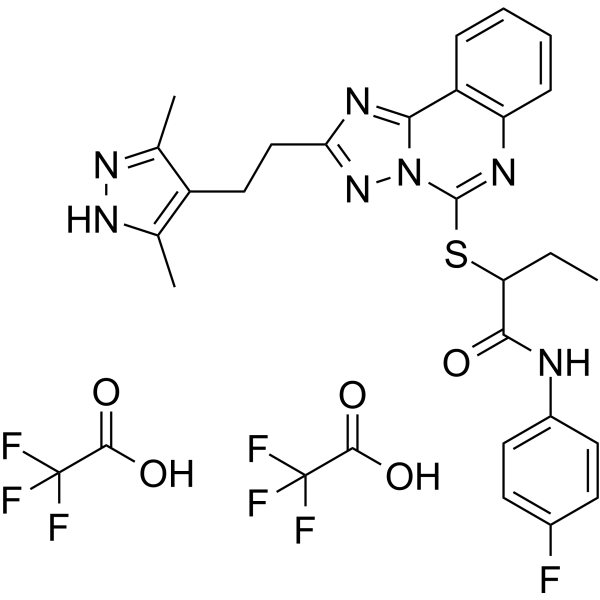
NCGC00138783 TFA is a selective inhibitor targeting CD47/SIRPα axis, with an IC50 of 50 μM. NCGC00138783 TFA directly blocks the interaction between CD47 and SIRPα axis .
KRFK, a peptide derived from TSP-1, can activate TGF-β. KRFK promotes TGF-β-mediated signaling and its downstream role, independent of thrombospondin (TSP) receptors such as CD47 and CD36. KRFK can be used for chronic ocular surface inflammatory disorders reseach .
RS17 is an anti-tumor peptide designed to bind specifically to the CD47 molecule and block the interaction between CD47 and its ligand, SIRPα, on the surface membrane of macrophages. The main regulatory mechanism of RS17 is to prevent CD47 from transmitting selective phagocytosis signals to SIRPα by binding to CD47, so that macrophages do not recognize tumor cells as their own tissue, but phagocytose them as foreign substances, thereby inhibiting immune escape of tumor cells. RS17 can be used to study the mechanism of anti-tumor response and immune escape .
Maplirpacept (TTI-622; PF-07901801) is a fusion protein consisting of the CD47-binding domain of human SIRPα linked to the Fc region of human IgG4. Maplirpacept enhances phagocytosis by blocking CD47 .
HX009 is a bispecific antibody targeting PD1 and CD47, but with weakened CD47 binding. HX009 blocks the functional of PD1/CD47. HX009 can be used for the study of non-Hodgkin’s lymphoma (NHL) .
Pep-20 is a CD47/SIRPα blocking peptide with KD values of 2.91 and 3.63 μM for human and mouse CD47, respectively. IC50 values for blocking the human and mouse CD47/SIRPα interaction are 24.56 and 12.03 μM, respectively. Pep-20 has antitumor activity .
STI-6643 is a fully human IgG4 antibody that targets CD47. STI-6643 blocks CD47-SIRPα interaction, and enables macrophage-mediated phagocytosis of tumor cells. STI-6643 shows anti-tumor activity in mouse lymphoma xenograft models. STI-6643 can be used for the research of Burkitt's lymphoma, solid tumors, relapsed or refractory tumors, and lymphoma. The isotype control for STI-6643 can refer to Human IgG4 (S228P) kappa, Isotype Control (HY-P99003) .
Anti-Mouse CD172a Antibody (P84) is a rat-derived anti-mouse CD172a IgG1 κ type antibody inhibitor. Anti-Mouse CD172a Antibody (P84) blocks CD47-SIRPα interaction and thereby augments cell phagocytosis. Anti-Mouse CD172a Antibody (P84) can be used for the researches of infection and immunology, such as salmonella typhimurium infection .
NCGC00138783 is a selective inhibitor targeting CD47/SIRPα axis, with an IC50 of 50 µM. NCGC00138783 directly blocks the interaction between CD47 and SIRPα axis .
Cd47 Mouse Pre-designed siRNA Set A contains three designed siRNAs for Cd47 gene (Mouse), as well as a negative control, a positive control, and a FAM-labeled negative control.
Cd47 Rat Pre-designed siRNA Set A contains three designed siRNAs for Cd47 gene (Rat), as well as a negative control, a positive control, and a FAM-labeled negative control.
Cys-PKHB1 (Cys-txCD47) TFA is a peptide conjugated to PKHB1, a CD47 agonist peptide and a thrombospondin-1 peptide mimic with antitumor effects. PKHB1 induces mitochondrial alterations, ROS generation, intracellular Ca + accumulation, and calcium-dependent cell death in breast cancer cells. PKHB1 induces immune system activation in breast cancer cells through immunogenic cell death .
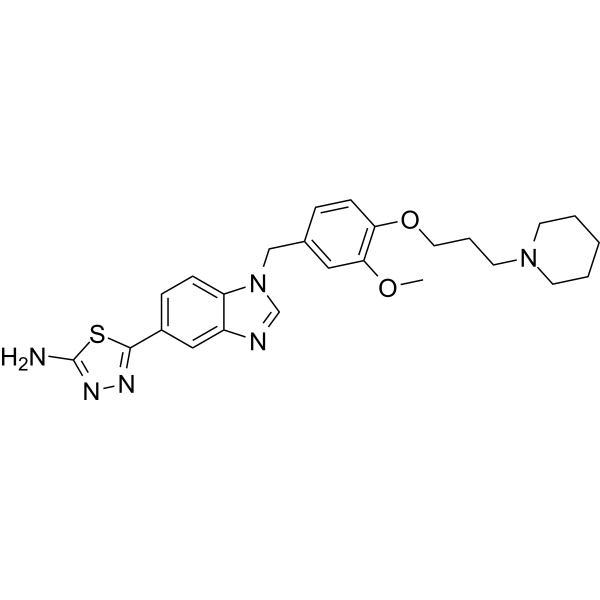
Glutaminyl cyclases-IN-1 (IsoQC-IN-1) is a potent glutaminyl cyclases (QC) inhibitor with IC50 values of 12 nM and 73 nM for human QC and isoQC, respectively. Glutaminyl cyclases-IN-1 can selectively interfere with the interaction of CD47/SIRPα through isoQC inhibition, and enhances the increased phagocytic activity of both THP-1 and U937 macrophages .
Gentulizumab (Gensci-059) is a humanized IgG4 antibody that targets CD47. Gentulizumab displays strong binding to CD47 in both human and monkey, and effectively inhibits the CD47-SIRPα interaction. Gentulizumab exhibits a potent antitumor activity. The isotype control for Gentulizumab can refer to Human IgG4 (S228P) kappa, Isotype Control (HY-P99003) .
AO-176 is a humanized anti-CD47 IgG2 monoclonal antibody. AO-176 induces tumor phagocytosis through blocking the CD47-SIRPα interaction. AO-176 preferentially binds to tumor versus normal cells and directly kills tumor by a cell autonomous mechanism not ADCC (antibody-dependent cell-mediated cytotoxicity). AO-176 demonstrates dose-dependent antitumor activity in tumor xenograft models. AO-176 can be used for the researches of cancer, such as lymphoma .
Peluntamig (PT-217) is a bispecific antibody targeting DLL3 and CD47. The antibody arms of Peluntamig specifically bind to DLL3 on small cell lung cancer tumor cells while blocking the CD47-SIRPa interaction, thereby effectively stimulating macrophage phagocytosis and inducing NK cell-mediated cytotoxicity. Peluntamig exhibits significant anti-tumor activity against small cell lung cancer and also has favorable safety profiles. Peluntamig can be used in a variety of tumor-related studies including those on small cell lung cancer and L1210 leukemia .
Itanistomig (LB-101) is a tetravalent bispecific antibody targeting PD-L1 and CD47. Itanistomig blocks PD-L1 and achieves tumor enrichment through binding to PD-L1, and also exerts conditional CD47 blocking activity via cleavage of the hinge linker in the PD-L1-positive tumor microenvironment. Itanistomig induces antibody-dependent cellular phagocytosis in human CD14 + cells and drives tumor regression. Itanistomig can be used in research related to solid tumors .
PKHB1 (txCD47) is a CD47 agonist and Thrombospondin-1 peptide mimetic. PKHB1 activates CD47 and triggers Caspase-independent, calcium-dependent cell death via mitochondrial alterations, ROS production, endoplasmic reticulum morphological changes, and dissipation of mitochondrial membrane potential. PKHB1 induces the exposure of Calreticulin, HSP70, and HSP90, thereby driving immunogenic cell death. PKHB1 promotes intratumoral CD8+ T cell infiltration and inhibits breast tumorigenesis. PKHB1 reduces HSV-1 levels and alleviates the severity of herpes simplex keratitis. PKHB1 can be used in research related to breast cancer, herpes simplex keratitis, and T-cell acute lymphoblastic leukemia .
NCGC00138783 free base is a selective inhibitor targeting CD47/SIRPα axis, with an IC50 of 50 µM. NCGC00138783 free base directly blocks the interaction between CD47 and SIRPα axis .
HY-P990899 is an CD274/CD47-targeting IgG1λ2 type humanized antibody, the recommed isotype control is Human IgG1 lambda2, Isotype Control (HY-P990096) .
Cys-PKHB1 (Cys-txCD47) is a peptide conjugated to PKHB1, a CD47 agonist peptide and a thrombospondin-1 peptide mimic with antitumor effects. PKHB1 induces mitochondrial alterations, ROS generation, intracellular Ca + accumulation, and calcium-dependent cell death in breast cancer cells. PKHB1 induces immune system activation in breast cancer cells through immunogenic cell death .
BAT-6004 is a monoclonal antibody that targets CD47 and is a CD47 inhibitor. BAT-6004 can be used in research on acute myeloid leukemia and diffuse large B-cell lymphoma .
SHR-1603 is a humanized anti-CD47 IgG4 antibody. SHR-1603 blocks the interaction of CD47 with SIRPα and enhances phagocytosis. SHR-1603 includes active Fc domains to mediate CDC/ADCC functions. SHR-1603 can be used for the research of cancer [1][2].
VBI-009 is a CD47 and B7-H3 (CD276) bispecific antibody. VBI-009 blocks CD47-SIRPα 'don't eat me' signals and restricts activity to CD47+/B7-H3 + cells. VBI-009 induces antibody-dependent cellular phagocytosis (ADCP) and antibody-dependent cellular cytotoxicity (ADCC) in CD47+/B7-H3 + tumor cells. VBI-009 inhibits tumor growth in CD47+/B7-H3+ lung cancer xenograft models. VBI-009 can be used for the research of lung cancer .
PLD-IN-1 (Compound 3r) is an orally active inhibitor for phospholipase D with an IC50 of 1.97 μM. PLD-IN-1 reduces the expression of CD24, CD47 and PD-L1, enhances the calreticulin expression, and thus modulates the immune evasion mechanism in lung cancer cells by promoting the phagocytosis of cancer cells by macrophages. PLD-IN-1 inhibits the cell viability of lung cancer cell A549, HCC44, H460 and HCC15 with IC50 of 18.44, 22.31, 24.85 and 21.45 μM, respectively. PLD-IN-1 can induce apoptosis and inhibits migration in cell A549. PLD-IN-1 enhances the level of pro-inflammatory M1 macrophages and decreases the level of anti-inflammatory M2 macrophages, exhibits antitumor efficacy in mouse model .
ZL-1201 is a recombinant humanized monoclonal anti-CD47 IgG4 antibody. ZL-1201 disrupt the CD47-SIRPα interaction. ZL-1201 modulates the tumor microenvironment. ZL-1201 promotes tumor-associated macrophage phagocytic activity. ZL-1201 substantially enhances phagocytosis by M2 macrophages, but not by M1 macrophages. ZL-1201 in combination with both mAb and chemotherapy achieves the maximal antitumor effects in a variety of solid tumor models. ZL-1201 can be used in the study of lymphoma, breast cancer, ovarian cancer, head and neck squamous cell carcinoma, and gastric cancer .
ADU-1805 is a humanized monoclonal IgG2 antibody, a selective, pan-allelic anti-SIRPα antibody, with a Kd value of 11.0 × 10 -9 M for hSIRPαV1. ADU-1805 binds to all known hSIRPα alleles. ADU-1805 blocks the SIRPα-CD47 interaction, promotes phagocytosis of cells, and enhances trogocytosis of cells. ADU-1805 can be used in research related to Burkitt lymphoma .
DS-1103a is a humanized IgG4 monoclonal antibody targeting SIRPa/CD172a. DS-1103a inhibits the interaction between SIRPα and CD47. DS-1103a enhances antibody-dependent cellular phagocytosis of cancer cells. DS-1103a can be used for the research of solid tumors. The recommended isotype control is: Human IgG4 (S228P) kappa, (HY-P99003) .
CL121 is a Glutaminyl Cyclase inhibitor with an IC50 of 0.07 μM against human sQC and an IC50 of 0.54 μM against human gQC. CL121 reduces the level of pyroglutamate (pE)-modified CD47 on the surface of cancer cells. CL121 exhibits anti-tumor activity against triple-negative breast cancer .
DSPE-PEG3400-GNYTCEVTELTREGETIIELK is a PEG compound which composed of DSPE and a peptide mimicking the function of CD47 (GNYTCEVTELSREGKTVIELK). Modifying the surface of LNPs with GNYTCEVTELSREGKTVIELK significantly reduced the recognition and clearance of LNPs by the mononuclear phagocytic system (MPS), and decreased their accumulation in non-target tissues such as the liver and spleen. DSPE-PEG3400-GNYTCEVTELTREGETIIELK can be used for drug delivery .
DSPE-PEG1000-GNYTCEVTELTREGETIIELK is a PEG compound which composed of DSPE and a peptide mimicking the function of CD47 (GNYTCEVTELSREGKTVIELK). Modifying the surface of LNPs with GNYTCEVTELSREGKTVIELK significantly reduced the recognition and clearance of LNPs by the mononuclear phagocytic system (MPS), and decreased their accumulation in non-target tissues such as the liver and spleen. DSPE-PEG1000-GNYTCEVTELTREGETIIELK can be used for drug delivery .
DSPE-PEG5000-GNYTCEVTELTREGETIIELK is a PEG compound which composed of DSPE and a peptide mimicking the function of CD47 (GNYTCEVTELSREGKTVIELK). Modifying the surface of LNPs with GNYTCEVTELSREGKTVIELK significantly reduced the recognition and clearance of LNPs by the mononuclear phagocytic system (MPS), and decreased their accumulation in non-target tissues such as the liver and spleen. DSPE-PEG5000-GNYTCEVTELTREGETIIELK can be used for drug delivery .
DSPE-PEG3400-GNYTCEVTELTREGETIIELK is a PEG compound which composed of DSPE and a peptide mimicking the function of CD47 (GNYTCEVTELSREGKTVIELK). Modifying the surface of LNPs with GNYTCEVTELSREGKTVIELK significantly reduced the recognition and clearance of LNPs by the mononuclear phagocytic system (MPS), and decreased their accumulation in non-target tissues such as the liver and spleen. DSPE-PEG3400-GNYTCEVTELTREGETIIELK can be used for drug delivery .
DSPE-PEG1000-GNYTCEVTELTREGETIIELK is a PEG compound which composed of DSPE and a peptide mimicking the function of CD47 (GNYTCEVTELSREGKTVIELK). Modifying the surface of LNPs with GNYTCEVTELSREGKTVIELK significantly reduced the recognition and clearance of LNPs by the mononuclear phagocytic system (MPS), and decreased their accumulation in non-target tissues such as the liver and spleen. DSPE-PEG1000-GNYTCEVTELTREGETIIELK can be used for drug delivery .
DSPE-PEG5000-GNYTCEVTELTREGETIIELK is a PEG compound which composed of DSPE and a peptide mimicking the function of CD47 (GNYTCEVTELSREGKTVIELK). Modifying the surface of LNPs with GNYTCEVTELSREGKTVIELK significantly reduced the recognition and clearance of LNPs by the mononuclear phagocytic system (MPS), and decreased their accumulation in non-target tissues such as the liver and spleen. DSPE-PEG5000-GNYTCEVTELTREGETIIELK can be used for drug delivery .
Thrombospondin-1 (1016-1023) (human, bovine, mouse), is the C-terminal end of the native sequence of Thrombospondin-1 (TSP-1), is a CD47 agonist peptide .
KRFK TFA, a peptide derived from TSP-1, can activate TGF-β. KRFK TFA promotes TGF-β-mediated signaling and its downstream role, independent of thrombospondin (TSP) receptors such as CD47 and CD36. KRFK TFA can be used for chronic ocular surface inflammatory disorders reseach .
KRFK, a peptide derived from TSP-1, can activate TGF-β. KRFK promotes TGF-β-mediated signaling and its downstream role, independent of thrombospondin (TSP) receptors such as CD47 and CD36. KRFK can be used for chronic ocular surface inflammatory disorders reseach .
RS17 is an anti-tumor peptide designed to bind specifically to the CD47 molecule and block the interaction between CD47 and its ligand, SIRPα, on the surface membrane of macrophages. The main regulatory mechanism of RS17 is to prevent CD47 from transmitting selective phagocytosis signals to SIRPα by binding to CD47, so that macrophages do not recognize tumor cells as their own tissue, but phagocytose them as foreign substances, thereby inhibiting immune escape of tumor cells. RS17 can be used to study the mechanism of anti-tumor response and immune escape .
Pep-20 is a CD47/SIRPα blocking peptide with KD values of 2.91 and 3.63 μM for human and mouse CD47, respectively. IC50 values for blocking the human and mouse CD47/SIRPα interaction are 24.56 and 12.03 μM, respectively. Pep-20 has antitumor activity .
Cys-PKHB1 (Cys-txCD47) TFA is a peptide conjugated to PKHB1, a CD47 agonist peptide and a thrombospondin-1 peptide mimic with antitumor effects. PKHB1 induces mitochondrial alterations, ROS generation, intracellular Ca + accumulation, and calcium-dependent cell death in breast cancer cells. PKHB1 induces immune system activation in breast cancer cells through immunogenic cell death .
PKHB1 (txCD47) is a CD47 agonist and Thrombospondin-1 peptide mimetic. PKHB1 activates CD47 and triggers Caspase-independent, calcium-dependent cell death via mitochondrial alterations, ROS production, endoplasmic reticulum morphological changes, and dissipation of mitochondrial membrane potential. PKHB1 induces the exposure of Calreticulin, HSP70, and HSP90, thereby driving immunogenic cell death. PKHB1 promotes intratumoral CD8+ T cell infiltration and inhibits breast tumorigenesis. PKHB1 reduces HSV-1 levels and alleviates the severity of herpes simplex keratitis. PKHB1 can be used in research related to breast cancer, herpes simplex keratitis, and T-cell acute lymphoblastic leukemia .
Cys-PKHB1 (Cys-txCD47) is a peptide conjugated to PKHB1, a CD47 agonist peptide and a thrombospondin-1 peptide mimic with antitumor effects. PKHB1 induces mitochondrial alterations, ROS generation, intracellular Ca + accumulation, and calcium-dependent cell death in breast cancer cells. PKHB1 induces immune system activation in breast cancer cells through immunogenic cell death .
Magrolimab (Hu5F9-G4) is a humanized anti-CD47 antibody. Magrolimab, an IgG4 isotype, lacks ADCC function and exhibits relatively weak ADCP effector function. Magrolimab can be used for the study of malignant bone tumors and breast cancer .
Ligufalimab (AK 117) is a humanized IgG4 anti-CD47 monoclonal antibody. Ligufalimab does not induce RBC hemagglutination, and induces phagocytosis. Ligufalimab shows anti-tumor activity .
KWAR23 is an anti-human SIRPα antibody. KWAR23 binds human SIRPα with high affinity and disrupts its binding to CD47. KWAR23 shows antitumor activity in combination with tumor-opsonizing antibodies and can be used in cancer immunotherapy research .
Evorpacept (ALX148) is a high-affinity CD47-blocking fusion protein with an inactive human immunoglobulin Fc region. Evorpacept binds to CD47, blocks the interaction of the CD47-SIRPα immune checkpoint, and inhibits the binding of wild-type SIRPα to CD47. Evorpacept is applicable to research related to acute myeloid leukemia .
Anti-CD47 Antibody (B6.H12) is a kind of mouse IgG1 κ chimeric antibody, targeting to human CD47. Anti-CD47 Antibody (B6.H12) blocks CD47 interactions with SIRPα. Anti-CD47 Antibody (B6.H12) inhibits cell proliferation, cell migration and invasion. Anti-CD47 Antibody (B6.H12) increases macrophage phagocytosis. Anti-CD47 Antibody (B6.H12) shows potent anti-tumor effect in various tumor models, such as osteosarcoma .
Ontorpacept (TTI-621) is a soluble fusion protein that consists of the human SIRPα N-terminal (1-118) linked to the Fc region of human IgG1. The N-terminal (1-118)-fragment of ontorpacept is a binding domain for CD47 which is an inhibitor of phagocytosis by macrophages. Ontorpacept is a CD47-blocking checkpoint inhibitor with antitumor activity .
Anzurstobart is a CD47/SIRPα inhibitor with human SIRPα Kd of 0.0541 nM and human SIRPα IC50 of 100 nM.Anzurstobart binds SIRPα at a CD47-overlapping site, blocks CD47-SIRPα interactions, inhibits CD47-SIRPα axis signaling, and binds across 6 prevalent human SIRPα haplotypes.Anzurstobart binds SIRPγ and inhibits CD47-SIRPγ interactions.Anzurstobart can be used for the research of non-Hodgkin's lymphoma, colorectal cancer, squamous cell carcinoma of the head and neck, diffuse large B-cell lymphoma, and advanced solid and hematologic malignancies .
Anti-Mouse CD47/IAP Antibody (MIAP301) is an anti-mouse CD47/IAP IgG2a monoclonal antibody. Anti-Mouse CD47/IAP Antibody (MIAP301) can effectively block CD47 signaling and enhance macrophage phagocytic function. Anti-Mouse CD47/IAP Antibody (MIAP301) can increase the infiltration of immune cells. Anti-Mouse CD47/IAP Antibody (MIAP301) restores the phagocytic function of myeloid cells and alleviate B cell inhibition. Anti-Mouse CD47/IAP Antibody (MIAP301) may interfere with wound healing. Anti-Mouse CD47/IAP Antibody (MIAP301) can be used for researches on cancer, inflammation and infection conditions such as melanoma, intestinal mucosal repair and sepsis .
Safimestomig (6MW3211) is an CD47/PD-L1-targeting bispecific antibody. Safimestomig blocks CD47-mediated 'don't eat me' signaling and selectively binds to CD47 on tumor cells. Safimestomig blocks PD-L1-mediated immune checkpoint signaling. Safimestomig can be used for the research of cancer .
CC-90002 is a humanized anti-CD47 monoclonal antibody (mAb). CC-90002 has a high affinity for binding to CD47 with a subnanomolar Kd value. CC-90002 can be used for the research of hematologic malignancies and solid tumors .
Anti-Mouse/Rat/Human CD47/IAP Antibody (MIAP410) is an anti-mouse/rat/human CD47/IAP IgG1 monoclonal antibody. Anti-Mouse/Rat/Human CD47/IAP Antibody (MIAP410) can effectively block CD47 signaling and enhance macrophage phagocytic function. Anti-Mouse/Rat/Human CD47/IAP Antibody (MIAP410) can increase the infiltration of immune cells. Anti-Mouse/Rat/Human CD47/IAP Antibody (MIAP410) may interfere with wound healing. Anti-Mouse/Rat/Human CD47/IAP Antibody (MIAP410) can be used for researches on cancer and inflammation conditions such as breast cancer and intestinal mucosal repair .
Letaplimab (IBI-188) is a human IgG4 anti-CD47 monoclonal antibody. CD47 is overexpressed on cancer cells, it is a ligand for SIRPα. Letaplimab enhances tumor cell phagocytosis .
Simridarlimab (IBI-322) is a bispecific antibody targeting PD-L1 and CD47. Simridarlimab attenuates CD47 activity in monovalent binding and blockes PD-L1 activity in bivalent binding. Simridarlimab selectively binds to CD47+PD-L1+ tumor cells, effectively inhibits CD47-SIRPα signal and triggered strong tumor cell phagocytosis in vitro .
Maplirpacept (TTI-622; PF-07901801) is a fusion protein consisting of the CD47-binding domain of human SIRPα linked to the Fc region of human IgG4. Maplirpacept enhances phagocytosis by blocking CD47 .
HX009 is a bispecific antibody targeting PD1 and CD47, but with weakened CD47 binding. HX009 blocks the functional of PD1/CD47. HX009 can be used for the study of non-Hodgkin’s lymphoma (NHL) .
STI-6643 is a fully human IgG4 antibody that targets CD47. STI-6643 blocks CD47-SIRPα interaction, and enables macrophage-mediated phagocytosis of tumor cells. STI-6643 shows anti-tumor activity in mouse lymphoma xenograft models. STI-6643 can be used for the research of Burkitt's lymphoma, solid tumors, relapsed or refractory tumors, and lymphoma. The isotype control for STI-6643 can refer to Human IgG4 (S228P) kappa, Isotype Control (HY-P99003) .
Anti-Mouse CD172a Antibody (P84) is a rat-derived anti-mouse CD172a IgG1 κ type antibody inhibitor. Anti-Mouse CD172a Antibody (P84) blocks CD47-SIRPα interaction and thereby augments cell phagocytosis. Anti-Mouse CD172a Antibody (P84) can be used for the researches of infection and immunology, such as salmonella typhimurium infection .
Gentulizumab (Gensci-059) is a humanized IgG4 antibody that targets CD47. Gentulizumab displays strong binding to CD47 in both human and monkey, and effectively inhibits the CD47-SIRPα interaction. Gentulizumab exhibits a potent antitumor activity. The isotype control for Gentulizumab can refer to Human IgG4 (S228P) kappa, Isotype Control (HY-P99003) .
AO-176 is a humanized anti-CD47 IgG2 monoclonal antibody. AO-176 induces tumor phagocytosis through blocking the CD47-SIRPα interaction. AO-176 preferentially binds to tumor versus normal cells and directly kills tumor by a cell autonomous mechanism not ADCC (antibody-dependent cell-mediated cytotoxicity). AO-176 demonstrates dose-dependent antitumor activity in tumor xenograft models. AO-176 can be used for the researches of cancer, such as lymphoma .
Peluntamig (PT-217) is a bispecific antibody targeting DLL3 and CD47. The antibody arms of Peluntamig specifically bind to DLL3 on small cell lung cancer tumor cells while blocking the CD47-SIRPa interaction, thereby effectively stimulating macrophage phagocytosis and inducing NK cell-mediated cytotoxicity. Peluntamig exhibits significant anti-tumor activity against small cell lung cancer and also has favorable safety profiles. Peluntamig can be used in a variety of tumor-related studies including those on small cell lung cancer and L1210 leukemia .
Itanistomig (LB-101) is a tetravalent bispecific antibody targeting PD-L1 and CD47. Itanistomig blocks PD-L1 and achieves tumor enrichment through binding to PD-L1, and also exerts conditional CD47 blocking activity via cleavage of the hinge linker in the PD-L1-positive tumor microenvironment. Itanistomig induces antibody-dependent cellular phagocytosis in human CD14 + cells and drives tumor regression. Itanistomig can be used in research related to solid tumors .
HY-P990899 is an CD274/CD47-targeting IgG1λ2 type humanized antibody, the recommed isotype control is Human IgG1 lambda2, Isotype Control (HY-P990096) .
BAT-6004 is a monoclonal antibody that targets CD47 and is a CD47 inhibitor. BAT-6004 can be used in research on acute myeloid leukemia and diffuse large B-cell lymphoma .
SHR-1603 is a humanized anti-CD47 IgG4 antibody. SHR-1603 blocks the interaction of CD47 with SIRPα and enhances phagocytosis. SHR-1603 includes active Fc domains to mediate CDC/ADCC functions. SHR-1603 can be used for the research of cancer [1][2].
VBI-009 is a CD47 and B7-H3 (CD276) bispecific antibody. VBI-009 blocks CD47-SIRPα 'don't eat me' signals and restricts activity to CD47+/B7-H3 + cells. VBI-009 induces antibody-dependent cellular phagocytosis (ADCP) and antibody-dependent cellular cytotoxicity (ADCC) in CD47+/B7-H3 + tumor cells. VBI-009 inhibits tumor growth in CD47+/B7-H3+ lung cancer xenograft models. VBI-009 can be used for the research of lung cancer .
ZL-1201 is a recombinant humanized monoclonal anti-CD47 IgG4 antibody. ZL-1201 disrupt the CD47-SIRPα interaction. ZL-1201 modulates the tumor microenvironment. ZL-1201 promotes tumor-associated macrophage phagocytic activity. ZL-1201 substantially enhances phagocytosis by M2 macrophages, but not by M1 macrophages. ZL-1201 in combination with both mAb and chemotherapy achieves the maximal antitumor effects in a variety of solid tumor models. ZL-1201 can be used in the study of lymphoma, breast cancer, ovarian cancer, head and neck squamous cell carcinoma, and gastric cancer .
ADU-1805 is a humanized monoclonal IgG2 antibody, a selective, pan-allelic anti-SIRPα antibody, with a Kd value of 11.0 × 10 -9 M for hSIRPαV1. ADU-1805 binds to all known hSIRPα alleles. ADU-1805 blocks the SIRPα-CD47 interaction, promotes phagocytosis of cells, and enhances trogocytosis of cells. ADU-1805 can be used in research related to Burkitt lymphoma .
DS-1103a is a humanized IgG4 monoclonal antibody targeting SIRPa/CD172a. DS-1103a inhibits the interaction between SIRPα and CD47. DS-1103a enhances antibody-dependent cellular phagocytosis of cancer cells. DS-1103a can be used for the research of solid tumors. The recommended isotype control is: Human IgG4 (S228P) kappa, (HY-P99003) .
CD47 is an adhesion protein that regulates integrin signaling through G protein activation and serves as a receptor for thrombospondin THBS1, affecting signal transduction, cardiovascular homeostasis, inflammation, apoptosis, angiogenesis, self-renewal and Immunomodulatory. It regulates pulmonary endothelin EDN1 signaling, acts as a pressor in blood pressure regulation, and is critical for memory formation. CD47 Protein, Human (Biotinylated, HEK293, His-Avi) is the recombinant human-derived CD47 protein, expressed by HEK293 , with C-Avi, C-His labeled tag.
CD47 is a leukocyte surface antigen, and high expression of CD47 helps tumors escape. CD47 inhibition leads to the activation of CD103+ dendritic cells, which leads to the recruitment and activation of natural killer cells and inhibits cancer development. CD47 Protein, Cynomolgus/Rhesus Macaque (HEK293, His) is the recombinant Rhesus Macaque, cynomolgus-derived CD47 protein, expressed by HEK293 , with C-His labeled tag.
CD47 is an adhesion protein that regulates integrin signaling through G protein activation and serves as a receptor for thrombospondin THBS1, affecting signal transduction, cardiovascular homeostasis, inflammation, apoptosis, angiogenesis, self-renewal and Immunomodulatory. It regulates pulmonary endothelin EDN1 signaling, acts as a pressor in blood pressure regulation, and is critical for memory formation. CD47 Protein, Human (HEK293) is the recombinant human-derived CD47 protein, expressed by HEK293 , with tag free.
The CD47 protein is an adhesive multifunctional protein that coordinates cell-cell interactions, serves as a THBS1 receptor, and regulates integrin signaling through heterotrimeric G proteins. It plays a key role in signal transduction, cardiovascular homeostasis, inflammation, apoptosis, angiogenesis, cell self-renewal, immune regulation, and memory formation. CD47 Protein, Mouse (HEK293, His) is the recombinant mouse-derived CD47 protein, expressed by HEK293 , with C-His labeled tag.
The CD47 protein, also known as integrin-associated protein (IAP), is an immune checkpoint protein. CD47 binds to membrane integrins and binds ligands platelet reaction-protein-1 (TSP-1) and signal regulatory protein alpha (SIRP伪). CD47 is a potential therapeutic target for some cancers and is also used to treat pulmonary fibrosis. CD47 Protein, Mouse (HEK293, solution) is the recombinant mouse-derived CD47 protein, expressed by HEK293 , with tag free.
The CD47 protein acts as a THBS1 receptor and regulates integrin signaling, promoting cell-cell interactions. It plays a role in signal transduction, cardiovascular homeostasis, inflammation, apoptosis, angiogenesis, immune regulation, and memory formation. CD47 Protein, Rat (HEK293, His) is the recombinant rat-derived CD47 protein, expressed by HEK293 , with C-His labeled tag.
The CD47 protein acts as a THBS1 receptor and regulates integrin signaling, promoting cell-cell interactions. It plays a role in signal transduction, cardiovascular homeostasis, inflammation, apoptosis, angiogenesis, immune regulation, and memory formation. CD47 Protein, Rat (HEK293, Fc) is the recombinant rat-derived CD47 protein, expressed by HEK293 , with C-hFc labeled tag.
The CD47 protein is an adhesive multifunctional protein that coordinates cell-cell interactions, serves as a THBS1 receptor, and regulates integrin signaling through heterotrimeric G proteins. It plays a key role in signal transduction, cardiovascular homeostasis, inflammation, apoptosis, angiogenesis, cell self-renewal, immune regulation, and memory formation. CD47 Protein, Rabbit (HEK293, Fc) is the recombinant Rabbit-derived CD47 protein, expressed by HEK293 , with C-hFc labeled tag. The total length of CD47 Protein, Rabbit (HEK293, Fc) is 121 a.a., with molecular weight of 48-58 kDa.
The CD47 protein is an adhesive multifunctional protein that coordinates cell-cell interactions, serves as a THBS1 receptor, and regulates integrin signaling through heterotrimeric G proteins. It plays a key role in signal transduction, cardiovascular homeostasis, inflammation, apoptosis, angiogenesis, cell self-renewal, immune regulation, and memory formation. CD47 Protein, Canine (HEK293, His) is the recombinant canine-derived CD47 protein, expressed by HEK293 , with C-His labeled tag. The total length of CD47 Protein, Canine (HEK293, His) is 122 a.a., with molecular weight of 27-32 kDa.
The CD47 protein is an adhesive multifunctional protein that coordinates cell-cell interactions, serves as a THBS1 receptor, and regulates integrin signaling through heterotrimeric G proteins. It plays a key role in signal transduction, cardiovascular homeostasis, inflammation, apoptosis, angiogenesis, cell self-renewal, immune regulation, and memory formation. CD47 Protein, Mouse (HEK293, mFc) is the recombinant mouse-derived CD47 protein, expressed by HEK293 , with C-mFc labeled tag.
CD47 is an adhesion protein that regulates integrin signaling through G protein activation and serves as a receptor for thrombospondin THBS1, affecting signal transduction, cardiovascular homeostasis, inflammation, apoptosis, angiogenesis, self-renewal and Immunomodulatory. It regulates pulmonary endothelin EDN1 signaling, acts as a pressor in blood pressure regulation, and is critical for memory formation. CD47 Protein, Human (HEK293, mFc) is the recombinant human-derived CD47 protein, expressed by HEK293, with C-mFc labeled tag.
CD47 is an adhesion protein that regulates integrin signaling through G protein activation and serves as a receptor for thrombospondin THBS1, affecting signal transduction, cardiovascular homeostasis, inflammation, apoptosis, angiogenesis, self-renewal and Immunomodulatory. It regulates pulmonary endothelin EDN1 signaling, acts as a pressor in blood pressure regulation, and is critical for memory formation. CD47 Protein, Human (HEK293, His, Avi) is the recombinant human-derived CD47 protein, expressed by HEK293, with C-Avi and C-His labeled tag.
The CD47 protein is an adhesive multifunctional protein that coordinates cell-cell interactions, serves as a THBS1 receptor, and regulates integrin signaling through heterotrimeric G proteins. It plays a key role in signal transduction, cardiovascular homeostasis, inflammation, apoptosis, angiogenesis, cell self-renewal, immune regulation, and memory formation. CD47 Protein, Mouse (HEK293, hFc) is the recombinant mouse-derived CD47 protein, expressed by HEK293 , with C-hFc labeled tag.
CD47 is an adhesion protein that regulates integrin signaling through G protein activation and serves as a receptor for thrombospondin THBS1, affecting signal transduction, cardiovascular homeostasis, inflammation, apoptosis, angiogenesis, self-renewal and Immunomodulatory. It regulates pulmonary endothelin EDN1 signaling, acts as a pressor in blood pressure regulation, and is critical for memory formation. CD47 Protein, Mouse (Biotinylated, HEK293, Fc-Avi) is the recombinant mouse-derived CD47 protein, expressed by HEK293 , with C-Avi, C-Fc labeled tag.
CD47 is an adhesion protein that regulates integrin signaling through G protein activation and serves as a receptor for thrombospondin THBS1, affecting signal transduction, cardiovascular homeostasis, inflammation, apoptosis, angiogenesis, self-renewal and Immunomodulatory. It regulates pulmonary endothelin EDN1 signaling, acts as a pressor in blood pressure regulation, and is critical for memory formation. CD47 Protein, Human (Biotinylated, HEK293, mFc-Avi) is the recombinant human-derived CD47 protein, expressed by HEK293 , with C-mFc, C-Avi labeled tag.
CD47 is an adhesion protein that regulates integrin signaling through G protein activation and serves as a receptor for thrombospondin THBS1, affecting signal transduction, cardiovascular homeostasis, inflammation, apoptosis, angiogenesis, self-renewal and Immunomodulatory. It regulates pulmonary endothelin EDN1 signaling, acts as a pressor in blood pressure regulation, and is critical for memory formation. CD47 Protein, Human (Biotinylated, HEK293, hFc-Avi) is the recombinant human-derived CD47 protein, expressed by HEK293 , with C-Avi, C-hFc labeled tag.
CD47 is an adhesion protein that regulates integrin signaling through G protein activation and serves as a receptor for thrombospondin THBS1, affecting signal transduction, cardiovascular homeostasis, inflammation, apoptosis, angiogenesis, self-renewal and Immunomodulatory. It regulates pulmonary endothelin EDN1 signaling, acts as a pressor in blood pressure regulation, and is critical for memory formation. FITC-Labeled CD47 Protein, Human (HEK293, His) is the recombinant human-derived FITC-Labeled CD47 protein, expressed by HEK293 , with His labeled tag.
The CD47 protein is an adhesive multifunctional protein that coordinates cell-cell interactions, serves as a THBS1 receptor, and regulates integrin signaling through heterotrimeric G proteins. It plays a key role in signal transduction, cardiovascular homeostasis, inflammation, apoptosis, angiogenesis, cell self-renewal, immune regulation, and memory formation. CD47 Protein, Mouse (Biotinylated, HEK293, His-Avi) is the recombinant mouse-derived CD47 protein, expressed by HEK293 , with C-Avi, C-His labeled tag.
The CD47 protein is an adhesive multifunctional protein that coordinates cell-cell interactions, serves as a THBS1 receptor, and regulates integrin signaling through heterotrimeric G proteins.It plays a key role in signal transduction, cardiovascular homeostasis, inflammation, apoptosis, angiogenesis, cell self-renewal, immune regulation, and memory formation. CD47 Protein, Mouse (140a.a, HEK293, His) is the recombinant mouse-derived CD47 protein, expressed by HEK293 , with C-6*His labeled tag.
The CD47 protein, also known as integrin-associated protein (IAP), is an immune checkpoint protein. CD47 binds to membrane integrins and binds ligands platelet reaction-protein-1 (TSP-1) and signal regulatory protein alpha (SIRP伪). CD47 is a potential therapeutic target for some cancers and is also used to treat pulmonary fibrosis. CD47 Protein, Mouse (HEK293) is the recombinant mouse-derived CD47 protein, expressed by HEK293 , with tag free.
CD47 is a leukocyte surface antigen, and high expression of CD47 helps tumors escape. CD47 inhibition leads to the activation of CD103+ dendritic cells, which leads to the recruitment and activation of natural killer cells and inhibits cancer development. CD47 Protein, Rhesus Macaque (HEK293, Fc) is the recombinant Rhesus Macaque-derived CD47 protein, expressed by HEK293 , with C-hFc labeled tag.
CD47 is an adhesion protein that regulates integrin signaling through G protein activation and serves as a receptor for thrombospondin THBS1, affecting signal transduction, cardiovascular homeostasis, inflammation, apoptosis, angiogenesis, self-renewal and Immunomodulatory. It regulates pulmonary endothelin EDN1 signaling, acts as a pressor in blood pressure regulation, and is critical for memory formation. CD47 Protein, Human (Biotinylated, HEK293, Avi-His) is the recombinant human-derived CD47 protein, expressed by HEK293 , with C-Avi, C-6*His labeled tag.
CD47 Protein, Human (HEK293, Fc) is a polypeptide chain with the C-terminal human IgG1 Fc fragment produced in HEK293 cells. CD47 is a prominent target in cancer immunotherapy.
CD47 Human Pre-designed siRNA Set A contains three designed siRNAs for CD47 gene (Human), as well as a negative control, a positive control, and a FAM-labeled negative control.
Cd47 Mouse Pre-designed siRNA Set A contains three designed siRNAs for Cd47 gene (Mouse), as well as a negative control, a positive control, and a FAM-labeled negative control.
Cd47 Rat Pre-designed siRNA Set A contains three designed siRNAs for Cd47 gene (Rat), as well as a negative control, a positive control, and a FAM-labeled negative control.
Inquiry Online
Your information is safe with us. * Required Fields.
Western blot analysis of extracts from THP-1(lane 2(20μg), Jurkat (lane 3(20μg) and NIH3T3(lane 4(20μg) using FOXO1A (HY-P80132) Rabbit mAb. Proteins were transferred
to a PVDF membrane and blocked with 5% non-fat milk in TBST for 2 hour at room temperature. The primary antibody (1/1000) and Loading control antibody (Beta Actin, HY-P80438, 1/10000) was
used in 5% non-fat milk in TBST at 4°C overnight. Goat Anti-Mouse/Rabbit IgG-HRP Secondary Antibody (1/10000) was used for 1 hour at room temperature.
Western blot analysis of extracts from THP-1(lane 2(20μg), Jurkat (lane 3(20μg) and NIH3T3(lane 4(20μg) using FOXO1A (HY-P80132) Rabbit mAb. Proteins were transferred
to a PVDF membrane and blocked with 5% non-fat milk in TBST for 2 hour at room temperature. The primary antibody (1/1000) and Loading control antibody (Beta Actin, HY-P80438, 1/10000) was
used in 5% non-fat milk in TBST at 4°C overnight. Goat Anti-Mouse/Rabbit IgG-HRP Secondary Antibody (1/10000) was used for 1 hour at room temperature.
Western blot analysis of extracts from THP-1(lane 2(20μg), Jurkat (lane 3(20μg) and NIH3T3(lane 4(20μg) using FOXO1A (HY-P80132) Rabbit mAb. Proteins were transferred
to a PVDF membrane and blocked with 5% non-fat milk in TBST for 2 hour at room temperature. The primary antibody (1/1000) and Loading control antibody (Beta Actin, HY-P80438, 1/10000) was
used in 5% non-fat milk in TBST at 4°C overnight. Goat Anti-Mouse/Rabbit IgG-HRP Secondary Antibody (1/10000) was used for 1 hour at room temperature.
Western blot analysis of extracts from THP-1(lane 2(20μg), Jurkat (lane 3(20μg) and NIH3T3(lane 4(20μg) using FOXO1A (HY-P80132) Rabbit mAb. Proteins were transferred
to a PVDF membrane and blocked with 5% non-fat milk in TBST for 2 hour at room temperature. The primary antibody (1/1000) and Loading control antibody (Beta Actin, HY-P80438, 1/10000) was
MedchemExpress Validation 03
Western blot analysis of extracts from THP-1(lane 2(20μg), Jurkat (lane 3(20μg) and NIH3T3(lane 4(20μg) using FOXO1A (HY-P80132) Rabbit mAb. Proteins were transferred
MedchemExpress Validation 04
Western blot analysis of extracts from THP-1(lane 2(20μg), Jurkat (lane 3(20μg) and NIH3T3(lane 4(20μg) using FOXO1A (HY-P80132) Rabbit mAb. Proteins were transferred
to a PVDF membrane and blocked with 5% non-fat milk in TBST for 2 hour at room temperature. The primary antibody (1/1000) and Loading control antibody (Beta Actin, HY-P80438, 1/10000) was
used in 5% non-fat milk in TBST at 4°C overnight. Goat Anti-Mouse/Rabbit IgG-HRP Secondary Antibody (1/10000) was used for 1 hour at room temperature.
MedchemExpress Validation
Western blot analysis of extracts from THP-1(lane 2(20μg), Jurkat (lane 3(20μg) and NIH3T3(lane 4(20μg) using FOXO1A (HY-P80132) Rabbit mAb. Proteins were transferred
to a PVDF membrane and blocked with 5% non-fat milk in TBST for 2 hour at room temperature. The primary antibody (1/1000) and Loading control antibody (Beta Actin, HY-P80438, 1/10000) was
used in 5% non-fat milk in TBST at 4°C overnight. Goat Anti-Mouse/Rabbit IgG-HRP Secondary Antibody (1/10000) was used for 1 hour at room temperature.
Western blot analysis of extracts from THP-1(lane 2(20μg), Jurkat (lane 3(20μg) and NIH3T3(lane 4(20μg) using FOXO1A (HY-P80132) Rabbit mAb. Proteins were transferred
to a PVDF membrane and blocked with 5% non-fat milk in TBST for 2 hour at room temperature. The primary antibody (1/1000) and Loading control antibody (Beta Actin, HY-P80438, 1/10000) was
used in 5% non-fat milk in TBST at 4°C overnight. Goat Anti-Mouse/Rabbit IgG-HRP Secondary Antibody (1/10000) was used for 1 hour at room temperature.
MedchemExpress Validation
Western blot analysis of extracts from THP-1(lane 2(20μg), Jurkat (lane 3(20μg) and NIH3T3(lane 4(20μg) using FOXO1A (HY-P80132) Rabbit mAb. Proteins were transferred
to a PVDF membrane and blocked with 5% non-fat milk in TBST for 2 hour at room temperature. The primary antibody (1/1000) and Loading control antibody (Beta Actin, HY-P80438, 1/10000) was
used in 5% non-fat milk in TBST at 4°C overnight. Goat Anti-Mouse/Rabbit IgG-HRP Secondary Antibody (1/10000) was used for 1 hour at room temperature.
MedchemExpress Validation
Western blot analysis of extracts from THP-1(lane 2(20μg), Jurkat (lane 3(20μg) and NIH3T3(lane 4(20μg) using FOXO1A (HY-P80132) Rabbit mAb. Proteins were transferred
to a PVDF membrane and blocked with 5% non-fat milk in TBST for 2 hour at room temperature. The primary antibody (1/1000) and Loading control antibody (Beta Actin, HY-P80438, 1/10000) was
used in 5% non-fat milk in TBST at 4°C overnight. Goat Anti-Mouse/Rabbit IgG-HRP Secondary Antibody (1/10000) was used for 1 hour at room temperature.
MedchemExpress Validation
Western blot analysis of extracts from THP-1(lane 2(20μg), Jurkat (lane 3(20μg) and NIH3T3(lane 4(20μg) using FOXO1A (HY-P80132) Rabbit mAb. Proteins were transferred
to a PVDF membrane and blocked with 5% non-fat milk in TBST for 2 hour at room temperature. The primary antibody (1/1000) and Loading control antibody (Beta Actin, HY-P80438, 1/10000) was
used in 5% non-fat milk in TBST at 4°C overnight. Goat Anti-Mouse/Rabbit IgG-HRP Secondary Antibody (1/10000) was used for 1 hour at room temperature.
MedchemExpress Validation
Western blot analysis of extracts from THP-1(lane 2(20μg), Jurkat (lane 3(20μg) and NIH3T3(lane 4(20μg) using FOXO1A (HY-P80132) Rabbit mAb. Proteins were transferred
to a PVDF membrane and blocked with 5% non-fat milk in TBST for 2 hour at room temperature. The primary antibody (1/1000) and Loading control antibody (Beta Actin, HY-P80438, 1/10000) was
used in 5% non-fat milk in TBST at 4°C overnight. Goat Anti-Mouse/Rabbit IgG-HRP Secondary Antibody (1/10000) was used for 1 hour at room temperature.
MedchemExpress Validation
Western blot analysis of extracts from THP-1(lane 2(20μg), Jurkat (lane 3(20μg) and NIH3T3(lane 4(20μg) using FOXO1A (HY-P80132) Rabbit mAb. Proteins were transferred
to a PVDF membrane and blocked with 5% non-fat milk in TBST for 2 hour at room temperature. The primary antibody (1/1000) and Loading control antibody (Beta Actin, HY-P80438, 1/10000) was
used in 5% non-fat milk in TBST at 4°C overnight. Goat Anti-Mouse/Rabbit IgG-HRP Secondary Antibody (1/10000) was used for 1 hour at room temperature.
MedchemExpress Validation
Western blot analysis of extracts from THP-1(lane 2(20μg), Jurkat (lane 3(20μg) and NIH3T3(lane 4(20μg) using FOXO1A (HY-P80132) Rabbit mAb. Proteins were transferred
to a PVDF membrane and blocked with 5% non-fat milk in TBST for 2 hour at room temperature. The primary antibody (1/1000) and Loading control antibody (Beta Actin, HY-P80438, 1/10000) was
used in 5% non-fat milk in TBST at 4°C overnight. Goat Anti-Mouse/Rabbit IgG-HRP Secondary Antibody (1/10000) was used for 1 hour at room temperature.
MedChemExpress values your privacy and your trust is important to us. We use cookies to enhance your website experience. Some cookies are necessary to run the website.
Privacy and Cookie Policy