1. Search Result
Search Result
Results for "

Drug-resistant strains

" in MedChemExpress (MCE) Product Catalog:

89

Inhibitors & Agonists

1

Screening Libraries

10

Peptides

10

Natural
Products

1

Isotope-Labeled Compounds

1

Oligonucleotides

Cat. No. Product Name Target Research Areas Chemical Structure
  • HY-N0402
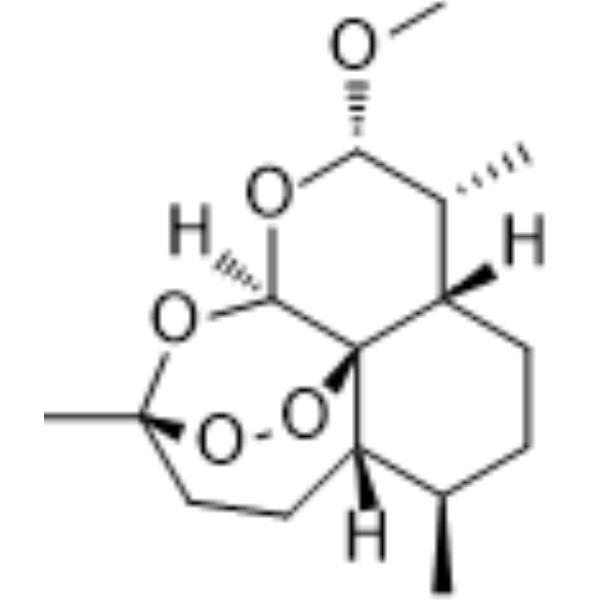
    Artemether
    3 Publications Verification

    Dihydroqinghaosu methyl ether; Dihydroartemisinin methyl ether; SM224

    Parasite Infection Inflammation/Immunology Cancer
    Artemether is an anti-malarial compound that targets drug-resistant strains of falciparum malaria .
    Artemether
  • HY-B1268
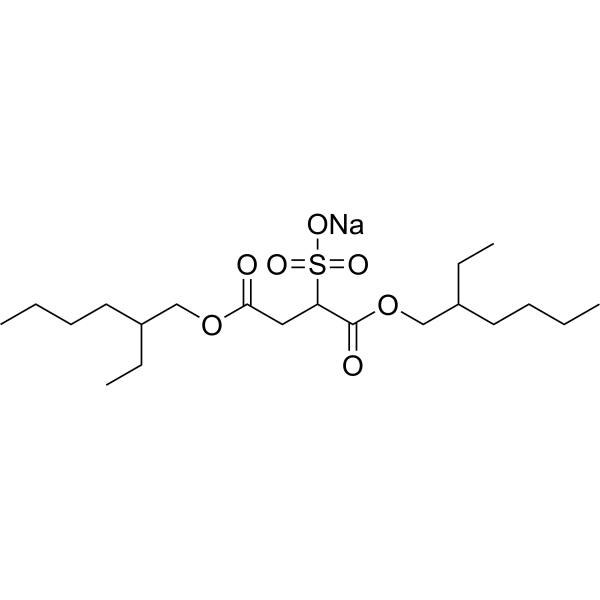
    Docusate Sodium
    2 Publications Verification

    Dioctyl sulfosuccinate sodium salt

    Environmental Pollutants HSV Others
    Docusate Sodium (Dioctyl sulfosuccinate sodium salt) is one of the main components in stool softeners. Docusate Sodium is a sulfated surfactant and may inactivate viral pathogens by disrupting viral envelopes and/or denaturing/disassociating proteins. Docusate Sodium is effective in vitro against wild type and drug-resistant strains of HSV type 1 and 2. Docusate Sodium is an obesogen. Docusate Sodium with developmental exposure leads to increased adult adiposity, inflammation, metabolic disorder and dyslipidemia in offspring fed a standard diet in mice .
    Docusate Sodium
  • HY-B1228
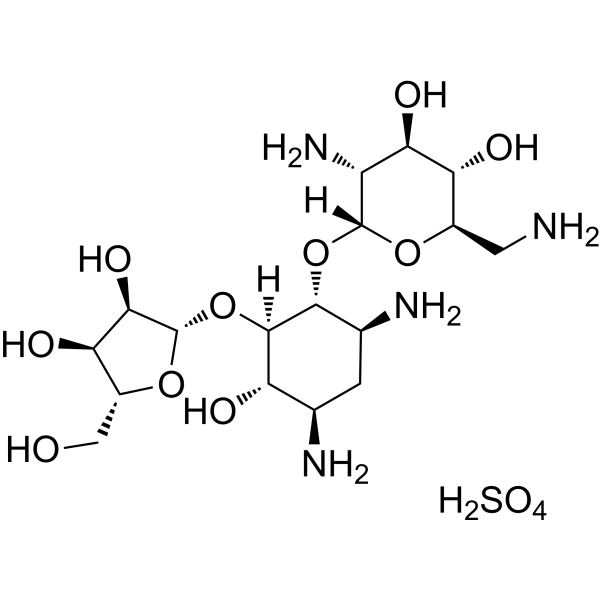
    Ribostamycin sulfate
    1 Publications Verification

    Vistamycin sulfate

    Antibiotic PDI Infection
    Ribostamycin sulfate (Vistamycin sulfate) is a broad-spectrum aminoglycoside Antibiotic with bactericidal activity against Gram-positive cocci, Gram-negative cocci, bacilli, and drug-resistant strains. Ribostamycin sulfate also acts as an inhibitor of protein disulfide isomerase (PDI), with a binding constant KD of 319 μM for bovine PDI. Ribostamycin sulfate targets bacterial 16S ribosomal RNA and the 30S ribosomal subunit, causing translational misreading and thereby inhibiting bacterial protein synthesis. Ribostamycin sulfate disrupts the integrity of bacterial cell membranes, induces membrane pore formation, and leads to bacterial death. Ribostamycin sulfate can be used in studies related to bacterial infections .
    Ribostamycin sulfate
  • HY-A0248B

    Antibiotic Bacterial Infection
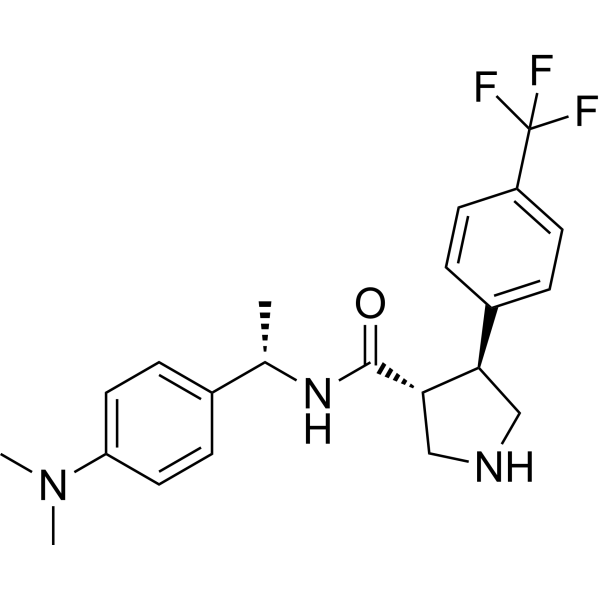
    Polymyxin B2 is a polypeptide antibiotic that has antibacterial activity, particularly against gram-negative bacteria. Polymyxin B2 kills the bacteria by binding to lipopolysaccharide molecules on the bacterial cell membrane, disrupting the integrity of the cell membrane and causing the cell contents to leak. Polymyxin B2 can be used in antibiotic development and treatment of drug-resistant strains .
    Polymyxin B2
  • HY-125576

    Bacterial Infection
    Griselimycin is a cyclic lipopeptide produced by Streptomyces. Griselimycin specifically binds to the sliding clamp of bacterial DNA polymerase and does not interact with human PCNA. Griselimycin exhibits potent antibacterial activity against Mycobacterium tuberculosis (including drug-resistant strains) and a variety of Gram-negative bacteria .
    Griselimycin
  • HY-P10233A

    Bacterial Infection
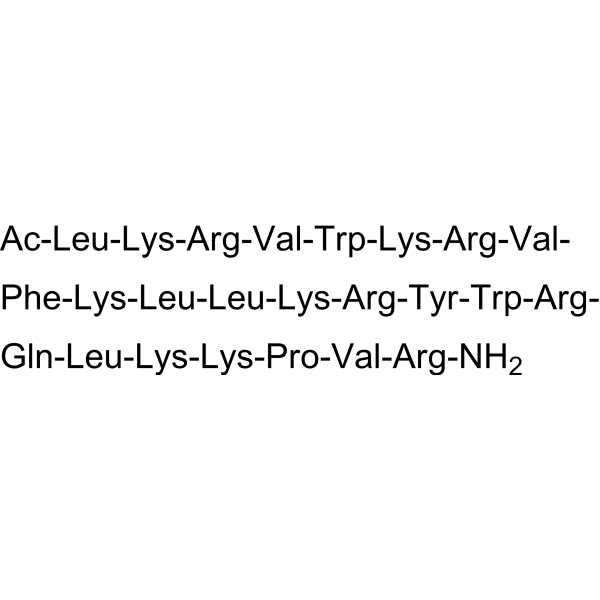
    SAAP 148 TFA is a synthetic antimicrobial peptide (bacteria) that interacts with and disrupts the lipid bilayer of bacterial cytoplasmic membranes, thereby inducing changes in membrane permeability and bacterial death. SAAP 148 TFA kills drug-resistant, multidrug-resistant and persister bacterial strains, inhibits biofilm formation, eliminates established biofilms, and blocks bacterial colonization on implant surfaces. SAAP 148 TFA retains its activity after modification or immobilization, exhibits variable cytotoxicity in different human cell models, and shows reduced efficacy in protein-rich environments. SAAP 148 TFA can be used in infection-related research .
    SAAP 148 TFA
  • HY-103249

    Reutericycline

    Bacterial Infection Metabolic Disease
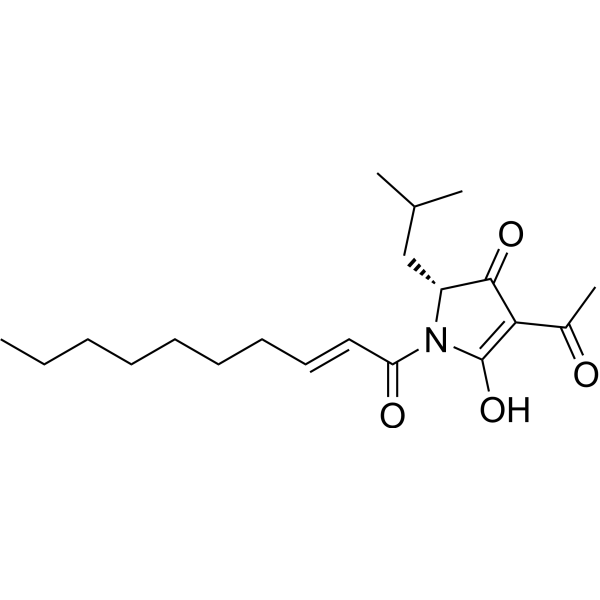
    Reutericyclin (Reutericycline) is an orally active antibacterial and anti-obesity agent that selectively inhibits Gram-positive bacteria. By selectively dissipating transmembrane potential, Reutericyclin exerts non-lytic bactericidal or bacteriostatic activity against pathogens such as Clostridium difficile and Staphylococcus aureus, and rapidly kills vegetative cells and spores of Clostridium difficile. Reutericyclin possesses favorable properties including resistance to enzymatic hydrolysis, iron-chelating function, and poor absorption by colonic epithelium. Reutericyclin not only eradicates staphylococcal biofilms and inhibits drug-resistant strains, but also counteracts Risperidone (HY-11018)-induced weight gain by inducing changes in gut microbiota composition and restoring energy utilization efficiency. Reutericyclin can be used in research related to Clostridium difficile infection, Risperidone-induced weight gain, and staphylococcal superficial skin infections .
    Reutericyclin
  • HY-N1050

    mTOR Ribosomal S6 Kinase (RSK) Bacterial Infection Neurological Disease Cancer
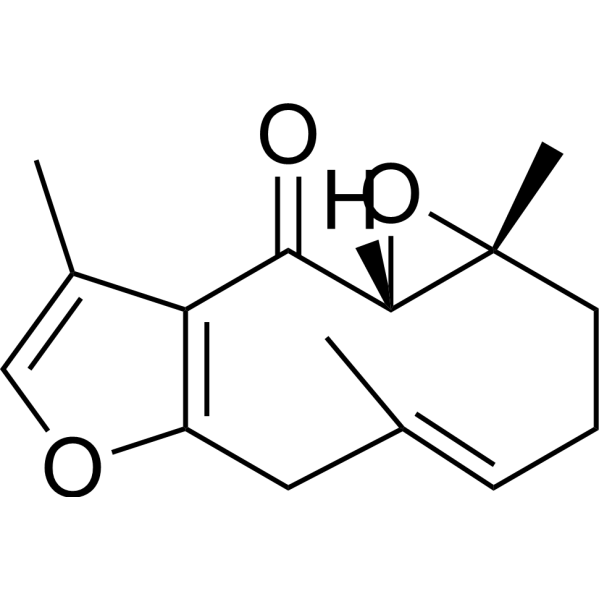
    Zederone is a sesquiterpene. Zederone inhibits ovarian cancer cell proliferation through mTOR/p70s6K signalling pathway. Zederone inhibits CYP activities with IC50s of 2.9 μM (CYP2B6), 9.2 μM (CYP2C9), 11,2 μM (CYP2C19) and >30 μM (CYP1A2 and CYP2D6). Zederone is hepatotoxic with LD50 value at 24 hours in mice of approximately 223 mg/kg and cytotoxic against the KG1a cell line. Zederone shows antibacterial activity against a number of multi-drug resistant and Methicillin (HY-121544)-resistant Staphylococcus aureus strain. Zederone shows cognition improving capacity and assists in the modulation of gut bacterial dysbiosis .
    Zederone
  • HY-100358

    Parasite Infection
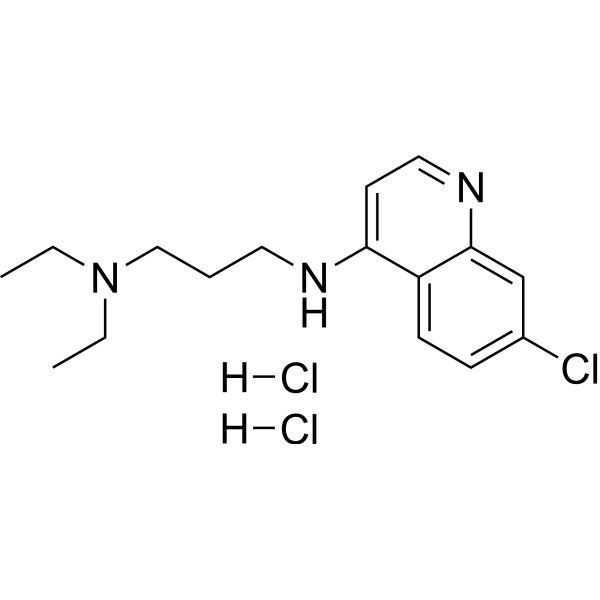
    AQ-13 dihydrochloride is an aminoquinoline antimalarial agent that is effective against drug-resistant strains of Plasmodium falciparum.
    AQ-13 dihydrochloride
  • HY-B1268R

    Dioctyl sulfosuccinate sodium salt (Standard)

    Reference Standards HSV Others
    Docusate (Sodium) (Standard) is the analytical standard of Docusate (Sodium). This product is intended for research and analytical applications. Docusate Sodium (Dioctyl sulfosuccinate sodium salt) is one of the main components in stool softeners. Docusate Sodium is a sulfated surfactant and may inactivate viral pathogens by disrupting viral envelopes and/or denaturing/disassociating proteins. Docusate Sodium is effective in vitro against wild type and drug-resistant strains of HSV type 1 and 2. Docusate Sodium is an obesogen. Docusate Sodium with developmental exposure leads to increased adult adiposity, inflammation, metabolic disorder and dyslipidemia in offspring fed a standard diet in mice .
    Docusate Sodium (Standard)
  • HY-N7634

    Farnesyl Transferase Parasite Infection Cancer
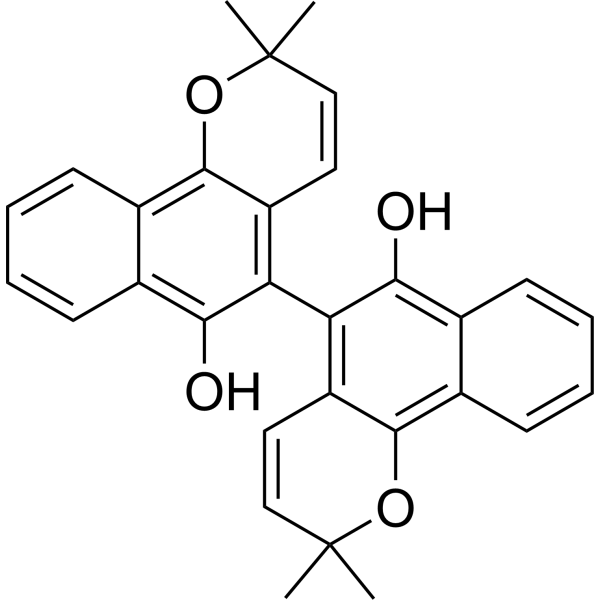
    Tectol, isolated from Lippia sidoides, exhibits significant activity against human leukemia cell lines HL60 and CEM . Tectol is a farnesyltransferase (FTase) inhibitor with IC50s of 2.09 and 1.73 μM for human and T. brucei FTase, respectively. Tectol inhibits drug-resistant strain of P. falciparum (FcB1) with an IC50 of 3.44 μM .
    Tectol
  • HY-P10233

    Bacterial Infection
    SAAP 148 is a synthetic antimicrobial peptide (bacteria) that interacts with and disrupts the lipid bilayer of bacterial cytoplasmic membranes, thereby inducing changes in membrane permeability and bacterial death. SAAP 148 kills drug-resistant, multidrug-resistant and persister bacterial strains, inhibits biofilm formation, eliminates established biofilms, and blocks bacterial colonization on implant surfaces. SAAP 148 retains its activity after modification or immobilization, exhibits variable cytotoxicity in different human cell models, and shows reduced efficacy in protein-rich environments. SAAP 148 can be used in infection-related research .
    SAAP 148
  • HY-N10430

    HIV Infection
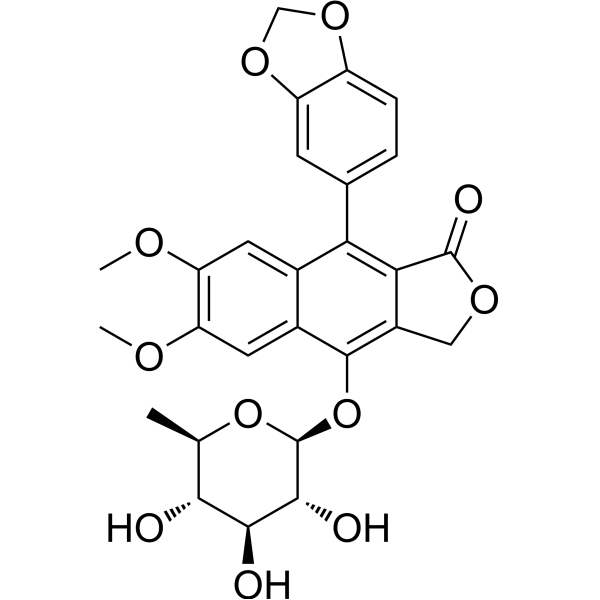
    Patentiflorin A is a potent, broadspectrum HIV-1 inhibitor. Patentiflorin A also inhibits HIV drug-resistant strains .
    Patentiflorin A
  • HY-172734

    Bacterial Infection
    FG-2101 is a selective and orally active non-hydroxamate LpxC inhibitor with an IC50 of ~1 nM. FG-2101 exhibits exquisite selectivity over other bacterial and human metalloenzymes. FG-2101 can be used for the study of Gram-negative bacteria infections including drug-resistant strains .
    FG-2101
  • HY-144341

    Bacterial Infection
    DprE1-IN-1 is a potent, orally active DprE1 inhibitor with favorable hepatocyte stability, low cytotoxicity and low hERG channel inhibition. DprE1-IN-1 displays potent activity against both agent-susceptible and clinically isolated drug-resistant Tuberculosis strains with MICs10 CFU reduction in macrophages.
    DprE1-IN-1
  • HY-178347

    Bacterial Infection
    Debio 1453 is a bactericidal FabI inhibitor potent against N. gonorrhoeae (IC50 = 0.6 nM), including drug-resistant strains. Debio 1453 demonstrates a low propensity for resistance selection and is effective in eradicating both planktonic and intracellular bacteria through a mechanism of concurrently inhibiting FabI and engaging the non-mutable NADH cofactor. Debio 1453 clears antibiotic-resistant N. gonorrhoeae infection in a murine vaginal model. Debio 1453 can be used for gonorrhoea research .
    Debio 1453
  • HY-109014

    CMX-157

    HIV HBV Nucleoside Antimetabolite/Analog Infection
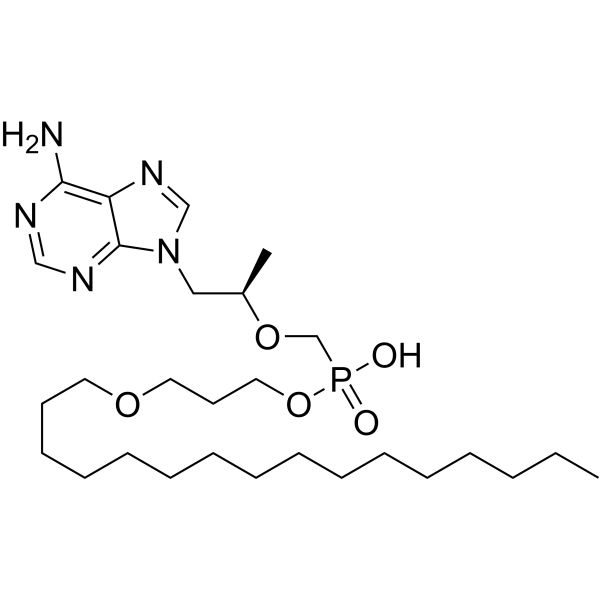
    Tenofovir exalidex (CMX157) is a lipid conjugate of the acyclic nucleotide analog Tenofovir with activity against both wild-type and antiretroviral drug-resistant HIV strains, including multidrug nucleoside/nucleotide analog-resistant viruses. Tenofovir exalidex is active against all major subtypes of HIV-1 and HIV-2 in fresh human PBMCs and against all HIV-1 strains evaluated in monocyte-derived macrophages, with EC50s ranging between 0.2 and 7.2 nM. CMX157 is orally available and has no apparent toxicity. Tenofovir exalidex also shows antiviral activity against HBV .
    Tenofovir exalidex
  • HY-105048A

    Bacterial Infection
    Omiganan pentahydrochloride is a cationic peptide compound with a broad antibacterial profile. Omiganan pentahydrochloride is capable of inhibiting a variety of bacteria, including yeast, and is active against both gram-positive and gram-negative bacteria. Omiganan pentahydrochloride is able to interact with the bacterial cell membrane, causing the destruction of the cell membrane and the death of the bacteria. Omiganan pentahydrochloride can be used for the study of antimicrobial activity against pathogens commonly associated with catheter-associated infections, including strains with drug-resistant phenotypes .
    Omiganan pentahydrochloride
  • HY-W264454

    Bacterial Infection
    Antibacterial agent 303 (compound 3) is an antibacterial agent exhibiting potent antibacterial activity against MDR strains, with MICs of 10 and 100 µg/mL against Pseudomonas aeruginosa MDR1 and Staphylococcus aureus MDR strains, respectively. Antibacterial agent 303 displays strong binding affinities to E. coli DNA gyrase and Candida albicans lanosterol 14α-demethylase. Antibacterial agent 303 can be used for drug-resistant infections research .
    Antibacterial agent 303
  • HY-111746
    CWHM-1008
    1 Publications Verification

    Parasite Infection
    CWHM-1008 is a potent and orally active antimalarial agent, with EC50 values of 46 and 21 nM against agent-sensitive Plasmodium falciparum 3D7 and drug-resistant Dd2 strains, respectively .
    CWHM-1008
  • HY-178504

    Bacterial Infection
    Lug-15 is a rapid bactericidal agent. Lug-15 exhibits strong antibacterial activity against both Gram-positive and Gram-negative bacteria, including drug-resistant strains. Lug-15 rapidly kills bacteria primarily through membrane disruption and had a very low propensity to induce bacterial resistance. Lug-15 demonstrates low hemolytic toxicity and significant therapeutic potential in various infection models. Lug-15 can be used for research on combating infections caused by multi-drug resistant bacteria .
    Lug-15
  • HY-P11027

    Bacterial Antibiotic Infection
    Thiazoplanomicin (Compound 1) is a thiazolyl peptide antibiotic. Thiazoplanomicin can be isolated from the leaf-litter actinomycete Actinoplanes sp. MM794L-181F6. Thiazoplanomicin has potent antimicrobial activities against gonococcal strains (especially drug-resistant strains) and Gram-positive bacterium with MICs of 31.2-125 and 0.5-15.6 ng/mL, respectively. Thiazoplanomicin has no antibacterial activity against E.coli. Thiazoplanomicin can be used for bacterial infections research .
    Thiazoplanomicin
  • HY-102009

    Bacterial Infection
    BB-83698 is a peptide deformylase (PDF) inhibitor. BB-83698 exhibits potent in vitro activity against Streptococcus pneumoniae, with a minimum inhibitory concentration (MIC) range of 0.06-0.25μg/mL. BB-83698 elevates the survival rate of mice regardless of whether the infecting strain carries resistance mechanisms. BB-83698 can be used for the study of diseases related to drug-resistant Streptococcus pneumoniae infections .
    BB-83698
  • HY-12108

    HIV Integrase HIV Infection
    S 1360 is a potent and selective inhibitor of HIV-1 integrase. S 1360 inhibits the catalytic activity of purified integrase ( IC50: 20 nM). The EC50, and CC50 of S 1360 in MTT assay (MT-4 cells infected with HIV-1 IIIB) are 200 nM and 12 μM, respectively. S 1360 has antiviral activity against both X4 tropic and R5 tropic strains, as well as NRTI, NNRTI and PI drug-resistant variants .
    S 1360
  • HY-19234

    Antibiotic Bacterial Penicillin-binding protein (PBP) Beta-lactamase Infection
    FK-041 is an orally active cephalosporin antibiotic with high affinity for penicillin-binding proteins (PBPs). FK-041 exhibits broad-spectrum antibacterial activity, exerting potent antibacterial effects against Gram-positive bacteria, most Gram-negative bacteria, anaerobes, and so on. FK-041 also shows good efficacy against some drug-resistant strains such as penicillin-resistant Streptococcus pneumoniae. FK-041 is an antibacterial agent and can be used in the research of infectious diseases .
    FK-041
  • HY-19932

    HCV Protease HCV Infection
    MK-2748 is a hepatitis C virus (HCV) NS3/4a protease inhibitor. MK-2748 exhibits broad-spectrum and potent antiviral activity, with nanomolar-level activity against all genotypes (gt1a-gt6) (IC₅₀ < 0.115 nM), showing only slightly weaker activity against gt3a (1.212 nM), and maintaining high inhibitory activity against drug-resistant mutant strains such as gt1b R155K (IC₅₀ = 0.032 nM) and D168Y (IC₅₀ = 0.057 nM). MK-2748 can be used in the research of HCV infection .
    MK-2748
  • HY-155190

    Bacterial Infection
    Antitubercular agent-39 (Compound P1) is a potent antitubercular agent. Antitubercular agent-39 is active against drug-resistant strains and drug-susceptible clinical isolates. Antitubercular agent-39 inhibits Mtb strain H37Rv with a MIC less than 1 μM .
    Antitubercular agent-39
  • HY-P11102

    Bacterial Fungal HIV Parasite Infection Cancer
    Temporin-Sha is an antibacterial peptide with extensive biological activity. Temporin-Sha exhibits broad-spectrum antibacterial activity (e.g., against L. ivanovii, MIC = 6.25 μM), and is effective against Gram-negative bacteria (such as Escherichia coli, MIC = 10 μM), including drug-resistant strains (such as Methicillin (HY-121544)-resistant Staphylococcus aureus). Temporin-Sha also has inhibitory effects on Candida albicans (MIC = 25 μM), Saccharomyces cerevisiae (MIC = 12 μM), the pre-flagellated and non-flagellated forms of Leishmania infantum (IC50 = 5-20 μM), and Trypanosoma cruzi (IC50 = 17 μM). Temporin-Sha exhibits antiviral activity against HSV-1 and has anti-cancer effects (cytotoxicity against breast cancer cells MCF-7 and lung cancer cells H460, etc.) .
    Temporin-SHa
  • HY-A0248C

    Antibiotic Bacterial Infection
    Polymyxin B2 Sulfate is a polypeptide antibiotic that has antibacterial activity, particularly against gram-negative bacteria. Polymyxin B2 Sulfate kills the bacteria by binding to lipopolysaccharide molecules on the bacterial cell membrane, disrupting the integrity of the cell membrane and causing the cell contents to leak. Polymyxin B2 Sulfate can be used in antibiotic development and treatment of drug-resistant strains .
    Polymyxin B2 Sulfate
  • HY-178952

    Bacterial Infection
    Anti-infective agent 12 (Compound A09) is a competitive inhibitor of type I signal peptidease (SPase I), with an IC50 of 4.475 μM and a Kd of 16.3 μM. Anti-infective agent 12 has the ability to disrupt bacterial membranes and remove biofilms. Anti-infective agent 12 exhibits potent bactericidal activity against Gram-positive bacteria, with MIC values of 4, 4, 8, and 8 μg/mL for Staphylococcus aureus, Enterococcus faecalis, Enterococcus faecium, and Streptococcus suis, respectively. Anti-infective agent 12 remains effective against multi-drug resistant strains, but has weaker activity against Gram-negative bacteria (such as Escherichia coli and Salmonella), with MIC values > 64 μg/mL. Anti-infective agent 12 has low hemolytic activity and shows significant efficacy in mouse skin infection models .
    Anti-infective agent 12
  • HY-N15059

    Bacterial Infection
    Cissetin shows activity against Gram-positive bacteria, including drug-resistant strains .
    Cissetin
  • HY-122073

    Bacterial Infection
    Furalazine is an antimicrobial agent. Furalazine shows activity against drug-resistant strains of cholera bacteria. Furalazine has the potential for the research of cholera .
    Furalazine
  • HY-107468

    HIV Protease Infection Inflammation/Immunology
    PL-100 is a potent HIV-1 protease inhibitor with a Ki of 36 pM and an EC50 of 16 nM. PL-100 inhibits viral replication by suppressing HIV-1 protease activity and demonstrates excellent antiviral efficacy against drug-resistant HIV strains. PL-100 can be used in research on drug-resistant HIV disease .
    PL-100
  • HY-N0402R

    Dihydroqinghaosu methyl ether (Standard); Dihydroartemisinin methyl ether (Standard); SM224 (Standard)

    Reference Standards Parasite Infection Inflammation/Immunology Cancer
    Artemether (Standard) is the analytical standard of Artemether. This product is intended for research and analytical applications. Artemether is an anti-malarial compound that targets drug-resistant strains of falciparum malaria .
    Artemether (Standard)
  • HY-144215

    HBV Inflammation/Immunology
    TLR8 agonist 4 showed effective inhibition on wild-type and drug-resistant (lamivudine and entecavir) HBV strains. The IC50 values are 0.15 and 0.10 respectively μM.
    TLR8 agonist 4
  • HY-145912

    Parasite Infection Inflammation/Immunology
    RYL-552S kills drug-resistant strains of Plasmodium falciparum. RYL-552S can efficiently kill asexual blood-stage parasites in vitro .
    RYL-552S
  • HY-N8388

    Bacterial Infection
    Collinin is a anti-tubercular agent, it can be isolated from leaves of Z. schinifolium. Collinin has an excellent anti-tuberculosis effect against multidrug-resistant (MDR), extensively drug-resistant (XDR) strains .
    Collinin
  • HY-161689

    Bacterial Infection
    Antibacterial agent 220 is a potent antibacterial agent that can directly destroy bacterial cell membranes. Antibacterial agent 220 effectively combats Gram-positive and and Gram-negative pathogens, including drug-resistant strains .
    Antibacterial agent 220
  • HY-P10526

    Bacterial Infection
    CRAMP (1-39) is an antimicrobial peptide. CRAMP (1-39) has shown potent bactericidal effects against multiple strains of Neisseria meningitidis in vitro. CRAMP (1-39) can be used to study drug-resistant bacterial infections .
    CRAMP (1-39)
  • HY-147988

    DNA/RNA Synthesis Bacterial Infection
    DNA Gyrase-IN-5 (Compound 8I-w) is a potent DNA gyrase inhibitor with an IC50 of 0.10 μM. DNA Gyrase-IN-5 shows antibacterial activities against wild type and drug-resistant strains .
    DNA Gyrase-IN-5
  • HY-151599

    Bacterial Infection
    Pks13-TE inhibitor 3 (compound 23) is a 13-Thioesterase (Pks13-TE) inhibitor (IC50=1.55 μM). Pks13-TE inhibitor 3 shows good anti-tuberculosis activity against both agent-sensitive and drug-resistant Mtb strains (MIC=0.0625-0.25 μg/mL). Pks13-TE inhibitor 3 can be used in studies of multidrug-resistant TB and extensively drug-resistant TB .
    Pks13-TE inhibitor 3
  • HY-151598

    Bacterial Infection
    Pks13-TE inhibitor 2 (compound 32) is a 13-Thioesterase (Pks13-TE) inhibitor (IC50=1.30 μM). Pks13-TE inhibitor 2 shows good anti-tuberculosis activity against both agent-sensitive and drug-resistant Mtb strains (MIC=0.0039-0.0078 μg/mL). Pks13-TE inhibitor 2 can be used in studies of multidrug-resistant TB and extensively drug-resistant TB .
    Pks13-TE inhibitor 2
  • HY-137960

    Bacterial Inflammation/Immunology Cancer
    O,O-Dimethyl-cannabigerol is a natural product from Cannabis sativa. O,O-Dimethyl-cannabigerol has an antibacterial effect on drug-resistant strains of Staphylococcus aureus (MIC ranging from 1 to 2 μg/mL) . O,O-Dimethyl-cannabigerol is a nonpsychoactive constituent .
    O,O-Dimethyl-cannabigerol
  • HY-W768856

    Dihydroqinghaosu methyl ether-13C,d3; Dihydroartemisinin methyl ether-13C,d3; SM224-13C,d3

    Isotope-Labeled Compounds Parasite Infection Inflammation/Immunology Cancer
    Artemether- 13C,d3 (Dihydroqinghaosu methyl ether- 13C,d3) is the deuterium and 13C-labeled Artemether (HY-N0402). Artemether is an anti-malarial compound that targets drug-resistant strains of falciparum malaria .
    Artemether-13C,d3
  • HY-147871

    Bacterial Infection
    Antimycobacterial agent-3 (Compound 1h) is an antimycobacterial agent against both agent-sensitive MTB strain H37Rv and drug-resistant clinical isolates (MIC: < 0.029–0.110 μM). Antimycobacterial agent-3 shows low cell cytotoxicity .
    Antimycobacterial agent-3
  • HY-114956

    HBV Infection
    AT-61 is a non nucleoside HBV replication inhibitor. AT-61 prevents the capsid formation of pre genomic RNA, resulting in the production of empty capsids. AT-61 has the activity of drug-resistant mutant strains. AT-61 can be used for research on hepatitis B virus infection .
    AT-61
  • HY-155510

    Bacterial Infection
    DprE1-IN-5 (Compound 10) is a DprE1 inhibitor. DprE1-IN-5 has anti-TB activity against Mtb H37Rv strain (MIC: 4 μM). DprE1-IN-5 also has antimycobacterial activity against drug-resistant strains. DprE1-IN-5 has high microsomal stability .
    DprE1-IN-5
  • HY-P10411

    Bacterial Infection
    BING is an antimicrobial peptide that can be isolated from Japanese medaka fish. BING shows a broad-spectrum toxicity against pathogenic bacteria including drug-resistant strains. BING induces a deregulation of periplasmic peptidyl-prolyl isomerases in gram-negative bacteria, and reduces the RNA level of cpxR, which plays a crucial role in the development of antimicrobial resistance .
    BING
  • HY-155511

    Bacterial Infection
    DprE1-IN-6 (Compound 56) is a DprE1 inhibitor. DprE1-IN-6 has anti-TB activity against Mtb H37Rv strain (MIC: 1 μM). DprE1-IN-6 also has antimycobacterial activity against drug-resistant strains. DprE1-IN-6 has high microsomal stability and medium clearance .
    DprE1-IN-6
  • HY-155512

    Bacterial Infection
    DprE1-IN-7 (Compound 64) is a DprE1 inhibitor. DprE1-IN-7 has anti-TB activity against Mtb H37Rv strain (MIC: 1 μM). DprE1-IN-7 also has antimycobacterial activity against drug-resistant strains. DprE1-IN-7 has high microsomal stability and medium clearance .
    DprE1-IN-7

Inquiry Online

Your information is safe with us. * Required Fields.

Salutation


Country or Region *

Applicant Name *


Organization Name *

Department *


Email Address *


Product Name *

Cat. No.


Requested quantity *

Phone Number *


Remarks

Inquiry Online

Inquiry Information

Product Name:
Cat. No.:
Quantity:
MCE Japan Authorized Agent:

