Search Result
Results for "
RARs
" in MedChemExpress (MCE) Product Catalog:
5
Biochemical Assay Reagents
18
Isotope-Labeled Compounds
| Cat. No. |
Product Name |
Target |
Research Areas |
Chemical Structure |
-
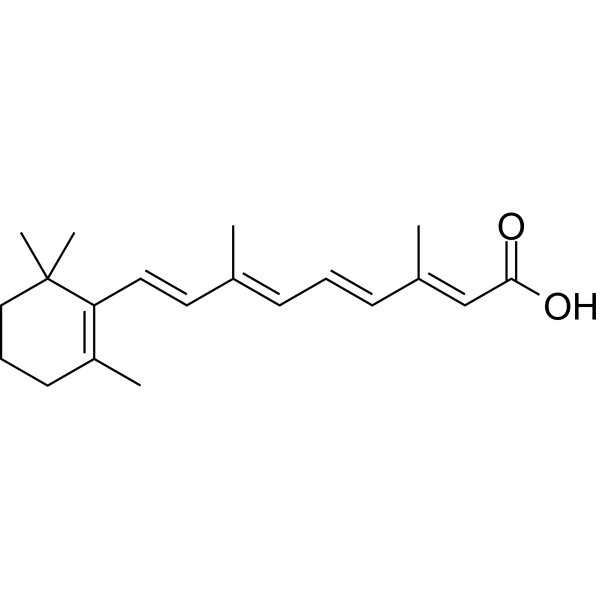
- HY-14649
-
-
-
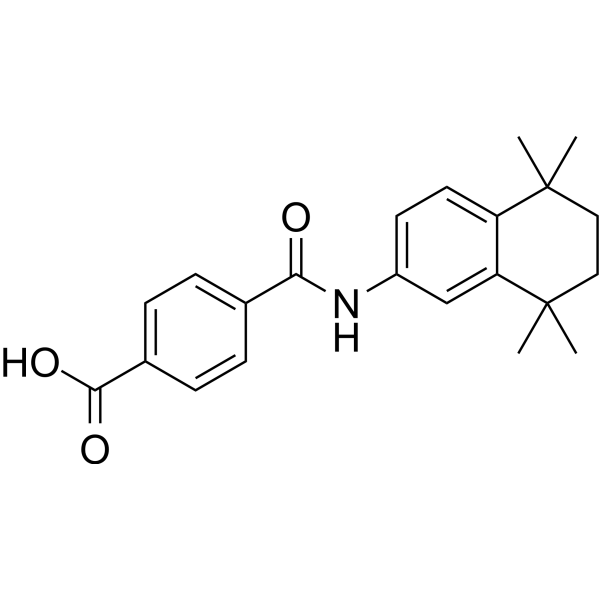
- HY-14652
-
-
-
- HY-10475
-
|
CD336; NSC608001; Ro 40-6055
|
RAR/RXR
Autophagy
|
Cancer
|
|
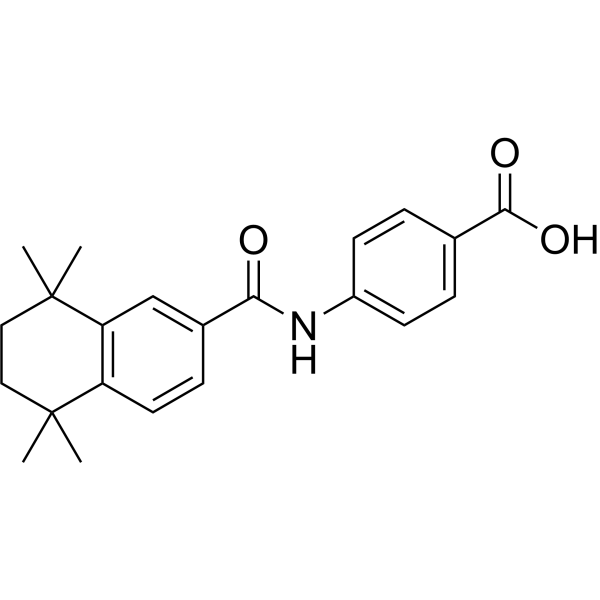
AM580 is a selective RARα agonist with IC50 and EC50 of 8 nM and 0.36 nM, respectively.
|
-
-
- HY-15682
-
TTNPB
5 Publications Verification
Ro 13-7410; Arotinoid acid; AGN191183
|
RAR/RXR
Autophagy
Apoptosis
|
Cancer
|
|
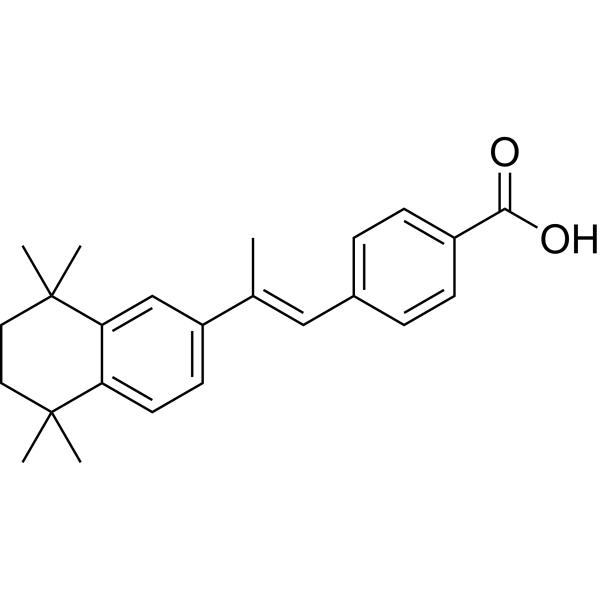
TTNPB is a highly potent RAR agonist. Competitive binding assays using human RARs yield IC50s of α=5.1 nM, β= 4.5 nM, and γ=9.3 nM, respectively.
|
-
-
- HY-108529
-
|
|
RAR/RXR
|
Metabolic Disease
|
|
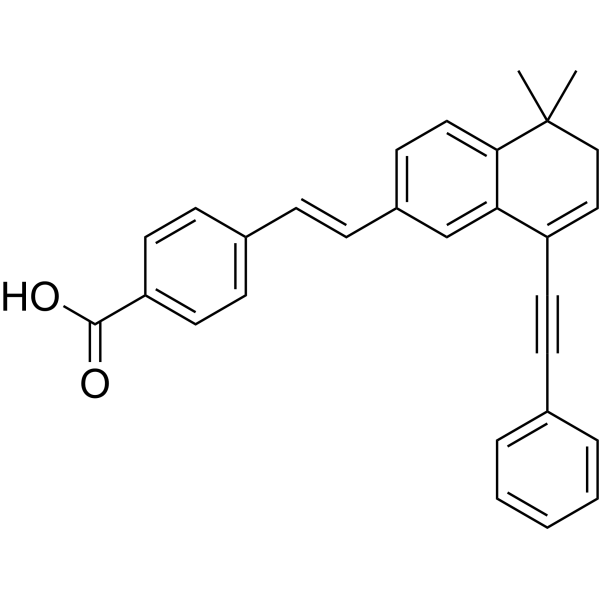
BMS493 is an inverse pan-retinoic acid receptor (RAR) agonist. BMS493 increases nuclear corepressor interaction with RARs. BMS493 also could prevent retinoic acid-induced differentiation . BMS493 is a click chemistry reagent, it contains an Alkyne group and can undergo copper-catalyzed azide-alkyne cycloaddition (CuAAc) with molecules containing Azide groups.
|
-
-
- HY-15373
-
|
4-HPR; ISLA-101
|
RAR/RXR
Autophagy
|
Cancer
|
|
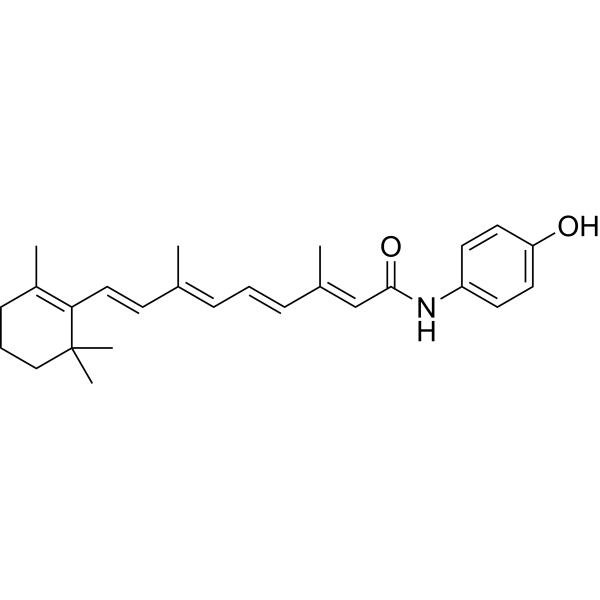
Fenretinide (4-HPR) is a synthetic retinoid deriverative, binding to the retinoic acid receptors (RAR) at concentrations necessary to induce cell death.
|
-
-
- HY-U00449
-
|
|
RAR/RXR
|
Cancer
|
|
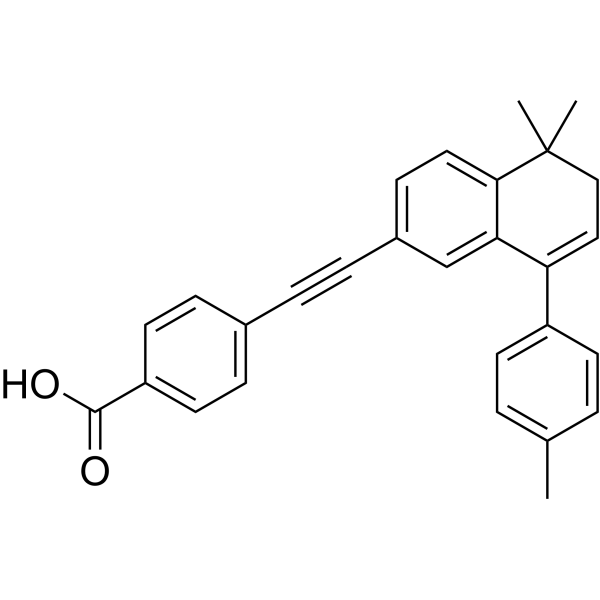
AGN 193109 is a retinoid analog, and acts as a specific and highly effective antagonist of retinoic acid receptors (RARs), with Kds of 2 nM, 2 nM, and 3 nM for RARα, RARβ, and RARγ, respectively. AGN 193109 is a click chemistry reagent, it contains an Alkyne group and can undergo copper-catalyzed azide-alkyne cycloaddition (CuAAc) with molecules containing Azide groups. AGN 193109 is the antidote for retinoic acidosis, that ameliorates the skin and mucosal toxicity.
|
-
-
- HY-100256
-
|
CD5789
|
RAR/RXR
Autophagy
|
Inflammation/Immunology
|
|
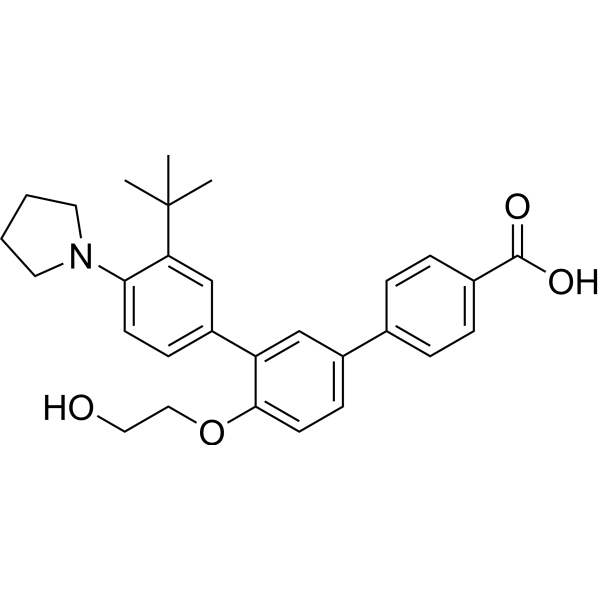
Trifarotene (CD5789) is a potent and selective RARγ agonist. Trifarotene (CD5789) shows ~65-fold and ~16-fold selectivitiy for the RARγ (EC50=7.7 nM) over RARα (EC50=500 nM) and RARβ (EC50=125 nM), respectively .
|
-
-
- HY-B0091
-
|
CD271
|
RAR/RXR
Autophagy
Apoptosis
|
Neurological Disease
Inflammation/Immunology
Cancer
|
|
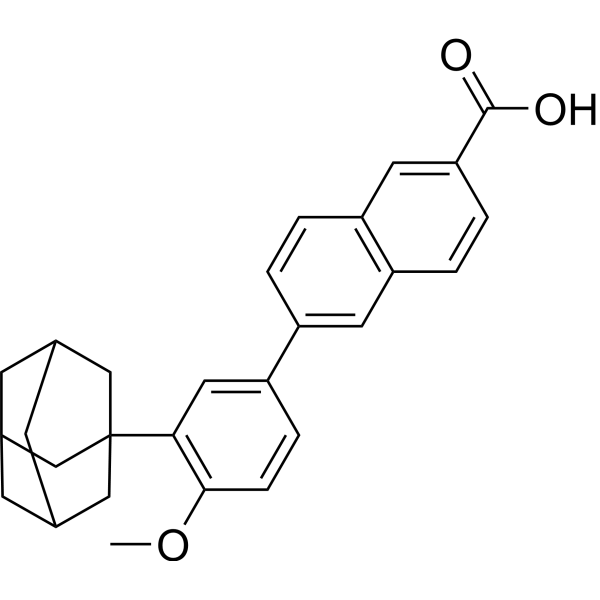
Adapalene (CD271), a third-generation synthetic retinoid, is widely used for the research of acne. Adapalene is a potent RAR agonist, with AC50s of 2.3 nM, 9.3 nM, and 22 nM for RARβ, RARγ, RARα, respectively. Adapalene also inhibits the enzymatic activity of GOT1 in a non-competitive manner. Adapalene exhibits anti-tumor activity .
|
-
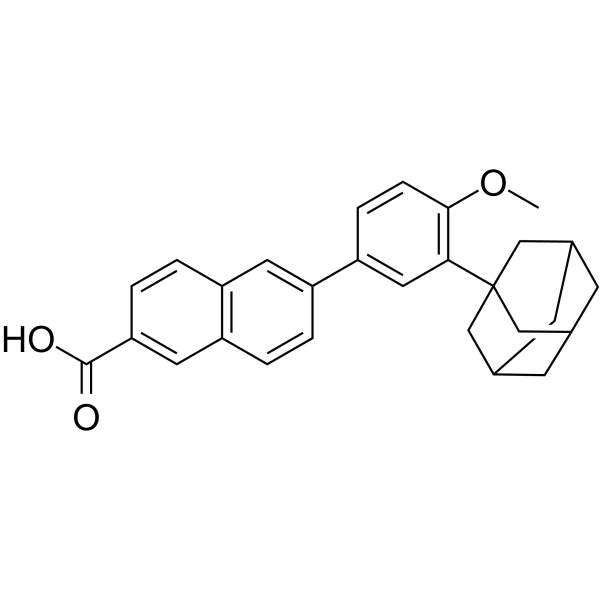
-
- HY-116248
-
|
|
RAR/RXR
Apoptosis
|
Cancer
|
|
Ro 41-5253 is an orally active selective retinoic acid receptor alpha (RARα) antagonist. Ro 41-5253 can bind RARα without inducing transcription or affecting RAR/RXR heterodimerization and DNA binding. Ro 41-5253 can inhibit cancer cell proliferation and induce apoptosis, has antitumor activity .
|
-
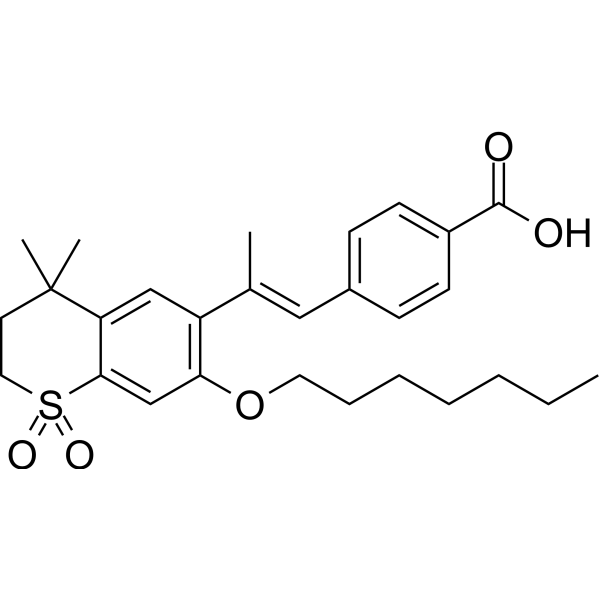
-
- HY-14649R
-
|
Vitamin A acid (Standard); all-trans-Retinoic acid (Standard); ATRA (Standard)
|
Reference Standards
RAR/RXR
PPAR
Endogenous Metabolite
Autophagy
|
Cancer
|
|
Retinoic acid (Standard) is the analytical standard of Retinoic acid. This product is intended for research and analytical applications. Retinoic acid is a metabolite of vitamin A that plays important roles in cell growth, differentiation, and organogenesis. Retinoic acid is a natural agonist of RAR nuclear receptors, with IC50s of 14 nM for RARα/β/γ. Retinoic acid bind to PPARβ/δ with Kd of 17 nM. Retinoic acid acts as an inhibitor of transcription factor Nrf2 through activation of retinoic acid receptor alpha.
|
-
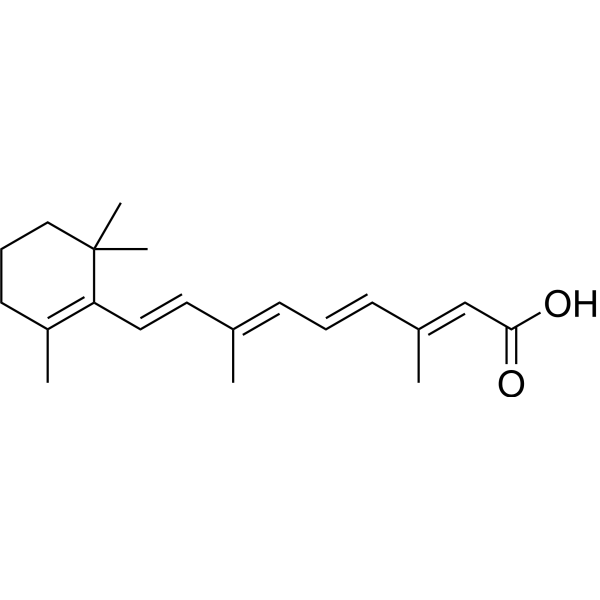
-
- HY-100532
-
-
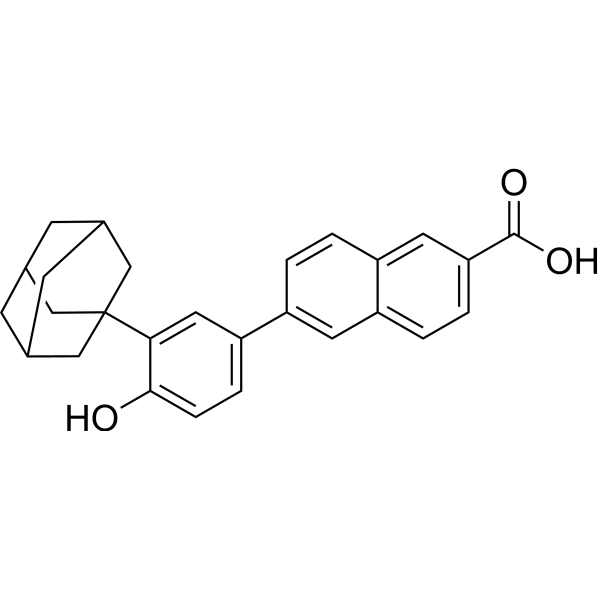
-
- HY-101106
-
|
|
RAR/RXR
|
Neurological Disease
Cancer
|
|
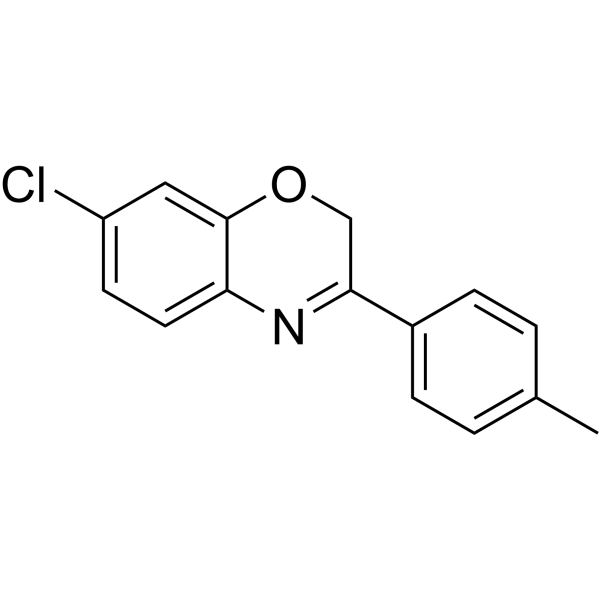
AR7 is an atypical RARA/RARα (retinoic acid receptor, alpha) antagonist. AR7 specifically activates chaperone-mediated-autophagy (CMA) activity without affecting macroautophagy .
|
-
-
- HY-14799
-
|
R 667; Ro 3300074
|
RAR/RXR
Autophagy
|
Others
|
|
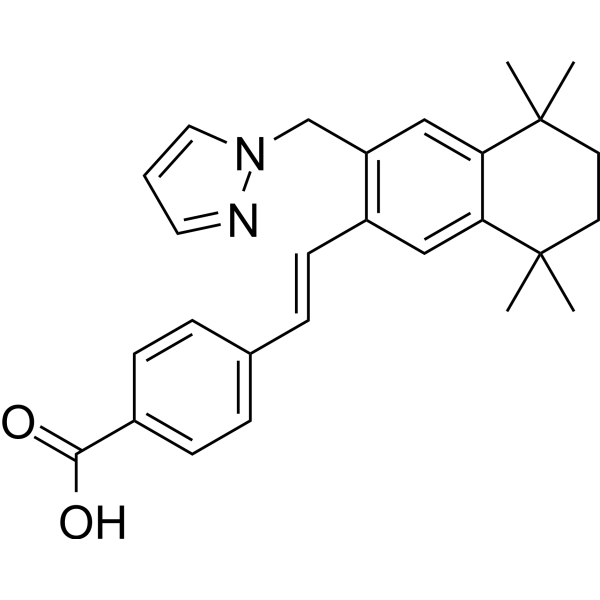
Palovarotene is a nuclear retinoic acid receptor γ (RAR-γ) agonist.
|
-
-
- HY-12887
-
-
-
- HY-107765
-
-
-
- HY-107397
-
Ch55
2 Publications Verification
|
RAR/RXR
|
Cancer
|
|
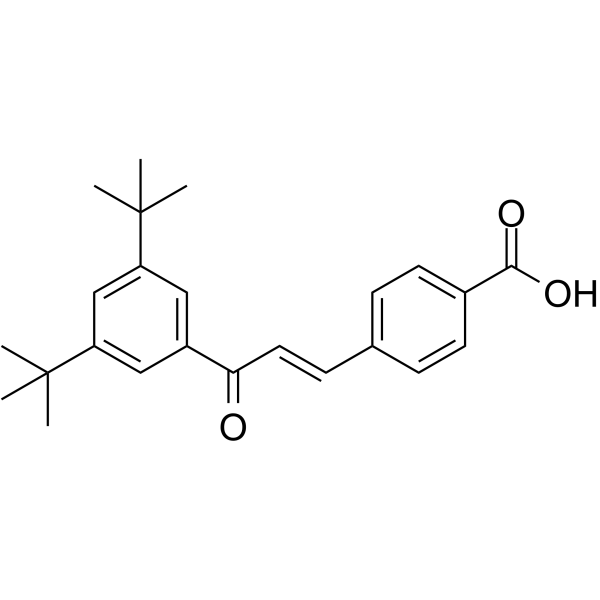
Ch55 is a potent synthetic retinoid. Ch55 binds to RAR-α and RAR-β receptors with high affinity. Ch55 displays low affinity for cellular retinoic acid binding protein (CRABP). Ch55 is a potent inducer of the differentiation of HL60 cells with an EC50 of 200 nM. Ch55 can be used for cancer research .
|
-
-
- HY-107436
-
LE135
4 Publications Verification
|
RAR/RXR
TRP Channel
|
Neurological Disease
Cancer
|
|
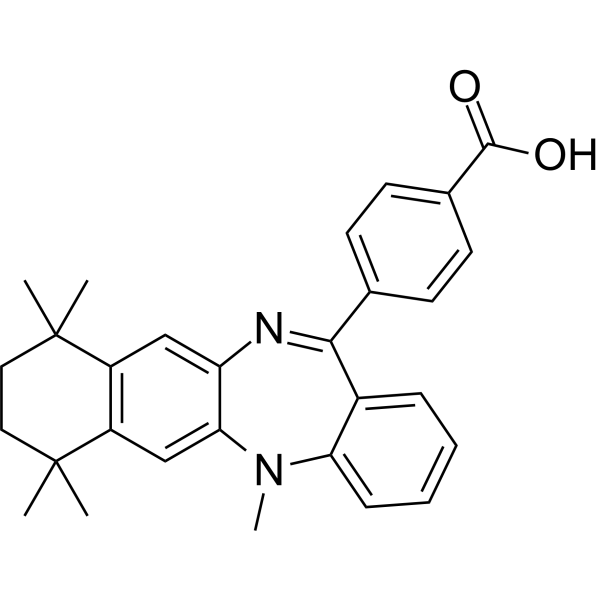
LE135 is a potent RAR antagonist that binds selectively to RARα (Ki of 1.4 μM) and RARβ (Ki of 220 nM), and has a higher affinity to RARβ. LE135 is highly selective over RARγ, RXRα, RXRβ and RXRγ. LE135 is also a potent TRPV1 and TRPA1 receptors activator with EC50s of 2.5 μM and 20 μM, respectively .
|
-
-
- HY-100608
-
BMS453
1 Publications Verification
BMS-189453
|
RAR/RXR
|
Cancer
|
|
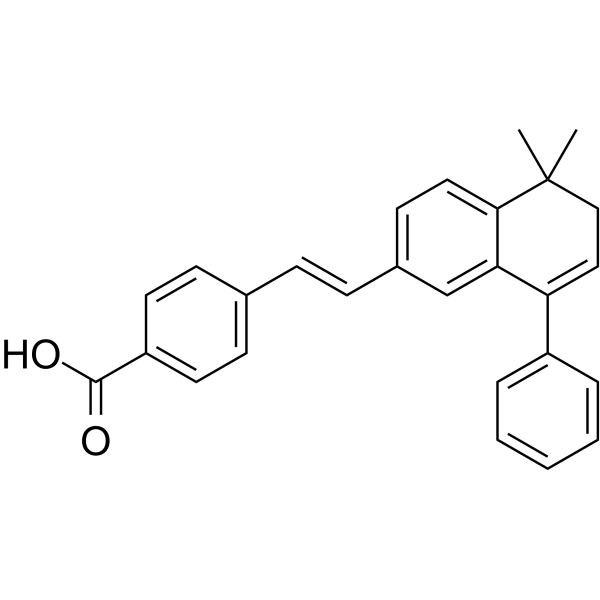
BMS453 (BMS-189453), a synthetic retinoid, is a RARβ agonist and a RARα/RARγ antagonist. BMS453 inhibits breast cell growth predominantly through the induction of active TGFβ .
|
-
-
- HY-16681
-
|
VTP-194310
|
RAR/RXR
Autophagy
|
Cancer
|
|
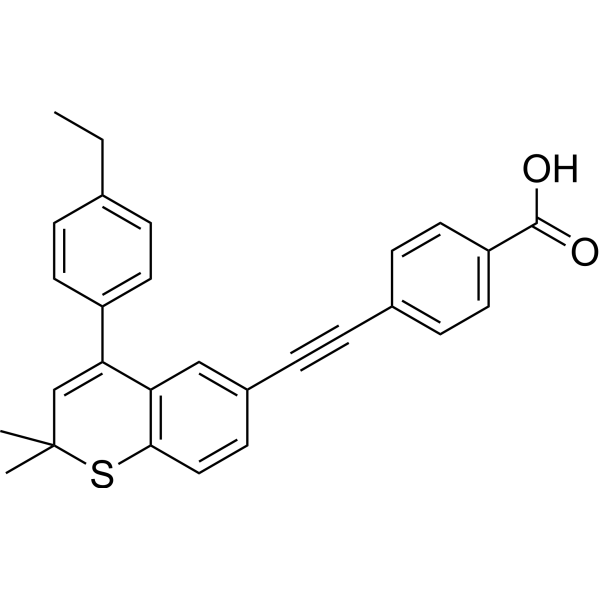
AGN 194310 (VTP-194310) is a high affinity, potent and selective retinioic acid receptors (RARs) pan-antagonist with Kd values of 3 nM, 2 nM, 5 nM for RARα, RARβ, RARγ, respectively . AGN 194310 is a click chemistry reagent, it contains an Alkyne group and can undergo copper-catalyzed azide-alkyne cycloaddition (CuAAc) with molecules containing Azide groups.
|
-
-
- HY-16683
-
|
|
RAR/RXR
Autophagy
|
Cancer
|
|
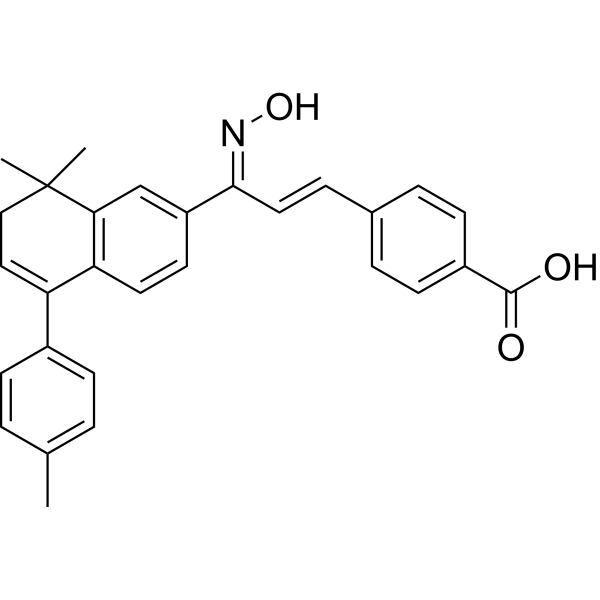
AGN 205728 is a potent and selective RARγ antagonist with Ki/IC95 values of 3 nM/0.6 nM; no inhibiton on RARα and RARβ. AGN 205728 can inhibit abnormal proliferation of leukemia cells .
|
-
-
- HY-16684
-
|
IRX-5183; VTP-195183; NRX-195183
|
RAR/RXR
Autophagy
|
Cancer
|
|
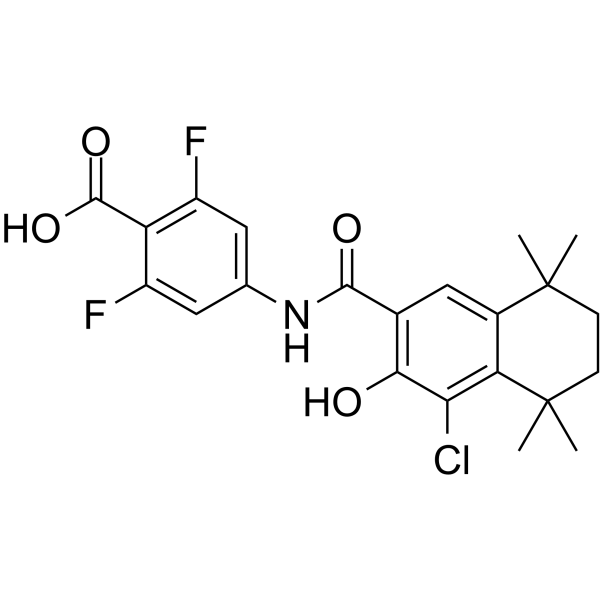
AGN-195183 (IRX-5183) is a potent and selective agonist of RARα (Kd=3 nM) with improved binding selectivity relative to AGN 193836. AGN-195183 has no activity on RARβ/γ.
|
-
-
- HY-107395
-
-
-
- HY-107494A
-
|
all-trans 4-Keto Retinoic Acid
|
Endogenous Metabolite
|
Metabolic Disease
|
|
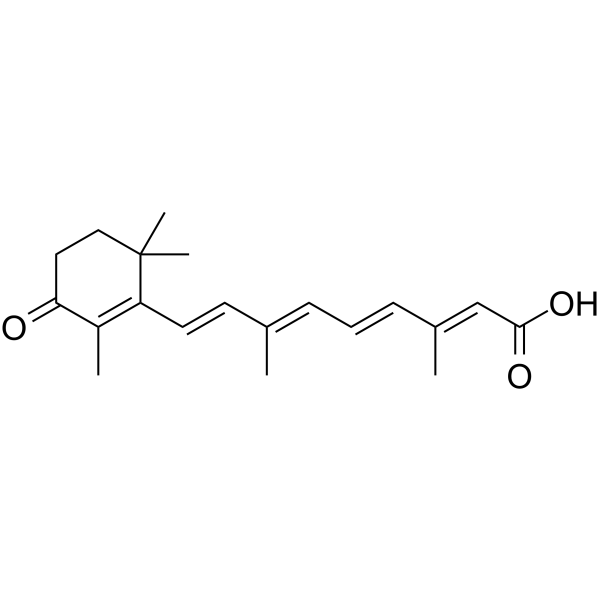
all-trans-4-Oxoretinoic acid, an active metabolite of vitamin A, induces gene transcription via binding to nuclear retinoic acid receptors (RARs).
|
-
-
- HY-101108
-
|
AGN 190299
|
Drug Metabolite
|
Others
|
|
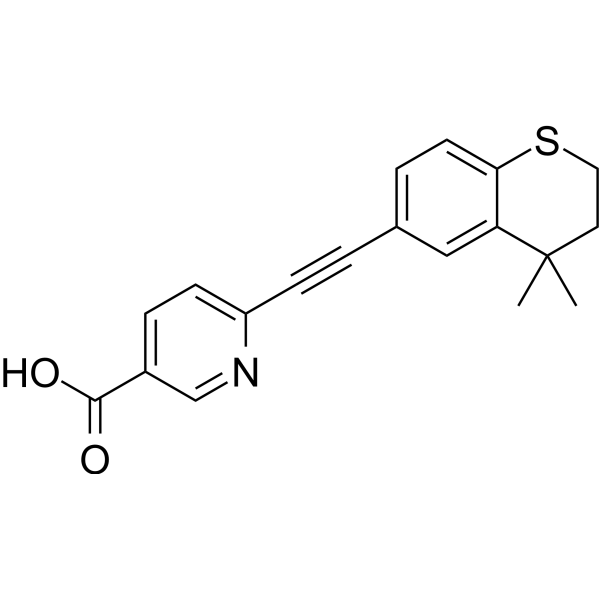
Tazarotenic acid is the metabolite of Tazarotene. Tazarotenic acid binding to retinoic acid receptors (RARs) is the probable molecular target of retinoid action. Tazarotenic acid has the potential for the research of warty dyskeratoma .
|
-
-
- HY-125904
-
|
|
RAR/RXR
UGT
Cytochrome P450
Apoptosis
Drug Derivative
|
Neurological Disease
Inflammation/Immunology
Cancer
|
|
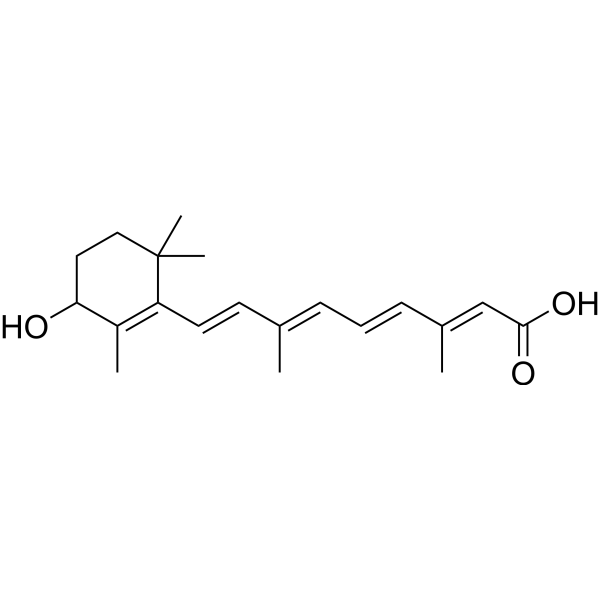
4-Hydroxyretinoic acid (4-HRA) is a derivative of Retinoic acid (HY-14649). 4-Hydroxyretinoic acid is formed via the catalysis of retinol by cytochrome P-450 isoenzymes. 4-Hydroxyretinoic acid also serves as a substrate for UDP-glucuronosyltransferase (s) and recombinant UGT2B7. 4-Hydroxyretinoic acid binds to the nuclear receptor RAR (Retinoic Acid Receptor), activates RAR and RXR-alpha, subsequently regulates gene expression and cell differentiation, and induces cancer cell apoptosis (Apoptosis). 4-Hydroxyretinoic acid also participates in multiple physiological processes such as immunoregulation, neuroprotection and antioxidation .
|
-
-
- HY-107437
-
CD2665
2 Publications Verification
|
RAR/RXR
|
Metabolic Disease
|
|
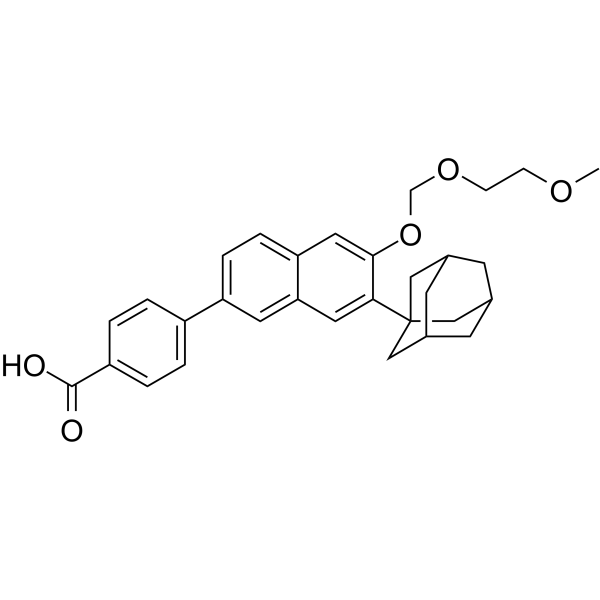
CD2665 is an orally active and selective RAR-β,γ antagonist, with Kd values of 306 nM, 110 nM for RAR-β and RAR-γ, repectively .
|
-
-
- HY-108530
-
|
|
RAR/RXR
|
Cancer
|
|
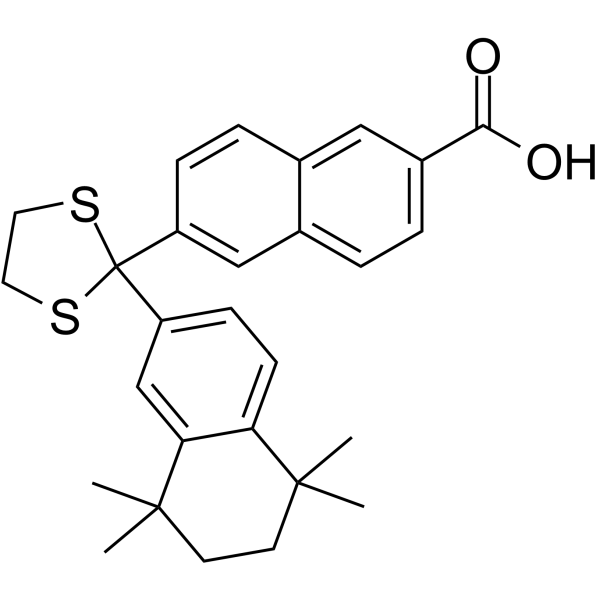
MM11253 is a potent and selective RARγ antagonist with an IC50 of 44 nM. MM11253 has lower inhibition of RARα, RARβ and RXRα. MM11253 blocks the growth inhibitory effects of RARγ-selective agonists .
|
-
-
- HY-16682
-
|
|
RAR/RXR
Autophagy
|
Cancer
|
|
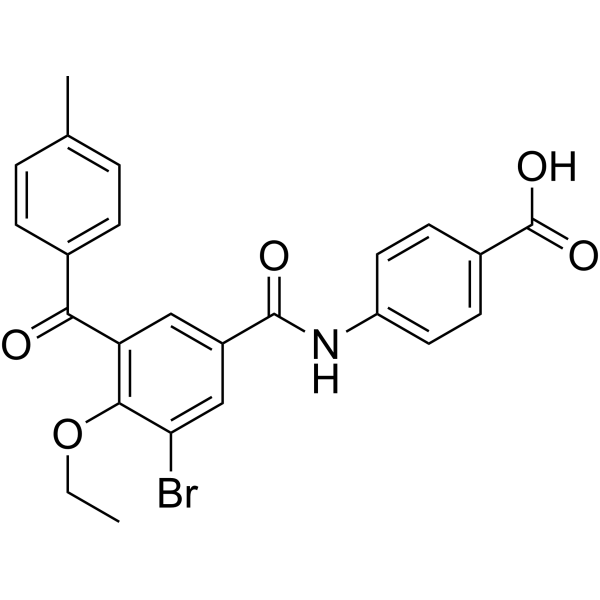
AGN 196996 is a potent and selective RARα antagonist with Ki value of 2 nM; little binding affinity for RARβ(Ki=1087 nM) and RARγ(Ki=8523 nM).
|
-
-
- HY-111573
-
|
C286
|
RAR/RXR
|
Others
Neurological Disease
Inflammation/Immunology
|
|
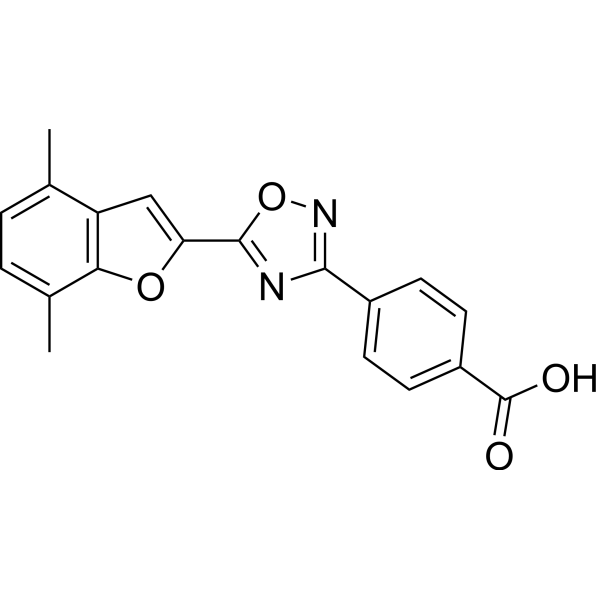
KCL-286 (C286) is an orally active and brain-penetrant retinoic acid receptor (RAR) β2 agonist (EC50 = 1.9 nM). KCL-286 targets RARβ2 with good selectivity over RAR α (EC50 = 26 nM) and RAR γ (EC50 = 11 nM). KCL-286 activates RARβ2 in the injured neurons. KCL-286 induces axonal regeneration of both spinal and sensory nerves through the inhibitory environment of the CNS, modulates neuroinflammation and extracellular matrix molecules. KCL-286 can modulate the expression of CSPGs by neuronal secretion of decorin which promotes myelination and aids axonal growth. KCL-286 can be studied in research for area such as spinal cord injury and traumatic nerve injury .
|
-
-
- HY-108533
-
|
|
RAR/RXR
|
Cancer
|
|
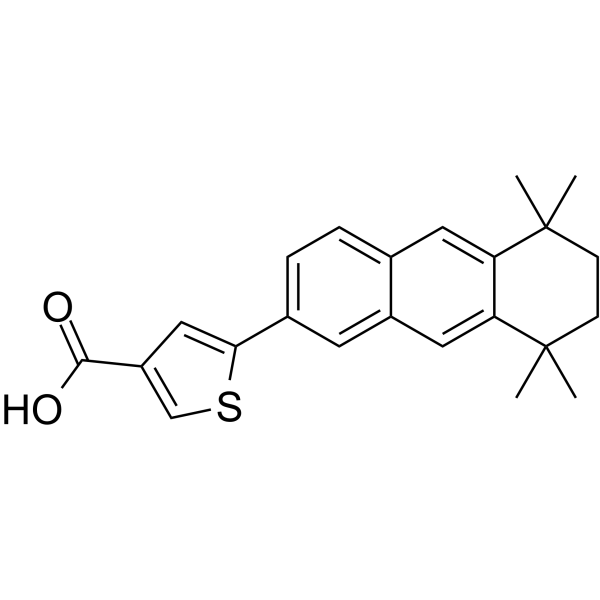
CD2314 is a potent and selective RARβ receptor agonist with a Kd of 195 nM in S91 melanoma cells .
|
-
-
- HY-108528
-
-
-
- HY-14649S4
-
|
Vitamin A acid-d5; all-trans-Retinoic acid-d5; ATRA-d5
|
Isotope-Labeled Compounds
RAR/RXR
PPAR
Endogenous Metabolite
Autophagy
|
Cancer
|
|
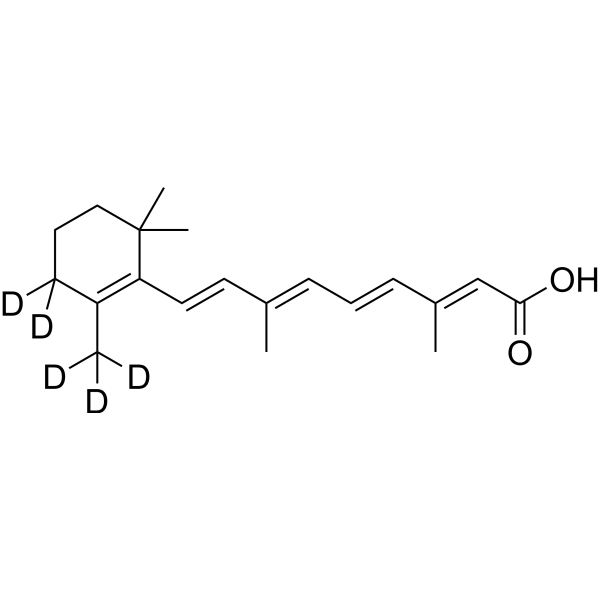
Retinoic acid-d5 is the the deuterium labeled Retinoic acid (HY-14649). Retinoic acid is a metabolite of vitamin A that plays important roles in cell growth, differentiation, and organogenesis. Retinoic acid is a natural agonist of RAR nuclear receptors, with IC50s of 14 nM for RARα/β/γ. Retinoic acid bind to PPARβ/δ with Kd of 17 nM. Retinoic acid acts as an inhibitor of transcription factor Nrf2 through activation of retinoic acid receptor alpha .
|
-
-
- HY-119518
-
|
BMS-209641
|
RAR/RXR
|
Cancer
|
|
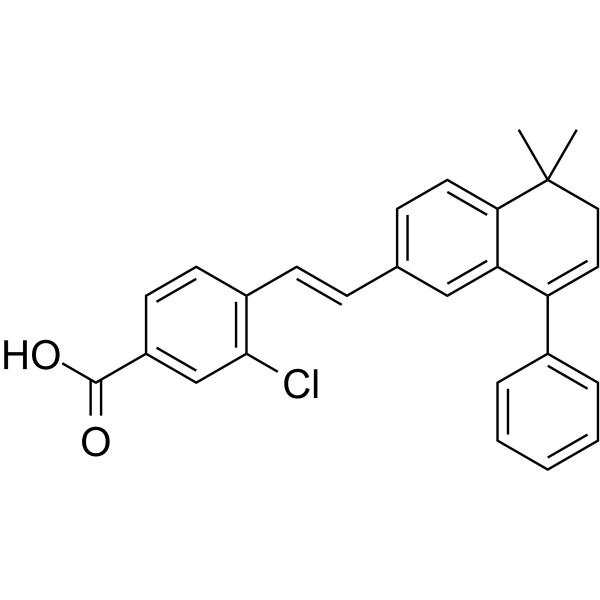
BMS641 (BMS-209641) is a selective RARβ agonist. BMS641 has a higher affinity for RARβ (Kd, 2.5 nM) that is 100 times higher than that for RARα (Kd, 225 nM) or RARγ (Kd, 223 nM) .
|
-
-
- HY-111844
-
|
|
PROTACs
SNIPERs
RAR/RXR
|
Neurological Disease
Metabolic Disease
Cancer
|
|
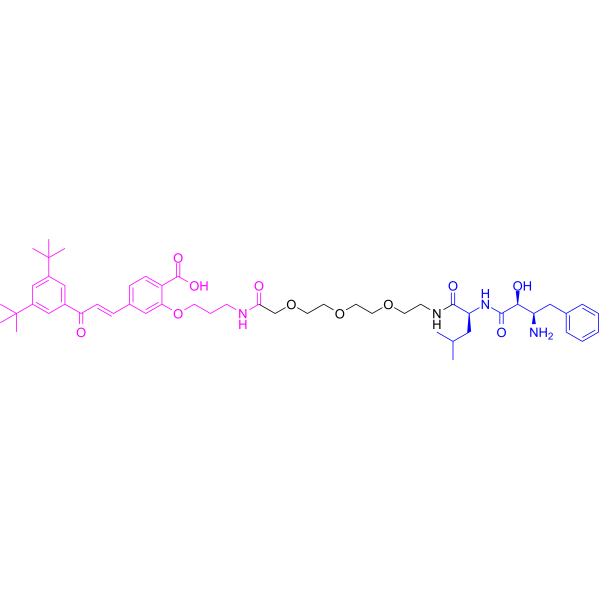
PROTAC RAR degrader-1 (Compound 9) is a potent and selective RAR PROTAC Degrader consisting of apoptotic protein inhibitors (IAPs) ligands. IAPs-based degraders are also known as SNIPERs. PROTAC RAR Degrader-1 reduces RARα levels in HT1080 cells in a concentration-dependent manner but is blocked by the proteasome inhibitor MG132 (HY-13259). PROTAC RAR Degrader-1 can be used in the study of nuclear receptor-related diseases. (Pink: RAR ligand 1 (HY-111843); Black: Linker (HY-140189); Blue: IAPs Ligand (HY-B0134)) .
|
-
-
- HY-14653
-
|
TAC-101; Am 555S
|
RAR/RXR
Apoptosis
|
Cancer
|
|
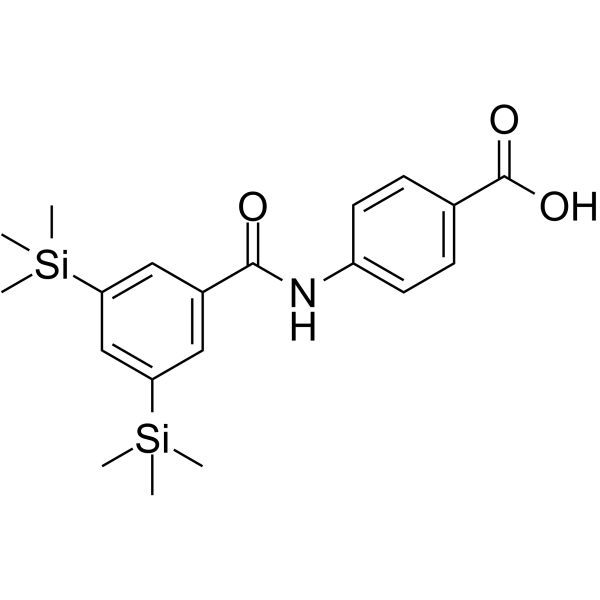
Amsilarotene (TAC-101; Am 555S), an orally active synthetic retinoid, has selective affinity for retinoic acid receptor α (RAR-α) binding with Ki of 2.4, 400 nM for RAR-α and RAR-β. Amsilarotene induces the apoptotic of human gastric cancer, hepatocellular carcinoma and ovarian carcinoma cells. Amsilarotene can be used for the research of cancer .
|
-
-
- HY-50081
-
-
![CCR2-RA-[R]](//file.medchemexpress.com/product_pic/hy-50081.gif)
-
- HY-108526
-
|
|
RAR/RXR
Autophagy
|
Others
|
|
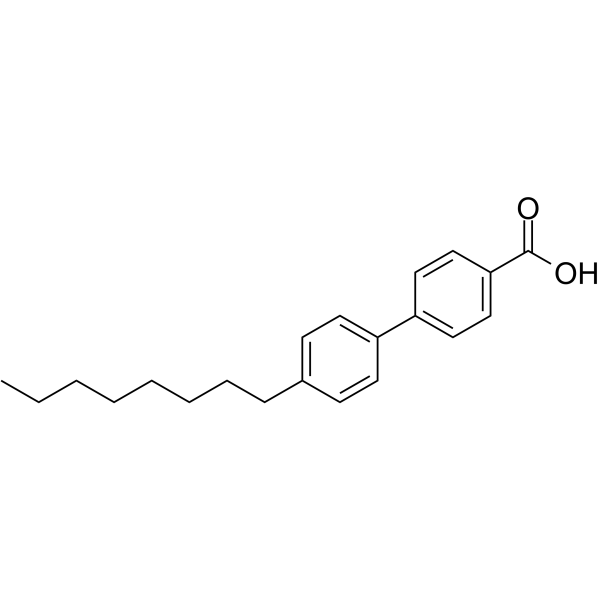
AC-55649 is a potent, highly isoform-selective agonist of human RARβ2 receptor, with a pEC50 of 6.9.
|
-
-
- HY-105689
-
|
|
RAR/RXR
|
Others
|
|
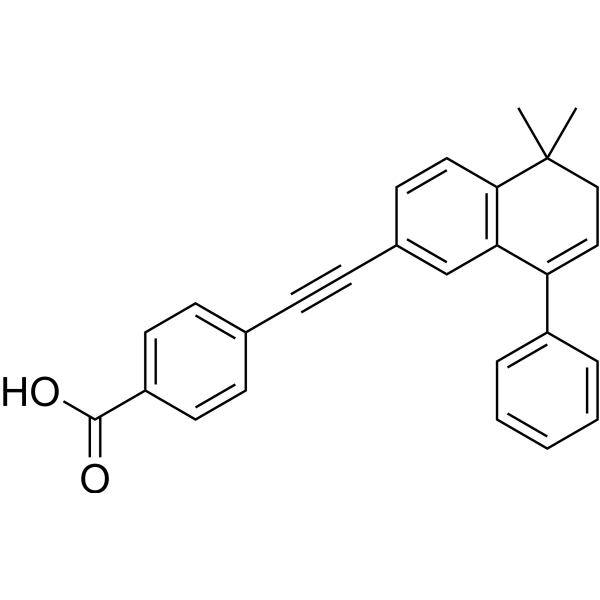
AGN 192870 is a RAR neutral antagonist with Kds of 147, 33, and 42 nM for RARα, RARβ, and RARγ, respectively. AGN 192870 shows IC50s of 87 and 32 nM for RARαand RARγ, respectively. AGN 192870 shows RARβ partial agonism . AGN 192870 is a click chemistry reagent, it contains an Alkyne group and can undergo copper-catalyzed azide-alkyne cycloaddition (CuAAc) with molecules containing Azide groups.
|
-
-
- HY-117545
-
|
|
RAR/RXR
|
Cancer
|
|
LE-540 is a selective retinoic acid receptor antagonist for RARβ (Ki=0.22 μM). LE-540 shows potential for use in cancer research, particularly for breast cancer and lung cancer .
|
-

-
- HY-156280
-
|
|
RAR/RXR
|
Endocrinology
|
|
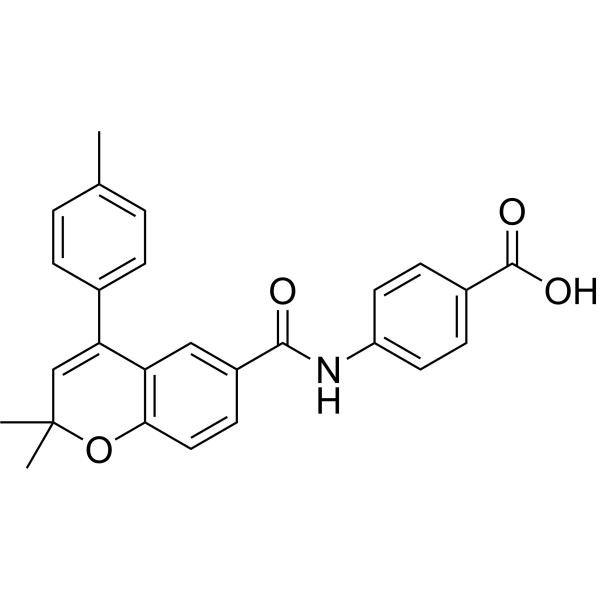
RARα antagonist 1 (compound 21) is an orally active and selective retinoic acid receptor α(RARα) antagonist, with the IC50 of 4.6nM .
|
-
-
- HY-173614
-
|
|
Molecular Glues
E1/E2/E3 Enzyme
|
Cancer
|
|
CC-647 is a molecular glue modulator targeting Cereblon (CRBN) E3 ubiquitin ligase. CC-647 promotes the interaction between CRBN and ZBTB16 as well as its oncogenic fusion protein RARα-ZBTB16 (with a DC50 of 103 nM). CC-647 is promising for research of ZBTB16-RARα-associated acute promyelocytic leukemia (APL) .
|
-

-
- HY-100273
-
|
|
RAR/RXR
Autophagy
|
Cancer
|
|
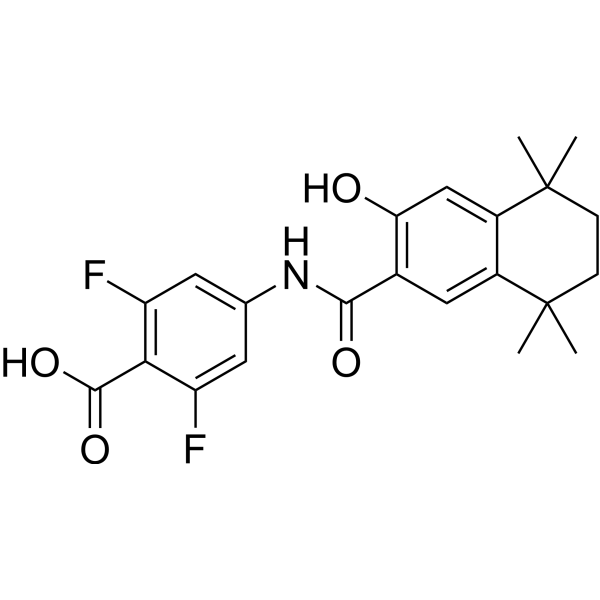
AGN 194078 is a selective RARα agonist with a Kd and EC50 of 3 and 112 nM, respectively.
|
-
-
- HY-170863
-
|
|
RAR/RXR
|
Cancer
|
|
ZSH-2208 is an analog of retinoic acid A, which exerts a potent antitumor effect on regenerative stem cells (TRCs) of esophageal squamous cell carcinoma (ESCC) through RARγ-TNFAIP3 .
|
-

-
- HY-114071
-
|
|
RAR/RXR
|
Cancer
|
|
BMS270394 is a nuclear retinoic acid receptor (RAR-γ) agonist with the EC50 values of 30 nM and 400 nM for humanRAR-γ and RAR-β, respectively .
|
-

-
- HY-106735
-
|
Ro 13-6298; Arotinoid ethyl ester
|
RAR/RXR
|
Inflammation/Immunology
Cancer
|
|
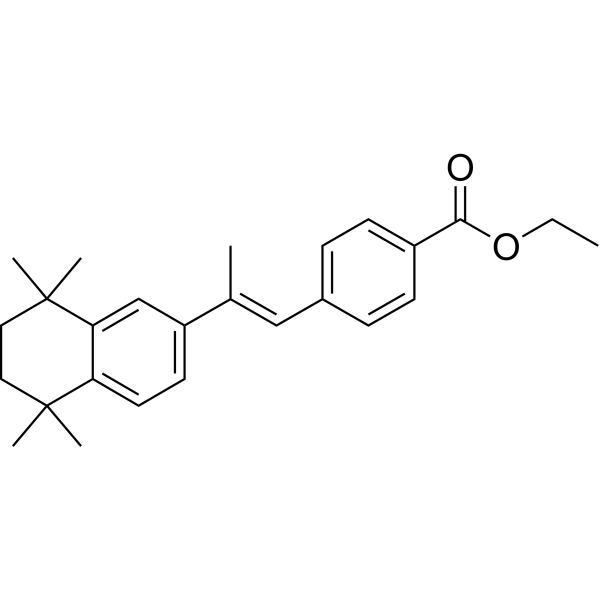
Arotinoid (RO 13-6298) is a retinoid, and acts as an orally active and highly potent agonist of retinoic acid receptors (RARs) with antipsoriatic effects. Arotinoid has antipapiltoma activity with an ED50 of 0.05 mg/kg. Arotinoid can be used for the research of skin carcinomas .
|
-
-
- HY-B0091A
-
|
CD 271 sodium salt
|
RAR/RXR
Autophagy
Apoptosis
|
Neurological Disease
Inflammation/Immunology
Cancer
|
|
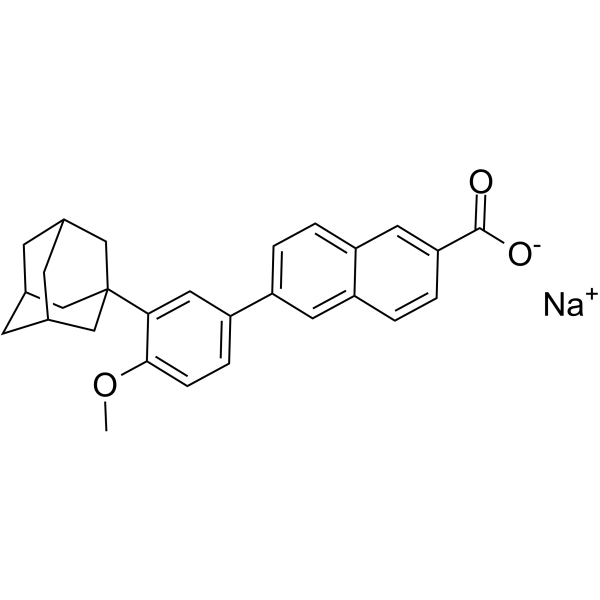
Adapalene (CD271) sodium salt, a third-generation synthetic retinoid, is widely used for the research of acne. Adapalene sodium salt is a potent RAR agonist, with AC50s of 2.3 nM, 9.3 nM, and 22 nM for RARβ, RARγ, RARα, respectively. Adapalene sodium salt also inhibits the enzymatic activity of GOT1 in a non-competitive manner. Adapalene sodium salt exhibits anti-tumor activity .
|
-
-
- HY-107810
-
|
|
RAR/RXR
|
Cancer
|
|
Methyl 13-cis-4-oxoretinoate (Compound 4b) is a retinoic acid receptors (RARs) agonist. Methyl 13-cis-4-oxoretinoate is promising for research of dermatological diseases (e.g., disorders related to abnormal differentiation of keratinocytes) and cancers .
|
-

-
- HY-170786
-
|
IRX4647F
|
RAR/RXR
|
Cancer
|
|
IRX5010 (IRX4647F), an analogue of IRX4647, is a highly selective RARγ nuclear receptor agonist. IRX5010 demonstrates inhibition of in vivo growth of EMT-6 triple negative breast cancer .
|
-

-
- HY-RS11676
-
|
|
Small Interfering RNA (siRNA)
|
Others
|
|
RARS1 Human Pre-designed siRNA Set A contains three designed siRNAs for RARS1 gene (Human), as well as a negative control, a positive control, and a FAM-labeled negative control.
|
-
RARS1 Human Pre-designed siRNA Set A
RARS1 Human Pre-designed siRNA Set A
- HY-16685
-
|
|
RAR/RXR
Autophagy
|
Cancer
|
|
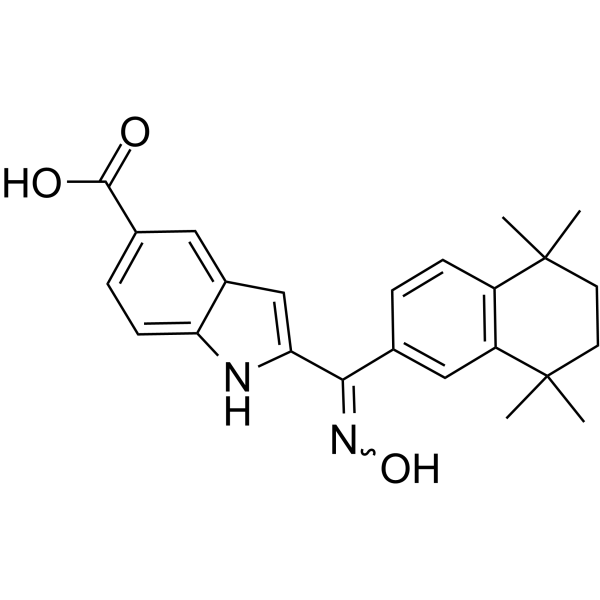
AGN 205327 is a potent synthetic RARs agonist with EC50 of 3766/734/32 nM for RARα/β/γ respectively; no inhibition on RXR.
|
-
- HY-118761
-
|
5,6-epoxy atRA; 5,6-epoxy RA
|
RAR/RXR
|
Metabolic Disease
|
|
all-trans-5,6-epoxy Retinoic acid (5,6-epoxy RA) is an agonist of all isoforms of the retinoic acid receptor (RAR; EC50s=77, 35, and 4 nM for RARα, RARβ, and RARγ, respectively). 5,6-epoxy RA (1 μM) also induces growth arrest of MCF-7 and NB4 cells in vitro. It is a natural metabolite of all-trans retinoic acid, which is a metabolite of vitamin A.
|
-

- HY-U00449A
-
|
|
RAR/RXR
|
Cancer
|
|
AGN 193109 sodium is the sodium salt form of AGN 193109 (HY-U00449). AGN 193109 sodium is the pan antagonist for retinoic acid receptor (RAR), with Kd of 2, 2 and 3 nM, for RARα, RARβ and RARγ, respectively. AGN 193109 sodium reverses TTNPB-induced morphology changes and all-trans retinoic acid (tRA)/9-cis RA/13-cis RA-induced proliferation suppression in ECE16-1 cell. AGN 193109 sodium is the antidote for retinoic acidosis, that ameliorates the skin and mucosal toxicity .
|
-

- HY-14652R
-
|
Am 80 (Standard)
|
RAR/RXR
Autophagy
Apoptosis
Reference Standards
|
Cancer
|
|
Tamibarotene (Standard) is the analytical standard of Tamibarotene. This product is intended for research and analytical applications. Tamibarotene is an orally active retinoic acid receptor α (RARα) agonist, showing high selectivity over RARγ.
|
-

- HY-107218
-
|
|
RAR/RXR
VD/VDR
|
Infection
|
|
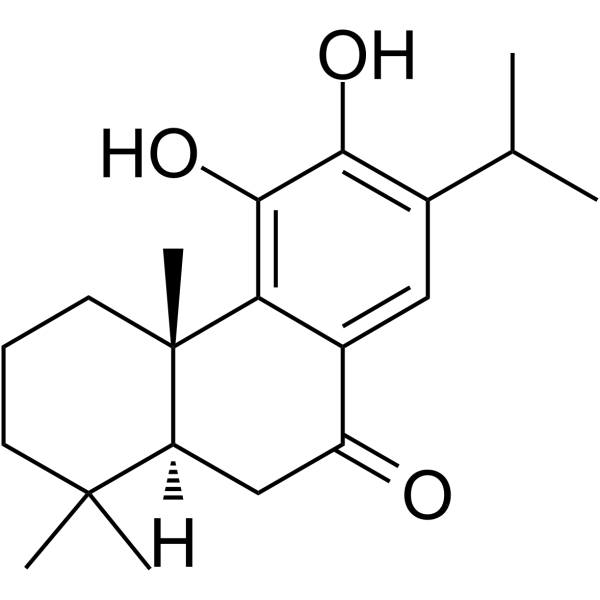
11-Hydroxysugiol regulates the SUMOylation of intracellular receptors by modulating RARα and vitamin D3 receptor (VDR) .
|
-
- HY-14649S2
-
|
|
Isotope-Labeled Compounds
RAR/RXR
PPAR
Endogenous Metabolite
Autophagy
|
Cancer
|
|
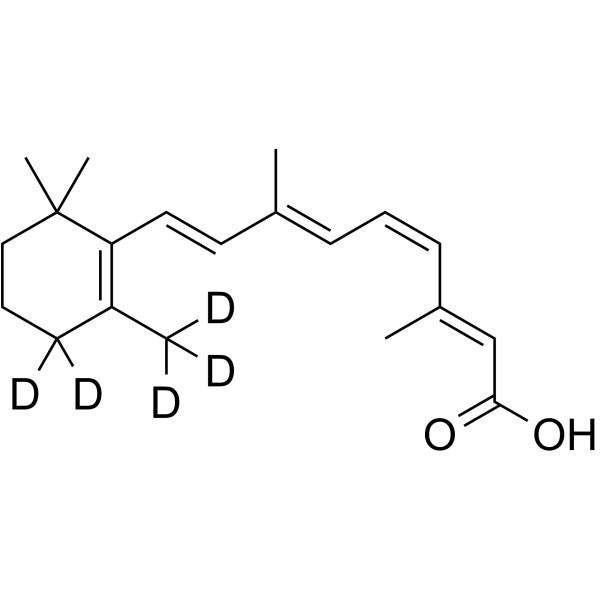
11-cis-Retinoic Acid-d5 is the deuterium labeled Retinoic acid. Retinoic acid is a metabolite of vitamin A that plays important roles in cell growth, differentiation, and organogenesis. Retinoic acid is a natural agonist of RAR nuclear receptors, with IC50s of 14 nM for RARα/β/γ. Retinoic acid bind to PPARβ/δ with Kd of 17 nM. Retinoic acid acts as an inhibitor of transcription factor Nrf2 through activation of retinoic acid receptor alpha[1][2].
|
-
- HY-169863
-
|
|
RAR/RXR
|
Inflammation/Immunology
|
|
DC360 is a synthetic retinoid analogue of all-trans retinoic acid (ATRA) which induces RARβ expression. DC360 can be utilized in characterization of retinoid signalling pathways .
|
-

- HY-14649S3
-
|
Vitamin A acid-d6; all-trans-Retinoic acid-d6; ATRA-d6
|
Isotope-Labeled Compounds
RAR/RXR
PPAR
Autophagy
Endogenous Metabolite
|
Cancer
|
|
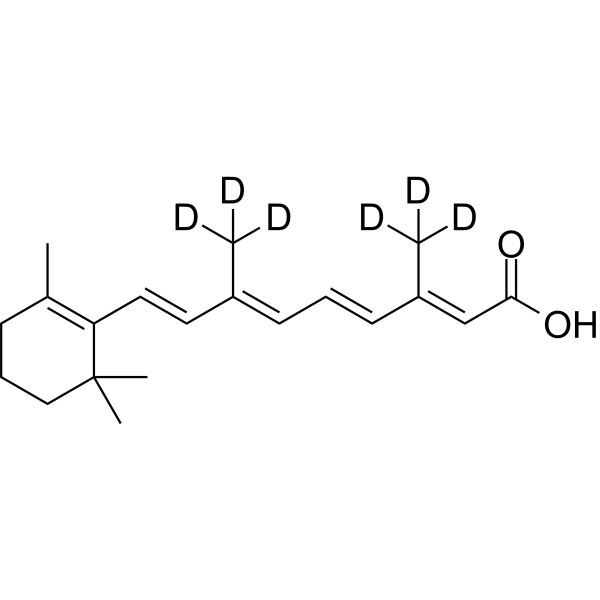
Retinoic acid-d6 is the deuterium labeled Retinoic acid[1]. Retinoic acid is a metabolite of vitamin A that plays important roles in cell growth, differentiation, and organogenesis. Retinoic acid is a natural agonist of RAR nuclear receptors, with IC50s of 14 nM for RARα/β/γ. Retinoic acid bind to PPARβ/δ with Kd of 17 nM. Retinoic acid acts as an inhibitor of transcription factor Nrf2 through activation of retinoic acid receptor alpha[2][3][4][5][6][7].
|
-
- HY-W442049
-
|
HPR
|
RAR/RXR
|
Inflammation/Immunology
|
|
Hydroxypinacolone retinoate (HPR) is a retinol derivative, which binds directly with retinoic acid receptors (RARs). Hydroxypinacolone retinoate, when used in combination with Retinyl propionate, can be used in anti-skin aging research .
|
-

- HY-RS11677
-
|
|
Small Interfering RNA (siRNA)
|
Others
|
|
RARS2 Human Pre-designed siRNA Set A contains three designed siRNAs for RARS2 gene (Human), as well as a negative control, a positive control, and a FAM-labeled negative control.
|
-
RARS2 Human Pre-designed siRNA Set A
RARS2 Human Pre-designed siRNA Set A
- HY-100256R
-
|
CD5789 (Standard)
|
Reference Standards
RAR/RXR
Autophagy
|
Inflammation/Immunology
|
|
Trifarotene (Standard) is the analytical standard of Trifarotene. This product is intended for research and analytical applications. Trifarotene (CD5789) is a potent and selective RARγ agonist. Trifarotene (CD5789) shows ∼65-fold and ∼16-fold selectivitiy for the RARγ (EC50=7.7 nM) over RARα (EC50=500 nM) and RARβ (EC50=125 nM), respectively .
|
-

- HY-168318
-
|
|
E3 Ligase Ligand-Linker Conjugates
|
Cancer
|
|
Bestatin-amide-PEG3-CH2-acid is an E3 ligase ligand-linker conjugate. Bestatin-amide-PEG3-CH2-acid can be used to synthesize PROTAC RAR Degrader-1 (HY-111844) .
|
-

- HY-U00449S
-
|
|
Isotope-Labeled Compounds
RAR/RXR
|
Cancer
|
|
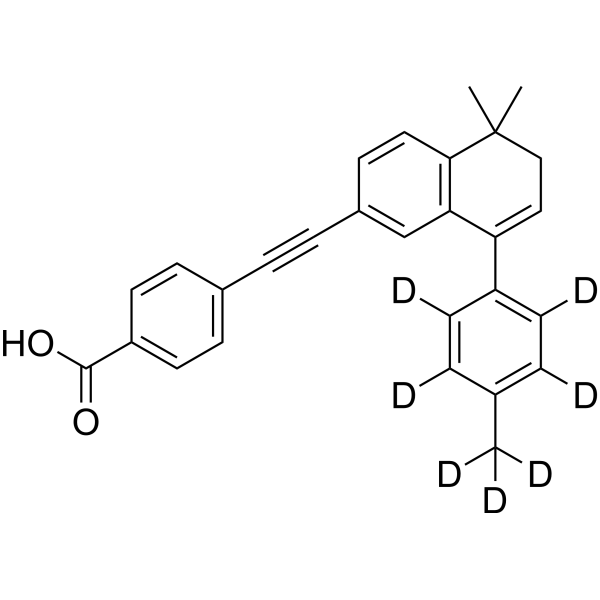
AGN 193109-d7 is the deuterium labeled AGN 193109. AGN 193109 is a retinoid analog, and acts as a specific and highly effective antagonist of retinoic acid receptors (RARs), with Kds of 2 nM, 2 nM, and 3 nM for RARα, RARβ, and RARγ, respectively.
|
-
- HY-U00449R
-
|
|
Reference Standards
RAR/RXR
|
Cancer
|
|
AGN 193109 is a retinoid analog, and acts as a specific and highly effective antagonist of retinoic acid receptors (RARs), with Kds of 2 nM, 2 nM, and 3 nM for RARα, RARβ, and RARγ, respectively. AGN 193109 is a click chemistry reagent, it contains an Alkyne group and can undergo copper-catalyzed azide-alkyne cycloaddition (CuAAc) with molecules containing Azide groups. AGN 193109 is the antidote for retinoic acidosis, that ameliorates the skin and mucosal toxicity.
|
-

- HY-B0091S
-
-
- HY-162827
-
|
|
RAR/RXR
Apoptosis
|
Cancer
|
|
RAR/RXR agonist-1 (compound 7) is a chlorinated retinoic acid isomer, a selective RARα agonist and a partial RXRα agonist. RAR/RXR agonist-1 can activate RXRα and induce G2/M arrest and apoptosis in cancer cells .
|
-

- HY-B0091R
-
|
CD271 (Standard)
|
Reference Standards
RAR/RXR
Autophagy
Apoptosis
|
Neurological Disease
Inflammation/Immunology
Cancer
|
|
Adapalene (Standard) is the analytical standard of Adapalene. This product is intended for research and analytical applications. Adapalene (CD271), a third-generation synthetic retinoid, is widely used for the research of acne. Adapalene is a potent RAR agonist, with AC50s of 2.3 nM, 9.3 nM, and 22 nM for RARβ, RARγ, RARα, respectively. Adapalene also inhibits the enzymatic activity of GOT1 in a non-competitive manner. Adapalene exhibits anti-tumor activity .
|
-
- HY-118364
-
|
|
RAR/RXR
|
Metabolic Disease
|
|
AGN 190727 is a structural isomer of AGN 190121 and has no activating effect on RAR/RXR. AGN 190121 is a RAR-specific agonist that causes a dose-dependent increase in serum triglycerides, leading to hypertriglyceridemia.
|
-

- HY-111843
-
-
- HY-15682R
-
|
Ro 13-7410 (Standard); Arotinoid acid (Standard); AGN191183 (Standard)
|
Reference Standards
RAR/RXR
Autophagy
Apoptosis
|
Cancer
|
|
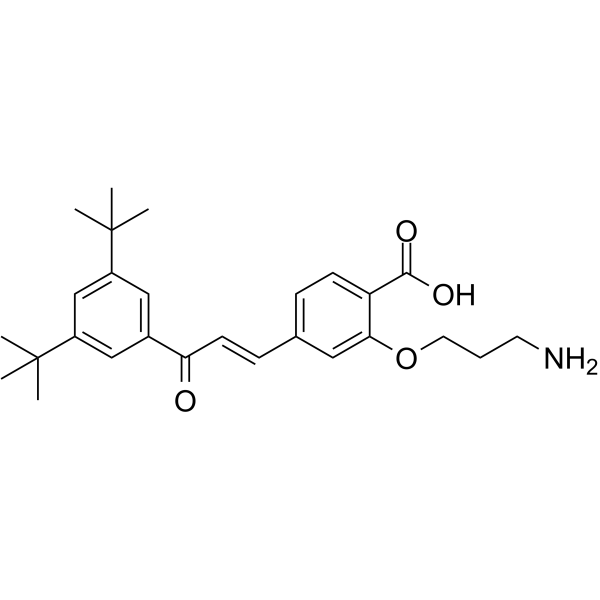
TTNPB (Standard) is the analytical standard of TTNPB. This product is intended for research and analytical applications. TTNPB is a highly potent RAR agonist. Competitive binding assays using human RARs yield IC50s of α=5.1 nM, β= 4.5 nM, and γ=9.3 nM, respectively.
|
-

- HY-118420
-
|
|
RAR/RXR
|
Cancer
|
|
BMS-185411 is a selective retinoic acid receptor alpha (RARα) antagonist, with an IC50 value of 140 nM .
|
-

- HY-173159
-
|
|
RAR/RXR
|
Cancer
|
|
BMS-185354 is a selective RARγ activator with an EC50 value of 28 nM. BMS-185354 is promising for research of cancers .
|
-

- HY-12887R
-
|
RP 73401 (Standard); RPR 73401 (Standard)
|
Reference Standards
Phosphodiesterase (PDE)
|
Inflammation/Immunology
Cancer
|
|
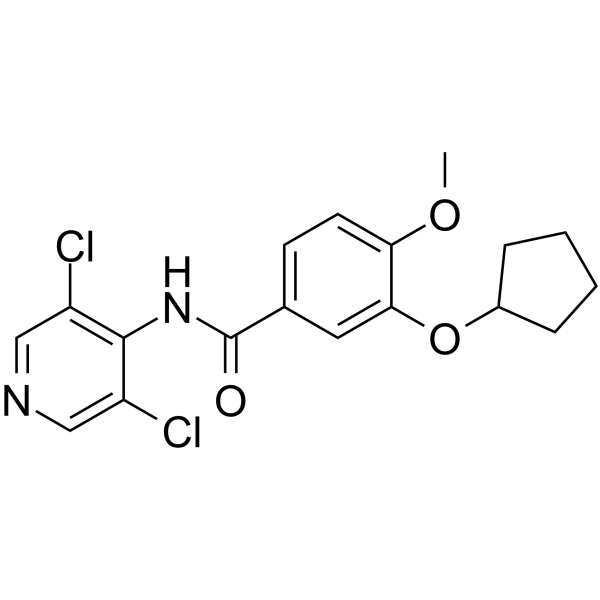
Piclamilast (Standard) is the analytical standard of Piclamilast. This product is intended for research and analytical applications. Piclamilast (RP 73401) is a phosphodiesterase 4 (PDE4) inhibitor, with IC50 values of 16 nM and 2 nM in pig aorta and eosinophil soluble, respectively .
|
-

- HY-12798E
-
|
(R)-AR-13324 M1 metabolite
|
PKC
ROCK
Drug Metabolite
|
Cardiovascular Disease
|
|
(R)-AR-13503 ((R)-AR-13324 M1 metabolite) is the the (R)-enantiomer of AR-13503 (HY-12798C). AR-13503 is the hydrolytic metabolite of AR-13324 mesylate. AR-13324 is a ROCK kinase and PKC inhibitor with anti-angiogenic and retinal health-improving effects, showing potential for use in retinal disease research .
|
-

- HY-100532S
-
-
- HY-14649S5
-
|
Vitamin A acid-d3; all-trans-Retinoic acid-d3; ATRA-d3
|
Isotope-Labeled Compounds
RAR/RXR
PPAR
Endogenous Metabolite
Autophagy
|
Cancer
|
|
Retinoic acid-d3 is the deuterium labeled Retinoic acid (HY-14649). Retinoic acid is a metabolite of vitamin A that plays important roles in cell growth, differentiation, and organogenesis. Retinoic acid is a natural agonist of RAR nuclear receptors, with IC50s of 14 nM for RARα/β/γ. Retinoic acid bind to PPARβ/δ with Kd of 17 nM. Retinoic acid acts as an inhibitor of transcription factor Nrf2 through activation of retinoic acid receptor alpha .
|
-

- HY-14649S6
-
|
Vitamin A acid-d3-1; all-trans-Retinoic acid-d3-1; ATRA-d3-1
|
Isotope-Labeled Compounds
RAR/RXR
PPAR
Endogenous Metabolite
Autophagy
|
Metabolic Disease
Cancer
|
|
Retinoic acid-d3-1 is the deuterium labeled Retinoic acid (HY-14649). Retinoic acid is a metabolite of vitamin A that plays important roles in cell growth, differentiation, and organogenesis. Retinoic acid is a natural agonist of RAR nuclear receptors, with IC50s of 14 nM for RARα/β/γ. Retinoic acid bind to PPARβ/δ with Kd of 17 nM. Retinoic acid acts as an inhibitor of transcription factor Nrf2 through activation of retinoic acid receptor alpha .
|
-

- HY-100532R
-
|
AHPN (Standard)
|
Reference Standards
RAR/RXR
Autophagy
|
Cancer
|
|
CD437 (Standard) is the analytical standard of CD437. This product is intended for research and analytical applications. CD437 is a selective Retinoic Acid Receptor γ (RARγ) agonist.
|
-

- HY-15388S
-
-
- HY-106963
-
|
LGD1550
|
RAR/RXR
|
Cancer
|
|
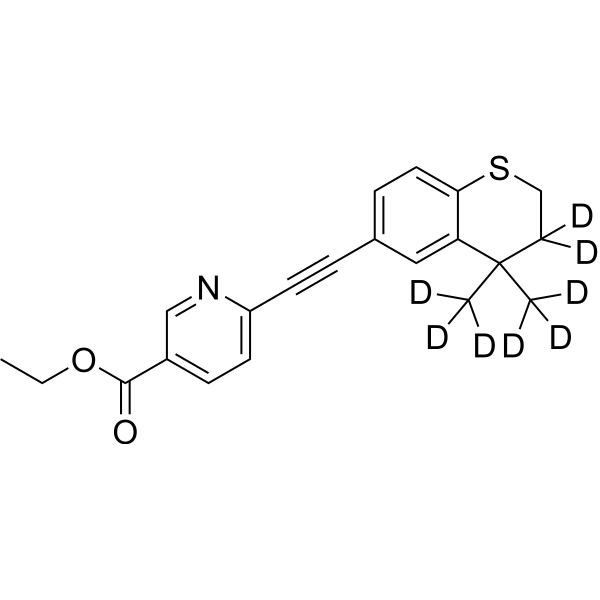
ALRT1550 (LGD1550) is a selective retinoic acid receptor (RAR) agonist that binds RARs with exceptional potency, with Kd values of approximately 1-4 nM. ALRT1550 exhibits anti-proliferative activity, with an IC50 value of 0.22 nM in UMSCC-22B squamous carcinoma cells. In a mouse tumor xenograft model, ALRT1550 inhibited tumor growth in a dose-dependent manner, achieving a maximum inhibition rate of 89%. ALRT1550 is applicable for research in the field of cancer .
|
-

- HY-10475R
-
|
CD336 (Standard); NSC608001 (Standard); Ro 40-6055 (Standard)
|
Reference Standards
RAR/RXR
Autophagy
|
Cancer
|
|
AM580 (Standard) is the analytical standard of AM580. This product is intended for research and analytical applications. AM580 is a selective RARα agonist with IC50 and EC50 of 8 nM and 0.36 nM, respectively.
|
-

- HY-15373R
-
|
4-HPR (Standard); ISLA-101 (Standard)
|
Reference Standards
RAR/RXR
Autophagy
|
Cancer
|
|
Fenretinide (Standard) is the analytical standard of Fenretinide. This product is intended for research and analytical applications. Fenretinide (4-HPR) is a synthetic retinoid deriverative, binding to the retinoic acid receptors (RAR) at concentrations necessary to induce cell death.
|
-

- HY-101108S
-
|
AGN 190299-d6
|
Isotope-Labeled Compounds
Drug Metabolite
|
Others
|
|
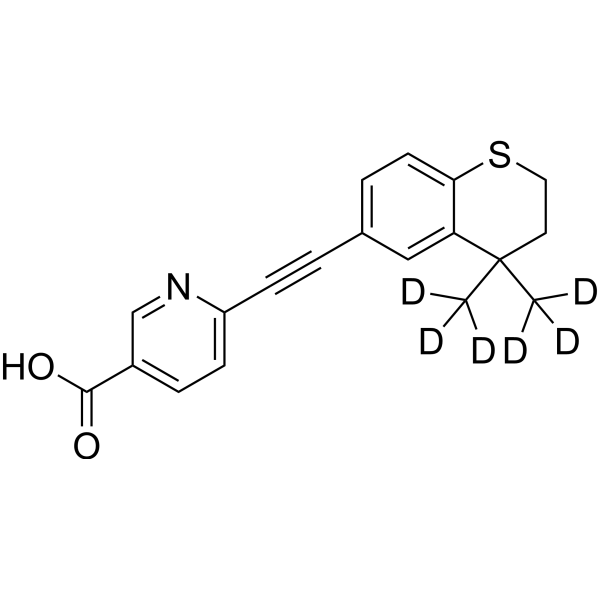
Tazarotenic acid-d6 is deuterium labeled Tazarotenic acid. Tazarotenic acid is the metabolite of Tazarotene. Tazarotenic acid binding to retinoic acid receptors (RARs) is the probable molecular target of retinoid action. Tazarotenic acid has the potential for the research of warty dyskeratoma .
|
-
- HY-19878
-
|
|
RAR/RXR
|
Inflammation/Immunology
|
|
Seletinoid G is a retinoic acid receptor (RAR) agonist. Seletinoid G can repair altered connective tissue in old skin and inhibit UV-induced collagen deficiency in young skin. Seletinoid G can be used for skin aging and photoaging research .
|
-

- HY-186156
-
|
|
RAR/RXR
|
Inflammation/Immunology
|
|
RARγ antagonist 1 (Compound in claim 4, P20) is a RARγ antagonist. RARγ antagonist 1 can be used for the researches of inflammation and immunology .
|
-

- HY-105689R
-
|
|
Reference Standards
RAR/RXR
|
Others
|
|
AGN 192870 (Standard) is the analytical standard of AGN 192870 (HY-105689). This product is intended for research and analytical applications. AGN 192870 is a RAR neutral antagonist with Kds of 147, 33, and 42 nM for RARα, RARβ, and RARγ, respectively. AGN 192870 shows IC50s of 87 and 32 nM for RARαand RARγ, respectively. AGN 192870 shows RARβ partial agonism . AGN 192870 is a click chemistry reagent, it contains an Alkyne group and can undergo copper-catalyzed azide-alkyne cycloaddition (CuAAc) with molecules containing Azide groups.
|
-

- HY-108530R
-
|
|
Reference Standards
RAR/RXR
|
Cancer
|
|
MM11253 (Standard) is the analytical standard of MM11253 (HY-108530). This product is intended for research and analytical applications. MM11253 is a potent and selective RARγ antagonist with an IC50 of 44 nM. MM11253 has lower inhibition of RARα, RARβ and RXRα. MM11253 blocks the growth inhibitory effects of RARγ-selective agonists .
|
-

- HY-117227
-
|
|
RAR/RXR
|
Cancer
|
|
NRX-204647 is a potent activator of retinoic acid nuclear (RAR) with higher specificity than that to RAR and RAR. NRX-204647 can inhibit bone formation. NRX-204647 significantly reduces bone volume/tissue volume (BV/TV). NRX-204647 can be studied in anti-cancer research .
|
-

- HY-W816575
-
|
|
RAR/RXR
SARS-CoV
|
Infection
|
MDI-403 is a retinoic acid receptor (RAR) agonist with an EC50 value of less than 1 μM. MDI-403 exhibits significant antiviral activity against SARS-CoV-2, and can dose-dependently inhibit the expression of viral nucleoprotein (NP) and reduce the proportion of infected cells. MDI-403 mainly acts during the virus invasion stage. MDI-403 can be used in research on anti-SARS-CoV-2 .
|
-

- HY-100608R
-
|
BMS-189453 (Standard)
|
RAR/RXR
Reference Standards
|
Cancer
|
|
BMS453 (Standard) is the analytical standard of BMS453 (HY-100608). This product is intended for research and analytical applications. BMS453 (BMS-189453), a synthetic retinoid, is a RARβ agonist and a RARα/RARγ antagonist. BMS453 inhibits breast cell growth predominantly through the induction of active TGFβ .
|
-

- HY-W752012
-
|
CD271-13C6
|
Isotope-Labeled Compounds
RAR/RXR
Autophagy
Apoptosis
|
Neurological Disease
Inflammation/Immunology
Cancer
|
|
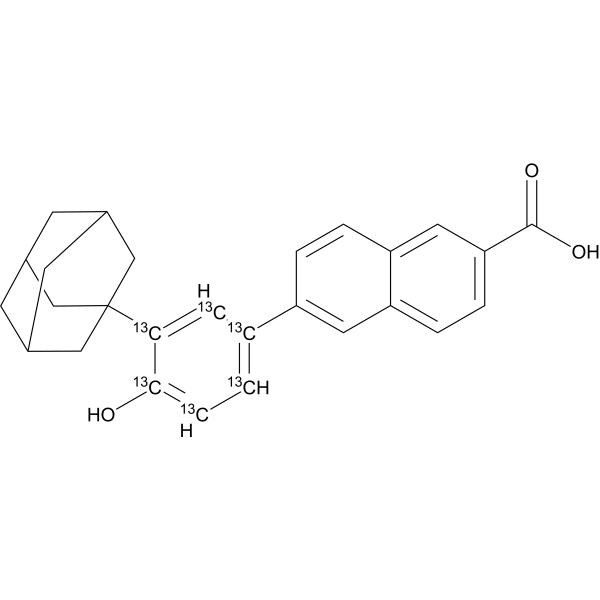
Adapalene- 13C6 (CD271- 13C6) is the 13C-labeled Adapalene (HY-B0091). Adapalene (CD271), a third-generation synthetic retinoid, is widely used for the research of acne. Adapalene is a potent RAR agonist, with AC50s of 2.3 nM, 9.3 nM, and 22 nM for RARβ, RARγ, RARα, respectively. Adapalene also inhibits the enzymatic activity of GOT1 in a non-competitive manner. Adapalene exhibits anti-tumor activity .
|
-

- HY-167262
-
|
|
RAR/RXR
|
Metabolic Disease
Cancer
|
|
AGN-191659 is an orally active RAR/RXR agonist with EC50 values of 11 nM, 23 nM, and 37 nM for RXRα, RARβ, and RARγ, respectively. AGN-191659 activates RXRα, RARβ and RARγ to induce gene transcription. AGN-191659 induces tissue transglutaminase activity, inhibits ornithine decarboxylase activity induced by tumor promoters, and suppresses chondrogenesis. AGN-191659 reverses basic fibroblast growth factor-induced endothelial cell proliferation. AGN-191659 induces hypertriglyceridemia in rat models. AGN-191659 inhibits total heparin-releasable lipase activity. AGN-191659 can be used in research related to promyelocytic leukemia and hypertriglyceridemia .
|
-

- HY-119080
-
|
|
Progesterone Receptor
|
Endocrinology
Cancer
|
|
CP8754 is an orally active, selective human progesterone receptor (hPR) antagonist that blocks progesterone-mediated signaling pathways. CP8754 competitively inhibits the binding of [ 3H]-progesterone to hPR. And in vitro, CP8754 inhibits progesterone-dependent exogenous luciferase and endogenous alkaline phosphatase expression; while in vivo, CP8754 inhibits rabbit endometrial transformation. CP8754 does not significantly bind to human glucocorticoid receptors (hGR), estrogen receptors (hER), or rat androgen receptors (rAR). CP8754 can be used in the study of progesterone-related diseases such as breast cancer, endometriosis, uterine fibroids, and meningioma, as well as hormone-dependent tumors .
|
-

- HY-107397R
-
|
|
Reference Standards
RAR/RXR
|
Cancer
|
|
Ch55 (Standard) is the analytical standard of Ch55 (HY-107397). This product is intended for research and analytical applications. Ch55 is a potent synthetic retinoid. Ch55 binds to RAR-α and RAR-β receptors with high affinity. Ch55 displays low affinity for cellular retinoic acid binding protein (CRABP). Ch55 is a potent inducer of the differentiation of HL60 cells with an EC50 of 200 nM. Ch55 can be used for cancer research .
|
-

- HY-108529R
-
|
|
Reference Standards
RAR/RXR
|
Metabolic Disease
|
|
BMS493 (Standard) is the analytical standard of BMS493 (HY-108529). This product is intended for research and analytical applications. BMS493 is an inverse pan-retinoic acid receptor (RAR) agonist. BMS493 increases nuclear corepressor interaction with RARs. BMS493 also could prevent retinoic acid-induced differentiation . BMS493 is a click chemistry reagent, it contains an Alkyne group and can undergo copper-catalyzed azide-alkyne cycloaddition (CuAAc) with molecules containing Azide groups.
|
-

- HY-100273R
-
|
|
RAR/RXR
Reference Standards
Autophagy
|
Cancer
|
|
AGN 194078 (Standard) is the analytical standard of AGN 194078 (HY-100273). This product is intended for research and analytical applications. AGN 194078 is a selective RARα agonist with a Kd and EC50 of 3 and 112 nM, respectively.
|
-

- HY-120130
-
|
|
RAR/RXR
|
Cancer
|
|
BMS-948 is a RARβ-selective transcriptional agonist with an EC50 of 0.1 μM. BMS-948 is used in the research of tumor diseases, embryonic development and tissue remodeling .
|
-

- HY-107395R
-
|
|
Reference Standards
RAR/RXR
|
Inflammation/Immunology
|
|
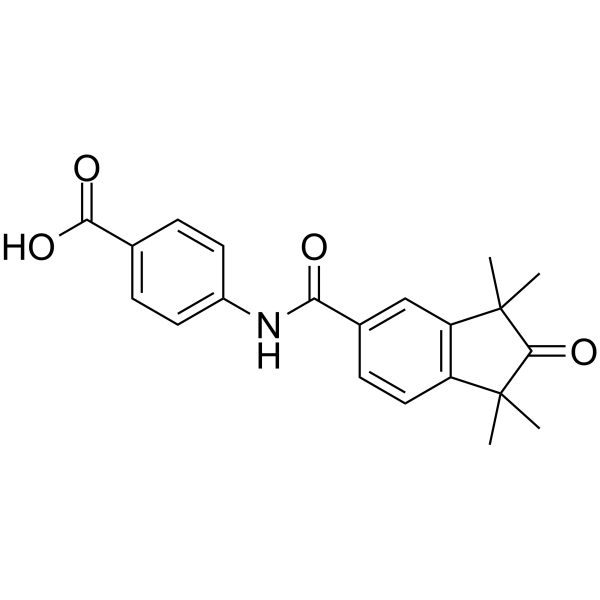
BMS 753 (Standard) is the analytical standard of BMS 753 (HY-107395). This product is intended for research and analytical applications. BMS 753 is an isotype-selective retinoic acid receptor α (RARα) agonist, with a Ki of 2 nM .
|
-

- HY-107765R
-
|
|
Reference Standards
RAR/RXR
Autophagy
|
Inflammation/Immunology
|
|
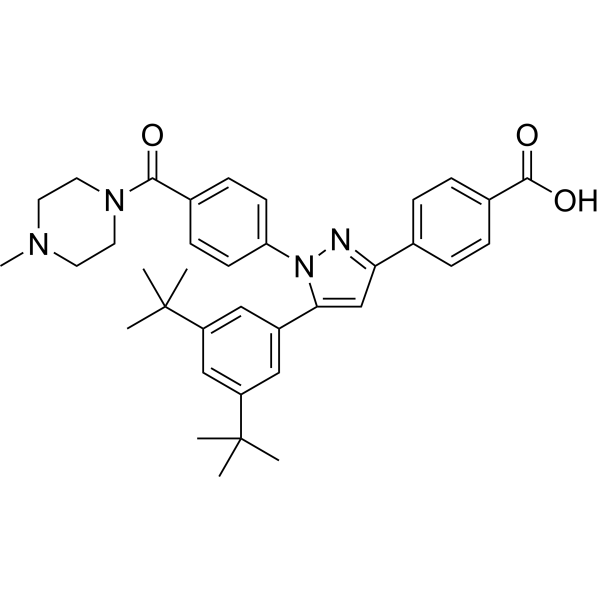
LY2955303 (Standard) is the analytical standard of LY2955303 (HY-107765). This product is intended for research and analytical applications. LY2955303 is a potent and selective retinoic acid receptor gamma (RARγ) antagonist with a Ki of 1.09 nM.
|
-

- HY-108533R
-
|
|
Reference Standards
RAR/RXR
|
Cancer
|
|
CD2314 (Standard) is the analytical standard of CD2314 (HY-108533). This product is intended for research and analytical applications. CD2314 is a potent and selective RARβ receptor agonist with a Kd of 195 nM in S91 melanoma cells .
|
-

- HY-15128
-
-
- HY-15388
-
|
AGN 190168
|
RAR/RXR
Autophagy
|
Inflammation/Immunology
Cancer
|
|
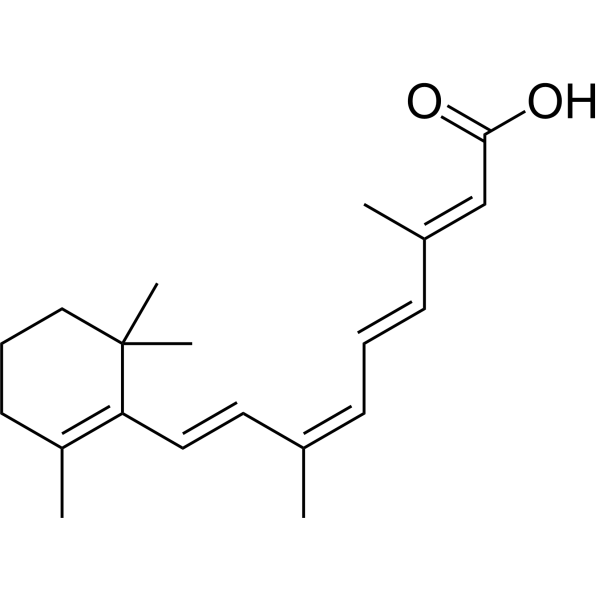
Tazarotene (AGN 190168) is a selective retinoic acid receptor (RAR) agonist for the treatment of plaque psoriasis and acne vulgaris. Tazarotene is a click chemistry reagent, it contains an Alkyne group and can undergo copper-catalyzed azide-alkyne cycloaddition (CuAAc) with molecules containing Azide groups.
|
-
- HY-15682G
-
|
Ro 13-7410; Arotinoid acid; AGN191183
|
RAR/RXR
|
Cancer
|
|
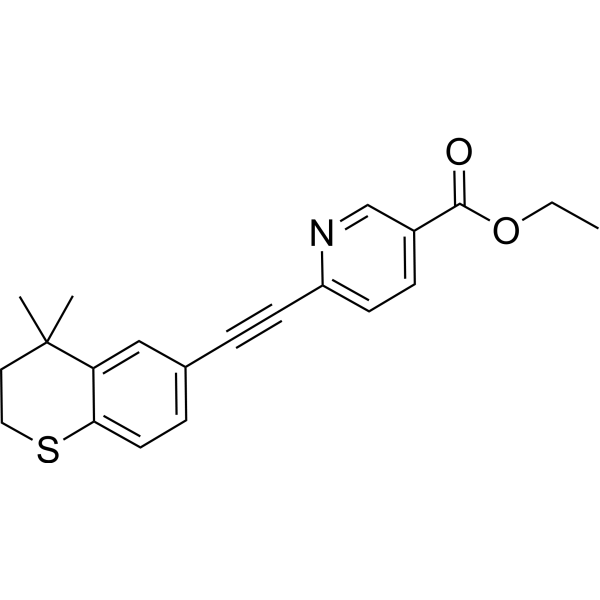
TTNPB (Ro 13-7410) (GMP) is TTNPB (HY-15682) produced by using GMP guidelines. GMP small molecules work appropriately as an auxiliary reagent for cell therapy manufacture. TTNPB is a highly potent retinoic acid receptor (RAR) agonist .
|
-
- HY-14649G
-
|
Vitamin A acid; all-trans-Retinoic acid; ATRA
|
RAR/RXR
PPAR
Endogenous Metabolite
Autophagy
|
Cancer
|
|
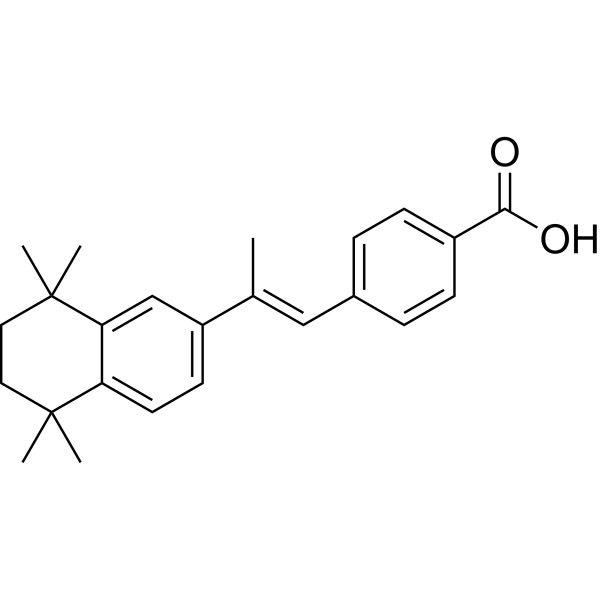
Retinoic acid (Vitamin A acid) (GMP) is Retinoic acid (HY-14649) produced by using GMP guidelines. GMP small molecules works appropriately as an auxiliary reagent for cell therapy manufacture. Retinoic acid is an agonist of RAR nuclear receptors .
|
-
- HY-165521
-
|
|
RAR/RXR
Interleukin Related
|
Cancer
|
|
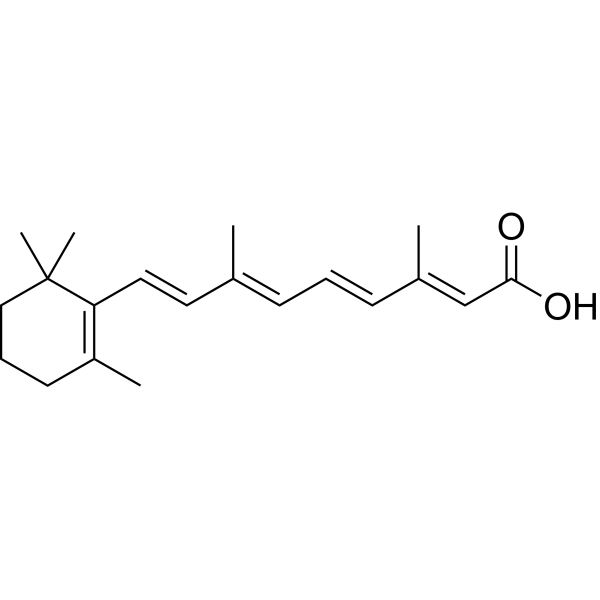
AGN-190121 is a selective RARβ/γ retinoid agonist that inhibits IL-6 expression and cell proliferation in cancer cells by antagonizing NF-IL6. AGN-190121 can be used for the research of Kaposi's sarcoma .
|
-

- HY-10475G
-
|
CD336; NSC608001; Ro 40-6055
|
RAR/RXR
|
Cancer
|
|
AM580 (CD336) (GMP) is AM580= (HY-10475) produced by using GMP guidelines. GMP small molecules works appropriately as an auxiliary reagent for cell therapy manufacture. AM580 is a selective RARα agonist .
|
-
- HY-183139
-
|
|
RAR/RXR
AP-1
|
Cancer
|
|
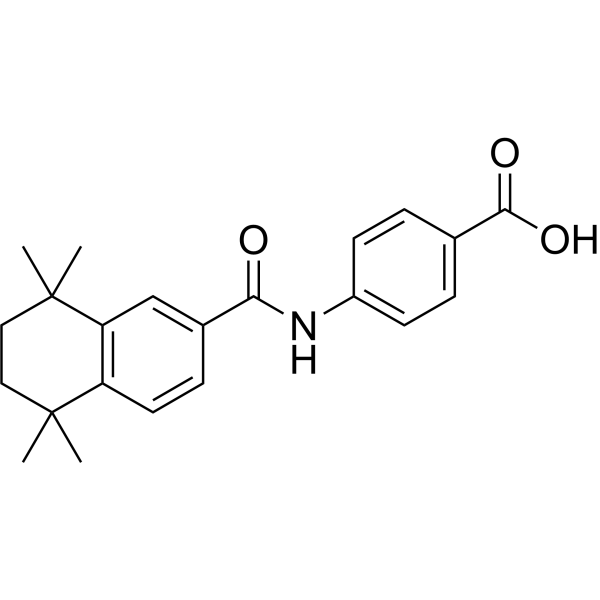
CD666 is a selective retinoic acid receptor-γ (RAR-γ) agonist with a Kd of 68 nM. CD666 inhibits proliferation of cancer cells and shows synergistical effects and anti-AP-1 activity with IFN-γ. CD666 can be used for the research of breast cancer .
|
-

- HY-124136
-
WYC-209
1 Publications Verification
|
RAR/RXR
Apoptosis
Autophagy
|
Cancer
|
|
WYC-209, a synthetic retinoid, is a retinoic acid receptor (RAR) agonist. WYC-209 induces apoptosis primarily via the caspase 3 pathway (IC50=0.19 μM for inmalignant murine melanoma TRCs), and has long-term effects with little toxicity .
|
-
- HY-101106R
-
|
|
RAR/RXR
Reference Standards
|
Neurological Disease
Cancer
|
|
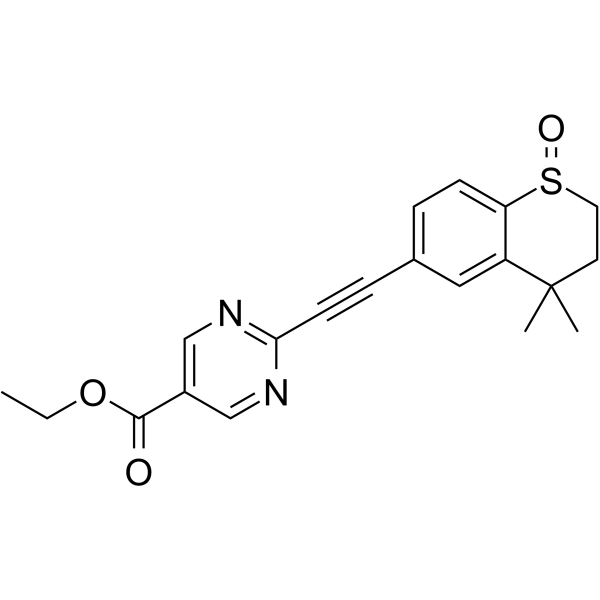
AR7 (Standard) is the analytical standard of AR7 (HY-101106). This product is intended for research and analytical applications. AR7 is an atypical RARA/RARα (retinoic acid receptor, alpha) antagonist. AR7 specifically activates chaperone-mediated-autophagy (CMA) activity without affecting macroautophagy .
|
-

- HY-107494AR
-
|
all-trans 4-Keto Retinoic Acid (Standard)
|
Reference Standards
Endogenous Metabolite
|
Metabolic Disease
|
|
all-trans-4-Oxoretinoic acid (Standard) is the analytical standard of all-trans-4-Oxoretinoic acid. This product is intended for research and analytical applications. all-trans-4-Oxoretinoic acid, an active metabolite of vitamin A, induces gene transcription via binding to nuclear retinoic acid receptors (RARs).
|
-

- HY-117953
-
|
|
Prostaglandin Receptor
|
Endocrinology
|
|
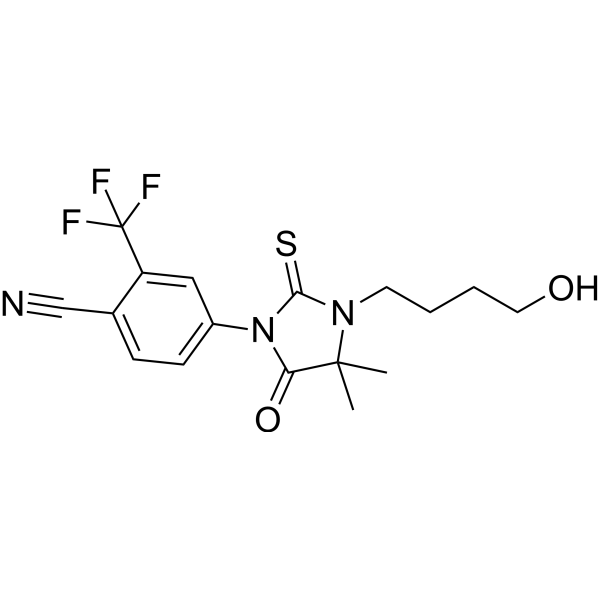
RU 59063 is an N-substituted arylthiohydantoin compound with antiandrogenic activity and high relative binding affinity for the rat androgen receptor. RU 59063 is a nonsteroidal androgen receptor that functions as a radioactive AR radioprobe (Ki: 0.71 nM, rAR) when its trifluoromethyl group is replaced by a similar hydrophobic iodine atom .
|
-
- HY-15388R
-
|
AGN 190168 (Standard)
|
Reference Standards
RAR/RXR
Autophagy
|
Inflammation/Immunology
Cancer
|
|
Tazarotene (Standard) is the analytical standard of Tazarotene. This product is intended for research and analytical applications. Tazarotene (AGN 190168) is a selective retinoic acid receptor (RAR) agonist for the treatment of plaque psoriasis and acne vulgaris. Tazarotene is a click chemistry reagent, it contains an Alkyne group and can undergo copper-catalyzed azide-alkyne cycloaddition (CuAAc) with molecules containing Azide groups.
|
-

- HY-168885
-
|
|
Apoptosis
RAR/RXR
|
Cancer
|
|
ZSH-512 is a potent RARγ inhibitor. ZSH-512 shows antiproliferation activity. ZSH-512 induces apoptosis. ZSH-512 decreases CD133, NANOG, SOX2, and EPCAM protein expression. ZSH-512 shows anticancer activity. ZSH-512 has the potential for the research of colorectal cancer .
|
-

- HY-15388S3
-
|
AGN 190168-d6
|
Isotope-Labeled Compounds
|
Inflammation/Immunology
Cancer
|
|
Tazarotene-d6 (AGN 190168-d6) is deuterium labeled Tazarotene. Tazarotene (AGN 190168) is a selective retinoic acid receptor (RAR) agonist for the treatment of plaque psoriasis and acne vulgaris. Tazarotene is a click chemistry reagent, it contains an Alkyne group and can undergo copper-catalyzed azide-alkyne cycloaddition (CuAAc) with molecules containing Azide groups.
|
-

- HY-15388S2
-
|
AGN 190168-13C6
|
Isotope-Labeled Compounds
RAR/RXR
Autophagy
|
Inflammation/Immunology
Cancer
|
|
Tazarotene- 13C6 (AGN 190168- 13C6) is 13C labeled Tazarotene. Tazarotene (AGN 190168) is a selective retinoic acid receptor (RAR) agonist for the treatment of plaque psoriasis and acne vulgaris. Tazarotene is a click chemistry reagent, it contains an Alkyne group and can undergo copper-catalyzed azide-alkyne cycloaddition (CuAAc) with molecules containing Azide groups.
|
-

- HY-132334S
-
-
- HY-13717
-
|
IRX4204; NRX194204; VTP 194204
|
RAR/RXR
Apoptosis
|
Inflammation/Immunology
Cancer
|
|
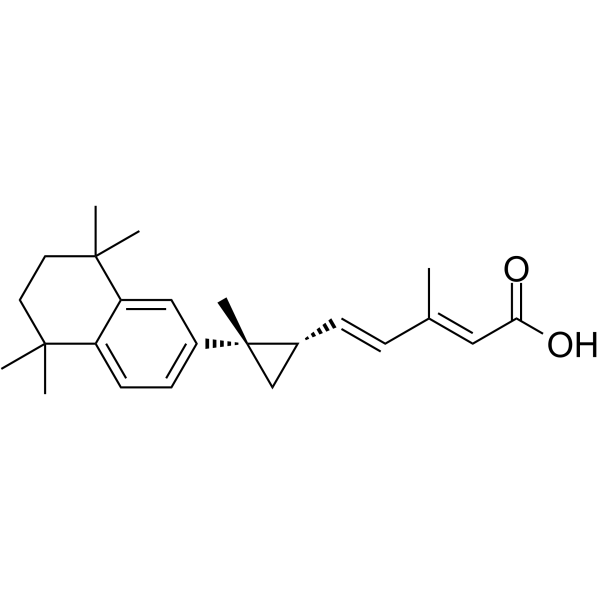
AGN194204 (IRX4204) is an orally active and selective RXR agonist with Kd values 0.4 nM, 3.6 nM and 3.8 nM and EC50s of 0.2 nM, 0.8 nM and 0.08 nM for RXRα, RXRβ and RXRγ, respectively. AGN194204 is inactive against RAR. AGN194204 has anti-inflammatory and anticarcinogenic actions .
|
-
- HY-15128R
-
-

- HY-14171
-
|
LGD1069
|
RAR/RXR
Autophagy
|
Cancer
|
|
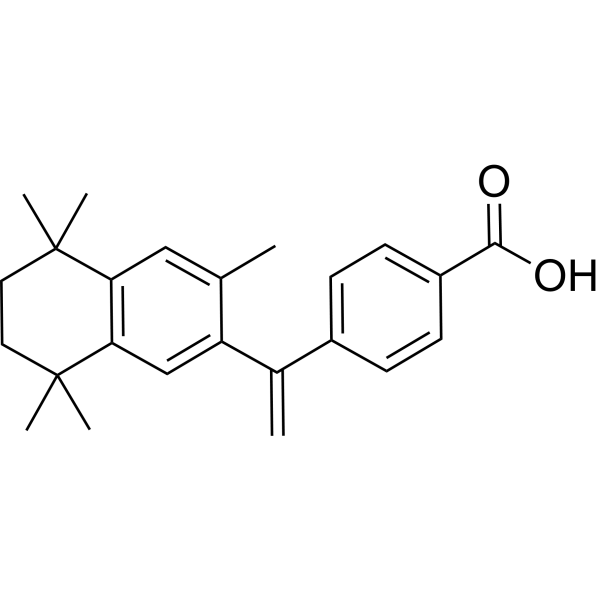
Bexarotene (LGD1069) is a high-affinity and selective retinoid X receptors (RXR) agonist with EC50s of 33, 24, 25 nM for RXRα, RXRβ, and RXRγ, respectively. Bexarotene shows limited affinity for RAR receptors (EC50 >10000 nM) . Bexarotene can be used for the research of cutaneous T-cell lymphoma.
|
-
- HY-106735R
-
|
Ro 13-6298 (Standard); Arotinoid ethyl ester (Standard)
|
Reference Standards
RAR/RXR
|
Inflammation/Immunology
Cancer
|
|
Arotinoid (Standard) (Ro 13-6298 (Standard)) is the analytical standard of Arotinoid (HY-106735). This product is intended for research and analytical applications. Arotinoid (RO 13-6298) is a retinoid, and acts as an orally active and highly potent agonist of retinoic acid receptors (RARs) with antipsoriatic effects. Arotinoid has antipapiltoma activity with an ED50 of 0.05 mg/kg. Arotinoid can be used for the research of sKin carcinomas .
|
-

- HY-101108S1
-
|
AGN 190299-13C2,d2
|
Drug Metabolite
Isotope-Labeled Compounds
|
Others
|
|
Tazarotenic acid-13C2,d2 (AGN 190299-13C2,d2) is the 13C and deuterium labeled isotope of Tazarotenic acid (HY-101108). Tazarotenic acid is the metabolite of Tazarotene. Tazarotenic acid binding to retinoic acid receptors (RARs) is the probable molecular target of retinoid action. Tazarotenic acid has the potential for the research of warty dyskeratoma .
|
-

- HY-14171S2
-
|
LGD1069-13C6
|
Isotope-Labeled Compounds
RAR/RXR
Autophagy
|
Cancer
|
|
Bexarotene- 13C6 (LGD1069- 13C6) is 13C labeled Bexarotene. Bexarotene (LGD1069) is a high-affinity and selective retinoid X receptors (RXR) agonist with EC50s of 33, 24, 25 nM for RXRα, RXRβ, and RXRγ, respectively. Bexarotene shows limited affinity for RAR receptors (EC50 >10000 nM) . Bexarotene can be used for the research of cutaneous T-cell lymphoma.
|
-

- HY-127024
-
|
|
Thyroid Hormone Receptor
|
Metabolic Disease
|
|
Thyroid hormone receptor antagonist (1-850) is a competitive, selective and high-affinity thyroid hormone receptor (TR) antagonist with an IC50 of 1.5 μM for antagonizing the effect of T3 on TR. Thyroid hormone receptor antagonist (1-850) blocks T3-mediated interaction of TRα and TRβ with nuclear receptor coactivator. Thyroid hormone receptor antagonist (1-850) has no effect on the activity of RARα .
|
-
- HY-180323
-
|
|
RAR/RXR
|
Inflammation/Immunology
|
|
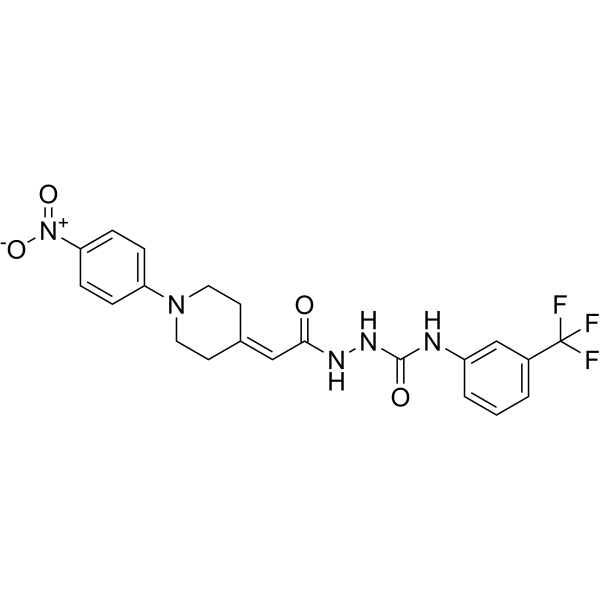
ER-38925 is a retinoid agonist with selevtivity to retinoic acid receptor subtype α (RAR-α). ER-38925 prolongs the lifespan of the recipient mice dose-dependently. ER-38925 potently inhibits alloantigenstimulated donor T lymphocyte prolifertion in vitro. ER-38925 can prevent the development of antiallogeneic cytotoxic T lymphocyte response in mice. ER-38925 inhibits serum anti-DNA autoantibody production in mouse model of human chronic GVHD .
|
-

- HY-180409
-
|
|
Androgen Receptor
|
Cancer
|
|
YM580 is a potent, orally active and selective Androgen Receptor (AR) antagonist (IC50 = 0.11 μM, hAR Ki = 4.6 nM, rAR Ki = 6.2 nM). YM580 exhibits good selectivity over PR, GR, and ERα (Kis > 3300 nM). YM580 decreases ventral prostate weight in mature intact rats dose-dependently without affecting serum testosterone levels. YM580 can be used for the research of prostate cancer .
|
-

- HY-14171R
-
|
LGD1069 (Standard)
|
Reference Standards
RAR/RXR
Autophagy
|
Cancer
|
|
Bexarotene (Standard) is the analytical standard of Bexarotene. This product is intended for research and analytical applications. Bexarotene (LGD1069) is a high-affinity and selective retinoid X receptors (RXR) agonist with EC50s of 33, 24, 25 nM for RXRα, RXRβ, and RXRγ, respectively. Bexarotene shows limited affinity for RAR receptors (EC50 >10000 nM) . Bexarotene can be used for the research of cutaneous T-cell lymphoma.
|
-

- HY-149085
-
|
|
RAR/RXR
|
Cancer
|
|
XS-060 is a potent anticancer agent and RXRα antagonist. XS-060 significantly induces RXRα-dependent mitotic arrest by inhibiting pRXRα-PLK1 interaction. XS-060 inhibits p-RXRα interaction with PLK1 but has no effect on RXRα heterodimerization with RARγ. XS-060 inhibits the in situ interaction between p-RXRα and PLK1 at the centrosome .
|
-
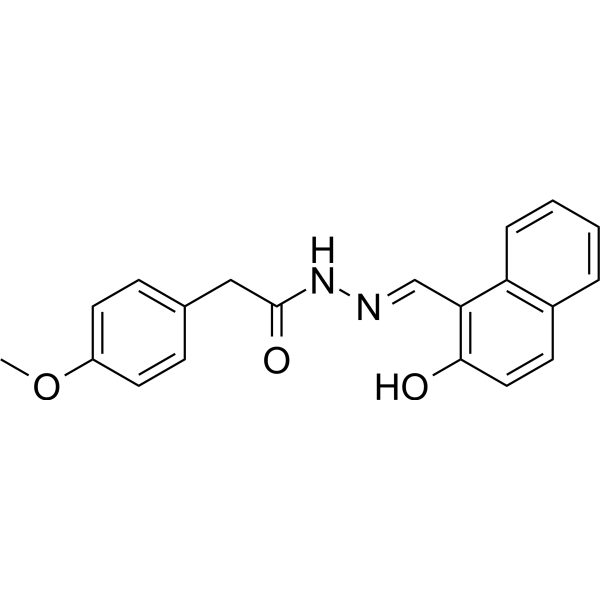
- HY-W777169
-
|
LGD1069-13C4
|
Isotope-Labeled Compounds
RAR/RXR
Autophagy
|
Cancer
|
|
Bexarotene- 13C4 (LGD1069- 13C4) is the 13C-labeled Bexarotene (HY-14171). Bexarotene (LGD1069) is a high-affinity and selective retinoid X receptors (RXR) agonist with EC50s of 33, 24, 25 nM for RXRα, RXRβ, and RXRγ, respectively. Bexarotene shows limited affinity for RAR receptors (EC50 >10000 nM) . Bexarotene can be used for the research of cutaneous T-cell lymphoma.
|
-

- HY-108531
-
|
|
RAR/RXR
|
Metabolic Disease
|
|
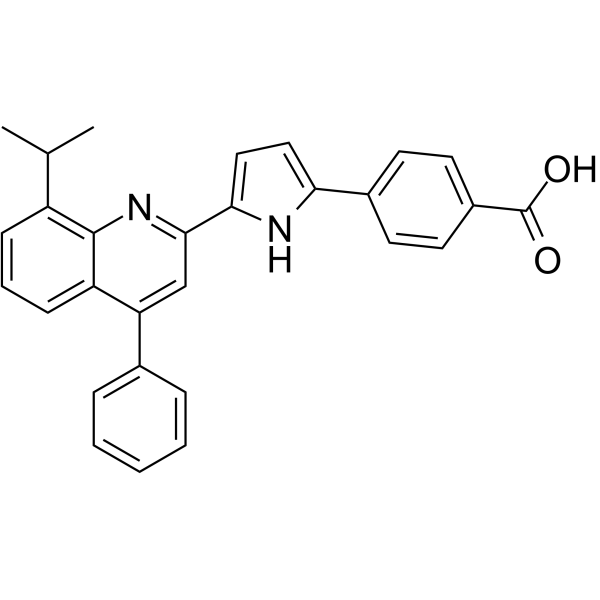
ER 50891 is a RARα antagonist. ER 50891 can significantly antagonize the inhibitory effect of all-trans retinoic acid (ATRA) on the total cell metabolic activity and proliferation of MC3T3-E1 preosteoblasts. ER 50891 rescues ATRA-inhibited osteocalcin (OCN) expression and extracellular matrix mineralization, and suppresses alkaline phosphatase (ALP) activity synergistically. ER 50891 can be used for the study of osteoporosis related to ATRA-induced inhibition of osteoblastogenesis .
|
-
- HY-108531A
-
|
|
RAR/RXR
|
Cancer
|
|
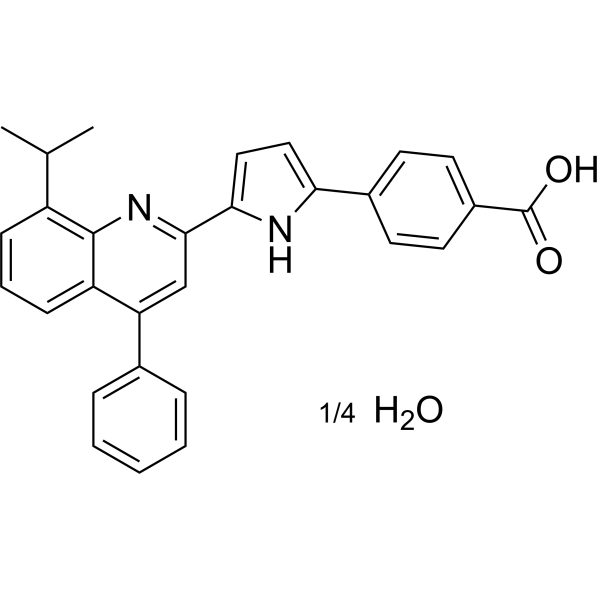
ER 50891 quarterhydrate is a RARα antagonist. ER 50891 can significantly antagonize the inhibitory effect of all-trans retinoic acid (ATRA) on the total cell metabolic activity and proliferation of MC3T3-E1 preosteoblasts. ER 50891 rescues ATRA-inhibited osteocalcin (OCN) expression and extracellular matrix mineralization, and suppresses alkaline phosphatase (ALP) activity synergistically. ER 50891 can be used for the study of osteoporosis related to ATRA-induced inhibition of osteoblastogenesis .
|
-
- HY-U00449G
-
|
|
RAR/RXR
|
Cancer
|
|
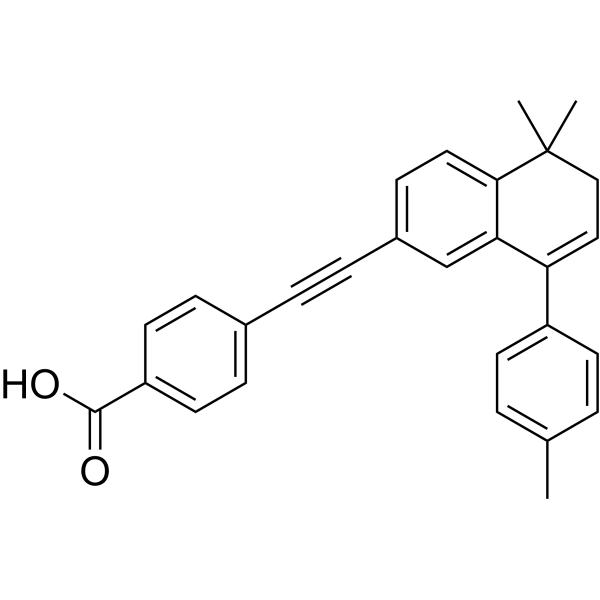
AGN 193109 (GMP) is AGN 193109 (HY-U00449) produced by using GMP guidelines. GMP small molecules works appropriately as an auxiliary reagent for cell therapy manufacture. AGN 193109 is a specific and highly effective retinoic acid receptor (RAR) antagonist . AGN 193109 (GMP) is a click chemistry reagent, it contains an Alkyne group and can undergo copper-catalyzed azide-alkyne cycloaddition (CuAAc) with molecules containing Azide groups. AGN 193109 is the antidote for retinoic acidosis, that ameliorates the skin and mucosal toxicity.
|
-
- HY-15340
-
|
LG268
|
RAR/RXR
Autophagy
|
Metabolic Disease
|
|
LG100268 (LG268) is a potent, selective and orally active retinoid X receptor (RXR) agonist with EC50 values of 4 nM, 3 nM, and 4 nM for RXR-α, RXR-β, and RXR-γ, respectively . LG100268 displays >1000-fold selectivity for RXR over RAR, the Ki values are 3.4 nM, 6.2 nM and 9.2 nM for RXR-α, RXR-β, and RXR-γ, respectively . LG100268 activates RXR homodimers to induce transcriptional activation. LG100268 can be used for the study of lung carcinogenesisy .
|
-
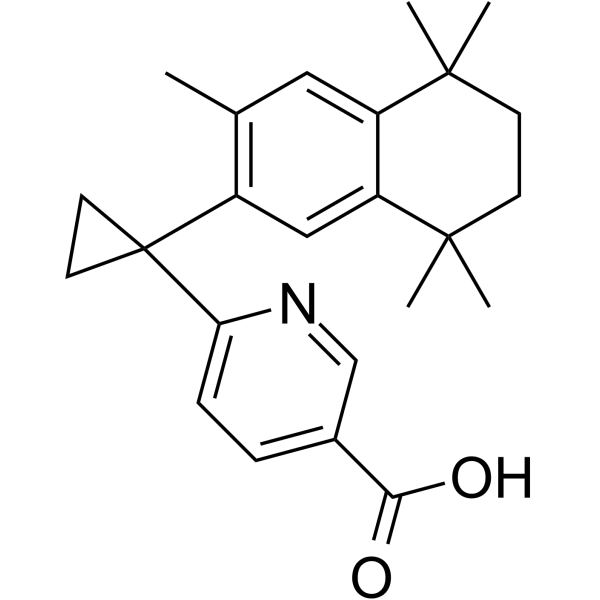
- HY-15388S1
-
|
AGN 190168-13C2,d2
|
Isotope-Labeled Compounds
|
Inflammation/Immunology
Cancer
|
|
Tazarotene-13C2,d2 (AGN 190168-13C2,d2) is the 13C and deuterium labeled isotope of Tazarotene (HY-15388). Tazarotene (AGN 190168) is a selective retinoic acid receptor (RAR) agonist for the treatment of plaque psoriasis and acne vulgaris. Tazarotene is a click chemistry reagent, it contains an Alkyne group and can undergo copper-catalyzed azide-alkyne cycloaddition (CuAAc) with molecules containing Azide groups .
|
-

- HY-101259
-
-
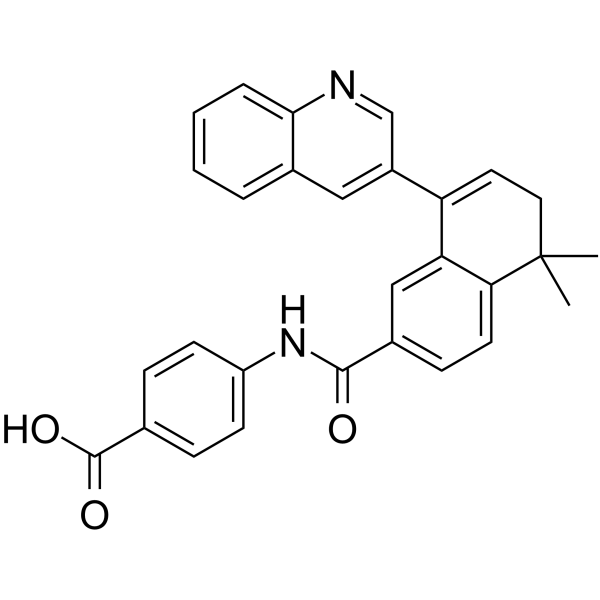
- HY-W587468
-
|
3,4-DHRA
|
Biochemical Assay Reagents
|
|
|
All-trans-3,4-Didehydro retinoic acid (3,4-DHRA) is a compound with gene-regulating activity that binds to retinoic acid receptors (RARs) and triggers receptor activation. All-trans-3,4-Didehydro retinoic acid plays an important role in skin development and differentiation and has potential anti-tumor and anti-inflammatory properties. All-trans-3,4-Didehydro retinoic acid is also being studied for the inhibition of a variety of diseases, including skin diseases and certain types of cancer.
|
-

- HY-100008
-
|
NIK333
|
RAR/RXR
SphK
Autophagy
HCV
|
Infection
Cancer
|
|
Peretinoin is an oral acyclic retinoid with a vitamin A-like structure that targets retinoid nuclear receptors such as retinoid X receptor (RXR) and retinoic acid receptor (RAR). Peretinoin reduces the mRNA level of sphingosine kinase 1 (SPHK1) in vitro by downregulating a transcription factor, Sp1 . Peretinoin prevents the progression of non-alcoholic steatohepatitis (NASH) and the development of hepatocellular carcinoma (HCC) through activating the autophagy pathway by increased Atg16L1 expression . Peretinoin inhibits HCV RNA amplification and virus release by altering lipid metabolism with a EC50 of 9 μM .
|
-
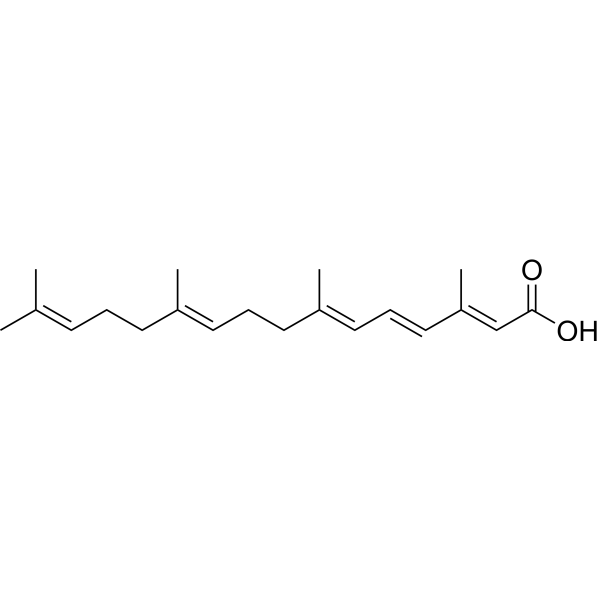
- HY-108527
-
CD1530
3 Publications Verification
|
RAR/RXR
Bacterial
TGF-beta/Smad
β-catenin
MMP
Reactive Oxygen Species (ROS)
|
Infection
Metabolic Disease
Endocrinology
|
|
CD1530 is an orally active, selective RARγ agonist and antibacterial agent. CD1530 reduces Smad1/5/8 phosphorylation and overall Smad levels. CD1530 reduces β-catenin, MMP9 protein, and ROS levels. CD1530 exhibits activities such as inhibiting heterotopic ossification, promoting Achilles tendon healing, and inhibiting muscle fatty infiltration. CD1530 can be used in the research of orthopedic diseases (such as heterotopic ossification, Achilles tendon injury), muscle diseases (such as muscle fatty infiltration-related diseases) .
|
-
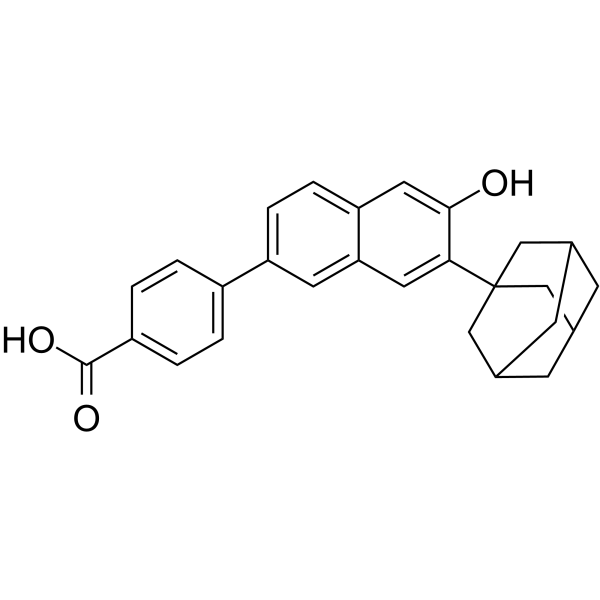
- HY-D1190
-
|
|
RAR/RXR
|
Others
|
|
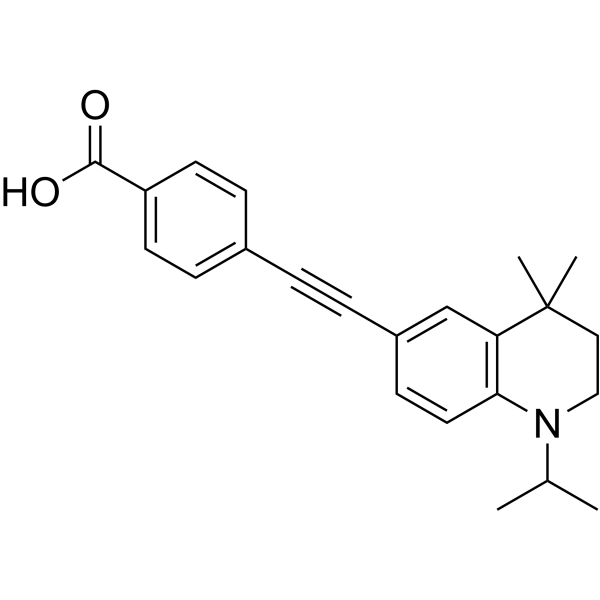
DC271 is a RAR agonist and synthetic retinoid that binds to the retinoid-binding site of cellular retinoic acid-binding protein II (CRBP-II). DC271 exhibits solvatochromic fluorescence properties: it produces intense blue-shifted emission in nonpolar environments and weak red-shifted emission in polar environments, and its severe fluorescence quenching in aqueous solutions can be reversed by embedding in the hydrophobic retinoid-binding protein pocket. DC271 enables direct detection of the binding between unlabeled compounds and related retinoid-binding proteins via fluorescence competition assays (Ex/Em = 355 nm/460 nm) .
|
-
- HY-15340R
-
|
LG268 (Standard)
|
RAR/RXR
Autophagy
Reference Standards
|
Metabolic Disease
|
|
LG100268 (Standard) is the analytical standard of LG100268. This product is intended for research and analytical applications. LG100268 (LG268) is a potent, selective and orally active retinoid X receptor (RXR) agonist with EC50 values of 4 nM, 3 nM, and 4 nM for RXR-α, RXR-β, and RXR-γ, respectively . LG100268 displays >1000-fold selectivity for RXR over RAR, the Ki values are 3.4 nM, 6.2 nM and 9.2 nM for RXR-α, RXR-β, and RXR-γ, respectively . LG100268 activates RXR homodimers to induce transcriptional activation. LG100268 can be used for the study of lung carcinogenesisy .
|
-

- HY-100008R
-
|
NIK333 (Standard)
|
Reference Standards
RAR/RXR
SphK
Autophagy
HCV
|
Infection
Cancer
|
|
Peretinoin (Standard) is the analytical standard of Peretinoin. This product is intended for research and analytical applications. Peretinoin is an oral acyclic retinoid with a vitamin A-like structure that targets retinoid nuclear receptors such as retinoid X receptor (RXR) and retinoic acid receptor (RAR). Peretinoin reduces the mRNA level of sphingosine kinase 1 (SPHK1) in vitro by downregulating a transcription factor, Sp1[1]. Peretinoin prevents the progression of non-alcoholic steatohepatitis (NASH) and the development of hepatocellular carcinoma (HCC) through activating the autophagy pathway by increased Atg16L1 expression[2]. Peretinoin inhibits HCV RNA amplification and virus release by altering lipid metabolism with a EC50 of 9 μM[3].
|
-

- HY-108527R
-
|
|
Reference Standards
RAR/RXR
Bacterial
TGF-beta/Smad
β-catenin
MMP
Reactive Oxygen Species (ROS)
|
Infection
Metabolic Disease
Endocrinology
|
|
CD1530 (Standard) is the analytical standard of CD1530 (HY-108527). This product is intended for research and analytical applications. CD1530 is an orally active, selective RARγ agonist and antibacterial agent. CD1530 reduces Smad1/5/8 phosphorylation and overall Smad levels. CD1530 reduces β-catenin, MMP9 protein, and ROS levels. CD1530 exhibits activities such as inhibiting heterotopic ossification, promoting Achilles tendon healing, and inhibiting muscle fatty infiltration. CD1530 can be used in the research of orthopedic diseases (such as heterotopic ossification, Achilles tendon injury), muscle diseases (such as muscle fatty infiltration-related diseases) .
|
-

| Cat. No. |
Product Name |
Type |
-
- HY-14649G
-
|
Vitamin A acid; all-trans-Retinoic acid; ATRA
|
Fluorescent Dyes
|
|
Retinoic acid (Vitamin A acid) (GMP) is Retinoic acid (HY-14649) produced by using GMP guidelines. GMP small molecules works appropriately as an auxiliary reagent for cell therapy manufacture. Retinoic acid is an agonist of RAR nuclear receptors .
|
-
- HY-15682G
-
|
Ro 13-7410; Arotinoid acid; AGN191183
|
Fluorescent Dyes
|
|
TTNPB (Ro 13-7410) (GMP) is TTNPB (HY-15682) produced by using GMP guidelines. GMP small molecules work appropriately as an auxiliary reagent for cell therapy manufacture. TTNPB is a highly potent retinoic acid receptor (RAR) agonist .
|
-
- HY-D1190
-
|
|
Fluorescent Dyes
|
|
DC271 is a RAR agonist and synthetic retinoid that binds to the retinoid-binding site of cellular retinoic acid-binding protein II (CRBP-II). DC271 exhibits solvatochromic fluorescence properties: it produces intense blue-shifted emission in nonpolar environments and weak red-shifted emission in polar environments, and its severe fluorescence quenching in aqueous solutions can be reversed by embedding in the hydrophobic retinoid-binding protein pocket. DC271 enables direct detection of the binding between unlabeled compounds and related retinoid-binding proteins via fluorescence competition assays (Ex/Em = 355 nm/460 nm) .
|
-
- HY-10475G
-
|
CD336; NSC608001; Ro 40-6055
|
Fluorescent Dyes
|
|
AM580 (CD336) (GMP) is AM580= (HY-10475) produced by using GMP guidelines. GMP small molecules works appropriately as an auxiliary reagent for cell therapy manufacture. AM580 is a selective RARα agonist .
|
-
- HY-U00449G
-
|
|
Fluorescent Dyes
|
|
AGN 193109 (GMP) is AGN 193109 (HY-U00449) produced by using GMP guidelines. GMP small molecules works appropriately as an auxiliary reagent for cell therapy manufacture. AGN 193109 is a specific and highly effective retinoic acid receptor (RAR) antagonist . AGN 193109 (GMP) is a click chemistry reagent, it contains an Alkyne group and can undergo copper-catalyzed azide-alkyne cycloaddition (CuAAc) with molecules containing Azide groups. AGN 193109 is the antidote for retinoic acidosis, that ameliorates the skin and mucosal toxicity.
|
| Cat. No. |
Product Name |
Type |
-
- HY-14649G
-
|
Vitamin A acid; all-trans-Retinoic acid; ATRA
|
Biochemical Assay Reagents
|
|
Retinoic acid (Vitamin A acid) (GMP) is Retinoic acid (HY-14649) produced by using GMP guidelines. GMP small molecules works appropriately as an auxiliary reagent for cell therapy manufacture. Retinoic acid is an agonist of RAR nuclear receptors .
|
-
- HY-15682G
-
|
Ro 13-7410; Arotinoid acid; AGN191183
|
Biochemical Assay Reagents
|
|
TTNPB (Ro 13-7410) (GMP) is TTNPB (HY-15682) produced by using GMP guidelines. GMP small molecules work appropriately as an auxiliary reagent for cell therapy manufacture. TTNPB is a highly potent retinoic acid receptor (RAR) agonist .
|
-
- HY-10475G
-
|
CD336; NSC608001; Ro 40-6055
|
Biochemical Assay Reagents
|
|
AM580 (CD336) (GMP) is AM580= (HY-10475) produced by using GMP guidelines. GMP small molecules works appropriately as an auxiliary reagent for cell therapy manufacture. AM580 is a selective RARα agonist .
|
-
- HY-W587468
-
|
3,4-DHRA
|
Biochemical Assay Reagents
|
|
All-trans-3,4-Didehydro retinoic acid (3,4-DHRA) is a compound with gene-regulating activity that binds to retinoic acid receptors (RARs) and triggers receptor activation. All-trans-3,4-Didehydro retinoic acid plays an important role in skin development and differentiation and has potential anti-tumor and anti-inflammatory properties. All-trans-3,4-Didehydro retinoic acid is also being studied for the inhibition of a variety of diseases, including skin diseases and certain types of cancer.
|
-
- HY-U00449G
-
|
|
Biochemical Assay Reagents
|
|
AGN 193109 (GMP) is AGN 193109 (HY-U00449) produced by using GMP guidelines. GMP small molecules works appropriately as an auxiliary reagent for cell therapy manufacture. AGN 193109 is a specific and highly effective retinoic acid receptor (RAR) antagonist . AGN 193109 (GMP) is a click chemistry reagent, it contains an Alkyne group and can undergo copper-catalyzed azide-alkyne cycloaddition (CuAAc) with molecules containing Azide groups. AGN 193109 is the antidote for retinoic acidosis, that ameliorates the skin and mucosal toxicity.
|
| Cat. No. |
Product Name |
Category |
Target |
Chemical Structure |
| Cat. No. |
Product Name |
Chemical Structure |
-
- HY-14649S4
-
|
|
|
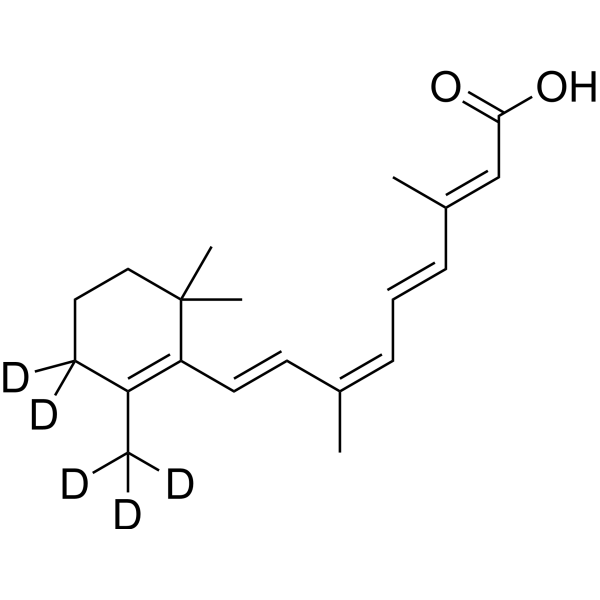
Retinoic acid-d5 is the the deuterium labeled Retinoic acid (HY-14649). Retinoic acid is a metabolite of vitamin A that plays important roles in cell growth, differentiation, and organogenesis. Retinoic acid is a natural agonist of RAR nuclear receptors, with IC50s of 14 nM for RARα/β/γ. Retinoic acid bind to PPARβ/δ with Kd of 17 nM. Retinoic acid acts as an inhibitor of transcription factor Nrf2 through activation of retinoic acid receptor alpha .
|
-
-
- HY-132334S
-
|
|
|
9-cis-Retinoic acid-d5 is the deuterium labeled 9-cis-Retinoic acid. 9-cis-Retinoic acid (ALRT1057), a vitamin A derivative, is a potent RAR/RXR agonist. 9-cis-Retinoic acid induces apoptosis, regulates cell cycle and has anticancer, anti-inflammatory and neuroprotection activities .
|
-
-
- HY-14649S2
-
|
|
|
11-cis-Retinoic Acid-d5 is the deuterium labeled Retinoic acid. Retinoic acid is a metabolite of vitamin A that plays important roles in cell growth, differentiation, and organogenesis. Retinoic acid is a natural agonist of RAR nuclear receptors, with IC50s of 14 nM for RARα/β/γ. Retinoic acid bind to PPARβ/δ with Kd of 17 nM. Retinoic acid acts as an inhibitor of transcription factor Nrf2 through activation of retinoic acid receptor alpha[1][2].
|
-
-
- HY-14649S3
-
|
|
|
Retinoic acid-d6 is the deuterium labeled Retinoic acid[1]. Retinoic acid is a metabolite of vitamin A that plays important roles in cell growth, differentiation, and organogenesis. Retinoic acid is a natural agonist of RAR nuclear receptors, with IC50s of 14 nM for RARα/β/γ. Retinoic acid bind to PPARβ/δ with Kd of 17 nM. Retinoic acid acts as an inhibitor of transcription factor Nrf2 through activation of retinoic acid receptor alpha[2][3][4][5][6][7].
|
-
-
- HY-U00449S
-
|
|
|
AGN 193109-d7 is the deuterium labeled AGN 193109. AGN 193109 is a retinoid analog, and acts as a specific and highly effective antagonist of retinoic acid receptors (RARs), with Kds of 2 nM, 2 nM, and 3 nM for RARα, RARβ, and RARγ, respectively.
|
-
-
- HY-B0091S
-
|
|
|
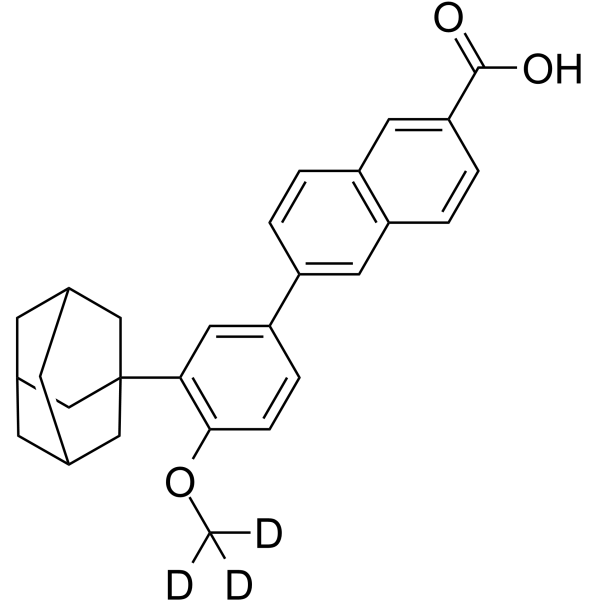
Adapalene-d3 is the deuterium labeled Adapalene. Adapalene (CD271), a third-generation synthetic retinoid, is widely used for the research of acne. Adapalene is a potent RAR agonist, with AC50s of 2.3 nM, 9.3 nM, and 22 nM for RARβ, RARγ, RARα, respectively. Adapalene also inhibits the enzymatic activity of GOT1 in a non-competitive manner. Adapalene exhibits anti-tumor activity .
|
-
-
- HY-100532S
-
|
|
|
CD437- 13C6 is the 13C- and deuterium labeled CD437. CD437 is a selective Retinoic Acid Receptor γ (RARγ) agonist.
|
-
-
- HY-14649S5
-
|
|
|
Retinoic acid-d3 is the deuterium labeled Retinoic acid (HY-14649). Retinoic acid is a metabolite of vitamin A that plays important roles in cell growth, differentiation, and organogenesis. Retinoic acid is a natural agonist of RAR nuclear receptors, with IC50s of 14 nM for RARα/β/γ. Retinoic acid bind to PPARβ/δ with Kd of 17 nM. Retinoic acid acts as an inhibitor of transcription factor Nrf2 through activation of retinoic acid receptor alpha .
|
-
-
- HY-14649S6
-
|
|
|
Retinoic acid-d3-1 is the deuterium labeled Retinoic acid (HY-14649). Retinoic acid is a metabolite of vitamin A that plays important roles in cell growth, differentiation, and organogenesis. Retinoic acid is a natural agonist of RAR nuclear receptors, with IC50s of 14 nM for RARα/β/γ. Retinoic acid bind to PPARβ/δ with Kd of 17 nM. Retinoic acid acts as an inhibitor of transcription factor Nrf2 through activation of retinoic acid receptor alpha .
|
-
-
- HY-15388S
-
|
|
|
Tazarotene-d8 is the deuterium labeled Tazarotene. Tazarotene (AGN 190168) is a selective retinoic acid receptor (RAR) agonist for the treatment of plaque psoriasis and acne vulgaris .
|
-
-
- HY-101108S
-
|
|
|
Tazarotenic acid-d6 is deuterium labeled Tazarotenic acid. Tazarotenic acid is the metabolite of Tazarotene. Tazarotenic acid binding to retinoic acid receptors (RARs) is the probable molecular target of retinoid action. Tazarotenic acid has the potential for the research of warty dyskeratoma .
|
-
-
- HY-15388S2
-
|
|
|
Tazarotene- 13C6 (AGN 190168- 13C6) is 13C labeled Tazarotene. Tazarotene (AGN 190168) is a selective retinoic acid receptor (RAR) agonist for the treatment of plaque psoriasis and acne vulgaris. Tazarotene is a click chemistry reagent, it contains an Alkyne group and can undergo copper-catalyzed azide-alkyne cycloaddition (CuAAc) with molecules containing Azide groups.
|
-
-
- HY-101108S1
-
|
|
|
Tazarotenic acid-13C2,d2 (AGN 190299-13C2,d2) is the 13C and deuterium labeled isotope of Tazarotenic acid (HY-101108). Tazarotenic acid is the metabolite of Tazarotene. Tazarotenic acid binding to retinoic acid receptors (RARs) is the probable molecular target of retinoid action. Tazarotenic acid has the potential for the research of warty dyskeratoma .
|
-
-
- HY-14171S2
-
|
|
|
Bexarotene- 13C6 (LGD1069- 13C6) is 13C labeled Bexarotene. Bexarotene (LGD1069) is a high-affinity and selective retinoid X receptors (RXR) agonist with EC50s of 33, 24, 25 nM for RXRα, RXRβ, and RXRγ, respectively. Bexarotene shows limited affinity for RAR receptors (EC50 >10000 nM) . Bexarotene can be used for the research of cutaneous T-cell lymphoma.
|
-
-
- HY-W777169
-
|
|
|
Bexarotene- 13C4 (LGD1069- 13C4) is the 13C-labeled Bexarotene (HY-14171). Bexarotene (LGD1069) is a high-affinity and selective retinoid X receptors (RXR) agonist with EC50s of 33, 24, 25 nM for RXRα, RXRβ, and RXRγ, respectively. Bexarotene shows limited affinity for RAR receptors (EC50 >10000 nM) . Bexarotene can be used for the research of cutaneous T-cell lymphoma.
|
-
-
- HY-15388S1
-
|
|
|
Tazarotene-13C2,d2 (AGN 190168-13C2,d2) is the 13C and deuterium labeled isotope of Tazarotene (HY-15388). Tazarotene (AGN 190168) is a selective retinoic acid receptor (RAR) agonist for the treatment of plaque psoriasis and acne vulgaris. Tazarotene is a click chemistry reagent, it contains an Alkyne group and can undergo copper-catalyzed azide-alkyne cycloaddition (CuAAc) with molecules containing Azide groups .
|
-
-
- HY-W752012
-
|
|
|
Adapalene- 13C6 (CD271- 13C6) is the 13C-labeled Adapalene (HY-B0091). Adapalene (CD271), a third-generation synthetic retinoid, is widely used for the research of acne. Adapalene is a potent RAR agonist, with AC50s of 2.3 nM, 9.3 nM, and 22 nM for RARβ, RARγ, RARα, respectively. Adapalene also inhibits the enzymatic activity of GOT1 in a non-competitive manner. Adapalene exhibits anti-tumor activity .
|
-
-
- HY-15388S3
-
|
|
|
Tazarotene-d6 (AGN 190168-d6) is deuterium labeled Tazarotene. Tazarotene (AGN 190168) is a selective retinoic acid receptor (RAR) agonist for the treatment of plaque psoriasis and acne vulgaris. Tazarotene is a click chemistry reagent, it contains an Alkyne group and can undergo copper-catalyzed azide-alkyne cycloaddition (CuAAc) with molecules containing Azide groups.
|
-
| Cat. No. |
Product Name |
|
Classification |
-
- HY-RS11676
-
|
|
|
siRNAs
Human Pre-designed siRNA Sets
|
|
RARS1 Human Pre-designed siRNA Set A contains three designed siRNAs for RARS1 gene (Human), as well as a negative control, a positive control, and a FAM-labeled negative control.
|
-
- HY-RS11677
-
|
|
|
siRNAs
Human Pre-designed siRNA Sets
|
|
RARS2 Human Pre-designed siRNA Set A contains three designed siRNAs for RARS2 gene (Human), as well as a negative control, a positive control, and a FAM-labeled negative control.
|
| Cat. No. |
Product Name |
Target |
Research Areas |
Chemical Structure |
-
- HY-15682G
-
|
Ro 13-7410; Arotinoid acid; AGN191183
|
RAR/RXR
|
Cancer
|
|
TTNPB (Ro 13-7410) (GMP) is TTNPB (HY-15682) produced by using GMP guidelines. GMP small molecules work appropriately as an auxiliary reagent for cell therapy manufacture. TTNPB is a highly potent retinoic acid receptor (RAR) agonist .
|
-
-
- HY-14649G
-
|
Vitamin A acid; all-trans-Retinoic acid; ATRA
|
RAR/RXR
PPAR
Endogenous Metabolite
Autophagy
|
Cancer
|
|
Retinoic acid (Vitamin A acid) (GMP) is Retinoic acid (HY-14649) produced by using GMP guidelines. GMP small molecules works appropriately as an auxiliary reagent for cell therapy manufacture. Retinoic acid is an agonist of RAR nuclear receptors .
|
-
-
- HY-10475G
-
|
CD336; NSC608001; Ro 40-6055
|
RAR/RXR
|
Cancer
|
|
AM580 (CD336) (GMP) is AM580= (HY-10475) produced by using GMP guidelines. GMP small molecules works appropriately as an auxiliary reagent for cell therapy manufacture. AM580 is a selective RARα agonist .
|
-
-
- HY-U00449G
-
|
|
RAR/RXR
|
Cancer
|
|
AGN 193109 (GMP) is AGN 193109 (HY-U00449) produced by using GMP guidelines. GMP small molecules works appropriately as an auxiliary reagent for cell therapy manufacture. AGN 193109 is a specific and highly effective retinoic acid receptor (RAR) antagonist . AGN 193109 (GMP) is a click chemistry reagent, it contains an Alkyne group and can undergo copper-catalyzed azide-alkyne cycloaddition (CuAAc) with molecules containing Azide groups. AGN 193109 is the antidote for retinoic acidosis, that ameliorates the skin and mucosal toxicity.
|
-
Your information is safe with us. * Required Fields.
Inquiry Information
- Product Name:
- Cat. No.:
- Quantity:
- MCE Japan Authorized Agent:





![CCR2-RA-[R]](http://file.medchemexpress.com/product_pic/hy-50081.gif)





