Search Result
Results for "
RAW+264.7+macrophages
" in MedChemExpress (MCE) Product Catalog:
1
Biochemical Assay Reagents
| Cat. No. |
Product Name |
Target |
Research Areas |
Chemical Structure |
-
- HY-N0569
-
-
-
- HY-N3383
-
|
Ligstroside
|
Mitochondrial Metabolism
|
Neurological Disease
|
|
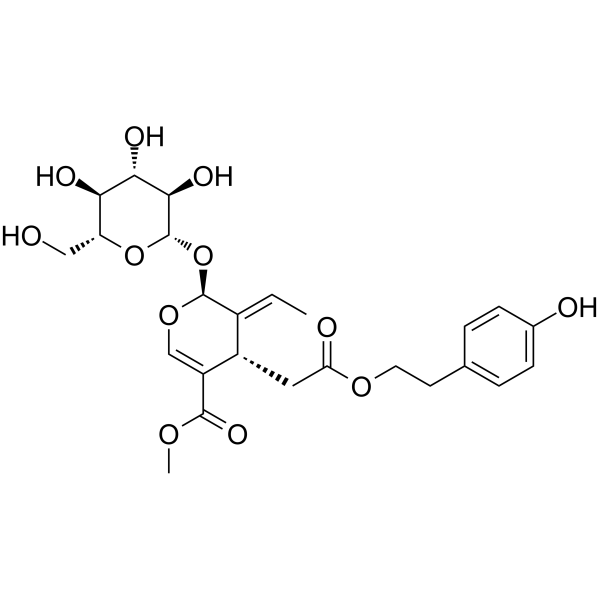
Ligustroside (Ligstroside), a secoiridoid derivative, has outstanding performance on mitochondrial bioenergetics in models of early Alzheimer's disease (AD) and brain ageing by mechanisms that may not interfere with Aβ production. Ligustroside significantly inhibits nitric oxide production in lipopolysaccharide-activated RAW264.7 macrophages .
|
-
-
- HY-129113
-
|
|
COX
|
Inflammation/Immunology
|
|
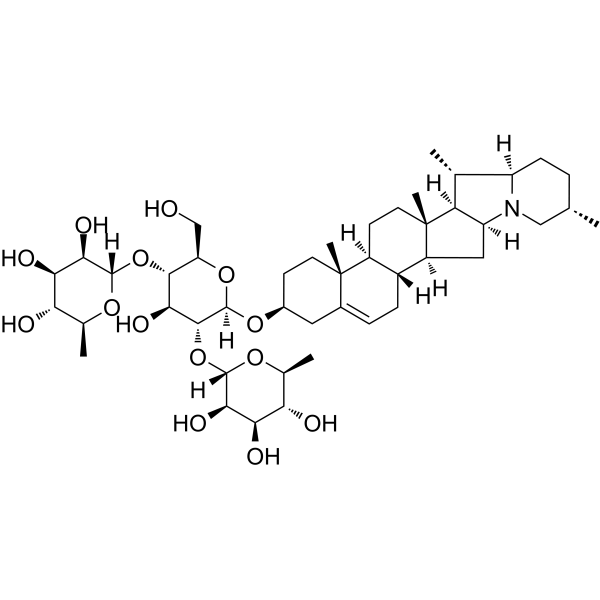
α-Chaconine inhibits the expressions of COX-2, IL-1β, IL-6, and TNF-α at the transcriptional level. α-Chaconine inhibits the LPS-induced expressions of iNOS and COX-2 at the protein and mRNA levels and their promoter activities in RAW 264.7 macrophages. Anti-inflammatory effects .
|
-
-
- HY-N2535
-
|
4-Hydroxy-3-methoxycinnamaldehyde
|
Keap1-Nrf2
Apoptosis
|
Inflammation/Immunology
|
|
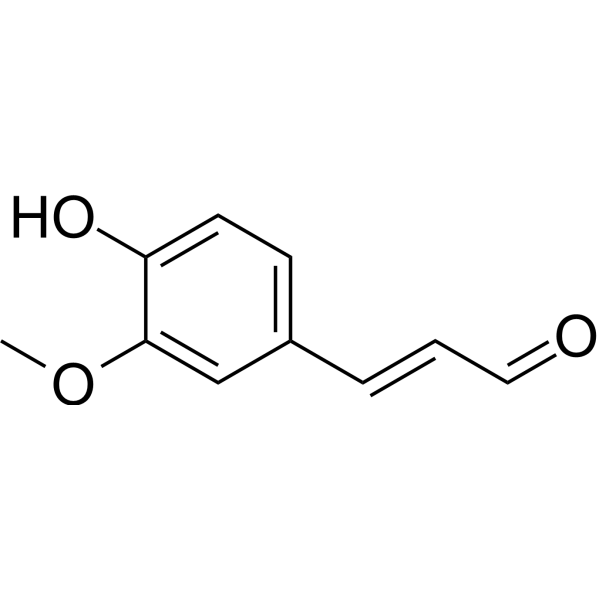
Coniferaldehyde (4-Hydroxy-3-methoxycinnamaldehyde) is an effective inducer of heme oxygenase-1 (HO-1). Coniferaldehyde inhibits LPS-induced apoptosis through the PKCα/β II/Nrf-2/HO-1 dependent pathway in RAW264.7 macrophage cells. Coniferaldehyde has antioxidant and anti-inflammatory activities .
|
-
-
- HY-W082785A
-
-
-
- HY-146066
-
|
|
nAChR
JAK
STAT
NO Synthase
Interleukin Related
|
Inflammation/Immunology
|
|
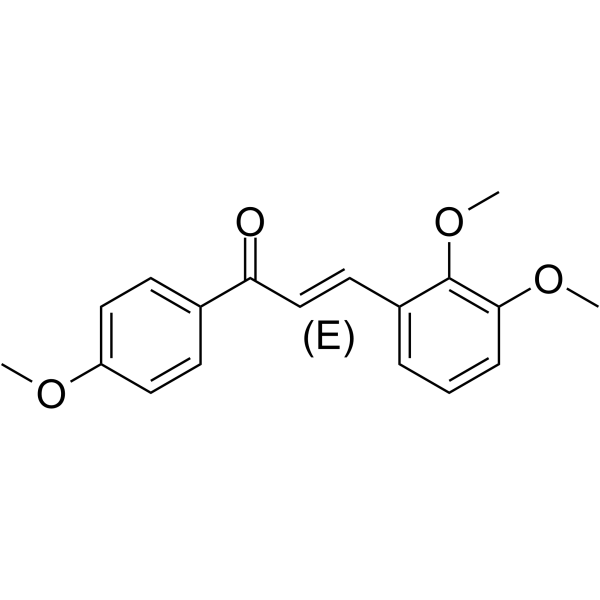
α7 nAchR-JAK2-STAT3 agonist 1 is a potent α7 nAchR-JAK2-STAT3 agonist, with an IC50 value of 0.32 μM for nitric oxide (NO). α7 nAchR-JAK2-STAT3 agonist 1 effectively suppresses the expression of iNOS, IL-1β, and IL-6 in murine RAW264.7 macrophages. α7 nAchR-JAK2-STAT3 agonist 1 can inhibit LPS-induced NO release, NF-κB activation and cytokine production. α7 nAchR-JAK2-STAT3 can be used for researching sepsis .
|
-
-
- HY-125531
-
|
|
Others
|
Others
|
|
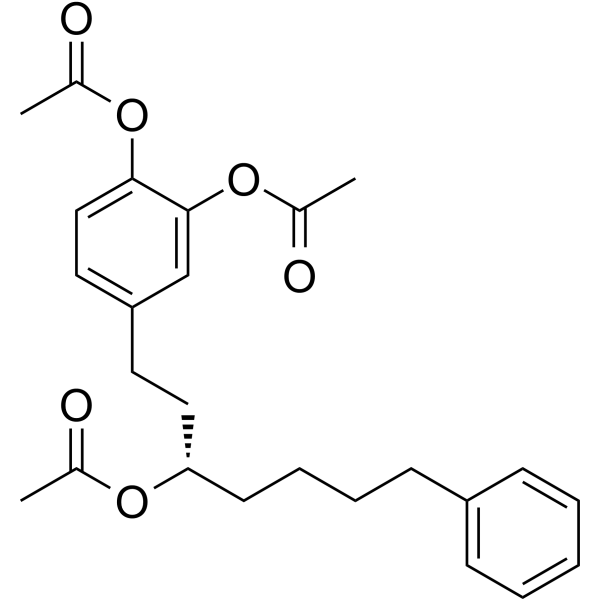
Dactylorhin A, a succinate derivative ester, is isolated from rhizomes of Gymnadenia conopsea. Dactylorhin A exhibits moderate inhibitory effects on NO production effects in RAW 264.7 macrophage cells .
|
-
-
- HY-34748
-
-

-
- HY-146346
-
|
|
PROTACs
HDAC
|
Inflammation/Immunology
|
|
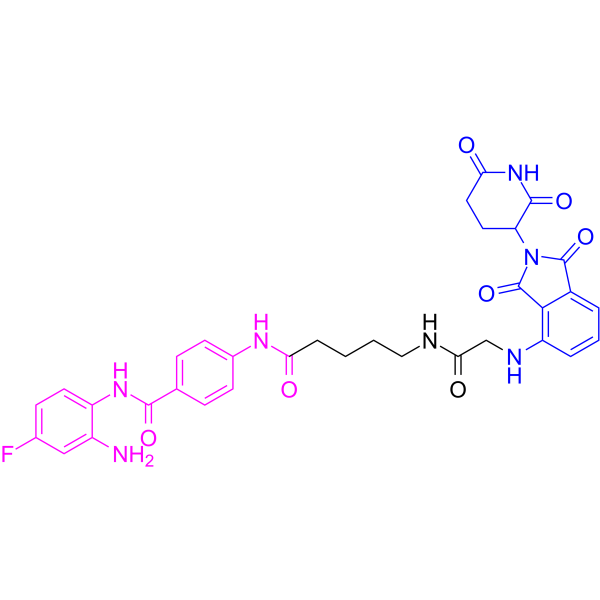
HD-TAC7 is a potent PROTAC HDAC degrader with IC50 values of 3.6 μM, 4.2 μM and 1.1 μM for HDAC1, HDAC2 and HDAC3, respectively. HD-TAC7 can decreases NF-κB p65 in RAW 264.7 macrophages. HD-TAC7 can be used for the research of inflammatory diseases like asthma and chronic obstructive pulmonary disease (COPD) .
|
-
-
- HY-N7012
-
|
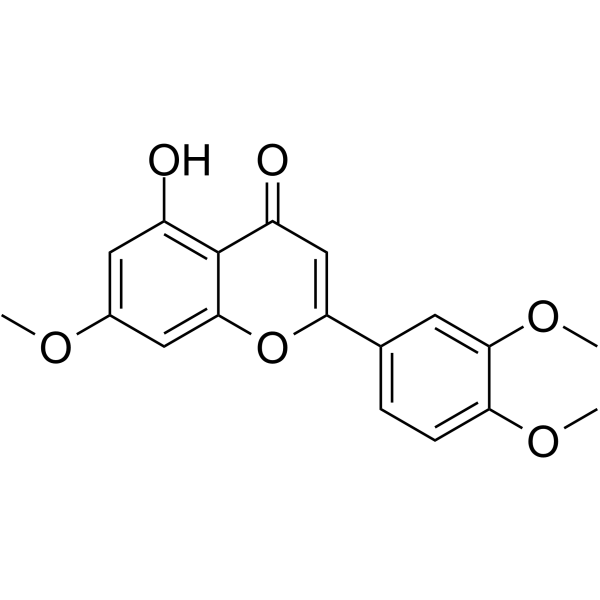
5-Hydroxy-3',4',7-trimethoxyflavone
|
Lipoxygenase
TNF Receptor
Interleukin Related
COX
Fungal
Parasite
Apoptosis
|
Infection
Inflammation/Immunology
Cancer
|
|
7,3',4'-Tri-O-methylluteolin (5-Hydroxy-3',4',7-trimethoxyflavone) is a flavonoid with multiple biological activities. 7,3',4'-Tri-O-methylluteolin inhibits soybean lipoxygenase (LOX), with an IC50 value of 23.97 µg/mL. 7,3',4'-Tri-O-methylluteolin possesses anti-inflammatory effects in Lipopolysaccharides (HY-D1056) (LPS)-induced RAW 264.7 macrophages. 7,3',4'-Tri-O-methylluteolin inhibits the binding of MDM2 with p53 and induces apoptosis in MCF-7 breast cancer cells. 7,3',4'-Tri-O-methylluteolin also has antioxidant, antifungal and antitrypanosomal activities sup>[4]sup>[5].
|
-
-
- HY-N3001
-
|
|
STAT
VEGFR
Bcl-2 Family
Survivin
IAP
NF-κB
Apoptosis
Caspase
|
Neurological Disease
Inflammation/Immunology
Cancer
|
|
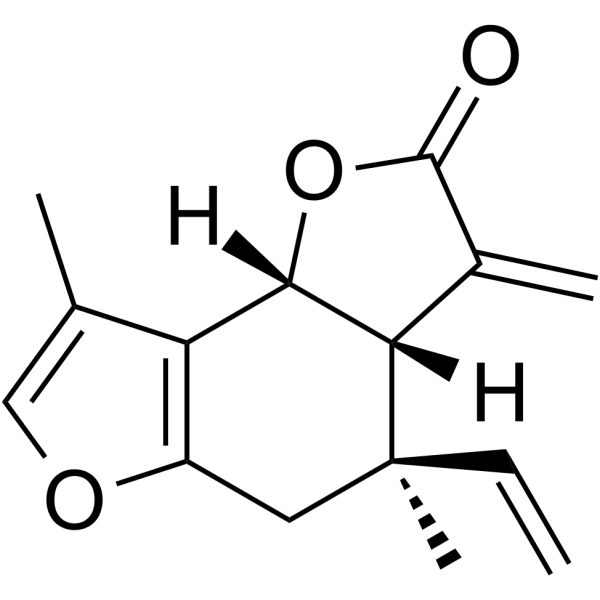
Isolinderalactone is a sesquiterpene that exhibits anti-cancer, anti-inflammatory, and neuroprotective effects. Isolinderalactone inhibits VEGF expression and tyrosine phosphorylation of VEGFR2. Isolinderalactone decreases viability and induces apoptosis in U-87 glioblastoma (GBM) cells and colorectal cancer (CRC) cells. Isolinderalactone induces G2/M phase cell cycle arrest, ROS generation, pJNK/p38 MAPK activation, in colorectal cancer (CRC) cells. Isolinderalactone blocks LPS (HY-D1056)-induced NF-κB activation while activating Nrf2-HMOX1 signaling in RAW264.7 macrophages. Isolinderalactone improves cognitive dysfunction in APP/PS1 mice. Isolinderalactone can be used for the study of Glioblastoma multiforme (GBM), colorectal cancer, Alzheimer’s disease and acute lung injury .
|
-
-
- HY-N0569R
-
|
|
Reference Standards
NO Synthase
COX
TNF Receptor
Interleukin Related
|
Inflammation/Immunology
|
|
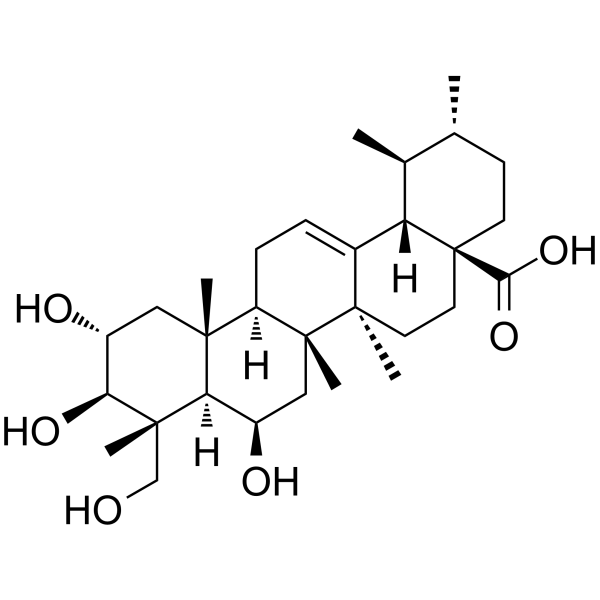
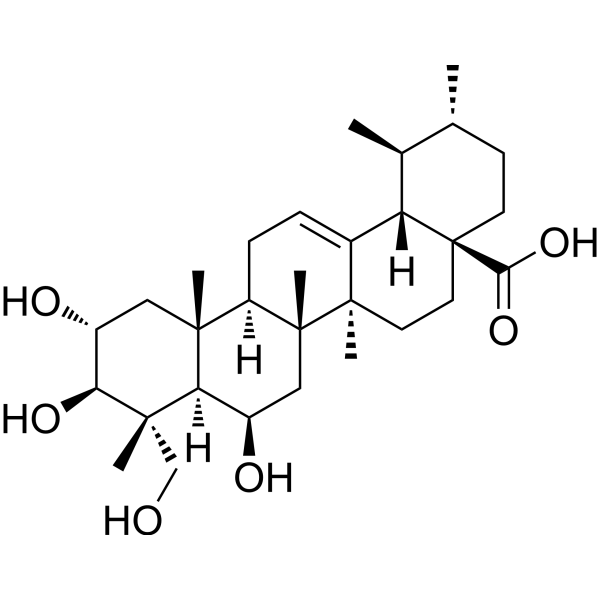
Madecassic acid (Standard) is the analytical standard of Madecassic acid. This product is intended for research and analytical applications. Madecassic acid is isolated from Centella asiatica (Umbelliferae). Madecassic acid has anti-inflammatory properties caused by iNOS, COX-2, TNF-alpha, IL-1beta, and IL-6 inhibition via the downregulation of NF-κB activation in RAW 264.7 macrophage cells .
|
-
-
- HY-168336
-
|
|
PPAR
|
Metabolic Disease
|
|
E0924G is an orally active activator for PPARδ with EC50 of 2.82 μM. E0924G promotes the upregulation of osteoprotegerin (OPG) with an EC50 of 0.29 μM. E0924G reduces RANKL-induced osteoclast differentiation and inhibites F-actin ring formation in RAW264.7 macrophages. E0924G regulates the bone density and bone loss in ovariectomized (OVX) and age-related osteoporosis models .
|
-

-
- HY-N8160
-
|
|
Keap1-Nrf2
Reactive Oxygen Species (ROS)
|
Inflammation/Immunology
|
|
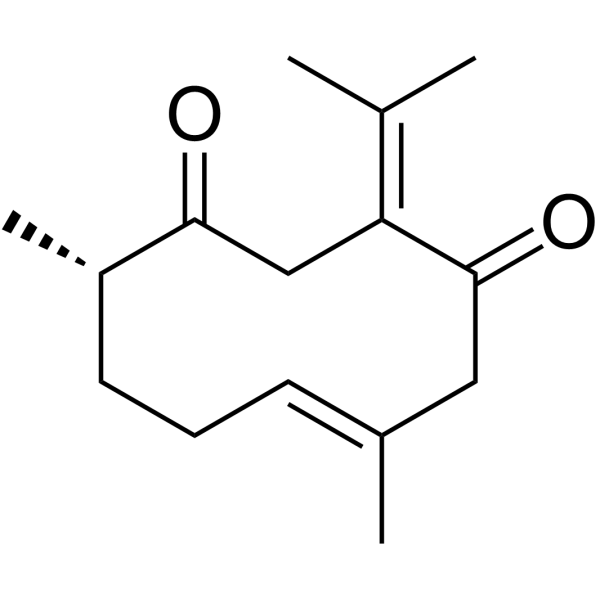
Dehydrocurdione, a zedoary-derived sesquiterpene, induces heme oxygenase (HO)-1, an antioxidative enzyme, in RAW 264.7 macrophages. Dehydrocurdione interacts with Keap1, resulting in Nrf2 translocation followed by activation of the HO-1 E2 enhancer. Dehydrocurdione suppresses lipopolysaccharide-induced NO release, a marker of inflammation. Anti-inflammatory activity .
|
-
-
- HY-W201317
-
|
|
PPAR
|
Metabolic Disease
|
|
E17241 is an inducer of the expression of ABCA1 that increases the protein levels of ABCA1 in RAW 264.7 macrophages. E17241 is also an agonist of peroxisome proliferator-activated receptors (PPARs ). E17241 decreases plasma glucose levels and body weight in KKAy diabetic mice fed a high-fat and high-glucose (HFHG) diet .
|
-

-
- HY-169859
-
|
|
Prostaglandin Receptor
Interleukin Related
|
Inflammation/Immunology
Cancer
|
|
EP4 receptor antagonist 7 (Compound 14) is an antagonist of the prostaglandin E2 (PGE2) receptor subtype EP4 with an IC50 value of 1.1 nM. EP4 receptor antagonist 7 inhibits PGE2-induced β-arrestin recruitment in HEK293 cells with an IC50 value of 0.9 nM. EP4 receptor antagonist 7 decreases PGE2-induced expression of mRNA encoding IL-4, macrophage mannose receptor 1 (Mrc1), chitinase-like protein 3 (Chil3), chemokine (C-X-C) motif ligand 1 (Cxcl1), triggering receptor expressed on myeloid cells 2 (Trem2), and arginase-1 (Arg1), in RAW 264.7 macrophages. EP4 receptor antagonist 7 combined with an anti-PD-1 antibody inhibits tumor growth and increases infiltration of CD 8+ T cells into tumors in a CT26 murine colon cancer model .
|
-

-
- HY-146066A
-
|
|
nAChR
JAK
STAT
NO Synthase
|
Others
|
|
(R)-α7 nAchR-JAK2-STAT3 agonist 1 is the R-enantiomer of α7 nAchR-JAK2-STAT3 agonist 1 (HY-146066). α7 nAchR-JAK2-STAT3 agonist 1 is a potent α7 nAchR-JAK2-STAT3 agonist, with an IC50 value of 0.32 μM for nitric oxide (NO). α7 nAchR-JAK2-STAT3 agonist 1 effectively suppresses the expression of iNOS, IL-1β, and IL-6 in murine RAW264.7 macrophages. α7 nAchR-JAK2-STAT3 agonist 1 can inhibit LPS-induced NO release, NF-κB activation and cytokine production. α7 nAchR-JAK2-STAT3 can be used for researching sepsis .
|
-

-
- HY-N1912
-
|
|
Others
|
Cancer
|
|
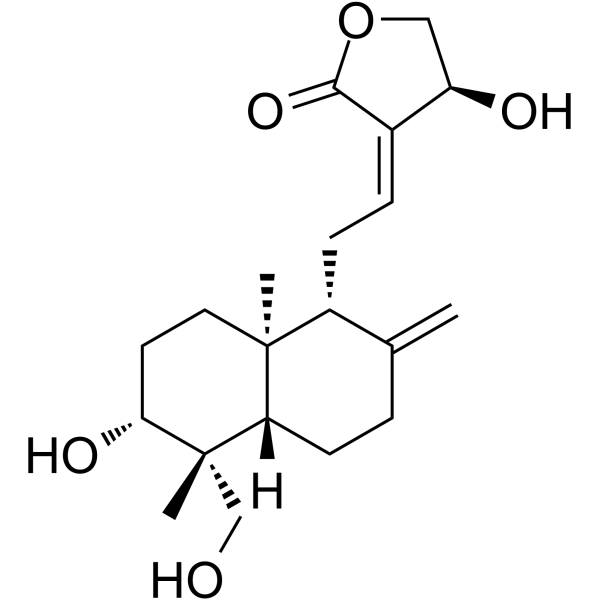
Andropanolide is a natural product that exerts cytotoxicity toward carcinoma cells and significantly inhibits the overproduction of nitric oxide (NO) in Lipopolysaccharides (HY-D1056) (LPS)-stimulated RAW264.7 macrophages .
|
-
-
- HY-N12283
-
|
|
NF-κB
|
Inflammation/Immunology
|
|
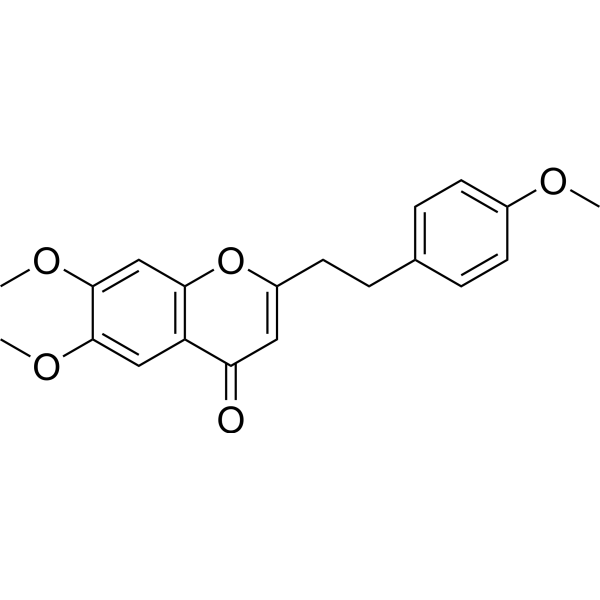
NF-κB-IN-13 (compound 12) can significantly inhibit LPS-induced NF-κB activation and NO production in RAW264.7 macrophages. NF-κB-IN-13 has anti-inflammatory effects .
|
-
-
- HY-N7422
-
|
ent-Kauran-16β,17-diol
|
Apoptosis
|
Inflammation/Immunology
Cancer
|
|
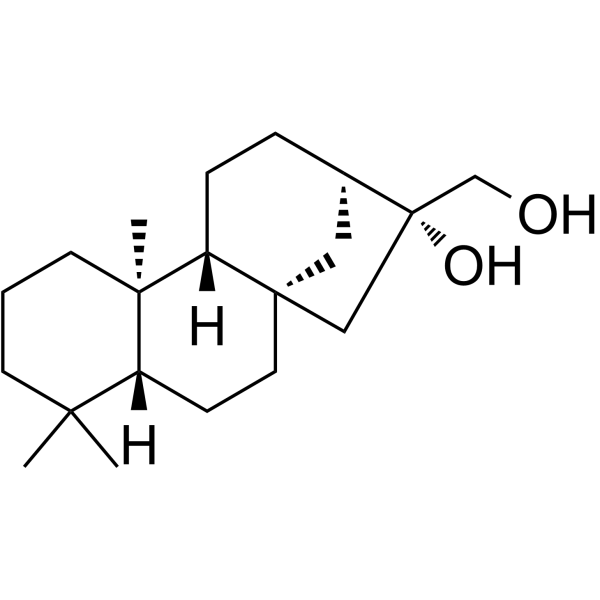
Kauran-16,17-diol (ent-Kauran-16β,17-diol), a natural diterpene, posseses anti-tumor and inducing-apoptosis activity, with a IC50 of 17 μM on inhibiting NO production in LPS-stimulated RAW 264.7 macrophages .
|
-
-
- HY-N17239
-
|
|
TNF Receptor
Interleukin Related
NO Synthase
|
Inflammation/Immunology
|
|
Oleracone is a type of alkaloid that can be found in Portulaca oleracea L.. Oleracone exhibits a significant anti-inflammatory effect in the RAW 264.7 macrophage model induced by LPS (HY-D1056), capable of inhibiting NO production and significantly suppressing the secretion of pro-inflammatory cytokines TNF-α, IL-6, and prostaglandin E₂ (PGE₂). Oleracone can be used for the study of inflammatory diseases .
|
-

-
- HY-129113R
-
|
|
Reference Standards
COX
|
Inflammation/Immunology
|
|
α-Chaconine (Standard) is the analytical standard of α-Chaconine. This product is intended for research and analytical applications. α-Chaconine inhibits the expressions of COX-2, IL-1β, IL-6, and TNF-α at the transcriptional level. α-Chaconine inhibits the LPS-induced expressions of iNOS and COX-2 at the protein and mRNA levels and their promoter activities in RAW 264.7 macrophages. Anti-inflammatory effects .
|
-

-
- HY-N10156
-
|
|
Na+/H+ Exchanger (NHE)
Phosphodiesterase (PDE)
NO Synthase
|
Inflammation/Immunology
|
|
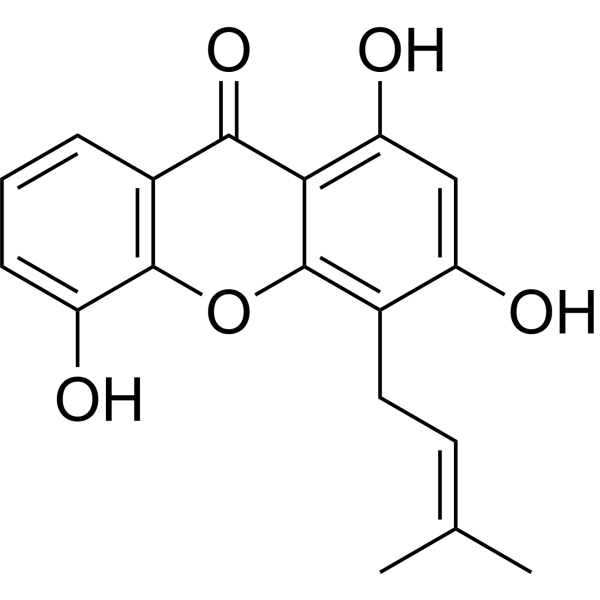
1,3,5-Trihydroxy-4-prenylxanthone is a Na +/H + exchange system inhibitor with a minimum inhibitory concentration of 10 μg/mL . 1,3,5-Trihydroxy-4-prenylxanthone is a phosphodiesterase type 5 (PDE5) inhibitor with an IC50 value of 3.0 μM . 1,3,5-Trihydroxy-4-prenylxanthone inhibits Lipopolysaccharide (LPS) (HY-D1056)-induced NO production in RAW264.7 macrophages, and has anti-inflammatory activities .
|
-
-
- HY-N10114
-
|
|
Others
|
Inflammation/Immunology
|
|
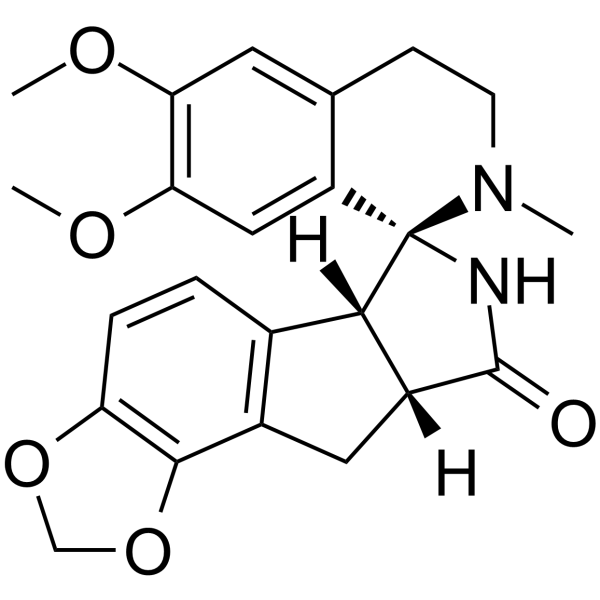
Hyperectumine exhibits moderate anti-inflammatory activity via suppression of LPS-activated inflammatory mediators in RAW 264.7 macrophage cells.
|
-
-
- HY-N10297
-
|
|
Others
|
Inflammation/Immunology
|
|
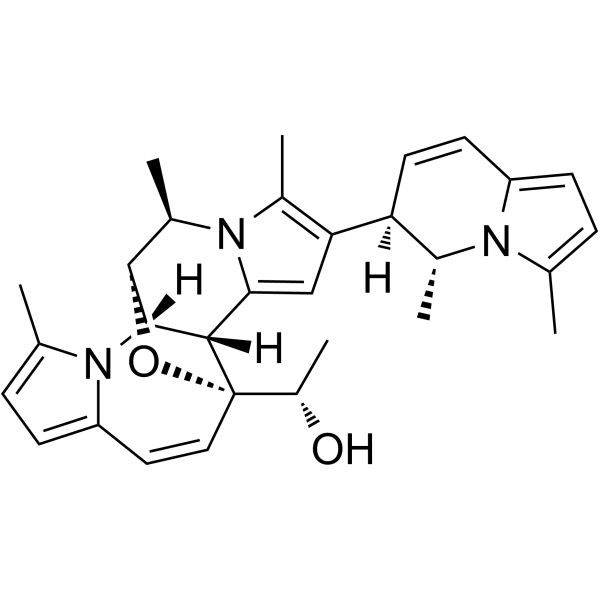
Curindolizine, indolizine alkaloid , displays an anti-inflammatory action in lipopolyssacharide (LPS)-induced RAW 264.7 macrophages with an IC50 value of 5.31 μM .
|
-
-
- HY-N10865
-
|
|
NO Synthase
|
Inflammation/Immunology
|
|
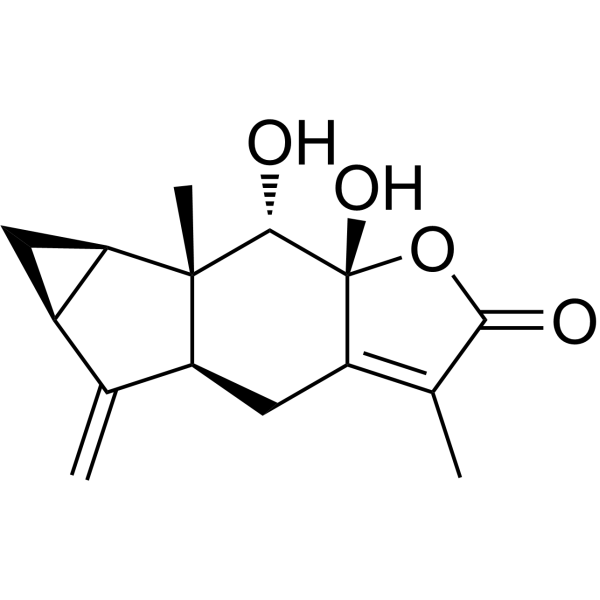
Chloranthalactone E (compound 6), a labdane diterpene, can be isolated from the aerial parts of Chloranthus serratus. Chloranthalactone E inhibits NO production in LPS-activated RAW 264.7 macrophages .
|
-
-
- HY-N11548
-
|
|
NO Synthase
|
Inflammation/Immunology
|
|
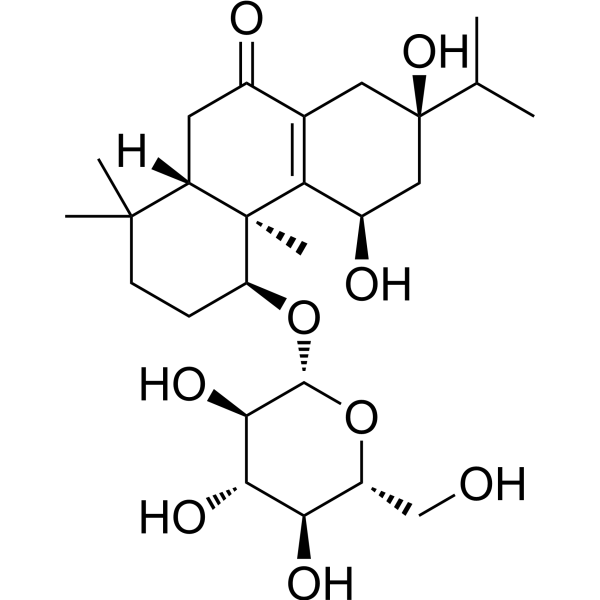
Inflexuside A, an abietane diterpenoid, can be isolated from the aerial parts of Isodon inflexus. Inflexuside B strongly inhibits lipopolysaccharide (LPS)-activated NO production (NO Synthase) in RAW264.7 macrophages .
|
-
-
- HY-N11544
-
|
|
NO Synthase
|
Inflammation/Immunology
|
|
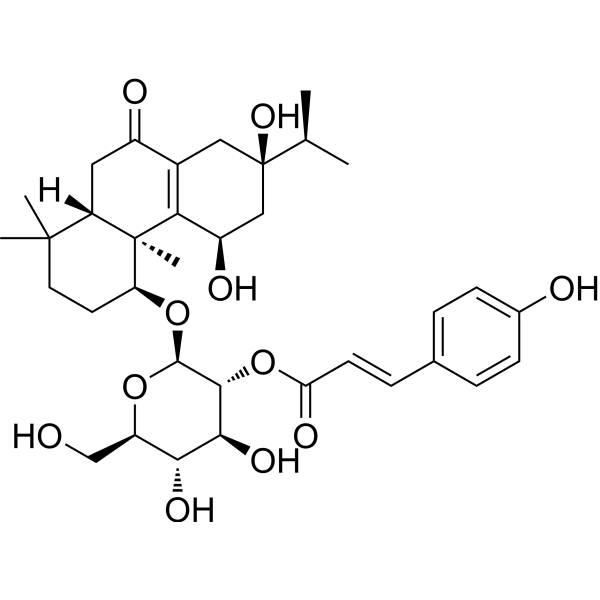
Inflexuside B, an abietane diterpenoid, can be isolated from the aerial parts of Isodon inflexus. Inflexuside B strongly inhibits lipopolysaccharide (LPS)-activated NO Synthase in RAW264.7 macrophages .
|
-
-
- HY-N11570
-
|
|
Others
|
Inflammation/Immunology
|
|
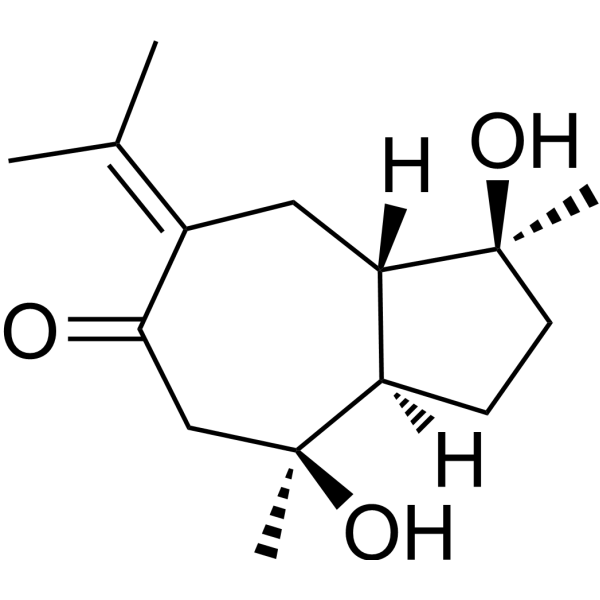
Phaeocaulisin E (Compound 5) is a guaiane-type sesquiterpene that inhibits LPS HY-(HY-D1056)-induced NO production in RAW 264.7 macrophages with an IC50 of 10.3 μM .
|
-
-
- HY-N13138
-
|
|
NO Synthase
|
Inflammation/Immunology
|
|
Angulasaponin B, a natural product, can be obtained from Vigna angularis. Angulasaponin B inhibits nitric oxide production in LPS-activated RAW264.7 macrophages with IC50 values ranging from 13 μM to 24 μM .
|
-

-
- HY-124508
-
-

-
- HY-N3552
-
|
|
NF-κB
|
Inflammation/Immunology
|
|
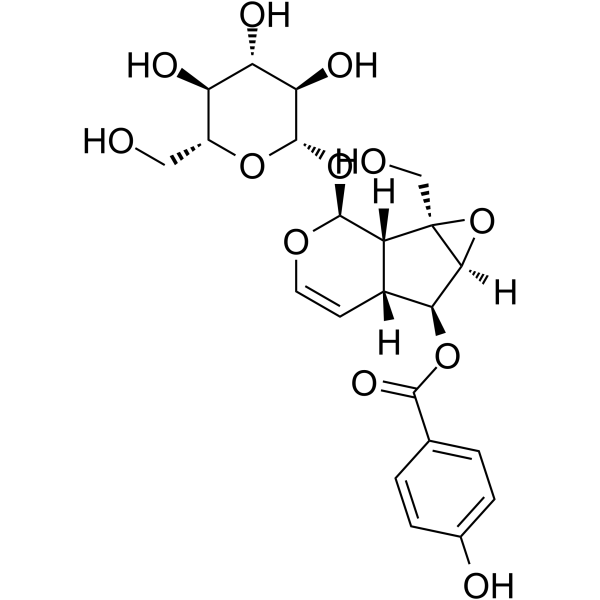
Catalposide, an iridoid glycoside that could be isolated from Catalpa ovate G. Don (Bignoniaceae), inhibits TNF-α, IL-1β, and IL-6 productions and NF-κB (p65) activation in lipopolysaccharide-activated RAW 264.7 macrophages .
|
-
-
- HY-153762
-
|
|
NO Synthase
NF-κB
COX
|
Inflammation/Immunology
|
|
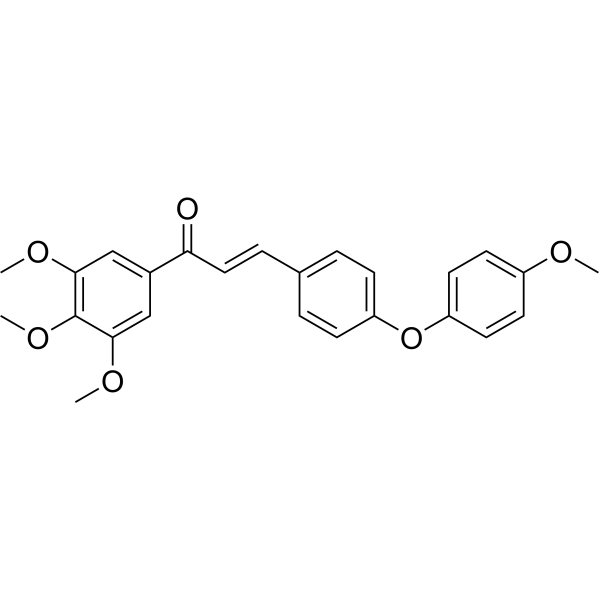
COX-2-IN-32 (Compound 2f) is an iNOS and COX-2 inhibitor. COX-2-IN-32 decreases the expression of NF-κB. COX-2-IN-32 has anti-inflammatory activity by inhibits NO production in LPS-induced RAW264.7 macrophages (IC50: 11.2 μM) .
|
-
-
- HY-N3289A
-
|
|
Others
|
Inflammation/Immunology
|
|
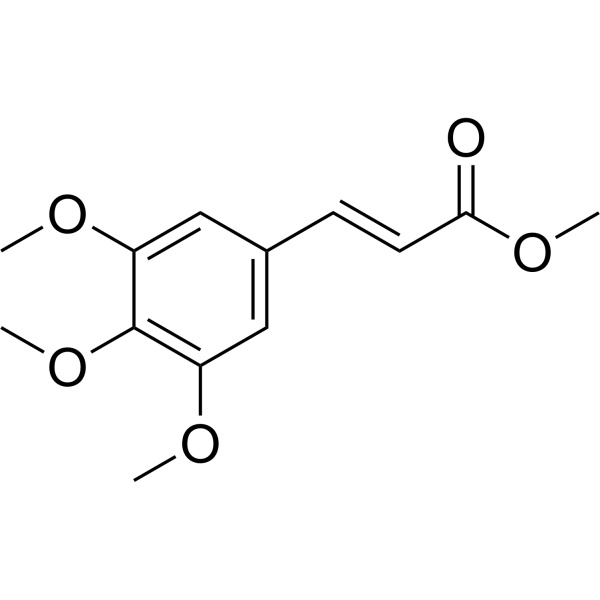
(E)-Methyl 3,4,5-trimethoxycinnamate is a bioactive natural phenylpropanoid. (E)-Methyl 3,4,5-trimethoxycinnamate suppresses inflammation in RAW264.7 macrophages and blocks macrophage-adipocyte interaction. (E)-Methyl 3,4,5-trimethoxycinnamate also has antiarrhythmic effect, leads to suppression of triggered activities in rabbit myocytes .
|
-
-
- HY-115780
-
|
|
LXR
ATP-binding cassette (ABC) transporters
|
Cardiovascular Disease
|
|
E17110 is a liver X receptor β (LXRβ) agonist with an EC50 of 0.72 μM. E17110 can increase the expression of ATP-binding cassette transporter A1 (ABCA1) and G1 (ABCG1) in RAW264.7 macrophages. E17110 also reduce cellular lipid accumulation and promoted cholesterol efflux. E17110 can be used for the research of cardiovascular disease, such as atherosclerosis .
|
-

-
- HY-163355
-
|
|
COX
Lipoxygenase
NF-κB
|
Inflammation/Immunology
|
|
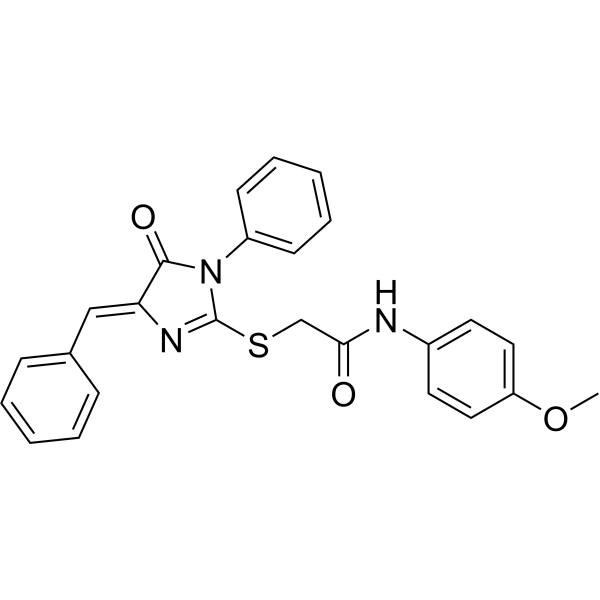
COX-2/15-LOX-IN-5 (Compound 4f) is a dual inhibitor of COX-2/15-LOX. COX-2/15-LOX-IN-5 attenuates increased NF-κB activation in RAW 264.7 macrophages mediated by lipopolysaccharide (HY-D1056). COX-2/15-LOX-IN-5 has anti-inflammatory and antioxidant activities .
|
-
-
- HY-131626
-
|
1a,1b-Dihomo PGE2
|
COX
|
Metabolic Disease
|
|
1a,1b-Dihomo Prostaglandin E2 (PGE2) is a rare polyunsaturated fatty acid first identified in extracts of sheep vesicular gland microsomes, known to contain COX, incubated with adrenic acid. 1a,1b-Dihomo PGE2 has also been identified in conditioned media of RAW 264.7 macrophages stimulated with endotoxin and arachidonic acid. This product is thought to be produced by elongation of AA to adrenic acid, which is then metabolized sequentially by COX and PGE synthase.
|
-

-
- HY-169974
-
|
|
SARS-CoV
Virus Protease
NO Synthase
|
Infection
Inflammation/Immunology
|
|
SARS-CoV-2-IN-107 (Compound A7) is the inhibitor for SARS-CoV-2 3CLpro with an IC50 of 261.3 nM. SARS-CoV-2-IN-107 inhibits the SARS-CoV-2 replication with an EC50 of 11.7 μM. SARS-CoV-2-IN-107 exhibits anti-inflammatory activity with a NO inhibition rate of 68.6% in LPS (HY-D1056)-stimulated RAW264.7 macrophages .
|
-

-
- HY-N2535R
-
|
4-Hydroxy-3-methoxycinnamaldehyde (Standard)
|
Reference Standards
Keap1-Nrf2
Apoptosis
|
Inflammation/Immunology
|
|
Coniferaldehyde (Standard) is the analytical standard of Coniferaldehyde. This product is intended for research and analytical applications. Coniferaldehyde (4-Hydroxy-3-methoxycinnamaldehyde) is an effective inducer of heme oxygenase-1 (HO-1). Coniferaldehyde inhibits LPS-induced apoptosis through the PKCα/β II/Nrf-2/HO-1 dependent pathway in RAW264.7 macrophage cells. Coniferaldehyde has antioxidant and anti-inflammatory activities .
|
-

-
- HY-155821
-
|
|
NF-κB
NO Synthase
TNF Receptor
Interleukin Related
|
Inflammation/Immunology
|
|
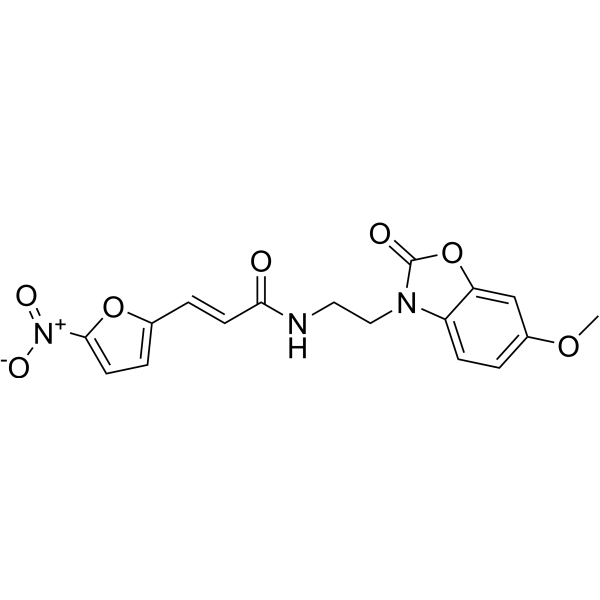
Anti-inflammatory agent 55 (compound 9j) is a derivative of Coixol and has anti-inflammatory activity. Anti-inflammatory agent 54 inhibits the NF-κB pathway and downregulates the expression of iNOS, TNF-α, IL-6 and IL-1β. Anti-inflammatory agent 54 inhibits LPS-induced nitric oxide (NO) production in RAW264.7 macrophages (IC50: 0.8 μM) and exerts in vivo anti-inflammatory activity in a mouse auricular edema model .
|
-
-
- HY-155820
-
|
|
NF-κB
NO Synthase
TNF Receptor
Interleukin Related
|
Inflammation/Immunology
|
|
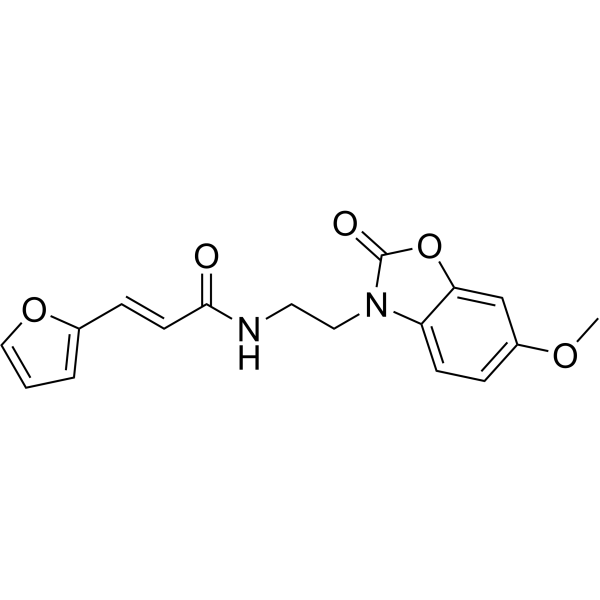
Anti-inflammatory agent 54 (compound 9c) is a derivative of Coixol and has anti-inflammatory activity. Anti-inflammatory agent 54 inhibits the NF-κB pathway and downregulates the expression of iNOS, TNF-α, IL-6 and IL-1β. Anti-inflammatory agent 54 inhibits LPS-induced nitric oxide (NO) production in RAW264.7 macrophages (IC50: 2.4 μM) and exerts in vivo anti-inflammatory activity in a mouse auricular edema model .
|
-
-
- HY-N12087
-
|
|
NF-κB
NO Synthase
Reactive Oxygen Species (ROS)
|
Inflammation/Immunology
|
|
8-Deoxylactucin is an orally active sesquiterpene lactone. 8-Deoxylactucin inhibits LPS (HY-D1056)-induced NO production in RAW264.7 macrophages with an IC50 value of 4.35 μM. 8-Deoxylactucin exerts anti-inflammatory effects by blocking the NF-κB pathway. 8-Deoxylactucin demonstrates hepatoprotective efficacy in LPS/D-galactosamine-induced acute hepatitis model of mice. 8-Deoxylactucin can be used for the study of inflammatory diseases and inflammatory liver injuries .
|
-

-
- HY-158402
-
|
|
Bacterial
Fungal
|
Infection
Inflammation/Immunology
|
|
Anti-inflammatory agent 84 (Compound 4D) is a derivative of Coumarin (HY-N0709) with antimicrobial and anti-inflammatory activities. Anti-inflammatory agent 84 inhibits E. coli, Candida albicans, Staphylococcus aureus and methicillin-resistant S. aureus (MRSA), with MIC of 312, 156, 19 and 316 μg/mL, respectively. Anti-inflammatory agent 84 inhibits biofilm formation of S. aureus, E. coli and MRSA, with IC50 of 185, 321 and 99 μM, respectively. Anti-inflammatory agent 84 inhibits nitric oxide production in Lipopolysaccharide (HY-D1056)-stimulated RAW264.7 macrophage cell .
|
-

-
- HY-W587743
-
|
AMK hydrochloride
|
Prostaglandin Receptor
PGE synthase
COX
Reactive Oxygen Species (ROS)
|
Neurological Disease
Metabolic Disease
|
|
N1-Acetyl-5-methoxykynuramine (AMK) hydrochloride is an active metabolite of the neurohormone melatonin (HY-B0075). N1-Acetyl-5-methoxykynuramine hydrochloride (200 µM) effectively scavenges singlet oxygen (ROS).1 It also inhibits the production of prostaglandin E2 (PGE2) and prostaglandin D2 (PGD2) induced by epinephrine and arachidonic acid in a concentration- and time-dependent manner, and suppresses the increase in COX-2 levels induced by LPS (HY-D1056) in RAW 264.7 macrophages at a concentration of 500 µM. In a mouse model of Parkinson's disease induced by MPTP (HY-15608), N1-Acetyl-5-methoxykynuramine hydrochloride (20 mg/kg) reduces the increase in lipid peroxidation in the cytosol and mitochondria of the substantia nigra and striatum. N1-Acetyl-5-methoxykynuramine hydrochloride can be used in research on metabolic and neurological diseases
|
-

-
- HY-N15221
-
|
|
NO Synthase
|
Inflammation/Immunology
|
|
12-Acetoxyganoderic acid D is a triterpenoid compound found in Ganoderma sinense. 12-Acetoxyganoderic acid D exhibits certain anti-inflammatory activity and inhibits NO production in LPS (HY-D1056) stimulated RAW 264.7 macrophages .
|
-

-
- HY-N16677
-
|
|
NO Synthase
|
Inflammation/Immunology
|
|
Abiesadine I is a diterpenoid inhibitor targeting LPS-induced NO production (IC50>100 μg/mL) that can be isolated from Abies georgei. Abiesadine I inhibits LPS-induced nitric oxide (NO) production in RAW264.7 macrophages, exhibiting anti-inflammatory activity .
|
-

-
- HY-N1192
-
|
|
NO Synthase
|
Inflammation/Immunology
|
|
Sutherlandin trans-p-coumarate is a selective γ-hydroxynitrile glycoside compound with moderate inhibitory activity on nitric oxide (NO) production in lipopolysaccharide (LPS)-stimulated RAW264.7 macrophages (56.9% inhibition at a concentration of 25 μg/mL). Sutherlandin trans-p-coumarate can be naturally extracted from the dried aerial parts of Sorbaria sorbifolia (a plant of the genus Sorbaria in the Rosaceae family) .
|
-

-
- HY-N16774
-
|
|
NO Synthase
|
Inflammation/Immunology
|
|
Balanophonin B is a selective inhibitor (IC50=1.46 μg/mL) that targets the lipopolysaccharide (LPS)-induced nitric oxide (NO) production pathway and can be isolated from Lithocarpus pachylepis. Balanophonin B inhibits the production of NO in LPS-stimulated RAW264.7 macrophages and exerts anti-inflammatory activity to reduce the inflammatory response. Balanophonin B can be used for anti-inflammatory drug development and biological activity research of natural lignan compounds .
|
-

-
- HY-N18025
-
-

-
- HY-N16817
-
|
|
NO Synthase
|
Inflammation/Immunology
Cancer
|
|
Rabdoternin E is a potential anti-inflammatory and antitumor agent. 2α-Acetoxy-14,15-cyclopimara-7β,16-diol only inhibits nitric oxide (NO) production in lipopolysaccharide (LPS)-induced RAW264.7 macrophages (IC50=2.3 μM) and exhibits cytotoxicity against human tumor cells such as HL-60 and SW-480 (IC50 values ??of 2.6 μM and 4.1 μM, respectively). Rabdoternin E is an ent-kaurane-type diterpenoid compound that can be naturally extracted from the 70% acetone aqueous extract of the aerial parts of Isodon rosthornii (Diels) Hara (a plant of the Lamiaceae family, Isodon genus) .
|
-

- HY-N13821
-
|
|
NO Synthase
|
Inflammation/Immunology
|
|
2α-Acetoxy-14,15-cyclopimara-7β,16-diol (compound 2) is a potential anti-inflammatory agent, exhibiting weak anti-inflammatory activity by inhibiting inflammation-related NO production. 2α-Acetoxy-14,15-cyclopimara-7β,16-diol only inhibits nitric oxide (NO) production in LPS-induced RAW264.7 macrophages, with an inhibition rate of 28.1%. 2α-Acetoxy-14,15-cyclopimara-7β,16-diol can be naturally extracted from the 70% ethanol extract of the seeds of Caesalpinia minax Hance (a plant of the Caesalpinia genus in the Fabaceae family) .
|
-

| Cat. No. |
Product Name |
Type |
-
- HY-34748
-
|
Ethylideneacetone; (3Z)-pent-3-en-2-one
|
Biochemical Assay Reagents
|
|
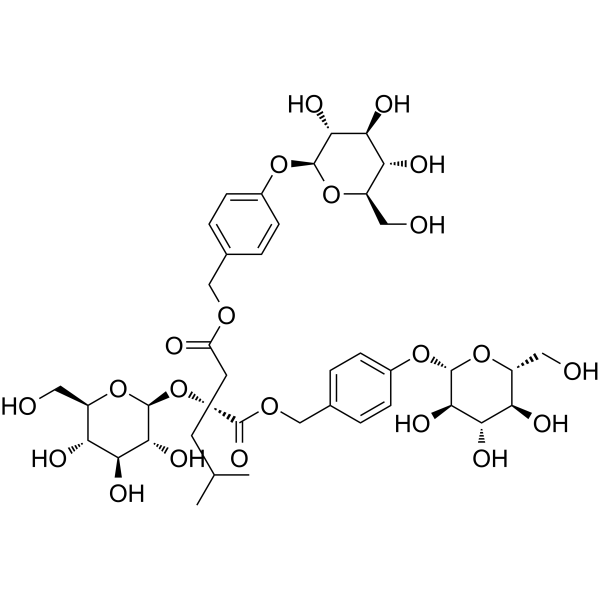
3-Penten-2-one (Ethylideneacetone) inhibits nitric oxide production and inducible nitric oxide synthase expression via heme oxygenase-1 induction in RAW264.7 macrophages activated with Lipopolysaccharides (HY-D1056) (LPS) .
|
| Cat. No. |
Product Name |
Category |
Target |
Chemical Structure |
-
- HY-N0569
-
-
-
- HY-N3383
-
-
-
- HY-129113
-
-
-
- HY-N2535
-
-
-
- HY-125531
-
-
-
- HY-N7012
-
|
5-Hydroxy-3',4',7-trimethoxyflavone
|
Monophenols
Flavonoids
Classification of Application Fields
Flavones
Labiatae
Phenols
Plants
Swartzia polyphylla DC.
Inflammation/Immunology
Disease Research Fields
Source Classification
|
Lipoxygenase
TNF Receptor
Interleukin Related
COX
Fungal
Parasite
Apoptosis
|
|
7,3',4'-Tri-O-methylluteolin (5-Hydroxy-3',4',7-trimethoxyflavone) is a flavonoid with multiple biological activities. 7,3',4'-Tri-O-methylluteolin inhibits soybean lipoxygenase (LOX), with an IC50 value of 23.97 µg/mL. 7,3',4'-Tri-O-methylluteolin possesses anti-inflammatory effects in Lipopolysaccharides (HY-D1056) (LPS)-induced RAW 264.7 macrophages. 7,3',4'-Tri-O-methylluteolin inhibits the binding of MDM2 with p53 and induces apoptosis in MCF-7 breast cancer cells. 7,3',4'-Tri-O-methylluteolin also has antioxidant, antifungal and antitrypanosomal activities sup>[4]sup>[5].
|
-
-
- HY-N3001
-
-
-
- HY-N0569R
-
-
-
- HY-N8160
-
-
-
- HY-N1912
-
-
-
- HY-N12283
-
-
-
- HY-N7422
-
-
-
- HY-N17239
-
-
-
- HY-129113R
-
-
-
- HY-N10156
-
-
-
- HY-N10114
-
-
-
- HY-N10297
-
-
-
- HY-N10865
-
-
-
- HY-N11548
-
-
-
- HY-N11544
-
-
-
- HY-N11570
-
-
-
- HY-N13138
-
-
-
- HY-124508
-
-
-
- HY-N3552
-
-
-
- HY-N3289A
-
-
-
- HY-N2535R
-
-
-
- HY-N12087
-
-
-
- HY-N15221
-
-
-
- HY-N16677
-
-
-
- HY-N1192
-
-
-
- HY-N16774
-
-
-
- HY-N18025
-
-
-
- HY-N16817
-
|
|
Structural Classification
Terpenoids
Labiatae
Erythrina arborescensRoxb.
Diterpenoids
Plants
Source Classification
|
NO Synthase
|
|
Rabdoternin E is a potential anti-inflammatory and antitumor agent. 2α-Acetoxy-14,15-cyclopimara-7β,16-diol only inhibits nitric oxide (NO) production in lipopolysaccharide (LPS)-induced RAW264.7 macrophages (IC50=2.3 μM) and exhibits cytotoxicity against human tumor cells such as HL-60 and SW-480 (IC50 values ??of 2.6 μM and 4.1 μM, respectively). Rabdoternin E is an ent-kaurane-type diterpenoid compound that can be naturally extracted from the 70% acetone aqueous extract of the aerial parts of Isodon rosthornii (Diels) Hara (a plant of the Lamiaceae family, Isodon genus) .
|
-
-
- HY-N13821
-
|
|
Triterpenes
Structural Classification
Terpenoids
Plants
Guilandina minax (Hance) G. P. Lewis
Fabaceae
Source Classification
|
NO Synthase
|
|
2α-Acetoxy-14,15-cyclopimara-7β,16-diol (compound 2) is a potential anti-inflammatory agent, exhibiting weak anti-inflammatory activity by inhibiting inflammation-related NO production. 2α-Acetoxy-14,15-cyclopimara-7β,16-diol only inhibits nitric oxide (NO) production in LPS-induced RAW264.7 macrophages, with an inhibition rate of 28.1%. 2α-Acetoxy-14,15-cyclopimara-7β,16-diol can be naturally extracted from the 70% ethanol extract of the seeds of Caesalpinia minax Hance (a plant of the Caesalpinia genus in the Fabaceae family) .
|
-
Your information is safe with us. * Required Fields.
Inquiry Information
- Product Name:
- Cat. No.:
- Quantity:
- MCE Japan Authorized Agent:








