From 11:00 pm to 12:00 pm EST ( 8:00 pm to 9:00 pm PST ) on January 6th, the website will be under maintenance. We are sorry for the inconvenience. Please arrange your schedule properly.
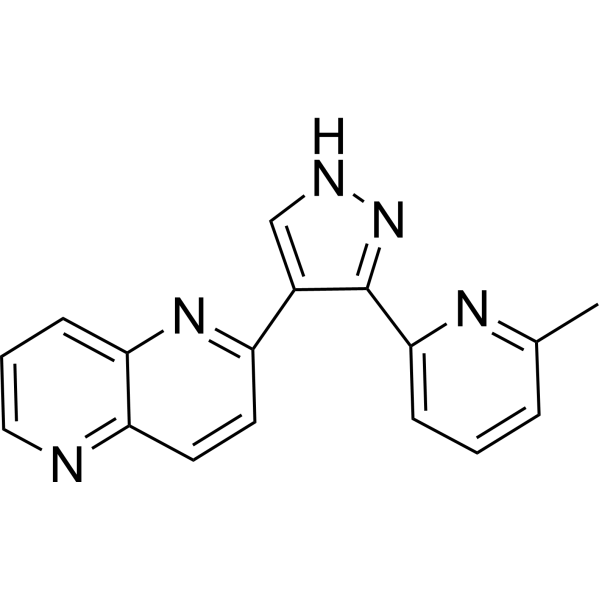
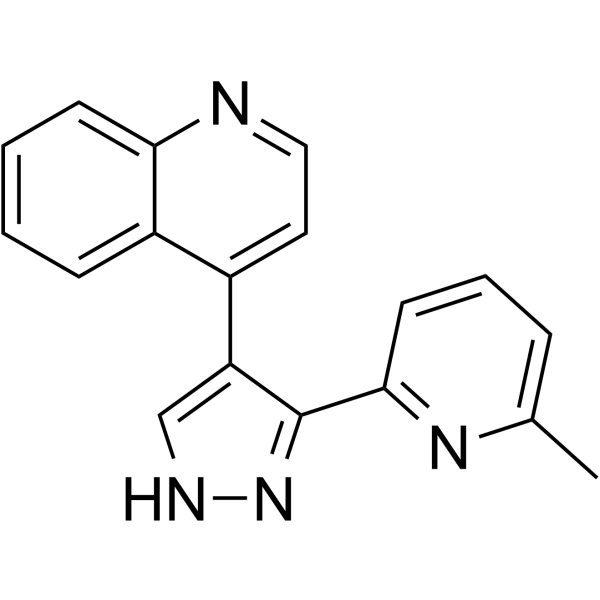
RepSox (E-616452) is a potent and selective transforming growth factor-beta receptor I/activin like kinase 5 (TGF-β-RI/ALK5) inhibitor. RepSox inhibits ALK5 autophosphorylation with an IC50 value of 4 nM. RepSox can be used for the research of obesity and associated metabolic diseases such as type 2 diabetes .
Bimagrumab (Anti-ACVR2B Reference Antibody) is a human monoclonal antibody that blocks activin type II receptor (ActRII), with KDs of 1.7 pM and 434 pM for human ActRIIB and ActRIIA, respectively. Bimagrumab can be used for the research of pathological muscle loss and weakness .
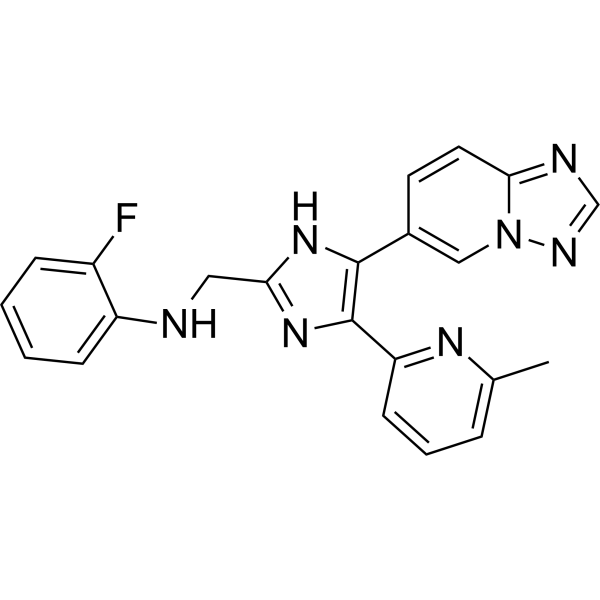
Vactosertib (EW-7197) is a potent, orally active and ATP-competitive activin receptor-like kinase 5 (ALK5) inhibitor with an IC50 of 12.9 nM. Vactosertib also inhibits ALK2 and ALK4 (IC50 of 17.3 nM) at nanomolar concentrations. Vactosertib has potently antimetastatic activity and anticancer effect .
Sotatercept (ACE-011) is a soluble activin receptor 2A (ACVR2A) type IgG Fc fusion protein. Sotatercept combines activin and growth differentiation factor to try to restore the balance between growth promotion and growth inhibition signal pathways. Sotatercept has potential application in pulmonary arterial hypertension, anemia, bone loss, erythropoiesis, multiple myeloma (MM) osteolytic lesions .
Garetosmab (REGN 2477) is a fully human IgG4 monoclonal antibody that specifically inhibits activin A. Garetosmab can be used for fibrodysplasia ossificans progressiva (FOP) research .
Sotatercept (mIgG2a) (RAP-011), the murine homolog of Sotatercept (ACE-011) (HY-P99590), is a soluble activin receptor type IIA (ActRIIA) ligand trap. Sotatercept (mIgG2a) inhibits the binding of activin A and other members of the TGF-β superfamily (such as Activin A/B, GDF11 and BMP9/10) to their receptors by combining and neutralizing them, thereby regulating cell proliferation and differentiation. Sotatercept (mIgG2a) mainly inhibits the SMAD2/3 signaling pathway, and can be used in various diseases such as chronic kidney disease. Sotatercept (mIgG2a) reduces the expression of erythropoietic hepcidin (ERFE), regulates iron metabolism, and promotes red blood cell production. Sotatercept (mIgG2a) has a dual effect of promoting bone formation (anabolic) and inhibiting bone resorption (catabolic) .
GW788388 is a potent and selective inhibitor of ALK5 with IC50 of 18 nM, and also inhibits TGF-β type II receptor and activin type II receptor activities, without inhibiting BMP type II receptor.
Vactosertib Hydrochloride (EW-7197 Hydrochloride) is a potent, orally active and ATP-competitive activin receptor-like kinase 5 (ALK5) inhibitor with an IC50 of 12.9 nM. Vactosertib Hydrochloride also inhibits ALK2 and ALK4 (IC50 of 17.3 nM) at nanomolar concentrations. Vactosertib Hydrochloride has potently antimetastatic activity and anticancer effect .
LAE-102 is the selective anti-ActRIIA (activin receptor type IIA or ACVR2) monoclonal antibody. LAE-102 increases muscle mass and reduces fat mass. LAE102 can increase serum activin A levels in vivo. LAE-102 is promising for research of obesity .
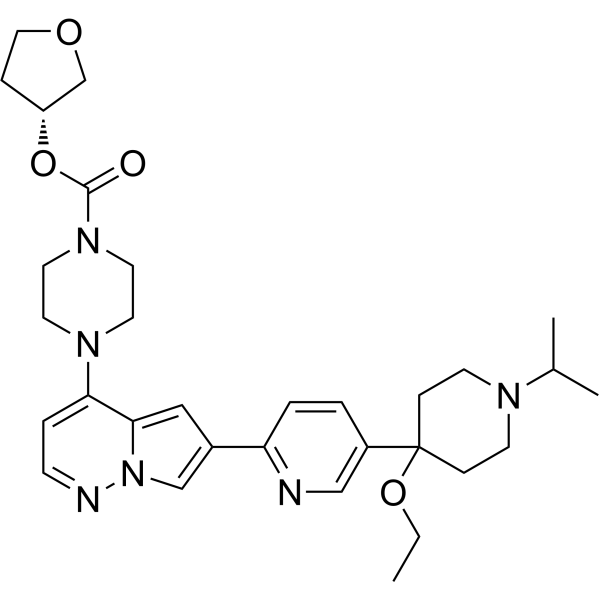
Fidrisertib (BLU-782) is the orally active inhibitor for activin receptor-like kinase 2 (ALK2) that inhibits ALK2 R206H, ALK2, ALK1, ALK6, ALK3, ALK4, TGFβR2 and ALK5 with IC50s of 0.2, 0.6, 3, 24, 45, 65, 67 and 155 nM, respectively .
Cibotercept (KER-012) is a novel, modified, investigational activin receptor type IIB (ActRIIB) ligand trap designed to target select TGF-β ligands, including activins A and B, GDFs 8 and 11, to rebalance the defective activin receptor type II signaling observed in PAH .
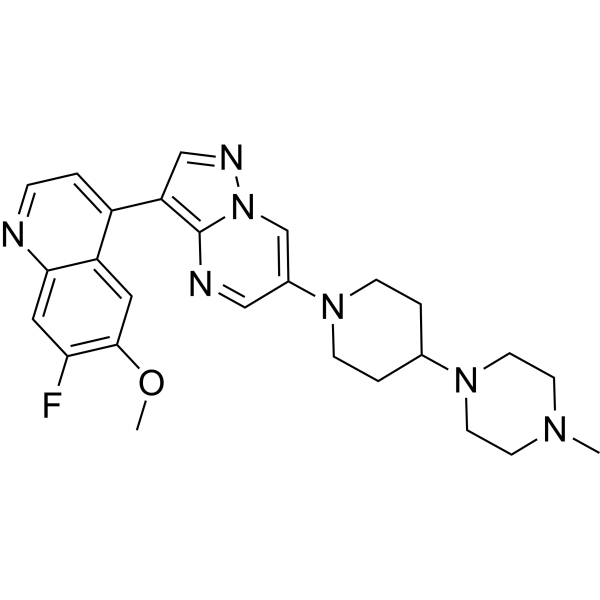
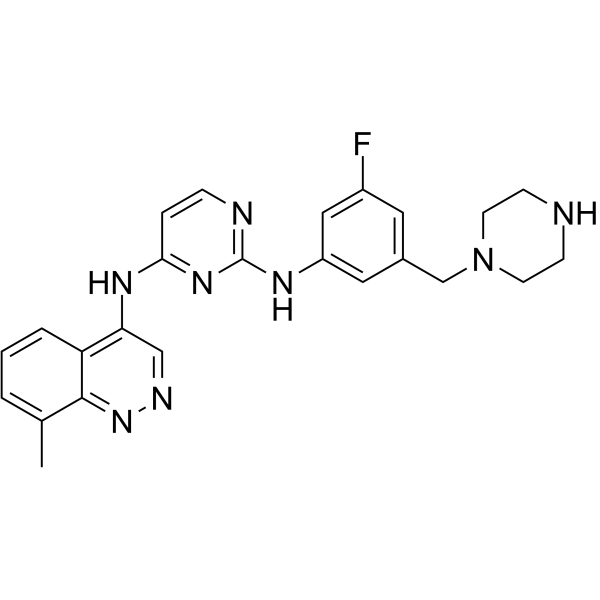
KER047 (ALK2-IN-4) is a potent activin receptor-like kinase-2 (ALK2) inhibitor. KER047 can be used for the research of metabolic disease, such as fibrodysplasia ossificans progressiva (FOP).
Ramatercept (ACE-031) is a soluble ActRIIB receptor and can be used as a soluble activin receptor 2 (ACVR2) antagonist. Ramatercept inhibits the signal pathway of muscle growth inhibition and has potential application in muscle atrophy .
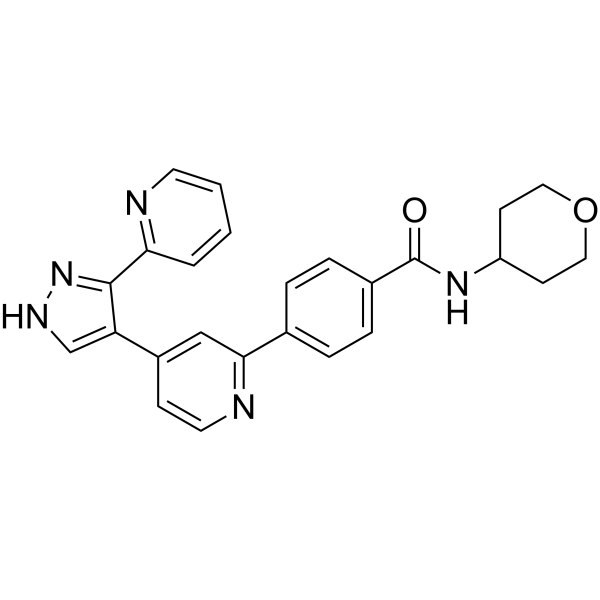
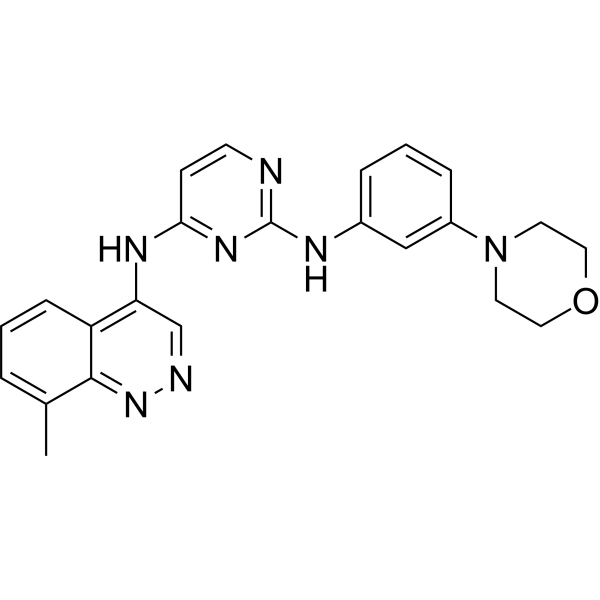
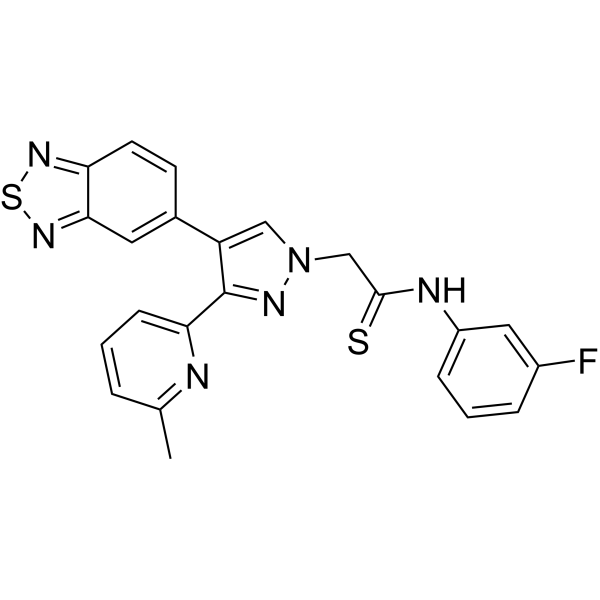
ALK5-IN-34 is an selective orally active activin receptor-like kinase (ALK) inhibitor. ALK5-IN-34 can inhibit the activity of ALK5-IN-34 with an IC50 value of ≤10 nM. ALK5-IN-34 also has inhibitory of tumor growth and can be used for the research of proliferative diseases, such as cancer .
TP-008, a chemical probe, is a potent, selective and orally active (Activin-Like Kinase 5) ALK5 inhibitor with pIC50 and pEC50 values of 7.6 and 6.63, respectively. TGFβRI-IN-2 can produce observed cardiac toxicity in vivo at high dose .
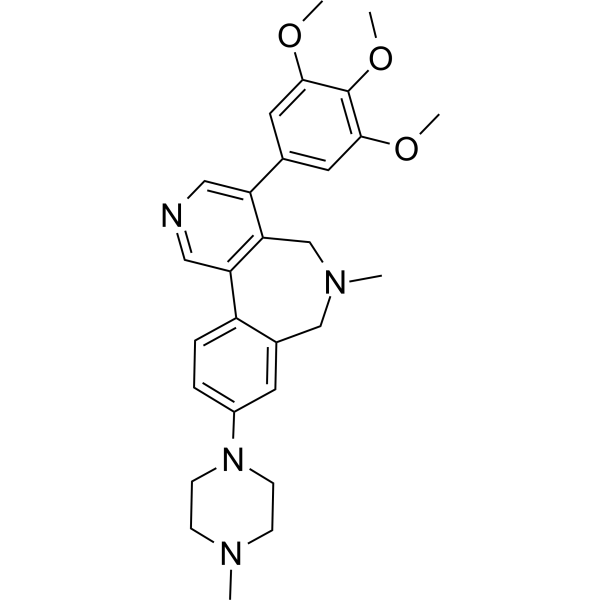
CDD-2789 is a potent and selective ALK2 inhibitor with an IC50 0.54 μM and a Kd of 2.1 nM, respectively.CDD-2789 exhibits >120-fold selectivity over ALK3/5/6. CDD-2789 reduces activin A- and BMP2-induced SMAD1/5 phosphorylation in fibroblasts. CDD-2789 can be used for ALK2-related cancer research .
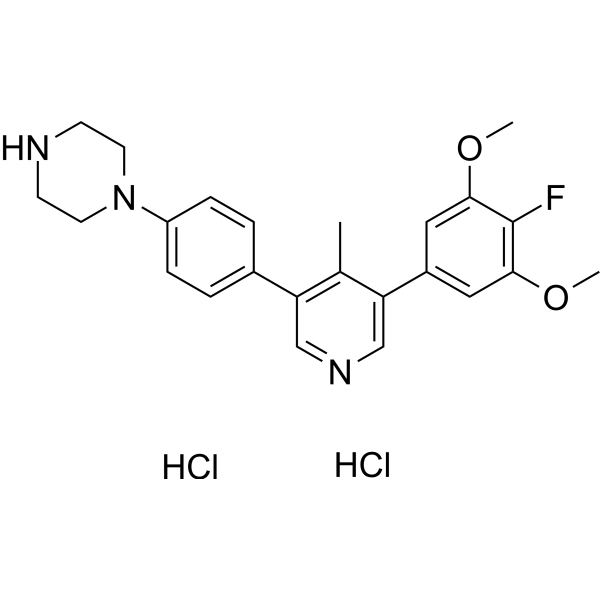
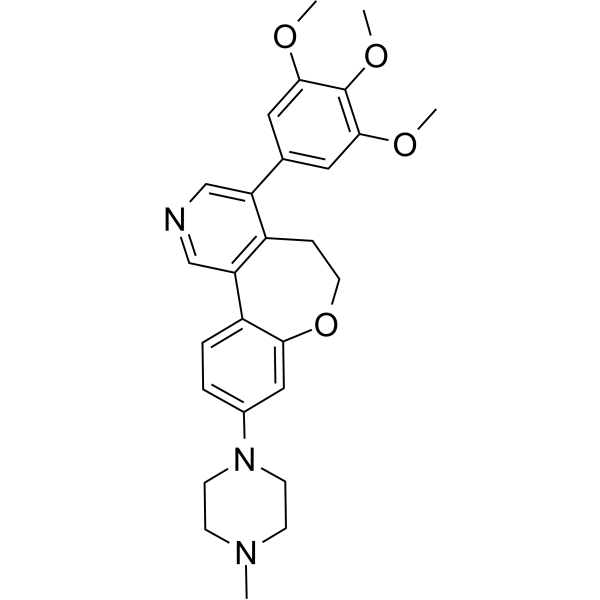
M4K2163 dihydrochloride is a potent, selective, blood-brain barrier (BBB) permeable activin receptor-like kinase-2 (ALK2) inhibitor, with an IC50 of 19 nM. M4K2163 dihydrochloride can be used in the research of diffuse intrinsic pontine glioma (DIPG) .
Prafnosbart (DS-6016A) is an IgG1-kappa, anti-ACVR1 (activin A receptor type 1, ACVRLK2, ALK2, ACVR1A, SKR1) humanized monoclonal antibody. Prafnosbart can be used for bone metabolism disorders research .
Elritercept (KER-050) is a recombinant fusion protein comprising a modified activin receptor type IIA extracellular domain fused to a human IgG1 Fc. Elritercept inhibits activin A and other select TGF-β superfamily ligands .
RepSox (Standard) is the analytical standard of RepSox. This product is intended for research and analytical applications. RepSox (E-616452) is a potent and selective transforming growth factor-beta receptor I/activin like kinase 5 (TGF-β-RI/ALK5) inhibitor. RepSox inhibits ALK5 autophosphorylation with an IC50 value of 4 nM. RepSox can be used for the research of obesity and associated metabolic diseases such as type 2 diabetes .
The Anti-INHBB/Activin B Antibody is a human antibody expressed in CHO, targeting INHBB/Activin B. The Anti-INHBB/Activin B Antibody has a huIgG1 type heavy chain and a huκ type light chain, with a predicted molecular weight (MW) of 150 kDa. The isotype control for the Anti-INHBB/Activin B Antibody can be referenced as Human IgG1 kappa, Isotype Control (HY-P99001).
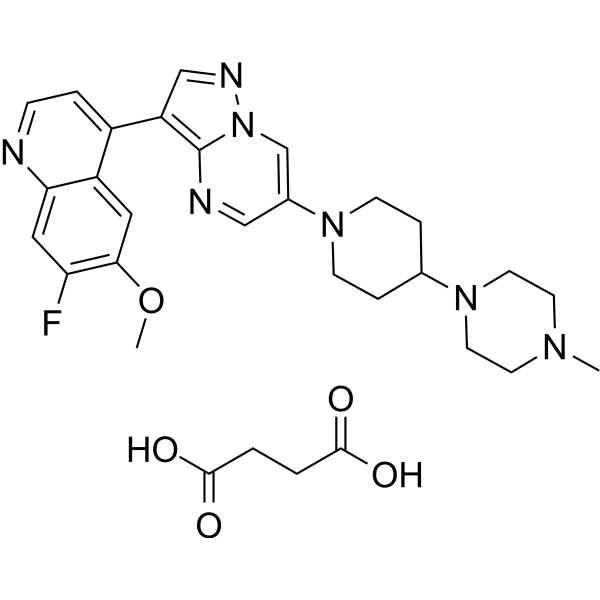
KER047 succinate (ALK2-IN-4 succinate) is a potent activin receptor-like kinase-2 (ALK2) inhibitor. KER047 succinate can be used for the research of metabolic disease, such as fibrodysplasia ossificans progressiva (FOP).
J-1048 is an activin receptor-like kinase 5 (ALK5) inhibitor. J-1048 can inhibit TAA-induced liver fibrosis in mice by explicitly blocking the TGF-β/Smad signaling pathway .
ALK5-IN-29 is an selective activin receptor-like kinase (ALK) inhibitor. ALK5-IN-29 can inhibit the activity of ALK5 with an IC50 value of ≤10 nM. ALK5-IN-29 also has inhibitory of tumor growth and can be used for the research of proliferative diseases, such as cancer .
Human ACVR1 mRNA encodes the human activin A receptor type 1 (ACVR1) protein, a member of type I receptor which signals a particular transcriptional response in concert with activin type II receptors.
Human ACVR2B mRNA encodes the human activin A receptor type 2B (ACVR2B) protein, a receptor that transduces the activin signal from the cell surface to the cytoplasm and is thus regulating many physiological and pathological processes including neuronal differentiation and neuronal survival, hair follicle development and cycling, FSH production by the pituitary gland, wound healing, extracellular matrix production, immunosuppression and carcinogenesis.
M4K2306 is a selective inhibitor for activin receptor-like kinase-2 (ALK2) with an IC50 of 7 nM. M4K2306 is blood brain permeable with a brain to plasma ratio of 75.6 .
M4K2281 is a selecitve inhibitor for activin receptor-like kinase-2 (ALK2) with an IC50 of 2 nM. M4K2281 exhibits a moderate blood brain permeability with a brain to plasma ratio of 3.7 at 4h .
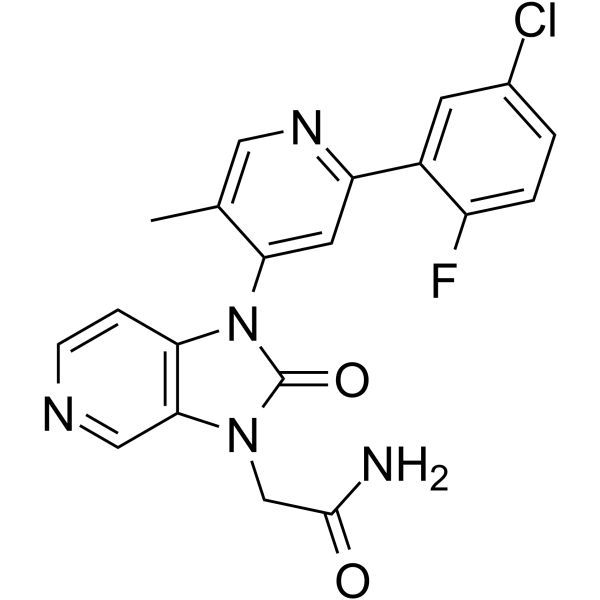
ALK5-IN-26 (EX-22) is an ALK (Activin receptor-like kinase) inhibitor. ALK5-IN-26 inhibits ALK5 with an IC50 value ≤10 nM. ALK5-IN-26 can be used for the research of cancer .
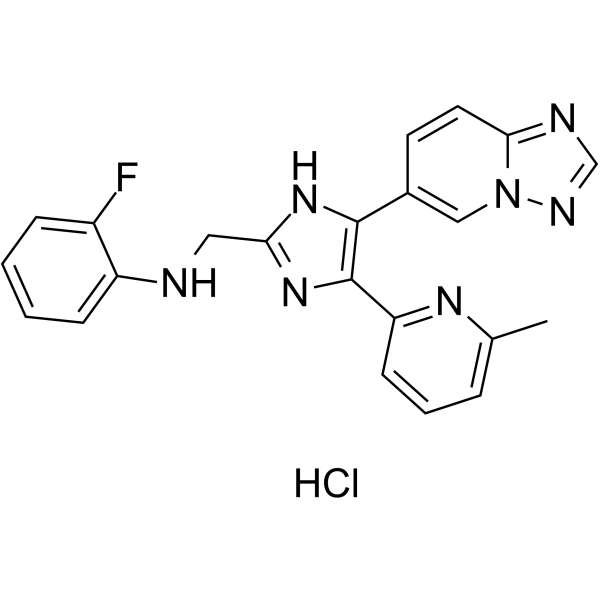
RepSox hydrochloride is a potent and selective inhibitor of transforming growth factor-β receptor I/activin-like kinase 5 (TGF-β-RI/ALK5). RepSox hydrochloride inhibits ALK5 autophosphorylation with an IC50 value of 4 nM. RepSox hydrochloride can be used in the study of obesity and related metabolic diseases such as type 2 diabetes.
Human ACVRL1 mRNA encodes the human activin A receptor like type 1 (ACVRL1) protein. ACVRL1 is a type I cell-surface receptor for the TGF-beta superfamily ligands BMP9/GDF2 and BMP10 and important regulator of normal blood vessel development.
Human ACVR1C mRNA encodes the human activin A receptor type 1C (ACVR1C) protein, a type I receptor for the TGFB family of signaling molecules. Upon ligand binding, type I receptors phosphorylate cytoplasmic SMAD transcription factors, which then translocate to the nucleus and interact directly with DNA or in complex with other transcription factors.
ALK5-IN-82 is a potent and selective inhibitor against activin receptor-like kinase 5 (ALK5) with an IC50 value of 9.1 nM. ALK5-IN-82 inhibits the protein expression of α-smooth muscle actin (α-SMA), collagen I and tissue inhibitor of metalloproteinase 1 (TIMP-1)/matrix metalloproteinase 13 (MMP-13) in transforming growth factor-β-induced human umbilical vein endothelial cells. ALK5-IN-82 is promising for research of cardiac fibrosis .
ALK5-IN-79 (compound 57) is an ALK inhibitor with anticancer activity, by blocking TGF-β1/SMAD signaling pathway. ALK5-IN-79 attenuates the production of extracellular matrix (ECM) and deposition of collagen. ALK5-IN-79 exhibits adequate pharmacokinetic (PK) properties and good in vivo tolerance.
GW788388 (Standard) is the analytical standard of GW788388 (HY-10326). This product is intended for research and analytical applications. GW788388 is a potent and selective inhibitor of ALK5 with IC50 of 18 nM, and also inhibits TGF-β type II receptor and activin type II receptor activities, without inhibiting BMP type II receptor.
ActRIIB-IN-1, 7-azaindole compound is an orally active activin type II receptor B (ActRIIB) inhibitor with an IC50 of 1.8 nM. ActRIIB-IN-1 can alleviate weight loss, muscle atrophy and decreased muscle strength caused by tumor cachexia, as well as improve appetite. ActRIIB-IN-1 can be used for the research of cancer cachexia .
Human ACVR2A mRNA encodes the human activin A receptor type 2A (ACVR2A) protein, a member of the TGFB family. ACVR2A mediates signaling by forming heterodimeric complexes with various combinations of type I and type II receptors and ligands in a cell-specific manner. It may be associated with susceptibility to preeclampsia, a pregnancy-related disease which can result in maternal and fetal morbidity and mortality.
ALK5-IN-86 (Compound 22f) is a selective ALK5 inhibitor with an IC50 of 0.267 μM. ALK5-IN-86 forms hydrogen bonds with key amino acid residues in the active site of ALK5. ALK5-IN-86 is applicable to the research of diseases such as liver fibrosis .
RepSox-d5 (E-616452-d5) is the deuterium labeled RepSox (HY-13012). RepSox (E-616452) is a potent and selective transforming growth factor-beta receptor I/activin like kinase 5 (TGF-β-RI/ALK5) inhibitor. RepSox inhibits ALK5 autophosphorylation with an IC50 value of 4 nM. RepSox can be used for the research of obesity and associated metabolic diseases such as type 2 diabetes .
PD173074 GMP is PD173074 (HY-10321) produced by using GMP guidelines. GMP small molecules works appropriately as an auxiliary reagent for cell therapy manufacture. PD173074 is an orally active FGFR inhibitor that targets the transphosphorylation of FGFR1 and FGFR2 and blocks the FGF signaling pathway. By reducing the phosphorylation level of SMAD2 and altering the expression of Nodal/Activin target genes, PD173074 eliminates endothelial differentiation potential, thereby inhibiting the formation of capillary-like structures. PD173074 blocks the proliferation and colony formation of tumor cells and increases intratumoral cell apoptosis. PD173074 successfully reverses FGF-2-induced chemoresistance to enhance the effect of cisplatin (HY-17394) in small cell lung cancer models. PD173074 can be applied to research related to critical limb ischemia and small cell lung cancer .
M4K3250 is a selective ALK2 PROTAC degrader with a pDC50 of 7.9. M4K3250 induces the formation of a ternary complex between ALK2 and the E3 ubiquitin ligase CRBN, thereby causing ALK2 degradation and inhibiting ALK2 activity. M4K3250 exhibits cytotoxicity in glioblastoma cells. M4K3250 can be used in studies related to glioblastoma .
The transforming growth factor beta (TGF-β) signaling pathway is involved in many cellular processes in both the adult organism and the developing embryo including cell growth, cell differentiation, apoptosis, cellular homeostasis and other cellular functions. The TGF-β superfamily comprises TGF-βs, bone morphogenetic proteins (BMPs), activins and related proteins. Signaling begins with the binding of a TGF beta superfamily ligand to a TGF beta type II receptor. The type II receptor is a serine/threonine receptor kinase, which catalyzes the phosphorylation of the Type I receptor. The type I receptor then phosphorylates receptor-regulated SMADs (R-SMADs) which can now bind the coSMAD (e.g. SMAD4). R-SMAD/coSMAD complexes accumulate in the nucleus where they act as transcription factors and participate in the regulation of target gene expression. Deregulation of TGF-β signaling contributes to developmental defects and human diseases, including cancers, some bone diseases, chronic kidney disease, etc.
MCE designs a unique collection of 413 TGF-beta/Smad signaling pathway compounds. TGF-beta/Smad Compound Library acts as a useful tool for TGF-beta/Smad-related drug screening and disease research.
PD173074 GMP is PD173074 (HY-10321) produced by using GMP guidelines. GMP small molecules works appropriately as an auxiliary reagent for cell therapy manufacture. PD173074 is an orally active FGFR inhibitor that targets the transphosphorylation of FGFR1 and FGFR2 and blocks the FGF signaling pathway. By reducing the phosphorylation level of SMAD2 and altering the expression of Nodal/Activin target genes, PD173074 eliminates endothelial differentiation potential, thereby inhibiting the formation of capillary-like structures. PD173074 blocks the proliferation and colony formation of tumor cells and increases intratumoral cell apoptosis. PD173074 successfully reverses FGF-2-induced chemoresistance to enhance the effect of cisplatin (HY-17394) in small cell lung cancer models. PD173074 can be applied to research related to critical limb ischemia and small cell lung cancer .
PD173074 GMP is PD173074 (HY-10321) produced by using GMP guidelines. GMP small molecules works appropriately as an auxiliary reagent for cell therapy manufacture. PD173074 is an orally active FGFR inhibitor that targets the transphosphorylation of FGFR1 and FGFR2 and blocks the FGF signaling pathway. By reducing the phosphorylation level of SMAD2 and altering the expression of Nodal/Activin target genes, PD173074 eliminates endothelial differentiation potential, thereby inhibiting the formation of capillary-like structures. PD173074 blocks the proliferation and colony formation of tumor cells and increases intratumoral cell apoptosis. PD173074 successfully reverses FGF-2-induced chemoresistance to enhance the effect of cisplatin (HY-17394) in small cell lung cancer models. PD173074 can be applied to research related to critical limb ischemia and small cell lung cancer .
Bimagrumab (Anti-ACVR2B Reference Antibody) is a human monoclonal antibody that blocks activin type II receptor (ActRII), with KDs of 1.7 pM and 434 pM for human ActRIIB and ActRIIA, respectively. Bimagrumab can be used for the research of pathological muscle loss and weakness .
Sotatercept (ACE-011) is a soluble activin receptor 2A (ACVR2A) type IgG Fc fusion protein. Sotatercept combines activin and growth differentiation factor to try to restore the balance between growth promotion and growth inhibition signal pathways. Sotatercept has potential application in pulmonary arterial hypertension, anemia, bone loss, erythropoiesis, multiple myeloma (MM) osteolytic lesions .
Garetosmab (REGN 2477) is a fully human IgG4 monoclonal antibody that specifically inhibits activin A. Garetosmab can be used for fibrodysplasia ossificans progressiva (FOP) research .
Sotatercept (mIgG2a) (RAP-011), the murine homolog of Sotatercept (ACE-011) (HY-P99590), is a soluble activin receptor type IIA (ActRIIA) ligand trap. Sotatercept (mIgG2a) inhibits the binding of activin A and other members of the TGF-β superfamily (such as Activin A/B, GDF11 and BMP9/10) to their receptors by combining and neutralizing them, thereby regulating cell proliferation and differentiation. Sotatercept (mIgG2a) mainly inhibits the SMAD2/3 signaling pathway, and can be used in various diseases such as chronic kidney disease. Sotatercept (mIgG2a) reduces the expression of erythropoietic hepcidin (ERFE), regulates iron metabolism, and promotes red blood cell production. Sotatercept (mIgG2a) has a dual effect of promoting bone formation (anabolic) and inhibiting bone resorption (catabolic) .
LAE-102 is the selective anti-ActRIIA (activin receptor type IIA or ACVR2) monoclonal antibody. LAE-102 increases muscle mass and reduces fat mass. LAE102 can increase serum activin A levels in vivo. LAE-102 is promising for research of obesity .
Cibotercept (KER-012) is a novel, modified, investigational activin receptor type IIB (ActRIIB) ligand trap designed to target select TGF-β ligands, including activins A and B, GDFs 8 and 11, to rebalance the defective activin receptor type II signaling observed in PAH .
Ramatercept (ACE-031) is a soluble ActRIIB receptor and can be used as a soluble activin receptor 2 (ACVR2) antagonist. Ramatercept inhibits the signal pathway of muscle growth inhibition and has potential application in muscle atrophy .
Prafnosbart (DS-6016A) is an IgG1-kappa, anti-ACVR1 (activin A receptor type 1, ACVRLK2, ALK2, ACVR1A, SKR1) humanized monoclonal antibody. Prafnosbart can be used for bone metabolism disorders research .
Elritercept (KER-050) is a recombinant fusion protein comprising a modified activin receptor type IIA extracellular domain fused to a human IgG1 Fc. Elritercept inhibits activin A and other select TGF-β superfamily ligands .
The Anti-INHBB/Activin B Antibody is a human antibody expressed in CHO, targeting INHBB/Activin B. The Anti-INHBB/Activin B Antibody has a huIgG1 type heavy chain and a huκ type light chain, with a predicted molecular weight (MW) of 150 kDa. The isotype control for the Anti-INHBB/Activin B Antibody can be referenced as Human IgG1 kappa, Isotype Control (HY-P99001).
The INHBA protein plays a key role in regulating pituitary function by regulating follicle-stimulating hormone secretion together with activin. Its broad effects span a variety of physiological processes, including hormone secretion, germ cell development, erythrocyte differentiation, insulin secretion, nerve cell survival, embryonic development, and bone growth, depending on unique subunit composition. Activin A Protein, Human (Biotinylated, HEK293, Avi) is the recombinant human-derived Activin A protein, expressed by HEK293, with C-Avi labeled tag.
Activin RIB, also known as activin receptor type-1B (ACVR1B) or ALK-4, is a type I transmembrane serine/threonine kinase receptor that is part of the TGF-β receptor superfamily. Activin binds to a type II activin receptor (ACVR2or ACVR2B) and then recruits ACVR1B. Activin RIB/ALK-4 Protein, Rat (HEK293, Fc) is produced in HEK293 cells with a C-Terminal Fc-tag. It consists of 126 amino acids (M1-E126).
Activin RIB, also known as activin receptor type-1B (ACVR1B) or ALK-4, is a type I transmembrane serine/threonine kinase receptor that is part of the TGF-β receptor superfamily. Activin binds to a type II activin receptor (ACVR2or ACVR2B) and then recruits ACVR1B. Activin RIB/ALK-4 Protein, Human (HEK293, Fc) is produced in HEK293 cells with a C-Terminal Fc-tag. It consists of 126 amino acids (M1-E126).
Activin RIB, also known as activin receptor type-1B (ACVR1B) or ALK-4, is a type I transmembrane serine/threonine kinase receptor that is part of the TGF-β receptor superfamily. Activin binds to a type II activin receptor (ACVR2or ACVR2B) and then recruits ACVR1B. Activin RIB/ALK-4 Protein, Rhesus Macaque (HEK293, Fc) is produced in HEK293 cells with a C-Terminal Fc-tag. It consists of 100 amino acids (R27-E126).
The INHBA protein plays a key role in regulating pituitary function by regulating follicle-stimulating hormone secretion together with activin. Its broad effects span a variety of physiological processes, including hormone secretion, germ cell development, erythrocyte differentiation, insulin secretion, nerve cell survival, embryonic development, and bone growth, depending on unique subunit composition. Activin A Protein, Human (Biotinylated, HEK293, Avi, solution) is the recombinant human-derived Activin A protein, expressed by HEK293, with C-Avi labeled tag.
Activin A, a multifunctional cytokine, is a member of TGF-β superfamily. Activin A first binds to the type II activin receptors (ActIIRA or ActRIIB) on the member surface, and then recruits and phosphorylates type I activin receptors (ActRI). Activin A primarily signal through SMAD2/3 proteins to regulate a variety of functions, including inflammation, fibrosis, and tumorigenesis. Activin A Protein, Mouse (HEK293, His) is produced in HEK293 cells with a C-Terminal His-tag.
Activin RIB, also known as activin receptor type-1B (ACVR1B) or ALK-4, is a type I transmembrane serine/threonine kinase receptor that is part of the TGF-β receptor superfamily. Activin binds to a type II activin receptor (ACVR2or ACVR2B) and then recruits ACVR1B. Activin RIB/ALK-4 Protein, Human (HEK293, His-Fc) is produced in HEK293 cells with a C-Terminal His-tag and a C-Terminal Fc-tag. It consists of 126 amino acids (S24-E126).
Activin A receptor, type I (ACVR1), also known as ALK-2, is a bone morphogenetic protein (BMP) type I receptor. ACVR1 is involved in a wide variety of biological processes, including bone, heart, cartilage, nervous, and reproductive system development and regulation. Activin RIA Protein, Human (HEK293, His) is produced in HEK293 cells with six C-Terminal His-tags. It consists of 104 amino acids (M21-V124).
Activin A, a multifunctional cytokine, is a member of TGF-β superfamily. Activin A first binds to the type II activin receptors (ActIIRA or ActRIIB) on the member surface, and then recruits and phosphorylates type I activin receptors (ActRI). Activin A primarily signal through SMAD2/3 proteins to regulate a variety of functions, including inflammation, fibrosis, and tumorigenesis. Activin A Protein, Human/Mouse/Rat (HEK293) is produced in HEK293 cells, and consists of 117 amino acids (G310-S426).
Activin A, a multifunctional cytokine, is a member of TGF-β superfamily. Activin A first binds to the type II activin receptors (ActIIRA or ActRIIB) on the member surface, and then recruits and phosphorylates type I activin receptors (ActRI). Activin A primarily signal through SMAD2/3 proteins to regulate a variety of functions, including inflammation, fibrosis, and tumorigenesis. Activin A Protein, Human/Mouse/Rat (Hyperactive Mutant) is produced in HEK293 cells.
The INHBA protein plays a key role in regulating pituitary function by regulating follicle-stimulating hormone secretion together with activin. Its broad effects span a variety of physiological processes, including hormone secretion, germ cell development, erythrocyte differentiation, insulin secretion, nerve cell survival, embryonic development, and bone growth, depending on unique subunit composition. GMP Activin A Protein, Human/Mouse/Rat (HEK293) is the recombinant rat, mouse, human-derived Activin A protein, expressed by HEK293 , with tag free.
The INHBA protein plays a key role in regulating pituitary function by regulating follicle-stimulating hormone secretion together with activin.Its broad effects span a variety of physiological processes, including hormone secretion, germ cell development, erythrocyte differentiation, insulin secretion, nerve cell survival, embryonic development, and bone growth, depending on unique subunit composition.Activin A Protein, Human (406a.a, HEK293, His) is the recombinant human, rat, mouse-derived Activin A protein, expressed by HEK293 , with N-6*His labeled tag.
ACVR2B is a transmembrane kinase that forms the activin receptor complex and is essential for transducing activin signals. It regulates diverse processes including neuronal differentiation, hair follicle development, FSH production, wound healing, matrix production, immunosuppression, and carcinogenesis. ACVR2B Protein, Human/Cynomolgus (sf9) is the recombinant human-derived ACVR2B protein, expressed by Sf9 insect cells, with tag free.
Activin RIB, also known as activin receptor type-1B (ACVR1B) or ALK-4, is a type I transmembrane serine/threonine kinase receptor that is part of the TGF-β receptor superfamily. Activin binds to a type II activin receptor (ACVR2or ACVR2B) and then recruits ACVR1B. Activin RIB/ALK-4 Protein, Human (HEK293, His) is produced in HEK293 cells with six C-Terminal His-tags. It consists of 103 amino acids (S24-E126).
ACVR2B is a transmembrane kinase that forms the activin receptor complex and is essential for transducing activin signals. It regulates diverse processes including neuronal differentiation, hair follicle development, FSH production, wound healing, matrix production, immunosuppression, and carcinogenesis. ACVR2B Protein, Human/Cynomolgus (Biotinylated, HEK293, mFc) is the recombinant human-derived ACVR2B protein, expressed by HEK293, with C-mFc labeled tag.
Activin RIB, also known as activin receptor type-1B (ACVR1B) or ALK-4, is a type I transmembrane serine/threonine kinase receptor that is part of the TGF-β receptor superfamily. Activin binds to a type II activin receptor (ACVR2or ACVR2B) and then recruits ACVR1B. Activin RIB/ALK-4 Protein, Mouse (HEK293, Fc) is produced in HEK293 cells with a C-Terminal Fc-tag. It consists of 95 amino acids (L32-E126).
ACVR2B is a transmembrane kinase that forms the activin receptor complex and is essential for transducing activin signals. It regulates diverse processes including neuronal differentiation, hair follicle development, FSH production, wound healing, matrix production, immunosuppression, and carcinogenesis. ACVR2B Protein, Human/Cynomolgus (sf9, His, GST) is the recombinant human-derived ACVR2B protein, expressed by Sf9 insect cells, with His and GST labeled tag.
ACVR2B is a type II member of the TGF-β family of receptor Serine/Threonine kinases. ACVR2B binds to activins and growth differentiation factors (GDF), which in turn activate type I receptors, activating downstream molecule SMAD2/3. ACVR2B Protein, Mouse (HEK293, His) is produced in HEK293 cells with a C-Terminal His-tag. It consists of 134 amino acids (M1-T134).
ACVR2A, also known as Activin RIIA, is an activin type II receptor. On ligand binding, ACVR2A can forms a receptor complex consisting of two type II and two type I transmembrane serine/threonine kinases. ACVR2A is a receptor for Activin A, Activin B and Inhibin A. ACVR2A/Activin RIIA Protein, Mouse (HEK293, His) is produced in HEK293 cells with a C-Terminal His-tag. It consists of 134 amino acids (M1-P134).
ACVR2B is a type II member of the TGF-β family of receptor Serine/Threonine kinases. ACVR2B binds to activins and growth differentiation factors (GDF), which in turn activate type I receptors, activating downstream molecule SMAD2/3. ACVR2B Protein, Rhesus Macaque (HEK293) is produced in HEK293 cells.
Activin RIB, also known as activin receptor type-1B (ACVR1B) or ALK-4, is a type I transmembrane serine/threonine kinase receptor that is part of the TGF-β receptor superfamily. Activin binds to a type II activin receptor (ACVR2or ACVR2B) and then recruits ACVR1B. Activin RIB/ALK-4 Protein, Human (Active, sf9, His-GST) is produced in Sf9 insect cells with N-6*His and N-GST tag.
ACVR2B is a type II member of the TGF-β family of receptor Serine/Threonine kinases. ACVR2B binds to activins and growth differentiation factors (GDF), which in turn activate type I receptors, activating downstream molecule SMAD2/3. ACVR2B Protein, Human/Cynomolgus (HEK293, hFc) is produced in HEK293 cells with a C-Terminal hFc-tag.
ACVR2A, also known as Activin RIIA, is an activin type II receptor. On ligand binding, ACVR2A can forms a receptor complex consisting of two type II and two type I transmembrane serine/threonine kinases. ACVR2A is a receptor for Activin A, Activin B and Inhibin A. ACVR2A/Activin RIIA Protein, Human/Cynomolgus (HEK293, Fc) is produced in HEK293 cells with a C-Terminal Fc-tag. It consists of 134 amino acids (M1-P134).
ACVR2B is a type II member of the TGF-β family of receptor Serine/Threonine kinases. ACVR2B binds to activins and growth differentiation factors (GDF), which in turn activate type I receptors, activating downstream molecule SMAD2/3. ACVR2B Protein, Mouse (HEK293, His-hFc) is produced in HEK293 cells with a C-Terminal His-tag and a C-Terminal Fc-tag. It consists of 134 amino acids (M1-T134).
ACVR2A, also known as Activin RIIA, is an activin type II receptor. On ligand binding, ACVR2A can forms a receptor complex consisting of two type II and two type I transmembrane serine/threonine kinases. ACVR2A is a receptor for Activin A, Activin B and Inhibin A. ACVR2A/Activin RIIA Protein, Mouse (HEK293, His-Fc) is produced in HEK293 cells with a C-Terminal His-tag and a C-Terminal Fc-tag.
Activin A receptor, type I (ACVR1), also known as ALK-2, is a bone morphogenetic protein (BMP) type I receptor. ACVR1 is involved in a wide variety of biological processes, including bone, heart, cartilage, nervous, and reproductive system development and regulation. Activin RIA Protein, Human (HEK293, His-Fc) is produced in HEK293 cells with a C-Terminal His-tag and a C-Terminal Fc-tag . It consists of 124 amino acids (M1-V124).
The INHBA protein plays a key role in regulating pituitary function by regulating follicle-stimulating hormone secretion together with activin. Its broad effects span a variety of physiological processes, including hormone secretion, germ cell development, erythrocyte differentiation, insulin secretion, nerve cell survival, embryonic development, and bone growth, depending on unique subunit composition. Activin A Protein, Human/Mouse/Rat (CHO) is the recombinant human/rat/mouse-derived Activin A protein, expressed by CHO, with tag free.
ACVR2A, also known as Activin RIIA, is an activin type II receptor. On ligand binding, ACVR2A can forms a receptor complex consisting of two type II and two type I transmembrane serine/threonine kinases. ACVR2A is a receptor for Activin A, Activin B and Inhibin A. ACVR2A/Activin RIIA Protein, Human/Cynomolgus (HEK293, His) is produced in HEK293 cells with six C-Terminal His-tags. It consists of 115 amino acids (A20-P134).
The INHBA protein plays a key role in regulating pituitary function by regulating follicle-stimulating hormone secretion together with activin. Its broad effects span a variety of physiological processes, including hormone secretion, germ cell development, erythrocyte differentiation, insulin secretion, nerve cell survival, embryonic development, and bone growth, depending on unique subunit composition. Animal-Free Activin A Protein, Human/Mouse/Rat (His) is the recombinant human, rat, mouse-derived animal-FreeActivin A protein, expressed by E. coli , with C-His labeled tag. This product is for cell culture use only.
ACVR2A, also known as Activin RIIA, is an activin type II receptor. On ligand binding, ACVR2A can forms a receptor complex consisting of two type II and two type I transmembrane serine/threonine kinases. ACVR2A is a receptor for Activin A, Activin B and Inhibin A. ACVR2A/Activin RIIA Protein, Human/Cynomolgus (HEK293, His, solution) is produced in HEK293 cells with six C-Terminal His-tags. It consists of 115 amino acids (A20-P134).
Follistatin (FST) is a regulator of TGFβ family signaling and acts by selectively binding to TGFβ family ligands and preventing ligand binding to the receptor complex. Follistatin has the ability to suppress the follicle stimulating hormone (FSH). Follistatin/FST Protein, Mouse (CHO, Fc) is produced in CHO cells with a C-Terminal Fc-tag. It consists of 317 amino acids (M1-N317).
Follistatin (FST) is a regulator of TGFβ family signaling and acts by selectively binding to TGFβ family ligands and preventing ligand binding to the receptor complex. Follistatin has the ability to suppress the follicle stimulating hormone (FSH). Follistatin/FST Protein, Mouse (HEK293, His) is produced in HEK293 cells with a C-Terminal 10*His-tag.
Follistatin (FST) is a regulator of TGFβ family signaling and acts by selectively binding to TGFβ family ligands and preventing ligand binding to the receptor complex. Follistatin has the ability to suppress the follicle stimulating hormone (FSH). Follistatin/FST Protein, Human (HEK293, Fc) is produced in HEK293 cells with a C-Terminal Fc-tag.
The INHBB protein complexly controls pituitary function, regulating follicle-stimulating hormone and activin. Its critical role extends to a variety of physiological processes, including hormone secretion, cell development, insulin release, and bone growth. INHBB Protein, Human (HEK293, His) is the recombinant human-derived INHBB protein, expressed by HEK293 , with C-10*His labeled tag.
The INHBE protein is an important molecular switch that coordinates the inhibin and activin systems to regulate pituitary follicle-stimulating hormone secretion. Its critical role extends to multiple physiological functions, including hormone secretion, cell development, insulin release, and bone growth. INHBE Protein, Human (HEK293, Fc) is the recombinant human-derived INHBE protein, expressed by HEK293 , with N-hFc labeled tag.
BAMBI/NMA Protein acts as a negative regulator, controlling TGF-beta signaling and modulating cellular responses within the intricate network. Its regulatory role ensures a balanced and controlled signaling cascade, making BAMBI/NMA a key player in fine-tuning cellular outcomes influenced by TGF-beta. This highlights its significance in maintaining the delicate balance of signaling pathways involved in various physiological processes. BAMBI/NMA Protein, Mouse (HEK293, Fc) is the recombinant mouse-derived BAMBI/NMA protein, expressed by HEK293 , with C-hFc labeled tag.
ACVR2B is a transmembrane kinase that forms the activin receptor complex and is essential for transducing activin signals. It regulates diverse processes including neuronal differentiation, hair follicle development, FSH production, wound healing, matrix production, immunosuppression, and carcinogenesis. ACVR2B Protein, Human/Cynomolgus (P. pastoris, N-His) is the recombinant human-derived ACVR2B protein, expressed by P. pastoris , with N-6*His labeled tag.
ALK-7 is a type I receptor serine-threonine kinase mediate inhibitory as well as stimulatory signals for growth and differentiation by binding to members of the TGF-β superfamily. ALK-7 combined with specific ligands, such as Nodal, activin B and growth differentiation factor (GDF), can activate Smads and other signaling pathways, thereby regulating cell proliferation, differentiation and apoptosis in various cells. ALK-7 Protein, Human (HEK293, Fc) is produced in HEK293 cells with a C-Terminal Fc-tag. It consists of 113 amino acids (M1-E113).
ALK-7 is a type I receptor serine-threonine kinase mediate inhibitory as well as stimulatory signals for growth and differentiation by binding to members of the TGF-β superfamily. ALK-7 combined with specific ligands, such as Nodal, activin B and growth differentiation factor (GDF), can activate Smads and other signaling pathways, thereby regulating cell proliferation, differentiation and apoptosis in various cells. ALK-7 Protein, Rhesus Macaque (HEK293, Fc) is produced in HEK293 cells with a C-Terminal Fc-tag. It consists of 89 amino acids (G25-E113).
Activin A receptor, type I (ACVR1), also known as ALK-2, is a bone morphogenetic protein (BMP) type I receptor. ACVR1 is involved in a wide variety of biological processes, including bone, heart, cartilage, nervous, and reproductive system development and regulation. Activin RIA Protein, Human (HEK293, Fc) is produced in HEK293 cells with a C-Terminal Fc-tag. It consists of 102 amino acids (D23-V124).
ACVR2A/Activin RIIA Protein, Human/Cynomolgus (Biotinylated, HEK293, His, Avi) is the recombinant human-derived ACVR2A/Activin RIIA protein, expressed by HEK293, with C-Avi & C-His tag.
ACVR2A/Activin RIIA Protein, Human/Cynomolgus (Biotinylated, HEK293, hFc, Avi) is the recombinant human-derived ACVR2A/Activin RIIA protein, expressed by HEK293, with C-Avi & C-hFc tag.
ACVR2B is a type II member of the TGF-β family of receptor Serine/Threonine kinases. ACVR2B binds to activins and growth differentiation factors (GDF), which in turn activate type I receptors, activating downstream molecule SMAD2/3. ACVR2B Protein, Human/Cynomolgus (HEK293, His) is produced in HEK293 cells with six C-Terminal His-tags. It consists of 116 amino acids (S19-T134).
Activin A receptor, type I (ACVR1), also known as ALK-2, is a bone morphogenetic protein (BMP) type I receptor. ACVR1 is involved in a wide variety of biological processes, including bone, heart, cartilage, nervous, and reproductive system development and regulation. ACVR1 Protein, Rat (HEK293, hFc) is produced in HEK293 cells with a C-Terminal Fc-tag. It consists of 103 amino acids (M21-E123).
Activin A receptor, type I (ACVR1), also known as ALK-2, is a bone morphogenetic protein (BMP) type I receptor. ACVR1 is involved in a wide variety of biological processes, including bone, heart, cartilage, nervous, and reproductive system development and regulation. ACVR1 Protein, Canine (HEK293, His) is produced in HEK293 cells with a C-Terminal His-tag.
Activin A receptor, type I (ACVR1), also known as ALK-2, is a bone morphogenetic protein (BMP) type I receptor. ACVR1 is involved in a wide variety of biological processes, including bone, heart, cartilage, nervous, and reproductive system development and regulation. ACVR1 Protein, Cynomolgus (HEK293, Fc) is produced in HEK293 cells with a C-Terminal Fc-tag. It consists of 101 amino acids (M1-E123).
Activin A receptor, type I (ACVR1), also known as ALK-2, is a bone morphogenetic protein (BMP) type I receptor. ACVR1 is involved in a wide variety of biological processes, including bone, heart, cartilage, nervous, and reproductive system development and regulation. ACVR1 Protein, Canine (HEK293, Fc) is produced in HEK293 cells with a C-Terminal Fc-tag.
ALK-1, also known as ACVRL1, is a type I receptor for TGF-β superfamily with 2 ligands, BMP9 and BMP10. ALK-1 is predominantly expressed in endothelial cells and plays a critical role in regulating developmental and pathological angiogenesis. ALK-1 Protein, Human (97a.a, HEK293, Fc) is produced in HEK293 cells with a C-Terminal Fc-tag. It consists of 97 amino acids (D22-Q118).
Activin A receptor, type I (ACVR1), also known as ALK-2, is a bone morphogenetic protein (BMP) type I receptor. ACVR1 is involved in a wide variety of biological processes, including bone, heart, cartilage, nervous, and reproductive system development and regulation. ACVR1 Protein, Mouse (HEK293, His-hFc) is produced in HEK293 cells with a C-Terminal His-tag and a C-Terminal Fc-tag . It consists of 123 amino acids (M1-E123).
The inhibin beta C chain (INHBC) protein complexly regulates the inhibin and activin systems and balances follicle-stimulating hormone secretion. Its key roles span a variety of physiological processes, including hormone secretion, cell development, insulin release, and bone growth, depending on the specific subunit composition. Inhibin beta C chain/INHBC Protein, Human (HEK293, His) is the recombinant human-derived Inhibin beta C chain/INHBC protein, expressed by HEK293 , with C-6*His labeled tag.
ALK-1, also known as ACVRL1, is a type I receptor for TGF-β superfamily with 2 ligands, BMP9 and BMP10. ALK-1 is predominantly expressed in endothelial cells and plays a critical role in regulating developmental and pathological angiogenesis. ACVRL1/ALK1 Protein, Mouse (HEK293, Fc) is produced in HEK293 cells with a C-Terminal Fc-tag. It consists of 97 amino acids (D23-P119).
RepSox-d5 (E-616452-d5) is the deuterium labeled RepSox (HY-13012). RepSox (E-616452) is a potent and selective transforming growth factor-beta receptor I/activin like kinase 5 (TGF-β-RI/ALK5) inhibitor. RepSox inhibits ALK5 autophosphorylation with an IC50 value of 4 nM. RepSox can be used for the research of obesity and associated metabolic diseases such as type 2 diabetes .
activin A receptor type 1B, activin A receptor type II like kinase 4, activin A type 1B receptor, activin A type IB receptor, activin receptor like kinase 4, activin receptor type 1B, activin receptor type IB, activin receptor type-1B, activin receptor-like kinase 4, ACTR IB
WB, IHC-P, ICC/IF, FC
Human, Mouse, Rat
Activin A Receptor Type IB Antibody (YA9722) is a Rabbit-derived and non-conjugated IgG Recombinant,Monoclonal antibody, targeting to Activin A Receptor Type IB.
Human ACVR1 mRNA encodes the human activin A receptor type 1 (ACVR1) protein, a member of type I receptor which signals a particular transcriptional response in concert with activin type II receptors.
Human ACVR2B mRNA encodes the human activin A receptor type 2B (ACVR2B) protein, a receptor that transduces the activin signal from the cell surface to the cytoplasm and is thus regulating many physiological and pathological processes including neuronal differentiation and neuronal survival, hair follicle development and cycling, FSH production by the pituitary gland, wound healing, extracellular matrix production, immunosuppression and carcinogenesis.
Human ACVRL1 mRNA encodes the human activin A receptor like type 1 (ACVRL1) protein. ACVRL1 is a type I cell-surface receptor for the TGF-beta superfamily ligands BMP9/GDF2 and BMP10 and important regulator of normal blood vessel development.
Human ACVR1C mRNA encodes the human activin A receptor type 1C (ACVR1C) protein, a type I receptor for the TGFB family of signaling molecules. Upon ligand binding, type I receptors phosphorylate cytoplasmic SMAD transcription factors, which then translocate to the nucleus and interact directly with DNA or in complex with other transcription factors.
Human ACVR2A mRNA encodes the human activin A receptor type 2A (ACVR2A) protein, a member of the TGFB family. ACVR2A mediates signaling by forming heterodimeric complexes with various combinations of type I and type II receptors and ligands in a cell-specific manner. It may be associated with susceptibility to preeclampsia, a pregnancy-related disease which can result in maternal and fetal morbidity and mortality.
PD173074 GMP is PD173074 (HY-10321) produced by using GMP guidelines. GMP small molecules works appropriately as an auxiliary reagent for cell therapy manufacture. PD173074 is an orally active FGFR inhibitor that targets the transphosphorylation of FGFR1 and FGFR2 and blocks the FGF signaling pathway. By reducing the phosphorylation level of SMAD2 and altering the expression of Nodal/Activin target genes, PD173074 eliminates endothelial differentiation potential, thereby inhibiting the formation of capillary-like structures. PD173074 blocks the proliferation and colony formation of tumor cells and increases intratumoral cell apoptosis. PD173074 successfully reverses FGF-2-induced chemoresistance to enhance the effect of cisplatin (HY-17394) in small cell lung cancer models. PD173074 can be applied to research related to critical limb ischemia and small cell lung cancer .
Inquiry Online
Your information is safe with us. * Required Fields.
Western blot analysis of extracts from THP-1(lane 2(20μg), Jurkat (lane 3(20μg) and NIH3T3(lane 4(20μg) using FOXO1A (HY-P80132) Rabbit mAb. Proteins were transferred
to a PVDF membrane and blocked with 5% non-fat milk in TBST for 2 hour at room temperature. The primary antibody (1/1000) and Loading control antibody (Beta Actin, HY-P80438, 1/10000) was
used in 5% non-fat milk in TBST at 4°C overnight. Goat Anti-Mouse/Rabbit IgG-HRP Secondary Antibody (1/10000) was used for 1 hour at room temperature.
Western blot analysis of extracts from THP-1(lane 2(20μg), Jurkat (lane 3(20μg) and NIH3T3(lane 4(20μg) using FOXO1A (HY-P80132) Rabbit mAb. Proteins were transferred
to a PVDF membrane and blocked with 5% non-fat milk in TBST for 2 hour at room temperature. The primary antibody (1/1000) and Loading control antibody (Beta Actin, HY-P80438, 1/10000) was
used in 5% non-fat milk in TBST at 4°C overnight. Goat Anti-Mouse/Rabbit IgG-HRP Secondary Antibody (1/10000) was used for 1 hour at room temperature.
Western blot analysis of extracts from THP-1(lane 2(20μg), Jurkat (lane 3(20μg) and NIH3T3(lane 4(20μg) using FOXO1A (HY-P80132) Rabbit mAb. Proteins were transferred
to a PVDF membrane and blocked with 5% non-fat milk in TBST for 2 hour at room temperature. The primary antibody (1/1000) and Loading control antibody (Beta Actin, HY-P80438, 1/10000) was
used in 5% non-fat milk in TBST at 4°C overnight. Goat Anti-Mouse/Rabbit IgG-HRP Secondary Antibody (1/10000) was used for 1 hour at room temperature.
Western blot analysis of extracts from THP-1(lane 2(20μg), Jurkat (lane 3(20μg) and NIH3T3(lane 4(20μg) using FOXO1A (HY-P80132) Rabbit mAb. Proteins were transferred
to a PVDF membrane and blocked with 5% non-fat milk in TBST for 2 hour at room temperature. The primary antibody (1/1000) and Loading control antibody (Beta Actin, HY-P80438, 1/10000) was
MedchemExpress Validation 03
Western blot analysis of extracts from THP-1(lane 2(20μg), Jurkat (lane 3(20μg) and NIH3T3(lane 4(20μg) using FOXO1A (HY-P80132) Rabbit mAb. Proteins were transferred
MedchemExpress Validation 04
Western blot analysis of extracts from THP-1(lane 2(20μg), Jurkat (lane 3(20μg) and NIH3T3(lane 4(20μg) using FOXO1A (HY-P80132) Rabbit mAb. Proteins were transferred
to a PVDF membrane and blocked with 5% non-fat milk in TBST for 2 hour at room temperature. The primary antibody (1/1000) and Loading control antibody (Beta Actin, HY-P80438, 1/10000) was
used in 5% non-fat milk in TBST at 4°C overnight. Goat Anti-Mouse/Rabbit IgG-HRP Secondary Antibody (1/10000) was used for 1 hour at room temperature.
MedchemExpress Validation
Western blot analysis of extracts from THP-1(lane 2(20μg), Jurkat (lane 3(20μg) and NIH3T3(lane 4(20μg) using FOXO1A (HY-P80132) Rabbit mAb. Proteins were transferred
to a PVDF membrane and blocked with 5% non-fat milk in TBST for 2 hour at room temperature. The primary antibody (1/1000) and Loading control antibody (Beta Actin, HY-P80438, 1/10000) was
used in 5% non-fat milk in TBST at 4°C overnight. Goat Anti-Mouse/Rabbit IgG-HRP Secondary Antibody (1/10000) was used for 1 hour at room temperature.
Western blot analysis of extracts from THP-1(lane 2(20μg), Jurkat (lane 3(20μg) and NIH3T3(lane 4(20μg) using FOXO1A (HY-P80132) Rabbit mAb. Proteins were transferred
to a PVDF membrane and blocked with 5% non-fat milk in TBST for 2 hour at room temperature. The primary antibody (1/1000) and Loading control antibody (Beta Actin, HY-P80438, 1/10000) was
used in 5% non-fat milk in TBST at 4°C overnight. Goat Anti-Mouse/Rabbit IgG-HRP Secondary Antibody (1/10000) was used for 1 hour at room temperature.
MedchemExpress Validation
Western blot analysis of extracts from THP-1(lane 2(20μg), Jurkat (lane 3(20μg) and NIH3T3(lane 4(20μg) using FOXO1A (HY-P80132) Rabbit mAb. Proteins were transferred
to a PVDF membrane and blocked with 5% non-fat milk in TBST for 2 hour at room temperature. The primary antibody (1/1000) and Loading control antibody (Beta Actin, HY-P80438, 1/10000) was
used in 5% non-fat milk in TBST at 4°C overnight. Goat Anti-Mouse/Rabbit IgG-HRP Secondary Antibody (1/10000) was used for 1 hour at room temperature.
MedchemExpress Validation
Western blot analysis of extracts from THP-1(lane 2(20μg), Jurkat (lane 3(20μg) and NIH3T3(lane 4(20μg) using FOXO1A (HY-P80132) Rabbit mAb. Proteins were transferred
to a PVDF membrane and blocked with 5% non-fat milk in TBST for 2 hour at room temperature. The primary antibody (1/1000) and Loading control antibody (Beta Actin, HY-P80438, 1/10000) was
used in 5% non-fat milk in TBST at 4°C overnight. Goat Anti-Mouse/Rabbit IgG-HRP Secondary Antibody (1/10000) was used for 1 hour at room temperature.
MedchemExpress Validation
Western blot analysis of extracts from THP-1(lane 2(20μg), Jurkat (lane 3(20μg) and NIH3T3(lane 4(20μg) using FOXO1A (HY-P80132) Rabbit mAb. Proteins were transferred
to a PVDF membrane and blocked with 5% non-fat milk in TBST for 2 hour at room temperature. The primary antibody (1/1000) and Loading control antibody (Beta Actin, HY-P80438, 1/10000) was
used in 5% non-fat milk in TBST at 4°C overnight. Goat Anti-Mouse/Rabbit IgG-HRP Secondary Antibody (1/10000) was used for 1 hour at room temperature.
MedchemExpress Validation
Western blot analysis of extracts from THP-1(lane 2(20μg), Jurkat (lane 3(20μg) and NIH3T3(lane 4(20μg) using FOXO1A (HY-P80132) Rabbit mAb. Proteins were transferred
to a PVDF membrane and blocked with 5% non-fat milk in TBST for 2 hour at room temperature. The primary antibody (1/1000) and Loading control antibody (Beta Actin, HY-P80438, 1/10000) was
used in 5% non-fat milk in TBST at 4°C overnight. Goat Anti-Mouse/Rabbit IgG-HRP Secondary Antibody (1/10000) was used for 1 hour at room temperature.
MedchemExpress Validation
Western blot analysis of extracts from THP-1(lane 2(20μg), Jurkat (lane 3(20μg) and NIH3T3(lane 4(20μg) using FOXO1A (HY-P80132) Rabbit mAb. Proteins were transferred
to a PVDF membrane and blocked with 5% non-fat milk in TBST for 2 hour at room temperature. The primary antibody (1/1000) and Loading control antibody (Beta Actin, HY-P80438, 1/10000) was
used in 5% non-fat milk in TBST at 4°C overnight. Goat Anti-Mouse/Rabbit IgG-HRP Secondary Antibody (1/10000) was used for 1 hour at room temperature.
MedchemExpress Validation
Western blot analysis of extracts from THP-1(lane 2(20μg), Jurkat (lane 3(20μg) and NIH3T3(lane 4(20μg) using FOXO1A (HY-P80132) Rabbit mAb. Proteins were transferred
to a PVDF membrane and blocked with 5% non-fat milk in TBST for 2 hour at room temperature. The primary antibody (1/1000) and Loading control antibody (Beta Actin, HY-P80438, 1/10000) was
used in 5% non-fat milk in TBST at 4°C overnight. Goat Anti-Mouse/Rabbit IgG-HRP Secondary Antibody (1/10000) was used for 1 hour at room temperature.
MedChemExpress values your privacy and your trust is important to us. We use cookies to enhance your website experience. Some cookies are necessary to run the website.
Privacy and Cookie Policy