Search Result
Results for "
butyrylcholinesterase inhibitors
" in MedChemExpress (MCE) Product Catalog:
4
Isotope-Labeled Compounds
| Cat. No. |
Product Name |
Target |
Research Areas |
Chemical Structure |
-
- HY-107569
-
|
|
Cholinesterase (ChE)
Histone Acetyltransferase
Apoptosis
Endogenous Metabolite
|
Inflammation/Immunology
Cancer
|
|
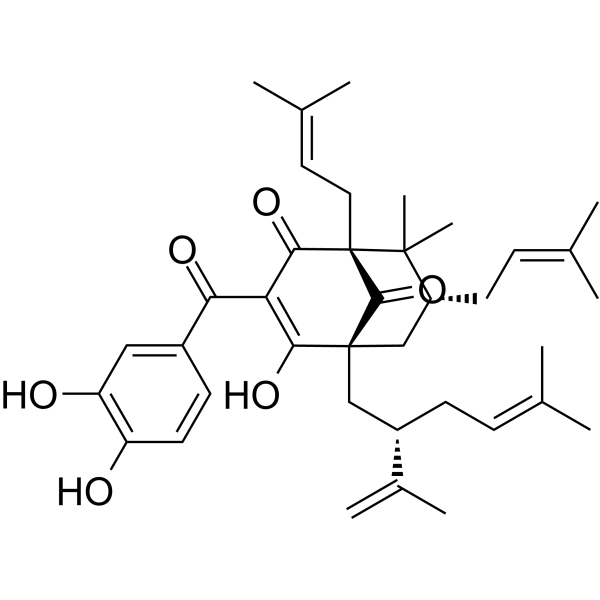
Garcinol, a polyisoprenylated benzophenone harvested from Garcinia indica, exerts anti-cholinesterase properties towards acetyl cholinesterase (AChE) and butyrylcholinesterase (BChE) with IC50s of 0.66 μM and 7.39 μM, respectively . Garcinol also inhibits histone acetyltransferases (HATs, IC50= 7 μM) and p300/CPB-associated factor (PCAF, IC50 = 5 μM). Garcinol has anti-inflammatory and anti-cancer activity .
|
-
-
- HY-17368
-
|
ENA 713 free base; SDZ-ENA 713 free base
|
Cholinesterase (ChE)
|
Neurological Disease
|
|
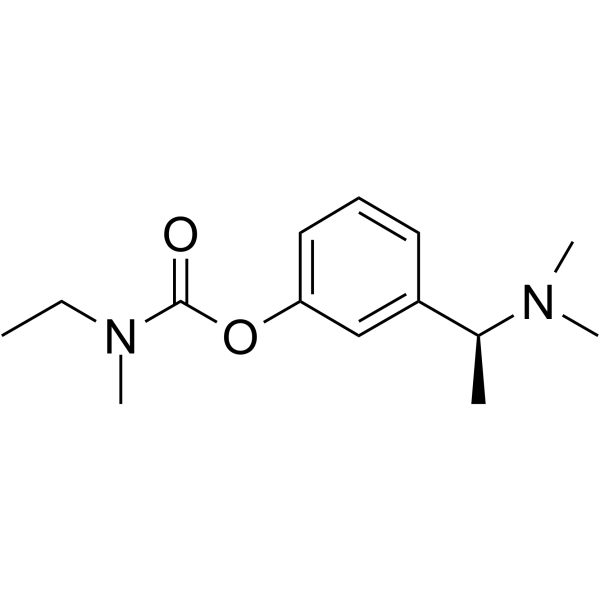
Rivastigmine (ENA 713 free base) is an orally active and potent cholinesterase (ChE) inhibitor and inhibits butyrylcholinesterase (BChE) and acetylcholinesteras (AChE) with IC50s of 0.037 μM , 4.15 μM, respectively. Rivastigmine can pass the blood brain barrier (BBB). Rivastigmine is a parasympathomimetic or cholinergic agent used for the research of mild to moderate dementia of the Alzheimer's type and dementia due to Parkinson's disease .
|
-
-
- HY-131922
-
|
Tetraisopropyl pyrophosphoramide
|
Cholinesterase (ChE)
|
Neurological Disease
|
|
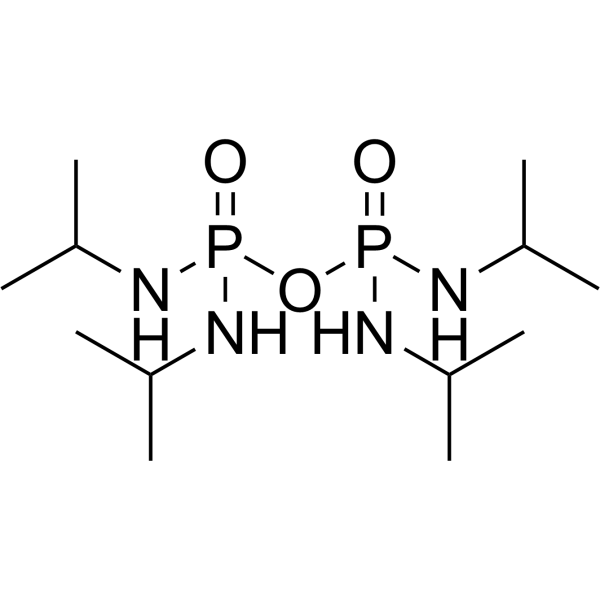
Iso-OMPA (Tetraisopropyl pyrophosphoramide) is a selective inhibitor of the irreversible butyrylcholinesterase (BuChE). Iso-OMPA enhances soman toxicity in rats associated with the inhibition of plasma carboxylesterase (CarbE) .
|
-
-
- HY-11017
-
|
ENA 713; SDZ-ENA 713
|
Cholinesterase (ChE)
|
Neurological Disease
|
|
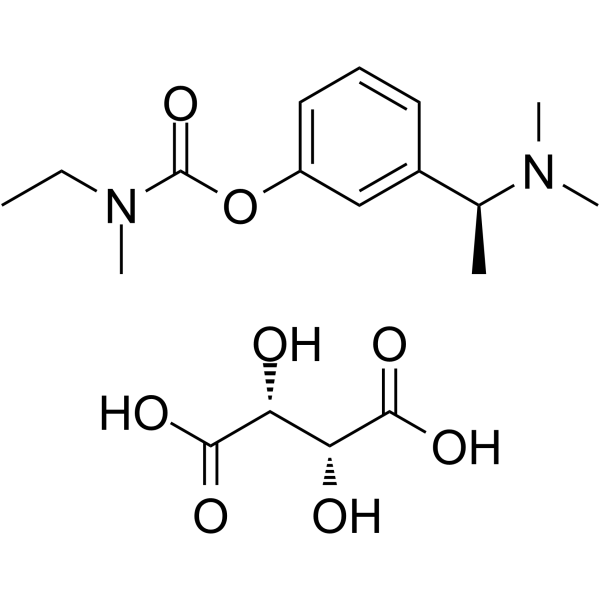
Rivastigmine tartrate (ENA 713; SDZ-ENA 713) is an orally active and potent cholinesterase (ChE) inhibitor and inhibits butyrylcholinesterase (BChE) and acetylcholinesteras (AChE) with IC50s of 0.037 μM, 4.15 μM, respectively. Rivastigmine tartrate can pass the blood brain barrier (BBB). Rivastigmine tartrate is a parasympathomimetic or cholinergic agent used for the research of mild to moderate dementia of the Alzheimer's type and dementia due to Parkinson's disease .
|
-
-
- HY-112076
-
|
Methylatropine bromide
|
mAChR
|
Neurological Disease
|
|
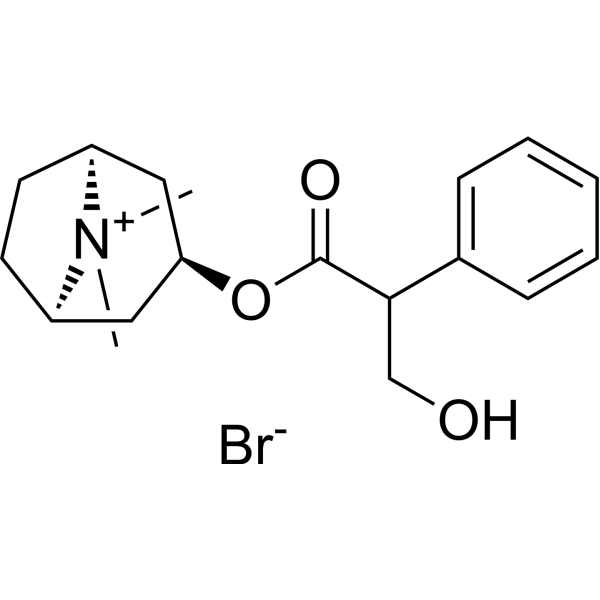
Atropine methyl bromide (Methylatropine bromide), an antagonist of muscarinic acetylcholine receptors (mAChR), is a quaternary ammonium salt of atropine and an active molecule used for pupil dilation during ophthalmic examinations. Due to its high polarity, it is used to relieve pyloric spasm in infants. It is less likely than atropine to cross the central nervous system .
|
-
-
- HY-B1239
-
|
Hexahydroadiphenine hydrochloride
|
Cholinesterase (ChE)
Potassium Channel
Amyloid-β
TRP Channel
Tau Protein
NOD-like Receptor (NLR)
JNK
NF-κB
IKK
|
Neurological Disease
Metabolic Disease
Inflammation/Immunology
|
|
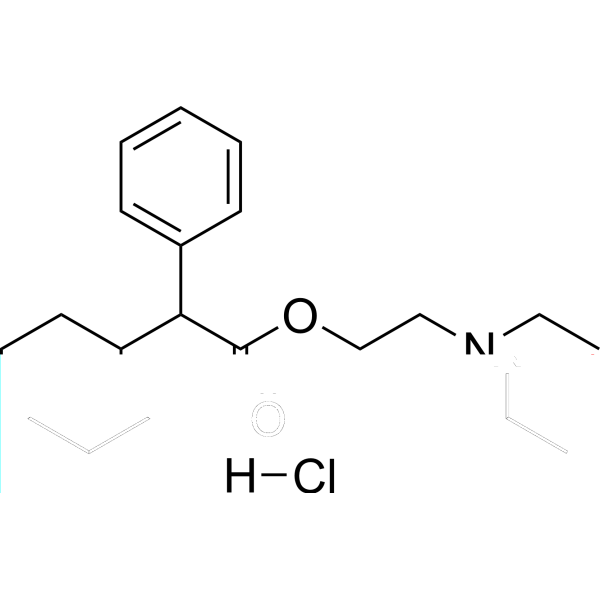
Drofenine (Cycloadiphene; Hexahydroadiphenine) hydrochloride is an brain-penetrant antispasmodic agent. Drofenine hydrochloride is a Kv2.1 channel inhibitor with human IC50 of 9.53 μM. Drofenine hydrochloride is a butyrylcholinesterase (BChE) inhibitor with Ki of 0.003 mM, and is a TRPV3 activator. Drofenine hydrochloride blocks Kv2.1-dependent potassium efflux, inhibits Kv2.1/JNK/NF-κB and IkBa/NF-kB signaling, suppresses Kv2.1 mRNA/protein expression. Drofenine suppresses oligomeric Aβ-induced microglial NLRP3 inflammasome activation and neuronal Tau hyperphosphorylation, improves cognitive impairment, promotes neurite outgrowth. Drofenine hydrochloride induces calcium influx in keratinocytes and exert cytotoxicity against keratinocytes. Drofenine hydrochloride ameliorates diabetic peripheral neuropathy -like pathology. Drofenine hydrochloride can be used for the researches of Alzheimer's disease, diabetic peripheral neuropathy and smooth muscle spasm .
|
-
-
- HY-N6009
-
|
|
Parasite
NF-κB
|
Infection
|
|
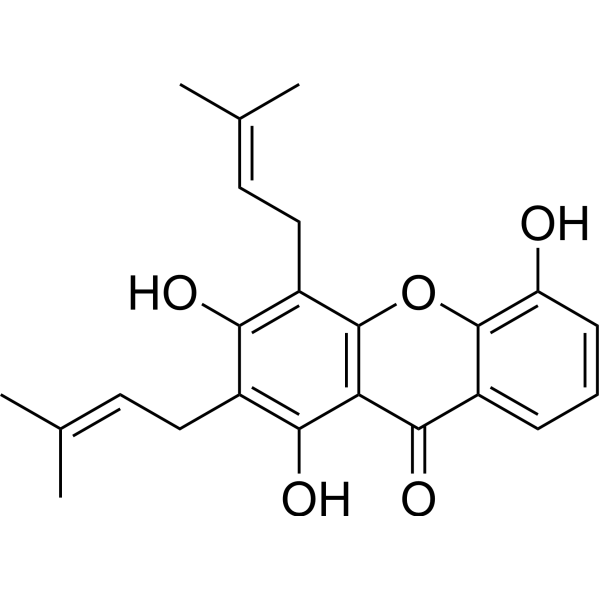
8-Deoxygartanin, a prenylated xanthones from G. mangostana, is a selective inhibitor of butyrylcholinesterase (BChE) . 8-Deoxygartanin exhibits antiplasmodial activity with an IC50 of 11.8 μM for the W2 strain of Plasmodium falciparum . 8-Deoxygartanin inhibits NF-κB (p65) activation with an IC50 of 11.3 μM .
|
-
-
- HY-122140
-
|
|
Cholinesterase (ChE)
|
Neurological Disease
|
|
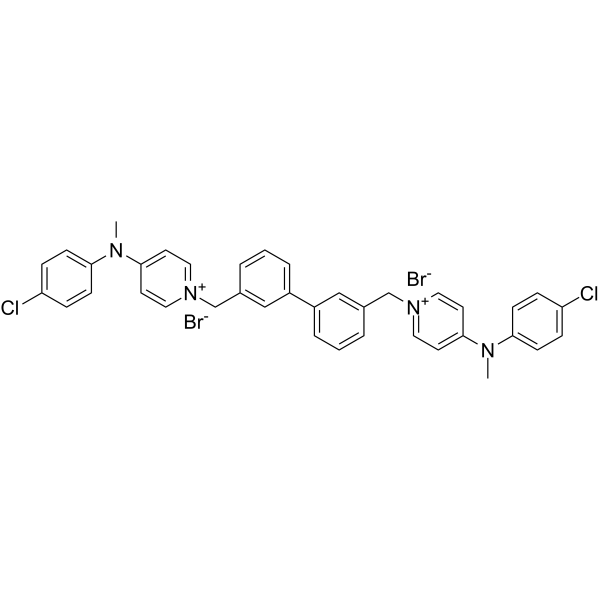
ACG548B (compound 24) is a potent inhibitor of acetyl- and butyrylcholinesterase (AChE and BChE) with IC50s of 1.78 and 0.496 μM, respectively. ACG548B has higher AChE affinity and selectivity over BChE and ChoK (choline kinase). ACG548B can be uesd for the study of myasthenia gravis and neuromuscular blockade .
|
-
-
- HY-N10488
-
|
|
Cholinesterase (ChE)
|
Neurological Disease
|
|
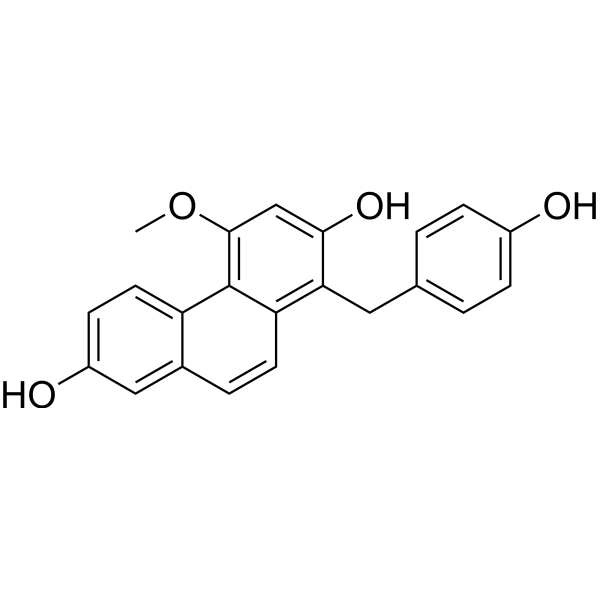
BChE-IN-11 (compound 10) is a potent, selective and non-competitive BChE (butyrylcholinesterase) inhibitor, with an IC50 of 2.1 μM. BChE-IN-11 can be used for Alzheimer's disease (AD) research .
|
-
-
- HY-131922R
-
|
Tetraisopropyl pyrophosphoramide (Standard)
|
Cholinesterase (ChE)
Reference Standards
|
Neurological Disease
|
|
Iso-OMPA (Standard) is the analytical standard of Iso-OMPA. This product is intended for research and analytical applications. Iso-OMPA (Tetraisopropyl pyrophosphoramide) is a selective inhibitor of the irreversible butyrylcholinesterase (BuChE). Iso-OMPA enhances soman toxicity in rats associated with the inhibition of plasma carboxylesterase (CarbE) .
|
-

-
- HY-150003
-
|
|
Cholinesterase (ChE)
Amyloid-β
|
Neurological Disease
|
|
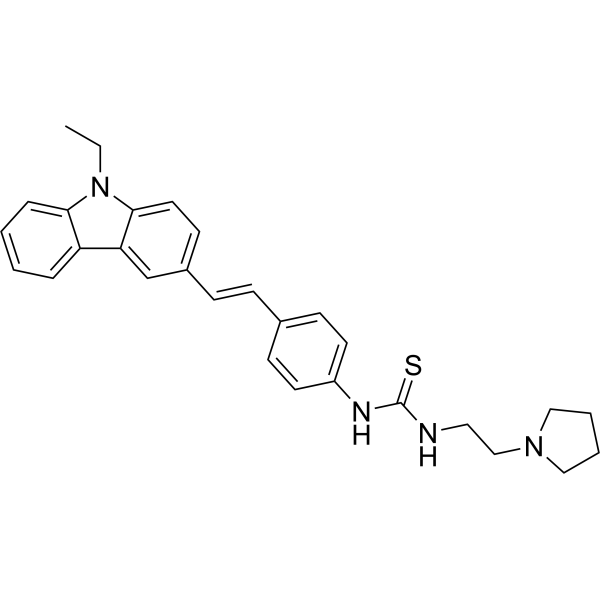
Aβ1-42 aggregation inhibitor 1 inhibits AChE (acetylcholinesterase) and BuChE (butyrylcholinesterase) with the IC50 value of 2.64 μM and 1.29 μM, respectively. Aβ1-42 aggregation inhibitor 1 inhibits self-mediated Aβ1-42 aggregation by 51.29% at a concentration of 25 μM. Aβ1-42 aggregation inhibitor 1 has the potential for the research of anti-Alzheimer's disease .
|
-
-
- HY-17368R
-
|
ENA 713 free base(Standard); SDZ-ENA 713 free base(Standard)
|
Reference Standards
Cholinesterase (ChE)
|
Neurological Disease
|
|
Rivastigmine (Standard) is the analytical standard of Rivastigmine. This product is intended for research and analytical applications. Rivastigmine (ENA 713 free base) is an orally active and potent cholinesterase (ChE) inhibitor and inhibits butyrylcholinesterase (BChE) and acetylcholinesteras (AChE) with IC50s of 0.037 μM , 4.15 μM, respectively. Rivastigmine can pass the blood brain barrier (BBB). Rivastigmine is a parasympathomimetic or cholinergic agent used for the research of mild to moderate dementia of the Alzheimer's type and dementia due to Parkinson's disease .
|
-

-
- HY-N10781
-
|
|
Cholinesterase (ChE)
|
Cardiovascular Disease
Neurological Disease
Cancer
|
|
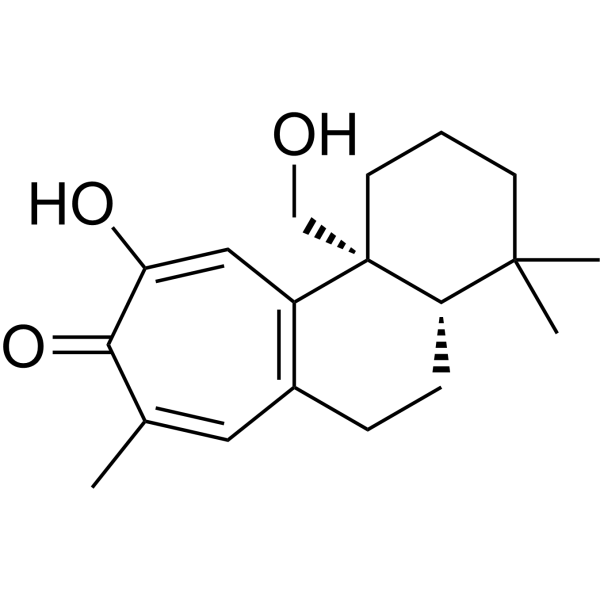
Isograndifoliol is a selective inhibitor of butyrylcholinesterase (BChE) with an IC50 value of 0.9 μM. And Isograndifoliol moderately inhibits acetylcholinesterase (AChE) with an IC50 value of 342.9 μM. Isograndifoliol also has vasorelaxant effect and anti-tumor effect. Isograndifoliol can be used for research against dementia caused by neurodegenerative diseases .
|
-
-
- HY-179496
-
|
|
GSK-3
Cholinesterase (ChE)
Amyloid-β
|
Neurological Disease
|
|
ChE/GSK-3β-IN-1 (compound 18o) is a potent dual ChE/GSK-3β inhibitor. ChE/GSK-3β-IN-1 exhibits dual inhibition of AChE (IC50 = 1.7 μM), butyrylcholinesterase (BChE) (IC50 = 5.3 μM), and GSK-3β (IC50 = 5.7 μM). ChE/GSK-3β-IN-1 inhibits Aβ1-42 self-aggregation. ChE/GSK-3β-IN-1 can be used for Alzheimer’s disease (AD) research .
|
-

-
- HY-178943
-
|
|
Cholinesterase (ChE)
Cannabinoid Receptor
Aldehyde Dehydrogenase (ALDH)
Caspase
Apoptosis
|
Neurological Disease
|
|
Neuroprotective agent 15 (Compound 3e) is a neuroprotective agent. Neuroprotective agent 15 is a selective butyrylcholinesterase (BChE) inhibitor, with IC50 values of 2.6 and 114.3 μM for BChE and AChE respectively. Neuroprotective agent 15 has cannabinoid CB2 receptor (CB2 receptor) agonistic activity. Neuroprotective agent 15 can reduce cell death, LDH release and Caspase-3/7 activity, and inhibit apoptosis. Neuroprotective agent 15 can reduce the formation of superoxide free radicals, maintain cell morphology, and significantly lower oxidative stress levels. Neuroprotective agent 15 can be used in the research of neurodegenerative diseases, such as Alzheimer's disease and Parkinson's disease .
|
-

-
- HY-151562
-
|
|
Cholinesterase (ChE)
Monoamine Oxidase
|
Neurological Disease
|
|
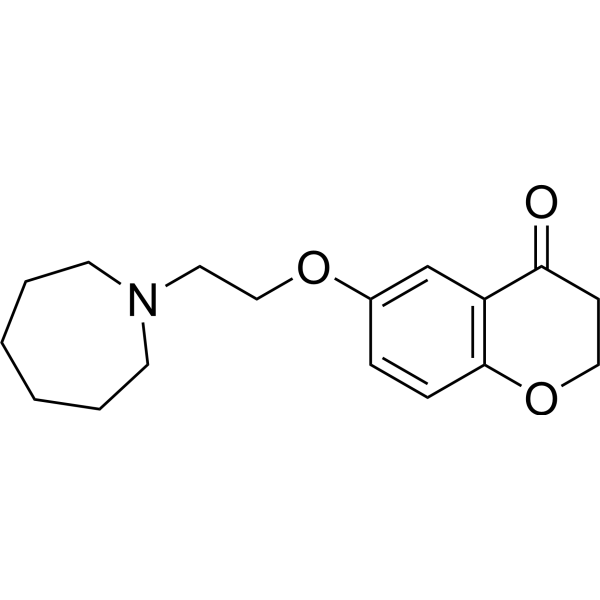
AChE/BuChE/MAO-B-IN-1 (compound 19) is an inhibitor of human acetyl- (hAChE), butyrylcholinesterase (hBuChE) and monoamine oxidase-B (hMAO-B) with IC50s of 4.8 μM, 13.7 μM, and 1.11 μM, respectively. AChE/BuChE/MAO-B-IN-1 also exhibits high affinity to both the σ1 and σ2 receptors with Ki values of 42.8 nM (human σ1 receptor) and 191 nM (rat σ2 receptor), respectively. AChE/BuChE/MAO-B-IN-1 can be used for Alzheimer’s disease research .
|
-
-
- HY-175816
-
|
|
5-HT Receptor
FAAH
Apoptosis
Reactive Oxygen Species (ROS)
|
Neurological Disease
|
|
5-HT6R/FAAH modulator 1 is a selective serotonin 5-HT6 receptor ligand and the fatty acid amide hydrolase (FAAH) enzyme inhibitor. 5-HT6R/FAAH modulator 1 shows a pKi of 6.33 (5-HT6) and a pIC50 valuesof 6.29 (FAAH). 5-HT6R/FAAH modulator 1 also slightly inhibits acetylcholinesterase (AChE) or butyrylcholinesterase (BChE) enzymes (pIC50 = 5.12). 5-HT6R/FAAH modulator 1 can inhibit apoptosis and reduce ROS levels. 5-HT6R/FAAH modulator 1 can be used for the research of neurological disease, such as Alzheimer’s disease (AD) .
|
-

-
- HY-144446
-
|
|
Cholinesterase (ChE)
|
Neurological Disease
|
|
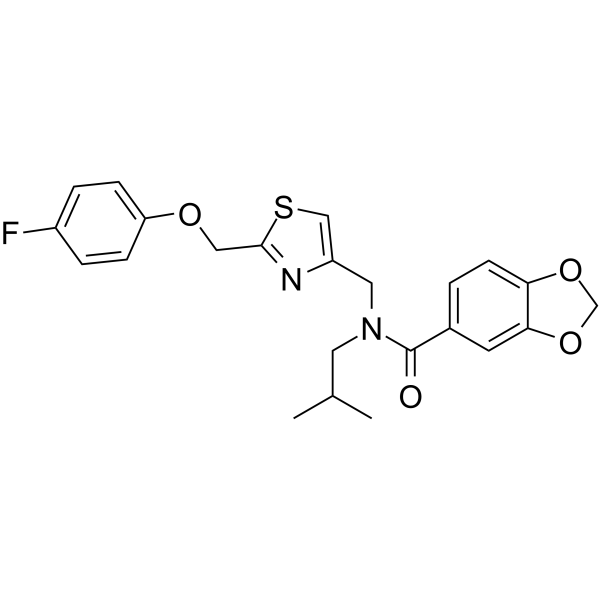
BuChE-IN-1 (Compound 23) is a potent inhibitor of butyrylcholinesterase (BuChE). Butyrylcholinesterase (BuChE) is recently regarded as a biomarker in progressed Alzheimer’s disease (AD). BuChE-IN-1 shows low cytotoxicity and high blood brain barrier (BBB) permeability. BuChE-IN-1 is a promising BuChE inhibitor for the research of AD .
|
-
-
- HY-16183
-
|
Echothiophate iodide
|
Cholinesterase (ChE)
|
Neurological Disease
|
|
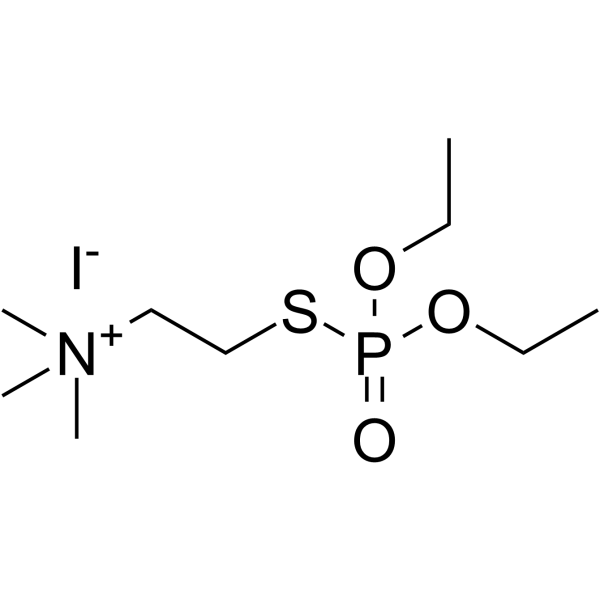
Echothiopate iodide is a potent hBChE (human butyrylcholinesterase) inhibitor. Echothiopate iodide is a long-acting anticholinesterase agent. Echothiopate iodide can be used for glaucoma research .
|
-
-
- HY-157982
-
|
|
Cholinesterase (ChE)
|
Neurological Disease
|
|
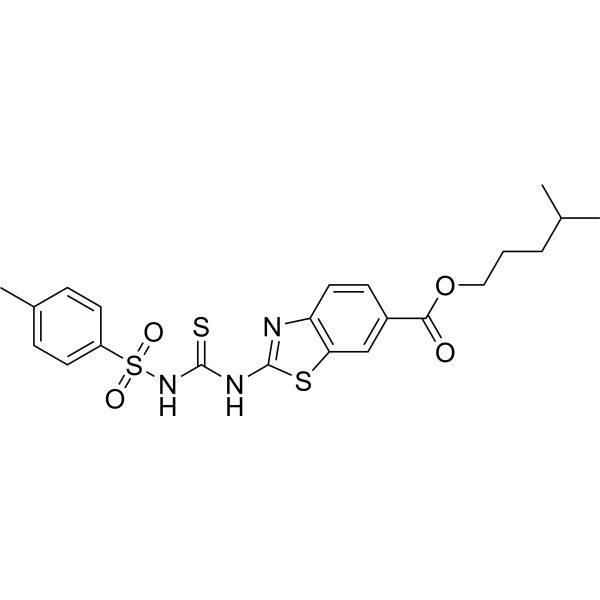
BChE-IN-28 (compound 6J) is a selective butyrylcholinesterase (BChE) inhibitor with an IC50 of 8 nM and a Ki of 12.16 nM. BChE-IN-28 shows the lower inhibition against AChE, MAO-A and MAO-B .
|
-
-
- HY-114320
-
|
TM-10
|
Cholinesterase (ChE)
|
Neurological Disease
|
|
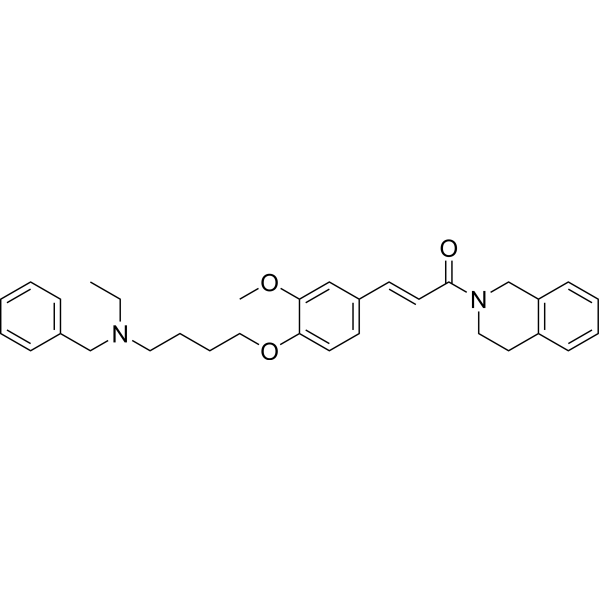
BuChE-IN-TM-10 (TM-10) is a potent butyrylcholinesterase (BuChE) inhibitor, with an IC50 of 8.9 nM. BuChE inhibitor 1 inhibits and disaggregates self-induced Aβ aggregation, exhibiting potent antioxidant activity and good blood-brain barrier (BBB) penetration. Has potential to treat Alzheimer’s disease .
|
-
-
- HY-N12581
-
|
|
Cholinesterase (ChE)
|
Neurological Disease
|
|
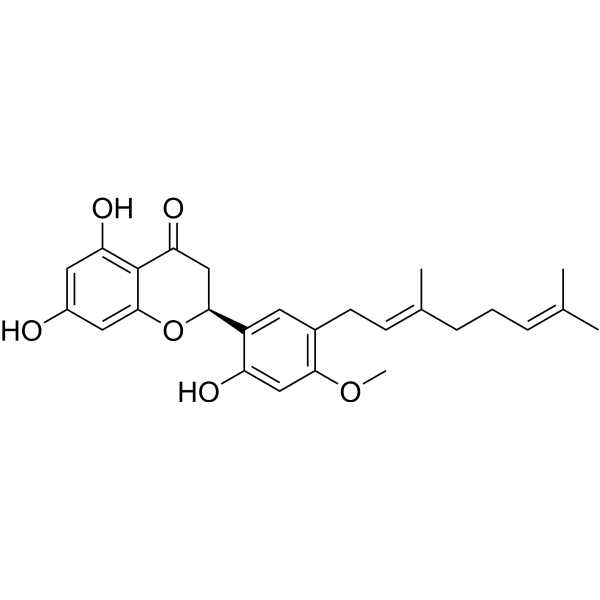
Kuwanon U is a potent cholinesterase inhibitor with IC50s of 19.69, 10.11 µM and Kis of 6.48, 9.59 µM for acetylcholinesterase (AChE) and butyrylcholinesterase (BChE), respectively. Kuwanon U has the potential for the research of Alzheimer’s disease (AD) .
|
-
-
- HY-119292
-
|
|
Cholinesterase (ChE)
Amyloid-β
|
Neurological Disease
|
|
AP2238 is a dual-function acetylcholinesterase (AChE) inhibitor with Ki values for human AChE (HuAChE) and butyrylcholinesterase (BuChE) of 21.7 and 48.9 μM respectively. AP2238 blocks the pro-fibrotic interaction between the peripheral site of AChE and Aβ, and can inhibit Aβ aggregation. AP2238 can be used for the research of Alzheimer's disease .
|
-

-
- HY-149087
-
-
-
- HY-178017
-
|
|
Cholinesterase (ChE)
Carbonic Anhydrase
|
Neurological Disease
|
|
BChE/hCA II-IN-1 (Compound 20) is a dual-functional inhibitor of Butyrylcholinesterase (BChE) and human carbonic anhydrase II (hCA II) with IC50s of 76.50 and 10.69 μM for BChE and hCA II, respectively. BChE/hCA II-IN-1 can be used for neurodegenerative diseases like Alzheimer's and glaucoma research .
|
-

-
- HY-107569R
-
|
|
Cholinesterase (ChE)
Histone Acetyltransferase
Apoptosis
Endogenous Metabolite
Reference Standards
|
Inflammation/Immunology
Cancer
|
|
Garcinol (Standard) is the analytical standard of Garcinol. This product is intended for research and analytical applications. Garcinol, a polyisoprenylated benzophenone harvested from Garcinia indica, exerts anti-cholinesterase properties towards acetyl cholinesterase (AChE) and butyrylcholinesterase (BChE) with IC50s of 0.66 μM and 7.39 μM, respectively . Garcinol also inhibits histone acetyltransferases (HATs, IC50= 7 μM) and p300/CPB-associated factor (PCAF, IC50 = 5 μM). Garcinol has anti-inflammatory and anti-cancer activity .
|
-

-
- HY-135006A
-
|
|
Cholinesterase (ChE)
|
Neurological Disease
|
|
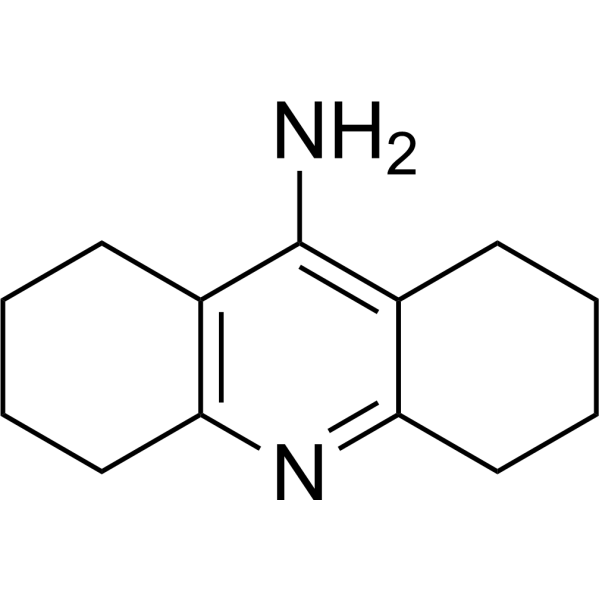
Octahydroaminoacridine, a Tacrine analogue, is an acetylcholinesterse (AChE) and butyrylcholinesterase (BChE) inhibitor. Octahydroaminoacridine can be used for Alzheimer's disease (AD) research .
|
-
-
- HY-135006
-
|
|
Cholinesterase (ChE)
|
Neurological Disease
|
|
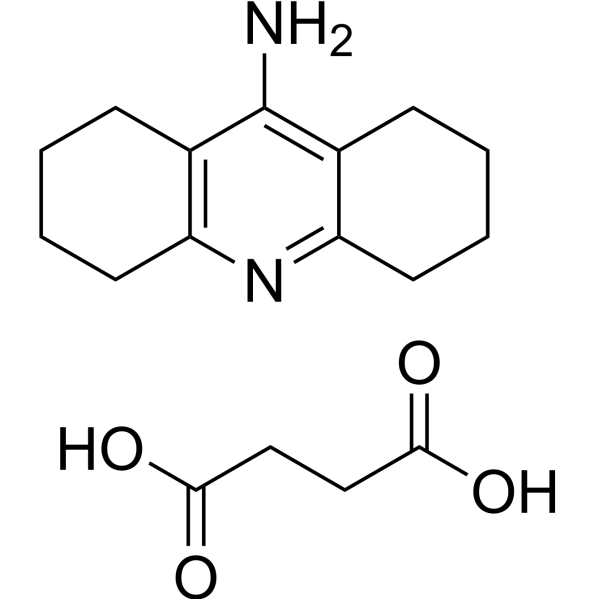
Octahydroaminoacridine succinate, a Tacrine analogue, is an acetylcholinesterse (AChE) and butyrylcholinesterase (BChE) inhibitor. Octahydroaminoacridine succinate can be used for Alzheimer's disease (AD) research .
|
-
-
- HY-162339
-
|
|
Cholinesterase (ChE)
|
Neurological Disease
|
|
BChE-IN-30 (compound (R)-37a) is a BChE inhibitor (IC50: 5 nM) with anti-inflammatory activity and low toxicity. BChE-IN-30 can improve cognitive deficits induced by scopolamine and Aβ1-42 peptide and can be used in the study of late-stage AD .
|
-
-
- HY-149993
-
-
-
- HY-146251
-
|
|
Cholinesterase (ChE)
Amyloid-β
|
Neurological Disease
|
|
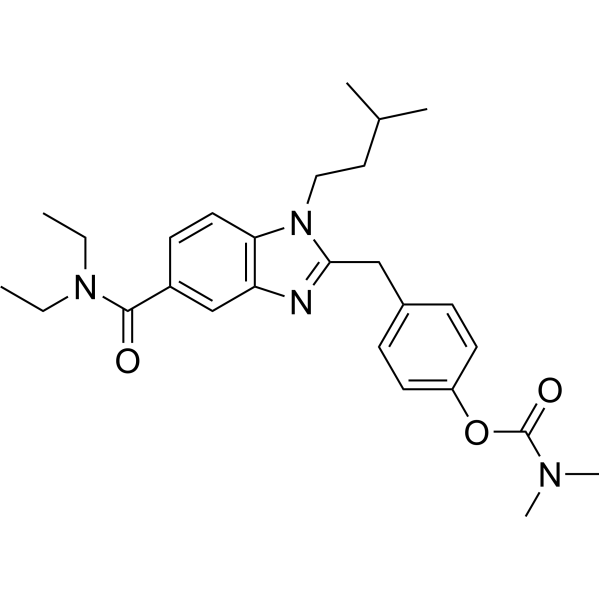
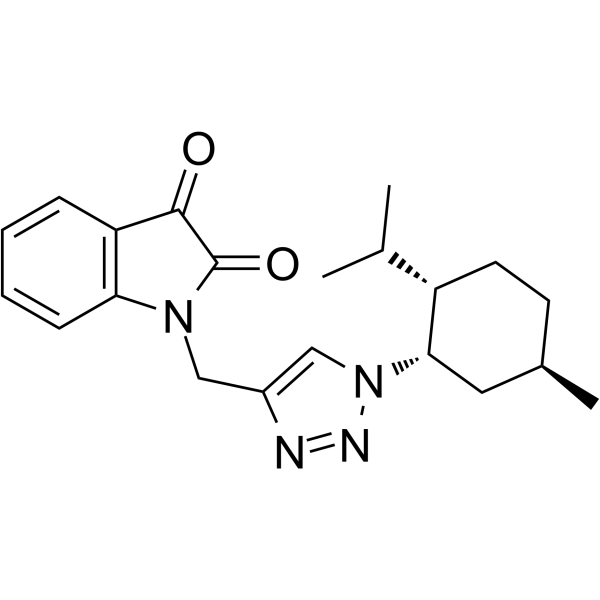
BuChE-IN-6 (compound 1b) is a potent and selective BuChE (butyrylcholinesterase) inhibitor, with IC50 values of 0.46 and 0.51 μM for eqBuChE and hBuChE, respectively. BuChE-IN-6 also inhibits Aβ42 self-aggregation .
|
-
-
- HY-121191
-
|
N1,N8-Bisnorcymserine; (-)-Bisnorcymserine
|
Cholinesterase (ChE)
|
Neurological Disease
|
|
Bisnorcymserine ((-)-Bisnorcymserine) is an inhibitor for butyrylcholinesterase (BChE) with an IC50 of 0.228 nM. Bisnorcymserine reduces the levels of amyloid-β peptide (Aβ), exhibits ameliorates the Alzheimer’s Disease in elderly rat models. Bisnorcymserine is blood-brain barrier penetrate .
|
-

-
- HY-N10490
-
|
|
Cholinesterase (ChE)
|
Neurological Disease
|
|
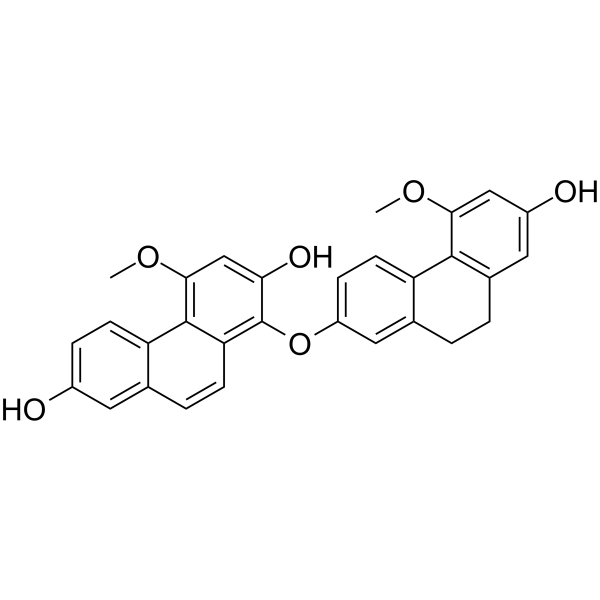
Blestrin D is a potent butyrylcholinesterase (BChE) mixed-type inhibitor with an IC50 value of 8.1 μM. Blestrin D can be isolated from Bletilla striata. Blestrin D can be used for the research of Alzheimer's disease (AD) .
|
-
-
- HY-163883
-
|
|
Cholinesterase (ChE)
|
Neurological Disease
|
|
BChE-IN-34 is a potent and selective butyrylcholinesterase (BChE) inhibitor with an IIC50 of 25 nM. BChE-IN-34 shows excellent selectivity against BChE over acetylcholinesterase. BChE-IN-34 has neuroprotective and antioxidant effects .
|
-

-
- HY-162340
-
|
|
Cholinesterase (ChE)
|
Neurological Disease
|
|
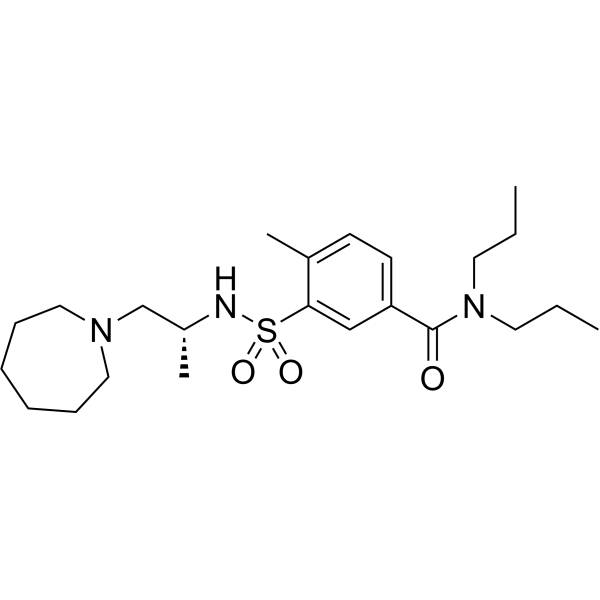
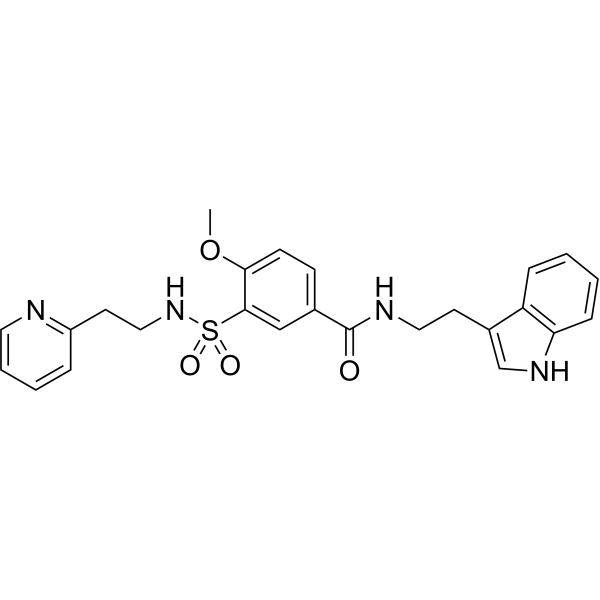
Z32439948 is a butyrylcholinesterase (BChE) inhibitor (IC50: 1.4 μM, hBChE) and is a derivative of m-sulfamoylbenzamide. Z32439948 also exhibited neuroprotective effects against glutamate in SH-SY5Y cells .
|
-
-
- HY-133776
-
|
3-Nitrophenyl ethyl(methyl)carbamate
|
Cholinesterase (ChE)
|
Neurological Disease
|
|
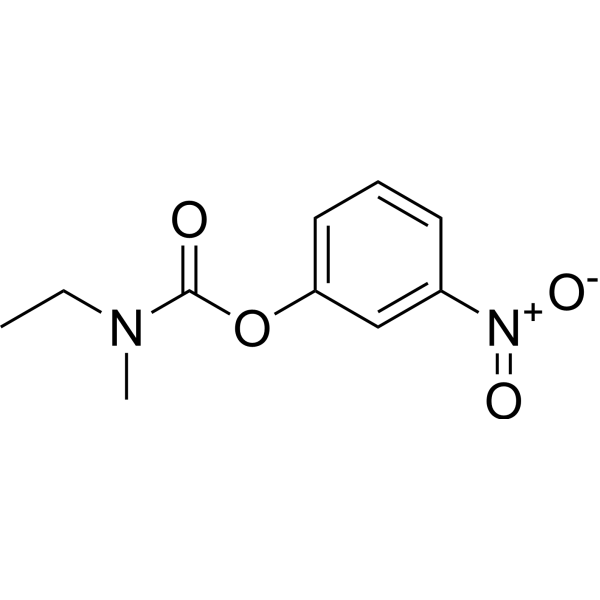
Rivastigmine carbamate impurity (3-Nitrophenyl ethyl(methyl)carbamate) is an impurity of Rivastigmine. Rivastigmine is an orally active and potent cholinesterase (ChE) inhibitor and inhibits butyrylcholinesterase (BChE) and acetylcholinesteras (AChE) with IC50s of 0.037 μM, 4.15 μM, respectively .
|
-
-
- HY-157981
-
|
|
Cholinesterase (ChE)
Monoamine Oxidase
|
Neurological Disease
|
|
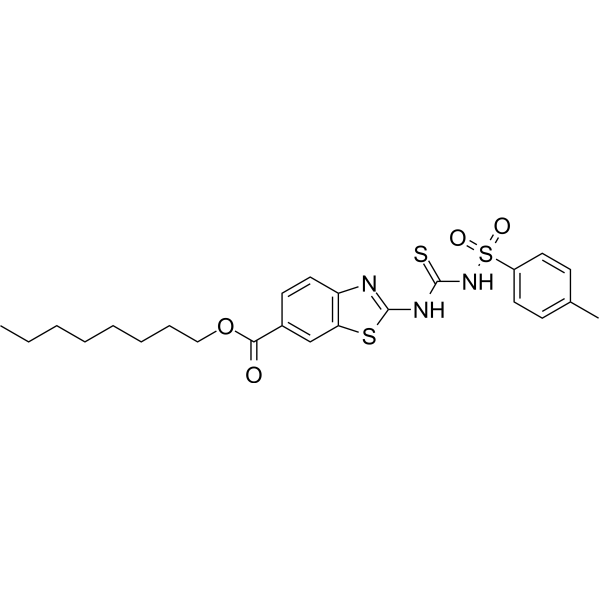
AChE-IN-60 (compound 6k) is a potant acetylcholinesterase (AChE) and butyrylcholinesterase (BChE) inhibitor with IC50s of 27 nM and 43 nM, respectively. AChE-IN-60 also inhibits monoamine oxidase (MAO)-A and MAO-B with IC50s of 353 nM and 716 nM, respectively .
|
-
-
- HY-170389
-
|
|
Cholinesterase (ChE)
|
Neurological Disease
|
|
BChE-IN-39 (Compound 7c) is a selective inhibitor for butyrylcholinesterase (BChE) with an IC50 of 0.08 μM (IC50=3.98 μM for AChE). BChE-IN-39 downregulates the GSK-3β expression, inhibits the hyperphosphorylation of tau protein .
|
-

-
- HY-124047
-
|
|
Cholinesterase (ChE)
|
Neurological Disease
|
|
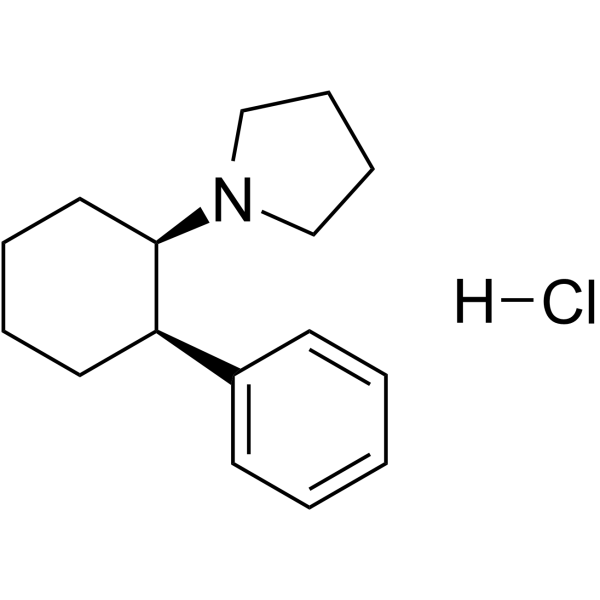
RX 67668 is a potent cholinesterase inhibitor with an IC50 of 5 μM for both acetylcholinesterase (AChE) and butyrylcholinesterase. RX 67668 can reverse the neuromuscular blockade induced by D-tubocurarine. RX 67668 is a muscle relaxant used to relieve skeletal muscle fatigue .
|
-
-
- HY-103373
-
|
|
Cholinesterase (ChE)
|
Neurological Disease
|
|
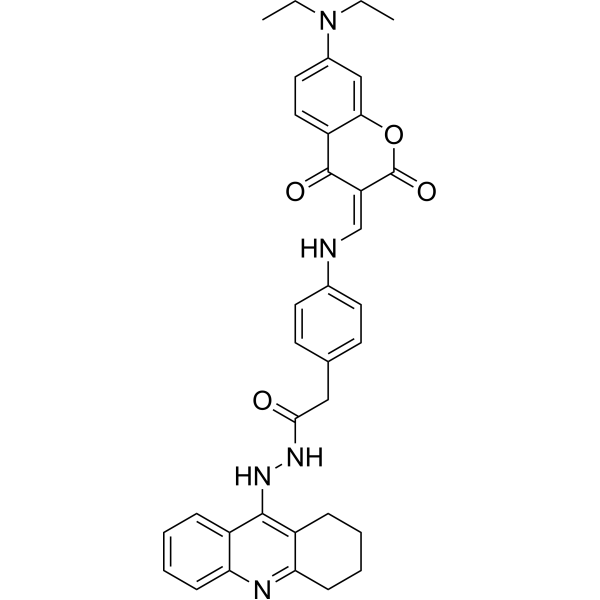
PE154 (Compound 13) is a potent fluorescent inhibitor of human acetylcholinesterase (AChE) and butyrylcholinesterase (BChE) (IC50s=280 pM and 16 nM, respectively) . PE154 can label β-amyloid plaques in histochemical analysis .
|
-
-
- HY-N10489
-
|
|
Cholinesterase (ChE)
|
Neurological Disease
|
|
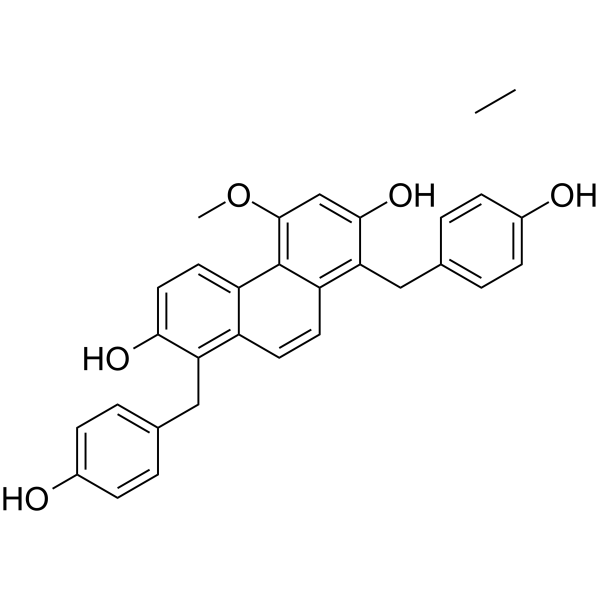
BChE-IN-12 (compound 12) is a potent butyrylcholinesterase (BChE) non-competitive inhibitor with an IC50 value of 2.3 μM. BChE-IN-12 can be isolated from Bletilla striata. BChE-IN-12 can be used for the research of Alzheimer's disease (AD) .
|
-
-
- HY-N10486
-
|
|
Cholinesterase (ChE)
|
Neurological Disease
|
|
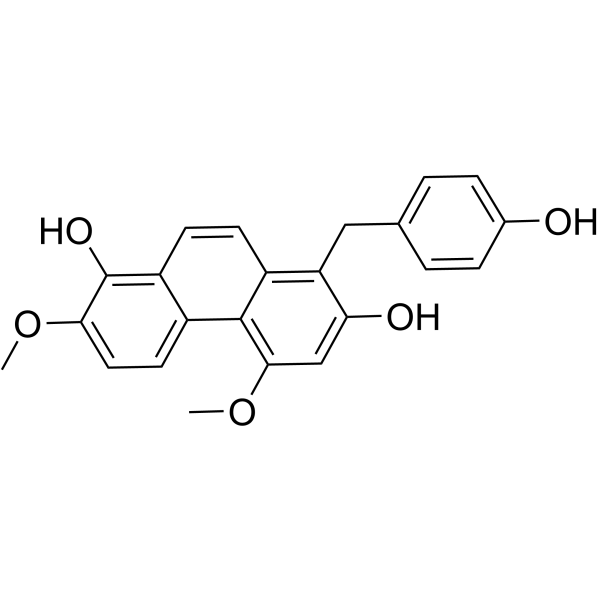
BChE-IN-10 (compound 6) is a potent butyrylcholinesterase (BChE) mixed-type inhibitor with an IC50 value of 6.4 μM. BChE-IN-10 can be isolated from Bletilla striata. BChE-IN-10 can be used for the research of Alzheimer's disease (AD) .
|
-
-
- HY-155304
-
|
|
Cholinesterase (ChE)
|
Neurological Disease
|
|
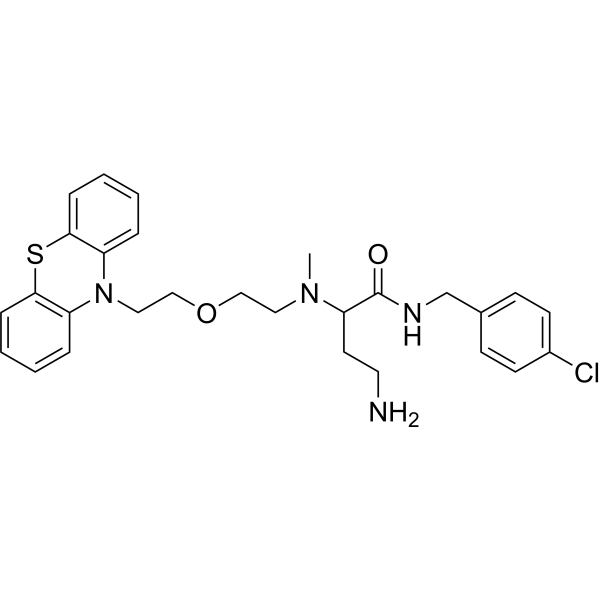
BuChE-IN-8 (compound 19c) is a butyrylcholinesterase (BuChE) inhibitor with an IC50 of 559 nM. BuChE-IN-8 possesses human β-secretase (BACE1) and Aβ40 aggregation inhibitory activities. BuChE-IN-8 has significant antiamnesic properties .
|
-
-
- HY-145833A
-
|
|
Epoxide Hydrolase
Cholinesterase (ChE)
|
Neurological Disease
Cancer
|
|
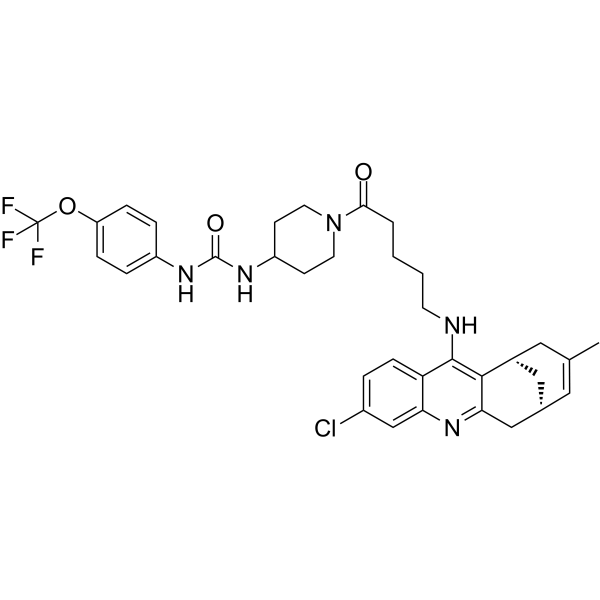
sEH/AChE-IN-4 (compound (+)-15) is a potent and BBB-penetrated dual inhibitor of sEH (soluble epoxide hydrolase) and AChE (acetylcholinesterase), with IC50 values of 3.1 nM (hsEH), 1660 nM (hAChE), 179 nM (hBChE, human butyrylcholinesterase), 14.5 nM (msEH), and 102 nM (mAChE), respectively .
|
-
-
- HY-174328
-
|
|
Cholinesterase (ChE)
|
Neurological Disease
|
|
BChE/AChE-IN-1 (Compound 4m) is a potent dual inhibitor of acetylcholinesterase (AChE) and butyrylcholinesterase (BChE) with IC50 values of 0.7 μM and 0.2 μM, respectively. BChE/AChE-IN-1 is promising for research of neurodegenerative diseases such as Alzheimer’s disease (AD) .
|
-

-
- HY-145833
-
|
|
Epoxide Hydrolase
Cholinesterase (ChE)
|
Neurological Disease
Cancer
|
|
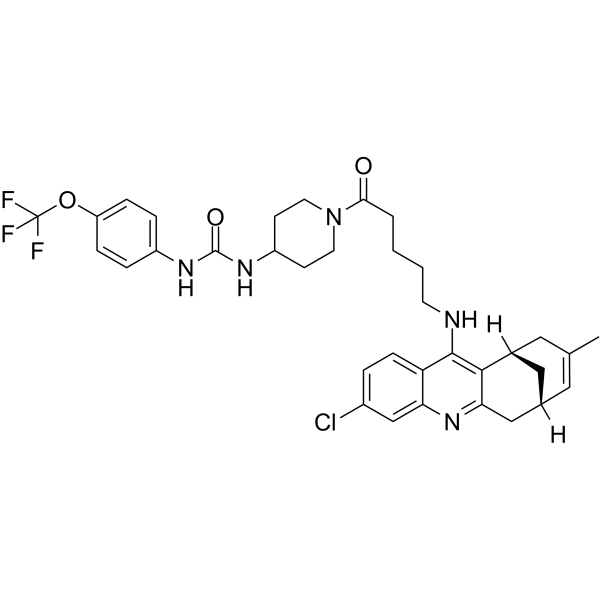
sEH/AChE-IN-3 (compound (−)-15) is a potent and BBB-penetrated dual inhibitor of sEH (soluble epoxide hydrolase) and AChE (acetylcholinesterase), with IC50 values of 0.4 nM (hsEH), 1.94 nM (hAChE), 615 (hBChE, human butyrylcholinesterase), 4.3 nM (msEH), and 2.61 nM (mAChE), respectively .
|
-
-
- HY-176432
-
|
|
Cholinesterase (ChE)
|
Neurological Disease
|
|
BChE-IN-40 (compound D40) is a potent butyrylcholinesterase inhibitor with an IC50 of 0.59 μM. BChE-IN-40 exhibits strong anti-inflammatory effects with an IC50 of 4.55 μM for nitric oxide suppression. BChE-IN-40 demonstrates excellent blood-brain barrier permeability .
|
-

-
- HY-144689
-
|
|
Cholinesterase (ChE)
|
Neurological Disease
|
|
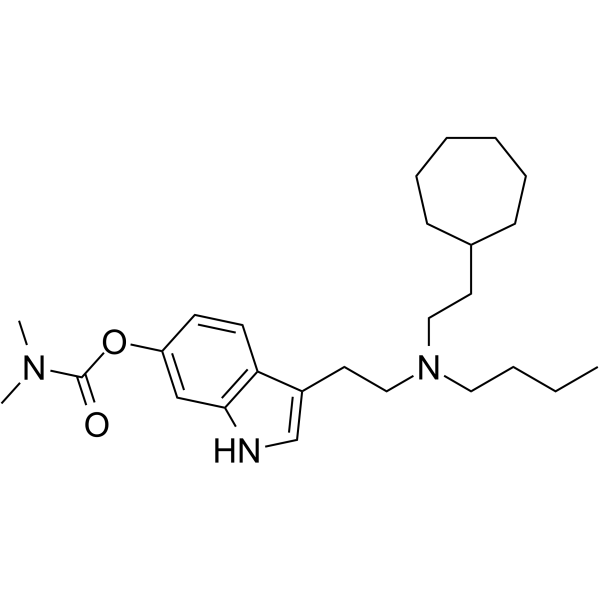
BChE-IN-3 (compound 45a) is a potent, selective, time-dependent and pseudoirreversible BChE inhibitor, with an IC50 of 56.9 nM. BChE-IN-3 also shows marginal and reversible (not time-dependent) inhibition of AChE .
|
-
-
- HY-151386
-
|
|
Cholinesterase (ChE)
|
Neurological Disease
|
|
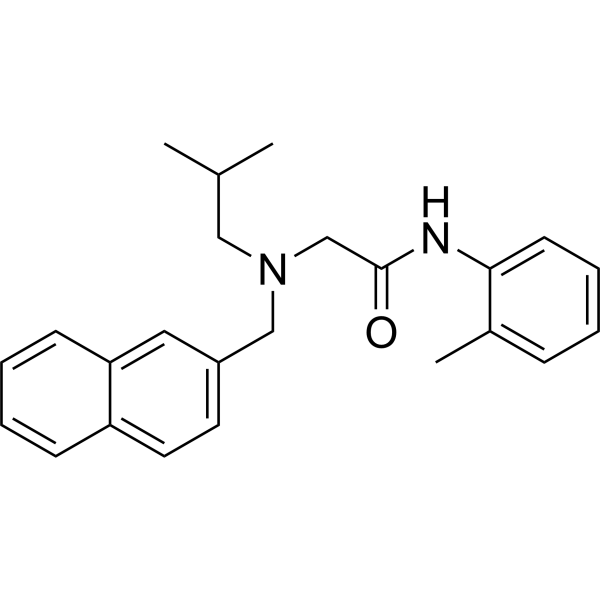
BChE-IN-13 (Compound 17c) is an orally active, potent and selective Butyrylcholinesterase (BChE) inhibitor with IC50s of 0.22 and 0.016 μM for eqBChE and hBChE, respectively. BChE-IN-13 can improve memory and cognitive impairments, and be used in Alzheimer’s disease (AD) research .
|
-
-
- HY-163885
-
SSZ
1 Publications Verification
|
Cholinesterase (ChE)
Beta-secretase
γ-secretase
|
Neurological Disease
|
|
SSZ is a multi-target inhibitor, which targets multiple pathological mechanisms of Alzheimer's disease (AD). SSZ targets acetylcholinesterase, butyrylcholinesterase, β-site amyloid precursor protein cleavage enzyme 1 (BACE1), and γ-secretase. SSZ ameliorates Alzheimer’s diseases and exhibits neuroprotective effect in mice .
|
-

- HY-131971
-
|
|
Cholinesterase (ChE)
|
Neurological Disease
|
|
AChE/BChE-IN-1 is a potent and brain-penetrant dual inhibitor of Acetylcholinesterase and Butyrylcholinesterase, with IC50s of 1.06 and 7.3 nM for hAChE and hBChE, respectively. AChE/BChE-IN-1 also has antioxidant activity. AChE/BChE-IN-1 can be used for the research of Alzheimer’s disease .
|
-
- HY-143413
-
|
|
Amyloid-β
|
Neurological Disease
Inflammation/Immunology
|
|
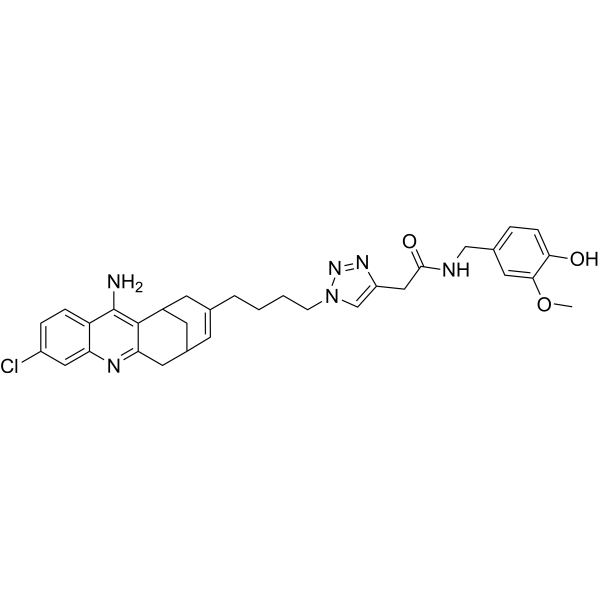
BuChE-IN-2 is an excellent butyrylcholinesterase (BuChE) inhibitor (IC50s of 1.28 μM and 0.67 μM for BuChE and NO). BuChE-IN-2 can inhibit the aggregation of Aβ, ROS formation and chelate Cu 2+, exhibiting proper blood-brain barrier (BBB) penetration. BuChE-IN-2 has potential to research Alzheimer’s disease .
|
-
- HY-146039
-
|
|
Cholinesterase (ChE)
|
Neurological Disease
|
|
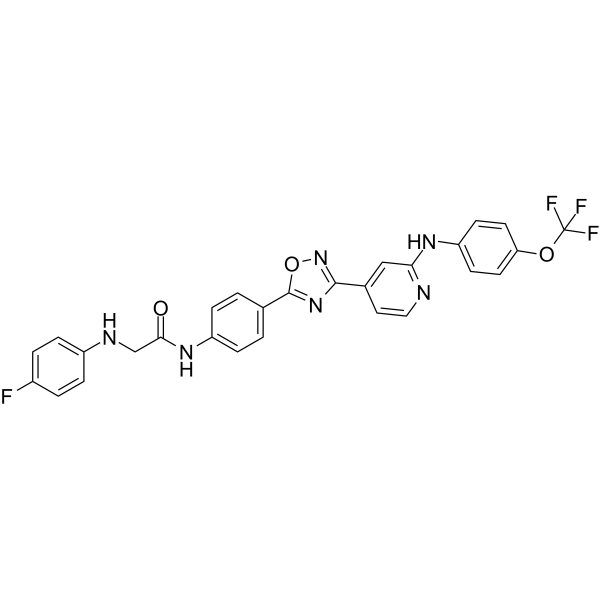
AChE-IN-15 (Compound 3d) is a reversible human acetylcholinesterase (huAChE) (IC50=6.8 μM) and human butyrylcholinesterase (huBChE) (IC50=16.1 μM) inhibitor. AChE-IN-15 shows significant antioxidant potency, AChE-IN-15 can be used for the research of Alzheimer’s disease .
|
-
- HY-173621
-
|
|
Cholinesterase (ChE)
Amyloid-β
|
Neurological Disease
|
|
Aβ1–42 aggregation inhibitor 3 (Compound 3b) is an acetylcholinesterase (AChE) and butyrylcholinesterase (BuChE) inhibitor (IC50 values are 1.634 and 0.0285 μM, respectively). Aβ1–42 aggregation inhibitor 3 can inhibit the aggregation of Aβ1-42. Aβ1–42 aggregation inhibitor can be used in Alzheimer's disease (AD) research .
|
-

- HY-172782
-
-

- HY-161331
-
|
|
Cholinesterase (ChE)
|
Neurological Disease
|
|
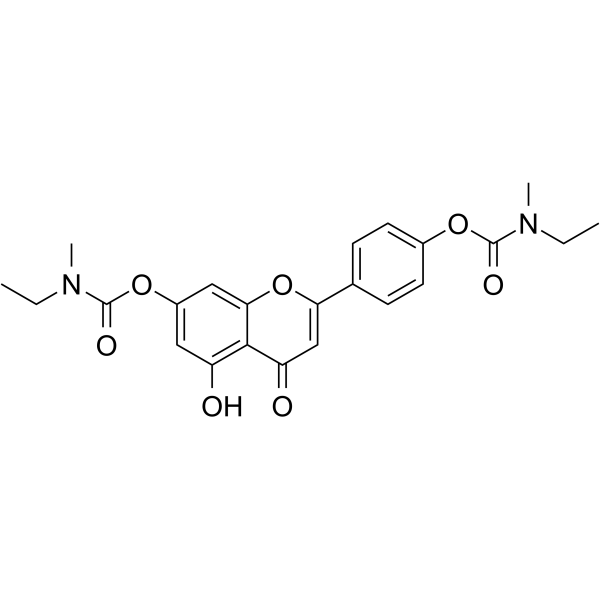
S16–1029 is a selective and orally active butyrylcholinesterase (BChE) inhibitor with IC50s of 11.35 nM and 48.1 nM for eqBChE and hBChE, respectively. S16–1029 could cross the blood-brain barrier (BBB) and reach the central nervous system (CNS). S16–1029 can be used for Alzheimer's disease (AD) research .
|
-
- HY-149300
-
|
|
Cholinesterase (ChE)
|
Neurological Disease
|
|
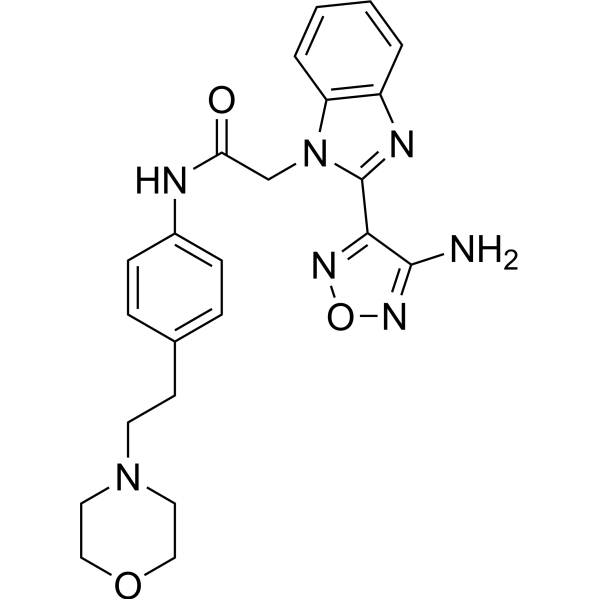
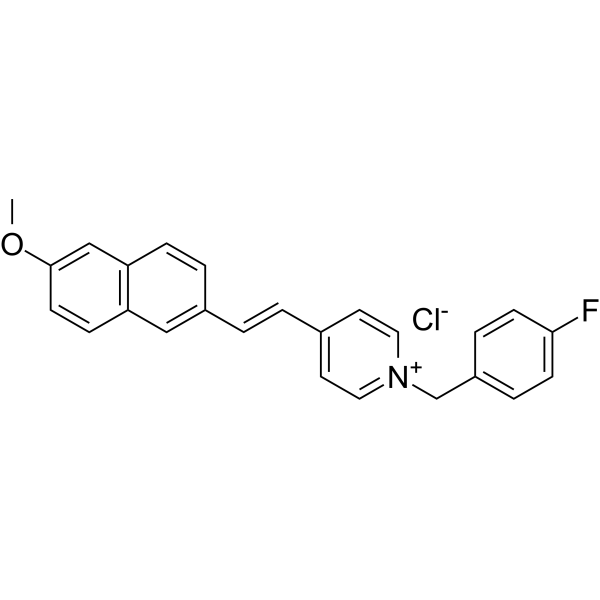
SB-1436 is an Cholinesterase (ChE) inhibitor, inhibits acetylcholinesterase (AChE), butyrylcholinesterase (BChE) and recombinant human acetylcholinesterase (rHuAChE) with IC50s of 0.176, 0.37 and 0.08 μM, respectively. SB-1436 inhibits AChE and BChE in a non-competitive manner with Kis of 0.046 and 0.115 μM, respectively. SB-1436 significantly stops the self-aggregation of Aβ, and can be used for neurological disease research .
|
-
- HY-151389
-
|
|
Cholinesterase (ChE)
|
Neurological Disease
|
|
BChE-IN-14 (compound 19c) is a selective butyrylcholinesterase (BChE) inhibitor with IC50s of 0.23 and 0.011 μM for eqBChE and hBChE, respectively. BChE-IN-14 shows good blood brain barrier permeation and primary cell safety. BChE-IN-14 is able to restore cognitive impairment in vivo, it can be used for the research of Alzheimer’s disease .
|
-
- HY-174381
-
|
|
Cholinesterase (ChE)
Amyloid-β
Tau Protein
|
Neurological Disease
|
|
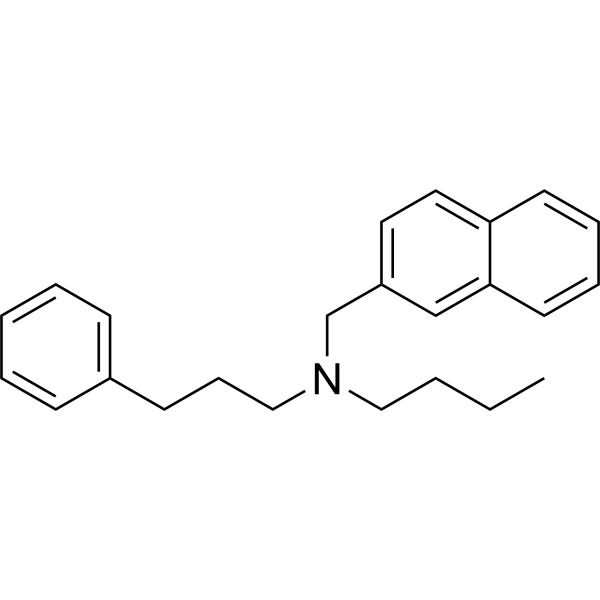
BChE-IN-41 is a highly selective Butyrylcholinesterase (BChE) inhibitor (IC50 =12 nM, Ki = 6.6 nM). BChE-IN-41 has high brain penetration with a brain-to-plasma ratio of 9.0. BChE-IN-41 has pro-cognitive effects on mice with AD-like symptoms induced by Scopolamine (HY-N0296) and Aβ1-42 .
|
-

- HY-174462
-
|
|
Cholinesterase (ChE)
|
Neurological Disease
|
|
AChE-IN-90 (Compound 5b) is an orally active, brain-penetrant and potent acetylcholinesterase (AChE) inhibitor with an IC50 value of 0.023 μM against human AChE and lower selectivity for butyrylcholinesterase (BuChE) (IC50 1.8 μM). AChE-IN-90 increases acetylcholine levels in the synaptic cleft. AChE-IN-90 is promising for research of neurodegenerative diseases such as Alzheimer's disease .
|
-

- HY-17368S1
-
|
(Rac)-ENA 713-d6 free base; (Rac)-SDZ-ENA 713-d6 free base
|
Isotope-Labeled Compounds
Cholinesterase (ChE)
|
Neurological Disease
|
|
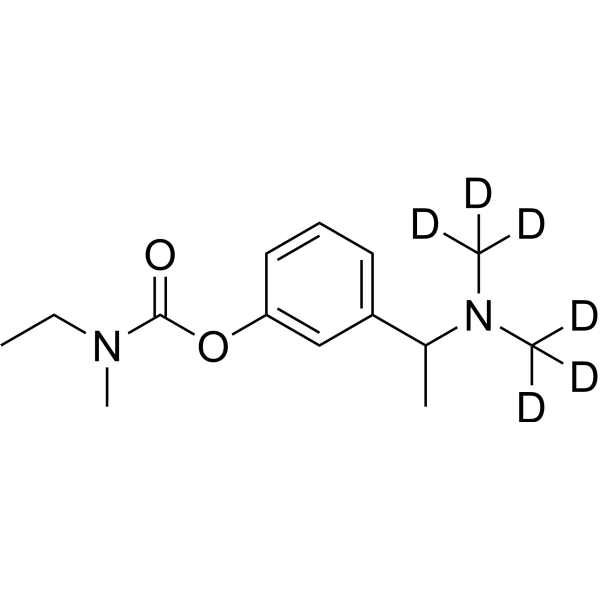
(Rac)-Rivastigmine-d6 is a labelled racemic Rivastigmine. Rivastigmine (ENA 713 free base) is an orally active and potent cholinesterase (ChE) inhibitor and inhibits butyrylcholinesterase (BChE) and acetylcholinesteras (AChE) with IC50s of 0.037 μM , 4.15 μM, respectively. Rivastigmine can pass the blood brain barrier (BBB). Rivastigmine is a parasympathomimetic or cholinergic agent used for the research of mild to moderate dementia of the Alzheimer's type and dementia due to Parkinson's disease .
|
-
- HY-17368S2
-
|
ENA 713-d3 hydrochloride; SDZ-ENA 713-d3 hydrochloride
|
Cholinesterase (ChE)
Isotope-Labeled Compounds
|
Neurological Disease
|
|
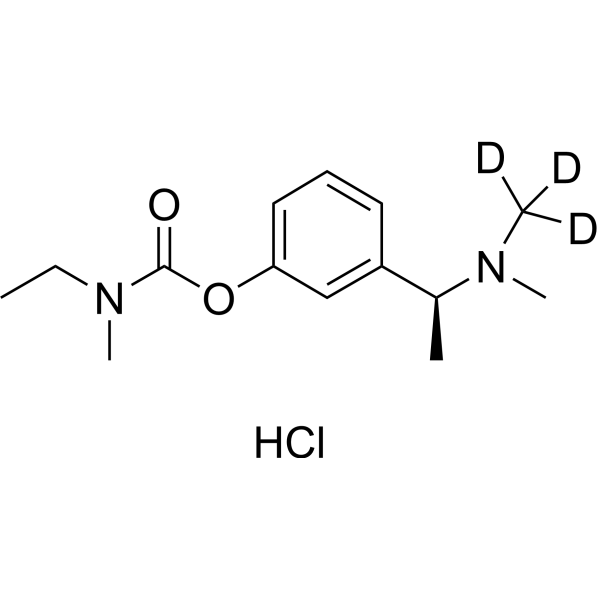
Rivastigmine-d3 hydrochloride is deuterated labeled Rivastigmine (HY-17368). Rivastigmine (ENA 713 free base) is an orally active and potent cholinesterase (ChE) inhibitor and inhibits butyrylcholinesterase (BChE) and acetylcholinesteras (AChE) with IC50s of 0.037 μM , 4.15 μM, respectively. Rivastigmine can pass the blood brain barrier (BBB). Rivastigmine is a parasympathomimetic or cholinergic agent used for the research of mild to moderate dementia of the Alzheimer's type and dementia due to Parkinson's disease .
|
-
- HY-157437
-
|
|
Cholinesterase (ChE)
Reactive Oxygen Species (ROS)
|
Neurological Disease
Inflammation/Immunology
|
|
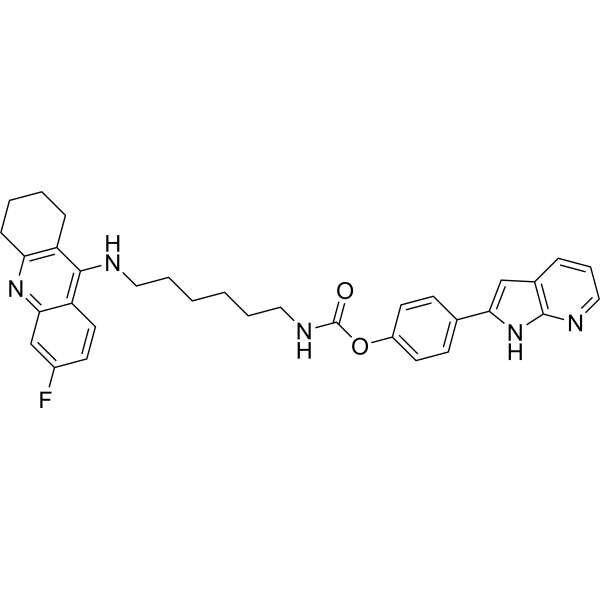
AChE/BChE-IN-16 (compound C7) is a potent cholinesterase (ChE) inhibitor with IC50s of 30 nM and 48 nM for human acetylcholinesterase (hAChE) and human butyrylcholinesterase (hBChE), respectively. AChE/BChE-IN-16 exhibits a remarkable capacity to safeguard PC12 cells against H2O2-induced apoptosis and effectively suppresses the production of reactive oxygen species (ROS) .
|
-
- HY-136813
-
|
|
Beta-secretase
Amyloid-β
Cholinesterase (ChE)
|
Neurological Disease
|
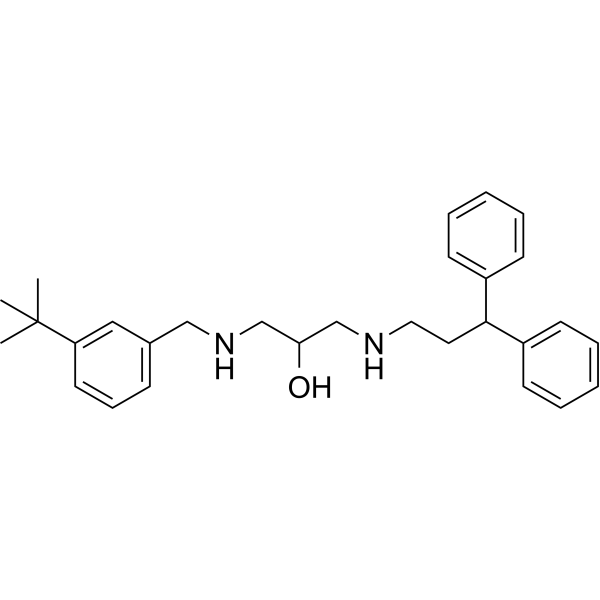
Multitarget AD inhibitor-1 is a selective and reversible butyrylcholinesterase (BuChE) inhibitor with IC50s of 7.22 μM and 1.55 μM for hBuChE and eqBuChE (BuChE from equine serum), respectively. Multitarget AD inhibitor-1 inhibits β-secretase (IC50hBACE-1=41.60 μM), amyloid β aggregation (IC50Aβ=3.09 μM), tau aggregation. Multitarget AD inhibitor-1, a diphenylpropylamine derivative, has the potential for multifunctional disease-modifying anti-Alzheimer’s research .
|
-
- HY-146035
-
|
|
Cholinesterase (ChE)
Histamine Receptor
|
Neurological Disease
|
|
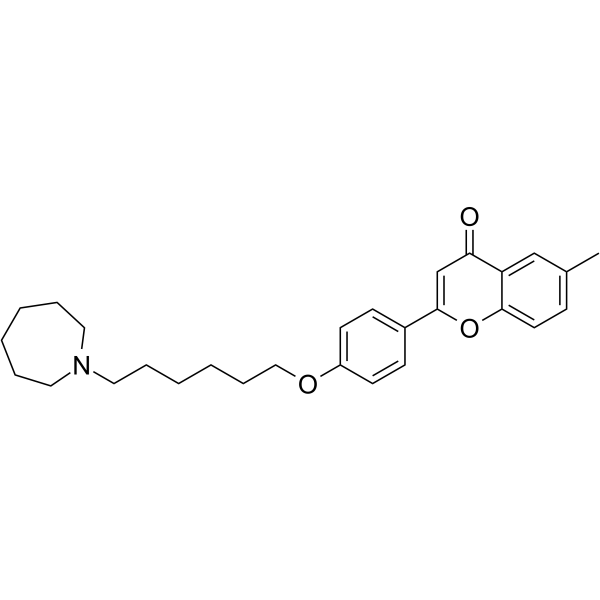
AChE-IN-14 (compound 5) is a potent cholinesterase inhibitor with IC50s of 0.46 , 0.48, and 0.44 μM for electric eel acetylcholinesterase (eeAChE), human recombinant acetylcholinesterase (hAChE), and equine serum butyrylcholinesterase (eqBuChE), respectively. AChE-IN-14 exhibits high affinity toward human H3 receptor (H3R; Ki= 159.8 nM). AChE-IN-14 can be used for the research of Alzheimer’s disease .
|
-
- HY-147851
-
|
|
Beta-secretase
|
Neurological Disease
|
|
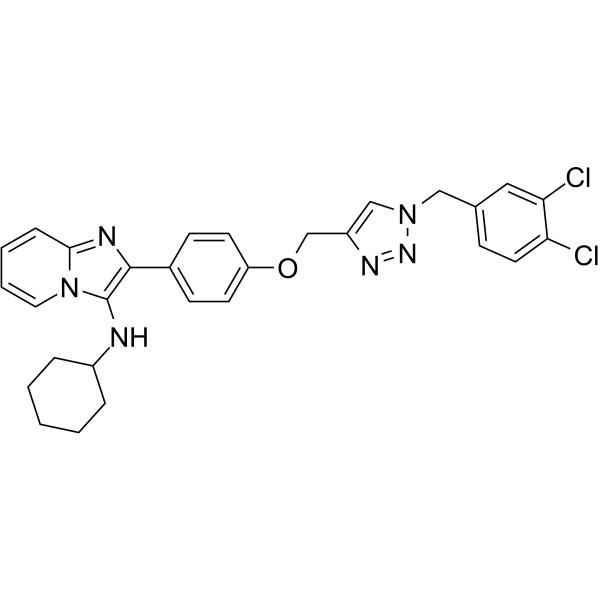
BACE1-IN-12 (compound 7g) is a potent and BBB-penetrated BACE1 inhibitor, with an IC50 of 8.9 µM. BACE1-IN-12 shows selective BuChE (butyrylcholinesterase) inhibitory activity with an IC50 of 3.2 µM. BACE1-IN-12 shows effective antioxidant effect with an IC50 of 10.2 μM (DPPH). BACE1-IN-12 might be served as a potential anti-Alzheimer agent .
|
-
- HY-11017R
-
|
ENA 713 (Standard); SDZ-ENA 713 (Standard)
|
Reference Standards
Cholinesterase (ChE)
|
Neurological Disease
|
|
Rivastigmine (tartrate) (Standard) is the analytical standard of Rivastigmine (tartrate). This product is intended for research and analytical applications. Rivastigmine tartrate (ENA 713; SDZ-ENA 713) is an orally active and potent cholinesterase (ChE) inhibitor and inhibits butyrylcholinesterase (BChE) and acetylcholinesteras (AChE) with IC50s of 0.037 μM, 4.15 μM, respectively. Rivastigmine tartrate can pass the blood brain barrier (BBB). Rivastigmine tartrate is a parasympathomimetic or cholinergic agent used for the research of mild to moderate dementia of the Alzheimer's type and dementia due to Parkinson's disease .
|
-
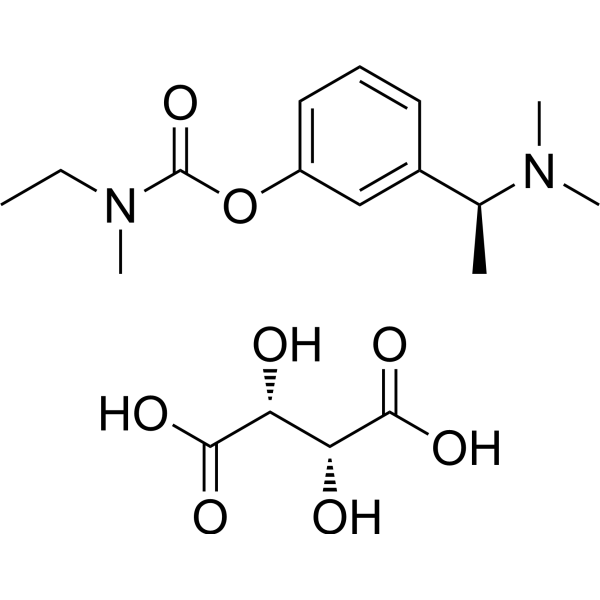
- HY-159143
-
|
|
Cholinesterase (ChE)
Cytochrome P450
|
Neurological Disease
|
|
BChE-IN-33 (compound 4r), an arylaminonaphthol derivative, is a potent butyrylcholinesterase (BChE) inhibitor with an IC50 of 14.78 µM. BChE-IN-33 also inhibits CYP2C19, CYP2C9, CYP2D6. BChE-IN-33 shows potent antioxidant activity with IC50 values of 150.48 μM, 2.56 μM and 4.61 μM by DPPH, ABTS, Ferric-phenanthroline assay, respectively. BChE-IN-33 has the potential for Alzheimer research .
|
-

- HY-W654335
-
|
|
Isotope-Labeled Compounds
Cholinesterase (ChE)
|
Neurological Disease
|
|
Rivastigmine-d4 (tartrate) is deuterium labeled Rivastigmine (tartrate). Rivastigmine tartrate (ENA 713; SDZ-ENA 713) is an orally active and potent cholinesterase (ChE) inhibitor and inhibits butyrylcholinesterase (BChE) and acetylcholinesteras (AChE) with IC50s of 0.037 μM, 4.15 μM, respectively. Rivastigmine tartrate can pass the blood brain barrier (BBB). Rivastigmine tartrate is a parasympathomimetic or cholinergic agent used for the research of mild to moderate dementia of the Alzheimer's type and dementia due to Parkinson's disease .
|
-

- HY-175658
-
|
|
Cholinesterase (ChE)
Amyloid-β
Tau Protein
|
Neurological Disease
|
|
AChE/BChE-IN-29 is an AChE/BChE inhibitor. AChE/BChE-IN-29 exhibits balanced dual cholinesterase inhibitory activity with IC50 values of 2.1 μM for Electrophorus electricus AChE (eeAChE) and 6.3 μM for equine serum butyrylcholinesterase (eqBChE). AChE/BChE-IN-29 effectively inhibits amyloid-β (Aβ42) aggregation and tau protein aggregation in E. coli cell models. AChE/BChE-IN-29 can be used for the study of Alzheimer’s disease (AD) .
|
-

- HY-161643
-
|
|
Cholinesterase (ChE)
Keap1-Nrf2
|
Neurological Disease
Inflammation/Immunology
|
|
S21-1011 is a selective inhibitor for butyrylcholinesterase (BChE), with IC50 of 0.059 and 0.162 μM, for eqBChE and hBChE, respectively. S21-1011 exhibits good blood-brain barrier (BBB) permeability and good pharmacokinetic characters. S21-1011 exhibits anti-inflammatory activity through activation of keap1-Nrf2-ARE pathway (EC50 is 23.48 μM for antioxidant element ARE activation), ameliorates cognitive impairment in murine Alzheimer’s disease model .
|
-

- HY-168301
-
|
|
Cholinesterase (ChE)
Amyloid-β
|
Neurological Disease
|
|
CL-13 is a butyrylcholinesterase (BChE) inhibitor, with an IC50 of 1.15 μM, and a selectivity index (SI) of 9.2 for acetylcholinesterase. CL-13 shows antioxidant activity in SH-SY5Y cells (DPPH EC50 = 47.01 μM) and has the ability to chelate metals involved in Aβ aggregation and/or oxidative stress, showing no neurotoxicity at 50 μM. CL-13 can reverse cognitive impairment caused by scopolamine (HY-N0296) without affecting the mice's motor skills .
|
-

- HY-147859
-
|
|
Amyloid-β
|
Neurological Disease
|
|
BChE-IN-8 (compound 20) is an orally active, potent and BBB-penetrated BChE (butyrylcholinesterase) inhibitor, with IC50 values of 0.15 nM (eqBChE, equine serum BChE) and 45.2 nM (hBChE), respectively. High stability of BChE-IN-8 contributes to significantly improved blood concentration and tissue exposure. BChE-IN-8 can exert neuro-protecting and cognition improving properties through multiple modulations, including cholinergic system, Aβ aggregation, neuropeptide levels. BChE-IN-8 can be used for Alzheimer's disease (AD) research .
|
-
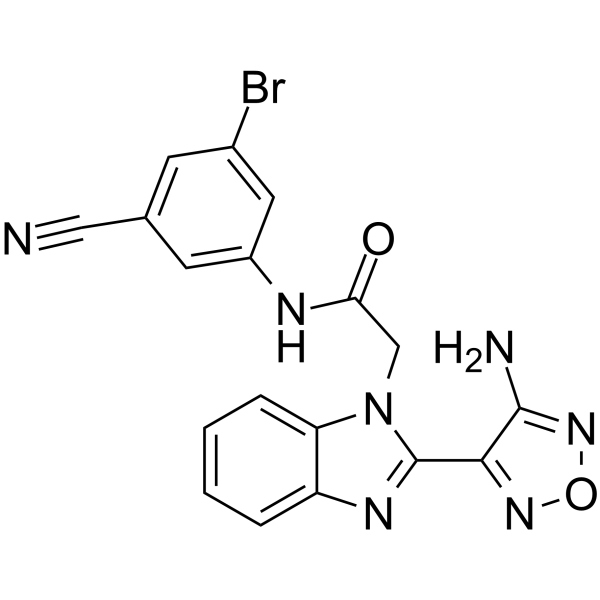
- HY-158978
-
|
|
Cholinesterase (ChE)
Monoamine Oxidase
|
Neurological Disease
|
|
Multitarget AD inhibitor-2 (Compound VN-19) is a multitargeting inhibitor acetylcholinesterase (AChE, IC50=0.14 μM), butyrylcholinesterase (BChE, IC50=11.6 μM), monoamine oxidase B (MAO B, IC50=0.45 μM). Multitarget AD inhibitor-2 inhibits self-induced aggregation of amyloid beta protein Aβ1-42 (inhibition rate is 47.3% at 20 μM), and downregulates the level of ROS in SH-SY5Y (80 inhibition rate at 25 μM). Multitarget AD inhibitor-2 ameliorates the cognitive decline in Scopolamine (HY-N0296)-induced Alzheimer’s Disease zebrafish models .
|
-

- HY-144392
-
|
|
Cholinesterase (ChE)
|
Neurological Disease
|
|
AChE/BuChE-IN-1 (Compound 1), a chrysin derivative, is a selective butyrylcholinesterase (BuChE) inhibitor with an IC50 of 0.48 μM. AChE/BuChE-IN-1 inhibits acetylcholinesterase (AChE) with an IC50 of 7.16 μM. AChE/BuChE-IN-1 shows strong scavenging ·OH activities with a IC50 of 0.1674 μM. AChE/BuChE-IN-1 inhibits reactive oxygen species (ROS), Aβ1-42 aggregation (self-, Cu2+-induced, AChE-induced). AChE/BuChE-IN-1 has high BBB permeability and bioavailability and low cell toxicity. AChE/BuChE-IN-1 has the potential for Alzheimer' disease (AD) research .
|
-
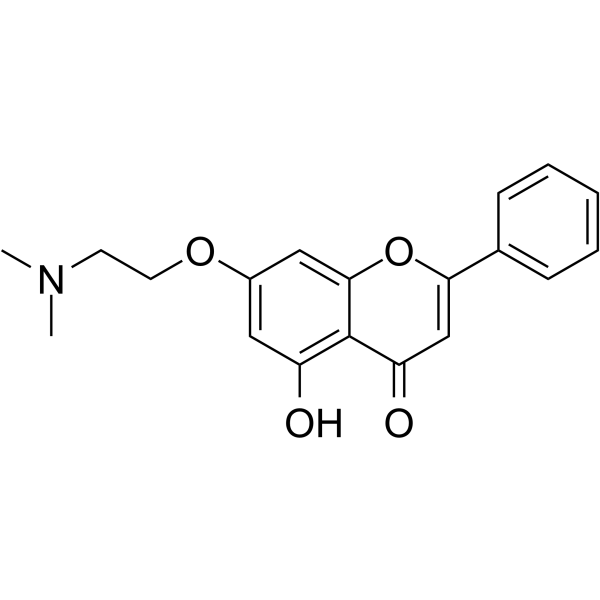
- HY-B1239A
-
|
Cycloadiphene; Hexahydroadiphenine
|
Potassium Channel
Cholinesterase (ChE)
TRP Channel
NOD-like Receptor (NLR)
Amyloid-β
Tau Protein
JNK
NF-κB
IKK
|
Neurological Disease
Metabolic Disease
Inflammation/Immunology
|
|
Drofenine (Cycloadiphene; Hexahydroadiphenine) is an brain-penetrant antispasmodic agent. Drofenine is a Kv2.1 channel inhibitor with human IC50 of 9.53 μM. Drofenine is a butyrylcholinesterase (BChE) inhibitor with Ki of 0.003 mM, and is a TRPV3 activator. Drofenine blocks Kv2.1-dependent potassium efflux, inhibits Kv2.1/JNK/NF-κB and IkBa/NF-kB signaling, suppresses Kv2.1 mRNA/protein expression. Drofenine suppresses oligomeric Aβ-induced microglial NLRP3 inflammasome activation and neuronal Tau hyperphosphorylation, improves cognitive impairment, promotes neurite outgrowth. Drofenine induces calcium influx in keratinocytes and exert cytotoxicity against keratinocytes. Drofenine ameliorates diabetic peripheral neuropathy -like pathology. Drofenine can be used for the researches of Alzheimer's disease, diabetic peripheral neuropathy and smooth muscle spasm .
|
-

- HY-W332450
-
-

- HY-181865
-
|
|
Cholinesterase (ChE)
Drug Intermediate
|
Neurological Disease
|
|
BuChE-IN-22 is a pseudo-irreversible butyrylcholinesterase (BuChE) inhibitor, with IC50 values of 4 nM and 157 nM against hBuChE and hAChE, respectively. It also acts as a prodrug of 7-hydroxysertraline. BuChE-IN-22 releases 7-hydroxysertraline during BuChE inhibition. BuChE-IN-22 completely reverses Aβ25-35-induced short-term and long-term memory impairments in a mouse model of Alzheimer's disease. BuChE-IN-22 can be used in research related to Alzheimer's disease .
|
-

- HY-N17425
-
|
|
Cholinesterase (ChE)
|
Neurological Disease
|
|
Lakoochin C is an inhibitor of acetylcholinesterase (AChE) (IC50 = 61.86 μM) and butyrylcholinesterase (BChE) (IC50 = 47.21 μM). Lakoochin C may be used in research related to Alzheimer's disease .
|
-

- HY-179726
-
|
|
Cholinesterase (ChE)
|
Neurological Disease
|
|
BChE-IN-47 (Compound 13) is a selective butyrylcholinesterase (BChE) inhibitor with an IC50 of 0.045 μM. BChE-IN-47 enhances the level of acetylcholine in the brain by selectively inhibiting BChE, thereby improving cognitive function. BChE-IN-47 can be used for the research of Alzheimer’s disease .
|
-

- HY-183352
-
|
|
Cholinesterase (ChE)
Toll-like Receptor (TLR)
p38 MAPK
Interleukin Related
Complement System
|
Neurological Disease
|
BuChE-IN-23 is an orally active, blood-brain barrier permeable butyrylcholinesterase (eqBuChE) inhibitor with an IC50 of 15.59 μM and a Ki of 29.33 μM. BuChE-IN-23 exhibits an IC50 of 38.65 μM against hBuChE and shows selectivity for butyrylcholinesterase over acetylcholinesterase. BuChE-IN-23 inhibits LPS (HY-D1056)-induced nitric oxide production, attenuates hippocampal glial cell activation and neuroinflammation, suppresses the TLR4/p38 MAPK signaling pathway, and regulates the IL-1β/C3-mediated microglia-astrocyte inflammatory axis. BuChE-IN-23 can be used for the research of Alzheimer's disease .
|
-

- HY-181445
-
|
|
Cholinesterase (ChE)
|
Neurological Disease
|
|
NSC 620023 TFA is a highly selective butyrylcholinesterase (BChE) inhibitor with an IC50 of 32 nM. NSC 620023 TFA acts via π-stacking interactions with dual benzimidazole moieties and hydrophobic interactions within the BChE binding site. NSC 620023 TFA can be used for the research of alzheimer’s disease .
|
-

- HY-182290
-
|
|
Cholinesterase (ChE)
|
Neurological Disease
|
|
AChE/BChE-IN-36 is a dual acetylcholinesterase (AChE) and butyrylcholinesterase (BChE) inhibitor with blood-brain barrier permeability. AChE/BChE-IN-36 mediates blood-brain barrier transport through specific interactions with choline transporters. AChE/BChE-IN-36 can be used for the research of Alzheimer's disease .
|
-

- HY-182615
-
|
|
Cholinesterase (ChE)
|
Neurological Disease
|
|
Cymserine is a blood-brain barrier-permeable butyrylcholinesterase (BuChE) inhibitor with an IC50 value of 56.43 nM and a Ki of 38 nM. Cymserine binds to the catalytic domain of BuChE in a concentration-dependent manner to form a stable carbamylated enzyme complex, and exhibits BuChE selectivity over acetylcholinesterase due to its structural compatibility with the larger acyl-binding pocket of BuChE. Cymserine can be used in the research of Alzheimer's disease .
|
-

- HY-W654336
-
|
|
Isotope-Labeled Compounds
Cholinesterase (ChE)
|
Neurological Disease
|
|
(S)-Rivastigmine-d4 is deuterium labeled Rivastigmine. Rivastigmine (ENA 713 free base) is an orally active and potent cholinesterase (ChE) inhibitor and inhibits butyrylcholinesterase (BChE) and acetylcholinesteras (AChE) with IC50s of 0.037 μM , 4.15 μM, respectively. Rivastigmine can pass the blood brain barrier (BBB). Rivastigmine is a parasympathomimetic or cholinergic agent used for the research of mild to moderate dementia of the Alzheimer's type and dementia due to Parkinson's disease .
|
-

- HY-183798
-
|
|
Cholinesterase (ChE)
Monoamine Oxidase
Interleukin Related
|
Neurological Disease
|
|
BChE/MAO-B-IN-6 is a dual inhibitor with inhibitory activity against both butyrylcholinesterase (BChE) and monoamine oxidase B (MAO B), with an IC50 of 557 nM against BChE and an IC50 of 142 nM against MAO B. BChE/MAO-B-IN-6 reduces IL-6 release from stimulated microglia and antagonizes 6-hydroxydopamine (HY-B1081) toxicity in neuroblastoma cells. BChE/MAO-B-IN-6 can be used in the research of neurodegenerative diseases .
|
-

- HY-181167
-
|
|
Cholinesterase (ChE)
SOD
|
Neurological Disease
|
|
AChE/BChE-IN-34 is an acetylcholinesterase (AChE) and butyrylcholinesterase (BChE) inhibitor with IC50s of 5.97 μM and 4.57 μM, respectively. AChE/BChE-IN-34 functions as an antioxidant, oxidative stress inhibitor, reduces MDA levels, and elevates SOD and catalase in hippocampal tissue. AChE/BChE-IN-34 acts as a cognitive function enhancer, improves learning and memory in a Scopolamine (HY-N0296)-induced animal model. AChE/BChE-IN-34 is non-toxic in neuroblastoma cells across a specified concentration range. AChE/BChE-IN-34 can be used for the research of Alzheimer's disease .
|
-

| Cat. No. |
Product Name |
Type |
-
- HY-103373
-
|
|
Fluorescent Dyes
|
|
PE154 (Compound 13) is a potent fluorescent inhibitor of human acetylcholinesterase (AChE) and butyrylcholinesterase (BChE) (IC50s=280 pM and 16 nM, respectively) . PE154 can label β-amyloid plaques in histochemical analysis .
|
| Cat. No. |
Product Name |
Category |
Target |
Chemical Structure |
| Cat. No. |
Product Name |
Chemical Structure |
-
- HY-17368S1
-
|
|
|
(Rac)-Rivastigmine-d6 is a labelled racemic Rivastigmine. Rivastigmine (ENA 713 free base) is an orally active and potent cholinesterase (ChE) inhibitor and inhibits butyrylcholinesterase (BChE) and acetylcholinesteras (AChE) with IC50s of 0.037 μM , 4.15 μM, respectively. Rivastigmine can pass the blood brain barrier (BBB). Rivastigmine is a parasympathomimetic or cholinergic agent used for the research of mild to moderate dementia of the Alzheimer's type and dementia due to Parkinson's disease .
|
-
-
- HY-17368S2
-
|
|
|
Rivastigmine-d3 hydrochloride is deuterated labeled Rivastigmine (HY-17368). Rivastigmine (ENA 713 free base) is an orally active and potent cholinesterase (ChE) inhibitor and inhibits butyrylcholinesterase (BChE) and acetylcholinesteras (AChE) with IC50s of 0.037 μM , 4.15 μM, respectively. Rivastigmine can pass the blood brain barrier (BBB). Rivastigmine is a parasympathomimetic or cholinergic agent used for the research of mild to moderate dementia of the Alzheimer's type and dementia due to Parkinson's disease .
|
-
-
- HY-W654335
-
|
|
|
Rivastigmine-d4 (tartrate) is deuterium labeled Rivastigmine (tartrate). Rivastigmine tartrate (ENA 713; SDZ-ENA 713) is an orally active and potent cholinesterase (ChE) inhibitor and inhibits butyrylcholinesterase (BChE) and acetylcholinesteras (AChE) with IC50s of 0.037 μM, 4.15 μM, respectively. Rivastigmine tartrate can pass the blood brain barrier (BBB). Rivastigmine tartrate is a parasympathomimetic or cholinergic agent used for the research of mild to moderate dementia of the Alzheimer's type and dementia due to Parkinson's disease .
|
-
-
- HY-W654336
-
|
|
|
(S)-Rivastigmine-d4 is deuterium labeled Rivastigmine. Rivastigmine (ENA 713 free base) is an orally active and potent cholinesterase (ChE) inhibitor and inhibits butyrylcholinesterase (BChE) and acetylcholinesteras (AChE) with IC50s of 0.037 μM , 4.15 μM, respectively. Rivastigmine can pass the blood brain barrier (BBB). Rivastigmine is a parasympathomimetic or cholinergic agent used for the research of mild to moderate dementia of the Alzheimer's type and dementia due to Parkinson's disease .
|
-
Your information is safe with us. * Required Fields.
Inquiry Information
- Product Name:
- Cat. No.:
- Quantity:
- MCE Japan Authorized Agent:








