1. Search Result
Search Result
Results for "

heart ischemia

" in MedChemExpress (MCE) Product Catalog:

65

Inhibitors & Agonists

7

Peptides

15

Natural
Products

2

Isotope-Labeled Compounds

Cat. No. Product Name Target Research Areas Chemical Structure
  • HY-N7032
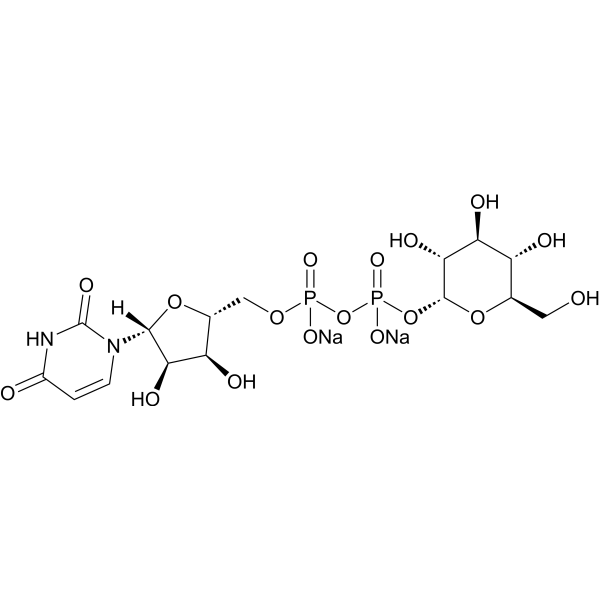
    Uridine 5′-diphosphoglucose disodium
    Maximum Cited Publications
    8 Publications Verification

    UDP-D-Glucose disodium

    Endogenous Metabolite P2Y Receptor Cardiovascular Disease Metabolic Disease Inflammation/Immunology
    Uridine 5’-diphosphoglucose (UDP-glucose) disodium, secreted by cardiomyocytes during ischemia and reperfu, is a potent agonist of the proinflammatory P2Y14 receptor. It acts an important role in the regulation of inflammation and neutrophil polarization in neutrophils. Uridine 5’-diphosphoglucose disodium is also the precursor of glucose-containing oligosaccharides, polysaccharides, glycoproteins, and glycolipids in animal tissues and in some microorganisms. Uridine 5’-diphosphoglucose disodium is promising for research in counteracting myocardial infarction/reperfusion (MIR)-induced inflammation in the heart tissue.
    Uridine 5′-diphosphoglucose disodium
  • HY-136278
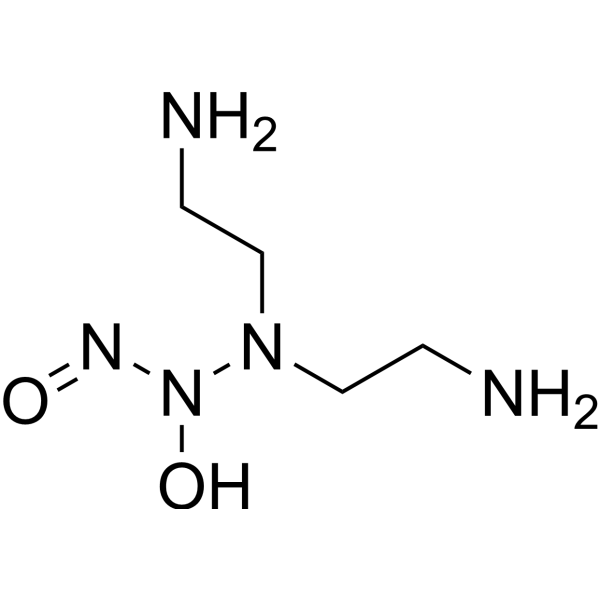
    DETA NONOate
    5+ Cited Publications

    Diethylamine NONOate; NOC-18

    NO Synthase Cardiovascular Disease
    DETA NONOate (NOC 18) is an exogenous nitric oxide (NO) donor. DETA NONOate shows a slow release normal amounts of NO and long-acting .
    DETA NONOate
  • HY-A0119
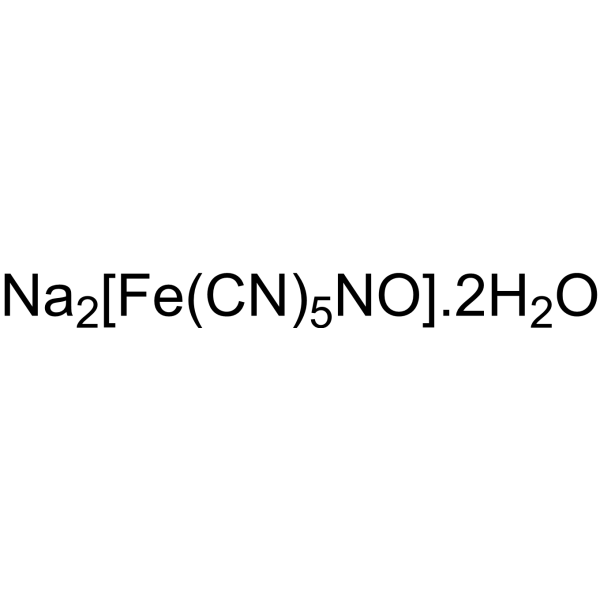
    Nitroprusside disodium dihydrate
    Maximum Cited Publications
    17 Publications Verification

    Sodium nitroprusside dihydrate; Sodium Nitroferricyanide(III) Dihydrate

    Autophagy Cardiovascular Disease Cancer
    Nitroprusside disodium dehydrate (Sodium nitroprusside dihydrate) is a vasodilator that available for the research of acute hypertension, heart failure. Nitroprusside disodium dehydrate induces autophagy in glutathione-depleted osteoblasts. Nitroprusside disodium dehydrate acts as a nitric oxide (NO) donor in a rat intestinal ischemia reperfusion model .
    Nitroprusside disodium dihydrate
  • HY-N0824
    Syringin
    3 Publications Verification

    Eleutheroside B

    Environmental Pollutants Autophagy Cardiovascular Disease Neurological Disease Inflammation/Immunology Cancer
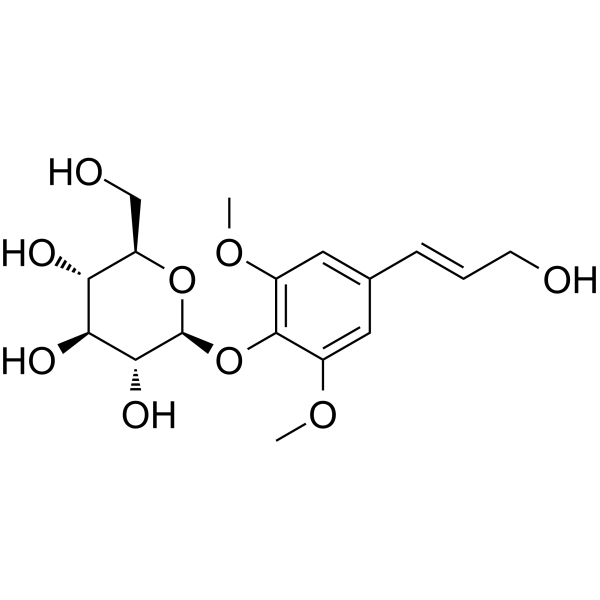
    Syringin (Eleutheroside B) is an active natural phenolic glycoside possessing various pharmacological activities, including anti-inflammatory, anti-irradiation, anti-osteoporosis and anticancer activities. Syringin also can be used to enhance memory, relieve fatigue, improve human cognition and protect ischemia heart against cerebrovascular damage, etc .
    Syringin
  • HY-B1060
    Methylprednisolone succinate sodium
    2 Publications Verification

    Methylprednisolone hydrogen succinate sodium

    Glucocorticoid Receptor Infection Neurological Disease Inflammation/Immunology Cancer
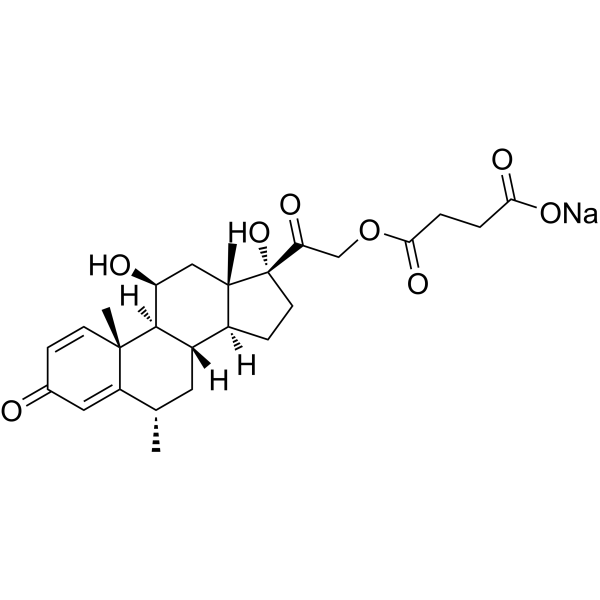
    Methylprednisolone succinate (Methylprednisolone hydrogen succinate) sodium is a prodrug of Methylprednisolone (HY-B0260) and glucocorticoid with immunosuppressant and anti-inflammatory activity. Methylprednisolone succinate sodium binds cytosolic glucocorticoid receptors, translocates to nuclei, and modulates target gene transcription. Methylprednisolone succinate sodium alters Bax, Bcl-2, occludin, and ZO-1 expression; attenuates TLR4/NF-κB signaling; suppresses proinflammatory cytokine production and immune cell activation. Methylprednisolone succinate sodium can be used for the research of intracranial haemorrhage, rheumatoid arthritis, multiple sclerosis, preterminal cancer, inflammatory conditions, shock, immediate-type hypersensitivity, acute myocardial ischemia, hypoxic heart muscle damage, and traumatic spinal cord injury .
    Methylprednisolone succinate sodium
  • HY-N2037
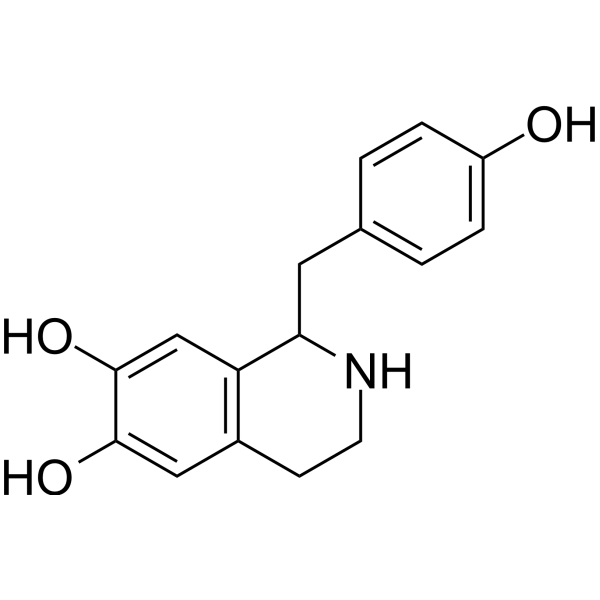
    Higenamine
    Maximum Cited Publications
    8 Publications Verification

    Norcoclaurine; Demethyl-Coclaurine

    MAP3K MDM-2/p53 Adrenergic Receptor ROS Kinase Apoptosis Cardiovascular Disease Endocrinology
    Higenamine (Norcoclaurine), a β2-AR agonist with antioxidant capability, is a key component of the Chinese herb aconite root that prescribes for treating symptoms of heart failure in the oriental Asian countries. Higenamine is also a α1-adrenergic receptor antagonist with hypotensive effect. is a selective LSD1 inhibitor (IC50=1.47 μM) that can be isolated from aconite. Higenamine hydrochloride has anti-inflammatory and antibacterial activity. Higenamine protects myocyte Apoptosis and ischemia/reperfusion (I/R) injury through selective activation of beta2-adrenergic receptor (β2-AR). Higenamine also reduces I/R-induced myocardial infarction in mice. Higenamine can attenuate IL-1β-induced Apoptosis through ROS-mediated PI3K/Akt signaling pathway. Higenamine protects brain cells from oxygen deprivation. Higenamine can promote bone formation in osteoporosis through the SMAD2/3 pathway. Higenamine can be used to study cancer, inflammation, cardiorenal syndrome and other diseases .
    Higenamine
  • HY-W018026

    L-p-Hydroxyphenylglycine; 4-Hydroxy-L-phenylglycine; UK 25842

    Acyltransferase Apoptosis Cardiovascular Disease Metabolic Disease
    Oxfenicine (L-p-Hydroxyphenylglycine) is an orally active carnitine palmitoyltransferase-1 inhibitor. Oxfenicine inhibits the oxidation of fatty acids in the heart, protecting cardiac tissue from necrotic damage during ischemia, and also has an inhibitory effect on cardiac tissue apoptosis. In addition, Oxfenicine promotes lipolysis in a high-fat diet rat model. Oxfenicine can be used in the study of cardiovascular and metabolic diseases .
    Oxfenicine
  • HY-129029
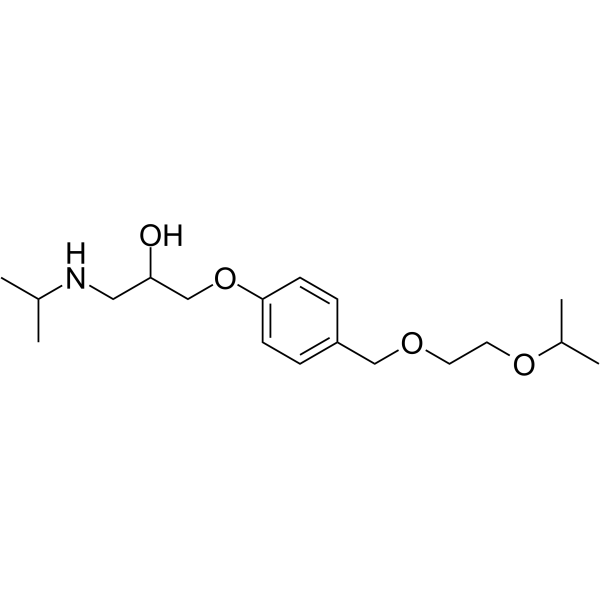
    Bisoprolol
    5+ Cited Publications

    Adrenergic Receptor Cardiovascular Disease Inflammation/Immunology Cancer
    Bisoprolol is a potent, selective and orally active β1-adrenergic receptor blocker with little activity on β2-receptor. Bisoprolol has the potential for hypertension, coronary artery disease and stable ventricular dysfunction research .
    Bisoprolol
  • HY-14993
    SCH79797
    5 Publications Verification

    Protease Activated Receptor (PAR) Apoptosis Cardiovascular Disease
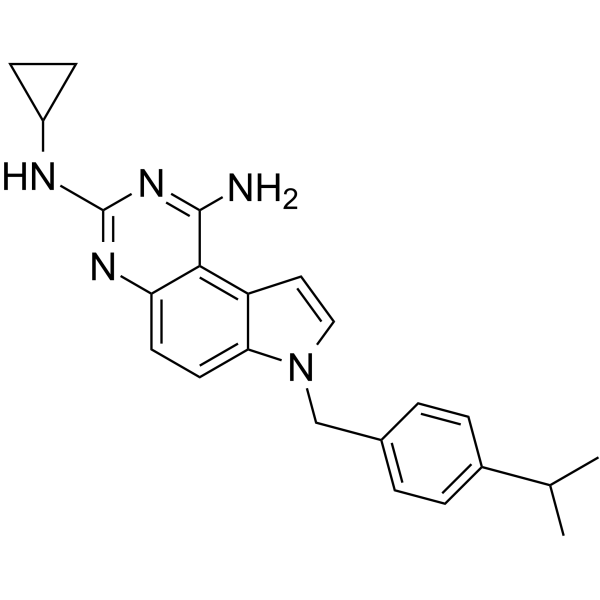
    SCH79797 is a highly potent, selective nonpeptide protease activated receptor 1 (PAR1) antagonist. SCH79797 inhibits binding of a high-affinity thrombin receptor-activating peptide to PAR1 with an IC50 of 70 nM and a Ki of 35 nM. SCH79797 inhibits thrombin-induced platelet aggregation with an IC50 of 3 μM. SCH79797 has antiproliferative and pro-apoptotic effects, and limits myocardial ischemia/reperfusion injury in rat hearts. SCH79797 also potently prevents PAR1 activation in vascular smooth muscle cells, endothelial cells, and astrocytes .
    SCH79797
  • HY-B0076
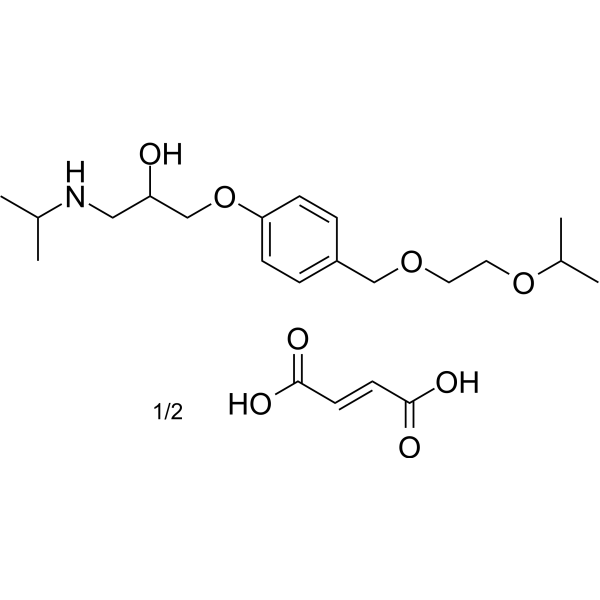
    Bisoprolol hemifumarate
    5+ Cited Publications

    Adrenergic Receptor Cardiovascular Disease Inflammation/Immunology Endocrinology Cancer
    Bisoprolol hemifumarate is a potent, selective and orally active β1-adrenergic receptor blocker with little activity on β2-receptor. Bisoprolol hemifumarate has the potential for hypertension, coronary artery disease and stable ventricular dysfunction research .
    Bisoprolol hemifumarate
  • HY-121705

    Endogenous Metabolite Apoptosis Bcl-2 Family NF-κB Survivin Src Akt AMPK NO Synthase Cardiovascular Disease Metabolic Disease Inflammation/Immunology
    Propionyl-L-carnitine is an orally active L-carnitine derivative. Propionyl-L-carnitine has a high affinity for muscle L-carnitine transferase. Propionyl-L-carnitine increases Apoptosis, Bax, and reduces NF-κB, VCAM-1, MCP-1, and survivin. Propionyl-L-carnitine activates Src kinase, Akt, induces p-AMPK and nitric oxide synthesis. Propionyl-L-carnitine alleviates cardiovascular disease, obesity, and colitis .
    Propionyl-L-carnitine
  • HY-B1900
    Methylprednisolone succinate
    2 Publications Verification

    Methylprednisolone hydrogen succinate

    Glucocorticoid Receptor Bacterial Toll-like Receptor (TLR) NF-κB Infection Neurological Disease Metabolic Disease Inflammation/Immunology Cancer
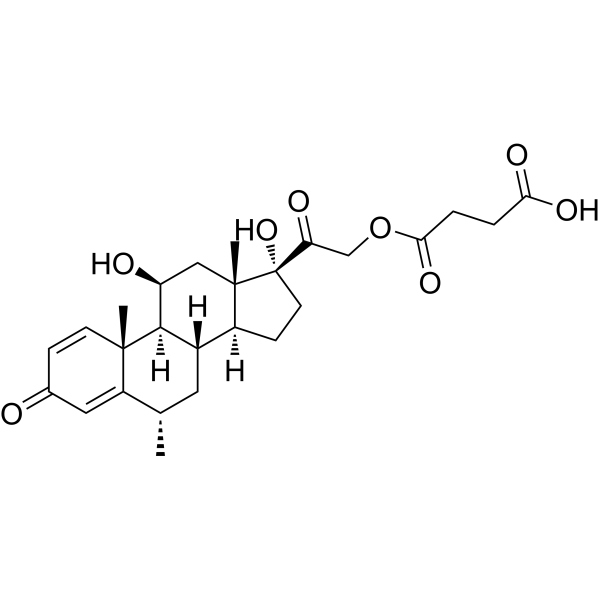
    Methylprednisolone succinate (Methylprednisolone hydrogen succinate) is a prodrug of Methylprednisolone (HY-B0260) and glucocorticoid with immunosuppressant and anti-inflammatory activity. Methylprednisolone succinate binds cytosolic glucocorticoid receptors, translocates to nuclei, and modulates target gene transcription. Methylprednisolone succinate alters Bax, Bcl-2, occludin, and ZO-1 expression; attenuates TLR4/NF-κB signaling; suppresses proinflammatory cytokine production and immune cell activation. Methylprednisolone succinate can be used for the research of intracranial haemorrhage, rheumatoid arthritis, multiple sclerosis, preterminal cancer, inflammatory conditions, shock, immediate-type hypersensitivity, acute myocardial ischemia, hypoxic heart muscle damage, and traumatic spinal cord injury .
    Methylprednisolone succinate
  • HY-129460
    XJB-5-131
    5+ Cited Publications

    Reactive Oxygen Species (ROS) Neurological Disease
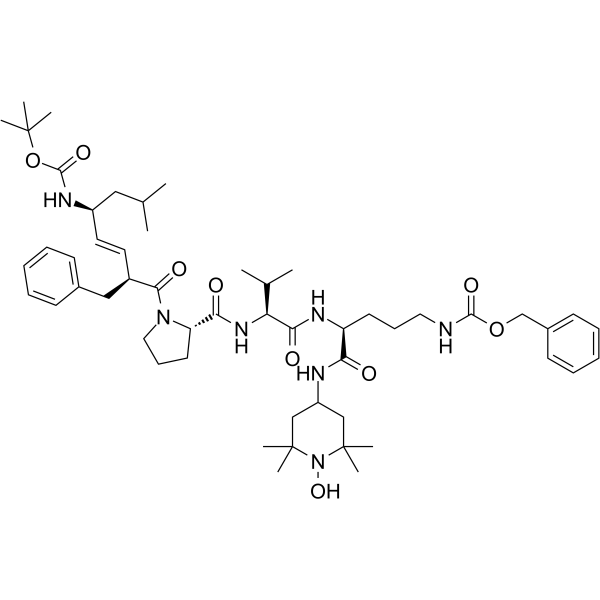
    XJB-5-131 is a mitochondria-targeted ROS and electron scavenger . XJB-5-131 is a bi-functional antioxidant that comprises a radical scavenger. XJB-5-131 is a synthetic antioxidant that targets mitochondria . XJB-5-131 is an effective ionizing irradiation protector and mitigator of cord blood mononuclear cells (CB MNCs) .
    XJB-5-131
  • HY-W016733

    H-D-Cit-OH

    Endogenous Metabolite Cardiovascular Disease
    D-Citrulline (H-D-Cit-OH) is a stereoisomer of L-citrulline (HY-N0391). D-Citrulline significantly attenuates polymorphonuclear leukocyte (PMN)-induced cardiac contractile dysfunction in the isolated perfused rat heart subjected to ischemia/reperfusion via a non-NO-mediated mechanism .
    D-Citrulline
  • HY-14994
    SCH79797 dihydrochloride
    5 Publications Verification

    Protease Activated Receptor (PAR) Apoptosis Cardiovascular Disease
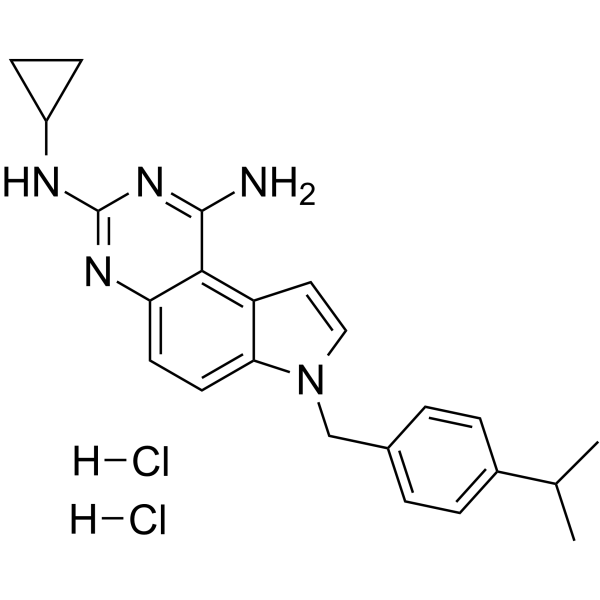
    SCH79797 dihydrochloride is a highly potent, selective nonpeptide protease activated receptor 1 (PAR1) antagonist. SCH79797 dihydrochloride inhibits binding of a high-affinity thrombin receptor-activating peptide to PAR1 with an IC50 of 70 nM and a Ki of 35 nM. SCH79797 dihydrochloride inhibits thrombin-induced platelet aggregation with an IC50 of 3 μM. SCH79797 dihydrochloride has antiproliferative and pro-apoptotic effects, and limits myocardial ischemia/reperfusion injury in rat hearts. SCH79797 dihydrochloride also potently prevents PAR1 activation in vascular smooth muscle cells, endothelial cells, and astrocytes .
    SCH79797 dihydrochloride
  • HY-B1194

    (±)-Tetramisole hydrochloride; DL-Tetramisole hydrochloride; R-829

    Potassium Channel Parasite PKA Infection Cardiovascular Disease
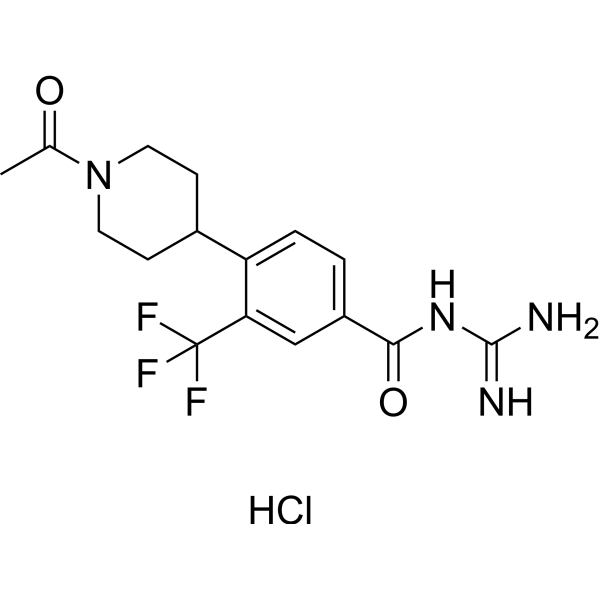
    Tetramisole hydrochloride is an orally active, selective inward rectifier potassium channel agonist with an EC50 of approximately 30 μM for the Kir2.1 subunit. Tetramisole hydrochloride is also an anti-nematode agent that blocks neuromuscular transmission by non-competitive depolarization. Tetramisole hydrochloride promotes the forward transport of Kir2.1 channels, hyperpolarizes the resting potential (RP), shortens the action potential duration (APD), inhibits intracellular calcium overload and the PKA signaling pathway, and exerts anti-arrhythmic and anti-myocardial remodeling activities. Tetramisole hydrochloride can be used in cardiac electrophysiology research and research related to myocardial ischemia and heart failure .
    Tetramisole hydrochloride
  • HY-129997
    Luteolinidin chloride
    1 Publications Verification

    CD38 NADPH Oxidase Tyrosinase Cardiovascular Disease
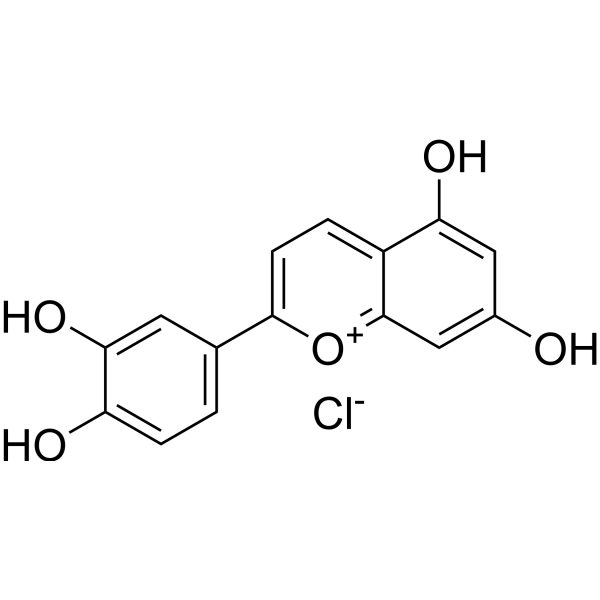
    Luteolinidin chloride is a deoxyanthocyanidin isolated from the plant Sorghum bicolor with antioxidant activity. Luteolinidin chloride is a potent CD38 inhibitor (Ki=11.4 μM) and protects the heart from ischemia/reperfusion injury by preserving endothelial nitric oxide synthase (eNOS) function and preventing endothelial dysfunction. Luteolinidin chloride is also a competitive inhibitor of tyrosinase (IC50=3.7 μM) and blocks the production of melanin .
    Luteolinidin chloride
  • HY-113044R

    UDP-D-Glucose (Standard)

    Reference Standards Endogenous Metabolite P2Y Receptor Cardiovascular Disease Metabolic Disease Inflammation/Immunology
    Uridine 5′-diphosphoglucose (Standard) (UDP-D-Glucose (Standard)) is the analytical standard of Uridine 5′-diphosphoglucose (HY-113044). This product is intended for research and analytical applications. Uridine 5’-diphosphoglucose (UDP-glucose), secreted by cardiomyocytes during ischemia and reperfu, is a potent agonist of the proinflammatory P2Y14 receptor. It acts an important role in the regulation of inflammation and neutrophil polarization in neutrophils. Uridine 5’-diphosphoglucose is also the precursor of glucose-containing oligosaccharides, polysaccharides, glycoproteins, and glycolipids in animal tissues and in some microorganisms. Uridine 5’-diphosphoglucose is promising for research in counteracting myocardial infarction/reperfusion (MIR)-induced inflammation in the heart tissue.
    Uridine 5′-diphosphoglucose (Standard)
  • HY-18071
    BI-9627
    3 Publications Verification

    Na+/H+ Exchanger (NHE) Autophagy Cardiovascular Disease
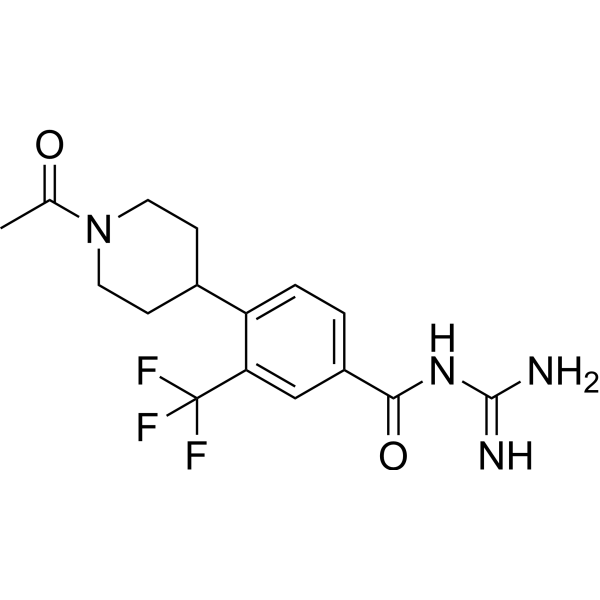
    BI-9627, a chemical probe, is a potent sodium-hydrogen exchanger isoform 1 (NHE1) inhibitor (IC50 = 6 and 31 nM in intracellular pH recovery (pHi) and human platelet swelling assays). BI-9627 displays >30-fold selectivity against NHE2 and with no measurable inhibitory activity against the NHE3 isoform. BI-9627 decreases autophagy in HTR-8/SVneo cells. BI-9627 can significantly reduce the pHi of human sperm and partially reverse the effect of DMA. BI-9627 prolongs Ca 2+ recovery time in KO hiPSC-CMs. BI-9627 shows low DDI (agent-agent interaction) potential, excellent pharmacokinetics in rat and dog, and remarkably potent activity in the isolated heart model of ischemia-reperfusion injury .
    BI-9627
  • HY-P3436

    Exosomes Cardiovascular Disease
    WLSEAGPVVTVRALRGTGSW is a cardiomyocyte-targeting peptide that specifically recognizes tenascin X on the surface of cardiomyocytes. WLSEAGPVVTVRALRGTGSW can serve as a targeting ligand to conjugate with various therapeutic carriers (drugs, genes, exosomes, nanoparticles, etc.) for research on cardiovascular diseases (such as myocardial infarction, heart failure) .
    WLSEAGPVVTVRALRGTGSW
  • HY-164304

    Pyroptosis Interleukin Related NOD-like Receptor (NLR) Cardiovascular Disease Inflammation/Immunology
    INF 195 is an NLRP3 inhibitor. INF 195 can inhibit NLRP3 driven macrophage pyroptosis and IL-1β release, with an EC50 value of 0.15 μM. INF 195 can reduce the infarct size of isolated mouse hearts at low doses, effectively preventing myocardial ischemia/reperfusion injury .
    INF 195
  • HY-103346

    Caspase Apoptosis Cardiovascular Disease
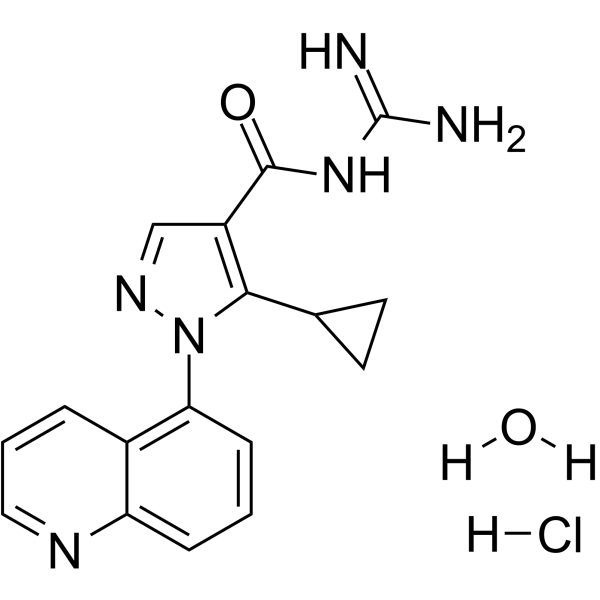
    MMPSI is a potent and selective small molecule caspase 3 and caspase 7 inhibitor with an IC50 of 1.7 μM for human caspase-3. MMPSI can significantly reduce ischemia-reperfusion-induced infarct size in the isolated rabbit heart, and reduce apoptosis in both the ischemic myocardium and isolated cardiomyocytes. MMPSI can be used for researching cardioprotection .
    MMPSI
  • HY-151369

    RIP kinase Cardiovascular Disease Neurological Disease Metabolic Disease Inflammation/Immunology
    AV123 (compound 12) is a non-cytotoxic RIPK1 inhibitor (IC50=12.12 µM). AV123 blocks the TNF-α-induced necroptotic (EC50=1.7 μM) but not the apoptotic cell death. AV123 can be used in the study of necrotic chronic conditions such as ischemia-reperfusion injury of the brain, heart and kidney, inflammatory diseases, neurodegenerative diseases and infectious diseases .
    AV123
  • HY-113044

    UDP-D-Glucose

    Endogenous Metabolite P2Y Receptor Cardiovascular Disease Metabolic Disease Inflammation/Immunology
    Uridine 5’-diphosphoglucose (UDP-glucose), secreted by cardiomyocytes during ischemia and reperfu, is a potent agonist of the proinflammatory P2Y14 receptor. It acts an important role in the regulation of inflammation and neutrophil polarization in neutrophils. Uridine 5’-diphosphoglucose is also the precursor of glucose-containing oligosaccharides, polysaccharides, glycoproteins, and glycolipids in animal tissues and in some microorganisms. Uridine 5’-diphosphoglucose is promising for research in counteracting myocardial infarction/reperfusion (MIR)-induced inflammation in the heart tissue .
    Uridine 5′-diphosphoglucose
  • HY-101205

    Opioid Receptor Cardiovascular Disease Neurological Disease
    ICI-199441 hydrochloride is a potent and selective κ-opioid receptor agonist with analgesic effects. ICI 199441 hydrochloride can improve heart resistance to ischemia/reperfusion .
    ICI-199441 hydrochloride
  • HY-P10641

    Exosomes STAT ERK Akt Cardiovascular Disease
    Heart-homing peptide is a heart-targeting peptide with the sequence CRPPR that mediates cardiac endothelial targeting and accumulates in cardiac tissues. Heart-homing peptide mediates the translocation of liposomal and exosomal cargos across cardiac endothelium into interstitial tissues, enhances the accumulation of exosomes in the heart, and inhibits the GP130-STAT3/ERK1/2/AKT pathway. Heart-homing peptide accumulates at sites of ischemia/reperfusion, myocardial infarction and hypertrophy in mice. Heart-homing peptide can be used for the research of cardiovascular diseases .
    Heart-homing peptide
  • HY-134266
    8-Bromo-AMP
    1 Publications Verification

    8-Bromoadenosine 5'-monophosphate; 8-Bromoadenylic acid

    Endogenous Metabolite Cardiovascular Disease
    8-Bromo-AMP (8-Bromoadenosine 5'-monophosphate) is a membrane permeable cAMP analogue. 8-Bromo-AMP can improve the ability of the heart to recover from ischemia and reperfusion by increasing the levels of ATP, ADP, and total adenine nucleotides .
    8-Bromo-AMP
  • HY-N6065
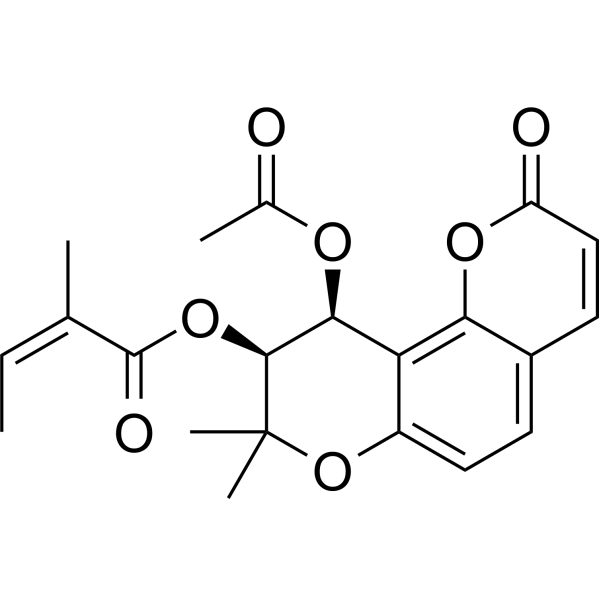
    Praeruptorin A
    3 Publications Verification

    (+)-Praeruptorin A

    Calcium Channel Drug Isomer Cytochrome P450 iGluR Apoptosis Cardiovascular Disease Neurological Disease
    Praeruptorin A ((+)-Praeruptorin A) is an orally active isomer of (±)-Praeruptorin A (HY-N0081). Praeruptorin A also acts as a Calcium channel blocker. Praeruptorin A can be isolated from Peucedanum. Praeruptorin A serves as a substrate for CYP3A4. Praeruptorin A downregulates NMDA receptors containing GluN2B and inhibits neuronal Apoptosis. Praeruptorin A mediates vasodilation, inhibits vascular hypertrophy and reduces blood pressure. Praeruptorin A can be used in research related to neurological diseases, myocardial ischemia, heart failure, exertional angina, renovascular hypertension and spontaneous hypertension .
    Praeruptorin A
  • HY-117970

    MMP Cardiovascular Disease
    MMPI-1154 is a promising novel cardio-cytoprotective imidazole-carboxylic acid (ICA) MMP-2 inhibitor(IC50=6.6 μM) and can be used for the study of acute myocardial infarction. MMPI-1154 also inhibits the activity of MMP-13, MMP-1 and MMP-9 with IC50s of 1.8 μM,10 μM, and 13 μM, respectively .
    MMPI-1154
  • HY-132187

    TGF-beta/Smad TRP Channel Apoptosis PAI-1 Cardiovascular Disease Neurological Disease Metabolic Disease Inflammation/Immunology Cancer
    Sphingosylphosphorylcholine is a bioactive lipid and a major component of plasma high-density lipoprotein that binds to OGR1 with a Kd of 33.3 nM. Sphingosylphosphorylcholine triggers delayed phosphorylation of Smad2, upregulates α-SMA expression, and activates TRPM3. Sphingosylphosphorylcholine reduces Apoptosis and upregulates the expression of uPA and its receptor uPA-R. Sphingosylphosphorylcholine exerts anti-apoptotic, anti-cardiac hypertrophy and pro-wound healing effects. Sphingosylphosphorylcholine induces scratching behavior in mice. Sphingosylphosphorylcholine is used in studies related to atopic dermatitis, promyelocytic leukemia, heart failure, myocardial ischemia/reperfusion injury, ovarian cancer, breast cancer, pancreatic cancer, and skin wound healing disorders in genetically impaired healing diabetes .
    Sphingosylphosphorylcholine
  • HY-18071A
    BI-9627 hydrochloride
    3 Publications Verification

    Na+/H+ Exchanger (NHE) Autophagy Cardiovascular Disease
    BI-9627 hydrochloride is a potent sodium-hydrogen exchanger isoform 1 (NHE1) inhibitor (IC50 = 6 and 31 nM in intracellular pH recovery (pHi) and human platelet swelling assays). BI-9627 hydrochloride displays >30-fold selectivity against NHE2 and with no measurable inhibitory activity against the NHE3 isoform. BI-9627 hydrochloride decreases autophagy in HTR-8/SVneo cells. BI-9627 hydrochloride can significantly reduce the pHi of human sperm and partially reverse the effect of DMA. BI-9627 hydrochloride prolongs Ca 2+ recovery time in KO hiPSC-CMs. BI-9627 hydrochloride shows low DDI (agent-agent interaction) potential, excellent pharmacokinetics in rat and dog, and remarkably potent activity in the isolated heart model of ischemia-reperfusion injury .
    BI-9627 hydrochloride
  • HY-B1900R
    Methylprednisolone succinate (Standard)
    1 Publications Verification

    Methylprednisolone hydrogen succinate (Standard)

    Reference Standards Glucocorticoid Receptor Bacterial Toll-like Receptor (TLR) NF-κB Metabolic Disease Inflammation/Immunology Cancer
    Methylprednisolone succinate (Standard) is the analytical standard of Methylprednisolone succinate (HY-B1900). This product is intended for research and analytical applications. Methylprednisolone succinate (Methylprednisolone hydrogen succinate) is a prodrug of Methylprednisolone (HY-B0260) and glucocorticoid with immunosuppressant and anti-inflammatory activity. Methylprednisolone succinate binds cytosolic glucocorticoid receptors, translocates to nuclei, and modulates target gene transcription. Methylprednisolone succinate alters Bax, Bcl-2, occludin, and ZO-1 expression; attenuates TLR4/NF-κB signaling; suppresses proinflammatory cytokine production and immune cell activation. Methylprednisolone succinate can be used for the research of intracranial haemorrhage, rheumatoid arthritis, multiple sclerosis, preterminal cancer, inflammatory conditions, shock, immediate-type hypersensitivity, acute myocardial ischemia, hypoxic heart muscle damage, and traumatic spinal cord injury .
    Methylprednisolone succinate (Standard)
  • HY-N0824R

    Eleutheroside B (Standard)

    Reference Standards Autophagy Cardiovascular Disease Neurological Disease Inflammation/Immunology Cancer
    Syringin (Standard) is the analytical standard of Syringin. This product is intended for research and analytical applications. Syringin (Eleutheroside B) is an active natural phenolic glycoside possessing various pharmacological activities, including anti-inflammatory, anti-irradiation, anti-osteoporosis and anticancer activities. Syringin also can be used to enhance memory, relieve fatigue, improve human cognition and protect ischemia heart against cerebrovascular damage, etc .
    Syringin (Standard)
  • HY-122005

    NO Synthase Inflammation/Immunology
    AVE-9488 is an eNOS enhancer with the activity of protecting the heart from ischemia-reperfusion injury. AVE-9488 can upregulate eNOS expression, increase NO production, reduce myocardial ischemia-reperfusion injury, and reduce the level of reactive oxygen species .
    AVE-9488
  • HY-N16650

    Lactate Dehydrogenase Cardiovascular Disease
    Bisadinrone A is a sesquiterpene found in Curcuma longa. Bisadinrone A can inhibit LDH release and shows significant anti-myocardial ischemia-reperfusion injury activity. Bisadinrone A can be used for the research of cardiovascular disease, such as ischemic heart disease .
    Bisadinrone A
  • HY-P1556

    PKG Cardiovascular Disease
    Vasonatrin Peptide (VNP) is a chimera of atrial natriuretic peptide (ANP) and C-type natriuretic peptide (CNP). Vasonatrin peptide possesses the venodilating actions of CNP, the natriuretic actions of ANP, and unique arterial vasodilating actions not associated with either ANP or CNP. Vasonatrin Peptide protects the diabetic heart against ischemia-reperfusion injury by inhibiting ER stress via the cGMP-PKG signaling pathway .
    Vasonatrin Peptide (VNP)
  • HY-N7032S1

    UDP-D-Glucose-13C6 disodium

    Isotope-Labeled Compounds Endogenous Metabolite P2Y Receptor Cardiovascular Disease Metabolic Disease Inflammation/Immunology
    Uridine 5′-diphosphoglucose- 13C6 (UDP-D-Glucose- 13C6) disodium is the 13C labeled Uridine 5′-diphosphoglucose disodium (HY-N7032) . Uridine 5’-diphosphoglucose (UDP-glucose) disodium, secreted by cardiomyocytes during ischemia and reperfu, is a potent agonist of the proinflammatory P2Y14 receptor. It acts an important role in the regulation of inflammation and neutrophil polarization in neutrophils. Uridine 5’-diphosphoglucose disodium is also the precursor of glucose-containing oligosaccharides, polysaccharides, glycoproteins, and glycolipids in animal tissues and in some microorganisms. Uridine 5’-diphosphoglucose disodium is promising for research in counteracting myocardial infarction/reperfusion (MIR)-induced inflammation in the heart tissue .
    Uridine 5′-diphosphoglucose-13C6 disodium
  • HY-N5057

    Others Cardiovascular Disease
    Przewalskinic acid A is a phenolic acid found in the Salvia przewalskii Maxim herb. Phenolic acids show potent antioxidant activities and potential effects in protecting against brain and heart damage caused by ischemia reperfusion .
    Przewalskinic acid A
  • HY-105362

    Endothelin Receptor Cardiovascular Disease
    PD 155080 is a selective endothelin A receptor (ETA receptor) antagonist. PD 155080 reduces coronary resistance in the isolated rat heart model. PD 155080 improves myocardial systolic function and diastolic function in the ischemia/reperfusion model. PD 155080 can be used for the study of cardiovascular diseases .
    PD 155080
  • HY-134263

    PKA Ras Cardiovascular Disease
    8-Br-cAMP-AM is a cyclic adenosine monophosphate (cAMP) analog that activates two major signal transduction pathways in the heart by mimicking the effects of cAMP: protein kinase A (PKA) and guanosine nucleotide exchange factor (Epac), which is directly activated by cAMP. 8-Br-cAMP-AM can be used to study cardiac ischemia and reperfusion injury .
    8-Br-cAMP-AM
  • HY-14993R

    Protease Activated Receptor (PAR) Apoptosis Cardiovascular Disease
    SCH79797 (Standard) is the analytical standard of SCH79797. This product is intended for research and analytical applications. SCH79797 is a highly potent, selective nonpeptide protease activated receptor 1 (PAR1) antagonist. SCH79797 inhibits binding of a high-affinity thrombin receptor-activating peptide to PAR1 with an IC50 of 70 nM and a Ki of 35 nM. SCH79797 inhibits thrombin-induced platelet aggregation with an IC50 of 3 μM. SCH79797 has antiproliferative and pro-apoptotic effects, and limits myocardial ischemia/reperfusion injury in rat hearts. SCH79797 also potently prevents PAR1 activation in vascular smooth muscle cells, endothelial cells, and astrocytes .
    SCH79797 (Standard)
  • HY-N7032S

    UDP-D-Glucose-13C disodium

    Isotope-Labeled Compounds Endogenous Metabolite P2Y Receptor Cardiovascular Disease Metabolic Disease Inflammation/Immunology
    Uridine 5′-diphosphoglucose- 13C (UDP-D-Glucose- 13C) disodium is the 13C labeled Uridine 5′-diphosphoglucose disodium (HY-N7032) . Uridine 5’-diphosphoglucose (UDP-glucose) disodium, secreted by cardiomyocytes during ischemia and reperfu, is a potent agonist of the proinflammatory P2Y14 receptor. It acts an important role in the regulation of inflammation and neutrophil polarization in neutrophils. Uridine 5’-diphosphoglucose disodium is also the precursor of glucose-containing oligosaccharides, polysaccharides, glycoproteins, and glycolipids in animal tissues and in some microorganisms. Uridine 5’-diphosphoglucose disodium is promising for research in counteracting myocardial infarction/reperfusion (MIR)-induced inflammation in the heart tissue .
    Uridine 5′-diphosphoglucose-13C disodium
  • HY-N2037R

    Norcoclaurine (Standard); Demethyl-Coclaurine (Standard)

    Reference Standards MAP3K MDM-2/p53 Adrenergic Receptor ROS Kinase Apoptosis Cardiovascular Disease Endocrinology
    Higenamine (Norcoclaurine), a β2-AR agonist with antioxidant capability, is a key component of the Chinese herb aconite root that prescribes for treating symptoms of heart failure in the oriental Asian countries. Higenamine is also a α1-adrenergic receptor antagonist with hypotensive effect. is a selective LSD1 inhibitor (IC50=1.47 μM) that can be isolated from aconite. Higenamine hydrochloride has anti-inflammatory and antibacterial activity. Higenamine protects myocyte Apoptosis and ischemia/reperfusion (I/R) injury through selective activation of beta2-adrenergic receptor (β2-AR). Higenamine also reduces I/R-induced myocardial infarction in mice. Higenamine can attenuate IL-1β-induced Apoptosis through ROS-mediated PI3K/Akt signaling pathway. Higenamine protects brain cells from oxygen deprivation. Higenamine can promote bone formation in osteoporosis through the SMAD2/3 pathway. Higenamine can be used to study cancer, inflammation, cardiorenal syndrome and other diseases .
    Higenamine (Standard)
  • HY-50761

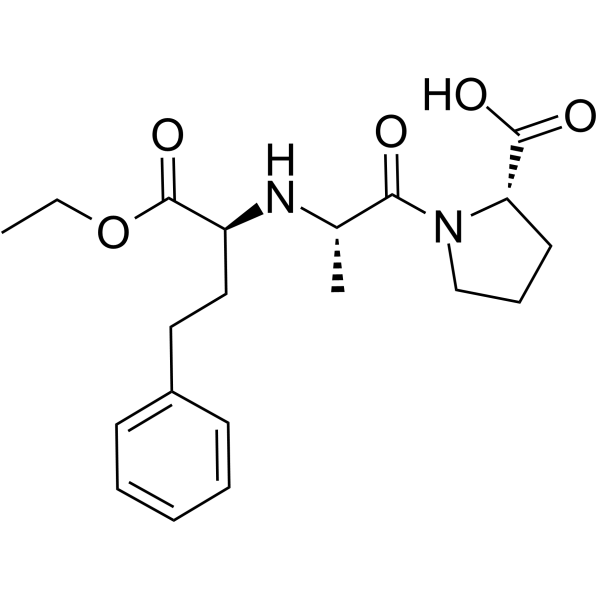
    Abutapril; CGS-16617

    Angiotensin-converting Enzyme (ACE) Cardiovascular Disease Endocrinology
    Libenzapril (Abutapril; CGS-16617) is an orally active, potent direct-acting angiotensin-converting-enzyme (ACE) inhibitor. Libenzapril has the potential for ischemia-induced heart failure research .
    Libenzapril
  • HY-N15744

    NO Synthase Cardiovascular Disease
    Anti-Heart Failure Agent 3 (Compound 2) is an anti-heart failure agent with anti-inflammatory activity found in processed Cornus officinalis. Anti-Heart Failure Agent 3 inhibits NO release in LPS-induced RAW264.7 cells. Anti-Heart Failure Agent 3 alleviates myocardial ischemia-reperfusion injury, reduces myocardial infarction size, and improves myocardial histopathological changes. Anti-Heart Failure Agent 3 is promising for research of heart failure .
    Anti-Heart Failure Agent 3
  • HY-101205A

    Opioid Receptor Cardiovascular Disease Neurological Disease
    ICI-199441 is a potent and selective κ-opioid receptor agonist with analgesic effects. ICI 199441 can improve heart resistance to ischemia/reperfusion .
    ICI-199441
  • HY-115862

    Adenosine Receptor PARP Aurora Kinase Cardiovascular Disease Cancer
    Benzo[c][1,8]naphthyridin-6(5H)-one exhibits low micromolar affinity to human adenosine receptor (AR) A1 and hA2A, with Ki of 4.6 and 4.8 μM. Benzo[c][1,8]naphthyridin-6(5H)-one is inhibitor for poly ADP-ribose polymerase-1 (PARP-1) and aurora kinase A, with IC50 of 0.311 and 5.5 μM .
    Benzo[c][1,8]naphthyridin-6(5H)-one
  • HY-U00049A

    Calcium Channel Cardiovascular Disease Neurological Disease
    Mioflazine dihydrochloride hydrate is a nucleoside transport inhibitor with sleep-improving activity. Mioflazine dihydrochloride hydrate helps maintain the mechanical function of the left ventricle and significantly improves the heart's recovery ability after global ischemia at new temperatures. Mioflazine dihydrochloride hydrate reduces the mitochondrial calcium content in guinea-pig .
    Mioflazine (di(hydrochloride) hydrate)
  • HY-171467

    DPTN

    Adenosine Receptor Inflammation/Immunology Cancer
    MRS7799 is a selective A 3 Adenosine Receptor antagonist agsinst human, mouse, and rat A3AR with Kds of 0.55, 3.74 and 2.80 nM, respectively. MRS7799 can be used in the study of neurodegeneration, cancer, ischemia of the heart and brain, autoimmune inflammatory diseases .
    MRS7799
  • HY-P3868A

    Apoptosis Cardiovascular Disease
    QEQLERALNSS TFA is a helix B surface peptide (HBSP) derived from erythropoietin with tissue protective activities. QEQLERALNSS TFA protects cardiomyocytes from apoptosis .
    QEQLERALNSS TFA

Inquiry Online

Your information is safe with us. * Required Fields.

Salutation


Country or Region *

Applicant Name *


Organization Name *

Department *


Email Address *


Product Name *

Cat. No.


Requested quantity *

Phone Number *


Remarks

Inquiry Online

Inquiry Information

Product Name:
Cat. No.:
Quantity:
MCE Japan Authorized Agent:

