Search Result
Results for "
in vitro assay
" in MedChemExpress (MCE) Product Catalog:
3
Biochemical Assay Reagents
3
Isotope-Labeled Compounds
| Cat. No. |
Product Name |
Target |
Research Areas |
Chemical Structure |
-
- HY-13683
-
-
-
- HY-N0077
-
|
Ginkgolic acid I
|
E1/E2/E3 Enzyme
|
Cancer
|
|
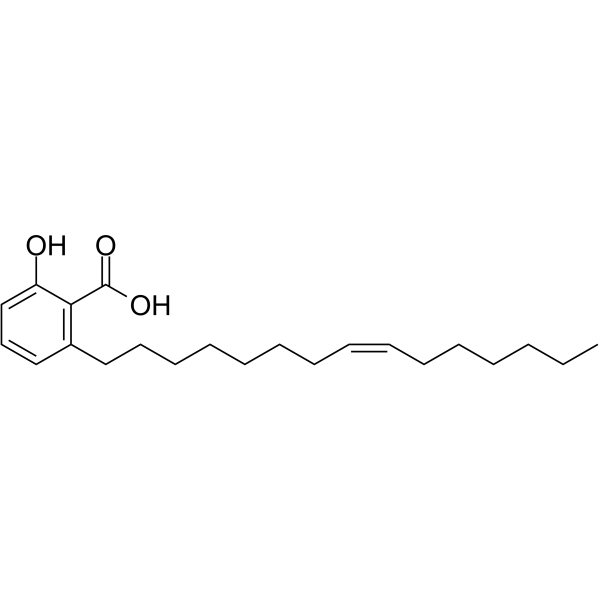
Ginkgolic Acid is a natural compound that inhibits SUMOylation with an IC50 of 3.0 μM in in vitro assay.
|
-
-
- HY-112066
-
|
RZ-2994
|
SHMT
|
Cancer
|
|
SHIN1 (RZ-2994) is a human serine hydroxymethyltransferse 1 and 2 (SHMT1/2) inhibitor with IC50s of 5 and 13 nM, respectively, in an in vitro assay.
|
-
-
- HY-101117
-
|
|
Histone Methyltransferase
|
Cancer
|
|
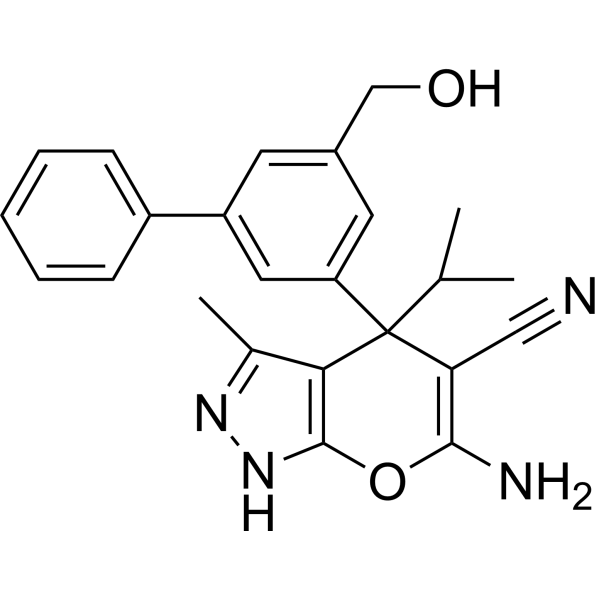
EED226 is a polycomb repressive complex 2 (PRC2) inhibitor, which binds to the K27me3-pocket on embryonic ectoderm development (EED) and shows strong antitumor activity in xenograft mice model . EED226 is a potent, selective, and orally bioavailable EED inhibitor . EED226 inhibits PRC2 with an IC50 of 23.4 nM when the H3K27me0 peptide is used as a substrate in the in vitro enzymatic assays .
|
-
-
- HY-19735
-
-
-
- HY-131498
-
|
Mca-Pro-Leu-Gly-Leu-Dpa-Ala-Arg-NH2
|
Fluorescent Dye
MMP
|
Cancer
|
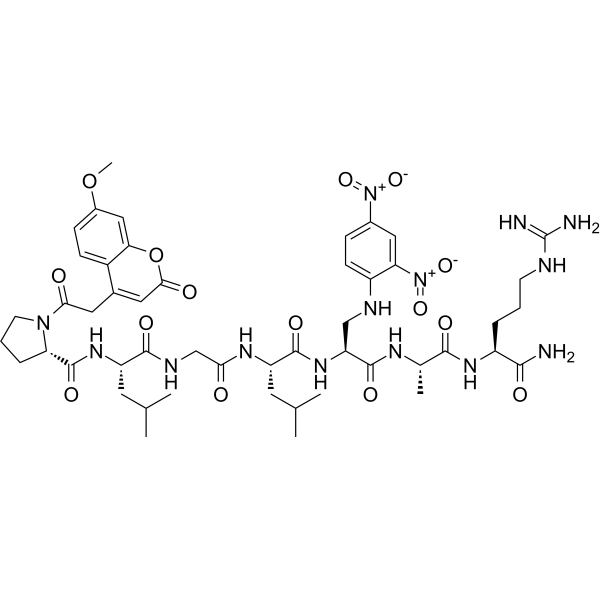
MOCAc-PLGL (Dpa) AR (Mca-Pro-Leu-Gly-Leu-Dpa-Ala-Arg-NH2) is a synthetic fluorescent substrate mainly used for in vitro enzymatic activity assays of MMP-7 (detection at 393 nm after excitation at 328 nm). MOCAc-PLGL (Dpa) AR is specifically cleaved and hydrolyzed by MMP-7 at the Gly-Leu peptide bond, allowing enzymatic activity to be monitored via fluorometry or HPLC (DMSO is usually added to ensure sufficient dissolution when determining kinetic parameters). MOCAc-PLGL (Dpa) AR is used to accurately evaluate the catalytic activity and pH dependence of recombinant mature human MMP-7 in vitro. MOCAc-PLGL (Dpa) AR is suitable for research on the mechanisms of tumor metastasis and invasion, particularly in fields such as prostate cancer, colon cancer, lung cancer and breast cancer .\n
|
-
-
- HY-137522
-
|
3'-Azido-3'-deoxythymidine β-D-glucuronide sodium
|
Drug Metabolite
|
Others
|
|
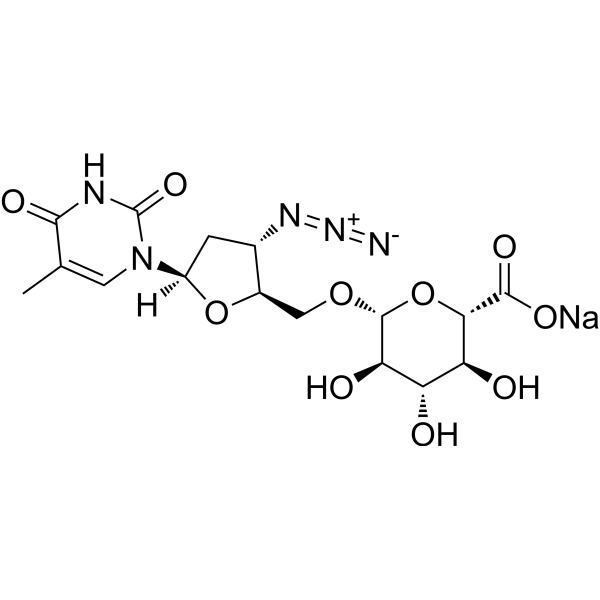
Zidovudine O-β-D-glucuronide (3'-Azido-3'-deoxythymidine β-D-glucuronide) sodium is the glucuronide conjugate and metabolite of Zidovudine (HY-17413), which can be used to detect UGT2B7 activity. As a substrate, Zidovudine O-β-D-glucuronide sodium undergoes deconjugation via hydrolysis by immobilized β-glucuronidase to produce Zidovudine .
|
-
-
- HY-124628
-
|
|
Fatty Acid Synthase (FASN)
|
Cancer
|
|
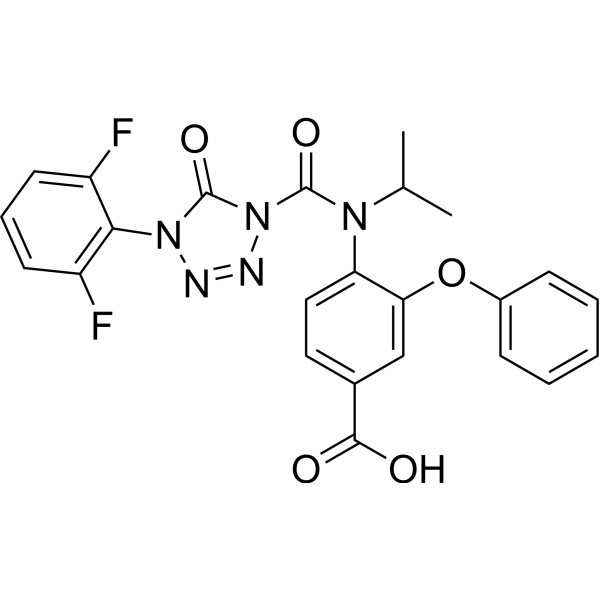
IPI-9119 is an orally active, selective and irreversible FASN inhibitor with an IC50 of 0.3 nM in vitro biochemical assay. IPI-9119 inhibits tumor growth of castration-resistant prostate cancer (CRPC) xenografts mouse models .
|
-
-
- HY-137844
-
|
Leu-AMC hydrochloride
|
Fluorescent Dye
|
Others
|
|
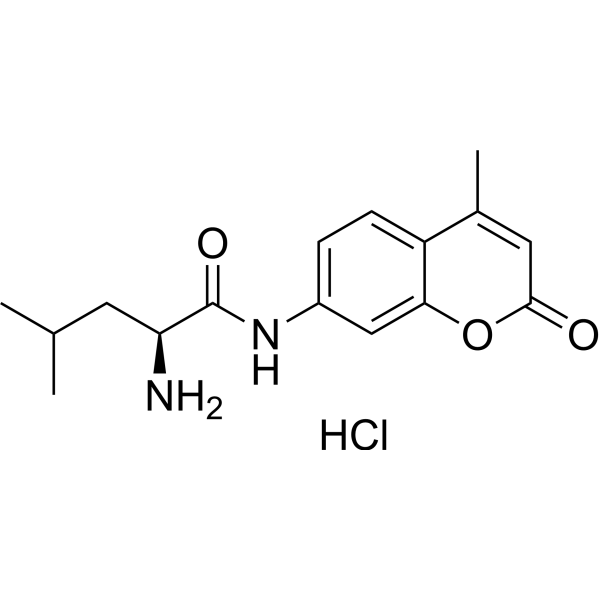
L-Leucine-7-amido-4-methylcoumarin (Leu-AMC) hydrochloride is a bright blue fluorogenic peptidyl substrate for LAP3 (leucine aminopeptidase). L-Leucine-7-amido-4-methylcoumarin hydrochloride can be used for leucine aminopeptidase inhibition assays in vitro .
|
-
-
- HY-151813
-
|
|
Fluorescent Dye
|
Cancer
|
|
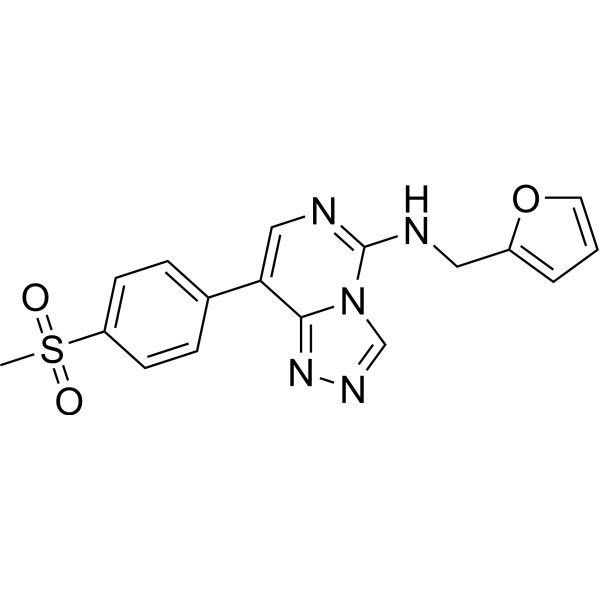
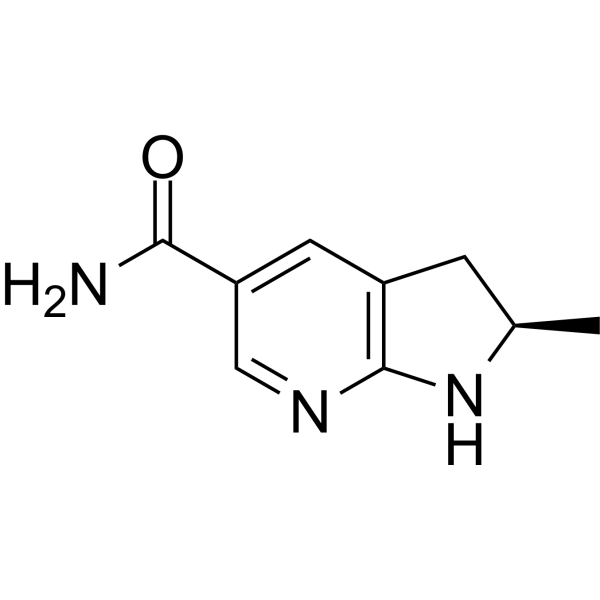
NNMT-IN-4 (compound 38) is a selective, uncompetitive and membrane permeability nicotinamide N-methyltransferase (NNMT) inhibitor with IC50 values of 42 and 38 nM in vitro biochemical and cell-based assays, respectively. NNMT-IN-4 shows favorable PK/PD and safety profiles as well as excellent oral bioavailability and pharmaceutical properties. NNMT-IN-4 can be used as a vivo chemical probe of NNMT .
|
-
-
- HY-N2078
-
|
Neodiosgenin
|
LXR
Reactive Oxygen Species (ROS)
Apoptosis
Fatty Acid Synthase (FASN)
|
Metabolic Disease
|
|
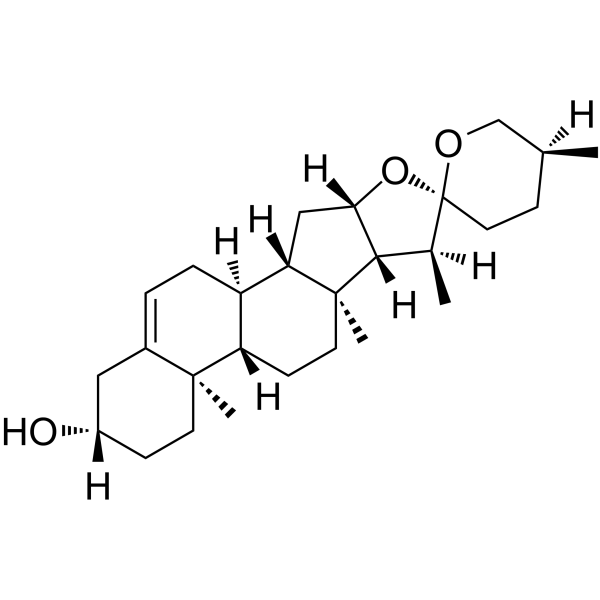
Yamogenin (Neodiosgenin) is a diastereomer of diosgenin. Yamogenin antagonizes the activation of the liver X receptor (LXR) in luciferase ligand assay. Yamogenin inhibits triacylglyceride (TG) accumulation through the suppression of gene expression of fatty acid synthesis in HepG2 hepatocytes. Yamogenin is a steroidal saponin that can be obtained from plant species with in vitro cytotoxicity, antioxidant, and antimicrobial properties. Yamogenin induces cell death via the extrinsic and intrinsic way of apoptosis. Yamogenin inhibits protein denaturation with an IC50 of 1421.92 μg/mL. Yamogenin can be studied in research on gastric cancer .
|
-
-
- HY-100494
-
SH5-07
1 Publications Verification
|
STAT
|
Cancer
|
|
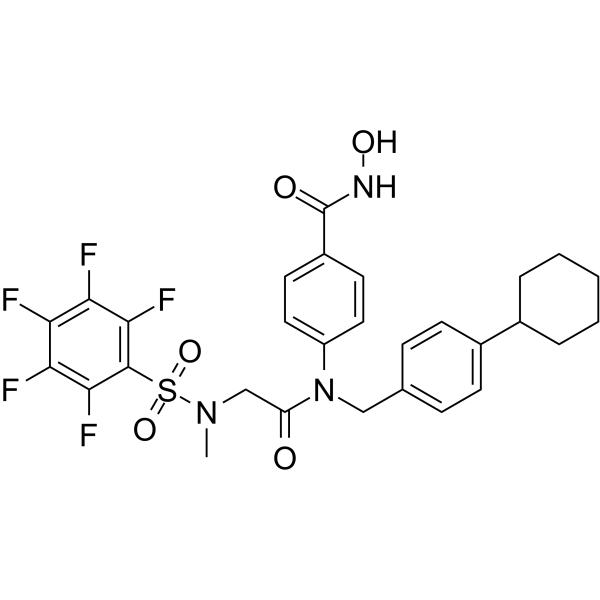
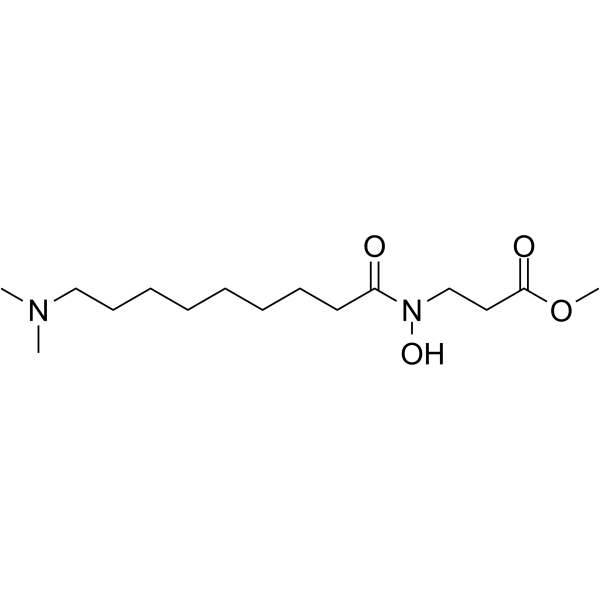
SH5-07 is a hydroxamic acid based Stat3 inhibitor with an IC50 of 3.9 μM in in vitro assay .
|
-
-
- HY-108612
-
|
CAY10593
|
Phospholipase
|
Cancer
|
|
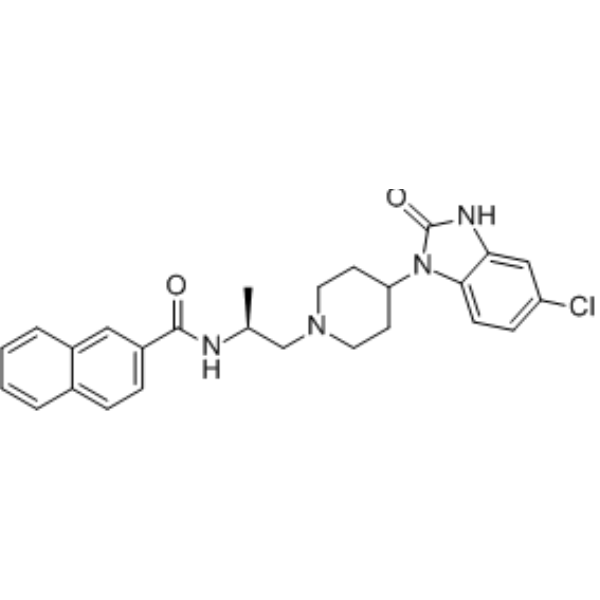
VU0155069 (CAY10593), is a selective phospholipase D1 (PLD1) inhibitor with an IC50 value of 46 nM in vitro. VU0155069 (CAY10593) strongly inhibits the invasive migration of several cancer cell lines in transwell assays .
|
-
-
- HY-P6028A
-
|
|
N-myristoyltransferase
|
Others
|
|
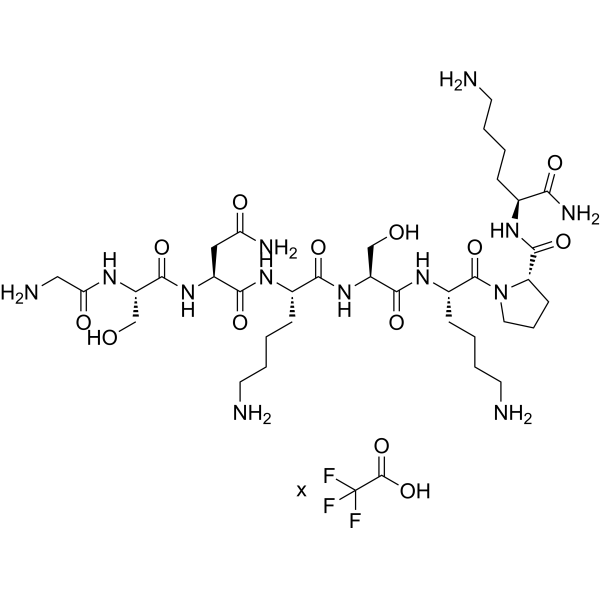
GSNKSKPK-NH2 TFA is a synthetic model peptide based on the c-Src N-terminal sequence and model peptide substrate for human NMT1 and NMT2.GSNKSKPK-NH2 TFA facilitates in vitro assays measuring transfer of myristate or X10 fatty acid moieties .
|
-
-
- HY-111551
-
FT113
3 Publications Verification
|
Fatty Acid Synthase (FASN)
|
Cancer
|
|
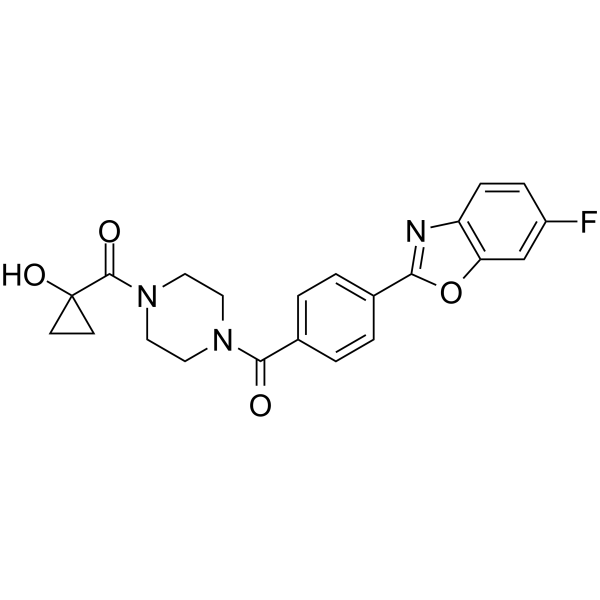
FT113 is a potent and orally active fatty acid synthase (FASN) inhibitor, with an IC50 of 213 nM for full-length recombinant human FASN enzyme. In cell-based assay, FT113 blocks FASN activity in BT474 cells (IC50, 90 nM). FT113 shows anti-proliferative activity, and exhibits anti-cancer activity both in vitro and in vivo .
|
-
-
- HY-113157
-
|
|
Drug Metabolite
Endogenous Metabolite
|
Endocrinology
|
|
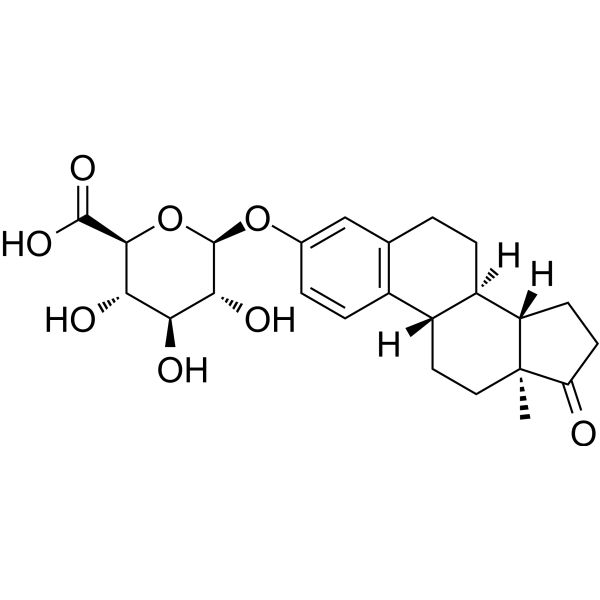
Estrone 3-glucuronide is a dominant urinary metabolite of Estradiol (HY-B0141) and urinary marker for female fertile window prediction. Estrone 3-glucuronide can be used in combination with luteinizing hormone in ovulation prediction kits [2].
|
-
-
- HY-146248B
-
|
|
Poly(ADP-ribose) Glycohydrolase (PARG)
SARS-CoV
Protease Activated Receptor (PAR)
|
Metabolic Disease
|
|
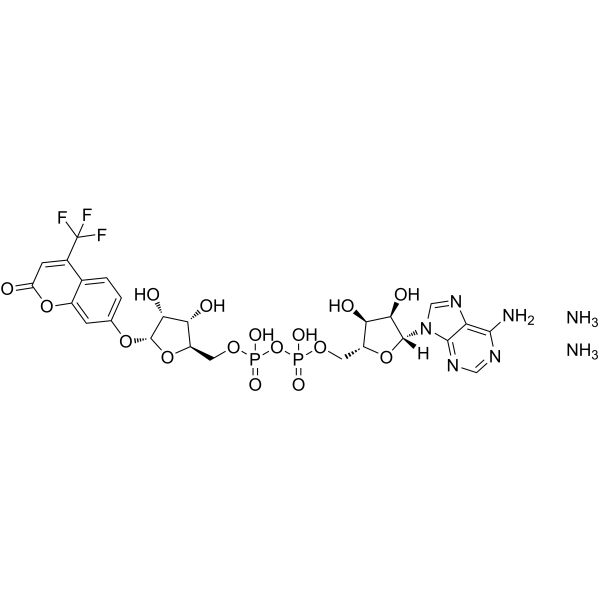
TFMU-ADPr diammonium is a selective reporter substrate of SARS-CoV-2 Macro1 (IC50=0.59 μM), with an excitation wavelength (λEx) of 385 nm, and an emission wavelength (λEm) of 502 nm (or 495 nm). TFMU-ADPr diammonium can also undergo enzymatic hydrolysis with Poly(ADP-ribose) Glycohydrolase (PARG) sourced from human, Tetrahymena thermophila and ADP-ribosylhydrolase 3 from human to release fluorophores, thereby directly reporting total poly (ADP-ribose) hydrolase activity. TFMU-ADPr diammonium binds to the ADPr-binding site of SARS-CoV-2 Macro1, and its TFMU moiety inserts into the narrow hydrophobic groove of this protein. TFMU-ADPr diammonium can thus be used to evaluate small-molecule inhibitors targeting PAR hydrolases under in vitro conditions, to investigate the regulatory mechanisms of ADP-ribosyl catabolic enzymes, or to detect PAR hydrolase activity in whole-cell lysate assays. TFMU-ADPr diammonium is also applicable to COVID-19-related research .
|
-
-
- HY-136251
-
|
|
Bacterial
|
Infection
|
|
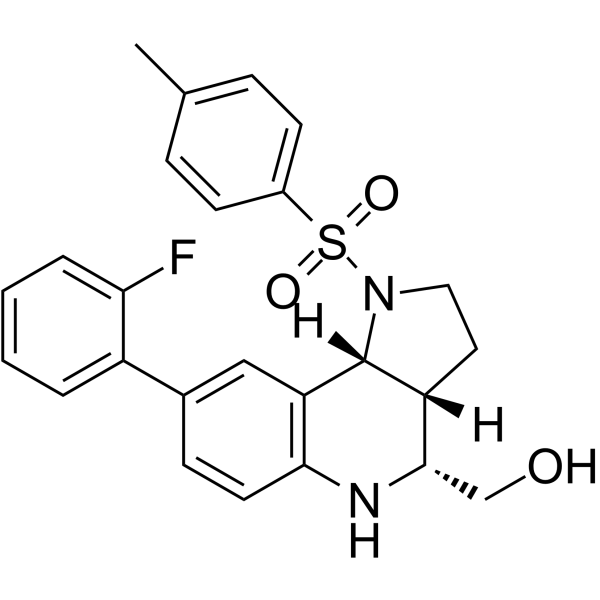
BRD0539 is a Streptococcus pyogenes Cas9 (SpCas9) inhibitor with an IC50 of 22 μM in an in vitro DNA cleavage assay .
|
-
-
- HY-10244
-
MK-0608
1 Publications Verification
|
HCV
|
Infection
|
|
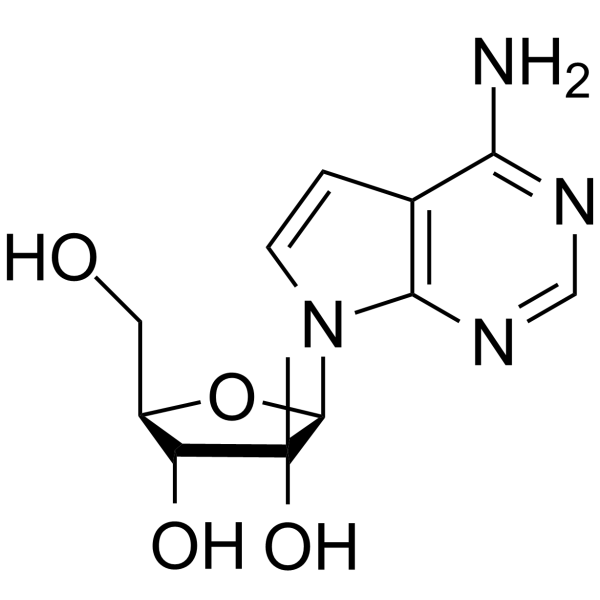
MK-0608 is a potent and orally bioavailable inhibitor of HCV replication in vitro with an EC50 of 0.3 μM (EC90=1.3 μM) in the subgenomic-replicon assay .
|
-
-
- HY-148560A
-
|
|
HBV
DNA/RNA Synthesis
|
Infection
|
|
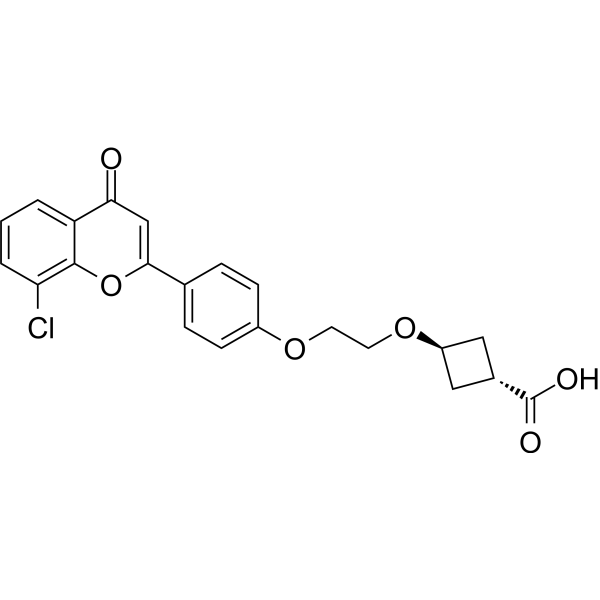
trans-ccc_R08 (Compound 1-B) is a cccDNA inhibitor with anti-HBV activity, with an IC50 of 0.14 μM for HBeAg and an IC50 of 0.08 μM for HBsAg in in vitro assays. trans-ccc_R08 inhibits covalently closed circular DNA (cccDNA). trans-ccc_R08 is applicable to research related to hepatitis B virus infection .
|
-
-
- HY-45609
-
|
|
Drug Derivative
|
Metabolic Disease
|
|
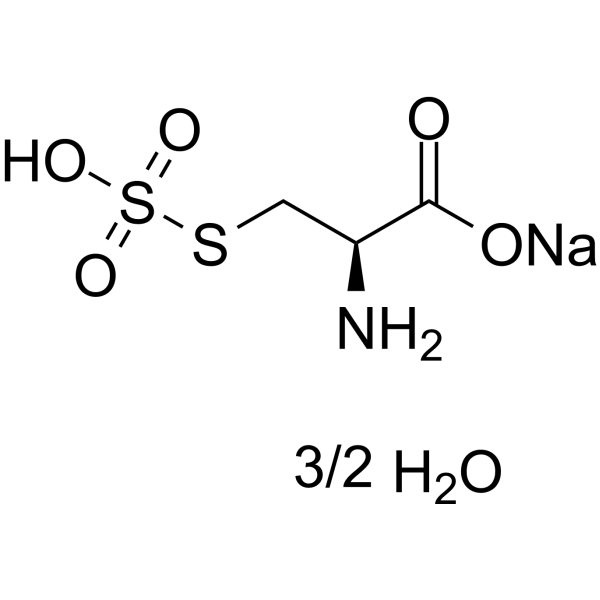
L-Cysteine S-sulfate sodium hydrate is an S-sulfated derivative of L-cysteine (HY-Y0337). L-Cysteine S-sulfate sodium hydrate is the substrate for cystine lyase, it can be used in mass spectrometry and chromatography analyses .
|
-
-
- HY-137697D
-
|
|
HIV
DNA/RNA Synthesis
Nucleoside Antimetabolite/Analog
Drug Metabolite
HIV Protease
|
Infection
|
|
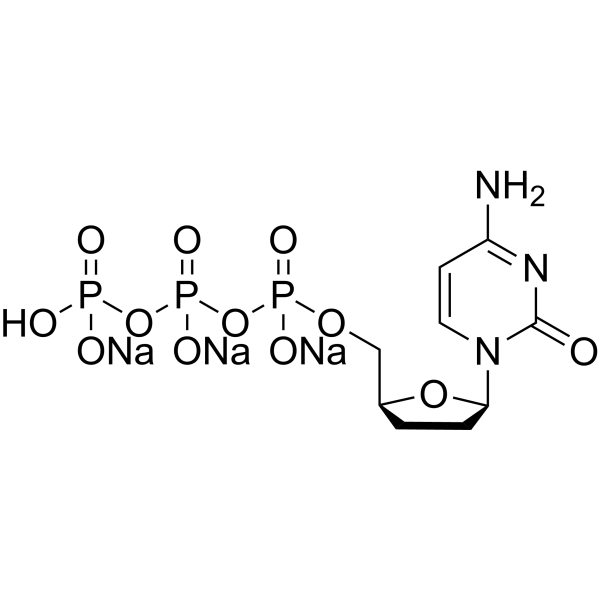
ddCTP trilithium solution (100 mM) is a chain-terminating dideoxynucleotide. ddCTP trilithium is a type of chain-terminating deoxynucleotide. ddCTP trilithium can be incorporated into the extension primer chain that lacks the 3'-hydroxyl group, thereby terminating primer extension, viral genome replication, and DNA synthesis. ddCTP trilithium can distinguish almost identical RNA through distinguishable extension products in primer extension inhibition experiments. ddCTP trilithium is the active metabolite of Zalcitabine (HY-17392), which can competitively inhibit HIV reverse transcriptase, terminate the synthesis of viral DNA chains, and thereby inhibit HIV replication .
|
-
-
- HY-16134A
-
|
MBI 3253 hydrochloride; MDL 28574 hydrochloride; MX3253 hydrochloride
|
Flavivirus
Dengue Virus
Glycosidase
HCV
HIV
|
Infection
|
|
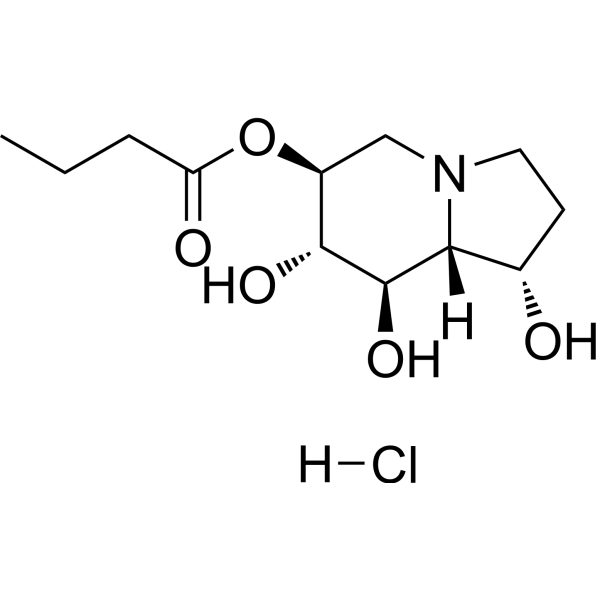
Celgosivir hydrochloride (MBI 3253 hydrochloride; MDL 28574 hydrochloride; MX3253 hydrochloride) is an α-glucosidase I inhibitor; inhibits bovine viral diarrhoea virus (BVDV) with an IC50 of 1.27 μM in in vitro assay.
|
-
-
- HY-13683R
-
-
-
- HY-177416
-
|
|
DYRK
|
Cancer
|
|
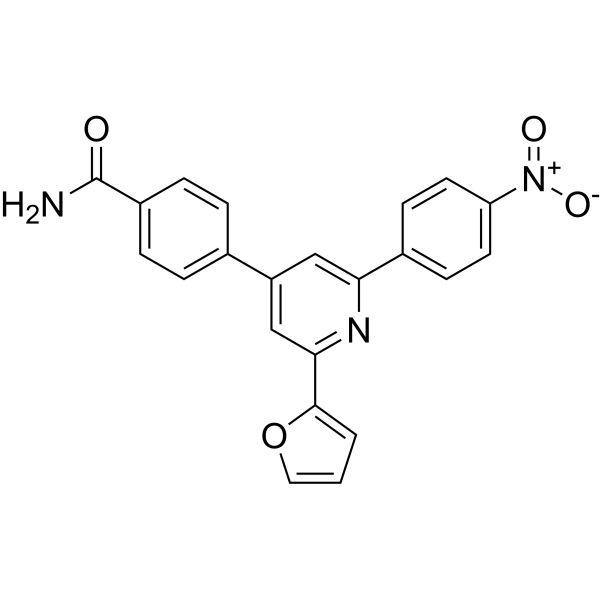
MU1787 is a highly selective homeodomain-interacting protein kinase (HIPK) inhibitor with a furopyridine core, and shows improved selectivity against CLKs, with inactivity against DYRK1B, DYRK2, and MLK2/3 in in vitro cellular assays. MU1787 can be used for the research of malignancies .
|
-

-
- HY-163343
-
|
|
Phosphodiesterase (PDE)
STING
|
Cancer
|
|
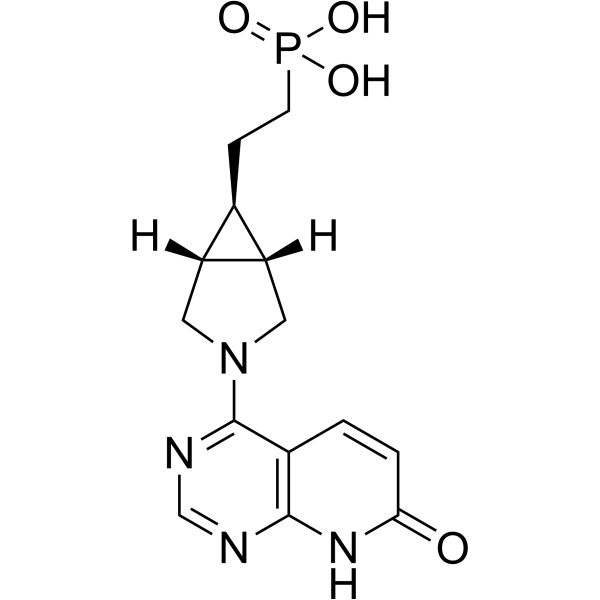
Enpp-1-IN-20 (Compound 31) is an ectonucleotide pyrophosphatase/phosphodiesterase 1 (ENPP1) inhibitor, with an IC50 of 0.09 nM. Enpp-1-IN-20 has strongest inhibitory activity in the cell-based assay, with an IC50 of 8.8 nM. Enpp-1-IN-20 has significant potency in both ENPP1 inhibition and STING pathway stimulation in vitro. Enpp-1-IN-20 can be used for the research of cancer .
|
-
-
- HY-146248
-
|
|
SARS-CoV
Poly(ADP-ribose) Glycohydrolase (PARG)
Protease Activated Receptor (PAR)
|
Infection
|
|
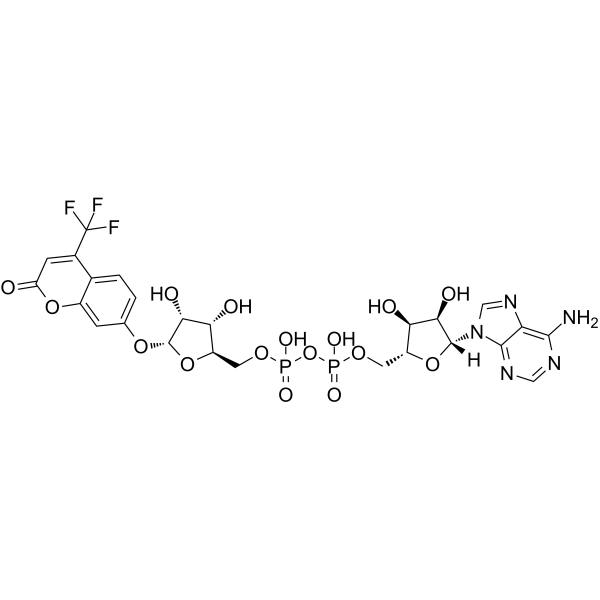
TFMU-ADPr is a selective reporter substrate of SARS-CoV-2 Macro1 (IC50=0.59 μM), with an excitation wavelength (λEx) of 385 nm, and an emission wavelength (λEm) of 502 nm (or 495 nm). TFMU-ADPr can also undergo enzymatic hydrolysis with Poly(ADP-ribose) Glycohydrolase (PARG) sourced from human, Tetrahymena thermophila and ADP-ribosylhydrolase 3 from human to release fluorophores, thereby directly reporting total poly (ADP-ribose) hydrolase activity. TFMU-ADPr binds to the ADPr-binding site of SARS-CoV-2 Macro1, and its TFMU moiety inserts into the narrow hydrophobic groove of this protein. TFMU-ADPr can thus be used to evaluate small-molecule inhibitors targeting PAR hydrolases under in vitro conditions, to investigate the regulatory mechanisms of ADP-ribosyl catabolic enzymes, or to detect PAR hydrolase activity in whole-cell lysate assays. TFMU-ADPr is also applicable to COVID-19-related research .
|
-
-
- HY-16134
-
|
MBI 3253; MDL 28574; MX3253
|
Flavivirus
Dengue Virus
Glycosidase
HCV
HIV
|
Infection
|
|
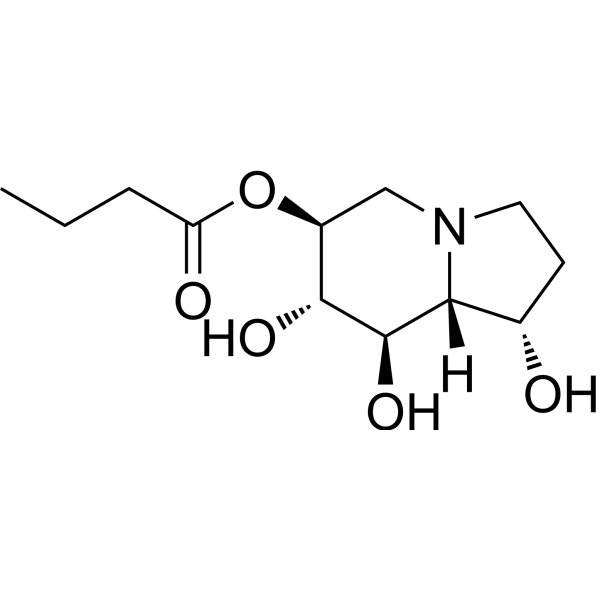
Celgosivir (MBI 3253; MDL 28574; MX3253) is an α-glucosidase I inhibitor; inhibits bovine viral diarrhoea virus (BVDV) with an IC50 of 1.27 μM in in vitro assay.
|
-
-
- HY-P5485
-
|
|
Bacterial
|
Others
|
|
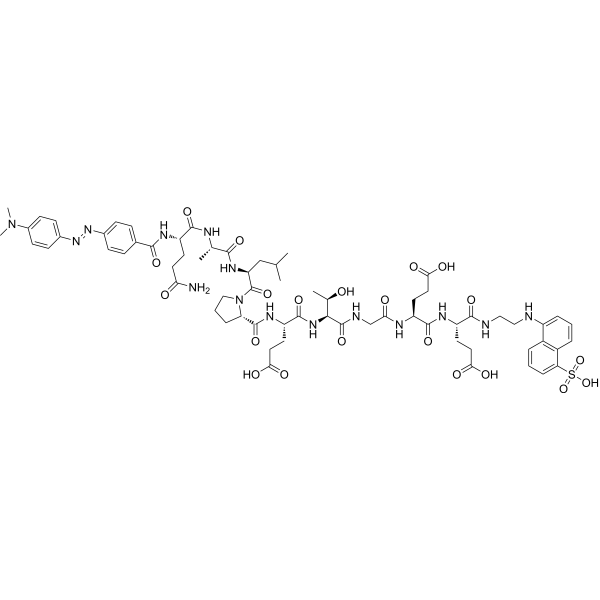
Dabcyl-QALPETGEE-Edans is a synthetic peptide substrate for fluorescence resonance energy transfer (FRET) detection of Sortase A (SrtA) enzymatic activity. Dabcyl-QALPETGEE-Edans is labeled at both ends with the fluorescent group Edans (donor) and the quencher Dabcyl (acceptor), respectively. Dabcyl-QALPETGEE-Edans's central sequence contains a conserved motif specifically recognized by SrtA. Dabcyl-QALPETGEE-Edans demonstrates high sensitivity in vitro assays, enabling precise determination of the half-maximal inhibitory concentration of SrtA .
|
-
-
- HY-137697
-
|
|
Nucleoside Antimetabolite/Analog
DNA/RNA Synthesis
HIV Protease
HIV
Drug Metabolite
|
Infection
|
|
ddCTP is a type of chain-terminating deoxynucleotide. ddCTP can be incorporated into the extension primer chain that lacks the 3'-hydroxyl group, thereby terminating primer extension, viral genome replication, and DNA synthesis. ddCTP can distinguish almost identical RNA through distinguishable extension products in primer extension inhibition experiments. ddCTP is the active metabolite of Zalcitabine (HY-17392), which can competitively inhibit HIV reverse transcriptase, terminate the synthesis of viral DNA chains, and thereby inhibit HIV replication .
|
-

-
- HY-137337
-
|
|
Fluorescent Dye
|
Others
|
|
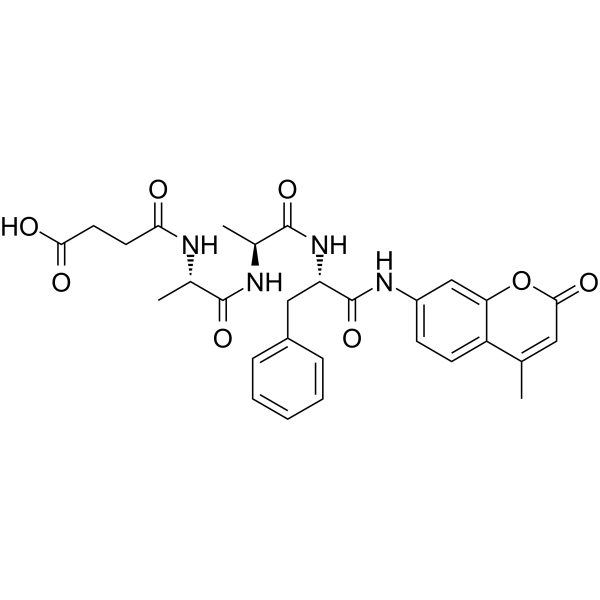
Suc-Ala-Ala-Phe-AMC is a fluorogenic chymotrypsin substrate, can be hydrolyzed by endopeptidase. Suc-Ala-Ala-Phe-AMC has been used in both in vivo assays of the acrosome reaction and in vitro enzyme assays .
|
-
-
- HY-13683S
-
-
-
- HY-151413
-
|
|
Neurokinin Receptor
|
Neurological Disease
|
|
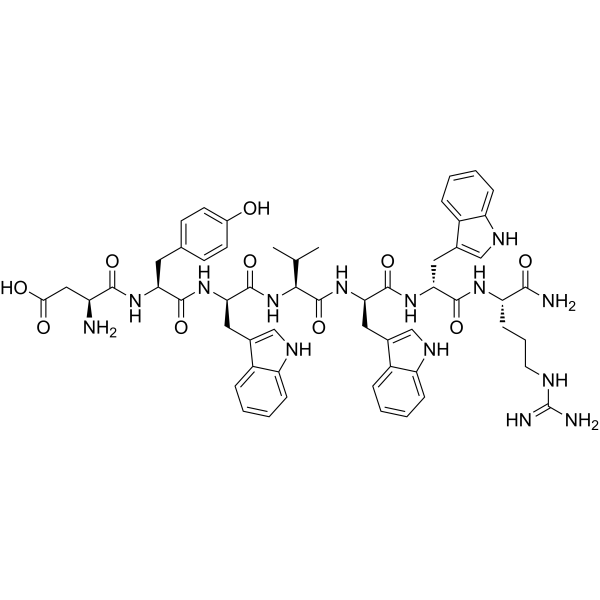
MEN 10207 is a selective NK-2 tachykinin receptor (Neurokinin Receptor) antagonist. MEN 10207 has pA2 values of 5.2, 7.9 and 4.9 in three monoreceptor in vitro assays for NK-1, NK-2 and NK-3 tachykinin receptors, respectively.
|
-
-
- HY-125209A
-
|
|
Apoptosis
PARP
DNA/RNA Synthesis
|
Cancer
|
|
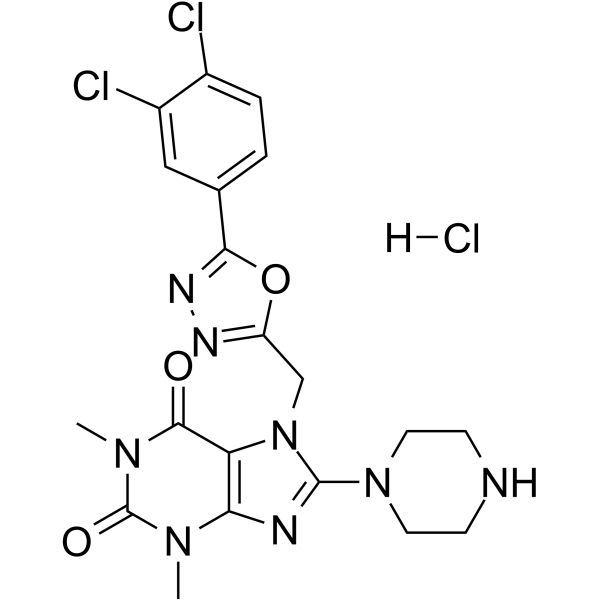
TH5427 hydrochloride is a NUDT5 inhibitor with a human target IC50 of 29 nM, ~690-fold selectivity over MTH1 in vitro, and selective functional inhibition over other NUDIX hydrolases including NUDT9 .TH5427 hydrochloride binds to the active site of NUDT5, blocking enzymatic activity related to ADP-ribose metabolism and PAR-derived ATP synthesis .TH5427 hydrochloride blocks progestin-dependent nuclear ATP synthesis, impairs progestin-induced chromatin remodeling, inhibits histone H1 displacement, disrupts progestin-dependent gene regulation, and abrogates progestin-dependent proliferation in breast cancer cells .TH5427 hydrochloride functions as a versatile probe to study nuclear ATP dynamics and ADP-ribose-related metabolism in cells .TH5427 hydrochloride engages NUDT5 at physiological temperatures, as demonstrated by Drug Affinity Responsive Target Stability (DARTS) assay .TH5427 hydrochloride stabilizes NUDT5 against thermal denaturation in cell lysates and intact cells, as shown by cellular thermal shift assay (CETSA) .TH5427 hydrochloride functionally inhibits NUDT5 activity, leading to downstream effects on oxidative DNA damage and DNA replication in triple-negative breast cancer (TNBC) cells .TH5427 hydrochloride suppresses proliferation of TNBC cells without inducing cell death or apoptosis, slows DNA replication in TNBC cells, promotes accumulation of oxidative DNA lesions, and triggers DNA damage response in TNBC cells .TH5427 hydrochloride suppresses growth of TNBC cells in vitro, inhibits growth of TNBC xenograft tumors in nude mice in vivo, and shows greater potency against TNBC cell lines compared to ER-positive and normal-like breast cell lines .TH5427 hydrochloride can be used for the research of breast cancer and triple-negative breast cancer .
|
-
-
- HY-B1638
-
-

-
- HY-13683S2
-
-
-
- HY-P6028
-
|
|
N-myristoyltransferase
|
Others
|
|
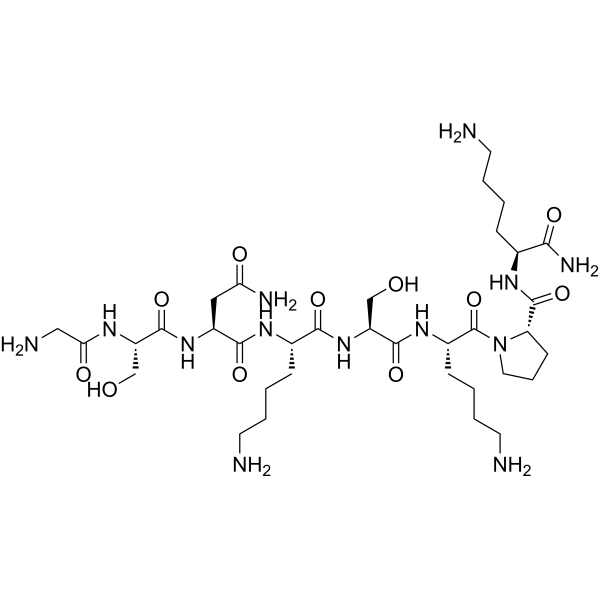
GSNKSKPK-NH2 is a synthetic model peptide based on the c-Src N-terminal sequence and model peptide substrate for human NMT1 and NMT2.GSNKSKPK-NH2 facilitates in vitro assays measuring transfer of myristate or X10 fatty acid moieties .
|
-
-
- HY-P4126
-
|
|
Elastase
|
Others
|
|
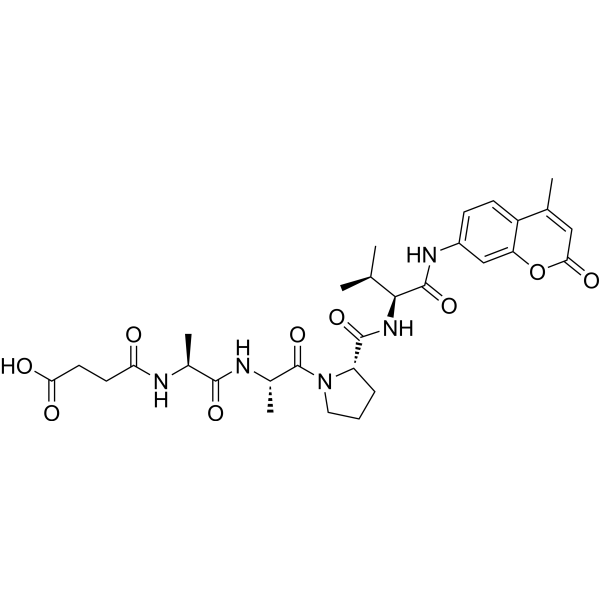
Suc-Ala-Ala-Pro-Val-AMC is a fluorescent substrate for elastase. Suc-Ala-Ala-Pro-Val-AMC can be hydrolyzed by these elastases to release the fluorescent substance 7-amino-4-methylcoumarin. Suc-Ala-Ala-Pro-Val-AMC is used for in vitro elastase activity assays and can also be applied in studies related to chronic wounds .
|
-
-
- HY-120766
-
|
|
Histone Demethylase
|
Cancer
|
|
NCDM-32B is a potent and selective KDM4 inhibitor, with IC50 values of 3.0 μM for KDM4A and 1.0 μM for KDM4C in in vitro enzyme assays. NCDM-32B specifically increases global H3K9me3/me2 levels in basal breast cancer cells. NCDM-32B impairs the viability of KDM4C-amplified basal breast cancer cell lines (HCC1954 and Colo824). NCDM-32B can be used for the study of breast cancer .
|
-
-
- HY-146248A
-
|
|
Poly(ADP-ribose) Glycohydrolase (PARG)
SARS-CoV
Protease Activated Receptor (PAR)
|
Others
|
|
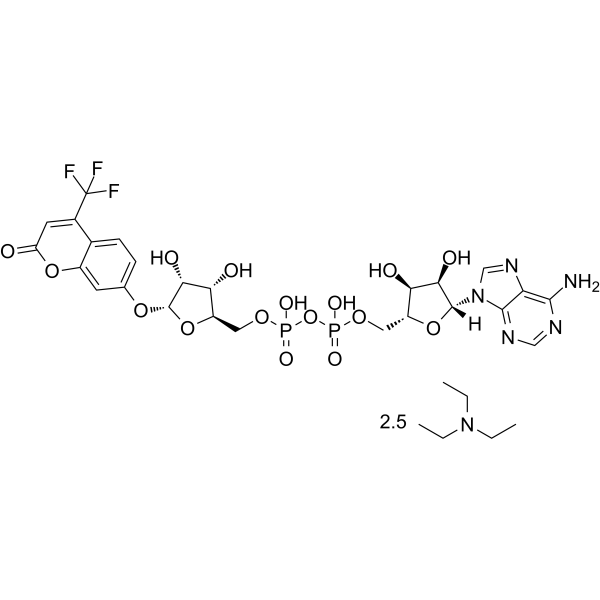
TFMU-ADPr triethylamine is a selective reporter substrate of SARS-CoV-2 Macro1 (IC50=0.59 μM), with an excitation wavelength (λEx) of 385 nm, and an emission wavelength (λEm) of 502 nm (or 495 nm). TFMU-ADPr triethylamine can also undergo enzymatic hydrolysis with Poly(ADP-ribose) Glycohydrolase (PARG) sourced from human, Tetrahymena thermophila and ADP-ribosylhydrolase 3 from human to release fluorophores, thereby directly reporting total poly (ADP-ribose) hydrolase activity. TFMU-ADPr triethylamine binds to the ADPr-binding site of SARS-CoV-2 Macro1, and its TFMU moiety inserts into the narrow hydrophobic groove of this protein. TFMU-ADPr triethylamine can thus be used to evaluate small-molecule inhibitors targeting PAR hydrolases under in vitro conditions, to investigate the regulatory mechanisms of ADP-ribosyl catabolic enzymes, or to detect PAR hydrolase activity in whole-cell lysate assays. TFMU-ADPr triethylamine is also applicable to COVID-19-related research .
|
-
-
- HY-114517
-
-

-
- HY-176960
-
|
|
Biochemical Assay Reagents
|
Others
|
|
3-Amino-2-hydroxypropyl dihydrogen phosphate is a chemical modification complex of the DNA phosphate backbone, which can be used to study the interaction between HIV integrase (IN) and DNA .
|
-

-
- HY-N7330
-
|
|
HIV Integrase
HIV
|
Infection
|
|
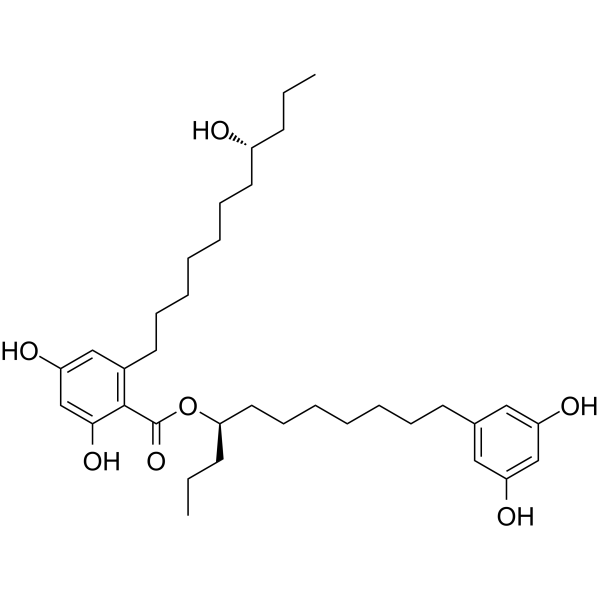
Integracin B is a potent dimeric alkyl aromatic inhibitor of HIV-1 integrase discovered from the screening of fungal extracts using an in vitro assay. Integracin B inhibits both coupled and strand transfer activity of HIV-1 integrase .
|
-
-
- HY-137697B
-
|
|
HIV
DNA/RNA Synthesis
Nucleoside Antimetabolite/Analog
Drug Metabolite
HIV Protease
|
Infection
|
|
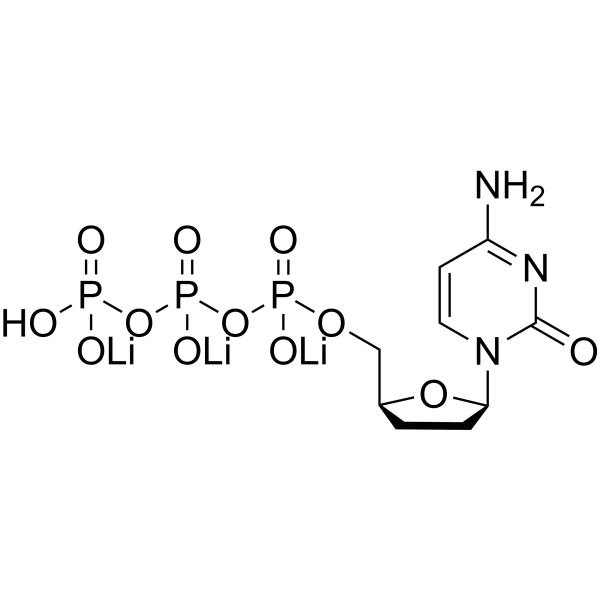
ddCTP trilithium is a type of chain-terminating deoxynucleotide. ddCTP trilithium can be incorporated into the extension primer chain that lacks the 3'-hydroxyl group, thereby terminating primer extension, viral genome replication, and DNA synthesis. ddCTP trilithium can distinguish almost identical RNA through distinguishable extension products in primer extension inhibition experiments. ddCTP trilithium is the active metabolite of Zalcitabine (HY-17392), which can competitively inhibit HIV reverse transcriptase, terminate the synthesis of viral DNA chains, and thereby inhibit HIV replication .
|
-
-
- HY-137522A
-
|
3'-Azido-3'-deoxythymidine β-D-glucuronide
|
Drug Metabolite
|
Others
|
|
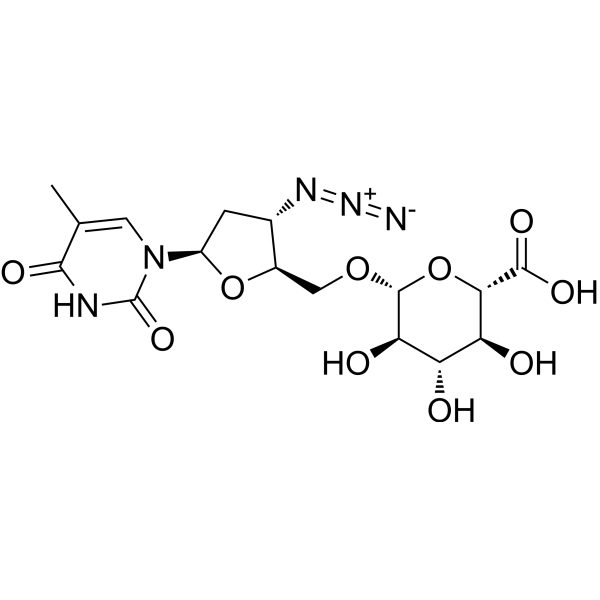
Zidovudine O-β-D-glucuronide (3'-Azido-3'-deoxythymidine β-D-glucuronide) is the glucuronide conjugate and metabolite of Zidovudine (HY-17413), which can be used to detect UGT2B7 activity. As a substrate, Zidovudine O-β-D-glucuronide undergoes deconjugation via hydrolysis by immobilized β-glucuronidase to produce Zidovudine .
|
-
-
- HY-N0077R
-
|
Ginkgolic acid (15:1) (Standard); Ginkgolic acid I (Standard); Romanicardic acid (Standard)
|
Reference Standards
E1/E2/E3 Enzyme
|
Cancer
|
|
Ginkgolic Acid (Standard) is the analytical standard of Ginkgolic Acid. This product is intended for research and analytical applications. Ginkgolic Acid is a natural compound that inhibits SUMOylation with an IC50 of 3.0 μM in in vitro assay.
|
-

-
- HY-10555
-
|
|
11β-HSD
|
Metabolic Disease
|
|
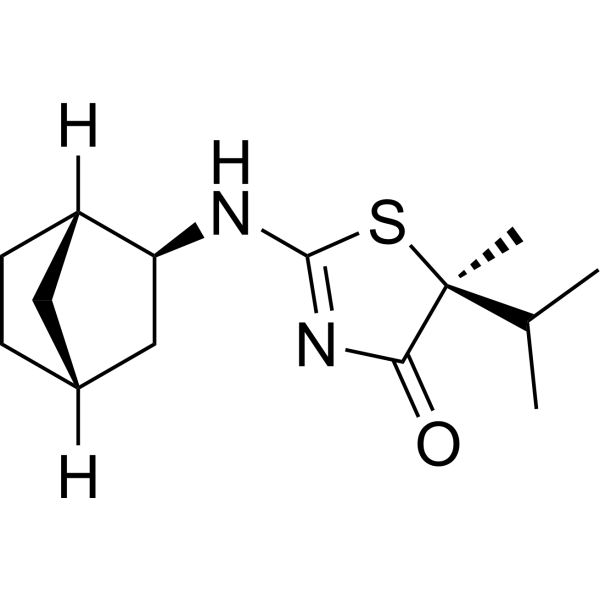
AMG-221 is an inhibitor of 11β-hydroxysteroid dehydrogenase type 1 (11β-HSD1) with a Ki of 12.8 nM in vitro biochemical scintillation proximity assay (SPA) and an IC50 of 10.1 nM in cell-based assays . AMG-221 can be used for the research of type 2 diabetes .
|
-
-
- HY-NP0230
-
|
|
Calmodulin
|
Neurological Disease
|
|
Bovine calmodulin can be used for the in vitro phosphorylation assay of recombinant retinoic acid-induced gene I protein. Bovine calmodulin has also been used in studies of the hydrolysis and deamidation of the endopeptide Glu-C protein .
|
-

-
- HY-W320538
-
|
|
Fungal
|
Infection
|
|
Benz[g]isoquinoline-5,10-dione, an active component isolated from the ethanolic extract of the aerial parts of Mitracarpus scaber, demonstrates notable in vitro inhibitory activity against AIDS-related pathogens, along with significant antibacterial and antifungal properties, as evidenced by the agar well-diffusion assay.
|
-
![Benz[g]isoquinoline-5,10-dione](//file.medchemexpress.com/product_pic/hy-w320538.gif)
-
- HY-P10609
-
|
|
Btk
|
Others
|
|
Btk substrate peptide is a peptide substrate corresponding to residues 217-229 of human Bruton’s tyrosine kinase (Btk), of which the tyrosine at residue 223 is the major autophosphorylation site of Btk. Btk substrate peptide is used as a substrate in in vitro kinase assays to evaluate the activity of Btk or other tyrosine kinases .
|
-

- HY-175136
-
|
GAh acetate
|
Adrenergic Receptor
|
Infection
Neurological Disease
|
|
Chloroguanabenz (acetate) is an antiprion agent and a derivative of the α2-adrenergic receptor agonist guanabenz. Chloroguanabenz (acetate) can inhibit the formation of prion in yeast and mammalian in vitro assays. Chloroguanabenz (acetate) can reduce the levels of truncated Huntingtin derivative Htt48 in HEK293T cells. Chloroguanabenz (acetate) can be studied in research on Huntington’s disease .
|
-

- HY-P3904
-
|
|
Biochemical Assay Reagents
|
Others
|
|
P34cdc2 Kinase Substrate Peptide is a synthetic peptide substrates for P34 cdc2 kinase, with a Km of 74 μM for the purified human enzyme. P34cdc2 Kinase Substrate Peptide can be used in a rapid assay of P34 cdc2 phosphorylation in vitro. P34 cdc2, a protein serinehhreonine kinase, is a cell division cycle-regulated protein kinase .
|
-

- HY-146974
-
|
|
Phosphodiesterase (PDE)
|
Inflammation/Immunology
|
|
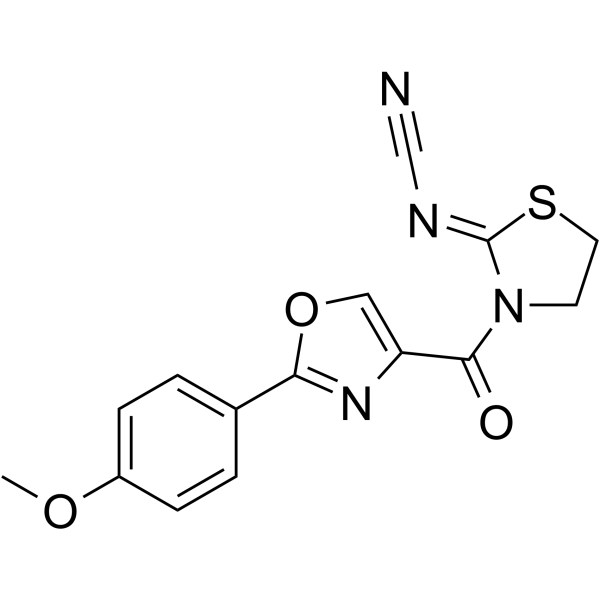
PDE4-IN-9 (Compound 5j) is a potent inhibitor of PDE4. PDE4-IN-9 exhibits lower IC50 value (1.4 μM) against PDE4 than parent rolipram (2.0 μM) in in vitro enzyme assay. PDE4-IN-9 also displays good in vivo activity in animal models of asthma/COPD and sepsis induced by LPS .
|
-
- HY-161227
-
|
|
17β-HSD
|
Metabolic Disease
Inflammation/Immunology
|
|
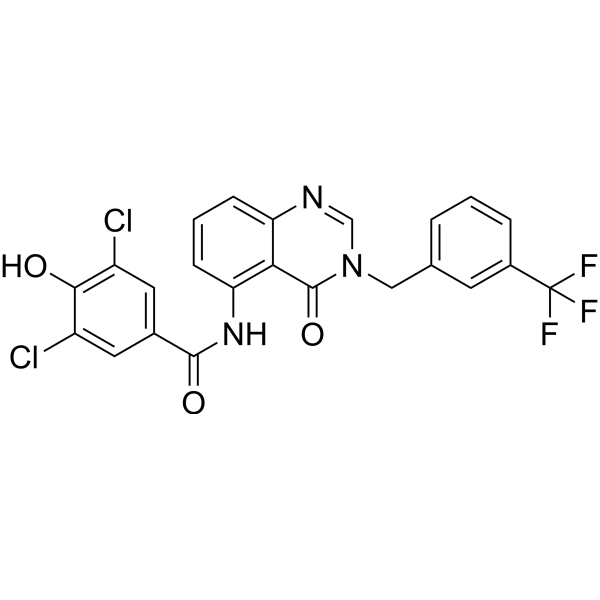
HSD17B13-IN-43 is a selective inhibitor of HSD17B13 that competitively blocks the activity of this enzyme. HSD17B13-IN-43 exhibits an IC50 ≤ 0.1 µM in in vitro assays. HSD17B13-IN-43 can be used in studies of non-alcoholic steatohepatitis, fatty liver disease and hepatic fibrosis .
|
-
- HY-13683S1
-
|
RU486-13C,d3; RU 38486-13C,d3
|
Isotope-Labeled Compounds
Progesterone Receptor
Glucocorticoid Receptor
NO Synthase
Autophagy
|
Endocrinology
Cancer
|
|
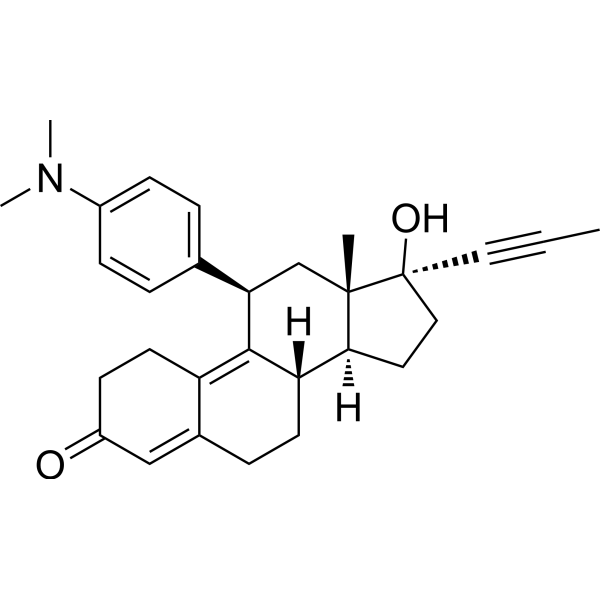
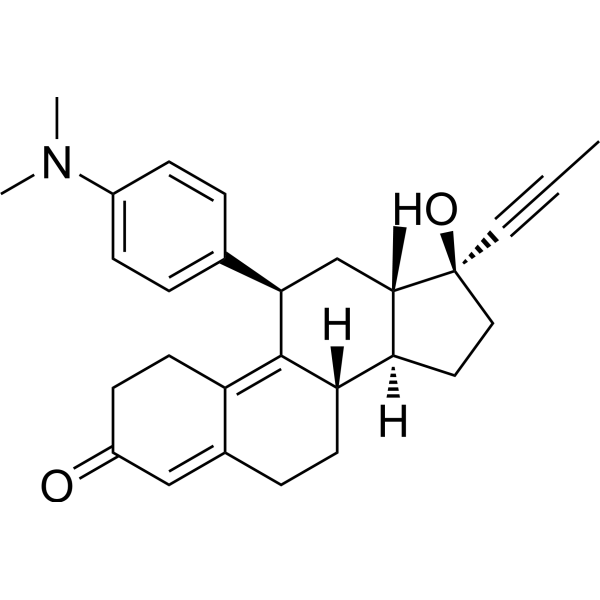
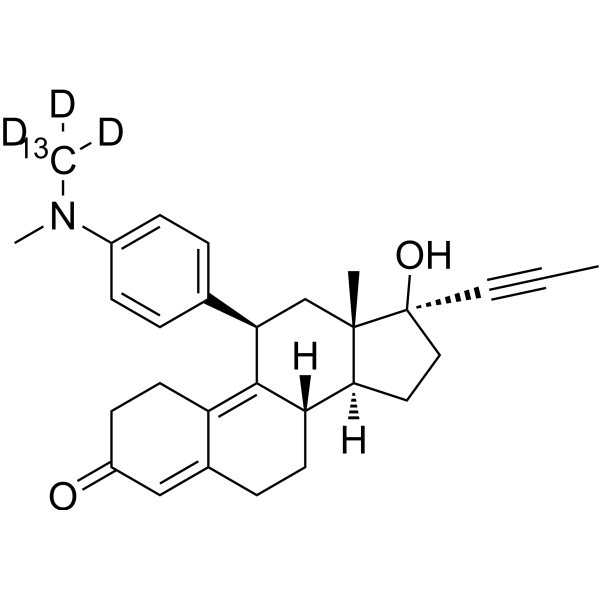
Mifepristone- 13C,d3 is the 13C- and deuterium labeled Mifepristone. Mifepristone (RU486) is a progesterone receptor (PR) and glucocorticoid receptor (GR) antagonist with IC50s of 0.2 nM and 2.6 nM in in vitro assay . Mifepristone-13C,d3 is a click chemistry reagent, it contains an Alkyne group and can undergo copper-catalyzed azide-alkyne cycloaddition (CuAAc) with molecules containing Azide groups.
|
-
- HY-123597
-
|
DDUG; NCI C04808
|
Autophagy
Checkpoint Kinase (Chk)
|
Cancer
|
|
NSC 109555 is an ATP-competitive inhibitor of checkpoint kinase 2 (Chk2; IC50=200 nM in a cell-free kinase assay). It is selective for Chk2 over Chk1 and 16 kinases in a panel but does inhibit Brk, c-Met, IGFR, and LCK with IC50 values of 210, 6,000, 7,400, and 7,100 nM, respectively. NSC 109555 inhibits Chk2 autophosphorylation and phosphorylation of the Chk2 substrate histone H1 in vitro (IC50=240 nM). It inhibits the growth of, and induces autophagy in, L1210 leukemia cells in vitro.2 NSC 109555 (1,250 nM) potentiates gemcitabine-induced cytotoxicity in MIA PaCa-2, CFPAC-1, PANC-1, and BxPC-3 pancreatic cancer cells, as well as reduces gemcitabine-induced increases in Chk2 phosphorylation and enhances gemcitabine-induced production of reactive oxygen species (ROS) in MIA PaCa-2 cells.
|
-

- HY-121542
-
|
|
PPAR
|
Metabolic Disease
|
|
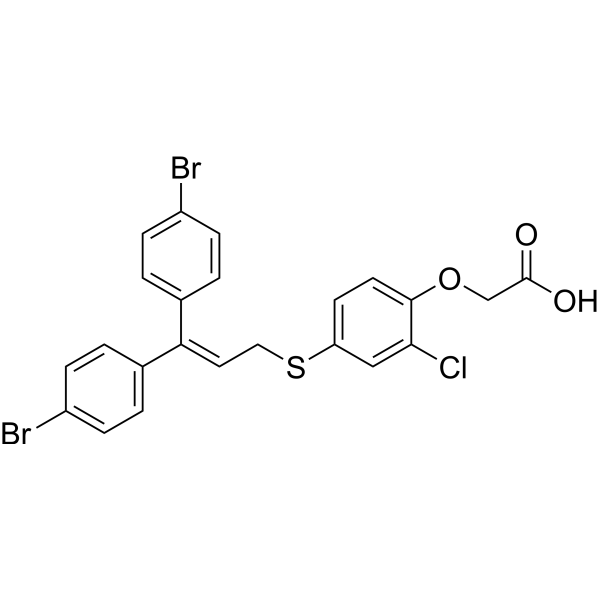
PPARδ agonist 10 (compound 7) is an orally active, selective, and partial agonist of PPARδ, with EC50 values of 0.053 μM and 0.30 µM for hPPARδ(LBD)-GAL4 and mPPARδ, respectively. PPARδ agonist 10 is a partial PPARδ agonist in transactivation assay but a full agonist on free fatty acids (FFA) oxidation in muscle cells both in vitro and in vivo. PPARδ agonist 10 can be used for dyslipidemia research .
|
-
- HY-124305
-
|
|
Endogenous Metabolite
|
Infection
|
|
ML395 is a potent and selective allosteric inhibitor of phospholipase D2 with antiviral activity. The cellular PLD1 IC50 value of ML395 exceeds 30,000 nM, while its cellular PLD2 IC50 value is 360 nM. ML395 shows excellent pharmacokinetic characteristics in vitro and physiochemical properties superior to other reported phospholipase inhibitors. ML395 shows interesting antiviral activity in cell-based assays against multiple influenza virus strains (H1, H3, H5, and H7) .
|
-

- HY-175851
-
|
|
Adenosine Receptor
|
Neurological Disease
|
|
A2AAR antagonist 5 is a selective A2AAR antagonist. A2AAR antagonist 5 inhibits NECA-stimulated adenylyl cyclase activity in hA2AAR-expressing CHO cells with an IC50 value of 1863 nM. A2AAR antagonist 5 possesses strong free radical scavenging activity, with an EC50 value of 22.21 μM in the DPPH assay. A2AAR antagonist 5 exerts notable neuroprotective effects in in vitro cerebral ischemia models. A2AAR antagonist 5 can be used for the study of cerebral ischemia .
|
-

- HY-N2078R
-
|
Neodiosgenin (Standard)
|
Reference Standards
LXR
Apoptosis
Fatty Acid Synthase (FASN)
Reactive Oxygen Species (ROS)
|
Metabolic Disease
|
|
Yamogenin (Standard) is the analytical standard of Yamogenin. This product is intended for research and analytical applications. Yamogenin (Neodiosgenin) is a diastereomer of diosgenin. Yamogenin antagonizes the activation of the liver X receptor (LXR) in luciferase ligand assay. Yamogenin inhibits triacylglyceride (TG) accumulation through the suppression of gene expression of fatty acid synthesis in HepG2 hepatocytes. Yamogenin is a steroidal saponin that can be obtained from plant species with in vitro cytotoxicity, antioxidant, and antimicrobial properties. Yamogenin induces cell death via the extrinsic and intrinsic way of apoptosis. Yamogenin inhibits protein denaturation with an IC50 of 1421.92 μg/mL. Yamogenin can be studied in research on gastric cancer .
|
-

- HY-117921
-
|
|
Interleukin Related
|
Inflammation/Immunology
|
|
DA-E 5090 is an orally effective inhibitor of IL-1 production that can be converted into a pharmacologically active deacetylated form (DA-E5090) in vivo. In this study, the effects of DA-E5090 on IL-1 production in vitro were examined by LPS-stimulated human monocytes. The results showed that DA-E5090 could dose-dependently inhibit the production of IL-1α and IL-1β (1-10 μM) by LPS-stimulated human monocytes, as determined by LAF assay and ELISA. Northern blotting analysis showed that DA-E5090 inhibited the transcription of IL-1α and IL-1β mRNA.
|
-

- HY-W342458
-
|
|
Biochemical Assay Reagents
|
Others
|
|
Betamethasone 17-Propionate is a compound used to study its effects on endotoxin-induced uveitis in rats. It has the activity of inhibiting the infiltration of cells into the aqueous humor in endotoxin-induced uveitis by eye drops and systemic administration at a certain dose. However, its inhibitory effect is relatively weak compared with some other compounds. At the same time, the dose for systemic administration is 1mg/kg. In addition, Betamethasone 17-Propionate has a weaker inhibitory effect on the release of IL-8 from rat peritoneal exudate cells in an in vitro interleukin-8 (IL-8) release assay than betamethasone. Moreover, the simultaneous addition of betamethasone dipropionate and betamethasone 17-Propionate reduces the inhibitory effect of betamethasone on cell infiltration and IL-1β gene expression.
|
-

- HY-174399
-
|
|
Cholinesterase (ChE)
Reactive Oxygen Species (ROS)
|
Neurological Disease
|
|
AChE/BChE-IN-27 is a blood-brain barrier-permeable mixed inhibitor (Pe = 4.12) of AChE and BChE, with IC50 values of 3.72 μM and 9.65 μM, respectively. AChE/BChE-IN-27 has potent antioxidant activity with an IC50 value of 6.32 μM in the DPPH (HY-112053) assay and also exhibits potent in vitro antioxidant activity. AChE/BChE-IN-27 exhibits metal chelating properties. AChE/BChE-IN-27 has neuroprotective potential against oxidative stress. AChE/BChE-IN-27 significantly reduces intracellular reactive oxygen species (ROS). In in vivo experiments, AChE/BChE-IN-27 effectively restored AChE and BChE levels, improved cognition, and can be used for Alzheimer's disease (AD) .
|
-

- HY-118156
-
|
|
Others
|
Others
|
|
L-699333 is a 5-lipoxygenase (5-LO) inhibitor belonging to the thieno[2,3,4-cd]indole class. This compound has a 2-ethoxybutyric acid side chain and is a potent inhibitor of the biosynthesis of 5-HPETE and LTB4 produced from human 5-LO, with ICm values of 22 nM, 7 nM, and 3.8 pM for human neutrophils and whole blood, respectively. L-699333 has shown anti-inflammatory and antiasthmatic effects in a variety of animal models, including rat pleurisy models, antigen-induced wheezing models, and awake macaque and sheep asthma models. Its inhibition of 5-LO is highly selective, with higher ICm values or stronger competitive inhibition in FLAP binding assays compared to inhibition of human 15-LO, porcine 12-LO, and ram epididymal cyclooxygenase. The racemic enantiomer 14g of L-699333 is the most potent enantiomer to date, with inhibitory effects similar to those of the known MK-0591, which has been shown in clinical trials to inhibit the biochemical effects of LTB4 biosynthesis in vitro and LTE4 excretion in urine.
|
-

- HY-121708
-
|
|
c-Kit
|
Cancer
|
|
KI-328 is a novel inhibitor targeting KIT kinase that has selective activity against some KIT mutant kinases commonly found in acute myeloid leukemia (AML). KI-328 showed specificity for KIT kinase in in vitro kinase assays and inhibited the growth of wild-type (Wt) and mutant KIT-expressing cells, but had lower activity against D816V-KIT. Comparative analysis of the inhibitory effects of several potent KIT inhibitors on the growth of multiple mutant KIT-expressing cells showed that the multi-kinase inhibitors had comparable activity against D816V-KIT as against other mutant KITs; however, heat shock protein 90 (HSP90) inhibitors showed significant activity against D816V-KIT, inhibiting the growth of D816V-KIT-expressing cells at concentrations that did not affect the growth of other mutant KIT-expressing cells. These results suggest that potent KIT inhibitors have different activities against different types of KIT mutant kinases. Therefore, in clinical development, KIT inhibitors need to validate their activity against multiple types of KIT mutant kinases.
|
-

- HY-183867
-
|
|
Autophagy
|
Others
|
|
ATG5 PPI-IN-6 (Compound 17a) is an inhibitor of ATG5 interactions with other proteins, with an IC50 value of 26.92 μM against ATG5-ATG16L1 and 16.34 μM against ATG5-TECAIR. ATG5 PPI-IN-6 inhibits Autophagy in cells .
|
-

- HY-P11427
-
-

- HY-181476
-
|
|
Glycosidase
|
Metabolic Disease
|
|
α-Glucosidase-IN-113 is an α-glucosidase inhibitor with an IC50 of 17.52 μM. α-Glucosidase-IN-113 shows antiglycating activity and inhibits advanced glycation end-product formation. α-Glucosidase-IN-113 can be used for the research of type 2 diabetes .
|
-

- HY-D3239
-
|
AF405; Alexa Fluor 405 succinimidyl ester
|
Fluorescent Dye
OAT
|
Others
|
|
AF405 NHS Ester (AF405) is a Fluorescent probe substrate, as well as a substrate for OATP1B1, OATP1B3 and OATP2B1 .
|
-

- HY-W727480
-
|
|
Insecticide
|
Infection
|
|
Tetrachlorantraniliprole is an anthranilic diamide insecticide that shows no significant affinity to the key odorant-binding proteins (DhelOBP4/DhelOBP21) of Dastarcus helophoroides .
|
-

- HY-181824
-
|
|
Bacterial
|
Infection
|
|
Cholera toxin-IN-1 is a potent competitive inhibitor of cholera toxin B subunit (CTB) with an IC50 value of 11.78 μM. Cholera toxin-IN-1 forms stable hydrogen bonds and hydrophobic interactions. Cholera toxin-IN-1 competitively blocks the binding of CTB to GM1 ganglioside. Cholera toxin-IN-1 can be used for the research of cholera .
|
-

- HY-185447
-
|
|
PD-1/PD-L1
|
Cancer
|
|
Biotin-itaconate is a biotin-labeled itaconic anhydride that targets PD-L1. Biotin-itaconate acts as a biotin probe for in vitro alkylation assays to identify itaconate-modified protein substrates. Biotin-itaconate is applicable to cancer research .
|
-

- HY-N19037
-
|
|
PI4P5K
|
Others
|
|
1,2-Dilinoleoyl phosphatidylinositol is a phosphatidylinositol. 1,2-Dilinoleoyl phosphatidylinositol acts as a substrate for phosphorylation by Phosphatidylinositol-4-phosphate 5-kinase (PI4P5K) isoforms α, β, and γ in in vitro assays .
|
-

- HY-10244R
-
|
|
Reference Standards
HCV
|
Infection
|
|
MK-0608 (Standard) is the analytical standard of MK-0608 (HY-10244). This product is intended for research and analytical applications. MK-0608 is a potent and orally bioavailable inhibitor of HCV replication in vitro with an EC50 of 0.3 μM (EC90=1.3 μM) in the subgenomic-replicon assay .
|
-

- HY-183960
-
|
|
ASK1
|
Metabolic Disease
Inflammation/Immunology
Cancer
|
|
BPyO-34 is a selective inhibitor of apoptosis signal-regulating kinase 1 (ASK1), with an IC50 of 0.52 μM against human targets. BPyO-34 inhibits the activity of ASK1 in in vitro kinase assays. BPyO-34 can be used in research related to various diseases such as diabetes and cancer .
|
-

- HY-108612R
-
|
CAY10593 (Standard)
|
Reference Standards
Phospholipase
|
Cancer
|
|
VU0155069 (Standard) is the analytical standard of VU0155069 (HY-108612). This product is intended for research and analytical applications. VU0155069 (CAY10593), is a selective phospholipase D1 (PLD1) inhibitor with an IC50 value of 46 nM in vitro. VU0155069 (CAY10593) strongly inhibits the invasive migration of several cancer cell lines in transwell assays .
|
-

- HY-N7988A
-
|
|
Drug Derivative
|
Inflammation/Immunology
|
|
(E)-4,6,12-Tetradecatriene8,10-diyne-1,3-diacetate is a polyacetylene found in the rhizomes of Atractylodes lancea. (E)-4,6,12-Tetradecatriene8,10-diyne-1,3-diacetate shows no inhibitory activity against 5-lipoxygenase and COX-1 in in vitro assays at tested concentrations .
|
-

- HY-N19612
-
|
|
Ser/Thr Protease
|
Others
|
|
Proteasefrom aspergillus oryzae is a serine protease identified in the non-transgenic Aspergillus ochraceus strain AE-P. Proteasefrom aspergillus oryzae functions as a food enzyme and catalyzes protein hydrolysis with broad-spectrum specificity .
|
-

- HY-182272
-
|
|
FAP
|
Cancer
|
|
FAP-IN-9 (compound P12) is a fibroblast activation protein (FAP) inhibitor with an IC50 of 0.38 nM against human FAP. FAP-IN-9 functionally inhibits FAP activity, and its specific binding is verified by in vitro and in vivo blocking assays. FAP-IN-9 forms stable complexes and acts as a tumor-targeting agent. When labeled with 99mTc, FAP-IN-9 serves as a SPECT probe and is applicable to research related to glioblastoma .
|
-

- HY-134483
-
|
|
5-HT Receptor
|
Neurological Disease
|
|
5-HT7/5-HT2A receptor antagonist 1 is a high-affinity, orally active, brain-penetrant 5-HT7 and 5-HT2A receptor ligand having a pKi = 8.1 at both receptors. 5-HT7/5-HT2A receptor antagonist 1 behaves as an antagonist in an in vitro functional assay for 5-HT2A and as an inverse agonist in an in vitro functional assay for 5-HT7. 5-HT7/5-HT2A receptor antagonist 1 blockade of 5-Carboxamidotryptamine (5-CT) (HY-135555) induced hypothermia in rats, and blockade of 2,5-dimethoxy-4-iodoamphetamine (DOI) induced head-twitches in mice. 5-HT7/5-HT2A receptor antagonist 1 occupied 5-HT2A receptor binding sites in the frontal cortex of the rat brain. 5-HT7/5-HT2A receptor antagonist 1 can be used for the study of Neurological diseases .
|
-

- HY-181079
-
|
|
RANKL/RANK
Reactive Oxygen Species (ROS)
p38 MAPK
NF-κB
|
Metabolic Disease
|
|
RANKL-IN-2 is an orally active RANKL inhibitor with Kd values of 3.21 μM and 4.625 μM in the SPR and MST assays, respectively. RANKL-IN-2 binds to RANKL to interfere with RANKL-RANK interaction. RANKL-IN-2 suppresses osteoclastogenesis by inhibiting ROS, MAPK and NF-κB pathways. RANKL-IN-2 inhibits osteoclastogenesis via inhibition of RANKL-induced osteoclast formation, bone resorption, and osteoclast-specific gene and protein expressions in vitro.RANKL-IN-2 prevents bone loss in ovariectomized osteoporosis mice.RANKL-IN-2 can be used for the research of osteoporosis .
|
-

- HY-185173
-
|
|
TRP Channel
|
Others
|
|
(E)-3-Benzodioxol-5-yl-N,N-diphenyl-2-propenamide is a chemically synthesized flavoring substance and can be found in toothpaste products. (E)-3-Benzodioxol-5-yl-N,N-diphenyl-2-propenamide is non-genotoxic, shows no genotoxic activity in bacterial reverse mutation and in vitro mammalian cell micronucleus assays. (E)-3-Benzodioxol-5-yl-N,N-diphenyl-2-propenamide does not induce prenatal developmental toxicity in rats .
|
-
![(E)-3-Benzo[1,3]dioxol-5-yl-N,N-diphenyl-2-propenamide](//file.medchemexpress.com/product_pic/hy-185173.gif)
- HY-101117R
-
|
|
Histone Methyltransferase
Reference Standards
|
Cancer
|
|
EED226 (Standard) is the analytical standard of EED226 (HY-101117). This product is intended for research and analytical applications. EED226 is a polycomb repressive complex 2 (PRC2) inhibitor, which binds to the K27me3-pocket on embryonic ectoderm development (EED) and shows strong antitumor activity in xenograft mice model . EED226 is a potent, selective, and orally bioavailable EED inhibitor . EED226 inhibits PRC2 with an IC50 of 23.4 nM when the H3K27me0 peptide is used as a substrate in the in vitro enzymatic assays .
|
-

- HY-181009
-
|
|
HDAC
Apoptosis
Autophagy
|
Cancer
|
|
HDAC-IN-98 is a HDAC1, HDAC2, HDAC3 inhibitor (one of the most selective class I HDAC inhibitors) with human IC50 values of 41.2 nM, 52.5 nM, and 74.3 nM respectively. HDAC-IN-98 induces H3K9 acetylation, p21 upregulation, G2/M arrest, cell apoptosis, has strong antiproliferative effects in colorectal cancer cells, low toxicity in healthy colon epithelium, modulates short-term in vitro effects via autophagy, and shows strong antitumor efficacy in vivo in the chorioallantoic membrane model (CAM) assay. HDAC-IN-98 can be used for the research of colorectal cancer .
|
-

- HY-182372
-
|
|
Epoxide Hydrolase
|
Neurological Disease
|
|
SH-11037 is a potent inhibitor of soluble epoxide hydrolase (sEH) and docks to the substrate binding cleft in the sEH hydrolase domain. SH-11037 dose-dependently suppresses angiogenesis in the choroidal sprouting assay ex vivo and inhibited ocular developmental angiogenesis in zebrafish larvae. SH-11037 reduces choroidal neovascularisation lesion volume in the laser-induced CNV mouse model. SH-11037 synergises with anti-VEGF treatments in vitro and in vivo. SH-11037 induces G2/M phase blockade and retains retinal endothelial cell viability at active concentrations without overt toxicity. SH-11037 can be used for the research of retinal neovascularization and ocular neovascularization .
|
-

| Cat. No. |
Product Name |
Type |
-
- HY-131498
-
|
Mca-Pro-Leu-Gly-Leu-Dpa-Ala-Arg-NH2
|
Fluorescent Dyes
|
MOCAc-PLGL (Dpa) AR (Mca-Pro-Leu-Gly-Leu-Dpa-Ala-Arg-NH2) is a synthetic fluorescent substrate mainly used for in vitro enzymatic activity assays of MMP-7 (detection at 393 nm after excitation at 328 nm). MOCAc-PLGL (Dpa) AR is specifically cleaved and hydrolyzed by MMP-7 at the Gly-Leu peptide bond, allowing enzymatic activity to be monitored via fluorometry or HPLC (DMSO is usually added to ensure sufficient dissolution when determining kinetic parameters). MOCAc-PLGL (Dpa) AR is used to accurately evaluate the catalytic activity and pH dependence of recombinant mature human MMP-7 in vitro. MOCAc-PLGL (Dpa) AR is suitable for research on the mechanisms of tumor metastasis and invasion, particularly in fields such as prostate cancer, colon cancer, lung cancer and breast cancer .\n
|
-
- HY-137844
-
|
Leu-AMC hydrochloride
|
Fluorescent Dyes
|
|
L-Leucine-7-amido-4-methylcoumarin (Leu-AMC) hydrochloride is a bright blue fluorogenic peptidyl substrate for LAP3 (leucine aminopeptidase). L-Leucine-7-amido-4-methylcoumarin hydrochloride can be used for leucine aminopeptidase inhibition assays in vitro .
|
-
- HY-146248
-
|
|
Fluorescent Dyes
|
|
TFMU-ADPr is a selective reporter substrate of SARS-CoV-2 Macro1 (IC50=0.59 μM), with an excitation wavelength (λEx) of 385 nm, and an emission wavelength (λEm) of 502 nm (or 495 nm). TFMU-ADPr can also undergo enzymatic hydrolysis with Poly(ADP-ribose) Glycohydrolase (PARG) sourced from human, Tetrahymena thermophila and ADP-ribosylhydrolase 3 from human to release fluorophores, thereby directly reporting total poly (ADP-ribose) hydrolase activity. TFMU-ADPr binds to the ADPr-binding site of SARS-CoV-2 Macro1, and its TFMU moiety inserts into the narrow hydrophobic groove of this protein. TFMU-ADPr can thus be used to evaluate small-molecule inhibitors targeting PAR hydrolases under in vitro conditions, to investigate the regulatory mechanisms of ADP-ribosyl catabolic enzymes, or to detect PAR hydrolase activity in whole-cell lysate assays. TFMU-ADPr is also applicable to COVID-19-related research .
|
-
- HY-D3239
-
|
AF405; Alexa Fluor 405 succinimidyl ester
|
Fluorescent Dyes
|
|
AF405 NHS Ester (AF405) is a Fluorescent probe substrate, as well as a substrate for OATP1B1, OATP1B3 and OATP2B1 .
|
| Cat. No. |
Product Name |
Type |
-
- HY-137697
-
|
|
Biochemical Assay Reagents
|
|
ddCTP is a type of chain-terminating deoxynucleotide. ddCTP can be incorporated into the extension primer chain that lacks the 3'-hydroxyl group, thereby terminating primer extension, viral genome replication, and DNA synthesis. ddCTP can distinguish almost identical RNA through distinguishable extension products in primer extension inhibition experiments. ddCTP is the active metabolite of Zalcitabine (HY-17392), which can competitively inhibit HIV reverse transcriptase, terminate the synthesis of viral DNA chains, and thereby inhibit HIV replication .
|
-
- HY-NP0230
-
|
|
Biochemical Assay Reagents
|
|
Bovine calmodulin can be used for the in vitro phosphorylation assay of recombinant retinoic acid-induced gene I protein. Bovine calmodulin has also been used in studies of the hydrolysis and deamidation of the endopeptide Glu-C protein .
|
-
- HY-W342458
-
|
|
Biochemical Assay Reagents
|
|
Betamethasone 17-Propionate is a compound used to study its effects on endotoxin-induced uveitis in rats. It has the activity of inhibiting the infiltration of cells into the aqueous humor in endotoxin-induced uveitis by eye drops and systemic administration at a certain dose. However, its inhibitory effect is relatively weak compared with some other compounds. At the same time, the dose for systemic administration is 1mg/kg. In addition, Betamethasone 17-Propionate has a weaker inhibitory effect on the release of IL-8 from rat peritoneal exudate cells in an in vitro interleukin-8 (IL-8) release assay than betamethasone. Moreover, the simultaneous addition of betamethasone dipropionate and betamethasone 17-Propionate reduces the inhibitory effect of betamethasone on cell infiltration and IL-1β gene expression.
|
| Cat. No. |
Product Name |
Target |
Research Area |
-
- HY-P6028A
-
|
|
N-myristoyltransferase
|
Others
|
|
GSNKSKPK-NH2 TFA is a synthetic model peptide based on the c-Src N-terminal sequence and model peptide substrate for human NMT1 and NMT2.GSNKSKPK-NH2 TFA facilitates in vitro assays measuring transfer of myristate or X10 fatty acid moieties .
|
-
- HY-P5485
-
|
|
Bacterial
|
Others
|
|
Dabcyl-QALPETGEE-Edans is a synthetic peptide substrate for fluorescence resonance energy transfer (FRET) detection of Sortase A (SrtA) enzymatic activity. Dabcyl-QALPETGEE-Edans is labeled at both ends with the fluorescent group Edans (donor) and the quencher Dabcyl (acceptor), respectively. Dabcyl-QALPETGEE-Edans's central sequence contains a conserved motif specifically recognized by SrtA. Dabcyl-QALPETGEE-Edans demonstrates high sensitivity in vitro assays, enabling precise determination of the half-maximal inhibitory concentration of SrtA .
|
-
- HY-137337
-
|
|
Fluorescent Dye
|
Others
|
|
Suc-Ala-Ala-Phe-AMC is a fluorogenic chymotrypsin substrate, can be hydrolyzed by endopeptidase. Suc-Ala-Ala-Phe-AMC has been used in both in vivo assays of the acrosome reaction and in vitro enzyme assays .
|
-
- HY-151413
-
|
|
Neurokinin Receptor
|
Neurological Disease
|
|
MEN 10207 is a selective NK-2 tachykinin receptor (Neurokinin Receptor) antagonist. MEN 10207 has pA2 values of 5.2, 7.9 and 4.9 in three monoreceptor in vitro assays for NK-1, NK-2 and NK-3 tachykinin receptors, respectively.
|
-
- HY-P6028
-
|
|
N-myristoyltransferase
|
Others
|
|
GSNKSKPK-NH2 is a synthetic model peptide based on the c-Src N-terminal sequence and model peptide substrate for human NMT1 and NMT2.GSNKSKPK-NH2 facilitates in vitro assays measuring transfer of myristate or X10 fatty acid moieties .
|
-
- HY-P4126
-
|
|
Elastase
|
Others
|
|
Suc-Ala-Ala-Pro-Val-AMC is a fluorescent substrate for elastase. Suc-Ala-Ala-Pro-Val-AMC can be hydrolyzed by these elastases to release the fluorescent substance 7-amino-4-methylcoumarin. Suc-Ala-Ala-Pro-Val-AMC is used for in vitro elastase activity assays and can also be applied in studies related to chronic wounds .
|
-
- HY-P10609
-
|
|
Btk
|
Others
|
|
Btk substrate peptide is a peptide substrate corresponding to residues 217-229 of human Bruton’s tyrosine kinase (Btk), of which the tyrosine at residue 223 is the major autophosphorylation site of Btk. Btk substrate peptide is used as a substrate in in vitro kinase assays to evaluate the activity of Btk or other tyrosine kinases .
|
-
- HY-P3904
-
|
|
Biochemical Assay Reagents
|
Others
|
|
P34cdc2 Kinase Substrate Peptide is a synthetic peptide substrates for P34 cdc2 kinase, with a Km of 74 μM for the purified human enzyme. P34cdc2 Kinase Substrate Peptide can be used in a rapid assay of P34 cdc2 phosphorylation in vitro. P34 cdc2, a protein serinehhreonine kinase, is a cell division cycle-regulated protein kinase .
|
-
- HY-P11427
-
| Cat. No. |
Product Name |
Category |
Target |
Chemical Structure |
| Cat. No. |
Product Name |
Chemical Structure |
-
- HY-13683S
-
|
|
|
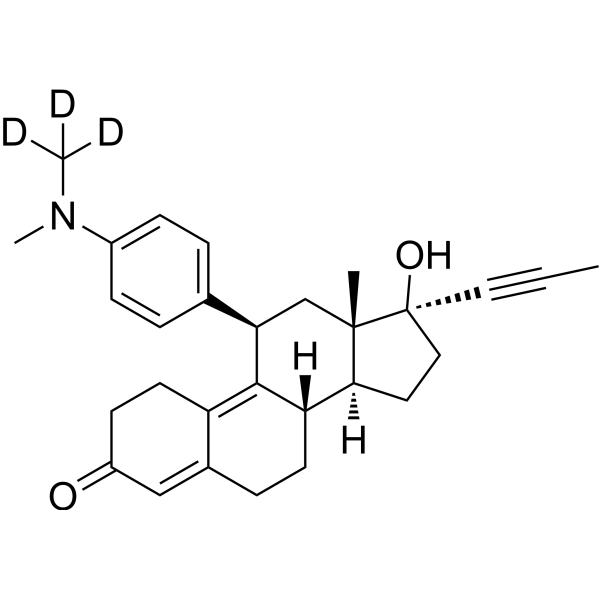
Mifepristone-d3 is the deuterium labeled Mifepristone. Mifepristone (RU486) is a progesterone receptor (PR) and glucocorticoid receptor (GR) antagonist with IC50s of 0.2 nM and 2.6 nM in in vitro assay .
|
-
-
- HY-13683S2
-
|
|
|
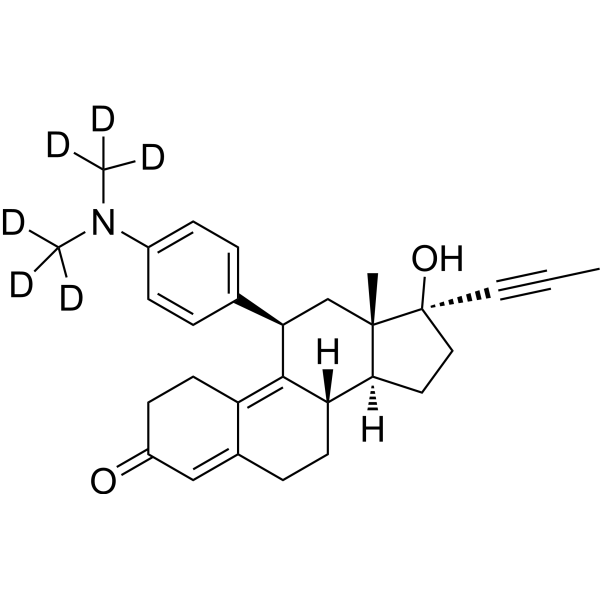
Mifepristone-d6 is deuterated labeled Mifepristone (HY-13683). Mifepristone (RU486) is a progesterone receptor (PR) and glucocorticoid receptor (GR) antagonist with IC50s of 0.2 nM and 2.6 nM in in vitro assay .
|
-
-
- HY-13683S1
-
|
|
|
Mifepristone- 13C,d3 is the 13C- and deuterium labeled Mifepristone. Mifepristone (RU486) is a progesterone receptor (PR) and glucocorticoid receptor (GR) antagonist with IC50s of 0.2 nM and 2.6 nM in in vitro assay . Mifepristone-13C,d3 is a click chemistry reagent, it contains an Alkyne group and can undergo copper-catalyzed azide-alkyne cycloaddition (CuAAc) with molecules containing Azide groups.
|
-
| Cat. No. |
Product Name |
|
Classification |
-
- HY-137522
-
|
3'-Azido-3'-deoxythymidine β-D-glucuronide sodium
|
|
Azide
|
|
Zidovudine O-β-D-glucuronide (3'-Azido-3'-deoxythymidine β-D-glucuronide) sodium is the glucuronide conjugate and metabolite of Zidovudine (HY-17413), which can be used to detect UGT2B7 activity. As a substrate, Zidovudine O-β-D-glucuronide sodium undergoes deconjugation via hydrolysis by immobilized β-glucuronidase to produce Zidovudine .
|
| Cat. No. |
Product Name |
|
Classification |
-
- HY-137697D
-
|
|
|
Nucleotide Analogs
|
|
ddCTP trilithium solution (100 mM) is a chain-terminating dideoxynucleotide. ddCTP trilithium is a type of chain-terminating deoxynucleotide. ddCTP trilithium can be incorporated into the extension primer chain that lacks the 3'-hydroxyl group, thereby terminating primer extension, viral genome replication, and DNA synthesis. ddCTP trilithium can distinguish almost identical RNA through distinguishable extension products in primer extension inhibition experiments. ddCTP trilithium is the active metabolite of Zalcitabine (HY-17392), which can competitively inhibit HIV reverse transcriptase, terminate the synthesis of viral DNA chains, and thereby inhibit HIV replication .
|
-
- HY-137697
-
|
|
|
Nucleotide Analogs
|
|
ddCTP is a type of chain-terminating deoxynucleotide. ddCTP can be incorporated into the extension primer chain that lacks the 3'-hydroxyl group, thereby terminating primer extension, viral genome replication, and DNA synthesis. ddCTP can distinguish almost identical RNA through distinguishable extension products in primer extension inhibition experiments. ddCTP is the active metabolite of Zalcitabine (HY-17392), which can competitively inhibit HIV reverse transcriptase, terminate the synthesis of viral DNA chains, and thereby inhibit HIV replication .
|
Your information is safe with us. * Required Fields.
Inquiry Information
- Product Name:
- Cat. No.:
- Quantity:
- MCE Japan Authorized Agent:





![Benz[g]isoquinoline-5,10-dione](http://file.medchemexpress.com/product_pic/hy-w320538.gif)


![(E)-3-Benzo[1,3]dioxol-5-yl-N,N-diphenyl-2-propenamide](http://file.medchemexpress.com/product_pic/hy-185173.gif)





