
From 11:00 pm to 12:00 pm EST ( 8:00 pm to 9:00 pm PST ) on January 6th, the website will be under maintenance. We are sorry for the inconvenience. Please arrange your schedule properly.
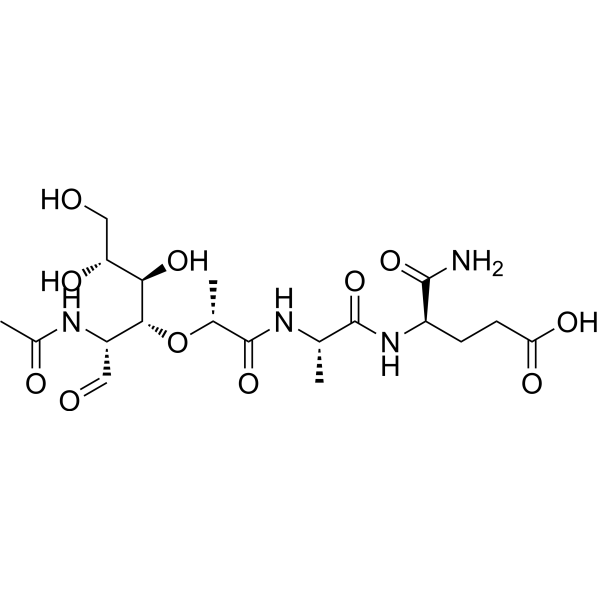
Muramyl dipeptide (MDP) is a synthetic immunoreactive peptide, consisting of N-acetyl muramic acid attached to a short amino acid chain of L-Ala-D-isoGln. Muramyl dipeptide is an inducer of bone formation through induction of Runx2. Muramyl dipeptide directly enhances osteoblast differentiation by up-regulating Runx2 gene expression through MAPK pathways. Muramyl dipeptide is a NLRP1 agonist .
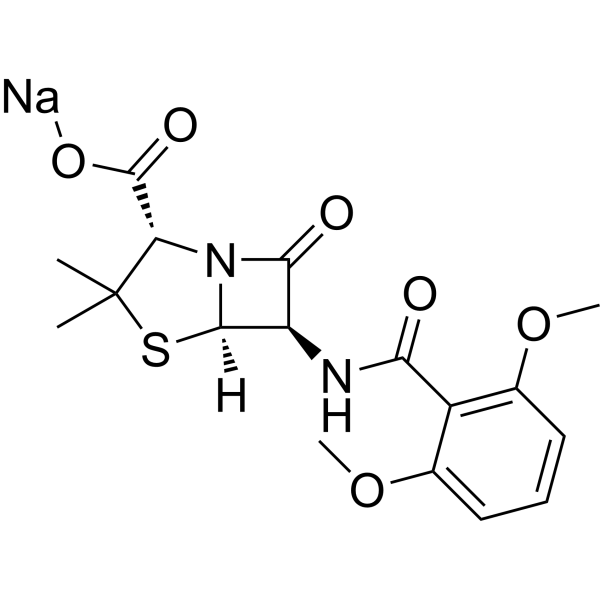
Methicillin sodium salt (Meticillin sodium) is a β-lactam, semi-synthetic antibiotic related to penicillin antibiotic. Methicillin sodium salt inhibits penicillin-binding proteins involved in the synthesis of peptidoglycan. Methicillin sodium salt inhibits S. aureus with a MIC value of 2.1 μg/mL. Methicillin sodium salt can be used for the research of inflammation .
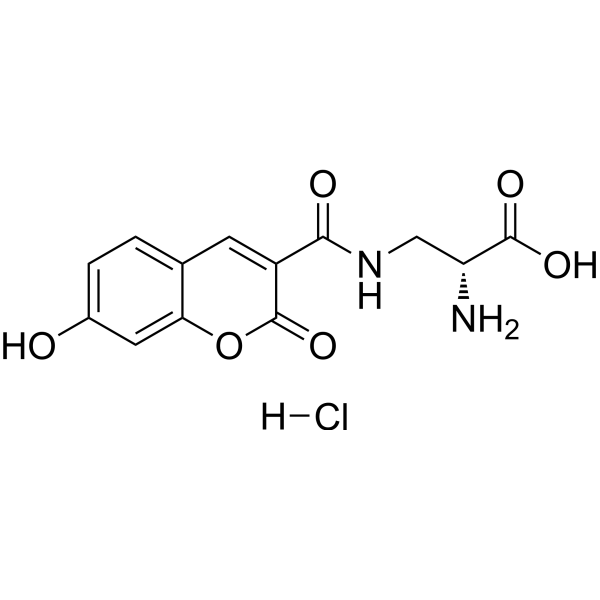
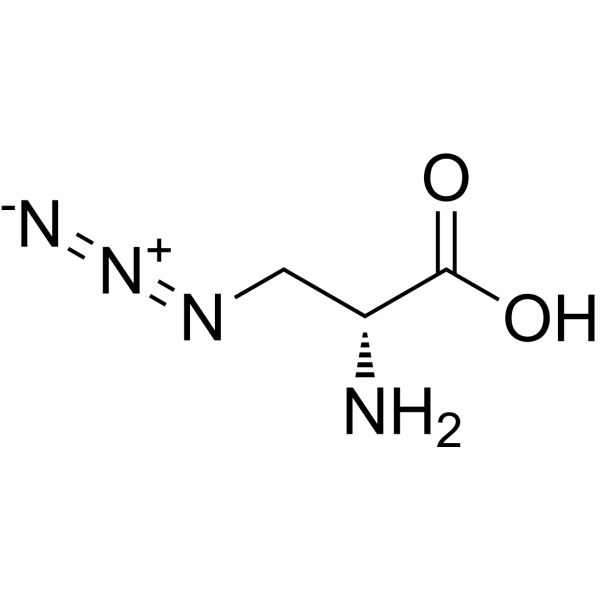
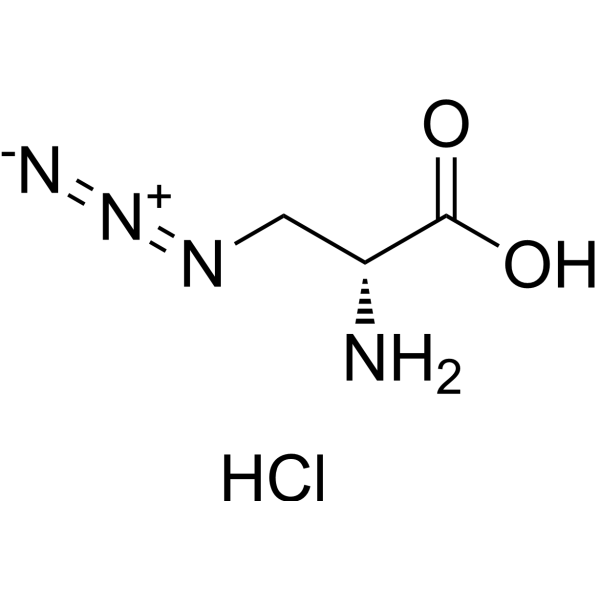
HADA hydrochloride (HCC-Amino-D-alanine hydrochloride) is a blue (λem~450 nm) fluorescent D-amino acid (FDAA). FDAAs are efficiently incorporated into the peptidoglycans (PGs) of diverse bacterial species at the sites of PG biosynthesis, allowing specific and covalent probing of bacterial growth with minimal perturbation .
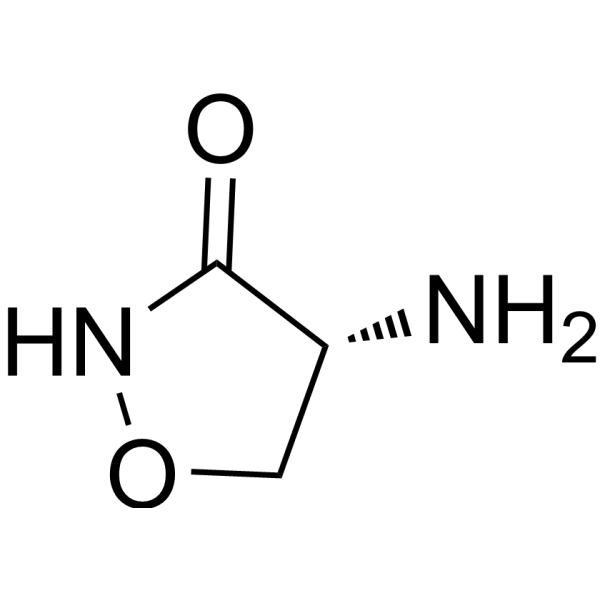
D-Cycloserine is an antibiotic which targets sequential bacterial cell wall peptidoglycan biosynthesis enzymes, with blood-brain barrier permeability. D-Cycloserine is a partial NMDA agonist that can improve cognitive functions. D-Cycloserine can be used for multidrug-resistant tuberculosis research .
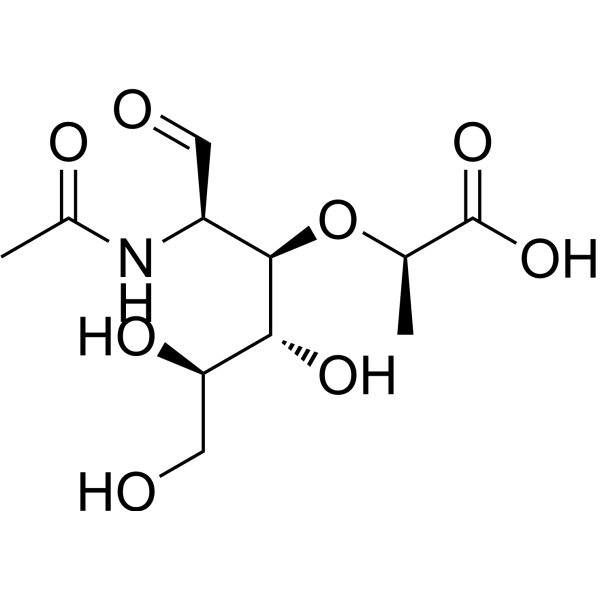
N-acetylmuramic acid is a component of the bacterial cell wall peptidoglycan, essential for maintaining cell shape and integrity . N-acetylmuramic acid inhibits spore germination by inhibiting a coat-associated hexosaminidase and a core enzyme . N-acetylmuramic acid is required by Bacteroides forsythus for proliferation and the maintenance of its cell shape . N-Acetylmuramic acid inhibits the p38 MAPK/NF-κB signaling pathway, and exhibits anti-inflammatory activity. N-Acetylmuramic acid is orally active .
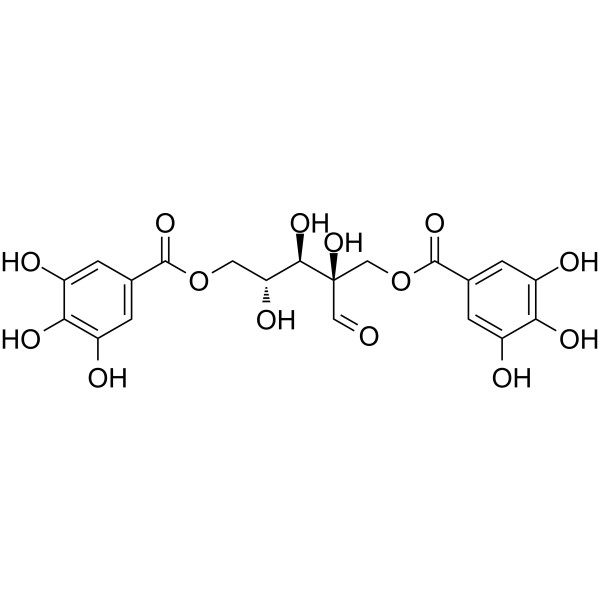
Hamamelitannin, a polyphenol extracted from the bark of Hamamelis virginiana, is a quorum-sensing (QS) inhibitor. Hamamelitannin increases antibiotic susceptibility of staphylococcus aureus biofilms by affecting peptidoglycan biosynthesis and eDNA release .
D-Isoleucine is a selective competitive activator of the Asc-1 antiporter (Ki=0.98 mM). D-Isoleucine promotes the release of D-serine and glycine by binding to the Asc-1 protein on the neuronal cell membrane, and enhances NMDA receptor-dependent synaptic plasticity. D-Isoleucine can be used in the study of neurodegenerative diseases (such as Alzheimer's disease and schizophrenia). D-Isoleucine also acts as a non-classical D-amino acid, interferes with bacterial peptidoglycan synthesis, and inhibits the formation of Staphylococcus aureus biofilm, and has potential antibacterial application value[1][2].
D-Phenylalanine is an atypical D-amino acid and an inhibitor of bacterial biofilm formation. D-Phenylalanine mainly replaces D-alanine (D-Ala) by incorporating into the fourth and fifth positions of bacterial peptidoglycan (PG), changing the cell wall structure, enhancing bacterial acid resistance and affecting biofilm formation. D-Phenylalanine may promote the secretion of peptide tyrosine tyrosine (PYY) in mammals by activating the intestinal GPR109B receptor. D-Phenylalanine can inhibit the maturation of microbial biofilms and promote the release of specific hormones. It can be used for antibacterial preservation, improving the yield of probiotics in the food industry, and studying appetite regulation and blood sugar control in metabolic diseases such as diabetes .
Lysozyme (Muramidase) is a conserved antimicrobial protein. Lysozyme exerts its bactericidal effect by hydrolyzing bacterial cell wall peptidoglycan (PG). Lysozyme plays an important role in limiting bacterial growth on mucosal surfaces and other sites, not only controlling potential pathogens but also limiting overgrowth of microbiota to prevent dysbiosis. Extracellular lysozyme can also degrade polymeric PG into soluble fragments, activate NOD receptors in mucosal epithelial cells, and lead to the secretion of chemokines and activating factors by neutrophils and macrophages .
D-Ala-D-Ala is a bacterialendogenous metabolite. D-Ala-D-Ala constitutes the terminus of the peptide part of the peptidoglycan monomer unit and is involved in the transpeptidation reaction as the substrate. D-Ala-D-Ala is catalyzed by D-Alanine-D-Alanine ligase .
Pexiganan (MSI 78) is an orally active antimicrobial peptide with broad-spectrum bactericidal. Pexiganan disrupts bacterial cell membranes, induces peptidoglycan damage and cell lysis. Pexiganan TFA can be used for the research of bacterial infection .
2-Amino-2-deoxyglucose hydrochloride (D-Glucosamine Hydrochloride) is a glucose analog that is specifically recognized and transported by the cell membrane GLUT1. 2-Amino-2-deoxyglucose hydrochloride acts as a tumor-targeting ligand and a guiding molecule for the synthesis of prodrug conjugates, thus delivering drugs precisely to tumor cells. 2-Amino-2-deoxyglucose hydrochloride is applicable to diagnostic imaging and therapeutic efficacy monitoring of solid tumors and various cancers (e.g., breast cancer, glioblastoma). 2-Amino-2-deoxyglucose hydrochloride also helps bacteria resist lysozyme digestion by integrating into the non-N-acetylated residues of Streptococcus pneumoniae peptidoglycan. 2-Amino-2-deoxyglucose hydrochloride is used in studies on tumor metabolism and the exploration of bacterial drug resistance mechanisms .
Recombinant human lysozyme (plant expression) is a conserved anti-bacterial protein that causes bacterial lysis and death by hydrolyzing bacterial cell wall peptidoglycan (PG). Recombinant human lysozyme (plant expression) can be used to study bacterial infections .
HADA hydrochloride (HCC-Amino-D-alanine hydrochloride) is a blue (λem~450 nm) fluorescent D-amino acid (FDAA). FDAAs are efficiently incorporated into the peptidoglycans (PGs) of diverse bacterial species at the sites of PG biosynthesis, allowing specific and covalent probing of bacterial growth with minimal perturbation . Solvent and concentration: DMSO: 50 mM
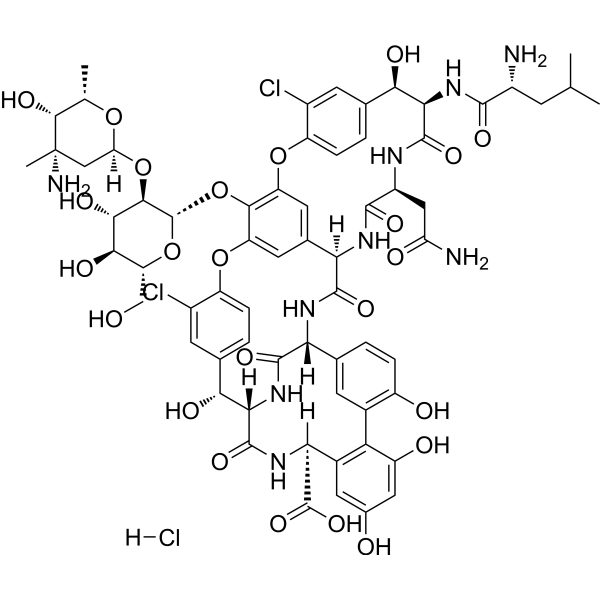
Norvancomycin hydrochloride is a cell wall synthesis inhibitor targeting peptidoglycan precursors of Gram-positive bacteria and cannot pass the blood-brain barrier. Norvancomycin hydrochloride can competitively bind to peptidoglycan precursors, irreversibly inhibit bacterial cell wall synthesis, and exert antibacterial activity. Norvancomycin hydrochloride is mainly used in the study of Gram-positive bacterial infections, especially infections caused by methicillin-resistant Staphylococcus aureus (MRSA) and methicillin-resistant Staphylococcus epidermidis (MRSE). Norvancomycin hydrochloride can also be incorporated into the bionic calcium phosphate coating of titanium implants to enhance antibacterial activity and inhibit postoperative orthopedic infections .
Amphomycin is a lipopeptide antibiotic that inhibits peptidoglycan synthesis and blocks cell wall development. Amphomycin exhibits potent antibacterial activities against methicillin-resistant S. aureus (MRSA), vancomycin-resistant enterococci (VRE), penicillin-gentamicin-erythromycin-resistant S. pneumonia, and linezolid-quinupristin-dalfopristin-resistant enterococci .
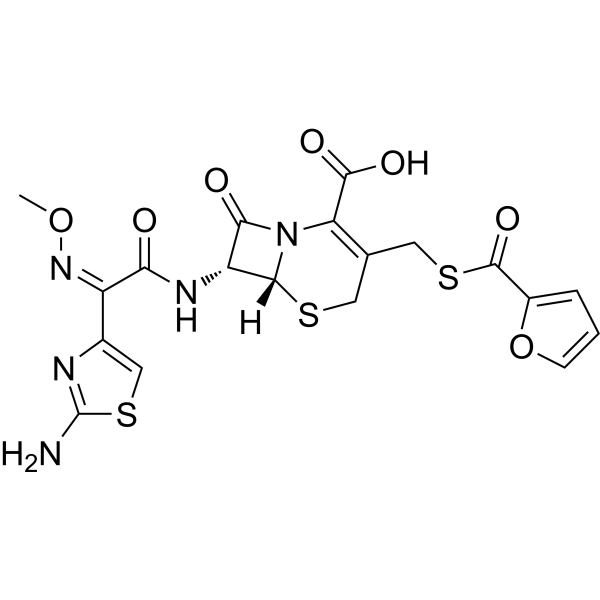
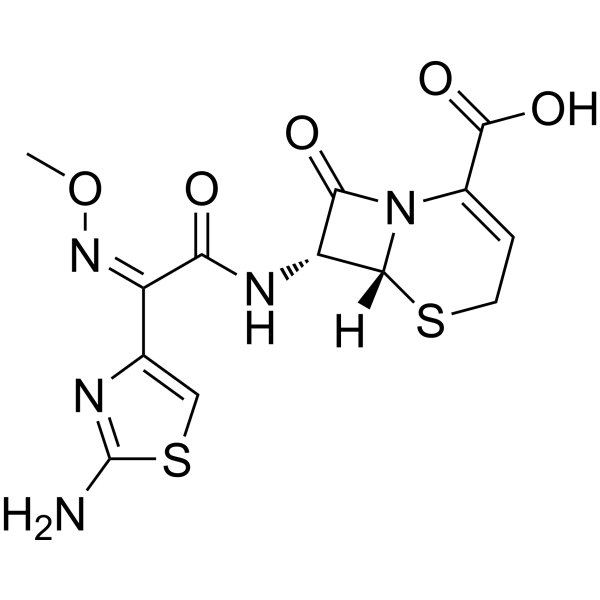
Ceftiofur is a cell wall synthesis inhibitor that targets bacterial penicillin-binding proteins (PBPs) and has anti-inflammatory effects in endotoxemia. Ceftiofur exerts bactericidal effects by inhibiting the synthesis of bacterial cell wall peptidoglycan, leading to bacterial cell lysis. Ceftiofur also inhibits the activation of NF-κB and MAPKs, thereby reducing the secretion of pro-inflammatory cytokines such as TNF-α, IL-1β, and IL-6 .
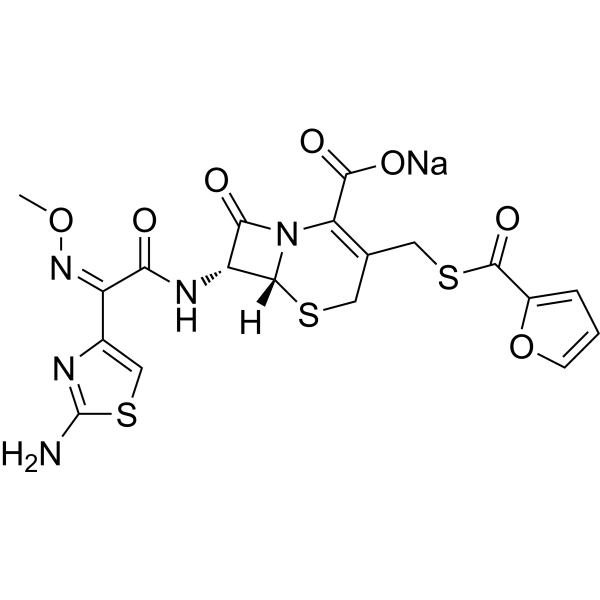
Ceftiofur sodium is a cell wall synthesis inhibitor that targets bacterial penicillin-binding proteins (PBPs) and has anti-inflammatory effects in endotoxemia. Ceftiofur sodium exerts bactericidal effects by inhibiting the synthesis of bacterial cell wall peptidoglycan, leading to bacterial cell lysis. Ceftiofur sodium also inhibits the activation of NF-κB and MAPKs, thereby reducing the secretion of pro-inflammatory cytokines such as TNF-α, IL-1β, and IL-6 .
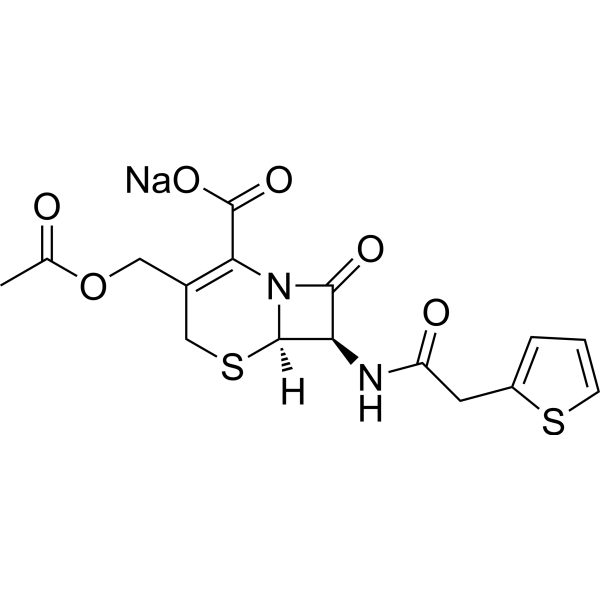
Cephalothin (Cephalotin) sodium is a semi-synthetic cephalosporin antibiotic and beta-lactam antibiotic. Cephalothin inhibits class C β-lactamase AmpC, with an Ki of 0.32 µM. Cephalothin sodium binds to penicillin-binding proteins, interfering with the cross-linking of peptidoglycan in the cell wall and thus hindering the normal synthesis of the bacterial cell wall. Cephalothin sodium shows antibacterial activity against a variety of bacteria. Cephalothin sodium can be used in hematological and nephrotoxicity studies .
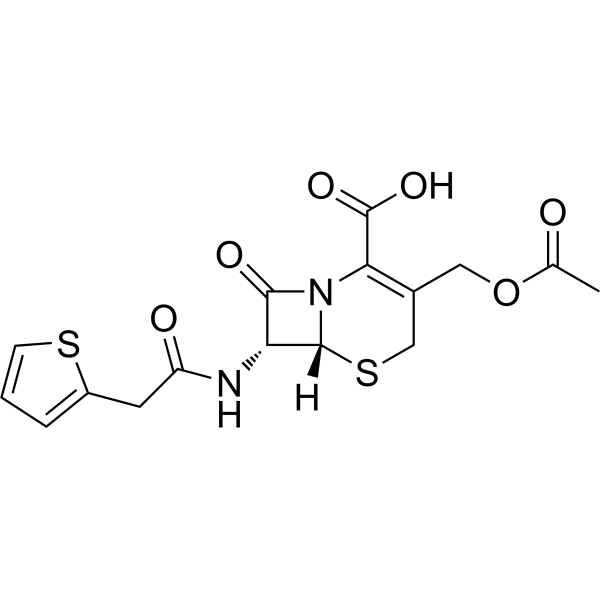
Cephalothin (Cephalotin) is a semi-synthetic cephalosporin antibiotic and beta-lactam antibiotic. Cephalothin inhibits class C β-lactamase AmpC, with an Ki of 0.32 µM. Cephalothin binds to penicillin-binding proteins, interfering with the cross-linking of peptidoglycan in the cell wall and thus hindering the normal synthesis of the bacterial cell wall. Cephalothin shows antibacterial activity against a variety of bacteria. Cephalothin can be used in hematological and nephrotoxicity studies .
Ristocetin A sulfate (Ristomycin III) is a glycopeptide antibiotic that binds to von Willebrand factor (VWF) and bacterial cell wall components. Ristocetin A sulfate interferes with the biosynthesis of bacterial peptidoglycan by inhibiting transpeptidation. As an inducer of platelet adhesion and aggregation, Ristocetin A sulfate drives conformational changes by binding to the A1 domain of VWF, thereby activating downstream signaling pathways and promoting cytoskeletal rearrangement. Ristocetin A sulfate not only enhances platelet adhesion and spreading on immobilized VWF, but also induces the formation of asymmetric dimers with anticooperativity between platelets and plasma VWF. Ristocetin A sulfate is widely used in studies related to thromboembolic diseases and bacterial infections .
Cefpodoxime Proxetil is an orally active broad spectrum third-generation cephalosporin with potent antibacterial activity against both Gram-positive and Gram-negative bacteria including staphylococci, streptococci, Haemophilus influenzae, Neisseria gonorrhoeae, Escherichia coli, Klebsiella pnuemoniae, Citrobacter spp, and Proteus spp. Cefpodoxime Proxetil binds to penicillin binding proteins (PBPs), which inhibits peptidoglycan synthesis, finally results in interfering bacterial cell wall biosynthesis. Cefpodoxime Proxetil can be used against skin structure infections, acute otitis media, pharyngitis, tonsillitis, upper respiratory tract infection, urinary tract infections and sexually transmitted diseases .
Sucrose monolaurate is a glycolipid surfactant . Sucrose monolaurate interacts with bacterial DNA, disrupts cell membrane permeability, and exerts excellent inhibitory and bactericidal effects against a variety of foodborne pathogens (especially Gram-positive bacteria). Sucrose monolaurate significantly reduces liquid surface tension, and acts as a synergist for chlorine-based disinfectants in food cleaning and disinfection to improve the removal efficiency of pathogens on the surface of agricultural products .
Pentaglycine (Tetraglycylglycine; NSC 96353) is a bridging structure composed of five glycine residues. Pentaglycine serves as a characteristic peptidoglycan cross-bridge component of staphylococci and a specific substrate for lysostaphin. Pentaglycine maintains the integrity of the peptidoglycan cell wall of Staphylococcus aureus via peptide chain cross-linking and regulates bacterial growth. Pentaglycine expression is downregulated in high-glucose environments, inhibiting bacterial proliferation. Pentaglycine can be applied to studies related to Staphylococcus aureus infection .
Mutanolysin is a bacteriolytic agent. Mutanolysin is a muralytic enzyme that can prevent hepatic injury. Mutanolysin can digest the cell wall of S. mutans BHT and shows antibacterial activity. Mutanolysin reduces TNF-α production in isolated Kupffer cells stimulated with peptidoglycan-polysaccharide (PG-APS). Mutanolysin can be used for the researches of infection, inflammation and hepatic injury .
NADA-green is a fluorescent D-amino acid probe. NADA-green is efficiently incorporated into the peptidoglycan of diverse bacterial species peptidoglycan biosynthesis. NADA-green allows probing of bacterial growth with minimal perturbation .
Teixobactin is a potent antibiotic. Teixobactin shows antibacterial activity for gram-negative bacteria. Teixobactin inhibits cell wall synthesis by binding to a highly conserved motif of lipid II and lipid III .
3-sucCA is an orally available bacterial bile acid that exerts anti-MASH effects by promoting the growth of Akkermansia muciniphila. By remodeling the intestinal microbiota and promoting the growth of Akkermansia, 3-sucCA can improve intestinal barrier damage and reduce chronic low-level inflammation, thereby alleviating the progression of metabolic dysfunction-associated steatohepatitis (MASH). 3-sucCA accelerates the synthesis of cell wall peptidoglycan and has in vivo efficacy in the mouse MAFL-MASH model. 3-sucCA levels are low in the MAFLD model and are mainly used in the study of MASH .
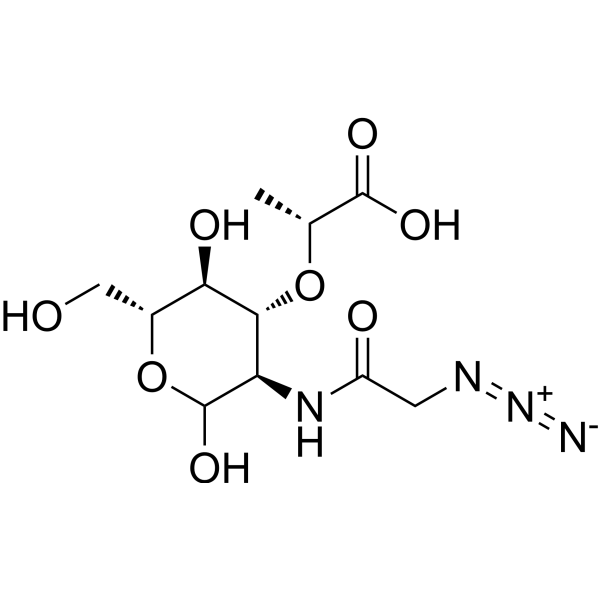
N-Acetylmuramic acid-azide (Compound 2) is a derivative of N-acetylaminoacetic acid (NAM) in bacterial peptidoglycan. Incorporated into bacterial peptidoglycan during biosynthesis .
Meso-2,6-Diaminopimelic acid serves as the penultimate biosynthetic precursor for the essential amino acid L-lysine and is an important component of peptidoglycan found in the cell walls of numerous bacterial species.
A40926 is a glycopeptide antibiotic that targets the bacterial cell wall peptidoglycan precursor D-alanyl-D-alanine (D-Ala-D-Ala). A40926 irreversibly inhibits cell wall synthesis by competitively binding to this target, and has high bactericidal activity against Gram-positive bacteria (such as Staphylococcus, Streptococcus) and Neisseria gonorrhoeae, with MIC=0.06-2 μg/mL, and is also effective against penicillin-resistant strains. A40926 blocks peptidoglycan cross-linking, destroys cell wall integrity, and causes bacterial lysis and death. A40926 has a fat-soluble fatty acid structure, which can increase serum concentrations and prolong the duration of action (e.g., the terminal half-life in rats is 61.22 h) .
Sphingomyelin phosphodiesterase, Bacillus cereus is a sphingomyelin hydrolase and Insecticide. Sphingomyelin phosphodiesterase, Bacillus cereus catalyzes the decomposition of sphingomyelin into ceramide and phosphorylcholine. Sphingomyelin phosphodiesterase, Bacillus cereus causes rapid paralysis and death in injected insects, including German cockroaches and black cutworms. Sphingomyelin phosphodiesterase, Bacillus cereus reduces H2O2 production. Sphingomyelin phosphodiesterase, Bacillus cereus can be used in studies related to sepsis and endophthalmitis .
sBADA is a potent green fluorescent dye. sBADA is a sulfonated BODIPY-FL 3-amino-D-alanine. sBADA is used to label peptidoglycans in bacterial cell walls in situ. (λex=490 nm, λem=510 nm) .
D-Cycloserine (Standard) is the analytical standard of D-Cycloserine. This product is intended for research and analytical applications. D-Cycloserine is an antibiotic which targets sequential bacterial cell wall peptidoglycan biosynthesis enzymes. D-Cycloserine is a partial NMDA agonist that can improve cognitive functions. D-Cycloserine can be used for multidrug-resistant tuberculosis research .
Lys-(Des-Arg9,Leu8)-Bradykinin is a selective bradykinin B1 receptor (BDKRB1) antagonist. Lys-(Des-Arg9,Leu8)-Bradykinin inhibits local inflammatory edema. Lys-(Des-Arg9,Leu8)-Bradykinin induces the production of systemic acute-phase proteins. Lys-(Des-Arg9,Leu8)-Bradykinin is applicable to research related to peptidoglycan-polysaccharide-induced acute arthritis .
EDA-DA is a N-terminally tagged dipeptide probe, can be used to label Peptidoglycan (PG) of bacteria. EDA-DA is a click chemistry reagent, it contains an Alkyne group and can undergo copper-catalyzed azide-alkyne cycloaddition (CuAAc) with molecules containing Azide groups .
Rf470 (Rotor NO.4) TFA is a FMR-probe-D-lysine conjugate (Max Ex: 470 nM; Max Em: 640 nM) that can be covalently incorporated into peptidoglycan by bacteria. Rf470 TFA has extremely weak fluorescence in the free state, but its fluorescence is significantly enhanced when it is catalytically incorporated into peptidoglycan by transpeptidases. Through fluorescence changes, Rf470 TFA can be used for real-time monitoring of peptidoglycan biosynthesis, detection of transpeptidase activity, and screening of antibiotics, etc .
UDP-GlcNAc (UDP-N-Acetyl-D-glucosamine) is an important component and precursor of bacterial peptidoglycan. UDP-GlcNAc is a nucleotide sugar used by Glycosyltransferases to synthesize glycoproteins, glycosaminoglycans, glycolipids, and glycoRNA. UDP-GlcNAc also serves as the donor substrate for forming O-GlcNAc, a dynamic intracellular protein modification involved in diverse signaling and disease processes. UDP-GlcNAc is the sugar nucleotide donor for the synthesis of O-GlcNAc modified proteins. UDP-GlcNAc also acts as a full agonist of the P2Y14 receptor and inhibits the formation of cAMP. UDP-GlcNAc can be used in studies related to bacterial infections .
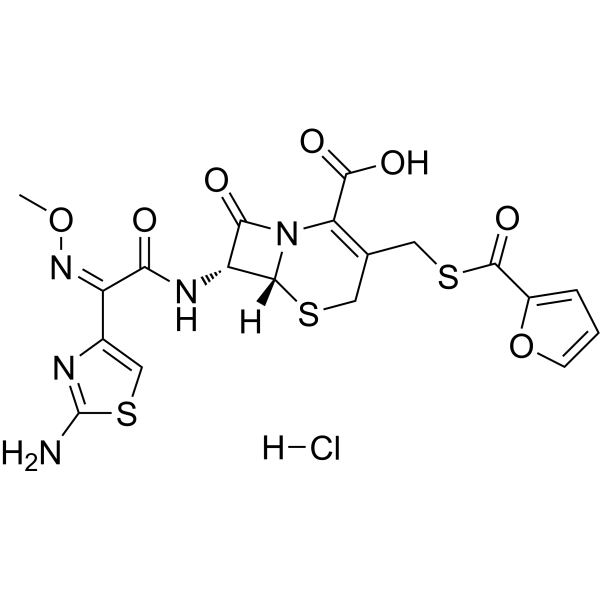
Ceftiofur hydrochloride is a cell wall synthesis inhibitor that targets bacterial penicillin-binding proteins (PBPs) and has anti-inflammatory effects in endotoxemia. Ceftiofur hydrochloride exerts bactericidal effects by inhibiting the synthesis of bacterial cell wall peptidoglycan, leading to bacterial cell lysis. Ceftiofur hydrochloride also inhibits the activation of NF-κB and MAPKs, thereby reducing the secretion of pro-inflammatory cytokines such as TNF-α, IL-1β, and IL-6 .
Ceftiofur sodium (Standard) is the analytical standard of Ceftiofur sodium (HY-B0898). This product is intended for research and analytical applications. Ceftiofur sodium is a cell wall synthesis inhibitor that targets bacterial penicillin-binding proteins (PBPs) and has anti-inflammatory effects in endotoxemia. Ceftiofur sodium exerts bactericidal effects by inhibiting the synthesis of bacterial cell wall peptidoglycan, leading to bacterial cell lysis. Ceftiofur sodium also inhibits the activation of NF-κB and MAPKs, thereby reducing the secretion of pro-inflammatory cytokines such as TNF-α, IL-1β, and IL-6 .
Antibacterial agent 116 is a benzophenone-containing salicylanilide compound. Antibacterial agent 116 has potent antibacterial activity by inhibiting the peptidoglycan formation. Antibacterial agent 116 is used as a photoaffinity probe to label Acinetobacter baumanniipenicillin-binding protein (PBP1b), block the propagation pathway to disrupt the growth of peptidoglycan chain .
Divin, a potent chelator of iron, is a potent inhibitor of bacterial cell division with bacteriostatic effect in Gram-negative and Gram-positive bacteria. Divin disrupts the assembly of late division proteins, reduces peptidoglycan remodeling at the division site, and blocks compartmentalization of the cytoplasm .
Clovibactin is an antibiotic for drug-resistant bacterial pathogens without detectable resistance. Clovibactin TFA inihibits cell wall synthesis by targeting pyrophosphate of peptidoglycan precursors .
Clovibactin TFA is the TFA salt form of Clovibactin (HY-P10027). Clovibactin TFA is an antibiotic for drug-resistant bacterial pathogens without detectable resistance. Clovibactin TFA inihibits cell wall synthesis by targeting pyrophosphate of peptidoglycan precursors .
EDA-DA, a N-terminally tagged dipeptide probe, can be used to label Peptidoglycan (PG) of bacteria. Peptidoglycan (PG), an essential structure in the cell walls of the vast majority of bacteria, is critical for division and maintaining cell shape and hydrostatic pressure . EDA-DA is a click chemistry reagent, itcontains an Alkyne group and can undergo copper-catalyzed azide-alkyne cycloaddition (CuAAc) with molecules containing Azide groups.
Pexiganan (MSI 78) acetate is an orally active antimicrobial peptide with broad-spectrum bactericidal. Pexiganan TFA disrupts bacterial cell membranes, induces peptidoglycan damage and cell lysis. Pexiganan acetate can be used for the research of bacterial infection .
T4 lysozyme is derived from a recombinant E.coli strain and can lyse bacterial cell walls. T4 lysozyme acts on the peptidoglycan of bacterial cell walls and hydrolyzes the β-1,4 bond between N-acetylmuramic acid and N-acetylglucosamine .
BacGO is a highly selective, wash free fluorescent probe for Gram positive bacteria. BacGO binds to the carbohydrate structure in peptidoglycan through boric acid and exhibits depolymerization induced luminescence (DIE) properties. BacGO can be used for imaging complex environmental samples (such as activated sludge) and flat plate bacteria without affecting bacterial activity .
Glycosyltransferase-IN-1 (compound 5m) is a potent glycosyltransferase inhibitor, with an IC50 of 82.8 μM. Glycosyltransferase-IN-1 shows antibacterial activity, with MIC values of 6 μg/mL for MSSA, MRSA, B. subtilis and 12 μg/mL for E. coli .
YADA (Lucifer Yellow 3-amino-D-alanine) is a conjugate of the fluorescent dyes Lucifer yellow and D-alanine, which is a green-yellow fluorescent dye. YADA is suitable for labeling peptidoglycans in living bacteria that can be incorporated into the cell wall where they are being synthesized. YADA has a large Stokes shift and a wide emission spectrum, allowing excitation through a purple light source and detection using a green filter. YADA showed good water solubility, light stability and thermal stability.
Ceftiofur-d3 sodium is deuterium labeled Ceftiofur sodium (HY-B0898). Ceftiofur sodium is a cell wall synthesis inhibitor that targets bacterial penicillin-binding proteins (PBPs) and has anti-inflammatory effects in endotoxemia. Ceftiofur sodium exerts bactericidal effects by inhibiting the synthesis of bacterial cell wall peptidoglycan, leading to bacterial cell lysis. Ceftiofur sodium also inhibits the activation of NF-κB and MAPKs, thereby reducing the secretion of pro-inflammatory cytokines such as TNF-α, IL-1β, and IL-6 .
Sulfo-cyanine3 azide sodium a water-soluble azide cyanine dye and fluorescent probe (Ex/Em=548/563 nm). Sulfo-cyanine3 azide sodium can be involved in synthesis of fused tricyclic heterocycles, produces immunostimulatory agents . It contains an azide group and can undergo copper-catalyzed azide-alkyne cycloaddition (CuAAc) with molecules containing alkyne groups. It can also undergo ring strain-promoted alkyne-azide cycloaddition (SPAAC) with molecules containing DBCO or BCN groups.
(S)-IB-96212 (compound 4), an oligomycin derivative, inhibits the MurD2 reaction, but not the MurL reaction. (S)-IB-96212 is a specific inhibitor of the alternative pathway of peptidoglycan biosynthesis. (S)-IB-96212 weakly inhibits the MurD reaction .
D-Ala-D-Ala (Standard) is the analytical standard of D-Ala-D-Ala. This product is intended for research and analytical applications. D-Ala-D-Ala is a bacterialendogenous metabolite. D-Ala-D-Ala constitutes the terminus of the peptide part of the peptidoglycan monomer unit and is involved in the transpeptidation reaction as the substrate. D-Ala-D-Ala is catalyzed by D-Alanine-D-Alanine ligase .
sBADA TFA is a potent green fluorescent dye. sBADA TFA is a sulfonated BODIPY-FL 3-amino-D-alanine. sBADA TFA is used to label peptidoglycans in bacterial cell walls in situ. (λex=490 nm, λem=510 nm) .
Malioxamycin is an antibiotic that inhibits Gram-negative bacteria by inhibiting peptidoglycan synthesis in bacterial cell walls and promoting the formation of spheroplasts .
Bromophenol red sodium is a chemical indicator. Bromophenol red sodium binds to lysozyme and inhibits its activity against the bacterial cell wall, but not the polysaccharide component of peptidoglycan .
Actagardin is a tetracyclic lantibiotic produced by several species of Actinoplanes. It is composed of macrocyclic rings formed by thioether bridges. Actagardin preferably targets Gram-positive bacteria, inhibiting the synthesis of peptidoglycan.
Bromophenol red (sultone form) is a chemical indicator. Bromophenol red (sultone form) binds to lysozyme and inhibits its activity against the bacterial cell wall, but not the polysaccharide component of peptidoglycan .
Ceftizoxime (Standard) is the analytical standard of Ceftizoxime. This product is intended for research and analytical applications. Ceftizoxime is a bacterial inhibitor which acts by interfering with bacterial cell wall synthesis and inhibiting cross-linking of the peptidoglycan.
Antibacterial agent 197 (compound 1-deAA) is a termination inhibitor of non-classical anhydroglycosyl receptors and anhydrowall peptide-type peptidoglycan (PG) in bacterial TGase, with activity against Staphylococcus aureus. Antibacterial agent 197 synergizes with Vancomycin (HY-B0671) and is its antibacterial adjuvant .
Methicillin (sodium salt) (Standard) is the analytical standard of Methicillin (sodium salt). This product is intended for research and analytical applications. Methicillin sodium salt (Meticillin sodium) is a β-lactam, semi-synthetic antibiotic related to penicillin antibiotic. Methicillin sodium salt inhibits penicillin-binding proteins involved in the synthesis of peptidoglycan. Methicillin sodium salt inhibits S. aureus with a MIC value of 2.1 μg/mL. Methicillin sodium salt can be used for the research of inflammation .
Anti-MRSA agent 25 (Compound 10c) is an antibacterial agent with a MIC of 0.25 μg/mL against methicillin-resistant Staphylococcus aureus (MRSA). Anti-MRSA agent 25 exerts its antibacterial activity by inhibiting biofilm formation, disrupting the cell wall (interacting with peptidoglycan and lipoteichoic acids), acting on the cell membrane (causing depolarization, increasing permeability, and disrupting integrity), reducing metabolic activity, interfering with cellular redox homeostasis, and binding to DNA. Anti-MRSA agent 25 is expected to be used in the research of the anti-infection field .
Ceftiofur hydrochloride (Standard) is the analytical standard of Ceftiofur hydrochloride (HY-B0026). This product is intended for research and analytical applications. Ceftiofur hydrochloride is a cell wall synthesis inhibitor that targets bacterial penicillin-binding proteins (PBPs) and has anti-inflammatory effects in endotoxemia. Ceftiofur hydrochloride exerts bactericidal effects by inhibiting the synthesis of bacterial cell wall peptidoglycan, leading to bacterial cell lysis. Ceftiofur hydrochloride also inhibits the activation of NF-κB and MAPKs, thereby reducing the secretion of pro-inflammatory cytokines such as TNF-α, IL-1β, and IL-6 .
Ceftiofur (Standard) is the analytical standard of Ceftiofur (HY-N7102). This product is intended for research and analytical applications. Ceftiofur is a cell wall synthesis inhibitor that targets bacterial penicillin-binding proteins (PBPs) and has anti-inflammatory effects in endotoxemia. Ceftiofur exerts bactericidal effects by inhibiting the synthesis of bacterial cell wall peptidoglycan, leading to bacterial cell lysis. Ceftiofur also inhibits the activation of NF-κB and MAPKs, thereby reducing the secretion of pro-inflammatory cytokines such as TNF-α, IL-1β, and IL-6 .
Cephalothin (Cephalotin) (Standard) is the analytical standard of Cephalothin (HY-B1275A). This product is intended for research and analytical applications. Cephalothin is a semi-synthetic cephalosporin antibiotic and beta-lactam antibiotic. Cephalothin inhibits class C β-lactamase AmpC, with an Ki of 0.32 µM. Cephalothin binds to penicillin-binding proteins, interfering with the cross-linking of peptidoglycan in the cell wall and thus hindering the normal synthesis of the bacterial cell wall. Cephalothin shows antibacterial activity against a variety of bacteria. Cephalothin can be used in hematological and nephrotoxicity studies .
Cephalothin (Cephalotin) sodium (Standard) is the analytical standard of Cephalothin sodium (HY-B1275). This product is intended for research and analytical applications. Cephalothin sodium is a semi-synthetic cephalosporin antibiotic and beta-lactam antibiotic. Cephalothin inhibits class C β-lactamase AmpC, with an Ki of 0.32 µM. Cephalothin sodium binds to penicillin-binding proteins, interfering with the cross-linking of peptidoglycan in the cell wall and thus hindering the normal synthesis of the bacterial cell wall. Cephalothin sodium shows antibacterial activity against a variety of bacteria. Cephalothin sodium can be used in hematological and nephrotoxicity studies .
Cefpodoxime Proxetil (Standard) is the analytical standard of Cefpodoxime Proxetil. This product is intended for research and analytical applications. Cefpodoxime Proxetil is an orally active broad spectrum third-generation cephalosporin with potent antibacterial activity against both Gram-positive and Gram-negative bacteria including staphylococci, streptococci, Haemophilus influenzae, Neisseria gonorrhoeae, Escherichia coli, Klebsiella pnuemoniae, Citrobacter spp, and Proteus spp. Cefpodoxime Proxetil binds to penicillin binding proteins (PBPs), which inhibits peptidoglycan synthesis, finally results in interfering bacterial cell wall biosynthesis. Cefpodoxime Proxetil can be used against skin structure infections, acute otitis media, pharyngitis, tonsillitis, upper respiratory tract infection, urinary tract infections and sexually transmitted diseases .
Cefpodoxime proxetil-d7 (U-76-d7,252-d7; CS-807-d7) is the deuterium labeled Cefpodoxime Proxetil (HY-N7101). Cefpodoxime Proxetil is an orally active broad spectrum third-generation cephalosporin with potent antibacterial activity against both Gram-positive and Gram-negative bacteria including staphylococci, streptococci, Haemophilus influenzae, Neisseria gonorrhoeae, Escherichia coli, Klebsiella pnuemoniae, Citrobacter spp, and Proteus spp. Cefpodoxime Proxetil binds to penicillin binding proteins (PBPs), which inhibits peptidoglycan synthesis, finally results in interfering bacterial cell wall biosynthesis. Cefpodoxime Proxetil can be used against skin structure infections, acute otitis media, pharyngitis, tonsillitis, upper respiratory tract infection, urinary tract infections and sexually transmitted diseases .
sCy5DL-amide is an amidated fluorescent D-amino acid conjugated to Sulfo-Cyanine 5, and a peptidoglycan labeling agent. sCy5DL-amide incorporates into bacterial peptidoglycan cell wall via transpeptidase-mediated reactions, replacing the fourth or fifth D-amino acid of the peptidoglycan stem peptide for visualization of nascent peptidoglycan biosynthesis. sCy5DL-amide produces clear cell outline, septum labeling, and high localization density in Bacillus subtilis, including a 'V-shape' pattern at cell-cell contact areas. sCy5DL-amide exhibits robust incorporation into Gram-positive bacteria and mycobacteria, with reduced incorporation into Gram-negative bacteria (Ex/Em = 646/666 nm) .
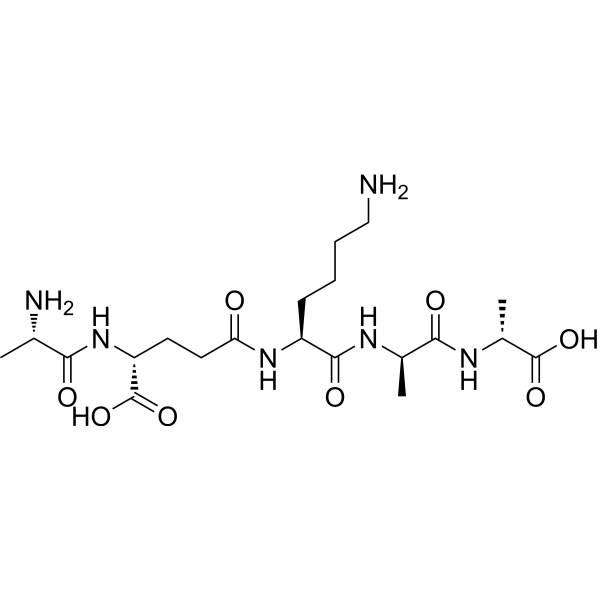
L-Ala-D-Glu-m-DAP-D-Ala-D-Ala is a key structured peptide of peptidoglycan of gram-negative bacteria. Peptidoglycan is a network of L-Ala-D-Glu-m-DAP-D-Ala-D-Ala cross-linking the repeated units of N-acetylglucosamine (GlcNAc) and N-acetylmuramic acid (MurNAc). L-Ala-D-Glu-m-DAP-D-Ala-D-Ala can be used for bacterial metabolic labeling research .
RADA is a fluorescent D-amino acid (FDAA) with high photostability and thermostability, which emits yellow-to-orange fluorescence. RADA shows low outer membrane permeability in wild-type Gram-negative Escherichia coli, but it targets penicillin-binding proteins and L,D-transpeptidases, mimics the interaction between acyl acceptors and enzyme intermediates, and integrates into peptidoglycan during biosynthesis. As a peptidoglycan labeling reagent, RADA metabolically integrates into the nascent peptidoglycan of live bacterial cells, labels the peptidoglycan at the poles and lateral walls of mycobacteria, and enables visualization of peptidoglycan synthesis and remodeling processes. RADA serves as a non-specific stain for fixed cells, is non-toxic to bacterial cells, and its red-shifted excitation/emission spectra reduce phototoxicity. RADA also supports virtual pulse-chase labeling experiments and stochastic optical reconstruction microscopy for sub-diffraction-limited imaging of bacterial cell walls .
sCy5DA is a is a fluorescent D-amino acid . sCy5DA incorporates into bacterial peptidoglycan layers and cross-links via transpeptidase action, replacing peptidoglycan stem peptide D-amino acids. sCy5DA labels live bacterial cell walls, nascent peptidoglycan biosynthesis sites, and diverse bacterial species including Gram-negative, Gram-positive, and mycobacteria (Ex/Em = 646/665 nm) .
NHNB is a selective HDAC8 inhibitor (IC50 = 66.0 μM) and Peptidoglycan N-acetylglucosamine (GlcNAc) deacetylases (PGNGdacs) inhibitor. NHNB shows antibacterial and bactericidal activity against B. anthracis and B. cereus. NHNB can be used for the research of acute myeloid leukemia, Bacillus anthracis infection, and Bacillus cereus infection .
Pexiganan (MSI 78) TFA is an orally active antimicrobial peptide with broad-spectrum bactericidal. Pexiganan TFA disrupts bacterial cell membranes, induces peptidoglycan damage and cell lysis. Pexiganan TFA can be used for the research of bacterial infection .
PBP1b-IN-1 is a penicillin-binding protein inhibitor, with an IC50 of 0.042 μM against PBP1b of Streptococcus pneumoniae and an IC50 of 7.6 μM against PBP3 of Escherichia coli. PBP1b-IN-1 exerts antibacterial activity by targeting penicillin-binding proteins to inhibit bacterial peptidoglycan cross-linking. PBP1b-IN-1 can be used in studies related to bacterial infections .
Lys-(Des-Arg9,Leu8)-Bradykinin TFA is a selective bradykinin B1 receptor (BDKRB1) antagonist. Lys-(Des-Arg9,Leu8)-Bradykinin TFA inhibits local inflammatory edema. Lys-(Des-Arg9,Leu8)-Bradykinin TFA induces the production of systemic acute-phase proteins. Lys-(Des-Arg9,Leu8)-Bradykinin TFA is applicable to research related to peptidoglycan-polysaccharide-induced acute arthritis .
Antibacterial agent 329 (Compound 9c) is an antibacterial agent. Antibacterial agent 329 inhibits the activity of MraY. Antibacterial agent 329 exhibits antibacterial activity against Escherichia coli K12 and Bacillus subtilis W23 with a MIC of 16 μg/mL, but shows no activity against Pseudomonas fluorescens Pf-5. Antibacterial agent 329 exerts antibacterial activity against Acinetobacter baumannii 19606, Staphylococcus aureus MRSA USA300 JE2, Enterobacter cloacae 19434, Klebsiella pneumoniae 700603 and Enterococcus faecium 19434, with MIC values of 8, 8, 16-32, 16-32 and 16 μg/mL, respectively, while it shows no activity against Pseudomonas aeruginosa NCTC 13437 .
HADA hydrochloride (HCC-Amino-D-alanine hydrochloride) is a blue (λem~450 nm) fluorescent D-amino acid (FDAA). FDAAs are efficiently incorporated into the peptidoglycans (PGs) of diverse bacterial species at the sites of PG biosynthesis, allowing specific and covalent probing of bacterial growth with minimal perturbation .
HADA hydrochloride (HCC-Amino-D-alanine hydrochloride) is a blue (λem~450 nm) fluorescent D-amino acid (FDAA). FDAAs are efficiently incorporated into the peptidoglycans (PGs) of diverse bacterial species at the sites of PG biosynthesis, allowing specific and covalent probing of bacterial growth with minimal perturbation . Solvent and concentration: DMSO: 50 mM
NADA-green is a fluorescent D-amino acid probe. NADA-green is efficiently incorporated into the peptidoglycan of diverse bacterial species peptidoglycan biosynthesis. NADA-green allows probing of bacterial growth with minimal perturbation .
BacGO is a highly selective, wash free fluorescent probe for Gram positive bacteria. BacGO binds to the carbohydrate structure in peptidoglycan through boric acid and exhibits depolymerization induced luminescence (DIE) properties. BacGO can be used for imaging complex environmental samples (such as activated sludge) and flat plate bacteria without affecting bacterial activity .
YADA (Lucifer Yellow 3-amino-D-alanine) is a conjugate of the fluorescent dyes Lucifer yellow and D-alanine, which is a green-yellow fluorescent dye. YADA is suitable for labeling peptidoglycans in living bacteria that can be incorporated into the cell wall where they are being synthesized. YADA has a large Stokes shift and a wide emission spectrum, allowing excitation through a purple light source and detection using a green filter. YADA showed good water solubility, light stability and thermal stability.
Sulfo-cyanine3 azide sodium a water-soluble azide cyanine dye and fluorescent probe (Ex/Em=548/563 nm). Sulfo-cyanine3 azide sodium can be involved in synthesis of fused tricyclic heterocycles, produces immunostimulatory agents . It contains an azide group and can undergo copper-catalyzed azide-alkyne cycloaddition (CuAAc) with molecules containing alkyne groups. It can also undergo ring strain-promoted alkyne-azide cycloaddition (SPAAC) with molecules containing DBCO or BCN groups.
sBADA TFA is a potent green fluorescent dye. sBADA TFA is a sulfonated BODIPY-FL 3-amino-D-alanine. sBADA TFA is used to label peptidoglycans in bacterial cell walls in situ. (λex=490 nm, λem=510 nm) .
Bromophenol red (sultone form) is a chemical indicator. Bromophenol red (sultone form) binds to lysozyme and inhibits its activity against the bacterial cell wall, but not the polysaccharide component of peptidoglycan .
sCy5DL-amide is an amidated fluorescent D-amino acid conjugated to Sulfo-Cyanine 5, and a peptidoglycan labeling agent. sCy5DL-amide incorporates into bacterial peptidoglycan cell wall via transpeptidase-mediated reactions, replacing the fourth or fifth D-amino acid of the peptidoglycan stem peptide for visualization of nascent peptidoglycan biosynthesis. sCy5DL-amide produces clear cell outline, septum labeling, and high localization density in Bacillus subtilis, including a 'V-shape' pattern at cell-cell contact areas. sCy5DL-amide exhibits robust incorporation into Gram-positive bacteria and mycobacteria, with reduced incorporation into Gram-negative bacteria (Ex/Em = 646/666 nm) .
RADA is a fluorescent D-amino acid (FDAA) with high photostability and thermostability, which emits yellow-to-orange fluorescence. RADA shows low outer membrane permeability in wild-type Gram-negative Escherichia coli, but it targets penicillin-binding proteins and L,D-transpeptidases, mimics the interaction between acyl acceptors and enzyme intermediates, and integrates into peptidoglycan during biosynthesis. As a peptidoglycan labeling reagent, RADA metabolically integrates into the nascent peptidoglycan of live bacterial cells, labels the peptidoglycan at the poles and lateral walls of mycobacteria, and enables visualization of peptidoglycan synthesis and remodeling processes. RADA serves as a non-specific stain for fixed cells, is non-toxic to bacterial cells, and its red-shifted excitation/emission spectra reduce phototoxicity. RADA also supports virtual pulse-chase labeling experiments and stochastic optical reconstruction microscopy for sub-diffraction-limited imaging of bacterial cell walls .
sCy5DA is a is a fluorescent D-amino acid . sCy5DA incorporates into bacterial peptidoglycan layers and cross-links via transpeptidase action, replacing peptidoglycan stem peptide D-amino acids. sCy5DA labels live bacterial cell walls, nascent peptidoglycan biosynthesis sites, and diverse bacterial species including Gram-negative, Gram-positive, and mycobacteria (Ex/Em = 646/665 nm) .
N-acetylmuramic acid is a component of the bacterial cell wall peptidoglycan, essential for maintaining cell shape and integrity . N-acetylmuramic acid inhibits spore germination by inhibiting a coat-associated hexosaminidase and a core enzyme . N-acetylmuramic acid is required by Bacteroides forsythus for proliferation and the maintenance of its cell shape . N-Acetylmuramic acid inhibits the p38 MAPK/NF-κB signaling pathway, and exhibits anti-inflammatory activity. N-Acetylmuramic acid is orally active .
Sucrose monolaurate is a glycolipid surfactant . Sucrose monolaurate interacts with bacterial DNA, disrupts cell membrane permeability, and exerts excellent inhibitory and bactericidal effects against a variety of foodborne pathogens (especially Gram-positive bacteria). Sucrose monolaurate significantly reduces liquid surface tension, and acts as a synergist for chlorine-based disinfectants in food cleaning and disinfection to improve the removal efficiency of pathogens on the surface of agricultural products .
Bromophenol red sodium is a chemical indicator. Bromophenol red sodium binds to lysozyme and inhibits its activity against the bacterial cell wall, but not the polysaccharide component of peptidoglycan .
D-Ala-D-Ala is a bacterialendogenous metabolite. D-Ala-D-Ala constitutes the terminus of the peptide part of the peptidoglycan monomer unit and is involved in the transpeptidation reaction as the substrate. D-Ala-D-Ala is catalyzed by D-Alanine-D-Alanine ligase .
Pexiganan (MSI 78) is an orally active antimicrobial peptide with broad-spectrum bactericidal. Pexiganan disrupts bacterial cell membranes, induces peptidoglycan damage and cell lysis. Pexiganan TFA can be used for the research of bacterial infection .
Amphomycin is a lipopeptide antibiotic that inhibits peptidoglycan synthesis and blocks cell wall development. Amphomycin exhibits potent antibacterial activities against methicillin-resistant S. aureus (MRSA), vancomycin-resistant enterococci (VRE), penicillin-gentamicin-erythromycin-resistant S. pneumonia, and linezolid-quinupristin-dalfopristin-resistant enterococci .
Pentaglycine (Tetraglycylglycine; NSC 96353) is a bridging structure composed of five glycine residues. Pentaglycine serves as a characteristic peptidoglycan cross-bridge component of staphylococci and a specific substrate for lysostaphin. Pentaglycine maintains the integrity of the peptidoglycan cell wall of Staphylococcus aureus via peptide chain cross-linking and regulates bacterial growth. Pentaglycine expression is downregulated in high-glucose environments, inhibiting bacterial proliferation. Pentaglycine can be applied to studies related to Staphylococcus aureus infection .
Teixobactin is a potent antibiotic. Teixobactin shows antibacterial activity for gram-negative bacteria. Teixobactin inhibits cell wall synthesis by binding to a highly conserved motif of lipid II and lipid III .
DABCYL-LPETG-EDANS is a biological active peptide. (This 5-amino acid peptide is a sortase substrate, C-terminal sorting signal. Sortase cleaves surface proteins at the LPXTG motif and catalyzes the formation of an amide bond between the carboxyl group of threonine and the amino group of cell-wall crossbridges. Sortases are a family of Gram-positive transpeptidases responsible for anchoring surface protein virulence factors to the peptidoglycan cell wall layer. Cleavage of this FRET substrate by sortase reveals the fluorescent signal, Abs/Em = 340/490 nm.)
Lys-(Des-Arg9,Leu8)-Bradykinin is a selective bradykinin B1 receptor (BDKRB1) antagonist. Lys-(Des-Arg9,Leu8)-Bradykinin inhibits local inflammatory edema. Lys-(Des-Arg9,Leu8)-Bradykinin induces the production of systemic acute-phase proteins. Lys-(Des-Arg9,Leu8)-Bradykinin is applicable to research related to peptidoglycan-polysaccharide-induced acute arthritis .
Clovibactin is an antibiotic for drug-resistant bacterial pathogens without detectable resistance. Clovibactin TFA inihibits cell wall synthesis by targeting pyrophosphate of peptidoglycan precursors .
Clovibactin TFA is the TFA salt form of Clovibactin (HY-P10027). Clovibactin TFA is an antibiotic for drug-resistant bacterial pathogens without detectable resistance. Clovibactin TFA inihibits cell wall synthesis by targeting pyrophosphate of peptidoglycan precursors .
Pexiganan (MSI 78) acetate is an orally active antimicrobial peptide with broad-spectrum bactericidal. Pexiganan TFA disrupts bacterial cell membranes, induces peptidoglycan damage and cell lysis. Pexiganan acetate can be used for the research of bacterial infection .
D-Ala-D-Ala (Standard) is the analytical standard of D-Ala-D-Ala. This product is intended for research and analytical applications. D-Ala-D-Ala is a bacterialendogenous metabolite. D-Ala-D-Ala constitutes the terminus of the peptide part of the peptidoglycan monomer unit and is involved in the transpeptidation reaction as the substrate. D-Ala-D-Ala is catalyzed by D-Alanine-D-Alanine ligase .
Actagardin is a tetracyclic lantibiotic produced by several species of Actinoplanes. It is composed of macrocyclic rings formed by thioether bridges. Actagardin preferably targets Gram-positive bacteria, inhibiting the synthesis of peptidoglycan.
L-Ala-D-Glu-m-DAP-D-Ala-D-Ala is a key structured peptide of peptidoglycan of gram-negative bacteria. Peptidoglycan is a network of L-Ala-D-Glu-m-DAP-D-Ala-D-Ala cross-linking the repeated units of N-acetylglucosamine (GlcNAc) and N-acetylmuramic acid (MurNAc). L-Ala-D-Glu-m-DAP-D-Ala-D-Ala can be used for bacterial metabolic labeling research .
Pexiganan (MSI 78) TFA is an orally active antimicrobial peptide with broad-spectrum bactericidal. Pexiganan TFA disrupts bacterial cell membranes, induces peptidoglycan damage and cell lysis. Pexiganan TFA can be used for the research of bacterial infection .
Lys-(Des-Arg9,Leu8)-Bradykinin TFA is a selective bradykinin B1 receptor (BDKRB1) antagonist. Lys-(Des-Arg9,Leu8)-Bradykinin TFA inhibits local inflammatory edema. Lys-(Des-Arg9,Leu8)-Bradykinin TFA induces the production of systemic acute-phase proteins. Lys-(Des-Arg9,Leu8)-Bradykinin TFA is applicable to research related to peptidoglycan-polysaccharide-induced acute arthritis .
MCE Bacterial Protein Extraction Reagent integrates both lysozyme and nuclease activities and is specifically formulated for E. coli lysis. It efficiently disrupts the peptidoglycan layer under mild conditions to rapidly release intracellular proteins. Simultaneously, the incorporated nucleases degrade genomic DNA/RNA, significantly reducing lysate viscosity and minimizing nucleic-acid interference, thereby preserving the native conformation and functional integrity of target proteins to the greatest extent.
D-Cycloserine is an antibiotic which targets sequential bacterial cell wall peptidoglycan biosynthesis enzymes, with blood-brain barrier permeability. D-Cycloserine is a partial NMDA agonist that can improve cognitive functions. D-Cycloserine can be used for multidrug-resistant tuberculosis research .
N-acetylmuramic acid is a component of the bacterial cell wall peptidoglycan, essential for maintaining cell shape and integrity . N-acetylmuramic acid inhibits spore germination by inhibiting a coat-associated hexosaminidase and a core enzyme . N-acetylmuramic acid is required by Bacteroides forsythus for proliferation and the maintenance of its cell shape . N-Acetylmuramic acid inhibits the p38 MAPK/NF-κB signaling pathway, and exhibits anti-inflammatory activity. N-Acetylmuramic acid is orally active .
Hamamelitannin, a polyphenol extracted from the bark of Hamamelis virginiana, is a quorum-sensing (QS) inhibitor. Hamamelitannin increases antibiotic susceptibility of staphylococcus aureus biofilms by affecting peptidoglycan biosynthesis and eDNA release .
D-Isoleucine is a selective competitive activator of the Asc-1 antiporter (Ki=0.98 mM). D-Isoleucine promotes the release of D-serine and glycine by binding to the Asc-1 protein on the neuronal cell membrane, and enhances NMDA receptor-dependent synaptic plasticity. D-Isoleucine can be used in the study of neurodegenerative diseases (such as Alzheimer's disease and schizophrenia). D-Isoleucine also acts as a non-classical D-amino acid, interferes with bacterial peptidoglycan synthesis, and inhibits the formation of Staphylococcus aureus biofilm, and has potential antibacterial application value[1][2].
D-Phenylalanine is an atypical D-amino acid and an inhibitor of bacterial biofilm formation. D-Phenylalanine mainly replaces D-alanine (D-Ala) by incorporating into the fourth and fifth positions of bacterial peptidoglycan (PG), changing the cell wall structure, enhancing bacterial acid resistance and affecting biofilm formation. D-Phenylalanine may promote the secretion of peptide tyrosine tyrosine (PYY) in mammals by activating the intestinal GPR109B receptor. D-Phenylalanine can inhibit the maturation of microbial biofilms and promote the release of specific hormones. It can be used for antibacterial preservation, improving the yield of probiotics in the food industry, and studying appetite regulation and blood sugar control in metabolic diseases such as diabetes .
D-Ala-D-Ala is a bacterialendogenous metabolite. D-Ala-D-Ala constitutes the terminus of the peptide part of the peptidoglycan monomer unit and is involved in the transpeptidation reaction as the substrate. D-Ala-D-Ala is catalyzed by D-Alanine-D-Alanine ligase .
Pexiganan (MSI 78) is an orally active antimicrobial peptide with broad-spectrum bactericidal. Pexiganan disrupts bacterial cell membranes, induces peptidoglycan damage and cell lysis. Pexiganan TFA can be used for the research of bacterial infection .
2-Amino-2-deoxyglucose hydrochloride (D-Glucosamine Hydrochloride) is a glucose analog that is specifically recognized and transported by the cell membrane GLUT1. 2-Amino-2-deoxyglucose hydrochloride acts as a tumor-targeting ligand and a guiding molecule for the synthesis of prodrug conjugates, thus delivering drugs precisely to tumor cells. 2-Amino-2-deoxyglucose hydrochloride is applicable to diagnostic imaging and therapeutic efficacy monitoring of solid tumors and various cancers (e.g., breast cancer, glioblastoma). 2-Amino-2-deoxyglucose hydrochloride also helps bacteria resist lysozyme digestion by integrating into the non-N-acetylated residues of Streptococcus pneumoniae peptidoglycan. 2-Amino-2-deoxyglucose hydrochloride is used in studies on tumor metabolism and the exploration of bacterial drug resistance mechanisms .
D-Cycloserine (Standard) is the analytical standard of D-Cycloserine. This product is intended for research and analytical applications. D-Cycloserine is an antibiotic which targets sequential bacterial cell wall peptidoglycan biosynthesis enzymes. D-Cycloserine is a partial NMDA agonist that can improve cognitive functions. D-Cycloserine can be used for multidrug-resistant tuberculosis research .
UDP-GlcNAc (UDP-N-Acetyl-D-glucosamine) is an important component and precursor of bacterial peptidoglycan. UDP-GlcNAc is a nucleotide sugar used by Glycosyltransferases to synthesize glycoproteins, glycosaminoglycans, glycolipids, and glycoRNA. UDP-GlcNAc also serves as the donor substrate for forming O-GlcNAc, a dynamic intracellular protein modification involved in diverse signaling and disease processes. UDP-GlcNAc is the sugar nucleotide donor for the synthesis of O-GlcNAc modified proteins. UDP-GlcNAc also acts as a full agonist of the P2Y14 receptor and inhibits the formation of cAMP. UDP-GlcNAc can be used in studies related to bacterial infections .
Pexiganan (MSI 78) acetate is an orally active antimicrobial peptide with broad-spectrum bactericidal. Pexiganan TFA disrupts bacterial cell membranes, induces peptidoglycan damage and cell lysis. Pexiganan acetate can be used for the research of bacterial infection .
D-Ala-D-Ala (Standard) is the analytical standard of D-Ala-D-Ala. This product is intended for research and analytical applications. D-Ala-D-Ala is a bacterialendogenous metabolite. D-Ala-D-Ala constitutes the terminus of the peptide part of the peptidoglycan monomer unit and is involved in the transpeptidation reaction as the substrate. D-Ala-D-Ala is catalyzed by D-Alanine-D-Alanine ligase .
Malioxamycin is an antibiotic that inhibits Gram-negative bacteria by inhibiting peptidoglycan synthesis in bacterial cell walls and promoting the formation of spheroplasts .
Pal protein, part of the Tol-Pal system, is pivotal in outer membrane invagination and maintenance of integrity during cell division. Integrated with TolA, TolQ, TolR, and TolB, the system connects inner and outer membranes to the peptidoglycan layer. Pal's strong association with peptidoglycan underscores its crucial role in the structural and functional dynamics of the Tol-Pal system. Pal Protein, Legionella pneumophila (His-SUMO) is the recombinant Pal protein, expressed by E. coli , with N-SUMO, N-6*His labeled tag.
PGLYRP4/PGRP-I beta protein is a model receptor that binds to the cell wall peptide peptidoglycan (PGN) in Gram-positive bacteria and exerts bactericidal activity by interfering with peptidoglycan biosynthesis. Its antimicrobial properties extend to Gram-negative bacteria, although it also binds to them. PGLYRP4/PGRP-I beta Protein, Human (HEK293, His) is the recombinant human-derived PGLYRP4/PGRP-I beta protein, expressed by HEK293 , with C-His labeled tag.
PGLYRP1/PGRP-S Protein plays a vital role in the innate immune response.It recognizes bacterial peptidoglycan and activates antimicrobial defense mechanisms.PGLYRP1/PGRP-S Protein interacts with other immune molecules, enhancing immune responses against bacterial infections.Understanding its functions can aid in developing strategies to combat bacterial pathogens.PGLYRP1/PGRP-S Protein, Mouse (HEK293, His) is the recombinant mouse-derived PGLYRP1/PGRP-S protein, expressed by HEK293 , with C-His labeled tag.
PBP1A (penicillin-binding protein 1A) is involved in cell wall formation and plays a crucial role in the synthesis of cross-linked peptidoglycan from lipid intermediates. The enzyme has a bifunctional structure. The penicillin-insensitive transglycosylase N-terminal domain is responsible for the formation of linear glycan chains, and the penicillin-sensitive transpeptidase C-terminal domain promotes the cross-linking of peptide subunits. PBP1A Protein, Mycobacterium tuberculosis is the recombinant PBP1A protein, expressed by E. coli , with tag free.
PBP1A (penicillin-binding protein 1A) is involved in cell wall formation and plays a crucial role in the synthesis of cross-linked peptidoglycan from lipid intermediates. The enzyme has a bifunctional structure. The penicillin-insensitive transglycosylase N-terminal domain is responsible for the formation of linear glycan chains, and the penicillin-sensitive transpeptidase C-terminal domain promotes the cross-linking of peptide subunits. PBP1A Protein, Mycobacterium tuberculosis (His) is the recombinant PBP1A protein, expressed by E. coli , with N-6*His labeled tag.
Ceftiofur-d3 sodium is deuterium labeled Ceftiofur sodium (HY-B0898). Ceftiofur sodium is a cell wall synthesis inhibitor that targets bacterial penicillin-binding proteins (PBPs) and has anti-inflammatory effects in endotoxemia. Ceftiofur sodium exerts bactericidal effects by inhibiting the synthesis of bacterial cell wall peptidoglycan, leading to bacterial cell lysis. Ceftiofur sodium also inhibits the activation of NF-κB and MAPKs, thereby reducing the secretion of pro-inflammatory cytokines such as TNF-α, IL-1β, and IL-6 .
Cefpodoxime proxetil-d7 (U-76-d7,252-d7; CS-807-d7) is the deuterium labeled Cefpodoxime Proxetil (HY-N7101). Cefpodoxime Proxetil is an orally active broad spectrum third-generation cephalosporin with potent antibacterial activity against both Gram-positive and Gram-negative bacteria including staphylococci, streptococci, Haemophilus influenzae, Neisseria gonorrhoeae, Escherichia coli, Klebsiella pnuemoniae, Citrobacter spp, and Proteus spp. Cefpodoxime Proxetil binds to penicillin binding proteins (PBPs), which inhibits peptidoglycan synthesis, finally results in interfering bacterial cell wall biosynthesis. Cefpodoxime Proxetil can be used against skin structure infections, acute otitis media, pharyngitis, tonsillitis, upper respiratory tract infection, urinary tract infections and sexually transmitted diseases .
N-Acetylmuramic acid-azide (Compound 2) is a derivative of N-acetylaminoacetic acid (NAM) in bacterial peptidoglycan. Incorporated into bacterial peptidoglycan during biosynthesis .
EDA-DA is a N-terminally tagged dipeptide probe, can be used to label Peptidoglycan (PG) of bacteria. EDA-DA is a click chemistry reagent, it contains an Alkyne group and can undergo copper-catalyzed azide-alkyne cycloaddition (CuAAc) with molecules containing Azide groups .
EDA-DA, a N-terminally tagged dipeptide probe, can be used to label Peptidoglycan (PG) of bacteria. Peptidoglycan (PG), an essential structure in the cell walls of the vast majority of bacteria, is critical for division and maintaining cell shape and hydrostatic pressure . EDA-DA is a click chemistry reagent, itcontains an Alkyne group and can undergo copper-catalyzed azide-alkyne cycloaddition (CuAAc) with molecules containing Azide groups.
Sulfo-cyanine3 azide sodium a water-soluble azide cyanine dye and fluorescent probe (Ex/Em=548/563 nm). Sulfo-cyanine3 azide sodium can be involved in synthesis of fused tricyclic heterocycles, produces immunostimulatory agents . It contains an azide group and can undergo copper-catalyzed azide-alkyne cycloaddition (CuAAc) with molecules containing alkyne groups. It can also undergo ring strain-promoted alkyne-azide cycloaddition (SPAAC) with molecules containing DBCO or BCN groups.
Inquiry Online
Your information is safe with us. * Required Fields.
Western blot analysis of extracts from THP-1(lane 2(20μg), Jurkat (lane 3(20μg) and NIH3T3(lane 4(20μg) using FOXO1A (HY-P80132) Rabbit mAb. Proteins were transferred
to a PVDF membrane and blocked with 5% non-fat milk in TBST for 2 hour at room temperature. The primary antibody (1/1000) and Loading control antibody (Beta Actin, HY-P80438, 1/10000) was
used in 5% non-fat milk in TBST at 4°C overnight. Goat Anti-Mouse/Rabbit IgG-HRP Secondary Antibody (1/10000) was used for 1 hour at room temperature.
Western blot analysis of extracts from THP-1(lane 2(20μg), Jurkat (lane 3(20μg) and NIH3T3(lane 4(20μg) using FOXO1A (HY-P80132) Rabbit mAb. Proteins were transferred
to a PVDF membrane and blocked with 5% non-fat milk in TBST for 2 hour at room temperature. The primary antibody (1/1000) and Loading control antibody (Beta Actin, HY-P80438, 1/10000) was
used in 5% non-fat milk in TBST at 4°C overnight. Goat Anti-Mouse/Rabbit IgG-HRP Secondary Antibody (1/10000) was used for 1 hour at room temperature.
Western blot analysis of extracts from THP-1(lane 2(20μg), Jurkat (lane 3(20μg) and NIH3T3(lane 4(20μg) using FOXO1A (HY-P80132) Rabbit mAb. Proteins were transferred
to a PVDF membrane and blocked with 5% non-fat milk in TBST for 2 hour at room temperature. The primary antibody (1/1000) and Loading control antibody (Beta Actin, HY-P80438, 1/10000) was
used in 5% non-fat milk in TBST at 4°C overnight. Goat Anti-Mouse/Rabbit IgG-HRP Secondary Antibody (1/10000) was used for 1 hour at room temperature.
Western blot analysis of extracts from THP-1(lane 2(20μg), Jurkat (lane 3(20μg) and NIH3T3(lane 4(20μg) using FOXO1A (HY-P80132) Rabbit mAb. Proteins were transferred
to a PVDF membrane and blocked with 5% non-fat milk in TBST for 2 hour at room temperature. The primary antibody (1/1000) and Loading control antibody (Beta Actin, HY-P80438, 1/10000) was
MedchemExpress Validation 03
Western blot analysis of extracts from THP-1(lane 2(20μg), Jurkat (lane 3(20μg) and NIH3T3(lane 4(20μg) using FOXO1A (HY-P80132) Rabbit mAb. Proteins were transferred
MedchemExpress Validation 04
Western blot analysis of extracts from THP-1(lane 2(20μg), Jurkat (lane 3(20μg) and NIH3T3(lane 4(20μg) using FOXO1A (HY-P80132) Rabbit mAb. Proteins were transferred
to a PVDF membrane and blocked with 5% non-fat milk in TBST for 2 hour at room temperature. The primary antibody (1/1000) and Loading control antibody (Beta Actin, HY-P80438, 1/10000) was
used in 5% non-fat milk in TBST at 4°C overnight. Goat Anti-Mouse/Rabbit IgG-HRP Secondary Antibody (1/10000) was used for 1 hour at room temperature.
MedchemExpress Validation
Western blot analysis of extracts from THP-1(lane 2(20μg), Jurkat (lane 3(20μg) and NIH3T3(lane 4(20μg) using FOXO1A (HY-P80132) Rabbit mAb. Proteins were transferred
to a PVDF membrane and blocked with 5% non-fat milk in TBST for 2 hour at room temperature. The primary antibody (1/1000) and Loading control antibody (Beta Actin, HY-P80438, 1/10000) was
used in 5% non-fat milk in TBST at 4°C overnight. Goat Anti-Mouse/Rabbit IgG-HRP Secondary Antibody (1/10000) was used for 1 hour at room temperature.
Western blot analysis of extracts from THP-1(lane 2(20μg), Jurkat (lane 3(20μg) and NIH3T3(lane 4(20μg) using FOXO1A (HY-P80132) Rabbit mAb. Proteins were transferred
to a PVDF membrane and blocked with 5% non-fat milk in TBST for 2 hour at room temperature. The primary antibody (1/1000) and Loading control antibody (Beta Actin, HY-P80438, 1/10000) was
used in 5% non-fat milk in TBST at 4°C overnight. Goat Anti-Mouse/Rabbit IgG-HRP Secondary Antibody (1/10000) was used for 1 hour at room temperature.
MedchemExpress Validation
Western blot analysis of extracts from THP-1(lane 2(20μg), Jurkat (lane 3(20μg) and NIH3T3(lane 4(20μg) using FOXO1A (HY-P80132) Rabbit mAb. Proteins were transferred
to a PVDF membrane and blocked with 5% non-fat milk in TBST for 2 hour at room temperature. The primary antibody (1/1000) and Loading control antibody (Beta Actin, HY-P80438, 1/10000) was
used in 5% non-fat milk in TBST at 4°C overnight. Goat Anti-Mouse/Rabbit IgG-HRP Secondary Antibody (1/10000) was used for 1 hour at room temperature.
MedchemExpress Validation
Western blot analysis of extracts from THP-1(lane 2(20μg), Jurkat (lane 3(20μg) and NIH3T3(lane 4(20μg) using FOXO1A (HY-P80132) Rabbit mAb. Proteins were transferred
to a PVDF membrane and blocked with 5% non-fat milk in TBST for 2 hour at room temperature. The primary antibody (1/1000) and Loading control antibody (Beta Actin, HY-P80438, 1/10000) was
used in 5% non-fat milk in TBST at 4°C overnight. Goat Anti-Mouse/Rabbit IgG-HRP Secondary Antibody (1/10000) was used for 1 hour at room temperature.
MedchemExpress Validation
Western blot analysis of extracts from THP-1(lane 2(20μg), Jurkat (lane 3(20μg) and NIH3T3(lane 4(20μg) using FOXO1A (HY-P80132) Rabbit mAb. Proteins were transferred
to a PVDF membrane and blocked with 5% non-fat milk in TBST for 2 hour at room temperature. The primary antibody (1/1000) and Loading control antibody (Beta Actin, HY-P80438, 1/10000) was
used in 5% non-fat milk in TBST at 4°C overnight. Goat Anti-Mouse/Rabbit IgG-HRP Secondary Antibody (1/10000) was used for 1 hour at room temperature.
MedchemExpress Validation
Western blot analysis of extracts from THP-1(lane 2(20μg), Jurkat (lane 3(20μg) and NIH3T3(lane 4(20μg) using FOXO1A (HY-P80132) Rabbit mAb. Proteins were transferred
to a PVDF membrane and blocked with 5% non-fat milk in TBST for 2 hour at room temperature. The primary antibody (1/1000) and Loading control antibody (Beta Actin, HY-P80438, 1/10000) was
used in 5% non-fat milk in TBST at 4°C overnight. Goat Anti-Mouse/Rabbit IgG-HRP Secondary Antibody (1/10000) was used for 1 hour at room temperature.
MedchemExpress Validation
Western blot analysis of extracts from THP-1(lane 2(20μg), Jurkat (lane 3(20μg) and NIH3T3(lane 4(20μg) using FOXO1A (HY-P80132) Rabbit mAb. Proteins were transferred
to a PVDF membrane and blocked with 5% non-fat milk in TBST for 2 hour at room temperature. The primary antibody (1/1000) and Loading control antibody (Beta Actin, HY-P80438, 1/10000) was
used in 5% non-fat milk in TBST at 4°C overnight. Goat Anti-Mouse/Rabbit IgG-HRP Secondary Antibody (1/10000) was used for 1 hour at room temperature.
MedchemExpress Validation
Western blot analysis of extracts from THP-1(lane 2(20μg), Jurkat (lane 3(20μg) and NIH3T3(lane 4(20μg) using FOXO1A (HY-P80132) Rabbit mAb. Proteins were transferred
to a PVDF membrane and blocked with 5% non-fat milk in TBST for 2 hour at room temperature. The primary antibody (1/1000) and Loading control antibody (Beta Actin, HY-P80438, 1/10000) was
used in 5% non-fat milk in TBST at 4°C overnight. Goat Anti-Mouse/Rabbit IgG-HRP Secondary Antibody (1/10000) was used for 1 hour at room temperature.
MedChemExpress values your privacy and your trust is important to us. We use cookies to enhance your website experience. Some cookies are necessary to run the website.
Privacy and Cookie Policy

