1. Search Result
Search Result
Results for "

pharmaceutical agents

" in MedChemExpress (MCE) Product Catalog:

145

Inhibitors & Agonists

1

Screening Libraries

4

Fluorescent Dyes

67

Biochemical Assay Reagents

1

Peptides

22

Natural
Products

16

Isotope-Labeled Compounds

20

Oligonucleotides

4

GMP Molecules

Cat. No. Product Name Target Research Areas Chemical Structure
  • HY-N0420
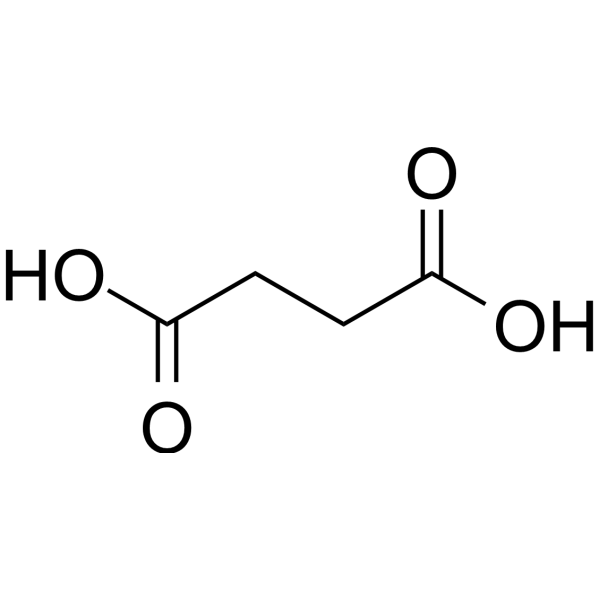
    Succinic acid
    5+ Cited Publications

    Wormwood acid

    Environmental Pollutants Endogenous Metabolite Neurological Disease
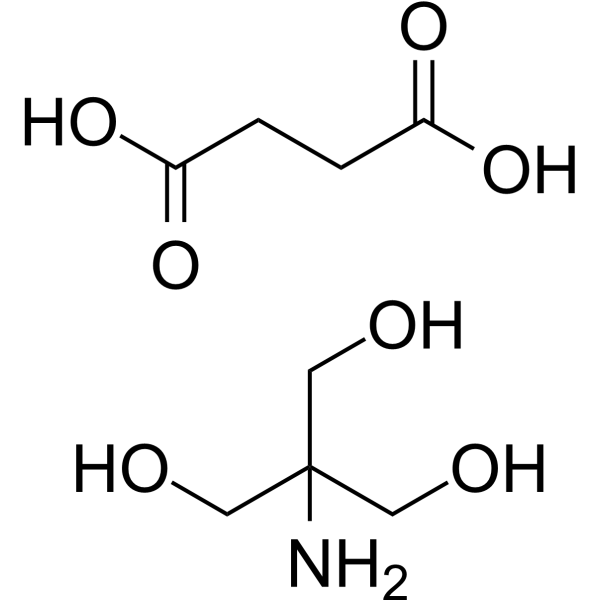
    Succinic acid is an anti-anxiety agent with oral activity. Disodium succinate is the salt form of Succinic acid. Succinic acid is an intermediate product of the tricarboxylic acid cycle. Succinic acid is an important platform chemical. Succinic acid can be used as surfactant, additive, ion chelating agent, flavoring agent and other applications in chemical, pharmaceutical and food fields .
    Succinic acid
  • HY-125861
    Methyl cellulose(Viscosity:100000mPa.s)
    Maximum Cited Publications
    13 Publications Verification

    MC(Viscosity:100000mPa.s)

    Environmental Pollutants Biochemical Assay Reagents Others
    Methyl cellulose (MC) (Viscosity:100000mPa.s) is a non-ionic cellulose ether with surface activity and thermogelation properties. Methyl cellulose (Viscosity:100000mPa.s) is widely used as drug delivery agents, thickeners, stabilizers, emulsifiers, etc., in industries such as pharmaceuticals, food, cosmetics, and construction .
    Methyl cellulose(Viscosity:100000mPa.s)
  • HY-W015410
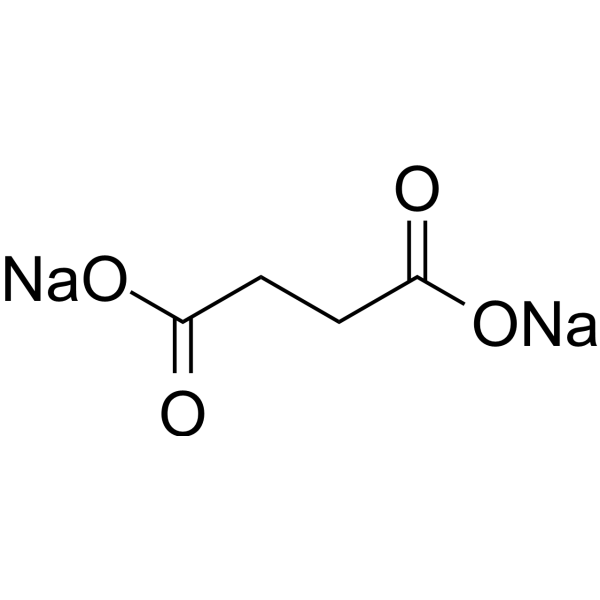
    Disodium succinate
    Maximum Cited Publications
    10 Publications Verification

    Endogenous Metabolite Inflammation/Immunology
    Disodium succinate is an anti-anxiety agent with oral activity. Disodium succinate is the salt form of Succinic acid. Disodium succinate is an intermediate product of the tricarboxylic acid cycle. Disodium succinate is an important platform chemical. Disodium succinate can be used as surfactant, additive, ion chelating agent, flavoring agent and other applications in chemical, pharmaceutical and food fields .
    Disodium succinate
  • HY-Y0873B

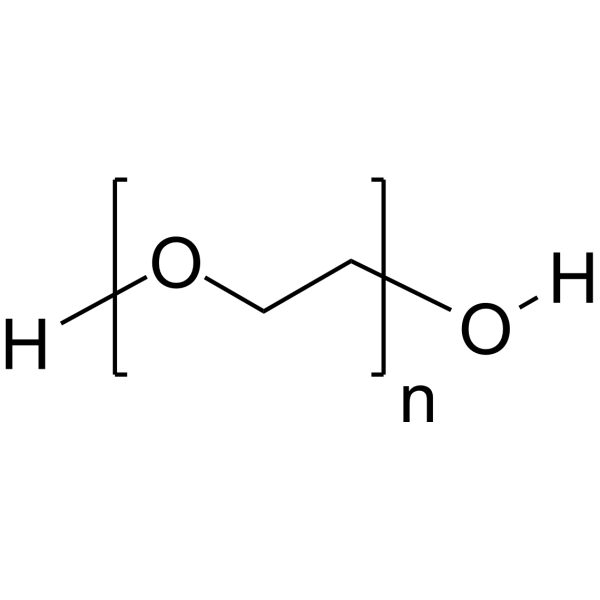
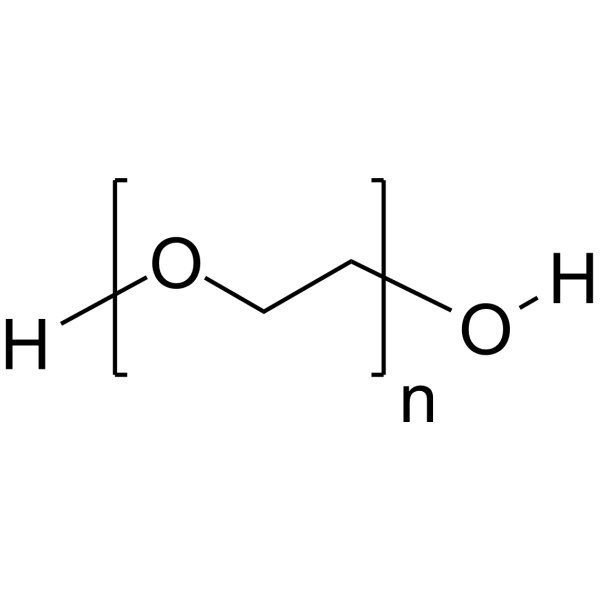
    Polyethylene glycol 2000

    Environmental Pollutants Biochemical Assay Reagents Others
    PEG2000 (Polyethylene glycol 2000) is a solvent for a large number of substances. PEG2000 can be used as a carrier material and modifying agent. PEG2000 is widely used in a variety of pharmaceutical formulations .
    PEG2000
  • HY-B2243
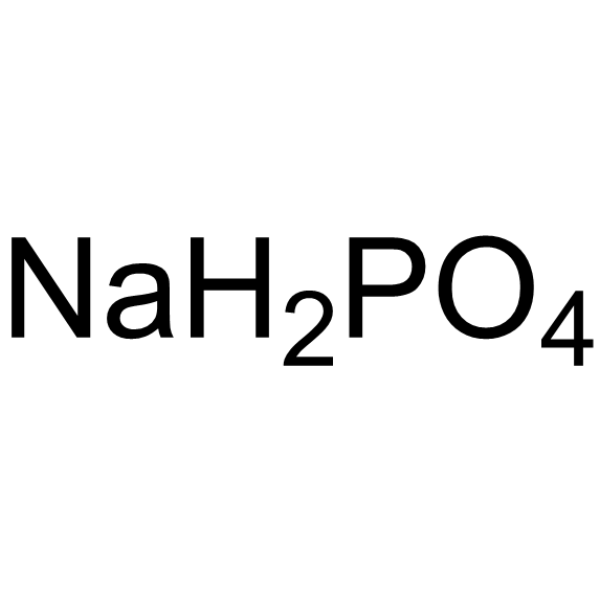
    Anhydrous sodium dihydrogen phosphate
    1 Publications Verification

    Sodium phosphate monobasic; Monosodium dihydrogen orthophosphate; Monosodium phosphate

    Environmental Pollutants Biochemical Assay Reagents Others
    Dihydrogen monosodium phosphate (Monosodium phosphate) is an inorganic salt compound commonly used in industry and laboratories. It can be used as a buffer, nutritional supplement, cleaning agent, etc., and plays a role in certain metal processing, pharmaceutical and chemical industries. In addition, Dihydrogen monosodium phosphate can also be used in the field of water treatment and environmental protection, for example as a purifying agent or precipitating agent for solutions.
    Anhydrous sodium dihydrogen phosphate
  • HY-Y1316
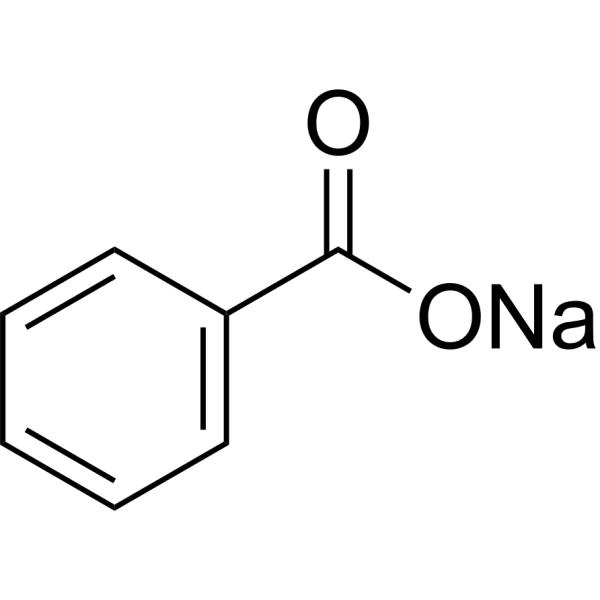
    Sodium benzoate
    2 Publications Verification

    Environmental Pollutants Biochemical Assay Reagents Apoptosis NF-κB Inflammation/Immunology Cancer
    Sodium benzoate is an orally active pharmaceutical excipient, such as an antibacterial agent, preservative, lubricant, etc. Pharmaceutical excipients, or pharmaceutical auxiliaries, refer to other chemical substances used in the pharmaceutical process other than pharmaceutical ingredients. Pharmaceutical excipients generally refer to inactive ingredients in pharmaceutical preparations, which can improve the stability, solubility and processability of pharmaceutical preparations. Pharmaceutical excipients also affect the absorption, distribution, metabolism, and elimination (ADME) processes of co-administered drugs.Sodium benzoate activates NF-κB and induces Apoptosis. Sodium benzoate induces immune suppression and produces reproductively toxic. Sodium benzoate can be used for colon cancer and immune disease research .
    Sodium benzoate
  • HY-125861E
    Methyl cellulose(Viscosity:4000mPa.s)
    Maximum Cited Publications
    13 Publications Verification

    MC(Viscosity:4000mPa.s)

    Environmental Pollutants Biochemical Assay Reagents Others
    Methyl cellulose (MC) (Viscosity:4000mPa.s) is a non-ionic cellulose ether with surface activity and thermogelation properties. Methyl cellulose (Viscosity:4000mPa.s) is widely used as drug delivery agents, thickeners, stabilizers, emulsifiers, etc., in industries such as pharmaceuticals, food, cosmetics, and construction .
    Methyl cellulose(Viscosity:4000mPa.s)
  • HY-B1620E

    PVP K60; Polyvidone K60; Povidone K60

    Biochemical Assay Reagents Others
    Polyvinylpyrrolidone K60 is one of the polymers in pharmaceutical preparations. Polyvinylpyrrolidone K60 promotes amorphous dispersion and inhibits crystallization of the drug .
    Polyvinylpyrrolidone K60
  • HY-Y0873N
    PEG3000
    2 Publications Verification

    Polyethylene glycol 3000

    Environmental Pollutants Biochemical Assay Reagents Others
    PEG3000 (Polyethylene glycol 3000) is a solvent for a large number of substances. PEG3000 can be used as a carrier material and modifying agent. PEG3000 is widely used in a variety of pharmaceutical formulations .
    PEG3000
  • HY-125861B
    Methyl cellulose(Viscosity:400mPa.s)
    2 Publications Verification

    MC(Viscosity:400mPa.s)

    Environmental Pollutants Biochemical Assay Reagents Others
    Methyl cellulose (MC) (Viscosity:400mPa.s) is a non-ionic cellulose ether with surface activity and thermogelation properties. Methyl cellulose (Viscosity:400mPa.s) is widely used as drug delivery agents, thickeners, stabilizers, emulsifiers, etc., in industries such as pharmaceuticals, food, cosmetics, and construction .
    Methyl cellulose(Viscosity:400mPa.s)
  • HY-W051271

    Titanium dioxide

    Environmental Pollutants Reactive Oxygen Species (ROS) Photosensitizer Others
    Titanium(IV) oxide is a photosensitizer and photocatalyst. Titanium(IV) oxide can be used as a pharmaceutical excipient such as a flow aid, coating agent, sunscreen, colorant, etc. Pharmaceutical excipients or pharmaceutical excipients refer to other chemical substances used in the pharmaceutical process other than the drug ingredients. Pharmaceutical excipients generally refer to inactive ingredients in pharmaceutical preparations that can improve the stability, solubility and processability of pharmaceutical preparations. Pharmaceutical excipients also affect the absorption, distribution, metabolism and elimination (ADME) process of co-administered drugs. Titanium(IV) oxide can use light energy to generate electron-hole pairs to degrade pollutants. Photons excite electrons in TiO2 to generate active oxygen species (such as ·OH and ·O2 -), thereby oxidizing and mineralizing pollutants such as organic compounds and heavy metals. TiO2 can be used in the research of environmental remediation fields such as water treatment, air purification and self-cleaning materials .
    Titanium(IV) oxide
  • HY-B1620C

    PVP K17; Polyvidone K17; Povidone K17

    Biochemical Assay Reagents Others
    Polyvinylpyrrolidone K17 is one of the polymers in pharmaceutical preparations. Polyvinylpyrrolidone K17 is a versatile excipient for both conventional formulations and novel controlled or targeted delivery systems, serving as a binder, coating agent, suspending agent, pore-former, solubilizer, stabilizer, etc .
    Polyvinylpyrrolidone K17
  • HY-B1620D

    PVP K25; Polyvidone K25; Povidone K25

    Biochemical Assay Reagents Others
    Polyvinylpyrrolidone K25 is a multifunctional synthetic polymer. Polyvinylpyrrolidone K25 is a versatile excipient for both conventional formulations and novel controlled or targeted delivery systems. Polyvinylpyrrolidone K25 is a preferable binder for granules and tablets .
    Polyvinylpyrrolidone K25
  • HY-125861A
    Methyl cellulose(Viscosity:15mPa.s)
    2 Publications Verification

    MC(Viscosity:15mPa.s)

    Environmental Pollutants Biochemical Assay Reagents Others
    Methyl cellulose (MC) (Viscosity:15mPa.s) is a non-ionic cellulose ether with surface activity and thermogelation properties. Methyl cellulose (Viscosity:15mPa.s) is widely used as drug delivery agents, thickeners, stabilizers, emulsifiers, etc., in industries such as pharmaceuticals, food, cosmetics, and construction .
    Methyl cellulose(Viscosity:15mPa.s)
  • HY-W010589

    H-Abu-OH

    Endogenous Metabolite Drug Intermediate Metabolic Disease
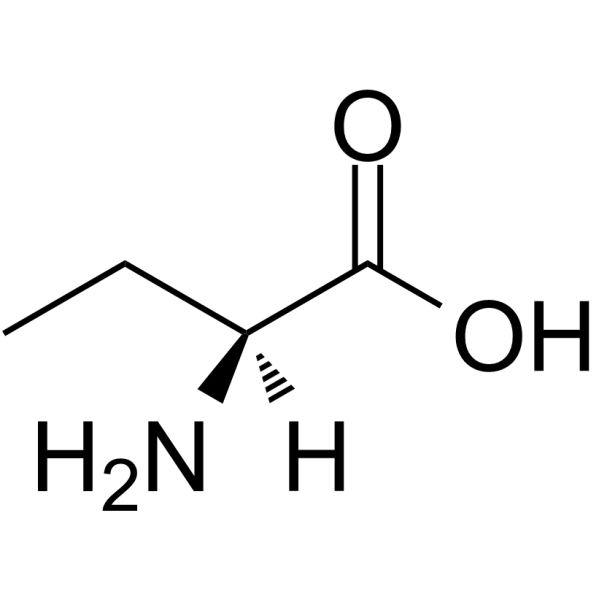
    L-2-Aminobutyric acid (H-Abu-OH) is a non-proteinogenic amino acid that exists in human tissues and body fluids. L-2-Aminobutyric acid is formed by the transamination of oxobutyric acid. L-2-Aminobutyric acid can serve as a precursor for anticonvulsant and anti-tuberculosis agents and is a key intermediate in the chemical and pharmaceutical industries.
    L-2-Aminobutyric acid
  • HY-W087904

    α-D-Lactose hydrate

    Endogenous Metabolite Biochemical Assay Reagents Others
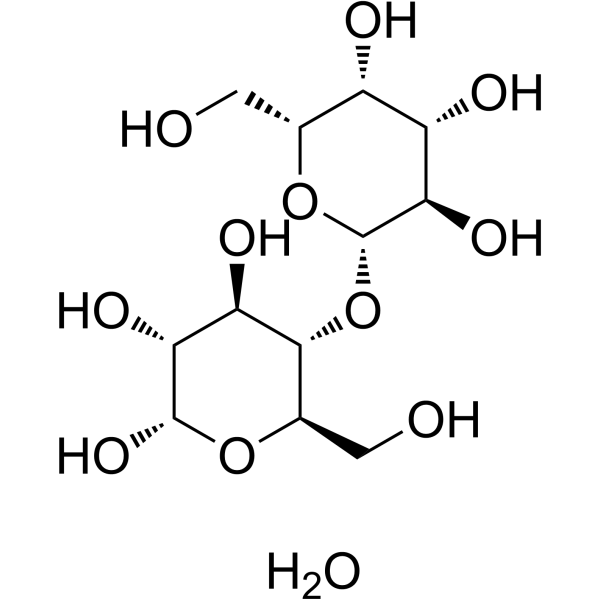
    α-Lactose hydrate (α-D-Lactose (hydrate)) is the primary carbohydrate in the milk of most mammals. α-Lactose hydrate consists of glucose and galactose and exists in two isomeric forms, α and β. α-Lactose hydrate has numerous applications in the food and pharmaceutical industries, such as serving as a bulking or agglomerating agent, and a diluent for pigments, flavors or enzymes .
    α-Lactose hydrate
  • HY-45072

    Environmental Pollutants Biochemical Assay Reagents Others
    Croscarmellose sodium is a commonly used pharmaceutical additive approved by the US Food and Drug Administration (FDA). Croscarmellose sodium is used as excipients, such as the suspending agent, binder, glidant, antiadherent, and disintegrants .
    Croscarmellose sodium
  • HY-W115746

    Ethyl cellulose N-200

    Environmental Pollutants Biochemical Assay Reagents Infection Cancer
    Ethyl cellulose is a derivative of cellulose. Ethyl cellulose is a non-toxic, biodegradable polymer. Ethyl cellulose has unique properties such as oil gel formation, active ingredient delivery and film formation. Ethyl cellulose can be used as a pharmaceutical excipient, such as a coating agent, flavoring agent, tablet filler, etc. Ethyl cellulose can be used to prepare nanoparticles for active compound delivery .
    Ethyl cellulose
  • HY-125861C
    Methyl cellulose(Viscosity:1500mPa.s)
    2 Publications Verification

    MC(Viscosity:1500mPa.s)

    Environmental Pollutants Biochemical Assay Reagents Others
    Methyl cellulose (MC) (Viscosity:1500mPa.s) is a non-ionic cellulose ether with surface activity and thermogelation properties. Methyl cellulose (Viscosity:1500mPa.s) is widely used as drug delivery agents, thickeners, stabilizers, emulsifiers, etc., in industries such as pharmaceuticals, food, cosmetics, and construction .
    Methyl cellulose(Viscosity:1500mPa.s)
  • HY-W129593

    Sorbitan monostearate

    Environmental Pollutants Biochemical Assay Reagents Others
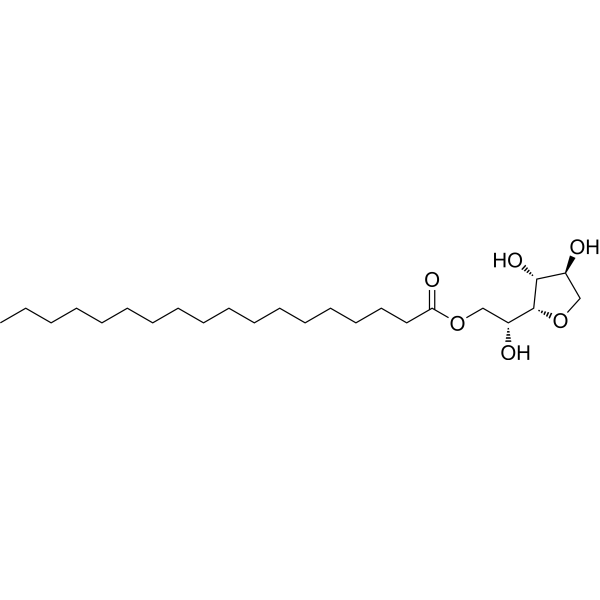
    Sorbitan monooctadecanoate (Sorbitan monostearate) is a hydrophobic nonionic surfactant. Sorbitan monooctadecanoate can serve as a pharmaceutical excipient, such as an emulsifier, nonionic surfactant, solubilizer, wetting agent, and dispersing/suspending agent .
    Sorbitan monooctadecanoate
  • HY-59132

    Drug Intermediate Others
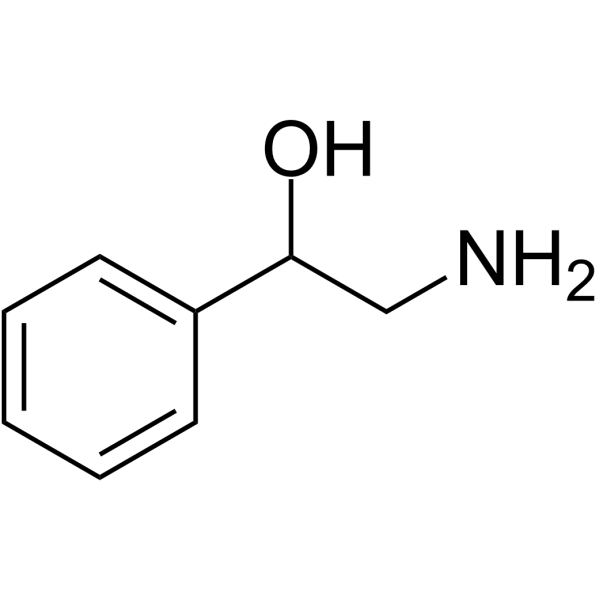
    2-Amino-1-phenylethanol is a pharmaceutical intermediate that can be used for the synthesis of antimalarial agents and β2-adrenergic receptor agonists .
    2-Amino-1-phenylethanol
  • HY-W133920

    PPG 2000

    Environmental Pollutants Biochemical Assay Reagents Others
    Polypropylene glycol 2000 (PPG 2000) is a polyether produced by ring-opening polymerization of propylene oxide. Polypropylene glycol 2000 has low toxicity, and acts as a dispersant for leather finishing materials, as well as a surfactant and wetting agent for pharmaceutical preparations .
    Polypropylene glycol 2000
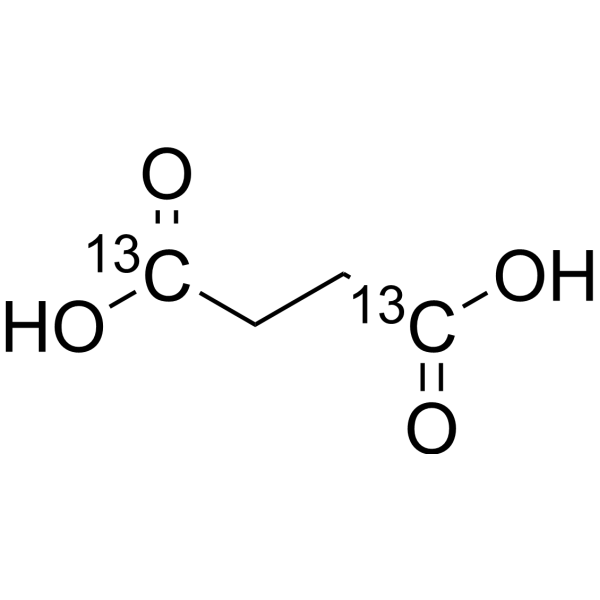
  • HY-N0420S2

    Wormwood acid-13C4

    Endogenous Metabolite Neurological Disease
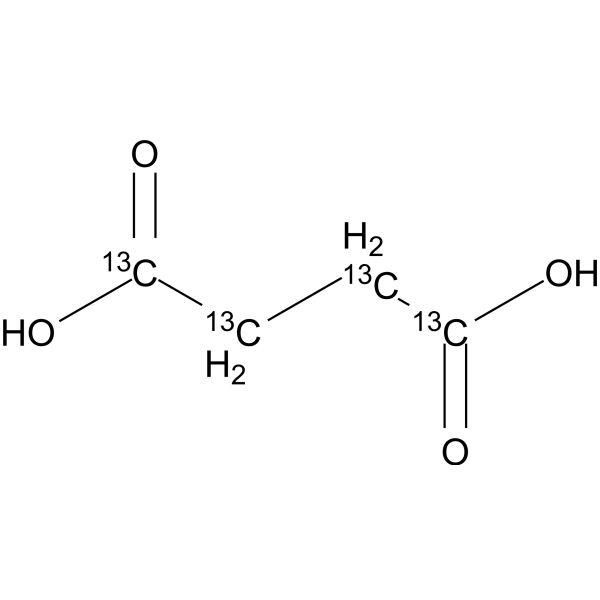
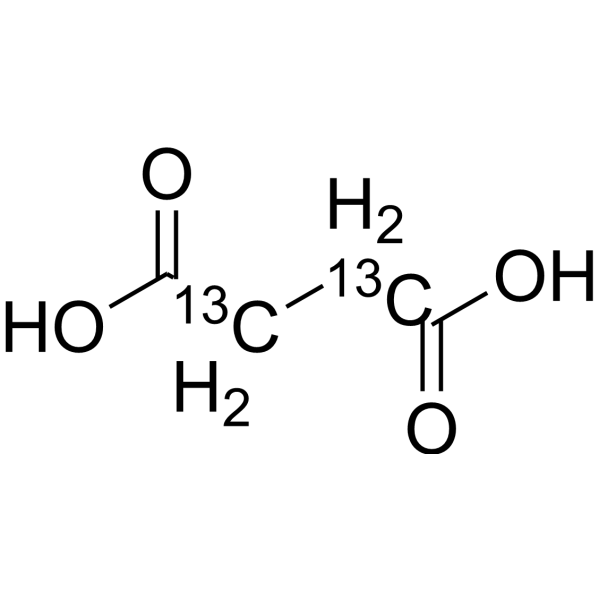
    Succinic acid- 13C4 is the 13C labeled Succinic acid . Succinic acid is a potent and orally active anxiolytic agent. Succinic acid is an intermediate product of the tricarboxylic acid cycle. Succinic acid can be used as a precursor of many industrially important chemicals in food, chemical and pharmaceutical industries .
    Succinic acid-13C4
  • HY-N7393

    Palatinitol

    Environmental Pollutants Lactate Dehydrogenase Metabolic Disease
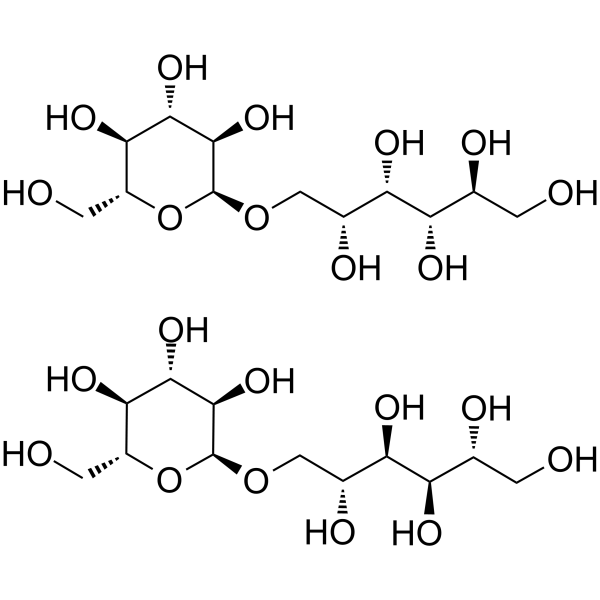
    Isomalt (Palatinitol), a well-tolerated, non-toxic polyol and a protein-stabilizing excipient, stabilizes lactate dehydrogenase (LDH) moderately during freeze-drying, and performs better during storage. Isomalt is traditionally used as a sweetening agent in the food industry and as a tabletting excipient for pharmaceutical purposes .
    Isomalt
  • HY-W250721

    CBM 980

    Biochemical Assay Reagents Others
    Carbomer 980 (CBM 980) is an acrylic acid polymer, which can be used as a thickening agent. Carbomer 980 provides a stable gel matrix, exhibits good heat, light and microbial contamination resistance. Carbomer 980 facilitates the drug release and local application, which can be used in the pharmaceutical industry .
    Carbomer 980
  • HY-B0935
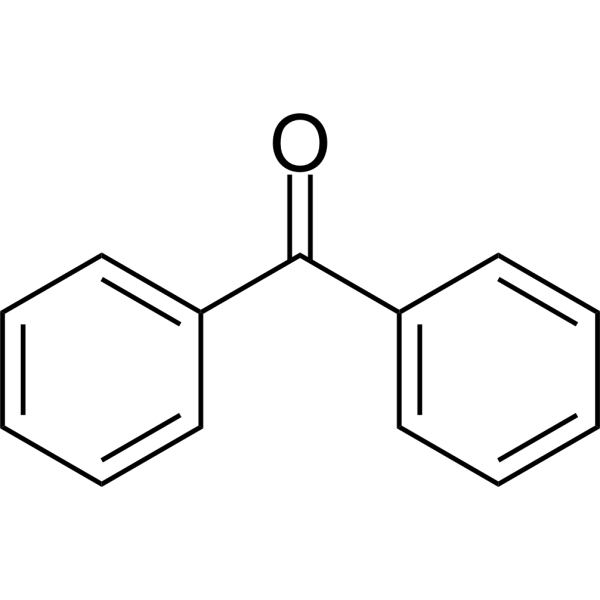
    Benzyl benzoate
    1 Publications Verification

    Phenylmethyl benzoate

    Environmental Pollutants Angiotensin Receptor Endogenous Metabolite Fungal Bacterial Parasite Infection Cardiovascular Disease Inflammation/Immunology
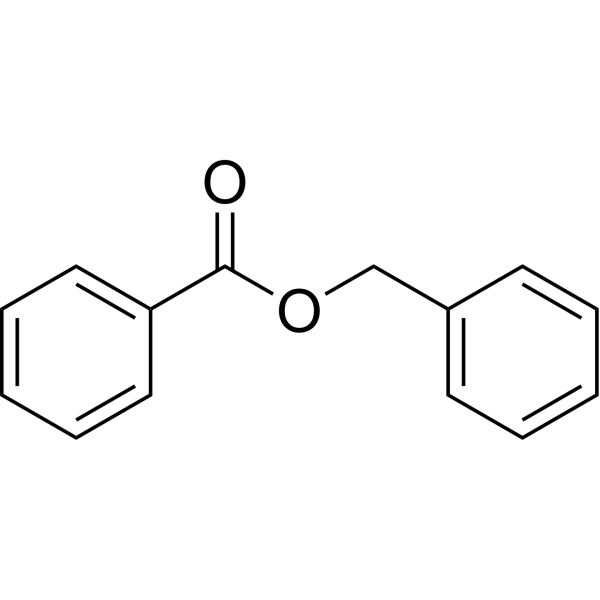
    Benzyl benzoate (Phenylmethyl benzoate) is an orally active anti-scabies agent, acaricide (EC50= 0.06 g/m 2) and fungicide. Benzyl benzoate is an angiotensin II (Ang II) inhibitor with antihypertensive effects. Benzyl benzoate can be used in perfumes, pharmaceuticals and the food industry .
    Benzyl benzoate
  • HY-W074541

    Trimethylacetohydrazideammonium chloride

    Biochemical Assay Reagents Others
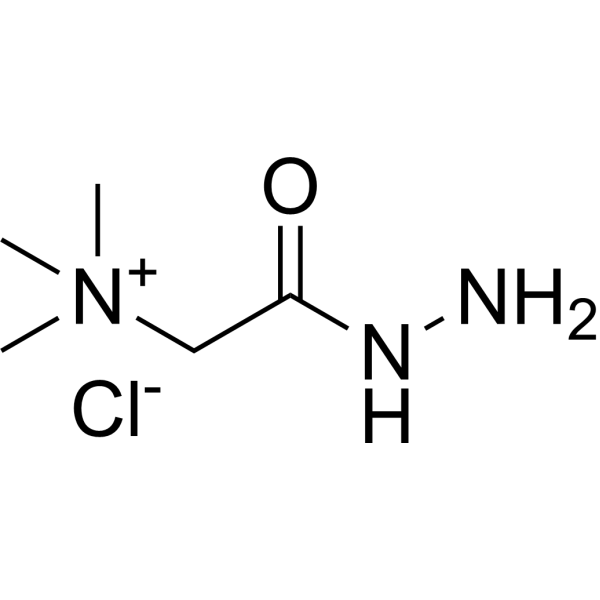
    Girard's reagent T is often used in analytical chemistry as a derivatizing agent for carbonyl compounds. Girard's reagent T reacts with ketones and aldehydes to form stable hydrazones that can be readily analyzed by various techniques including chromatography and spectrophotometry. In addition, Girard's Reagent T has been used in the synthesis of a variety of organic compounds, including pharmaceuticals and agrochemicals.
    Girard’s reagent T
  • HY-128387

    Endogenous Metabolite Cardiovascular Disease
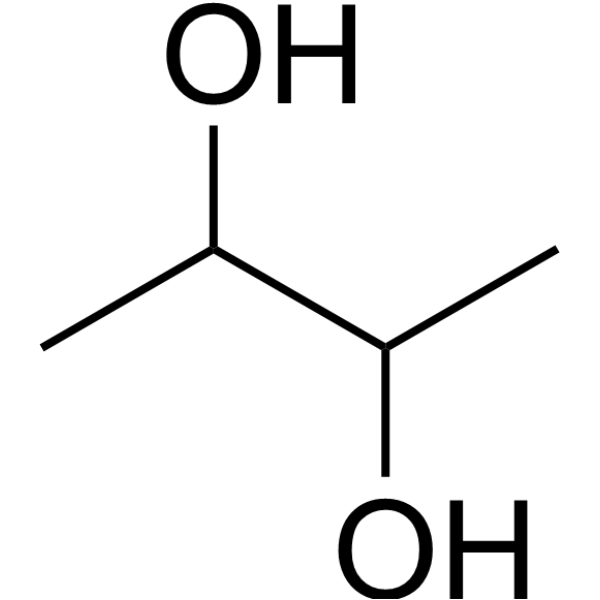
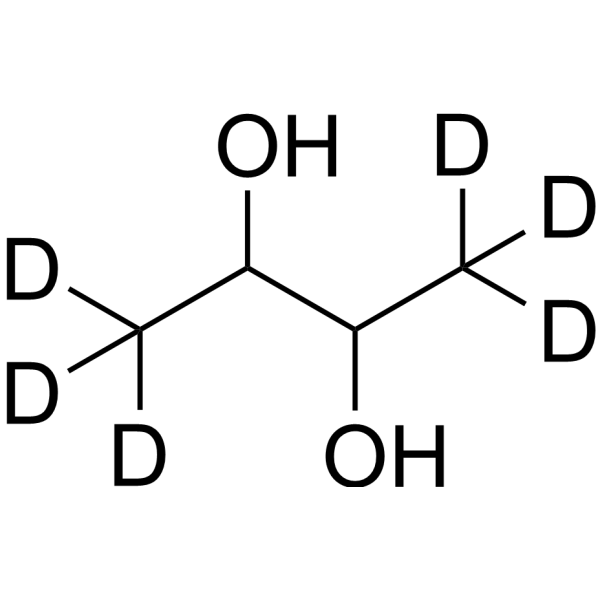
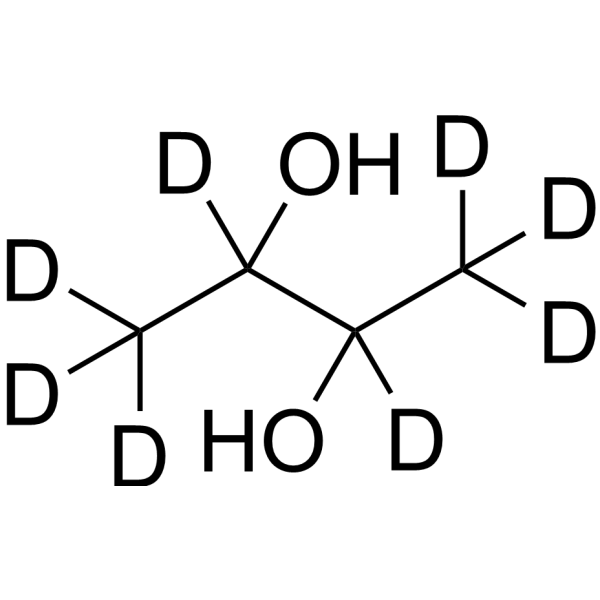
    2,3-Butanediol is microbially derived compound that is a discriminating urinary biomarker of Fmo5 -/- mice. 2,3-Butanediol prevents age-related increases in the plasma concentration of cholesterol. 2,3-Butanediol has potential applications in the manufacture of printing inks, perfumes, fumigants, moistening and softening agents, plasticizers, and as a carrier for pharmaceuticals .
    2,3-Butanediol
  • HY-B1620I

    PVP K120; Polyvidone K120; Povidone K120

    Environmental Pollutants Biochemical Assay Reagents Others
    Polyvinylpyrrolidone K120 is a multifunctional synthetic polymer with excellent adhesiveness and thickening properties. Polyvinylpyrrolidone K120 is a versatile excipient for both conventional formulations and novel controlled or targeted delivery systems. Polyvinylpyrrolidone K120 can be used to prepare drug-loaded hydrogel patches .
    Polyvinylpyrrolidone K120
  • HY-125861D
    Methyl cellulose(Viscosity:40000mPa.s)
    2 Publications Verification

    MC(Viscosity:40000mPa.s)

    Environmental Pollutants Biochemical Assay Reagents Others
    Methyl cellulose (MC) (Viscosity:40000mPa.s) is a non-ionic cellulose ether with surface activity and thermogelation properties. Methyl cellulose (Viscosity:40000mPa.s) is widely used as drug delivery agents, thickeners, stabilizers, emulsifiers, etc., in industries such as pharmaceuticals, food, cosmetics, and construction .
    Methyl cellulose(Viscosity:40000mPa.s)
  • HY-W127507

    Environmental Pollutants Biochemical Assay Reagents Others
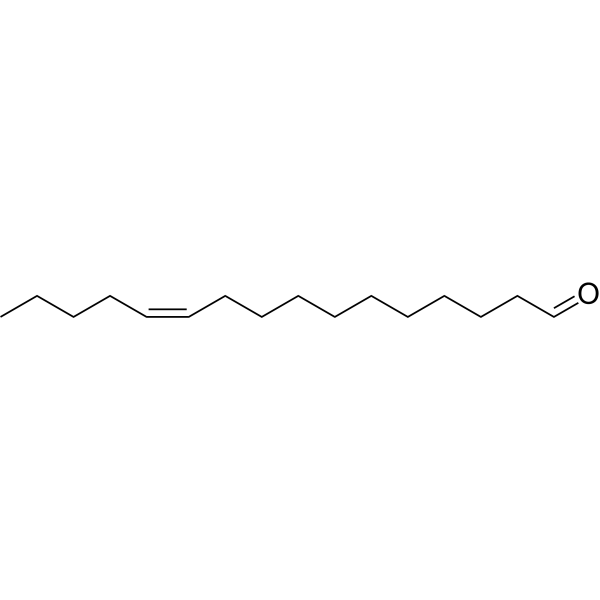
    cis-11-Hexadecenal has a fatty, waxy odor and is commonly used as a flavoring agent in the food and beverage industry. In addition, it can be used as an intermediate in the synthesis of various organic compounds, including fragrances, pharmaceuticals, and agrochemicals. Its unique chemical properties make it an important ingredient in a variety of industrial processes, notably in the production of perfumes and air fresheners.
    cis-11-Hexadecenal
  • HY-W250721B

    CBM 934

    Biochemical Assay Reagents Others
    Carbomer 934 (CBM 934) is an acrylic acid polymer, which can be used as a thickening agent. Carbomer 934 which forms a high viscosity gel, provides a stable gel matrix, and exhibits good heat, light and microbial contamination resistance. Carbomer 934 facilitates the drug release and local application, which can be used in the pharmaceutical industry .
    Carbomer 934
  • HY-B0801S
    Fexofenadine-d6
    2 Publications Verification

    MDL-16455-d6; Terfenadine carboxylate-d6

    Histamine Receptor Inflammation/Immunology Endocrinology
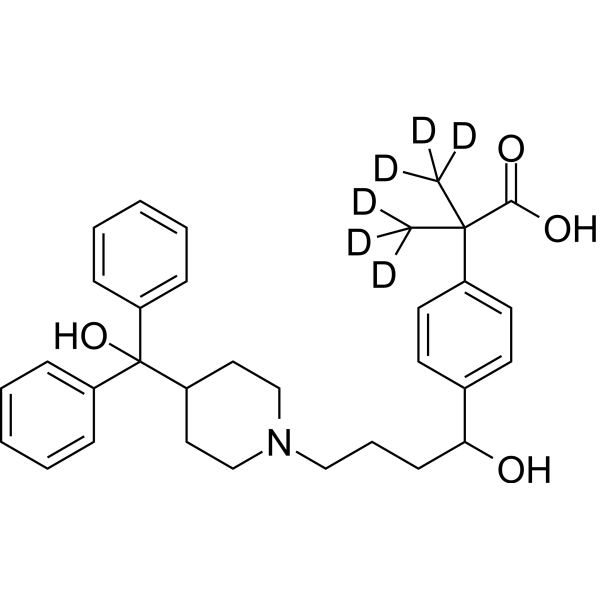
    Fexofenadine-d6 (MDL-16455-d6) is deuterium labeled Fexofenadine, which is an antihistamine pharmaceutical agent.
    Fexofenadine-d6
  • HY-W002555

    Drug Intermediate Others
    4-Aminonicotinic acid is a building block, that can be used for synthesis of pharmaceutical agents. 4-Aminonicotinic acid can be used as the substrate or inhibitor in the research of NAD(P)H metabolism and the activity of related enzymes .
    4-Aminonicotinic acid
  • HY-W094516
    Disodium succinate hexahydrate
    4 Publications Verification

    Wormwood acid disodium hexahydrate

    Endogenous Metabolite Neurological Disease Inflammation/Immunology
    Disodium succinate hexahydrate (Wormwood acid disodium hexahydrate) is an anti-anxiety agent with oral activity. Disodium succinate hexahydrate is an intermediate product of the tricarboxylic acid cycle. Disodium succinate hexahydrate is an important platform chemical. Disodium succinate hexahydrate can be used as surfactant, additive, ion chelating agent, flavoring agent and other applications in chemical, pharmaceutical and food fields .
    Disodium succinate hexahydrate
  • HY-N0420R
    Succinic acid (Standard)
    5+ Cited Publications

    Wormwood acid (Standard)

    Reference Standards Endogenous Metabolite Neurological Disease
    Succinic acid (Standard) is the analytical standard of Succinic acid. This product is intended for research and analytical applications. Succinic acid is an anti-anxiety agent with oral activity. Disodium succinate is the salt form of Succinic acid. Succinic acid is an intermediate product of the tricarboxylic acid cycle. Succinic acid is an important platform chemical. Succinic acid can be used as surfactant, additive, ion chelating agent, flavoring agent and other applications in chemical, pharmaceutical and food fields .
    Succinic acid (Standard)
  • HY-W012846A

    L-1,2,3,4-Butanetetrol

    Drug Intermediate Others
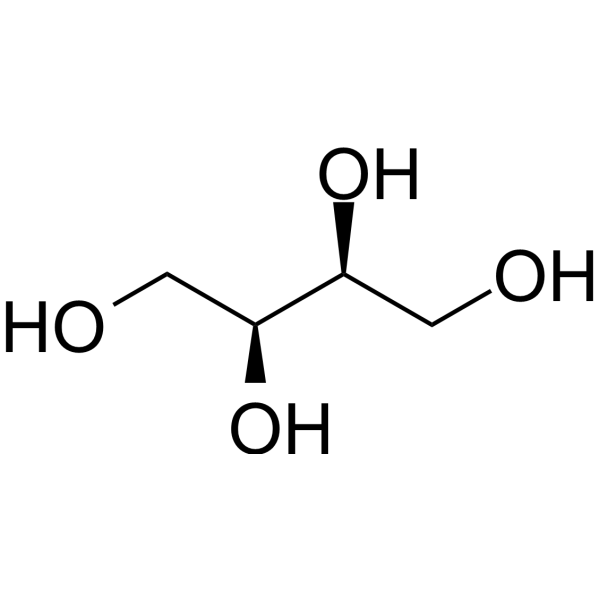
    L-Threitol (L-1,2,3,4-Butanetetrol) is a four-carbon sugar alcohol. L-Threitol serves as an important pharmaceutical intermediate and can be used in the synthesis of other active compounds, such as anticancer agents and chiral compounds .
    L-Threitol
  • HY-122124

    Leukotriene Receptor Inflammation/Immunology
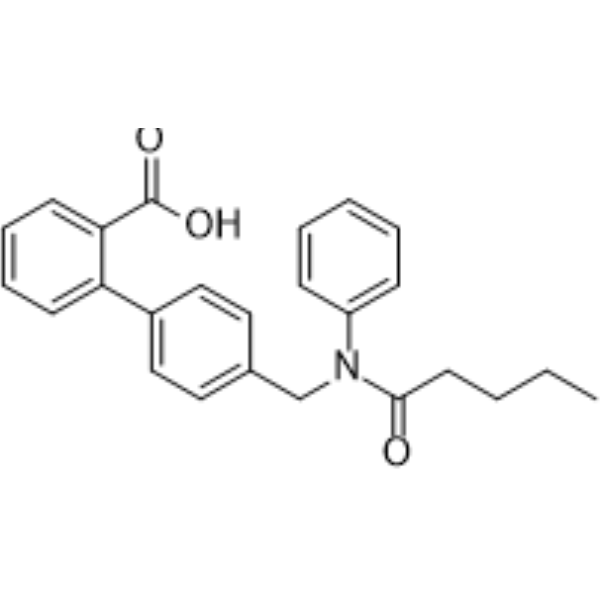
    CAY10583 is a potent and selective full Leukotriene B4 receptor type 2 (BLT2) agonist. CAY10583 directly promotes keratinocyte migration in vitro and accelerates wound closure in vivo. CAY10583 is a promising pharmaceutical agent for diabetic wounds .
    CAY10583
  • HY-W250721C

    CBM 941

    Biochemical Assay Reagents
    Carbomer 941 (CBM 941) is an acrylic acid polymer, which can be used as a thickening agent. Carbomer 941 provides a stable gel matrix, exhibits good heat, light and microbial contamination resistance. Carbomer 941 facilitates the drug release and local application, which can be used in the pharmaceutical industry .
    Carbomer 941
  • HY-W068700

    Biochemical Assay Reagents Others
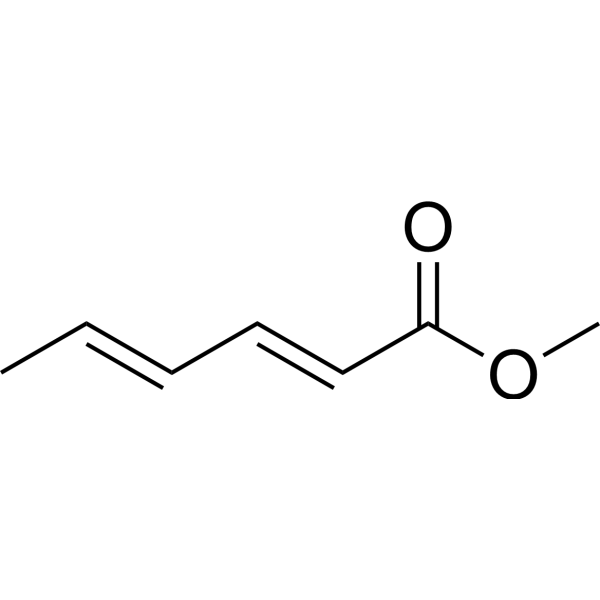
    Methyl sorbate, which is an ester formed by the condensation of methanol and hexa-2,4-dienoic acid, is commonly used as a flavoring agent and fragrance in the food and cosmetic industries due to its fruity, floral, and taste, and in addition , it has also been investigated for its potential use as a starting material in the synthesis of various organic compounds, including pharmaceuticals, agrochemicals, and polymers.
    Methyl sorbate
  • HY-W114581

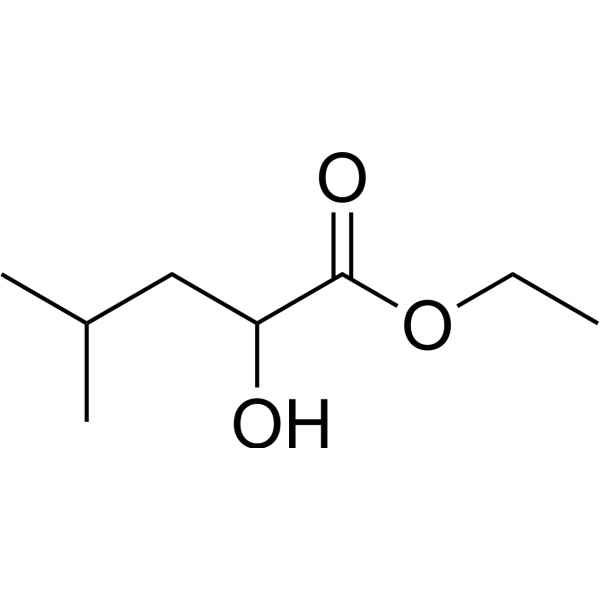
    Biochemical Assay Reagents Others
    Ethyl2-hydroxy-4-methylpentanoate has a fruity odor and is commonly used as a flavoring agent in the food and beverage industry. In addition, it can be used as an intermediate in the synthesis of various organic compounds, including pharmaceuticals and agrochemicals. Its unique chemical properties make it an important ingredient in a variety of industrial processes, including the production of cosmetics and personal care products.
    Ethyl2-hydroxy-4-methylpentanoate
  • HY-154739A

    Biochemical Assay Reagents Others
    Amorphous silica can be used as an excipient, such as viscosifier, suspending agent, tablet disintegrating agent, adsorbent dispersing agent as liquid in powders. Pharmaceutical excipients, or pharmaceutical auxiliaries, refer to other chemical substances used in the pharmaceutical process other than pharmaceutical ingredients. Pharmaceutical excipients generally refer to inactive ingredients in pharmaceutical preparations, which can improve the stability, solubility and processability of pharmaceutical preparations. Pharmaceutical excipients also affect the absorption, distribution, metabolism, and elimination (ADME) processes of co-administered drugs .
    Amorphous silica
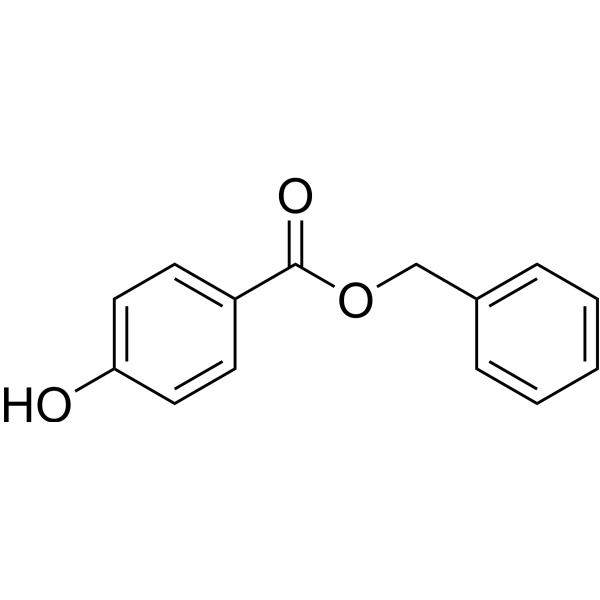
  • HY-W013482

    Benzyl Paraben

    Biochemical Assay Reagents Others
    Benzyl 4-hydroxybenzoate is a prominent material. Benzyl 4-hydroxybenzoate can be used as an excipient, such as bacteriostatic agent, preservative. Pharmaceutical excipients, or pharmaceutical auxiliaries, refer to other chemical substances used in the pharmaceutical process other than pharmaceutical ingredients. Pharmaceutical excipients generally refer to inactive ingredients in pharmaceutical preparations, which can improve the stability, solubility and processability of pharmaceutical preparations. Pharmaceutical excipients also affect the absorption, distribution, metabolism, and elimination (ADME) processes of co-administered drugs .
    Benzyl 4-hydroxybenzoate
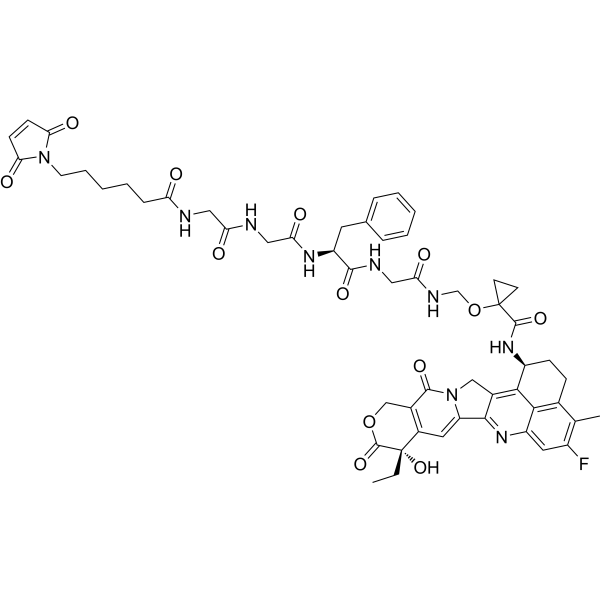
  • HY-150402

    Drug-Linker Conjugates for ADC Topoisomerase Cancer
    MC-Gly-Gly-Phe-Gly-amide-cyclopropanol-amide-Exatecan is a pharmaceutical composition containing antibody agent conjugate (ADC). (extracted from patent WO2021190581 Example 1-8) .
    MC-Gly-Gly-Phe-Gly-amide-cyclopropanol-amide-Exatecan
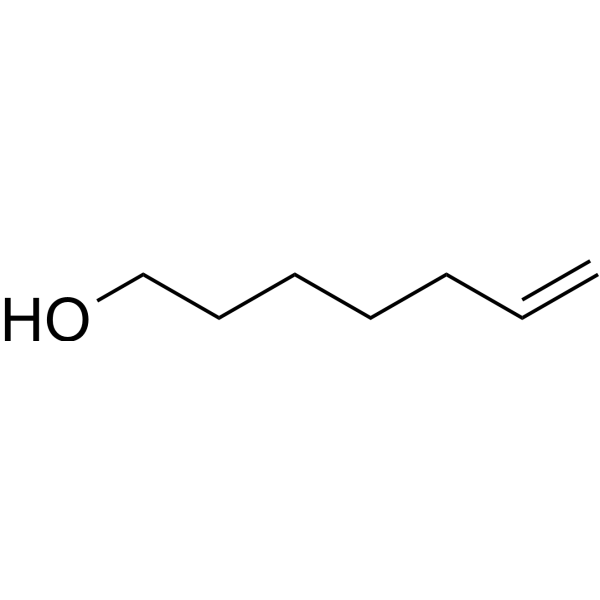
  • HY-W127475

    Biochemical Assay Reagents Others
    6-Hepten-1-ol has a floral and green odor and is commonly used as a flavoring agent in the food and beverage industry. In addition, it can be used as an intermediate in the synthesis of various organic compounds, including fragrances, pharmaceuticals, and agrochemicals. Its unique chemical properties make it an important ingredient in a variety of industrial processes, notably in the production of perfumes, air fresheners and cleaning agents.
    6-Hepten-1-ol
  • HY-W127640

    Biochemical Assay Reagents Others
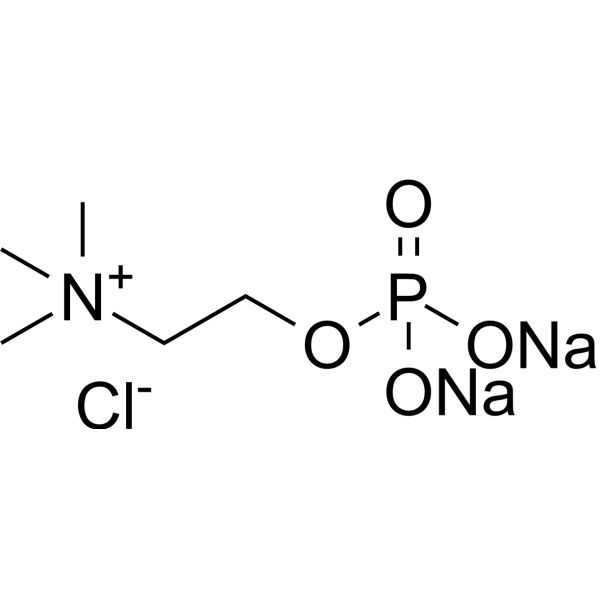
    Phosphocholine Chloride Sodium Salt is an organic compound containing phosphate, choline and chloride ions. It is commonly used to prepare cell membranes and liposomes for drug delivery systems. Phosphocholine Chloride Sodium Salt has various applications in the pharmaceutical industry, especially as a stabilizer and surfactant. In addition, it is used as an emulsifier and conditioning agent in the manufacture of cosmetic and personal care products.
    Phosphocholine chloride disodium
  • HY-W099575

    Biochemical Assay Reagents Others
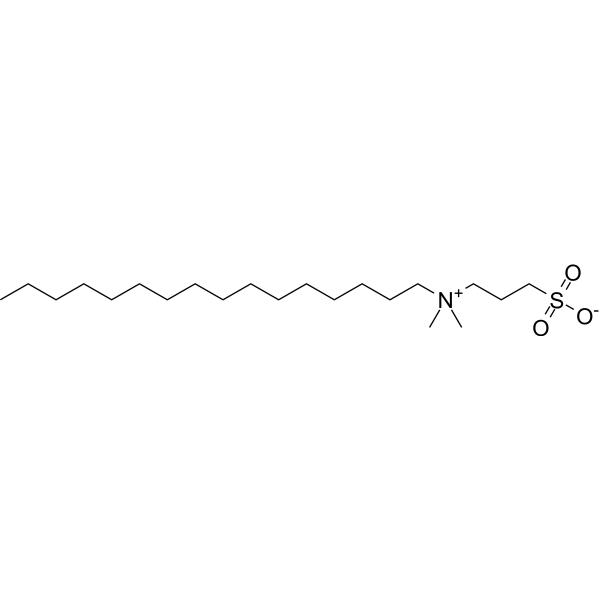
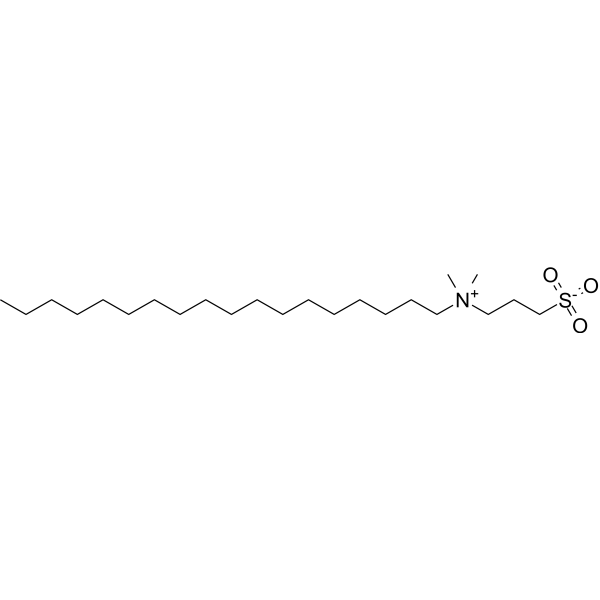
    3-(Hexadecyldimethylammonio)propane-1-sulfonate is an organic compound belonging to the class of sulfonates. It is a quaternary ammonium surfactant commonly used in various industrial and laboratory applications such as the production of detergents, personal care products and pharmaceuticals. 3-(Hexadecyldimethylammonio)propane-1-sulfonate is surface active and can be used as an emulsifier, foaming agent and wetting agent. In addition, it is used as a solubilizer in protein purification and as a surfactant in chromatography.
    Sulfobetaine-16
  • HY-125861H

    MC(Viscosity:25mPa.s)

    Biochemical Assay Reagents Others
    Methyl cellulose (MC) (Viscosity:25mPa.s) is a non-ionic cellulose ether with surface activity and thermogelation properties. Methyl cellulose (Viscosity:25mPa.s) is widely used as drug delivery agents, thickeners, stabilizers, emulsifiers, etc., in industries such as pharmaceuticals, food, cosmetics, and construction .
    Methyl cellulose(Viscosity:25mPa.s)
  • HY-N4203

    Fungal Infection
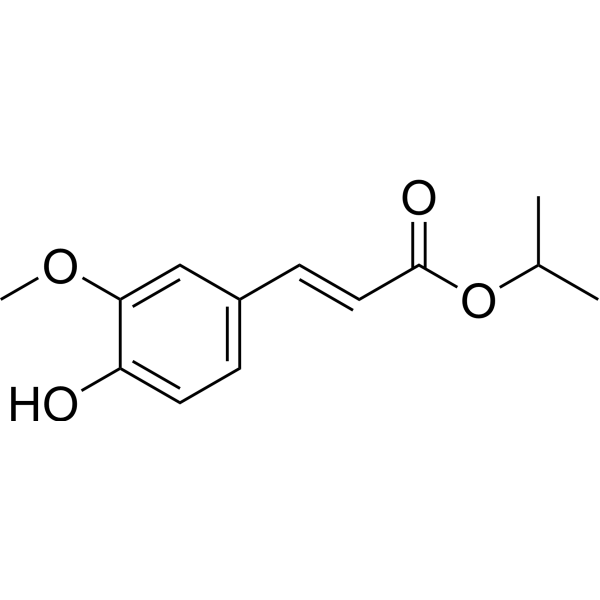
    Isopropyl ferulate, isolated from Notopterygium incisum, is used in the reduction of pharmaceuticals, preparation of antifungal agents, cosmetics and as antioxidant agent and so forth .
    Isopropyl ferulate
  • HY-W012618

    Drug Intermediate Neurological Disease
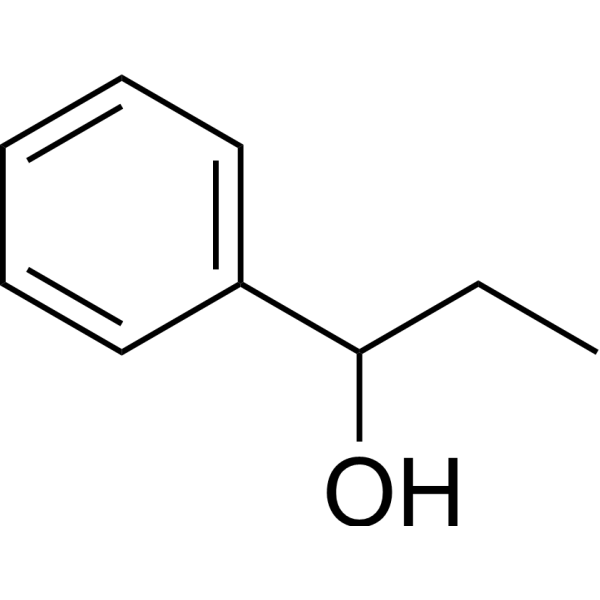
    1-Phenyl-1-propanol is used as a chiral building block and synthetic intermediate in the pharmaceutical industries. 1-Phenyl-1-propanol is an intermediate of anti-depressant agent Fluoxetine (HY-B0102) .
    1-Phenyl-1-propanol

Inquiry Online

Your information is safe with us. * Required Fields.

Salutation


Country or Region *

Applicant Name *


Organization Name *

Department *


Email Address *


Product Name *

Cat. No.


Requested quantity *

Phone Number *


Remarks

Inquiry Online

Inquiry Information

Product Name:
Cat. No.:
Quantity:
MCE Japan Authorized Agent: