
Search Result
Results for "
phospholipid cell membranes
" in MedChemExpress (MCE) Product Catalog:
9
Biochemical Assay Reagents
13
Isotope-Labeled Compounds
| Cat. No. |
Product Name |
Target |
Research Areas |
Chemical Structure |
-
- HY-N0729
-
|
|
Environmental Pollutants
Endogenous Metabolite
|
Cardiovascular Disease
Metabolic Disease
Cancer
|
|
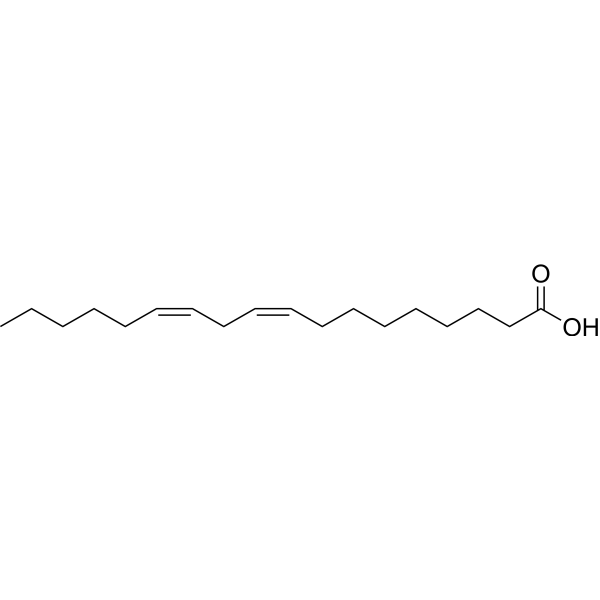
Linoleic acid is a common polyunsaturated (PUFA) found in plant-based oils, nuts and seeds. Linoleic acid is a part of membrane phospholipids, and functions as a structural component to maintain a certain level of membrane fluidity of the transdermal water barrier of the epidermis. Linoleic acid induces red blood cells and hemoglobin damage via oxidative mechanism .
|
-
-
- HY-108496
-
|
S1P
|
Endogenous Metabolite
LPL Receptor
|
Inflammation/Immunology
Endocrinology
Cancer
|
|
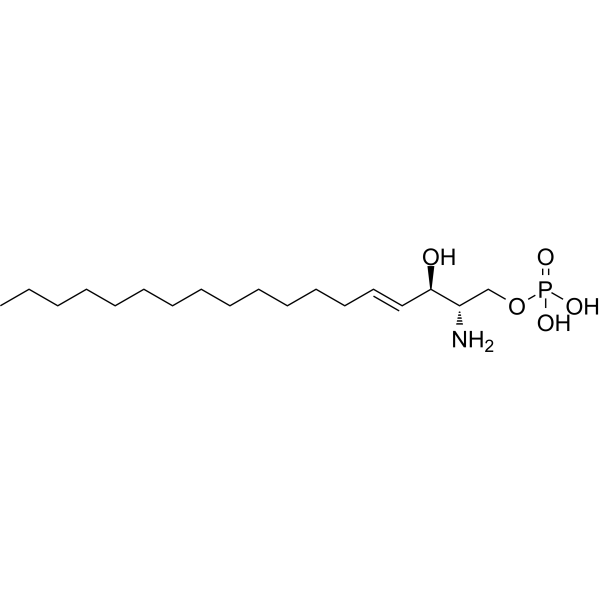
Sphingosine-1-phosphate (S1P) is an agonist of S1P1-5 receptors and a ligand of GPR3, GPR6 and GPR12. Sphingosine-1-phosphate is an intracellular second messenger and mobilizes Ca 2+ as an extracellular ligand for G protein-coupled receptors . Sphingosine-1-phosphate is an important lipid mediator generated from Sphingomyelin (HY-113498) or other membrane phospholipids . Sphingosine-1-phosphate stimulates the DNA synthesis, cell proliferation and migration .
|
-
-
- HY-D0080
-
|
|
Fluorescent Dye
|
Others
|
|
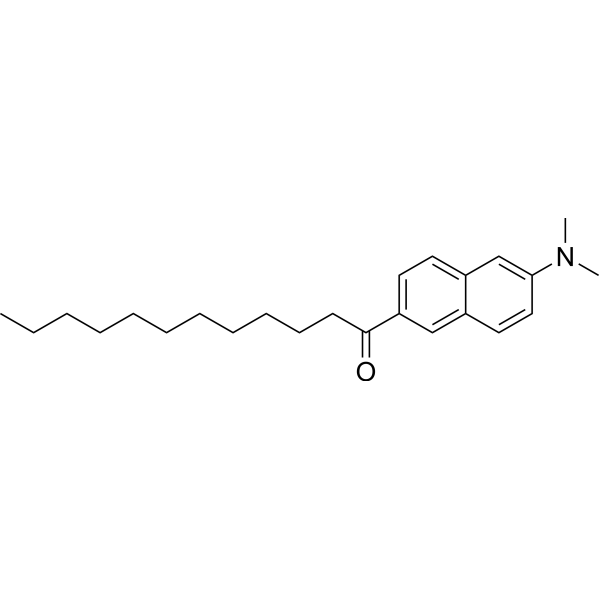
Laurdan is a membrane-permeable fluorescent probe that displays spectral sensitivity to the phospholipid phase of the cell membrane to which it is bound. Quantitation of generalized polarization (GP) of Laurdan can be used to identify phospholipid phase (Ex/Em = 370/440-490 nm).
|
-
-
- HY-A0089
-
|
Polymyxin E sulfate
|
Bacterial
Autophagy
Antibiotic
|
Infection
|
|
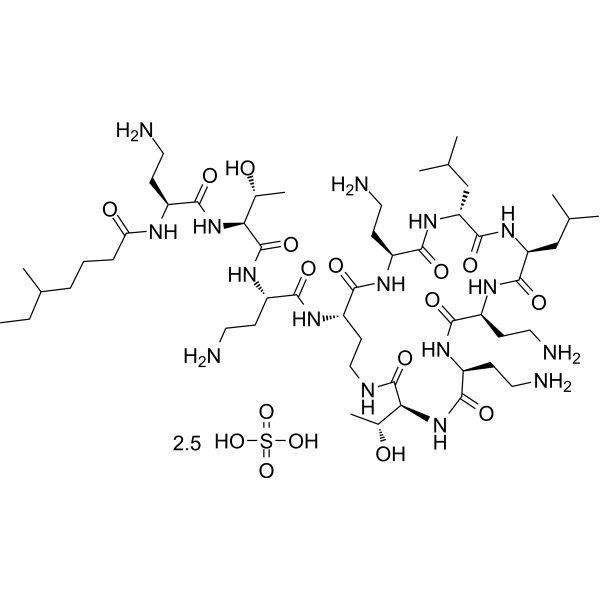
Colistin sulfate is a polypeptide antibiotic which inhibits gram-negative bacteria by binding to lipopolysaccharides and phospholipids in the outer cell membrane of gram-negative bacteria.
|
-
-
- HY-N5034
-
|
Monoaminoethyl phosphate; NSC 254167; O-Phosphoethanolamine
|
Endogenous Metabolite
|
Neurological Disease
Metabolic Disease
Cancer
|
|
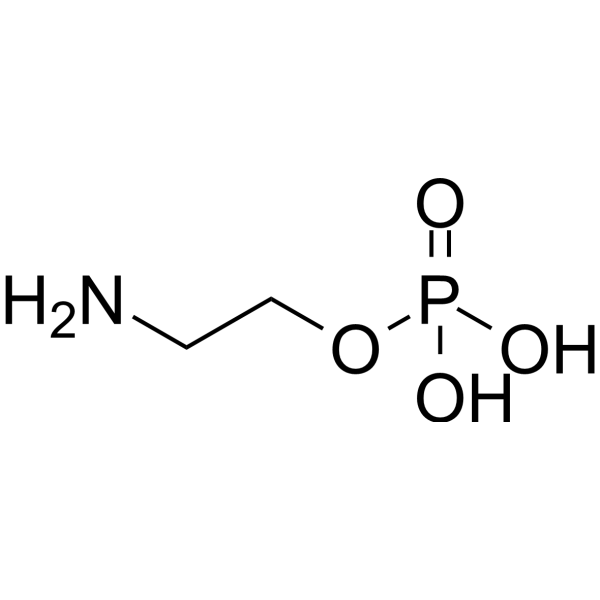
Phosphorylethanolamine (Monoaminoethyl phosphate) is a membrane phospholipid and an important precursor of Phosphatidylcholine (HY-B2233B). It is found in most animal tissues and various human extracranial tumors, playing a critical role in membrane integrity, cell division, mitochondrial respiratory function, and more. Studies have shown that changes in the abundance of Phosphorylethanolamine are associated with Alzheimer's disease and Parkinson's disease. Lowering the ratio of Phosphorylethanolamine to Phosphatidylcholine in the liver can improve insulin signaling. Phosphorylethanolamine holds promise for research in the fields of cancer, neurodegenerative disorders, and metabolic diseases .
|
-
-
- HY-B2235
-
|
Polyene phosphatidylcholine
|
Environmental Pollutants
Endogenous Metabolite
|
Others
|
|
Lecithin is regarded as a safe, conventional phospholipid source. Phospholipids are reported to alter the fatty acid composition and microstructure of the membranes in animal cells.
|
-
-
- HY-P1902
-
|
|
Apoptosis
|
Cardiovascular Disease
|
|
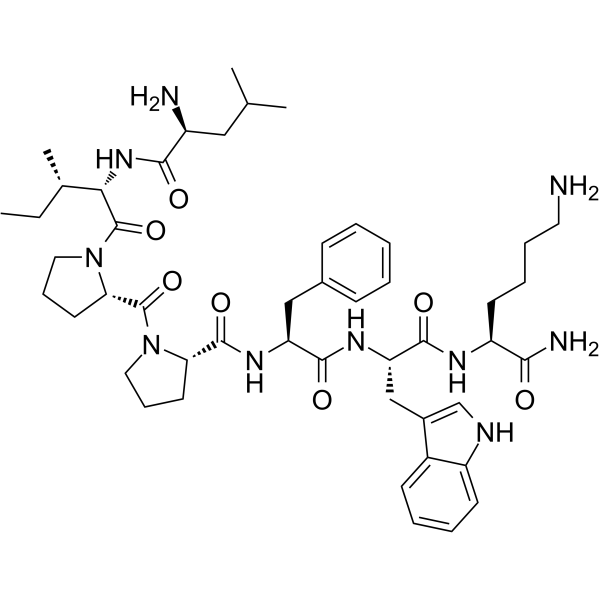
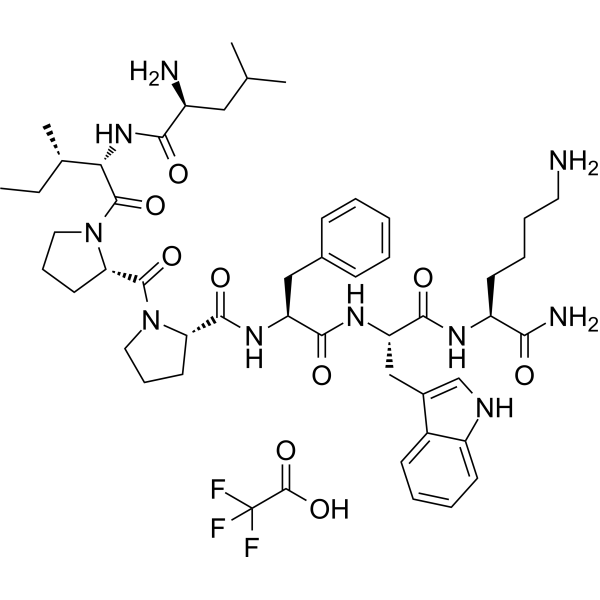
Cardiotoxin Analog (CTX) IV (6-12) is a membrane active peptide that specifically targets negatively charged phospholipid membranes (such as phosphatidylserine and phosphatidylinositol). Cardiotoxin Analog (CTX) IV (6-12) was discovered in the venom of the Taiwan cobra. Cardiotoxin Analog (CTX) IV (6-12) is a chemically synthesized snake venom cardiotoxin that binds to cell membranes and embeds into lipid bilayers through hydrophobic interactions and electrostatic attraction, thereby destroying the stability of membrane structure. Cardiotoxin Analog (CTX) IV (6-12) can induce membrane lipid disorder and cell lysis, exhibiting hemolysis and cytotoxicity .
|
-
-
- HY-125854
-
|
|
Liposome
Cholinesterase (ChE)
Monoamine Oxidase
Apoptosis
|
Neurological Disease
Metabolic Disease
Inflammation/Immunology
|
|
Phosphatidylcholines, egg are a type of phosphatidylcholine that can be isolated and extracted from eggs, primarily present in egg yolks. As a major phospholipid component of cell membranes, Phosphatidylcholines, egg play a key role in providing nutrition and protection to the body. Phosphatidylcholines, egg can inhibit oxidative stress and neurotoxicity, exerting neuroprotective effects. Additionally, Phosphatidylcholines, egg can suppress the lymphatic absorption of cholesterol in the intestine and are also used in research on intestinal lipid absorption .
|
-
-
- HY-D0986
-
|
|
Fluorescent Dye
|
Others
|
|
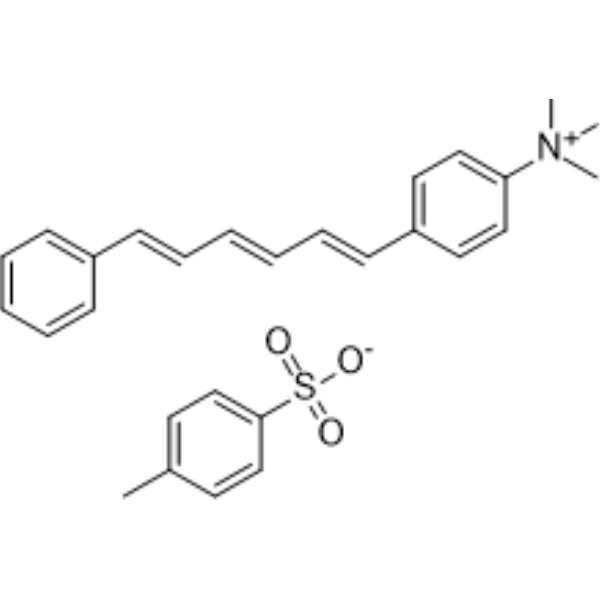
TMA-DPH is a hydrophobic fluorescent membrane probe (Ex=355 nm; Em=430 nm). TMA-DPH is able to anchor on the cell surface and localize to different regions of the phospholipid bilayer. By analyzing the fluorescence polarization values of TMA-DPH in the plasma membrane and membrane substructures, the fluidity of the cell membrane can be determined .
|
-
-
- HY-B1248
-
|
|
Environmental Pollutants
Antibiotic
Necroptosis
Bacterial
Apoptosis
|
Infection
|
|
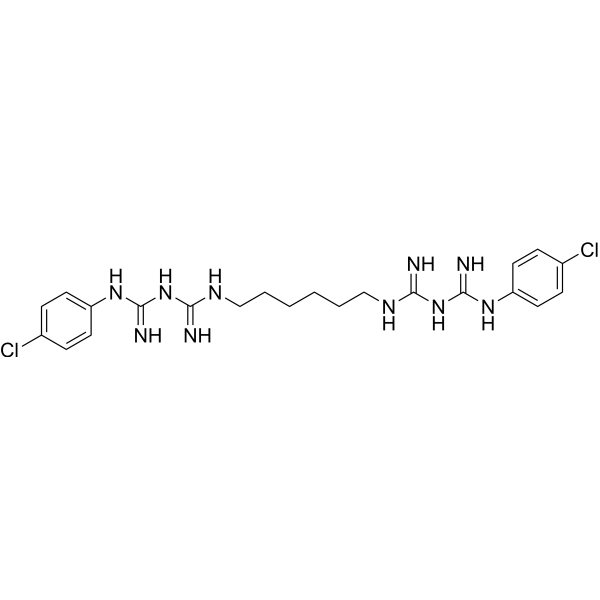
Chlorhexidine is a orally active cationic antimicrobial agent that targets microbial cell membranes. Chlorhexidine binds to cell membrane phospholipids non-specifically, destroys membrane structure and induces leakage of cell contents. Chlorhexidine has broad-spectrum bactericidal activity against both Gram-positive and Gram-negative bacteria. Chlorhexidine can interfere with membrane permeability, cause protein precipitation and energy metabolism disorders, such as rapid inhibition of microbial growth and induction of cell death (necrosis or apoptosis) .
|
-
-
- HY-B0608
-
|
|
Environmental Pollutants
Antibiotic
Bacterial
Necroptosis
Apoptosis
|
Infection
|
|
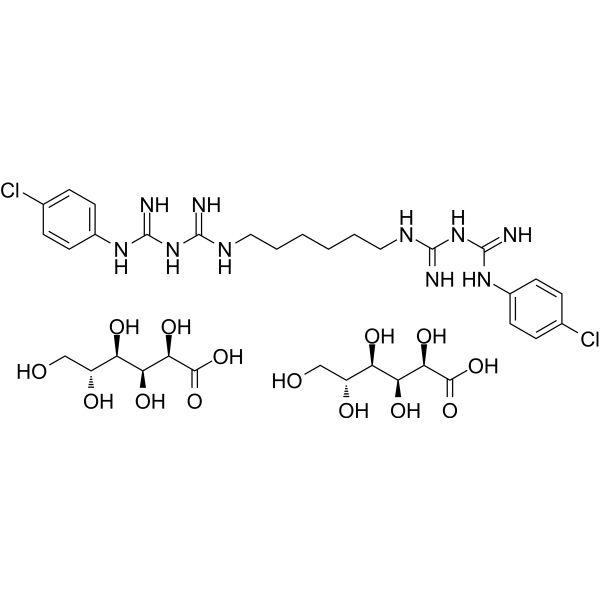
Chlorhexidine digluconate (20% in water) is a orally active cationic antimicrobial agent that targets microbial cell membranes. Chlorhexidine digluconate (20% in water) binds to cell membrane phospholipids non-specifically, destroys membrane structure and induces leakage of cell contents. Chlorhexidine digluconate (20% in water) has broad-spectrum bactericidal activity against both Gram-positive and Gram-negative bacteria. Chlorhexidine digluconate (20% in water) can interfere with membrane permeability, cause protein precipitation and energy metabolism disorders, such as rapid inhibition of microbial growth and induction of cell death (necrosis or apoptosis) .
|
-
-
- HY-N0729S2
-
|
|
Endogenous Metabolite
|
Cardiovascular Disease
Metabolic Disease
|
|
Linoleic acid- 13C18 is the 13C labeled Linoleic acid. Linoleic acid is a common polyunsaturated (PUFA) found in plant-based oils, nuts and seeds. Linoleic acid is a part of membrane phospholipids, and functions as a structural component to maintain a certain level of membrane fluidity of the transdermal water barrier of the epidermis. Linoleic acid induces red blood cells and hemoglobin damage via oxidative mechanism .
|
-
-
- HY-W013699
-
|
|
Environmental Pollutants
Antibiotic
Necroptosis
Bacterial
Apoptosis
|
Infection
|
|
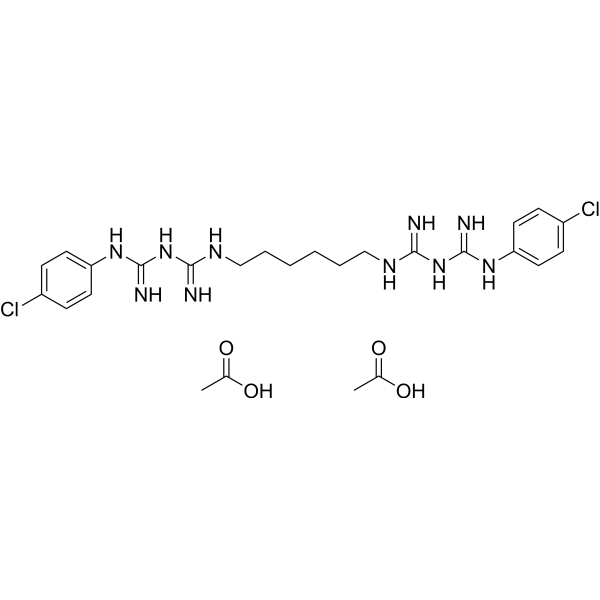
Chlorhexidine diacetate is a orally active cationic antimicrobial agent that targets microbial cell membranes. Chlorhexidine diacetate binds to cell membrane phospholipids non-specifically, destroys membrane structure and induces leakage of cell contents. Chlorhexidine diacetate has broad-spectrum bactericidal activity against both Gram-positive and Gram-negative bacteria. Chlorhexidine diacetate can interfere with membrane permeability, cause protein precipitation and energy metabolism disorders, such as rapid inhibition of microbial growth and induction of cell death (necrosis or apoptosis) .
|
-
-
- HY-D1736
-
|
|
Fluorescent Dye
|
Others
|
|
BODIPY FL-C16 is a BODIPY-labeled analog of Palmitic acid (HY-N0830), which serves as a fluorescent lipid tracer. BODIPY FL-C16 also acts as a ligand for liver fatty acid-binding protein (L-FABP) and intestinal fatty acid-binding protein (I-FABP) , with Kd values of 270 nM and 330 nM, respectively. BODIPY FL-C16 is rapidly taken up by cells, and after metabolic conversion to phospholipids, it is incorporated into the membrane structures of intracellular organelles and extracellular vesicles .
|
-
-
- HY-A0183
-
|
phospholipids, phosphatidylserines; Serine glycerophosphatides
|
Akt
TGF-β Receptor
|
Inflammation/Immunology
|
|
Phosphatidylserine (Phospholipids) is a well-conserved anti-inflammatory and immunosuppressive signal. Phosphatidylserine is involved in membrane translocation and the activation of protein kinase C, participating in Akt signaling through its interaction with PIP3. The local exposure of Phosphatidylserine can interact with complement and other proteins, promoting microglial phagocytosis during critical periods of synaptic refinement. Phosphatidylserine can promote blood coagulation in the extracellular environment and acts as a "eat me" signal to clear out apoptotic cells. Phosphatidylserine can suppress inflammation in tissues by inducing TGF-β secretion and inhibiting immune responses .
|
-
-
- HY-124617A
-
|
|
Apoptosis
Bacterial
|
Infection
Inflammation/Immunology
Cancer
|
|
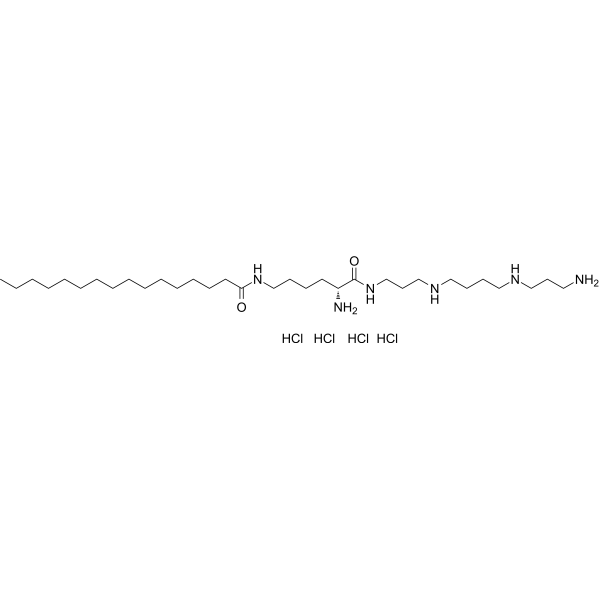
AMXT-1501 tetrahydrochloride is a Bacterial agent and polyamine transport system inhibitor. AMXT-1501 tetrahydrochloride targets membrane phospholipids and exhibits antibacterial activity against a variety of Gram-positive and Gram-negative multidrug-resistant bacteria . AMXT-1501 tetrahydrochloride inhibits capsular biosynthesis in Streptococcus pneumoniae . AMXT-1501 tetrahydrochloride targets ornithine decarboxylase and polyamines to inhibit the proliferation of neuroblastoma cells . AMXT-1501 tetrahydrochloride in combination with DFMO (HY-B0744) induces Apoptosis in neuroblastoma cells. AMXT-1501 tetrahydrochloride is applicable to research related to multidrug-resistant bacterial infections, pneumococcal infections, Streptococcus pneumoniae infections, and neuroblastoma .
|
-
-
- HY-W040268
-
|
|
Endogenous Metabolite
|
Others
|
|
1,2-Dipalmitoyl-sn-glycero-3-phosphoethanolamine is a phospholipid that is a major component of the lipid bilayer that surrounds cells and provides stability to the membrane .
|
-
-
- HY-W250118
-
|
|
Liposome
Autophagy
|
Neurological Disease
Metabolic Disease
|
|
Cephalin form bovine brain is an orally active phospholipid widely present in organisms.Cephalin form bovine brain participates in the formation of autophagosome membrane as a lipid anchor of autophagy-related protein Atg8/LC3. Cephalin form bovine brain enhances Autophagic flux, promotes cell differentiation, regulates lipid droplet fusion, delays aging, and also affects lipid metabolism and membrane integrity .
|
-
-
- HY-124617
-
|
|
Apoptosis
Bacterial
|
Infection
Cancer
|
|
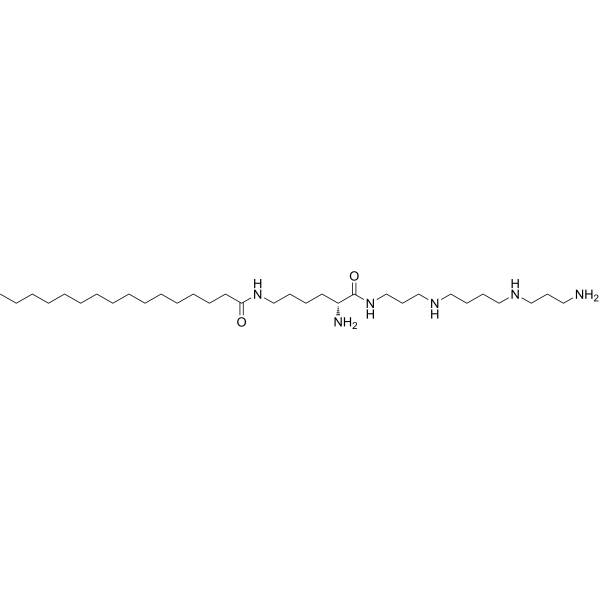
AMXT-1501 is a Bacterial agent and polyamine transport system inhibitor. AMXT-1501 targets membrane phospholipids and exhibits antibacterial activity against a variety of Gram-positive and Gram-negative multidrug-resistant bacteria . AMXT-1501 inhibits capsular biosynthesis in Streptococcus pneumoniae . AMXT-1501 targets ornithine decarboxylase and polyamines to inhibit the proliferation of neuroblastoma cells . AMXT-1501 in combination with DFMO (HY-B0744) induces Apoptosis in neuroblastoma cells. AMXT-1501 is applicable to research related to multidrug-resistant bacterial infections, pneumococcal infections, Streptococcus pneumoniae infections, and neuroblastoma .
|
-
-
- HY-134508
-
|
|
mTOR
|
Neurological Disease
Cancer
|
|
C24-Ceramide is an orally active competitive binding agonist of PIP4K2C (mTOR complex regulator), thereby activating the mTOR signaling pathway. At the same time, C24-Ceramide changes the membrane morphology by inducing the formation of a partially interlocked gel phase in the phospholipid bilayer. C24-Ceramide can promote the proliferation and migration of keratinocytes to accelerate skin wound healing and drive the proliferation and metastasis of gallbladder cancer cells. The level of C24-Ceramide in serum can be used as a diagnostic marker for gallbladder cancer .
|
-
-
- HY-P1902A
-
|
|
Apoptosis
|
Cardiovascular Disease
|
|
Cardiotoxin Analog (CTX) IV (6-12) TFA is a membrane active peptide that specifically targets negatively charged phospholipid membranes (such as phosphatidylserine and phosphatidylinositol). Cardiotoxin Analog (CTX) IV (6-12) TFA was discovered in the venom of the Taiwan cobra. Cardiotoxin Analog (CTX) IV (6-12) TFA is a chemically synthesized snake venom cardiotoxin that binds to cell membranes and embeds into lipid bilayers through hydrophobic interactions and electrostatic attraction, thereby destroying the stability of membrane structure. Cardiotoxin Analog (CTX) IV (6-12) TFA can induce membrane lipid disorder and cell lysis, exhibiting hemolysis and cytotoxicity .
|
-
-
- HY-B1513
-
|
|
Environmental Pollutants
SARS-CoV
Microtubule/Tubulin
|
Infection
Metabolic Disease
Cancer
|
|
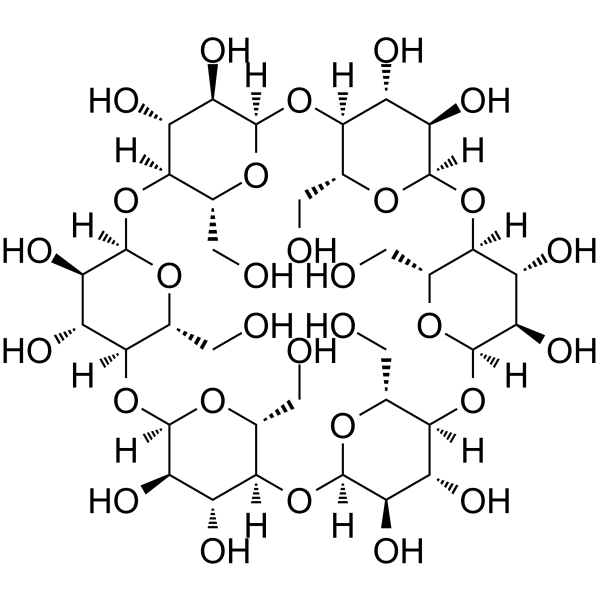
α-Cyclodextrin (α-CD) is a soluble fiber derived from corn. α-Cyclodextrin can deplete sphingolipids and phospholipids from cell membranes. α-Cyclodextrin interacts with tubulin. α-Cyclodextrin improves defenses against SARS-CoV-2 infection. α-Cyclodextrin enhances the anticancer efficacy of Crcumin (HY-N0005) against breast, lung and cervical cancer. α-Cyclodextrin has beneficial effects on body weight and blood lipids .
|
-
-
- HY-DY1057
-
|
|
Fluorescent Dye
|
Others
|
TMA-DPH (solution) is a hydrophobic fluorescent membrane probe (Ex=355 nm; Em=430 nm). TMA-DPH is able to anchor on the cell surface and localize to different regions of the phospholipid bilayer. By analyzing the fluorescence polarization values of TMA-DPH in the plasma membrane and membrane substructures, the fluidity of the cell membrane can be determined . Solvent and concentration: DMSO: 10 mM
|
-
-
- HY-B1145
-
|
|
Environmental Pollutants
Antibiotic
Apoptosis
Bacterial
Necroptosis
|
Infection
|
|
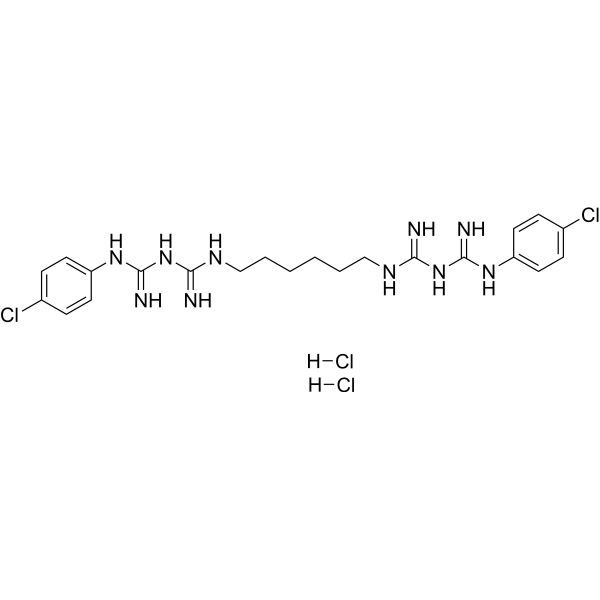
Chlorhexidine dihydrochloride is a orally active cationic antimicrobial agent that targets microbial cell membranes. Chlorhexidine dihydrochloride binds to cell membrane phospholipids non-specifically, destroys membrane structure and induces leakage of cell contents. Chlorhexidine dihydrochloride has broad-spectrum bactericidal activity against both Gram-positive and Gram-negative bacteria. Chlorhexidine dihydrochloride can interfere with membrane permeability, cause protein precipitation and energy metabolism disorders, such as rapid inhibition of microbial growth and induction of cell death (necrosis or apoptosis) .
|
-
-
- HY-P5712
-
|
Gramicidin soviet
|
Antibiotic
Bacterial
Na+/K+ ATPase
|
Infection
|
|
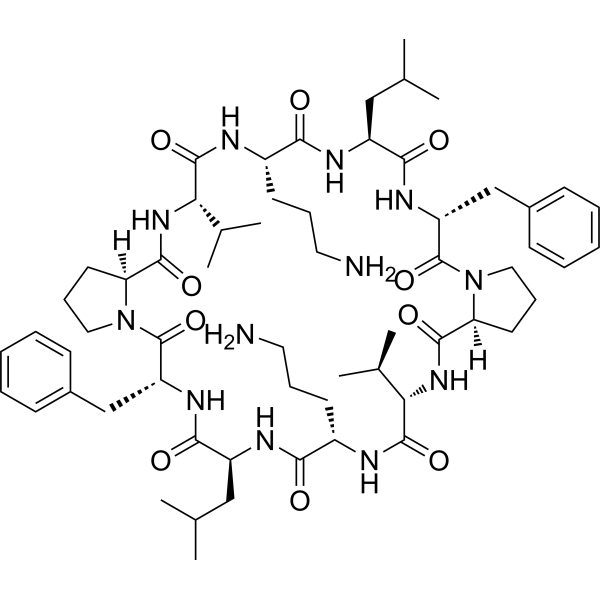
Gramicidin S (Gramicidin soviet) is a cationic cyclic peptide antibiotic that selectively targets bacterial cell membranes and has anticancer activity. Gramicidin S also exerts antibacterial activity by destroying membrane integrity and interfering with membrane protein function. Gramicidin S inserts into the phospholipid bilayer through hydrophobic amino acid residues, specifically binds to negatively charged membrane lipids and disrupts membrane structure, thereby inhibiting cell division and cell wall synthesis, and ultimately causing bacterial death. Gramicidin S also inhibits ion channels, with IC50s of 41 μM, 24 μM, and 3 μM for Na +/K +-ATPase, tobacco leaf plasma membrane Mg 2+/K +-ATPase, and rat heart plasma membrane Ca 2+-ATPase, respectively .
|
-
-
- HY-W355700
-
|
|
Drug Metabolite
|
Infection
|
|
1-oleoyl-sn-glycero-3-phosphoethanolamine (LysoPE 18:1) is a lysophosphatidylethanolamine molecule involved in phospholipid metabolism, targeting cell membrane receptors (such as G protein-coupled receptors) to regulate cell signaling pathways. 1-oleoyl-sn-glycero-3-phosphoethanolamine may activate mitogen-activated protein kinase (MAPK) signaling, promote cell migration, regulate inflammatory responses and lipid metabolism, and has both pro-inflammatory and anti-inflammatory activities. 1-oleoyl-sn-glycero-3-phosphoethanolamine is mainly used in the screening of biomarkers for metabolic diseases (such as non-alcoholic fatty liver disease and obesity), as well as the study of the mechanism of lysophospholipids in cell membrane homeostasis and signal transduction .
|
-
-
- HY-DY1025
-
|
|
Fluorescent Dye
|
Others
|
Laurdan (solution) is a membrane-permeable fluorescent probe that displays spectral sensitivity to the phospholipid phase of the cell membrane to which it is bound. Quantitation of generalized polarization (GP) of Laurdan can be used to identify phospholipid phase. Solvent and concentration: DMSO: 5 mM
|
-
-
- HY-158145
-
|
|
Phospholipase
|
Cancer
|
|
DS55980254 is the orally active inhibitor for phosphatidylserine synthase 1 (PTDSS1) that blocks the synthesis of intracellular phosphatidylserine. PTDSS1 deficiency affects the balance of cell membrane phospholipid components, and activates B cell receptor (BCR) signaling pathway .
|
-
-
- HY-A0089R
-
|
Polymyxin E sulfate (Standard)
|
Reference Standards
Bacterial
Autophagy
Antibiotic
|
Infection
|
|
Colistin (sulfate) (Standard) is the analytical standard of Colistin (sulfate). This product is intended for research and analytical applications. Colistin sulfate is a polypeptide antibiotic which inhibits gram-negative bacteria by binding to lipopolysaccharides and phospholipids in the outer cell membrane of gram-negative bacteria.
|
-
-
- HY-W035091
-
|
|
Biochemical Assay Reagents
|
Cardiovascular Disease
Neurological Disease
|
|
Tetrachloroauric acid is an Au (III) compound and bilayer disruptor that can be used to damage red blood cells. Tetrachloroauric acid specifically disrupts the bilayer structure of representative phospholipids (dimyristoylphosphatidylcholine and dimyristoylphosphatidylethanolamine) in human red blood cell membranes, and induces morphological changes in intact human red blood cells. Tetrachloroauric acid causes downregulation of MT I-II and GFAP expression in the mouse brain following chronic treatment. Tetrachloroauric acid is being used in studies related to neurotoxicity and hematotoxicity, including analyses of human red blood cells and molecular models of red blood cell membranes, as well as immunohistochemical evaluation of the mouse brain .
|
-
-
- HY-112747
-
|
LPI; PE (soy)
|
Phospholipase
|
Infection
|
|
Soy PE (LPI) is the most abundant phospholipid in prokaryotes and the second most abundant found in the membrane of mammalian, plant, and yeast cells, comprising approximately 25% of total mammalian phospholipids. In the brain, phosphatidylethanolamine comprises almost half of the total phospholipids. It is synthesized mainly through the cytidine diphosphate-ethanolamine and phosphatidylserine decarboxylation pathways, which occur in the endoplasmic reticulum (ER) and mitochondrial membranes, respectively. It is a precursor in the synthesis of phosphatidylcholine and arachidonoyl ethanolamide and is a source of ethanolamine used in various cellular functions. In E.coli, phosphatidylethanolamine deficiency prevents proper assembly of lactose permease, suggesting a role as a lipid chaperone. It is a cofactor in the propagation of prions in vitro and can convert recombinant mammalian proteins into infectious molecules even in the absence of RNA. This product contains phosphatidylethanolamine molecular species with variable fatty acyl chain lengths at the sn-1 and sn-2 positions .
|
-
-
- HY-148123
-
|
|
Biochemical Assay Reagents
|
Neurological Disease
|
|
Glycerophospholipids and cephalins are a class of phospholipid compounds and important components of neural membranes. Glycerophospholipids and cephalins are hydrolysis substrates of phospholipase (such as PLA2, PLC, and PLD). After complete hydrolysis, they produce 1 mol of glycerol, phosphate, ethanolamine, and 2 mol of fatty acids, respectively. Glycerophospholipids and cephalins can maintain membrane structure, fluidity, and ion permeability, and serve as precursors of second messengers such as arachidonic acid and diacylglycerol. Glycerophospholipids and cephalins can regulate signal transduction, cell apoptosis, and membrane transport, and are used in the study of neurodegenerative diseases (such as Alzheimer's disease) .
|
-
-
- HY-W195048
-
|
|
Biochemical Assay Reagents
|
Cancer
|
|
Tetradecyl sulfate sodium is an anionic detergent sclerosant. Tetradecyl sulfate sodium disturbs phospholipid cell membranes, causing membrane solubilization and cell lysis at high concentrations, and creates endothelial cell membrane negative charge to induce coagulation, thrombotic occlusion, fibrosis, and vessel ablation at lower concentrations. Tetradecyl sulfate (sodium) can be used for the research of hemangioma, Kaposi sarcoma, lymphangioma circumscriptum .
|
-
-
- HY-W587552
-
|
|
Liposome
Endogenous Metabolite
|
|
|
1,3-Diolein is a phospholipid compound that has the activity of regulating cell membrane fluidity and signal transduction. 1,3-Diolein is widely used in cell biology research to study lipid-mediated signal transduction pathways and membrane protein interactions. 1,3-Diolein can also serve as a functional carrier in compound delivery systems to help improve the bioavailability of compounds.
|
-
-
- HY-142980
-
|
Dioleoylphosphatidylglycerol
|
Liposome
|
Inflammation/Immunology
|
|
DOPG (Dioleoylphosphatidylglycerol) is a negatively charged phosphatidylglycerol phospholipid. DOPG is abundant in prokaryotic cell membranes and mitochondria, and has a low phase transition temperature and a tendency to form stable vesicles. DOPG inhibits the production of inflammatory mediators in macrophages in response to heat shock protein B4 (HSPB4)-activated toll-like receptor 2 (TLR2). DOPG is applicable to studies of membrane biology, drug-membrane interactions (especially in systems targeting negatively charged membranes), construction of drug delivery carriers, as well as research on sterile corneal inflammation and wound healing promotion .
|
-
-
- HY-W014118
-
|
|
Environmental Pollutants
|
Inflammation/Immunology
Cancer
|
|
α-Hexylcinnamaldehyde is an O-acetyltransferase (OAT) inhibitor. α-Hexylcinnamaldehyde inhibits OAT-mediated bioactivation of nitroarene mutagens, exerts antimutagenic activity through demutagenic and bioantimutagenic mechanisms, and interferes with ATP-binding cassette (ABC) transporter function to reduce substrate efflux. α-Hexylcinnamaldehyde alters membrane permeability, fluidizes phospholipid membranes, exerts antioxidant effects, and enhances the antiproliferative effect of Doxorubicin on human cancer cells. α-Hexylcinnamaldehyde can be used in the research of colorectal adenocarcinoma, T-cell leukemia, and multidrug-resistant cancers .
|
-
-
- HY-126359
-
|
SLPC; 18:0-18:2 PC
|
Endogenous Metabolite
|
Cardiovascular Disease
Metabolic Disease
|
|
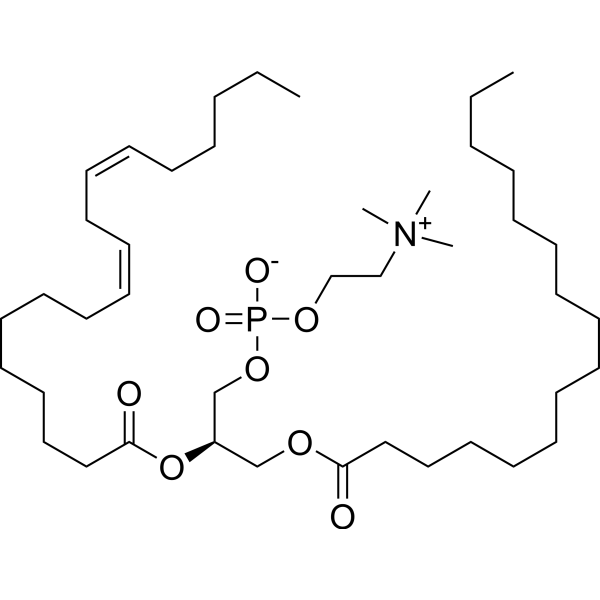
1-Stearoyl-2-linoleoyl-sn-glycero-3-phosphocholine (SLPC; 18:0-18:2 PC) is an endogenous phospholipid marker molecule in the glycerophospholipid metabolic pathway. 1-Stearoyl-2-linoleoyl-sn-glycero-3-phosphocholine is a core component of the phospholipid bilayer of biological membranes and a key responsive lipid for radiation injury and cardiometabolic diseases. 1-Stearoyl-2-linoleoyl-sn-glycero-3-phosphocholine constitutes the phospholipid bilayers of cell membranes and high-density lipoprotein (HDL), and regulates the core activity of lipoprotein functional homeostasis. The content of 1-Stearoyl-2-linoleoyl-sn-glycero-3-phosphocholine in mouse serum shows a significant dose-dependent decrease with increasing ionizing radiation dose, and its level in human HDL also decreases significantly in metabolic syndrome. 1-Stearoyl-2-linoleoyl-sn-glycero-3-phosphocholine can serve as a biological dosimeter marker for ionizing radiation injury, and is used for rapid and accurate assessment of radiation absorbed dose in exposed individuals. 1-Stearoyl-2-linoleoyl-sn-glycero-3-phosphocholine can also act as a lipidomics research target for cardiometabolic diseases such as lipid metabolic syndrome and early-onset coronary heart disease .
|
-
-
- HY-W040255
-
|
PGPC
|
Ferroptosis
FABP
Caspase
Interleukin Related
Apoptosis
|
Inflammation/Immunology
|
|
1-Palmitoyl-2-glutaryl-sn-glycero-3-phosphocholine is an oxidized phospholipid. 1-Palmitoyl-2-glutaryl-sn-glycero-3-phosphocholine reduces the viability of HUVECs, increases the levels of ferrous ions and lipid peroxidation, promotes the production of superoxide anions, and decreases the levels of glutathione and GPX4 in cells. 1-Palmitoyl-2-glutaryl-sn-glycero-3-phosphocholine upregulates the mRNA and protein levels of FABP3 in HUVECs, impairs mitochondrial membrane potential, and induces ferroptosis-related changes as well as mitochondrial dysfunction and damage. 1-Palmitoyl-2-glutaryl-sn-glycero-3-phosphocholine activates caspase-11 and promotes the continuous release of IL-1β from macrophages and dendritic cells. 1-Palmitoyl-2-glutaryl-sn-glycero-3-phosphocholine inhibits the proliferation of aortic smooth muscle cells and induces apoptosis in these cells. 1-Palmitoyl-2-glutaryl-sn-glycero-3-phosphocholine is applicable to relevant research on atherosclerosis .
|
-
-
- HY-N0729S
-
|
|
Isotope-Labeled Compounds
Endogenous Metabolite
|
Cardiovascular Disease
Metabolic Disease
|
|
Linoleic Acid-d4 is the deuterium labeled Linoleic acid. Linoleic acid is a common polyunsaturated (PUFA) found in plant-based oils, nuts and seeds. Linoleic acid is a part of membrane phospholipids, and functions as a structural component to maintain a certain level of membrane fluidity of the transdermal water barrier of the epidermis. Linoleic acid induces red blood cells and hemoglobin damage via oxidative mechanism .
|
-
-
- HY-N0729R
-
|
|
Reference Standards
Endogenous Metabolite
|
Cardiovascular Disease
Metabolic Disease
Cancer
|
|
Linoleic acid (Standard) is the analytical standard of Linoleic acid (HY-N0729). This product is intended for research and analytical applications. Linoleic acid is a common polyunsaturated (PUFA) found in plant-based oils, nuts and seeds. Linoleic acid is a part of membrane phospholipids, and functions as a structural component to maintain a certain level of membrane fluidity of the transdermal water barrier of the epidermis. Linoleic acid induces red blood cells and hemoglobin damage via oxidative mechanism .
|
-
-
- HY-141636
-
|
1-Palmitoyl-2-arachidonoyl-sn-glycero-3-phosphocholine; PAPC; PC(16:0/20:4)
|
Endogenous Metabolite
Biochemical Assay Reagents
|
Cardiovascular Disease
|
|
1-Palmitoyl-2-arachidonoyl-sn-glycero-3-PC (PAPC) is a phospholipid containing palmitic acid (16:0) and arachidonic acid (20:4) at the sn-1 and sn-2 positions, respectively, that is found in biological membranes. PAPC is oxidized in vivo, and its oxidation products are involved in chronic inflammation and vascular disease. PAPC has been used to study signaling of oxidized phospholipids. Levels of PAPC are decreased in isolated human multiple myeloma cells.
|
-
-
- HY-134174A
-
|
16:0-18:1 PA
|
Biochemical Assay Reagents
|
|
|
1-Palmitoyl-2-oleoyl-sn-glycero-3-phosphate sodium (16:0-18:1 PA) is a phospholipid with activities in regulating biological membrane fluidity and participating in cell signal transduction. 1-Palmitoyl-2-oleoyl-sn-glycero-3-phosphate sodium can be used to study the effects on the activity of chloroplast envelope monogalactosyldiacylglycerol (MGDG) synthase. 1-Palmitoyl-2-oleoyl-sn-glycero-3-phosphate sodium plays an important role in cell membrane integrity and function.
|
-
-
- HY-171158
-
|
|
Liposome
|
Cancer
|
|
Glycerophosphoglycerol is a precursor for phospholipid biosynthesis. Glycerophosphoglycerol supports tumor cell membrane reconstruction and proliferation by promoting phospholipid synthesis. Glycerophosphoglycerol is promising for research of breast cancers .
|
-
-
- HY-157721
-
|
DBPC
|
Liposome
|
Others
|
|
1,2-Dibehenoyl-sn-glycero-3-phosphocholine (DBPC) is a phospholipid found in cell membranes. 1, 2-dibehenoyl-SN-glycero-3-phosphocholine can be used to generate micelles, liposomes, and other types of artificial membranes .
|
-
-
- HY-N5034R
-
|
Monoaminoethyl phosphate (Standard); NSC 254167 (Standard); O-Phosphoethanolamine (Standard)
|
Reference Standards
Endogenous Metabolite
|
Metabolic Disease
Cancer
|
|
Phosphorylethanolamine (Standard) is the analytical standard of Phosphorylethanolamine. This product is intended for research and analytical applications. Phosphorylethanolamine (Monoaminoethyl phosphate) is present in most animal tissues and is also present in various human extracranial tumors. Phosphorylethanolamine is considered as the intermediate product of phospholipid metabolism. Phosphorylethanolamine is essential for the formation and maintenance of the cell membrane .
|
-
-
- HY-W142596
-
|
|
Liposome
|
Others
|
|
1,2-DImyristoyl-rac-glycero-3-phosphocholine (DMPC), a zwitterionic phospholipid, is chosen as a simple eukaryotic cell membrane, mimicking the neutral charge of the surface membrane of eukaryotic plasma membranes .
|
-
-
- HY-B1145S
-
|
|
Isotope-Labeled Compounds
Antibiotic
Bacterial
Necroptosis
Apoptosis
|
Infection
|
|
Chlorhexidine-d8 (dihydrochloride) is the deuterium labeled Chlorhexidine dihydrochloride (HY-B1145). Chlorhexidine dihydrochloride is a orally active cationic antimicrobial agent that targets microbial cell membranes. Chlorhexidine dihydrochloride binds to cell membrane phospholipids non-specifically, destroys membrane structure and induces leakage of cell contents. Chlorhexidine dihydrochloride has broad-spectrum bactericidal activity against both Gram-positive and Gram-negative bacteria. Chlorhexidine dihydrochloride can interfere with membrane permeability, cause protein precipitation and energy metabolism disorders, such as rapid inhibition of microbial growth and induction of cell death (necrosis or apoptosis) .
|
-
-
- HY-B1248R
-
|
|
Reference Standards
Antibiotic
Bacterial
Necroptosis
Apoptosis
|
Infection
|
|
Chlorhexidine (Standard) is the analytical standard of Chlorhexidine (HY-B1248). This product is intended for research and analytical applications. Chlorhexidine is a orally active cationic antimicrobial agent that targets microbial cell membranes. Chlorhexidine binds to cell membrane phospholipids non-specifically, destroys membrane structure and induces leakage of cell contents. Chlorhexidine has broad-spectrum bactericidal activity against both Gram-positive and Gram-negative bacteria. Chlorhexidine can interfere with membrane permeability, cause protein precipitation and energy metabolism disorders, such as rapid inhibition of microbial growth and induction of cell death (necrosis or apoptosis) .
|
-
-
- HY-N0729S4
-
|
|
Isotope-Labeled Compounds
|
Cardiovascular Disease
Metabolic Disease
|
|
Linoleic Acid-d5 is the deuterium labeled Linoleic acid. Linoleic acid is a common polyunsaturated (PUFA) found in plant-based oils, nuts and seeds. Linoleic acid is a part of membrane phospholipids, and functions as a structural component to maintain a certain level of membrane fluidity of the transdermal water barrier of the epidermis. Linoleic acid induces red blood cells and hemoglobin damage via oxidative mechanism .
|
-
-
- HY-P2624A
-
|
|
PAK
|
Metabolic Disease
|
|
st-Ht31 ammonium is a membrane-permeable peptide inhibitor of?protein kinase A (PKA) anchoring. st-Ht31 ammonium induces robust cholesterol/phospholipid efflux. st-Ht31 ammonium completely reverses foam cell formation and restores the metabolic health of macrophage .
|
-
- HY-W195048R
-
|
|
Biochemical Assay Reagents
Reference Standards
|
Cardiovascular Disease
|
|
Tetradecyl sulfate sodium (Standard) is an analytical standard of tetradecyl sulfate sodium. This product is intended for research and analytical applications. Tetradecyl sulfate sodium is an anionic detergent sclerosant. Tetradecyl sulfate sodium disturbs phospholipid cell membranes, causing membrane solubilization and cell lysis at high concentrations, and creates endothelial cell membrane negative charge to induce coagulation, thrombotic occlusion, fibrosis, and vessel ablation at lower concentrations. Tetradecyl sulfate (sodium) can be used for the research of hemangioma, Kaposi sarcoma, lymphangioma circumscriptum .
|
-
- HY-P10644
-
|
|
Fluorescent Dye
|
Cancer
|
|
CPP9 is a small, amphipathic, cyclic cell penetrating peptide (CPP). CPPs bind directly to the plasma membrane phospholipids and enter mammalian cells via endocytosis, followed by efficient release from the endosome. CPP9 can be used for intracellular delivery of therapeutic agents and chemical probes .
|
-
- HY-N0729S3
-
|
|
Endogenous Metabolite
|
Cardiovascular Disease
Metabolic Disease
|
|
Linoleic acid- 13C1 is the 13C labeled Linoleic acid. Linoleic acid is a common polyunsaturated (PUFA) found in plant-based oils, nuts and seeds. Linoleic acid is a part of membrane phospholipids, and functions as a structural component to maintain a certain level of membrane fluidity of the transdermal water barrier of the epidermis. Linoleic acid induces red blood cells and hemoglobin damage via oxidative mechanism .
|
-
- HY-P2624
-
|
|
PAK
|
Metabolic Disease
|
|
st-Ht31 is a membrane-permeable peptide inhibitor of protein kinase A (PKA) anchoring. st-Ht31 induces robust cholesterol/phospholipid efflux. st-Ht31 completely reverses foam cell formation and restores the metabolic health of macrophage .
|
-
- HY-166257
-
|
Psychosine 3′-O-sulfate; Psychosine 3′-sulfate
|
Biochemical Assay Reagents
Factor Xa
|
Metabolic Disease
|
|
Lyso-sulfatide (bovine) is a phospholipid component derived from sphingolipid catabolism and a potent factor Xa inhibitor and anticoagulant. Lyso-sulfatide (bovine) binds directly to factor Xa and inhibits prothrombin activation mediated by the prothrombinase complex, thereby prolonging factor Xa-induced plasma clotting time and suppressing thrombin generation. Lyso-sulfatide (bovine) serves as a reliable lipid membrane mimic for studying cell membrane structure, function, and molecular interactions .
|
-
- HY-N5034A
-
|
Monoaminoethyl phosphate calcium; NSC 254167 calcium; O-Phosphoethanolamine calcium
|
Liposome
|
Others
|
|
Phosphoethanolamine (calcium) (Monoaminoethyl phosphate (calcium); NSC 254167 (calcium); O-Phosphoethanolamine (calcium)) is a precursor to phosphatidylethanolamine and can be used in the synthesis of phosphatidylcholine. Phosphoethanolamine (calcium) is used in the study of phospholipid metabolism and cell membrane structure .
|
-
- HY-B1248A
-
|
|
Antibiotic
Bacterial
Necroptosis
Apoptosis
|
Infection
|
|
Chlorhexidine acetate hydrate is a orally active cationic antimicrobial agent that targets microbial cell membranes. Chlorhexidine acetate hydrate binds to cell membrane phospholipids non-specifically, destroys membrane structure and induces leakage of cell contents. Chlorhexidine acetate hydrate has broad-spectrum bactericidal activity against both Gram-positive and Gram-negative bacteria. Chlorhexidine acetate hydrate can interfere with membrane permeability, cause protein precipitation and energy metabolism disorders, such as rapid inhibition of microbial growth and induction of cell death (necrosis or apoptosis) .
|
-
- HY-W013699R
-
|
|
Reference Standards
Antibiotic
Bacterial
Necroptosis
Apoptosis
|
Infection
|
|
Chlorhexidine diacetate (Standard) is the analytical standard of Chlorhexidine diacetate (HY-W013699). This product is intended for research and analytical applications. Chlorhexidine diacetate is a orally active cationic antimicrobial agent that targets microbial cell membranes. Chlorhexidine diacetate binds to cell membrane phospholipids non-specifically, destroys membrane structure and induces leakage of cell contents. Chlorhexidine diacetate has broad-spectrum bactericidal activity against both Gram-positive and Gram-negative bacteria. Chlorhexidine diacetate can interfere with membrane permeability, cause protein precipitation and energy metabolism disorders, such as rapid inhibition of microbial growth and induction of cell death (necrosis or apoptosis) .
|
-
- HY-N0729S5
-
|
Deulinoleic acid
|
Endogenous Metabolite
|
Metabolic Disease
|
|
Linoleic Acid-d2 is the deuterium labeled Linoleic acid. Linoleic acid is a common polyunsaturated (PUFA) found in plant-based oils, nuts and seeds. Linoleic acid is a part of membrane phospholipids, and functions as a structural component to maintain a certain level of membrane fluidity of the transdermal water barrier of the epidermis. Linoleic acid induces red blood cells and hemoglobin damage via oxidative mechanism .
|
-
- HY-N0729S1
-
|
|
Isotope-Labeled Compounds
Endogenous Metabolite
|
Cardiovascular Disease
Metabolic Disease
|
|
Linoleic acid-d11 is the deuterium labeled Linoleic acid. Linoleic acid is a common polyunsaturated (PUFA) found in plant-based oils, nuts and seeds. Linoleic acid is a part of membrane phospholipids, and functions as a structural component to maintain a certain level of membrane fluidity of the transdermal water barrier of the epidermis. Linoleic acid induces red blood cells and hemoglobin damage via oxidative mechanism .
|
-
- HY-118431
-
|
|
Biochemical Assay Reagents
|
Others
|
|
DMABA NHS ester can chemically react with the primary amine groups of the major phospholipid component of the cell membrane, Phosphatidylethanolamine (PE). Through precursor ion scanning, all PE subclasses labeled with DMABA can be detected. DMABA NHS ester can be used in combination with isotope-labeled compounds such as DMABA-d6 NHS ester, DMABA-d10 NHS ester, and DMABA-d4 NHS ester to observe changes in the distribution of PE lipids and the formation of novel PE lipid products .
|
-
- HY-157641A
-
|
|
Biochemical Assay Reagents
|
Others
|
|
(2S)-18:1 Lyso PC is the (2S)-enantiomer of lysophosphatidylcholine (Lyso PC). LysoPC is a class of phospholipids, which are essential components of cell membranes.
|
-
- HY-P10970
-
|
|
Bacterial
|
Infection
|
|
RT2 is a tryptophan-rich cationic amphipathic antibacterial peptide, with main targets including lipopolysaccharide (LPS) on the bacterial surface and intracellular DNA. RT2 binds to bacterial surface LPS, and interacts with cytoplasmic membrane phospholipids, enabling it to rapidly penetrate the bacterial cell membrane and enter the cell, and then bind to components such as DNA in the cytoplasmic membrane, thereby exerting antibacterial effects. RT2 is promising for research of acute and chronic infections caused by planktonic bacteria .
|
-
- HY-B1145R
-
|
|
Reference Standards
Antibiotic
Bacterial
Necroptosis
Apoptosis
|
Infection
|
|
Chlorhexidine dihydrochloride (Standard) is the analytical standard of Chlorhexidine dihydrochloride (HY-B1145). This product is intended for research and analytical applications. Chlorhexidine dihydrochloride is a orally active cationic antimicrobial agent that targets microbial cell membranes. Chlorhexidine dihydrochloride binds to cell membrane phospholipids non-specifically, destroys membrane structure and induces leakage of cell contents. Chlorhexidine dihydrochloride has broad-spectrum bactericidal activity against both Gram-positive and Gram-negative bacteria. Chlorhexidine dihydrochloride can interfere with membrane permeability, cause protein precipitation and energy metabolism disorders, such as rapid inhibition of microbial growth and induction of cell death (necrosis or apoptosis) .
|
-
- HY-W738281
-
|
|
Isotope-Labeled Compounds
Antibiotic
Bacterial
Necroptosis
Apoptosis
|
Infection
|
|
Chlorhexidine-d8 is deuterium-labeled Chlorhexidine (HY-B1248) . Chlorhexidine is a orally active cationic antimicrobial agent that targets microbial cell membranes. Chlorhexidine binds to cell membrane phospholipids non-specifically, destroys membrane structure and induces leakage of cell contents. Chlorhexidine has broad-spectrum bactericidal activity against both Gram-positive and Gram-negative bacteria. Chlorhexidine can interfere with membrane permeability, cause protein precipitation and energy metabolism disorders, such as rapid inhibition of microbial growth and induction of cell death (necrosis or apoptosis) .
|
-
- HY-P10455
-
|
|
Bacterial
|
Infection
|
|
Cys-Pexiganan TFA is an amphiphilic antimicrobial peptide. Cys-Pexiganan TFA exhibits antibacterial activities against Staphylococcus aureus and Pseudomonas aeruginosa, with MIC of 16 μg/mL and 64.0 μg/mL. Cys-Pexiganan TFA interacts with anionic phospholipids and DNA of microbial cell membranes, disintegrates the cells and leads to cell death .
|
-
- HY-165473
-
|
|
Calcium Channel
|
Cancer
|
|
Hexadecylphosphoserine is a phospholipid molecule that contains a long-chain alkyl (hexadecyl) and a phosphoserine group, giving it a high affinity for the cell membrane. Hexadecylphosphoserine can exert antitumor activity by modulating [Ca ++]i and its related signaling pathways, making it useful for research in the field of breast cancer .
|
-
- HY-W339834
-
|
|
Acyltransferase
Endogenous Metabolite
Liposome
|
Others
|
|
1-Stearoyl-sn-glycerol 3-phosphate sodium is a bioactive phospholipid that plays a crucial role in modulating cellular processes such as motility, proliferation, invasion, survival, and growth factor production, primarily through its interaction with G protein-coupled receptors (GPCRs). Typically found at low concentrations in plasma (~100nM), this compound is synthesized during the formation of membrane phospholipids and is derived from various cell types, including activated platelets, epithelial cells, leukocytes, neuronal cells, and tumor cells. Its unique structure includes stearic acid at the sn-1 position alongside a hydroxyl group at the sn-2 position.
|
-
- HY-165473A
-
|
|
Calcium Channel
|
Cancer
|
|
Hexadecylphosphoserine TFA is a phospholipid molecule that contains a long-chain alkyl (hexadecyl) and a phosphoserine group, giving it a high affinity for the cell membrane. Hexadecylphosphoserine TFA can exert antitumor activity by modulating [Ca ++]i and its related signaling pathways, making it useful for research in the field of breast cancer .
|
-
- HY-103300
-
|
|
Endogenous Metabolite
|
Infection
|
|
NPE-caged-proton is a reagent that releases protons under UV light and has the activity of activating the fusion protein GP64 under weak acidic conditions. NPE-caged-proton can promote the binding of enveloped viruses to liposome membranes with acidic phospholipids in an environment of pH 4.0 to 5.5, thereby initiating membrane fusion. The ultraviolet unblocking effect of NPE-caged-proton can lower the environmental pH, thereby triggering the process of viral membrane fusion. When studying the interaction between viruses and cell membranes, NPE-caged-proton provides a valuable tool for revealing the subtle behaviors of viruses in different chemical and biochemical environments .
|
-
- HY-157689
-
|
20:1(Cis)PC
|
Biochemical Assay Reagents
|
|
|
1,2-Dieicosenoyl-sn-glycero-3-phosphocholine (20:1(Cis)PC) is a phospholipid that has the activity of promoting the binding of proteins to liposomes. 1,2-Dieicosenoyl-sn-glycero-3-phosphocholine can serve as a component of biological membranes and enhance the fluidity of cell membranes. 1,2-Dieicosenoyl-sn-glycero-3-phosphocholine also plays an important role in compound delivery systems, improving the biocompatibility and targeting of compounds.
|
-
- HY-W040268S1
-
|
|
Isotope-Labeled Compounds
Endogenous Metabolite
|
Others
|
|
1,2-Dipalmitoyl-sn-glycero-3-phosphoethanolamine-d9 is deuterium labeled 1,2-Dipalmitoyl-sn-glycero-3-phosphoethanolamine. 1,2-Dipalmitoyl-sn-glycero-3-phosphoethanolamine is a phospholipid that is a major component of the lipid bilayer that surrounds cells and provides stability to the membrane .
|
-
- HY-W040268S
-
|
|
Isotope-Labeled Compounds
Endogenous Metabolite
|
Others
|
|
1,2-Dipalmitoyl-sn-glycero-3-phosphoethanolamine-d62 is deuterium labeled 1,2-Dipalmitoyl-sn-glycero-3-phosphoethanolamine. 1,2-Dipalmitoyl-sn-glycero-3-phosphoethanolamine is a phospholipid that is a major component of the lipid bilayer that surrounds cells and provides stability to the membrane .
|
-
- HY-161948
-
|
|
Ferroptosis
|
Cancer
|
|
Ferroptosis inducer-4 (Compound 5) is a ferroptosis (Ferroptosis) inducer with a structure featuring terminal double bonds introduced at the sn-2 position of phospholipids. Ferroptosis inducer-4 exhibits significant cytotoxicity towards HT-1080 cells, with an IC50 of 18 μM. This cytotoxic mechanism involves the generation of lipid peroxides and oxidative damage to the cell membrane triggered by the terminal double bonds. Ferroptosis inducer-4 can be used for research on ferroptosis regulation .
|
-
- HY-W014118R
-
|
|
Reference Standards
Environmental Pollutants
|
Cancer
|
|
α-Hexylcinnamaldehyde (Standard) is the analytical standard of α-Hexylcinnamaldehyde. This product is intended for research and analytical applications. α-Hexylcinnamaldehyde is an O-acetyltransferase (OAT) inhibitor. α-Hexylcinnamaldehyde inhibits OAT-mediated bioactivation of nitroarene mutagens, exerts antimutagenic activity through demutagenic and bioantimutagenic mechanisms, and interferes with ATP-binding cassette (ABC) transporter function to reduce substrate efflux. α-Hexylcinnamaldehyde alters membrane permeability, fluidizes phospholipid membranes, exerts antioxidant effects, and enhances the antiproliferative effect of Doxorubicin on human cancer cells. α-Hexylcinnamaldehyde can be used in the research of colorectal adenocarcinoma, T-cell leukemia, and multidrug-resistant cancers .
|
-
- HY-112839
-
|
|
Endogenous Metabolite
|
|
|
1-Myristoyl-2-(4-nitrophenylsuccinyl)-sn-glycero-3-phosphocholine is a synthetic phospholipid with the activity of inhibiting cell proliferation. 1-Myristoyl-2-(4-nitrophenylsuccinyl)-sn-glycero-3-phosphocholine can be used as a compound carrier to increase the bioavailability of the compound. 1-Myristoyl-2-(4-nitrophenylsuccinyl)-sn-glycero-3-phosphocholine also plays an important role in cell membrane research and provides an effective tool for understanding cell signal transduction.
|
-
- HY-141636S
-
|
1-Palmitoyl-2-arachidonoyl-sn-glycero-3-phosphocholine-d9-1; PAPC-d9-1; PC(16:0/20:4)-d9-1
|
Isotope-Labeled Compounds
Endogenous Metabolite
|
Cardiovascular Disease
|
|
1-PalMitoyl-2-arachidoyllecithin-d9-1 (1-Palmitoyl-2-arachidonoyl-sn-glycero-3-phosphocholine-d9-1) is deuterium labeled 1-PalMitoyl-2-arachidoyllecithin. 1-Palmitoyl-2-arachidonoyl-sn-glycero-3-PC (PAPC) is a phospholipid containing palmitic acid (16:0) and arachidonic acid (20:4) at the sn-1 and sn-2 positions, respectively, that is found in biological membranes. PAPC is oxidized in vivo, and its oxidation products are involved in chronic inflammation and vascular disease. PAPC has been used to study signaling of oxidized phospholipids. Levels of PAPC are decreased in isolated human multiple myeloma cells .
|
-
- HY-W587499
-
|
|
Liposome
|
Cancer
|
|
2-Arachidonoyl-sn-glycero-3-phosphocholine is a phospholipid molecule that is a major component of the plasma membrane. It is a phospholipid molecule that is involved in the regulation of membrane fluidity, signal transduction, cell-cell communication, and mediator of inflammation.
|
-
- HY-151994S
-
|
|
Isotope-Labeled Compounds
Endogenous Metabolite
|
Others
|
|
1,3-Diolein-d66 is deuterium labeled 1,3-Diolein. 1,3-Diolein is a phospholipid compound that has the activity of regulating cell membrane fluidity and signal transduction. 1,3-Diolein is widely used in cell biology research to study lipid-mediated signal transduction pathways and membrane protein interactions. 1,3-Diolein can also serve as a functional carrier in compound delivery systems to help improve the bioavailability of compounds .
|
-
- HY-203233
-
|
|
Fluorescent Dye
|
Others
|
|
Rhodamine-DHPE is a fluorescently labeled phosphatidylethanolamine lipid that labels phospholipid bilayers. Rhodamine-DHPE serves as a fluorescence quenching substrate and membrane stain. The fluorescence lifetime of Rhodamine-DHPE decreases significantly in the presence of Cu 2+-PS complexes. Rhodamine-DHPE effectively stains the membranes of human red blood cells and mouse fibroblasts, and supports lifetime-resolved imaging via pump-probe fluorescence microscopy .
|
-
- HY-165180
-
|
Psychosine 3′-O-sulfate sodium; Psychosine 3′-sulfate sodium
|
Biochemical Assay Reagents
Factor Xa
|
Metabolic Disease
|
|
Lyso-sulfatide (bovine) sodium is a phospholipid component derived from sphingolipid catabolism and a potent factor Xa inhibitor and anticoagulant. Lyso-sulfatide (bovine) sodium binds directly to factor Xa and inhibits prothrombin activation mediated by the prothrombinase complex, thereby prolonging factor Xa-induced plasma clotting time and suppressing thrombin generation. Lyso-sulfatide (bovine) sodium serves as a reliable lipid membrane mimic for studying cell membrane structure, function, and molecular interactions .
|
-
- HY-E70853
-
|
|
PKC
|
Cancer
|
|
PKCδ is a PKC isoform. PKCδ is expressed ubiquitously among cells and tissues. It is activated by diacylglycerol produced by receptor-mediated hydrolysis of membrane inositol phospholipids as well as by tumor-promoting phorbol ester through the binding of these compounds to the C1 region in its regulatory domain. PKCδ Recombinant Human Active Protein Kinase is a recombinant PKCδ protein that can be used to study PKCδ-related functions .
|
-
- HY-W040268R
-
|
|
Endogenous Metabolite
Reference Standards
|
Others
|
|
1,2-Dipalmitoyl-sn-glycero-3-phosphoethanolamine (Standard) is the analytical standard of 1,2-Dipalmitoyl-sn-glycero-3-phosphoethanolamine (HY-W040268). This product is intended for research and analytical applications. 1,2-Dipalmitoyl-sn-glycero-3-phosphoethanolamine is a phospholipid that is a major component of the lipid bilayer that surrounds cells and provides stability to the membrane .
|
-
- HY-167809
-
|
|
Biochemical Assay Reagents
|
|
|
1-Palmitoyl-2-cholesterylcarbonoyl-sn-glycero-3-phosphocholine is a sterol-modified phospholipid with the activity of maintaining the stability of membrane bilayer structure and enhancing the liposome-mediated compound delivery process. 1-Palmitoyl-2-cholesterylcarbonoyl-sn-glycero-3-phosphocholine is widely used in biomedical applications to improve the delivery efficiency of compounds. 1-Palmitoyl-2-cholesterylcarbonoyl-sn-glycero-3-phosphocholine can also improve the release and distribution of compounds in cells.
|
-
- HY-W355700S
-
|
|
Isotope-Labeled Compounds
|
Infection
|
|
1-Oleoyl-2-hydroxy-sn-glycero-3-phosphoethanolamine-d31 is the deuterium labeled 1-Oleoyl-2-hydroxy-sn-glycero-3-phosphoethanolamine (HY-W355700). 1-oleoyl-sn-glycero-3-phosphoethanolamine (LysoPE 18:1) is a lysophosphatidylethanolamine molecule involved in phospholipid metabolism, targeting cell membrane receptors (such as G protein-coupled receptors) to regulate cell signaling pathways. 1-oleoyl-sn-glycero-3-phosphoethanolamine may activate mitogen-activated protein kinase (MAPK) signaling, promote cell migration, regulate inflammatory responses and lipid metabolism, and has both pro-inflammatory and anti-inflammatory activities. 1-oleoyl-sn-glycero-3-phosphoethanolamine is mainly used in the screening of biomarkers for metabolic diseases (such as non-alcoholic fatty liver disease and obesity), as well as the study of the mechanism of lysophospholipids in cell membrane homeostasis and signal transduction .
|
-
- HY-DY1102
-
|
|
Fluorescent Dye
|
Others
|
BODIPY FL-C16 (solution) is a BODIPY-labeled analog of Palmitic acid (HY-N0830), which serves as a fluorescent lipid tracer. BODIPY FL-C16 (solution) also acts as a ligand for liver fatty acid-binding protein (L-FABP) and intestinal fatty acid-binding protein (I-FABP) , with Kd values of 270 nM and 330 nM, respectively. BODIPY FL-C16 (solution) is rapidly taken up by cells, and after metabolic conversion to phospholipids, it is incorporated into the membrane structures of intracellular organelles and extracellular vesicles . Solvent and concentration: DMSO: 5 mM
|
-
- HY-179554
-
|
PI(4,5)P2-fluorescein triethylammonium
|
Fluorescent Dye
|
Others
|
|
PtdIns-(4,5)-P2-fluorescein (PI(4,5)P2-fluorescein) triethylammonium is a fluorescently labeled phosphatidylinositol-4,5-bisphosphate, which is a marked form of an important phospholipid signaling molecule (PIP2) on the cell membrane. PtdIns-(4,5)-P2-fluorescein triethylammonium can be used to detect proteins that interact with phosphatidylinositol-4,5-bisphosphate, such as PI3K, PTEN, and PH domain proteins, etc .
|
-
- HY-Y1805
-
-
-
-
HY-L043
-
|
|
1,274 compounds
|
|
Lipids are a diverse and ubiquitous group of compounds which have many key biological functions, such as acting as structural components of cell membranes, serving as energy storage sources and participating in signaling pathways. Several studies suggest that bioactive lipids have effects on the treatment of some mental illnesses and metabolic syndrome. For example, DHA and EPA are important for monoaminergic neurotransmission, brain development and synaptic functioning, and are also correlated with a reduced risk of cancer and cardiovascular disease in clinical and animal studies.
MCE supplies a unique collection of 1,274 lipid and lipid derivative related compounds including triglycerides, phospholipids, sphingolipids, steroids and their structural analogues or derivatives. MCE lipid compound library can be used for research in bioactive lipids, and high throughput screening (HTS) and high content screening (HCS).
|
| Cat. No. |
Product Name |
Type |
-
- HY-D0080
-
|
|
Fluorescent Dyes
|
|
Laurdan is a membrane-permeable fluorescent probe that displays spectral sensitivity to the phospholipid phase of the cell membrane to which it is bound. Quantitation of generalized polarization (GP) of Laurdan can be used to identify phospholipid phase (Ex/Em = 370/440-490 nm).
|
-
- HY-D0986
-
|
|
Fluorescent Dyes
|
|
TMA-DPH is a hydrophobic fluorescent membrane probe (Ex=355 nm; Em=430 nm). TMA-DPH is able to anchor on the cell surface and localize to different regions of the phospholipid bilayer. By analyzing the fluorescence polarization values of TMA-DPH in the plasma membrane and membrane substructures, the fluidity of the cell membrane can be determined .
|
-
- HY-D1736
-
|
|
Fluorescent Dyes
|
|
BODIPY FL-C16 is a BODIPY-labeled analog of Palmitic acid (HY-N0830), which serves as a fluorescent lipid tracer. BODIPY FL-C16 also acts as a ligand for liver fatty acid-binding protein (L-FABP) and intestinal fatty acid-binding protein (I-FABP) , with Kd values of 270 nM and 330 nM, respectively. BODIPY FL-C16 is rapidly taken up by cells, and after metabolic conversion to phospholipids, it is incorporated into the membrane structures of intracellular organelles and extracellular vesicles .
|
-
- HY-DY1057
-
|
|
Fluorescent Dyes
|
TMA-DPH (solution) is a hydrophobic fluorescent membrane probe (Ex=355 nm; Em=430 nm). TMA-DPH is able to anchor on the cell surface and localize to different regions of the phospholipid bilayer. By analyzing the fluorescence polarization values of TMA-DPH in the plasma membrane and membrane substructures, the fluidity of the cell membrane can be determined . Solvent and concentration: DMSO: 10 mM
|
-
- HY-DY1025
-
|
|
Fluorescent Dyes
|
Laurdan (solution) is a membrane-permeable fluorescent probe that displays spectral sensitivity to the phospholipid phase of the cell membrane to which it is bound. Quantitation of generalized polarization (GP) of Laurdan can be used to identify phospholipid phase. Solvent and concentration: DMSO: 5 mM
|
-
- HY-203233
-
|
|
Fluorescent Dyes
|
|
Rhodamine-DHPE is a fluorescently labeled phosphatidylethanolamine lipid that labels phospholipid bilayers. Rhodamine-DHPE serves as a fluorescence quenching substrate and membrane stain. The fluorescence lifetime of Rhodamine-DHPE decreases significantly in the presence of Cu 2+-PS complexes. Rhodamine-DHPE effectively stains the membranes of human red blood cells and mouse fibroblasts, and supports lifetime-resolved imaging via pump-probe fluorescence microscopy .
|
-
- HY-DY1102
-
|
|
Fluorescent Dyes
|
BODIPY FL-C16 (solution) is a BODIPY-labeled analog of Palmitic acid (HY-N0830), which serves as a fluorescent lipid tracer. BODIPY FL-C16 (solution) also acts as a ligand for liver fatty acid-binding protein (L-FABP) and intestinal fatty acid-binding protein (I-FABP) , with Kd values of 270 nM and 330 nM, respectively. BODIPY FL-C16 (solution) is rapidly taken up by cells, and after metabolic conversion to phospholipids, it is incorporated into the membrane structures of intracellular organelles and extracellular vesicles . Solvent and concentration: DMSO: 5 mM
|
| Cat. No. |
Product Name |
Type |
-
- HY-W250118
-
|
|
Biochemical Assay Reagents
|
|
Cephalin form bovine brain is an orally active phospholipid widely present in organisms.Cephalin form bovine brain participates in the formation of autophagosome membrane as a lipid anchor of autophagy-related protein Atg8/LC3. Cephalin form bovine brain enhances Autophagic flux, promotes cell differentiation, regulates lipid droplet fusion, delays aging, and also affects lipid metabolism and membrane integrity .
|
-
- HY-134508
-
|
|
Biochemical Assay Reagents
|
|
C24-Ceramide is an orally active competitive binding agonist of PIP4K2C (mTOR complex regulator), thereby activating the mTOR signaling pathway. At the same time, C24-Ceramide changes the membrane morphology by inducing the formation of a partially interlocked gel phase in the phospholipid bilayer. C24-Ceramide can promote the proliferation and migration of keratinocytes to accelerate skin wound healing and drive the proliferation and metastasis of gallbladder cancer cells. The level of C24-Ceramide in serum can be used as a diagnostic marker for gallbladder cancer .
|
-
- HY-148123
-
|
|
Biochemical Assay Reagents
|
|
Glycerophospholipids and cephalins are a class of phospholipid compounds and important components of neural membranes. Glycerophospholipids and cephalins are hydrolysis substrates of phospholipase (such as PLA2, PLC, and PLD). After complete hydrolysis, they produce 1 mol of glycerol, phosphate, ethanolamine, and 2 mol of fatty acids, respectively. Glycerophospholipids and cephalins can maintain membrane structure, fluidity, and ion permeability, and serve as precursors of second messengers such as arachidonic acid and diacylglycerol. Glycerophospholipids and cephalins can regulate signal transduction, cell apoptosis, and membrane transport, and are used in the study of neurodegenerative diseases (such as Alzheimer's disease) .
|
-
- HY-142980
-
|
Dioleoylphosphatidylglycerol
|
Biochemical Assay Reagents
|
|
DOPG (Dioleoylphosphatidylglycerol) is a negatively charged phosphatidylglycerol phospholipid. DOPG is abundant in prokaryotic cell membranes and mitochondria, and has a low phase transition temperature and a tendency to form stable vesicles. DOPG inhibits the production of inflammatory mediators in macrophages in response to heat shock protein B4 (HSPB4)-activated toll-like receptor 2 (TLR2). DOPG is applicable to studies of membrane biology, drug-membrane interactions (especially in systems targeting negatively charged membranes), construction of drug delivery carriers, as well as research on sterile corneal inflammation and wound healing promotion .
|
-
- HY-W040255
-
|
PGPC
|
Biochemical Assay Reagents
|
|
1-Palmitoyl-2-glutaryl-sn-glycero-3-phosphocholine is an oxidized phospholipid. 1-Palmitoyl-2-glutaryl-sn-glycero-3-phosphocholine reduces the viability of HUVECs, increases the levels of ferrous ions and lipid peroxidation, promotes the production of superoxide anions, and decreases the levels of glutathione and GPX4 in cells. 1-Palmitoyl-2-glutaryl-sn-glycero-3-phosphocholine upregulates the mRNA and protein levels of FABP3 in HUVECs, impairs mitochondrial membrane potential, and induces ferroptosis-related changes as well as mitochondrial dysfunction and damage. 1-Palmitoyl-2-glutaryl-sn-glycero-3-phosphocholine activates caspase-11 and promotes the continuous release of IL-1β from macrophages and dendritic cells. 1-Palmitoyl-2-glutaryl-sn-glycero-3-phosphocholine inhibits the proliferation of aortic smooth muscle cells and induces apoptosis in these cells. 1-Palmitoyl-2-glutaryl-sn-glycero-3-phosphocholine is applicable to relevant research on atherosclerosis .
|
-
- HY-134174A
-
|
16:0-18:1 PA
|
Biochemical Assay Reagents
|
|
1-Palmitoyl-2-oleoyl-sn-glycero-3-phosphate sodium (16:0-18:1 PA) is a phospholipid with activities in regulating biological membrane fluidity and participating in cell signal transduction. 1-Palmitoyl-2-oleoyl-sn-glycero-3-phosphate sodium can be used to study the effects on the activity of chloroplast envelope monogalactosyldiacylglycerol (MGDG) synthase. 1-Palmitoyl-2-oleoyl-sn-glycero-3-phosphate sodium plays an important role in cell membrane integrity and function.
|
-
- HY-W142596
-
|
|
Biochemical Assay Reagents
|
|
1,2-DImyristoyl-rac-glycero-3-phosphocholine (DMPC), a zwitterionic phospholipid, is chosen as a simple eukaryotic cell membrane, mimicking the neutral charge of the surface membrane of eukaryotic plasma membranes .
|
-
- HY-157689
-
|
20:1(Cis)PC
|
Biochemical Assay Reagents
|
|
1,2-Dieicosenoyl-sn-glycero-3-phosphocholine (20:1(Cis)PC) is a phospholipid that has the activity of promoting the binding of proteins to liposomes. 1,2-Dieicosenoyl-sn-glycero-3-phosphocholine can serve as a component of biological membranes and enhance the fluidity of cell membranes. 1,2-Dieicosenoyl-sn-glycero-3-phosphocholine also plays an important role in compound delivery systems, improving the biocompatibility and targeting of compounds.
|
-
- HY-167809
-
|
|
Biochemical Assay Reagents
|
|
1-Palmitoyl-2-cholesterylcarbonoyl-sn-glycero-3-phosphocholine is a sterol-modified phospholipid with the activity of maintaining the stability of membrane bilayer structure and enhancing the liposome-mediated compound delivery process. 1-Palmitoyl-2-cholesterylcarbonoyl-sn-glycero-3-phosphocholine is widely used in biomedical applications to improve the delivery efficiency of compounds. 1-Palmitoyl-2-cholesterylcarbonoyl-sn-glycero-3-phosphocholine can also improve the release and distribution of compounds in cells.
|
| Cat. No. |
Product Name |
Target |
Research Area |
-
- HY-P1902
-
|
|
Apoptosis
|
Cardiovascular Disease
|
|
Cardiotoxin Analog (CTX) IV (6-12) is a membrane active peptide that specifically targets negatively charged phospholipid membranes (such as phosphatidylserine and phosphatidylinositol). Cardiotoxin Analog (CTX) IV (6-12) was discovered in the venom of the Taiwan cobra. Cardiotoxin Analog (CTX) IV (6-12) is a chemically synthesized snake venom cardiotoxin that binds to cell membranes and embeds into lipid bilayers through hydrophobic interactions and electrostatic attraction, thereby destroying the stability of membrane structure. Cardiotoxin Analog (CTX) IV (6-12) can induce membrane lipid disorder and cell lysis, exhibiting hemolysis and cytotoxicity .
|
-
- HY-P1902A
-
|
|
Apoptosis
|
Cardiovascular Disease
|
|
Cardiotoxin Analog (CTX) IV (6-12) TFA is a membrane active peptide that specifically targets negatively charged phospholipid membranes (such as phosphatidylserine and phosphatidylinositol). Cardiotoxin Analog (CTX) IV (6-12) TFA was discovered in the venom of the Taiwan cobra. Cardiotoxin Analog (CTX) IV (6-12) TFA is a chemically synthesized snake venom cardiotoxin that binds to cell membranes and embeds into lipid bilayers through hydrophobic interactions and electrostatic attraction, thereby destroying the stability of membrane structure. Cardiotoxin Analog (CTX) IV (6-12) TFA can induce membrane lipid disorder and cell lysis, exhibiting hemolysis and cytotoxicity .
|
-
- HY-P5712
-
|
Gramicidin soviet
|
Antibiotic
Bacterial
Na+/K+ ATPase
|
Infection
|
|
Gramicidin S (Gramicidin soviet) is a cationic cyclic peptide antibiotic that selectively targets bacterial cell membranes and has anticancer activity. Gramicidin S also exerts antibacterial activity by destroying membrane integrity and interfering with membrane protein function. Gramicidin S inserts into the phospholipid bilayer through hydrophobic amino acid residues, specifically binds to negatively charged membrane lipids and disrupts membrane structure, thereby inhibiting cell division and cell wall synthesis, and ultimately causing bacterial death. Gramicidin S also inhibits ion channels, with IC50s of 41 μM, 24 μM, and 3 μM for Na +/K +-ATPase, tobacco leaf plasma membrane Mg 2+/K +-ATPase, and rat heart plasma membrane Ca 2+-ATPase, respectively .
|
-
- HY-P10644A
-
|
|
Peptides
|
Cancer
|
|
CPP9 TFA is a small, amphipathic, cyclic cell penetrating peptide (CPP). CPPs bind directly to the plasma membrane phospholipids and enter mammalian cells via endocytosis, followed by efficient release from the endosome. CPP9 TFA can be used for intracellular delivery of therapeutic agents and chemical probes .
|
-
- HY-P10649
-
|
|
Peptides
|
Cancer
|
|
CPP12 is a small, amphipathic, cyclic cell-penetrating peptide (CPP). CPP12 binds directly to plasma membrane phospholipids, enters mammalian cells via endocytosis, and then efficiently escapes from endosomes. CPP12 can be used for the intracellular delivery of drugs and chemical probes .
|
-
- HY-P10649A
-
|
|
Peptides
|
Cancer
|
|
CPP12 TFA is a small, amphipathic, cyclic cell-penetrating peptide (CPP). CPP12 TFA binds directly to plasma membrane phospholipids, enters mammalian cells via endocytosis, and then efficiently escapes from endosomes. CPP12 TFA can be used for the intracellular delivery of drugs and chemical probes .
|
-
- HY-P2624A
-
|
|
PAK
|
Metabolic Disease
|
|
st-Ht31 ammonium is a membrane-permeable peptide inhibitor of?protein kinase A (PKA) anchoring. st-Ht31 ammonium induces robust cholesterol/phospholipid efflux. st-Ht31 ammonium completely reverses foam cell formation and restores the metabolic health of macrophage .
|
-
- HY-P10644
-
|
|
Fluorescent Dye
|
Cancer
|
|
CPP9 is a small, amphipathic, cyclic cell penetrating peptide (CPP). CPPs bind directly to the plasma membrane phospholipids and enter mammalian cells via endocytosis, followed by efficient release from the endosome. CPP9 can be used for intracellular delivery of therapeutic agents and chemical probes .
|
-
- HY-P2624
-
|
|
PAK
|
Metabolic Disease
|
|
st-Ht31 is a membrane-permeable peptide inhibitor of protein kinase A (PKA) anchoring. st-Ht31 induces robust cholesterol/phospholipid efflux. st-Ht31 completely reverses foam cell formation and restores the metabolic health of macrophage .
|
-
- HY-P10970
-
|
|
Bacterial
|
Infection
|
|
RT2 is a tryptophan-rich cationic amphipathic antibacterial peptide, with main targets including lipopolysaccharide (LPS) on the bacterial surface and intracellular DNA. RT2 binds to bacterial surface LPS, and interacts with cytoplasmic membrane phospholipids, enabling it to rapidly penetrate the bacterial cell membrane and enter the cell, and then bind to components such as DNA in the cytoplasmic membrane, thereby exerting antibacterial effects. RT2 is promising for research of acute and chronic infections caused by planktonic bacteria .
|
-
- HY-P10455
-
|
|
Bacterial
|
Infection
|
|
Cys-Pexiganan TFA is an amphiphilic antimicrobial peptide. Cys-Pexiganan TFA exhibits antibacterial activities against Staphylococcus aureus and Pseudomonas aeruginosa, with MIC of 16 μg/mL and 64.0 μg/mL. Cys-Pexiganan TFA interacts with anionic phospholipids and DNA of microbial cell membranes, disintegrates the cells and leads to cell death .
|
| Cat. No. |
Product Name |
Category |
Target |
Chemical Structure |
-
- HY-N0729
-
-
-
- HY-108496
-
-
-
- HY-A0089
-
-
-
- HY-N5034
-
|
Monoaminoethyl phosphate; NSC 254167; O-Phosphoethanolamine
|
Natural Products
Immune System Disorder
Microorganisms
Classification of Application Fields
Disease markers
Metabolic Disease
Endogenous metabolite
Disease Research Fields
|
Endogenous Metabolite
|
|
Phosphorylethanolamine (Monoaminoethyl phosphate) is a membrane phospholipid and an important precursor of Phosphatidylcholine (HY-B2233B). It is found in most animal tissues and various human extracranial tumors, playing a critical role in membrane integrity, cell division, mitochondrial respiratory function, and more. Studies have shown that changes in the abundance of Phosphorylethanolamine are associated with Alzheimer's disease and Parkinson's disease. Lowering the ratio of Phosphorylethanolamine to Phosphatidylcholine in the liver can improve insulin signaling. Phosphorylethanolamine holds promise for research in the fields of cancer, neurodegenerative disorders, and metabolic diseases .
|
-
-
- HY-B2235
-
-
-
- HY-P1902
-
|
|
Cardiovascular Disease
Natural Products
Animals
Disease Research Fields
Source Classification
|
Apoptosis
|
|
Cardiotoxin Analog (CTX) IV (6-12) is a membrane active peptide that specifically targets negatively charged phospholipid membranes (such as phosphatidylserine and phosphatidylinositol). Cardiotoxin Analog (CTX) IV (6-12) was discovered in the venom of the Taiwan cobra. Cardiotoxin Analog (CTX) IV (6-12) is a chemically synthesized snake venom cardiotoxin that binds to cell membranes and embeds into lipid bilayers through hydrophobic interactions and electrostatic attraction, thereby destroying the stability of membrane structure. Cardiotoxin Analog (CTX) IV (6-12) can induce membrane lipid disorder and cell lysis, exhibiting hemolysis and cytotoxicity .
|
-
-
- HY-A0183
-
|
phospholipids, phosphatidylserines; Serine glycerophosphatides
|
Animals
Source Classification
|
Akt
TGF-β Receptor
|
|
Phosphatidylserine (Phospholipids) is a well-conserved anti-inflammatory and immunosuppressive signal. Phosphatidylserine is involved in membrane translocation and the activation of protein kinase C, participating in Akt signaling through its interaction with PIP3. The local exposure of Phosphatidylserine can interact with complement and other proteins, promoting microglial phagocytosis during critical periods of synaptic refinement. Phosphatidylserine can promote blood coagulation in the extracellular environment and acts as a "eat me" signal to clear out apoptotic cells. Phosphatidylserine can suppress inflammation in tissues by inducing TGF-β secretion and inhibiting immune responses .
|
-
-
- HY-W040268
-
-
-
- HY-P1902A
-
|
|
Structural Classification
Pyrrole Alkaloids
Animals
Other Diseases
Disease Research Fields
Source Classification
|
Apoptosis
|
|
Cardiotoxin Analog (CTX) IV (6-12) TFA is a membrane active peptide that specifically targets negatively charged phospholipid membranes (such as phosphatidylserine and phosphatidylinositol). Cardiotoxin Analog (CTX) IV (6-12) TFA was discovered in the venom of the Taiwan cobra. Cardiotoxin Analog (CTX) IV (6-12) TFA is a chemically synthesized snake venom cardiotoxin that binds to cell membranes and embeds into lipid bilayers through hydrophobic interactions and electrostatic attraction, thereby destroying the stability of membrane structure. Cardiotoxin Analog (CTX) IV (6-12) TFA can induce membrane lipid disorder and cell lysis, exhibiting hemolysis and cytotoxicity .
|
-
-
- HY-B1513
-
-
-
- HY-A0089R
-
-
-
- HY-W014118
-
|
|
Classification of Application Fields
Ketones, Aldehydes, Acids
Endogenous metabolite
Disease Research Fields
Source Classification
Cancer
|
Environmental Pollutants
|
|
α-Hexylcinnamaldehyde is an O-acetyltransferase (OAT) inhibitor. α-Hexylcinnamaldehyde inhibits OAT-mediated bioactivation of nitroarene mutagens, exerts antimutagenic activity through demutagenic and bioantimutagenic mechanisms, and interferes with ATP-binding cassette (ABC) transporter function to reduce substrate efflux. α-Hexylcinnamaldehyde alters membrane permeability, fluidizes phospholipid membranes, exerts antioxidant effects, and enhances the antiproliferative effect of Doxorubicin on human cancer cells. α-Hexylcinnamaldehyde can be used in the research of colorectal adenocarcinoma, T-cell leukemia, and multidrug-resistant cancers .
|
-
-
- HY-126359
-
|
SLPC; 18:0-18:2 PC
|
Structural Classification
Classification of Application Fields
Metabolic Disease
Endogenous metabolite
Disease Research Fields
Lipid
Source Classification
|
Endogenous Metabolite
|
|
1-Stearoyl-2-linoleoyl-sn-glycero-3-phosphocholine (SLPC; 18:0-18:2 PC) is an endogenous phospholipid marker molecule in the glycerophospholipid metabolic pathway. 1-Stearoyl-2-linoleoyl-sn-glycero-3-phosphocholine is a core component of the phospholipid bilayer of biological membranes and a key responsive lipid for radiation injury and cardiometabolic diseases. 1-Stearoyl-2-linoleoyl-sn-glycero-3-phosphocholine constitutes the phospholipid bilayers of cell membranes and high-density lipoprotein (HDL), and regulates the core activity of lipoprotein functional homeostasis. The content of 1-Stearoyl-2-linoleoyl-sn-glycero-3-phosphocholine in mouse serum shows a significant dose-dependent decrease with increasing ionizing radiation dose, and its level in human HDL also decreases significantly in metabolic syndrome. 1-Stearoyl-2-linoleoyl-sn-glycero-3-phosphocholine can serve as a biological dosimeter marker for ionizing radiation injury, and is used for rapid and accurate assessment of radiation absorbed dose in exposed individuals. 1-Stearoyl-2-linoleoyl-sn-glycero-3-phosphocholine can also act as a lipidomics research target for cardiometabolic diseases such as lipid metabolic syndrome and early-onset coronary heart disease .
|
-
-
- HY-N0729R
-
-
-
- HY-N5034R
-
-
-
- HY-157641A
-
|
|
Lipid
|
Biochemical Assay Reagents
|
|
(2S)-18:1 Lyso PC is the (2S)-enantiomer of lysophosphatidylcholine (Lyso PC). LysoPC is a class of phospholipids, which are essential components of cell membranes.
|
-
-
- HY-W014118R
-
|
|
Ketones, Aldehydes, Acids
Endogenous metabolite
Source Classification
|
Reference Standards
Environmental Pollutants
|
|
α-Hexylcinnamaldehyde (Standard) is the analytical standard of α-Hexylcinnamaldehyde. This product is intended for research and analytical applications. α-Hexylcinnamaldehyde is an O-acetyltransferase (OAT) inhibitor. α-Hexylcinnamaldehyde inhibits OAT-mediated bioactivation of nitroarene mutagens, exerts antimutagenic activity through demutagenic and bioantimutagenic mechanisms, and interferes with ATP-binding cassette (ABC) transporter function to reduce substrate efflux. α-Hexylcinnamaldehyde alters membrane permeability, fluidizes phospholipid membranes, exerts antioxidant effects, and enhances the antiproliferative effect of Doxorubicin on human cancer cells. α-Hexylcinnamaldehyde can be used in the research of colorectal adenocarcinoma, T-cell leukemia, and multidrug-resistant cancers .
|
-
-
- HY-W040268R
-
-
| Cat. No. |
Product Name |
Chemical Structure |
-
- HY-N0729S2
-
|
|
|
Linoleic acid- 13C18 is the 13C labeled Linoleic acid. Linoleic acid is a common polyunsaturated (PUFA) found in plant-based oils, nuts and seeds. Linoleic acid is a part of membrane phospholipids, and functions as a structural component to maintain a certain level of membrane fluidity of the transdermal water barrier of the epidermis. Linoleic acid induces red blood cells and hemoglobin damage via oxidative mechanism .
|
-
-
- HY-N0729S
-
|
|
|
Linoleic Acid-d4 is the deuterium labeled Linoleic acid. Linoleic acid is a common polyunsaturated (PUFA) found in plant-based oils, nuts and seeds. Linoleic acid is a part of membrane phospholipids, and functions as a structural component to maintain a certain level of membrane fluidity of the transdermal water barrier of the epidermis. Linoleic acid induces red blood cells and hemoglobin damage via oxidative mechanism .
|
-
-
- HY-B1145S
-
|
|
|
Chlorhexidine-d8 (dihydrochloride) is the deuterium labeled Chlorhexidine dihydrochloride (HY-B1145). Chlorhexidine dihydrochloride is a orally active cationic antimicrobial agent that targets microbial cell membranes. Chlorhexidine dihydrochloride binds to cell membrane phospholipids non-specifically, destroys membrane structure and induces leakage of cell contents. Chlorhexidine dihydrochloride has broad-spectrum bactericidal activity against both Gram-positive and Gram-negative bacteria. Chlorhexidine dihydrochloride can interfere with membrane permeability, cause protein precipitation and energy metabolism disorders, such as rapid inhibition of microbial growth and induction of cell death (necrosis or apoptosis) .
|
-
-
- HY-N0729S4
-
|
|
|
Linoleic Acid-d5 is the deuterium labeled Linoleic acid. Linoleic acid is a common polyunsaturated (PUFA) found in plant-based oils, nuts and seeds. Linoleic acid is a part of membrane phospholipids, and functions as a structural component to maintain a certain level of membrane fluidity of the transdermal water barrier of the epidermis. Linoleic acid induces red blood cells and hemoglobin damage via oxidative mechanism .
|
-
-
- HY-N0729S3
-
|
|
|
Linoleic acid- 13C1 is the 13C labeled Linoleic acid. Linoleic acid is a common polyunsaturated (PUFA) found in plant-based oils, nuts and seeds. Linoleic acid is a part of membrane phospholipids, and functions as a structural component to maintain a certain level of membrane fluidity of the transdermal water barrier of the epidermis. Linoleic acid induces red blood cells and hemoglobin damage via oxidative mechanism .
|
-
-
- HY-N0729S5
-
|
|
|
Linoleic Acid-d2 is the deuterium labeled Linoleic acid. Linoleic acid is a common polyunsaturated (PUFA) found in plant-based oils, nuts and seeds. Linoleic acid is a part of membrane phospholipids, and functions as a structural component to maintain a certain level of membrane fluidity of the transdermal water barrier of the epidermis. Linoleic acid induces red blood cells and hemoglobin damage via oxidative mechanism .
|
-
-
- HY-N0729S1
-
|
|
|
Linoleic acid-d11 is the deuterium labeled Linoleic acid. Linoleic acid is a common polyunsaturated (PUFA) found in plant-based oils, nuts and seeds. Linoleic acid is a part of membrane phospholipids, and functions as a structural component to maintain a certain level of membrane fluidity of the transdermal water barrier of the epidermis. Linoleic acid induces red blood cells and hemoglobin damage via oxidative mechanism .
|
-
-
- HY-W738281
-
|
|
|
Chlorhexidine-d8 is deuterium-labeled Chlorhexidine (HY-B1248) . Chlorhexidine is a orally active cationic antimicrobial agent that targets microbial cell membranes. Chlorhexidine binds to cell membrane phospholipids non-specifically, destroys membrane structure and induces leakage of cell contents. Chlorhexidine has broad-spectrum bactericidal activity against both Gram-positive and Gram-negative bacteria. Chlorhexidine can interfere with membrane permeability, cause protein precipitation and energy metabolism disorders, such as rapid inhibition of microbial growth and induction of cell death (necrosis or apoptosis) .
|
-
-
- HY-W040268S1
-
|
|
|
1,2-Dipalmitoyl-sn-glycero-3-phosphoethanolamine-d9 is deuterium labeled 1,2-Dipalmitoyl-sn-glycero-3-phosphoethanolamine. 1,2-Dipalmitoyl-sn-glycero-3-phosphoethanolamine is a phospholipid that is a major component of the lipid bilayer that surrounds cells and provides stability to the membrane .
|
-
-
- HY-W040268S
-
|
|
|
1,2-Dipalmitoyl-sn-glycero-3-phosphoethanolamine-d62 is deuterium labeled 1,2-Dipalmitoyl-sn-glycero-3-phosphoethanolamine. 1,2-Dipalmitoyl-sn-glycero-3-phosphoethanolamine is a phospholipid that is a major component of the lipid bilayer that surrounds cells and provides stability to the membrane .
|
-
-
- HY-141636S
-
|
|
|
1-PalMitoyl-2-arachidoyllecithin-d9-1 (1-Palmitoyl-2-arachidonoyl-sn-glycero-3-phosphocholine-d9-1) is deuterium labeled 1-PalMitoyl-2-arachidoyllecithin. 1-Palmitoyl-2-arachidonoyl-sn-glycero-3-PC (PAPC) is a phospholipid containing palmitic acid (16:0) and arachidonic acid (20:4) at the sn-1 and sn-2 positions, respectively, that is found in biological membranes. PAPC is oxidized in vivo, and its oxidation products are involved in chronic inflammation and vascular disease. PAPC has been used to study signaling of oxidized phospholipids. Levels of PAPC are decreased in isolated human multiple myeloma cells .
|
-
-
- HY-151994S
-
|
|
|
1,3-Diolein-d66 is deuterium labeled 1,3-Diolein. 1,3-Diolein is a phospholipid compound that has the activity of regulating cell membrane fluidity and signal transduction. 1,3-Diolein is widely used in cell biology research to study lipid-mediated signal transduction pathways and membrane protein interactions. 1,3-Diolein can also serve as a functional carrier in compound delivery systems to help improve the bioavailability of compounds .
|
-
-
- HY-W355700S
-
|
|
|
1-Oleoyl-2-hydroxy-sn-glycero-3-phosphoethanolamine-d31 is the deuterium labeled 1-Oleoyl-2-hydroxy-sn-glycero-3-phosphoethanolamine (HY-W355700). 1-oleoyl-sn-glycero-3-phosphoethanolamine (LysoPE 18:1) is a lysophosphatidylethanolamine molecule involved in phospholipid metabolism, targeting cell membrane receptors (such as G protein-coupled receptors) to regulate cell signaling pathways. 1-oleoyl-sn-glycero-3-phosphoethanolamine may activate mitogen-activated protein kinase (MAPK) signaling, promote cell migration, regulate inflammatory responses and lipid metabolism, and has both pro-inflammatory and anti-inflammatory activities. 1-oleoyl-sn-glycero-3-phosphoethanolamine is mainly used in the screening of biomarkers for metabolic diseases (such as non-alcoholic fatty liver disease and obesity), as well as the study of the mechanism of lysophospholipids in cell membrane homeostasis and signal transduction .
|
-
| Cat. No. |
Product Name |
|
Classification |
-
- HY-125854
-
|
|
|
Phospholipids
|
|
Phosphatidylcholines, egg are a type of phosphatidylcholine that can be isolated and extracted from eggs, primarily present in egg yolks. As a major phospholipid component of cell membranes, Phosphatidylcholines, egg play a key role in providing nutrition and protection to the body. Phosphatidylcholines, egg can inhibit oxidative stress and neurotoxicity, exerting neuroprotective effects. Additionally, Phosphatidylcholines, egg can suppress the lymphatic absorption of cholesterol in the intestine and are also used in research on intestinal lipid absorption .
|
-
- HY-W040268
-
|
|
|
Phospholipids
|
|
1,2-Dipalmitoyl-sn-glycero-3-phosphoethanolamine is a phospholipid that is a major component of the lipid bilayer that surrounds cells and provides stability to the membrane .
|
-
- HY-W250118
-
|
|
|
Phospholipids
|
|
Cephalin form bovine brain is an orally active phospholipid widely present in organisms.Cephalin form bovine brain participates in the formation of autophagosome membrane as a lipid anchor of autophagy-related protein Atg8/LC3. Cephalin form bovine brain enhances Autophagic flux, promotes cell differentiation, regulates lipid droplet fusion, delays aging, and also affects lipid metabolism and membrane integrity .
|
-
- HY-134508
-
|
|
|
Phospholipids
|
|
C24-Ceramide is an orally active competitive binding agonist of PIP4K2C (mTOR complex regulator), thereby activating the mTOR signaling pathway. At the same time, C24-Ceramide changes the membrane morphology by inducing the formation of a partially interlocked gel phase in the phospholipid bilayer. C24-Ceramide can promote the proliferation and migration of keratinocytes to accelerate skin wound healing and drive the proliferation and metastasis of gallbladder cancer cells. The level of C24-Ceramide in serum can be used as a diagnostic marker for gallbladder cancer .
|
-
- HY-B1513
-
|
|
|
Others
|
|
α-Cyclodextrin (α-CD) is a soluble fiber derived from corn. α-Cyclodextrin can deplete sphingolipids and phospholipids from cell membranes. α-Cyclodextrin interacts with tubulin. α-Cyclodextrin improves defenses against SARS-CoV-2 infection. α-Cyclodextrin enhances the anticancer efficacy of Crcumin (HY-N0005) against breast, lung and cervical cancer. α-Cyclodextrin has beneficial effects on body weight and blood lipids .
|
-
- HY-W355700
-
|
|
|
Phospholipids
|
|
1-oleoyl-sn-glycero-3-phosphoethanolamine (LysoPE 18:1) is a lysophosphatidylethanolamine molecule involved in phospholipid metabolism, targeting cell membrane receptors (such as G protein-coupled receptors) to regulate cell signaling pathways. 1-oleoyl-sn-glycero-3-phosphoethanolamine may activate mitogen-activated protein kinase (MAPK) signaling, promote cell migration, regulate inflammatory responses and lipid metabolism, and has both pro-inflammatory and anti-inflammatory activities. 1-oleoyl-sn-glycero-3-phosphoethanolamine is mainly used in the screening of biomarkers for metabolic diseases (such as non-alcoholic fatty liver disease and obesity), as well as the study of the mechanism of lysophospholipids in cell membrane homeostasis and signal transduction .
|
-
- HY-142980
-
|
Dioleoylphosphatidylglycerol
|
|
Phospholipids
|
|
DOPG (Dioleoylphosphatidylglycerol) is a negatively charged phosphatidylglycerol phospholipid. DOPG is abundant in prokaryotic cell membranes and mitochondria, and has a low phase transition temperature and a tendency to form stable vesicles. DOPG inhibits the production of inflammatory mediators in macrophages in response to heat shock protein B4 (HSPB4)-activated toll-like receptor 2 (TLR2). DOPG is applicable to studies of membrane biology, drug-membrane interactions (especially in systems targeting negatively charged membranes), construction of drug delivery carriers, as well as research on sterile corneal inflammation and wound healing promotion .
|
-
- HY-141636
-
|
1-Palmitoyl-2-arachidonoyl-sn-glycero-3-phosphocholine; PAPC; PC(16:0/20:4)
|
|
Phospholipids
|
|
1-Palmitoyl-2-arachidonoyl-sn-glycero-3-PC (PAPC) is a phospholipid containing palmitic acid (16:0) and arachidonic acid (20:4) at the sn-1 and sn-2 positions, respectively, that is found in biological membranes. PAPC is oxidized in vivo, and its oxidation products are involved in chronic inflammation and vascular disease. PAPC has been used to study signaling of oxidized phospholipids. Levels of PAPC are decreased in isolated human multiple myeloma cells.
|
-
- HY-134174A
-
|
16:0-18:1 PA
|
|
Phospholipids
|
|
1-Palmitoyl-2-oleoyl-sn-glycero-3-phosphate sodium (16:0-18:1 PA) is a phospholipid with activities in regulating biological membrane fluidity and participating in cell signal transduction. 1-Palmitoyl-2-oleoyl-sn-glycero-3-phosphate sodium can be used to study the effects on the activity of chloroplast envelope monogalactosyldiacylglycerol (MGDG) synthase. 1-Palmitoyl-2-oleoyl-sn-glycero-3-phosphate sodium plays an important role in cell membrane integrity and function.
|
-
- HY-171158
-
|
|
|
Phospholipids
|
|
Glycerophosphoglycerol is a precursor for phospholipid biosynthesis. Glycerophosphoglycerol supports tumor cell membrane reconstruction and proliferation by promoting phospholipid synthesis. Glycerophosphoglycerol is promising for research of breast cancers .
|
-
- HY-157721
-
|
DBPC
|
|
Phospholipids
|
|
1,2-Dibehenoyl-sn-glycero-3-phosphocholine (DBPC) is a phospholipid found in cell membranes. 1, 2-dibehenoyl-SN-glycero-3-phosphocholine can be used to generate micelles, liposomes, and other types of artificial membranes .
|
-
- HY-W142596
-
|
|
|
Phospholipids
|
|
1,2-DImyristoyl-rac-glycero-3-phosphocholine (DMPC), a zwitterionic phospholipid, is chosen as a simple eukaryotic cell membrane, mimicking the neutral charge of the surface membrane of eukaryotic plasma membranes .
|
-
- HY-157689
-
|
20:1(Cis)PC
|
|
Phospholipids
|
|
1,2-Dieicosenoyl-sn-glycero-3-phosphocholine (20:1(Cis)PC) is a phospholipid that has the activity of promoting the binding of proteins to liposomes. 1,2-Dieicosenoyl-sn-glycero-3-phosphocholine can serve as a component of biological membranes and enhance the fluidity of cell membranes. 1,2-Dieicosenoyl-sn-glycero-3-phosphocholine also plays an important role in compound delivery systems, improving the biocompatibility and targeting of compounds.
|
-
- HY-W587499
-
|
|
|
Phospholipids
|
|
2-Arachidonoyl-sn-glycero-3-phosphocholine is a phospholipid molecule that is a major component of the plasma membrane. It is a phospholipid molecule that is involved in the regulation of membrane fluidity, signal transduction, cell-cell communication, and mediator of inflammation.
|
Your information is safe with us. * Required Fields.
Inquiry Information
- Product Name:
- Cat. No.:
- Quantity:
- MCE Japan Authorized Agent:

