



Search Result
Results for "
pulmonary arterial hypertension
" in MedChemExpress (MCE) Product Catalog:
4
Isotope-Labeled Compounds
| Cat. No. |
Product Name |
Target |
Research Areas |
Chemical Structure |
-
- HY-N0750
-
|
Crotaline
|
Others
|
Infection
Metabolic Disease
Cancer
|
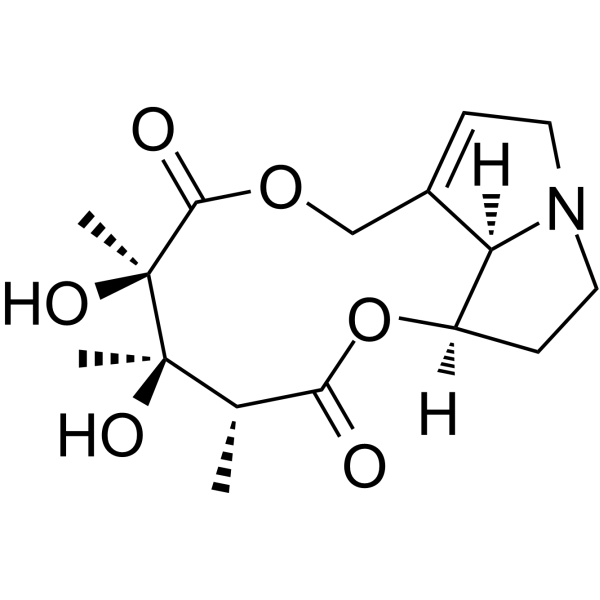
Monocrotaline is an 11-membered macrocyclic pyrrolizidine alkaloid. Monocrotaline inhibits OCT-1 and OCT-2 with IC50s of 36.8 µM and 1.8 mM, respectively. Monocrotaline has antitumor activity and is cytotoxic to hepatocellular carcinoma cells. Monocrotaline is used to induce a model of pulmonary hypertension in rodents. [2][6][8].
|
-
-
- HY-14184
-
-
-
- HY-P99590
-
|
ACE-011; MK-7962
|
TGF-β Receptor
|
Cardiovascular Disease
Inflammation/Immunology
Cancer
|
|
Sotatercept (ACE-011) is a soluble activin receptor 2A (ACVR2A) type IgG Fc fusion protein. Sotatercept combines activin and growth differentiation factor to try to restore the balance between growth promotion and growth inhibition signal pathways. Sotatercept has potential application in pulmonary arterial hypertension, anemia, bone loss, erythropoiesis, multiple myeloma (MM) osteolytic lesions .
|
-
-
- HY-A0126A
-
|
Prostaglandin I2 sodium salt; Prostacyclin sodium salt; Flolan
|
Endogenous Metabolite
Apoptosis
|
Cardiovascular Disease
|
|
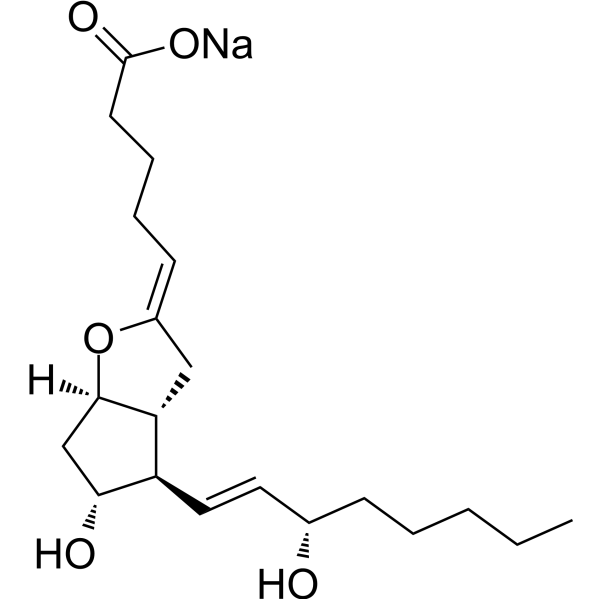
Epoprostenol sodium (Prostaglandin I2) sodium salt, the synthetic form of the natural prostaglandin derivative prostacyclin (prostaglandin I2), is registered worldwide for the treatment of Pulmonary arterial hypertension (PAH). Epoprostenol sodium is used in pulmonary hypertension and transplantation as a potent inhibitor of platelet aggregation .
|
-
-
- HY-P0012
-
|
Vasoactive Intestinal Peptide (human, rat, mouse, rabbit, canine, porcine)
|
SARS-CoV
|
Infection
Inflammation/Immunology
|
|
Aviptadil is an analog vasoactive intestinal polypeptide (VIP) with potent vasodilatory effects. Aviptadil induces pulmonary vasodilation and inhibits vascular SMCs proliferation, platelet aggregation. Aviptadil can be used for the research of pulmonary fibrosis, pulmonary arterial hypertension (PAH) and SARS-CoV-2 caused respiratory failure, et al .
|
-
-
- HY-11103
-
|
IPI 1040 sodium; TBC11251 sodium
|
Endothelin Receptor
TGF-β Receptor
|
Cardiovascular Disease
Metabolic Disease
|
|
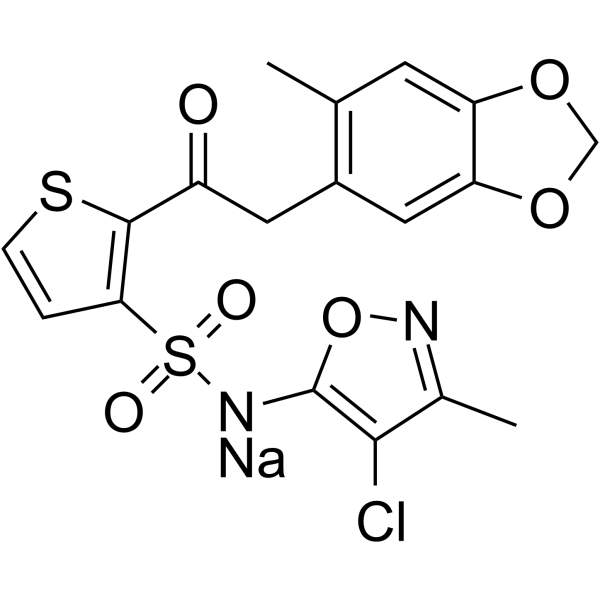
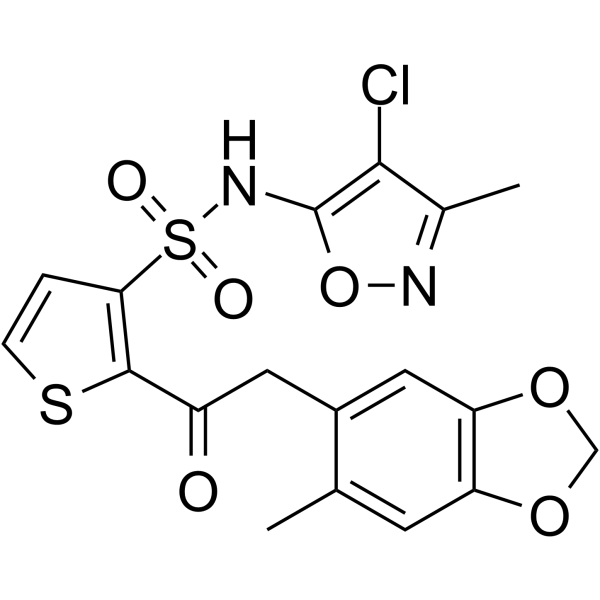
Sitaxsentan sodium (IPI 1040 sodium; TBC11251 sodium) is a potent, selective and orally active endothelin A receptor (ETA) antagonist with an IC50 of 1.4 nM and a Ki of 0.43 nM. Sitaxsentan sodium exhibits an IC50 for the ETB receptor of as high as 9800 nM. Sitaxsentan sodium is metabolized by CYP2C9 and CYP3A4, normalizes shunt-induced endothelial abnormalities, restores BMPR signaling, and suppresses pulmonary vascular remodeling and hemodynamic deterioration. Sitaxsentan sodium can be applied in the research of pulmonary arterial hypertension and portopulmonary hypertension .
|
-
-
- HY-P1752
-
|
|
CRFR
Bacterial
Parasite
NF-κB
ERK
|
Metabolic Disease
|
|
Urocortin II, human is a selective endogenous peptide agonist of type-2 corticotropin-releasing factor (CRF2) receptor. Urocortin II, human has an effect of promoting satiet and neuroprotective effect. Urocortin II, human also has bactericidal, antiparasitic and pro-inflammation activity. Urocortin II, human can activate NF-κB pathway and ERK1/2 MAP kinase. Urocortin II, human can reduce pulmonary arterial hypertension and shows cardiac protection effect. Urocortin II, human can be used for the researches of infection, inflammation, metabolic, neurological and cardiovascular disease .
|
-
-
- HY-109190
-
|
GB002; PK10571
|
PDGFR
c-Fms
c-Kit
|
Cardiovascular Disease
|
|
Seralutinib (GB002) is an inhaled PDGFRα and PDGFRβ inhibitor. Seralutinib also targets to CSF1R and c-KIT with IC50s of 8 nM and 14 nM, respectively. Seralutinib (GB002) is used in the study for pulmonary arterial hypertension .
|
-
-
- HY-10447
-
|
EM-1421
|
Survivin
COX
TNF Receptor
Apoptosis
|
Infection
Inflammation/Immunology
Cancer
|
|
Terameprocol is an inhibitor targeting the Sp1 transcription factor, which can selectively inhibit the transcription of Sp1-dependent genes. Terameprocol exerts its effects by inhibiting Sp1-mediated gene transcription, such as reducing the expression of genes like CDC2, survivin and HMGB1, thereby arresting the cell cycle, inducing apoptosis, and suppressing the inflammatory response. Terameprocol exhibits anti-proliferative, pro-apoptotic, and anti-inflammatory activities and is currently mainly used in the research of diseases such as cancer and pulmonary arterial hypertension[1][2][3].
|
-
-
- HY-109163
-
|
INS-1009
|
Prostaglandin Receptor
|
Inflammation/Immunology
Endocrinology
|
|
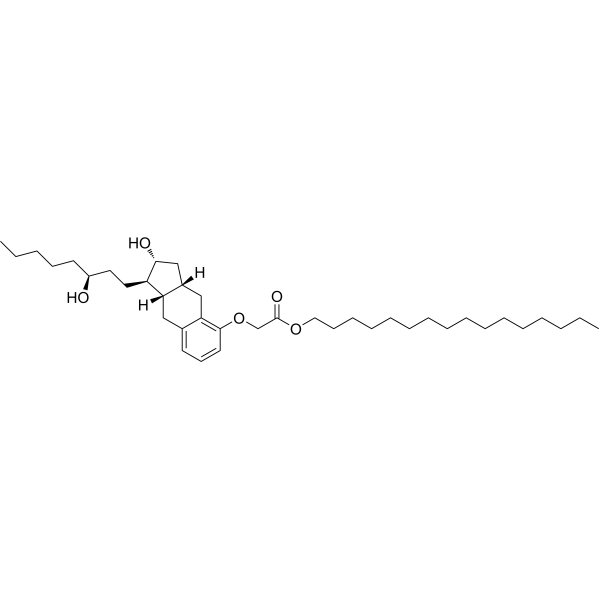
Treprostinil palmitil is a long-acting inhaled pulmonary vasodilator prodrug of Treprostinil (HY-100441), formulated in a lipid nanoparticle (LNP). Treprostinil palmitil can inhibit pulmonary vascular remodeling induced by Su/Hx challenge in rats. Treprostinil palmitil can induce cough. Treprostinil palmitil demonstrates a sustained presence in the lungs with reduced systemic exposure and prolonged inhibition of hypoxia-induced pulmonary vasoconstriction in vivo. Treprostinil palmitil can be studied in research for pulmonary arterial hypertension and interstitial lung disease .
|
-
-
- HY-13569A
-
|
TRK-100; ML 1129 sodium
|
Prostaglandin Receptor
|
Cardiovascular Disease
Inflammation/Immunology
|
|
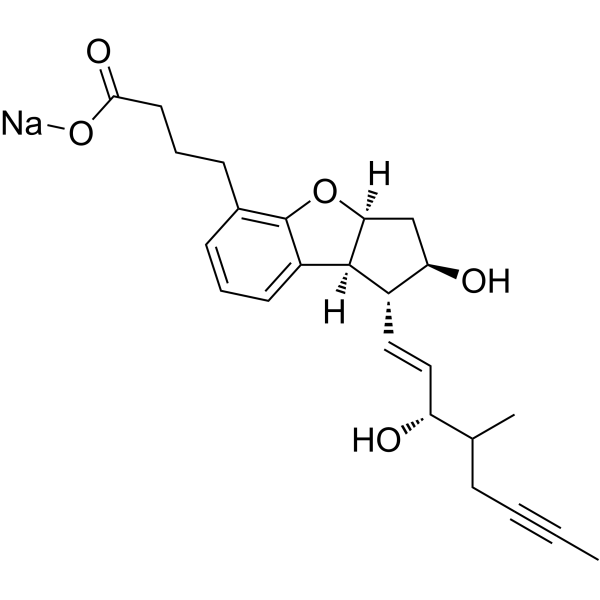
Beraprost sodium (TRK-100), a prostacyclin analog, is a stable and orally active proagent of PGI2. Beraprost sodium (TRK-100) is a potent vasodilator, has the potential for pulmonary arterial hypertension treatment through expanding renal vessels, improving microcirculation . Beraprost sodium (TRK-100) is a click chemistry reagent, it contains an Alkyne group and can undergo copper-catalyzed azide-alkyne cycloaddition (CuAAc) with molecules containing Azide groups.
|
-
-
- HY-109112
-
|
RP5063
|
Dopamine Receptor
5-HT Receptor
|
Neurological Disease
Inflammation/Immunology
|
|
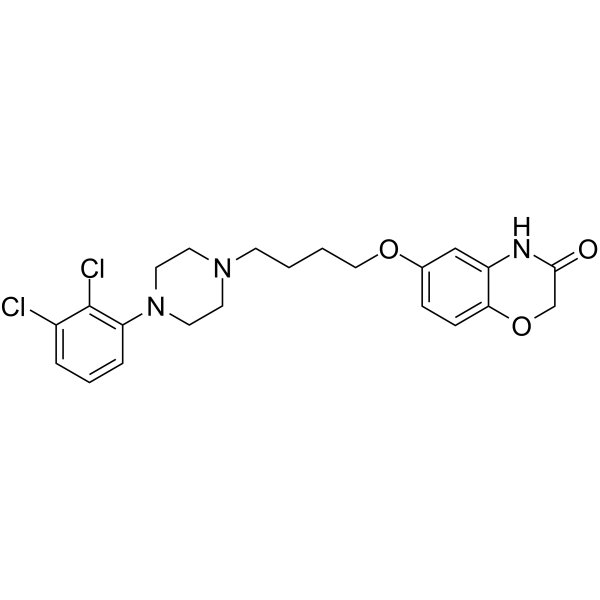
Brilaroxazine (RP5603) is a potent and orally active multimodal dopamine (DA)/serotonin (5-HT) modulator. Brilaroxazine is a partial agonist of dopamine (DA) D2, D3, and D4 receptors, 5-HT1A (Ki=1.5 nM) and 5-HT2A (Ki=2.5 nM), and has antagonist activity at 5-HT2B (Ki=0.19 nM), and 5-HT7 (Ki=2.7 nM) receptors . Brilaroxazine is an atypical antipsychotic agent, and has the potential to improve cognitive impairments in neuropsychiatric and neurological diseases in vivo .
|
-
-
- HY-154970A
-
|
|
TGF-β Receptor
GSK-3
|
Cardiovascular Disease
Neurological Disease
Cancer
|
|
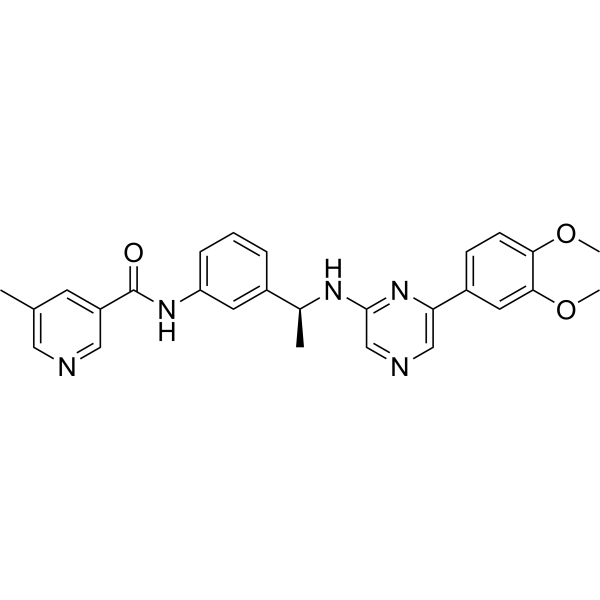
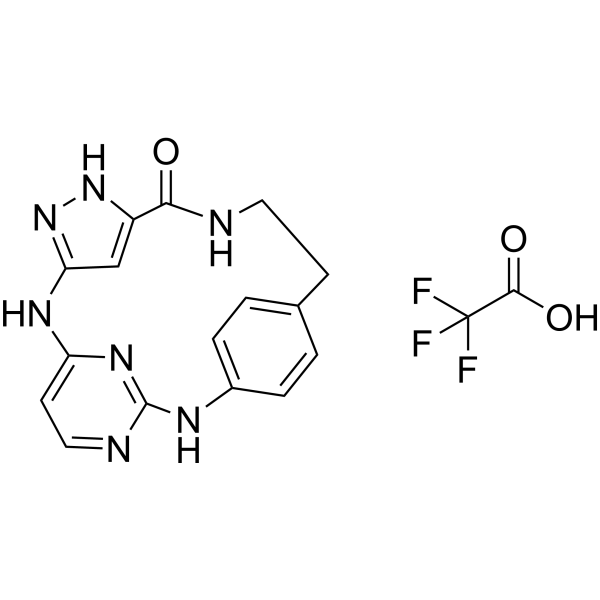
BMPR2-IN-1 TFA is a selective BMPR2 inhibitor with a human BMPR2 IC50 of 506 nM and a Kd of 83.5 nM. BMPR2-IN-1 TFA functions as an ATP mimetic, forming hydrogen bonds with the BMPR2 kinase domain backbone and hydrophobic interactions with specific residues, and demonstrates high selectivity for BMPR2 over other kinases.BMPR2-IN-1 TFA can be used for the researches of cancer, pulmonary arterial hypertension and Alzheimer’s disease .
|
-
-
- HY-103080
-
|
|
Apelin Receptor (APJ)
|
Cardiovascular Disease
|
|
CMF019 is an orally active, potent and small molecule agonist at Apelin receptor (APJ) with G protein bias. CMF019 binds to APJ with pKi values of 8.58, 8.49 and 8.71 for human, rat, and mouse, respectively. CMF019 mimics the beneficial cardiovascular actions of apelin in rodents . Apelin receptor (APJ) is a G protein-coupled receptor (GPCR) activated by the endogenous peptide apelin. CMF019 is promising for research of chronic diseases, such as, pulmonary arterial hypertension .
|
-
-
- HY-101124
-
|
KAR5585
|
Tryptophan Hydroxylase
5-HT Receptor
|
Cardiovascular Disease
|
|
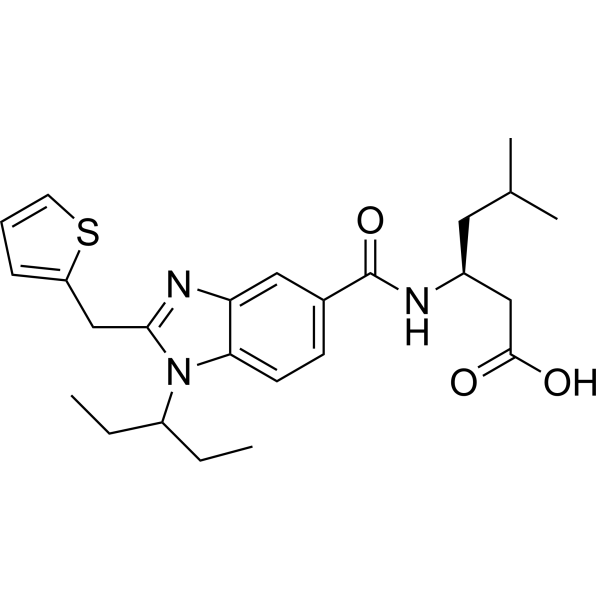
Rodatristat ethyl (KAR5585) is a first-in-class oral tryptophan hydroxylase 1 (TPH1) Inhibitor with nanomolar in vitro potency. Rodatristat ethyl reduces the level of 5-HT and significantly reduces pulmonary arterial hypertension (PAH) .
|
-
-
- HY-170419
-
-
-
- HY-150793
-
-
-
- HY-129851
-
|
|
Prostaglandin Receptor
|
Cardiovascular Disease
|
|
NTP42 is a thromboxane A2 (TXA2) receptor antagonist with an IC50 of 3.278 nM for antagonizing T prostanoid receptor (TP)- mediated [Ca 2+] mobilization following stimulation of cells with the alternative TP agonist U46619 . NTP42 can be used for the treatment of pulmonary arterial hypertension (PAH) .
|
-
-
- HY-P0012A
-
|
Vasoactive Intestinal Peptide acetate salt (human, rat, mouse, rabbit, canine, porcine)
|
SARS-CoV
|
Infection
Inflammation/Immunology
|
|
Aviptadil acetate is an analog vasoactive intestinal polypeptide (VIP) with potent vasodilatory effects. Aviptadil acetate induces pulmonary vasodilation and inhibits vascular SMCs proliferation, platelet aggregation. Aviptadil acetate can be used for the research of pulmonary fibrosis, pulmonary arterial hypertension (PAH) and SARS-CoV-2 caused respiratory failure, et al .
|
-
-
- HY-128932
-
|
MT-141
|
Antibiotic
Bacterial
PPAR
Prostaglandin Receptor
PTEN
Akt
mTOR
|
Infection
Cardiovascular Disease
Endocrinology
|
|
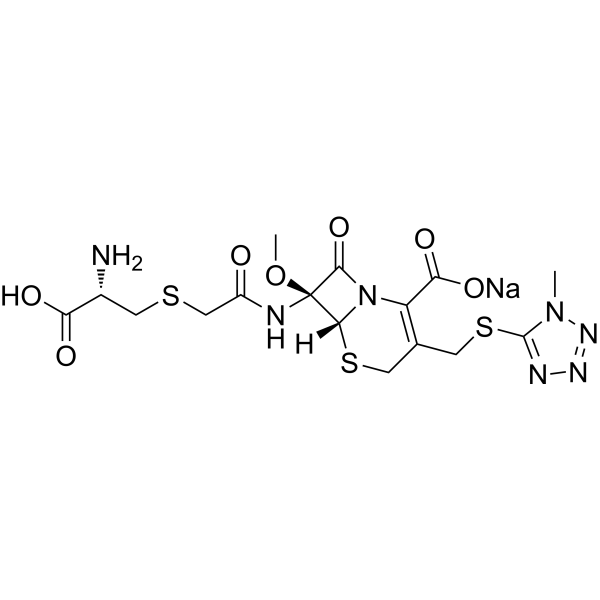
Cefminox sodium (MT-141) is a semisynthetic cephamycin, which exhibits antibacterial activity. Cefminox sodium is a broad-spectrum, bactericidal cephalosporin antibiotic. Cefminox sodium also acts as a dual agonist of prostacyclin receptor (IP) and PPARγ. Cefminox sodium upregulates cAMP production and PTEN expression and inhibits Akt/mTOR signaling. Cefminox sodium also prevents pulmonary arterial hypertension in rat model .
|
-
-
- HY-15472
-
|
|
5-HT Receptor
p38 MAPK
TGF-β Receptor
FGFR
Apoptosis
Caspase
|
Cardiovascular Disease
Neurological Disease
Cancer
|
|
PRX-08066 is a selective and orally active 5-hydroxytryptamine receptor 2B (5-HT2BR) antagonist with a Ki of 3.4 nM. PRX-08066 inhibits the MAPK pathway, 5-HT release and fibrotic factor (TGFβ1, CTGF and FGF2) expression. PRX-08066 inhibits the proliferation of KRJ-I cells and induces apoptosis (caspase-3 activation). PRX-08066 inhibits pulmonary vascular remodeling. PRX-08066 can be used of pulmonary Arterial Hypertension (PAH) and neuroendocrine tumor (NET) .
|
-
-
- HY-11095
-
|
|
mGluR
CaSR
PI3K
Akt
mTOR
Autophagy
Apoptosis
Bcl-2 Family
Caspase
|
Cardiovascular Disease
Neurological Disease
|
|
NPS 2390 is an allosteric antagonist of calcium-sensing receptor (CaSR) and mGluR1/5. NPS 2390 inhibits the PI3K/Akt/mTOR signaling pathway, reduces hypoxia-induced intracellular calcium elevation, decreases the expression of autophagy (autophagy) proteins, regulates the expression of phenotypic marker proteins, and inhibits the proliferation of pulmonary artery smooth muscle cells. NPS 2390 attenuates the endogenous apoptosis (apoptosis) pathway, increases the expression level of Bcl-2, downregulates the expression levels of Bax, cytochrome c and caspase-3, alleviates cerebral edema and improves neurological function in rat models. NPS 2390 can be used in studies related to hypoxic pulmonary hypertension, traumatic brain injury, stroke and pain .
|
-
-
- HY-90009S
-
|
IC-351-d3
|
Phosphodiesterase (PDE)
|
Cardiovascular Disease
|
|
Tadalafil-d3 is the deuterium labeled Nortadalafil. Nortadalafil is demethyl Tadalafil, which is a PDE5 inhibitor, currently marketed in pill form for treating erectile dysfunction (ED) under the name Cialis; and under the name Adcirca for the treatment of pulmonary arterial hypertension.
|
-
-
- HY-14184S
-
-
-
- HY-14184R
-
|
ACT-064992 (Standard)
|
Reference Standards
Endothelin Receptor
Apoptosis
|
Cardiovascular Disease
Endocrinology
Cancer
|
|
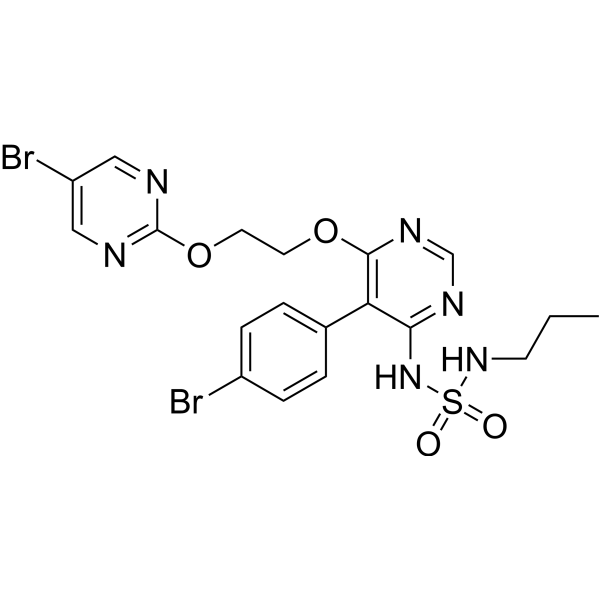
Macitentan (Standard) is the analytical standard of Macitentan. This product is intended for research and analytical applications. Macitentan (ACT-064992) is an orally active, non-peptide dual ETA and ETB (endothelin receptor) antagonist. Macitentan has the potential for idiopathic pulmonary fibrosis (IPF) and pulmonary arterial hypertension (PAH) .
|
-
-
- HY-160928
-
-
-
- HY-128593
-
|
|
Phosphodiesterase (PDE)
|
Cardiovascular Disease
|
|
TPN171 is a potent, selective and oral bioavailable inhibitor of phosphodiesterase type 5 (PDE5) with an IC50 of 0.62 nM, being developed for the treatment of pulmonary arterial hypertension (PAH) .
|
-
-
- HY-174416
-
|
|
E1/E2/E3 Enzyme
|
Cardiovascular Disease
|
|
Smurf1-IN-5 (Compound cpd-6) is an allosteric SMAD ubiquitin regulatory factor 1 (SMURF1) inhibitor. Smurf1-IN-5 leads to a reduction in the ubiquitylation of substrates such as BMPR2 (bone morphogenetic protein receptor 2) and SMAD1, enhancing the BMP (bone morphogenetic protein) signaling pathway. Smurf1-IN-5 is promising for research of pulmonary arterial hypertension (PAH) .
|
-
-
- HY-149316
-
|
|
E1/E2/E3 Enzyme
|
Cardiovascular Disease
|
|
Smurf1-IN-1 is an orally active and selective inhibitor of specific E3 ubiquitin protein ligase 1 (SMURF1) with an IC50 of 92 nM. Smurf1-IN-1 has significant efficacy in rats model of pulmonary hypertension .
|
-
-
- HY-162888
-
|
|
PDGFR
ERK
|
Cardiovascular Disease
|
|
WQ-C-401 is an orally active platelet-derived growth factor receptor (PDGFR) inhibitor. WQ-C-401 inhibits cell proliferation by blocking PDGFR autophosphorylation in a concentration-dependent manner, with EC50 values of 3.5 nM for PDGFRα Y849 and 5.8 nM for PDGFRβ Y1021. Additionally, WQ-C-401 can inhibit PASMCs proliferation and migration by blocking PDGF-BB-induced ERK1/2 phosphorylation, reducing collagen I synthesis, and increasing α-SMA expression, thereby preventing pulmonary vascular remodeling. WQ-C-401 holds promise for research in the field of pulmonary arterial hypertension .
|
-
-
- HY-P1752B
-
|
|
CRFR
Bacterial
Parasite
NF-κB
ERK
|
Metabolic Disease
|
|
Urocortin II, human acetate is a selective endogenous peptide agonist of type-2 corticotropin-releasing factor (CRF2) receptor. Urocortin II, human acetate has an effect of promoting satiet and neuroprotective effect. Urocortin II, human acetate also has bactericidal, antiparasitic and pro-inflammation activity. Urocortin II, human acetate can activate NF-κB pathway and ERK1/2 MAP kinase. Urocortin II, human acetate can reduce pulmonary arterial hypertension and shows cardiac protection effect. Urocortin II, human acetate can be used for the researches of infection, inflammation, metabolic, neurological and cardiovascular disease .
|
-
-
- HY-76520
-
|
IPI 1040; TBC-11251
|
Endothelin Receptor
TGF-β Receptor
|
Cardiovascular Disease
Metabolic Disease
|
|
Sitaxsentan (IPI 1040 sodium; TBC11251 sodium) is a potent, selective and orally active endothelin A receptor (ETA) antagonist with an IC50 of 1.4 nM and a Ki of 0.43 nM. Sitaxsentan exhibits an IC50 for the ETB receptor of as high as 9800 nM. Sitaxsentan is metabolized by CYP2C9 and CYP3A4, normalizes shunt-induced endothelial abnormalities, restores BMPR signaling, and suppresses pulmonary vascular remodeling and hemodynamic deterioration. Sitaxsentan can be applied in the research of pulmonary arterial hypertension and portopulmonary hypertension .
|
-
-
- HY-167906
-
-
-
- HY-154970
-
|
|
TGF-β Receptor
|
Cancer
|
|
BMPR2-IN-1 (Compound 8a) is a BMPR2 inhibitor with an IC50 of 506 nM and a KD of 83.5 nM. BMPR2-IN-1 can be used for research of pulmonary arterial hypertension, Alzheimer’s disease and cancer .
|
-
-
- HY-148670
-
|
|
Drug Intermediate
Prostaglandin Receptor
|
Cardiovascular Disease
|
|
Pulmonary arterial hypertension agent-1 (example 15) is a pulmonary arterial hypertension agent . Pulmonary arterial hypertension agent-1 is a click chemistry reagent, it contains an Alkyne group and can undergo copper-catalyzed azide-alkyne cycloaddition (CuAAc) with molecules containing Azide groups.
|
-
-
- HY-P3227
-
|
XJ735
|
Integrin
|
Inflammation/Immunology
|
|
Cyclo(Ala-Arg-Gly-Asp-Mamb) is a selective RGD peptide antagonist and has the potential for Pulmonary arterial hypertension research .
|
-
-
- HY-172234
-
|
|
CDK
|
Cardiovascular Disease
Cancer
|
|
PF-06842874 is a CDK4/Cyclin D1 and CDK6/Cyclin D3 inhibitor (Ki values are 62 and 130 nM, respectively). PF-06842874 can be used in the research of pulmonary arterial hypertension and cancer .
|
-
-
- HY-13569AR
-
|
TRK-100 (Standard); ML 1129 sodium (Standard)
|
Reference Standards
Prostaglandin Receptor
|
Cardiovascular Disease
Inflammation/Immunology
|
|
Beraprost (sodium) (Standard) is the analytical standard of Beraprost (sodium). This product is intended for research and analytical applications. Beraprost sodium, a prostacyclin analog, is a stable and orally active proagent of PGI2. Beraprost sodium is a potent vasodilator, has the potential for pulmonary arterial hypertension treatment through expanding renal vessels, improving microcirculation . Beraprost (sodium) is a click chemistry reagent, it contains an Alkyne group and can undergo copper-catalyzed azide-alkyne cycloaddition (CuAAc) with molecules containing Azide groups.
|
-
-
- HY-14184A
-
|
|
Endothelin Receptor
|
Cardiovascular Disease
Endocrinology
|
|
Macitentan n-butyl analogue is a n-butyl analogue of Macitentan. Macitentan is an orally active, non-peptide dual endothelin ETA and ETB receptor antagonist for the potential treatment of idiopathic pulmonary fibrosis (IPF) and pulmonary arterial hypertension (PAH).
|
-
-
- HY-170419A
-
-
-
- HY-172094
-
|
|
AMPK
Apoptosis
Autophagy
|
Cardiovascular Disease
|
|
AMPK-IN-6 (compound 13a) is potent AMPK inhibitor with an IC50 value of 0.093 µM. AMPK-IN-6 induces apoptosis and inhibits autophagy. AMPK-IN-6 shows antiproliferative activity. AMPK-IN-6 has the potential for the research of pulmonary arterial hypertension .
|
-
-
- HY-117109R
-
|
|
Reference Standards
Drug Derivative
|
Others
|
|
Amino Tadalafil (Standard) is the analytical standard of Amino Tadalafil. This product is intended for research and analytical applications. Amino Tadalafil is a structural analogue of Tadalafil (HY-90009A). Tadalafil is a potent inhibitor of PDE5 with applications in several conditions, including erectile dysfunction, pulmonary arterial hypertension, and lower urinary tract dysfunction .
|
-
-
- HY-112704
-
|
|
Phosphodiesterase (PDE)
|
Cardiovascular Disease
|
|
PDE5-IN-2 is a potent, highly selective, and orally active PDE5 inhibitor, with an IC50 of 0.31 nM, less potently inhibits PDE2A, PDE10A, PDE4D2, and PDE6C, with IC50s of 106, 46, 43, 1.2 nM, respectively. Anti-pulmonary arterial hypertension activity .
|
-
-
- HY-124051
-
|
|
Elastase
|
Cardiovascular Disease
Inflammation/Immunology
|
|
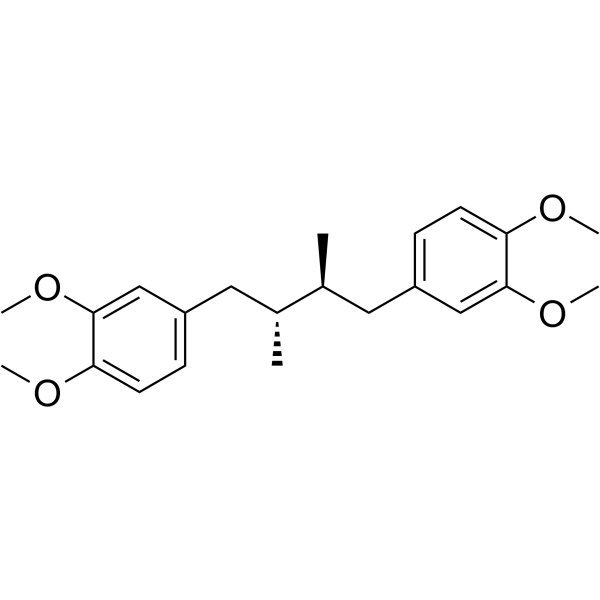
BAY-8040 is a pyrimidopyridazine derivative which has inhibitory activity against human neutrophil elastase (HNE). BAY-8040 decreases cardiac remodeling and ameliorates cardiac function in a Monocrotaline (HY-N0750)-induced rat model for pulmonary arterial hypertension. BAY-8040 is promising for research of inflammatory pathologies and cardiopulmonary pathologies .
|
-
-
- HY-105686
-
-
-
- HY-170435
-
|
|
Phosphodiesterase (PDE)
|
Cardiovascular Disease
|
|
PDE5-IN-13 (Compound 14b) inhibits phosphodiesterase 5 (PDE5A) with an IC50 of 3 nM. PDE5-IN-13 is a potential candidate for PAH (pulmonary arterial hypertension) research. PDE5-IN-13 has high selectivity for targets over PDE1, PDE2, PDE3, PDE4, PDE7, PDE8, PDE9, PDE10, and PDE11. PDE5-IN-13 is orally active .
|
-
-
- HY-90009R
-
|
Demethyl Tadalafil (Standard)
|
Reference Standards
Phosphodiesterase (PDE)
|
Cardiovascular Disease
|
|
Nortadalafil (Standard) is the analytical standard of Nortadalafil. This product is intended for research and analytical applications. Nortadalafil , a new tadalafil (HY-90009A) analogue detected in health foods, is a PDE5 inhibitor. Nortadalafil is used in the research of erectile dysfunction (ED). Nortadalafil can be formed by closing the diketopiperazine ring in high yield. Nortadalafil is promising for research of pulmonary arterial hypertension [4] .
|
-
-
- HY-155737
-
|
|
Estrogen Receptor/ERR
|
Cardiovascular Disease
|
|
ET receptor antagonist 1 (compound 16h) is an orally active ET receptor antagonist (IC50=0.18 nM), which can be used for research in pulmonary arterial hypertension (PAH). ET receptor antagonist 1 attenuates monocrotaline (HY-N0750) induced PAH in rat model .
|
-
-
- HY-155739
-
|
|
Estrogen Receptor/ERR
|
Cardiovascular Disease
|
|
ET receptor antagonist 3 (compound 17d) is an orally active ET receptor antagonist (IC50=0.26 nM), which can be used for research in pulmonary arterial hypertension (PAH). ET receptor antagonist 3 attenuates monocrotaline (HY-N0750) induced PAH in rat model .
|
-
-
- HY-168178
-
|
|
HSP
STAT
|
Cardiovascular Disease
|
|
Hsp110-STAT3 PPI-IN-2 (compound 10b) is a Hsp110-STAT3 interaction disruptor. Hsp110-STAT3 PPI-IN-2 can be used in pulmonary arterial hypertension (PAH) related research .
|
-
- HY-106861
-
|
|
Potassium Channel
|
Cardiovascular Disease
|
|
NIP-121 is a new type of potassium channel opener. NIP-121 significantly reduces mean pulmonary artery pressure and total pulmonary resistance through vasodilation. NIP-121 can be used for research on pulmonary arterial hypertension .
|
-
- HY-A0126AR
-
|
Prostaglandin I2 sodium salt (Standard); Prostacyclin sodium salt (Standard); Flolan (Standard)
|
Reference Standards
Endogenous Metabolite
|
Cardiovascular Disease
|
|
Epoprostenol (sodium) (Standard) is the analytical standard of Epoprostenol (sodium). This product is intended for research and analytical applications. Epoprostenol sodium (Prostaglandin I2 (sodium salt)), the synthetic form of the natural prostaglandin derivative prostacyclin (prostaglandin I2), is registered worldwide for the treatment of Pulmonary arterial hypertension (PAH) . Epoprostenol sodium is used in pulmonary hypertension and transplantation as a potent inhibitor of platelet aggregation .
|
-
- HY-115477
-
|
RP5063 hydrochloride
|
5-HT Receptor
|
Cardiovascular Disease
|
|
Brilaroxazine (RP5063) hydrochloride is a modulator of serotonin receptors, exhibiting potential therapeutic activity in the treatment of pulmonary arterial hypertension (PAH). Brilaroxazine hydrochloride has been shown to limit functional and structural changes associated with PAH, leading to significant improvements in pulmonary hemodynamics and right ventricular hypertrophy. Brilaroxazine hydrochloride also enhances oxygen saturation levels and alleviates elevated pulmonary arterial pressures when used as an adjunct to standard PAH therapies.
|
-
- HY-170387
-
|
|
5-HT Receptor
|
Cardiovascular Disease
|
|
MRS8209 is the antagonist for serotonin receptor with a Ki of 4.27 nM for 5-HT2BR. MRS8209 exhibits protective effect on pressure at airway opening (PAO), and can be used in research of pulmonary fibrosis .
|
-
- HY-167906S
-
-
- HY-108936
-
-
- HY-173360
-
|
|
Phosphodiesterase (PDE)
|
Cardiovascular Disease
|
|
PDE10A-IN-5 (Compound A30) is an inhibitor of phosphodiesterase 10A (PDE10A) with oral activity, and its IC50 value is 3.5 nM. PDE10A-IN-5 exerts the activity of inhibiting pulmonary vascular remodeling by inhibiting PDE10A and activating the cyclic adenosine monophosphate (cAMP)-associated signaling pathway, and can be used for research in the field of pulmonary arterial hypertension .
|
-
- HY-11103R
-
|
IPI 1040 sodium (Standard); TBC11251 sodium (Standard)
|
Endothelin Receptor
Reference Standards
TGF-β Receptor
|
Cardiovascular Disease
Metabolic Disease
|
|
Sitaxsentan (sodium) (Standard) is the analytical standard of Sitaxsentan sodium (IPI 1040 sodium; TBC11251 sodium) (HY-11103). This product is intended for research and analytical applications. Sitaxsentan sodium is a potent, selective and orally active endothelin A receptor (ETA) antagonist with an IC50 of 1.4 nM and a Ki of 0.43 nM. Sitaxsentan sodium exhibits an IC50 for the ETB receptor of as high as 9800 nM. Sitaxsentan sodium is metabolized by CYP2C9 and CYP3A4, normalizes shunt-induced endothelial abnormalities, restores BMPR signaling, and suppresses pulmonary vascular remodeling and hemodynamic deterioration. Sitaxsentan sodium can be applied in the research of pulmonary arterial hypertension and portopulmonary hypertension .
|
-
- HY-76520S
-
|
IPI 1040-13C6 ; TBC-11251-13C6
|
Isotope-Labeled Compounds
Endothelin Receptor
TGF-β Receptor
|
Cardiovascular Disease
Metabolic Disease
|
|
Sitaxsentan- 13C6 (IPI 1040- 13C6) is 13C labeled Sitaxsentan (HY-76520). Sitaxsentan (IPI 1040 sodium; TBC11251 sodium) is a potent, selective and orally active endothelin A receptor (ETA) antagonist with an IC50 of 1.4 nM and a Ki of 0.43 nM. Sitaxsentan exhibits an IC50 for the ETB receptor of as high as 9800 nM. Sitaxsentan is metabolized by CYP2C9 and CYP3A4, normalizes shunt-induced endothelial abnormalities, restores BMPR signaling, and suppresses pulmonary vascular remodeling and hemodynamic deterioration. Sitaxsentan can be applied in the research of pulmonary arterial hypertension and portopulmonary hypertension .
|
-
- HY-135390
-
|
Ro 64-1056
|
Drug Metabolite
|
Cardiovascular Disease
|
|
Hydroxy desmethyl Bosentan (Ro 64-105) is a Bosentan metabolism produced by the cytochrome P450 enzymes CYP2C9 and CYP3A4 in the liver . Bosentan is a competitive and dual antagonist of endothelin-1 (ET) for the ETA and ETB receptors with Ki of 4.7 nM and 95 nM in human SMC, respectively. Bosentan can be used in treatment of pulmonary arterial hypertension .
|
-
- HY-131973
-
|
|
Phosphodiesterase (PDE)
|
Cardiovascular Disease
Metabolic Disease
|
|
PDE10A-IN-2 hydrochloride is a potent, highly selective and orally active phosphodiesterase 10A (PDE10A) inhibitor with an IC50 of 2.8 nM. PDE10A-IN-2 hydrochloride shows selectivity of >3500-fold against other PDE subtypes. PDE10A-IN-2 hydrochloride can be used for pulmonary arterial hypertension (PAH) research .
|
-
- HY-157195
-
|
|
E1/E2/E3 Enzyme
|
Cardiovascular Disease
|
|
Smurf-1-IN-3 is a selective Smurf-1 inhibitor with an IC50 value of 2.2 nM. Smurf-1-IN-3 can be used for the research of pulmonary arterial hypertension .
|
-
- HY-P992008
-
|
|
TGF-β Receptor
|
Cardiovascular Disease
|
|
PF-07868489 is a recombinant monoclonal antibody targeting GDF2/BMP-9. PF-07868489 can be used for the research of pulmonary arterial hypertension (PAH). Recommend Isotype Controls: Human IgG1 kappa, Isotype Control (HY-P99001) .
|
-
- HY-128932R
-
|
MT-141 (Standard)
|
Reference Standards
Antibiotic
Bacterial
PPAR
Prostaglandin Receptor
PTEN
Akt
mTOR
|
Infection
Cardiovascular Disease
Endocrinology
|
|
Cefminox (sodium) (MT-141) (Standard) is the analytical standard of Cefminox (sodium). This product is intended for research and analytical applications. Cefminox sodium is a semisynthetic cephamycin, which exhibits antibacterial activity. Cefminox sodium is a broad-spectrum, bactericidal cephalosporin antibiotic. Cefminox sodium also acts as a dual agonist of prostacyclin receptor (IP) and PPARγ. Cefminox sodium upregulates cAMP production and PTEN expression and inhibits Akt/mTOR signaling. Cefminox sodium also prevents pulmonary arterial hypertension in rat model .
|
-
- HY-15472A
-
|
|
5-HT Receptor
p38 MAPK
TGF-β Receptor
FGFR
Apoptosis
Caspase
|
Cardiovascular Disease
Neurological Disease
Cancer
|
|
PRX-08066 maleate is a selective and orally active 5-hydroxytryptamine receptor 2B (5-HT2BR) antagonist with a Ki of 3.4 nM. PRX-08066 maleate inhibits the MAPK pathway, 5-HT release and fibrotic factor (TGFβ1, CTGF and FGF2) expression. PRX-08066 maleate inhibits the proliferation of KRJ-I cells and induces apoptosis (caspase-3 activation). PRX-08066 maleate inhibits pulmonary vascular remodeling. PRX-08066 maleate can be used of pulmonary Arterial Hypertension (PAH) and neuroendocrine tumor (NET) .
|
-
- HY-183141
-
-
- HY-106080A
-
|
U-63557A
|
Prostaglandin Receptor
|
Cardiovascular Disease
|
|
Furegrelate Sodium (U-63557A) is a potent, orally available, and selective thromboxane synthase inhibitor. Furegrelate Sodium inhibits human platelet microsomal thromboxane A2 (TxA2) synthase with an IC50 of 15 nM. Furegrelate Sodium is being developed as an antiplatelet agent .
|
-
- HY-106080AR
-
|
U-63557A (Standard)
|
Prostaglandin Receptor
Reference Standards
|
Cardiovascular Disease
|
|
Furegrelate (sodium) (Standard) is the analytical standard of Furegrelate (sodium). This product is intended for research and analytical applications. Furegrelate Sodium (U-63557A) is a potent, orally available, and selective thromboxane synthase inhibitor. Furegrelate Sodium inhibits human platelet microsomal thromboxane A2 (TxA2) synthase with an IC50 of 15 nM. Furegrelate Sodium is being developed as an antiplatelet agent .
|
-
- HY-106080
-
|
U-63557A free acid
|
Prostaglandin Receptor
|
Cardiovascular Disease
|
|
Furegrelate (U-63557A free acid) is a potent, orally available, and selective thromboxane synthase inhibitor. Furegrelate inhibits human platelet microsomal thromboxane A2 (TxA2) synthase with an IC50 of 15 nM. Furegrelate is being developed as an antiplatelet agent .
|
-
- HY-N0750R
-
|
Crotaline (Standard)
|
Reference Standards
Others
|
Metabolic Disease
Cancer
|
Monocrotaline is an 11-membered macrocyclic pyrrolizidine alkaloid. Monocrotaline inhibits OCT-1 and OCT-2 with IC50s of 36.8 µM and 1.8 mM, respectively. Monocrotaline has antitumor activity and is cytotoxic to hepatocellular carcinoma cells. Monocrotaline is used to induce a model of pulmonary hypertension in rodents. .
|
-
- HY-124074
-
|
|
Guanylate Cyclase
|
Cardiovascular Disease
|
|
S-3448 is a derivative of Ataciguat (HY-17500). S-3448 is a Soluble guanylate cyclase (sGC) agonist. S-3448 activates both the haem-containing and the haem-deficient form of sGC without depending on NO and heme. S-3448 can be used for cardiovascular diseases such as arterial hypertension and pulmonary hypertension research .
|
-
- HY-105686R
-
|
|
Reference Standards
Phosphodiesterase (PDE)
|
Cardiovascular Disease
|
|
FR-229934 (Standard) is the analytical standard of FR-229934 (HY-105686). This product is intended for research and analytical applications. FR-229934 is a PDE V inhibitor extracted from patent WO2019130052A1. FR-229934 can be used for the research of pulmonary arterial hypertension and erectile dysfunction .
|
-
- HY-109112R
-
|
RP5063 (Standard)
|
Reference Standards
Dopamine Receptor
5-HT Receptor
|
Neurological Disease
Inflammation/Immunology
|
|
Brilaroxazine (Standard) is the analytical standard of Brilaroxazine. This product is intended for research and analytical applications. Brilaroxazine (RP5603) is a potent and orally active multimodal dopamine (DA)/serotonin (5-HT) modulator. Brilaroxazine is a partial agonist of dopamine (DA) D2, D3, and D4 receptors, 5-HT1A (Ki=1.5 nM) and 5-HT2A (Ki=2.5 nM), and has antagonist activity at 5-HT2B (Ki=0.19 nM), and 5-HT7 (Ki=2.7 nM) receptors . Brilaroxazine is an atypical antipsychotic agent, and has the potential to improve cognitive impairments in neuropsychiatric and neurological diseases in vivo .
|
-
- HY-P1752A
-
|
|
CRFR
Bacterial
Parasite
NF-κB
ERK
|
Metabolic Disease
|
|
Urocortin II, human TFA is a selective endogenous peptide agonist of type-2 corticotropin-releasing factor (CRF2) receptor. Urocortin II, human TFA has an effect of promoting satiet and neuroprotective effect. Urocortin II, human TFA also has bactericidal, antiparasitic and pro-inflammation activity. Urocortin II, human TFA can activate NF-κB pathway and ERK1/2 MAP kinase. Urocortin II, human TFA can reduce pulmonary arterial hypertension and shows cardiac protection effect. Urocortin II, human TFA can be used for the researches of infection, inflammation, metabolic, neurological and cardiovascular disease .
|
-
- HY-175986
-
|
|
Prostaglandin Receptor
|
Inflammation/Immunology
|
|
IP receptor agonist 1 (compound 6c-14S) is an orally active I prostanoid receptor agonist, with an IC50 of 0.15 μM for inhibiting platelet aggregation induced by ADP (HY-W010918,300 μM) in rabbit platelet-rich plasma. IP receptor agonist 1 can be used for study of Pulmonary arterial hypertension .
|
-
- HY-183985
-
|
|
HSP
HDAC
STAT
|
Cardiovascular Disease
|
|
Hsp110/HDAC6-IN-1 is an orally active Hsp110/HDAC6 dual inhibitor. Hsp110/HDAC6-IN-1 disrupts Hsp110-STAT3 protein-protein interaction, suppresses HDAC6 enzymatic activity, and suppresses STAT3 signaling pathway. Hsp110/HDAC6-IN-1 inhibits abnormal proliferation and migration of human pulmonary arterial endothelial cells, and suppresses pulmonary vascular remodeling in rats. Hsp110/HDAC6-IN-1 can be used for the research of pulmonary arterial hypertension .
|
-
- HY-155738
-
|
|
Estrogen Receptor/ERR
|
Cardiovascular Disease
|
|
ET receptor antagonist 2 (compound 16j) is an orally active ET receptor antagonist (IC50=0.22 nM), which can be used for research in pulmonary arterial hypertension (PAH). ET receptor antagonist 2 attenuates monocrotaline (HY-N0750) induced PAH in rat model .
|
-
- HY-103084
-
|
|
Phosphodiesterase (PDE)
|
Cardiovascular Disease
|
|
PDE5-IN-1 is an orally active, selective PDE5 inhibitor with an IC50 of 5.6 nM. PDE5-IN-1 forms hydrogen bond interactions with the Q817 residue in the catalytic domain of PDE5, and aromatic π-π stacking interactions with the F820 residue. PDE5-IN-1 exerts anti-cardiac hypertrophy and vasodilatory effects, reduces mean pulmonary arterial pressure and right ventricular hypertrophy index. PDE5-IN-1 can be used in the research of pulmonary arterial hypertension .
|
-
- HY-103080R
-
|
|
Apelin Receptor (APJ)
Reference Standards
|
Cardiovascular Disease
|
|
CMF019 (Standard) is the analytical standard of CMF019 (HY-103080). This product is intended for research and analytical applications. CMF019 is an orally active, potent and small molecule agonist at Apelin receptor (APJ) with G protein bias. CMF019 binds to APJ with pKi values of 8.58, 8.49 and 8.71 for human, rat, and mouse, respectively. CMF019 mimics the beneficial cardiovascular actions of apelin in rodents . Apelin receptor (APJ) is a G protein-coupled receptor (GPCR) activated by the endogenous peptide apelin. CMF019 is promising for research of chronic diseases, such as, pulmonary arterial hypertension .
|
-
- HY-180581
-
|
|
Monoamine Oxidase
Guanylate Cyclase
|
Cardiovascular Disease
|
|
LOXL2/sGC modulator-1 (Compound 11k) is a LOXL2 inhibitor (IC₅₀ = 0.13 μM) and an sGC activator. LOXL2/sGC modulator-1 shows good selectivity for LOX (IC₅₀ > 45.9 μM) and LOXL3 (IC₅₀ = 1.30 μM). LOXL2/sGC modulator-1 significantly increases intracellular cGMP levels in the presence of the gGC inhibitor ODQ (HY-101255). LOXL2/sGC modulator-1 significantly inhibits hypoxia-induced collagen deposition and cross-linking, while promoting vasodilation. LOXL2/sGC modulator-1 can be used for the study of pulmonary arterial hypertension .
|
-
- HY-W040167
-
|
|
LPL Receptor
|
Cardiovascular Disease
|
|
VPC 23153 is a S1P4 receptor agonist and vasoconstrictor. VPC 23153 activates the S1P4 receptor, thereby triggering vasoconstriction. VPC 23153 induces pulmonary artery contraction. VPC 23153 can be used in studies related to pulmonary arterial hypertension .
|
-
- HY-180585
-
|
|
Monoamine Oxidase
Guanylate Cyclase
PKG
Collagen
|
Cardiovascular Disease
|
|
LOXL2/sGC modulator-2 (Compound 9k) is a selective and orally active lysyl oxidase-like 2 (LOXL2) and soluble guanylate cyclase (sGC) dual-target regulator. LOXL2/sGC modulator-2 shows inhibitory activity for LOXL2 with an IC50 of 0.1 μM and can activate sGC. LOXL2/sGC modulator-2 can ameliorate vascular remodeling and reduce pulmonary artery pressure. LOXL2/sGC modulator-2 can downregulate PKG1, PCNA, α-SMA, collagen I and fibronectin levels. LOXL2/sGC modulator-2 can be used for the research of pulmonary arterial hypertension .
|
-
- HY-183644
-
|
|
Lysyl Oxidase
|
Cardiovascular Disease
|
|
LNO 9 is an orally active LOXL2 inhibitor and NO donor, with an IC50 of 0.17 μM against human LOXL2. LNO 9 competitively binds to the LTQ cofactor of LOXL2 to form an irreversible complex, thereby inhibiting collagen oxidation and abnormal cross-linking. LNO 9 releases nitric oxide (NO) to increase cGMP levels in pulmonary artery smooth muscle cells. LNO 9 inhibits hypoxia-induced collagen modification and possesses vasodilatory activity. LNO 9 ameliorates right ventricular hypertrophy and pulmonary artery medial thickness in rat models induced by hypoxia and Monocrotaline (HY-N0750), and can be used for research on pulmonary hypertension .
|
-
- HY-180560
-
-
| Cat. No. |
Product Name |
Target |
Research Area |
-
- HY-P0012
-
|
Vasoactive Intestinal Peptide (human, rat, mouse, rabbit, canine, porcine)
|
SARS-CoV
|
Infection
Inflammation/Immunology
|
|
Aviptadil is an analog vasoactive intestinal polypeptide (VIP) with potent vasodilatory effects. Aviptadil induces pulmonary vasodilation and inhibits vascular SMCs proliferation, platelet aggregation. Aviptadil can be used for the research of pulmonary fibrosis, pulmonary arterial hypertension (PAH) and SARS-CoV-2 caused respiratory failure, et al .
|
-
- HY-P1752
-
|
|
CRFR
Bacterial
Parasite
NF-κB
ERK
|
Metabolic Disease
|
|
Urocortin II, human is a selective endogenous peptide agonist of type-2 corticotropin-releasing factor (CRF2) receptor. Urocortin II, human has an effect of promoting satiet and neuroprotective effect. Urocortin II, human also has bactericidal, antiparasitic and pro-inflammation activity. Urocortin II, human can activate NF-κB pathway and ERK1/2 MAP kinase. Urocortin II, human can reduce pulmonary arterial hypertension and shows cardiac protection effect. Urocortin II, human can be used for the researches of infection, inflammation, metabolic, neurological and cardiovascular disease .
|
-
- HY-P0012A
-
|
Vasoactive Intestinal Peptide acetate salt (human, rat, mouse, rabbit, canine, porcine)
|
SARS-CoV
|
Infection
Inflammation/Immunology
|
|
Aviptadil acetate is an analog vasoactive intestinal polypeptide (VIP) with potent vasodilatory effects. Aviptadil acetate induces pulmonary vasodilation and inhibits vascular SMCs proliferation, platelet aggregation. Aviptadil acetate can be used for the research of pulmonary fibrosis, pulmonary arterial hypertension (PAH) and SARS-CoV-2 caused respiratory failure, et al .
|
-
- HY-P1752B
-
|
|
CRFR
Bacterial
Parasite
NF-κB
ERK
|
Metabolic Disease
|
|
Urocortin II, human acetate is a selective endogenous peptide agonist of type-2 corticotropin-releasing factor (CRF2) receptor. Urocortin II, human acetate has an effect of promoting satiet and neuroprotective effect. Urocortin II, human acetate also has bactericidal, antiparasitic and pro-inflammation activity. Urocortin II, human acetate can activate NF-κB pathway and ERK1/2 MAP kinase. Urocortin II, human acetate can reduce pulmonary arterial hypertension and shows cardiac protection effect. Urocortin II, human acetate can be used for the researches of infection, inflammation, metabolic, neurological and cardiovascular disease .
|
-
- HY-P3227
-
|
XJ735
|
Integrin
|
Inflammation/Immunology
|
|
Cyclo(Ala-Arg-Gly-Asp-Mamb) is a selective RGD peptide antagonist and has the potential for Pulmonary arterial hypertension research .
|
-
- HY-P1752A
-
|
|
CRFR
Bacterial
Parasite
NF-κB
ERK
|
Metabolic Disease
|
|
Urocortin II, human TFA is a selective endogenous peptide agonist of type-2 corticotropin-releasing factor (CRF2) receptor. Urocortin II, human TFA has an effect of promoting satiet and neuroprotective effect. Urocortin II, human TFA also has bactericidal, antiparasitic and pro-inflammation activity. Urocortin II, human TFA can activate NF-κB pathway and ERK1/2 MAP kinase. Urocortin II, human TFA can reduce pulmonary arterial hypertension and shows cardiac protection effect. Urocortin II, human TFA can be used for the researches of infection, inflammation, metabolic, neurological and cardiovascular disease .
|
| Cat. No. |
Product Name |
Target |
Research Area |
Image |
-
- HY-P99590
-
|
ACE-011; MK-7962
|
TGF-β Receptor
|
Cardiovascular Disease
Inflammation/Immunology
Cancer
|
|
Sotatercept (ACE-011) is a soluble activin receptor 2A (ACVR2A) type IgG Fc fusion protein. Sotatercept combines activin and growth differentiation factor to try to restore the balance between growth promotion and growth inhibition signal pathways. Sotatercept has potential application in pulmonary arterial hypertension, anemia, bone loss, erythropoiesis, multiple myeloma (MM) osteolytic lesions .
|
-
(5)
-
- HY-P992008
-
|
|
TGF-β Receptor
|
Cardiovascular Disease
|
|
PF-07868489 is a recombinant monoclonal antibody targeting GDF2/BMP-9. PF-07868489 can be used for the research of pulmonary arterial hypertension (PAH). Recommend Isotype Controls: Human IgG1 kappa, Isotype Control (HY-P99001) .
|
-
(5)
| Cat. No. |
Product Name |
Category |
Target |
Chemical Structure |
| Cat. No. |
Product Name |
Chemical Structure |
-
- HY-90009S
-
|
|
|
Tadalafil-d3 is the deuterium labeled Nortadalafil. Nortadalafil is demethyl Tadalafil, which is a PDE5 inhibitor, currently marketed in pill form for treating erectile dysfunction (ED) under the name Cialis; and under the name Adcirca for the treatment of pulmonary arterial hypertension.
|
-
-
- HY-14184S
-
|
|
|
Macitentan-d4 is a deuterium labeled Sulfamethoxazole. Macitentan is an orally active, non-peptide dual ETA and ETB (endothelin) receptor antagonist. Macitentan has the potential for idiopathic pulmonary fibrosis (IPF) and pulmonary arterial hypertension (PAH) .
|
-
-
- HY-167906S
-
|
|
|
Hexadecyl 2-((4-Nitrophenyl)thio)acetate- 13C2 is the 13C-labeled Lunamarine (HY-167906). Lunamarine is a inhibitor of PDE5 with BBB permeability. Lunamarine can be used in the reseach of Pulmonary Arterial Hypertension (PAH) and Erectile Dysfunction (ED) .
|
-
-
- HY-76520S
-
|
|
|
Sitaxsentan- 13C6 (IPI 1040- 13C6) is 13C labeled Sitaxsentan (HY-76520). Sitaxsentan (IPI 1040 sodium; TBC11251 sodium) is a potent, selective and orally active endothelin A receptor (ETA) antagonist with an IC50 of 1.4 nM and a Ki of 0.43 nM. Sitaxsentan exhibits an IC50 for the ETB receptor of as high as 9800 nM. Sitaxsentan is metabolized by CYP2C9 and CYP3A4, normalizes shunt-induced endothelial abnormalities, restores BMPR signaling, and suppresses pulmonary vascular remodeling and hemodynamic deterioration. Sitaxsentan can be applied in the research of pulmonary arterial hypertension and portopulmonary hypertension .
|
-
Your information is safe with us. * Required Fields.
Inquiry Information
- Product Name:
- Cat. No.:
- Quantity:
- MCE Japan Authorized Agent:

