
Search Result
Results for "
squalene W/O emulsions
" in MedChemExpress (MCE) Product Catalog:
15
Biochemical Assay Reagents
9
Isotope-Labeled Compounds
| Cat. No. |
Product Name |
Target |
Research Areas |
Chemical Structure |
-
- HY-131370B
-
|
|
Biochemical Assay Reagents
|
Cancer
|
|
Intralipid 20% is a safe fat emulsion that can be used as a nutritional supplement. Intralipid 20% effectively inhibits the opening of the mitochondrial permeability transition pore, effectively protecting the heart from ischaemia-reperfusion injury and has some potential to modulate the innate immune response .
|
-
-
- HY-153808
-
|
|
Toll-like Receptor (TLR)
|
Inflammation/Immunology
|
|
Complete Freund's adjuvant (CFA) is an immunoadjuvant emulsified with antigen by its discoverer Jules T. Freund to enhance an animal's immune response to an antigen. Complete Freund's adjuvant (CFA) is also an inducer of the Th1 immune response and a ligand of TLRs. Complete Freund's adjuvant (CFA) contains heat-killed inactive tuberculosis bacilli and consists of a paraffin oil-in-water emulsion. Complete Freund's adjuvant (CFA) stimulates a strong and durable immune response and can be used to induce persistent inflammatory pain models in mice, experimental autoimmune myocarditis (EAM) models, and more. Incomplete Freund's adjuvant (IFA) (HY-153808A) is another type of Freund's Adjuvant that stimulates a weaker immune response .
|
-
-
- HY-103087
-
FIN56
Maximum Cited Publications
24 Publications Verification
|
Ferroptosis
|
Others
|
|
FIN56 is a specific inducer of ferroptosis. FIN56 induces ferroptosis by inducing degradation of GPX4. FIN56 also binds to and activates squalene synthase .
|
-
-
- HY-17395A
-
|
TDT 067
|
Fungal
Bacterial
Antibiotic
|
Infection
|
|
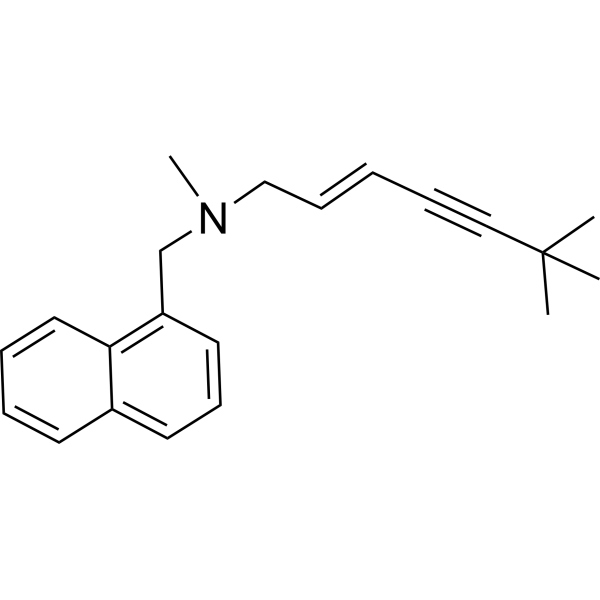
Terbinafine (TDT 067) is an orally active and potent antifungal agent. Terbinafine is a potent non-competitive inhibitor of squalene epoxidase from Candida, with a Ki of 30 nM. Terbinafine also shows antibacterial activity against certain Gram-positive and Gram-negative bacteria . Terbinafine is a click chemistry reagent, it contains an Alkyne group and can undergo copper-catalyzed azide-alkyne cycloaddition (CuAAc) with molecules containing Azide groups.
|
-
-
- HY-N1214
-
-
-
- HY-126403
-
|
PEG-40 hydrogenated castor oil; Macrogolglycerol hydroxystearate; Castor oil, hydrogenated, polyethoxylated
|
Environmental Pollutants
Biochemical Assay Reagents
|
Others
|
|
Ethoxylated hydrogenated castor oil (PEG-40 hydrogenated castor oil) is a combination of synthetic polyethylene glycol (PEG) with natural castor oil. Ethoxylated hydrogenated castor oil can be used to emulsify and solubilize oil-in-water (o/w) emulsions. Ethoxylated hydrogenated castor oil can be used as a cosolvent in vivo .
|
-
-
- HY-153808B
-
|
|
Toll-like Receptor (TLR)
|
Inflammation/Immunology
|
|
Complete Freund's adjuvant (CFA, 1 mg/ml) is an immunoadjuvant emulsified with antigen that can enhance an animal's immune response to an antigen. Complete Freund's adjuvant (CFA, 1 mg/ml) is also an inducer of the Th1 immune response and a ligand of TLRs. Complete Freund's adjuvant (CFA, 1 mg/ml) contains heat-killed inactive tuberculosis bacilli and consists of a paraffin oil-in-water emulsion. Complete Freund's adjuvant (CFA, 1 mg/ml) stimulates a strong and durable immune response and can be used to induce rheumatoid arthritis in rats, and more .
|
-
-
- HY-N1214S
-
|
Super squalene-d6; trans-squalene-d6; AddaVax-d6
|
Isotope-Labeled Compounds
|
Others
|
|
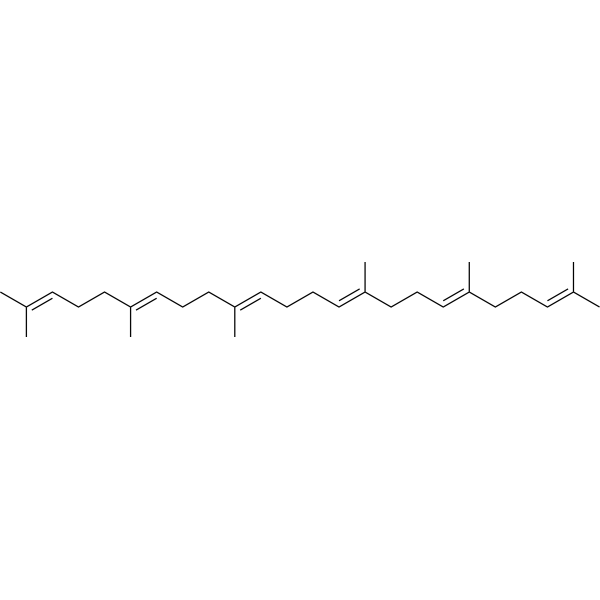
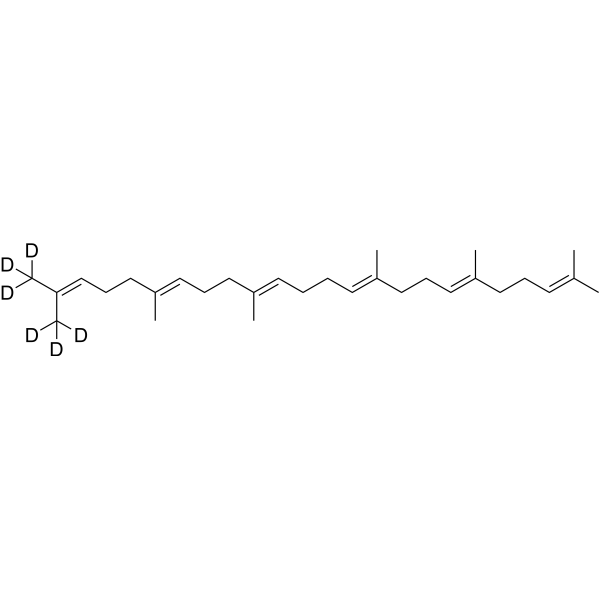
Squalene-d6 (Super Squalene-d6) is a deuterium labeled Squalene. Squalene (Super Squalene) is an intermediate product in the synthesis of cholesterol, and shows several pharmacological properties such as hypolipidemic, hepatoprotective, antiatherosclerotic, cardioprotective, antioxidant, and antitumour activity .
|
-
-
- HY-17395
-
|
TDT 067 hydrochloride
|
Fungal
Bacterial
Antibiotic
|
Infection
|
|
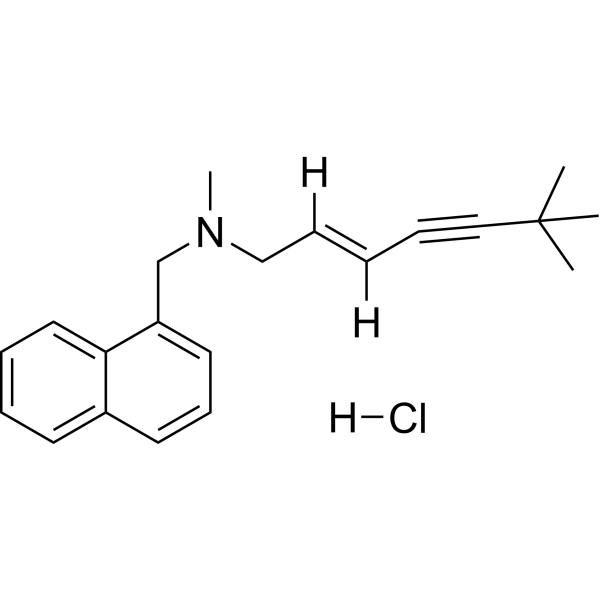
Terbinafine hydrochloride (TDT 067 hydrochloride) is an orally active and potent antifungal agent. Terbinafine hydrochloride is a potent non-competitive inhibitor of squalene epoxidase from Candida, with a Ki of 30 nM. Terbinafine hydrochloride also shows antibacterial activity against certain Gram-positive and Gram-negative bacteria . Terbinafine hydrochloride is a click chemistry reagent, it contains an Alkyne group and can undergo copper-catalyzed azide-alkyne cycloaddition (CuAAc) with molecules containing Azide groups.
|
-
-
- HY-16274
-
|
TAK-475
|
Farnesyl Transferase
|
Metabolic Disease
|
|
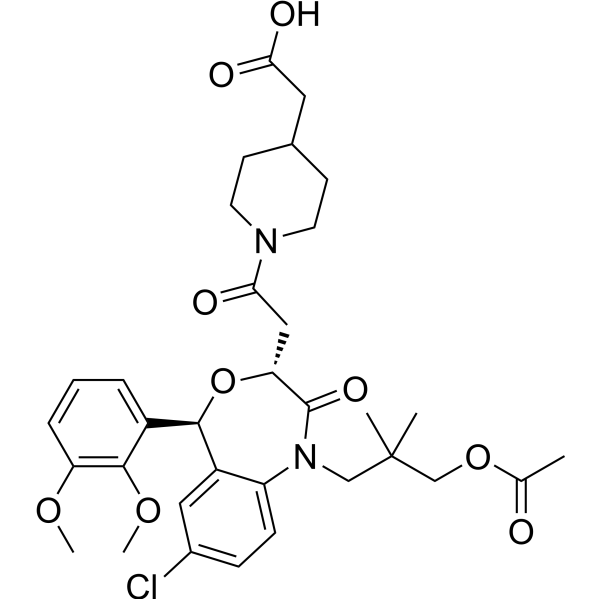
Lapaquistat acetate (TAK-475) is a squalene synthase inhibitor, blocking the conversion of farnesyl diphosphate (FPP) to squalene in the cholesterol biosynthesis pathway . Lapaquistat acetate is effective at lowering low-density lipoprotein cholesterol, but it might cause liver damage. Lapaquistat acetate is used for hypercholesterolemia and mevalonate kinase deficiency (MKD) research .
|
-
-
- HY-29350
-
-
-
- HY-108294
-
|
Nonaoxyethylene monododecyl ether
|
Biochemical Assay Reagents
|
Others
|
|
Nonaethylene glycol monododecyl ether (Nonaoxyethylene monododecyl ether) is a nonionic surfactant and polyethylene glycol (PEG) detergent that can be used to form initial coalesced O/W emulsion droplets, as well as for protein separation and purification .
|
-
-
- HY-100313A
-
|
|
Farnesyl Transferase
HCV
|
Infection
Metabolic Disease
|
|
YM-53601, a squalene synthase inhibitor, reduces plasma cholesterol and triglyceride levels in vivo . YM-53601 inhibits squalene synthase derived from human hepatoma cells with an IC50 of 79 nM. Lipid-lowering agent . YM-53601 is also an inhibitor of farnesyl-diphosphate farnesyltransferase 1 (FDFT1) enzyme activity and abrogates HCV propagation .
|
-
-
- HY-16343
-
|
|
COX
|
Metabolic Disease
|
|
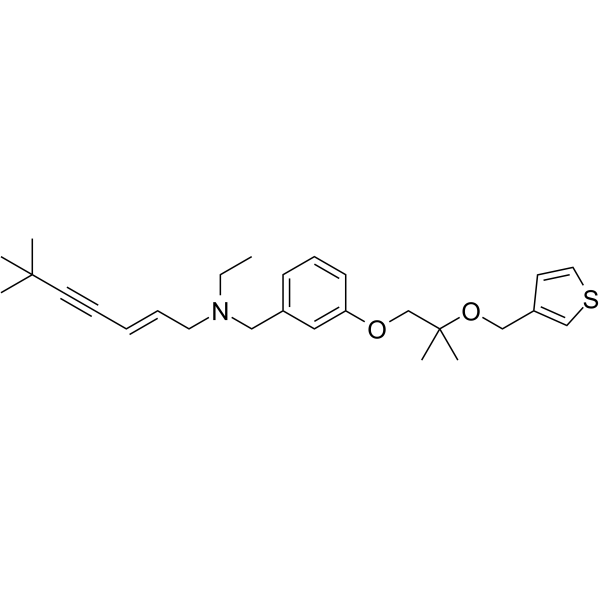
NB-598 is a potent and competitive inhibitor of squalene epoxidase (SE), and suppresses triglyceride biosynthesis through the farnesol pathway. NB-598 is a click chemistry reagent, it contains an Alkyne group and can undergo copper-catalyzed azide-alkyne cycloaddition (CuAAc) with molecules containing Azide groups.
|
-
-
- HY-W015635
-
|
|
Environmental Pollutants
|
Cancer
|
|
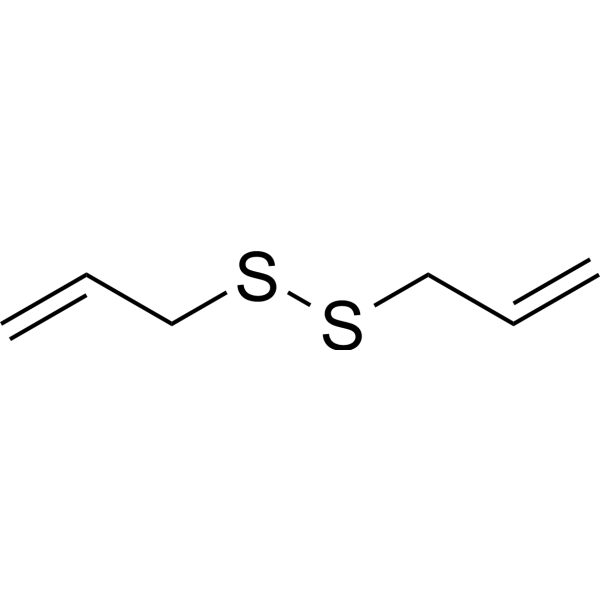
Diallyl disulfide, an active compound in garlic oil, is an orally active human squalene monooxygenase inhibitor with an IC50 of 400 μM for squalene epoxidation. Diallyl disulfide exhibits obvious anti-inflammatory, anti-oxidative, antidepressant and anti-tumor activities .
|
-
-
- HY-17396
-
|
KP363 Hydrochloride
|
Fungal
Antibiotic
|
Infection
|
|
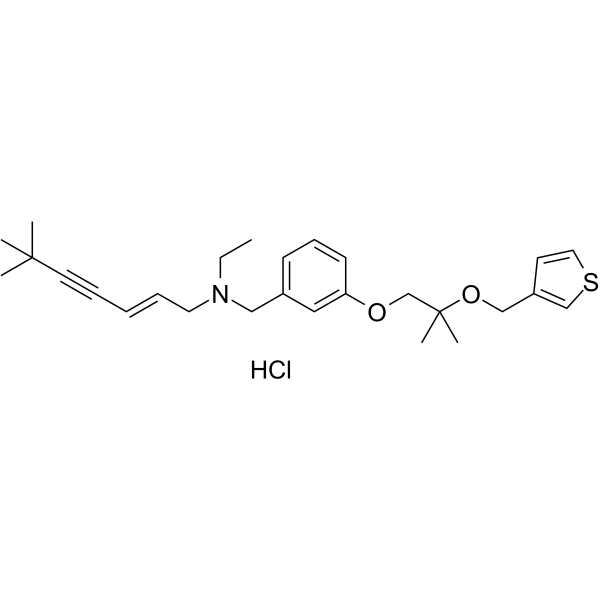
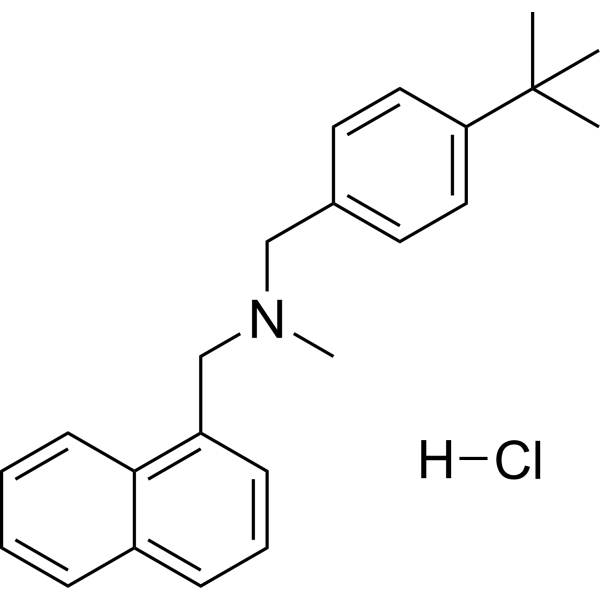
Butenafine Hydrochloride (KP363 Hydrochloride) is a synthetic benzylamine antifungal, works by inhibiting the synthesis of sterols by inhibiting squalene epoxidase.
|
-
-
- HY-114296
-
|
squalene oxide
|
Drug Intermediate
Endogenous Metabolite
|
Others
|
|
2,3-Oxidosqualene (Squalene oxide) is a sterol biosynthesis precursor intermediate.2,3-Oxidosqualene participates in cyclization pathways that form sterols and triterpenes, and contributes to introduction of their characteristic 3-hydroxyl group.2,3-Oxidosqualene forms metabolically from squalene in rat liver homogenates under sterol synthesis conditions.2,3-Oxidosqualene converts to sterols including cholesterol, lathosterol, and lanost-8-en-3β-ol in rat liver homogenates under anaerobic conditions .
|
-
-
- HY-B0348
-
|
Piritetrate; M-732
|
Fungal
|
Infection
|
|
Liranaftate (Piritetrate) is a squalene epoxidase inhibitor with anti-fungicidal activities. Liranaftate can be used for the research of dermatophytes. Liranaftate also suppresses fungal element-promoted production of IL-8 and experimental inflammation .
|
-
-
- HY-N7113
-
|
|
Environmental Pollutants
|
Cancer
|
|
Squalane, found in certain fish oils (especially shark liver oil), and some vegetable oils, is a saturated derivative of Squalene. Squalane shows anticancer, antioxidant, skin hydrating, and emollient activities .
|
-
-
- HY-117401
-
|
|
Fluorescent Dye
|
Others
|
|
5-Dodecanoylaminofluorescein is an amphipathic (amphoteric) fluorescent probe (Ex/Em = 485 nm/515-535 nm), which consists of a hydrophilic fluorescein core and a hydrophobic dodecanoyl group (C12 fatty acid chain) linked by an amide bond. 5-Dodecanoylaminofluorescein is mainly used as an interface-localized radical trapping/indicator probe. Dodecanoylaminofluorescein can be used for the determination of the antioxidant properties of emulsions, or can serve as a lipophilic drug model for the study of passive skin penetration when encapsulated in tyrosine-derived nanospheres .
|
-
-
- HY-Y0850O
-
|
PVA (Mw 31000-50000, 87-89% hydrolyzed); Poly(Ethenol) (Mw 31000-50000, 87-89% hydrolyzed)
|
Environmental Pollutants
Biochemical Assay Reagents
|
Cancer
|
|
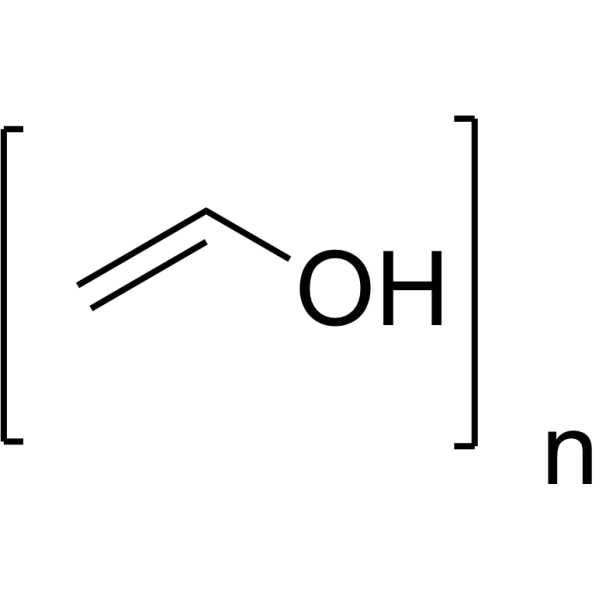
Polyvinyl alcohol (PVA; Poly (Ethenol)) (Mw 31000-50000, 87-89% hydrolyzed) is a polymer with emulsifying and stabilizing properties, with a degree of hydrolysis of 87-89%. Polyvinyl alcohol (Mw 31000-50000, 87-89% hydrolyzed) mainly acts as a stabilizer in the preparation of nanomedicines; it not only maintains the structural integrity of PEGylated PLGA nanoparticles during double emulsion synthesis, but also facilitates the preparation of chitosan/matrine-PLGA nanoparticle aqueous solutions and lipid-polymer nanoparticles. Polyvinyl alcohol (Mw 31000-50000, 87-89% hydrolyzed) can be widely used in research related to fields such as breast cancer .
|
-
-
- HY-116290
-
|
Squalestatin S1
|
Endogenous Metabolite
|
Metabolic Disease
|
|
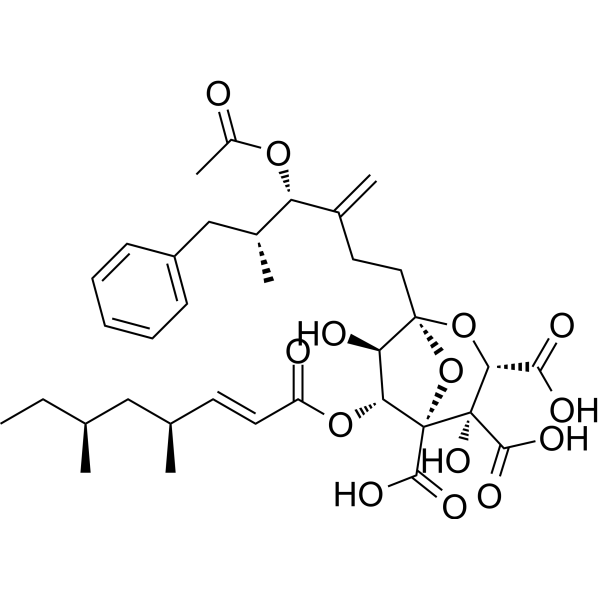
Zaragozic acid A is a fungal metabolite that acts as a reversible competitive inhibitor of squalene synthase. Zaragozic acid A is an inhibitor of acute hepatic cholesterol synthesis in mouse (IC50 = 6 μM) .
|
-
-
- HY-W250166
-
|
|
Environmental Pollutants
Biochemical Assay Reagents
|
Others
|
|
Poly(ethylene glycol) (12) tridecyl ether is a nonionic surfactant belonging to the family of ethoxylated fatty alcohols. It is commonly used as an emulsifier, solubilizer, and wetting agent in a variety of industrial and personal care products. Poly(ethylene glycol)(12) tridecyl ether has various properties that make it suitable for these applications, including its low toxicity, high solubility in water and organic solvents, and ability to stabilize emulsions. In addition, it can be used as a raw material for the production of other surfactants and specialty chemicals.
|
-
-
- HY-160093
-
|
|
PTEN
Akt
PI3K
|
Metabolic Disease
|
|
SQLE-IN-1 (compound 19) is a squalene epoxidase (SQLE) inhibitor. SQLE-IN-1 inhibits the proliferation and migration of Huh7 cells. SQLE-IN-1 inhibits the cell cholesterol generation. SQLE-IN-1 increases the expression of PTEN and inhibits PI3K and AKT .
|
-
-
- HY-N7113S
-
|
|
Isotope-Labeled Compounds
|
Cancer
|
|
Squalane-d62 is the deuterium labeled Squalane . Squalane, found in certain fish oils (especially shark liver oil), and some vegetable oils, is a saturated derivative of Squalene. Squalane shows anticancer, antioxidant, skin hydrating, and emollient activities .
|
-
-
- HY-16343C
-
|
|
COX
|
Metabolic Disease
|
|
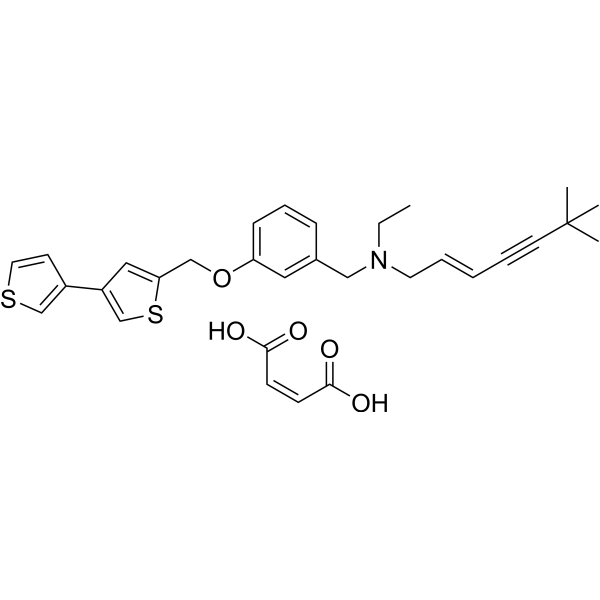
NB-598 Maleate is a potent and competitive inhibitor of squalene epoxidase (SE), and suppresses triglyceride biosynthesis through the farnesol pathway. NB-598 (Maleate) is a click chemistry reagent, it contains an Alkyne group and can undergo copper-catalyzed azide-alkyne cycloaddition (CuAAc) with molecules containing Azide groups.
|
-
-
- HY-N1214R
-
|
Super squalene (Standard); trans-squalene (Standard); AddaVax (Standard)
|
Reference Standards
Endogenous Metabolite
Reactive Oxygen Species (ROS)
Fungal
|
Infection
Cardiovascular Disease
|
|
Squalene (Standard) is the analytical standard of Squalene. This product is intended for research and analytical applications. Squalene (Super Squalene) is an intermediate product in the synthesis of cholesterol, and shows several pharmacological properties such as hypolipidemic, hepatoprotective, antiatherosclerotic, cardioprotective, antioxidant, and antitumour activity .
|
-
-
- HY-154639
-
|
|
Environmental Pollutants
Biochemical Assay Reagents
|
Others
|
|
Polyoxyl 20 Cetostearyl Ether can be used as an excipient, such as Emulsifier and solubilizer for emulsions and creams, etc. Pharmaceutical excipients, or pharmaceutical auxiliaries, refer to other chemical substances used in the pharmaceutical process other than pharmaceutical ingredients. Pharmaceutical excipients generally refer to inactive ingredients in pharmaceutical preparations, which can improve the stability, solubility and processability of pharmaceutical preparations. Pharmaceutical excipients also affect the absorption, distribution, metabolism, and elimination (ADME) processes of co-administered drugs .
|
-
-
- HY-W127620
-
|
|
Biochemical Assay Reagents
|
Others
|
|
Sulfobetaine-12is a zwitterionic surfactant, which means it has both positive and negative charges in its molecules. It is used as a detergent in various industries, including pharmaceuticals, cosmetics, and personal care products. Sulfobetaine-12Often used as a mild surfactant due to its non-irritating properties and ability to stabilize emulsions. Plus, it has antistatic properties that can be used to clean electronics and other static-prone surfaces.
|
-
-
- HY-100303A
-
-
-
- HY-100303
-
-
-
- HY-W101255
-
|
MTEACl
|
Biochemical Assay Reagents
|
Others
|
|
Triethylmethylammonium chloride is a quaternary ammonium salt belonging to the class of alkylammonium salts. This compound is widely used as a phase transfer catalyst in organic synthesis to facilitate the transfer of reactants between immiscible phases. In addition, it can be used as an electrolyte in electrochemical devices, a surfactant in emulsion polymerization, and a corrosion inhibitor. Its unique chemical properties make it an important ingredient in a variety of industrial applications, including pharmaceuticals, agrochemicals, and materials science.
|
-
-
- HY-W250172
-
|
|
Biochemical Assay Reagents
|
Others
|
|
Polyethylene glycol tert-octylphenyl ether X-405 (70% in H2O) is a nonionic surfactant commonly used in a variety of industrial and research applications. Polyethylene glycol tert-octylphenyl ether X-405 (70% in H2O) belongs to the family of polyethylene glycol (PEG) ethers with a hydrophilic head and lipophilic tail and is suitable for use in emulsions, detergents and solubilizers. Polyethylene glycol tert-octylphenyl ether X-405 (70% in H2O) is particularly useful in the study of membrane proteins, where it is used to solubilize and stabilize proteins for structural analysis techniques. It is also used in a variety of other applications, including drug delivery systems, nanotechnology, and diagnostic analysis. Additionally, Polyethylene glycol tert-octylphenyl ether X-405 (70% in H2O) is used in the production of microemulsions, salves and lotions due to its emulsifying and solubilizing properties. However, it can be toxic if ingested or inhaled, so proper handling and safety precautions are required.
|
-
-
- HY-B2097
-
|
YM 175; Bisphonal
|
Farnesyl Transferase
|
Metabolic Disease
|
|
Incadronate disodium (YM 175) is a bisphosphonate with strong inhibitory activity on bone resorption. Incadronate disodium indirectly stimulates renal 25-hydroxyvitamin D-1-hydroxylase by increasing circulating parathyroid hormone. Incadronate disodium, a cholesterol-lowering agent, is a potent inhibitor of rat liver microsomal squalene synthase (Ki=57 nM). Incadronate disodium inhibits sterol biosynthesis in mouse macrophage J774 cells (IC50=64 μM). Incadronate disodium has the potential for malignant tumors research .
|
-
-
- HY-W015761
-
-
-
- HY-N3955
-
|
Glutinone; Glutinone
|
Others
|
Others
|
|
Alnusenone (Glutinone) is a stabilised intermediate int he biogenesis of friedelin (XV) from squalene. Alnusenone is the major natural compound in fractions .
|
-
-
- HY-W145523
-
|
Viscarin SD 309
|
Biochemical Assay Reagents
|
Others
|
|
ι-Carrageenan (Viscarin SD 309) is a biochemical reagent. ι-Carrageenan can be isolated from Eucheuma serra or red algae H. musciformis and S. filiformis. ι-Carrageenan has potential application in protein emulsion flocculation and stability .
|
-
-
- HY-W099642
-
|
Trimethyl-n-octylammonium bromide
|
Biochemical Assay Reagents
|
Others
|
|
Trimethyloctylammonium bromide (TOAB) is used as a surfactant and phase transfer catalyst in various chemical reactions. TOAB can be used in the synthesis of nanomaterials due to its ability to selectively transfer ions across interfaces and as a surfactant in the production of emulsions and foams. It is valued for its amphiphilic properties, which allow it to interact with water and oils, stabilizing and dispersing mixtures.
|
-
-
- HY-17395S
-
|
TDT 067-d3 hydrochloride
|
Isotope-Labeled Compounds
Fungal
Bacterial
Antibiotic
|
Infection
|
|
Terbinafine-d3 hydrochloride is the deuterium labeled Terbinafine hydrochloride. Terbinafine hydrochloride (TDT 067 hydrochloride) is an antifungal medication used to treat fungal infections. It is a potent non-competitive inhibitor of squalene epoxidase from Candida with a Ki of 30 nM . Terbinafine hydrochloride also antibacterial activity against certain Gram-positive and Gram-negative bacteria .
|
-
-
- HY-W127621
-
|
|
Biochemical Assay Reagents
|
Others
|
|
Sulfobetaine-8is a zwitterionic surfactant, which means it has both positive and negative charges in its molecules. It is used as a detergent in various industries, including pharmaceuticals, cosmetics, and personal care products. Sulfobetaine-8Often used as a mild surfactant because of its non-irritating and ability to stabilize emulsions. Plus, it has antistatic properties that can be used to clean electronics and other static-prone surfaces.
|
-
-
- HY-W250721G
-
|
Carboxy polymethylene (interpolymer)
|
|
Others
|
|
Carbomer interpolymer (Carboxy polymethylene (interpolymer)) is an acrylic acid polymer, which can be used as a thickening agent. Carbomer interpolymer provides a stable gel matrix, exhibits good heat, light and microbial contamination resistance. Carbomer interpolymer facilitates the drug release and local application, which can be used in the pharmaceutical industry .
|
-
-
- HY-W250721F
-
|
Carboxy polymethylene (homopolymer)
|
Biochemical Assay Reagents
|
Others
|
|
Carbomer homopolymer (Carboxy polymethylene (homopolymer)) is an acrylic acid polymer, which can be used as a thickening agent. Carbomer homopolymer provides a stable gel matrix, exhibits good heat, light and microbial contamination resistance. Carbomer homopolymer facilitates the drug release and local application, which can be used in the pharmaceutical industry .
|
-
-
- HY-114296S
-
|
squalene oxide-d6
|
Isotope-Labeled Compounds
Drug Intermediate
Endogenous Metabolite
|
Others
|
|
2,3-Oxidosqualene-d6 (Squalene oxide-d6) is a deuterium labeled 2,3-Oxidosqualene (HY-114296). 2,3-Oxidosqualene (Squalene oxide) is a sterol biosynthesis precursor intermediate.2,3-Oxidosqualene participates in cyclization pathways that form sterols and triterpenes, and contributes to introduction of their characteristic 3-hydroxyl group.2,3-Oxidosqualene forms metabolically from squalene in rat liver homogenates under sterol synthesis conditions.2,3-Oxidosqualene converts to sterols including cholesterol, lathosterol, and lanost-8-en-3β-ol in rat liver homogenates under anaerobic conditions.
|
-
-
- HY-100313
-
|
|
Farnesyl Transferase
HCV
|
Metabolic Disease
|
|
YM-53601 free base, a squalene synthase inhibitor, reduces plasma cholesterol and triglyceride levels in vivo . YM-53601 free base inhibits squalene synthase derived from human hepatoma cells with an IC50 of 79 nM. Lipid-lowering agent . YM-53601 free base is also an inhibitor of farnesyl-diphosphate farnesyltransferase 1 (FDFT1) enzyme activity and abrogates HCV propagation .
|
-
-
- HY-N7113R
-
|
|
Reference Standards
Others
|
Cancer
|
|
Squalane (Standard) is the analytical standard of Squalane. This product is intended for research and analytical applications. Squalane, found in certain fish oils (especially shark liver oil), and some vegetable oils, is a saturated derivative of Squalene. Squalane shows anticancer, antioxidant, skin hydrating, and emollient activities .
|
-
-
- HY-17395AR
-
|
TDT 067 (Standard)
|
Reference Standards
Fungal
Bacterial
Antibiotic
|
Infection
|
|
Terbinafine (Standard) is the analytical standard of Terbinafine. This product is intended for research and analytical applications. Terbinafine (TDT 067) is an orally active and potent antifungal agent. Terbinafine is a potent non-competitive inhibitor of squalene epoxidase from Candida, with a Ki of 30 nM. Terbinafine also shows antibacterial activity against certain Gram-positive and Gram-negative bacteria . Terbinafine is a click chemistry reagent, it contains an Alkyne group and can undergo copper-catalyzed azide-alkyne cycloaddition (CuAAc) with molecules containing Azide groups.
|
-
-
- HY-P3526
-
-
-
- HY-114518
-
|
KP363
|
Fungal
|
Infection
|
|
Butenafine (KP363) is a potent and broad spectrum benzylamine antifungal agent . Butenafine inhibits fungal ergosterol biosynthesis at the point of squalene epoxidation, leading to a deficiency of the fungal cell membranes. Butenafine is effective against dermatophytes infections, such as tinea pedis, tinea cruris, tinea versicolor .
|
-
-
- HY-17395AS
-
|
TDT 067-d7
|
Isotope-Labeled Compounds
Fungal
Bacterial
Antibiotic
|
Infection
|
|
Terbinafine-d7 is the deuterium labeled Terbinafine. Terbinafine (TDT 067) is an antifungal medication used to treat fungal infections. It is a potent non-competitive inhibitor of squalene epoxidase from Candida with a Ki of 30 nM . Terbinafine also antibacterial activity against certain Gram-positive and Gram-negative bacteria .
|
-
-
- HY-W017428
-
|
P-Ethyoxybenzaldehyde
|
Interleukin Related
Prostaglandin Receptor
|
Inflammation/Immunology
|
|
4-Ethoxybenzaldehyde (P-Ethyoxybenzaldehyde) is a derivative of benzaldehyde. 4-Ethoxybenzaldehyde can significantly inhibit the production of key inflammatory factors such as prostaglandin E2 (PGE2), IL-6, and IL-8 induced by ultraviolet radiation (UVR). 4-Ethoxybenzaldehyde shows significant efficacy and good safety in reducing facial redness when added to an oil-in-water emulsion at a concentration of 1%. 4-Ethoxybenzaldehyde can be used in the study of chronic inflammatory skin diseases .
|
-
- HY-N1214A
-
|
(E/Z)-Super squalene; (E/Z)-AddaVax
|
Apoptosis
|
Cancer
|
|
(E/Z)-Squalene ((E/Z)-Super Squalene; (E/Z)-AddaVax) is a triterpenic compound. (E/Z)-Squalene accumulates and reduces liver cholesterol and triglycerides in the liver. (E/Z)-Squalen regulates the production of intracellular active oxidants (ROS) and induces apoptosis and necrosis in a concentration-and time-dependent manner .
|
-
- HY-W016656
-
|
4-Phenyl-1,2,4-triazolidine-3,5-dione
|
Drug Intermediate
|
Others
|
|
4-Phenylurazole (4-Phenyl-1,2,4-triazolidine-3,5-dione) is an important intermediate. 4-Phenylurazole also serves as a photographic emulsion stabilizer and a lubricant additive .
|
-
- HY-178158
-
|
|
Farnesyl Transferase
Apoptosis
DNA/RNA Synthesis
|
Cancer
|
|
SQS-IN-1 is a squalene synthase (SQS) inhibitor. SQS-IN-1 exhibits potent and broad-spectrum anti-proliferative effects on both mouse and human lung cancer cell lines. SQS-IN-1 inhibits DNA replication and the cell cycle, causing mitochondrial hyperpolarization and inducing cell apoptosis. SQS-IN-1 inhibits cell migration and invasion. SQS-IN-1 can be used to the study of lung cancer .
|
-
- HY-17395R
-
|
TDT 067 hydrochloride (Standard)
|
Reference Standards
Fungal
Bacterial
Antibiotic
|
Infection
|
|
Terbinafine hydrochloride (Standard) is the analytical standard of Terbinafine hydrochloride. This product is intended for research and analytical applications. Terbinafine hydrochloride (TDT 067 hydrochloride) is an orally active and potent antifungal agent. Terbinafine hydrochloride is a potent non-competitive inhibitor of squalene epoxidase from Candida, with a Ki of 30 nM. Terbinafine hydrochloride also shows antibacterial activity against certain Gram-positive and Gram-negative bacteria . Terbinafine hydrochloride is a click chemistry reagent, it contains an Alkyne group and can undergo copper-catalyzed azide-alkyne cycloaddition (CuAAc) with molecules containing Azide groups.
|
-
- HY-116290A
-
-
- HY-124374
-
-
- HY-W112651
-
|
|
Glycosidase
Amylases
|
Metabolic Disease
|
|
2,4,6-Triphenylaniline has anti-diabetic activity and can be encapsulated in nano-emulsions (NE) to enhance stability and permeability. The NE loaded with 2,4,6-Triphenylaniline inhibits α-glucosidase and α-amylase .
|
-
- HY-126871
-
|
|
Farnesyl Transferase
|
Metabolic Disease
Cancer
|
|
Zaragozic acid D2 is the inhibitor for squalene synthase and Ras farnesyl-protein transferase (Ras FPTase), with IC50 of 2 nM and 100 nM, respectively. Zaragozic acid D2 is potentially ameliorating hypercholesterolemia and Ras-induced cancer .
|
-
- HY-116595
-
|
|
Farnesyl Transferase
|
Metabolic Disease
|
|
J-104118 is a potent and orally active squalene synthase (SQS) inhibitor with an IC50 of 0.52 nM. J-104118 inhibits cholesterol synthesis in mice. J-104118 can be used for cholesterol-lowering research .
|
-
- HY-123404
-
|
|
Fungal
Farnesyl Transferase
|
Infection
|
|
L-731128 is a novel alkyl citrate. L-731128 can be isolated as a minor component of Sporormiella intermedia (MF 5447, ATCC 20985) fermentations. L-731128 is a potent squalene synthase inhibitor, with an IC50 value of 767 nM .
|
-
- HY-163452
-
|
|
Farnesyl Transferase
|
Metabolic Disease
|
|
Squalene synthase-IN-2 (comppund isomer A-(1S, 3R)-14i) is an orally active squalene synthase inhibitor with IC50 values of 3.4, 99 nM for squalene synthase and cholesterol synthesis, respectively. Squalene synthase-IN-2 reduces plasma cholesterol and triglyceride .
|
-
- HY-149405
-
|
|
Others
|
Metabolic Disease
|
|
Squalene synthase-IN-1 (compound 1) is a potent antihyperlipidemic agent acting through Squalene Synthase inhibition. Squalene synthase-IN-1 exhibits an outstanding antioxidant and anti-inflammatory activity. Squalene synthase-IN-1 displays a significant reduction not only of glucose but also of oxidative stress levels, while it did not cause any toxicity .
|
-
- HY-119554
-
|
PFDB
|
Biochemical Assay Reagents
|
Others
|
|
Perfluorodecyl bromide (PFDB), a Perflubron (PFOB, HY-B1724) analogue, is a high molecular weight lipophilic fluorocarbon. Perfluorodecyl bromide can be used to prepare phospholipid-stabilized fluorocarbon emulsions .
|
-
- HY-16108A
-
-
- HY-W015635R
-
|
|
Reference Standards
Others
|
Cancer
|
|
Diallyl disulfide (Standard) is the analytical standard of Diallyl disulfide. This product is intended for research and analytical applications. Diallyl disulfide, an active compound in garlic oil, is an orally active human squalene monooxygenase inhibitor with an IC50 of 400 μM for squalene epoxidation. Diallyl disulfide exhibits obvious anti-inflammatory, anti-oxidative, antidepressant and anti-tumor activities .
|
-
- HY-N9777
-
|
|
Others
|
Metabolic Disease
|
|
Procyanidin B-5 3,3'-di-O-gallate is a potent inhibitor of squalene epoxidase with an IC50 of 0.55 μM. Procyanidin B-5 3,3'-di-O-gallate reduces cholesterol by inhibiting squalene epoxidase activity .
|
-
- HY-B0348R
-
|
Piritetrate (Standard); M-732 (Standard)
|
Reference Standards
Fungal
|
Infection
|
|
Liranaftate (Standard) is the analytical standard of Liranaftate. This product is intended for research and analytical applications. Liranaftate (Piritetrate) is a squalene epoxidase inhibitor with anti-fungicidal activities. Liranaftate can be used for the research of dermatophytes. Liranaftate also suppresses fungal element-promoted production of IL-8 and experimental inflammation .
|
-
- HY-178088
-
|
|
Fungal
Drug Derivative
Drug Metabolite
|
Infection
Metabolic Disease
|
|
L-731120 is an alkyl citrate zargozaga acid A analogue, which is secondary metabolite produced by fungal fermentation. L-731120 shows inhibitory activity against squalene synthase (SQS) (IC50 = 260 nM). L-731120 can inhibit the synthesis of cholesterol in the liver. L-731120 can be used for the research of infection and metabolic disease, such as hypercholesterolemia .
|
-
- HY-100299A
-
|
|
Farnesyl Transferase
|
Cardiovascular Disease
Metabolic Disease
|
|
RPR107393 is an orally active potent selective squalene synthase (SQS) inhibitor. RPR107393 inhibits rat liver microsomal squalene synthase with an IC50 value of 0.8 nM. RPR107393 reduces triglyceride biosynthesis by suppressing fatty acid biosynthesis via an increase in intracellular farnesol and its derivatives. RPR107393 reduces plasma cholesterol in rats and marmosets. RPR107393 can be used for metabolic disease research, such as hypercholesterolemia, hypertriglyceridemia and atherosclerosis .
|
-
- HY-100299
-
|
|
Farnesyl Transferase
|
Cardiovascular Disease
Metabolic Disease
|
|
RPR107393 free base is an orally active potent selective squalene synthase (SQS) inhibitor. RPR107393 free base inhibits rat liver microsomal squalene synthase with an IC50 value of 0.8 nM. RPR107393 free base reduces triglyceride biosynthesis by suppressing fatty acid biosynthesis via an increase in intracellular farnesol and its derivatives. RPR107393 free base reduces plasma cholesterol in rats and marmosets. RPR107393 free base can be used for metabolic disease research, such as hypercholesterolemia, hypertriglyceridemia and atherosclerosis [1][2].
|
-
- HY-17395B
-
|
TDT 067 lactate
|
Antibiotic
Fungal
Bacterial
|
Infection
|
|
Terbinafine lactate (TDT 067 lactate) is an orally active and potent antifungal agent. Terbinafine lactate is a potent non-competitive inhibitor of squalene epoxidase from Candida, with a Ki of 30 nM. Terbinafine lactate also shows antibacterial activity against certain Gram-positive and Gram-negative bacteria . Terbinafine (lactate) is a click chemistry reagent, it contains an Alkyne group and can undergo copper-catalyzed azide-alkyne cycloaddition (CuAAc) with molecules containing Azide groups.
|
-
- HY-165605
-
|
Homogeranyl alcohol
|
Biochemical Assay Reagents
|
Others
|
|
Homogeraniol (Homogeranyl alcohol) is a substrate of the squalene cyclase from Bacillus acidocaldarius and can be used to determine the activity of squalene cyclase .
|
-
- HY-N13888
-
-
- HY-159063
-
|
|
Biochemical Assay Reagents
|
Others
|
|
Soy Polysaccharides are biochemical reagents that can be added to beverages, sauces, and dairy products as thickeners, emulsifiers, and dietary fiber ingredients. Soy Polysaccharides are non-toxic, hydrophilic, and biodegradable, allowing for widespread application in various food sectors. Additionally, Soy Polysaccharides serve as effective stabilizers in oil/water emulsions. Even under acidic conditions, Soy Polysaccharides can stabilize β-conglycinin-based emulsions to prevent flocculation .
|
-
- HY-125324
-
-
- HY-135625
-
|
|
Parasite
|
Infection
|
|
BPH-1218 is an inhibitor of squalene synthase (SQS), with the IC50 of 31 nM and 64 nM for TcSQS and HsSQS, respectively, that can be used as an anti-infective agent .
|
-
- HY-14871
-
|
SN2310
|
Topoisomerase
|
Cancer
|
|
Tenifatecan (SN2310) is an injectable emulsion composed of vitamin E, a succinate derivative,
as well as 7-ethyl-10-hydroxycamptothecin (SN-38, the active metabolite of irinotecan). Tenifatecan (SN2310) possesses anticancer activity .
|
-
- HY-17396S
-
|
KP363-13C,d3 hydrochloride
|
Isotope-Labeled Compounds
Fungal
Antibiotic
|
Infection
|
|
Butenafine- 13C,d3 (hydrochloride) is the 13C- and deuterium labeled. Butenafine Hydrochloride (KP363 Hydrochloride) is a synthetic benzylamine antifungal, works by inhibiting the synthesis of sterols by inhibiting squalene epoxidase.
|
-
- HY-W015370R
-
|
|
Reference Standards
Endogenous Metabolite
|
Others
Inflammation/Immunology
|
|
Squalane (Standard) is the analytical standard of Squalane. This product is intended for research and analytical applications. Squalane, found in certain fish oils (especially shark liver oil), and some vegetable oils, is a saturated derivative of Squalene. Squalane shows anticancer, antioxidant, skin hydrating, and emollient activities .
|
-
- HY-16343A
-
|
|
Others
|
Metabolic Disease
|
|
NB-598 hydrochloride is a potent and competitive inhibitor of squalene epoxidase (SE), and suppresses triglyceride biosynthesis through the farnesol pathway. NB-598 (hydrochloride) is a click chemistry reagent, it contains an Alkyne group and can undergo copper-catalyzed azide-alkyne cycloaddition (CuAAc) with molecules containing Azide groups.
|
-
- HY-15321A
-
|
MK-0663 hydrochloride; L-791456 hydrochloride
|
COX
|
Inflammation/Immunology
|
|
Etoricoxib hydrochloride (MK-0663 hydrochloride) is a synthetic nonsteroidal anti-inflammatory drug with cyclooxygenase-2 inhibitory activity. Etoricoxib hydrochloride can inhibit the conversion of arachidonic acid to prostaglandins, thereby reducing inflammation and pain. Etoricoxib hydrochloride is used to inhibit osteoarthritis and has anti-inflammatory and bone remodeling effects. The formulation of etoricoxib hydrochloride is prepared by emulsion solvent evaporation technology and exhibits good cell compatibility and enhanced alkaline phosphatase activity .
|
-
- HY-159750
-
|
|
Toll-like Receptor (TLR)
|
Inflammation/Immunology
|
|
M903 is a new type of mineral oil-based adjuvant, which belongs to water-in-oil-in-water (w/o/w) emulsion. It can enhance both cellular and humoral immunity against non-specific antigens, stimulate specific immunity against the antigens, delay the release of the antigens in the body, and improve the immunity of animals. It is applicable to various veterinary vaccines, including inactivated vaccines and genetically engineered subunit vaccines, such as pig vaccines for foot-and-mouth disease and blue ear disease.
|
-
- HY-114518S2
-
|
KP363-d4
|
Fungal
Isotope-Labeled Compounds
|
Infection
|
|
Butenafine-d4 (KP363-d4) is the deuterium labeled Butenafine (HY-114518). Butenafine (KP363) is a potent and broad spectrum benzylamine antifungal agent . Butenafine inhibits fungal ergosterol biosynthesis at the point of squalene epoxidation, leading to a deficiency of the fungal cell membranes. Butenafine is effective against dermatophytes infections, such as ?tinea pedis, ?tinea cruris, tinea versicolor .
|
-
- HY-17395AS1
-
|
TDT 067-d3
|
Isotope-Labeled Compounds
Antibiotic
Fungal
Bacterial
|
Infection
|
|
Terbinafine-d3 (TDT 067-d3) is deuterium labeled Terbinafine. Terbinafine (TDT 067) is an orally active and potent antifungal agent. Terbinafine is a potent non-competitive inhibitor of squalene epoxidase from Candida, with a Ki of 30 nM. Terbinafine also shows antibacterial activity against certain Gram-positive and Gram-negative bacteria . Terbinafine is a click chemistry reagent, it contains an Alkyne group and can undergo copper-catalyzed azide-alkyne cycloaddition (CuAAc) with molecules containing Azide groups.
|
-
- HY-19873
-
|
|
Photosensitizer
|
Cancer
|
|
SL-052 is a hypocrellin-based photosensitizer that has recently shown promising results in clinical and preclinical testing for cancer photodynamic therapy (PDT). SL-052 is encapsulated in biodegradable polylactic-co-glycolic acid (PLGA) polymer nanoparticles optimized using single emulsion solvent evaporation technology. The SL-052-PLGA nanoparticles were more effective in PDT treatment of subcutaneous SCCVII squamous cell carcinoma compared to polyvinylpyrrolidone (PVP)-based and standard liposomal SL-052 formulations. A longer time interval between drug injection and tumor illumination can improve tumor cure rates, and SL-052-PLGA nanoparticles showed the best therapeutic effect among all SL-052 formulations.
|
-
- HY-N1215
-
|
|
Others
|
Others
|
|
Squalene-2,3-glycol is a Triterpenoids product that can be isolated from the herbs of Amoora dasyclada .
|
-
- HY-W743885
-
-
- HY-103087R
-
|
|
Reference Standards
Ferroptosis
|
Others
|
|
FIN56 (Standard) is the analytical standard of FIN56 (HY-103087). This product is intended for research and analytical applications. FIN56 is a specific inducer of ferroptosis. FIN56 induces ferroptosis by inducing degradation of GPX4. FIN56 also binds to and activates squalene synthase .
|
-
- HY-N18036
-
|
|
Others
|
Others
|
|
(3E,7E)-Homofarnesol is a C16 isoprenoid alcohol and non-natural substrate for squalene-hopene cyclases. (3E,7E)-Homofarnesol undergoes cyclization to form ambroxan .
|
-
- HY-100313AR
-
|
|
Farnesyl Transferase
Reference Standards
HCV
|
Infection
Metabolic Disease
|
|
YM-53601 (Standard) is the analytical standard of YM-53601 (HY-100313A). This product is intended for research and analytical applications. YM-53601, a squalene synthase inhibitor, reduces plasma cholesterol and triglyceride levels in vivo . YM-53601 inhibits squalene synthase derived from human hepatoma cells with an IC50 of 79 nM. Lipid-lowering agent . YM-53601 is also an inhibitor of farnesyl-diphosphate farnesyltransferase 1 (FDFT1) enzyme activity and abrogates HCV propagation .
|
-
- HY-123405
-
-
- HY-100303AR
-
|
|
Others
Reference Standards
|
Metabolic Disease
|
|
FR194738 (Standard) is the analytical standard of FR194738 (HY-100303A). This product is intended for research and analytical applications. FR194738 is a squalene epoxidase inhibitor. FR194738 inhibits squalene epoxidase activity in HepG2 cell homogenates with an IC50 of 9.8 nM.
|
-
- HY-100303R
-
|
|
Others
Reference Standards
|
Metabolic Disease
|
|
FR194738 free base (Standard) is the analytical standard of FR194738 free base (HY-100303). This product is intended for research and analytical applications. FR194738 free base is a squalene epoxidase inhibitor. FR194738 inhibits squalene epoxidase activity in HepG2 cell homogenates with an IC50 of 9.8 nM.
|
-
- HY-W268106
-
|
|
Biochemical Assay Reagents
|
Others
|
|
Decylphosphonic acid is a metal oxide surface modifier and corrosion inhibitor. Decylphosphonic acid is promising for research of metal protection, anti-corrosion coatings, and emulsion polymerization .
|
-
- HY-W923355
-
|
EPA-TG; Glycerol trieicosapentaenoate; TG(20:5/20:5/20:5)
|
Others
|
Others
|
|
1,2,3-Trieicosapentaenoyl glycerol (EPA-TG) is a glycerol ester that can be obtained by the reaction of polyunsaturated fatty acids or lower alkyl esters with glycerol catalyzed by alkoxide ions . After two intravenous injections of the EPA-TG emulsion into rabbits, the EPA content in plasma and platelet phospholipids increased markedly . In another study, by administering the EPA-TG emulsion, the production of leukotriene B4 by polymorphonuclear leukocytes in rabbits was reduced by 40% .
|
-
- HY-179192
-
|
|
Biochemical Assay Reagents
|
Others
|
|
10% Egg-Yolk Solution can be added to Egg-Yolk Salt Agar Medium (HY-179191) or egg yolk sodium chloride agar medium for 10% NaCl egg yolk emulsion microbial susceptibility testing.
|
-
- HY-123746
-
|
|
Farnesyl Transferase
Fungal
Parasite
|
Infection
|
|
E5700 is an orally active squalene synthase inhibitor, antimalarial agent and antifungal agent with an IC50 of 0.49 nM (without PPi) against squalene synthase from T. cruzi epimastigotes. E5700 shows antiparasitic activities against Trypanosoma cruzi. E5700 inhibits the growth and alters the lipid prolife and the ultrastructure of a multiple agent-resistant C. tropicalis strain. E5700 is a potent and selective inhibitor of the growth of Leishmania amazonensis .
|
-
- HY-W705093
-
|
|
Bacterial
|
Infection
Cancer
|
|
Dimethoxane is an antibacterial agent and an orally active oncogen. Dimethoxane exerts slow bactericidal action against various bacteria, rapid bacteriostatic action that halts bacterial growth, and does not induce bacterial lysis. Dimethoxane induces multiple tumor formation in rats. Dimethoxane functions as a low-toxicity preservative in cosmetic formulations and controls spoilage microorganisms in aqueous systems, emulsions, and suspensions .
|
-
- HY-108294R
-
|
Nonaoxyethylene monododecyl ether (Standard)
|
Biochemical Assay Reagents
Reference Standards
|
Others
|
|
Nonaethylene glycol monododecyl ether (Standard) is the analytical standard of Nonaethylene glycol monododecyl ether (HY-108294). This product is intended for research and analytical applications. Nonaethylene glycol monododecyl ether (Nonaoxyethylene monododecyl ether) is a nonionic surfactant and polyethylene glycol (PEG) detergent that can be used to form initial coalesced O/W emulsion droplets, as well as for protein separation and purification .
|
-
- HY-W700634
-
|
|
Isotope-Labeled Compounds
Biochemical Assay Reagents
|
Others
|
|
Sulfobetaine-12-d25 is the deuterium labeled Sulfobetaine-12 (HY-W127620). Sulfobetaine-12is a zwitterionic surfactant, which means it has both positive and negative charges in its molecules. It is used as a detergent in various industries, including pharmaceuticals, cosmetics, and personal care products. Sulfobetaine-12Often used as a mild surfactant due to its non-irritating properties and ability to stabilize emulsions. Plus, it has antistatic properties that can be used to clean electronics and other static-prone surfaces.
|
-
- HY-A0103
-
|
|
Environmental Pollutants
Biochemical Assay Reagents
|
Inflammation/Immunology
|
|
Xanthan gum interacts with gelatin (HY-Y1365) via hydrogen bonds, thereby increasing the viscosity and stability of the hydrogel while promoting cell growth and creating a microenvironment conducive to cell differentiation [1][2]. Xanthan gum induces pro-inflammatory responses by increasing the levels of TNF-α, IL-6, and IL-10. Xanthan gum can be used for inflammation and immunology research .
|
-
| Cat. No. |
Product Name |
Type |
-
- HY-117401
-
|
|
Fluorescent Dyes
|
|
5-Dodecanoylaminofluorescein is an amphipathic (amphoteric) fluorescent probe (Ex/Em = 485 nm/515-535 nm), which consists of a hydrophilic fluorescein core and a hydrophobic dodecanoyl group (C12 fatty acid chain) linked by an amide bond. 5-Dodecanoylaminofluorescein is mainly used as an interface-localized radical trapping/indicator probe. Dodecanoylaminofluorescein can be used for the determination of the antioxidant properties of emulsions, or can serve as a lipophilic drug model for the study of passive skin penetration when encapsulated in tyrosine-derived nanospheres .
|
| Cat. No. |
Product Name |
Type |
-
- HY-126403
-
|
PEG-40 hydrogenated castor oil; Macrogolglycerol hydroxystearate; Castor oil, hydrogenated, polyethoxylated
|
Biochemical Assay Reagents
|
|
Ethoxylated hydrogenated castor oil (PEG-40 hydrogenated castor oil) is a combination of synthetic polyethylene glycol (PEG) with natural castor oil. Ethoxylated hydrogenated castor oil can be used to emulsify and solubilize oil-in-water (o/w) emulsions. Ethoxylated hydrogenated castor oil can be used as a cosolvent in vivo .
|
-
- HY-A0103
-
|
|
Biochemical Assay Reagents
|
|
Xanthan gum interacts with gelatin (HY-Y1365) via hydrogen bonds, thereby increasing the viscosity and stability of the hydrogel while promoting cell growth and creating a microenvironment conducive to cell differentiation [1][2]. Xanthan gum induces pro-inflammatory responses by increasing the levels of TNF-α, IL-6, and IL-10. Xanthan gum can be used for inflammation and immunology research .
|
-
- HY-29350
-
|
PGPR
|
Biochemical Assay Reagents
|
|
Polyglycerol-polyricinoleate (PGPR) is an emulsifier commonly used in the food industry. Polyglycerol-polyricinoleate can improve food texture and stability .
|
-
- HY-Y0850O
-
|
PVA (Mw 31000-50000, 87-89% hydrolyzed); Poly(Ethenol) (Mw 31000-50000, 87-89% hydrolyzed)
|
Biochemical Assay Reagents
|
|
Polyvinyl alcohol (PVA; Poly (Ethenol)) (Mw 31000-50000, 87-89% hydrolyzed) is a polymer with emulsifying and stabilizing properties, with a degree of hydrolysis of 87-89%. Polyvinyl alcohol (Mw 31000-50000, 87-89% hydrolyzed) mainly acts as a stabilizer in the preparation of nanomedicines; it not only maintains the structural integrity of PEGylated PLGA nanoparticles during double emulsion synthesis, but also facilitates the preparation of chitosan/matrine-PLGA nanoparticle aqueous solutions and lipid-polymer nanoparticles. Polyvinyl alcohol (Mw 31000-50000, 87-89% hydrolyzed) can be widely used in research related to fields such as breast cancer .
|
-
- HY-W250166
-
|
|
Biochemical Assay Reagents
|
|
Poly(ethylene glycol) (12) tridecyl ether is a nonionic surfactant belonging to the family of ethoxylated fatty alcohols. It is commonly used as an emulsifier, solubilizer, and wetting agent in a variety of industrial and personal care products. Poly(ethylene glycol)(12) tridecyl ether has various properties that make it suitable for these applications, including its low toxicity, high solubility in water and organic solvents, and ability to stabilize emulsions. In addition, it can be used as a raw material for the production of other surfactants and specialty chemicals.
|
-
- HY-W127620
-
|
|
Biochemical Assay Reagents
|
|
Sulfobetaine-12is a zwitterionic surfactant, which means it has both positive and negative charges in its molecules. It is used as a detergent in various industries, including pharmaceuticals, cosmetics, and personal care products. Sulfobetaine-12Often used as a mild surfactant due to its non-irritating properties and ability to stabilize emulsions. Plus, it has antistatic properties that can be used to clean electronics and other static-prone surfaces.
|
-
- HY-W101255
-
|
MTEACl
|
Biochemical Assay Reagents
|
|
Triethylmethylammonium chloride is a quaternary ammonium salt belonging to the class of alkylammonium salts. This compound is widely used as a phase transfer catalyst in organic synthesis to facilitate the transfer of reactants between immiscible phases. In addition, it can be used as an electrolyte in electrochemical devices, a surfactant in emulsion polymerization, and a corrosion inhibitor. Its unique chemical properties make it an important ingredient in a variety of industrial applications, including pharmaceuticals, agrochemicals, and materials science.
|
-
- HY-W250172
-
|
|
Biochemical Assay Reagents
|
|
Polyethylene glycol tert-octylphenyl ether X-405 (70% in H2O) is a nonionic surfactant commonly used in a variety of industrial and research applications. Polyethylene glycol tert-octylphenyl ether X-405 (70% in H2O) belongs to the family of polyethylene glycol (PEG) ethers with a hydrophilic head and lipophilic tail and is suitable for use in emulsions, detergents and solubilizers. Polyethylene glycol tert-octylphenyl ether X-405 (70% in H2O) is particularly useful in the study of membrane proteins, where it is used to solubilize and stabilize proteins for structural analysis techniques. It is also used in a variety of other applications, including drug delivery systems, nanotechnology, and diagnostic analysis. Additionally, Polyethylene glycol tert-octylphenyl ether X-405 (70% in H2O) is used in the production of microemulsions, salves and lotions due to its emulsifying and solubilizing properties. However, it can be toxic if ingested or inhaled, so proper handling and safety precautions are required.
|
-
- HY-W015761
-
|
Benzoic acid, ammonium
|
Biochemical Assay Reagents
|
|
Ammonium benzoate is the ammonium salt of benzoic acid, which is used as a preservative in some adhesives and rubber emulsions, and is also a commonly used chemical synthesis intermediate.
|
-
- HY-W145523
-
|
Viscarin SD 309
|
Biochemical Assay Reagents
|
|
ι-Carrageenan (Viscarin SD 309) is a biochemical reagent. ι-Carrageenan can be isolated from Eucheuma serra or red algae H. musciformis and S. filiformis. ι-Carrageenan has potential application in protein emulsion flocculation and stability .
|
-
- HY-W099642
-
|
Trimethyl-n-octylammonium bromide
|
Biochemical Assay Reagents
|
|
Trimethyloctylammonium bromide (TOAB) is used as a surfactant and phase transfer catalyst in various chemical reactions. TOAB can be used in the synthesis of nanomaterials due to its ability to selectively transfer ions across interfaces and as a surfactant in the production of emulsions and foams. It is valued for its amphiphilic properties, which allow it to interact with water and oils, stabilizing and dispersing mixtures.
|
-
- HY-W127621
-
|
|
Biochemical Assay Reagents
|
|
Sulfobetaine-8is a zwitterionic surfactant, which means it has both positive and negative charges in its molecules. It is used as a detergent in various industries, including pharmaceuticals, cosmetics, and personal care products. Sulfobetaine-8Often used as a mild surfactant because of its non-irritating and ability to stabilize emulsions. Plus, it has antistatic properties that can be used to clean electronics and other static-prone surfaces.
|
-
- HY-W016656
-
|
4-Phenyl-1,2,4-triazolidine-3,5-dione
|
Biochemical Assay Reagents
|
|
4-Phenylurazole (4-Phenyl-1,2,4-triazolidine-3,5-dione) is an important intermediate. 4-Phenylurazole also serves as a photographic emulsion stabilizer and a lubricant additive .
|
-
- HY-159063
-
|
|
Biochemical Assay Reagents
|
|
Soy Polysaccharides are biochemical reagents that can be added to beverages, sauces, and dairy products as thickeners, emulsifiers, and dietary fiber ingredients. Soy Polysaccharides are non-toxic, hydrophilic, and biodegradable, allowing for widespread application in various food sectors. Additionally, Soy Polysaccharides serve as effective stabilizers in oil/water emulsions. Even under acidic conditions, Soy Polysaccharides can stabilize β-conglycinin-based emulsions to prevent flocculation .
|
-
- HY-179192
-
|
|
Biochemical Assay Reagents
|
|
10% Egg-Yolk Solution can be added to Egg-Yolk Salt Agar Medium (HY-179191) or egg yolk sodium chloride agar medium for 10% NaCl egg yolk emulsion microbial susceptibility testing.
|
| Cat. No. |
Product Name |
Target |
Research Area |
-
- HY-W250166
-
|
|
Environmental Pollutants
Biochemical Assay Reagents
|
Others
|
|
Poly(ethylene glycol) (12) tridecyl ether is a nonionic surfactant belonging to the family of ethoxylated fatty alcohols. It is commonly used as an emulsifier, solubilizer, and wetting agent in a variety of industrial and personal care products. Poly(ethylene glycol)(12) tridecyl ether has various properties that make it suitable for these applications, including its low toxicity, high solubility in water and organic solvents, and ability to stabilize emulsions. In addition, it can be used as a raw material for the production of other surfactants and specialty chemicals.
|
-
- HY-P3526
-
| Cat. No. |
Product Name |
Category |
Target |
Chemical Structure |
| Cat. No. |
Compare |
Product Name |
Species |
Source |
Image |
Compare Products
|
| Products |
|
| Cat. No. |
|
| Species |
|
| Source |
|
| Tag |
|
| Accession |
|
| Gene ID |
|
| Molecular Weight |
|
| Purity |
|
| Endotoxin Level |
|
| Biological Activity |
|
| Appearance |
|
| Formulation |
|
| Storage & Stability |
|
| Shipping |
|
| Free Sample |
Yes
No
|
| Size |
* This product has been "discontinued".
Optimized version of product available:
|
| Cat. No. |
Product Name |
Chemical Structure |
-
- HY-N1214S
-
|
|
|
Squalene-d6 (Super Squalene-d6) is a deuterium labeled Squalene. Squalene (Super Squalene) is an intermediate product in the synthesis of cholesterol, and shows several pharmacological properties such as hypolipidemic, hepatoprotective, antiatherosclerotic, cardioprotective, antioxidant, and antitumour activity .
|
-
-
- HY-N7113S
-
|
|
|
Squalane-d62 is the deuterium labeled Squalane . Squalane, found in certain fish oils (especially shark liver oil), and some vegetable oils, is a saturated derivative of Squalene. Squalane shows anticancer, antioxidant, skin hydrating, and emollient activities .
|
-
-
- HY-17395S
-
|
|
|
Terbinafine-d3 hydrochloride is the deuterium labeled Terbinafine hydrochloride. Terbinafine hydrochloride (TDT 067 hydrochloride) is an antifungal medication used to treat fungal infections. It is a potent non-competitive inhibitor of squalene epoxidase from Candida with a Ki of 30 nM . Terbinafine hydrochloride also antibacterial activity against certain Gram-positive and Gram-negative bacteria .
|
-
-
- HY-114296S
-
|
|
|
2,3-Oxidosqualene-d6 (Squalene oxide-d6) is a deuterium labeled 2,3-Oxidosqualene (HY-114296). 2,3-Oxidosqualene (Squalene oxide) is a sterol biosynthesis precursor intermediate.2,3-Oxidosqualene participates in cyclization pathways that form sterols and triterpenes, and contributes to introduction of their characteristic 3-hydroxyl group.2,3-Oxidosqualene forms metabolically from squalene in rat liver homogenates under sterol synthesis conditions.2,3-Oxidosqualene converts to sterols including cholesterol, lathosterol, and lanost-8-en-3β-ol in rat liver homogenates under anaerobic conditions.
|
-
-
- HY-17395AS
-
|
|
|
Terbinafine-d7 is the deuterium labeled Terbinafine. Terbinafine (TDT 067) is an antifungal medication used to treat fungal infections. It is a potent non-competitive inhibitor of squalene epoxidase from Candida with a Ki of 30 nM . Terbinafine also antibacterial activity against certain Gram-positive and Gram-negative bacteria .
|
-
-
- HY-17396S
-
|
|
|
Butenafine- 13C,d3 (hydrochloride) is the 13C- and deuterium labeled. Butenafine Hydrochloride (KP363 Hydrochloride) is a synthetic benzylamine antifungal, works by inhibiting the synthesis of sterols by inhibiting squalene epoxidase.
|
-
-
- HY-114518S2
-
|
|
|
Butenafine-d4 (KP363-d4) is the deuterium labeled Butenafine (HY-114518). Butenafine (KP363) is a potent and broad spectrum benzylamine antifungal agent . Butenafine inhibits fungal ergosterol biosynthesis at the point of squalene epoxidation, leading to a deficiency of the fungal cell membranes. Butenafine is effective against dermatophytes infections, such as ?tinea pedis, ?tinea cruris, tinea versicolor .
|
-
-
- HY-17395AS1
-
|
|
|
Terbinafine-d3 (TDT 067-d3) is deuterium labeled Terbinafine. Terbinafine (TDT 067) is an orally active and potent antifungal agent. Terbinafine is a potent non-competitive inhibitor of squalene epoxidase from Candida, with a Ki of 30 nM. Terbinafine also shows antibacterial activity against certain Gram-positive and Gram-negative bacteria . Terbinafine is a click chemistry reagent, it contains an Alkyne group and can undergo copper-catalyzed azide-alkyne cycloaddition (CuAAc) with molecules containing Azide groups.
|
-
-
- HY-W700634
-
|
|
|
Sulfobetaine-12-d25 is the deuterium labeled Sulfobetaine-12 (HY-W127620). Sulfobetaine-12is a zwitterionic surfactant, which means it has both positive and negative charges in its molecules. It is used as a detergent in various industries, including pharmaceuticals, cosmetics, and personal care products. Sulfobetaine-12Often used as a mild surfactant due to its non-irritating properties and ability to stabilize emulsions. Plus, it has antistatic properties that can be used to clean electronics and other static-prone surfaces.
|
-
| Cat. No. |
Product Name |
|
Classification |
-
- HY-153808
-
|
|
|
Adjuvant
|
|
Complete Freund's adjuvant (CFA) is an immunoadjuvant emulsified with antigen by its discoverer Jules T. Freund to enhance an animal's immune response to an antigen. Complete Freund's adjuvant (CFA) is also an inducer of the Th1 immune response and a ligand of TLRs. Complete Freund's adjuvant (CFA) contains heat-killed inactive tuberculosis bacilli and consists of a paraffin oil-in-water emulsion. Complete Freund's adjuvant (CFA) stimulates a strong and durable immune response and can be used to induce persistent inflammatory pain models in mice, experimental autoimmune myocarditis (EAM) models, and more. Incomplete Freund's adjuvant (IFA) (HY-153808A) is another type of Freund's Adjuvant that stimulates a weaker immune response .
|
-
- HY-126403
-
|
PEG-40 hydrogenated castor oil; Macrogolglycerol hydroxystearate; Castor oil, hydrogenated, polyethoxylated
|
|
Thickeners
|
|
Ethoxylated hydrogenated castor oil (PEG-40 hydrogenated castor oil) is a combination of synthetic polyethylene glycol (PEG) with natural castor oil. Ethoxylated hydrogenated castor oil can be used to emulsify and solubilize oil-in-water (o/w) emulsions. Ethoxylated hydrogenated castor oil can be used as a cosolvent in vivo .
|
-
- HY-153808B
-
|
|
|
Adjuvant
|
|
Complete Freund's adjuvant (CFA, 1 mg/ml) is an immunoadjuvant emulsified with antigen that can enhance an animal's immune response to an antigen. Complete Freund's adjuvant (CFA, 1 mg/ml) is also an inducer of the Th1 immune response and a ligand of TLRs. Complete Freund's adjuvant (CFA, 1 mg/ml) contains heat-killed inactive tuberculosis bacilli and consists of a paraffin oil-in-water emulsion. Complete Freund's adjuvant (CFA, 1 mg/ml) stimulates a strong and durable immune response and can be used to induce rheumatoid arthritis in rats, and more .
|
-
- HY-A0103
-
|
|
|
Emulsifiers
Thickeners
|
|
Xanthan gum interacts with gelatin (HY-Y1365) via hydrogen bonds, thereby increasing the viscosity and stability of the hydrogel while promoting cell growth and creating a microenvironment conducive to cell differentiation [1][2]. Xanthan gum induces pro-inflammatory responses by increasing the levels of TNF-α, IL-6, and IL-10. Xanthan gum can be used for inflammation and immunology research .
|
-
- HY-108294
-
|
Nonaoxyethylene monododecyl ether
|
|
Solvents
|
|
Nonaethylene glycol monododecyl ether (Nonaoxyethylene monododecyl ether) is a nonionic surfactant and polyethylene glycol (PEG) detergent that can be used to form initial coalesced O/W emulsion droplets, as well as for protein separation and purification .
|
-
- HY-Y0850O
-
|
PVA (Mw 31000-50000, 87-89% hydrolyzed); Poly(Ethenol) (Mw 31000-50000, 87-89% hydrolyzed)
|
|
Polymers
|
|
Polyvinyl alcohol (PVA; Poly (Ethenol)) (Mw 31000-50000, 87-89% hydrolyzed) is a polymer with emulsifying and stabilizing properties, with a degree of hydrolysis of 87-89%. Polyvinyl alcohol (Mw 31000-50000, 87-89% hydrolyzed) mainly acts as a stabilizer in the preparation of nanomedicines; it not only maintains the structural integrity of PEGylated PLGA nanoparticles during double emulsion synthesis, but also facilitates the preparation of chitosan/matrine-PLGA nanoparticle aqueous solutions and lipid-polymer nanoparticles. Polyvinyl alcohol (Mw 31000-50000, 87-89% hydrolyzed) can be widely used in research related to fields such as breast cancer .
|
-
- HY-154639
-
|
|
|
Emulsifiers
Solubilizing Agents
|
|
Polyoxyl 20 Cetostearyl Ether can be used as an excipient, such as Emulsifier and solubilizer for emulsions and creams, etc. Pharmaceutical excipients, or pharmaceutical auxiliaries, refer to other chemical substances used in the pharmaceutical process other than pharmaceutical ingredients. Pharmaceutical excipients generally refer to inactive ingredients in pharmaceutical preparations, which can improve the stability, solubility and processability of pharmaceutical preparations. Pharmaceutical excipients also affect the absorption, distribution, metabolism, and elimination (ADME) processes of co-administered drugs .
|
-
- HY-W250721G
-
|
Carboxy polymethylene (interpolymer)
|
|
Release-retarding Agents
|
|
Carbomer interpolymer (Carboxy polymethylene (interpolymer)) is an acrylic acid polymer, which can be used as a thickening agent. Carbomer interpolymer provides a stable gel matrix, exhibits good heat, light and microbial contamination resistance. Carbomer interpolymer facilitates the drug release and local application, which can be used in the pharmaceutical industry .
|
-
- HY-W250721F
-
|
Carboxy polymethylene (homopolymer)
|
|
Release-retarding Agents
|
|
Carbomer homopolymer (Carboxy polymethylene (homopolymer)) is an acrylic acid polymer, which can be used as a thickening agent. Carbomer homopolymer provides a stable gel matrix, exhibits good heat, light and microbial contamination resistance. Carbomer homopolymer facilitates the drug release and local application, which can be used in the pharmaceutical industry .
|
-
- HY-159750
-
|
|
|
Adjuvant
|
|
M903 is a new type of mineral oil-based adjuvant, which belongs to water-in-oil-in-water (w/o/w) emulsion. It can enhance both cellular and humoral immunity against non-specific antigens, stimulate specific immunity against the antigens, delay the release of the antigens in the body, and improve the immunity of animals. It is applicable to various veterinary vaccines, including inactivated vaccines and genetically engineered subunit vaccines, such as pig vaccines for foot-and-mouth disease and blue ear disease.
|
-
- HY-159749
-
|
|
|
Adjuvant
|
|
M902 is a new type of mineral oil-based adjuvant, which belongs to oil-in-water (O/W) emulsion. It rapidly stimulates the body to produce an immune response, has a low oil content, high safety, can induce natural immune responses, improve the efficiency of antigen uptake and presentation, induce the production of various cytokines, and increase the level of specific antibodies against antigens in the animal body. It is applicable to various veterinary vaccines, including inactivated vaccines and genetically engineered subunit vaccines, such as vaccine for Porcine Circovirus and Mycoplasma Hyopneumoniae.
|
Your information is safe with us. * Required Fields.
Inquiry Information
- Product Name:
- Cat. No.:
- Quantity:
- MCE Japan Authorized Agent:

