



Terbinafine hydrochloride
Based on 19 publication(s) in Google Scholar
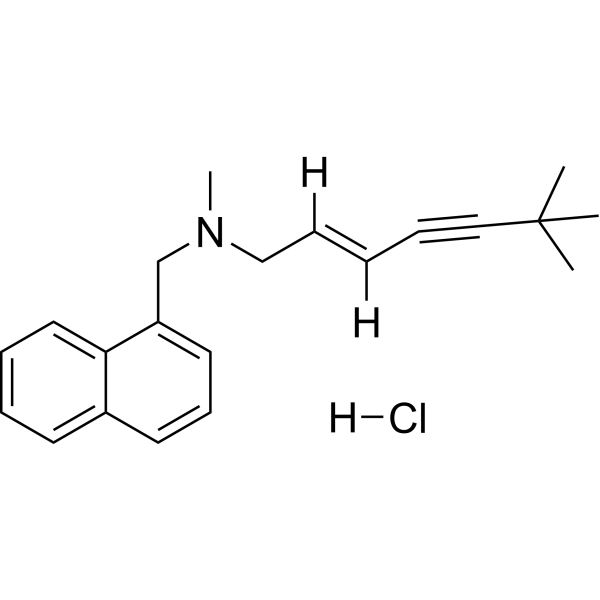
Terbinafine hydrochloride (TDT 067 hydrochloride) is an orally active and potent antifungal agent. Terbinafine hydrochloride is a potent non-competitive inhibitor of squalene epoxidase from Candida, with a Ki of 30 nM. Terbinafine hydrochloride also shows antibacterial activity against certain Gram-positive and Gram-negative bacteria. Terbinafine hydrochloride is a click chemistry reagent, it contains an Alkyne group and can undergo copper-catalyzed azide-alkyne cycloaddition (CuAAc) with molecules containing Azide groups.
For research use only. We do not sell to patients.
- Purity : 99.95%
- CAS No.: 78628-80-5
- Formula: C21H26ClN
- Molecular Weight:327.89
-
Storage:
4°C, sealed storage, away from moisture
* In solvent : -80°C, 6 months; -20°C, 1 month (sealed storage, away from moisture)

To place orders, for customer services and technical support, please contact: MedChemExpress USA
Tel: 609-228-6898 E-mail: [email protected] [email protected]


-
 Biological Activity
-
Chemical Information
-
Solvent & Solubility
- Protocols
- Purity & Documentation
- References
-
 Help & FAQs


-
HY-17514
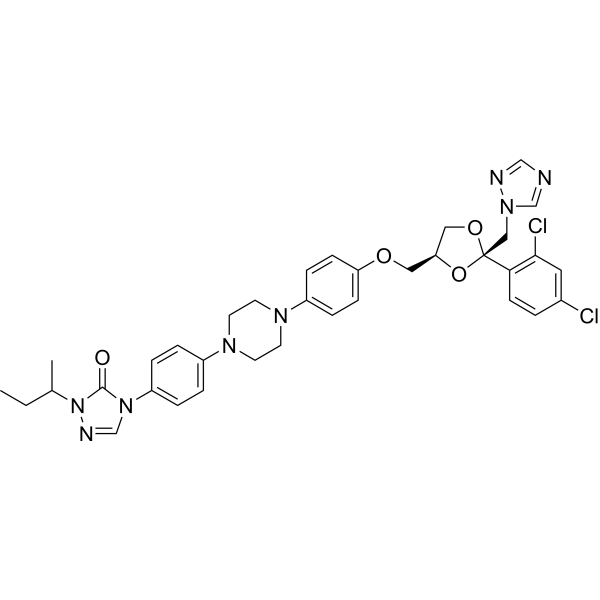
ItraconazoleAntifungal Agent -
HY-B0101
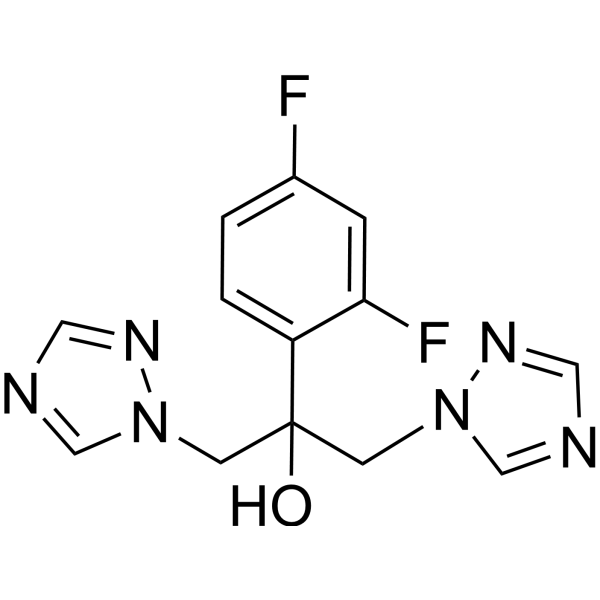
FluconazoleAntifungal Agent -
HY-17394
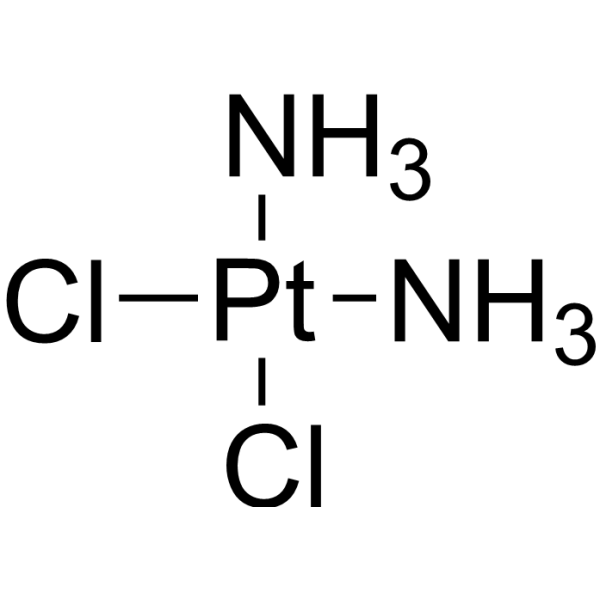
CisplatinDNA Alkylator -
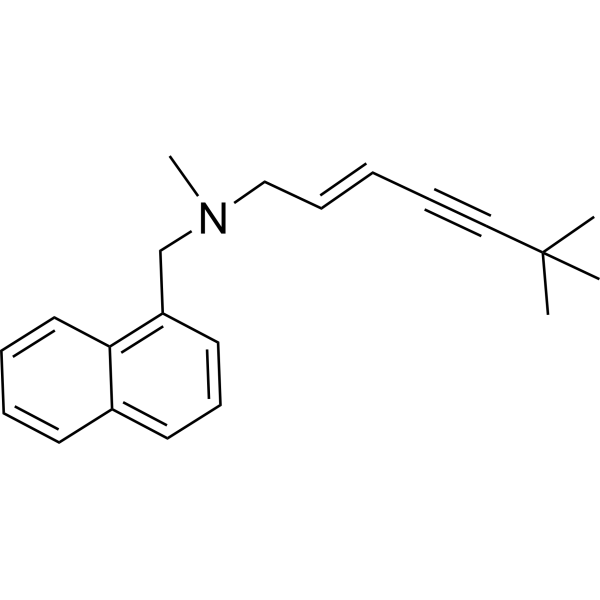
HY-17395A
TerbinafineAntimicrobial Agent -
HY-19569
UpadacitinibJAK1 Inhibitor -
HY-10586
5-AzacytidineDNMT Inhibitor -
HY-B0221
Amphotericin BAntifungal Agent -
HY-100558
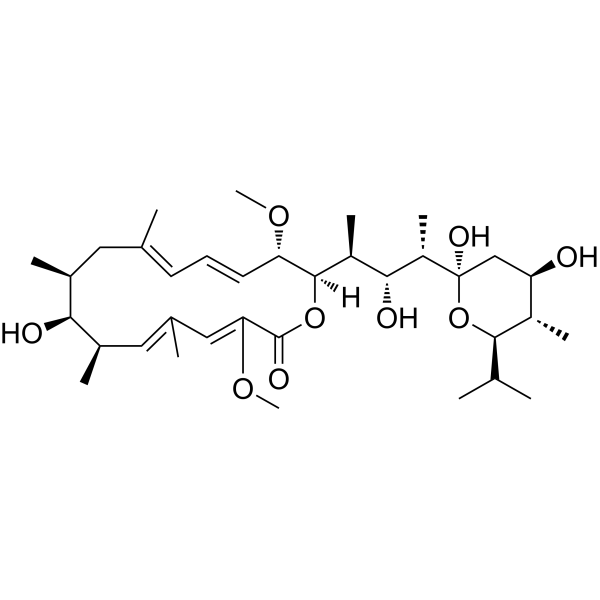
Bafilomycin A1V-ATPase Inhibitor -
HY-134813
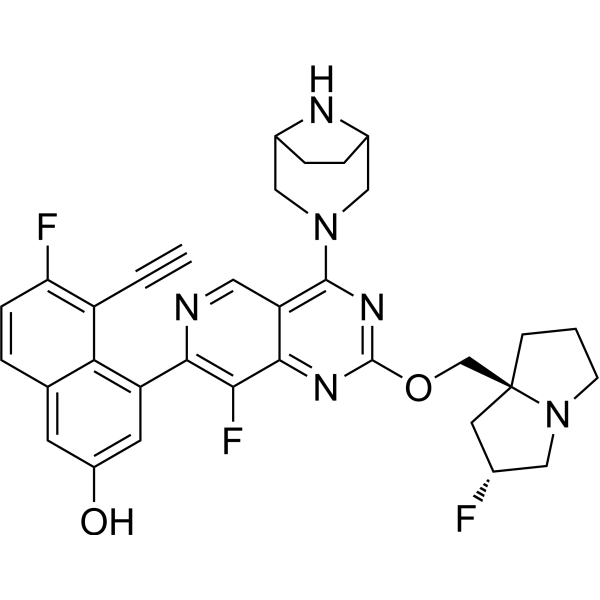
MRTX1133KRAS G12D Inhibitor -
HY-10182
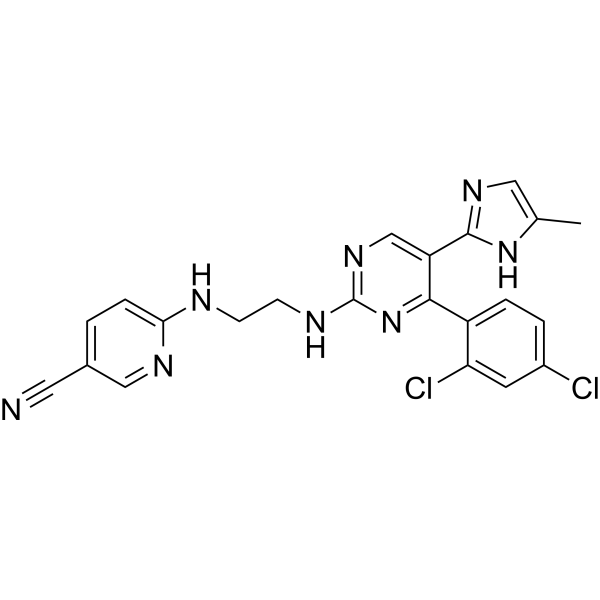
LaduviglusibGSK-3 Inhibitor -
HY-10431
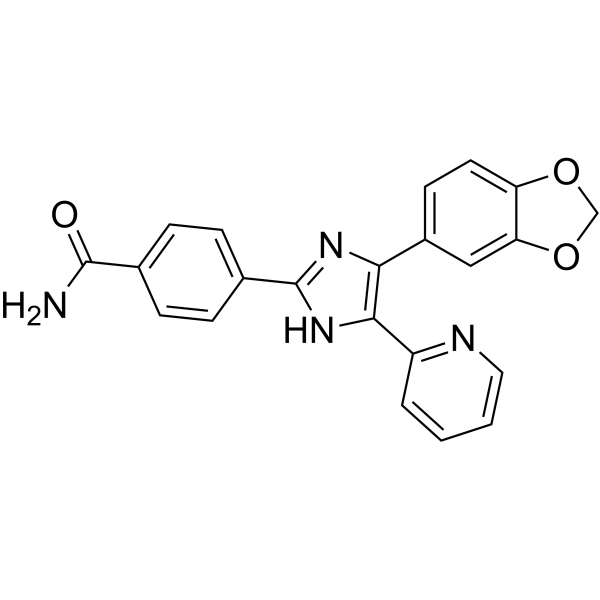
SB-431542TGF-β Receptor Kinase Inhibitor -
HY-10999
TrametinibMEK Inhibitor
Publications Citing Use of MedChemExpress (MCE) Terbinafine hydrochloride
More- Nature. 2026 Jul 8.
- Cancer Commun (Lond). 2021 Aug;41(8):726-746. [Abstract]
- Cancer Res. 2022 Sep 2;82(17):3032-3044. [Abstract]
- Nat Microbiol. 2024 Feb;9(2):346-358. [Abstract]
- Autophagy. 2025 Oct;21(10):2266-2283. [Abstract]
- Adv Sci (Weinh). 2026 Apr;13(19):e08588. [Abstract]
- Adv Sci (Weinh). 2023 Sep;10(27):e2206878. [Abstract]
- Cell Death Dis. 2021 May 13;12(5):482. [Abstract]
- Cancer Lett. 2025 Oct 10:630:217901. [Abstract]
- Adv Healthc Mater. 2023 Sep;12(22):e2300018. [Abstract]
- Int J Biol Macromol. 2026 Apr:354:151416. [Abstract]
- Clin Transl Med. 2024 Feb;14(2):e1586. [Abstract]
- Probiotics Antimicrob Proteins. 2026 Jan 6. [Abstract]
- J Orthop Surg Res. 2025 Oct 17;20(1):894. [Abstract]
- Infect Drug Resist. 2022 Dec 15:15:7459-7473. [Abstract]
- bioRxiv. 2026 Apr 3.
- University of Szeged. 2026.
- bioRxiv. 2024 May 14.
- Research Square Preprint. 2023 Sep 26.
 Customer Validation & Images

-
Cell Proliferation/Viability Assay
-
Cell Imaging/Staining
-
Flow Cytometry
-
Bio/Physico-chemical Assay
-
IHC
All Antibiotic Isoforms
More

Biological Activity
Description
IC50 & Target
Ki: 30 nM (squalene epoxidase)[1]
In Vitro
Terbinafine has a primary fungicidal action in vitro against most fungal pathogens, including dermatophytes, and dimorphic and filamentous fungi. Terbinafine specifically inhibits fungal ergosterol biosynthesis at the point of squalene epoxidation. The treated fungal cells rapidly accumulate tlic intermediate squalene and become deficient in the end-product of the pathway, ergosterol[1].
MedChemExpress (MCE) has not independently confirmed the accuracy of these methods. They are for reference only. Further protocols information, click here.
In Vivo
MedChemExpress (MCE) has not independently confirmed the accuracy of these methods. They are for reference only.
Clinical Trial
| NCT Number | Sponsor | Condition | Start Date |
Phase

|
|---|---|---|---|---|
| NCT01329991 | Plexxikon| | 2011-05 | PHASE1 |


Chemical Information
-
CAS No. 78628-80-5
-
Appearance Solid
-
Molecular Weight 327.89
-
Formula C21H26ClN
-
Color White to off-white
-
SMILES
CN(C/C([H])=C([H])/C#CC(C)(C)C)CC1=CC=CC2=CC=CC=C21.[H]Cl
-
Synonyms
TDT 067 hydrochloride
-
Shipping
Room temperature in continental US; may vary elsewhere.
-
Storage
4°C, sealed storage, away from moisture
* In solvent : -80°C, 6 months; -20°C, 1 month (sealed storage, away from moisture)


Publications (19)
-
Journal Impact Factor
-
Most Recent
-
-
Cancer Commun (Lond)
Squalene epoxidase promotes colorectal cancer cell proliferation through accumulating calcitriol and activating CYP24A1-mediated MAPK signaling. [Abstract]2021 Aug;41(8):726-746. PMID: 34268906
Terbinafine hydrochloride purchased from MedChemExpress. Usage Cited in: Cancer Commun (Lond). 2021 Aug;41(8):726-746. [Abstract]
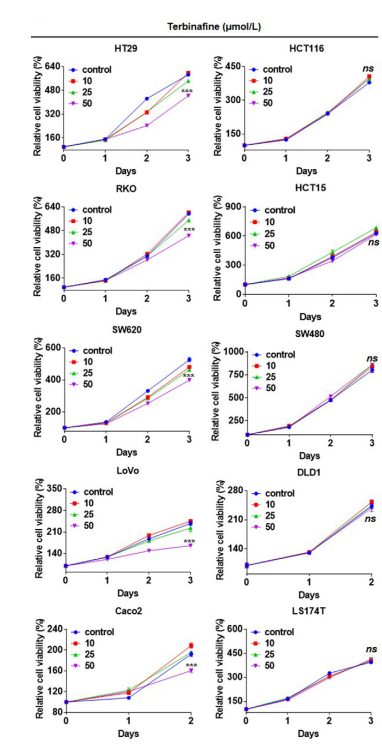
Cell viabilities of CRC cell lines treated with Terbinafine at 10, 25, 50 μmol/L were accessed by CCK8 assay. DMSO was used as control.
Terbinafine hydrochloride purchased from MedChemExpress. Usage Cited in: Cancer Commun (Lond). 2021 Aug;41(8):726-746. [Abstract]
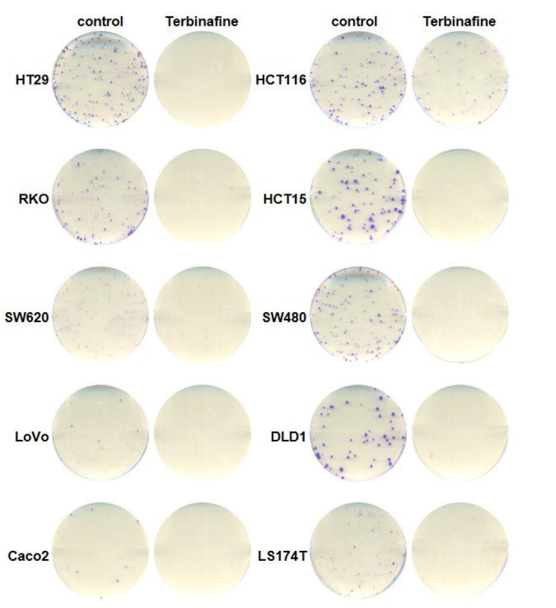
Colony formation of CRC cell lines treated with Terbinafine at 50 μmol/L. DMSO was used as control.
Terbinafine hydrochloride purchased from MedChemExpress. Usage Cited in: Cancer Commun (Lond). 2021 Aug;41(8):726-746. [Abstract]
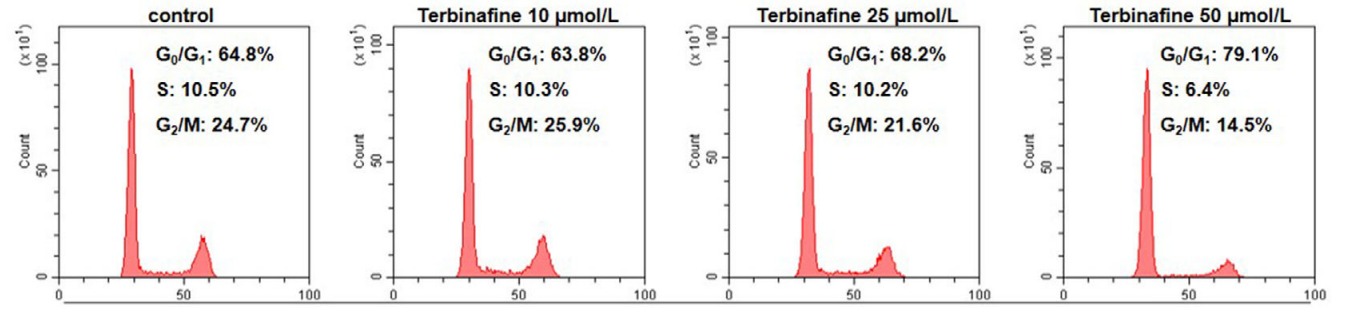
Cell cycle analysis (G0/G1, S, G2/M phase) of HT29 cells treated with terbinafine at 10, 25, 50 μmol/L. DMSO was used as control.
Terbinafine hydrochloride purchased from MedChemExpress. Usage Cited in: Cancer Commun (Lond). 2021 Aug;41(8):726-746. [Abstract]
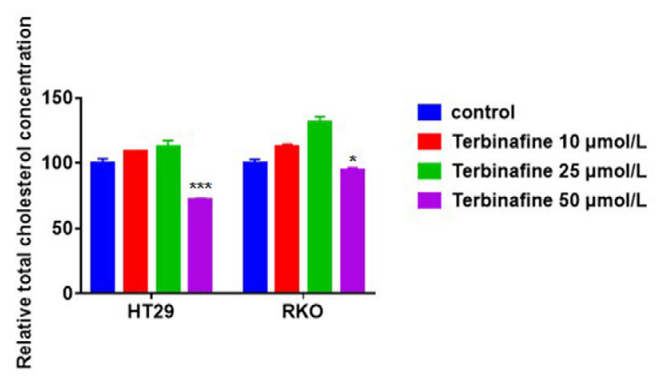
Intracellular cholesterol levels of HT29 or RKO cells treated with Terbinafine at 10, 25, 50 μmol/L were accessed by cholesterol measurement. DMSO was used as control.
Terbinafine hydrochloride purchased from MedChemExpress. Usage Cited in: Cancer Commun (Lond). 2021 Aug;41(8):726-746. [Abstract]
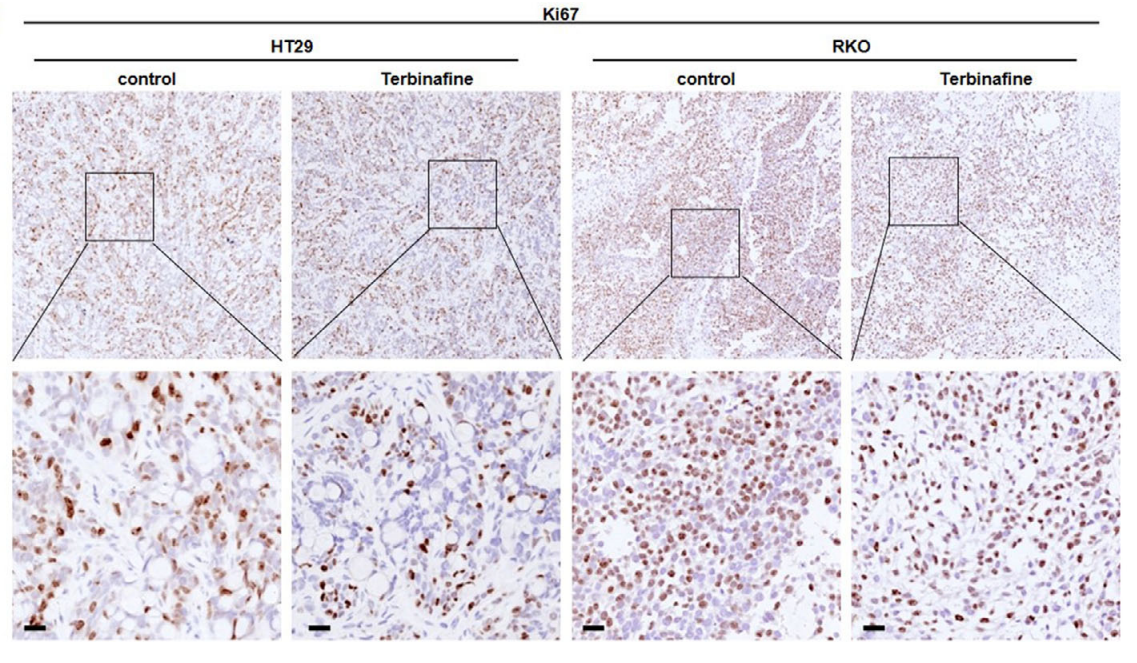
IHC analysis of Ki67 in HT29 and RKO cells‐derived xenograft tumors and treated with terbinafine (oral, 50 mg/kg).
Terbinafine hydrochloride purchased from MedChemExpress. Usage Cited in: Cancer Commun (Lond). 2021 Aug;41(8):726-746. [Abstract]
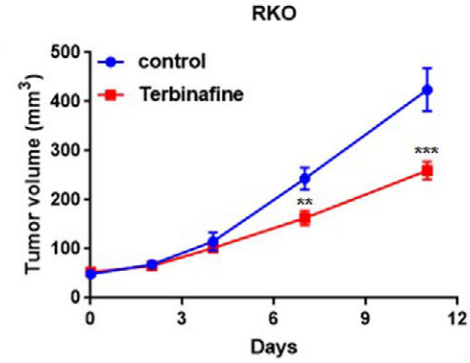
Tumor growth curve of RKO cells treated with terbinafine (oral, 50 mg/kg) in nude mice.
-
Cancer Res
Squalene Epoxidase Metabolic Dependency Is a Targetable Vulnerability in Castration-Resistant Prostate Cancer. [Abstract]2022 Sep 2;82(17):3032-3044. PMID: 35767703 -
Nat Microbiol
Brain glucose induces tolerance of Cryptococcus neoformans to amphotericin B during meningitis. [Abstract]2024 Feb;9(2):346-358. PMID: 38225460 -
Autophagy
MoSec13 combined with MoGcn5b modulates MoAtg8 acetylation and regulates autophagy in Magnaporthe oryzae. [Abstract]2025 Oct;21(10):2266-2283. PMID: 40320672 -
Adv Sci (Weinh)
Cancer Cell-Intrinsic Cholesterol Induces Lipid-Associated Macrophage Differentiation via SP1 Palmitoylation to Promote Prostate Cancer Progression. [Abstract]2026 Apr;13(19):e08588. PMID: 41603134 -
Adv Sci (Weinh)
Targeting Squalene Epoxidase Confers Metabolic Vulnerability and Overcomes Chemoresistance in HNSCC. [Abstract]2023 Sep;10(27):e2206878. PMID: 37490552 -
Cell Death Dis
Targeting epigenetic modulation of cholesterol synthesis as a therapeutic strategy for head and neck squamous cell carcinoma. [Abstract]2021 May 13;12(5):482. PMID: 33986254 -
Cancer Lett
PD-L1 delactylation-promoted nuclear translocation accelerates liver cancer growth through elevating SQLE transcription activity. [Abstract]2025 Oct 10:630:217901. PMID: 40614853 -
Adv Healthc Mater
Cholesterol Metabolism Modulation Nanoplatform Improves Photo-Immunotherapeutic Effect In Oral Squamous Cell Carcinoma. [Abstract]2023 Sep;12(22):e2300018. PMID: 37209373 -
Int J Biol Macromol
Bletilla striata polysaccharide alleviates obesity by remodeling the gut microbiota-metabolite-liver axis and suppressing the hepatic AMPK-SREBP2/SQLE signaling pathway. [Abstract]2026 Apr:354:151416. PMID: 41833674 -
Clin Transl Med
Identifying squalene epoxidase as a metabolic vulnerability in high-risk osteosarcoma using an artificial intelligence-derived prognostic index. [Abstract]2024 Feb;14(2):e1586. PMID: 38372422 -
Probiotics Antimicrob Proteins
Screening the γ-core Motif Peptides of Ascomycetous Antifungal Proteins for Antifungal Activity and Potential Therapeutic Applicability. [Abstract]2026 Jan 6. PMID: 41493708 -
J Orthop Surg Res
Identification and validation of SQLE in steroid-induced osteonecrosis of the femoral head: a bioinformatics and experimental study. [Abstract]2025 Oct 17;20(1):894. PMID: 41107894 -
Infect Drug Resist
Correlation Between Drug Resistance and Virulence of Candida Isolates from Patients with Candidiasis. [Abstract]2022 Dec 15:15:7459-7473. PMID: 36544991 -
-
-
-


Solvent & Solubility
In Vitro:
DMSO : 60 mg/mL (182.99 mM; Need ultrasonic; Hygroscopic DMSO has a significant impact on the solubility of product, please use newly opened DMSO)
H2O : 1 mg/mL (3.05 mM; ultrasonic and warming and heat to 60°C)
Please refer to the solubility information to select the appropriate solvent. Once prepared, please aliquot and store the solution to prevent product inactivation from repeated freeze-thaw cycles.
Storage method and period of stock solution: -80°C, 6 months; -20°C, 1 month (sealed storage, away from moisture). When stored at -80°C, please use it within 6 months. When stored at -20°C, please use it within 1 month.
* Note: If you choose water as the stock solution, please dilute it to the working solution, then filter and sterilize it with a 0.22 μm filter before use.
Please refer to the solubility information to select the appropriate solvent. Once prepared, please aliquot and store the solution to prevent product inactivation from repeated freeze-thaw cycles.
Storage method and period of stock solution: -80°C, 6 months; -20°C, 1 month (sealed storage, away from moisture). When stored at -80°C, please use it within 6 months. When stored at -20°C, please use it within 1 month.
* Note: If you choose water as the stock solution, please dilute it to the working solution, then filter and sterilize it with a 0.22 μm filter before use.
Concentration (start) × Volume (start) = Concentration (final) × Volume (final)
In Vivo:
Select the appropriate dissolution method based on your experimental animal and administration route.
- For the following dissolution methods, please ensure to first prepare a clear stock solution using an In Vitro approach and then sequentially add co-solvents:
- To ensure reliable experimental results, the clarified stock solution can be appropriately stored based on storage conditions. As for the working solution for In Vivo experiments, it is recommended to prepare freshly and use it on the same day.
- The percentages shown for the solvents indicate their volumetric ratio in the final prepared solution. If precipitation or phase separation occurs during preparation, heat and/or sonication can be used to aid dissolution.
Add each solvent one by one: 10% DMSO 40% PEG300 5% Tween-80 45% Saline
Solubility: ≥ 2.5 mg/mL (7.62 mM); Clear solution
This protocol yields a clear solution of ≥ 2.5 mg/mL (saturation unknown).
Taking 1 mL working solution as an example, add 100 μL DMSO stock solution (25.0 mg/mL) to 400 μL PEG300, and mix evenly; then add 50 μL Tween-80 and mix evenly; then add 450 μL Saline to adjust the volume to 1 mL.
Preparation of Saline: Dissolve 0.9 g sodium chloride in ddH₂O and dilute to 100 mL to obtain a clear Saline solution.
Add each solvent one by one: 10% DMSO 90% (20% SBE-β-CD in Saline)
Solubility: ≥ 2.5 mg/mL (7.62 mM); Clear solution
This protocol yields a clear solution of ≥ 2.5 mg/mL (saturation unknown).
Taking 1 mL working solution as an example, add 100 μL DMSO stock solution (25.0 mg/mL) to 900 μL 20% SBE-β-CD in Saline, and mix evenly.
Preparation of 20% SBE-β-CD in Saline (4°C, storage for one week): 2 g SBE-β-CD powder is dissolved in 10 mL Saline, completely dissolve until clear.
For the following dissolution methods, please prepare the working solution directly:
It is recommended to prepare fresh solutions and use them promptly within a short period of time.
The percentages shown for the solvents indicate their volumetric ratio in the final prepared solution. If precipitation or phase separation occurs during preparation, heat and/or sonication can be used to aid dissolution.
Add each solvent one by one: 0.5% CMC-Na/saline water
Solubility: 13.75 mg/mL (41.93 mM); Suspended solution; Need ultrasonic
In Vivo Dissolution Calculator
Please enter the basic information of animal experiments:
-
-
-
-
Recommended: Prepare an additional quantity of animals to account for potential losses during experiments.
Please enter your animal formula composition:
-
%DMSO +
Recommended: Keep the proportion of DMSO in working solution below 2% if your animal is weak.
-
%+
-
+%Tween-80 + +
-
%Saline +
The co-solvents required include: DMSO, . All of co-solvents are available by MedChemExpress (MCE). , Tween 80. All of co-solvents are available by MedChemExpress (MCE).
Working solution concentration: 0.22 mg/mL
Method for preparing stock solution: mg drug dissolved in μL DMSO. Stock solution concentration: mg/mL. * In solvent : -80°C, 6 months; -20°C, 1 month (sealed storage, away from moisture)
1. Take μL DMSO stock solution;
2. Add μL .
μL , mix evenly;
3. Then add μL Tween 80, mix evenly;
4. Then add μL
Please ensure that the stock solution in the first step is dissolved to a clear state, and add co-solvents in sequence. You can use ultrasonic heating (ultrasonic cleaner, recommended frequency 20-40 kHz), vortexing, etc. to assist dissolution.

Protocols
-
Research Protocol for Infectious Diseases
Infectious-disease experiments test how pathogens interact with host barriers, innate immune receptors, inflammatory signaling, pathogen replication, and tissue injury; pattern-recognition receptors such as TLRs, RIG-I-like receptors, NOD-like receptors, and inflammasomes detect microbial molecules and activate NF-κB, interferon, and cytokine responses. The central hypothesis is that infection severity reflects the balance between pathogen burden and host response: protective inflammation restricts pathogen growth, whereas excessive or mislocalized inflammation contributes to tissue damage and disease phenotype. Unresolved questions include which host pathways are protective versus pathogenic, why some infection models fail to translate to human disease, and which combined readouts best predict clinically relevant infection outcomes.
-
EdU Incorporation Assay (Click Chemistry-Based DNA Synthesis Measurement)
The EdU incorporation assay measures DNA synthesis by adding the thymidine analog 5-ethynyl-2′-deoxyuridine to cells or tissues, where it is incorporated into newly synthesized DNA during S phase. Incorporated EdU is detected by copper-catalyzed azide-alkyne cycloaddition, in which a fluorescent azide covalently reacts with the ethynyl group on EdU, allowing S-phase cells to be detected by fluorescence microscopy, flow cytometry, or high-content imaging. EdU detection does not require DNA denaturation or anti-BrdU antibody access, which preserves sample structure and improves compatibility with immunostaining and multiparameter cytometry compared with BrdU-based detection. EdU can be cytotoxic in a cell-type- and exposure-dependent manner, so pulse duration, concentration, and continuous-labeling designs should be validated for each cell type.
-
Gram Staining of Tissue Sections
Gram staining of tissue sections is a histochemical technique used to differentiate Gram-positive and Gram-negative bacteria within histological specimens based on differences in bacterial cell wall structure and dye retention, adapted from classical bacteriological Gram staining into tissue-compatible “histological Gram stain” variants. In tissue applications, modifications of the Brown-Hopps and Brown-Brenn methods are commonly used to improve differentiation of microorganisms embedded within host connective tissue and to reduce overstaining or loss of Gram-negative signal, which are known limitations of earlier approaches. The principle relies on crystal violet-iodine complex retention in Gram-positive organisms and subsequent decolorization and counterstaining steps that allow contrast visualization of Gram-negative organisms against tissue background.
-
Bacterial live/dead nucleic-acid viability staining
The LIVE/DEAD bacterial viability staining method is based on differential permeability of nucleic-acid-binding fluorescent dyes, most commonly SYTO 9 and propidium iodide (PI), which enables discrimination of bacterial populations with intact versus compromised cytoplasmic membranes. SYTO 9 penetrates both intact and damaged bacterial membranes and binds nucleic acids to produce green fluorescence, whereas propidium iodide penetrates only cells with compromised membranes and fluoresces red while also reducing SYTO 9 signal through competitive binding and fluorescence interactions. The resulting fluorescence pattern is interpreted as a proxy for membrane integrity, which is widely used as an indicator of bacterial viability in microscopy, flow cytometry, and spectroscopic platforms. However, mechanistic studies show that SYTO 9 and PI interactions involve displacement and fluorescence resonance energy transfer effects, which can influence signal interpretation depending on dye ratios a


Purity & Documentation
-
Data Sheet (275 KB)
-
SDS (597 KB)
- English - EN (597 KB)
- Français - FR (597 KB)
- Deutsch - DE (597 KB)
- Norwegian - NO (597 KB)
- Español - ES (597 KB)
- Swedish - SV (597 KB)
- Italian - IT (597 KB)
- Korean - KR (597 KB)
- Portuguese - PT (597 KB)
-
Handling Instructions (2659 KB)
References
[1]. Ryder NS, et al. Terbinafine: mode of action and properties of the squalene epoxidase inhibition. Br J Dermatol. 1992 Feb;126 Suppl 39:2-8. [Content Brief]
[2]. Mieth H, et al. Preclinical evaluation of terbinafine in vivo. Clin Exp Dermatol. 1989 Mar;14(2):104-8. [Content Brief]
[3]. Ciftci E, et al. Mupirocin vs terbinafine in impetigo.Indian J Pediatr. 2002 Aug;69(8):679-82. [Content Brief]


Complete Stock Solution Preparation Table
Please refer to the solubility information to select the appropriate solvent. Once prepared, please aliquot and store the solution to prevent product inactivation from repeated freeze-thaw cycles.
Storage method and period of stock solution: -80°C, 6 months; -20°C, 1 month (sealed storage, away from moisture). When stored at -80°C, please use it within 6 months. When stored at -20°C, please use it within 1 month.
| Optional Solvent | Concentration Solvent Mass | 1 mg | 5 mg | 10 mg | 25 mg |
|---|---|---|---|---|---|
| H2O / DMSO | 1 mM | 3.0498 mL | 15.2490 mL | 30.4980 mL | 76.2451 mL |
| DMSO | 5 mM | 0.6100 mL | 3.0498 mL | 6.0996 mL | 15.2490 mL |
| 10 mM | 0.3050 mL | 1.5249 mL | 3.0498 mL | 7.6245 mL | |
| 15 mM | 0.2033 mL | 1.0166 mL | 2.0332 mL | 5.0830 mL | |
| 20 mM | 0.1525 mL | 0.7625 mL | 1.5249 mL | 3.8123 mL | |
| 25 mM | 0.1220 mL | 0.6100 mL | 1.2199 mL | 3.0498 mL | |
| 30 mM | 0.1017 mL | 0.5083 mL | 1.0166 mL | 2.5415 mL | |
| 40 mM | 0.0762 mL | 0.3812 mL | 0.7625 mL | 1.9061 mL | |
| 50 mM | 0.0610 mL | 0.3050 mL | 0.6100 mL | 1.5249 mL | |
| 60 mM | 0.0508 mL | 0.2542 mL | 0.5083 mL | 1.2708 mL | |
| 80 mM | 0.0381 mL | 0.1906 mL | 0.3812 mL | 0.9531 mL | |
| 100 mM | 0.0305 mL | 0.1525 mL | 0.3050 mL | 0.7625 mL |
* Note: If you choose water as the stock solution, please dilute it to the working solution, then filter and sterilize it with a 0.22 μm filter before use.


Terbinafine hydrochloride Related Classifications
HY-17395 Related Classifications
 Powered by Bioz