Search Result
Results for "
suspensions
" in MedChemExpress (MCE) Product Catalog:
4
Biochemical Assay Reagents
3
Isotope-Labeled Compounds
| Cat. No. |
Product Name |
Target |
Research Areas |
Chemical Structure |
-
- HY-B1395
-
|
|
nAChR
Histamine Receptor
|
Cardiovascular Disease
Neurological Disease
|
|
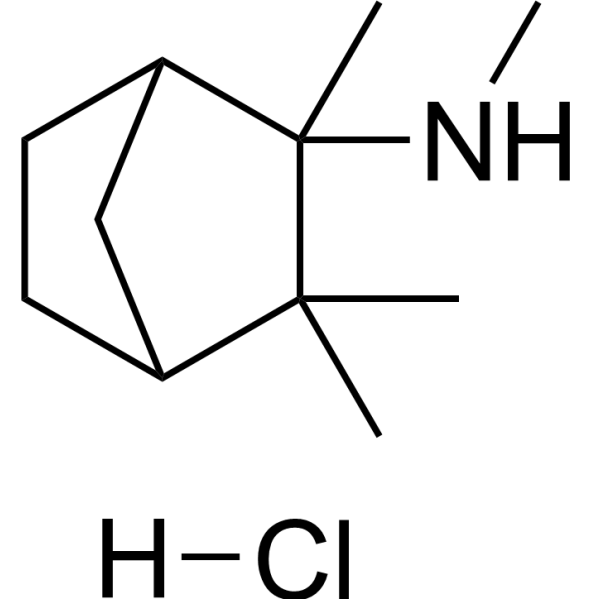
Mecamylamine hydrochloride is an orally active, nonselective, noncompetitive nAChR antagonist. Mecamylamine hydrochloride is also a ganglionic blocker. Mecamylamine hydrochloride can across the blood-brain barrier. Mecamylamine hydrochloride can be used in the research of neuropsychiatric disorders, hypertension, antidepressant area .
|
-
-
- HY-B1431
-
-
-
- HY-W012669
-
|
Phthaldialdehyde
|
Environmental Pollutants
Biochemical Assay Reagents
|
Infection
|
|
Phthalaldehyde reacts with proteins containing primary amines and blocked amino-terminal peptides of amino acids. Phthalaldehyde stabilizes bacterial outer membranes and cell walls, increases the optical density of bacterial cell suspensions, and inhibits bacterial lysis induced by ethylenediaminetetraacetic acid and sodium dodecyl sulfate. Phthalaldehyde exhibits bactericidal activity against Gram-negative vegetative bacteria .
|
-

-
- HY-131577A
-
|
Dispase I
|
Collagen
|
Others
|
|
Neutral protease I (Dispase I) is a rapid, effective, gentle and neutral protease that can separate intact epidermis from the dermis. Neutral protease I can also separate intact epithelial sheets in culture from the substratum. Neutral protease I preserves the viability of the epithelial cells while cleaving the basement membrane zone region. Neutral protease I can also be used to prevent clumping in suspension cultures. Neutral protease I cleaves fibronectin and type IV collagen, but not laminin, type V collagen, serum albumin, or transferrin .
|
-

-
- HY-100557
-
|
|
Environmental Pollutants
Biochemical Assay Reagents
Interleukin Related
|
Metabolic Disease
Inflammation/Immunology
|
|
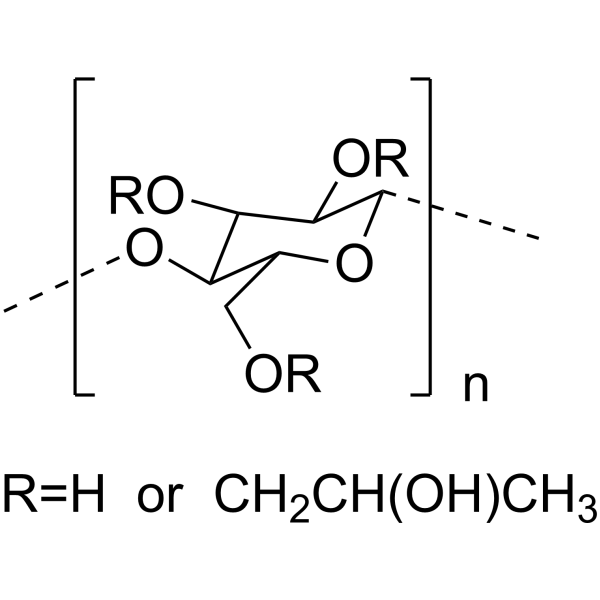
Hydroxypropyl Cellulose is an orally active cellulose ether and surfactant. Hydroxypropyl cellulose is divided into high-substituted HPC (HHPC) and low-substituted HPC (LHPC). Hydroxypropyl Cellulose reduces inflammatory mediators (IL-6, IL-1β). Hydroxypropyl Cellulose improves colitis and obesity. Hydroxypropyl Cellulose can be used as a pharmaceutical excipient, such as coating agent, emulsifier, suspension, tablet, thickener, viscosifier .
|
-
-
- HY-18698
-
|
|
iGluR
|
Neurological Disease
|
|
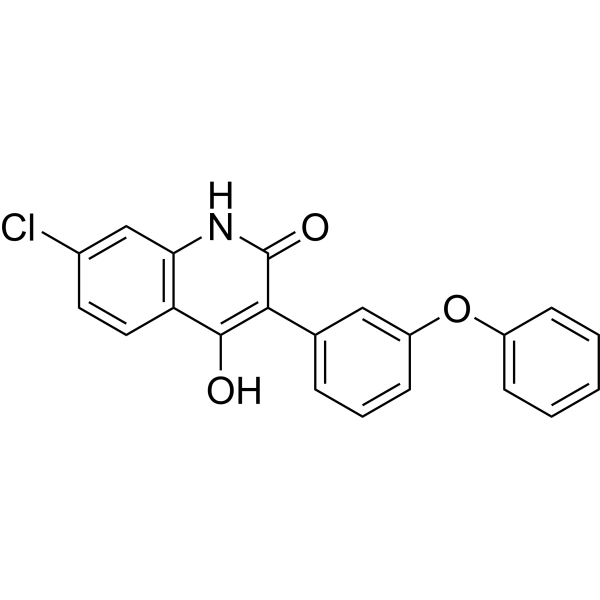
L-701324 is a potent, orally active NMDA receptor antagonist that antagonizes the activity of the NMDA receptor by blocking its glycine B binding site. L-701324 binds with high affinity to rat brain membranes (IC50=2 nM). L-701324 has antidepressant activity .
|
-
-
- HY-N2188
-
|
|
HIV
|
Infection
|
|
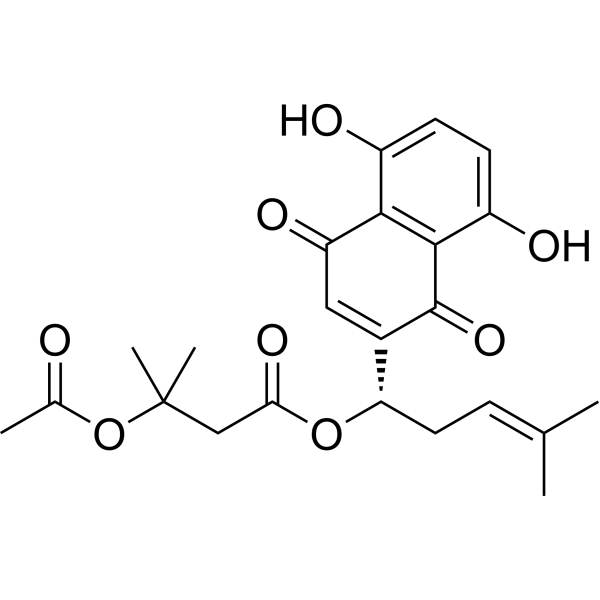
Beta-Acetoxyisovalerylshikonin is a naturally occurring naphthoquinone-type shikonin derivative that is widely distributed in the roots and cell suspension cultures of *Arnebia euchroma*, *Arnebia guttata*, *Onosma hispidum* and *Lithospermum erythrorhizon*. Beta-Acetoxyisovalerylshikonin exhibits favorable antibacterial, anti-inflammatory, wound-healing promoting and antioxidant activities, and also possesses potential anti-tumor and anti-HIV properties .
|
-
-
- HY-B0940
-
-
-
- HY-119826
-
|
WIN-40014
|
Parasite
|
Infection
|
|
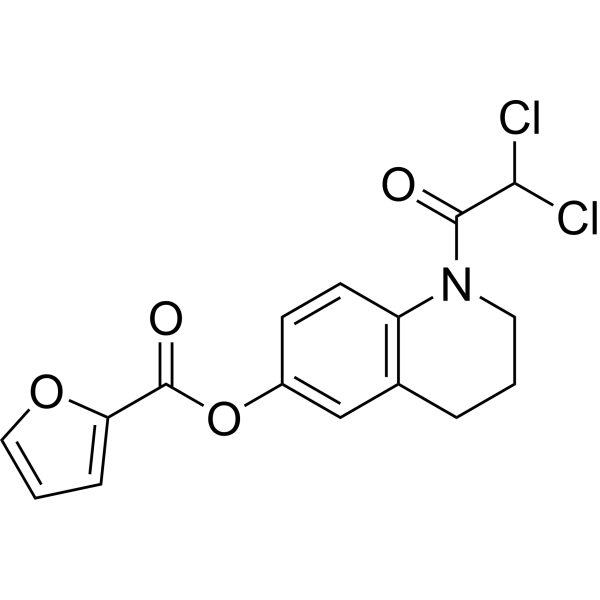
Quinfamide (WIN-40014) is an orally active class of dichloroacetyl derivative with significant anti-intestinal protozoan, particularly mmoeba histolytica activity. Quinfamide exhibits antiamoebic activity under solvent-free conditions with an IC50 of 28.15 μg/mL in a suspension condition. Quinfamide particles are actively engulfed by the amoebas, then cells are affected, and finally, amoebas are killed and lysed, and this process directly relies on the physical intake of the drug particles. Quinfamide can be used in the research of tropical parasitic infections such as amoebiasis and helminthiasis .
|
-
-
- HY-169841
-
|
|
5-HT Receptor
Arrestin
|
Neurological Disease
|
|
IHCH-7086 is a blood-brain barrier-permeable, partial β-arrestin-biased agonist of 5-HT2AR with a Ki of 12.59 nM. IHCH-7086 blocks D-lysergic acid diethylamide-induced head-twitch response in mice and alleviates depression-like behaviors in mice subjected to acute restraint stress or injected with Corticosterone (HY-B1618). IHCH-7086 is applicable to research related to depression .
|
-

-
- HY-148009
-
|
16:0-18:1 Cardiolipin sodium
|
Biochemical Assay Reagents
|
Others
|
|
Cardiolipin (16:0/18:1/16:0/18:1) (16:0-18:1 Cardiolipin) sodium is a di-saturated mitochondrial-specific anionic phospholipid sodium salt containing the long-chain fatty acid palmitic acid (HY-N0830) and the monounsaturated fatty acid oleic acid (HY-N1446). Cardiolipin (16:0/18:1/16:0/18:1) sodium undergoes in-source fragmentation via diglyceride (DG)-H2O fragment formation and (DG-H2O) fragment loss pathways. Cardiolipin (16:0/18:1/16:0/18:1) sodium can be used in the synthesis of lipid nanodiscs for application in in situ mass spectrometry .
|
-

-
- HY-W111692
-
|
|
Biochemical Assay Reagents
|
Others
|
|
Sodium polyphosphate, crystal,+200 mesh, 96% is an inorganic polyphosphate that also serves as a stabilizer, dispersant, chelating agent, and coacervate-forming agent. Sodium polyphosphate provides electrostatic stabilization for mineral and material suspensions, but its dispersing efficacy decreases under acidic pH, high temperature, high calcium concentration, or a combination of these conditions. Sodium polyphosphate can chelate alkaline earth metals, reduce solution pH, and alter the rate of pH decline at a divalent cation/phosphorus molar ratio of 0.18. Sodium polyphosphate forms coacervates with smaller divalent cations and precipitates with larger divalent cations, where the functional requirements of cations depend on polyphosphate concentration, average degree of polymerization, and cation type .
|
-

-
- HY-W004494
-
|
|
Biochemical Assay Reagents
|
Others
|
|
2-Aminoindan-2-phosphonic acid is an inhibitor of phenylalanine ammonia-lyase (PAL). 2-Aminoindan-2-phosphonic acid reduces the biosynthesis and accumulation of total phenolic compounds in the suspension cell culture system of Cistanche .
|
-

-
- HY-W013762
-
|
|
Environmental Pollutants
Biochemical Assay Reagents
|
Others
|
|
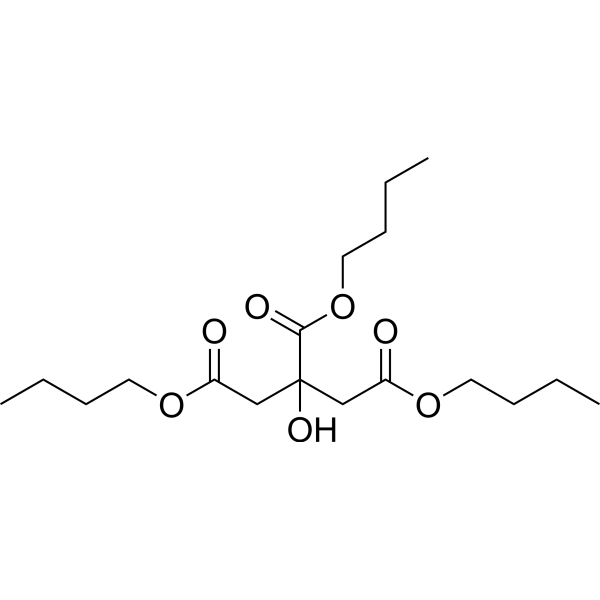
Tributyl citrate is a low-toxicity and orally active citrate ester with no genotoxicity or skin sensitizing activity. Tributyl citrate also acts as a plasticizer, solvent, FDA-approved indirect food additive, and topical anesthetic, among other uses. Tributyl citrate induces a needle-prick insensitivity response that lasts for more than 2 hours, and a 5% suspension of it temporarily eliminates the corneal reflex in rabbits. Tributyl citrate causes no significant systemic toxicity in rats and cats at most tested doses, and only may cause growth retardation and gastrointestinal reactions such as diarrhea and nausea at high doses or with repeated oral administration .
|
-
-
- HY-131131
-
|
|
Fluorescent Dye
|
Others
|
|
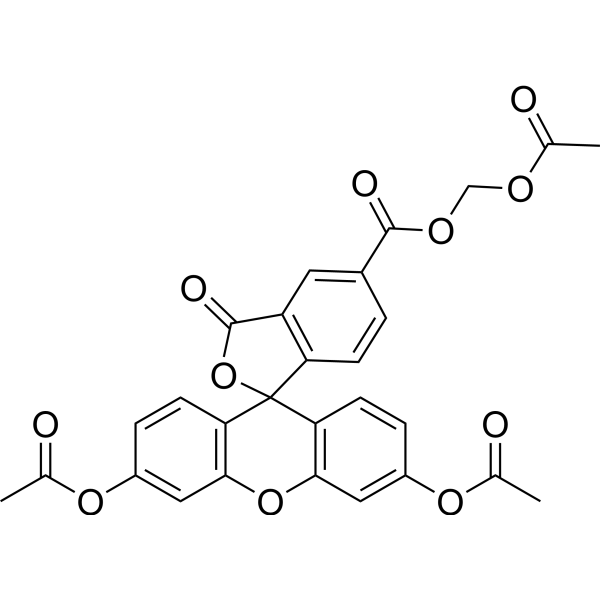
5-CFDA-AM is a cell-permeable esterase substrate that can be used as an active probe to measure enzyme activity and cell membrane integrity. 5-CFDA-AM is electroneutral and can enter the cell at a lower concentration than CFDA, where it is hydrolysed by intracellular esterases to produce carboxyfluorescein, which contains an additional negative charge and can be better retained in the cell. 5-CFDA-AM can be used to detect cell viability .
|
-
-
- HY-W134423B
-
|
|
Biochemical Assay Reagents
|
Others
|
|
Agar, meets USP testing specifications is a high-quality selective growth support and substrate for non-adherent cells. Agar, meets USP testing specifications effectively supports the growth, colony formation and metachromatic matrix production of chondrocytes, and also facilitates the isolation and differentiation of pure chondrocyte strains by restricting the proliferation of fibroblast-like cells. Chondrocytes grown in Agar, meets USP testing specifications can be successfully transferred to a liquid suspension culture system, where they continue to proliferate while retaining the characteristics exhibited during growth in agar .
|
-

-
- HY-B1431S
-
|
Butyl parahydroxybenzoate-d4; Butyl paraben-d4; Butyl 4-hydroxybenzoate-d4
|
Isotope-Labeled Compounds
Bacterial
Endogenous Metabolite
|
Infection
|
|
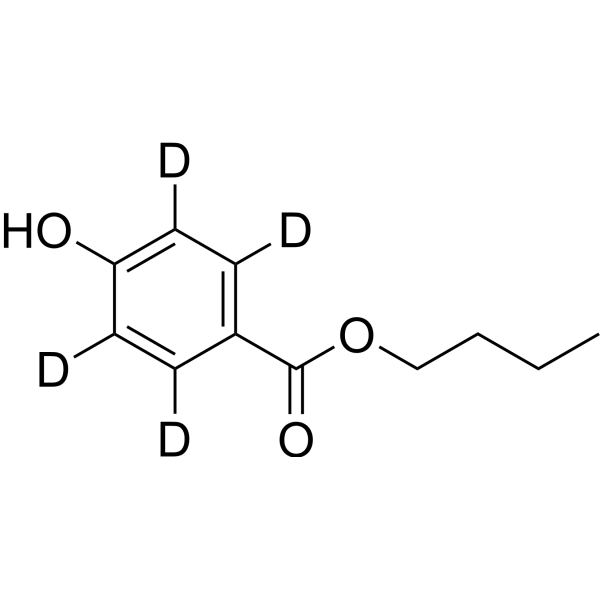
Butylparaben-d4 is the deuterium labeled Butylparaben. Butylparaben is an organic compound, has proven to be a highly successful antimicrobial preservative in cosmetics, also used in medication suspensions, and as a flavoring additive in food.
|
-
-
- HY-W004425
-
|
3,7-Dimethyl-1-propargylxanthine
|
Adenosine Receptor
|
Neurological Disease
|
|
DMPX (3,7-Dimethyl-1-propargylxanthine) is a selective A2A adenosine receptor (A2A AR) antagonist that crosses the blood-brain barrier, with a Ki of 11 μM for rat A2 adenosine receptor and a Ki of 45 μM for rat A1 adenosine receptor. By blocking A2A receptors in specific brain regions, DMPX protects dopaminergic and GABAergic neurons from mitochondrial dysfunction. DMPX is applicable to research related to depression, Parkinson's disease and Huntington's disease .
|
-

-
- HY-N0229R
-
|
L-2-Aminopropionic acid (Standard)
|
Reference Standards
Endogenous Metabolite
|
Neurological Disease
Metabolic Disease
|
|
L-Alanine (Standard) is the analytical standard of L-Alanine. This product is intended for research and analytical applications. L-Alanine is a non-essential amino acid, involved in sugar and acid metabolism, increases immunity, and provides energy for muscle tissue, brain, and central nervous system.
In Vitro: The viability of both hiPSCs, 201B7 cells and ehiPSCs decrease with an increase in L-Alanine concentration, and reach 7.5±1.3% and 3.7±0.7% respectively at 1.2 M of L-Alanine. On the other hand, no decrease in the viability of hFBs and hSkMCs are observed. Although the viability of iCMs slightly decreases along with the increase of the L-Alanine concentration, viability of iCMs at 1.2 M concentration of L-Alanine, 49.4±6.9%, is significantly higher than that of undifferentiated iPSCs, 201B7 cells and ehiPSCs (p< 0.01). The viability of hiPSCs, 201B7 cells and ehiPSCs, drastically decrease even after 2 or 4 h treatment. In contrast, the viability of hFBs fails to decrease at 1, 2, and 4 h and shows a small decrease at 24 h treatment. The viability of 201B7 cells in suspension culture decreases to 11.8±6.0% following treatment with 1.2 M L-Alanine for 2 h, whereas that of hFBs is 72.9±14.2% .
|
-

-
- HY-100557A
-
|
|
Biochemical Assay Reagents
|
Others
|
|
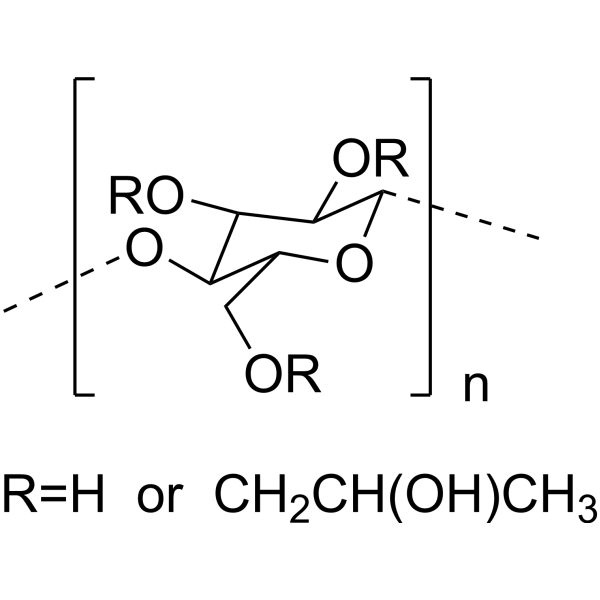
Low-Substituted Hydroxypropyl Cellulose can be used as an excipient, such as Coating agents, emulsifiers, suspensions, tablets, thickeners, thickeners, etc. Pharmaceutical excipients, or pharmaceutical auxiliaries, refer to other chemical substances used in the pharmaceutical process other than pharmaceutical ingredients. Pharmaceutical excipients generally refer to inactive ingredients in pharmaceutical preparations, which can improve the stability, solubility and processability of pharmaceutical preparations. Pharmaceutical excipients also affect the absorption, distribution, metabolism, and elimination (ADME) processes of co-administered drugs .
|
-
-
- HY-B1431R
-
|
Butyl parahydroxybenzoate (Standard); Butyl paraben (Standard); Butyl 4-hydroxybenzoate (Standard)
|
Reference Standards
Bacterial
Endogenous Metabolite
DNA/RNA Synthesis
|
Infection
|
|
Butylparaben (Standard) is the analytical standard of Butylparaben. This product is intended for research and analytical applications. Butylparaben is an organic compound that has proven to be a very successful antimicrobial preservative in cosmetics, can also be used in active molecule suspensions, and as a food flavoring additive .
|
-

-
- HY-P3979
-
|
HNP 4
|
Bacterial
Melanocortin Receptor
|
Infection
|
|
Defensin HNP 4 (HNP 4) is a host-defense peptide that has antimicrobial activity against Gram-negative bacteria. Defensin HNP 4 inhibits ACTH stimulated synthesis of Corticosterone (HY-B1618) in rat adrenal cell suspensions .
|
-

-
- HY-142998
-
|
|
Liposome
Interleukin Related
IFNAR
|
Infection
Inflammation/Immunology
|
|
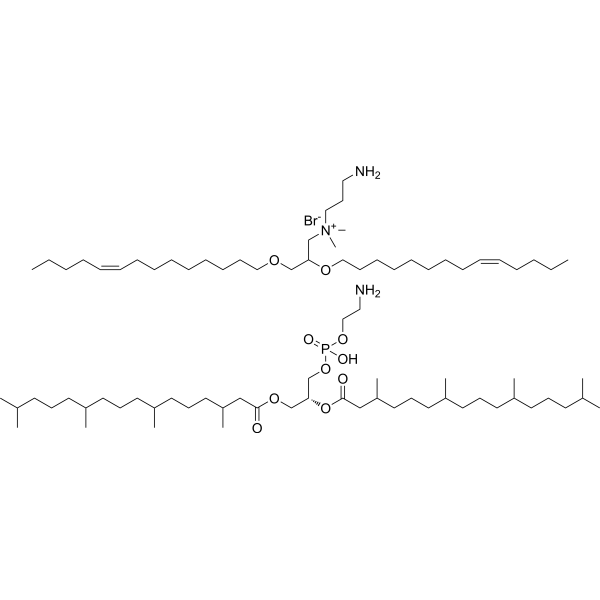
Vaxfectin is a second-generation cationic lipid-based suspension that adjuvants effectively both pDNA and protein-based vaccines. Vaxfectin can boost the immune response against a range of pDNA-expressed pathogenic antigens in vivo. Vaxfectin can increase IgG titers and give rise to an IL-6 dependent enhancement of the humoral immune response without altering the Th1 type immune response. Vaxfectin can be studied for vaccine formulation .
|
-
-
- HY-126967A
-
|
1-P-GPA
|
Liposome
|
Cardiovascular Disease
|
|
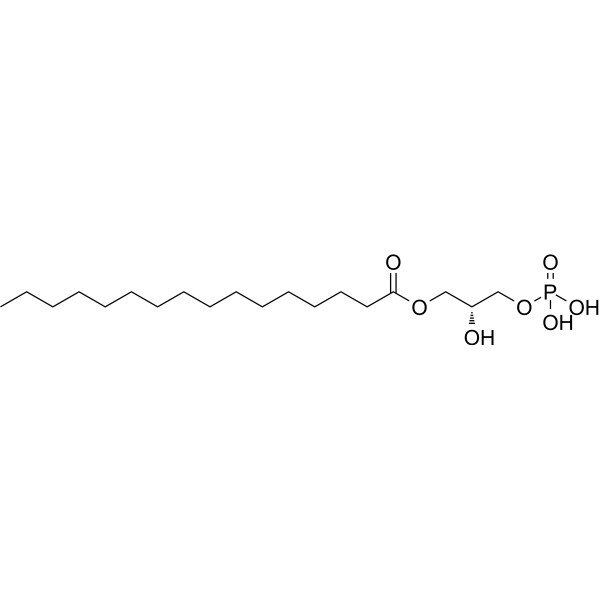
1-Palmitoyl-sn-glycerol 3-phosphate (1-P-GPA) is a phospholipid and lipid membrane precursor. 1-Palmitoyl-sn-glycerol 3-phosphate integrates into POPC liposomes, causing significant changes in membrane curvature. 1-Palmitoyl-sn-glycerol 3-phosphate induces platelet aggregation, but its activity is 30-fold lower than that of 1-hexadecyl-sn-glyceryl-3-phosphate .
|
-
-
- HY-119963A
-
|
|
Bacterial
|
Infection
Inflammation/Immunology
|
|
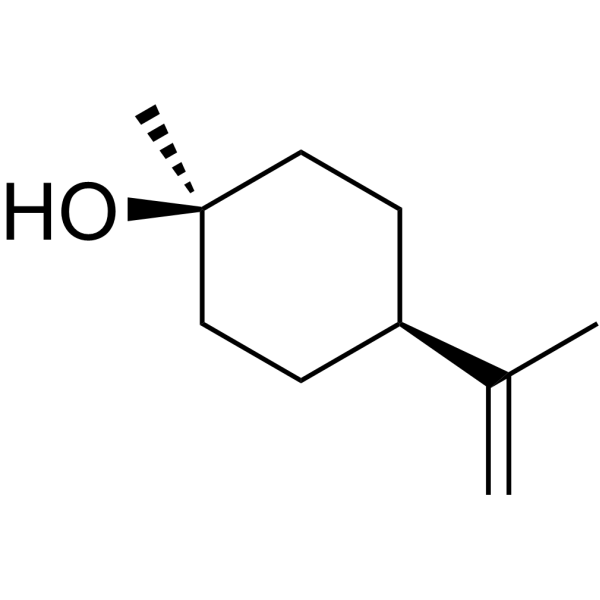
trans-β-Terpineol is a cyclic monoterpene alcohol present in Greek propolis and the essential oil of Peganum harmala seeds, with biological activities. trans-β-Terpineol serves as a substrate for biotransformation in tobacco suspension cells, where allylic hydroxylation occurs at specific sites. trans-β-Terpineol can be isolated from the leaves of Euryops arabicus. Terpineol (HY-N7851) exhibits antioxidant and antibacterial activities, and trans-β-terpineol is the bioactive compound responsible for the antibacterial effect in Euryops arabicus .
|
-
-
- HY-B1754
-
|
Org 6216; Rimexel
|
Glucocorticoid Receptor
|
Inflammation/Immunology
|
|
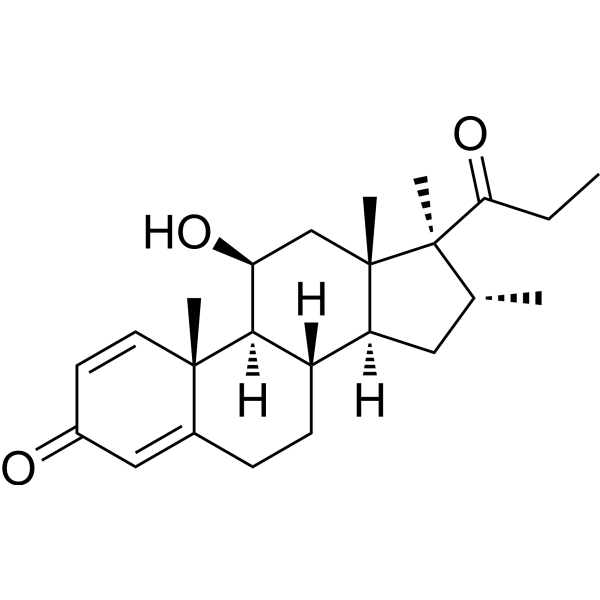
Rimexolone (Org 6216) is a glucocorticoid steroid with anti-inflammatory activity. Rimexolone can be used as a 1% ophthalmic suspension for the management of ocular inflammation .
|
-
-
- HY-B1431S1
-
|
Butyl parahydroxybenzoate-13C6; Butyl 4-hydroxybenzoate-13C6
|
Bacterial
Endogenous Metabolite
|
Infection
|
|
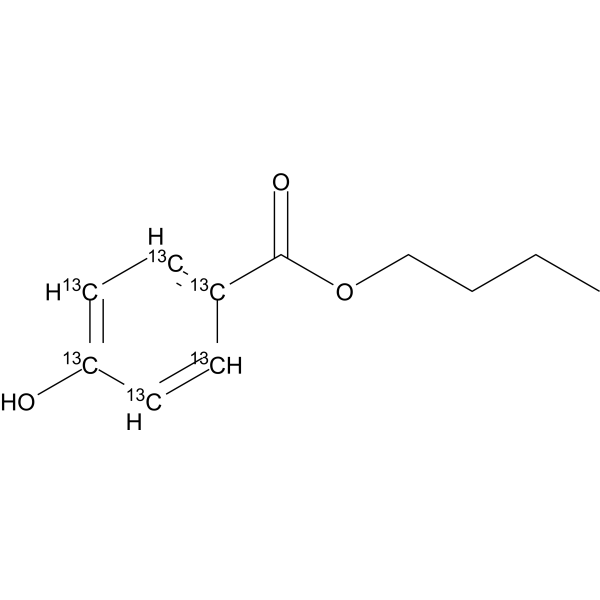
Butylparaben- 13C6 is the 13C labeled Butylparaben . Butylparaben is an organic compound, has proven to be a highly successful antimicrobial preservative in cosmetics, also used in medication suspensions, and as a flavoring additive in food.
|
-
-
- HY-B1395A
-
|
|
nAChR
Histamine Receptor
|
Cardiovascular Disease
Neurological Disease
|
|
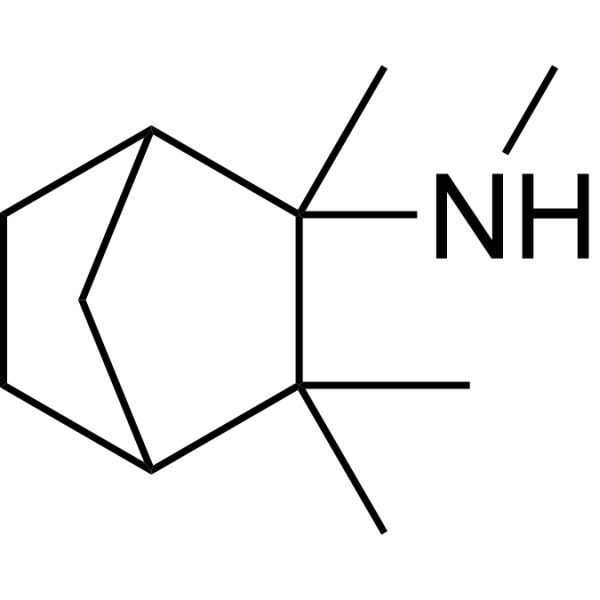
Mecamylamine is an orally active, nonselective, noncompetitive nAChR antagonist. Mecamylamine is also a ganglionic blocker. Mecamylamine can across the blood-brain barrier. Mecamylamine can be used in the research of neuropsychiatric disorders, hypertension, antidepressant area .
|
-
-
- HY-P10400A
-
|
|
Phytohormone
|
Infection
|
|
AtPep1 TFA is an endogenous inducer of innate immune responses. AtPep1 TFA can be isolated from Arabidopsis thaliana leaves. AtPep1 TFA activates the transcription of defensin (PDF1.2), the expression of PROPEP1, the synthesis of hydrogen peroxide (H2O2) near leaf veins, and the alkalization of Arabidopsis suspension cell culture medium. AtPep1 TFA induces the expression of genes encoding defensins and PR-1. AtPep1 TFA is applicable to studies related to Pythium irregulare infection and pathogen infection .
|
-

-
- HY-N12748
-
|
|
Others
|
Others
|
|
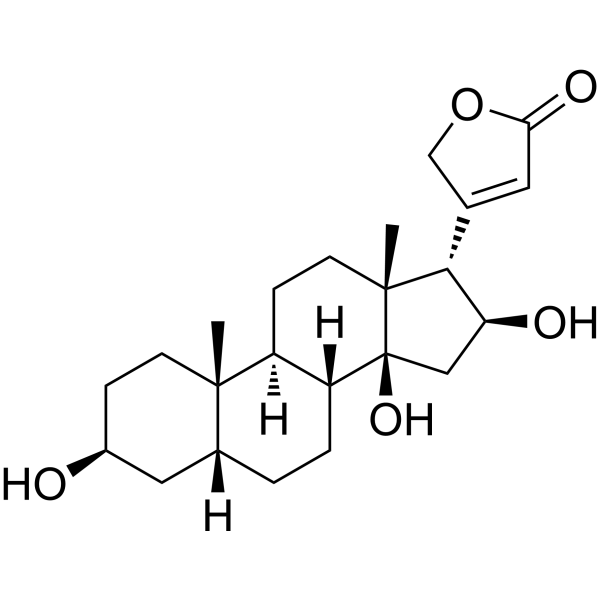
17βH-Gitoxigenin is a compound that can be isolated from cell suspension cultures of Stropanthus divaricatus .
|
-
-
- HY-N15731
-
|
|
Drug Derivative
|
Inflammation/Immunology
|
|
Cyanidin 3-xylosyl-(feruloyl-glucosyl)-galactoside (Compound 5) is an orally active cyanidin triglycoside derivative found in carrot cell suspension cultures. Cyanidin 3-xylosyl-(feruloyl-glucosyl)-galactoside is promising for research of natural pigment stability, antioxidant mechanisms, and oxidative stress-related diseases (e.g., inflammation) .
|
-

-
- HY-116062
-
|
|
Monoamine Transporter
Dopamine Transporter
Adrenergic Receptor
|
Others
|
|
JNJ-7925476 (hydrochloride) is a triple monoamine uptake inhibitor with the ability to regulate neurotransmitter levels and antidepressant activity. JNJ-7925476 (hydrochloride) can be rapidly absorbed into the plasma in rats, with a higher concentration in the brain than in plasma. It can induce an increase in the levels of extracellular serotonin, dopamine, and norepinephrine in the rat cerebral cortex, and exhibits antidepressant activity in the mouse tail suspension test.
|
-

-
- HY-111066
-
|
|
Dopamine Receptor
|
Others
|
|
JNJ-37822681 is a fast dissociating D2 antagonist with activity in inhibiting schizophrenia. JNJ-37822681 has high specificity for D2 receptors and is effective in animal models, inducing increased levels of extracellular serotonin, dopamine, and norepinephrine in the rat cerebral cortex, and exhibiting antidepressant activity in the mouse tail suspension test, while having a good brain distribution and lower prolactin release.
|
-

-
- HY-16035A
-
|
|
DNA/RNA Synthesis
Antibiotic
|
Infection
|
|
Alatrofloxacin mesylate is an antibiotic with antibacterial activity. Alatrofloxacin mesylate exhibits significant hydrophilicity in the aqueous phase, forming a very stable suspension. The degradation products of Alatrofloxacin mesylate become hydrophobic upon exposure, causing aggregation of its particles. The long-term stability of Alatrofloxacin mesylate is closely related to its polar interaction. The changes in surface tension characteristics of Alatrofloxacin mesylate particles under different lighting conditions affect their physical and chemical properties .
|
-

-
- HY-147735
-
|
|
GABA Receptor
|
Neurological Disease
|
|
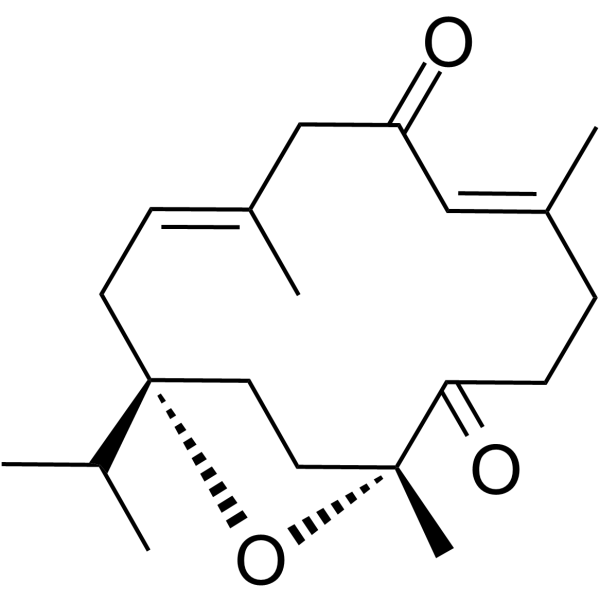
GABAA receptor agonist 1 (compound 3e) is a potent GABAA receptor agonist. GABAA receptor agonist 1 shows anti-depression activities in classical mouse models of depression of FST and TST. GABAA receptor agonist 1 binds at the GABA binding site of GABAA receptor in order to produce GABAergic effects. GABAA receptor agonist 1 has the potential for the research of depression .
|
-
-
- HY-118285
-
|
|
mGluR
|
Neurological Disease
|
|
Ro4491533 is a selective, negative allosteric mGluR2/3 receptor modulator that is equally effective on both subtypes. Ro4491533 can completely block glutamate-induced calcium mobilization and glutamate-induced [35S]GTPγS binding accumulation. Ro4491533 has good pharmacokinetic properties in mice and rats, high oral bioavailability, and can pass through the blood-brain barrier. Ro4491533 can also reverse the motor inhibition effect of LY379268 in mice and show antidepressant activity in the forced swim test and tail suspension test.
|
-

-
- HY-147736
-
|
|
GABA Receptor
|
Neurological Disease
|
|
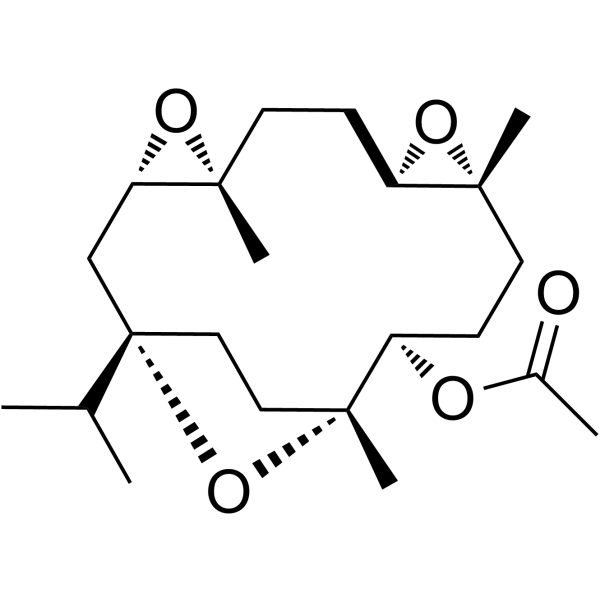
GABAA receptor agonist 2 (compound 4c) is a potent GABAA receptor agonist. GABAA receptor agonist 2 shows anti-depression activities in classical mouse models of depression of FST and TST. GABAA receptor agonist 2 binds at the GABA binding site of GABAA receptor in order to produce GABAergic effects. GABAA receptor agonist 2 has the potential for the research of depression .
|
-
-
- HY-W013762R
-
|
|
Reference Standards
Biochemical Assay Reagents
|
Others
|
|
Tributyl citrate (Standard) is the analytical standard of Tributyl citrate. This product is intended for research and analytical applications. Tributyl citrate is a low-toxicity and orally active citrate ester with no genotoxicity or skin sensitizing activity. Tributyl citrate also acts as a plasticizer, solvent, FDA-approved indirect food additive, and topical anesthetic, among other uses. Tributyl citrate induces a needle-prick insensitivity response that lasts for more than 2 hours, and a 5% suspension of it temporarily eliminates the corneal reflex in rabbits. Tributyl citrate causes no significant systemic toxicity in rats and cats at most tested doses, and only may cause growth retardation and gastrointestinal reactions such as diarrhea and nausea at high doses or with repeated oral administration .
|
-

-
- HY-B1395R
-
|
|
Reference Standards
nAChR
Histamine Receptor
|
Cardiovascular Disease
Neurological Disease
|
|
Mecamylamine (hydrochloride) (Standard) is the analytical standard of Mecamylamine (hydrochloride). This product is intended for research and analytical applications. Mecamylamine hydrochloride is an orally active, nonselective, noncompetitive nAChR antagonist. Mecamylamine hydrochloride is also a ganglionic blocker. Mecamylamine hydrochloride can across the blood-brain barrier. Mecamylamine hydrochloride can be used in the research of neuropsychiatric disorders, hypertension, antidepressant area .
|
-

-
- HY-116062A
-
|
|
Histone Methyltransferase
|
Neurological Disease
|
|
JNJ-7925476 is a triple reuptake inhibitor that selectively and potently inhibits the activity of the serotonin transporter (SERT), norepinephrine transporter (NET), and dopamine transporter (DAT). JNJ-7925476 is rapidly absorbed into the blood and its concentration in the brain is 7-fold higher than that in plasma. The occupancy ED(50) values of JNJ-7925476 for SERT, NET, and DAT in the rat brain are 0.18, 0.09, and 2.4 mg/kg, respectively. JNJ-7925476 rapidly induces a significant increase in the levels of extracellular serotonin, dopamine, and norepinephrine in the rat cerebral cortex in a dose-dependent manner. JNJ-7925476 exhibits potent antidepressant-like activity in the mouse tail suspension test. These results suggest that JNJ-7925476 has in vivo efficacy in biochemical and behavioral models of depression .
|
-

-
- HY-N17915
-
|
|
Others
|
Others
|
|
2-Methyl-3,5,6-trihydroxyanthraquinone (compound 6) is an anthraquinone found in cell suspension cultures of Morinda citrifolia .
|
-

-
- HY-182363
-
|
|
Serotonin Transporter
|
Neurological Disease
|
|
A6CDQ is a human organic cation transporter (hOCT) inhibitor with antidepressant-like activity that can cross the blood-brain barrier. A6CDQ potently inhibits the transport activities mediated by hOCT1, hOCT2 and hOCT3. A6CDQ exhibits significant antidepressant-like effects in the mouse tail suspension test. A6CDQ can be used in studies related to depression .
|
-

-
- HY-107852
-
|
|
Insecticide
|
Others
|
|
Demeton-S-methyl sulfone is an organophosphorus insecticide metabolite.Demeton-S-methyl sulfone serves as a substrate for metabolic breakdown.Demeton-S-methyl sulfone forms via oxidation of demeton S-methyl sulfoxide in sugar-beet cell suspension cultures.Demeton-S-methyl sulfone undergoes thioester bond cleavage, producing ethanethiols that convert into S-methylated compounds or S-glucosides .
|
-

-
- HY-W584219
-
-

-
- HY-Y2025
-
-

-
- HY-179357
-
-

-
- HY-179358
-
-

-
- HY-101633
-
|
|
Histamine Receptor
|
Others
|
|
GSK-1004723 is a novel H1/H3 receptor antagonist with limited activity for the suppression of seasonal allergic rhinitis. GSK-1004723 is available as a suspension or solution for intranasal administration.
|
-

-
- HY-W726472
-
|
|
Endogenous Metabolite
|
Others
|
|
N-(E-4-Coumaroyl)-aspartate is a hydroxycinnamic acid amide compound that can be isolated from Arabidopsis thaliana cell suspension cultures. N-(E-4-Coumaroyl)-aspartate may be involved in metabolic processes related to specific metabolites found in Arabidopsis thaliana cell cultures.
|
-

-
- HY-W705093
-
|
|
Bacterial
|
Infection
Cancer
|
|
Dimethoxane is an antibacterial agent and an orally active oncogen. Dimethoxane exerts slow bactericidal action against various bacteria, rapid bacteriostatic action that halts bacterial growth, and does not induce bacterial lysis. Dimethoxane induces multiple tumor formation in rats. Dimethoxane functions as a low-toxicity preservative in cosmetic formulations and controls spoilage microorganisms in aqueous systems, emulsions, and suspensions .
|
-

- HY-W012669S
-
|
Phthaldialdehyde-d4
|
Isotope-Labeled Compounds
Bacterial
|
Infection
|
|
Phthalaldehyde-d4 (Phthaldialdehyde-d4) is the deuterium labeled Phthalaldehyde (HY-W012669). Phthalaldehyde reacts with proteins containing primary amines and blocked amino-terminal peptides of amino acids. Phthalaldehyde stabilizes bacterial outer membranes and cell walls, increases the optical density of bacterial cell suspensions, and inhibits bacterial lysis induced by ethylenediaminetetraacetic acid and sodium dodecyl sulfate. Phthalaldehyde exhibits bactericidal activity against Gram-negative vegetative bacteria.
|
-

- HY-181110
-
-

- HY-N16838
-
|
|
Drug Derivative
|
Inflammation/Immunology
|
|
cis-Oxyresveratrol-4'-O-glucoside (compound 2a) is a β-D-glucoside derivative of oxyresveratrol, whose parent compound possesses potential anti-inflammatory, antioxidant, free radical scavenging, and tyrosinase inhibitory activities, and can be used in anti-inflammatory, antioxidant, and whitening-related research. cis-Oxyresveratrol-4'-O-glucoside is a product obtained by the biotransformation of oxyresveratrol using cell suspension cultures of Solanum mammosum (a plant of the genus Solanum in the Solanaceae family) .
|
-

- HY-180423
-
|
|
Adenosine Receptor
|
Neurological Disease
|
|
IRFI-165 is a potent and selective A1 adenosine receptor antagonist with a Ki of 7.9 nM for rat A1 AR. IRFI-165 exhibies high selectivity versus A2A and A3 receptors. IRFI-165 induces antidepressant activity in vivo. IRFI-165 can be used for the research of psychiatric and neurological disorders .
|
-

- HY-W547534
-
|
2,4-Dichlorophenoxyacetic acid ammonium
|
Herbicide
DNA/RNA Synthesis
Apoptosis
|
Cancer
|
|
2,4-D (2, 4-dichlorophenoxyacetic acid) ammonium is a selective herbicide that can be used for the control of broad-leaved weeds. 2,4-D ammonium can induce apoptosis. 2,4-D ammonium inhibits DNA and protein synthesis, thereby preventing normal plant growth and development .
|
-

- HY-P992461
-
|
|
LAG-3
|
Cancer
|
|
SHR-1802 is a humanized anti-LAG-3 monoclonal antibody.SHR-1802 specifically binds to LAG-3 and inhibits its binding to major histocompatibility complex class II (MHC-II), fibrinogen-like protein 1 (FGL1), galectin-3, and liver sinusoidal endothelial cell lectin.SHR-1802 can be used for the research of advanced solid tumors .
|
-

- HY-186170
-
|
|
5-HT Receptor
|
Neurological Disease
|
|
R-MDMA, 4-methylenedioxymethamphetamine (MDMA) isomer, is a 5-HT2A/5-HT2C receptor antagonist with an IC50 of 629 and 61.4 nM. R-MDMA promotes cortical neuron growth. R-MDMA facilitates fear extinction learning and produces antidepressant-like effects in preclinical rodent models. R-MDMA can be used for the researches of post-traumatic stress disorder and depression .
|
-

- HY-112448
-
|
|
Src
Interleukin Related
|
Inflammation/Immunology
|
|
Lck-IN-6 (Compound 12g) is a Lck inhibitor with an IC50 of 3 nM. Lck-IN-6 inhibits the production of IL-2. Lck-IN-6 can be used in the research of rheumatoid arthritis and inflammatory bowel disease .
|
-

| Cat. No. |
Product Name |
Type |
-
- HY-131131
-
|
|
Fluorescent Dye
|
|
5-CFDA-AM is a cell-permeable esterase substrate that can be used as an active probe to measure enzyme activity and cell membrane integrity. 5-CFDA-AM is electroneutral and can enter the cell at a lower concentration than CFDA, where it is hydrolysed by intracellular esterases to produce carboxyfluorescein, which contains an additional negative charge and can be better retained in the cell. 5-CFDA-AM can be used to detect cell viability .
|
| Cat. No. |
Product Name |
Type |
-
- HY-W012669
-
|
Phthaldialdehyde
|
Biochemical Assay Reagents
|
|
Phthalaldehyde reacts with proteins containing primary amines and blocked amino-terminal peptides of amino acids. Phthalaldehyde stabilizes bacterial outer membranes and cell walls, increases the optical density of bacterial cell suspensions, and inhibits bacterial lysis induced by ethylenediaminetetraacetic acid and sodium dodecyl sulfate. Phthalaldehyde exhibits bactericidal activity against Gram-negative vegetative bacteria .
|
-
- HY-W111692
-
|
|
Biochemical Assay Reagents
|
|
Sodium polyphosphate, crystal,+200 mesh, 96% is an inorganic polyphosphate that also serves as a stabilizer, dispersant, chelating agent, and coacervate-forming agent. Sodium polyphosphate provides electrostatic stabilization for mineral and material suspensions, but its dispersing efficacy decreases under acidic pH, high temperature, high calcium concentration, or a combination of these conditions. Sodium polyphosphate can chelate alkaline earth metals, reduce solution pH, and alter the rate of pH decline at a divalent cation/phosphorus molar ratio of 0.18. Sodium polyphosphate forms coacervates with smaller divalent cations and precipitates with larger divalent cations, where the functional requirements of cations depend on polyphosphate concentration, average degree of polymerization, and cation type .
|
-
- HY-W134423B
-
|
|
Biochemical Assay Reagents
|
|
Agar, meets USP testing specifications is a high-quality selective growth support and substrate for non-adherent cells. Agar, meets USP testing specifications effectively supports the growth, colony formation and metachromatic matrix production of chondrocytes, and also facilitates the isolation and differentiation of pure chondrocyte strains by restricting the proliferation of fibroblast-like cells. Chondrocytes grown in Agar, meets USP testing specifications can be successfully transferred to a liquid suspension culture system, where they continue to proliferate while retaining the characteristics exhibited during growth in agar .
|
-
- HY-142998
-
|
|
Biochemical Assay Reagents
|
|
Vaxfectin is a second-generation cationic lipid-based suspension that adjuvants effectively both pDNA and protein-based vaccines. Vaxfectin can boost the immune response against a range of pDNA-expressed pathogenic antigens in vivo. Vaxfectin can increase IgG titers and give rise to an IL-6 dependent enhancement of the humoral immune response without altering the Th1 type immune response. Vaxfectin can be studied for vaccine formulation .
|
| Cat. No. |
Product Name |
Target |
Research Area |
-
- HY-P3979
-
|
HNP 4
|
Bacterial
Melanocortin Receptor
|
Infection
|
|
Defensin HNP 4 (HNP 4) is a host-defense peptide that has antimicrobial activity against Gram-negative bacteria. Defensin HNP 4 inhibits ACTH stimulated synthesis of Corticosterone (HY-B1618) in rat adrenal cell suspensions .
|
-
- HY-P10400A
-
|
|
Phytohormone
|
Infection
|
|
AtPep1 TFA is an endogenous inducer of innate immune responses. AtPep1 TFA can be isolated from Arabidopsis thaliana leaves. AtPep1 TFA activates the transcription of defensin (PDF1.2), the expression of PROPEP1, the synthesis of hydrogen peroxide (H2O2) near leaf veins, and the alkalization of Arabidopsis suspension cell culture medium. AtPep1 TFA induces the expression of genes encoding defensins and PR-1. AtPep1 TFA is applicable to studies related to Pythium irregulare infection and pathogen infection .
|
-
- HY-K0350
-
1 Publications Verification
|
|
MCE Mouse Neutrophil Negative Selection Kit can isolate neutrophils from single-cell suspensions of mouse bone marrow or other tissue samples.
|
-
- HY-K6012
-
|
|
|
MCE Tissue Dissociation Solution is able to gently and efficiently dissociate tissue samples into cell suspensions or cell aggregates, which can then be used for the subsequent construction of tumor organoids.
|
-
- HY-K6011
-
|
|
|
MCE Tumor Tissue Dissociation Solution is able to gently and efficiently dissociate tumor tissue samples into cell suspensions or cell aggregates, which can then be used for the subsequent construction of tumor organoids.
|
-
- HY-K0310
-
2 Publications Verification
|
|
MCE Mouse CD8+ Cells Positive Selection Kit is designed for the isolation of CD8+ cells from single cell suspensions of mouse spleen cells, lymph nodes or other tissues.
|
-
- HY-K0307
-
1 Publications Verification
|
|
MCE Mouse CD4+ T Cells Negative Selection Kit is designed for the isolation of CD4+ T cells from single cell suspensions of mouse spleen cells and lymph nodes.
|
-
- HY-K0306
-
|
|
|
MCE Mouse CD3+ T Cells Negative Selection Kit is designed for the isolation of CD3+ T cells from single cell suspensions of mouse spleen cells and lymph nodes.
|
-
- HY-K0308
-
|
|
|
MCE Mouse CD4+ Cells Positive Selection Kit is designed for the isolation of CD4+ cells from single cell suspensions of mouse spleen cells, lymph nodes or other tissues.
|
-
- HY-K0309
-
|
|
|
MCE Mouse CD8+ T Cells Negative Selection Kit is designed for the isolation of CD8+ T cells from single cell suspensions of mouse spleen cells and lymph nodes.
|
-
- HY-K2027
-
|
|
|
MCE OptiLNP Gene Editing Kit is a ready-to-use transfection reagent based on LNP technology. It is designed for the efficient co-transfection of Cas9 mRNA and sgRNA during gene editing in common cells (adherent or suspension cells).
|
-
- HY-K2004
-
|
|
|
MCE Trypan Blue Staining Solution (0.4%) is suitable for viability assessment of most adherent and suspension cell lines. It is commonly used for cell culture quality control, evaluation of cellular responses following drug treatment, and viability measurements after cell thawing and recovery.
|
-
- HY-K6503
-
|
|
|
MCE Human PSC Embryoid Body (EB) Induction Medium is specifically designed to support the efficient and reproducible formation of uniform embryoid bodies from pluripotent stem cells under suspension culture conditions. This optimized culture system integrates microenvironmental regulation with metabolic adaptation strategies, significantly improving the stability and reproducibility of EB formation.
|
-
- HY-K3028
-
|
|
|
MCE Advanced MEM Reduced Serum Medium is a chemically defined essential medium developed based on classical MEM formulation. Enables at least a 50% reduction in fetal bovine serum (FBS) usage while maintaining normal cell growth rates and cellular morphology, and is suitable for the culture of a wide variety of suspension and adherent mammalian cells.
|
| Cat. No. |
Product Name |
Target |
Research Area |
Image |
-
- HY-P992461
-
|
|
LAG-3
|
Cancer
|
|
SHR-1802 is a humanized anti-LAG-3 monoclonal antibody.SHR-1802 specifically binds to LAG-3 and inhibits its binding to major histocompatibility complex class II (MHC-II), fibrinogen-like protein 1 (FGL1), galectin-3, and liver sinusoidal endothelial cell lectin.SHR-1802 can be used for the research of advanced solid tumors .
|
-

(5)
| Cat. No. |
Product Name |
Category |
Target |
Chemical Structure |
-
- HY-B1431
-
-
-
- HY-N2188
-
-
-
- HY-B0940
-
-
-
- HY-N0229R
-
|
L-2-Aminopropionic acid (Standard)
|
Structural Classification
Human Gut Microbiota Metabolites
Microorganisms
Disease markers
Amino acids
Endogenous metabolite
Cancer
Source Classification
|
Reference Standards
Endogenous Metabolite
|
|
L-Alanine (Standard) is the analytical standard of L-Alanine. This product is intended for research and analytical applications. L-Alanine is a non-essential amino acid, involved in sugar and acid metabolism, increases immunity, and provides energy for muscle tissue, brain, and central nervous system.
In Vitro: The viability of both hiPSCs, 201B7 cells and ehiPSCs decrease with an increase in L-Alanine concentration, and reach 7.5±1.3% and 3.7±0.7% respectively at 1.2 M of L-Alanine. On the other hand, no decrease in the viability of hFBs and hSkMCs are observed. Although the viability of iCMs slightly decreases along with the increase of the L-Alanine concentration, viability of iCMs at 1.2 M concentration of L-Alanine, 49.4±6.9%, is significantly higher than that of undifferentiated iPSCs, 201B7 cells and ehiPSCs (p< 0.01). The viability of hiPSCs, 201B7 cells and ehiPSCs, drastically decrease even after 2 or 4 h treatment. In contrast, the viability of hFBs fails to decrease at 1, 2, and 4 h and shows a small decrease at 24 h treatment. The viability of 201B7 cells in suspension culture decreases to 11.8±6.0% following treatment with 1.2 M L-Alanine for 2 h, whereas that of hFBs is 72.9±14.2% .
|
-
-
- HY-B1431R
-
-
-
- HY-126967A
-
-
-
- HY-N12748
-
-
-
- HY-N15731
-
-
-
- HY-N17915
-
-
-
- HY-W726472
-
-
-
- HY-N16838
-
|
|
Structural Classification
Solanum mammosum L.
Phenols
Polyphenols
Solanaceae
Plants
Source Classification
|
Drug Derivative
|
|
cis-Oxyresveratrol-4'-O-glucoside (compound 2a) is a β-D-glucoside derivative of oxyresveratrol, whose parent compound possesses potential anti-inflammatory, antioxidant, free radical scavenging, and tyrosinase inhibitory activities, and can be used in anti-inflammatory, antioxidant, and whitening-related research. cis-Oxyresveratrol-4'-O-glucoside is a product obtained by the biotransformation of oxyresveratrol using cell suspension cultures of Solanum mammosum (a plant of the genus Solanum in the Solanaceae family) .
|
-
| Cat. No. |
Product Name |
Chemical Structure |
-
- HY-B1431S
-
|
|
|
Butylparaben-d4 is the deuterium labeled Butylparaben. Butylparaben is an organic compound, has proven to be a highly successful antimicrobial preservative in cosmetics, also used in medication suspensions, and as a flavoring additive in food.
|
-
-
- HY-B1431S1
-
|
|
|
Butylparaben- 13C6 is the 13C labeled Butylparaben . Butylparaben is an organic compound, has proven to be a highly successful antimicrobial preservative in cosmetics, also used in medication suspensions, and as a flavoring additive in food.
|
-
-
- HY-W012669S
-
|
|
|
Phthalaldehyde-d4 (Phthaldialdehyde-d4) is the deuterium labeled Phthalaldehyde (HY-W012669). Phthalaldehyde reacts with proteins containing primary amines and blocked amino-terminal peptides of amino acids. Phthalaldehyde stabilizes bacterial outer membranes and cell walls, increases the optical density of bacterial cell suspensions, and inhibits bacterial lysis induced by ethylenediaminetetraacetic acid and sodium dodecyl sulfate. Phthalaldehyde exhibits bactericidal activity against Gram-negative vegetative bacteria.
|
-
| Cat. No. |
Product Name |
|
Classification |
-
- HY-B1431
-
|
Butyl parahydroxybenzoate; Butyl paraben; Butyl 4-hydroxybenzoate
|
|
Sweetening Agents
|
|
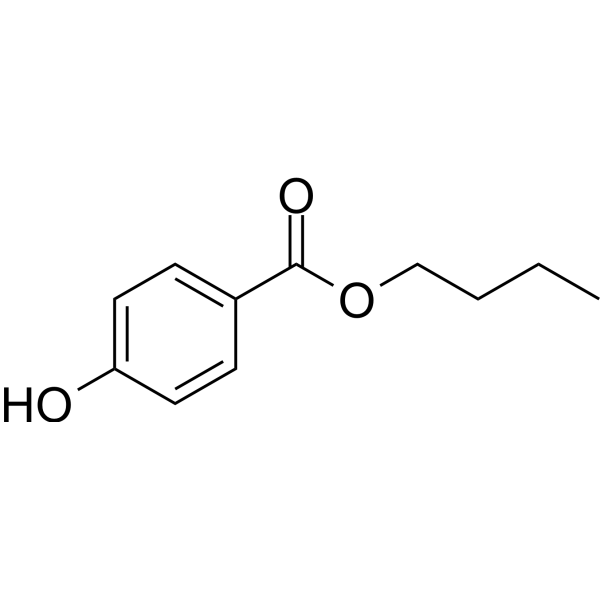
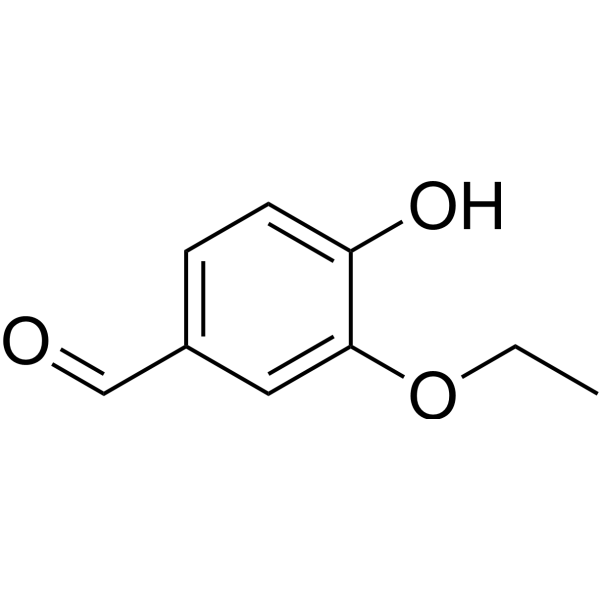
Butylparaben is an organic compound that has proven to be a very successful antimicrobial preservative in cosmetics, can also be used in active molecule suspensions, and as a food flavoring additive .
|
-
- HY-100557
-
|
|
|
Emulsifiers
Thickeners
|
|
Hydroxypropyl Cellulose is an orally active cellulose ether and surfactant. Hydroxypropyl cellulose is divided into high-substituted HPC (HHPC) and low-substituted HPC (LHPC). Hydroxypropyl Cellulose reduces inflammatory mediators (IL-6, IL-1β). Hydroxypropyl Cellulose improves colitis and obesity. Hydroxypropyl Cellulose can be used as a pharmaceutical excipient, such as coating agent, emulsifier, suspension, tablet, thickener, viscosifier .
|
-
- HY-148009
-
|
16:0-18:1 Cardiolipin sodium
|
|
Phospholipids
|
|
Cardiolipin (16:0/18:1/16:0/18:1) (16:0-18:1 Cardiolipin) sodium is a di-saturated mitochondrial-specific anionic phospholipid sodium salt containing the long-chain fatty acid palmitic acid (HY-N0830) and the monounsaturated fatty acid oleic acid (HY-N1446). Cardiolipin (16:0/18:1/16:0/18:1) sodium undergoes in-source fragmentation via diglyceride (DG)-H2O fragment formation and (DG-H2O) fragment loss pathways. Cardiolipin (16:0/18:1/16:0/18:1) sodium can be used in the synthesis of lipid nanodiscs for application in in situ mass spectrometry .
|
-
- HY-100557A
-
|
|
|
Disintegrants
|
|
Low-Substituted Hydroxypropyl Cellulose can be used as an excipient, such as Coating agents, emulsifiers, suspensions, tablets, thickeners, thickeners, etc. Pharmaceutical excipients, or pharmaceutical auxiliaries, refer to other chemical substances used in the pharmaceutical process other than pharmaceutical ingredients. Pharmaceutical excipients generally refer to inactive ingredients in pharmaceutical preparations, which can improve the stability, solubility and processability of pharmaceutical preparations. Pharmaceutical excipients also affect the absorption, distribution, metabolism, and elimination (ADME) processes of co-administered drugs .
|
-
- HY-142998
-
|
|
|
Cationic Lipids
|
|
Vaxfectin is a second-generation cationic lipid-based suspension that adjuvants effectively both pDNA and protein-based vaccines. Vaxfectin can boost the immune response against a range of pDNA-expressed pathogenic antigens in vivo. Vaxfectin can increase IgG titers and give rise to an IL-6 dependent enhancement of the humoral immune response without altering the Th1 type immune response. Vaxfectin can be studied for vaccine formulation .
|
Your information is safe with us. * Required Fields.
Inquiry Information
- Product Name:
- Cat. No.:
- Quantity:
- MCE Japan Authorized Agent:








