Search Result
Results for "
synergistic+effect
" in MedChemExpress (MCE) Product Catalog:
1
Biochemical Assay Reagents
| Cat. No. |
Product Name |
Target |
Research Areas |
Chemical Structure |
-
- HY-15244
-
Alpelisib
Maximum Cited Publications
125 Publications Verification
BYL-719
|
PI3K
Apoptosis
|
Cancer
|
|
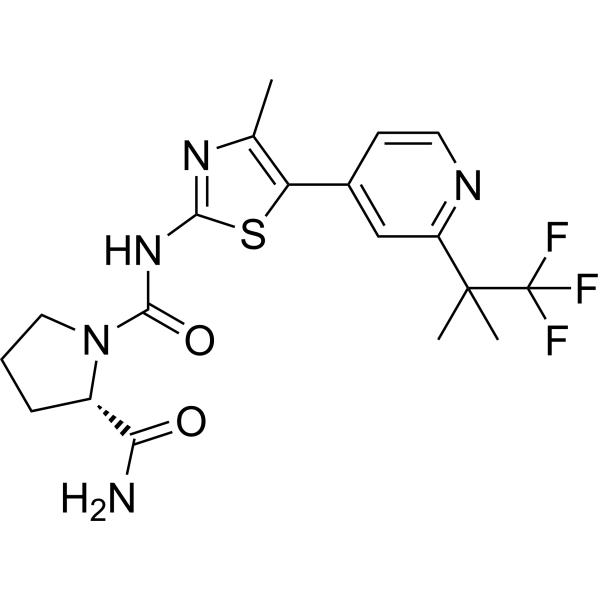
Alpelisib (BYL-719) is an orally active PI3Kα-selective inhibitor that blocks the conversion of PIP2 to PIP3, thereby inhibiting pathways including PI3K/AKT/mTOR, MAPK/ERK, Notch and JAK-STAT. Alpelisib also induces apoptosis, G0/G1 phase arrest and senescence; it significantly inhibits the proliferation, self-renewal, stemness and epithelial-mesenchymal transition (EMT) of tumor cells, reduces cancer stem cell populations and decreases the expression of stem cell markers. Alpelisib not only enhances the sensitivity to Eribulin (HY-13442) and exerts a synergistic effect with Paclitaxel (HY-B0015), but may also induce drug resistance by upregulating the SGK3/GSK3β/β-catenin signaling pathway. Alpelisib can be applied to research related to breast cancer, gastric cancer and lipomas associated with PTEN hamartoma tumor syndrome .
|
-
-
- HY-10966
-
|
|
Raf
Apoptosis
|
Neurological Disease
Metabolic Disease
Cancer
|
|
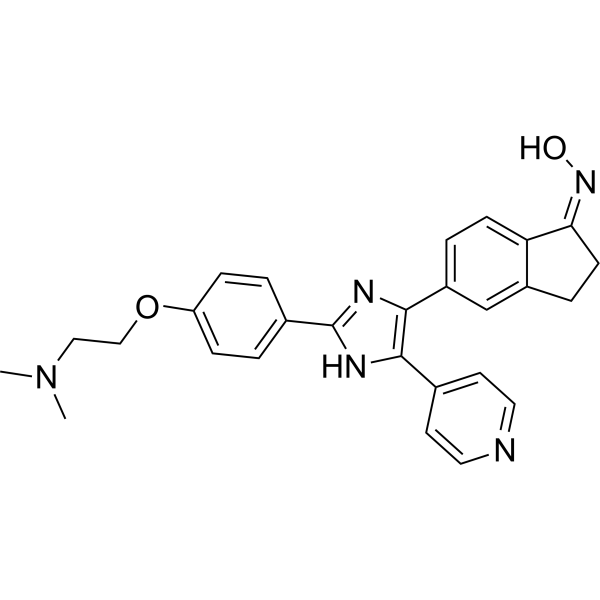
SB-590885 is a BRAF/c-Raf kinase inhibitor that selectively targets B-Raf, and it amplifies the ERK/MAPK signaling pathway in RAS-activated cells. SB-590885 effectively inhibits the malignant proliferation, transformation and tumorigenicity of oncogenic B-Raf cells; it also induces the proliferation of erythroid progenitor cells, delays their differentiation and promotes hemoglobin synthesis, thereby improving ineffective erythropoiesis and reducing apoptosis. SB-590885 exerts a synergistic effect with TGF-β inhibitors and glucocorticoids, significantly promoting the formation of erythroid colonies in cells from patients with Diamond-Blackfan anemia (DBA). SB-590885 is mainly used in relevant studies on DBA, cisplatin-induced myelosuppression-related anemia, and pan-cancers such as melanoma and colorectal cancer .
|
-
-
- HY-400902
-
|
|
YAP
VEGFR
Hippo (MST)
|
Cancer
|
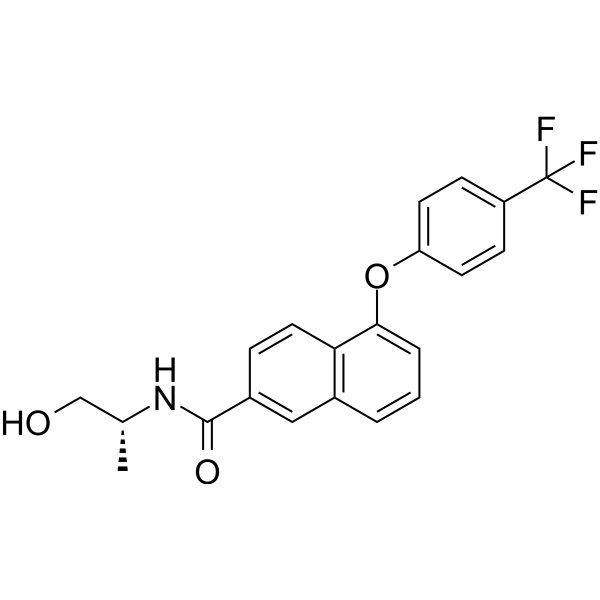
VT3989 is an orally active pan-TEAD autopalmitoylation inhibitor that modulates the Hippo signaling pathway. VT3989 directly binds to TEAD transcription factors to block their palmitoylation modification, thereby disrupting the formation of YAP/TAZ-TEAD complexes and inhibiting downstream oncogenic transcriptional activity. VT3989 effectively inhibits the growth of NF2-deficient schwannoma and meningioma cells and reverses the Schwann cell phenotype. In addition, VT3989 exerts a synergistic effect when combined with Osimtinib (HY-15772) in EGFR-mutant non-small cell lung cancer models, significantly delaying tumor recurrence and prolonging survival. VT3989 can be used for the research of epithelioid hemangioendothelioma, malignant pleural mesothelioma, type 2 neurofibromatosis and related advanced solid tumors .
|
-
-
- HY-B2176R
-
|
Adenosine 5'-triphosphate (Standard)
|
Reference Standards
Endogenous Metabolite
|
Metabolic Disease
Inflammation/Immunology
|
ATP (Standard) is the analytical standard of ATP. This product is intended for research and analytical applications. ATP (Adenosine 5'-triphosphate) is a central component of energy storage and metabolism in vivo. ATP provides the metabolic energy to drive metabolic pumps and serves as a coenzyme in cells. ATP is an important endogenous signaling molecule in immunity and inflammation .
In Vitro: ATP (5 mM; 1 hour) co-treatment with LPS (1 μg/mL) has a synergistic effect on the activation of the NLRP3 inflammasome in HGFs .
ATP (2 mM; 0.5-24 hours) induces secretion of IL-1β, KC and MIP-2 from BMDMs in a caspase-1 activation-dependent manner .
ATP promotes neutrophil chemotaxis in vitro .
In Vivo: ATP (50 mg/kg; i.p.) protects mice against bacterial infection in vivo .
ATP induces the secretion of IL-1β, KC and MIP-2 and neutrophils recruitment in vivo .
|
-

-
- HY-148493
-
|
|
Bacterial
|
Infection
|
|
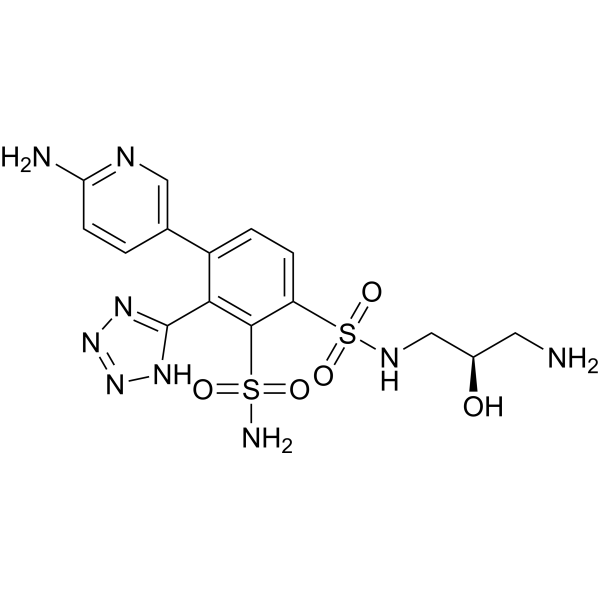
MK-3402 (Compound303) is a metallo-beta-lactamase inhibitor, with IC50 values of 0.53, 0.25 and 0.169 nM against IMP-1, NDM-1, and VIM-1, respectively. MK-3402 can be used in bacterial research and shows a synergistic effect when used in combination with beta-lactam antibiotics .
|
-
-
- HY-122639
-
|
|
NEKs
|
Cancer
|
|
ZINC05007751 is a potent NIMA-related kinase NEK6 inhibitor with an IC50 of 3.4 μM. ZINC05007751 shows antiproliferative activity against a panel of human cancer cell lines, and displays a synergistic effect with Cisplatin and Paclitaxel in a BRCA2 mutated ovarian cancer cell line. ZINC05007751 is very selective against NEK1 and NEK6 with no significant activity was observed against NEK2, NEK7, and NEK9 .
|
-
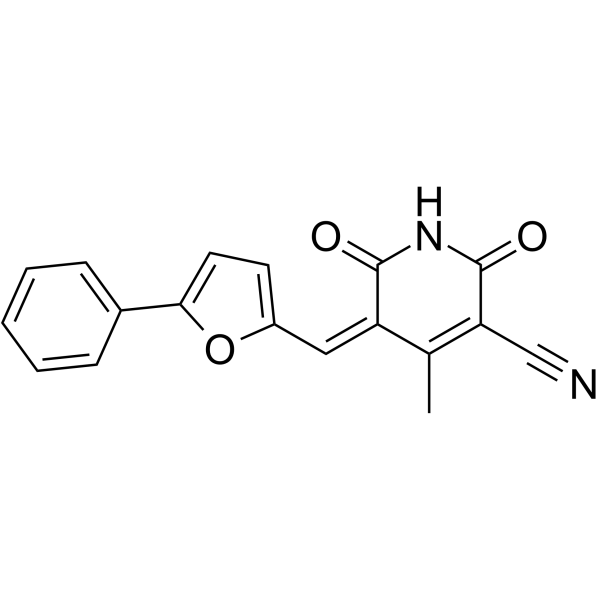
-
- HY-119024
-
|
|
SHP1
STAT
|
Cancer
|
|
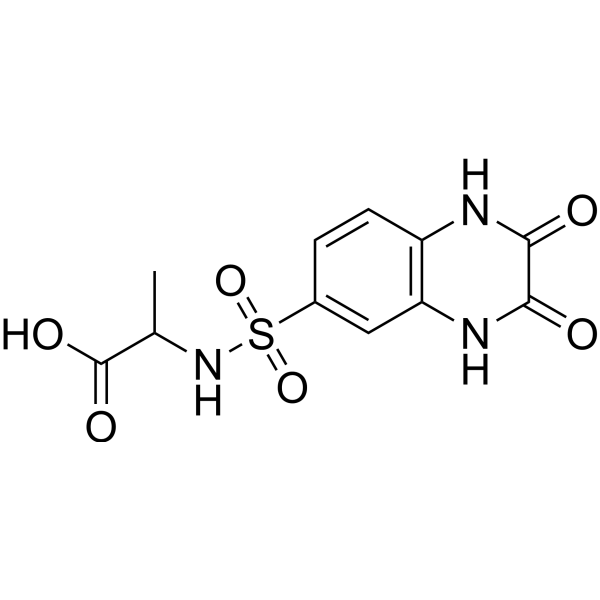
BCI-137 is a Argonaute 2 (AGO2) inhibitor. By inhibiting AGO2 function, reducing PTPN6/SHP-1 protein levels and enhancing STAT1 phosphorylation, BCI-137 restores the sensitivity of tumor cells to IFN-γ. BCI-137 effectively enhances the recruitment, activation and cytotoxicity of CD8 + T cells. BCI-137 exerts a synergistic effect with anti-PD-1 antibodies and significantly reduces tumor volume in preclinical mouse models. BCI-137 exhibits favorable safety profiles and does not cause significant weight loss or death in mice. BCI-137 can be used in research related to bladder cancer, colorectal cancer, melanoma and other related fields .
|
-
-
- HY-152293
-
|
|
VEGFR
ERK
|
Cancer
|
|
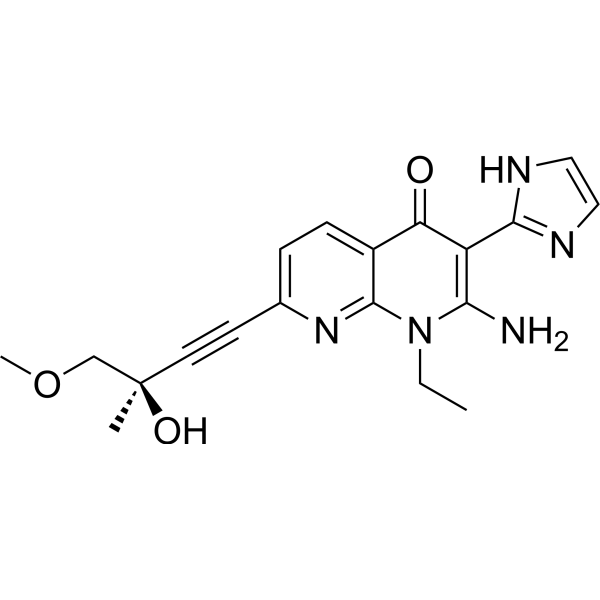
EVT801 is an orally active and selective inhibitor of VEGFR-3 (IC50=11 nM), which has antitumor effects. EVT801 inhibits not only VEGF-C-induced human endothelial cell proliferation, but also tumor (lymphatic) angiogenesis in tumor mouse models. EVT801 can reduce tumor hypoxia, immunosuppressive cytokines (CCL4, CCL5) and myeloid derived suppressor cells (MDSC) production. EVT801 has synergistic effect with immune checkpoint therapy (ICT), which improves ICT response rate and has better inhibitory effect on cancer mouse models . EVT801 is a click chemistry reagent, it contains an Alkyne group and can undergo copper-catalyzed azide-alkyne cycloaddition (CuAAc) with molecules containing Azide groups.
|
-
-
- HY-107413
-
|
BMS-649
|
RAR/RXR
Tyrosine Hydroxylase
|
Cancer
|
|
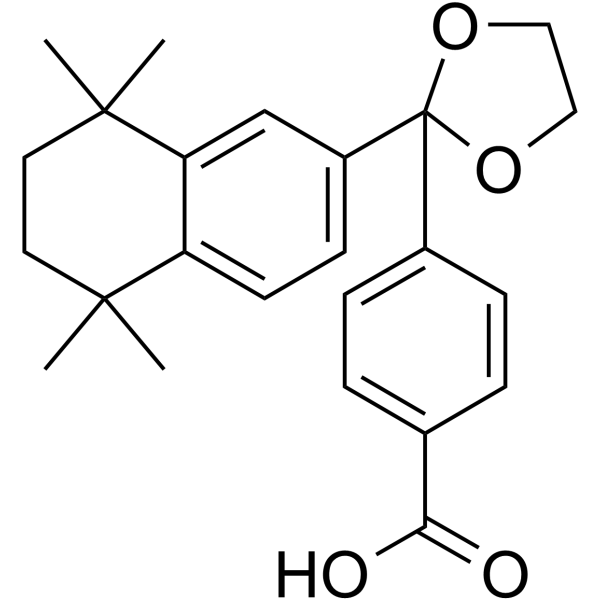
SR11237 (BMS-649) GMP is SR11237 (HY-107413) produced by using GMP guidelines. GMP small molecules works appropriately as an auxiliary reagent for cell therapy manufacture. SR11237 is a RXR activator and lipid metabolism regulator that promotes the differentiation of induced neural stem cells into dopaminergic (TH-positive) neurons. SR11237 induces transcriptional regulation of lipogenic genes and cholesterol transporters, increases glycosaminoglycan release, and elevates total cellular triglyceride levels. SR11237 promotes heterodimerization of RXR with Nurr1, thereby enhancing tyrosine hydroxylase expression and facilitating dopamine release. SR11237 produces a synergistic effect when used in combination with bFGF/EGF. SR11237 is mainly used in studies related to osteoarthritis and Parkinson's disease .
|
-
-
- HY-P99364
-
|
Anti-VEGFR1/FLT1 Reference Antibody; IMC-18F1
|
VEGFR
Apoptosis
p38 MAPK
Akt
|
Endocrinology
Cancer
|
|
Icrucumab (Anti-VEGFR1/FLT1 Reference Antibody; IMC-18F1) is an IgG1 antibody inhibitor targeting VEGFR-1/FLT1 with anti-tumor activity. By blocking ligand-dependent phosphorylation and downstream signal transduction, Icrucumab reduces the activities of MAPK and Akt in breast cancer xenograft models, inhibits the proliferation and invasion of VEGFR-1-positive tumor cells, and reverses the conversion of M1 macrophages to the pro-tumor M2-like phenotype. Icrucumab also inhibits tumor cell proliferation, promotes apoptosis, and effectively suppresses tumor growth through direct targeting of tumors and host support mechanisms. In addition, Icrucumab exhibits a synergistic effect when combined with chemotherapeutic agents, and it is used in research related to various cancers including advanced solid malignancies, thyroid cancer, melanoma, and lung cancer .
|
-

-
- HY-134978A
-
|
|
SHMT
|
Cancer
|
|
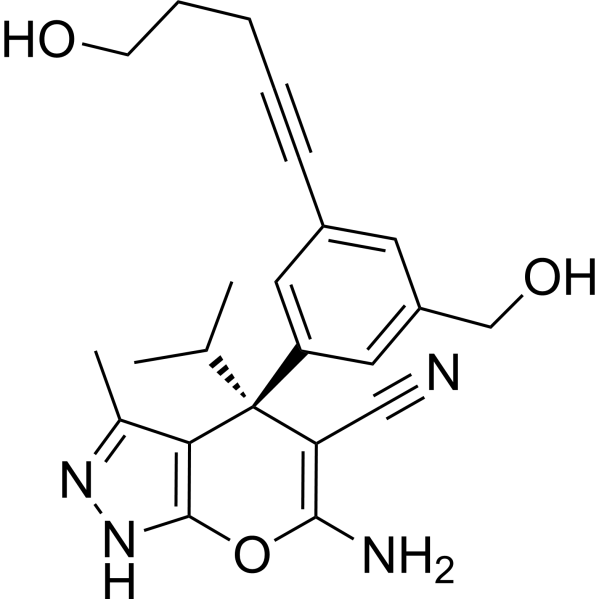
(+)SHIN2 is a serine hydroxymethyltransferase (SHMT) inhibitor, whose target can be traced with 13C-serine. (+)SHIN2 increases survival in NOTCH1-driven mouse primary acute lymphoblastic leukemia (T-ALL) in vivo with a synergistic effect with Methotrexate (HY-14519) . (+)SHIN2 is a click chemistry reagent, it contains an Alkyne group and can undergo copper-catalyzed azide-alkyne cycloaddition (CuAAc) with molecules containing Azide groups.
|
-
-
- HY-122542B
-
|
|
Ligands for E3 Ligase
Molecular Glues
IKZF Family
|
Cardiovascular Disease
|
|
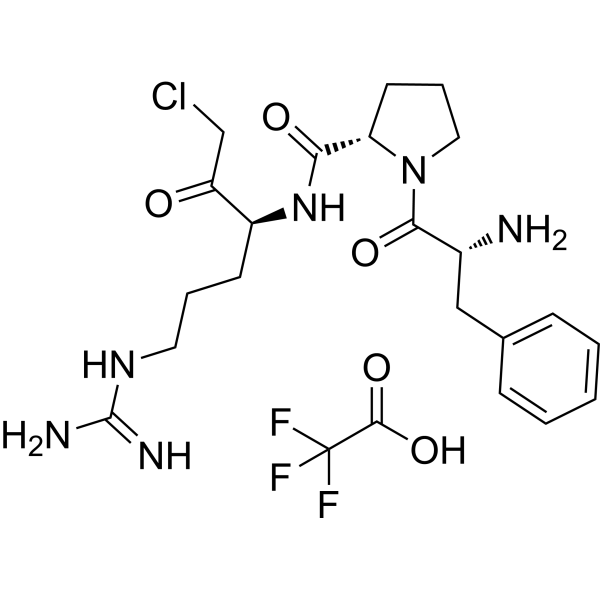
PPACK TFA is an orally active, selective molecular glue degrader targeting IKZF2. Through a molecular glue mechanism, PPACK TFA binds to CRBN, recruits IKZF2 to form a ternary complex, and promotes its ubiquitination and proteasomal degradation. This further converts inhibitory regulatory T cells (Treg) into effector-like T cells, enhances CD8 + T cell responses, and modulates the Teff:Treg balance. PPACK TFA also increases the production of the inflammatory cytokine IL-2 and reduces the suppressive activity of Treg. PPACK TFA can be used in cancer immunotherapy research, and exhibits a synergistic effect when combined with immune checkpoint inhibitors such as anti-PD1 .
|
-
-
- HY-13032B
-
|
GSK 525762C; I-BET 762 besylate
|
Epigenetic Reader Domain
ERK
|
Cancer
|
|
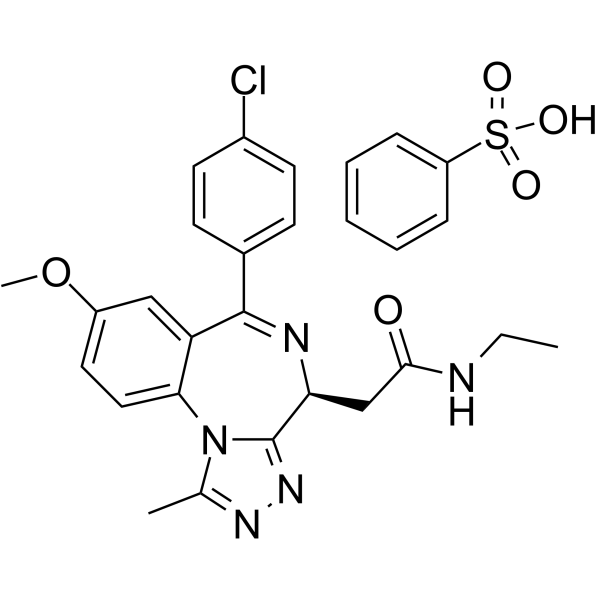
Molibresib besylate (GSK 525762C; I-BET 762 besylate) is an orally active pan-BET inhibitor that targets and binds to BRD2, BRD3, BRD4 and BRDT. By competitively occupying acetylated lysine binding sites, Molibresib besylate disrupts the interaction between BET proteins and chromatin, thereby effectively inhibiting MYC expression and target gene transcription. Molibresib besylate exhibits broad antiproliferative activity, which not only inhibits cancer cell growth and induces growth arrest, but also downregulates mitosis-related genes and upregulates the level of p-ERK1/2. When combined with MEK inhibitors, Molibresib besylate shows a significant synergistic effect, reduces tumor burden in mouse models of leukemia, modulates the immune microenvironment and prolongs survival. Molibresib besylate is widely applicable to research related to acute myeloid leukemia, multiple myeloma, triple-negative breast cancer, small-cell lung cancer and various advanced refractory solid tumors .
|
-
-
- HY-15244A
-
|
BYL-719 hydrochloride
|
PI3K
Apoptosis
|
Cancer
|
|
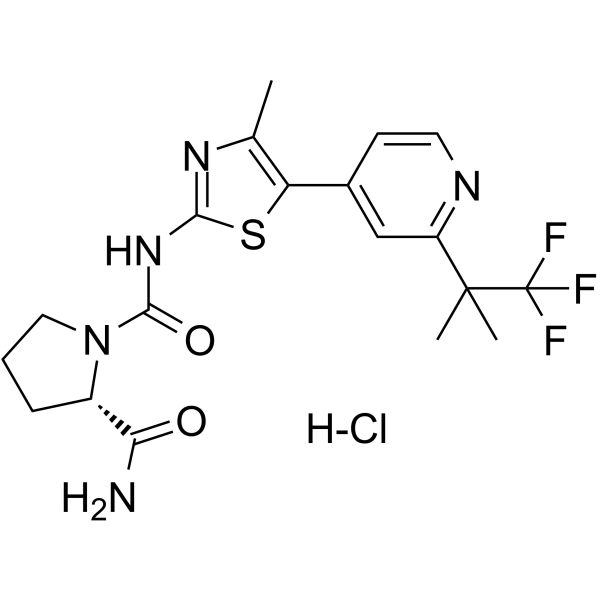
Alpelisib (BYL-719) hydrochloride is an orally active PI3Kα-selective inhibitor that blocks the conversion of PIP2 to PIP3, thereby inhibiting pathways including PI3K/AKT/mTOR, MAPK/ERK, Notch and JAK-STAT. Alpelisib hydrochloride also induces apoptosis, G0/G1 phase arrest and senescence; it significantly inhibits the proliferation, self-renewal, stemness and epithelial-mesenchymal transition (EMT) of tumor cells, reduces cancer stem cell populations and decreases the expression of stem cell markers. Alpelisib hydrochloride not only enhances the sensitivity to Eribulin (HY-13442) and exerts a synergistic effect with Paclitaxel (HY-B0015), but may also induce drug resistance by upregulating the SGK3/GSK3β/β-catenin signaling pathway. Alpelisib hydrochloride can be applied to research related to breast cancer, gastric cancer and lipomas associated with PTEN hamartoma tumor syndrome .
|
-
-
- HY-16160
-
|
|
Autophagy
ICMT
|
Neurological Disease
Cancer
|
|
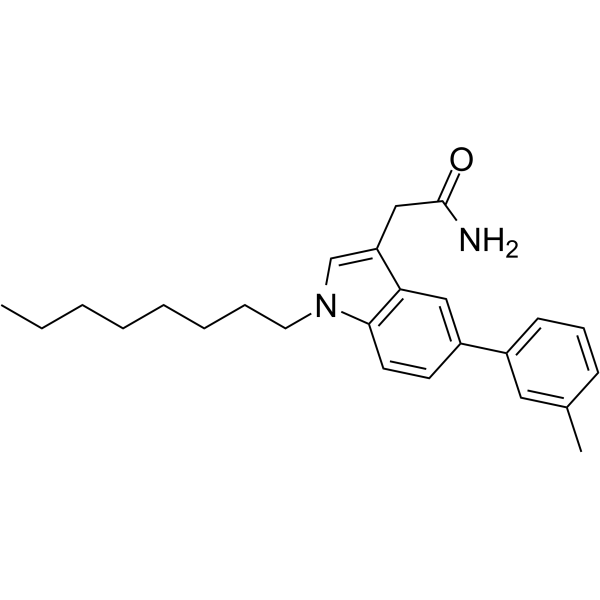
Cysmethynil is an Icmt inhibitor(IC50 = 2.4 μM). Cysmethynil inhibites RAS membrane binding and EGF signal transduction. Cysmethynil prevents the cells in the G1 phase and induces autophagy. Cysmethynil inhibits PC3 cells proliferation, has synergistic effect with Paclitaxel (HY-B0015) and Doxorubicin (HY-15142A). Cysmethynil has anti-tumor effects and can be used for solid tumor (such as prostate cancer et al.) research .
|
-
-
- HY-N0248
-
|
|
HCV
P-glycoprotein
|
Infection
Cancer
|
|
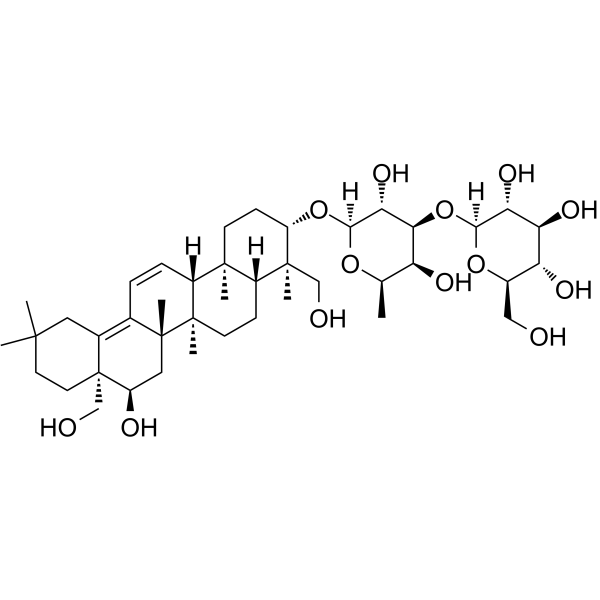
Saikosaponin B2 is an antiviral and anticancer agent that regulates multiple transporters (such as various solute carriers and ATP-binding cassette transporters including MRP1, MRP2, and OCT2). Saikosaponin B2 is isolated from the plant glycoside component of the roots of Bupleurum scorzonerifolium. Saikosaponin B2 enhances the liver targeting of anticancer drugs via vinegar-baked Radix Bupleuri. Saikosaponin B2 inhibits HCV entry, replication, and translation, is effective against Daclatasvir (HY-10466)-resistant strains, and exerts a synergistic effect when used in combination with Daclatasvir. Saikosaponin B2 is commonly used in studies related to hepatocellular carcinoma and HCV infection .
|
-
-
- HY-P5589
-
|
PlnA
|
Bacterial
Reactive Oxygen Species (ROS)
|
Infection
Inflammation/Immunology
|
|
Plantaricin A is an antimicrobial peptide that can be derived from Lactobacillus plantarum. Plantaricin A has a synergistic effect with Ciprofloxacin. Plantaricin A shows anti-microbial activity. Plantaricin A increases the membrane potential of S. aureus and the level of intracellular ROS. Plantaricin A inhibits the function of the efflux pump by binding it and altering the structure of MepA, NorA, and LmrS. Plantaricin A significantly relieves inflammation, and promotes wound healing. Plantaricin A permeabilizes cancerous rat pituitary cells [1][2].
|
-

-
- HY-122542A
-
|
Pebac; D-Phenylalanyl-prolyl-arginyl Chloromethyl Ketone; D-Phe-Pro-Arg-CH2Cl
|
Ligands for E3 Ligase
Molecular Glues
IKZF Family
|
Cardiovascular Disease
|
|
PPACK dihydrochloride is an orally active, selective molecular glue degrader targeting IKZF2. Through a molecular glue mechanism, PPACK dihydrochloride binds to CRBN, recruits IKZF2 to form a ternary complex, and promotes its ubiquitination and proteasomal degradation. This further converts inhibitory regulatory T cells (Treg) into effector-like T cells, enhances CD8 + T cell responses, and modulates the Teff:Treg balance. PPACK dihydrochloride also increases the production of the inflammatory cytokine IL-2 and reduces the suppressive activity of Treg. PPACK dihydrochloride can be used in cancer immunotherapy research, and exhibits a synergistic effect when combined with immune checkpoint inhibitors such as anti-PD1 .
|
-

-
- HY-159647
-
|
|
Molecular Glues
Ligands for E3 Ligase
IKZF Family
|
Cancer
|
|
PLX-4545 is an orally active, selective molecular glue degrader targeting IKZF2. Through a molecular glue mechanism, PLX-4545 binds to CRBN, recruits IKZF2 to form a ternary complex, and promotes its ubiquitination and proteasomal degradation. This further converts inhibitory regulatory T cells (Treg) into effector-like T cells, enhances CD8 + T cell responses, and modulates the Teff:Treg balance. PLX-4545 also increases the production of the inflammatory cytokine IL-2 and reduces the suppressive activity of Treg. PLX-4545 can be used in cancer immunotherapy research, and exhibits a synergistic effect when combined with immune checkpoint inhibitors such as anti-PD1 .
|
-

-
- HY-160409
-
|
|
Topoisomerase
Apoptosis
|
Cancer
|
|
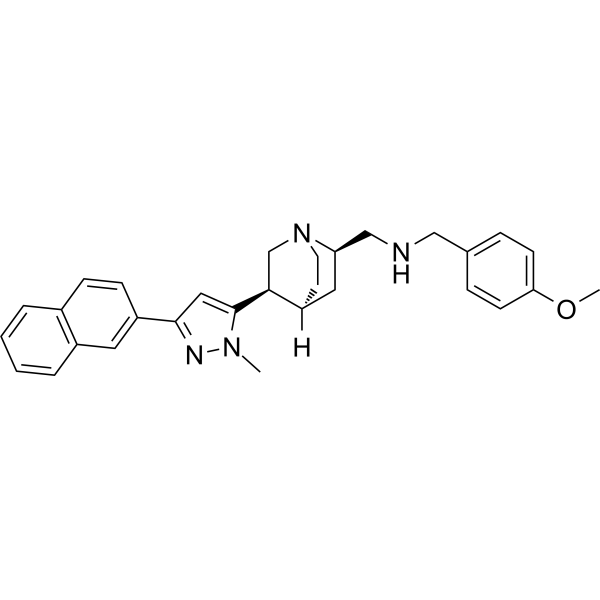
TopBP1-IN-1 is a TopBP1 inhibitor. TopBP1-IN-1 has a synergistic effect with PARP inhibitors. TopBP1-IN-1 has antitumor activity .
|
-
-
- HY-106892
-
|
348U87
|
DNA/RNA Synthesis
|
Infection
|
|
BW 348U87 is an inhibitor for ribonucleotide reductase, which exhibits synergistic effect with Acyclovir (HY-17422), potentiate the antiviral activity of Acyclovir against herpes simplex virus (HSV) in athymic nude mouse model .
|
-

-
- HY-161765
-
|
|
HSP
STAT
|
Cancer
|
|
iHSP110-33 is an inhibitor for heat shock protein 110 (HSP110). iHSP110-33 exhibits antitumor efficacy agaisnt large B-cell lymphoma and classical Hodgkin lymphoma. iHSP110-33 shows a synergistic effect with Selinexor (HY-17536), inhibits the STAT6 phosphorylation, and enhances its antitumor activity. .
|
-

-
- HY-155248
-
|
|
HDAC
|
Cancer
|
|
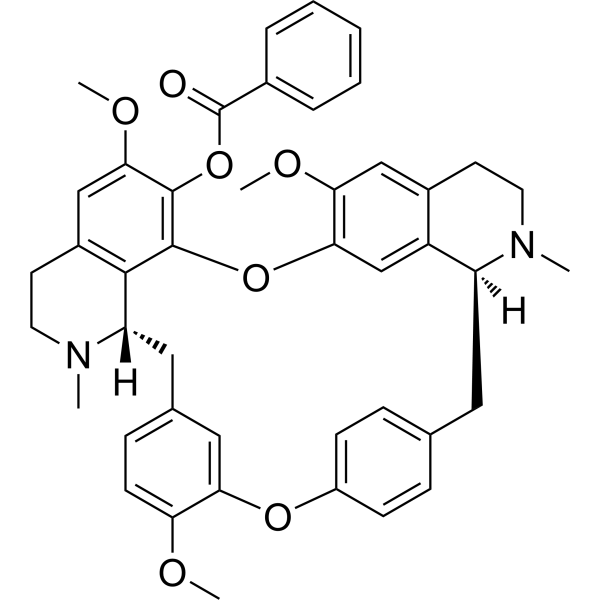
HL23 is a histone deacetylase (HDAC) inhibitor with activity against hepatocellular carcinoma (HCC). HL23 enhances acetylation of the TXNIP promoter and upregulates TXNIP expression, thereby mediating potassium channel activity and triggering TXNIP-dependent potassium deprivation. HL23 inhibits HCC progression and metastasis and has a synergistic effect with Sorafenib (HY-10201) and is more potent than Sorafenib+Vorinostat (HY-10221) .
|
-
-
- HY-N2452
-
|
|
GLP Receptor
|
Cardiovascular Disease
Infection
Metabolic Disease
|
|
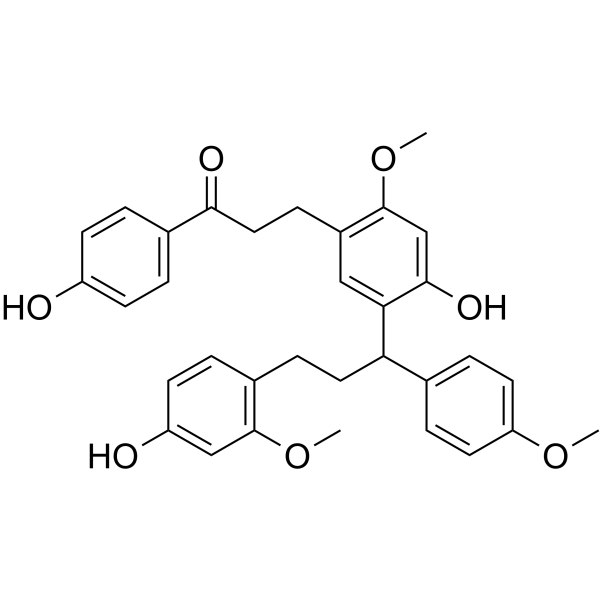
Cochinchinenin C is a GLP-1R agonist that binds to the extracellular domain of the receptor via hydrophobic interactions and hydrogen bonds, and promotes glucose-dependent insulin secretion from pancreatic β-cells. Cochinchinenin C also increases intracellular cAMP and ATP levels. At low concentrations, Cochinchinenin C binds to human serum albumin, alters its microenvironment, and induces dominant static fluorescence quenching. Cochinchinenin C shows almost no cytotoxicity to pancreatic β-cells, and exerts a synergistic effect with Loureirin A (HY-N1505) when binding to human serum albumin. Cochinchinenin C has been widely used in studies of type 2 diabetes, Helicobacter pylori infection, thrombotic diseases, and other conditions .
|
-
-
- HY-W570886
-
|
|
DNA/RNA Synthesis
|
Cancer
|
|
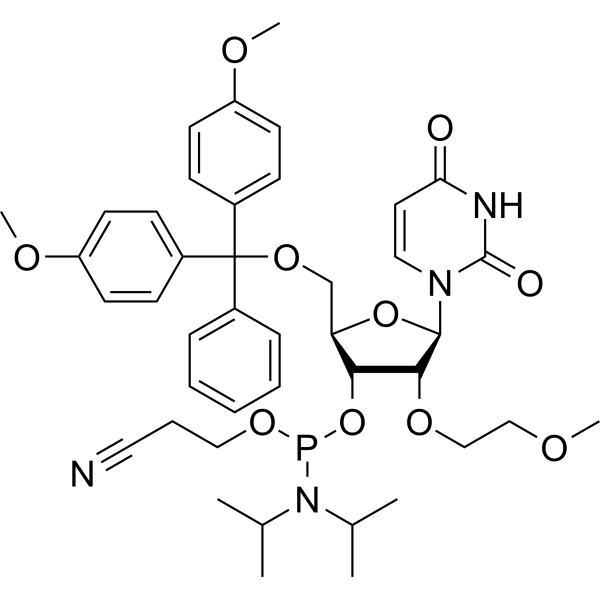
2'-O-MOE-U is a nucleic acid modification group (Phosphoramidite) with 3'-exonuclease inhibitory activity. 2'-O-MOE-U also exhibits gene silencing activity and double-stranded oligonucleotide stability. By forming steric interactions with 3'-exonuclease residues, 2'-O-MOE-U anchors the 3'-end of the siRNA guide strand in the hAgo2 PAZ domain, thereby regulating double-stranded thermal stability and enhancing base-pairing specificity. 2'-O-MOE-U does not induce IFNα production, can be incorporated at multiple sites of siRNA to enhance RNAi activity, and produces a synergistic effect with 2'-F modification. 2'-O-MOE-U has been widely used in studies related to breast cancer and other diseases .
|
-
-
- HY-P5641
-
|
|
Bacterial
p38 MAPK
NF-κB
NADH Dehydrogenase
Antibiotic
|
Infection
Inflammation/Immunology
|
|
Pleurocidin is an Antimicrobial peptide. Pleurocidin is derived from the skin mucosa or intestinal secretions of Pseudopleuronectes americanus. Pleurocidin inhibits the expression of key proteins in the MAPK and NF-κB inflammatory signaling pathways. Pleurocidin alters serum inflammatory and immune cytokine levels, regulates the down-regulation of tight junction proteins, and modulates the intestinal flora. Pleurocidin exerts antibacterial activity by inducing bacterial membrane damage, hydroxyl radical formation, and NADH depletion, and also produces a synergistic effect with Antibiotics. Pleurocidin alleviates DSS-induced ulcerative colitis. Pleurocidin can be used for research on ulcerative colitis, bacterial infections, and bacterial biofilm-related infections .
|
-

-
- HY-170524
-
|
|
SARS-CoV
DNA Methyltransferase
Cytochrome P450
|
Infection
|
|
TDI-015051 is a highly selective, orally active antiviral agent that targets the coronavirus NSP14 guanine-N7 methyltransferase. TDI-015051 binds to substrates in a non-competitive manner and forms a stable ternary complex, precisely blocking the capping and methylation processes of viral mRNA. TDI-015051 potently inhibits a variety of coronaviruses (including SARS-CoV-2 and MERS). By impairing viral replication and translation and inducing a moderate type I interferon-mediated immune response, it significantly reduces pulmonary viral load and exhibits a synergistic effect with Nirmatrelvir (HY-138687). In addition, TDI-015051 does not inhibit non-coronavirus methyltransferases, and the drug-resistant mutations it induces impair viral fitness, demonstrating excellent antiviral properties and safety. TDI-015051 can be used for research on COVID-19 and the replication mechanism of coronaviruses .The IC50 values of TDI-015051 against SARS-CoV-2, α-hCoV-NL63, α-hCoV-229E, β-hCoV-MERS are 0.15 nM, 1.7 nM, 2.6 nM and 3.6 nM, respectively, and the Ka value against SARS-CoV-2 is 0.061 nM .
|
-

-
- HY-155036
-
-
-
- HY-N10313
-
|
|
Bcl-2 Family
Keap1-Nrf2
Apoptosis
|
Cancer
|
|
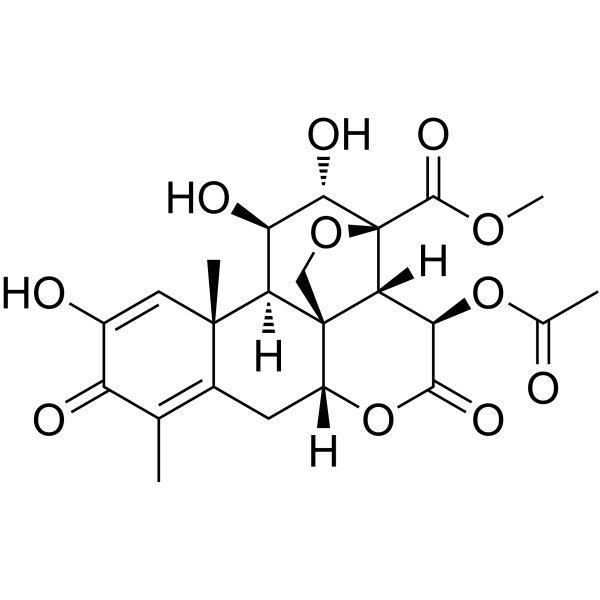
Dehydrobruceine B, a quassinoid, can be isolated from Brucea javanica. Dehydrobruceine B shows a synergistic effect with Cisplatin (HY-17394) to induce apoptosis via mitochondrial method. Dehydrobruceine B increases apoptosis-inducing factor (AIF) and Bax expression and suppresses Keap1-Nrf2 .
|
-
-
- HY-134914
-
|
|
Antibiotic
Parasite
|
Infection
|
|
Fosmidomycin is an orally active antibiotic, which exhibits antimalarial activity through inhibition of 1-deoxy-D-xylulose 5-phosphate reductoisomerase (DOXP reductoisomerase). Fosmidomycin inhibits P. falciparum strains 3D7, HB3, Dd2 and A2, with IC50s of 150, 71, 170 and 150 ng/mL, respectively. Fosmidomycin exhibits synergistic effect with Clindamycin (HY-B1455), and ameliorates malaria in mouse model .
|
-

-
- HY-150280
-
|
|
Apoptosis
Ferroptosis
DNA/RNA Synthesis
IRE1
CDK
Caspase
Drug Derivative
|
Cancer
|
|
Ironomycin is a derivative of Salinomycin (HY-15597). Ironomycin exhibits selective inhibitory activity against mantle cell lymphoma (MCL) cells. Ironomycin blocks the cell cycle and induces apoptosis and ferroptosis. Ironomycin induces double-strand DNA breaks and activates the unfolded protein response (UPR), particularly the IRE1α signaling pathway accumulation. The combination of Ironomycin with Ibrutinib (HY-10997) shows a synergistic effect. Ironomycin can be used for the study of MCL.
|
-

-
- HY-W131101
-
|
|
Environmental Pollutants
Liposome
|
Others
|
|
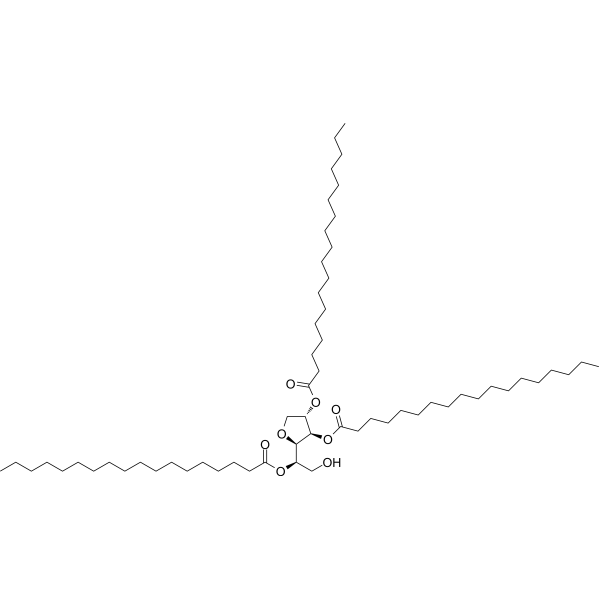
Sorbitan tristearate is a non-ionic surfactant, with a synergistic effect on skin permeability. Sorbitan tristearate can be used as an excipient, such as emulsifier. Pharmaceutical excipients, or pharmaceutical auxiliaries, refer to other chemical substances used in the pharmaceutical process other than pharmaceutical ingredients. Pharmaceutical excipients generally refer to inactive ingredients in pharmaceutical preparations, which can improve the stability, solubility and processability of pharmaceutical preparations. Pharmaceutical excipients also affect the absorption, distribution, metabolism, and elimination (ADME) processes of co-administered drugs .
|
-
-
- HY-122699
-
|
|
Beta-lactamase
Bacterial
|
Infection
|
|
LN-1-255 sodium is a β-lactamase inhibitor. LN-1-255 sodium has broad-spectrum inhibitory effect on type D carbapenemases (CHDLs) with an IC50 for OXA-48 of 3 nM, and it also has strong activity against OXA-23, OXA-24/40, etc. LN-1-255 sodium combined with carbapenem antibiotics has a synergistic effect. LN-1-255 sodium can be used to study the bacterial resistance crisis caused by CHDLs .
|
-

-
- HY-178019
-
|
|
Beta-lactamase
Bacterial
|
Infection
|
|
NDM-1-IN-10 (Compound CS-23) is an irreversible and covalent New Delhi metallo-β-lactamase-1 (NDM-1) inhibitor with an IC50 of 36 nM. NDM-1-IN-10 shows a synergistic effect with Meropenem (HY-13678) against NDM-1-expressing E. coli ( MIC of 0.25 μg/mL for E. coli BL21/pET15b-blaNDM-1). NDM-1-IN-10 can be used for bacterial infections research .
|
-

-
- HY-123577
-
|
|
Histone Demethylase
Apoptosis
|
Cancer
|
|
TPC-144 is a LSD1/KDM1A inhibitor. TPC-144 inhibits LSD1, and leads to a decrease in the protein level of DNMT1, causing low methylation of the LINE-1 element. TPC-144 can also produce a synergistic effect with Decitabine (HY-A0004) (a DNMT inhibitor), jointly promoting DNA demethylation and thereby inducing differentiation and apoptosis of leukemia cells. TPC-144 has also demonstrated anti-tumor efficacy in acute myeloid leukemia (AML) models. TPC-144 can be used for the study of AML .
|
-

-
- HY-162972
-
|
|
PROTACs
PD-1/PD-L1
|
Cancer
|
|
PROTAC PD-L1 degrader-2 (Compound 9i) is a PROTAC degrader for PD-L1, that inhibits PD-L1 with an IC50 of 197.4 nM and exhibits an affinity with PD-L1 with a Kd of 301 nM. PROTAC PD-L1 degrader-2 promotes the internalization of PD-L1 on the cell membrane, and induces PD-L1 degradation via the synergistic effect of the proteasome and lysosomal pathways. PROTAC PD-L1 degrader-2 can activate the immune system, and exhibits antitumor efficacy in MC38 C57BL/6 mouse model .
|
-

-
- HY-168722
-
|
|
PARP
PROTACs
|
Cancer
|
|
PROTAC PARP1 degrader-3 (Compound C6) is a PROTAC degrader for PARP1 with a DC50 of 58.14 nM. PROTAC PARP1 degrader-3 exhibits cytotoxicity in cancer cell SW-620 and LOVO with IC50 of 1.63 μM and 2.84 μM. PROTAC PARP1 degrader-3 exhibits a synergistic effect with SN-38 (HY-13704) in BRCA-mutated colon cancer cell with a combination index (CI) of 0.487. (Blue: Ligand for E3 ligase Cereblon (HY-23095); Pink: Ligand for target protein (HY-10619); Black: Linker (HY-16872))
|
-

-
- HY-173064
-
|
|
HDAC
Parasite
|
Infection
Cancer
|
|
DS-103 is an inhibitor for HDAC that inhibits HDAC1, HDAC2, HDAC3, HDAC6 and HDAC8 with IC50s of 0.029, 0.123, 0.022, 0.367 and 9.26 μM, respectively. DS-103 inhibits Plasmodium falciparum 3D7 with IC50 of 5.08 μM. DS-103 exhibits cytotoxicity in cells A2780 and Cal27 with IC50 of 1.48 μM and 1.47 μM, reverses Cisplatin (HY-17394) resistance in A2780 and Cal27 with IC50 of 4.62 μM and 2.23 μM. DS-103 exhibits synergistic effect with Cisplatin (HY-17394), enhances Cisplatin-induced apoptosis .
|
-

-
- HY-117443
-
|
|
Guanylate Cyclase
|
Cardiovascular Disease
|
|
IWP-051 is an agonist for soluble guanylate cyclase with an EC50 of 290 nM. IWP-051 stimulates the generation of cGMP, and exhibits the synergistic effect with NO. IWP-051 exhibits good pharmacokinetic characteristics in rats .
|
-

-
- HY-161870
-
|
|
Antibiotic
|
Infection
|
|
Antibiotic adjuvant 1 (compound 3e) is an antibiotic adjuvant that presents insufficient antibacterial activity (MIC > 128 µg/mL) and potentiate the activity of Cloxacillin (HY-B0466A)(66-fold) with synergistic effect .
|
-

-
- HY-B1843
-
|
BAY 33172; Furidazole
|
Environmental Pollutants
Fungal
|
Infection
|
|
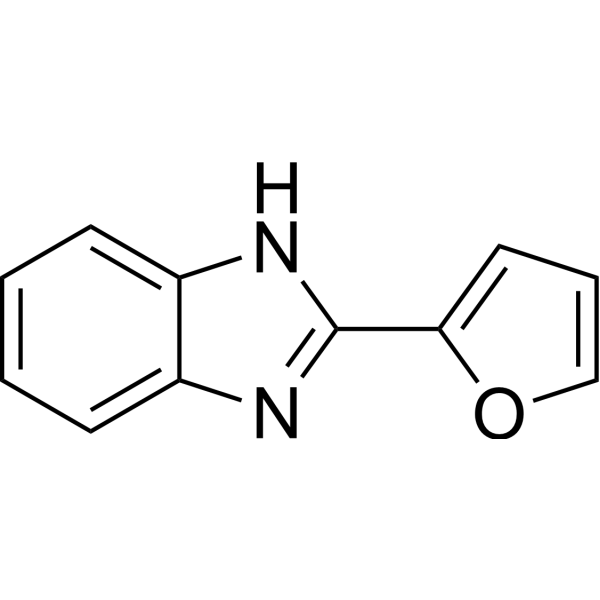
Fuberidazole (BAY 33172; Furidazole) is a fungicide. Fuberidazole shows a synergistic effect with cucurbituril (CB) macromolecules, such as CB7 and CB8. Studies have shown that, CB8 induces pKa shifts on Fuberidazole. Fuberidazole significantly inhibits the growth of B. cinerea .
|
-
-
- HY-P3607
-
|
bGRF(1-44)-NH2
|
GHSR
|
Endocrinology
|
|
GHRF, bovine (bGRF(1-44)-NH2) is the bovine growth hormone (GH)-releasing factor (GHRF). GHRF, bovine increases the release of bovine GH, and shows a synergistic effect with Hydrocortisone (HY-N0583) .
|
-

-
- HY-153788
-
|
|
Casein Kinase
|
Cancer
|
|
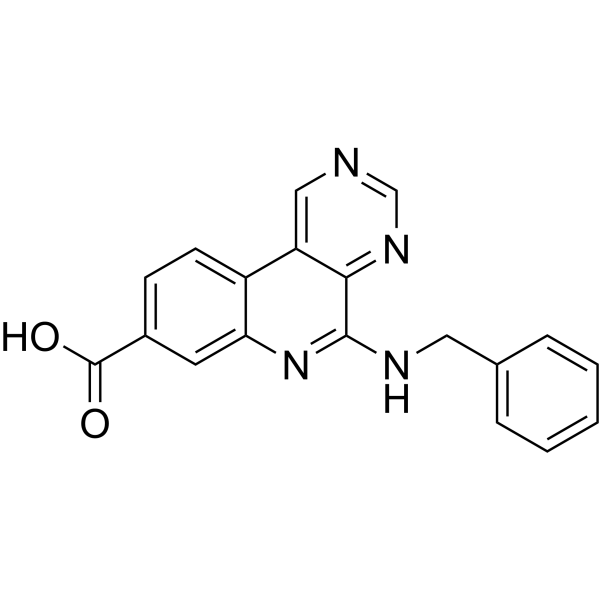
CK2-IN-7 (compound 2) is an inhibitor of casein kinase 2 (CK2). CK2-IN-7 shows synergistic effect with structurally distinct CK2 chemical probe: SGC-CK2-1, against cancer .
|
-
-
- HY-156573
-
|
|
DGK
|
Cancer
|
|
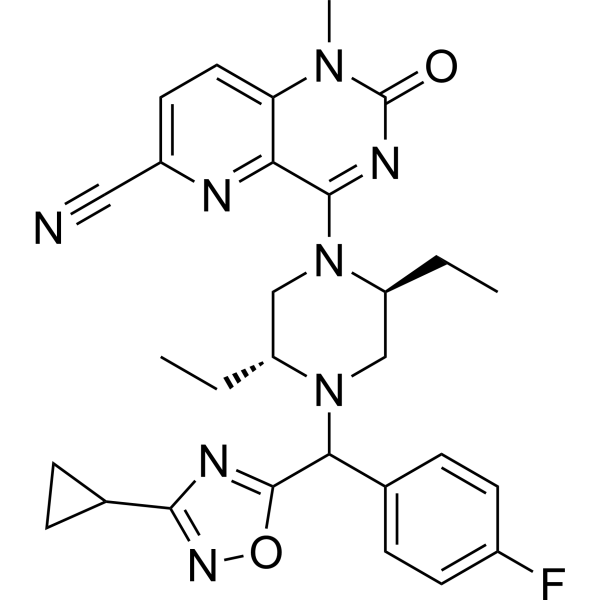
DGKα/ζ-IN-1 (Compound II) is a DGK target inhibitor. DGKα/ζ-IN-1 can enhance the function of T cells, and has a synergistic effect with PD-1, which has therapeutic effects IN both immune and tumor .
|
-
-
- HY-B1843R
-
|
BAY 33172 (Standard); Furidazole (Standard)
|
Reference Standards
Fungal
|
Infection
|
|
Fuberidazole (Standard) is the analytical standard of Fuberidazole. This product is intended for research and analytical applications. Fuberidazole (BAY 33172; Furidazole) is a fungicide. Fuberidazole shows a synergistic effect with cucurbituril (CB) macromolecules, such as CB7 and CB8. Studies have shown that, CB8 induces pKa shifts on Fuberidazole. Fuberidazole significantly inhibits the growth of B. cinerea .
|
-

-
- HY-161516
-
|
|
HDAC
|
Cancer
|
|
HDAC6-IN-42 (compound 2b) is an HDAC6 inhibitor (IC50=0.009 μM). HDAC6-IN-42 shows significant anti-leukemia activity and synergistic effect with Decitabine (HY-A0004). HDAC6-IN-42 can be used for the AML research .
|
-

-
- HY-N1791
-
|
|
Others
|
Infection
|
|
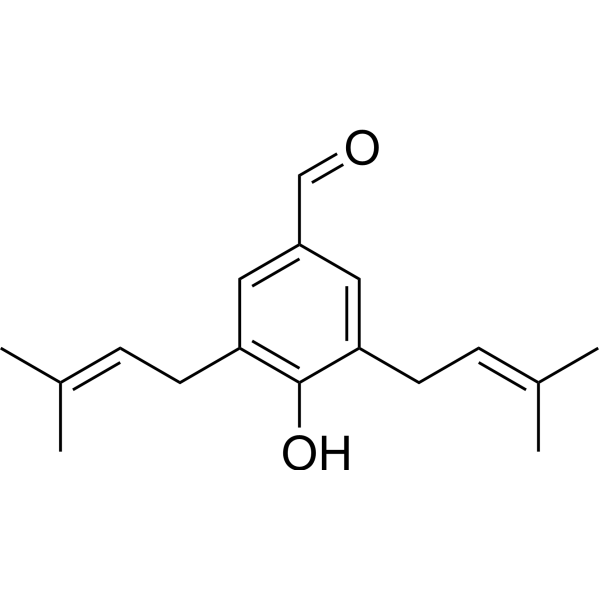
3, 5-diprenyl-4-hydroxybenzaldehyde is an isoprene phenyl butyl aldehyde. 3, 5-diprenyl-4-hydroxybenzaldehyde had the ability to inhibit biofilm formation in strains. 3, 5-diprenyl-4-hydroxybenzaldehyde can be used to study the potential synergistic effect of clinically relevant antibiotics .
|
-
-
- HY-128355A
-
|
|
Indoleamine 2,3-Dioxygenase (IDO)
|
Others
Cancer
|
|
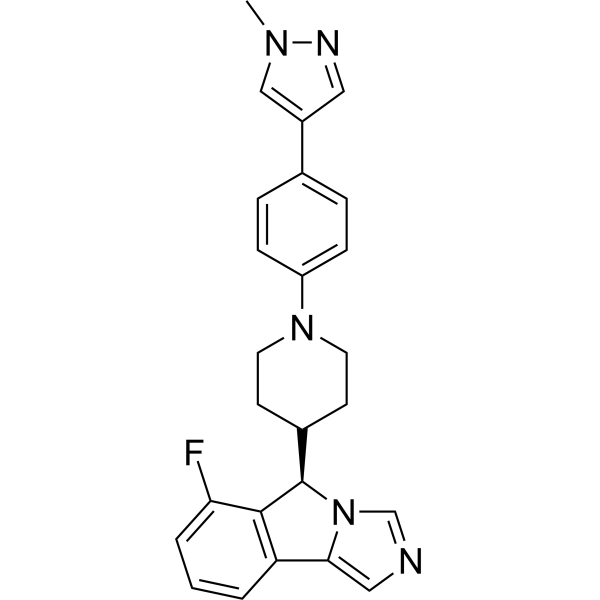
(R)-IDO/TDO-IN-1 (compound 25) is an indoleamine-2,3-dioxygenase (IDO) inhibitor, with good pharmacokinetic properties. (R)-IDO/TDO-IN-1 exhibits anti-tumor activity in MC38 xenograft model. (R)-IDO/TDO-IN-1 shows synergistic effect with anti-PD-1 monoclonal antibody (SHR-1210) .
|
-
-
- HY-149881
-
|
|
Bacterial
|
Infection
|
|
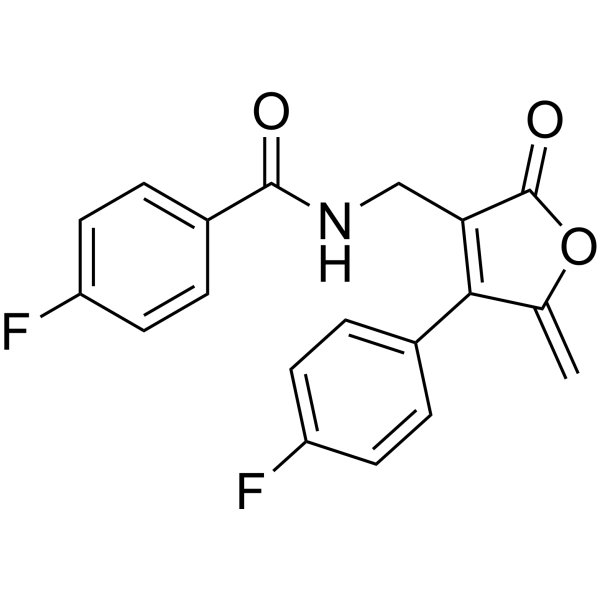
Quorum sensing-IN-2 (compound 23e) is a quorum sensing inhibitor, which can reduce the pathogenicity of bacteria without affecting bacterial growth. Quorum sensing-IN-2 inhibits bacterial infections with little hemolytic activity. Quorum sensing-IN-2 shows synergistic effect with Ciprofloxacin (HY-B0356) in the bacteremia model infected with P. aeruginosa PAO1 .
|
-
-
- HY-N15297
-
|
|
P-glycoprotein
|
Cancer
|
|
Isotenulin inhibits the efflux function of P-glycoprotein by stimulation of P-glycoprotein ATPase, thereby overcoming the multidrug resistance (MDR) of cancer cells. Isotenulin exhibits cytotoxicity in multidrug-resistant cancer cell KB-vin and sensitive cancer cell HeLaS3. Isotenulin exhibits synergistic effect with Paclitaxel (HY-B0015), Vinblastine (HY-13780) and Doxorubicin (HY-15142) .
|
-

- HY-144876
-
|
|
Reactive Oxygen Species (ROS)
|
Cancer
|
|
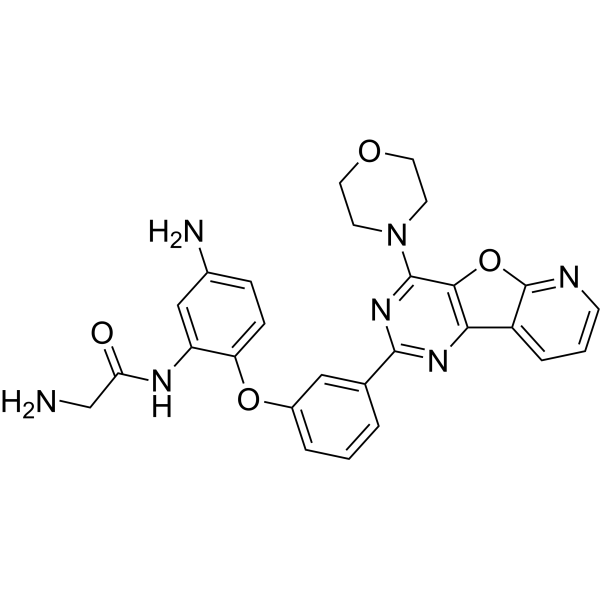
RIDR-PI-103 is a reactive oxygen species (ROS)-induced agent release proagent with a self-cyclizing moiety linked to a pan-PI3K inhibitor (PI-103). Doxorubicin and RIDR-PI-103 shows a synergistic effect in MDA-MB-361 and MDA-MB-231 cells to inhibit cancer cell proliferation .
|
-
- HY-167715
-
|
|
Histamine Receptor
Phosphodiesterase (PDE)
|
Inflammation/Immunology
|
|
Traxanox is an orally available diuretic that enhances phagocytosis of yeast granules by mouse peritoneal macrophages and rat peritoneal polymorphonuclear leukocytes in vitro.
Traxanox inhibits IgE-mediated histamine release and cyclic AMP phosphodiesterase
activity.Traxanox exhibits anti-inflammatory activity, as it inhibits the anaphylactoid reaction and reduces pleural fluid accumulation in experimental models of inflammation. Traxanox also demonstrates a synergistic effect when combined with hydrocortisone or indomethacin in suppressing adjuvant arthritis in rats.
|
-

- HY-143236
-
|
|
Bacterial
Fungal
|
Infection
|
|
DHFR-IN-1 (compound 12) is a potent and selective DHFR (dihydrofolate reductase)inhibitor, with an IC50 of 40.71 nM. DHFR-IN-1 exhibits promising antibacterial activity against gram-positive and gram-negative bacteria. DHFR-IN-1 exhibits moderate antifungal activities. DHFR-IN-1 exhibits a high synergistic effect with Levofloxacin (HY-B0330), where the FIC (fractional inhibitory concentration index) value is 0.249 .
|
-
- HY-133002
-
|
Sterculic acid methyl ester; Methyl Sterculate
|
Bacterial
|
Infection
|
|
Sterculic acid methyl ester is an ester form of sterculic acid, which is an inhibitor of Δ9 desaturase. Sterculic acid methyl ester (0.75 mM) inhibits the growth of, and is toxic to, the bacteria R. opacus. It decreases the fatty acid content, increases the ratio of palmitate to other fatty acids, and decreases the levels of stearate and oleate in R. opacus when used at concentrations of 0.25 or 0.5 mM. Sterculic acid methyl ester (50 ppm) has a synergistic effect on increased tumor growth induced by aflatoxin Q1 in rainbow trout.
|
-

- HY-118013
-
|
|
Bacterial
|
Infection
|
|
NDM-1 inhibitor-2 is an inhibitor of New Delhi metallo-β-lactamase-1 (NDM-1) and has the ability to inhibit NDM-1 activity. NDM-1 inhibitor-2 exhibits a good inhibitory effect on drug-resistant bacterial strains that overexpress NDM-1. When NDM-1 inhibitor-2 is used in combination with the carbapenem antibiotic meropenem, a favorable synergistic effect can be produced .
|
-

- HY-175779
-
|
|
Phosphodiesterase (PDE)
|
Cancer
|
|
TDP1-IN-4 (Compound 33) is a Tyrosyl-DNA phosphodiesterase 1 (TDP1) inhibitor with an IC50 of 0.90 μM. TDP1-IN-4 has a strong synergistic effect with Camptothecin (HY-16560) in SK-Mel-2 cells, but not in cancer cells (A549, HCT-116 and MCF-7 cells) and non-cancerous Ges-1 cells. TDP1-IN-4 can be used for cancer chemotherapy and radiotherapy research .
|
-

- HY-19200
-
|
|
Neprilysin
Angiotensin-converting Enzyme (ACE)
|
Cardiovascular Disease
|
|
RB-105 is an inhibitor of angiotensin-converting enzyme (ACE) (Ki = 4.2 nM) and neutral endopeptidase (NEP) (Ki = 1.7 nM). RB-105 after inhibiting ACE reduces the production of Ang II and increase the level of bradykinin. RB-105 after inhibiting NEP increases the level of natriuretic peptide and further increases the level of bradykinin, thereby generating a powerful synergistic effect. RB-105 has significant antihypertensive and natriuretic effects in both spontaneously hypertensive rats and normal blood pressure rats. RB-105 can be used for research on hypertension .
|
-

- HY-134809A
-
|
CADA hydrochloride
|
HIV
|
Infection
|
|
Cyclotriazadisulfonamide (CADA) hydrochloride is a specific CD4-targeted HIV entry inhibitor with activity against HIV-1 replication. Cyclotriazadisulfonamide hydrochloride can specifically downregulate the expression of CD4 receptors on the cell surface, effectively inhibiting HIV transmission. Cyclotriazadisulfonamide hydrochloride can inhibit HIV-1(NL4.3) and SIV(mac251), and has a synergistic effect when used in combination with cellulose acetate (CAP). Cyclotriazadisulfonamide hydrochloride can also be used as a microbial gel formulation to maintain CD4 downregulation and antiviral activity, and is a broad-spectrum anti-HIV agent.
|
-

- HY-N0248R
-
|
|
Reference Standards
P-glycoprotein
HCV
|
Infection
Cancer
|
|
Saikosaponin B2 (Standard) is the analytical standard of Saikosaponin B2. This product is intended for research and analytical applications. Saikosaponin B2 is an antiviral and anticancer agent that regulates multiple transporters (such as various solute carriers and ATP-binding cassette transporters including MRP1, MRP2, and OCT2). Saikosaponin B2 is isolated from the plant glycoside component of the roots of Bupleurum scorzonerifolium. Saikosaponin B2 enhances the liver targeting of anticancer drugs via vinegar-baked Radix Bupleuri. Saikosaponin B2 inhibits HCV entry, replication, and translation, is effective against Daclatasvir (HY-10466)-resistant strains, and exerts a synergistic effect when used in combination with Daclatasvir. Saikosaponin B2 is commonly used in studies related to hepatocellular carcinoma and HCV infection .
|
-

- HY-10966R
-
|
|
Reference Standards
Raf
Apoptosis
|
Cancer
|
|
SB-590885 (Standard) is the analytical standard of SB-590885 (HY-10966). This product is intended for research and analytical applications. SB-590885 is a BRAF/c-Raf kinase inhibitor that selectively targets B-Raf, and it amplifies the ERK/MAPK signaling pathway in RAS-activated cells. SB-590885 effectively inhibits the malignant proliferation, transformation and tumorigenicity of oncogenic B-Raf cells; it also induces the proliferation of erythroid progenitor cells, delays their differentiation and promotes hemoglobin synthesis, thereby improving ineffective erythropoiesis and reducing apoptosis. SB-590885 exerts a synergistic effect with TGF-β inhibitors and glucocorticoids, significantly promoting the formation of erythroid colonies in cells from patients with Diamond-Blackfan anemia (DBA). SB-590885 is mainly used in relevant studies on DBA, cisplatin-induced myelosuppression-related anemia, and pan-cancers such as melanoma and colorectal cancer .
|
-

- HY-135451
-
|
|
Guanylate Cyclase
NO Synthase
|
Cardiovascular Disease
|
|
CFM 1571 is a soluble guanylyl cyclase (sGC) activator with an IC50 of ~5.5 μM. CFM 1571 activates sGC in a NO-independent manner and exerts a synergistic effect with NO. CFM 1571 inhibits platelet aggregation .
|
-

- HY-W551344
-
|
|
DNA/RNA Synthesis
|
Cancer
|
|
dCTPase-IN-1 is a highly selective deoxycytidine triphosphate pyrophosphatase 1 (dCTPase) inhibitor with an IC50 of 20 nM. dCTPase-IN-1 functionally inhibits dCTPase, exhibits a synergistic effect in enhancing cytotoxicity, and has no inherent cytotoxicity. dCTPase-IN-1 can be used for the research of leukemia .
|
-

- HY-181718
-
|
|
Necroptosis
TrxR
Reactive Oxygen Species (ROS)
|
Cancer
|
|
Necroptosis inducer 1 is a necroptosis inducer. Necroptosis inducer 1 inhibits the activity of thioredoxin reductase (TrxR), elevates intracellular ROS levels, triggers ROS-mediated necroptosis, and induces necroptosis-dependent immunogenic cell death. Necroptosis inducer 1 inhibits tumor growth, remodels the tumor immune microenvironment, and exerts a synergistic effect with anti-PD-1 in animal models. Necroptosis inducer 1 is applicable to the research of colon cancer .
|
-

- HY-183825
-
|
|
Epigenetic Reader Domain
c-Myc
|
Cancer
|
|
Eleven-Nineteen-Leukemia Protein IN-4 is a ENL YEATS domain inhibitor with an IC50 of 62.0 nM and a Kd of 100.4 nM. Eleven-Nineteen-Leukemia Protein IN-4 downregulates MYC expression and inhibits cancer cell growth; it exerts a synergistic effect with the bromodomain inhibitor JQ-1 (HY-13030). Eleven-Nineteen-Leukemia Protein IN-4 can be used in the research of acute myeloid leukemia .
|
-

- HY-181665
-
|
|
Ferroptosis
Glutathione Peroxidase
Reactive Oxygen Species (ROS)
Apoptosis
|
Neurological Disease
|
|
Ferroptosis-IN-23 is an inhibitor of ferroptosis. Ferroptosis-IN-23 exerts a synergistic effect by simultaneously activating Steap4 and glutathione peroxidase 4 (GPX4), thereby maintaining iron metabolism homeostasis. Ferroptosis-IN-23 reverses neuronal ferroptosis and inhibits lipid ROS accumulation in cells. Ferroptosis-IN-23 inhibits ferroptosis in zebrafish, alleviates neuronal apoptosis, ROS accumulation, and dopaminergic neuron damage in a zebrafish model of Parkinson's disease. Ferroptosis-IN-23 can be used for research on Parkinson's disease .
|
-

- HY-107176
-
|
(E)-HS-25
|
Drug Isomer
HCV
Acyltransferase
|
Infection
Metabolic Disease
|
|
(E)-Hyzetimibe ((E)-HS-25) (Compound I-1Z) is the trans isomer of Hyzetimibe (HY-107176A), a cholesterol-lowering agent. (E)-Hyzetimibe has cholesterol acyltransferase (ACTA) inhibitory activity, but its cholesterol-lowering effect is relatively weak. (E)-Hyzetimibe can inhibit the entry of hepatitis C virus (HCV) into host cells, and it has a synergistic effect when used in combination with interferon-α. (E)-Hyzetimibe can be used for the study of HCV infection .
|
-

- HY-183572
-
|
|
Acyltransferase
|
Neurological Disease
Cancer
|
|
BW813U is a blood-brain barrier-permeable choline acetyltransferase (ChAT) inhibitor. BW813U reduces acetylcholine secretion, decreases cancer cell viability, and slows tumor growth rate. BW813U alters reference memory and causes working memory dysfunction. BW813U shows a synergistic effect with age factors in memory deficits of rats. BW813U can be used in studies related to Alzheimer's disease and lung cancer .
|
-

- HY-182723
-
|
|
GPR84
|
Cancer
|
|
PSB-16671 is an allosteric agonist of GPR84. PSB-16671 recruits β-arrestins and couples to Gi, enhances the Gi activation potency of orthosteric agonists, and exerts a synergistic effect with orthosteric agonists. PSB-16671 promotes G protein activation and partial chemotaxis independent of GPR84 in mouse neutrophils, maintains the phagocytic function of macrophages against cancer cells without inducing receptor desensitization. PSB-16671 can be used in cancer-related research .
|
-

- HY-181404
-
|
|
Fungal
P-glycoprotein
|
Infection
|
|
PA36-2 is an Mdr1 inhibitor and azole resistance reversal agent, with a IC50 of 1.0 μg/mL and a Kd of 4.209 μM against Candida albicans Mdr1. By effectively inhibiting the activity of the Mdr1 efflux pump, PA36-2 prevents the pumping of substrates out of cells, enhances the intracellular accumulation of azole antibiotics, and exerts a synergistic effect with antifungal agents such as Fluconazole (FLC) (HY-B0101). PA36-2 can be used in the research of azole-resistant candidiasis .
|
-

- HY-P11399
-
|
|
Bacterial
Fungal
|
Infection
|
|
Tachyplesin-3 is a broad-spectrum cationic antimicrobial peptide. Tachyplesin-3 has inhibitory activity against Gram-positive bacteria, Gram-negative bacteria, fungi and enveloped viruses. Tachyplesin-3 binds to bacterial membrane lipopolysaccharides through positive charges, disrupting membrane integrity and causing leakage of cellular contents. Tachyplesin-3 interferes with bacterial adhesion and aggregation, prevents biofilm formation, and has a synergistic effect when used in combination with Piperacillin (HY-B1923) - Tazobactam (HY-B1418) (TZP) .
|
-

- HY-181751
-
|
|
Bacterial
|
Infection
|
|
FabI-IN-1 is a FabI (enoyl-acyl carrier protein reductase) inhibitor with a Ki of 0.32 μM against E. coli FabI. FabI-IN-1 inhibits exhibits activity against Gram-negative bacteria including Escherichia coli (MIC = 6.25 μM) and Klebsiella pneumoniae. FabI-IN-1 rescues Galleria mellonella larvae from lethal Escherichia coli infection. FabI-IN-1 exerts a synergistic effect with Colistin (HY-113678) against Escherichia coli. FabI-IN-1 can be used for the research of gram-negative bacterial infection .
|
-

- HY-18326
-
|
|
γ-secretase
Amyloid-β
|
Neurological Disease
|
|
BMS-869780 is an orally active non-acidic γ-secretase (γ-secretase) modulator. BMS-869780 regulates the activity of γ-secretase, thereby altering the production profile of β-amyloid proteins. When acting alone, it changes the relative levels of specific β-amyloid subtypes without inhibiting the total production of β-amyloid proteins. BMS-869780 exerts a synergistic effect with γ-secretase modulators of the acidic structural class to inhibit the total production of β-amyloid proteins in cell cultures .
|
-

- HY-107413R
-
|
BMS-649 (Standard)
|
Reference Standards
RAR/RXR
Tyrosine Hydroxylase
|
Neurological Disease
Inflammation/Immunology
|
|
SR11237 (Standard) is the analytical standard of SR11237 (HY-107413). This product is intended for research and analytical applications. SR11237 is a RXR activator and lipid metabolism regulator that promotes the differentiation of induced neural stem cells into dopaminergic (TH-positive) neurons. SR11237 induces transcriptional regulation of lipogenic genes and cholesterol transporters, increases glycosaminoglycan release, and elevates total cellular triglyceride levels. SR11237 promotes heterodimerization of RXR with Nurr1, thereby enhancing tyrosine hydroxylase expression and facilitating dopamine release. SR11237 produces a synergistic effect when used in combination with bFGF/EGF. SR11237 is mainly used in studies related to osteoarthritis and Parkinson's disease .
|
-

- HY-180561
-
|
|
Deubiquitinase
JAK
STAT
Apoptosis
|
Cancer
|
|
WWQ-03-012 is a selective deSUMOylating isopeptidases DESI2 inhibitor with an IC50 of 47.3 μM. WWQ-03-012 cans induce JAK2-V617F ubiquitination-proteasome degradation with no significant effect on wild-type JAK2. WWQ-03-012 can block JAK2-STAT3/5 signaling, inhibit cell proliferation and induce apoptosis. WWQ-03-012 has a synergistic effect in combination with Ruxolitinib (HY-50856), further enhancing its killing effect on JAK2 mutant cells. WWQ-03-012 can be used for the research of cancer, such as myeloproliferative neoplasms .
|
-

- HY-186086
-
|
|
Ras
|
Cancer
|
|
RM-041 is a selective, orally active KRAS G13C (ON) inhibitor that forms a covalent complex with KRAS G13C (ON) and Cyclophilin A. RM-041 blocks the binding of RAS effector proteins via steric hindrance, and then covalently binds to Cys-13 to form an irreversible inhibitory complex, thereby inhibiting the proliferation of KRAS G13C mutant cancer cells. RM-041 induces regression of KRAS G13C tumors in cellular and xenograft tumor models. RM-041 exerts a synergistic effect when combined with upstream node inhibitors (such as SHP2 inhibitors). RM-041 can be used for the research of non-small cell lung cancer .
|
-

- HY-175870A
-
|
|
Ras
ERK
|
Cancer
|
|
(7R)-Eras-4001 is an orally active KRAS mutant inhibitor with remarkable selectivity for H-RAS and N-RAS. (7R)-Eras-4001 effectively suppresses cancer cell viability by blocking downstream signaling pathways mediated by RAF family proteins, inhibiting the formation of the KRAS G12D-RAF1 RBD complex and the phosphorylation of ERK1/2. (7R)-Eras-4001 induces tumor growth inhibition and regression in a dose-dependent manner, and also reduces plasma ERK1/2 phosphorylation levels. (7R)-Eras-4001 exerts a synergistic effect with anti-PD-1 Cetuximab (HY-P9905). (7R)-Eras-4001 can be used in research on non-small cell lung cancer, pancreatic cancer, colorectal cancer, and ovarian cancer .
|
-

| Cat. No. |
Product Name |
Type |
-
- HY-W131101
-
|
|
Biochemical Assay Reagents
|
|
Sorbitan tristearate is a non-ionic surfactant, with a synergistic effect on skin permeability. Sorbitan tristearate can be used as an excipient, such as emulsifier. Pharmaceutical excipients, or pharmaceutical auxiliaries, refer to other chemical substances used in the pharmaceutical process other than pharmaceutical ingredients. Pharmaceutical excipients generally refer to inactive ingredients in pharmaceutical preparations, which can improve the stability, solubility and processability of pharmaceutical preparations. Pharmaceutical excipients also affect the absorption, distribution, metabolism, and elimination (ADME) processes of co-administered drugs .
|
| Cat. No. |
Product Name |
Target |
Research Area |
-
- HY-122542B
-
|
|
Ligands for E3 Ligase
Molecular Glues
IKZF Family
|
Cardiovascular Disease
|
|
PPACK TFA is an orally active, selective molecular glue degrader targeting IKZF2. Through a molecular glue mechanism, PPACK TFA binds to CRBN, recruits IKZF2 to form a ternary complex, and promotes its ubiquitination and proteasomal degradation. This further converts inhibitory regulatory T cells (Treg) into effector-like T cells, enhances CD8 + T cell responses, and modulates the Teff:Treg balance. PPACK TFA also increases the production of the inflammatory cytokine IL-2 and reduces the suppressive activity of Treg. PPACK TFA can be used in cancer immunotherapy research, and exhibits a synergistic effect when combined with immune checkpoint inhibitors such as anti-PD1 .
|
-
- HY-P5589
-
|
PlnA
|
Bacterial
Reactive Oxygen Species (ROS)
|
Infection
Inflammation/Immunology
|
|
Plantaricin A is an antimicrobial peptide that can be derived from Lactobacillus plantarum. Plantaricin A has a synergistic effect with Ciprofloxacin. Plantaricin A shows anti-microbial activity. Plantaricin A increases the membrane potential of S. aureus and the level of intracellular ROS. Plantaricin A inhibits the function of the efflux pump by binding it and altering the structure of MepA, NorA, and LmrS. Plantaricin A significantly relieves inflammation, and promotes wound healing. Plantaricin A permeabilizes cancerous rat pituitary cells [1][2].
|
-
- HY-P5641
-
|
|
Bacterial
p38 MAPK
NF-κB
NADH Dehydrogenase
Antibiotic
|
Infection
Inflammation/Immunology
|
|
Pleurocidin is an Antimicrobial peptide. Pleurocidin is derived from the skin mucosa or intestinal secretions of Pseudopleuronectes americanus. Pleurocidin inhibits the expression of key proteins in the MAPK and NF-κB inflammatory signaling pathways. Pleurocidin alters serum inflammatory and immune cytokine levels, regulates the down-regulation of tight junction proteins, and modulates the intestinal flora. Pleurocidin exerts antibacterial activity by inducing bacterial membrane damage, hydroxyl radical formation, and NADH depletion, and also produces a synergistic effect with Antibiotics. Pleurocidin alleviates DSS-induced ulcerative colitis. Pleurocidin can be used for research on ulcerative colitis, bacterial infections, and bacterial biofilm-related infections .
|
-
- HY-P3607
-
|
bGRF(1-44)-NH2
|
GHSR
|
Endocrinology
|
|
GHRF, bovine (bGRF(1-44)-NH2) is the bovine growth hormone (GH)-releasing factor (GHRF). GHRF, bovine increases the release of bovine GH, and shows a synergistic effect with Hydrocortisone (HY-N0583) .
|
-
- HY-P11399
-
|
|
Bacterial
Fungal
|
Infection
|
|
Tachyplesin-3 is a broad-spectrum cationic antimicrobial peptide. Tachyplesin-3 has inhibitory activity against Gram-positive bacteria, Gram-negative bacteria, fungi and enveloped viruses. Tachyplesin-3 binds to bacterial membrane lipopolysaccharides through positive charges, disrupting membrane integrity and causing leakage of cellular contents. Tachyplesin-3 interferes with bacterial adhesion and aggregation, prevents biofilm formation, and has a synergistic effect when used in combination with Piperacillin (HY-B1923) - Tazobactam (HY-B1418) (TZP) .
|
| Cat. No. |
Product Name |
Target |
Research Area |
Image |
-
- HY-P99364
-
|
Anti-VEGFR1/FLT1 Reference Antibody; IMC-18F1
|
VEGFR
Apoptosis
p38 MAPK
Akt
|
Endocrinology
Cancer
|
|
Icrucumab (Anti-VEGFR1/FLT1 Reference Antibody; IMC-18F1) is an IgG1 antibody inhibitor targeting VEGFR-1/FLT1 with anti-tumor activity. By blocking ligand-dependent phosphorylation and downstream signal transduction, Icrucumab reduces the activities of MAPK and Akt in breast cancer xenograft models, inhibits the proliferation and invasion of VEGFR-1-positive tumor cells, and reverses the conversion of M1 macrophages to the pro-tumor M2-like phenotype. Icrucumab also inhibits tumor cell proliferation, promotes apoptosis, and effectively suppresses tumor growth through direct targeting of tumors and host support mechanisms. In addition, Icrucumab exhibits a synergistic effect when combined with chemotherapeutic agents, and it is used in research related to various cancers including advanced solid malignancies, thyroid cancer, melanoma, and lung cancer .
|
-

(5)
| Cat. No. |
Product Name |
Category |
Target |
Chemical Structure |
-
- HY-B2176R
-
|
Adenosine 5'-triphosphate (Standard)
|
Structural Classification
Alkaloids
Human Gut Microbiota Metabolites
Microorganisms
other families
Animals
Other Alkaloids
Plants
Endogenous metabolite
Source Classification
|
Reference Standards
Endogenous Metabolite
|
ATP (Standard) is the analytical standard of ATP. This product is intended for research and analytical applications. ATP (Adenosine 5'-triphosphate) is a central component of energy storage and metabolism in vivo. ATP provides the metabolic energy to drive metabolic pumps and serves as a coenzyme in cells. ATP is an important endogenous signaling molecule in immunity and inflammation .
In Vitro: ATP (5 mM; 1 hour) co-treatment with LPS (1 μg/mL) has a synergistic effect on the activation of the NLRP3 inflammasome in HGFs .
ATP (2 mM; 0.5-24 hours) induces secretion of IL-1β, KC and MIP-2 from BMDMs in a caspase-1 activation-dependent manner .
ATP promotes neutrophil chemotaxis in vitro .
In Vivo: ATP (50 mg/kg; i.p.) protects mice against bacterial infection in vivo .
ATP induces the secretion of IL-1β, KC and MIP-2 and neutrophils recruitment in vivo .
|
-
-
- HY-N0248
-
-
-
- HY-N2452
-
|
|
other families
Classification of Application Fields
Phenols
Polyphenols
Metabolic Disease
Plants
Disease Research Fields
Source Classification
|
GLP Receptor
|
|
Cochinchinenin C is a GLP-1R agonist that binds to the extracellular domain of the receptor via hydrophobic interactions and hydrogen bonds, and promotes glucose-dependent insulin secretion from pancreatic β-cells. Cochinchinenin C also increases intracellular cAMP and ATP levels. At low concentrations, Cochinchinenin C binds to human serum albumin, alters its microenvironment, and induces dominant static fluorescence quenching. Cochinchinenin C shows almost no cytotoxicity to pancreatic β-cells, and exerts a synergistic effect with Loureirin A (HY-N1505) when binding to human serum albumin. Cochinchinenin C has been widely used in studies of type 2 diabetes, Helicobacter pylori infection, thrombotic diseases, and other conditions .
|
-
-
- HY-N10313
-
-
-
- HY-134914
-
|
|
Microorganisms
Antibiotics
Other Antibiotics
Source Classification
|
Antibiotic
Parasite
|
|
Fosmidomycin is an orally active antibiotic, which exhibits antimalarial activity through inhibition of 1-deoxy-D-xylulose 5-phosphate reductoisomerase (DOXP reductoisomerase). Fosmidomycin inhibits P. falciparum strains 3D7, HB3, Dd2 and A2, with IC50s of 150, 71, 170 and 150 ng/mL, respectively. Fosmidomycin exhibits synergistic effect with Clindamycin (HY-B1455), and ameliorates malaria in mouse model .
|
-
-
- HY-N1791
-
|
|
Monophenols
Microorganisms
Phenols
Source Classification
|
Others
|
|
3, 5-diprenyl-4-hydroxybenzaldehyde is an isoprene phenyl butyl aldehyde. 3, 5-diprenyl-4-hydroxybenzaldehyde had the ability to inhibit biofilm formation in strains. 3, 5-diprenyl-4-hydroxybenzaldehyde can be used to study the potential synergistic effect of clinically relevant antibiotics .
|
-
-
- HY-N15297
-
-
-
- HY-N0248R
-
|
|
Triterpenes
Structural Classification
Terpenoids
Umbelliferae
Plants
Carphephorus corymbosus (Nutt.) Torr. & A.Gray
Source Classification
|
Reference Standards
P-glycoprotein
HCV
|
|
Saikosaponin B2 (Standard) is the analytical standard of Saikosaponin B2. This product is intended for research and analytical applications. Saikosaponin B2 is an antiviral and anticancer agent that regulates multiple transporters (such as various solute carriers and ATP-binding cassette transporters including MRP1, MRP2, and OCT2). Saikosaponin B2 is isolated from the plant glycoside component of the roots of Bupleurum scorzonerifolium. Saikosaponin B2 enhances the liver targeting of anticancer drugs via vinegar-baked Radix Bupleuri. Saikosaponin B2 inhibits HCV entry, replication, and translation, is effective against Daclatasvir (HY-10466)-resistant strains, and exerts a synergistic effect when used in combination with Daclatasvir. Saikosaponin B2 is commonly used in studies related to hepatocellular carcinoma and HCV infection .
|
-
| Cat. No. |
Product Name |
|
Classification |
-
- HY-W570886
-
|
|
|
Phosphoramidites
Uracil
|
|
2'-O-MOE-U is a nucleic acid modification group (Phosphoramidite) with 3'-exonuclease inhibitory activity. 2'-O-MOE-U also exhibits gene silencing activity and double-stranded oligonucleotide stability. By forming steric interactions with 3'-exonuclease residues, 2'-O-MOE-U anchors the 3'-end of the siRNA guide strand in the hAgo2 PAZ domain, thereby regulating double-stranded thermal stability and enhancing base-pairing specificity. 2'-O-MOE-U does not induce IFNα production, can be incorporated at multiple sites of siRNA to enhance RNAi activity, and produces a synergistic effect with 2'-F modification. 2'-O-MOE-U has been widely used in studies related to breast cancer and other diseases .
|
-
- HY-W131101
-
|
|
|
Emulsifiers
|
|
Sorbitan tristearate is a non-ionic surfactant, with a synergistic effect on skin permeability. Sorbitan tristearate can be used as an excipient, such as emulsifier. Pharmaceutical excipients, or pharmaceutical auxiliaries, refer to other chemical substances used in the pharmaceutical process other than pharmaceutical ingredients. Pharmaceutical excipients generally refer to inactive ingredients in pharmaceutical preparations, which can improve the stability, solubility and processability of pharmaceutical preparations. Pharmaceutical excipients also affect the absorption, distribution, metabolism, and elimination (ADME) processes of co-administered drugs .
|
Your information is safe with us. * Required Fields.
Inquiry Information
- Product Name:
- Cat. No.:
- Quantity:
- MCE Japan Authorized Agent:








