1. Search Result
Search Result
Results for "

BDNF Inhibitors

" in MedChemExpress (MCE) Product Catalog:

39

Inhibitors & Agonists

2

Peptides

17

Natural
Products

4

Isotope-Labeled Compounds

Targets Recommended:
Cat. No. 상품명 Target 연구분야 Chemical Structure
  • HY-P1178
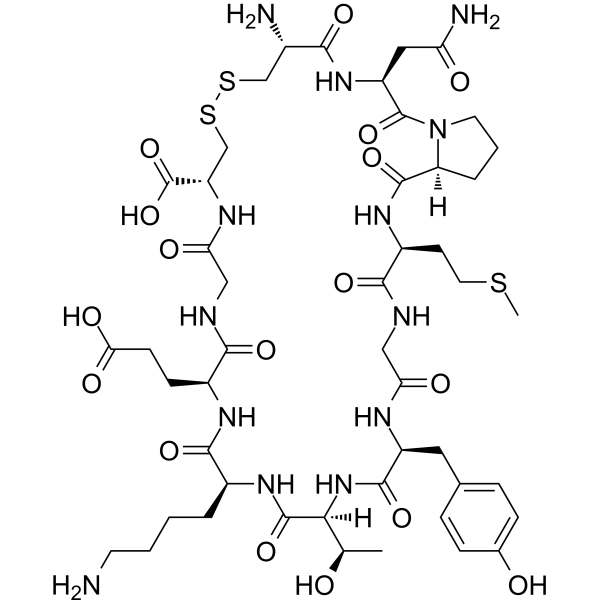
    Cyclotraxin B
    3 Publications Verification

    Trk Receptor p38 MAPK Neurological Disease
    Cyclotraxin B is a BBB-penetrable and selective TrkB inhibitor. Cyclotraxin B inhibits BDNF-induced TrkB activity in a non-competitive manner, with an IC50 of 0.30 nM. Cyclotraxin B has analgesic and anxiolytic effects .
    Cyclotraxin B
  • HY-14569
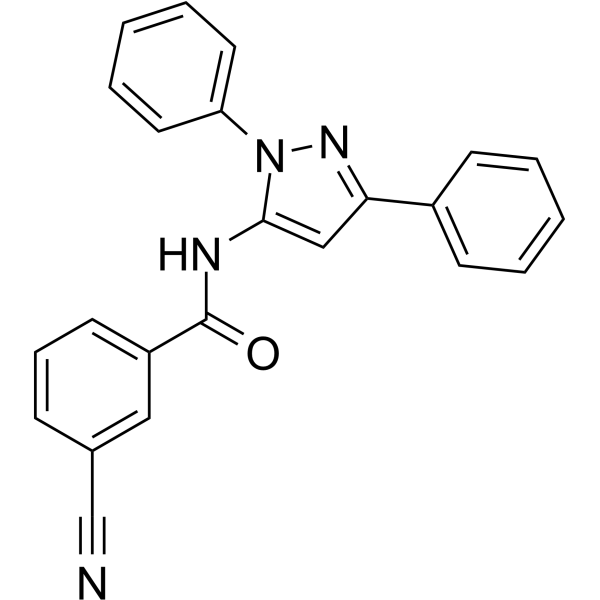
    CDPPB
    1 Publications Verification

    mGluR Akt ERK Caspase Mitochondrial Metabolism Neurological Disease Inflammation/Immunology Cancer
    CDPPB is a selective, orally active and brain-penetrant mGluR5 allosteric modulator. CDPPB increases AKT and ERK1/2 activation and augments the BDNF mRNA. CDPPB inhibits caspase-3 activation and mitochondrial dysfunction. CDPPB improves cognitive impairment, depression, and Huntington's disease .
    CDPPB
  • HY-N2736
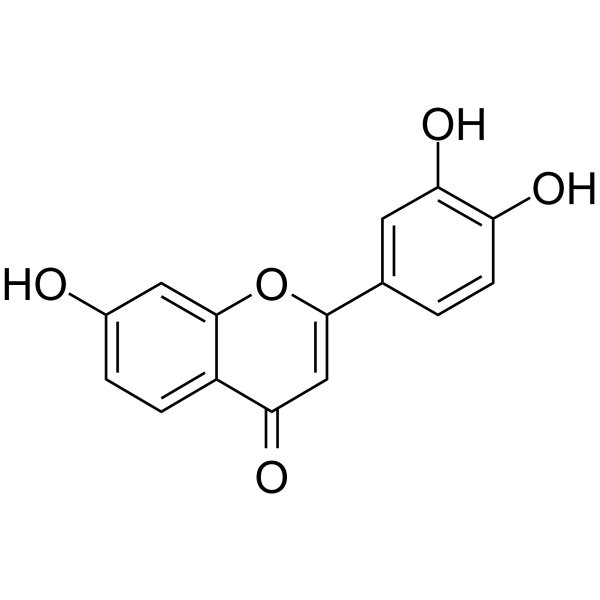
    3′,4′,7-Trihydroxyflavone
    1 Publications Verification

    Beta-lactamase COX Interleukin Related Bacterial JNK ERK p38 MAPK STAT Apoptosis NO Synthase Nuclear Factor of activated T Cells (NFAT) Lactate Dehydrogenase Reactive Oxygen Species (ROS) SOD Akt Caspase Bcl-2 Family Infection Neurological Disease Inflammation/Immunology
    3′,4′,7-Trihydroxyflavone is an orally active inhibitor of OXA-48 (IC50 = 1.89 μM) and COX-1 (IC50 = 36.37 μM). 3′,4′,7-Trihydroxyflavone exhibits antioxidant and anti-inflammatory properties, inhibiting the release of inflammatory cytokines such as IL-6, IL-8, and TNF-α. 3′,4′,7-Trihydroxyflavone inhibits H2O2-induced neuronal apoptosis and ROS accumulation, and exerts anti-neuroinflammatory effects by suppressing the JNK-STAT1 pathway. 3′,4′,7-Trihydroxyflavone exhibits antimicrobial and antibiotic-modifying activities against multidrug-resistant Gram-negative enteric bacteria. 3′,4′,7-Trihydroxyflavone inhibits RANKL-induced osteoclast formation via NFATc1. 3′,4′,7-Trihydroxyflavone activates the CREB-BDNF axis and restores scopolamine (HY-N0296)-induced memory deficits in mice .
    3′,4′,7-Trihydroxyflavone
  • HY-124591

    5-HT Receptor Monoamine Oxidase Neurological Disease
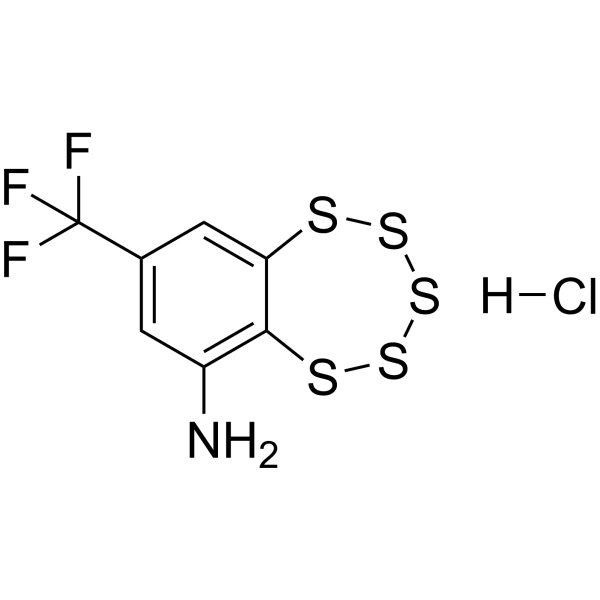
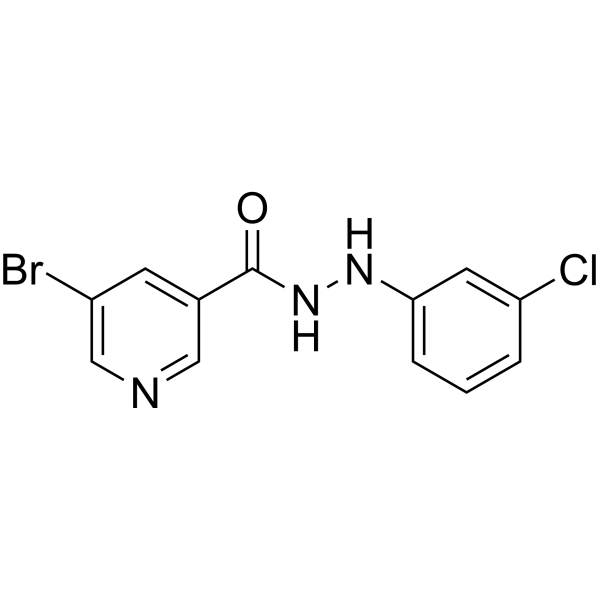
    TC-2153 is a selective inhibitor of striatal-enriched protein tyrosine phosphatase (STEP), with psychotropic activity and low acute toxicity. TC-2153 increases the expression of brain-derived neurotropic factor (BDNF) in the brain. And it decreases MAOA and 5-HT1A receptors mRNA level in midbrain. TC-2153 also inhibits 5-HT2A receptor-mediated signaling .
    TC-2153
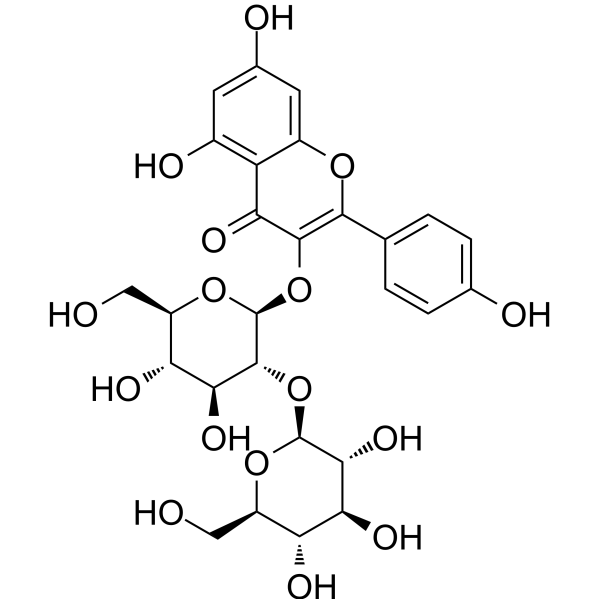
  • HY-N2055

    Toll-like Receptor (TLR) NF-κB TNF Receptor AMPK Neurological Disease Inflammation/Immunology
    Kaempferol 3-O-sophoroside is an orally active derivative of Kaempferol. It exhibits anti-inflammatory, analgesic, and antidepressant effects. Kaempferol 3-O-sophoroside is an inhibitor of the cell surface receptor toll-like receptor (TLR) 2/4 for High mobility group box 1 (HMGB1), and it also exerts anti-inflammatory effects by blocking the activation of NF-κB expression and the production of TNF-α. Kaempferol 3-O-sophoroside promotes the production of brain-derived neurotrophic factor (BDNF) and enhances autophagy by binding to AMP-activated protein kinase (AMPK), thereby exerting antidepressant effects. Kaempferol 3-O-sophoroside holds promise for research in the fields of inflammation and neurodegenerative diseases .
    Kaempferol 3-O-sophoroside
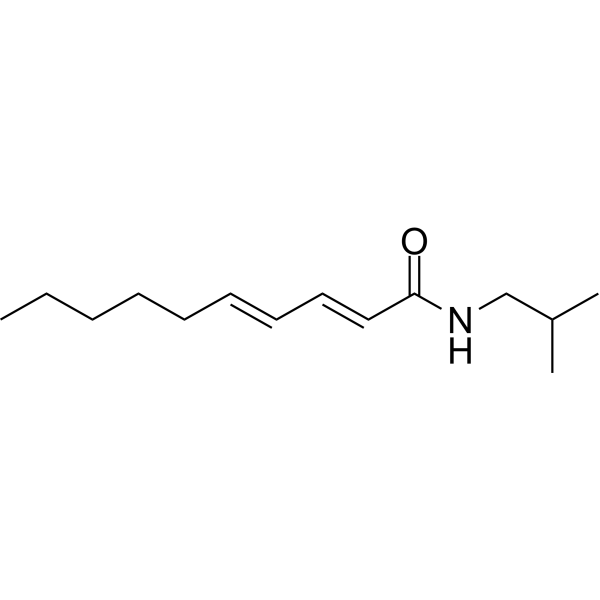
  • HY-N3097

    TRP Channel Amyloid-β Toll-like Receptor (TLR) Keap1-Nrf2 Heme Oxygenase (HO) Dihydroorotate Dehydrogenase Ferroptosis PAI-1 NF-κB ERK Proton Pump Glutathione Peroxidase Thrombin Insecticide Bacterial Infection Cardiovascular Disease Neurological Disease Inflammation/Immunology Cancer
    Pellitorine is a bioactive natural amide compound. Pellitorine can competitively antagonize the activation of TRPV1 by Capsaicin (HY-10448), thereby reducing pain signal transmission. Pellitorine improves cognitive dysfunction by upregulating the BDNF-ERK1/2-CREB and Nrf2-HO-1 pathways. Pellitorine exerts anti-inflammatory and anti-sepsis effects by inhibiting the release of high mobility group protein B1 (HMGB1) and the expression of RAGE/TLR4. Pellitorine exerts its antithrombotic effect by prolonging the clotting time, inhibiting the activity of clotting factors and thrombin. Pellitorine inhibits lipid peroxidation and resists ferroptosis by upregulating GPX4 and DHODH. Pellitorine kills Aedes aegypti mosquito larvae by inhibiting V-type H⁺-ATPase and aquaporin 4 (AaAQP4). Pellitorine exhibits anti-cancer activity (e.g., leukemia and breast cancer) and has inhibitory effects on certain bacteria .
    Pellitorine
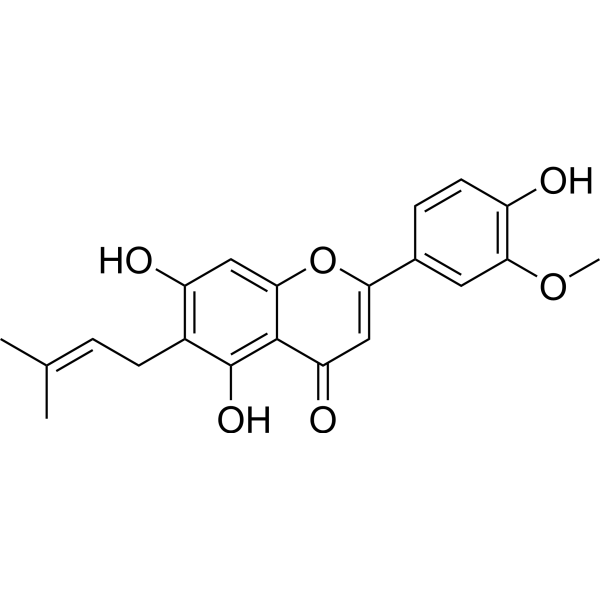
  • HY-W749694

    Canniflavone

    Ferroptosis Parasite PGE synthase Lipoxygenase Trk Receptor p38 MAPK mTOR Akt Infection Neurological Disease Inflammation/Immunology Cancer
    Cannflavin B is a flavonoid compound that can be isolated from Cannabis sativa L. Cannflavin B is inhibitors of PGE2 release (IC50: 0.7 μM), mPGES-1 (IC50: 3.7 μM), and 5-lipoxygenase. Cannflavin B has multiple activities such as anti-inflammatory, antioxidant, anti-glycation, anti-ferroptosis, anti-tumor, and anti-Leishmania (IC50: 14 μM). Cannflavin B can also inhibit the TrkB-BDNF signaling pathway .
    Cannflavin B
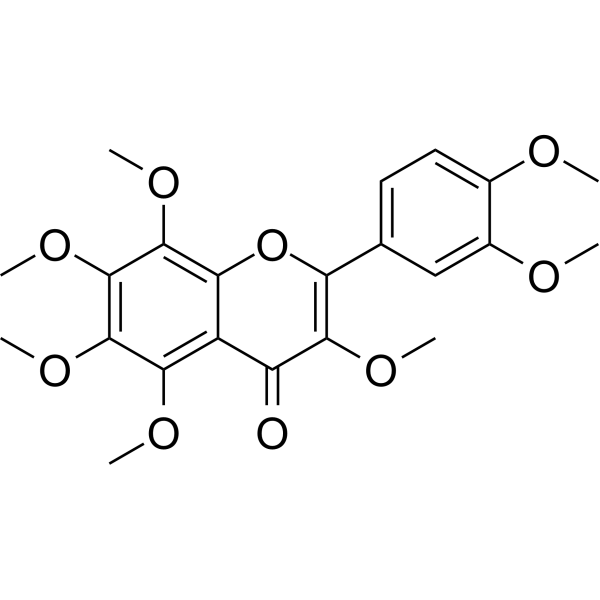
  • HY-N2038

    Phosphodiesterase (PDE) Neurological Disease Cancer
    3,5,6,7,8,3',4'-Heptemthoxyflavone, a flavonoid from satsuma peel, is an orally available CREB activator with anti-tumor and anti-neuroinflammatory activity. 3,5,6,7,8,3',4'-Heptemthoxyflavone inhibits collagenase activity and increases the content of type I procollagen in human dermal fibroblast neoblast (HDFn) cells. 3,5,6,7,8,3',4'-Heptemthoxyflavone induces brain-derived neurotrophic factor (BDNF) expression through the cAMP/ERK/CREB signaling pathway and reduces phosphodiesterase activity in C6 glioma .
    3,​5,​6,​7,​8,​3',​4'-​Heptemthoxyflavone
  • HY-N0392

    Toll-like Receptor (TLR) PI3K Akt NF-κB MDM-2/p53 Caspase MEK Bcl-2 Family p38 MAPK Mitophagy Reactive Oxygen Species (ROS) Apoptosis Calcium Channel Cardiovascular Disease Infection Neurological Disease
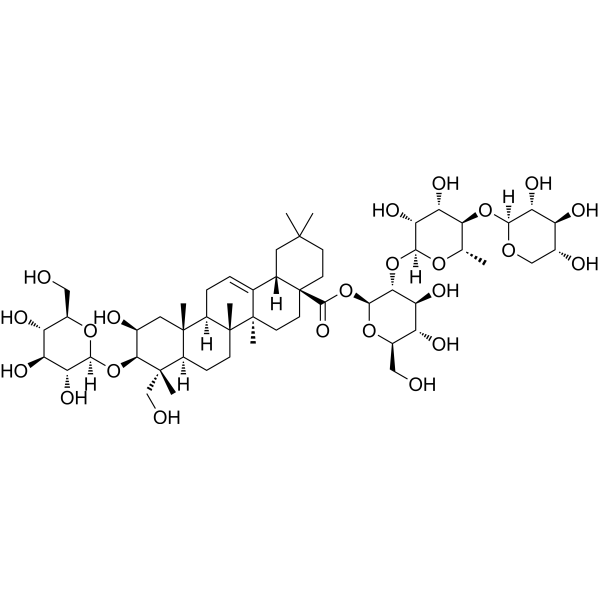
    Polygalasaponin F is an orally active triterpenoid saponin monomer. Polygalasaponin F downregulates the expression of Bax, p53, caspase-3, NF-κB p65 and MEK1; restores and upregulates the expression of Bcl-2; activates the PI3K/Akt signaling pathway; inhibits the phosphorylation of p38 MAPK, nuclear translocation of NF-κB, TLR4-mediated signaling pathway, mitophagy (Mitophagy) and ROS production; enhances cell viability and suppresses apoptosis (Apoptosis). Polygalasaponin F maintains mitochondrial function, alleviates Ca 2+ overload, upregulates pCREB and BDNF, preserves cell viability and inhibits the release of inflammatory cytokines. Polygalasaponin F alleviates lung injury induced by influenza A H1N1 and cerebral ischemia-reperfusion injury. Polygalasaponin F is applicable to researches related to Parkinson's disease, cerebral ischemia, pneumonia induced by influenza A H1N1, stroke and Alzheimer's disease .
    Polygalasaponin F
  • HY-N1414

    Trk Receptor NF-κB Amyloid-β Neurological Disease
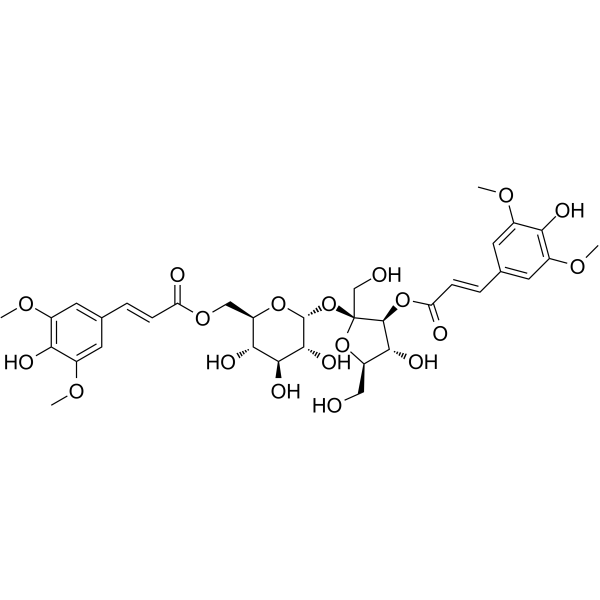
    (E)-3',6-Disinapoylsucrose is an orally active, blood-brain barrier permeable neuroprotective agent that inhibits protein aggregation. (E)-3',6-Disinapoylsucrose exerts anxiolytic, anti-inflammatory and cognitive-enhancing effects. (E)-3',6-Disinapoylsucrose regulates the TrkB/BDNF signaling pathway, inhibits the expression of NF-κB p65, reduces pro-inflammatory cytokine levels, and alleviates neuronal damage. (E)-3',6-Disinapoylsucrose also enhances the functions of central 5-HT and noradrenergic systems, thereby improving spatial learning and memory abilities and reducing anxiety-like behaviors. (E)-3',6-Disinapoylsucrose can be used for the research of related diseases such as Alzheimer's disease, depression, memory impairment and anxiety disorder .
    (E)-3',6-Disinapoylsucrose
  • HY-120657

    CGRP Receptor NF-κB Neurological Disease Metabolic Disease Inflammation/Immunology
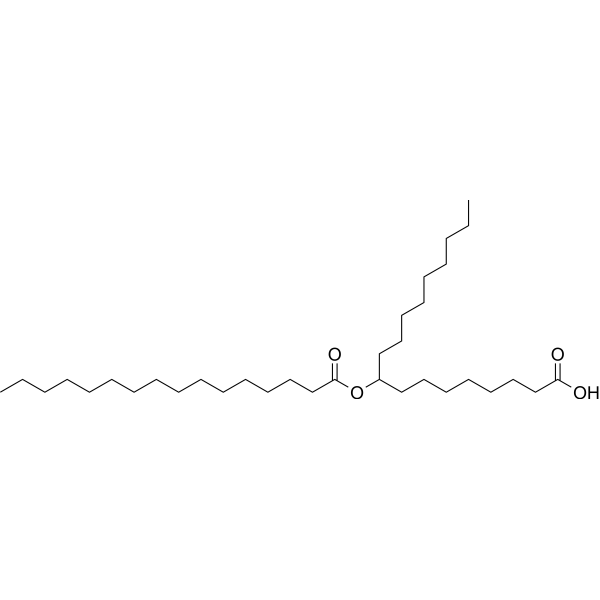
    9-PAHSA is an orally active endogenous GPR120 agonist (EC50=18 μM). 9-PAHSA significantly inhibits LPS-induced inflammatory responses by blocking the NF-κB pathway. 9-PAHSA induces adipocyte browning, enhances glucose uptake and reduces lipid accumulation, while improving mitochondrial function and the survival rate of steatotic hepatocytes. In terms of neuroprotection, 9-PAHSA regulates the expression of REST and BDNF in the prefrontal cortex of diabetic mice, and effectively prevents spatial working memory deficits and abnormal social behaviors. 9-PAHSA does not directly regulate insulin secretion or improve systemic insulin sensitivity, and possesses specific anti-inflammatory, metabolic regulatory and neuroprotective properties. 9-PAHSA can be used in the research of diabetes-related cognitive impairment, obesity and non-alcoholic fatty liver disease .
    9-PAHSA
  • HY-142026

    (+)-Vitisin A

    Caspase ERK NF-κB Influenza Virus PAK LDLR PPAR PCSK9 Androgen Receptor Keap1-Nrf2 Monoamine Oxidase Cholinesterase (ChE) IKK Wnt β-catenin Reactive Oxygen Species (ROS) Apoptosis Cuproptosis Infection Neurological Disease Metabolic Disease Inflammation/Immunology Cancer
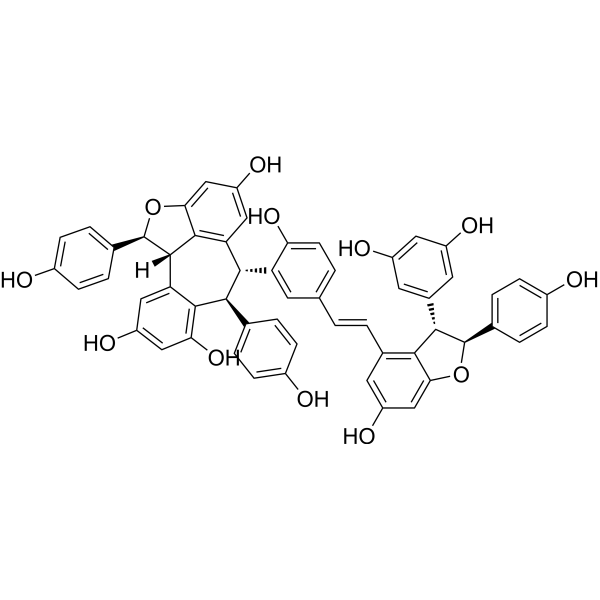
    Vitisin A ((+)-Vitisin A) is an orally active natural product with multiple pharmacological activities including anti-inflammatory, anti-tumor, anti-oxidant, anti-pathogenic microorganism, hypoglycemic and lipid-regulating, anti-osteoporotic, neuroprotective and cardiovascular protective effects. Vitisin A exhibits inhibitory effects on human AChE and MAO-B with IC50 values of 1.29 µM and 4.94 µM, respectively. Vitisin A inhibits the ERK, MAPK, NF-κB, STAT1, HMGCR and TRAF6 pathways, downregulates the related phosphorylation and protein expression, while activates the Nrf2/HO-1 pathway and upregulates p21 expression. Vitisin A induces tumor cell apoptosis and cell cycle arrest, inhibits adipogenesis and lipid accumulation, while alleviates oxidative stress, suppresses inflammatory responses, blocks hepatic fibrosis, Cuproptosis and cholesterol synthesis, and increases the expression levels of central BDNF and TrkB. Vitisin A can be used in the research of tumors, infectious diseases, metabolic diseases, bone and joint diseases, liver diseases, skin injuries, as well as neurodegenerative and cognitive dysfunction-related diseases .
    Vitisin A
  • HY-153383
    PDCD4-IN-1
    2 Publications Verification

    Programmed Cell Death 4 (PDCD4) Cancer
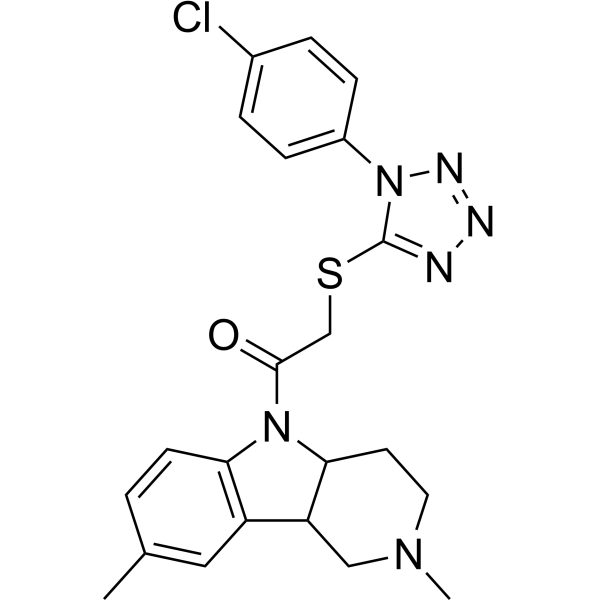
    PDCD4-IN-1(compound 20031600) is a PDCD4 inhibitor with a Kd value of 350 nM, which can promote the expression of BDNF in hippocampal neuron cell HT-22 .
    PDCD4-IN-1
  • HY-W044525

    Phosphodiesterase (PDE) Metabolic Disease Inflammation/Immunology
    Phyllodulcin is an orally active sweetener found in Hydrangea macrophylla var. thunbergii. Phyllodulcin acts as a non-selective phosphodiesterase inhibitor and exerts anti-allergic effects by suppressing lymphocyte activation. Phyllodulcin can be used to combat obesity by regulating levels of leptin, fat browning-related genes, and hypothalamic BDNF-TrkB signaling .
    Phyllodulcin
  • HY-121012

    NF-κB Akt Endocrinology
    (rac)-AG-205 is a potent inhibitor of progesterone receptor membrane component 1 (Pgrmc1) that induces genes involved in sterol synthesis, including the INSIG1 protein, which forms a complex with PGRMC1. (rac)-AG-205 prevents neuronal resistance to hypoxic ischaemia by blocking NF-kB signalling and activation of the BDNF/PI3K/AKT pathway .
    (rac)-AG-205
  • HY-N1414A
    3′,6-Disinapoylsucrose
    2 Publications Verification

    Bcl-2 Family Apoptosis Neurological Disease
    3′,6-Disinapoylsucrose is a type of oligosaccharide that's effective when taken orally, and it has antidepressant, anti-anxiety, and antioxidant properties. 3′,6-Disinapoylsucrose inhibits neuronal apoptosis by lowering the ratio of Bax to Bcl-2 in hippocampal neurons, and it enhances cognitive function in APP/PS1 transgenic mice by activating the CREB/BDNF signaling pathway .
    3′,6-Disinapoylsucrose
  • HY-172876

    iGluR Reactive Oxygen Species (ROS) Trk Receptor Cardiovascular Disease
    FLY26 is a selective partial GluN2B antagonist with an IC50 value of 0.64 μM. FLY26 partially inhibits the GluN2B subunit of NMDA receptors, reduces calcium ion influx and reactive oxygen species (ROS) production and activates the BDNF/TrkB/CREB neuroprotective signaling pathway to alleviate neuronal excitotoxicity and mitochondrial dysfunction. FLY26 is promising for research of neurological deficits caused by cerebral ischemia-reperfusion injury .
    FLY26
  • HY-13906

    (+)-Largazole

    HDAC Neurological Disease Cancer
    Largazole ((+)-Largazole) is a potent, selective, orally active and brain-penetrant class I HDAC inhibitor found in marine cyanobacteria. Largazole shows an IC50 of 0.07 nM for HDAC2. Largazole releases its active form Largazole thiol (HY-170890) after hydrolysis. Largazole has a strong inhibitory effect on SF-268, SF-295 and SH-SY5Y cells, with IC50 values of 62, 68 and 102 nM respectively Largazole can upregulate the tumor suppressor gene Pax6 to inhibit the proliferation, invasion and colony formation of glioblastoma cells. Largazole can significantly upregulated brain-derived neurotrophic factor BDNF, neuronal transcription factor Pax6, and μ-opioid receptor gene Oprm1. Largazole exerts antitumor and neuroprotective effects. Largazole can be used for researches of Glioblastoma and Alzheimer’s disease .
    Largazole
  • HY-W770410

    Isotope-Labeled Compounds CGRP Receptor NF-κB Others
    9-PAHSA- 13C4 is 13C-labeled 9-PAHSA. 9-PAHSAis an orally active endogenous GPR120 agonist (EC50=18 μM). 9-PAHSAsignificantly inhibits LPS-induced inflammatory responses by blocking the NF-κB pathway. 9-PAHSAinduces adipocyte browning, enhances glucose uptake and reduces lipid accumulation, while improving mitochondrial function and the survival rate of steatotic hepatocytes. In terms of neuroprotection, 9-PAHSAregulates the expression of REST and BDNF in the prefrontal cortex of diabetic mice, and effectively prevents spatial working memory deficits and abnormal social behaviors. 9-PAHSAdoes not directly regulate insulin secretion or improve systemic insulin sensitivity, and possesses specific anti-inflammatory, metabolic regulatory and neuroprotective properties. 9-PAHSAcan be used in the research of diabetes-related cognitive impairment, obesity and non-alcoholic fatty liver disease .
    9-PAHSA-13C4
  • HY-132993

    Phosphodiesterase (PDE) Neurological Disease
    Hcyb1 is a highly selective, orally active PDE2 inhibitor. Hcyb1 has a highly selective inhibition of PDE2A (IC50=0.57 μM) and over 250-fold selectivity against other recombinant PDE family members. Hcyb1 produces neuroprotective and antidepressant‐like effects most likely mediated by cAMP/cGMP-CREB-BDNF signaling .
    Hcyb1
  • HY-179337

    Phosphodiesterase (PDE) PKA Neurological Disease
    PDE2-IN-1 is a potent and orally active PDE2 inhibitor with an IC50 of 0.6 μM, demonstrating neuroprotective effects. PDE2-IN-1 modulates the PKA/CREB/BDNF signaling pathway by inhibiting PDE2. PDE2-IN-1 improves memory deficits and cognitive impairment in an okadai acid (OKA)-induced Alzheimer’s disease (AD) mouse model. PDE2-IN-1 can be used for the research of AD .
    PDE2-IN-1
  • HY-102091

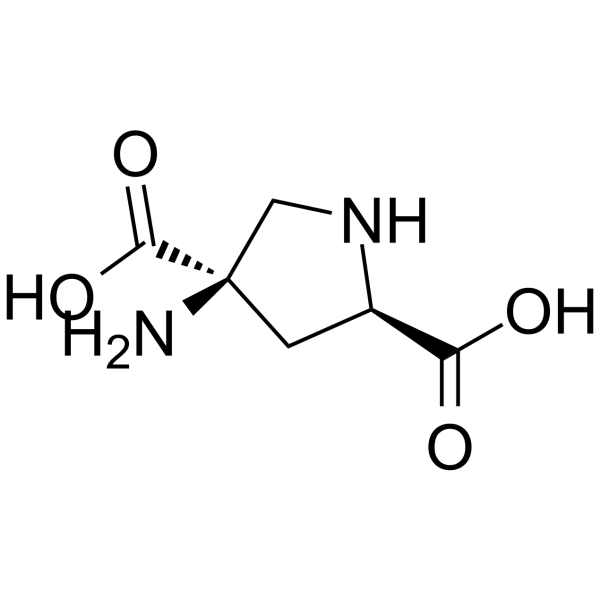
    (2R,4R)-4-Aminopyrrolidine-2,4-dicarboxylic acid

    mGluR Neurological Disease
    (2R,4R)-APDC is a group II metabotropic glutamate receptor (mGluR) agonist. (2R,4R)-APDC affects cell proliferation by inhibiting glutamate release, enhancing motor responses produced by D1 receptor activation, or reducing brain-derived neurotrophic factor (BDNF) levels. (2R,4R)-APDC can be used in the study of epilepsy and other neurological diseases .
    (2R,4R)-APDC
  • HY-174339

    Phosphodiesterase (PDE) Heme Oxygenase (HO) NF-κB Neurological Disease Inflammation/Immunology
    Neuroprotective agent 12 is an orally active and BBB-penetrable neuroprotective agent. Neuroprotective agent 12 has potent neuroprotective effects with robust anti-oxidation and anti-inflammation. Neuroprotective agent 12 significantly inhibits glutamate- and acrolein-induced cell death, reduces PDE4B expression but increases the HO-1, p-CREB and BDNF levels. Neuroprotective agent 12 exhibits potent neuroprotection in traumatic brain injury (TBI) mice model, promising for TBI and other central nervous system diseases .
    Neuroprotective agent 12
  • HY-N8693

    COX Amyloid-β Sirtuin Reactive Oxygen Species (ROS) Apoptosis SARS-CoV Infection Neurological Disease
    Withanoside IV is an orally active, blood-brain barrier-permeable withanolide derivative. Withanoside IV specifically binds to the Sudlow I site of HSA, induces secondary structural changes in HSA, and forms stable HSA complexes. Withanoside IV inhibits the enzymatic activity of COX-2. Withanoside IV induces axonal regeneration, peripheral nervous system myelination and increased axonal density in spinal cord tissue, reduces reactive gliosis-related changes, and improves hindlimb motor function. Withanoside IV binds to amyloid-β 1-42 to inhibit its aggregation, induces neurite outgrowth and synapse reconstruction, repairs damaged axons and dendrites, enhances mitochondrial biogenesis, exerts neuroprotective effects via the BDNF and SIRT1 signaling pathways, reduces ROS production and neuronal apoptosis, and ameliorates memory deficits. Withanoside IV inhibits the activity of the SARS-CoV-2 main protease. Withanoside IV can be used in research related to spinal cord injury, Alzheimer's disease, and coronavirus disease 2019 (COVID-19) .
    Withanoside IV
  • HY-120657S

    Isotope-Labeled Compounds CGRP Receptor NF-κB Others
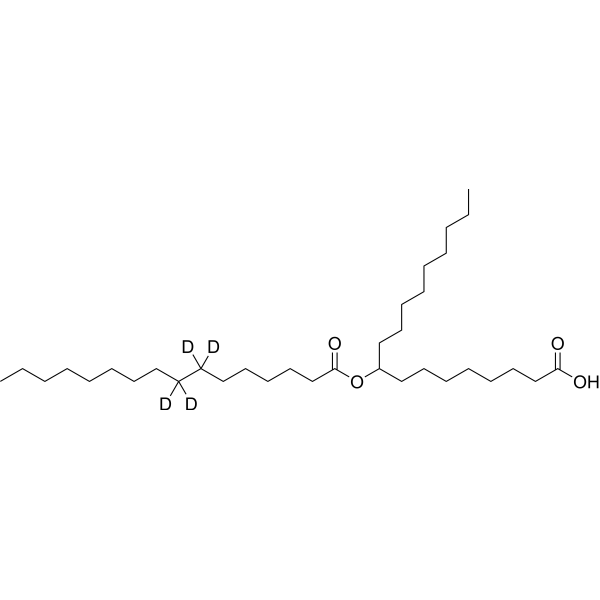
    9-PAHSA-d4 is the deuterium labeled 9-PAHSA. 9-PAHSA is an orally active endogenous GPR120 agonist (EC50=18 μM). 9-PAHSA significantly inhibits LPS-induced inflammatory responses by blocking the NF-κB pathway. 9-PAHSA induces adipocyte browning, enhances glucose uptake and reduces lipid accumulation, while improving mitochondrial function and the survival rate of steatotic hepatocytes. In terms of neuroprotection, 9-PAHSA regulates the expression of REST and BDNF in the prefrontal cortex of diabetic mice, and effectively prevents spatial working memory deficits and abnormal social behaviors. 9-PAHSA does not directly regulate insulin secretion or improve systemic insulin sensitivity, and possesses specific anti-inflammatory, metabolic regulatory and neuroprotective properties. 9-PAHSA can be used in the research of diabetes-related cognitive impairment, obesity and non-alcoholic fatty liver disease .
    9-PAHSA-d4
  • HY-P1178A

    Trk Receptor Neurological Disease
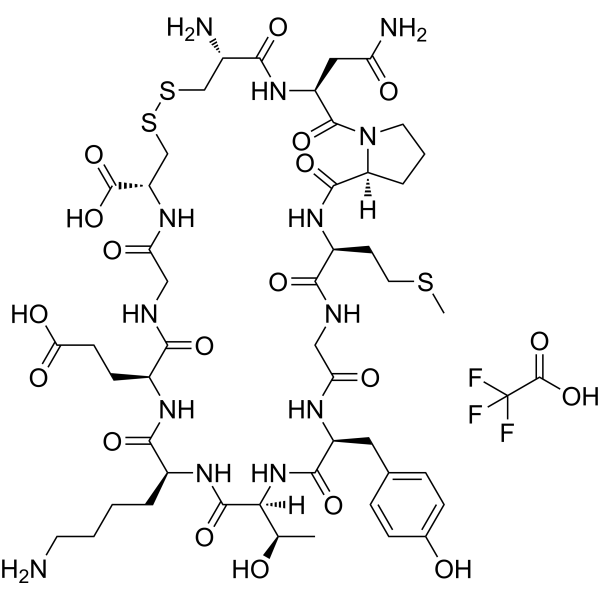
    Cyclotraxin B TFA is a BBB-penetrable and selective TrkB inhibitor. Cyclotraxin B TFA inhibits BDNF-induced TrkB activity in a non-competitive manner, with an IC50 of 0.30 nM. Cyclotraxin B TFA has analgesic and anxiolytic effects .
    Cyclotraxin B TFA
  • HY-164461

    Trk Receptor Cancer
    AZD6918 is an orally active and selective Trk tyrosine kinase inhibitor. AZD6918 induces cell death as a single agent and attenuates BDNF/TrkB-induced protection from Etoposide (HY-13629) in vitro. AZD6918 can be used for the research of neuroblastoma .
    AZD6918
  • HY-146523

    Trk Receptor Cancer
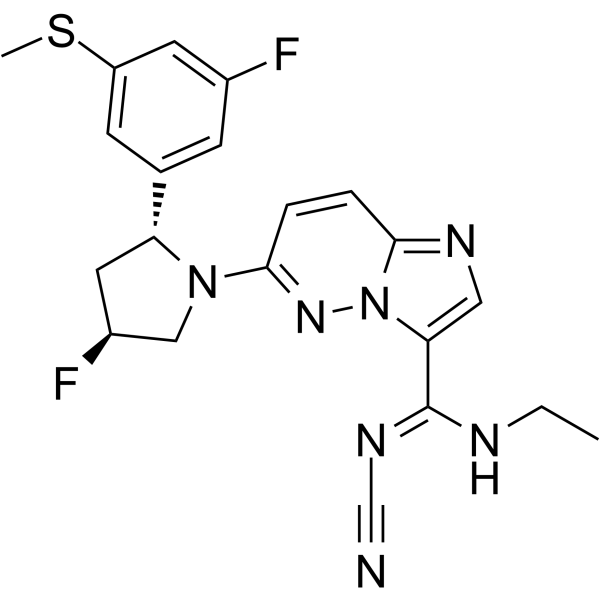
    TRK-IN-17 is a potent inhibitor of TRK. Tropomyosin-related kinases (Trks) are a family of receptor tyrosine kinases activated by neurotrophins, a group of soluble growth factors including Nerve Growth Factor (NGF), Brain-Derived Neurotrophic Factor (BDNF) and Neurotrophin-3 (NT-3) and Neurotrophin-4/5 (NT-4/5). TRK-IN-17 has the potential for the research of cancer diseases (extracted from patent WO2021148807A1, compound 3) .
    TRK-IN-17
  • HY-146524

    Trk Receptor Cancer
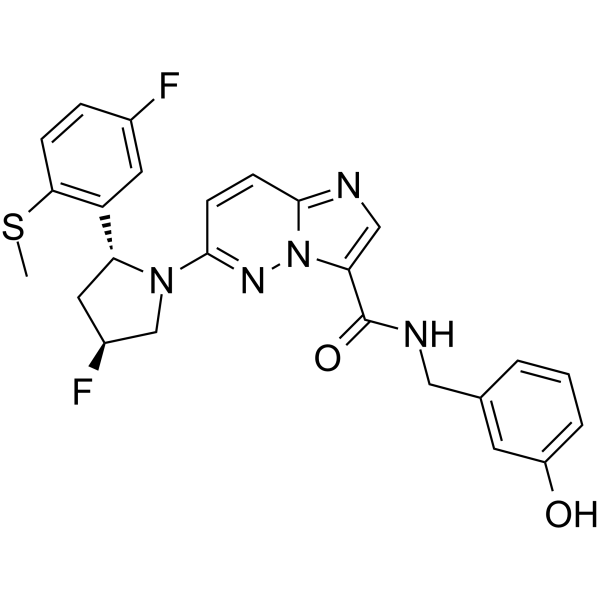
    TRK-IN-18 is a potent inhibitor of TRK. Tropomyosin-related kinases (Trks) are a family of receptor tyrosine kinases activated by neurotrophins, a group of soluble growth factors including Nerve Growth Factor (NGF), Brain-Derived Neurotrophic Factor (BDNF) and Neurotrophin-3 (NT-3) and Neurotrophin-4/5 (NT-4/5). TRK-IN-18 has the potential for the research of cancer diseases (extracted from patent WO2021148805A1, compound 7) .
    TRK-IN-18
  • HY-102091A

    (2R,4R)-4-Aminopyrrolidine-2,4-dicarboxylic acid hydrate

    mGluR Neurological Disease
    (2R,4R)-APDC hydrate ((2R,4R)-4-Aminopyrrolidine-2,4-dicarboxylic acid hydrate) is a group II metabotropic glutamate receptor (mGluR) agonist. (2R,4R)-APDC hydrate affects cell proliferation by inhibiting glutamate release, enhancing motor responses produced by D1 receptor activation, or reducing brain-derived neurotrophic factor (BDNF) levels. (2R,4R)-APDC hydrate can be used in the study of epilepsy and other neurological diseases .
    (2R,4R)-APDC hydrate
  • HY-N3097R

    Reference Standards TRP Channel Amyloid-β Toll-like Receptor (TLR) Keap1-Nrf2 Heme Oxygenase (HO) Dihydroorotate Dehydrogenase Ferroptosis PAI-1 NF-κB Proton Pump Glutathione Peroxidase Thrombin Insecticide Bacterial Infection Cardiovascular Disease Neurological Disease Inflammation/Immunology Cancer
    Pellitorine (Standard) is the analytical standard of Pellitorine (HY-N3097). Pellitorine is a bioactive natural amide compound. Pellitorine can competitively antagonize the activation of TRPV1 by Capsaicin (HY-10448), thereby reducing pain signal transmission. Pellitorine improves cognitive dysfunction by upregulating the BDNF-ERK1/2-CREB and Nrf2-HO-1 pathways. Pellitorine exerts anti-inflammatory and anti-sepsis effects by inhibiting the release of high mobility group protein B1 (HMGB1) and the expression of RAGE/TLR4. Pellitorine exerts its antithrombotic effect by prolonging the clotting time, inhibiting the activity of clotting factors and thrombin. Pellitorine inhibits lipid peroxidation and resists ferroptosis by upregulating GPX4 and DHODH. Pellitorine kills Aedes aegypti mosquito larvae by inhibiting V-type H⁺-ATPase and aquaporin 4 (AaAQP4). Pellitorine exhibits anti-cancer activity (e.g., leukemia and breast cancer) and has inhibitory effects on certain bacteria.
    Pellitorine (Standard)
  • HY-N2038R

    Reference Standards Phosphodiesterase (PDE) Neurological Disease Cancer
    3,​5,​6,​7,​8,​3',​4'-​Heptemthoxyflavone (Standard) is the analytical standard of 3,​5,​6,​7,​8,​3',​4'-​Heptemthoxyflavone (HY-N2038). This product is intended for research and analytical applications. 3,5,6,7,8,3',4'-Heptemthoxyflavone, a flavonoid from satsuma peel, is an orally available CREB activator with anti-tumor and anti-neuroinflammatory activity. 3,5,6,7,8,3',4'-Heptemthoxyflavone inhibits collagenase activity and increases the content of type I procollagen in human dermal fibroblast neoblast (HDFn) cells. 3,5,6,7,8,3',4'-Heptemthoxyflavone induces brain-derived neurotrophic factor (BDNF) expression through the cAMP/ERK/CREB signaling pathway and reduces phosphodiesterase activity in C6 glioma .
    3,?5,?6,?7,?8,?3',?4'-?Heptemthoxyflavone (Standard)
  • HY-N0392R

    Reference Standards Toll-like Receptor (TLR) PI3K Akt NF-κB Inflammation/Immunology Cancer
    Polygalasaponin F (Standard) is the analytical standard of Polygalasaponin F. This product is intended for research and analytical applications. Polygalasaponin F is an orally active triterpenoid saponin monomer. Polygalasaponin F downregulates the expression of Bax, p53, caspase-3, NF-κB p65 and MEK1; restores and upregulates the expression of Bcl-2; activates the PI3K/Akt signaling pathway; inhibits the phosphorylation of p38 MAPK, nuclear translocation of NF-κB, TLR4-mediated signaling pathway, mitophagy (Mitophagy) and ROS production; enhances cell viability and suppresses apoptosis (Apoptosis). Polygalasaponin F maintains mitochondrial function, alleviates Ca 2+ overload, upregulates pCREB and BDNF, preserves cell viability and inhibits the release of inflammatory cytokines. Polygalasaponin F alleviates lung injury induced by influenza A H1N1 and cerebral ischemia-reperfusion injury. Polygalasaponin F is applicable to researches related to Parkinson's disease, cerebral ischemia, pneumonia induced by influenza A H1N1, stroke and Alzheimer's disease.
    Polygalasaponin F (Standard)
  • HY-120657R

    Reference Standards CGRP Receptor NF-κB Cardiovascular Disease Inflammation/Immunology
    Flumethrin (Standard) is the analytical standard of Flumethrin. This product is intended for research and analytical applications. 9-PAHSA is an orally active endogenous GPR120 agonist (EC50=18 μM). 9-PAHSA significantly inhibits LPS-induced inflammatory responses by blocking the NF-κB pathway. 9-PAHSA induces adipocyte browning, enhances glucose uptake and reduces lipid accumulation, while improving mitochondrial function and the survival rate of steatotic hepatocytes. In terms of neuroprotection, 9-PAHSA regulates the expression of REST and BDNF in the prefrontal cortex of diabetic mice, and effectively prevents spatial working memory deficits and abnormal social behaviors. 9-PAHSA does not directly regulate insulin secretion or improve systemic insulin sensitivity, and possesses specific anti-inflammatory, metabolic regulatory and neuroprotective properties. 9-PAHSA can be used in the research of diabetes-related cognitive impairment, obesity and non-alcoholic fatty liver disease .
    9-PAHSA (Standard)
  • HY-144026S

    CGRP Receptor NF-κB Inflammation/Immunology
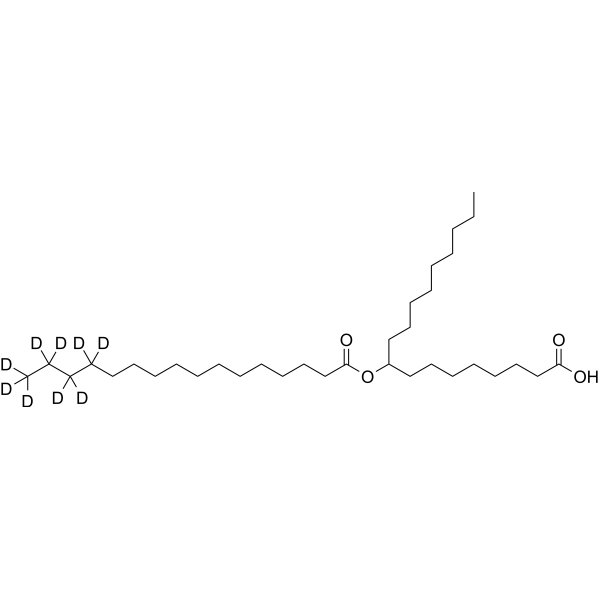
    9-PAHSA-d9 is the deuterium labeled 9-PAHSA (HY-120657). 9-PAHSA is an orally active endogenous GPR120 agonist (EC50=18 μM). 9-PAHSA significantly inhibits LPS-induced inflammatory responses by blocking the NF-κB pathway. 9-PAHSA induces adipocyte browning, enhances glucose uptake and reduces lipid accumulation, while improving mitochondrial function and the survival rate of steatotic hepatocytes. In terms of neuroprotection, 9-PAHSA regulates the expression of REST and BDNF in the prefrontal cortex of diabetic mice, and effectively prevents spatial working memory deficits and abnormal social behaviors. 9-PAHSA does not directly regulate insulin secretion or improve systemic insulin sensitivity, and possesses specific anti-inflammatory, metabolic regulatory and neuroprotective properties. 9-PAHSA can be used in the research of diabetes-related cognitive impairment, obesity and non-alcoholic fatty liver disease .
    9-PAHSA-d9
  • HY-120657S1

    Isotope-Labeled Compounds CGRP Receptor NF-κB Others
    9-PAHSA-d31 is the deuterium labeled 9-PAHSA. 9-PAHSA is an orally active endogenous GPR120 agonist (EC50=18 μM). 9-PAHSA significantly inhibits LPS-induced inflammatory responses by blocking the NF-κB pathway. 9-PAHSA induces adipocyte browning, enhances glucose uptake and reduces lipid accumulation, while improving mitochondrial function and the survival rate of steatotic hepatocytes. In terms of neuroprotection, 9-PAHSA regulates the expression of REST and BDNF in the prefrontal cortex of diabetic mice, and effectively prevents spatial working memory deficits and abnormal social behaviors. 9-PAHSA does not directly regulate insulin secretion or improve systemic insulin sensitivity, and possesses specific anti-inflammatory, metabolic regulatory and neuroprotective properties. 9-PAHSA can be used in the research of diabetes-related cognitive impairment, obesity and non-alcoholic fatty liver disease .
    9-PAHSA-d31
  • HY-184011

    Serotonin Transporter Estrogen Receptor/ERR Neurological Disease
    SERT-IN-4 is a brain-penetrant and orally active SERT inhibitor and ERβ agonist with human SERT IC50 of 16.92 nM and human ERβ EC50 of 3.66 nM. SERT-IN-4 inhibits SERT-mediated substrate transport, increases hippocampal serotonin levels, modulates p-CREB and BDNF expression.SERT-IN-4 reduces immobility in CUMS mice, improves social interaction and reduces inactivity in CSDS mice.SERT-IN-4 can be used for the research of major depressive disorder .
    SERT-IN-4
  • HY-N7773

    TNF Receptor Interleukin Related Caspase SOD Neurological Disease Metabolic Disease
    Hibiscetin is an orally active anti-inflammatory, antioxidant, antihyperglycemic, hypolipidemic, hepatoprotective and neuroprotective agent. Hibiscetin reduces the levels of TNF-α, IL-1β and IL-6. Hibiscetin inhibits lipid peroxidation, reduces MDA levels, and induces the activities of antioxidant enzymes CAT, GSH and SOD. Hibiscetin lowers blood glucose, reverses reduced insulin levels, regulates adipokine levels, and reduces elevated AST and ALT levels. Hibiscetin alleviates Rotenone (HY-B1756)-induced akinesia and catalepsy, normalizes neurotransmitter levels, and modulates the activities of activated caspase 3 and BDNF. Hibiscetin can be used in the research of type 2 diabetes, Parkinson's disease and Huntington's disease .
    Hibiscetin
  • HY-181588

    Nuclear Hormone Receptor 4A/NR4A Neurological Disease Inflammation/Immunology
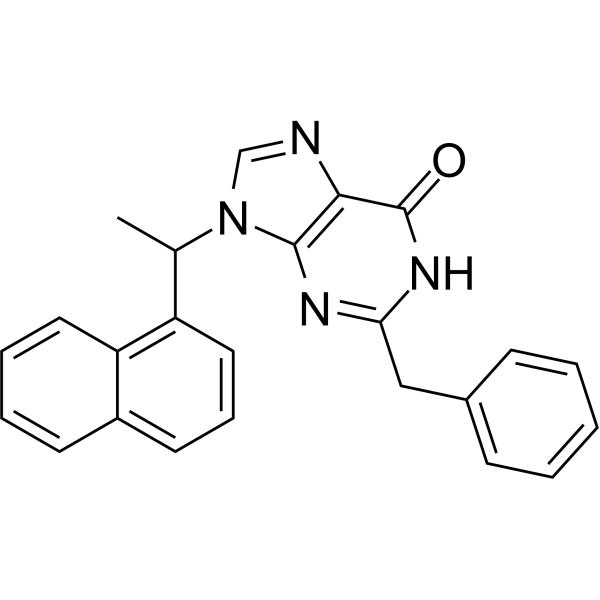
    NR4A agonist-2 is a selective pan-NR4A agonist designed based on Vidofludimus (HY-14908), with a Kd of 0.10 μM against NR4A1, and EC50 values of 0.098 μM, 0.092 μM and 0.09 μM against Nur77, Nurr1, NOR-1, respectively. NR4A agonist-2 exhibits 47-fold selectivity over DHODH, and shows no cytotoxic activity at concentrations up to 10 μM. By binding to a specific surface pocket in the ligand-binding domain of Nurr1, NR4A agonist-2 inhibits the formation of Nurr1 homodimers, activates response elements such as NBRE, NurRE, DR5, and then potently induces the expression of neuroprotective genes including BDNF, SOD2, thereby exerting neuroprotective activity. NR4A agonist-2 can be used in the research of neurodegenerative diseases such as Parkinson's disease, dementia and multiple sclerosis .
    NR4A agonist-2

온라인 문의

Your information is safe with us. * Required Fields.

호칭


Country or Region *

고객명 *


회사명 *

Department *


메일주소 *


상품명 *

Cat. No.


Requested quantity *

전화번호 *


비고

온라인 문의

Inquiry Information

상품명:
Cat. No.:
수량:
MCE Japan Authorized Agent: