Search Result
Results for "
KDM Inhibitors
" in MedChemExpress (MCE) Product Catalog:
1
Biochemical Assay Reagents
2
Isotope-Labeled Compounds
| Cat. No. |
상품명 |
Target |
연구분야 |
Chemical Structure |
-
- HY-15648B
-
GSK-J4
Maximum Cited Publications
55 Publications Verification
|
Histone Demethylase
Apoptosis
|
Cancer
|
|
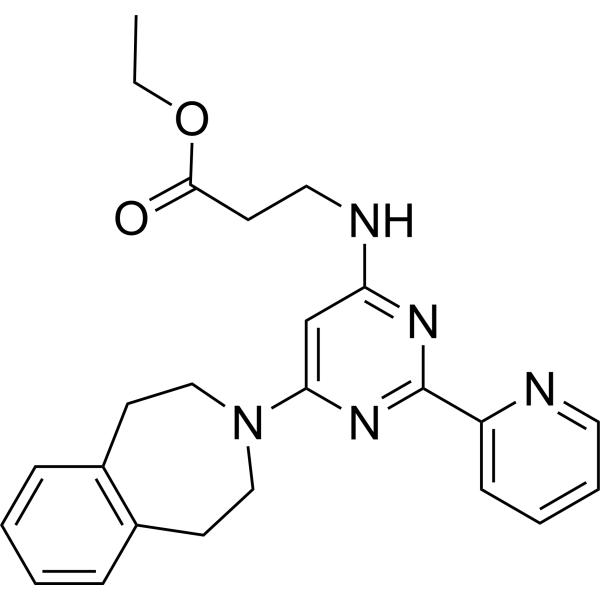
GSK-J4 is a potent dual inhibitor of H3K27me3/me2-demethylases JMJD3/KDM6B and UTX/KDM6A with IC50s of 8.6 and 6.6 μM, respectively. GSK-J4 inhibits LPS-induced TNF-α production in human primary macrophages with an IC50 of 9 μM. GSK J4 is a cell permeable proagent of GSK-J1 . GSK-J4 induces endoplasmic reticulum stress-related apoptosis .
|
-
-
- HY-B0568
-
|
|
Ferroptosis
HCV
Apoptosis
COX
Histone Demethylase
|
Cardiovascular Disease
Infection
Neurological Disease
Metabolic Disease
Inflammation/Immunology
Cancer
|
|
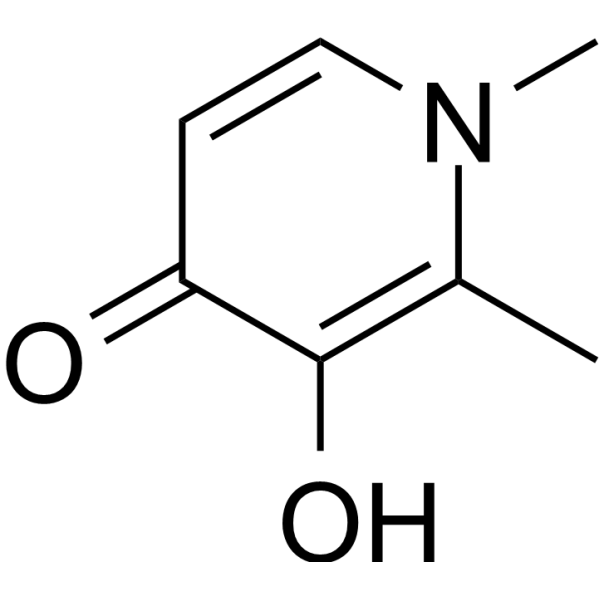
Deferiprone is a potent, orally active, brain-penetrant, cell-penetrant, skin-permeable, free iron chelating agent. Deferiprone inhibits the proliferation and migration, and stimulates apoptosis in tumor cell. Deferiprone can inhibit KDM. Deferiprone has antianemic, neuroprotective, anti-inflammatory, antioxidant, and antidotal activity. Deferiprone can be used in cancer, cardiovascular disease, infection, inflammation, and neurological disease study .
|
-
-
- HY-12304
-
|
|
Histone Demethylase
|
Cancer
|
|
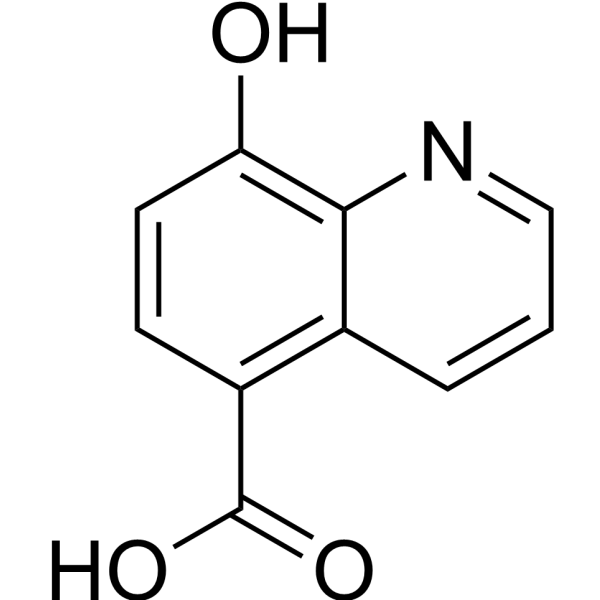
IOX1, a chemical probe, is a potent broad‐spectrum inhibitor of 2OG oxygenases, including the JmjC demethylases. IOX1 inhibits KDM4C, KDM4E, KDM2A, KDM3A and KDM6B with IC50 values of 0.6 μM, 2.3 μM, 1.8 μM, 0.1 μM and 1.4 μM, respectively . IOX1 also inhibits ALKBH5 .
|
-
-
- HY-13643
-
|
|
Environmental Pollutants
Histone Demethylase
|
Cancer
|
|
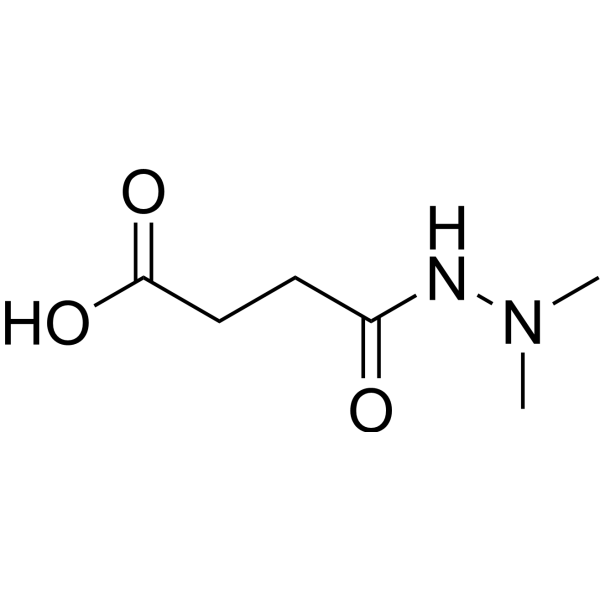
Daminozide, a plant growth regulator, is a selective inhibitor of the human KDM2/7 histone demethylases, with IC50s of 0.55, 1.5 and 2.1 μM for PHF8, KDM2A, and KIAA1718, respectively. Daminozide has >100-fold selectivity for KDM2/7 subfamily versus other demethylase subfamily members tested .
|
-
-
- HY-100421
-
|
|
Histone Demethylase
|
Cancer
|
|
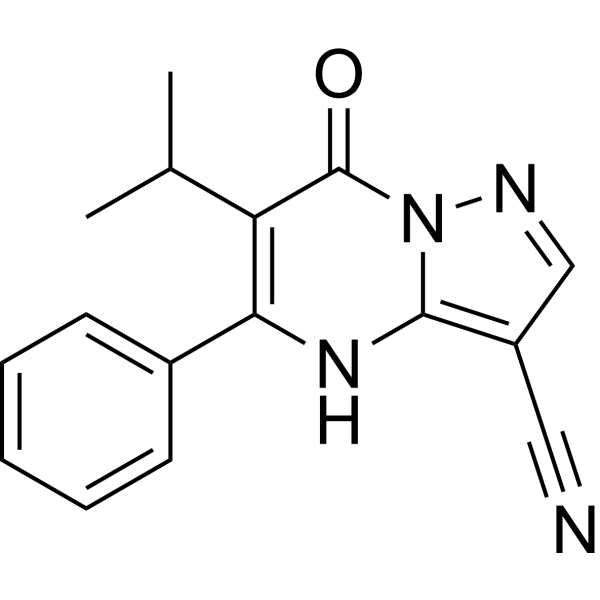
CPI-455 is a specific, pan-KDM5 inhibitor with an IC50 of 10 nM for KDM5A. CPI-455 mediates KDM5 inhibition, elevates global levels of H3K4me3, and decreases the number of drug-tolerant persister cancer cells in multiple cancer cell line models treated with standard chemotherapy or targeted agents .
|
-
-
- HY-120400
-
|
|
Histone Demethylase
|
Cancer
|
|
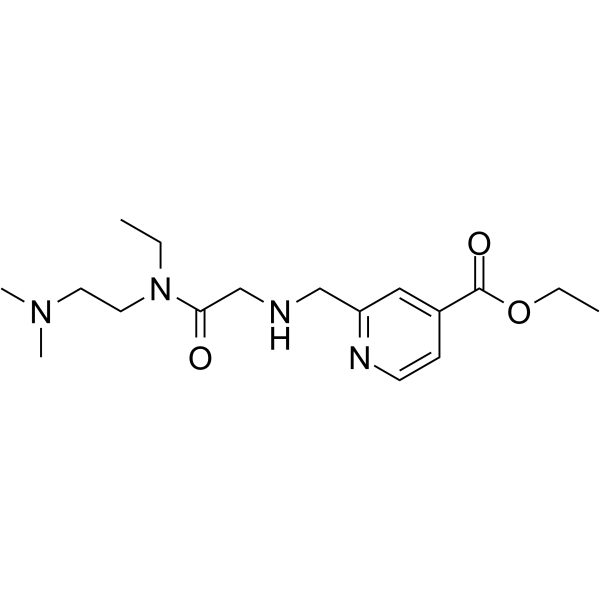
KDM5-C70 is an ethyl ester derivative of KDM5-C49 and a potent, cell-permeable and pan-KDM5 histone demethylase inhibitor. KDM5-C70 has an antiproliferative effect in myeloma cells, leading to genome-wide elevation of H3K4me3 levels .
|
-
-
- HY-15648F
-
|
|
Histone Demethylase
|
Cancer
|
|
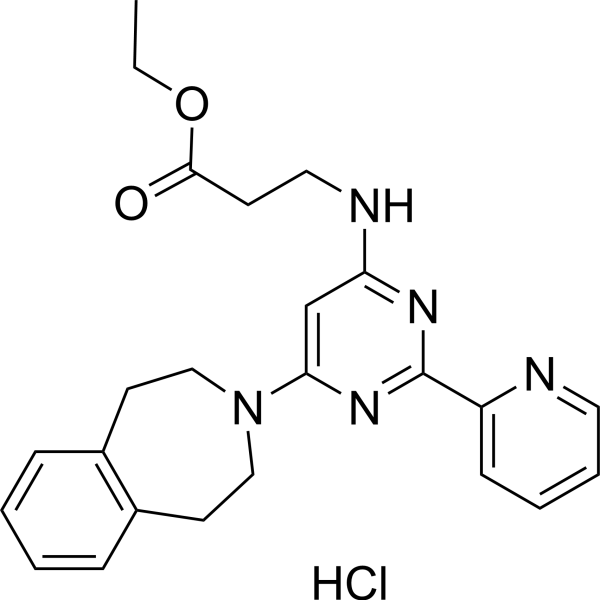
GSK-J4 hydrochloride is a potent dual inhibitor of H3K27me3/me2-demethylases JMJD3/KDM6B and UTX/KDM6A with IC50s of 8.6 and 6.6 μM, respectively. GSK-J4 hydrochloride inhibits LPS-induced TNF-α production in human primary macrophages with an IC50 of 9 μM. GSK-J4 hydrochloride is a cell permeable proagent of GSK-J1 .
|
-
-
- HY-104048
-
|
|
Histone Demethylase
|
Cancer
|
|
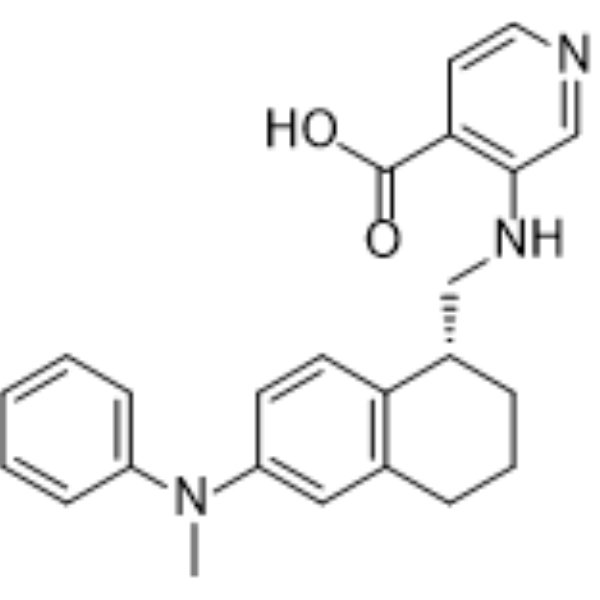
QC6352 is an orally active KDM4 inhibitor with anti-tumor and anti-proliferative activity. QC6352 has in vivo inhibitory effects on PDX models of breast and colon cancer and reduces the number of chemoresistant cell populations. QC6352 inhibits KDM4 different isoforms with IC50s of 104 nM (KDM4A), 56 nM (KDM4B), 35 nM (KDM4C), and 104 nM (KDM4D), respectively. QC6352 has moderate inhibitory activity against KDM5 with an IC50 of 750 nM (KDM5B) .
|
-
-
- HY-15648
-
|
|
Histone Demethylase
|
Cancer
|
|
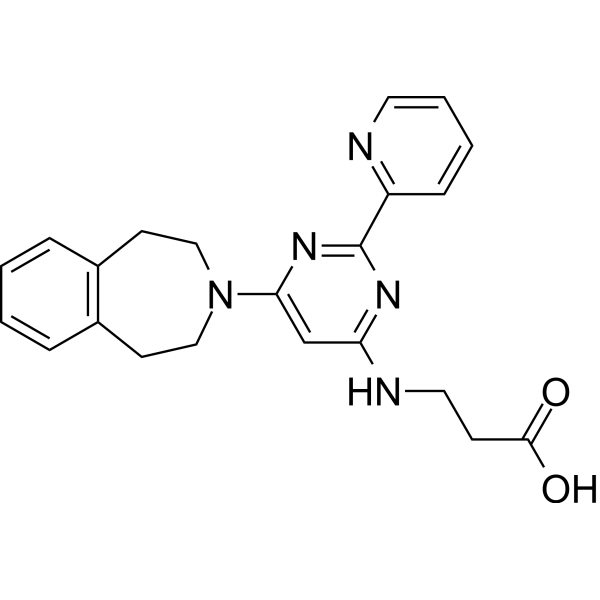
GSK-J1, a chemical probe, is a potent inhibitor of H3K27me3/me2-demethylases JMJD3/KDM6B and UTX/KDM6A, with IC50 of 60 nM towards KDM6B.
|
-
-
- HY-12782T
-
|
ORY-1001 dihydrochloride; RG6016 dihydrochloride; RO 7051790 dihydrochloride
|
Histone Demethylase
|
Cancer
|
|
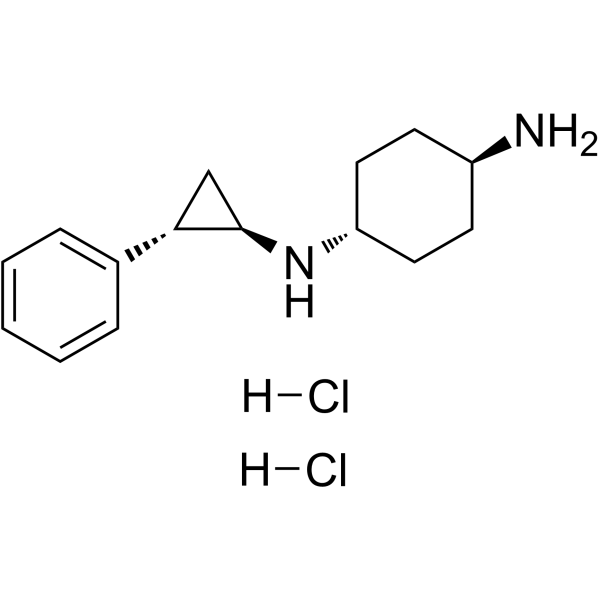
Iadademstat (ORY-1001) dihydrochloride is a selective irreversible lysine (K)-specific demethylase 1A (KDM1A/LSD1) inhibitor.
|
-
-
- HY-148807
-
|
QC8222 free base; TACH 101 free base
|
Histone Demethylase
Apoptosis
|
Cancer
|
|
Zavondemstat (QC8222 free base; TACH 101 free base) is an orally active pan-KDM4 inhibitor, with a IC50 ≤ 0.08 μM against human KDM4A-D and a Kᵢ of 0.52 μM against human KDM4C. Zavondemstat induces cell apoptosis, causes S-phase cell cycle arrest, reduces the population of tumor-initiating cells and inhibits cancer cell proliferation. Zavondemstat suppresses tumor growth and induces tumor regression in mouse xenograft models. Zavondemstat can be used for the research of various cancers including colorectal cancer, esophageal squamous cell carcinoma and triple-negative breast cancer .
|
-
-
- HY-18632
-
|
|
Histone Demethylase
|
Cancer
|
|
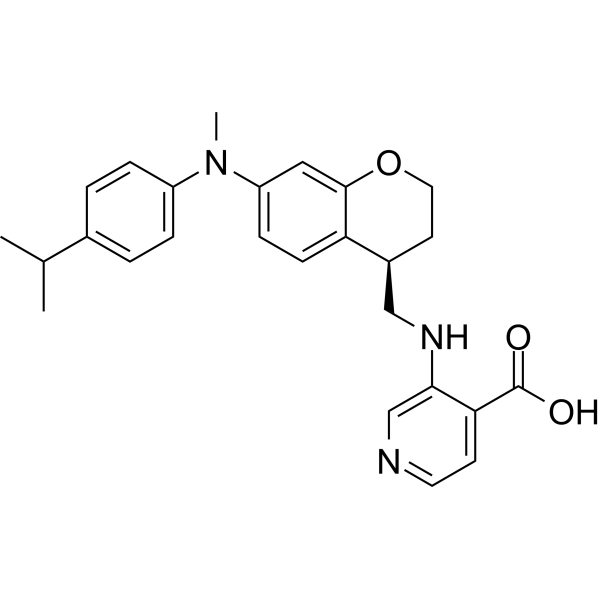
GSK2879552 an orally active, selective and irreversible inhibitor of lysine specific demethylase 1 (LSD1/ KDM1A), with potential antineoplastic activity .
|
-
-
- HY-107573
-
|
|
Histone Demethylase
|
Cancer
|
|
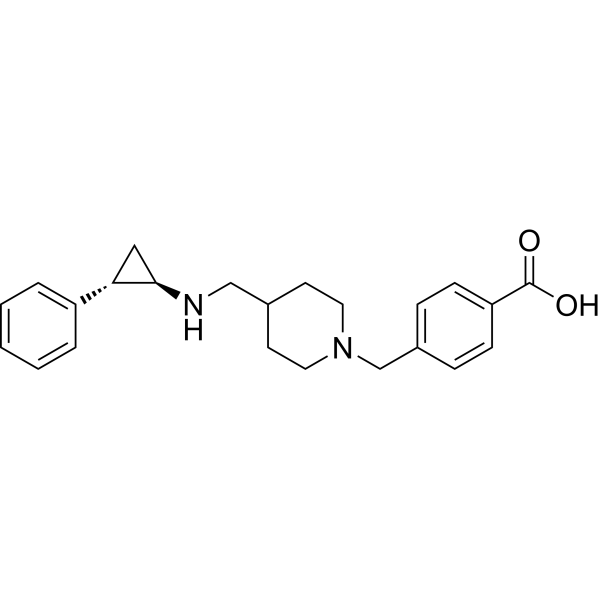
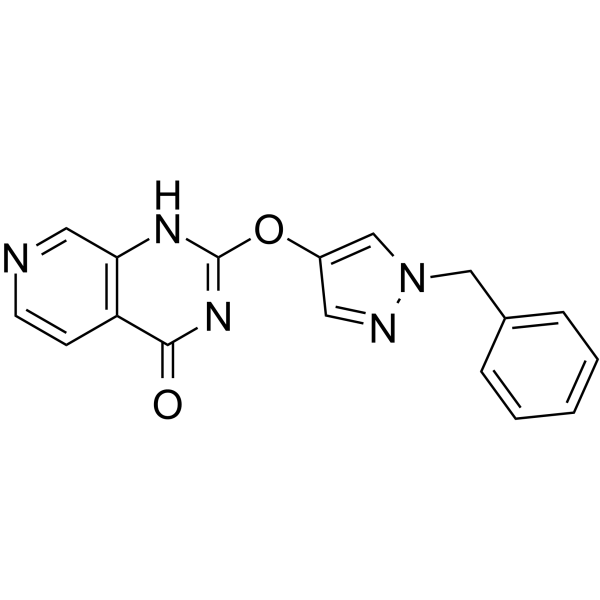
KDM2/7-IN-1 (TC-E 5002) is a selective histone demethylase KDM2/7 subfamily inhibitor (IC50 values are 0.2, 1.2, 6.8, 55, 83, >100 and >120 μM for KDM7A, KDM7B, KDM2A, KDM5A, KDM4C, KDM6A and KDM4A respectively). KDM2/7-IN-1 inhibits growth of HeLa and KYSE-150 cancer cells in vitro .
|
-
-
- HY-116761
-
GSK467
5 Publications Verification
|
Histone Demethylase
|
Cancer
|
|
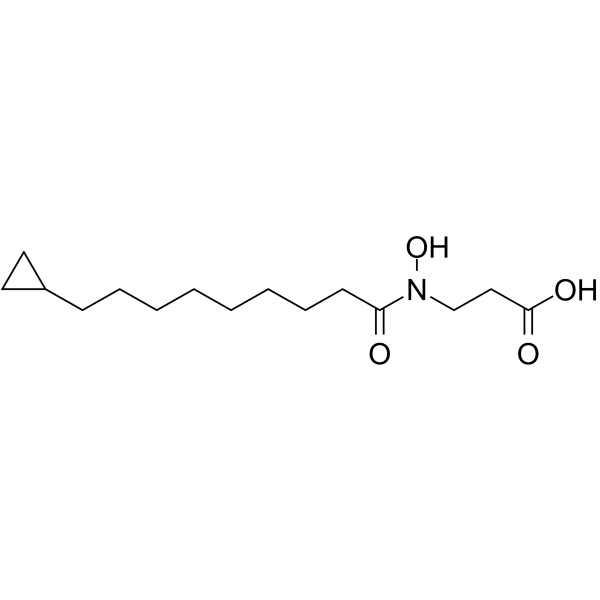
GSK467 is a cell penetrant and selective KDM5B (JARID1B or PLU1) inhibitor with a Ki of 10 nM and an IC50 of 26 nM. GSK467 shows 180-fold selectivity for KDM4C and no measurable inhibitory effects toward KDM6 or other Jumonji family members .
|
-
-
- HY-100760
-
-
-
- HY-109117
-
|
ORY-1001
|
Histone Demethylase
Apoptosis
|
Cancer
|
|
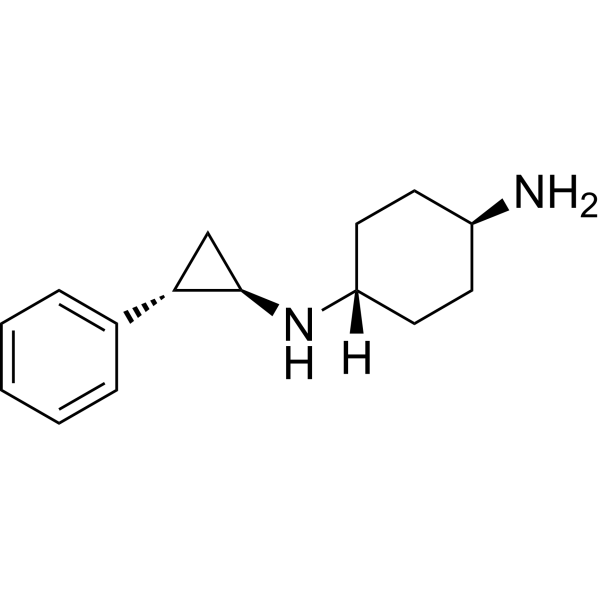
Iadademstat (ORY-1001) is a highly potent, orally active and selective LSD1 (KDM1A) inhibitor with antileukemic activity. Iadademstat can be used for relapsed or refractory acute myeloid leukemia research .
|
-
-
- HY-12725
-
|
|
Histone Demethylase
HSV
CMV
|
Cancer
|
|
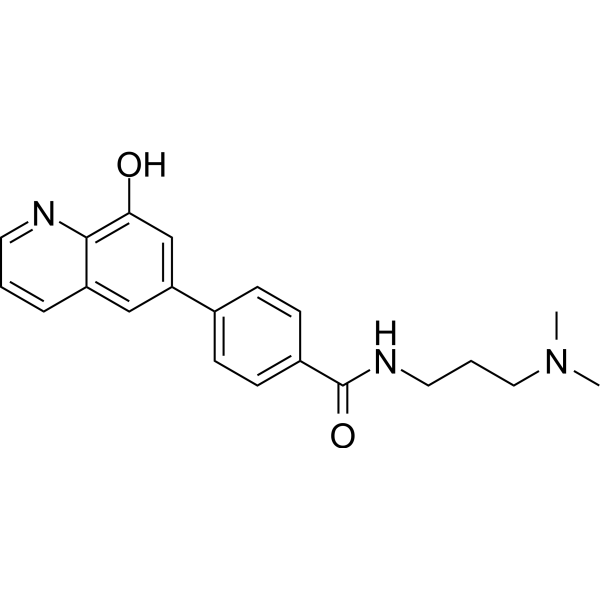
ML324 is a potent JMJD2 demethylase inhibitor with antiviral activity. ML324 also exhibits inhibition for the histone demethylase KDM4B, with an IC50 of 4.9 μM. ML324 has potent anti-viral activity against both herpes simplex virus (HSV) and human cytomegalovirus (hCMV) infection via inhibition viral IE gene expression .
|
-
-
- HY-18632A
-
|
|
Histone Demethylase
|
Cancer
|
|
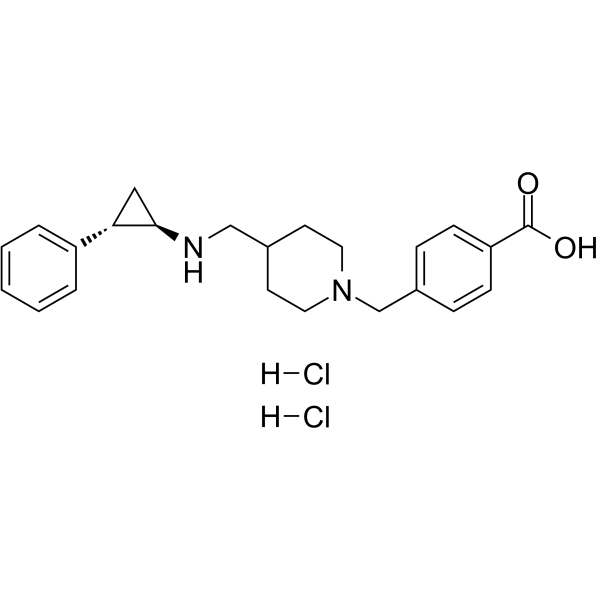
GSK2879552 dihydrochloride an orally active, selective and irreversible inhibitor of lysine specific demethylase 1 (LSD1/KDM1A), with potential antineoplastic activity .
|
-
-
- HY-100744
-
AS8351
1 Publications Verification
NSC51355
|
Histone Demethylase
|
Cardiovascular Disease
|
|
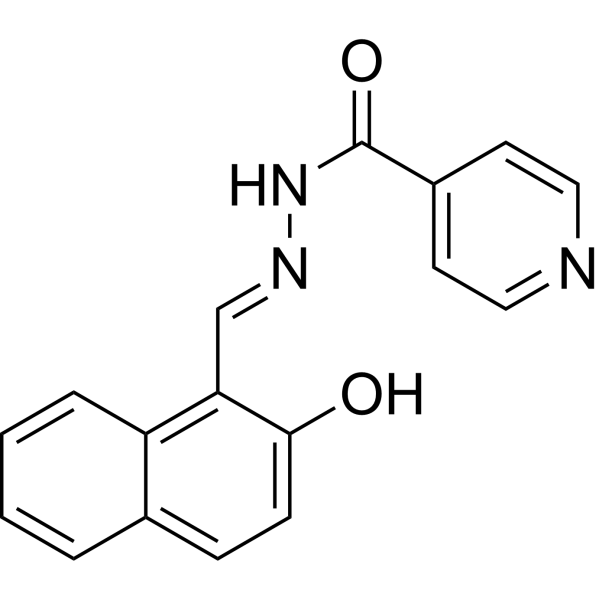
AS8351 (NSC51355) is a KDM5B inhibitor, which can induce and sustain active chromatin marks to facilitate the induction of cardiomyocyte-like cells .
|
-
-
- HY-103713
-
|
SP-2577
|
Histone Demethylase
|
Cancer
|
|
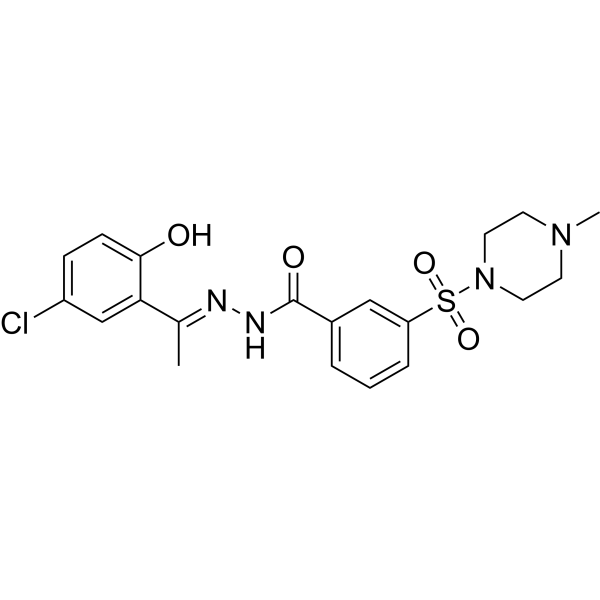
Seclidemstat is a potent noncompetitive and reversible KDM1A (LSD1) inhibitor (Ki=31 nM, IC50=13 nM). Seclidemstat promotes antitumor immunity in switch/sucrose nonfermentable (SWI/SNF) complex mutated ovarian cancer, as well as inhibit virus production, viral DNA replication, and late gene expression. Seclidemstat can be used for the research of Ewing Sarcoma .
|
-
-
- HY-102047B
-
|
|
Histone Demethylase
|
Cancer
|
|
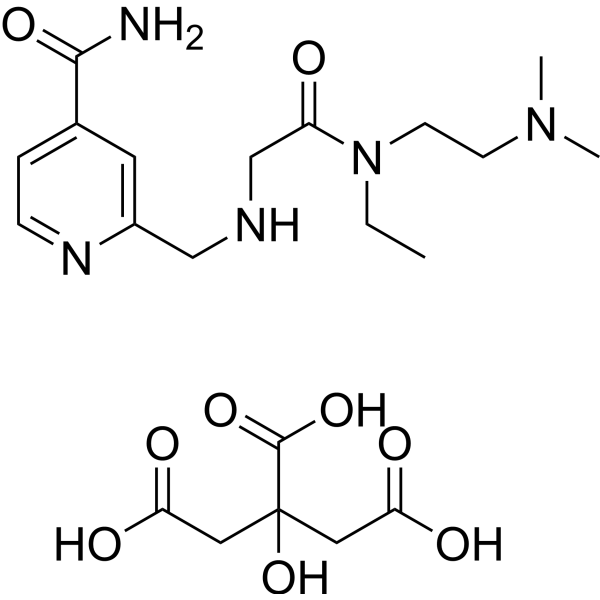
KDOAM-25 citrate is a potent and highly selective histone lysine demethylases 5 (KDM5) inhibitor with IC50s of 71 nM, 19 nM, 69 nM, 69 nM for KDM5A, KDM5B, KDM5C, KDM5D, respectively. KDOAM-25 citrate increases global H3K4 methylation at transcriptional start sites and impairs proliferation in multiple myeloma MM1S cells .
|
-
-
- HY-19612A
-
|
|
Histone Demethylase
|
Cancer
|
|
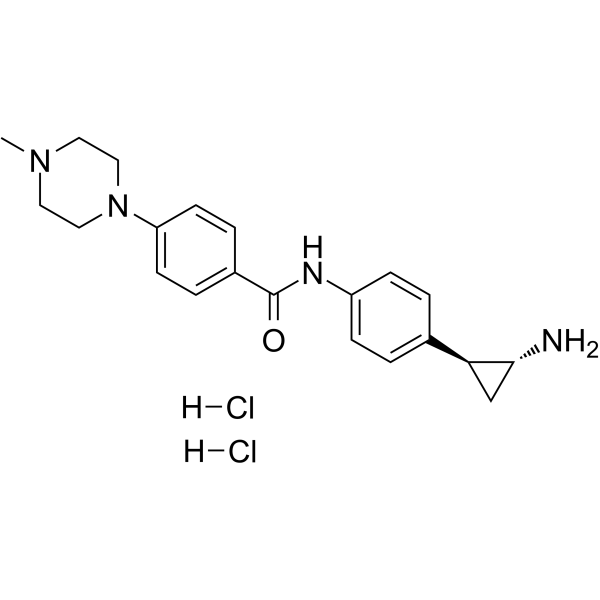
DDP-38003 dihydrochloride is an novel, orally available inhibitor of histone lysine-specific demethylase 1A (KDM1A/LSD1) with an IC50 of 84 nM .
|
-
-
- HY-100421A
-
|
|
Histone Demethylase
|
Cancer
|
|
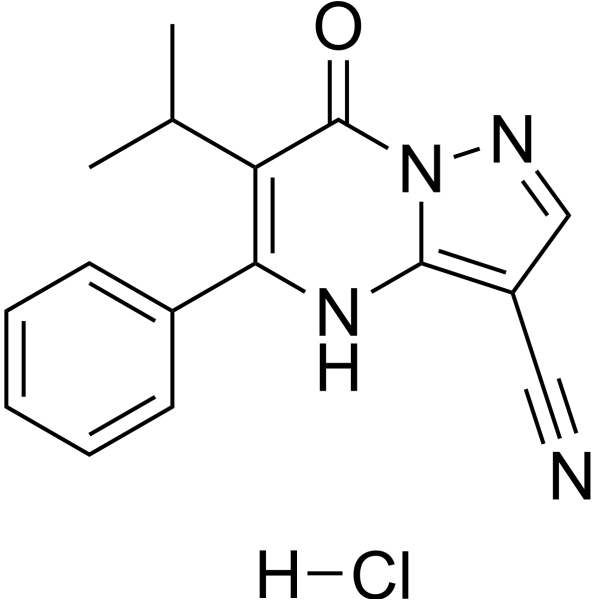
CPI-455 hydrochloride is a specific, pan-KDM5 inhibitor with an IC50 of 10 nM for KDM5A. CPI-455 hydrochloride mediates KDM5 inhibition, elevates global levels of H3K4me3, and decreases the number of drug-tolerant persister cancer cells in multiple cancer cell line models treated with standard chemotherapy or targeted agents .
|
-
-
- HY-139348
-
PFI-90
1 Publications Verification
|
Histone Demethylase
Apoptosis
|
Cancer
|
|
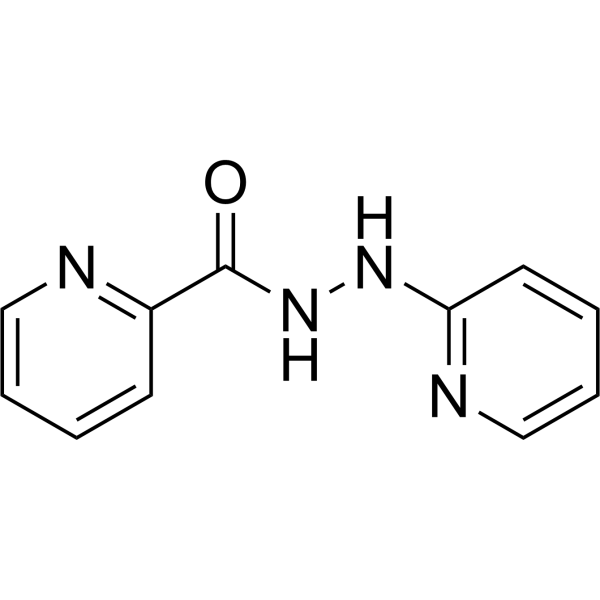
PFI-90 is a selective inhibitor of histone demethylase (KDM3B) that inhibits PAX3-FOXO1 action. PFI-90 induces apoptosis and myogenic differentiation, resulting in the cell death increased. PFI-90 has the potential for the antitumor activity. (patent WO2021101929A1).
|
-
-
- HY-132896
-
|
|
Histone Demethylase
|
Cancer
|
|
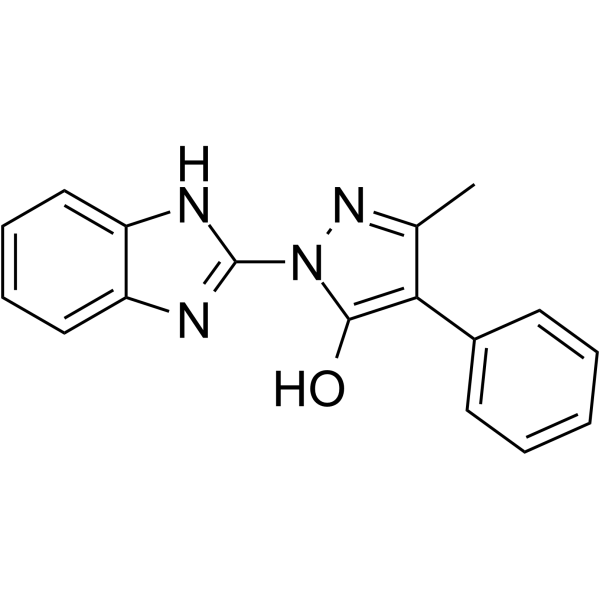
KDM4-IN-3 (Compound 15) is a KDM4 inhibitor (IC50 = 871 nM) that exhibits improved potency in biochemical assays. KDM4-IN-3 is cell-permeable and kills prostate cancer cells at low micro molar concentrations. KDM4-IN-3 inhibits growth of prostate cancer cell lines and increases the H3K9me3 abundance. KDM4-IN-3 can be studied in research for prostate cancer .
|
-
-
- HY-100422
-
-
-
- HY-100014
-
|
|
Histone Demethylase
|
Cancer
|
|
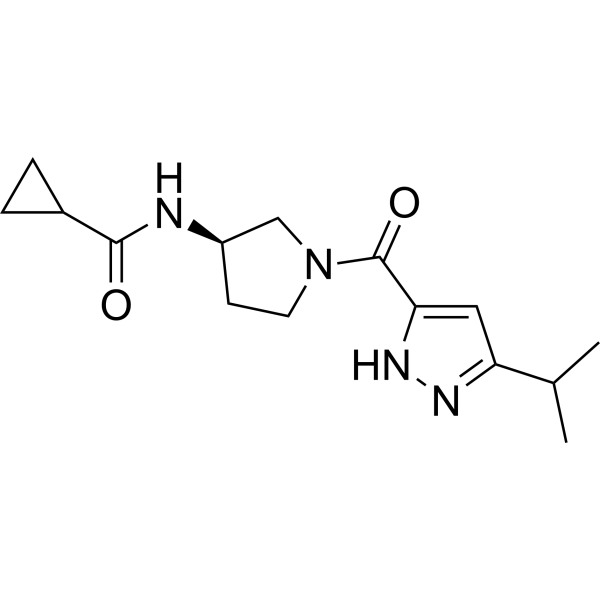
KDM5A-IN-1 is a potent, orally bioavailable pan-histone lysine demethylases 5 (KDM5) inhibitor with IC50s of 45 nM, 56 nM and 55 nM for KDM5A, KDM5B and KDM5C, respectively, and with an EC50 value of 960 nM for PC9 H3K4Me3. KDM5A-IN-1 is significantly less potent against other KDM5B enzymes (1A, 2B, 3B, 4C, 6A, 7B) .
|
-
-
- HY-101799
-
-
-
- HY-15648A
-
GSK-J2
4 Publications Verification
|
Histone Demethylase
|
Cancer
|
|
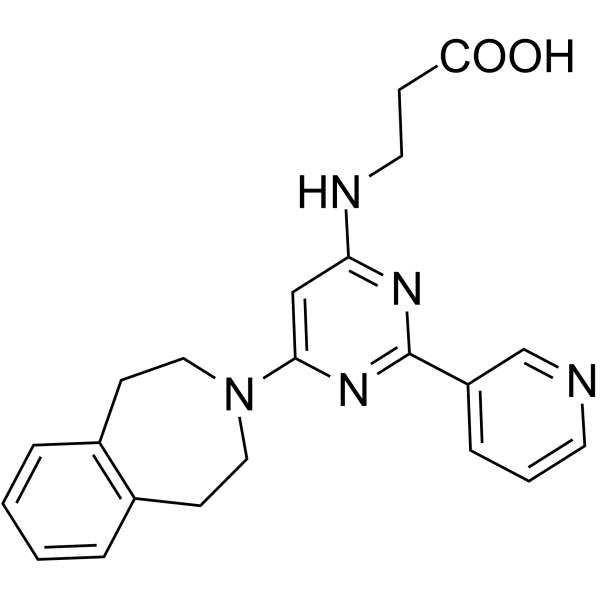
GSK-J2 is an isomer of GSK-J1 that does not have any specific activity. GSK-J1 is a potent inhibitor of H3K27me3/me2-demethylases JMJD3/KDM6B and UTX/KDM6A.
|
-
-
- HY-101451
-
PBIT
3 Publications Verification
|
Histone Demethylase
|
Cancer
|
|
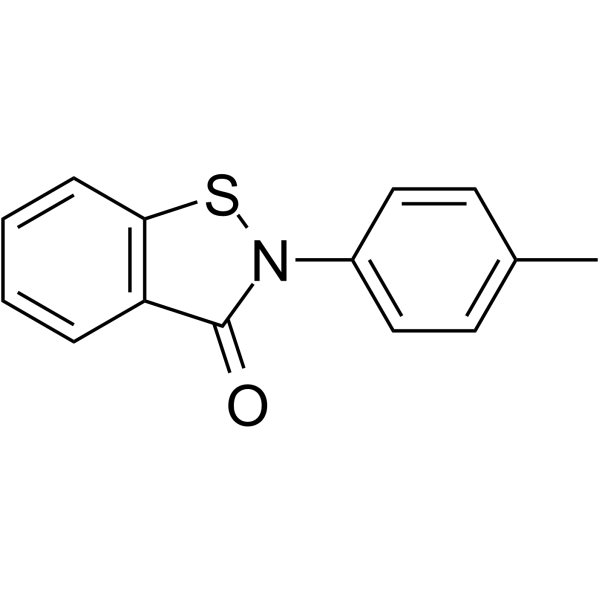
PBIT is a specific inhibitor of the Jumonji AT-rich Interactive Domain 1 (JARID1) enzymes. PBIT inhibits JARID1B (KDM5B or PLU1) histone demethylase with an IC50 of about 3 μM . PBIT also inhibits JARID1A and JARID1C with IC50s of 6 μM and 4.9 μM, respectively .
|
-
-
- HY-100624
-
-
-
- HY-119397A
-
|
KDOAM-20 hydrochloride
|
Histone Demethylase
|
Cancer
|
|
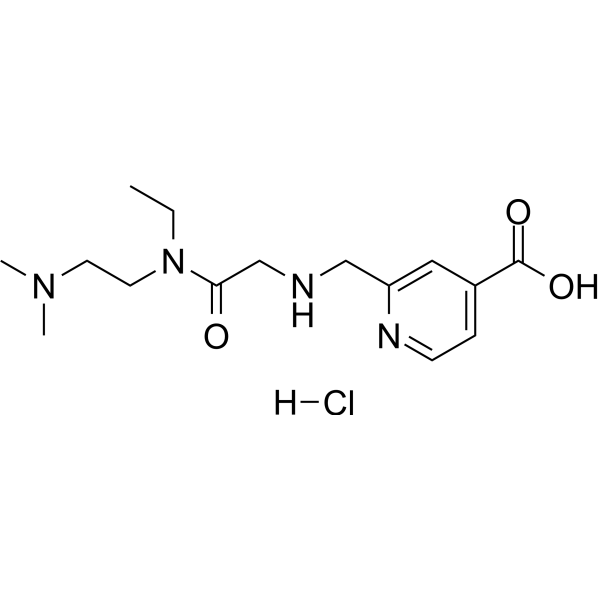
KDM5-C49 (KDOAM-20) hydrochloride is a potent and selective inhibitor of KDM5 demethylases, with IC50s of 40 nM, 160 nM, and 100 nM for KDM5A, KDM5B, and KDM5C enzymes, respectively. KDM5-C49 hydrochloride can be used for the research of cancer .
|
-
-
- HY-139561
-
-
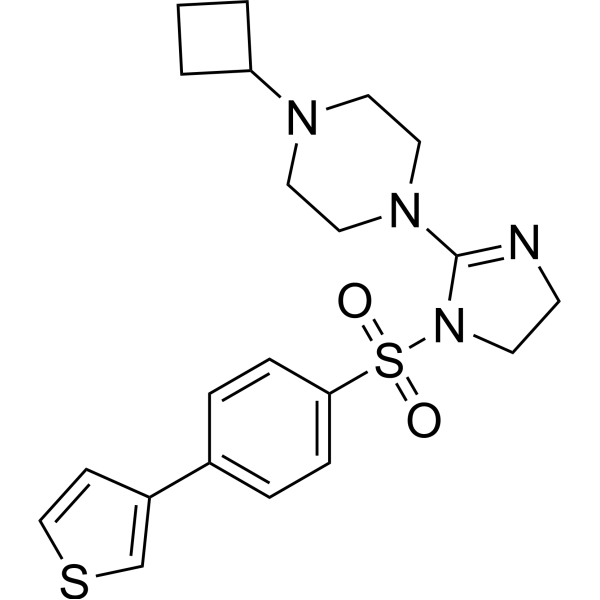
-
- HY-110154
-
|
|
Histone Demethylase
|
Cancer
|
|
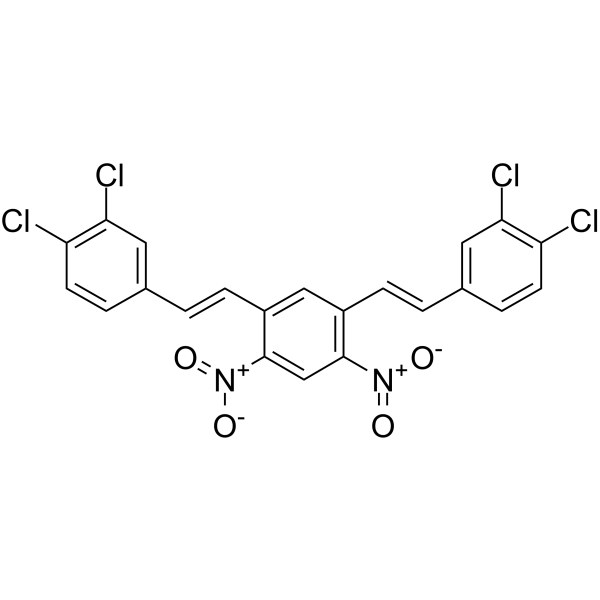
NSC636819 is a competitive and selective inhibitor of KDM4A/KDM4B. KDM4A/KDM4B are potential progression factors for prostate cancer. NSC636819 has the potential for the research of cancer diseases, especially prostate cancer .
|
-
-
- HY-139601
-
|
|
Histone Demethylase
|
Cancer
|
|
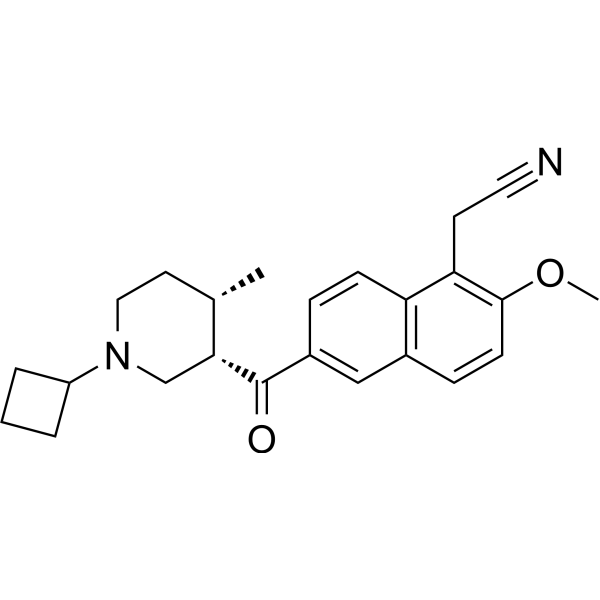
KDM2B-IN-4 (Compound 182b) is a histone demethylase KDM2B inhibitor with an IC50 of 1.12 nM. KDM2B-IN-4 can be used for the research of hyperproliferative diseases such as cancers .
|
-
-
- HY-146148
-
|
|
Histone Demethylase
|
Cancer
|
|
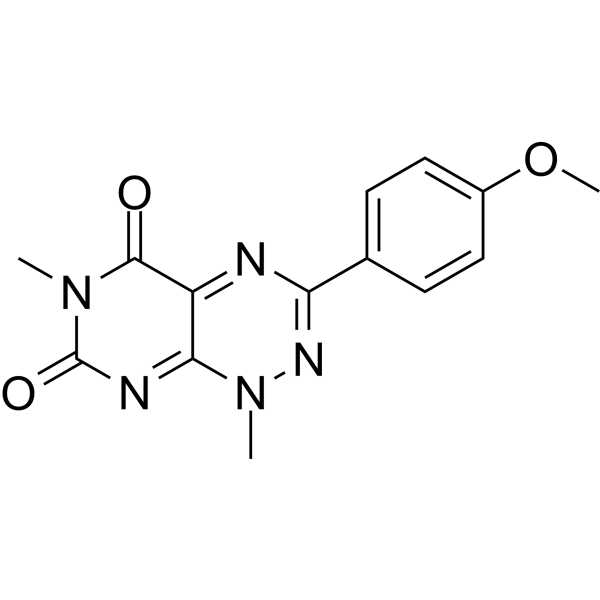
KDM4C-IN-1 (Compound 4d) is a potent KDM4C inhibitor with an IC50 of 8 nM. KDM4C-IN-1 inhibits the growth of HepG2 and A549 cells with IC50s of 0.8 µM and 1.1 µM, respectively .
|
-
-
- HY-101928
-
|
|
Histone Demethylase
|
Cancer
|
|
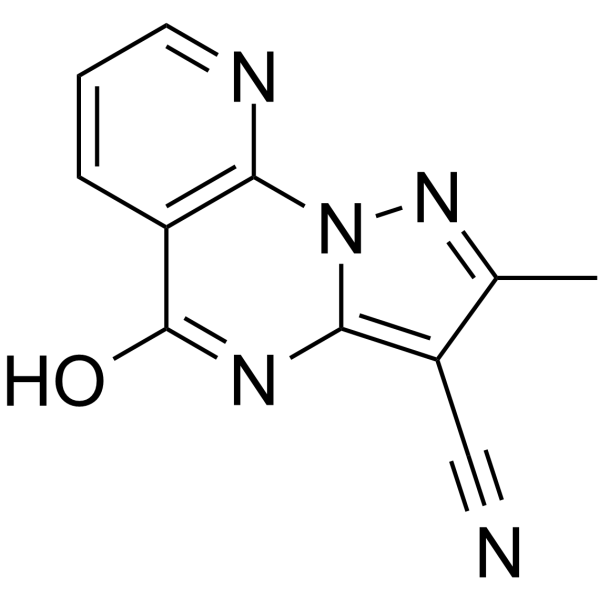
KDM4D-IN-1 is a new histone lysine demethylase 4D (KDM4D) inhibitor with an IC50 value of 0.41±0.03 μM.
|
-
-
- HY-108706
-
|
|
Histone Demethylase
|
Cancer
|
|
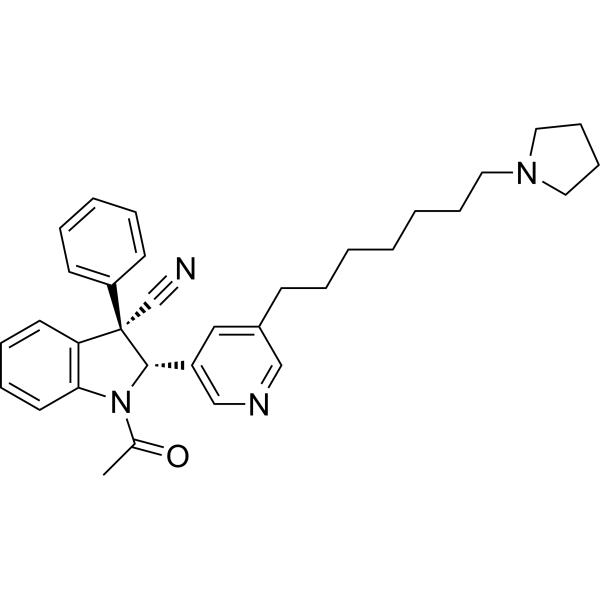
KDM2A/7A-IN-1 is a first-in-class, selective and cell-permeable inhibitor of histone lysine demethylases KDM2A/7A, with an IC50 of 0.16 μM for KDM2A, exhibits 75 fold selevtivity over other JmjC lysine demethylases, and is inactive on methyl transferases, and histone acetyl transferases .
|
-
-
- HY-100764
-
YUKA1
1 Publications Verification
|
Histone Demethylase
|
Cancer
|
|
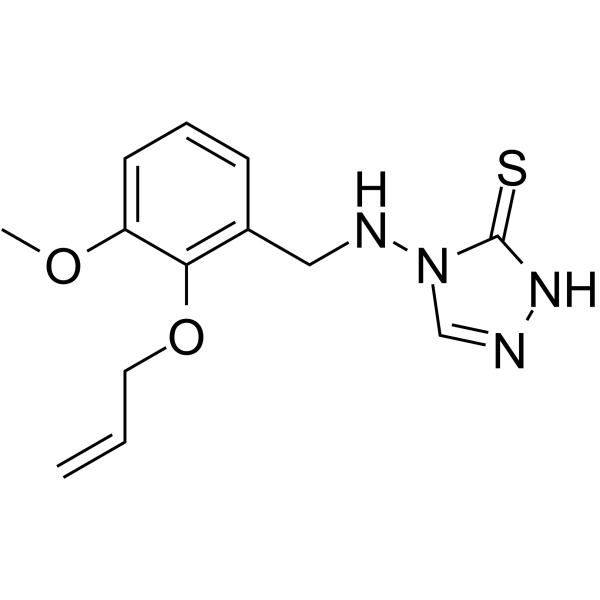
YUKA1 is a potent and cell permeable Lysine demethylase 5A (KDM5A) inhibitor, with an IC50 of 2.66 μM. YUKA1 has less inhibitory active on KDM5C (IC50 = 7.12 μM) and is inactive on KDM5B, KDM6A or KDM6B. YUKA1 can increase H3K4me3 levels and inhibit cell proliferation. YUKA1 can be used for the research of cancer, such as lung and breast cancers .
|
-
-
- HY-138830
-
TAK-418
2 Publications Verification
|
Histone Demethylase
|
Neurological Disease
|
|
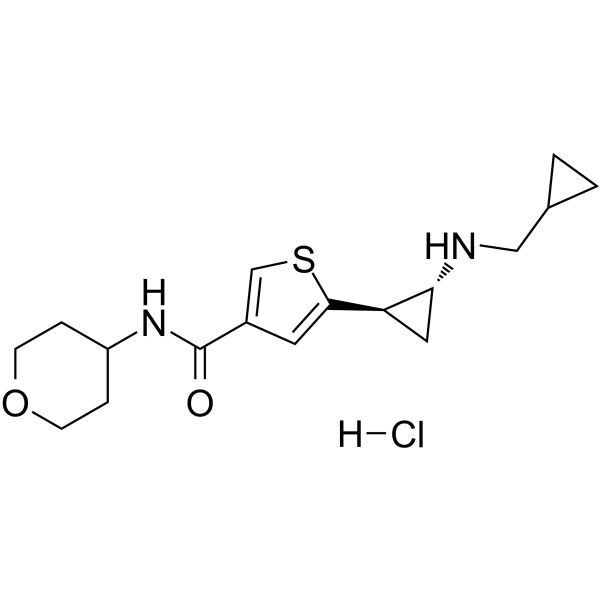
TAK-418 is a selective, orally active LSD1 (KDM1A) enzyme inhibitor with an IC50 of 2.9 nM. TAK-418 unlocks aberrant epigenetic machinery and improves autism symptoms in neurodevelopmental disorder models .
|
-
-
- HY-103713A
-
|
SP-2577 mesylate
|
Histone Demethylase
|
Cancer
|
|
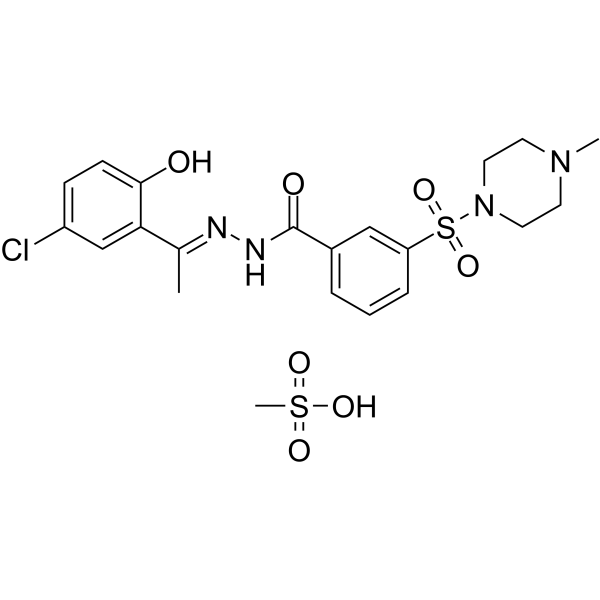
Seclidemstat (SP-2577) mesylate is a potent noncompetitive and reversible KDM1A (LSD1) inhibitor (Ki=31 nM, IC50=13 nM). Seclidemstat mesylate promotes antitumor immunity in switch/sucrose nonfermentable (SWI/SNF) complex mutated ovarian cancer, as well as inhibit virus production, viral DNA replication, and late gene expression. Seclidemstat mesylate can be used for the research of Ewing Sarcoma .
|
-
-
- HY-129079
-
-
-
- HY-139560
-
-
-
- HY-149091
-
|
|
Histone Demethylase
|
Cancer
|
|
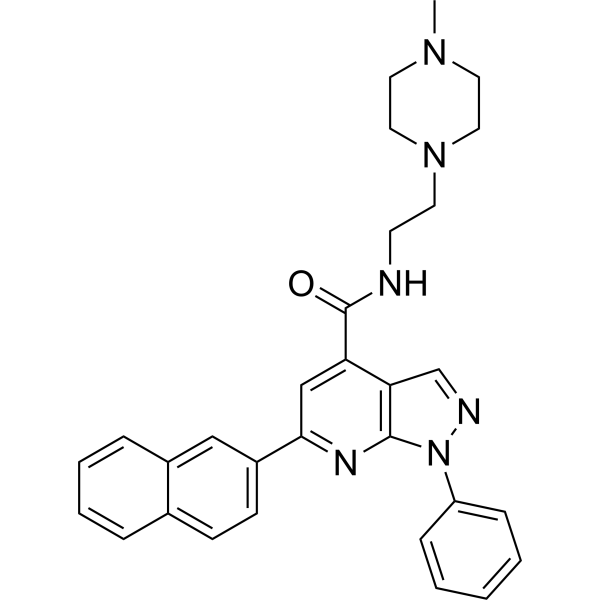
KDM5B-IN-4 (compound 11ad) is a lysine demethylase 5B (KDM5B) inhibitor with an IC50 of 0.025 μM KDM5B-IN-4 increases substrate H3K4me1/2/3 level by inhibiting KDM5B in PC-3 cells. KDM5B-IN-4 downregulates PI3K/AKT. KDM5B-IN-4 reduces tumor volume in mice and shows less toxic to organs .
|
-
-
- HY-151483
-
|
|
Wnt
Histone Demethylase
|
Cardiovascular Disease
|
|
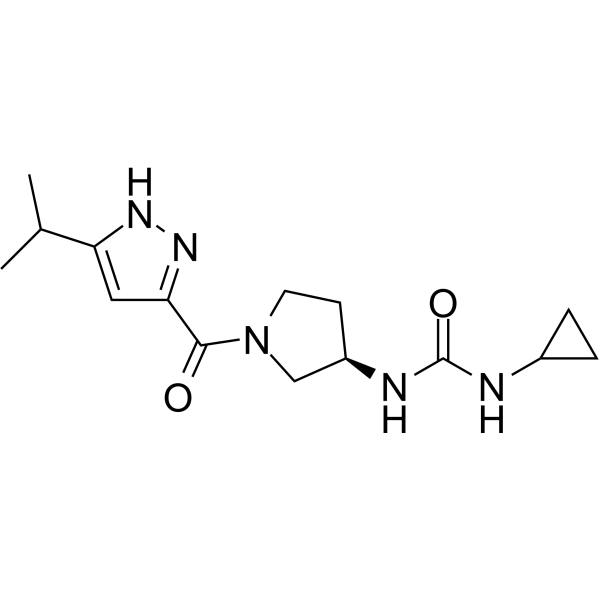
TK-129 is an orally active, low-toxicity, potent KDM5B inhibitor (with high affinity; IC50=44 nM). TK-129 exerts cardioprotective effects by inhibiting KDM5B and blocking the KDM5B-associated Wnt pathway. TK-129 reduces ang II-induced activation of cardiac fibroblasts in vitro and reduces isoprenaline-induced myocardial remodelling and fibrosis in vivo. TK-129 can be used in studies of cardiovascular disease .
|
-
-
- HY-138691A
-
|
JADA82 trihydrochloride; PCK82 trihydrochloride
|
Histone Demethylase
|
Cancer
|
|
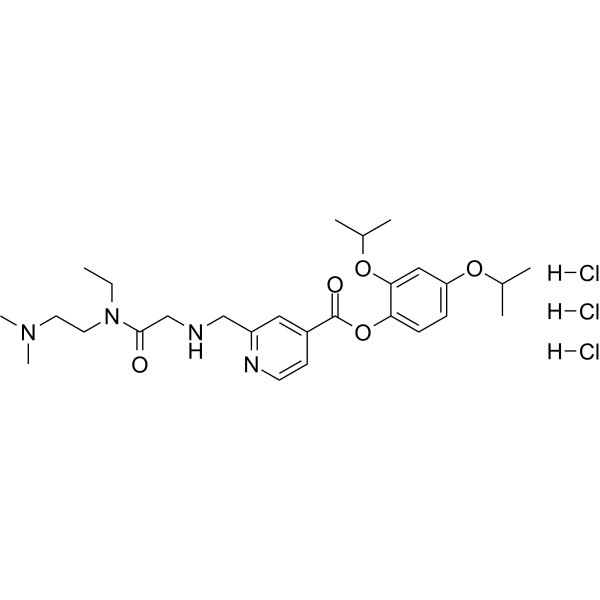
JQKD82 (JADA82) trihydrochloride is a cell-permeable and selective KDM5 inhibitor. JQKD82 trihydrochloride increases H3K4me3 and can be used for the research of multiple myeloma .
|
-
-
- HY-N6896
-
|
|
TGF-beta/Smad
PI3K
Akt
mTOR
MMP
Histone Demethylase
|
Endocrinology
Cancer
|
|
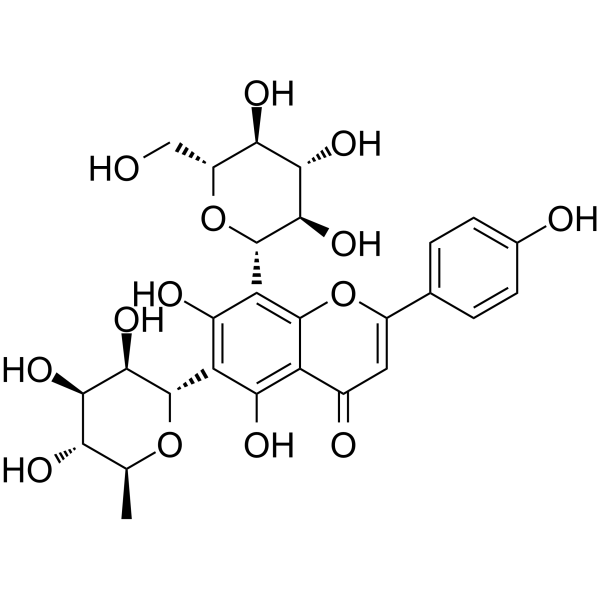
Isoviolanthin is a flavonoid glycoside. Isoviolanthin can be extracted from Dendrobium officinale. Isoviolanthin has a strong affinity for binding to KDM6B, CHAC2, ESCO2, and IPO4. Isoviolanthin decreases MMP-2 and MMP-9. Isoviolanthin inhibits TGF-β/Smad and PI3K/Akt/mTOR signaling pathways. Isoviolanthin increases Fhl3 expression. Isoviolanthin has cytoprotective effects. Isoviolanthin has anticancer activity against hepatocellular carcinoma .
|
-
-
- HY-102047
-
|
|
Histone Demethylase
|
Cancer
|
|
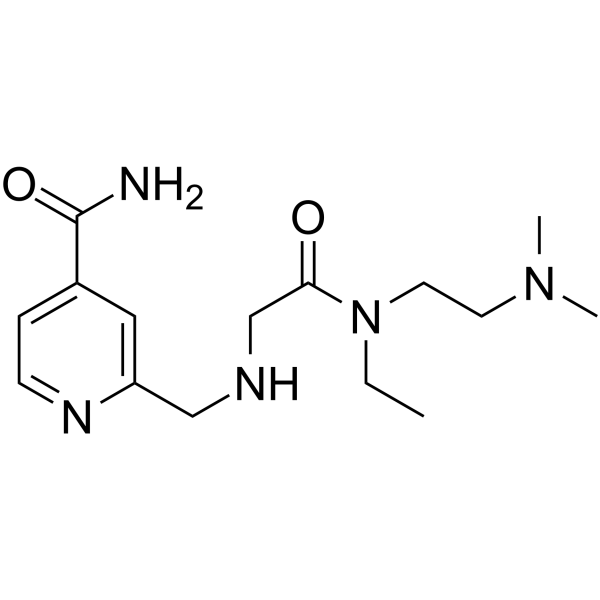
KDOAM-25 is a potent and highly selective histone lysine demethylases 5 (KDM5) inhibitor with IC50s of 71 nM, 19 nM, 69 nM, 69 nM for KDM5A, KDM5B, KDM5C, KDM5D, respectively. KDOAM-25 increases global H3K4 methylation at transcriptional start sites and impairs proliferation in multiple myeloma MM1S cells .
|
-
-
- HY-15648D
-
|
|
Histone Demethylase
|
Cancer
|
|
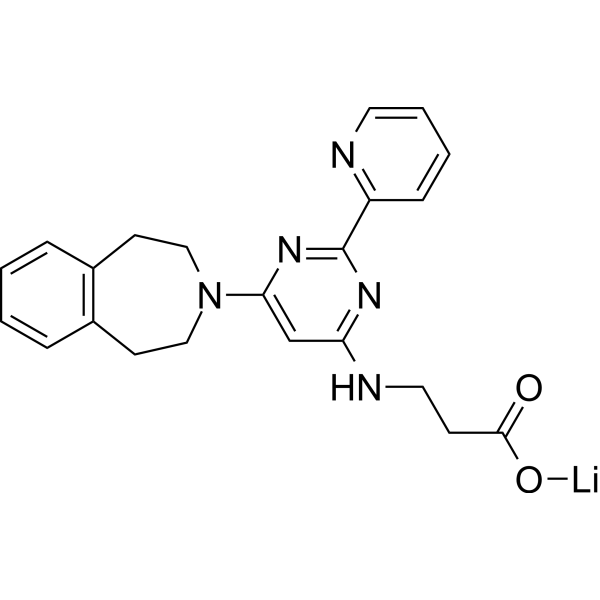
GSK-J1 lithium salt is a potent inhibitor of H3K27me3/me2-demethylases JMJD3/KDM6B and UTX/KDM6A, with IC50 of 60 nM towards KDM6B.
|
-
-
- HY-168593
-
|
|
β-catenin
PROTACs
Wnt
Histone Demethylase
|
Cancer
|
|
PROTAC KDM3 degrader-1 (Compound 4) is a CRBN-recruiting PROTAC designed based on the IOX1 (HY-12304) scaffold. PROTAC KDM3 degrader-1 selectively degrades the KDM3A and KDM3B proteins, thereby inhibiting the Wnt/β-catenin signaling pathway. PROTAC KDM3 degrader-1 significantly suppresses the self-renewal capacity of colorectal cancer stem cells and inhibits the growth of colorectal cancer tumors. PROTAC KDM3 degrader-1 is suitable for research on colorectal cancer (Target protein ligand (Pink): HY-12304; linker (Black): HY-22335; Conjugate of E3 ligase ligand and linker: HY-112599; E3 ligase (Blue): HY-41547) .
|
-

- HY-112308
-
-
- HY-162301
-
-
- HY-138691
-
|
JADA82; PCK82
|
Histone Demethylase
|
Cancer
|
|
JQKD82 (JADA82) is a cell-permeable and selective KDM5 inhibitor. JQKD82 increases H3K4me3 and can be used for the research of multiple myeloma .
|
-
- HY-128343
-
|
|
Histone Demethylase
|
Cancer
|
|
KDM4-IN-2 (Compound 19a) is a potent and selective KDM4/KDM5 dual inhibitor with Kis of 4 and 7 nM for KDM4A and KDM5B, respectively .
|
-
- HY-150619
-
|
|
Histone Demethylase
|
Cancer
|
|
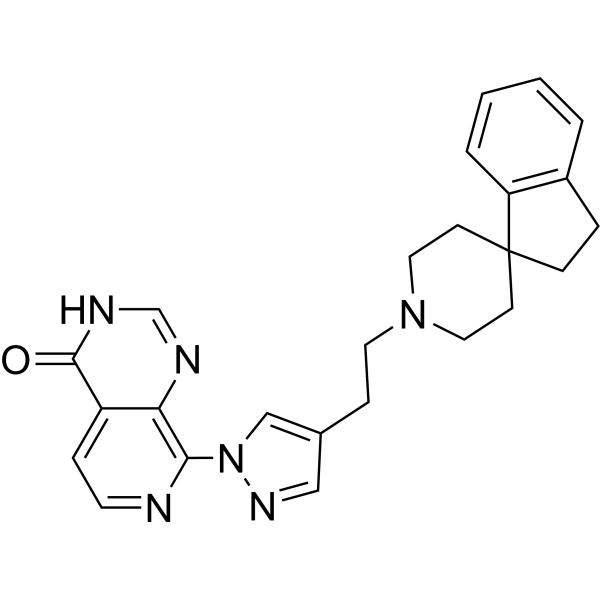
KDM4-IN-4 (compound 47) is a potent histone lysine demethylase 4 (KDM4) inhibitor with a modest affinity binding to ~80 μM for KDM4A-Tudor domain. KDM4-IN-4 can inhibit H3K4Me3 binding to the Tudor domain in cells with an EC50 value of 105 μM. KDM4-IN-4 can be used for researching anticancer .
|
-
- HY-119397
-
|
KDOAM-20
|
Histone Demethylase
|
Cancer
|
|
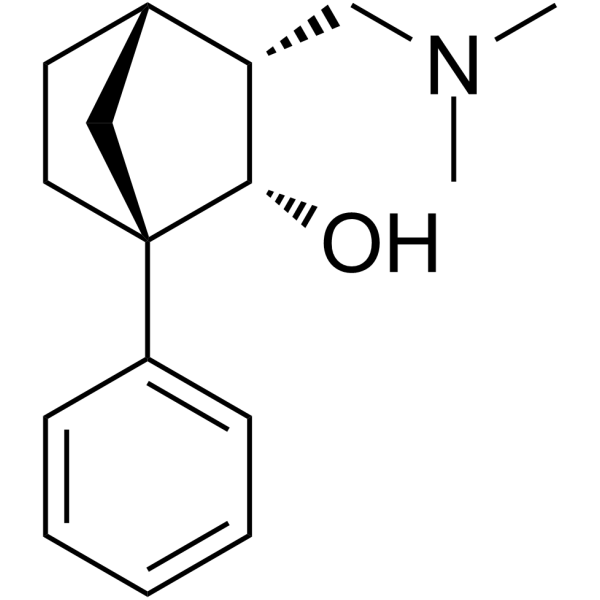
KDM5-C49 (KDOAM-20) is a potent and selective inhibitor of KDM5 demethylases, with IC50s of 40 nM, 160 nM, and 100 nM for KDM5A, KDM5B, and KDM5C enzymes, respectively. KDM5-C49 can be used for the research of cancer .
|
-
- HY-19612B
-
|
|
Histone Demethylase
|
Cancer
|
|
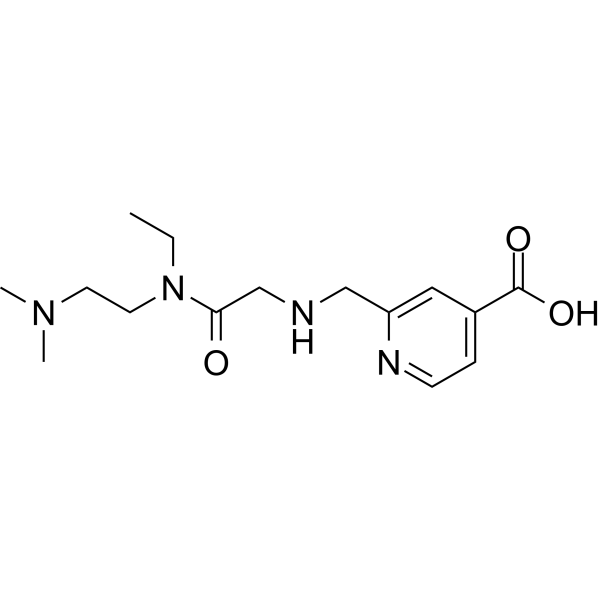
DDP-38003 trihydrochloride is an novel, orally available inhibitor of histone lysine-specific demethylase 1A (KDM1A/LSD1) with an IC50 of 84 nM.
|
-
- HY-120766
-
|
|
Histone Demethylase
|
Cancer
|
|
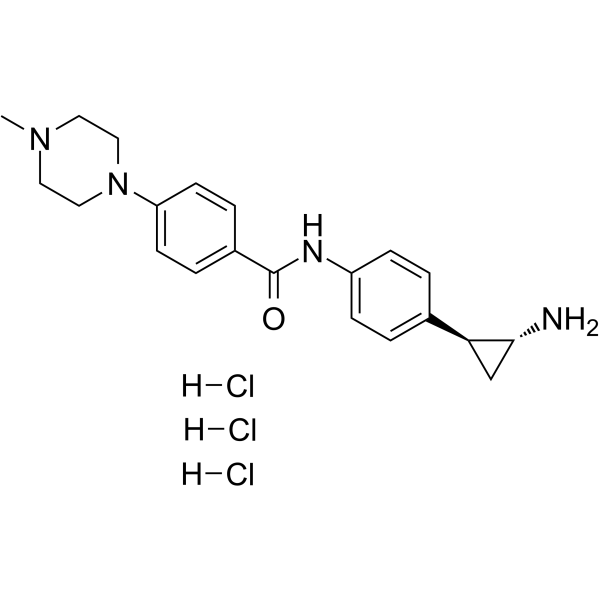
NCDM-32B is a potent and selective KDM4 inhibitor, with IC50 values of 3.0 μM for KDM4A and 1.0 μM for KDM4C in in vitro enzyme assays. NCDM-32B specifically increases global H3K9me3/me2 levels in basal breast cancer cells. NCDM-32B impairs the viability of KDM4C-amplified basal breast cancer cell lines (HCC1954 and Colo824). NCDM-32B can be used for the study of breast cancer .
|
-
- HY-148807B
-
|
(S)-QC8222 free base; (S)-TACH 101 free base
|
Histone Demethylase
|
Others
|
|
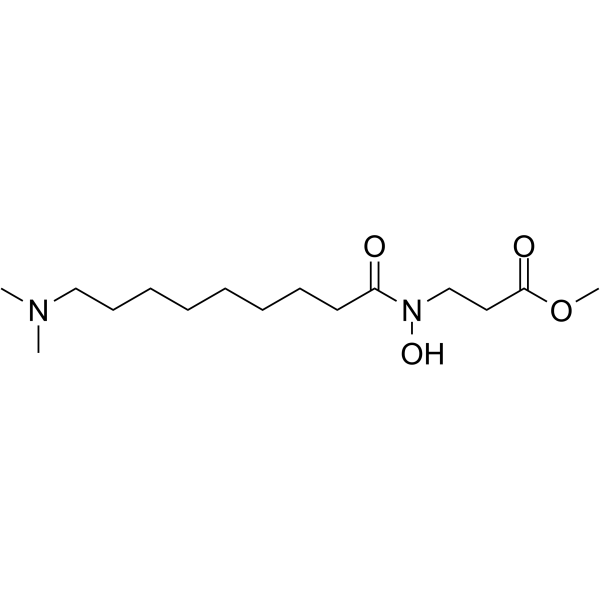
(S)-Zavondemstat is the S-enantiomer of Zavondemstat (HY-148807). Zavondemstat is an inhibitor of histone lysine demethylase 4D (KDM4D) with antineoplastic activity [1] .
|
-

- HY-123419
-
|
|
Histone Demethylase
|
Cancer
|
|
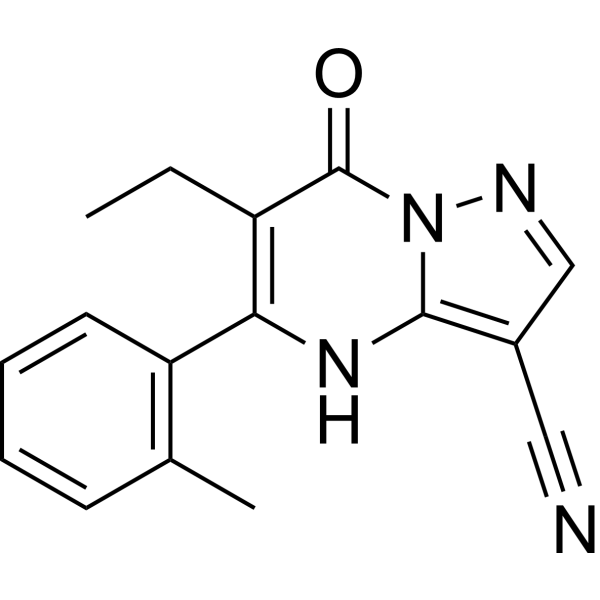
CPI-4203 is a potent KDM5A inhibitor with an IC50 of 250 nM. CPI-4203 is competitive with 2-oxoglutarate (2-OG). CPI-4203 is structurally related to CPI-455 (HY-100421) but is less potent .
|
-
- HY-139600
-
|
|
Histone Demethylase
|
Cancer
|
|
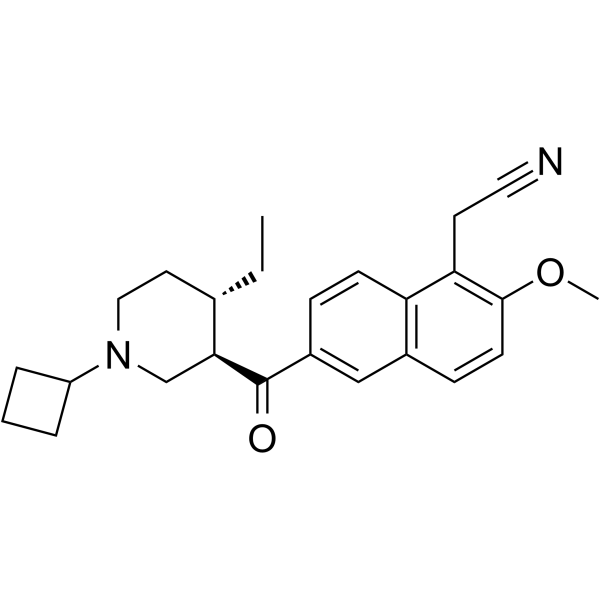
KDM2B-IN-3 is a histone demethylase KDM2B inhibitor extracted from patent WO2016112284A1, compound 183c. KDM2B-IN-3 can be used for the research of cancer .
|
-
- HY-102047A
-
|
|
Histone Demethylase
|
Cancer
|
|
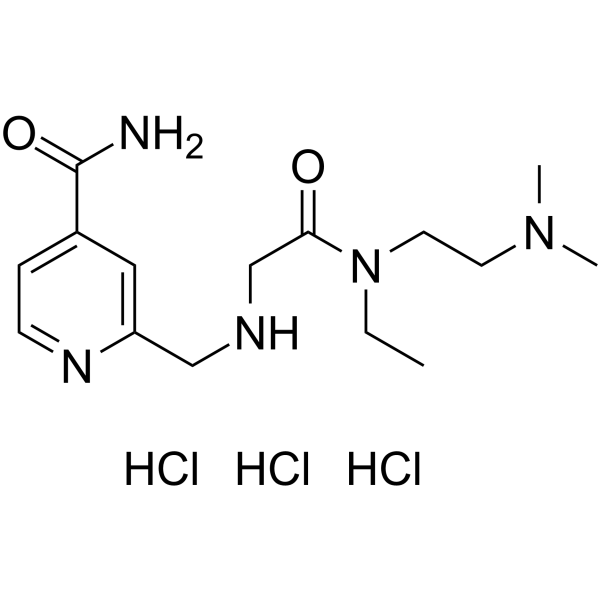
KDOAM-25 trihydrochloride is a potent and highly selective histone lysine demethylases 5 (KDM5) inhibitor with IC50s of 71 nM, 19 nM, 69 nM, 69 nM for KDM5A, KDM5B, KDM5C, KDM5D, respectively. KDOAM-25 trihydrochloride increases global H3K4 methylation at transcriptional start sites and impairs proliferation in multiple myeloma MM1S cells .
|
-
- HY-13643R
-
|
|
Reference Standards
Histone Demethylase
|
Cancer
|
|
Daminozide (Standard) is the analytical standard of Daminozide. This product is intended for research and analytical applications. Daminozide, a plant growth regulator, is a selective inhibitor of the human KDM2/7 histone demethylases, with IC50s of 0.55, 1.5 and 2.1 μM for PHF8, KDM2A, and KIAA1718, respectively. Daminozide has >100-fold selectivity for KDM2/7 subfamily versus other demethylase subfamily members tested .
|
-

- HY-19612
-
|
|
Histone Demethylase
|
Cancer
|
|
DDP-38003 (Compound 15) is an orally active KDM1A/LSD1 inhibitor with an IC50 value of 84 nM. DDP-38003 exhibits anticancer activity against promyelocytic leukemia .
|
-

- HY-148807A
-
|
QC8222; TACH 101
|
Apoptosis
Histone Demethylase
|
Cancer
|
|
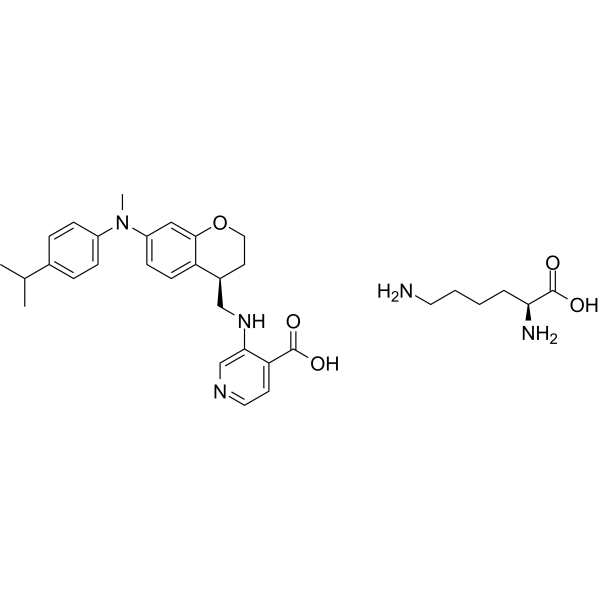
Zavondemstat (QC8222; TACH 101) L-lysine is an orally active pan-KDM4 inhibitor, with a IC50 ≤ 0.08 μM against human KDM4A-D and a Kᵢ of 0.52 μM against human KDM4C. Zavondemstat L-lysine induces cell apoptosis, causes S-phase cell cycle arrest, reduces the population of tumor-initiating cells and inhibits cancer cell proliferation. Zavondemstat L-lysine suppresses tumor growth and induces tumor regression in mouse xenograft models. Zavondemstat L-lysine can be used for the research of various cancers including colorectal cancer, esophageal squamous cell carcinoma and triple-negative breast cancer .
|
-
- HY-143238
-
|
|
Histone Demethylase
|
Cancer
|
|
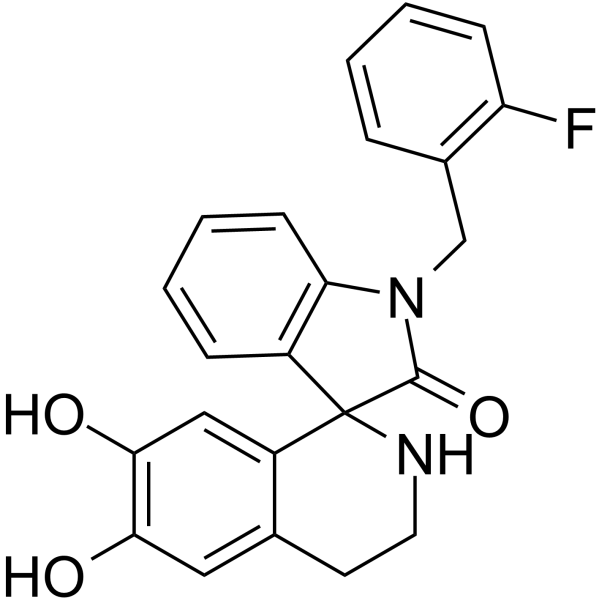
FY-56 is a highly potent and selective LSD1/KDM1A inhibitor (IC50=42 nM) and exhibits high selectivity over MAO-A/B. FY-56 induces differentiation of MOLM-13 and MV4-11 cell and has the potential for AML research .
|
-
- HY-15648FR
-
|
|
Histone Demethylase
|
Cancer
|
|
GSK-J4 (hydrochloride) (Standard) is the analytical standard of GSK-J4 (hydrochloride). This product is intended for research and analytical applications. GSK-J4 hydrochloride is a potent dual inhibitor of H3K27me3/me2-demethylases JMJD3/KDM6B and UTX/KDM6A with IC50s of 8.6 and 6.6 μM, respectively. GSK-J4 hydrochloride inhibits LPS-induced TNF-α production in human primary macrophages with an IC50 of 9 μM. GSK-J4 hydrochloride is a cell permeable proagent of GSK-J1 .
|
-

- HY-15648BR
-
|
|
Histone Demethylase
Apoptosis
|
Cancer
|
|
GSK-J4 (Standard) is the analytical standard of GSK-J4. This product is intended for research and analytical applications. GSK-J4 is a potent dual inhibitor of H3K27me3/me2-demethylases JMJD3/KDM6B and UTX/KDM6A with IC50s of 8.6 and 6.6 μM, respectively. GSK-J4 inhibits LPS-induced TNF-α production in human primary macrophages with an IC50 of 9 μM. GSK J4 is a cell permeable proagent of GSK-J1 . GSK-J4 induces endoplasmic reticulum stress-related apoptosis .
|
-

- HY-138691B
-
|
JADA82 dihydrochloride; PCK82 dihydrochloride
|
Histone Demethylase
|
Cancer
|
|
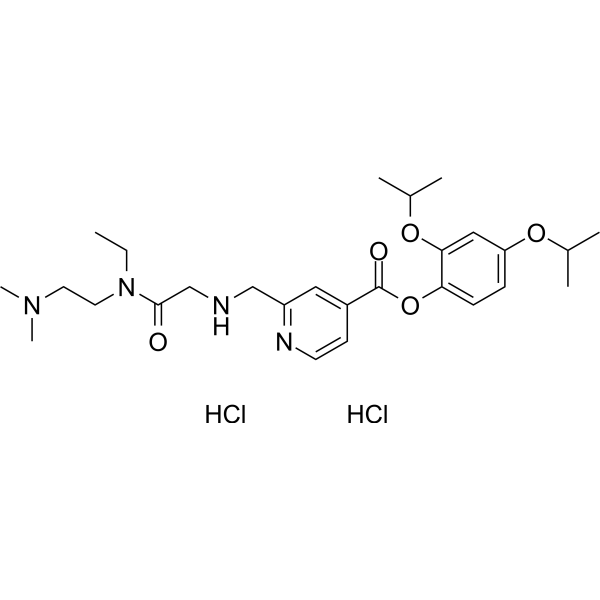
JQKD82 (JADA82) dihydrochloride is a cell-permeable and selective KDM5 inhibitor. JQKD82 dihydrochloride increases H3K4me3 and can be used for the research of multiple myeloma .
|
-
- HY-123577
-
|
|
Histone Demethylase
Apoptosis
|
Cancer
|
|
TPC-144 is a LSD1/KDM1A inhibitor. TPC-144 inhibits LSD1, and leads to a decrease in the protein level of DNMT1, causing low methylation of the LINE-1 element. TPC-144 can also produce a synergistic effect with Decitabine (HY-A0004) (a DNMT inhibitor), jointly promoting DNA demethylation and thereby inducing differentiation and apoptosis of leukemia cells. TPC-144 has also demonstrated anti-tumor efficacy in acute myeloid leukemia (AML) models. TPC-144 can be used for the study of AML .
|
-

- HY-146670
-
|
|
Histone Demethylase
|
Cancer
|
|
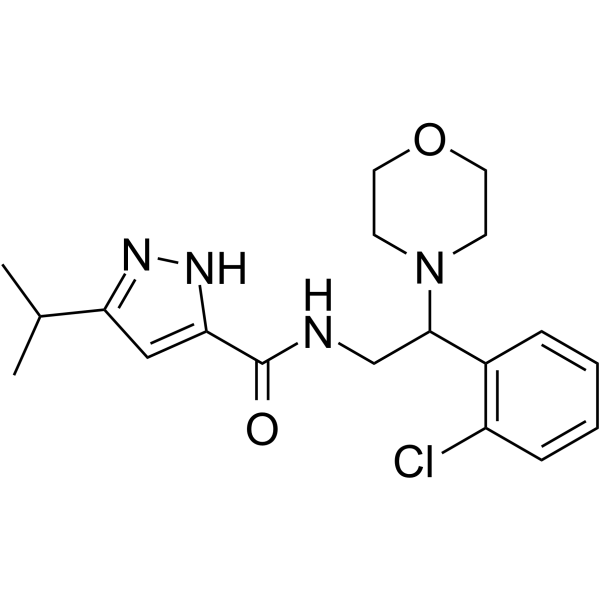
KDM5B-IN-3 (Compound 5) is a histone lysine specific demethylase 5B (KDM5B/JARID1B) inhibitor with an IC50 of 9.32 μM. KDM5B-IN-3 can be used for the research of gastric cancer .
|
-
- HY-157408
-
|
|
Histone Demethylase
|
Others
|
|
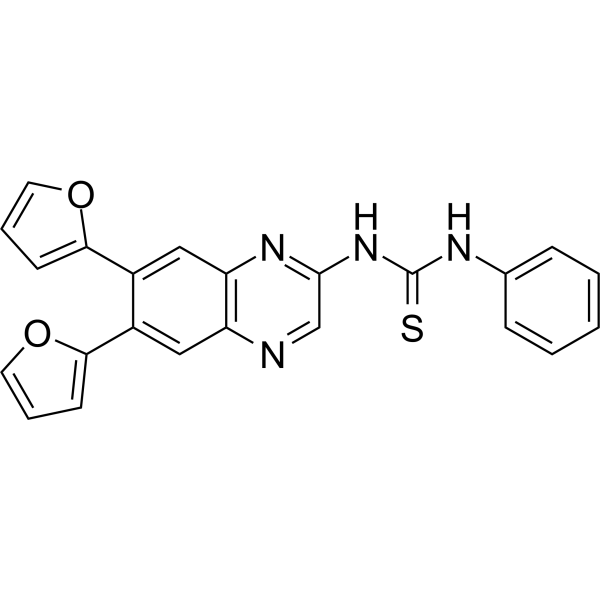
KDM4D-IN-3 (compound 1) is a small-molecule epigenetic inhibitor target at KDM4D with an IC50 value of 4.8 μM .
|
-
- HY-15648G
-
|
|
Histone Demethylase
|
Cancer
|
|
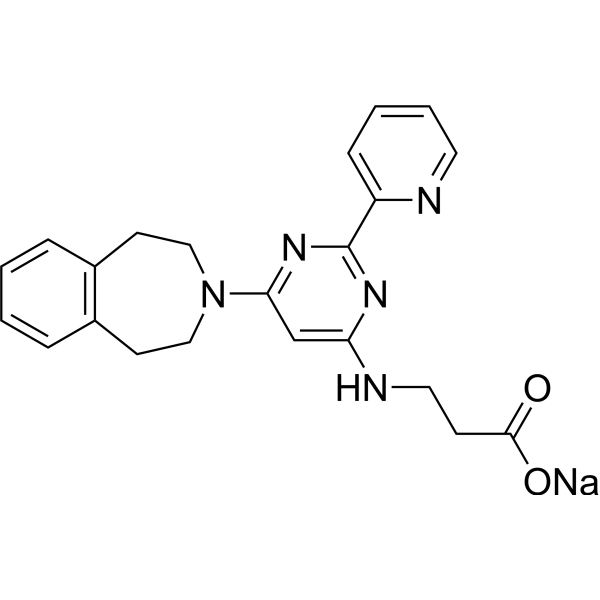
GSK-J1 sodium is a potent inhibitor of H3K27me3/me2-demethylases JMJD3/KDM6B and UTX/KDM6A, with IC50 value of 60 nM towards KDM6B .
|
-
- HY-147901
-
|
|
Histone Demethylase
CDK
Apoptosis
Caspase
|
Cancer
|
|
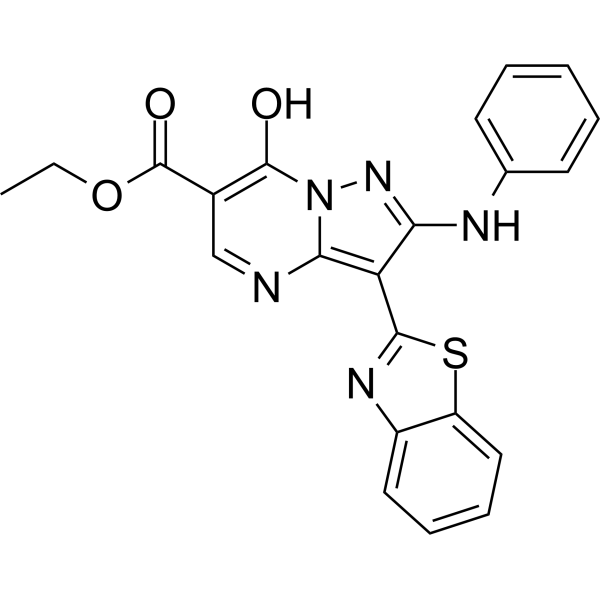
KDM1/CDK1-IN-1 (compound 4) is a potent KDM1 and CDK1 inhibitor, with IC50 values of 0.096 and 0.078 μM, respectively.KDM1/CDK1-IN-1 induces cell cycle arrest at G2/M phase and apoptosis in HOP-92 cells. KDM1/CDK1-IN-1 exhibits potent cytotoxic activity against the CCRF-CEM, HOP-92 and Hep-G2 cells, with IC50 values of 16.34, 3.45 and 7.79 μM, respectively .
|
-
- HY-148807C
-
|
QC8222 sodium; TACH 101 sodium
|
Apoptosis
Histone Demethylase
|
Cancer
|
|
Zavondemstat (QC8222; TACH 101) sodium is an orally active pan-KDM4 inhibitor, with a IC50 ≤ 0.08 μM against human KDM4A-D and a Kᵢ of 0.52 μM against human KDM4C. Zavondemstat sodium induces cell apoptosis, causes S-phase cell cycle arrest, reduces the population of tumor-initiating cells and inhibits cancer cell proliferation. Zavondemstat sodium suppresses tumor growth and induces tumor regression in mouse xenograft models. Zavondemstat sodium can be used for the research of various cancers including colorectal cancer, esophageal squamous cell carcinoma and triple-negative breast cancer .
|
-

- HY-119730
-
|
|
Histone Demethylase
|
Cancer
|
|
Tripartin is an inhibitor of histone demethylase. Tripartin inhibits the histone H3 lysine 9 demethylase KDM4 in HeLa cells .
|
-

- HY-15648I
-
|
|
Histone Demethylase
|
Cancer
|
|
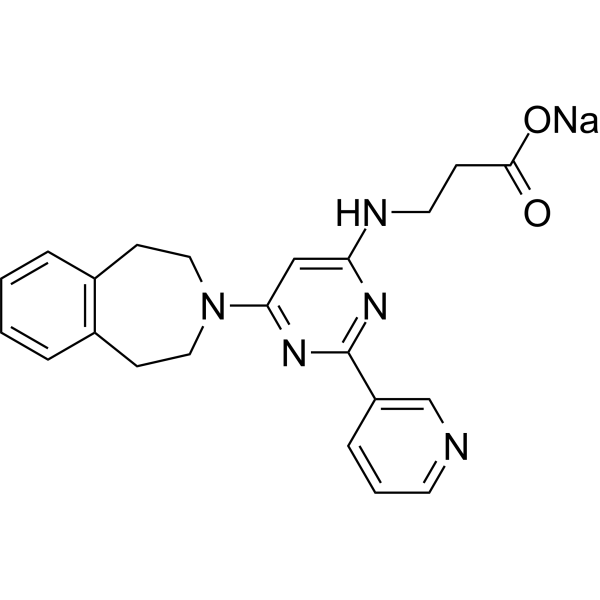
GSK-J2 sodium is the sodium form of GSK-J2 (HY-15648A). GSK-J2 is an isomer of GSK-J1, and does not have any specific activity. GSK-J1 (HY-15648) is a potent inhibitor of H3K27me3/me2-demethylases JMJD3/KDM6B and UTX/KDM6A .
|
-
- HY-100760S
-
|
Xanthothricin-13C4; Toxoflavine-13C4; PKF-118-310-13C4
|
Isotope-Labeled Compounds
β-catenin
Bacterial
Antibiotic
|
Infection
Cancer
|
|
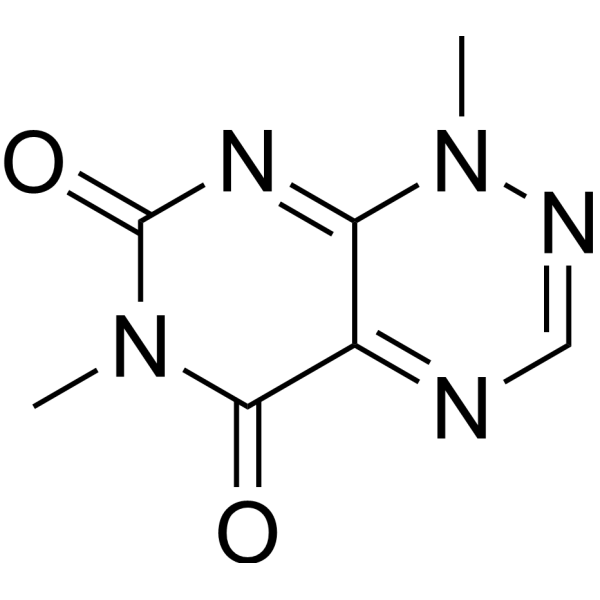
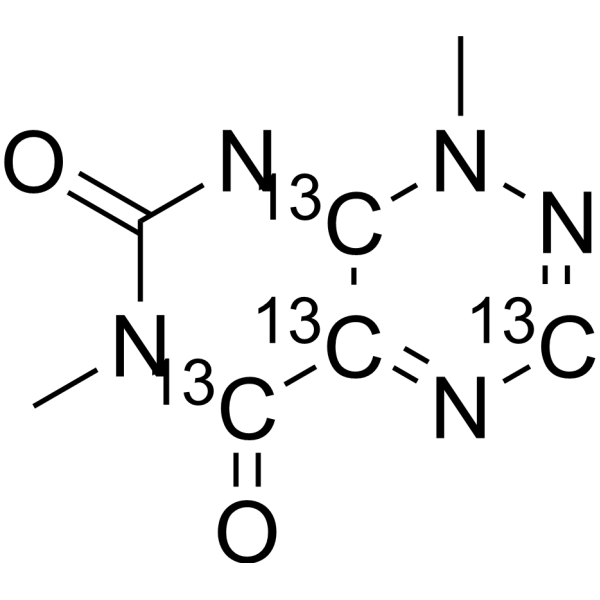
Toxoflavin- 13C4 is the 13C-labeled Toxoflavin. Toxoflavin (Xanthothricin) is an antagonist of transcription factor 4 (TCF4)/β-catenin complex, also acts as an inhibitor of KDM4A, with antitumor activity . Antibiotic properties.
|
-
- HY-100760R
-
|
Xanthothricin (Standard); Toxoflavine (Standard); PKF-118-310 (Standard)
|
Reference Standards
β-catenin
Bacterial
Antibiotic
Histone Demethylase
|
Infection
Cancer
|
|
Toxoflavin (Standard) is the analytical standard of Toxoflavin. This product is intended for research and analytical applications. Toxoflavin (Xanthothricin) is an antagonist of transcription factor 4 (TCF4)/β-catenin complex, also acts as an inhibitor of KDM4A, with antitumor and antibiotic activity[1][2].
|
-

- HY-B0568S
-
|
|
Isotope-Labeled Compounds
HCV
Ferroptosis
|
Cardiovascular Disease
Infection
Neurological Disease
Metabolic Disease
Inflammation/Immunology
Cancer
|
|
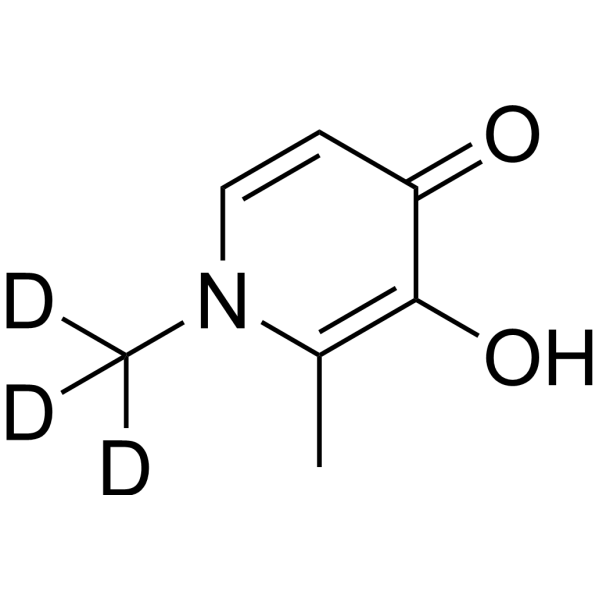
Deferiprone-d3 is the deuterium labeled Deferiprone (HY-B0568). Deferiprone is a potent, orally active, brain-penetrant, cell-penetrant, skin-permeable, free iron chelating agent. Deferiprone inhibits the proliferation and migration, and stimulates apoptosis in tumor cell. Deferiprone can inhibit KDM. Deferiprone has antianemic, neuroprotective, anti-inflammatory, antioxidant, and antidotal activity. Deferiprone can be used in cancer, cardiovascular disease, infection, inflammation, and neurological disease study .
|
-
- HY-N6896R
-
|
|
Reference Standards
TGF-beta/Smad
PI3K
Akt
mTOR
MMP
Histone Demethylase
|
Endocrinology
Cancer
|
|
Isoviolanthin (Standard) is the analytical standard of Isoviolanthin (HY-N6896). This product is intended for research and analytical applications. Isoviolanthin is a flavonoid glycoside. Isoviolanthin can be extracted from Dendrobium officinale. Isoviolanthin has a strong affinity for binding to KDM6B, CHAC2, ESCO2, and IPO4. Isoviolanthin decreases MMP-2 and MMP-9. Isoviolanthin inhibits TGF-β/Smad and PI3K/Akt/mTOR signaling pathways. Isoviolanthin increases Fhl3 expression. Isoviolanthin has cytoprotective effects. Isoviolanthin has anticancer activity against hepatocellular carcinoma .
|
-

- HY-100422R
-
|
|
Histone Demethylase
Reference Standards
|
Cancer
|
|
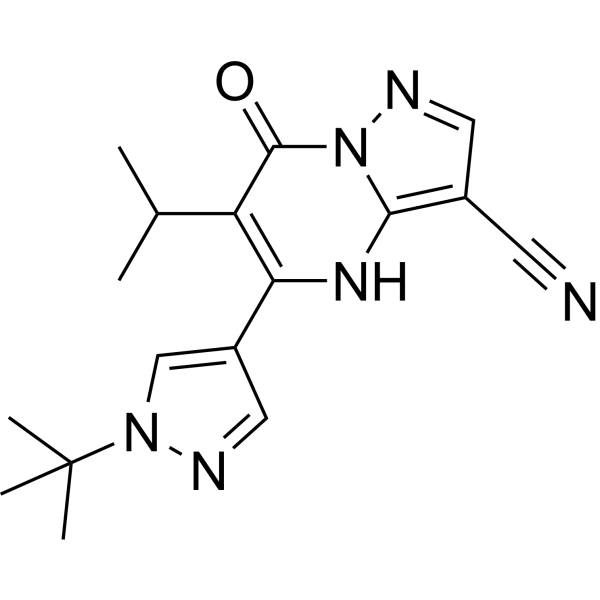
KDM5-IN-1 (Standard) is the analytical standard of KDM5-IN-1 (HY-100422). This product is intended for research and analytical applications. KDM5-IN-1 is a potent, selective and orally bioavailable KDM5 inhibitor with an IC50 of 15.1 nM.
|
-

- HY-101928R
-
|
|
Reference Standards
Histone Demethylase
|
Cancer
|
|
KDM4D-IN-1 (Standard) is the analytical standard of KDM4D-IN-1 (HY-101928). This product is intended for research and analytical applications. KDM4D-IN-1 is a new histone lysine demethylase 4D (KDM4D) inhibitor with an IC50 value of 0.41±0.03 μM.
|
-

- HY-100014R
-
|
|
Histone Demethylase
Reference Standards
|
Cancer
|
|
KDM5A-IN-1 (Standard) is the analytical standard of KDM5A-IN-1 (HY-100014). This product is intended for research and analytical applications. KDM5A-IN-1 is a potent, orally bioavailable pan-histone lysine demethylases 5 (KDM5) inhibitor with IC50s of 45 nM, 56 nM and 55 nM for KDM5A, KDM5B and KDM5C, respectively, and with an EC50 value of 960 nM for PC9 H3K4Me3. KDM5A-IN-1 is significantly less potent against other KDM5B enzymes (1A, 2B, 3B, 4C, 6A, 7B) .
|
-

- HY-116796
-
|
|
Histone Demethylase
|
Inflammation/Immunology
Cancer
|
|
KDM4C-IN-2 is a histone lysine demethylase KDM4C (JMJD2C) inhibitor with an IC50 of 147 μM and a Ki of 51 μM. KDM4C-IN-2 can be used for the research of cancer, such as prostate and breast cancer .
|
-

- HY-108706R
-
|
|
Reference Standards
Histone Demethylase
|
Cancer
|
|
KdM2A/7A-IN-1 (Standard) is the analytical standard of KdM2A/7A-IN-1 (HY-108706). This product is intended for research and analytical applications. KdM2A/7A-IN-1 is a first-in-class, selective and cell-permeable inhibitor of histone lysine demethylases KdM2A/7A, with an IC50 of 0.16 μM for KdM2A, exhibits 75 fold selevtivity over other JmjC lysine demethylases, and is inactive on methyl transferases, and histone acetyl transferases .
|
-

- HY-104048R
-
|
|
Reference Standards
Histone Demethylase
|
Cancer
|
|
QC6352 (Standard) is the analytical standard of QC6352 (HY-104048). This product is intended for research and analytical applications. QC6352 is an orally active KDM4 inhibitor with anti-tumor and anti-proliferative activity. QC6352 has in vivo inhibitory effects on PDX models of breast and colon cancer and reduces the number of chemoresistant cell populations. QC6352 inhibits KDM4 different isoforms with IC50s of 104 nM (KDM4A), 56 nM (KDM4B), 35 nM (KDM4C), and 104 nM (KDM4D), respectively. QC6352 has moderate inhibitory activity against KDM5 with an IC50 of 750 nM (KDM5B) .
|
-

- HY-100764R
-
|
|
Histone Demethylase
Reference Standards
|
Cancer
|
|
YUKA1 (Standard) is the analytical standard of YUKA1 (HY-100764). This product is intended for research and analytical applications. YUKA1 is a potent and cell permeable Lysine demethylase 5A (KDM5A) inhibitor, with an IC50 of 2.66 μM. YUKA1 has less inhibitory active on KDM5C (IC50 = 7.12 μM) and is inactive on KDM5B, KDM6A or KDM6B. YUKA1 can increase H3K4me3 levels and inhibit cell proliferation. YUKA1 can be used for the research of cancer, such as lung and breast cancers .
|
-

- HY-101799R
-
|
KDM4B Inhibitor B3 (Standard)
|
Reference Standards
Histone Demethylase
|
Cancer
|
|
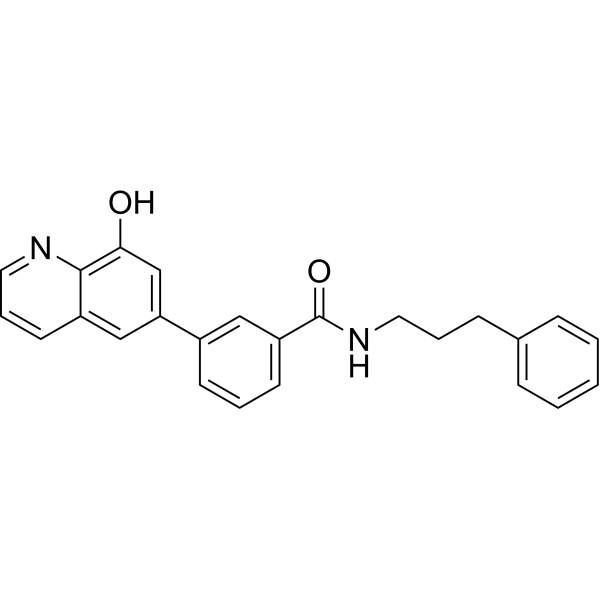
NCGC00244536 (Standard) (KDM4B Inhibitor B3 (Standard)) is the analytical standard of NCGC00244536 (HY-101799). This product is intended for research and analytical applications. NCGC00244536 is a potent KDM4B inhibitor with an IC50 of 10 nM.
|
-

- HY-183928
-
-

- HY-100421R
-
|
|
Histone Demethylase
Reference Standards
|
Cancer
|
|
CPI-455 (Standard) is the analytical standard of CPI-455 (HY-100421). This product is intended for research and analytical applications. CPI-455 is a specific, pan-KDM5 inhibitor with an IC50 of 10 nM for KDM5A. CPI-455 mediates KDM5 inhibition, elevates global levels of H3K4me3, and decreases the number of drug-tolerant persister cancer cells in multiple cancer cell line models treated with standard chemotherapy or targeted agents .
|
-

- HY-136682
-
|
|
Histone Demethylase
|
Cancer
|
|
N19-0881 (Compound 33) is an orally active, potent and selective KDM5A/5B histone lysine demethylase inhibitor (IC50= 0.013 μM and 0.002 μM, respectively). N19-0881 is promising for research of epigenetically dysregulated tumors (e.g., breast cancer) .
|
-

- HY-186116A
-
|
|
Histone Demethylase
|
Neurological Disease
|
|
LSD1-IN-49 hydrochloride (Compound (±) 1) is an irreversible LSD1/KDM1A inhibitor with an IC50 of 29 nM against hLSD1. LSD1-IN-49 hydrochloride irreversibly inhibits the enzymatic activity of LSD1 by forming an adduct with flavin adenine dinucleotide (FAD) in the binding pocket of LSD1. LSD1-IN-49 hydrochloride is applicable to research related to schizophrenia, autism spectrum disorder and Huntington's disease .
|
-

- HY-186116
-
|
|
Histone Demethylase
|
Others
|
|
LSD1-IN-49 is a Lysine-specific demethylase 1 (LSD1/KDM1A) inhibitor with a human IC50 of 29 nM. LSD1-IN-49 irreversibly inhibits LSD1 enzyme activity by forming an adduct with the flavin adenine dinucleotide (FAD) cofactor of LSD1. LSD1-IN-49 can be used as a lead compound for the development of LSD1-targeted PET imaging agents for the brain .
|
-

- HY-183067
-
|
|
Histone Demethylase
TGF-beta/Smad
Notch
|
Cancer
|
|
TAS1440 is an orally active LSD1/KDM1A inhibitor with a human IC50 of 4.8 nM. TAS1440 non-covalently binds to the histone H3-binding pocket of LSD1, inhibiting demethylase activity and disrupting repressive complexes with INSM1 and SMAD2. TAS1440 activates tumor-suppressive TGF-β and NOTCH signaling pathways via transcriptional reprogramming. TAS1440 can be used for the research of small cell lung cancer, specifically the SCLC-A subtype .
|
-

- HY-126207
-
|
|
Histone Demethylase
|
Cancer
|
|
CBN209350 is a selective KDM4 inhibitor with an IC50 of 4 μM. CBN209350 exerts antiproliferative effects on prostate cancer cells. CBN209350 can be used for the research of prostate cancer .
|
-

- HY-183067A
-
|
|
Histone Demethylase
TGF-beta/Smad
Notch
|
Cancer
|
|
TAS1440 benzoate is an orally active LSD1/KDM1A inhibitor with a human IC50 of 4.8 nM. TAS1440 benzoate non-covalently binds to the histone H3-binding pocket of LSD1, inhibiting demethylase activity and disrupting repressive complexes with INSM1 and SMAD2. TAS1440 benzoate activates tumor-suppressive TGF-β and NOTCH signaling pathways via transcriptional reprogramming. TAS1440 benzoate can be used for the research of small cell lung cancer, specifically the SCLC-A subtype .
|
-

- HY-100744R
-
|
NSC51355 (Standard)
|
Histone Demethylase
Reference Standards
|
Cardiovascular Disease
|
|
AS8351 (Standard) is the analytical standard of AS8351 (HY-100744). This product is intended for research and analytical applications. AS8351 (NSC51355) is a KDM5B inhibitor, which can induce and sustain active chromatin marks to facilitate the induction of cardiomyocyte-like cells .
|
-

- HY-103713AR
-
|
SP-2577 mesylate (Standard)
|
Reference Standards
Histone Demethylase
|
Cancer
|
|
Seclidemstat mesylate (Standard) is the analytical standard of Seclidemstat mesylate (HY-103713A). This product is intended for research and analytical applications. Seclidemstat (SP-2577) mesylate is a potent noncompetitive and reversible KDM1A (LSD1) inhibitor (Ki=31 nM, IC50=13 nM). Seclidemstat mesylate promotes antitumor immunity in switch/sucrose nonfermentable (SWI/SNF) complex mutated ovarian cancer, as well as inhibit virus production, viral DNA replication, and late gene expression. Seclidemstat mesylate can be used for the research of Ewing Sarcoma .
|
-

- HY-103713R
-
|
SP-2577 (Standard)
|
Reference Standards
Histone Demethylase
|
Cancer
|
|
Seclidemstat (Standard) is the analytical standard of Seclidemstat (HY-103713). This product is intended for research and analytical applications. Seclidemstat is a potent noncompetitive and reversible KDM1A (LSD1) inhibitor (Ki=31 nM, IC50=13 nM). Seclidemstat promotes antitumor immunity in switch/sucrose nonfermentable (SWI/SNF) complex mutated ovarian cancer, as well as inhibit virus production, viral DNA replication, and late gene expression. Seclidemstat can be used for the research of Ewing Sarcoma .
|
-

- HY-138794
-
XL177A
5 Publications Verification
|
Deubiquitinase
Histone Demethylase
SARS-CoV
|
Cancer
|
|
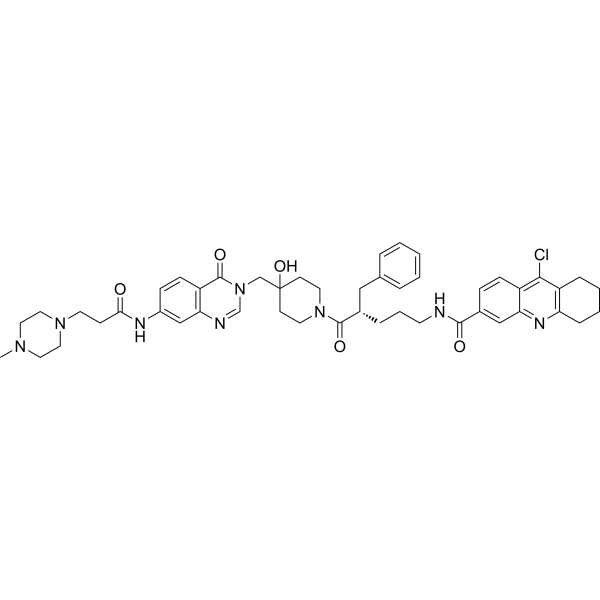
XL177A is a covalent USP7 inhibitor that blocks the deubiquitinase activity of USP7. XL177A destabilizes non-canonical PRC1 complexes or KDM6A and reduces chromatin deposition of H2AK119Ub, thereby relieving the repression of neuronal differentiation programs. Meanwhile, XL177A also regulates the ELOF1-UVSSA-USP7-nuclear β-catenin axis, decreasing the transcription levels of related proteins and the accumulation of nuclear β-catenin. XL177A exerts antiviral effects by reducing the expression levels of coronavirus receptors, and exhibits inhibitory activity against APC-mutated colorectal cancer cells, neuroblastoma, and coronaviruses including SARS-CoV-2 variants. XL177A is mainly used in studies related to colorectal cancer, neuroblastoma, and coronavirus infections .
|
-
- HY-138794A
-
|
|
Deubiquitinase
|
Cancer
|
|
(Rac)-XL177A is the racemic isomer of XL177A (HY-138794). XL177A is a covalent USP7 inhibitor that blocks the deubiquitinase activity of USP7. XL177A destabilizes non-canonical PRC1 complexes or KDM6A and reduces chromatin deposition of H2AK119Ub, thereby relieving the repression of neuronal differentiation programs. Meanwhile, XL177A also regulates the ELOF1-UVSSA-USP7-nuclear β-catenin axis, decreasing the transcription levels of related proteins and the accumulation of nuclear β-catenin. XL177A exerts antiviral effects by reducing the expression levels of coronavirus receptors, and exhibits inhibitory activity against APC-mutated colorectal cancer cells, neuroblastoma, and coronaviruses including SARS-CoV-2 variants. XL177A is mainly used in studies related to colorectal cancer, neuroblastoma, and coronavirus infections .
|
-

- HY-138794G
-
|
|
Deubiquitinase
SARS-CoV
Histone Demethylase
|
Cancer
|
|
XL177A GMP is XL177A (HY-138794) produced by using GMP guidelines. GMP small molecules works appropriately as an auxiliary reagent for cell therapy manufacture. XL177A is a covalent USP7 inhibitor that blocks the deubiquitinase activity of USP7. XL177A destabilizes non-canonical PRC1 complexes or KDM6A and reduces chromatin deposition of H2AK119Ub, thereby relieving the repression of neuronal differentiation programs. Meanwhile, XL177A also regulates the ELOF1-UVSSA-USP7-nuclear β-catenin axis, decreasing the transcription levels of related proteins and the accumulation of nuclear β-catenin. XL177A exerts antiviral effects by reducing the expression levels of coronavirus receptors, and exhibits inhibitory activity against APC-mutated colorectal cancer cells, neuroblastoma, and coronaviruses including SARS-CoV-2 variants. XL177A is mainly used in studies related to colorectal cancer, neuroblastoma, and coronavirus infections .
|
-

-
- HY-138794G
-
|
|
Fluorescent Dyes
|
|
XL177A GMP is XL177A (HY-138794) produced by using GMP guidelines. GMP small molecules works appropriately as an auxiliary reagent for cell therapy manufacture. XL177A is a covalent USP7 inhibitor that blocks the deubiquitinase activity of USP7. XL177A destabilizes non-canonical PRC1 complexes or KDM6A and reduces chromatin deposition of H2AK119Ub, thereby relieving the repression of neuronal differentiation programs. Meanwhile, XL177A also regulates the ELOF1-UVSSA-USP7-nuclear β-catenin axis, decreasing the transcription levels of related proteins and the accumulation of nuclear β-catenin. XL177A exerts antiviral effects by reducing the expression levels of coronavirus receptors, and exhibits inhibitory activity against APC-mutated colorectal cancer cells, neuroblastoma, and coronaviruses including SARS-CoV-2 variants. XL177A is mainly used in studies related to colorectal cancer, neuroblastoma, and coronavirus infections .
|
-
- HY-138794G
-
|
|
Biochemical Assay Reagents
|
|
XL177A GMP is XL177A (HY-138794) produced by using GMP guidelines. GMP small molecules works appropriately as an auxiliary reagent for cell therapy manufacture. XL177A is a covalent USP7 inhibitor that blocks the deubiquitinase activity of USP7. XL177A destabilizes non-canonical PRC1 complexes or KDM6A and reduces chromatin deposition of H2AK119Ub, thereby relieving the repression of neuronal differentiation programs. Meanwhile, XL177A also regulates the ELOF1-UVSSA-USP7-nuclear β-catenin axis, decreasing the transcription levels of related proteins and the accumulation of nuclear β-catenin. XL177A exerts antiviral effects by reducing the expression levels of coronavirus receptors, and exhibits inhibitory activity against APC-mutated colorectal cancer cells, neuroblastoma, and coronaviruses including SARS-CoV-2 variants. XL177A is mainly used in studies related to colorectal cancer, neuroblastoma, and coronavirus infections .
|
| Cat. No. |
상품명 |
Category |
Target |
Chemical Structure |
| Cat. No. |
상품명 |
Chemical Structure |
-
- HY-100760S
-
|
|
|
Toxoflavin- 13C4 is the 13C-labeled Toxoflavin. Toxoflavin (Xanthothricin) is an antagonist of transcription factor 4 (TCF4)/β-catenin complex, also acts as an inhibitor of KDM4A, with antitumor activity . Antibiotic properties.
|
-
-
- HY-B0568S
-
|
|
|
Deferiprone-d3 is the deuterium labeled Deferiprone (HY-B0568). Deferiprone is a potent, orally active, brain-penetrant, cell-penetrant, skin-permeable, free iron chelating agent. Deferiprone inhibits the proliferation and migration, and stimulates apoptosis in tumor cell. Deferiprone can inhibit KDM. Deferiprone has antianemic, neuroprotective, anti-inflammatory, antioxidant, and antidotal activity. Deferiprone can be used in cancer, cardiovascular disease, infection, inflammation, and neurological disease study .
|
-
| Cat. No. |
상품명 |
Target |
연구분야 |
Chemical Structure |
-
- HY-138794G
-
|
|
Deubiquitinase
SARS-CoV
Histone Demethylase
|
Cancer
|
|
XL177A GMP is XL177A (HY-138794) produced by using GMP guidelines. GMP small molecules works appropriately as an auxiliary reagent for cell therapy manufacture. XL177A is a covalent USP7 inhibitor that blocks the deubiquitinase activity of USP7. XL177A destabilizes non-canonical PRC1 complexes or KDM6A and reduces chromatin deposition of H2AK119Ub, thereby relieving the repression of neuronal differentiation programs. Meanwhile, XL177A also regulates the ELOF1-UVSSA-USP7-nuclear β-catenin axis, decreasing the transcription levels of related proteins and the accumulation of nuclear β-catenin. XL177A exerts antiviral effects by reducing the expression levels of coronavirus receptors, and exhibits inhibitory activity against APC-mutated colorectal cancer cells, neuroblastoma, and coronaviruses including SARS-CoV-2 variants. XL177A is mainly used in studies related to colorectal cancer, neuroblastoma, and coronavirus infections .
|
-
Your information is safe with us. * Required Fields.
Inquiry Information
- 상품명:
- Cat. No.:
- 수량:
- MCE Japan Authorized Agent:








