

From 11:00 pm to 12:00 pm EST ( 8:00 pm to 9:00 pm PST ) on January 6th, the website will be under maintenance. We are sorry for the inconvenience. Please arrange your schedule properly.
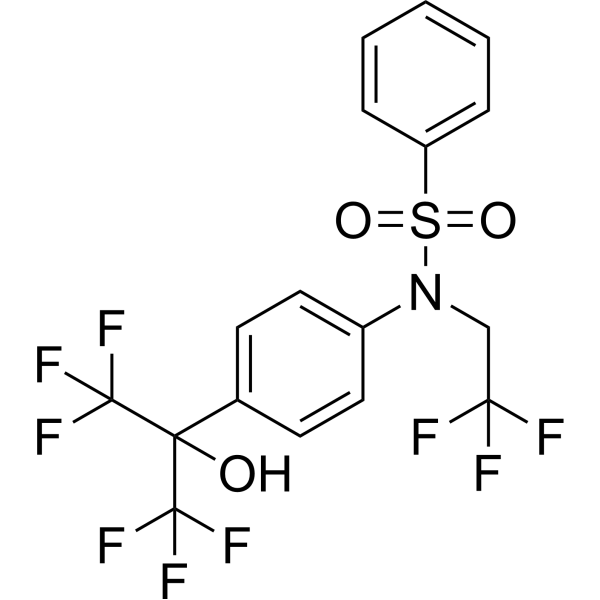
T0901317 is an orally active and highly selective LXR agonist with an EC50 of 20 nM for LXRα . T0901317 activates FXR with an EC50 of 5 μM . T0901317 is RORα and RORγ dual inverse agonist with Ki values of 132 nM and 51 nM, respectively . T0901317 induces apoptosis and inhibits the development of atherosclerosis in low-densitylipoprotein (LDL) receptor-deficient mice .
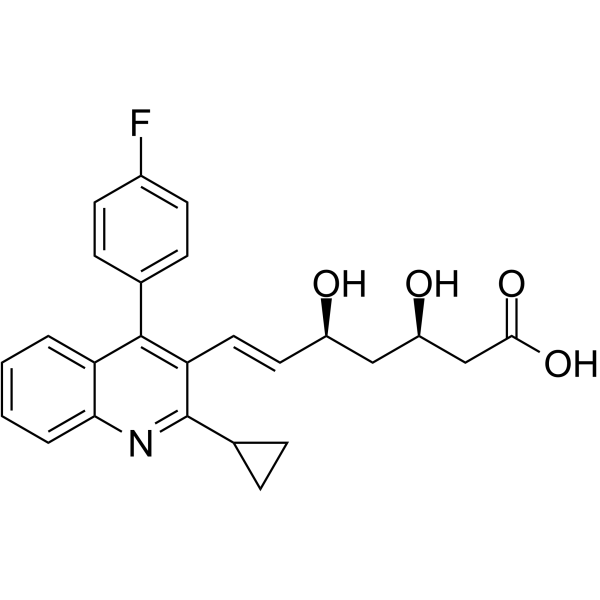
Pitavastatin (NK-104) is a potent hydroxymethylglutaryl-CoA (HMG-CoA) reductase inhibitor. Pitavastatin inhibits cholesterol synthesis from acetic acid with an IC50 of 5.8 nM in HepG2 cells. Pitavastatin is an efficient hepatocyte low-densitylipoprotein-cholesterol (LDL-C) receptor inducer. Pitavastatin also possesses anti-atherosclerotic, anti-asthmatic, anti-osteoarthritis, antineoplastic, neuroprotective, hepatoprotective and reno-protective effects .
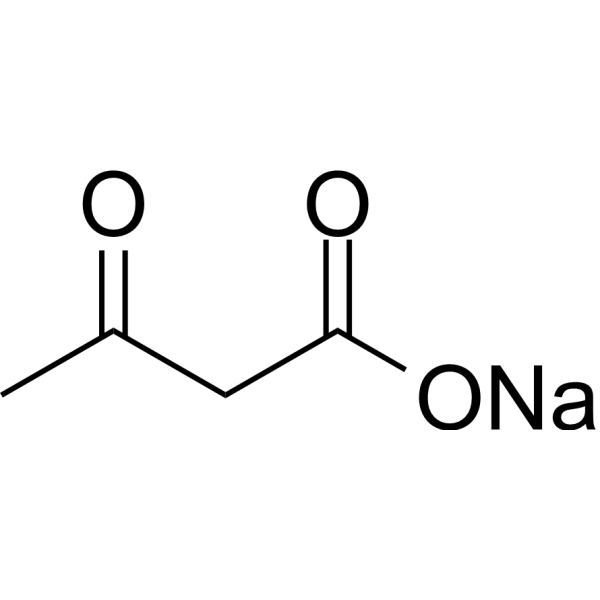
Acetoacetic acid sodium is an oxidative stress inducer that affects the antioxidant enzyme system and lipoprotein metabolism. Acetoacetic acid sodium induces oxidative stress by decreasing the mRNA expression and activity of superoxide dismutase (SOD), catalase (CAT), and glutathione peroxidase (GSH-Px), increasing MDA content, and inhibiting very lowdensitylipoprotein (VLDL) assembly by downregulating apolipoprotein ApoB100, ApoE, and lowdensitylipoproteinreceptor (LDLR), leading to triglyceride (TG) accumulation in hepatocytes. Acetoacetic acid sodium can be used to study metabolic diseases .
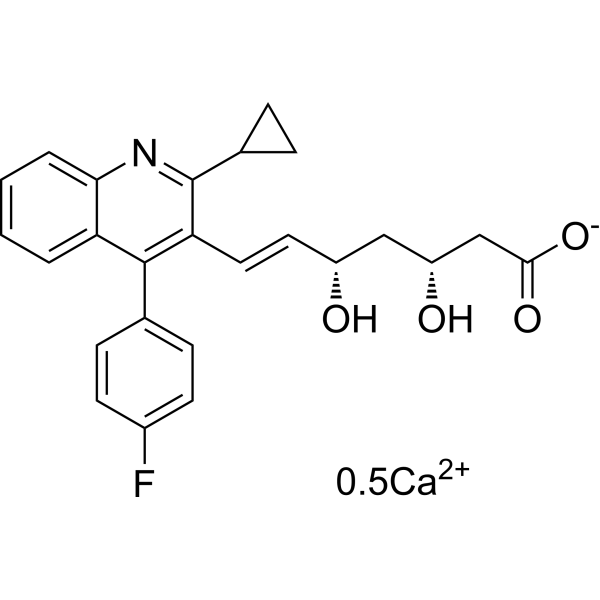
Pitavastatin Calcium (NK-104 hemicalcium) is a potent hydroxymethylglutaryl-CoA (HMG-CoA) reductase inhibitor. Pitavastatin Calcium (NK-104 hemicalcium) inhibits cholesterol synthesis from acetic acid with an IC50 of 5.8 nM in HepG2 cells. Pitavastatin Calcium is an efficient hepatocyte low-densitylipoprotein-cholesterol (LDL-C) receptor inducer. Pitavastatin Calcium also possesses anti-atherosclerotic, anti-asthmatic, anti-osteoarthritis, antineoplastic, neuroprotective, hepatoprotective and reno-protective effects .
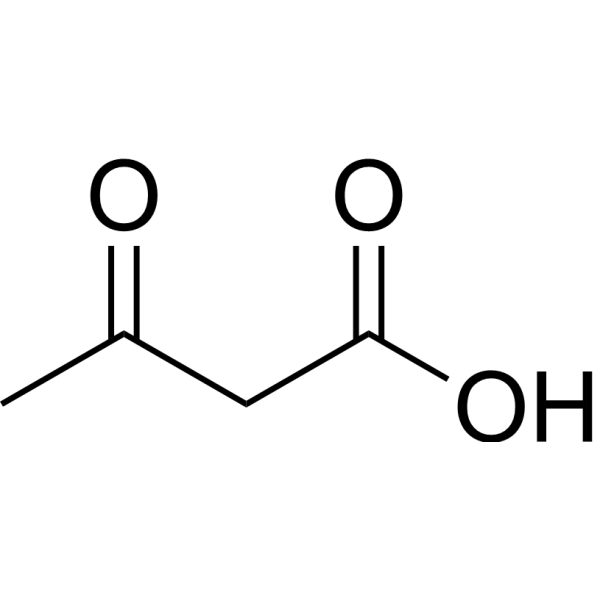
Acetoacetic acid is an oxidative stress inducer that affects the antioxidant enzyme system and lipoprotein metabolism. Acetoacetic acid induces oxidative stress by decreasing the mRNA expression and activity of superoxide dismutase (SOD), catalase (CAT), and glutathione peroxidase (GSH-Px), increasing MDA content, and inhibiting very lowdensitylipoprotein (VLDL) assembly by downregulating apolipoprotein ApoB100, ApoE, and lowdensitylipoproteinreceptor (LDLR), leading to triglyceride (TG) accumulation in hepatocytes. Acetoacetic acid can be used to study metabolic diseases .
Gocdacimab (MEDI6570) is a fully human IgG1 monoclonal antibody inhibitor targeting the lectin-like oxidized low-densitylipoproteinreceptor LOX-1. By binding to LOX-1 and blocking its function, gocdacimab effectively reduces the level of free soluble LOX-1, thereby inhibiting key pathological processes such as lipid accumulation, foam cell formation, and vascular wall inflammation. Gocdacimab can interfere with atherosclerosis-related mechanisms, and it is used for research on atherosclerosis, and type 2 diabetes mellitus .
ANG1005 (Paclitaxel trevatide) is a brain-penetrating peptide-drug conjugate. ANG1005, a taxane derivative, consists of three paclitaxel (HY-B0015) molecules covalently linked to Angiopep-2, designed to cross the blood-brain and blood-cerebrospinal barriers and to penetrate malignant cells via lowdensitylipoproteinreceptor-related protein (LRP1) transport system .
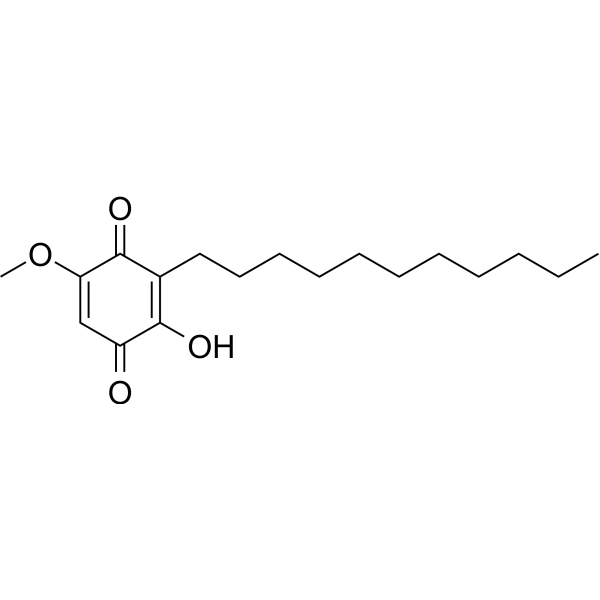
5-O-Methylembelin is a natural isocoumarin that inhibits PCSK9, inducible degrader of the low-densitylipoproteinreceptor (IDLR), and sterol regulatory element binding protein 2 (SREBP2) mRNA expression .
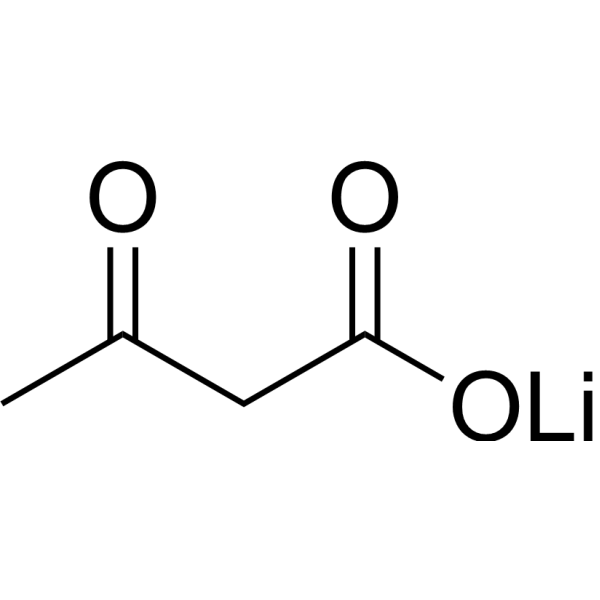
Acetoacetic acid lithium is an oxidative stress inducer that affects the antioxidant enzyme system and lipoprotein metabolism. Acetoacetic acid lithium induces oxidative stress by decreasing the mRNA expression and activity of superoxide dismutase (SOD), catalase (CAT), and glutathione peroxidase (GSH-Px), increasing MDA content, and inhibiting very lowdensitylipoprotein (VLDL) assembly by downregulating apolipoprotein ApoB100, ApoE, and lowdensitylipoproteinreceptor (LDLR), leading to triglyceride (TG) accumulation in hepatocytes. Acetoacetic acid lithium can be used to study metabolic diseases .
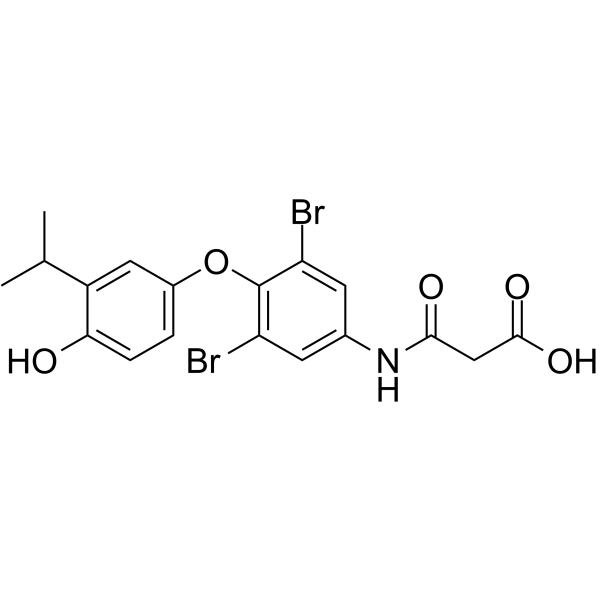
Eprotirome (KB2115) is a liver-selective thyroid hormone receptor (TR) agonist. KB2115 has modestly higher affinity for TRβ than for TRα. Eprotirome reduces low-densitylipoprotein (LDL) cholesterol concentrations. Eprotirome can be used for dyslipidemias and obesity research .
L57 is a low-densitylipoproteinreceptor-related protein 1 (LRP1)-binding peptide. L57 exhibits high affinity for LRP1, with an EC50 of 45 nM. L57 possesses blood-brain barrier (BBB) permeability and plasma stability. L57 can serve as a carrier for central nervous system drug delivery .
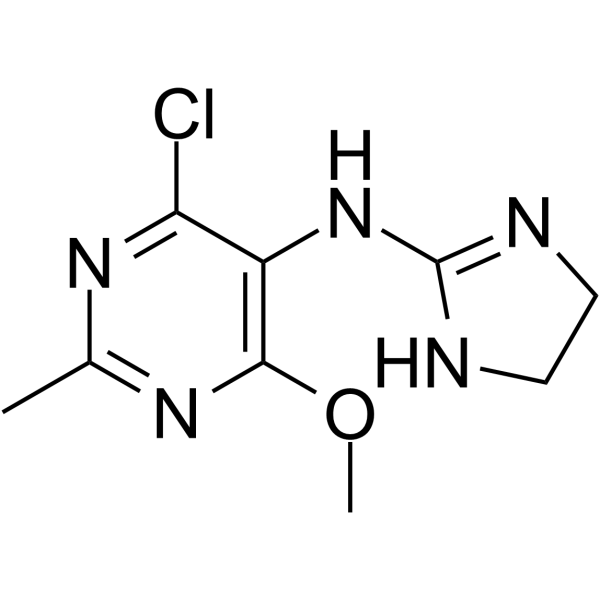
Moxonidine (BDF5895) is an orally active imidazoline type 1 receptor (I1-R) agonist. Moxonidine activates imidazoline I1receptors and α2 adrenoceptors, affecting oxidized low-densitylipoprotein uptake. Moxonidine reduces atherosclerotic lesions and lowers blood pressure. Moxonidine can be used in the study of hypertension, heart failure, and atherosclerosis .
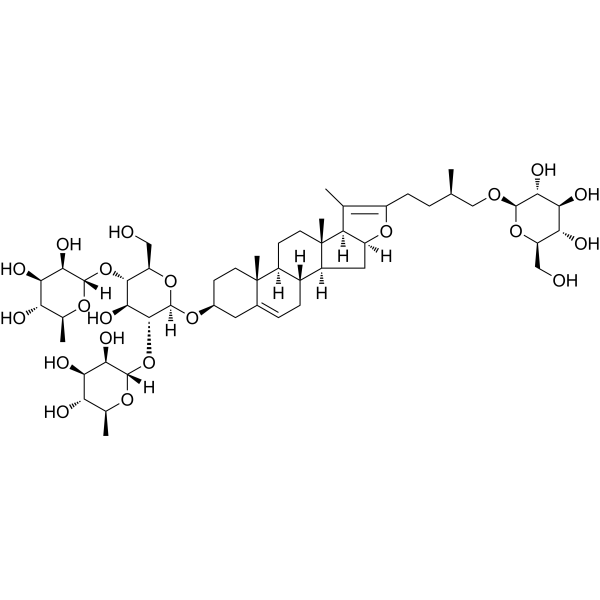
Pseudoprotodioscin, a furostanoside, inhibits SREBP1/2 and microRNA 33a/b levels and reduces the gene expression regarding the synthesis of cholesterol and triglycerides .
Moxonidine (BDF5895) hydrochloride is an orally active imidazoline type 1 receptor (I1-R) agonist. Moxonidine hydrochloride activates imidazoline I1receptors and α2 adrenoceptors, affecting oxidized low-densitylipoprotein uptake. Moxonidine hydrochloride reduces atherosclerotic lesions and lowers blood pressure. Moxonidine hydrochloride can be used in the study of hypertension, heart failure, and atherosclerosis .
EDP-305 is an orally active, potent and selective farnesoid X receptor (FXR) agonist, with EC50 values of 34 nM (chimeric FXR in CHO cells) and 8 nM (full-length FXR in HEK cells). EDP-305 shows a potent and consistent antifibrotic effect. EDP-305 can be used for primary biliary cholangitis (PBC) and non-alcoholic steatohepatitis (NASH) research .
VH4127 TFA is a cyclic peptide targeting the lowdensitylipoproteinreceptor (LDLR) with a KD of 18 nM for hLDLR. VH4127 TFA specifically binds to rodent and human epidermal growth factor (EGF) homology domain of LDLR .
PCSK9 degrader 1 (Compound 16) is a small molecule ligand for proprotein convertase substilisin-like/kexin type 9 (PCSK9) and shows high affinity to PCSK9 with a Ki of 107 nM. PCSK9 degrader 1 can involve in a protein-protein interaction with the low-densitylipoprotein (LDL) receptor .
L57 acetate is a Low-densitylipoproteinreceptor-related protein 1 (LRP1)-binding peptide. L57 acetate exhibits high affinity to LRP1 with Ki of 45 nM. L57 acetate exhibits blood-brain barrier (BBB) permeability and plasma stability. L57 acetate can be utilized as the carrier for CNS drug delivery .
Oxidized low-densitylipoprotein (oxLDL) particles contain low molecular weight species that are cytotoxic and proatherogenic. Many of these species were recently isolated and purified from oxLDL and identified as phosphatidylcholine species containing fragmented oxidized short-chain fatty acid residues at the sn-2 position. 1-(Palmitoyl)-2-(5-keto-6-octene-dioyl)phosphatidylcholine or KOdiA-PC is one of the most potent CD36 ligands of the oxLDL species. KOdiA-PC confers CD36 scavenger receptor binding affinity to LDL at a frequency of only 2 to 3 KOdiA-PC molecules/LDL particle and may be one of the more important structural determinants of oxLDL.
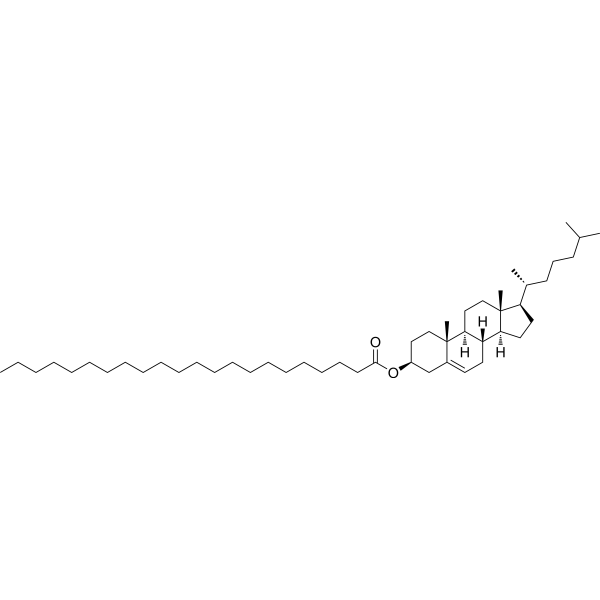
Cholesteryl behenate is a cholesterol ester associated with the neutral core of lowdensitylipoproteinReceptor-LDL complexes are taken up by lysosomes and hydrolyzed to release cholesterol from the esters.
PCSK9-IN-13(compound 3f) is a potent PCSK9 inhibitor, which can antagonize low-densitylipoprotein (LDL) receptor binding by binding to PCSK9, with an IC50 of 537 nM .
LAB687 is a microsomal triglyceride transfer protein (MTP) inhibitor with an IC50 of 0.9 nM for apolipoprotein B (apoB) secretion in HepG2 cells. LAB687 also acts as a Smoothened (Smo) antagonist, with IC50 values of 2.48 μM and 3.42 μM against mouse and human Smoreceptors, respectively. LAB687 reduces triglyceride and low-densitylipoprotein cholesterol (LDL-C) levels, and inhibits the Hedgehog signaling pathway. LAB687 can be used in studies related to Hedgehog-dependent cancers .
F44-A13 is an orally active and highly selective farnesoid X receptor (FXR) antagonist with an IC50 value of 1.1 μM. F44-A13 can optimize cholesterol metabolism and reduce its activity by inducing CYP7A1 expression. F44-A13 reduces levels of cholesterol, triglycerides, and low-densitylipoprotein cholesterol (LDL-C) in mouse models. F44-A13 can be used in the study of metabolic diseases associated with lipid disorders .
KYLO-0603 is an orally active, selective THR-β agonist (EC50 : 31.07 nM). KYLO-0603 has significant activity in lowering serum cholesterol and low-densitylipoprotein cholesterol. KYLO-0603 upregulates the expression of THR-regulated genes (including iodothyronine deiodinase 1 (Dio1), malic enzyme 1 (Me1), and thyroid hormone response (Thrsp) gene) and inhibits the expression of inflammatory and fibrotic genes (low-densitylipoproteinreceptor (LDL-R) gene) by activating THR-β receptors. KYLO-0603 can be used to treat metabolic dysfunction-associated steatohepatitis (MASH) and liver fibrosis research .
Pitavastatin-d5 (sodium) is the deuterium labeled Pitavastatin sodium. Pitavastatin (NK-104) is a potent hydroxymethylglutaryl-CoA (HMG-CoA) reductase inhibitor. Pitavastatin inhibits cholesterol synthesis from acetic acid with an IC50 of 5.8 nM in HepG2 cells. Pitavastatin is an efficient hepatocyte low-densitylipoprotein-cholesterol (LDL-C) receptor inducer. Anti-cancer activity.
PCSK9 Inhibitor, EGF-A is a PCSK9 inhibitor. PCSK9 Inhibitor, EGF-A is residues 293-334 of the EGF-A domain of the low-densitylipoprotein (LDL) receptor. PCSK9 Inhibitor, EGF-A can prevent PCSK9-induced intracellular LDLR degradation. PCSK9 Inhibitor, EGF-A can be used in the study of hypercholesterolemia and premature atherosclerosis .
Pitavastatin (NK-104) sodium is a potent hydroxymethylglutaryl-CoA (HMG-CoA) reductase inhibitor. Pitavastatin sodium inhibits cholesterol synthesis from acetic acid with an IC50 of 5.8 nM in HepG2 cells. Pitavastatin sodium is an efficient hepatocyte low-densitylipoprotein-cholesterol (LDL-C) receptor inducer. Pitavastatin sodium also possesses anti-atherosclerotic, anti-asthmatic, anti-osteoarthritis, antineoplastic, neuroprotective, hepatoprotective and reno-protective effects .
CVI-LM001 is an inhibitor PCSK 9. CVI-LM001 inhibits the interaction of PCSK9 with low-densitylipoproteinreceptor (LDLR), regulates the level of low-densitylipoprotein cholesterol (LDL-C) in the blood, and exhibits lipid-lowering efficacy .
Pitavastatin (Standard) is the analytical standard of Pitavastatin. This product is intended for research and analytical applications. Pitavastatin (NK-104) is a potent hydroxymethylglutaryl-CoA (HMG-CoA) reductase inhibitor. Pitavastatin inhibits cholesterol synthesis from acetic acid with an IC50 of 5.8 nM in HepG2 cells. Pitavastatin is an efficient hepatocyte low-densitylipoprotein-cholesterol (LDL-C) receptor inducer. Pitavastatin also possesses anti-atherosclerotic, anti-asthmatic, anti-osteoarthritis, antineoplastic, neuroprotective, hepatoprotective and reno-protective effects .
PCSK9-IN-29 is a lipid-lowering agent. PCSK9-IN-29 can increase low-densitylipoproteinreceptor (LDLR) protein expression and decrease PCSK9protein expression in hepG2 cells. PCSK9-IN-29 can reduce the levels of serum LDL-C, TC, and liver enzyme ALT in crab eating macaques fed a high-fat diet, lower body weight and fat, and increase bone mineral content. PCSK9-IN-29 can be used for research on non-alcoholic fatty liver disease and obesity .
GPR109 receptor agonist-3 is an orally active GPR109 receptor agonist, with an IC50 of 310 nM.
GPR109 receptor agonist-3 retains the antioxidation and cytoprotection of Lipoic acid (HY-18733). GPR109 receptor agonist-3 reduces total cholesterol (TC), triglyceride (TG), low-densitylipoprotein cholesterol (LDL-C) and increases high-densitylipoprotein cholesterol (HDL-C) in high-fat diet-fed rats. GPR109 receptor agonist-3 can be used for the study of atherosclerosis .
HMR-3339 is a new selective estrogen receptor modulator. HMR-3339 reduces total cholesterol, low-densitylipoprotein cholesterol, and homocysteine. HMR-3339 corrects bone alterations induced by ovariectomy .
VH4127 is a cyclic peptide targeting the lowdensitylipoproteinreceptor (LDLR) with a KD of 18 nM for hLDLR. VH4127, bearing non-natural amino acid residues, specifically binds to rodent and human epidermal growth factor (EGF) homology domain of LDLR .
VH-N412 is a vectorized neuropeptide (NT) with good blood-brain barrier permeability. VH-N412 binds to the low-densitylipoproteinreceptor (LDLR) and neuropeptide receptor 1 (NTSR-1), and acts as a pharmacological-induced hypothermia (PIH) inducer. VH-N412 exhibits anticonvulsant and neuroprotective effects, and can be used in the study of neurological diseases such as epilepsy.
SKF 104976 is a 3,2-carboxylic acid derivative with potent 14-alpha-demethylase (14 alpha DM) inhibitory activity. SKF 104976 inhibited 14 alpha DM activity by 50% at 2 nM in Hep G2 cell extracts. SKF 104976 inhibited the incorporation of [14C]acetate into cholesterol in intact cells at similar concentrations, accompanied by accumulation of lanosterol, and resulted in a 40-70% decrease in 3-hydroxy-3-methylglutaryl-CoA reductase (HMGR) activity. SKF 104976 did not affect the uptake and degradation of low-densitylipoprotein in Hep G2 cells, indicating that HMGR and low-densitylipoproteinreceptor activities are not coordinately regulated under these conditions. The inhibitory effect of SKF 104976 on HMGR activity remained unchanged even when the flux of carbon units in the sterol synthesis pathway was reduced by 80%. SKF 104976 did not inhibit HMGR activity under conditions where sterol synthesis was almost completely blocked by lovastatin .
Pitavastatin-d4 (hemicalcium) is deuterium labeled Pitavastatin (Calcium). Pitavastatin Calcium (NK-104 hemicalcium) is a potent hydroxymethylglutaryl-CoA (HMG-CoA) reductase inhibitor. Pitavastatin Calcium (NK-104 hemicalcium) inhibits cholesterol synthesis from acetic acid with an IC50 of 5.8 nM in HepG2 cells. Pitavastatin Calcium is an efficient hepatocyte low-densitylipoprotein-cholesterol (LDL-C) receptor inducer. Anti-cancer activity[1][2][3].
T0901317 (Standard) is the analytical standard of T0901317. This product is intended for research and analytical applications. T0901317 is an orally active and highly selective LXR agonist with an EC50 of 20 nM for LXRα . T0901317 activates FXR with an EC50 of 5 μM . T0901317 is RORα and RORγ dual inverse agonist with Ki values of 132 nM and 51 nM, respectively . T0901317 induces apoptosis and inhibits the development of atherosclerosis in low-densitylipoprotein (LDL) receptor-deficient mice .
Moxonidine-d4 (BDF5895-d4) is the deuterium labeled Moxonidine (HY-B0374). Moxonidine (BDF5895) is an orally active imidazoline type 1 receptor (I1-R) agonist. Moxonidine activates imidazoline I1receptors and α2 adrenoceptors, affecting oxidized low-densitylipoprotein uptake. Moxonidine reduces atherosclerotic lesions and lowers blood pressure. Moxonidine can be used in the study of hypertension, heart failure, and atherosclerosis .
Pitavastatin-d4-1 (NK-104-d4-1) sodium is the deuterium labeled Pitavastatin sodium (HY-B0144B). Pitavastatin (NK-104) is a potent hydroxymethylglutaryl-CoA (HMG-CoA) reductase inhibitor. Pitavastatin inhibits cholesterol synthesis from acetic acid with an IC50 of 5.8 nM in HepG2 cells. Pitavastatin is an efficient hepatocyte low-densitylipoprotein-cholesterol (LDL-C) receptor inducer. Pitavastatin also possesses anti-atherosclerotic, anti-asthmatic, anti-osteoarthritis, antineoplastic, neuroprotective, hepatoprotective and reno-protective effects .
Pitavastatin (Calcium) (Standard) is the analytical standard of Pitavastatin (Calcium). This product is intended for research and analytical applications. Pitavastatin Calcium (NK-104 hemicalcium) is a potent hydroxymethylglutaryl-CoA (HMG-CoA) reductase inhibitor. Pitavastatin Calcium (NK-104 hemicalcium) inhibits cholesterol synthesis from acetic acid with an IC50 of 5.8 nM in HepG2 cells. Pitavastatin Calcium is an efficient hepatocyte low-densitylipoprotein-cholesterol (LDL-C) receptor inducer. Pitavastatin Calcium also possesses anti-atherosclerotic, anti-asthmatic, anti-osteoarthritis, antineoplastic, neuroprotective, hepatoprotective and reno-protective effects .
IETP2 targets low-densitylipoproteinreceptor-related protein 1 (LRP1) with a KD of 738 nM and can be used for drug- and imaging agents delivery across the blood-labyrinth barrier (BLB) .
PCSK9-IN-30 (Compound 3f) is a PCSK9 inhibitor. PCSK9-IN-30 interacts with a cryptic binding groove of PCSK9, inhibiting the binding of PCSK9 to the low-densitylipoproteinreceptor (LDLR) (IC50 = 537 nM), restoring the uptake of low-densitylipoprotein (LDL) by liver cells, and ultimately reducing plasma cholesterol levels. PCSK9-IN-30 exhibits good bioavailability in mice and can be used for research in the field of cardiovascular diseases .
Acetoacetic acid (lithium) (Standard) is the analytical standard of Acetoacetic acid (lithium). This product is intended for research and analytical applications. Acetoacetic acid lithium is an oxidative stress inducer that affects the antioxidant enzyme system and lipoprotein metabolism. Acetoacetic acid lithium induces oxidative stress by decreasing the mRNA expression and activity of superoxide dismutase (SOD), catalase (CAT), and glutathione peroxidase (GSH-Px), increasing MDA content, and inhibiting very lowdensitylipoprotein (VLDL) assembly by downregulating apolipoprotein ApoB100, ApoE, and lowdensitylipoproteinreceptor (LDLR), leading to triglyceride (TG) accumulation in hepatocytes. Acetoacetic acid lithium can be used to study metabolic diseases .
Butenoyl-PAF is a phospholipid analog of platelet activating factor (PAF-like) that is generated in oxidized low-densitylipoprotein (DLDR). Butenoyl-PAF can activate cells that express human PAF receptors, such as neutrophils, monocytes, and platelets, and it stimulates an increase in intracellular calcium ion concentration .
Pseudoprotodioscin (Standard) is the analytical standard of Pseudoprotodioscin. This product is intended for research and analytical applications. Pseudoprotodioscin, a furostanoside, inhibits SREBP1/2 and microRNA 33a/b levels and reduces the gene expression regarding the synthesis of cholesterol and triglycerides .
(R,R)-PCSK9 degrader 1 is the isomer of PCSK9 degrader 1 (HY-130245). PCSK9 degrader 1 (Compound 16) is a small molecule ligand for proprotein convertase substilisin-like/kexin type 9 (PCSK9) and shows high affinity to PCSK9 with a Ki of 107 nM. PCSK9 degrader 1 can involve in a protein-protein interaction with the low-densitylipoprotein (LDL) receptor .
Moxonidine (Standard) is the analytical standard of Moxonidine (HY-B0374). This product is intended for research and analytical applications. Moxonidine (BDF5895) is an orally active imidazoline type 1 receptor (I1-R) agonist. Moxonidine activates imidazoline I1receptors and α2 adrenoceptors, affecting oxidized low-densitylipoprotein uptake. Moxonidine reduces atherosclerotic lesions and lowers blood pressure. Moxonidine can be used in the study of hypertension, heart failure, and atherosclerosis .
Moxonidine-d7 is deuterated labeled Moxonidine (HY-B0374). Moxonidine (BDF5895) is an orally active imidazoline type 1 receptor (I1-R) agonist. Moxonidine activates imidazoline I1receptors and α2 adrenoceptors, affecting oxidized low-densitylipoprotein uptake. Moxonidine reduces atherosclerotic lesions and lowers blood pressure. Moxonidine can be used in the study of hypertension, heart failure, and atherosclerosis .
Moxonidine hydrochloride (Standard) is the analytical standard of Moxonidine hydrochloride (HY-B0374A). This product is intended for research and analytical applications. Moxonidine (BDF5895) is an orally active imidazoline type 1 receptor (I1-R) agonist. Moxonidine activates imidazoline I1receptors and α2 adrenoceptors, affecting oxidized low-densitylipoprotein uptake. Moxonidine reduces atherosclerotic lesions and lowers blood pressure. Moxonidine can be used in the study of hypertension, heart failure, and atherosclerosis .
Moxonidine-d3 (BDF5895-d3) is deuterium labeled Moxonidine (HY-B0374). Moxonidine (BDF5895) is an orally active imidazoline type 1 receptor (I1-R) agonist. Moxonidine activates imidazoline I1receptors and α2 adrenoceptors, affecting oxidized low-densitylipoprotein uptake. Moxonidine reduces atherosclerotic lesions and lowers blood pressure. Moxonidine can be used in the study of hypertension, heart failure, and atherosclerosis .
Moxonidine- 13C,d3 hydrochloride is 13C and deuterated labeled Moxonidine hydrochloride (HY-B0374A). Moxonidine (BDF5895) is an orally active imidazoline type 1 receptor (I1-R) agonist. Moxonidine activates imidazoline I1receptors and α2 adrenoceptors, affecting oxidized low-densitylipoprotein uptake. Moxonidine reduces atherosclerotic lesions and lowers blood pressure. Moxonidine can be used in the study of hypertension, heart failure, and atherosclerosis .
Enlicitide (MK-0616) decanoate is an orally active macrocyclic peptide PCSK9 inhibitor. Enlicitide decanoate binds to PCSK9, blocks its interaction with low-densitylipoproteinreceptor (LDLR), and enhances hepatic clearance of LDL-C. Enlicitide decanoate reduces atherogenic lipoproteins, including non-HDL cholesterol, apolipoprotein B, and lipoprotein (a). Enlicitide decanoate is applicable to research related to hypercholesterolemia, heterozygous familial hypercholesterolemia, and atherosclerotic cardiovascular disease .
Eprotirome (Standard) is the analytical standard of Eprotirome (HY-10473). This product is intended for research and analytical applications. Eprotirome (KB2115) is a liver-selective thyroid hormone receptor (TR) agonist. KB2115 has modestly higher affinity for TRβ than for TRα. Eprotirome reduces low-densitylipoprotein (LDL) cholesterol concentrations. Eprotirome can be used for dyslipidemias and obesity research .
Oxidized low-densitylipoprotein (oxLDL) particles contain low molecular weight species that are cytotoxic and proatherogenic. Many of these species were recently isolated and purified from oxLDL and identified as phosphatidylcholine species containing fragmented oxidized short-chain fatty acid residues at the sn-2 position. 1-(Palmitoyl)-2-(5-keto-6-octene-dioyl)phosphatidylcholine or KOdiA-PC is one of the most potent CD36 ligands of the oxLDL species. KOdiA-PC confers CD36 scavenger receptor binding affinity to LDL at a frequency of only 2 to 3 KOdiA-PC molecules/LDL particle and may be one of the more important structural determinants of oxLDL.
ANG1005 (Paclitaxel trevatide) is a brain-penetrating peptide-drug conjugate. ANG1005, a taxane derivative, consists of three paclitaxel (HY-B0015) molecules covalently linked to Angiopep-2, designed to cross the blood-brain and blood-cerebrospinal barriers and to penetrate malignant cells via lowdensitylipoproteinreceptor-related protein (LRP1) transport system .
L57 is a low-densitylipoproteinreceptor-related protein 1 (LRP1)-binding peptide. L57 exhibits high affinity for LRP1, with an EC50 of 45 nM. L57 possesses blood-brain barrier (BBB) permeability and plasma stability. L57 can serve as a carrier for central nervous system drug delivery .
VH4127 TFA is a cyclic peptide targeting the lowdensitylipoproteinreceptor (LDLR) with a KD of 18 nM for hLDLR. VH4127 TFA specifically binds to rodent and human epidermal growth factor (EGF) homology domain of LDLR .
L57 acetate is a Low-densitylipoproteinreceptor-related protein 1 (LRP1)-binding peptide. L57 acetate exhibits high affinity to LRP1 with Ki of 45 nM. L57 acetate exhibits blood-brain barrier (BBB) permeability and plasma stability. L57 acetate can be utilized as the carrier for CNS drug delivery .
PCSK9 Inhibitor, EGF-A is a PCSK9 inhibitor. PCSK9 Inhibitor, EGF-A is residues 293-334 of the EGF-A domain of the low-densitylipoprotein (LDL) receptor. PCSK9 Inhibitor, EGF-A can prevent PCSK9-induced intracellular LDLR degradation. PCSK9 Inhibitor, EGF-A can be used in the study of hypercholesterolemia and premature atherosclerosis .
VH4127 is a cyclic peptide targeting the lowdensitylipoproteinreceptor (LDLR) with a KD of 18 nM for hLDLR. VH4127, bearing non-natural amino acid residues, specifically binds to rodent and human epidermal growth factor (EGF) homology domain of LDLR .
VH-N412 is a vectorized neuropeptide (NT) with good blood-brain barrier permeability. VH-N412 binds to the low-densitylipoproteinreceptor (LDLR) and neuropeptide receptor 1 (NTSR-1), and acts as a pharmacological-induced hypothermia (PIH) inducer. VH-N412 exhibits anticonvulsant and neuroprotective effects, and can be used in the study of neurological diseases such as epilepsy.
IETP2 targets low-densitylipoproteinreceptor-related protein 1 (LRP1) with a KD of 738 nM and can be used for drug- and imaging agents delivery across the blood-labyrinth barrier (BLB) .
Enlicitide (MK-0616) decanoate is an orally active macrocyclic peptide PCSK9 inhibitor. Enlicitide decanoate binds to PCSK9, blocks its interaction with low-densitylipoproteinreceptor (LDLR), and enhances hepatic clearance of LDL-C. Enlicitide decanoate reduces atherogenic lipoproteins, including non-HDL cholesterol, apolipoprotein B, and lipoprotein (a). Enlicitide decanoate is applicable to research related to hypercholesterolemia, heterozygous familial hypercholesterolemia, and atherosclerotic cardiovascular disease .
Gocdacimab (MEDI6570) is a fully human IgG1 monoclonal antibody inhibitor targeting the lectin-like oxidized low-densitylipoproteinreceptor LOX-1. By binding to LOX-1 and blocking its function, gocdacimab effectively reduces the level of free soluble LOX-1, thereby inhibiting key pathological processes such as lipid accumulation, foam cell formation, and vascular wall inflammation. Gocdacimab can interfere with atherosclerosis-related mechanisms, and it is used for research on atherosclerosis, and type 2 diabetes mellitus .
Acetoacetic acid sodium is an oxidative stress inducer that affects the antioxidant enzyme system and lipoprotein metabolism. Acetoacetic acid sodium induces oxidative stress by decreasing the mRNA expression and activity of superoxide dismutase (SOD), catalase (CAT), and glutathione peroxidase (GSH-Px), increasing MDA content, and inhibiting very lowdensitylipoprotein (VLDL) assembly by downregulating apolipoprotein ApoB100, ApoE, and lowdensitylipoproteinreceptor (LDLR), leading to triglyceride (TG) accumulation in hepatocytes. Acetoacetic acid sodium can be used to study metabolic diseases .
Acetoacetic acid is an oxidative stress inducer that affects the antioxidant enzyme system and lipoprotein metabolism. Acetoacetic acid induces oxidative stress by decreasing the mRNA expression and activity of superoxide dismutase (SOD), catalase (CAT), and glutathione peroxidase (GSH-Px), increasing MDA content, and inhibiting very lowdensitylipoprotein (VLDL) assembly by downregulating apolipoprotein ApoB100, ApoE, and lowdensitylipoproteinreceptor (LDLR), leading to triglyceride (TG) accumulation in hepatocytes. Acetoacetic acid can be used to study metabolic diseases .
5-O-Methylembelin is a natural isocoumarin that inhibits PCSK9, inducible degrader of the low-densitylipoproteinreceptor (IDLR), and sterol regulatory element binding protein 2 (SREBP2) mRNA expression .
Acetoacetic acid lithium is an oxidative stress inducer that affects the antioxidant enzyme system and lipoprotein metabolism. Acetoacetic acid lithium induces oxidative stress by decreasing the mRNA expression and activity of superoxide dismutase (SOD), catalase (CAT), and glutathione peroxidase (GSH-Px), increasing MDA content, and inhibiting very lowdensitylipoprotein (VLDL) assembly by downregulating apolipoprotein ApoB100, ApoE, and lowdensitylipoproteinreceptor (LDLR), leading to triglyceride (TG) accumulation in hepatocytes. Acetoacetic acid lithium can be used to study metabolic diseases .
Pseudoprotodioscin, a furostanoside, inhibits SREBP1/2 and microRNA 33a/b levels and reduces the gene expression regarding the synthesis of cholesterol and triglycerides .
Cholesteryl behenate is a cholesterol ester associated with the neutral core of lowdensitylipoproteinReceptor-LDL complexes are taken up by lysosomes and hydrolyzed to release cholesterol from the esters.
Acetoacetic acid (lithium) (Standard) is the analytical standard of Acetoacetic acid (lithium). This product is intended for research and analytical applications. Acetoacetic acid lithium is an oxidative stress inducer that affects the antioxidant enzyme system and lipoprotein metabolism. Acetoacetic acid lithium induces oxidative stress by decreasing the mRNA expression and activity of superoxide dismutase (SOD), catalase (CAT), and glutathione peroxidase (GSH-Px), increasing MDA content, and inhibiting very lowdensitylipoprotein (VLDL) assembly by downregulating apolipoprotein ApoB100, ApoE, and lowdensitylipoproteinreceptor (LDLR), leading to triglyceride (TG) accumulation in hepatocytes. Acetoacetic acid lithium can be used to study metabolic diseases .
Pseudoprotodioscin (Standard) is the analytical standard of Pseudoprotodioscin. This product is intended for research and analytical applications. Pseudoprotodioscin, a furostanoside, inhibits SREBP1/2 and microRNA 33a/b levels and reduces the gene expression regarding the synthesis of cholesterol and triglycerides .
LDLR Protein plays a pivotal role in cholesterol homeostasis, binding to LDL and mediating cellular uptake through endocytosis. Clustering into clathrin-coated pits is essential for internalization. In microbial infection, LDLR acts as a receptor for hepatitis C virus in hepatocytes, emphasizing its dual functionality in cholesterol metabolism and the cellular response to viral infections. LDLR Protein, Human (HEK293, His) is the recombinant human-derived LDLR protein, expressed by HEK293 , with C-6*His labeled tag.
LDLR Protein crucially binds to LDL, transporting cholesterol through endocytosis. Clustering into clathrin-coated pits initiates internalization. Interactions with DAB2, LDLRAP1, ARRB1, SNX17, and immature PCSK9 contribute to its functional versatility. The NPXY motif interaction is impaired by tyrosine phosphorylation. LDLR Protein, Mouse (HEK293, His) is the recombinant mouse-derived LDLR protein, expressed by HEK293 , with C-His labeled tag.
LDLR Protein plays a pivotal role in cholesterol homeostasis, binding to LDL and mediating cellular uptake through endocytosis. Clustering into clathrin-coated pits is essential for internalization. In microbial infection, LDLR acts as a receptor for hepatitis C virus in hepatocytes, emphasizing its dual functionality in cholesterol metabolism and the cellular response to viral infections. LDLR Protein, Human (Biotinylated, HEK293, Avi-His) is the recombinant human-derived LDLR protein, expressed by HEK293 , with C-Avi, C-6*His labeled tag.
LDLR Protein crucially binds to LDL, transporting cholesterol through endocytosis. Clustering into clathrin-coated pits initiates internalization. Interactions with DAB2, LDLRAP1, ARRB1, SNX17, and immature PCSK9 contribute to its functional versatility. The NPXY motif interaction is impaired by tyrosine phosphorylation. LDLR Protein, Mouse (Biotinylated, A23V, C27G, HEK293, His) is the recombinant mouse-derived LDLR protein, expressed by HEK293 , with C-His labeled tag and A23V, C27G mutation.
The VLDLR protein is a multifunctional receptor that mediates energy metabolism by binding VLDL and transporting it into cells. It interacts with Reelin/RELN, APOE-containing ligands and clusterin/CLU. VLDLR Protein, Human (HEK293, His) is the recombinant human-derived VLDLR protein, expressed by HEK293 , with C-His labeled tag.
Low-density lipoprotein receptor-related protein 11 is a member of LRP family and it acts as a tumour promoter in cervical cancer. Low-density lipoprotein receptor-related protein 11 enables phosphoprotein binding activity. LRP-11 Protein, Human (HEK293, His) is the recombinant human-derived LRP-11 protein, expressed by HEK293 , with C-His labeled tag.
LDLRAD3 protein significantly affects the processing of amyloid precursor protein (APP), possibly reducing soluble APP-α (sAPP-α) and increasing the production of amyloid P3 peptide. Suggested regulation of ITCH and NEDD4 E3 ligases. LDLRAD3 Protein, Human (HEK293, hFc) is the recombinant human-derived LDLRAD3, expressed by HEK293, with C-hFc labeled tag.
The LOX-1/OLR1 protein plays an important role as a receptor that recognizes, internalizes, and degrades oxidatively modified low-density lipoprotein (oxLDL), a marker of atherosclerosis, in vascular endothelial cells. OxLDL induces endothelial dysfunction, triggering pro-inflammatory responses, oxidative conditions, and apoptosis. LOX-1/OLR1 Protein, Rat (HEK293, His) is the recombinant rat-derived LOX-1/OLR1 protein, expressed by HEK293 , with N-His labeled tag.
OLR1 is a type II membrane glycoprotein belonging to C-type lectin family with a short N-terminal cytoplasmic tail and a long C-terminal extracellular domain. OLR1 binds ox-LDL, delipidated, and solubilized ox-LDL. LOX-1/OLR1 Protein, Cynomolgus (HEK293, His) is the recombinant cynomolgus-derived LOX-1/OLR1 protein, expressed by HEK293 , with N-His labeled tag.
The LOX-1/OLR1 protein plays an important role as a receptor that recognizes, internalizes, and degrades oxidatively modified low-density lipoprotein (oxLDL), a marker of atherosclerosis, in vascular endothelial cells. OxLDL induces endothelial dysfunction, triggering pro-inflammatory responses, oxidative conditions, and apoptosis. LOX-1/OLR1 Protein, Rat (HEK293, Fc) is the recombinant rat-derived LOX-1/OLR1 protein, expressed by HEK293 , with N-hFc labeled tag.
The LRP-10 protein is a possible receptor that may mediate internalization and/or signaling of lipophilic molecules.It is speculated that LRP-10 can promote the uptake of lipoprotein APOE in the liver and may play a role in lipid metabolism and processes related to lipoprotein transport.LRP-10 Protein, Human (HEK293, His) is the recombinant human-derived LRP-10 protein, expressed by HEK293 , with C-His labeled tag.
LDLRAD3 protein significantly affects the processing of amyloid precursor protein (APP), possibly reducing soluble APP-α (sAPP-α) and increasing the production of amyloid P3 peptide. Suggested regulation of ITCH and NEDD4 E3 ligases. LDLRAD3 Protein, Human (HEK293, Fc, solution) is the recombinant human-derived LDLRAD3 protein, expressed by HEK293 , with C-hFc labeled tag.
The LRP-10 protein is a possible receptor that may mediate internalization and/or signaling of lipophilic molecules.It is speculated that LRP-10 can promote the uptake of lipoprotein APOE in the liver and may play a role in lipid metabolism and processes related to lipoprotein transport.LRP-10 Protein, Human (HEK293, Fc) is the recombinant human-derived LRP-10 protein, expressed by HEK293 , with C-hFc labeled tag.
LRP-12, a probable receptor, potentially facilitates the internalization of lipophilic molecules and signal transduction. It may function as a tumor suppressor and interacts with proteins RACK1, ZFYVE9, and NMRK2. LRP-12 Protein, Human (HEK293, His) is the recombinant human-derived LRP-12 protein, expressed by HEK293 , with C-6*His labeled tag.
LRP2/Megalin Protein, Human (413a.a, HEK293, His-StrepⅡ) is the recombinant human-derived LRP2/Megalin protein, expressed by HEK293, with C-His and C-StrepⅡ tag.
LRP2/Megalin Protein, Human (282a.a, HEK293, His-StrepⅡ) is the recombinant human-derived LRP2/Megalin protein, expressed by HEK293, with C-His and C-StrepⅡ tag.
LRP2/Megalin Protein, Human (325a.a, HEK293, His-StrepⅡ) is the recombinant human-derived LRP2/Megalin protein, expressed by HEK293, with C-His and C-StrepⅡ tag.
The OLR1 protein is a receptor on vascular endothelial cells that plays a key role in the recognition, internalization, and degradation of oxidatively modified low-density lipoprotein (oxLDL). As a marker of atherosclerosis, oxLDL induces activation of vascular endothelial cells, leading to proinflammatory responses, oxidative conditions, and apoptosis. OLR1 Protein, Human (HEK293, His) is the recombinant human-derived OLR1 protein, expressed by HEK293 , with C-6*His labeled tag.
Pitavastatin-d5 (sodium) is the deuterium labeled Pitavastatin sodium. Pitavastatin (NK-104) is a potent hydroxymethylglutaryl-CoA (HMG-CoA) reductase inhibitor. Pitavastatin inhibits cholesterol synthesis from acetic acid with an IC50 of 5.8 nM in HepG2 cells. Pitavastatin is an efficient hepatocyte low-densitylipoprotein-cholesterol (LDL-C) receptor inducer. Anti-cancer activity.
Pitavastatin-d4 (hemicalcium) is deuterium labeled Pitavastatin (Calcium). Pitavastatin Calcium (NK-104 hemicalcium) is a potent hydroxymethylglutaryl-CoA (HMG-CoA) reductase inhibitor. Pitavastatin Calcium (NK-104 hemicalcium) inhibits cholesterol synthesis from acetic acid with an IC50 of 5.8 nM in HepG2 cells. Pitavastatin Calcium is an efficient hepatocyte low-densitylipoprotein-cholesterol (LDL-C) receptor inducer. Anti-cancer activity[1][2][3].
Moxonidine-d4 (BDF5895-d4) is the deuterium labeled Moxonidine (HY-B0374). Moxonidine (BDF5895) is an orally active imidazoline type 1 receptor (I1-R) agonist. Moxonidine activates imidazoline I1receptors and α2 adrenoceptors, affecting oxidized low-densitylipoprotein uptake. Moxonidine reduces atherosclerotic lesions and lowers blood pressure. Moxonidine can be used in the study of hypertension, heart failure, and atherosclerosis .
Pitavastatin-d4-1 (NK-104-d4-1) sodium is the deuterium labeled Pitavastatin sodium (HY-B0144B). Pitavastatin (NK-104) is a potent hydroxymethylglutaryl-CoA (HMG-CoA) reductase inhibitor. Pitavastatin inhibits cholesterol synthesis from acetic acid with an IC50 of 5.8 nM in HepG2 cells. Pitavastatin is an efficient hepatocyte low-densitylipoprotein-cholesterol (LDL-C) receptor inducer. Pitavastatin also possesses anti-atherosclerotic, anti-asthmatic, anti-osteoarthritis, antineoplastic, neuroprotective, hepatoprotective and reno-protective effects .
Moxonidine-d7 is deuterated labeled Moxonidine (HY-B0374). Moxonidine (BDF5895) is an orally active imidazoline type 1 receptor (I1-R) agonist. Moxonidine activates imidazoline I1receptors and α2 adrenoceptors, affecting oxidized low-densitylipoprotein uptake. Moxonidine reduces atherosclerotic lesions and lowers blood pressure. Moxonidine can be used in the study of hypertension, heart failure, and atherosclerosis .
Moxonidine-d3 (BDF5895-d3) is deuterium labeled Moxonidine (HY-B0374). Moxonidine (BDF5895) is an orally active imidazoline type 1 receptor (I1-R) agonist. Moxonidine activates imidazoline I1receptors and α2 adrenoceptors, affecting oxidized low-densitylipoprotein uptake. Moxonidine reduces atherosclerotic lesions and lowers blood pressure. Moxonidine can be used in the study of hypertension, heart failure, and atherosclerosis .
Moxonidine- 13C,d3 hydrochloride is 13C and deuterated labeled Moxonidine hydrochloride (HY-B0374A). Moxonidine (BDF5895) is an orally active imidazoline type 1 receptor (I1-R) agonist. Moxonidine activates imidazoline I1receptors and α2 adrenoceptors, affecting oxidized low-densitylipoprotein uptake. Moxonidine reduces atherosclerotic lesions and lowers blood pressure. Moxonidine can be used in the study of hypertension, heart failure, and atherosclerosis .
Cholesteryl behenate is a cholesterol ester associated with the neutral core of lowdensitylipoproteinReceptor-LDL complexes are taken up by lysosomes and hydrolyzed to release cholesterol from the esters.
Inquiry Online
Your information is safe with us. * Required Fields.
Western blot analysis of extracts from THP-1(lane 2(20μg), Jurkat (lane 3(20μg) and NIH3T3(lane 4(20μg) using FOXO1A (HY-P80132) Rabbit mAb. Proteins were transferred
to a PVDF membrane and blocked with 5% non-fat milk in TBST for 2 hour at room temperature. The primary antibody (1/1000) and Loading control antibody (Beta Actin, HY-P80438, 1/10000) was
used in 5% non-fat milk in TBST at 4°C overnight. Goat Anti-Mouse/Rabbit IgG-HRP Secondary Antibody (1/10000) was used for 1 hour at room temperature.
Western blot analysis of extracts from THP-1(lane 2(20μg), Jurkat (lane 3(20μg) and NIH3T3(lane 4(20μg) using FOXO1A (HY-P80132) Rabbit mAb. Proteins were transferred
to a PVDF membrane and blocked with 5% non-fat milk in TBST for 2 hour at room temperature. The primary antibody (1/1000) and Loading control antibody (Beta Actin, HY-P80438, 1/10000) was
used in 5% non-fat milk in TBST at 4°C overnight. Goat Anti-Mouse/Rabbit IgG-HRP Secondary Antibody (1/10000) was used for 1 hour at room temperature.
Western blot analysis of extracts from THP-1(lane 2(20μg), Jurkat (lane 3(20μg) and NIH3T3(lane 4(20μg) using FOXO1A (HY-P80132) Rabbit mAb. Proteins were transferred
to a PVDF membrane and blocked with 5% non-fat milk in TBST for 2 hour at room temperature. The primary antibody (1/1000) and Loading control antibody (Beta Actin, HY-P80438, 1/10000) was
used in 5% non-fat milk in TBST at 4°C overnight. Goat Anti-Mouse/Rabbit IgG-HRP Secondary Antibody (1/10000) was used for 1 hour at room temperature.
Western blot analysis of extracts from THP-1(lane 2(20μg), Jurkat (lane 3(20μg) and NIH3T3(lane 4(20μg) using FOXO1A (HY-P80132) Rabbit mAb. Proteins were transferred
to a PVDF membrane and blocked with 5% non-fat milk in TBST for 2 hour at room temperature. The primary antibody (1/1000) and Loading control antibody (Beta Actin, HY-P80438, 1/10000) was
MedchemExpress Validation 03
Western blot analysis of extracts from THP-1(lane 2(20μg), Jurkat (lane 3(20μg) and NIH3T3(lane 4(20μg) using FOXO1A (HY-P80132) Rabbit mAb. Proteins were transferred
MedchemExpress Validation 04
Western blot analysis of extracts from THP-1(lane 2(20μg), Jurkat (lane 3(20μg) and NIH3T3(lane 4(20μg) using FOXO1A (HY-P80132) Rabbit mAb. Proteins were transferred
to a PVDF membrane and blocked with 5% non-fat milk in TBST for 2 hour at room temperature. The primary antibody (1/1000) and Loading control antibody (Beta Actin, HY-P80438, 1/10000) was
used in 5% non-fat milk in TBST at 4°C overnight. Goat Anti-Mouse/Rabbit IgG-HRP Secondary Antibody (1/10000) was used for 1 hour at room temperature.
MedchemExpress Validation
Western blot analysis of extracts from THP-1(lane 2(20μg), Jurkat (lane 3(20μg) and NIH3T3(lane 4(20μg) using FOXO1A (HY-P80132) Rabbit mAb. Proteins were transferred
to a PVDF membrane and blocked with 5% non-fat milk in TBST for 2 hour at room temperature. The primary antibody (1/1000) and Loading control antibody (Beta Actin, HY-P80438, 1/10000) was
used in 5% non-fat milk in TBST at 4°C overnight. Goat Anti-Mouse/Rabbit IgG-HRP Secondary Antibody (1/10000) was used for 1 hour at room temperature.
Western blot analysis of extracts from THP-1(lane 2(20μg), Jurkat (lane 3(20μg) and NIH3T3(lane 4(20μg) using FOXO1A (HY-P80132) Rabbit mAb. Proteins were transferred
to a PVDF membrane and blocked with 5% non-fat milk in TBST for 2 hour at room temperature. The primary antibody (1/1000) and Loading control antibody (Beta Actin, HY-P80438, 1/10000) was
used in 5% non-fat milk in TBST at 4°C overnight. Goat Anti-Mouse/Rabbit IgG-HRP Secondary Antibody (1/10000) was used for 1 hour at room temperature.
MedchemExpress Validation
Western blot analysis of extracts from THP-1(lane 2(20μg), Jurkat (lane 3(20μg) and NIH3T3(lane 4(20μg) using FOXO1A (HY-P80132) Rabbit mAb. Proteins were transferred
to a PVDF membrane and blocked with 5% non-fat milk in TBST for 2 hour at room temperature. The primary antibody (1/1000) and Loading control antibody (Beta Actin, HY-P80438, 1/10000) was
used in 5% non-fat milk in TBST at 4°C overnight. Goat Anti-Mouse/Rabbit IgG-HRP Secondary Antibody (1/10000) was used for 1 hour at room temperature.
MedchemExpress Validation
Western blot analysis of extracts from THP-1(lane 2(20μg), Jurkat (lane 3(20μg) and NIH3T3(lane 4(20μg) using FOXO1A (HY-P80132) Rabbit mAb. Proteins were transferred
to a PVDF membrane and blocked with 5% non-fat milk in TBST for 2 hour at room temperature. The primary antibody (1/1000) and Loading control antibody (Beta Actin, HY-P80438, 1/10000) was
used in 5% non-fat milk in TBST at 4°C overnight. Goat Anti-Mouse/Rabbit IgG-HRP Secondary Antibody (1/10000) was used for 1 hour at room temperature.
MedchemExpress Validation
Western blot analysis of extracts from THP-1(lane 2(20μg), Jurkat (lane 3(20μg) and NIH3T3(lane 4(20μg) using FOXO1A (HY-P80132) Rabbit mAb. Proteins were transferred
to a PVDF membrane and blocked with 5% non-fat milk in TBST for 2 hour at room temperature. The primary antibody (1/1000) and Loading control antibody (Beta Actin, HY-P80438, 1/10000) was
used in 5% non-fat milk in TBST at 4°C overnight. Goat Anti-Mouse/Rabbit IgG-HRP Secondary Antibody (1/10000) was used for 1 hour at room temperature.
MedchemExpress Validation
Western blot analysis of extracts from THP-1(lane 2(20μg), Jurkat (lane 3(20μg) and NIH3T3(lane 4(20μg) using FOXO1A (HY-P80132) Rabbit mAb. Proteins were transferred
to a PVDF membrane and blocked with 5% non-fat milk in TBST for 2 hour at room temperature. The primary antibody (1/1000) and Loading control antibody (Beta Actin, HY-P80438, 1/10000) was
used in 5% non-fat milk in TBST at 4°C overnight. Goat Anti-Mouse/Rabbit IgG-HRP Secondary Antibody (1/10000) was used for 1 hour at room temperature.
MedchemExpress Validation
Western blot analysis of extracts from THP-1(lane 2(20μg), Jurkat (lane 3(20μg) and NIH3T3(lane 4(20μg) using FOXO1A (HY-P80132) Rabbit mAb. Proteins were transferred
to a PVDF membrane and blocked with 5% non-fat milk in TBST for 2 hour at room temperature. The primary antibody (1/1000) and Loading control antibody (Beta Actin, HY-P80438, 1/10000) was
used in 5% non-fat milk in TBST at 4°C overnight. Goat Anti-Mouse/Rabbit IgG-HRP Secondary Antibody (1/10000) was used for 1 hour at room temperature.
MedchemExpress Validation
Western blot analysis of extracts from THP-1(lane 2(20μg), Jurkat (lane 3(20μg) and NIH3T3(lane 4(20μg) using FOXO1A (HY-P80132) Rabbit mAb. Proteins were transferred
to a PVDF membrane and blocked with 5% non-fat milk in TBST for 2 hour at room temperature. The primary antibody (1/1000) and Loading control antibody (Beta Actin, HY-P80438, 1/10000) was
used in 5% non-fat milk in TBST at 4°C overnight. Goat Anti-Mouse/Rabbit IgG-HRP Secondary Antibody (1/10000) was used for 1 hour at room temperature.
MedChemExpress values your privacy and your trust is important to us. We use cookies to enhance your website experience. Some cookies are necessary to run the website.
Privacy and Cookie Policy

