Search Result
Results for "
MDA-MB-231 triple-negative breast cancer cells
" in MedChemExpress (MCE) Product Catalog:
2
Biochemical Assay Reagents
| Cat. No. |
Product Name |
Target |
Research Areas |
Chemical Structure |
-
- HY-15372
-
GW6471
Maximum Cited Publications
70 Publications Verification
|
PPAR
Apoptosis
|
Cancer
|
|
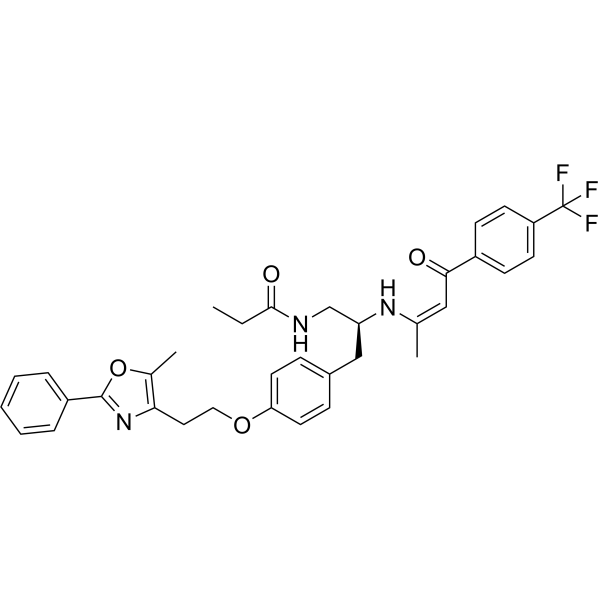
GW6471 is a selective peroxisome proliferator-activated receptor α (PPARα) antagonist. GW6471 reduces cancer stem cell viability, proliferation, and spheroid formation. GW6471 induces apoptosis and causes metabolic impairment including energy imbalance. GW6471 can be used for the research of paragangliomas and triple-negative breast cancer .
|
-
-
- HY-101567
-
|
|
Epigenetic Reader Domain
|
Cancer
|
|
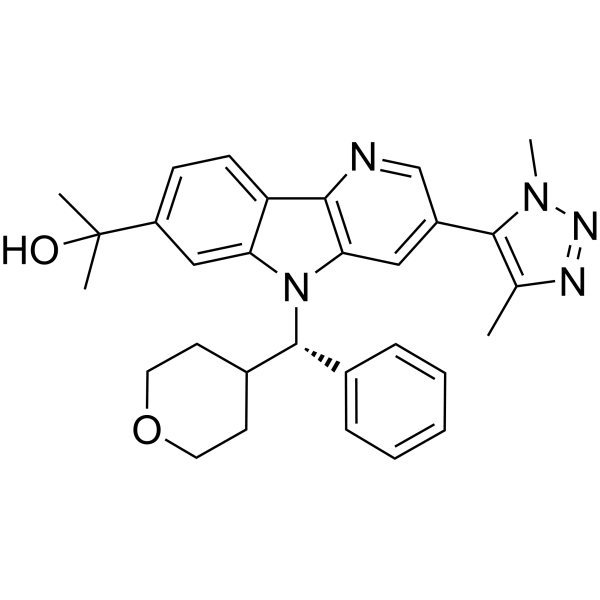
BMS-986158 is a potent BET inhibitor with IC50s of 6.6 and 5 nM in NCI-H211 small cell lung cancer (SCLC) cells and MDA-MB231 triple negative breast cancer (TNBC) cells, respectively .
|
-
-
- HY-N0554
-
|
|
HIV Protease
Monoamine Oxidase
|
Infection
Inflammation/Immunology
Cancer
|
|
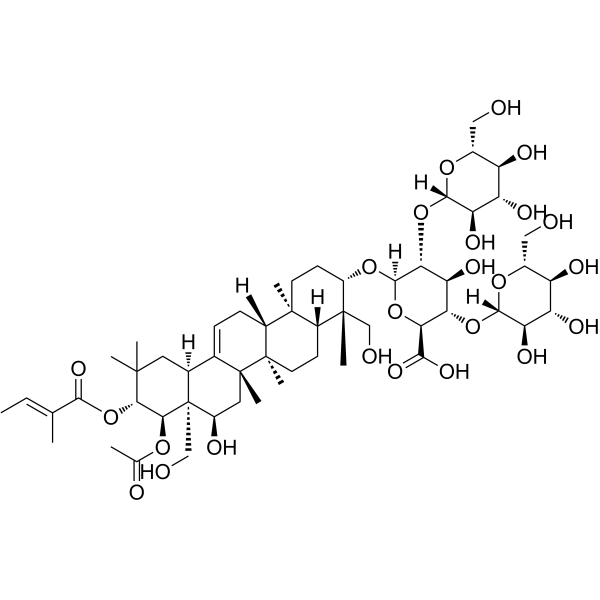
Escin IA is an oral LOXL2 inhibitor and EMT inhibitor, with selectivity for LOXL2-expressing cells. Escin IA suppresses invasion, migration, and metastasis of breast cancer cells, and acts as the primary anti-TNBC metastasis constituent of Aesculus chinensis Bunge fruit saponin fraction. Escin IA can be used for the research of triple-negative breast cancer, acute inflammation, and ethanol-induced gastric mucosal lesions .
|
-
-
- HY-173496
-
|
|
Sialyltransferase
Integrin
VEGFR
Akt
|
Cancer
|
|
ST6GAL1-IN-1 is an orally active selective ST6GAL1 inhibitor (IC50 = 20 μM). ST6GAL1-IN-1 exhibits high antimetastatic potential, effectively inhibiting the migration of MDA-MB-231 cells at noncytotoxic concentrations. ST6GAL1-IN-1 can disrupt integrin sialylation in MDA-MB-231 cells. ST6GAL1-IN-1 inhibits tumor angiogenesis and cancer metastasis via the Integrin/VEGFR2-mediated signaling pathway. ST6GAL1-IN-1 effectively suppresses both tumor growth and cancer metastasis on the MDA-MB-231 xenograft model. ST6GAL1-IN-1 can be used for the study of Triple-negative breast cancer (TNBC) .
|
-

-
- HY-168162
-
|
|
PROTACs
CDK
|
Cancer
|
|
ZLC491 is an orally active PROTAC degrader that selectively targets CDK12/CDK13 and exhibits certain oral bioavailability. ZLC491 induces cereblon- and proteasome-dependent selective degradation of CDK12 and CDK13. ZLC491 inhibits the transcription and expression of long genes, and mainly acts on a subset of DNA damage response genes. ZLC491 inhibits the proliferation of various triple-negative breast cancer cells. ZLC491 can be used in research related to triple-negative breast cancer .
|
-

-
- HY-114979
-
|
|
Antibiotic
Fungal
Apoptosis
|
Infection
Cancer
|
|
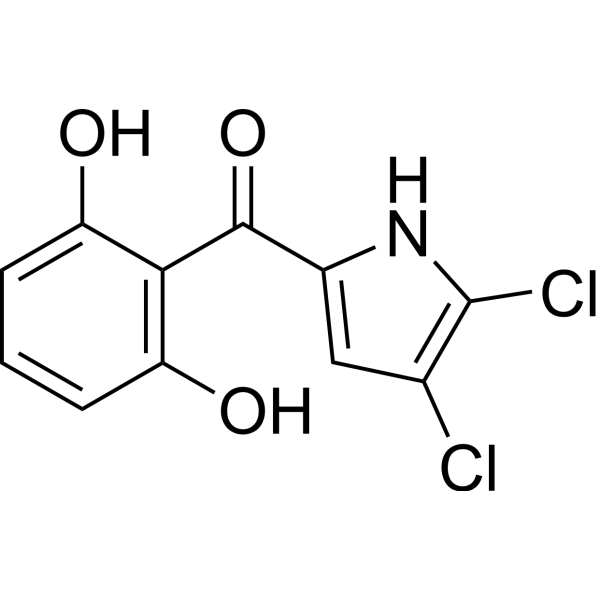
Pyoluteorin is an antibiotic that inhibits Oomycete fungi, including the plant pathogen Pythium ultimum, and suppresses plant diseases caused by this fungus . Pyoluteorin induces human triple-negative breast cancer MDA-MB-231 cells apoptosis in vitro. Pyoluteorin can be used for the research of human triple-negative breast cancer .
|
-
-
- HY-162037
-
|
|
CDK
FLT3
|
Cancer
|
|
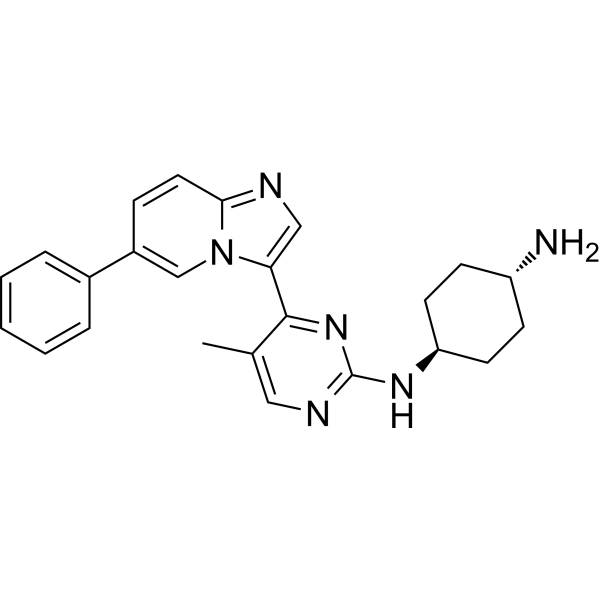
CDDD11-8 is an orally active, potent and selective inhibitor of CDK9 and FLT3-ITD, with Ki values of 8 and 13 nM, respectively. CDDD11-8 reduces the proliferation of leukemia cell lines and was particularly effective against those harboring FLT3-ITD mutation .
|
-
-
- HY-108447
-
|
|
Ser/Thr Protease
SARS-CoV
PAI-1
|
Infection
Cancer
|
|
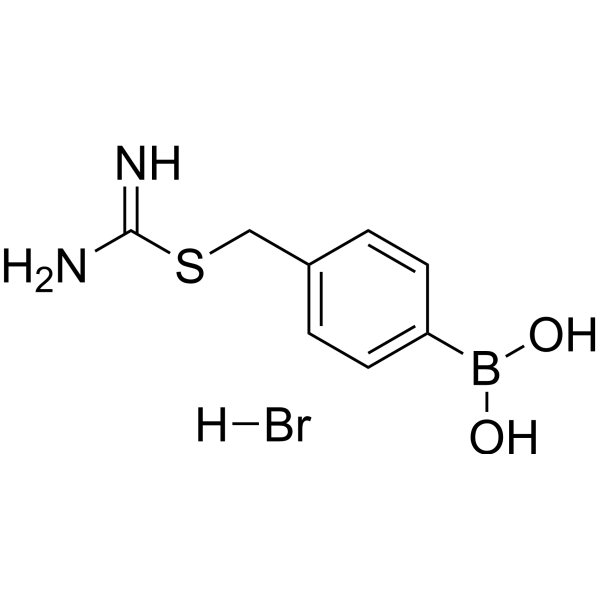
BC-11 hydrobromide is a selective TMPRSS2 inhibitor (TMPRSS2 is a key host cellular factor for viral entry and SARS-CoV-2 pathogenesis), and a selective urokinase (uPA) inhibitor (IC50=8.2 μM). BC-11 hydrobromide is cytotoxic to triple-negative MDA-MB231 breast cancer cells. BC-11 hydrobromide is used in research on viral infections and cancer .
|
-
-
- HY-NP163A
-
|
WGA-AF488
|
Fluorescent Dye
|
Cancer
|
Wheat germ agglutinin-AF488 (WGA-AF488) is a cell membrane-specific staining agent prepared by conjugating wheat germ agglutinin with the Alexa Fluor 488 (HY-D1304) fluorescent dye, and it binds to cell surface glycoproteins with high affinity. Wheat germ agglutinin-AF488 is applied in fluorescence microscopy and confocal imaging techniques, and it can clearly label the membrane structures of various cells including breast cancer cells, enabling high-resolution visual observation. Wheat germ agglutinin-AF488 is used in studies of breast cancer and triple-negative breast cancer to observe cell morphology and membrane dynamic changes .
|
-

-
- HY-156096
-
|
|
HDAC
Histone Methyltransferase
Caspase
Apoptosis
DNA/RNA Synthesis
|
Cancer
|
|
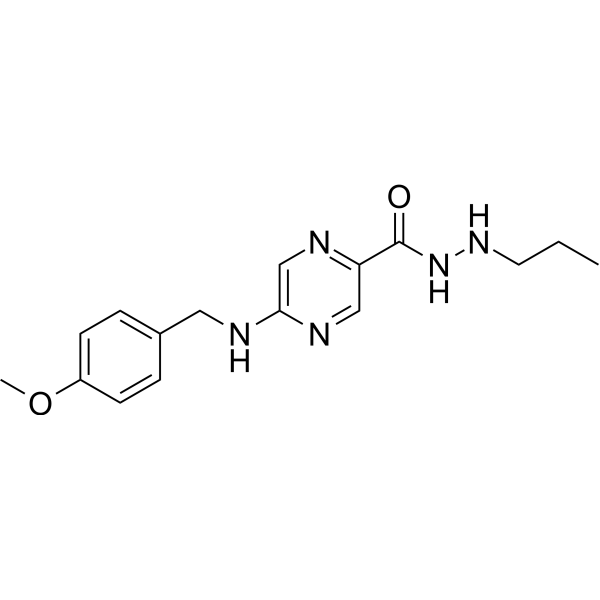
HDAC3-IN-2 (compound 4i) is a pyrazinyl hydrazide-based HDAC3 inhibitor (IC50: 14 nM) that efficiently targets triple-negative breast cancer cells. HDAC3-IN-2 is cytotoxic with an IC50 of 0.55 μM against 4T1 and an IC50 of 0.74 μM against MDA-MB-231. HDAC3-IN-2 has anti-tumor efficacy in vivo in tumor-bearing mouse models, selectively increasing the acetylation levels of H3K9, H3K27 and H4K12, increasing the contents of apoptosis-related caspase-3, caspase-7 and cytochrome c, and reducing Proliferation-related Bcl-2, CD44, EGFR, and Ki-67 levels .
|
-
-
- HY-120548
-
|
|
TGF-β Receptor
Integrin
Raf
RIP kinase
ERK
|
Cancer
|
|
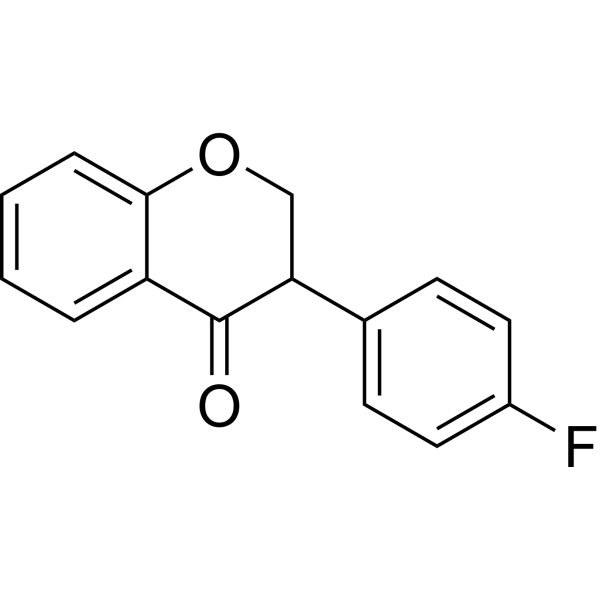
KBU2046 is an orally active transforming growth factor-β (TGF-β1) inhibitor. KBU2046 reduces integrin family protein expression, decreases Raf, RIPK1 and ERK phosphorylation to deactivate the ERK signaling pathway, and down-regulates genes linked to TGF-β1 maturation. KBU2046 suppresses tumor cell motility, impedes cancer invasion and metastasis, and inhibits human ESCC growth and metastasis in a murine model. KBU2046 can be used for the researches of triple-negative breast cancer and esophageal squamous cell carcinoma .
|
-
-
- HY-168969
-
|
|
PROTACs
|
Neurological Disease
Cancer
|
|
AA-BR-157 is a metallothionein 2A (MT2A) PROTAC degrader, DC50 is 200 nM (MT2A overexpressed in MDA-MB-231 cells). AA-BR-157 increases intracellular zinc levels, downregulates DIAPH3, disrupts cytoskeleton remodeling, and reduces the migration and invasion abilities of cancer cells. AA-BR-157 can be used for research on triple-negative breast cancer and glioblastoma .
|
-

-
- HY-148368
-
|
|
Bcl-2 Family
Apoptosis
|
Cancer
|
|
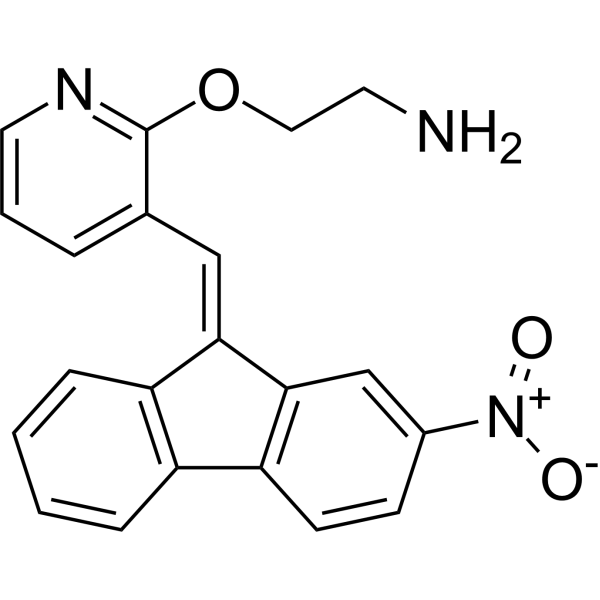
CYD-4-61 is a novel Bax activator used for breast cancer research. CYD-4-61 inhibits triple-negative breast cancer MDA-MB-231 and ER-positive breast cancer MCF-7 cell lines proliferation. CYD-4-61 activates Bax protein to induce cytochrome c release and regulate apoptotic biomarkers, leading to cancer cell apoptosis .
|
-
-
- HY-172888
-
|
|
Endogenous Metabolite
Sialyltransferase
FAK
Integrin
|
Cancer
|
|
SPP-037 is an orally active and selective inhibitor of ST6GAL1 (IC50 = 3.59 μM). SPP-037 inhibits integrin α2,6-sialylation and integrin-FAK-paxillin pathway. SPP-037 inhibits cancer cell proliferation, migration and exhibits antiangiogenic activity. SPP-037 has anti-tumor activity in MDA-MB-231 xenograft mouse model. SPP-037 can be used for the research of triple-negative breast cancer .
|
-

-
- HY-161597
-
|
|
PROTACs
DYRK
|
Cancer
|
|
PROTAC DYRK2 degrader 1 is a DYRK2 PROTAC degrader with DC50 values of 1.607 μM (MDA-MB-231 cells) and 3.265 μM (HeLa cells), respectively. PROTAC DYRK2 degrader 1 induces DYRK2 degradation via the ubiquitin-proteasome system. It is applicable to the research of triple-negative breast cancer and cervical cancer .
|
-

-
- HY-168996
-
|
|
CDK
Apoptosis
|
Cancer
|
|
LA-CB1 is an Abemaciclib (HY-16297A) derivative that targets CDK4/6 and promotes its degradation via the ubiquitin-proteasome pathway, thereby disrupting the CDK4/6-Cyclin D1-Rb-E2F axis and inducing G0/G1 cell cycle arrest and apoptosis. LA-CB1 exhibits antiproliferative activity against MDA-MB-231 cells, with an IC50 of 0.27 µM, and effectively inhibits epithelial-mesenchymal transition (EMT), cell migration, invasion, and angiogenesis. In highly aggressive models such as triple-negative breast cancer (TNBC), LA-CB1 significantly suppresses tumor growth in a dose-dependent manner. LA-CB1 holds potential for research in the field of breast cancer .
|
-

-
- HY-138071
-
|
8αTGH
|
STAT
Pyroptosis
Apoptosis
Reactive Oxygen Species (ROS)
c-Myc
Bcl-2 Family
TrxR
|
Cancer
|
|
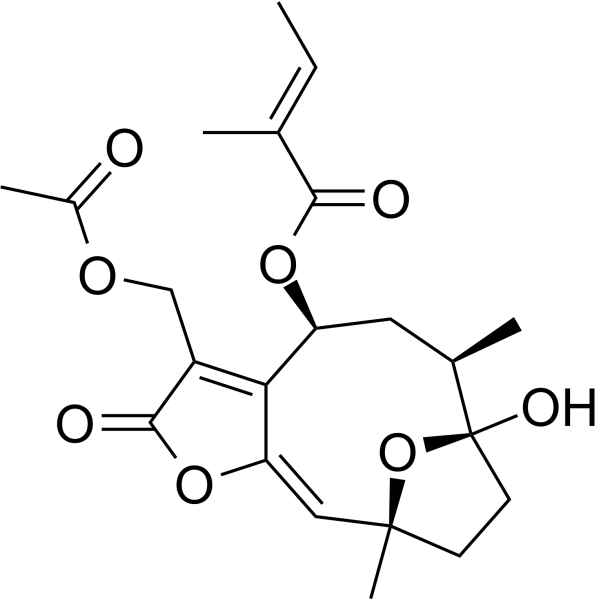
8α-Tigloyloxyhirsutinolide 13-O-acetate (8αTGH) is a potent and orally active STAT3 inhibitor. 8α-Tigloyloxyhirsutinolide 13-O-acetate induces early oxidative stress and pyroptosis, and late DNA damage, cell cycle arrest, apoptosis in the TNBC cells. 8α-Tigloyloxyhirsutinolide 13-O-acetate suppresses tumor cell growth in vitro and tumor growth in vivo .
|
-
-
- HY-143209B
-
|
|
Liposome
|
Cancer
|
|
DSPE-PEG3400 is a phospholipid-PEG polymer conjugate that can be used in drug delivery applications. DSPE-PEG3400 serves as a material for preparing nanocarriers, which is used to prolong blood circulation time, enhance stability and improve encapsulation efficiency .
|
-

-
- HY-170946
-
|
|
STAT
Bcl-2 Family
|
Cancer
|
|
WR-S-462 is a STAT3 inhibitor. WR-S-462 effectively suppresses STAT3 phosphorylation and biological functions in vitro. WR-S-462 inhibits MDA-MB-231 cells with an IC50 of 0.03 μM. WR-S-462 displays a strong binding affinity towards the STAT3 protein with a Kd of 58 nM. WR-S-462 inhibits the nuclear translocation of p-STAT3, selectively inhibits the expression of p-STAT3 Tyr705 and downstream target genes regulated by STAT3 in MDA-MB-231 cells such as Cyclin D1, Bcl-2, and Bcl-xl. WR-S-462 inhibits TNBC (triple-negative breast cancer) growth and metastasis .
|
-

-
- HY-164064
-
|
|
ClpP
|
Cancer
|
|
Anticancer agent 230 (example 65) is a caseinolytic protease P (ClpP) activator with anticancer activity. Anticancer agent 230 is able to induce the degradation of mitochondrial proteins in SUM159 and MDA-MB-231 triple-negative breast cancer cells in a time-dependent manner .
|
-

-
- HY-175497
-
|
|
ROR
Apoptosis
Bcl-2 Family
PARP
|
Cancer
|
|
ROR1-IN-4 is a selective ROR1 inhibitor with a Kd of 52 nM. ROR1-IN-4 shows potent anti-proliferative activity against TNBC cell line MDA-MB-231 (IC50 = 75 nM). ROR1-IN-4 reduces colony formation, induces apoptosis and inhibits the phosphorylation of ROR1 (Tyr786) in MDA-MB-231 cells. ROR1-IN-4 demonstrates superior anti-tumor efficacy in nude mice bearing MDA-MB-231 subcutaneous xenografts. ROR1-IN-4 can be used for the study of triple-negative breast cancer (TNBC) .
|
-

-
- HY-175544
-
|
|
Drug Derivative
|
Cancer
|
|
anti-TNBC agent-10 is an anti-TNBC agent. anti-TNBC agent-10 shows potent anti-TNBC activity against BT549 cells (IC50 = 0.018 μM) and maintains activity against MDA-MB-231 cells (IC50 = 4.16 μM). anti-TNBC agent-10 9 demonstrates significant anti-tumor efficacy in mice bearing subcutaneous MDA-MB-231 TNBC xenografts. anti-TNBC agent-10 can be used for the study of triple-negative breast cancer (TNBC) .
|
-

-
- HY-178132
-
|
|
Apoptosis
NF-κB
|
Cancer
|
|
Apoptosis inducer 46 is an apoptosis inducer. Apoptosis inducer 46 exhibits potent and selective growth inhibitory effects on metastatic triple-negative breast cancer (TNBC) cells. Apoptosis inducer 46 induces G2/M phase cell cycle arrest and apoptotic cell death in MDA-MB-231 cells, and blocks NF-κB nuclear translocation. Apoptosis inducer 46 can be used for the study of TNBC .
|
-

-
- HY-179054
-
|
|
Apoptosis
Reactive Oxygen Species (ROS)
DNA/RNA Synthesis
|
Cancer
|
|
Apoptosis inducer 51 (Compound 5d) is an apoptosis inducer. Apoptosis inducer 51 exhibits strong inhibitory activity against MDA-MB-231 cells. Apoptosis inducer 51 inhibits cell invasion and migration, induces G2/M phase cell cycle arrest and cell apoptosis. Apoptosis inducer 51 causes DNA damage, ROS burst and mitochondrial membrane potential (MMP) collapse. Apoptosis inducer 51 can be used for the study of triple-negative breast cancer.
|
-

-
- HY-178956
-
|
|
HSP
|
Cancer
|
|
KUNB106 is a selective Hsp90β inhibitor with KDs of 91 nM and 38 μM against Hsp90β and Hsp90α. KUNB106 exhibits antiproliferative activity against MDA-MB-231 cells, A549 and SKOV-3 cells. KUNB106 can be used for the study of triple negative breast cancer .
|
-

-
- HY-174457
-
|
|
STAT
Carbonic Anhydrase
Ferroptosis
Apoptosis
Reactive Oxygen Species (ROS)
Caspase
Bcl-2 Family
|
Cancer
|
|
STAT3/CAIX-IN-1 is a dual-target inhibitor of STAT3 (Kd: 60.03 μM) and CAIX (IC50: 80.45 nM). STAT3/CAIX-IN-1 induces ferroptosis by increases the levels of reactive oxygen species (ROS) and lipid peroxides. STAT3/CAIX-IN-1 inhibits cell migration, induces apoptosis, and causes cell cycle arrest in MDA-MB-231 cells. STAT3/CAIX-IN-1 can be used for the study of triple-negative breast cancer (TNBC) .
|
-

-
- HY-179468
-
|
|
STAT
|
Cancer
|
|
STAT3-IN-49 (compound B16) is a potent and selective STAT3 inhibitor. STAT3-IN-49 binds to the SH2 domain of STAT3, thereby suppressing its phosphorylation and nuclear translocation. STAT3-IN-49 inhibits triple-negative breast cancer (TNBC) cell migration, invasion, and colony formation. STAT3-IN-49 inhibits tumor growth in an MDA-MB-231 xenograft mouse model. STAT3-IN-49 can be used for TNBC research .
|
-

-
- HY-149354
-
|
|
Aurora Kinase
|
Cancer
|
|
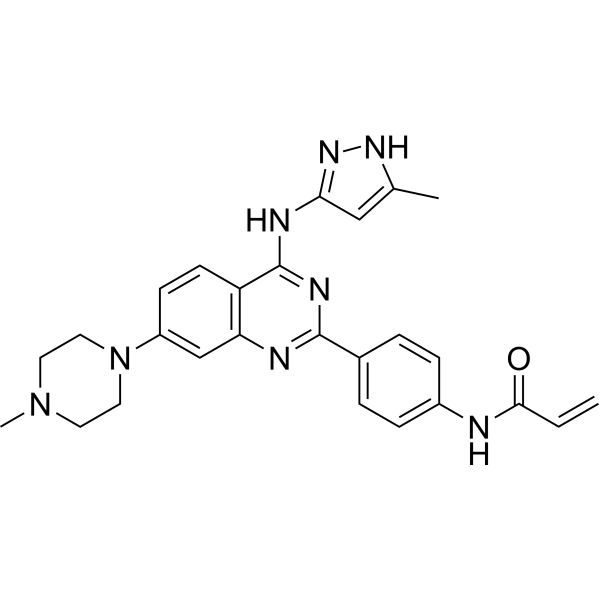
Aurora kinase-IN-4 (Compound 11c) is a covalent and ATP competitive aurora kinase A inhibitor (IC50: 1.7 nM). Aurora kinase-IN-4 inhibits cell proliferation in SJSA-1, MDA-MB-231, A54, HeLa cells with IC50s of 4.27, 1.54, 3.08, 6.99 μM. Aurora kinase-IN-4 can be used for research of triple negative breast cancer (TNBC) .
|
-
-
- HY-173119
-
|
|
ERK
Autophagy
Apoptosis
p62
mTOR
Reactive Oxygen Species (ROS)
Ferroptosis
|
Cancer
|
|
SKLB-D18 is an orally active ERK1/2/ERK5 inhibitor, with an IC50 of 38.69 nM and a Kd of 126.9 nM against human ERK1, an IC50 of 40.12 nM and a Kd of 209.8 nM against ERK2, and an IC50 of 59.72 nM and a Kd of 468.2 nM against ERK5. SKLB-D18 inhibits cancer cell proliferation, induces G0/G1 cell cycle arrest and apoptosis. SKLB-D18 reduces the levels of p-ERK5, p-RSKp90, p-c-Myc and c-Myc, and upregulates the level of p-ERK1/2, thereby inhibiting the ERK1/2/5 pathway in cells. SKLB-D18 increases LC3B-II accumulation, and decreases the levels of p62, p-mTOR and p-p70S6K. SKLB-D18 elevates the levels of ROS, lipid peroxidation and free ferrous ions, reduces the levels of NCOA4 and GPX4, and induces ferritin autophagy-dependent ferroptosis in cancer cells. SKLB-D18 exhibits antitumor activity in a triple-negative breast cancer xenograft mouse model. SKLB-D18 can be used in research related to triple-negative breast cancer .
|
-

-
- HY-175821
-
|
|
Histone Methyltransferase
Apoptosis
|
Cancer
|
|
PRMT1-IN-3 is a potent protein arginine methyltransferase 1 (PRMT1) inhibitor with an IC50 of 4.11 μM. PRMT1-IN-3 inhibits PRMT6 and PRMT8 with IC50s of 23.3 and 30.1 μM. PRMT1-IN-3 suppresses asymmetric dimethylarginine (ADMA) levels and histone H4R3me2a modification in triple-negative breast cancer (TNBC) cells. PRMT1-IN-3 induces cell cycle arrest, apoptosis, and inhibits migration and colony formation in MDA-MB-231 cells. PRMT1-IN-3 acts as chemotherapeutic sensitizers for Paclitaxel (HY-B0015). PRMT1-IN-3 can be used for the study of TNBC .
|
-

-
- HY-139376
-
|
|
FGFR
|
Cancer
|
|
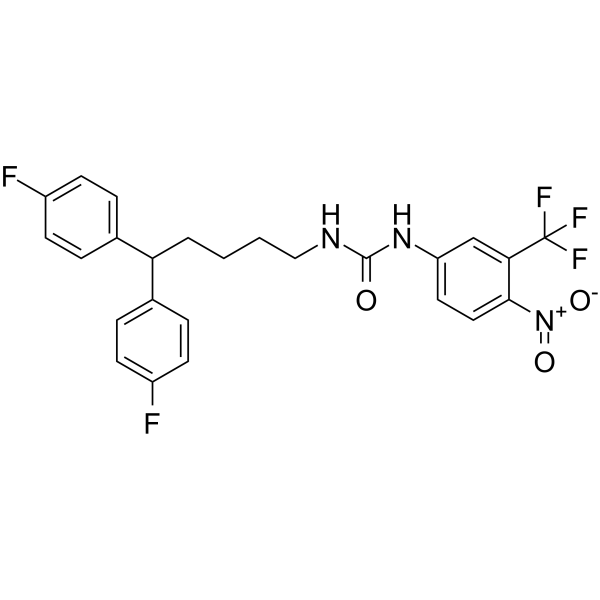
FGFR1 inhibitor-2 is a FGFR1 inhibitor (IC50 is 4.55 μM in MDA-MB-231 cells). FGFR1 inhibitor-2 can be used for the research of metastatic triple-negative breast cancer .
|
-
-
- HY-132885
-
|
|
PARP
Histone Methyltransferase
|
Cancer
|
|
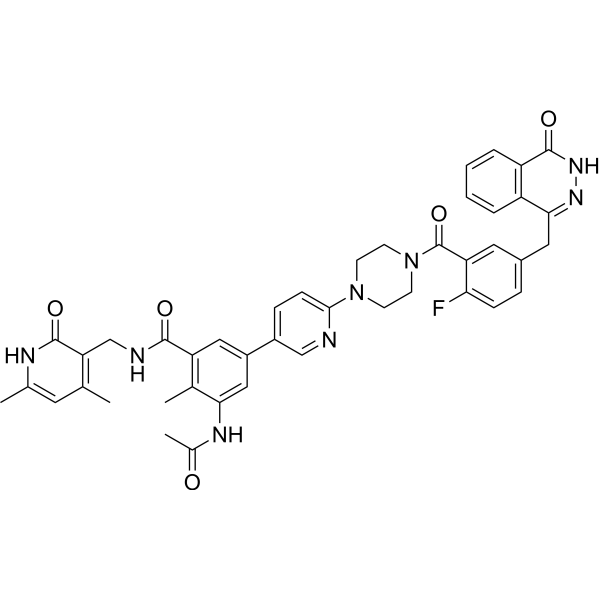
PARP/EZH2-IN-1 is a first-in-class dual PARP-1/EZH2 inhibitor with IC50 values of 6.87 nM and 36.51 nM, respectively. PARP/EZH2-IN-1 induces autophagy in cancer cells and shows potent antiproliferative activity in BRCA wild-type triple-negative breast cancer cells .
|
-
-
- HY-161257
-
|
|
Autophagy
|
Cancer
|
|
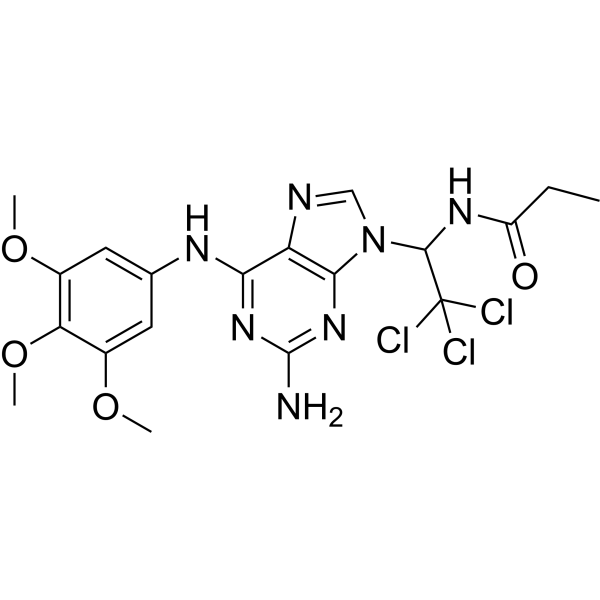
CDC20-IN-1 (Compound E1) is a specific inhibitor of CDC20 and can be used in triple-negative breast cancer research. CDC20-IN-1 can induce autophagy in cancer cells and inhibit MDA-MB-231 cell proliferation, with an IC50 value of 1.43 μM .
|
-
-
- HY-179062
-
|
|
Apoptosis
|
Cancer
|
Anticancer agent 280 (Compound 65) is an anti-cancer agent targeting triple-negative breast cancer (TNBC). Anticancer agent 280 exhibits IC50 values of Anticancer agent 280 for MDA-MB-231, MDA-MB-231/LM2-4, Jurkat, and MCF-7 of 7.1, 11.65, 6.99, and 21.51 μM respectively. Anticancer agent 280 can cause significant arrest of cells in the S phase and induce cell apoptosis. Anticancer agent 280 can be used for the study of TNBC .
|
-

-
- HY-158439
-
|
|
JAK
STAT
|
Cancer
|
|
anti-TNBC agent-7 (Compound 13c) possesses anticancer activity, serving as a molecular probe to recognize and regulate the signal transduction of the USP21/JAK2/STAT3 axis, exhibiting nanomolar-level cytotoxicity against MDA-MB-231 and HCC-1806 cancer cells, effectively combating triple-negative breast cancer (TNBC) .
|
-

-
- HY-179070
-
|
|
Apoptosis
|
Cancer
|
Anticancer agent 280 TFA (Compound 65) is an anti-cancer agent targeting triple-negative breast cancer (TNBC). Anticancer agent 280 TFA exhibits IC50 values of Anticancer agent 280 TFA for MDA-MB-231, MDA-MB-231/LM2-4, Jurkat, and MCF-7 of 7.1, 11.65, 6.99, and 21.51 μM respectively. Anticancer agent 280 TFA can cause significant arrest of cells in the S phase and induce cell apoptosis. Anticancer agent 280 TFA can be used for the study of TNBC .
|
-

-
- HY-181583
-
|
|
ROCK
|
Cancer
|
|
LASSBio-2389 is a selective ROCK2 inhibitor with an IC50 of 0.051 μM and an IC50 of 1.143 μM against ROCK1. LASSBio-2389 reduces the viability of MDA-MB-231 cells and inhibits cell migration. LASSBio-2389 is applicable to the research of triple-negative breast cancer .
|
-

-
- HY-150597
-
|
|
HDAC
Apoptosis
|
Cancer
|
|
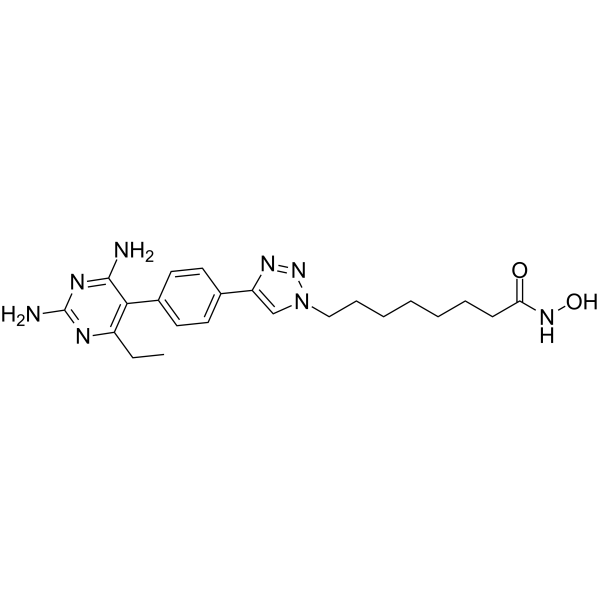
HDAC-IN-46 (compound 12c) is a potent HDAC inhibitor with an IC50 value of 0.21 μM and 0.021 μM for HDAC1 and HDAC6, respectively. HDAC-IN-46 upregulates p-p38, and downregulates Bcl-xL and cyclin D1 in MDA-MB-231 cells. HDAC-IN-46 induces significant G2 phase arrest and apoptosis. HDAC-IN-46 can be used for researching triple-negative breast cancer (TNBC) .
|
-
-
- HY-172966
-
|
|
EGFR
|
Cancer
|
|
EG31 is an EGFR inhibitor. EG31 effectively inhibits the proliferation of triple-negative breast cancer (TNBC) cells (GI50 values of MDA-MB-231 and Hs578T cells are 498.90 nM and 740.73 nM, respectively) and induces apoptosis by inhibiting the EGFR signaling pathway. EG31 still maintains antiproliferative activity against 5-fluorouracil (5-FU)-resistant TNBC cells (GI50: 519.5 nM). EG31 can be used to study TNBC resistance .
|
-

-
- HY-156077
-
|
|
Apoptosis
DNA/RNA Synthesis
|
Cancer
|
|
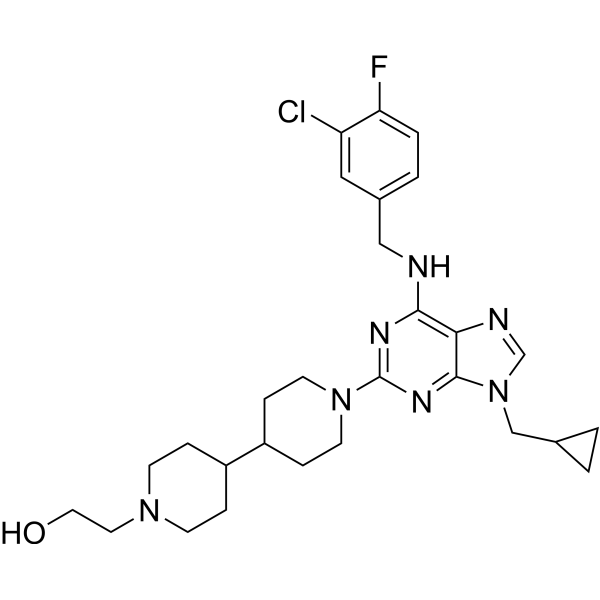
anti-TNBC agent-2 (3j) an anti-Triple negative breast cancer (TNBC) purine derivative. anti-TNBC agent-2 induces MDA-MB-231 cells apoptosis, and inhibits its migration and angiogenesis. anti-TNBC agent-2 inhibits tumor growth and metastasis and reduces the expression of Ki67 and CD31 protein in TNBC xenograft models. anti-TNBC agent-2 can be used for Triple negative breast cancer (TNBC) research .
|
-
-
- HY-161778
-
|
|
HDAC
VD/VDR
|
Inflammation/Immunology
Cancer
|
|
ZG-126 is an agonist for vitamin D receptor (VDR) and an inhibitor for histone deacetylase (HDAC) (IC50=0.63-67.6 μM). ZG-126 exhibits cytotoxicity in cancer cells MDA-MB-231 and 4T1. ZG-126 exhibits antitumor and anti-metastatic efficacy against melanoma and triple-negative breast cancer (TNBC) in mouse models. ZG-126 also exhibits anti-inflammatory activity, through the reduction of macrophage infiltration and immunosuppressive M2-polarization .
|
-

-
- HY-161083
-
|
|
PARP
Histone Methyltransferase
|
Cancer
|
|
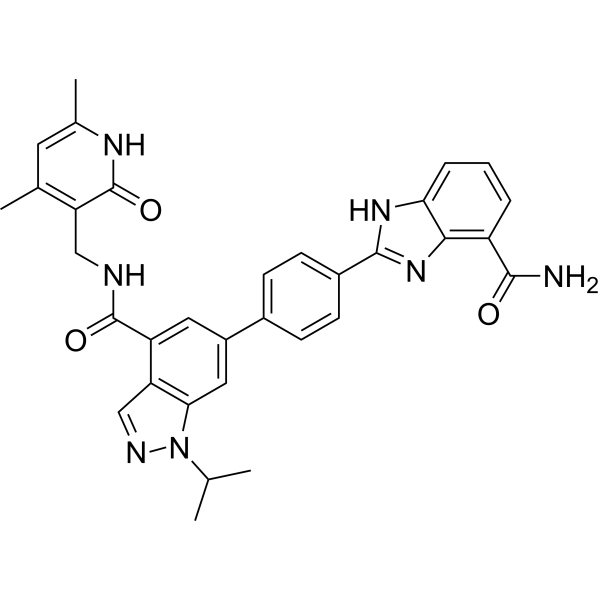
PARP/EZH2-IN-2 (compound 12e) is a dual target PARP1 and EZH2 inhibitor, with IC50 values of 6.89 and 27.34 nM, respectively. PARP/EZH2-IN-2 shows anticancer activity, with no toxicity to normal cells. PARP/EZH2-IN-2 achieves synthetic lethality indirectly by inhibiting EZH2 to increase the sensitivity to PARP1, and induces cell death by regulating excessive autophagy .
|
-
-
- HY-178957
-
|
|
HSP
|
Cancer
|
|
Hsp90β-IN-2 (Compound 16B) is a selective Hsp90β inhibitor with KDs of 225 nM and 73.32 μM against Hsp90β and Hsp90α. KUNB106 exhibits antiproliferative activity against MDA-MB-231 cells, A549 and SKOV-3 cells. KUNB106 can be used for the study of triple negative breast cancer .
|
-

-
- HY-146452
-
|
|
Apoptosis
|
Cancer
|
|
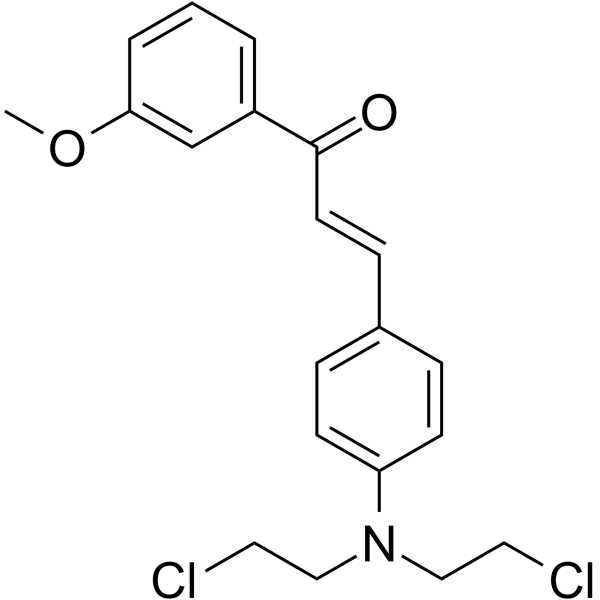
Anticancer agent 57 (compound 14) potently inhibits MDA-MB-231, MDA-MB-468, and MCF-7 cell lines, with IC50s of 6.43 ~ 8.00 μM. Anticancer agent 57 induces cell cycle arrest and significantly promotes apoptosis. Anticancer agent 57 inhibits tumor growth in nude mice xenografted with MADMB-231 cells. Anticancer agent 57 can be used for researching triple negative breast cancer (TNBC) .
|
-
-
- HY-134997
-
|
4-oxo DHA
|
PPAR
|
Cancer
|
|
4-oxo Docosahexaenoic acid (4-oxo DHA) is a putative metabolite of Docosahexaenoic acid (HY-B2167) with antiproliferative and PPARγ agonist activity. It inhibits the growth of several triple negative breast cancer cell lines (MCF-10F, trMCF, bsMCF, MDA-MB-231, and BT549) at 50-100 μM, however it increased proliferation of MCF-7 cells. 4-oxo DHA binds covalently to PPARγ and activates gene transcription in luciferase reporter assays and in dendritic cells with EC50 values of approximately 8-16 μM.
|
-

-
- HY-P10853
-
|
|
Autophagy
|
Cancer
|
|
Bacilotetrin C analogue is cytotoxic to triple-negative breast cancer cell line MDA-MB-231 with an IC50 of 0.48 μM. Bacilotetrin C analogue can induce tumor cell autophagy and has anti-tumor activity .
|
-

-
- HY-163548
-
|
|
Sialyltransferase
|
Cancer
|
|
SPP-002 is a ST6GAL1 inhibitor with a human IC50 of 16.7 μM. SPP-002 selectively inhibits N-glycan sialylation over O-glycan sialylation and binds strongly to the enzyme active site. SPP-002 suppresses expression of signaling proteins in the integrin/FAK/paxillin pathway. SPP-002 can be used for the research of triple negative breast cancer metastasis .
|
-

-
- HY-179679
-
|
|
FAK
Apoptosis
|
Cancer
|
|
FAK-IN-29 is a selective FAK inhibitor with an IC50 of 0.5 nM. FAK-IN-29 can inhibit the proliferation and colony formation of MDA-MB-231 cells, and induce cell cycle arrest and apoptosis. FAK-IN-29 exhibits antitumor activity and can be used for the research of tumors such as triple-negative breast cancer .
|
-

-
- HY-101567R
-
|
|
Epigenetic Reader Domain
Reference Standards
|
Cancer
|
|
BMS-986158 (Standard) is the analytical standard of BMS-986158 (HY-101567). This product is intended for research and analytical applications. BMS-986158 is a potent BET inhibitor with IC50s of 6.6 and 5 nM in NCI-H211 small cell lung cancer (SCLC) cells and MDA-MB231 triple negative breast cancer (TNBC) cells, respectively .
|
-

-
- HY-180893
-
|
|
Wee1
Apoptosis
|
Cancer
|
|
XH-30 is a potent, selective, and orally active PKMYT1 inhibitor, with an IC50 of 4.1 nM. XH-30 suppresses the proliferation of P53-mutated triple-negative breast cancer (TNBC) cells by inducing G2/M phase release, DNA damage, and apoptosis. XH-30 demonstrates antitumor effects in an MDA-MB-231 mouse model. XH-30 can be used for P53-mutated TNBC research .
|
-

- HY-155949
-
|
|
|
Neurological Disease
Cancer
|
|
Bt354 is an orally active STAT3 inhibitor with IC50 values of 4.6 μM (DU145), 6.5 μM (MDA-MB-435) and 7.2 μM (MDA-MB-231), respectively. Bt354 induces cell cycle arrest and apoptosis, and downregulates epithelial-mesenchymal transition-related genes. Bt354 exhibits anti-angiogenic and anti-inflammatory activities, attenuates the polarization of M1 microglia and A1 astrocytes, suppresses inflammasome-related signaling pathways, and alleviates mechanical hyperalgesia and thermal hyperalgesia. Bt354 can be used in research related to glioblastoma multiforme, triple-negative breast cancer, prostate cancer and neuropathic pain .
|
-

- HY-175805
-
|
|
EGFR
HDAC
Apoptosis
|
Cancer
|
|
EGFR/HDAC-IN-2 (Compound 38) is dual-functional inhibitor of EGFR and HDAC3 with IC50s of 20.34 and 1.09 nM for CDK9 and HDAC3, respectively. EGFR/HDAC-IN-2 has superior anti-proliferative activity against cancer cells, inhibits cell migration and induces late-stage cell apoptosis. EGFR/HDAC-IN-2 significantly inhibits triple-negative breast cancer (TNBC) tumor growth in xenograft mouse models. EGFR/HDAC-IN-2 can be used for cancers like TNBC research .
|
-

- HY-N8098
-
|
|
STAT
Autophagy
JAK
|
Cancer
|
|
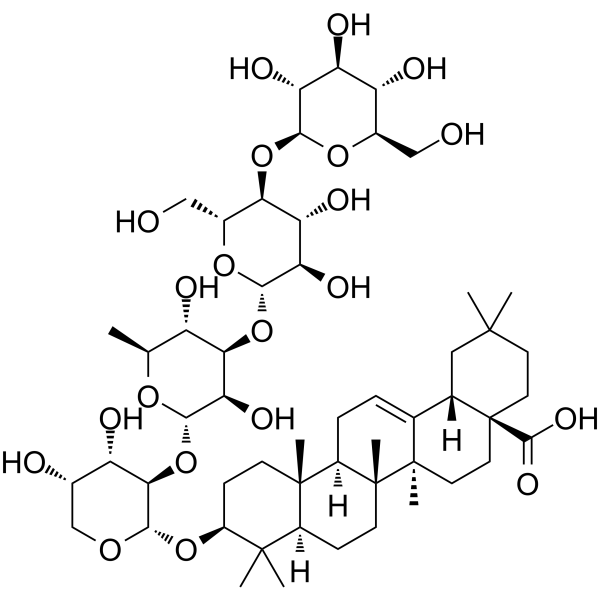
Pulchinenoside E2 is a triterpenoid saponin. Pulchinenoside E2 inhibits the phosphorylation of STAT3 and JAK2, blocks the nuclear translocation and transcriptional activity of STAT3, and suppresses STAT3-dependent mitochondrial oxidative phosphorylation. Pulchinenoside E2 inhibits invasion, migration and autophagy of triple-negative breast cancer cells. Pulchinenoside E2 can be used in research related to triple-negative breast cancer .
|
-
- HY-180261
-
|
|
PROTACs
mTOR
PI3K
Apoptosis
|
Cancer
|
GP262 is a PI3K/mTOR PROTAC degrader targeting PI3Kγ, PI3Kα and mTOR with DC50 values of 42.23 nM, 227.4 nM and 45.4 nM, respectively in MDA-MB-231 cells. GP262 induces degradation of p110α and p110γ with a DC50 of 227.4 and 42.23 nM. GP262 efficient modulates the PI3K/AKT/mTOR pathway, achieving degradation through the ubiquitin-proteasome system (UPS). GP262 also exhibits robust antiproliferative activity and induces apoptosis in vitro. GP262 exhibits tumor growth suppression capability and biosafety profile. GP262 can be used for leukemia and triple-negative breast cancer (TNBC) .
|
-

- HY-179535
-
|
|
TAM Receptor
Discoidin Domain Receptor
TGF-β Receptor
Hedgehog
|
Cancer
|
|
Axl-IN-21 is an orally active and selective AXL inhibitor (Kd = 2.7 nM, IC50 = 4.0 nM). Axl-IN-21 displays kinase selectivity and retains strong activity against cancer-related mul-kinases (Mer with Kd = 1.4 nM, DDR1 with IC50 = 22.2 nM, HIPK4 with Kd = 11.0 nM and LOK with Kd =10 nM). Axl-IN-21 overcomes tumor microenvironment-driven resistance by blocking CAF-derived GAS6-induced AXL/STAT3/ABCG1 signaling, restoring chemosensitivity and inhibiting drug efflux in gastric cancer (GC). Axl-IN-21 suppresses TGF-β1-induced epithelial-mesenchymal transition (EMT), migration, and invasion in MDA-MB-231 cells. Axl-IN-21 exhibits no significant cytotoxicity in non-cancerous cells. Axl-IN-21 can be research for triple negative breast cancer and gastric cancer [1] [2] .
|
-

- HY-183697
-
|
|
FAK
|
Cancer
|
|
FAK-IN-30 is a focal adhesion kinase (FAK) inhibitor with moderate cytotoxicity against breast cancer cells. FAK-IN-30 can be used for the research of triple-negative breast cancer .
|
-

- HY-181483
-
|
|
CDK
Reactive Oxygen Species (ROS)
Apoptosis
Autophagy
Caspase
|
Cancer
|
|
CDK6-IN-2 is a CDK6 covalent inhibitor with an IC50 of 0.013 μM. CDK6-IN-2 inhibits the proliferation and migration of triple-negative breast cancer cells, and induces cell cycle arrest and apoptosis. CDK6-IN-2 induces ROS accumulation and mitochondrial damage through cellular metabolic reprogramming. CDK6-IN-2 exhibits anti-tumor activity and can be used for the research of triple-negative breast cancer .
|
-

- HY-181582
-
|
|
ROCK
|
Cancer
|
|
LASSBio-2382 is a dual ROCK1/ROCK2 inhibitor with ROCK1 IC50 of 0.005 μM and ROCK2 IC50 of 0.003 μM. LASSBio-2382 inhibits viability and migration of cancer cells. LASSBio-2382 can be used for the research of triple-negative breast cancer .
|
-

- HY-182787
-
|
|
LPL Receptor
|
Cancer
|
|
LPA1 receptor antagonist-7 is a LPA1 antagonist. LPA1 receptor antagonist-7 blocks downstream signaling pathways mediated by LPA1. LPA1 receptor antagonist-7 inhibits LPA-induced migration and invasion of cancer cells. LPA1 receptor antagonist-7 can be used for the research of triple-negative breast cancer .
|
-

- HY-182260
-
|
|
Apoptosis
|
Cancer
|
|
Apoptotic agent-5 is an apoptosis inducer that releases large amounts of nitric oxide to induce cell apoptosis. Apoptotic agent-5 can be used in research related to triple-negative breast cancer .
|
-

- HY-181068
-
|
|
PARP
Apoptosis
Microtubule/Tubulin
|
Cancer
|
|
2'-Nitroflavone is a PARP1 inhibitor. 2'-Nitroflavone inhibits the proliferation, induces cell cycle arrest and apoptosis of triple-negative breast cancer cells. 2'-Nitroflavone also inhibits the migration of triple-negative breast cancer cells and endothelial cells. 2'-Nitroflavone exhibits antitumor activity and can be used in the research of tumors such as triple-negative breast cancer .
|
-

- HY-183294
-
|
|
Glutathione Peroxidase
Ferroptosis
Reactive Oxygen Species (ROS)
|
Cancer
|
|
GPX4-IN-24 is an orally active glutathione peroxidase 4 (GPX4) inhibitor with a human IC50 of 10.90 μM, human Kd of 10.04 μM. GPX4-IN-24 suppresses GPX4 enzymatic activity, disrupts redox homeostasis, drives lipid peroxidation, promotes lipid peroxidation, and induces ferroptosis. GPX4-IN-24 can be used for the research of triple-negative breast cancer .
|
-

- HY-181968
-
|
|
ERK
Ferroptosis
|
Cancer
|
|
JWG-045 is a selective ERK5 inhibitor. JWG-045 exhibits unique ferroptosis-resistant activity independent of ERK5 inhibition. JWG-045 can be used in breast cancer research .
|
-

- HY-181756
-
|
|
PROTACs
Epigenetic Reader Domain
|
Cancer
|
|
LGF308 is a PROTAC degrader of BRD4 that exhibits selective cytotoxicity toward cancer cells over normal cells. LGF308 mediates the formation of a ternary complex between BRD4 and DCAF11 to achieve BRD4 degradation. LGF308 induces tumor cell apoptosis by upregulating apoptosis-related proteins. LGF308 inhibits tumor cell proliferation and migration in breast cancer and triple-negative breast cancer cell lines. LGF308 can be used for the research of breast cancer .
|
-

- HY-186045
-
|
|
Histone Methyltransferase
Apoptosis
DNA/RNA Synthesis
ATP-binding cassette (ABC) transporters
|
Cancer
|
|
SKLB06489 is a selective and orally active inhibitor of type I PRMT enzymes, with IC50 values of 64.55 nM (PRMT1), 4.21 nM (PRMT6), and 51.27 nM (PRMT8). SKLB06489 inhibits cell proliferation, colony formation, DNA replication, and DNA damage repair in cancer cells. SKLB06489 induces G0/G1-phase cell cycle arrest and apoptosis in cancer cells. SKLB06489 enhances intracellular cholesterol efflux via ABCA1 and ABCG1 upregulation, disrupts cholesterol metabolic homeostasis, and suppresses tumor growth in subcutaneous xenograft models. SKLB06489 can be used for the research of triple-negative breast cancer (TNBC) .
|
-

- HY-182614
-
|
|
Src
Cathepsin
PI3K
Akt
Ras
Raf
ERK
MMP
|
Cancer
|
|
BJ-2302 is a Src kinase inhibitor with an IC50 of 3.23 μM, and inhibits cathepsin S (CTSS) activity .BJ-2302 binds to Src, suppresses PI3K/AKT and Ras/Raf/ERK pathways, and reduces CTSS and MMP-9 expression .BJ-2302 inhibits cancer cell invasion, metastasis, proliferation, and tumor growth .BJ-2302 does not induce cytotoxicity in normal breast epithelial cells .BJ-2302 can be used for the research of breast cancer and triple-negative breast cancer .
|
-

- HY-181928
-
|
|
c-Met/HGFR
PARP
Apoptosis
|
Cancer
|
|
PARP1/c-Met-IN-3 (Compound L19) is a selective c-Met and PARP1 inhibitor, with an IC50 of 5.4 nM against c-Met and an IC50 of 3.7 nM against PARP1. PARP1/c-Met-IN-3 inhibits PARP2 enzymatic activity with an IC50 of 4.52 nM, and shows no specificity for PARP1 and PARP2. PARP1/c-Met-IN-3 induces cell cycle arrest and apoptosis. PARP1/c-Met-IN-3 exhibits anti-tumor activity against triple-negative breast cancer .
|
-

- HY-181405
-
|
|
Molecular Glues
CDK
|
Cancer
|
SR-5037 is an orally active CDK12 (IC50 = 31 nM)/CDK13 inhibitor and CycK (DC50 = 30 nM;
Dmax > 98%) molecular glue degrader. SR-5037 inhibits the enzymatic activity of CDK12/CycK and CDK13/CycK complexes. SR-5037 promotes the recruitment of DDB1 to the CDK12/CycK complex, thereby triggering proteasome-mediated CycK degradation. SR-5037 degrades active CycK in mouse models of triple-negative breast cancer. SR-5037 can be used in the research of cancers such as triple-negative breast cancer .
|
-

- HY-181392
-
|
|
PROTACs
Histone Methyltransferase
|
Cancer
|
|
PROTAC EZH2 Degrader-35 (compound U3i (44)) is a PROTAC protein degrader targeting EZH2 with a human EZH2 Ka of 16.19 nM. PROTAC EZH2 Degrader-35 exhibits antiproliferative activity in triple-negative breast cancer cells and minimal cytotoxicity in normal human epithelial, hepatic, renal cells.PROTAC EZH2 Degrader-35 can be used for the research of triple-negative breast cancer .
|
-

- HY-182743
-
|
|
AMPK
MARK
YAP
|
Cancer
|
|
OICR19451 is an orally active dual NUAK1/NUAK2 and MARK2/MARK3 kinase inhibitor, with IC50 values of 12 nM and 10 nM against NUAK1 and NUAK2, and 101 nM and 124 nM against MARK2 and MARK3, respectively. OICR19451 modulates the Hippo signaling pathway, increases the phosphorylation level of YAP, enhances the cytoplasmic localization of YAP/TAZ, and inhibits the expression of oncogenes. OICR19451 inhibits cancer cell growth, reduces metastasis, promotes tumor capsule formation, and improves mouse survival in an orthotopic breast cancer model. OICR19451 can be used for research related to triple-negative breast cancer .
|
-

- HY-181687
-
|
|
HSP
CDK
|
Cancer
|
|
Hsp90-IN-46 is a Hsp90 inhibitor. Hsp90-IN-46 exhibits broad-spectrum antiproliferative activity against tumor cell lines. Hsp90-IN-46 inhibits breast cancer cell proliferation by reducing colony formation and downregulating the proliferation marker Ki-67. Hsp90-IN-46 inhibits Hsp90 and its ATPase activity, downregulates the downstream substrate oncoproteins HER2 and CDK4, and moderately induces the heat shock response. Hsp90-IN-46 shows significant antitumor activity in a mouse model of triple-negative breast cancer tumor xenografts. Hsp90-IN-46 can be used for research on various cancers including triple-negative breast cancer, leukemia, non-small cell lung cancer, colon cancer, ovarian cancer, renal cancer, prostate cancer .
|
-

- HY-181460
-
|
|
HyT
PARP
|
Cancer
|
|
PARP1 degrader-2 (Compound 11e) is a potent, selective PARP1 HYT degrader (DC50: 2.16 μM). PARP1 degrader-2 selectively binds to and degrades PARP1 but not PARP2. PARP1 degrader-2 mediates the degradation of PARP1 via the ubiquitin-proteasome system (UPS). PARP1 degrader-2 exhibits anticancer activity against triple-negative breast cancer and colon cancer (hydrophobic tag: (HY-W022007); PARP1 ligand: (HY-75706); Linker: (HY-W015300)) .
|
-

- HY-183013
-
|
|
PROTACs
PARP
Apoptosis
|
Cancer
|
|
PROTAC PARP2 degrader-1 is an orally active PARP2 PROTAC degrader with a DC50 of 2 μM. PROTAC PARP2 degrader-1 potently inhibits the enzymatic activities of PARP1 (IC50 = 2.74 nM) and PARP2 (IC50 = 0.32 nM), with approximately 10-fold higher selectivity for PARP2. PROTAC PARP2 degrader-1 induces cell cycle arrest and apoptosis, and exhibits significant anti-tumor efficacy in mouse models. PROTAC PARP2 degrader-1 can be used for the research of triple-negative breast cancer .
|
-

- HY-182361
-
|
|
AMPK
JAK
Cadherin
|
Cancer
|
|
NUAK1-IN-3 is a potent and selective NUAK1 inhibitor with an IC50 of 0.49 nM. NUAK1-IN-3 also inhibits NUAK2 and JAK3 with IC50 values of 265 and 225 nM. NUAK1-IN-3 engages Glu139 of NUAK1, forms a salt bridge between its bicyclic ring nitrogen and Asp142, and uses a fluorine atom to enhance hydrophobic binding interactions. NUAK1-IN-3 attenuates MYPT1 phosphorylation, suppresses the NUAK1-MYPT1 signaling axis, and inhibits proliferation, migration, and invasion of triple-negative breast cancer cells. NUAK1-IN-3 reverses TGF-β1-induced epithelial-mesenchymal transition (EMT) marker alterations, downregulates Snail and N-cadherin, and upregulates E-cadherin in tumor tissues. NUAK1-IN-3 suppresses tumor growth in triple-negative breast cancer xenograft models. NUAK1-IN-3 can be used for the research of triple-negative breast cancer .
|
-

- HY-181795
-
|
|
PD-1/PD-L1
Bcl-2 Family
MDM-2/p53
Caspase
|
Cancer
|
|
CSN5-IN-3 (Compound 30) is a CSN5 inhibitor with an IC50 of 0.58 μM. CSN5-IN-3 inhibits the enzymatic activity of CSN5, leading to increased accumulation of NEDD8-Cul1 and promoting the degradation of PD-L1. CSN5-IN-3 downregulates Bcl-2, and upregulates P53 and Cleaved caspase-3. CSN5-IN-3 exhibits anticancer activity against triple-negative breast cancer .
|
-

- HY-182958
-
|
|
Hsp-targeting Chimeras
Epigenetic Reader Domain
HSP
|
Cancer
|
|
Hsp70TAC BRD4 Degrader-1 is a degrader targeting BRD4, with a KD value of 0.22 μM. Hsp70TAC BRD4 Degrader-1 forms a ternary complex with Hsp70 (KD: 5.13 μM), and specifically and efficiently degrades intracellular BRD4 via the ubiquitin-proteasome pathway. Hsp70TAC BRD4 Degrader-1 exhibits potent anti-tumor proliferative activity. Hsp70TAC BRD4 Degrader-1 can be used in studies related to triple-negative breast cancer and glioblastoma multiforme. (Pink: BRD4 ligand (HY-78695); Blue: HSP70 ligand (HY-182979); Black: linker (HY-B0236)) .
|
-

- HY-181660
-
|
|
PROTACs
IKK
Apoptosis
|
Cancer
|
|
PROTAC IKKβ degrader-1 is a IKKβ PROTAC degrader (DC50 = 7.15 μM). PROTAC IKKβ degrader-1 induces apoptosis (Apoptosis) in triple-negative breast cancer cells. PROTAC IKKβ degrader-1 induces G1 phase cell cycle arrest in triple-negative breast cancer cells. PROTAC IKKβ degrader-1 exhibits antiproliferative activity against a variety of cells. PROTAC IKKβ degrader-1 is applicable for research related to cancers such as triple-negative breast cancer, colon cancer, liver cancer, pancreatic cancer .
|
-

- HY-181999
-
|
|
PARP
CDK
Protease Activated Receptor (PAR)
Wnt
β-catenin
Reactive Oxygen Species (ROS)
DNA/RNA Synthesis
|
Cancer
|
|
PC8 is a selective dual inhibitor of PARP1/CDK6, with an IC50 of 0.126 μM for PARP1 and 0.197 μM for CDK6. PC8 does not alter PARP1 expression, but reduces the expression of its downstream target PAR. PC8 inhibits the canonical Wnt/β-catenin signaling pathway. PC8 induces intracellular ROS accumulation and exacerbates DNA damage. PC8 inhibits the proliferation of triple-negative breast cancer (TNBC) cells. PC8 can be used for the research of triple-negative breast cancer .
|
-

- HY-183373
-
|
|
EGFR
PARP
|
Cancer
|
|
EGFR/PARP-1-IN-1 is a dual EGFR and PARP-1 inhibitor with IC50 values of 64 nM and 12 nM, respectively. EGFR/PARP-1-IN-1 binds to the ATP-binding pocket of EGFR and interacts with the catalytic domain of PARP-1, inhibiting kinase and enzymatic activity via hydrogen bond formation with key residues in both targets. EGFR/PARP-1-IN-1 induces apoptosis through the endogenous mitochondrial pathway, arrests the cell cycle at the G2 phase, and inhibits cell proliferation. EGFR/PARP-1-IN-1 can be used for research on triple-negative breast cancer .
|
-

- HY-181093
-
|
|
Akt
EGFR
Apoptosis
Necroptosis
Caspase
Bcl-2 Family
MDM-2/p53
|
Cancer
|
|
EGFR-IN-191 is an anti-tumor agent targeting both EGFR and AKT. EGFR-IN-191 exerts its anti-tumor activity by inducing DNA damage, apoptosis, cell cycle arrest, and inhibition of the PI3K/AKT-EGFR signaling pathway in tumor cells. EGFR-IN-191 can be used in the study of tumors such as triple-negative breast cancer .
|
-

- HY-183620
-
|
|
NTPDase
CD73
|
Cancer
|
|
PSB-24379 is a CD39 inhibitor that potently inhibits human membrane-bound CD39 (Ki = 77.4 nM) and truncated soluble human CD39 (Ki = 23.1 nM). PSB-24379 reduces the level of ATP hydrolysis in melanoma and breast cancer cell membranes. PSB-24379 partially reverses ATP-mediated suppression of T cell activation and proliferation in a high-ATP environment. PSB-24379 can be used in research related to melanoma and breast cancer .
|
-

- HY-181506
-
|
|
Fluorescent Dye
Molecular Glues
CaMK
c-Myc
Bcl-2 Family
Cadherin
|
Cancer
|
|
TYMJ-01 is a fluorescent probe and eEF2K degrader. TYMJ-01 induces dose-dependent and specific degradation of eEF2K via the ubiquitin-proteasome pathway, with a DC50 of 82 nM. TYMJ-01 inhibits the proliferation, migration and invasion of triple-negative breast cancer cells. TYMJ-01 enables dynamic fluorescent imaging of eEF2K degradation in triple-negative breast cancer cells; it enhances the anti-tumor activity of Paclitaxel (HY-B0015). TYMJ-01 can be used for the research of triple-negative breast cancer .
|
-

- HY-181082
-
|
|
Aurora Kinase
|
Cancer
|
|
Aurora kinase-IN-10 is an Aurora kinase inhibitor. Aurora kinase-IN-10 exhibits IC50 values of 5.94 nM and 86.06 nM against Aurora A and Aurora B, respectively. Aurora kinase-IN-10 has anti-tumor activity and can be used in the research of tumors such as triple-negative breast cancer .
|
-

- HY-183488
-
|
RRRRRRRRRCCLGIPEQEY
|
Apoptosis
PARP
|
Cancer
|
|
R9-caPep (RRRRRRRRRCCLGIPEQEY) is a cell-penetrating peptide derived from proliferating cell nuclear antigen (PCNA). R9-caPep selectively blocks the interactions between PCNA and FEN1, as well as between PCNA and LIGI, while preserving the binding of POLD3 to PCNA. R9-caPep interferes with DNA synthesis and homologous recombination-mediated double-strand DNA break repair, inducing S-phase arrest, DNA damage accumulation, and apoptosis. R9-caPep inhibits the growth of tumor volume and weight of neuroblastoma in nude mice . R9-caPep can be used in research related to neuroblastoma and triple-negative breast cancer .
|
-

- HY-182067
-
|
|
Reactive Oxygen Species (ROS)
Apoptosis
Ferroptosis
|
Cancer
|
|
anti-TNBC agent-15 is a platinum (IV) complex with anti-triple-negative breast cancer activity. anti-TNBC agent-15 inhibits cancer cell viability. anti-TNBC agent-15 reverses the resistance of triple-negative breast cancer cells to Cisplatin (HY-17394), increases intracellular uptake, and effectively triggers apoptosis by inducing DNA damage, enhancing intracellular ROS accumulation and activating the mitochondrial pathway. anti-TNBC agent-15 enhances lipid peroxidation, interferes with the signal transduction of the cystine/glutamate transporter-glutathione peroxidase axis, and induces ferroptosis. anti-TNBC agent-15 significantly inhibits tumor growth in triple-negative breast cancer/Cisplatin xenograft models. anti-TNBC agent-15 can be used for the research of triple-negative breast cancer .
|
-

- HY-181936
-
|
|
Atg4
Autophagy
|
Cancer
|
|
Atg4B activator-1 (Compound 16a) is an allosteric, selective, and orally active ATG4B activator with a Kd of 0.2199 μM. Atg4B activator-1 binds to the allosteric pocket of ATG4B and induces conformational changes. Atg4B activator-1 induces Autophagy. Atg4B activator-1 inhibits the proliferation and migration of triple-negative breast cancer cells. Atg4B activator-1 can be used in studies related to triple-negative breast cancer .
|
-

- HY-181670
-
|
|
Androgen Receptor
c-Myc
Akt
mTOR
ERK
PDK-1
PI3K
Apoptosis
|
Metabolic Disease
Cancer
|
|
WH23 is a dehydrogenase/reductase SDR family member 11 (DHRS11) inhibitor with IC50 values of 0.037 μM. WH23 binds to DHRS11, forming a hydrogen bond with the enzyme’s His210 residue. WH23 suppresses androgen receptor mRNA and protein expression, reduces c-Myc expression, and inhibits cancer cell proliferation. WH23 inhibits PI3K/AKT signaling by reducing phosphorylation of PDK1, AKT, mTOR, and ERK. WH23 enhances Capivasertib (HY-15431)-induced cytotoxicity and apoptosis. WH23 can be used for the research of luminal androgen receptor-positive triple-negative breast cancer .
|
-

- HY-181832
-
|
|
AMPK
Apoptosis
|
Cancer
|
|
ASS1 activator 1 (Compound 10f) is a ASS1 activator with an EC50 of 1.90 μM. ASS1 activator 1 enhances the activity of ASS1 and promotes AMPK phosphorylation. ASS1 activator 1 induces cell Apoptosis. ASS1 activator 1 exhibits anticancer activity against triple-negative breast cancer, colorectal cancer and liver cancer .
|
-

- HY-N18190
-
|
|
NF-κB
Apoptosis
|
Cancer
|
|
N-Desmethyldauricine is a NF-κB p65 inhibitor and apoptosis inducer. N-Desmethyldauricine reduces the protein expression level of p65, induces apoptosis, arrests the cell cycle at the G0/G1 phase, attenuates intercellular adhesion, and inhibits the growth of 3D spheroids of triple-negative breast cancer. N-Desmethyldauricine can be used in studies related to triple-negative breast cancer .
|
-

- HY-182047
-
|
|
PD-1/PD-L1
|
Cancer
|
|
PD-1/PD-L1-IN-61 is a PD-1/PD-L1 interaction inhibitor with a human IC50 of 5.3 nM. PD-1/PD-L1-IN-61 embeds into the hydrophobic pocket at the PD-L1 dimer interface, stabilizing binding through hydrogen bonds and π-π stacking with PD-L1 residues. PD-1/PD-L1-IN-61 acts as an immune activator, enhances immune-killing activity of peripheral blood mononuclear cells against cancer cells, restores T-cell immune function, and promotes IFN-γ secretion. PD-1/PD-L1-IN-61 can be used for the research of triple-negative breast cancer .
|
-

- HY-181254
-
|
|
PARP
NAMPT
DNA/RNA Synthesis
Apoptosis
|
Cancer
|
|
PARP1/NAMPT-IN-1 is a potent and dual PARP1 and NAMPT inhibitor with IC50 values of 1.2 nM and 6.7 nM, respectively. PARP1/NAMPT-IN-1 can disrupt the homologous recombination repair (HRR) pathway, leading to the accumulation of DNA double-strand breaks (DSBs), inducing cell cycle arrest and apoptosis, and also has antimigratory effects. PARP1/NAMPT-IN-1 exhibits excellent antitumor effects in a breast cancer xenograft model. PARP1/NAMPT-IN-1 can be used for the study of triple-negative breast cancer (TNBC) .
|
-

| Cat. No. |
Product Name |
Type |
-
- HY-NP163A
-
|
WGA-AF488
|
Biochemical Assay Reagents
|
Wheat germ agglutinin-AF488 (WGA-AF488) is a cell membrane-specific staining agent prepared by conjugating wheat germ agglutinin with the Alexa Fluor 488 (HY-D1304) fluorescent dye, and it binds to cell surface glycoproteins with high affinity. Wheat germ agglutinin-AF488 is applied in fluorescence microscopy and confocal imaging techniques, and it can clearly label the membrane structures of various cells including breast cancer cells, enabling high-resolution visual observation. Wheat germ agglutinin-AF488 is used in studies of breast cancer and triple-negative breast cancer to observe cell morphology and membrane dynamic changes .
|
-
- HY-143209B
-
|
|
Biochemical Assay Reagents
|
|
DSPE-PEG3400 is a phospholipid-PEG polymer conjugate that can be used in drug delivery applications. DSPE-PEG3400 serves as a material for preparing nanocarriers, which is used to prolong blood circulation time, enhance stability and improve encapsulation efficiency .
|
| Cat. No. |
Product Name |
Target |
Research Area |
-
- HY-P10853
-
|
|
Autophagy
|
Cancer
|
|
Bacilotetrin C analogue is cytotoxic to triple-negative breast cancer cell line MDA-MB-231 with an IC50 of 0.48 μM. Bacilotetrin C analogue can induce tumor cell autophagy and has anti-tumor activity .
|
-
- HY-183488
-
|
RRRRRRRRRCCLGIPEQEY
|
Apoptosis
PARP
|
Cancer
|
|
R9-caPep (RRRRRRRRRCCLGIPEQEY) is a cell-penetrating peptide derived from proliferating cell nuclear antigen (PCNA). R9-caPep selectively blocks the interactions between PCNA and FEN1, as well as between PCNA and LIGI, while preserving the binding of POLD3 to PCNA. R9-caPep interferes with DNA synthesis and homologous recombination-mediated double-strand DNA break repair, inducing S-phase arrest, DNA damage accumulation, and apoptosis. R9-caPep inhibits the growth of tumor volume and weight of neuroblastoma in nude mice . R9-caPep can be used in research related to neuroblastoma and triple-negative breast cancer .
|
| Cat. No. |
Product Name |
Category |
Target |
Chemical Structure |
| Cat. No. |
Product Name |
|
Classification |
-
- HY-157411
-
|
|
|
Alkynes
|
|
anti-TNBC agent-5 (compound 10C) is a triple-negative breast cancer (TNBC) inhibitor with good stability and pharmacokinetic properties. anti-TNBC agent-5 exhibits antiproliferative activity against a variety of cancer cells. anti-TNBC agent-5 can also effectively inhibit TNBC lung metastasis activity in the MDA-MB-231 xenograft model. anti-TNBC agent-5 can be used in cancer research .
|
-
- HY-181483
-
|
|
|
Alkynes
|
|
CDK6-IN-2 is a CDK6 covalent inhibitor with an IC50 of 0.013 μM. CDK6-IN-2 inhibits the proliferation and migration of triple-negative breast cancer cells, and induces cell cycle arrest and apoptosis. CDK6-IN-2 induces ROS accumulation and mitochondrial damage through cellular metabolic reprogramming. CDK6-IN-2 exhibits anti-tumor activity and can be used for the research of triple-negative breast cancer .
|
| Cat. No. |
Product Name |
|
Classification |
-
- HY-143209B
-
|
|
|
Pegylated Lipids
|
|
DSPE-PEG3400 is a phospholipid-PEG polymer conjugate that can be used in drug delivery applications. DSPE-PEG3400 serves as a material for preparing nanocarriers, which is used to prolong blood circulation time, enhance stability and improve encapsulation efficiency .
|
Your information is safe with us. * Required Fields.
Inquiry Information
- Product Name:
- Cat. No.:
- Quantity:
- MCE Japan Authorized Agent:








