Search Result
Results for "
SH-SY5Y neuroblastoma cells
" in MedChemExpress (MCE) Product Catalog:
3
Biochemical Assay Reagents
1
Isotope-Labeled Compounds
| Cat. No. |
상품명 |
Target |
연구분야 |
Chemical Structure |
-
- HY-N0303
-
|
|
Mitochondrial Metabolism
Apoptosis
|
Neurological Disease
|
|
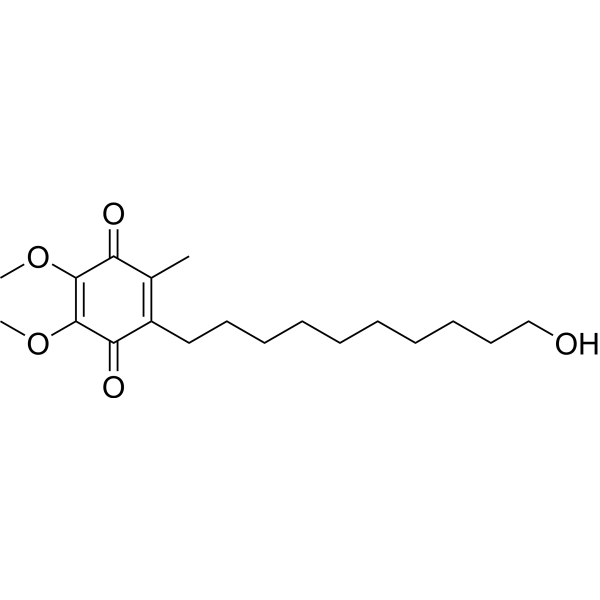
Idebenone, a well-appreciated mitochondrial protectant, exhibits protective efficacy against neurotoxicity and can be used for the research of Alzheimer's disease, Huntington's disease. Idebenone (oxidised form) has a dose-dependent inhibitory effect on the enzymatic metabolism of arachidonic acid in astroglial homogenates (IC50=16.65 μM) . Idebenone, a coenzyme Q10 analog and an antioxidant, induces apoptotic cell death in the human dopaminergic neuroblastoma SHSY-5Y cells . Idebenone quickly crosses the blood-brain barrier.
|
-
-
- HY-134476
-
|
|
NF-κB
|
Inflammation/Immunology
|
|
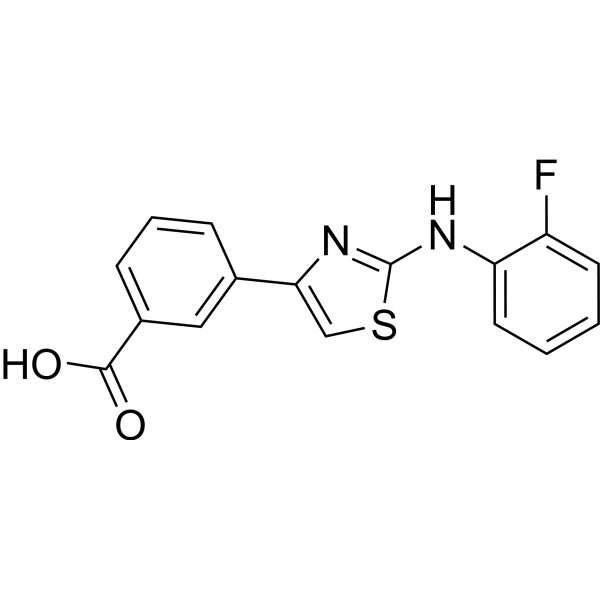
NF-κΒ activator 1 (compound 32) is a potent NF-κΒ activator with an EC50 of 0.9 μM. NF-κΒ activator 1 induces superoxide dismutase (SOD)2 mRNA expression .
|
-
-
- HY-14649G
-
|
Vitamin A acid; all-trans-Retinoic acid; ATRA
|
RAR/RXR
PPAR
Endogenous Metabolite
Autophagy
|
Cancer
|
|
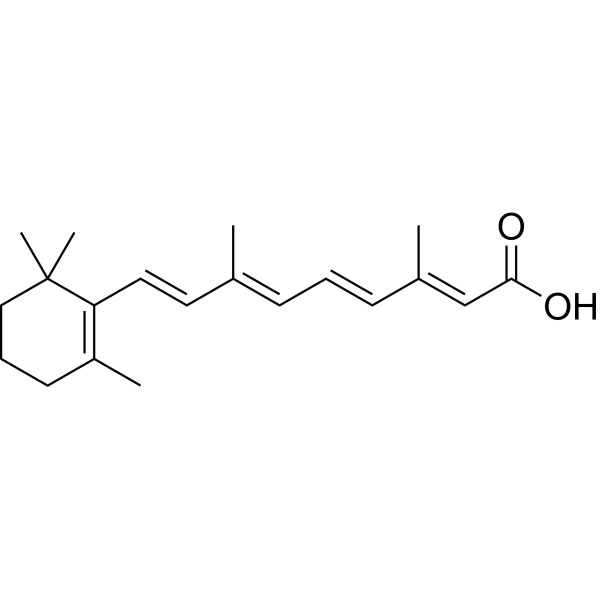
Retinoic acid (Vitamin A acid) (GMP) is Retinoic acid (HY-14649) produced by using GMP guidelines. GMP small molecules works appropriately as an auxiliary reagent for cell therapy manufacture. Retinoic acid is an agonist of RAR nuclear receptors .
|
-
-
- HY-16009
-
|
(+)-Phenserine; ANVS401
|
α-synuclein
|
Neurological Disease
Inflammation/Immunology
|
|
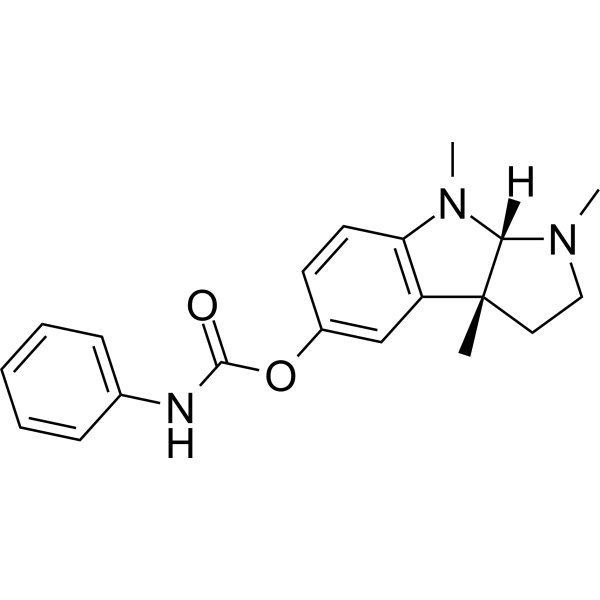
Buntanetap ((+)-Phenserine) is a selective acetylcholinesterase inhibitor. Buntanetap is a multiple neurotoxic protein translation inhibitor with oral activity, including amyloid precursor protein (APP), α-synuclein (αSYN) and huntingtin protein (HTT). Buntanetap reduces the production of β-amyloid precursor protein by blocking its mRNA translation. Buntanetap has anti-inflammatory effects and can be used in the study of Alzheimer's disease and Parkinson's disease .
|
-
-
- HY-N7106
-
-
-
- HY-W143216
-
|
Monomethylthionine
|
Amyloid-β
Tau Protein
HSP
|
Neurological Disease
|
|
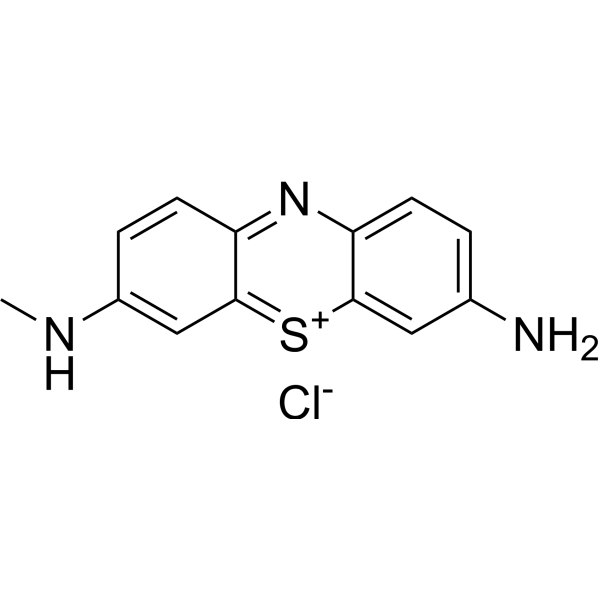
Azure C (Monomethylthionine) acts as a tau oligomer inhibitor and Aβ42 oligomerization inhibitor. Azure C regulates hsp70 ATPase activity, thereby mediating the clearance of tau protein. Azure C reduces the levels of toxic tau oligomers by promoting the formation of non-toxic tau aggregates, rescues neuroblastoma cells from tau oligomer-induced toxicity, and binds to and inhibits Aβ42 oligomerization. Azure C is generated via continuous oxidation of methylene blue or azure B through a horseradish peroxidase-mediated reaction. Azure C can be used in research related to tauopathies, including Alzheimer's disease .
|
-
-
- HY-N6013
-
|
|
MMP
Proteasome
Keap1-Nrf2
TGF-beta/Smad
Interleukin Related
SOD
Bacterial
Fungal
|
Infection
Neurological Disease
Metabolic Disease
Inflammation/Immunology
Cancer
|
|
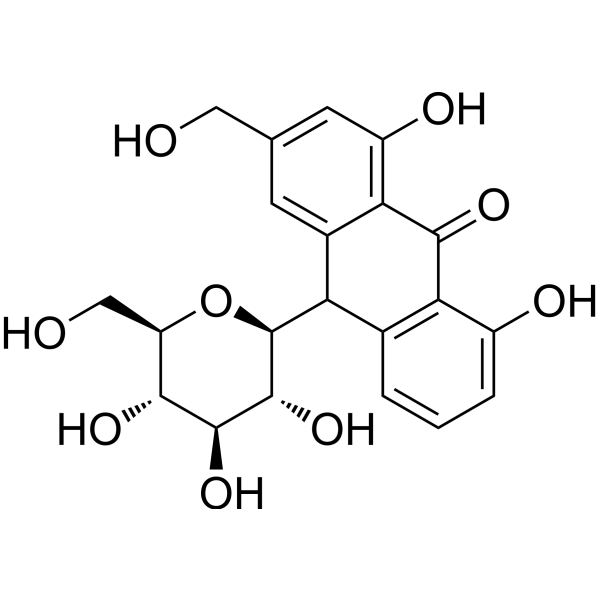
Aloin (mixture of A&B) is an orally active anthraquinone derivative isolated from Aloe vera. Aloin (mixture of A&B) mitigates airway impairment and exerts neuroprotective, anti-inflammatory, antioxidant, antibacterial, antifungal, antiviral and antitumor effects. Aloin (mixture of A&B) inhibits Clostridium histolyticum collagenase, granulocyte matrix metalloproteinases and human 20S proteasome. Aloin (mixture of A&B) upregulates the Nrf2/HO-1 pathway, suppresses the TGF-β/Smad2/3 pathway. Aloin (mixture of A&B) reduces IL-4/IL-5/IL-13 levels, and reverses oxidative stress markers (MDA, SOD, GSH). Aloin (mixture of A&B) can be used for research on chronic ulcers, burns, wounds, inflammatory and degenerative disorders, asthma and neuroblastoma .
|
-
-
- HY-B0512
-
|
RP2632
|
Antibiotic
Bacterial
α-synuclein
|
Infection
Neurological Disease
|
|
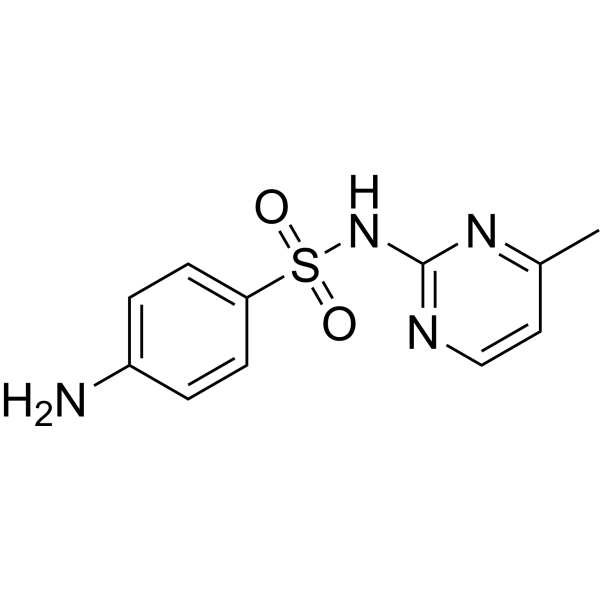
Sulfamerazine (RP2632) is a brain-penetrant and orally active sulfonamide antibiotic and α-synuclein inhibitor with human α-synuclein KD of 352 μM. Sulfamerazine inhibits the synthesis of dihydrofolate by bacteria, thereby inhibiting bacterial growth. Sulfamerazine inhibits α-synuclein fibrillation, reduces α-synuclein aggregation-associated toxicity and α-synuclein aggregate accumulation. Sulfamerazine can be used for the research of Parkinson’s disease and bacterial infection .
|
-
-
- HY-136832
-
|
|
Serotonin Transporter
Potassium Channel
Arrestin
Opioid Receptor
|
Cardiovascular Disease
Neurological Disease
|
|
Noribogaine hydrochloride is an orally active, blood-brain barrier permeable SERT inhibitor (IC50=50-300 nM) and hERG channel blocker. Noribogaine hydrochloride enhances serotonergic transmission, activates the κ-opioid receptor (OPRK) G protein signaling pathway and inhibits β-arrestin recruitment. Meanwhile, Noribogaine hydrochloride blocks the μ-opioid receptor (OPRM) signaling pathway as well as ion channels associated with cardiac repolarization. Noribogaine hydrochloride induces neuritogenesis, upregulates GDNF mRNA expression, and modulates opioid tolerance. Noribogaine hydrochloride reduces alcohol-seeking behavior in experimental animals, and is widely used in studies related to depression, addiction, alcoholism, and cardiotoxicity .
|
-

-
- HY-14374
-
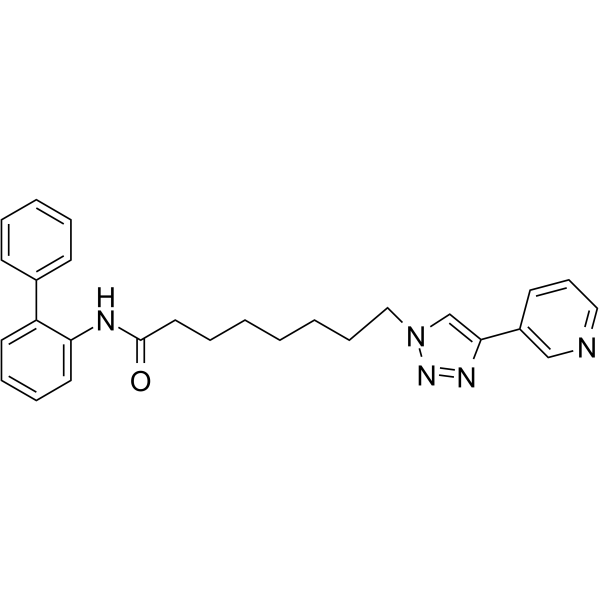
GPP78
1 Publications Verification
CAY10618
|
NAMPT
Autophagy
|
Inflammation/Immunology
Cancer
|
|
GPP78 (CAY10618) is a potent Nampt inhibitor with an IC50 of 3.0 nM for nicotinamide adenine dinucleotide (NAD) depletion. GPP78 is cytotoxic to neuroblastoma cell line SH-SY5Y cells with an IC50 of 3.8 nM by inducing autophagy. GPP78 has anti-cancer and anti-inflammatory effects .
|
-
-
- HY-N0046
-
|
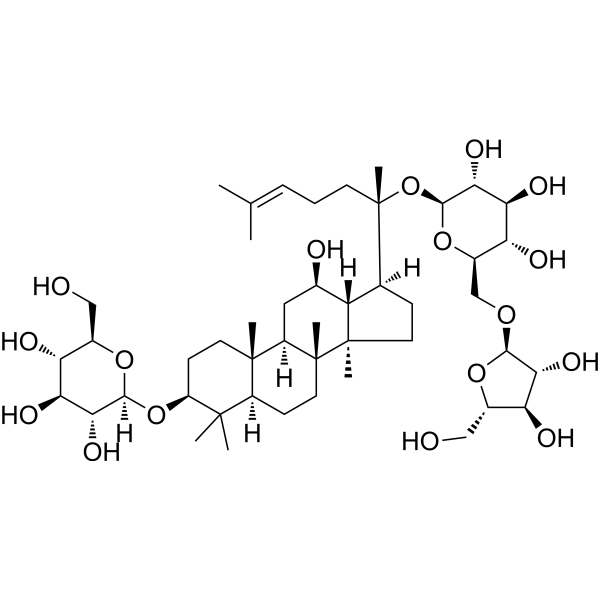
Notoginseng triterpenes; Ginsenoside Mb
|
Apoptosis
Src
|
Neurological Disease
Metabolic Disease
Cancer
|
|
Notoginsenoside Fe (Notoginseng triterpenes; Ginsenoside Mb) is a saponin with anti-obesity and anti-neuroblastoma activities. Notoginsenoside Fe can be isolated from leaves of Panax notoginseng. Notoginsenoside Fe specifically activates paraventricular nucleus neurons in the hypothalamus, effectively reducing body weight, improving fasting blood glucose and protecting liver function by decreasing food intake, increasing resting metabolic rate and enhancing energy expenditure. Notoginsenoside Fe also inhibits the c-Src signaling pathway, blocks the proliferation and viability of human neuroblastoma cells, while improving mitochondrial dysfunction and alleviating apoptosis. Notoginsenoside Fe can be used in studies related to diet-induced obesity and neuroblastoma .
|
-
-
- HY-119435
-
|
|
Herbicide
Environmental Pollutants
|
Others
|
|
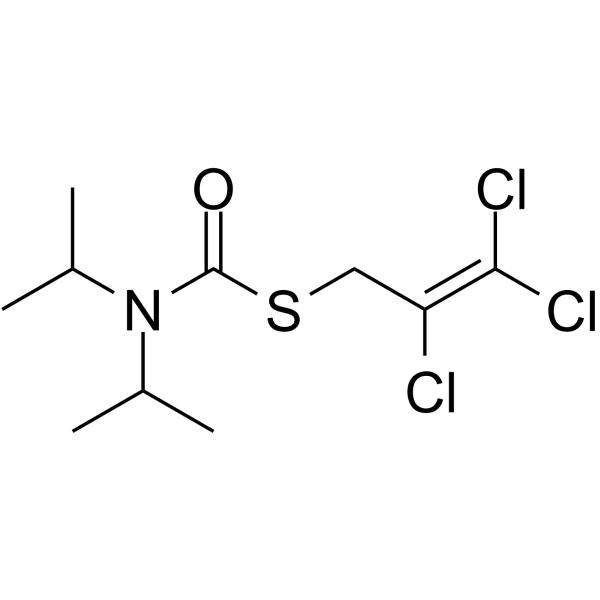
Triallate is a selective thiocarbamate herbicide. Triallate regulates the biosynthesis of very-long-chain fatty acids and inhibits the elongation and division of plant cells. Triallate is used to control wild oats in barley, spring wheat, durum wheat, winter wheat and sugar beets .
|
-
-
- HY-119357
-
|
|
Microtubule/Tubulin
Apoptosis
Autophagy
|
Neurological Disease
Cancer
|
|
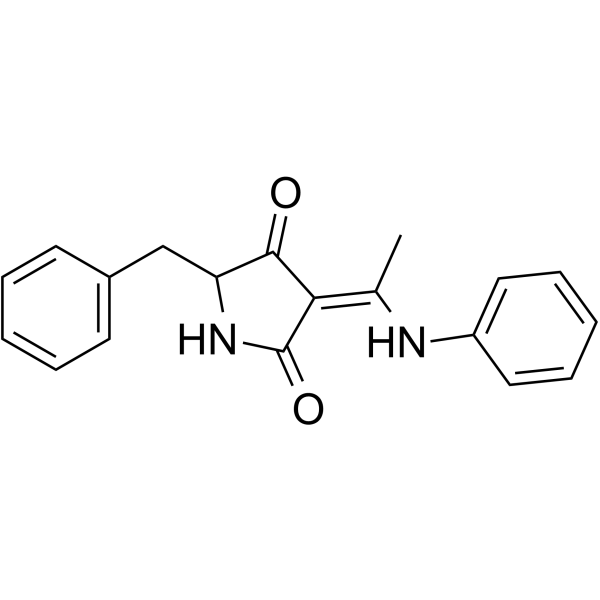
TN-16 is a Microtubule polymerization inhibitor. TN-16 induces G2/M cell cycle arrest, metaphase mitotic arrest and Apoptotic cell death in cells, and blocks late Autophagic flux by inhibiting autophagosome-lysosome fusion. TN-16 suppresses tumor growth in syngeneic mouse breast cancer models. TN-16 can be used in research related to neuroblastoma, cervical cancer, breast cancer and other tumors .
|
-
-
- HY-117482
-
|
|
γ-secretase
|
Neurological Disease
|
|
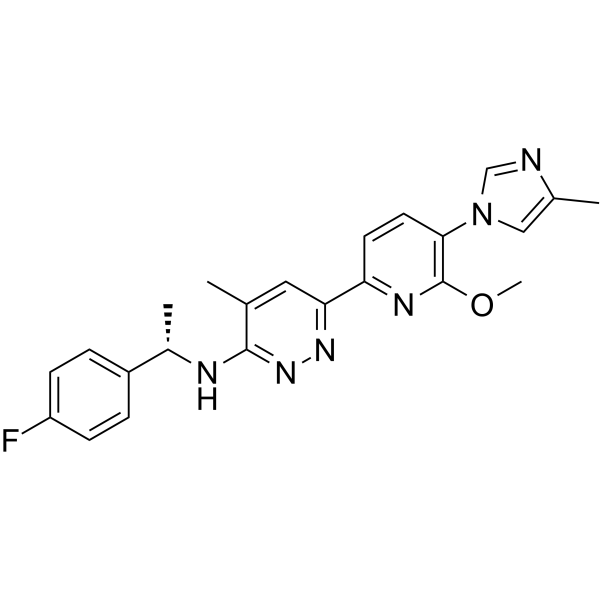
BPN-15606 is a highly potent, orally active γ-secretase modulator (GSM), attenuates the production of Aβ42 and Aβ40 by SHSY5Y neuroblastoma cells with IC50 values of 7 nM and 17nM, respectively. BPN-15606 lowers Aβ42 and Aβ40 levels in the central nervous system of rats and mice. BPN-15606 has acceptable PK/PD properties, including bioavailability, half-life, and clearance .
|
-
-
- HY-N0143A
-
|
Floridzin dihydrate
|
SGLT
PI3K
Akt
GLUT
NF-κB
JAK
STAT
Caspase
Apoptosis
DNA/RNA Synthesis
mTOR
Bacterial
|
Infection
Neurological Disease
Metabolic Disease
Cancer
|
|
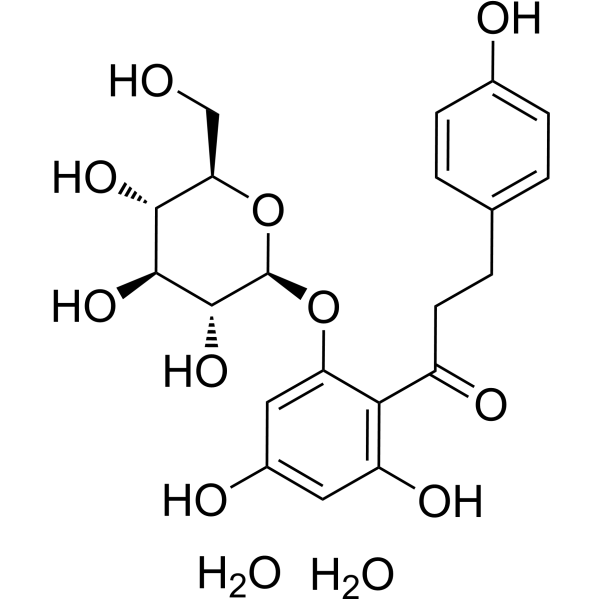
Phlorizin (Floridzin) dihydrate is an orally active non-selective sodium-glucose cotransporter (SGLT) inhibitor, with an IC50 of 0.04 μM and a Ki of 39 nM against hSGLT2, and an IC50 of 0.17 μM and a Ki of 0.31 μM against hSGLT1. Phlorizin dihydrate promotes GLUT4 translocation, inhibits gluconeogenesis and promotes glycogen synthesis by activating the PI3K/Akt/mTOR pathway. Phlorizin dihydrate reduces DNA damage and apoptosis (apoptosis) by inhibiting the NF-κB inflammatory pathway. Phlorizin dihydrate induces apoptosis via activating the Caspase pathway by antagonizing the JAK/STAT3 and PCK pathways. Phlorizin dihydrate also exhibits antibacterial, anti-inflammatory and neuroprotective activities .
|
-
-
- HY-172705
-
|
|
Liposome
nAChR
|
Neurological Disease
|
|
DSPE-PEG2000-RVG29 is a PEG conjugate composed of DSPE and rabies virus glycoprotein 29 (RVG29). RVG29 specifically binds to nicotinic acetylcholine receptors (nAChR) at the blood-brain barrier (BBB), crosses the BBB, and mediates receptor-dependent transcytosis. DSPE-PEG2000-RVG29 can be used for brain-targeted drug delivery, surface modification of nanocarriers, as well as gene and nucleic acid delivery. DSPE-PEG2000-RVG29 is applicable to research related to hypoxic-ischemic brain injury, Parkinson's disease, and other conditions .
|
-

-
- HY-110122
-
|
|
mGluR
|
Neurological Disease
|
|
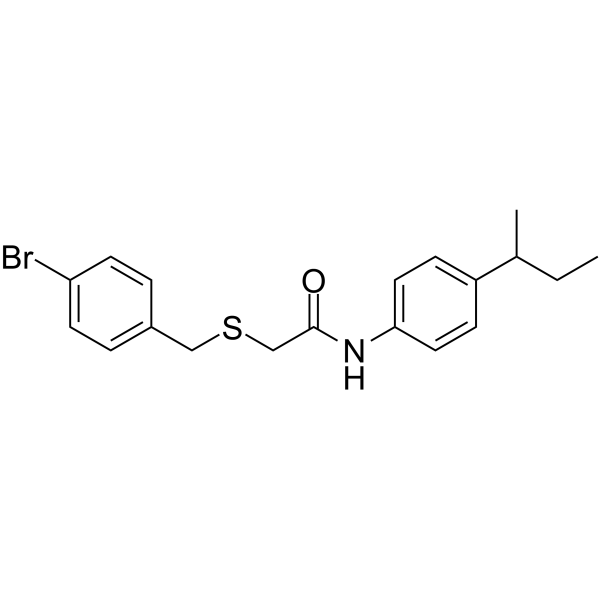
AZ 12216052 is a mGluR8 positive allosteric modulator, and helps mGluR8 modulate signaling inputing to retinal ganglion cells. AZ 12216052 exhibits antianxiety effect .
|
-
-
- HY-151335
-
|
|
HSP
|
Cancer
|
|
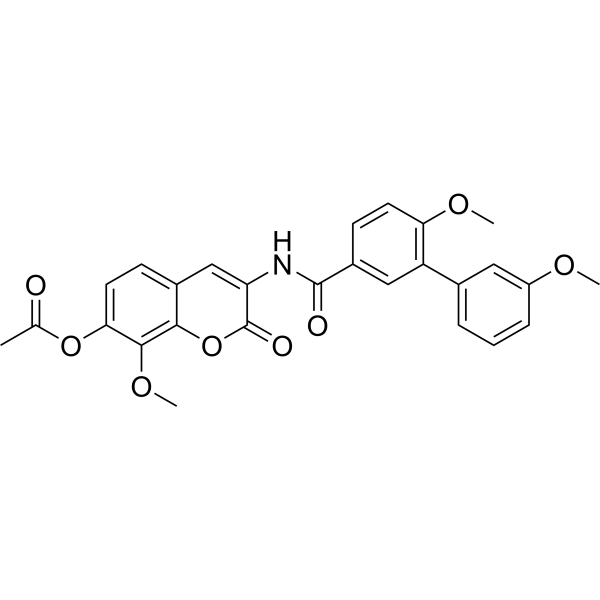
KU-177 is a potent inhibitor of Hsp90 ATPase homologue 1 (Aha1), ablates Aha1-driven enhancement of Hsp90-dependent tau aggregation. KU-177 also disrupts Aha1/Hsp90 interactions (IC50=4.08 μM) without inhibition of Hsp90’s ATPase activity. KU-177 can be used for tauopathies research .
|
-
-
- HY-179177
-
|
|
DYRK
CDK
Tau Protein
Amyloid-β
|
Neurological Disease
|
|
AO-365/43472821 is a selective, brain-penetrant Dual-specificity tyrosine phosphorylation-regulated kinase 1A (DYRK1A) inhibitor (IC50 = 0.29 μM) and shows a significant inhibitory effect on (CDC-like kinase 1) CLK1 (IC50 = 0.08 μM). AO-365/43472821 could protect the human neuroblastoma cell line SH-SY5Y from Okadaic acid (HY-N6785) (OA)-induced injury. AO-365/43472821 decreased tau (pSer396)/tau and Aβ1-42 protein expression. AO-365/43472821 can be used for the study of Alzheimer's disease .
|
-

-
- HY-177906
-
|
|
Fluorescent Dye
Amyloid-β
|
Neurological Disease
|
|
h-FTAA is a luminescent conjugated oligothiophene (LCO) probe. h-FTAA can selectively bind to amyloid protein aggregates (such as Aβ plaques) and distinguish different conformations of the protein aggregates through changes in fluorescence signals. h-FTAA significantly reduces the neurotoxicity of Aβ1-42 and the Arctic mutant Aβ (AβArc), thereby protecting SH-SY5Y neuroblastoma cells. h-FTAA can be used to dynamically track the formation and maturation process of Aβ plaques .
|
-

-
- HY-11055
-
|
|
Histone Acetyltransferase
|
Neurological Disease
|
|
KP 544 is a potent neurotrophic protein enhancer that amplifies nerve growth factor (NGF)-induced neurite outgrowth of PC12 cells and SH-SY5Y neuroblastoma cells. KP544 also enhances choline acetyltransferase activity. KP 544 selectively interact in the differentiation pathway downstream of MAPK in a manner that amplifies nerve growth factor and cyclic AMP effects and is also neuroprotective .
|
-

-
- HY-W777283
-
|
|
Isotope-Labeled Compounds
Apoptosis
Mitochondrial Metabolism
|
Neurological Disease
|
|
Idebenone- 13C,d3 is the deuterium labeled and 13C-labeled Idebenone (HY-N0303). Idebenone, a well-appreciated mitochondrial protectant, exhibits protective efficacy against neurotoxicity and can be used for the research of Alzheimer's disease, Huntington's disease. Idebenone (oxidised form) has a dose-dependent inhibitory effect on the enzymatic metabolism of arachidonic acid in astroglial homogenates (IC50=16.65 μM) . Idebenone, a coenzyme Q10 analog and an antioxidant, induces apoptotic cell death in the human dopaminergic neuroblastoma SHSY-5Y cells . Idebenone quickly crosses the blood-brain barrier.
|
-

-
- HY-178997
-
|
|
Ferroptosis
Glutathione Peroxidase
|
Cancer
|
|
NFE2L1 activator-1 (Compound 5b) is a potent nuclear factor erythroid 2-related factor 1 (NFE2L1) activator (EC50 = 2.4 µM). NFE2L1 activator-1 effectively resists ferroptosis (Ferroptosis). NFE2L1 activator-1 can specifically activate the NFE2L1 signaling pathway to upregulate GPX4, PSMB7, PSMC4. NFE2L1 activator-1 can be used in cancer research .
|
-

-
- HY-161156
-
|
|
Cholinesterase (ChE)
|
Neurological Disease
Cancer
|
|
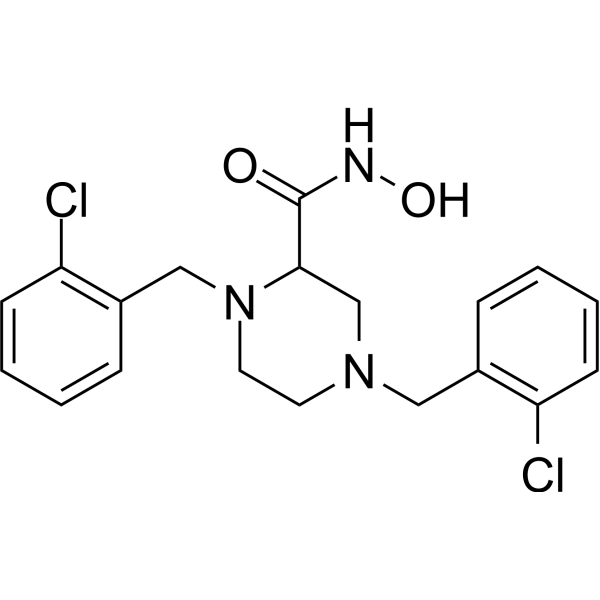
BChE-IN-26 (Compound 7b) is a selective AChE and BChE inhibitor with Ki value of 35 μM and 1.6 μM. BChE-IN-26 has cytotoxicity to human neuroblastoma (SH-SY5Y) cell line. BChE-IN-26 can be used for the research of Alzheimer’s disease .
|
-
-
- HY-N0303R
-
|
|
Reference Standards
Mitochondrial Metabolism
Apoptosis
|
Neurological Disease
|
|
Idebenone (Standard) is the analytical standard of Idebenone. This product is intended for research and analytical applications. Idebenone, a well-appreciated mitochondrial protectant, exhibits protective efficacy against neurotoxicity and can be used for the research of Alzheimer's disease, Huntington's disease. Idebenone (oxidised form) has a dose-dependent inhibitory effect on the enzymatic metabolism of arachidonic acid in astroglial homogenates (IC50=16.65 μM) . Idebenone, a coenzyme Q10 analog and an antioxidant, induces apoptotic cell death in the human dopaminergic neuroblastoma SHSY-5Y cells . Idebenone quickly crosses the blood-brain barrier.
|
-

-
- HY-162860
-
|
|
mGluR
CaMK
Tau Protein
|
Neurological Disease
|
FO-4-15 is an mGluR1/CaMKIIα activator. FO-4-15 has a protective effect against H2O2 in human neuroblastoma (SH-SY5Y) cells. FO-4-15 can improve cognitive impairment in Alzheimer’s disease mice by activating the mGluR1/CaMKIIα pathway, and can reduce Aβ accumulation, hyperphosphorylated Tau, and synaptic damage .
|
-

-
- HY-172544
-
|
|
Tau Protein
|
Neurological Disease
|
|
TTBK1/2-IN-3 (Compound 10) is a potent inhibitor of tau tubulin kinase 1 (TTBK1) and TTBK2, with IC50 values of 579 nM and 258 nM, respectively. TTBK1/2-IN-3 inhibits the phosphorylation of TDP-43. TTBK1/2-IN-3 reduces the expression of primary cilia on the surface of iPSCs .
|
-

-
- HY-118041
-
|
|
Carboxylesterase (CES)
Endogenous Metabolite
|
Cancer
|
|
PMPMEase-IN-1 is an allylated methylated protein methylesterase inhibitor with the property of inhibiting PMPMEase activity. PMPMEase-IN-1 may provide a useful strategy for cancer inhibition by enhancing its affinity for polyisoprenyl derivatives. PMPMEase-IN-1 showed the potential to have an effective concentration (EC50) value in causing degeneration of human neuroblastoma SH-SY5Y cells. Specific inhibition of PMPMEase-IN-1 may help regulate the metabolism of polyisoprenyl proteins and thus maintain normal cell survival. Further development and application of PMPMEase-IN-1 may open up new avenues for inhibiting degenerative diseases and cancer .
|
-

-
- HY-185056
-
|
|
Ferroptosis
Fluorescent Dye
|
Cardiovascular Disease
Neurological Disease
|
|
Ferfluor-1 is a Ferroptosis inhibitor (EC50 of 57 nM in HT108 cells; EC50 of 75 nM in OS-RC-2 cells; EC50 of 2.3 nM in SH-SY5Y neuroblastoma cells), and ratiometric photoluminescent probe with blood-brain barrier permeability. Ferfluor-1 is a specific indicator for the fluctuation of Ferroptosis. Ferfluor-1 alleviates brain disorder diseases of in vivo stroke and PD models .
|
-

-
- HY-180819
-
|
|
Cholinesterase (ChE)
|
Neurological Disease
|
|
AChE/BChE-IN-33 (Compound 3N) is a dual-target inhibitor of AChE and BChE, with IC50 values of 12.81 and 44.54 nM respectively. AChE/BChE-IN-33 exhibits selective cytotoxicity against SH-SY5Y cells. AChE/BChE-IN-33 can be used for the study of Alzheimer's disease and neuroblastoma .
|
-

-
- HY-117482A
-
|
|
γ-secretase
|
Neurological Disease
|
|
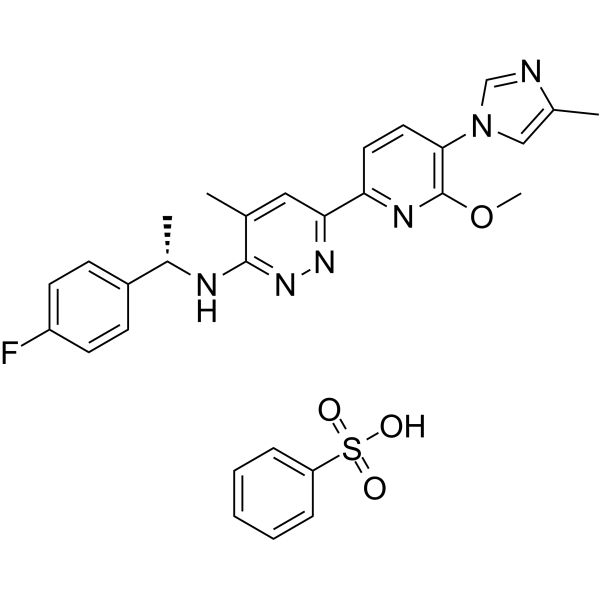
BPN-15606 besylate is a highly potent, orally active γ-secretase modulator (GSM), attenuates the production of Aβ42 and Aβ40 by SHSY5Y neuroblastoma cells with IC50 values of 7 nM and 17nM, respectively. BPN-15606 besylate lowers Aβ42 and Aβ40 levels in the central nervous system of rats and mice. BPN-15606 besylate has acceptable PK/PD properties, including bioavailability, half-life, and clearance .
|
-
-
- HY-170834
-
|
|
Microtubule/Tubulin
|
Cancer
|
|
Antiproliferative agent-66 (Compound B3) is an antiproliferative agent that induces apoptosis and cell cycle arrest with IC50 values in the range of 2.03-3.6 µM against SH-SY5Y neuroblastoma, HT-29 colorectal adenocarcinoma, and fibroblast cells. Antiproliferative agent-66 is also a tubulin polymerization inhibitor with an IC50 of 0.79 µM .
|
-

-
- HY-175856
-
|
|
Cholinesterase (ChE)
|
Neurological Disease
|
|
AChE-IN-95 (Compound 7) is a highly selective competitive acetylcholinesterase (AChE) inhibitor (IC50=17.87 μM, Ki=19.48 μM). AChE-IN-95 exhibits strong cytotoxicity against SH-SY5Y neuroblastoma cells. AChE-IN-95 is promising for research of Alzheimer’s disease and neurodegenerative disorders .
|
-

-
- HY-162050
-
|
|
Sirtuin
|
Neurological Disease
|
|
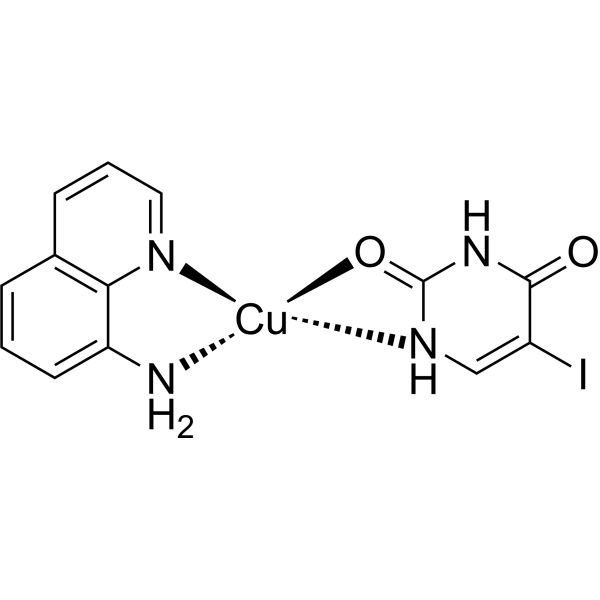
8AQ?Cu?5Iu is an activator of SIRT1. 8AQ?Cu?5Iu exhibits neuroprotective effects by
modulating the SIRT1/3-FOXO3a signaling pathway. 8AQ?Cu?5Iu can used in study attenuating neurodegenerative diseases .
|
-
-
- HY-N16821
-
|
|
HIV
|
Infection
Neurological Disease
|
|
Hydroxydihydrobovolide is a α-β-unsaturatedγ-lactone found in Portulaca oleracea L.. Hydroxydihydrobovolide shows cytotoxicity against cancer cells and shows anti-HIV-1 activity (IC50 = 122.7 μM). Hydroxydihydrobovolide can be used for the researches of neuroblastoma and HIV-1 infection .
|
-

-
- HY-119399
-
|
Dioxabenzofos
|
Cholinesterase (ChE)
|
Neurological Disease
|
|
Salithion is an acetylcholinesterase inhibitor and neurotoxicant. Salithion binds to the active site of acetylcholinesterase to interfere with acetylcholine hydrolysis, and there is an enantioselective difference between its (R) and (S) enantiomers .
|
-

-
- HY-184159
-
|
|
Cholinesterase (ChE)
Monoamine Oxidase
|
Neurological Disease
Cancer
|
|
AChE/BChE/MAO-A-IN-2 is an AChE, BChE, and MAO-A inhibitor with IC50 values of 104.28 nM, 23.04 nM, and 215.50 nM, respectively. AChE/BChE/MAO-A-IN-2 exhibits selective antiproliferative activity against cancer cells and low toxicity toward normal cells. AChE/BChE/MAO-A-IN-2 can be used for the research of alzheimer's disease, neuroblastoma .
|
-

-
- HY-182246
-
|
|
PARP
|
Neurological Disease
Inflammation/Immunology
Cancer
|
|
MC2050 is a selective PARP-1 inhibitor with an IC50 of 119 nM. MC2050 functionally inhibits PARP-1 activity, including hyperactivation induced by oxidative stress, and reduces the poly (ADP-ribosyl) ation level of histone H1. MC2050 protects neuroblastoma cells from oxidative stress-mediated cell death induced by hydrogen peroxide. MC2050 is applicable to research related to neuroblastoma and Burkitt lymphoma .
|
-

-
- HY-183798
-
|
|
Cholinesterase (ChE)
Monoamine Oxidase
Interleukin Related
|
Neurological Disease
|
|
BChE/MAO-B-IN-6 is a dual inhibitor with inhibitory activity against both butyrylcholinesterase (BChE) and monoamine oxidase B (MAO B), with an IC50 of 557 nM against BChE and an IC50 of 142 nM against MAO B. BChE/MAO-B-IN-6 reduces IL-6 release from stimulated microglia and antagonizes 6-hydroxydopamine (HY-B1081) toxicity in neuroblastoma cells. BChE/MAO-B-IN-6 can be used in the research of neurodegenerative diseases .
|
-

-
- HY-181268
-
|
|
Monoamine Oxidase
|
Neurological Disease
|
|
MAO-B-IN-53 is a human monoamine oxidase B (hMAO-B) inhibitor with an IC50 of 0.066 μM. MAO-B-IN-53 exhibits mixed reversible inhibition, binds stably to the hMAO-B active site, and shows high selectivity over hMAO-A. MAO-B-IN-53 acts as a neuroprotective agent, protects against 6-OHDA-induced damage, and exhibits low neurotoxicity in neuroblastoma cells. MAO-B-IN-53 can be used for the research of Parkinson's disease .
|
-

-
- HY-183796
-
|
|
Cholinesterase (ChE)
Beta-secretase
Amyloid-β
FAP
NOD-like Receptor (NLR)
NF-κB
|
Neurological Disease
|
|
GFAP/NF-κB/APOE/NLRP3-IN-1 (Compound 11a) is an orally active, blood-brain barrier-permeable multi-target inhibitor with an IC50 of 3.50 nM against Acetylcholinesterase. GFAP/NF-κB/APOE/NLRP3-IN-1 inhibits BACE-1 with an IC50 of 14.61 nM. GFAP/NF-κB/APOE/NLRP3-IN-1 inhibits Aβ1-42 aggregation with an IC50 of 8.63 μM. GFAP/NF-κB/APOE/NLRP3-IN-1 reduces the levels of GFAP, NLRP3 inflammasome, NF-κB and APOE. GFAP/NF-κB/APOE/NLRP3-IN-1 is applicable for the research of Alzheimer's disease and neuroblastoma .
|
-

-
- HY-185634
-
|
|
PROTACs
GSK-3
Tau Protein
|
Neurological Disease
|
|
PROTAC GSK3 degrader-1 is a potent, blood-brain barrier-permeable GSK3 PROTAC degrader, with a DC50 of 1.4 nM against GSK3β. PROTAC GSK3 degrader-1 exerts equally potent degradation activity against both GSK3α and GSK3β. It inhibits the phosphorylation of CRMP2, PRKAA1 and Tau, and stabilizes β-catenin. PROTAC GSK3 degrader-1 can be used in the research of Alzheimer's disease and Parkinson's disease .
|
-

-
- HY-N17468
-
|
|
|
Neurological Disease
|
|
Neocrocin B is a carotenoid crocin. Neocrocin B inhibits L-Glutamic acid (HY-14608)-induced neuronal cell damage in a dose-dependent manner. Neocrocin B can be used in studies related to neuronal injury .
|
-

-
- HY-W1137162
-
|
|
Ligands for E3 Ligase
|
Others
|
|
CRBN ligand-904 is a ligand for the E3 ubiquitin ligase cereblon (CRBN), which is used to recruit cereblon protein. CRBN ligand-904 can be linked to a target protein ligand via a linker to form a PROTAC, such as PROTAC GSK3 degrader-1 (HY-185634) .
|
-

-
- HY-182328
-
|
|
Amyloid-β
|
Neurological Disease
|
|
BTA-EG6 is a brain-penetrant aggregated amyloid-β (Aβ) peptide binder with a Kd of 290 nM for Aβ1-42. BTA-EG6 binds to aggregated Aβ and forms protein-resistive coatings that block interactions between Aβ and catalase. BTA-EG6 protects neuroblastoma cells from Aβ-induced toxicity and oxidative stress, and inhibits Aβ-induced increases in cellular hydrogen peroxide (H2O2) levels. BTA-EG6 can be used for the research of alzheimer’s disease (AD) .
|
-

-
- HY-182323
-
|
|
SGK
Tau Protein
|
Neurological Disease
|
|
SGK1-IN-7 is a blood-brain barrier-permeable SGK1 inhibitor with an IC50 of 0.72 μM. SGK1-IN-7 reduces the phosphorylation level of TAU protein at the Ser396 and Ser214 epitopes. SGK1-IN-7 antagonizes the toxicity induced by Okadaic acid (HY-N6785). SGK1-IN-7 can be used in the research of Alzheimer's disease .
|
-

-
- HY-N16831
-
-

-
- HY-183805
-
|
|
5-HT Receptor
FAAH
|
Neurological Disease
|
|
5-HT6R/FAAH modulator 2 is a dual 5-HT6R antagonist and FAAH inhibitor with human 5-HT6R pKi 7.24, human FAAH pIC50 5.47, and blood-brain barrier penetration.5-HT6R/FAAH modulator 2 modulates serotonergic signaling, blocks 5-HT6R function, inhibits endocannabinoid degradation via FAAH catalytic activity suppression.5-HT6R/FAAH modulator 2 exhibits neuroprotective effects against mitochondrial dysfunction, amyloid-β, and glutamate-induced toxicity, reverses memory deficits.5-HT6R/FAAH modulator 2 shows reduced cytotoxicity relative to oxygen-containing lead compounds.5-HT6R/FAAH modulator 2 can be used for the research of Alzheimer's disease .
|
-

-
- HY-D3250
-
|
|
Fluorescent Dye
NO Synthase
|
Cardiovascular Disease
|
|
PYSNO is a lysosome-targeted fluorescent probe based on a pyridazinone skeleton (λem=515-565 nm, λex=405 nm) that can be used to track nitric oxide (NO) production in vivo. PYSNO exhibits a rapid, highly sensitive and highly selective "turn-on" response to endogenous and exogenous NO by blocking photoinduced electron transfer and regulating radiative decay rates. PYSNO enables precise in vivo monitoring in a mouse model of myocardial fibrosis and can be applied to the research of related diseases .
|
-

-
- HY-181167
-
|
|
Cholinesterase (ChE)
SOD
|
Neurological Disease
|
|
AChE/BChE-IN-34 is an acetylcholinesterase (AChE) and butyrylcholinesterase (BChE) inhibitor with IC50s of 5.97 μM and 4.57 μM, respectively. AChE/BChE-IN-34 functions as an antioxidant, oxidative stress inhibitor, reduces MDA levels, and elevates SOD and catalase in hippocampal tissue. AChE/BChE-IN-34 acts as a cognitive function enhancer, improves learning and memory in a Scopolamine (HY-N0296)-induced animal model. AChE/BChE-IN-34 is non-toxic in neuroblastoma cells across a specified concentration range. AChE/BChE-IN-34 can be used for the research of Alzheimer's disease .
|
-

- HY-182380
-
|
|
STAT
NOD-like Receptor (NLR)
Apoptosis
|
Others
Neurological Disease
Inflammation/Immunology
Cancer
|
|
ODZ10117 is a STAT3 and NLRP3 inhibitor with a human STAT3 SH2 domain IC50 of 7.5 μM. ODZ10117 binds to the STAT3 SH2 domain, suppressing tyrosine phosphorylation, dimerization, nuclear translocation, and transcriptional activity. ODZ10117 binds to NLRP3, impairs NEK7 interaction, prevents inflammasome formation, and inhibits caspase-1 and IL-1β cleavage.ODZ10117 reduces MSU (HY-B2130A)-induced IL-1β release, lowers LPS (HY-D1056)-induced sepsis mortality, and exhibits anti-inflammatory effects. ODZ10117 induces apoptosis, suppresses breast cancer cell migration and invasion, reduces tumor growth and lung metastasis, and extends survival in breast cancer models. ODZ10117 can be used for the research of Monosodium urate (HY-B2130A)-induced peritonitis, LPS-induced sepsis, breast cancer, glioblastoma, and Alzheimer's disease .
|
-

- HY-183272
-
-

- HY-P992057
-
|
|
Tau Protein
|
Neurological Disease
|
|
Armanezumab is a monoclonal antibody that targets and inhibits tau protein, and it specifically binds to the exposed N-terminal domain of pathological tau protein. Armanezumab can be used in relevant studies on Alzheimer's disease, frontotemporal dementia, and Pick's disease .
|
-

- HY-D3224
-
|
|
Fluorescent Dye
|
Neurological Disease
|
|
HCP is a two-photon fluorescent probe capable of crossing the blood-brain barrier, which is specifically designed for real-time detection of hypochlorous acid (HClO/ClO -) produced by myeloperoxidase (MPO). Chlorination of the quinoline skeleton of HCP generates HCP-Cl, which eliminates intramolecular charge transfer (ICT) quenching and thereby produces fluorescence. HCP is suitable for in vivo dynamic imaging of HClO in the brains of epileptic mice and high-throughput screening of antiepileptic drugs (HCP-Cl: Ex/Em = 800 nm/495 nm) .
|
-

- HY-181406
-
|
|
Eukaryotic Initiation Factor (eIF)
Potassium Channel
|
Neurological Disease
|
|
eIF2B activator-1 (Compound 7a) is a eIF2B activator with a pEC50 value of 7.3. eIF2B activator-1 exhibits significant hERG inhibitory activity, with a pIC50 value of 5.7. eIF2B activator-1 can be used in research related to Huntington's disease, Parkinson's disease, and amyotrophic lateral sclerosis (ALS).
|
-

-
- HY-14649G
-
|
Vitamin A acid; all-trans-Retinoic acid; ATRA
|
Fluorescent Dyes
|
|
Retinoic acid (Vitamin A acid) (GMP) is Retinoic acid (HY-14649) produced by using GMP guidelines. GMP small molecules works appropriately as an auxiliary reagent for cell therapy manufacture. Retinoic acid is an agonist of RAR nuclear receptors .
|
-
- HY-D3250
-
|
|
Fluorescent Dyes
|
|
PYSNO is a lysosome-targeted fluorescent probe based on a pyridazinone skeleton (λem=515-565 nm, λex=405 nm) that can be used to track nitric oxide (NO) production in vivo. PYSNO exhibits a rapid, highly sensitive and highly selective "turn-on" response to endogenous and exogenous NO by blocking photoinduced electron transfer and regulating radiative decay rates. PYSNO enables precise in vivo monitoring in a mouse model of myocardial fibrosis and can be applied to the research of related diseases .
|
-
- HY-D3224
-
|
|
Fluorescent Dyes
|
|
HCP is a two-photon fluorescent probe capable of crossing the blood-brain barrier, which is specifically designed for real-time detection of hypochlorous acid (HClO/ClO -) produced by myeloperoxidase (MPO). Chlorination of the quinoline skeleton of HCP generates HCP-Cl, which eliminates intramolecular charge transfer (ICT) quenching and thereby produces fluorescence. HCP is suitable for in vivo dynamic imaging of HClO in the brains of epileptic mice and high-throughput screening of antiepileptic drugs (HCP-Cl: Ex/Em = 800 nm/495 nm) .
|
-
- HY-14649G
-
|
Vitamin A acid; all-trans-Retinoic acid; ATRA
|
Biochemical Assay Reagents
|
|
Retinoic acid (Vitamin A acid) (GMP) is Retinoic acid (HY-14649) produced by using GMP guidelines. GMP small molecules works appropriately as an auxiliary reagent for cell therapy manufacture. Retinoic acid is an agonist of RAR nuclear receptors .
|
-
- HY-N0143A
-
|
Floridzin dihydrate
|
Biochemical Assay Reagents
|
|
Phlorizin (Floridzin) dihydrate is an orally active non-selective sodium-glucose cotransporter (SGLT) inhibitor, with an IC50 of 0.04 μM and a Ki of 39 nM against hSGLT2, and an IC50 of 0.17 μM and a Ki of 0.31 μM against hSGLT1. Phlorizin dihydrate promotes GLUT4 translocation, inhibits gluconeogenesis and promotes glycogen synthesis by activating the PI3K/Akt/mTOR pathway. Phlorizin dihydrate reduces DNA damage and apoptosis (apoptosis) by inhibiting the NF-κB inflammatory pathway. Phlorizin dihydrate induces apoptosis via activating the Caspase pathway by antagonizing the JAK/STAT3 and PCK pathways. Phlorizin dihydrate also exhibits antibacterial, anti-inflammatory and neuroprotective activities .
|
-
- HY-172705
-
|
|
Biochemical Assay Reagents
|
|
DSPE-PEG2000-RVG29 is a PEG conjugate composed of DSPE and rabies virus glycoprotein 29 (RVG29). RVG29 specifically binds to nicotinic acetylcholine receptors (nAChR) at the blood-brain barrier (BBB), crosses the BBB, and mediates receptor-dependent transcytosis. DSPE-PEG2000-RVG29 can be used for brain-targeted drug delivery, surface modification of nanocarriers, as well as gene and nucleic acid delivery. DSPE-PEG2000-RVG29 is applicable to research related to hypoxic-ischemic brain injury, Parkinson's disease, and other conditions .
|
| Cat. No. |
상품명 |
Target |
Research Area |
Image |
-
- HY-P992057
-
|
|
Tau Protein
|
Neurological Disease
|
|
Armanezumab is a monoclonal antibody that targets and inhibits tau protein, and it specifically binds to the exposed N-terminal domain of pathological tau protein. Armanezumab can be used in relevant studies on Alzheimer's disease, frontotemporal dementia, and Pick's disease .
|
-

(5)
| Cat. No. |
상품명 |
Category |
Target |
Chemical Structure |
-
- HY-N7106
-
-
-
- HY-N6013
-
|
|
Infection
Structural Classification
Liliaceae
Classification of Application Fields
Ketones, Aldehydes, Acids
Phenols
Polyphenols
Aloe vera (L.) Burm. f.
Plants
Inflammation/Immunology
Disease Research Fields
Source Classification
|
MMP
Proteasome
Keap1-Nrf2
TGF-beta/Smad
Interleukin Related
SOD
Bacterial
Fungal
|
|
Aloin (mixture of A&B) is an orally active anthraquinone derivative isolated from Aloe vera. Aloin (mixture of A&B) mitigates airway impairment and exerts neuroprotective, anti-inflammatory, antioxidant, antibacterial, antifungal, antiviral and antitumor effects. Aloin (mixture of A&B) inhibits Clostridium histolyticum collagenase, granulocyte matrix metalloproteinases and human 20S proteasome. Aloin (mixture of A&B) upregulates the Nrf2/HO-1 pathway, suppresses the TGF-β/Smad2/3 pathway. Aloin (mixture of A&B) reduces IL-4/IL-5/IL-13 levels, and reverses oxidative stress markers (MDA, SOD, GSH). Aloin (mixture of A&B) can be used for research on chronic ulcers, burns, wounds, inflammatory and degenerative disorders, asthma and neuroblastoma .
|
-
-
- HY-N0046
-
-
-
- HY-N16821
-
-
-
- HY-N17468
-
-
-
- HY-N16831
-
-
| Cat. No. |
상품명 |
Chemical Structure |
-
- HY-W777283
-
|
|
|
Idebenone- 13C,d3 is the deuterium labeled and 13C-labeled Idebenone (HY-N0303). Idebenone, a well-appreciated mitochondrial protectant, exhibits protective efficacy against neurotoxicity and can be used for the research of Alzheimer's disease, Huntington's disease. Idebenone (oxidised form) has a dose-dependent inhibitory effect on the enzymatic metabolism of arachidonic acid in astroglial homogenates (IC50=16.65 μM) . Idebenone, a coenzyme Q10 analog and an antioxidant, induces apoptotic cell death in the human dopaminergic neuroblastoma SHSY-5Y cells . Idebenone quickly crosses the blood-brain barrier.
|
-
| Cat. No. |
상품명 |
|
Classification |
-
- HY-181268
-
|
|
|
Alkynes
|
|
MAO-B-IN-53 is a human monoamine oxidase B (hMAO-B) inhibitor with an IC50 of 0.066 μM. MAO-B-IN-53 exhibits mixed reversible inhibition, binds stably to the hMAO-B active site, and shows high selectivity over hMAO-A. MAO-B-IN-53 acts as a neuroprotective agent, protects against 6-OHDA-induced damage, and exhibits low neurotoxicity in neuroblastoma cells. MAO-B-IN-53 can be used for the research of Parkinson's disease .
|
| Cat. No. |
상품명 |
|
Classification |
-
- HY-172705
-
|
|
|
Pegylated Lipids
|
|
DSPE-PEG2000-RVG29 is a PEG conjugate composed of DSPE and rabies virus glycoprotein 29 (RVG29). RVG29 specifically binds to nicotinic acetylcholine receptors (nAChR) at the blood-brain barrier (BBB), crosses the BBB, and mediates receptor-dependent transcytosis. DSPE-PEG2000-RVG29 can be used for brain-targeted drug delivery, surface modification of nanocarriers, as well as gene and nucleic acid delivery. DSPE-PEG2000-RVG29 is applicable to research related to hypoxic-ischemic brain injury, Parkinson's disease, and other conditions .
|
| Cat. No. |
상품명 |
Target |
연구분야 |
Chemical Structure |
-
- HY-14649G
-
|
Vitamin A acid; all-trans-Retinoic acid; ATRA
|
RAR/RXR
PPAR
Endogenous Metabolite
Autophagy
|
Cancer
|
|
Retinoic acid (Vitamin A acid) (GMP) is Retinoic acid (HY-14649) produced by using GMP guidelines. GMP small molecules works appropriately as an auxiliary reagent for cell therapy manufacture. Retinoic acid is an agonist of RAR nuclear receptors .
|
-
Your information is safe with us. * Required Fields.
Inquiry Information
- 상품명:
- Cat. No.:
- 수량:
- MCE Japan Authorized Agent:








