1. Search Result
Search Result
Results for "

airway diseases

" in MedChemExpress (MCE) Product Catalog:

87

Inhibitors & Agonists

1

Fluorescent Dyes

2

Biochemical Assay Reagents

2

Peptides

6

Inhibitory Antibodies

13

Natural
Products

6

Isotope-Labeled Compounds

1

Oligonucleotides

Cat. No. 상품명 Target 연구분야 Chemical Structure
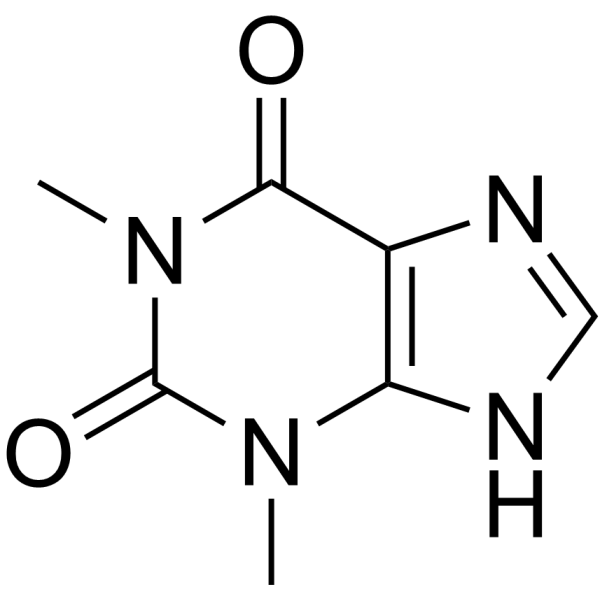
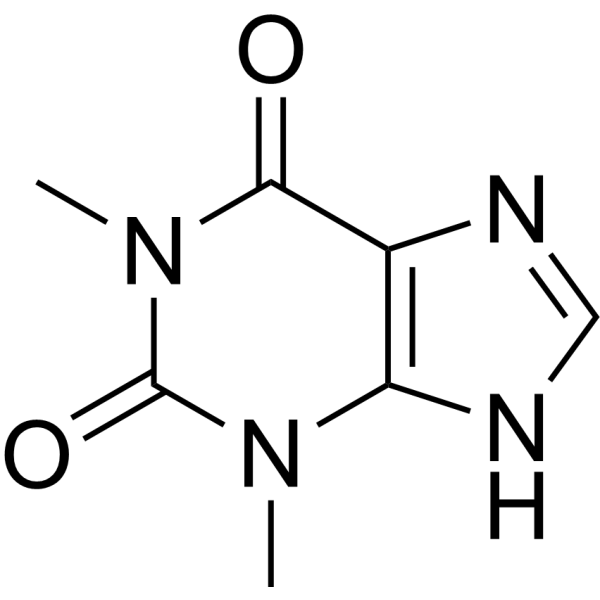
  • HY-B0809
    Theophylline
    Maximum Cited Publications
    12 Publications Verification

    1,3-Dimethylxanthine; Theo-24

    Phosphodiesterase (PDE) Adenosine Receptor HDAC Apoptosis Interleukin Related TNF Receptor Endogenous Metabolite Infection Neurological Disease Inflammation/Immunology Cancer
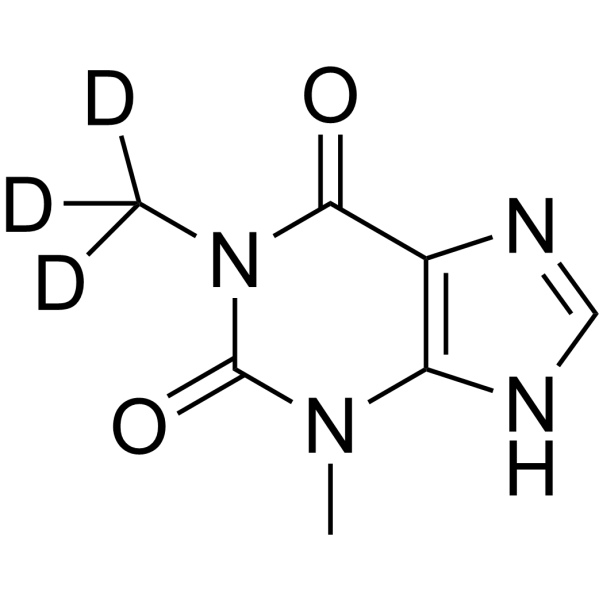
    Theophylline (1,3-Dimethylxanthine) is a potent phosphodiesterase (PDE) inhibitor, adenosine receptor antagonist, and histone deacetylase (HDAC) activator. Theophylline (1,3-Dimethylxanthine) inhibits PDE3 activity to relax airway smooth muscle. Theophylline (1,3-Dimethylxanthine) has anti-inflammatory activity by increase IL-10 and inhibit NF-κB into the nucleus. Theophylline (1,3-Dimethylxanthine) induces apoptosis. Theophylline (1,3-Dimethylxanthine) can be used for asthma and chronic obstructive pulmonary disease (COPD) research .
    Theophylline
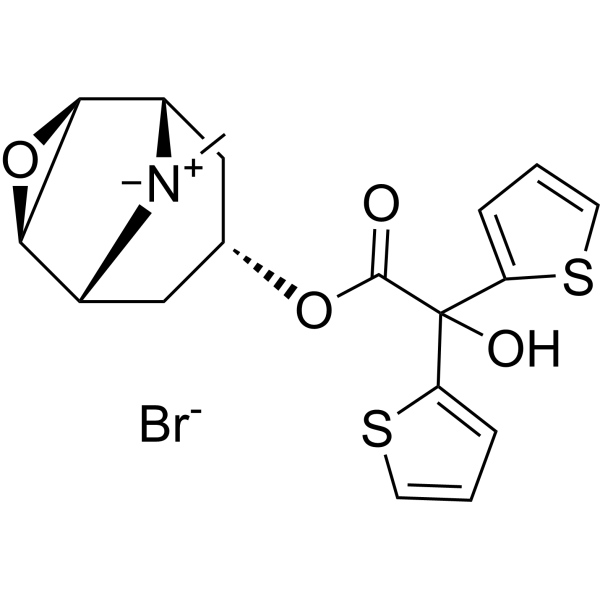
  • HY-17360
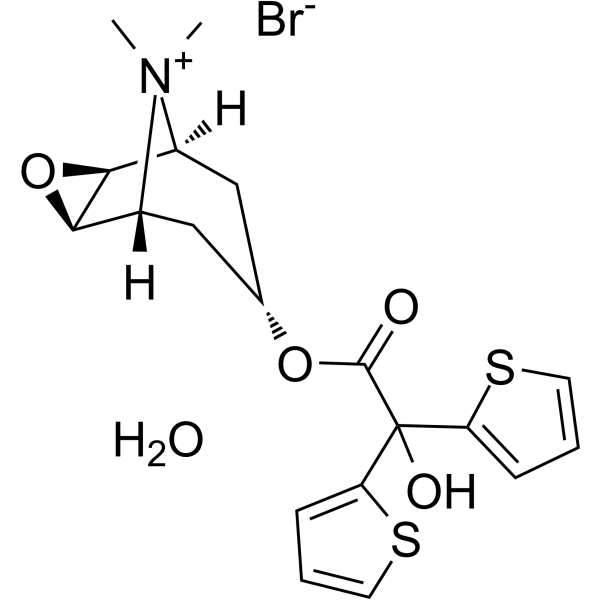
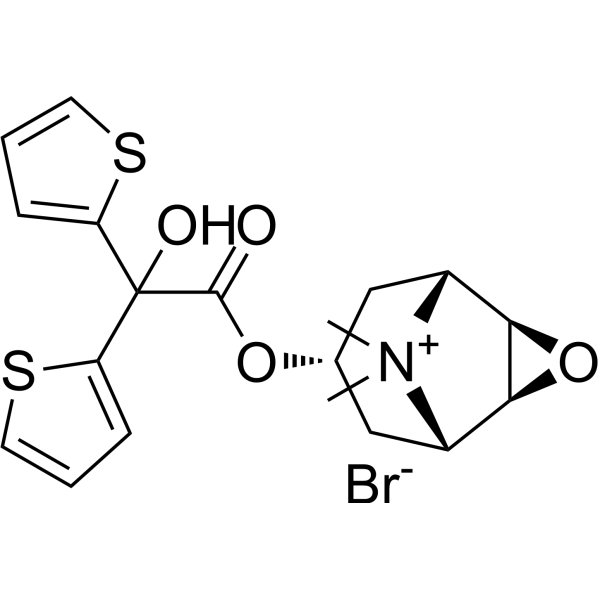
    Tiotropium Bromide
    2 Publications Verification

    BA679 BR

    mAChR Inflammation/Immunology
    Tiotropium bromide (BA-679 BR) is a long-acting anticholinergic bronchodilator. Tiotropium bromide blocks the action of acetylcholine at muscarinic M1, M2, and M3 receptors, prevents bronchoconstriction, and dilates bronchial airways. Tiotropium bromide is applicable to research related to chronic obstructive pulmonary disease and asthma .
    Tiotropium Bromide
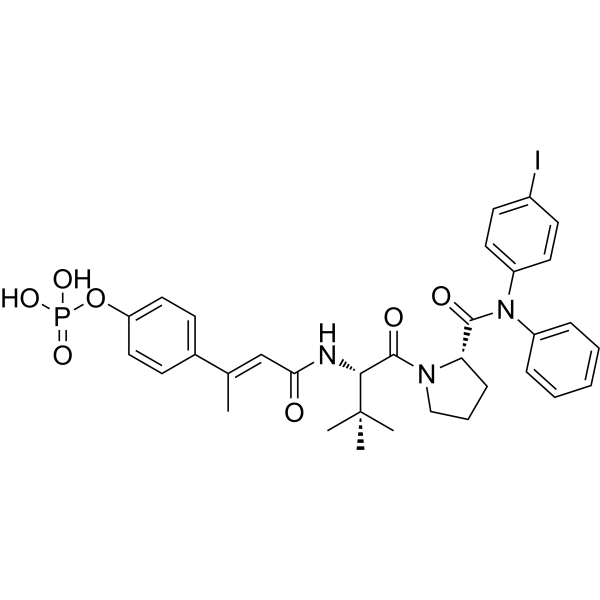
  • HY-148096
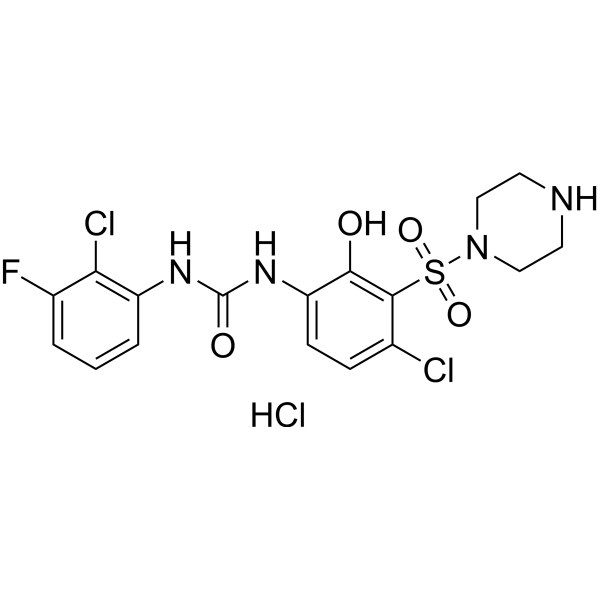
    STAT6-IN-1
    1 Publications Verification

    STAT Inflammation/Immunology Cancer
    STAT6-IN-1 (Compound 19a) is a STAT6 inhibitor with a high affinity for the SH2 domain of STAT6 (IC50=0.028 µM). STAT6-IN-1 can be used in studies of allergic lung disease, allergic rhinitis, chronic obstructive pulmonary disease or cancer .
    STAT6-IN-1
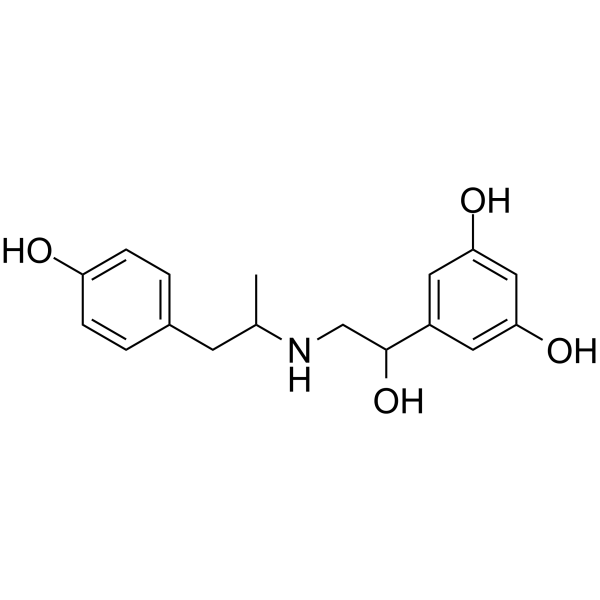
  • HY-B0976

    Th-1165; Phenoterol

    Adrenergic Receptor Inflammation/Immunology Endocrinology
    Fenoterol (Th-1165), a sympathomimetic agent, is a selective and orally active β2-adrenoceptor agonist. Fenoterol is an effective bronchodilator and can be used for bronchospasm associated with asthma, bronchitis and other obstructive airway diseases research .
    Fenoterol
  • HY-B0976A

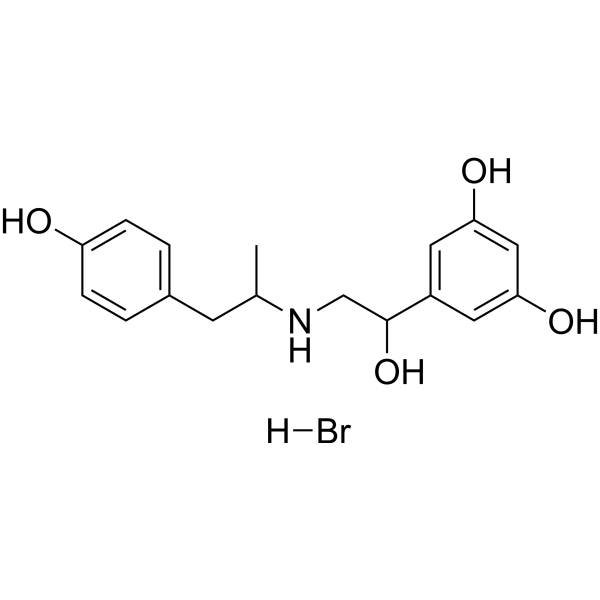
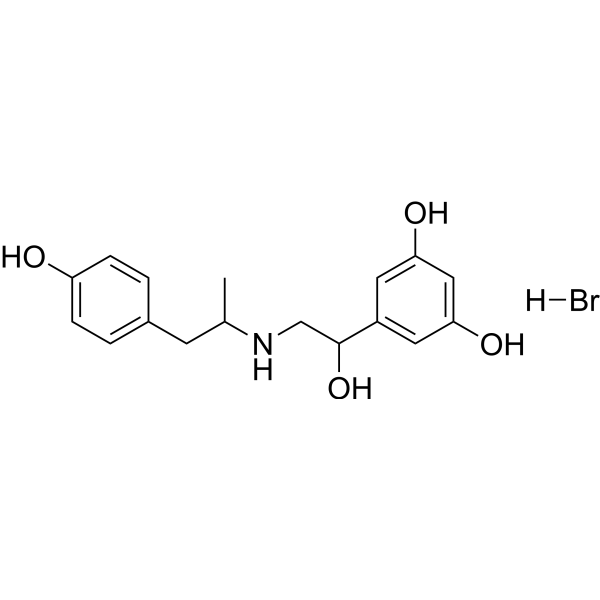
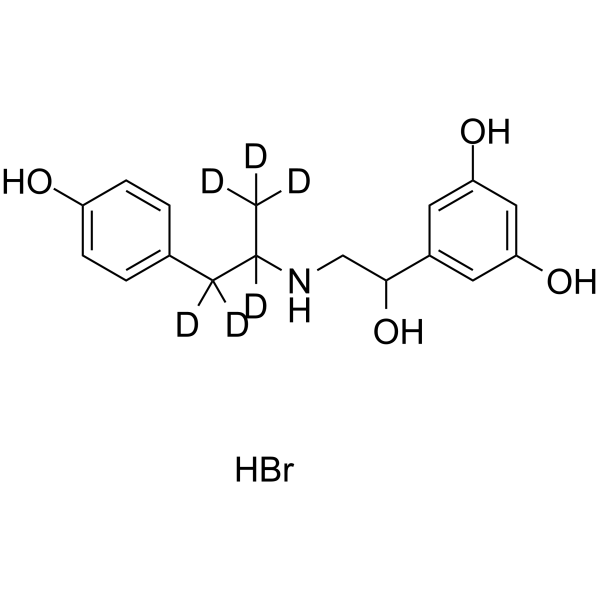
    Th-1165a; Phenoterol hydrobromide

    Adrenergic Receptor Inflammation/Immunology Endocrinology
    Fenoterol hydrobromide (Th-1165a), a sympathomimetic agent, is a selective and orally active β2-adrenoceptor agonist. Fenoterol hydrobromide is an effective bronchodilator and can be used for bronchospasm associated with asthma, bronchitis and other obstructive airway diseases research .
    Fenoterol hydrobromide
  • HY-P99673
    Itepekimab
    1 Publications Verification

    REGN-3500; SAR-440340

    Interleukin Related NF-κB Inflammation/Immunology
    Itepekimab (REGN-3500) is an IgG4 monoclonal antibody against IL-33. Itepekimab reduced airway inflammation and related tissue damage in preliminary clinical studies. Itepekimab has potential effects in asthma, chronic obstructive pulmonary disease (COPD), and atopic dermatitis (AD) .
    Itepekimab
  • HY-19979
    RCM-1
    5+ Cited Publications

    DNA/RNA Synthesis Cancer
    RCM-1 is a forkhead box M1 (FOXM1) inhibitor with an EC50 of 0.72 μM in U2OS cells. RCM-1 blocks the nuclear localization and increased the proteasomal degradation of FOXM1. RCM-1 can be used for asthma and other chronic airway diseases research .
    RCM-1
  • HY-113063
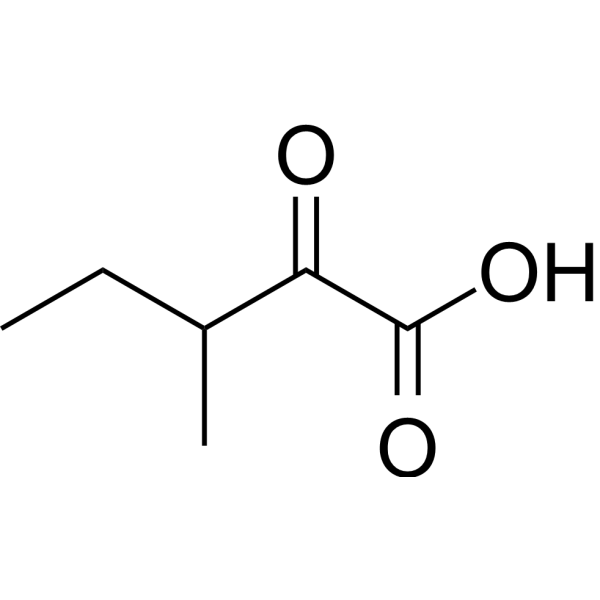
    3-Methyl-2-oxovaleric acid
    3 Publications Verification

    Endogenous Metabolite Metabolic Disease
    3-Methyl-2-oxovaleric acid is a degradation product from Isoleucine. 3-Methyl-2-oxovaleric acid is a biomarker of mustard airway diseases (MADs) and uric acid stone .
    3-Methyl-2-oxovaleric acid
  • HY-156963

    FP-025

    MMP Inflammation/Immunology
    Aderamastat (FP-025) is an orally active, selective MMP-12 inhibitor. Aderamastat provides protection against house dust mite (HDM)-sensitized allergic asthma. Aderamastat can be used in the research of respiratory diseases, including chronic inflammatory airway diseases and pulmonary fibrosis .
    Aderamastat
  • HY-117037
    FR900359
    4 Publications Verification

    Apoptosis ERK Cardiovascular Disease Cancer
    FR900359 is a depsipeptide selective inhibitor of q/11/14 in mammalia, can inhibits ERK pathway. FR900359 suppresses the proliferation of melanoma cells and decreases of blood pressure. FR900359 also protected against airway hyperreactivity in murine models of allergen sensitization in Ovalbumin, low endotoxin (HY-W250978A)-induced sensitization model of asthma. FR900359 can be used for cancer and cardiovascular disease research .
    FR900359
  • HY-B0010
    Formoterol fumarate
    5+ Cited Publications

    (±)Formoterol fumarate

    Adrenergic Receptor Inflammation/Immunology
    Formoterol fumarate ((±)Formoterol fumarate) is a selective β2-adrenoceptor agonist. Formoterol fumarate is at least as β2-adrenoceptor selective as Salbutamol (HY-B1037) and Terbutaline (HY-B0802A). Formoterol fumarate abolishs the contraction induced by Acetylcholine in bronchioles. Formoterol fumarate can be used for the research of chronic obstructive pulmonary disease and bronchial asthma .
    Formoterol fumarate
  • HY-N3519
    Platycodin D3
    1 Publications Verification

    HCV Branched Chain Amino Acid Transaminase (BCAT) Interleukin Related NF-κB ERK p38 MAPK JNK Infection Inflammation/Immunology
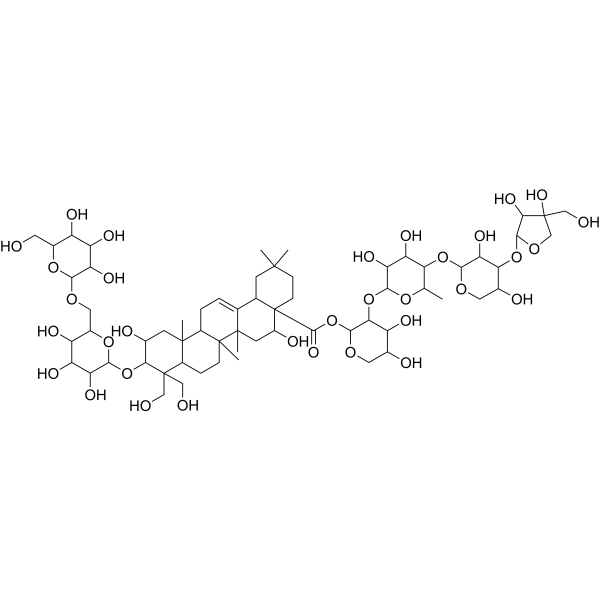
    Platycodin D3 is a triterpenoid saponin that can be found in Platycodon grandiflorum. Platycodin D3 exhibits multiple activities including anti-inflammation, regulation of airway mucus secretion, improvement of asthmatic airway inflammation and remodeling, and inhibition of hepatitis C virus (HCV) replication. The IC50 value of Platycodin D3 against HCV NS5B RNA-dependent RNA polymerase is 8 μg/mL. Platycodin D3 can be used in studies related to asthma, hepatitis C virus infection and inflammatory diseases .
    Platycodin D3
  • HY-112726
    PXS-4728A
    1 Publications Verification

    BI-1467335

    Monoamine Oxidase Inflammation/Immunology
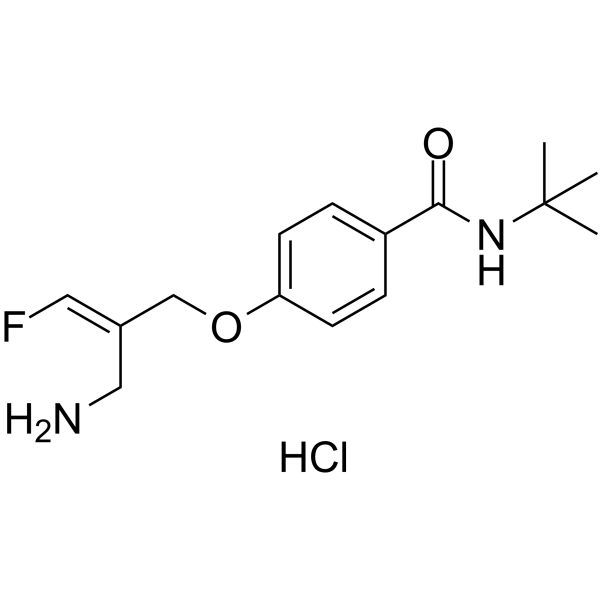
    PXS-4728A (BI-1467335) is a potent and orally active semicarbazide-sensitive amine oxidase (SSAO) inhibitor. PXS-4728A inhibits airway inflammation. PXS-4728A has the potential for the research of chronic obstructive pulmonary disease (COPD) .
    PXS-4728A
  • HY-134771
    YM-341619
    1 Publications Verification

    AS1617612

    STAT Inflammation/Immunology
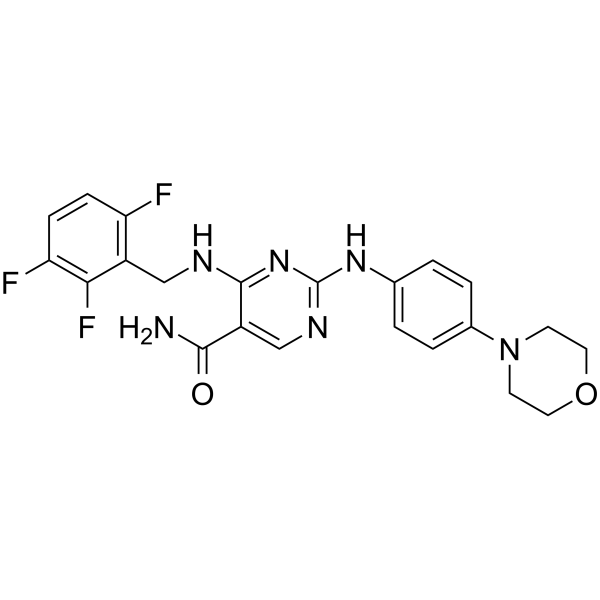
    YM-341619 (AS1617612) is a potent and orally active STAT6 inhibitor with an IC50 of 0.70 nM. YM-341619 inhibits Th2 differentiation in mouse spleen T cells induced by IL-4 (IC50=0.28 nM) without affecting Th1 cell differentiation . YM-341619 is a promising compound for the the research of allergic diseases, such as allergic asthma .
    YM-341619
  • HY-N0863

    NSC-698790; Smilax saponin B

    Bcl-2 Family Apoptosis Akt c-Myc ERK p38 MAPK JNK FOXO Cancer
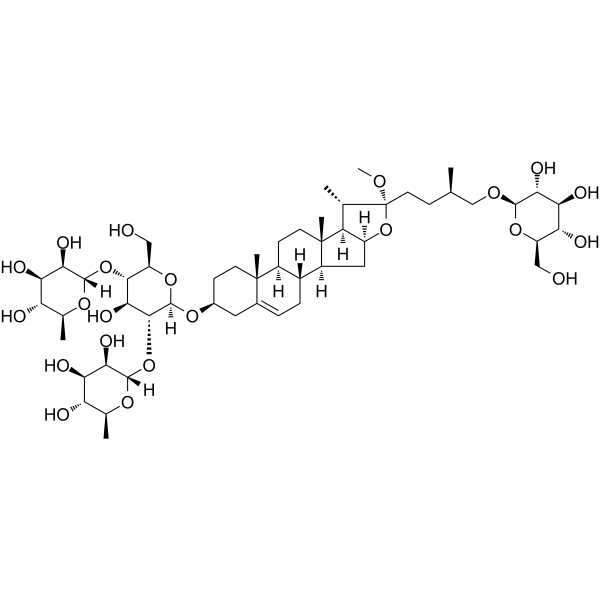
    Methyl protodioscin (NSC-698790; Smilax saponin B) is a multi-target, selective, steroidal diglycoside inhibitor with antitumor activity that induces cell cycle arrest. The mechanism of action of Methyl protodioscin is complex, involving the induction of G2/M cell cycle arrest, regulation of the Bcl-2/Bax apoptotic pathway, inhibition of the Akt1/c-Myc axis and MAPK/ERK signaling, while simultaneously downregulating ADAM15 and inducing FOXO1 to reduce cholesterol synthesis. It also inhibits the JNK/c-Jun pathway, reducing the production of inflammatory factors (IL-6, TNF-α). Methyl protodioscin exhibits significant antitumor (inhibiting proliferation, migration, invasion, and inducing apoptosis), anti-inflammatory, and anti-restenosis activities. Methyl protodioscin can be used in research on lung cancer, prostate cancer, pancreatic cancer, and other tumors, as well as inflammatory diseases such as airway inflammation and enteritis .
    Methyl protodioscin
  • HY-W017386
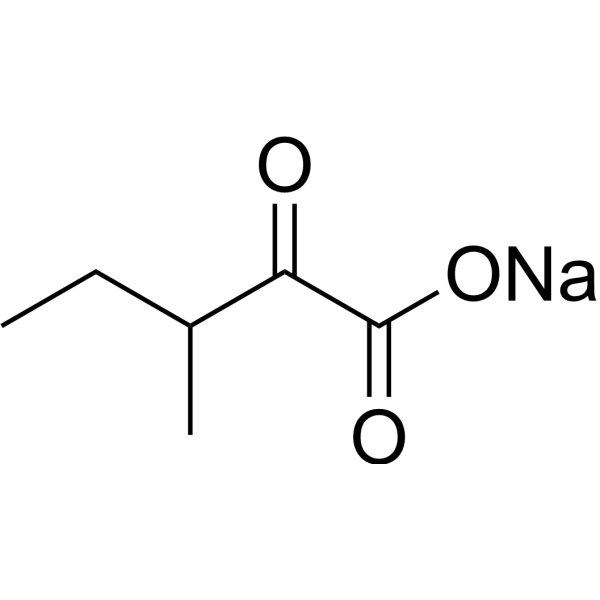
    3-Methyl-2-oxovaleric acid sodium
    3 Publications Verification

    Endogenous Metabolite Metabolic Disease
    3-Methyl-2-oxovaleric acid sodium is a degradation product from Isoleucine. 3-Methyl-2-oxovaleric acid sodium is a biomarker of mustard airway diseases (MADs) and uric acid stone .
    3-Methyl-2-oxovaleric acid sodium
  • HY-P99244

    ILV 094

    Interleukin Related JAK STAT Caspase Bcl-2 Family Inflammation/Immunology
    Fezakinumab (ILV 094) is an anti-IL-22 monoclonal antibody. Fezakinumab inhibits IL-22 signal transduction, and regulates the JAK1/STAT3 pathway as well as apoptotic proteins. Fezakinumab alleviates airway remodeling, alveolar enlargement and inflammatory cell infiltration in lung tissues. Fezakinumab reduces the levels of neutrophils, lymphocytes, eosinophils and macrophages in lung tissues. Fezakinumab can be used in the research of chronic obstructive pulmonary disease and skin diseases .
    Fezakinumab
  • HY-19393

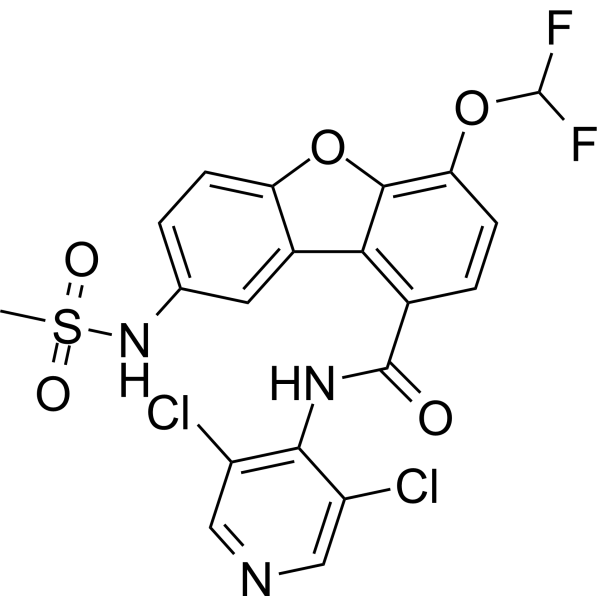
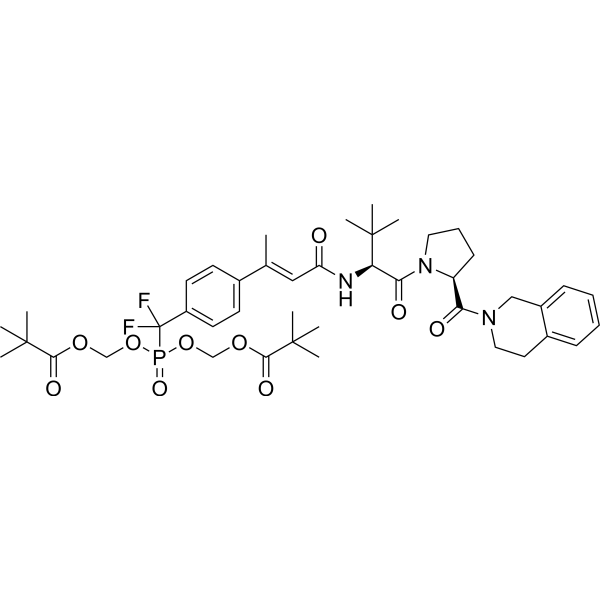
    Phosphodiesterase (PDE) Cardiovascular Disease Inflammation/Immunology Cancer
    SCH 351591 is a highly selective, orally active PDE4 inhibitor, with IC50 values of 58 nM and 153 nM in humans and rats, respectively. SCH 351591 effectively inhibits pathological processes such as cytokine production, eosinophilia, airway hyperresponsiveness and bronchospasm. SCH 351591 also induces microvascular injury, activates mast cells and endothelial cells, and causes increases in serum histamine and various inflammatory factors, leading to early vascular damage. SCH 351591 has been widely used in studies related to asthma, chronic obstructive pulmonary disease and drug-induced vascular injury .
    SCH 351591
  • HY-P990094

    CSL311

    c-Fms Inflammation/Immunology
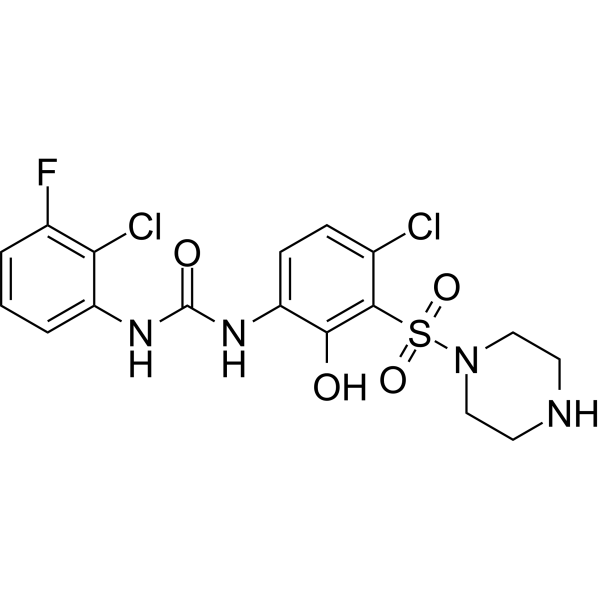
    Trabikibart (CSL311) is a specific inhibitor targeting the βc receptor (CSF2RB) that inhibits signal transduction mediated by GM-CSF, IL-5, and IL-3. Trabikibart exhibits significant anti-inflammatory and anti-edema effects, reduces myeloid cell infiltration, and inhibits inflammatory cell survival. Trabikibart also possesses antiviral immune functions, which alleviate pulmonary inflammation, reverse airway dysfunction and fibrosis, and thereby restore impaired pulmonary function. Trabikibart can be used in research on related diseases such as acute respiratory distress syndrome, viral pneumonia, asthma, and chronic rhinosinusitis with nasal polyps .
    Trabikibart
  • HY-N0081

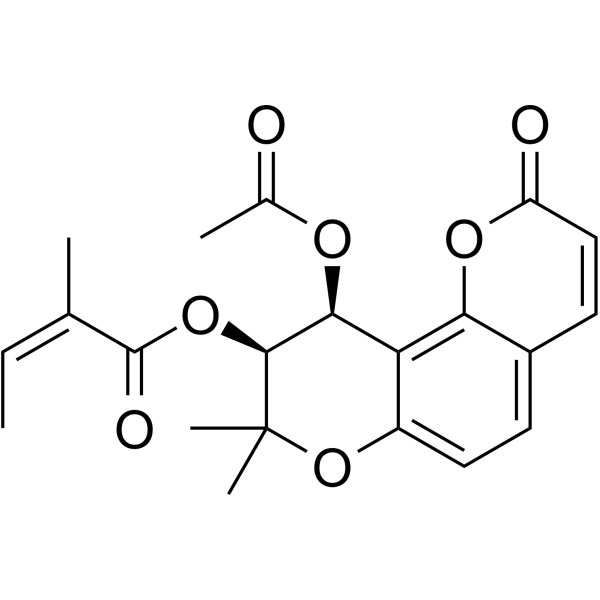
    Calcium Channel NF-κB Interleukin Related Cardiovascular Disease Inflammation/Immunology
    (±)-Praeruptorin A, a coumarin compound, is the main bioactive component in Peucedani Radix. As a calcium channel blocker, (±)-Praeruptorin A exhibits great antihypertensive effects. In addition, (±)-Praeruptorin A also has the effects of relaxing vascular smooth muscle, inhibiting airway inflammation and airway hyperresponsiveness. (±)-Praeruptorin A can be used for the research of allergic asthma, hypertension and other diseases .
    (±)-Praeruptorin A
  • HY-15178

    GRC 3886

    Phosphodiesterase (PDE) Inflammation/Immunology
    Oglemilast (GRC 3886) is a potent and orally active phosphodiesterase-4 (PDE4) inhibitor with an IC50 of 0.5 nM for PDE4D3. Oglemilast inhibits pulmonary cell infiltration, including eosinophilia and neutrophilia in vitro and in vivo. Oglemilast has the potential for inflammatory airway diseases .
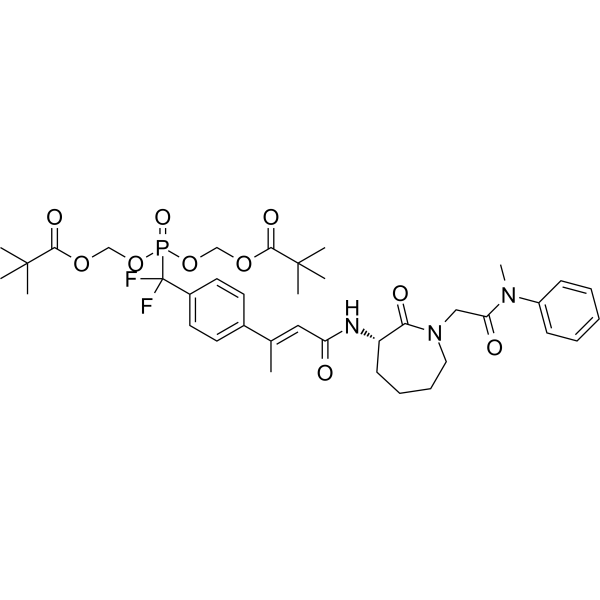
    Oglemilast
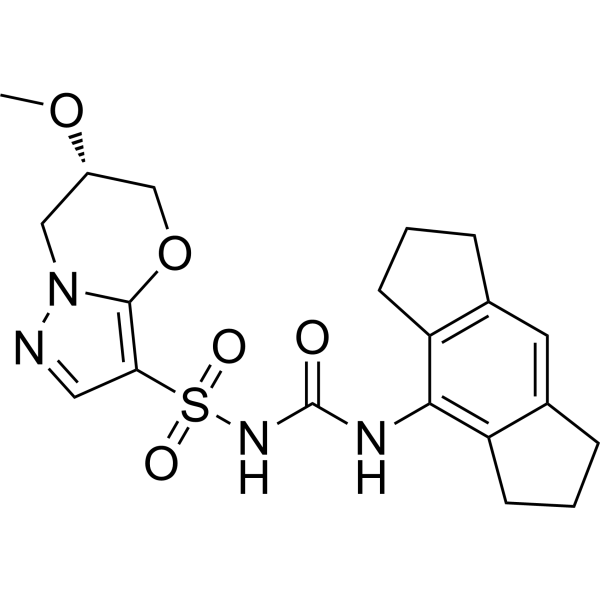
  • HY-149478

    NOD-like Receptor (NLR) Pyroptosis Inflammation/Immunology
    JT002 is an orally active and selective NLRP3 inflammasome assembly inhibitor. JT002 reduces NLRP3-dependent proinflammatory cytokine (such as IL-1β, IL-1α, IL-18) production and pyroptosis. JT002 blocks NLRP3 inflammasome complex formation. JT002 reduces airway hyperresponsiveness and airway neutrophilia in mice. JT002 can be used for the study of a variety of inflammatory diseases, such as Muckle-Wells syndrome (MWS) .
    JT002
  • HY-B0460
    Tiotropium bromide monohydrate
    2 Publications Verification

    BA-679 BR monohydrate

    mAChR Inflammation/Immunology
    Tiotropium bromide monohydrate (BA-679 BR monohydrate) is a long-acting anticholinergic bronchodilator. Tiotropium bromide monohydrate blocks the action of acetylcholine at muscarinic M1, M2, and M3 receptors, prevents bronchoconstriction, and dilates bronchial airways. Tiotropium bromide monohydrate is applicable to research related to chronic obstructive pulmonary disease and asthma .
    Tiotropium bromide monohydrate
  • HY-W011733
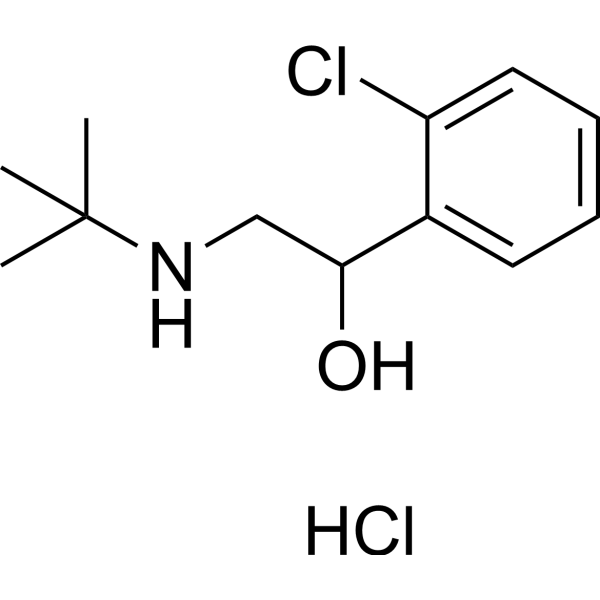
    Tulobuterol hydrochloride
    2 Publications Verification

    C-78

    Adrenergic Receptor Influenza Virus Antibiotic Infection Inflammation/Immunology Endocrinology
    Tulobuterol hydrochloride (C-78) is a long-acting β2-adrenoceptor agonist, which reduces the frequency of exacerbations of chronic obstructive pulmonary disease and bronchial asthma. Tulobuterol hydrochloride is also a sympathomimetic agent used as a transdermal patch, increases normal diaphragm muscle strength . Tulobuterol hydrochloride inhibit rhinovirus replication and modulate airway inflammation .
    Tulobuterol hydrochloride
  • HY-17360S1

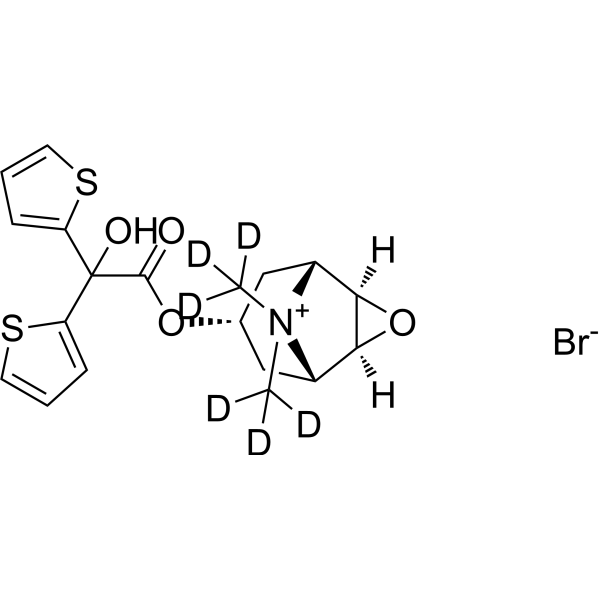
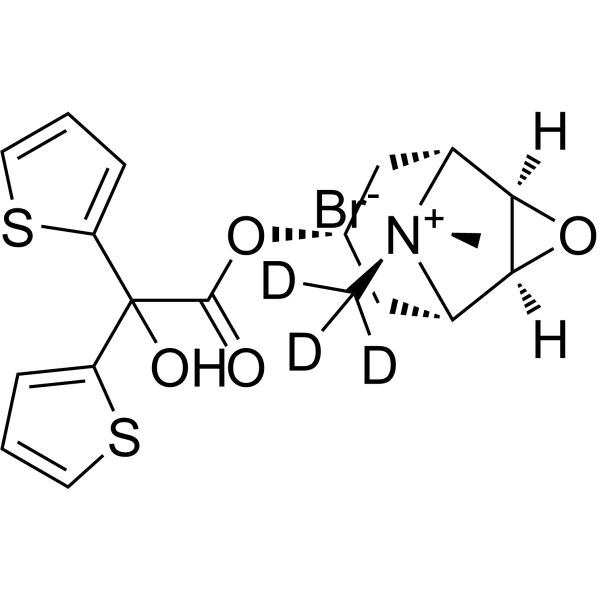
    BA679 BR-d6

    Isotope-Labeled Compounds mAChR Neurological Disease
    Tiotropium-d6 (bromide) is deuterium labeled Tiotropium (Bromide). Tiotropium bromide (BA-679 BR) is a long-acting anticholinergic bronchodilator. Tiotropium bromide blocks the action of acetylcholine at muscarinic M1, M2, and M3 receptors, prevents bronchoconstriction, and dilates bronchial airways. Tiotropium bromide is applicable to research related to chronic obstructive pulmonary disease and asthma .
    Tiotropium-d6 bromide
  • HY-148092

    STAT Inflammation/Immunology Cancer
    PM-43I is a potent STAT6 inhibitor and can reduce STAT6 phosphorylation level. PM-43I can be used in allergic lung disease, allergic rhinitis, chronic pulmonary obstructive disease and cancer research [1].
    PM-43I
  • HY-108464A

    Sodium Channel TRP Channel Metabolic Disease Inflammation/Immunology
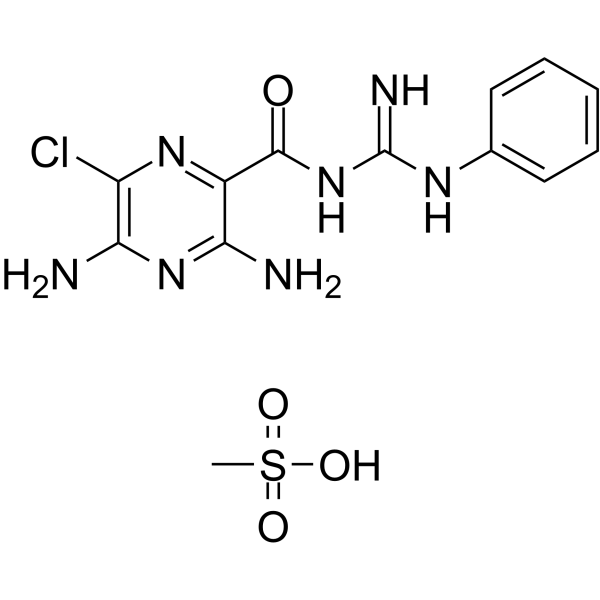
    Phenamil methanesulfonate, an analog of Amiloride (HY-B0285), is a more potent and less reversible epithelial sodium channel (ENaC) blocker with an IC50 of 400 nM . Phenamil methanesulfonate is also a competive inhibitor of TRPP3 and inhibits TRPP3-mediated Ca 2+ transport with an IC50 of 140 nM in a Ca 2+ uptake assay . Phenamil methanesulfonate is an intriguing small molecule to promote bone repair by strongly activating BMP signaling pathway . Phenamil methanesulfonate is used for the research of cystic fibrosis lung disease .
    Phenamil methanesulfonate
  • HY-B0809A
    Theophylline monohydrate
    5+ Cited Publications

    1,3-Dimethylxanthine monohydrate; Theo-24 monohydrate

    Phosphodiesterase (PDE) Adenosine Receptor HDAC Apoptosis Interleukin Related TNF Receptor Cancer
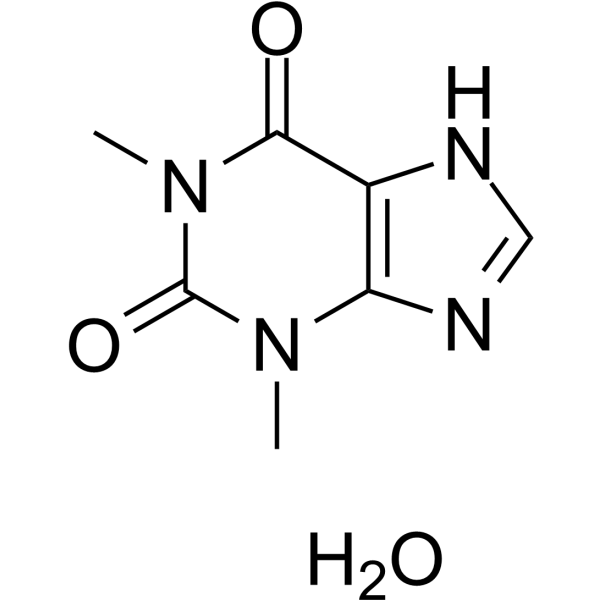
    Theophylline (1,3-Dimethylxanthine) monohydrate is a potent phosphodiesterase (PDE) inhibitor, adenosine receptor antagonist, and histone deacetylase (HDAC) activator. Theophylline (1,3-Dimethylxanthine) monohydrate inhibits PDE3 activity to relax airway smooth muscle. Theophylline (1,3-Dimethylxanthine) monohydrate has anti-inflammatory activity by increase IL-10 and inhibit NF-κB into the nucleus. Theophylline (1,3-Dimethylxanthine) monohydrate induces apoptosis. Theophylline (1,3-Dimethylxanthine) monohydrate can be used for asthma and chronic obstructive pulmonary disease (COPD) research .
    Theophylline monohydrate
  • HY-18263C

    SB-656933 tosylate

    CXCR Interleukin Related Inflammation/Immunology
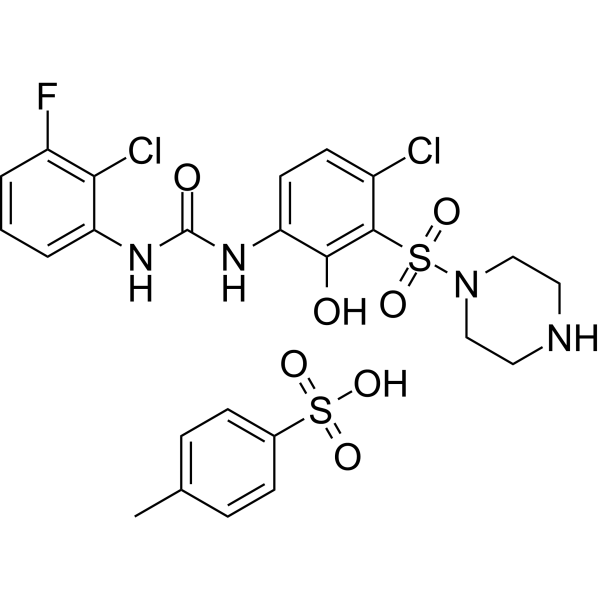
    Elubrixin tosylate (SB-656933 tosylate) is a potent, selective, competitive, reversible and orally active CXCR2 antagonist and an IL-8 receptor antagonist. Elubrixin tosylate inhibits neutrophil CD11b upregulation (IC50 of 260.7 nM) and shape change (IC50 of 310.5 nM). Elubrixin tosylate has the potential for inflammatory diseases research, such as inflammatory bowel disease and airway inflammation .
    Elubrixin tosylate
  • HY-113063R

    Reference Standards Endogenous Metabolite Metabolic Disease
    3-Methyl-2-oxovaleric acid (Standard) is the analytical standard of 3-Methyl-2-oxovaleric acid (HY-113063). This product is intended for research and analytical applications. 3-Methyl-2-oxovaleric acid is a degradation product from Isoleucine. 3-Methyl-2-oxovaleric acid is a biomarker of mustard airway diseases (MADs) and uric acid stone.
    3-Methyl-2-oxovaleric acid (Standard)
  • HY-12093A

    Drug Isomer MMP Cadherin Inflammation/Immunology
    (R)-MMP408 is an isomer of MMP408 (HY-12093). MMP408 is an orally active MMP-12 inhibitor (IC50=2.0 nM for hMMP-12) that effectively interferes with the epithelial-mesenchymal transition (EMT) process. MMP408 significantly upregulates the expression of E-cadherin in nasal epithelial cells, while inhibiting mesenchymal markers such as vimentin, α-smooth muscle actin and fibronectin, thereby reversing the EMT phenotype. MMP408 is used in studies of airway remodeling-related diseases, including chronic rhinosinusitis with nasal polyps, chronic obstructive pulmonary disease (COPD) and asthma .
    (R)-MMP408
  • HY-16363

    PG 490-88

    Apoptosis TGF-β Receptor NF-κB Interleukin Related IFNAR TNF Receptor Inflammation/Immunology
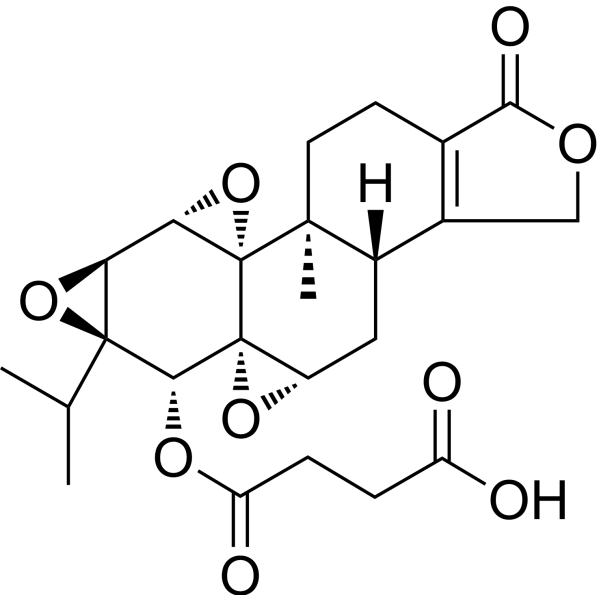
    Omtriptolide (PG490-88) is a derivative proagent of triptolide purified from the Chinese herb.
    Omtriptolide
  • HY-148093

    STAT Inflammation/Immunology Cancer
    PM-81I is a potent STAT6 inhibitor (targeting the SH2 structural domain) that effectively reduces STAT6 phosphorylation levels. PM-81I can be used in studies of allergic lung disease, allergic rhinitis, chronic obstructive pulmonary disease or cancer [1].
    PM-81I
  • HY-P991278

    Interleukin Related Inflammation/Immunology
    ABM-125 is a IL-25 neutralizer and immune response modulator. ABM-125 neutralizes human and mouse IL-25 and blocks type 2 immune activation function. ABM-125 regulates virus-induced inflammatory cytokine expression and increases the expression level of antiviral interferons in rhinovirus-infected asthmatic bronchial epithelial cells. For the isotype control of ABM-125, refer to Human IgG1 kappa, Isotype Control (HY-P99001). ABM-125 is applicable to research related to virus-induced acute asthma exacerbations .
    ABM-125
  • HY-108047

    Phosphodiesterase (PDE) Metabolic Disease Inflammation/Immunology
    MK-0873 is a selective phosphodiesterase-4 (PDE4) inhibitor. MK-0873 increases intracellular levels of cyclic adenosine phosphate (cAMP) by inhibiting the activity of the PDE4 enzyme and subsequently activates protein kinase A (PKA). Activated PKA inhibits the activity of inflammatory cells and leads to direct relaxation of airway smooth muscle. MK-0873 can be used in studies of chronic obstructive pulmonary disease (COPD) .
    MK-0873
  • HY-12463A

    Adrenergic Receptor Inflammation/Immunology
    Carmoterol is a highly potent and selective long-acting β2-adrenergic receptor agonist with a pEC50 of 10.19. Carmoterol shows 53-fold higher affinity for β2-adrenergic receptors than for β1-adrenergic receptors. Carmoterol stimulates cyclic adenosine monophosphate accumulation, induces airway smooth muscle relaxation, inhibits bronchoconstriction, reduces thromboxane B2 release, and prolongs survival time. Carmoterol can be used in research related to asthma and chronic obstructive pulmonary disease (COPD) .
    Carmoterol
  • HY-B0809R
    Theophylline (Standard)
    5+ Cited Publications

    1,3-Dimethylxanthine(Standard); Theo-24 (Standard)

    Reference Standards Phosphodiesterase (PDE) Adenosine Receptor HDAC Apoptosis Interleukin Related TNF Receptor Endogenous Metabolite Cancer
    Theophylline (Standard) is the analytical standard of Theophylline. This product is intended for research and analytical applications. Theophylline (1,3-Dimethylxanthine) is a potent phosphodiesterase (PDE) inhibitor, adenosine receptor antagonist, and histone deacetylase (HDAC) activator. Theophylline (1,3-Dimethylxanthine) inhibits PDE3 activity to relax airway smooth muscle. Theophylline (1,3-Dimethylxanthine) has anti-inflammatory activity by increase IL-10 and inhibit NF-κB into the nucleus. Theophylline (1,3-Dimethylxanthine) induces apoptosis. Theophylline (1,3-Dimethylxanthine) can be used for asthma and chronic obstructive pulmonary disease (COPD) research .
    Theophylline (Standard)
  • HY-Y1269D

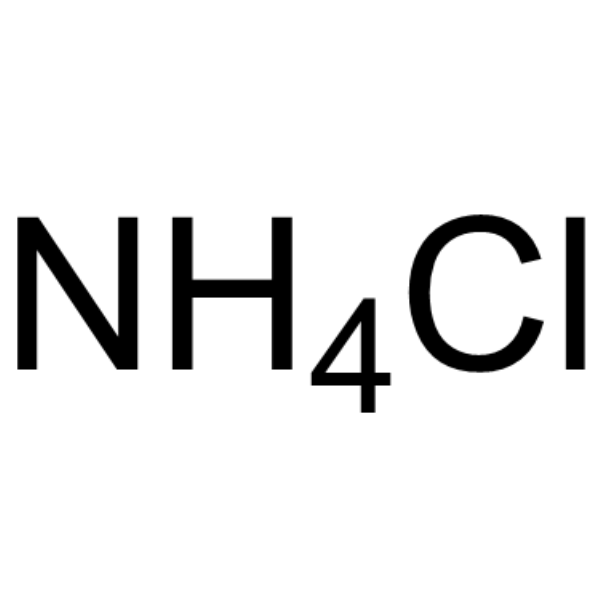
    Salmiac, for molecular biology

    TGF-beta/Smad Apoptosis Chloride Channel Neurological Disease Cancer
    Ammonium chloride (Salmiac), for molecular biology is an inhibitor of Slc26a4 and SMAD2. Ammonium chloride, for molecular biology reduces the protein expression level of Slc26a4 in lung tissue, and attenuates ozone-induced increases in proinflammatory cytokines, inflammatory cells, pulmonary resistance, goblet cell hyperplasia, peribronchial inflammation and thiocyanate levels in mouse tissues and bronchoalveolar lavage fluid. Ammonium chloride, for molecular biology decreases the level of phosphorylated SMAD2, inhibits autophagy by reducing autophagy-related proteins, and enhances Cisplatin (HY-17394)-induced cancer cell apoptosis and DNA double-strand breaks. Ammonium chloride, for molecular biology also inhibits the TCA cycle, reduces ATP production, increases glucose utilization, regulates the levels of lactic acid, glutamic acid and ATP, and induces morphological degeneration of neuroblastoma cells. Ammonium chloride, for molecular biology can be used in studies related to ozone-induced airway injury, hepatocellular carcinoma, human cervical cancer, hepatic encephalopathy, Reye syndrome, epilepsy and neurodegenerative diseases .
    Ammonium chloride, for molecular biology
  • HY-W017386S

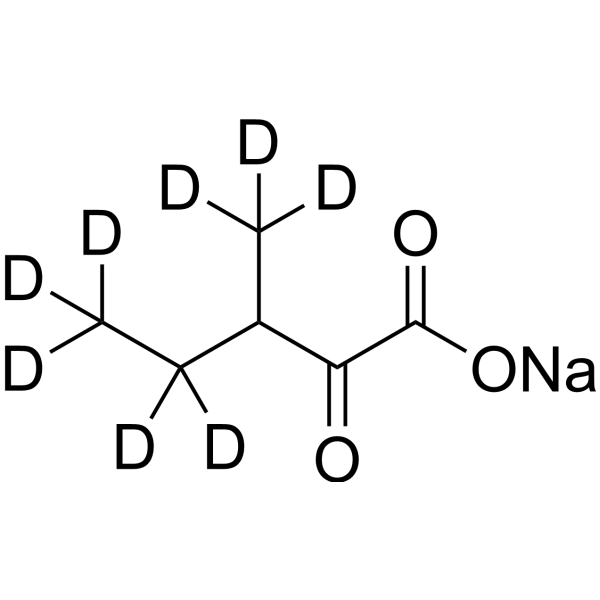
    Isotope-Labeled Compounds Endogenous Metabolite Metabolic Disease
    3-Methyl-2-oxovaleric acid-d8 sodium is the deuterium labeled 3-Methyl-2-oxovaleric acid. 3-Methyl-2-oxovaleric acid is a degradation product from Isoleucine. 3-Methyl-2-oxovaleric acid is a biomarker of mustard airway diseases (MADs) and uric acid stone .
    3-Methyl-2-oxovaleric acid-d8 sodium
  • HY-123801

    GL-II-93

    GABA Receptor Inflammation/Immunology
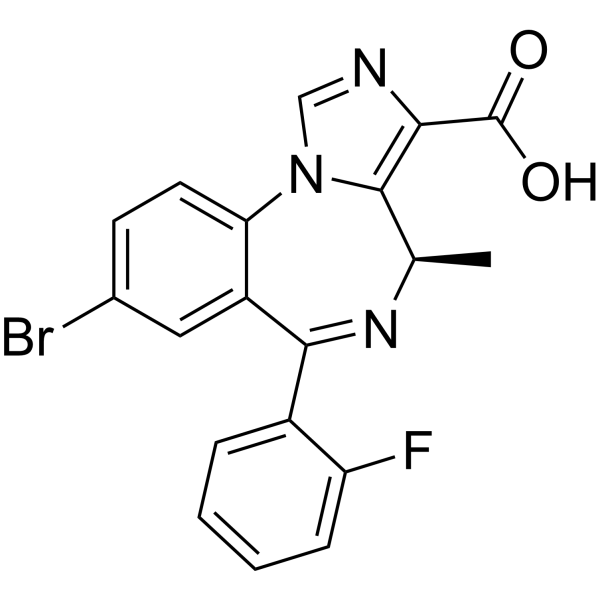
    MIDD0301 (GL-II-93) is an orally available, active γ-aminobutyric acid type A receptor (GABAAR) inhibitor and anti-asthmatic agent. MIDD0301 exhibits biological and immunotoxicological safety in mice and does not affect the number of circulating lymphocytes, monocytes, and granulocytes. MIDD0301 has no significant adverse immune response at repeated doses, which is better than Prednisone (HY-B0214). MIDD0301 relaxes histamine-contracted guinea pig and human airway smooth muscle and is used in the study of bronchoconstrictive diseases .
    MIDD0301
  • HY-155300

    Leukotriene Receptor Inflammation/Immunology
    BLT2 antagonist-1 (compound 15b) is a selective BLT2 antagonist that inhibits the chemotaxis of CHO-BLT2 cells with an IC50 of 224 nM. BLT2 antagonist-1 does not inhibits the chemotaxis of CHO-BLT1 cells. BLT2 antagonist-1 also inhibits the binding of LTB4 and BLT2 with a Ki value of 132 nM. BLT2 antagonist-1 can be used for the research of the inflammatory airway diseases such as asthma and chronic obstructive pulmonary disease .
    BLT2 antagonist-1
  • HY-107909

    1,3-Dimethylxanthine sodium glycinate; Theo-24 sodium glycinate

    Adenosine Receptor HDAC Apoptosis Interleukin Related TNF Receptor Cancer
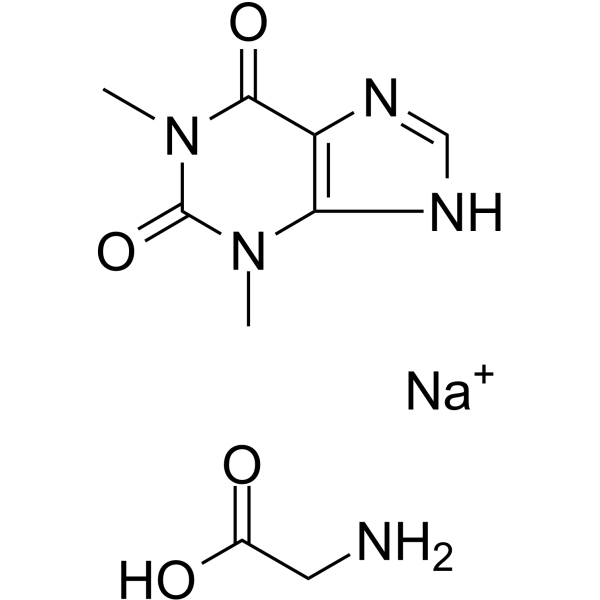
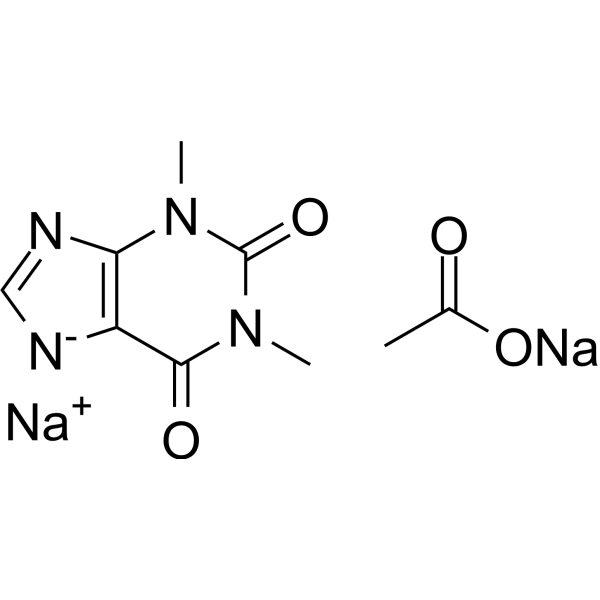
    Theophylline (1,3-Dimethylxanthine) sodium glycinate is a potent phosphodiesterase (PDE) inhibitor, adenosine receptor antagonist, and histone deacetylase (HDAC) activator. Theophylline sodium glycinate inhibits PDE3 activity to relax airway smooth muscle. Theophylline sodium glycinate has anti-inflammatory activity by increase IL-10 and inhibit NF-κB into the nucleus. Theophylline sodium glycinate induces apoptosis. Theophylline sodium glycinate can be used for asthma and chronic obstructive pulmonary disease (COPD) research .
    Theophylline sodium glycinate
  • HY-115877

    TRP Channel Others
    GDC-0334 is a selective TRPA1 antagonist. GDC-0334 inhibits TRPA1 function on airway smooth muscle and sensory neurons by decreasing cough and allergic airway inflammation in rats and guinea pigs. GDC-0334 can be used for TRPA1-mediated diseases research, such as pain or asthma .
    GDC-0334
  • HY-18263A

    SB-656933

    CXCR Interleukin Related Inflammation/Immunology
    Elubrixin (SB-656933) is a potent, selective, competitive, reversible and orally active CXCR2 antagonist and an IL-8 receptor antagonist. Elubrixin inhibits neutrophil CD11b upregulation (IC50 of 260.7 nM) and shape change (IC50 of 310.5 nM). Elubrixin has the potential for inflammatory diseases research, such as inflammatory bowel disease and airway inflammation .
    Elubrixin
  • HY-159860

    A10-Lin

    Liposome Others
    IR-117-17 is an ionizable cationic amino lipid, targeting conducting airways of the lung. IR-117-17 could be degraded via esterase cleavage and thus be unlikely to accumulate upon repeated dosing . It can be used in research related to diseases that manifest outside alveolar spaces.
    IR-117-17
  • HY-P3648

    AAPV-CMK

    Elastase Inflammation/Immunology
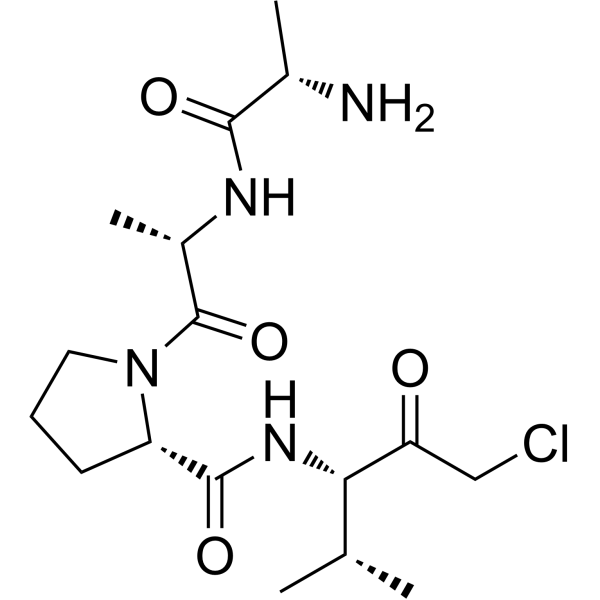
    Ala-Ala-Pro-Val-chloromethylketone is an irreversible human neutrophil elastase (NE) inhibitor for use in the study of chronic inflammatory airway diseases .
    Ala-Ala-Pro-Val-chloromethylketone
  • HY-177309

    mAChR Neurological Disease
    Muscarinic M3 receptor antagonist-1 (Example 4) is a muscarinic acetylcholine receptor M3 antagonist. Muscarinic M3 receptor antagonist-1 can be used to study inflammatory and obstructive airway diseases .
    Muscarinic M3 receptor antagonist-1
  • HY-117686

    Toll-like Receptor (TLR) Inflammation/Immunology
    AZ12441970 is a potent and selectiveToll-like receptor 7 (TLR7) agonist, exhibiting pEC50s of 6.8 and 6.6 for human and rat TLR7. AZ12441970 shows efficacy in a mouse allergic airway model with minimal induction of systemic IFN-α. AZ12441970 can be used for allergic airway disease research .
    AZ12441970
  • HY-107653

    mAChR Neurological Disease
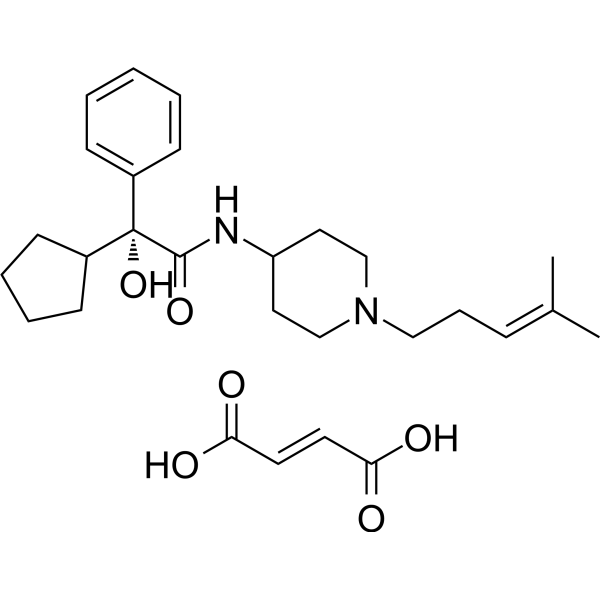
    J 104129 fumarate is a selective and orally active muscarinic M3 antagonist with Ki values of 4.2 nM and 490 nM for M3 and M2, respectively. J 104129 fumarate antagonized ACh-induced bronchoconstriction. J 104129 fumarate has the potential for the research of obstructive airway disease .
    J 104129 fumarate
  • HY-109094

    EC-18

    Toll-like Receptor (TLR) Inflammation/Immunology
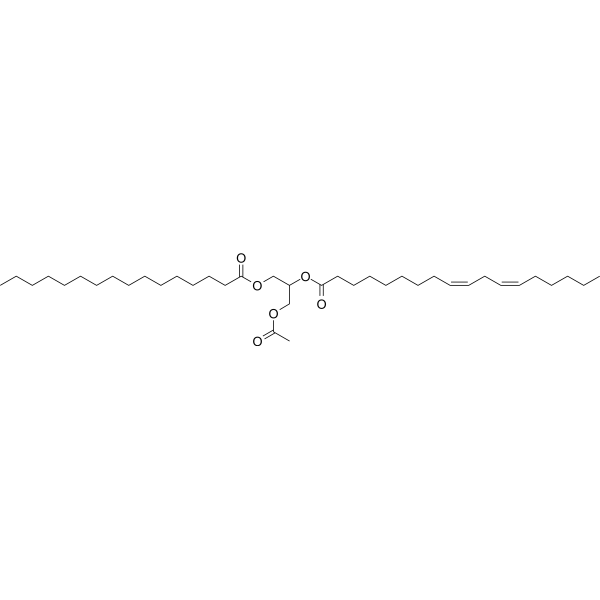
    Mosedipimod is a monoacetyldiaglyceride that can be isolated from Cervus nippon Temminck. Mosedipimod is an orally active Toll-Like Receptor signaling inhibitor. Mosedipimod attenuates airway infammation by reducing myeloperoxidase expression in lung tissue. Mosedipimod is used in chronic obstructive pulmonary disease research .
    Mosedipimod

온라인 문의

Your information is safe with us. * Required Fields.

호칭


Country or Region *

고객명 *


회사명 *

Department *


메일주소 *


상품명 *

Cat. No.


Requested quantity *

전화번호 *


비고

온라인 문의

Inquiry Information

상품명:
Cat. No.:
수량:
MCE Japan Authorized Agent: